1/8
How to get rid of damp
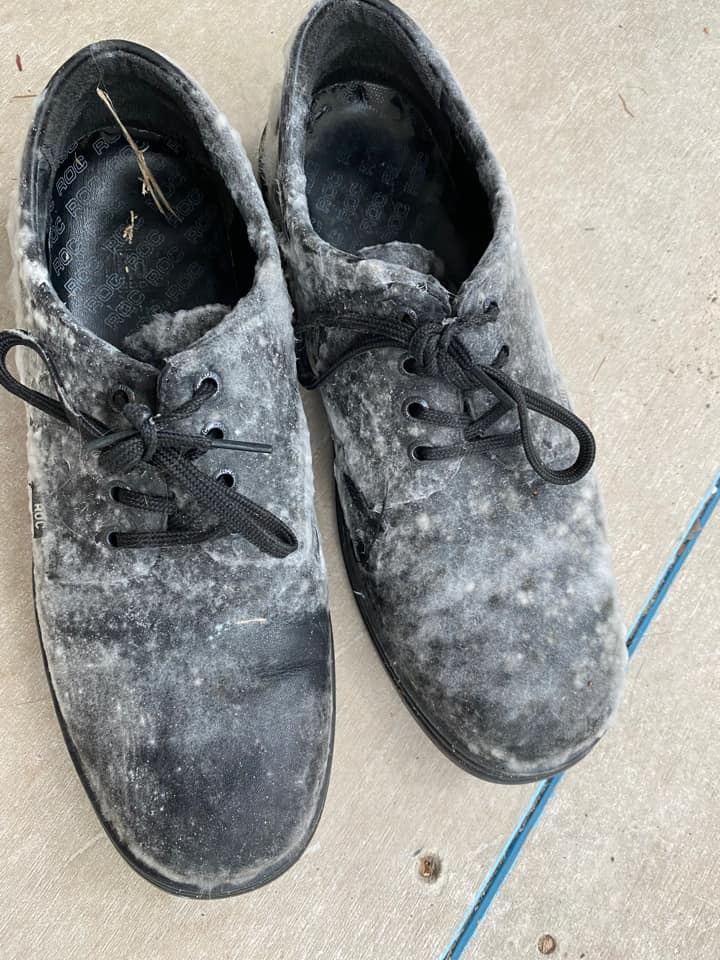
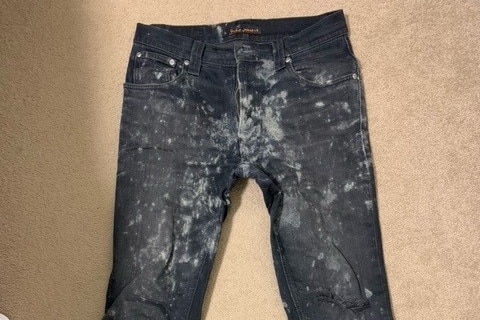
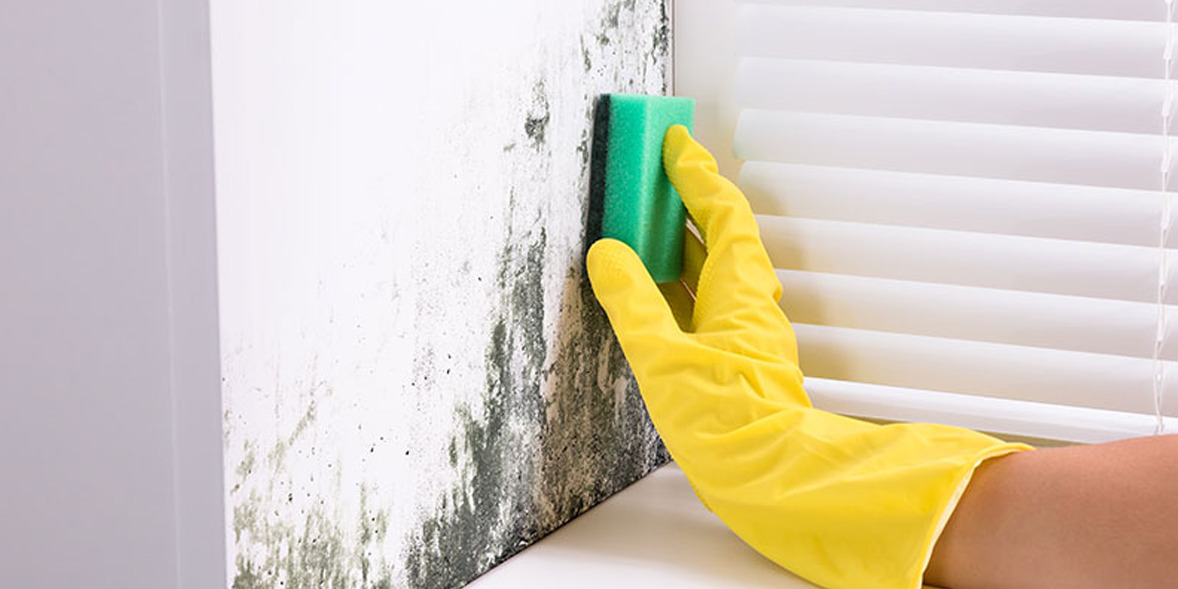
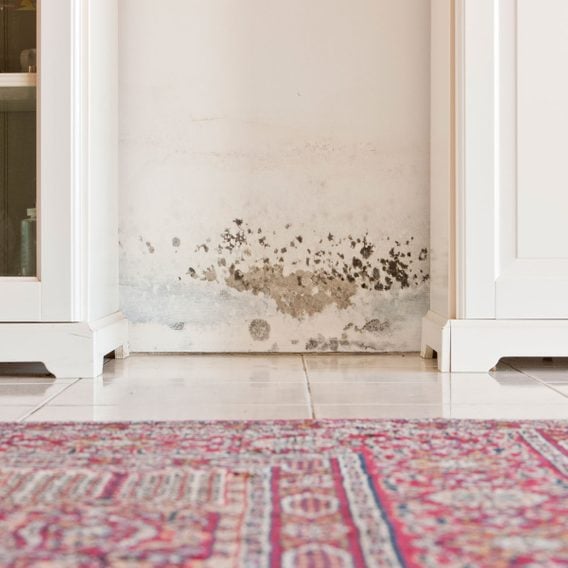
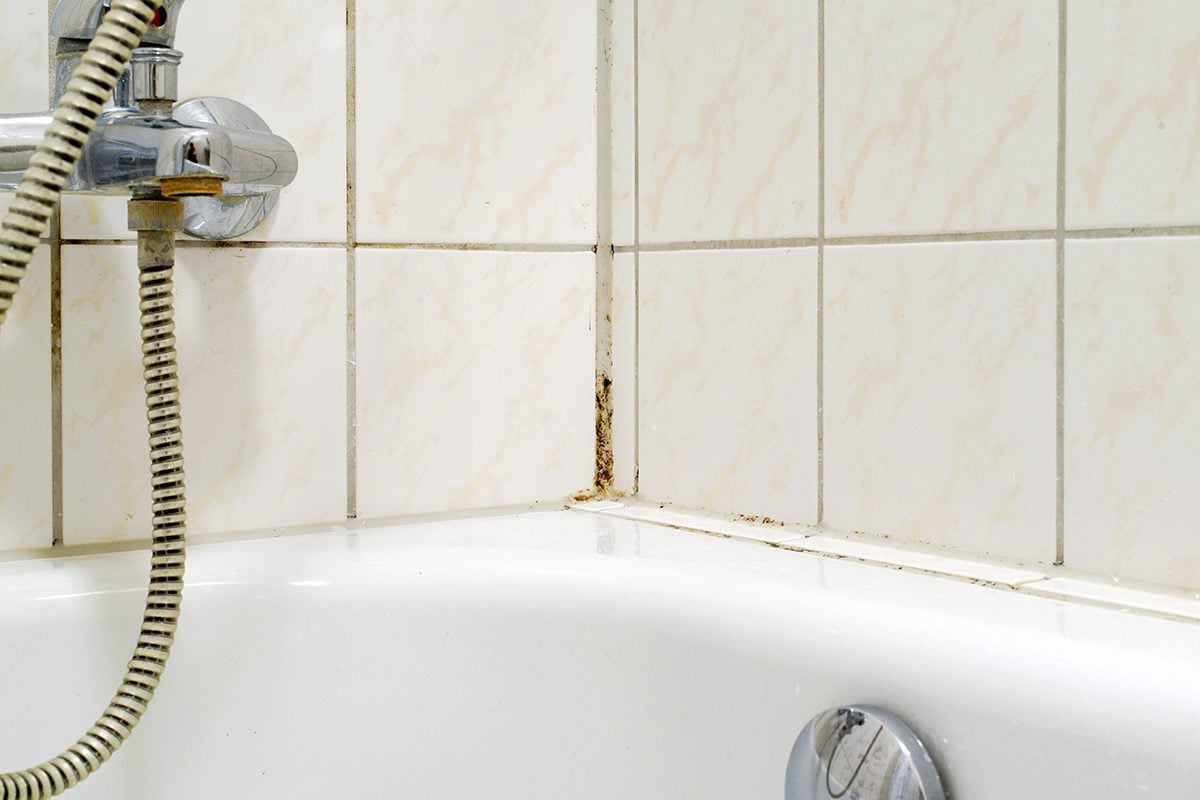
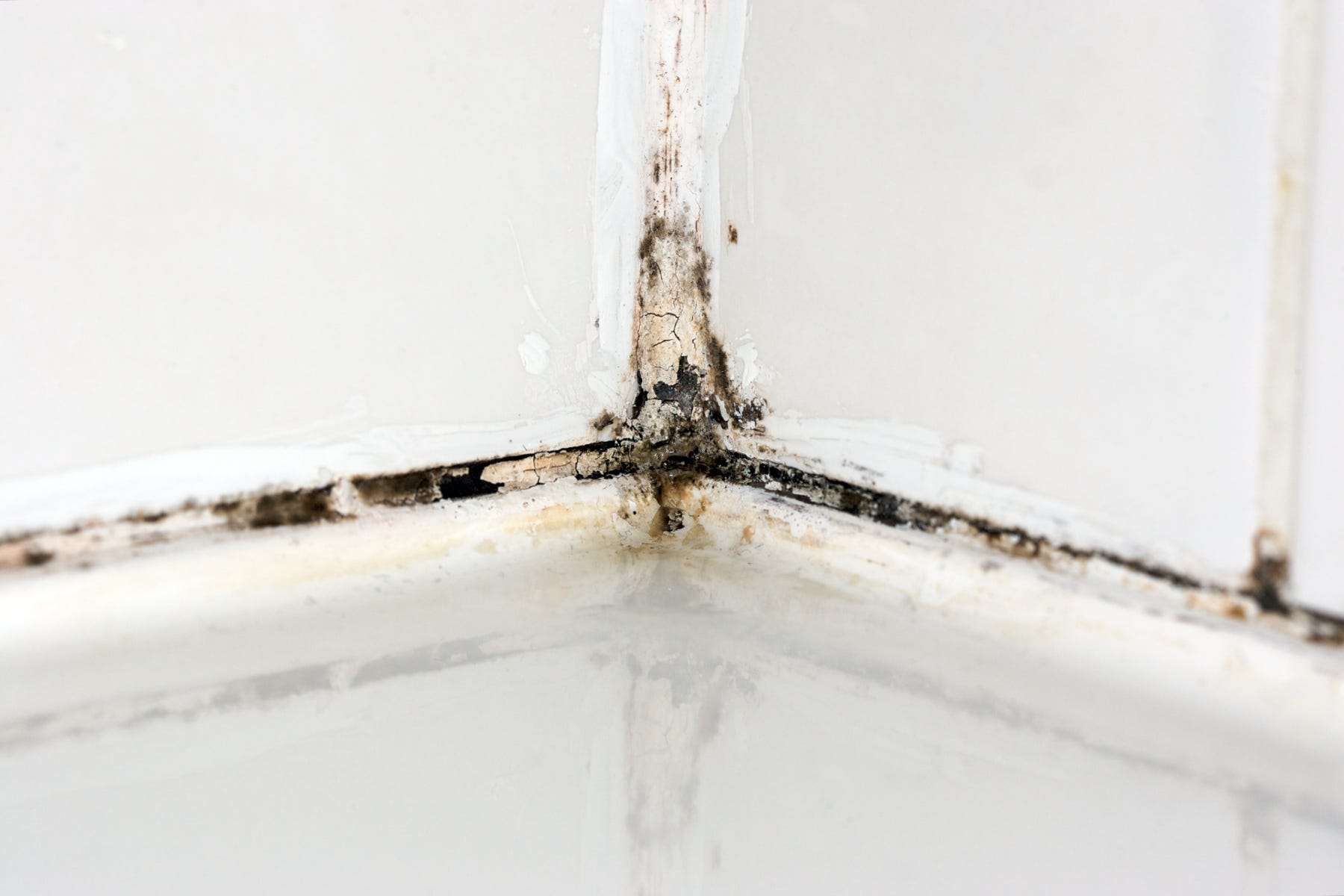
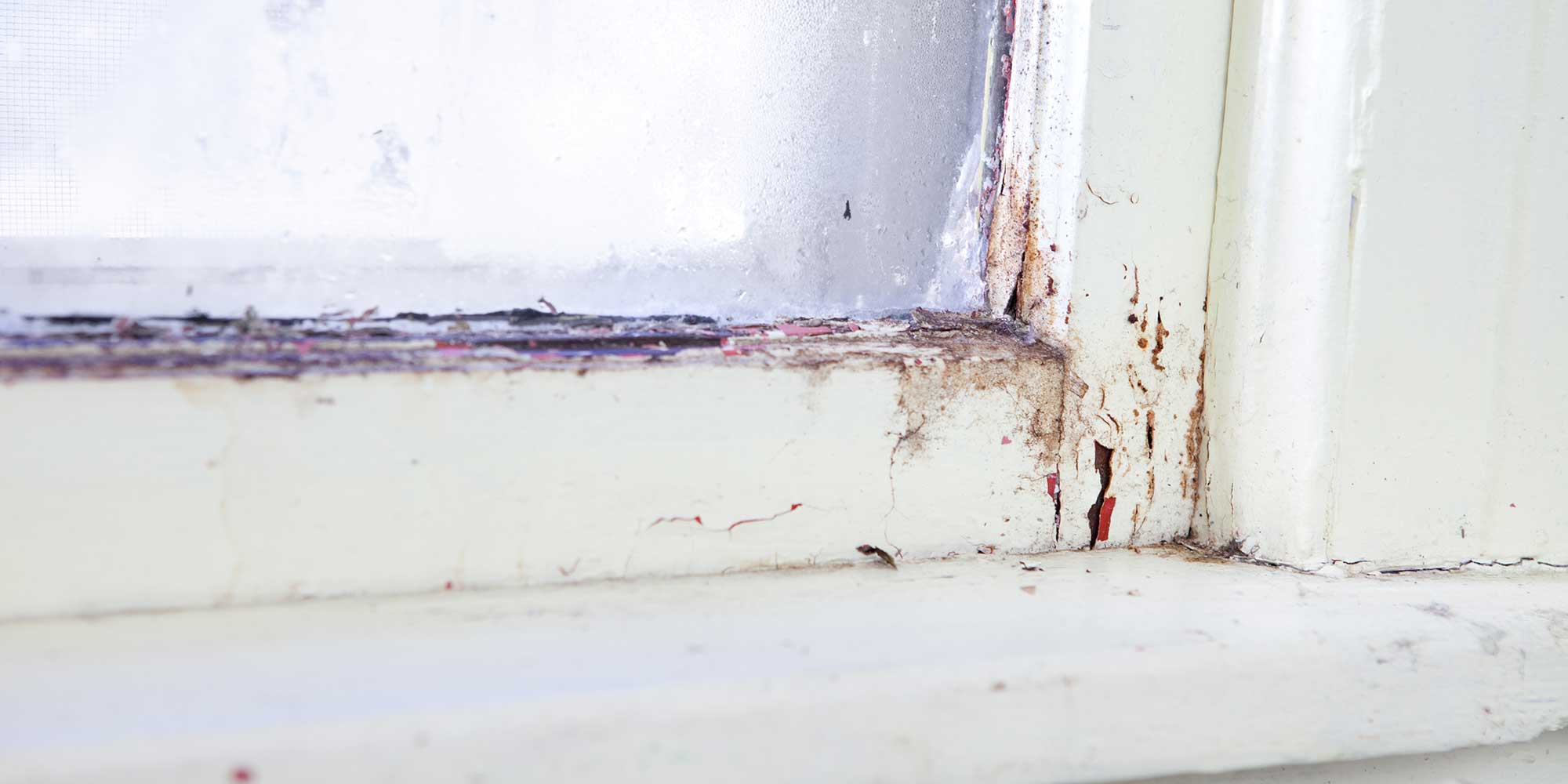
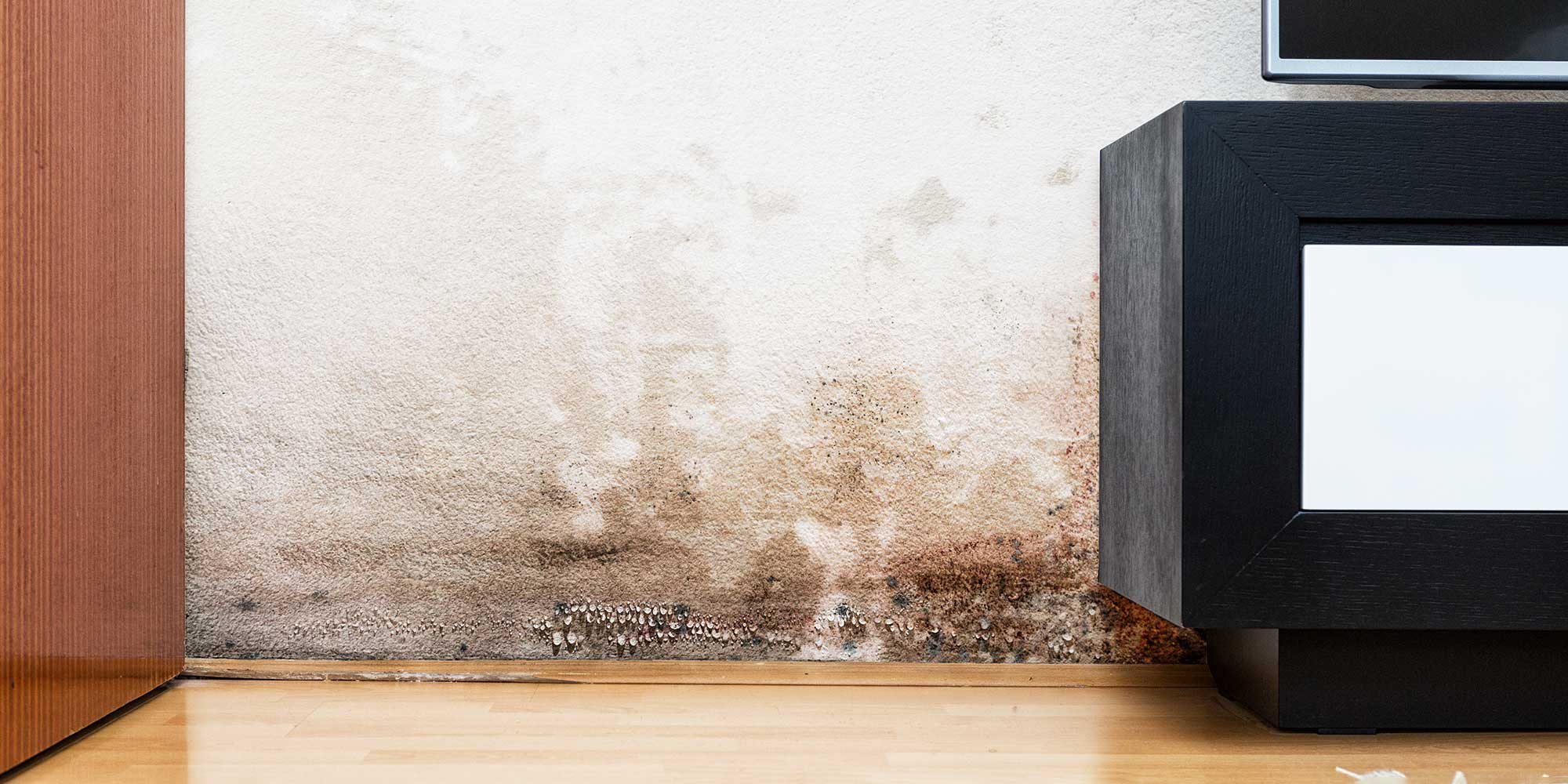
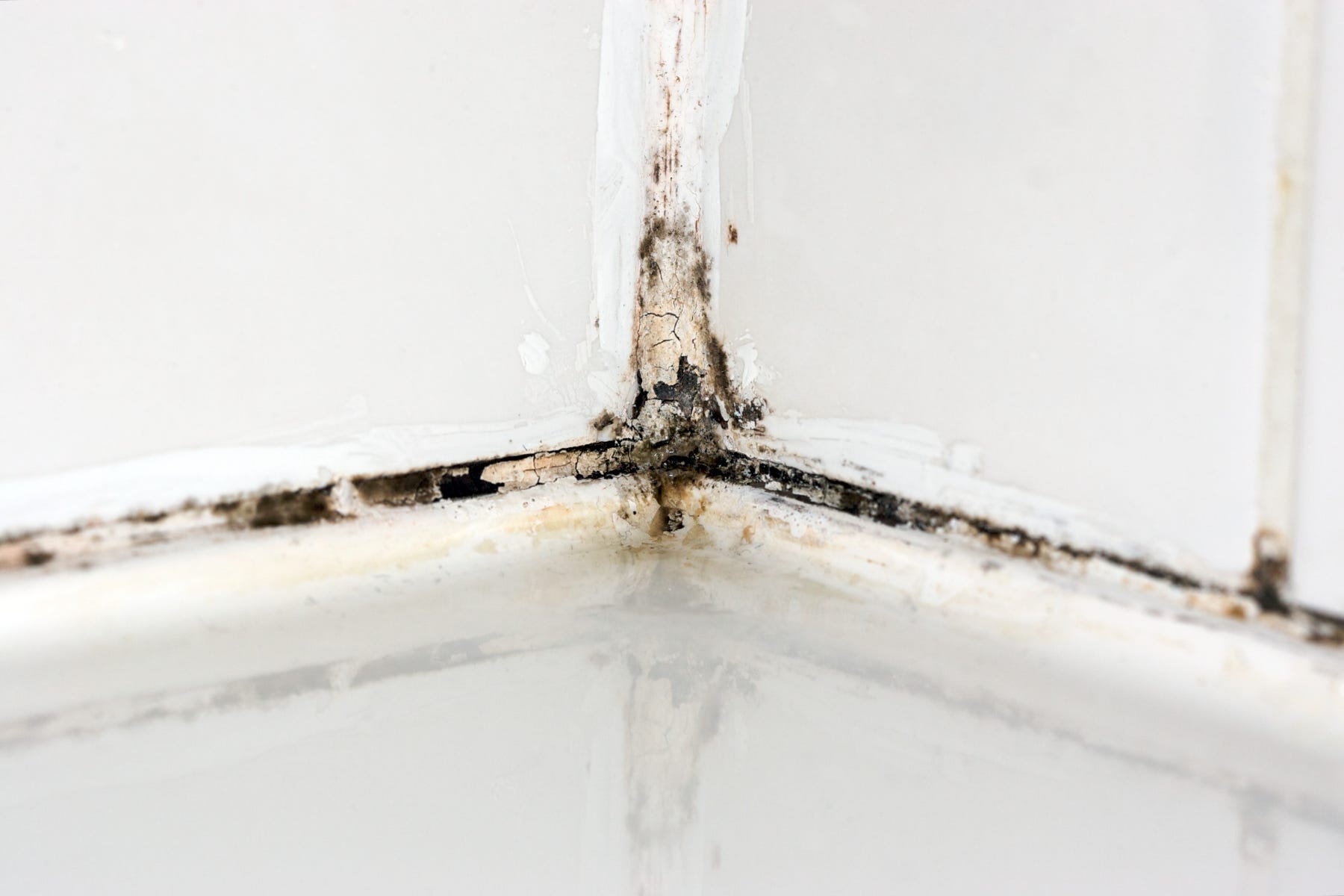
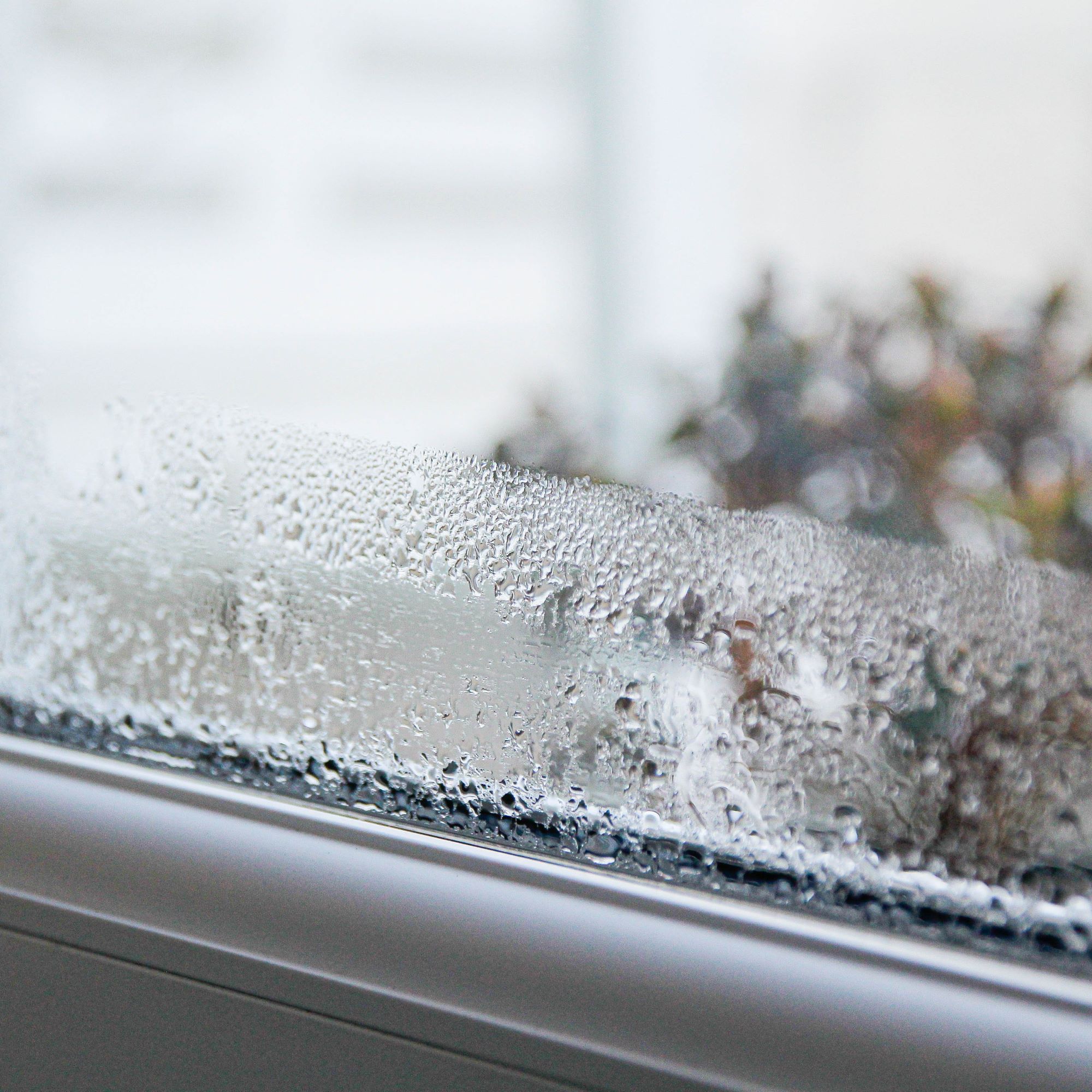
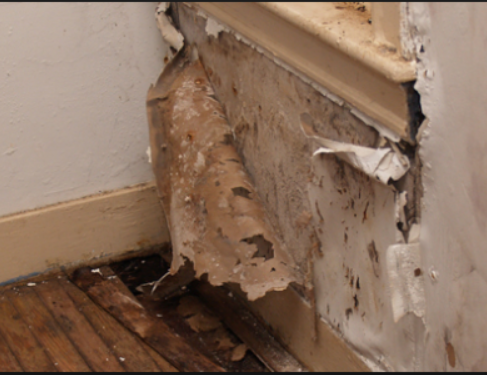
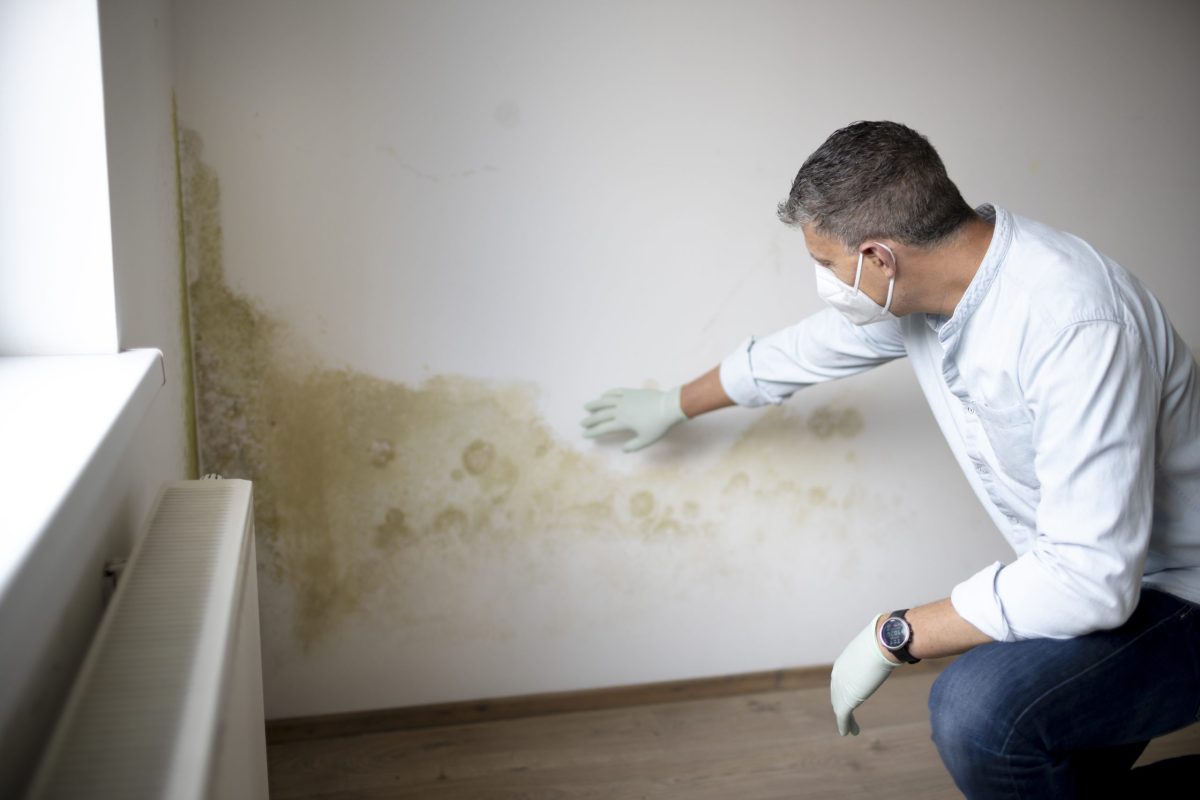
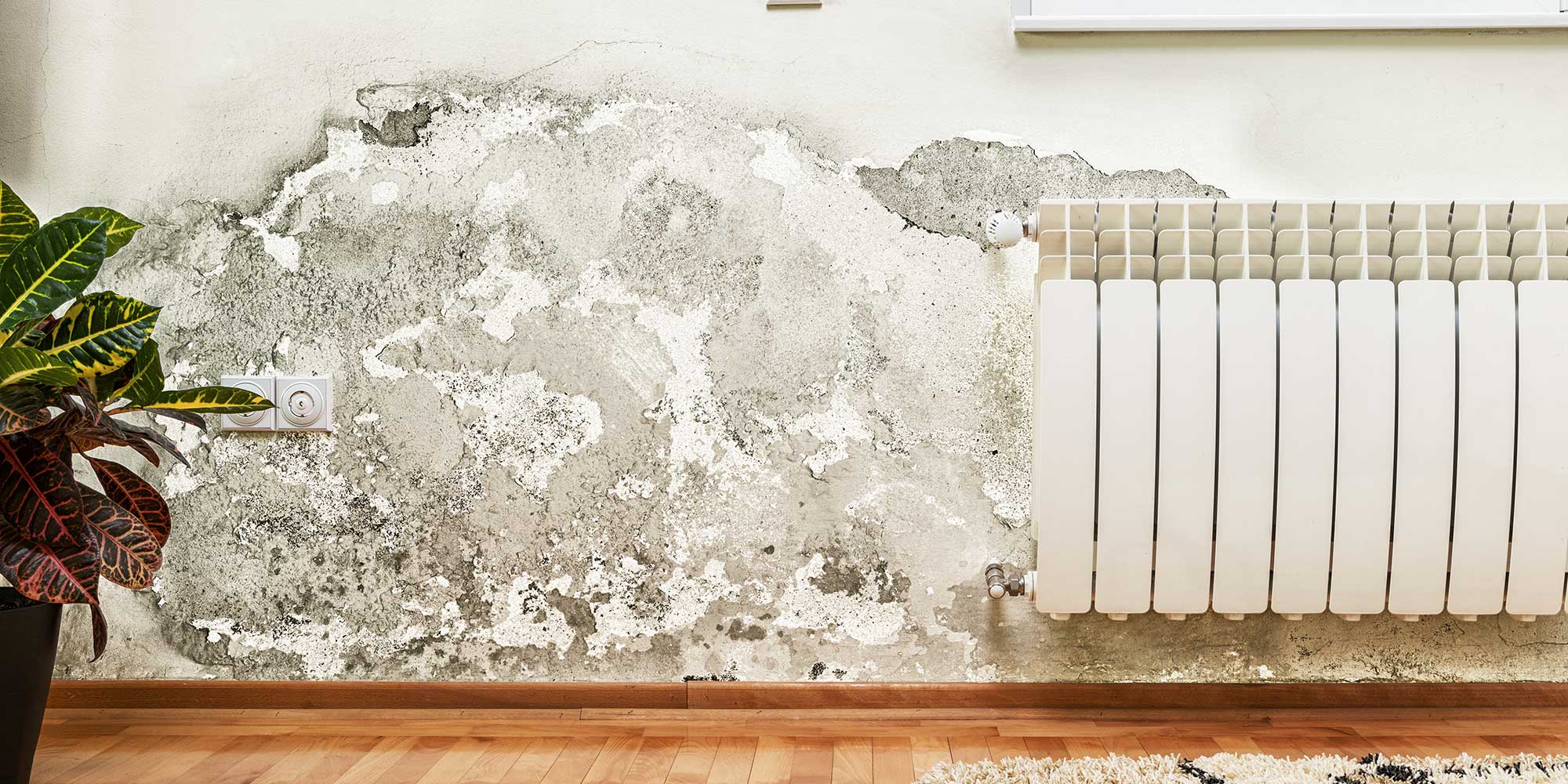
Damp in a home can pose significant problems if not addressed promptly, potentially leading to costly repairs. This comprehensive guide provides strategies for identifying and treating various types of damp, including rising damp, penetrating damp, and condensation. Early detection is crucial, with common signs including wet patches on walls, peeling wallpaper, flaking plaster, musty odors, rotting wood, and the appearance of mold or mildew.
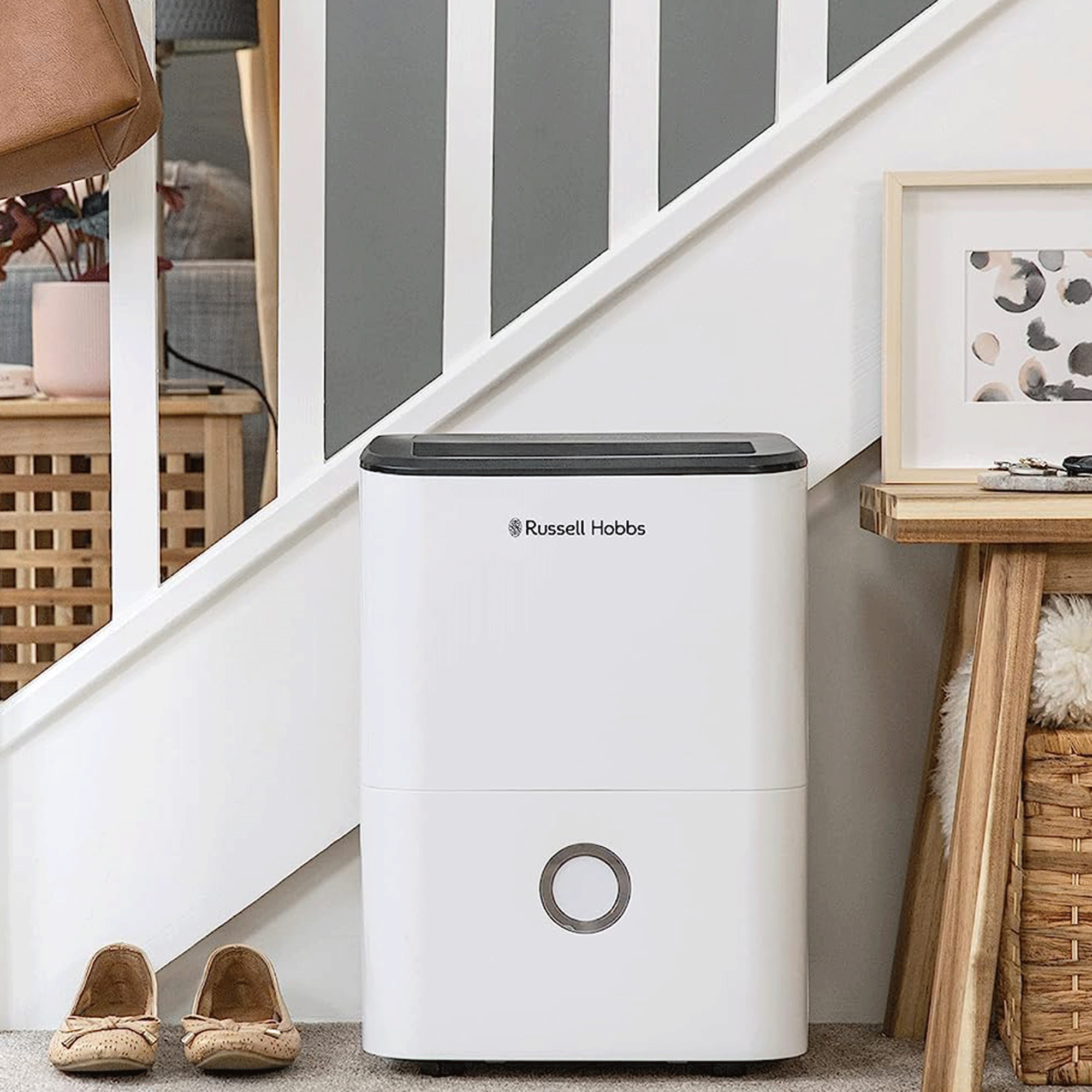
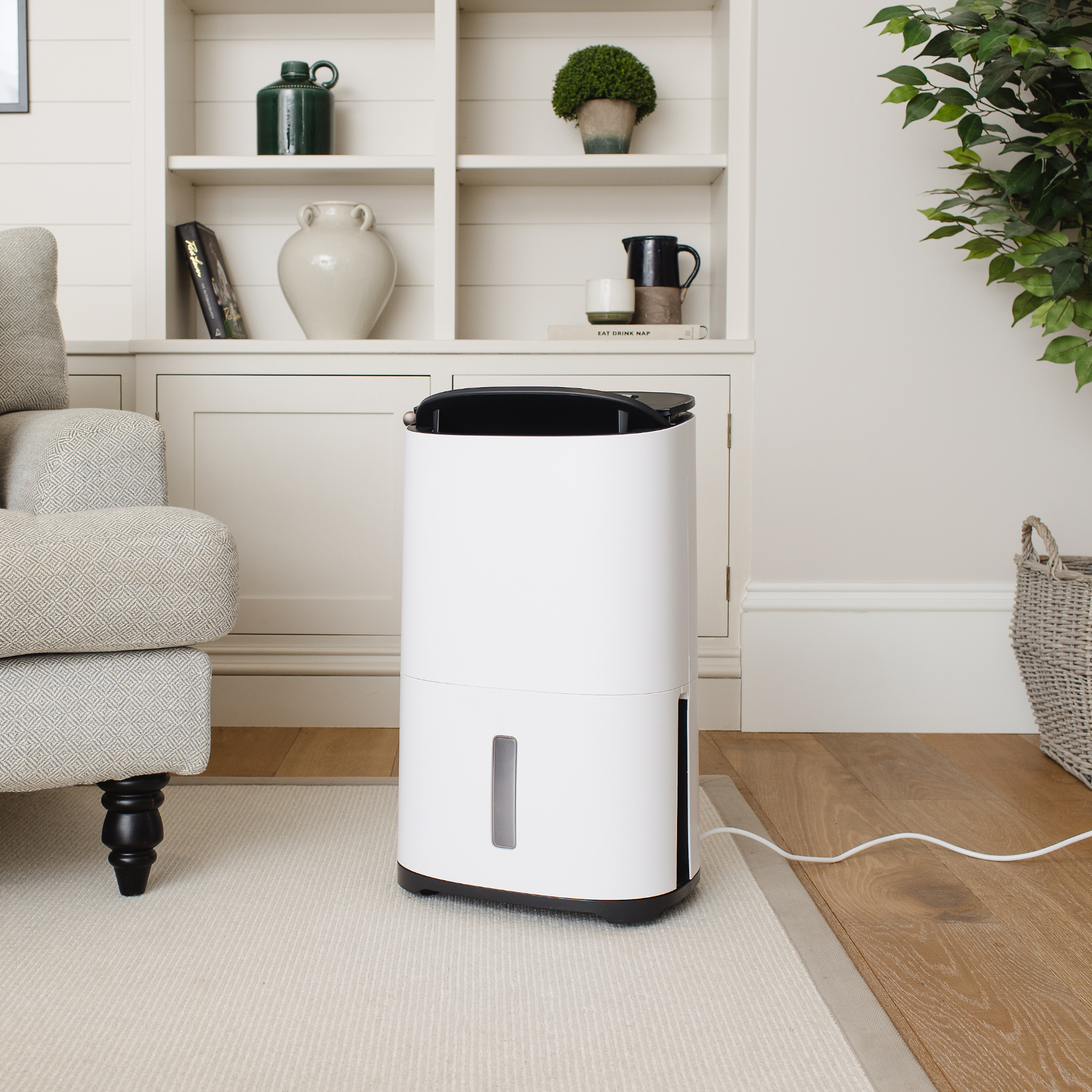
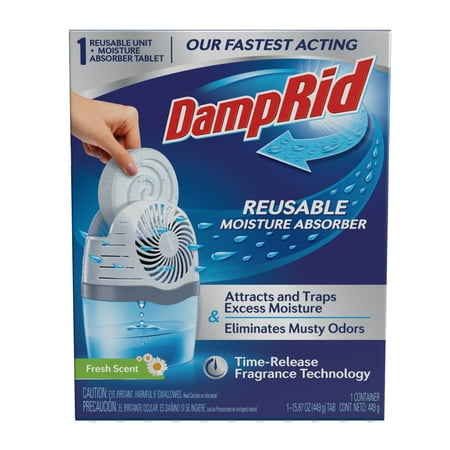
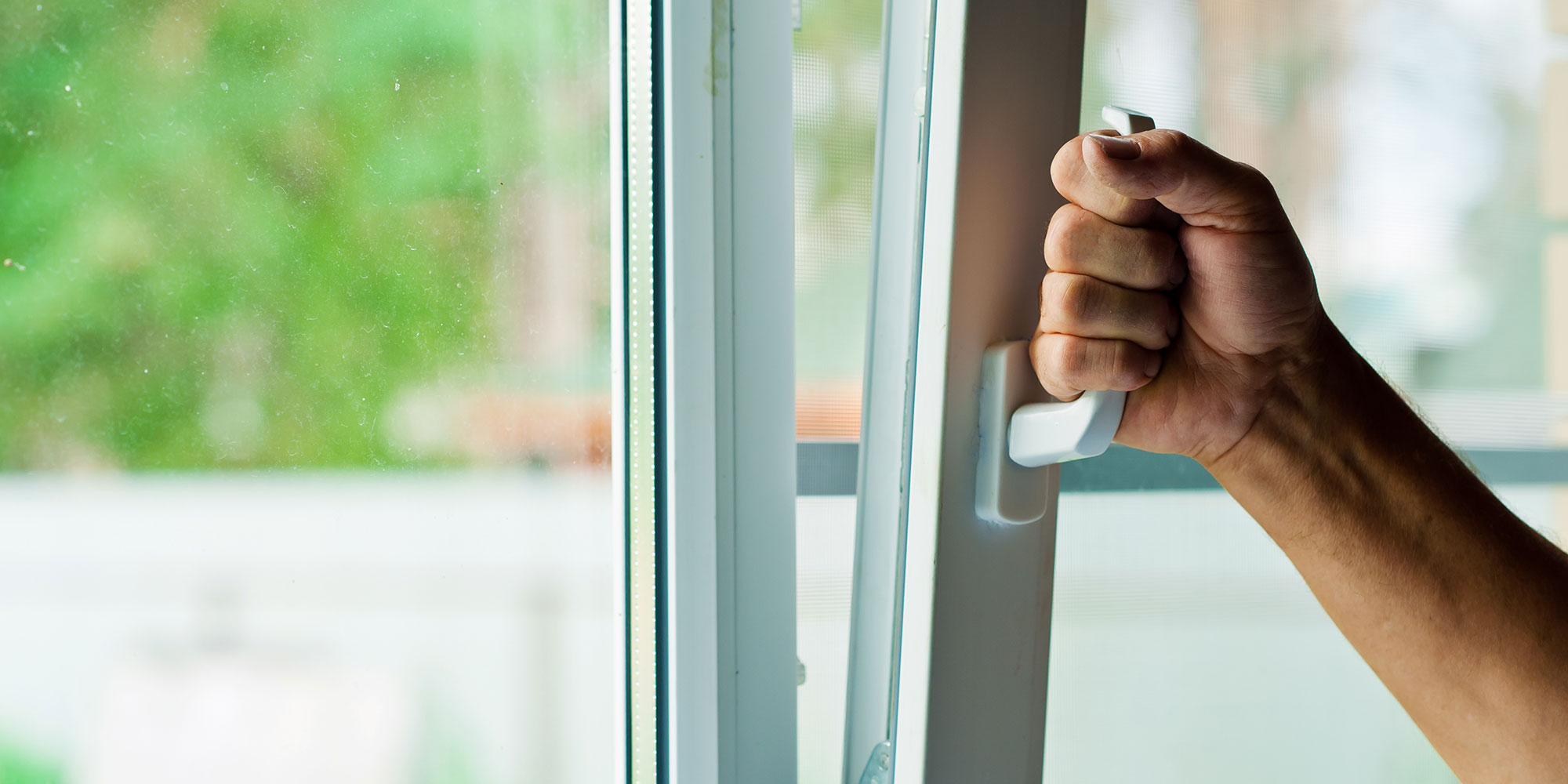
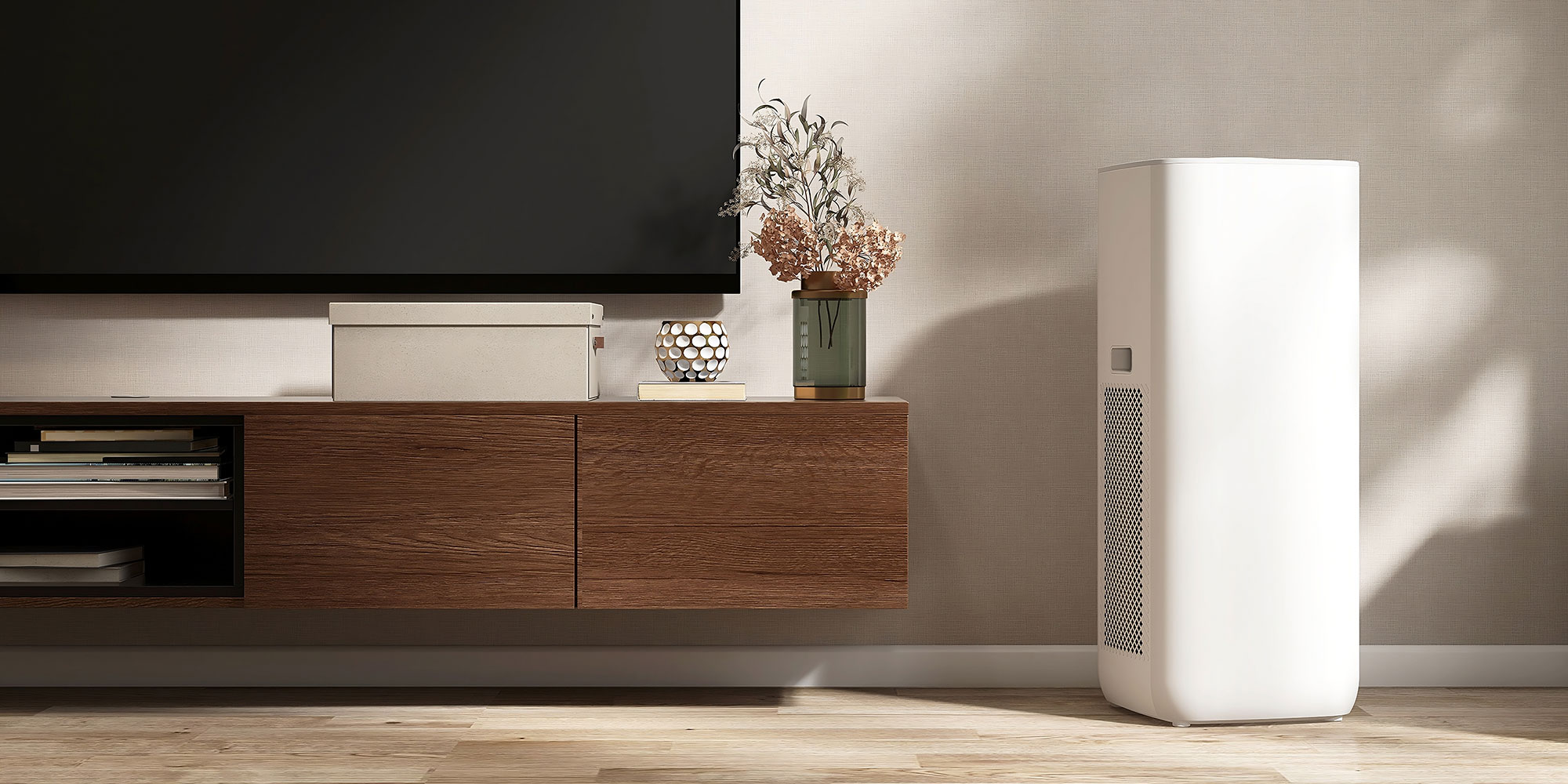
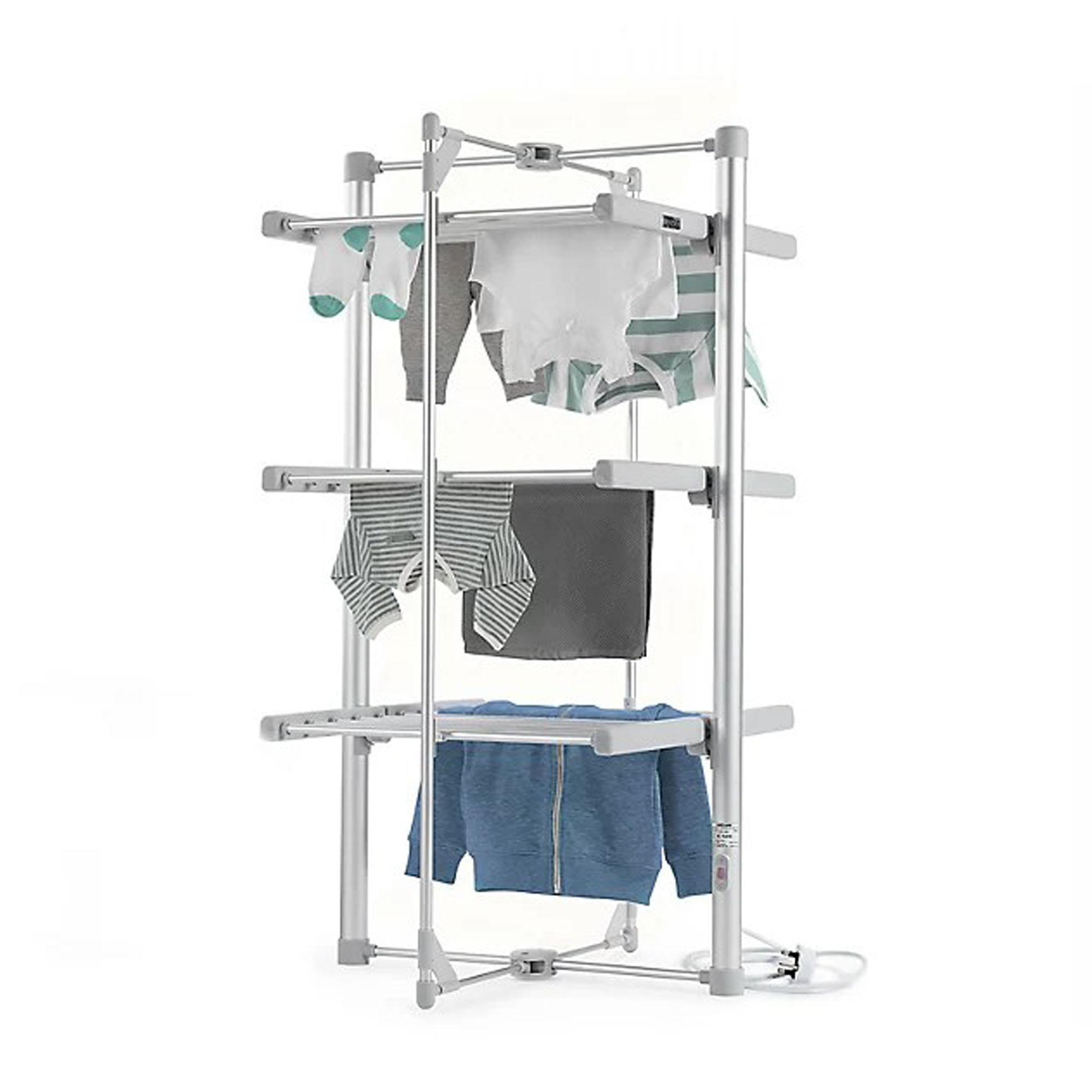
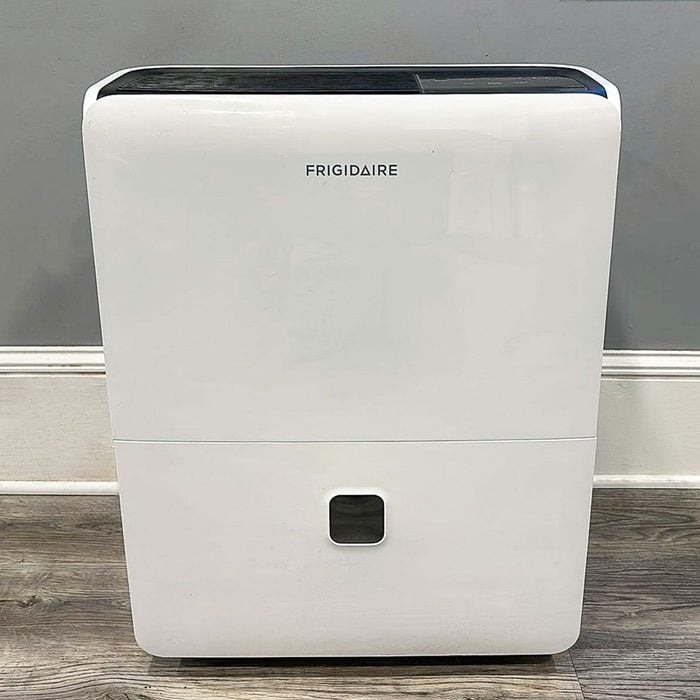
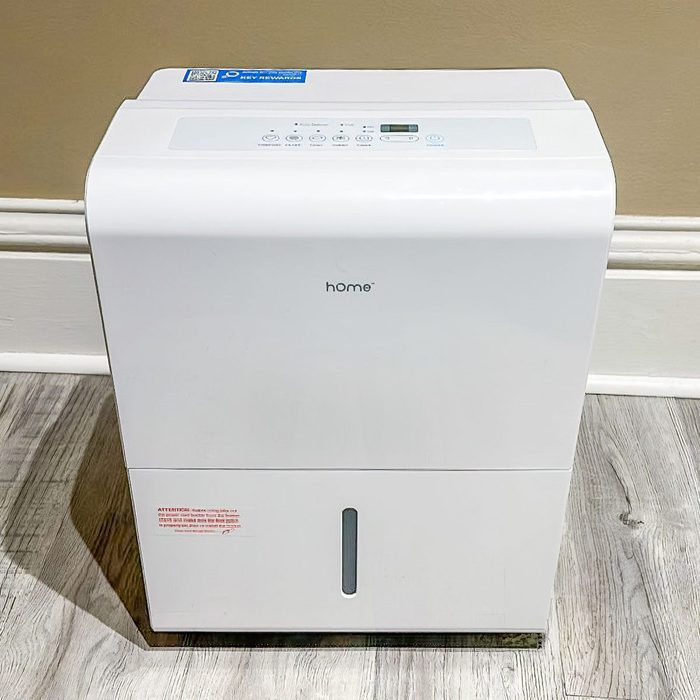
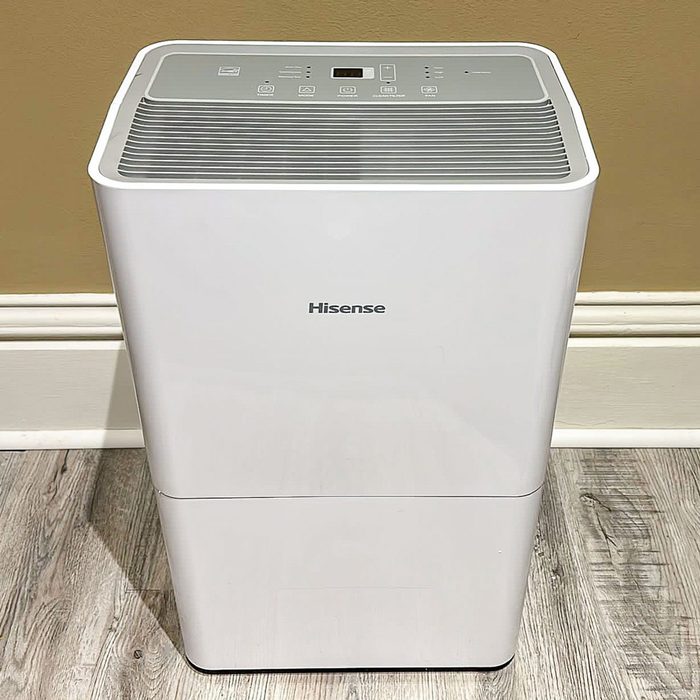
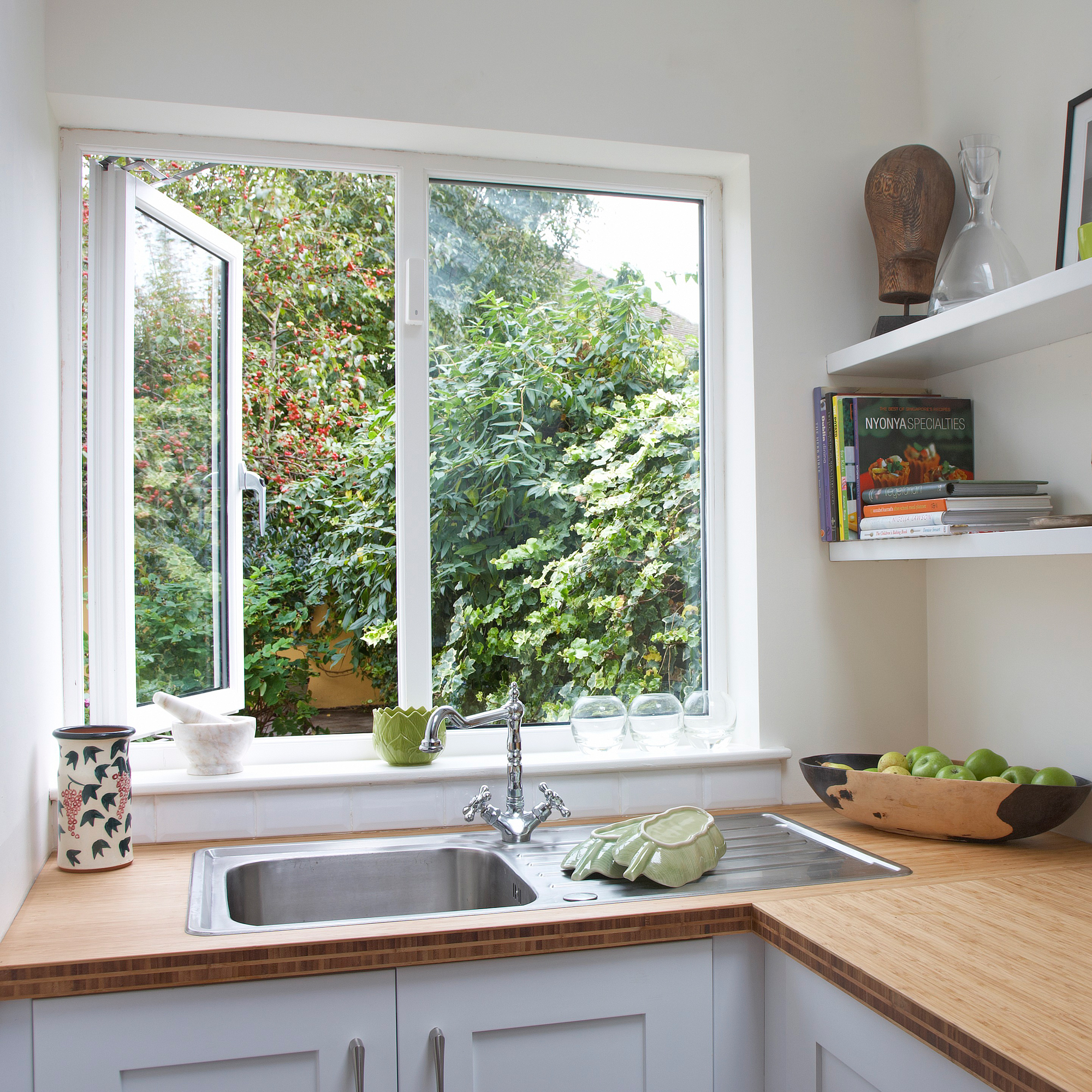
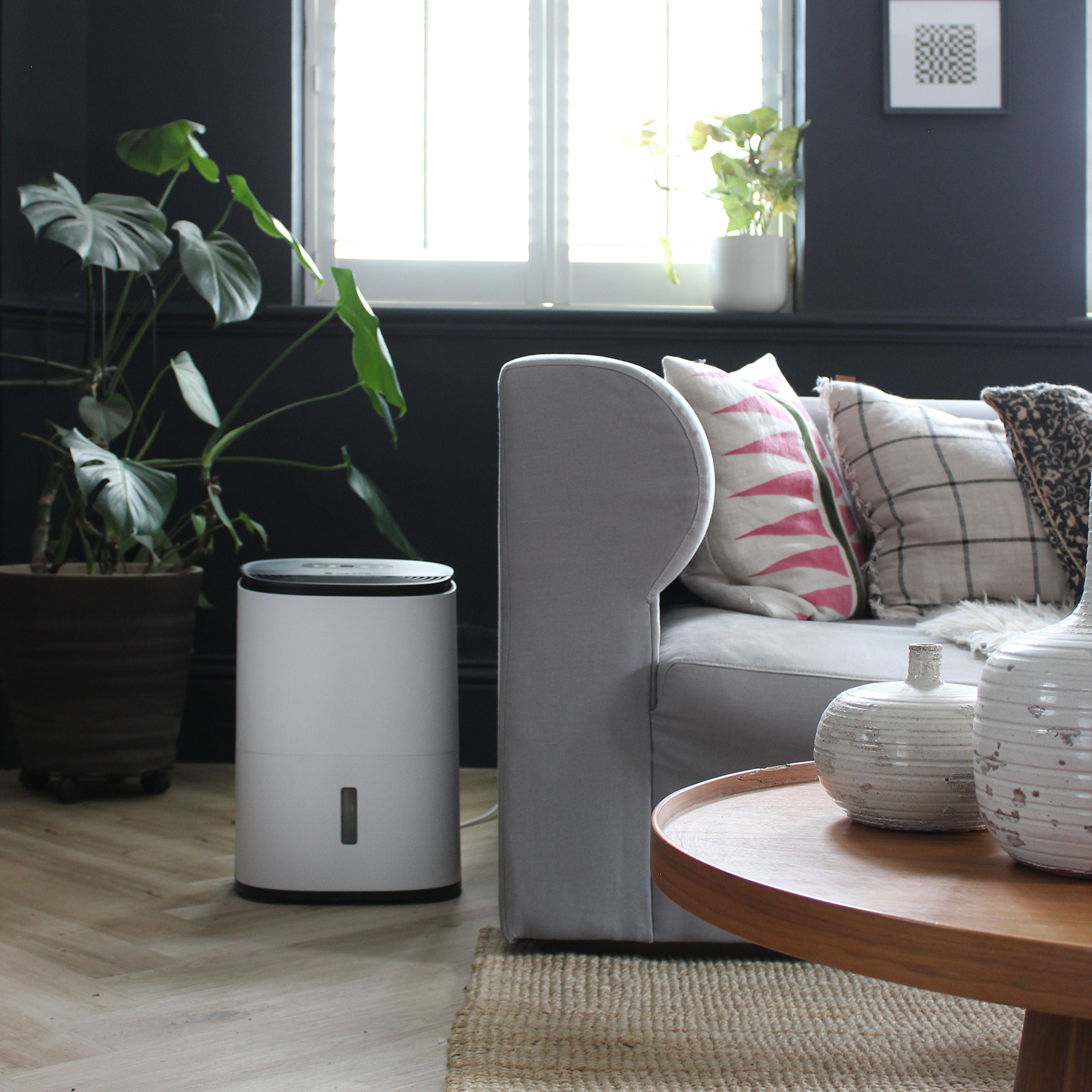
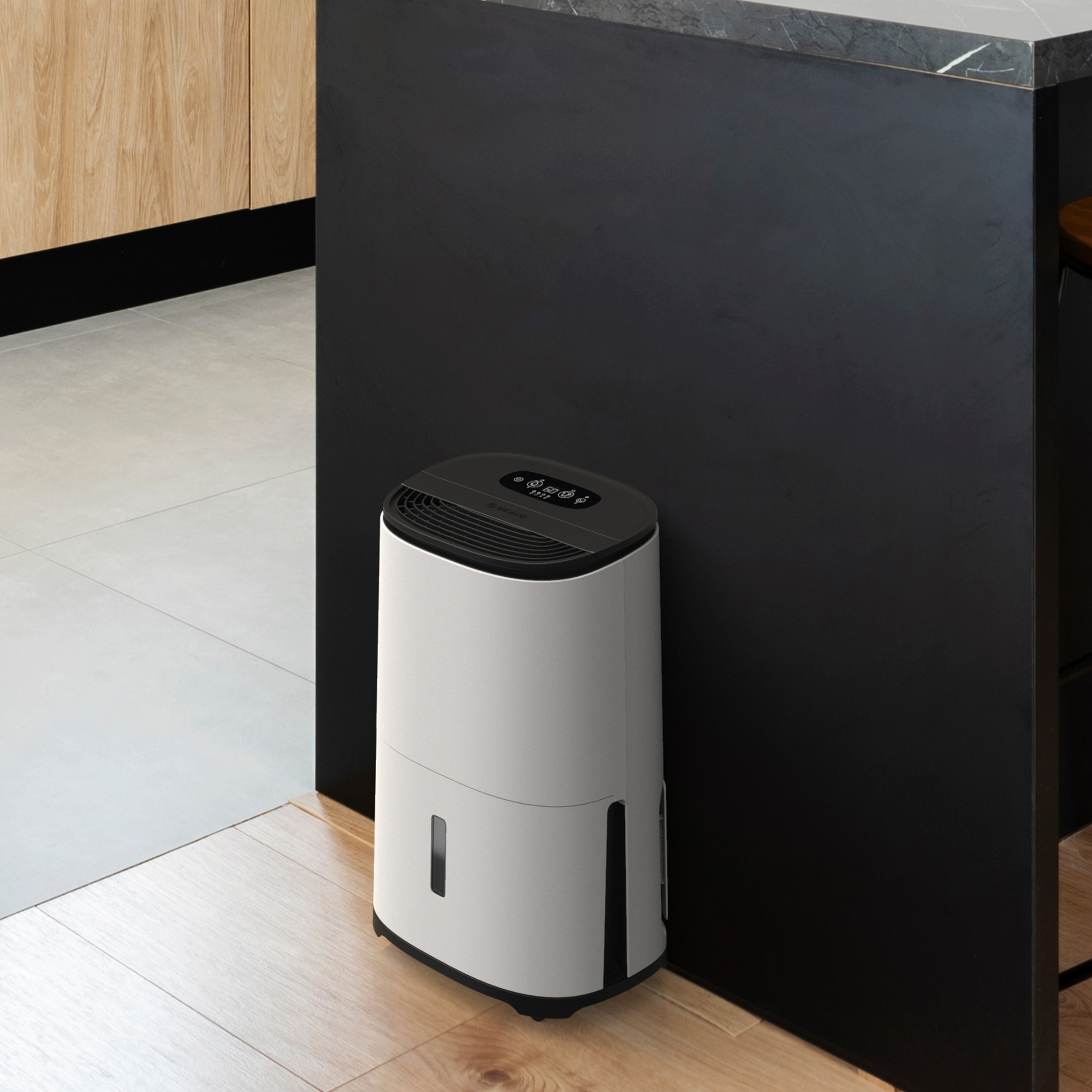
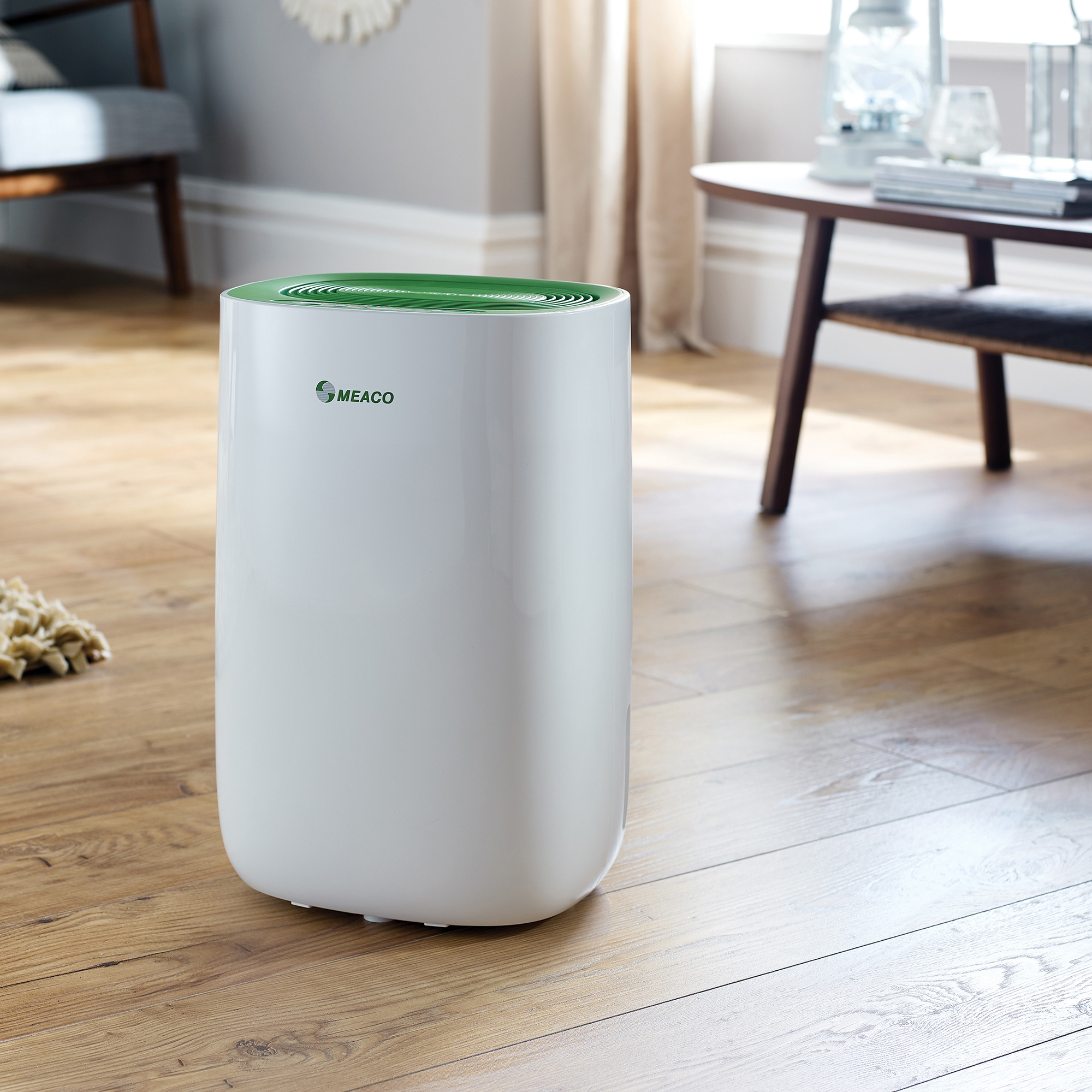
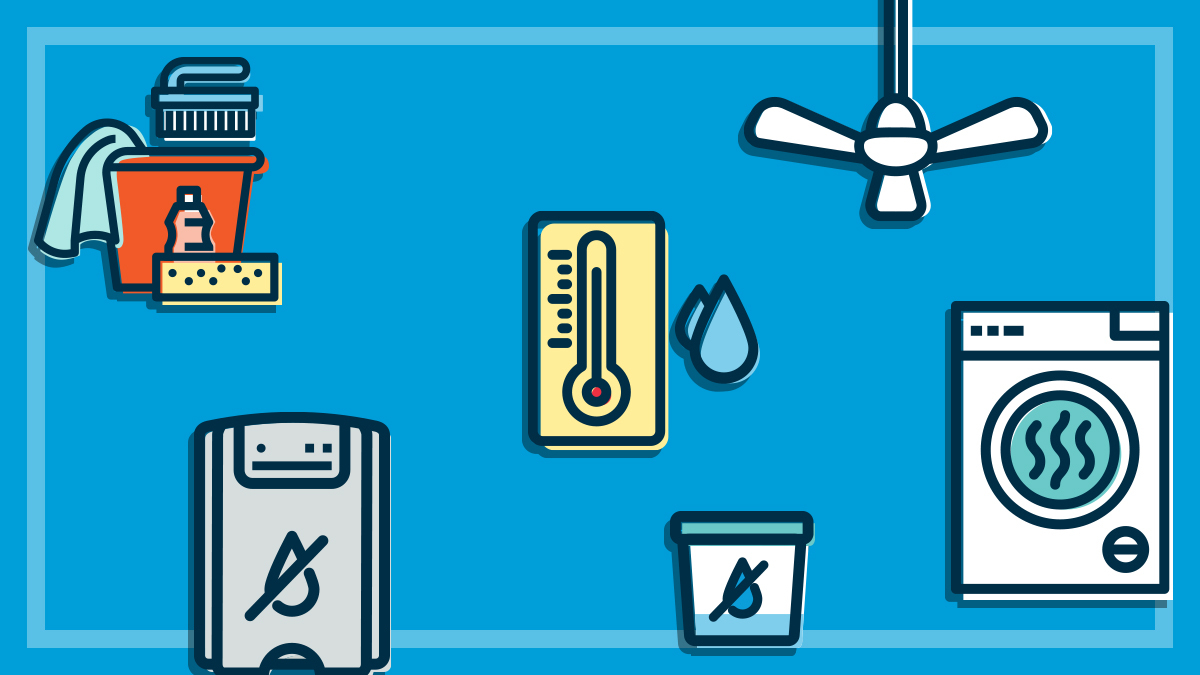
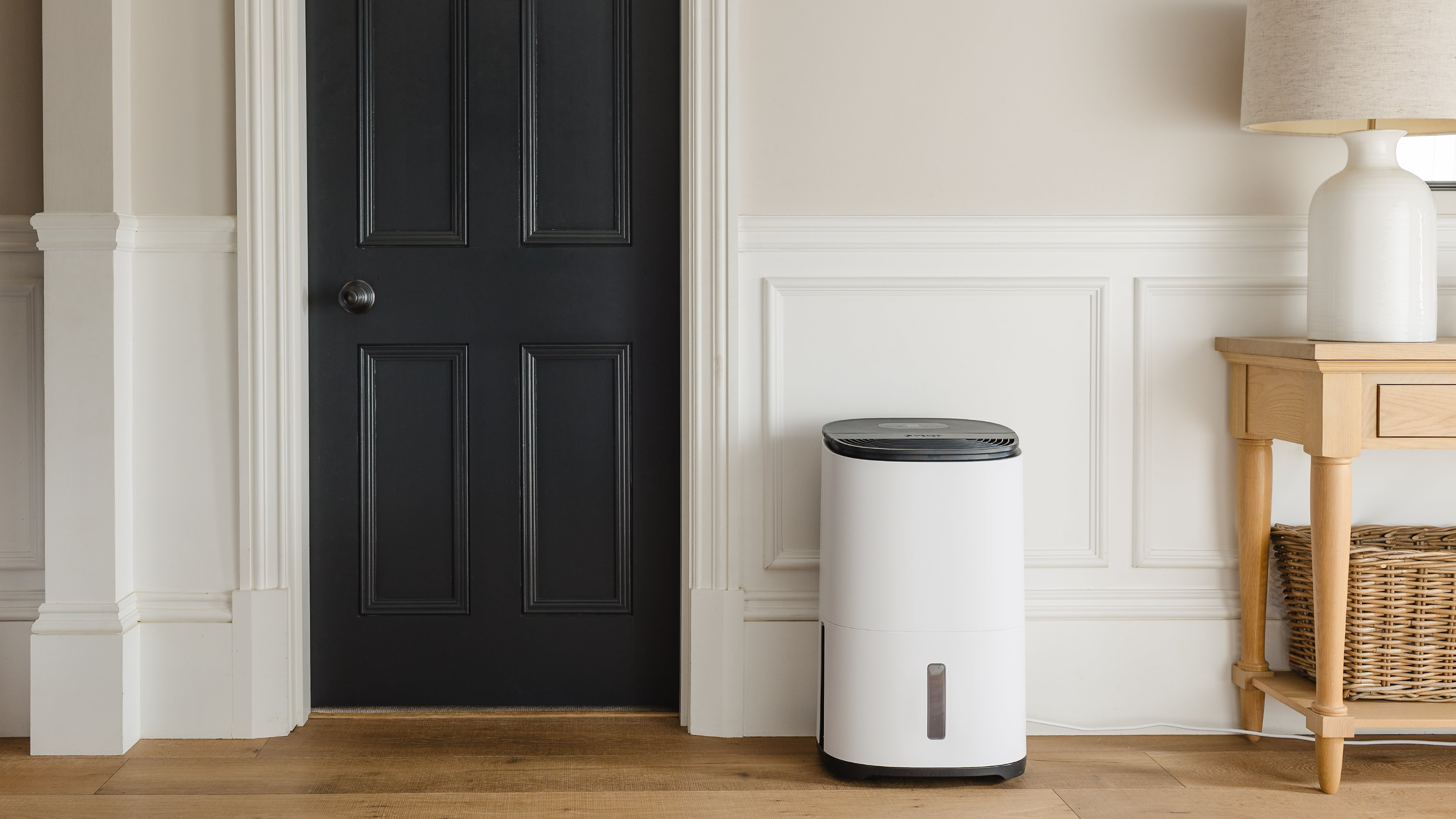
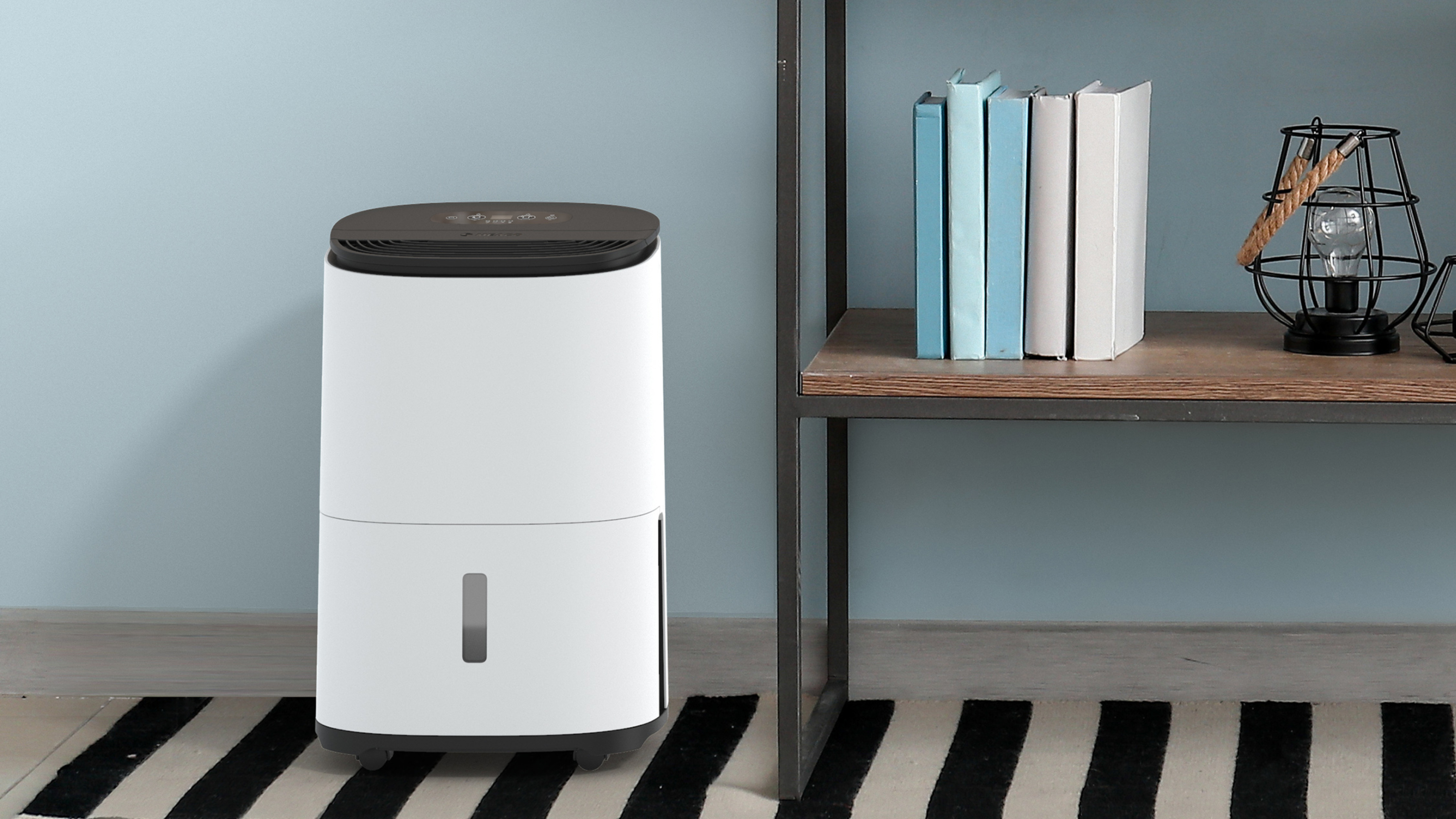
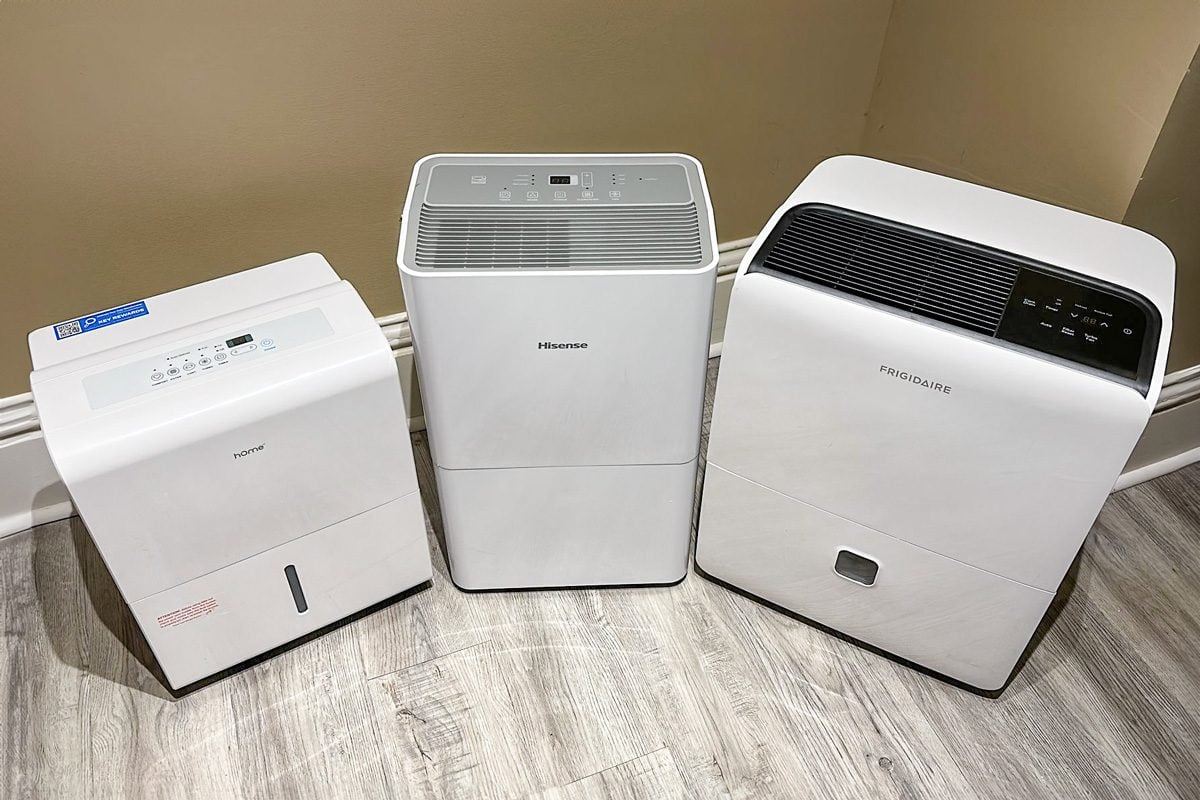
One effective method for managing excess moisture, especially from indoor activities like drying clothes, showering, and cooking, is to use a dehumidifier. These devices actively draw moisture from the air, and choosing between refrigerant and desiccant types depends on specific needs. Proper home ventilation is also highlighted as a simple and often cost-effective solution for condensation, the most common form of damp. Installing extractor fans in bathrooms and kitchens, regularly opening windows, drying clothes outdoors, and incorporating window or air vents can significantly reduce humidity levels.
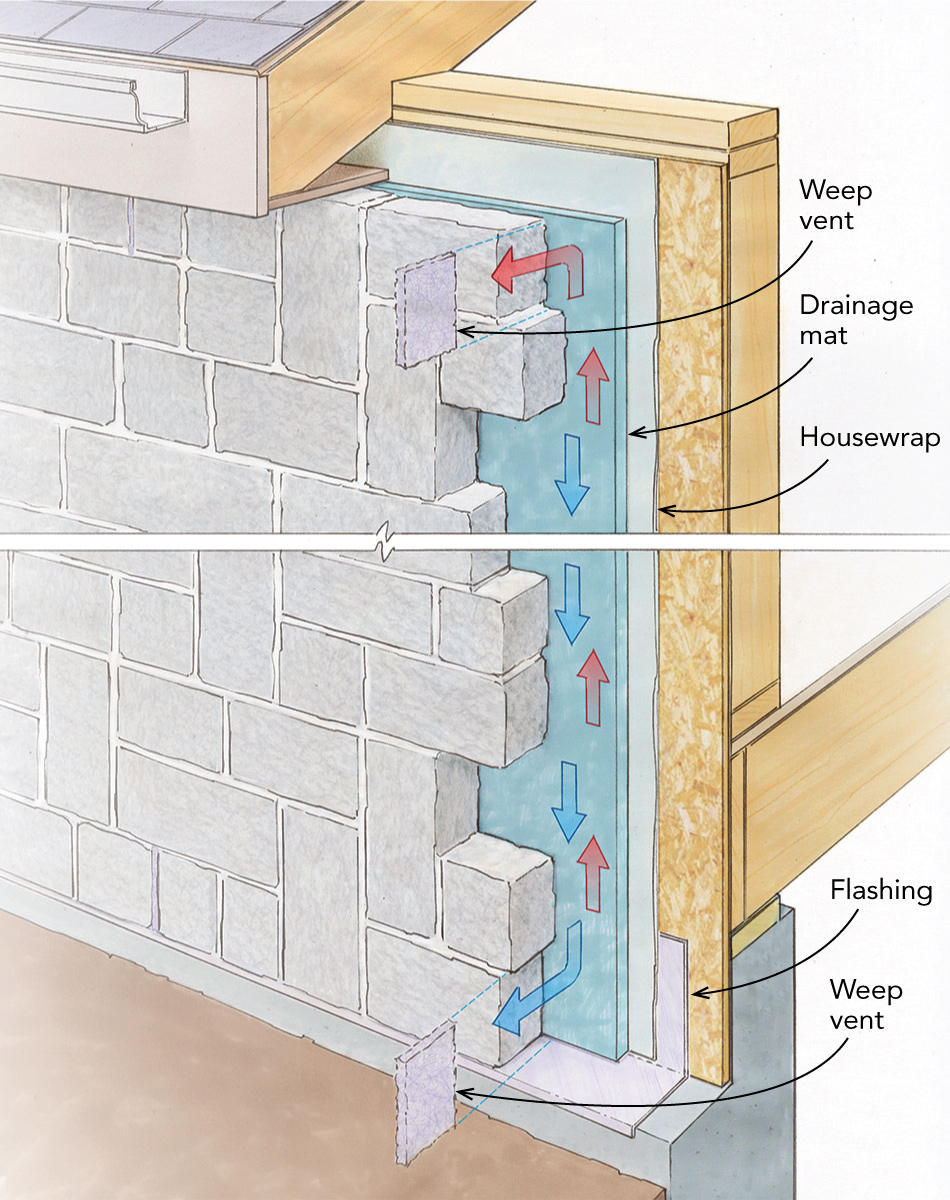
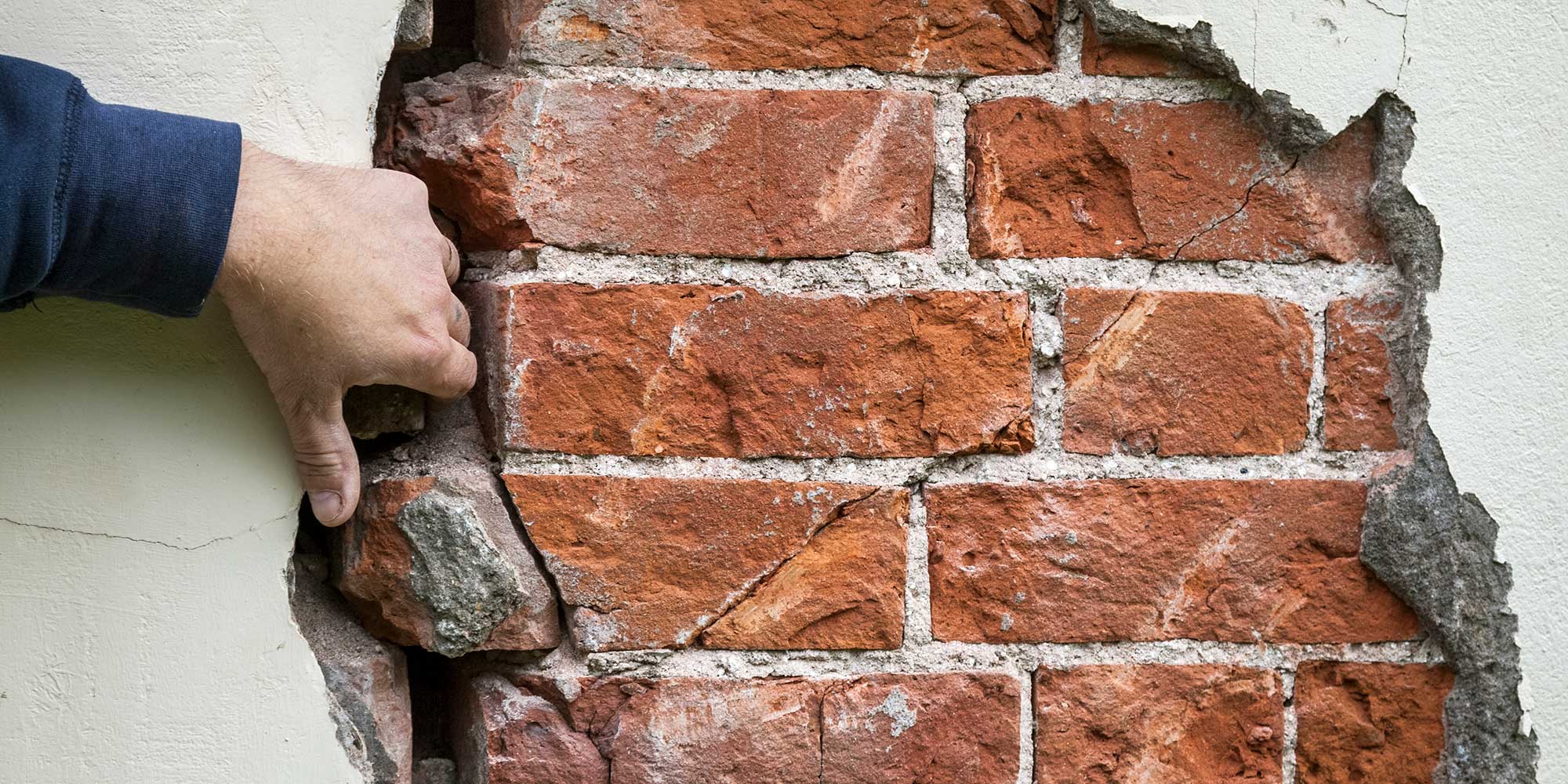
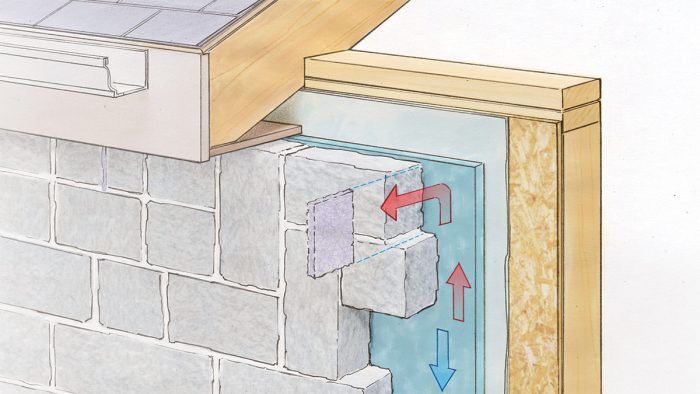
Penetrating damp typically results from structural issues such as faulty guttering, roofing problems, or cracks in external walls, allowing water to seep through. Identifying this type of damp involves looking for discolored interior walls, damp patches, mold, blistered plaster, and wet surfaces. Checking and repairing external gutters and downpipes is a primary step. If bricks have become porous, applying an exterior silicone water-repellent fluid or limewash can reseal walls while allowing them to breathe, though professional advice is recommended for older homes.
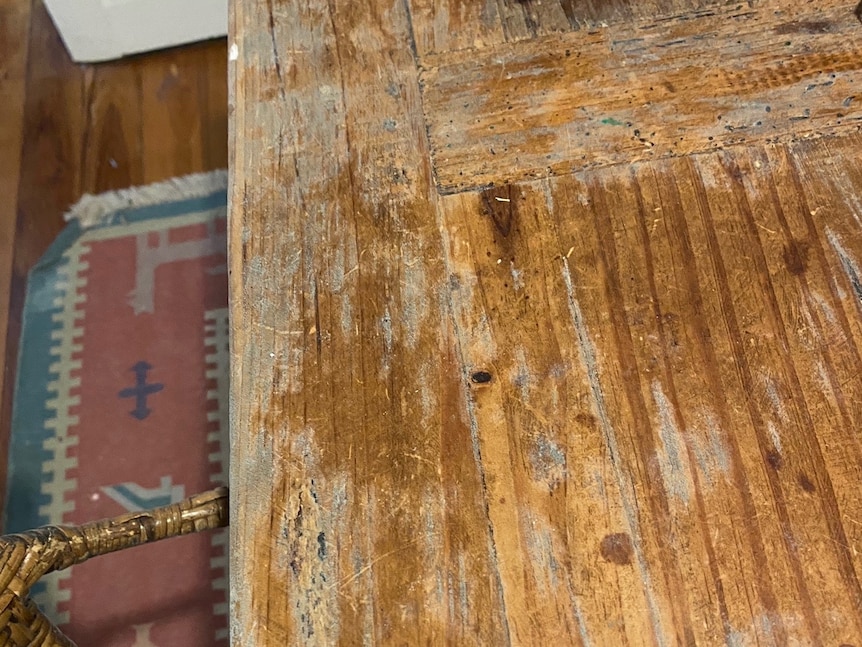
Addressing rot in timber, which can lead to structural damage, is critical. Wet rot thrives on constant moisture and is characterized by black fungus, soft timber, and a musty smell. Dry rot, more aggressive, requires less moisture, can spread to non-timber materials, and presents as white or orange growths, crumbling timber, and a mushroom-like odor. Suspected rot necessitates specialist intervention.
For rising damp, the article explains the importance of a damp-proof course (DPC) and damp-proof membrane (DPM), compulsory in new homes since 1875. If these are absent, damaged, or ineffective, treatment options include injecting damp-proof cream into walls or installing a physical damp-proof course. Repairing or replacing a damp-proof membrane involves applying waterproof emulsion for minor issues or full replacement for extensive damp. Additionally, ensuring external ground levels are at least 15cm below the DPC is vital, as built-up soil can bridge the barrier. Tanking, which involves sealing walls or floors with materials like asphalt or membrane, is a more intensive and costly solution for severe damp.
The guide also advises caution with ‘free damp surveys,’ recommending multiple quotes and considering an independent damp specialist for an unbiased assessment. It also discusses guarantees for damp-proofing work and consumer rights if work is deemed unnecessary. Common causes of penetrating damp are further detailed, including air gaps around windows and doors, burst gutters and pipes, porous bricks, and issues with cavity walls, such as debris accumulation or defective cavity trays. Rarely, poorly installed cavity wall insulation in areas with severe wind-driven rain can also contribute.
Finally, preventative measures include ensuring clothes and linen are fully dry before storage, ventilating storage areas, and using natural remedies like boiling lemons to combat musty odors. In cases of severe storm damage, the article emphasizes contacting emergency services, insurance companies, and specialists, and advises on safety precautions when cleaning up flood-affected areas.
#DampProofing #HomeMaintenance #MoistureControl #RisingDamp #PenetratingDamp #Condensation #PropertyCare #HomeImprovements #MoldPrevention #DampProofing #HomeMaintenance #MoistureControl #RisingDamp #PenetratingDamp #Condensation #PropertyCare #HomeImprovements #MoldPrevention
0 comment in total
 No comments yet
You may also like
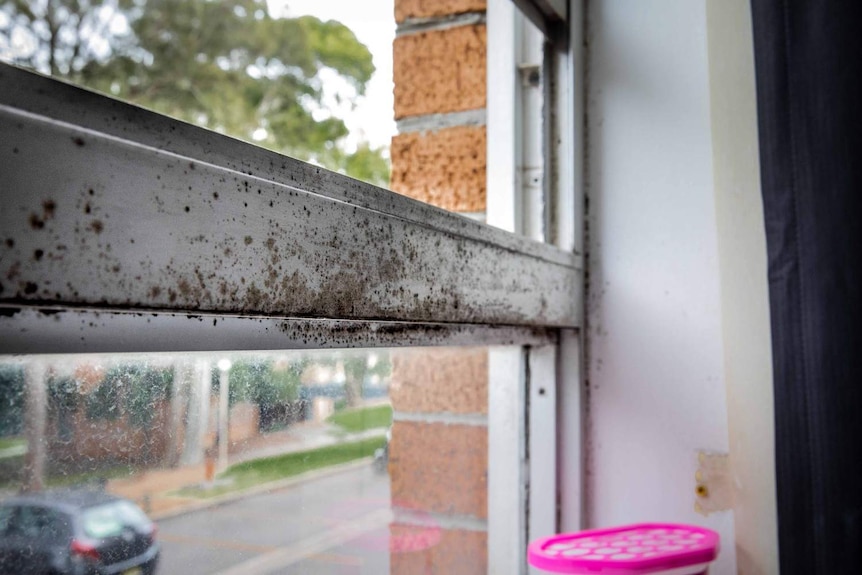
Lots of rain can mean mould, this is how to get rid of it. - ABC Emergency

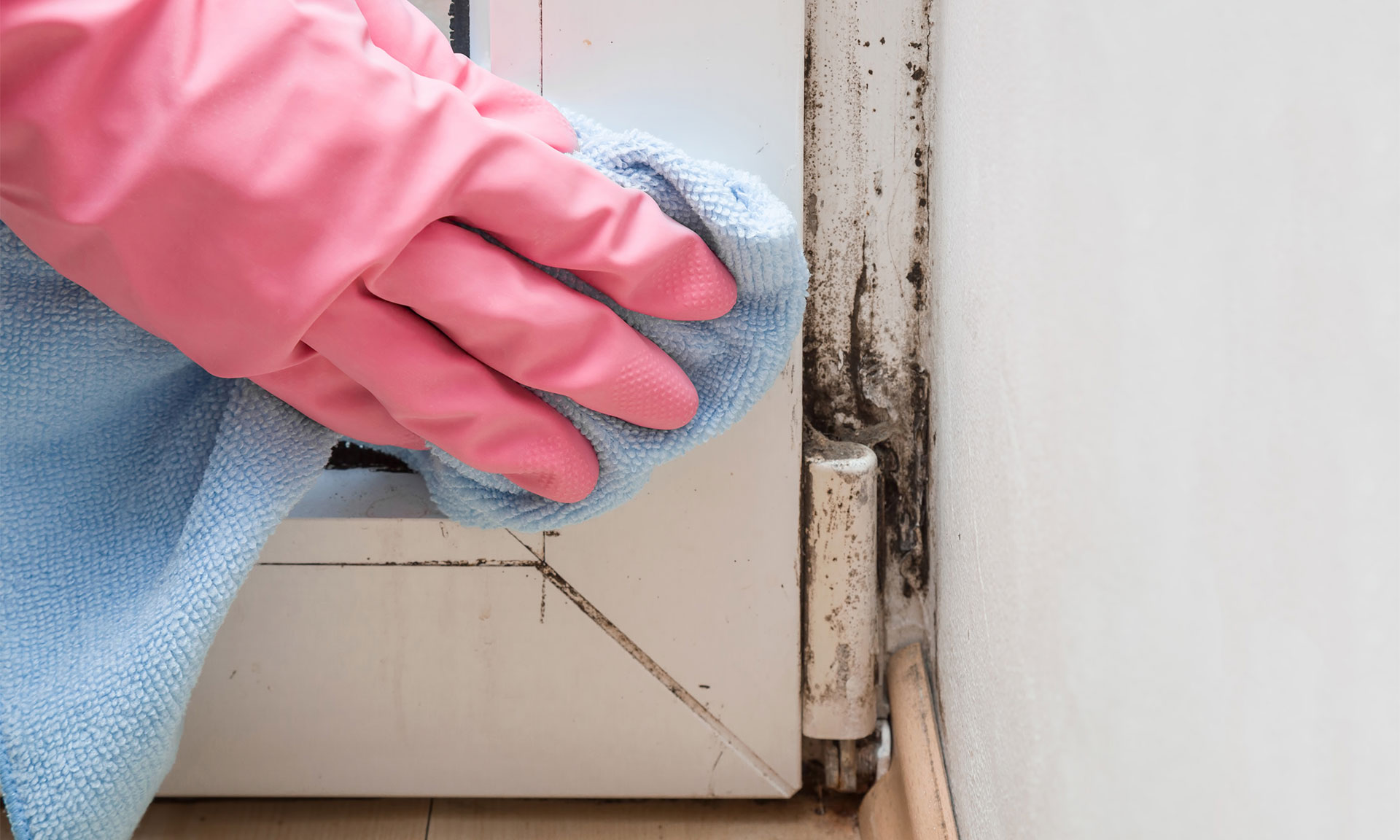
How to get rid of mould
Gross! Here Are the Best Ways to Remove Mildew for Good

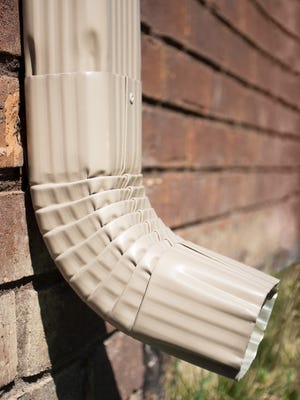
Kuffa: Simple, inexpensive solutions to a wet basement

How to stop damp in a bedroom - 10 foolproof ways to keep mould at bay

How to prevent mould in wardrobes - expert-approved tips to protect your furniture and your clothes
How to protect your home from damp, moisture and mould
How to get rid of mould on walls – 7 home treatments tried and tested by the experts
Can a dehumidifier dry out damp walls? Expert tips you need to know to drive out unwanted moisture this winter
Why new homes can be damp – and what we can do about it

What Kind Of Damp Is Affecting My Home?
These simple mistakes could be why your dehumidifier isn't working properly – and here's how to avoid them
How to Remediate A Damp Exterior Wall Cavity


6 bedroom storage mistakes that could be causing mould – and what to do instead
The 9 Best Dehumidifiers for Basements to Get Ahead of Moisture Issues


This is the only thing keeping my windows condensation-free

Stop Bedroom Damp with This 84-Cent Natural Home Fix

Mold and Mildew Cleaning and Repair
The Best Way to Remove Mildew, According to Experts
Advice on Damp problems – are these damp specialists trying to make a quick buck?