1/9
Stop Bedroom Damp with This 84-Cent Natural Home Fix
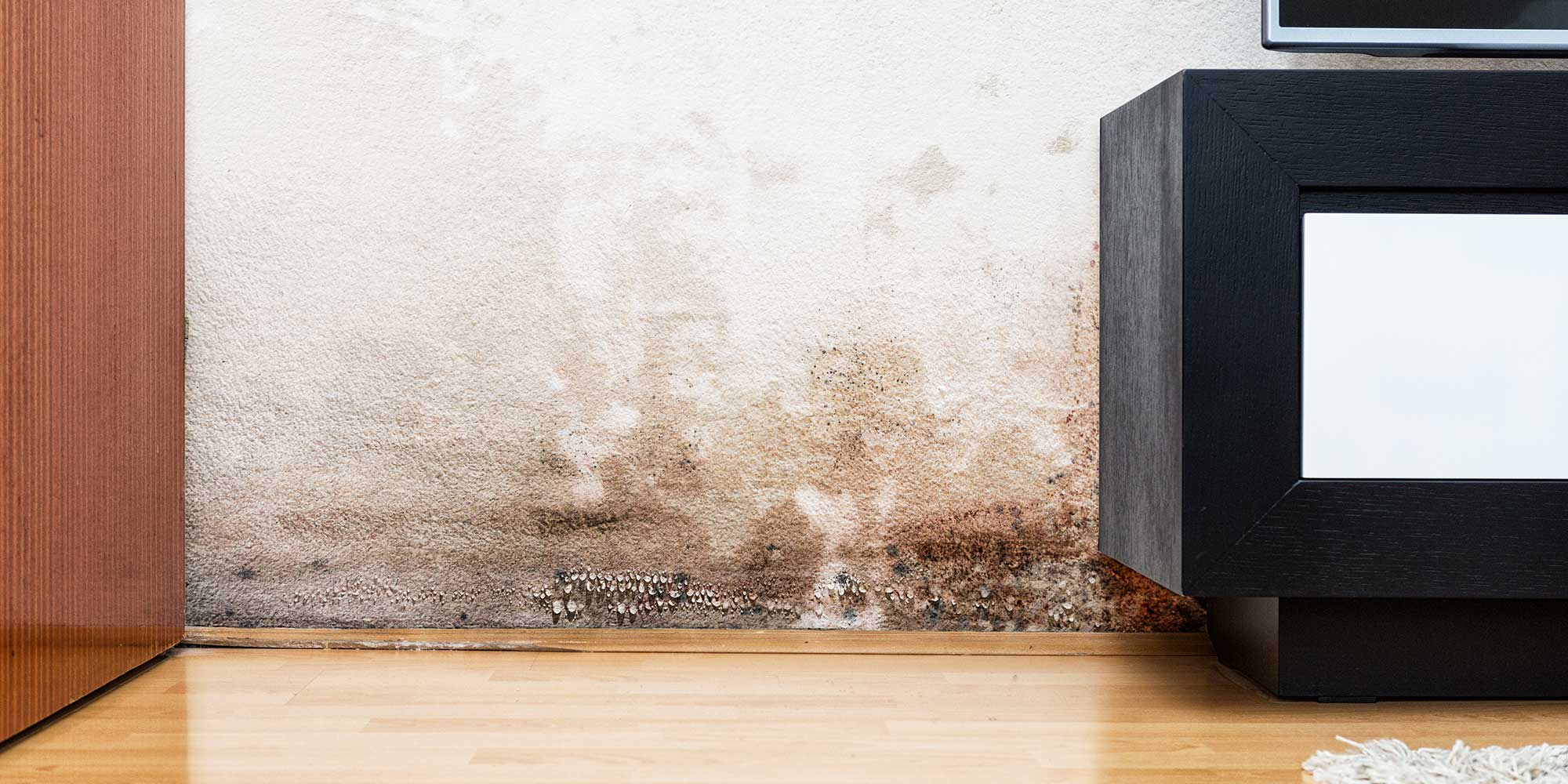
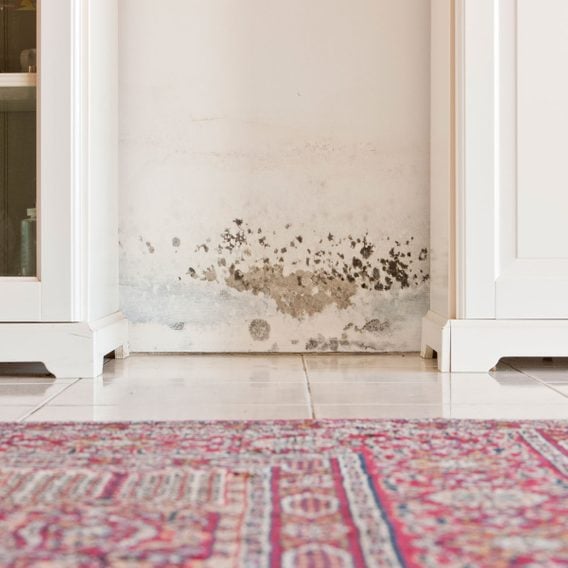
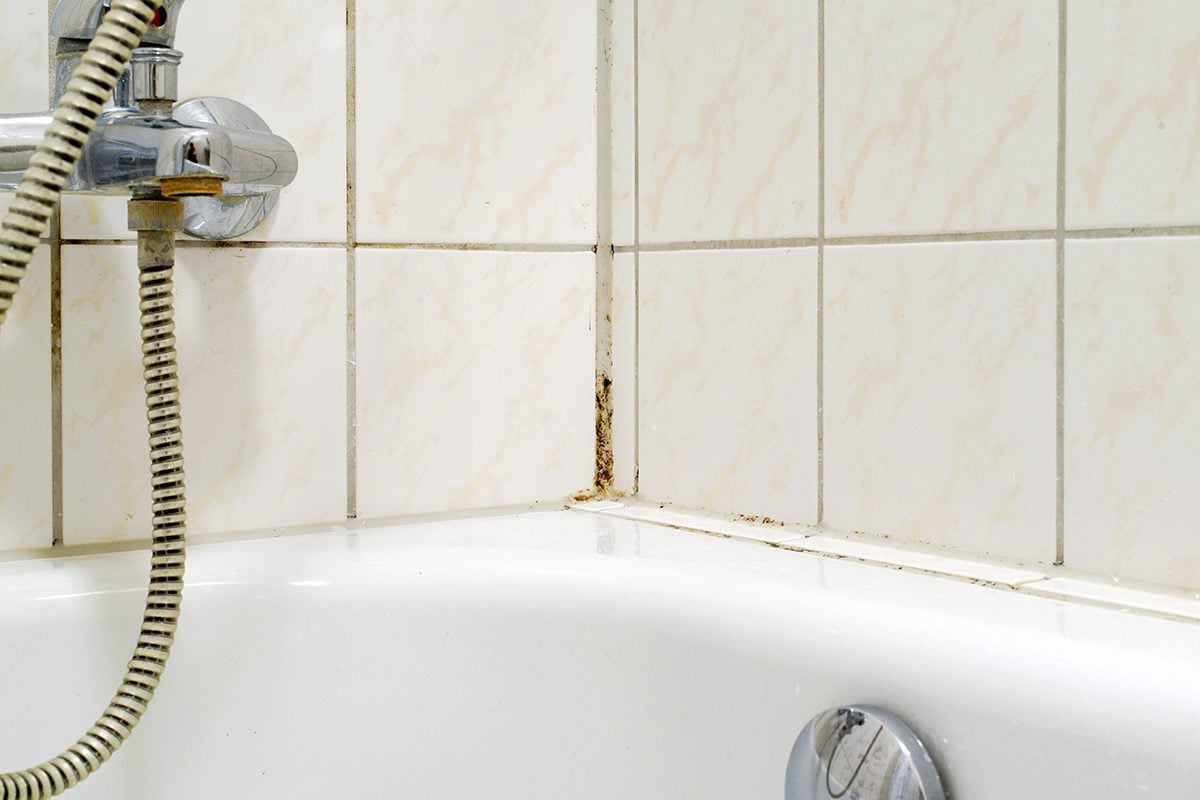
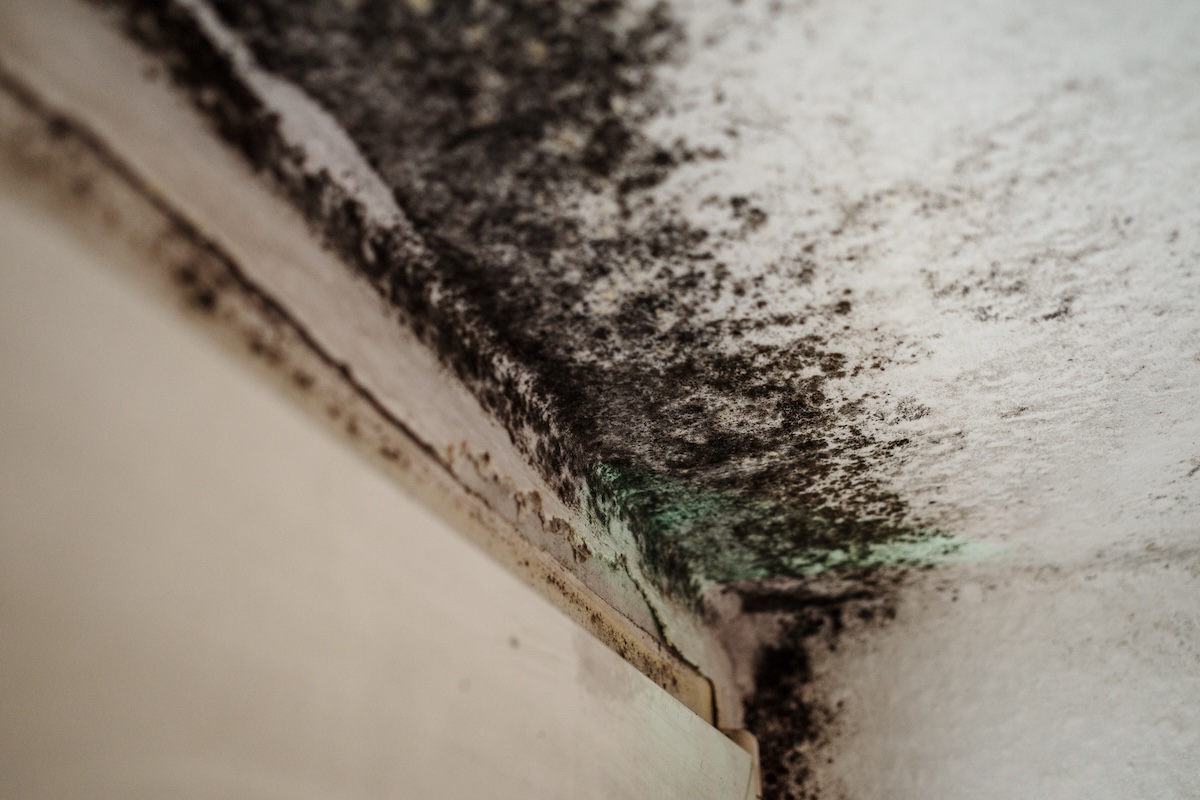
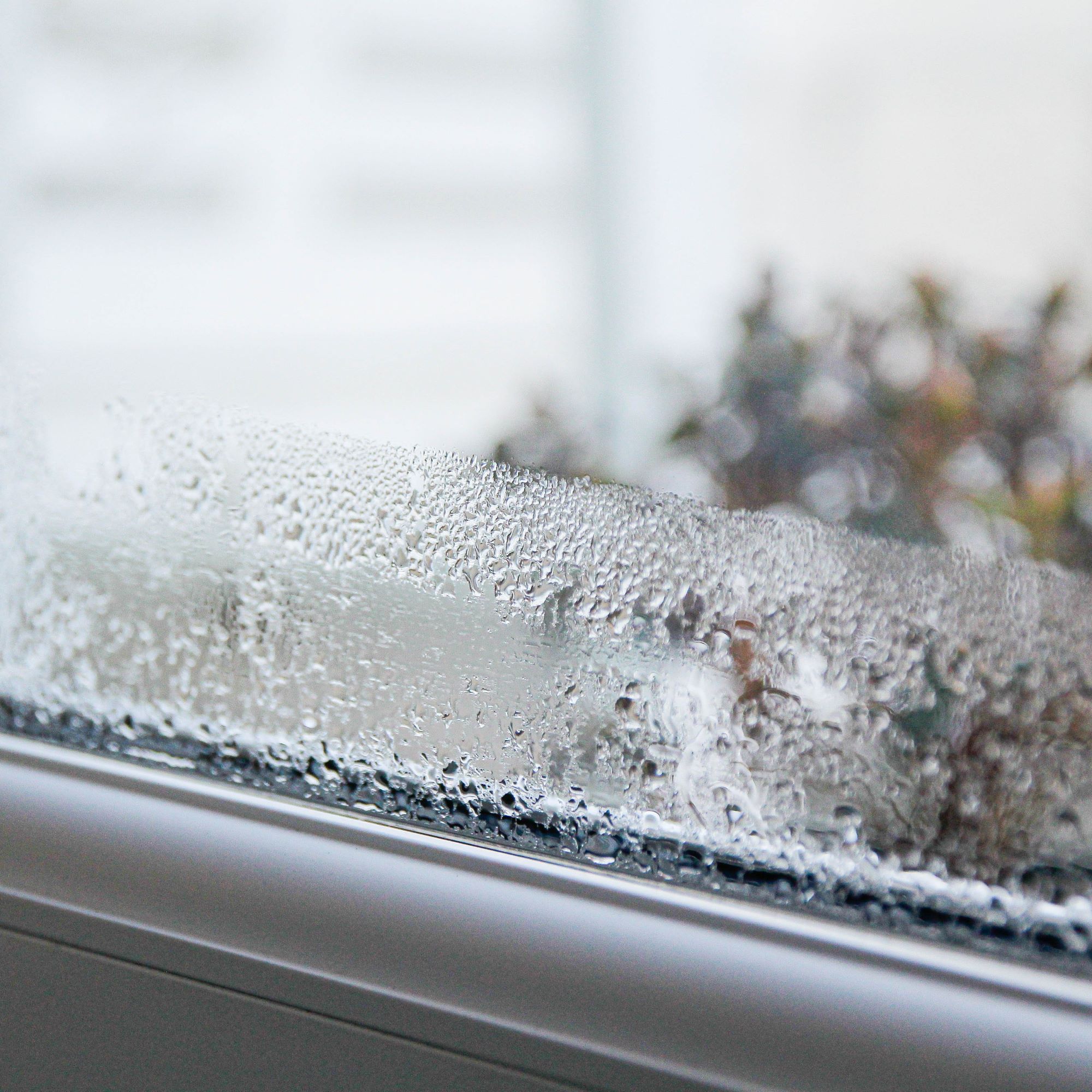
Condensation on bedroom windows is a common issue during winter months, and if left unaddressed, it can lead to paint damage, allergies, and a perpetual feeling of dampness in a room. A simple and inexpensive solution to this problem, costing less than a dollar, involves using common table salt. This household item acts as a natural dehumidifier by absorbing moisture from the air, effectively preventing condensation from dripping down windows and potentially causing mold growth on walls and seals. The hygroscopic nature of salt means it naturally draws water from its surroundings, making it an immediate, budget-friendly, and silent option for managing condensation.
However, while salt offers a quick fix, it is not a long-term solution due to its limited capacity to absorb moisture. In poorly ventilated or very damp rooms, salt can quickly become saturated and lose its effectiveness. It also does not address the underlying cause of condensation, which is warm, moist air coming into contact with cold surfaces. For more sustainable solutions, improving ventilation is crucial. This can be as simple as leaving bedroom doors open at night to allow for better air circulation and reduce trapped moisture, which also contributes to improved indoor air quality.
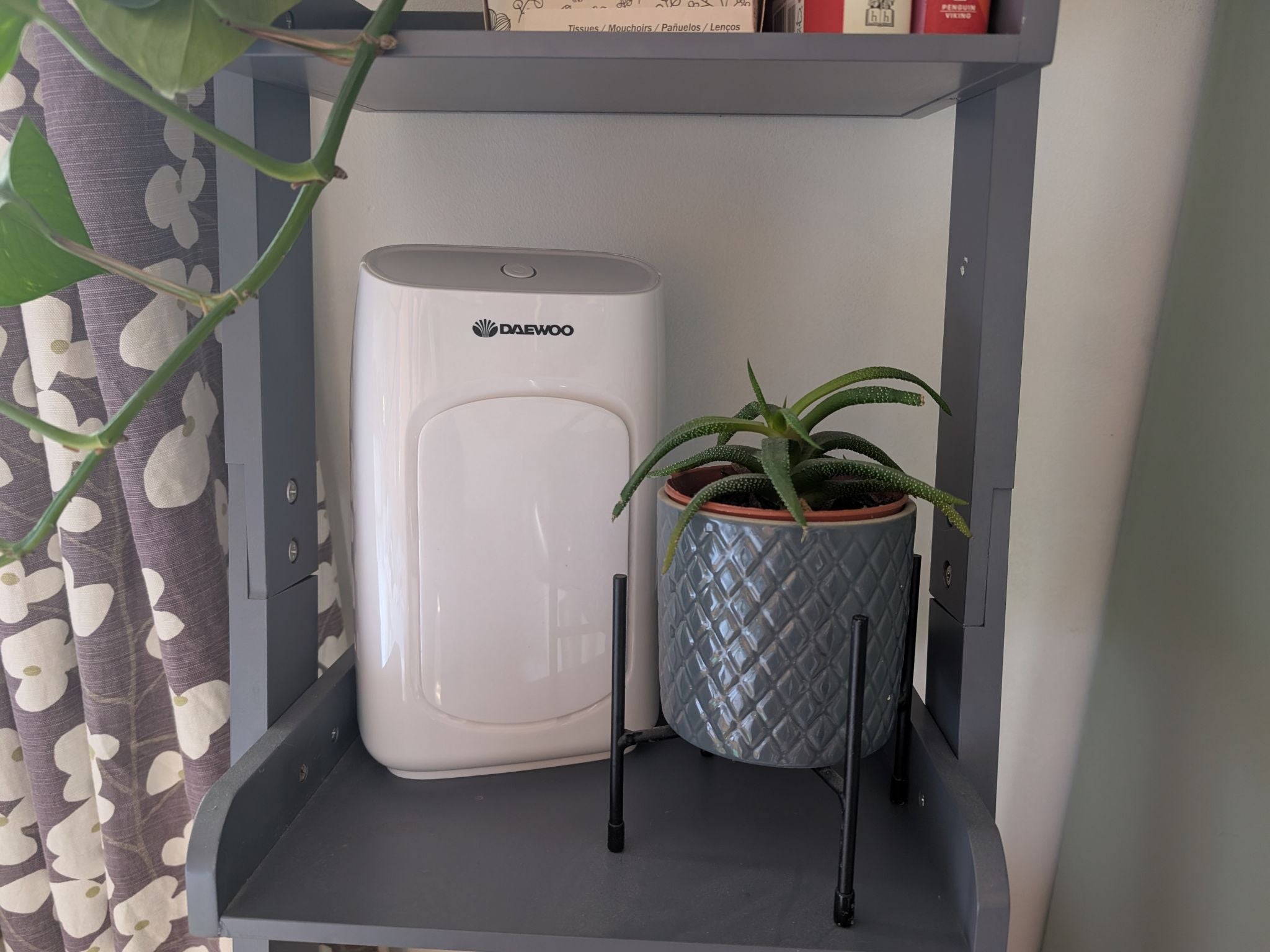
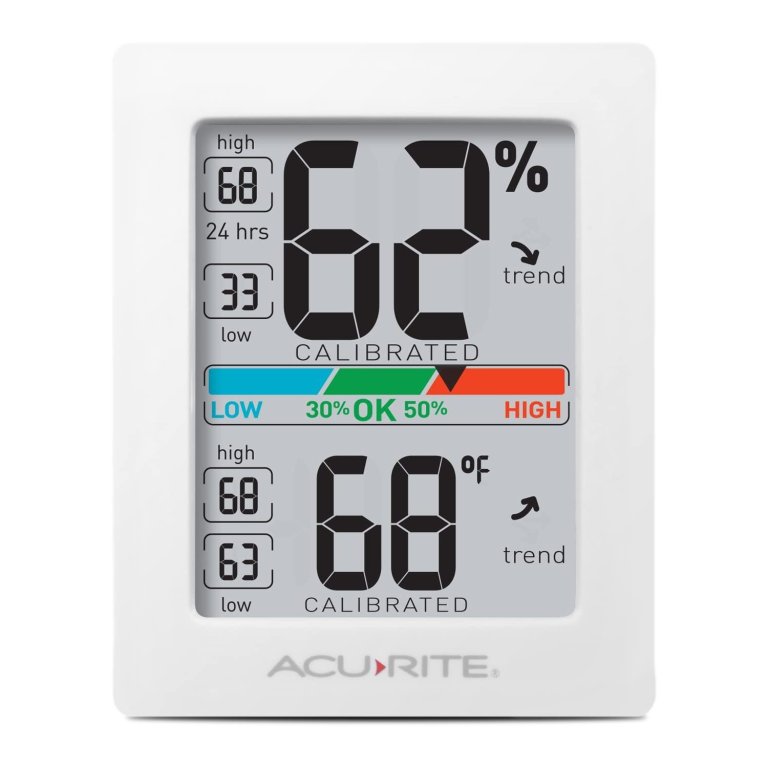
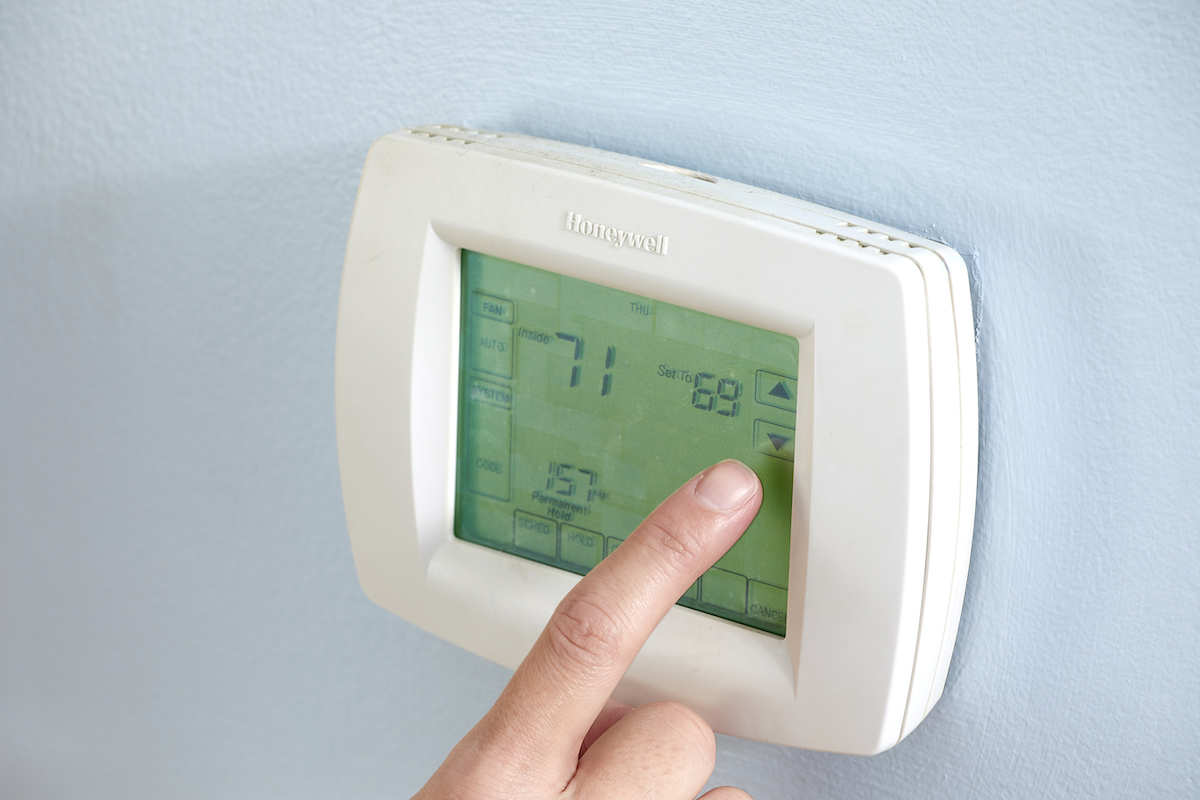
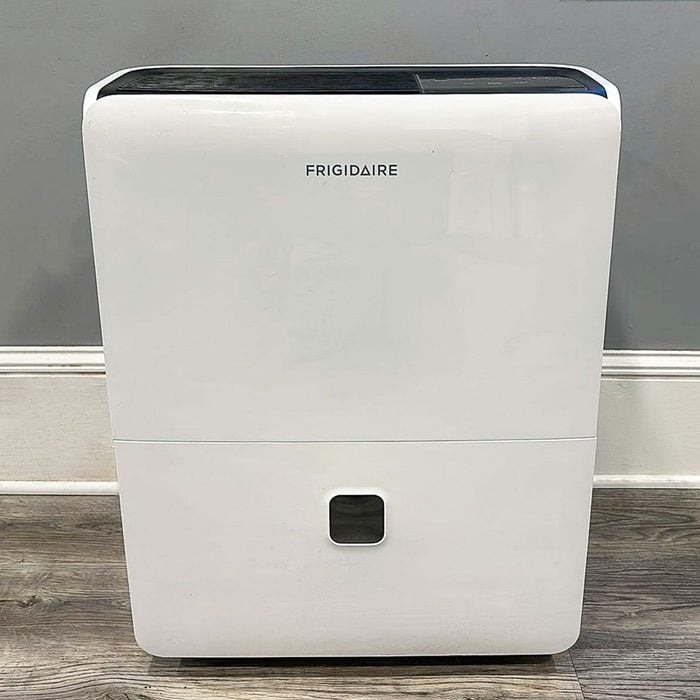
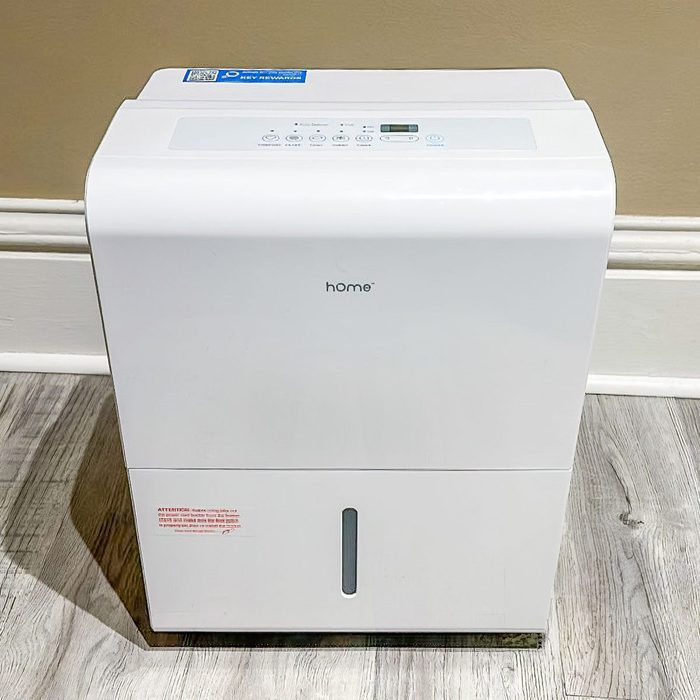
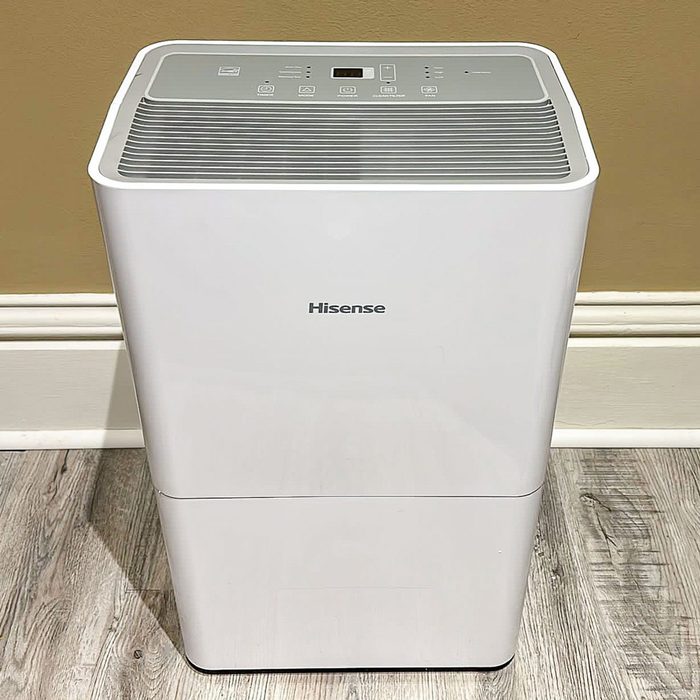
More permanent solutions to tackle persistent condensation and prevent mold include investing in a good quality dehumidifier. While these appliances can be a significant upfront cost and may produce noise, they are highly effective at controlling indoor humidity levels. Additionally, inspecting and upgrading window frames, especially in older homes with wooden frames, can make a substantial difference. Wood frames are particularly susceptible to warping and cracking when exposed to moisture, making them prone to condensation issues. Replacing them with more durable materials like steel or aluminum can offer a lasting remedy. Adjusting the thermostat to maintain an optimal indoor temperature can also help balance air moisture and reduce the likelihood of mold formation. Smart thermostats can assist in keeping temperatures consistent, which is key to effective humidity control.
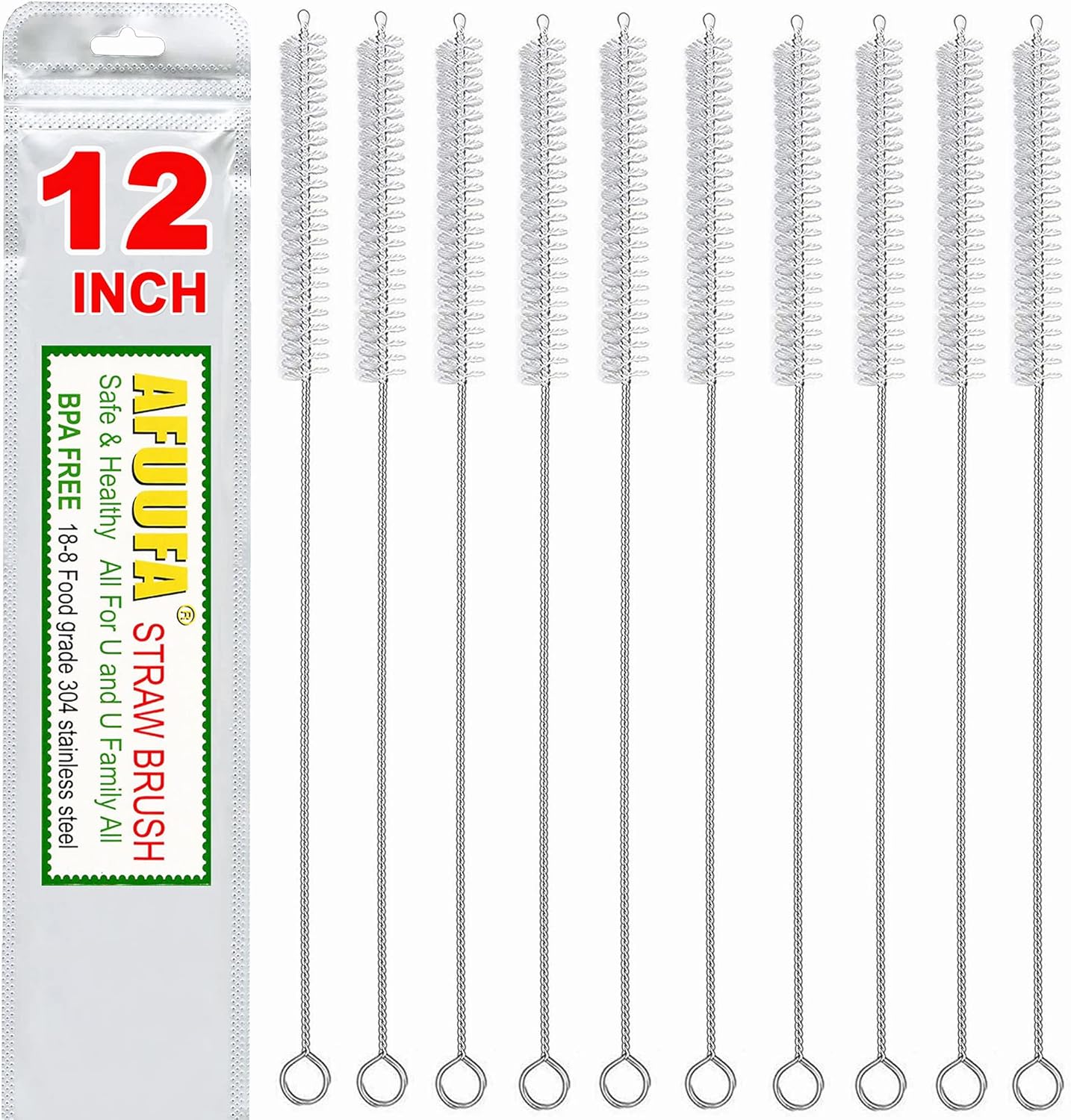
Several products are recommended for managing condensation and mold. Great Value Iodized Salt is highlighted as a super affordable option for immediate moisture absorption. For a slightly more robust solution for smaller spaces, the Damprid Reusable Moisture Absorber with drop-in tablets is suggested, which collects absorbed moisture for easy disposal. Distilled white vinegar is presented as a non-toxic cleaning agent useful for killing mold and bacteria, tackling odors, and lightening stains. Sponge cloths and detail cleaning brushes are recommended for effectively cleaning mold-prone areas and hard-to-reach spots like grout lines and window tracks. For comprehensive humidity control in consistently damp rooms, investing in a larger dehumidifier, such as the Insignia™ 35-Pint Dehumidifier, is advised, despite the initial expense, as it can prevent costly repairs and mold remediation in the long run.
The article emphasizes that managing moisture is just one aspect of mold prevention. Decluttering certain items in the home can also play a role in reducing dampness and preventing mold growth. The insights provided by Martyn Fowler of Elite Renewables and Alan Bernau Jr. of Alan's Factory Outlet underscore the importance of understanding both immediate remedies and long-term preventative measures to maintain a healthy indoor environment free from condensation and mold.
#Condensation #MoldPrevention #HouseholdTips #WinterHomeCare #MoistureControl #DIYSolutions #HomeMaintenance #IndoorAirQuality #Dehumidifier #Condensation #MoldPrevention #HouseholdTips #WinterHomeCare #MoistureControl #DIYSolutions #HomeMaintenance #IndoorAirQuality #Dehumidifier
0 comment in total
 No comments yet
You may also like

How to stop damp in a bedroom - 10 foolproof ways to keep mould at bay
5 effective ways to stop condensation gathering on your bathroom mirror

Fed Up with Chilly Nights? HVAC Pros Reveal One Quick and Free Bedroom Tweak to Keep You Warmer Without Raising Bills
My under-sink cabinet always smelled musty, but this 1 natural trick with common kitchen ingredients fixed it without harsh chemicals

How to get rid of damp

14 Easy Ways to Increase Humidity in a Dry House

Kuffa: Simple, inexpensive solutions to a wet basement
Your home stinks. Here's how to fix it, according to experts

How to prevent mould in wardrobes - expert-approved tips to protect your furniture and your clothes
My Brilliant Trick to Keeping My Shower Clean and Mold-Free Costs Only $1


How to Get Rid of the Musty Smell in Your Basement


This simple $3 long-lasting winter-proof DIY gem will keep kissing bugs out of your house this fall and beyond – thousands of Amazon shoppers swear by it
You can stop worrying about damp in your home thanks to this budget appliance

I Cleared My Blocked Bathroom Drain in Minutes With This 'Spot On' Fix

Tired of tiptoeing? These 5 methods for fixing creaking wooden floors are approved by the pros
The 9 Best Dehumidifiers for Basements to Get Ahead of Moisture Issues


6 bedroom storage mistakes that could be causing mould – and what to do instead

Mold and Mildew Cleaning and Repair

This is the only thing keeping my windows condensation-free
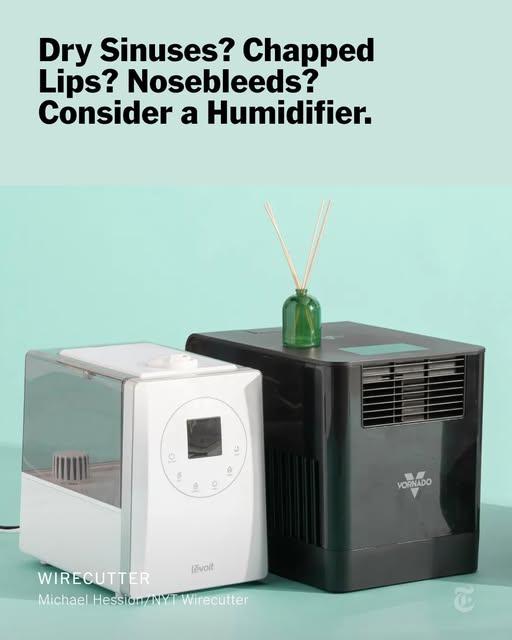
The best humidifier we found does everything right: It’s low-maintenance and easy to clean, and it humidifies the air quickly and (almost) silently. It’s also one of the very few ultrasonic humidifiers we’ve tested that can stop themselves before they turn your roo