1/8
Fed Up with Chilly Nights? HVAC Pros Reveal One Quick and Free Bedroom Tweak to Keep You Warmer Without Raising Bills
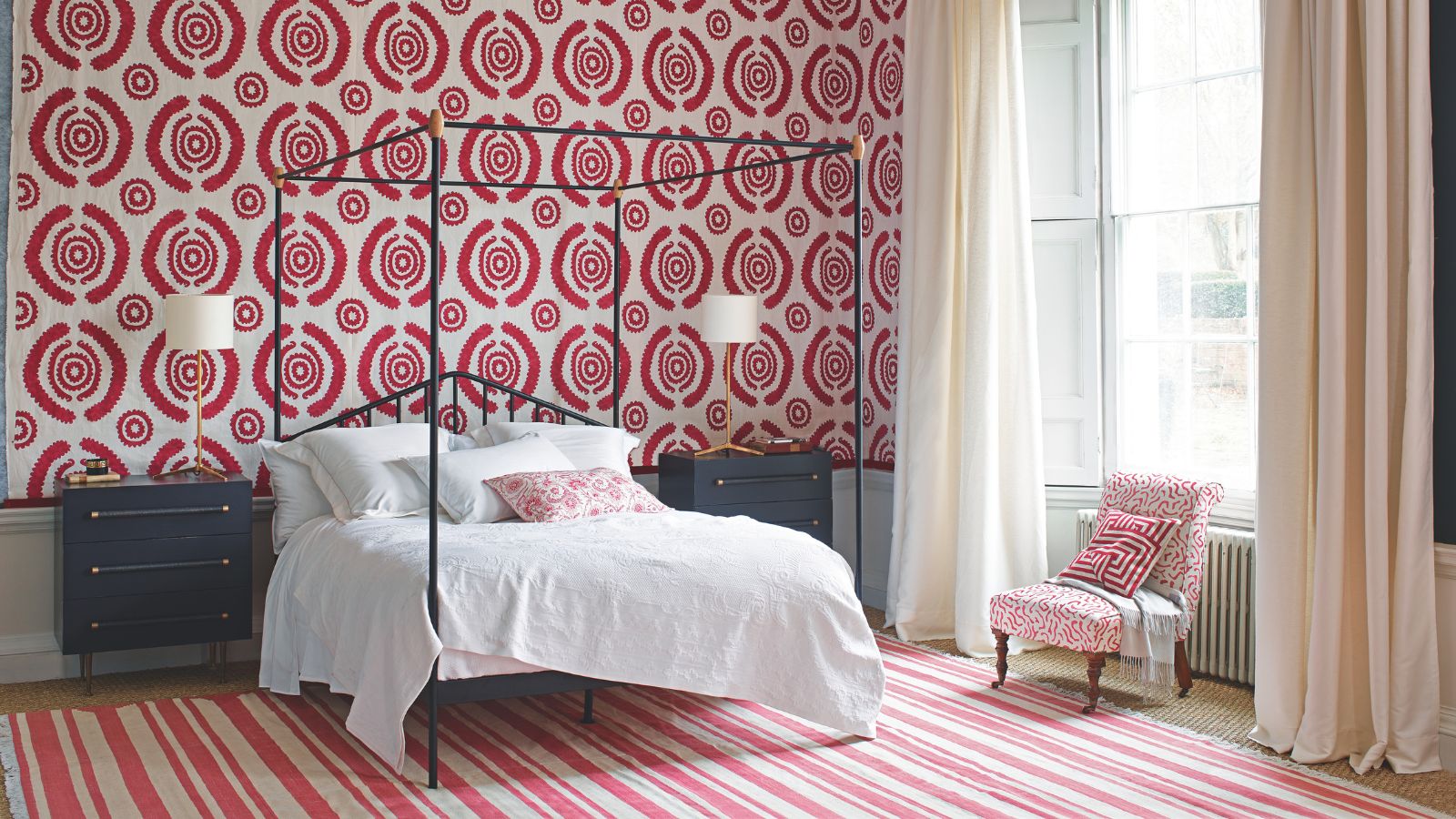
As winter temperatures drop, many individuals experience colder bedrooms, leading to discomfort and disrupted sleep. This issue is not always a matter of adjusting the thermostat, increasing radiator output, or even changing bedding. According to HVAC experts, a simple yet highly effective solution lies in the strategic placement of the bed within the bedroom, a tweak that can significantly enhance warmth and comfort without incurring additional energy costs.
Josh Mitchell, an HVAC expert and founder of AirConditionerLab, highlights that placing a bed against an exterior wall can make the entire sleep setup significantly colder. Exterior walls consistently lose heat to the outside, even when well-insulated, resulting in lower surface temperatures compared to interior walls. Mitchell's measurements show exterior wall temperatures ranging from 45 to 55°F on chilly nights, while the room's ambient air remains at a steady 68°F. This discrepancy leads to radiant heat loss from the body to the cold surface over several hours, contributing to poor sleep, cold awakenings, and the impulse to use more blankets or space heaters.
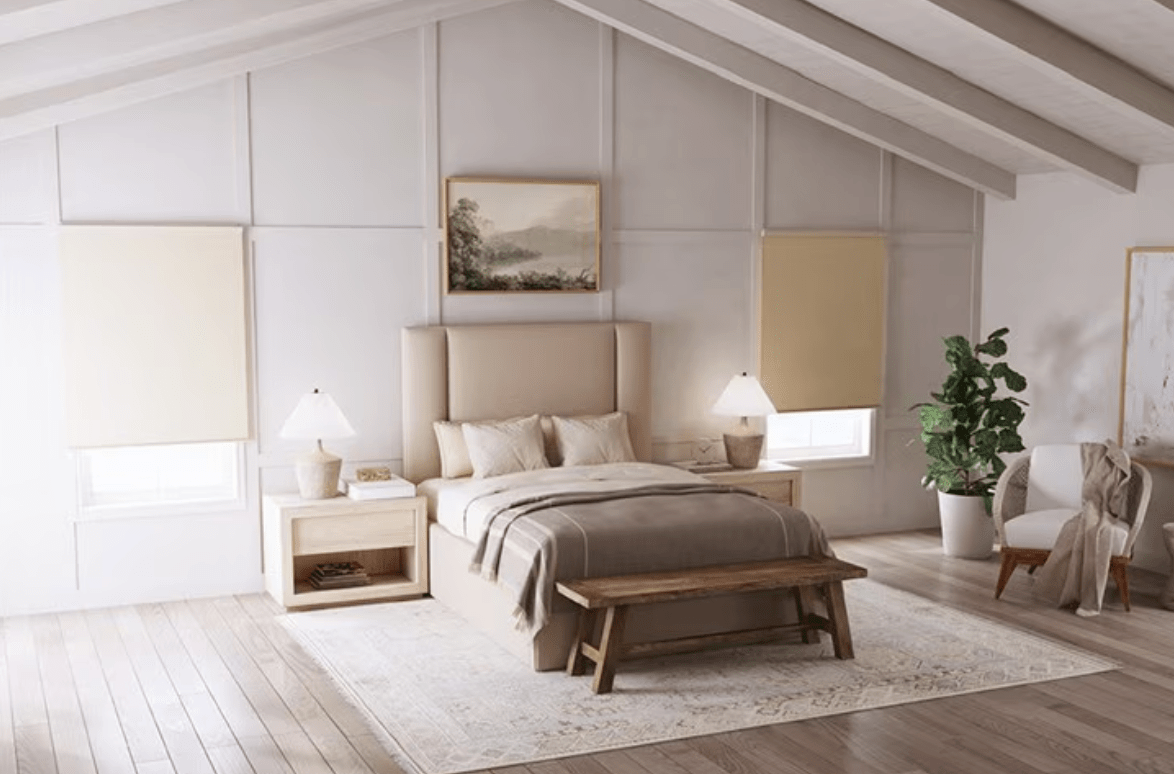
Mitchell explains that this issue is not about the room being underheated but rather about radiant heat loss to cold surfaces. The body loses heat not just through the air but also to anything it touches that is colder. To counteract this, the optimal solution is to move the bed to an interior wall. Interior walls are surrounded by conditioned spaces on both sides, maintaining temperatures very close to the room's ambient air. This minimizes heat loss from the body, stabilizes the sleep environment, and prevents cold wake-ups during the coldest hours of the night.
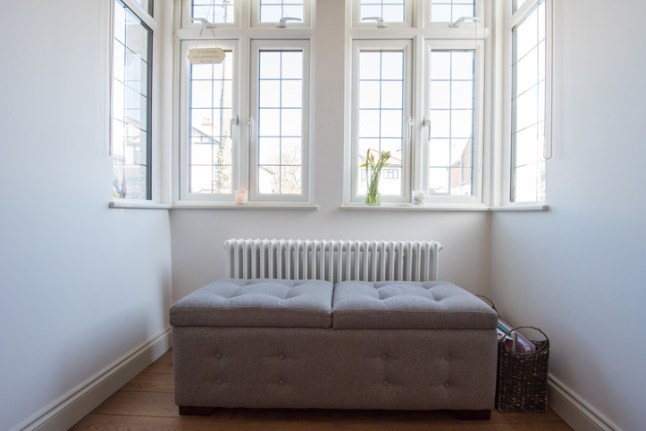
Moving a bed even just one wall over can lead to a substantial reduction in space heater usage, potentially cutting down heating hours by 50 to 70 per month. This translates directly into lower energy bills and improved sleep quality. Glenn Cault, an HVAC and air quality expert and CEO at Gault Heating & Cooling, concurs, stating that interior walls or corners formed by two interior walls are the 'warmest spots' in a room. Even a slight repositioning of the bed, moving it 12–18 inches away from a window or exterior wall, can reduce the radiant chill, as even double-pane windows and insulated walls still feel colder than interior walls.
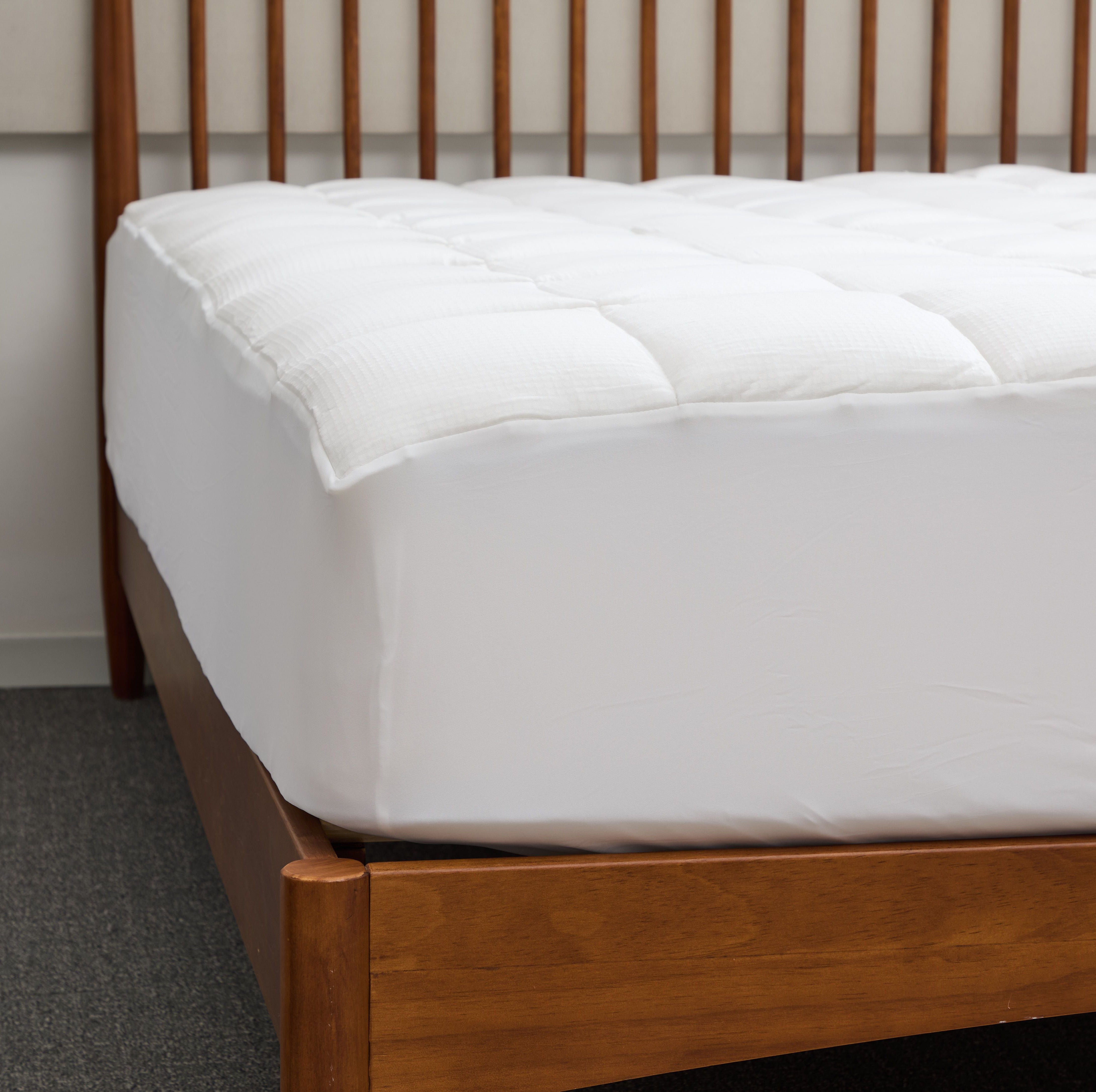
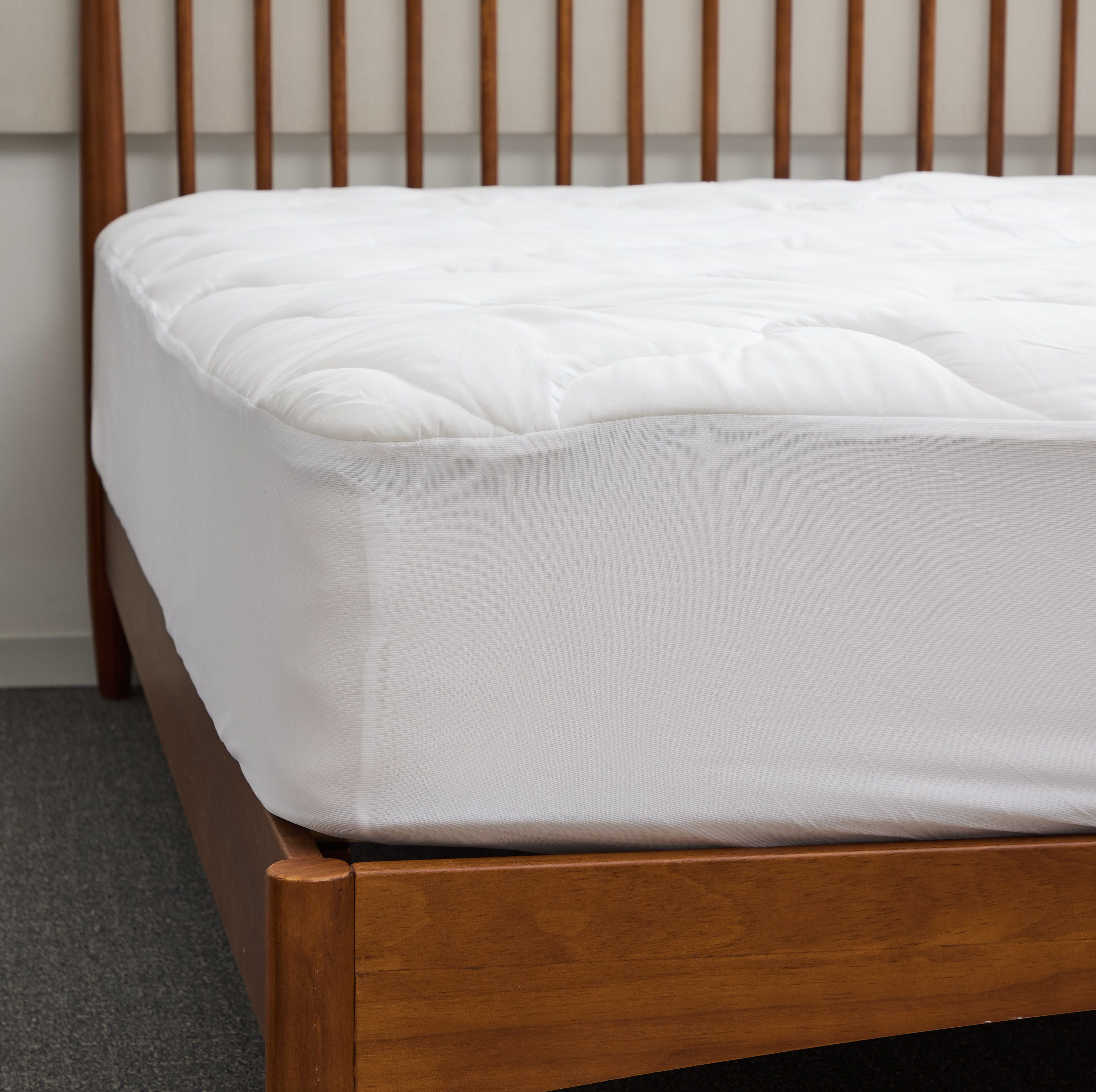
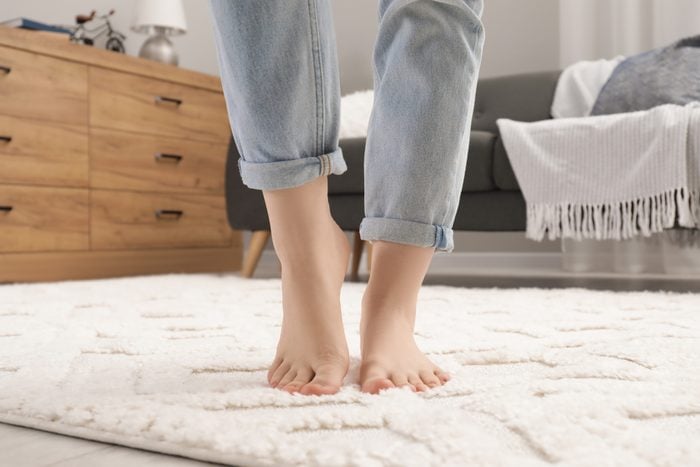
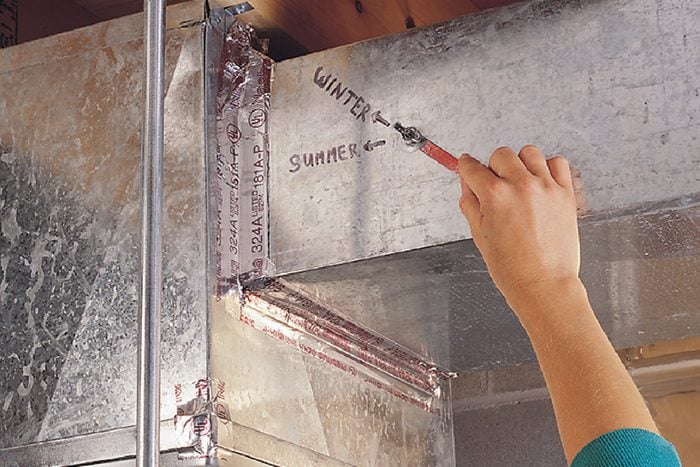
In addition to bed placement, several other measures can help maintain warmth and reduce energy bills. Using a heated mattress pad instead of a traditional blanket warms the body from below, consumes less wattage, and retains heat more effectively under the covers. Laying down thick rugs or carpets can insulate bare floors, which can otherwise cause room temperatures to drop. Layering breathable natural materials like cottons and wool for bedding allows for easy adjustment to body temperature. Checking vent placement to ensure proper air circulation and using a programmable thermostat to pre-warm the room before bedtime are also effective strategies. These collective adjustments can create a significantly warmer and more energy-efficient bedroom environment, improving sleep and reducing heating costs.
#HVACAdvice #BedroomComfort #WinterWarming #EnergyEfficiency #HomeHeating #SleepImprovement #BedPlacement #RadiantHeatLoss #ThermostatSettings #HVACAdvice #BedroomComfort #WinterWarming #EnergyEfficiency #HomeHeating #SleepImprovement #BedPlacement #RadiantHeatLoss #ThermostatSettings
0 comment in total
 No comments yet
You may also like

Hot Sleepers: We Found the Best Way to Make Your Bed Cooler and Comfier

17 Tips and Hacks to Help Keep Your House Warm This Winter

Stop Bedroom Damp with This 84-Cent Natural Home Fix
This Is the Direction Your Fan Should Be Spinning in the Winter

Here's How I Cooled My Bedroom Fast Without Turning On the AC

Buy One, Get One Free: Increase Your Home’s Energy Efficiency With This Simple Upgrade


Homeowner reveals how your ceiling fan could keep you warmer in the winter: 'No wonder my room was so hot during the summer'


7 easy and efficient ways to keep your house warm this winter
How do I Make a Cold Room Feel Warmer? 5 Ways to Cozy up Your Home Without Cranking up the Heat


Heat your home efficiently this winter
9 cheap ways to heat your home this winter for under £10 each

How to keep your house warm in winter — 29 budget-friendly and easy ways to stay cosy
HVAC Pros Say This One Fall Task Can Make Your Home Feel So Much Warmer (and It's So Easy!)

No AC? No problem – this handy $50 upgrade will instantly cool any room
Best cooling bedding, tried and tested by hot sleepers

I Have the Coldest Bedroom. But This Fancy Space Heater Finally Did the Trick. | Reviews by Wirecutter

Warm Up Your Space & Lower Your Bills With This Energy-Efficient Home Swap

£14 heating trick has kept my house warm and thermostat lower as energy bills set to rise
This Simple DIY Upgrade Keeps Your Garage Comfortable and Warm
The 1 Super-Quick Thing You Should Do To Your Ceiling Fan In The Winter