1/8
Here's How I Cooled My Bedroom Fast Without Turning On the AC
The article discusses how cross ventilation can be an effective and energy-saving method to cool a home, particularly a bedroom or home office, without solely relying on air conditioning. The author shares a personal experience of using cross ventilation to keep a difficult-to-cool home office comfortable during a heatwave, by opening windows overnight to bring in cooler air and closing them in the morning to retain the cool. This simple practice resulted in a more comfortable room temperature and reduced AC usage, leading to substantial energy savings.
Cross ventilation operates on the principle of pressure differentials caused by wind around a building. High-pressure airflow on the upwind side and a low-pressure zone on the downwind side facilitate air movement through open windows. This method allows cool outdoor air to flow directly through the home, bypassing the insulation and effectively cooling the interior. Once the desired indoor temperature is achieved, closing windows and curtains helps to maintain coolness and slow down heat absorption. This technique is most effective when the outside air is cooler than the indoor air, making it ideal for mild weather or cooler nights. The author typically closes windows and relies on AC when outdoor temperatures exceed 75°F, or when nighttime temperatures don't drop below 70°F.
The article clarifies that cross ventilation and air conditioning can complement each other. While an AC system functions most efficiently with closed windows to prevent air exchange with the outside, cross ventilation can significantly reduce the workload on the AC during milder periods. For the author, incorporating cross ventilation into their routine as a remote worker led to a halving of their AC running time and notable financial savings.
However, the effectiveness of natural ventilation is influenced by several factors, including climate and home layout. Coastal and arid regions, which often experience significant nighttime temperature drops, are ideal for this method. Humid climates may find it less effective, though it still offers the benefit of fresh air. It's crucial to close windows during hot daytime hours to prevent warm air from entering and overworking the AC. Air quality is another important consideration; opening windows is not advisable during periods of poor air quality due to pollutants like wildfire smoke. The physical layout of a home also matters, as a direct path for airflow is essential for a good cross breeze. Obstacles like complex hallways can create turbulence and diminish cooling efficiency.
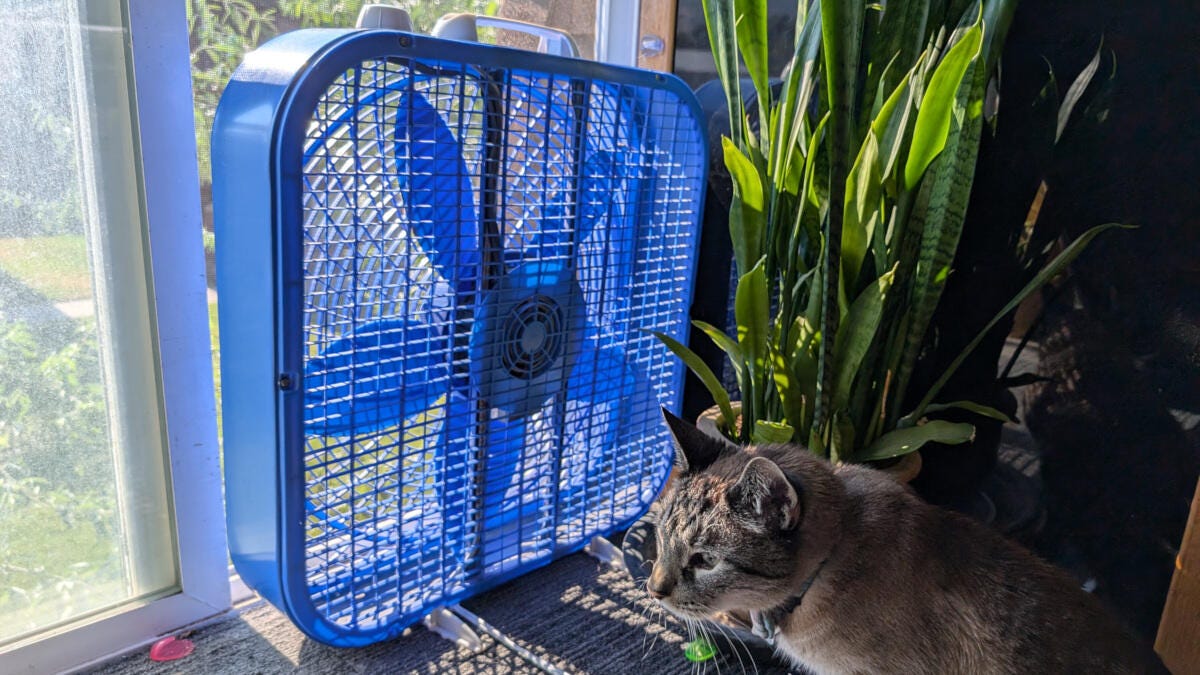
For homes where natural cross breezes are challenging to achieve, window fans offer a practical alternative. The article details two primary methods: exhaust ventilation, which uses a single fan to push air out, creating a negative pressure zone that draws air through the home; and balanced ventilation, which employs an additional fan to blow air in, creating a more consistent and powerful breeze. The author utilizes a balanced ventilation setup with two box fans, smart plugs, and temperature sensors integrated into a Samsung SmartThings smart hub. This smart setup automates the fans based on indoor and outdoor temperatures, preventing rooms from becoming too cold or fans from running unnecessarily. This smart home integration allows for precise control, ensuring optimal energy use and comfort. For those with compatible HVAC systems, fresh air ventilators from brands like Ecobee and AprilAire offer similar whole-house ventilation capabilities, supporting features like 'Free Cooling' that leverage cooler outdoor air to reduce reliance on mechanical cooling.
#HomeCooling #CrossVentilation #EnergyEfficiency #SmartHome #AirConditioning #DIYCooling #HomeEnergySaving #WindowFans #HomeCooling #CrossVentilation #EnergyEfficiency #SmartHome #AirConditioning #DIYCooling #HomeEnergySaving #WindowFans
0 comment in total
 No comments yet
You may also like

No AC? No problem – this handy $50 upgrade will instantly cool any room


Hot Sleepers: We Found the Best Way to Make Your Bed Cooler and Comfier


How to keep a top-floor apartment cool in summer


Where to Place Fans in Your Home for Maximum Cooling

Fed Up with Chilly Nights? HVAC Pros Reveal One Quick and Free Bedroom Tweak to Keep You Warmer Without Raising Bills

Stop Bedroom Damp with This 84-Cent Natural Home Fix

HVAC Pros Say This One Fall Task Can Make Your Home Feel So Much Warmer (and It's So Easy!)


How to keep an entryway warm and cozy in winter – without heating

How do I Make a Cold Room Feel Warmer? 5 Ways to Cozy up Your Home Without Cranking up the Heat


11 Easy Ways to Make Your Bedroom Extra Cozy

5 Best Ductless Air Conditioners of 2025

The Best Garage Air Conditioners for Garages and Workshops


Changing This Ceiling Fan Setting Will Make Your Room Feel Instantly Cooler


Our Favorite ACs Keep You Cool Quietly and Efficiently
Cool Down Your Home Without Paying Up Using These Top-Rated Pedestal Fans


I Have the Coldest Bedroom. But This Fancy Space Heater Finally Did the Trick. | Reviews by Wirecutter


Sick of the heat? Here's how to keep your home cool, heatwave or not, if you don't have AC
I had air con installed in my bedroom and was shocked how quick and easy it was
Best cooling bedding, tried and tested by hot sleepers
This Easy Ceiling Fan Trick Will Help Keep You Cool in the Summer