1/11
These simple mistakes could be why your dehumidifier isn't working properly – and here's how to avoid them
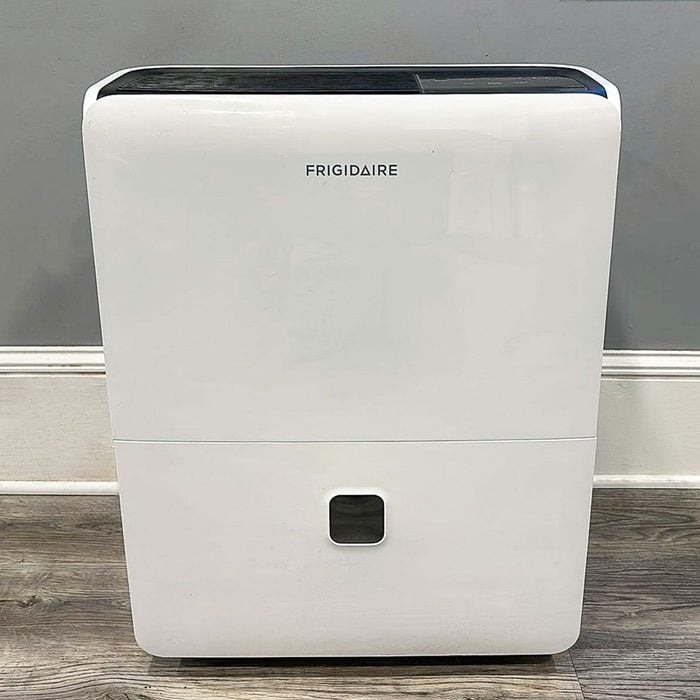
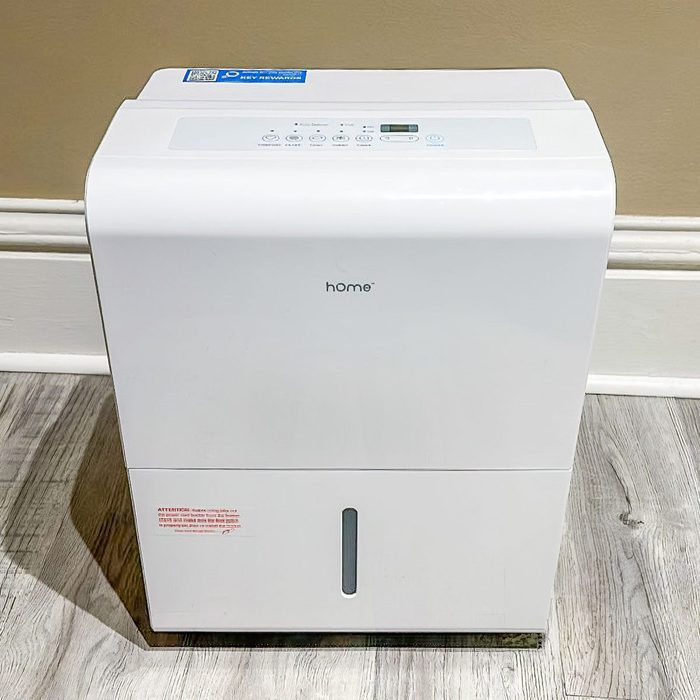
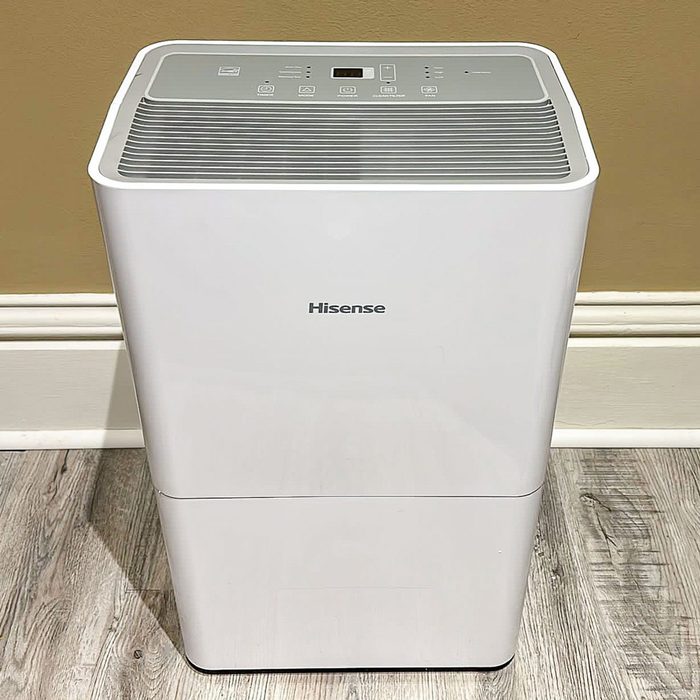
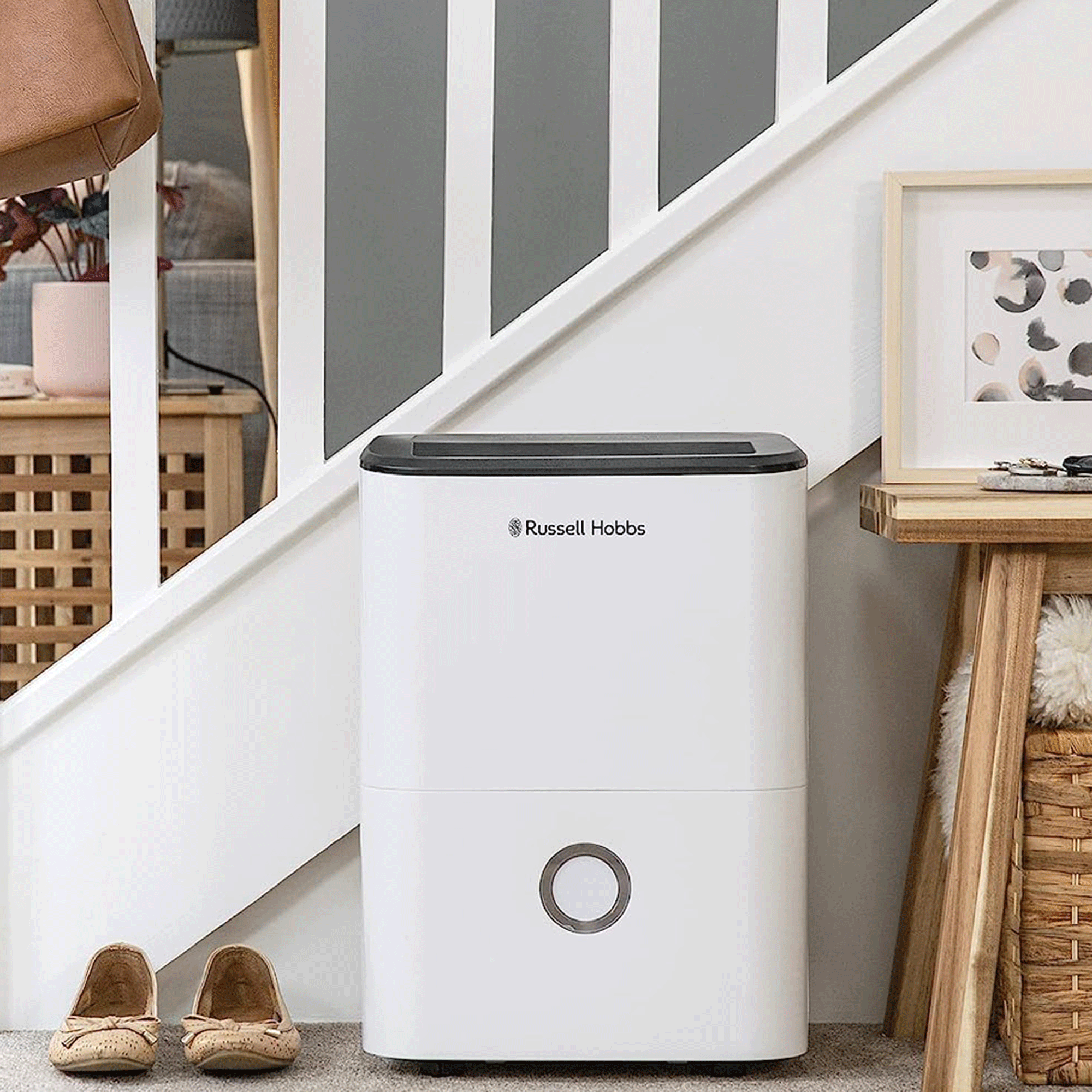
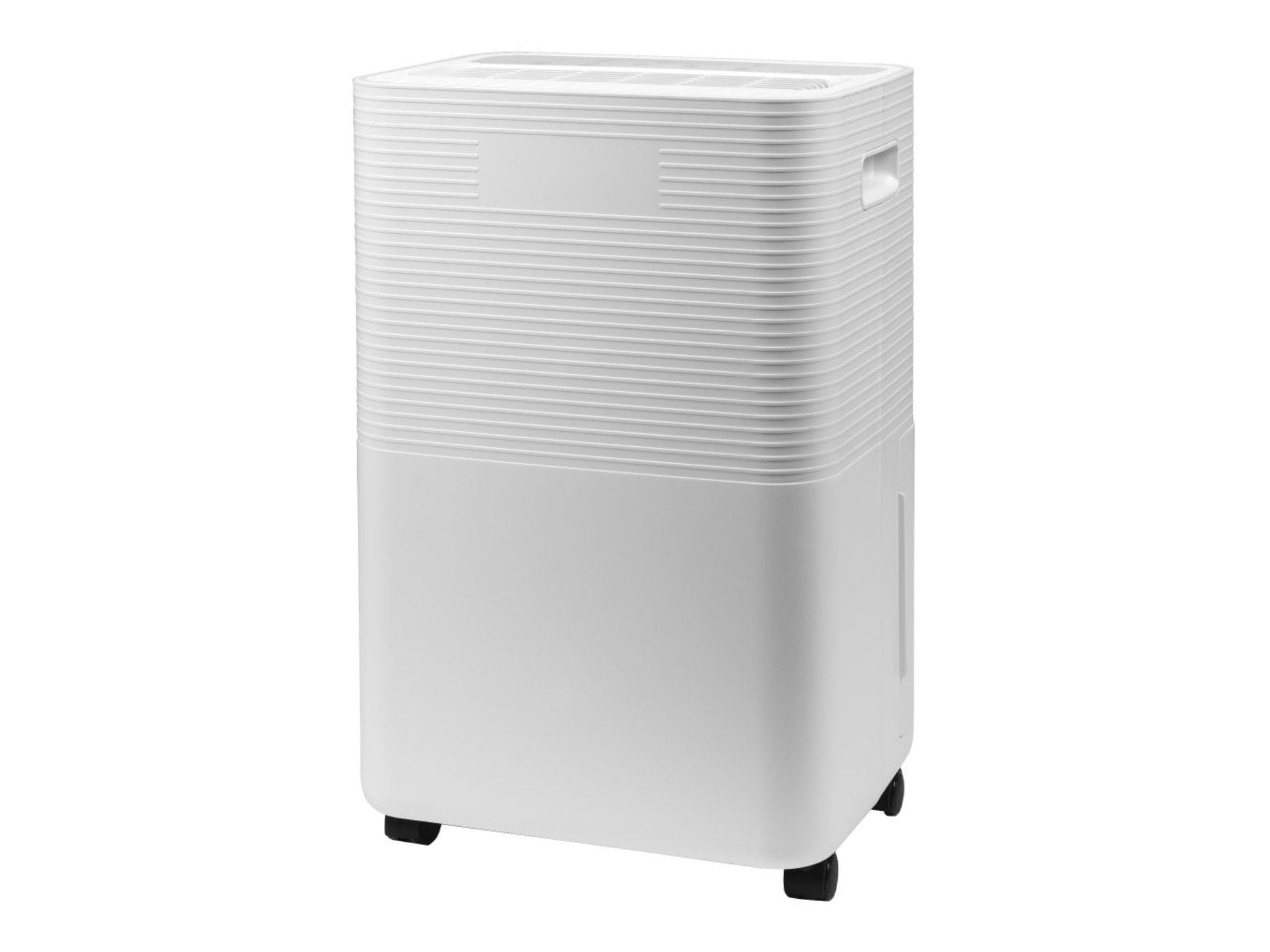
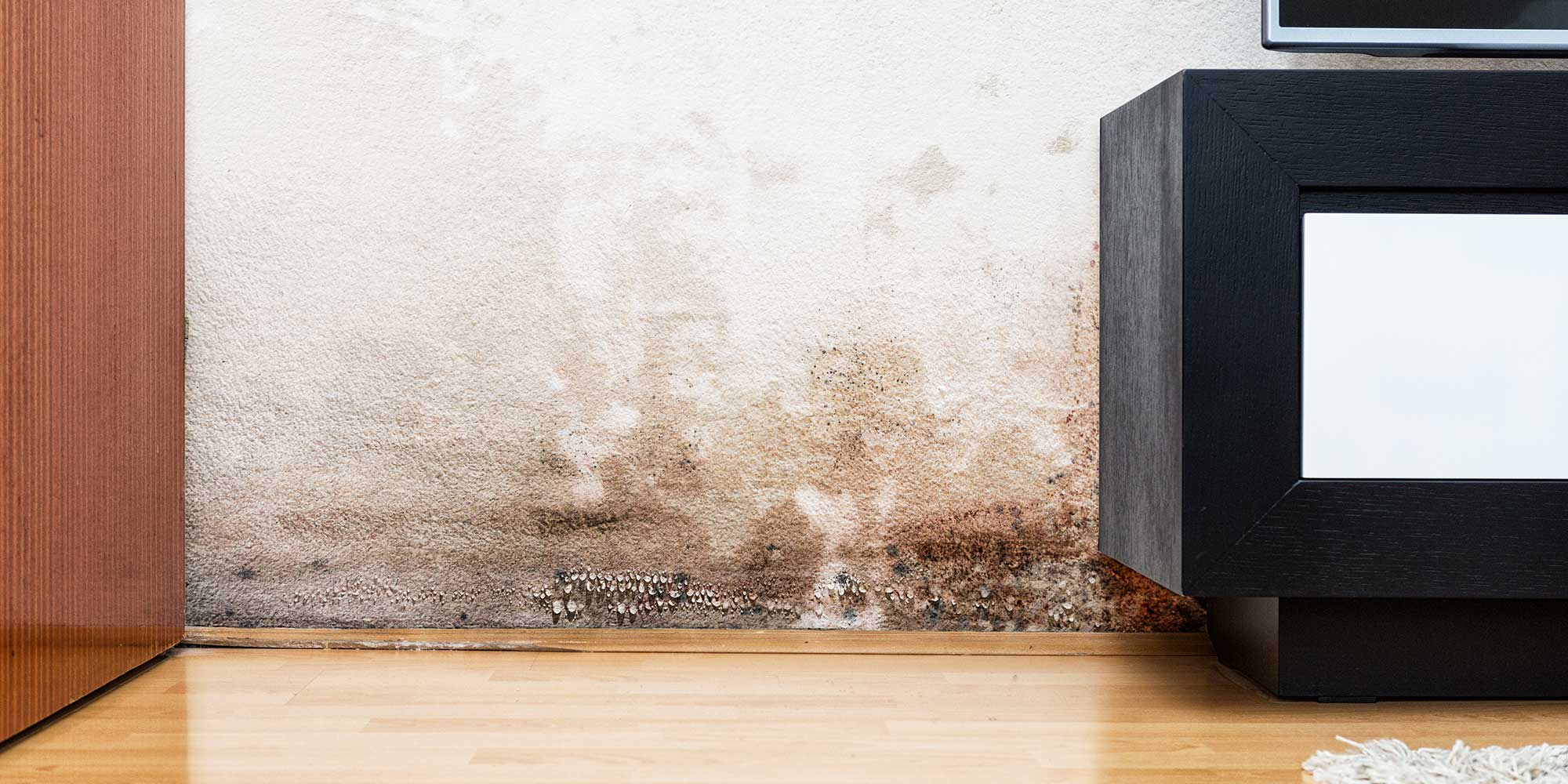
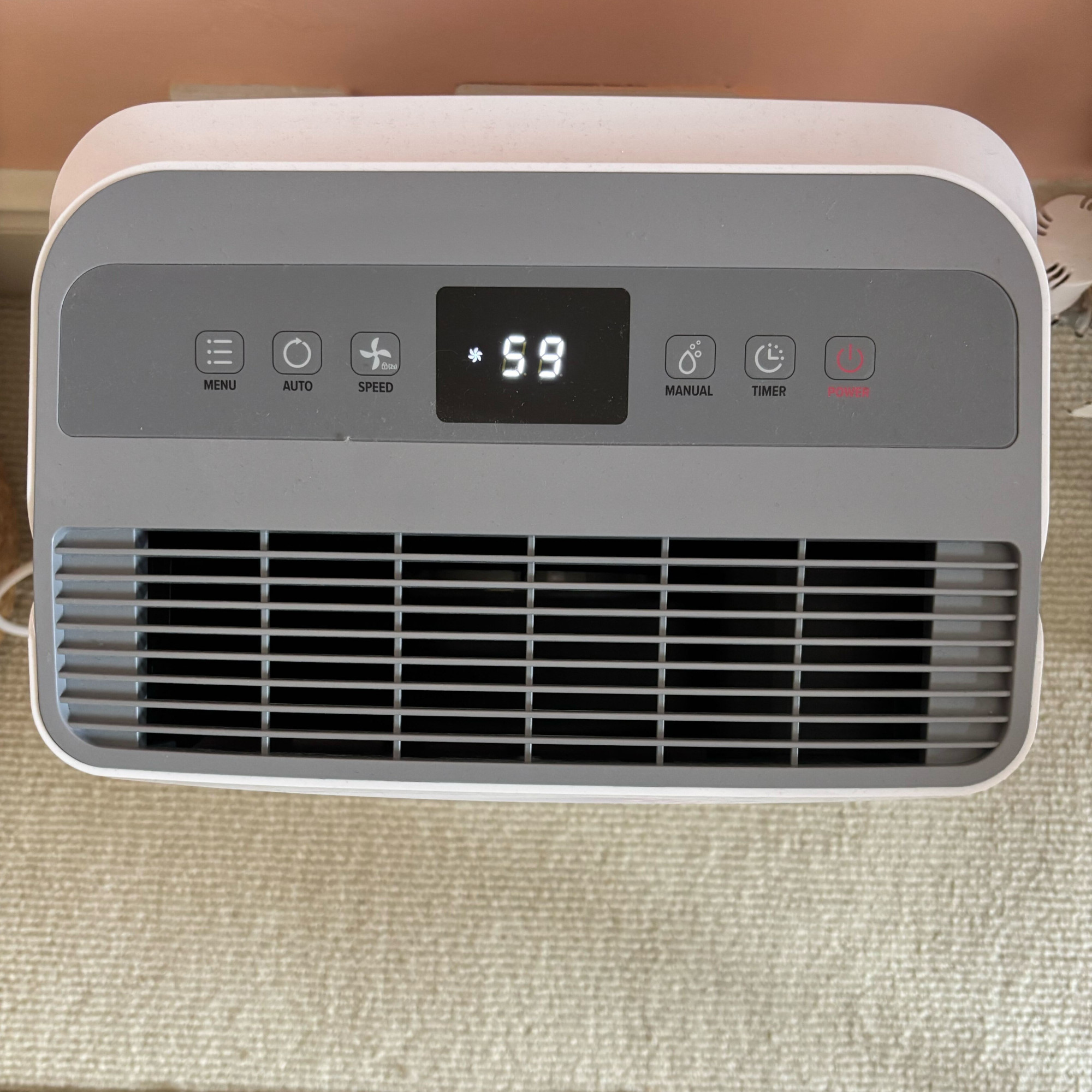
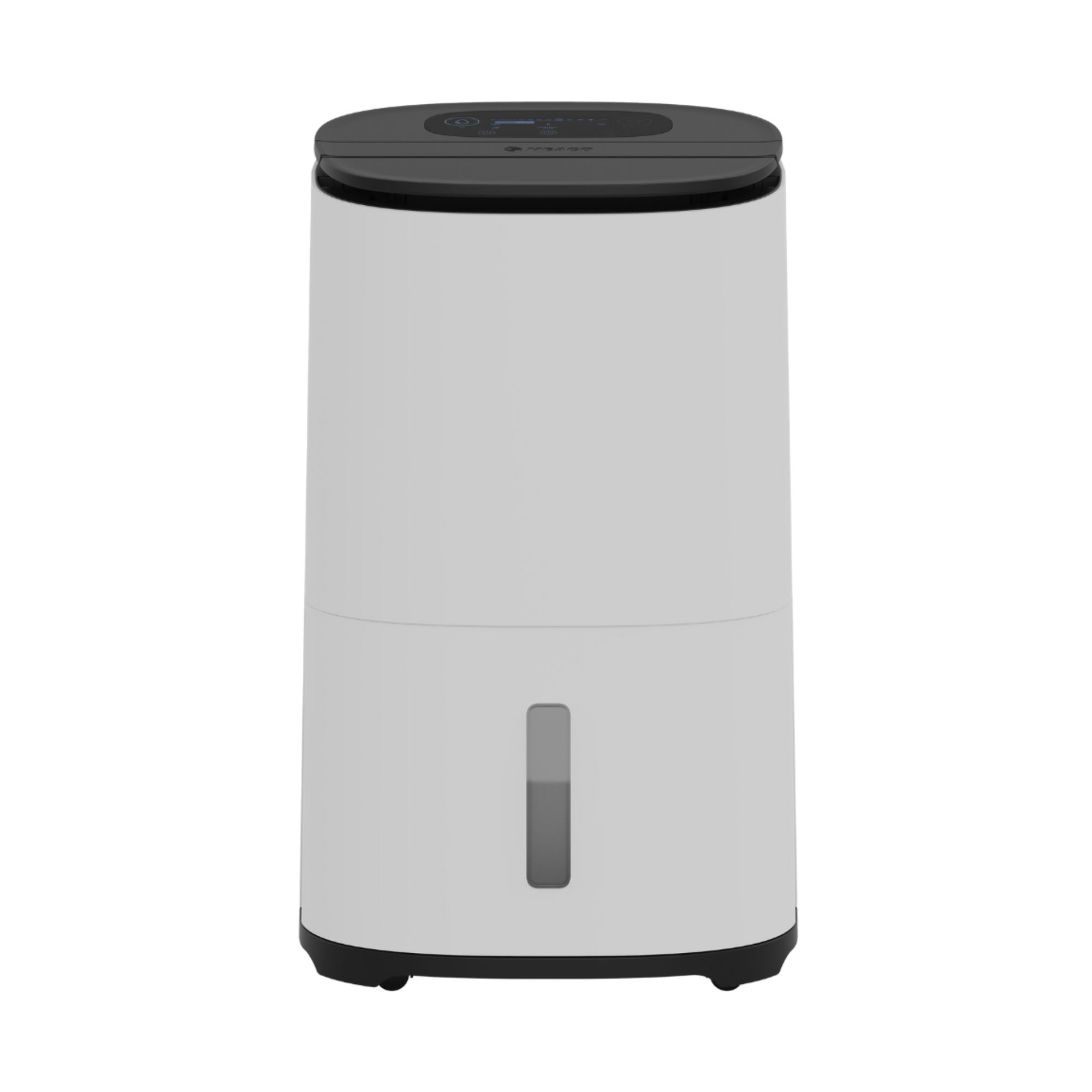
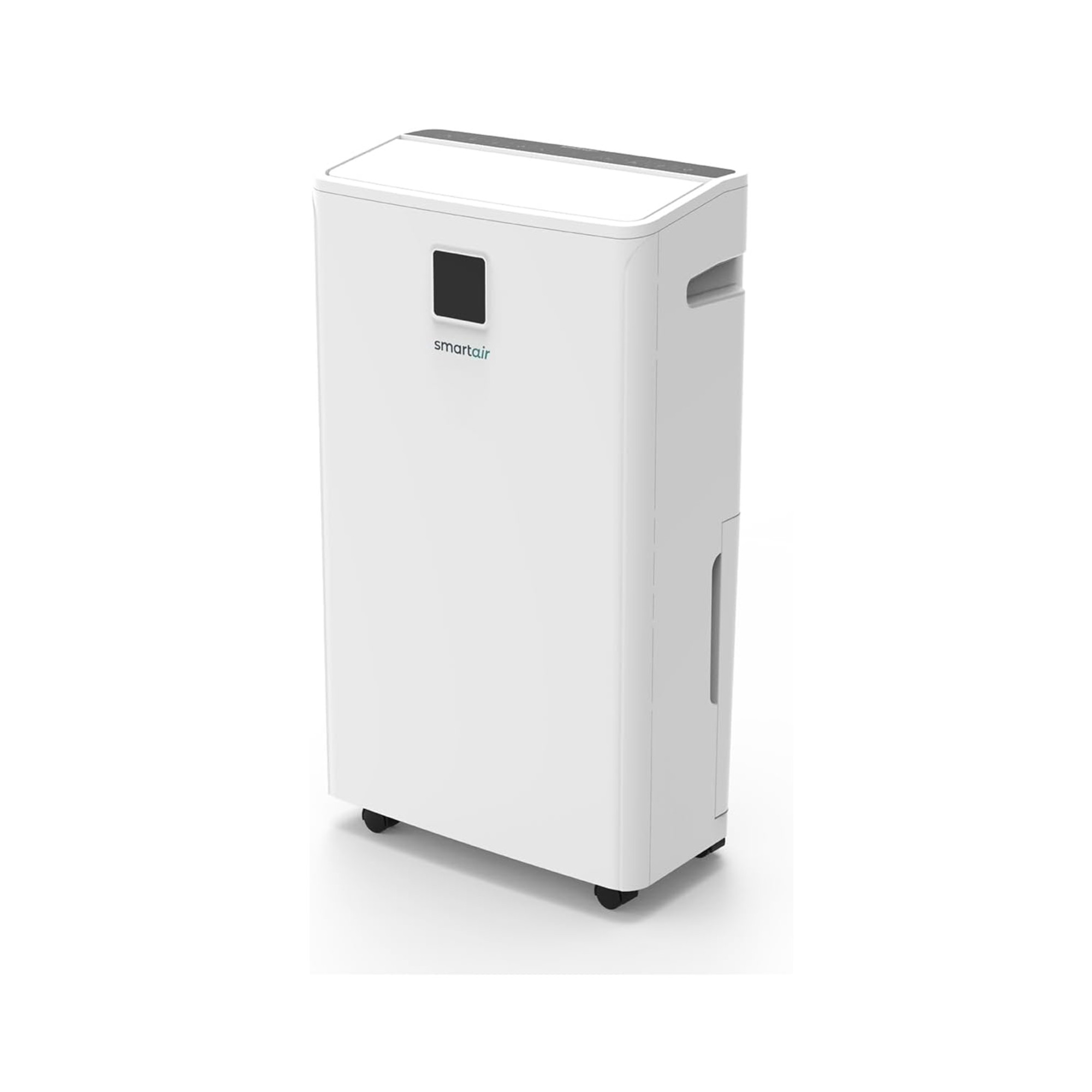
Dehumidifiers are valuable appliances for maintaining ideal humidity levels in homes, especially during colder, wetter months, by preventing damp, condensation, and mould. However, many users make common mistakes that reduce the effectiveness and efficiency of these devices. Understanding and rectifying these errors can significantly boost a dehumidifier's performance and save on energy costs.
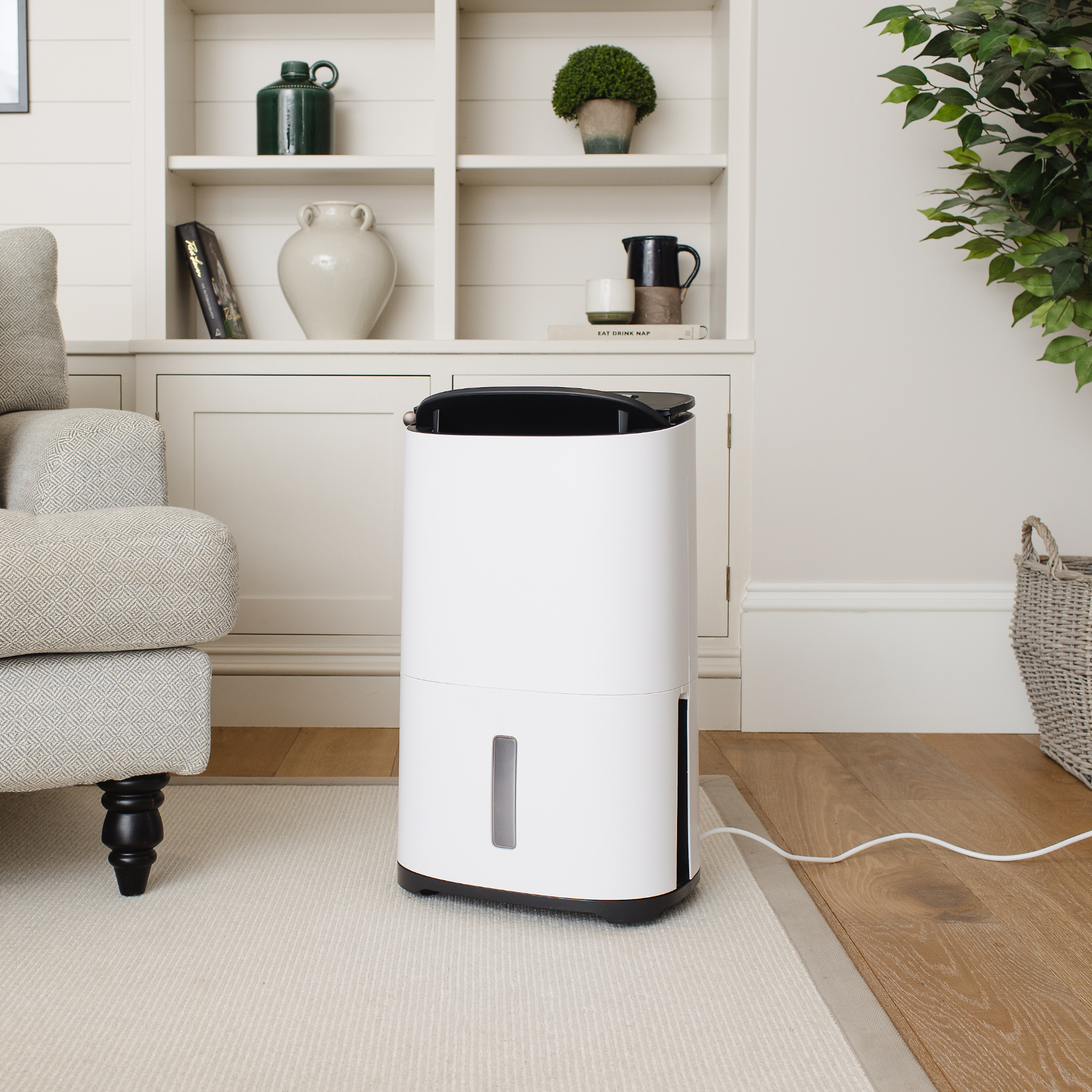
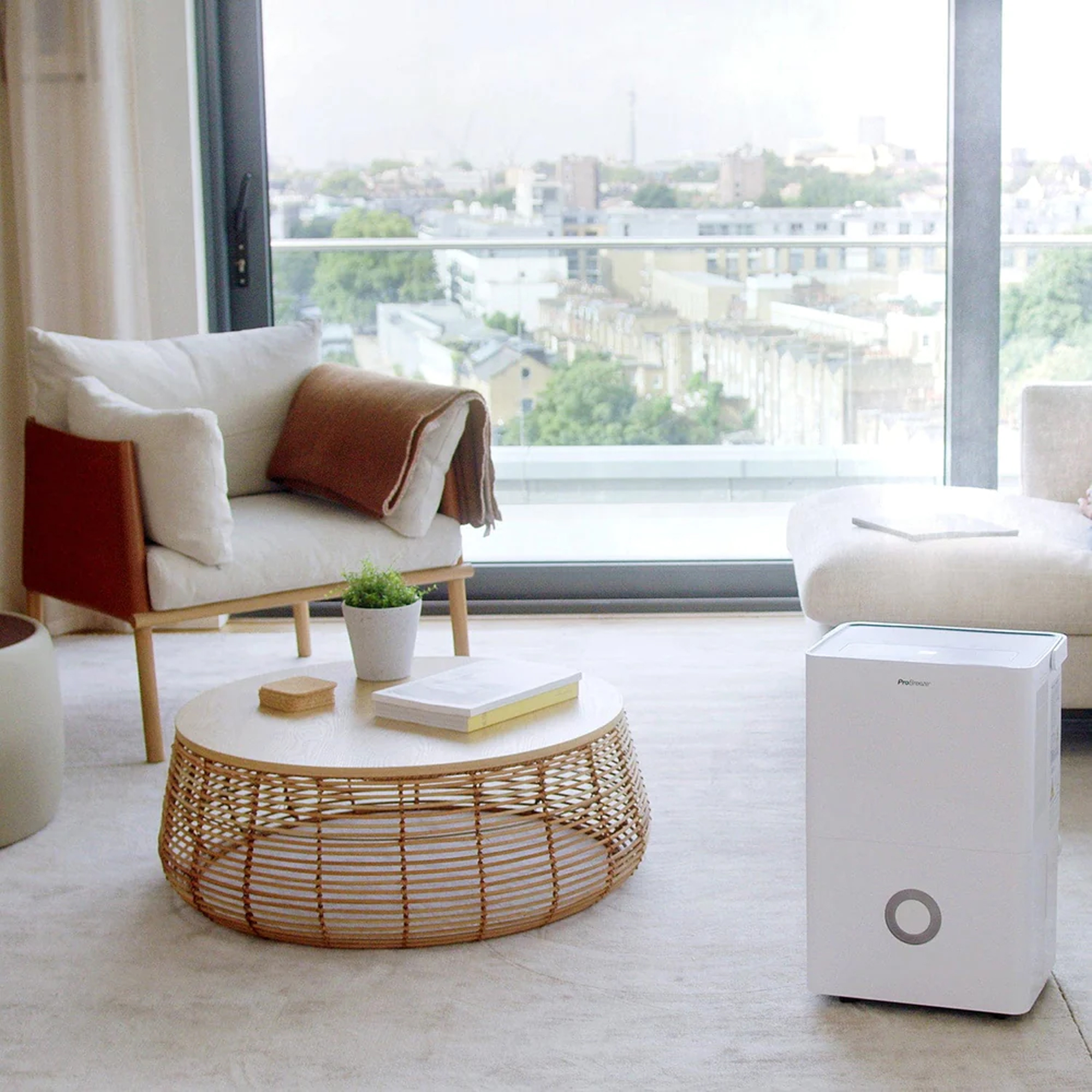
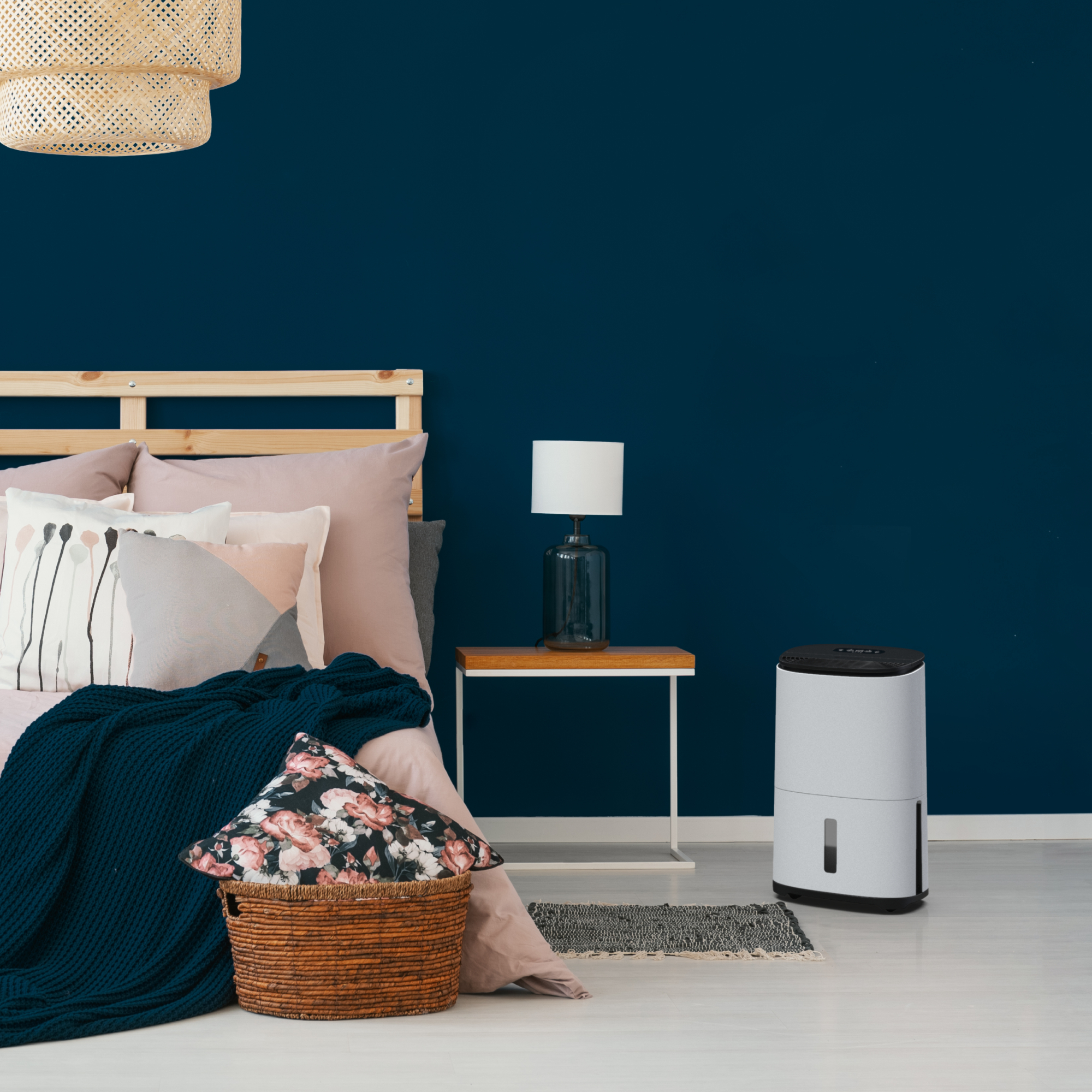
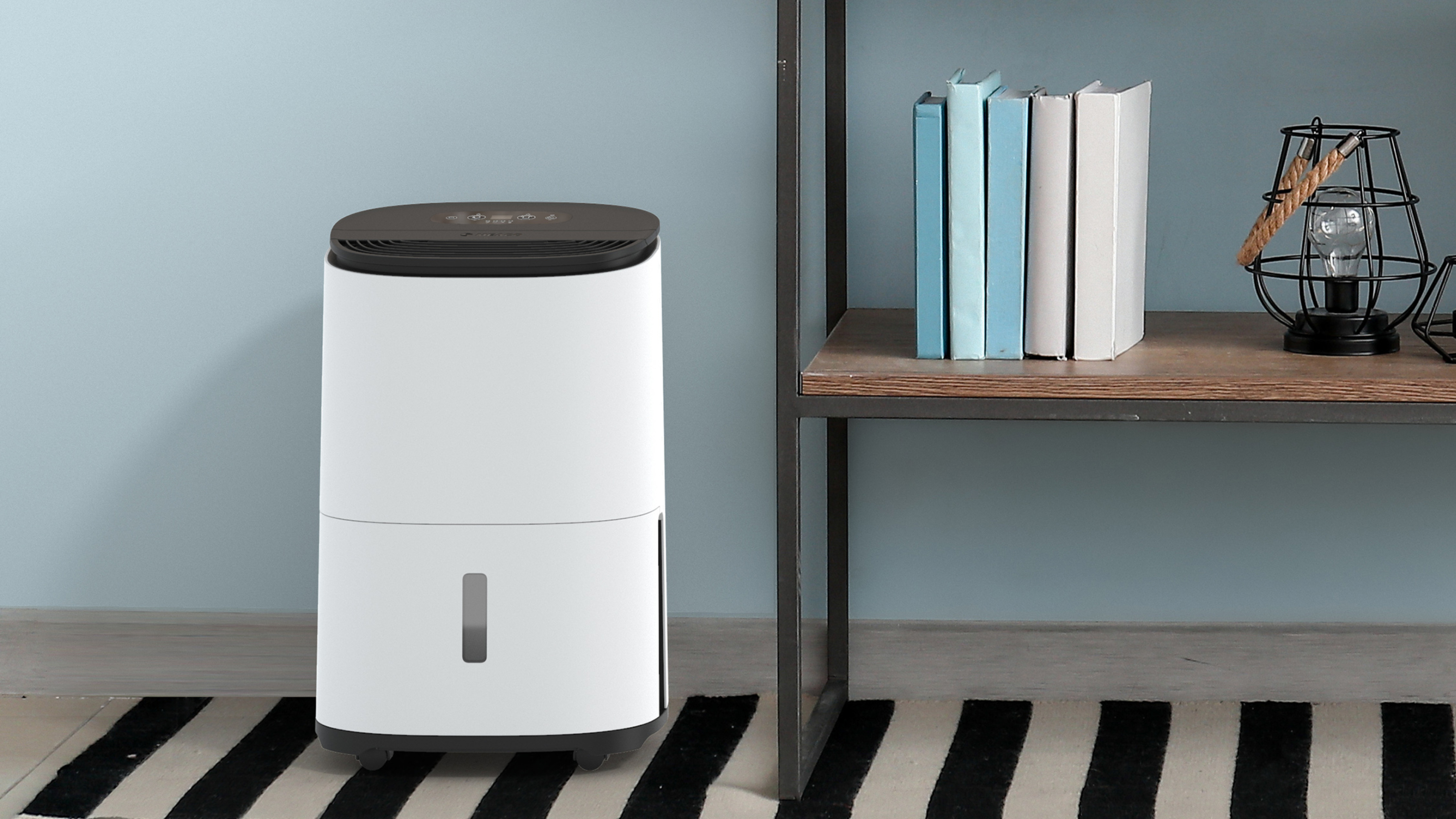
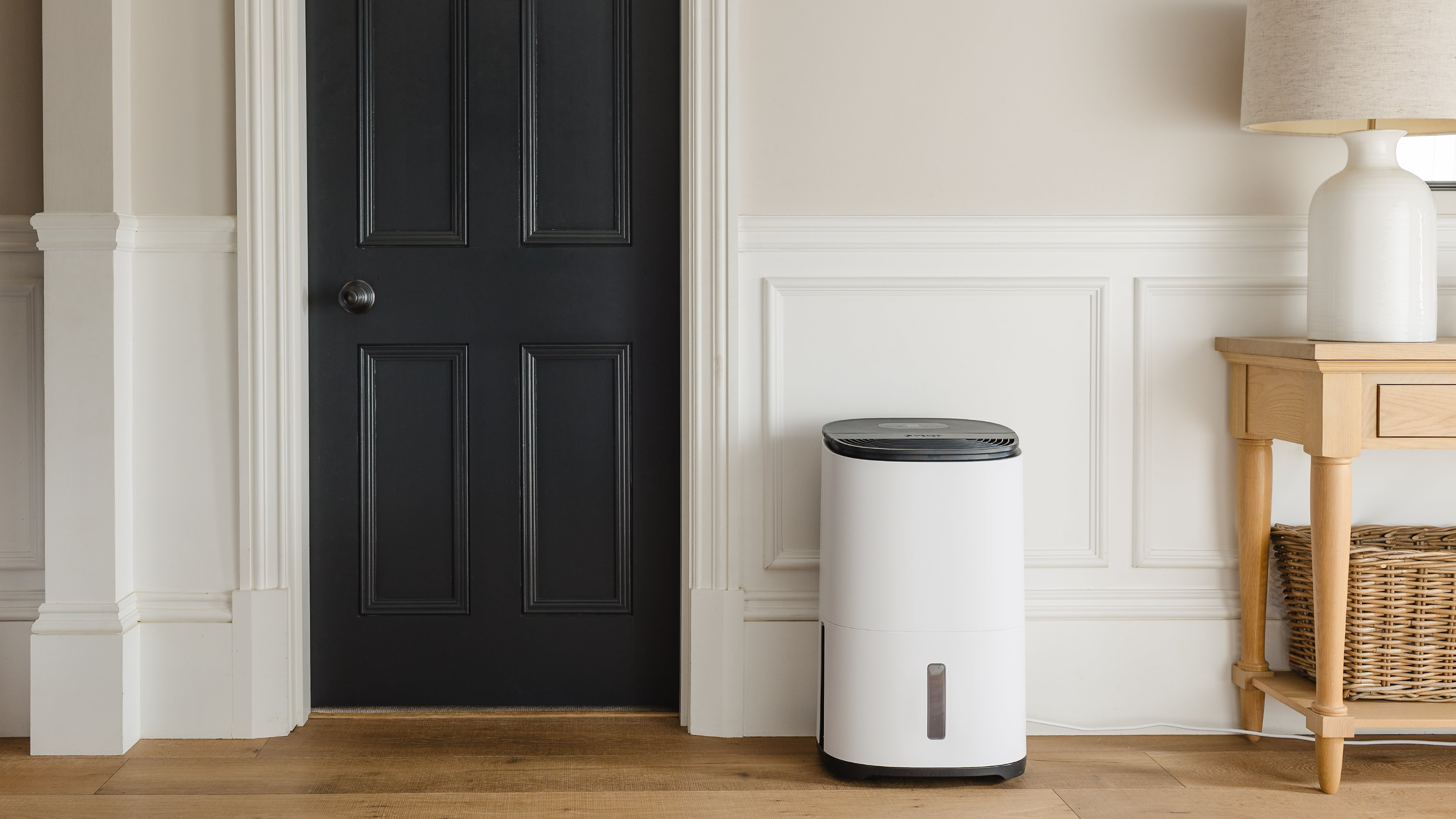
One common oversight is incorrect positioning. For drying clothes, the dehumidifier should be placed so that the dry air it expels blows directly over the garments, not the other way around. When the goal is general moisture reduction within the home, a central location like a hallway, with room doors open, is most effective, allowing the appliance to service a wider area. Although dehumidifiers are not typically IP-rated for bathrooms, placing them close to a bathroom with the door open can still help manage moisture after showers. It's crucial to keep the dehumidifier at least 20 centimeters away from walls and furniture to ensure adequate airflow and prevent the unit from working harder than necessary, which can lead to inefficiency and higher energy consumption. Additionally, positioning it away from drafts from doors, windows, and air vents optimizes its performance.
Regular maintenance, specifically cleaning or changing the filter, is another critical aspect often neglected. Dehumidifiers draw air through their internal mechanisms, accumulating dust, pet hair, and dander. A clogged filter severely impairs efficiency. Experts recommend checking filters monthly and cleaning them with a damp microfibre cloth or by vacuuming and rinsing. For compressor dehumidifiers, opting for models with HEPA filters is advised, and filters should be replaced every few months, particularly with regular use, to prolong the appliance's lifespan.
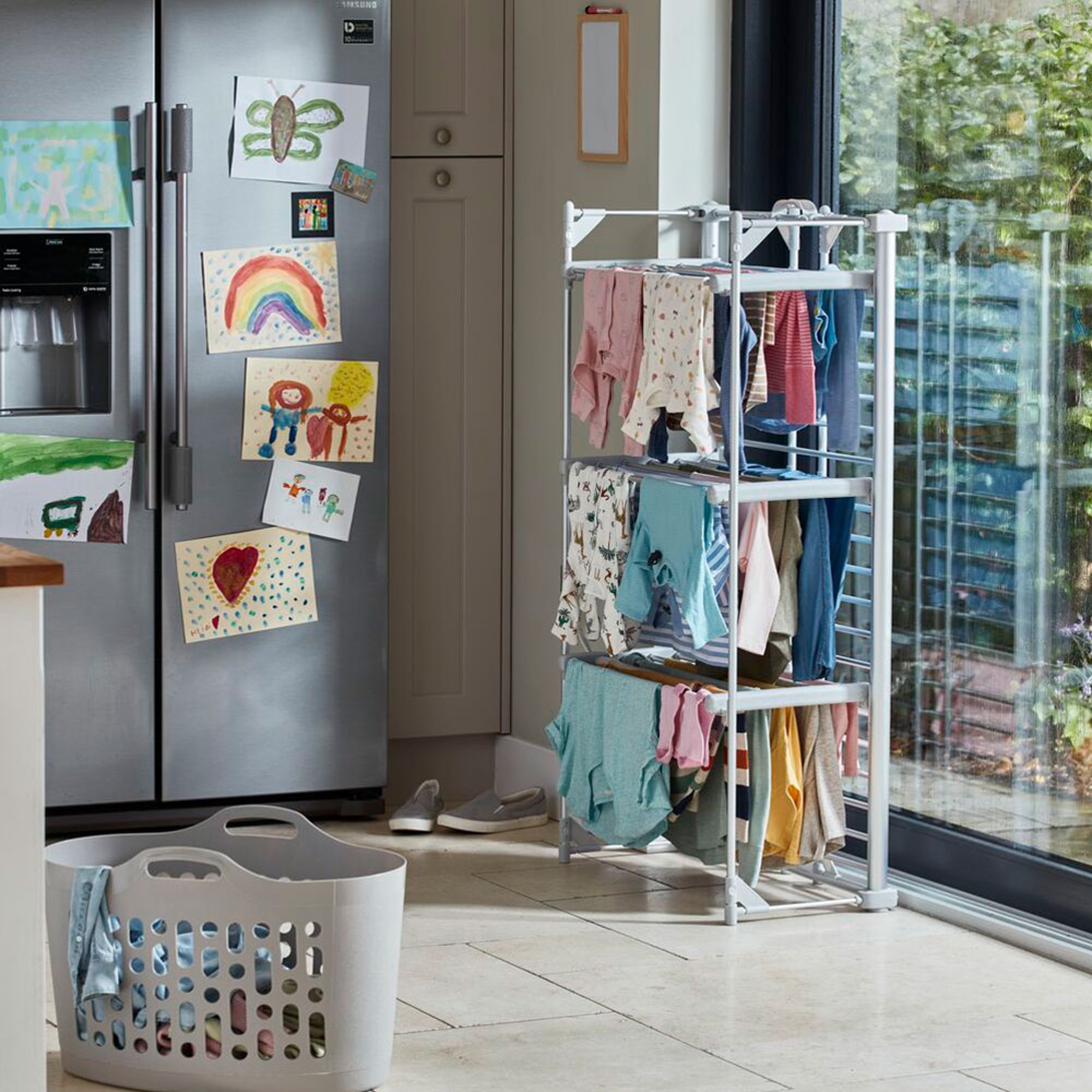
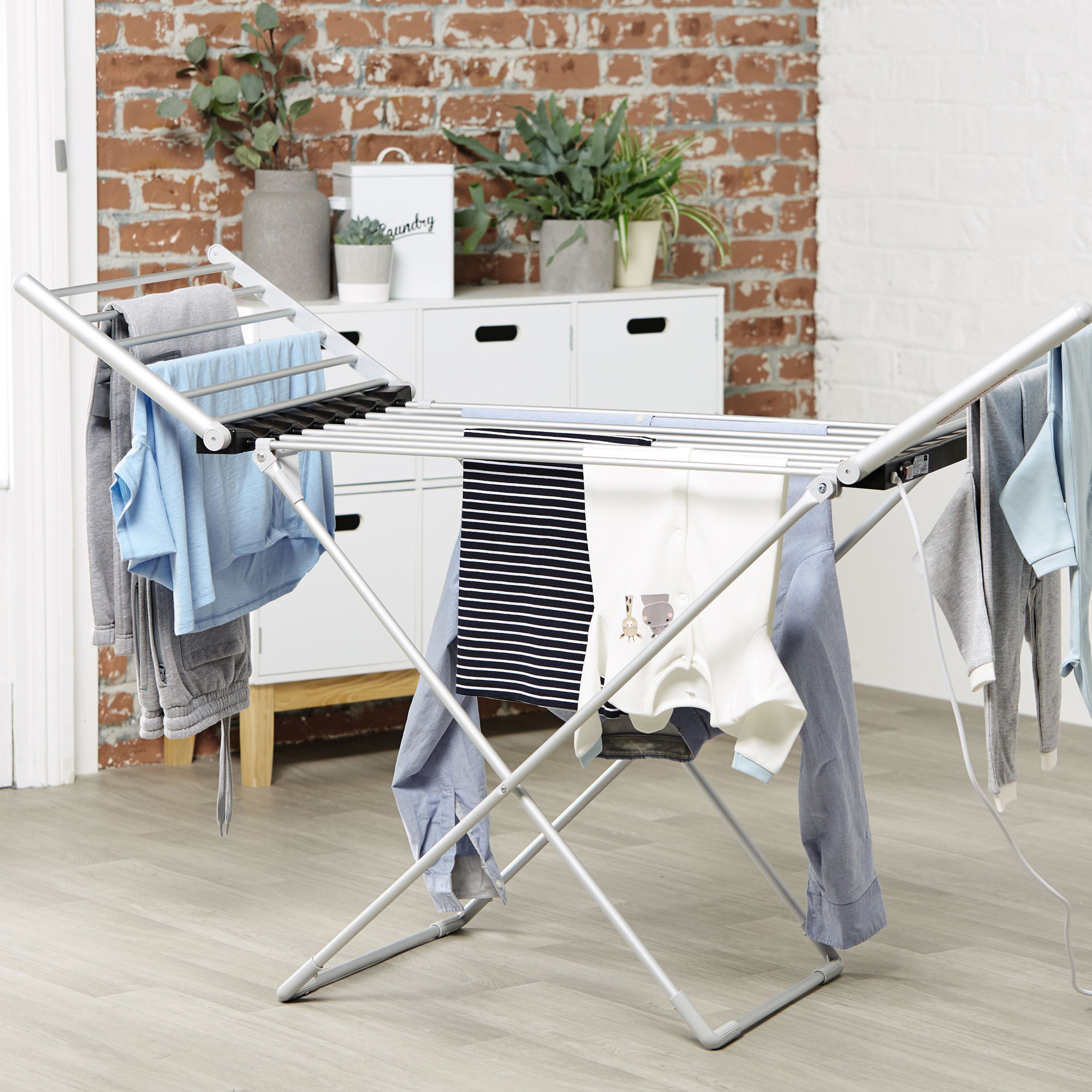
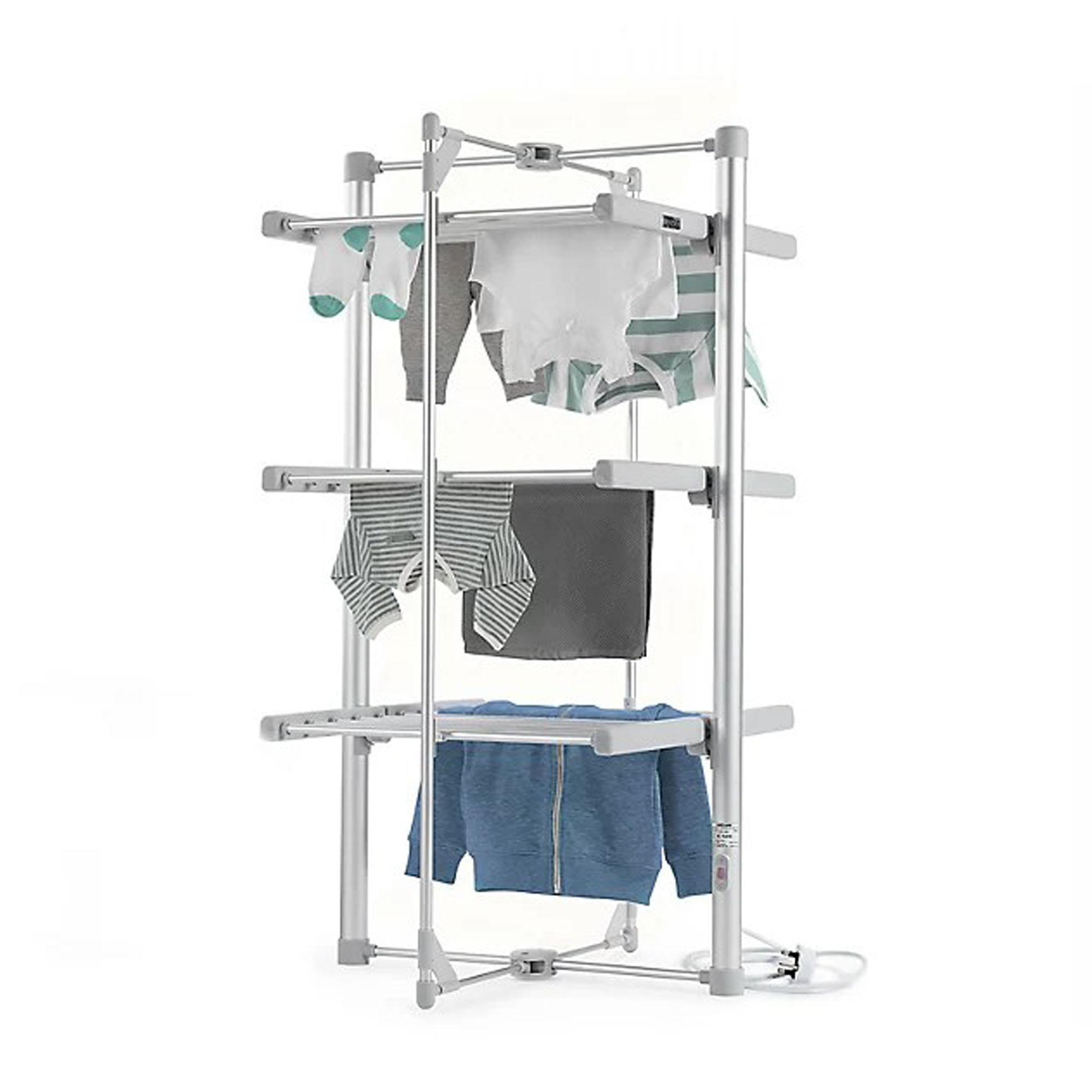
Many users mistakenly believe that naturally air-drying clothes is the cheapest method. However, this can release significant moisture into the air, leading to condensation, mould growth, and damage to household items like wallpaper, carpets, and windowsills. This increased humidity also makes clothes take longer to dry and can cause them to smell musty, necessitating rewashing. A dehumidifier can dry clothes faster while preventing these issues, making it a more cost-effective solution in the long run compared to the potential repair costs of damp-related damage.
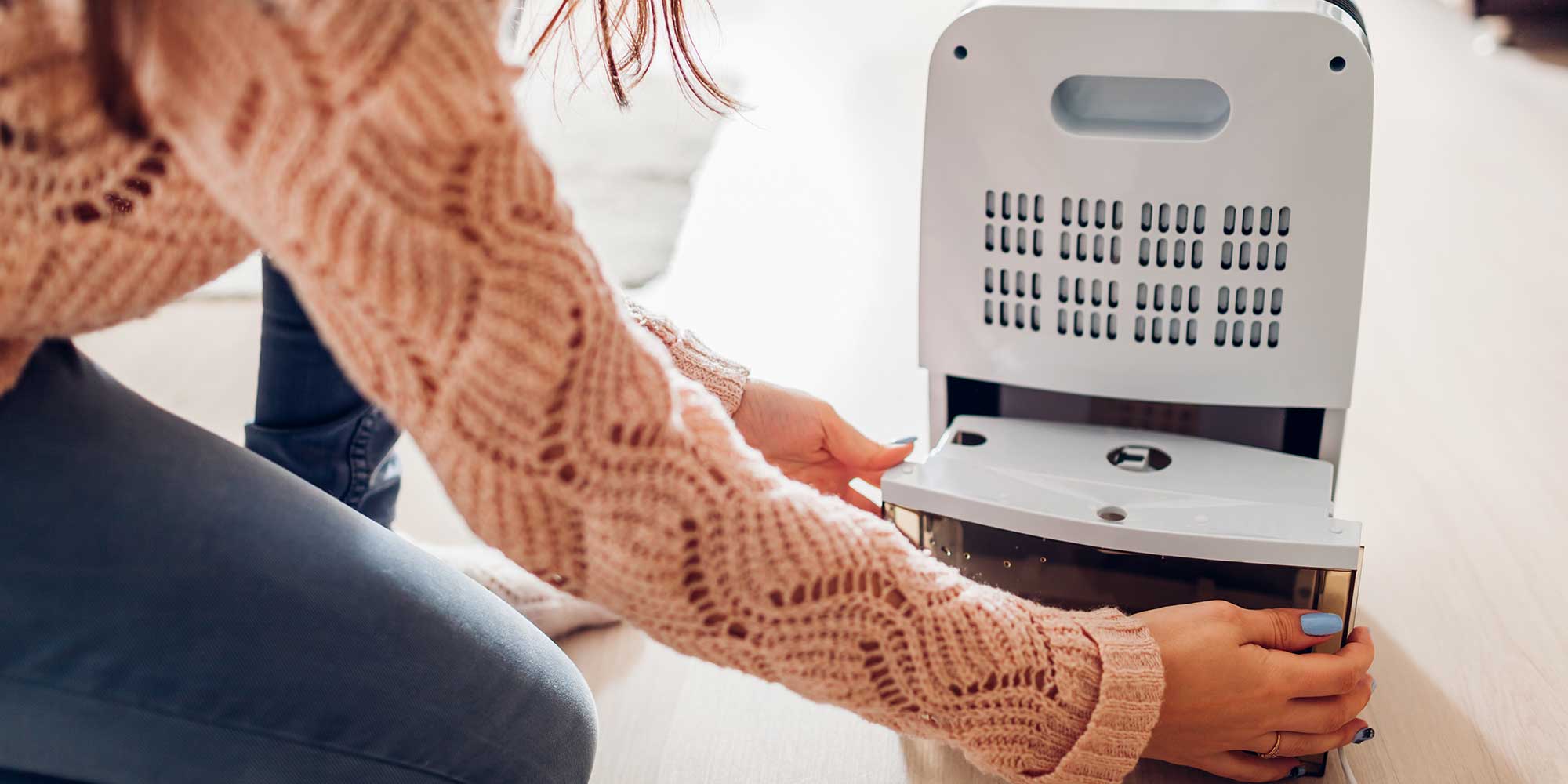
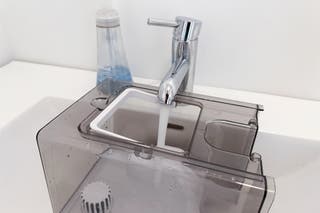
Failing to empty the water reservoir is a simple yet impactful mistake. A full tank renders the dehumidifier inefficient and can lead to wasted electricity, or even overflow. Regularly monitoring and emptying the tank is essential for continuous operation. Similarly, incorrect humidistat settings can compromise performance. A humidistat allows users to set a target humidity level, with the dehumidifier activating or deactivating automatically. Setting it too high means the dehumidifier switches off prematurely, leaving residual moisture. Setting it too low forces the unit to run excessively, incurring unnecessary energy costs. The ideal range for indoor humidity is between 40% and 60% relative humidity.
Concerns about the expense of dehumidifiers are often unfounded. While there's an initial outlay, running costs can be as low as 5-6 pence per hour. Modern dehumidifiers with HEPA filters not only dry clothes and prevent damp but also clean the air and contribute to heating the space, as dry air is cheaper to heat than damp air, leading to savings on heating bills. Choosing the right size dehumidifier for the space it will serve is also paramount. A 10L or 12L compressor dehumidifier is typically suitable for a three-bedroom house with mild damp, while larger properties or more severe damp issues may require 20L or 25L models. Researching features like electronic humidistats, laundry modes with automatic shut-off, and wattage for energy consumption, along with checking warranty periods, is crucial before purchase.
Furthermore, neglecting mould in the dehumidifier's water tank can defeat its purpose. Although dehumidifiers help prevent mould in the house, mould can grow within the appliance itself if the tank is not regularly cleaned. This issue requires immediate attention and proper cleaning to salvage the appliance. Lastly, operating a dehumidifier in cold conditions without heating or with open windows significantly reduces its effectiveness. Warm air holds more moisture, allowing the dehumidifier to extract water more efficiently. Running heating alongside the dehumidifier in winter helps the unit work optimally and saves energy. Keeping windows and doors closed in the room being treated creates a controlled environment, preventing humid outdoor air from continuously entering and forcing the dehumidifier to work endlessly.
#Dehumidifier #HomeMaintenance #AirQuality #MoistureControl #DampPrevention #EnergyEfficiency #HomeAppliances #WinterPreparedness #MouldPrevention #Dehumidifier #HomeMaintenance #AirQuality #MoistureControl #DampPrevention #EnergyEfficiency #HomeAppliances #WinterPreparedness #MouldPrevention
0 comment in total
 No comments yet
You may also like
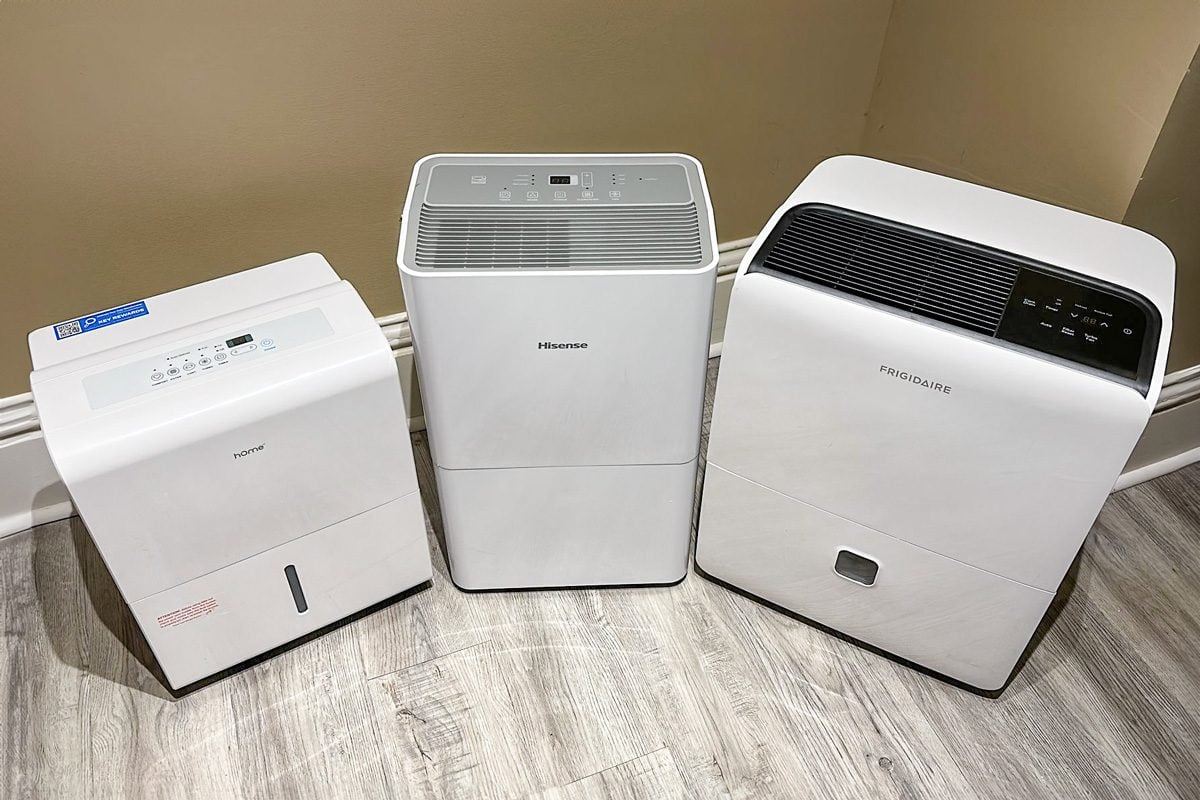
The 9 Best Dehumidifiers for Basements to Get Ahead of Moisture Issues

The 3 Best Dehumidifiers of 2025 | Reviews by Wirecutter

The 4 simple tricks that stopped condensation from forming on my bedroom windows – I no longer have to wipe my windows down every morning

Wondering Where to Place Your Humidifier? These Tips Will Help

Can a dehumidifier dry out damp walls? Expert tips you need to know to drive out unwanted moisture this winter

Stop Bedroom Damp with This 84-Cent Natural Home Fix

Why new homes can be damp – and what we can do about it

6 powder room storage mistakes to avoid – and what you should be doing instead
I've Tested Dehumidifiers for 25 Years: These Are the Most Reliable

How to protect your home from damp, moisture and mould
6 Vacuum cleaner mistakes to avoid – and why they aren’t cleaning your home
How to prevent mould in wardrobes - expert-approved tips to protect your furniture and your clothes
You can stop worrying about damp in your home thanks to this budget appliance

How to get rid of damp
6 bedroom storage mistakes that could be causing mould – and what to do instead
7 things construction pros spot in bad bathroom remodels
Best dehumidifiers 2025, tried and tested for tackling damp

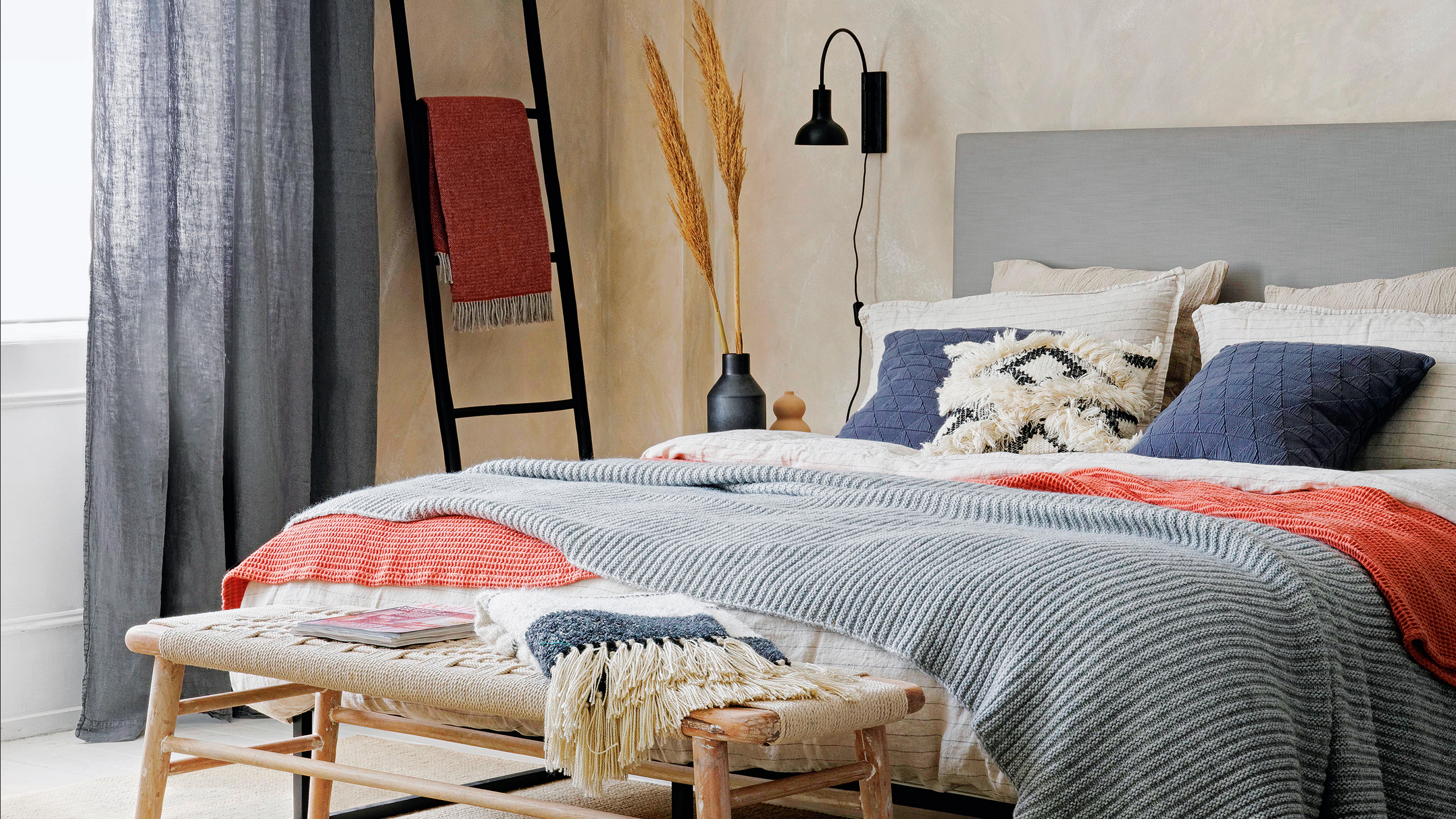
How to stop damp in a bedroom - 10 foolproof ways to keep mould at bay
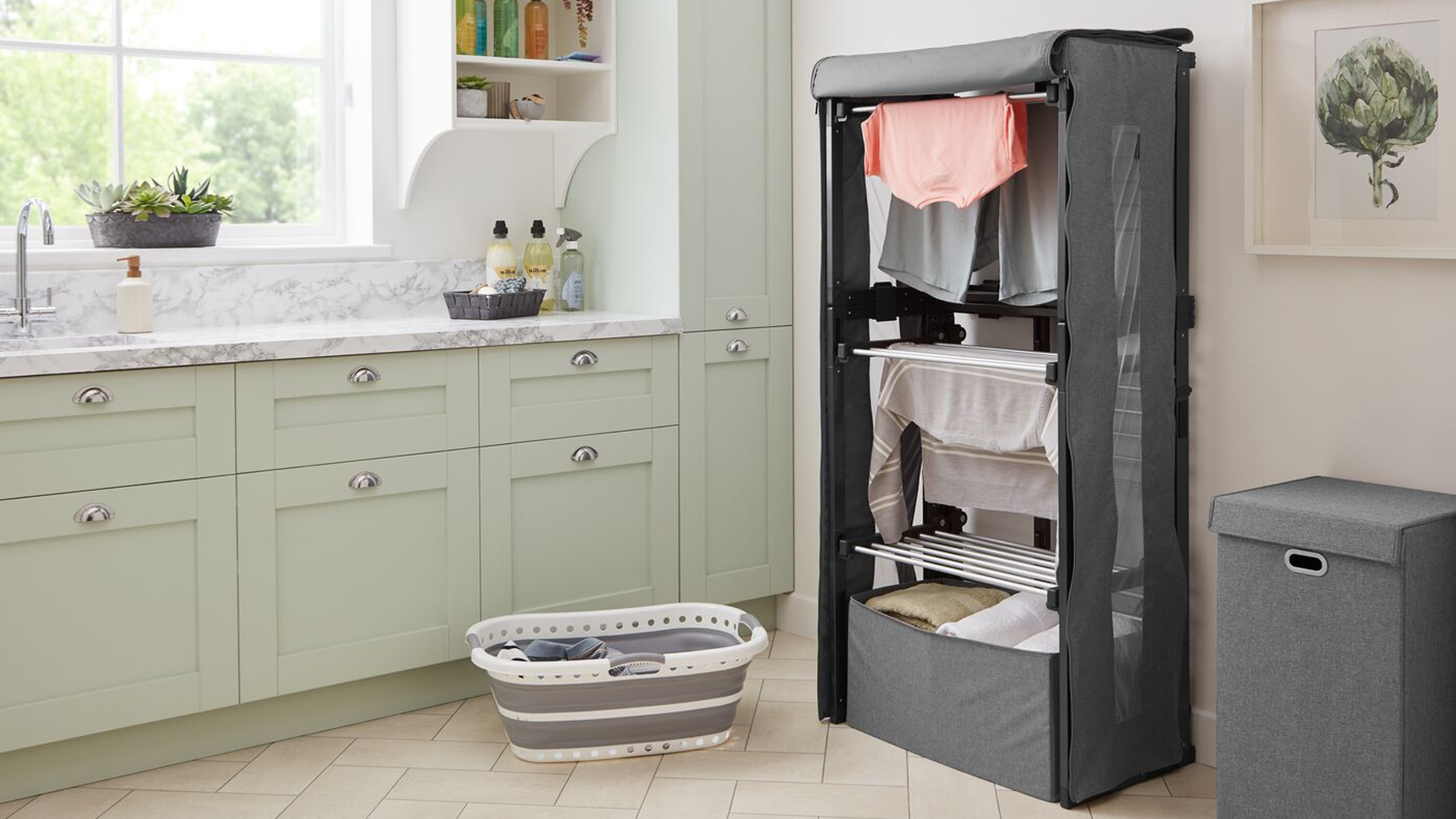
6 common mistakes people make when buying a heated clothes airer – and how to avoid them
Humidifiers Are Notoriously High-Maintenance. Not This One. | Reviews by Wirecutter