1/5
6 Vacuum cleaner mistakes to avoid – and why they aren’t cleaning your home
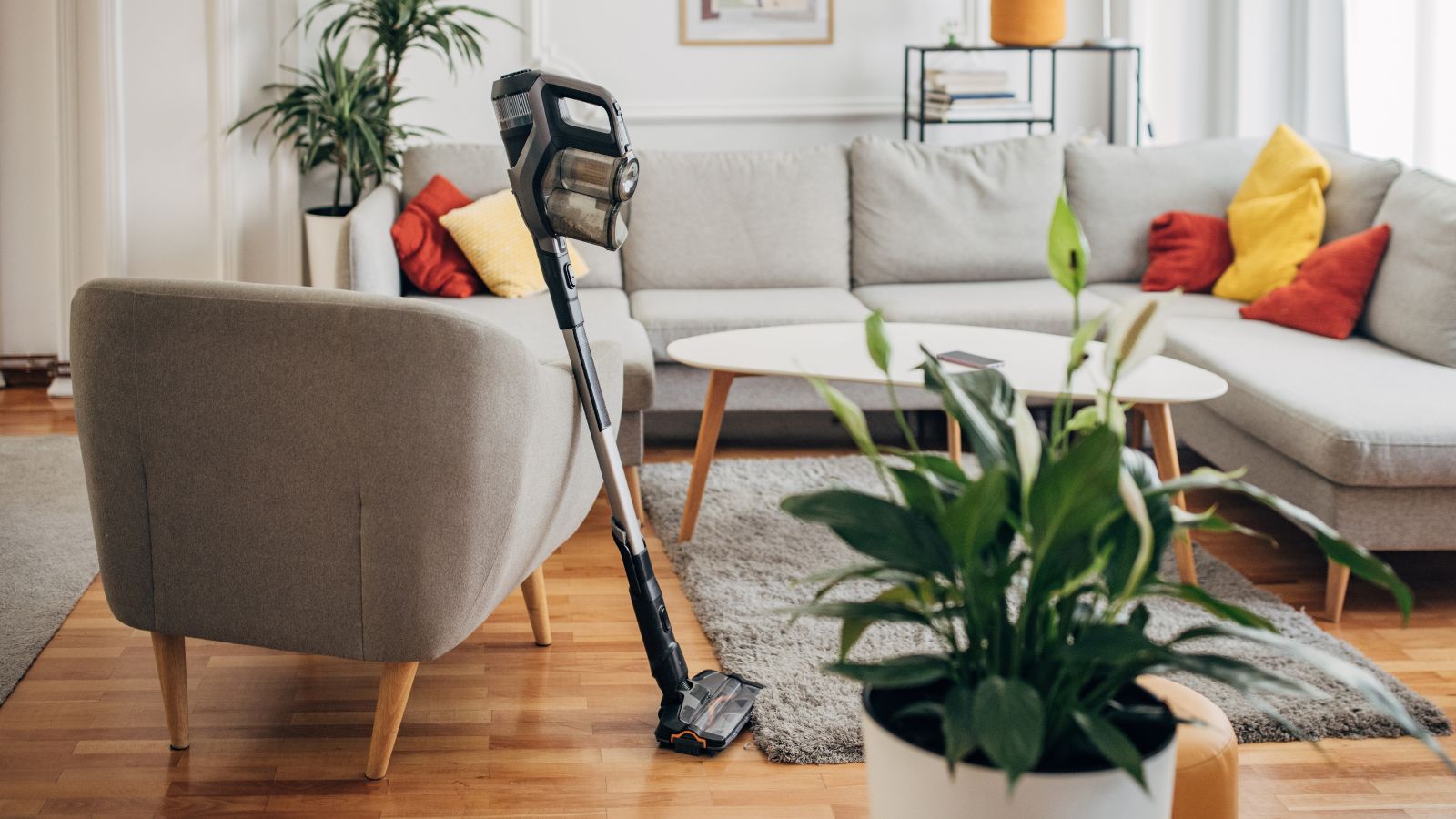
Many common vacuum cleaner mistakes can hinder effective home cleaning, despite advancements in vacuum technology. Even the most efficient vacuum cleaners and cordless models require proper usage to capture all dust and debris, as incorrect methods can paradoxically lead to a dirtier environment. Addressing these issues involves understanding key aspects of vacuum maintenance, usage, and selection.
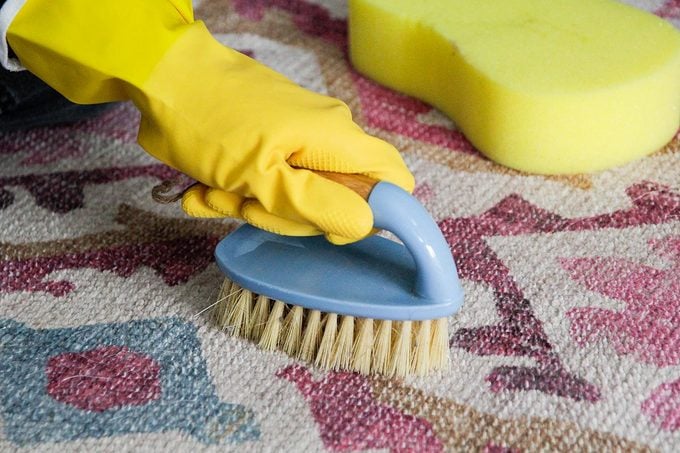
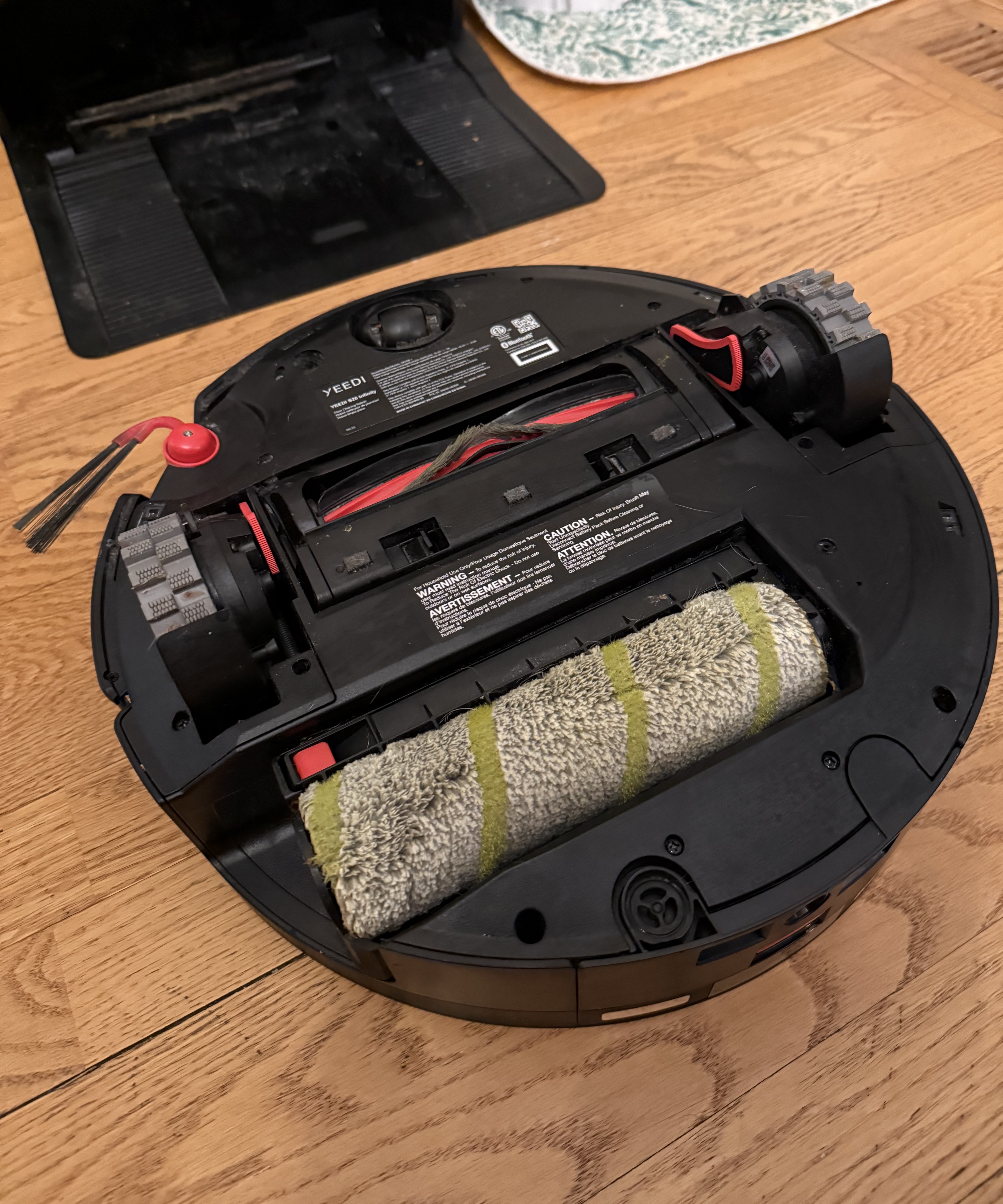
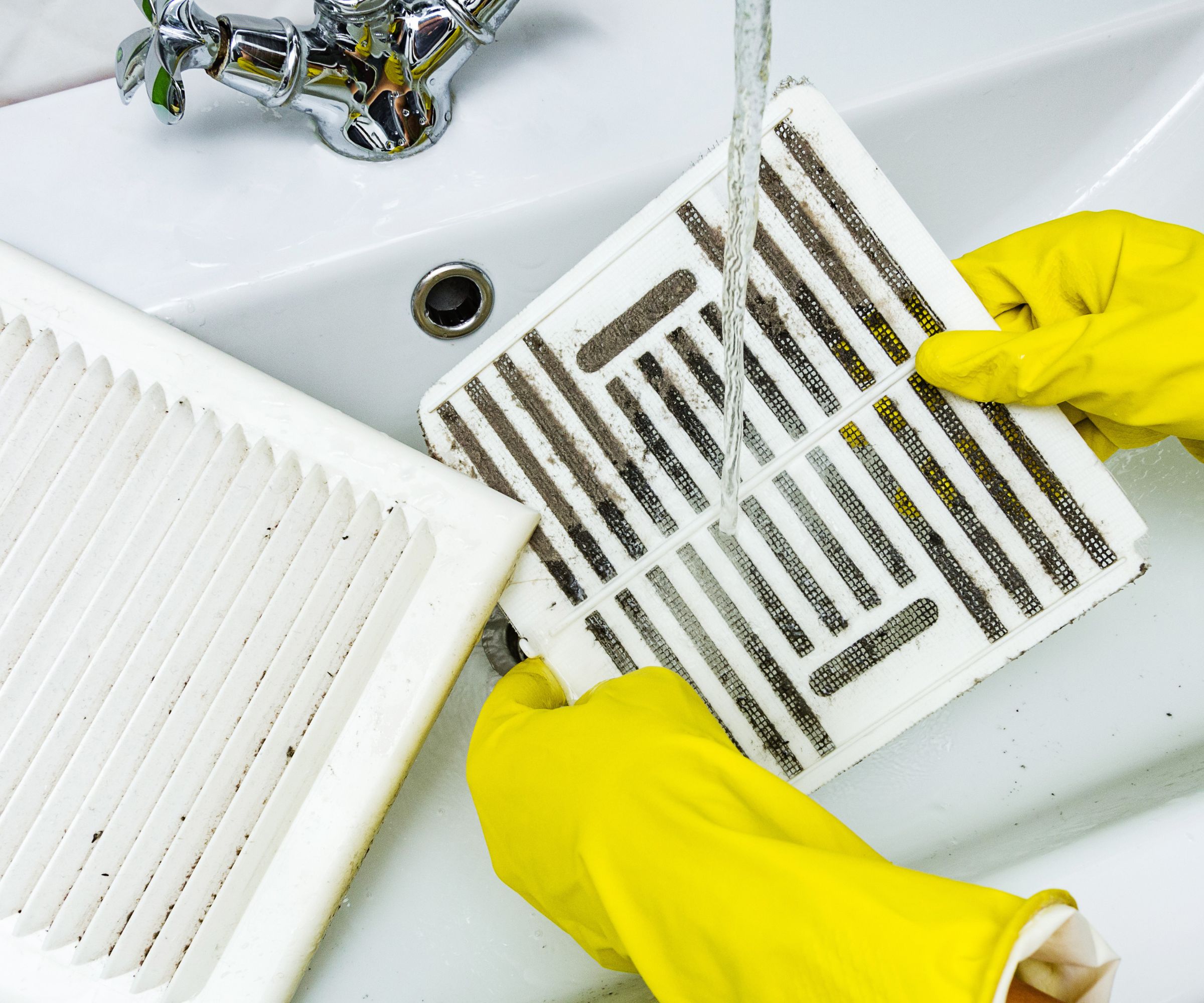
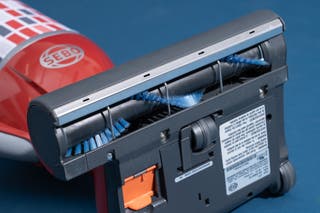
Firstly, neglecting to clean the vacuum itself is a significant oversight. Cleaning tools often go uncleaned, yet a dirty vacuum becomes less effective. Over time, a vacuum's performance diminishes if its dustbin or bag is full, or its filters are clogged. Regular cleaning or replacement of filters, emptying the dustbin, and checking for obstructions in hoses or brush rolls are crucial steps to maintain optimal suction power and functionality, as outlined in the appliance's manual.
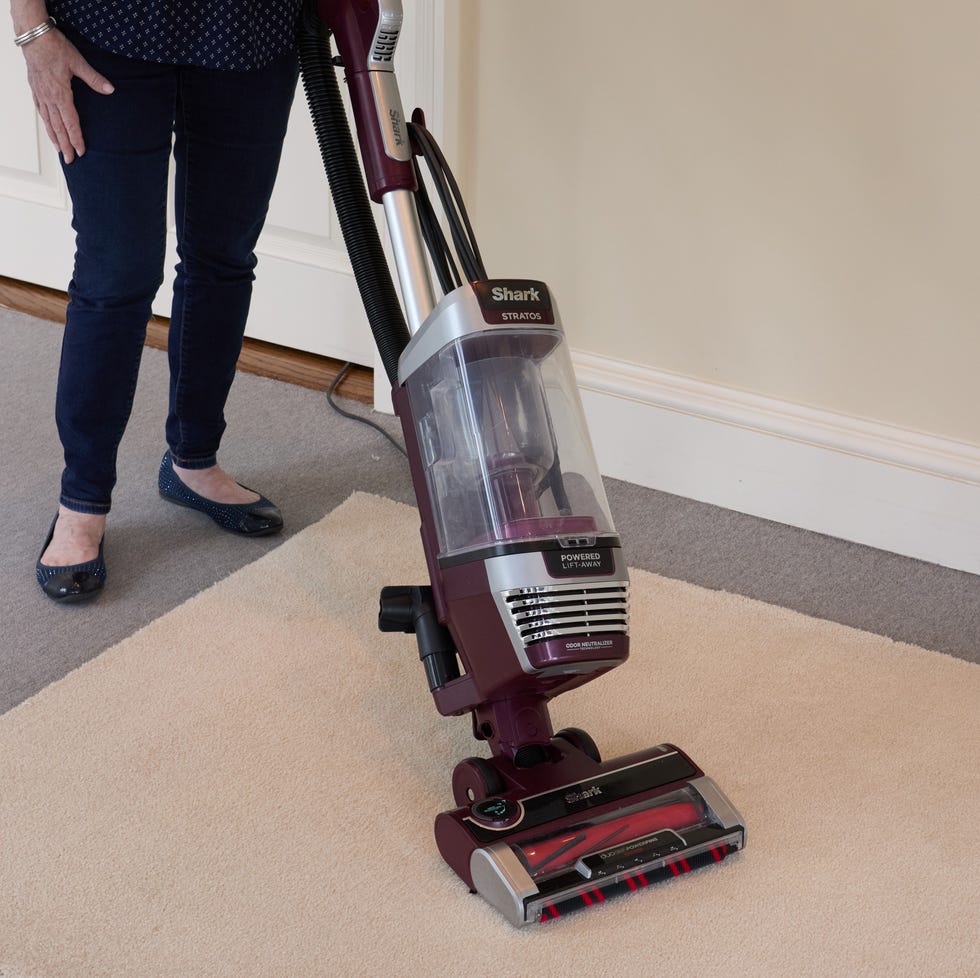
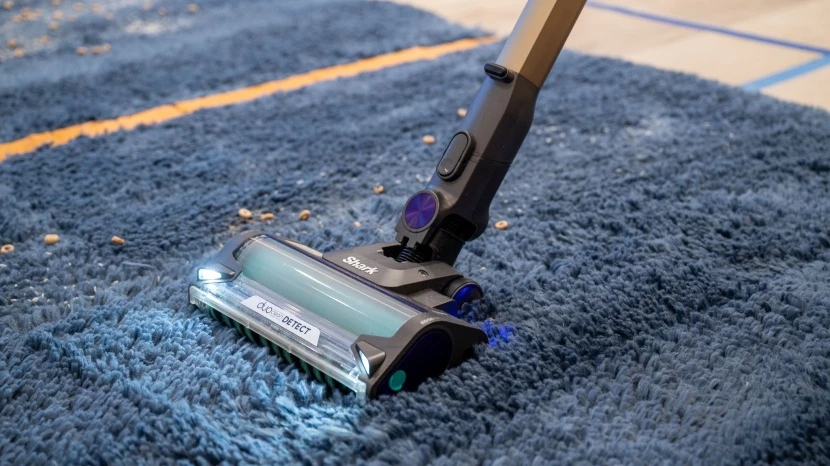
Secondly, improper vacuuming techniques, particularly rushing the task, reduce cleaning efficacy. While some might quickly run the vacuum over surfaces, a more effective approach involves a slow and steady pace for both forward and backward movements. This deliberate motion allows the appliance ample time to pick up all debris, especially when cleaning carpets, where thoroughness is key to dislodging embedded dirt.
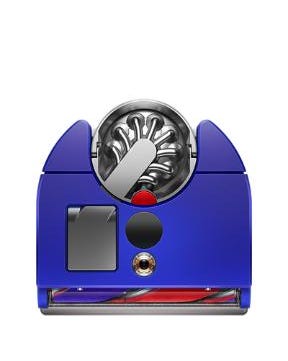
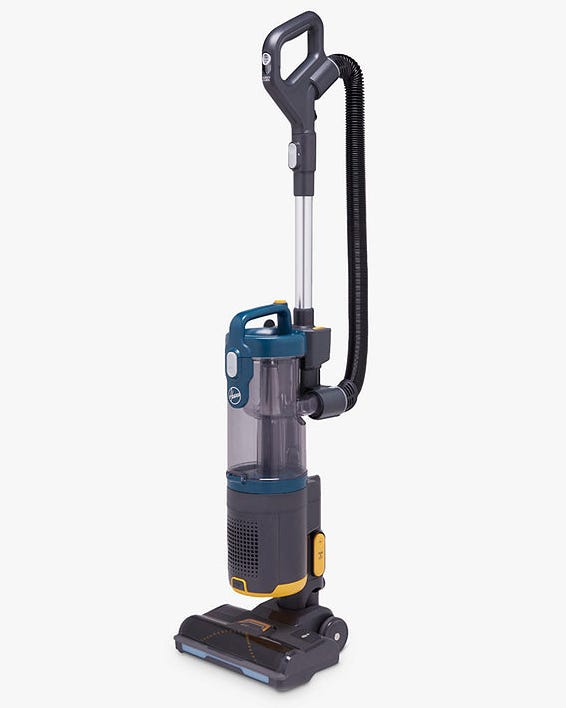
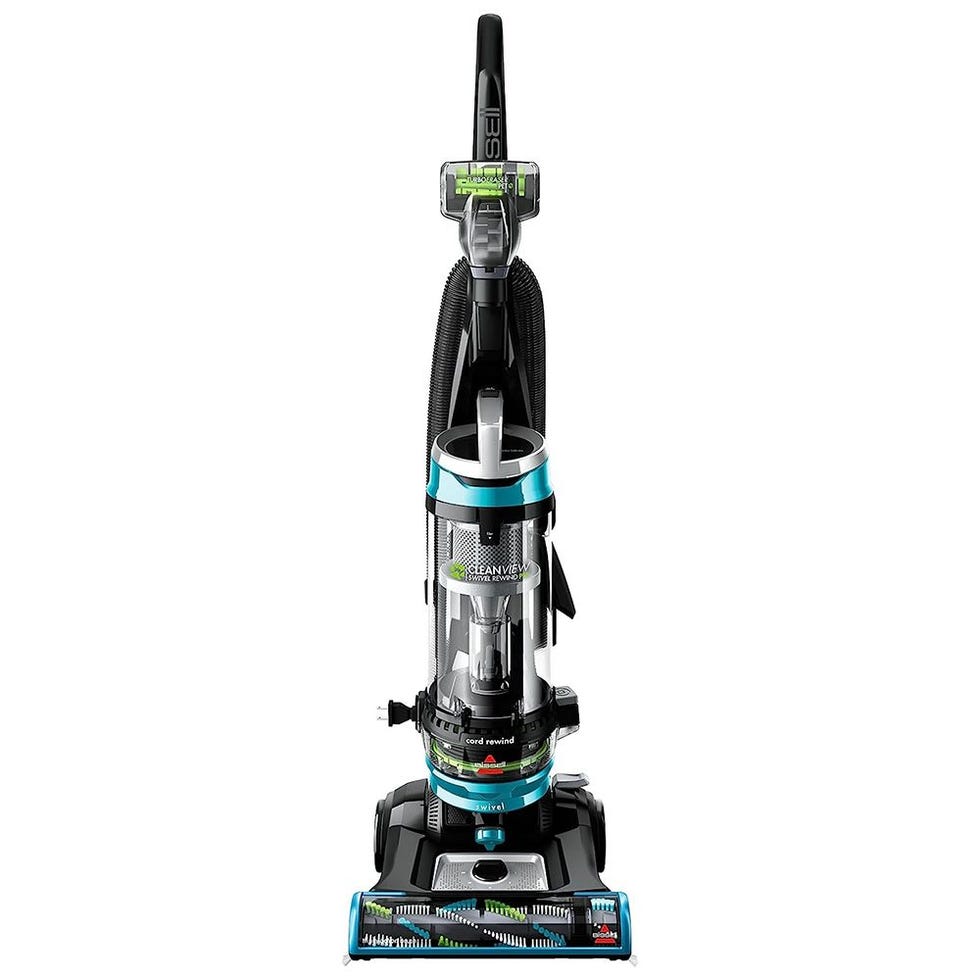
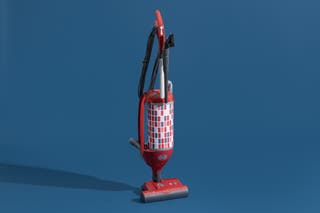
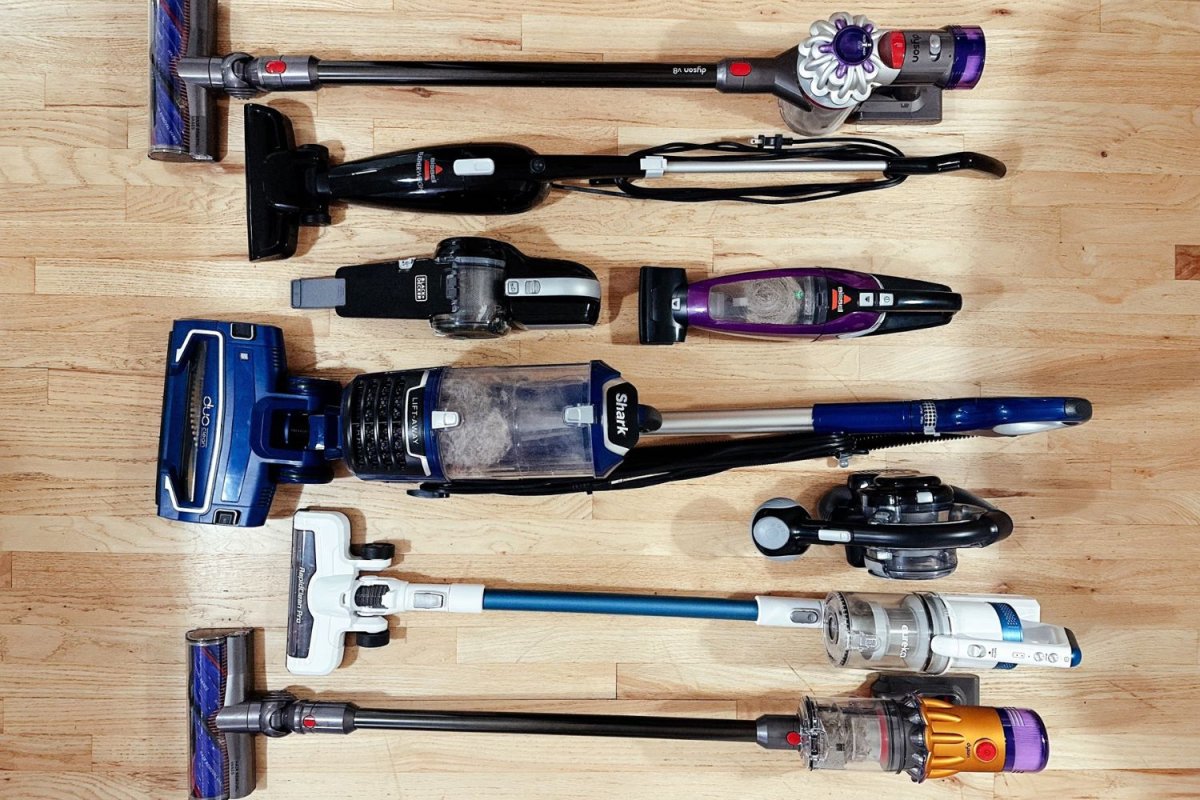
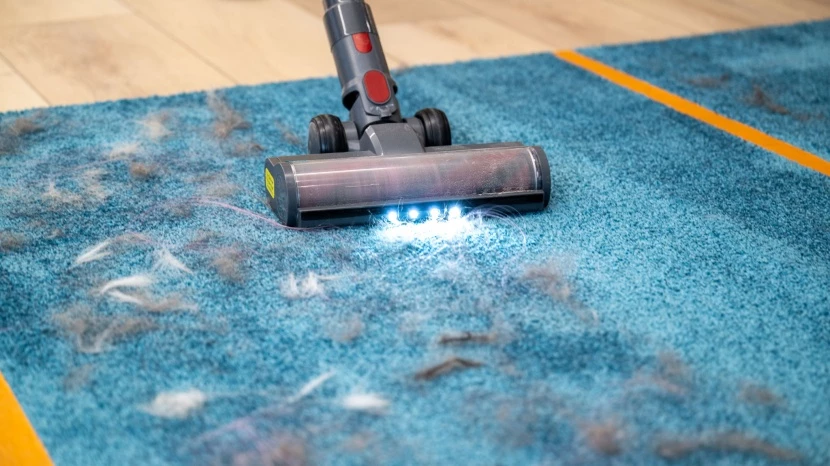
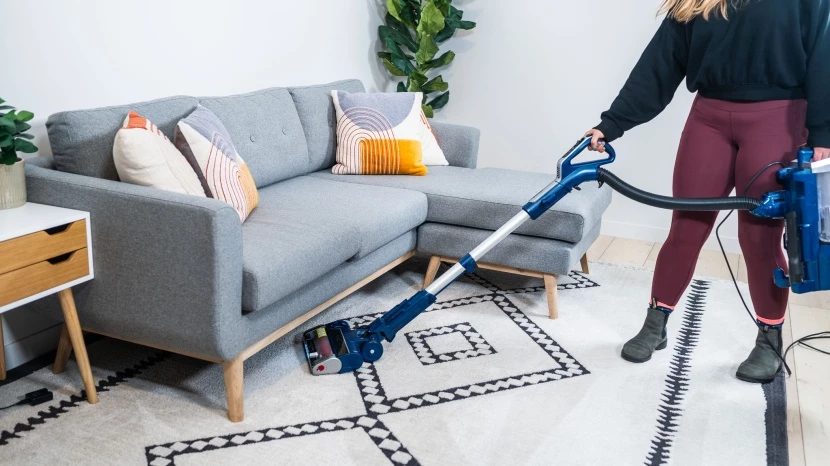
Thirdly, using a vacuum unsuitable for specific floor types can cause more harm than good. Different vacuums are designed for different surfaces. For instance, upright vacuums, known for their power, are generally better suited for carpets, particularly thicker ones, ensuring all embedded dirt is collected. Conversely, delicate hardwood floors require vacuums designed to prevent scratches. Lifestyle considerations also play a role; pet owners benefit from vacuums specifically designed to handle pet hair, while robot vacuums can supplement cleaning in busy households.
Fourthly, vacuuming large or sharp debris can severely damage the appliance and potentially scratch floors. Many assume a vacuum can handle anything, but items like rocks or glass fragments can ruin internal mechanisms. Pre-cleaning by picking up visible large or sharp objects is essential. For hardwood floors, sweeping before vacuuming is a recommended practice to avoid damage to both the vacuum and the flooring, even with specialized hardwood vacuums.
Fifthly, not emptying the vacuum frequently enough leads to reduced suction power and potential overheating. Vacuums typically have a maximum fill line, which is often ignored. A full bag or canister restricts airflow, diminishing the vacuum's ability to pick up dirt and risking its motor from overheating, thereby shortening its lifespan. Regularly emptying the bag or canister when it's about halfway full and keeping spares ready can prevent these issues and also help in combating unpleasant odors.
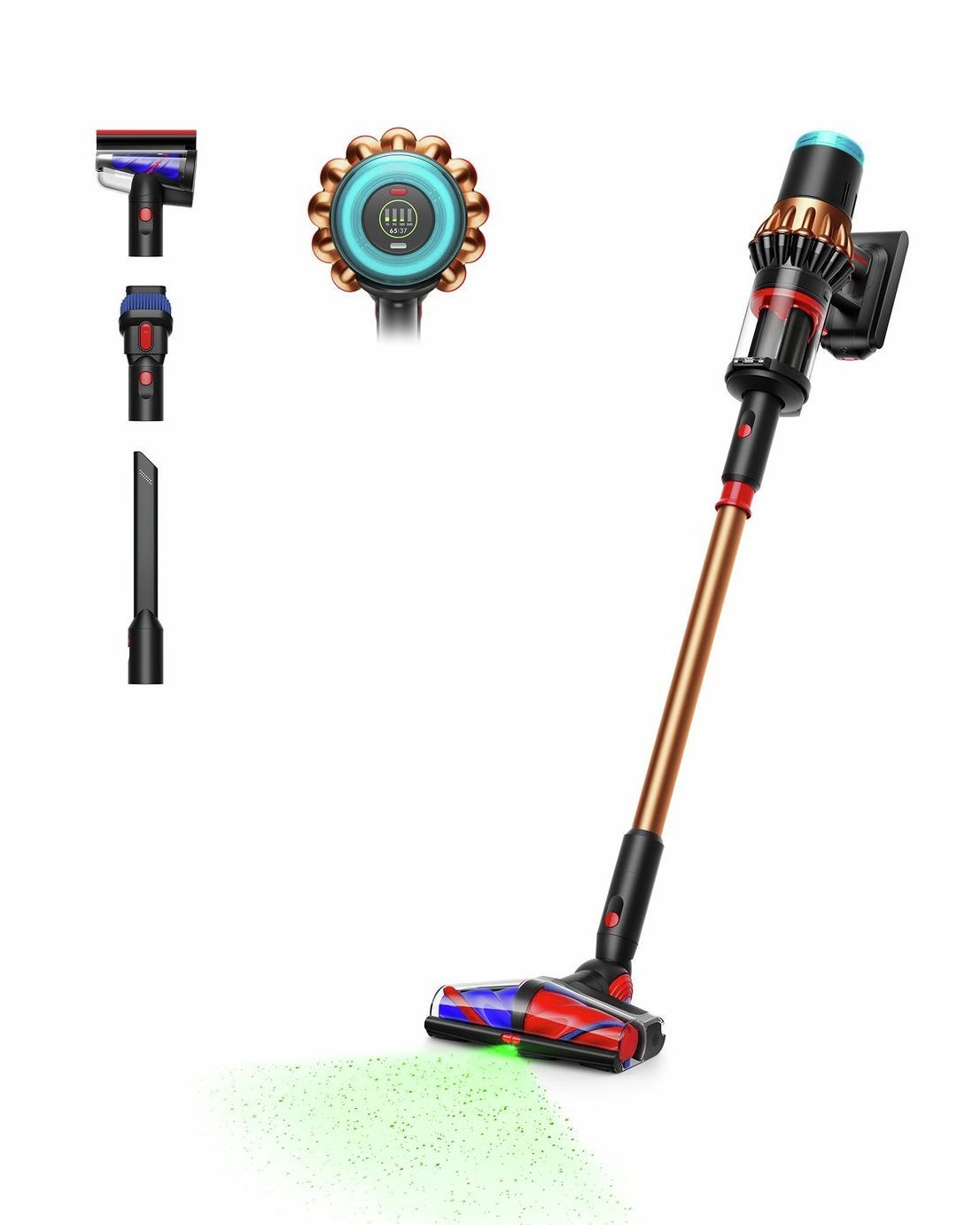
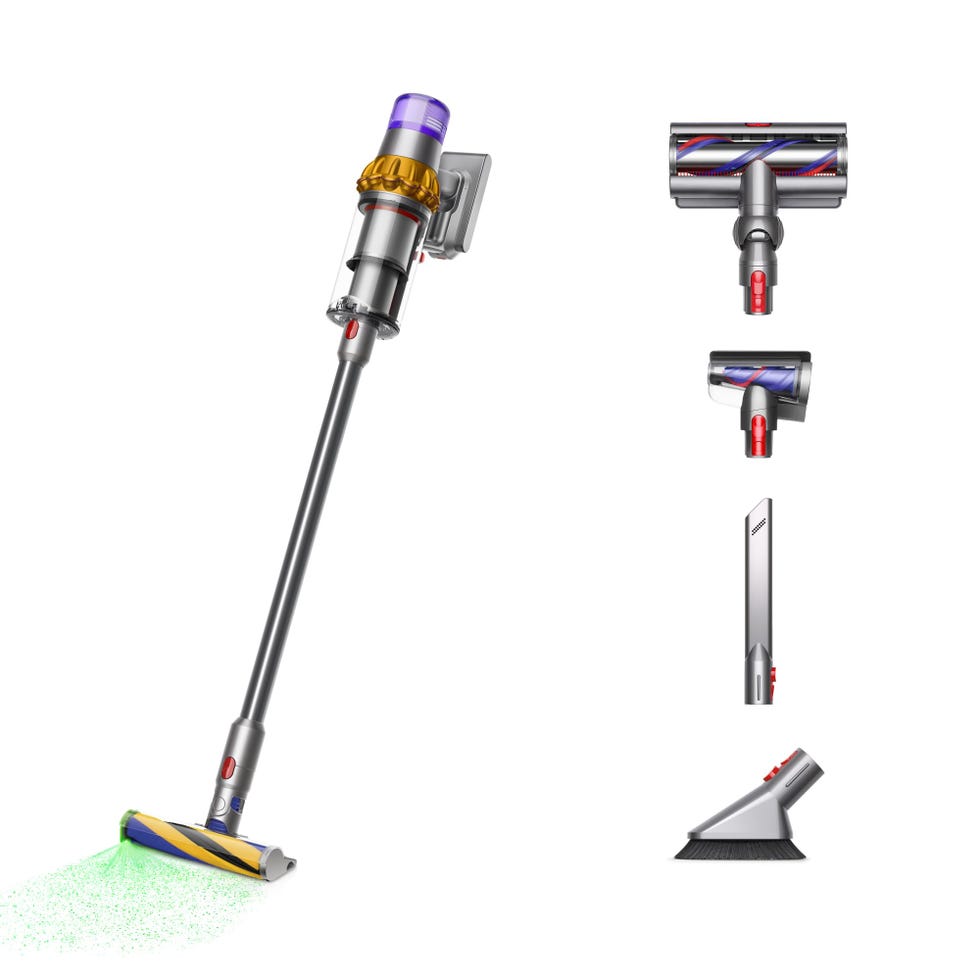
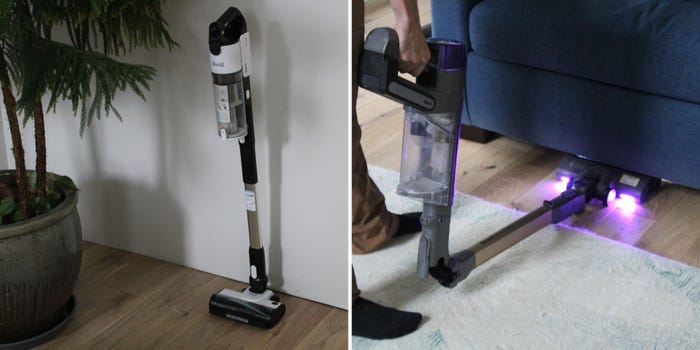
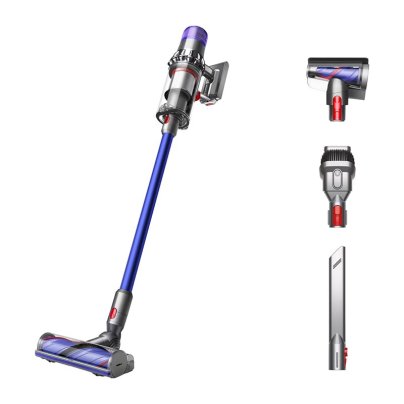
Lastly, failing to utilize the correct attachments for different tasks is another common mistake. Vacuums come with various attachments for specific purposes, such as cleaning stairs, under furniture, or upholstery. These attachments are designed to prevent damage to surfaces while effectively removing dust. Using the appropriate attachment, as guided by the manual, ensures thorough cleaning without harming delicate materials like upholstery or scratching floors.
Regular maintenance and correct usage significantly extend a vacuum cleaner's lifespan, which typically ranges from eight to ten years. However, factors like brand, maintenance frequency, and usage intensity can influence this. Signs such as reduced suction despite cleaning, battery issues, overheating, or failing components indicate it's time for a replacement, as continuing to use a malfunctioning vacuum is counterproductive.
#VacuumCleanerMaintenance #HomeCleaningTips #EffectiveVacuuming #VacuumAttachments #ApplianceCare #FloorCare #CleaningEfficiency #HomeMaintenance #DustRemoval #VacuumCleanerMaintenance #HomeCleaningTips #EffectiveVacuuming #VacuumAttachments #ApplianceCare #FloorCare #CleaningEfficiency #HomeMaintenance #DustRemoval
0 comment in total
 No comments yet
You may also like

5 Common Sofa Cleaning Mistakes You Might Be Making

After Testing Hundreds of Vacuums, These Are Our Top Recommendations

The Best Cordless Vacuum Cleaners of 2026, Tested and Reviewed

5 Bathroom Cleaning Mistakes Even The Tidiest People Make

6 couch cleaning mistakes that pros say could lead you to 'serious upholstery heartbreak'
8 Things You Should Never Clean with a Swiffer

6 Things You Should Never Clean With All-Purpose Cleaner

The Best Vacuums for Stairs, Tested and Reviewed

The best vacuum cleaners to buy in 2025: Cordless, robot, handheld and more
6 Things You Should Never Clean With All-Purpose Cleaner

5 mistakes you're making that are compromising your home's air quality – and how to fix it like a HVAC pro
10 Best Vacuum Cleaners of 2025

Got an Area Rug? Here’s the Biggest Mistake You’re Making When Vacuuming It
How often should you vacuum? Experts weigh in on the damage caused by doing the bare minimum
The 15 Best Vacuum Cleaners of 2026 | Reviews by Wirecutter

The 10 Very Best Vacuums | The Strategist

Spring cleaning mistakes - 6 common pitfalls to avoid during your spring clean
The 6 Best Robot Vacuums, With Proven Results After Our 1,000+ Hours of Rigorous Testing in Real Homes

What’s the Best Vacuum for Carpets? | Reviews by Wirecutter
The 10 best vacuum cleaners that won't wind up in the vacuum graveyard