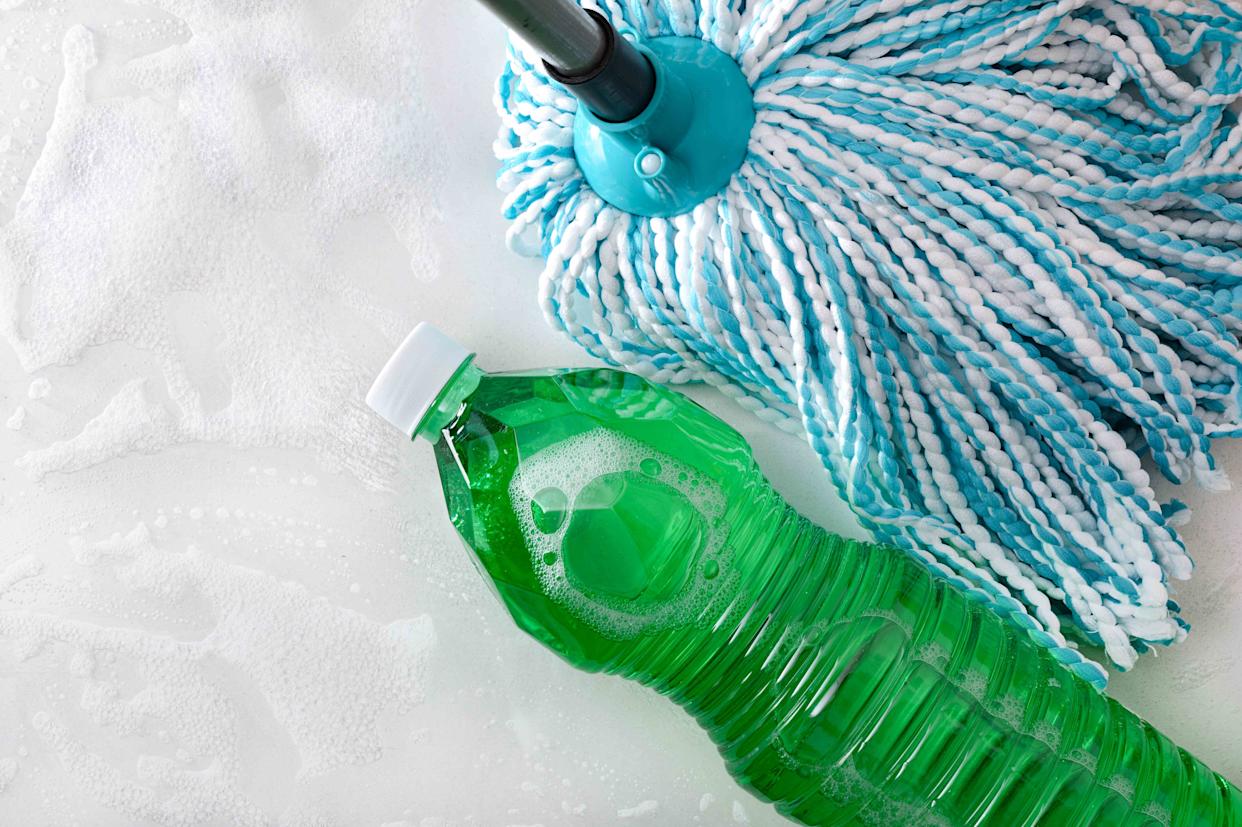
6 Things You Should Never Clean With All-Purpose Cleaner
The article addresses the common misconception surrounding all-purpose cleaners, highlighting that despite their name, they are not suitable for all surfaces and materials within a home. Marla Mock, President of Molly Maid, provides expert insights into specific items and surfaces that should be cleaned with alternative products to prevent damage.
Mock emphasizes that certain ingredients commonly found in all-purpose cleaners, such as phosphates, chlorine, and volatile organic compounds (VOCs), should be avoided not only in all-purpose cleaners but in any cleaning product due to their harmful effects on both the home environment and the broader ecosystem. Instead, she recommends opting for products made with natural ingredients like lauramine oxide or caprylyl glucoside, which offer safer alternatives.
The article details six categories of items that are particularly vulnerable to damage from all-purpose cleaners. First, delicate fabrics and upholstery, including leather and lace, are prone to fading, staining, or drying out and cracking when exposed to the harsh chemicals in general cleaners. For these materials, specialized cleaners designed to protect and condition the specific fabric or material are recommended.
Second, electronics should never be cleaned with all-purpose cleaners, primarily due to the risk of moisture damage and short-circuiting. It is advised to use electronic-safe cleaning wipes or sprays, applied to a cloth rather than directly to the device, to ensure safety and prevent harm.
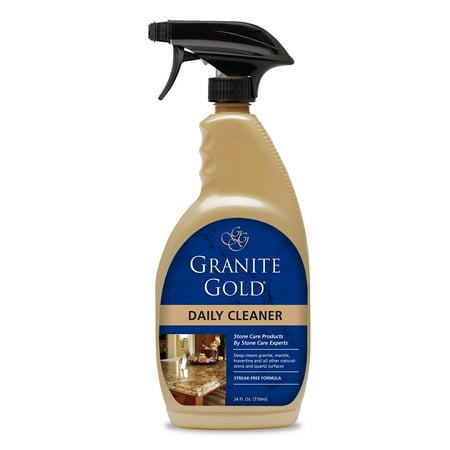
Third, natural stone surfaces, such as granite, can be compromised by the harsh ingredients in all-purpose cleaners. These cleaners can strip the sealant, leading to damage or discoloration of the stone. Therefore, specific stone care formulas are necessary to maintain the integrity and appearance of these surfaces.
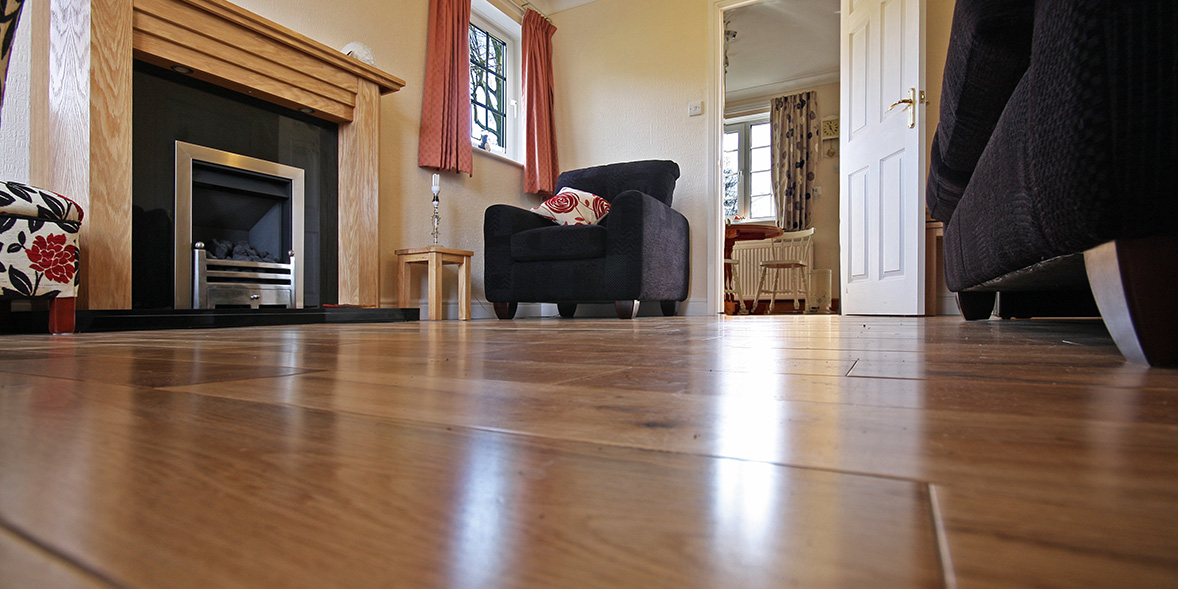
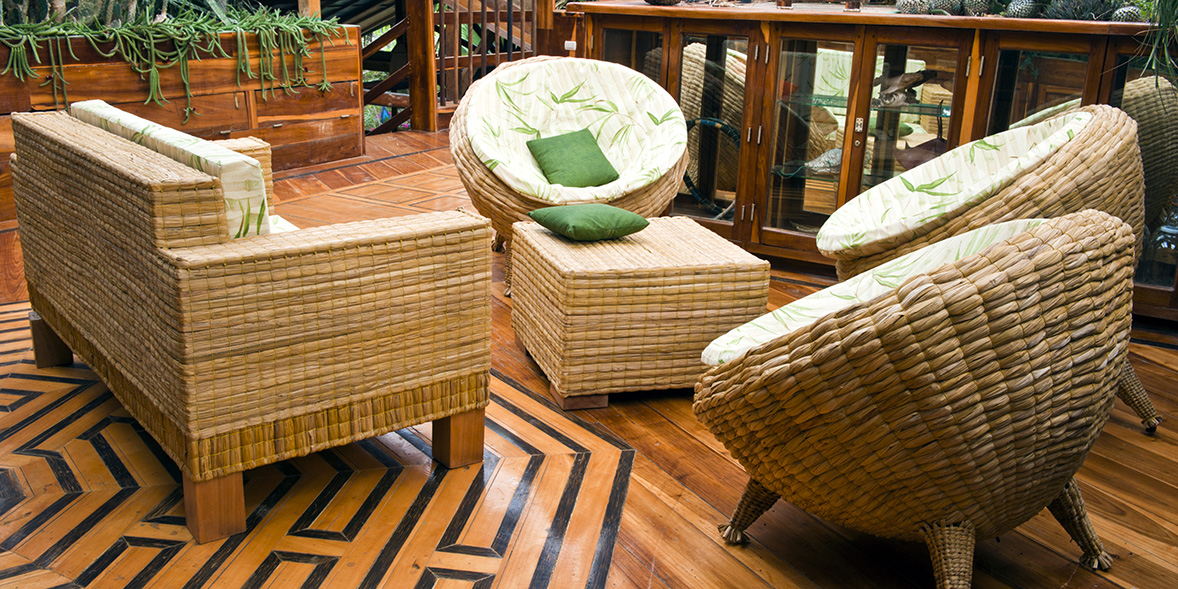
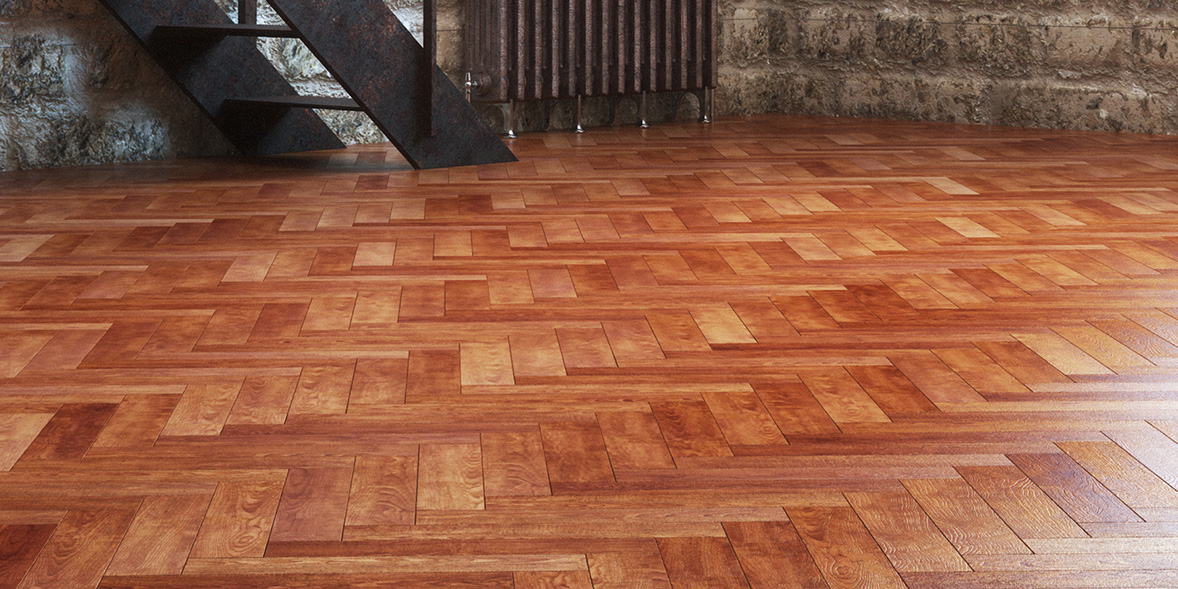
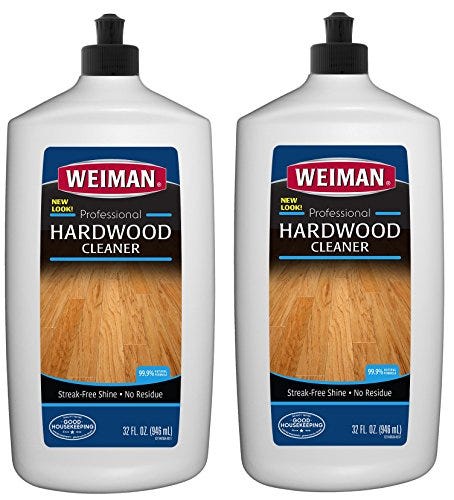
Fourth, wooden furniture, much like other natural materials, requires specialized cleaning agents. All-purpose cleaners can strip the finish from wood, causing irreversible damage. Wood-specific cleaners are essential for preserving the finish and overall condition of wooden items.
Fifth, non-stick cookware should not be cleaned with all-purpose cleaners, especially those containing abrasive components. Abrasives can strip the non-stick coating, rendering the cookware less effective and potentially unsafe. Using cleaners or soaps specifically designed for non-stick surfaces is crucial, and consulting the user manual for best practices is always recommended.
Finally, mirrors and windows are another category where all-purpose cleaners fall short. While tempting to use for glass surfaces, these cleaners often leave streaks or residue, diminishing the clarity and shine. A dedicated glass cleaner is suggested to achieve a streak-free finish.
In summary, the article underscores the importance of selecting appropriate cleaning products for different household items and surfaces to ensure their longevity and appearance, advocating for specialized cleaners over the generalized use of all-purpose formulas for sensitive materials.
#HomeCleaning #CleaningTips #HouseholdProducts #FabricCare #ElectronicsCleaning #StoneCare #WoodFurnitureCare #NonStickCookware #GlassCleaning #HomeCleaning #CleaningTips #HouseholdProducts #FabricCare #ElectronicsCleaning #StoneCare #WoodFurnitureCare #NonStickCookware #GlassCleaning
0 comment in total
 No comments yet
You may also like
8 Things You Should Never Clean with a Swiffer

5 surfaces you shouldn't use a steam cleaner on

9 Things Professional Declutterers Won’t Keep In Their Bathroom

The Surprising Cleaning Supplies Experts Say to Never Use in Your Bathroom
13 Things You Should Never Clean with Windex
6 Vacuum cleaner mistakes to avoid – and why they aren’t cleaning your home

11 Things You Should Never Clean with Rubbing Alcohol


10 things decluttering experts won't keep in their kitchen cupboards

8 items to never clean with bleach – according to cleaning professionals
6 Things You Should Never Use to Clean Wood Floors (Unless You Want to Ruin Them)

The One Way You Should NEVER Clean Laminate Floors

6 Things You Should Never Put in a Guest Bathroom

6 Things You Should Never Clean With All-Purpose Cleaner
5 things you should never clean with baking soda – according to professionals
8 essential oil cleaning mistakes
6 things you should never forget to clean in a hallway

6 things to never clean with rubbing alcohol around your home, and what to use instead
8 Things You Should Never Wash Down The Sink

5 Common Sofa Cleaning Mistakes You Might Be Making

5 Things You Should Never Use to Clean Wood Kitchen Cabinets (Unless You Want to Ruin Them)