1/4
5 things you should never clean with baking soda – according to professionals
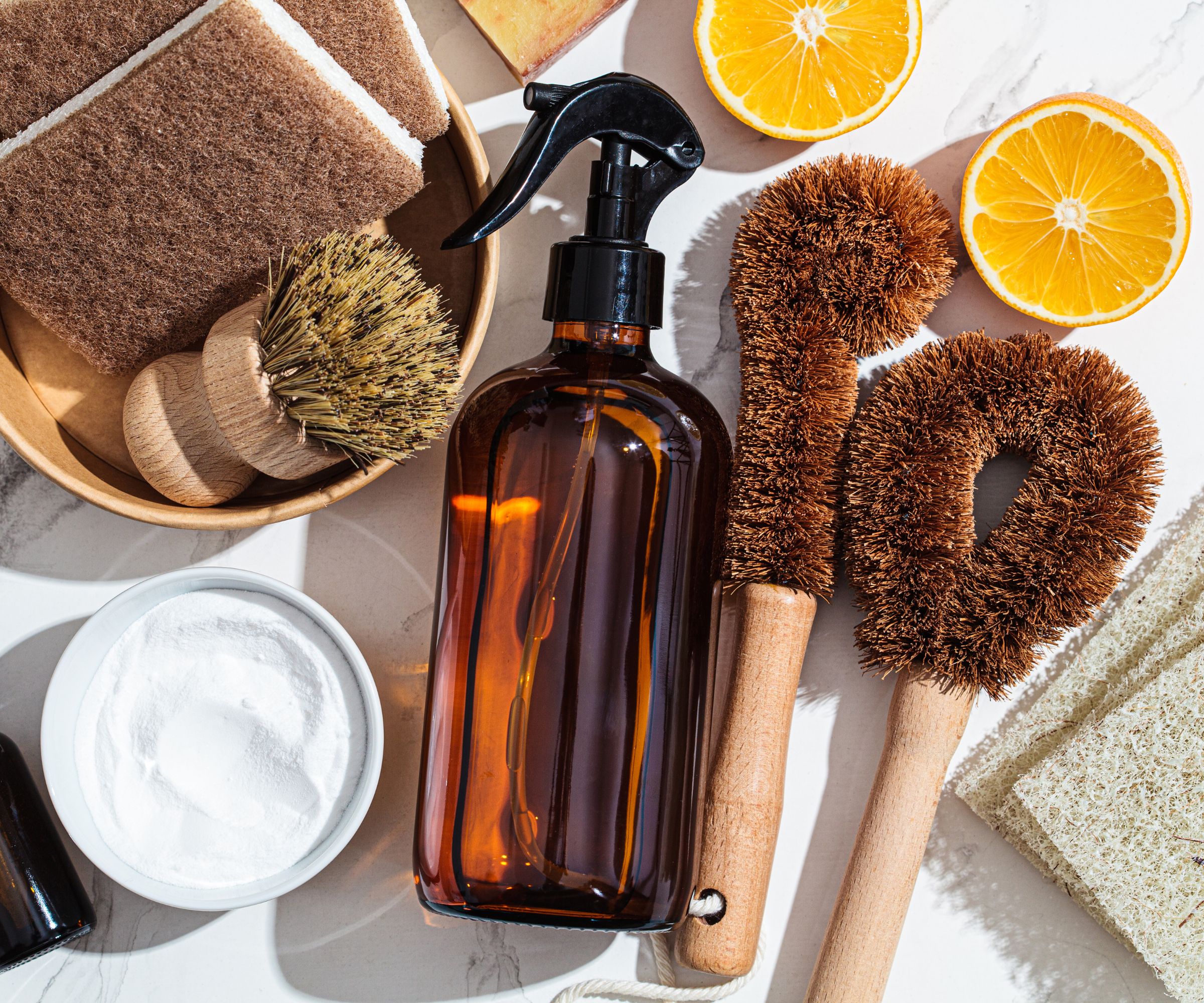
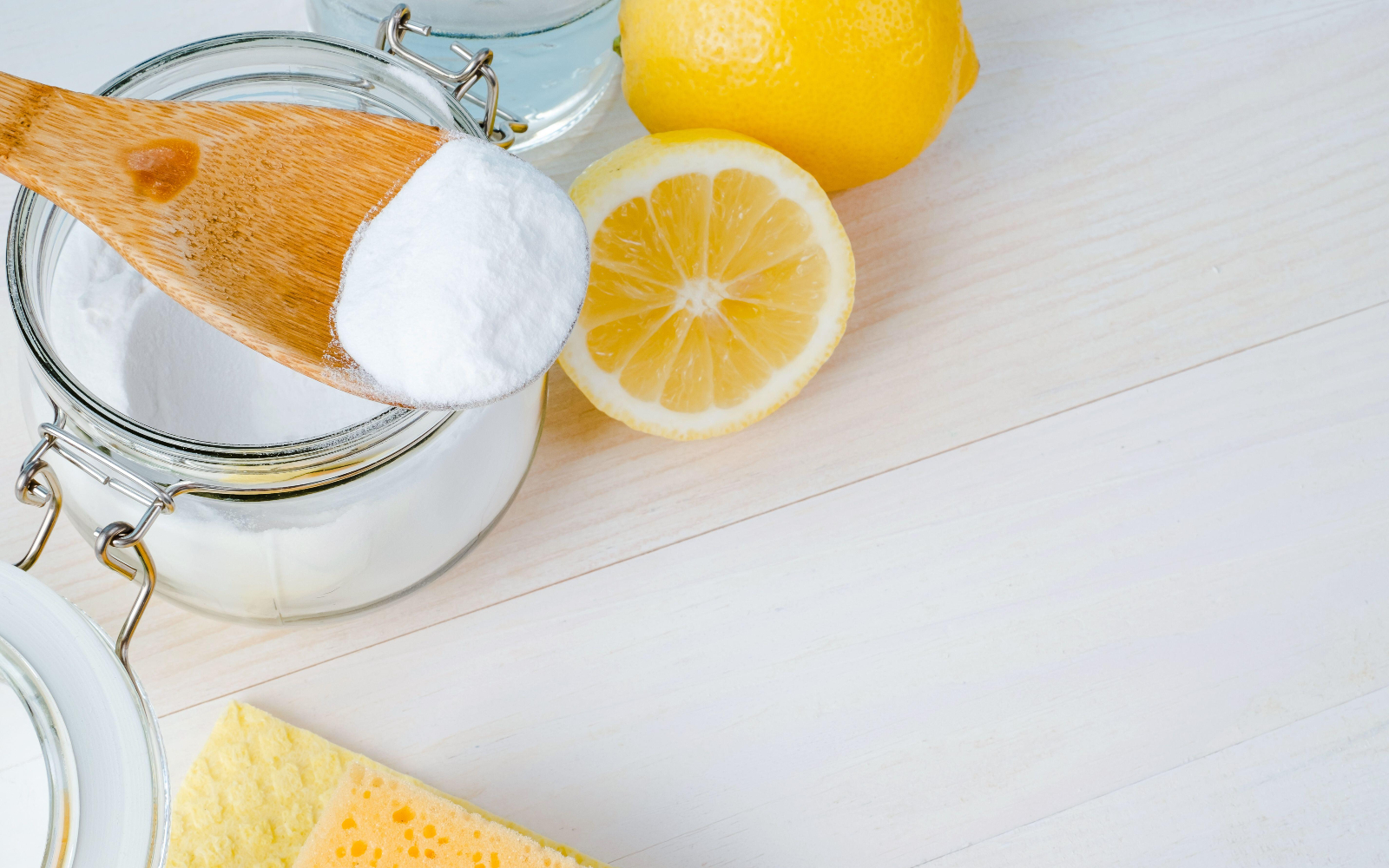
Baking soda, a household staple, is widely admired for its cleaning capabilities across various surfaces in a home, from kitchen floors to bathroom sinks. Despite its versatility and natural cleaning properties, experts advise caution as there are specific items and surfaces that should never be cleaned with baking soda due to potential damage. Jack Williams, CEO and founder of Handyman Reviewed, highlights that while baking soda's primary component, sodium bicarbonate, has been used for generations as a cleaning agent, it can cause unintended chemical reactions and harm to certain materials. Harry Virk, CEO of CleaningPro, also concurs on the abrasive nature of baking soda for delicate surfaces.
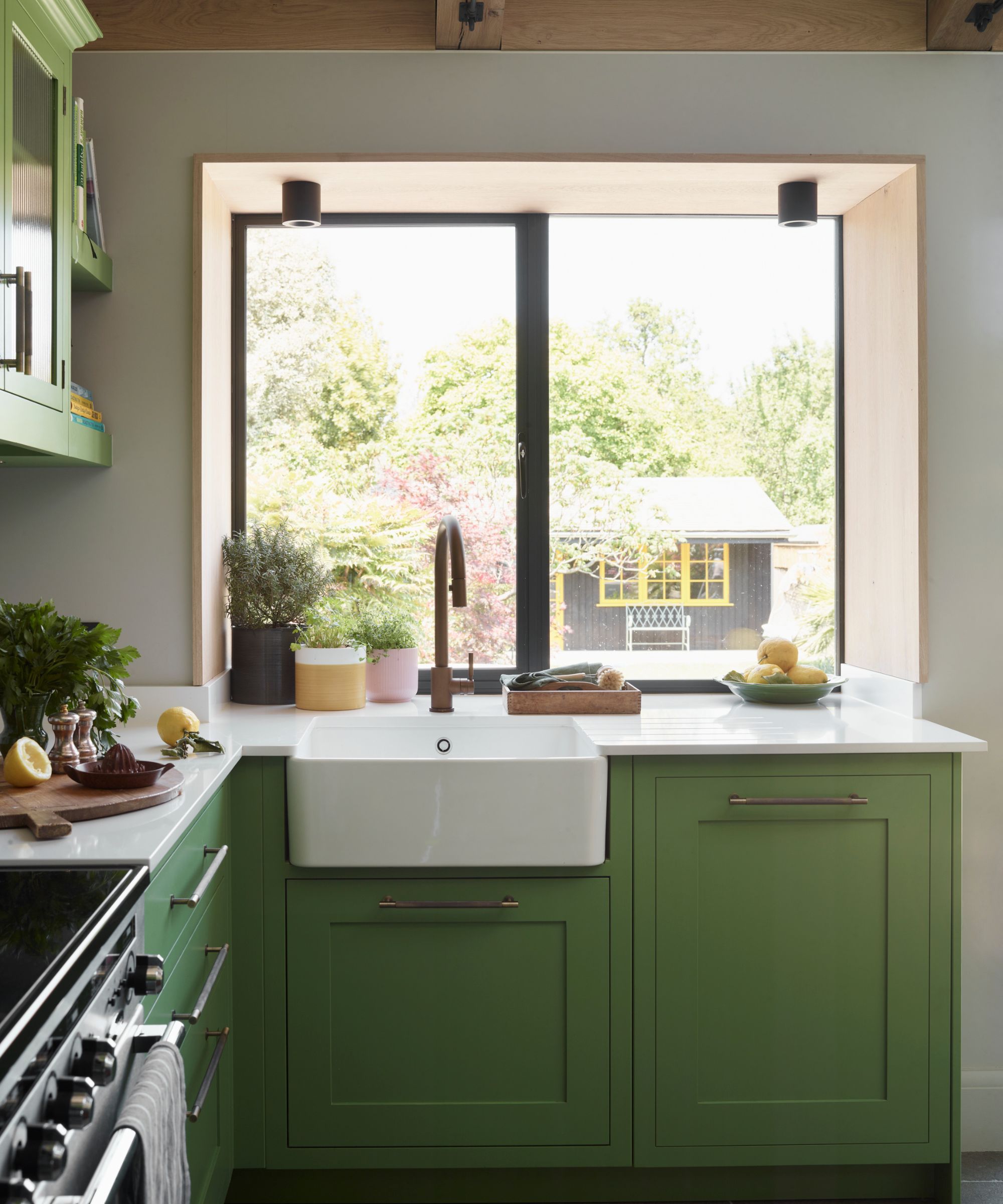
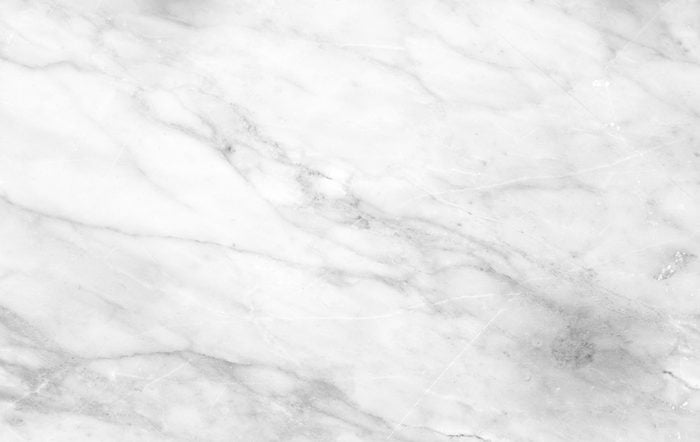
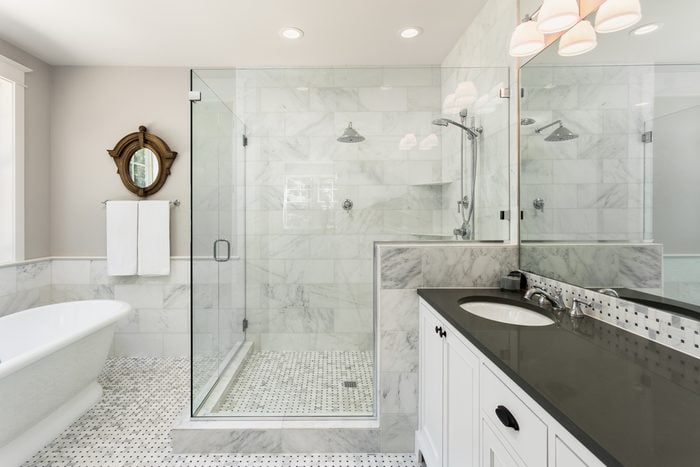
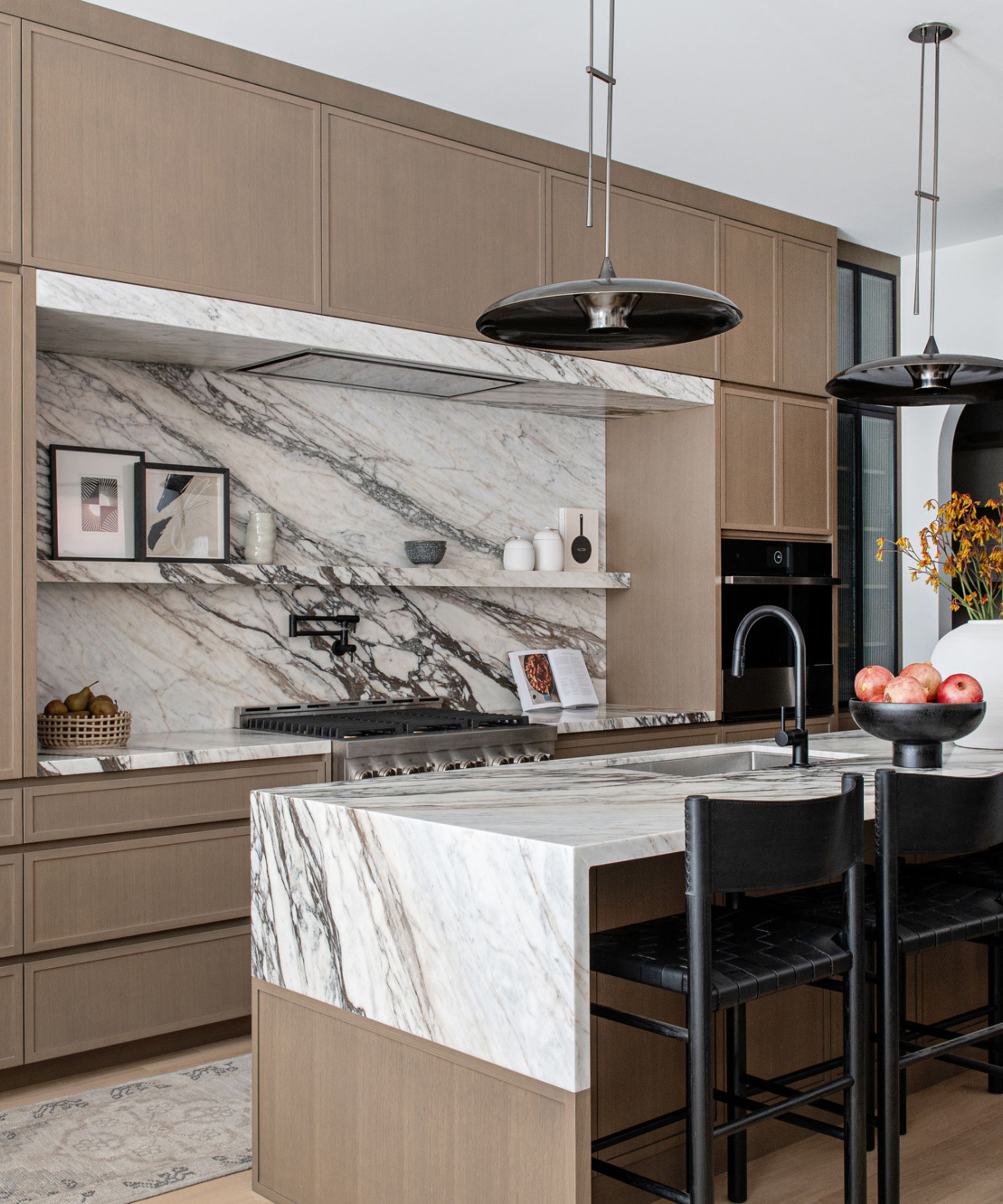
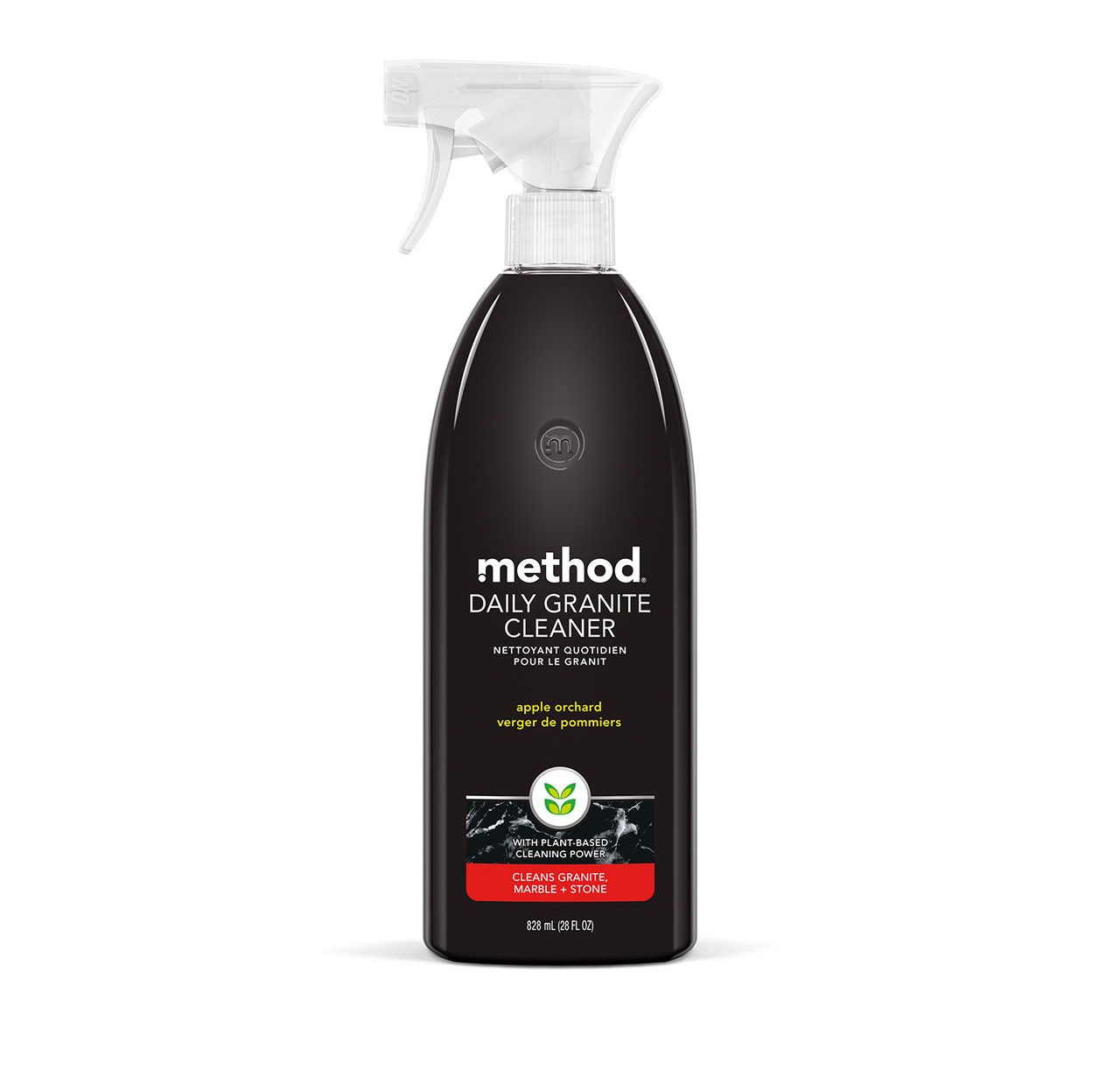
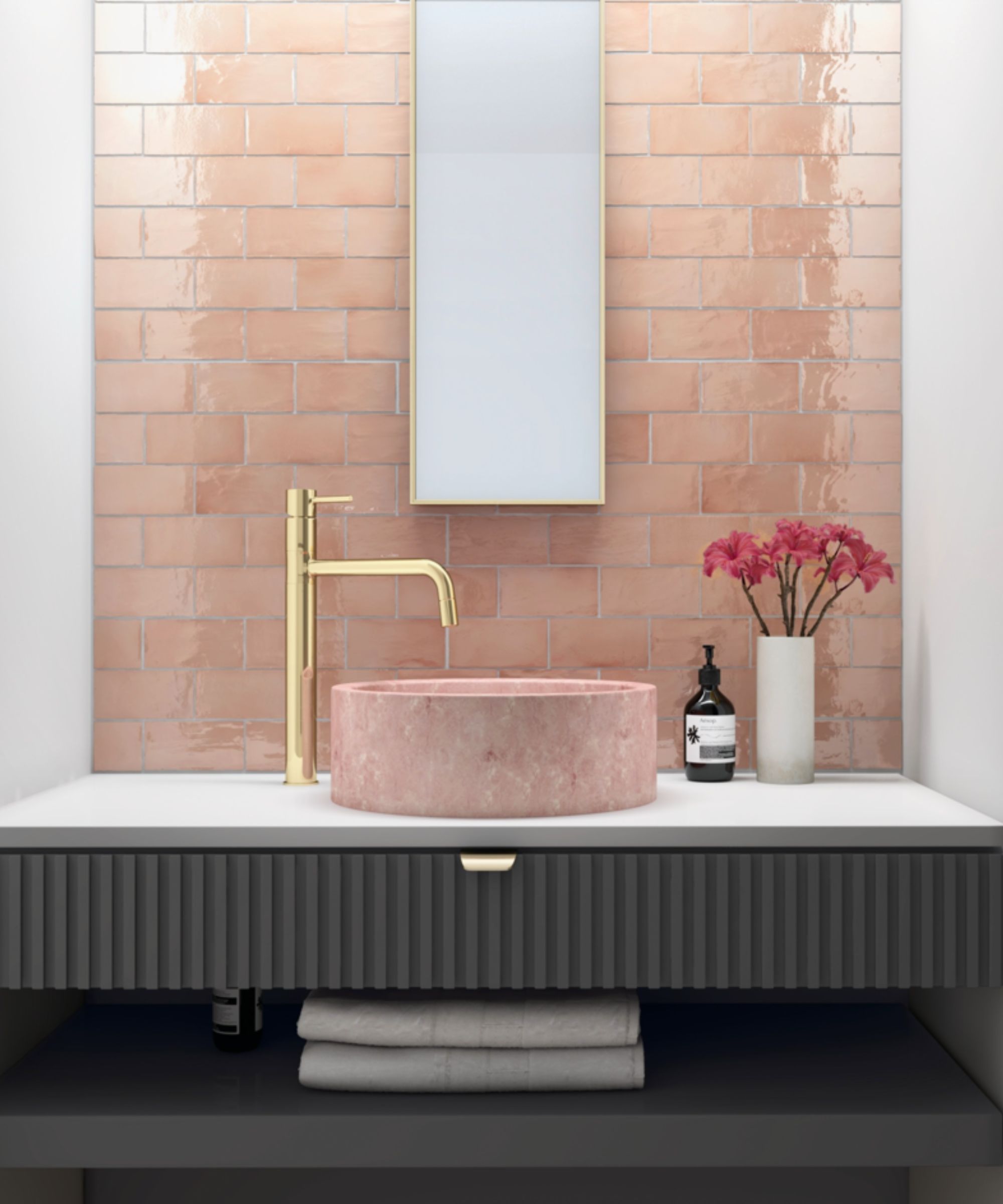
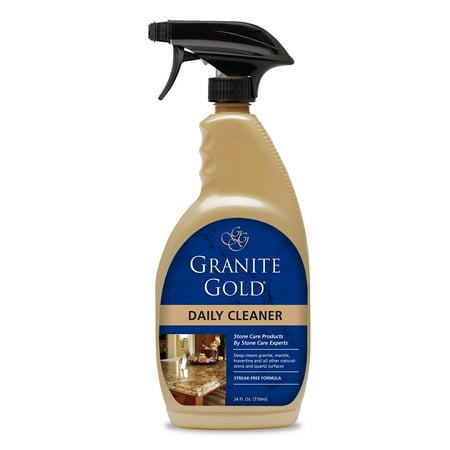
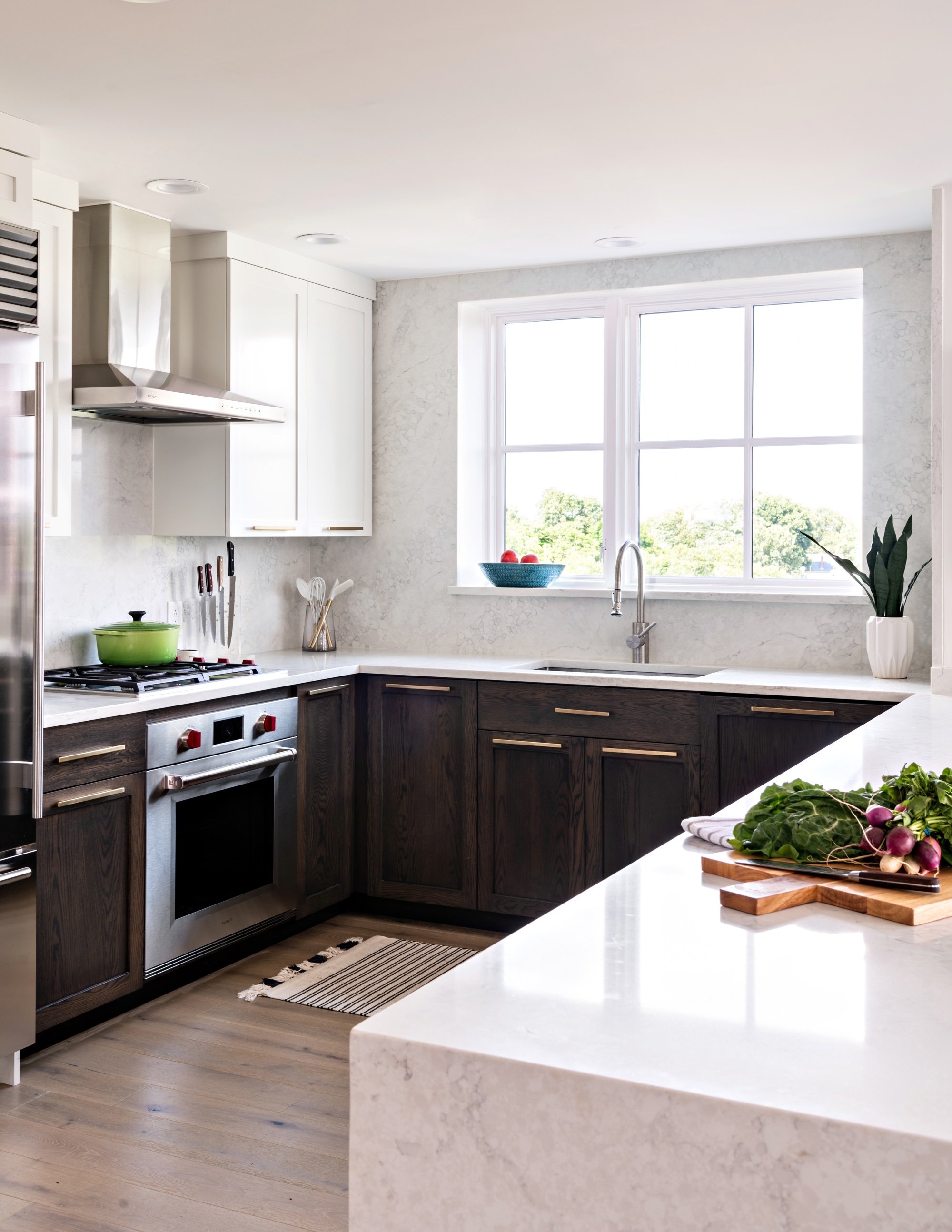
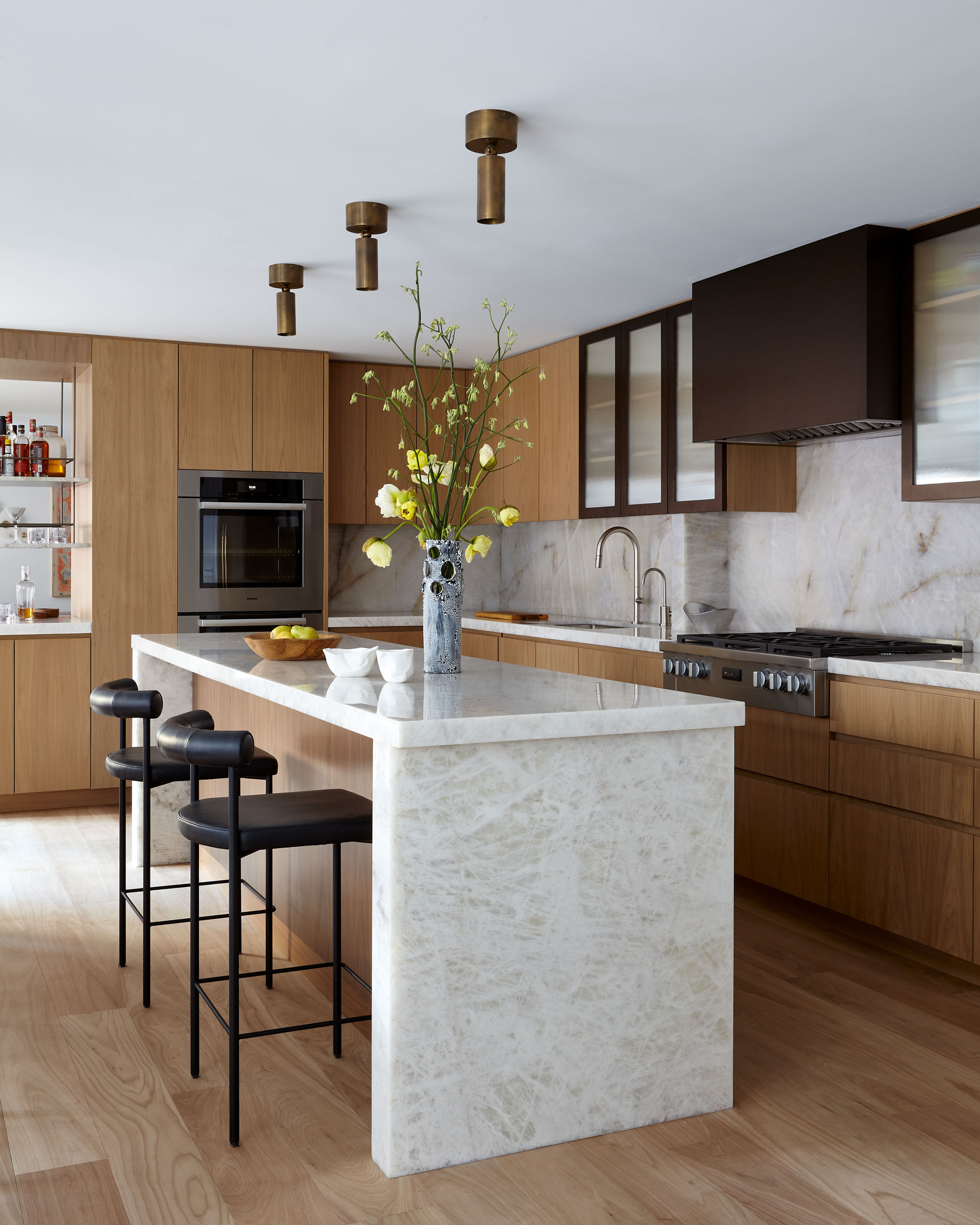
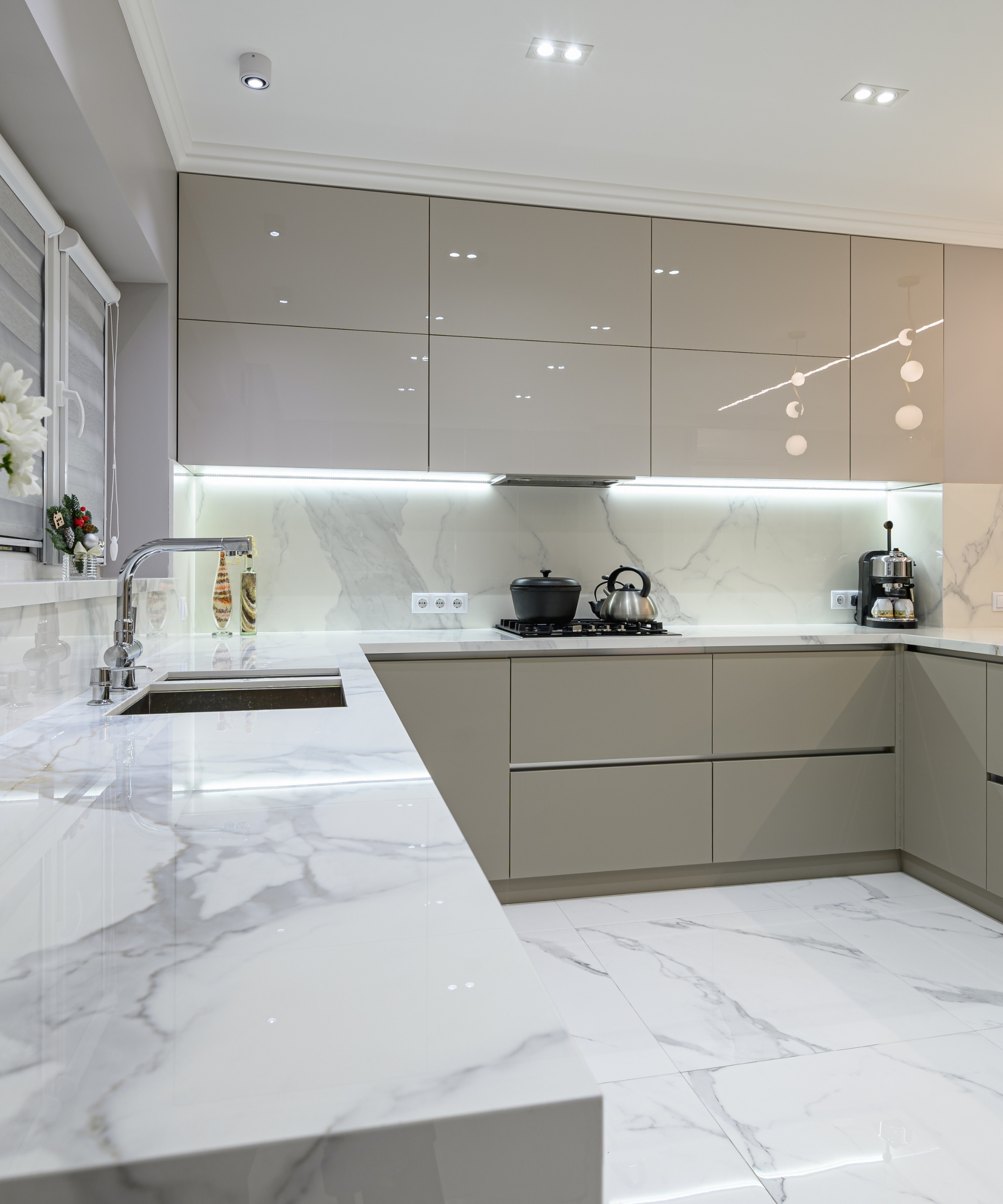
One of the primary items to avoid cleaning with baking soda is quartz or marble countertops. These materials, known for their beauty and often used in kitchen designs, can be significantly damaged. Baking soda can wear down the sealant on these surfaces over time, leading to a loss of their shiny sheen. Natural stones like marble and quartz are expensive, and any damage can be costly to restore. Instead of baking soda, experts recommend using a mixture of dish soap and water or a specialized marble cleaner to clean these countertops without causing etching. An example of an alternative product mentioned is Amazon's highly rated stone and granite cleaner.
Another category to steer clear of is dinnerware with a gold finish, and even ancient silver. Gold, being a soft metal, cannot withstand the abrasiveness of baking soda, which can scuff the finish or even remove the plating entirely. While baking soda can remove tarnish from some silverware, using it on ancient silver can dull the metal, leave scratches, and accelerate corrosion. For these items, a simple solution of dish soap in warm water is a safer and more effective cleaning method.
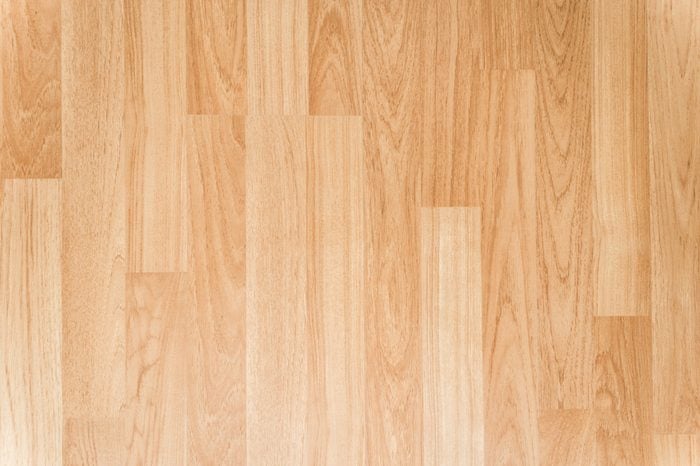
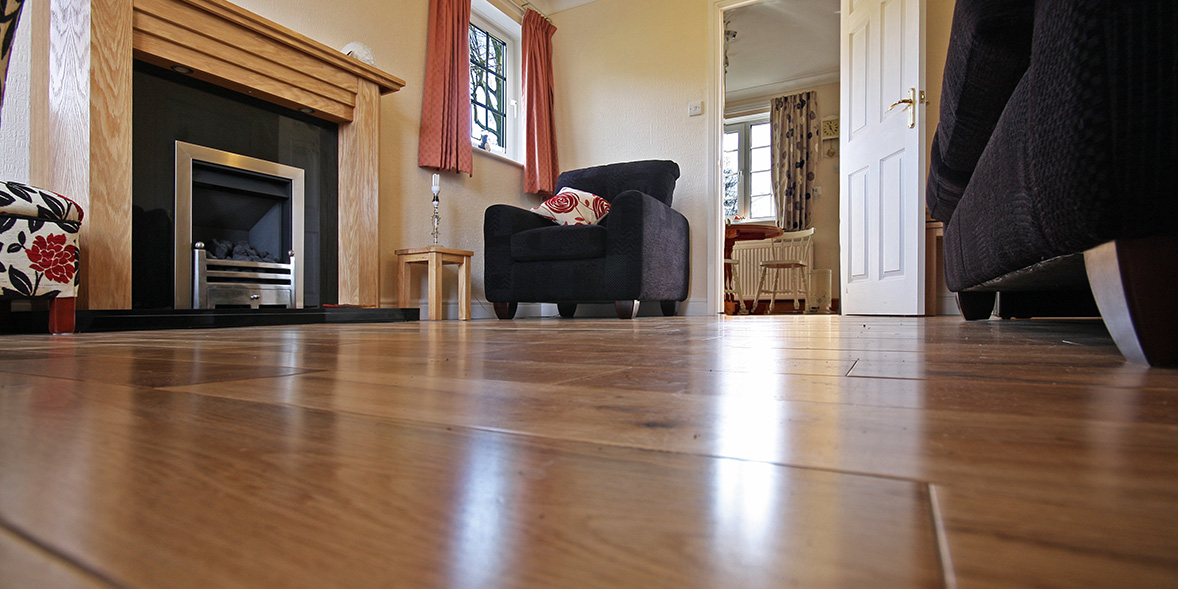
Hardwood surfaces, including wooden furniture and floors, are also on the list of items not to be cleaned with baking soda. Baking soda is too harsh for the wood sealants used on these surfaces and can harm or deform the wood, leading to a loss of shine or permanent streaks. Instead, traditional methods like soapy water for floors and wax for furniture are recommended. A product like Feed N Wax Wood Polish and Conditioner is suggested as a suitable alternative for wood maintenance.
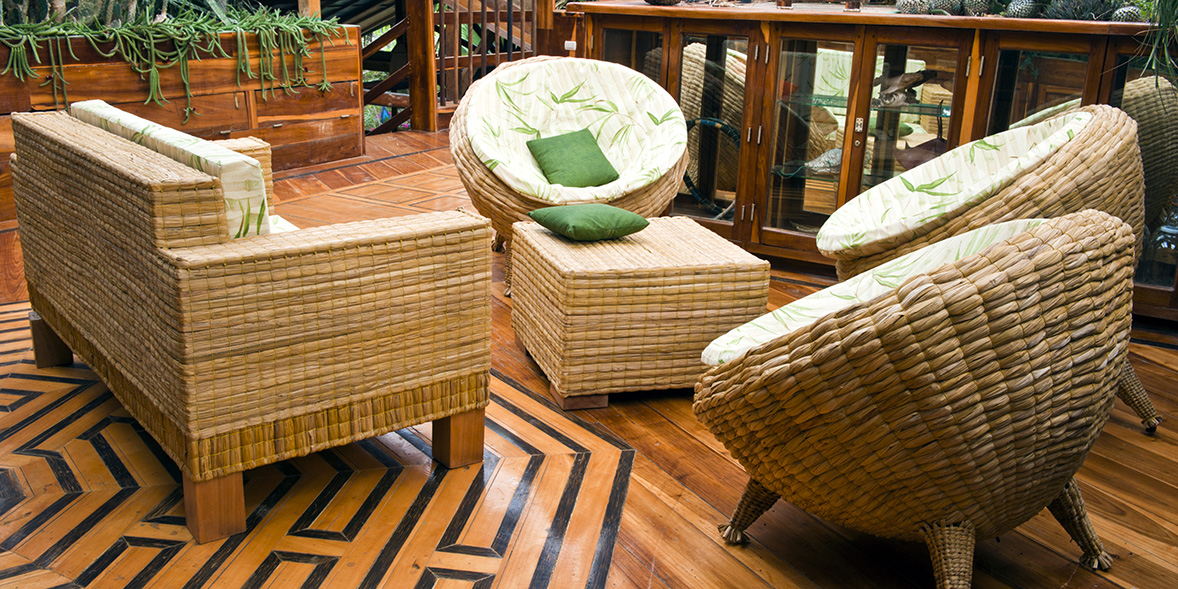
Items with large cracks or grooves, such as keyboards, mice, TV remotes, and cane furniture, should also not be cleaned with baking soda. Baking soda tends to leave a dusty, white residue after it dries, which can become trapped in these crevices, making the item appear dirtier or causing functional issues rather than cleaning it. The article implicitly suggests that for such items, alternative cleaning methods that do not leave residue or penetrate small openings are more appropriate.
Finally, aluminum cookware requires careful consideration. While baking soda can be used on most metal surfaces, frequent use on aluminum pots and pans can lead to oxidation and discoloration. If one chooses to use baking soda on aluminum, it is crucial to rinse it off immediately to prevent any color changes. For aluminum cleaning, a dedicated product like Star Brite Aluminum Cleaner and Restorer is a recommended alternative. Understanding these limitations ensures effective cleaning without inadvertently damaging valuable household items.
#CleaningTips #BakingSoda #HouseholdCleaners #KitchenMaintenance #HomeCare #CleaningMistakes #CountertopCare #WoodCare #MetalCleaning #CleaningTips #BakingSoda #HouseholdCleaners #KitchenMaintenance #HomeCare #CleaningMistakes #CountertopCare #WoodCare #MetalCleaning
0 comment in total
 No comments yet
You may also like
8 items to never clean with bleach – according to cleaning professionals
5 things not to put on your bathroom countertops, according to interior designers
How to Properly Clean Quartz Countertops — And the Products You Should Never (Ever) Use

11 Things You Should Never Clean with Rubbing Alcohol

8 Things You Should Never Clean with a Swiffer

8 Things You Should Never Wash Down The Sink

5 Things You Should Never Use to Clean Wood Kitchen Cabinets (Unless You Want to Ruin Them)

9 items never to store in a bathroom vanity – according to the experts
5 surfaces you shouldn't use a steam cleaner on
6 Things You Should Never Clean With All-Purpose Cleaner

5 Common Sofa Cleaning Mistakes You Might Be Making

4 things you should never use bleach on at home

6 Things You Should Never Clean With All-Purpose Cleaner

5 cleaning myths that will damage your countertops – and what to do instead

9 Things Professional Declutterers Won’t Keep In Their Bathroom
16 things around your house you should be cleaning with baking soda and vinegar
13 Things You Should Never Clean with Windex

6 things to never clean with rubbing alcohol around your home, and what to use instead
8 Things You Should NEVER Keep On Your Kitchen Counter
You Can Clean Almost Every Surface in Your Bathroom With This One Household Product—Here’s How