1/3
4 things you should never use bleach on at home
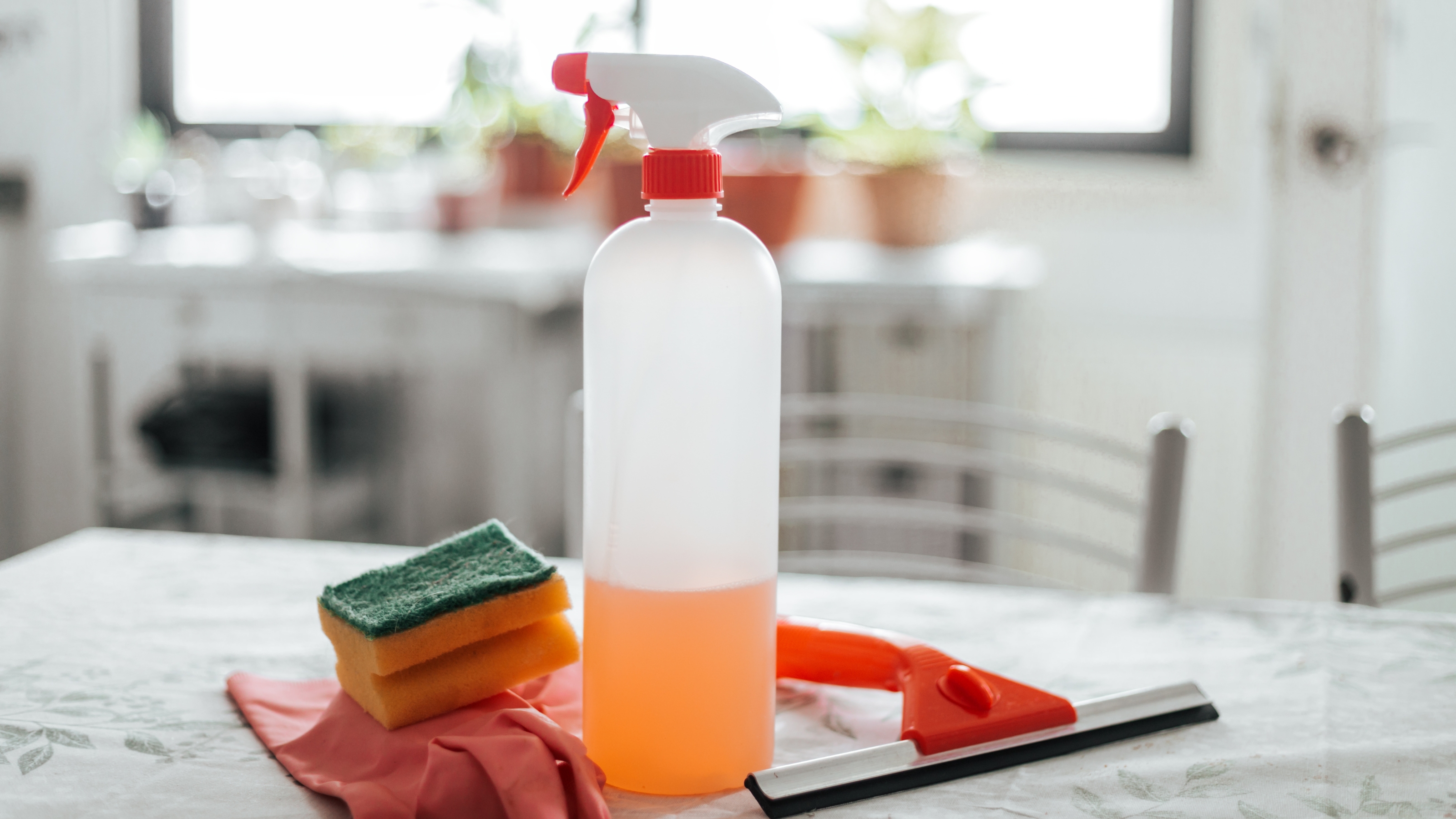
Bleach, a powerful disinfectant, is a common component in many household cleaning routines; however, its potent chemical properties mean there are specific surfaces and materials within a home where its use can lead to irreversible damage. While effective for certain cleaning tasks, understanding its limitations is crucial to prevent discoloration, material corrosion, or the release of toxic fumes.
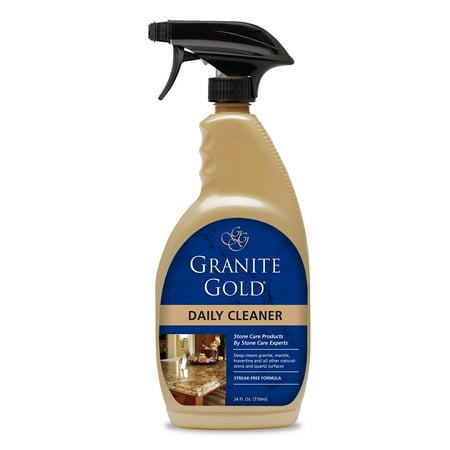
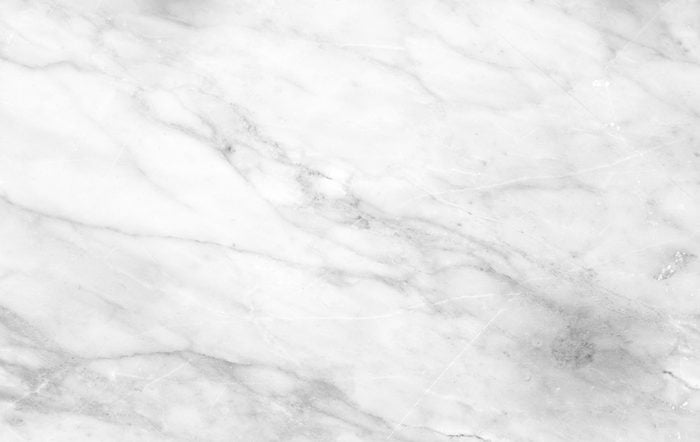
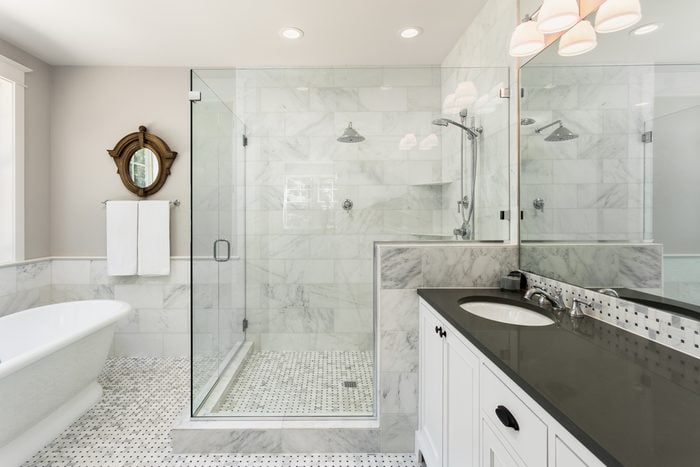
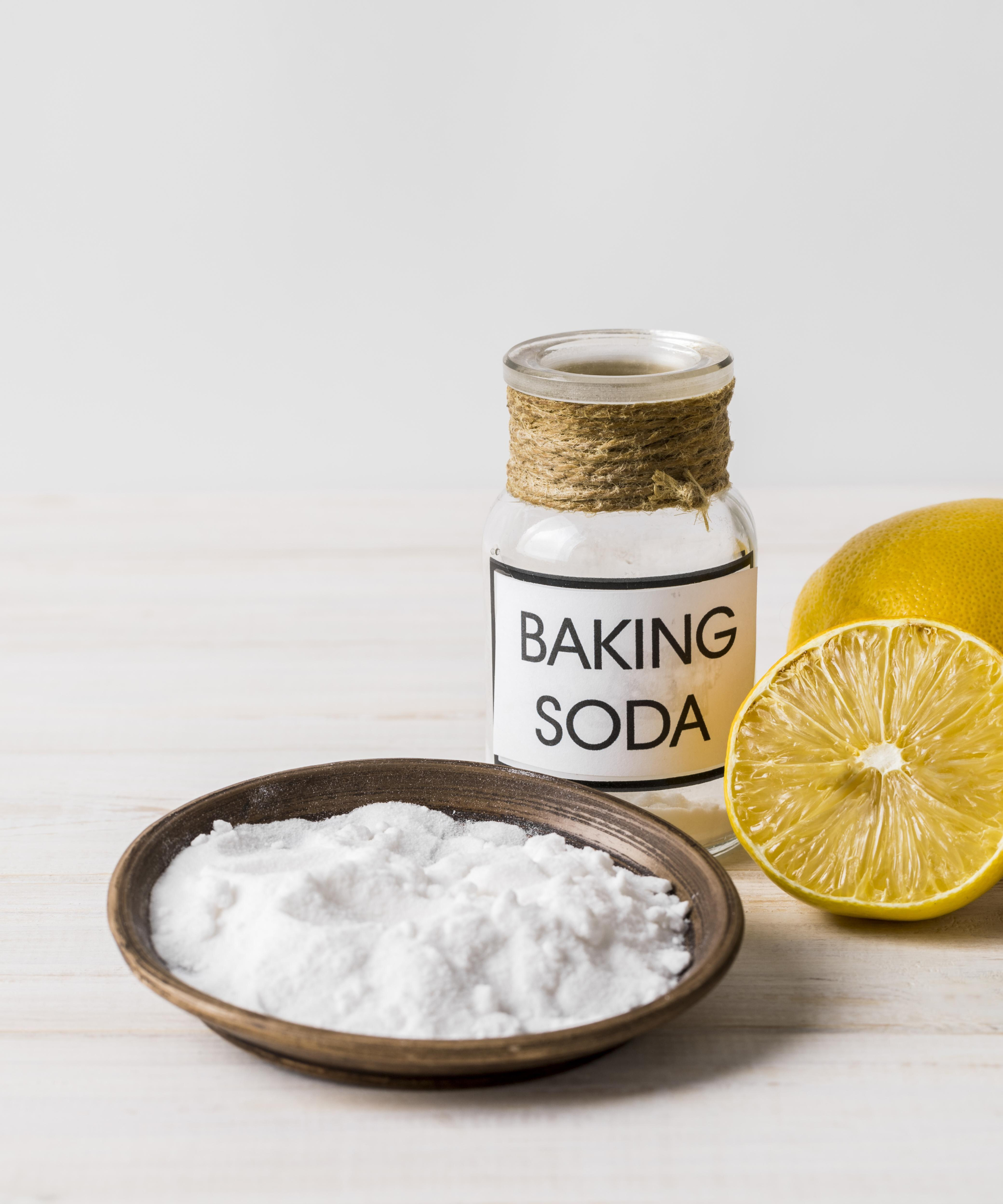
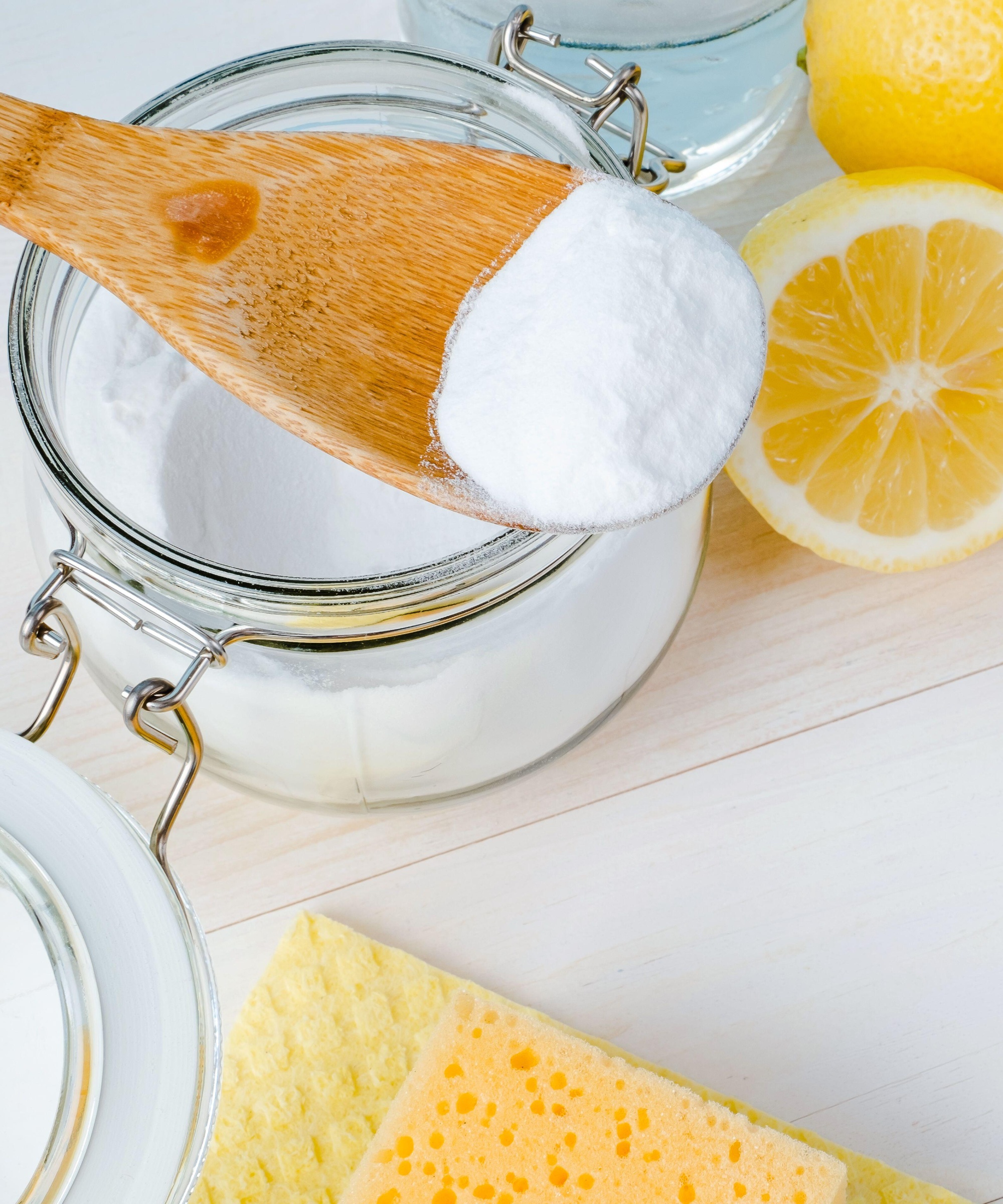
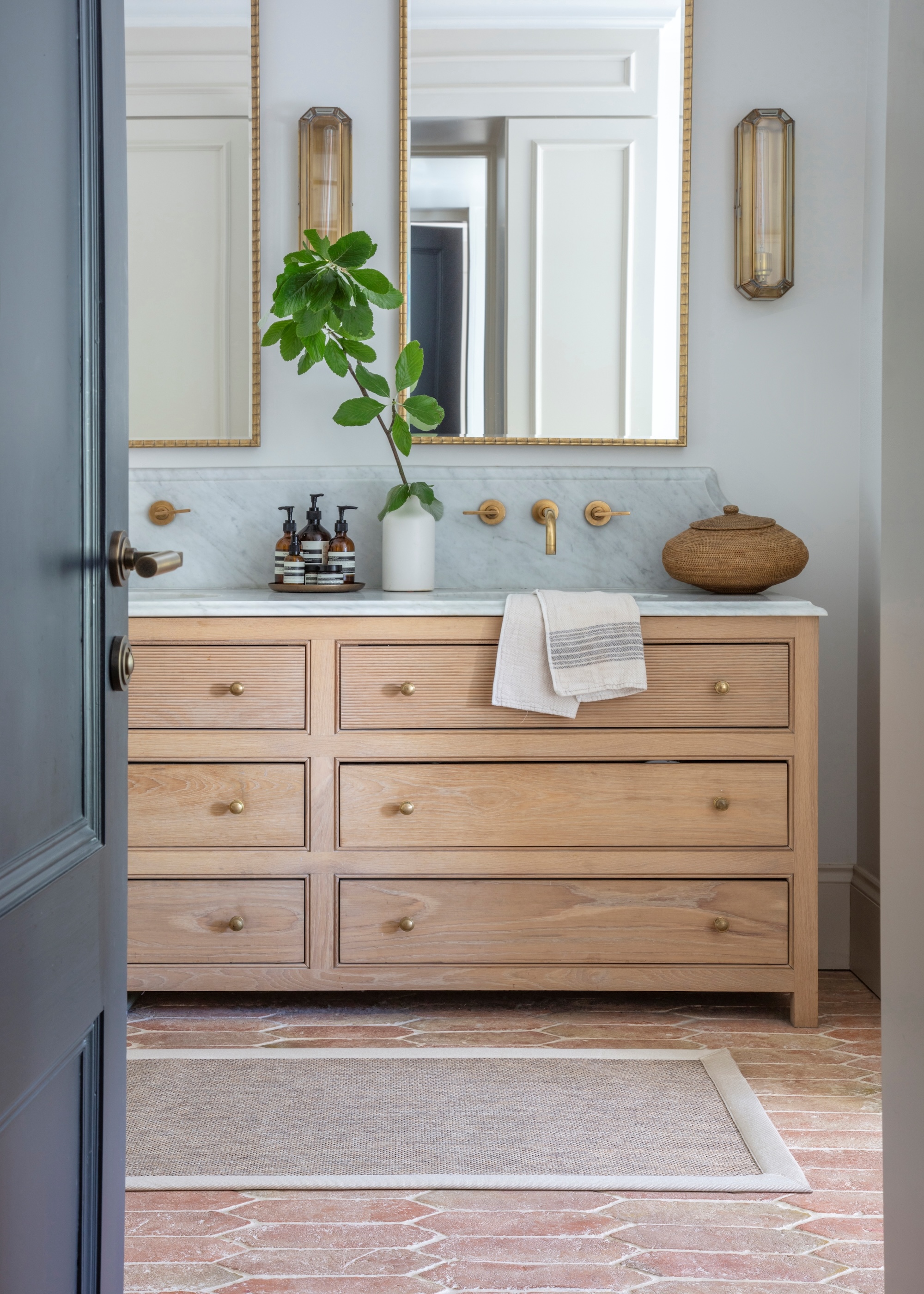
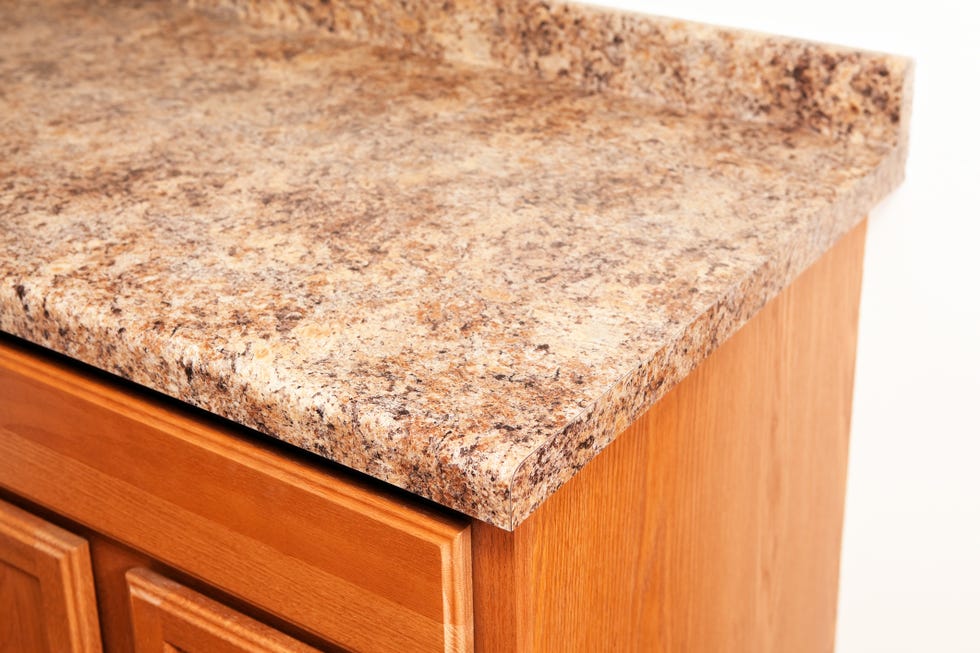
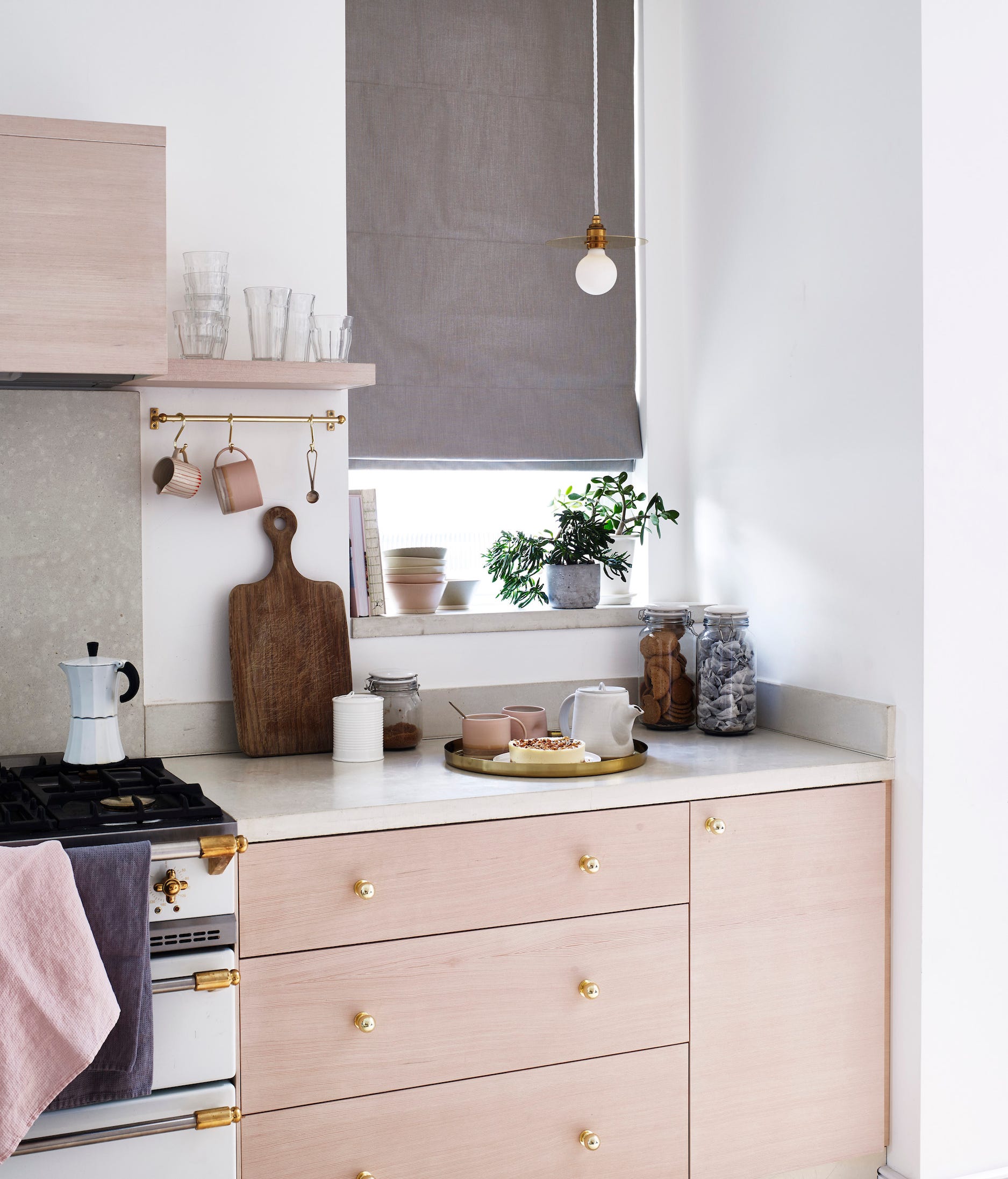
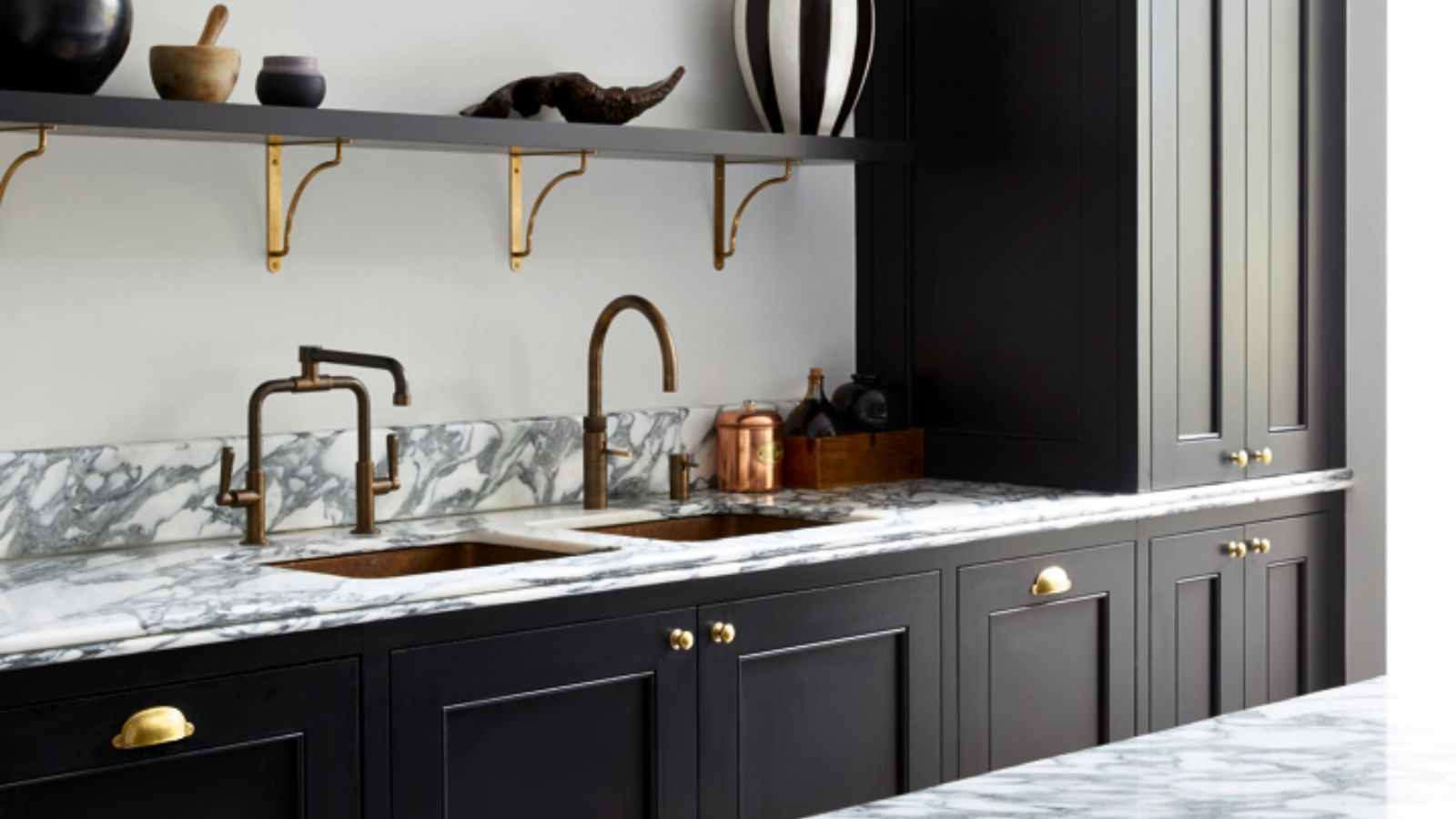
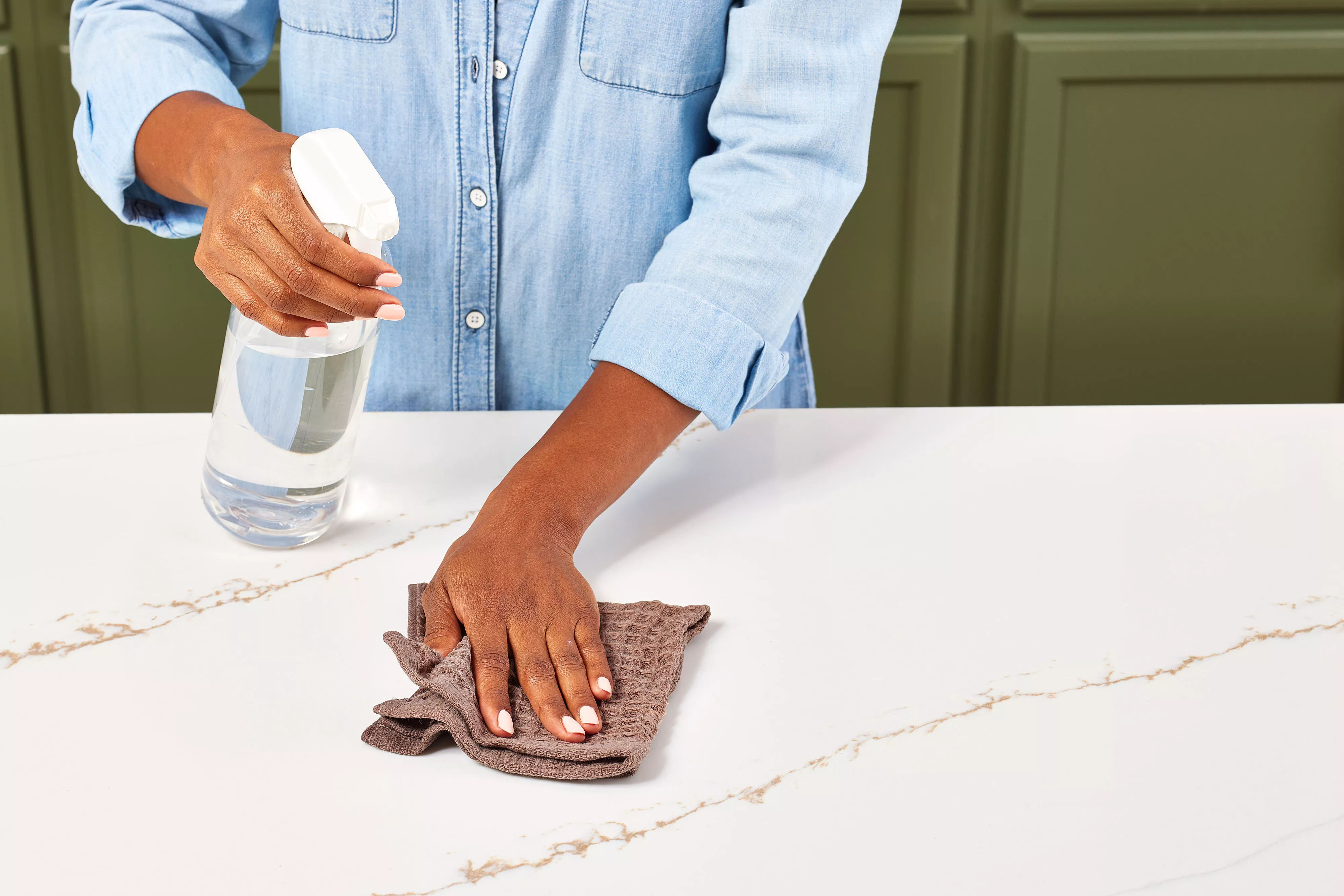
Stone countertops, including marble, quartz, and granite, are particularly susceptible to bleach. Experts like Rassan Grant, a natural materials specialist, highlight that bleach can etch and dull the natural shine of these porous surfaces, resulting in a permanently cloudy appearance. Additionally, it can damage the sealant properties, increasing the risk of water damage. Recommended alternatives for cleaning stone surfaces include a gentle mixture of lemon juice and baking soda or warm, soapy water, which effectively cleans without compromising the material's integrity or finish.
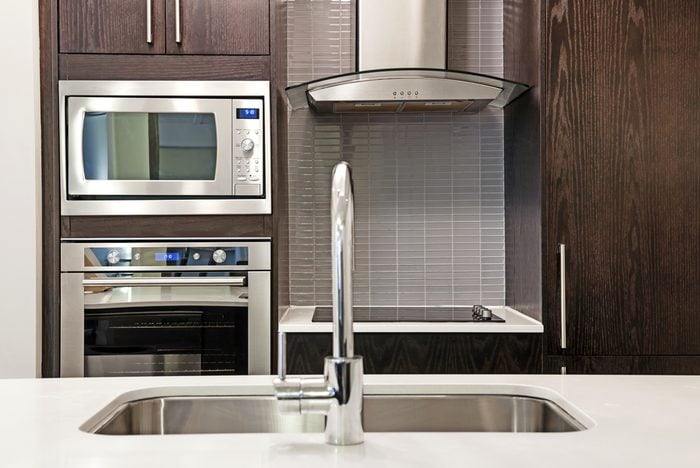
Metals, such as stainless steel, copper, and silver, also react negatively to bleach. Despite their apparent toughness, metals like stainless steel can discolor when exposed to bleach. The chemical reaction with metals can lead to corrosion and the formation of rust, undesirable outcomes for kitchenware, appliances, or decorative items. Instead, specialized metal-safe cleaning solutions or simply a microfiber cloth with appropriate cleaning agents are advised to maintain their appearance and prevent damage.
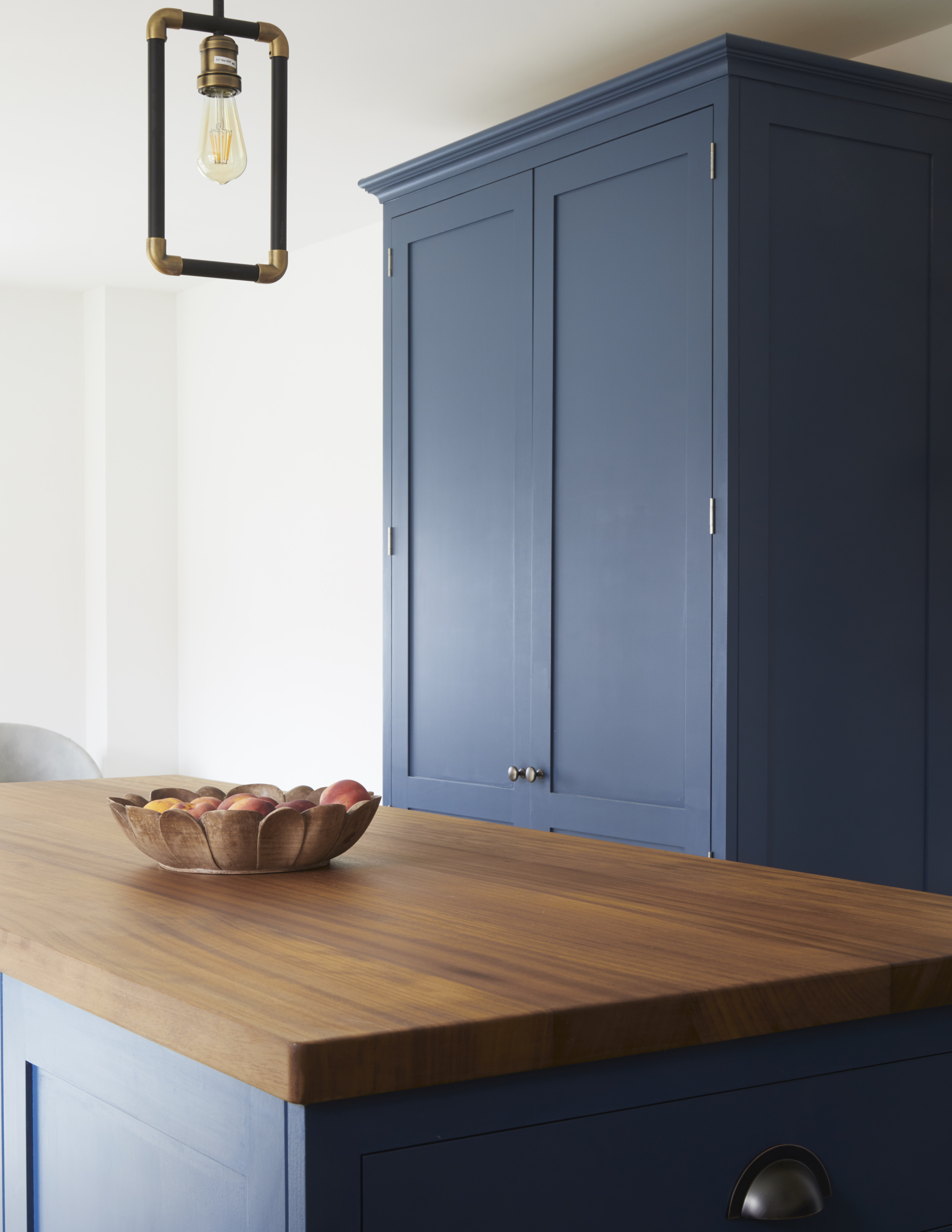
Wooden surfaces, whether in the form of flooring, countertops, or cutting boards, should never be treated with bleach. The chemical can strip the wood of its natural color, leaving behind permanent pale patches and weakening its fibers. Even when dealing with mold on wood, bleach is largely ineffective at killing the underlying issue and primarily discolors the mold while potentially warping the wood. Gentle cleaning solutions, such as soapy water with a touch of vinegar or wood-specific cleaning sprays, are recommended to clean and nourish wooden surfaces safely.
Finally, colored upholstery, carpets, and painted surfaces are highly vulnerable to bleach. Bleach is known to strip colors, leading to permanent staining or discoloration, transforming vibrant hues into faded areas. For these items, color-safe detergents, professional cleaning services, or specialized upholstery and carpet cleaners are the appropriate choices. Using products specifically designed for the material in question ensures effective cleaning without the risk of ruining the color or fabric.
Recognizing these limitations and opting for suitable alternative cleaning products not only ensures the longevity and aesthetic appeal of household items but also promotes a safer and more effective cleaning practice within the home.
#BleachSafety #CleaningTips #HomeMaintenance #SurfaceCare #StoneCountertops #MetalCleaning #WoodCare #FabricProtection #HouseholdHacks #BleachSafety #CleaningTips #HomeMaintenance #SurfaceCare #StoneCountertops #MetalCleaning #WoodCare #FabricProtection #HouseholdHacks
0 comment in total
 No comments yet
You may also like
8 items to never clean with bleach – according to cleaning professionals

8 Things You Should Never Wash Down The Sink

6 Things You Should Never Keep on Your Kitchen Counter

The Surprising Cleaning Supplies Experts Say to Never Use in Your Bathroom
6 things to never clean with rubbing alcohol around your home, and what to use instead
8 Things You Should NEVER Keep On Your Kitchen Counter
11 Things You Should Never Clean with Rubbing Alcohol

10 things decluttering experts won't keep in their kitchen cupboards
8 Things You Should Never Clean with a Swiffer

6 Things You Should Never Clean With All-Purpose Cleaner
6 Things You Should Never Put in a Guest Bathroom

9 Things Professional Declutterers Won’t Keep In Their Bathroom
6 Things You Should Never Clean With All-Purpose Cleaner

5 things you should never clean with baking soda – according to professionals
Pros warn never to keep these 8 things in your pantry

9 Outdated Things People Over 40 Should NEVER Have in Their Homes
13 Things You Should Never Clean with Windex

Stop! Step Away From the Paintbrush — Here's 4 Things Interior Designers Would Never, Ever Paint Around the Home
12 Things That People Over 30 Should NEVER Have In Their Kitchen
Bleach isn't so scary if you know how to use it correctly