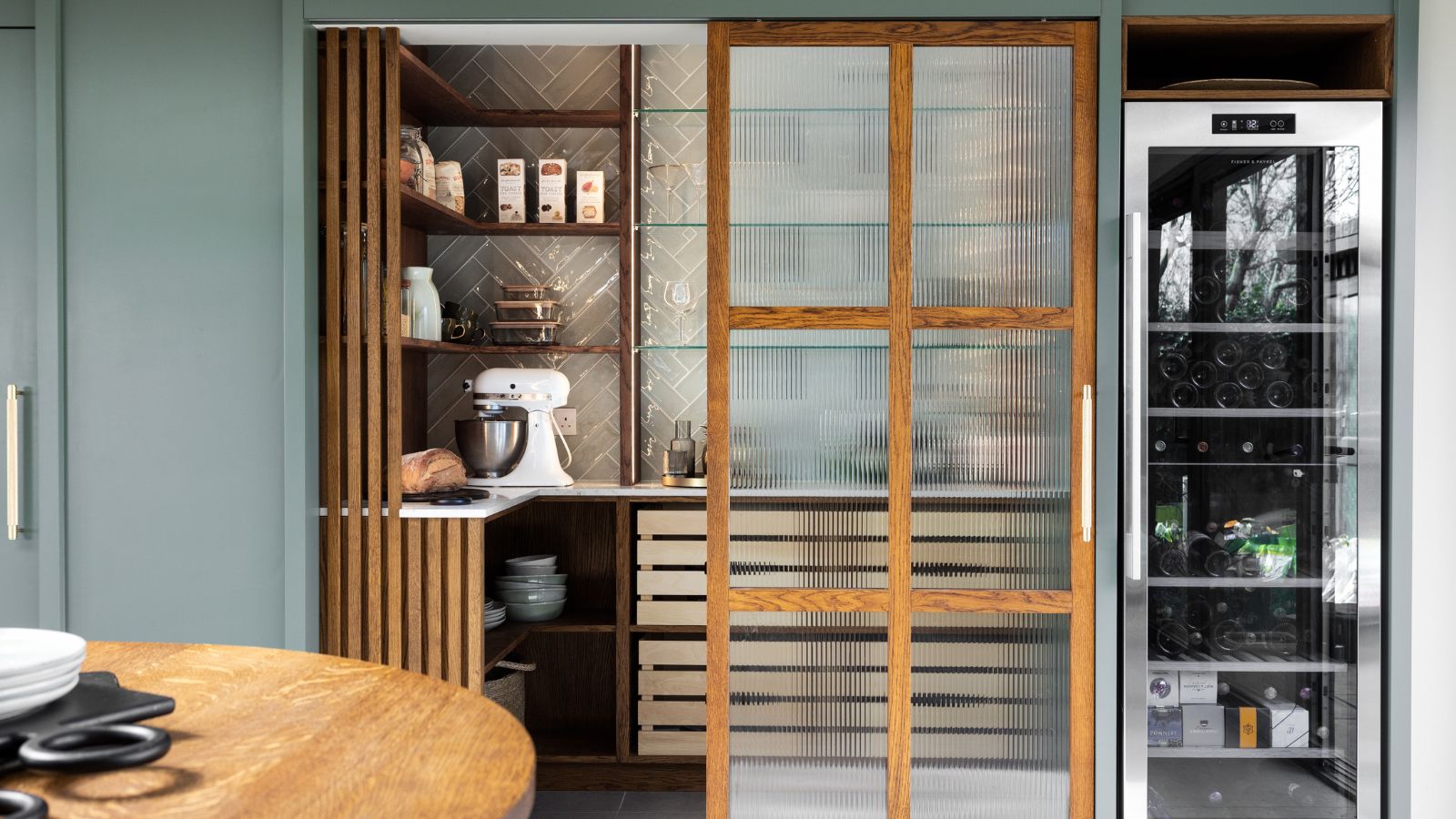
1/6
Pros warn never to keep these 8 things in your pantry
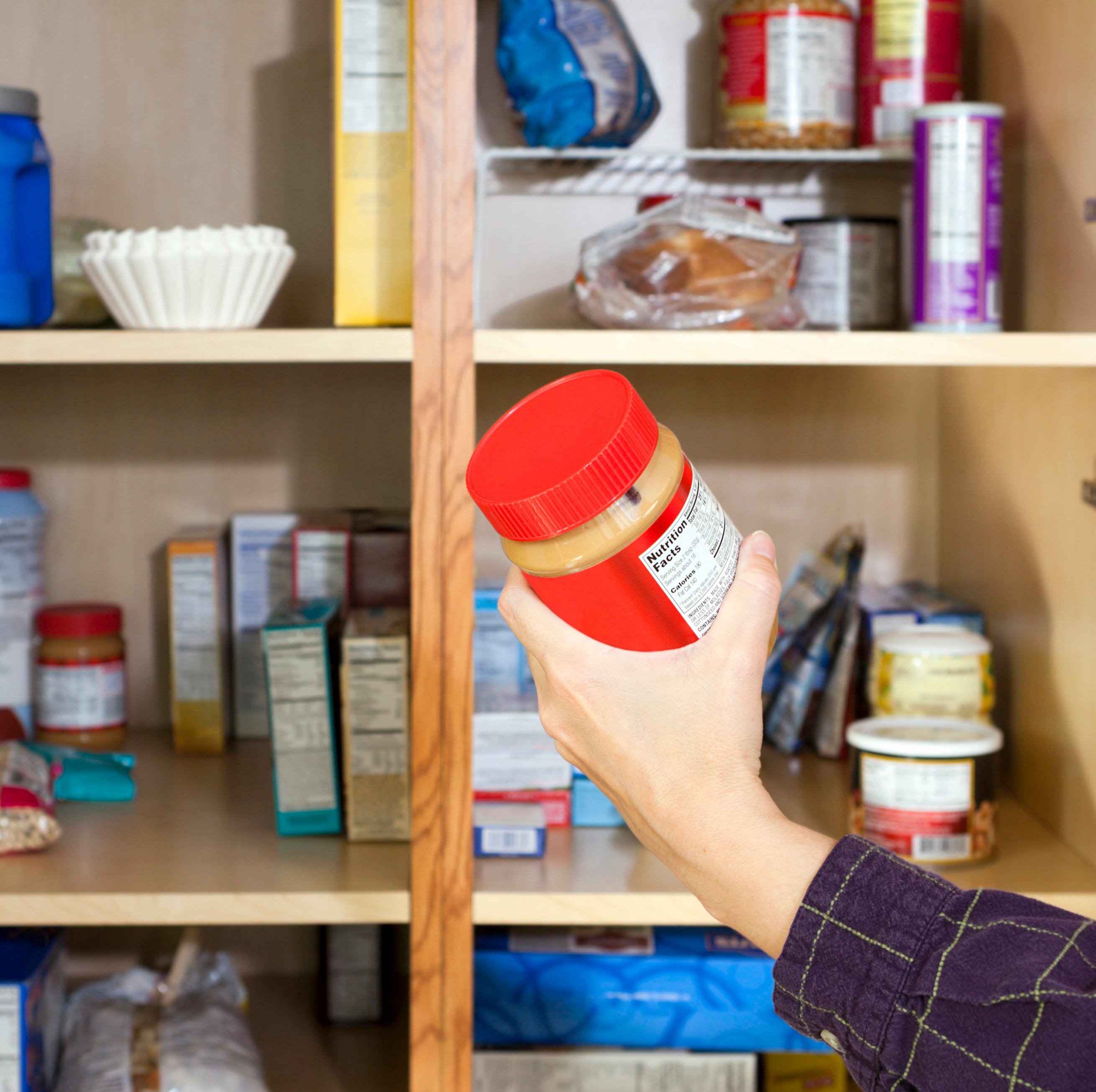
A well-stocked and organized pantry can be highly satisfying, but it's crucial to know when and what to remove from it. Holding onto certain items for too long can lead to health risks, food waste, and make it difficult to locate items or check their expiration dates. There are eight key categories of items that professional organizers advise against keeping in your pantry to ensure a streamlined, safe, and functional space.
First, expired goods should be purged immediately. Even seemingly non-perishable items can pose health risks if consumed past their prime. Regular pantry audits are essential, and grouping items by category, along with implementing a 'first in, first out' rule, can help manage inventory. Using shelf risers can also optimize visibility and access, allowing older items to be placed at the front. Furthermore, any food showing signs of spoilage, such as bulging cans or unusual smells, should be discarded regardless of its expiration date.
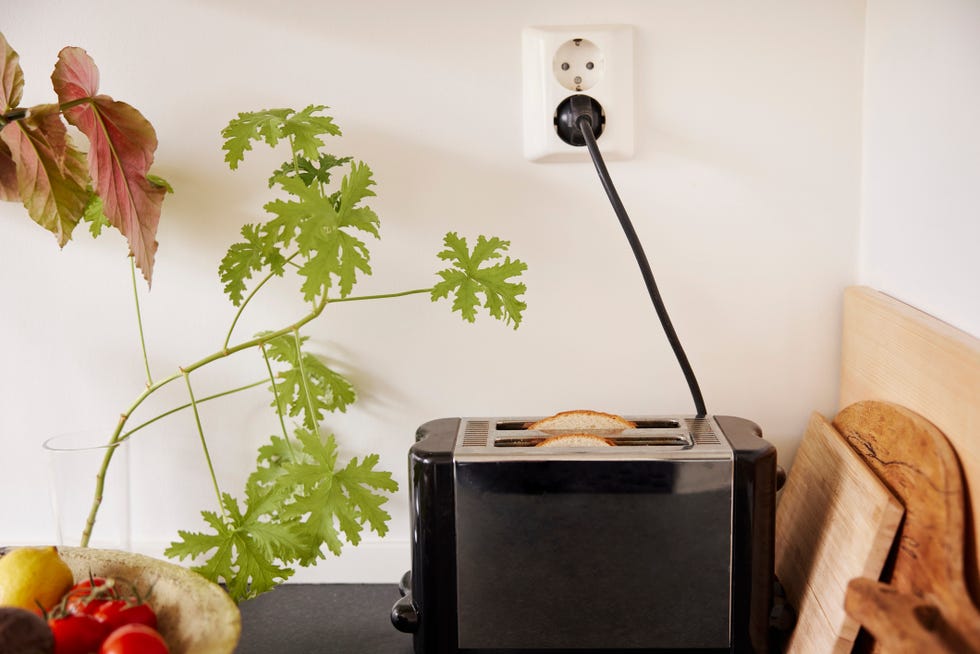
Second, food items that you are unlikely to ever consume should be removed. While some shelf-stable goods might be safe past their expiration, there’s no benefit in them occupying valuable pantry space if they won't be used. A good guideline is to remove any unused items after six months. Instead of throwing them away, consider donating them to a local food bank if they are within date and have undamaged packaging. The same principle applies to kitchen appliances stored in the pantry; if they are not used and have no foreseeable use, they should be decluttered.
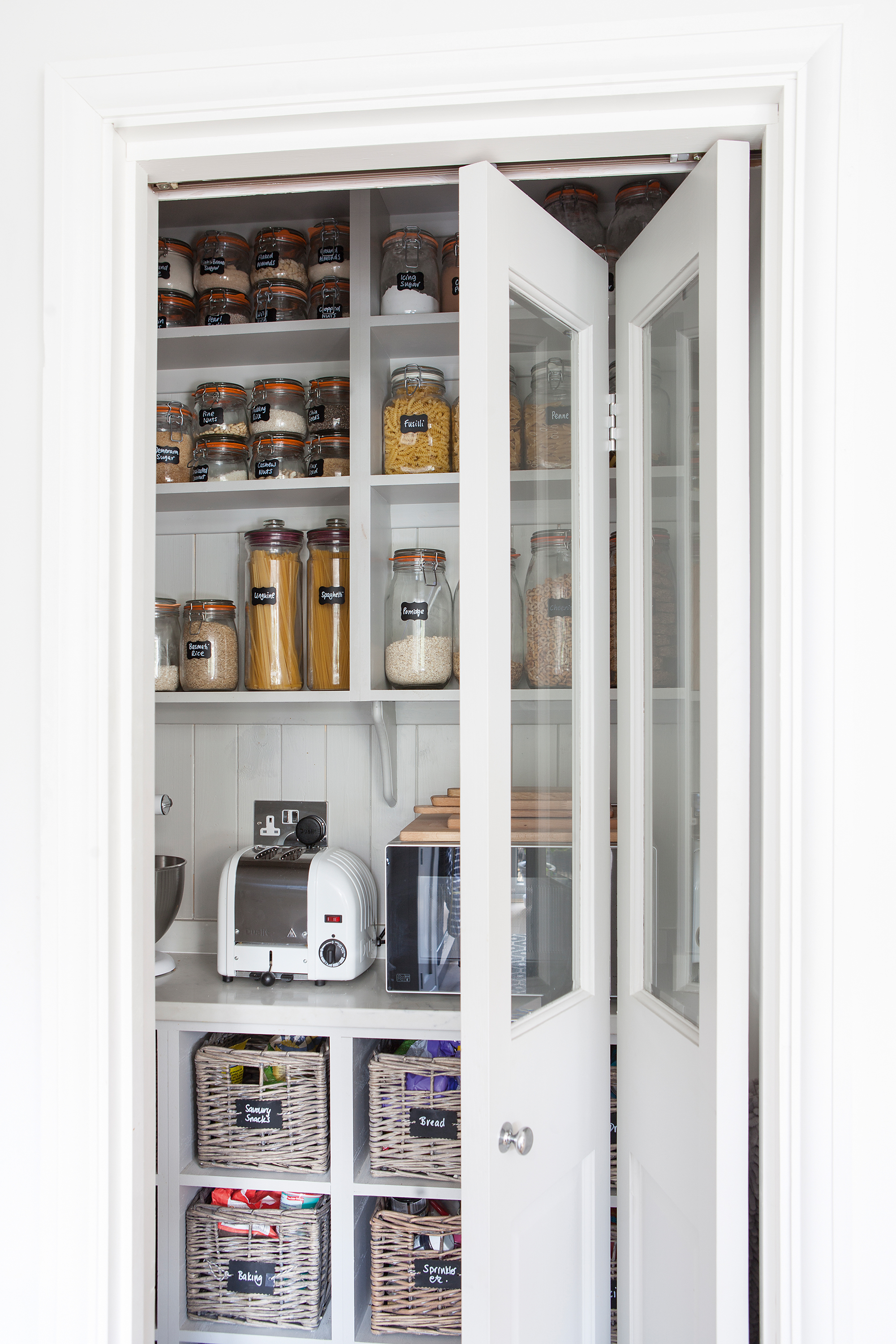
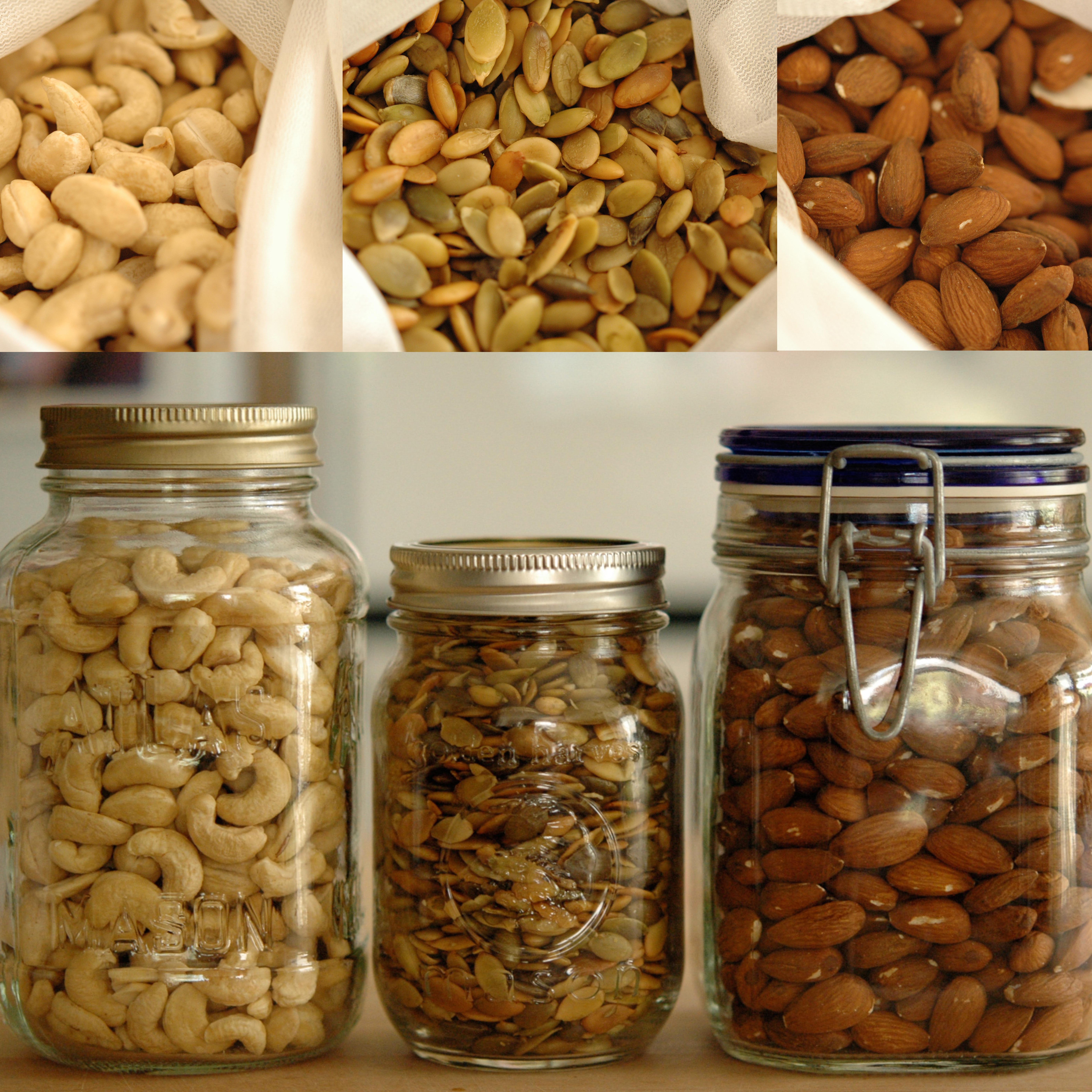
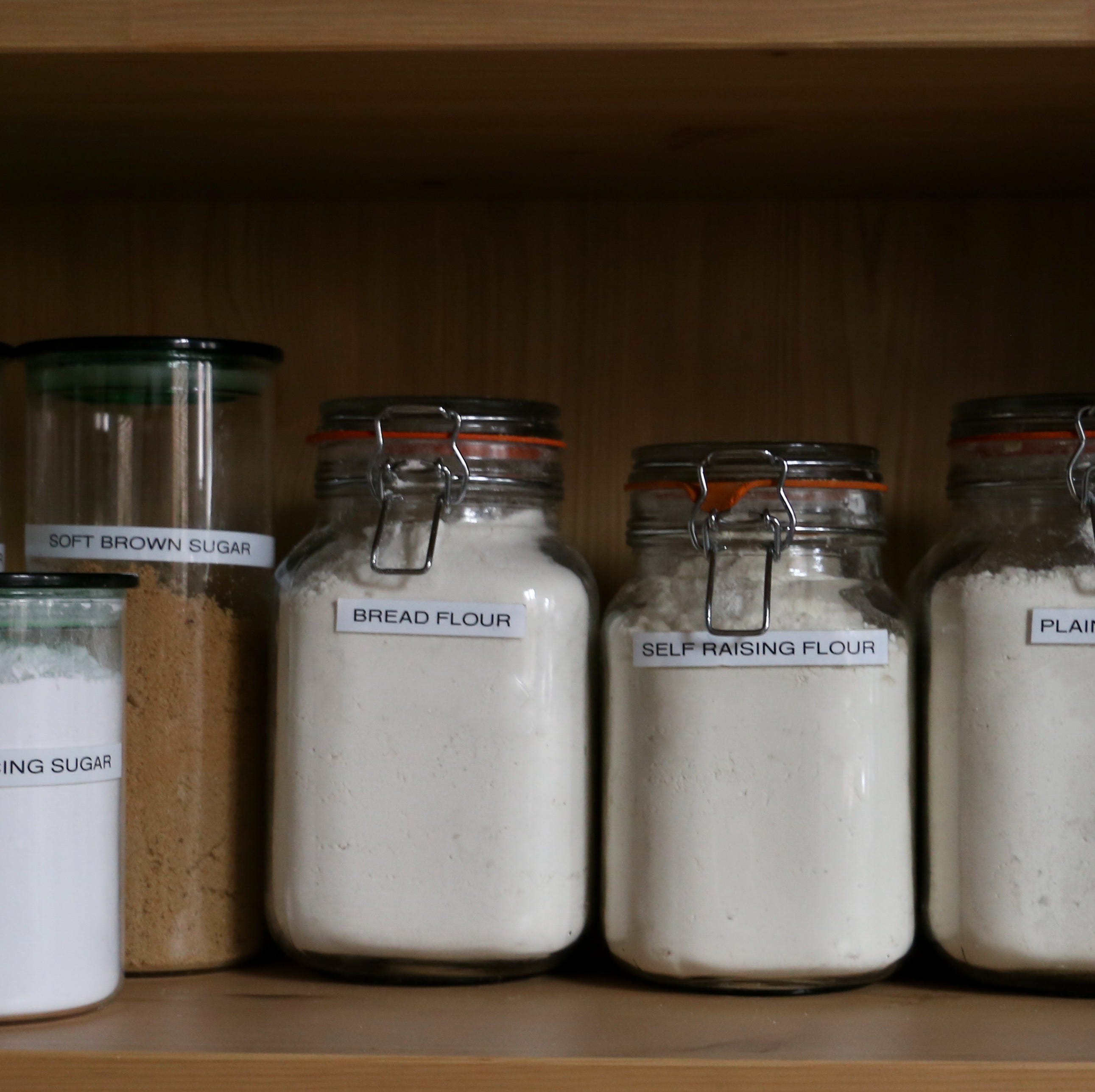
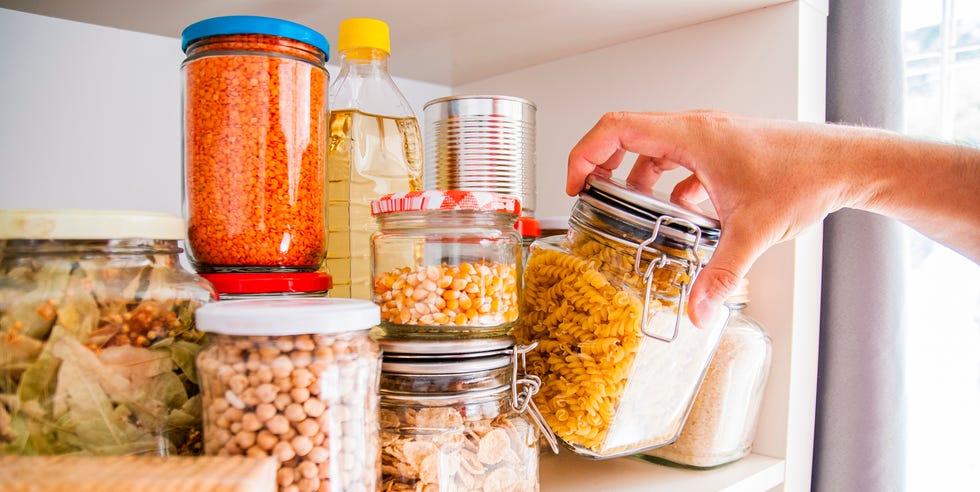
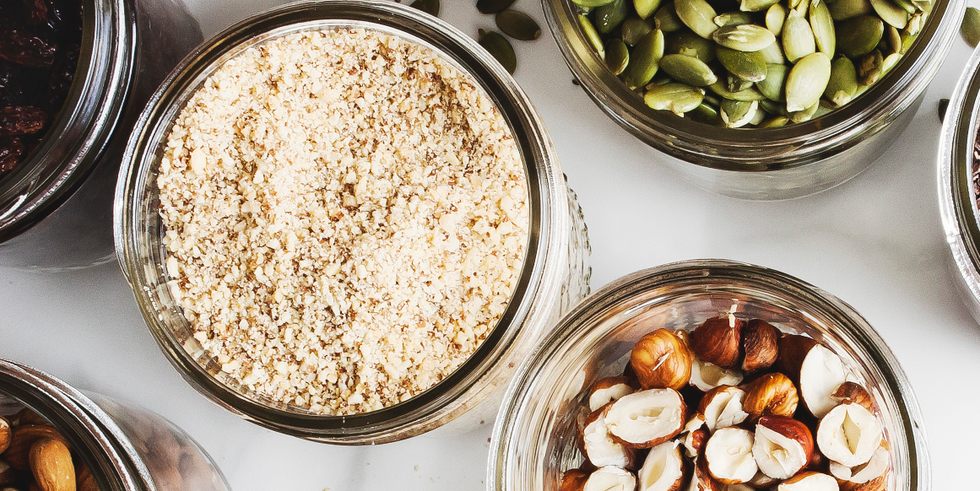
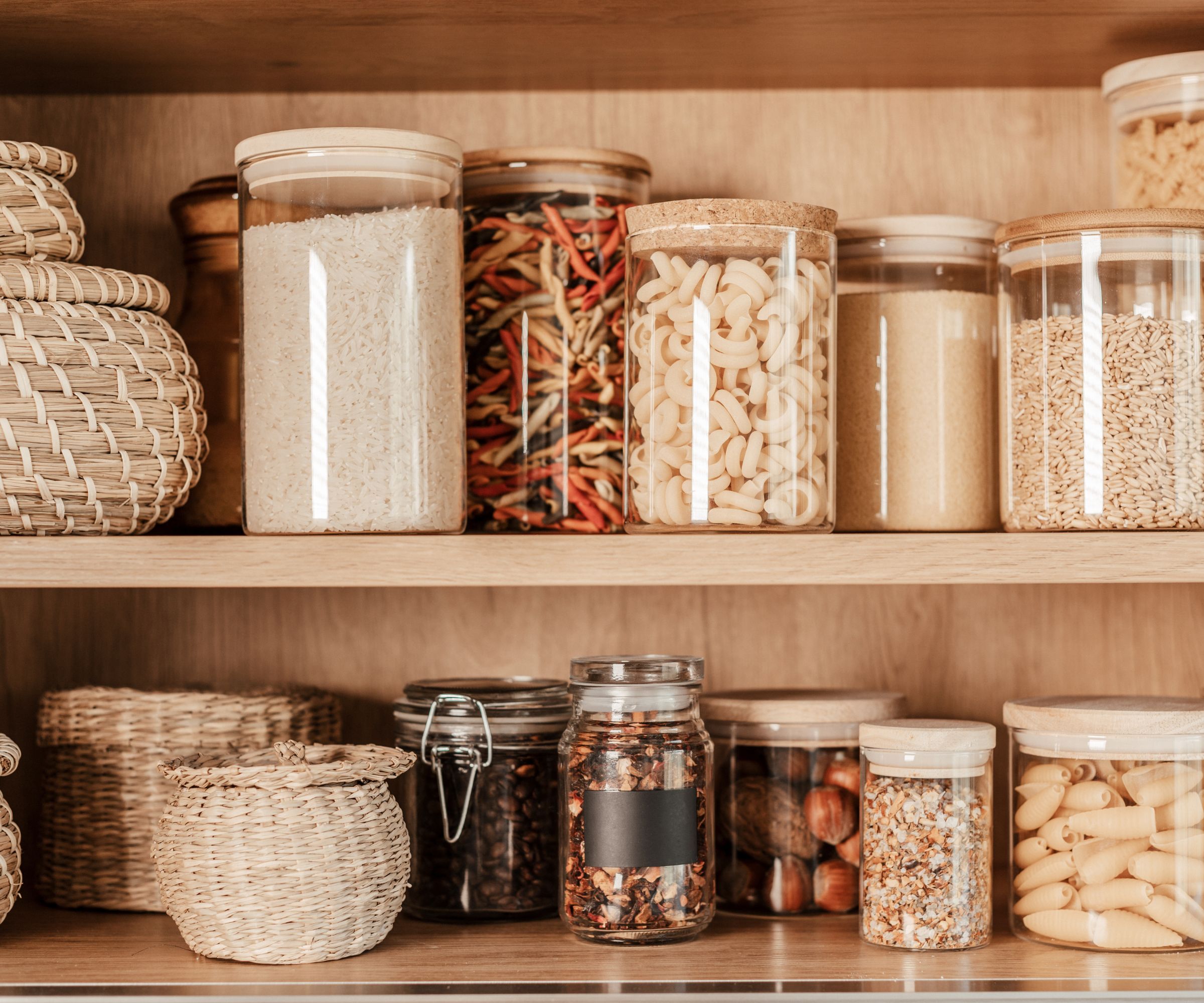
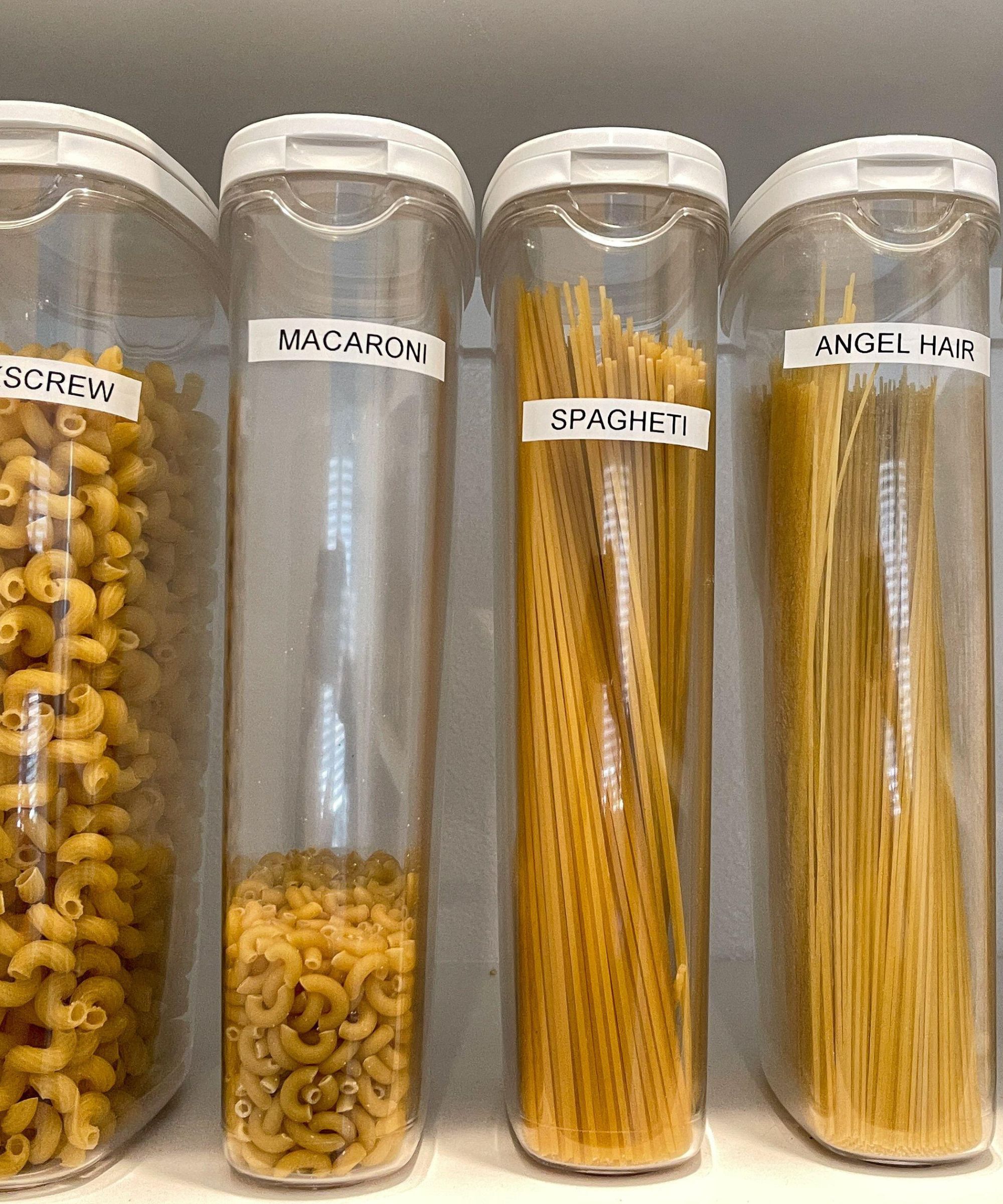
Third, unsealed packets and opened boxes of dry goods are problematic. Leaving items like pasta, rice, or cereal unsealed increases the risk of indoor pests and can accelerate spoilage by allowing moisture in. Active ingredients like flour, baking soda, and yeast also lose effectiveness over time, impacting baking results. Decanting these items into airtight glass jars or using strong bag clips can help maintain freshness and prevent pest infestations.
Fourth, bulk-bought items and duplicates need careful management. While storing back-stock in the pantry is practical, overbuying can lead to items expiring before they are used. If expiration dates are approaching, donate these items. Combining half-used or opened duplicates into single airtight containers and labeling them with the earliest expiration date can reduce clutter. Maintaining a digital spreadsheet or a physical inventory board can also help track items, prevent unnecessary purchases, and ensure essentials are always available.
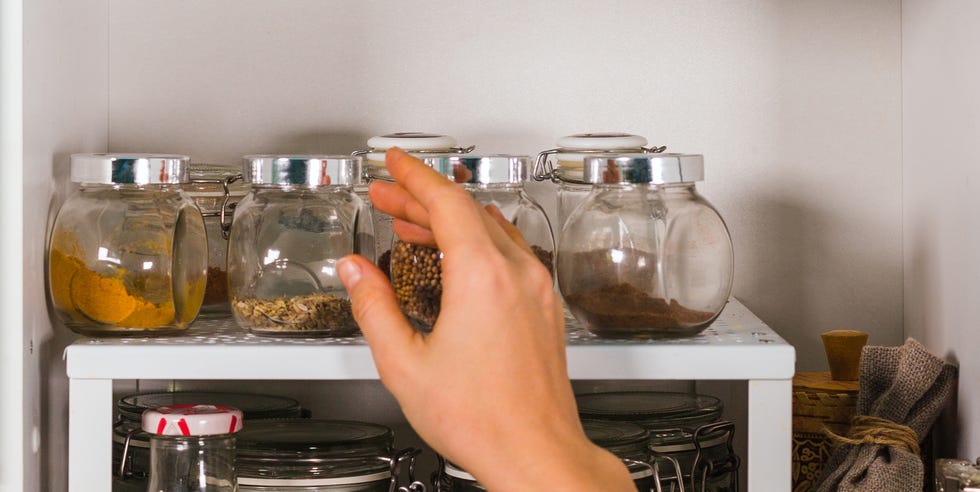
Fifth, herbs and spices that have lost their potency should be discarded. A quick sniff test can determine if a spice has lost its aroma and flavor. Storing spices in airtight containers, away from heat and light, and labeling them with the opening date can extend their shelf life. Utilizing drawer organizers or spice racks can also improve accessibility and organization.
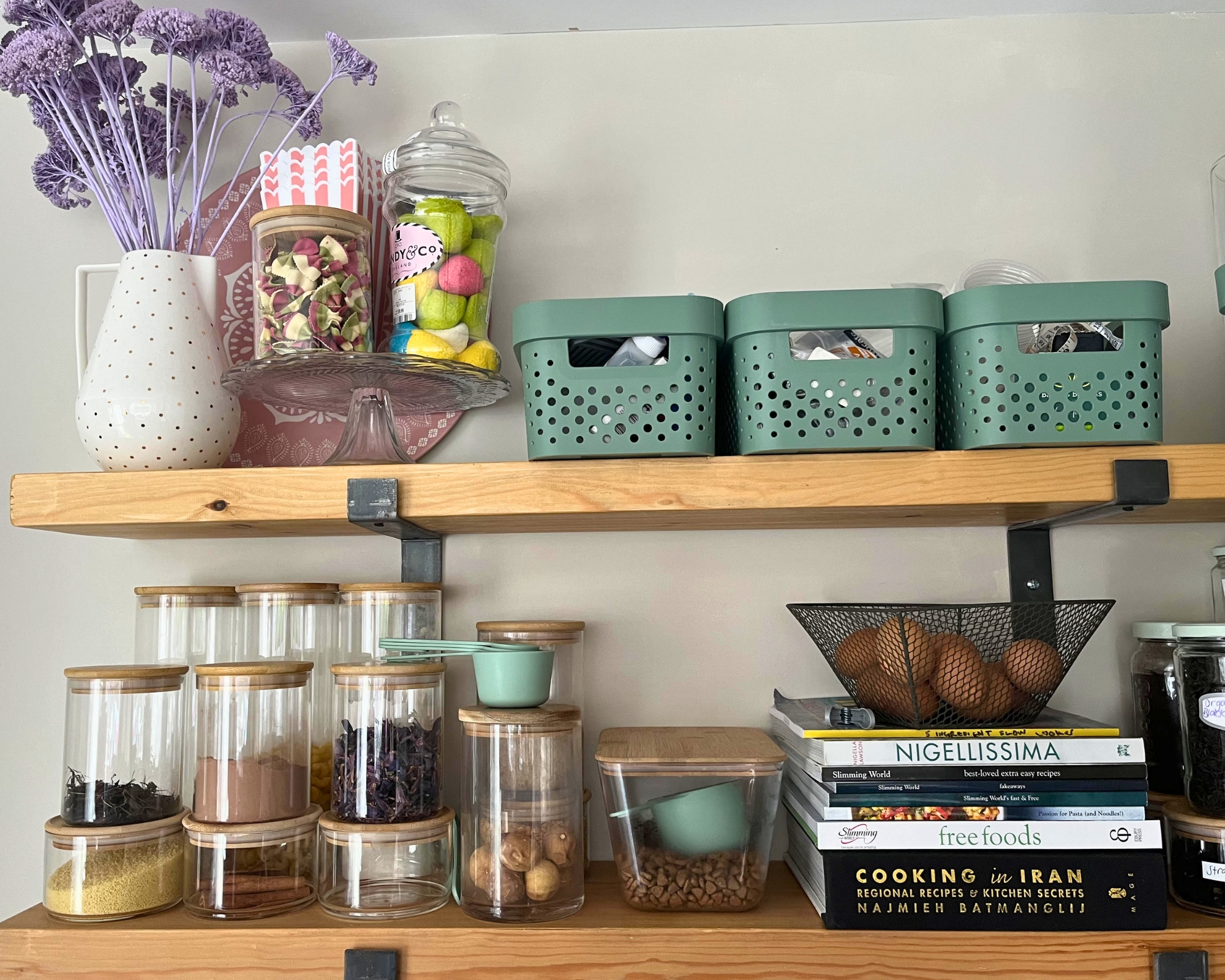
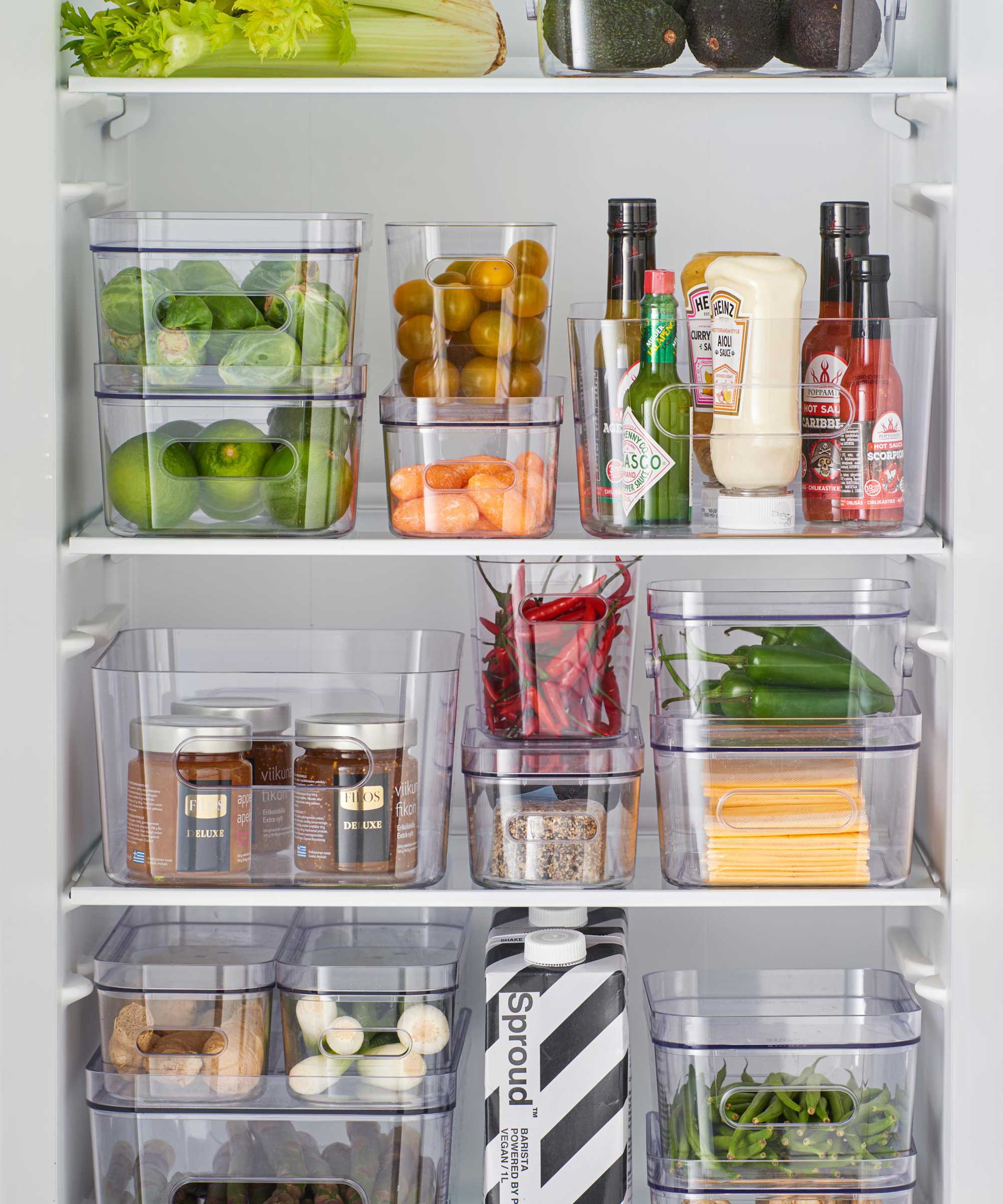
Sixth, unhelpful organizers should be re-evaluated. Storage solutions are meant to simplify life, but if bins, baskets, risers, turntables, or dividers are not contributing to an organized pantry, they should be removed or repurposed. These items might find better use in other areas of the home, such as under the kitchen sink.
Seventh, old or discolored Tupperware should be replaced. Plastic food containers have a shelf life, typically around five years. Signs of wear like stains, warping, or cracks indicate they should be discarded, not just for aesthetic reasons but for health reasons, as degraded plastic can release harmful chemicals into food. Switching to glass or BPA-free containers is a safer and more environmentally friendly alternative.
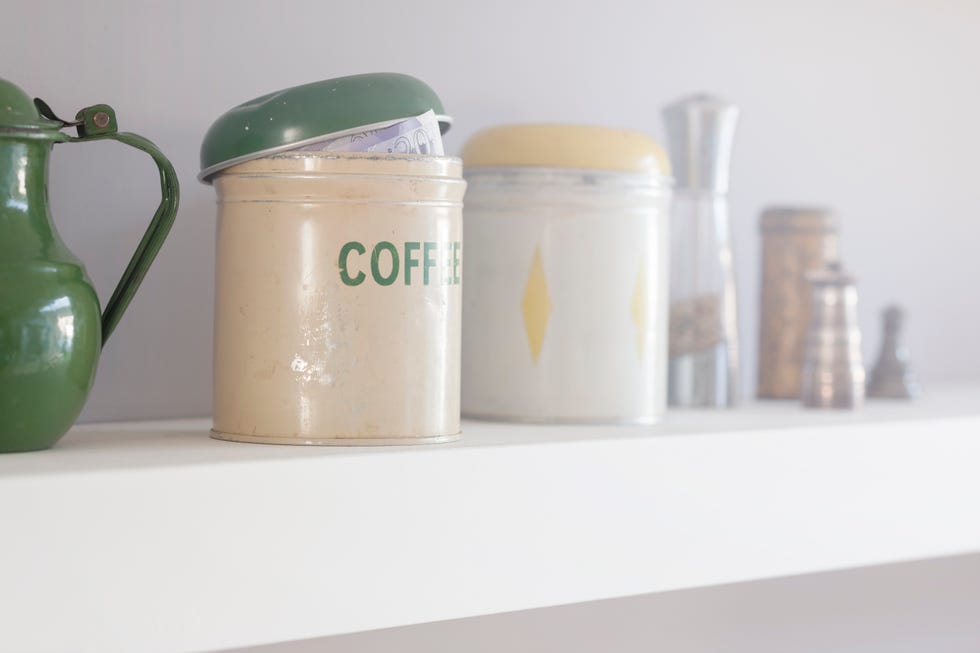
Finally, any trash accumulating in the pantry, including discarded wrappers, crumbs, or stale coffee granules, should be regularly removed. Pantries should be cleaned as frequently as kitchens to prevent pest issues. Positioning a trash and recycling bin nearby can facilitate immediate disposal. Additionally, items that don’t belong in the pantry, such as old dish towels or excessive reusable bags, should be reassigned to appropriate storage locations elsewhere in the home.
#PantryOrganization #HomeOrganization #KitchenStorage #DeclutteringTips #FoodStorage #KitchenPantry #HomeImprovement #ExpertAdvice #PantryOrganization #HomeOrganization #KitchenStorage #DeclutteringTips #FoodStorage #KitchenPantry #HomeImprovement #ExpertAdvice
0 comment in total
 No comments yet
You may also like
11 things you should never store in a pantry, according to experts
8 Things In Your Pantry You Should Toss ASAP, According To Pro Organizers

Items to never store in an entryway, according to cleaning, organizing and interiors experts
8 Things Pro Organizers Say You Should NEVER Keep On Your Kitchen Counter

6 Things You Should NEVER Keep In Your Pantry, According To Pro Organizers & Chefs
7 types of storage you should never use in a pantry – they'll make utilizing this space well 10 times harder, pros say
7 Items You Should Never Store In Kitchen Cabinets
8 things a professional organiser would never keep in a hallway – and you shouldn’t either

Never store these 6 things on open kitchen shelving, warn pro organisers
Organizers Say These 8 Things Don’t Belong in Your Closet — Here’s Why

These 7 things should never be stored in plastic bins – don't risk damaging your possessions

8 Things Experts Would Never Store Under the Bed (and Neither Should You!)

7 Things You Should Never Store in Your Pantry—They Take Up Space and Attract Pests

6 Things You Should Never Keep on Your Kitchen Counter


9 items never to store in a bathroom vanity – according to the experts
5 Outdated Types of Kitchen Storage Experts Are Urging You to Avoid

8 Things You Should NEVER Keep On Your Kitchen Counter
7 things you should never store in plastic containers

5 Things You Should NEVER Leave in Your Shed, According to an Expert

8 Things You Should Never Keep on Your Open Shelves, According to Designers