1/7
6 Things You Should NEVER Keep In Your Pantry, According To Pro Organizers & Chefs
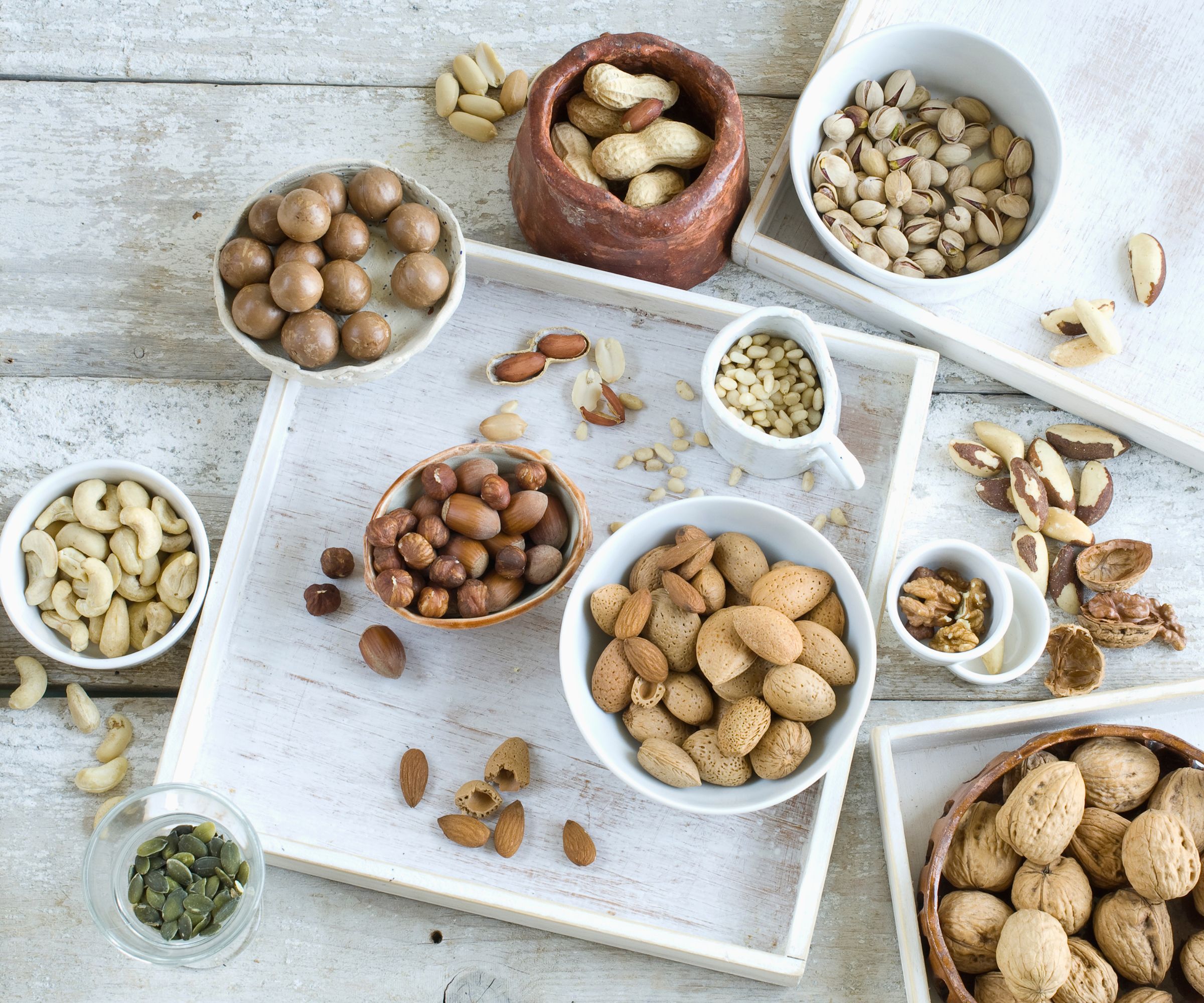
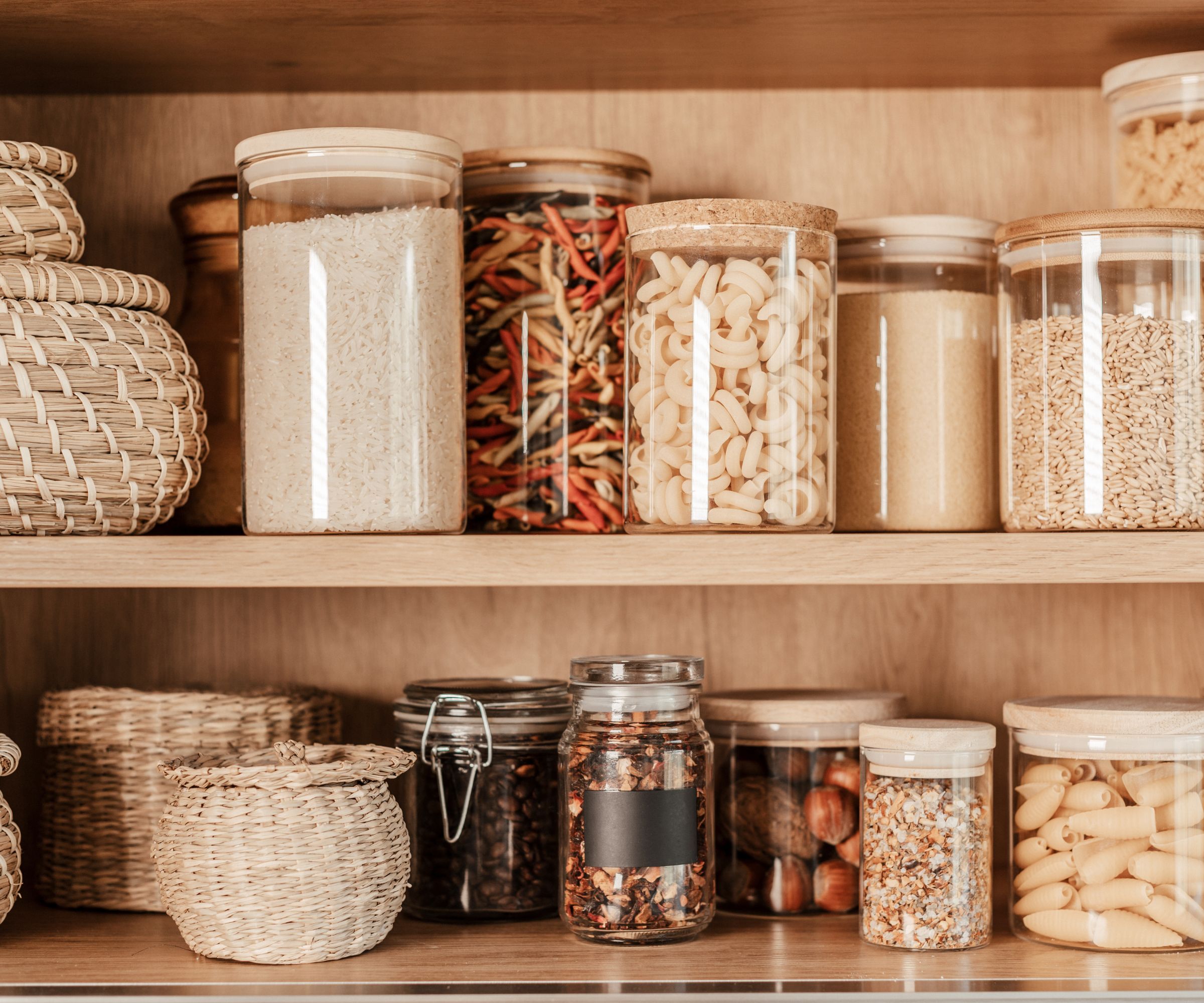
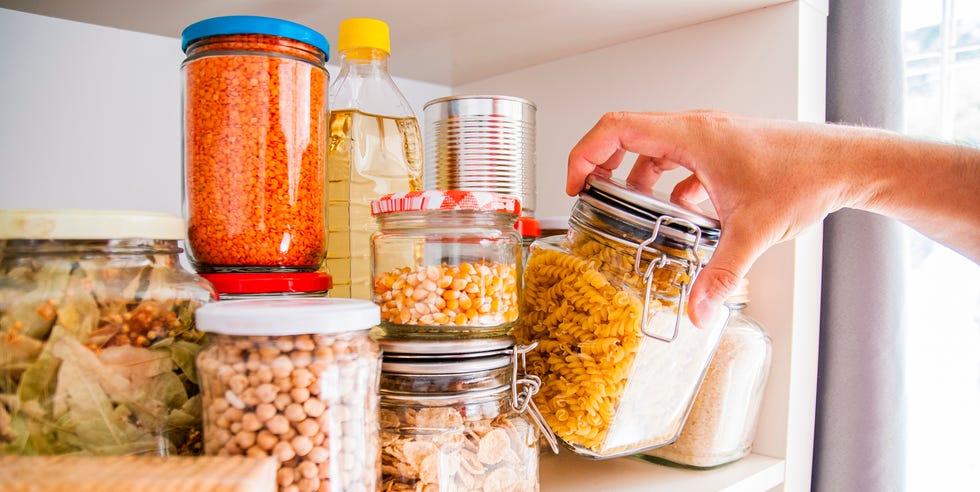
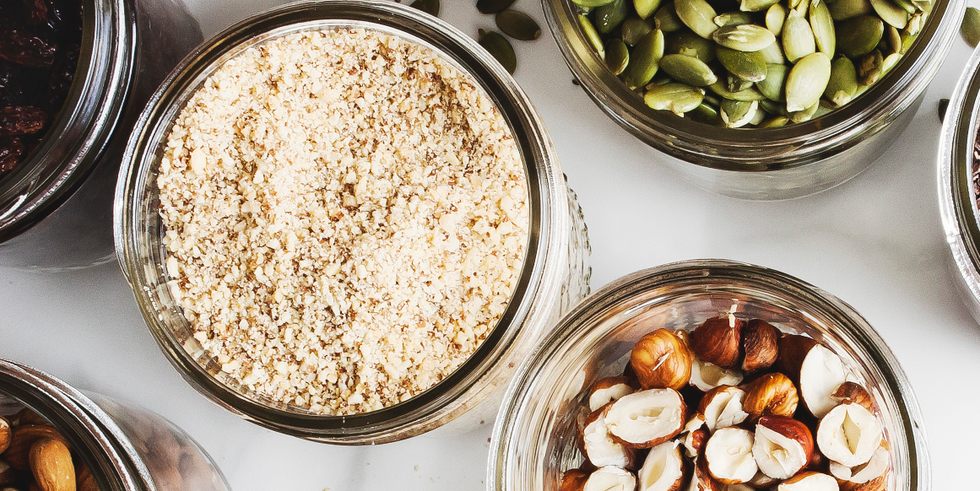
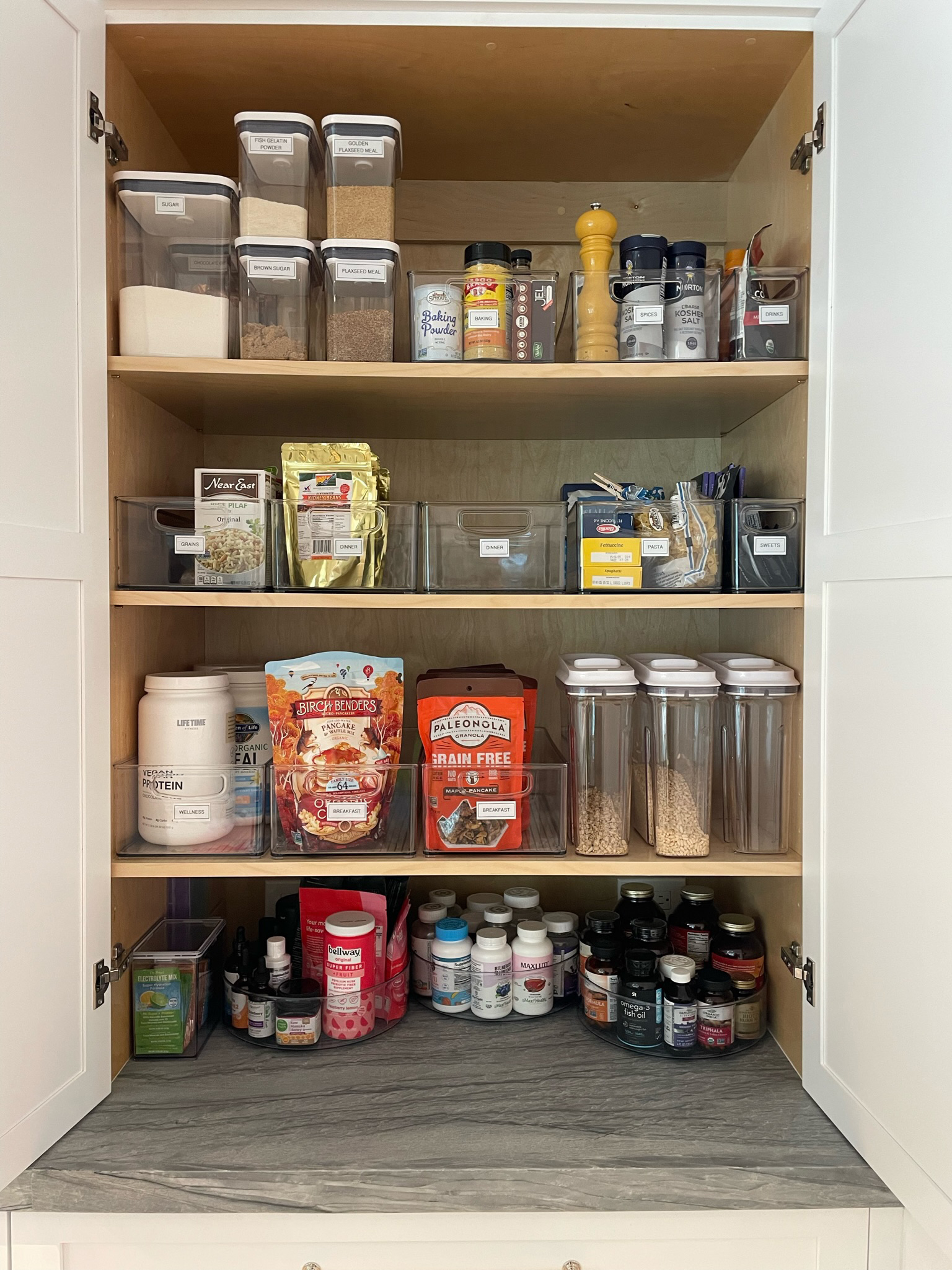
This blog post offers practical advice from professional organizers and chefs on what items should never be stored in a kitchen pantry, focusing on maintaining food quality, safety, and efficient organization. The discussion highlights common pantry staples like nuts, shredded coconut, certain flours, opened condiments, and spices, explaining why refrigeration or alternative storage methods are often superior for these items. For instance, nuts and shredded coconut are prone to quickly going rancid, especially in warmer conditions, and are best kept in the freezer to preserve their freshness and flavor. Opened nut butters, particularly natural varieties lacking preservatives, should be refrigerated to prevent spoilage and oil separation. The article also advises against storing whole grain flours in the pantry, suggesting the freezer as a better option due to their faster degradation compared to refined flours.
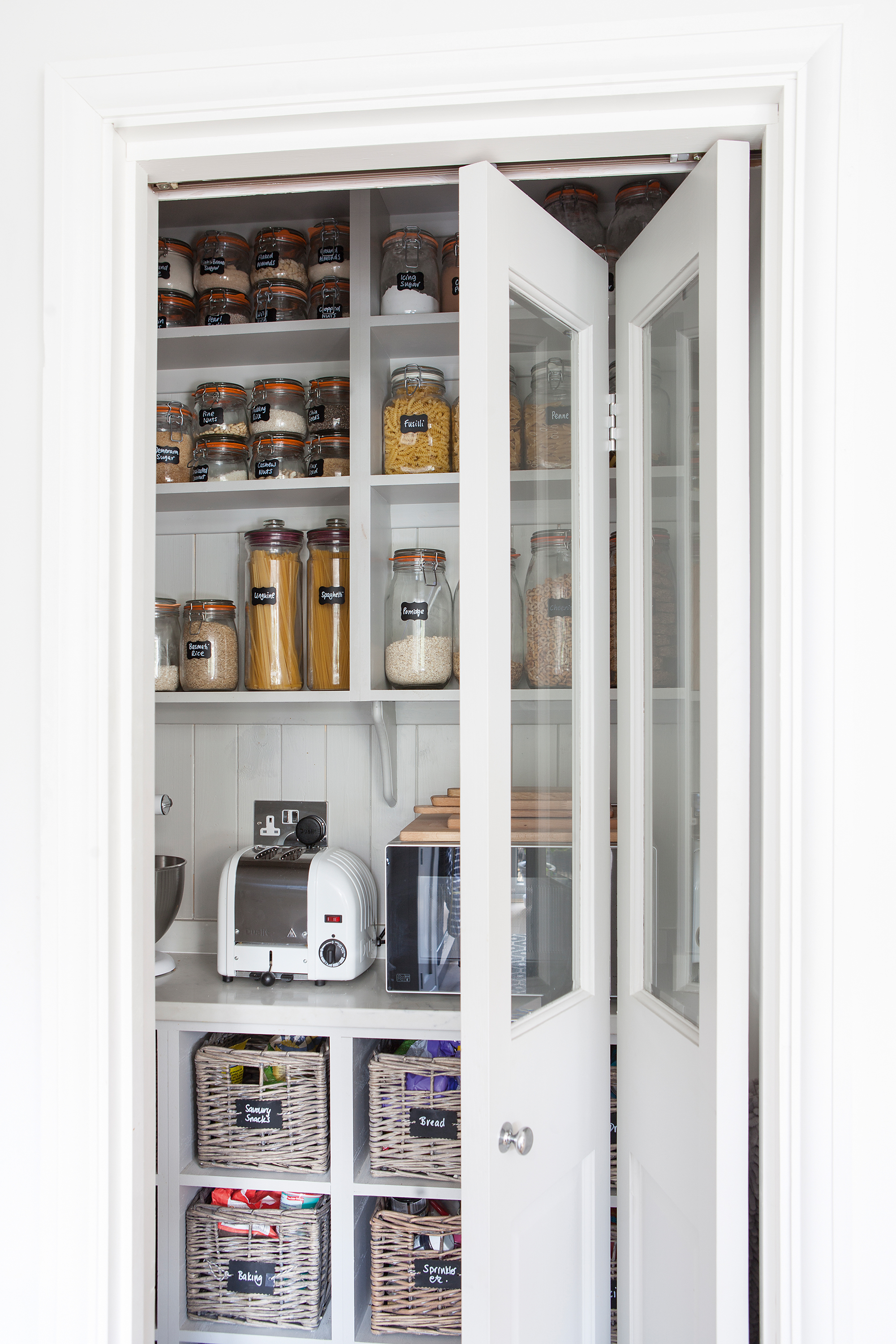
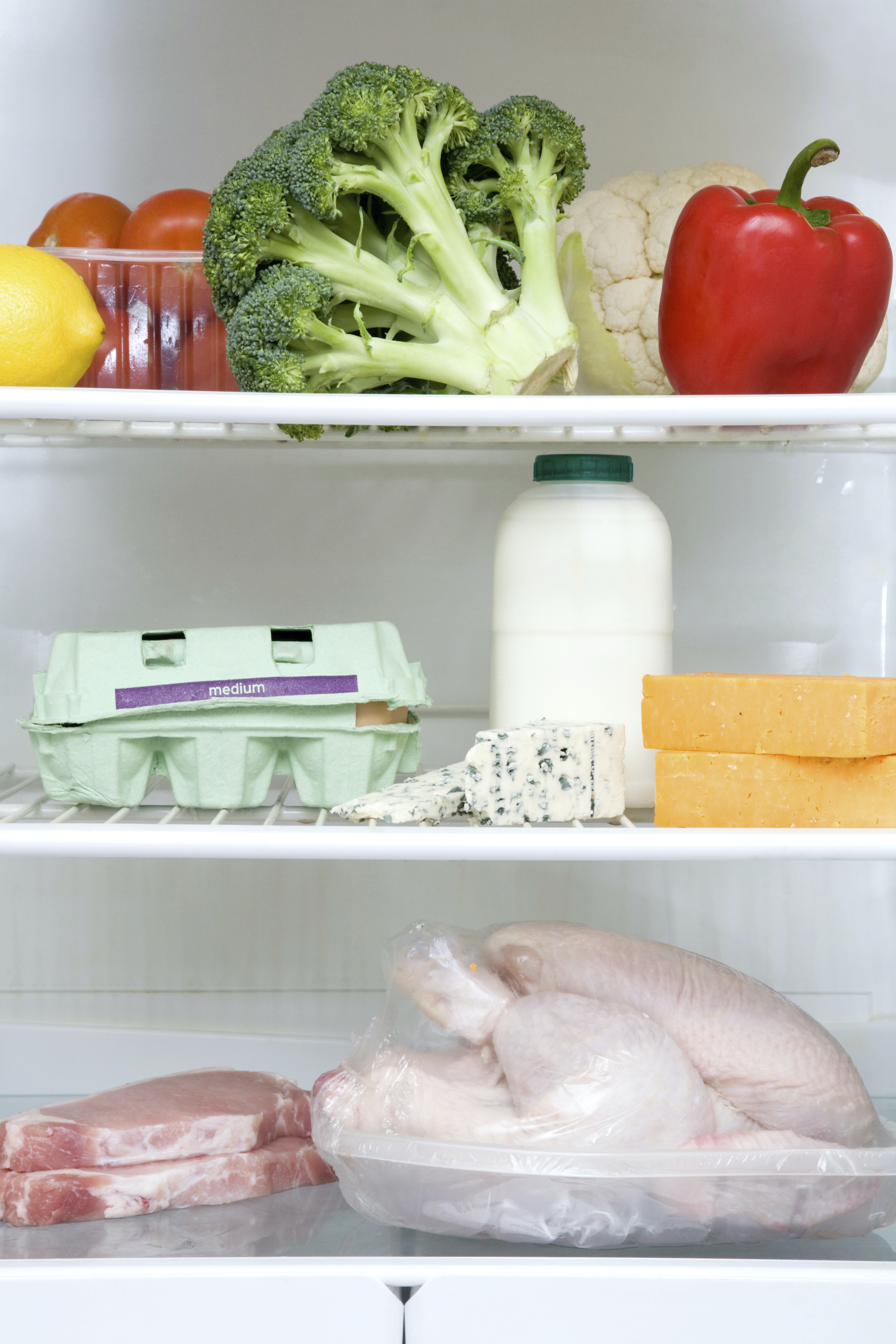
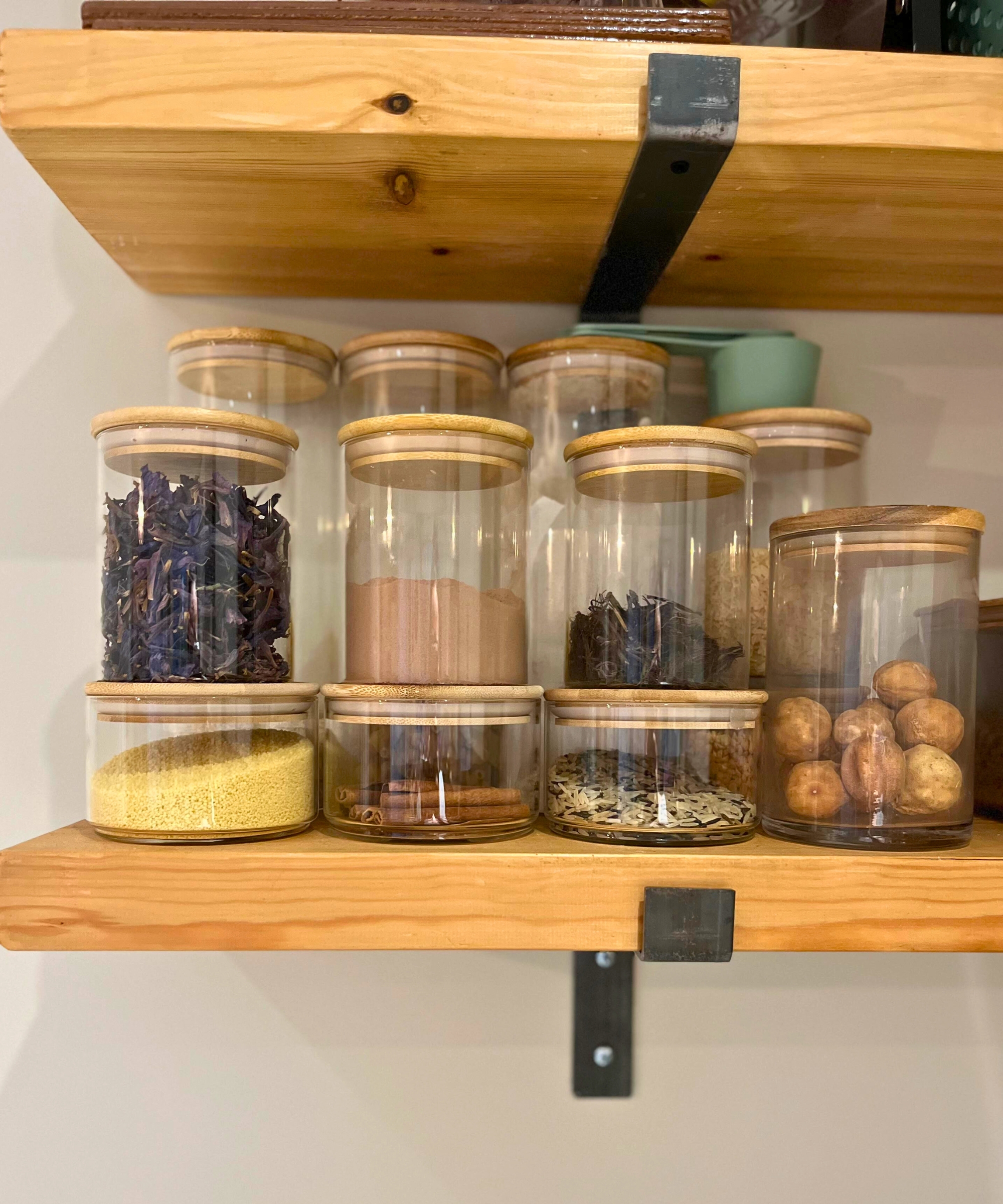
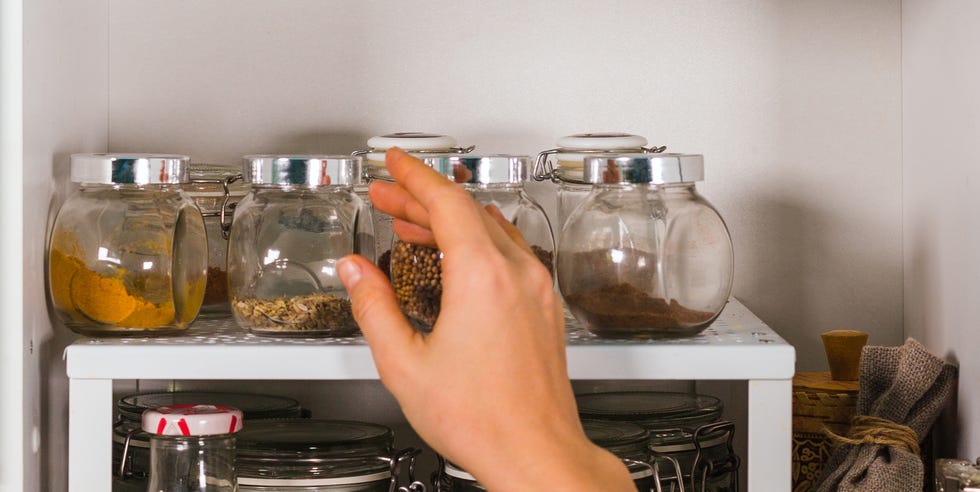
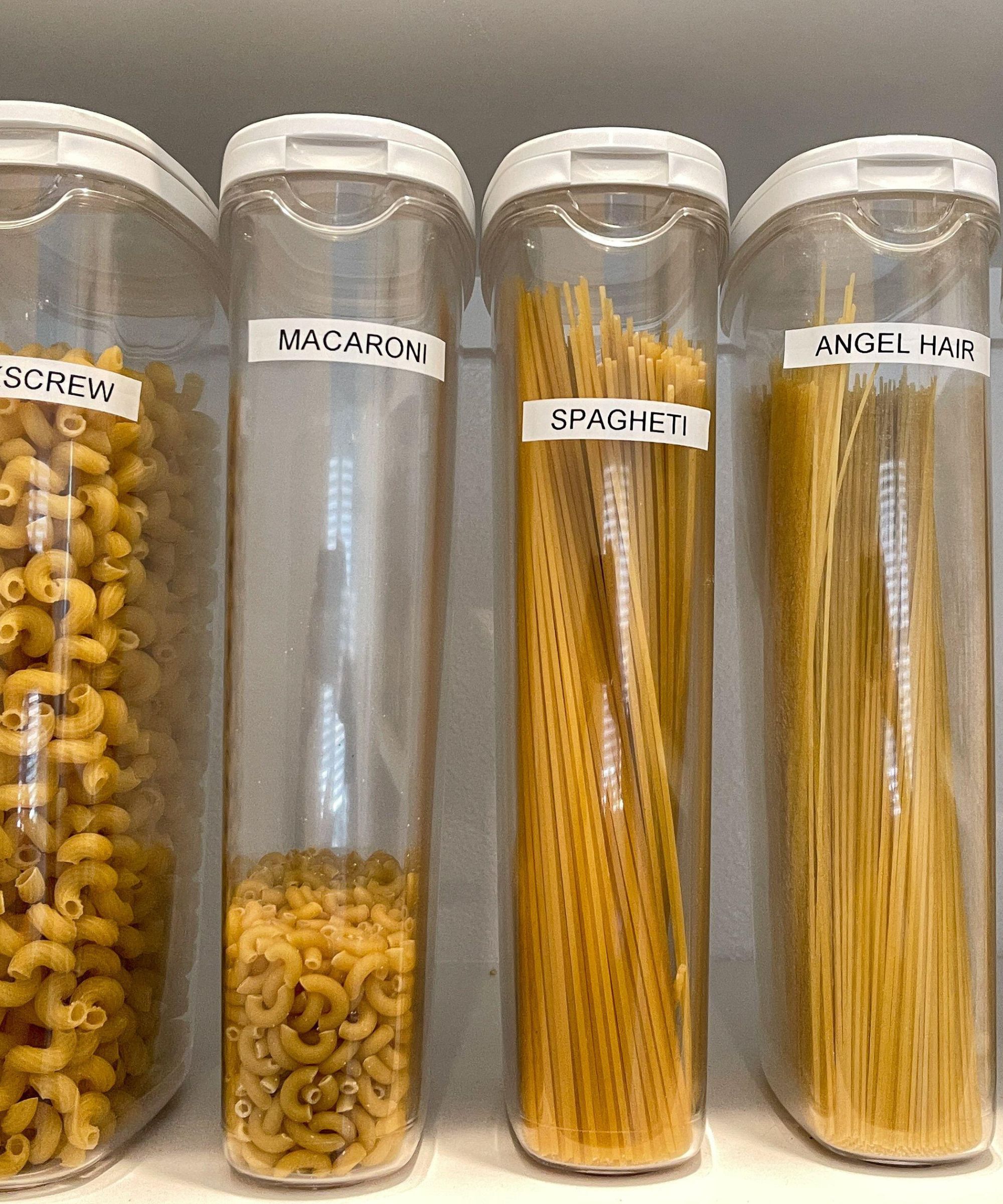
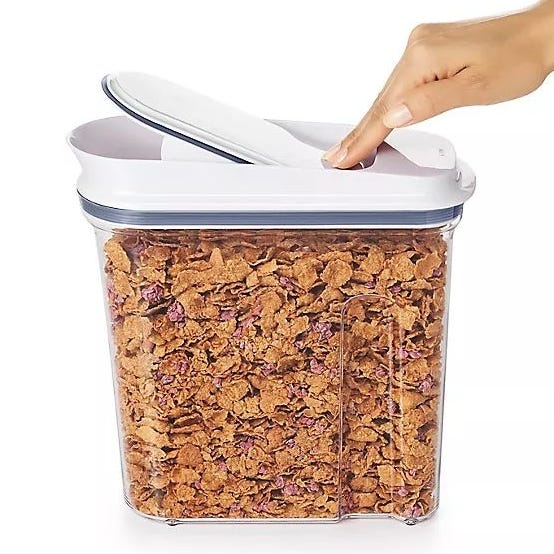
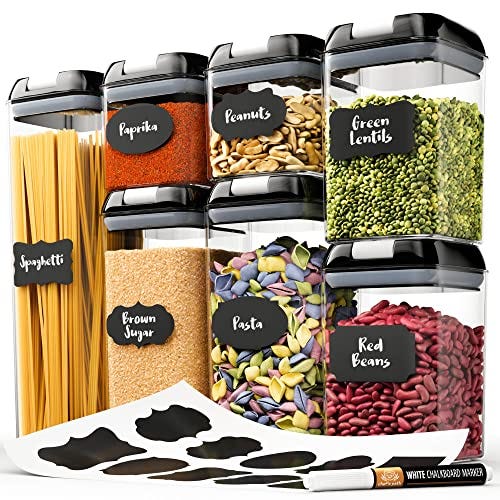
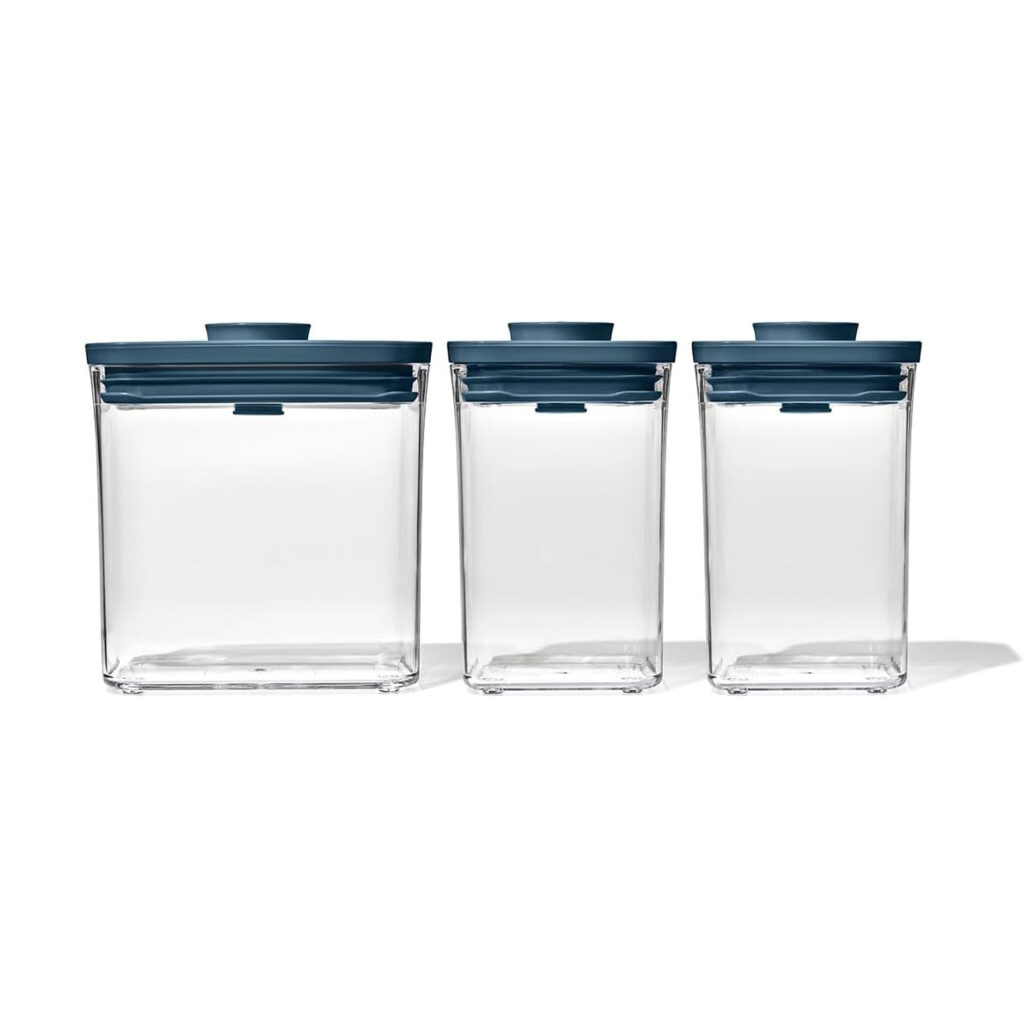
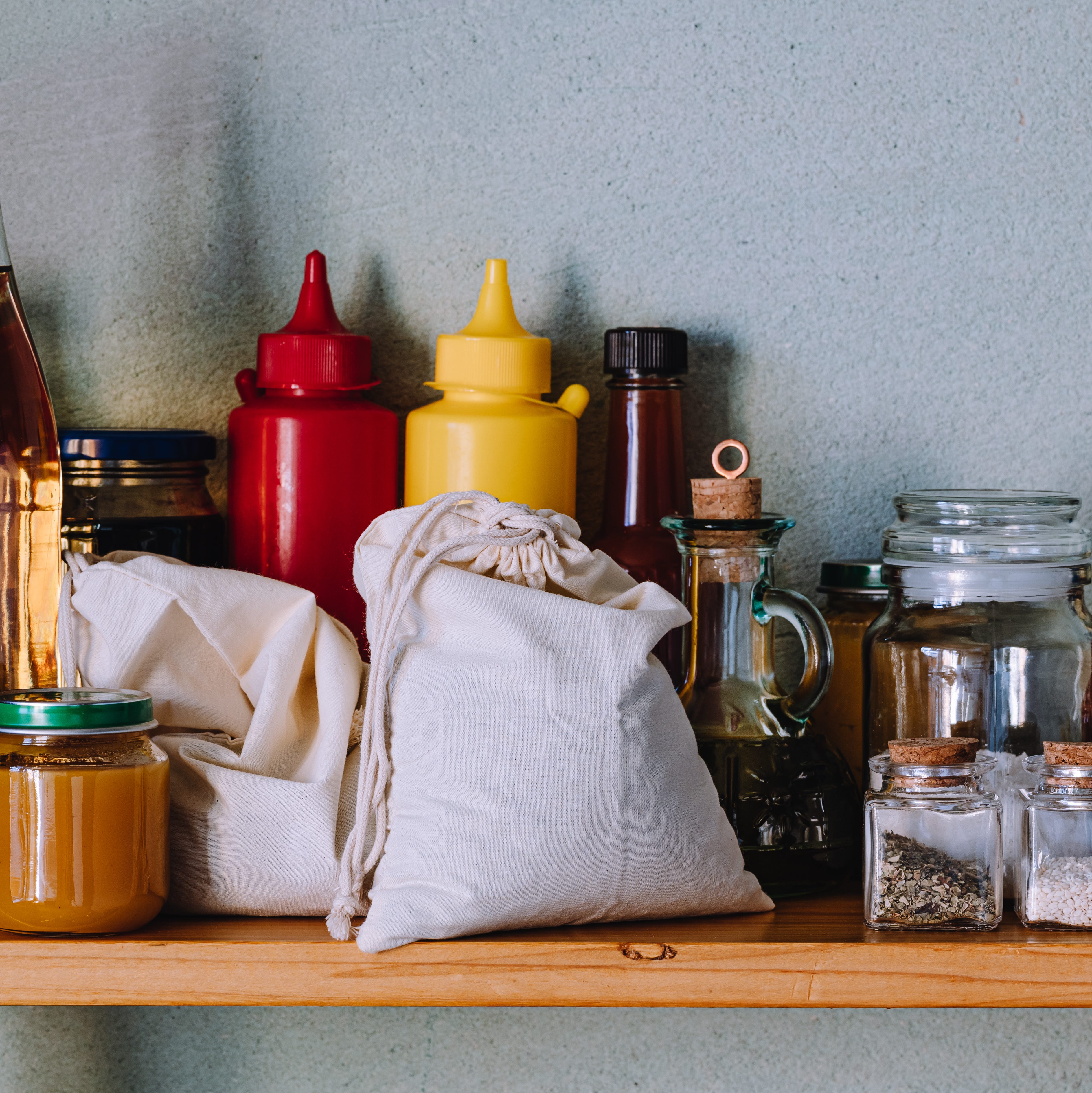
Further, the post extends its recommendations to open condiments such as ketchup, soy sauce, and maple syrup, emphasizing that refrigeration prolongs their shelf life and maintains their flavor profile. It also addresses the issue of open bags of dry goods like flour, sugar, and rice, noting that these attract pests and quickly become stale. The experts recommend transferring these items to airtight containers or storing them in the refrigerator to mitigate these problems. Expired or duplicate spices are another category identified as unsuitable for pantry storage because they rapidly lose potency, leading to wasted space and reduced cooking efficiency. Professional organizer Molly Heartfield suggests regular decluttering of spices to ensure freshness and maximize pantry utility.
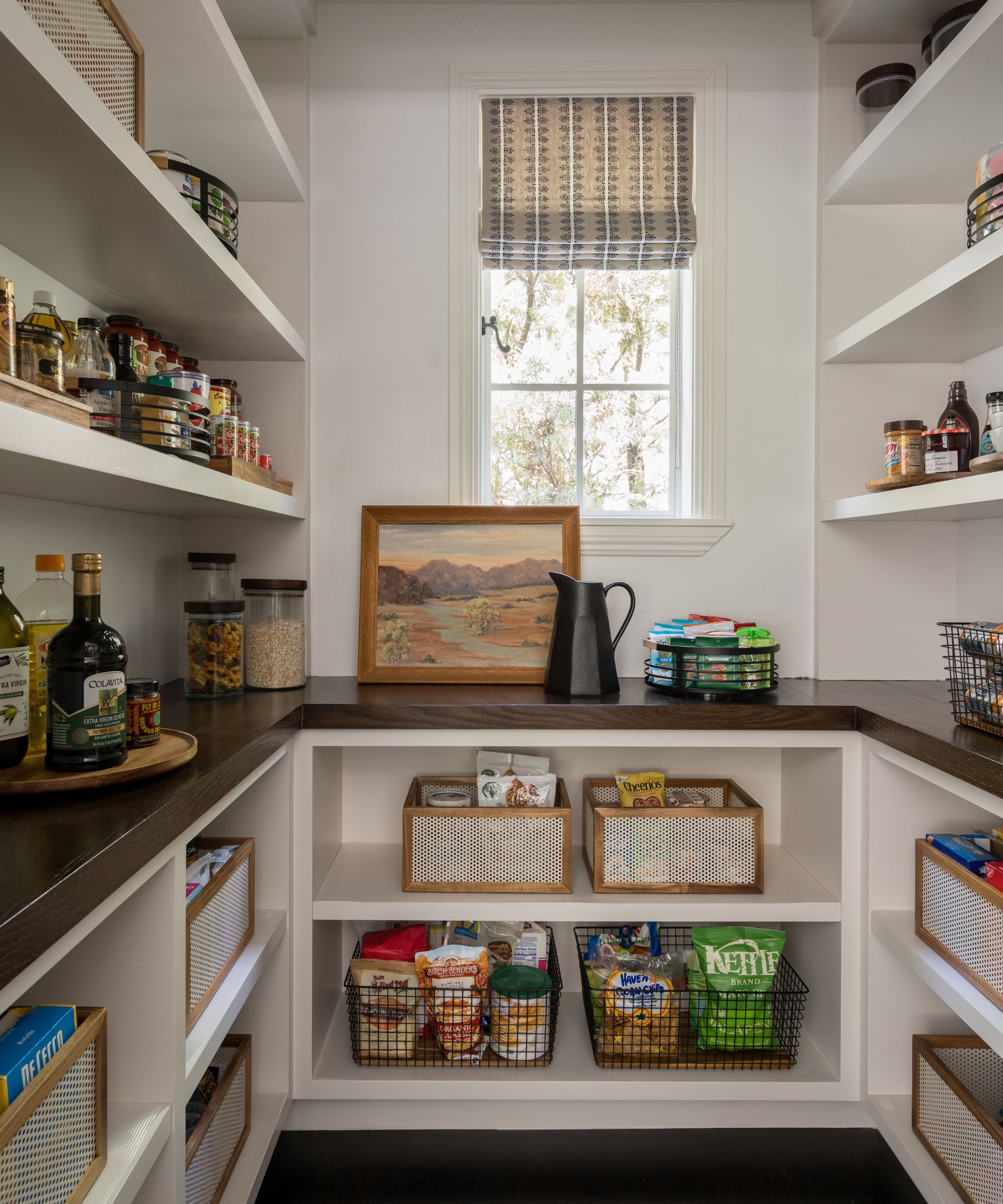
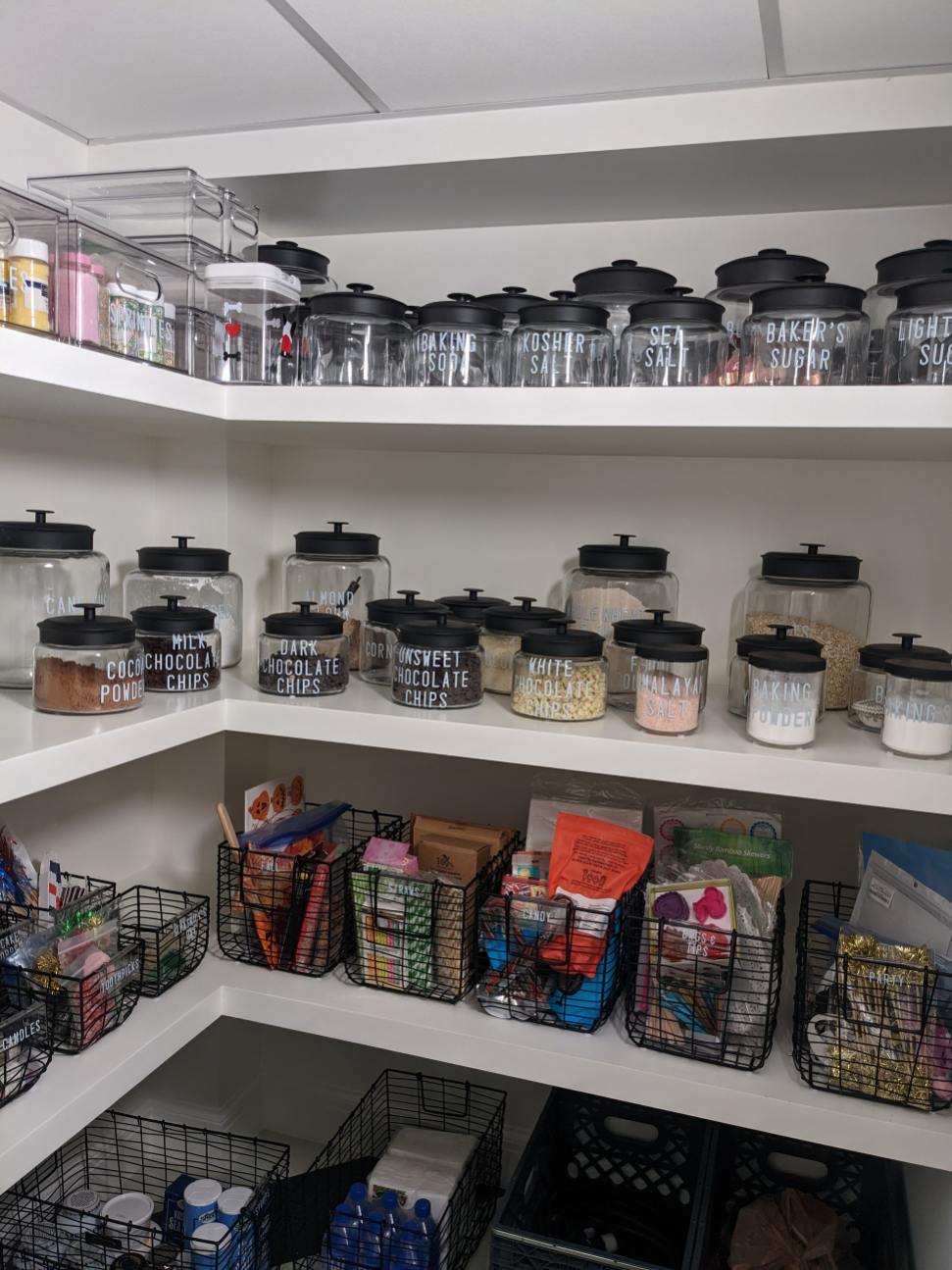
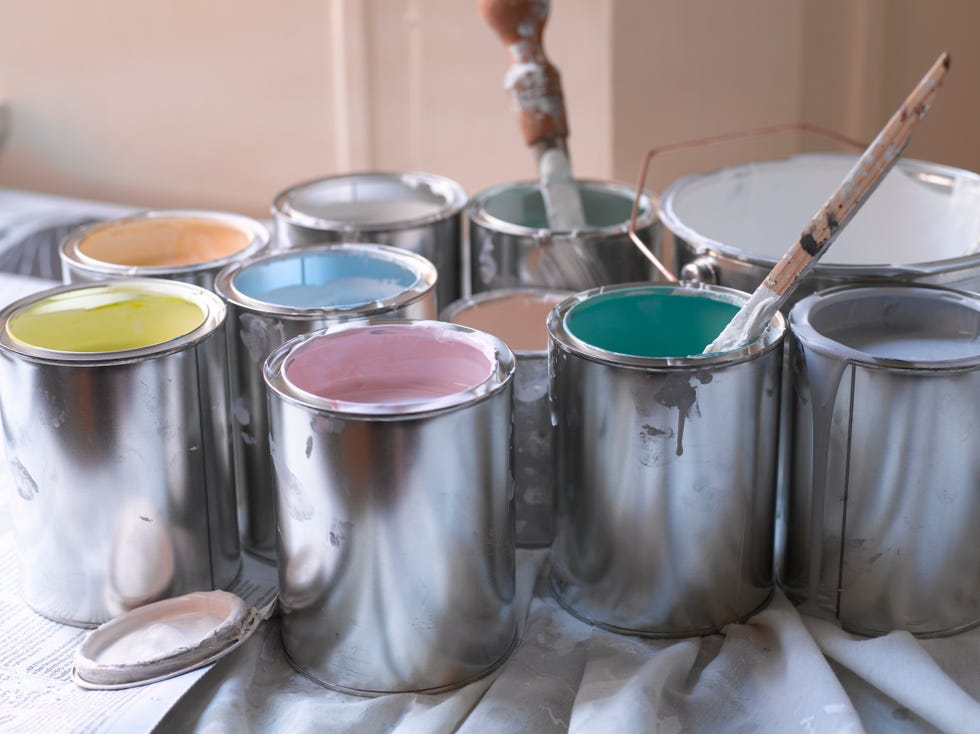
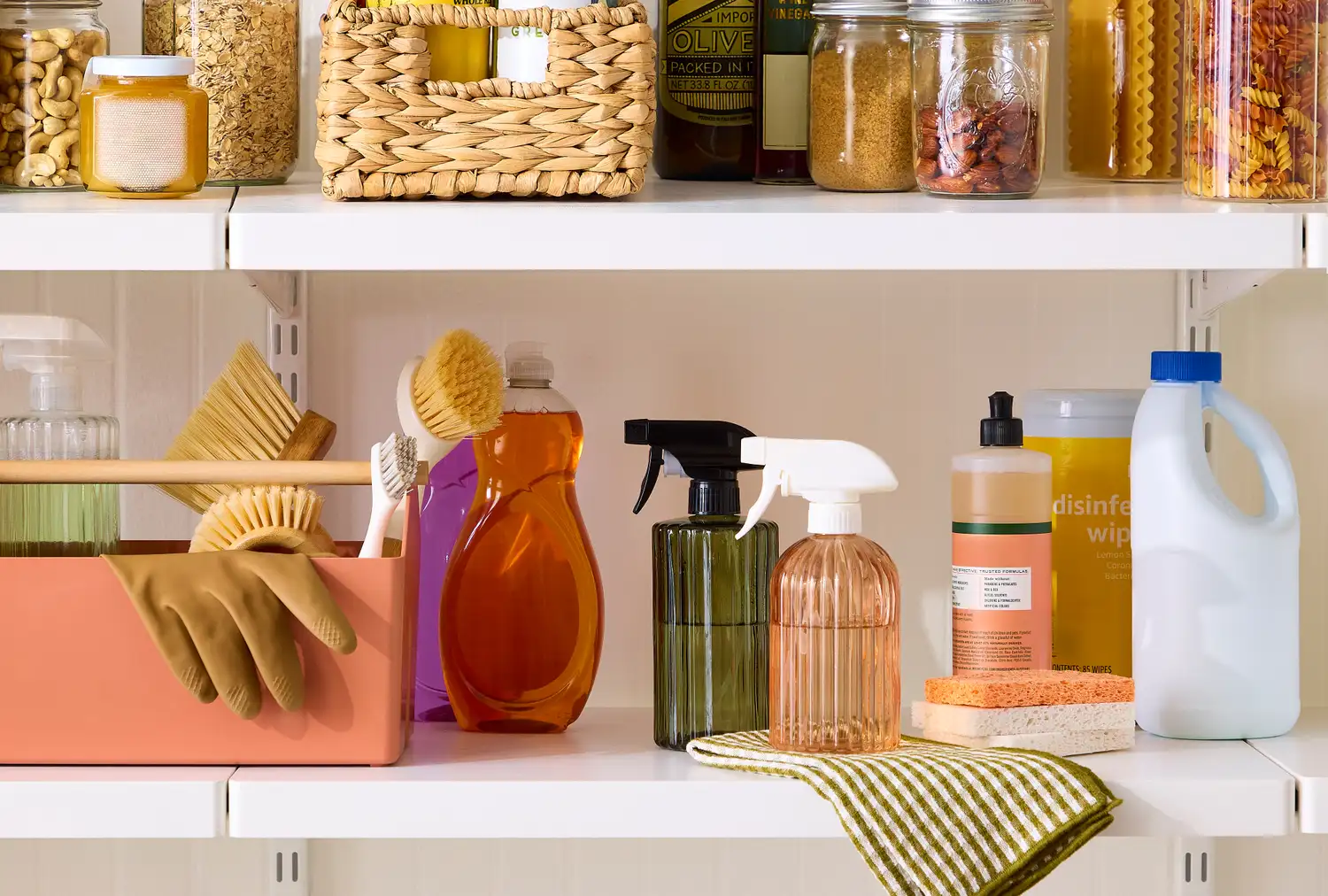
The article also underscores the importance of segregating non-food items from food storage areas. It explicitly advises against keeping items like lightbulbs, batteries, or cleaning products in the pantry due to potential chemical exposure risks and inefficient use of space. Maintaining a clear distinction between food and non-food items helps to ensure safety and streamlines the overall organization of the kitchen. The advice provided aims to help readers optimize their pantry space, minimize waste, and enhance the overall freshness and safety of their food items, transforming even a small pantry into a well-organized and functional area.
#PantryOrganization #FoodStorage #KitchenTips #FoodSafety #ProfessionalOrganizers #ChefRecommendations #HouseholdManagement #PantryOrganization #FoodStorage #KitchenTips #FoodSafety #ProfessionalOrganizers #ChefRecommendations #HouseholdManagement
0 comment in total
 No comments yet
You may also like
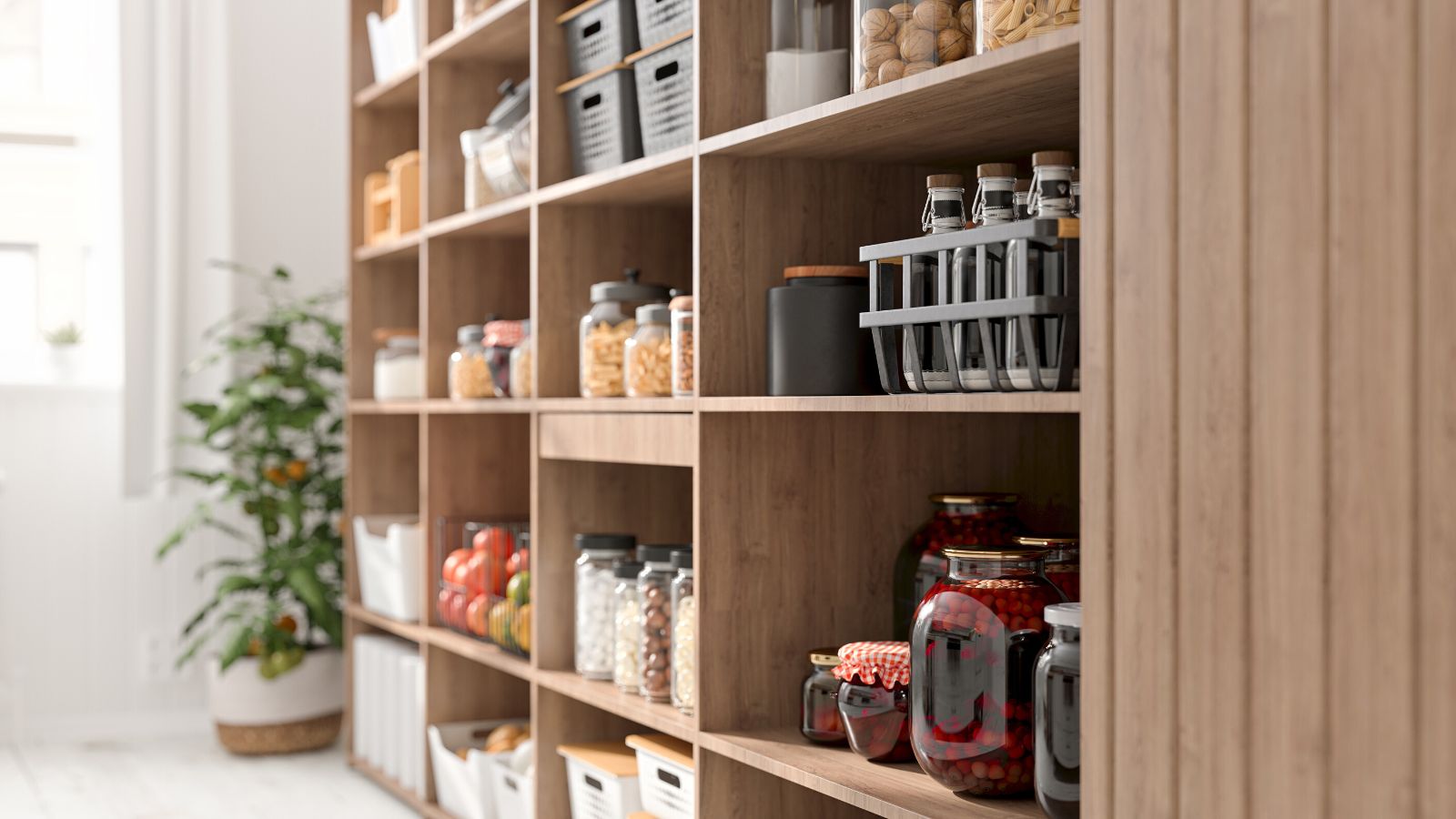
11 things you should never store in a pantry, according to experts

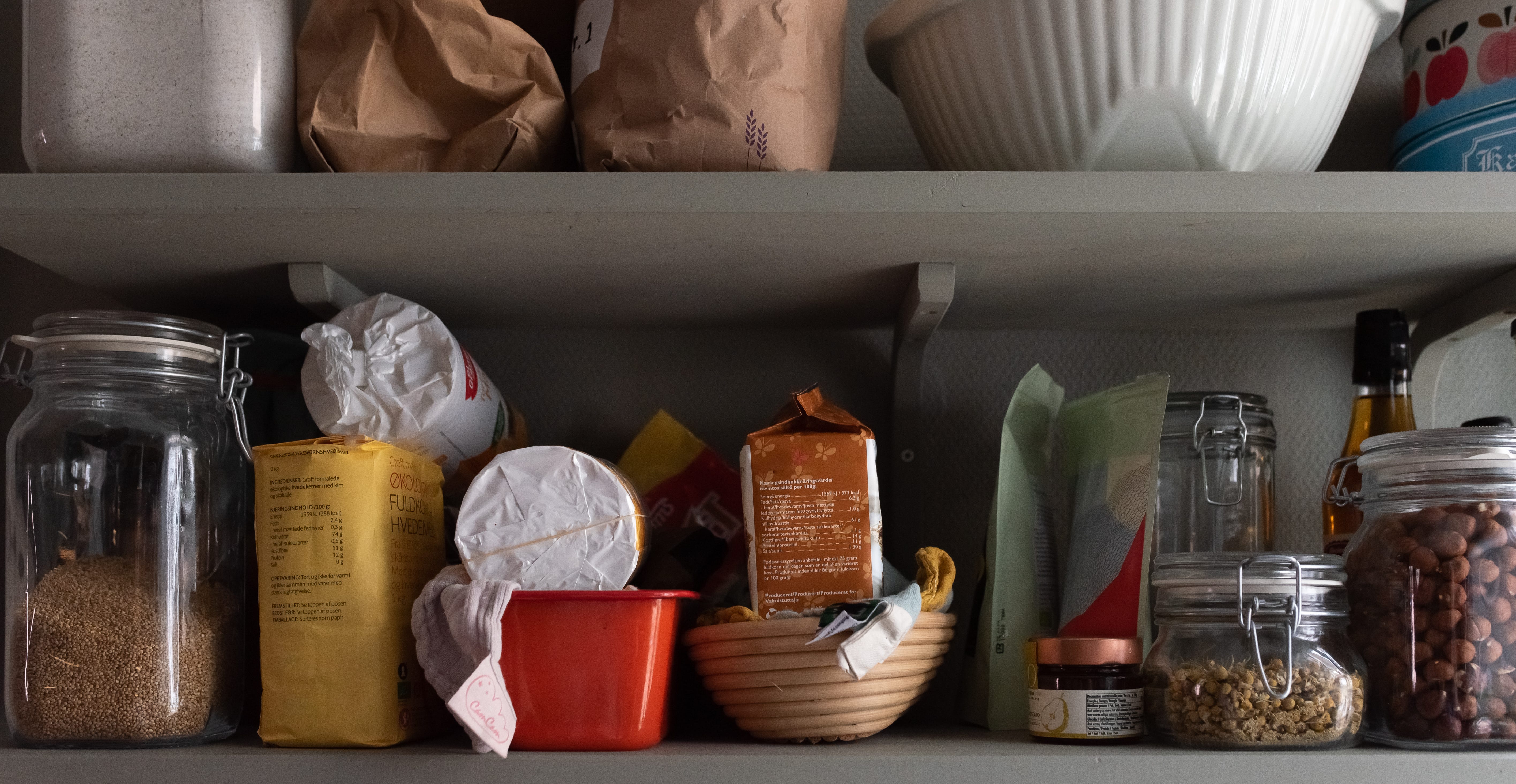
8 Things In Your Pantry You Should Toss ASAP, According To Pro Organizers
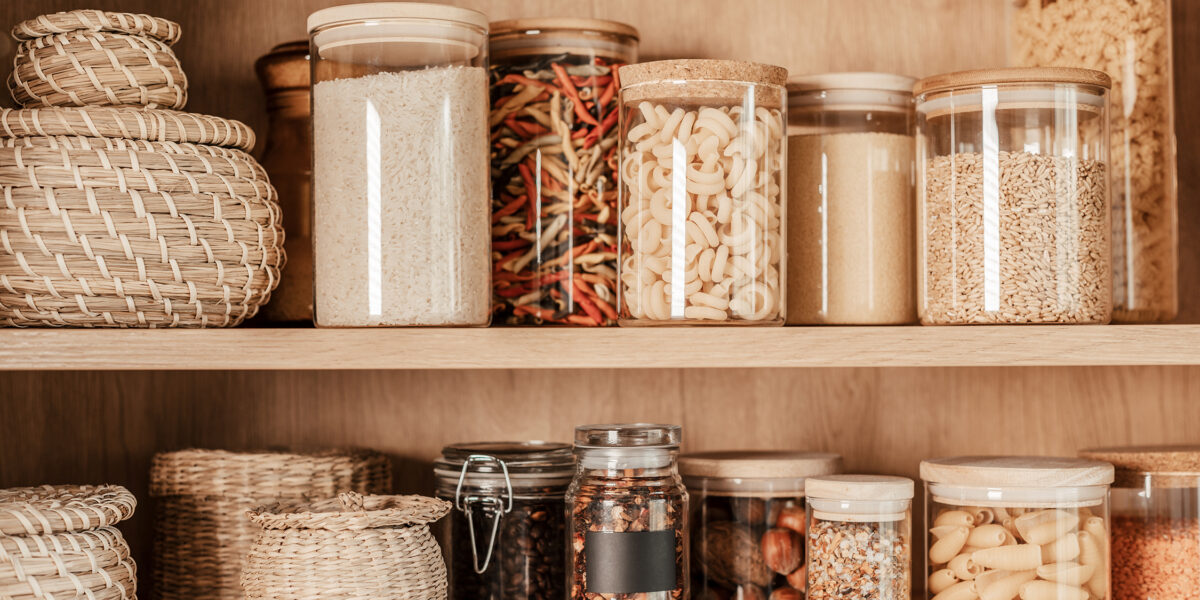
Don’t Skip These 6 Tasks When Organizing Your Pantry
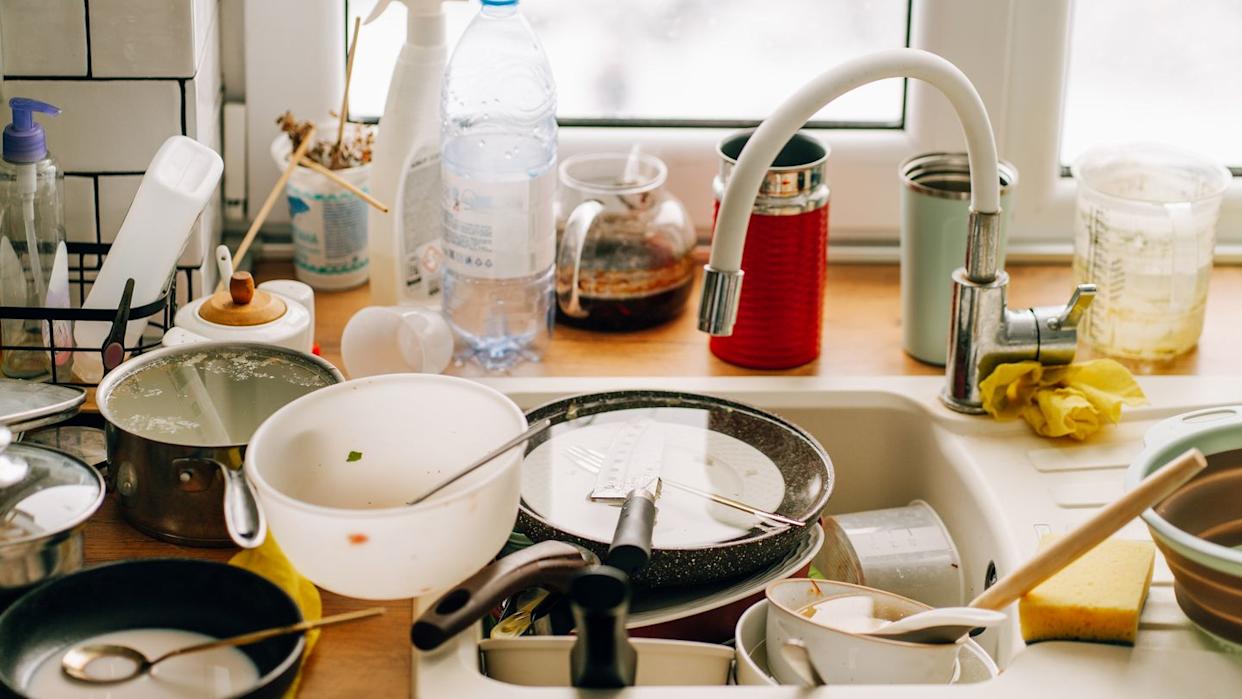
8 Things Pro Organizers Say You Should NEVER Keep On Your Kitchen Counter

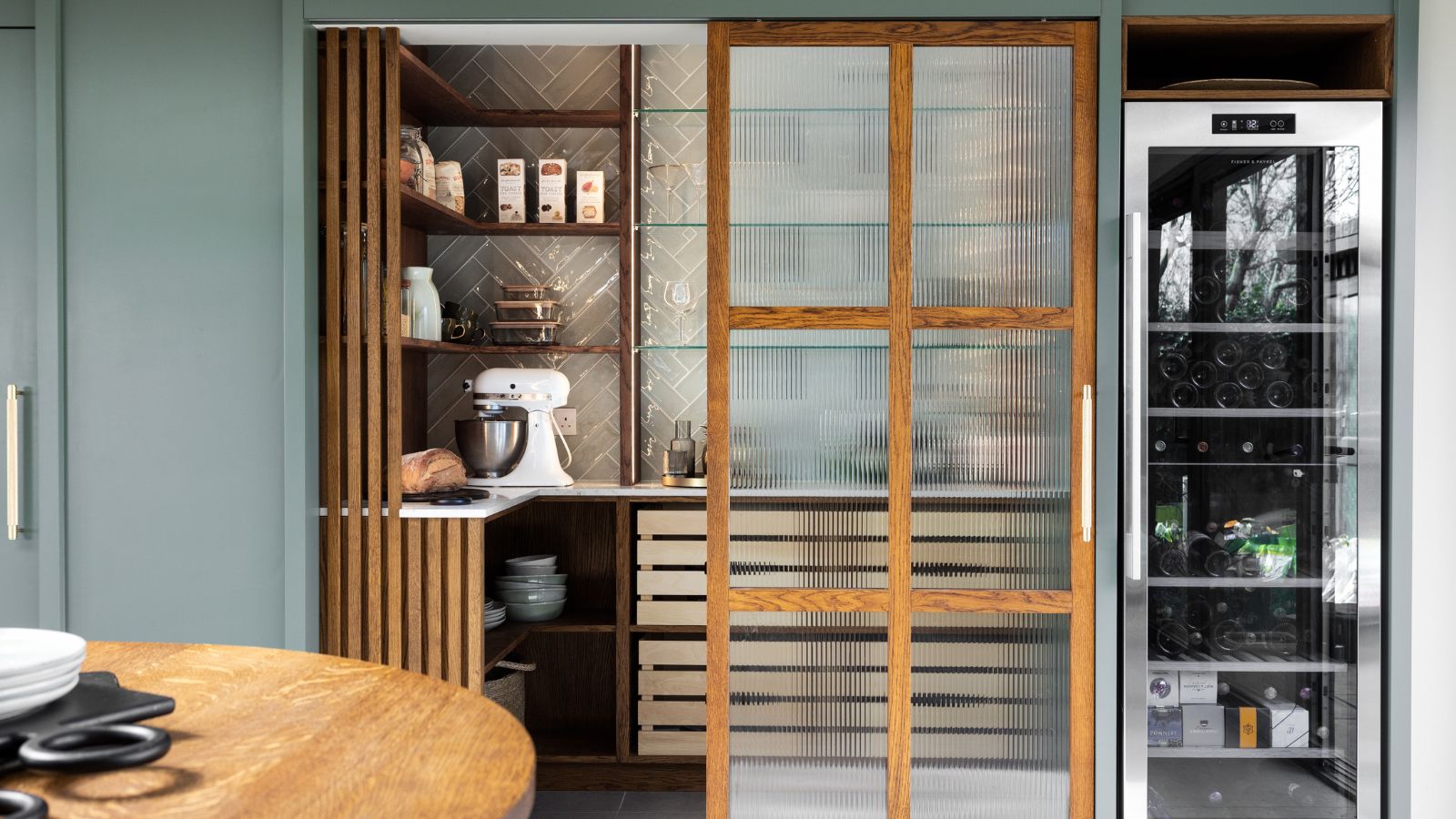
Pros warn never to keep these 8 things in your pantry
8 Things You Should NEVER Keep On Your Kitchen Counter
7 Items You Should Never Store In Kitchen Cabinets
7 things you should never store in plastic containers

Never store these 6 things on open kitchen shelving, warn pro organisers
7 Things You Should Never Store in Your Pantry—They Take Up Space and Attract Pests


5 Things You Should NEVER Leave in Your Shed, According to an Expert


Items to never store in an entryway, according to cleaning, organizing and interiors experts
6 Things You Should Never Store in Your Kitchen Cabinets—and Where to Keep Them Instead

7 types of storage you should never use in a pantry – they'll make utilizing this space well 10 times harder, pros say

7 Kitchen Storage Trends That Designers say are Best Avoided


8 things a professional organiser would never keep in a hallway – and you shouldn’t either
6 Things You Should Never Keep on Your Kitchen Counter

10 things decluttering experts won't keep in their kitchen cupboards
5 Outdated Types of Kitchen Storage Experts Are Urging You to Avoid
6 Things You Should Never Store in Your Laundry Room, According to Pro Organizers