1/8
7 things you should never store in plastic containers
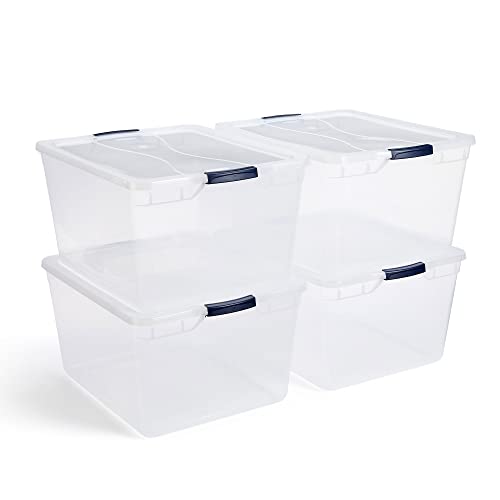
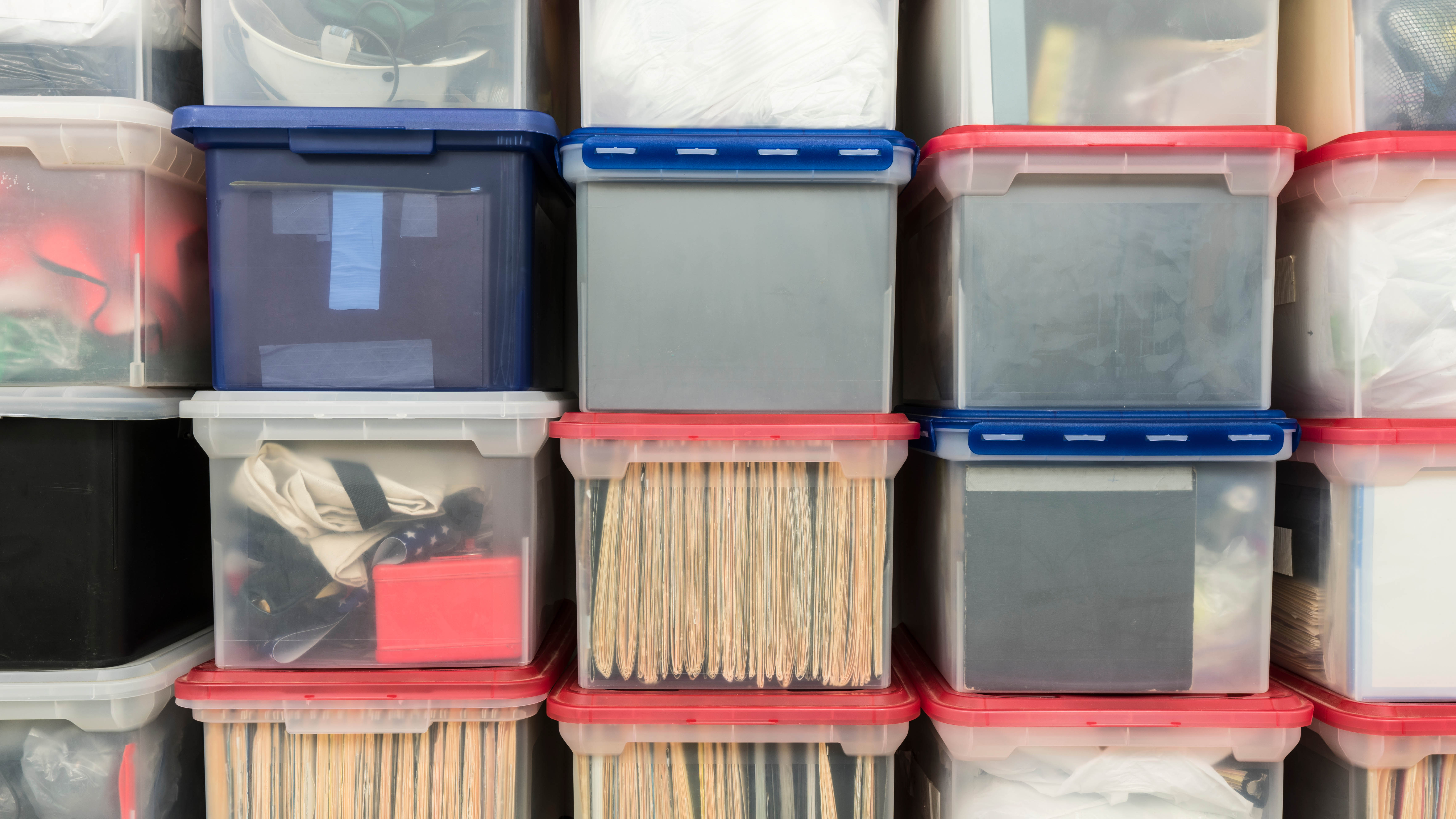
Plastic storage containers are a popular and seemingly practical solution for decluttering and organizing homes due to their durability, versatility, and transparency. However, there are several items that should never be stored in plastic containers due to potential damage to the items or health risks. The plastic material can trap moisture and absorb odors, a problem exacerbated by fluctuating temperatures, especially if the containers are not kept in a cool, dry environment.
Leather items, such as jackets, handbags, or shoes, should not be stored in plastic. Trapped moisture can cause cracking or lead to mold and mildew. Instead, breathable storage solutions like dust bags or durable clothing bags are recommended to keep leather dry and fresh. Storing leather items separately is also advised to prevent oil transfer and staining.
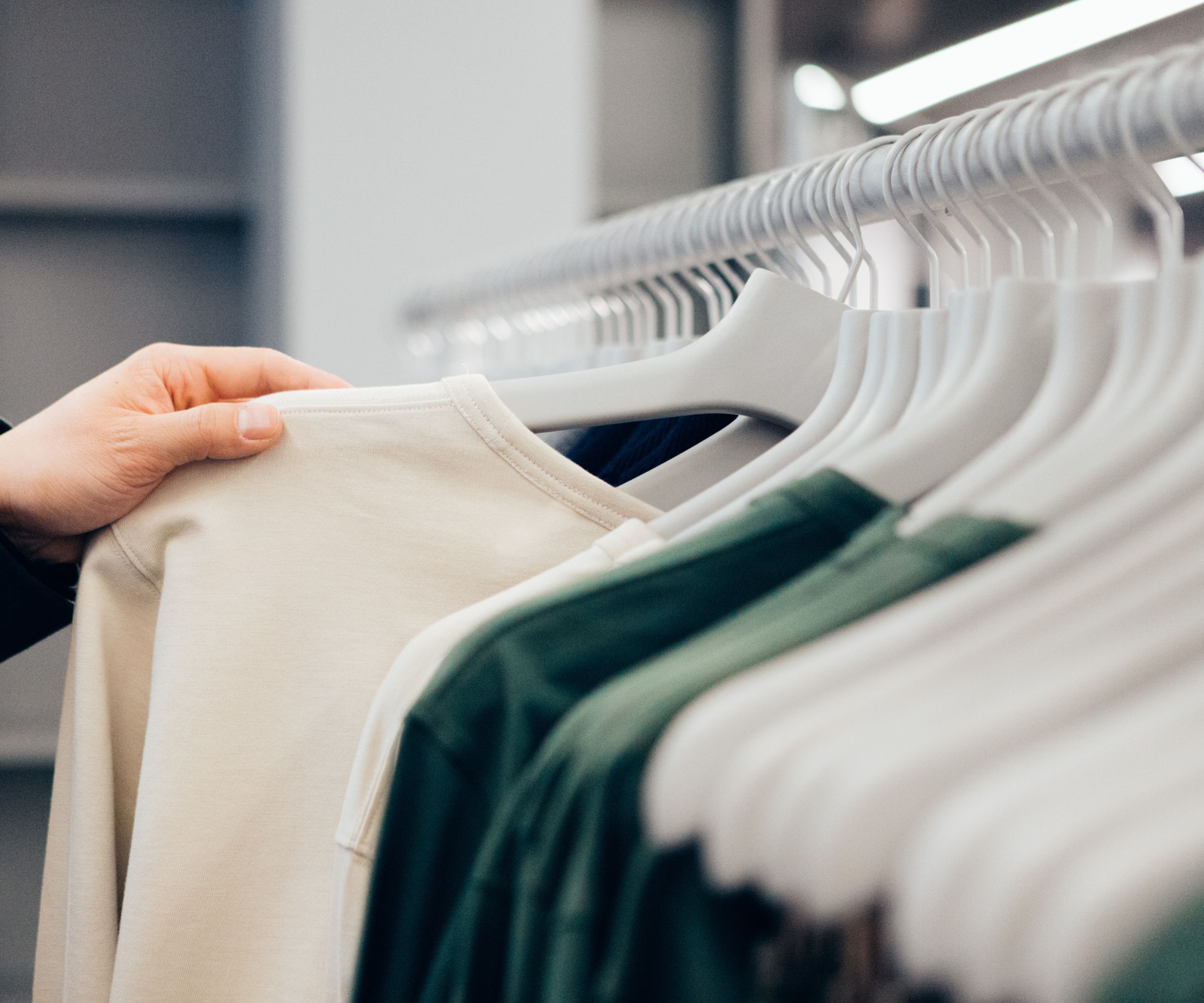
Delicate and natural fabrics like cashmere, wool, and lace are also unsuitable for plastic storage. These materials can capture excess moisture and develop musty odors or damage. Breathable fabric storage bags are a better alternative for these items.
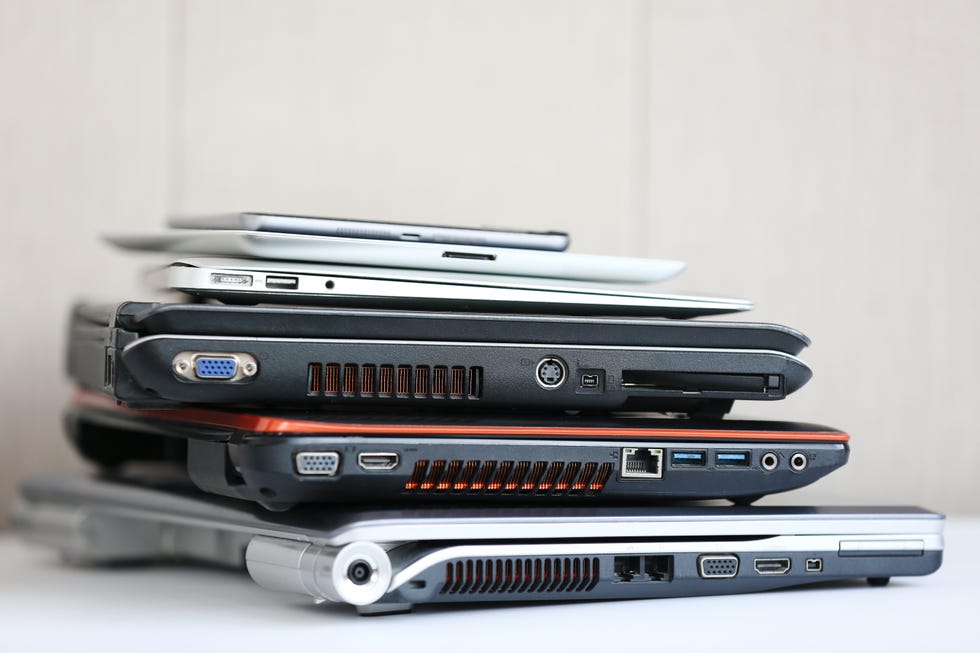
Electronic gadgets and batteries should not be stored in plastic bins. Plastic can generate static electricity, which can harm sensitive electronic devices, and may cause batteries to leak. Anti-static packaging or boxes designed specifically for electronics are safer options, along with a cool, well-ventilated storage environment. Recycling, donating, or selling old electronics is also encouraged to avoid clutter.
Important documents and family photographs should not be stored in plastic sleeves or boxes. Moisture fluctuations can cause fading or discoloration, especially if the containers are not airtight or waterproof. It is crucial to have digital backups of important documents. For original paper documents that need preservation, security safe boxes that are fireproof and theft-proof are recommended.
Valuable artwork and rare photography are also susceptible to damage when stored in plastic containers. Improper conditions can lead to warping, fading, or severe degradation of prints. Specialized durable, waterproof vinyl bags are suggested for protecting such collectibles.
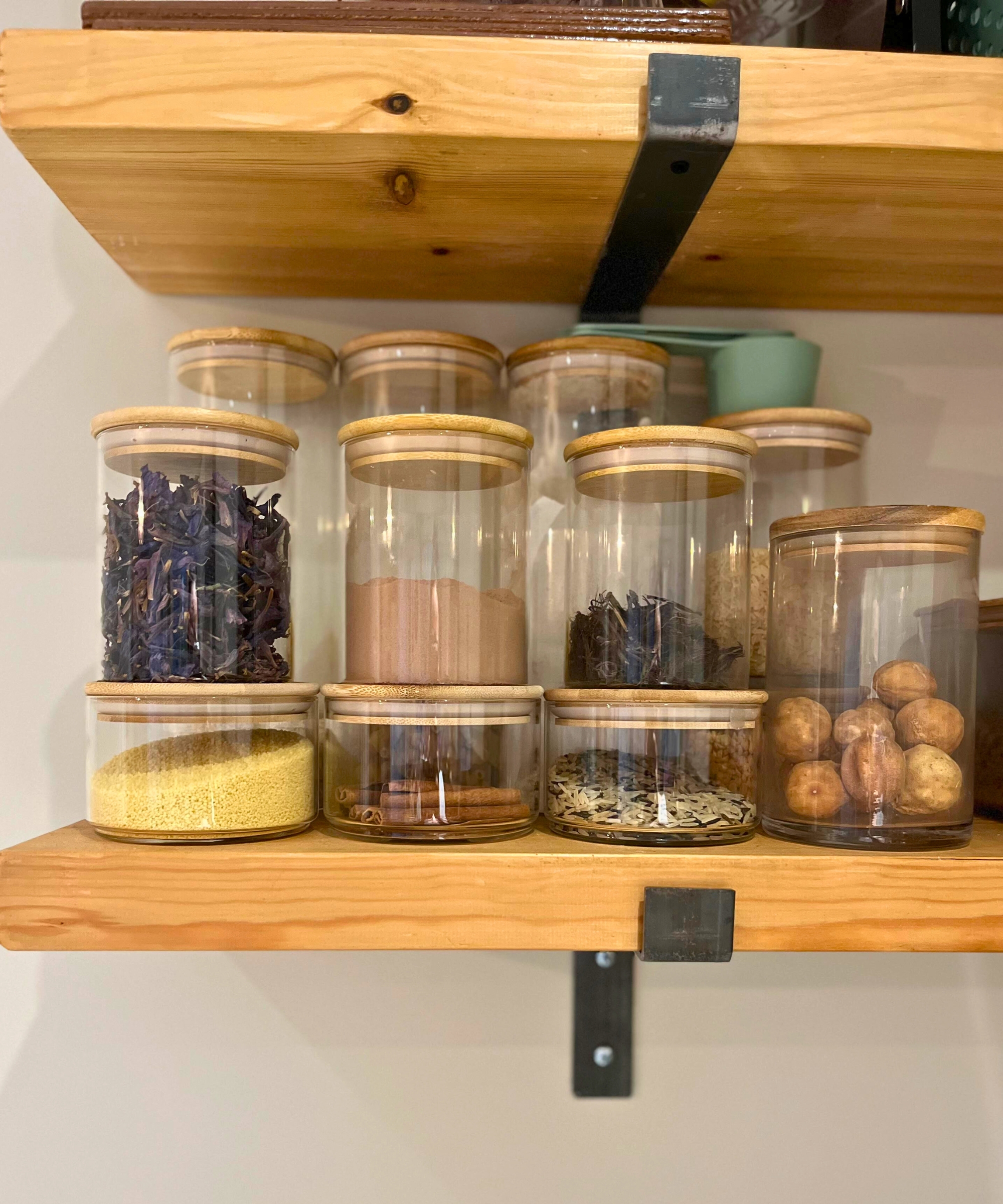
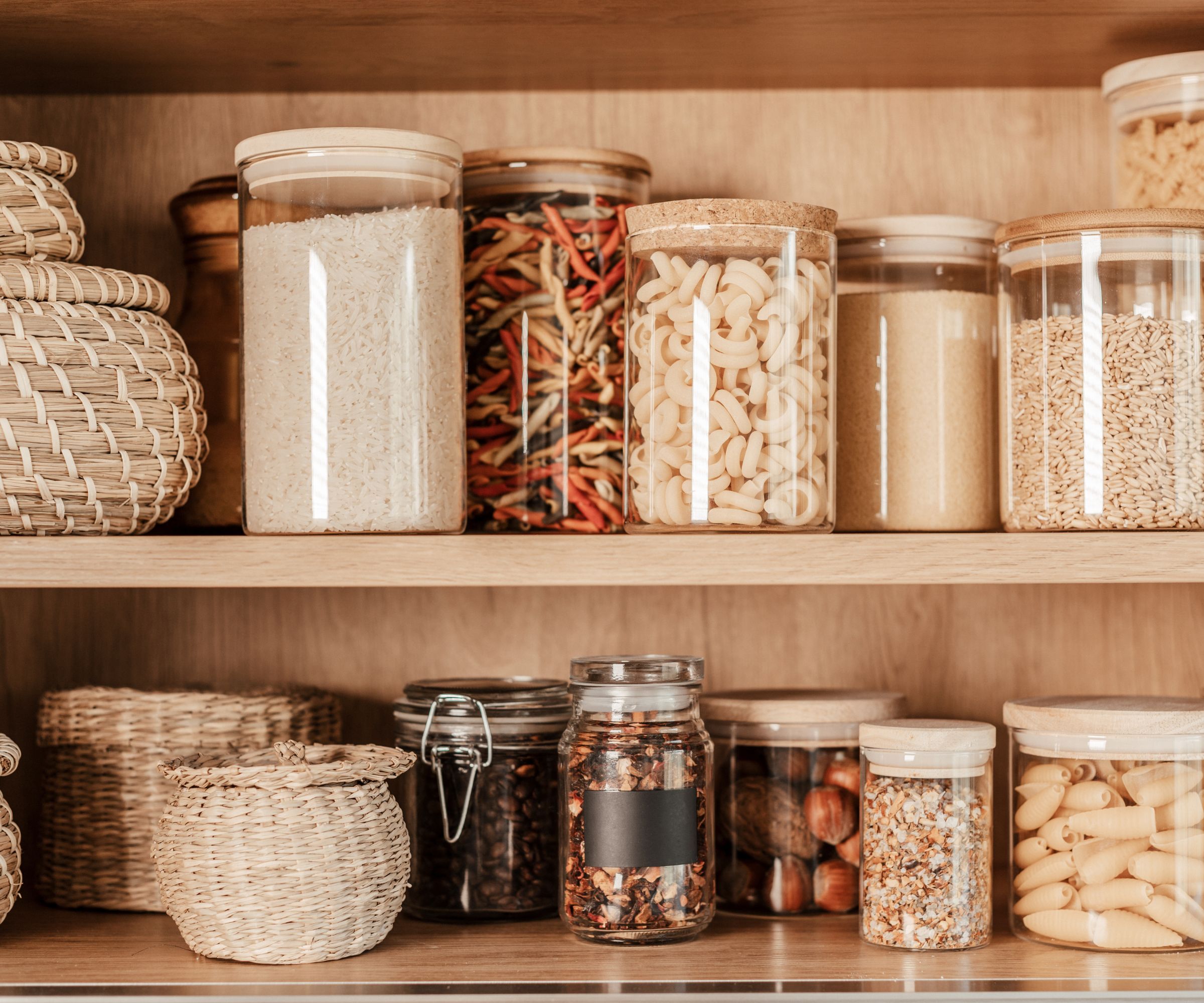
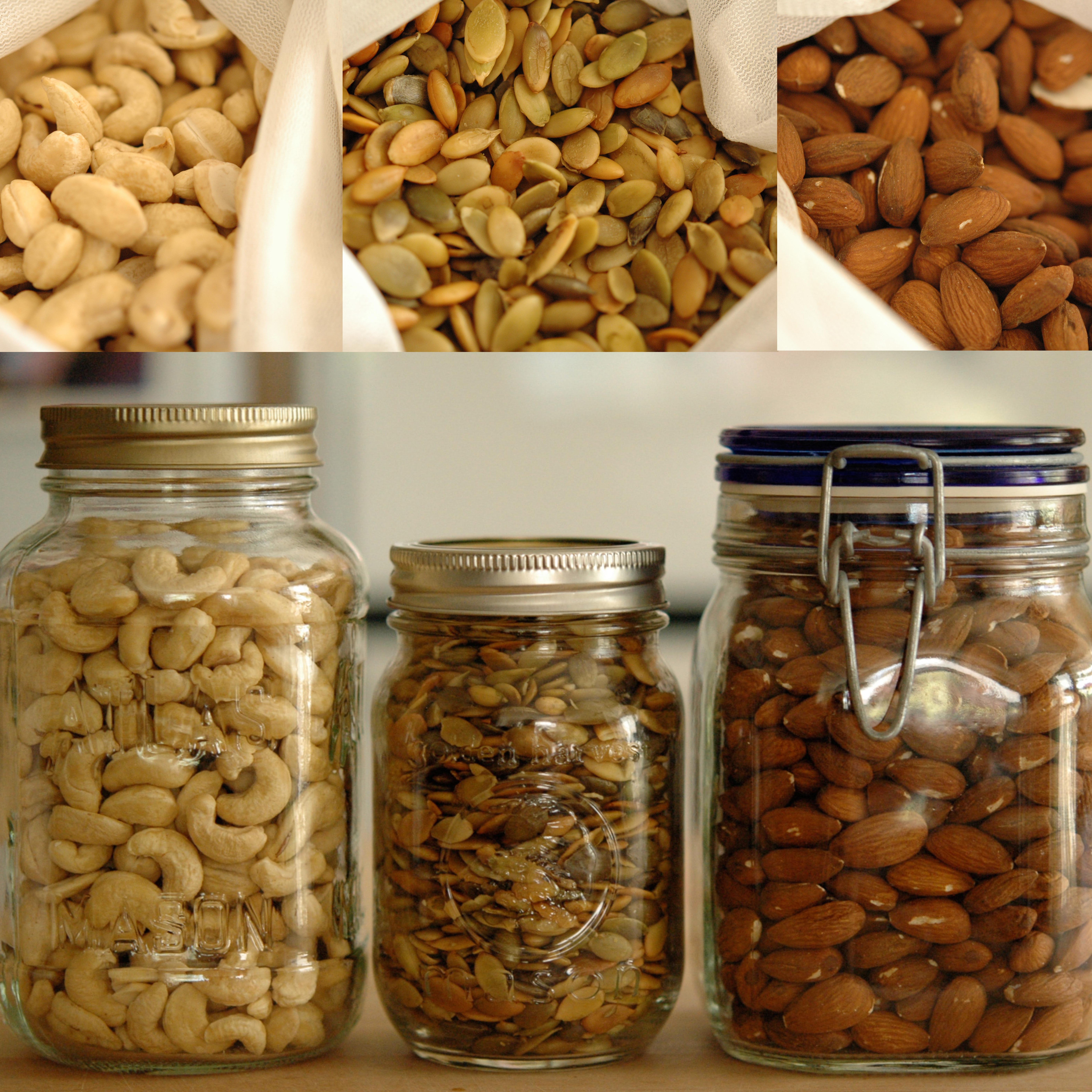
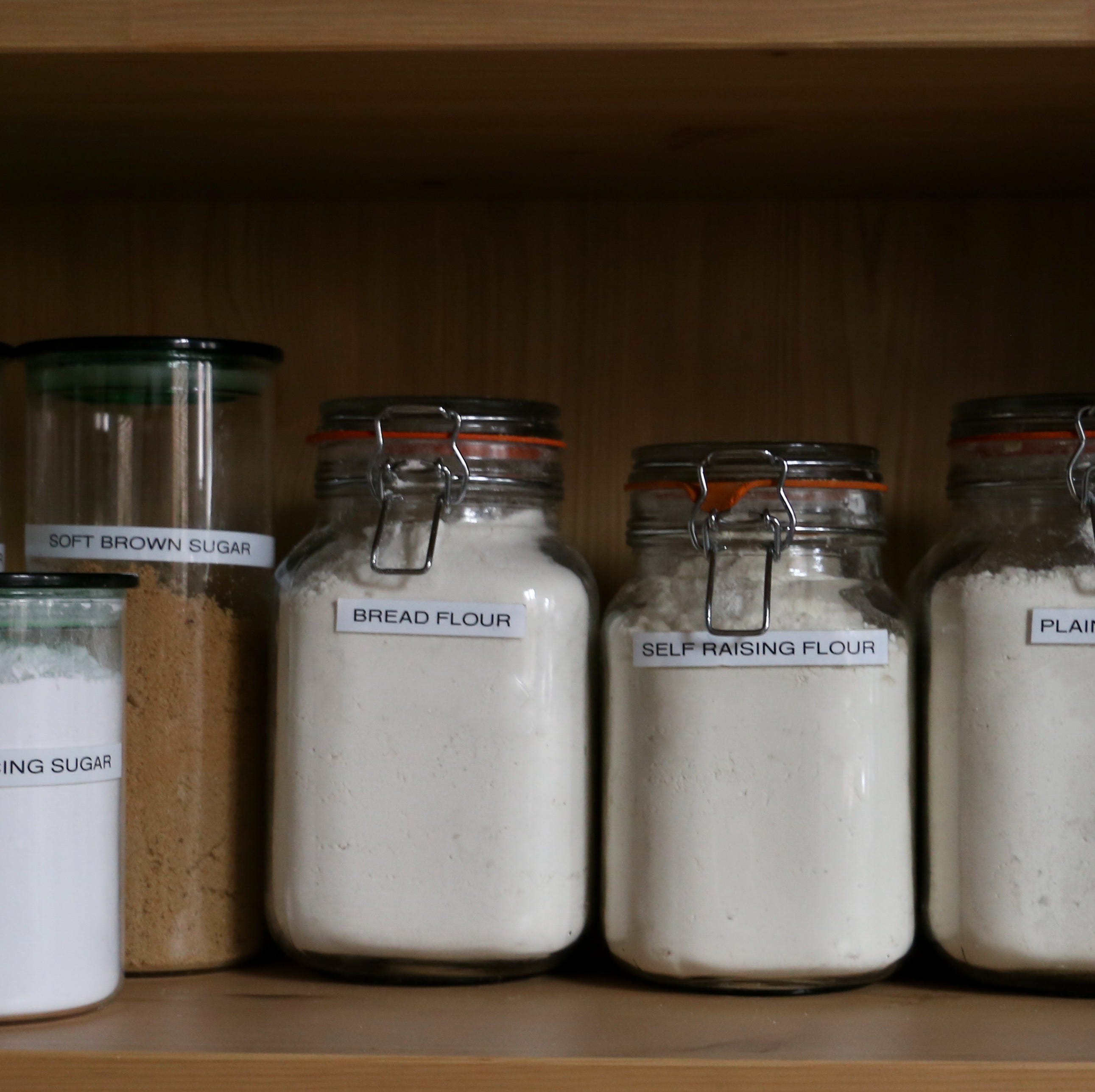
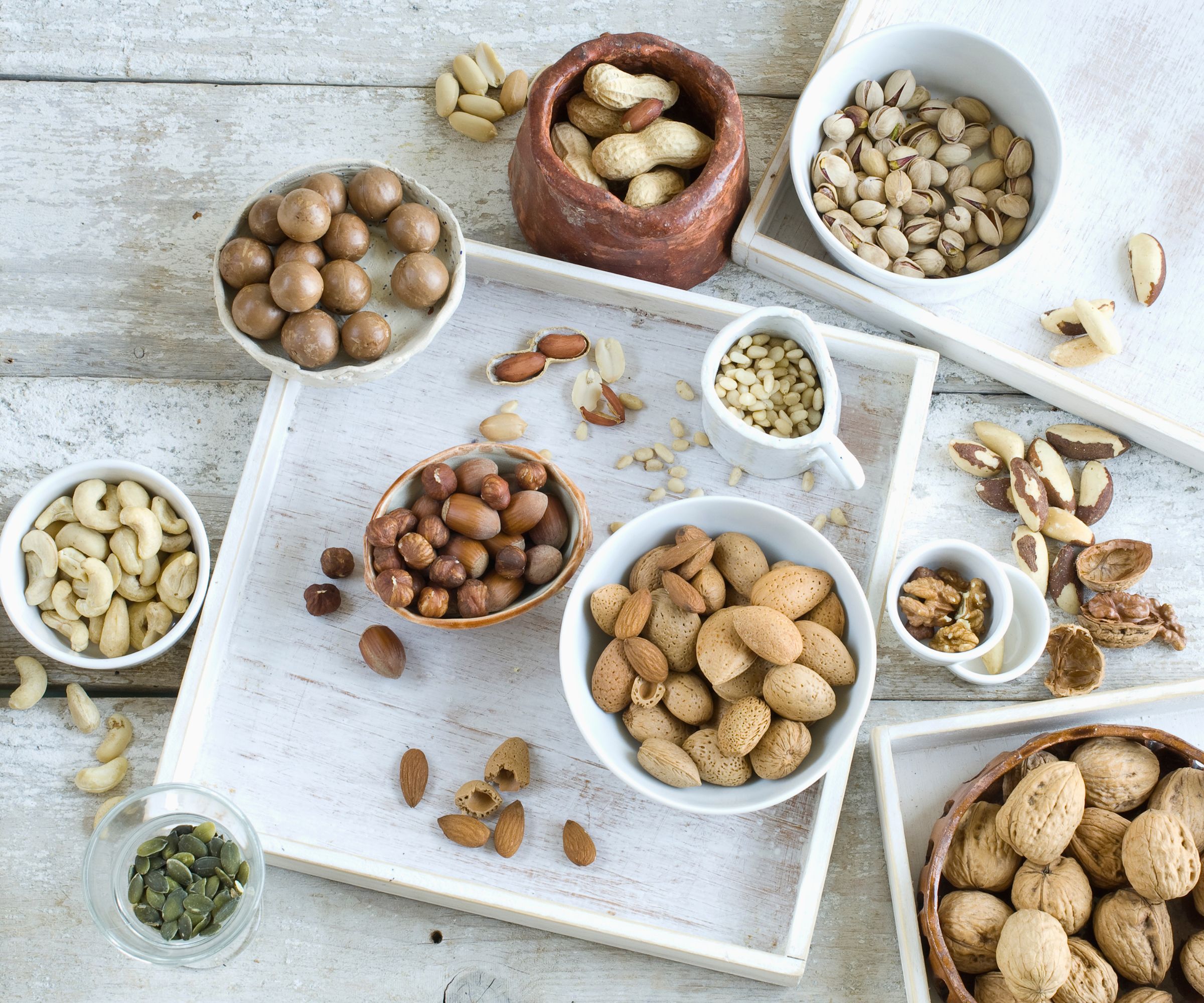
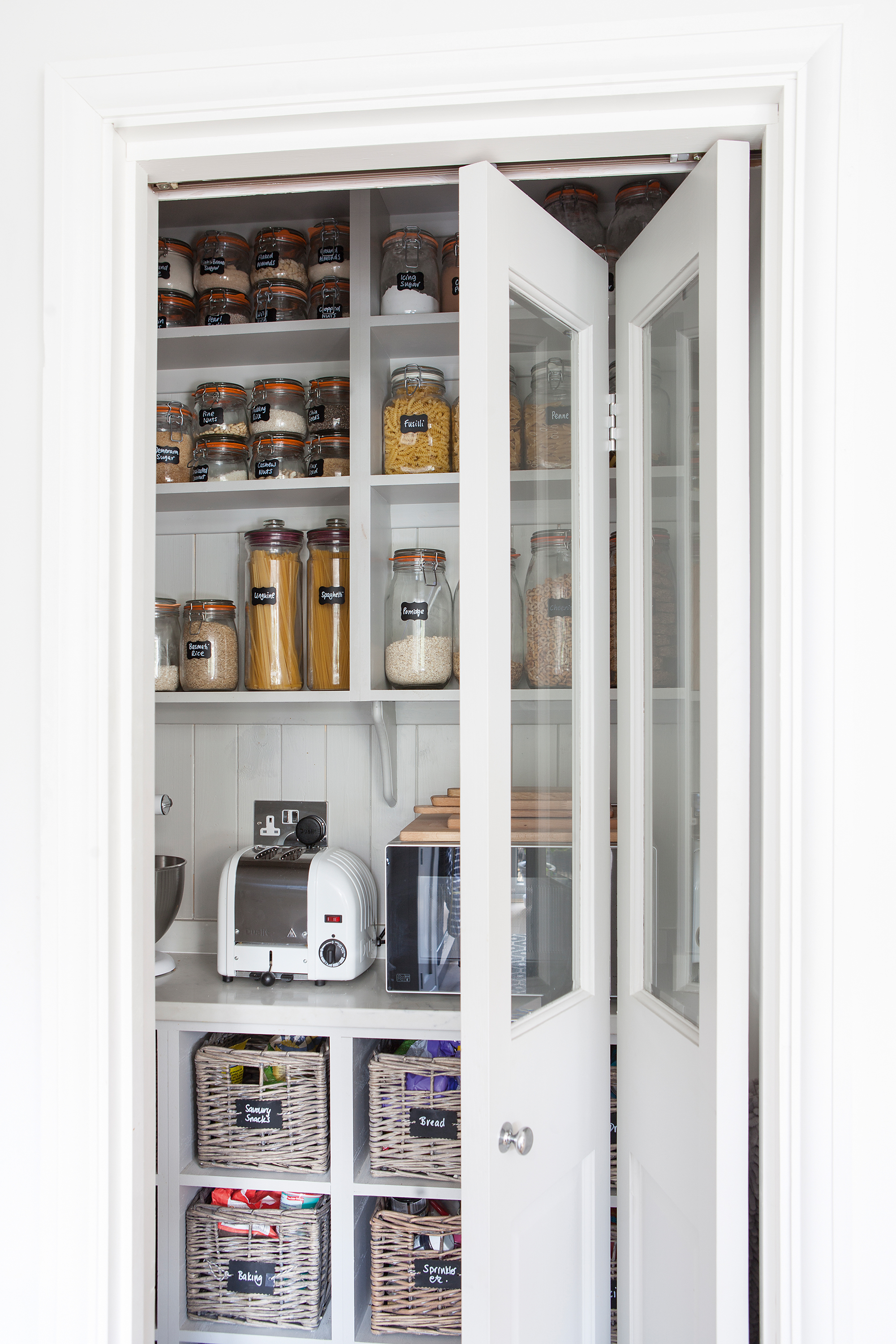
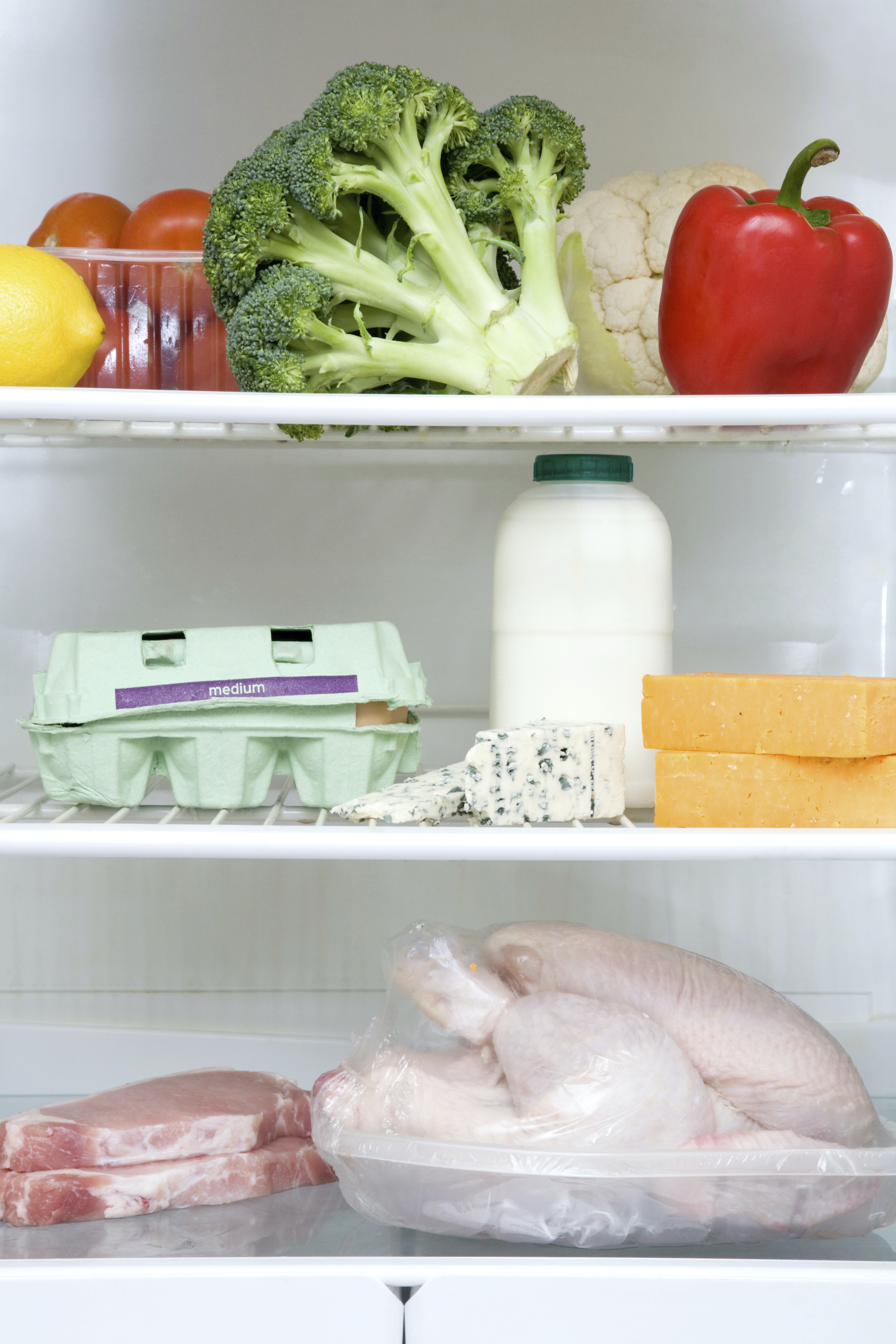
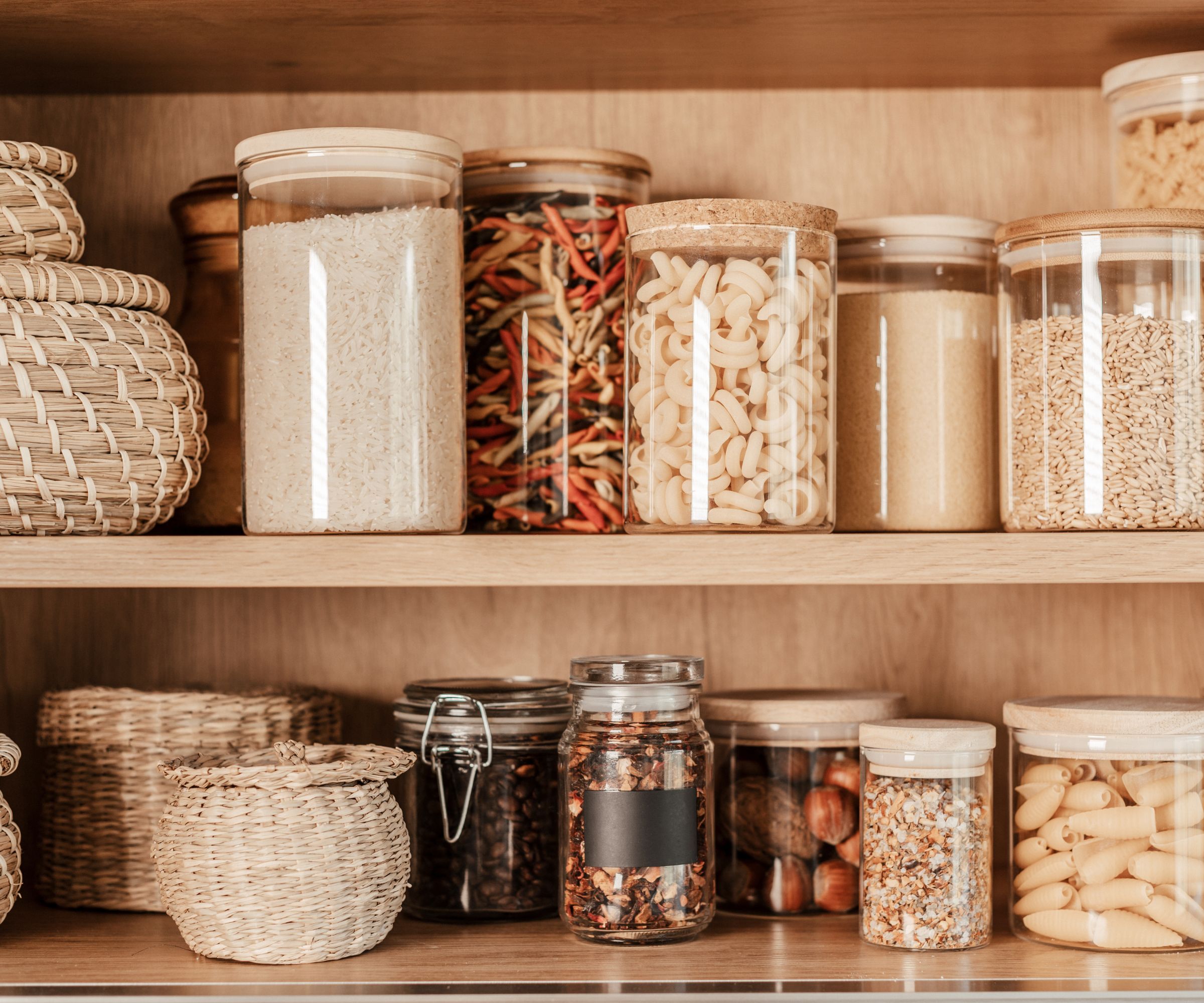
Food supplies, both fresh and dried, should not be stored in standard plastic boxes. Plastic's susceptibility to temperature changes can promote mold and mildew growth. Additionally, plastics can absorb food odors and potentially leach harmful chemicals. Glass containers are ideal for long-term food storage as they keep food fresher and do not affect taste. Food-grade containers made from appropriate materials are an alternative.
Finally, pet food, particularly kibble, should not be emptied directly into plastic containers. The oils in pet food can be absorbed by the plastic over time, causing the food to turn rancid and the container to develop an unpleasant stale smell. Instead, it is better to place the entire bag of pet food inside a plastic container, preventing direct contact with the plastic and preserving the food's quality.
#HomeOrganization #StorageTips #PlasticContainers #HouseholdItems #Decluttering #HomeCare #StorageSolutions #HomeImprovement #HomeOrganization #StorageTips #PlasticContainers #HouseholdItems #Decluttering #HomeCare #StorageSolutions #HomeImprovement
0 comment in total
 No comments yet
You may also like
These 7 things should never be stored in plastic bins – don't risk damaging your possessions

7 types of storage you should never use in a pantry – they'll make utilizing this space well 10 times harder, pros say

15 things you should never store in your basement – and why
7 Things You Should Never Store in Your Pantry—They Take Up Space and Attract Pests

Pros warn never to keep these 8 things in your pantry

Never store these 6 things on open kitchen shelving, warn pro organisers
10 Things You Should Never Store in the Bathroom


5 Things You Should NEVER Leave in Your Shed, According to an Expert

6 Things You Should NEVER Keep In Your Pantry, According To Pro Organizers & Chefs

10 Items You Should Never Store In The Bathroom
8 Things You Should Never Wash Down The Sink
11 items not to store in a bathroom cabinet, and what experts say to do instead
7 Items You Should Never Store In Kitchen Cabinets
8 Things You Should NEVER Keep On Your Kitchen Counter

9 items never to store in a bathroom vanity – according to the experts
7 kitchen storage mistakes you're making – and how to fix them
11 things you should never store in a pantry, according to experts
6 Things You Should Never Keep on Your Kitchen Counter


7 Kitchen Storage Trends That Designers say are Best Avoided

17 Things You Should Never Store Under Your Sink (but Probably Are)