1/4
7 kitchen storage mistakes you're making – and how to fix them
A well-organized kitchen is essential for efficient cooking and a clutter-free home. Despite best intentions, many individuals fall into common storage traps that can turn a cooking space into a mess. This article highlights seven prevalent kitchen storage mistakes and offers practical solutions from home organization experts.
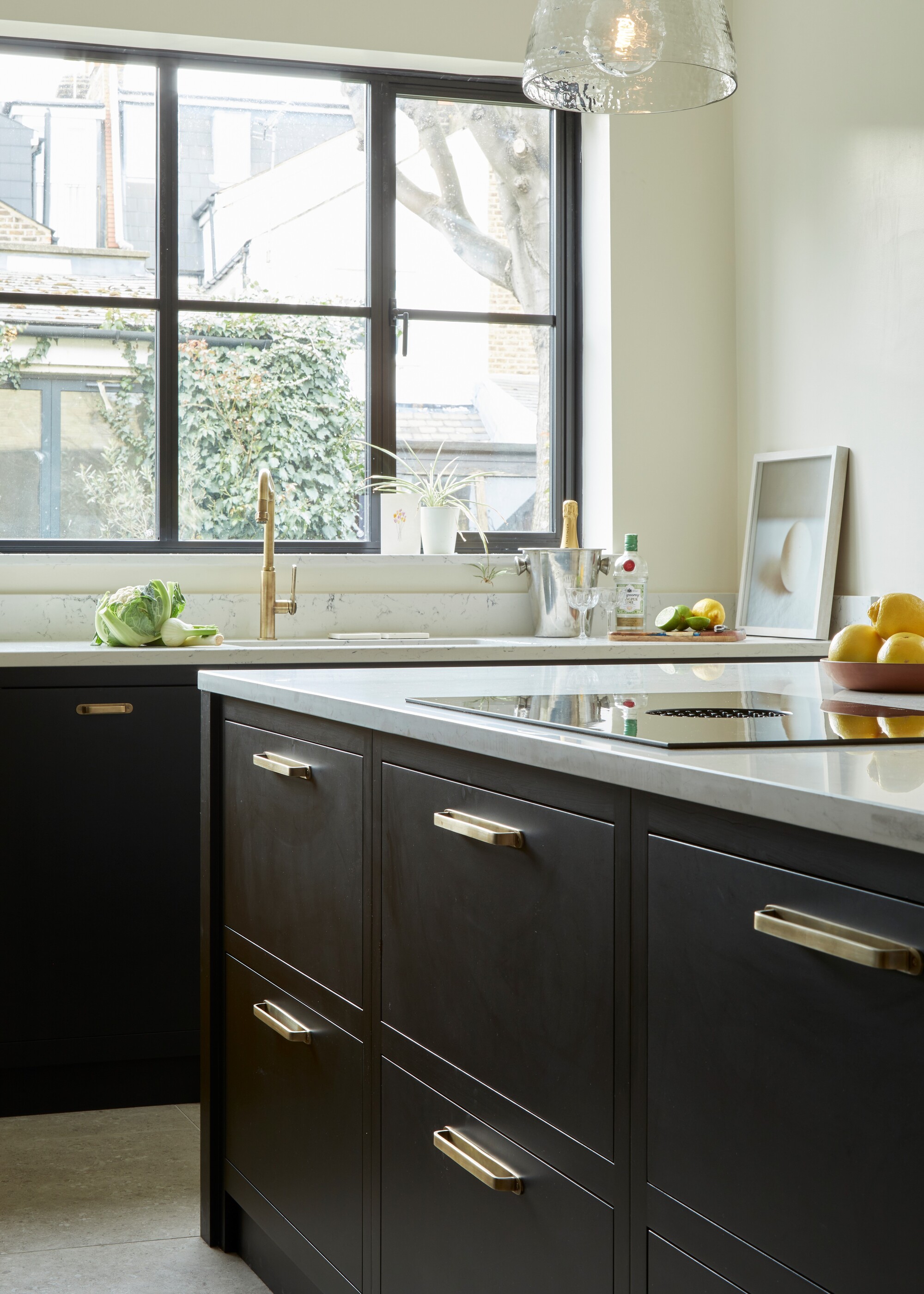
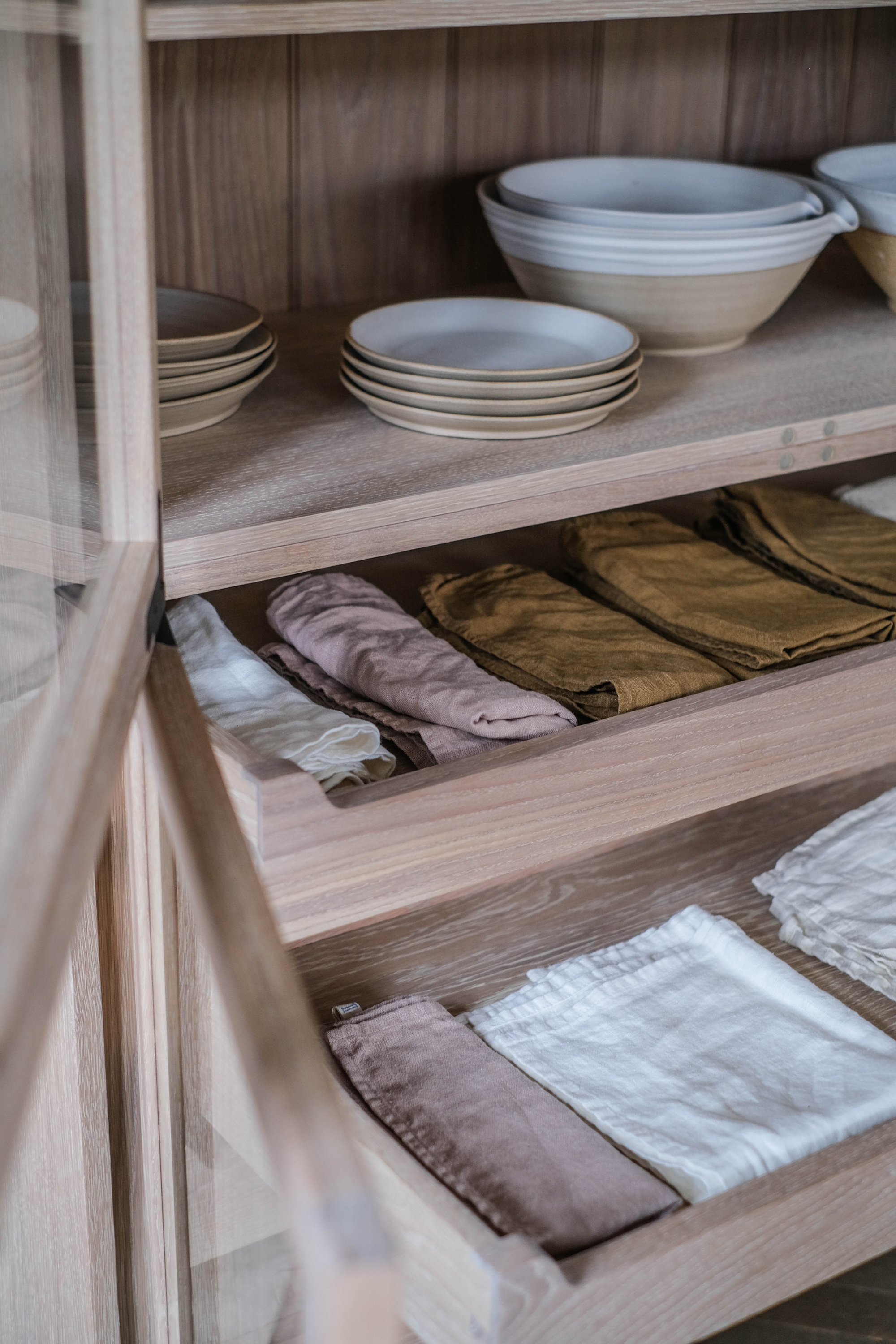
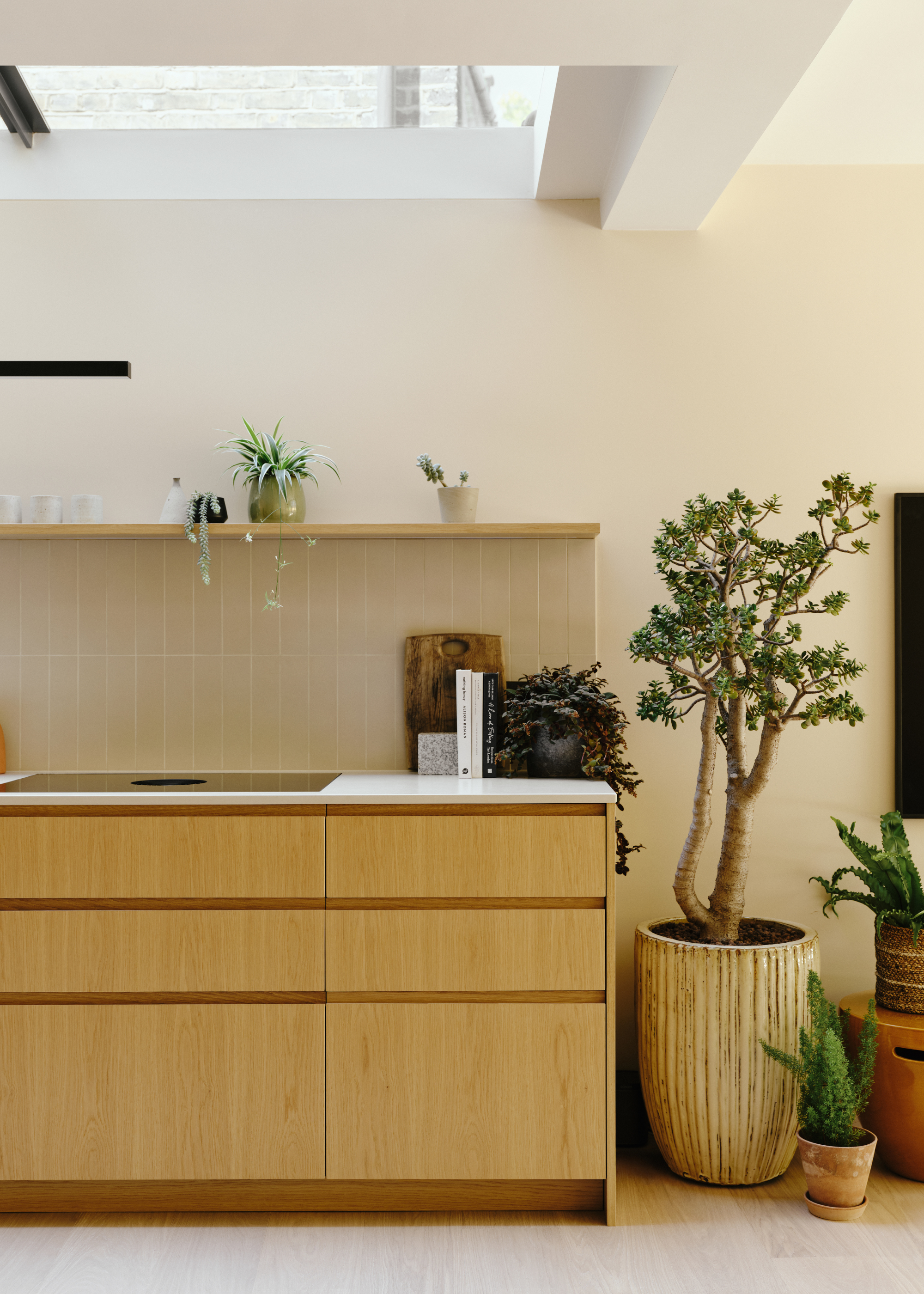
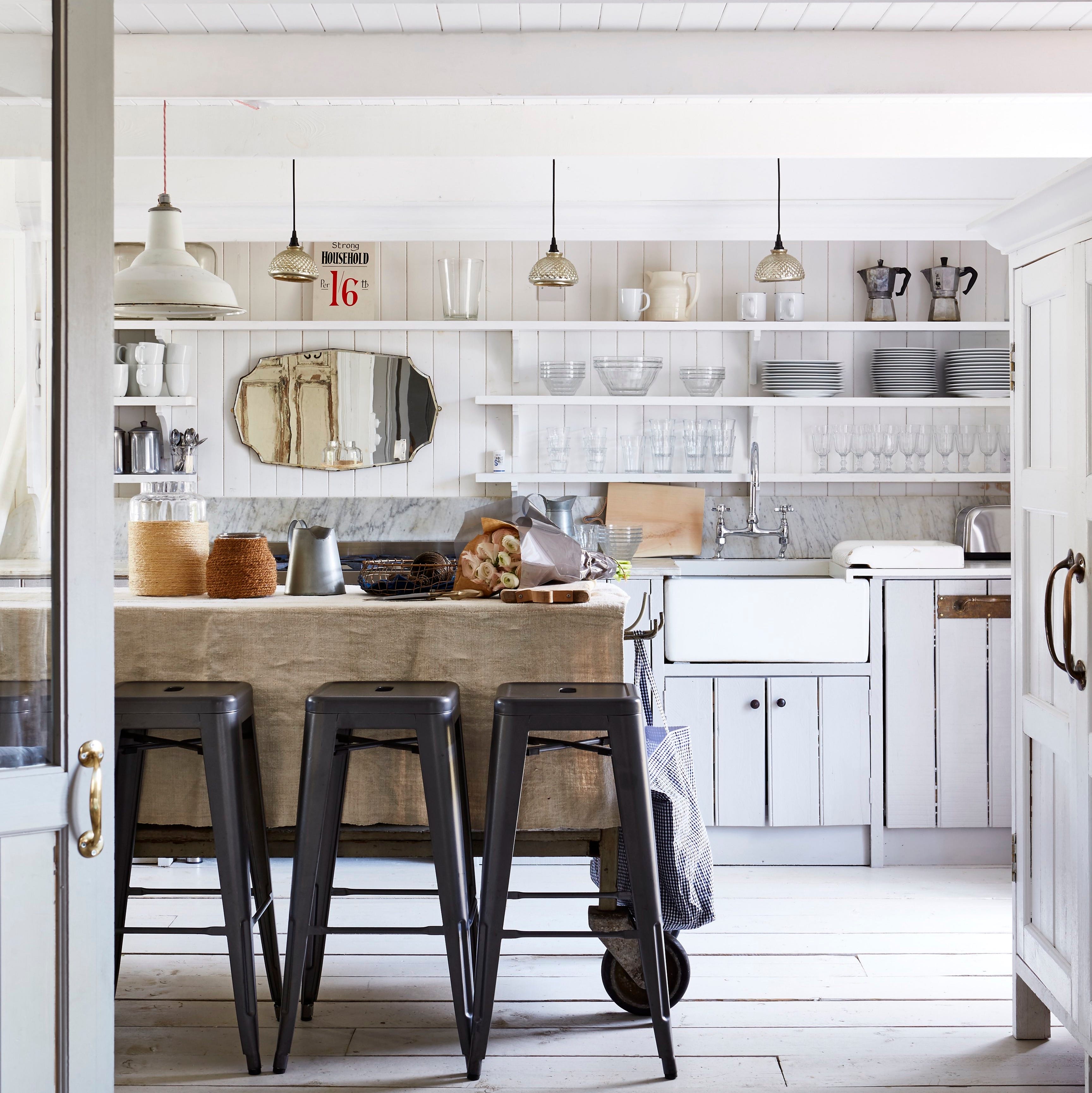
The first mistake is overcrowding countertops. While keeping frequently used appliances accessible is tempting, too many items create clutter and reduce space for meal preparation. The solution involves keeping only essential items on display and storing less frequently used appliances in easily reachable cabinets or drawers. Incorporating vertical storage or shelving can also maximize space.
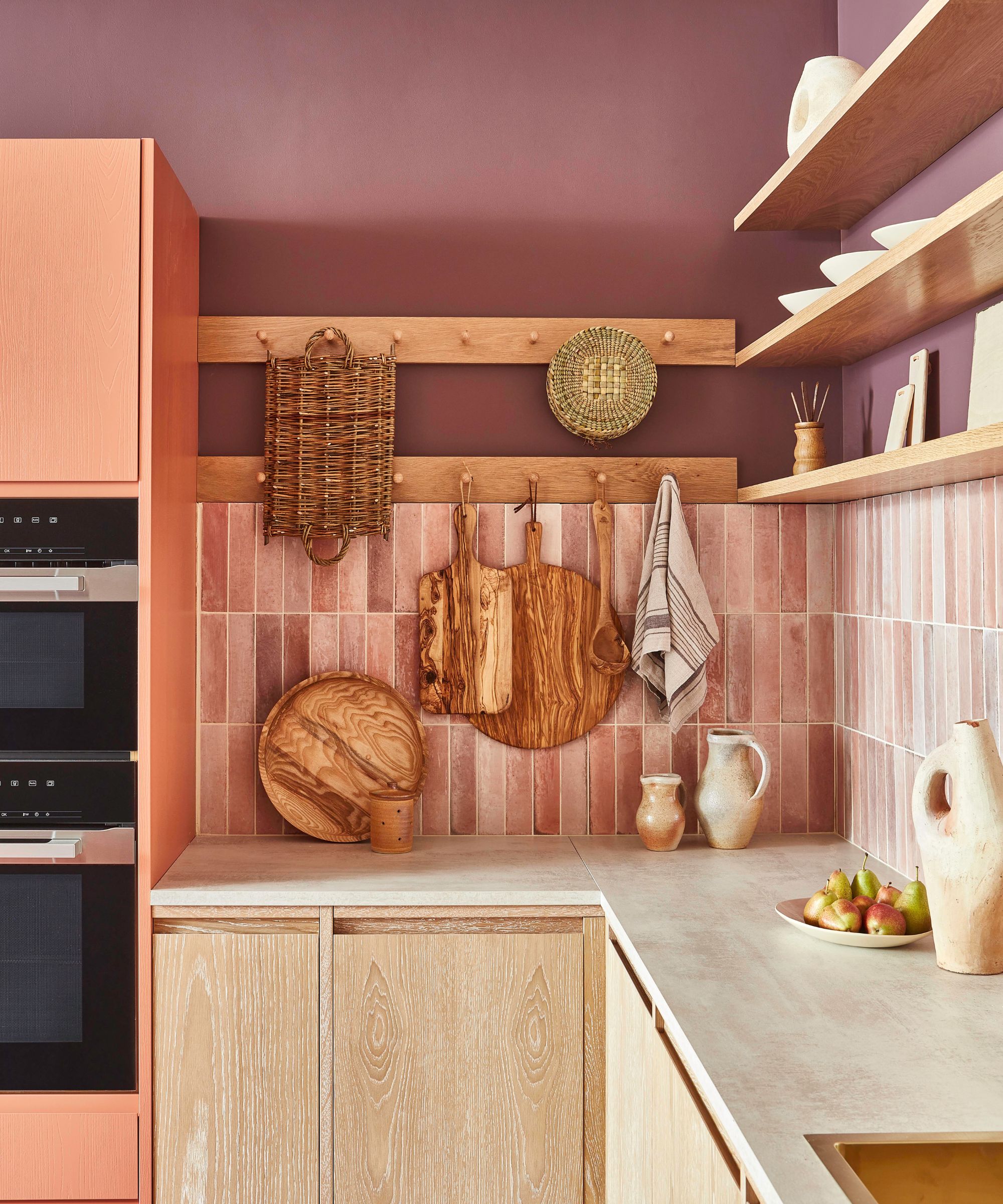
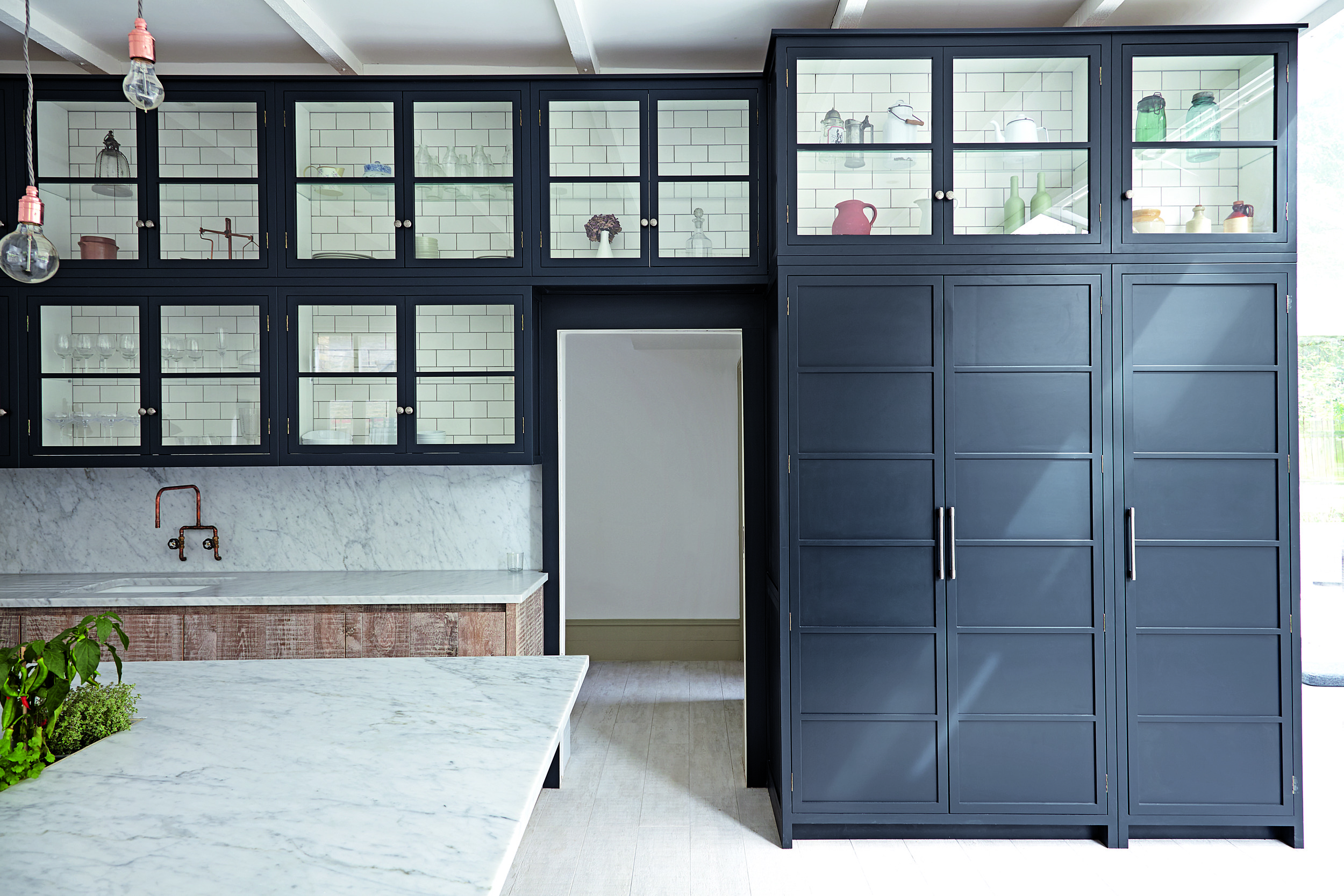
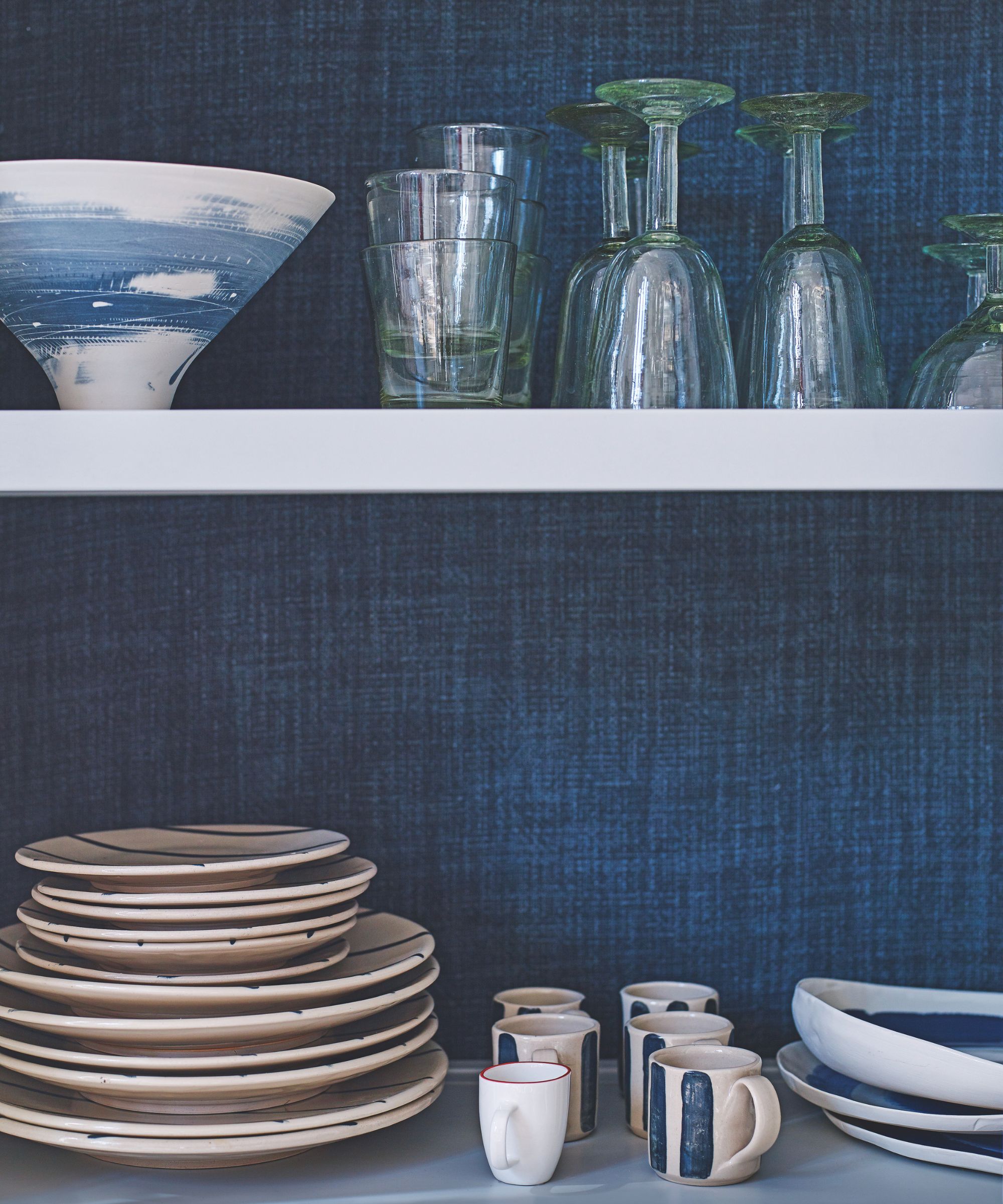
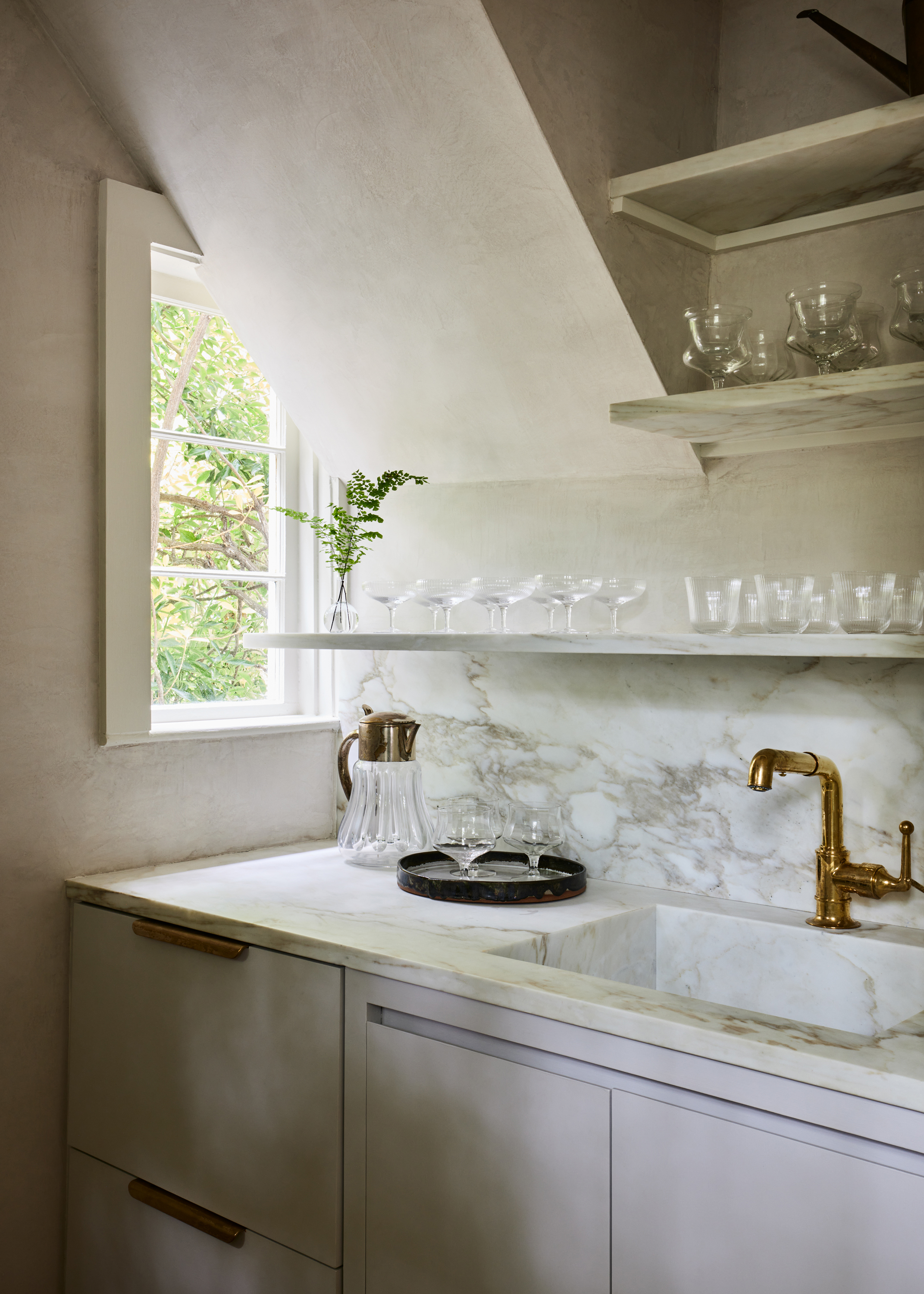
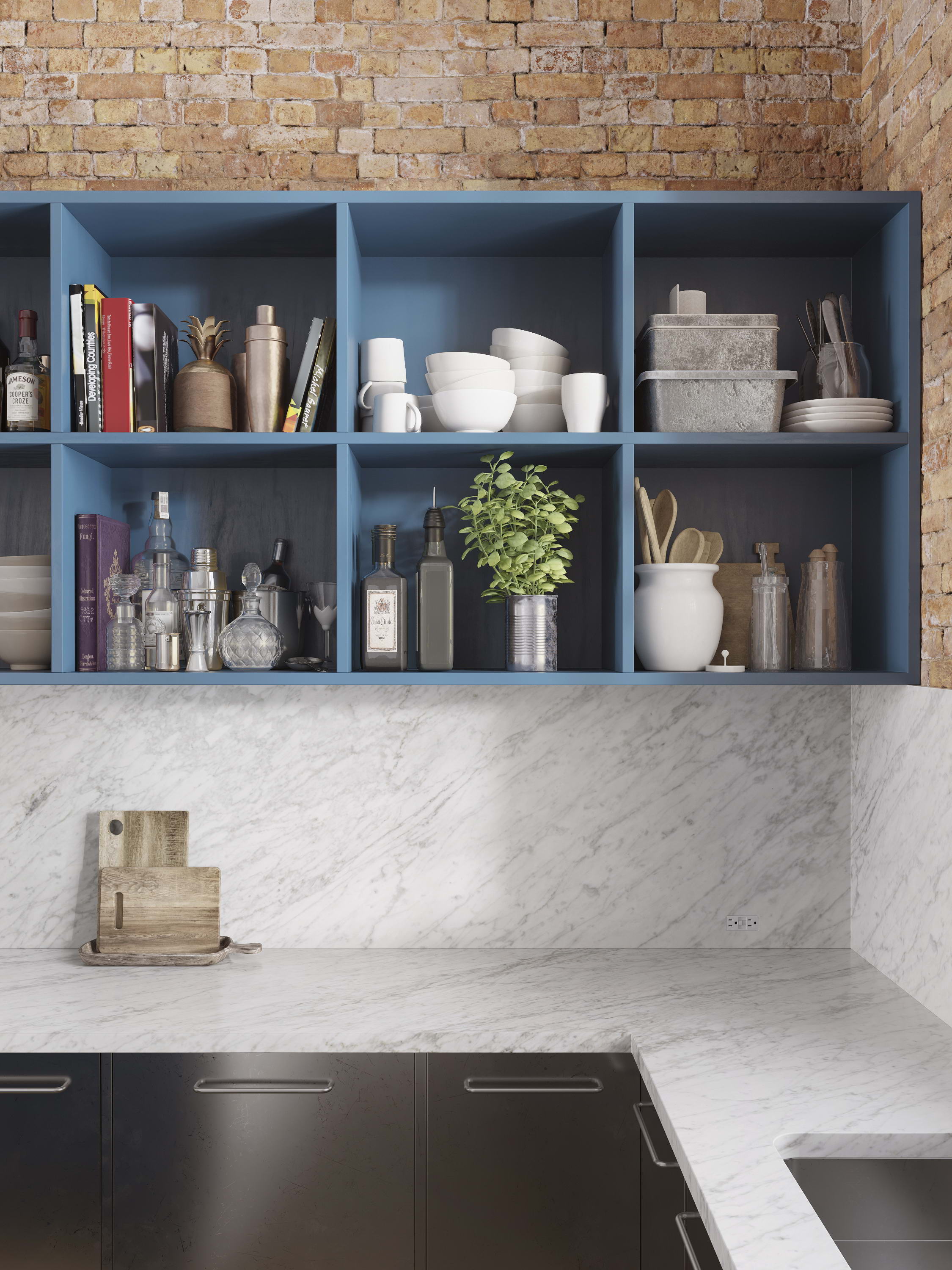
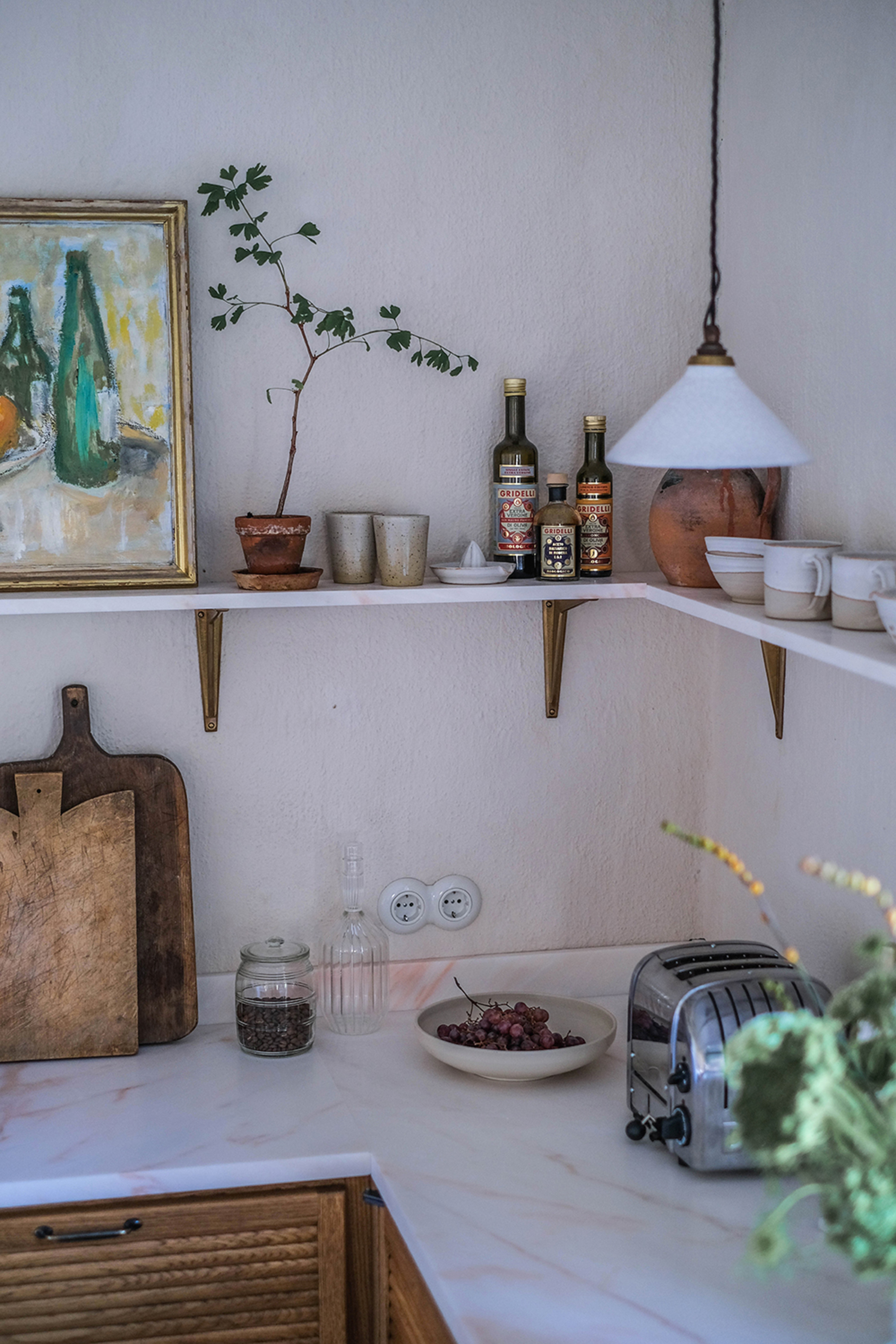
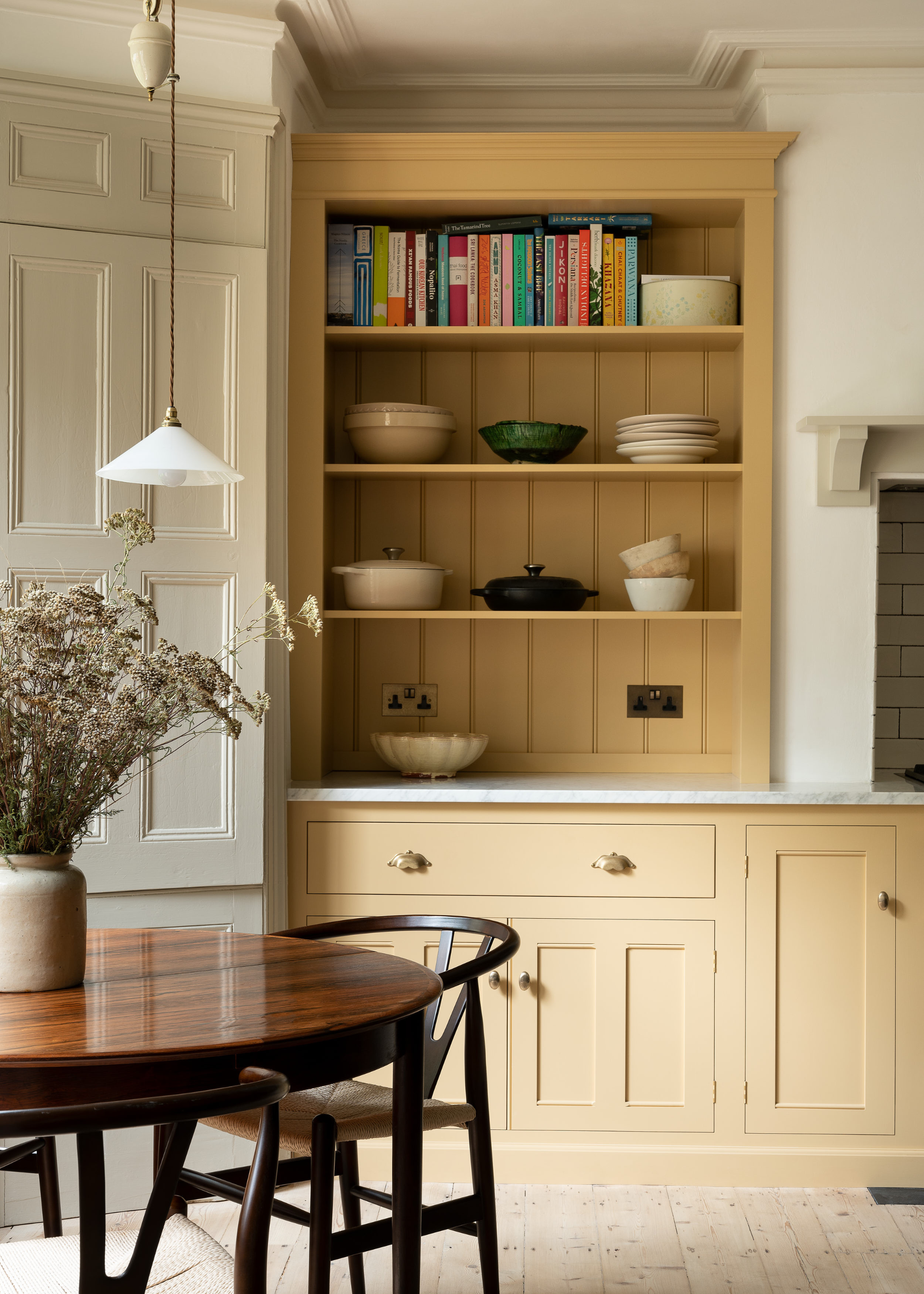
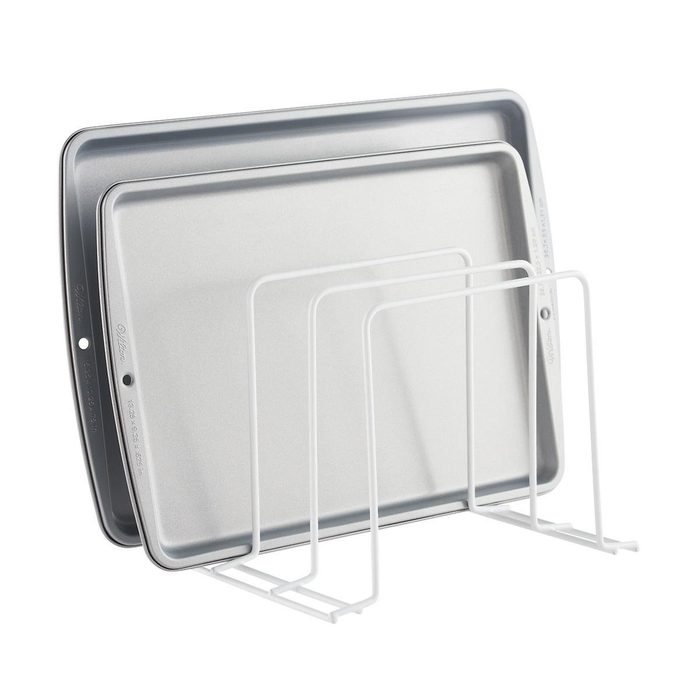
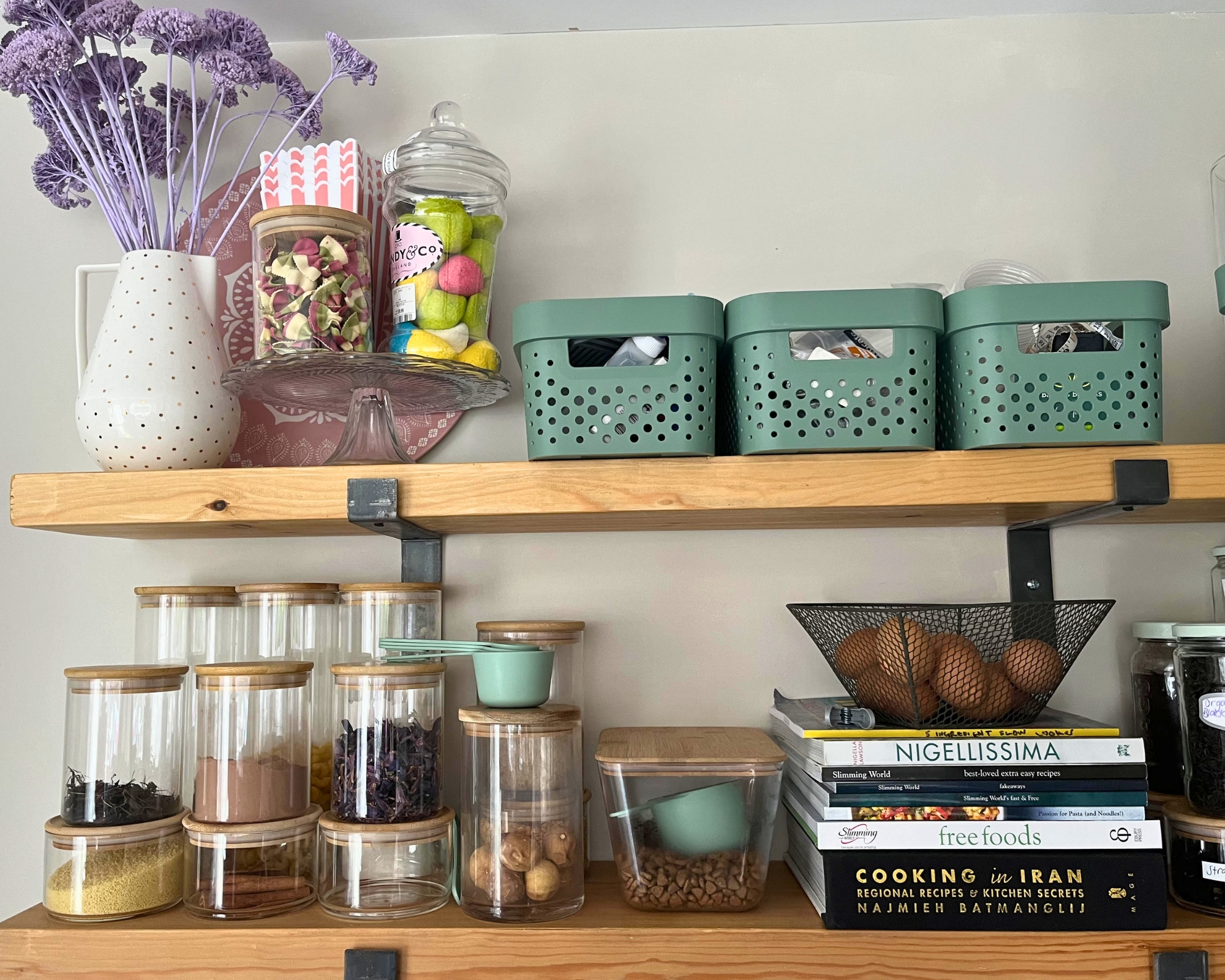
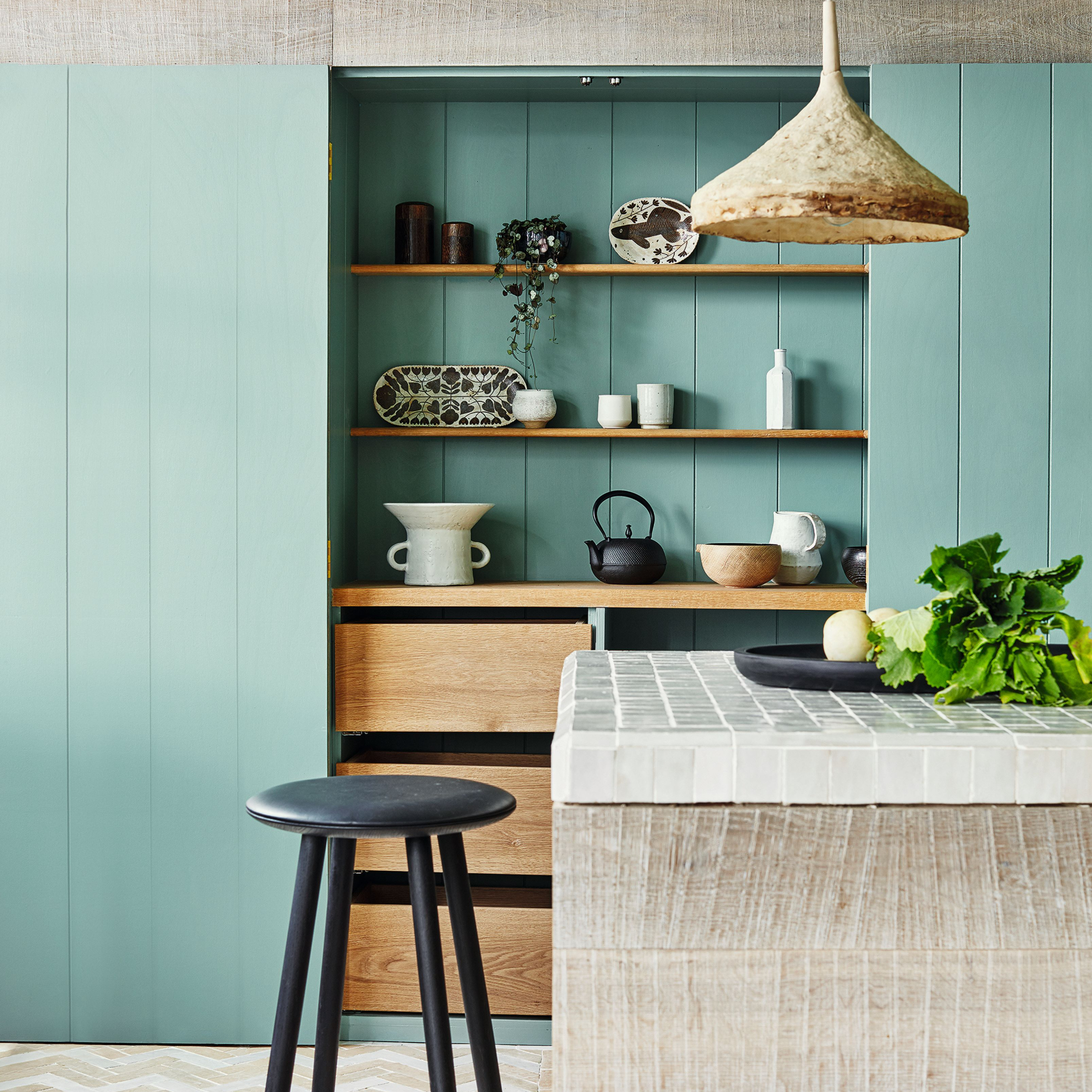
Neglecting vertical space is another common oversight. Many cabinets do not extend to the ceiling, leaving unused space that accumulates dust. To address this, homeowners should install shelves or cabinets that reach the ceiling, using higher shelves for seldom-used items. Open shelving can also be a stylish and practical storage solution. Additionally, kickboards, or plinth boards, are often overlooked but can be adapted to store baking trays, cooling racks, or even a built-in pet bowl. Magnetic strips are recommended for storing knives, freeing up drawer space.
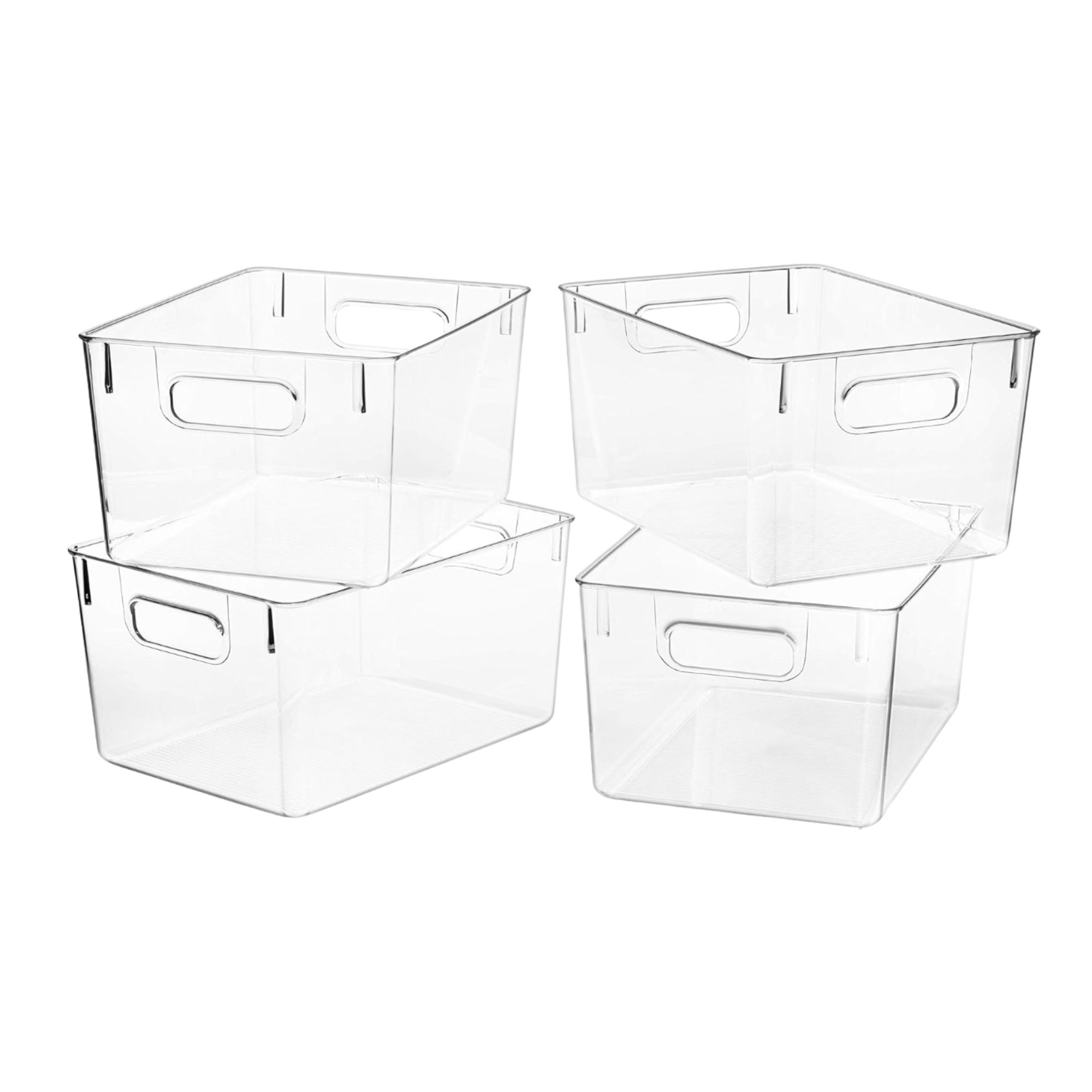
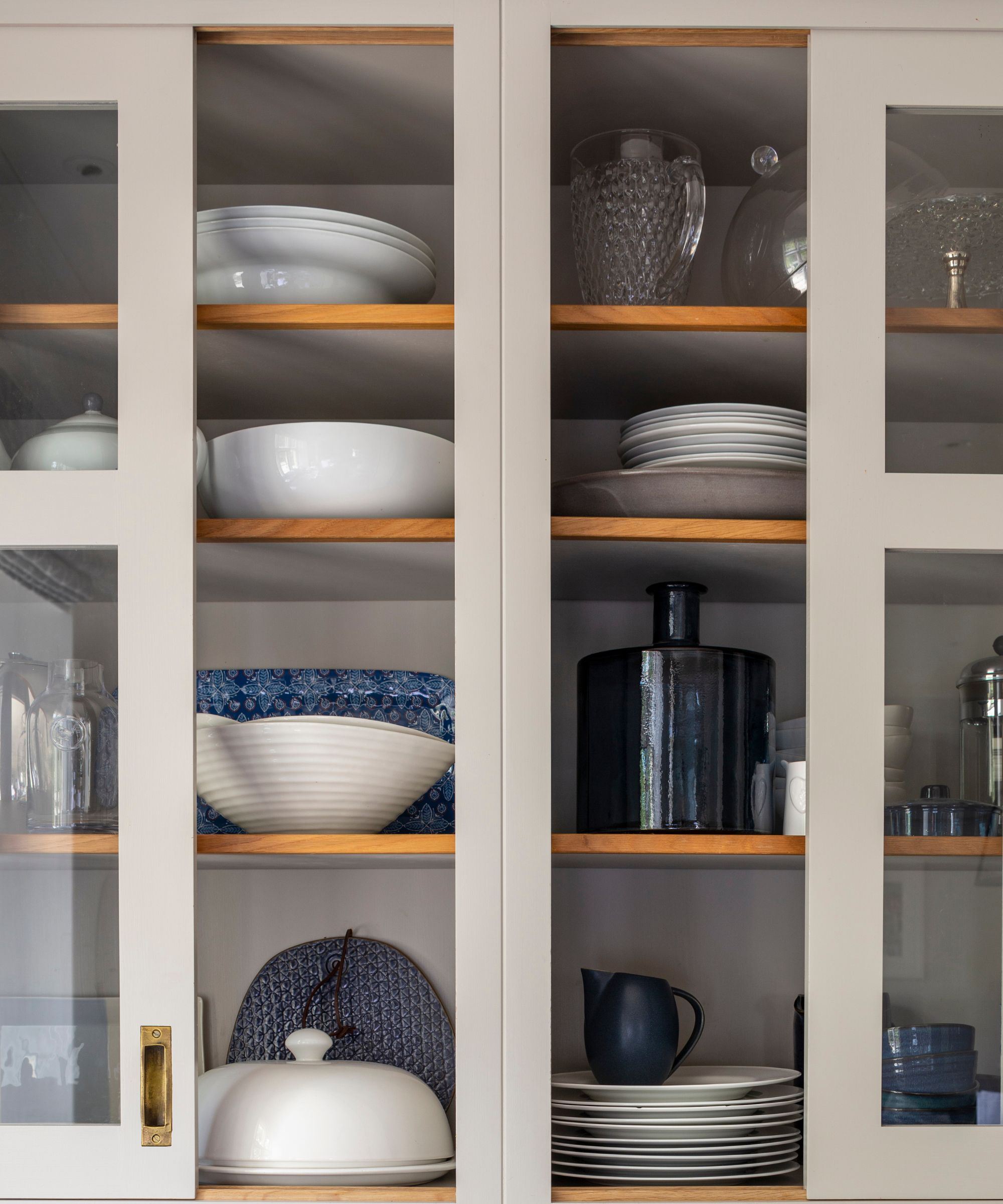
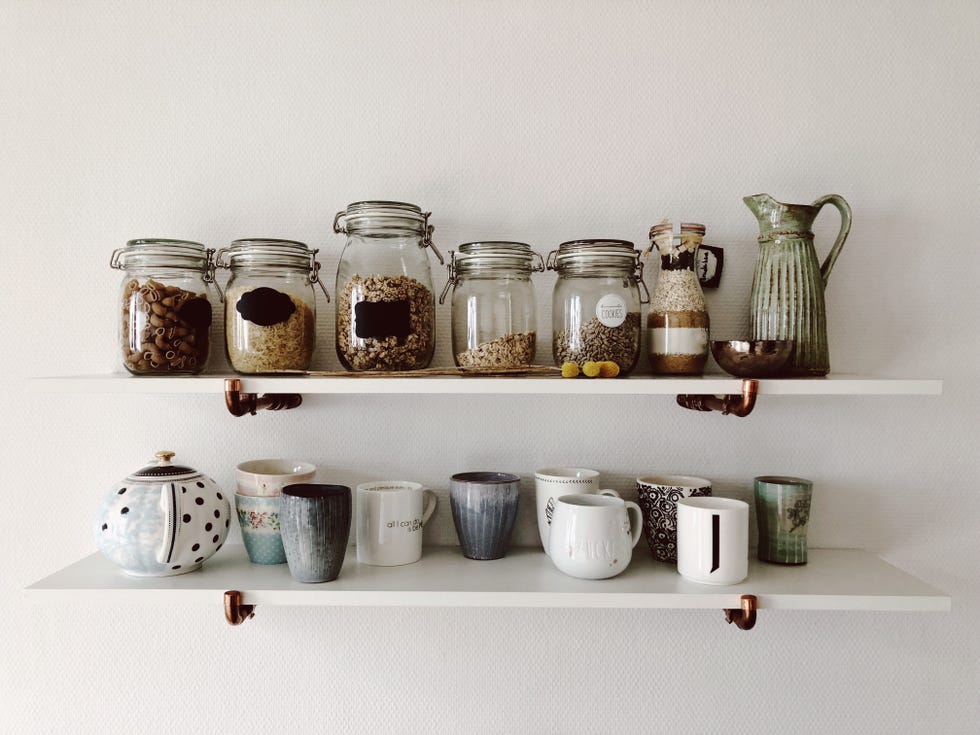
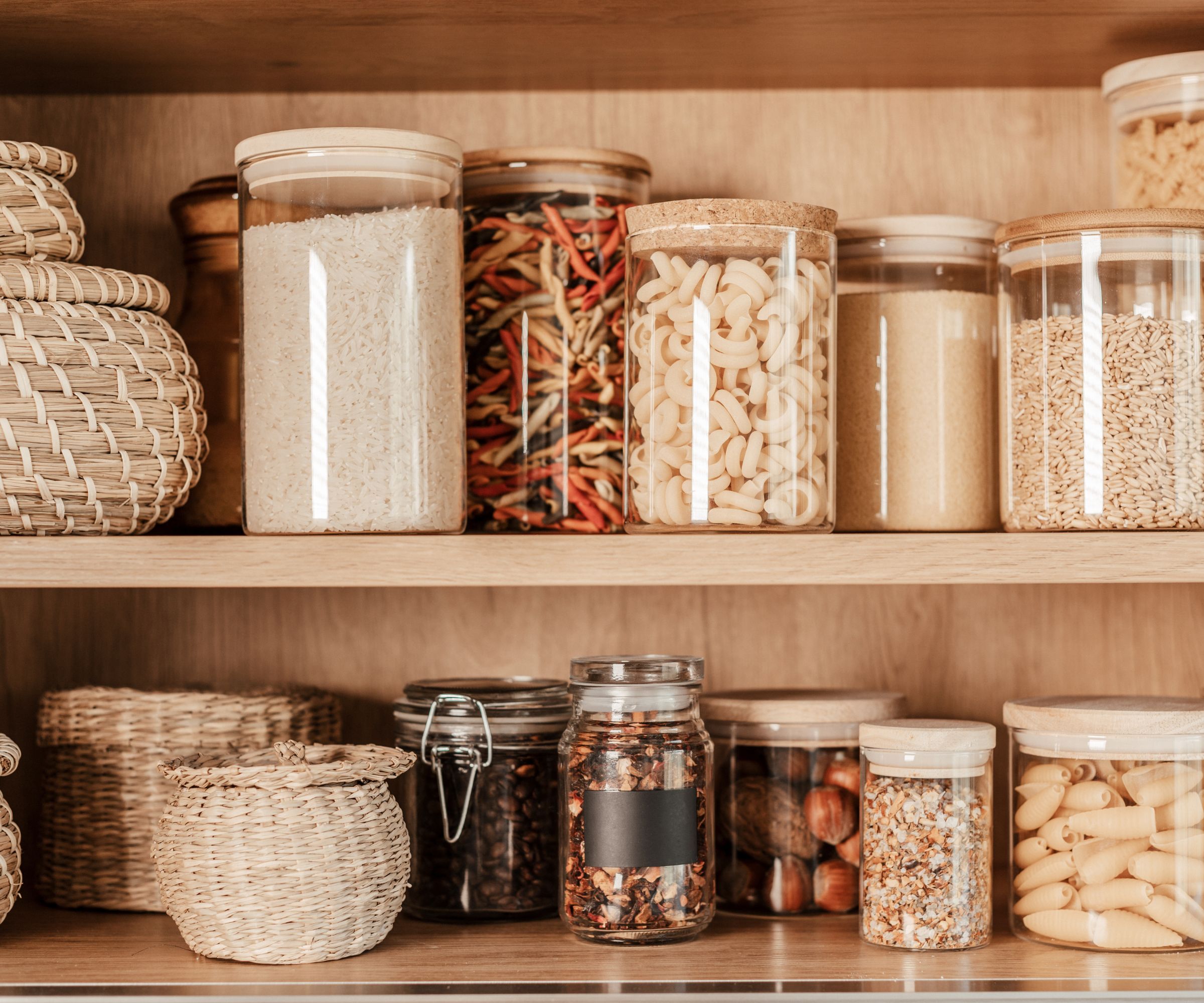
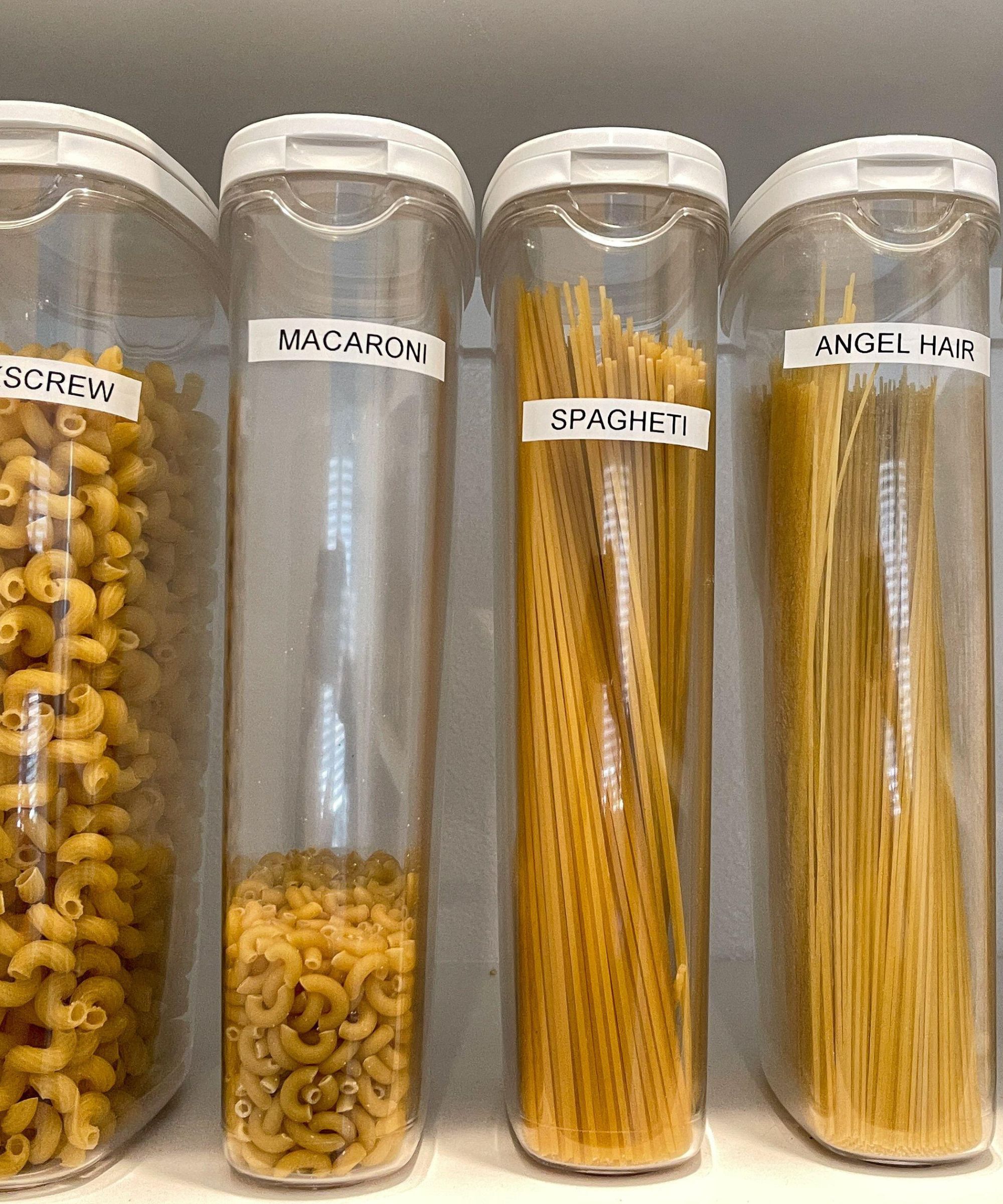
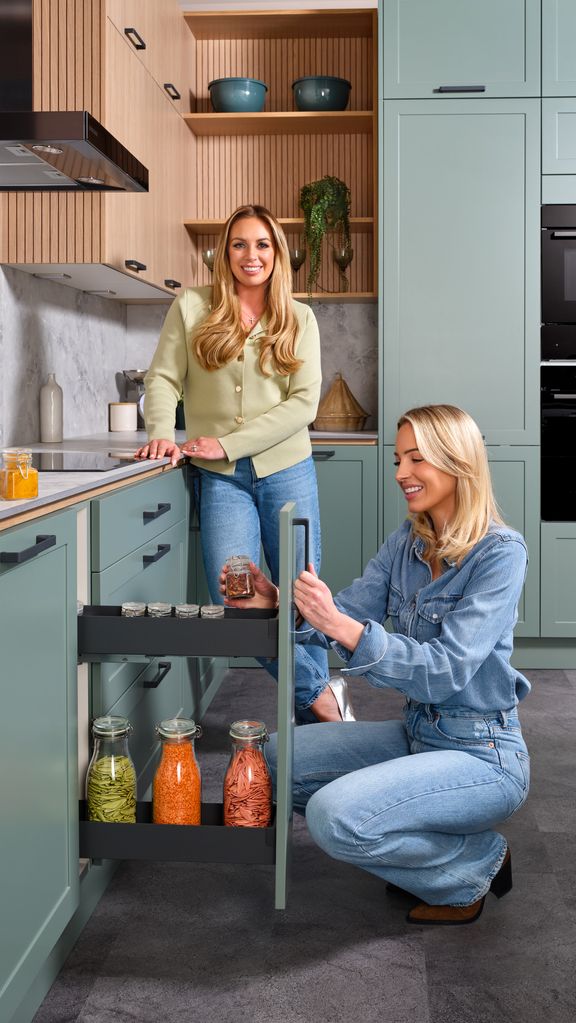
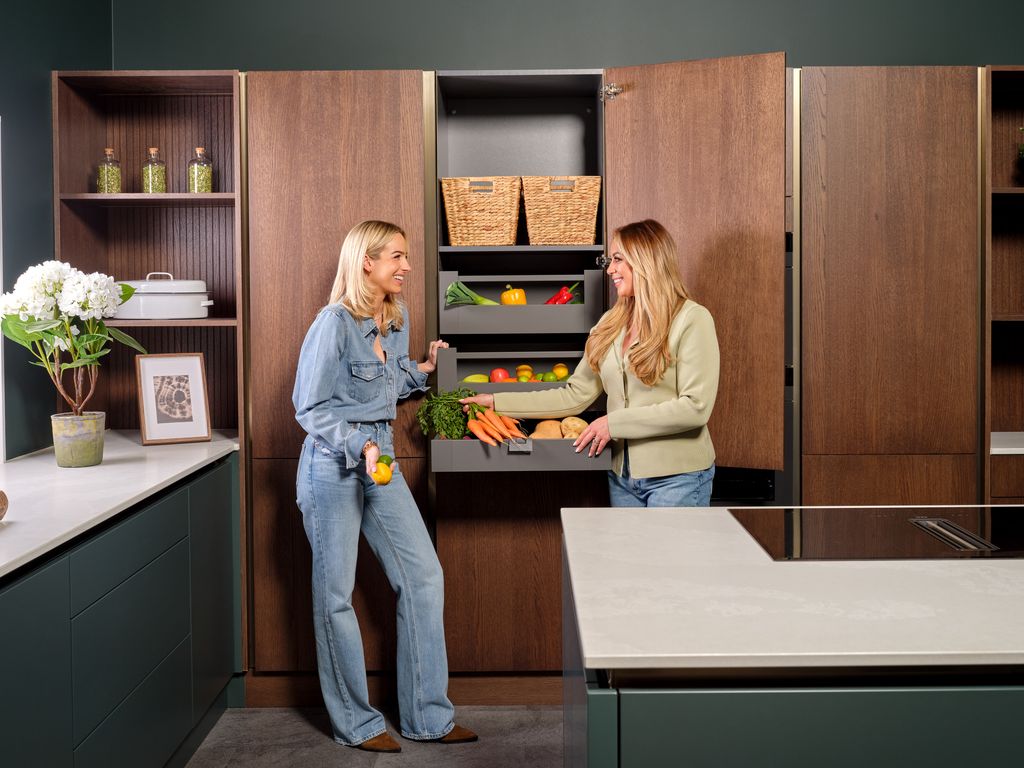
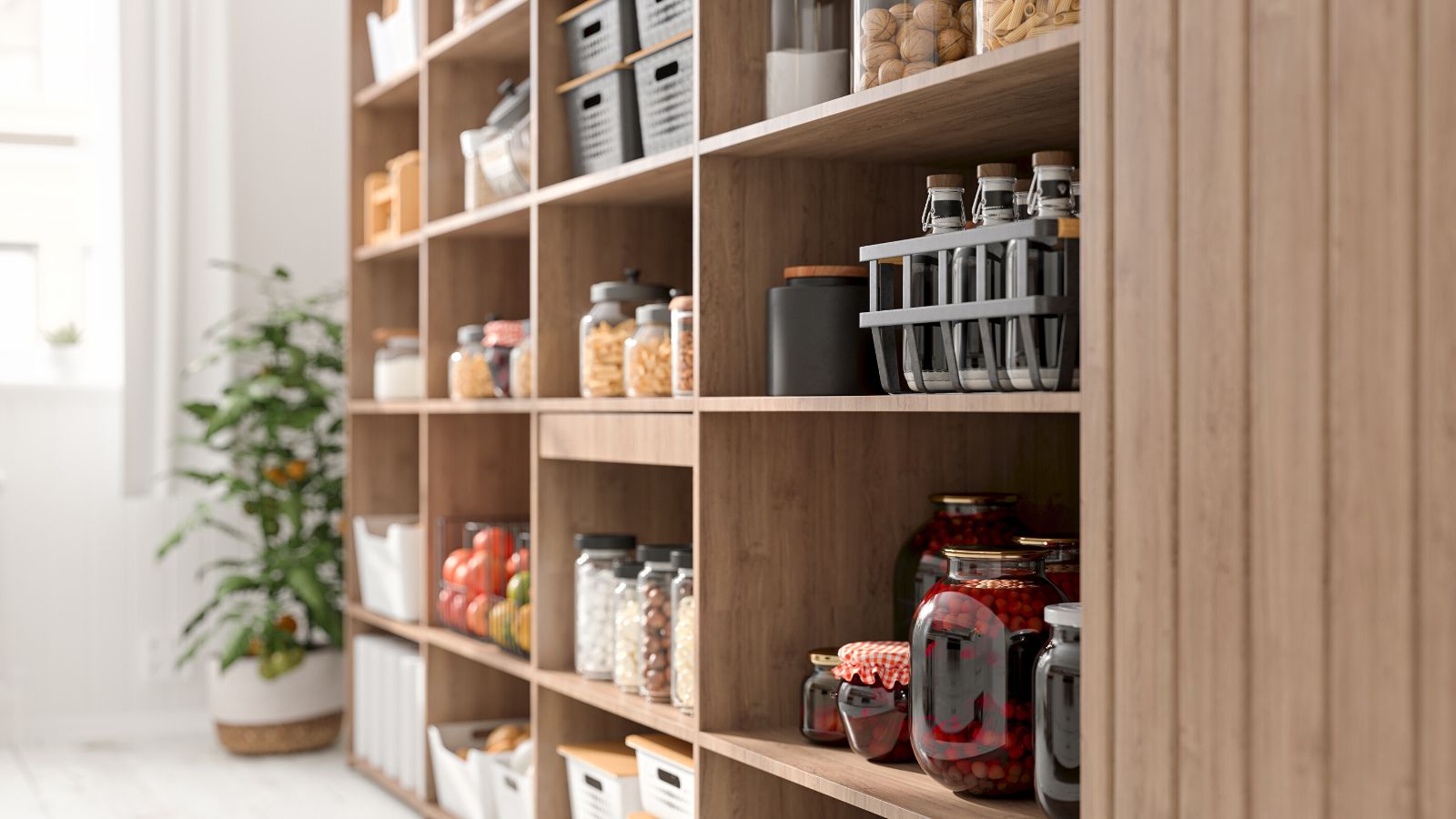
Improper food storage constitutes the third mistake, leading to wasted space and spoiled goods. Items are often haphazardly placed in pantries or larders, resulting in forgotten and expired ingredients. The suggested solution is to invest in clear plastic or glass containers for dry goods like cereals, pastas, and biscuits, allowing for visual inventory and space-saving. Adopting a first-in, first-out (FIFO) system helps ensure older items are used before new ones.
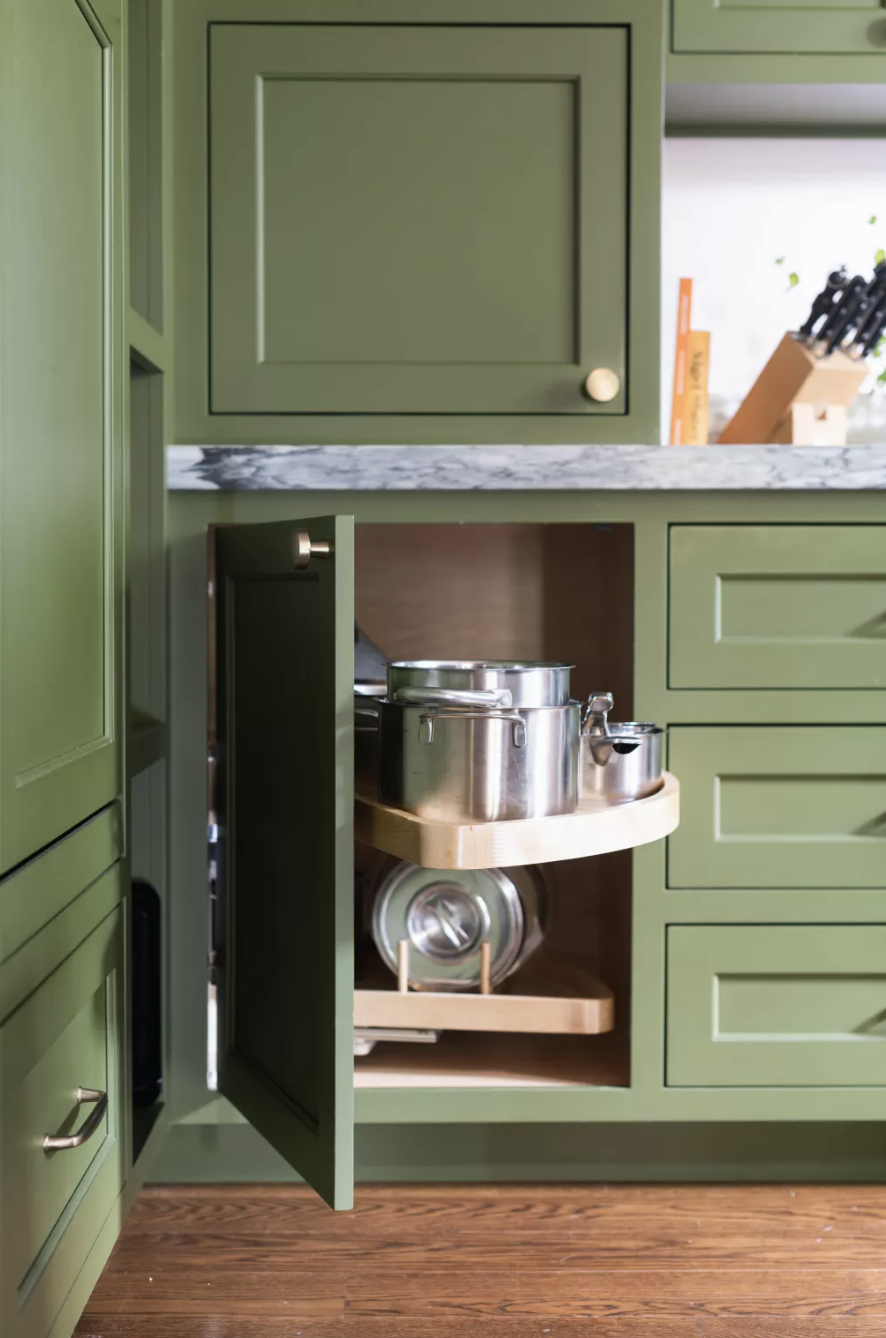
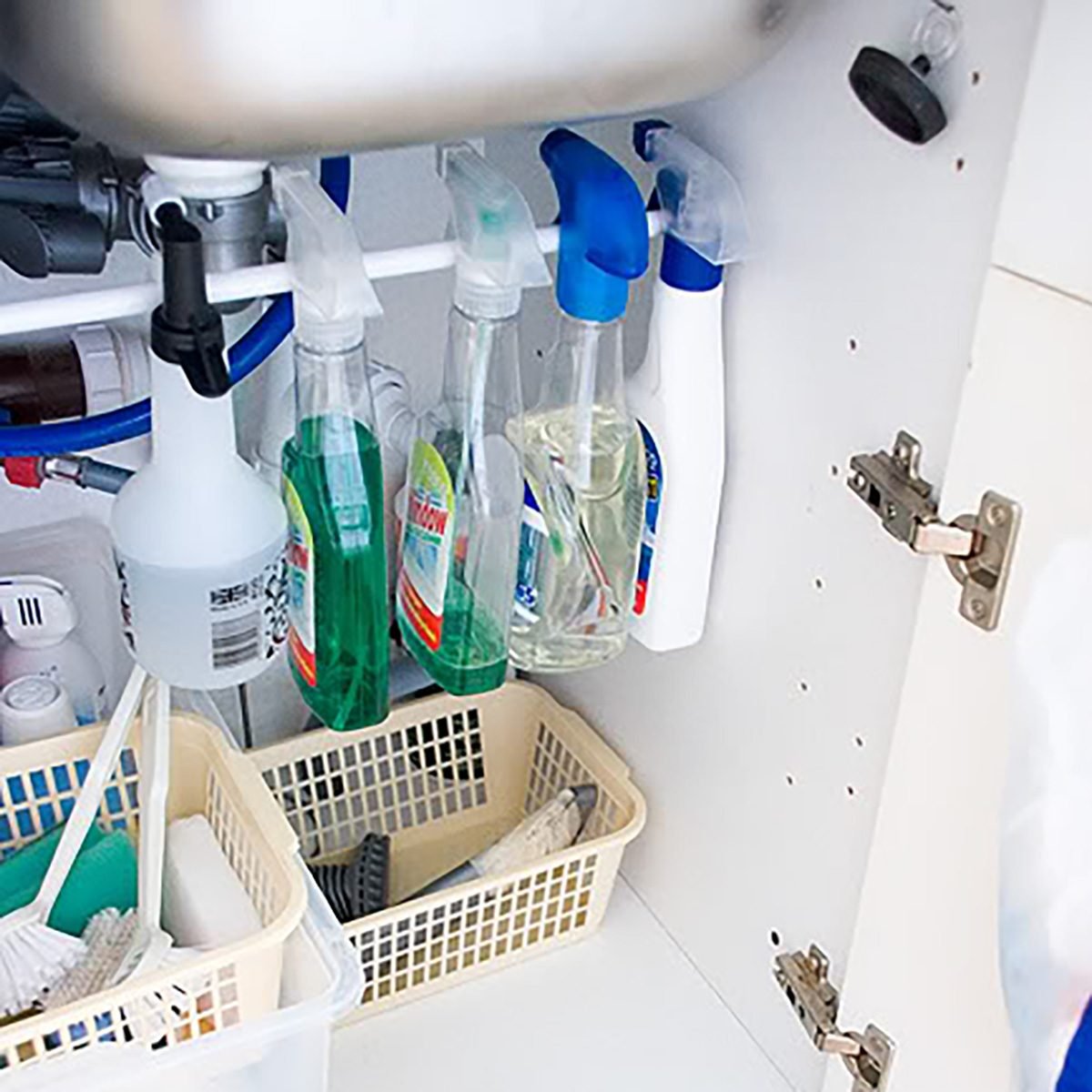
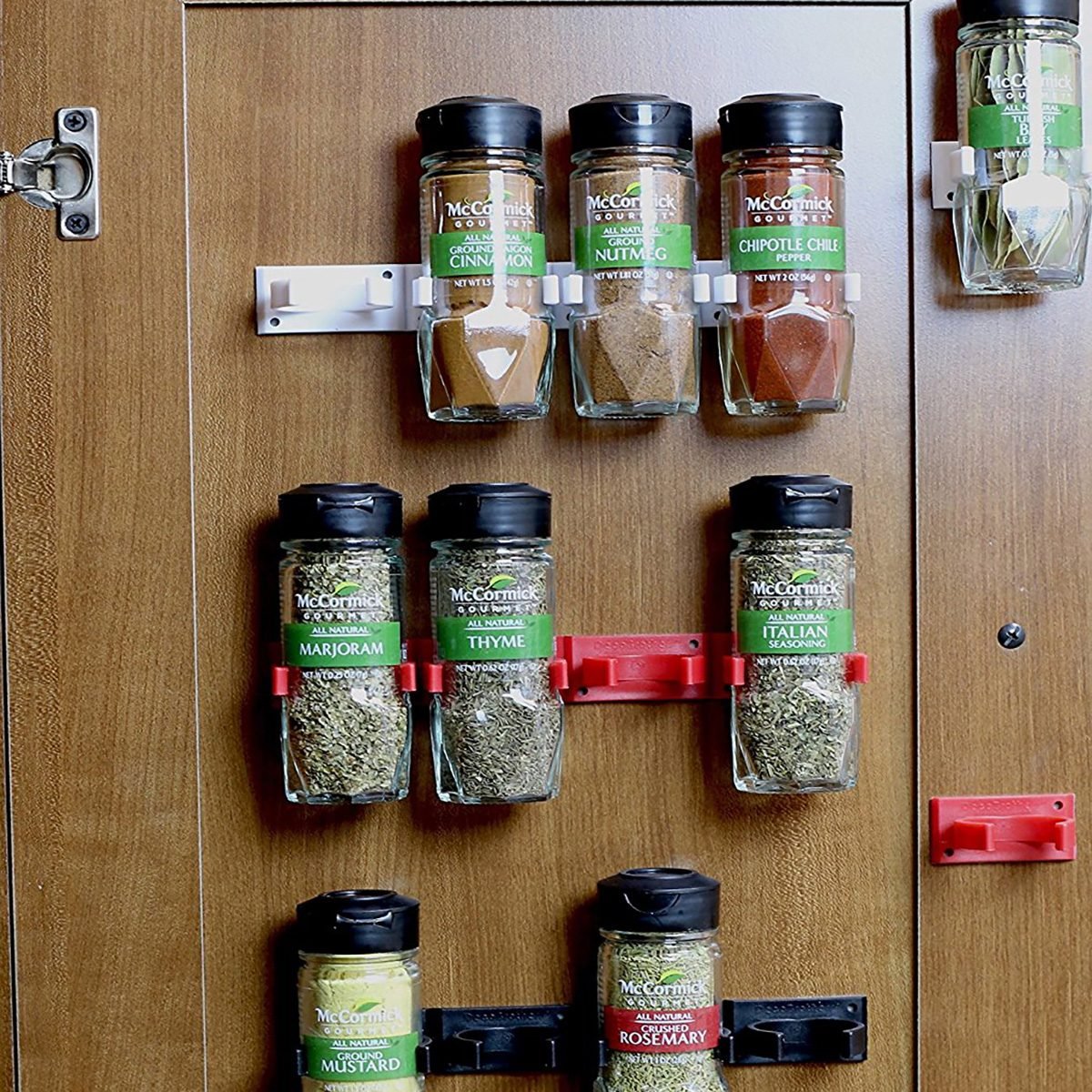
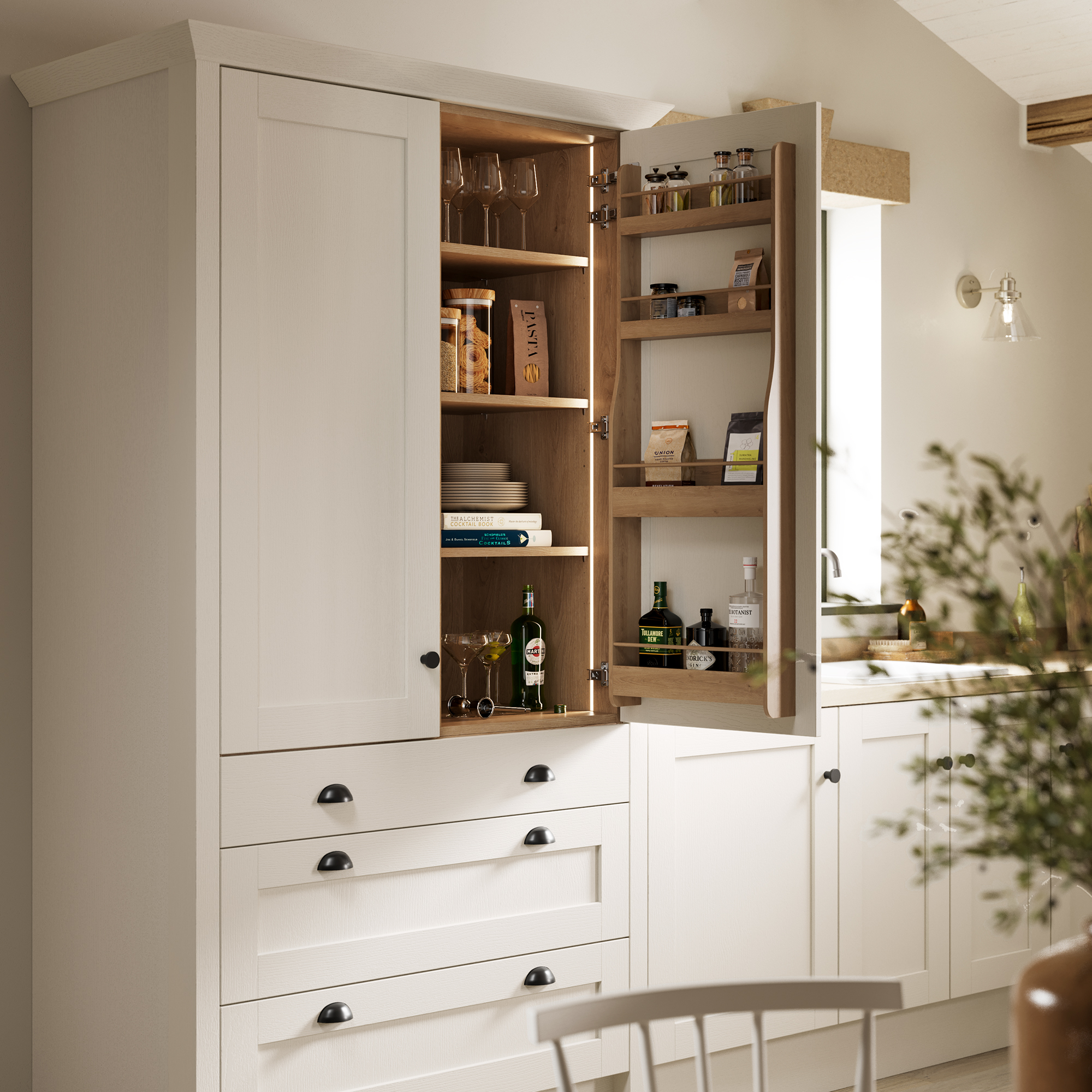
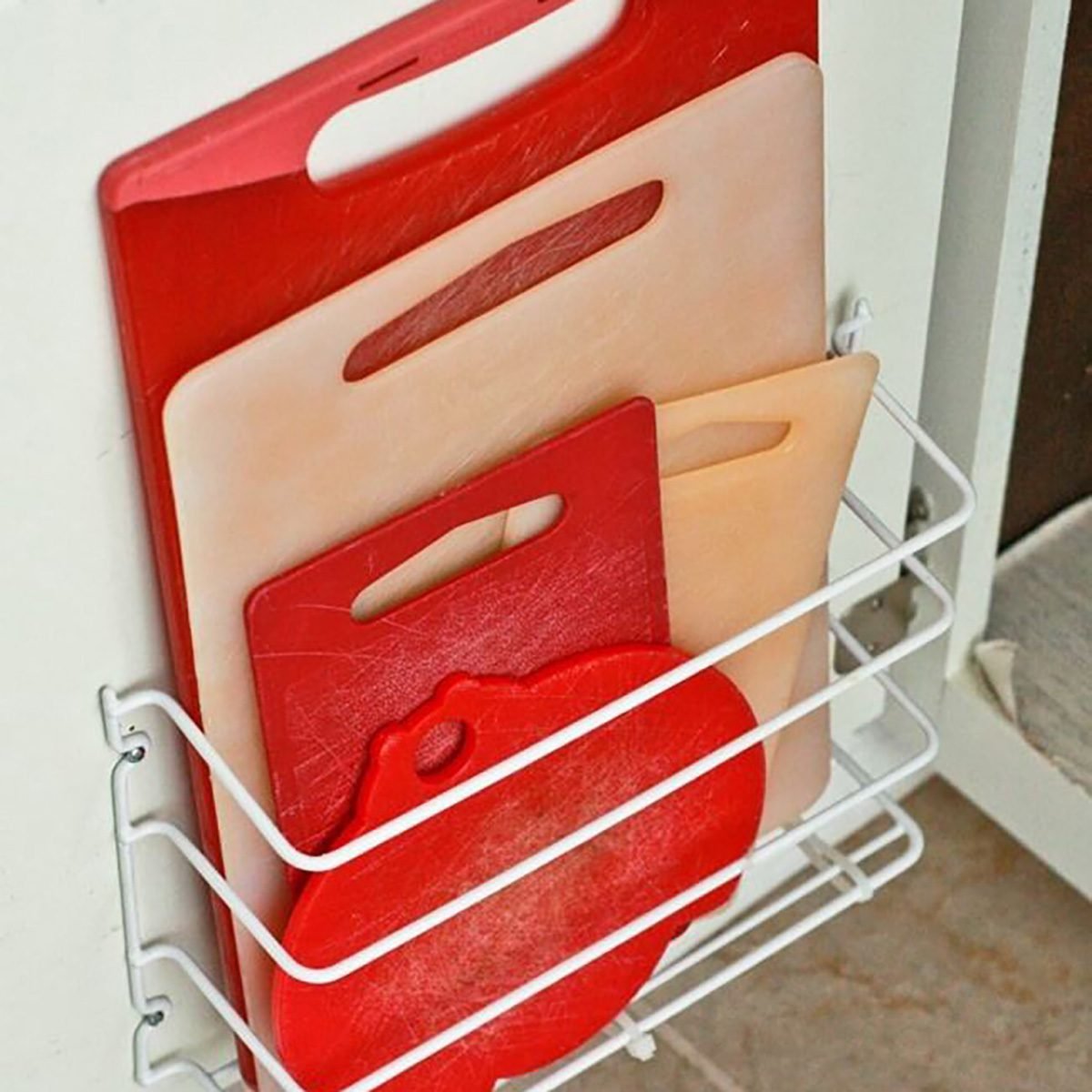
The fourth mistake is ignoring the storage potential of cabinet doors. The inside of these doors can be utilized for organizing small items such as measuring cups, pot lids, and cleaning supplies. Attaching hooks or small wire racks to the inside of cabinet doors keeps these items accessible and frees up interior cabinet space.
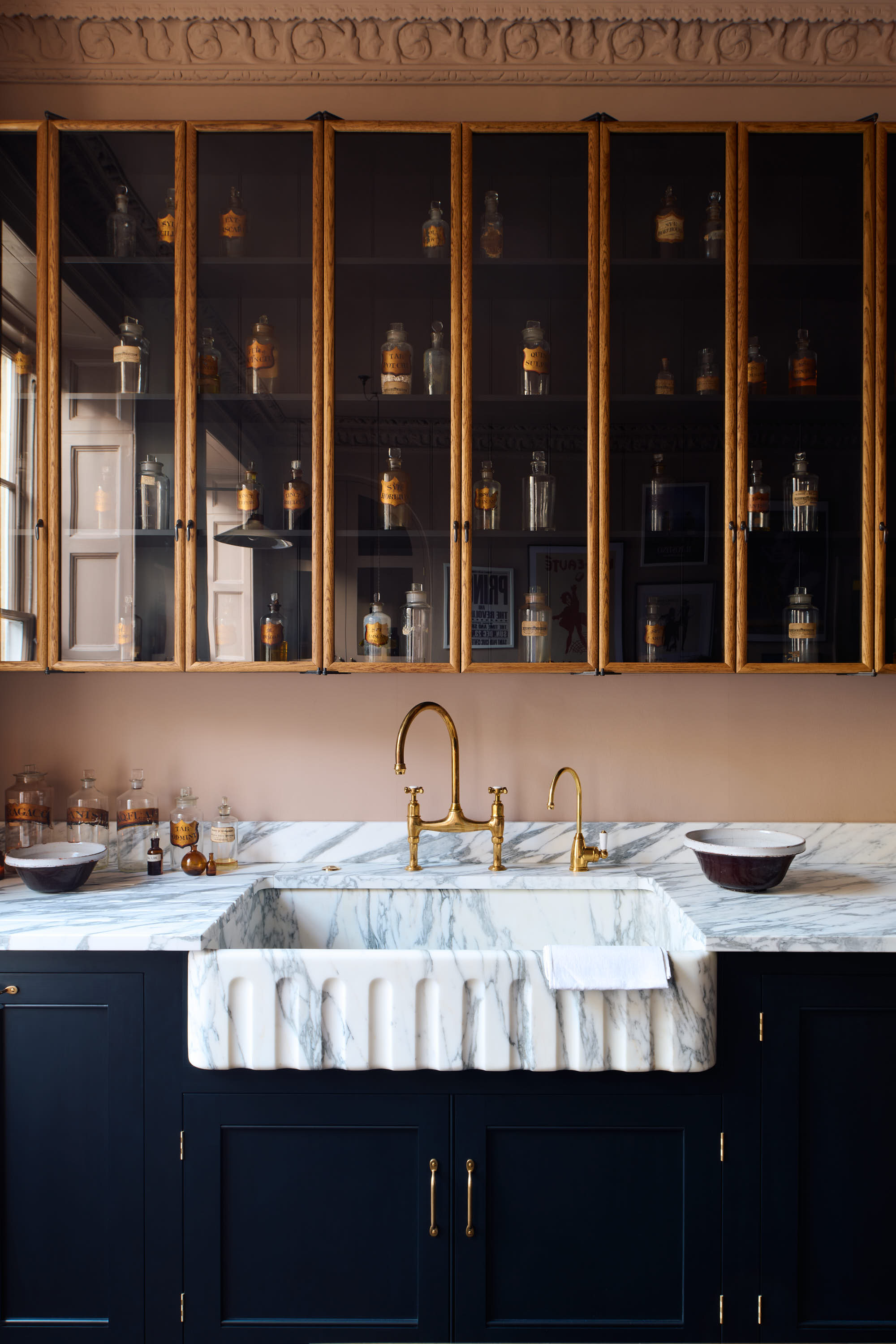
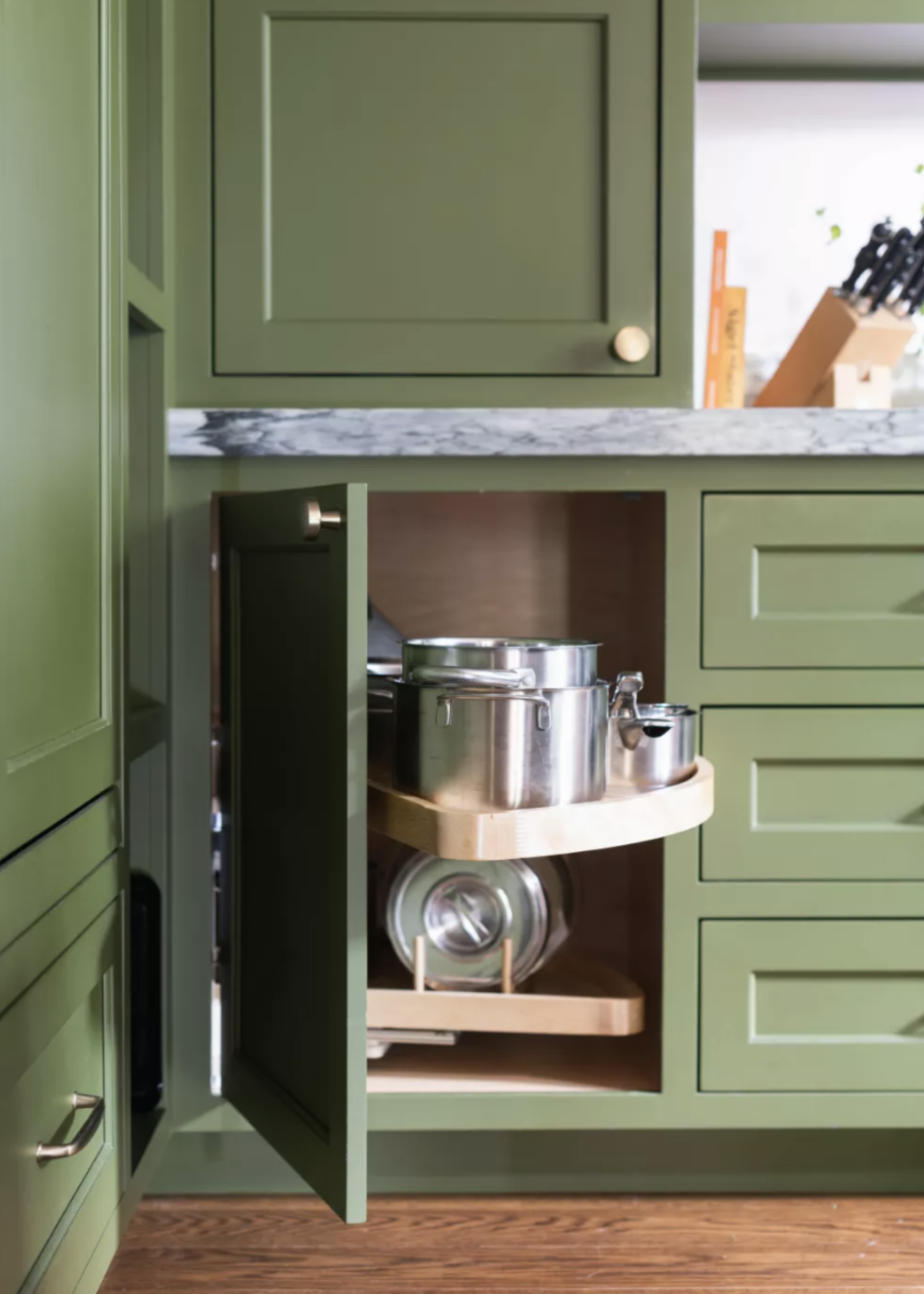
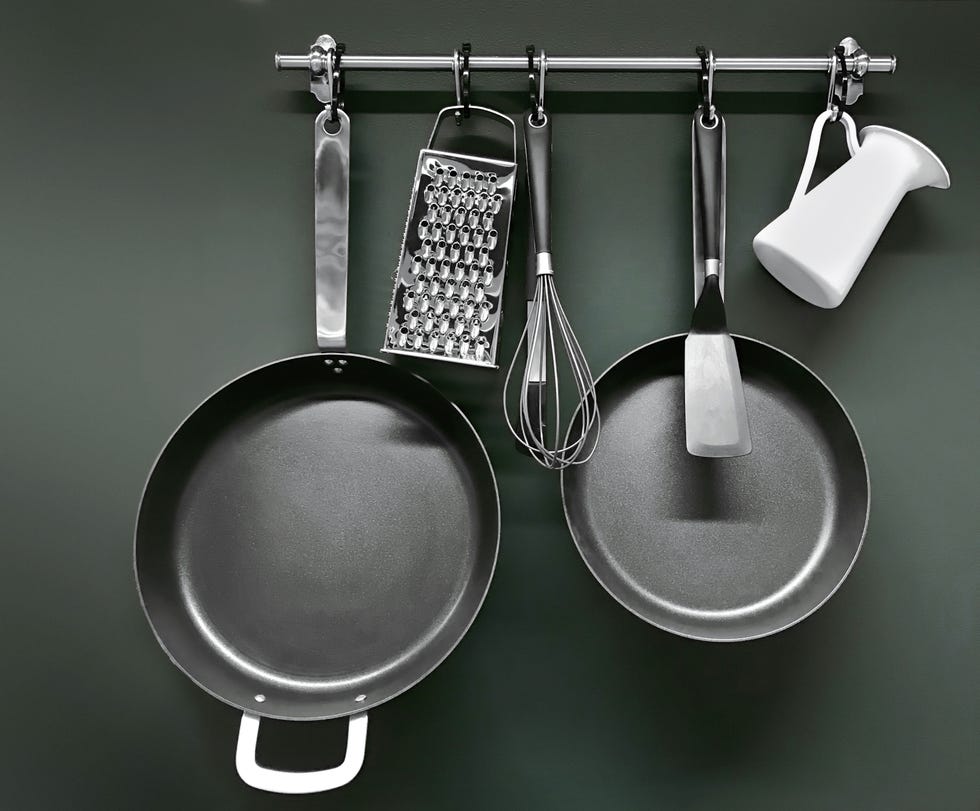
Storing items based on aesthetics rather than function is the fifth mistake, which can impede cooking efficiency. Kitchens are sometimes arranged to be visually appealing, but this can compromise practicality. The recommendation is to organize the kitchen based on its use: keeping pots and pans near the stove, baking supplies near the prep area, and everyday items within easy reach. Decorative elements should be confined to open shelving or display cabinets to avoid disrupting workflow.
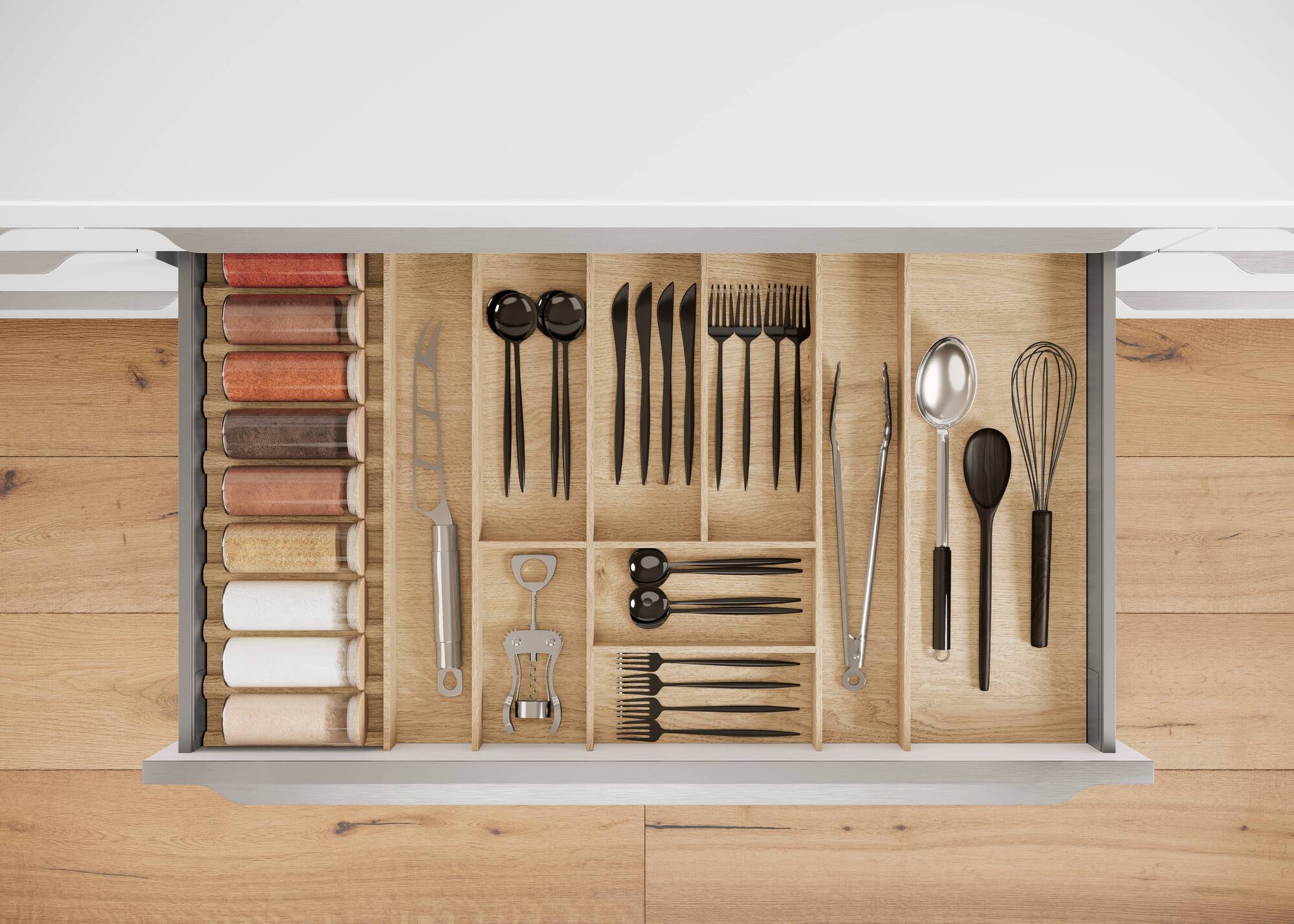
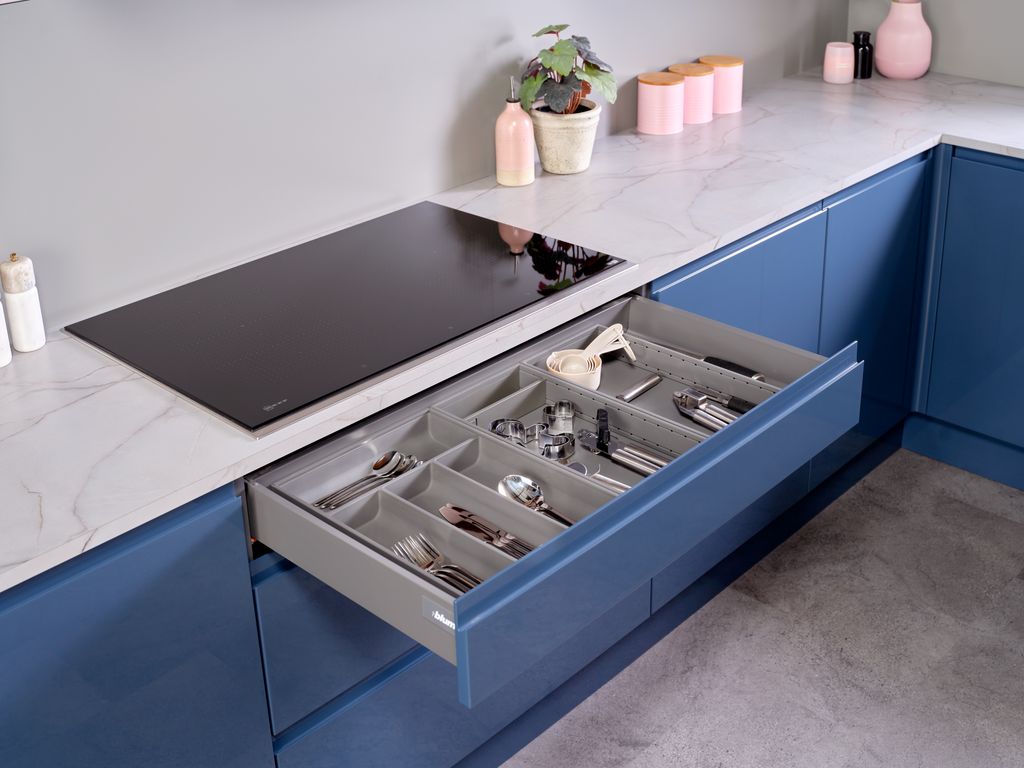
Overlooking the importance of regular decluttering is the sixth error. Many individuals retain too many kitchen gadgets and tools out of a “just in case” mentality, leading to crammed drawers and cabinets. The solution involves regularly evaluating kitchen tools and donating or recycling items unused in the past year. Focusing on multifunctional tools can also reduce the need for excessive items.
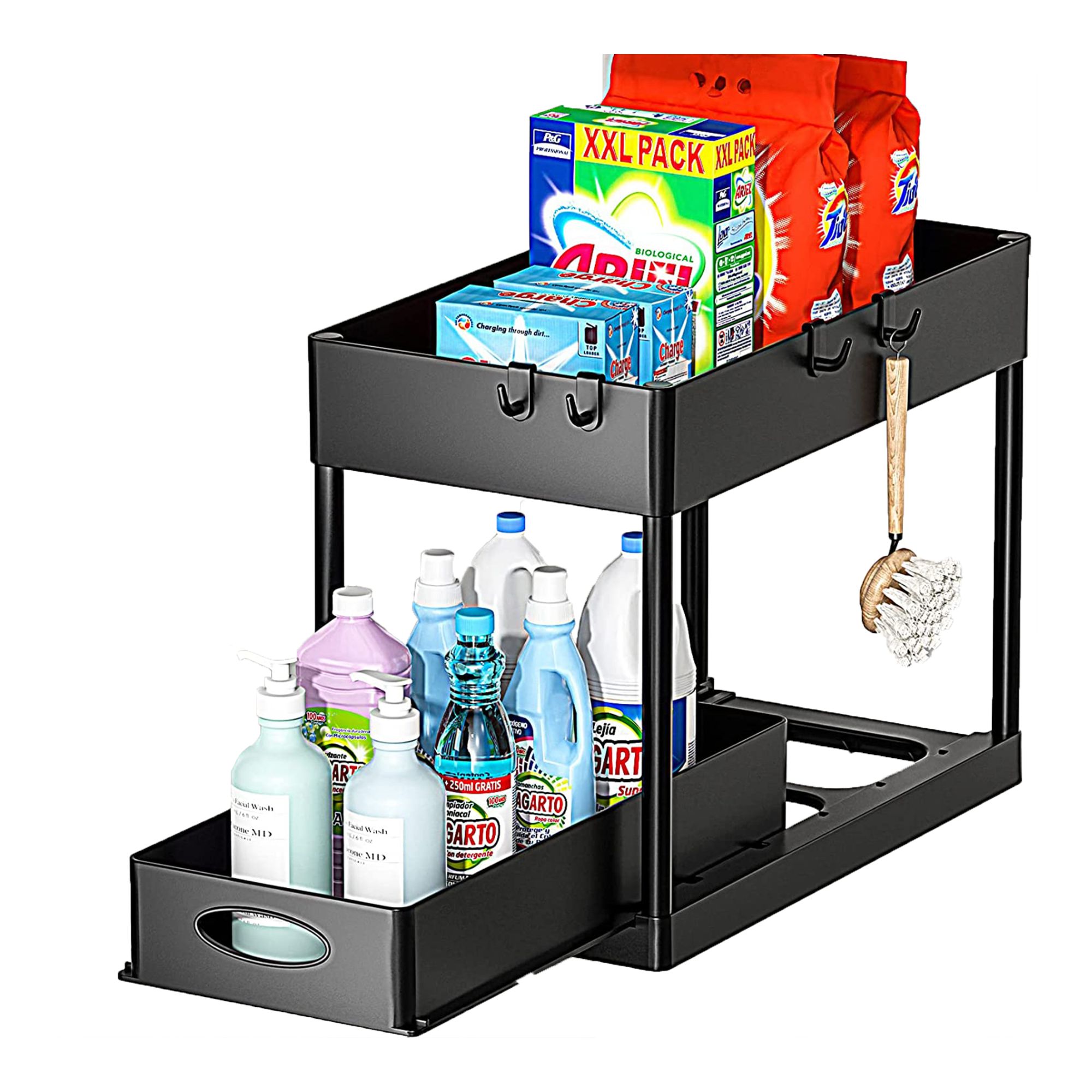
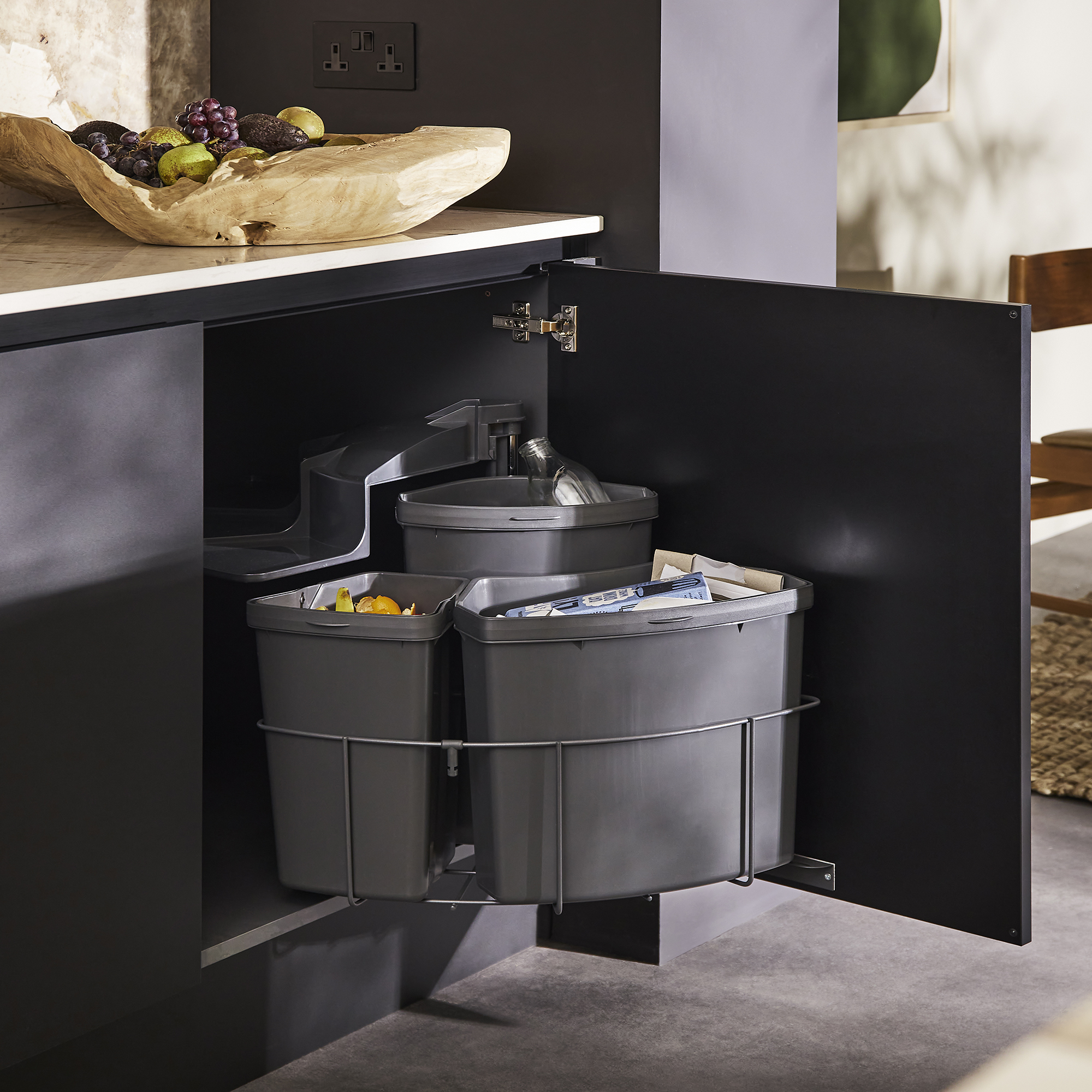
Finally, failing to create dedicated zones within the kitchen is a significant mistake. Without specific areas for tasks such as food preparation, cooking, baking, and cleaning, items can become misplaced, resulting in disorganization and inefficiency. The advice is to establish distinct zones, such as storing all baking supplies together, keeping cooking utensils near the stove, and organizing cleaning supplies under the sink. This systematic approach streamlines kitchen activities and improves overall organization.
#KitchenStorage #HomeOrganization #DeclutteringTips #KitchenDesign #VerticalStorage #FoodStorage #CabinetOrganization #KitchenEfficiency #KitchenStorage #HomeOrganization #DeclutteringTips #KitchenDesign #VerticalStorage #FoodStorage #CabinetOrganization #KitchenEfficiency
0 comment in total
 No comments yet
You may also like
The 5 kitchen storage mistakes interior designers always avoid

8 Outdated Kitchen Storage Choices to Avoid — And What Experts Say You Should Use Instead

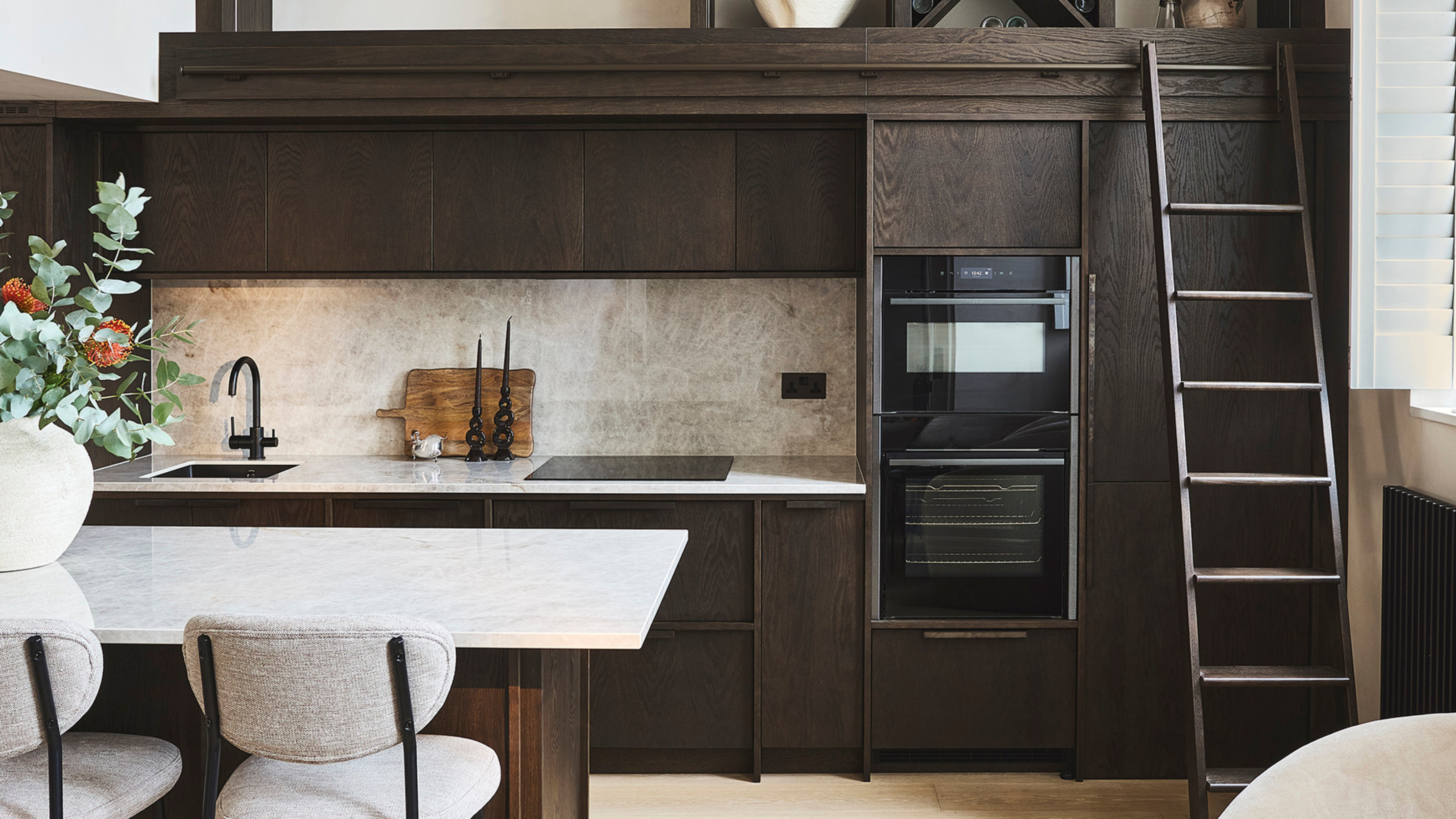
5 Outdated Types of Kitchen Storage Experts Are Urging You to Avoid
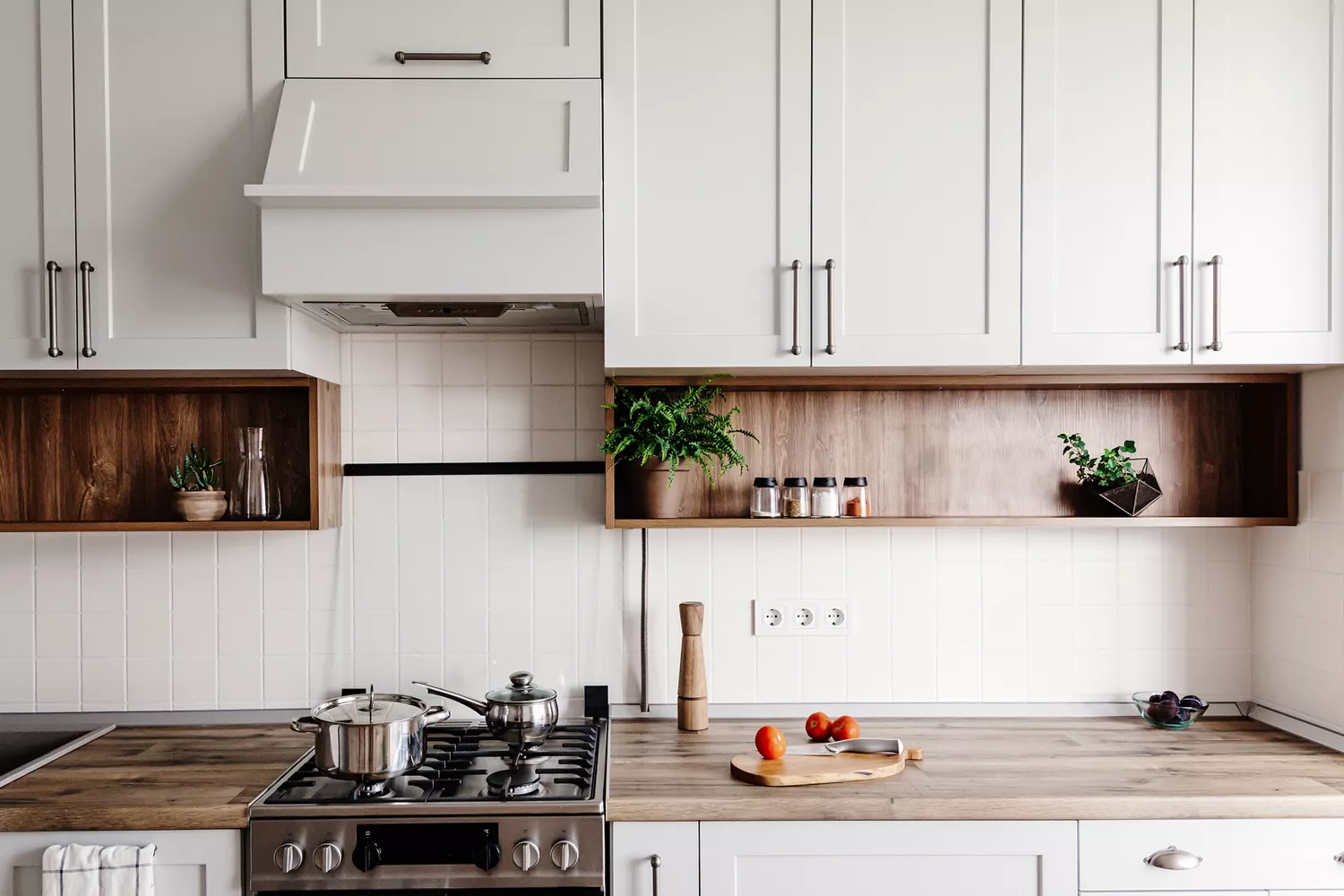
6 Things You Should Never Store in Your Kitchen Cabinets—and Where to Keep Them Instead

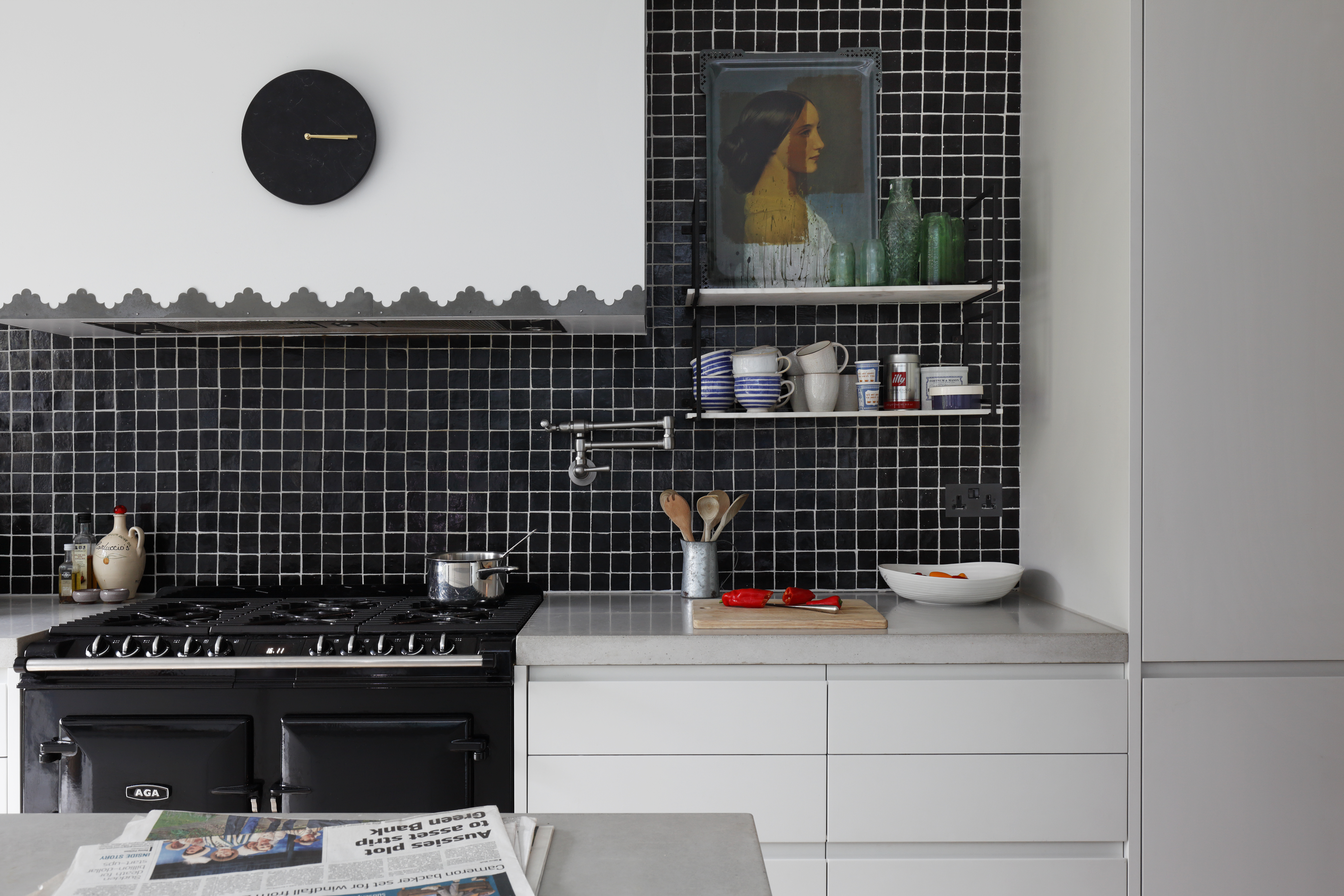
5 storage mistakes people with clutter-free kitchens never make - they'll make you re-think your remodel plans

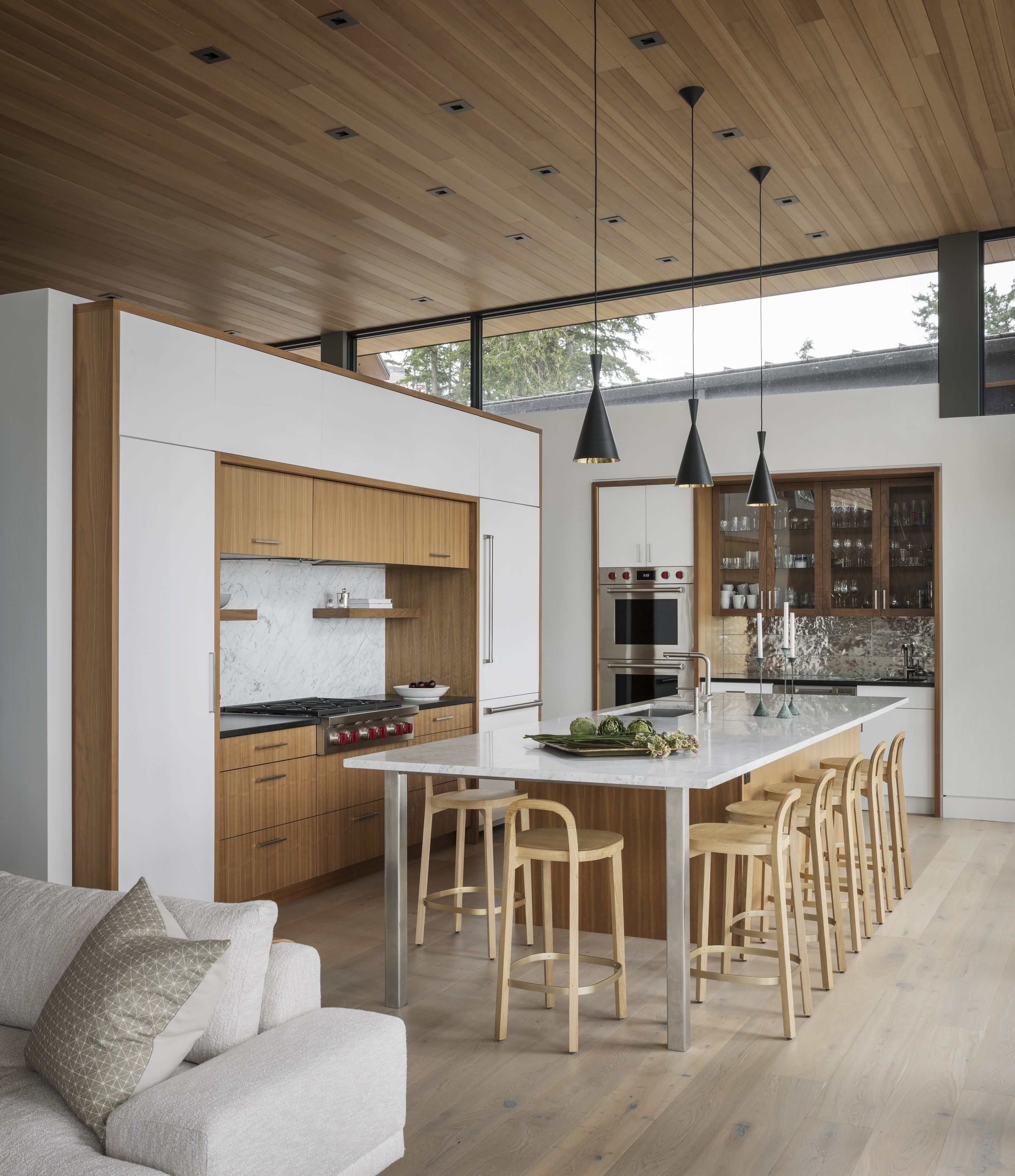
7 Kitchen Storage Trends That Designers say are Best Avoided
3 Common Storage Mistakes That Are Ruining Your Pots And Pans
Exclusive: Style Sisters reveal the biggest kitchen organisation mistakes you're making

5 Storage Mistakes You're Making With Your Kitchen Drawers That Are Sabotaging Your Space's Potential
7 Items You Should Never Store In Kitchen Cabinets
10 Clever Kitchen Storage Hacks You’ve Never Thought Of Before

Kitchen storage trends to avoid for a more functional cooking space, according to design experts
6 Pantry Mistakes You Didn't Know You Were Making—and How to Fix Them

6 powder room storage mistakes to avoid – and what you should be doing instead
6 cooking experts on how to organise your kitchen

5 small entryway storage mistakes designers want you to stop making
'Most kitchens don't suffer from a lack of storage, just inefficient use of it' – 7 things people with tidy kitchen cabinets never do
9 Bathroom Storage Mistakes You're Probably Making
7 types of storage you should never use in a pantry – they'll make utilizing this space well 10 times harder, pros say

Keep Your Kitchen Cabinets Organized With These 21 Tips From Experts