1/8
7 Kitchen Storage Trends That Designers say are Best Avoided
The article discusses kitchen storage trends that designers advise against to ensure a functional and aesthetically pleasing kitchen space. It emphasizes that kitchens are significant investments, requiring a timeless design rather than succumbing to fleeting trends. The goal is to create a fully functional kitchen that meets all spatial needs, with any extra features serving as a bonus.
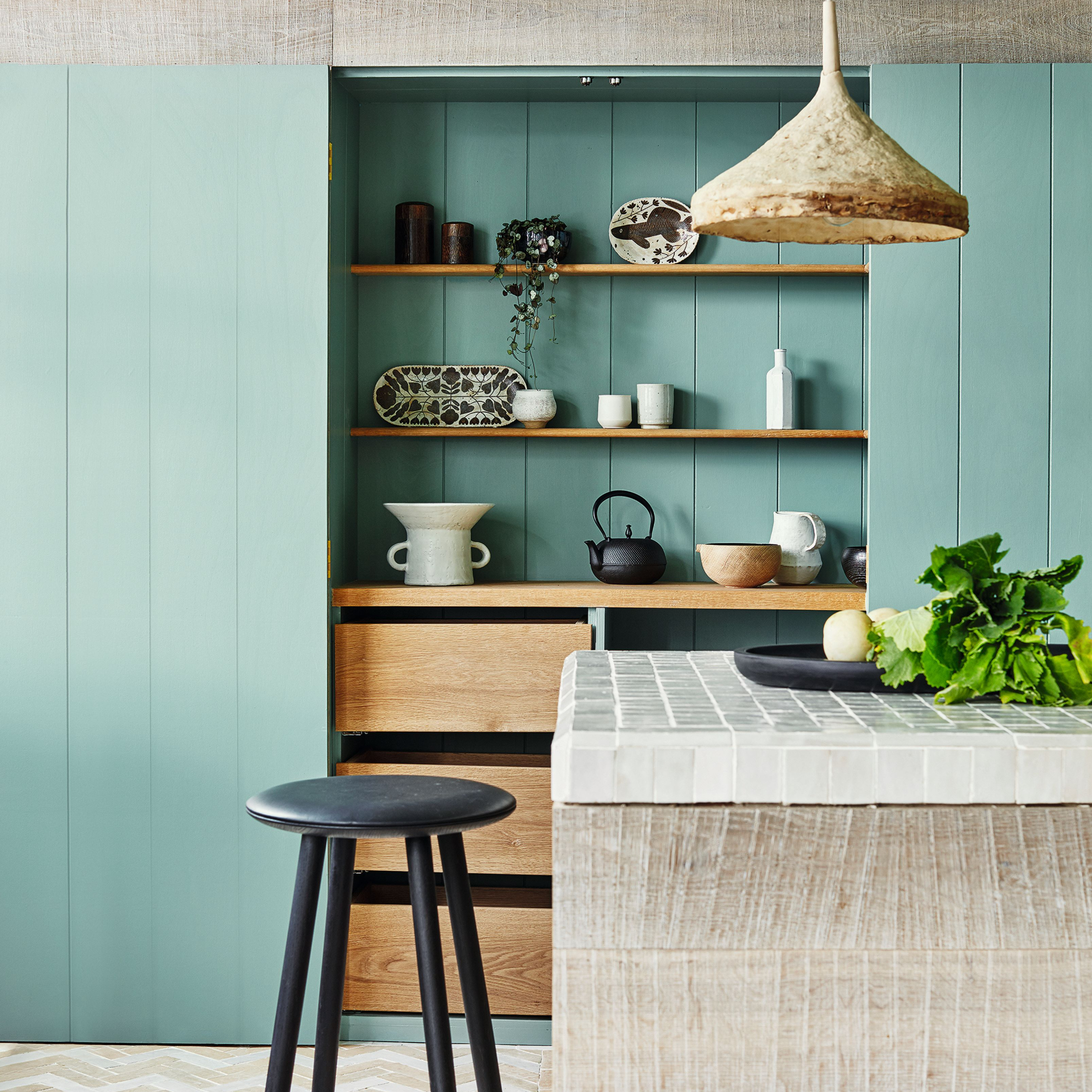
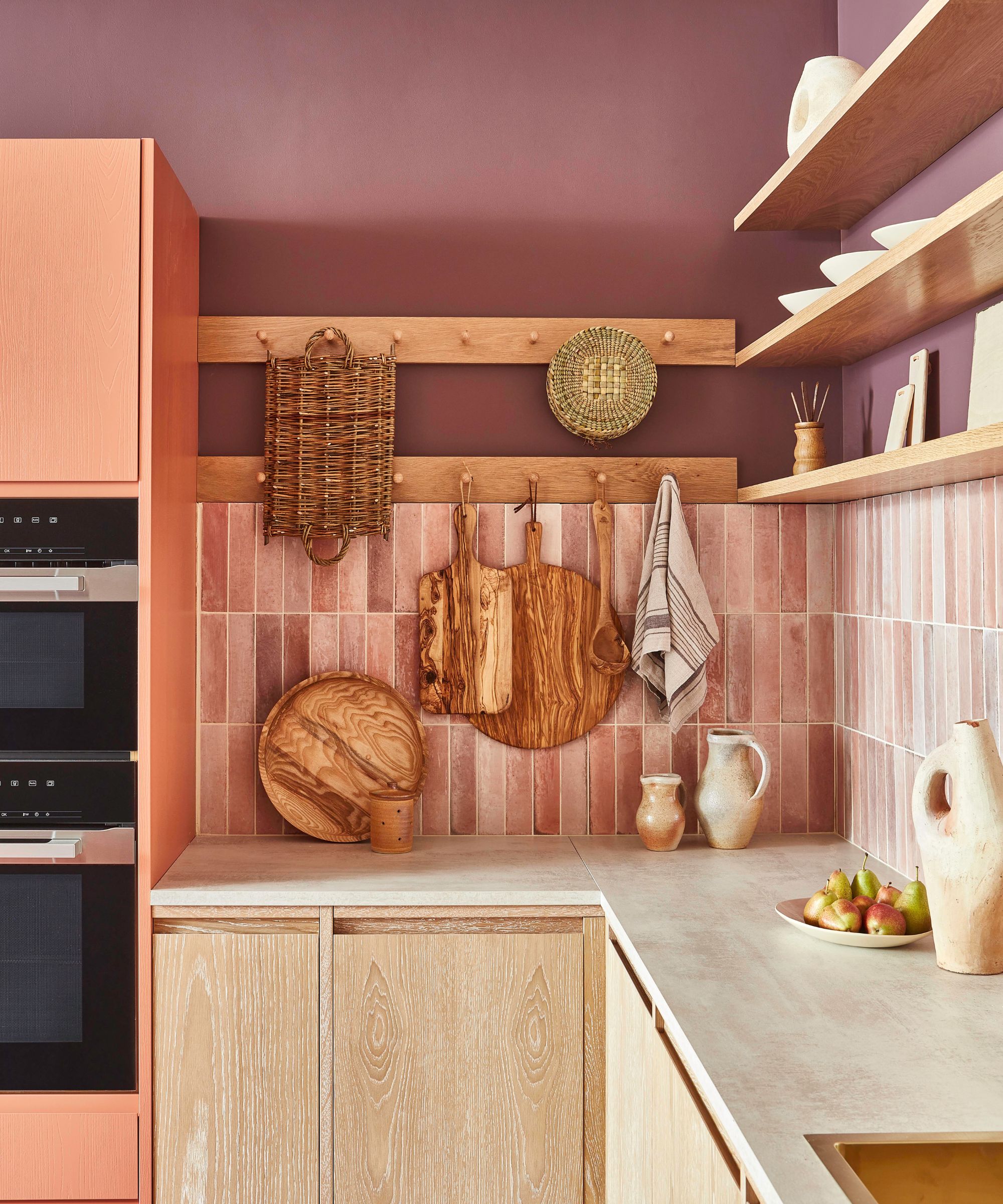
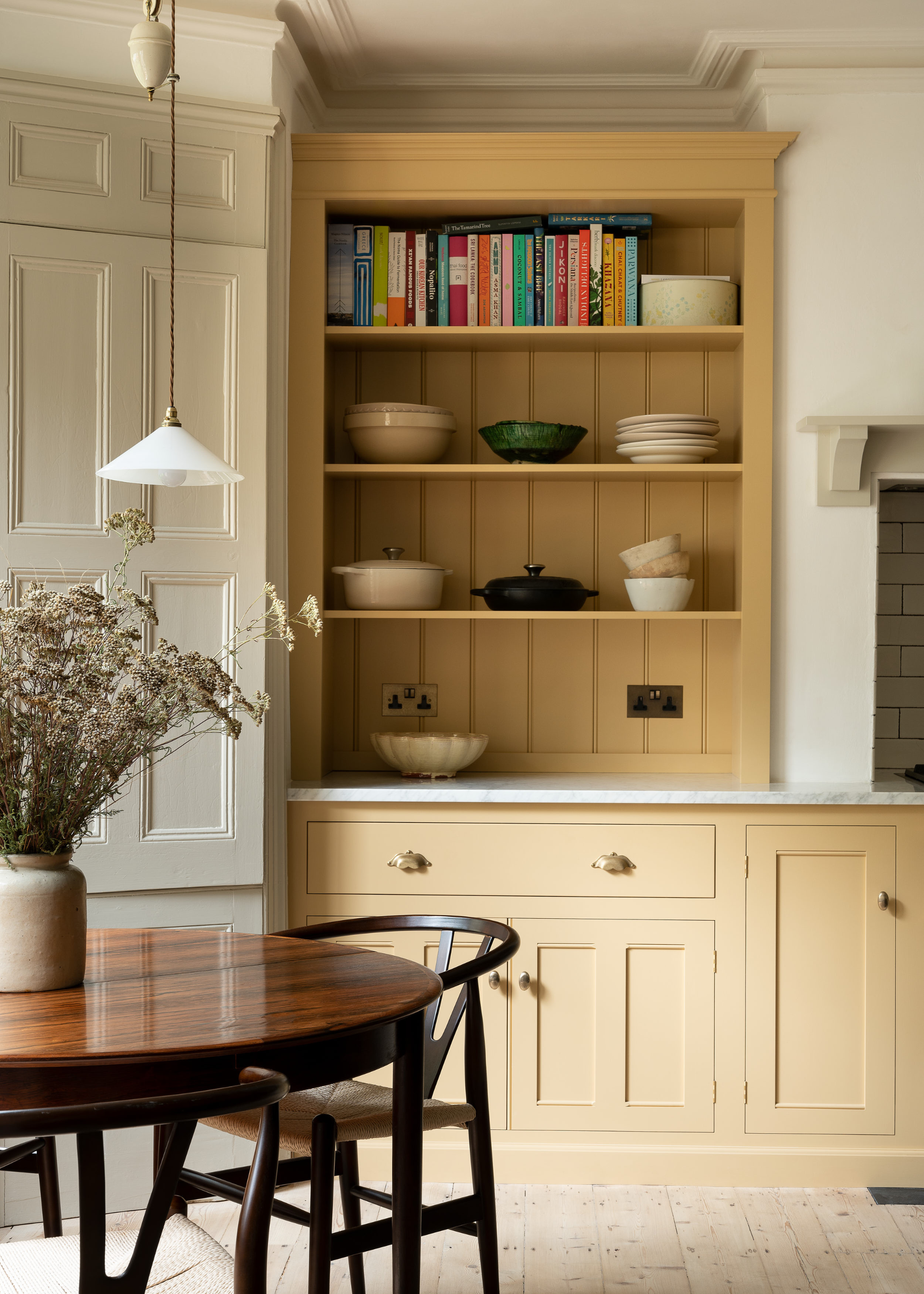
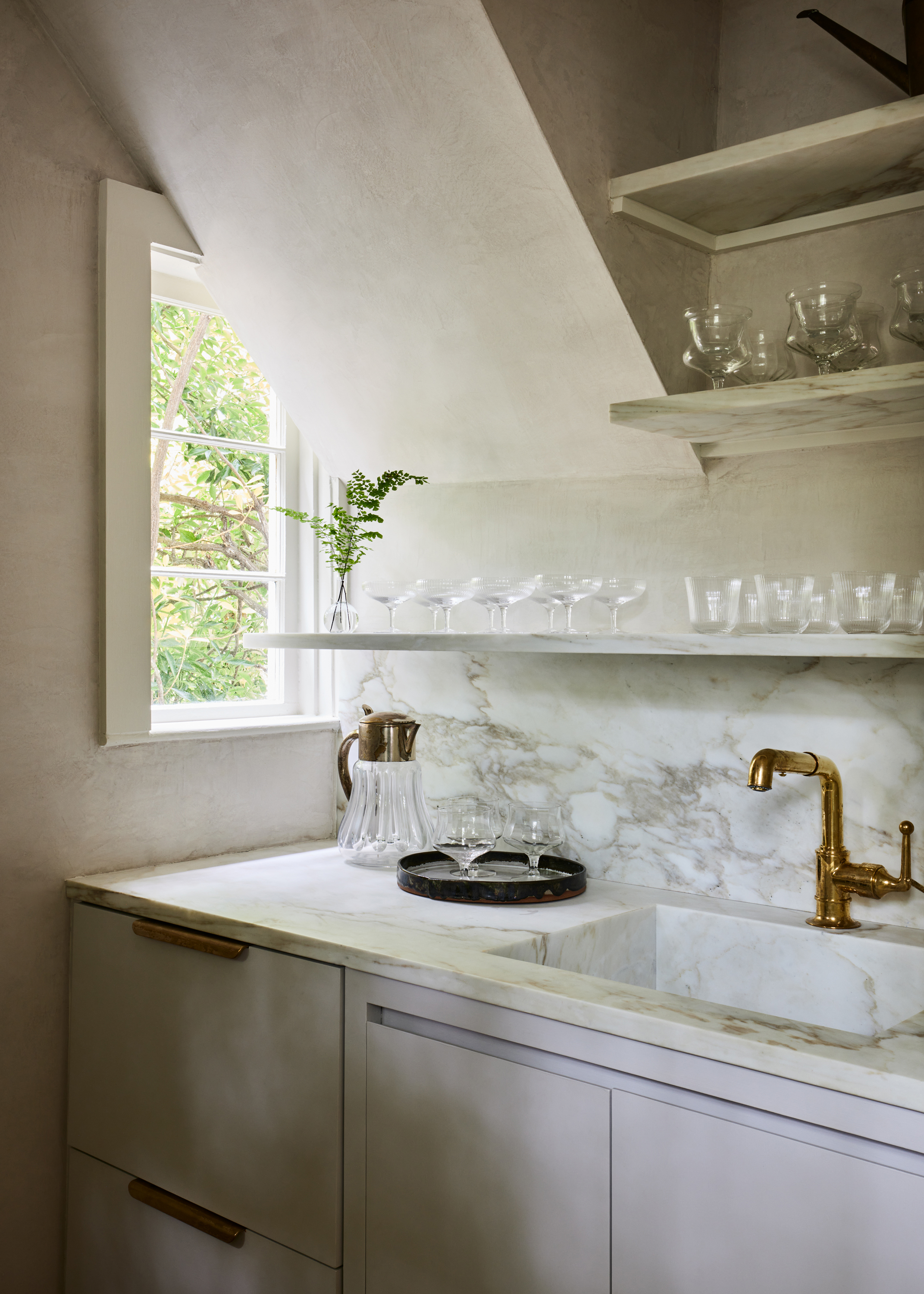
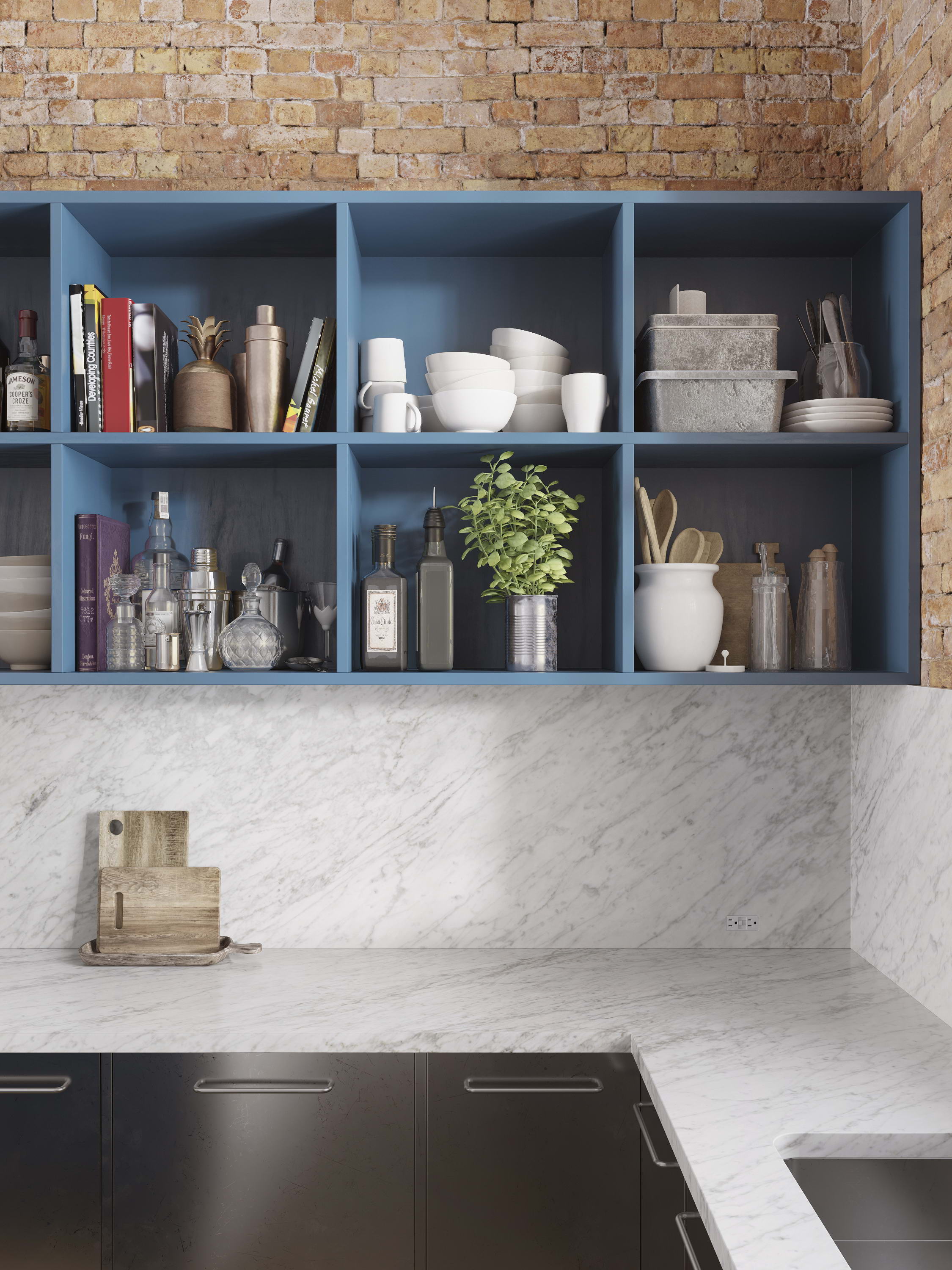
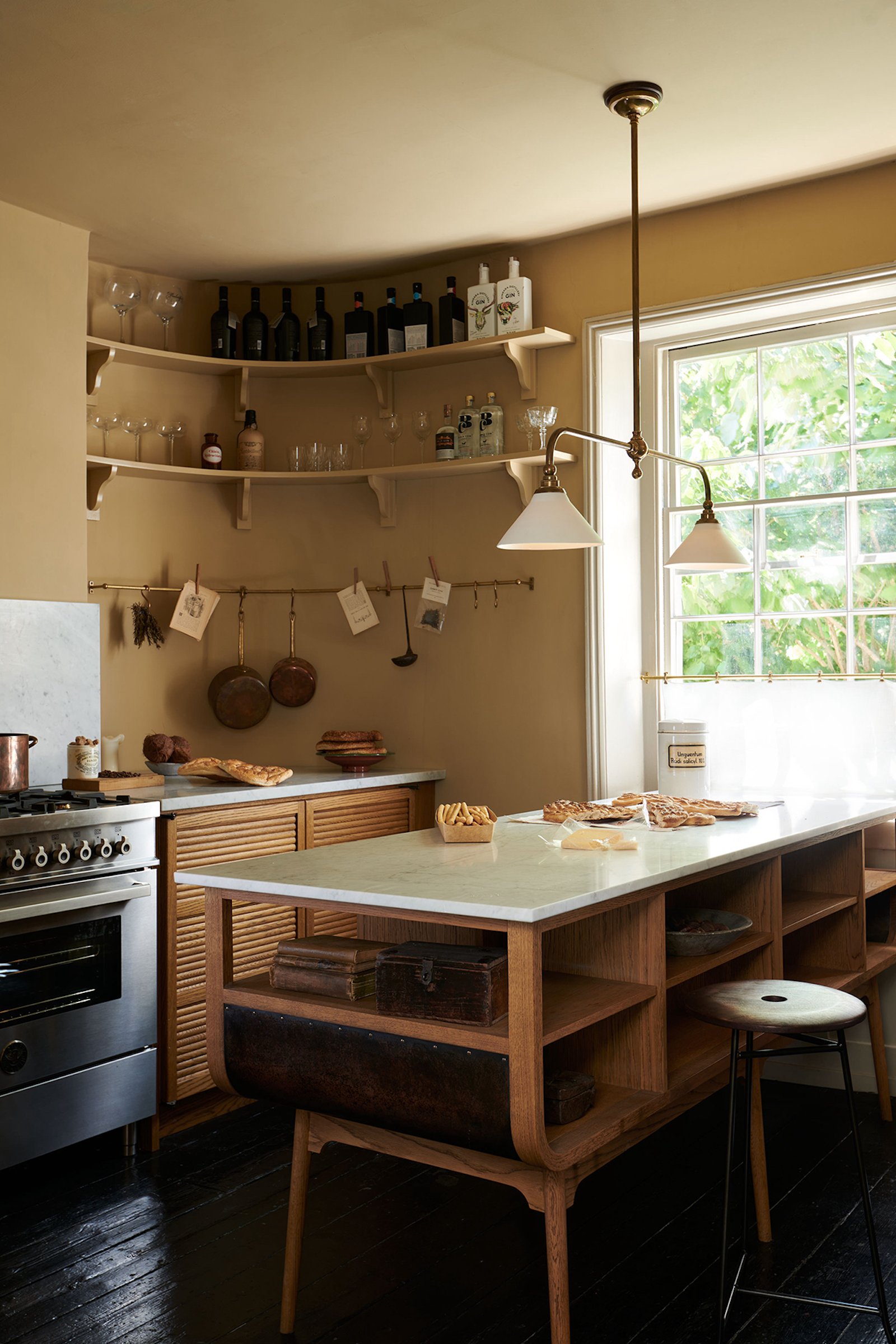
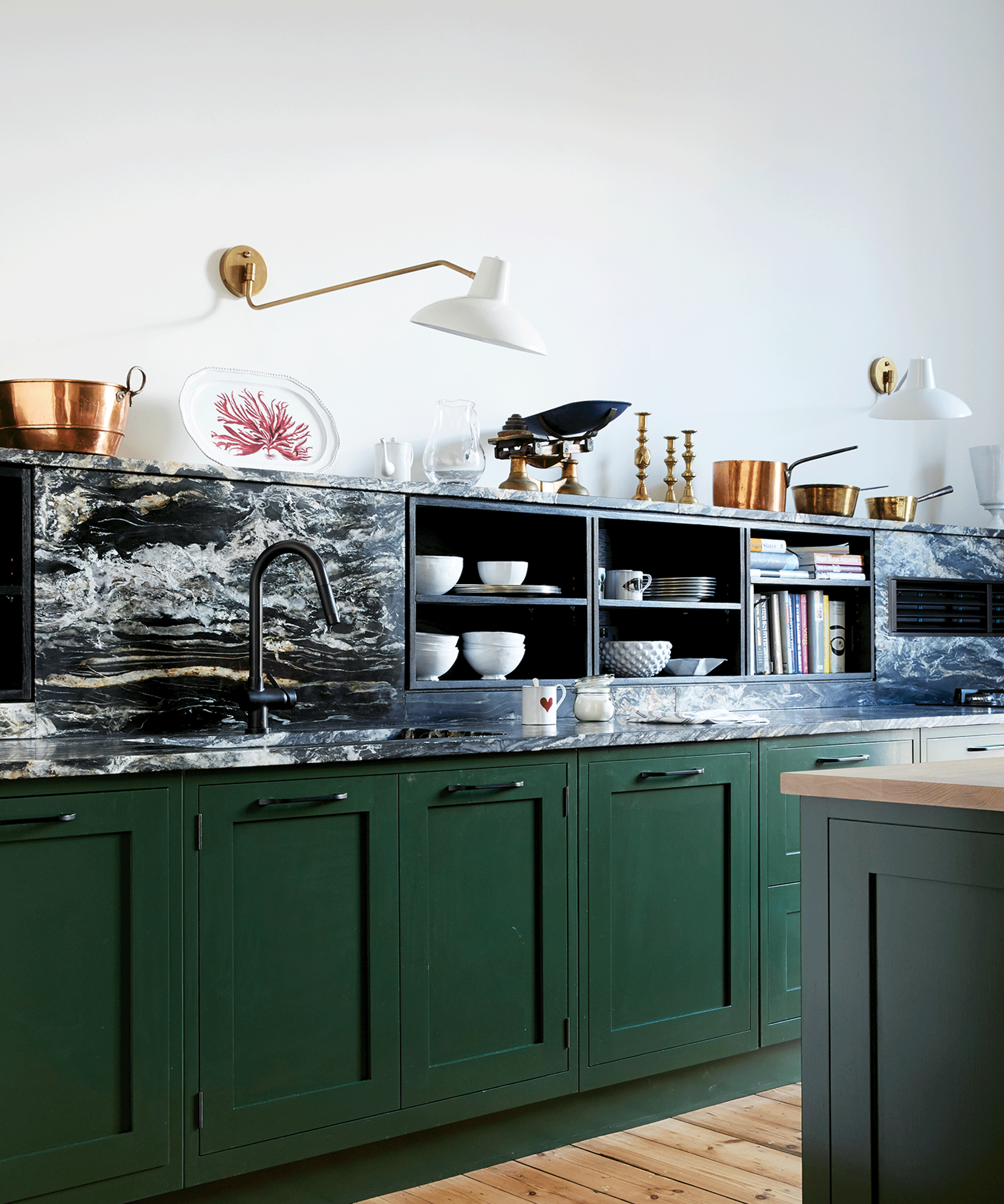
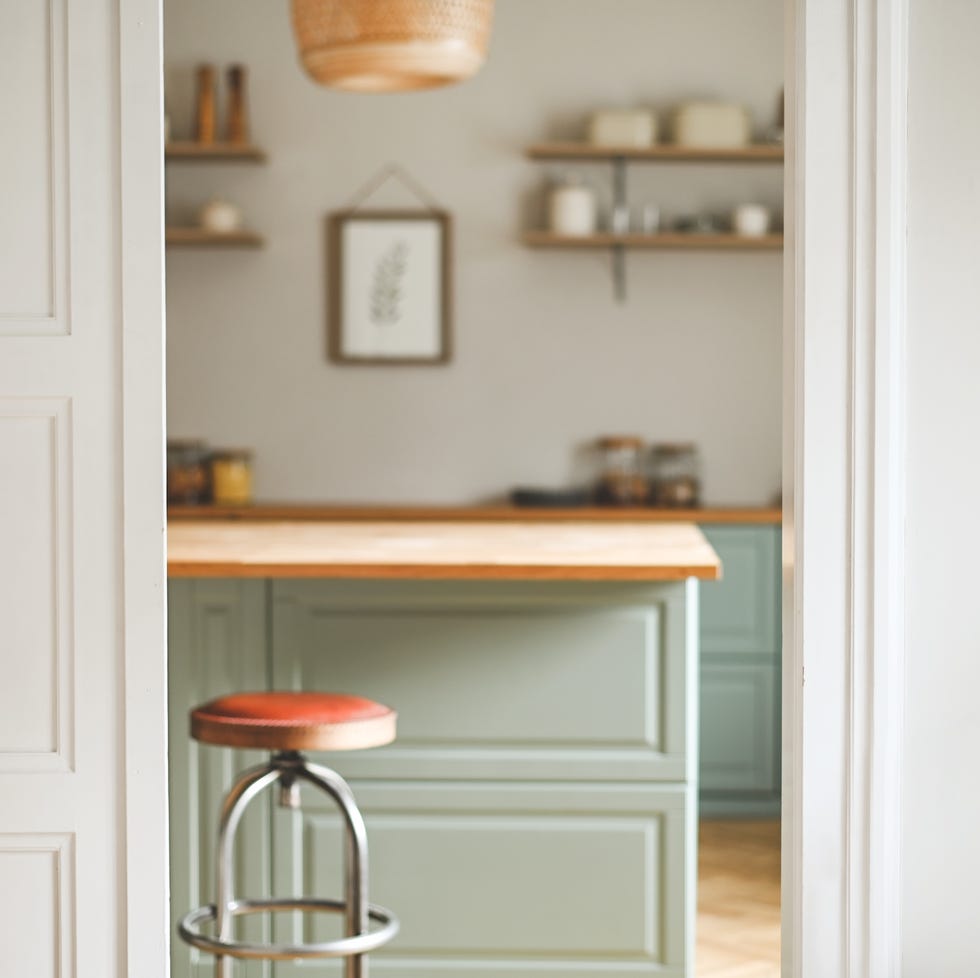
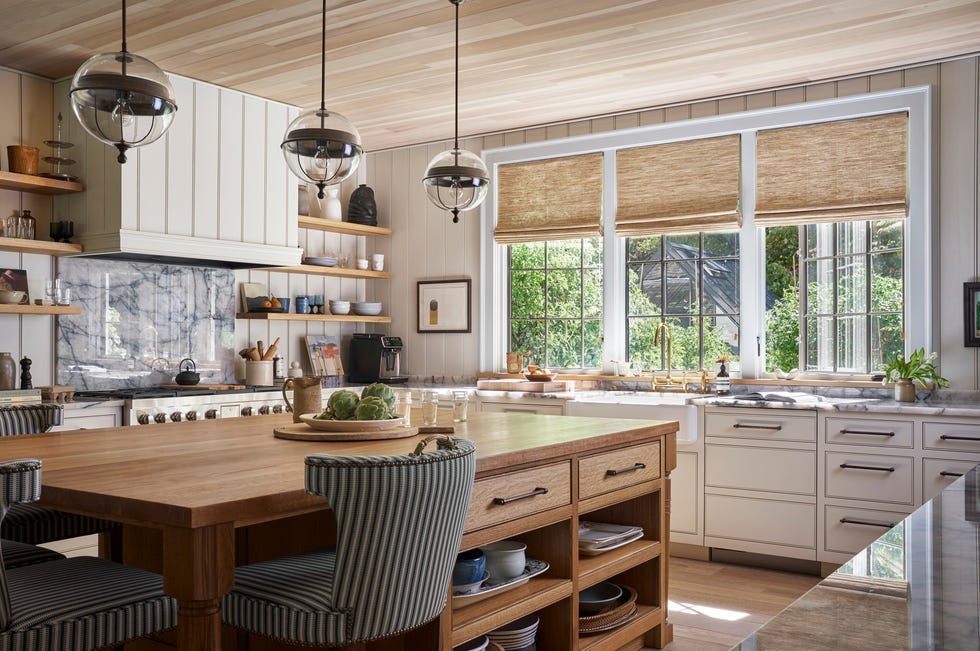
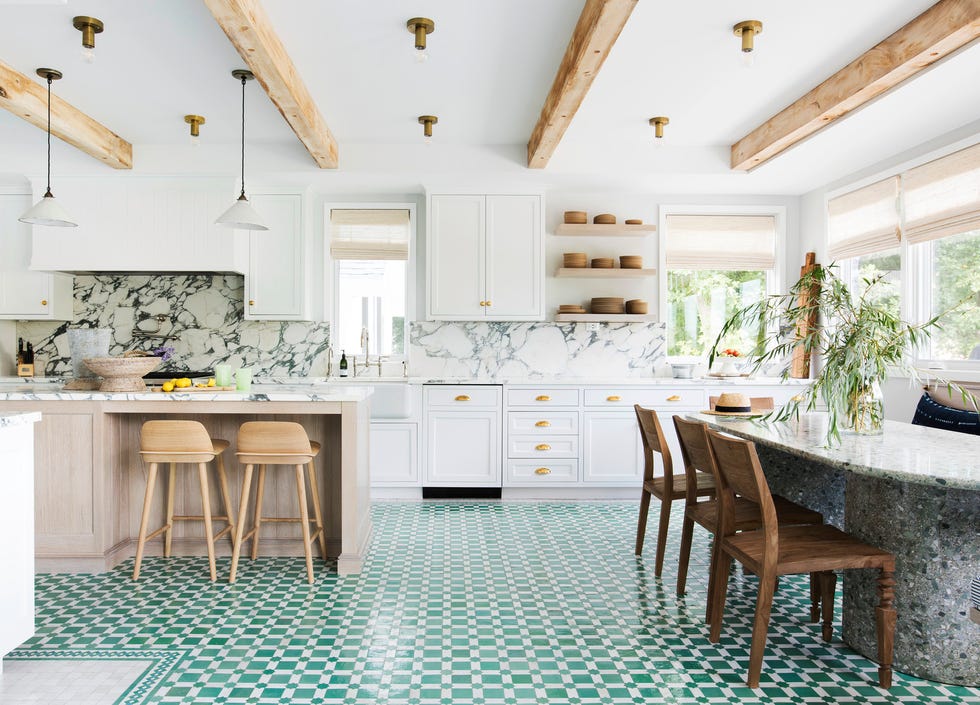
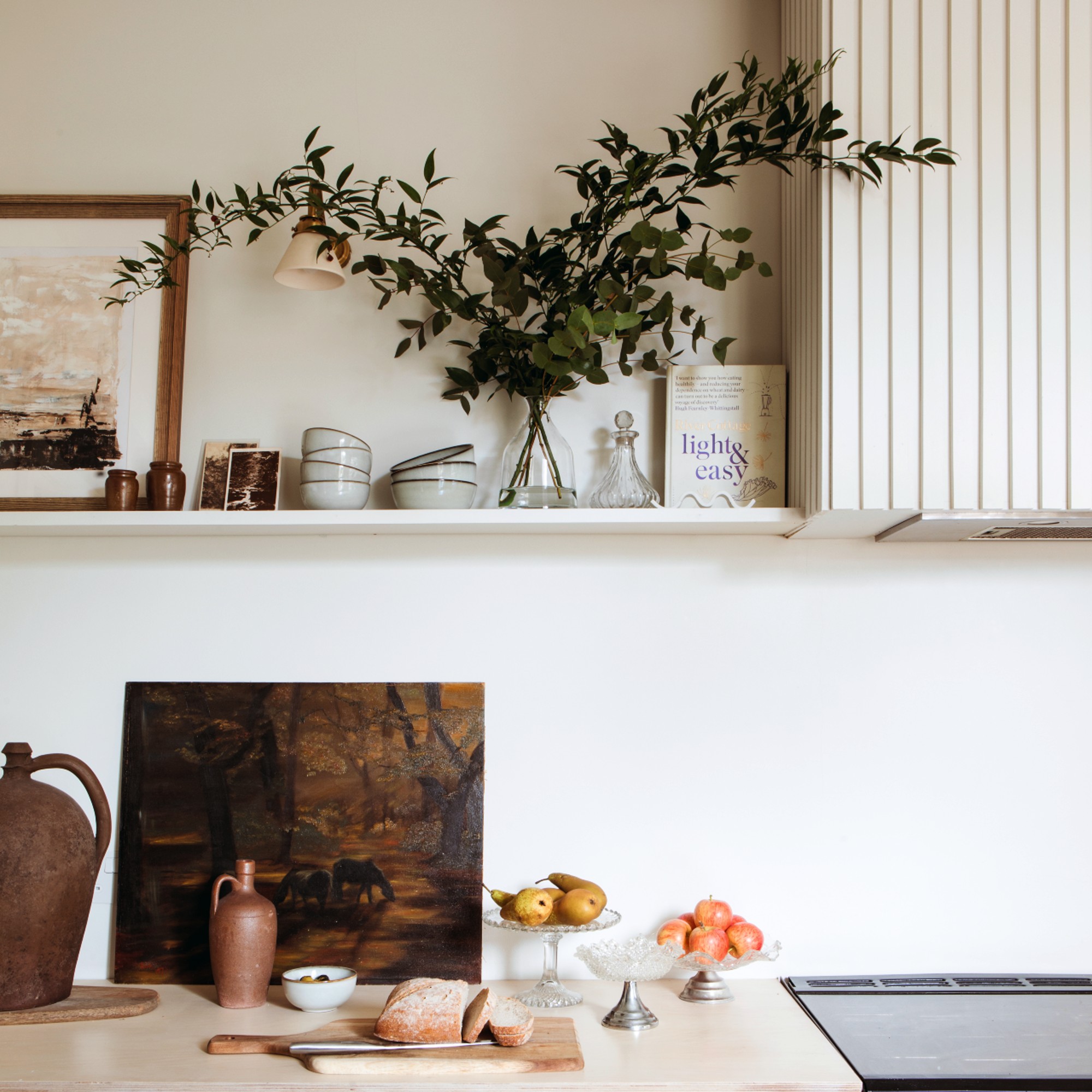
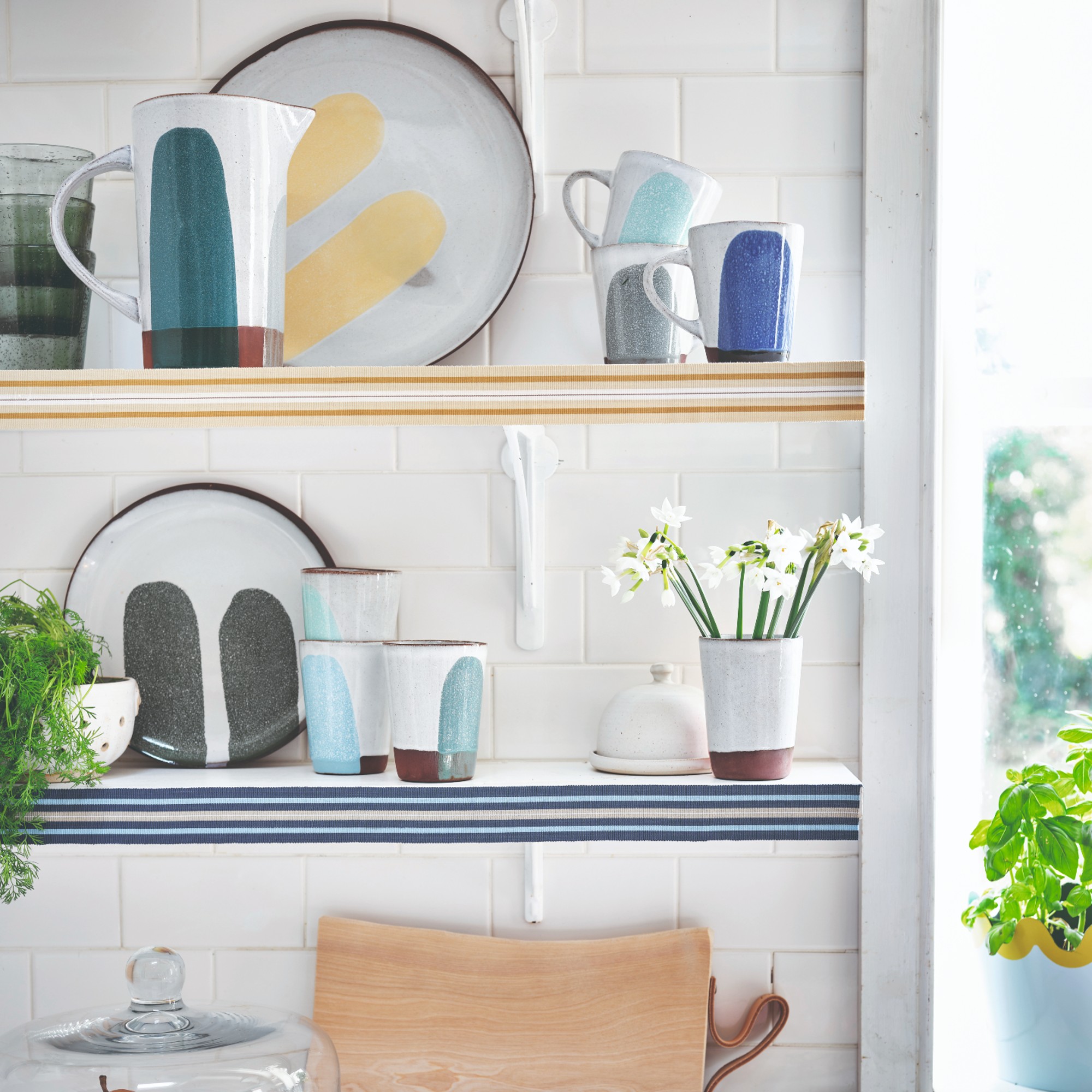
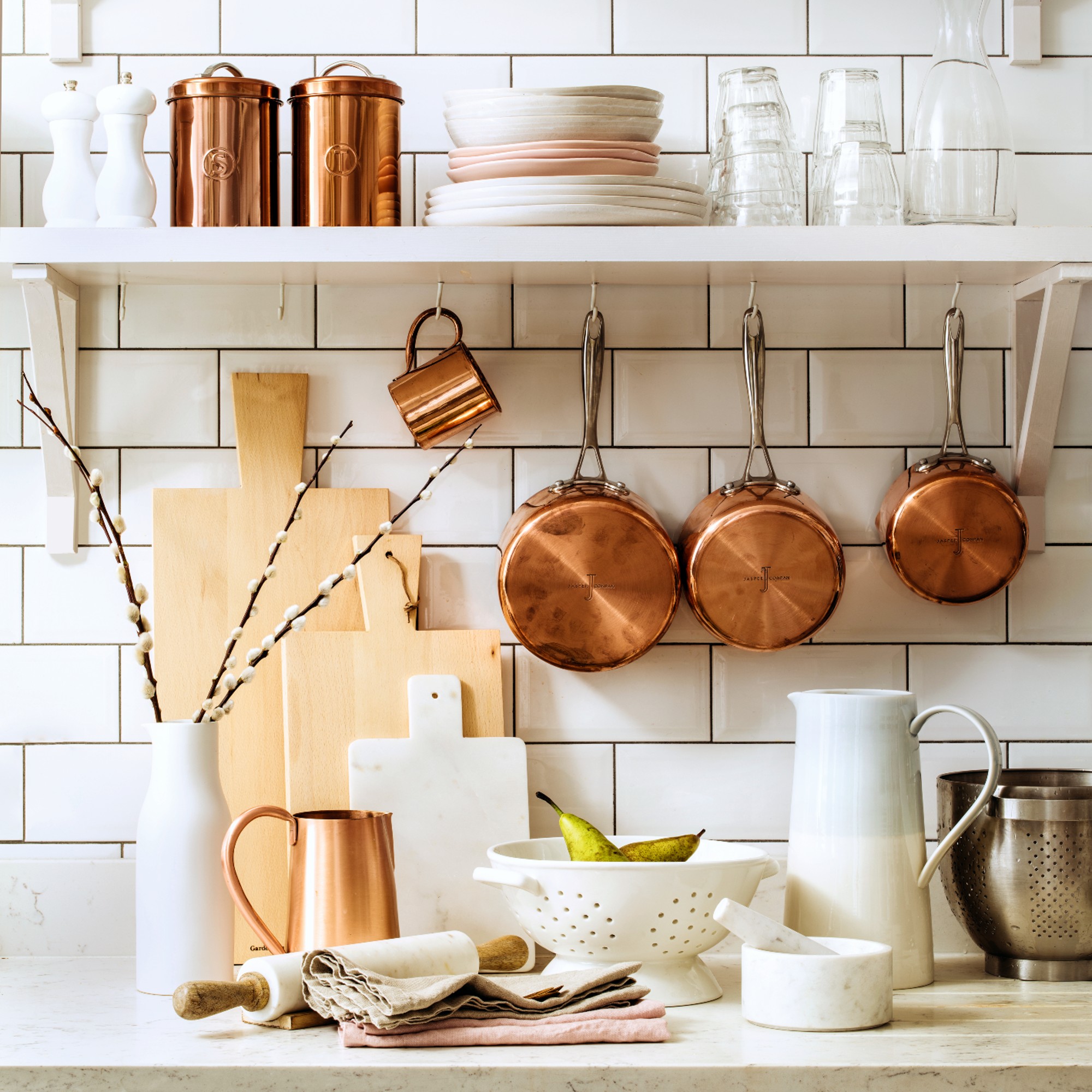
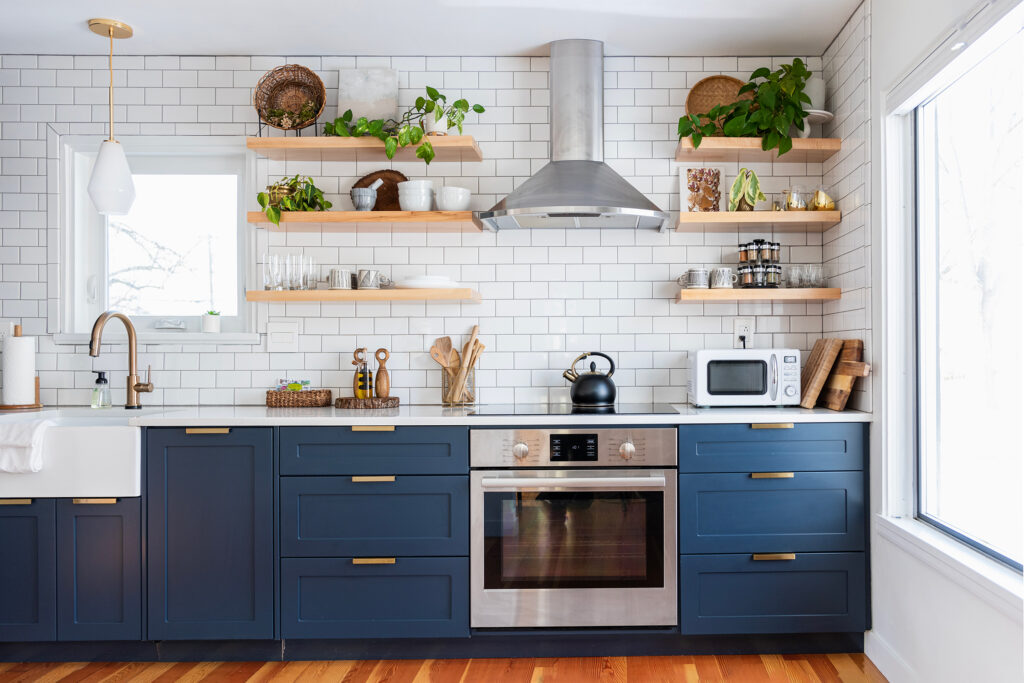
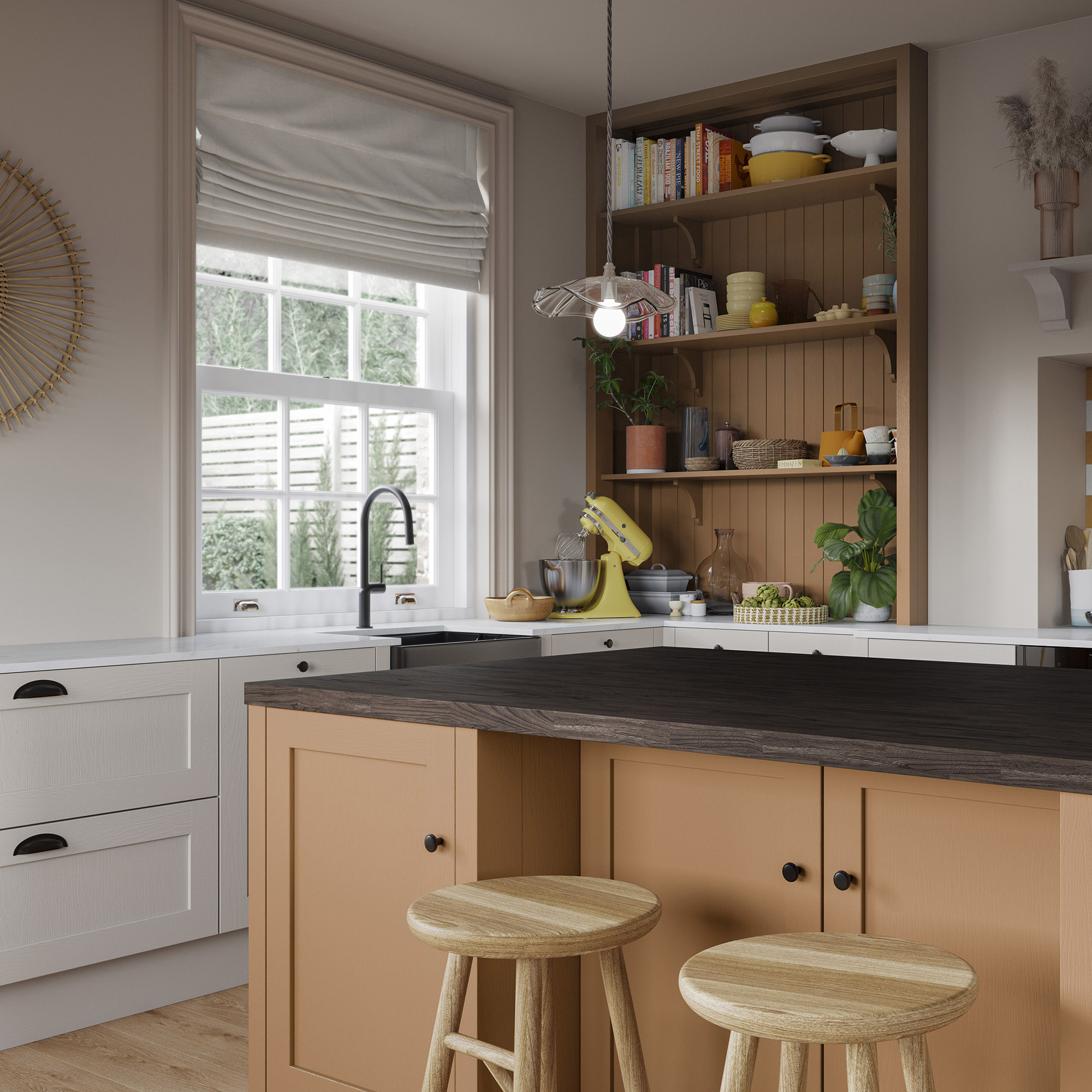
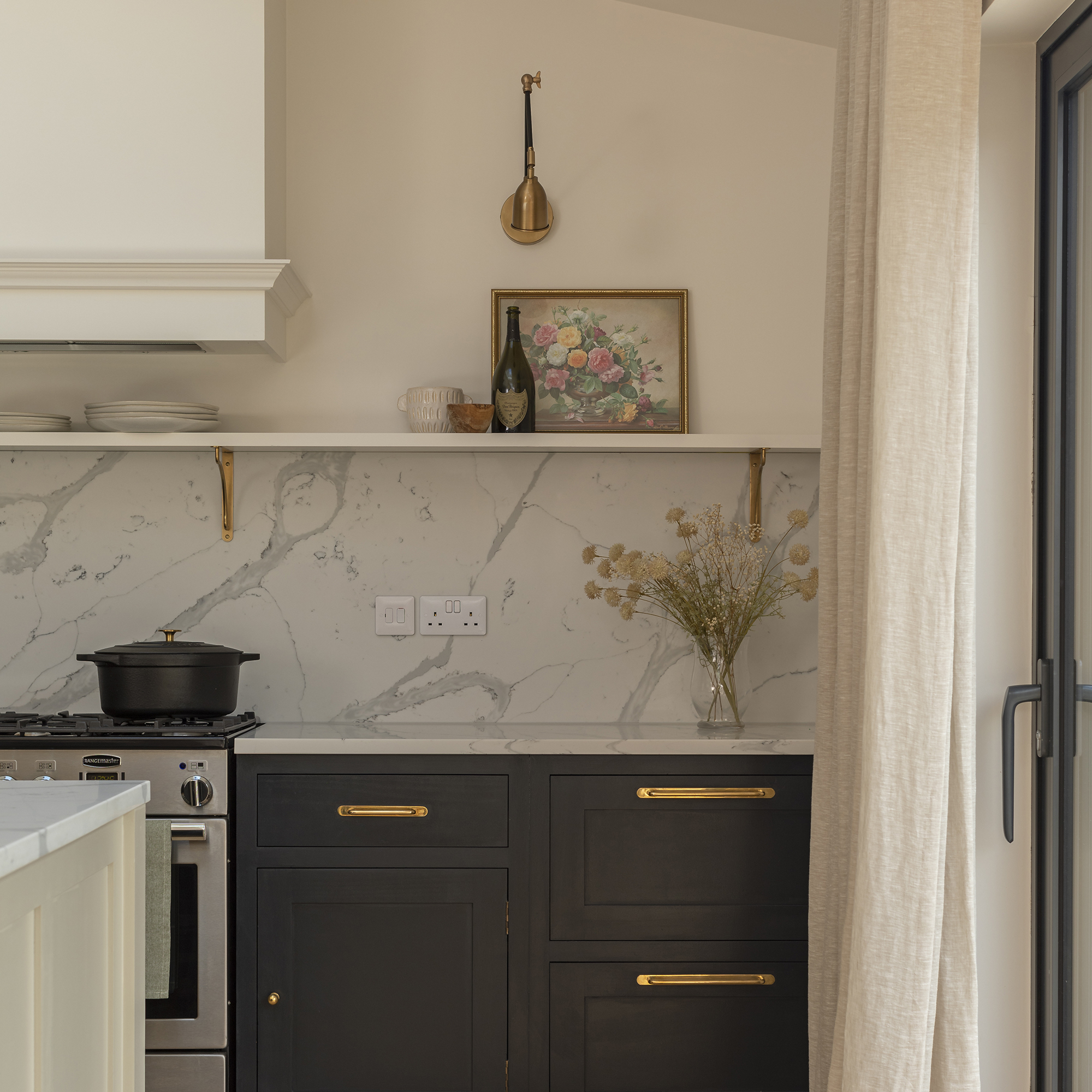
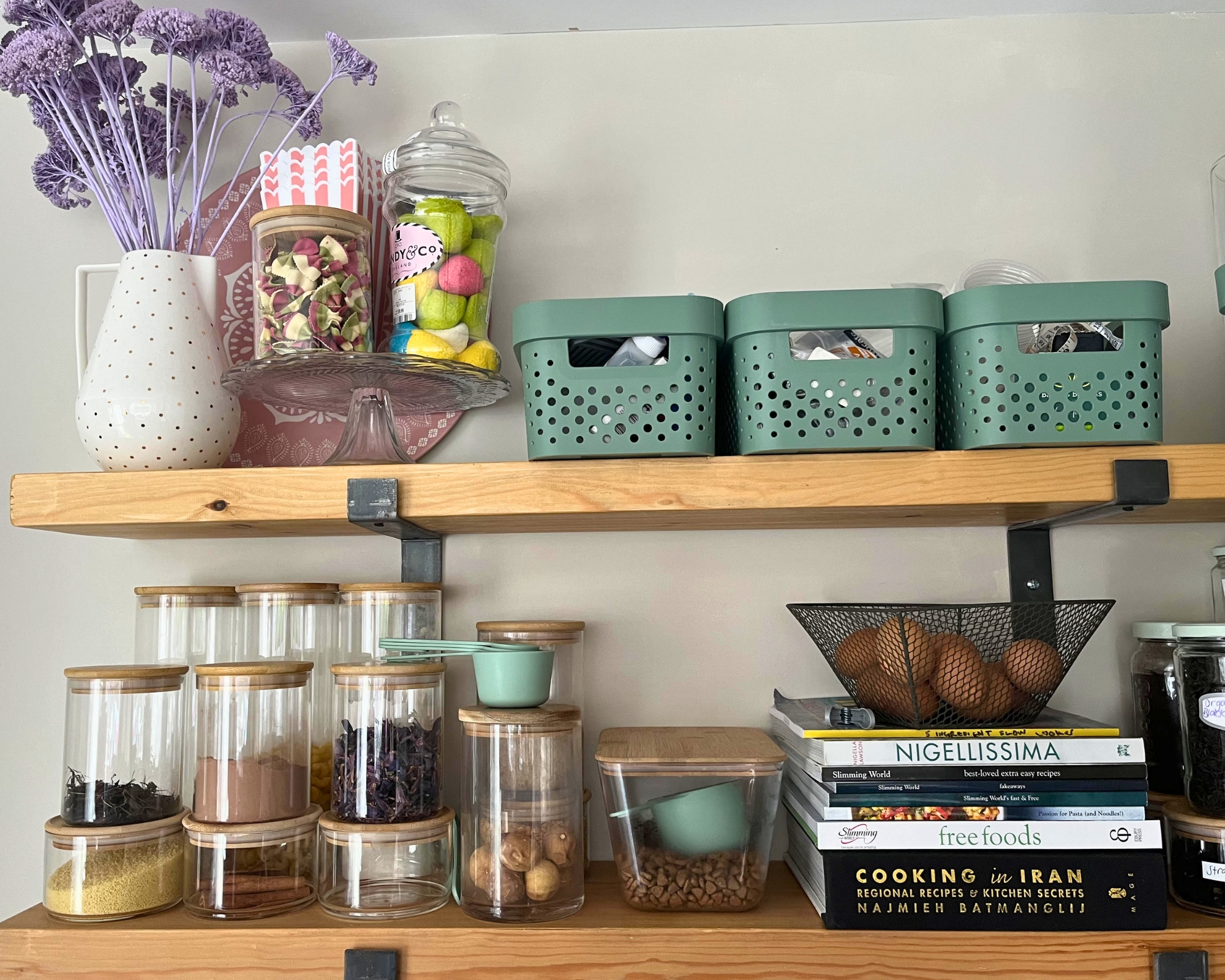
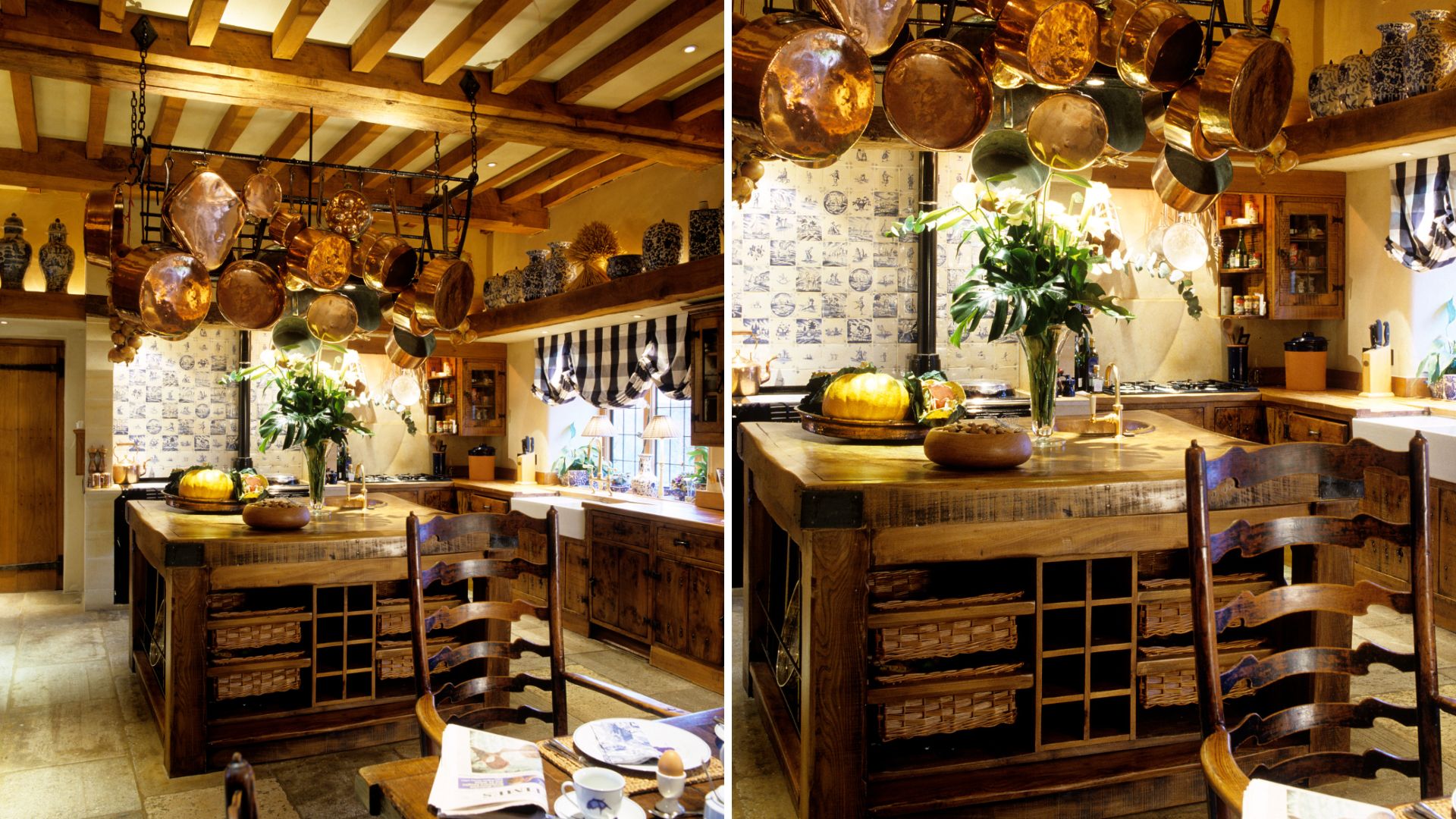
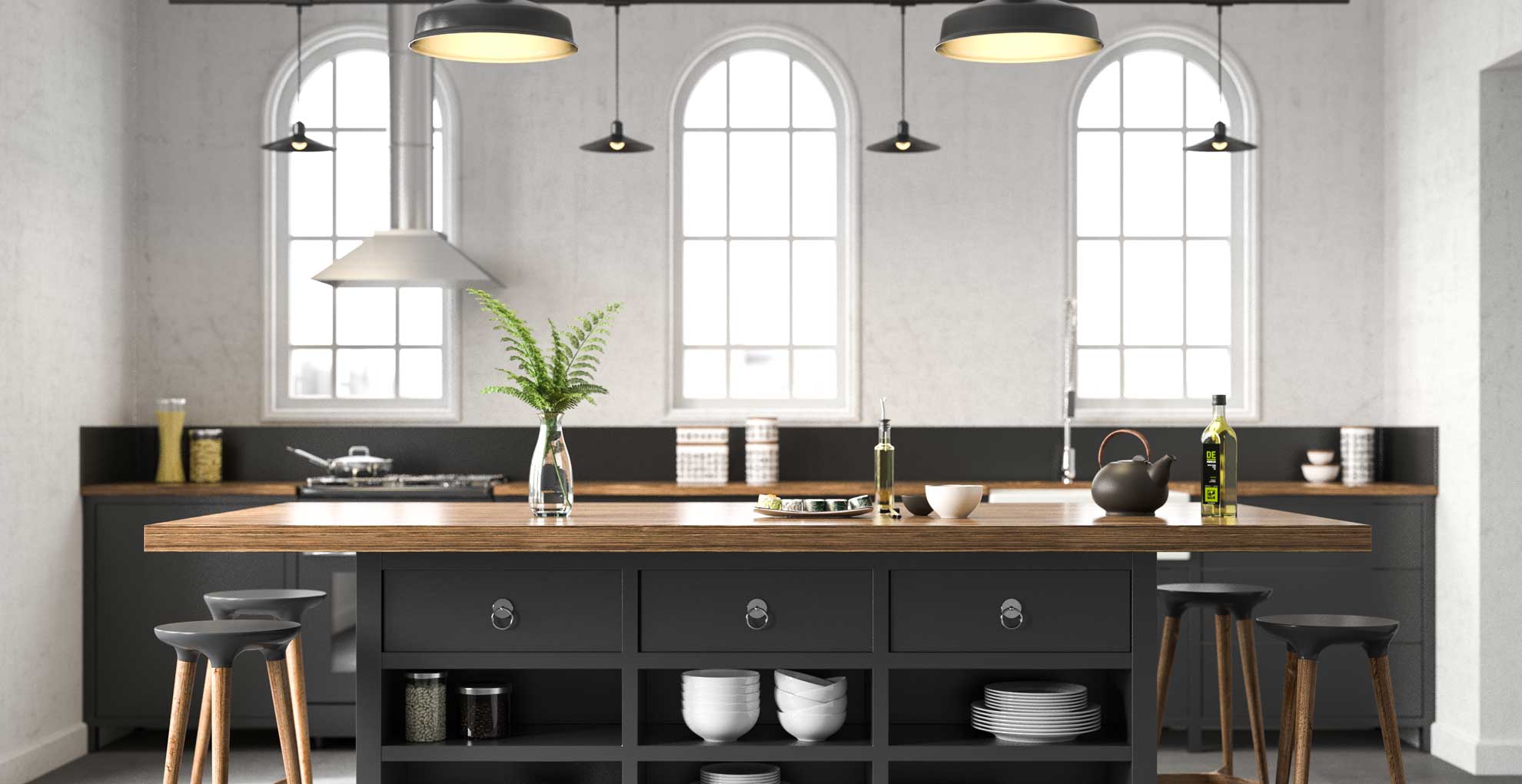
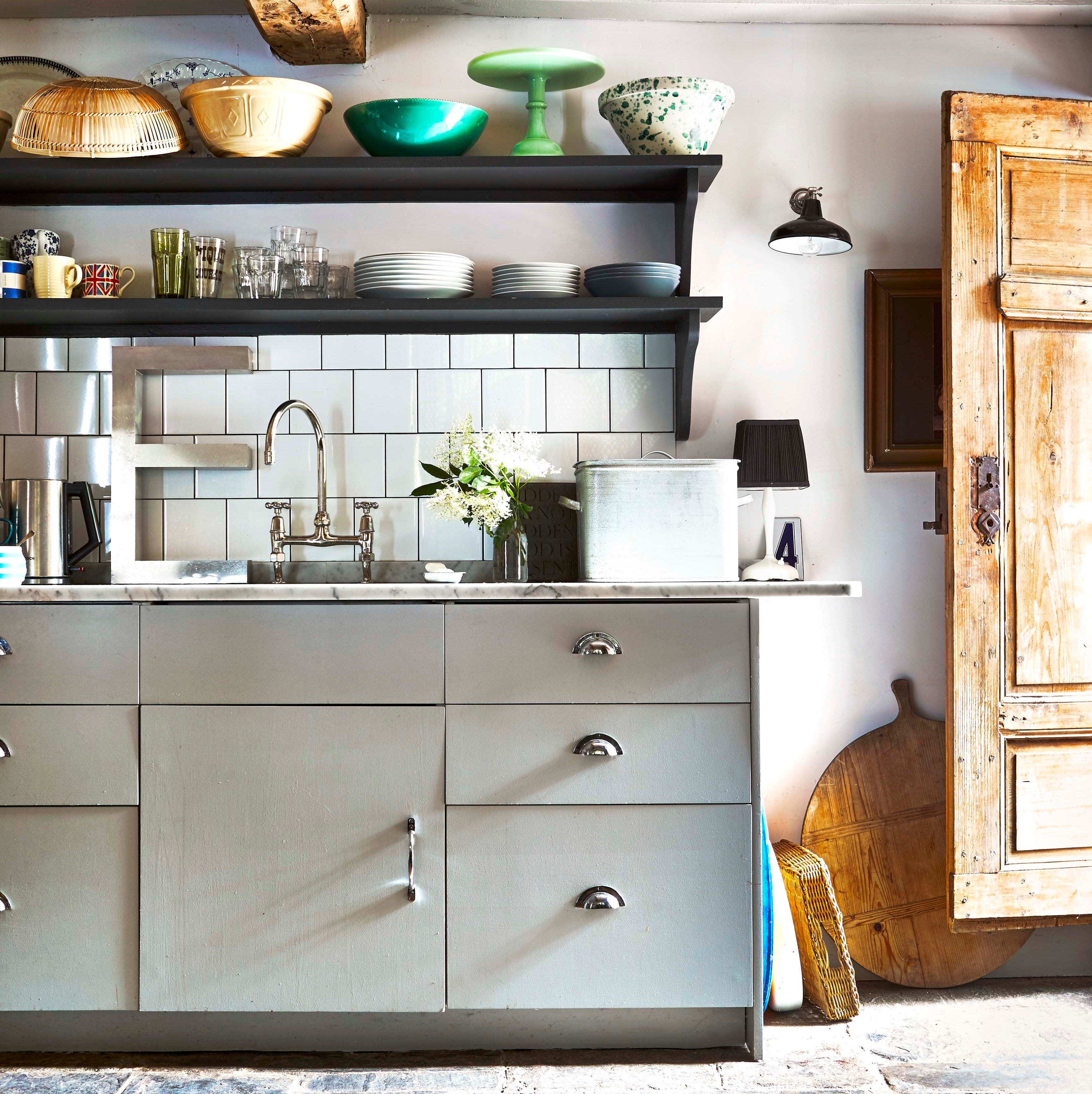
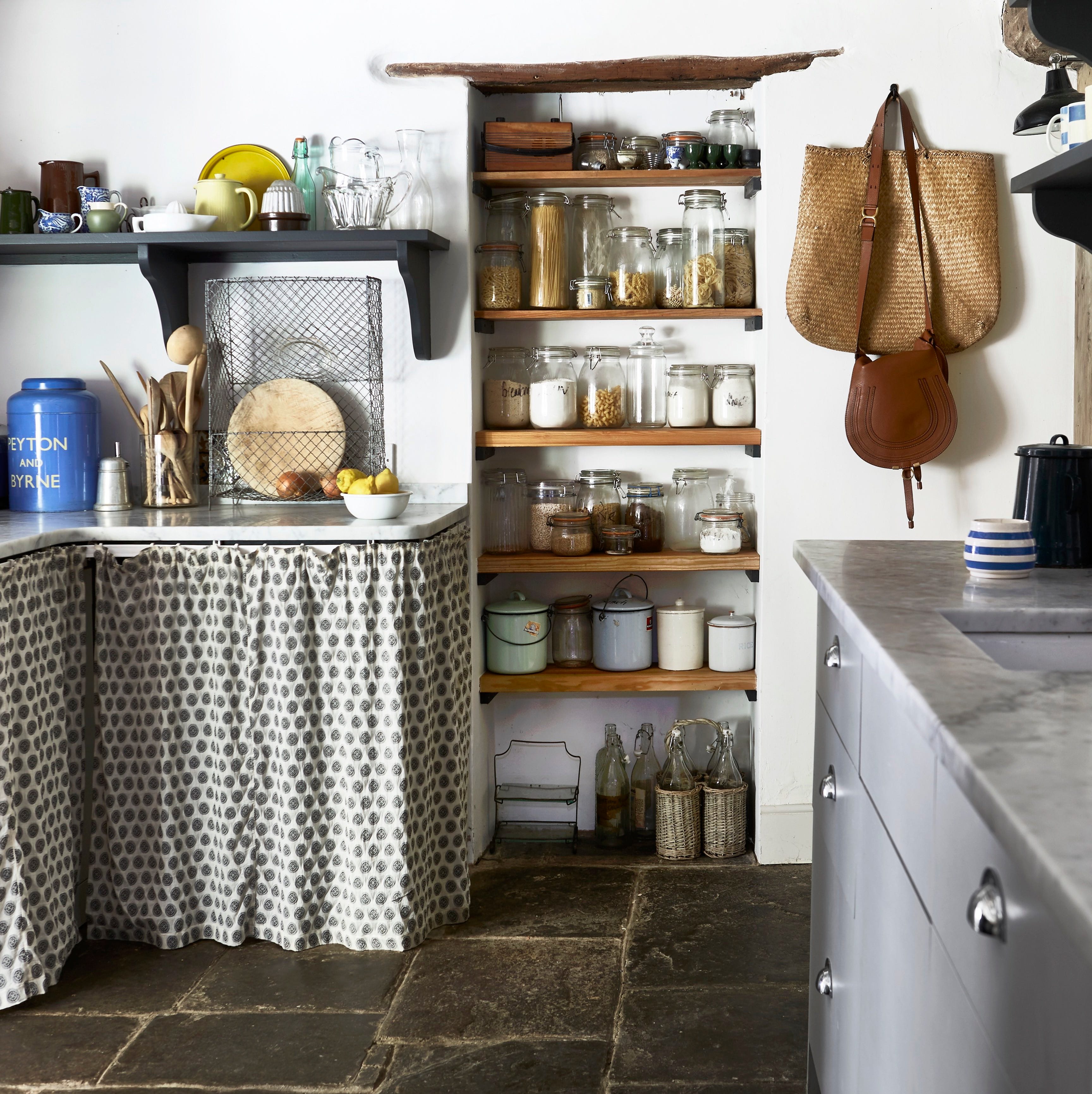
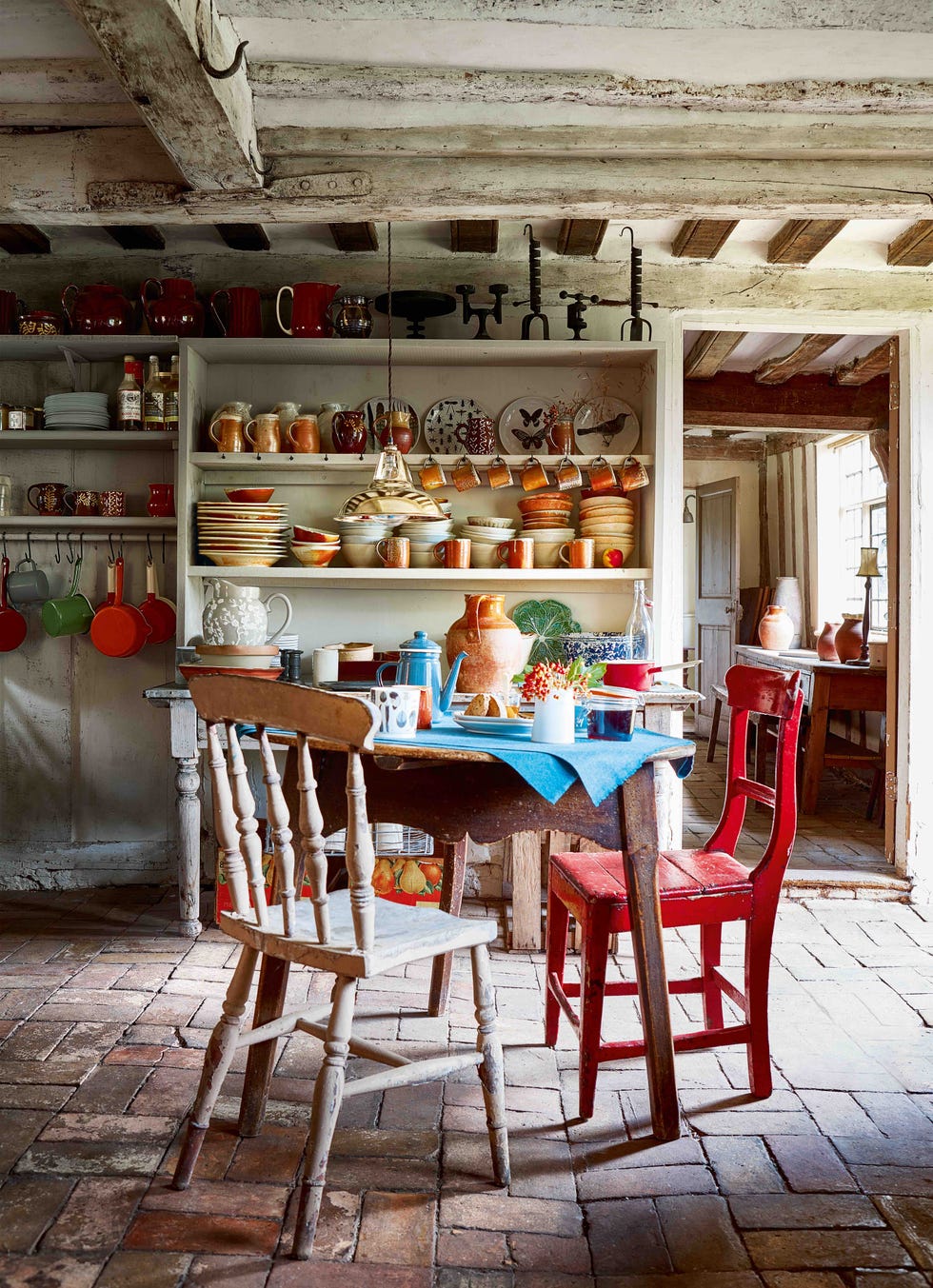
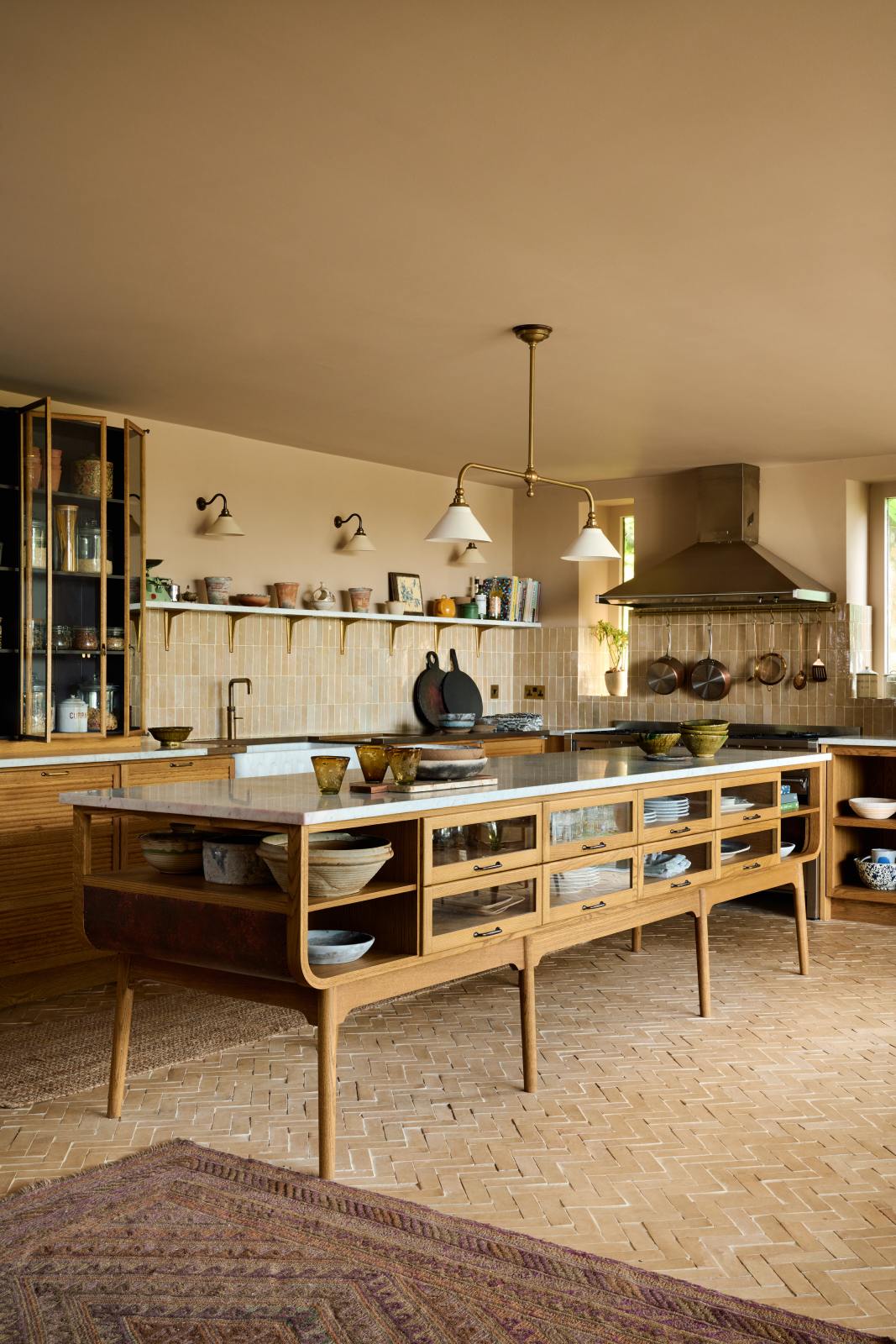
One trend to avoid is excessive open shelving. While it can add personality to a kitchen, without proper organization, it often becomes cluttered and messy, accumulating dust and requiring frequent cleaning. Designers suggest incorporating open shelving sparingly, perhaps a single long shelf or an open dresser with carefully selected, color-coordinated items to maintain a calm and uncluttered appearance. Pantries are noted as an exception where more shelving can be beneficial.
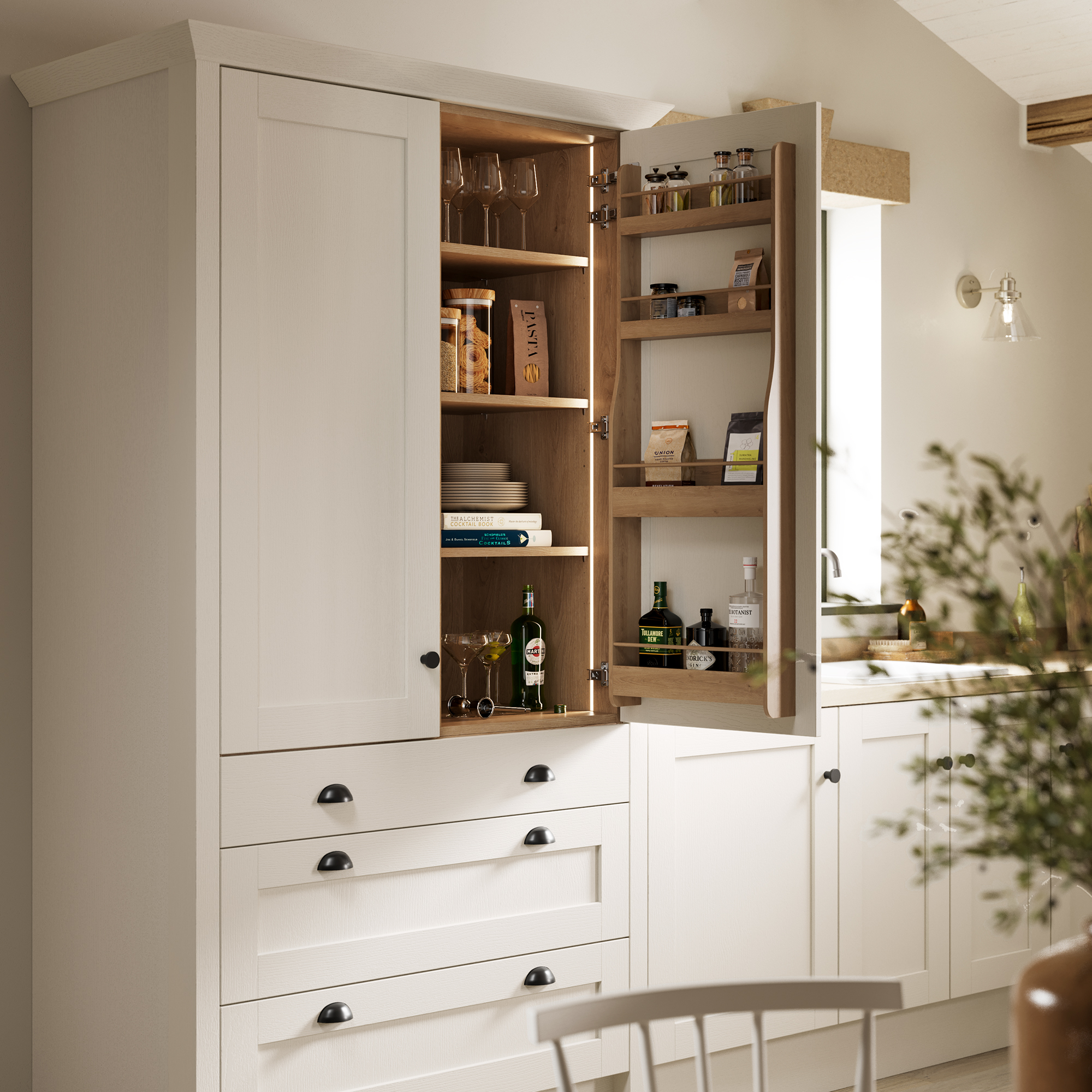
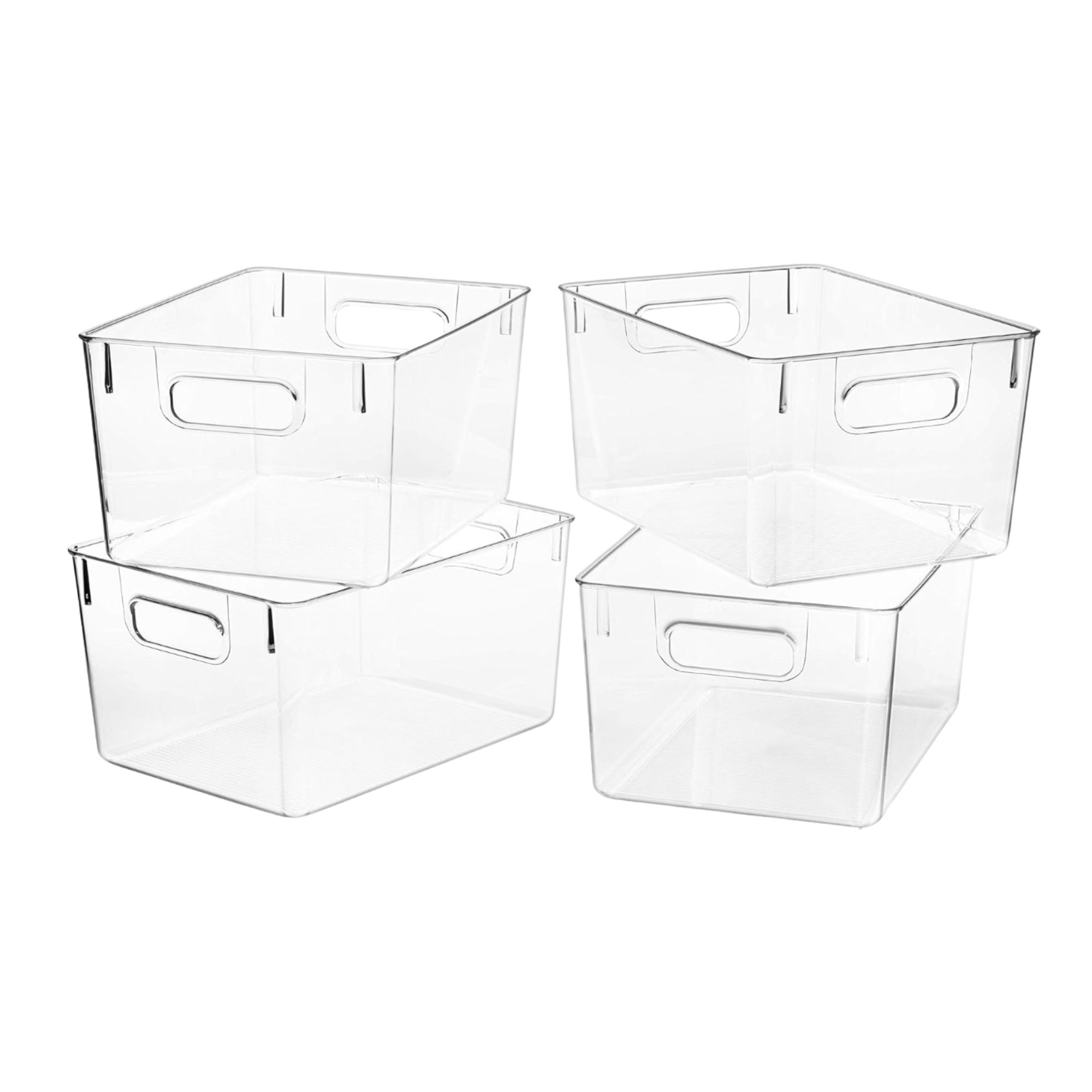
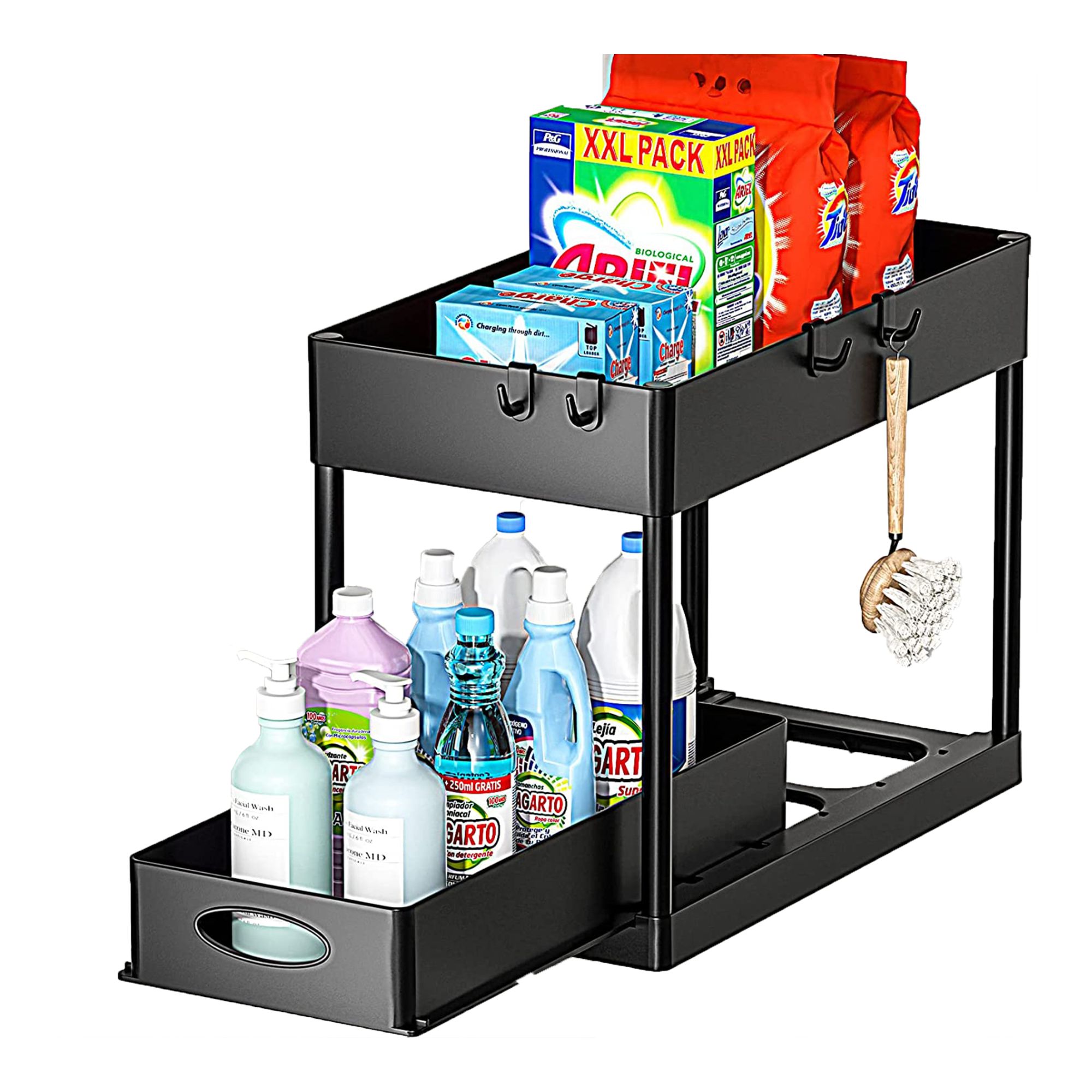
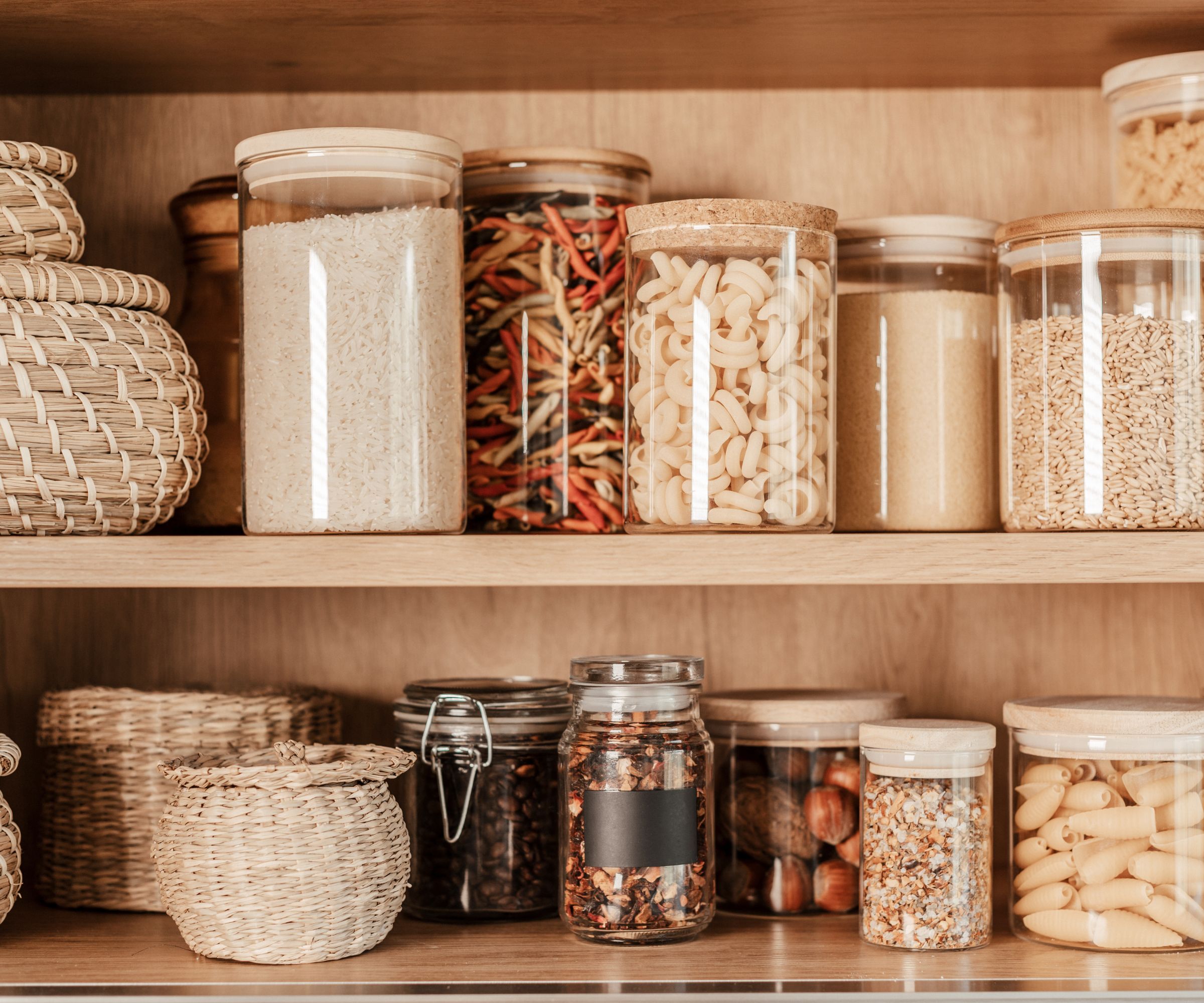
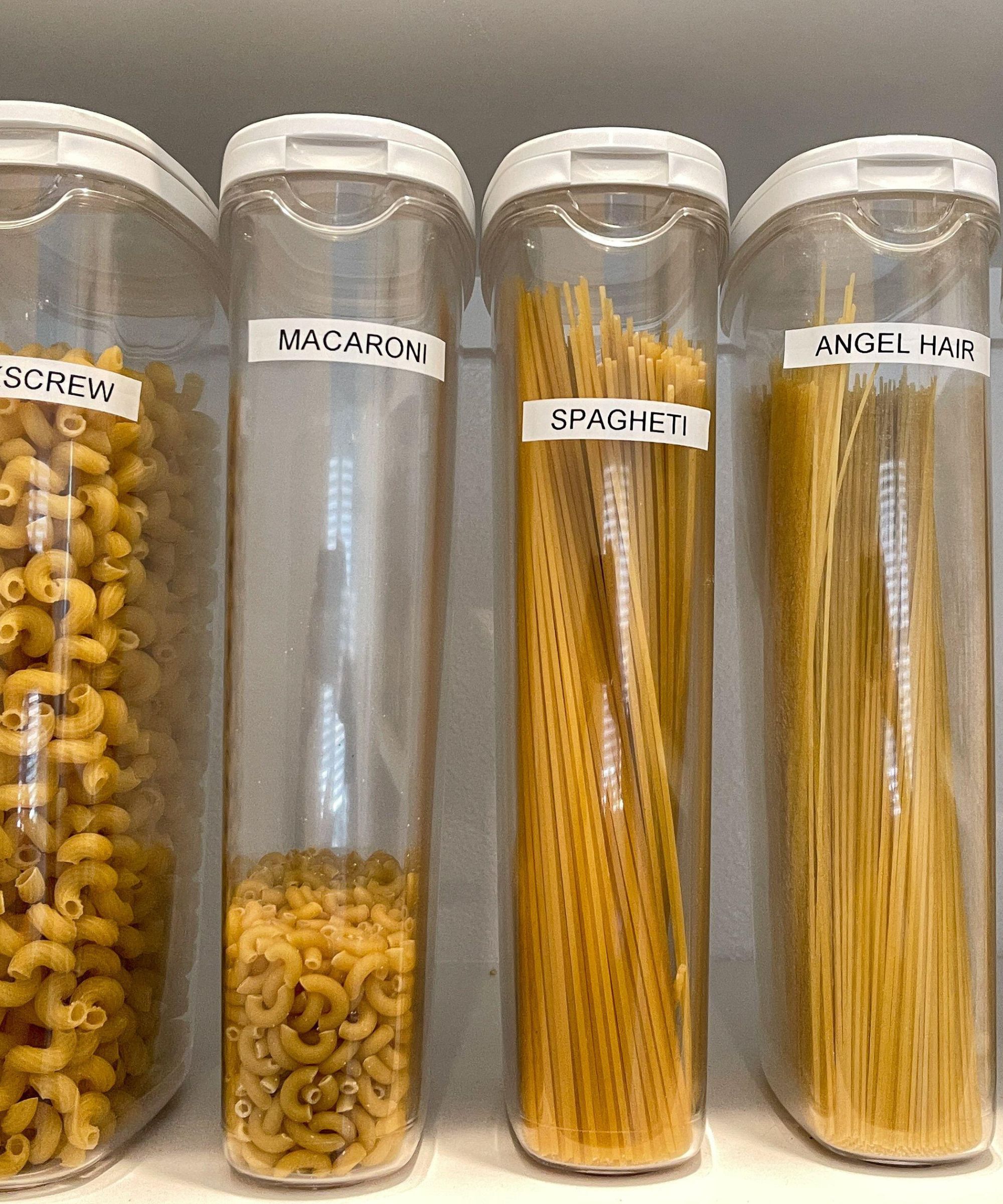
Overly complicated storage systems, such as labeled jars, hidden compartments, and layered baskets, are another trend to approach with caution. These systems, often started with good intentions, tend to become disorganized over time, making it difficult to access necessary equipment and ingredients during cooking. The advice is to keep storage simple and accessible, perhaps using single bins for grouping related items to avoid rifling through multiple layers.
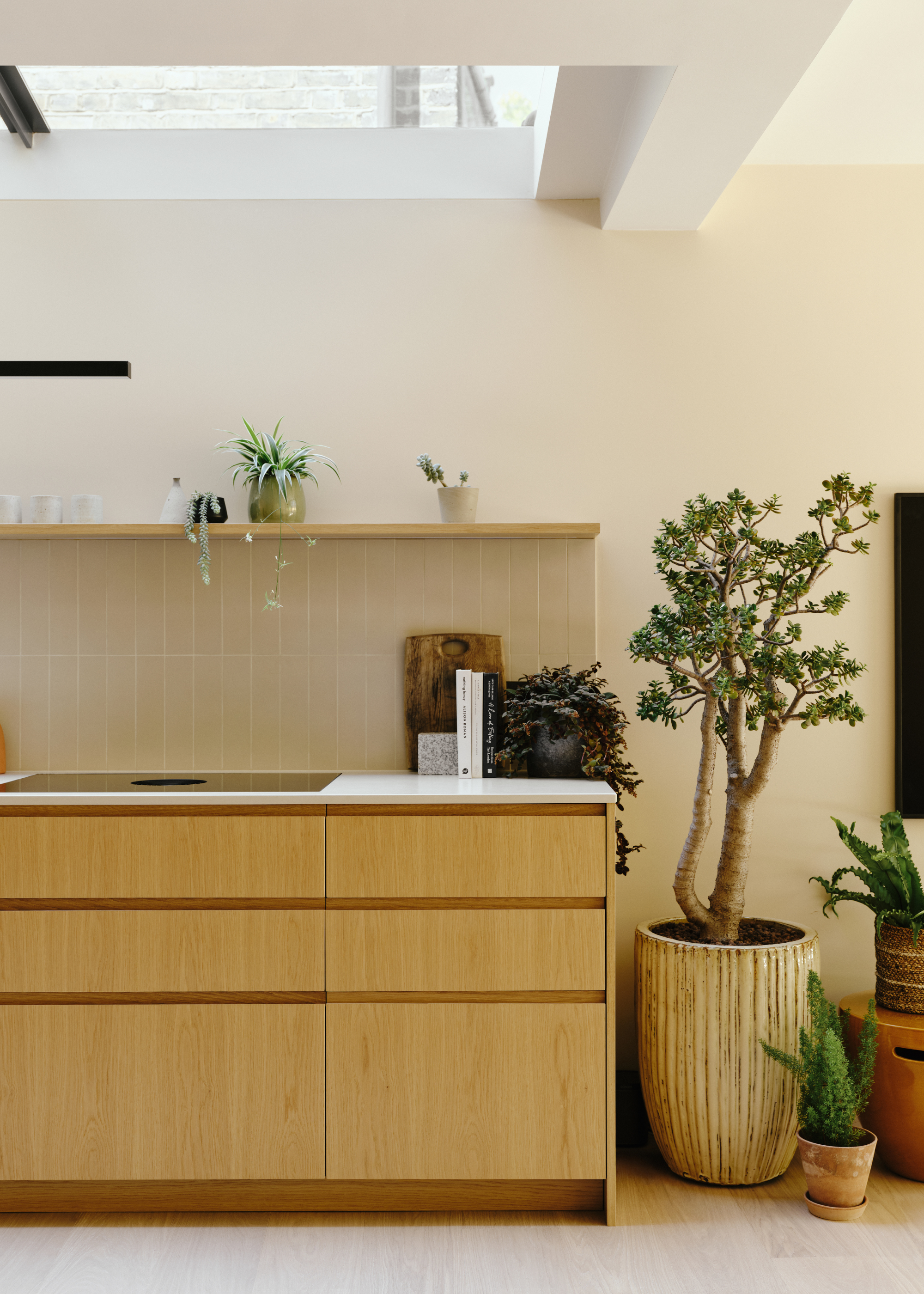
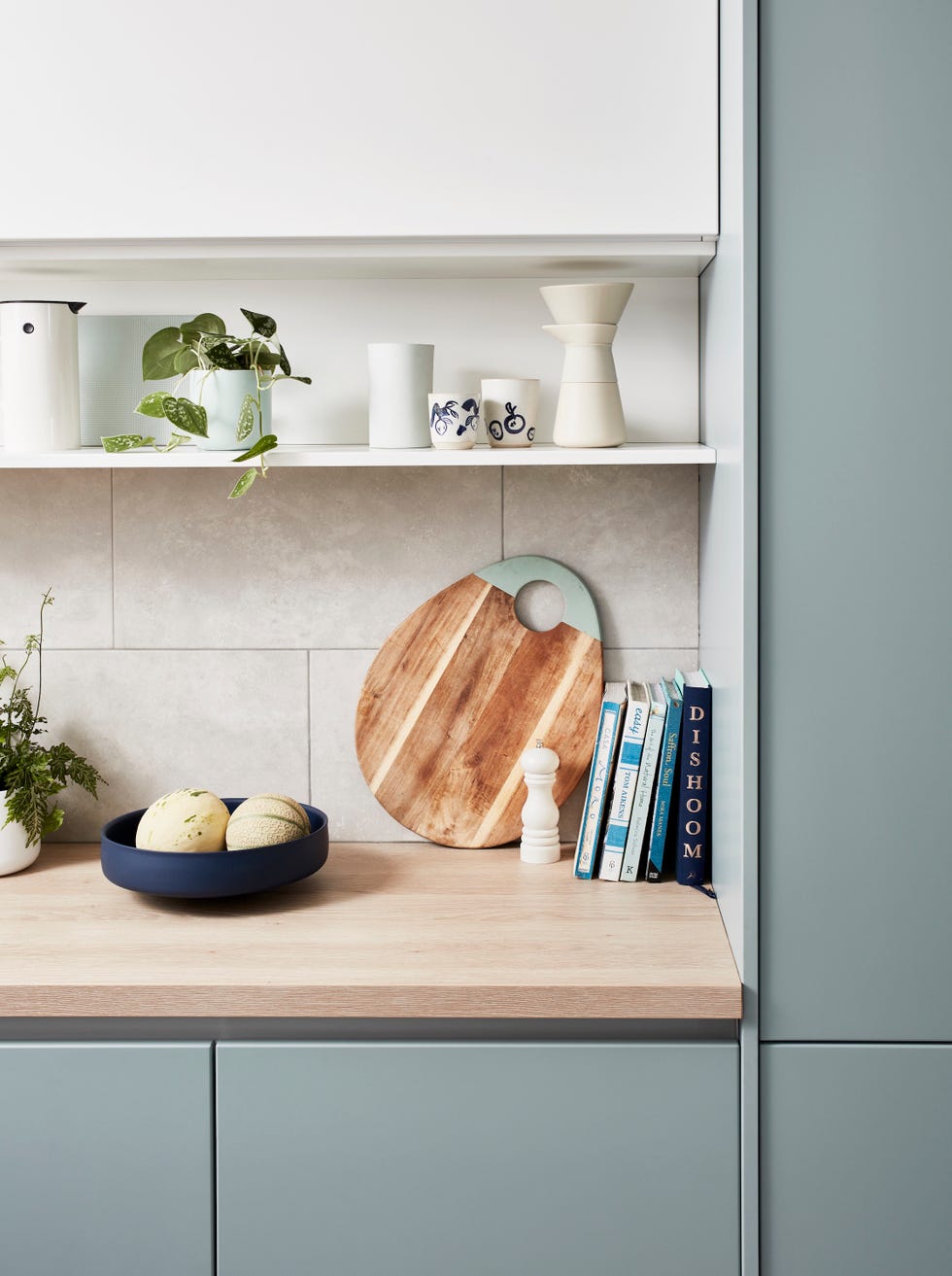
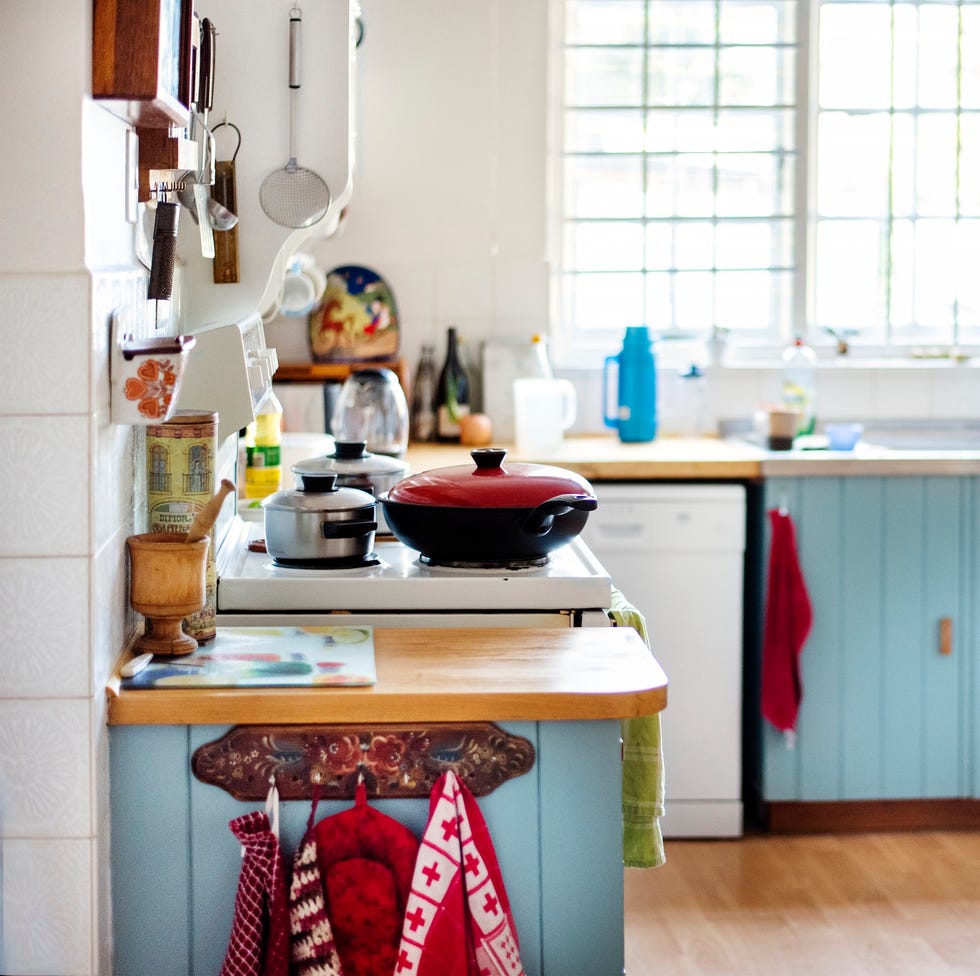
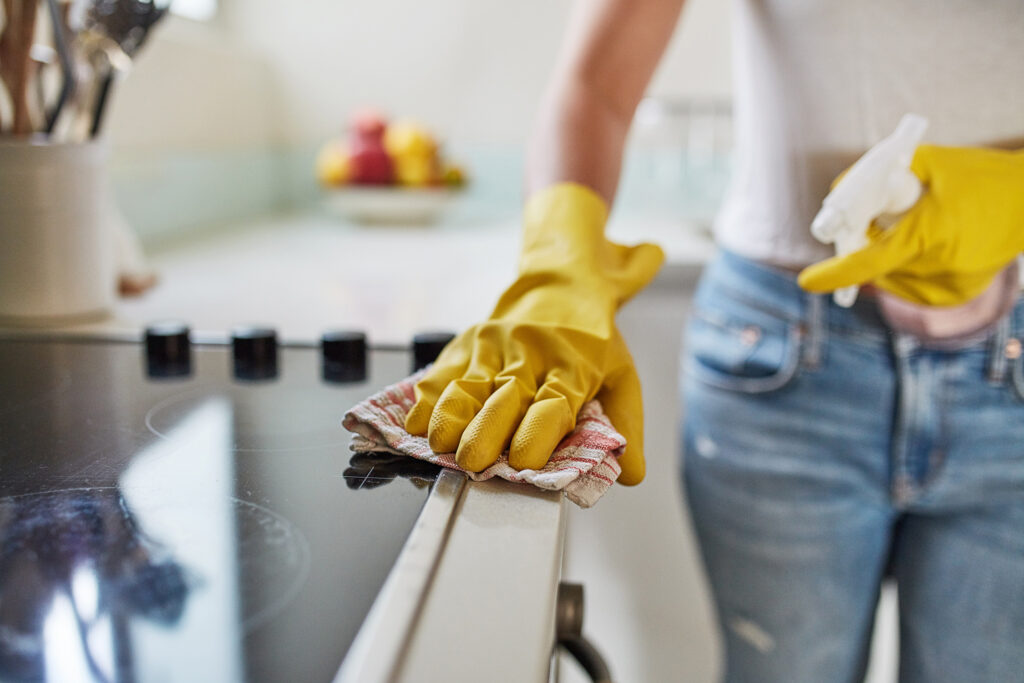
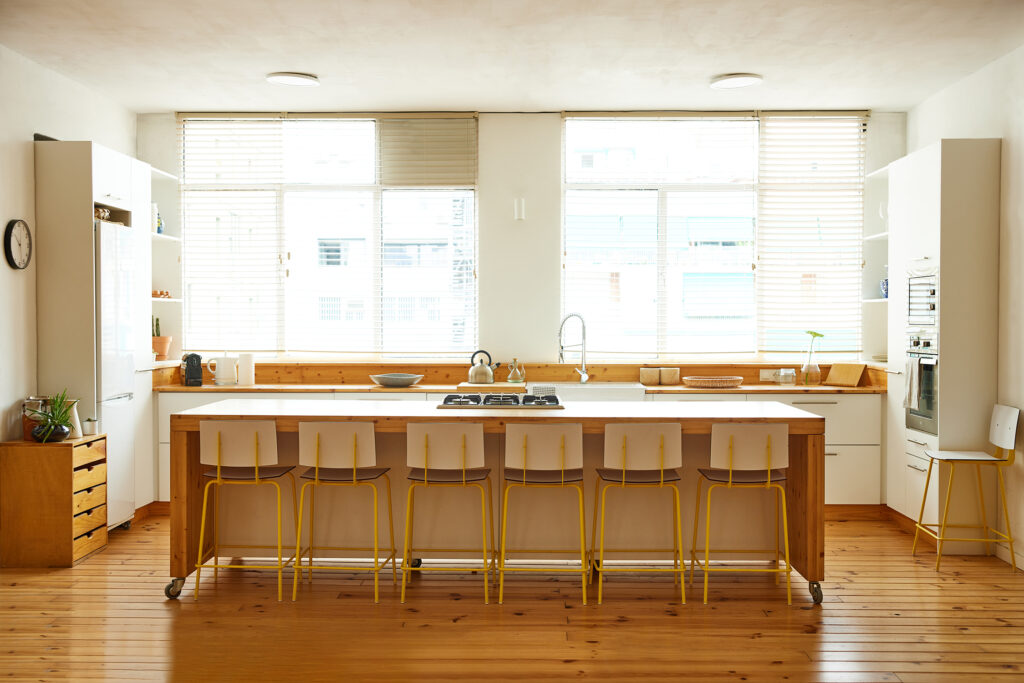
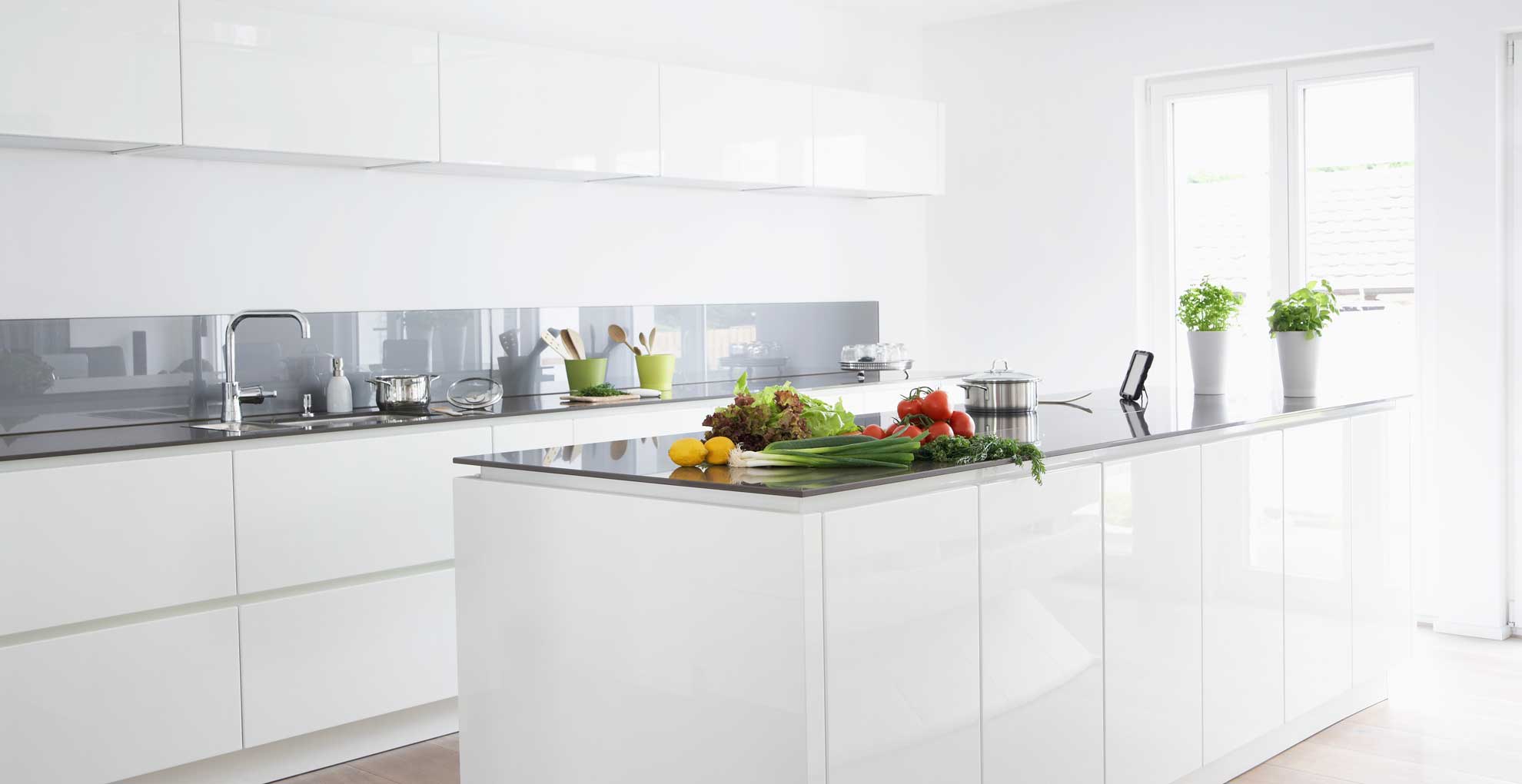
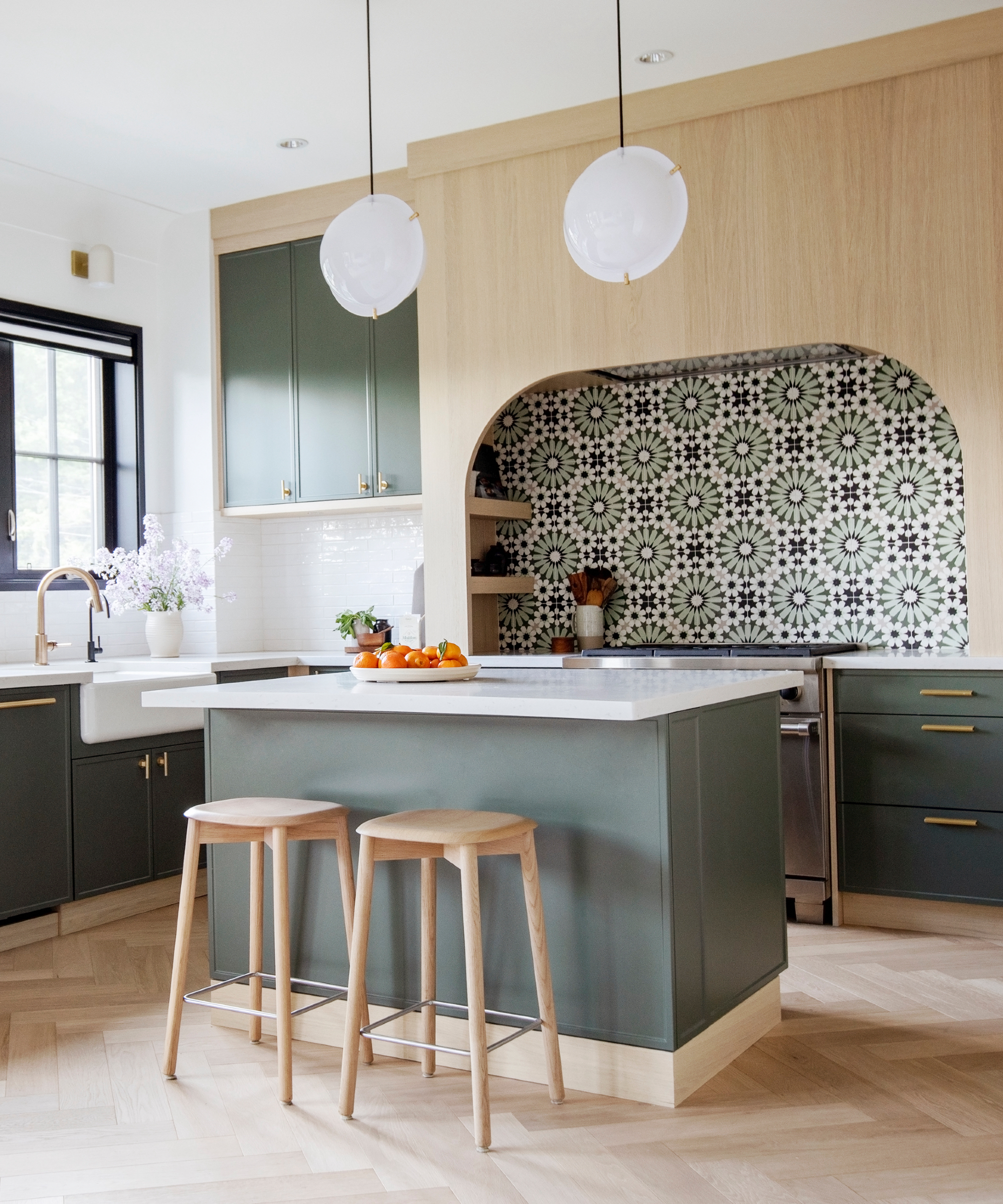
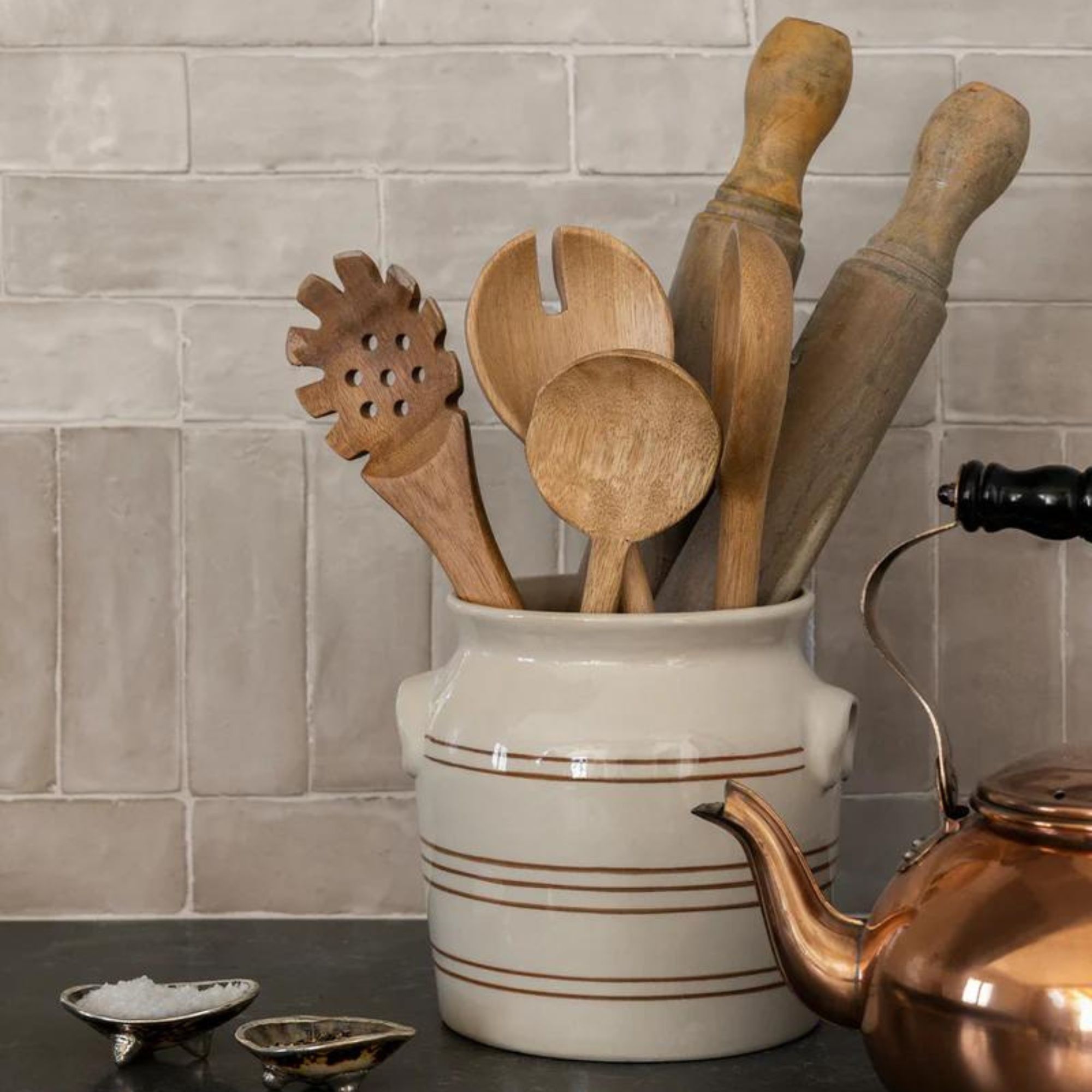
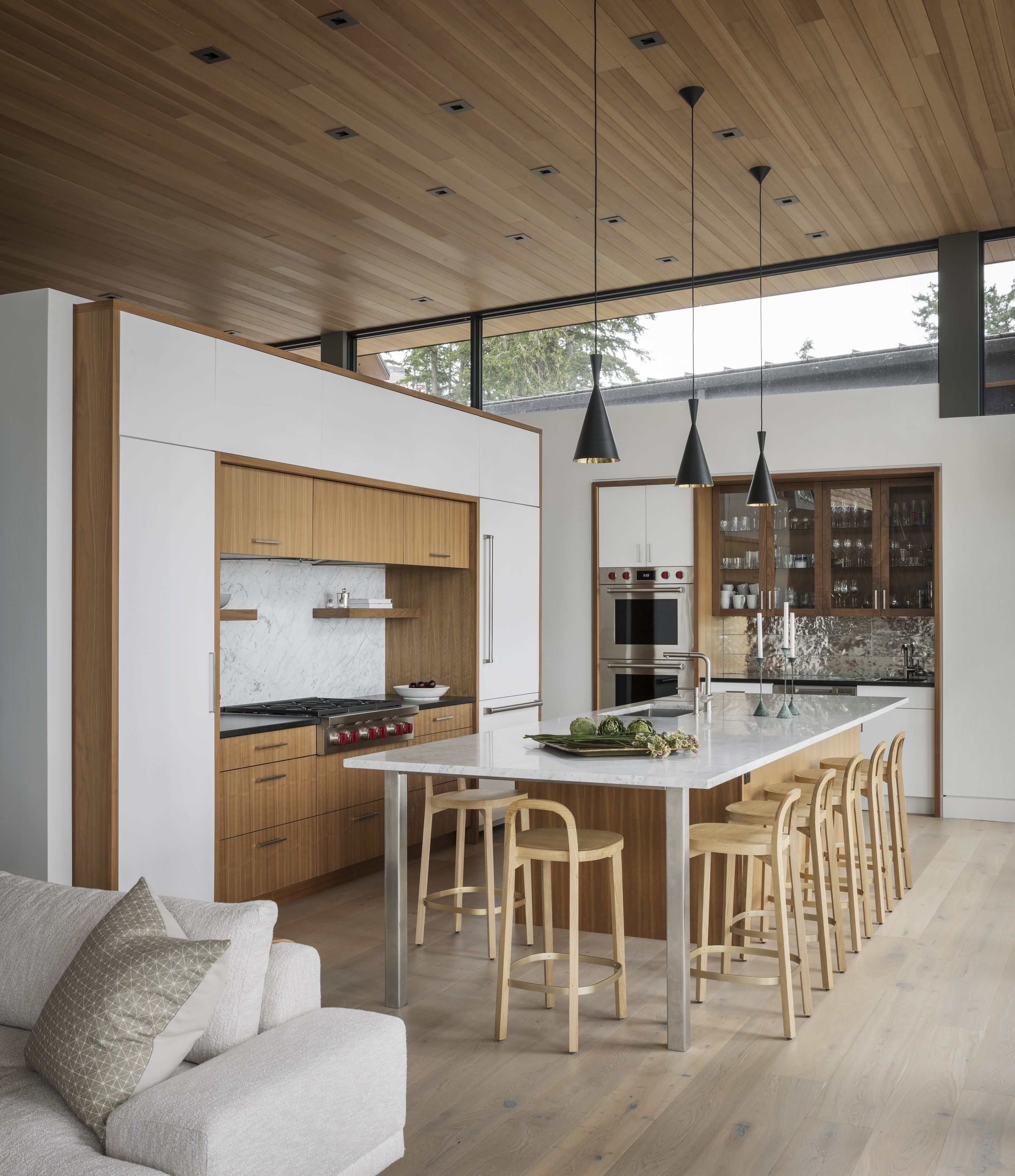
Countertop storage, while appearing stylish in some trends, can lead to a cramped and cluttered kitchen, especially with too many appliances or containers. Designers recommend keeping countertops clear, with essentials stored away and only a few aesthetically pleasing and practical items, such as chopping boards, pinch pots, or olive oil, on display.
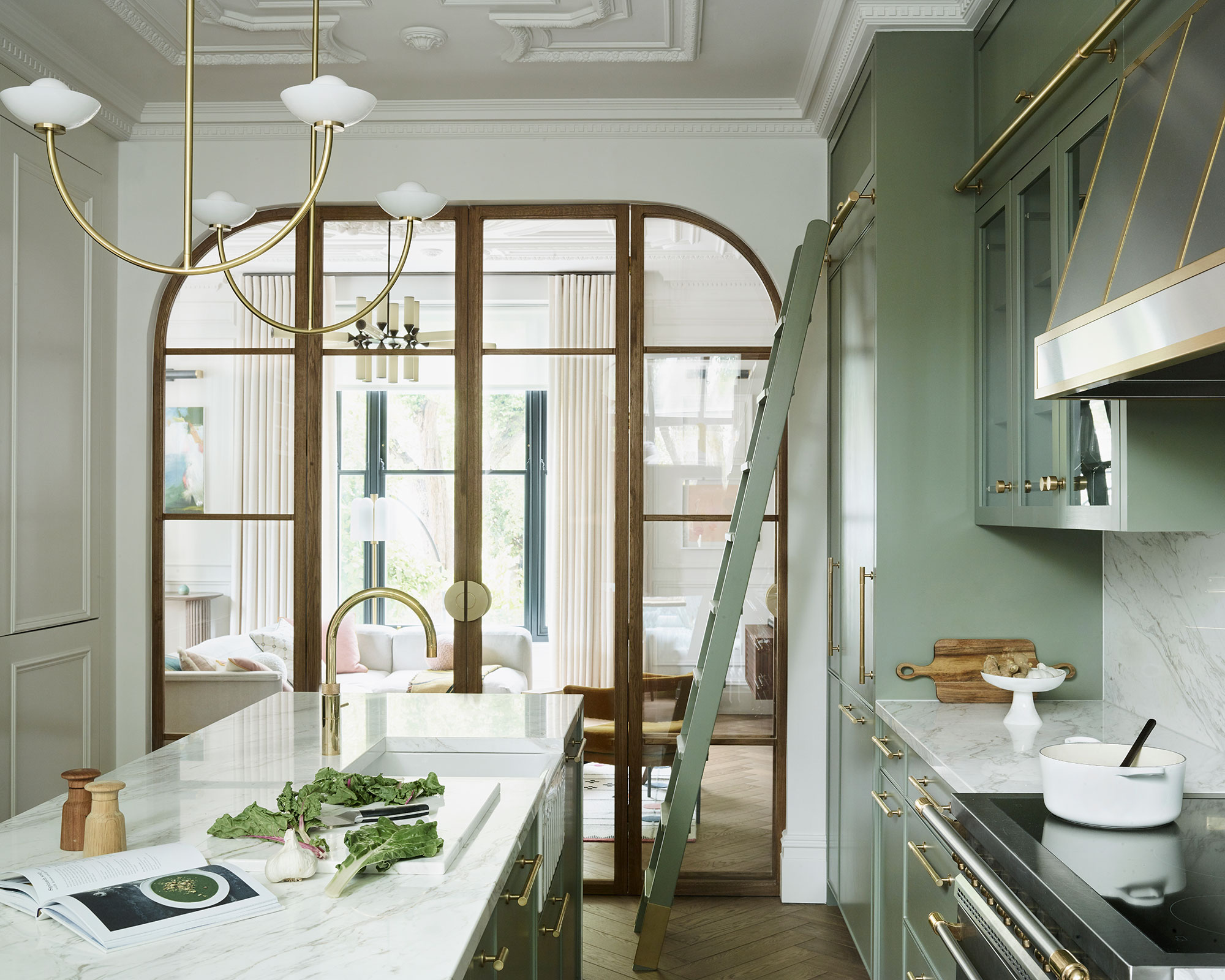
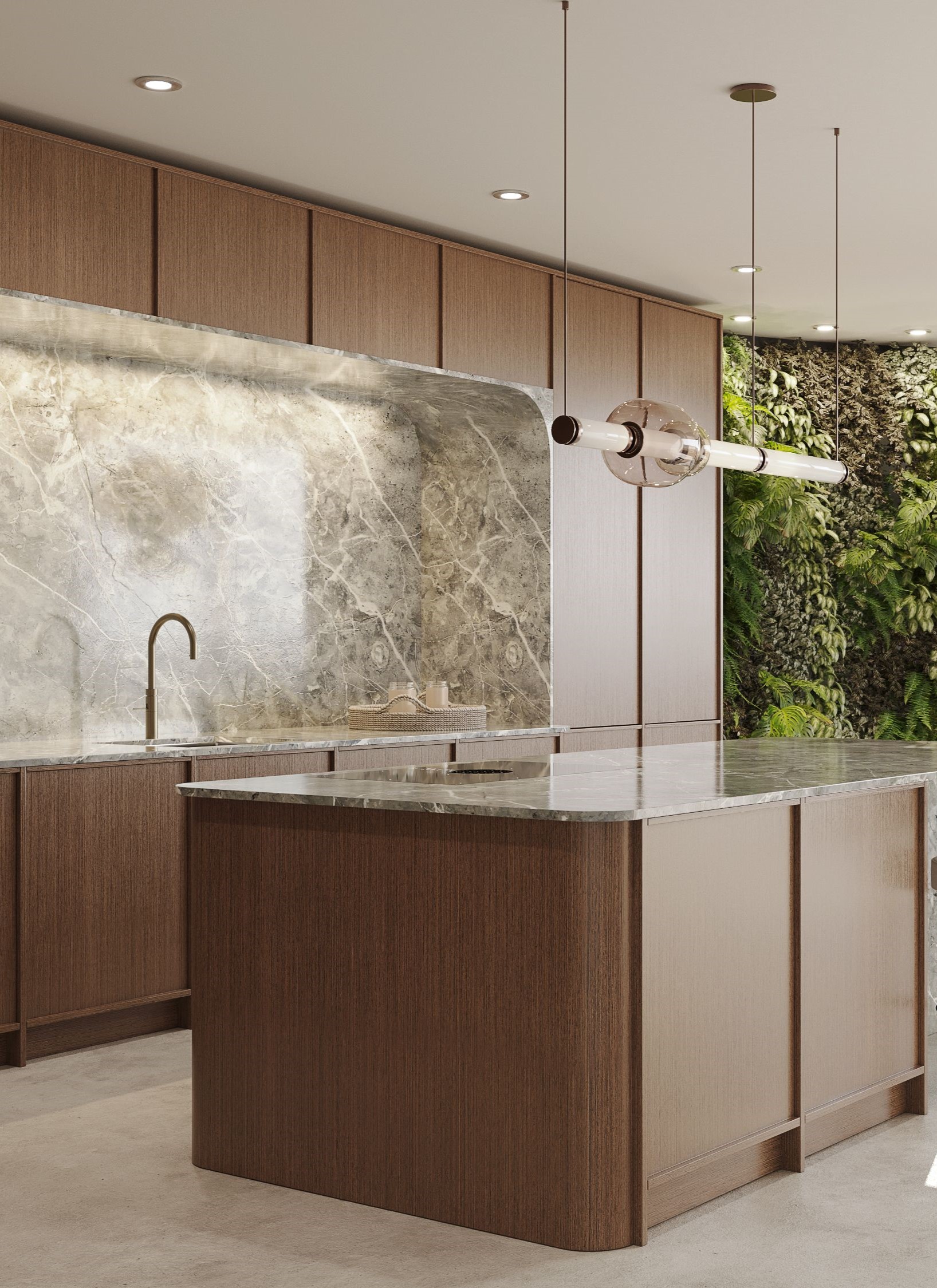
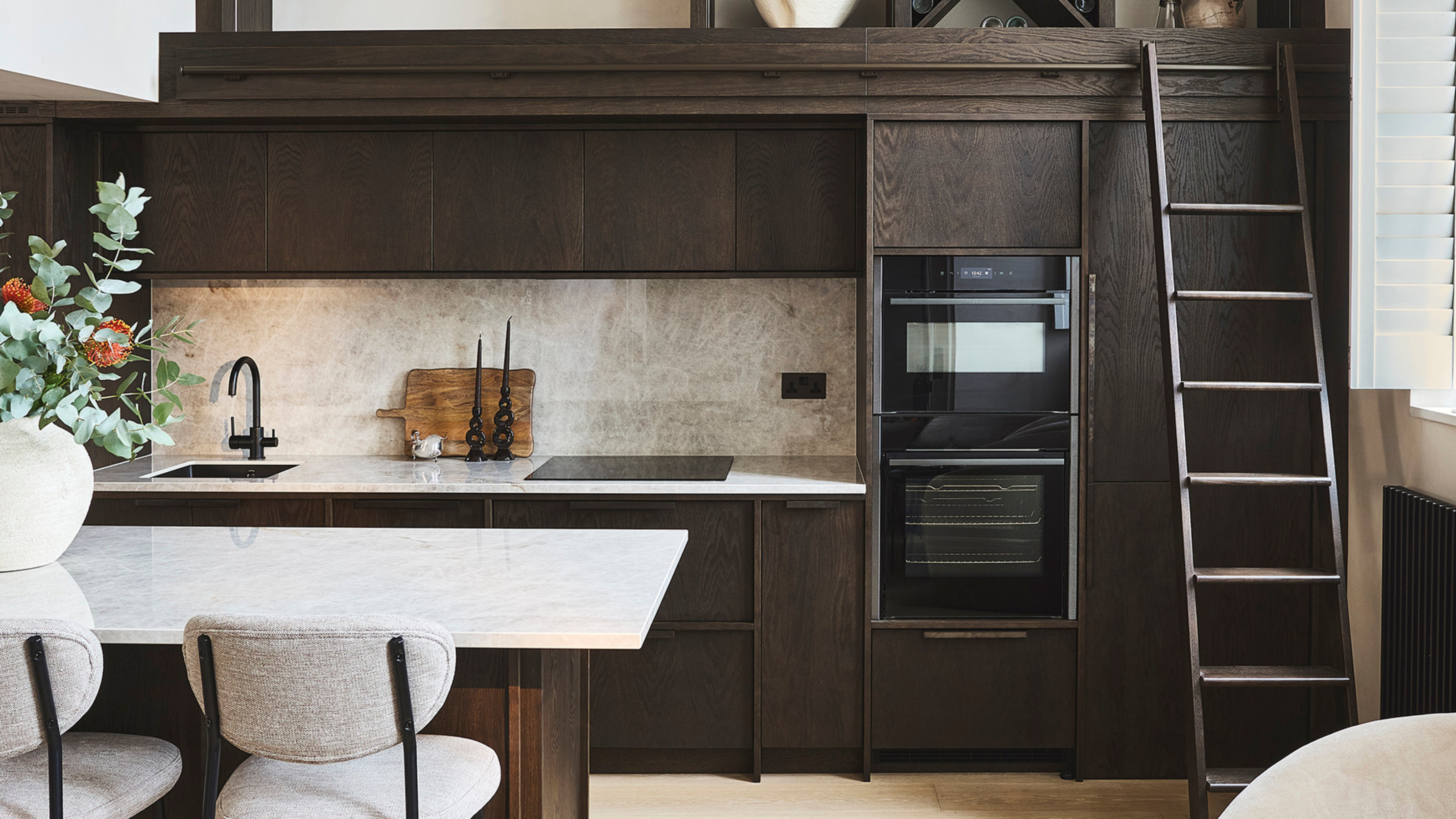
High overhead storage, specifically wall cabinets extending to the ceiling, can seem like an efficient use of space during design. However, these often end up storing seldom-used items that are difficult to access without assistance. If such storage is necessary, incorporating features like a rolling library ladder or pull-down organizers can improve accessibility. Otherwise, the top shelves might be better used for decorative purposes.
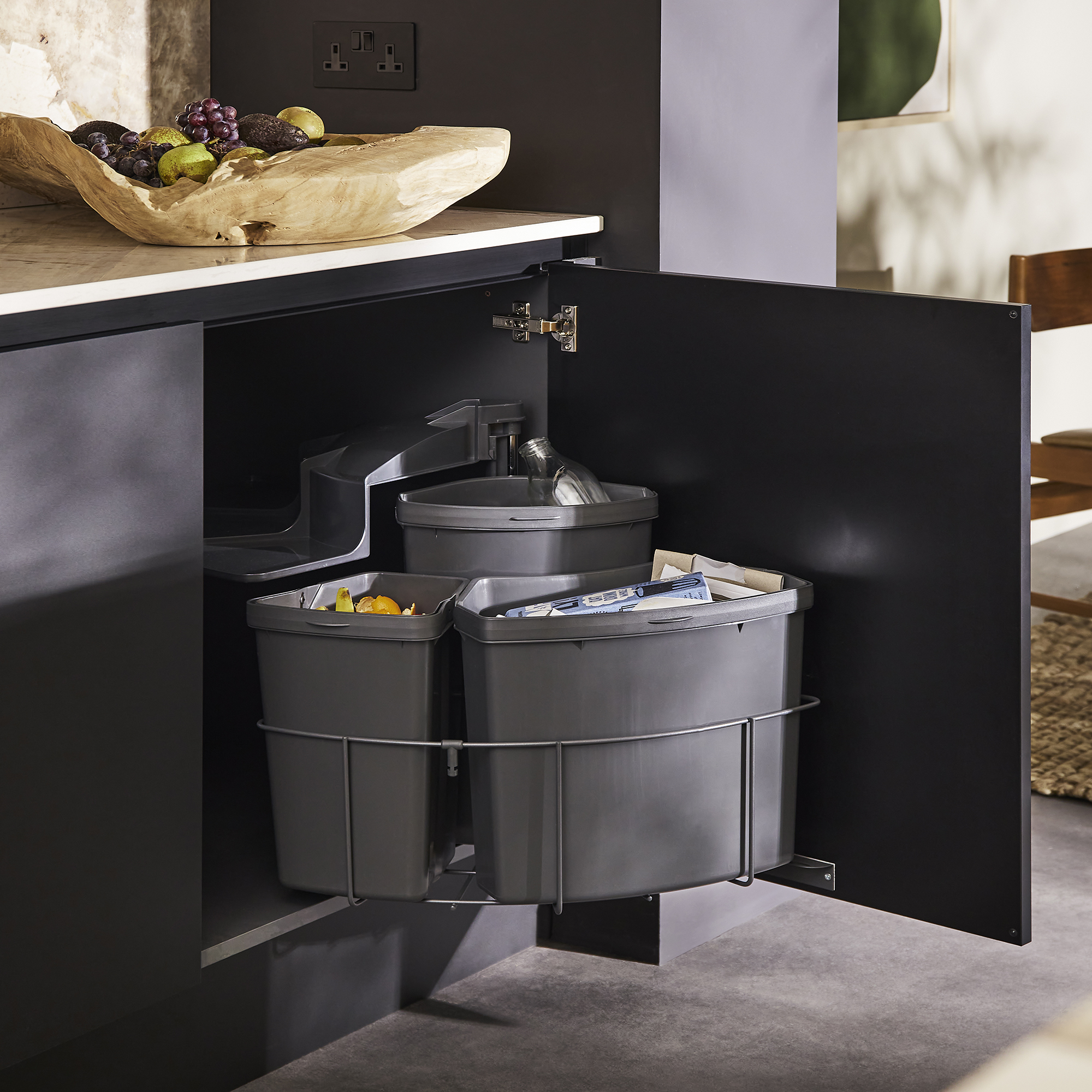
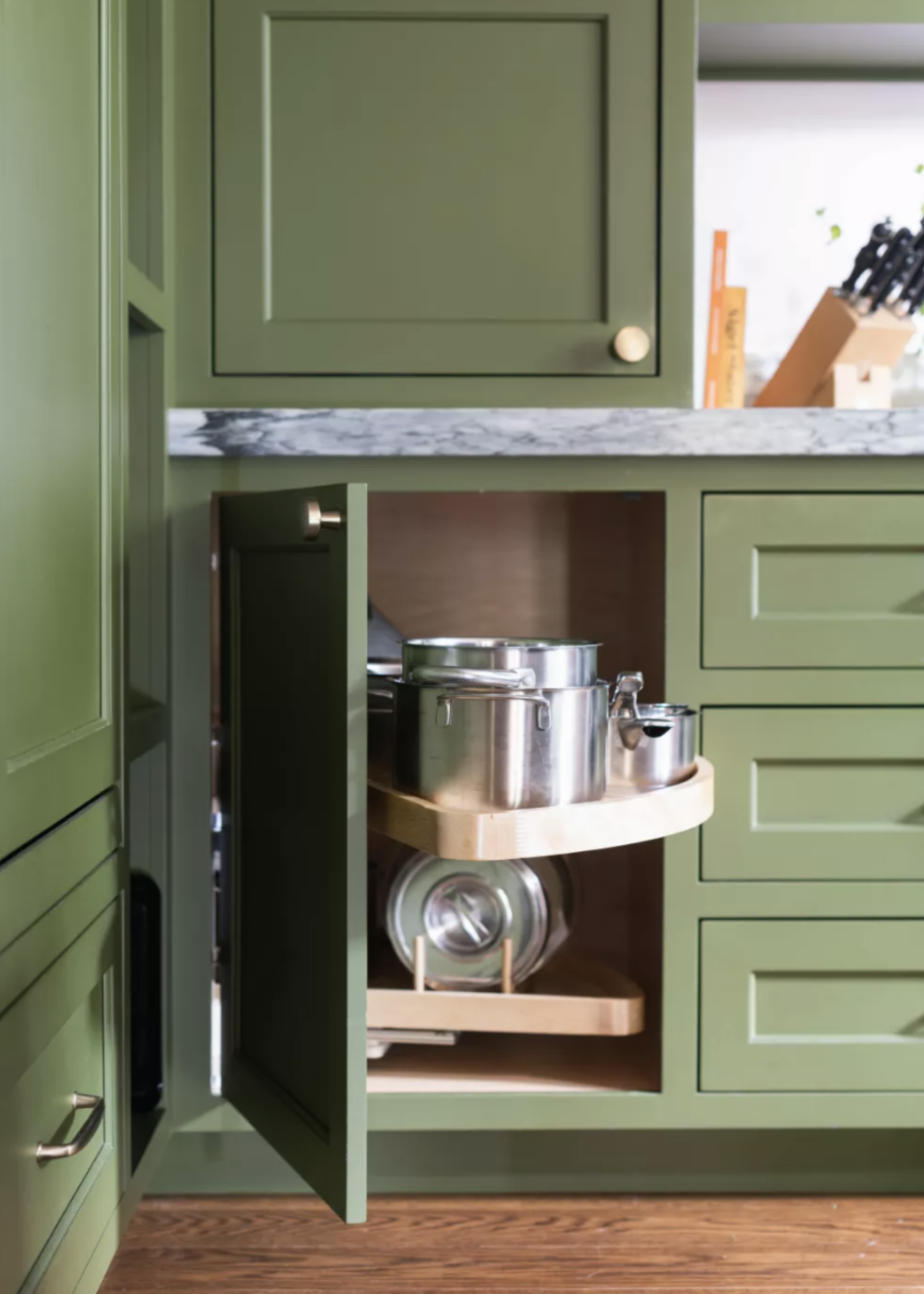
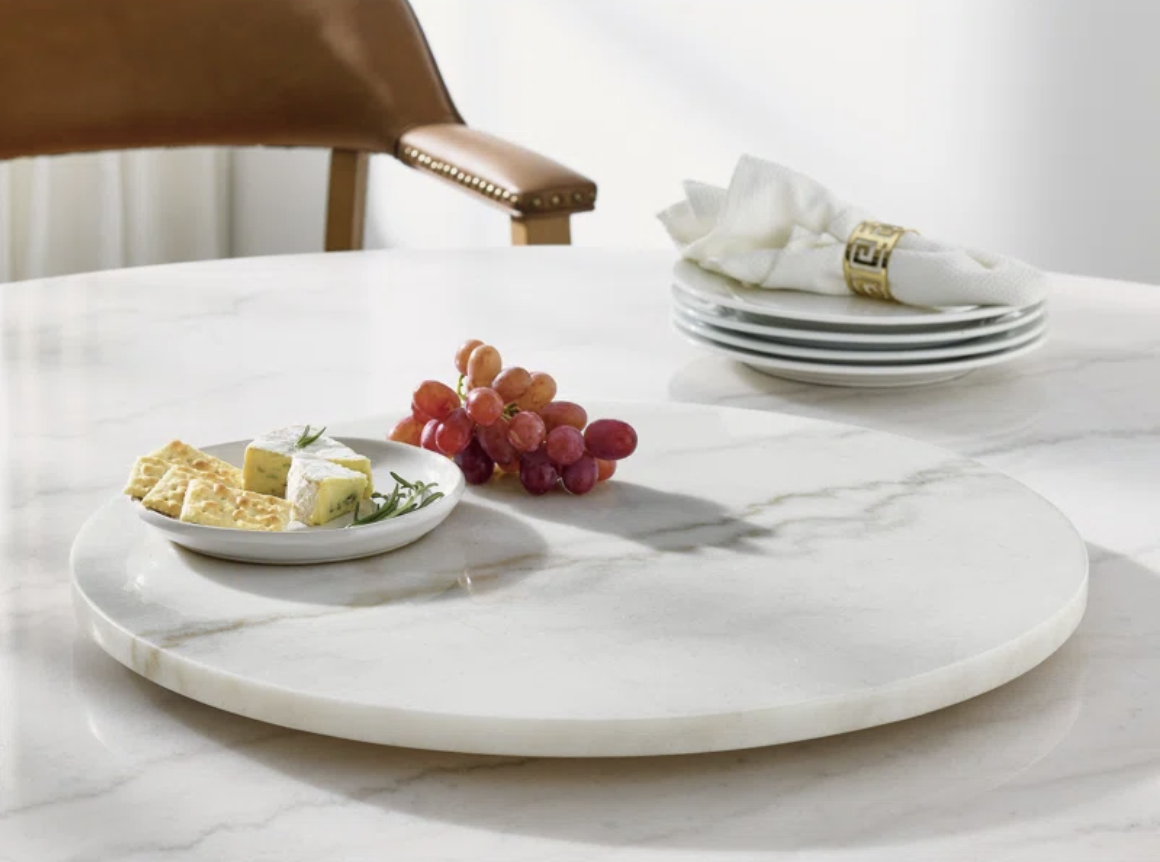
Complicated corner cabinets are highlighted as a common challenge. While intended to maximize space, they frequently become 'black holes' where items get lost or disorganized. Designers suggest using these spaces for larger, seldom-used appliances or opting for pull-out turntables, though even these can lead to items falling over. The emphasis is on avoiding designs that create inaccessible or chaotic storage areas.
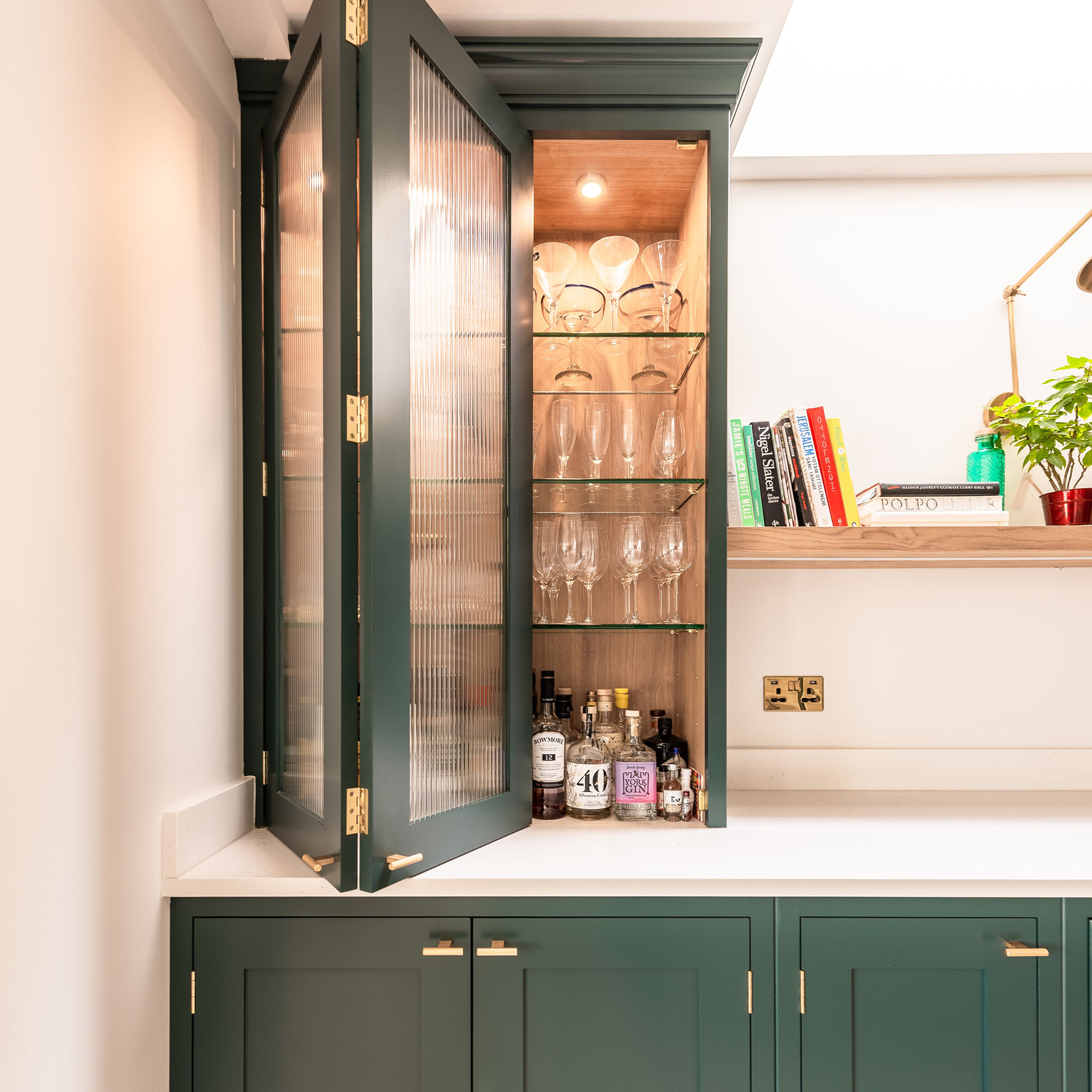
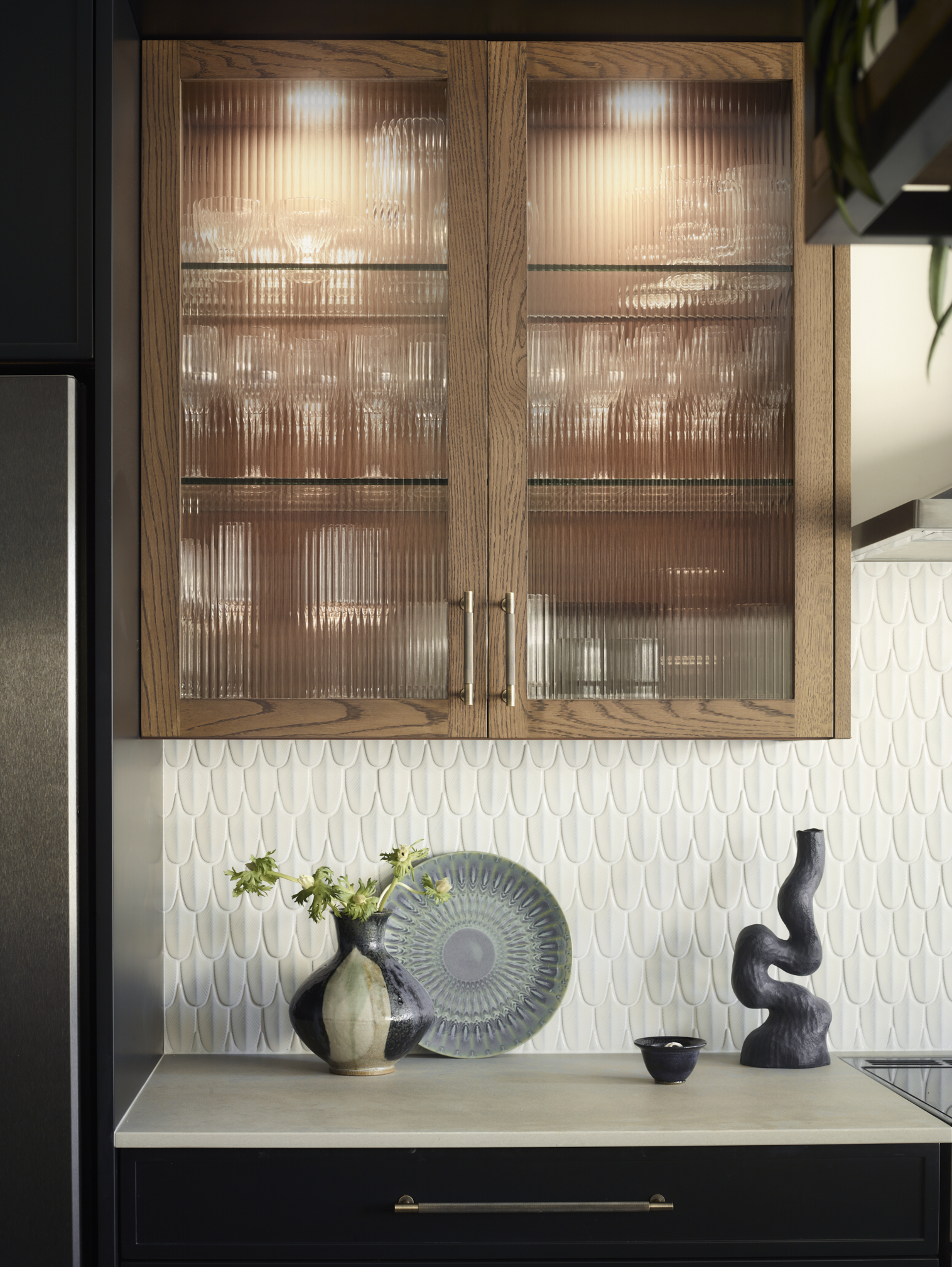
Excessive glazed cabinetry is another trend to avoid. While glass can be a striking feature, a large number of glass-fronted cabinets, especially when storing everyday essentials, can appear unappealing. The blurred shapes and colors of packaging behind glass are not always aesthetically pleasing. A balance of solid and glazed cupboards is recommended, with solid cabinets for unsightly items and glazed ones reserved for displaying stylish pieces, creating visual variety and preventing a claustrophobic feel.
Finally, the article warns against having too much storage space. While it seems counterintuitive, an abundance of storage can lead to accumulating unnecessary items and making a kitchen feel closed in. A thorough decluttering process before making design decisions is advised to determine actual storage needs. The overall recommendation is to prioritize quality, timeless design, and functionality over quantity and fleeting trends, focusing on beautifully made classic elements that suit a long-term lifestyle.
#KitchenStorage #HomeDesign #InteriorDesignTrends #KitchenOrganization #KitchenCabinets #OpenShelving #CountertopStorage #PantryDesign #FunctionalKitchens #KitchenStorage #HomeDesign #InteriorDesignTrends #KitchenOrganization #KitchenCabinets #OpenShelving #CountertopStorage #PantryDesign #FunctionalKitchens
0 comment in total
 No comments yet
You may also like
Kitchen storage trends to avoid for a more functional cooking space, according to design experts
Kitchen storage trends to avoid – 8 impractical features designers are rethinking for 2024

7 Kitchen Design Trends Chefs Say Are Totally Bogus
8 Things You Should Never Keep on Your Open Shelves, According to Designers

The 5 kitchen storage mistakes interior designers always avoid

15 Outdated Things You Should Avoid In Your Kitchen, According To Designers

7 Items You Should Never Store In Kitchen Cabinets
5 things to never put on your kitchen island, according to interior designers
5 Outdated Types of Kitchen Storage Experts Are Urging You to Avoid
5 Outdated Kitchen Cabinet Trends That Interior Designers Say You Should Skip

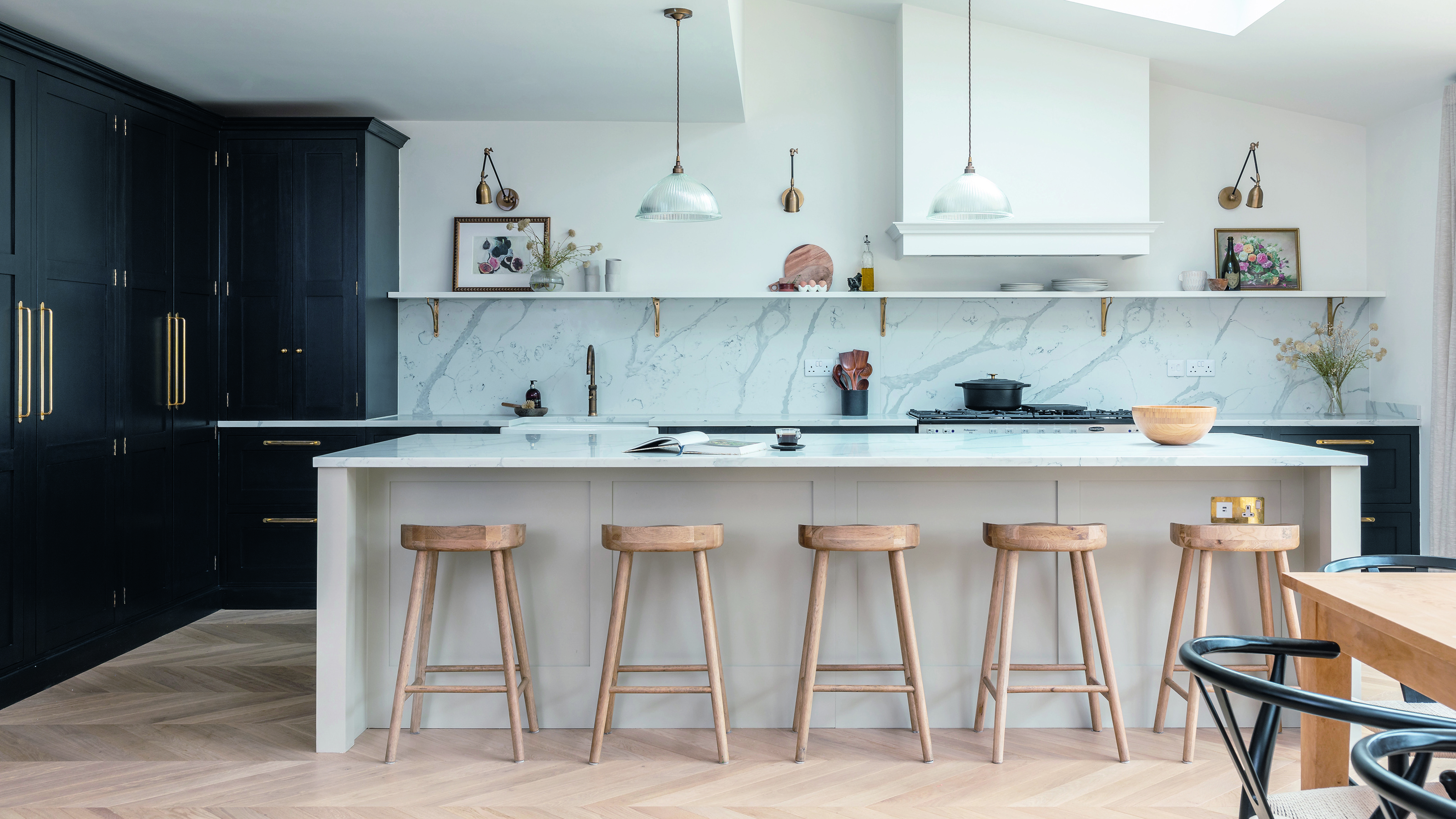
5 kitchen trends to avoid for a unique and timeless design
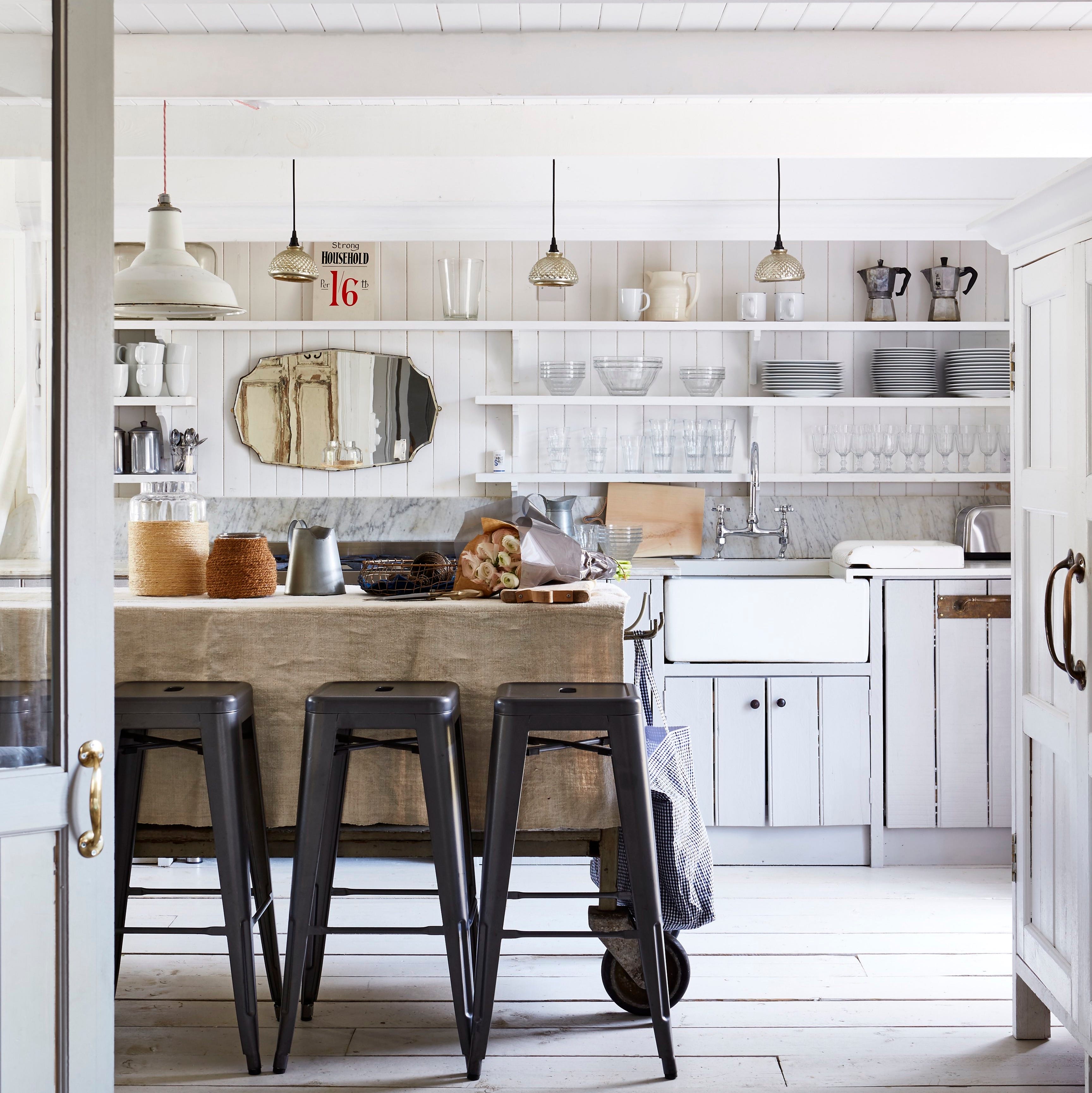
7 kitchen storage mistakes you're making – and how to fix them
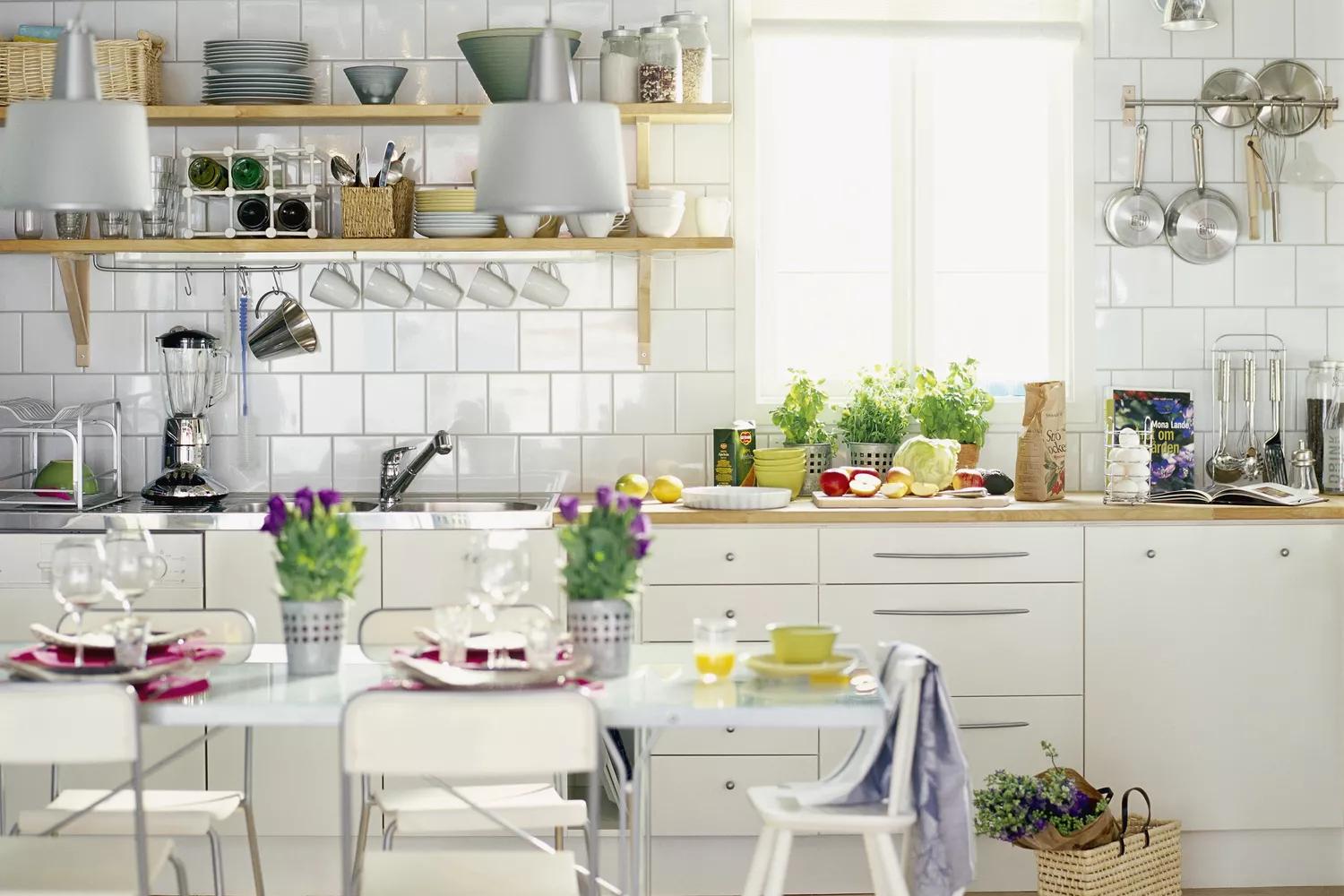
7 Impractical Kitchen Trends Designers Never Recommend to Their Clients

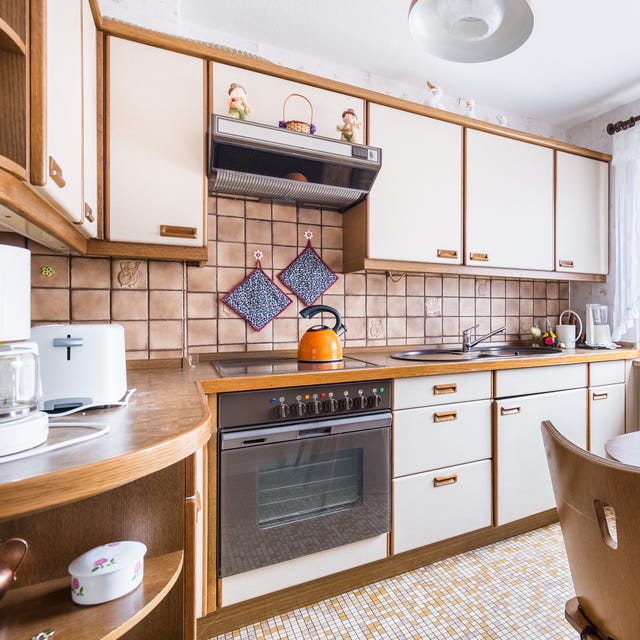
22 Outdated Things You Should Avoid in Your Kitchen, According to Designers
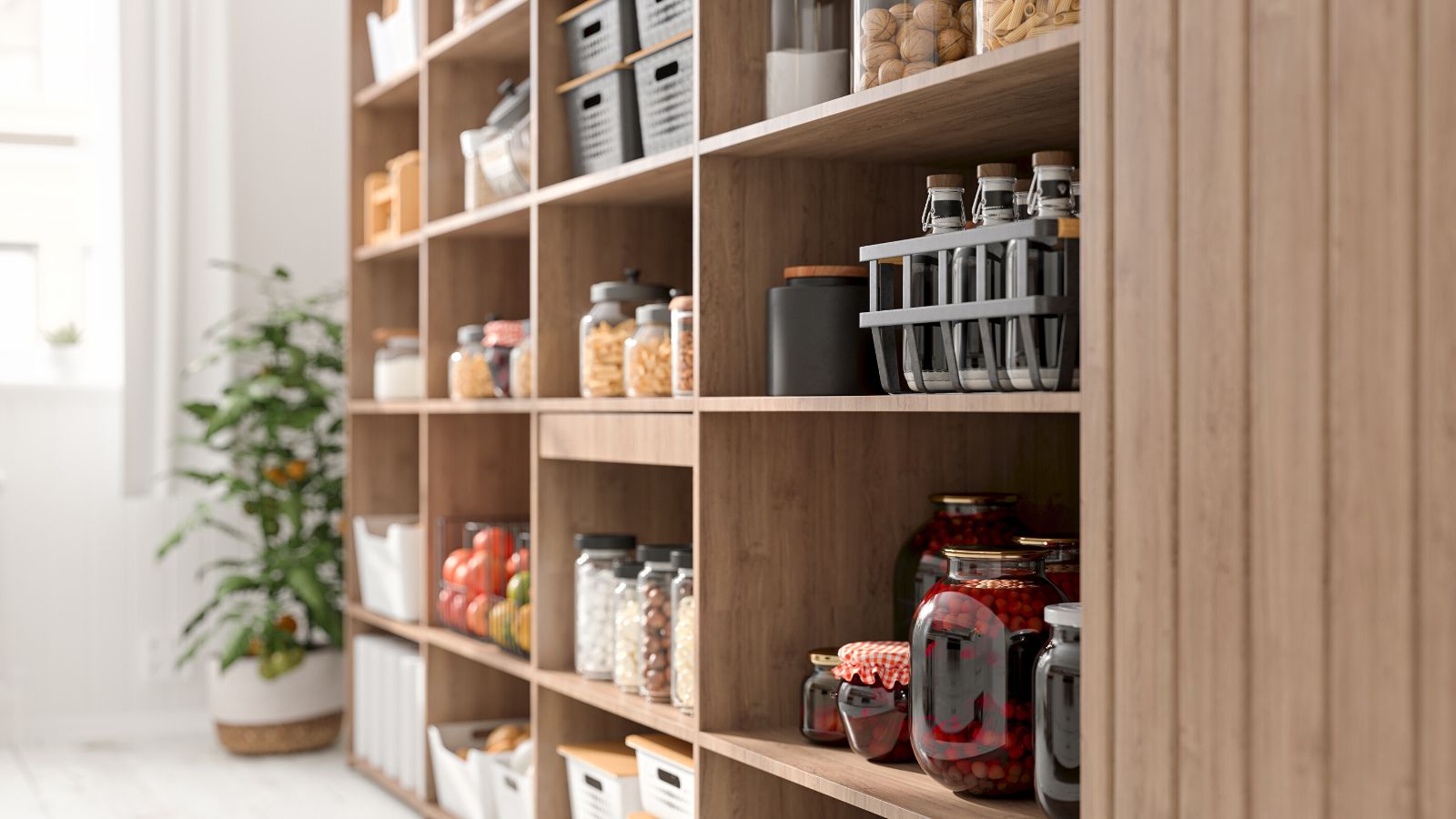
7 types of storage you should never use in a pantry – they'll make utilizing this space well 10 times harder, pros say
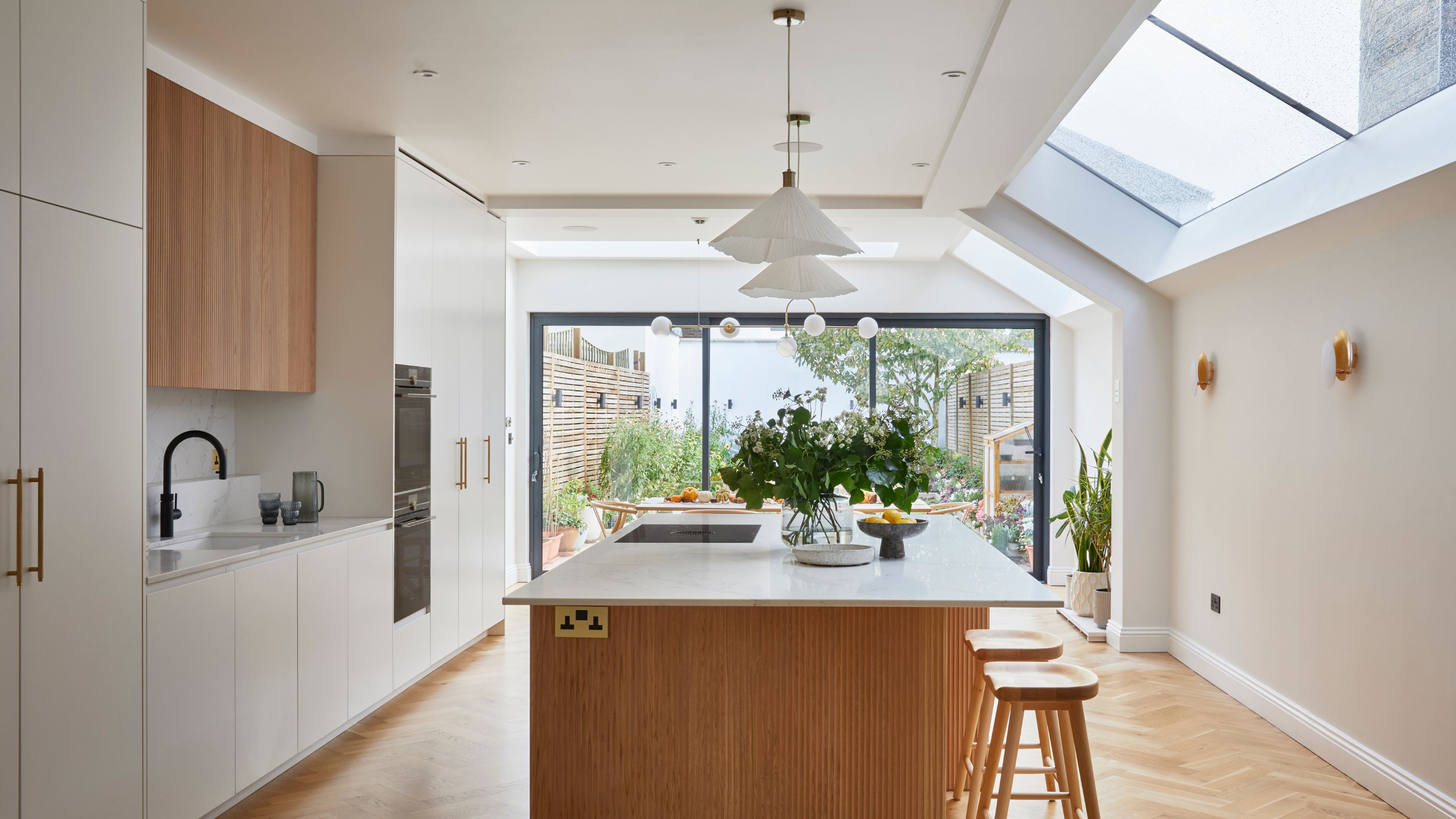
6 Outdated Kitchen Trends Designers Say You Need to Avoid in 2025 — And What to Do Instead
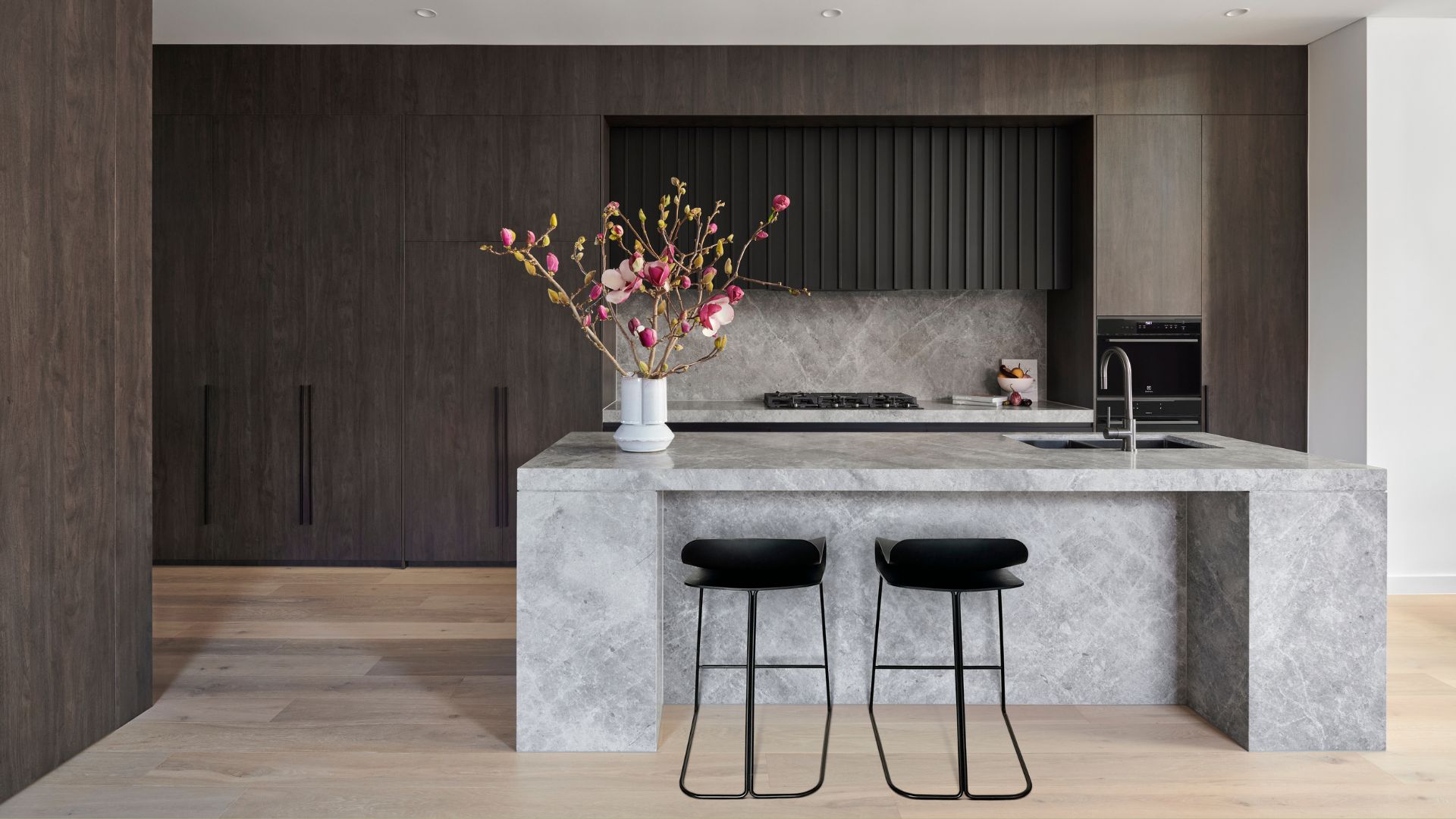
8 Outdated Kitchen Storage Choices to Avoid — And What Experts Say You Should Use Instead
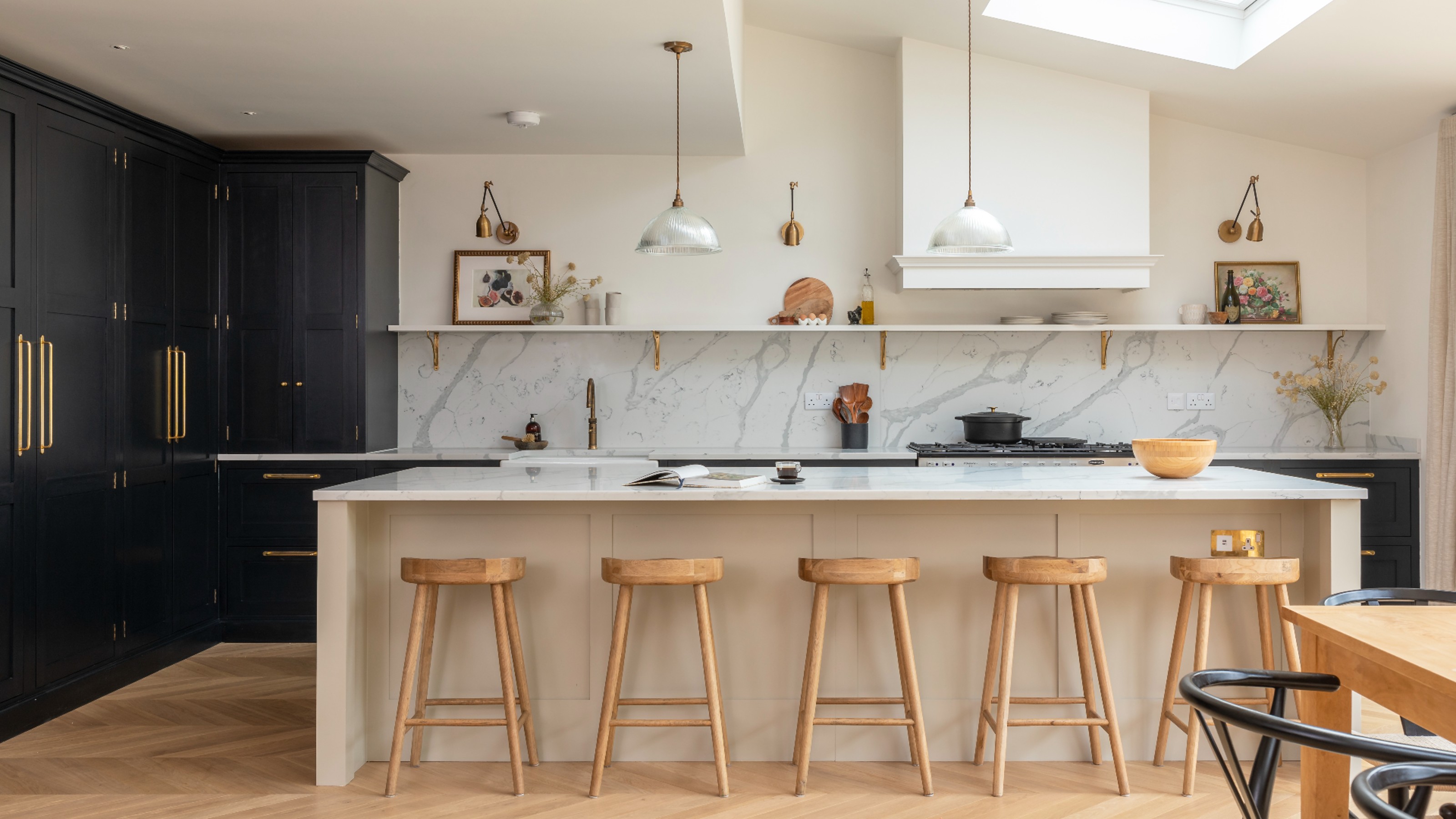
Never store these 6 things on open kitchen shelving, warn pro organisers
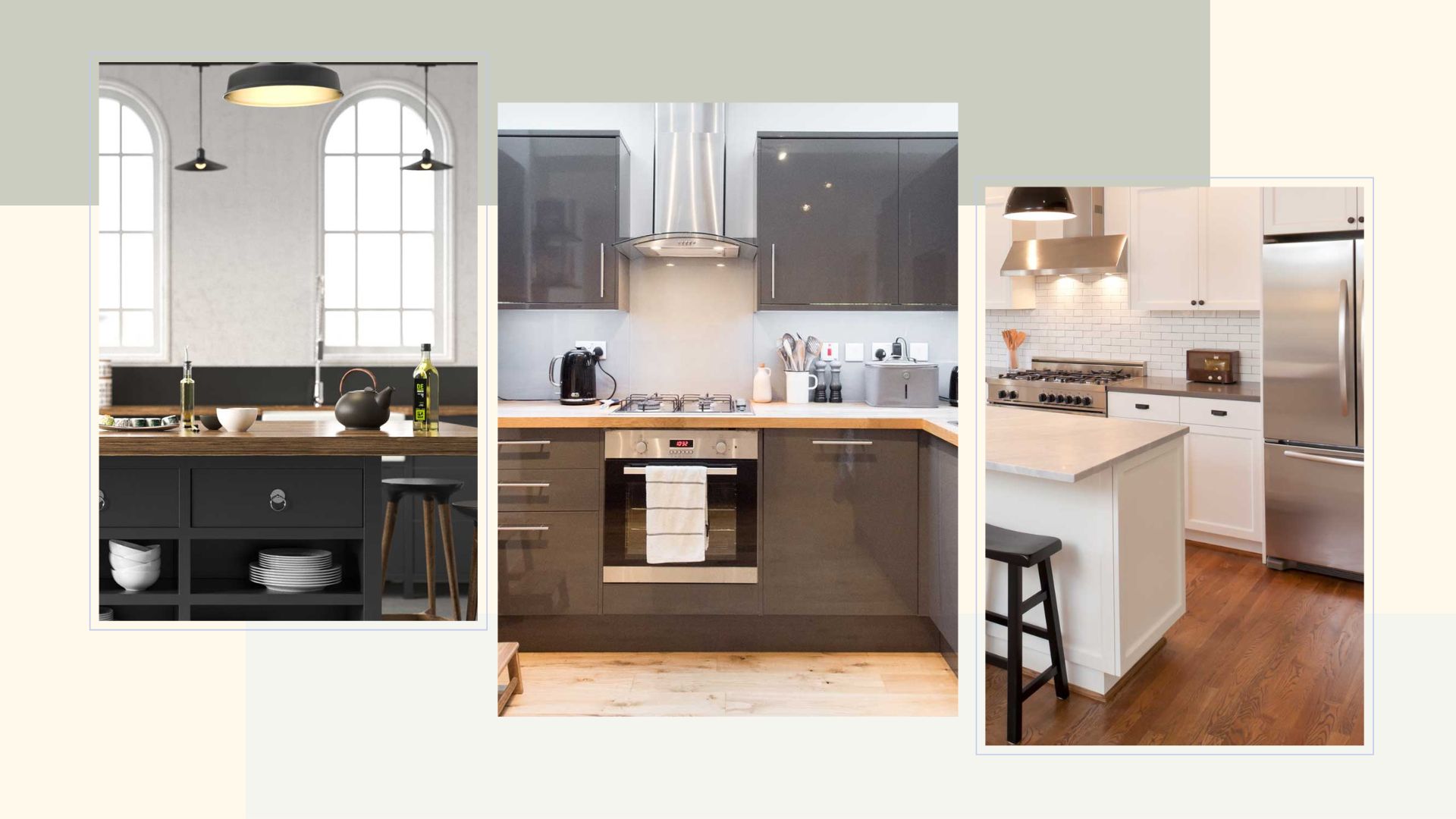
Kitchen trends to avoid 2023 – 9 overdone looks interior designers want us to steer clear of

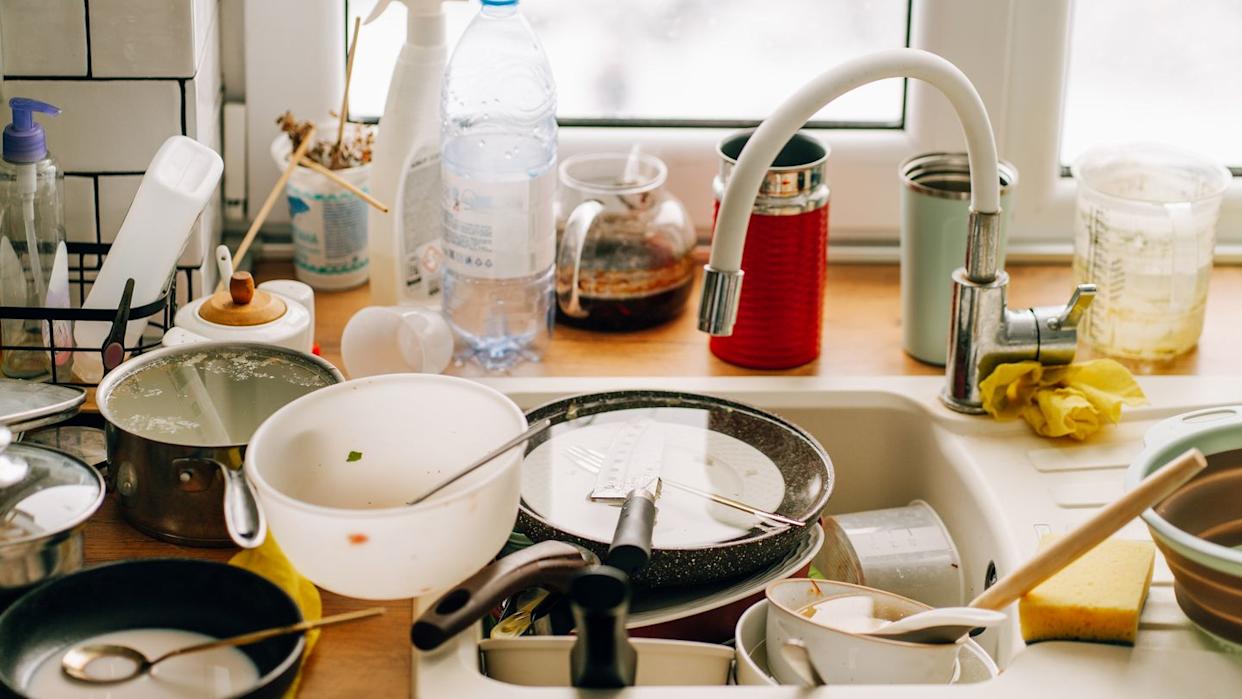
8 Things Pro Organizers Say You Should NEVER Keep On Your Kitchen Counter