1/8
Never store these 6 things on open kitchen shelving, warn pro organisers
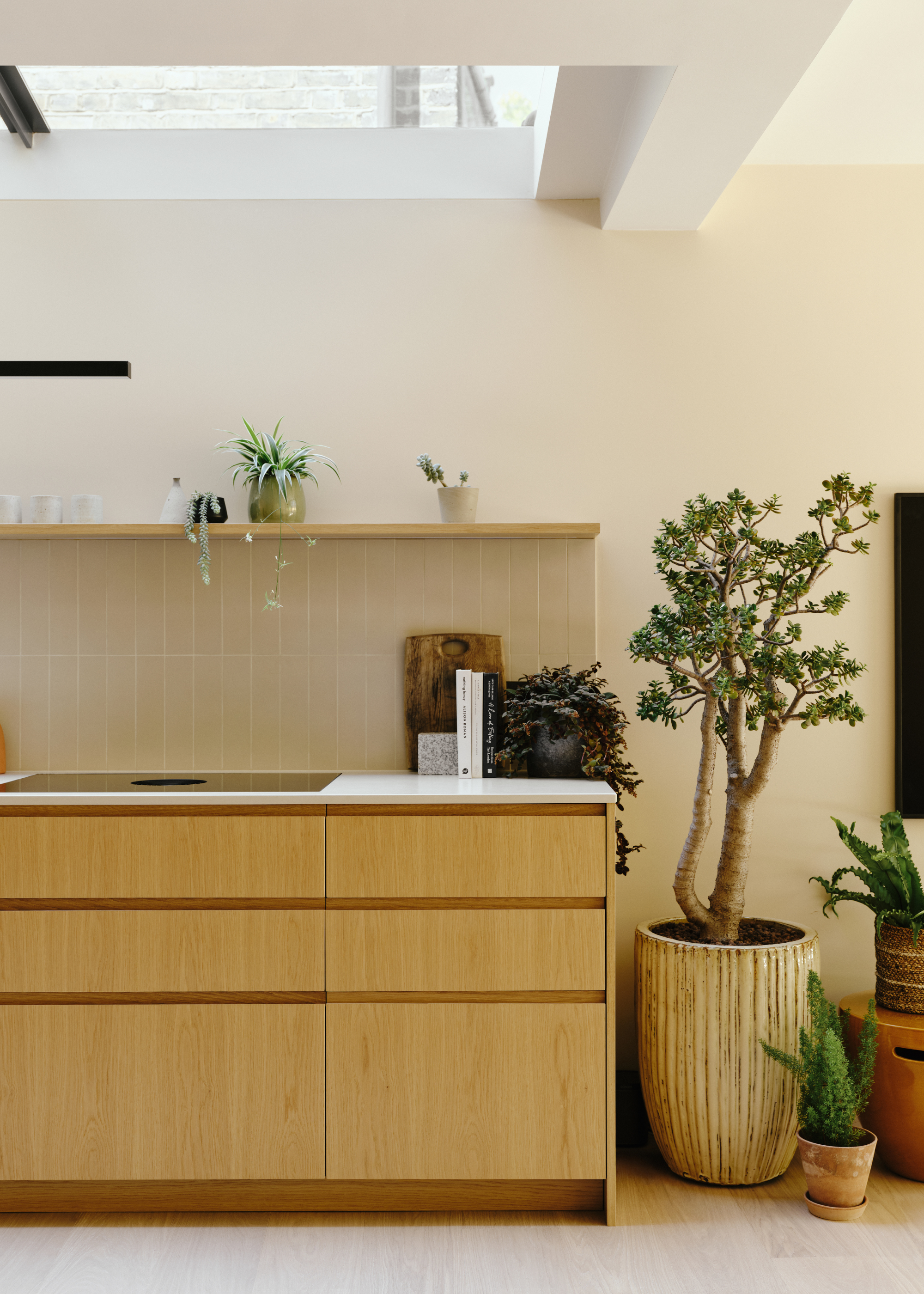
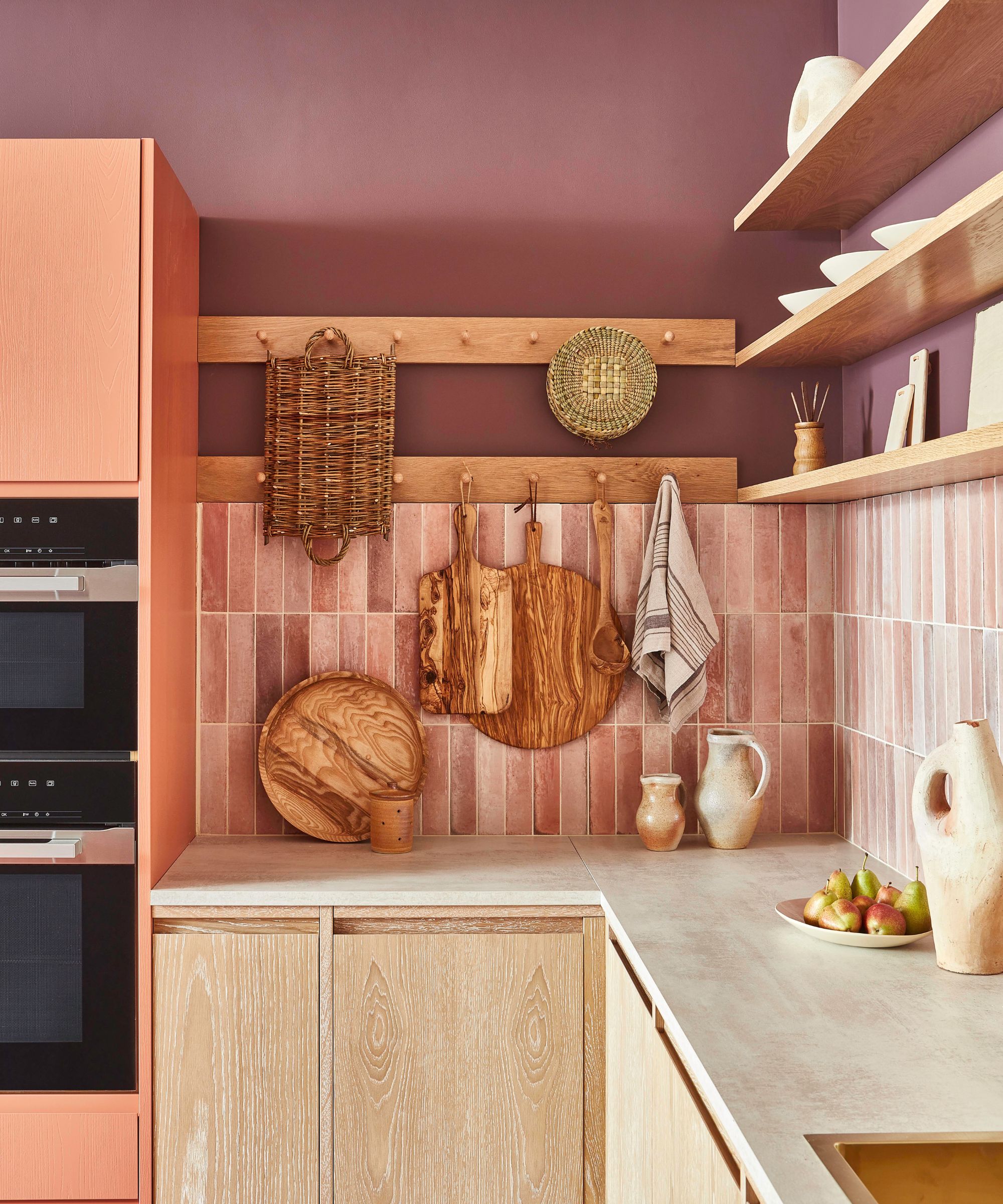
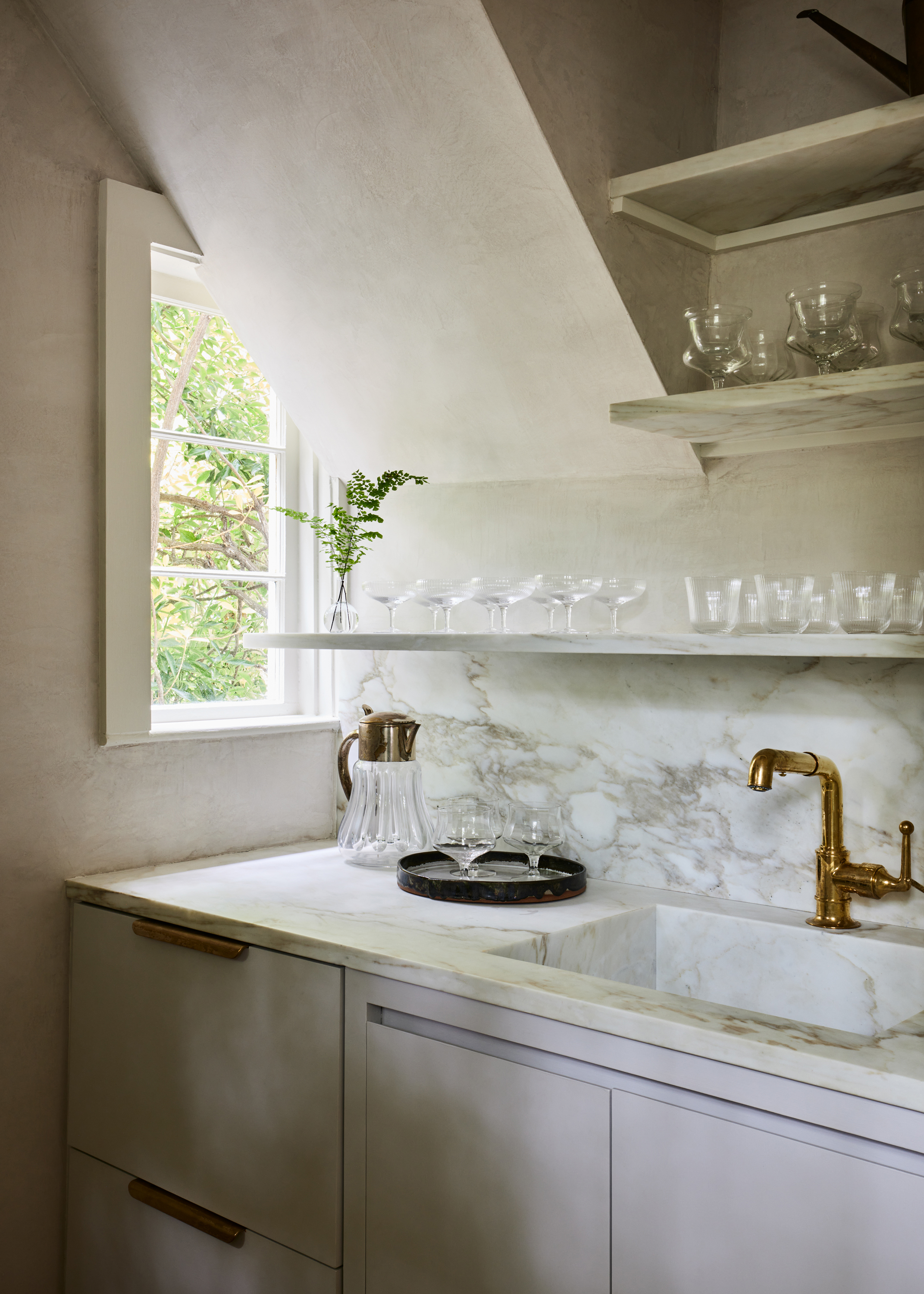
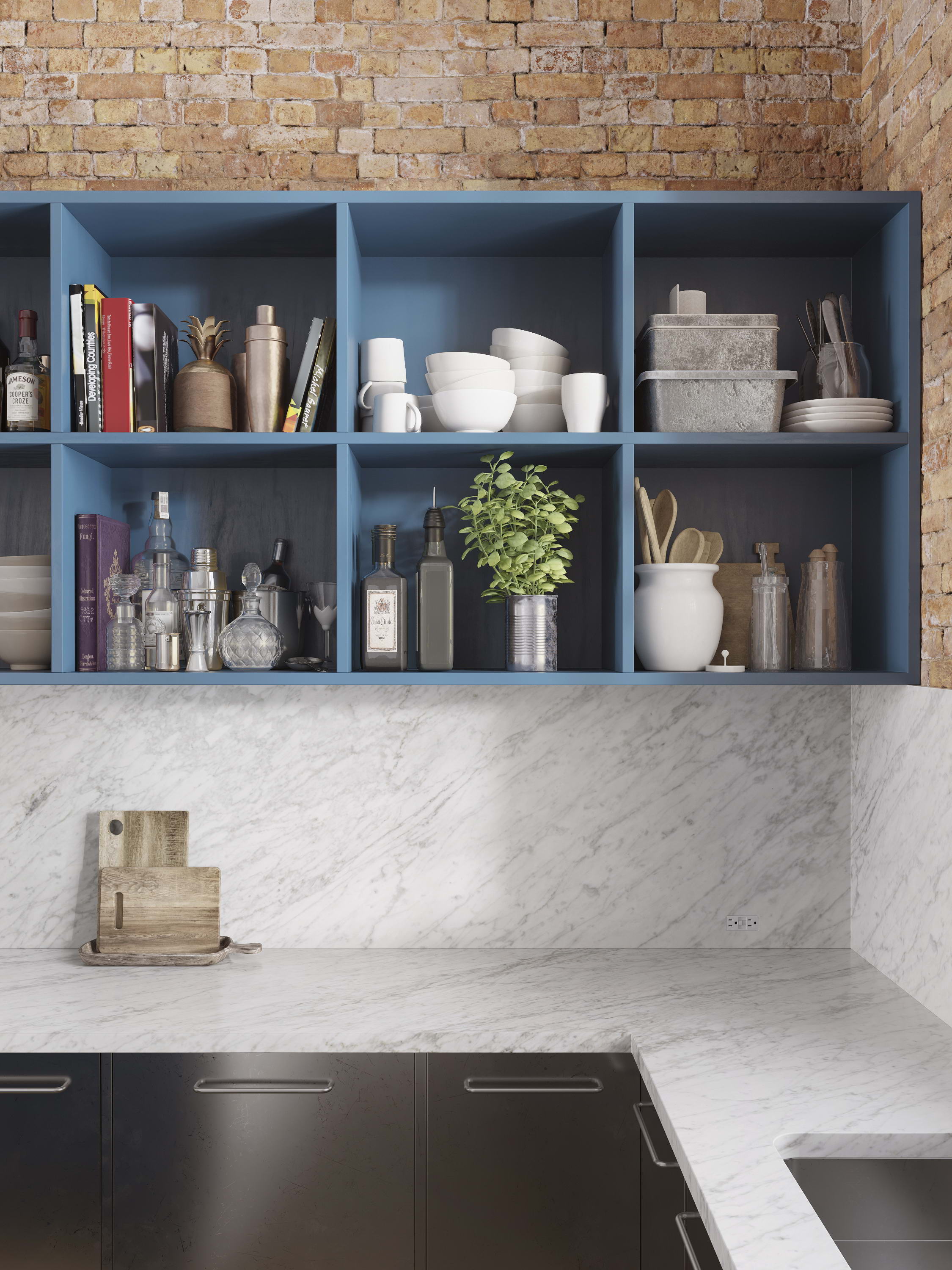
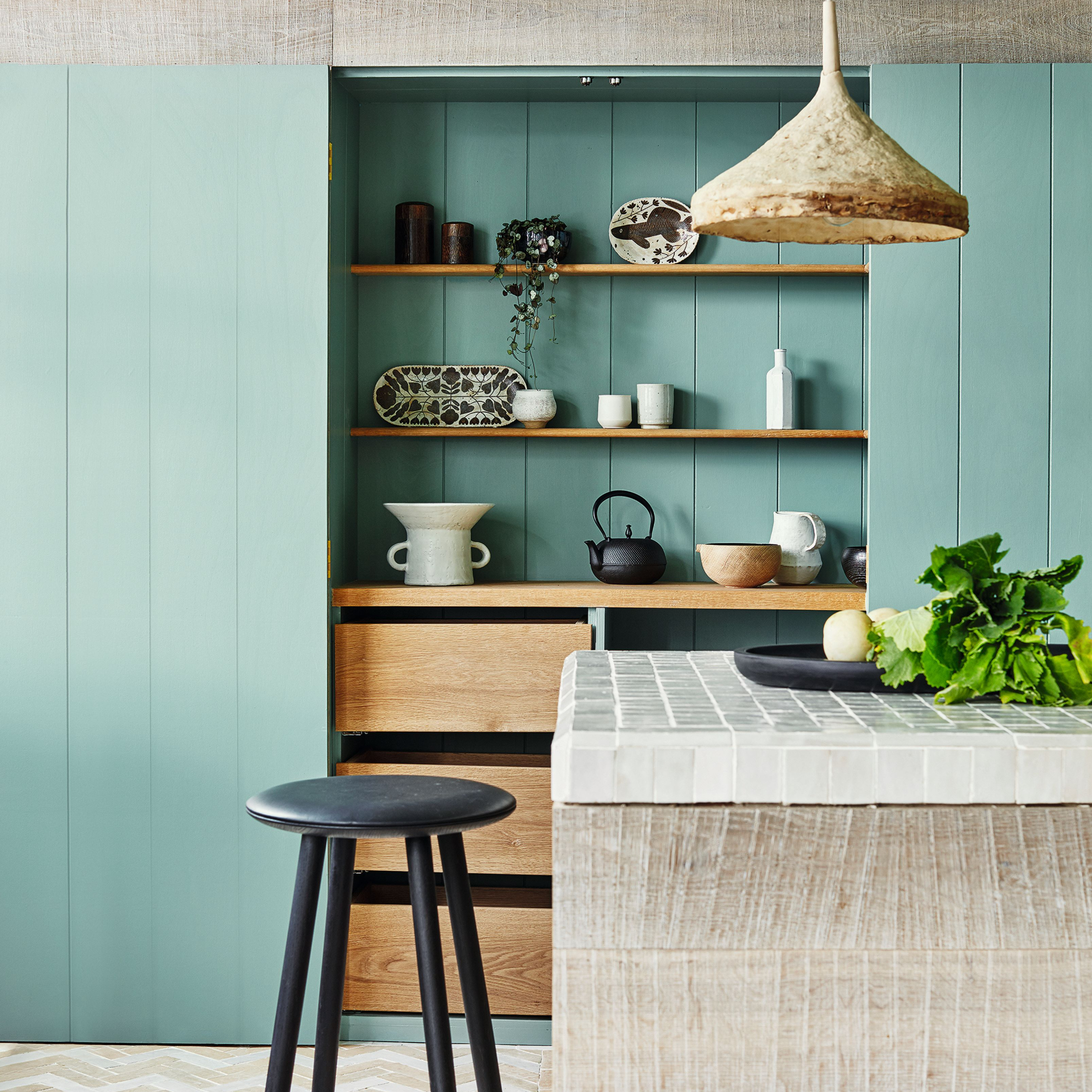
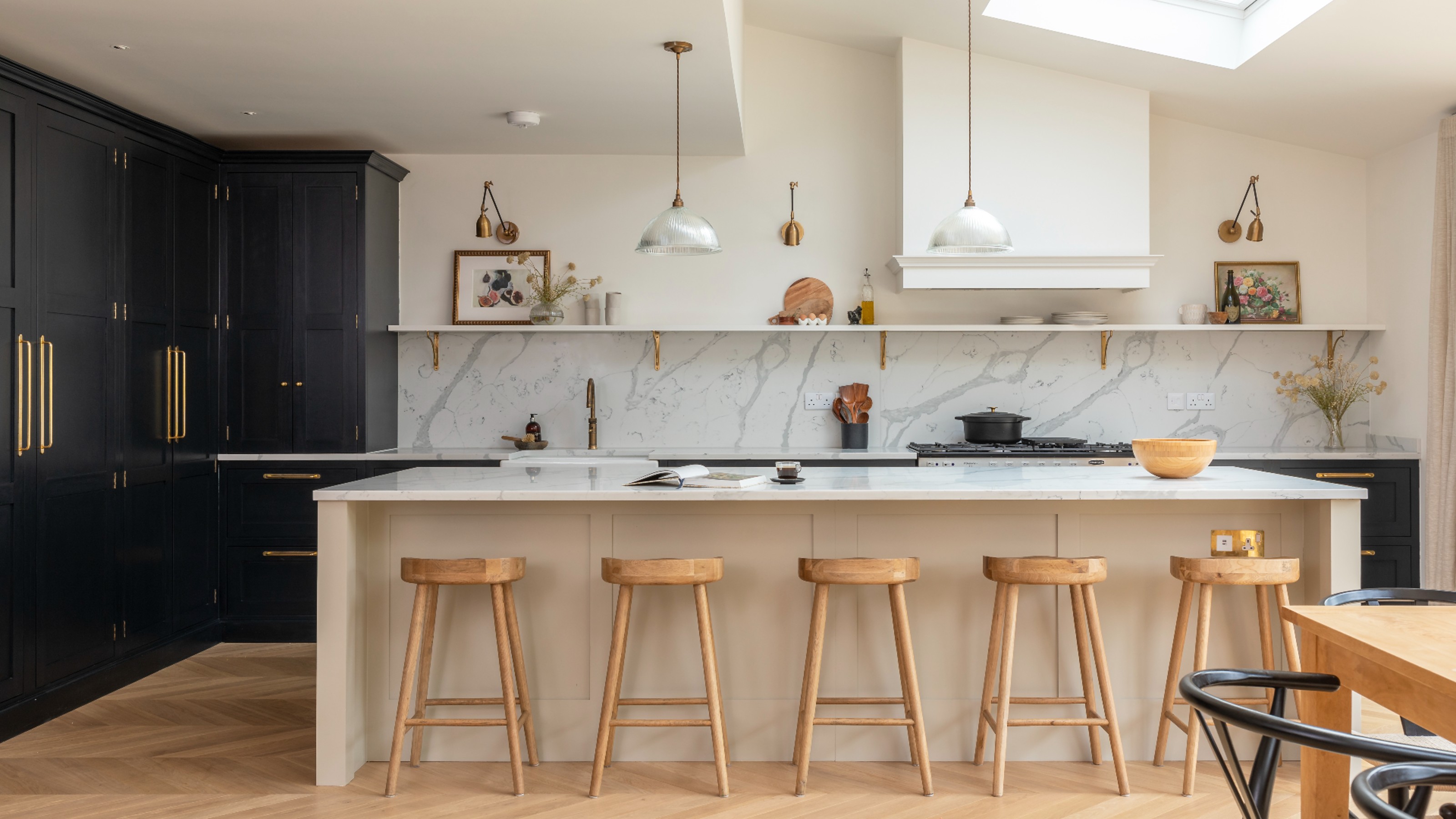
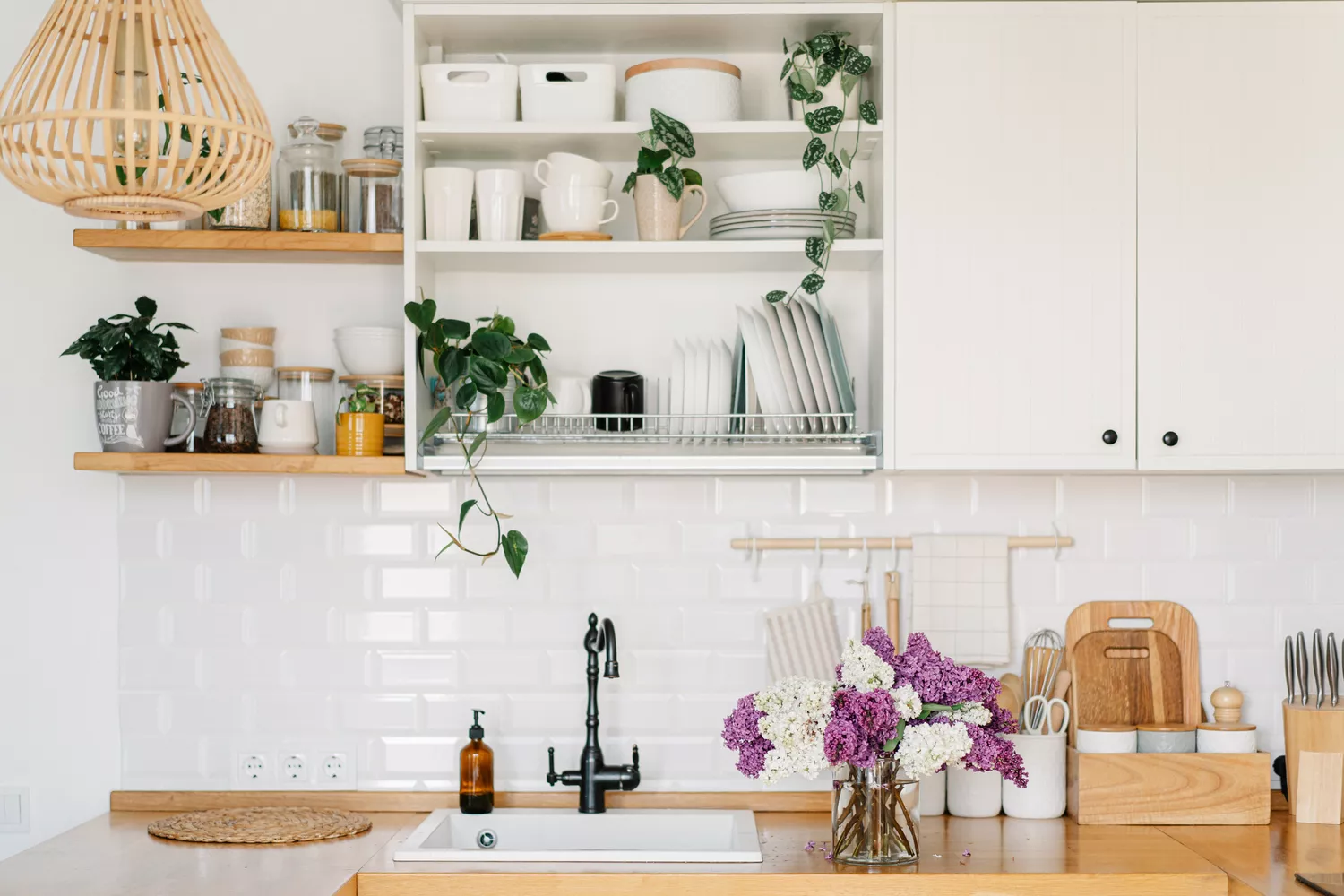
The increasing popularity of open kitchen shelving as a design trend has led to a re-evaluation of kitchen storage practices. While open shelving can enhance a kitchen's aesthetic by making it feel lighter and brighter, it comes with specific considerations to prevent clutter and maintain functionality. Professional organisers highlight certain items that should ideally not be stored on open shelves due to practical or aesthetic reasons.
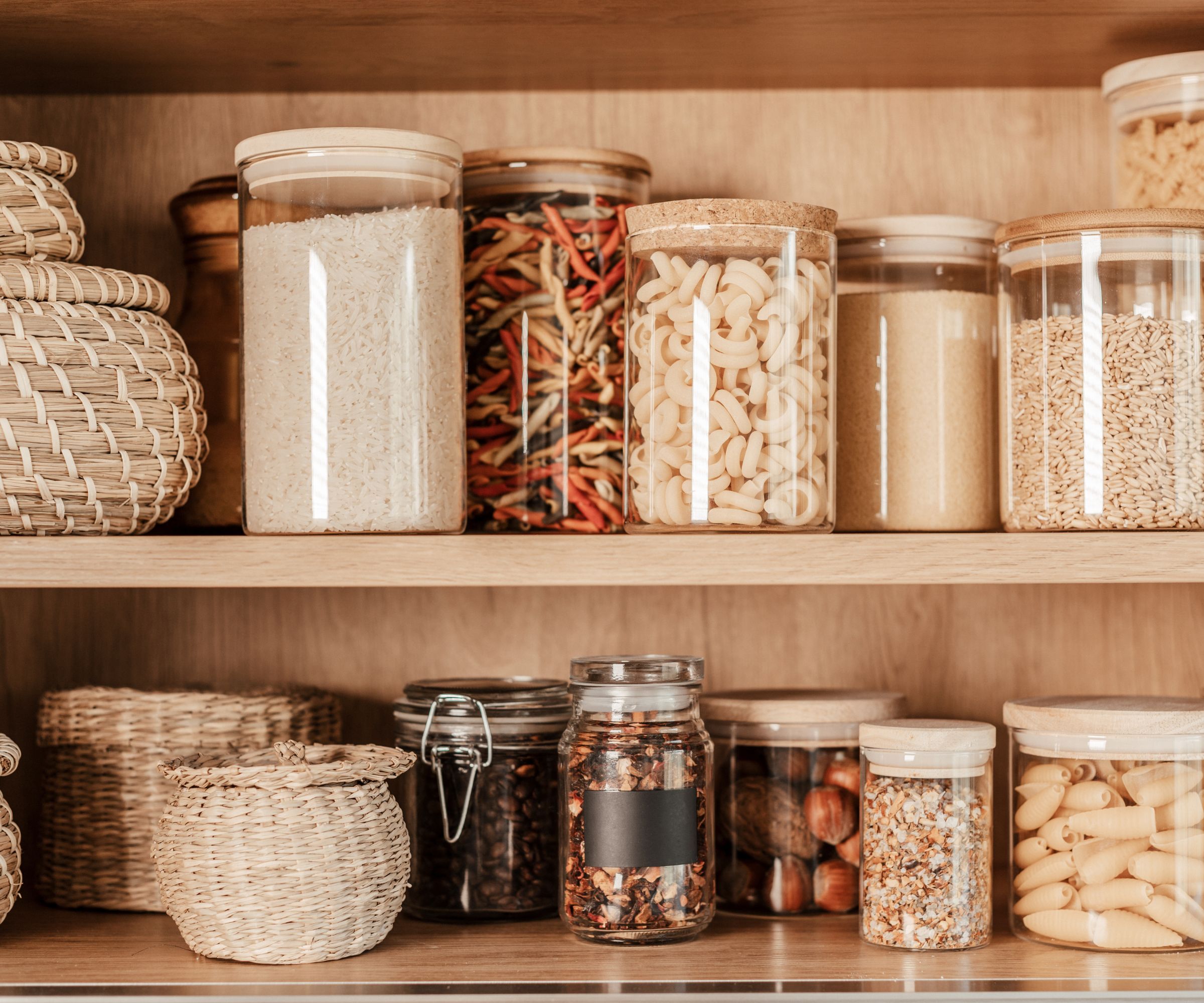
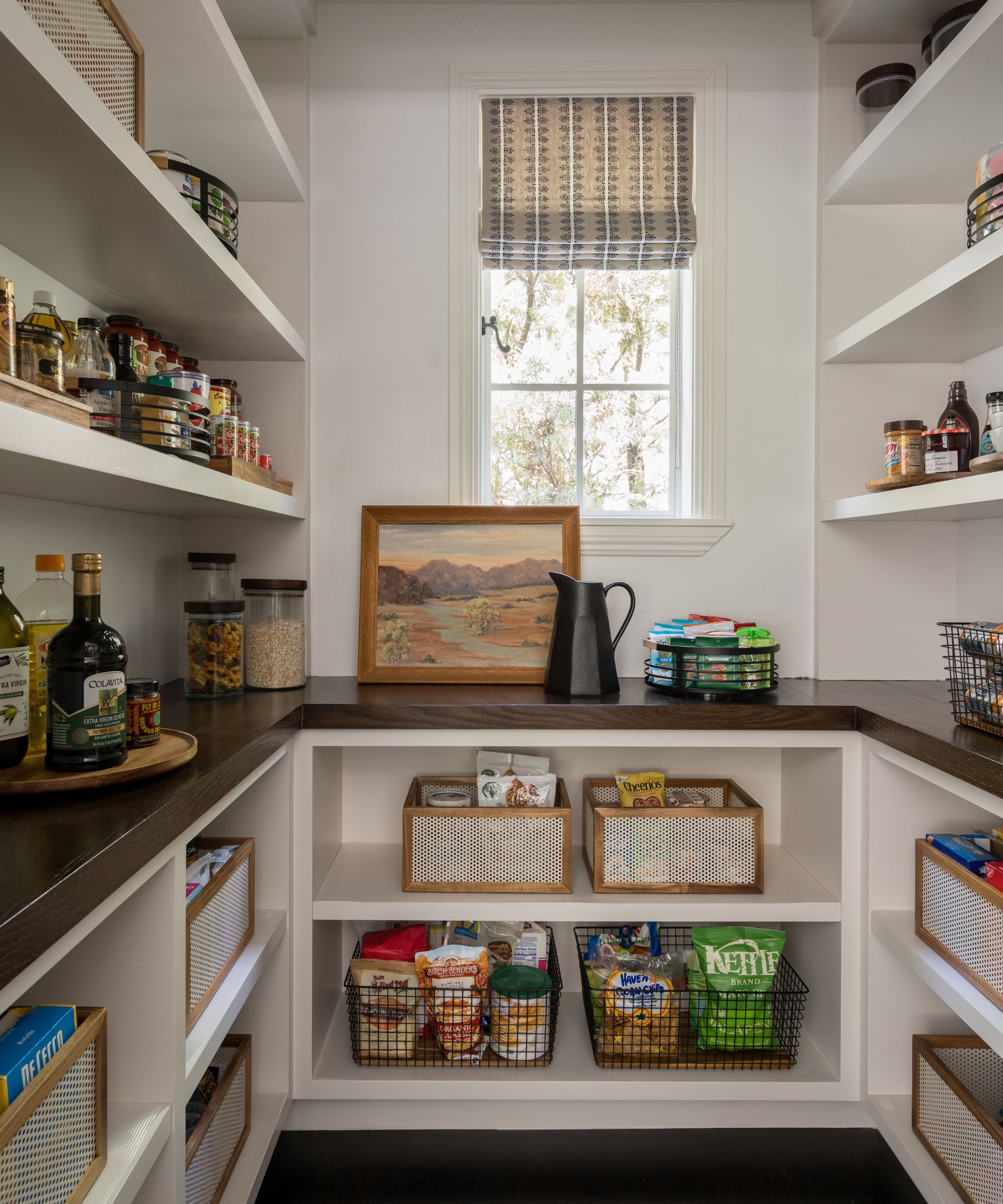
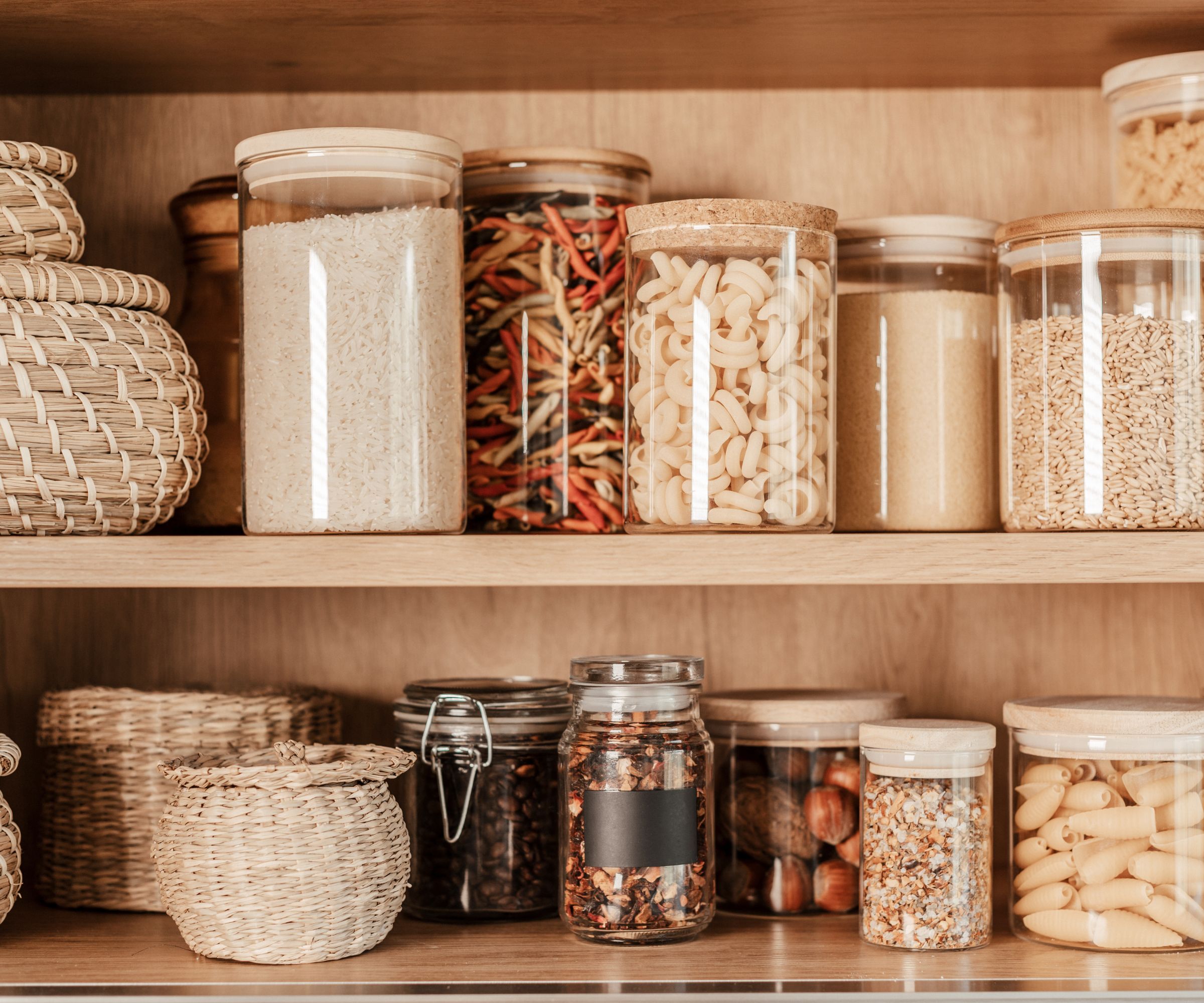
Medicine is one such item that should be kept off open kitchen shelves. Safety protocols dictate that medicine must be stored out of reach of children and away from direct sunlight and heat, conditions often not met by open shelving. Another category to reconsider for open display is wicker or wood baskets. Despite their potential as stylish storage solutions, these materials are prone to collecting dust and can be challenging to clean, particularly if exposed to kitchen grease, leading to a perpetually untidy appearance.
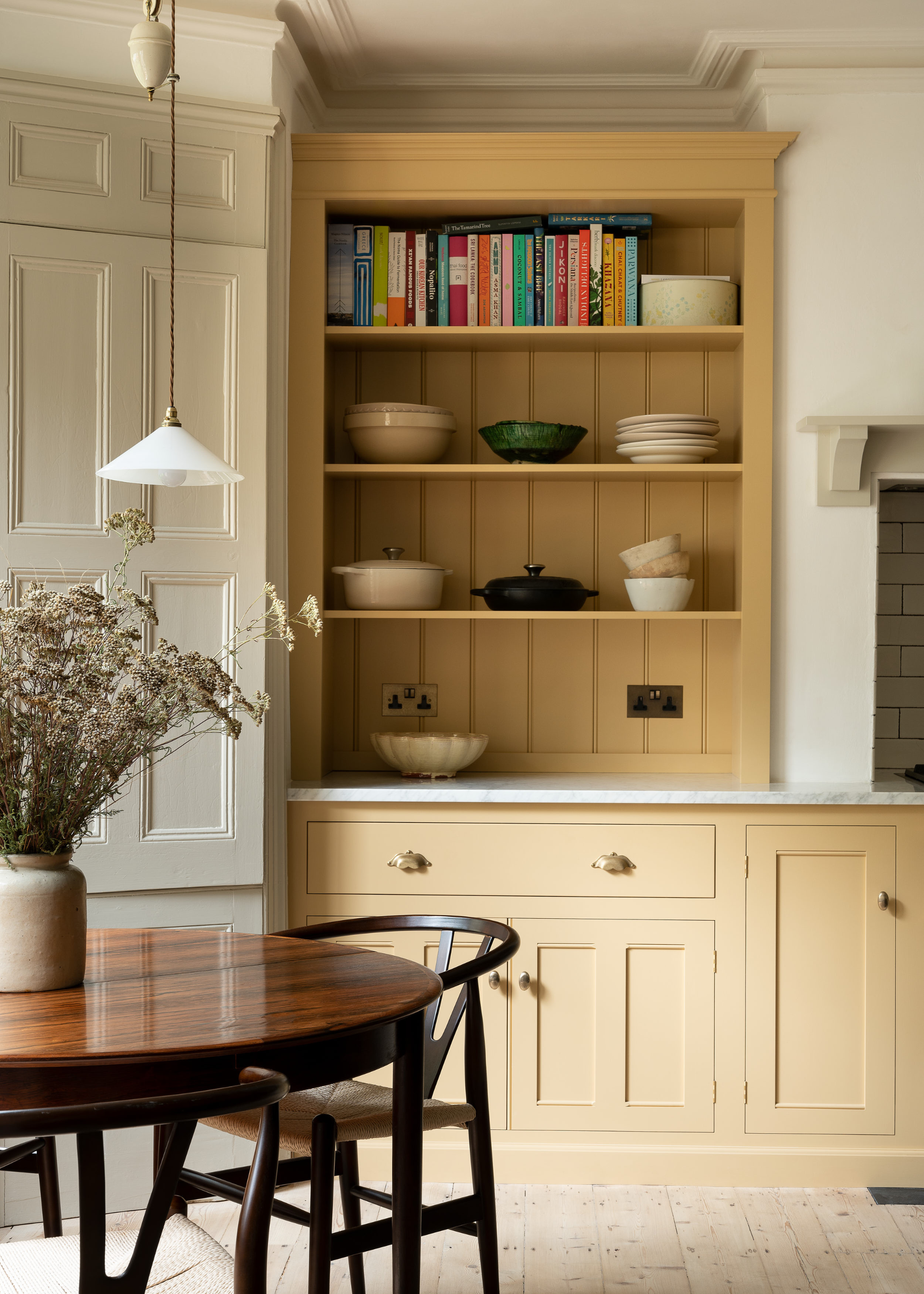
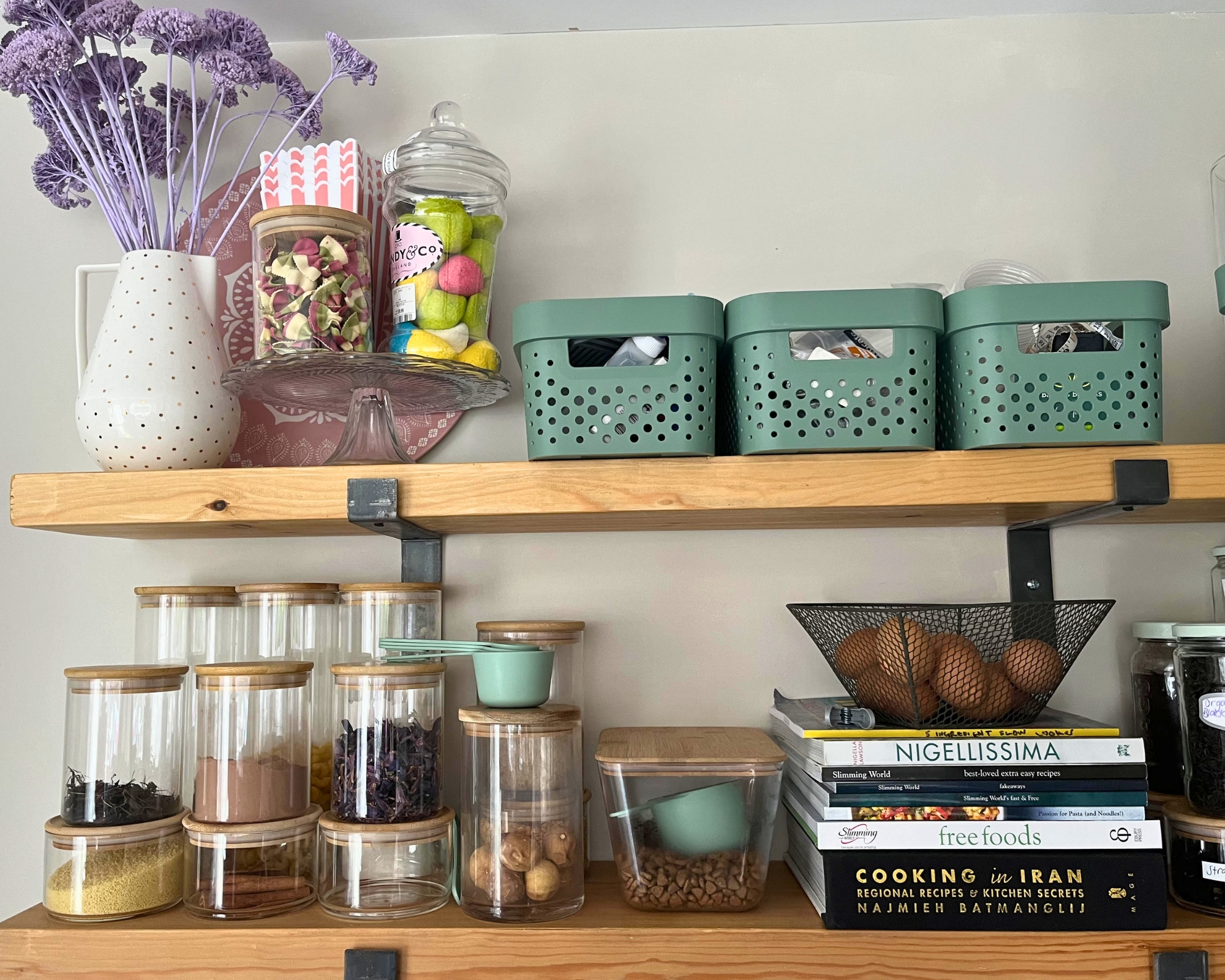
Cookbooks present a nuanced case. While some find them visually appealing on display and convenient for quick access during cooking, professional organisers caution against storing too many. Overloading shelves with cookbooks can contribute to a cluttered look, and those placed too high become impractical for regular use while also being susceptible to grease accumulation. The recommendation is to limit display to a few treasured volumes that are frequently consulted.
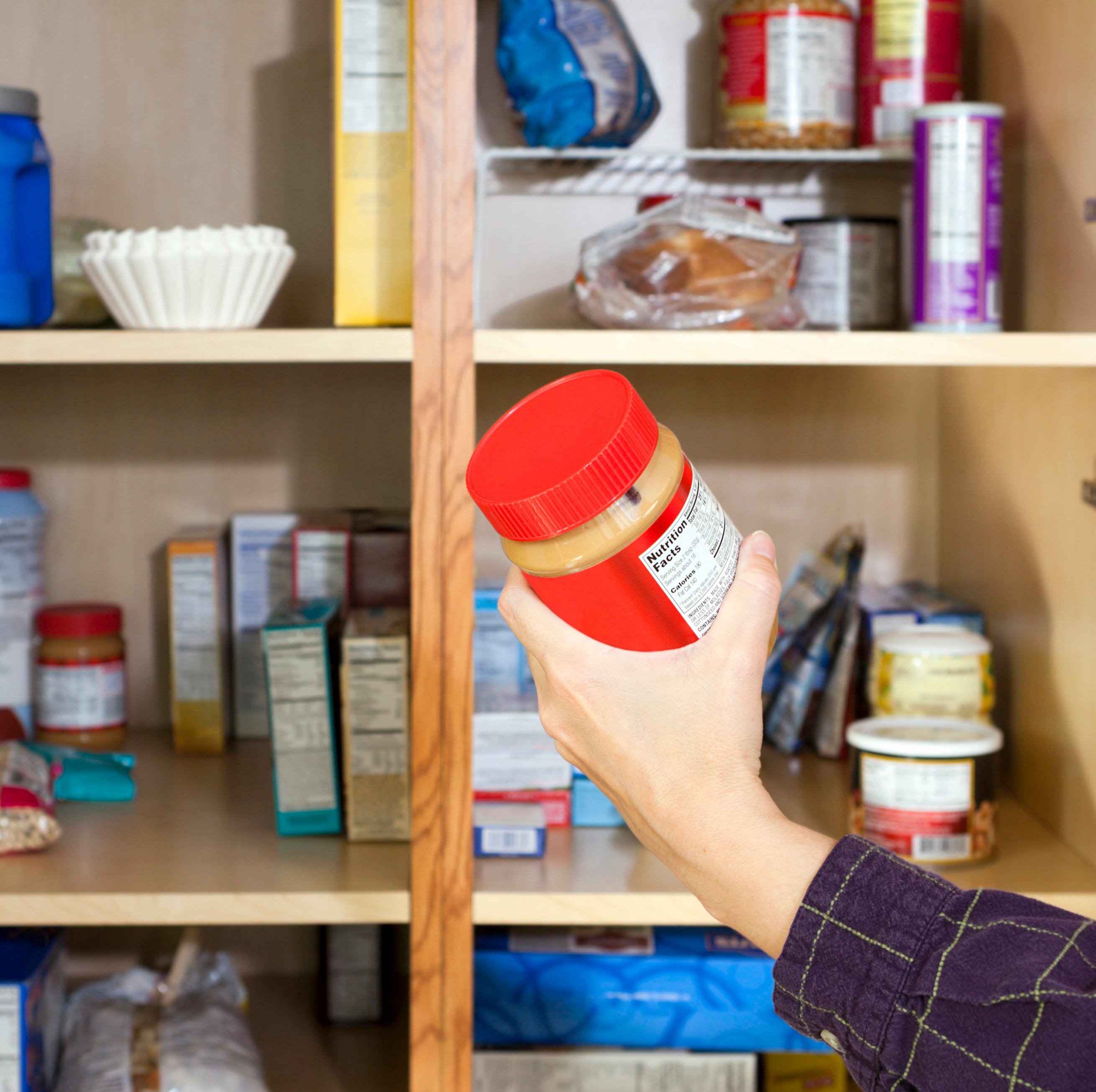
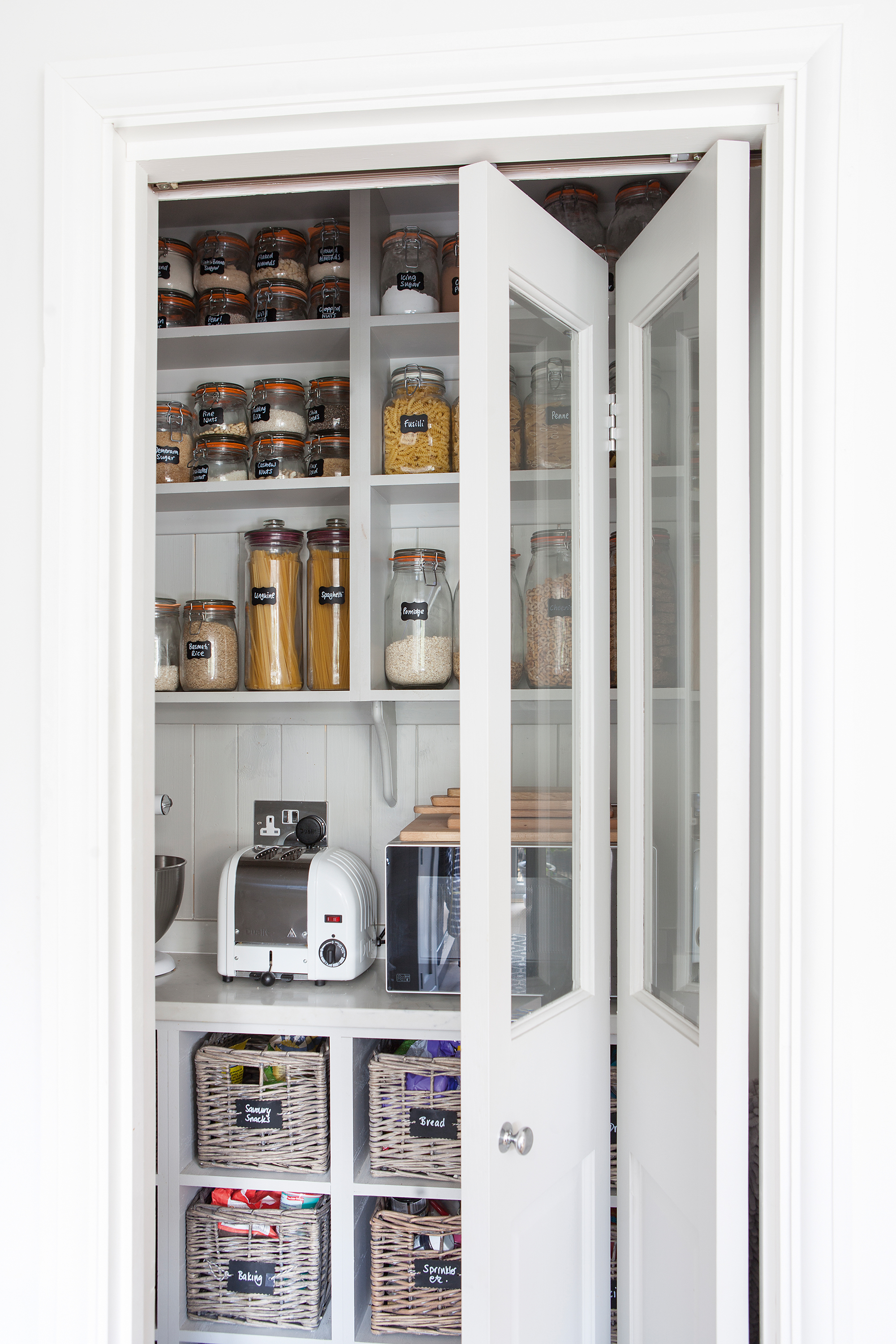
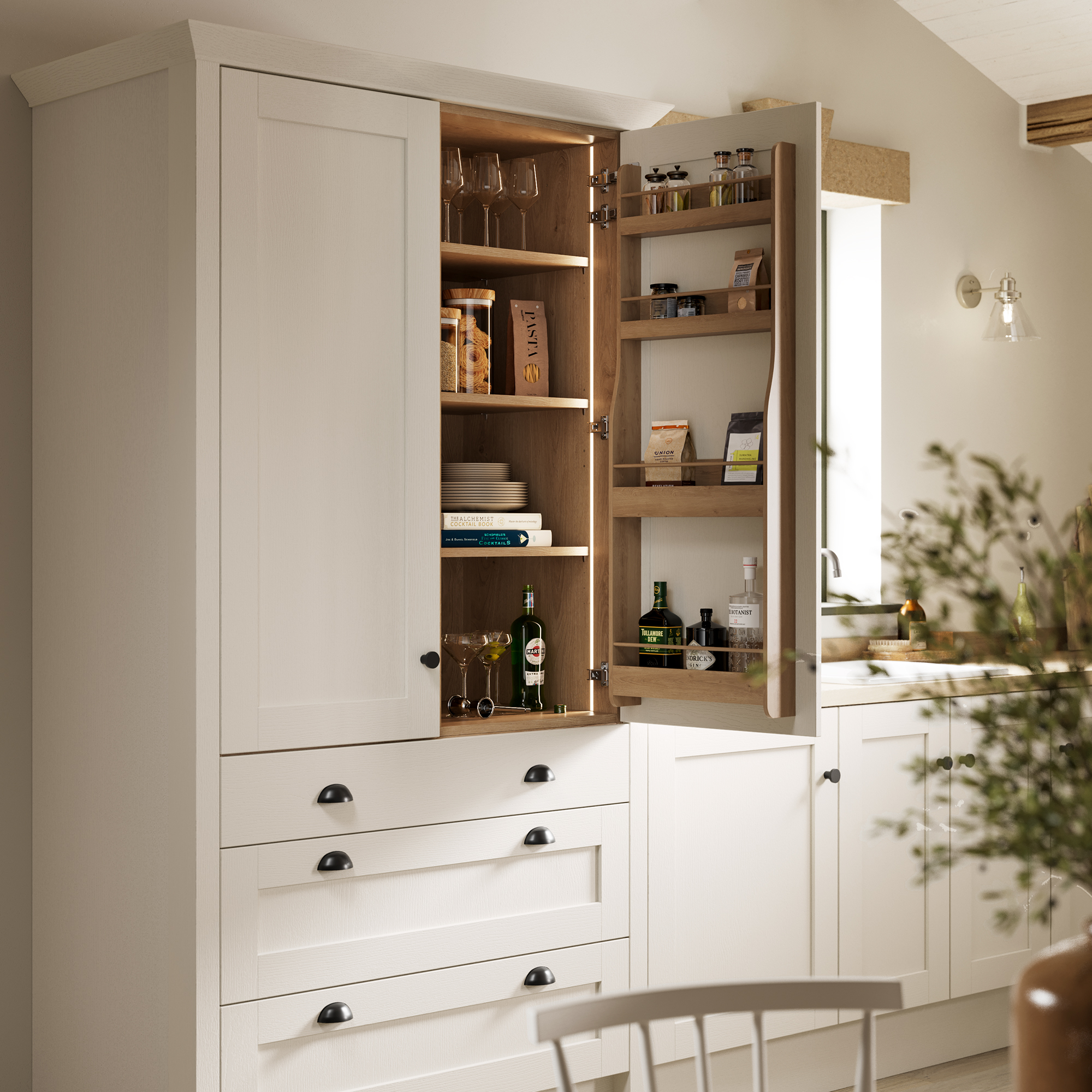
Bulk items and certain types of packaged goods are also ill-suited for open shelving. Open shelves often serve a dual purpose as kitchen wall decor, and displaying unappealing or messy items like tinned peaches, sachets, or snack packets detracts from this aesthetic. Such items are better kept within closed cupboards or a dedicated pantry. If absolutely necessary to keep them on open shelves, decanting them into attractive storage baskets is advised to maintain a neat appearance.
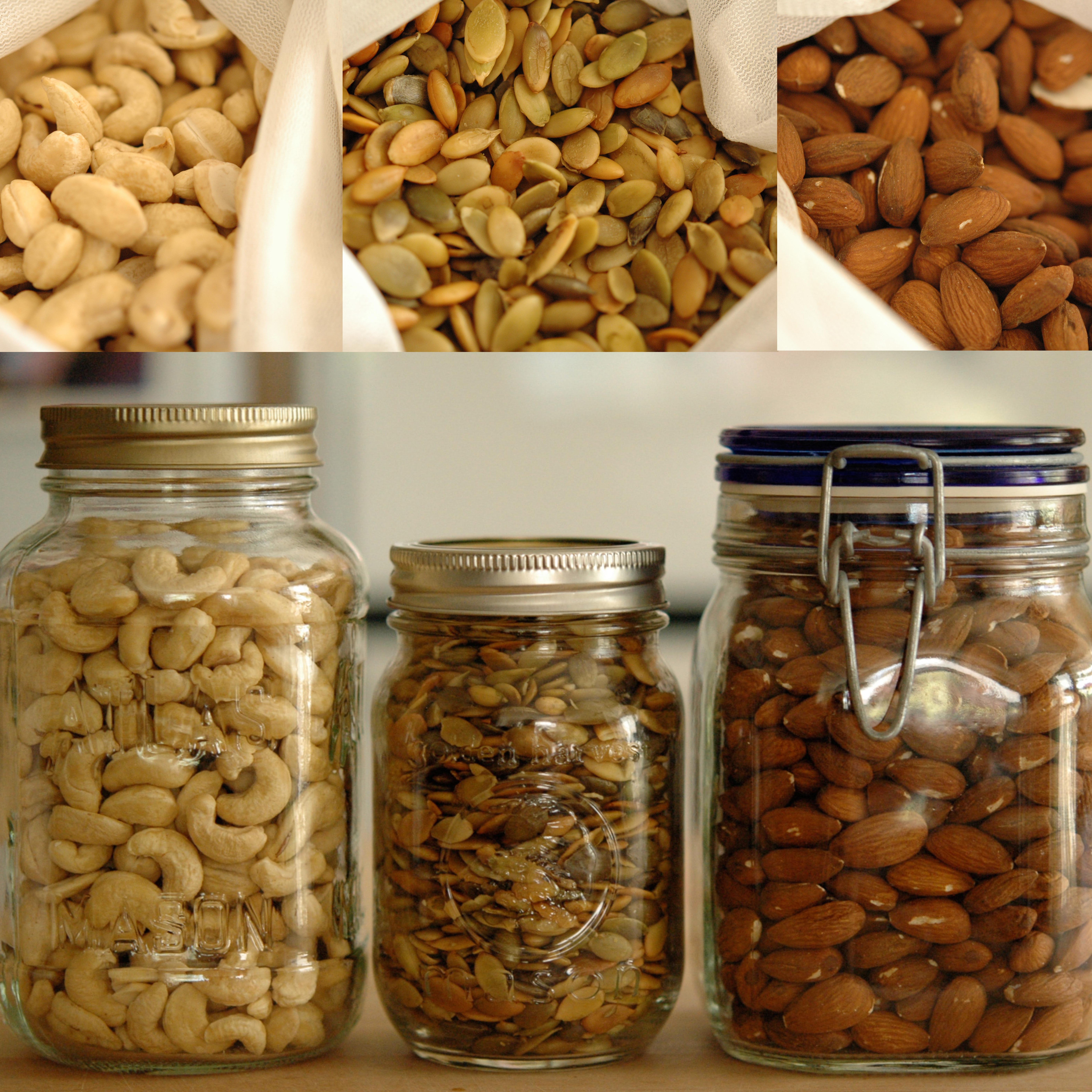
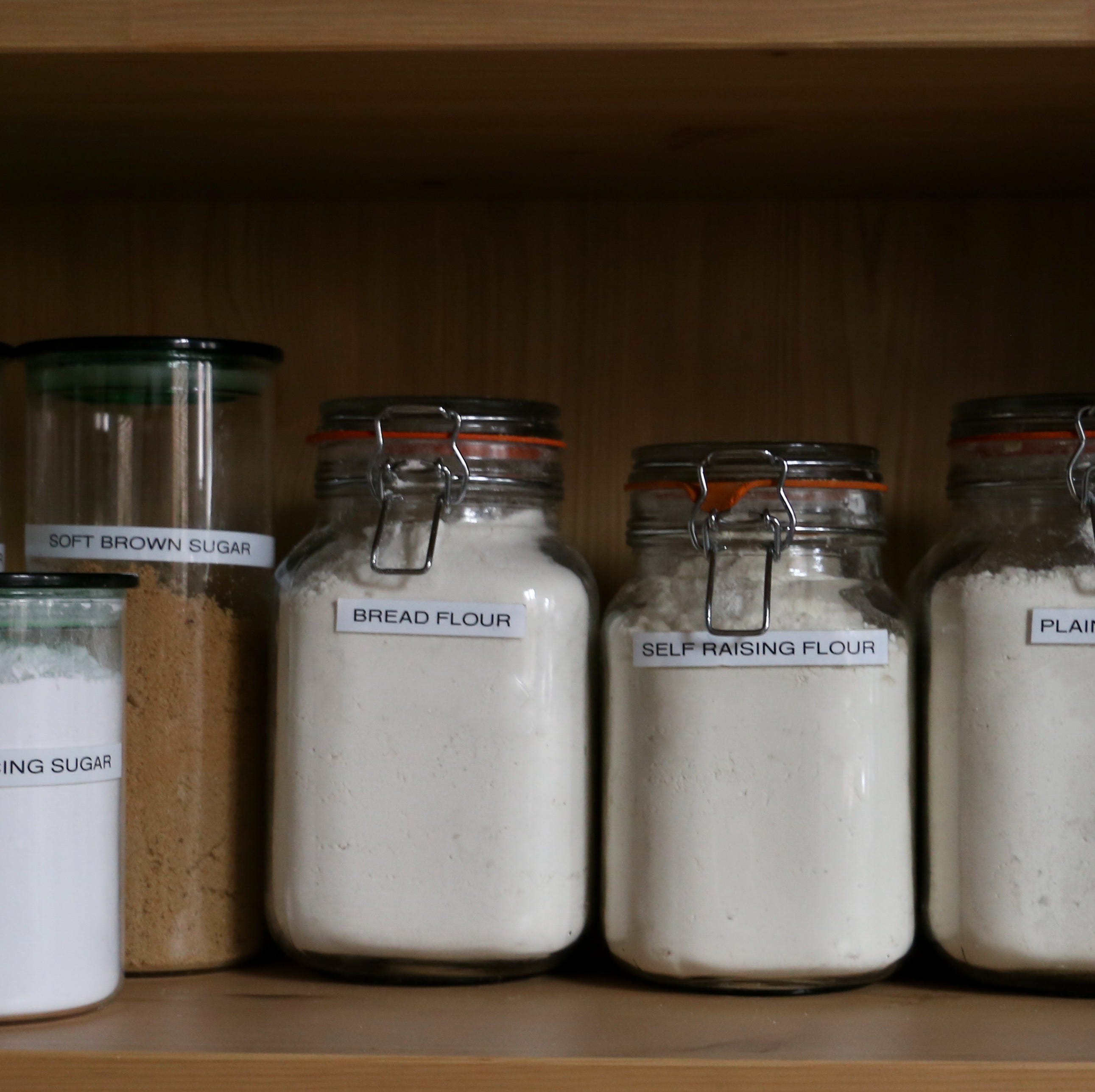
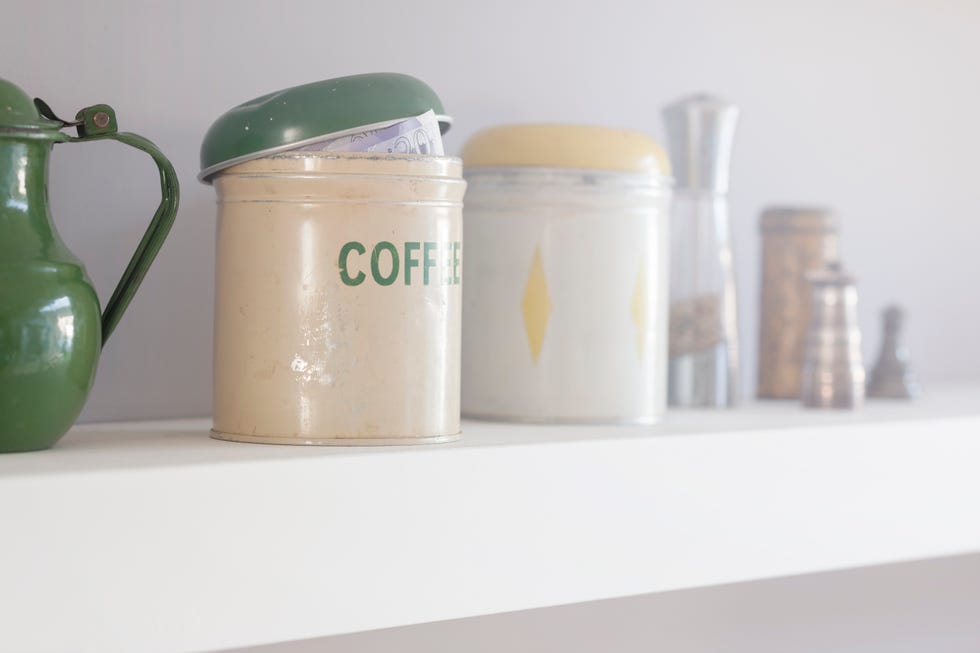
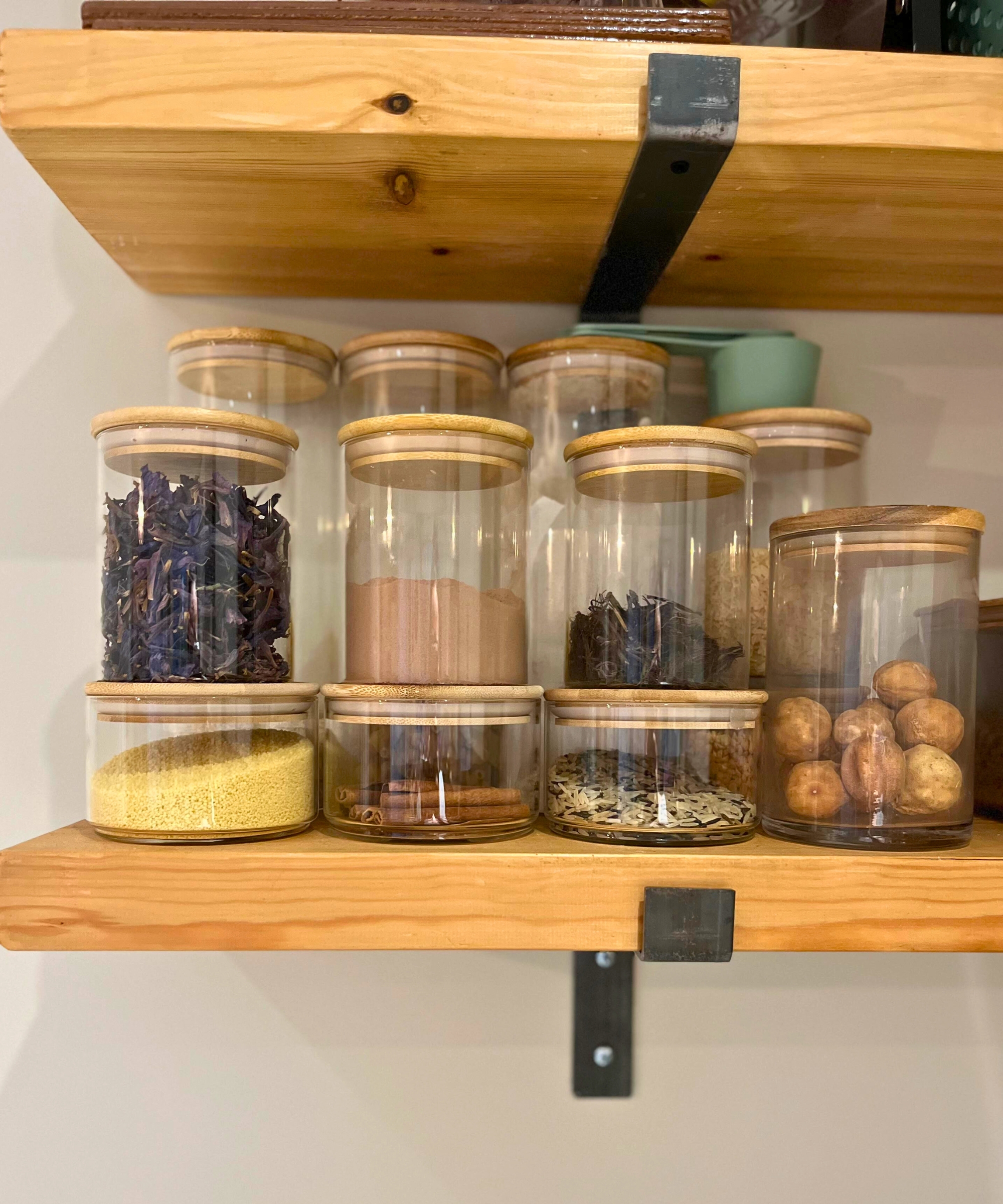
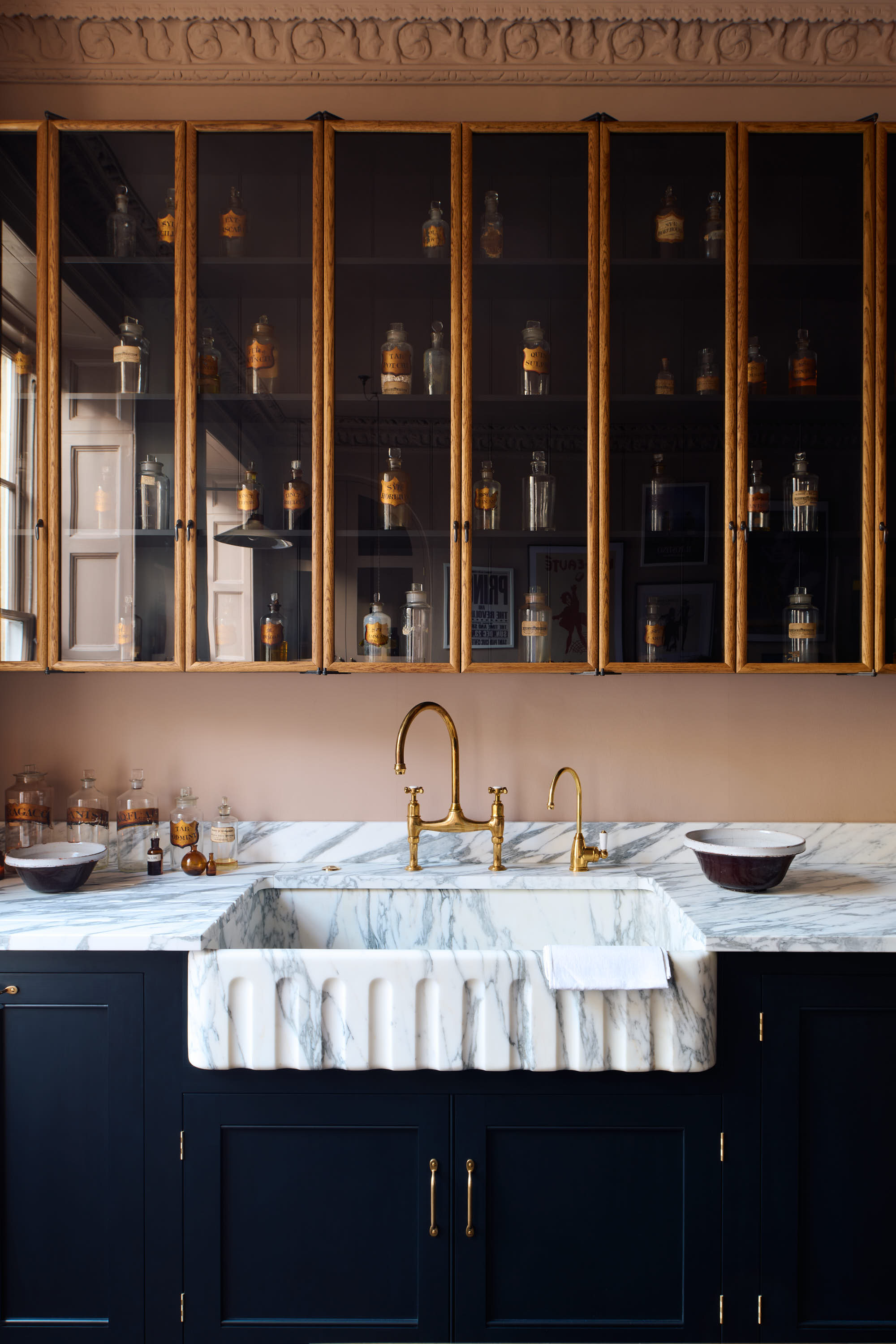
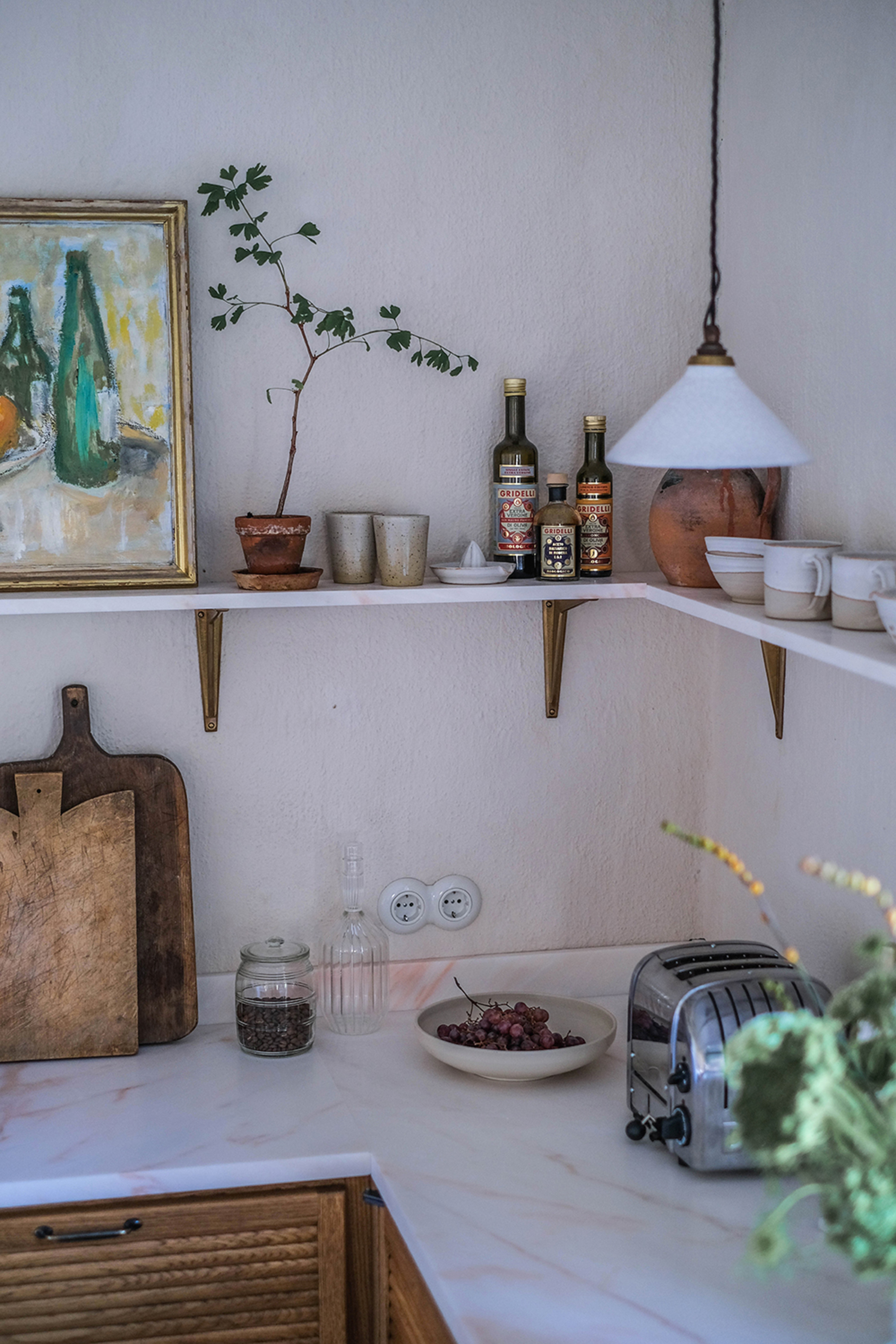
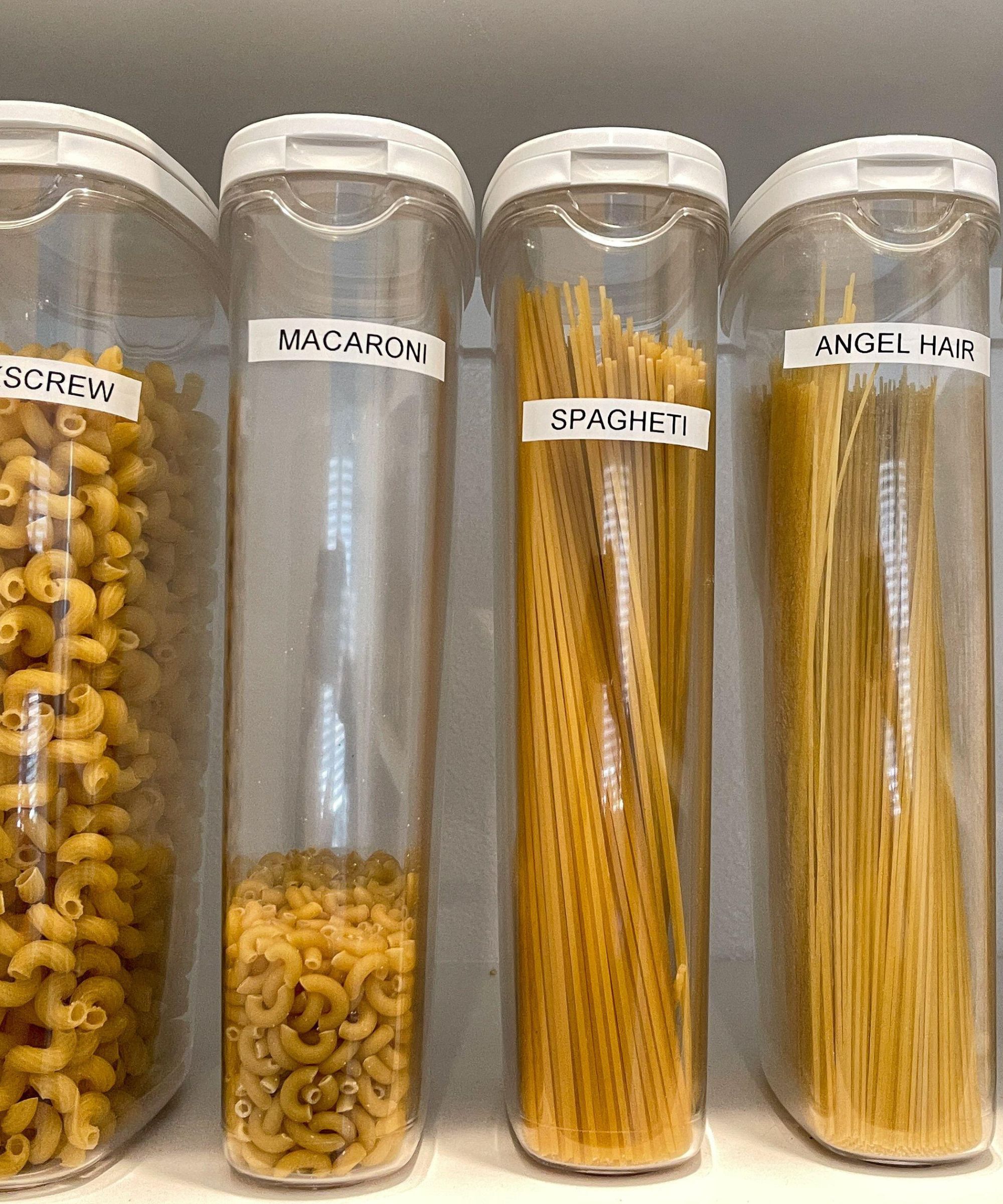
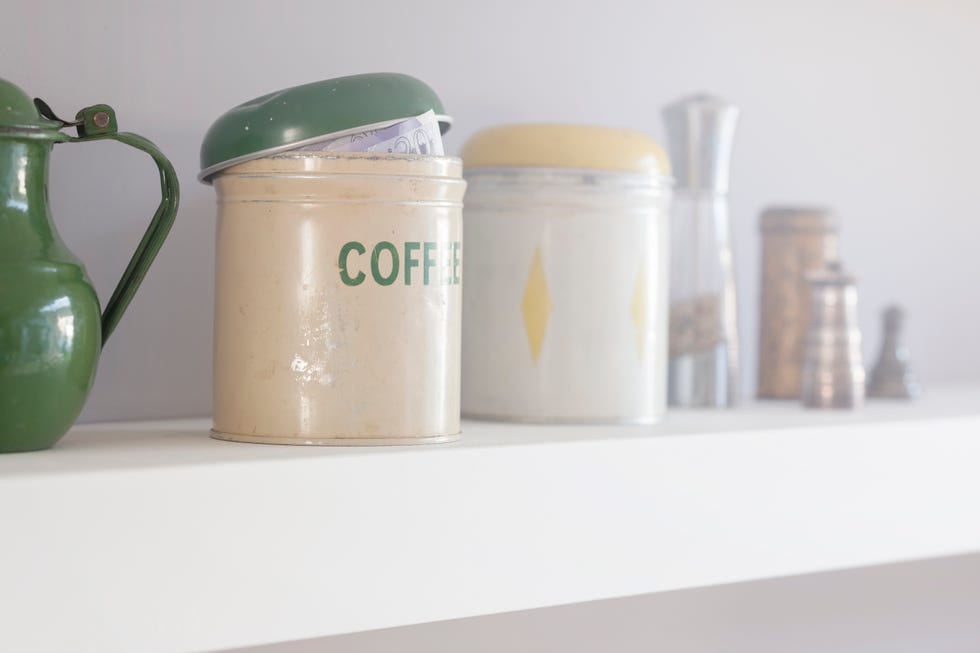
Storing anything excessively heavy on open shelves poses a safety risk, as items could fall and cause injury. This is a fundamental consideration for any shelving unit, but particularly important in a busy kitchen environment where items are frequently accessed. Finally, the overarching advice is to avoid overcrowding open shelves. They are best used for daily essentials and decorative items, not as replacements for full kitchen cupboards. Decanting attractive items like tea, coffee, or pasta into clear glass jars can enhance visibility and appeal, but shelves should not be overstocked. Similarly, while colourful spices can add a decorative touch, they should only be displayed if used regularly, otherwise, they will merely gather dust and become sticky. The consensus among professionals is that 'less is more' when it comes to open kitchen shelving, prioritising a clean, uncluttered look that enhances the kitchen's spaciousness rather than diminishing it.
#KitchenDesign #OpenShelving #KitchenStorage #HomeOrganisation #Decluttering #InteriorDesignTips #KitchenDecor #PracticalStorage #KitchenDesign #OpenShelving #KitchenStorage #HomeOrganisation #Decluttering #InteriorDesignTips #KitchenDecor #PracticalStorage
0 comment in total
 No comments yet
You may also like
6 Things You Should NEVER Keep In Your Pantry, According To Pro Organizers & Chefs
Items to never store in an entryway, according to cleaning, organizing and interiors experts

11 things you should never store in a pantry, according to experts
6 Things You Should Never Store in Your Laundry Room, According to Pro Organizers

6 Things You Should Never Keep on Your Kitchen Counter

5 Outdated Types of Kitchen Storage Experts Are Urging You to Avoid

8 Things Pro Organizers Say You Should NEVER Keep On Your Kitchen Counter

9 items never to store in a bathroom vanity – according to the experts
Pros warn never to keep these 8 things in your pantry
7 Items You Should Never Store In Kitchen Cabinets
The 5 kitchen storage mistakes interior designers always avoid

Kitchen storage trends to avoid for a more functional cooking space, according to design experts
6 Things You Should Never Store in Your Kitchen Cabinets—and Where to Keep Them Instead

7 types of storage you should never use in a pantry – they'll make utilizing this space well 10 times harder, pros say
8 Outdated Kitchen Storage Choices to Avoid — And What Experts Say You Should Use Instead
6 things you should never put on your dining room table, according to interior designers
7 Kitchen Storage Trends That Designers say are Best Avoided
8 Things You Should NEVER Keep On Your Kitchen Counter
5 Things You Should NEVER Leave in Your Shed, According to an Expert

8 Things You Should Never Keep on Your Open Shelves, According to Designers