1/9
5 things to never put on your kitchen island, according to interior designers
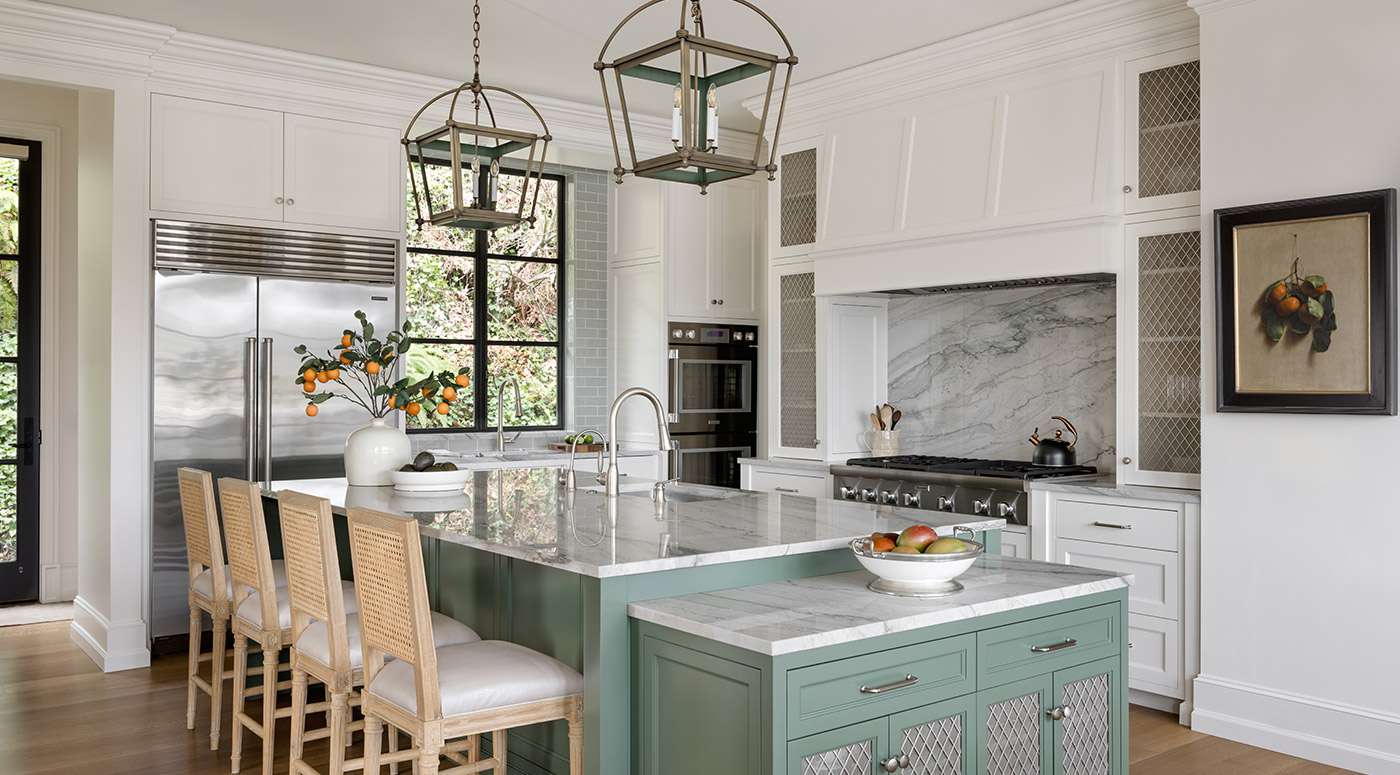
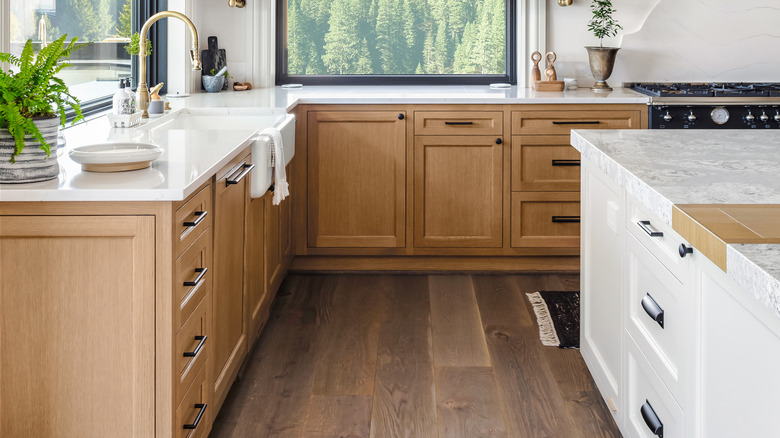
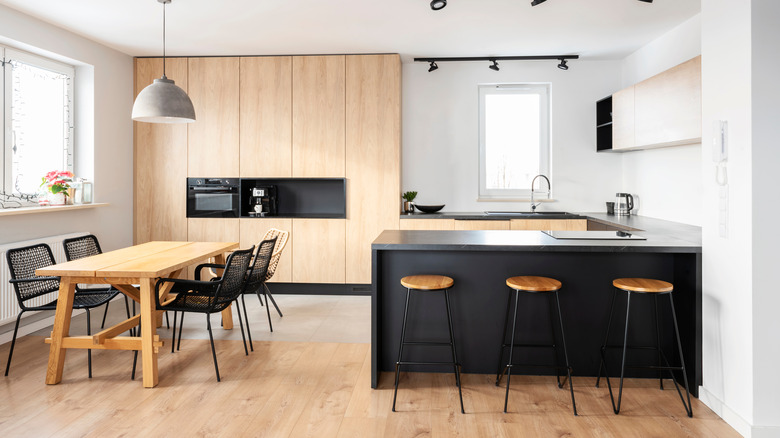
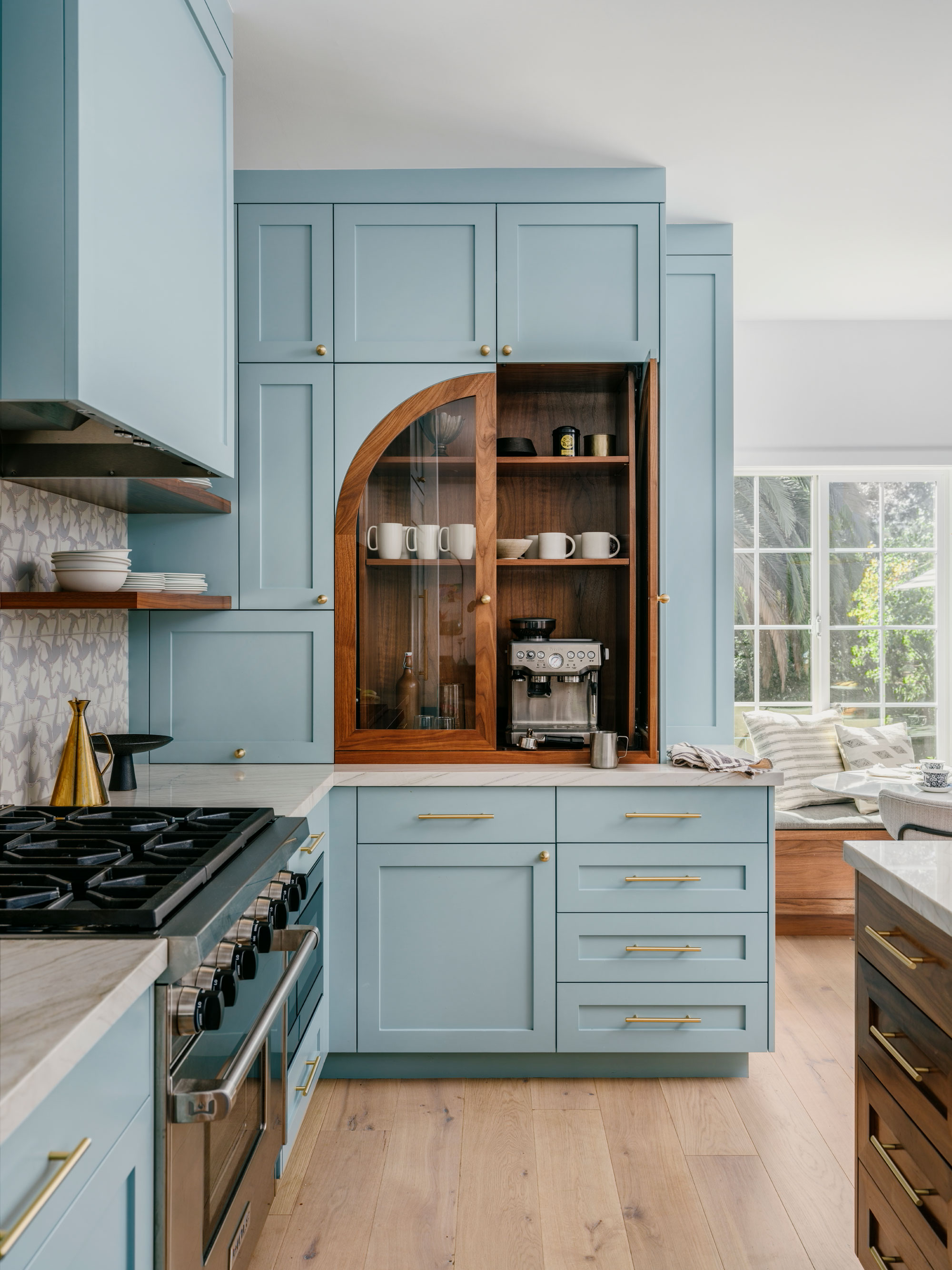
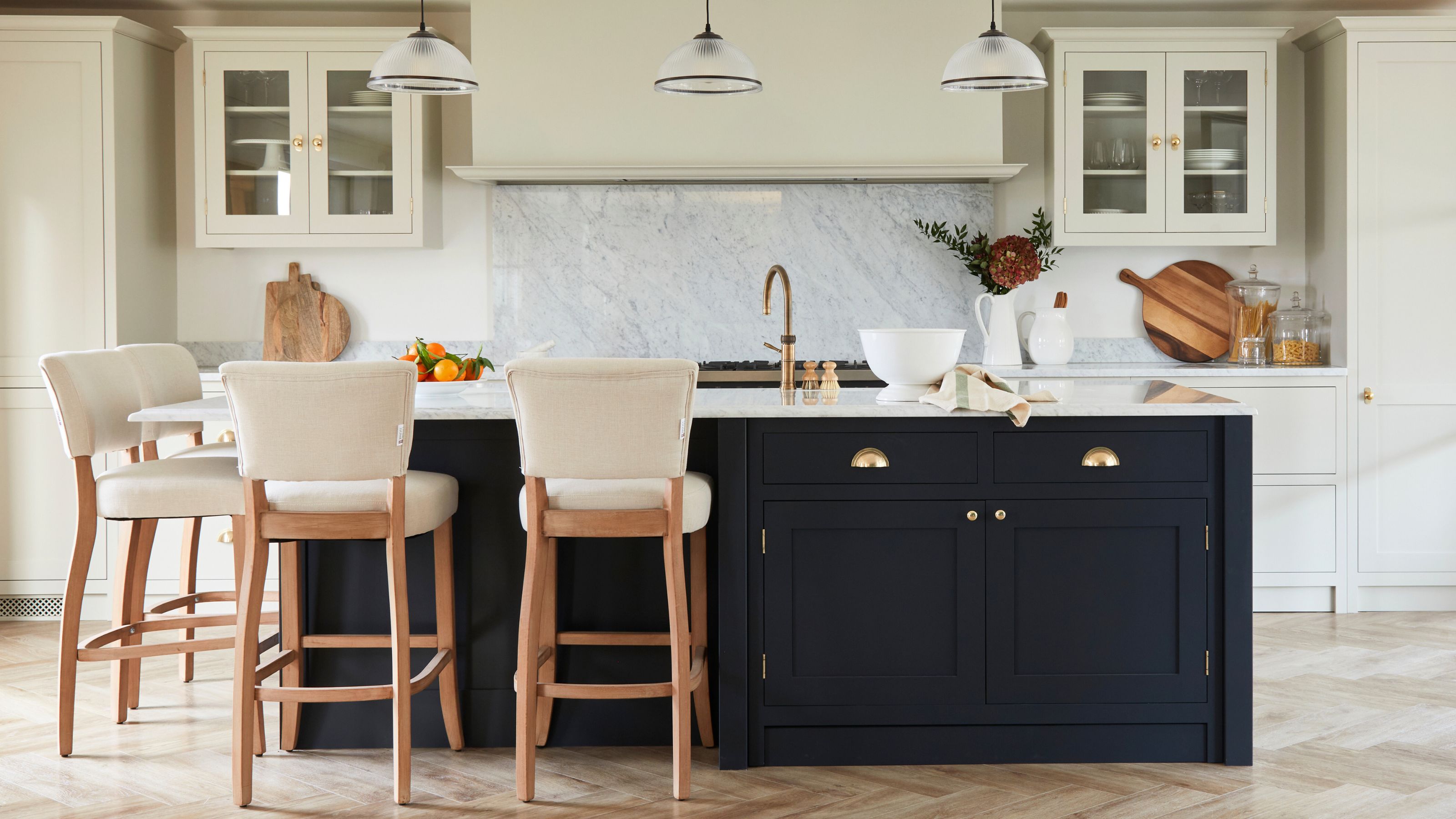
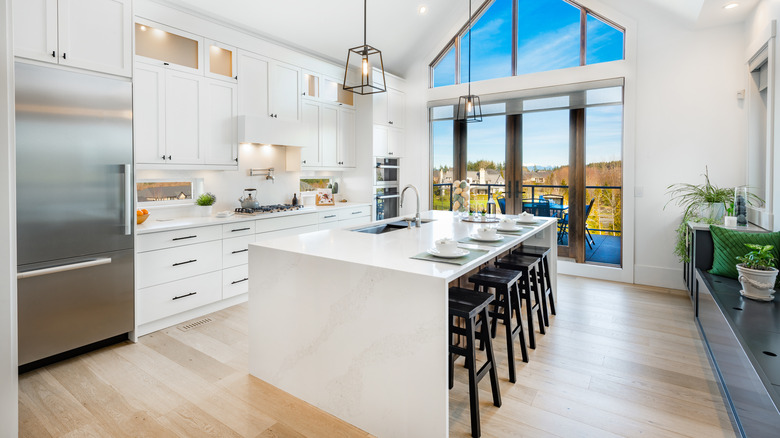
The kitchen island, often the focal point of a kitchen, is a central element where both functionality and aesthetic appeal converge. Its prominence in a kitchen design necessitates careful consideration of what items are placed upon it, to ensure it remains practical, safe, and visually pleasing. Interior designers emphasize that while the island offers a significant surface for various activities, certain items are best avoided. These items can range from purely decorative pieces that detract from its utility to essential appliances that are better suited for other areas of the kitchen.
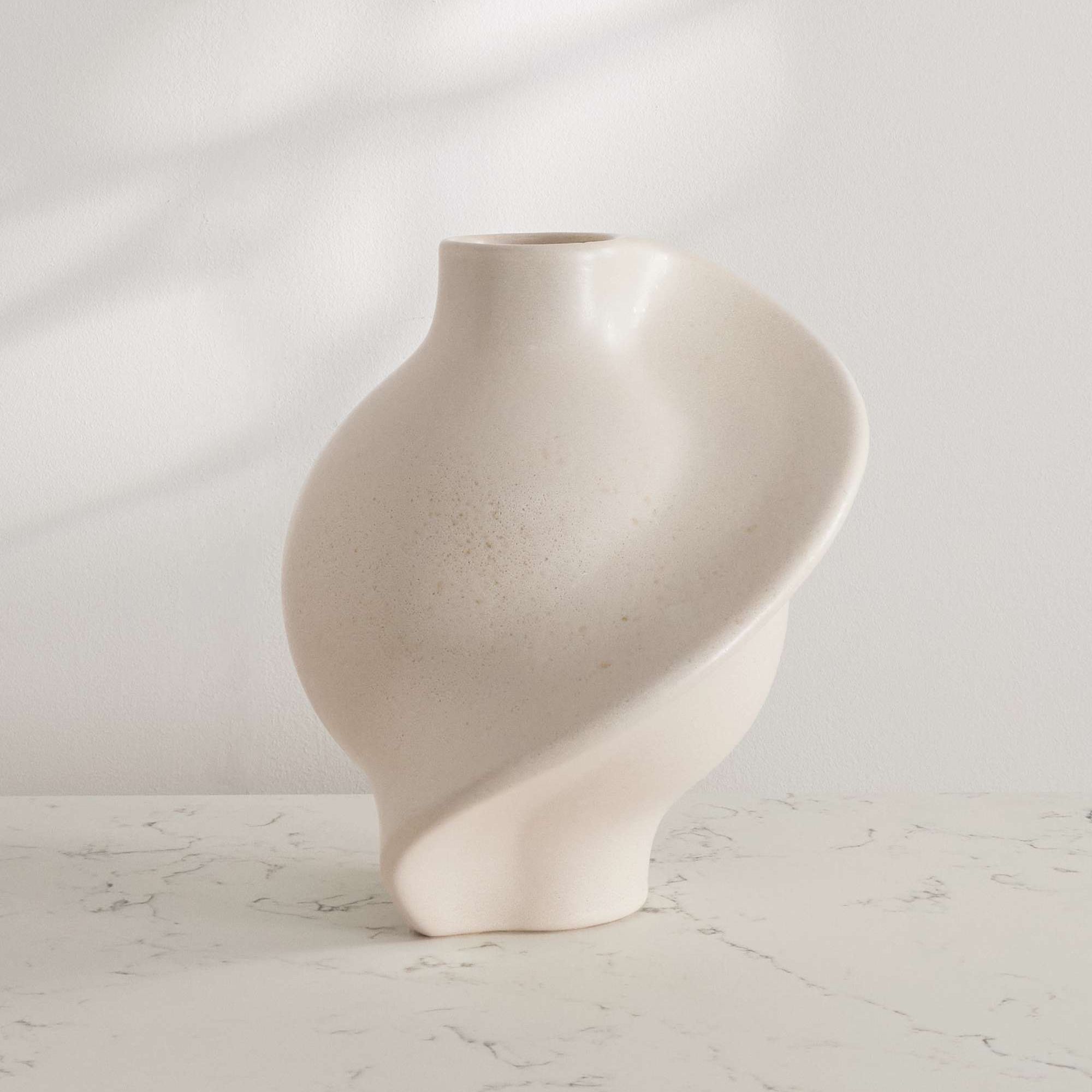
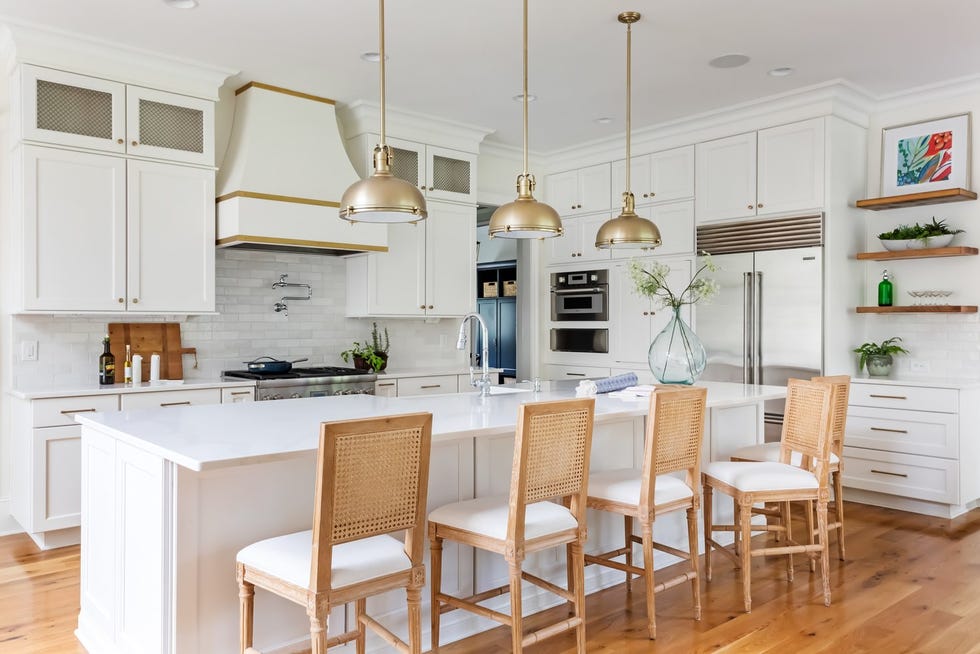
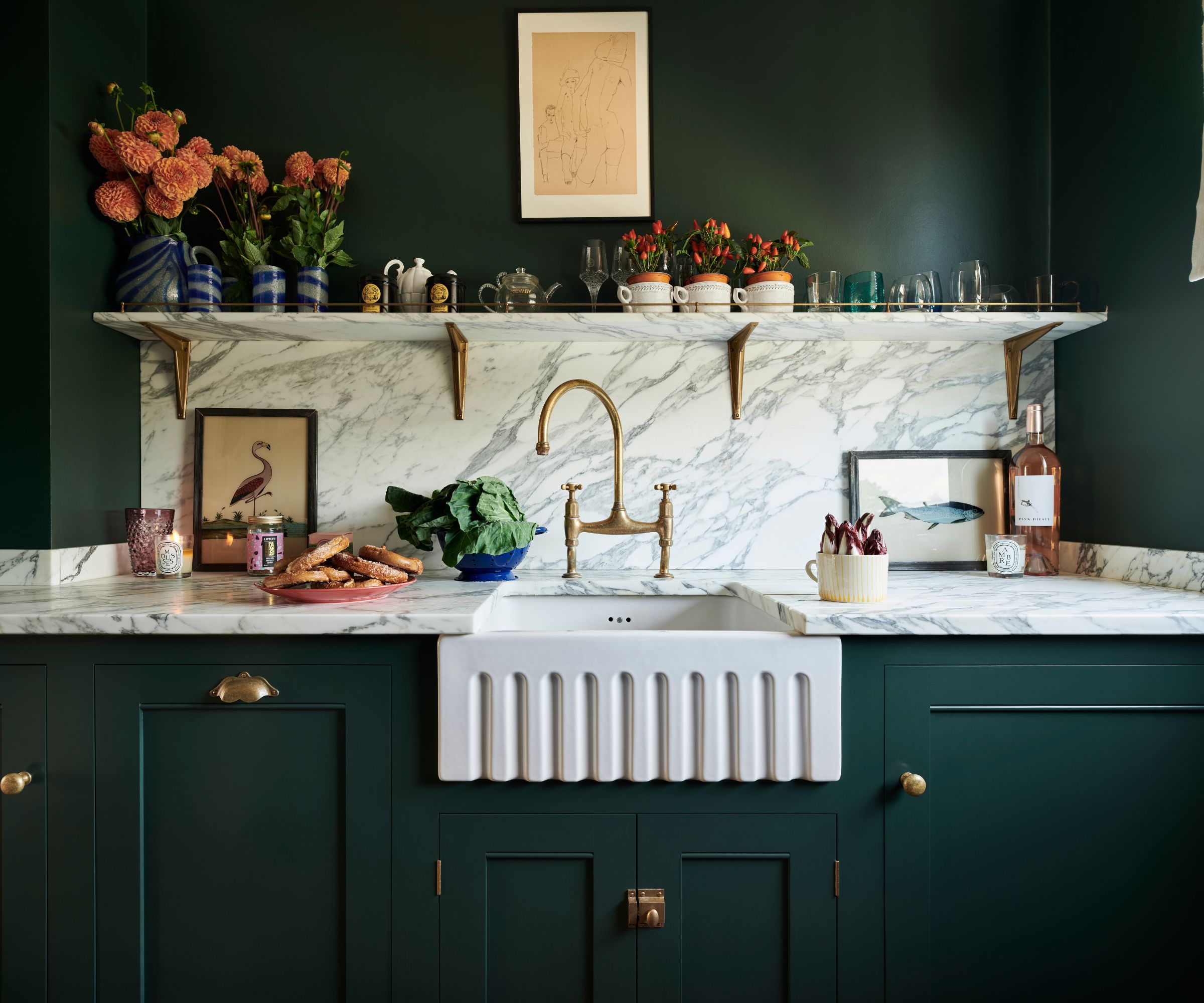
One category of items to avoid includes fragile ceramics. While the allure of a large vase with seasonal florals might seem appealing, such items pose a practical risk in an active kitchen environment. They are easily breakable and, if heavy, can be cumbersome to move when the island is needed for food preparation. Designers suggest opting for decorative items that blend both beauty and utility, such as an artful utensil crock or a decorative tray for spices. These pieces enhance the kitchen's aesthetic without compromising the island's primary function or risking damage. Furthermore, accessories like hand towels, if a sink is integrated into the island, can add a stylish yet practical touch, especially when chosen in neutral colors with subtle patterns.
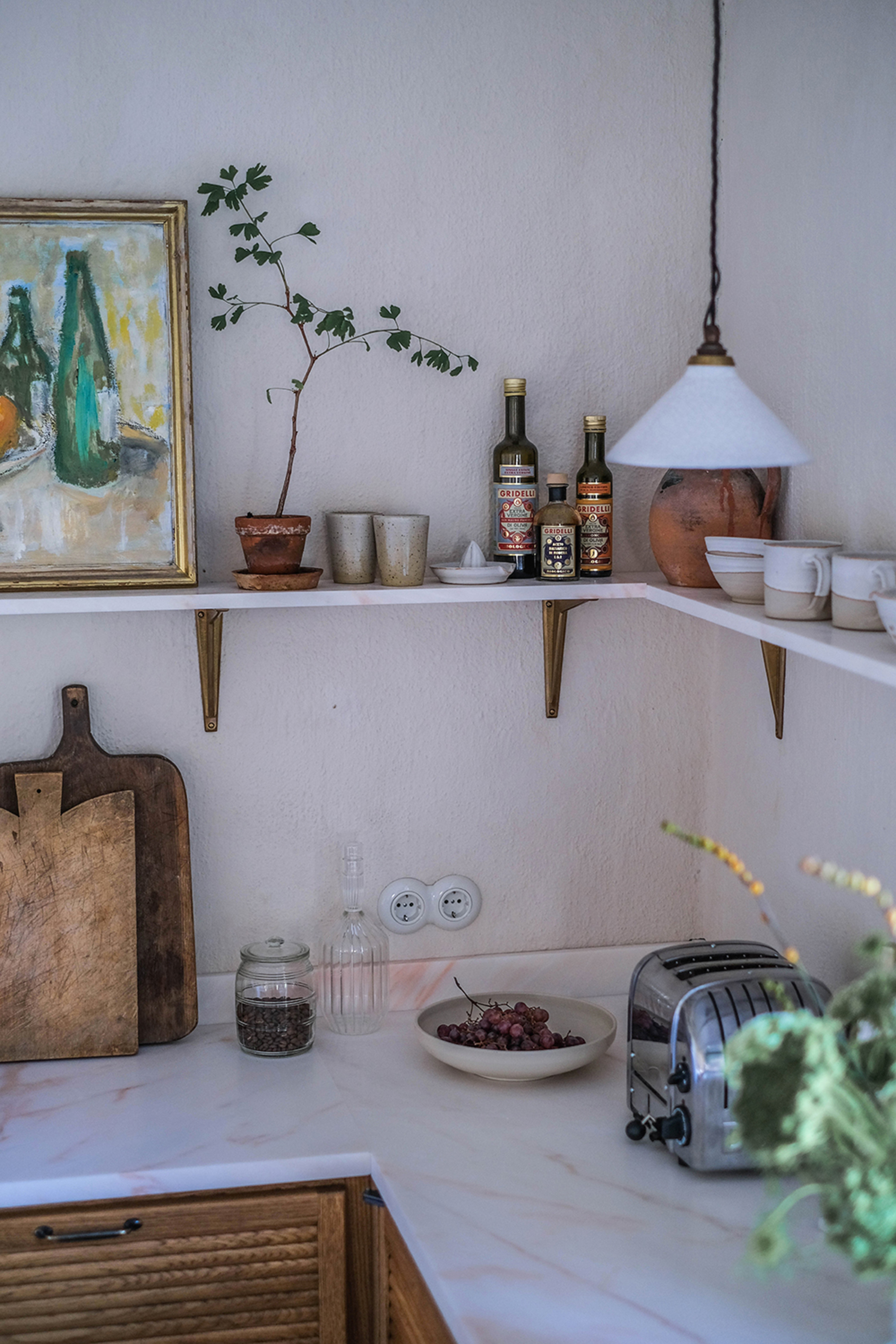
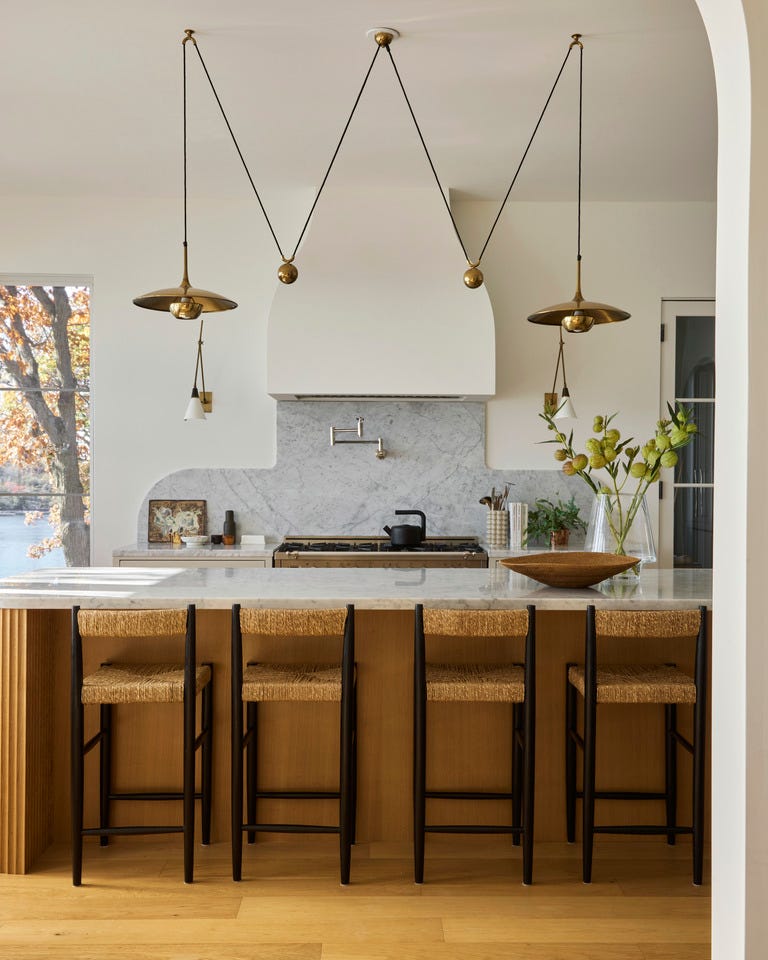
Another common pitfall is overcrowding the island with too many display pieces. Given that kitchen islands typically offer the largest expanse of countertop space, there's a temptation to use it as a primary display area. However, an excess of decorative items can quickly lead to a cluttered appearance, negating the intended visual appeal. A clean, clutter-free island contributes to an inviting and functional kitchen atmosphere. Instead, designers advise selecting one or two well-chosen decor items, such as a small vase of flowers, a fruit bowl, or candles, to create a curated display that maintains the island's usability and prevents visual disarray.
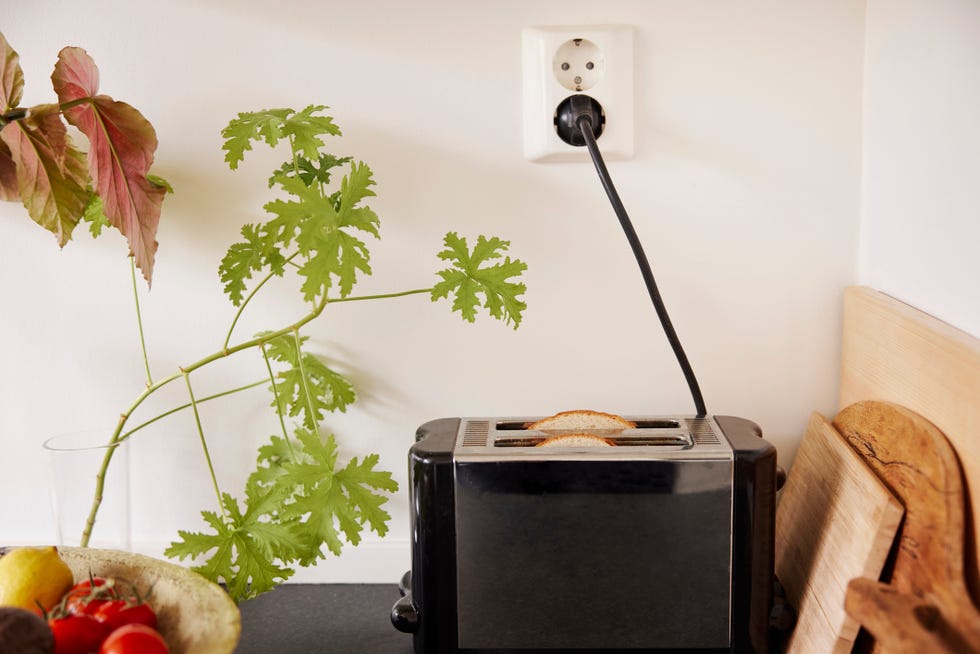
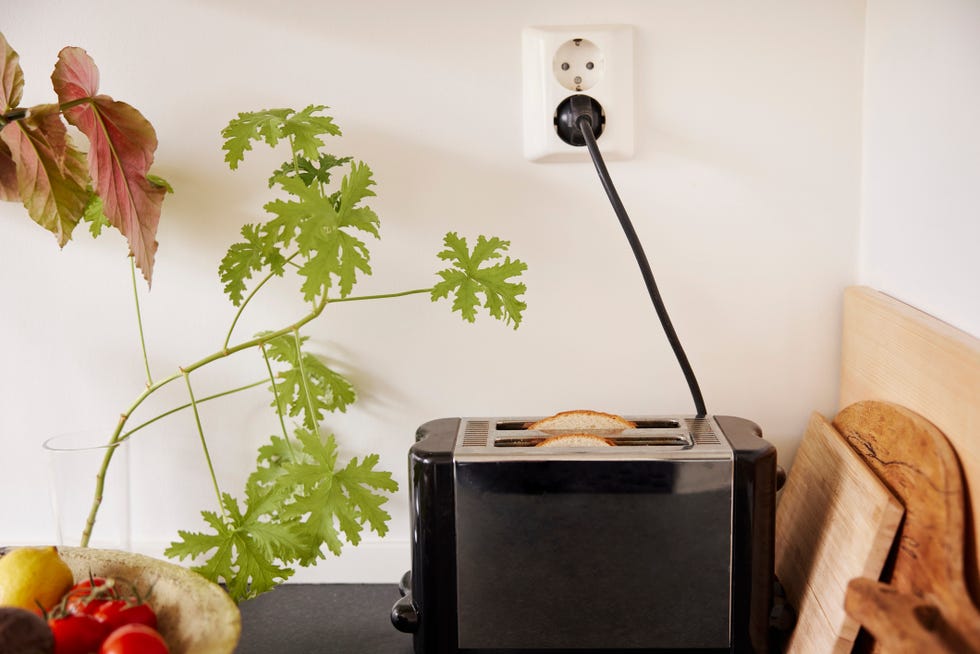
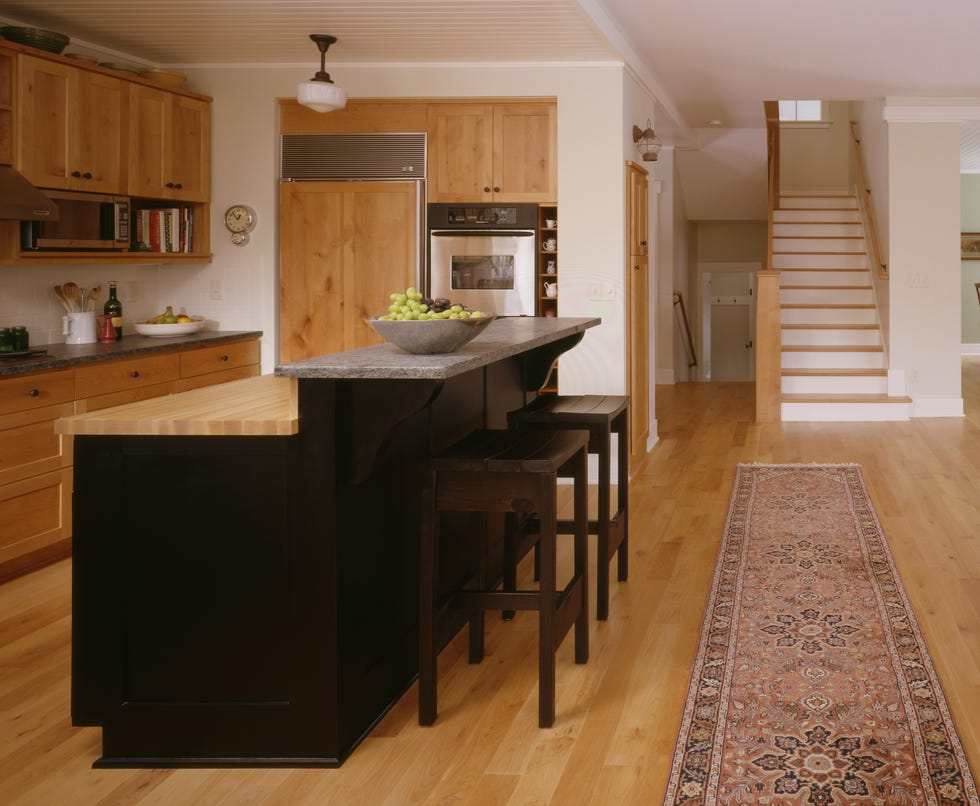
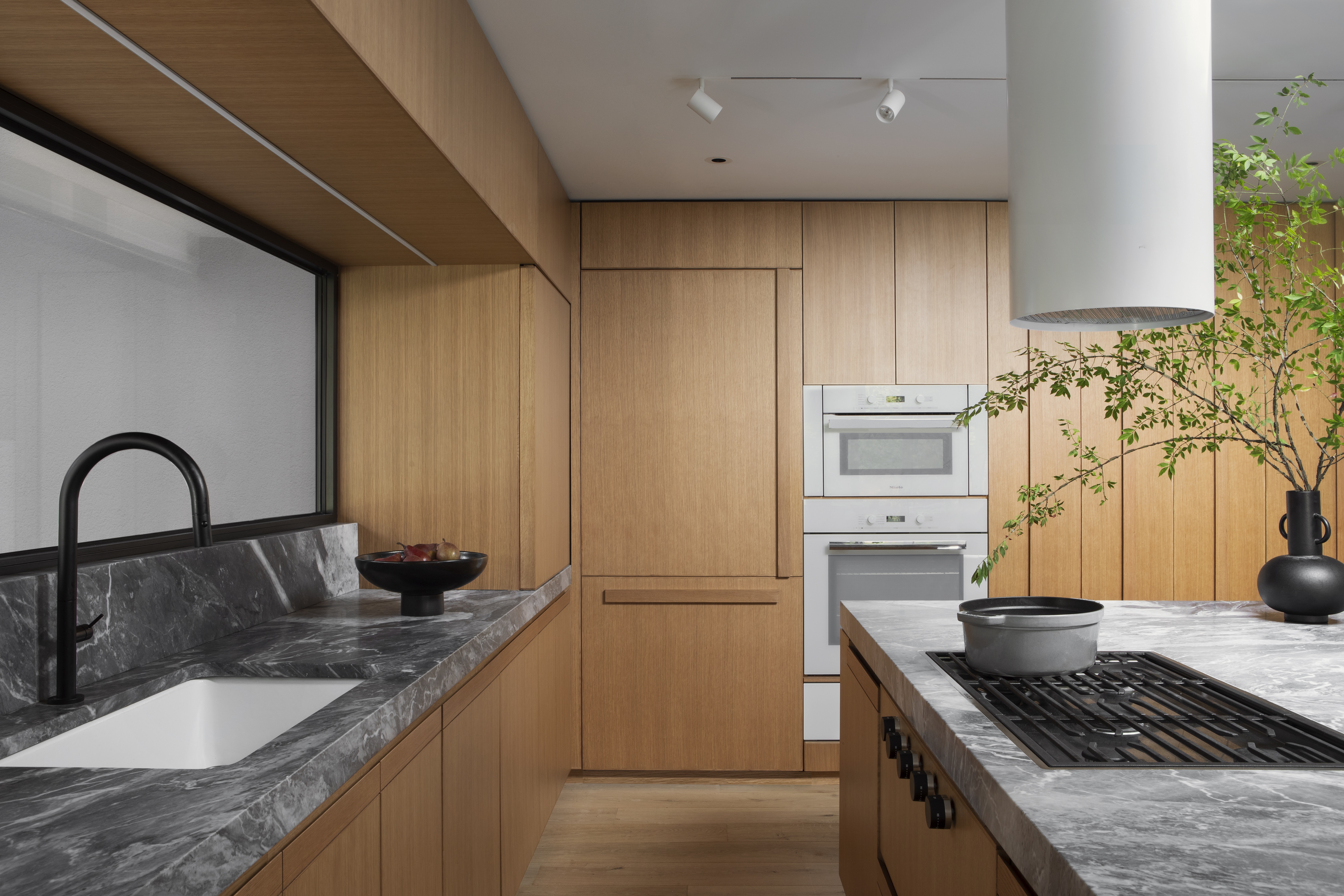
From a more practical and structural standpoint, integrating main appliances directly into or onto the kitchen island is often discouraged. While space constraints might sometimes necessitate exceptions, placing large appliances like a full-size refrigerator or a cooking range on an island can be problematic. A refrigerator on an island can be visually disruptive and inconvenient, while a cooking range significantly increases the risk of splatters and messes in a central, high-traffic area. These appliances are generally better accommodated on a wall, where their height and potential for mess are managed more effectively. Islands are ideally utilized for maximizing storage, providing additional seating, and serving as a dedicated workspace.
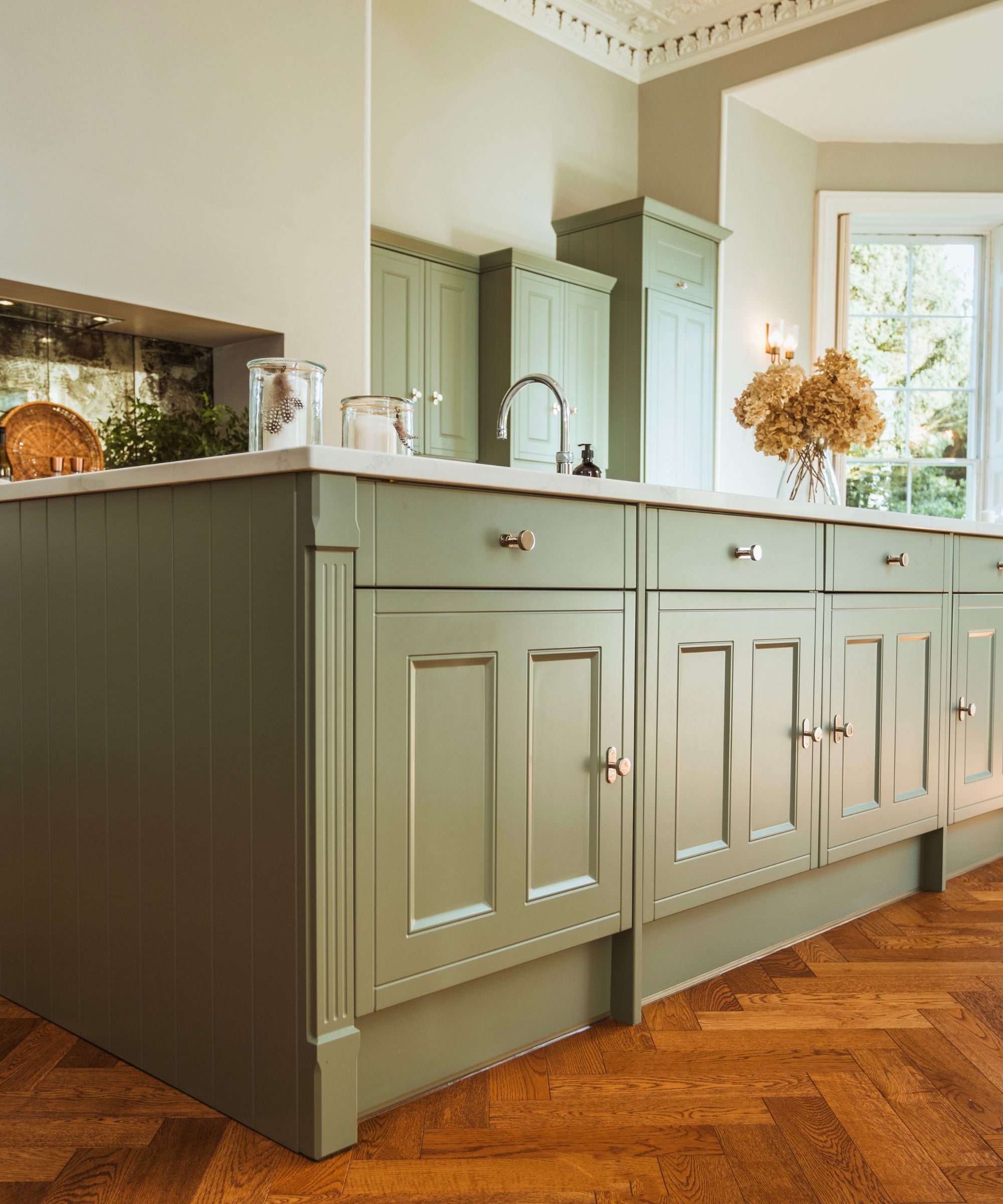
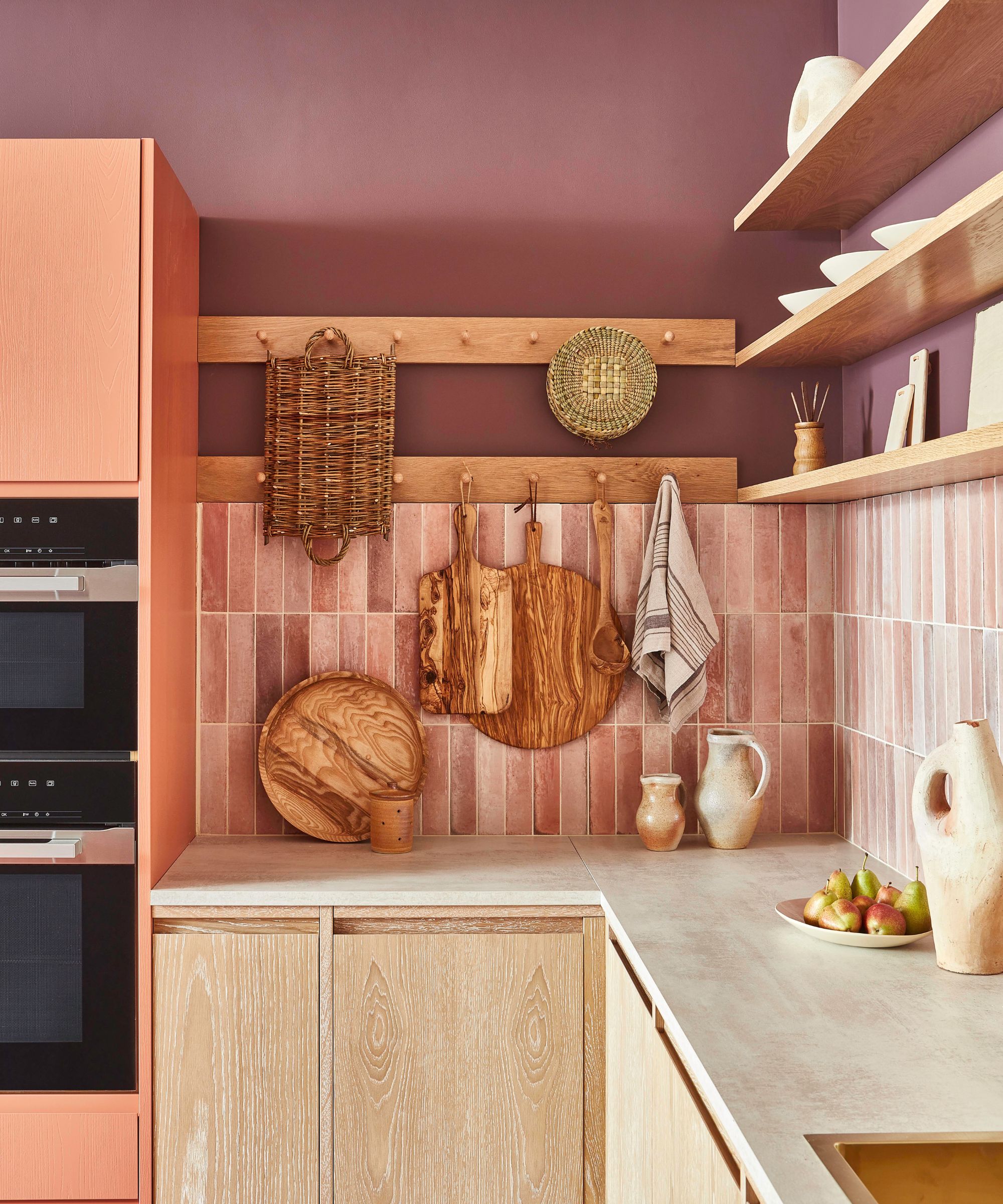
Additionally, designers recommend against applying decorative paintwork or wallpaper to the kitchen island. The island's role is to provide a sense of solidity and grounding within the kitchen, making simple, clean lines more appropriate for its design. Decorative finishes on the island can easily become dirty due to frequent use and proximity to cooking activities, making them impractical to maintain. More playful and decorative elements, such as wallpapers or vibrant paint, are better suited for walls and other surrounding areas where they can create the desired impact without facing the same practical challenges.
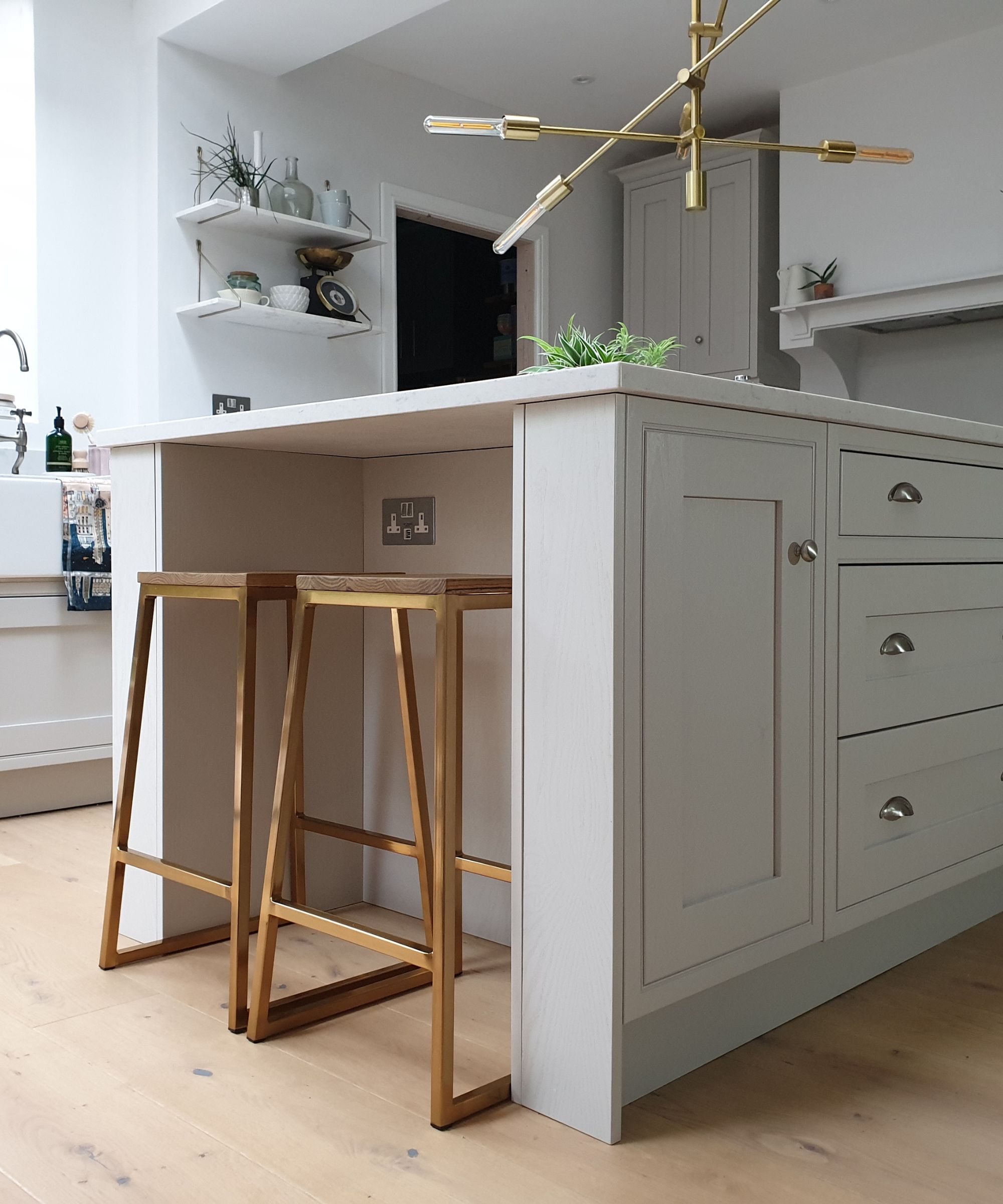
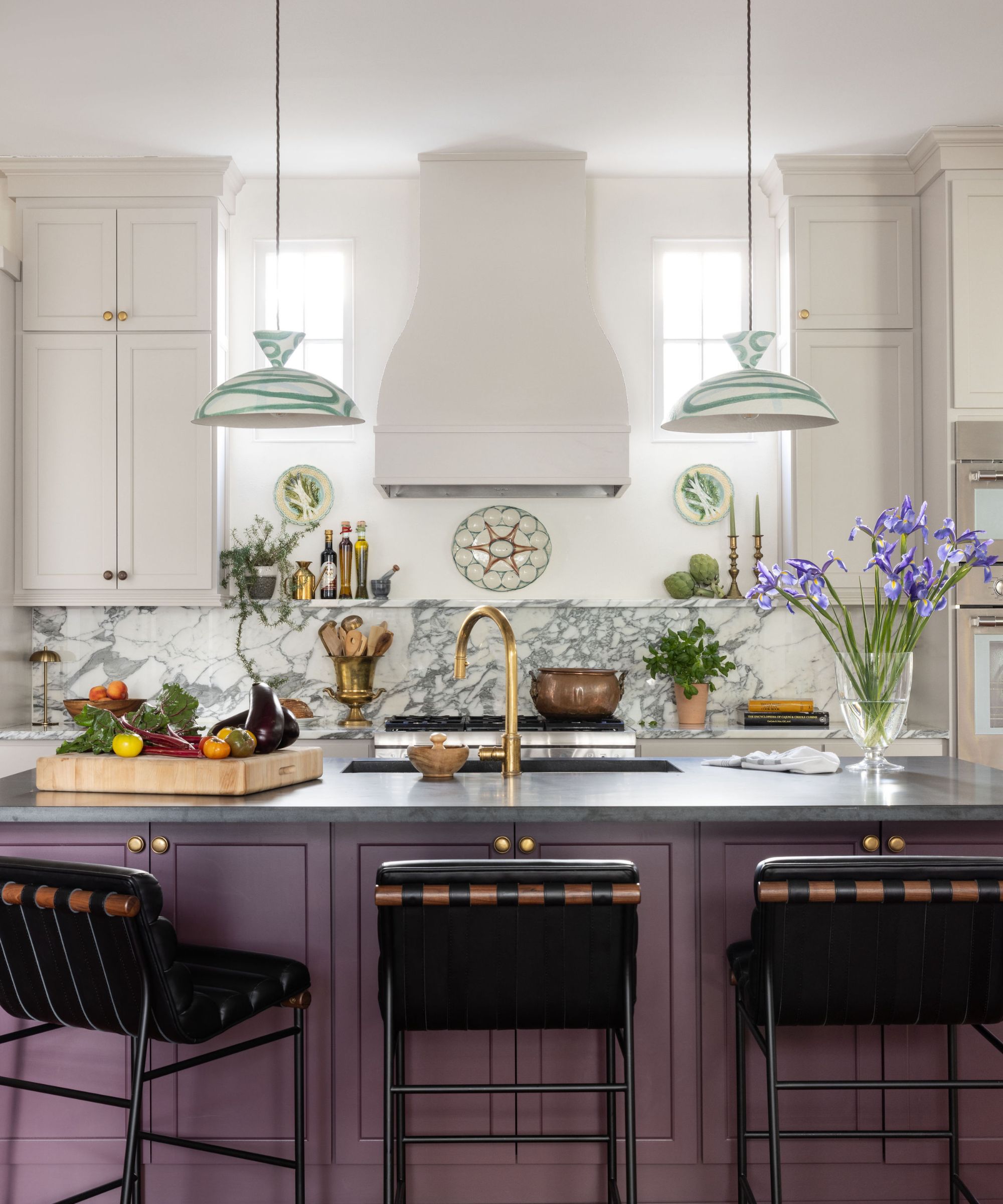
Finally, the placement of tall decor items in close proximity to pendant lights above the island should be avoided. Tall decorative pieces can obstruct views across the kitchen and, if too close to pendant lights, can create an unappealing visual conflict. Beyond aesthetics, there can be safety concerns if lights emit heat, posing a risk to nearby items. For islands with pendant lighting, it is best to opt for smaller, more proportionate decorative items to ensure functionality and maintain an unobstructed view. Alternatively, statement pendant lights can themselves serve as the primary decorative element. Ultimately, the guiding principle for decorating and arranging a kitchen island is to prioritize functionality, ensuring that all choices contribute to a harmonious, practical, and aesthetically pleasing space.
#KitchenIsland #InteriorDesign #KitchenDecor #HomeOrganization #DesignTips #KitchenFunctionality #AppliancePlacement #KitchenIsland #InteriorDesign #KitchenDecor #HomeOrganization #DesignTips #KitchenFunctionality #AppliancePlacement
0 comment in total
 No comments yet
You may also like
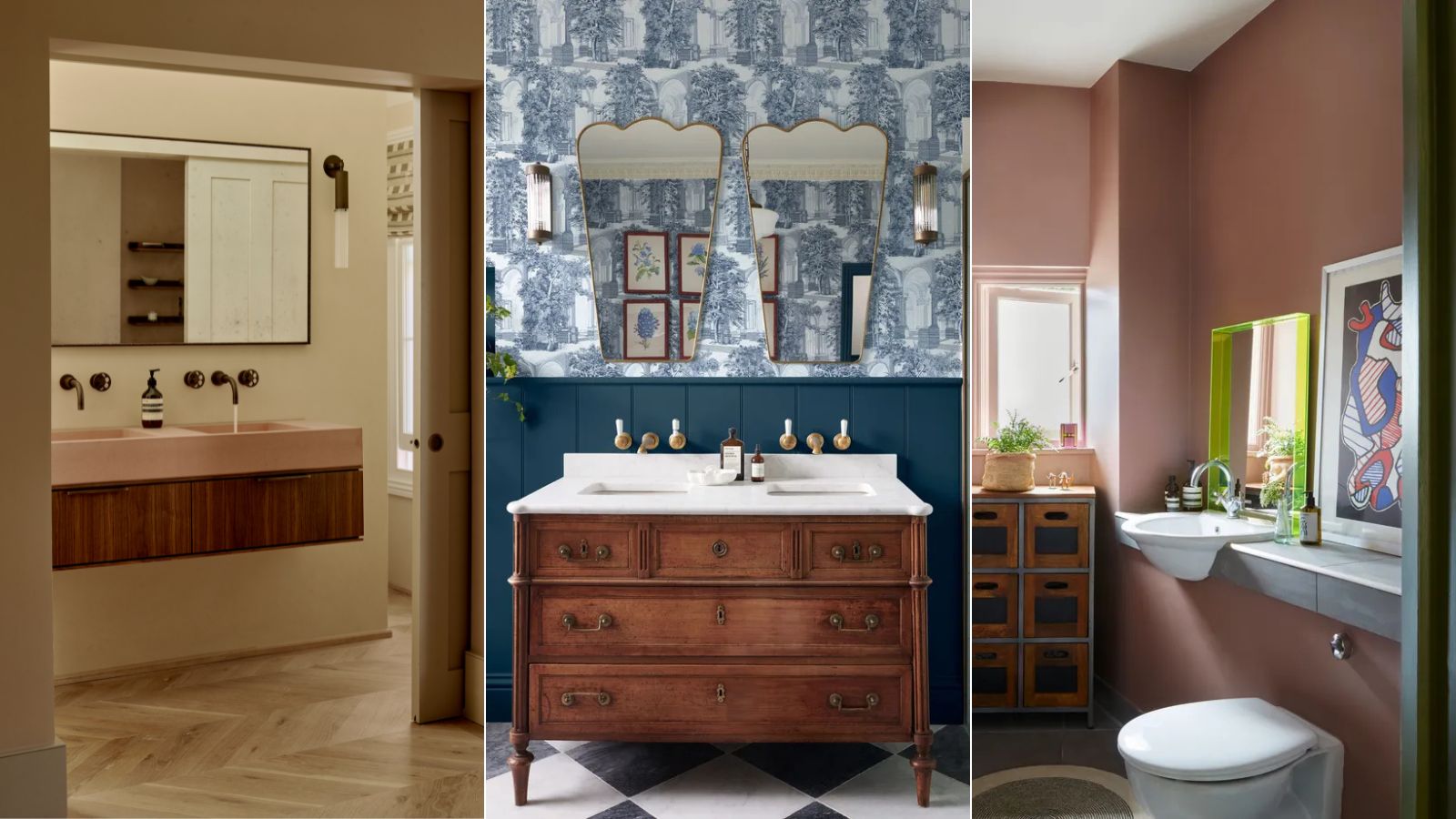
5 things not to put on your bathroom countertops, according to interior designers
The 7 kitchen island mistakes designers always avoid — and what you can try instead

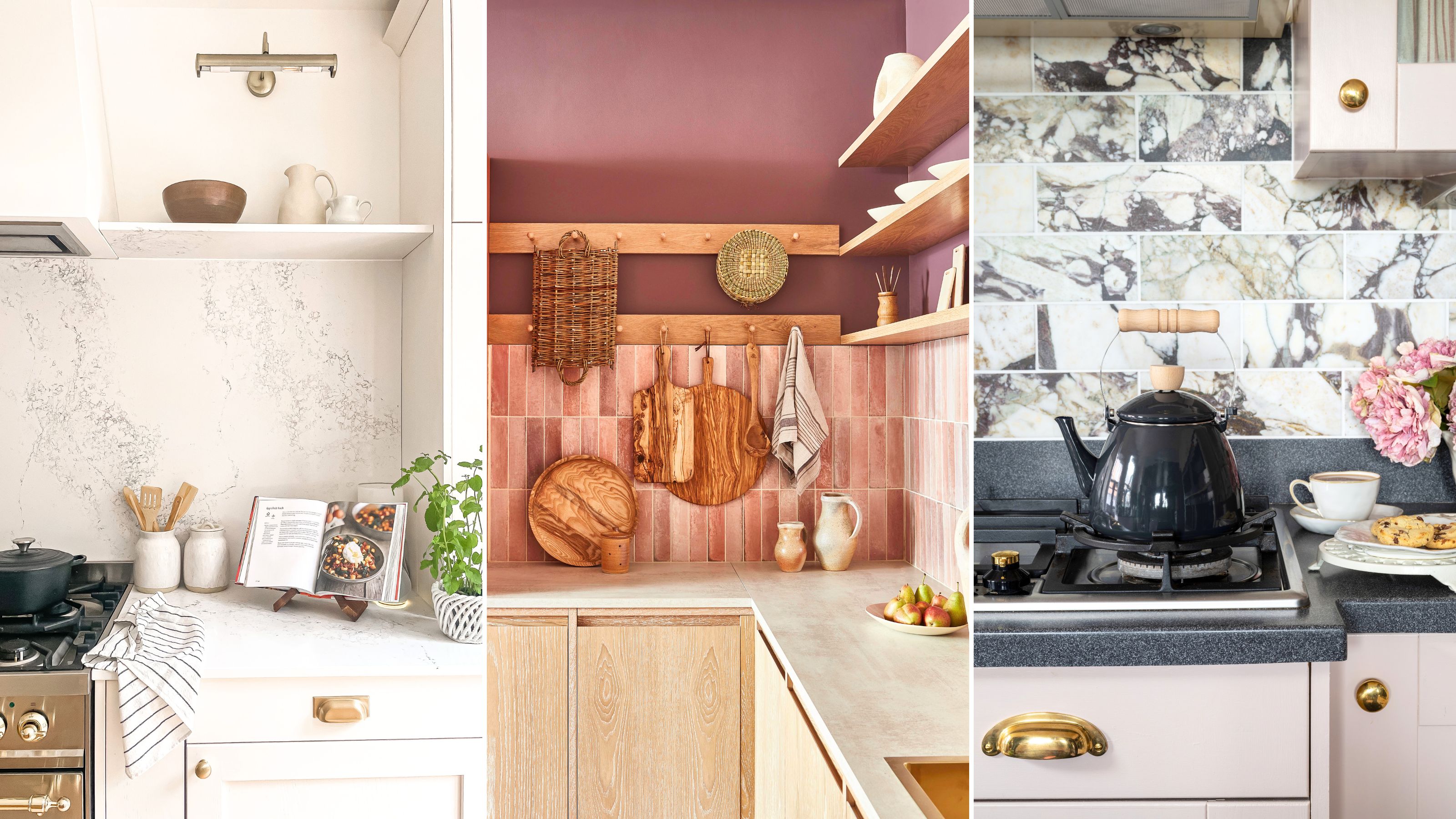
The 5 kitchen storage mistakes interior designers always avoid

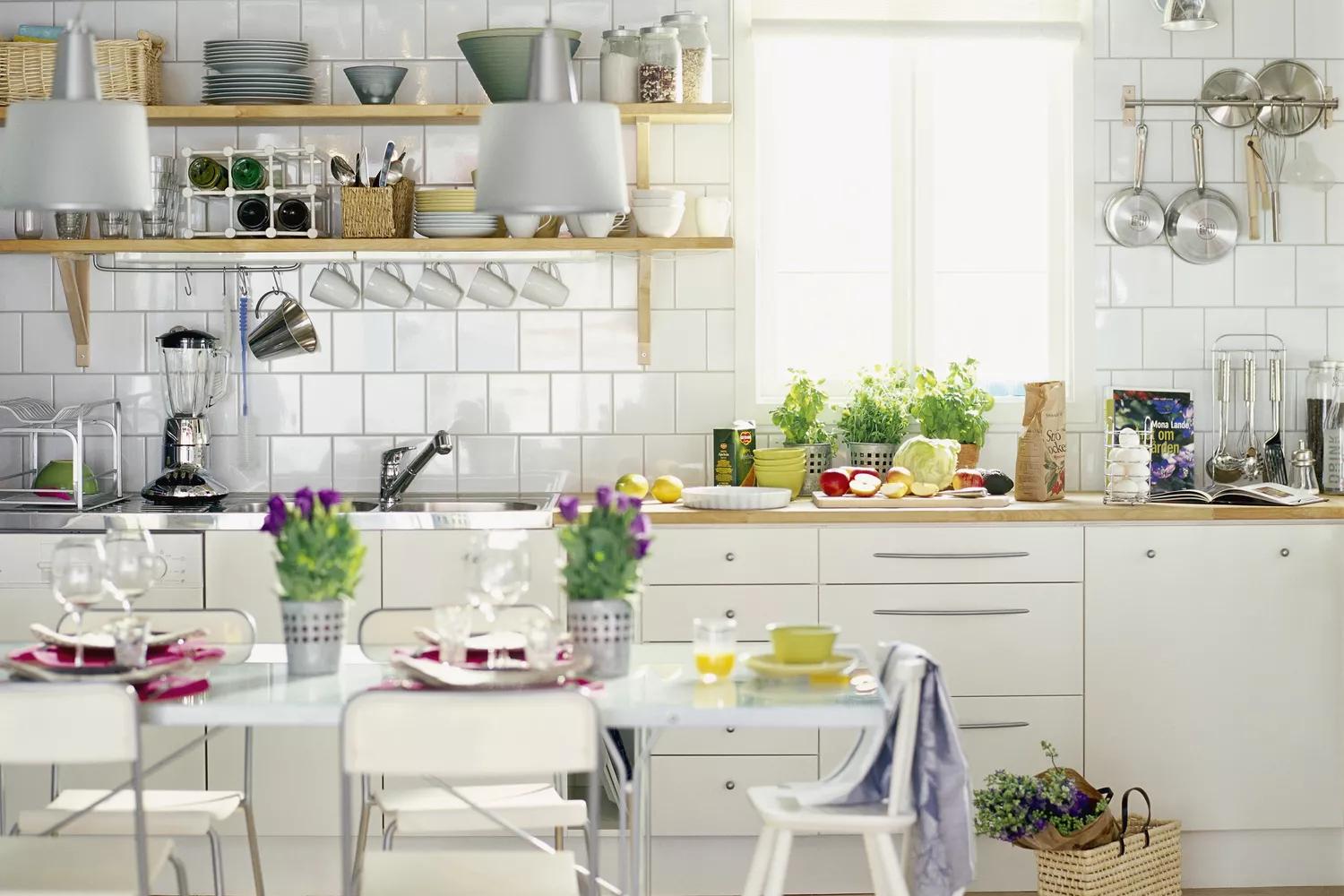
7 Impractical Kitchen Trends Designers Never Recommend to Their Clients

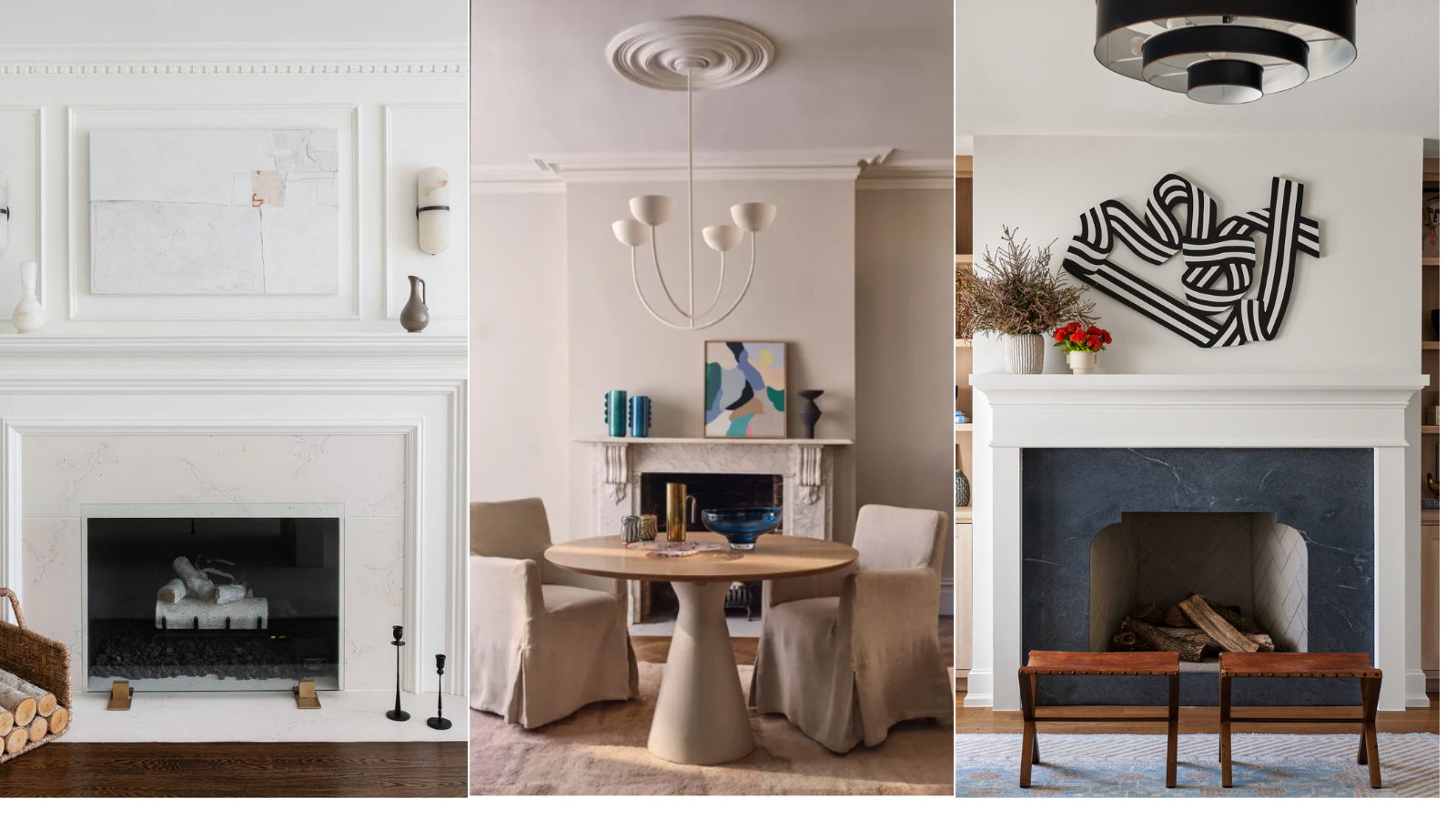
5 things designers say you should never put on a mantel
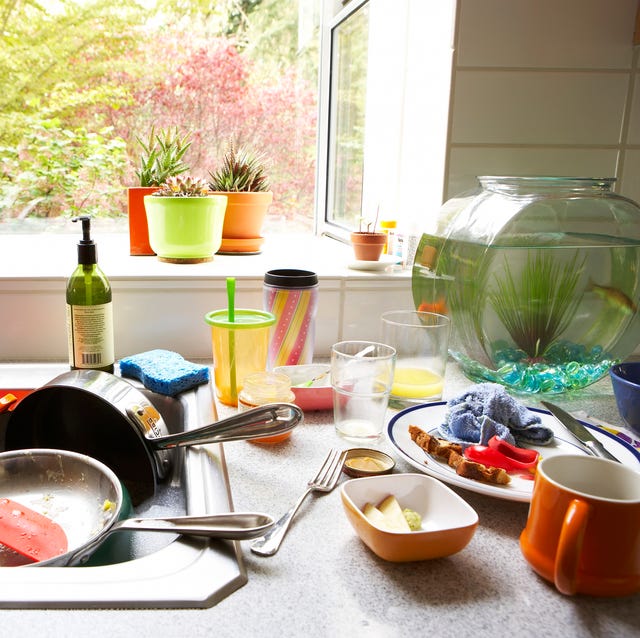
6 Things You Should Never Keep on Your Kitchen Counter

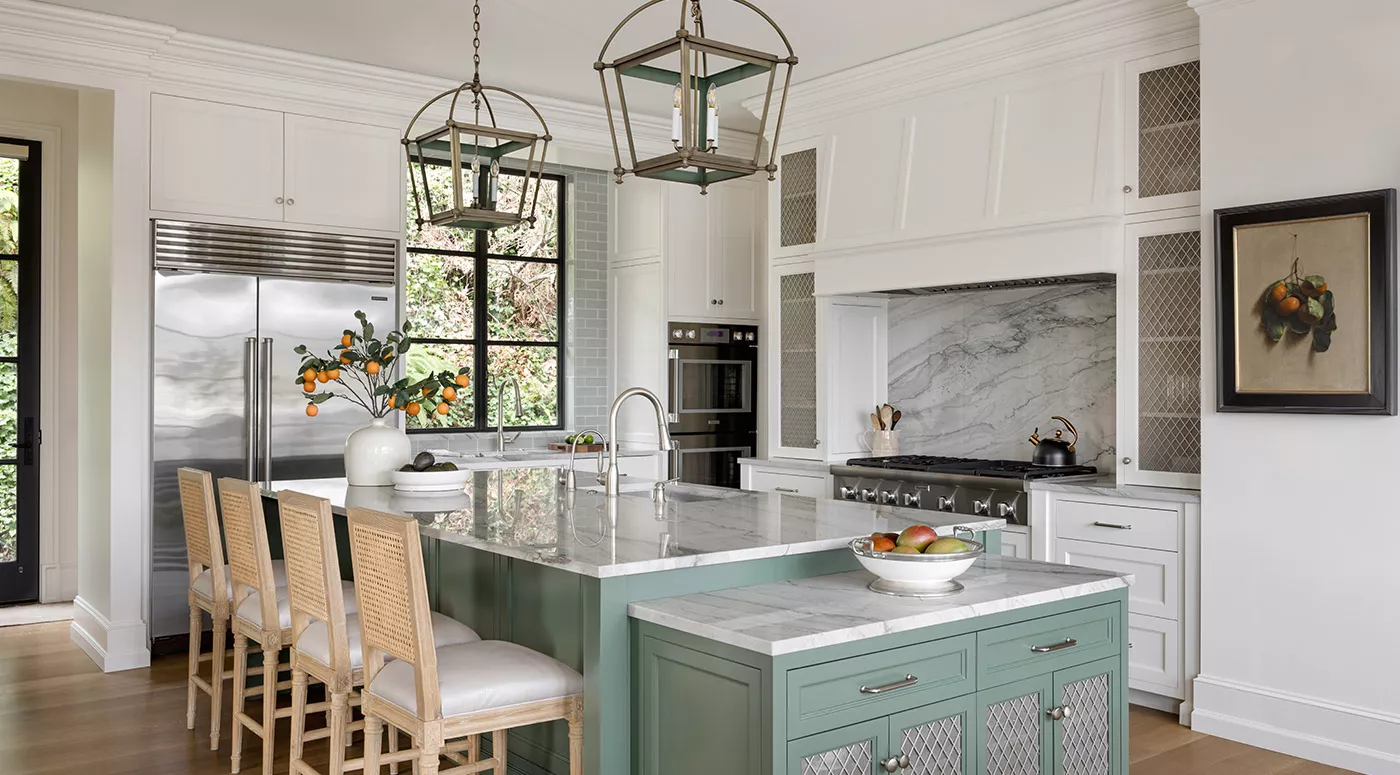
7 Outdated Kitchen Island Styles Designers Never Want to See Again

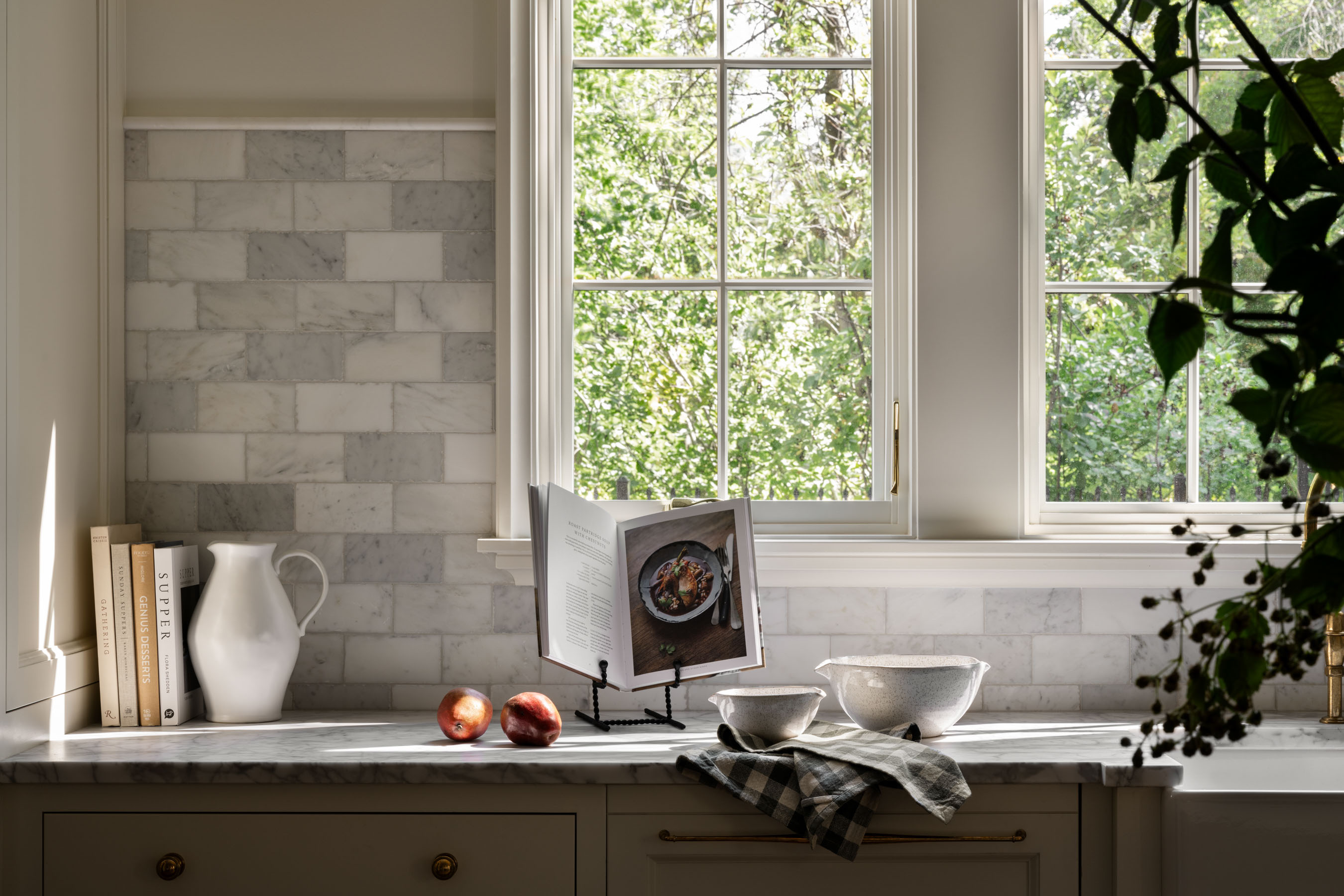
5 Things You Shouldn't Keep on Your Countertops if You Want an Uncluttered, Minimalist Kitchen

6 things you should never put on your dining room table, according to interior designers

8 Things Pro Organizers Say You Should NEVER Keep On Your Kitchen Counter

15 Outdated Things You Should Avoid In Your Kitchen, According To Designers

5 kitchen countertop mistakes designers warn to avoid
5 Things You Should Never Keep on Your Kitchen Island

6 things to never put in an entryway, according to interior designers
7 Kitchen Storage Trends That Designers say are Best Avoided
22 Outdated Things You Should Avoid in Your Kitchen, According to Designers

8 Things You Should NEVER Keep On Your Kitchen Counter
8 Things Designers Would NEVER Add to a Kitchen in 2025
5 Mistakes You Should Avoid When Adding An Island To Your Kitchen
Interior designers share the 10 things in your kitchen you should get rid of