1/17
8 Things Designers Would NEVER Add to a Kitchen in 2025
The article outlines eight kitchen design elements that interior designers advise against incorporating in 2025, emphasizing a shift towards thoughtful utility, quiet luxury, and designs that reflect how people genuinely live. These recommendations are based on insights from 11 design professionals who aim to help homeowners avoid outdated features and create more functional and aesthetically pleasing spaces.
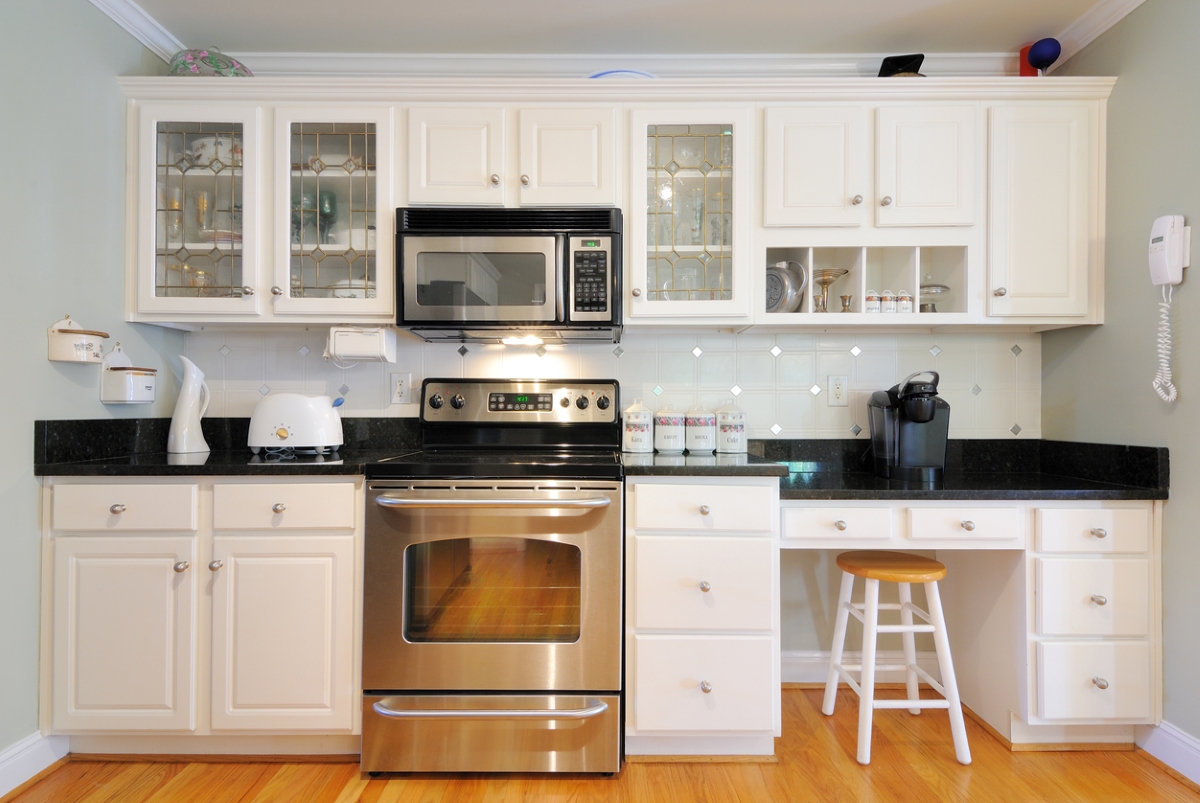
Built-in desks, a trend from the early 2000s, are now considered obsolete. Designers like Kelsey Matyas and Stephanie Martin explain that these desk nooks consume valuable storage and prep space, often becoming areas for clutter. Instead of serving their original purpose of organizing paperwork, they detract from the kitchen's primary function as a culinary and social hub. Designers now suggest re-purposing this space for more functional elements such as built-in bars, coffee stations, or extended pantries, which are less prone to clutter.
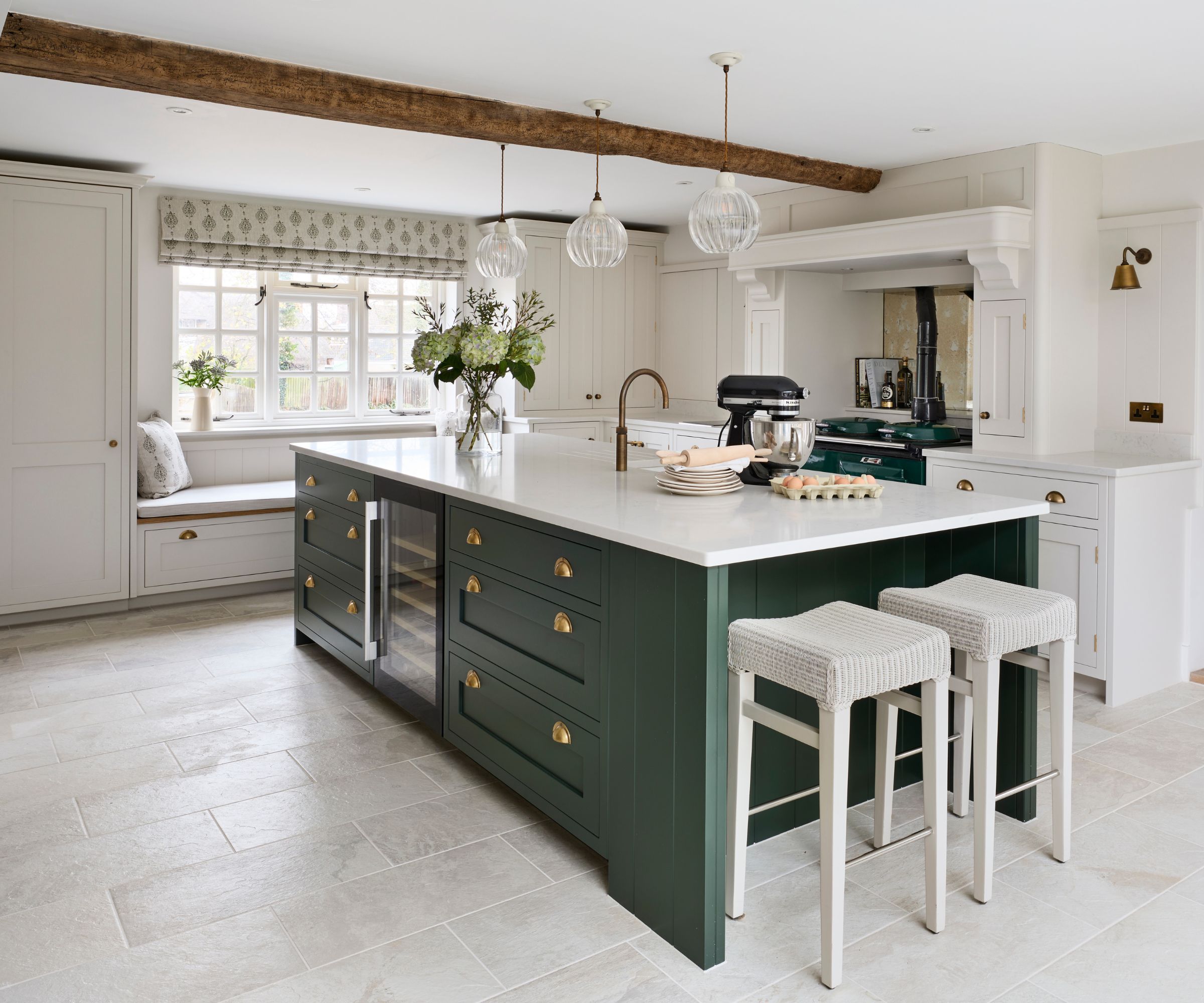
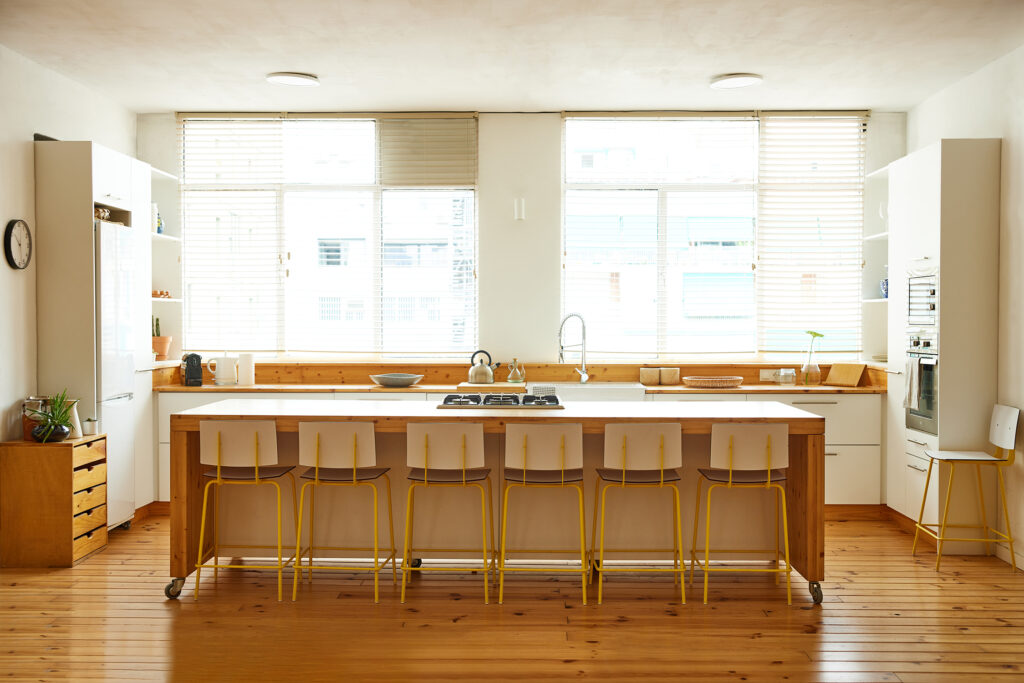
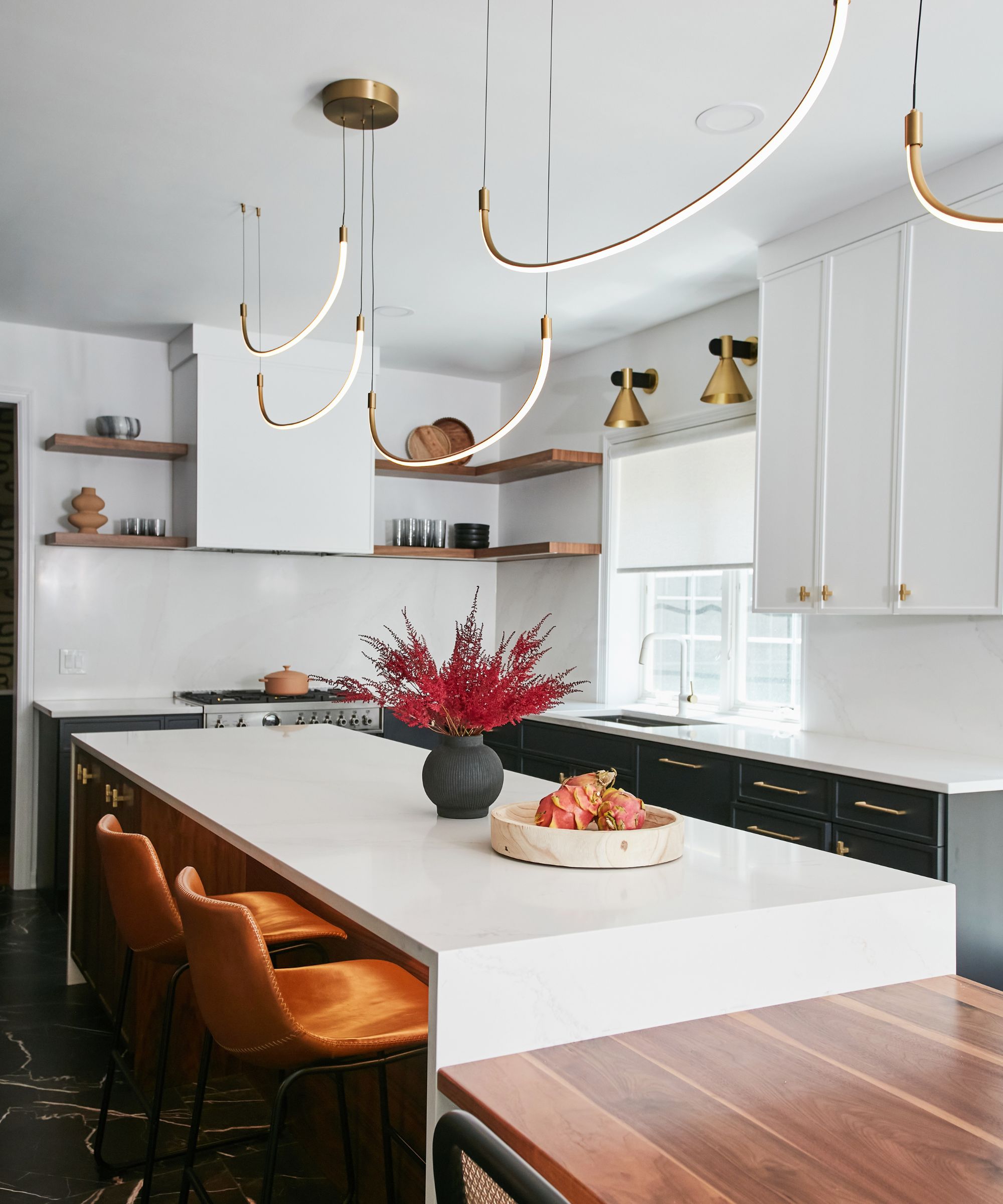
Raised bar countertops, popular in the early aughts, are also out of favor. Emma Corner and Stephanie Martin describe these split-level islands as visually clunky and inefficient, hindering both functionality and cleaning. The physical and visual division they create conflicts with modern living trends that prioritize open and connected spaces. The current preference is for expansive, single-level countertops with sleek designs that provide ample room for food preparation, serving, and social gathering, offering a more contemporary and functional aesthetic.
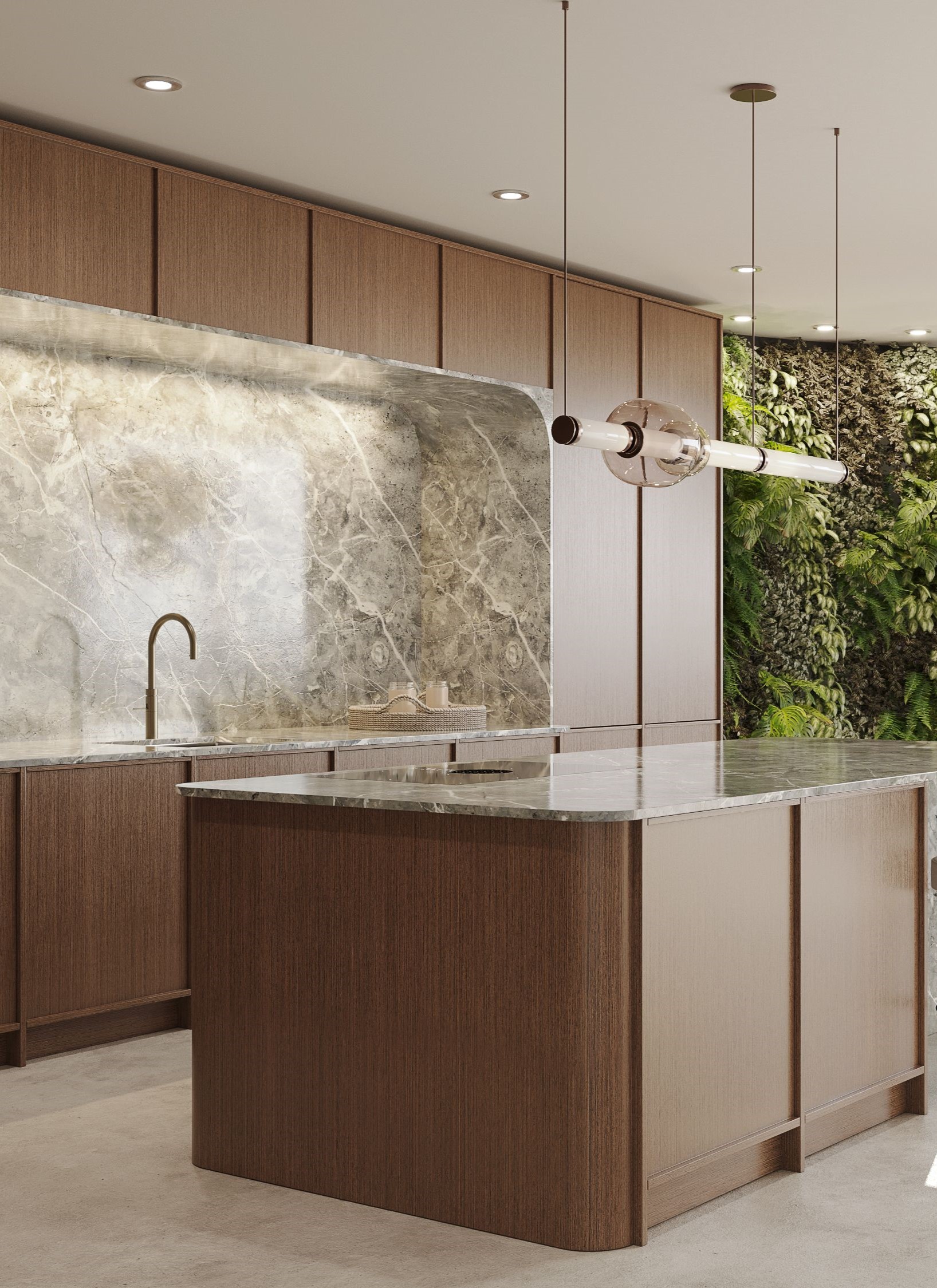
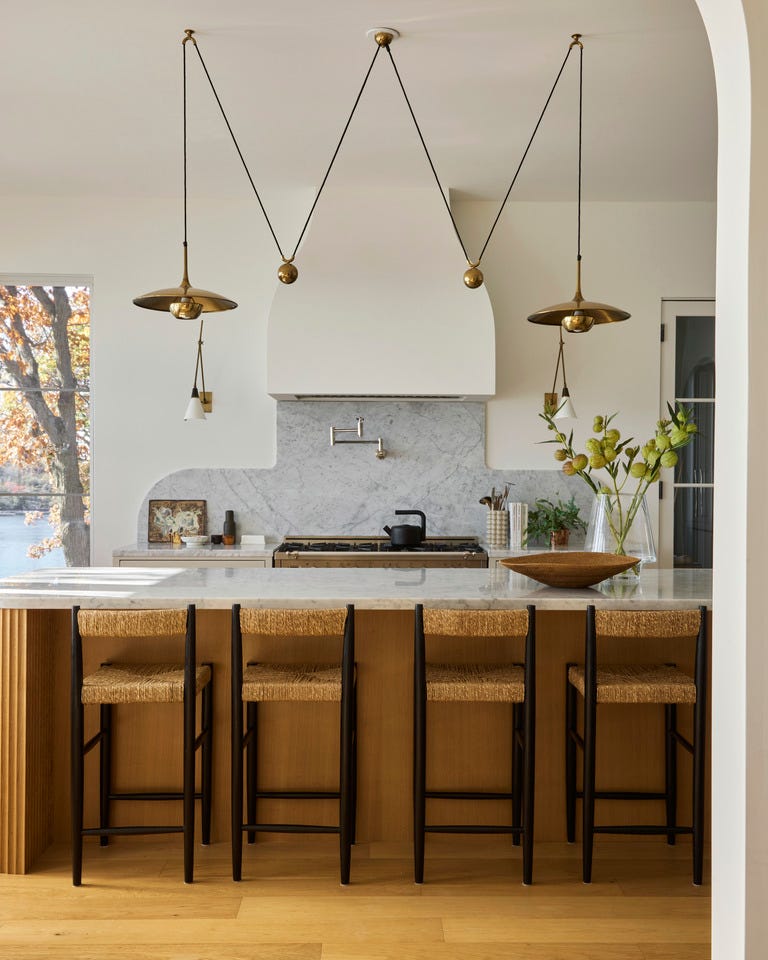
Microwaves placed over the range are another feature designers are moving away from. Michelle Murphy highlights that this placement immediately dates a kitchen and obstructs the potential for a beautiful and functional range wall. Hillary Cohen adds that it disrupts visual symmetry and elegance. Designers recommend integrating microwaves into lower cabinets, appliance garages, or pantries to maintain functionality without compromising the kitchen's aesthetic. This allows the range and custom hood to become the focal point, enhancing the overall design.
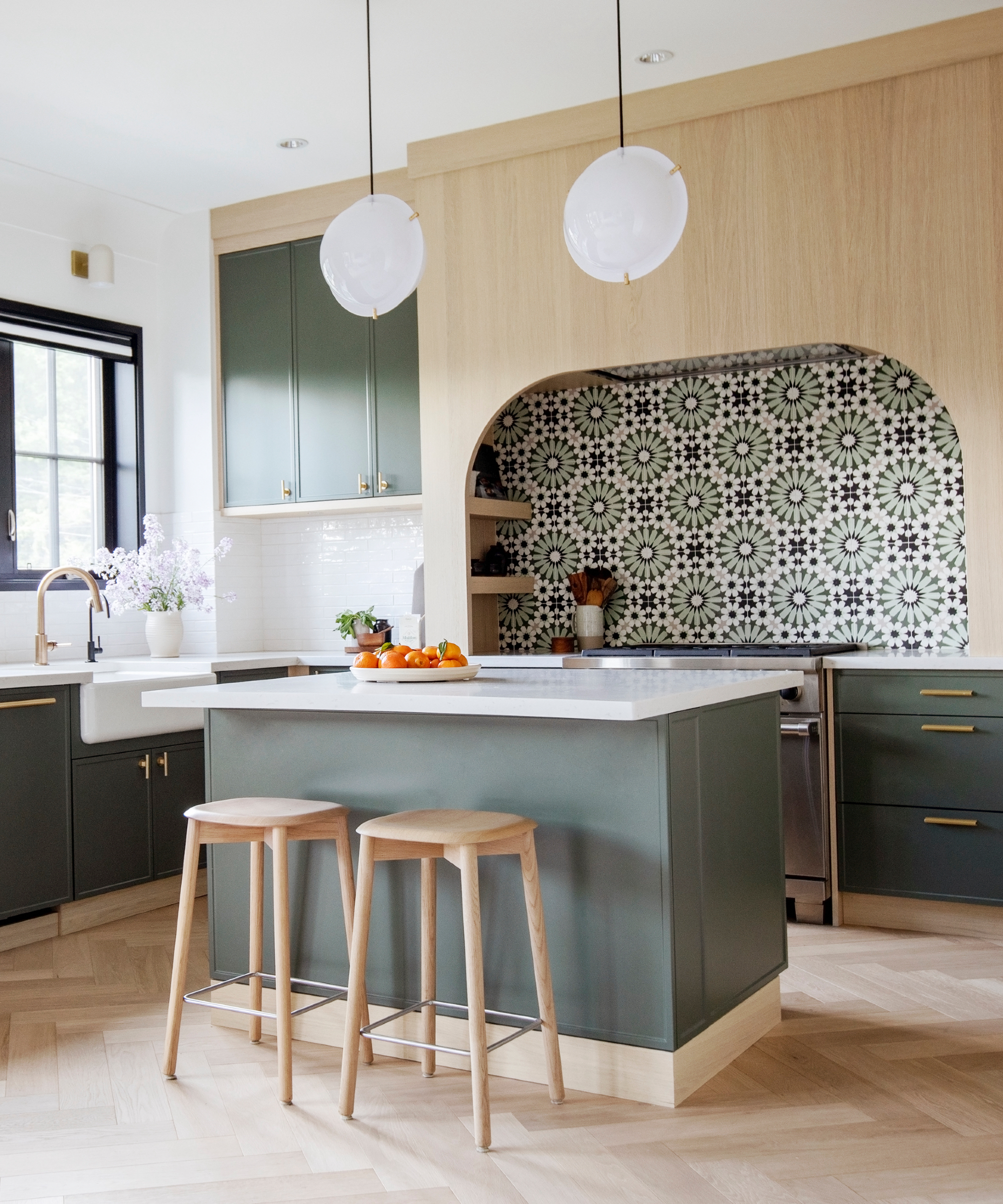
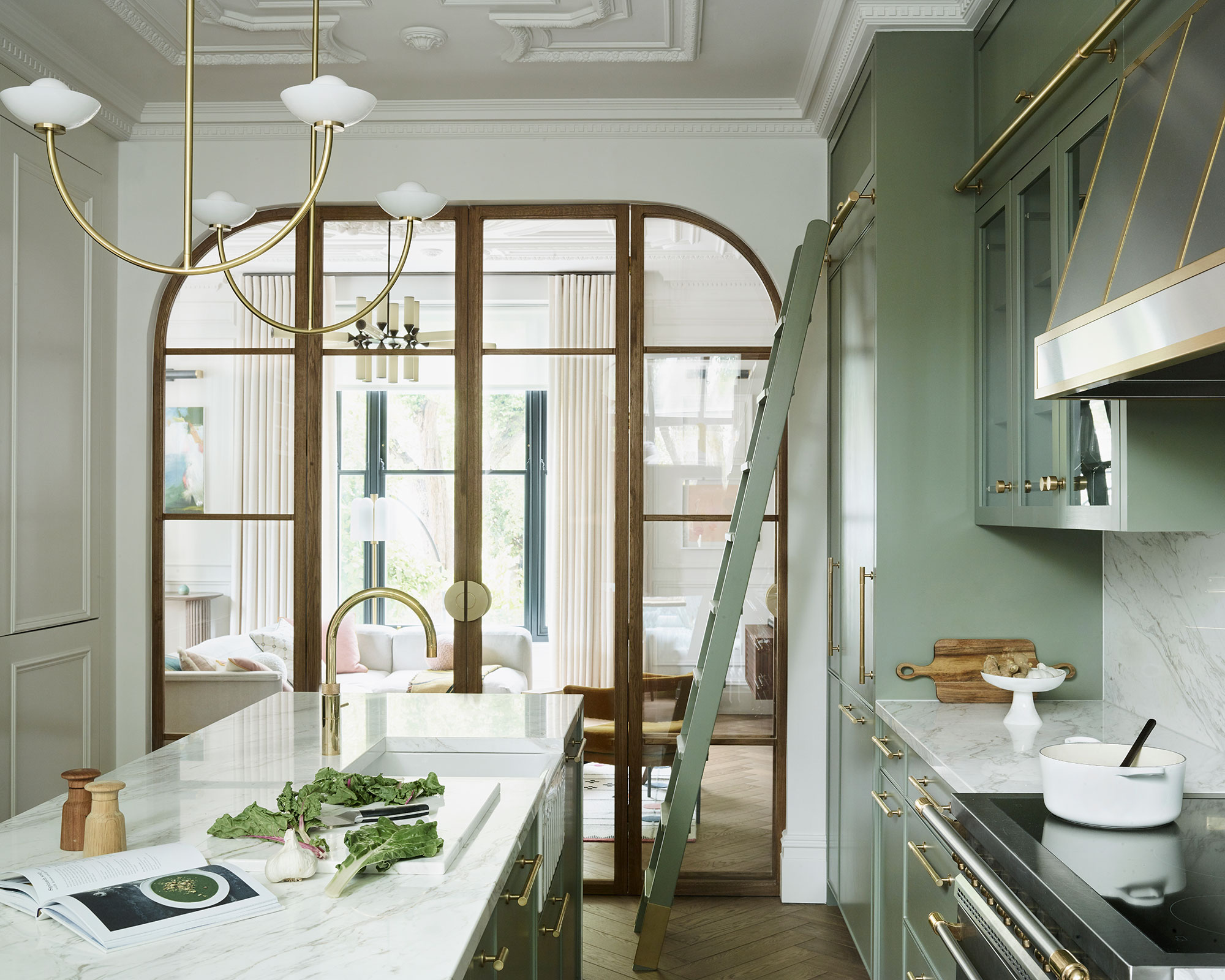
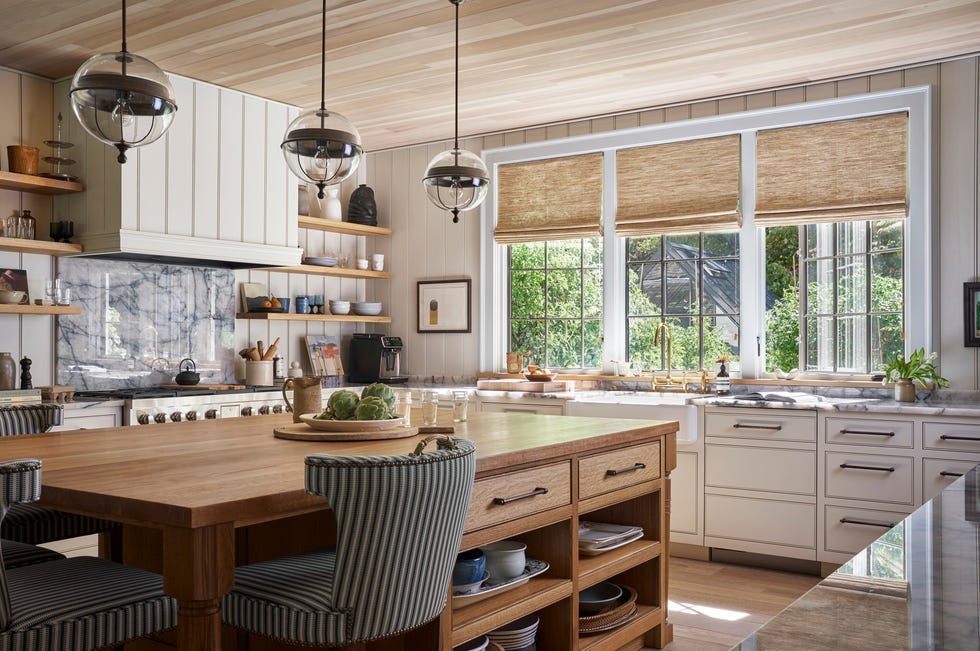
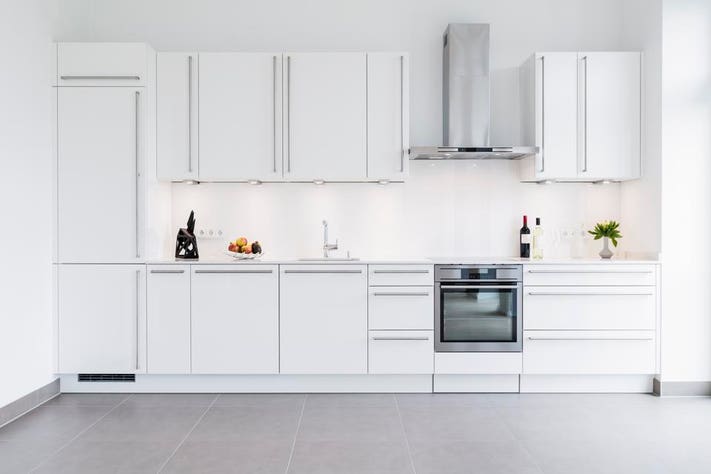
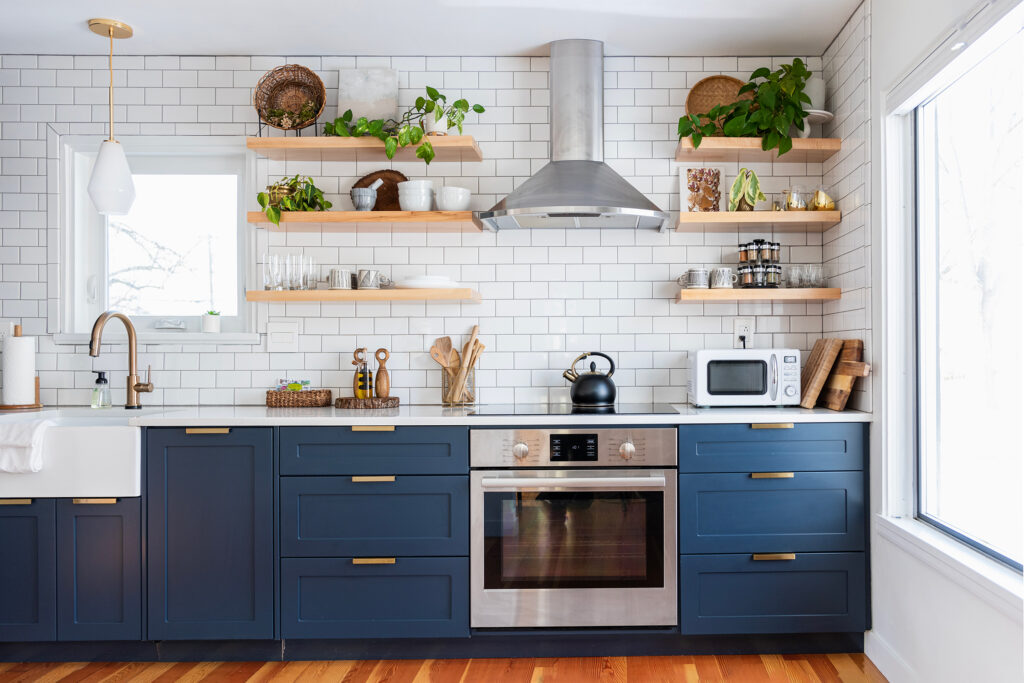
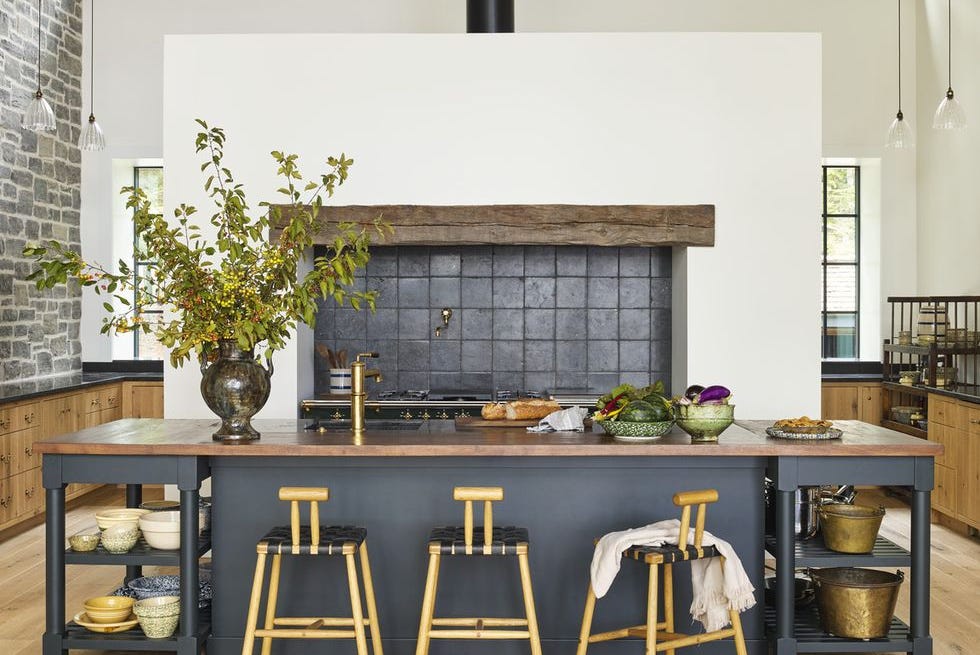
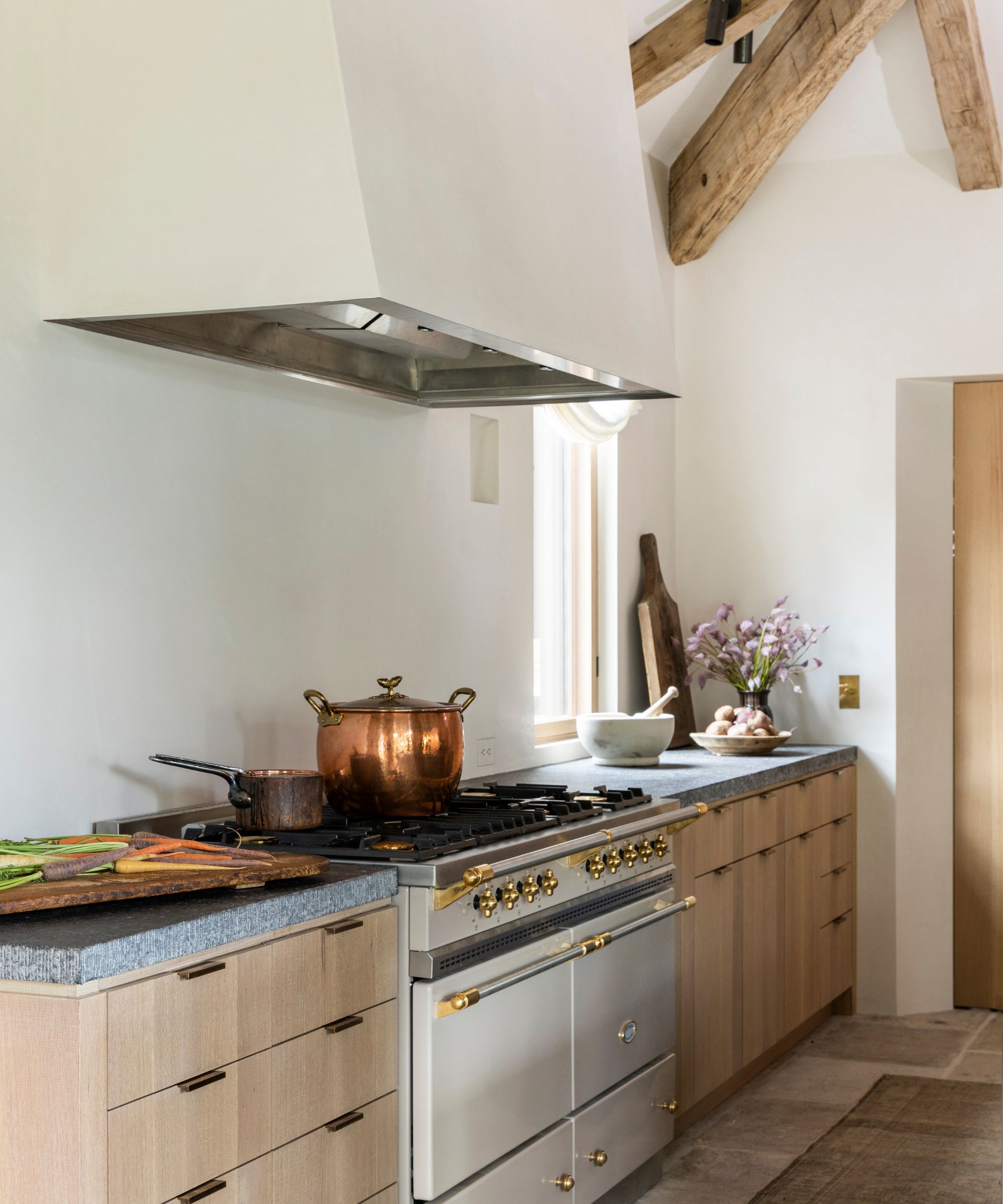
Stainless steel vent hoods are no longer the preferred choice. While once associated with an industrial look, designers now seek texture, softness, and artistry in kitchen elements. Emma Corner notes that exposed stainless hoods often lack character when not thoughtfully integrated. Allison Handler considers them basic and an eyesore, advocating for warmer materials such as plaster, tile, or wood. Cynthia Ferguson views hoods as kitchen jewelry, favoring unique options like unlacquered brass with decorative edges.
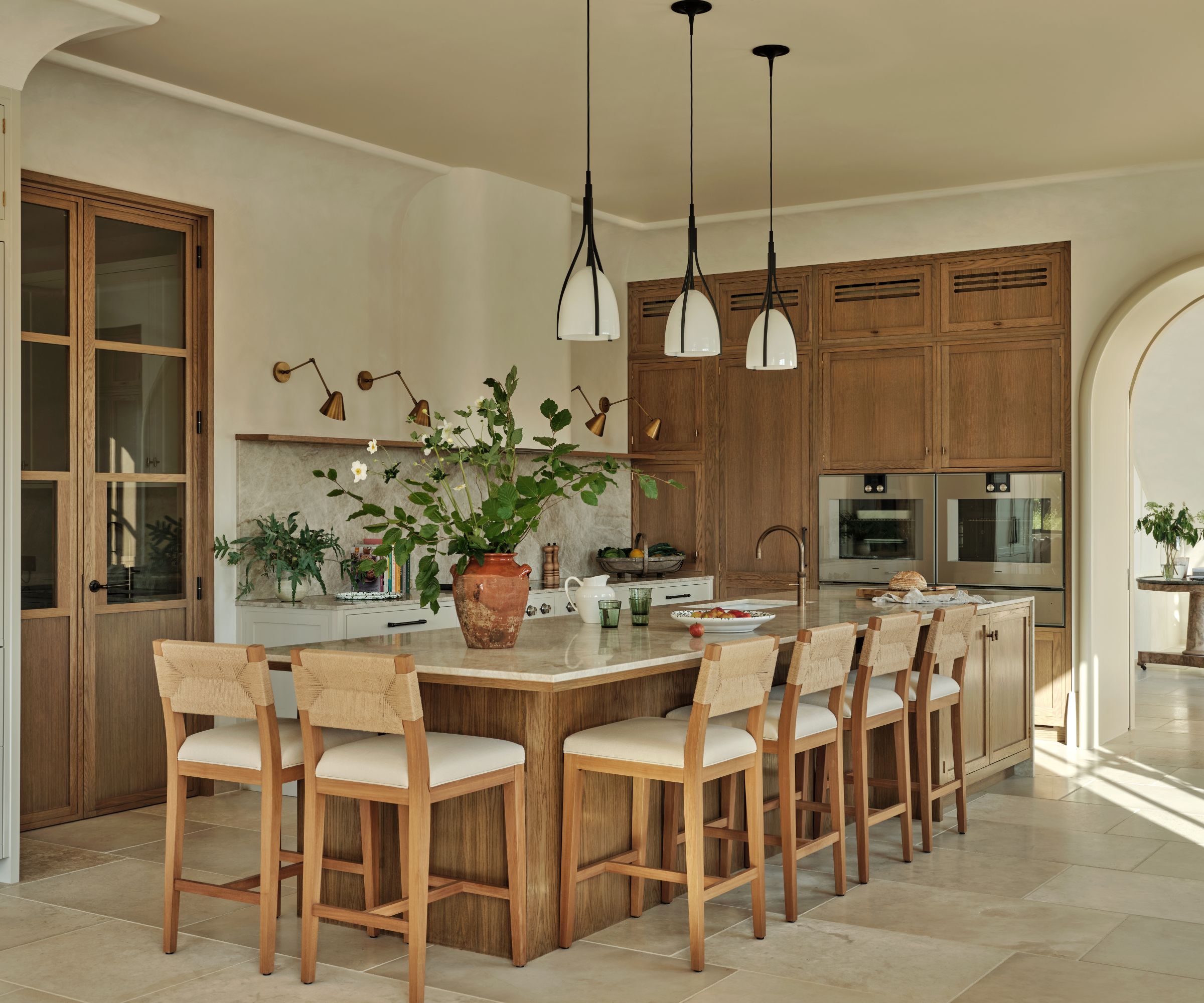
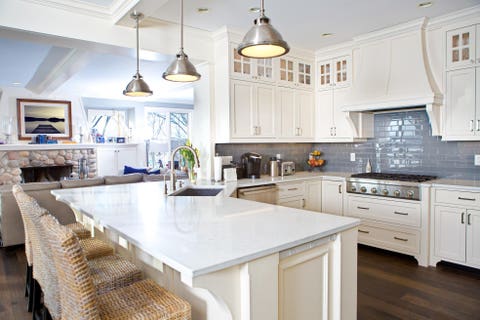
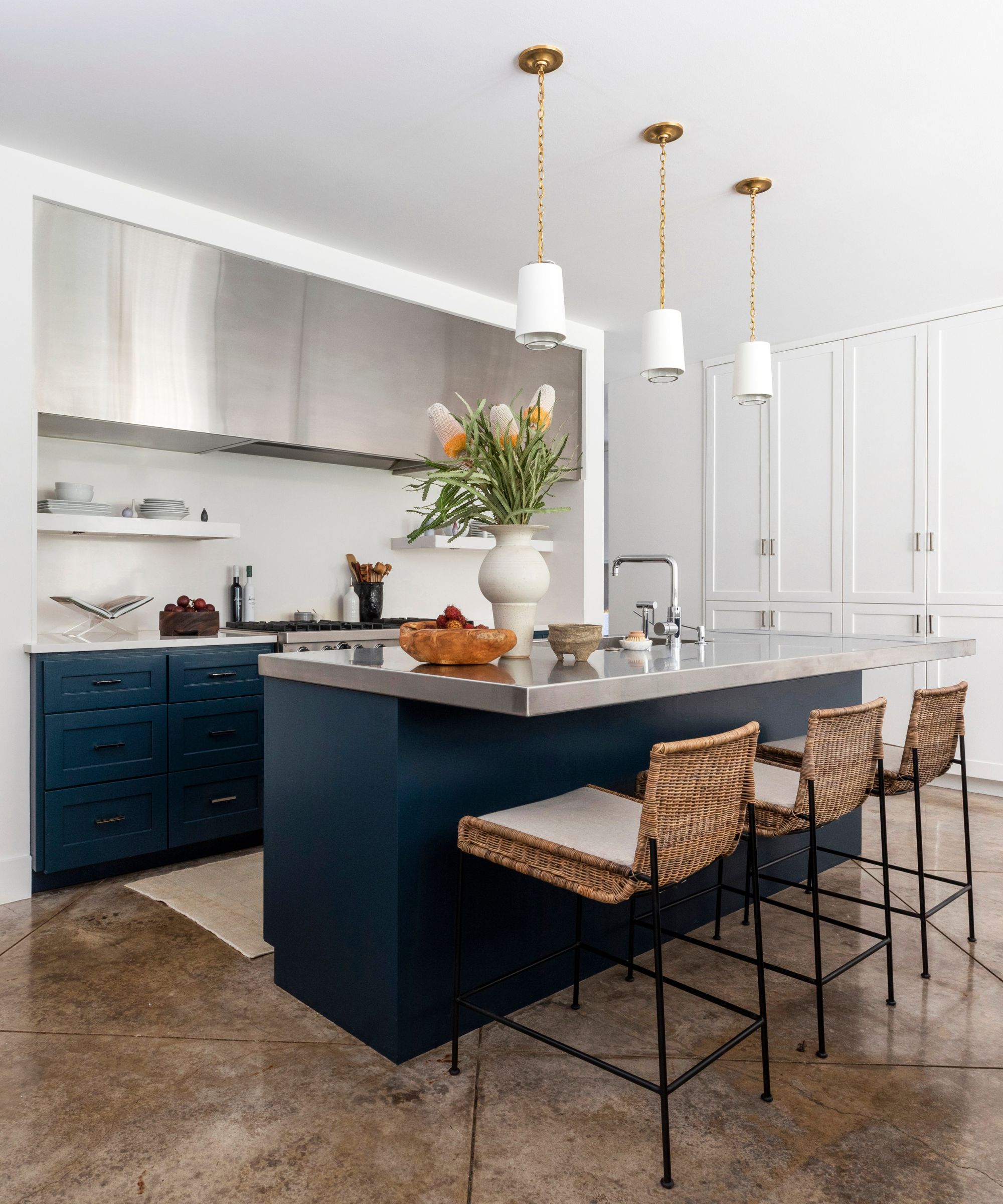
Sinks located in islands are also discouraged by designers. With kitchen islands serving as multifunctional areas for prep, socializing, and display, designers prefer to keep them clean and uninterrupted. Allison Handler and Kelsey Matyas emphasize that the sink should ideally be on the perimeter, maximizing the island's surface for entertaining and food preparation. In smaller kitchens, adding a secondary island sink can reduce workspace and often remains unused, making a larger main sink with a flexible faucet a more practical alternative.
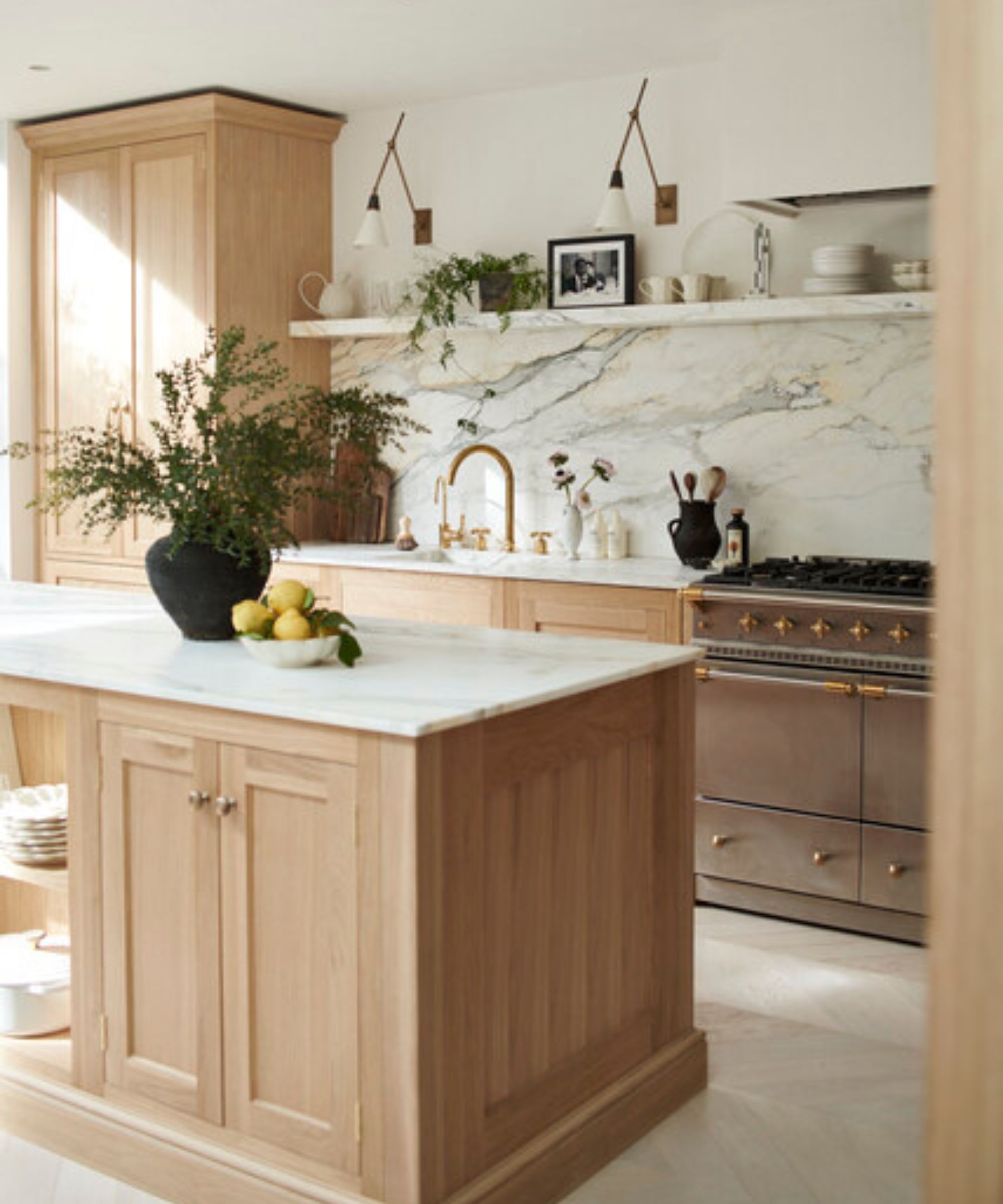
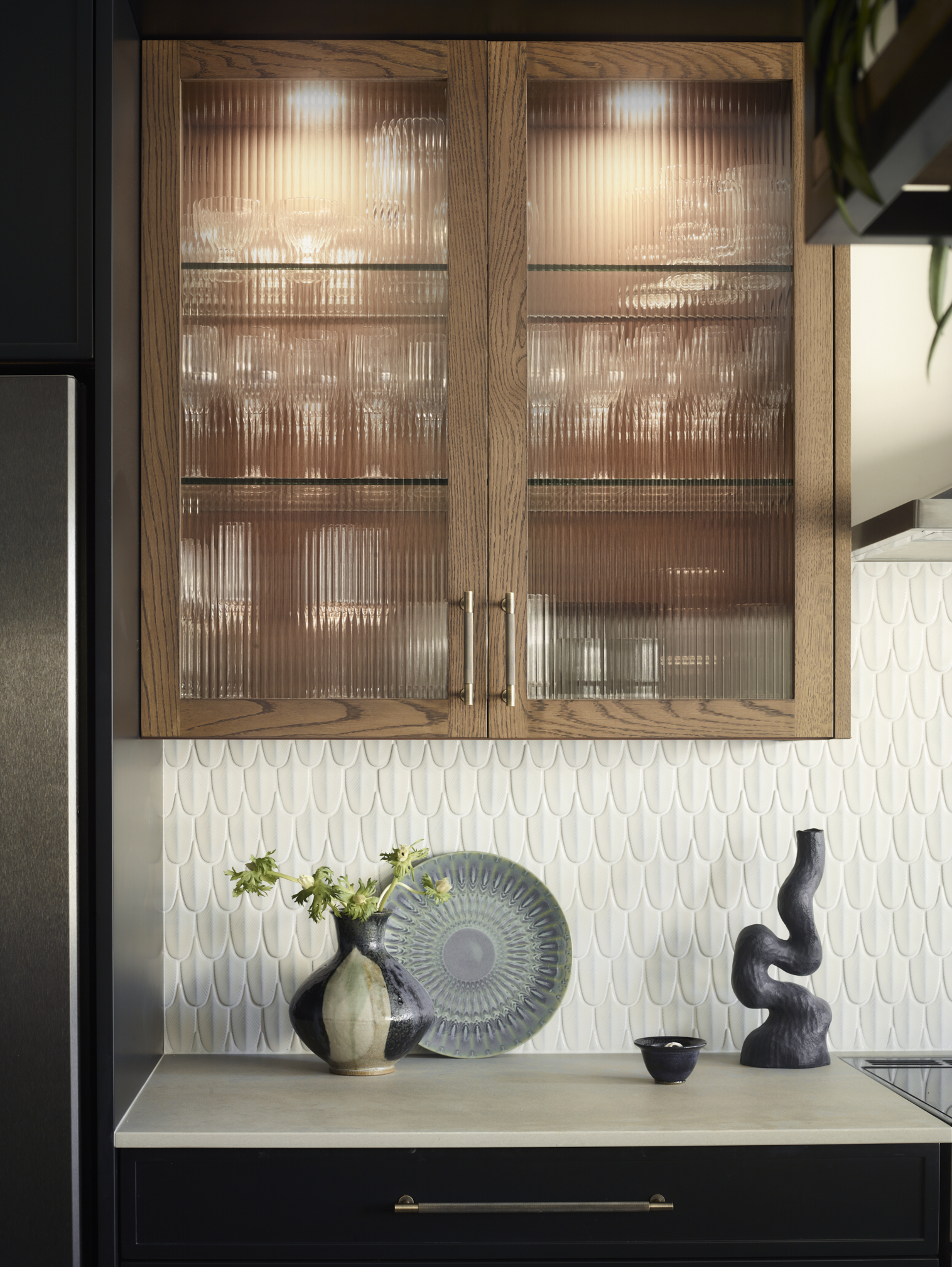
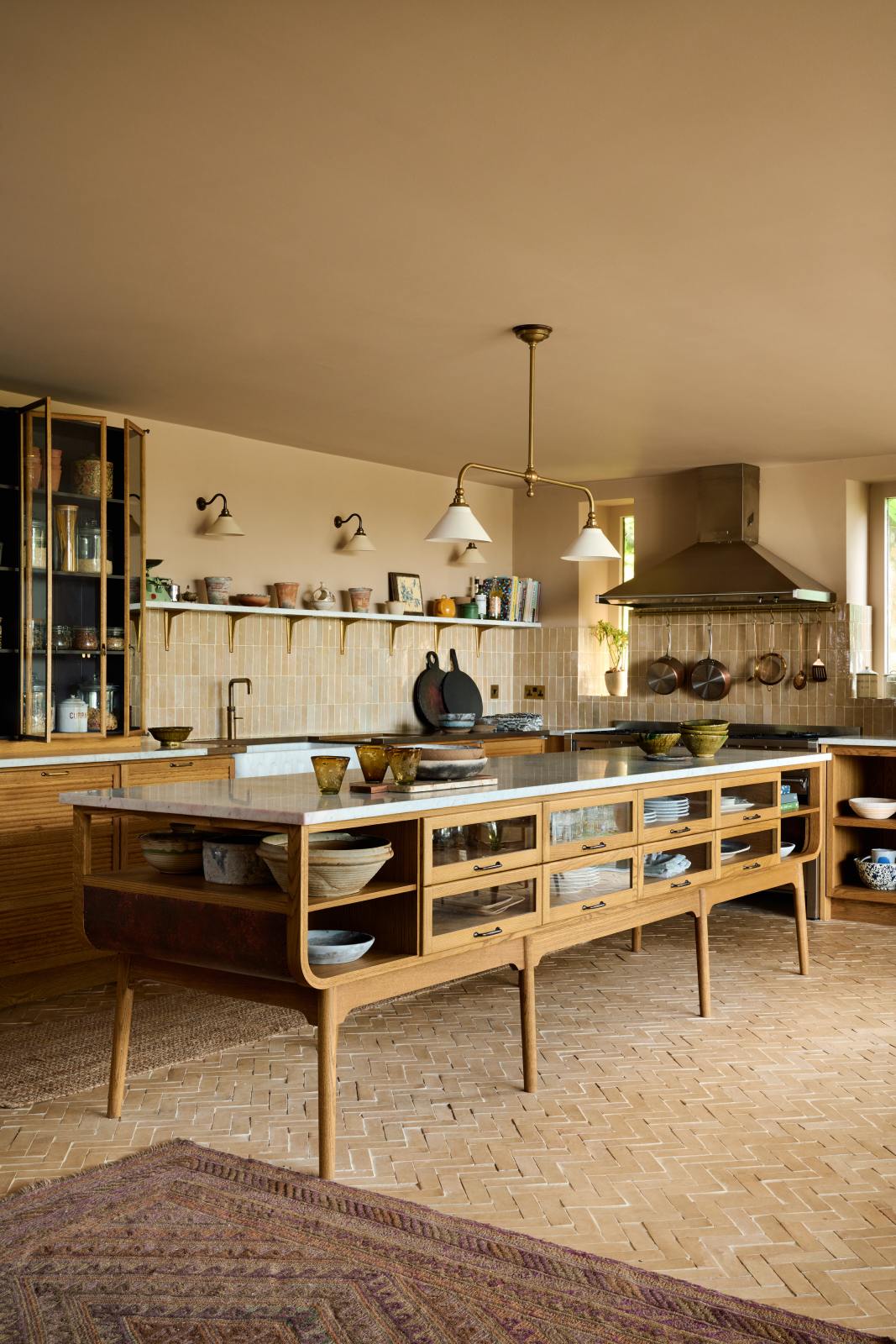
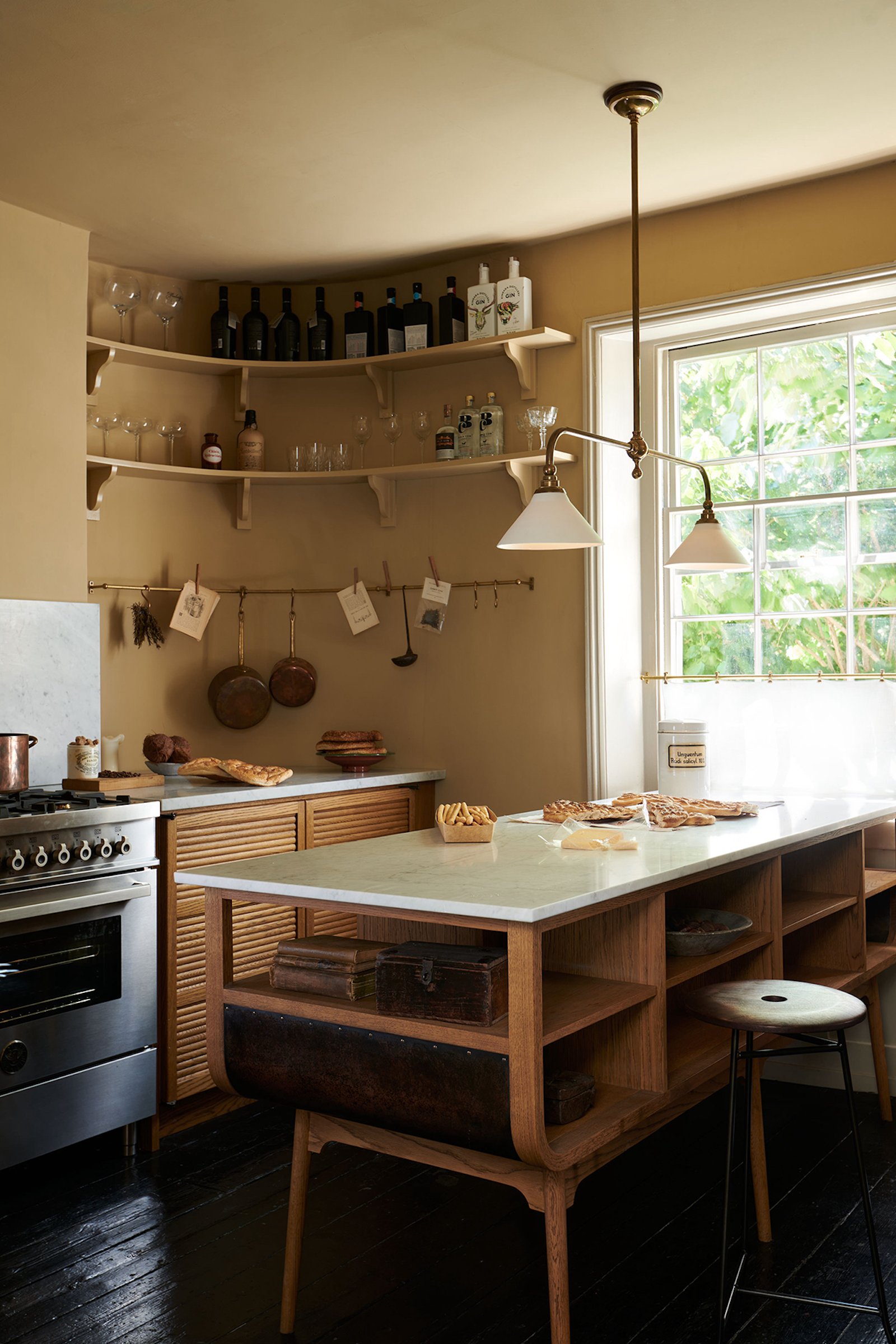
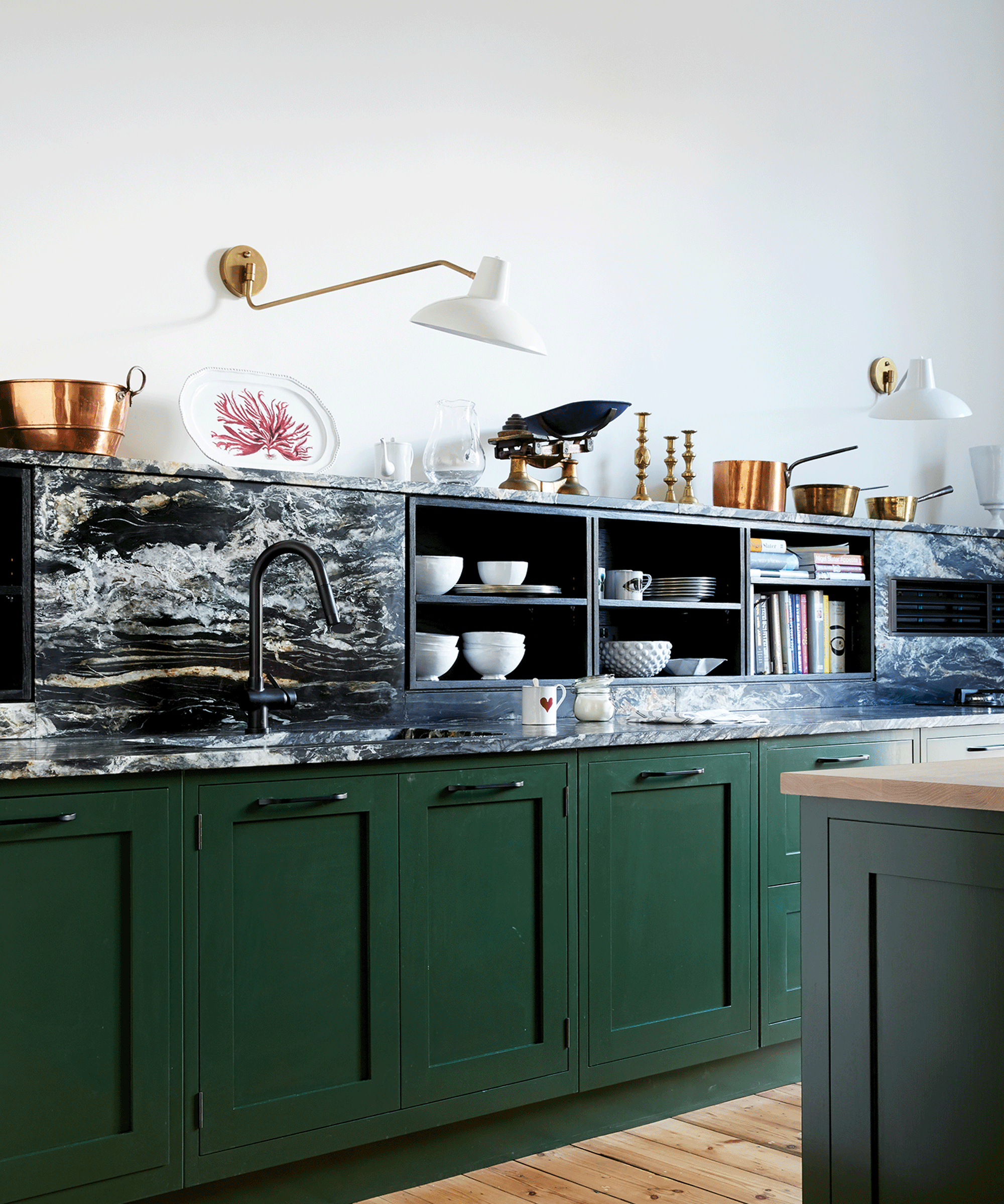
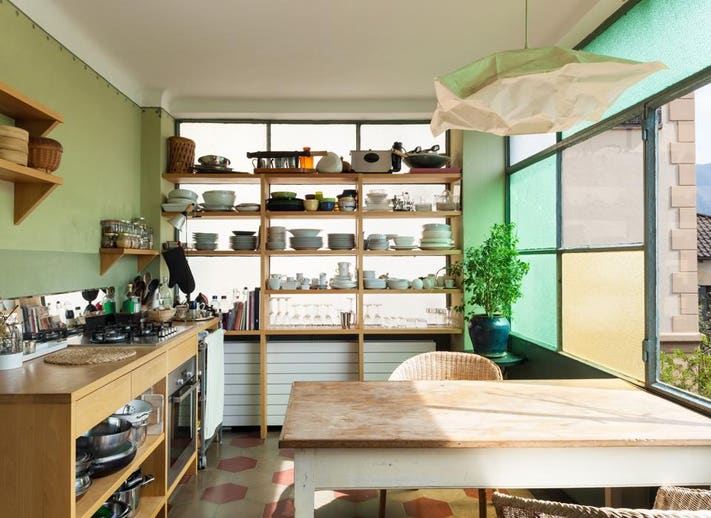
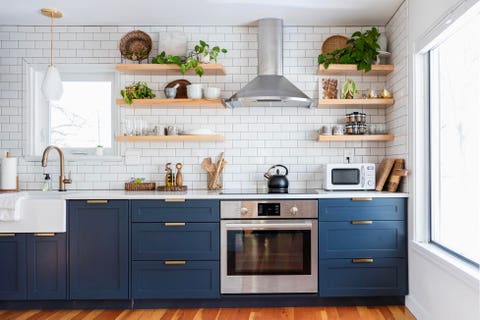
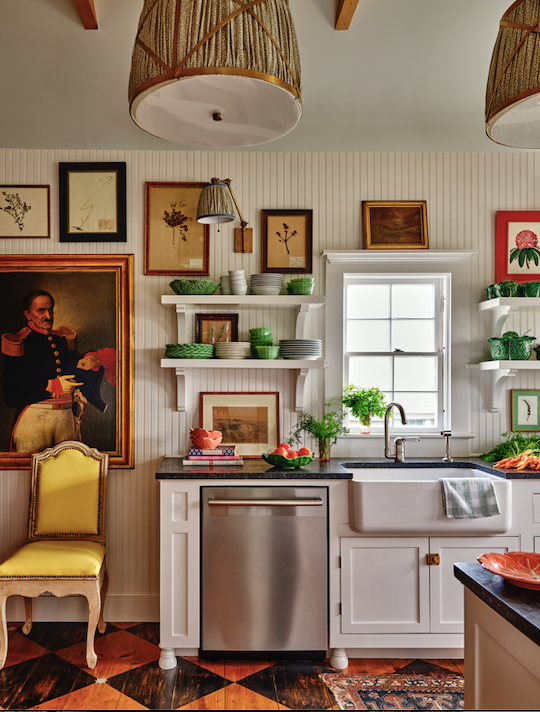
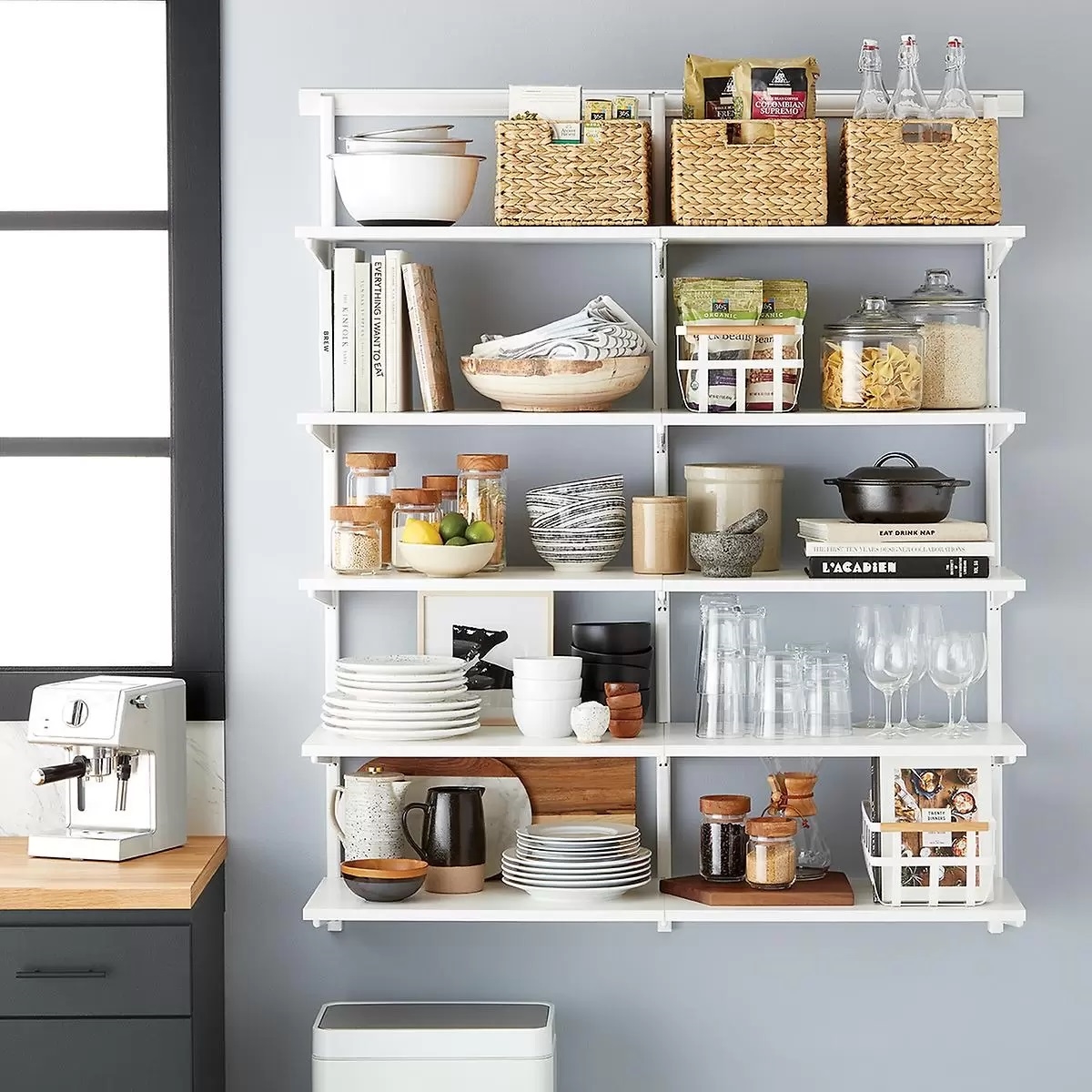
Open shelving, though once popular for its Instagram-friendly appearance, is losing favor due to practical concerns. Kelsey Matyas points out that open shelves accumulate dust and contribute to visual clutter, making them difficult to maintain for everyday use. Victoria Armour observes that while they look good when perfectly styled, they are impractical for daily living as they expose items like cereal boxes. Designers suggest a return to concealed storage, warmer tones, and tailored cabinetry, or using open shelves sparingly, especially when secondary storage is available.
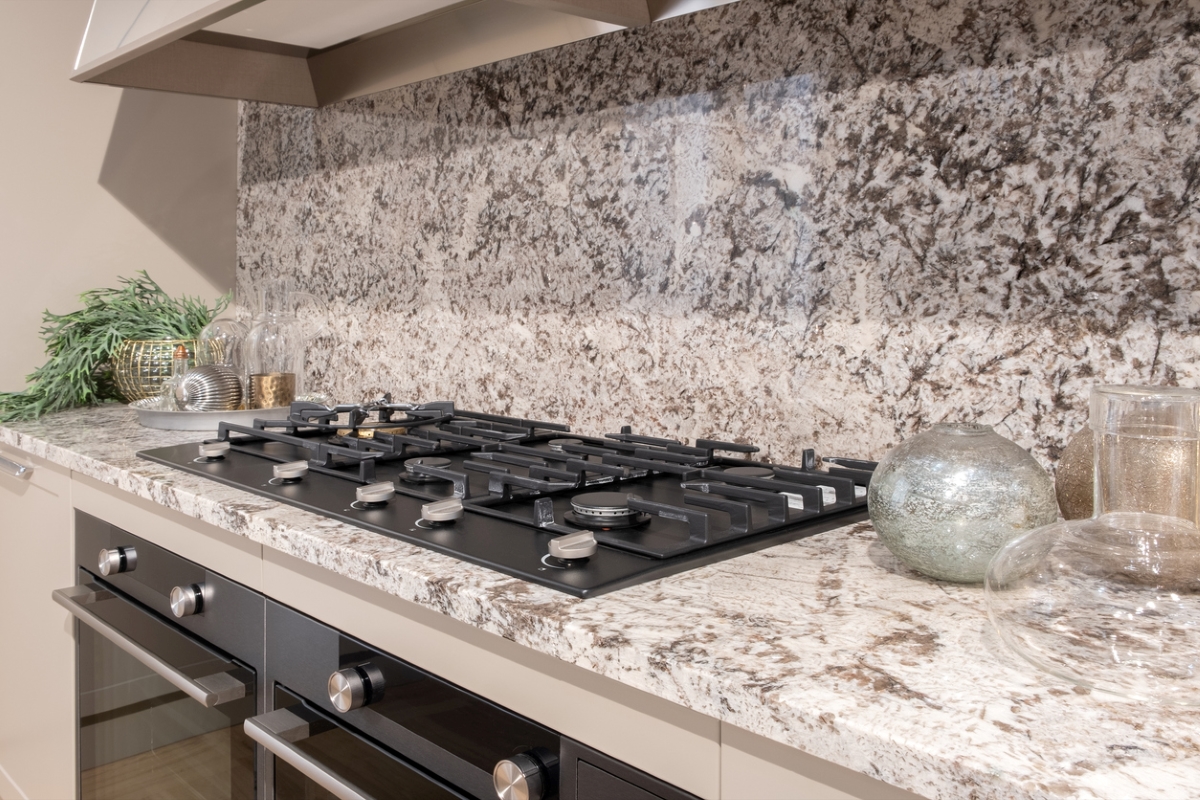
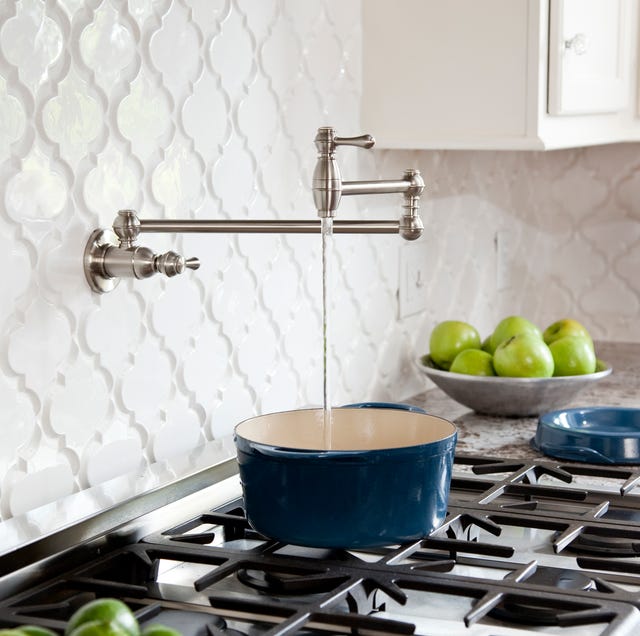
Pot fillers, once a symbol of high-end kitchens, are now questioned for their real-life utility. Hillary Cohen notes they are rarely used despite their luxurious appeal. Beyond their limited functionality, pot fillers involve installation complexities and maintenance issues. Michelle Murphy highlights that they are often more about aesthetic than purpose and can interrupt the design of a stunning backsplash. A larger sink with a flexible faucet is seen as a more practical and frequently used alternative.
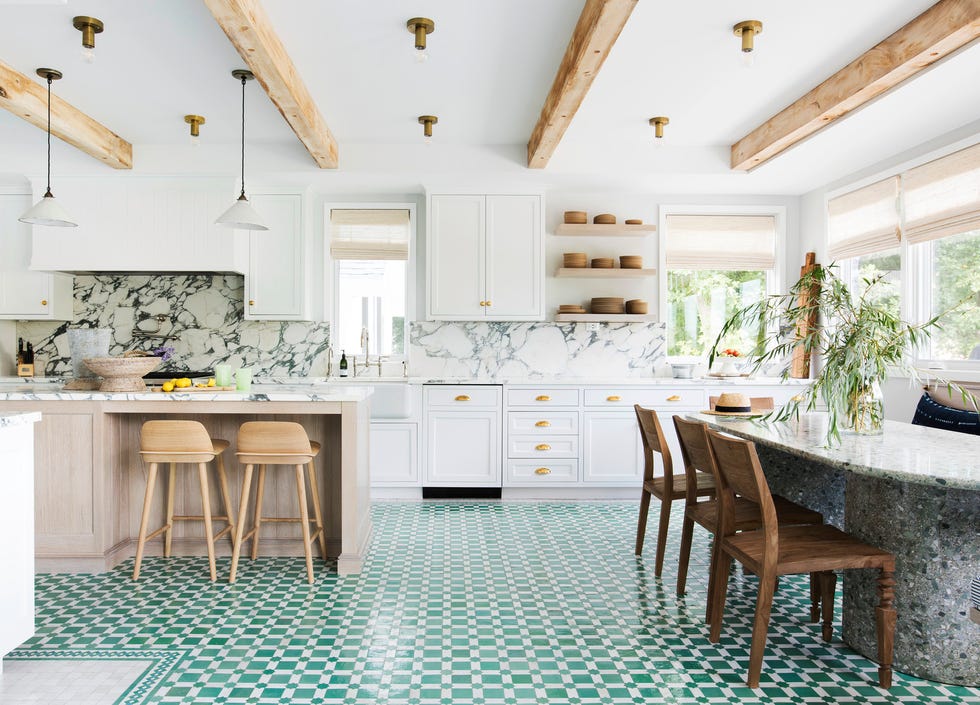
Double islands, the most contentious feature, are deemed unnecessary for typical homes. Kelsey Matyas argues that unless a kitchen is exceptionally large and used for extensive entertaining, double islands tend to obstruct flow rather than enhance it. Aimee Meisgeier suggests they can dilute social interaction, likening them to a cooking class or chemistry lab rather than a central gathering spot. The consensus favors one well-designed, hardworking island with deep drawers, expansive countertops, and integrated seating over two less effective ones, promoting a more cohesive and functional kitchen layout.
Overall, the article highlights a collective move among interior designers towards more practical, aesthetically integrated, and less clutter-prone kitchen designs. The focus is on creating spaces that are both beautiful and highly functional, aligning with modern lifestyle needs rather than fleeting trends. #KitchenDesign #InteriorDesignTrends #HomeRenovation #ModernKitchen #KitchenLayout #HomeDecor #ClutterFree #FunctionalDesign
0 comment in total
 No comments yet
You may also like
5 things you won't see in a luxury kitchen in 2025 and beyond, according to interior designers
Kitchen storage trends to avoid – 8 impractical features designers are rethinking for 2024

7 Kitchen Design Trends Chefs Say Are Totally Bogus
14 Controversial Things Interior Designers Would Never Have in Their Homes

6 Outdated Kitchen Trends Designers Say You Need to Avoid in 2025 — And What to Do Instead

22 Outdated Things You Should Avoid in Your Kitchen, According to Designers
Designers Say in 2025, You Should Not Have This in Your Kitchen or Bathroom

15 Outdated Things You Should Avoid In Your Kitchen, According To Designers
10 Outdated Decor Items That Don't Belong In Your Kitchen In 2025

5 Outdated Kitchen Trends Interior Designers Hope Never Come Back
12 "Outdated" Kitchen Trends You Should Ditch In 2025 (But You Probably Have)

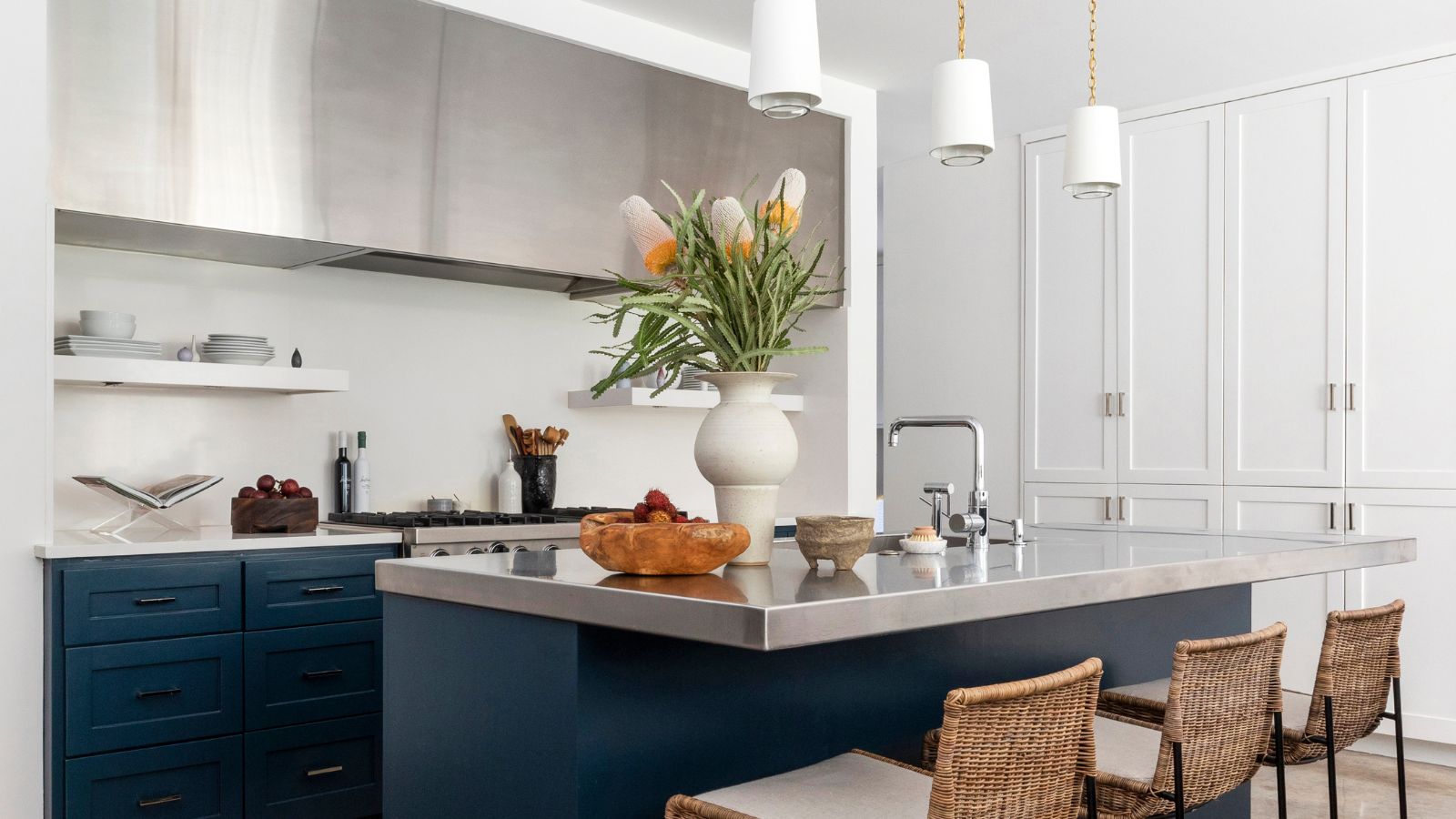
All the most stylish kitchens in 2025 forgo this key feature
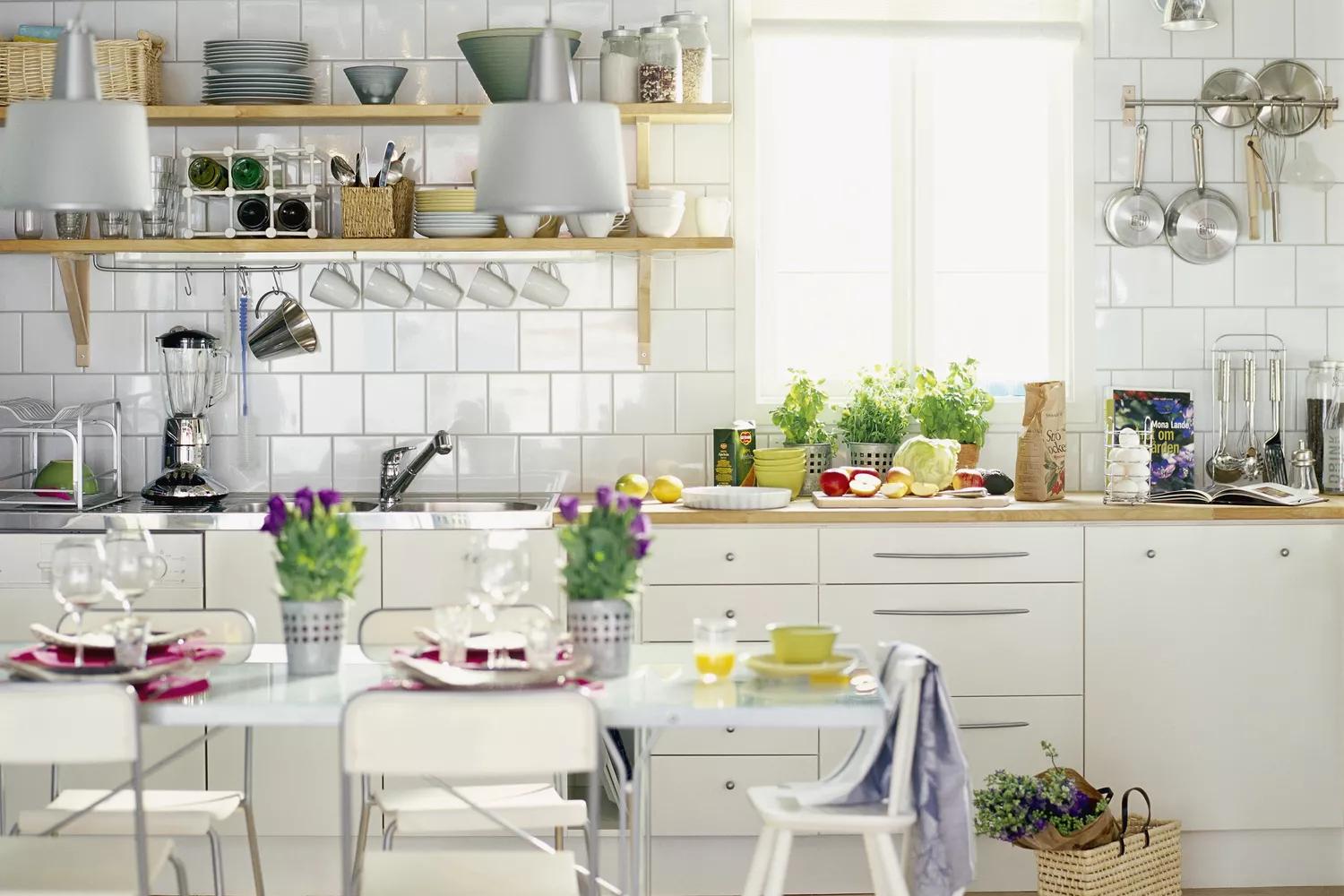
7 Impractical Kitchen Trends Designers Never Recommend to Their Clients
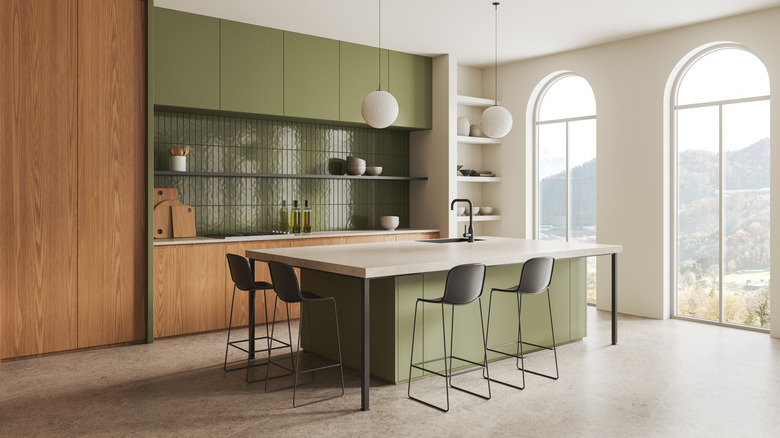
The Biggest Kitchen Design Regrets Of 2025, According To Reddit Users

5 Kitchen Design Trends Going Away In 2026

25 Kitchen Trends You Might Regret + Photos
5 things to never put on your kitchen island, according to interior designers
10 Kitchen Design Trends Going Out Of Style In 2025

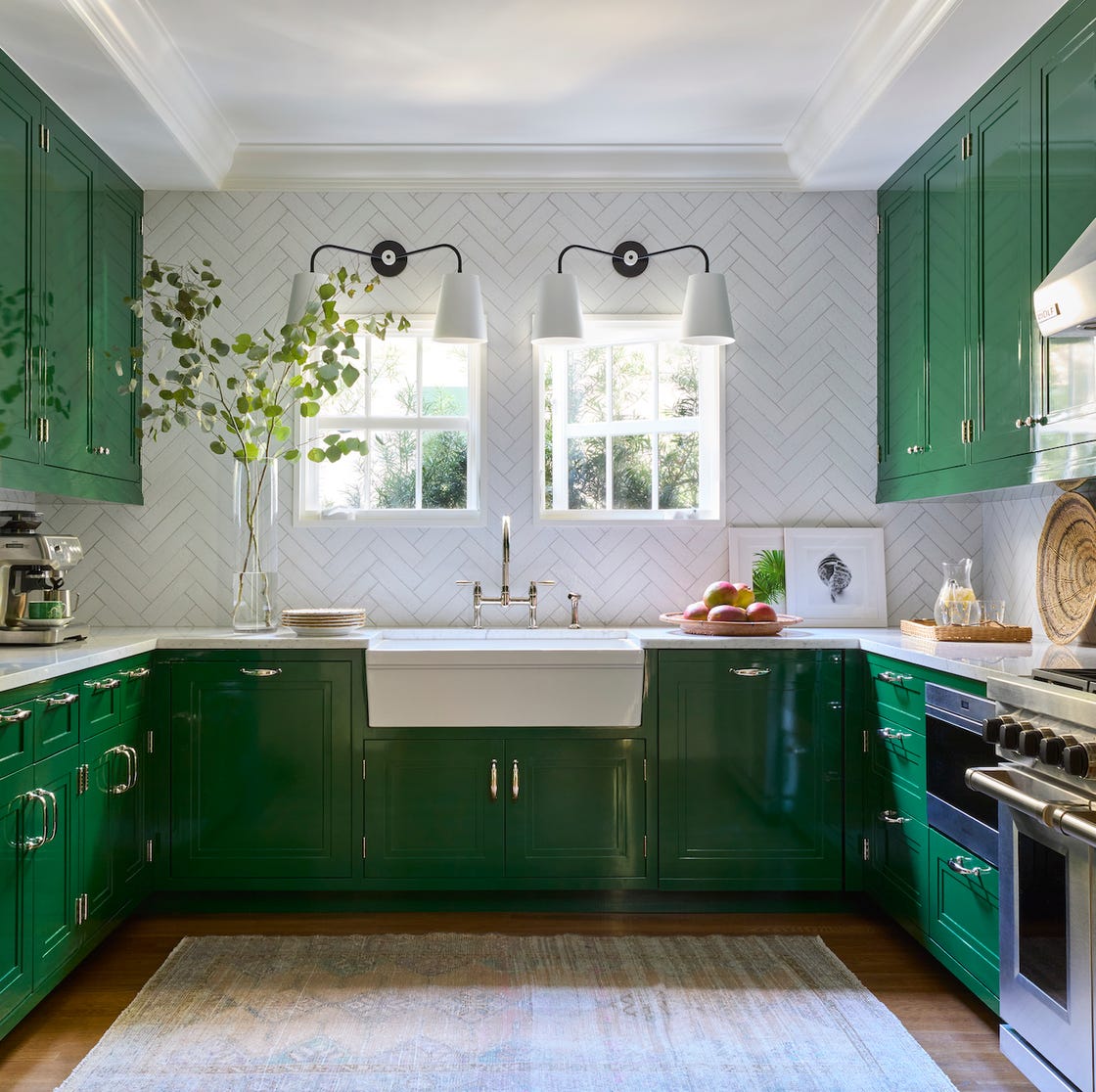
8 Kitchen Trends Designers Predict Will Be Everywhere in 2025

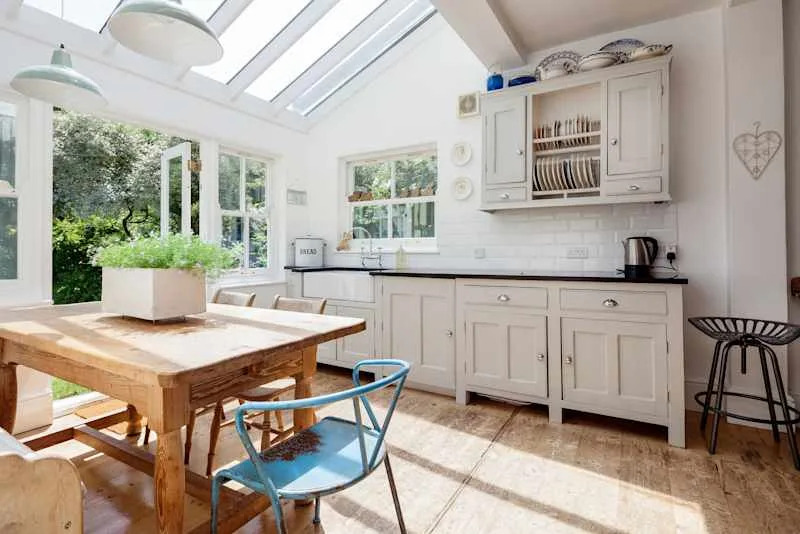
6 Kitchen Trends Definitely on Their Way Out in 2025, According to Designers