1/5
6 cooking experts on how to organise your kitchen
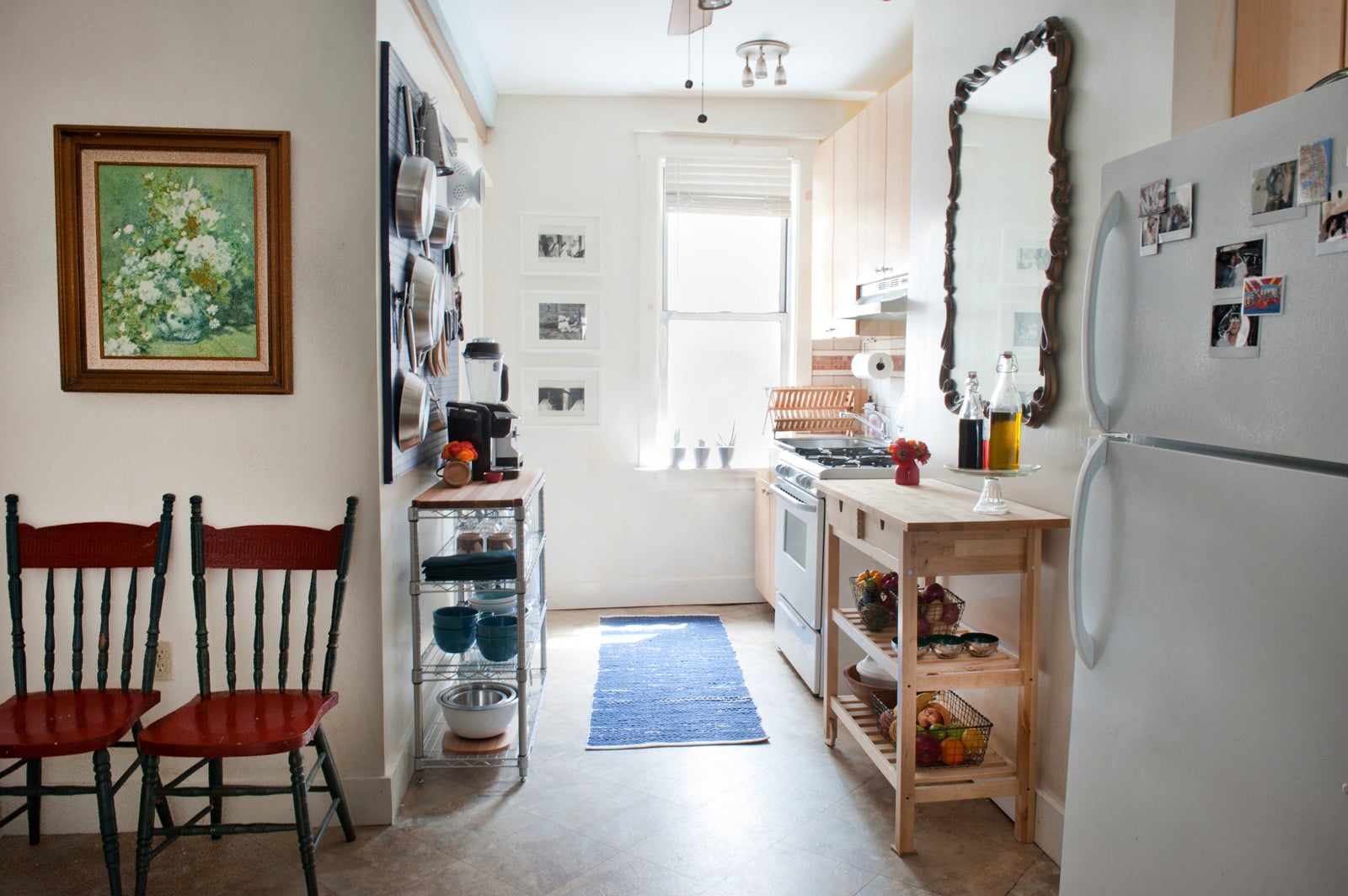
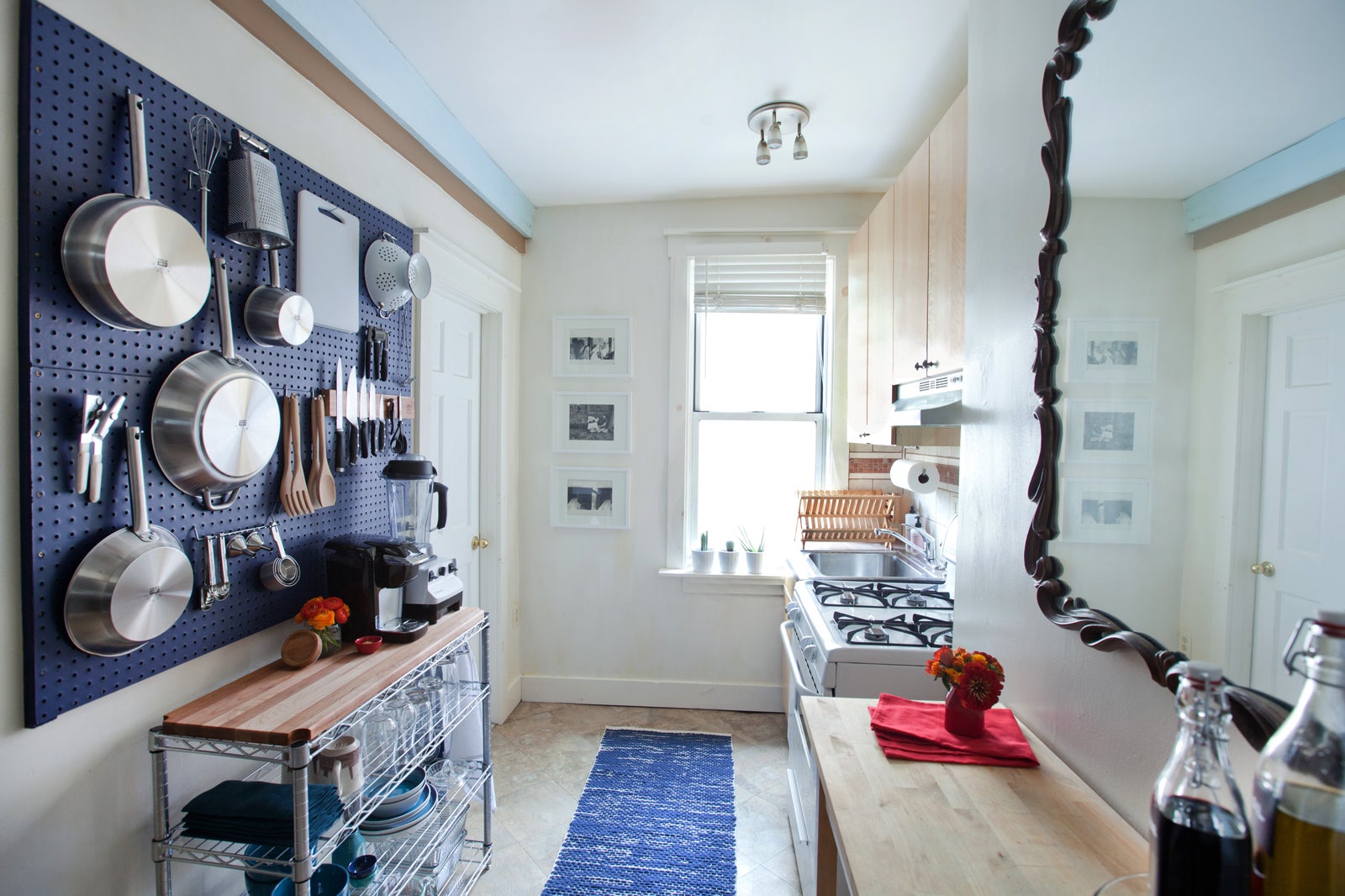
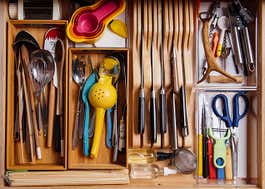
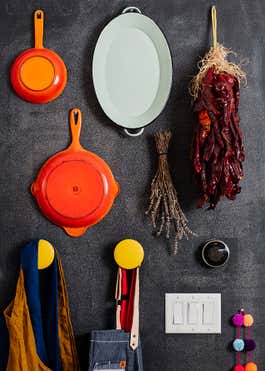
Keeping a busy kitchen organized can be challenging, as it often feels like a cycle of cleaning, decluttering, and then making a mess again. To help maximize kitchen space and maintain order, several Good Housekeeping cooking experts offer their top organizational tips and product recommendations. Emma Franklin, the Cookery Editor, advocates for a utensil rack, suggesting it be installed near the primary prep area to hang frequently used, awkwardly shaped tools like ladles, tongs, and scissors. This frees up drawer space and keeps essential items easily accessible. She also recommends purchasing extra hooks to double the capacity of the rack.
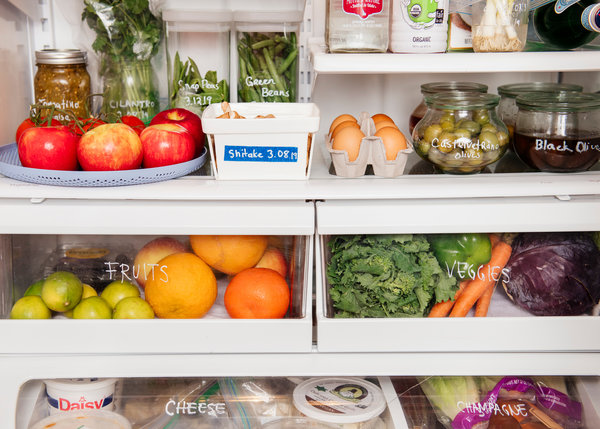
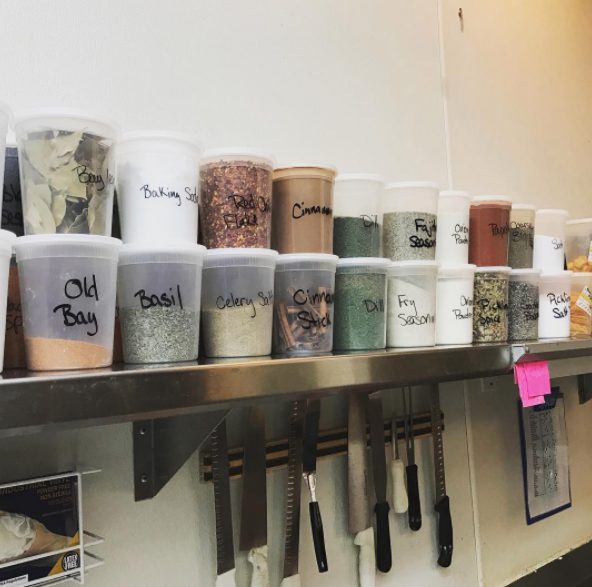
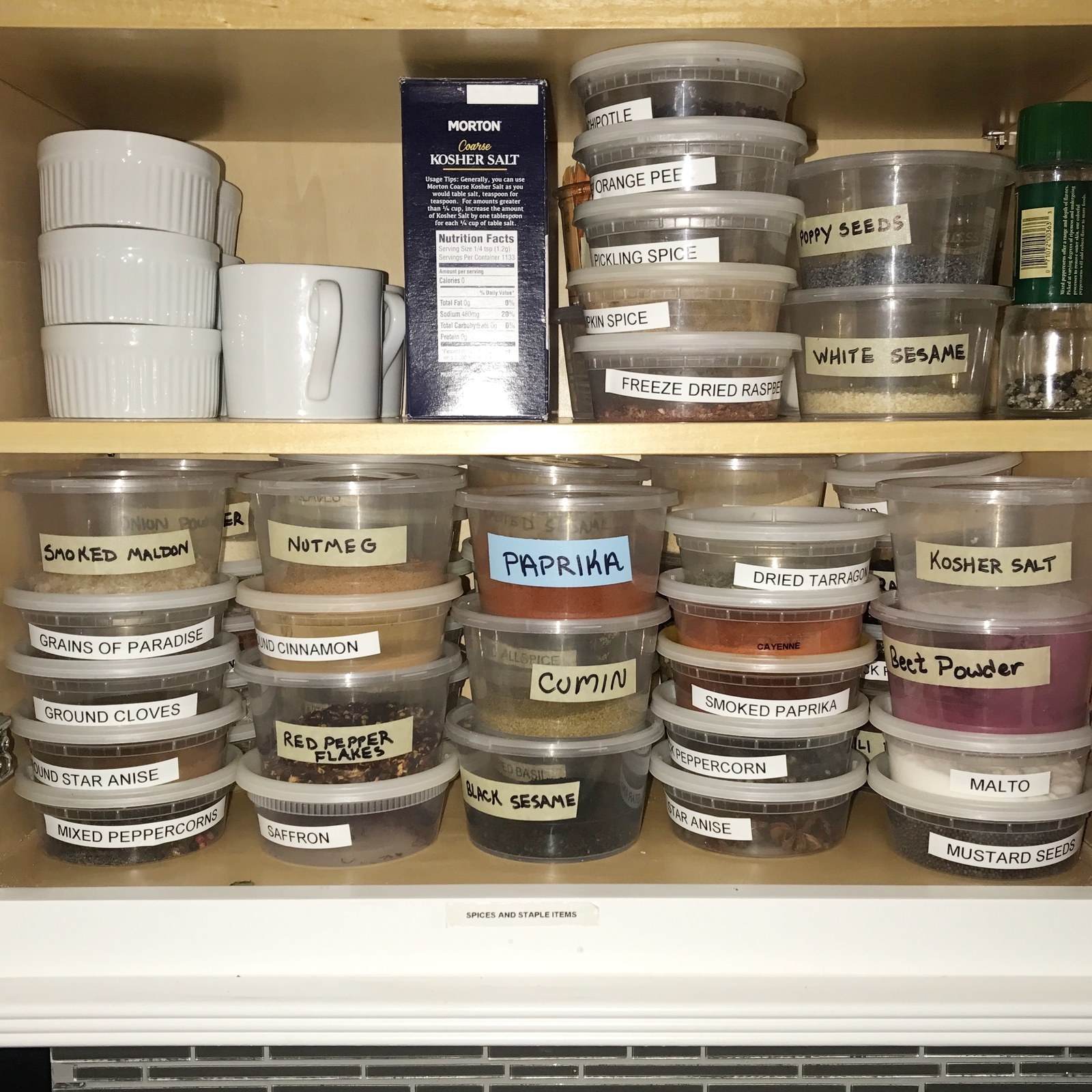
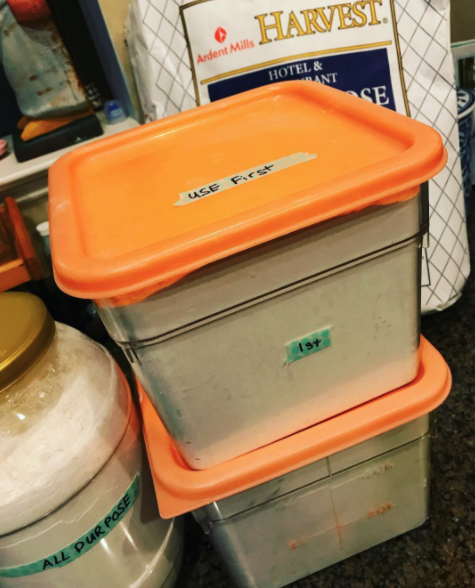
Cookery School Head Tutor Cher Loh emphasizes the importance of labeling everything to ensure produce is used efficiently. He advises using labeling tape, a sharpie, or a label maker to date spices upon opening and to identify frozen foods. Loh highlights that similar-looking items, such as grated parmesan and pecorino, or various stews and soups in the freezer, can be easily confused without proper labeling.
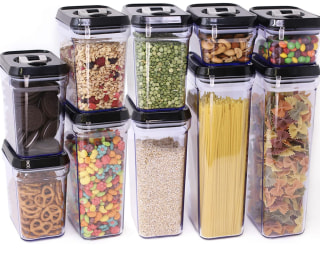
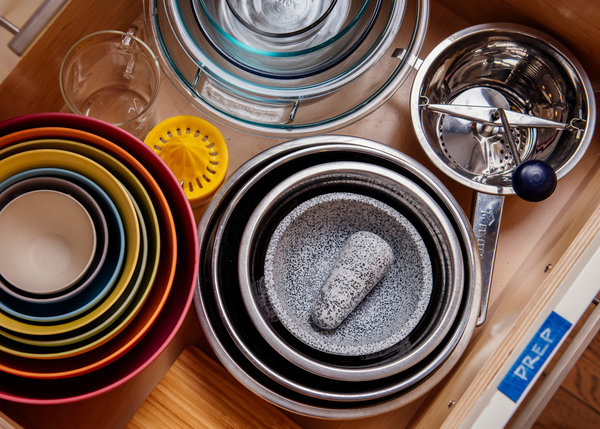
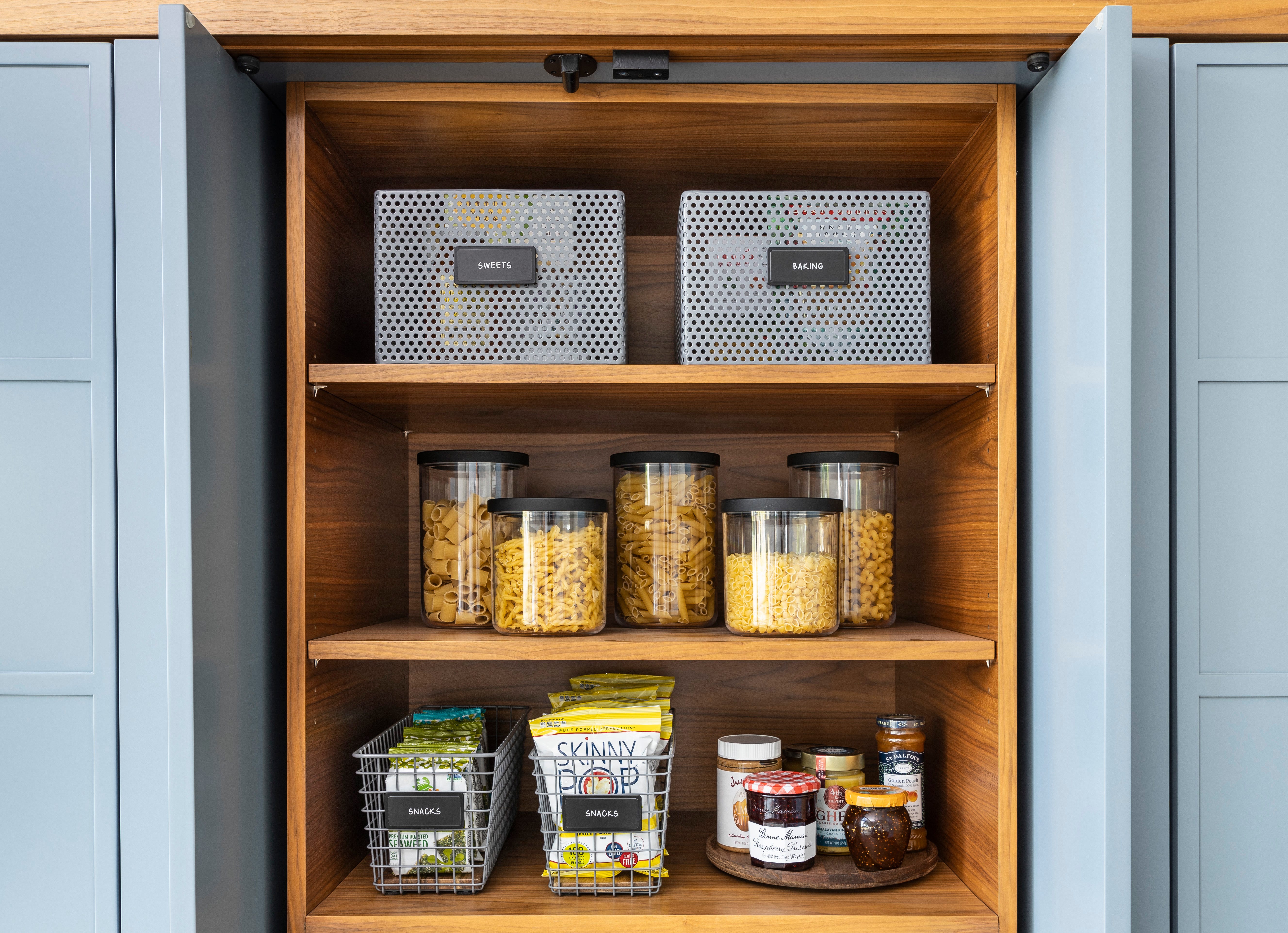
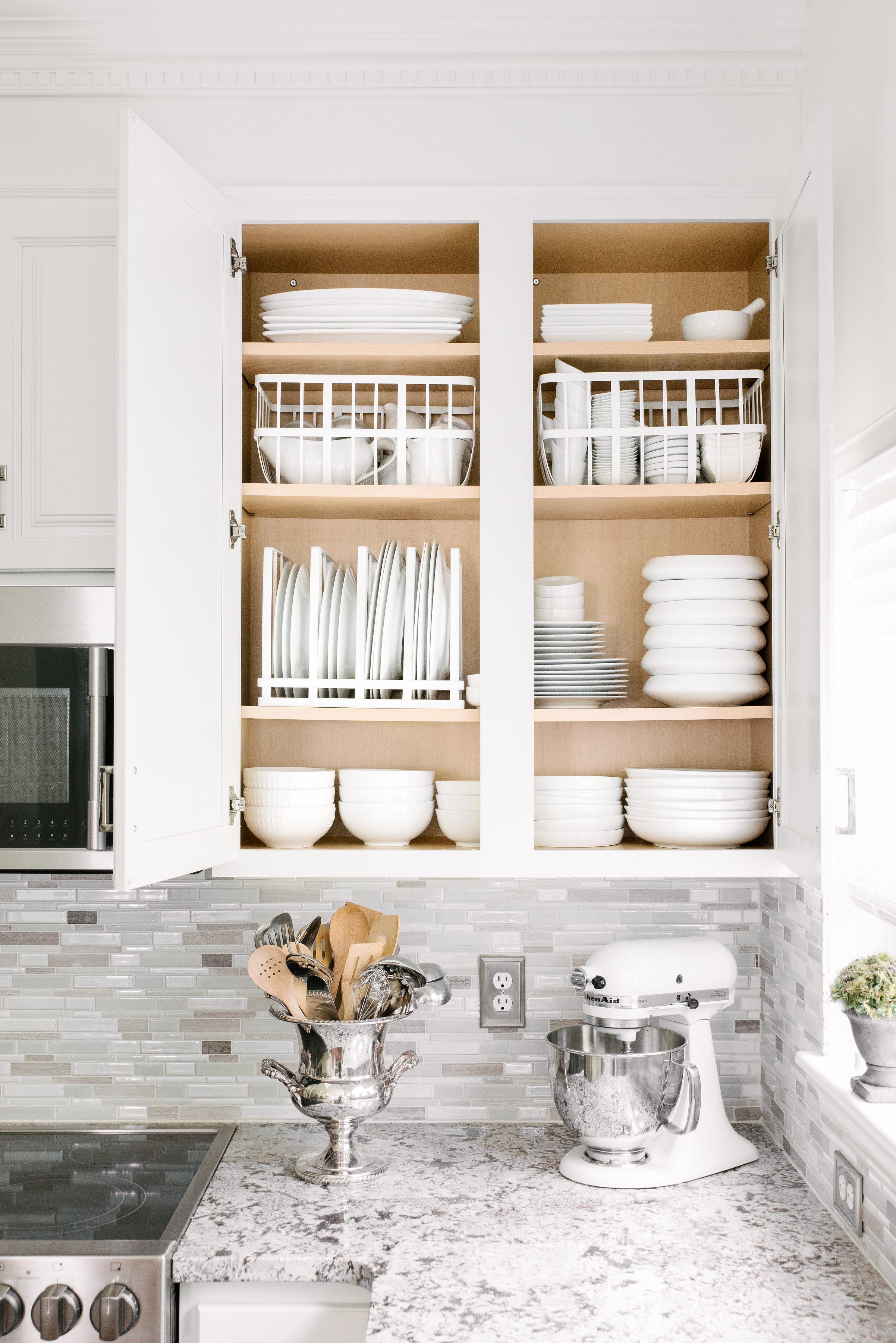
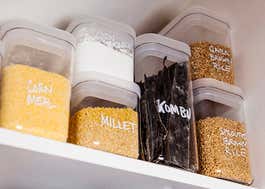
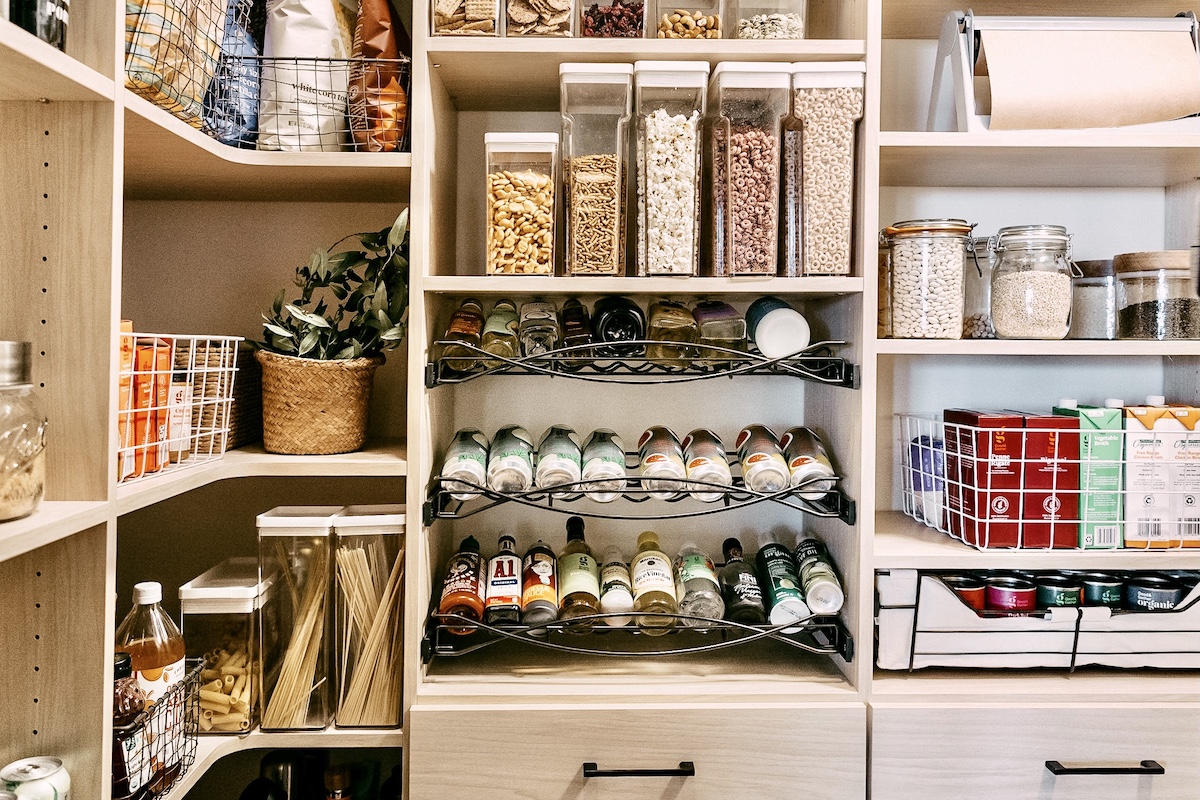
Cookery Writer Alice Shields recommends using clear storage containers, particularly for dry goods like flour, to prevent spills and maintain cupboard tidiness. She specifically endorses Lock & Lock boxes for their ease of use and reiterates the need for clear labeling to avoid mix-ups. For smaller kitchens, Cher Loh suggests square-shaped containers, such as those from OXO, as they are space-efficient and can be stacked or placed together to optimize storage.
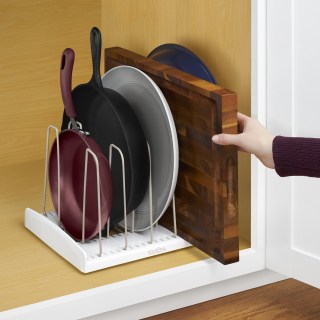
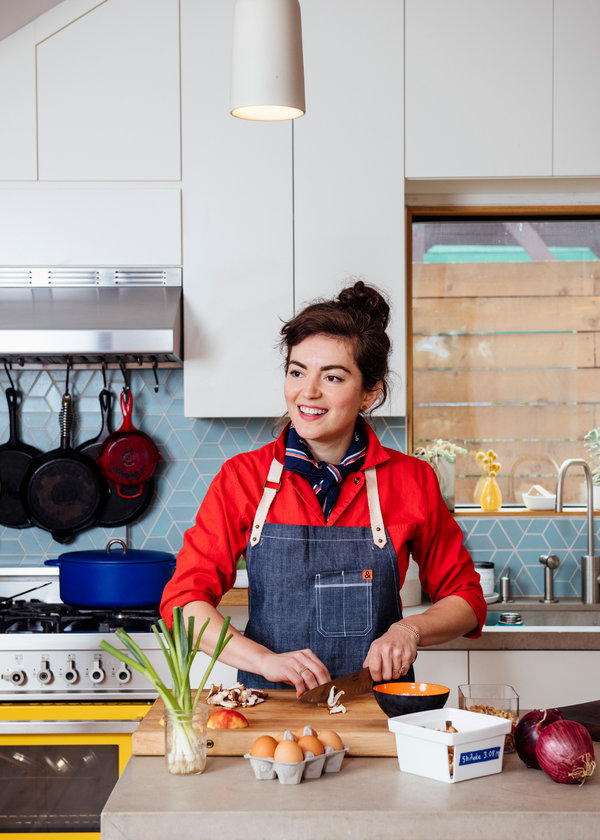
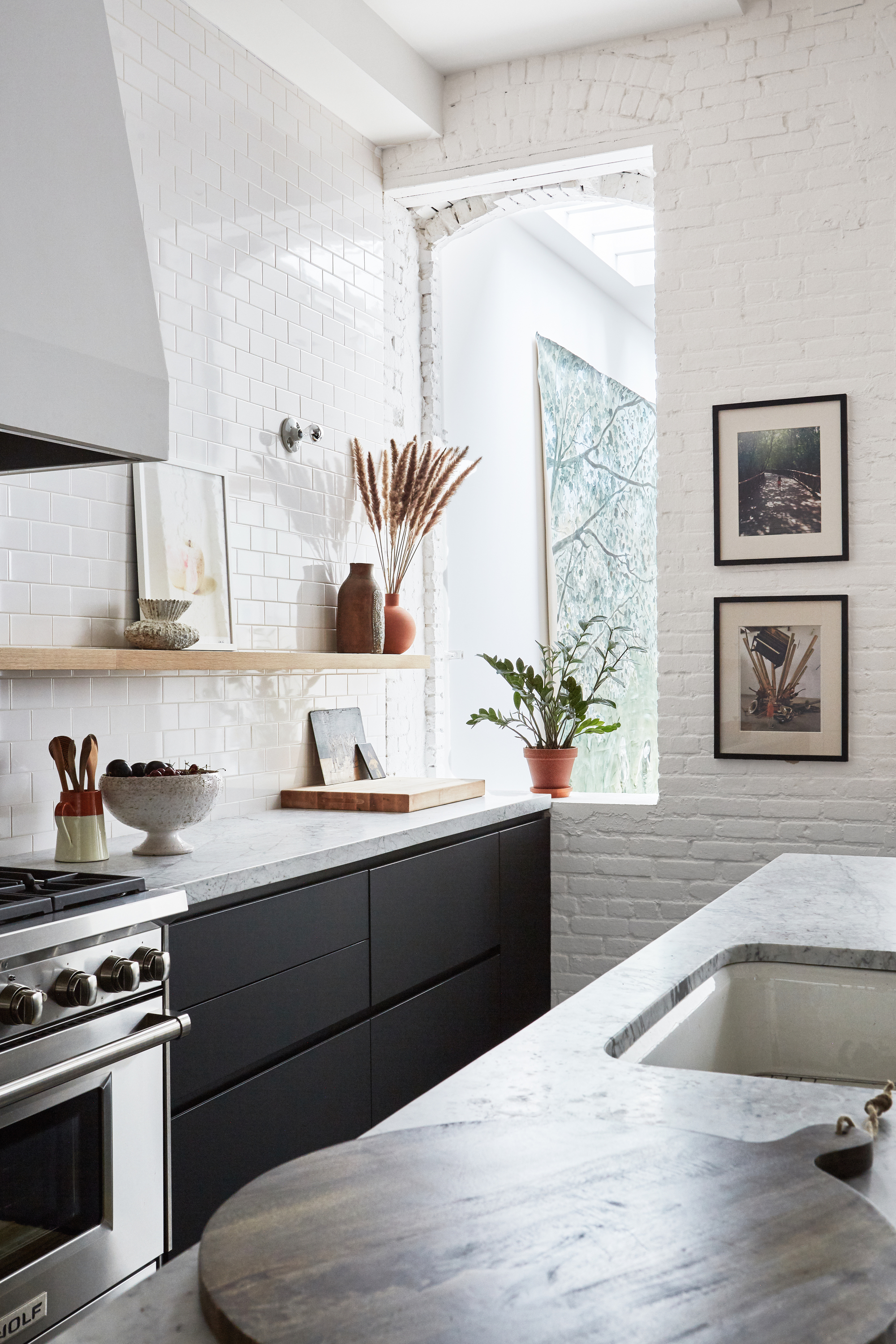
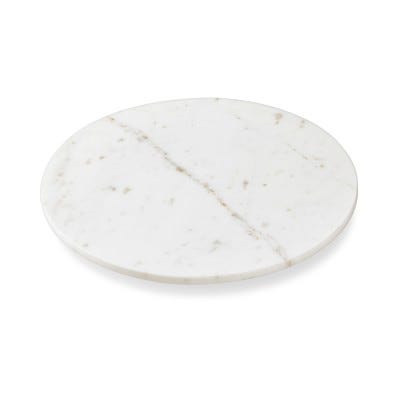
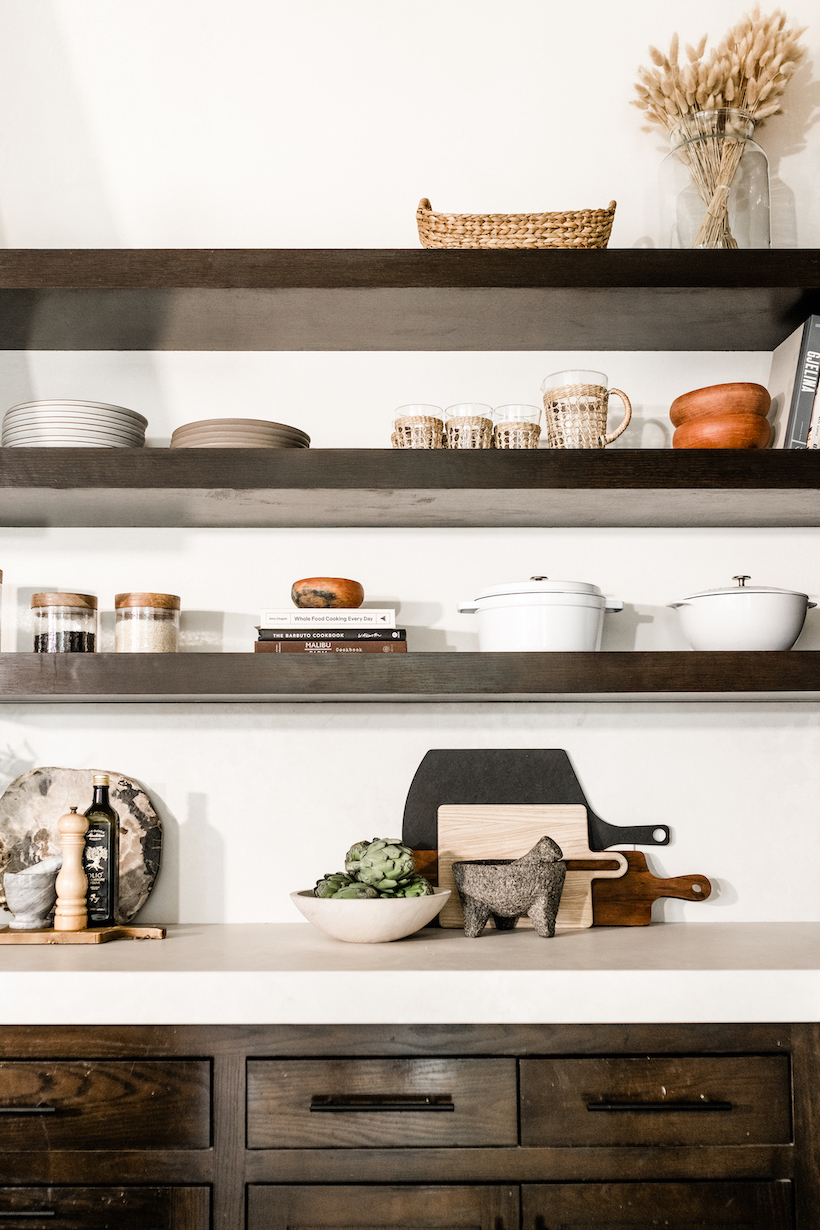
Cookery Director Meike Beke considers a good chopping board essential. Despite having a small kitchen, she insists on dedicating a portion of her workspace to a solid oak chopping board. She prefers wood over plastic, noting it is gentler on knives, easy to clean, resistant to odors, and aesthetically pleasing. A designated chopping surface, she explains, allows her to be ready for cooking at any time and helps keep the rest of the kitchen tidy. She mentions using a John Lewis chopping board that has proven durable over many years.
Food Tester Mel Giandzi recommends switching from traditional ziplock bags to Stasher bags, promoting them as a sustainable alternative. She praises their variety of shapes and sizes, including a stand-up version suitable for liquids. Giandzi notes that she uses one for cheese, which stands upright in her fridge, saving significant space. Additionally, she points out their versatility for cooking methods like poaching and sous vide.
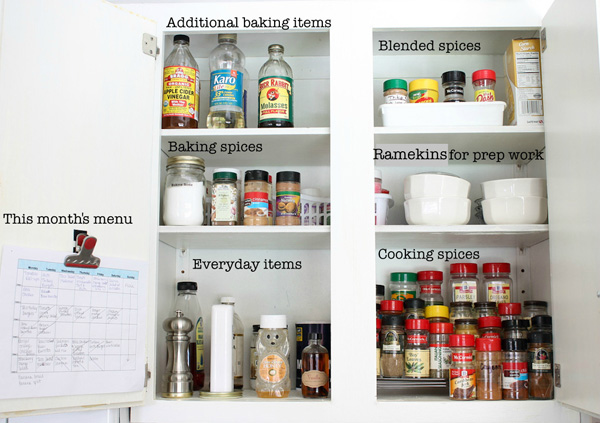
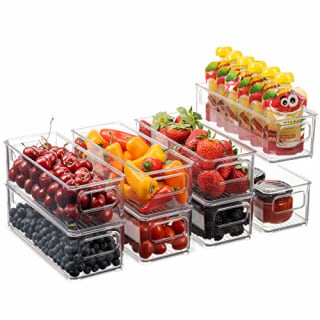
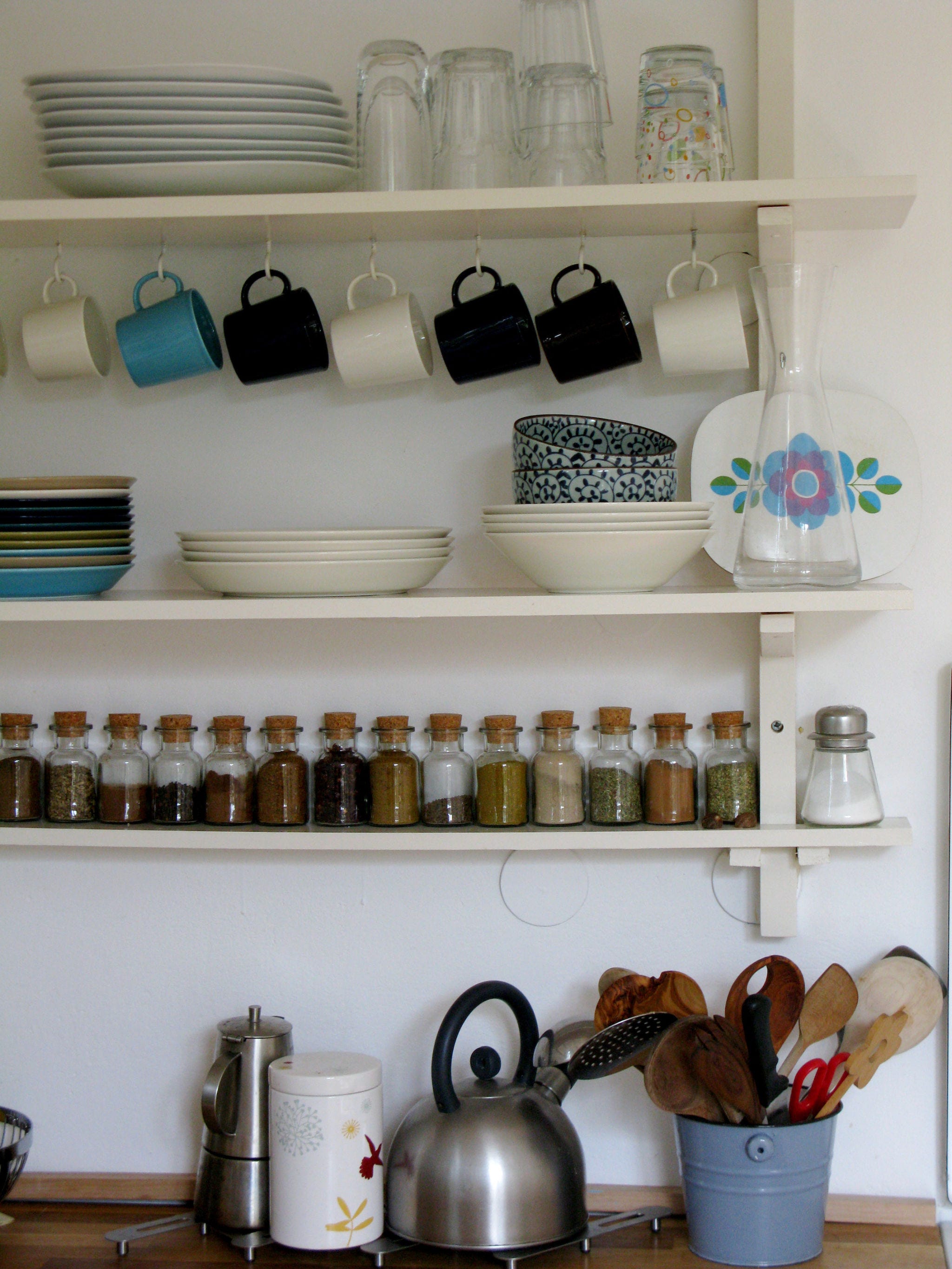
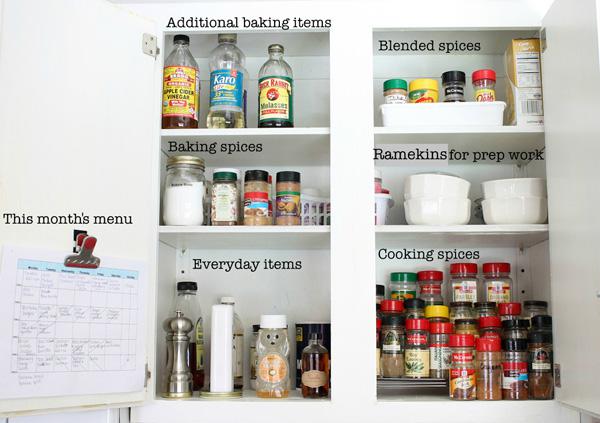
Senior Food Tester Janet Leigh is particular about her seasoning box, advocating for the separation of orange spice bottles from green herb bottles for quick visual identification. She also writes the names of spices and herbs on the jar tops. Alice Shields supports this idea, suggesting that if space allows, spices and herbs should be stored in separate, clear, labeled tubs, organized alphabetically (e.g., A-C, D-F), to facilitate easy retrieval. The GHI testing kitchen utilizes iDesign stackable boxes for their organizational needs.
#KitchenOrganization #CookingTips #StorageSolutions #HomeDecluttering #KitchenHacks #FoodStorage #SustainableLiving #KitchenOrganization #CookingTips #StorageSolutions #HomeDecluttering #KitchenHacks #FoodStorage #SustainableLiving
0 comment in total
 No comments yet
You may also like
All The Secrets To Organize Your Kitchen

How to Organize Your Kitchen Like a Professional Chef (Published 2019)

We Asked the Experts: How Do You Keep Your Kitchen Organized?
These Ideas Will Help You Get Your Kitchen Organized Once and For All
How to Organize Your Kitchen and Pantry, According to Professional Organizers
6 Things You'll Find in a Super Organized Kitchen and What You Can Do to Achieve This

How to Organize Your Kitchen Cabinets—and Keep Them Organized—According to Pros

Finally, An Expert Guide on How to Organize Your Kitchen Cabinets

Know your way around the kitchen

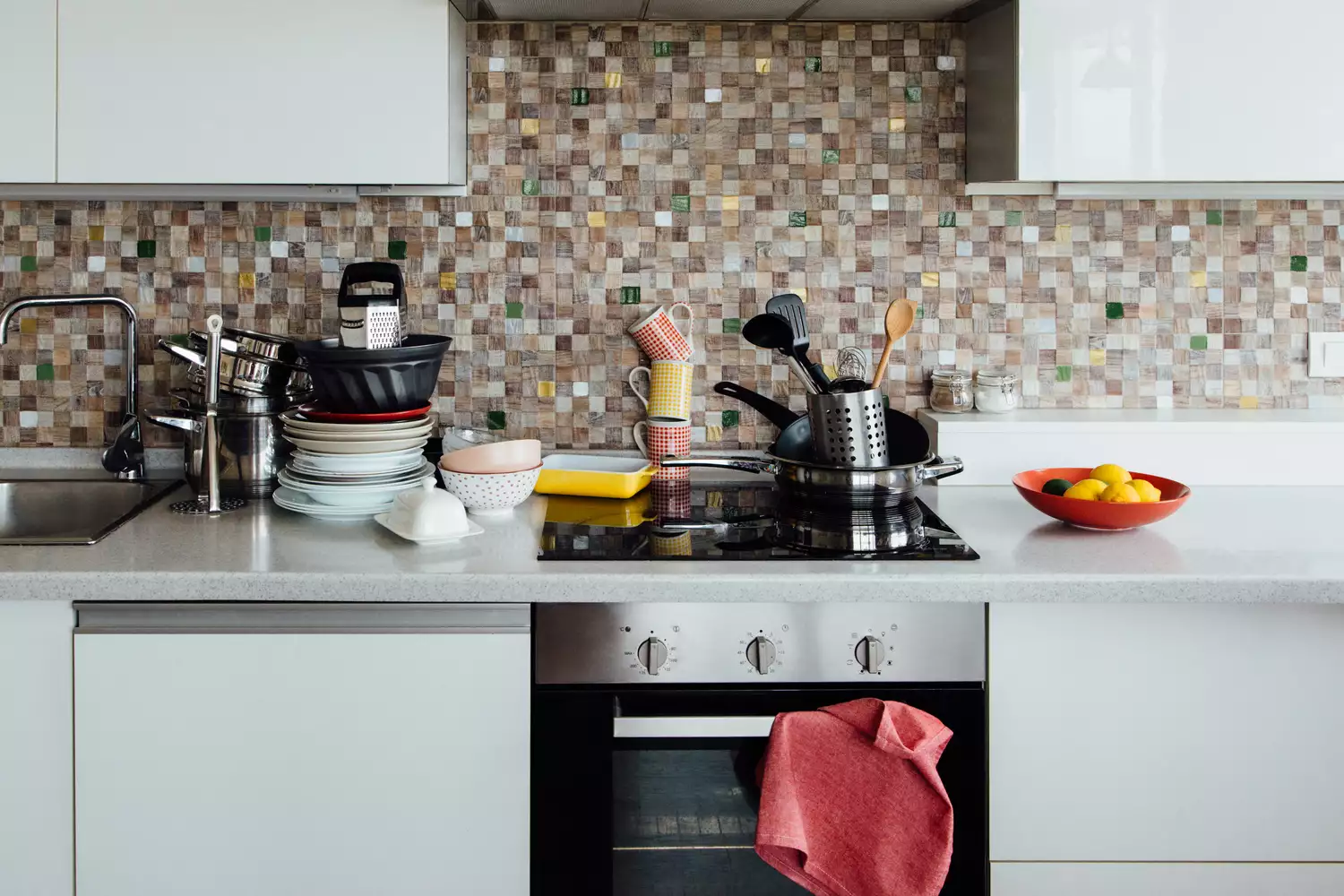
7 Common Kitchen Features That Actually Give Designers the "Ick"

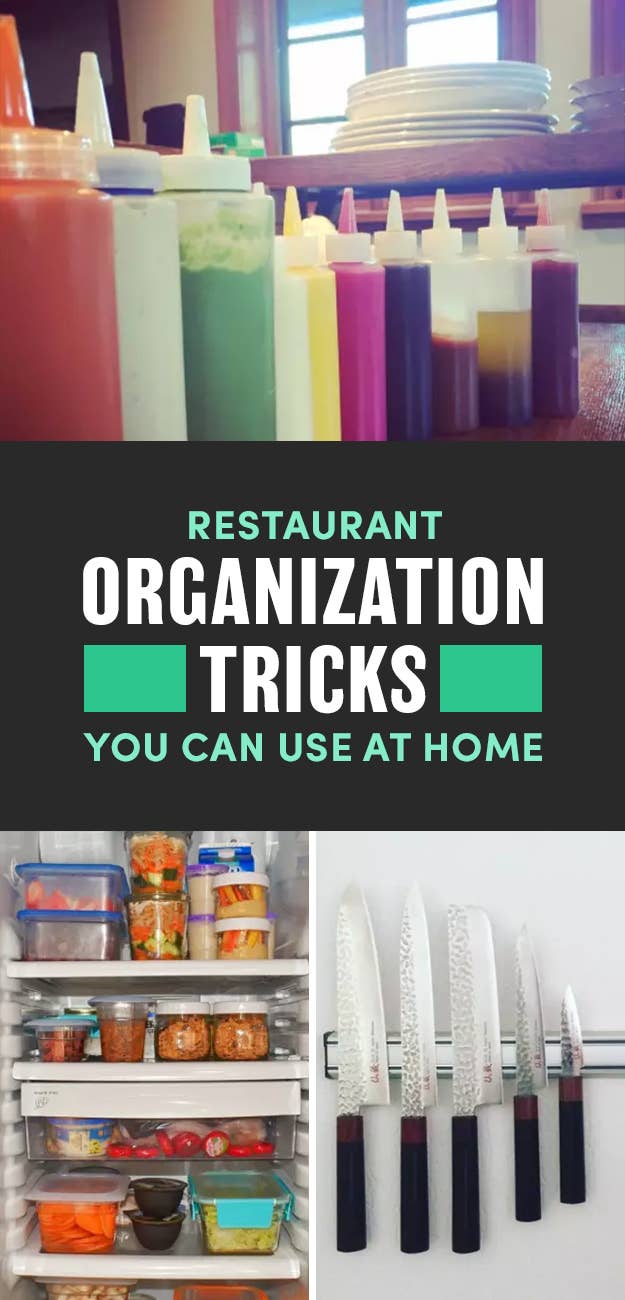
16 Kitchen Organization Tricks I Learned Working In Restaurants

Six Stylish Kitchens
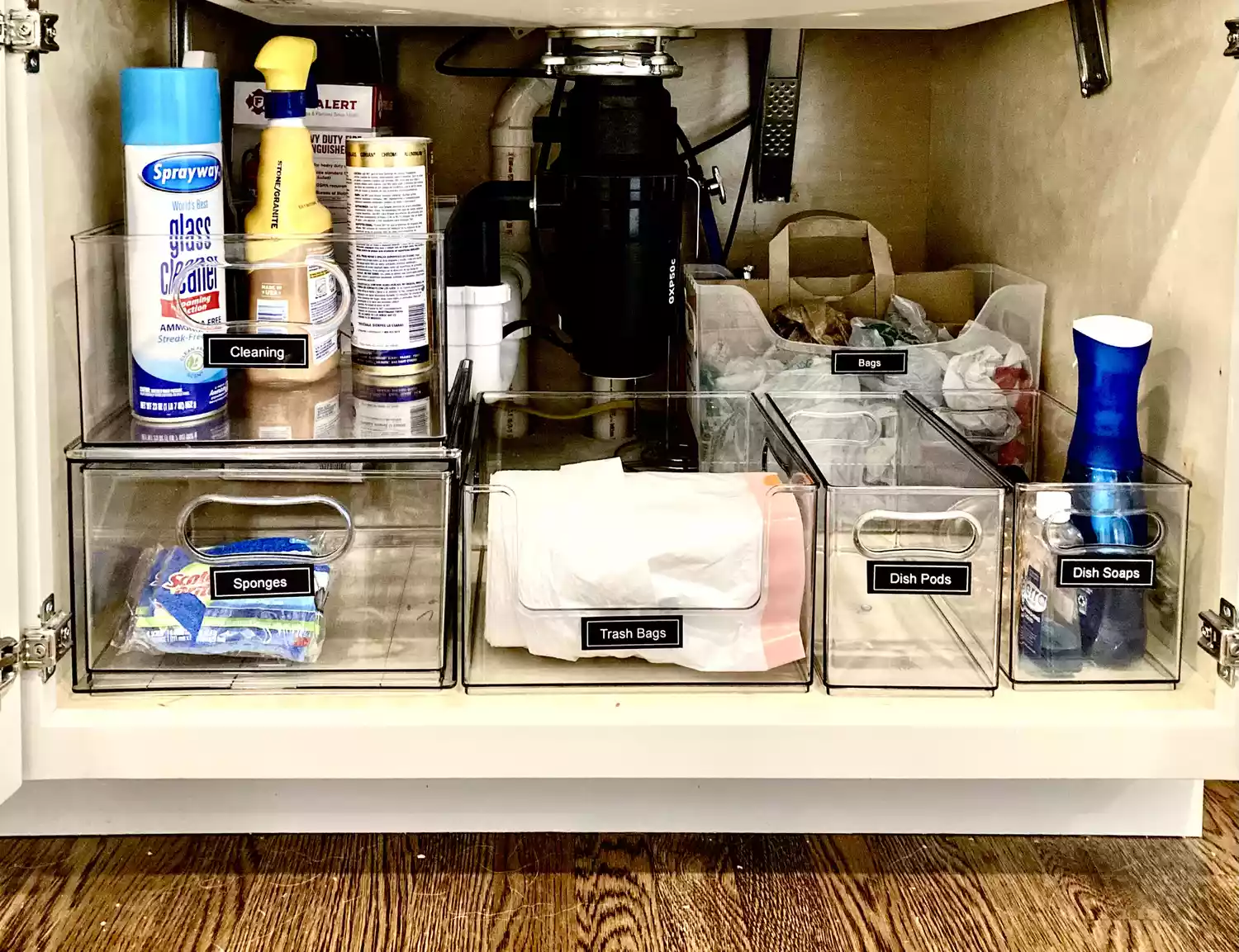
7 Things All Organized Kitchens Have in Common, According to Professional Organizers

16 Of The Property Brothers' Best Tips To Keep The Kitchen Organized

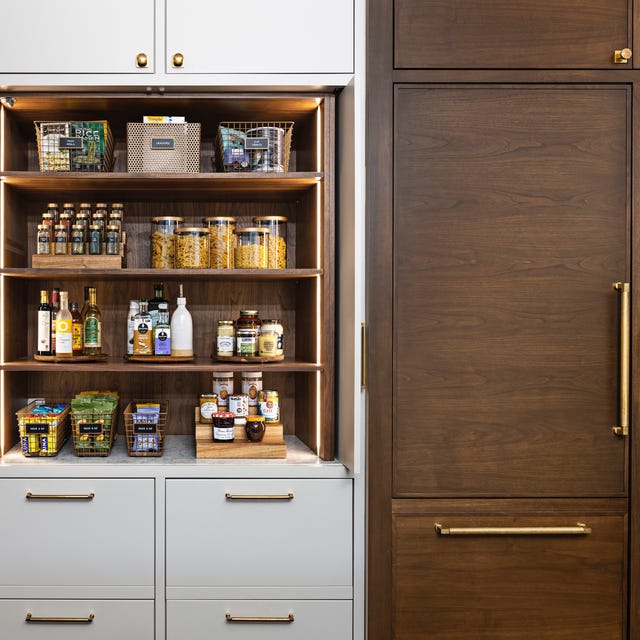
Decluttering Experts Share Their Best Kitchen Cabinet Organization Ideas

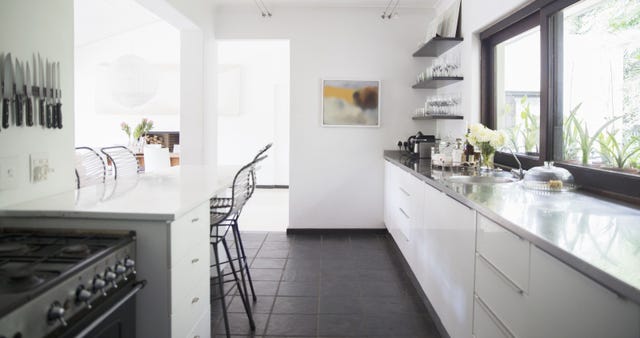
17 Tips From Chefs On Arranging An Efficient Galley Kitchen

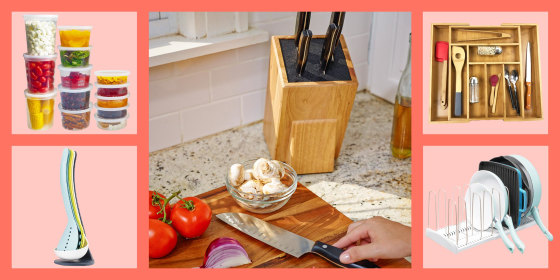
Best kitchen organization ideas from experts - TODAY
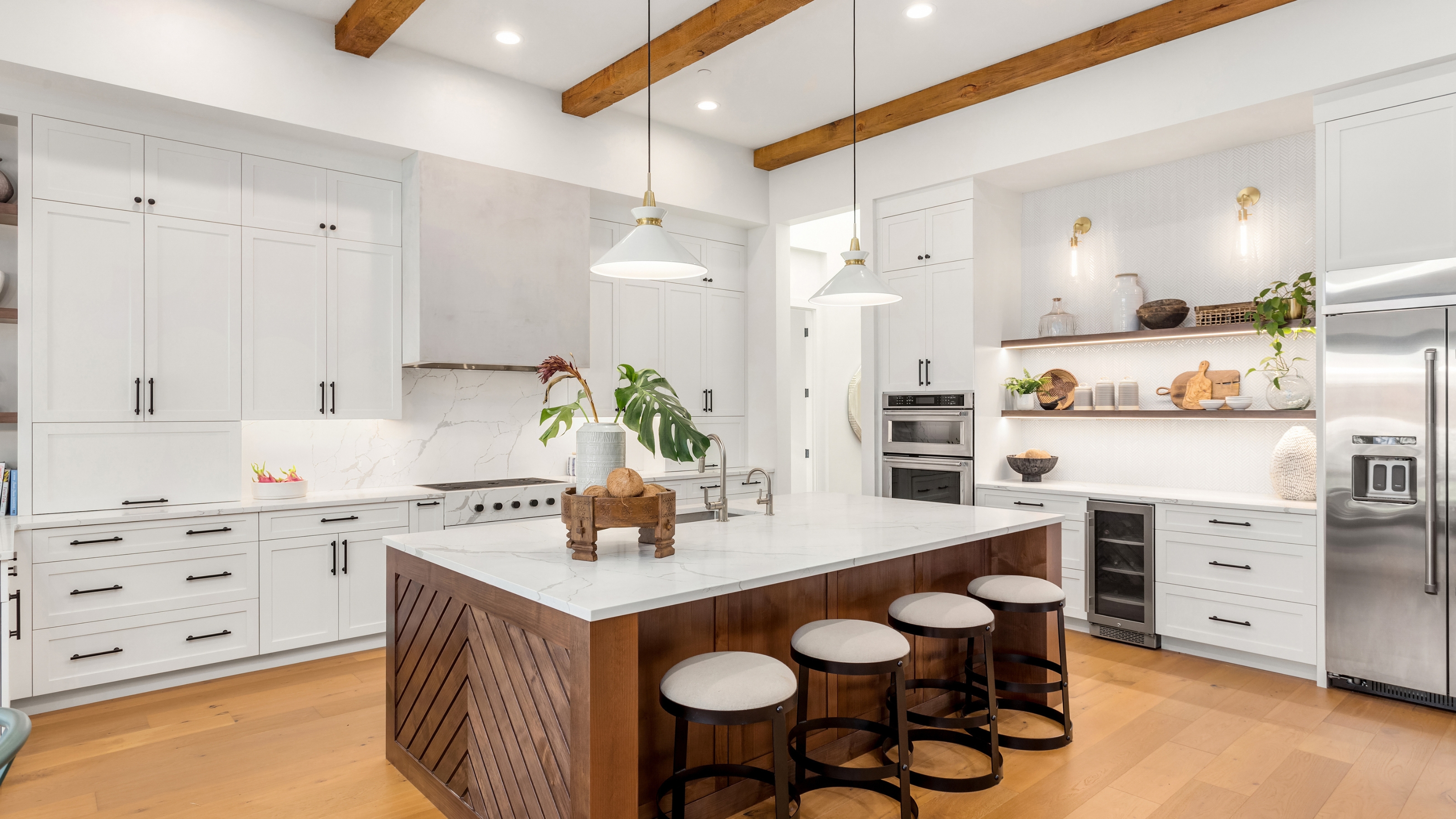
How to organize a kitchen island — 7 expert tips from pros

9 Tools to Organize Your Kitchen Like a Pro | Reviews by Wirecutter
Keep Your Kitchen Cabinets Organized With These 21 Tips From Experts