7 Common Kitchen Features That Actually Give Designers the "Ick"
The kitchen, often considered the heart of the home, should ideally be a warm, welcoming, and functional space for social gatherings and meal preparation. However, several common design and decor choices can inadvertently create an unappealing atmosphere, giving designers the "ick." This article, drawing insights from three interior design experts—Aino Heinäsuo, head designer at Redecor; Peter Spalding, chief creative officer and co-founder of Daniel House Club; and Nina Lichtenstein, founder of Nina Lichtenstein Home Design—identifies seven such features and offers practical solutions to enhance kitchen aesthetics and usability.
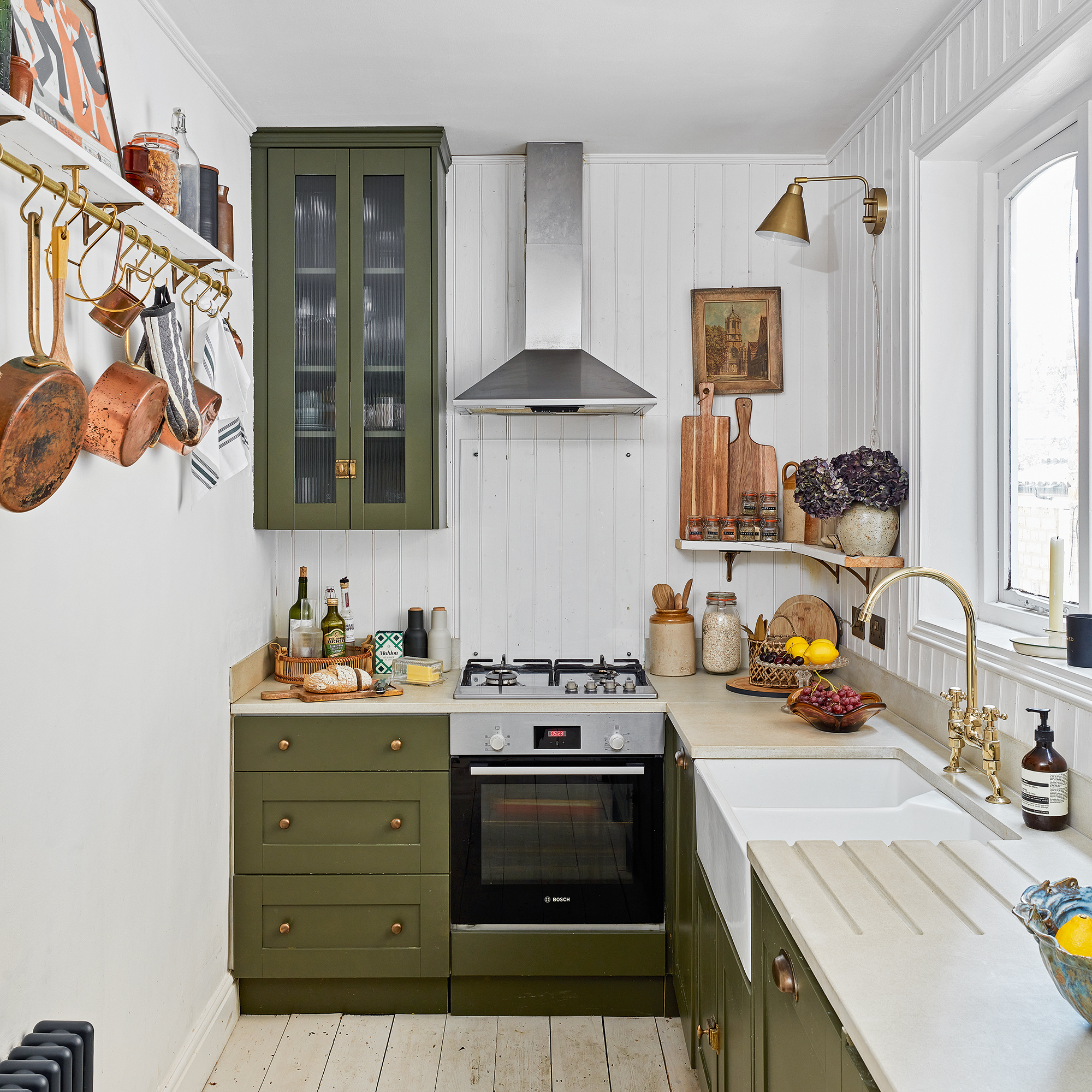
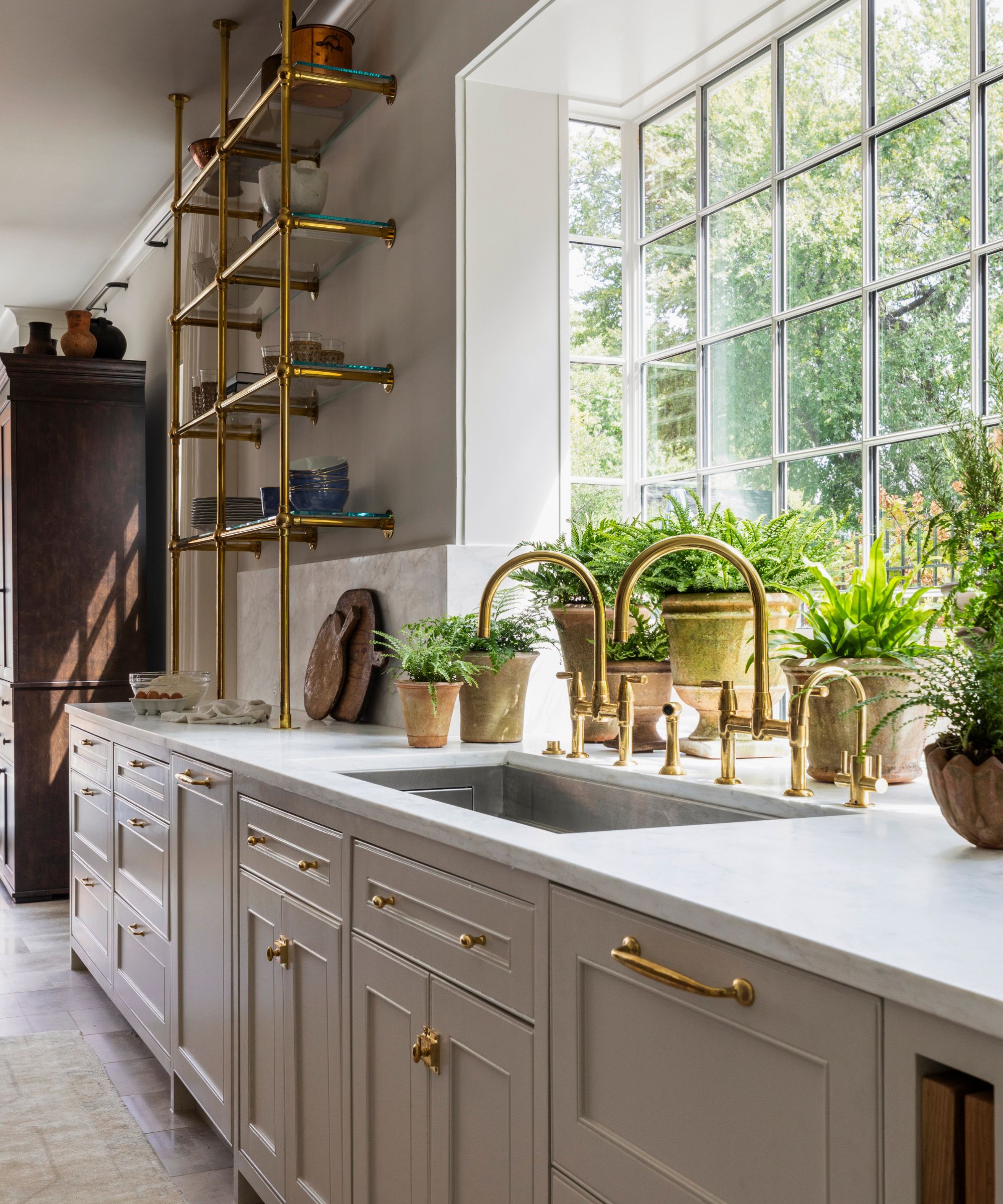
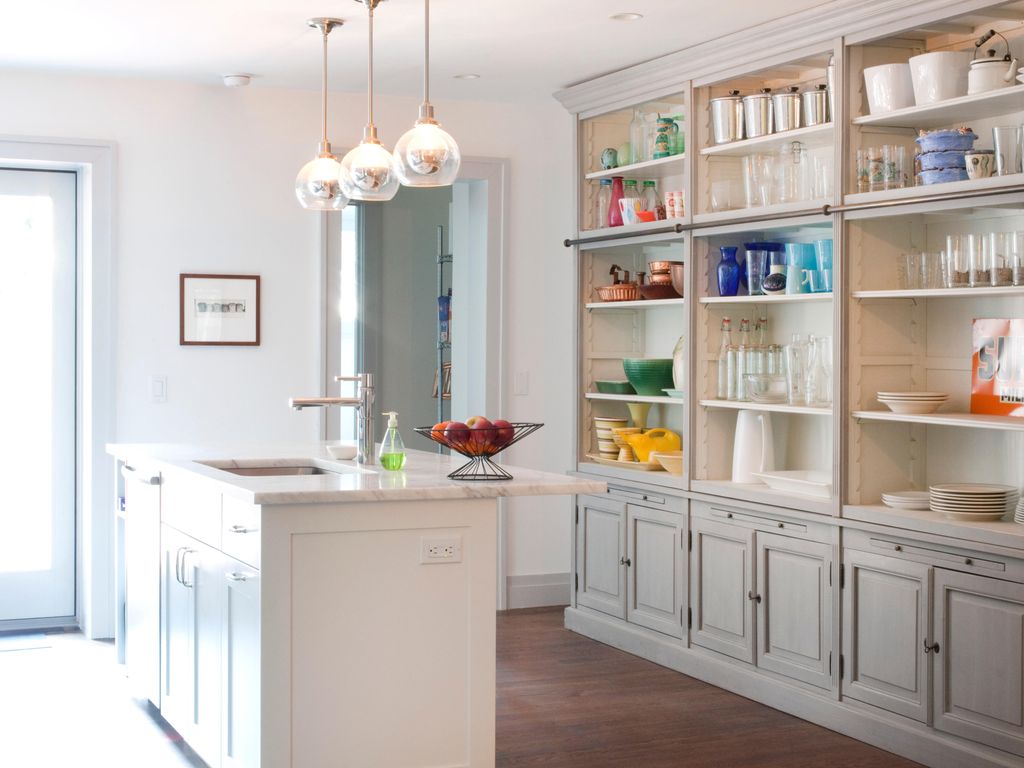
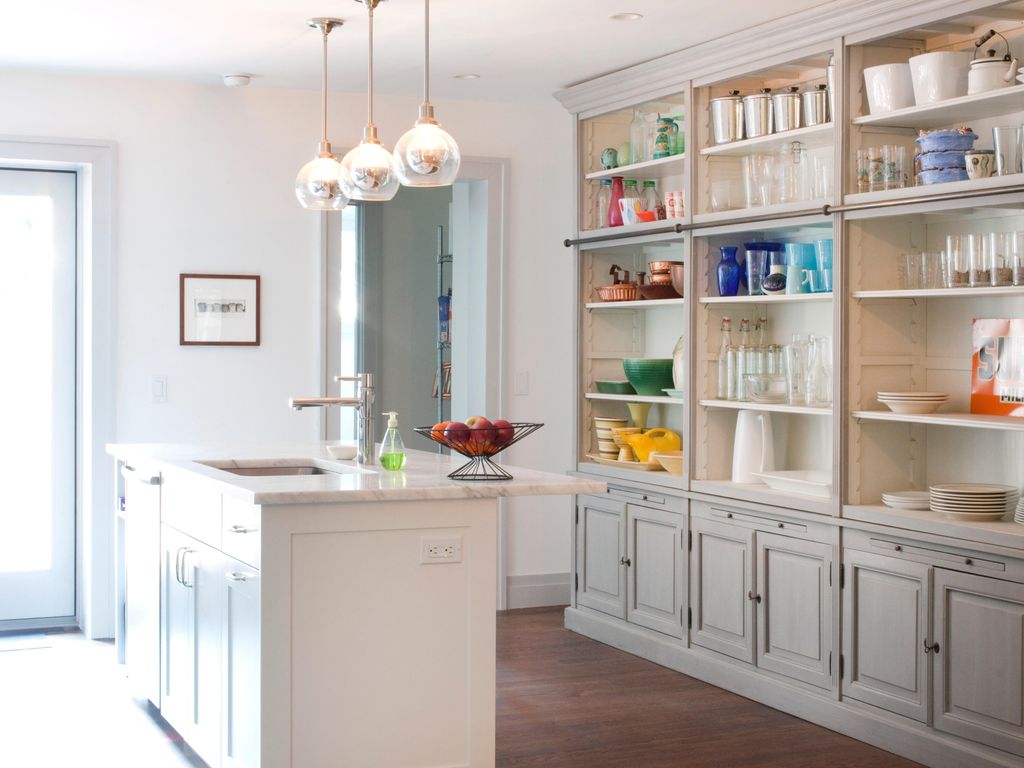
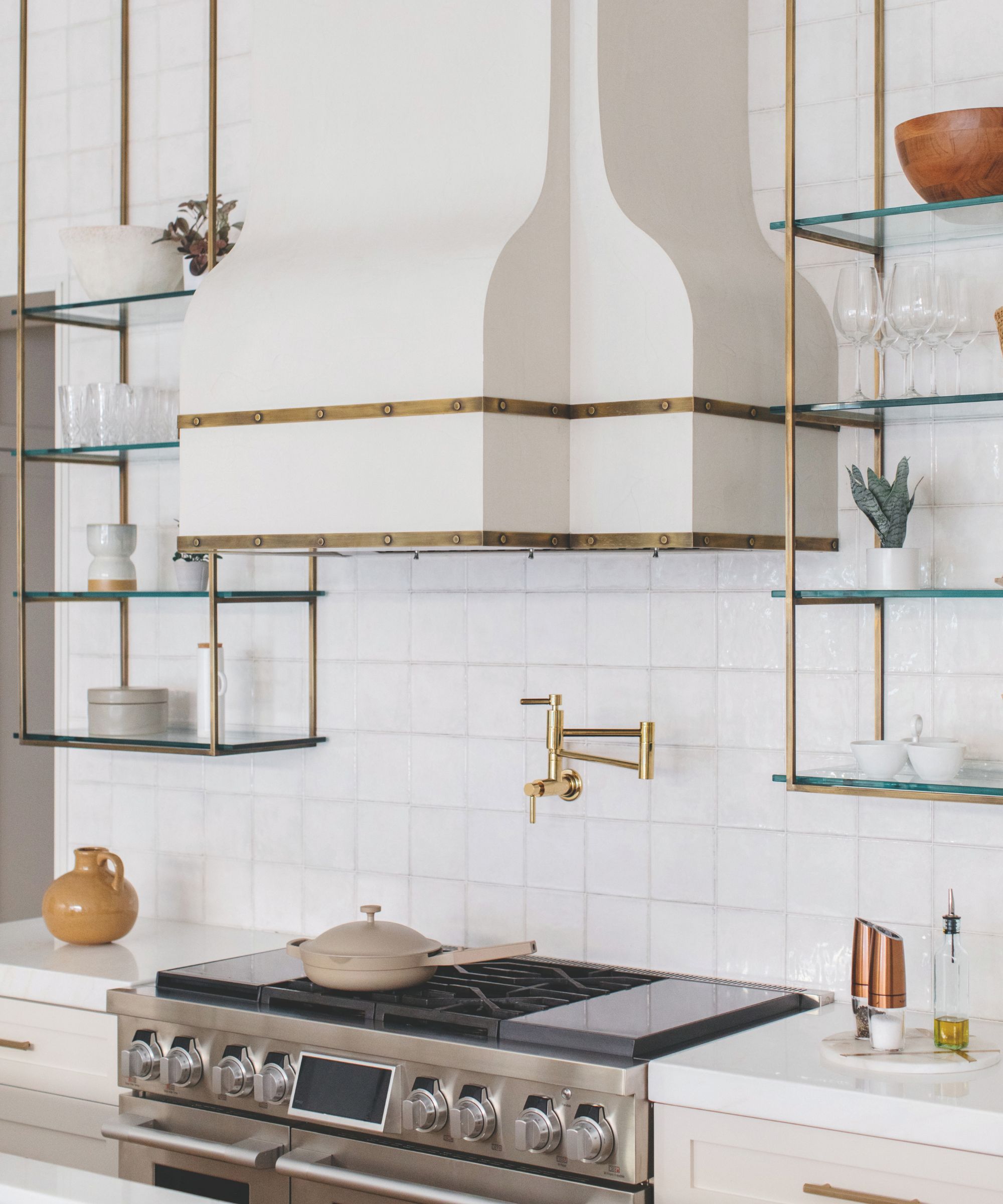
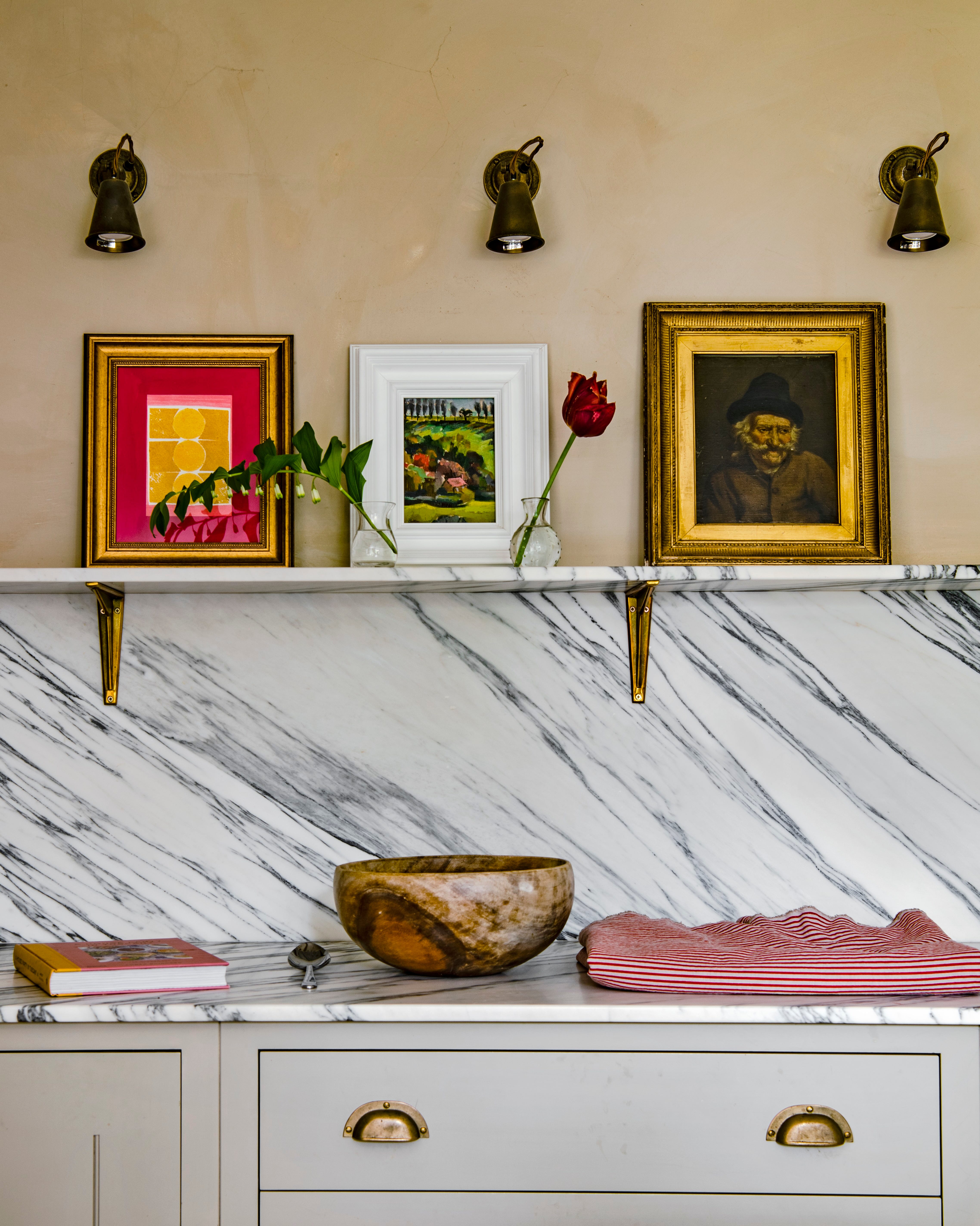
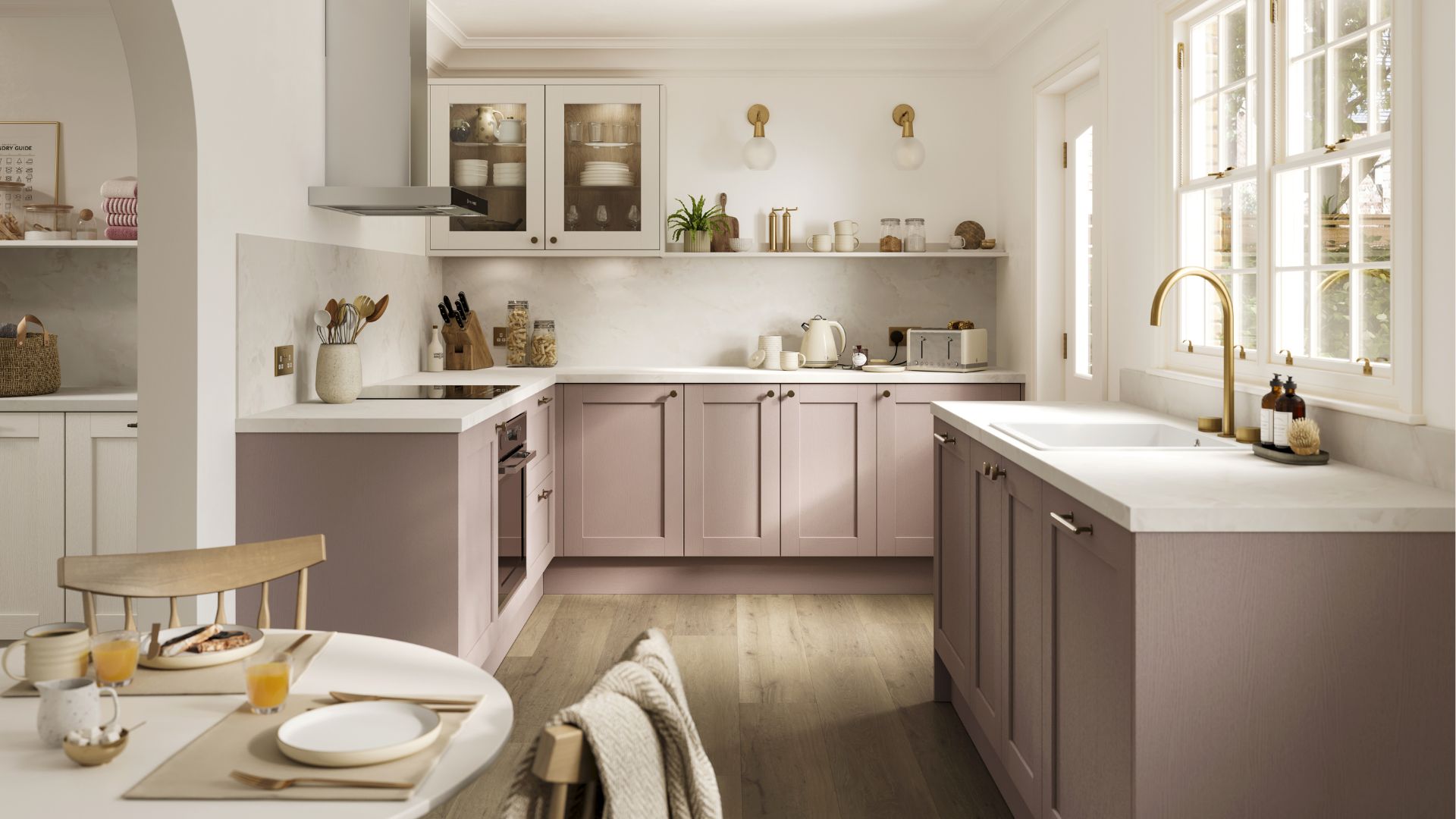
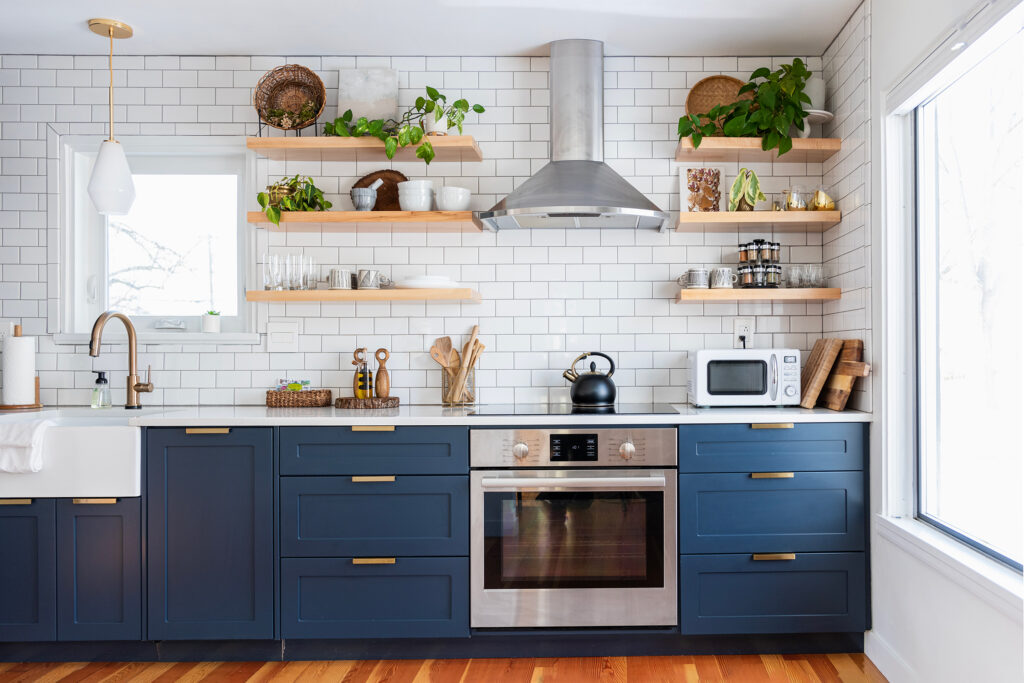
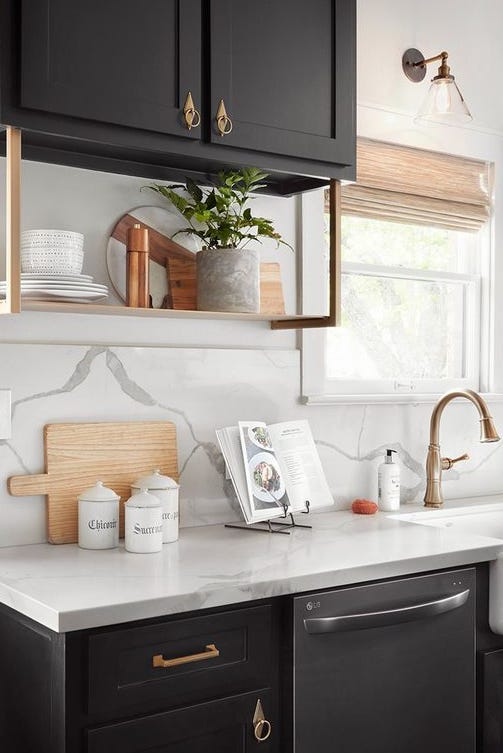
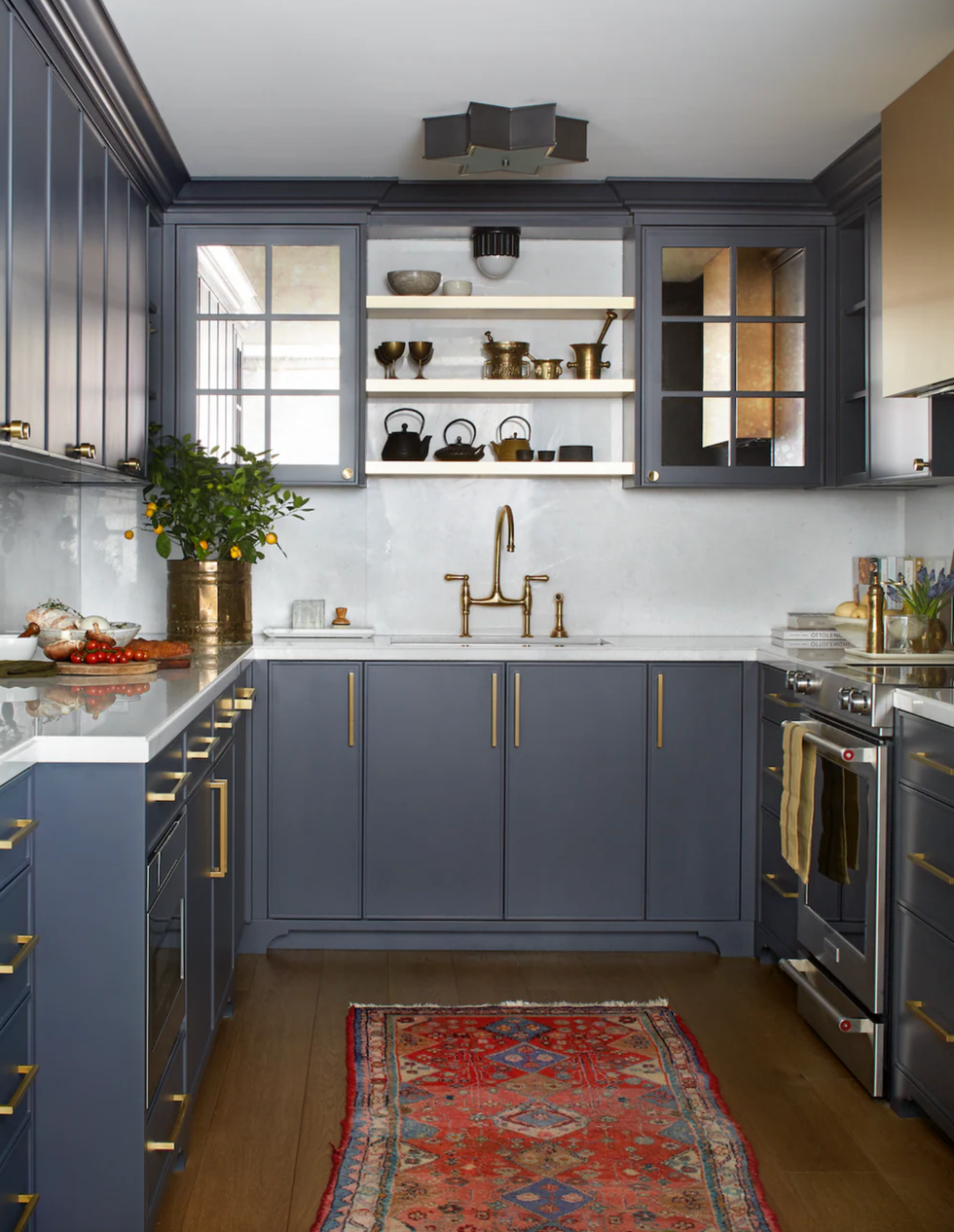
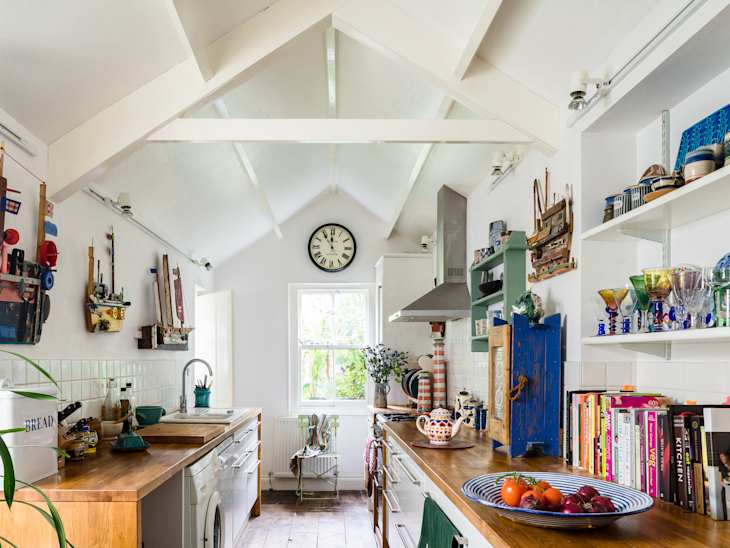
One significant point of contention for designers is overloaded open shelves. While open shelving can exude a minimalist appeal, it often becomes a receptacle for clutter and dust, leading to visual disarray. To avoid this, designers suggest using open shelves sparingly, perhaps a single shelf in a prominent location like above the sink, dedicated to displaying aesthetically pleasing cookware or bakeware rather than serving as general storage.
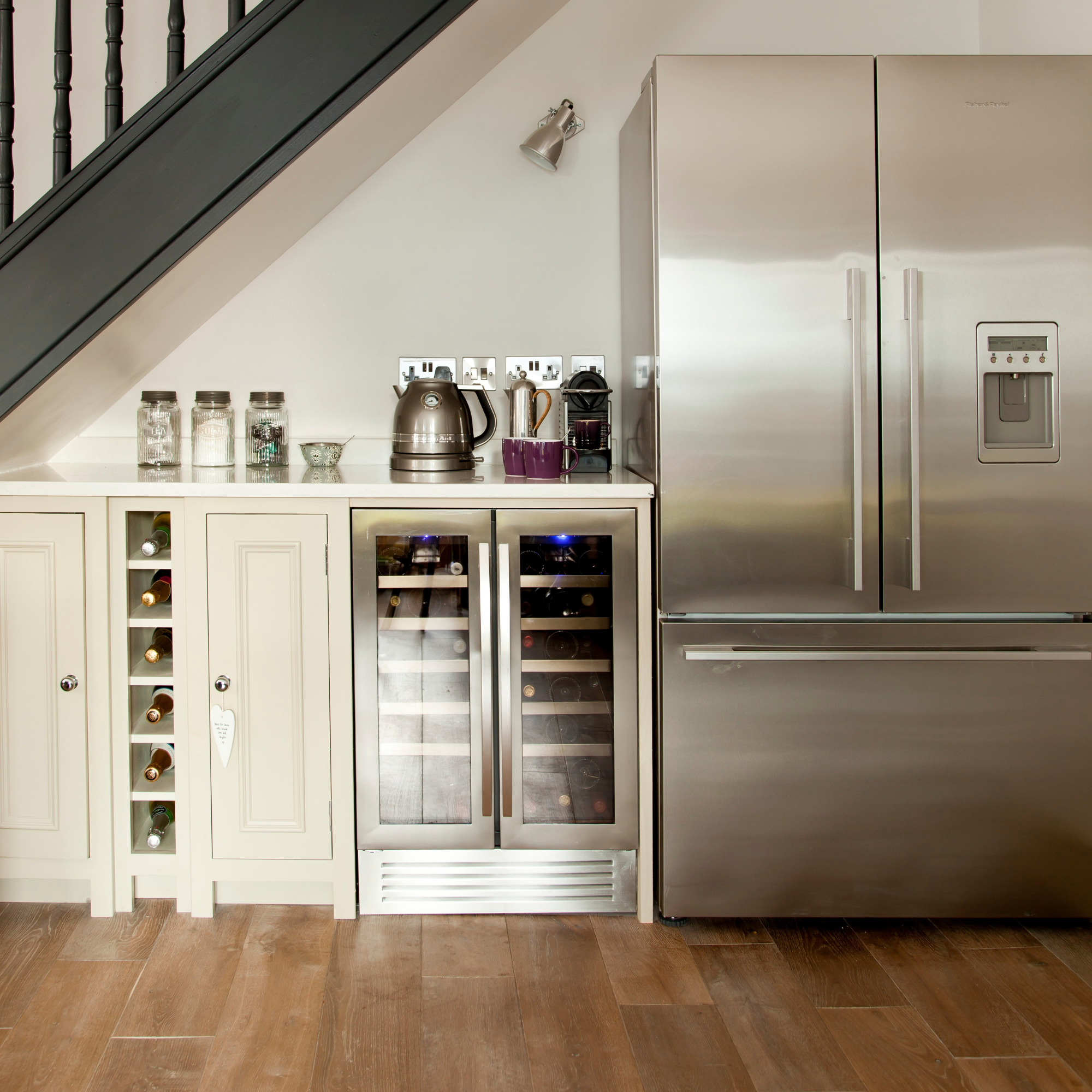
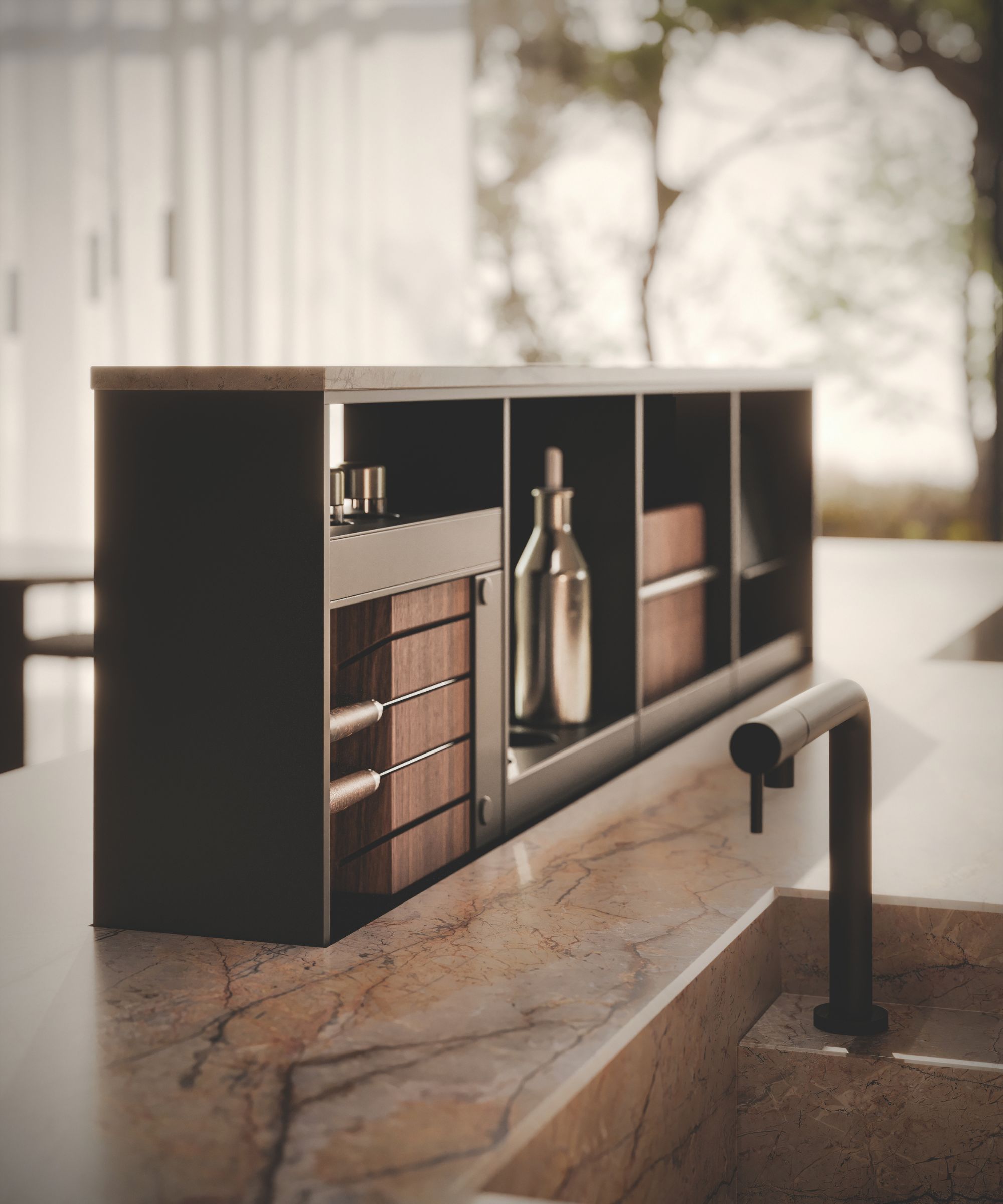
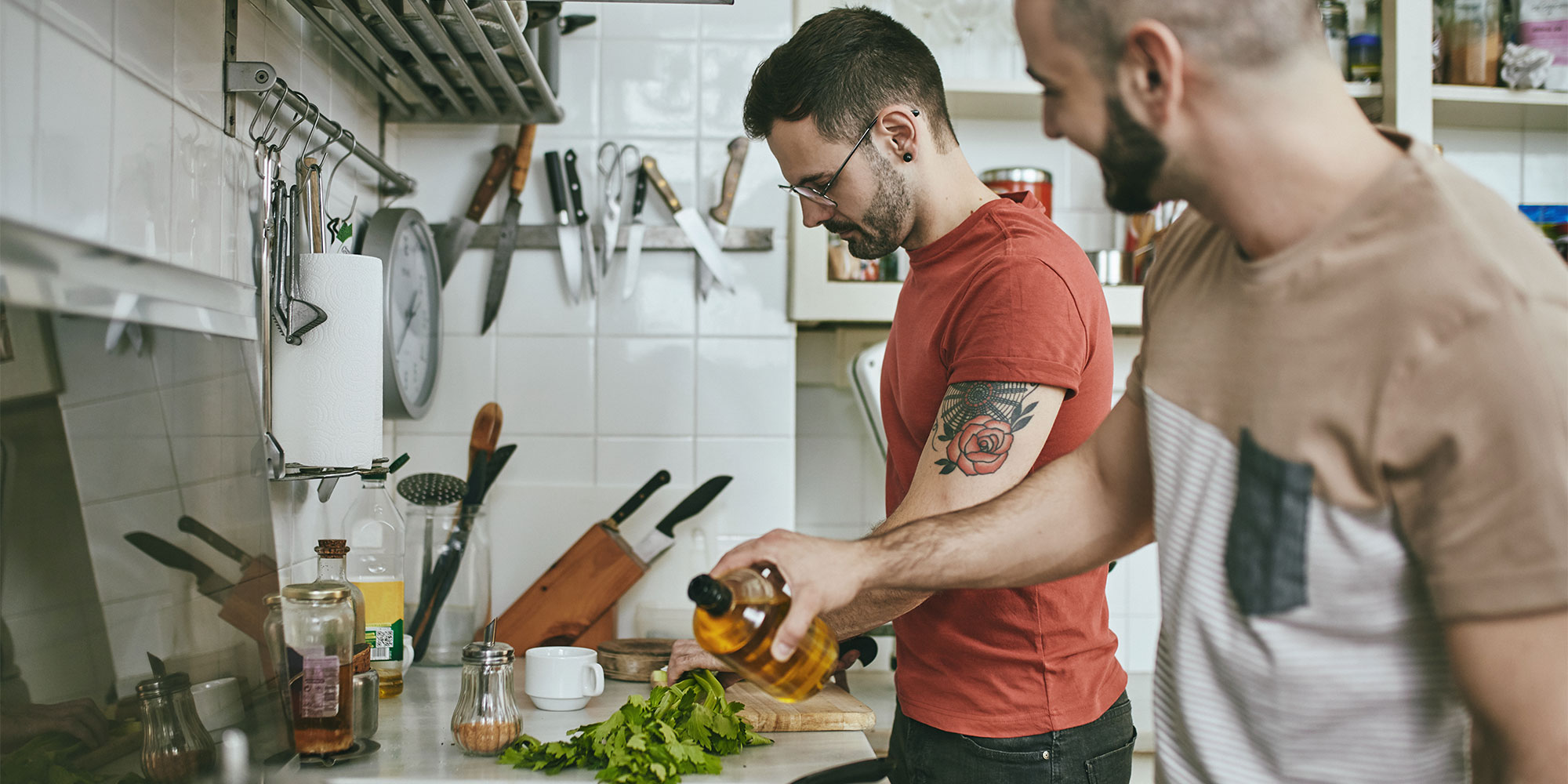
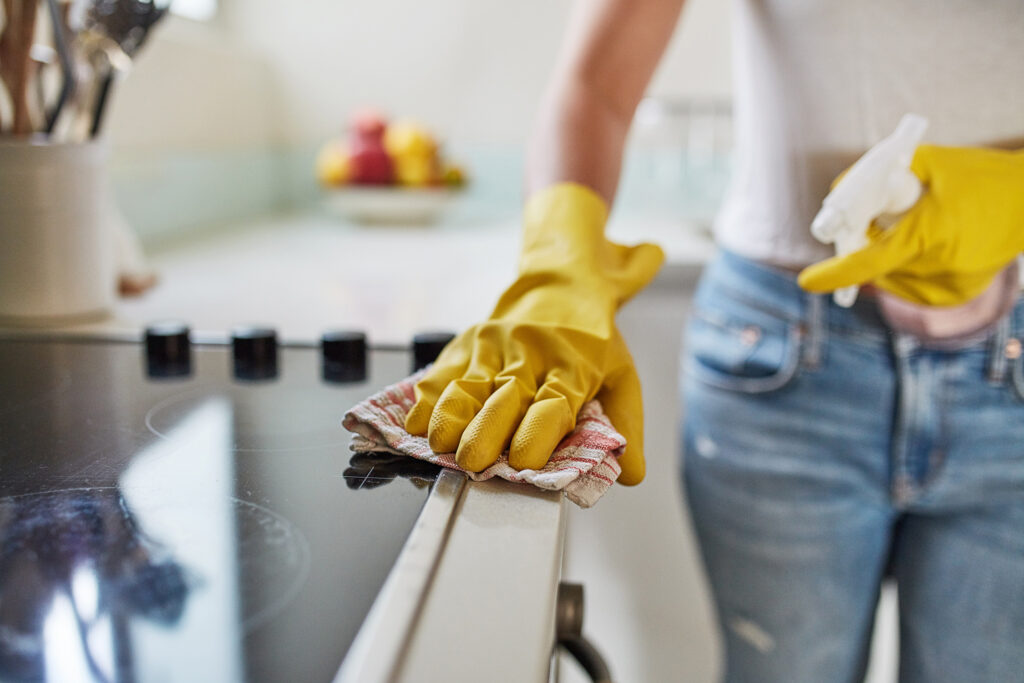
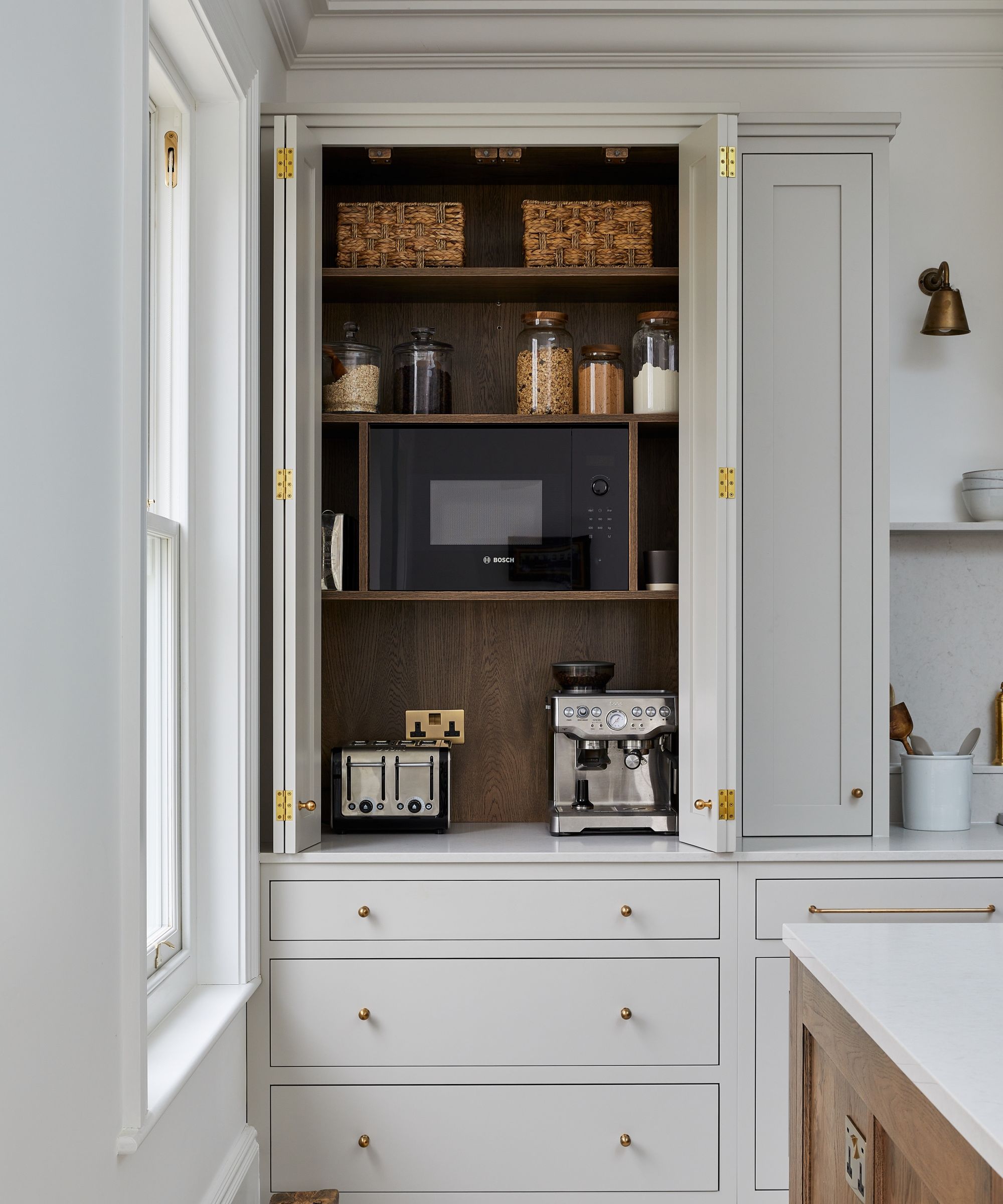
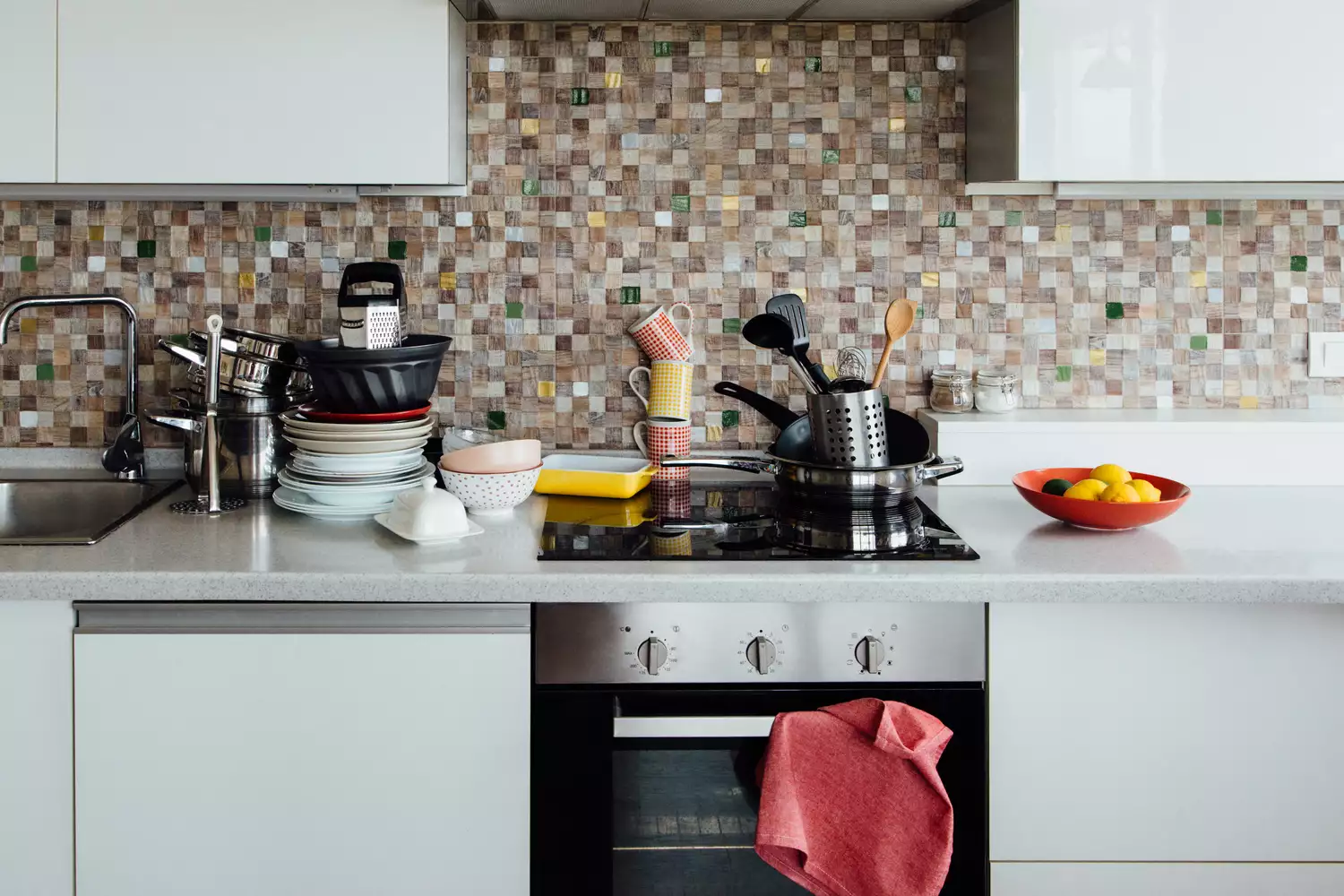
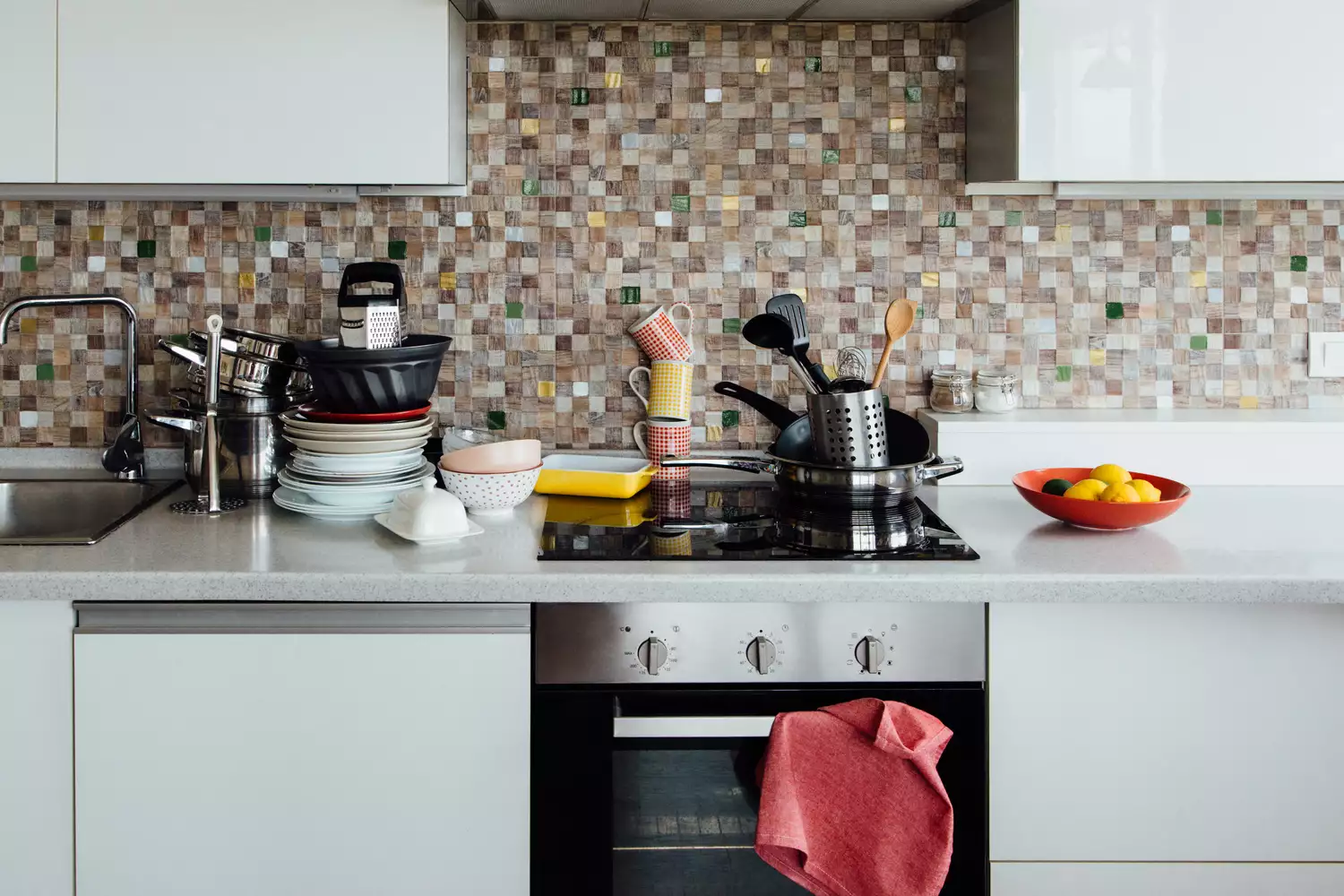
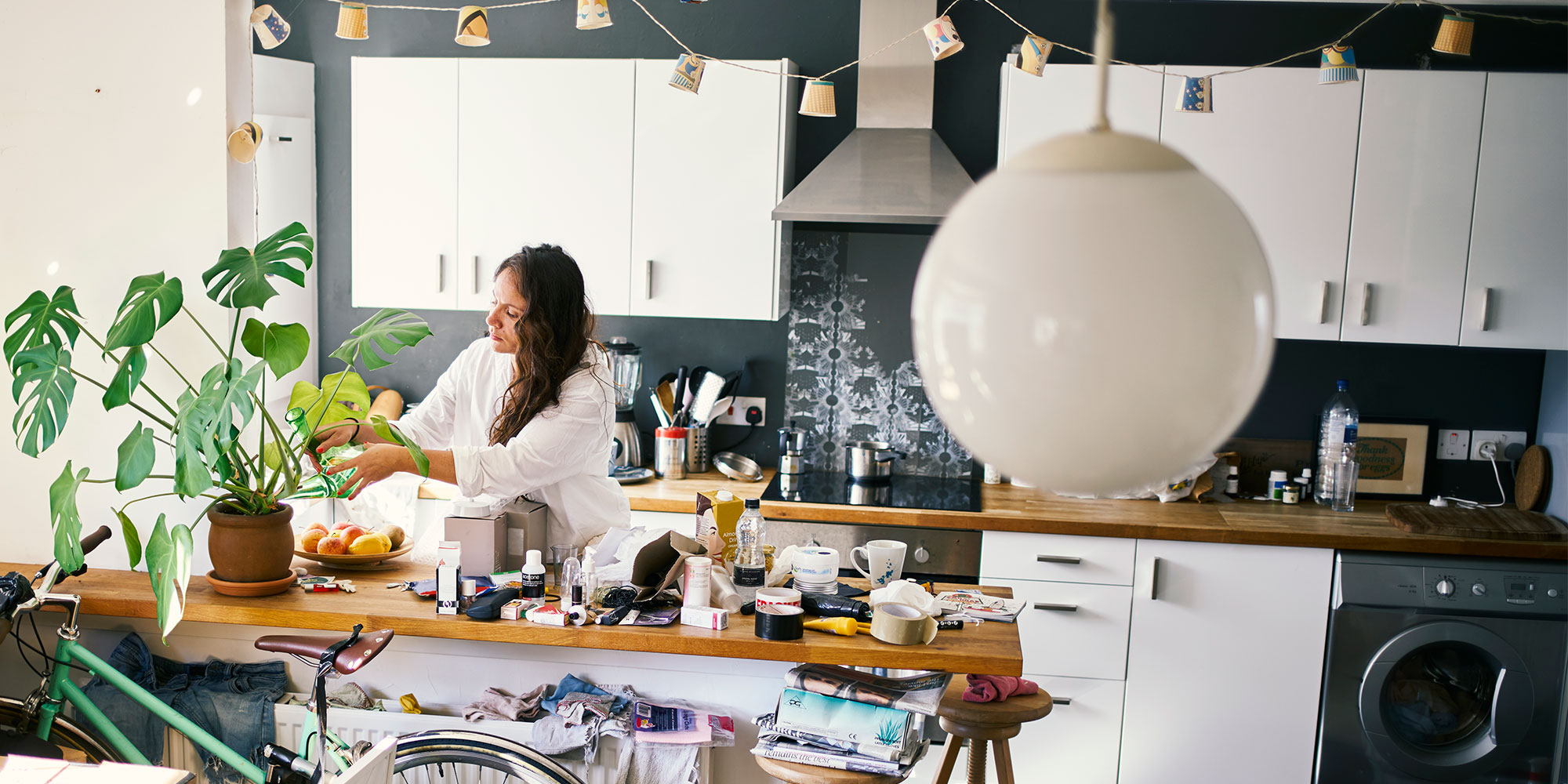
Cluttered countertops are another major "ick" identified by experts. Countertops packed with visible appliances make the kitchen feel less clean and can hinder movement and cooking. The recommended solution is simple: store as many appliances and utensils as possible out of sight in cabinets to free up surface area and create a more serene and organized environment.
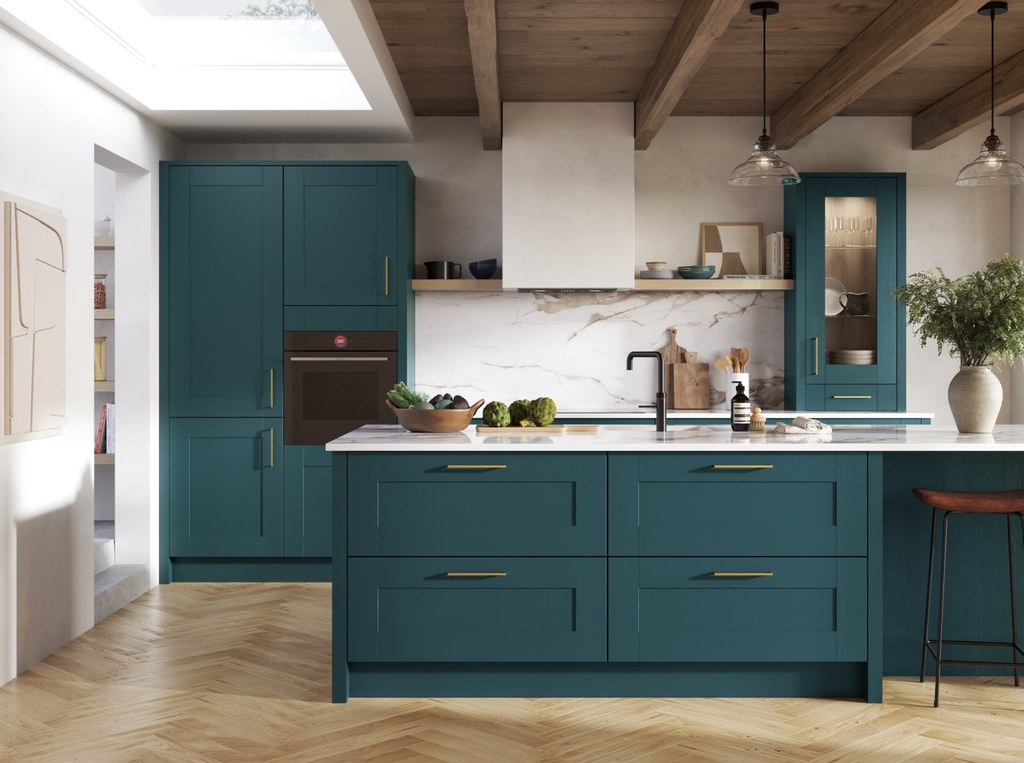
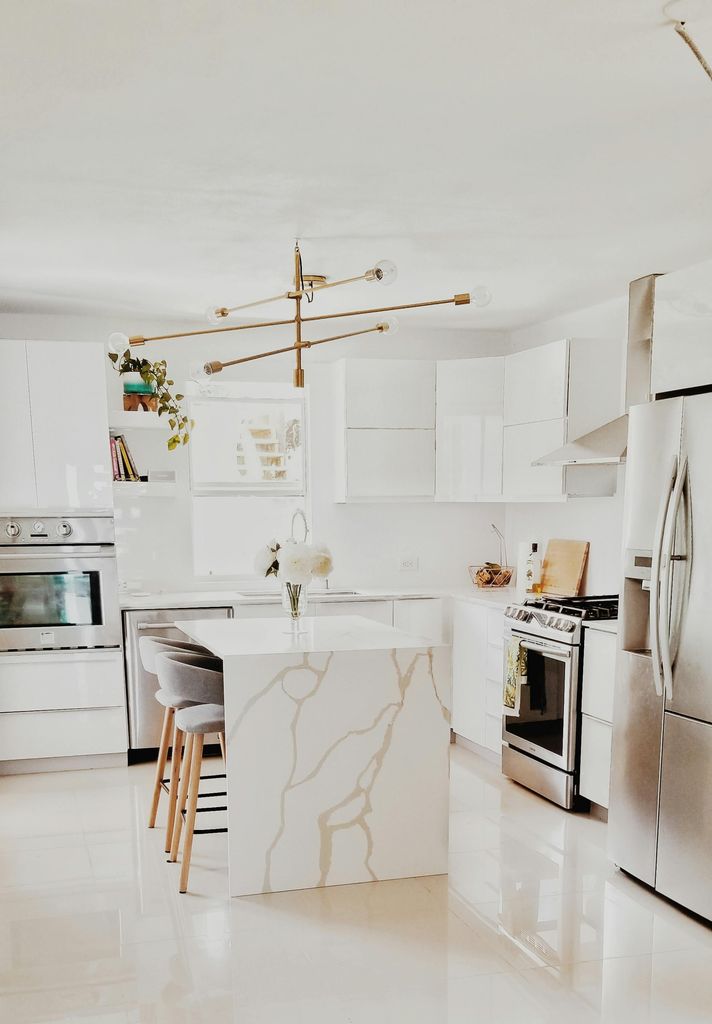
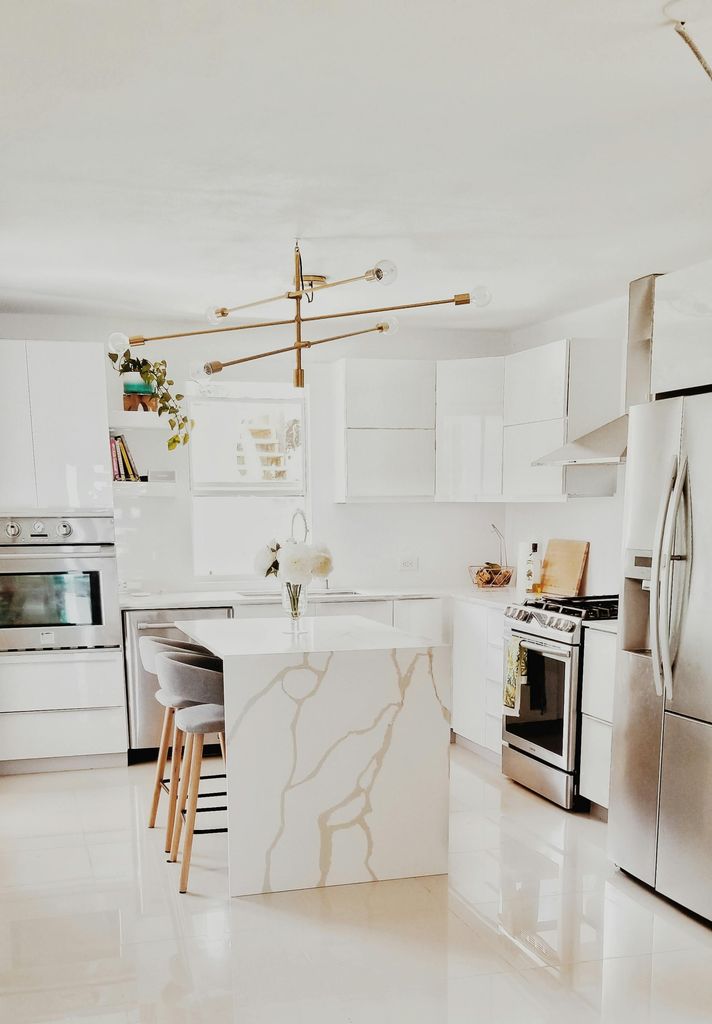
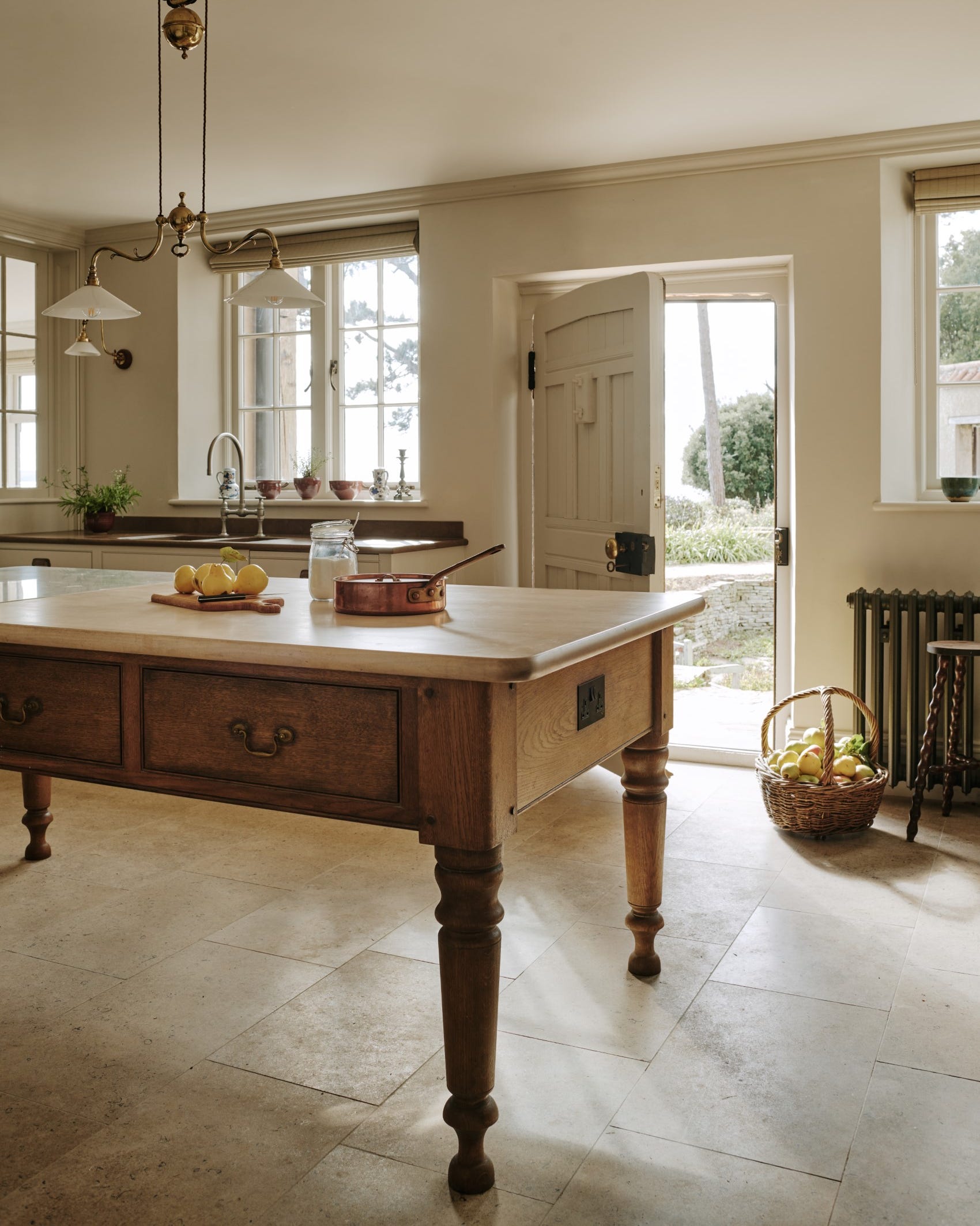
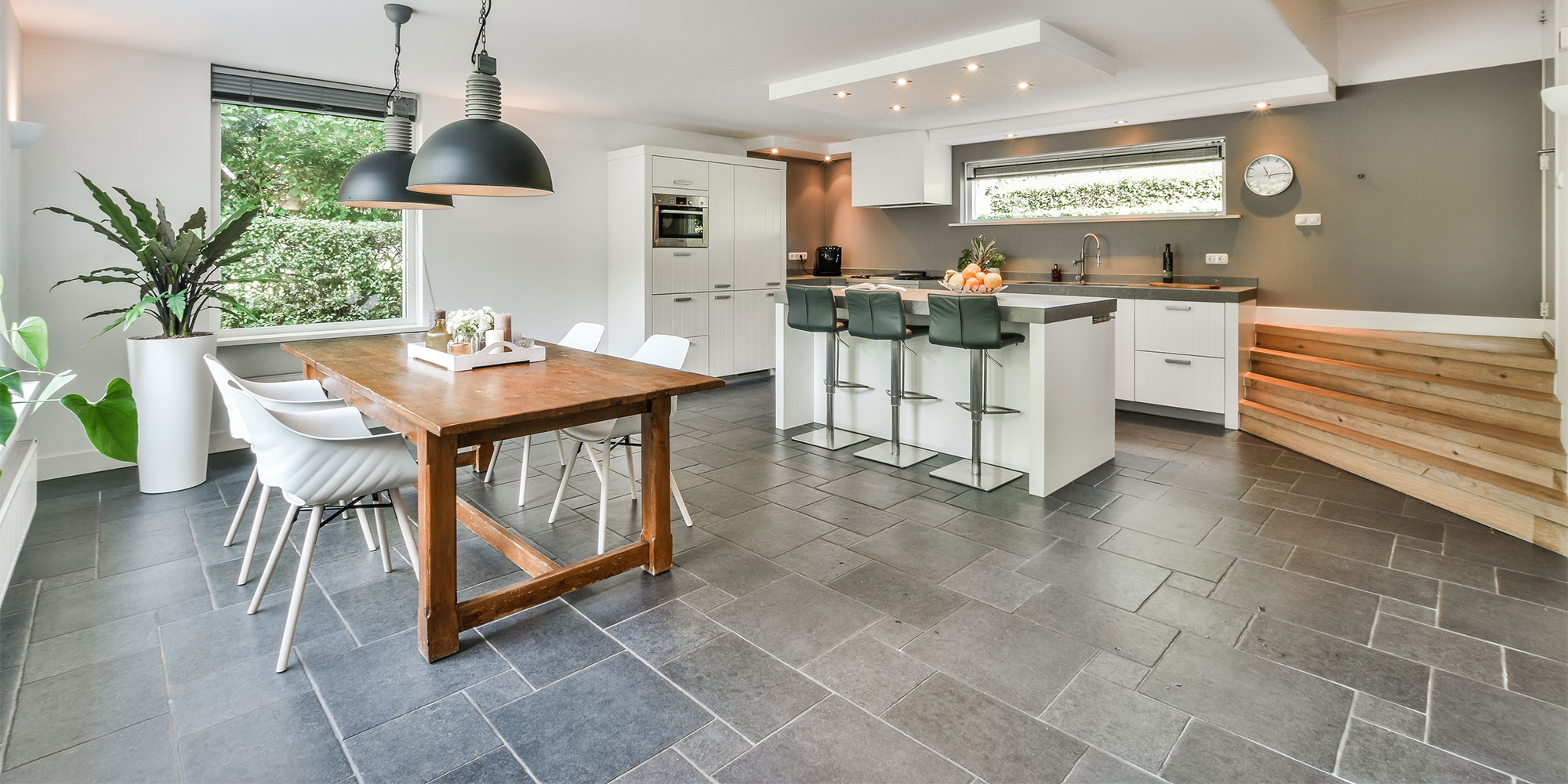
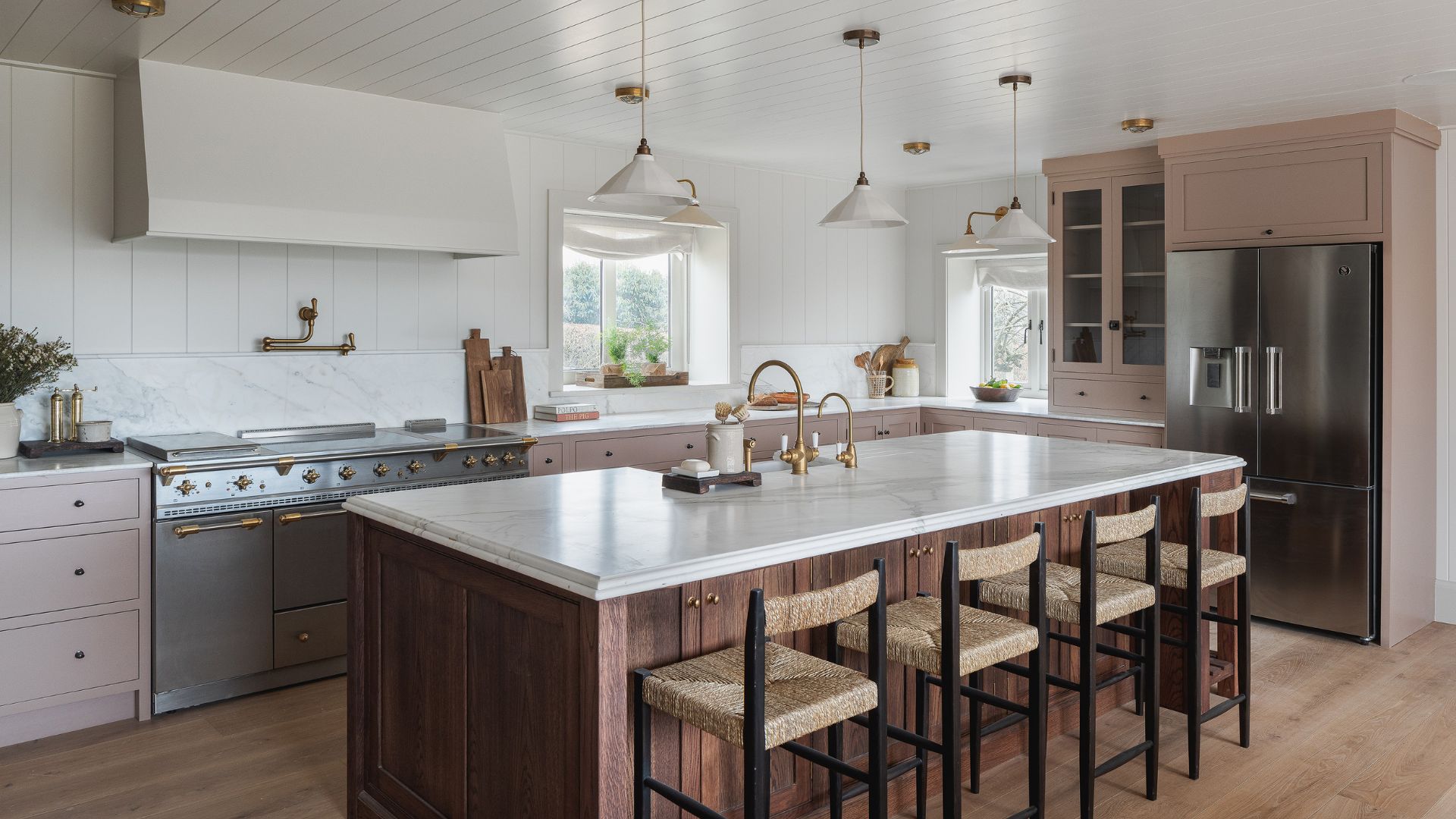
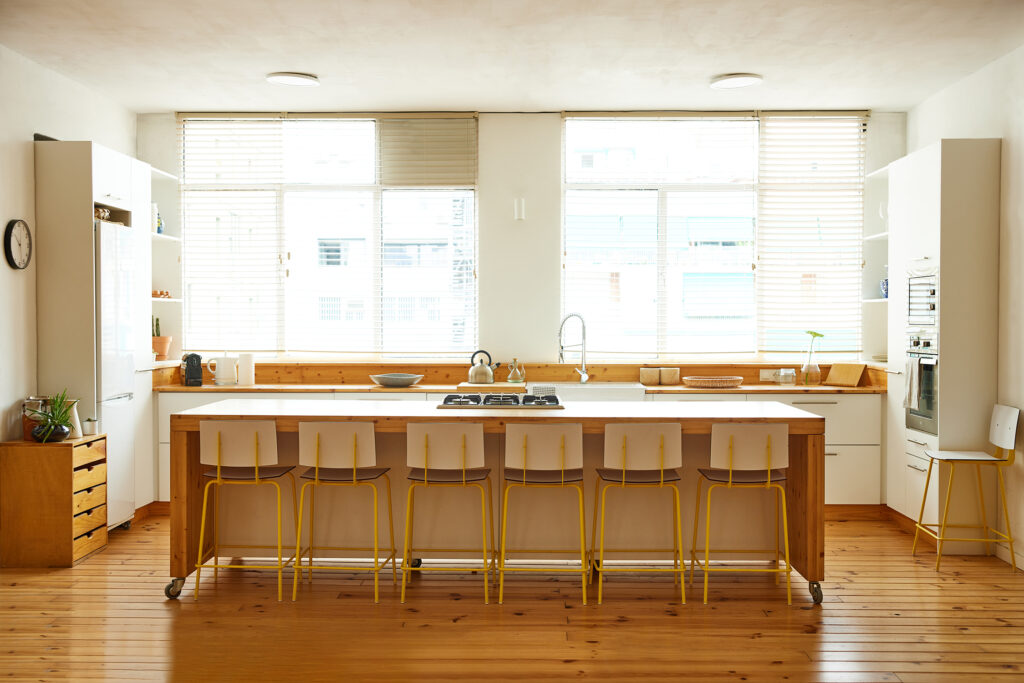
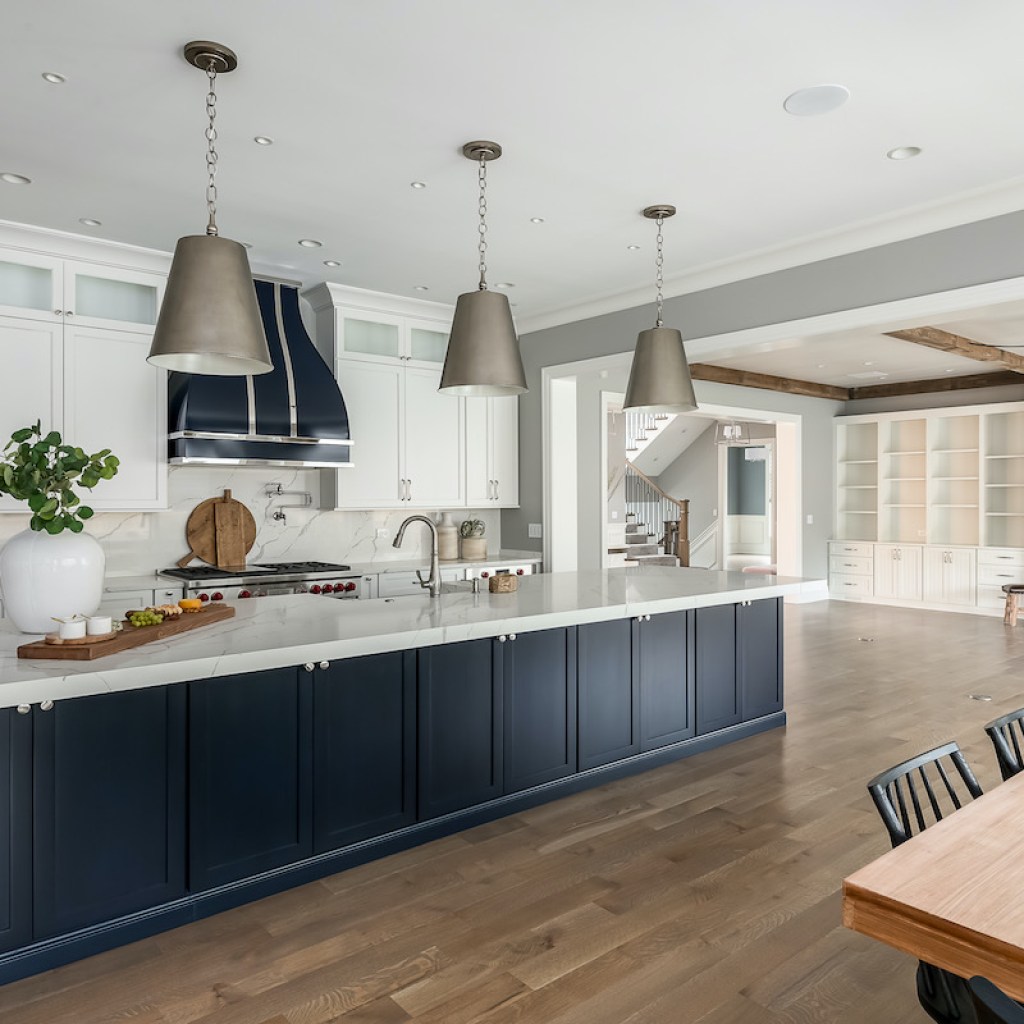
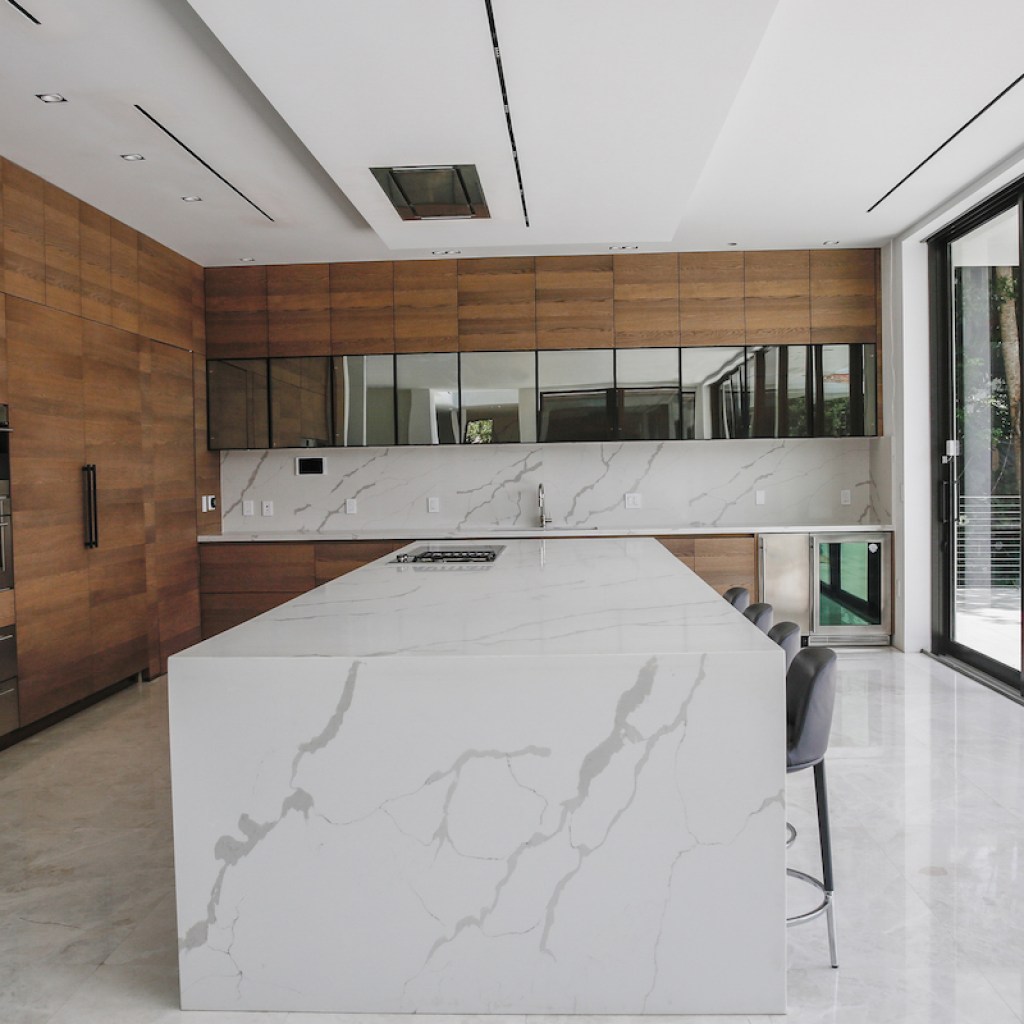
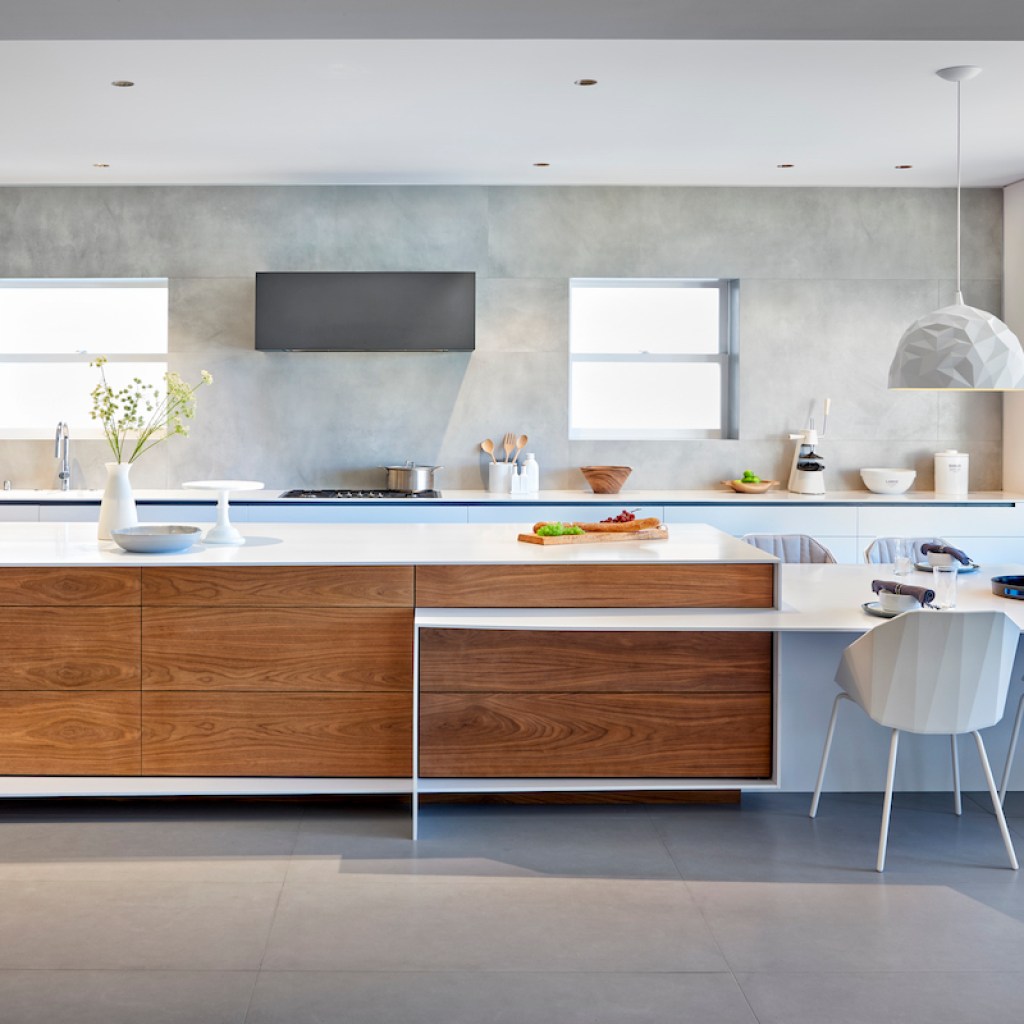
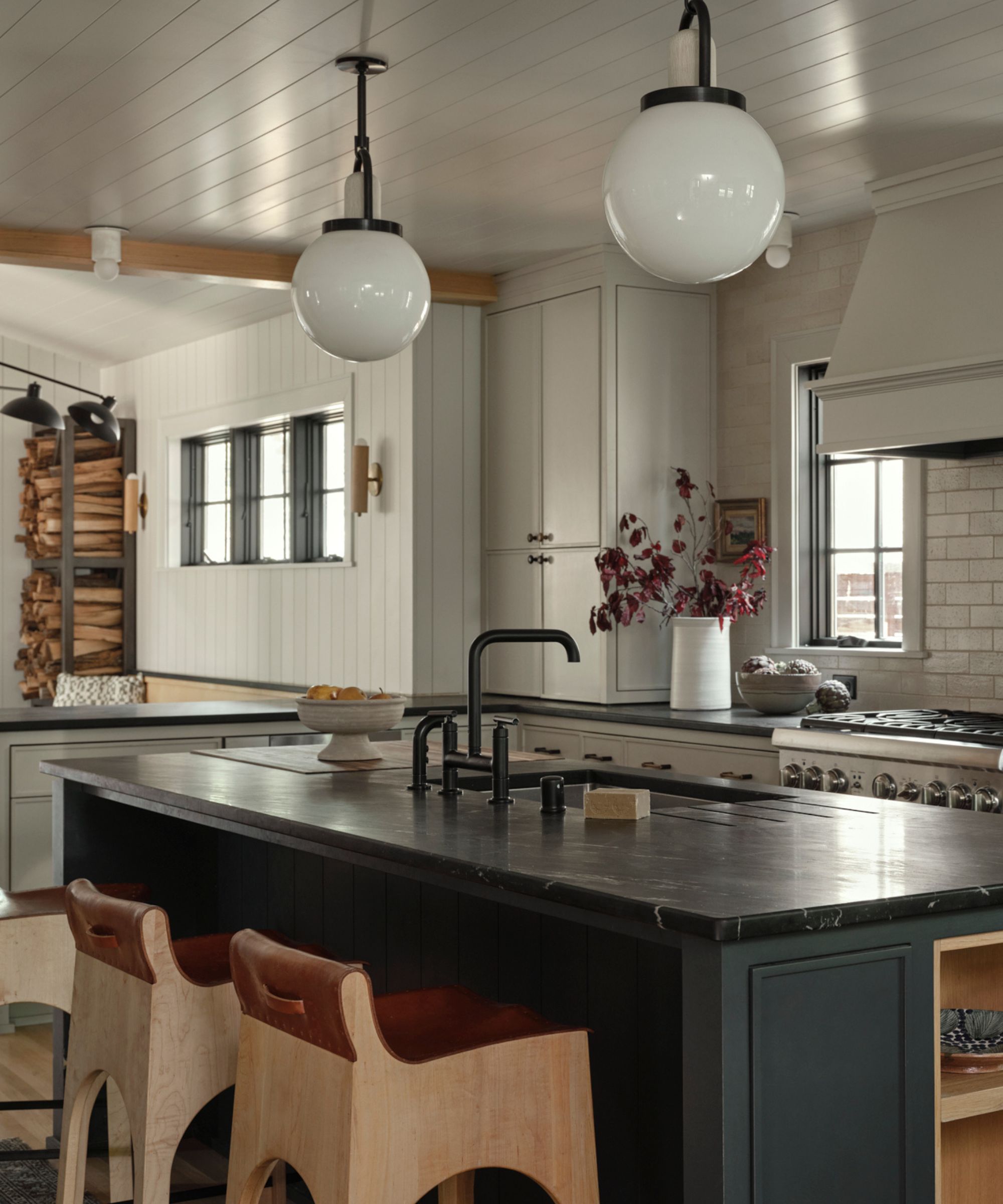
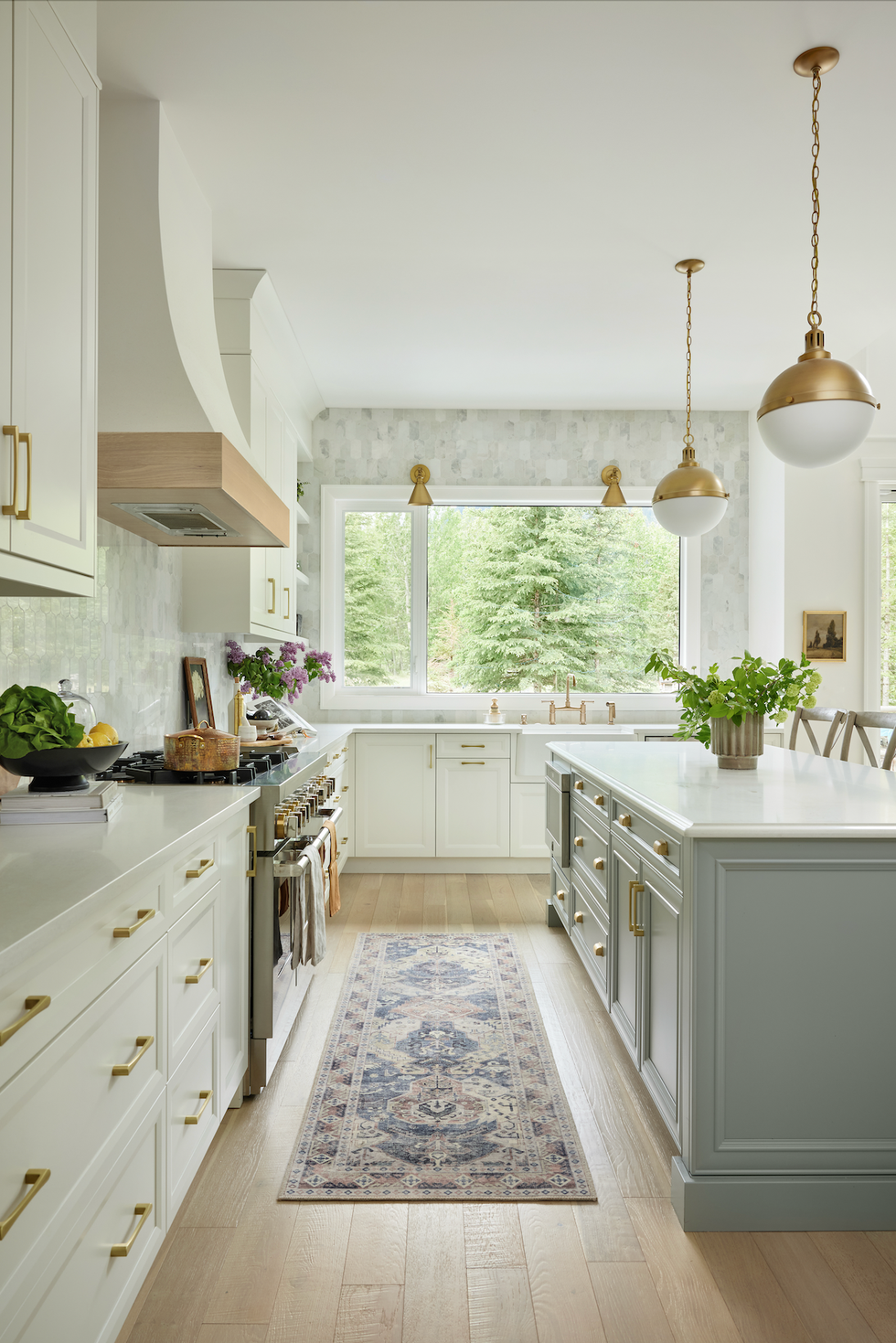
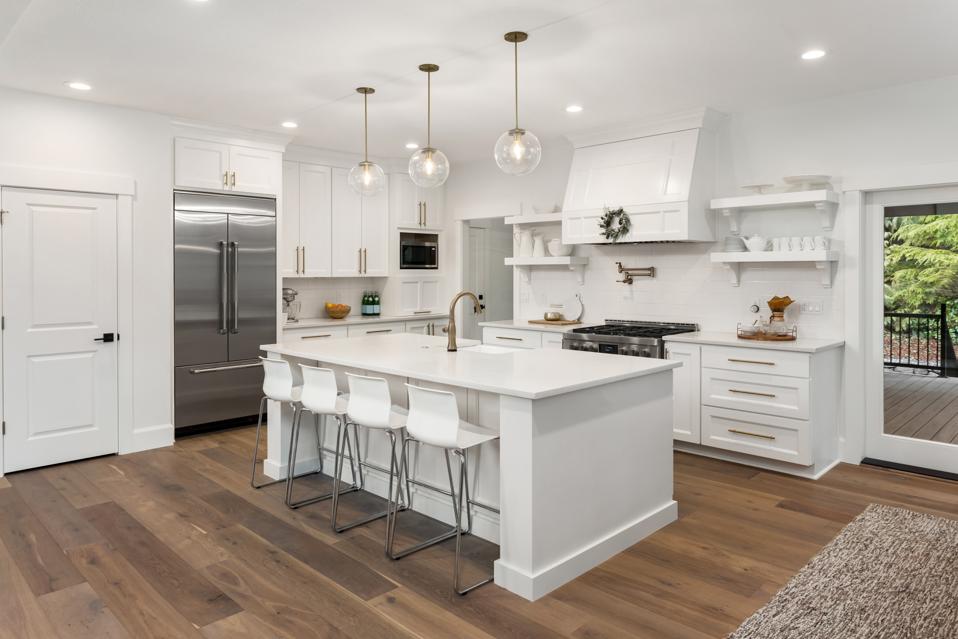
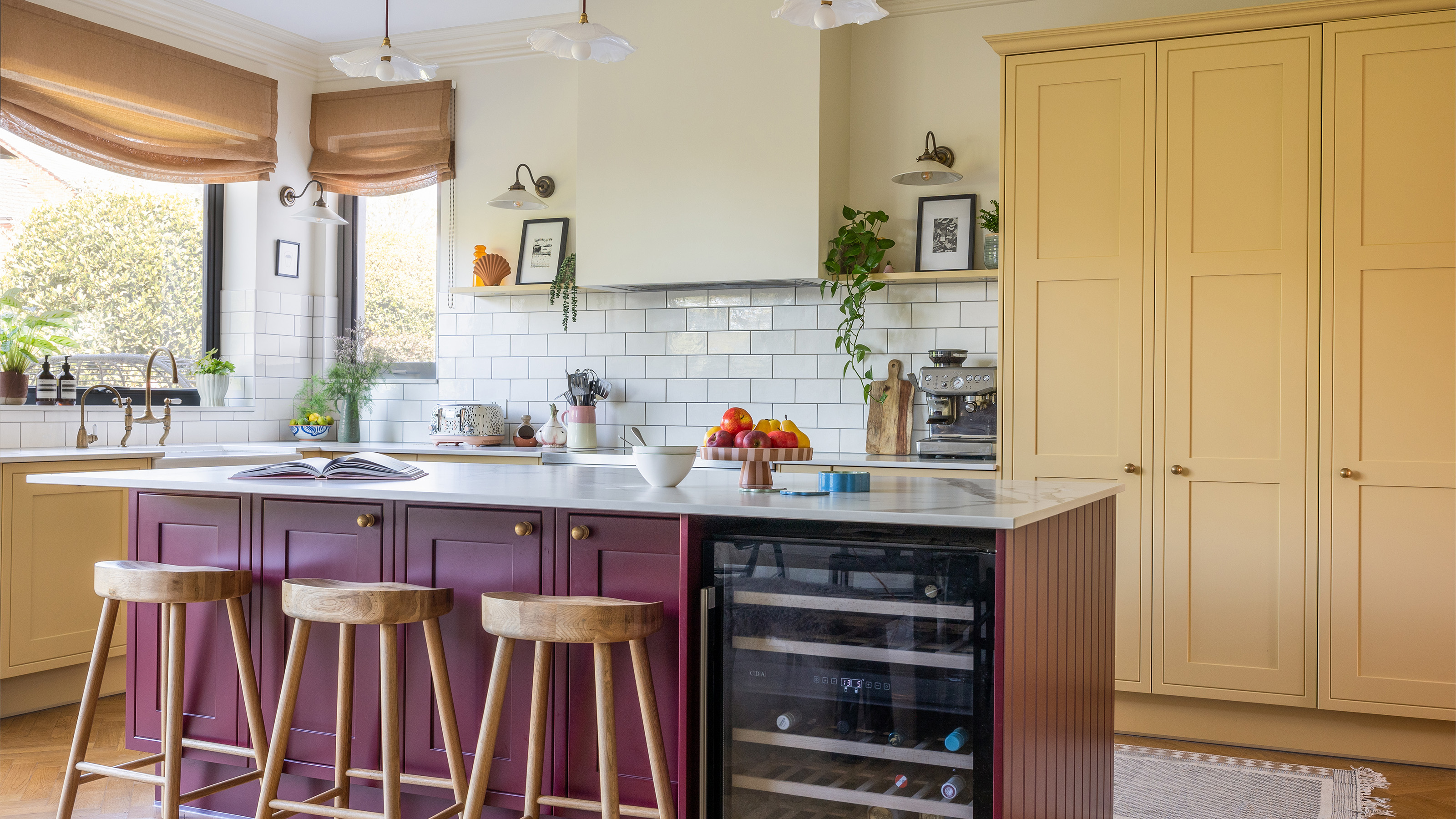
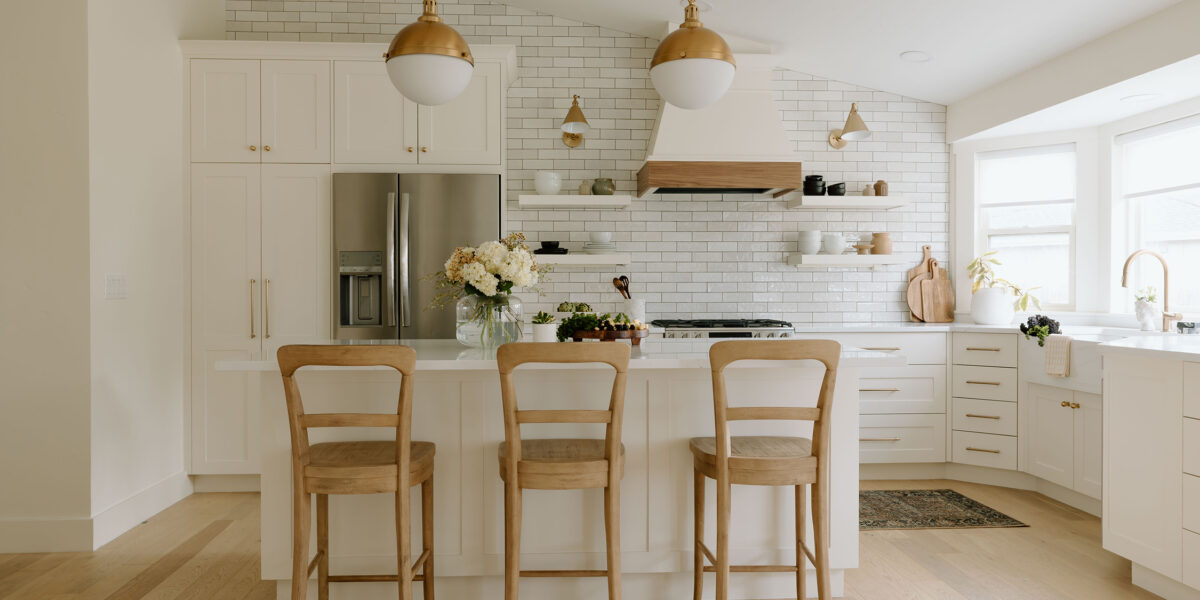
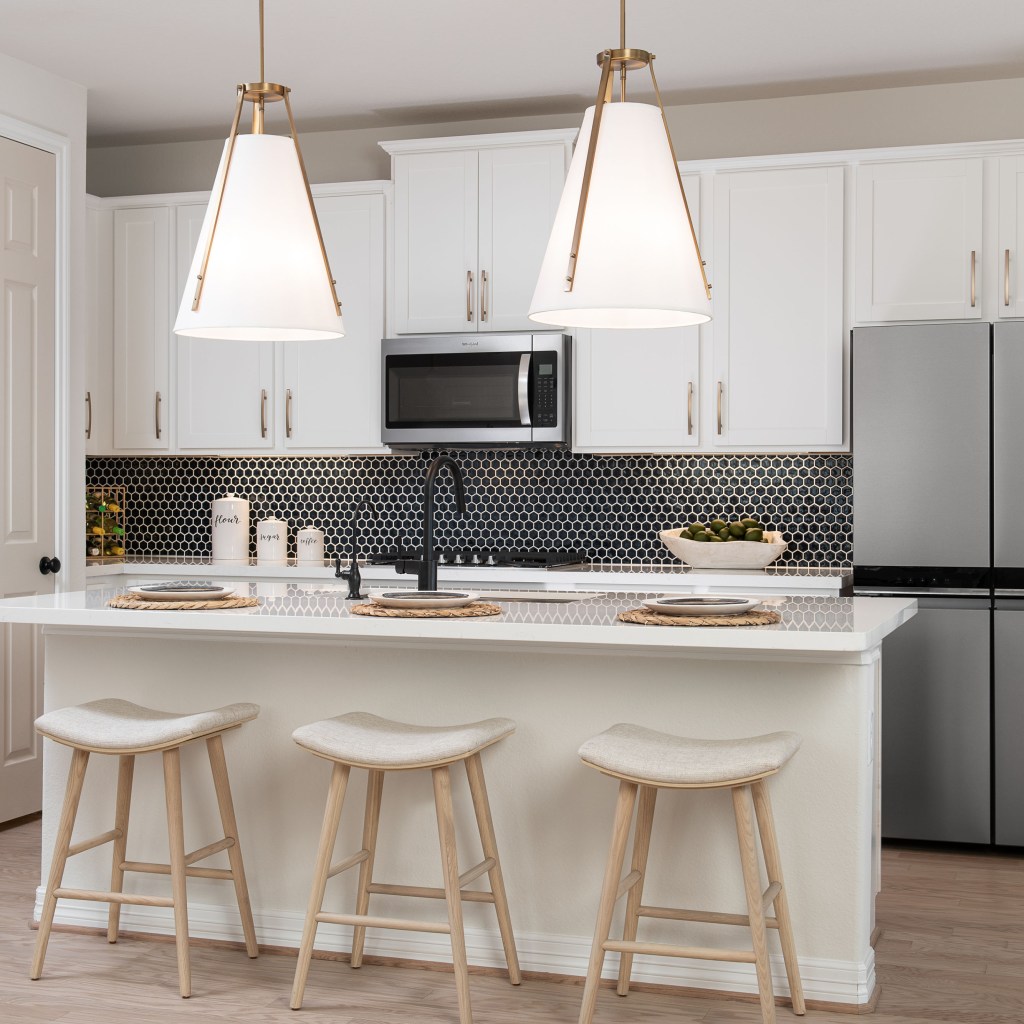
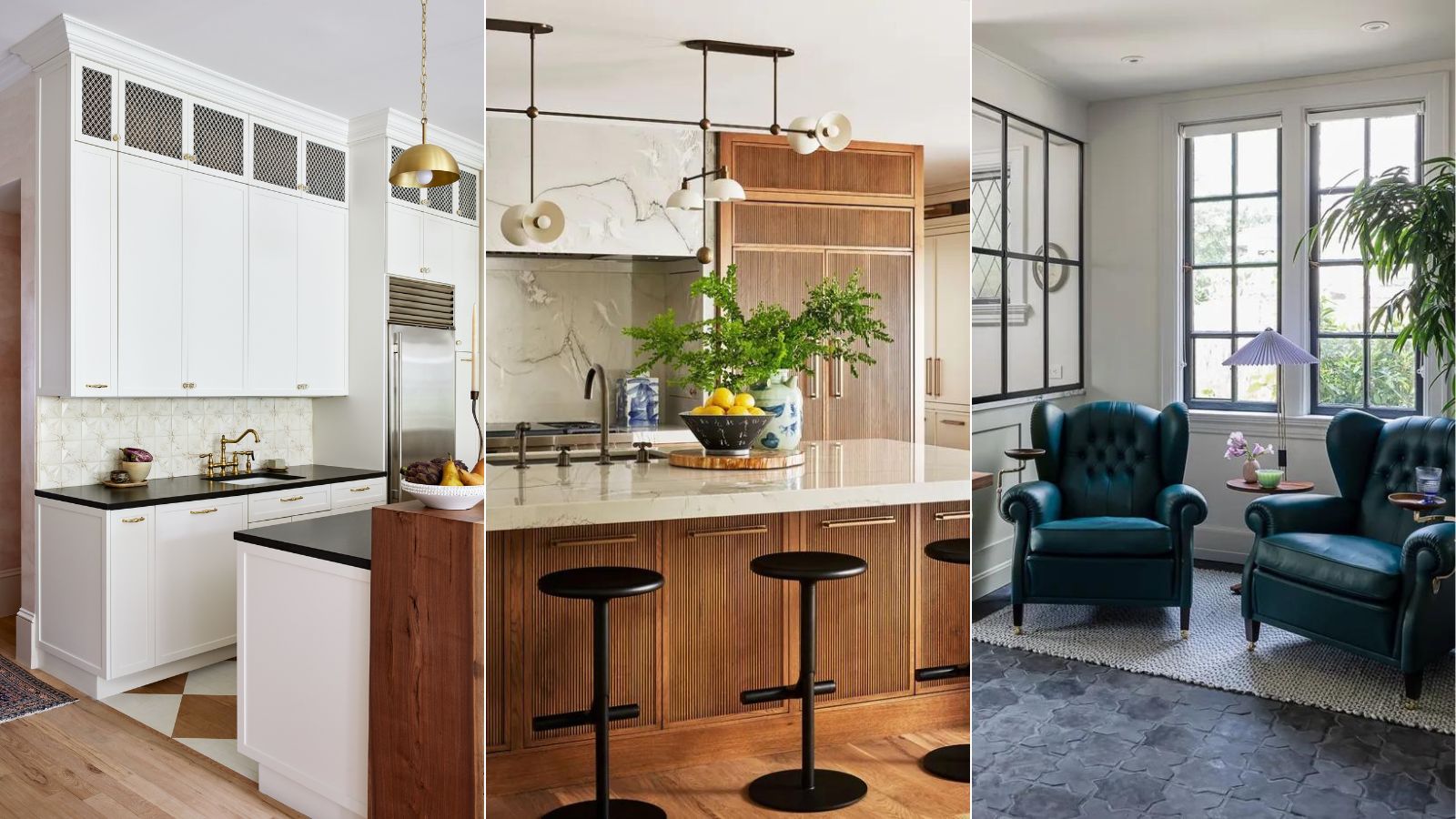
Huge kitchen islands are surprisingly controversial. While popular in renovations, excessively large islands can render a kitchen less usable, appearing more like a commercial bar than a home kitchen. To make a large island more approachable and integrated into the living space, designers advise reducing the number of bar stools and incorporating decorative elements such as lamps and trays.
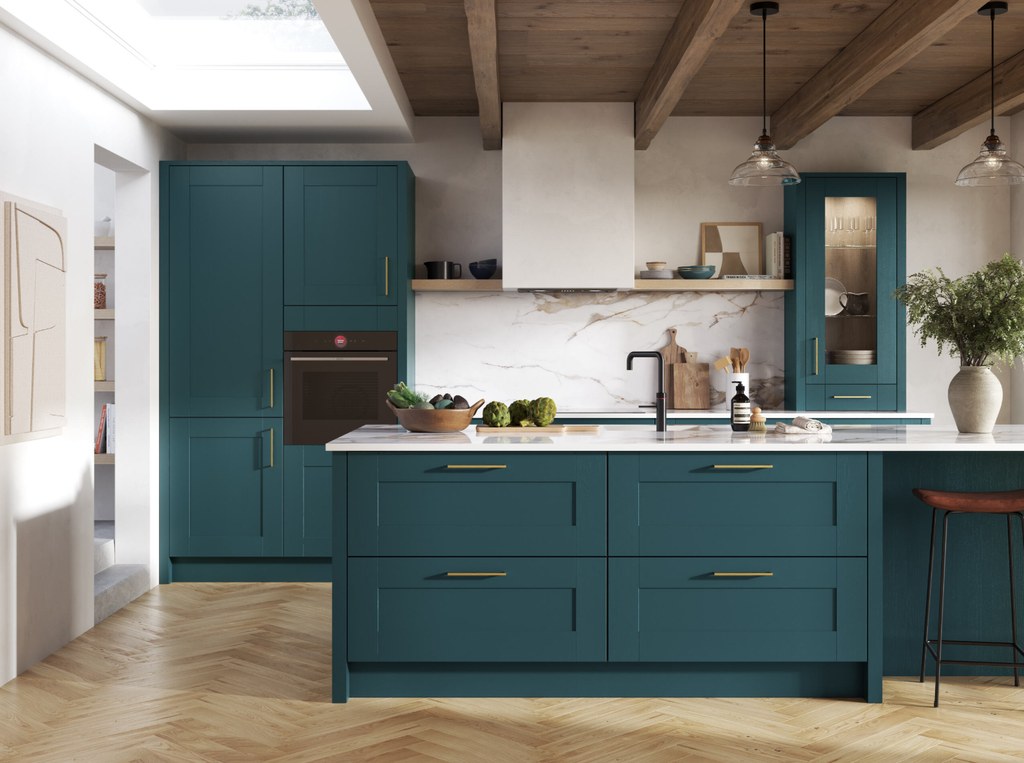
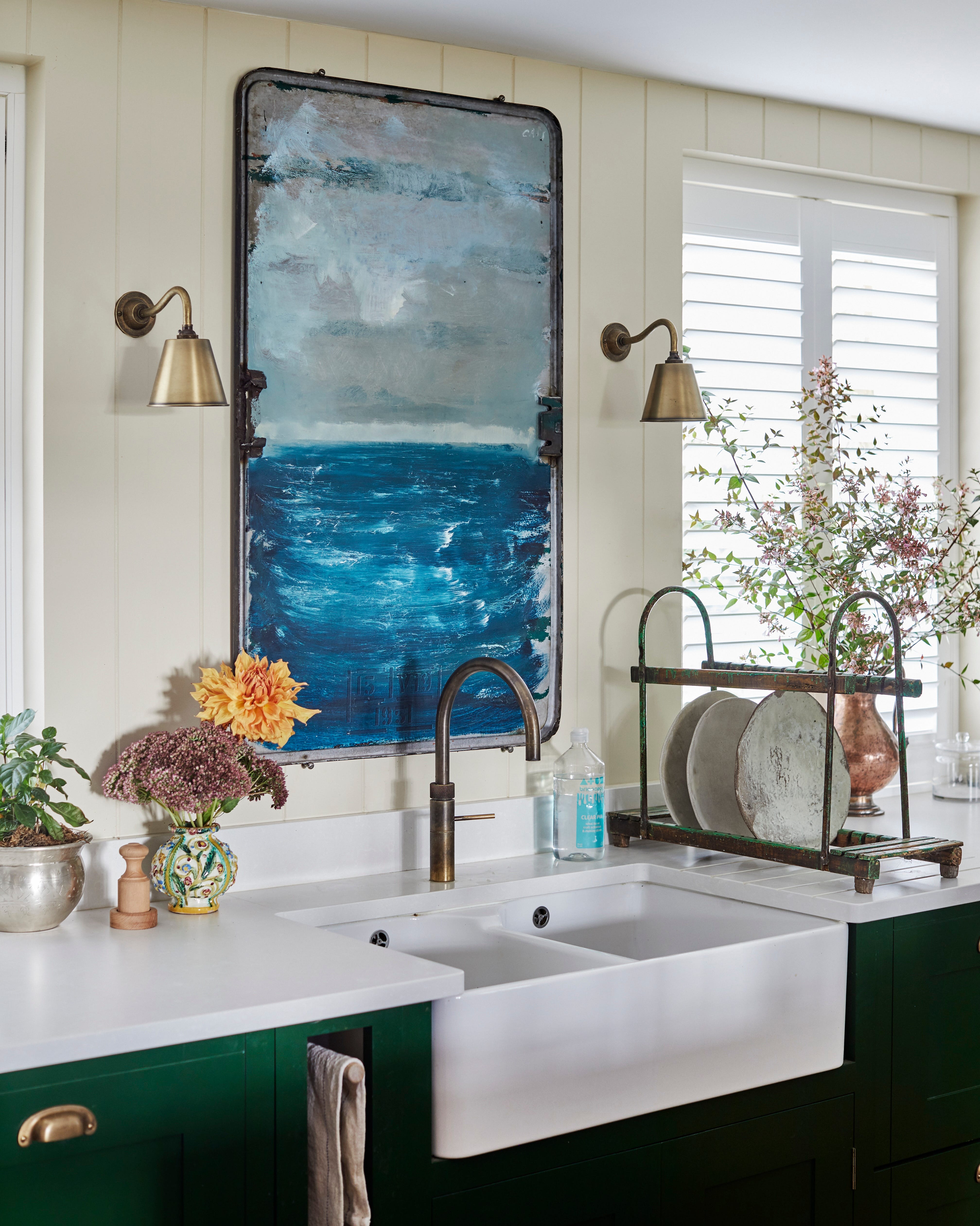
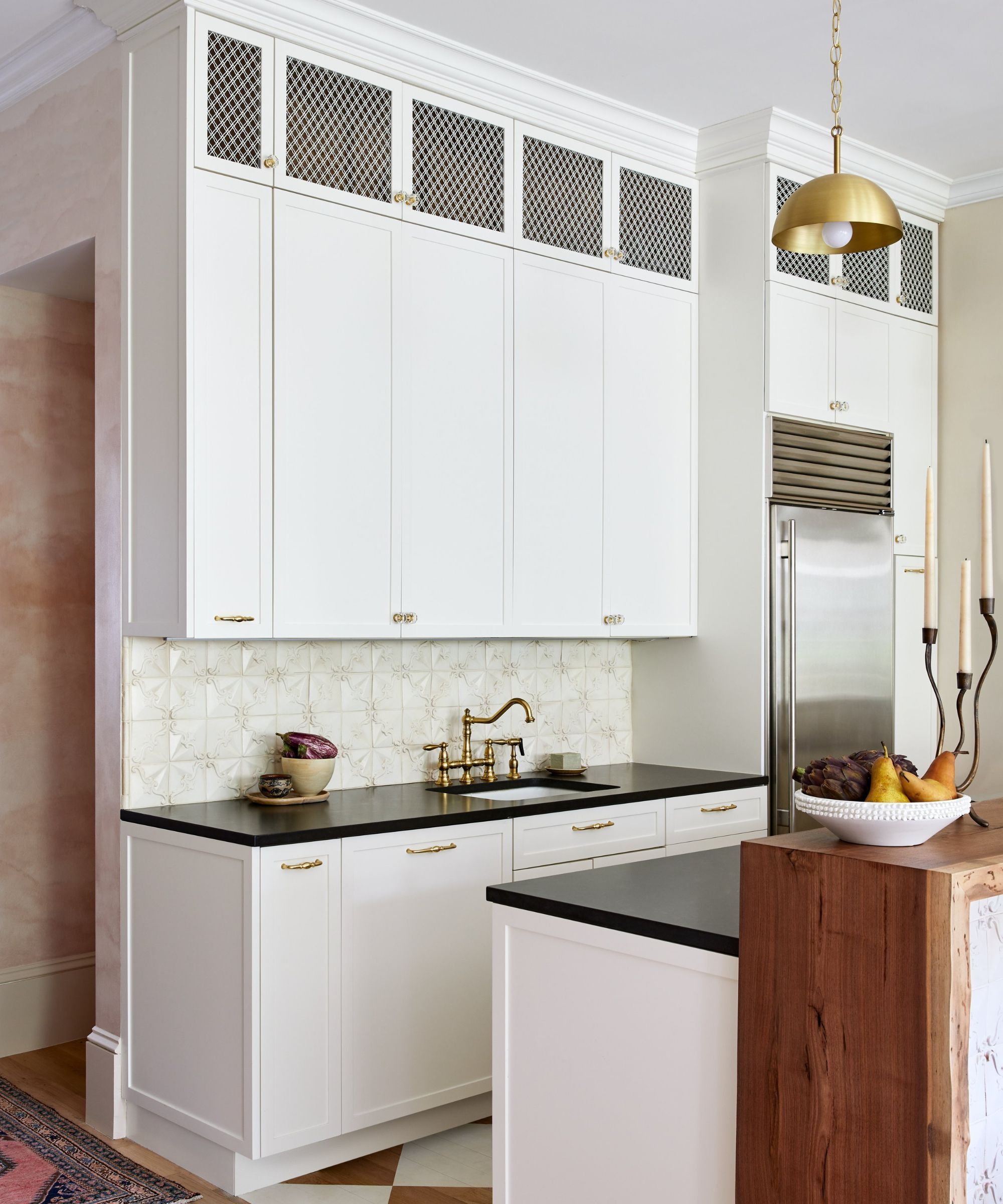
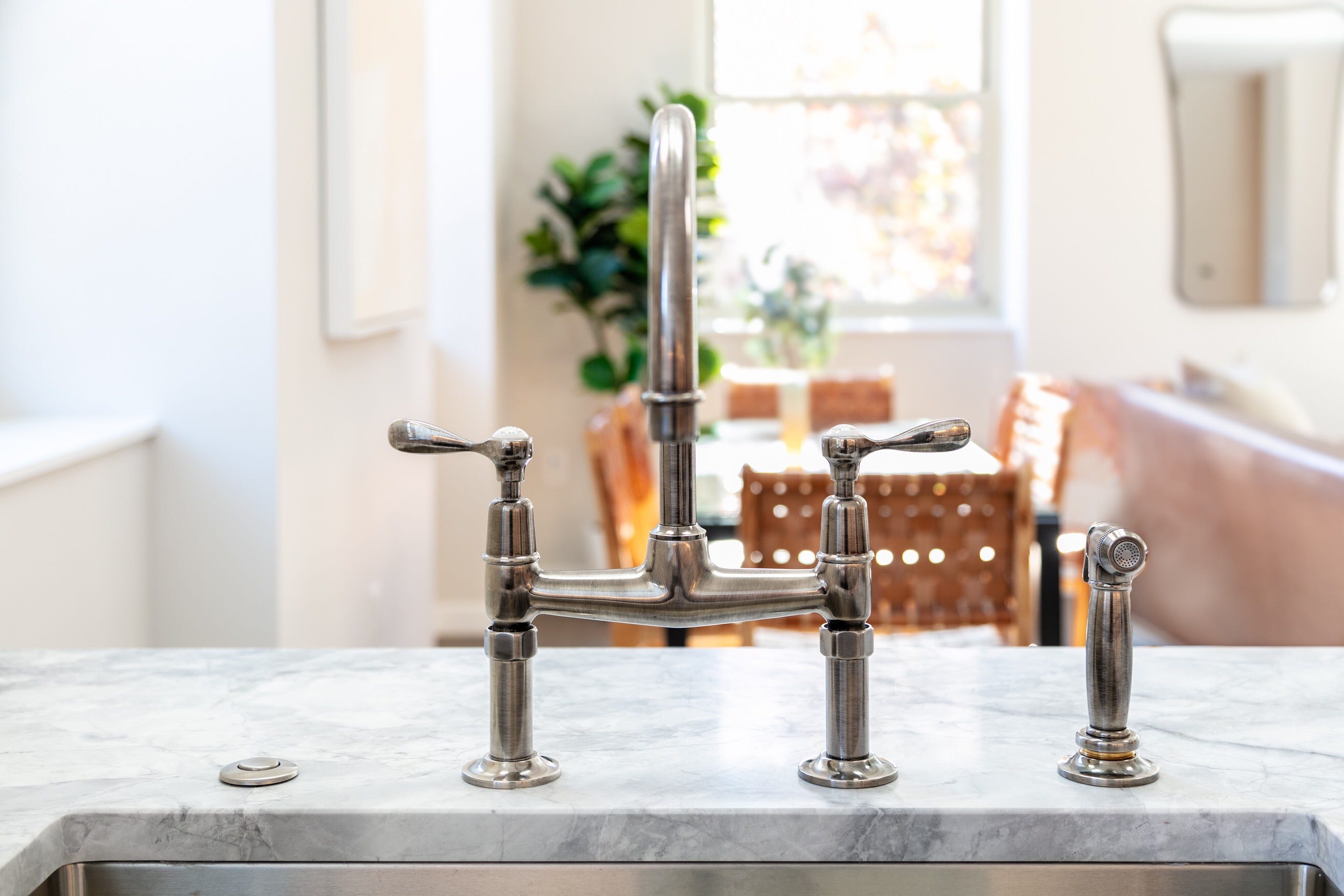
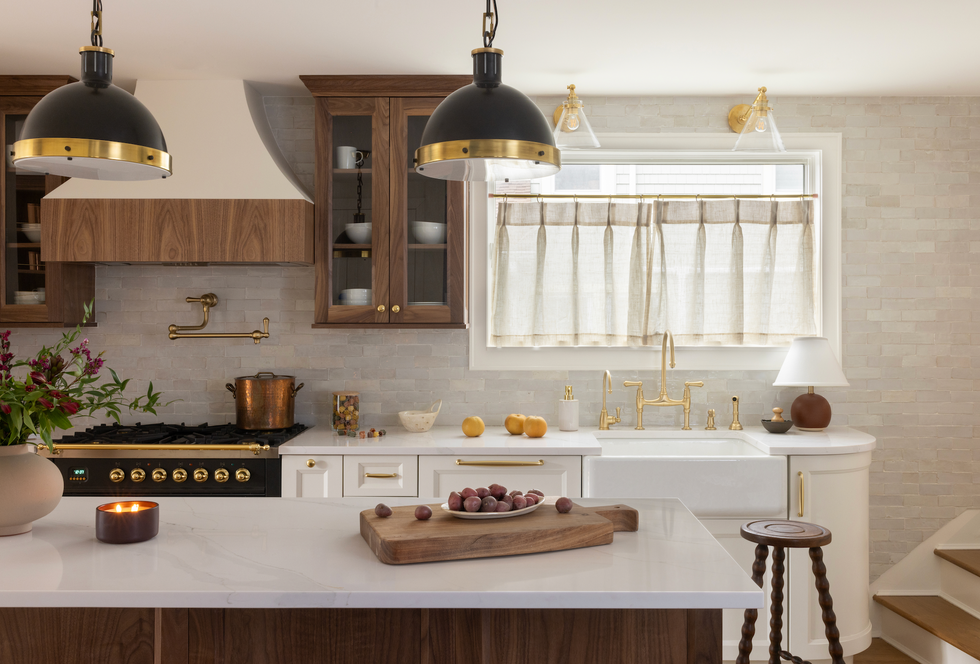
Chaotic cabinet hardware is another design faux pas. While updating hardware is a cost-effective way to refresh kitchen cabinets, uncoordinated or overly ornate choices can make the space look heavy, dated, or unbalanced. Mixing metals can be sophisticated if done carefully; otherwise, a jumbled array of finishes appears jarring. A refined approach involves using one metal finish for larger fixtures like faucets and lighting, and a complementary finish for cabinet hardware, with matte black, brass, champagne bronze, and brushed nickel being contemporary favorites for sleek handles.
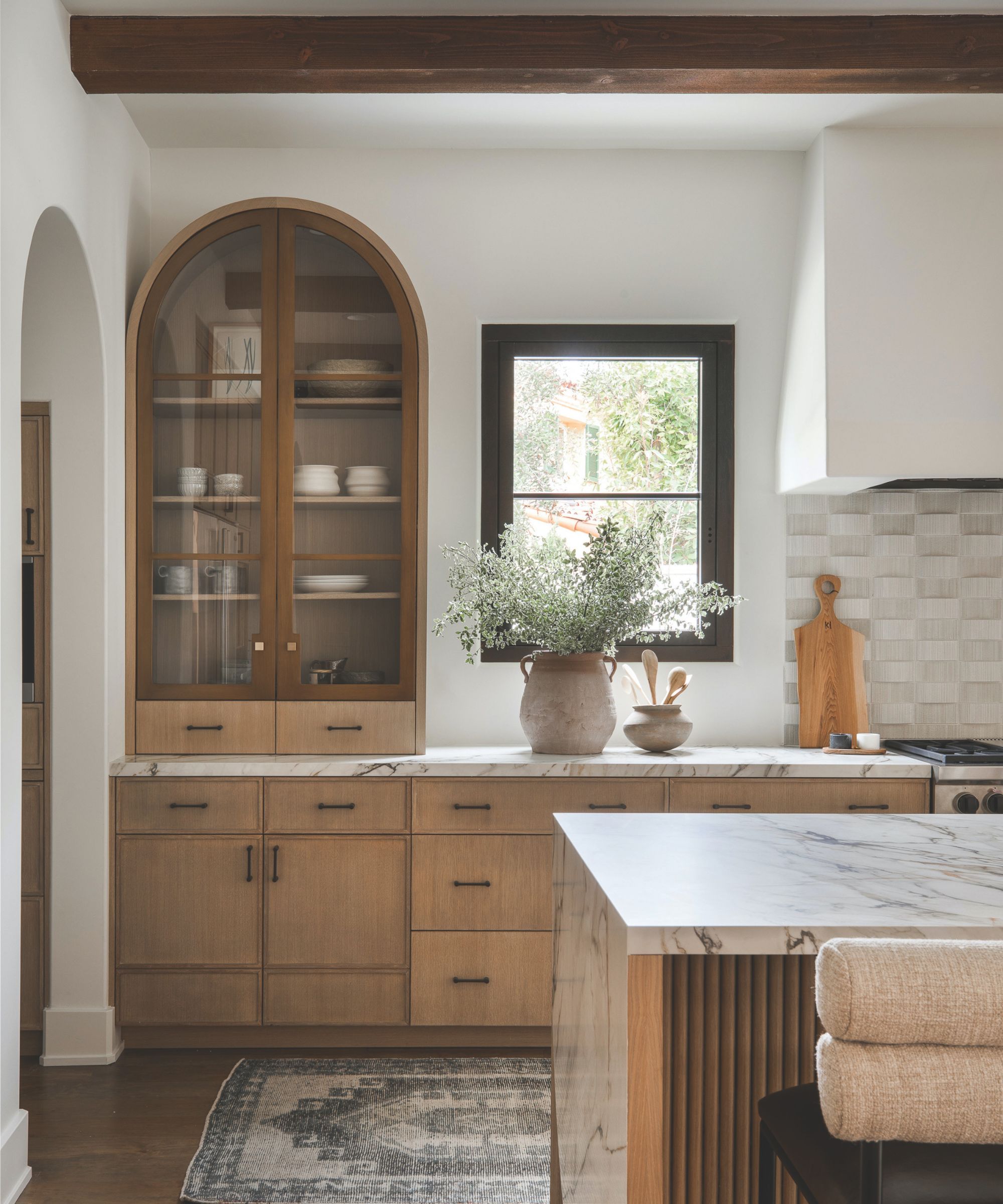
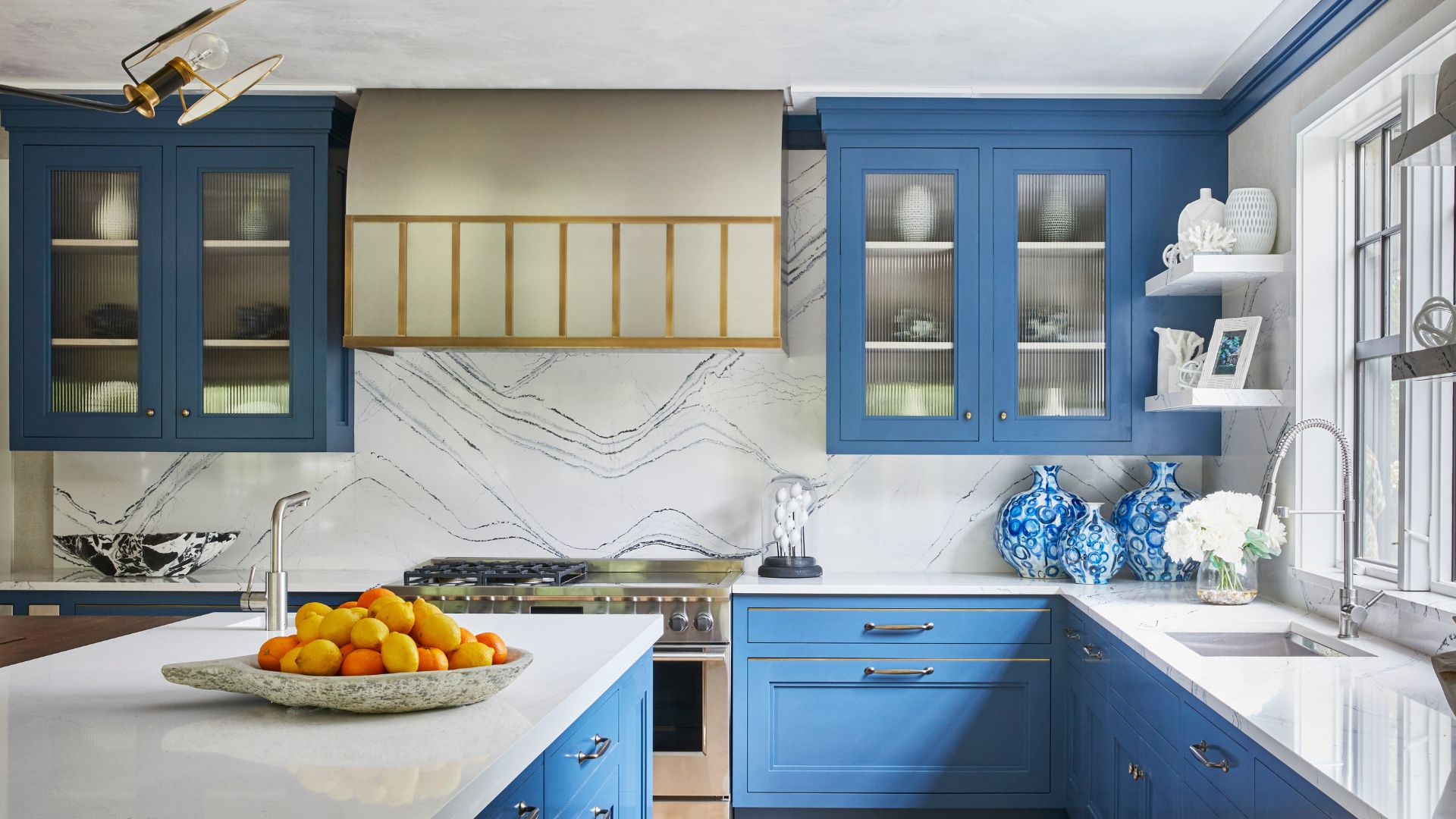
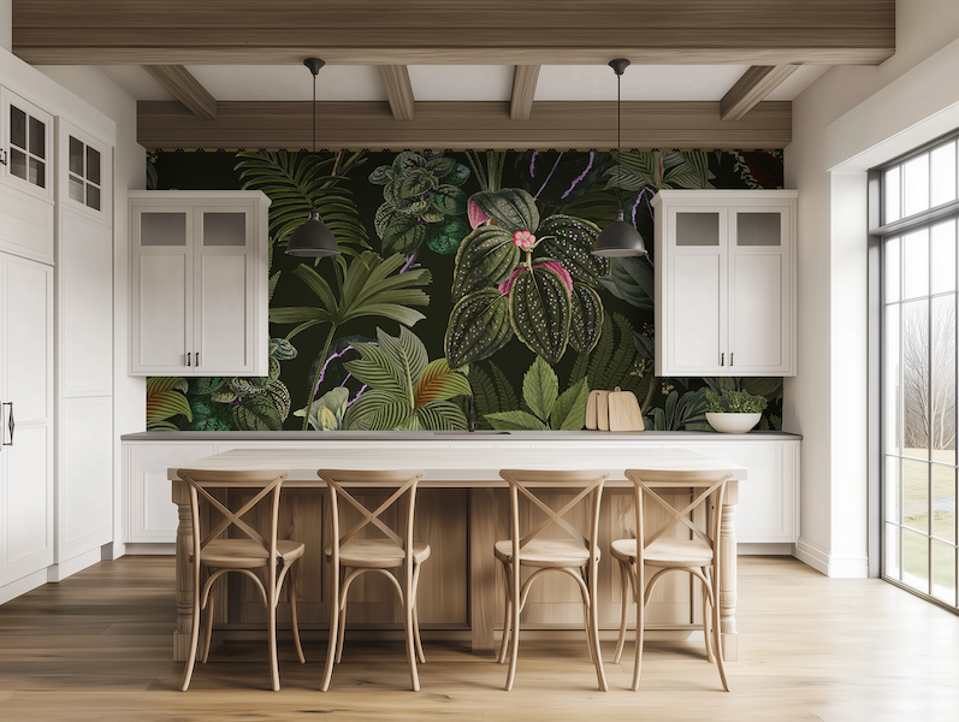
Too-busy backsplashes can overwhelm a kitchen, competing for attention with other elements like countertops and cabinetry. While a backsplash can add personality, overly intricate patterns or loud colors are discouraged. Instead, designers recommend building visual interest through texture and subtle tonal variations, using materials like ceramic subway tiles, brick, or natural stone to create a more harmonious look.
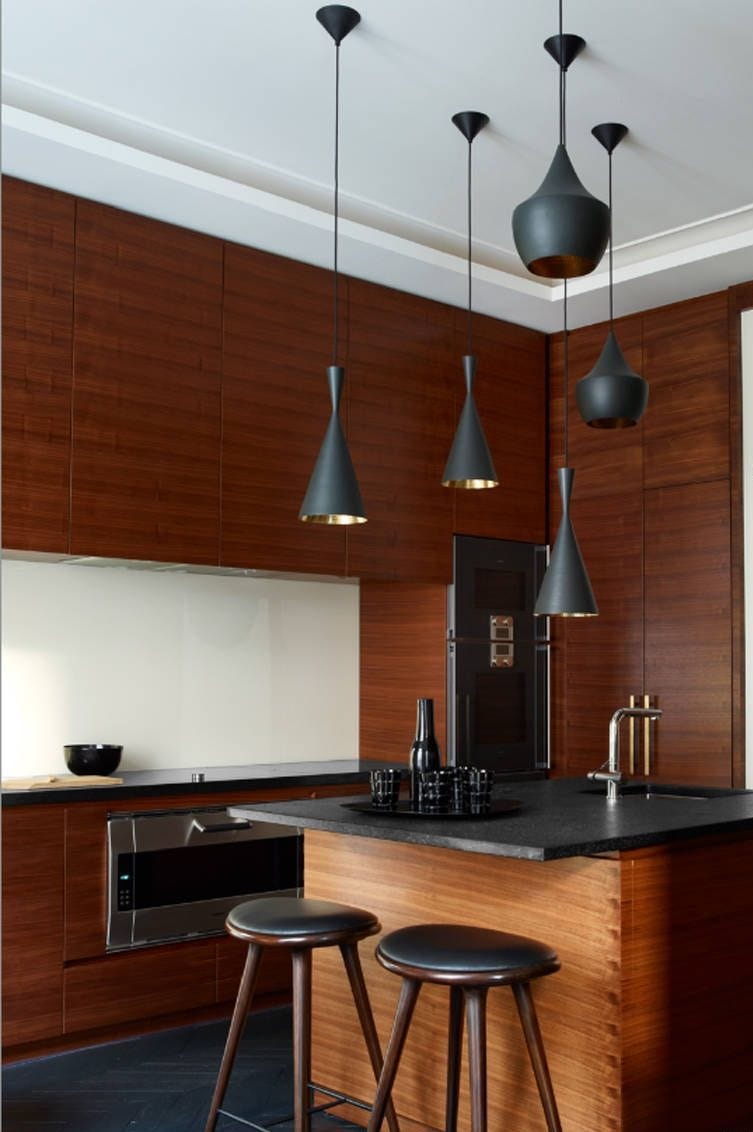
Harsh overhead lighting can make a kitchen feel cold and unwelcoming. The goal is a well-lit space, but overwhelming brightness should be avoided. Indirect light sources are preferred to create a gentle, cozy ambiance and offer greater control over the mood. Solutions include installing pendant lights over an island or motion-activated LED strips under cabinets.
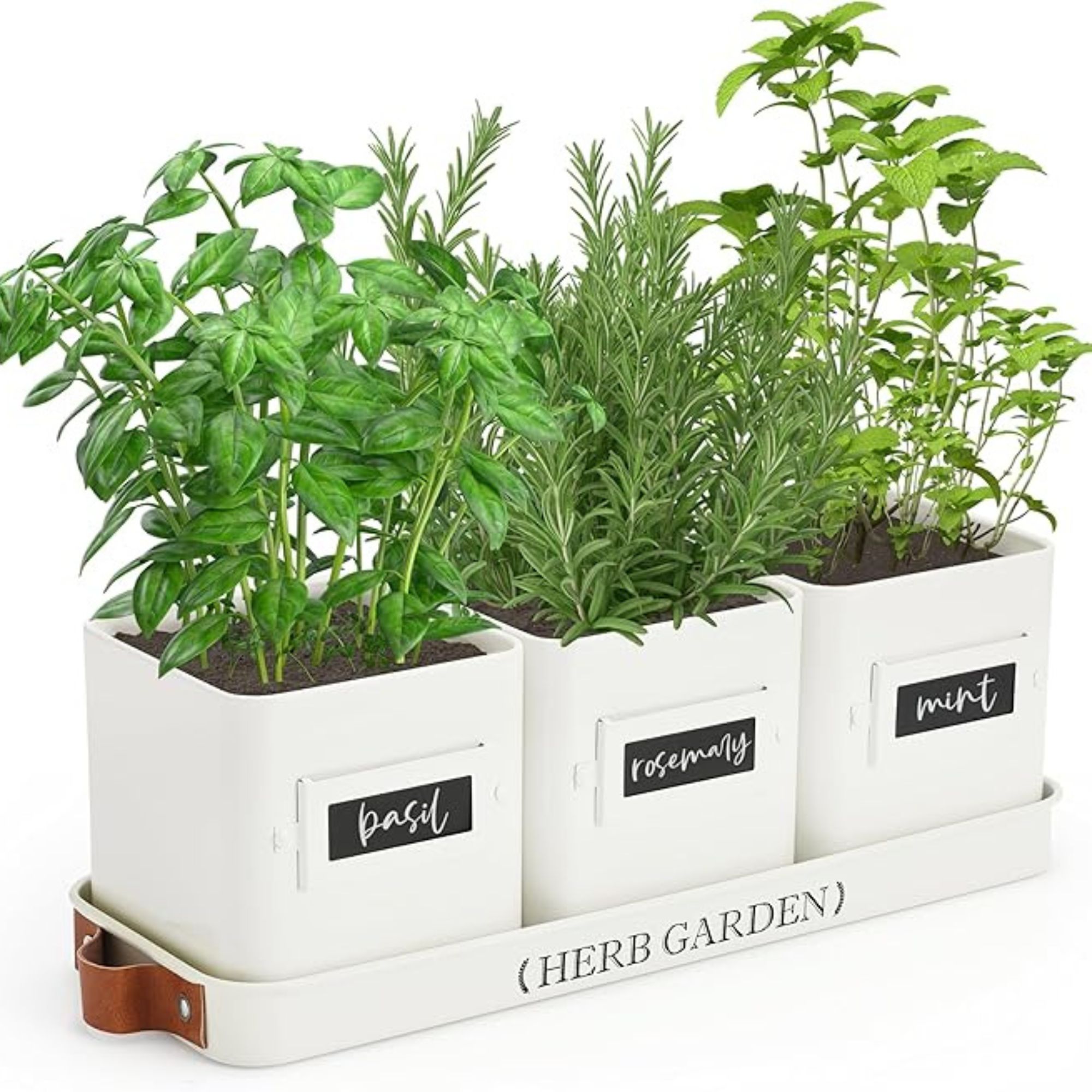
Finally, artificial plants and greenery are a common "ick" for designers who champion natural elements. Overdone fake plants tend to collect dust and convey an inauthentic feel. For those who desire greenery, low-maintenance living herbs or houseplants that thrive in low light, such as pothos varieties, are suggested as more appealing and natural alternatives that also serve a decorative purpose.
#KitchenDesign #HomeDecor #InteriorDesign #KitchenOrganization #DesignTips #HomeImprovement #KitchenTrends #KitchenDesign #HomeDecor #InteriorDesign #KitchenOrganization #DesignTips #HomeImprovement #KitchenTrends
0 comment in total
 No comments yet
You may also like
Designers all agree that these 7 kitchen features are always eyesores – and what you should do about them
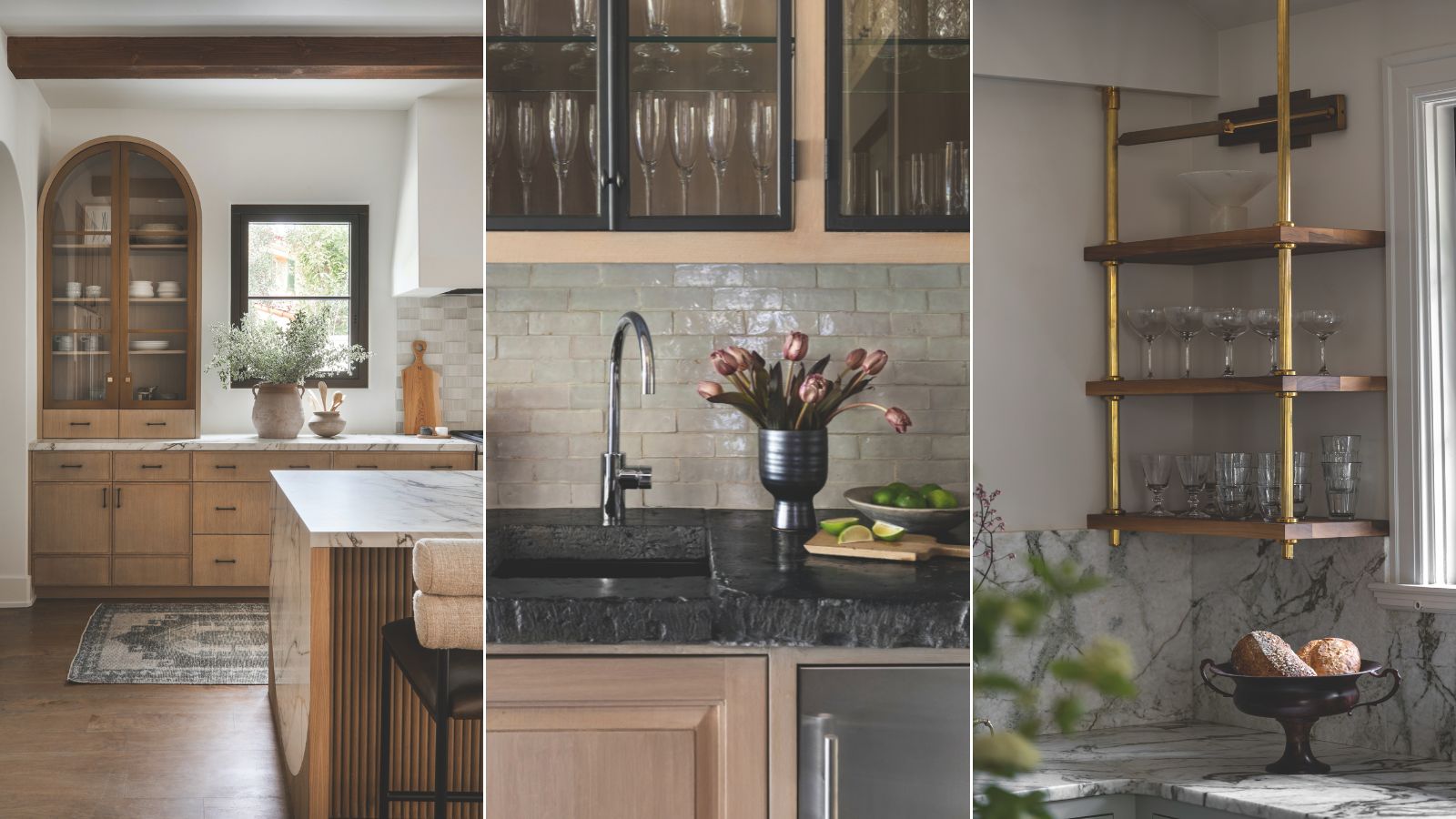
7 small kitchen details that will make the biggest difference to your space, according to interior designers

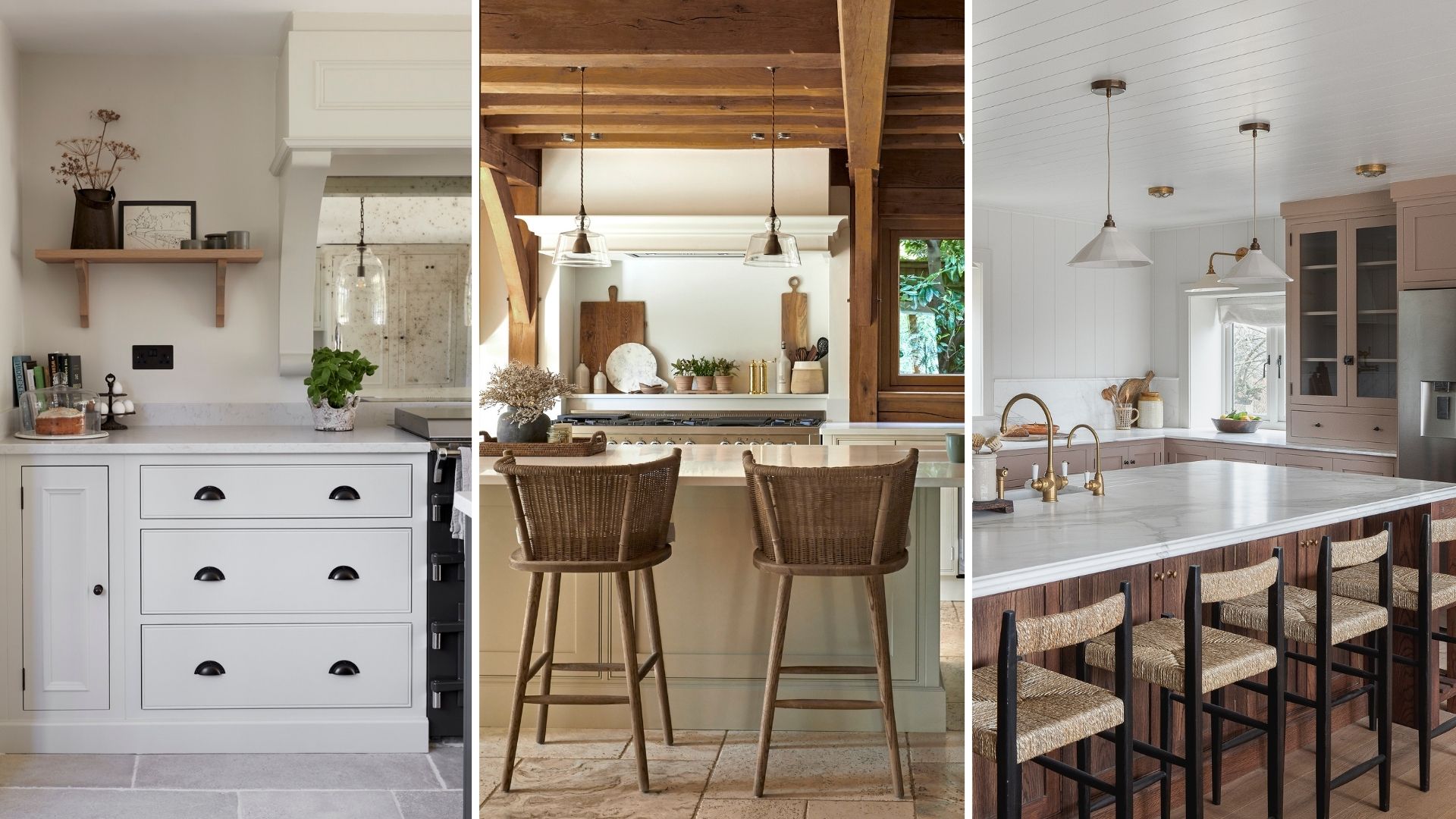
6 design rules worth breaking for a more characterful kitchen

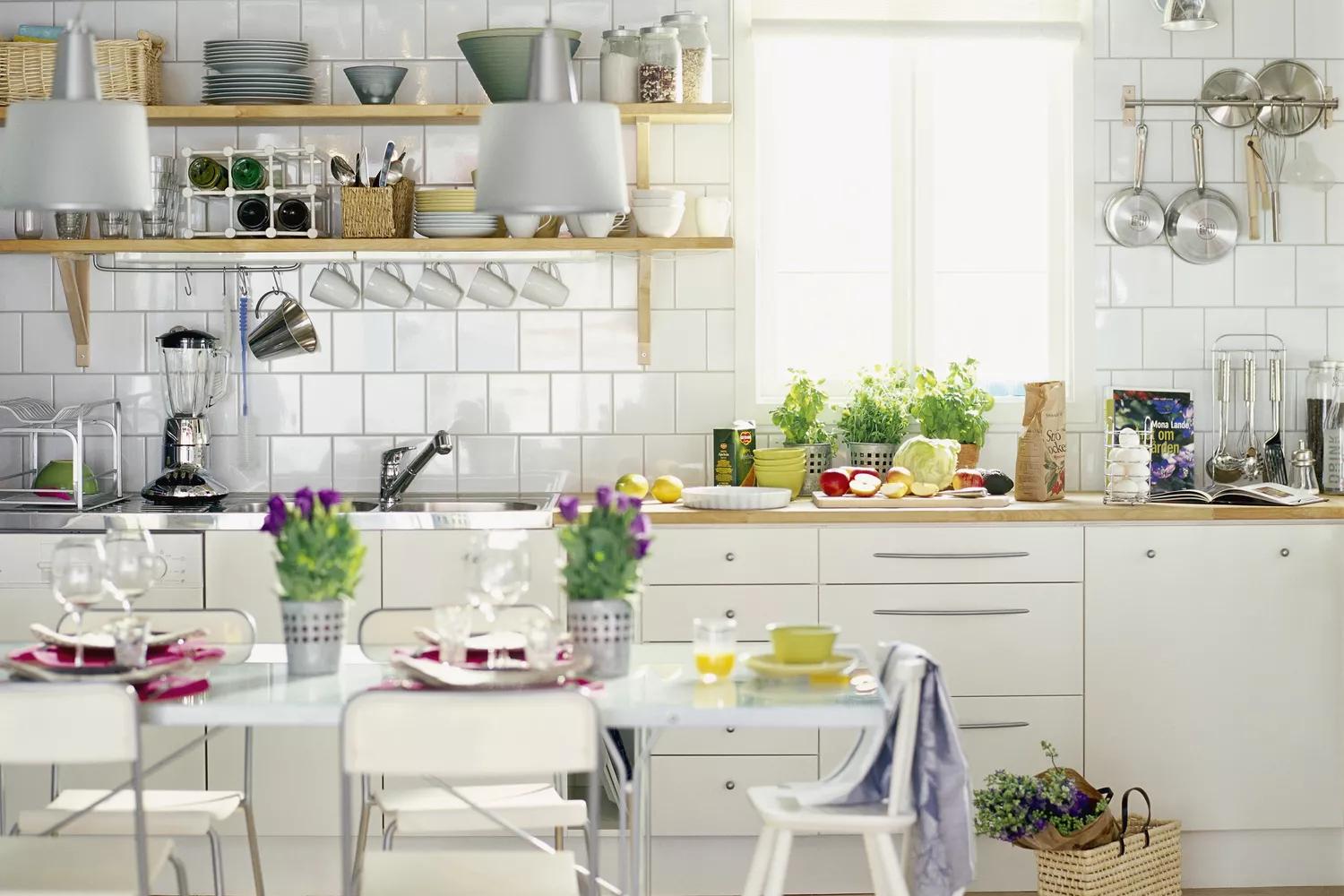
7 Impractical Kitchen Trends Designers Never Recommend to Their Clients

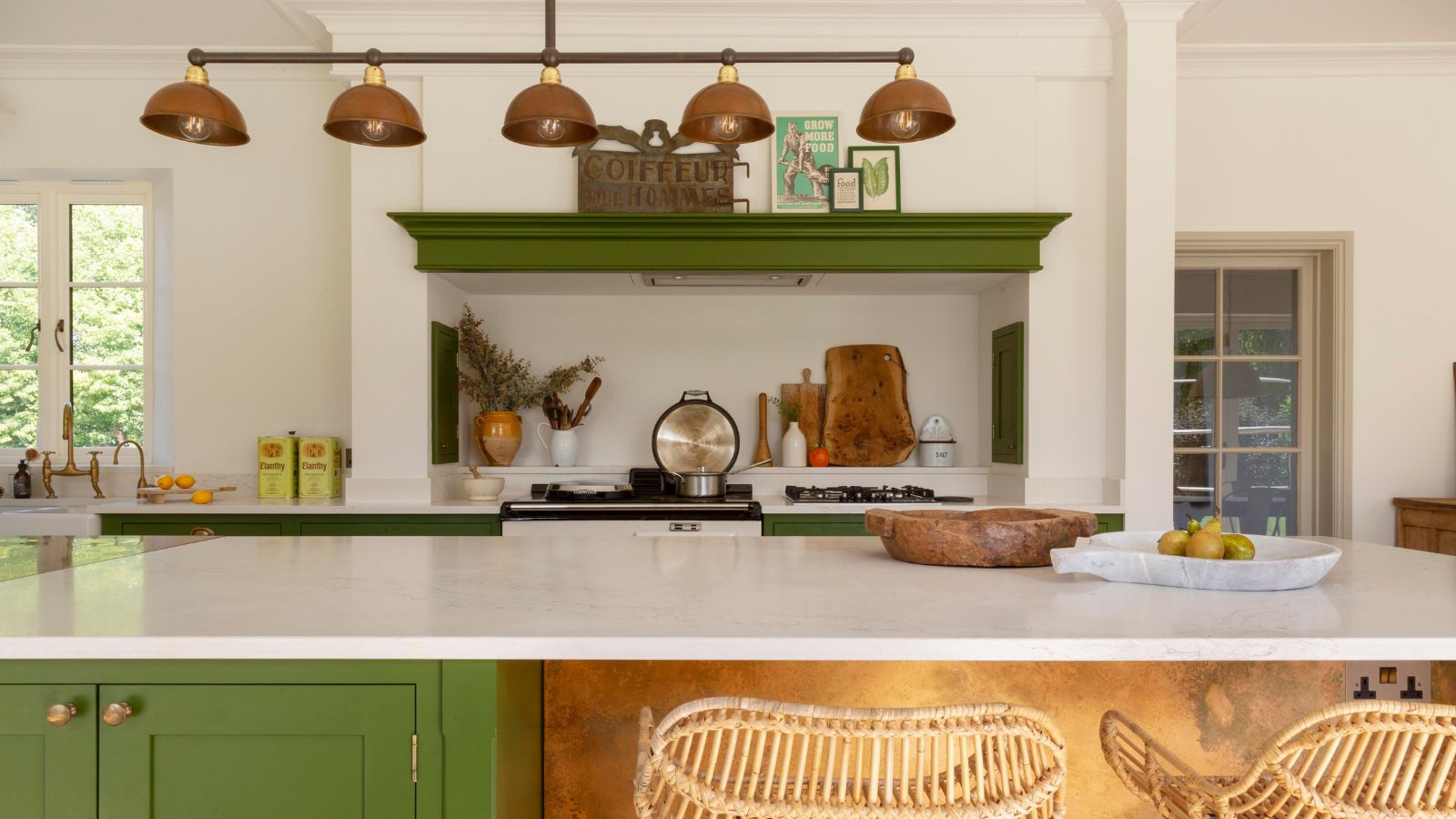
7 underrated kitchen features that are sure to make your life easier, according to interior designers

What are your kitchen design must-haves?
7 Features Designers Say Make Your Kitchen Look Outdated (Some May Surprise You)

Top Designers Reveal the Biggest Kitchen Design Trends of the Year

8 shockingly common kitchen design mistakes according to a pro

8 Things That Make Your Kitchen Look Tacky, According to Interior Designers
7 Kitchen Design Trends Chefs Say Are Totally Bogus
5 Kitchen Renovation Moves That Make Designers CRINGE

7 Kitchen Details That Always Give Designers the Ick—and What to Do Instead

7 Kitchen Features That Will Make Your Life Easier
These are the kitchen trends designers say will elevate your design
7 Design Mistakes Interior Designers Always Notice

8 shockingly common kitchen design mistakes according to a pro

7 things people regret most about their kitchen design
10 things every kitchen needs, according to interior designers
Pro Organizers Cringe When They See These 7 Things in a Kitchen