7 Features Designers Say Make Your Kitchen Look Outdated (Some May Surprise You)
The article outlines seven common kitchen design elements that can make a kitchen appear outdated, drawing insights from design professionals Wendy Kuhn and Lindsey Zborowski. These elements include specific cabinet styles, hardware finishes, appliance visibility, pantry configurations, range hoods, and color schemes. The overarching theme is a shift in design preferences towards more personalized, open, and functional spaces that reflect a move away from previously popular, more standardized aesthetics.
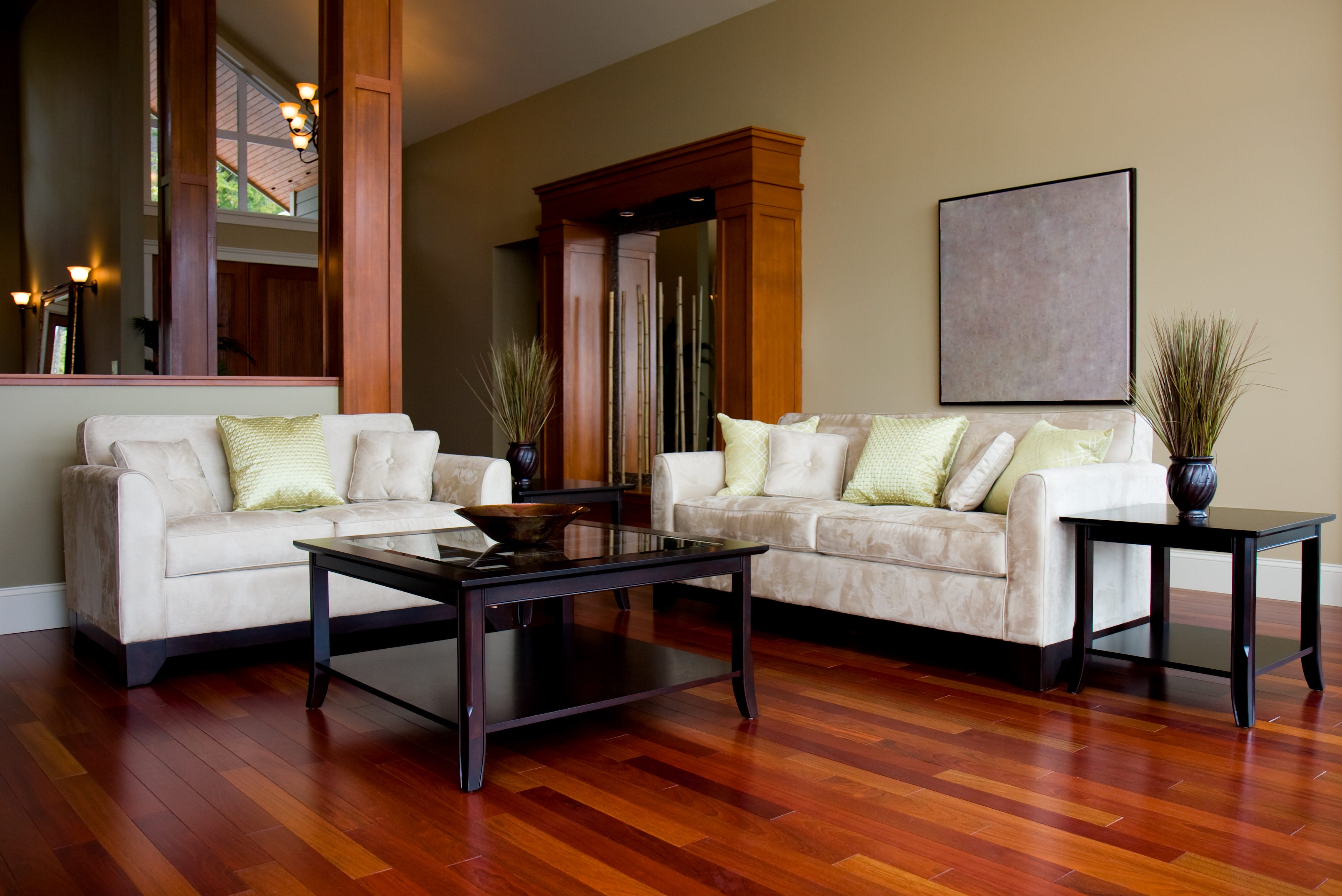
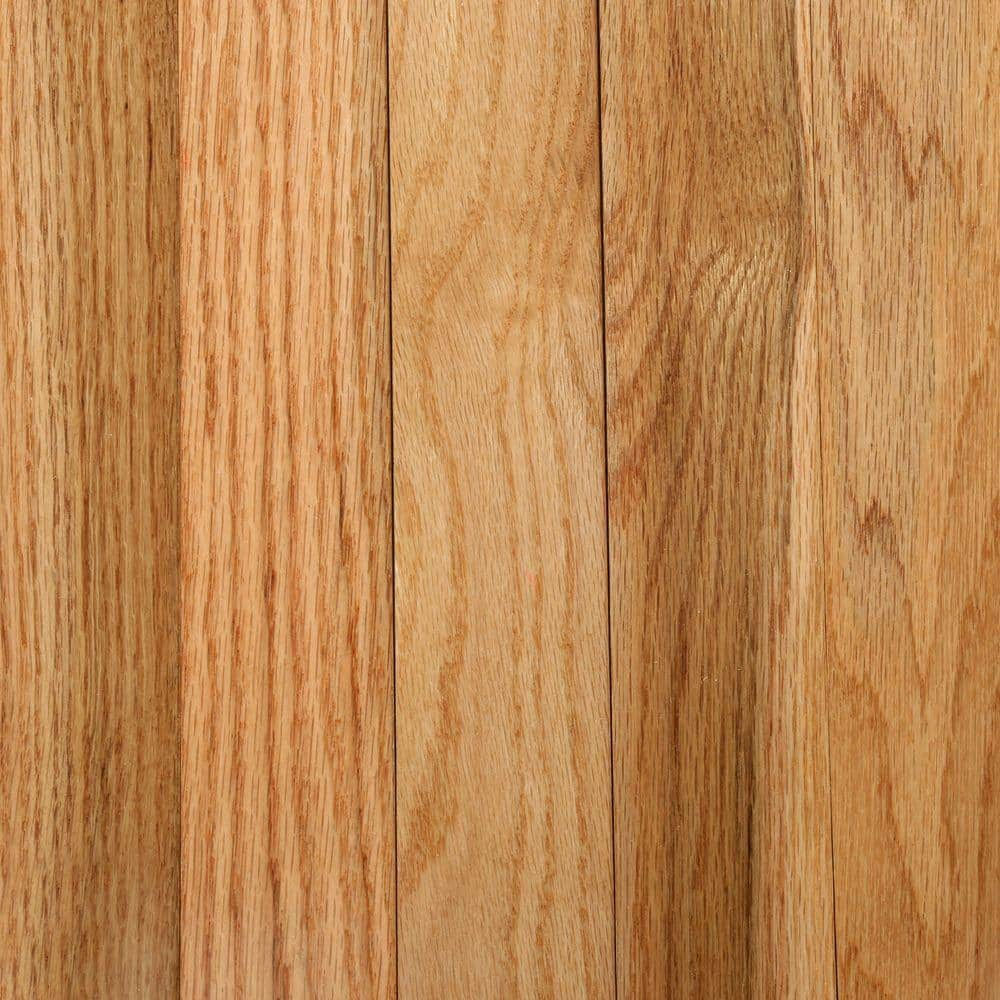
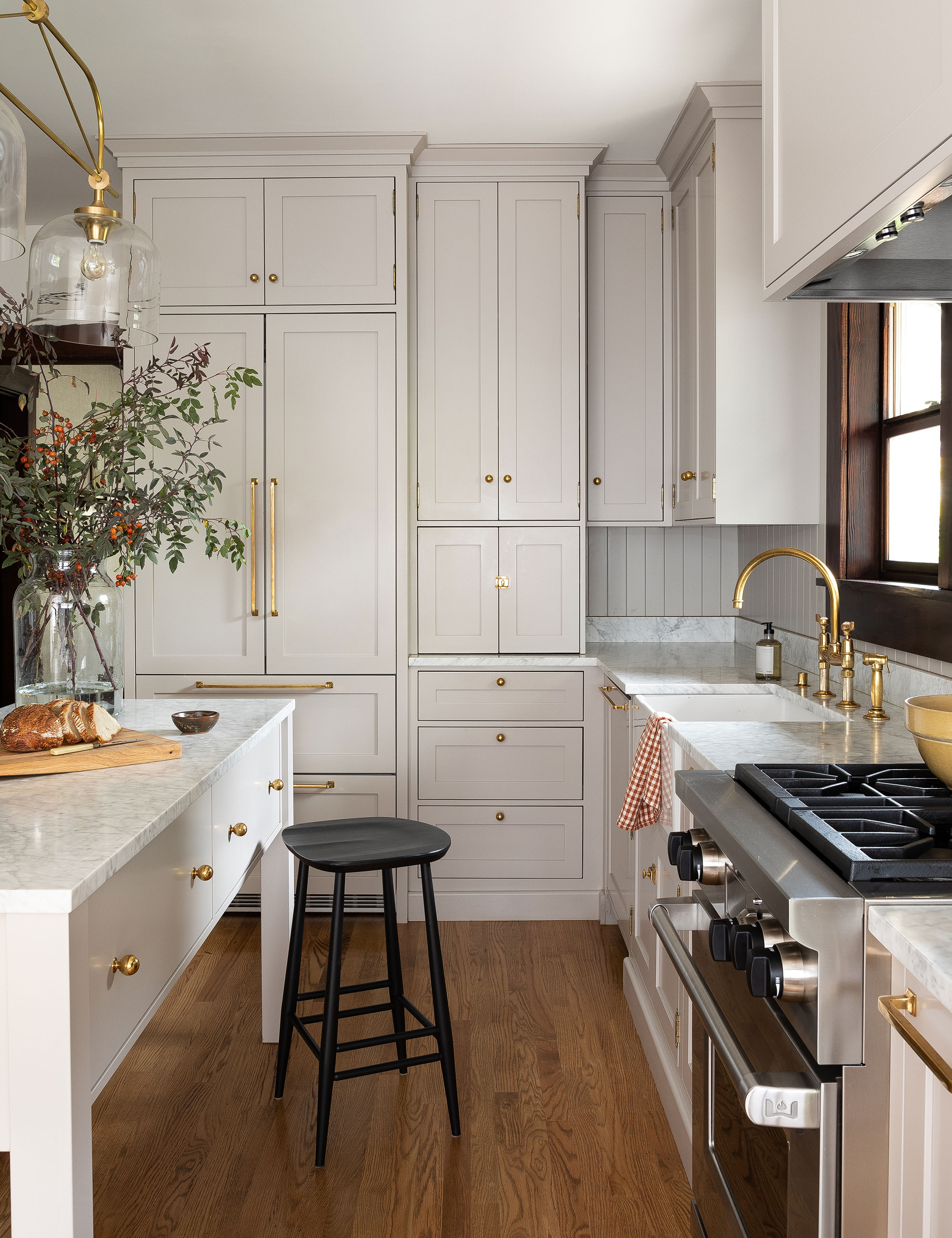
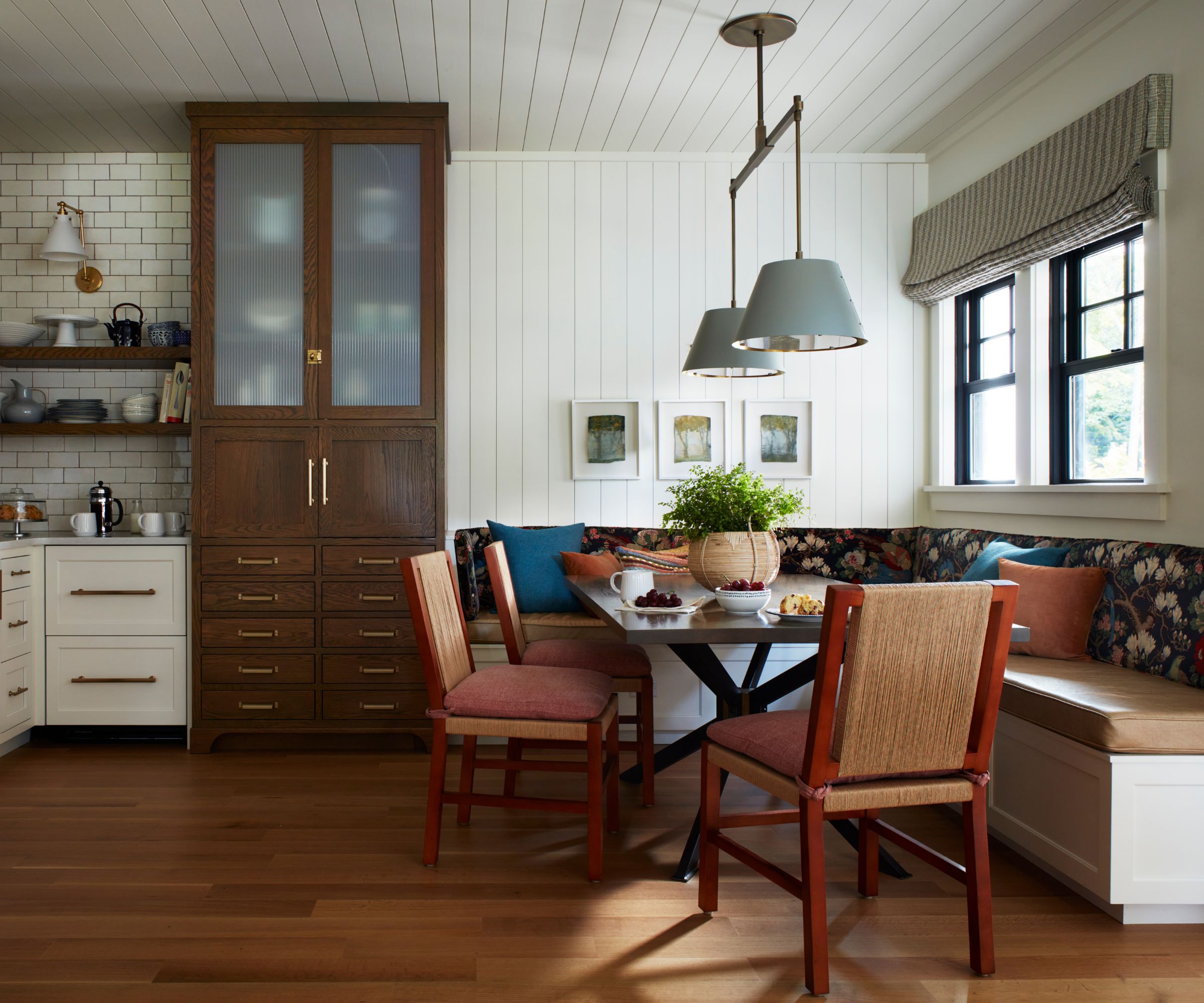
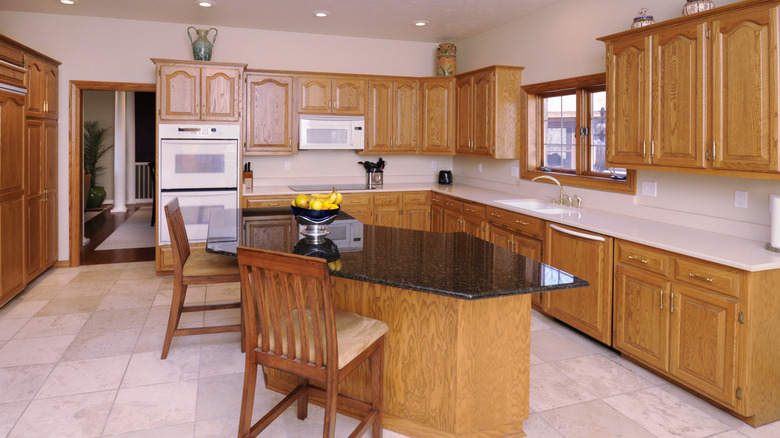
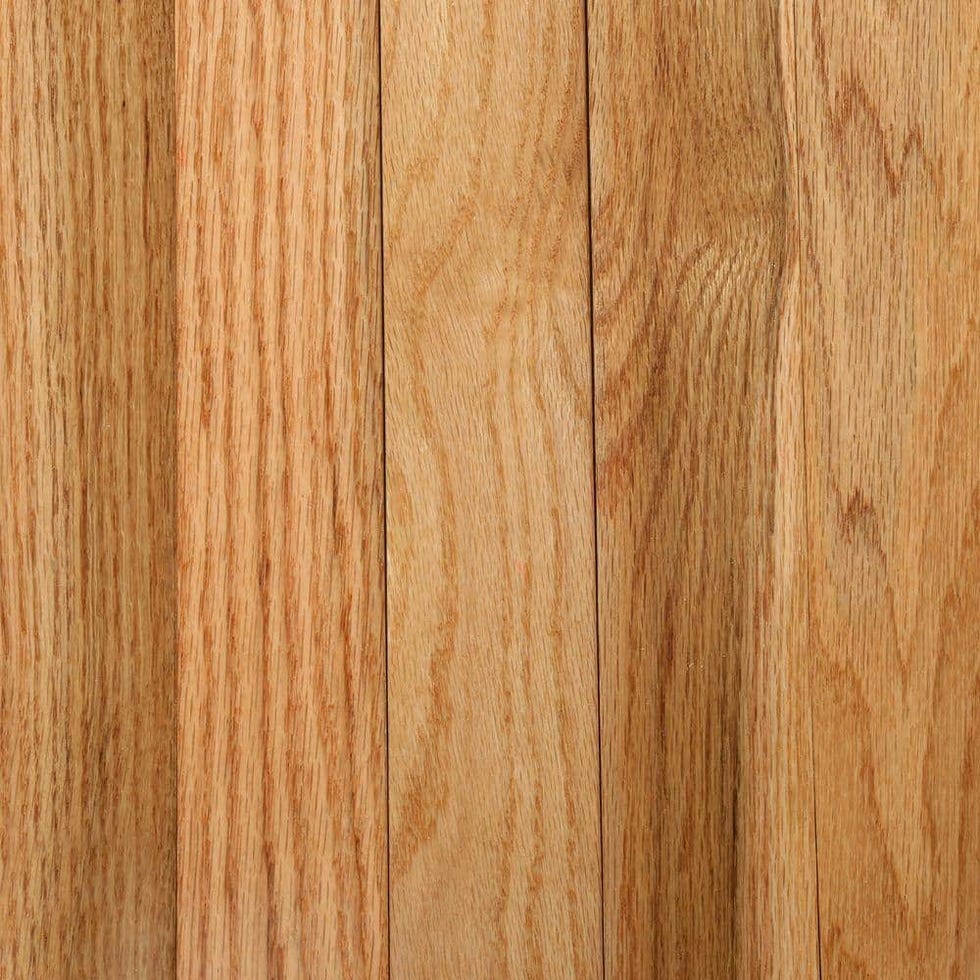
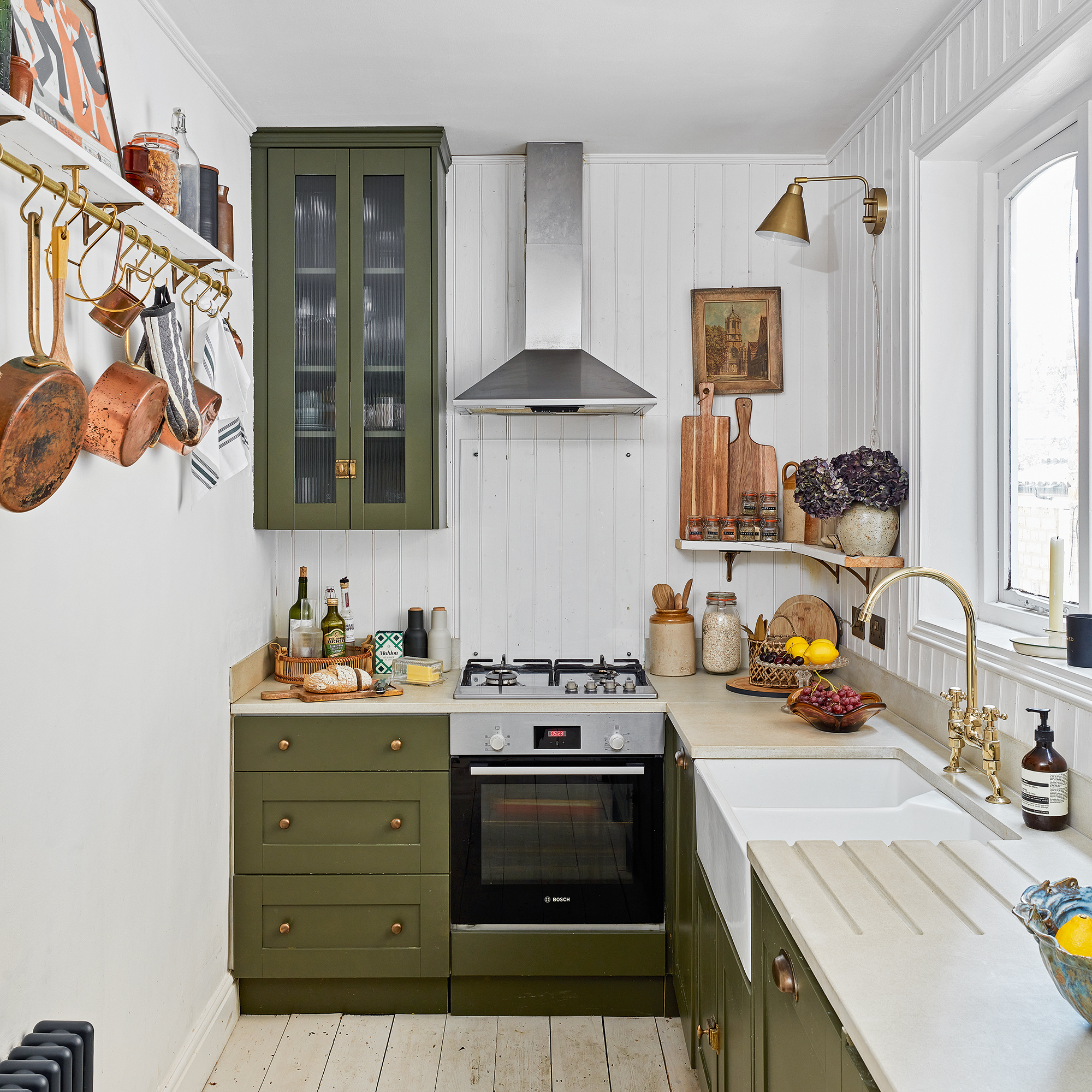
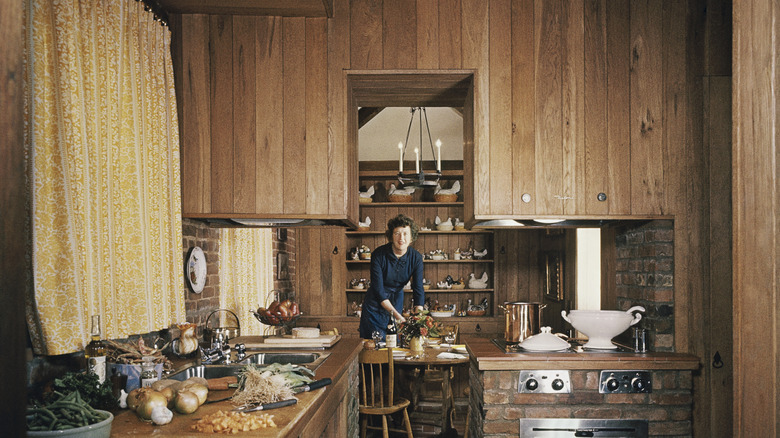
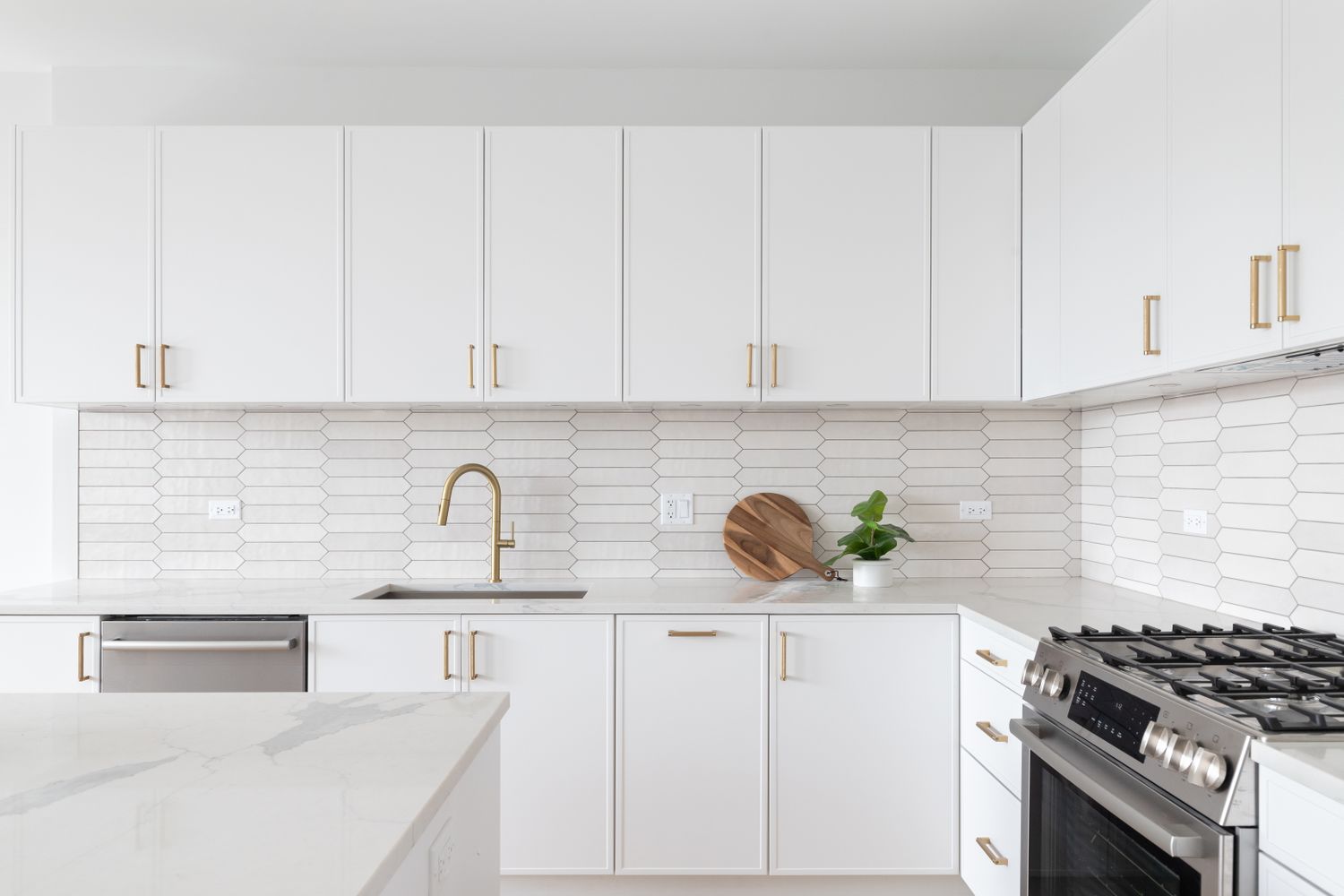
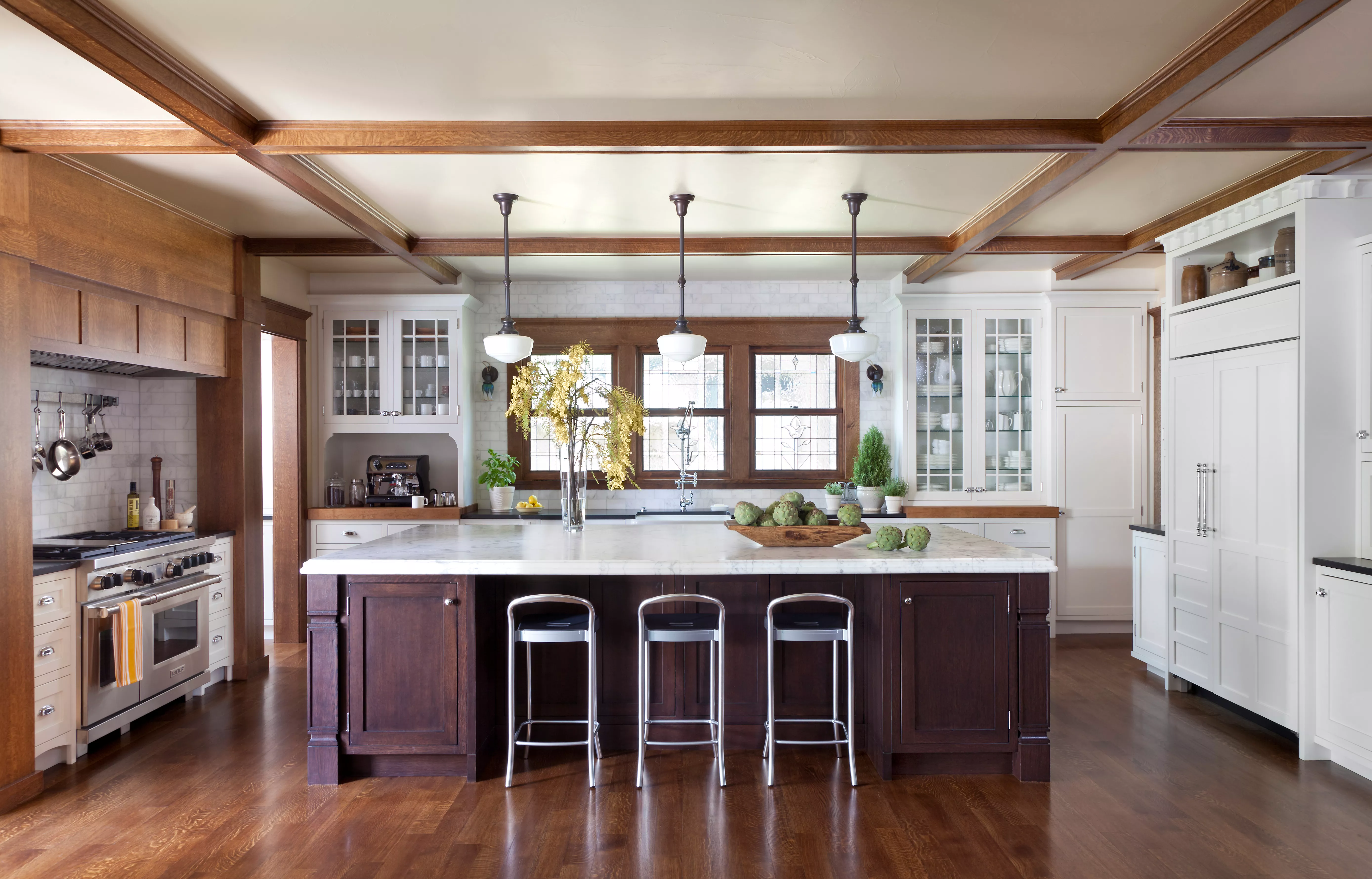
One significant indicator of an outdated kitchen is the presence of warm wood cabinetry combined with brushed or oiled brass hardware, especially if these feature highly decorative details. This combination, prevalent in rustic and suburban kitchens for decades, is now seen as heavy and traditional. Contemporary design favors natural wood tones and a mix of metallic finishes, or even handmade ceramic or iron hardware, moving away from uniform, matching elements.
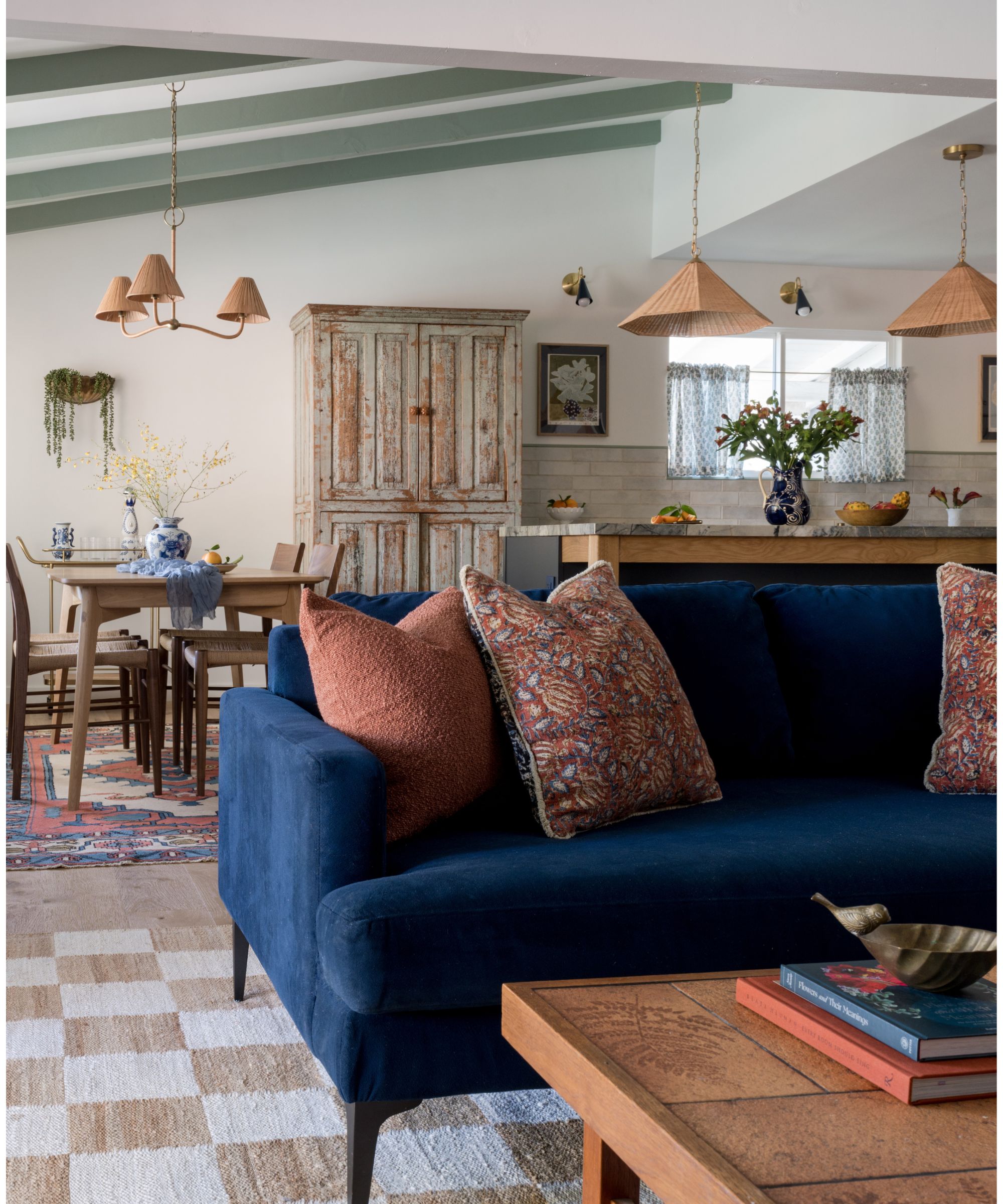
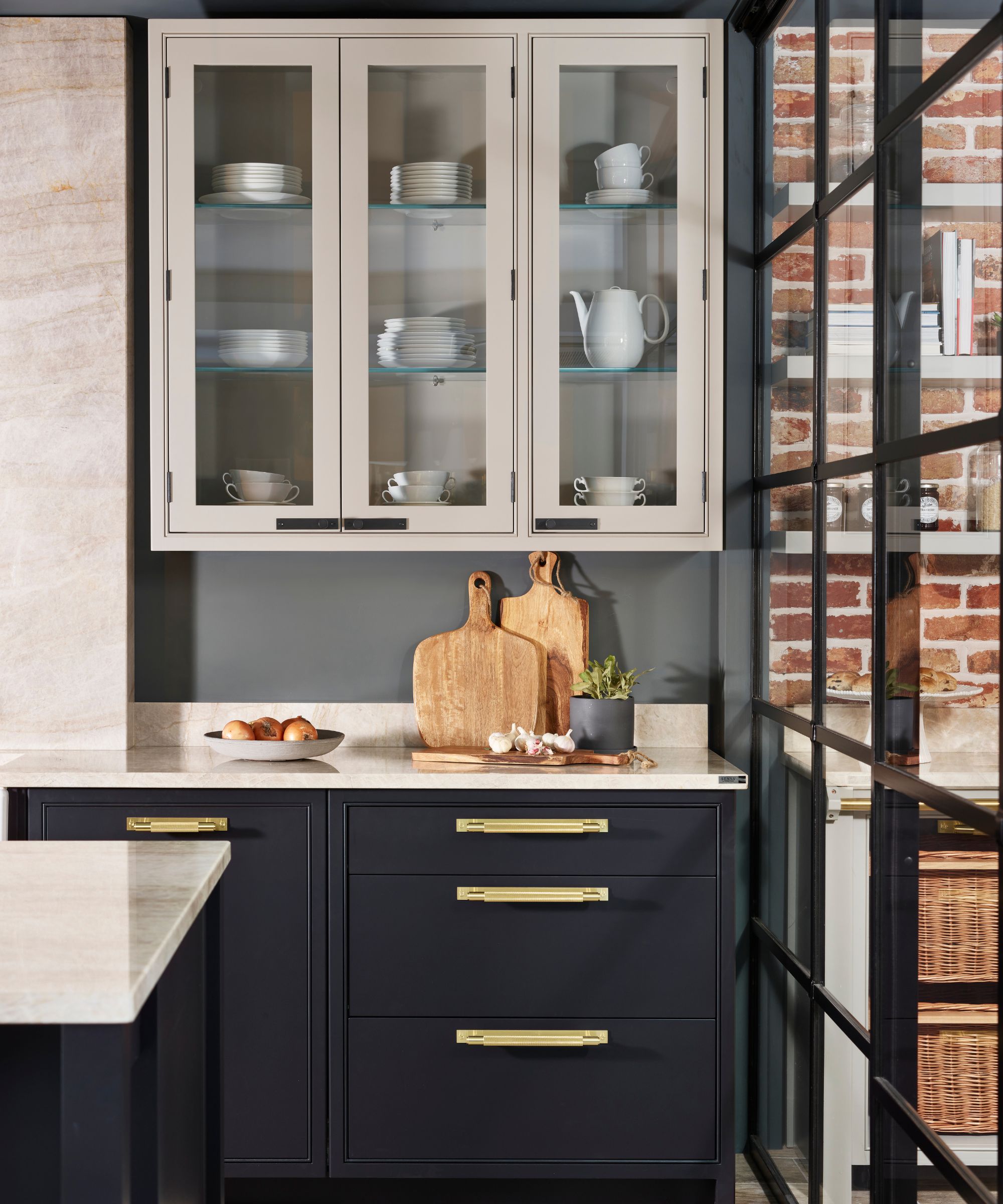
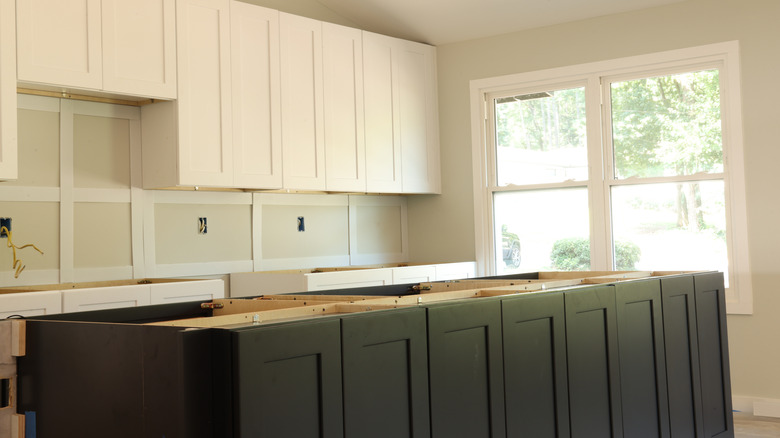
Matte black finishes, previously a popular choice for cabinetry and plumbing fixtures due to their contrasting and grounding effect, are also considered outdated. Modern design encourages mixing different metallic finishes for a layered look, allowing for more individual expression rather than strict adherence to matching components.
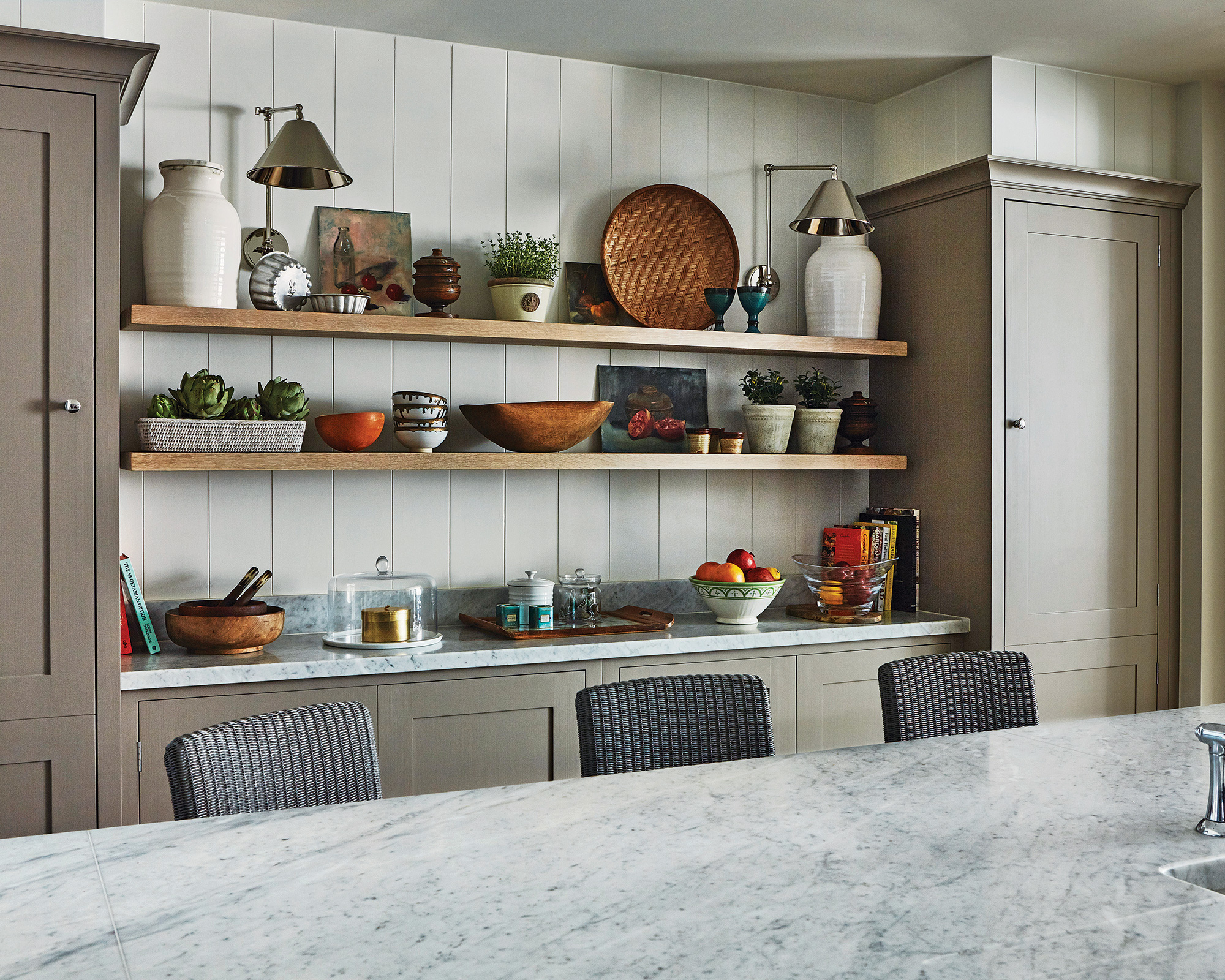
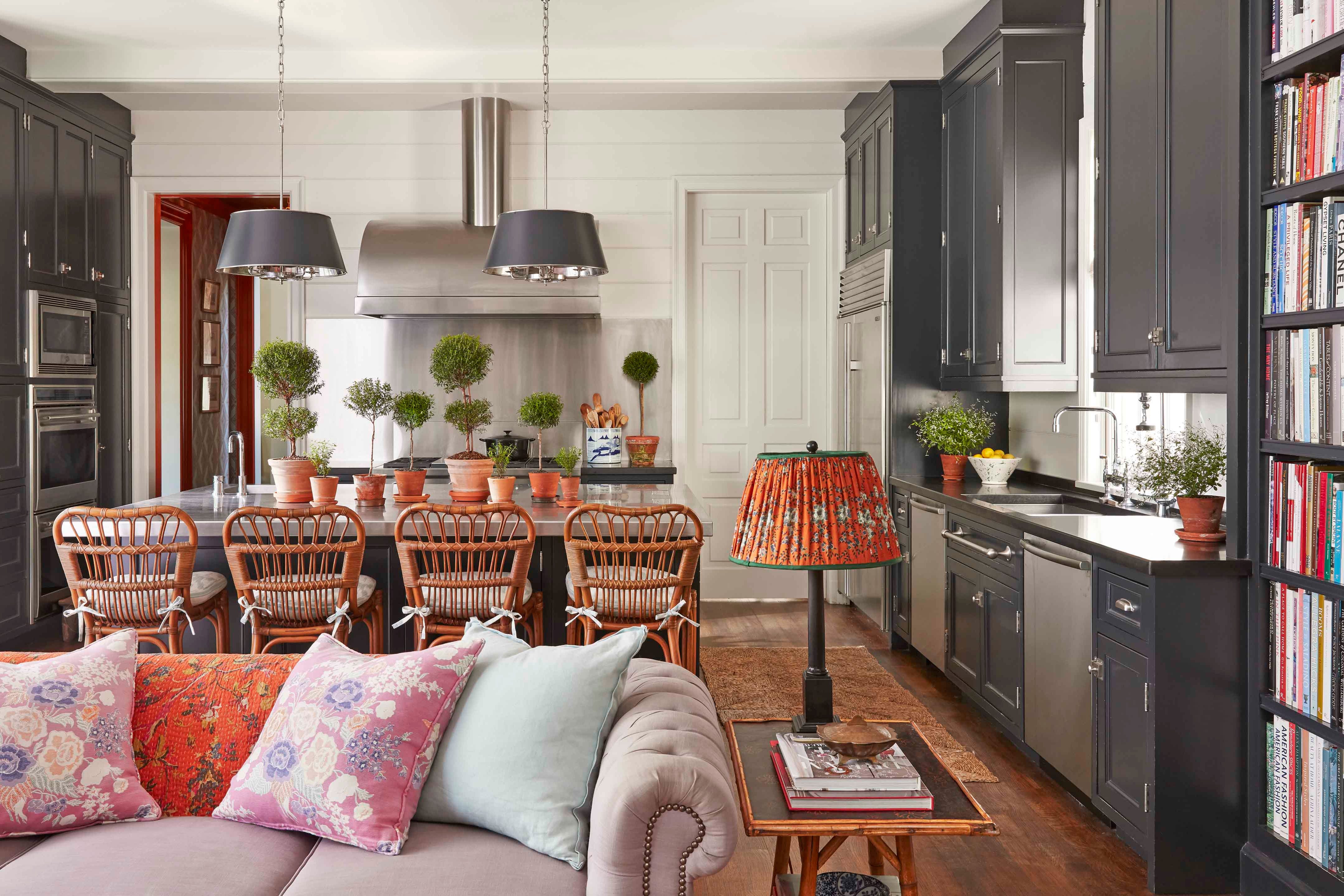
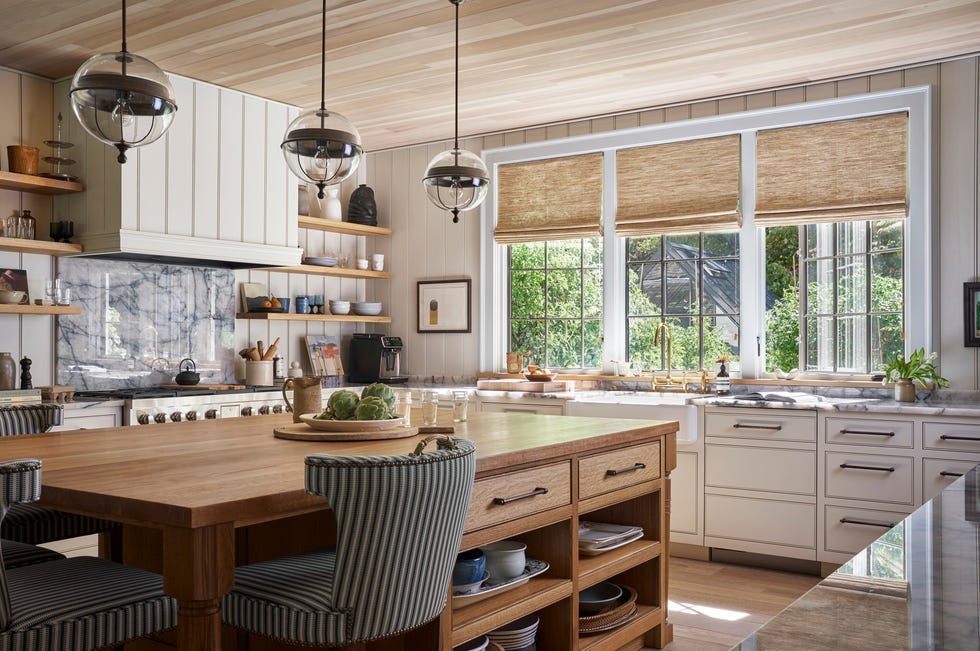
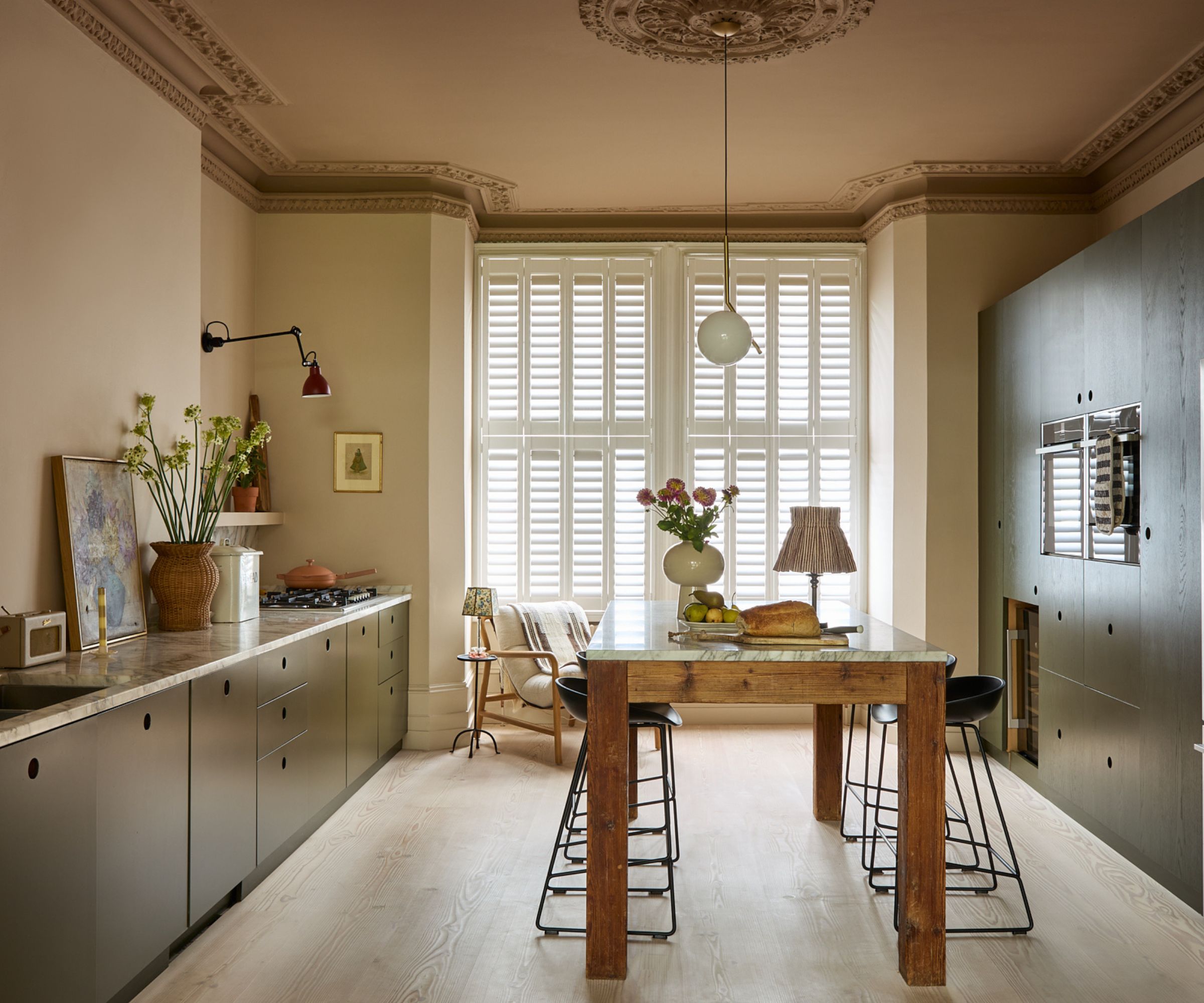
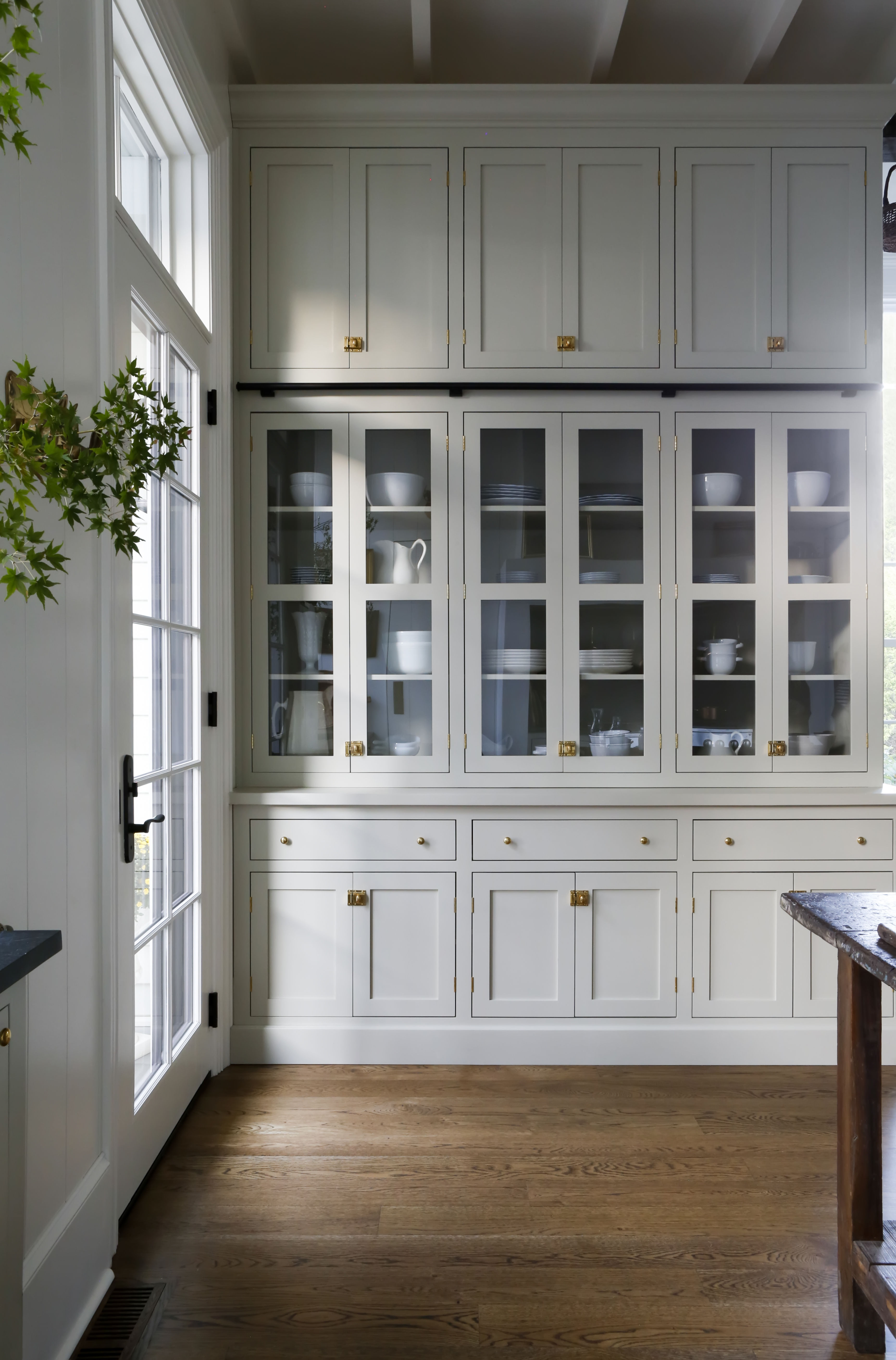
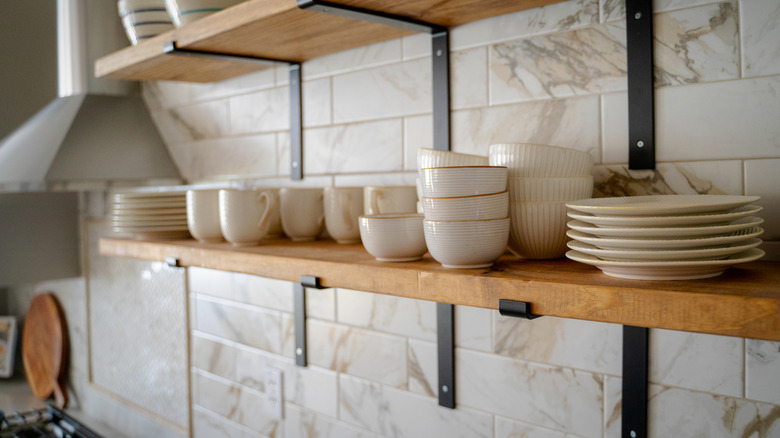
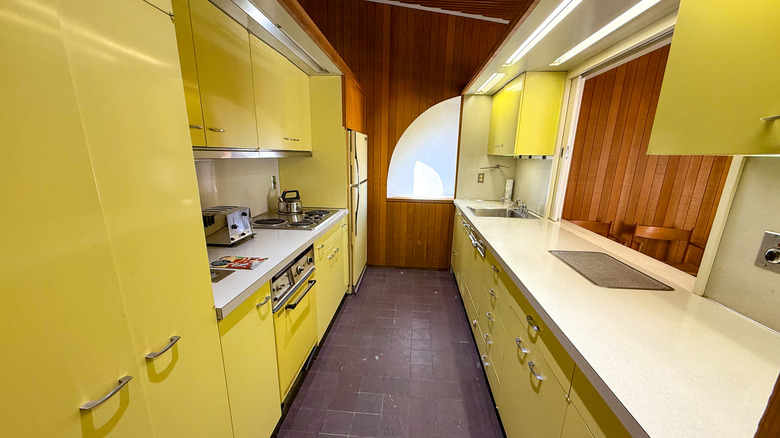
Kitchens dominated by wall-to-wall cabinetry are no longer in vogue. This change is driven by a trend towards downsizing and a desire for kitchens to feel more integrated with living spaces. Designers are now incorporating open shelving or blank wall spaces for decorative items like art or sconces, creating a more inviting and less sterile environment. This approach allows for personal touches and makes the kitchen appear more open.
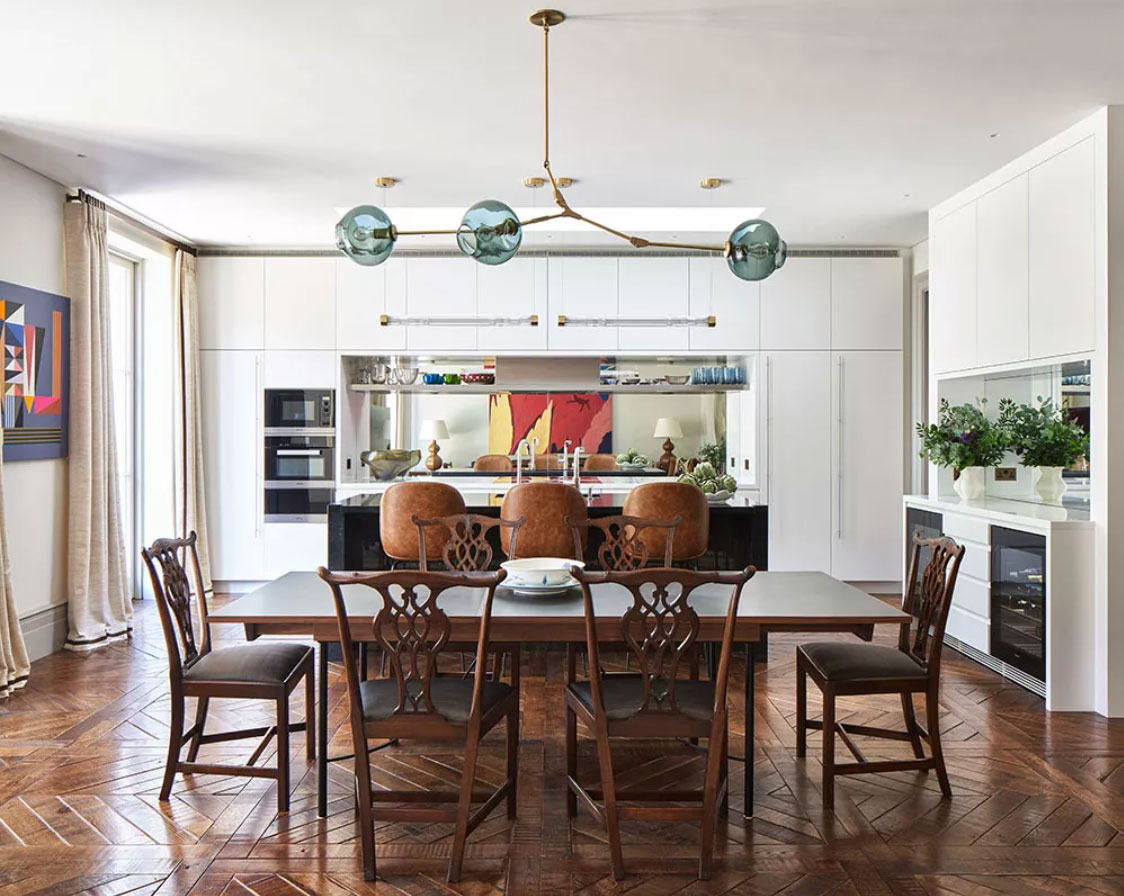
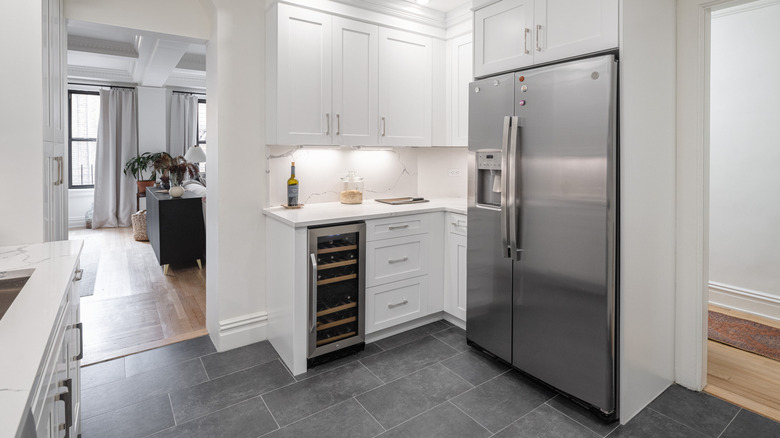
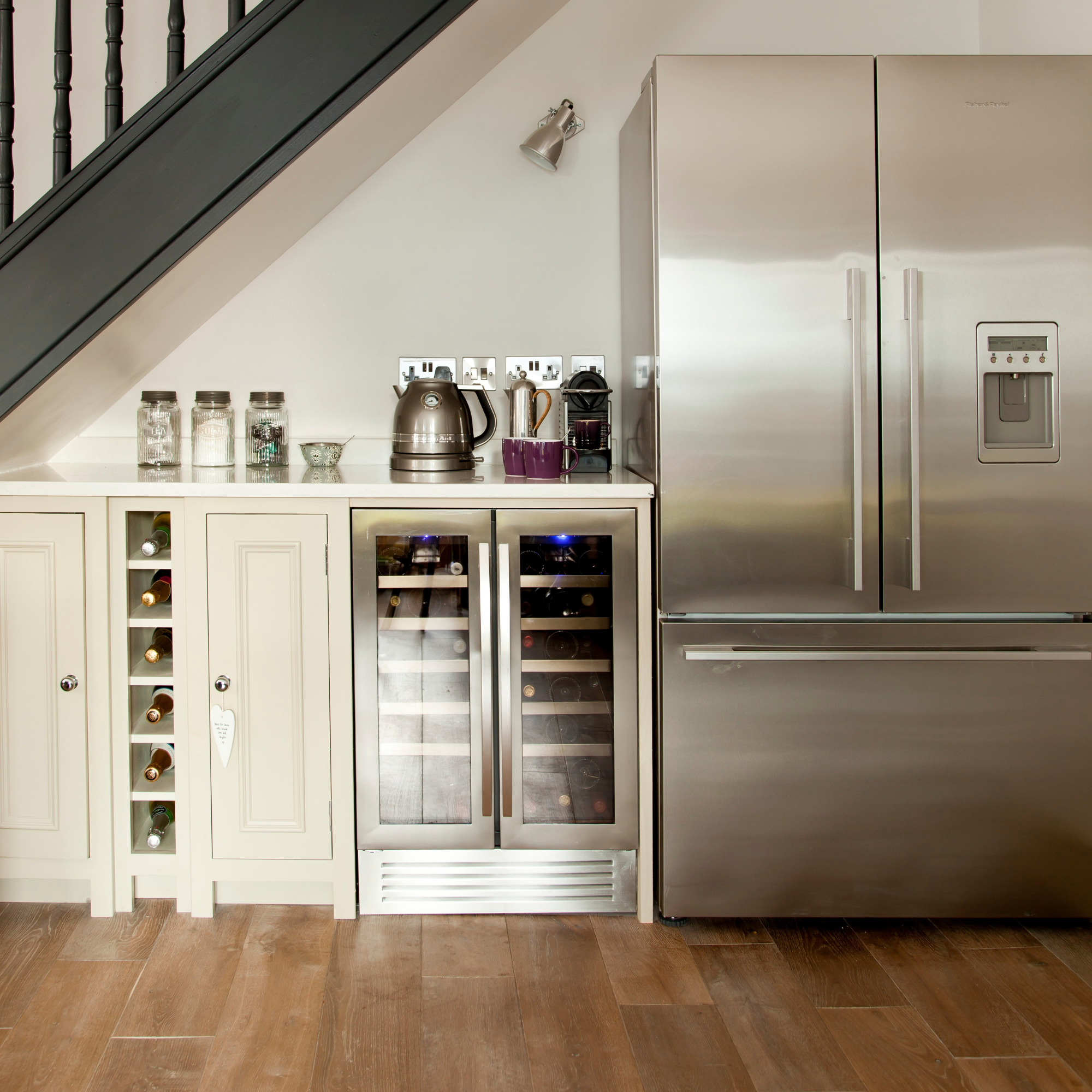
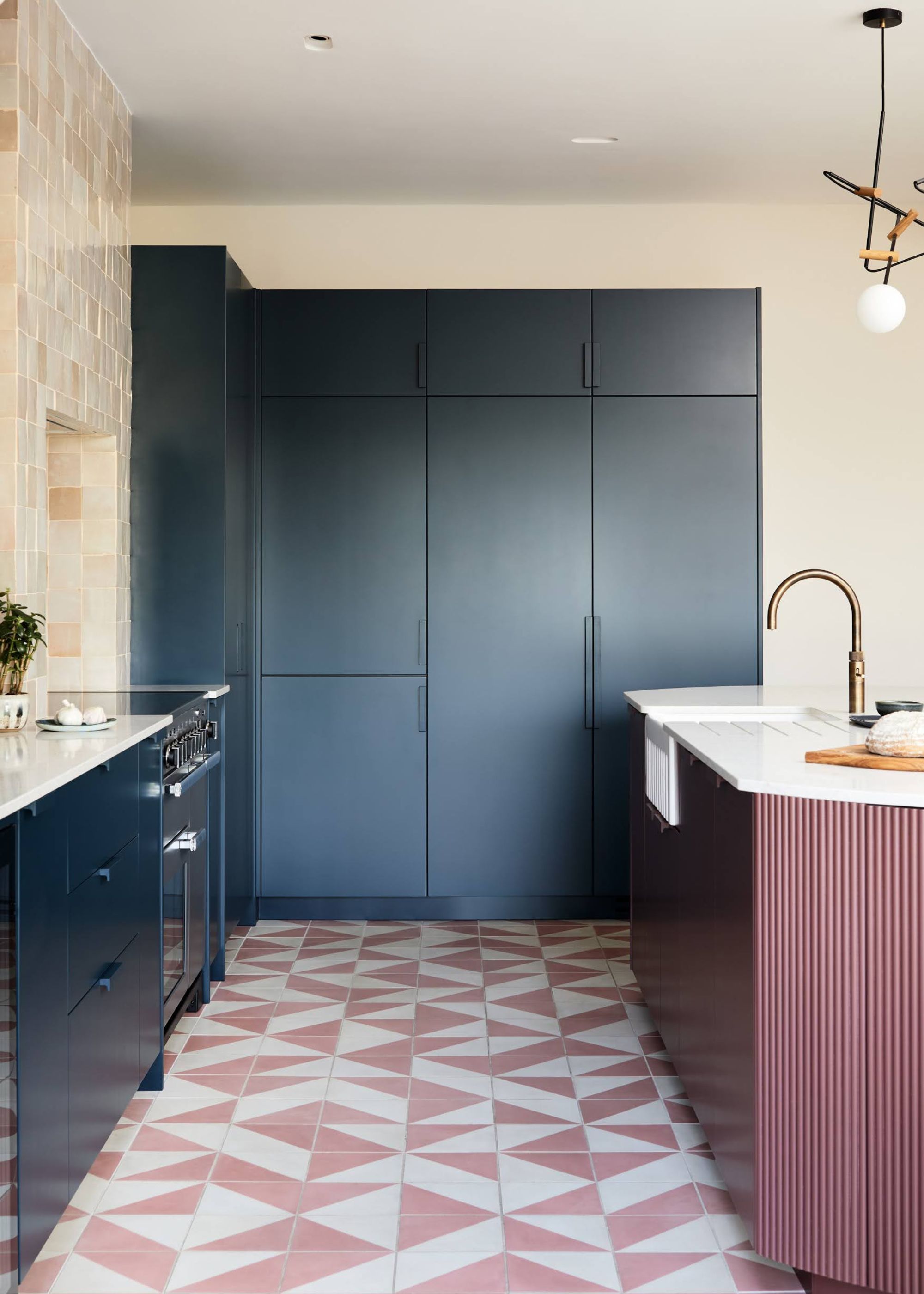
Regarding appliances, there is a growing preference for hidden appliances. This involves integrating appliance fronts with cabinetry, using appliance garages, or building in features like drawer microwaves. The stove, however, is an exception, often becoming a focal point with bold ranges and ovens, while other appliances blend seamlessly into the kitchen's design.
Walk-in pantries, particularly those with overhead lights and wire shelving, are identified as an early 2000s design feature. Modern design suggests these consume valuable floor space. Instead, current trends lean towards replacing walk-in pantries with furniture-style pieces or larger cabinets that match the existing kitchen aesthetic, aiming to make the kitchen feel larger and more cohesive.
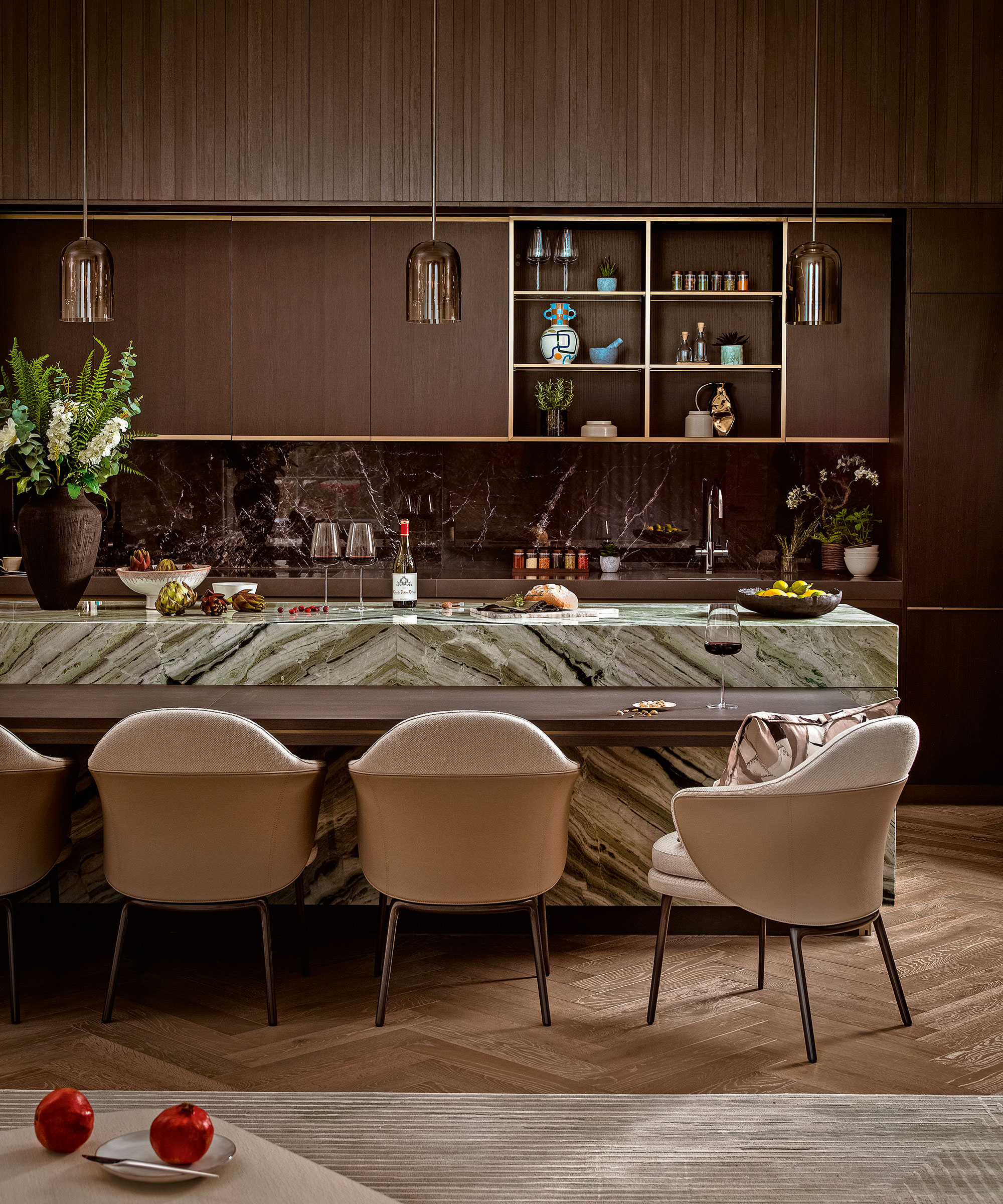
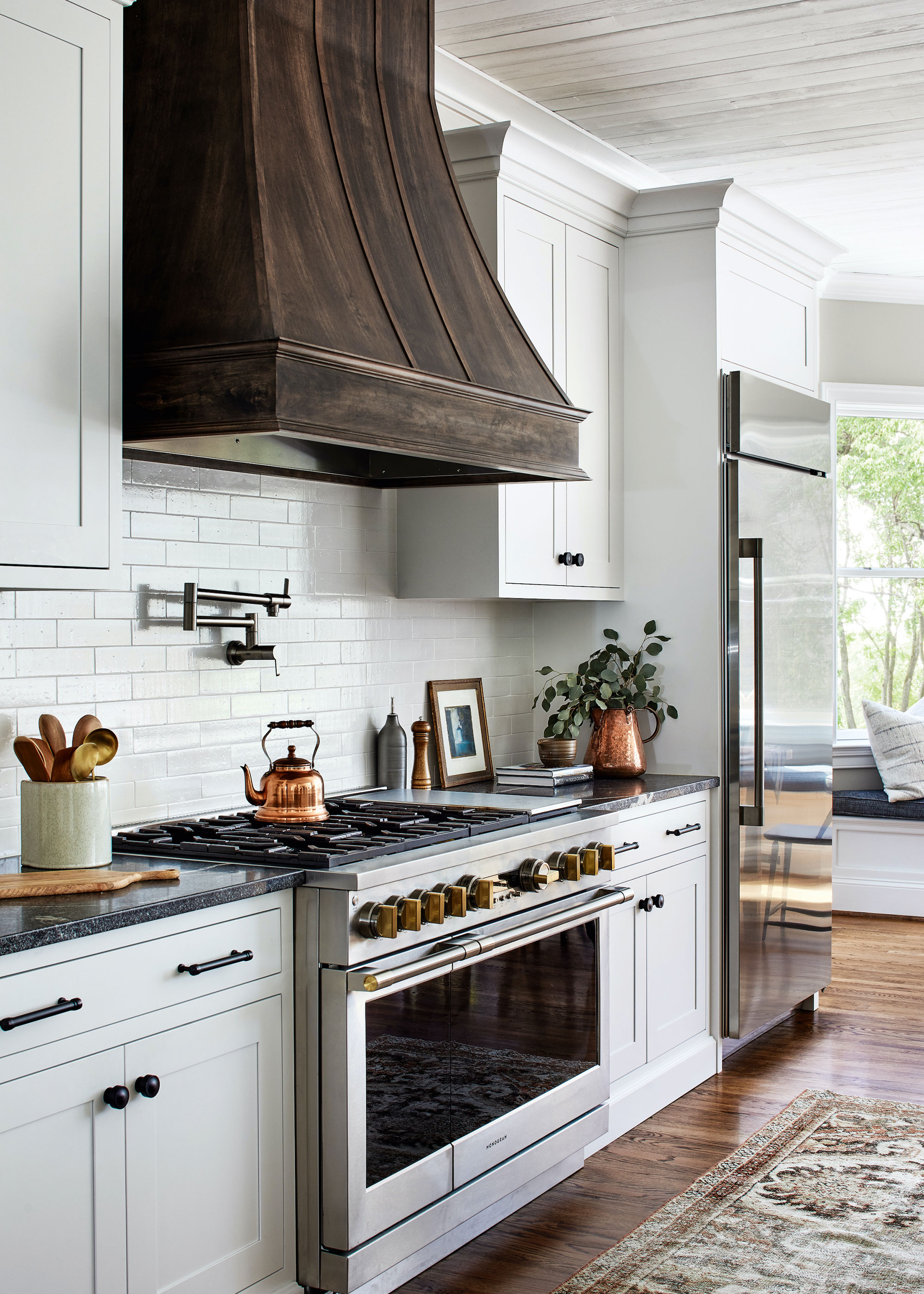
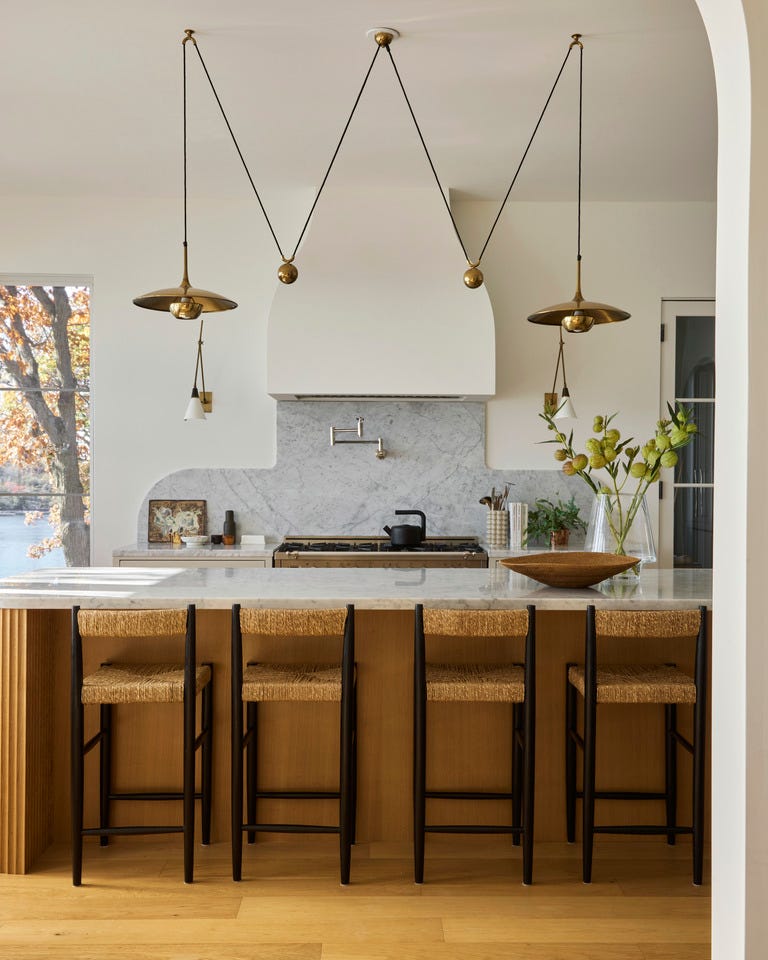
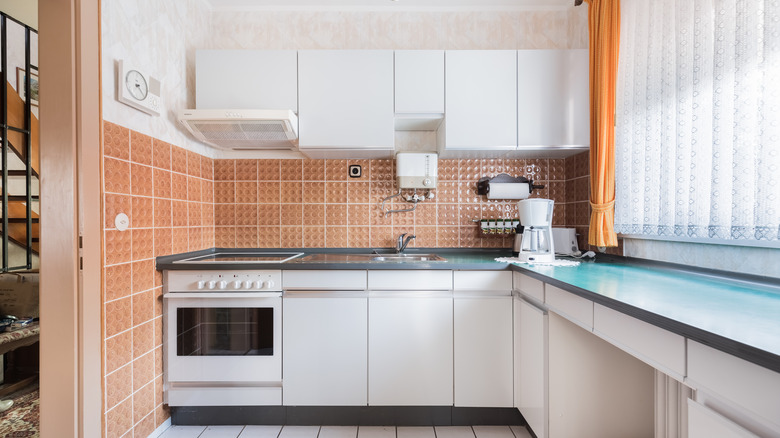
Standard industrial-grade range hoods are also considered outdated. The current trend emphasizes personalized, decorative range hoods made from materials like plaster or metal. This shift coincides with a preference for larger or double ovens, allowing the range hood to become a prominent feature that offers opportunities for customization and contributes to an inviting, old-world style.
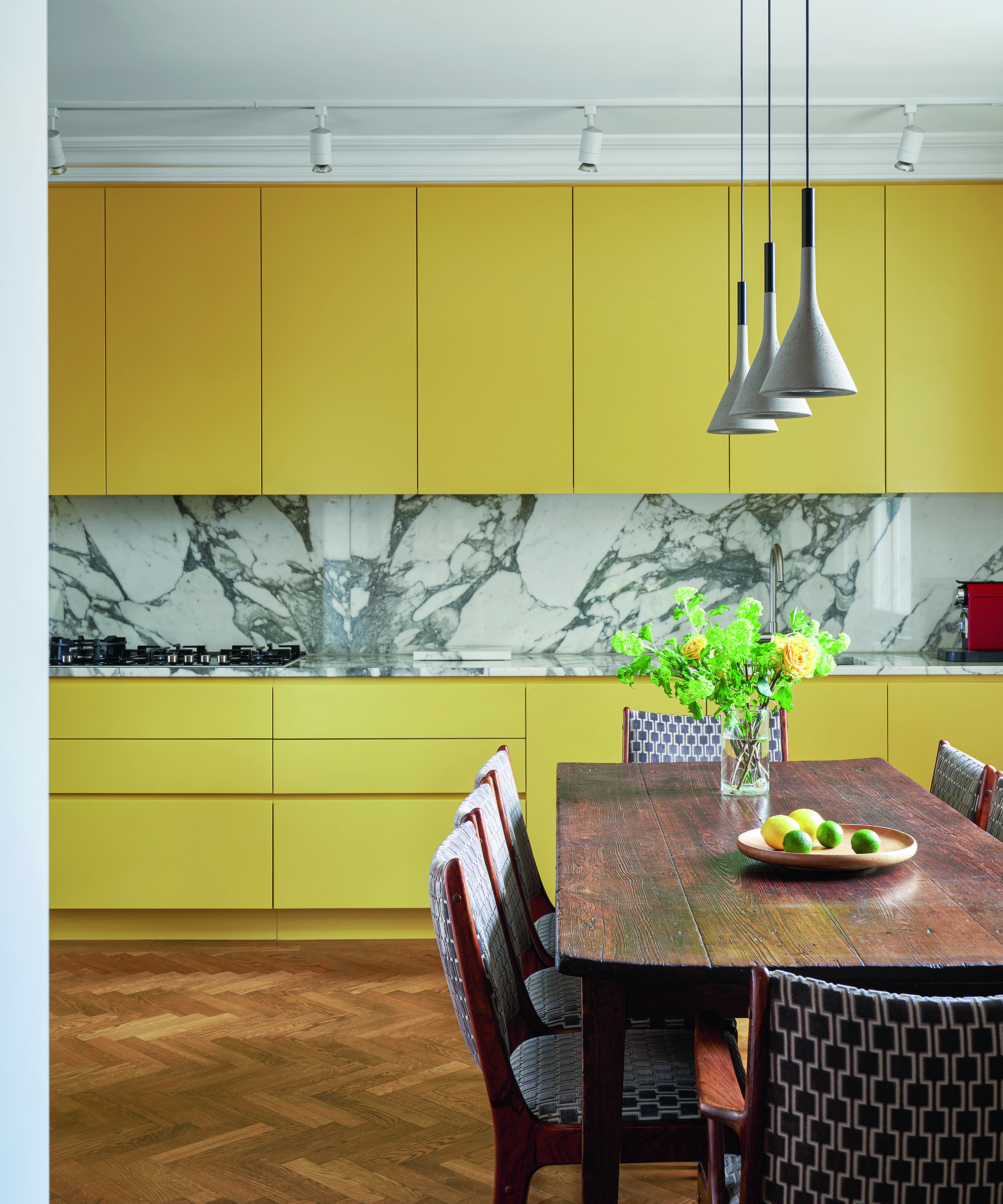
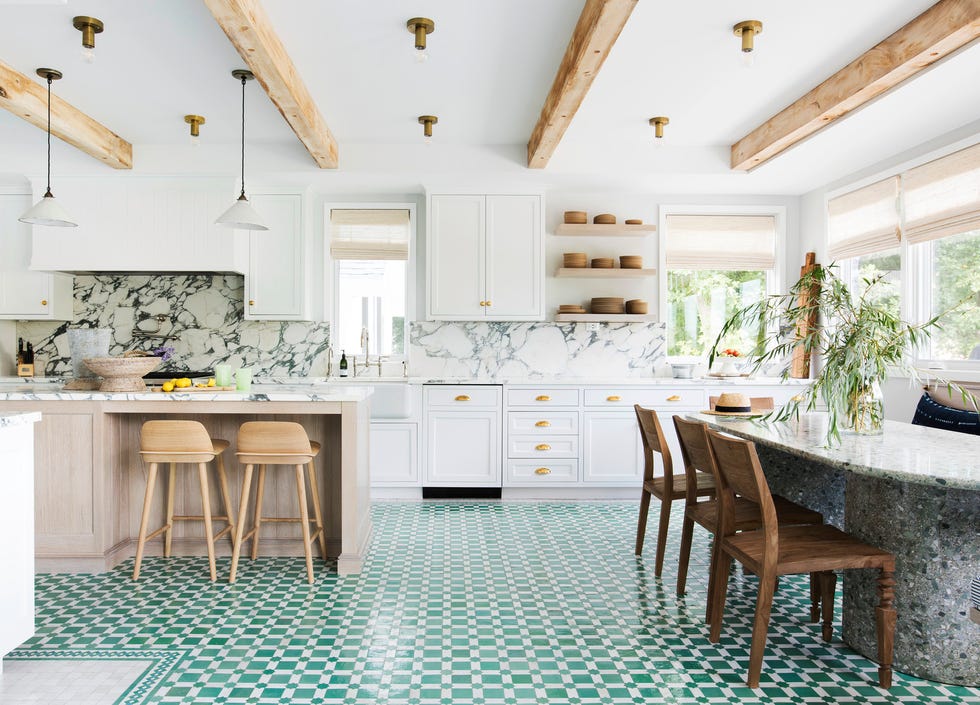

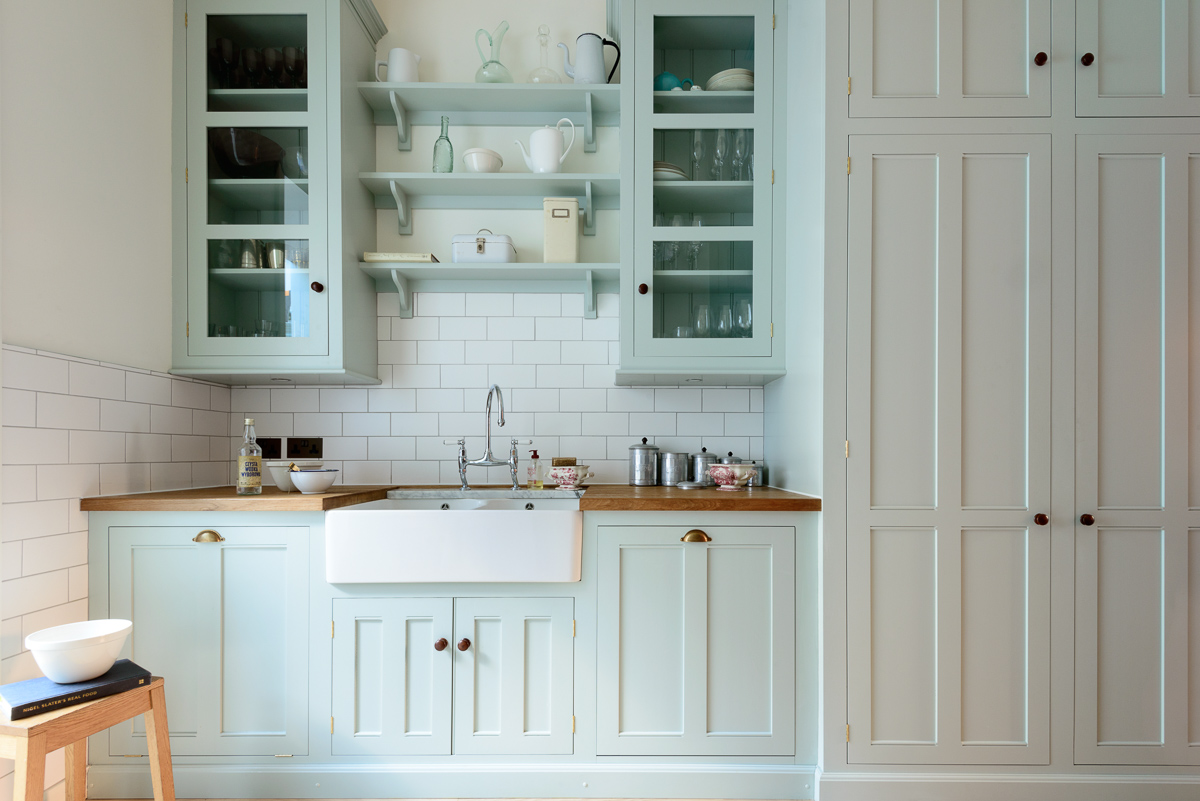
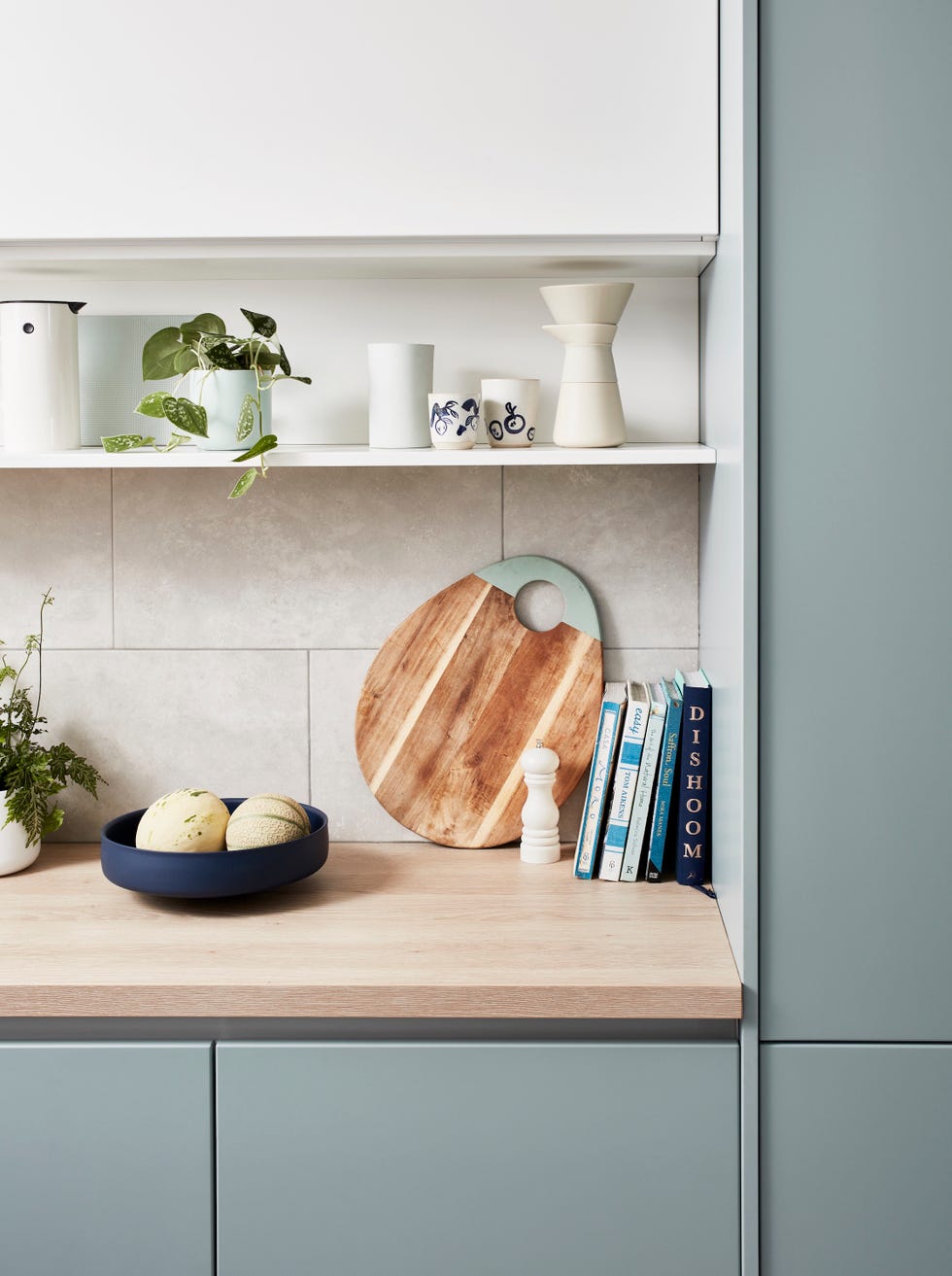
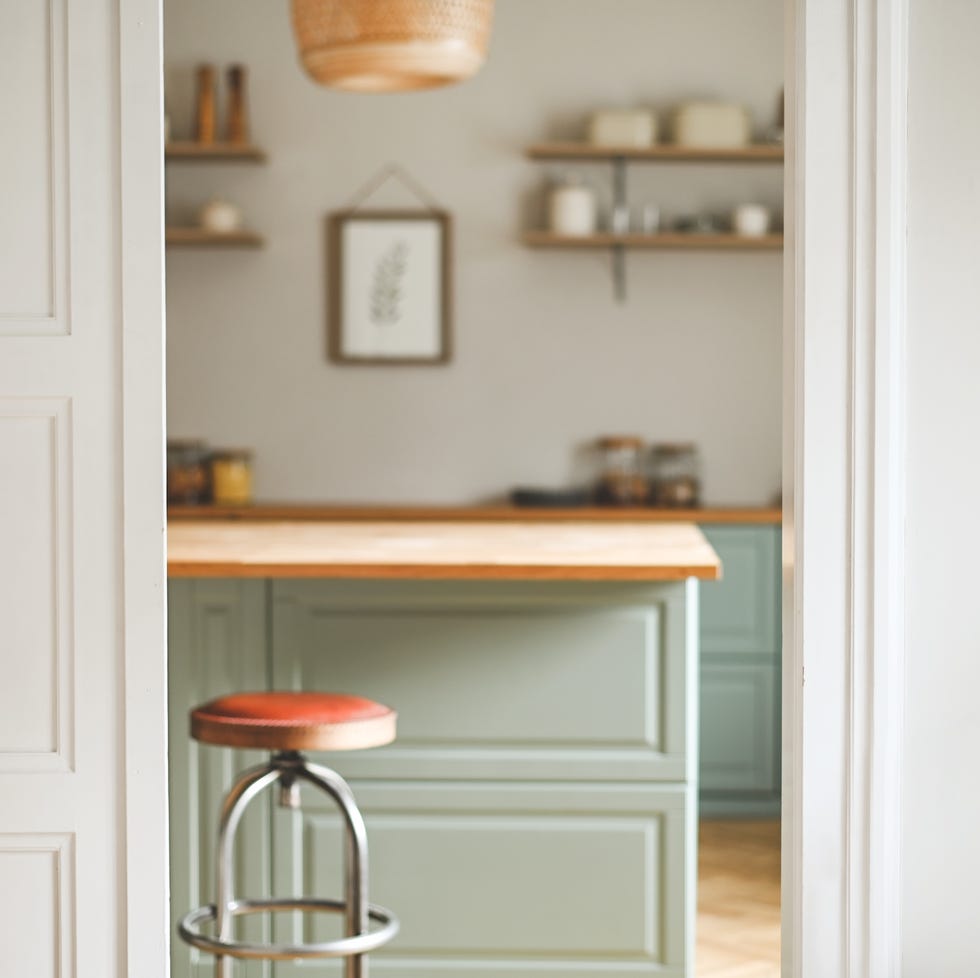
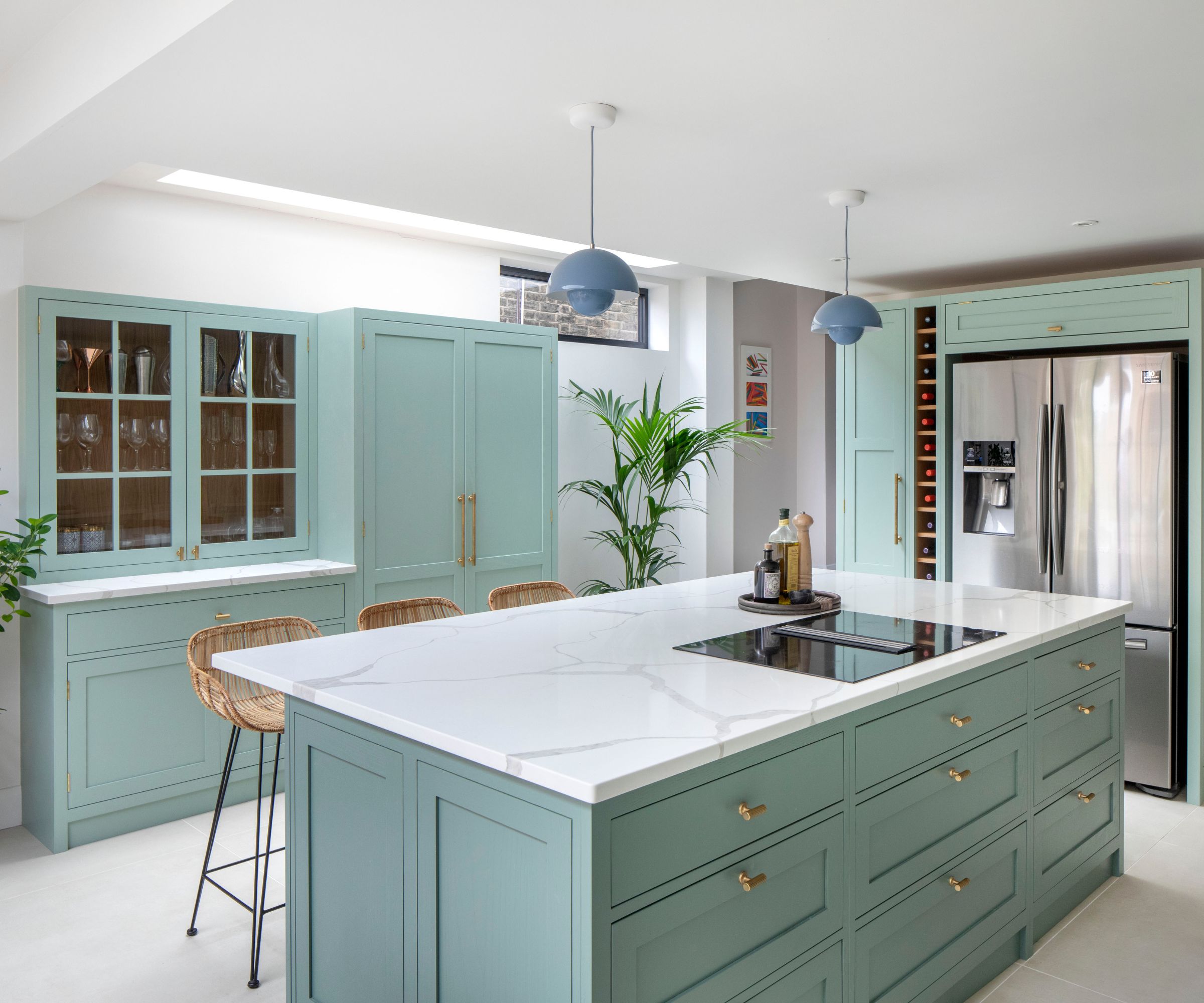
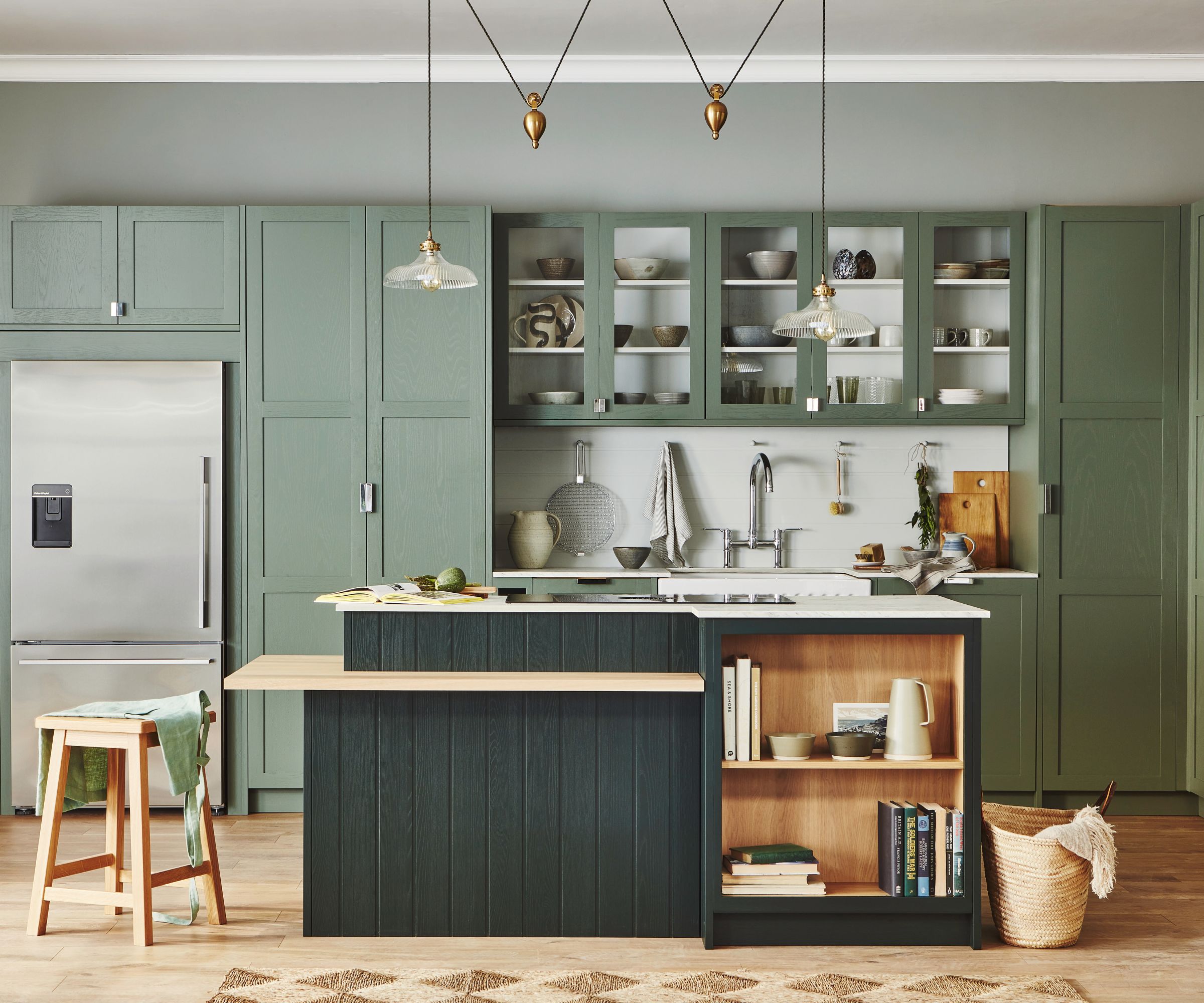
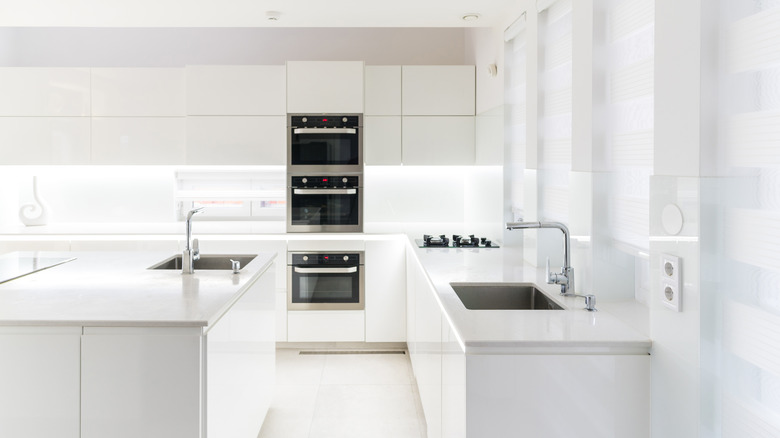
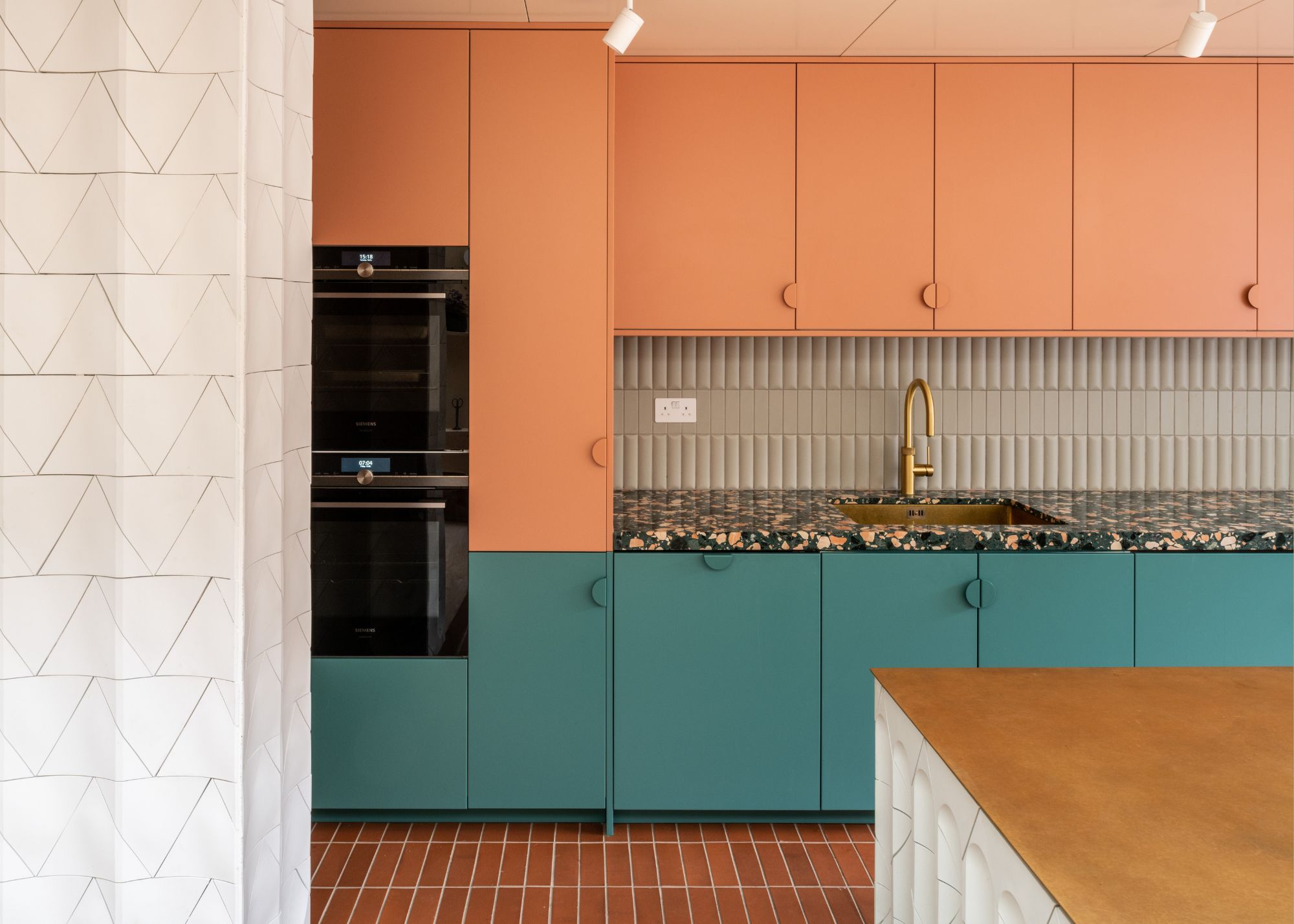
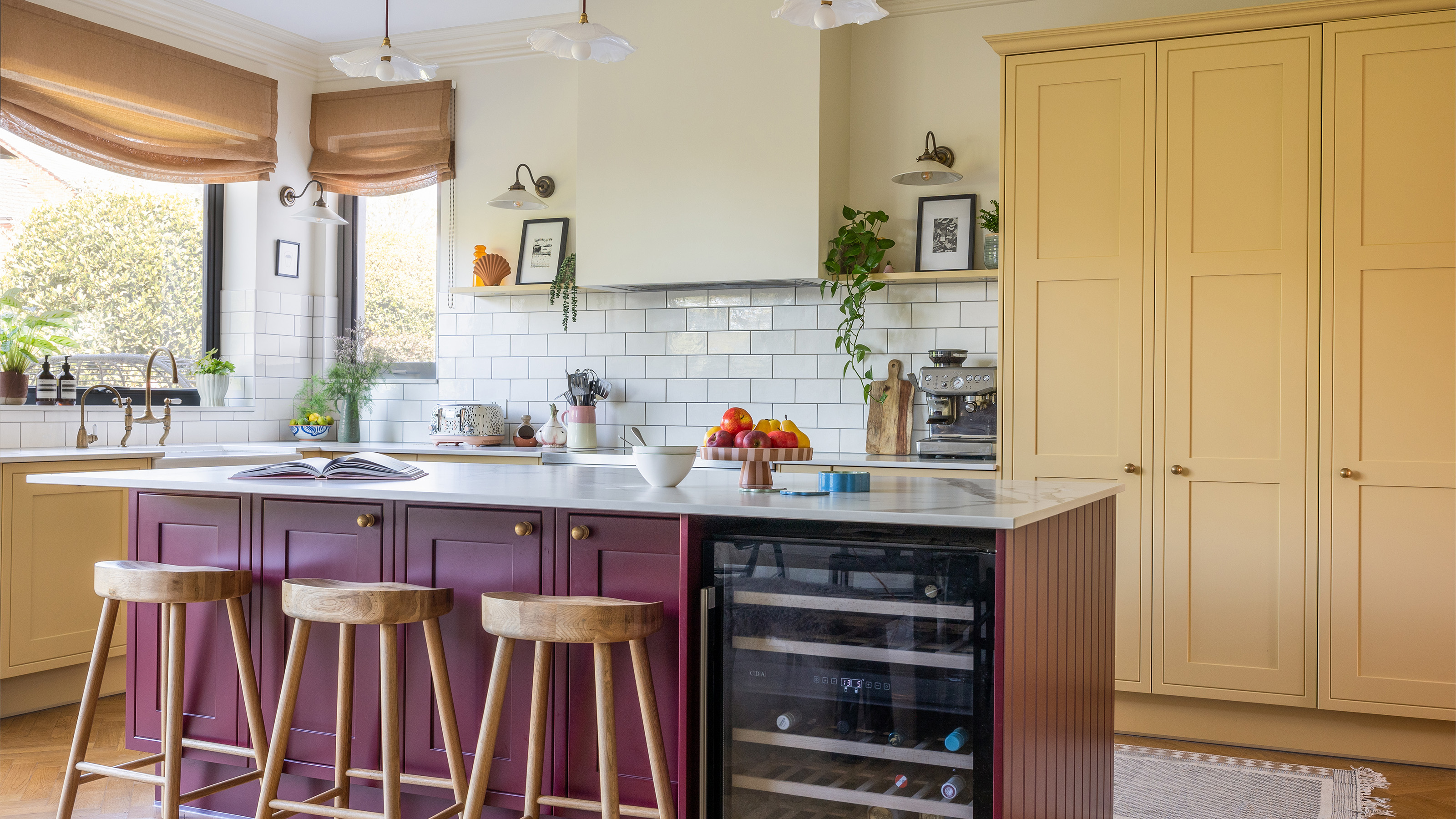
Finally, stark gray or all-white kitchens are losing favor. The contemporary trend is towards warmer whites and the incorporation of more color, such as green or all-wood kitchens. This reflects a desire for kitchens to reflect personal style and create a welcoming atmosphere, moving away from cool, neutral palettes towards richer, more expressive color choices.
#KitchenDesign #HomeRenovation #InteriorDesign #KitchenTrends #Cabinetry #ApplianceIntegration #ColorSchemes #KitchenDesign #HomeRenovation #InteriorDesign #KitchenTrends #Cabinetry #ApplianceIntegration #ColorSchemes
0 comment in total
 No comments yet
You may also like
These 5 features make kitchen cabinets look dated, designers warn us

These 3 Layouts Are Making Your Kitchen Look Dated – Why Designers Say They Don’t Want to See Them in 2026
16 Outdated Kitchen Features That Are Unexpectedly Coming Back In Style
Designers Agree: This Kitchen Trend Instantly Makes Your Home Look Outdated

Interior Designers Reveal 6 Surprising Things Making Your House Look Dated

Are Modern Farmhouse Kitchens Out of Style? Designers Tell Us Which Elements Are Kicky — and Which to Kick Out

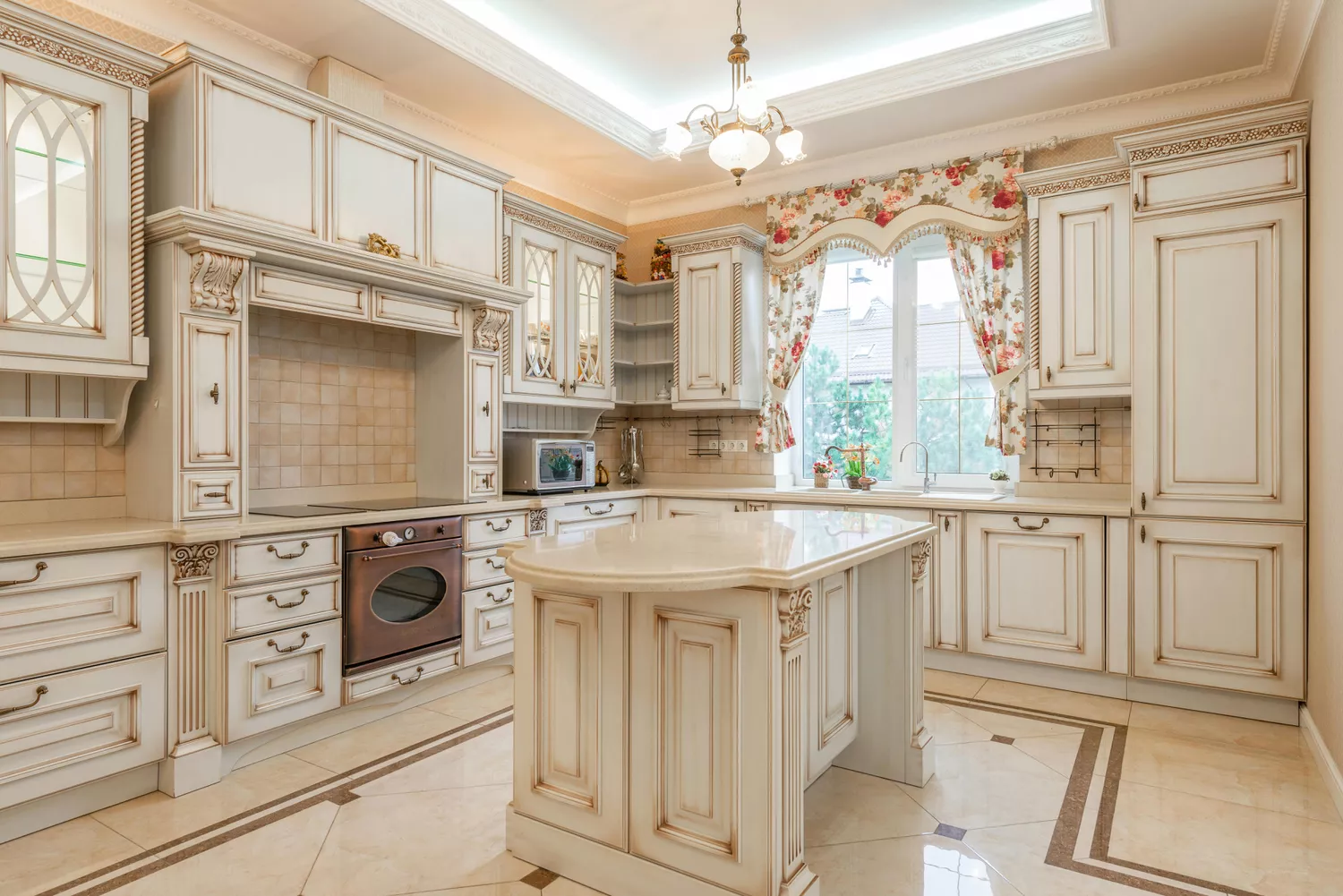
5 Reasons Your Kitchen Looks Dated (and How to Fix It), According to Designers

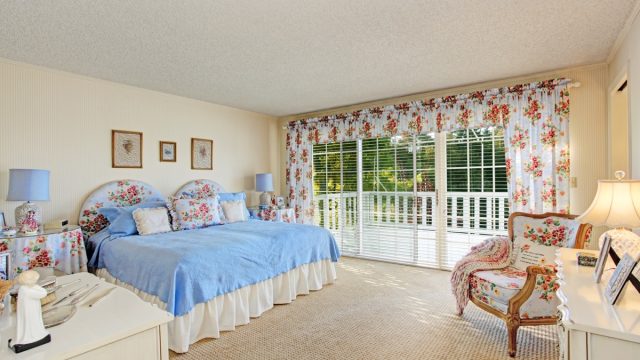
20 Unfortunate Ways Your Home Looks Super Dated, According to Experts
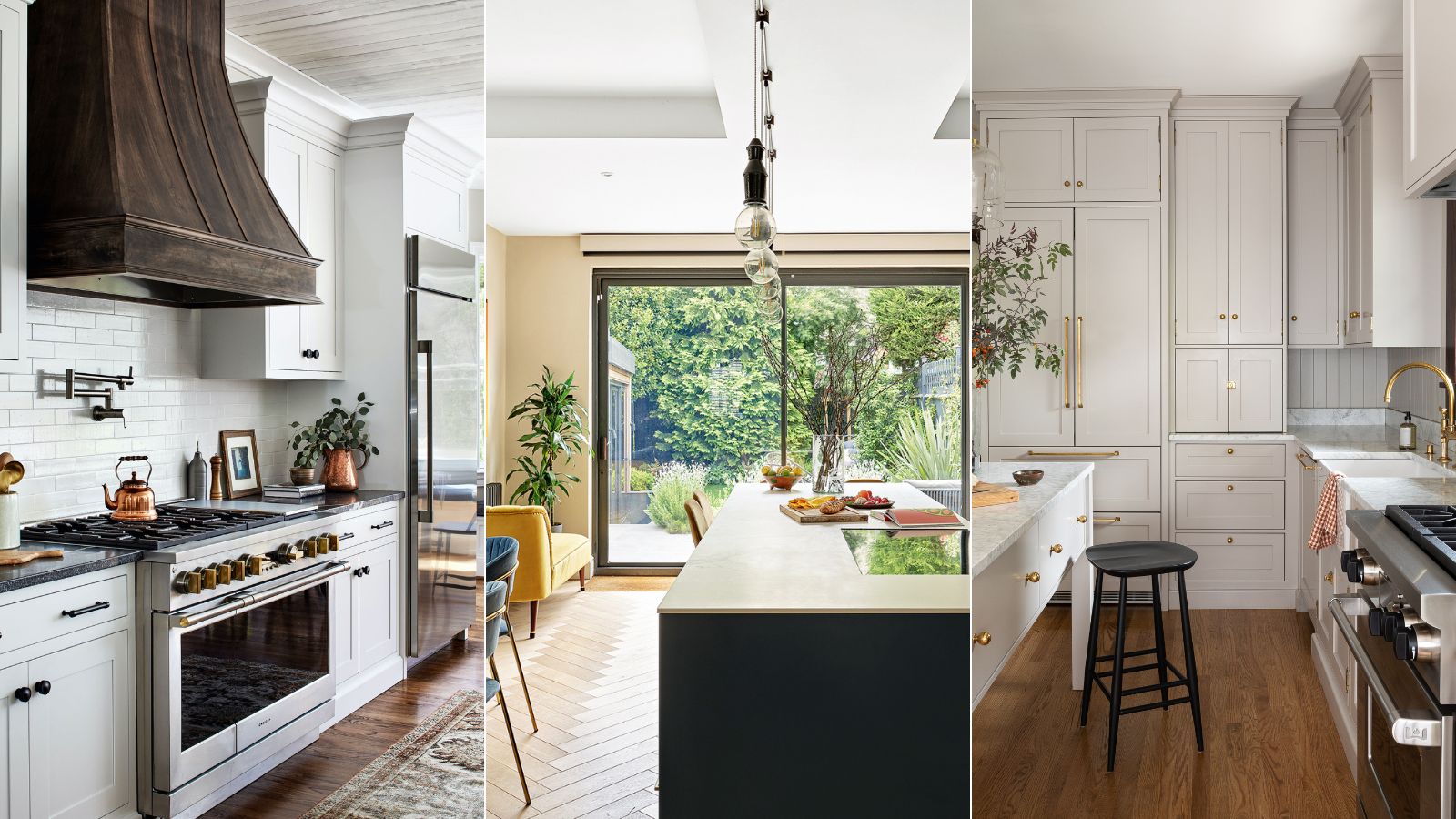
Outdated kitchen trends – 5 overdone looks that designers like to avoid, and here's why you should too
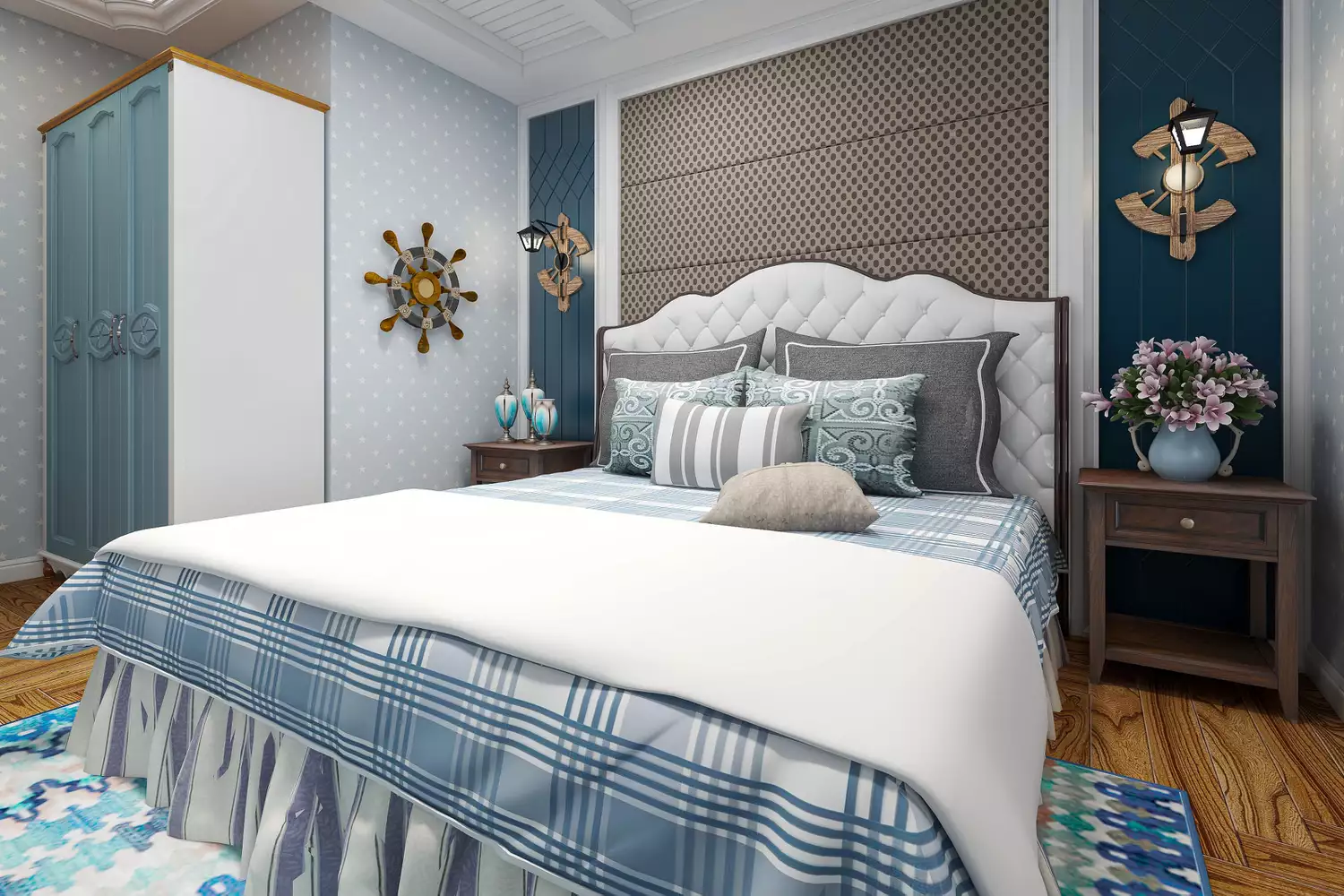
7 Reasons Your Home Looks Dated, According to Designers

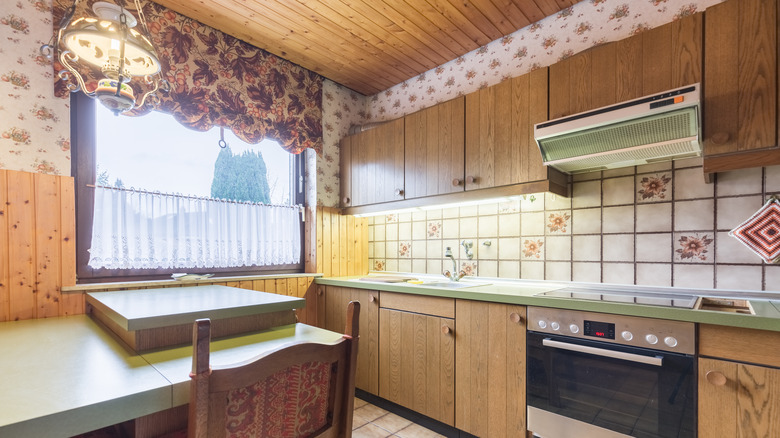
12 Once-Popular Kitchen Trends That Won't Be Coming Back Anytime Soon
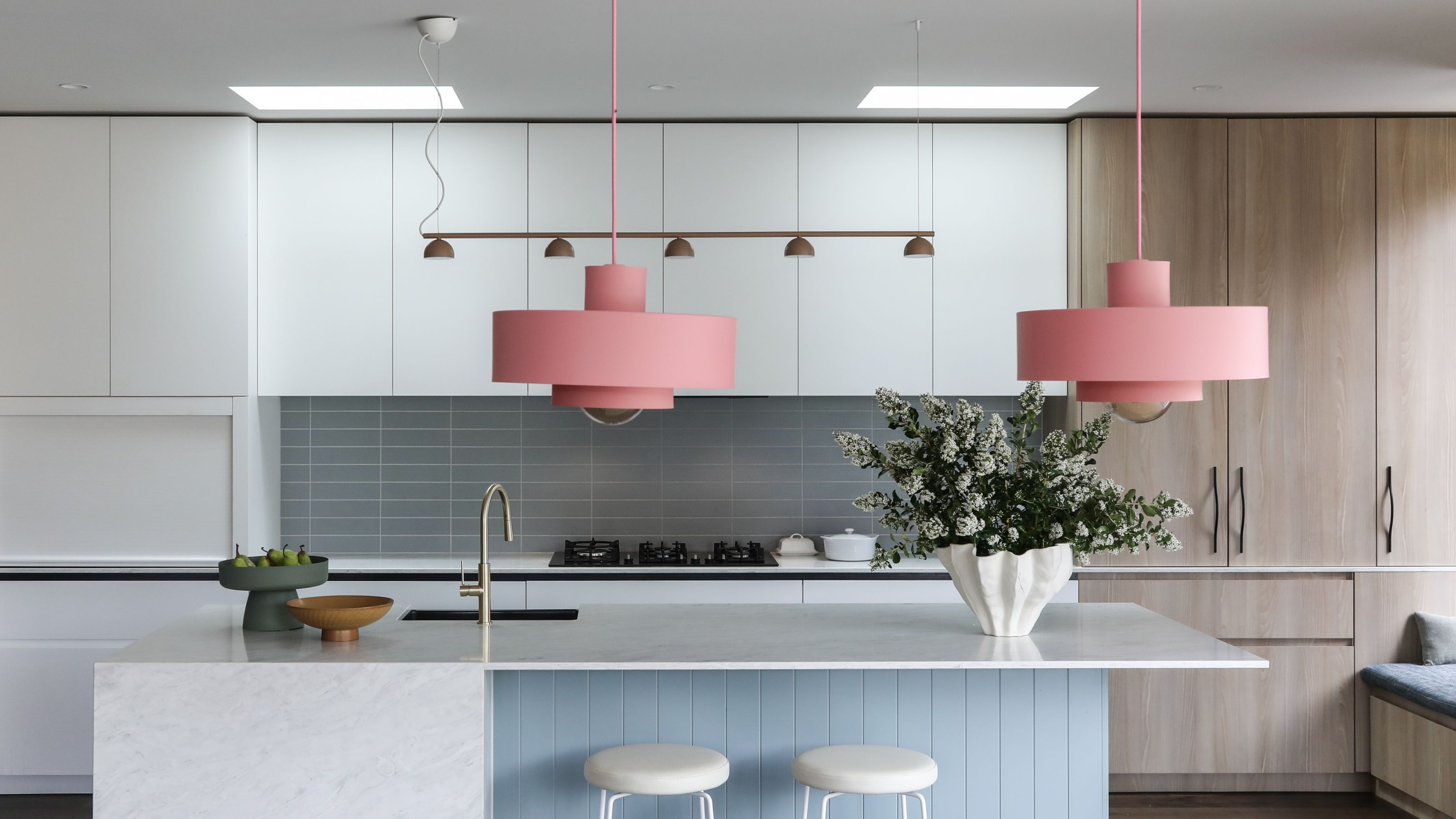
5 Kitchen Cabinet Details to Avoid If You Don't Want Your Space to Look Old-Fashioned
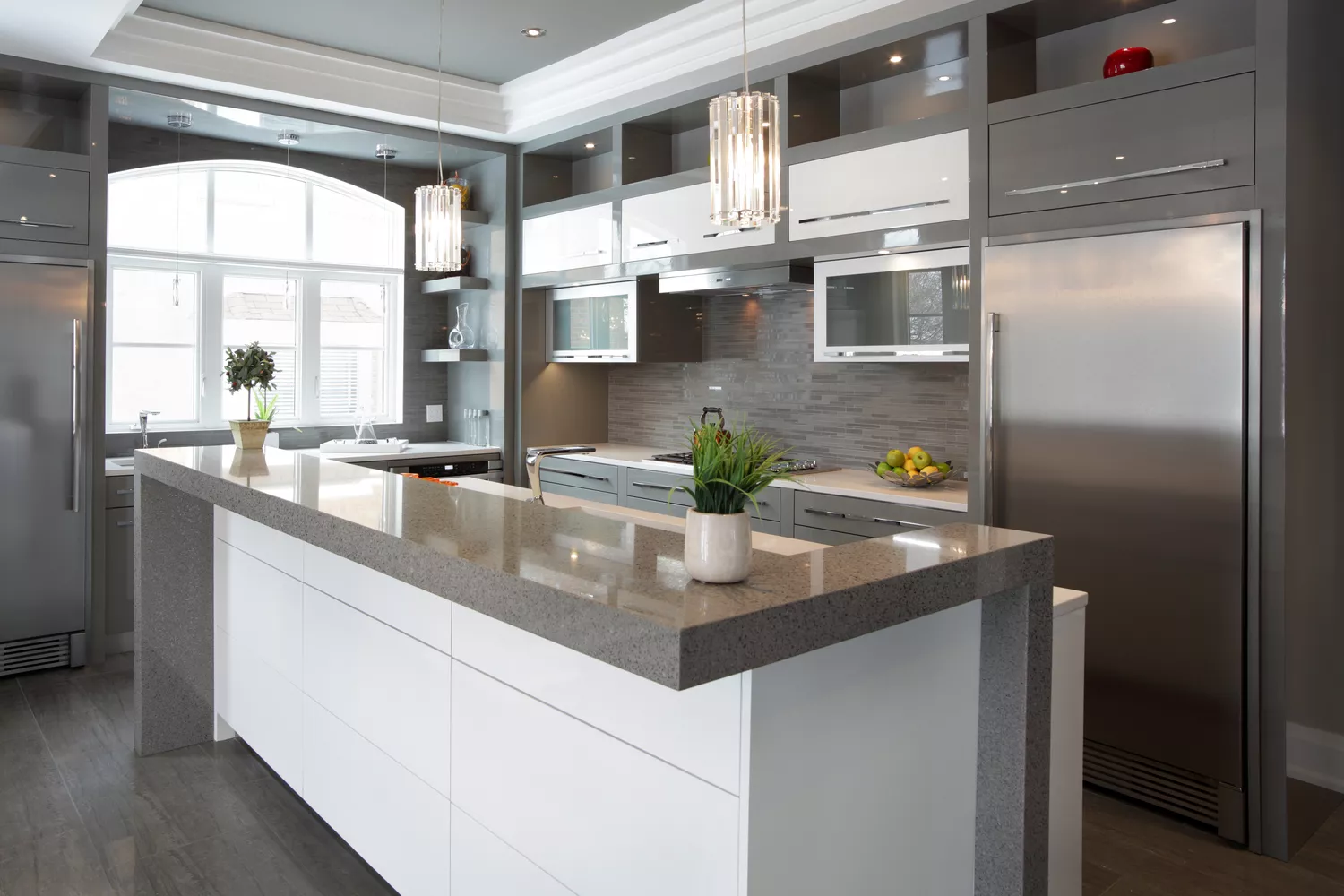
11 Reasons Your Kitchen Looks Dated, According to Designers
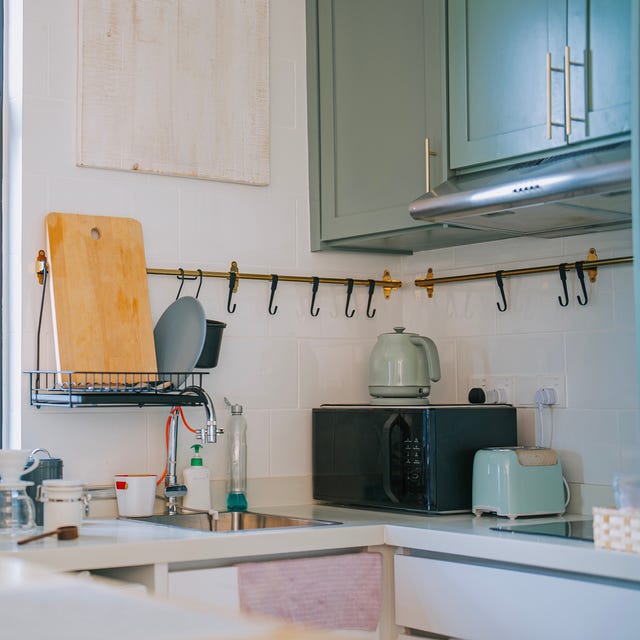
15 Outdated Things You Should Avoid In Your Kitchen, According To Designers

5 Design Choices That Make Your House Look Super Dated, According to Designers

7 Vintage Kitchen Design Trends Boomers Remember Fondly

22 Outdated Things You Should Avoid in Your Kitchen, According to Designers
5 dated kitchen hardware trends that could be bringing down the look of your kitchen
Designers all agree that these 7 kitchen features are always eyesores – and what you should do about them
5 Kitchen Styles That Are Definitely Out of Style, Designers Say