Designers Agree: This Kitchen Trend Instantly Makes Your Home Look Outdated
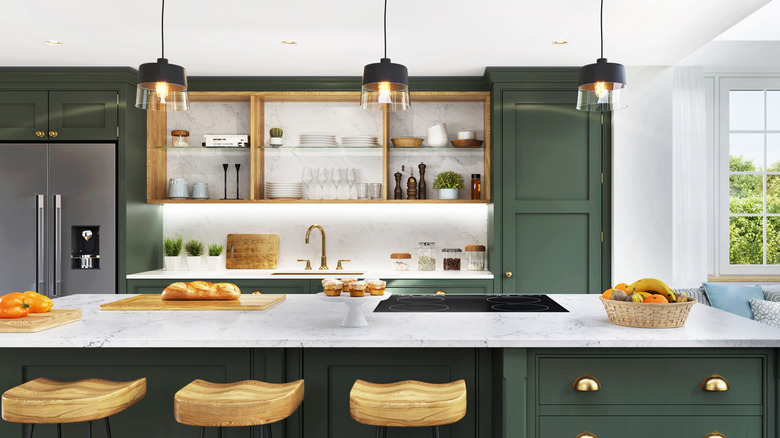
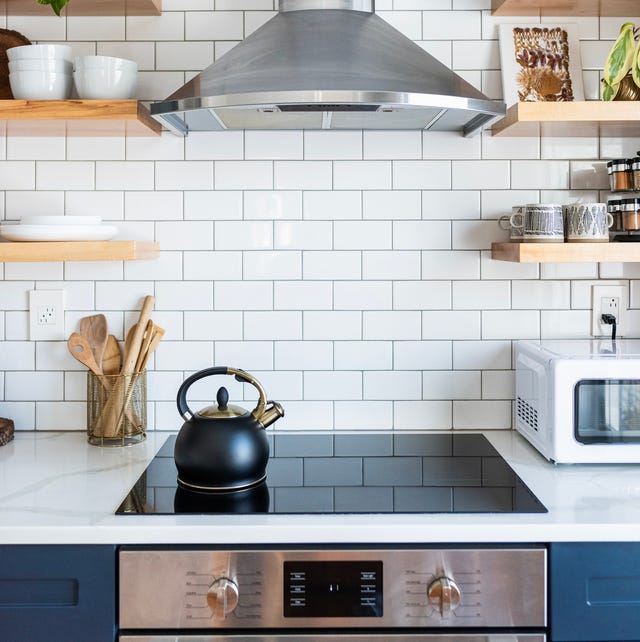
For nearly a decade, open shelving has been a popular kitchen design choice, offering a sense of spaciousness, especially in older kitchens, and providing an opportunity for design enthusiasts to style and showcase their decor. Despite these perceived benefits, professional designers are increasingly cautioning against open shelving, citing several drawbacks that often outweigh its advantages.
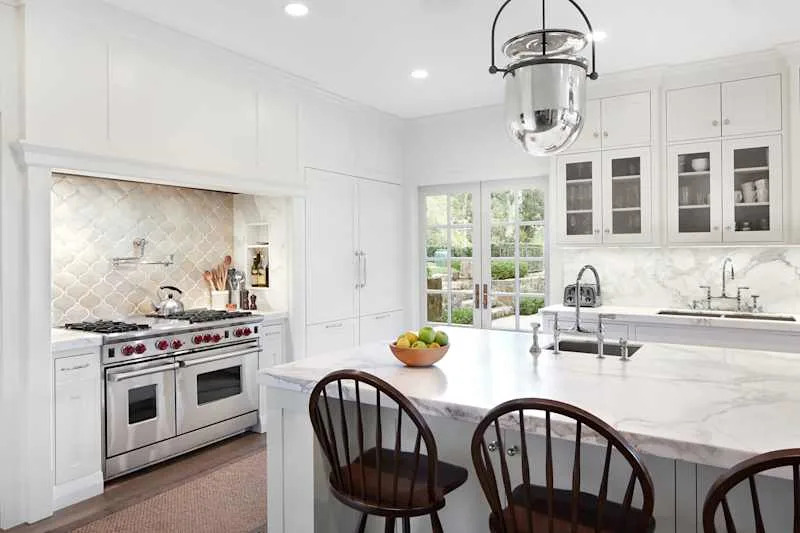
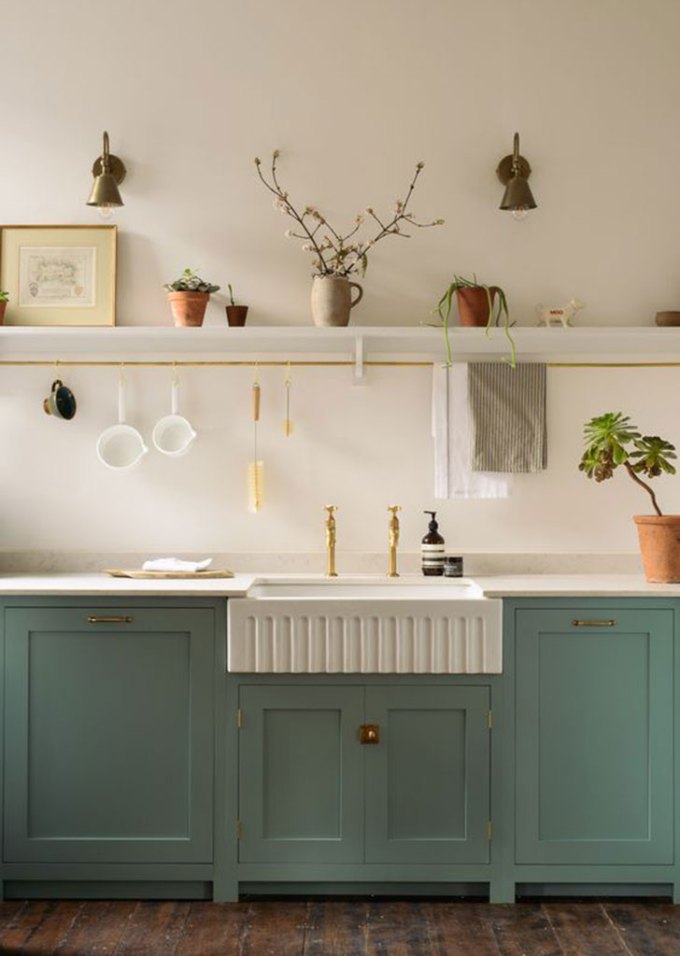
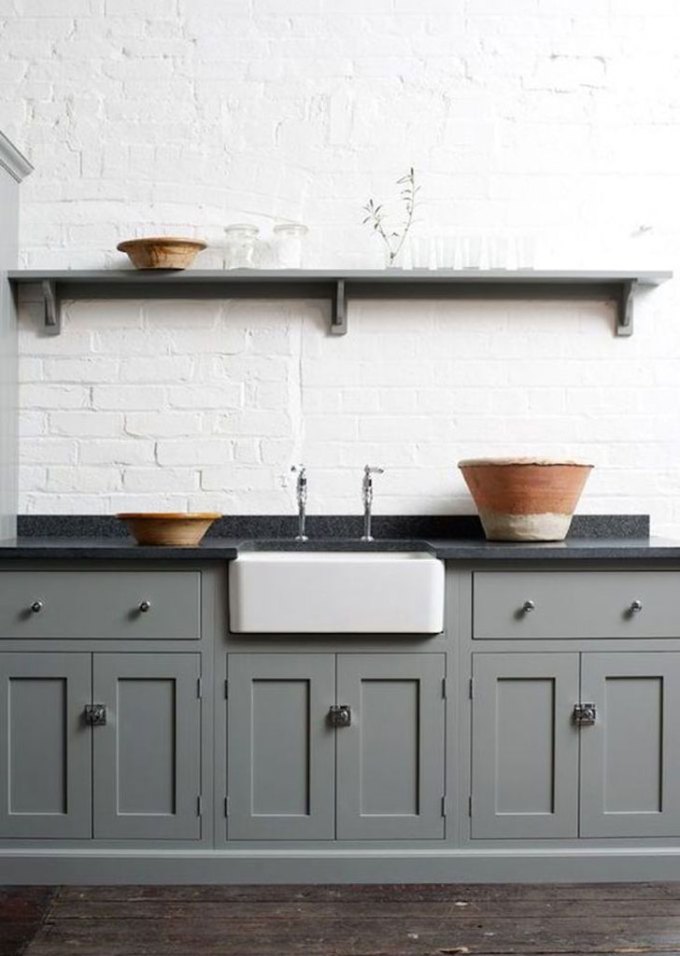
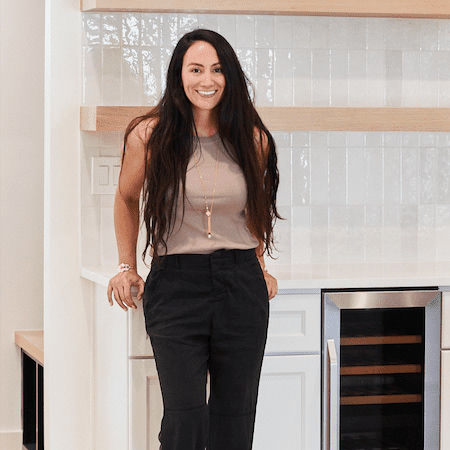
Designers Melanie Zaelich of Happy Place Interiors and Danielle Loven of Vivid Home generally advise clients away from open shelving. They highlight that while open shelving can add interest and personality, it is not universally suitable for all home styles and often requires more upkeep than anticipated. A primary concern is that in many homes, open shelving can quickly lead to a cluttered, disorganized, and visually dated kitchen appearance. Having been a dominant trend for the past ten years, open shelving now risks appearing cliché or as if attempting too hard to be trendy, according to Zaelich.
Beyond aesthetics, the practicality of open shelving is a significant issue. Kitchens are inherently functional spaces, and open shelves are prone to accumulating dust and grease. Loven emphasizes that homeowners with open shelves will find themselves constantly cleaning not only their cooking surfaces but also the shelves themselves, a task that can be particularly demanding for busy individuals or families with children. This continuous cleaning requirement makes open shelving less practical than traditional cabinetry.
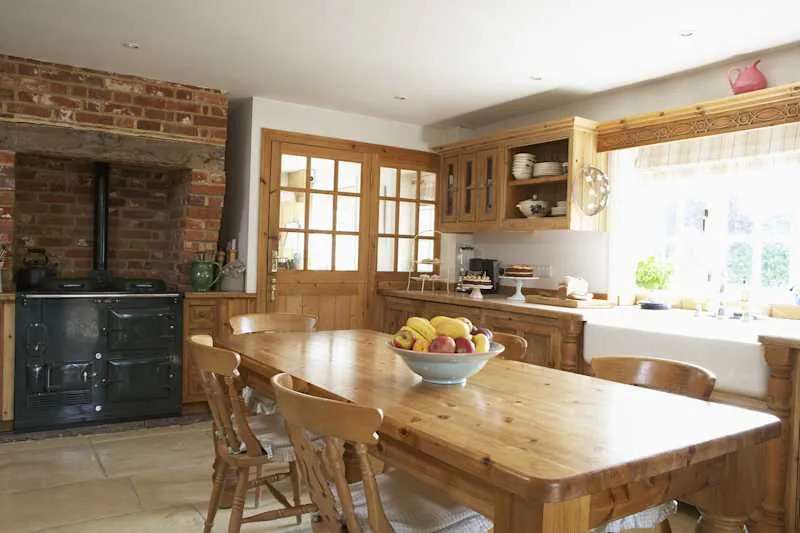
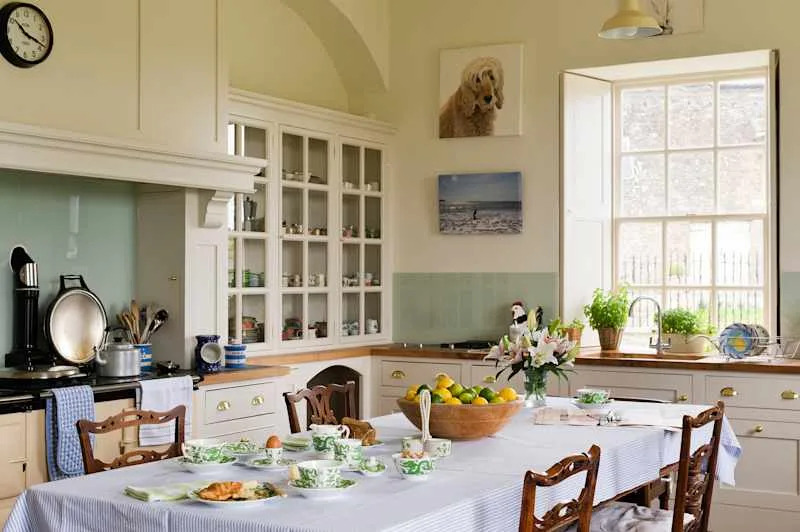
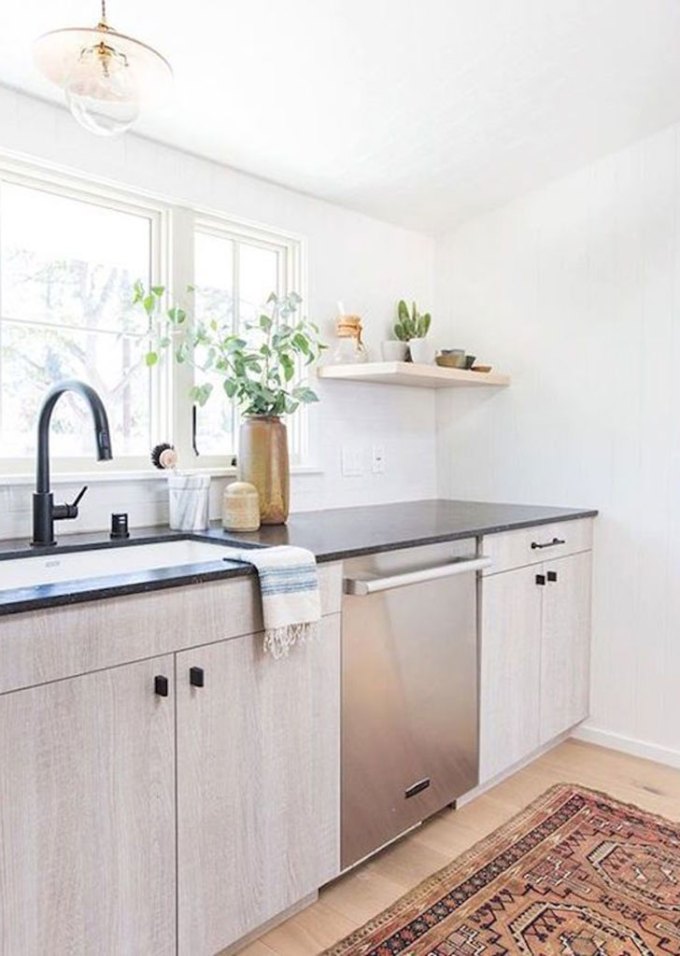
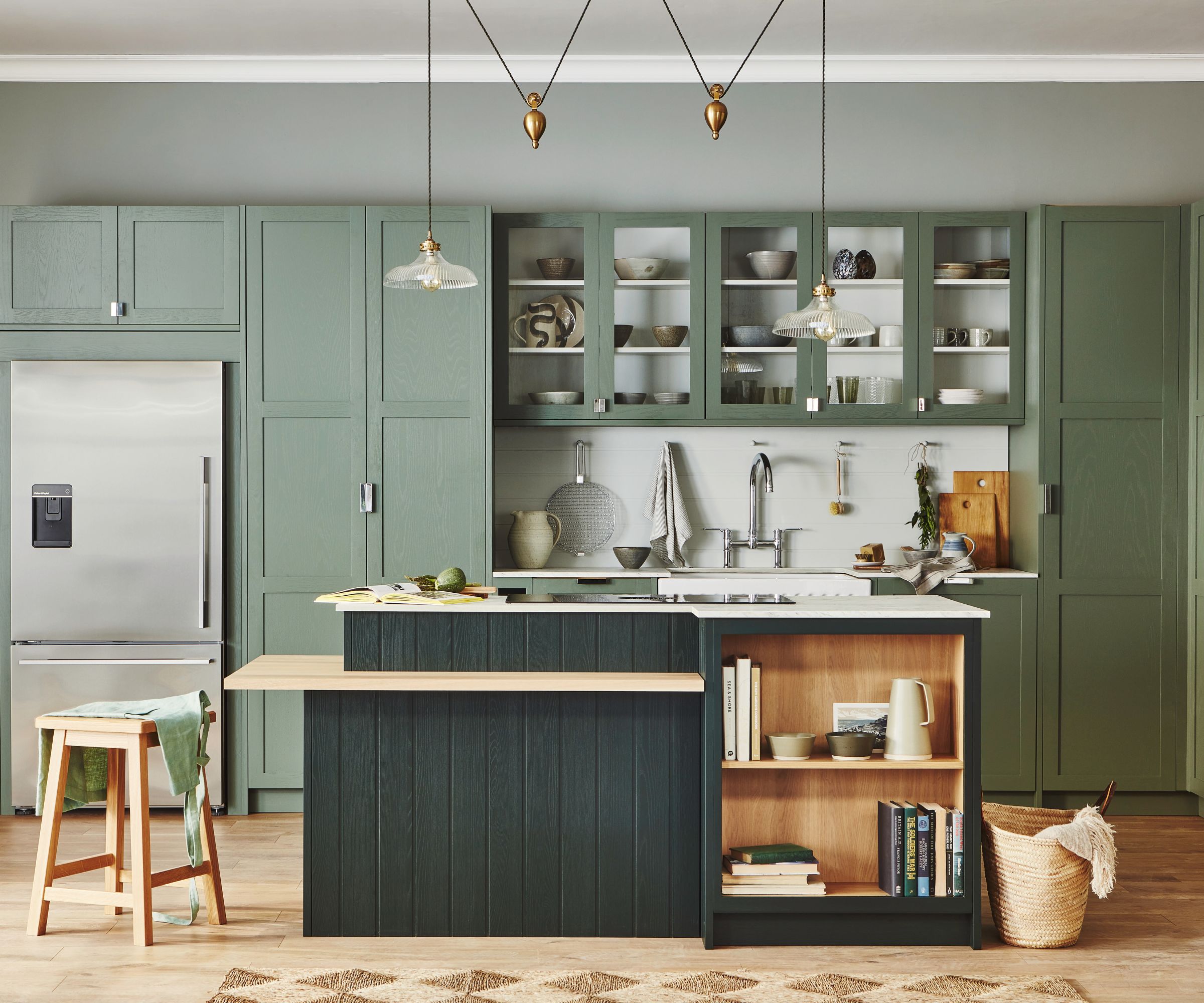
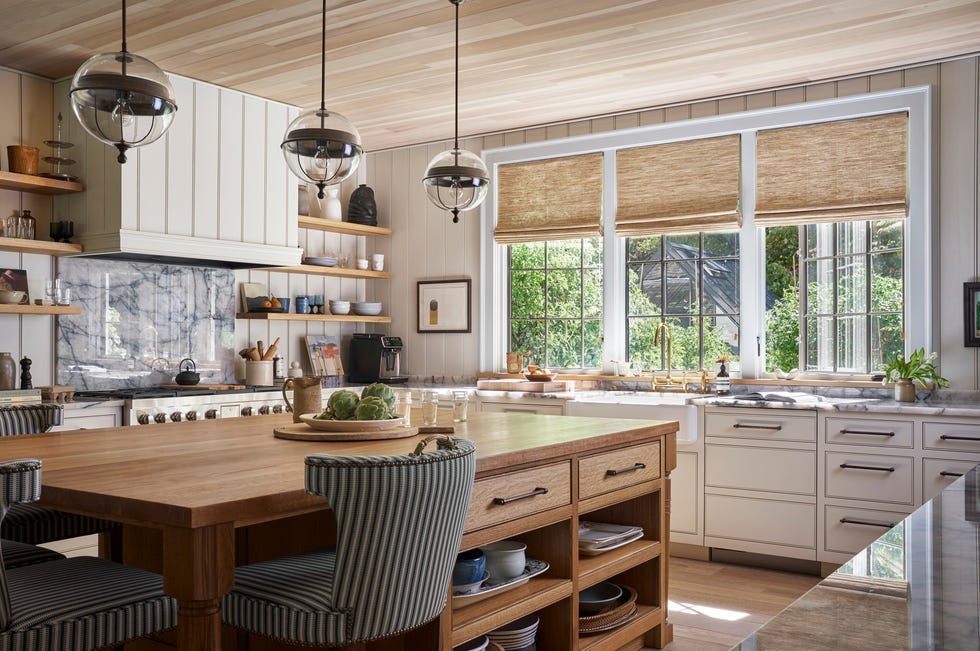
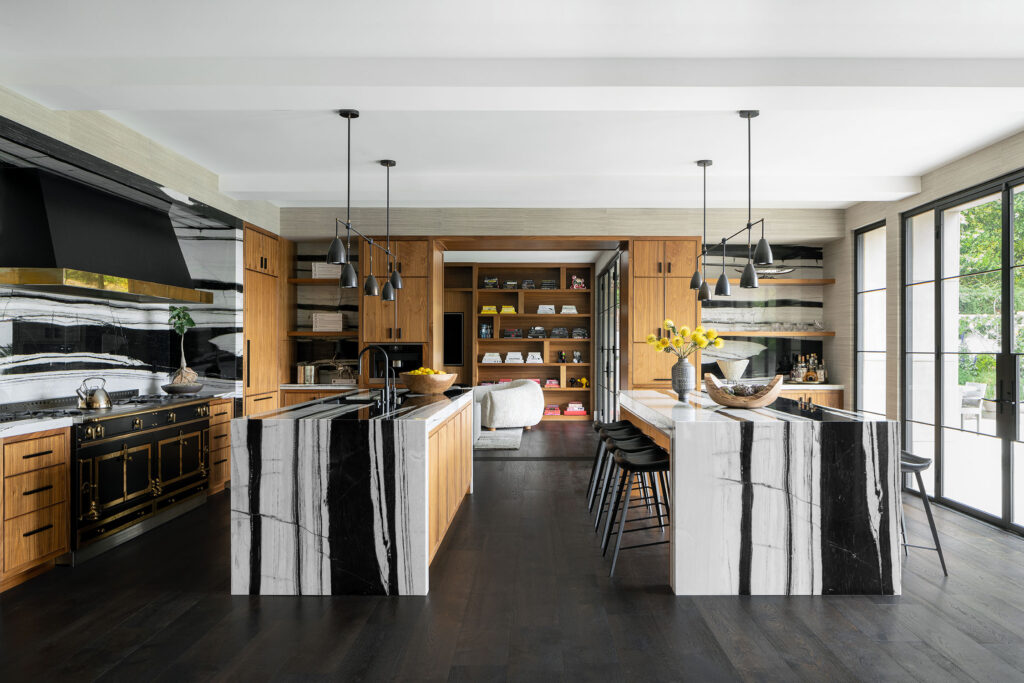
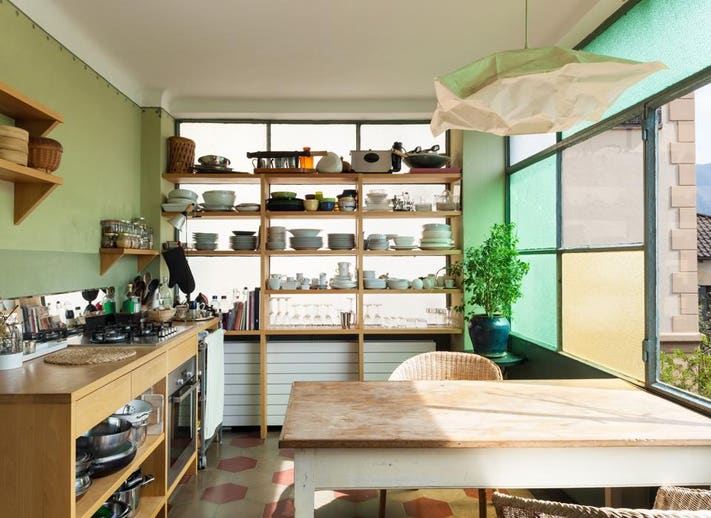
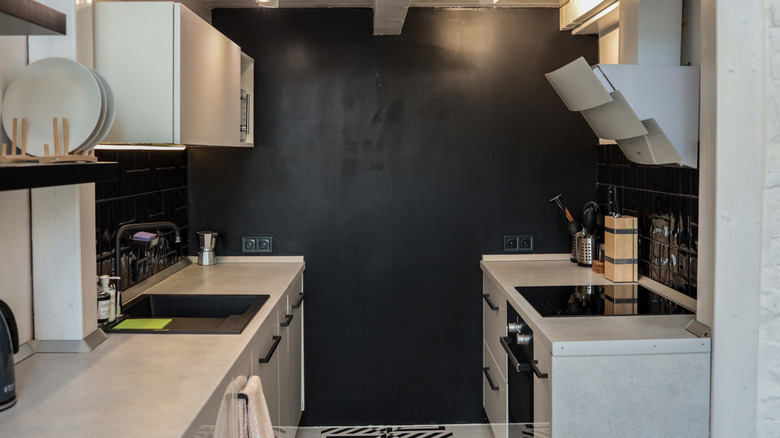
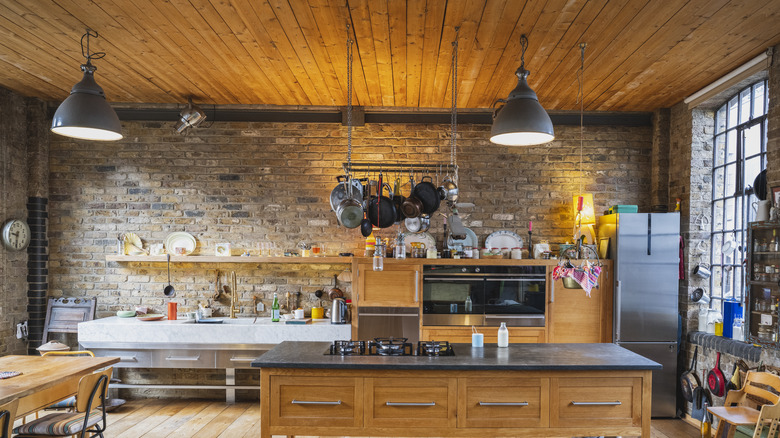
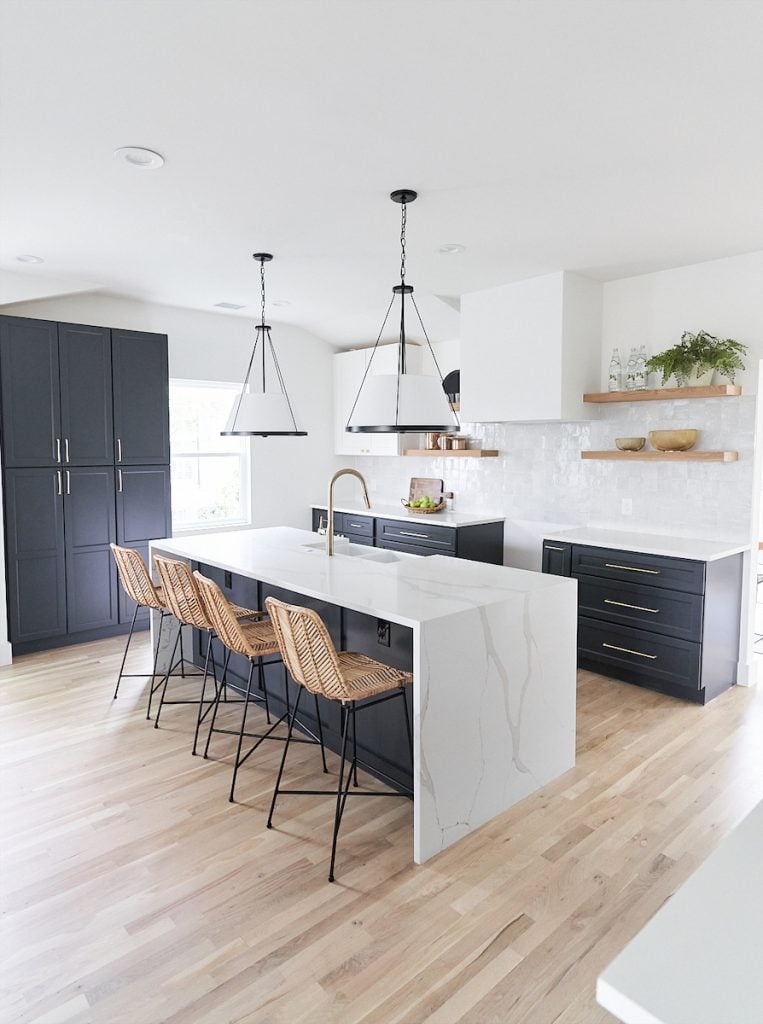
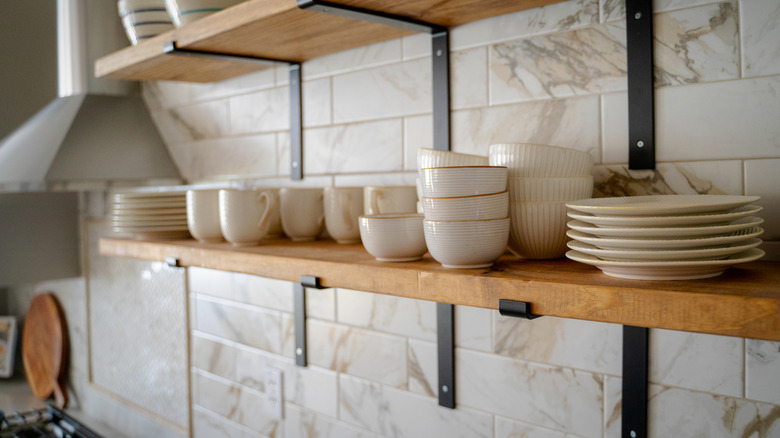
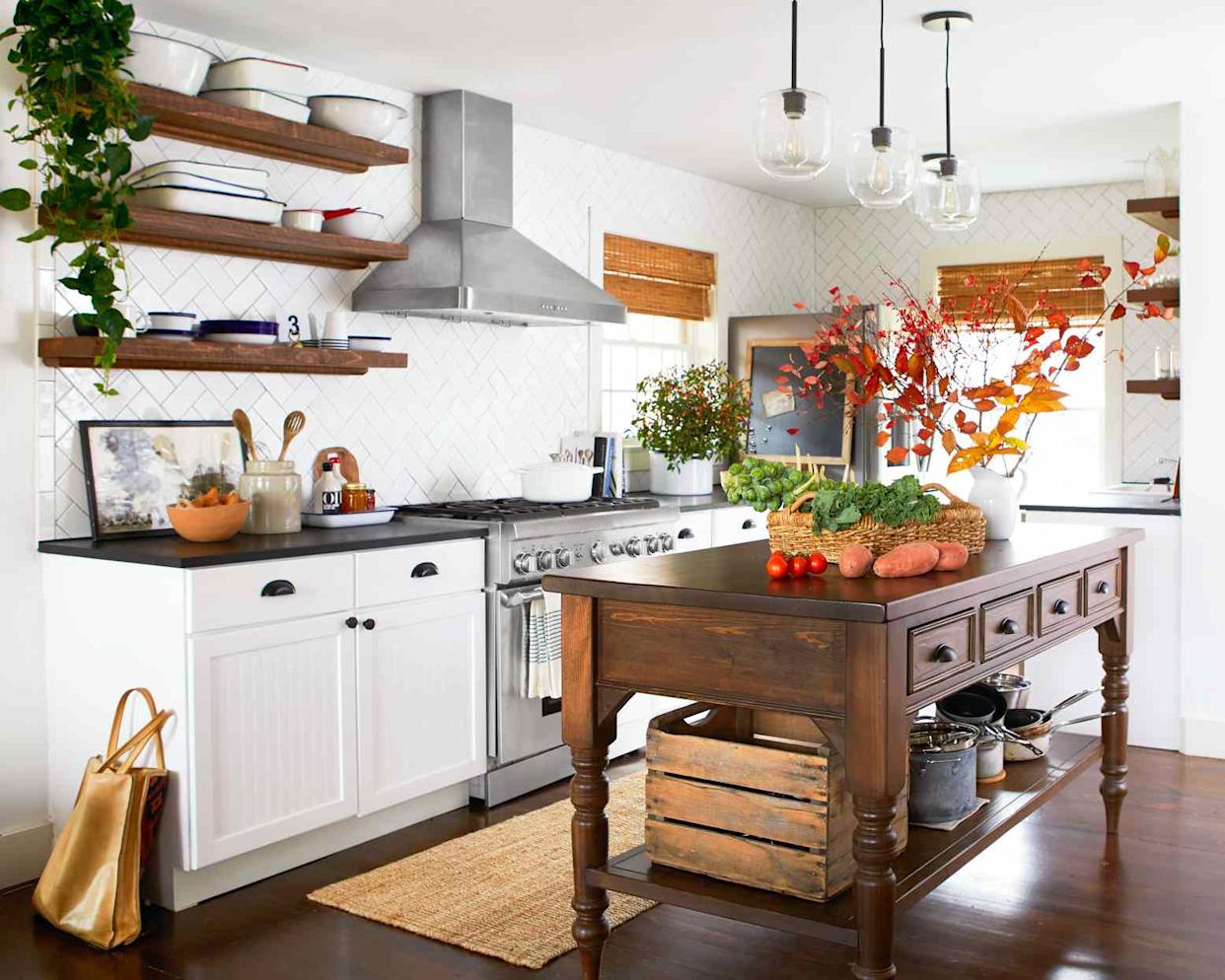
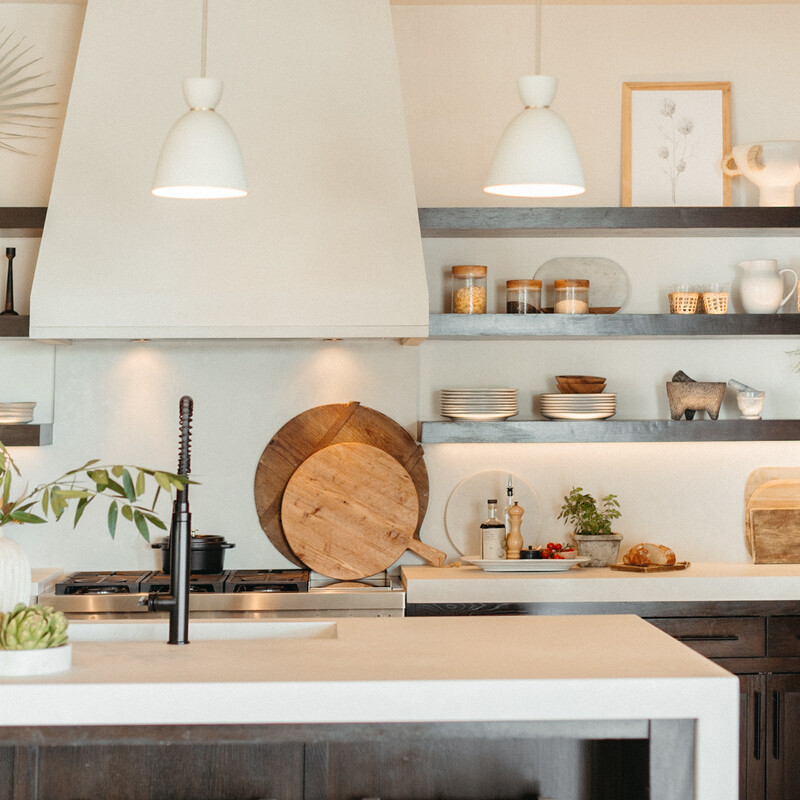
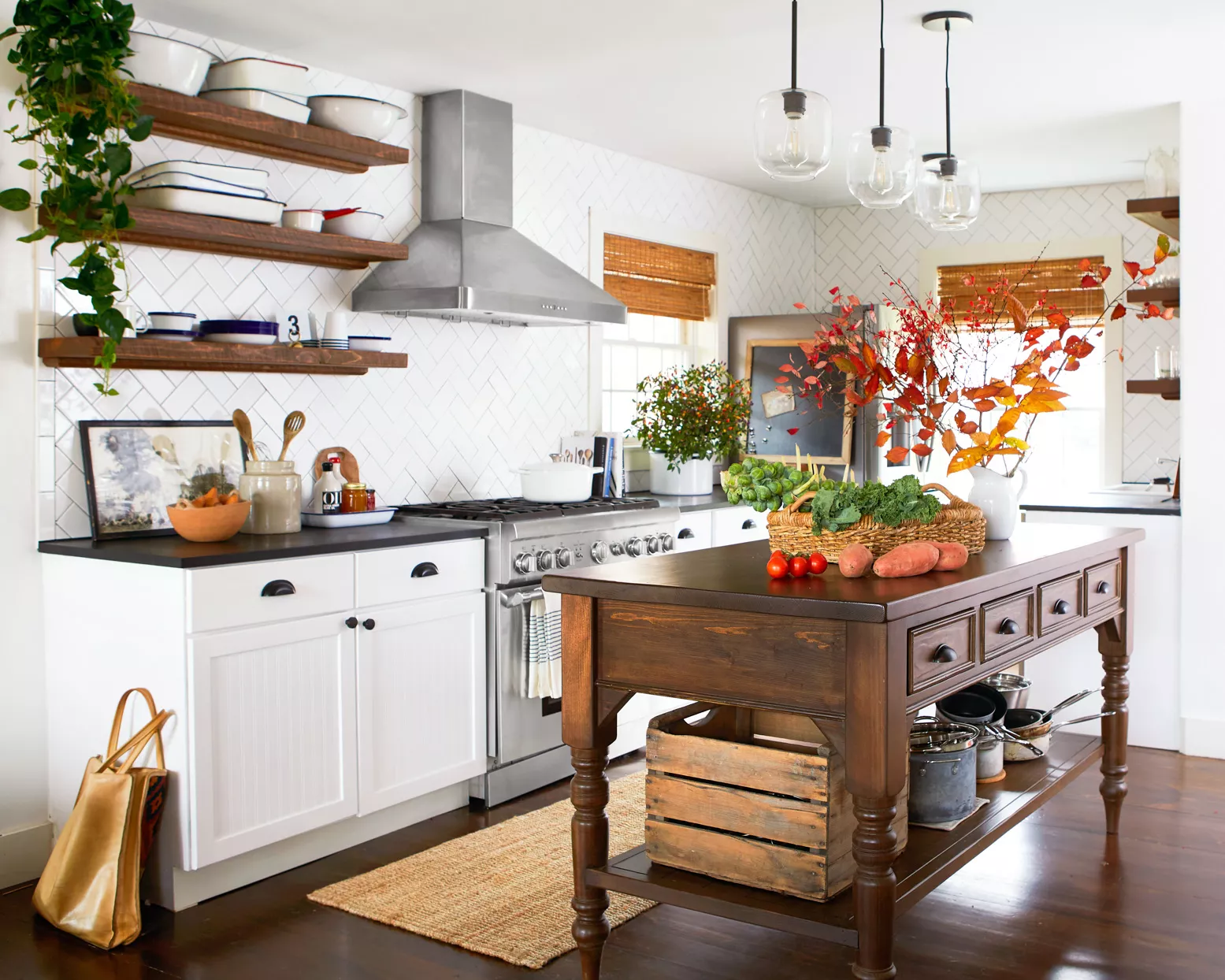
However, open shelving can work effectively in specific design contexts. It is a natural fit for rustic, unfitted kitchens, where large open cupboards or larders were historically used for storing dishes and dry goods. This style also complements farmhouse or country kitchen aesthetics, where a piece of storage furniture can substitute a pantry cabinet, adding character while reducing the need for numerous closed cabinets. Modern design is another style where open shelves are common. For open shelving to succeed in a modern kitchen, Zaelich suggests a large, minimalistic space with ample wall area and minimal upper cabinetry. The shelves themselves should be made of easy-to-clean materials like hardwood or steel and feature minimal ornamentation. In such settings, styling open shelves with live plants and frequently used items can be effective.
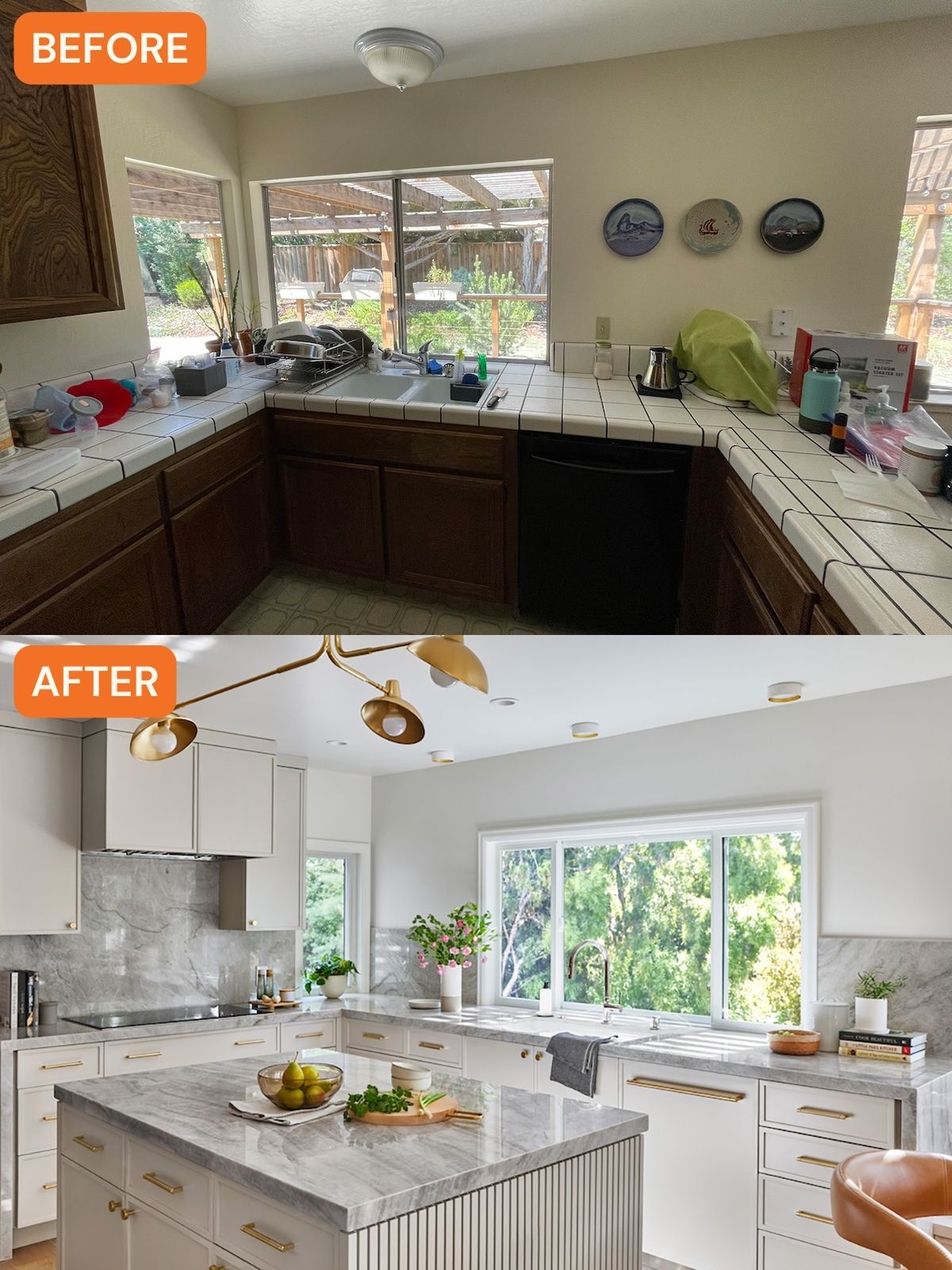
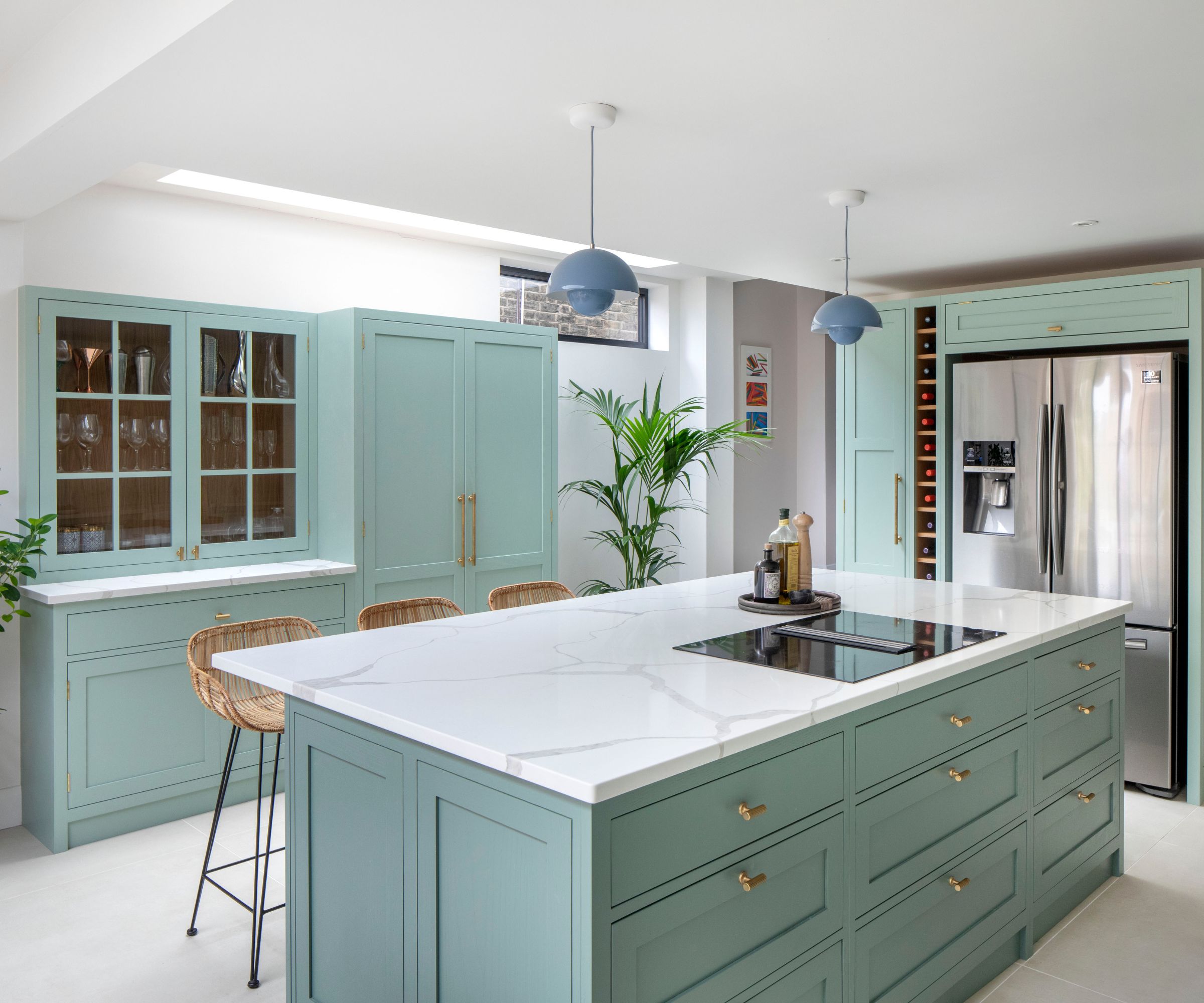
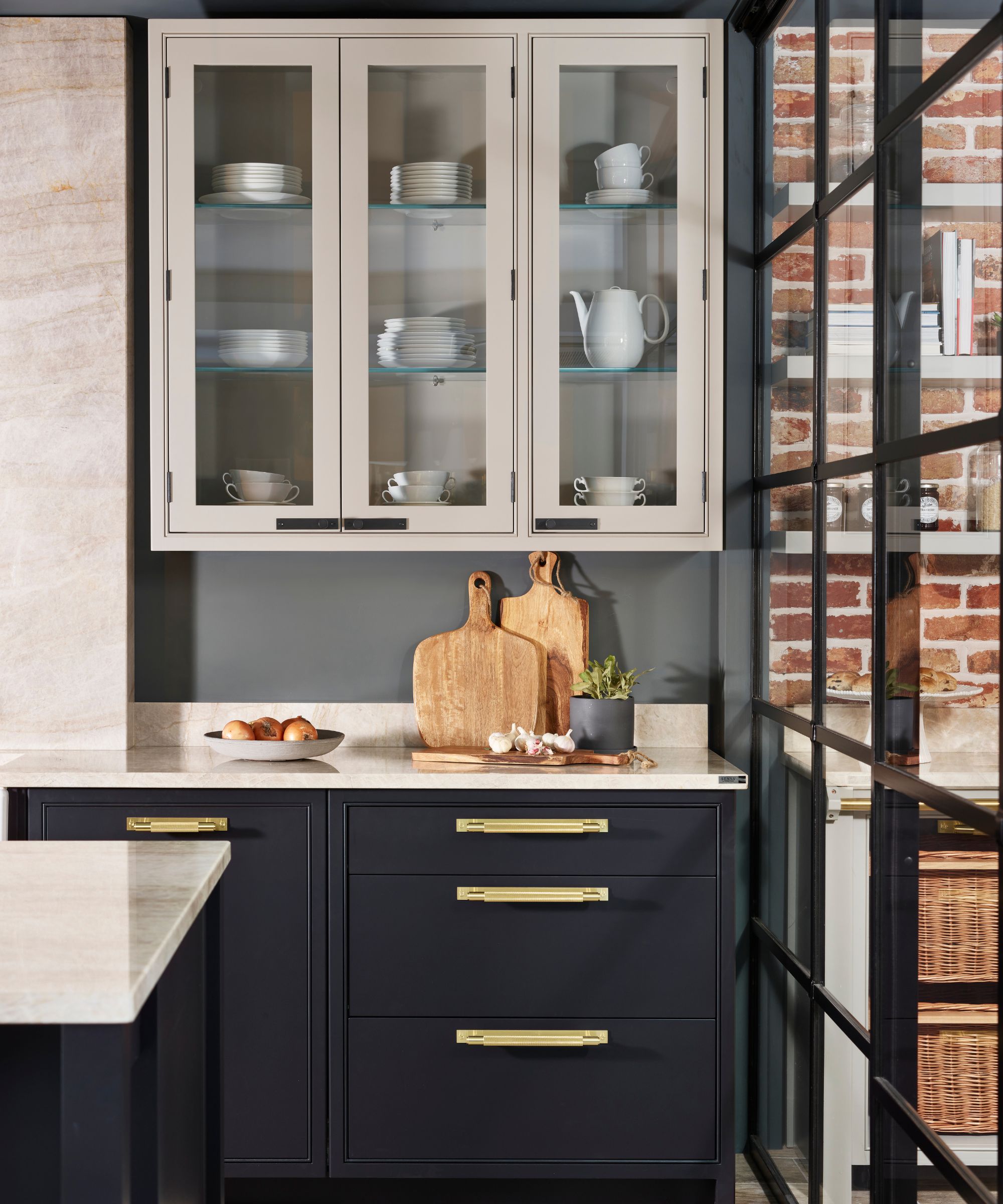
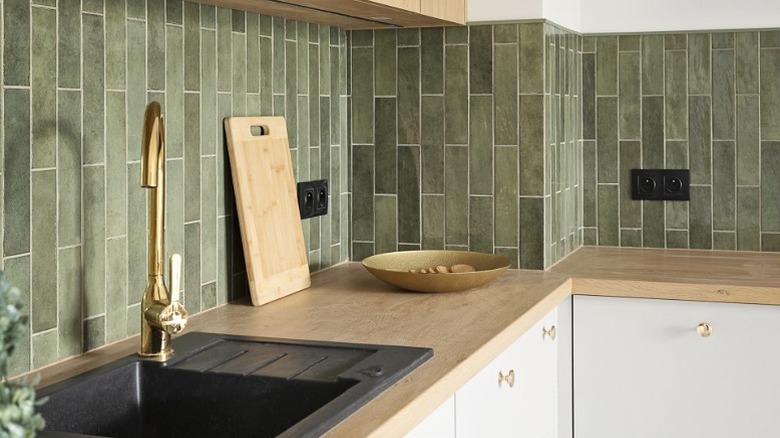
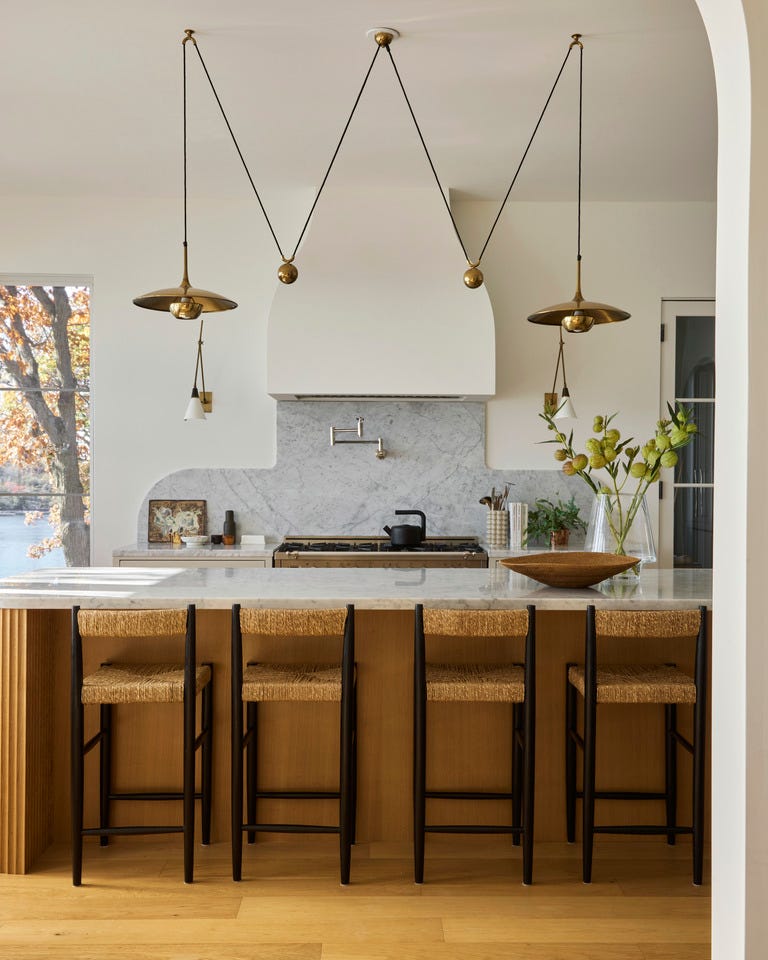
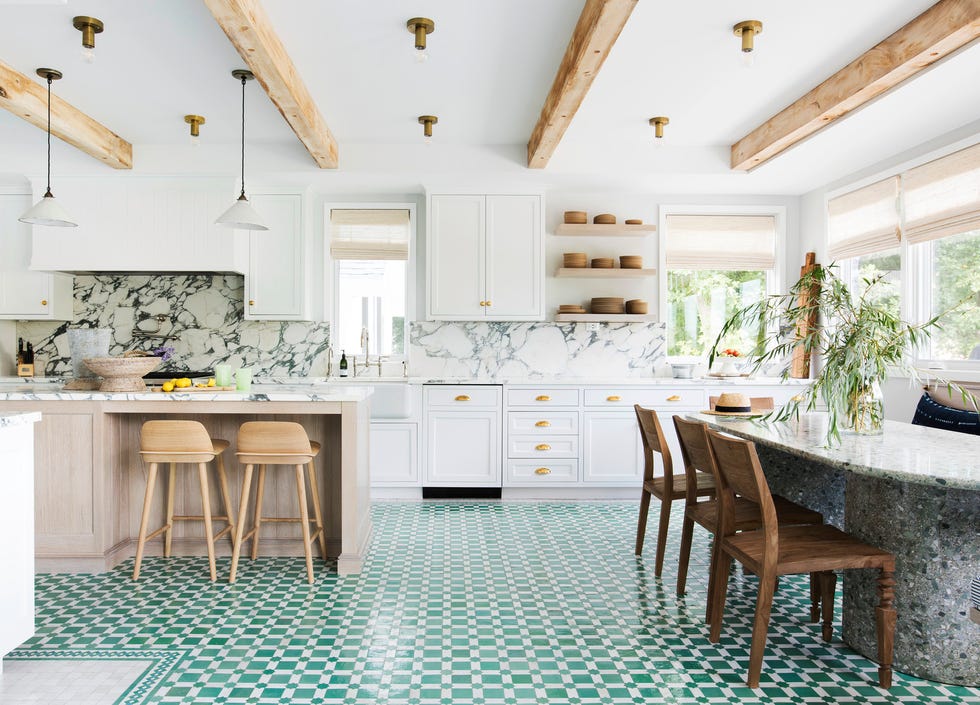
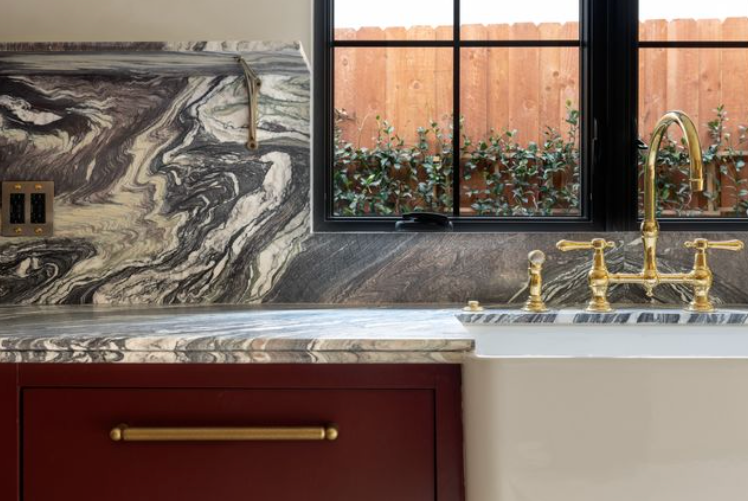
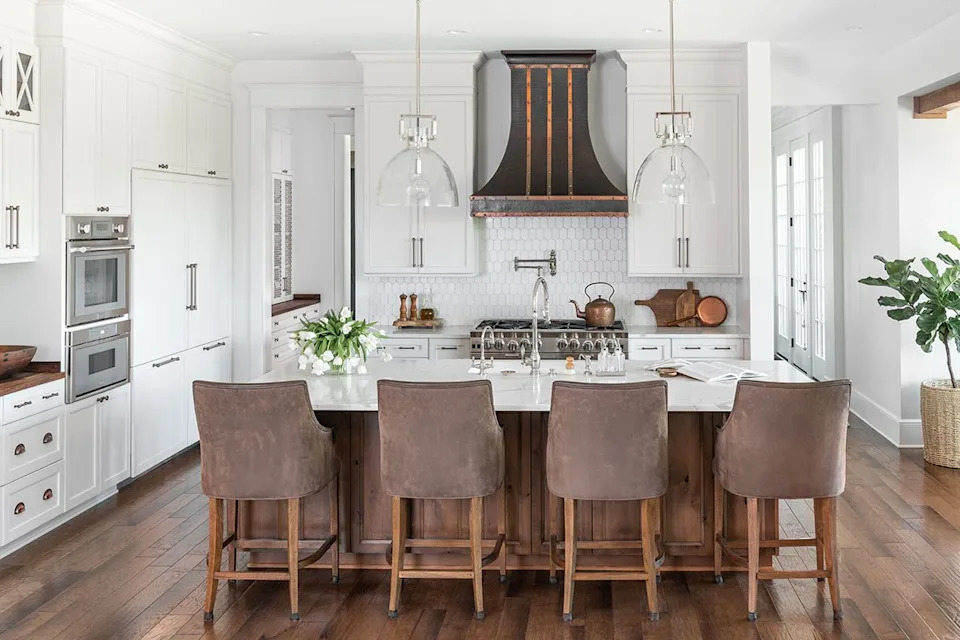
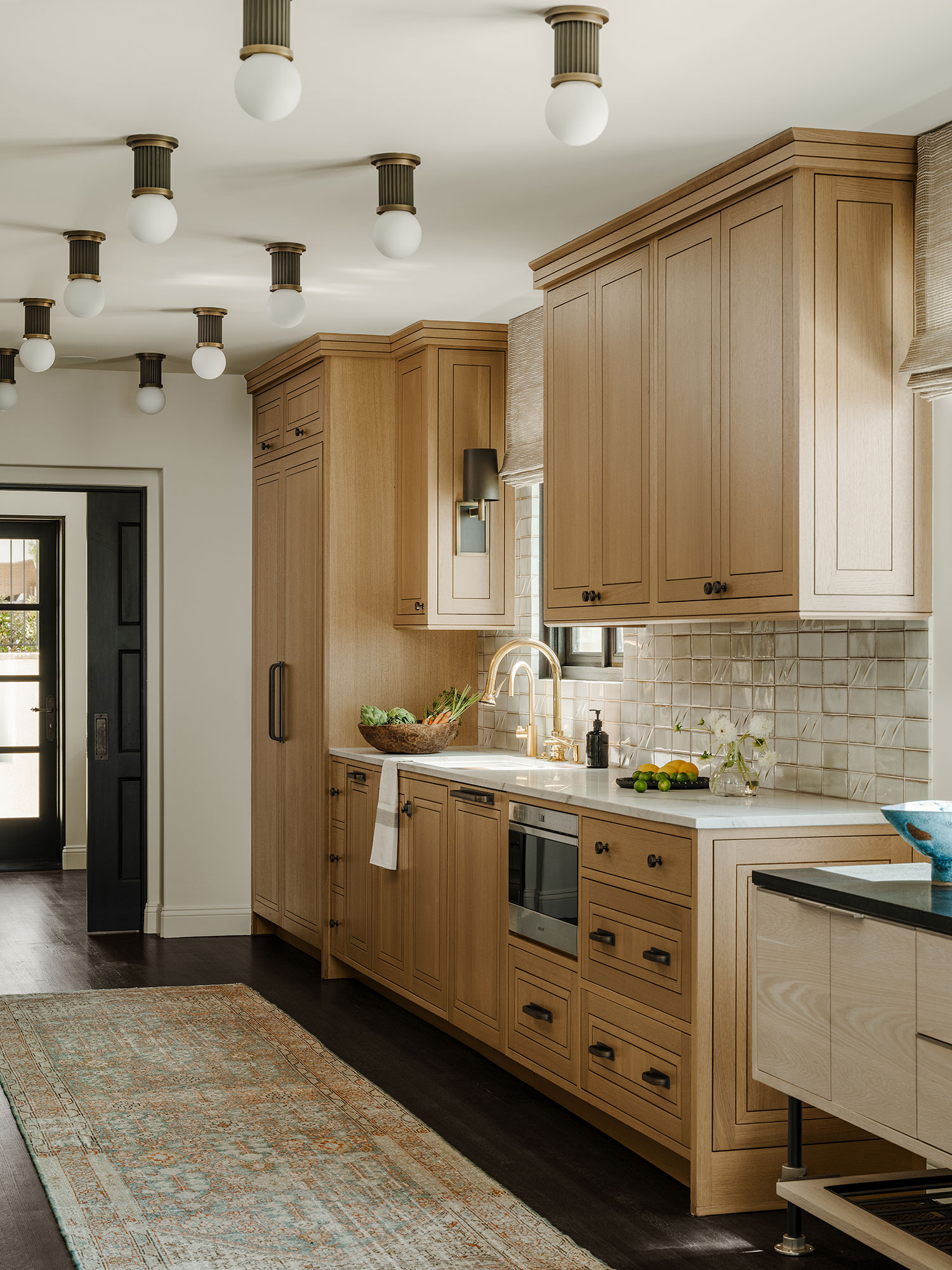
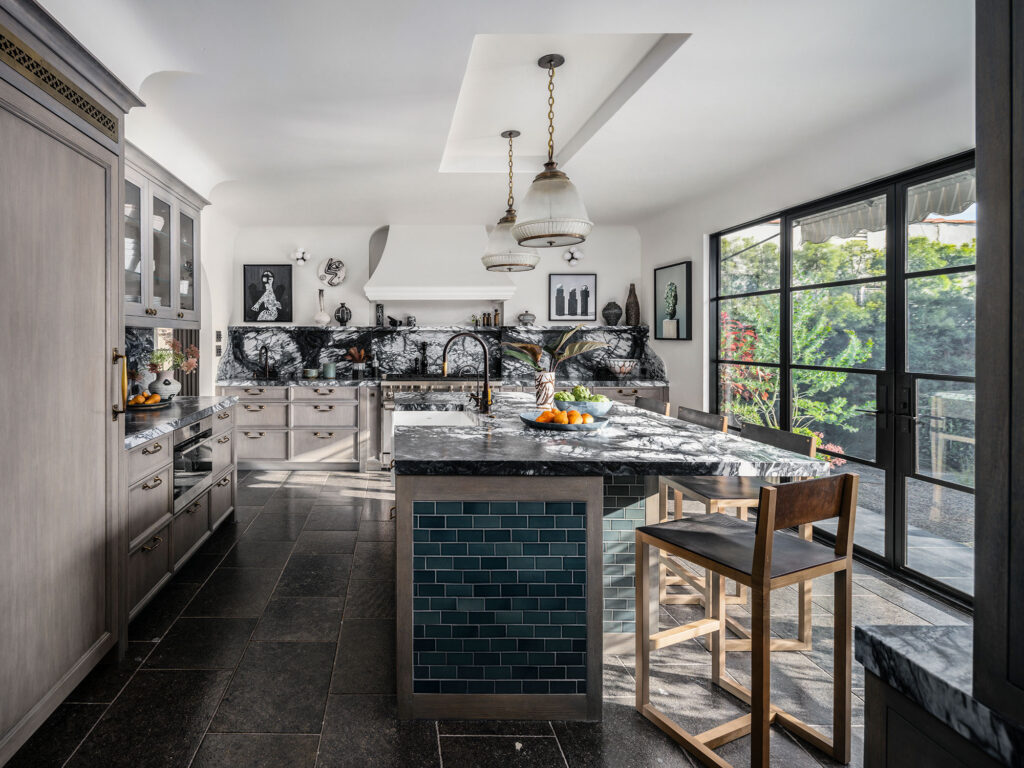
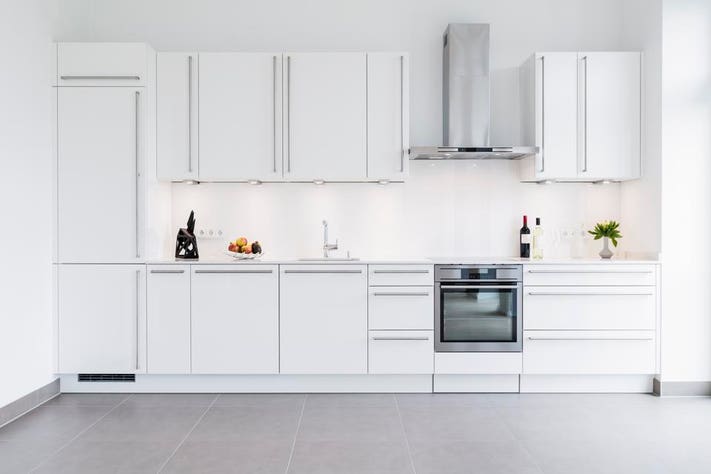
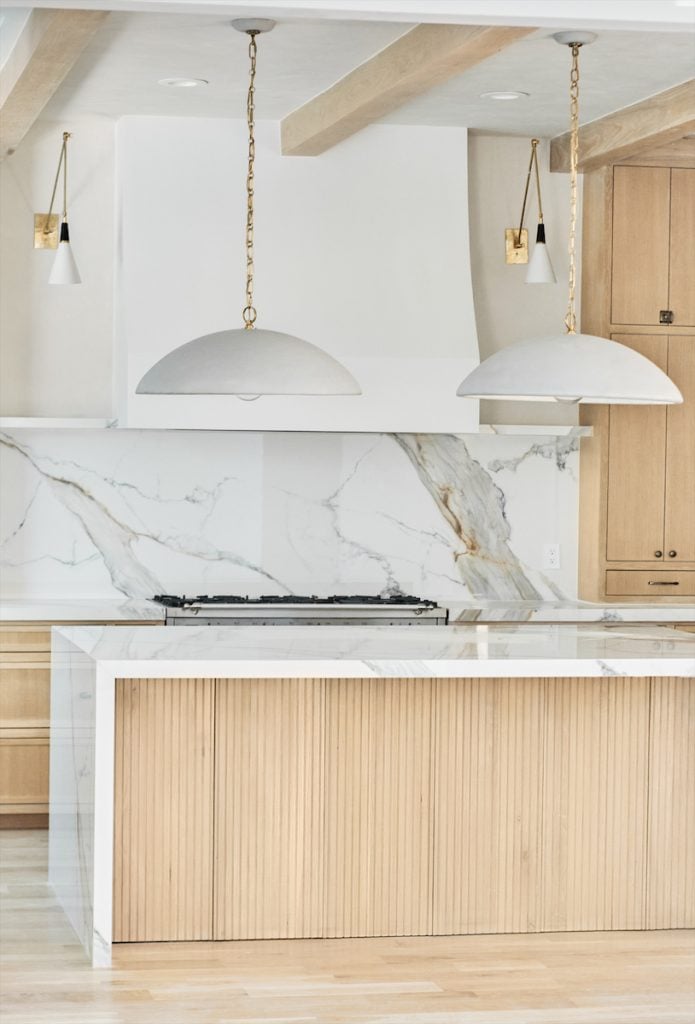
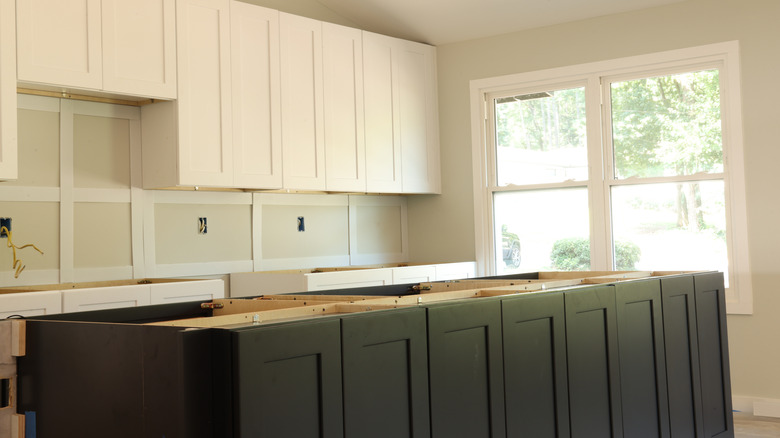
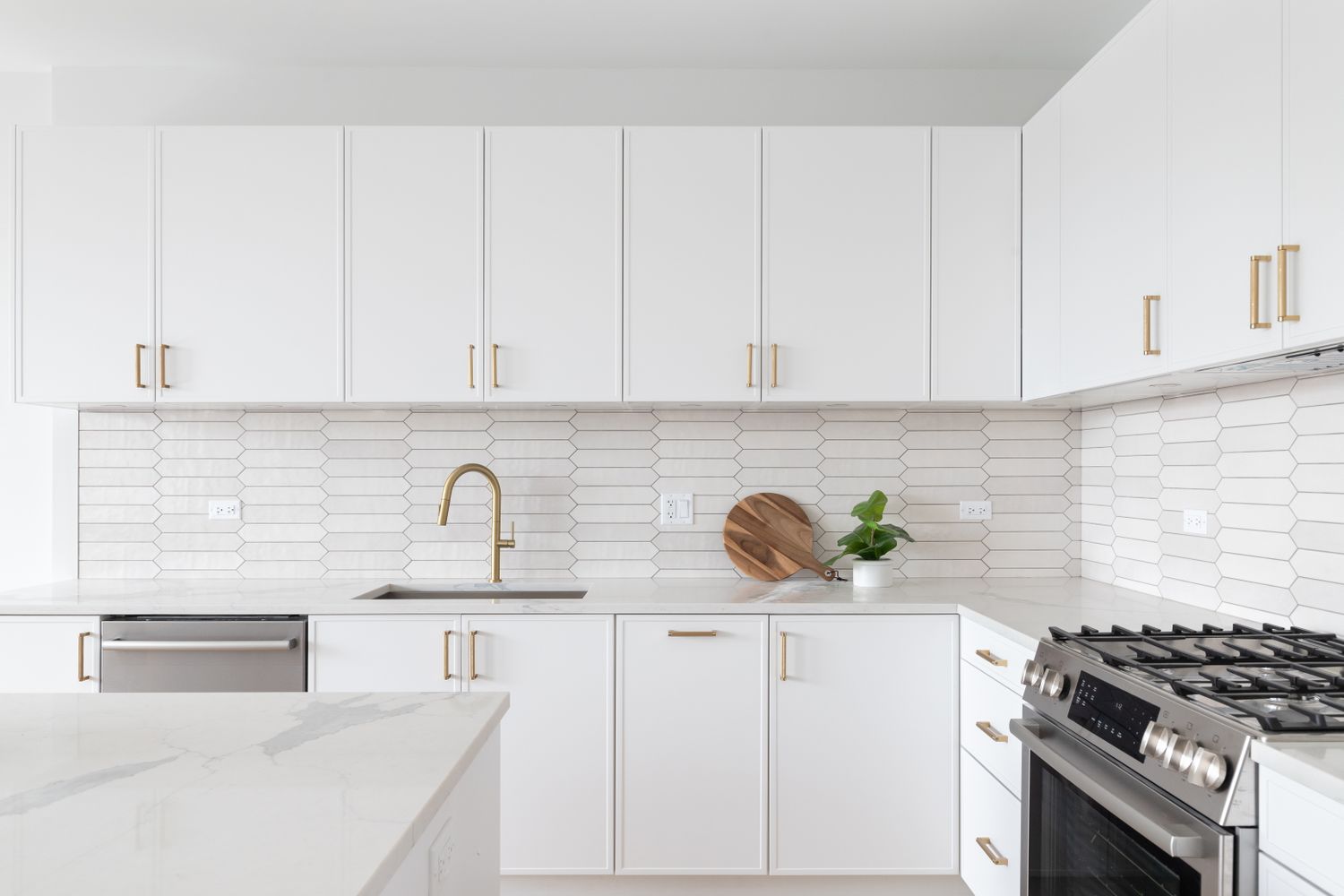
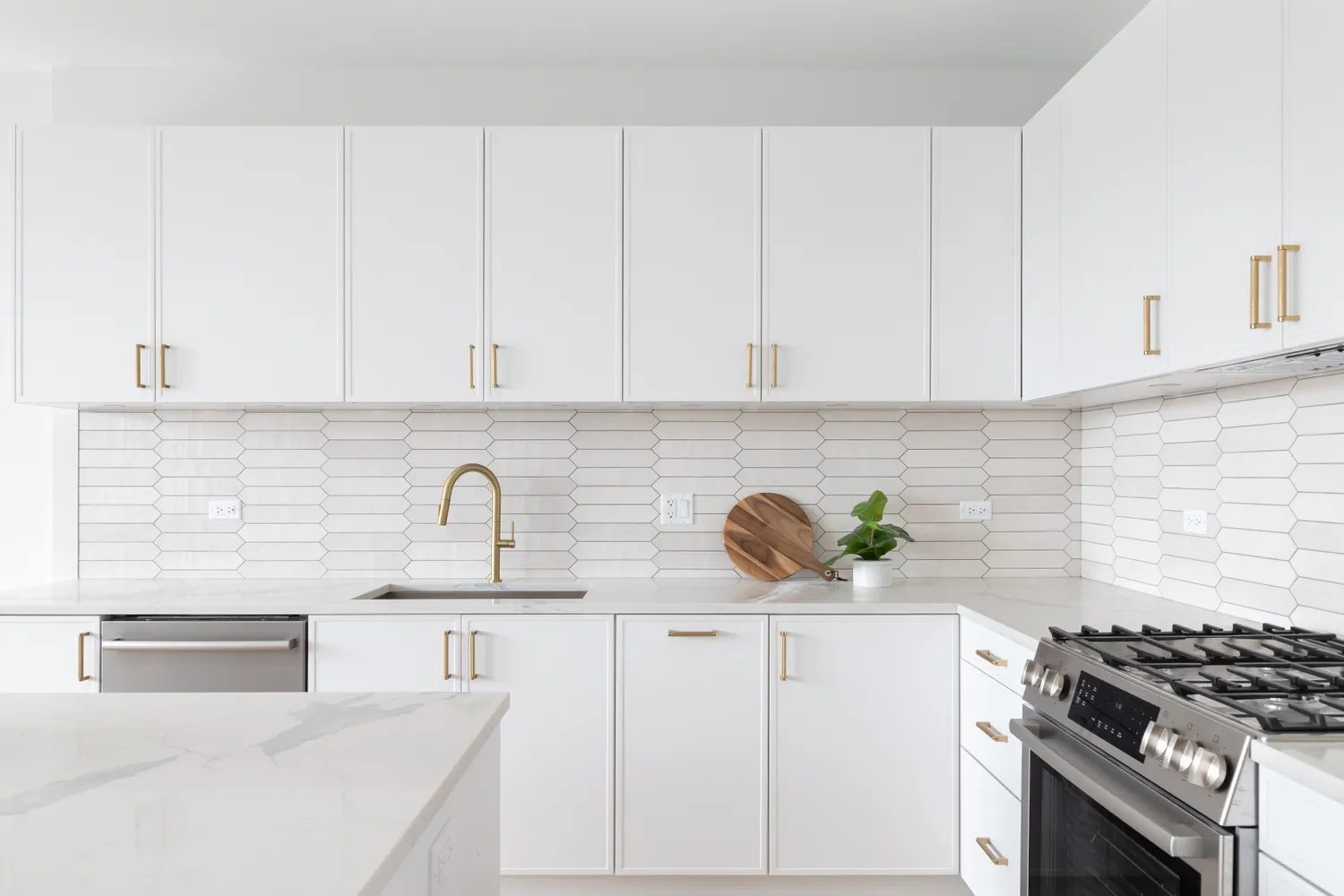
For homeowners seeking to create a spacious feel without the downsides of open shelving, designers offer alternative solutions. Loven recommends incorporating highly functional lower drawers instead of upper cabinets, noting that storing dishes in drawers is a current trend that offers easier access, especially as people age. This approach frees up upper wall space for more appropriate styling elements like art or wall sconces. Another method to achieve an open aesthetic in a traditional kitchen is to paint upper cabinets the same color as the walls, using a durable sheen on the cabinets. This technique allows the cabinets to blend seamlessly with the wall, creating an open feel without sacrificing storage or inviting clutter. Additionally, updating backsplashes or thoughtfully styling countertops can add visual interest, achieving the decorative goals often associated with open shelving without the added cleaning burden.
#KitchenDesign #OpenShelving #InteriorDesignTrends #HomeDecor #KitchenOrganization #DesignTips #HomeStyling #OutdatedTrends #FunctionalDesign #KitchenDesign #OpenShelving #InteriorDesignTrends #HomeDecor #KitchenOrganization #DesignTips #HomeStyling #OutdatedTrends #FunctionalDesign
0 comment in total
 No comments yet
You may also like
12 Once-Popular Kitchen Trends That Won't Be Coming Back Anytime Soon
"Frankly, It's Tacky": People Are Revealing Common Home And Kitchen Design Trends They Can't Stand
This "Everyday" Feature Cheapens the Look of Your Entire Kitchen, According to Designers

This Kitchen Design Trend Is Making a Major Comeback—but There's a Catch

This Once-Popular Kitchen Trend Is Actually a Huge Pain—Here’s One Designer’s Solution
5 dated kitchen hardware trends that could be bringing down the look of your kitchen

Design Experts Agree: This Kitchen Style Is Making a Major Comeback
13 Outdated Kitchen Trends You Can Leave In The Past
This Is the Old-World Interior Design Trend Taking Over Kitchens Again
Is This Once Trendy Tile Design Making Your Kitchen Look Outdated?


People Are Exposing The Home Decor Trends That'll "Completely Fade Out" Sooner Than You'd Think

This Modern Design Trend Adds Wow Factor to Any Kitchen

Designers Say They Secretly Hate This Popular Kitchen Design Trend

12 "Outdated" Kitchen Trends You Should Ditch In 2025 (But You Probably Have)

This Outdated Kitchen Design Style Is Coming Back (and That’s a Good Thing)
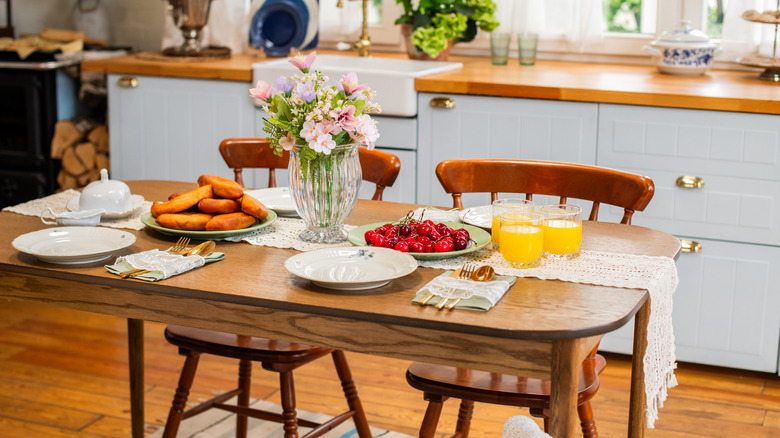
16 Outdated Kitchen Features That Are Unexpectedly Coming Back In Style
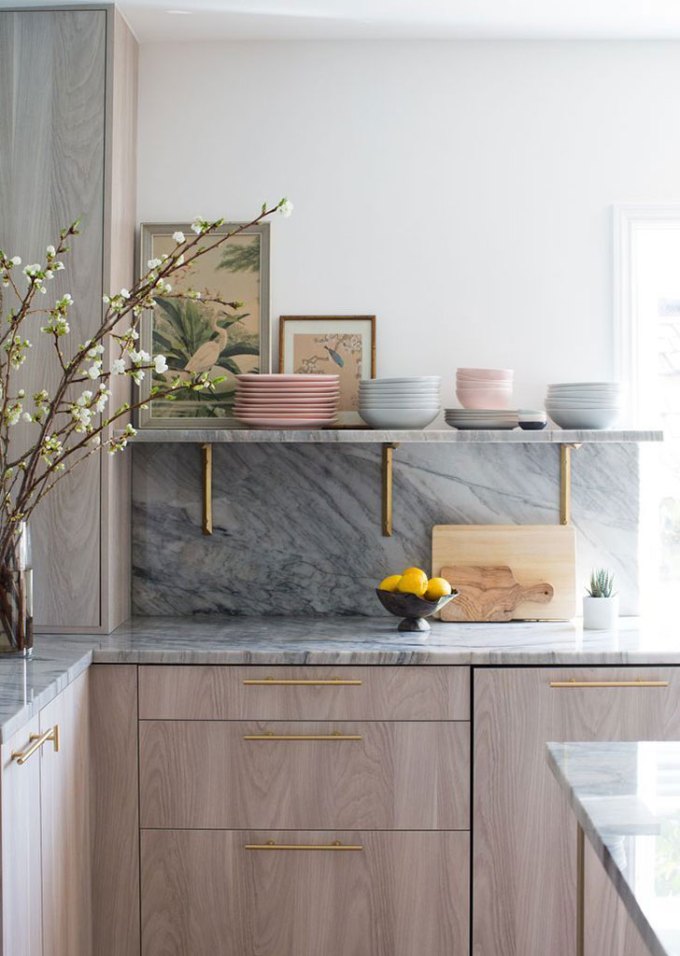
The Controversial Kitchen Trend the Design World Is Buzzing Over
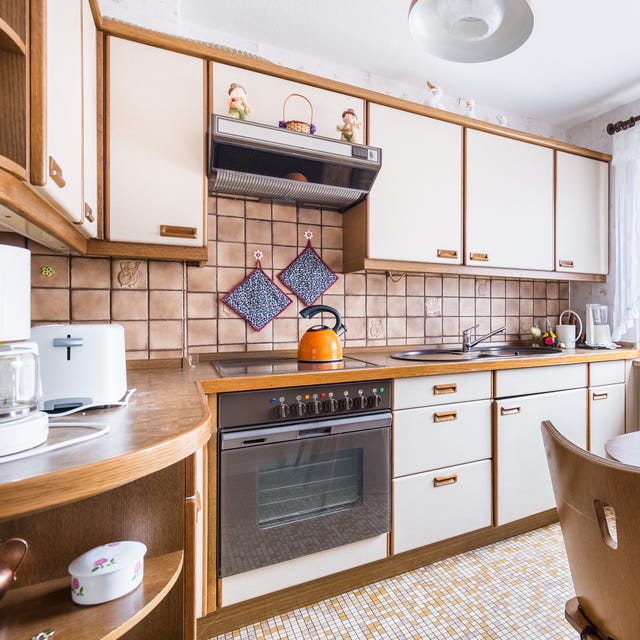
22 Outdated Things You Should Avoid in Your Kitchen, According to Designers
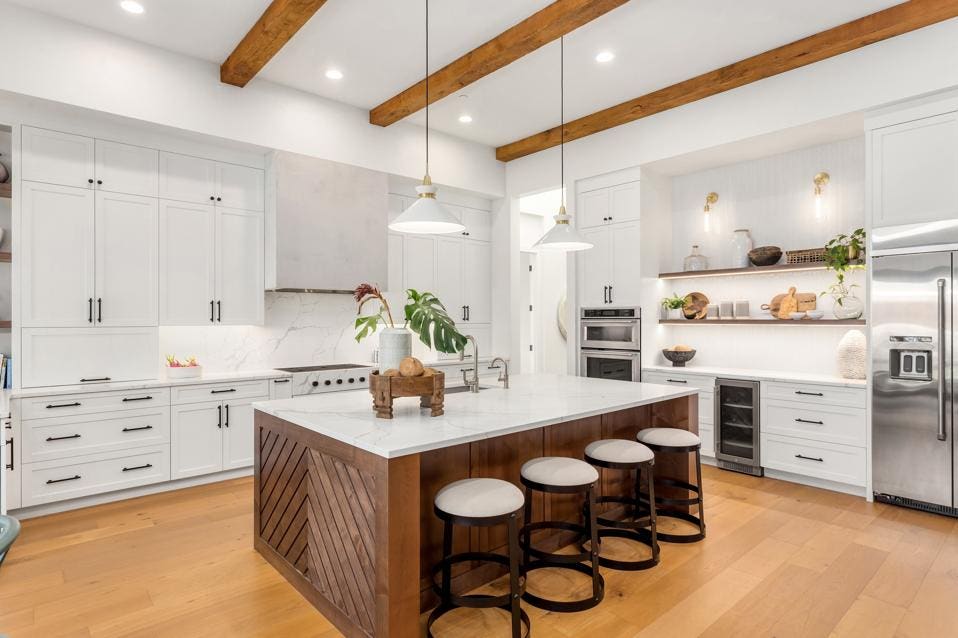
10 Kitchen Design Trends Going Out Of Style In 2025

5 Kitchen Styles That Are Definitely Out of Style, Designers Say