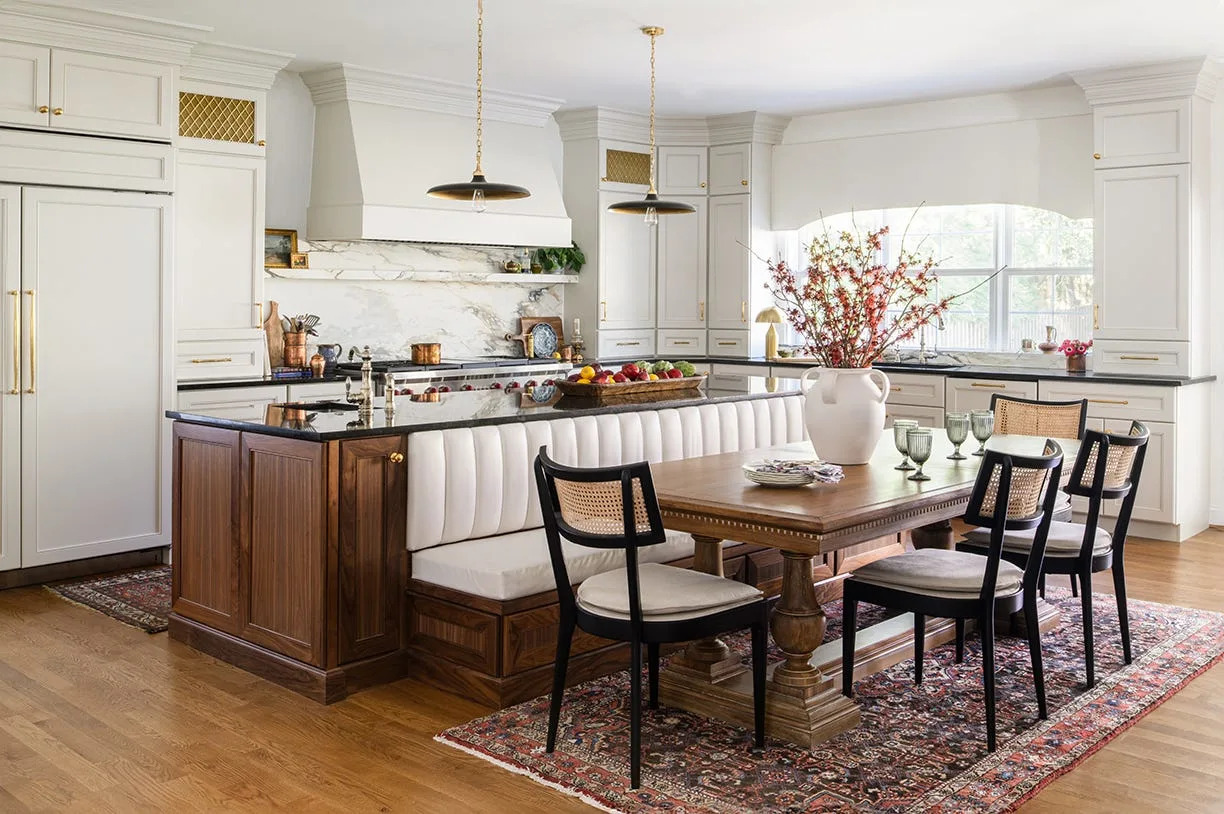
1/2
Design Experts Agree: This Kitchen Style Is Making a Major Comeback
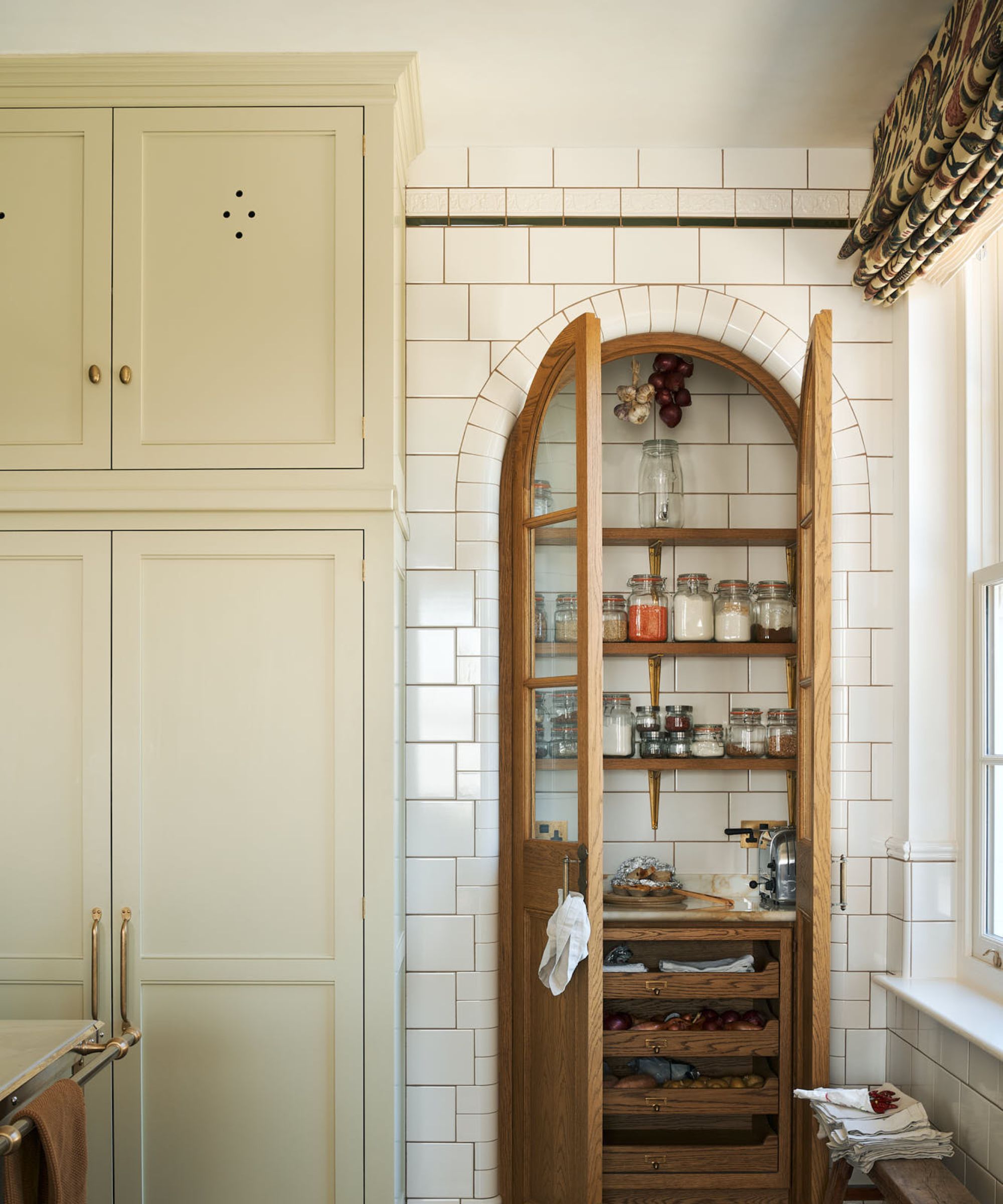
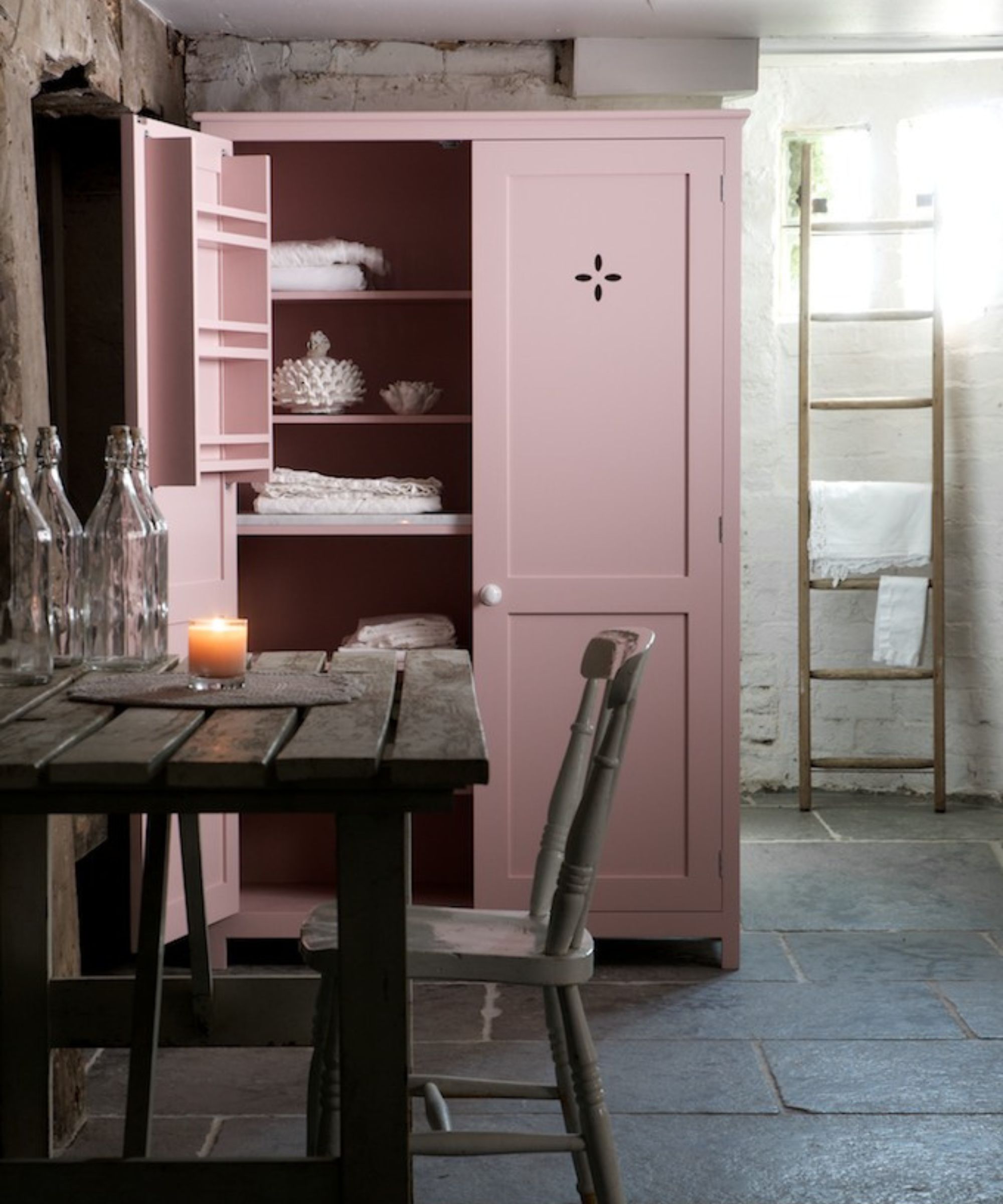
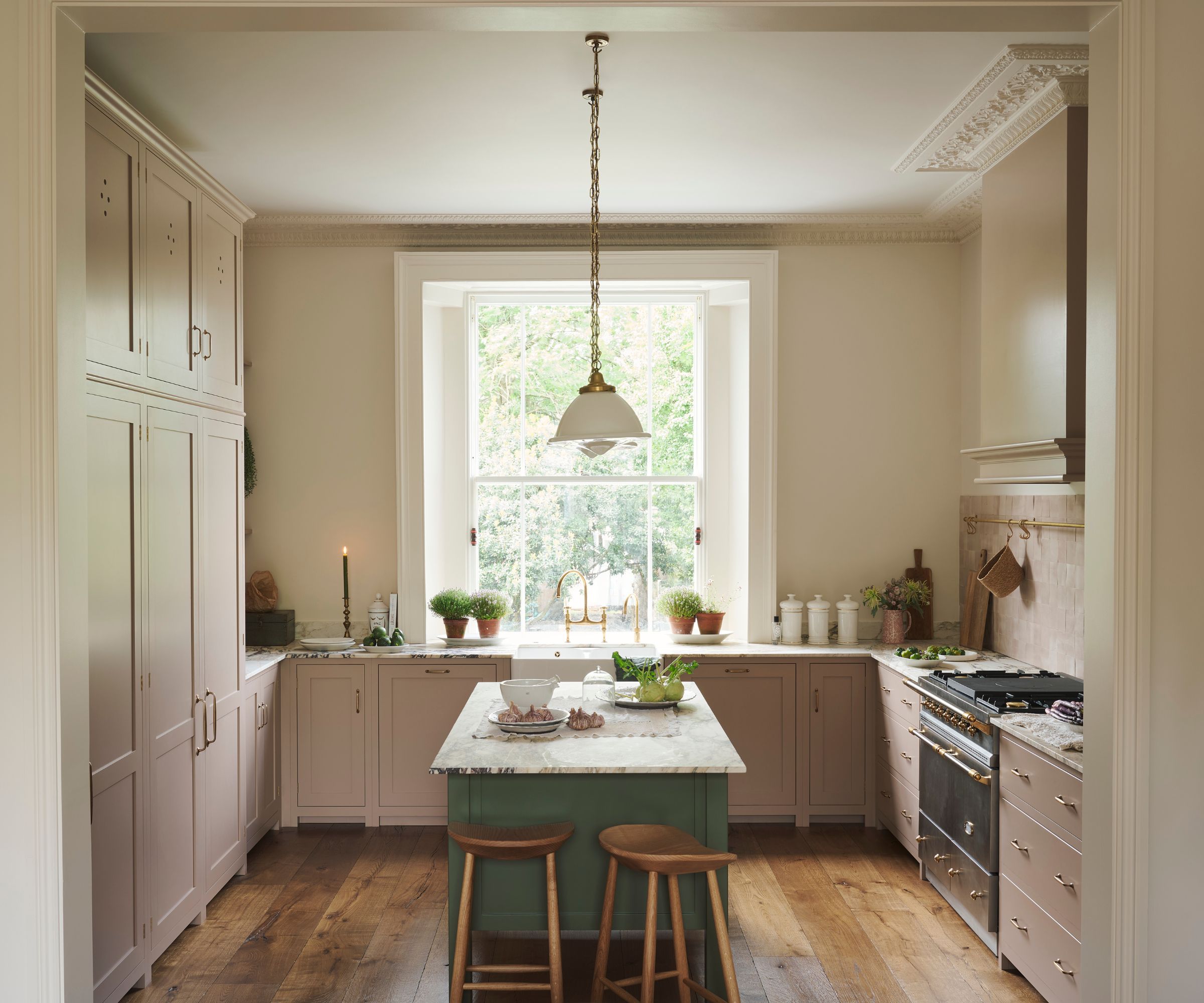
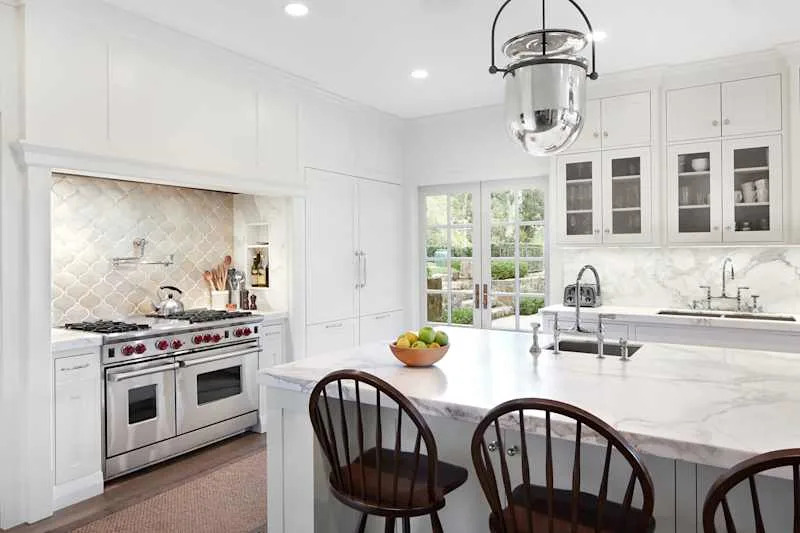
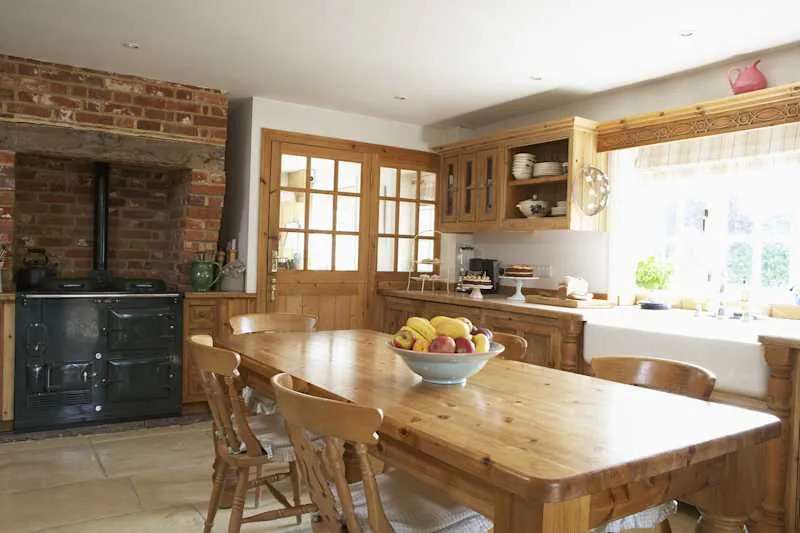
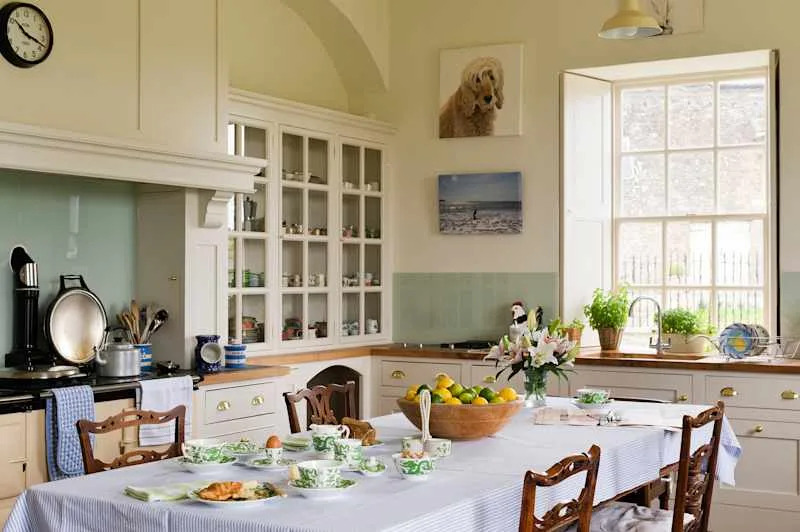
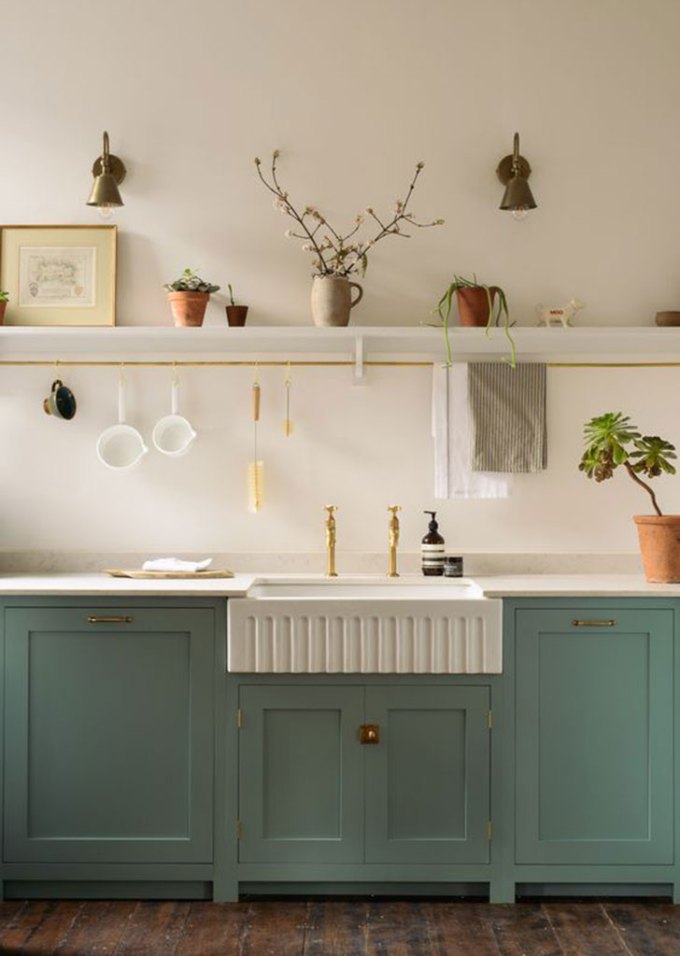
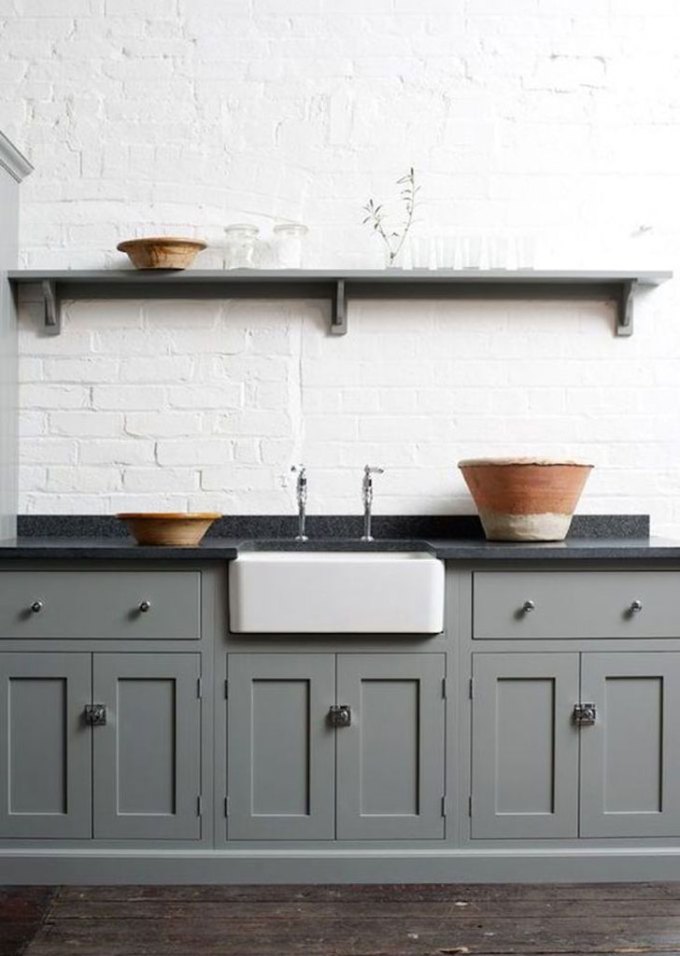
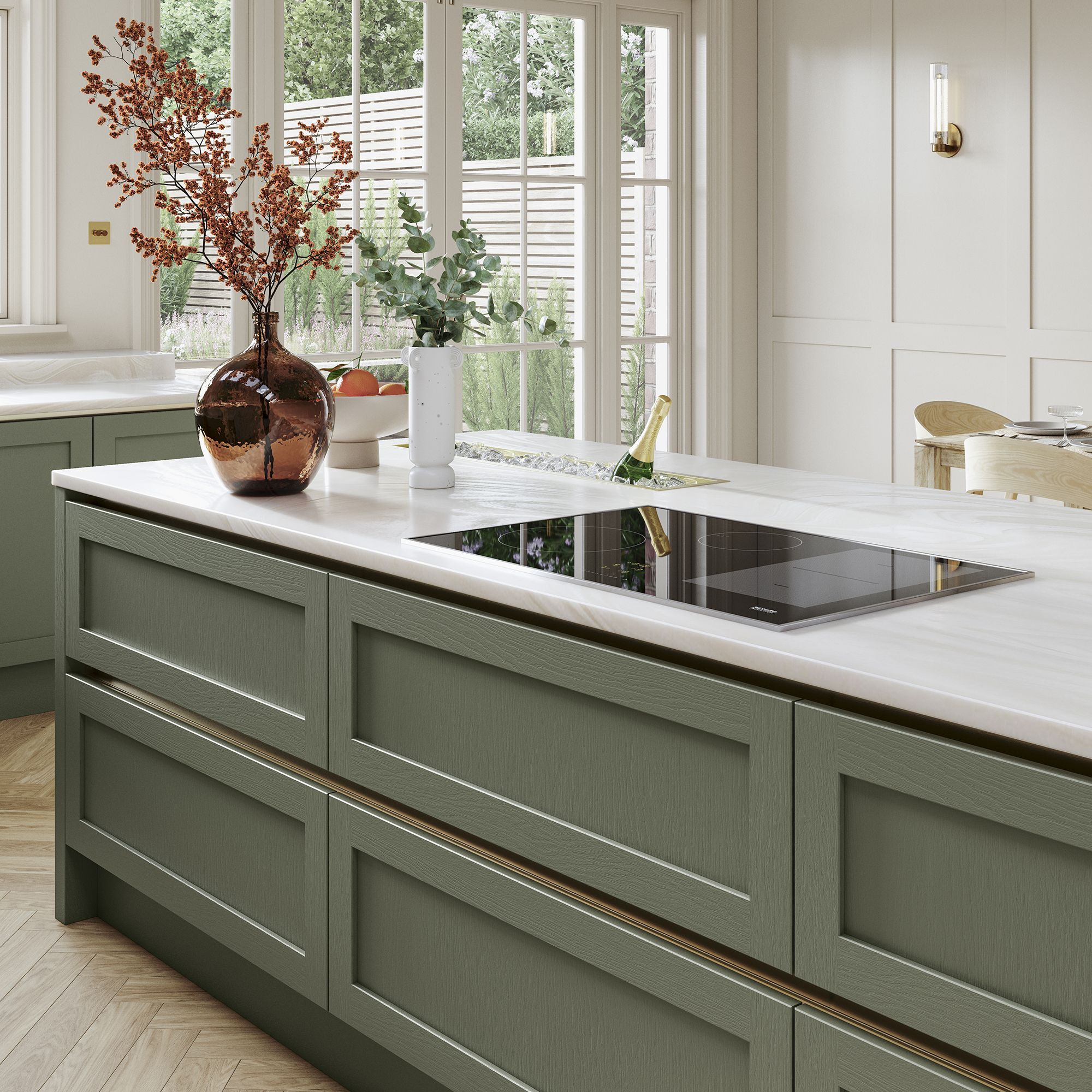
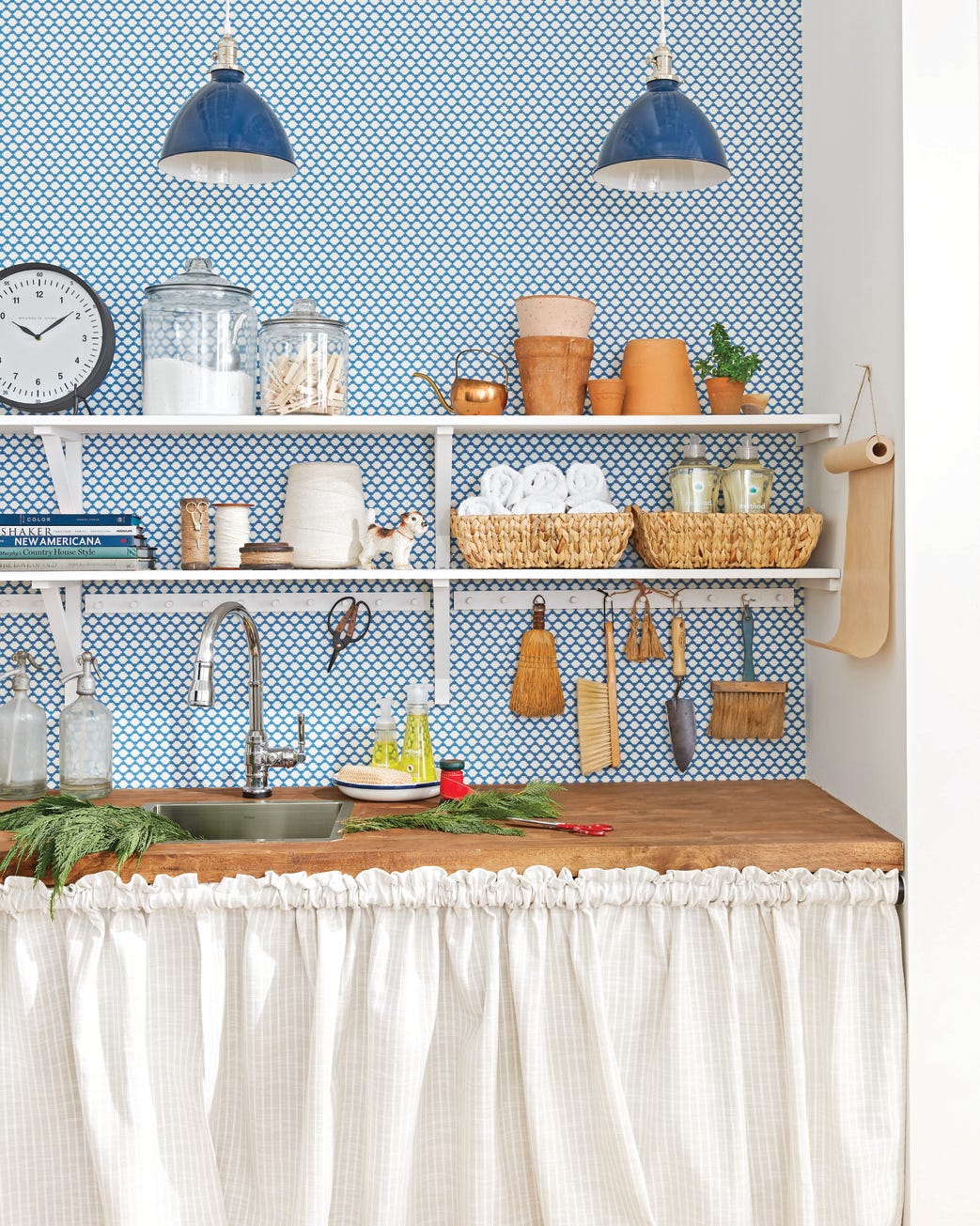
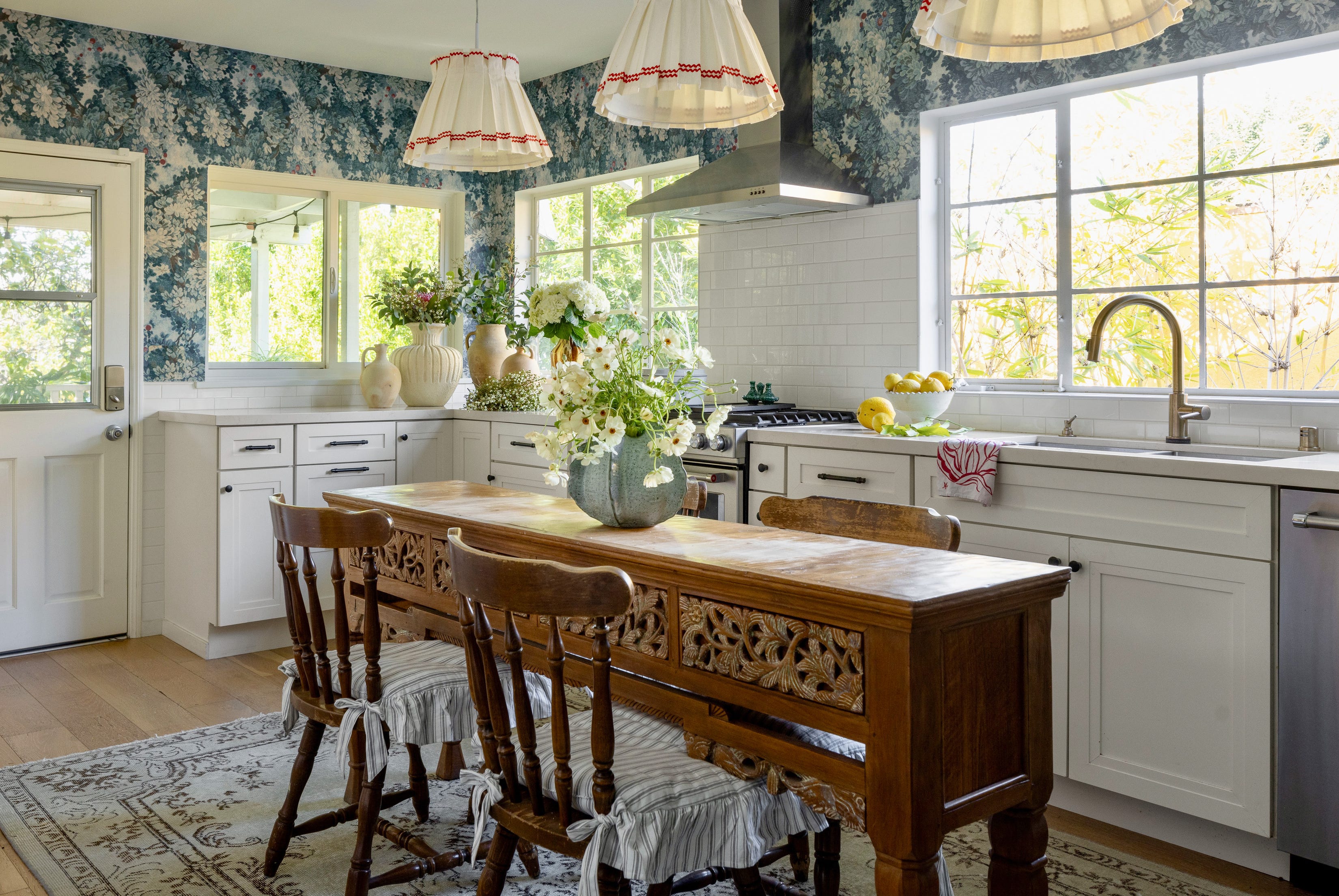
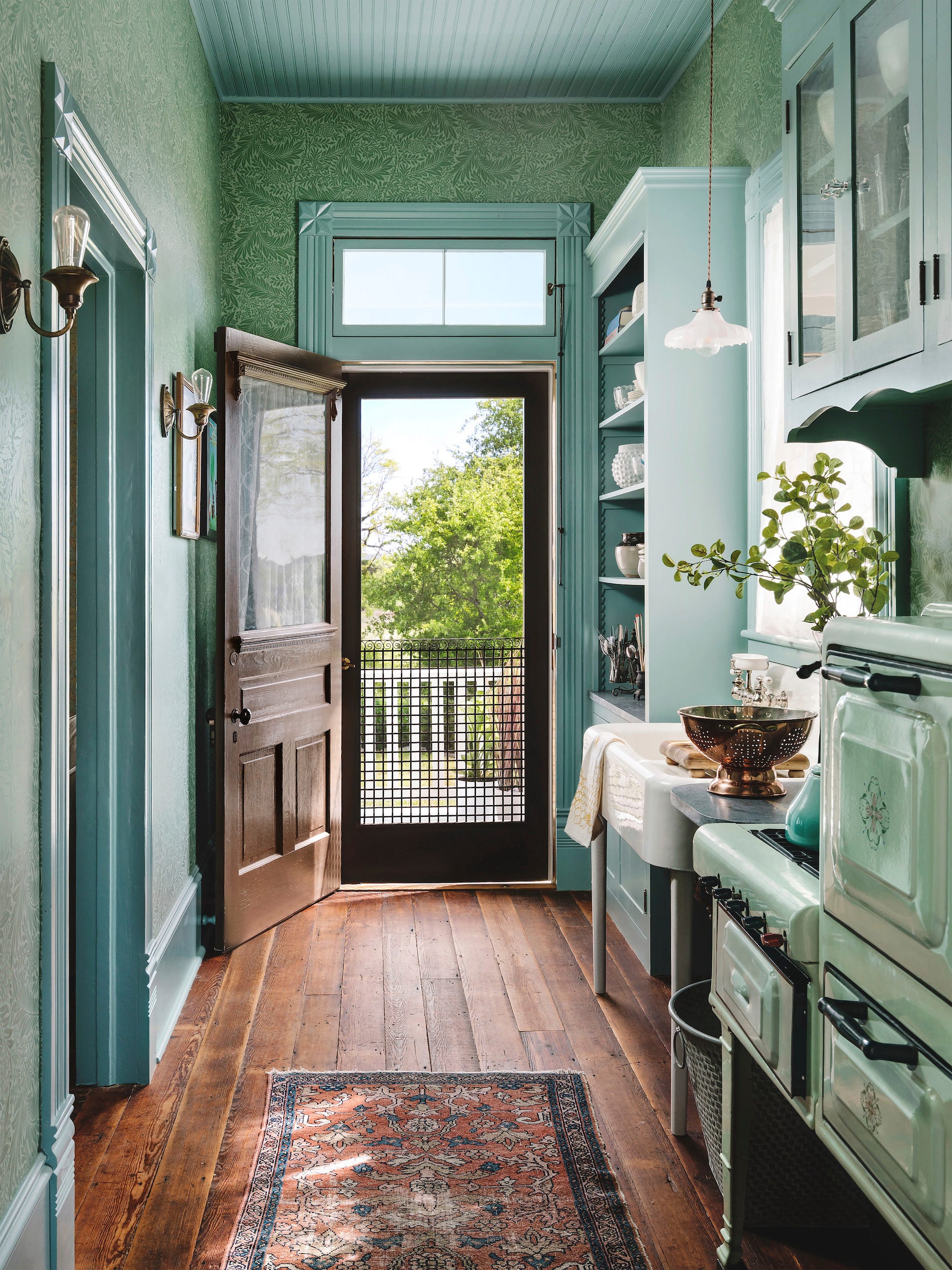
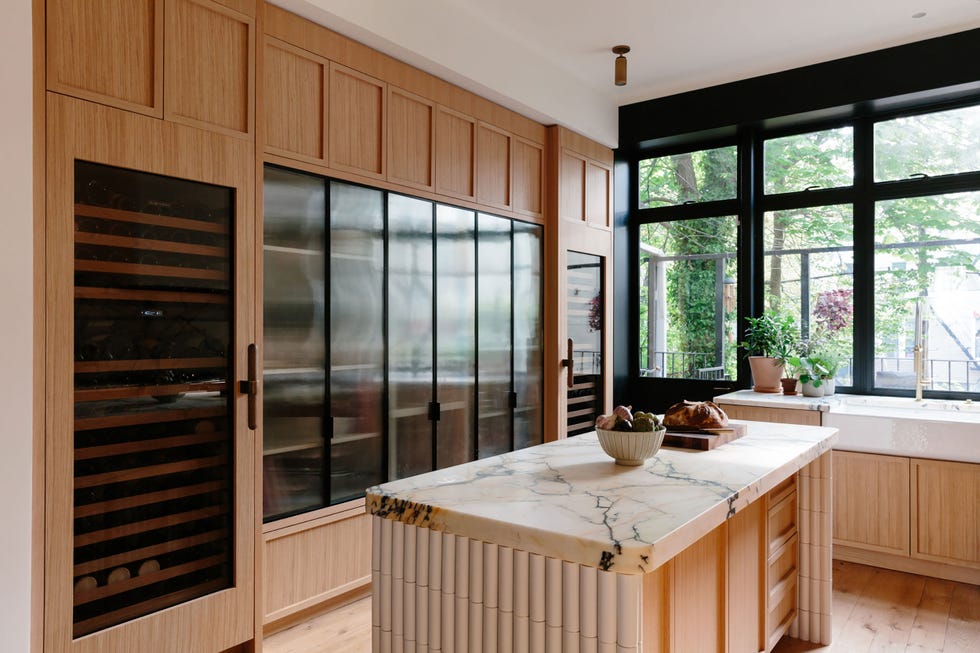
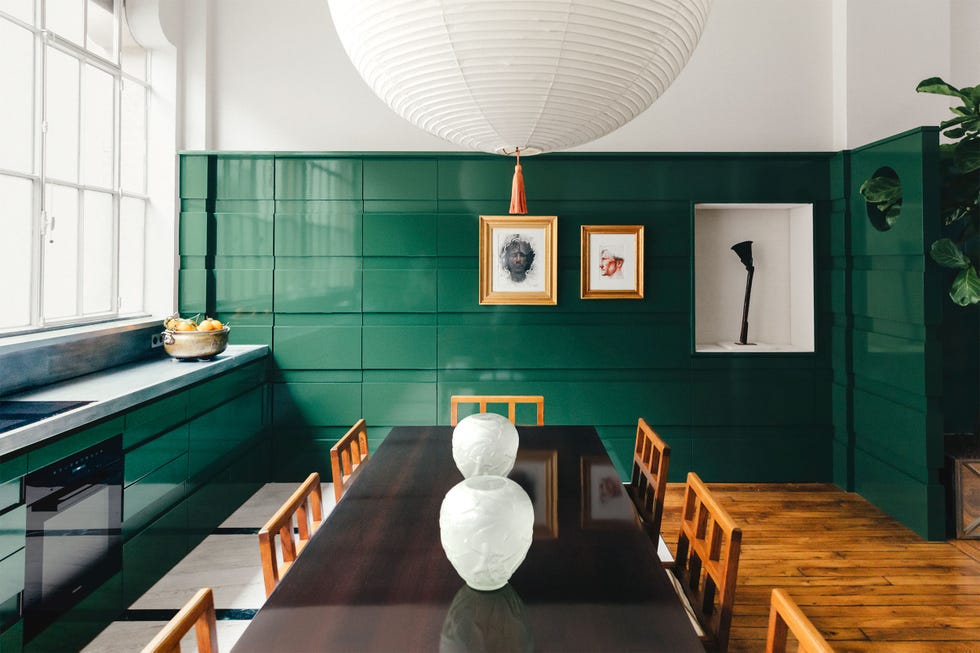
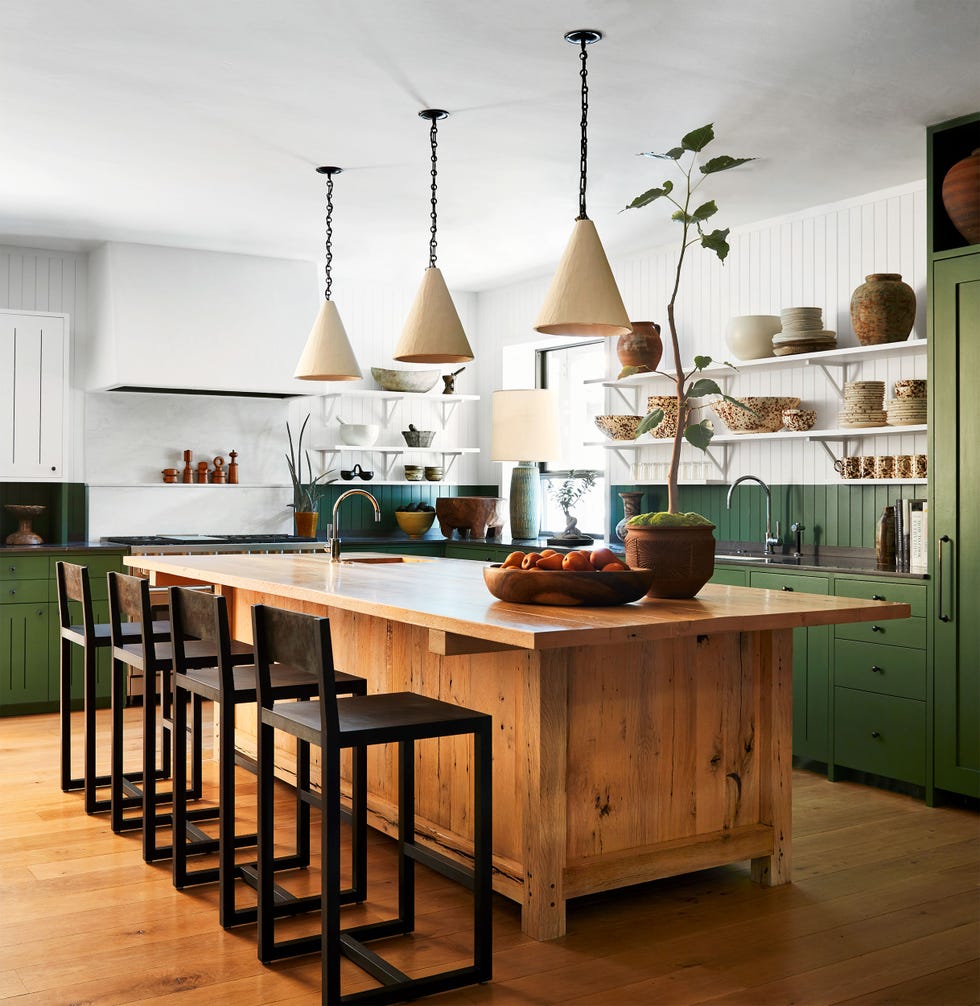
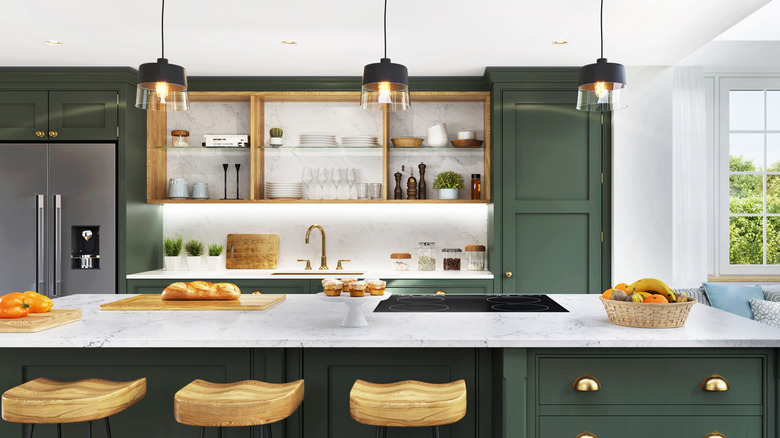
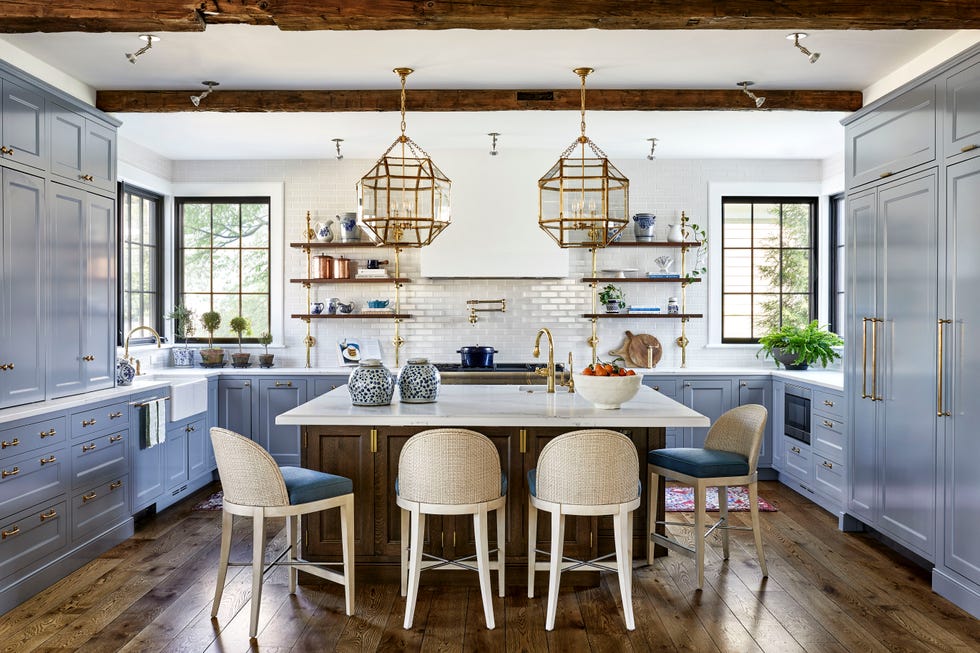
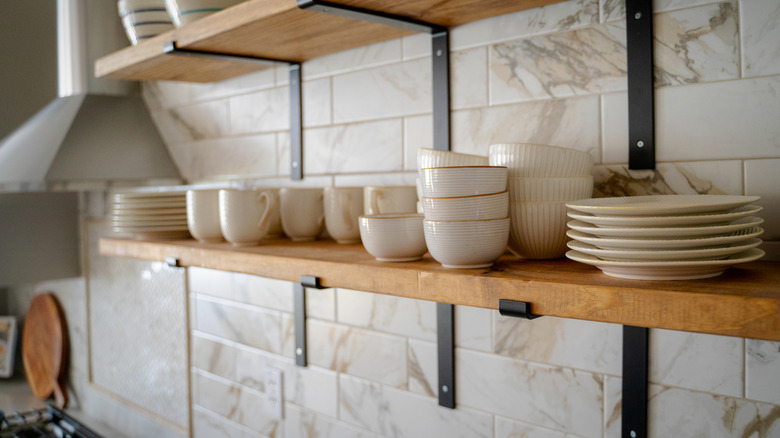
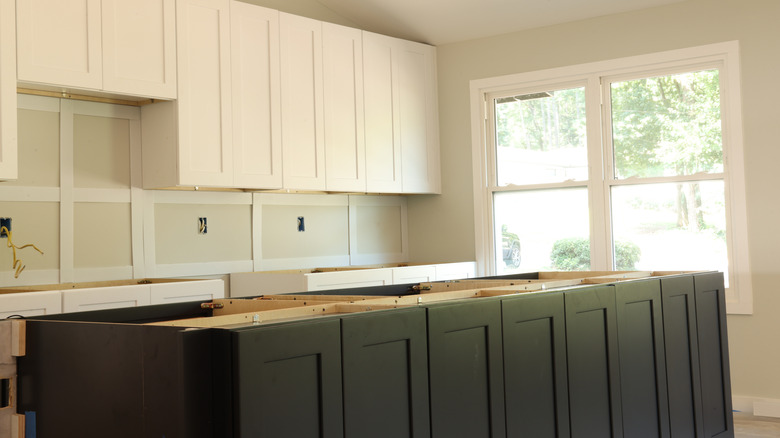
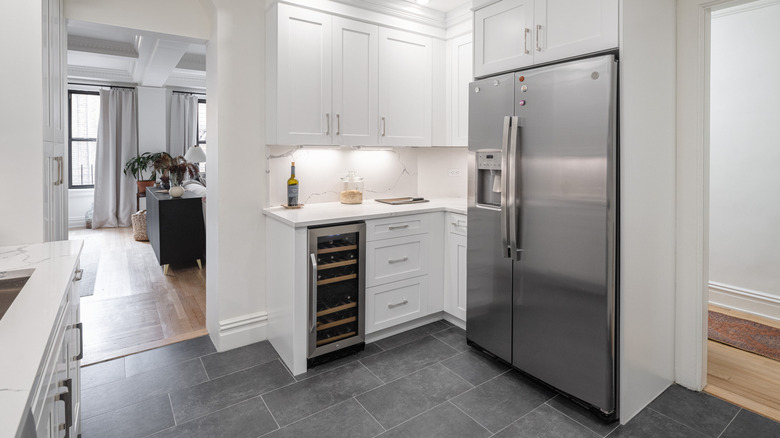
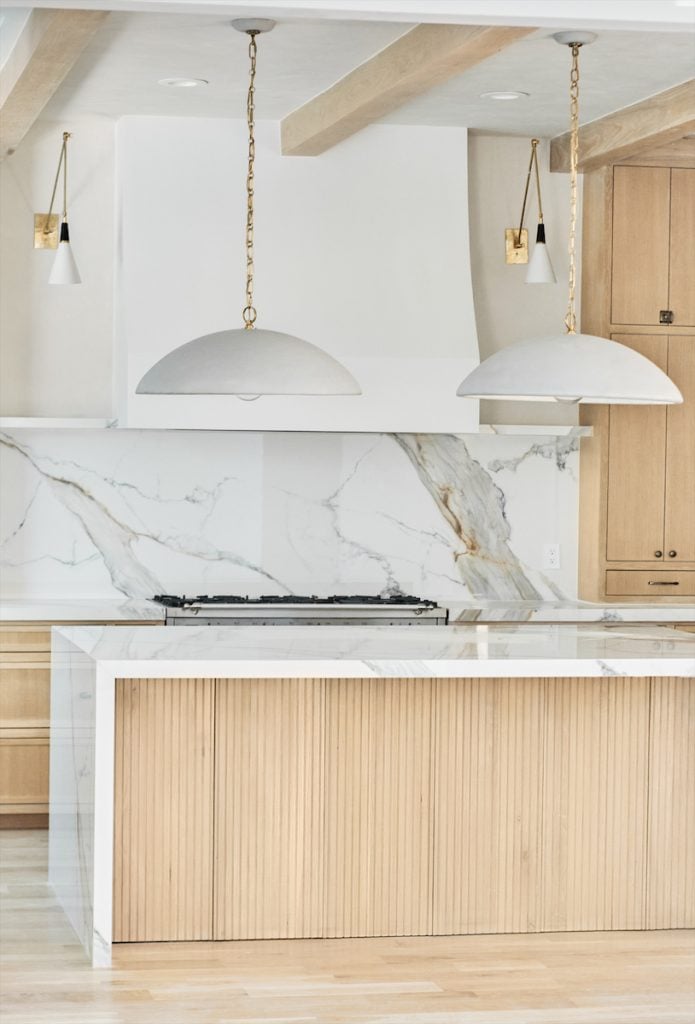
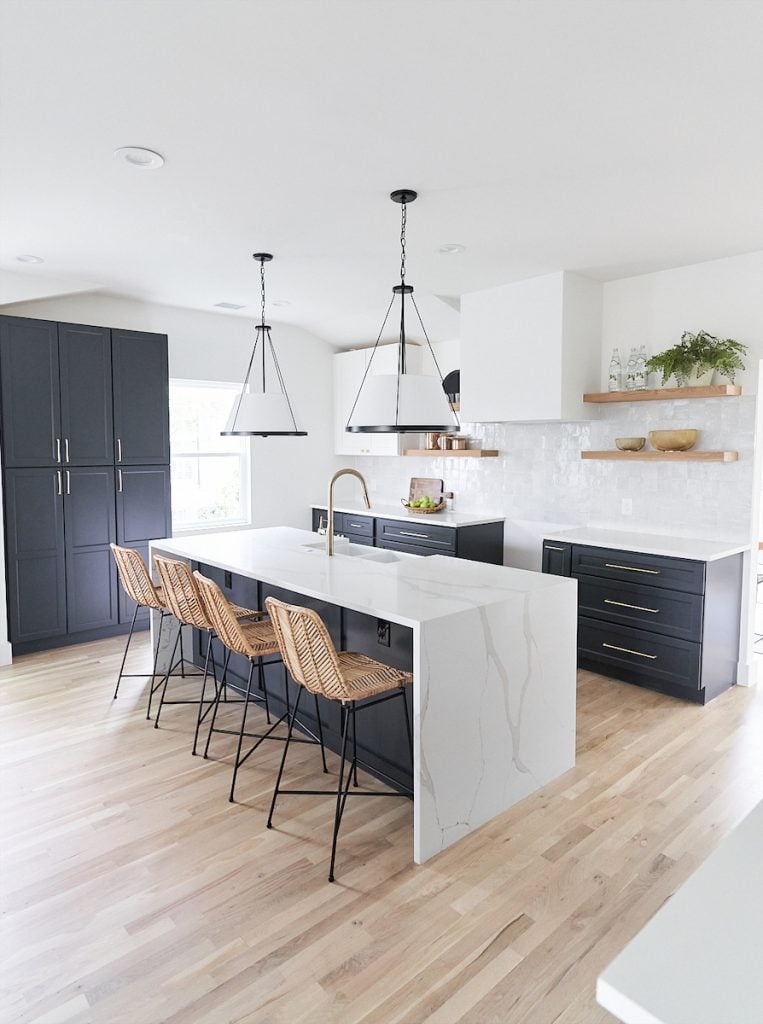
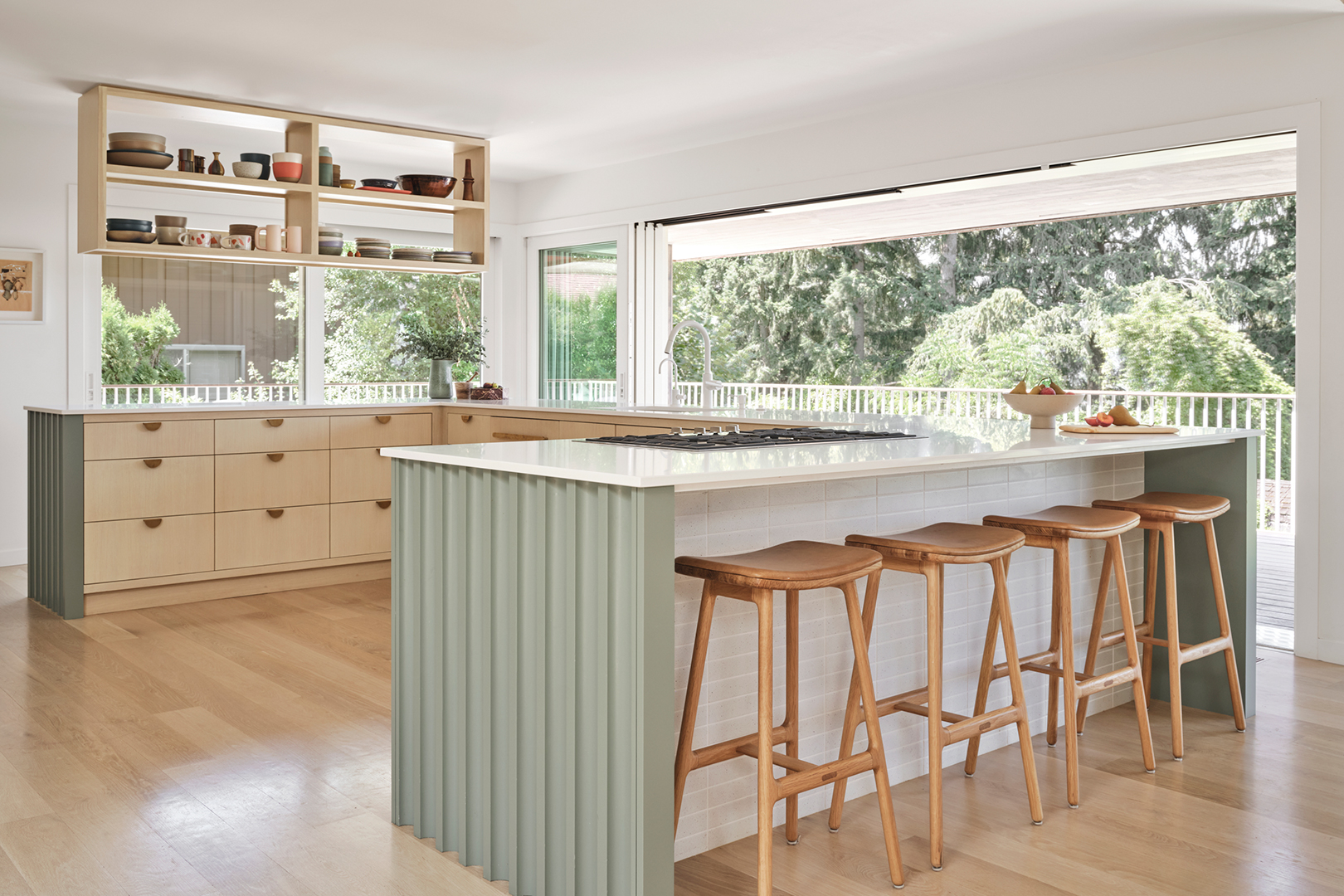
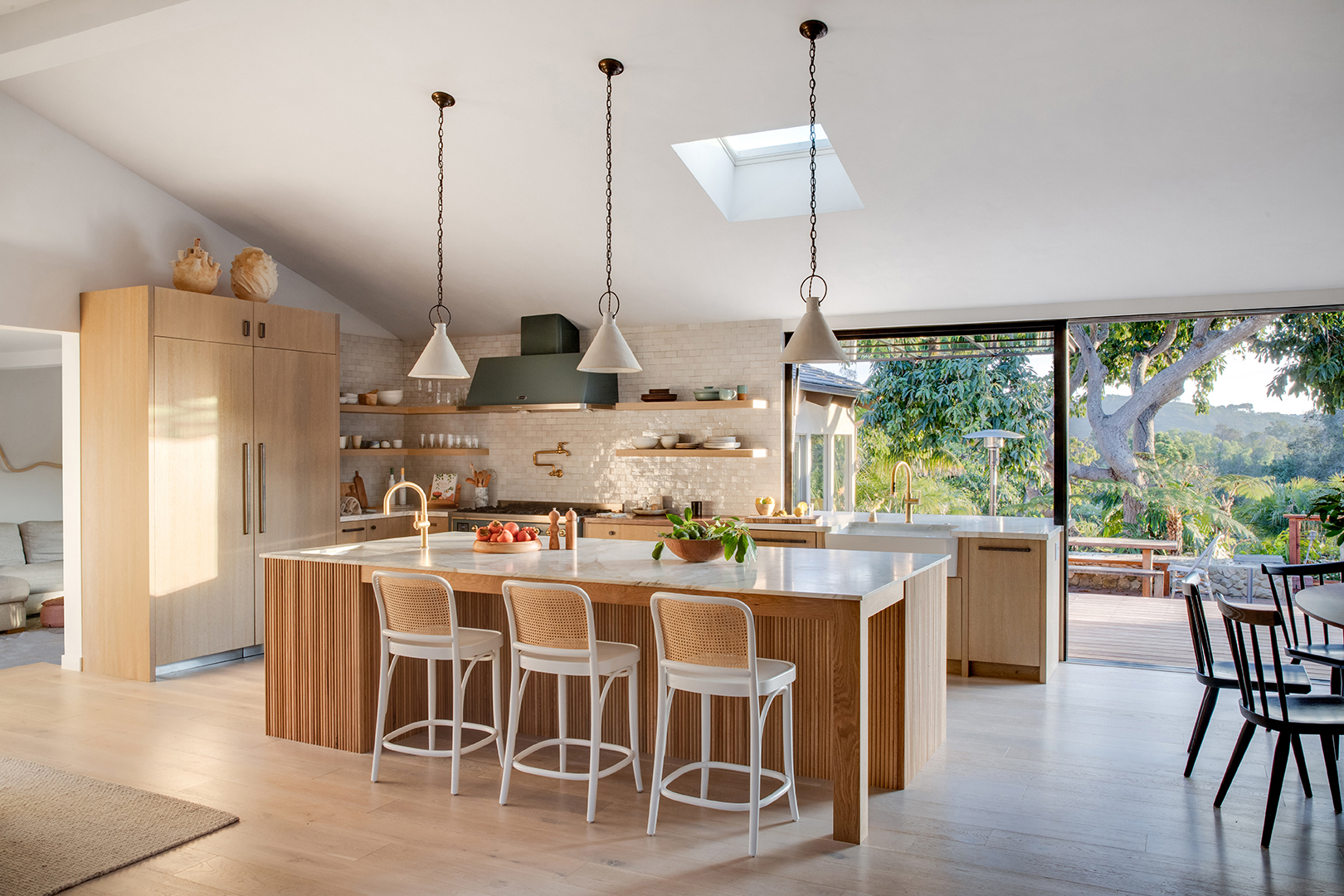
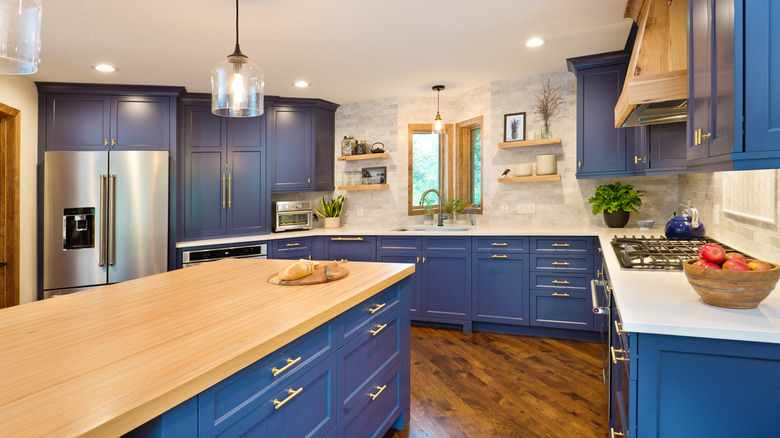
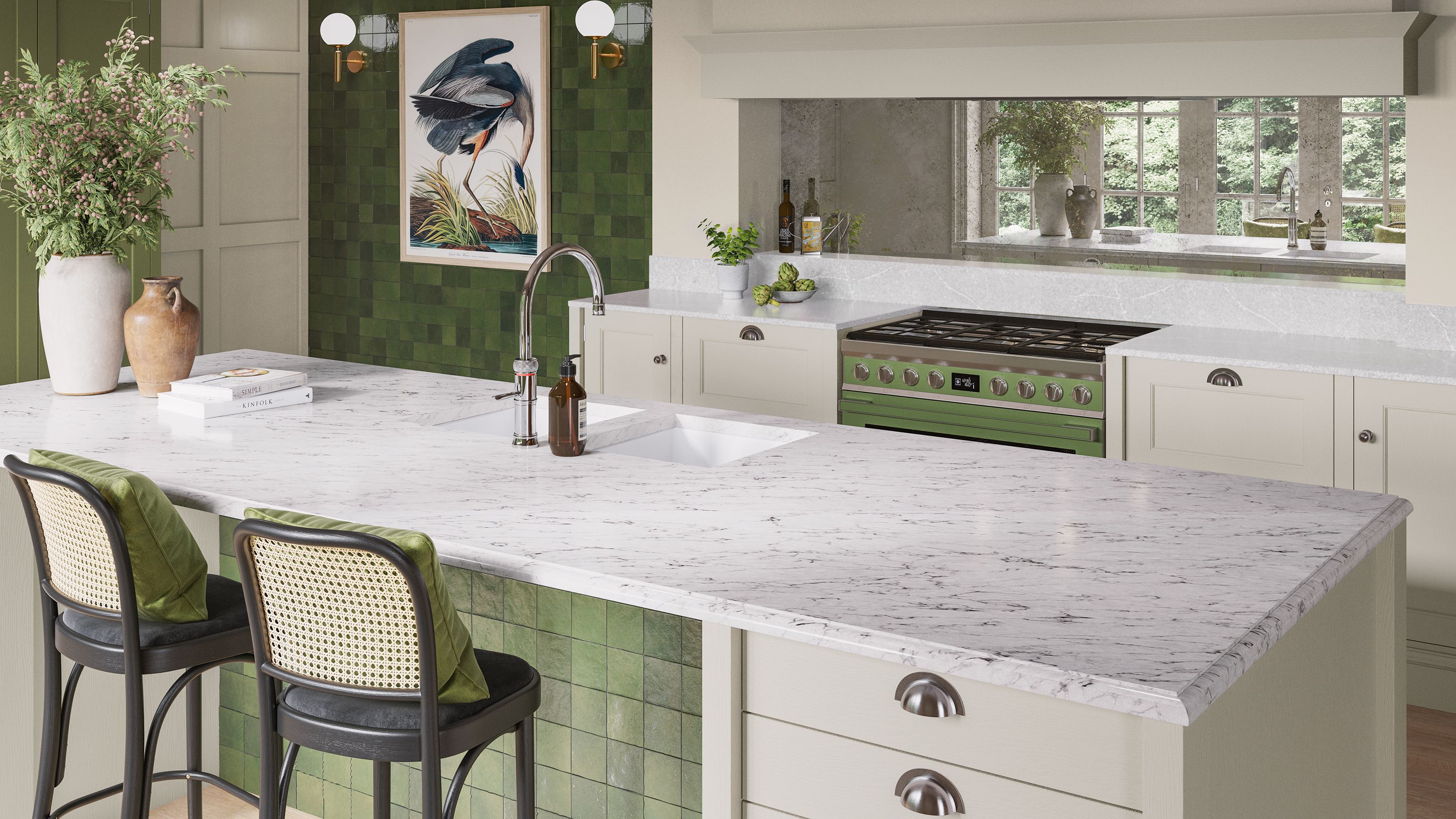
After years of modern and minimalist designs dominating the interior design landscape, there is a notable shift back towards traditional styles in kitchen design for 2025. Homeowners are increasingly opting for kitchens that feature earthy paint colors, natural stone countertops, warm wood cabinetry, and intricate details such as millwork and distinctive light fixtures. This aesthetic, which was prominent from the 1980s to the early 2000s, is experiencing a strong resurgence as individuals seek more comfortable and inviting home environments.
Evidence for this trend is supported by the 2025 U.S. Houzz Kitchen Trends Study, which indicates that 14% of homeowners are choosing traditional styles for their kitchen renovations, surpassing the popularity of modern and contemporary aesthetics. Mitchell Parker, a senior editor at Houzz, notes that design and remodeling professionals are observing a growing demand for spaces that possess personality, character, and unique designs. He suggests that many elements inherent in traditional-style kitchens effectively fulfill these requirements, creating an atmosphere that is both formal and welcoming.
Multiple design experts confirm this shift. Sondra Zabroske, an architect at Four Brothers Design + Build, observes that clients are gravitating towards a timeless and classic look, partly as a response to the widespread saturation of mid-century modern and minimalist styles. Cathleen Gruver of Gruver Cooley Interiors highlights that homeowners are now pursuing interiors that feel more curated and layered, incorporating visual elements like rich woods, detailed cabinetry panels, and distinctive hardware. Designer Jeff Andrews also notes a decline in the appeal of minimalistic kitchens, observing a preference for designs rooted in tradition that are not only functional but also reflect individual lifestyles, aligning with contemporary home living patterns.
The gravitation towards traditional kitchen design is driven by several factors. Rebecca Roberts, founder of Method + Moxie, identifies comfort and familiarity, timeless appeal, and a reaction against the starkness often associated with minimalism as key motivators. For Gen Xers and Millennials, traditional kitchens often evoke a sense of home and nostalgia. However, this contemporary interpretation of traditional style is not a mere replication of past trends; instead, it blends classic elements with a refined, modern sensibility, avoiding outdated features like laminate cabinets and specific color palettes of previous decades.
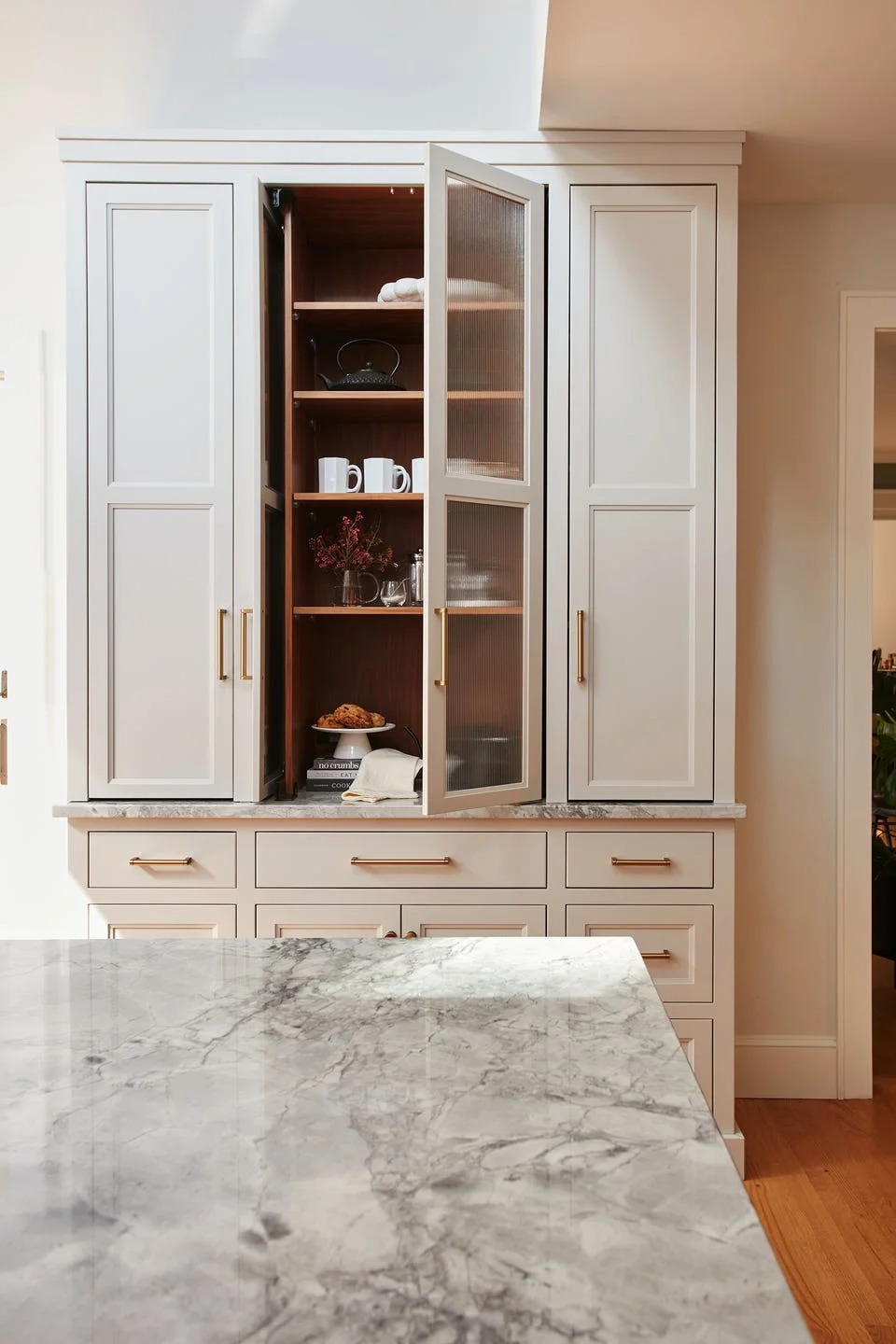
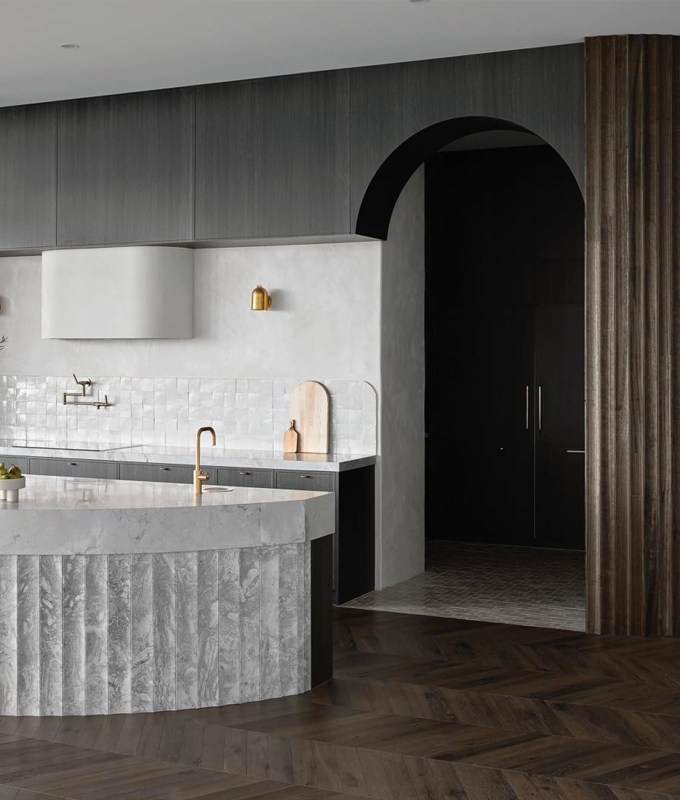
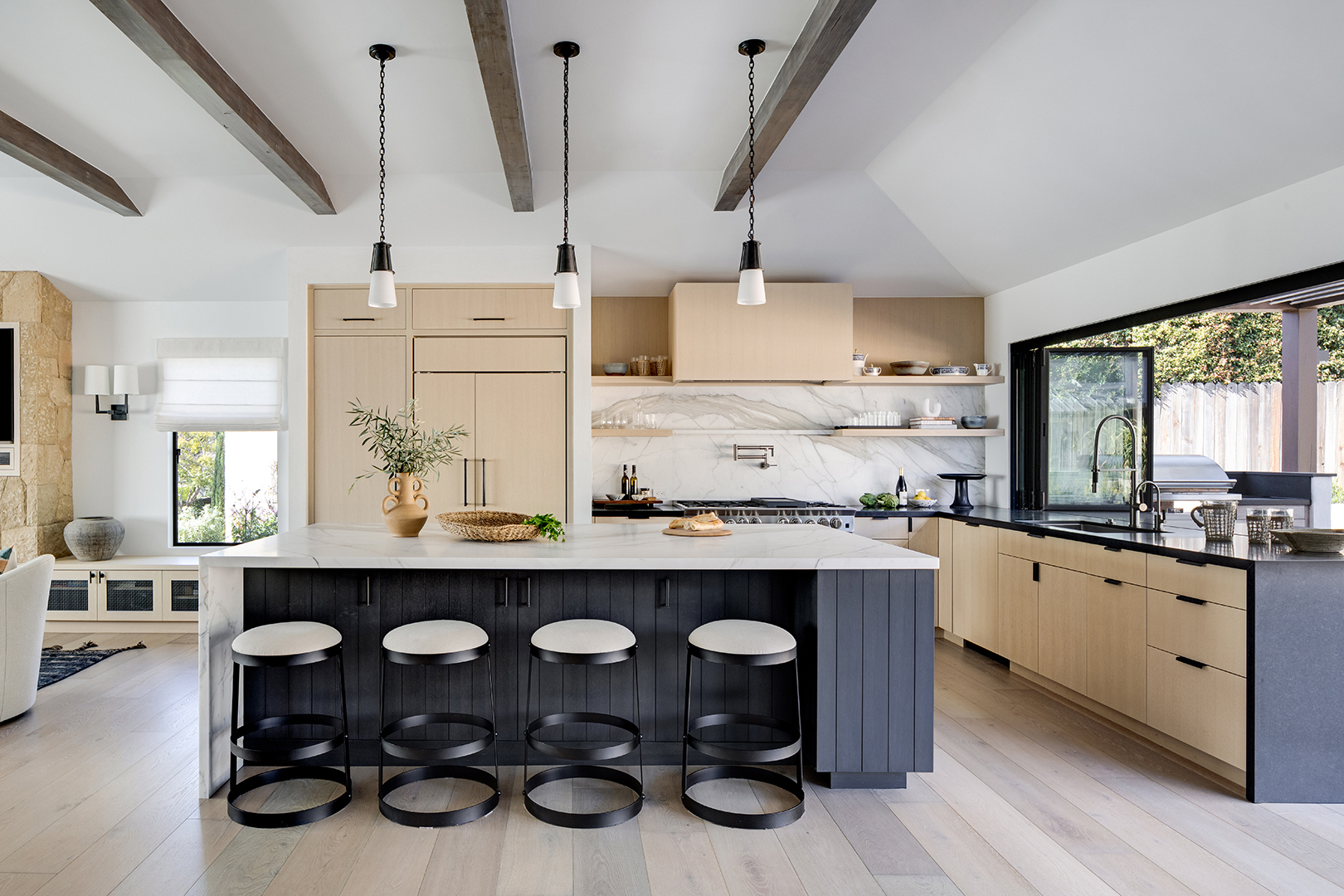
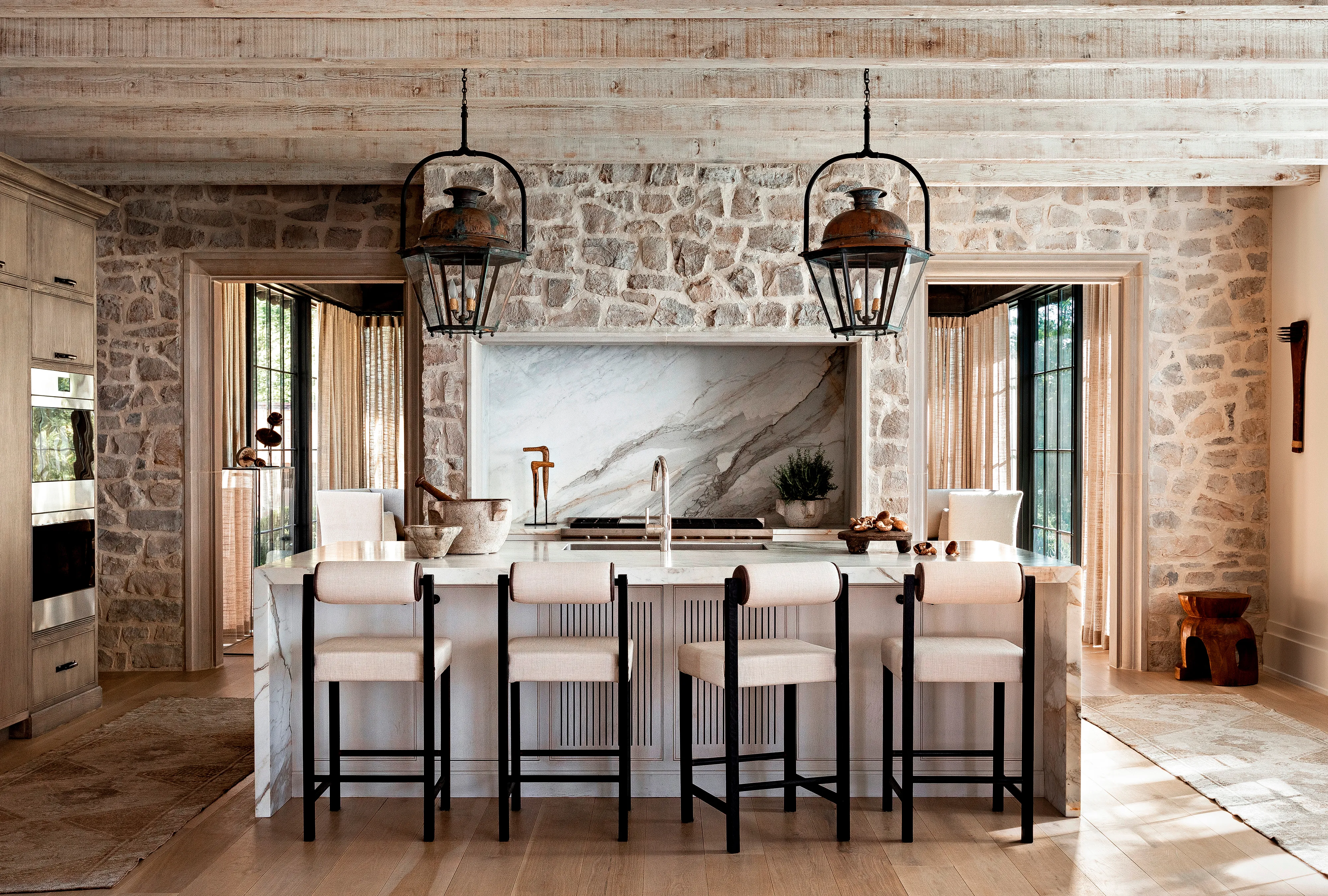
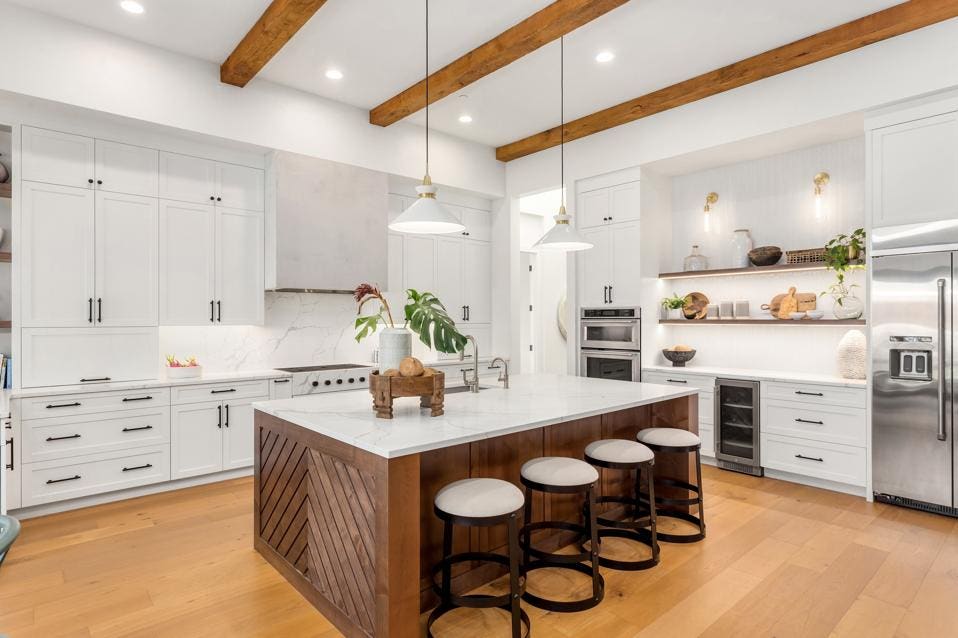
Traditional kitchens emphasize intricate details, with embellishments and adornments visible throughout the space. Examples include arches, ceiling beams, furniture-style islands, and custom range hoods, as described by Parker. Lynn Holender Design and Kerry Kirk Photography showcase how these elements contribute to a rich, architectural aesthetic that prioritizes intricate details over minimalist clean lines. Steve Gold, a real estate broker, underscores that traditional design, with its elegant cabinetry, intricate moldings, warm color palettes, and high-quality materials, combines sophistication with a lived-in feel, making a house truly feel like home. Ultimately, homeowners are investing in kitchen remodels with a desire for timeless interiors, and traditional style emerges as a compelling and sustainable choice, with long-term cost-effectiveness being a significant consideration, according to Houzz research.
#KitchenDesign #TraditionalStyle #InteriorDesignTrends #HomeRenovation #HouzzStudy #ComfortableInteriors #TimelessDesign #Cabinetry #HomeDecor #KitchenDesign #TraditionalStyle #InteriorDesignTrends #HomeRenovation #HouzzStudy #ComfortableInteriors #TimelessDesign #Cabinetry #HomeDecor
0 comment in total
 No comments yet
You may also like
This Traditional Kitchen Detail is Making an Unexpected Comeback This Year

This “Dated” Kitchen Trend Is Back (and We’re Into It)
13 Outdated Kitchen Trends You Can Leave In The Past
Kitchen remodeling trends taking home design by storm
This Is the Old-World Interior Design Trend Taking Over Kitchens Again
The Next Big Kitchen Trend? A Wallpaper Comeback Designers Absolutely Approve
Kitchen trends
This Modern Design Trend Adds Wow Factor to Any Kitchen

The Controversial Kitchen Trend the Design World Is Buzzing Over
This Kitchen Design Trend Is Making a Major Comeback—but There's a Catch

The Kitchen Trend We Called in 2021 Is Finally Going Mainstream, So Prepare to See It Everywhere
10 Kitchen Design Trends Going Out Of Style In 2025

Design Pros Reveal the Surprising Kitchen Trend That's About to Take Over
7 Kitchen Trends You’ll Be Seeing Everywhere This Year

Meet the Next Wave of Design Stars Changing the Way We Look at Our Kitchens

This Ever-Popular Kitchen Layout Is Back (Again)

This nostalgic kitchen trend is back and here to stay, according to experts
Current Kitchen Interior Design Trends

16 Outdated Kitchen Features That Are Unexpectedly Coming Back In Style
Kitchen Design Advice You Need To Hear Before You're Left With Feelings Of Regret