1/8
7 Kitchen Trends You’ll Be Seeing Everywhere This Year
The past two years have led to a significant increase in both full-scale kitchen renovations and modest redesigns, driven by the increased time people are spending at home. As kitchens evolve into more multifunctional spaces, a variety of new trends are emerging, making kitchens bolder, brighter, and more customized than ever before, thanks to advancements in colors, materials, and technologies. This article compiles insights from top designers and industry insiders who predict the prominent kitchen design trends for the coming months.
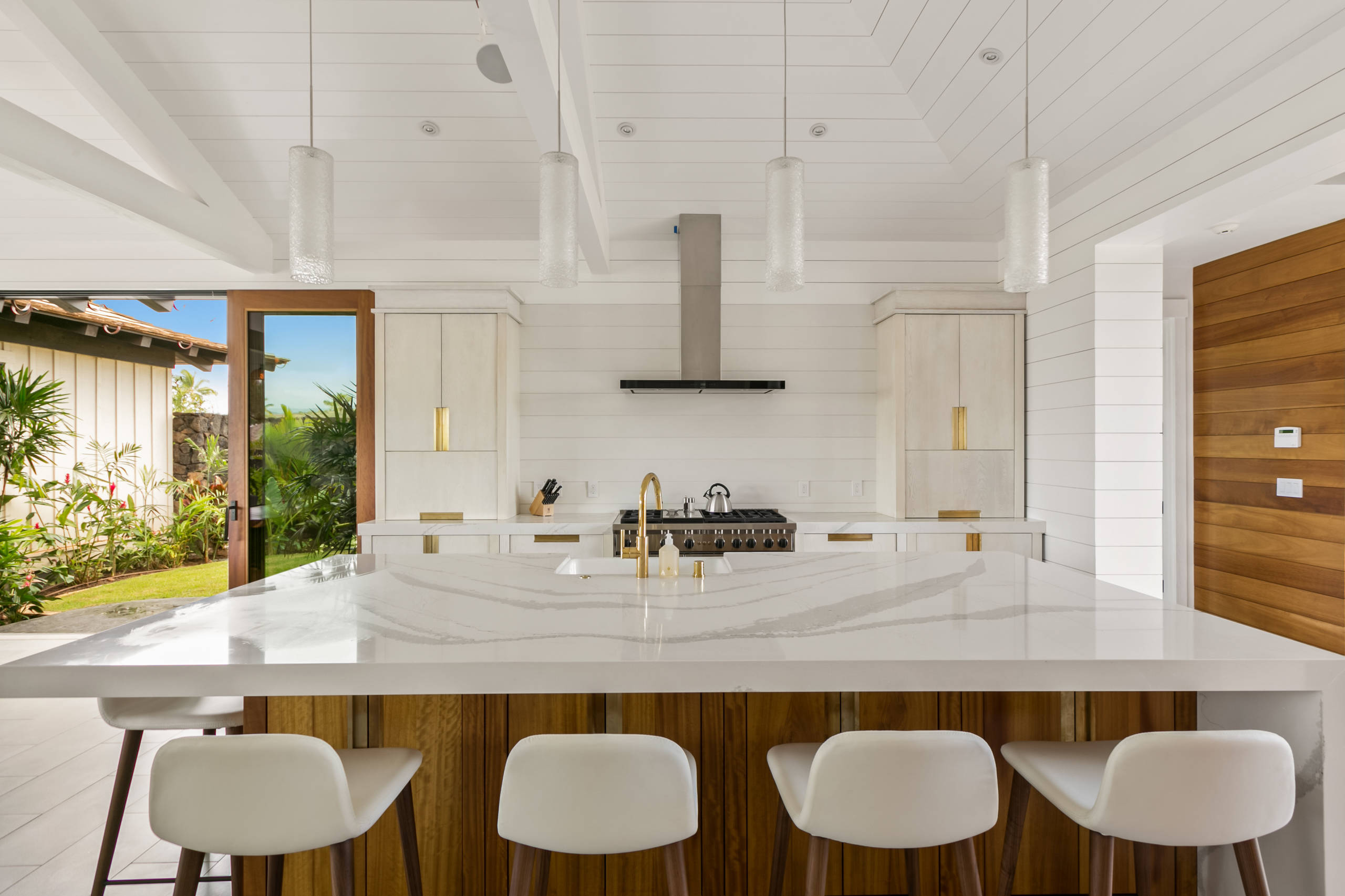
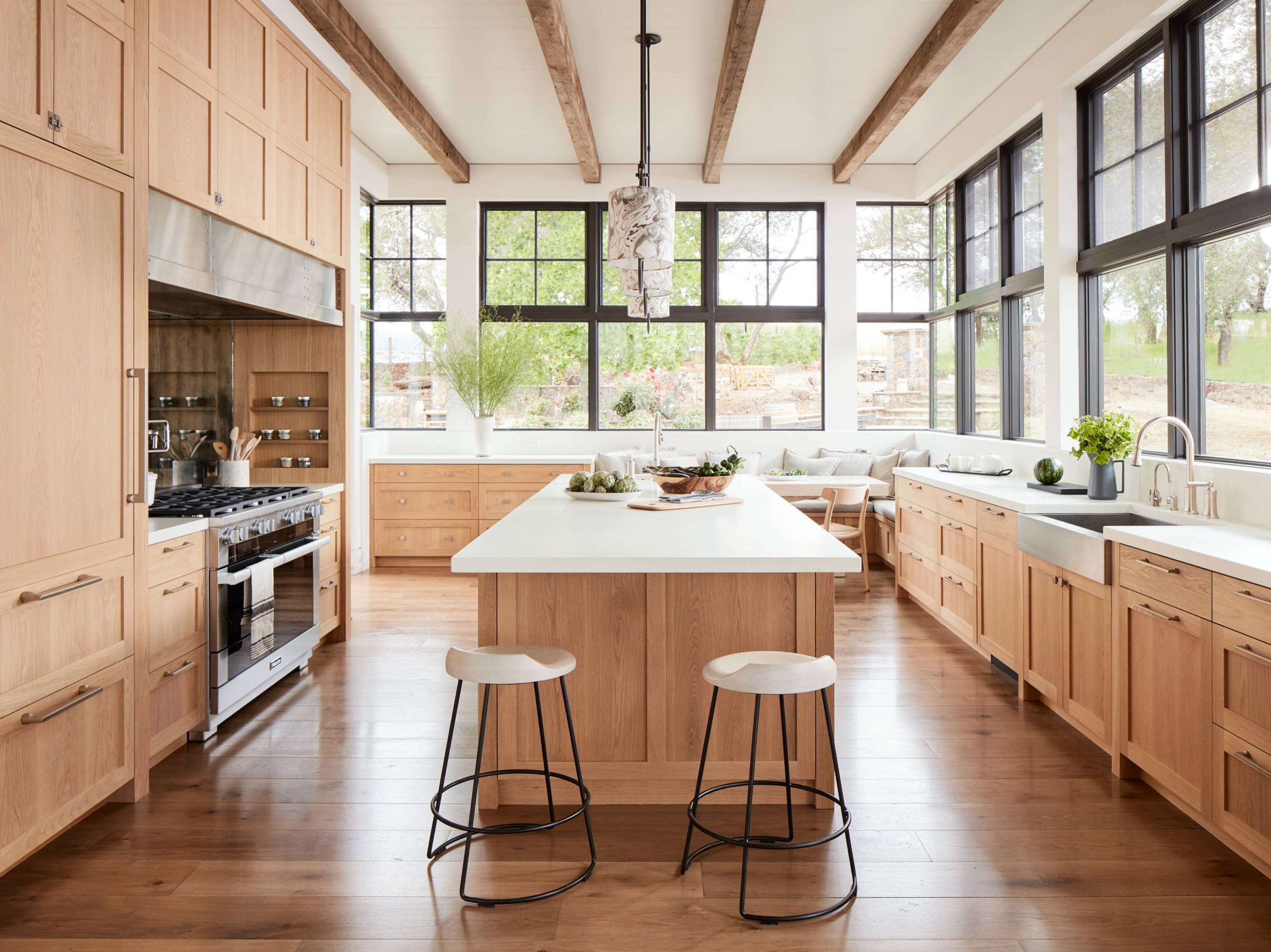
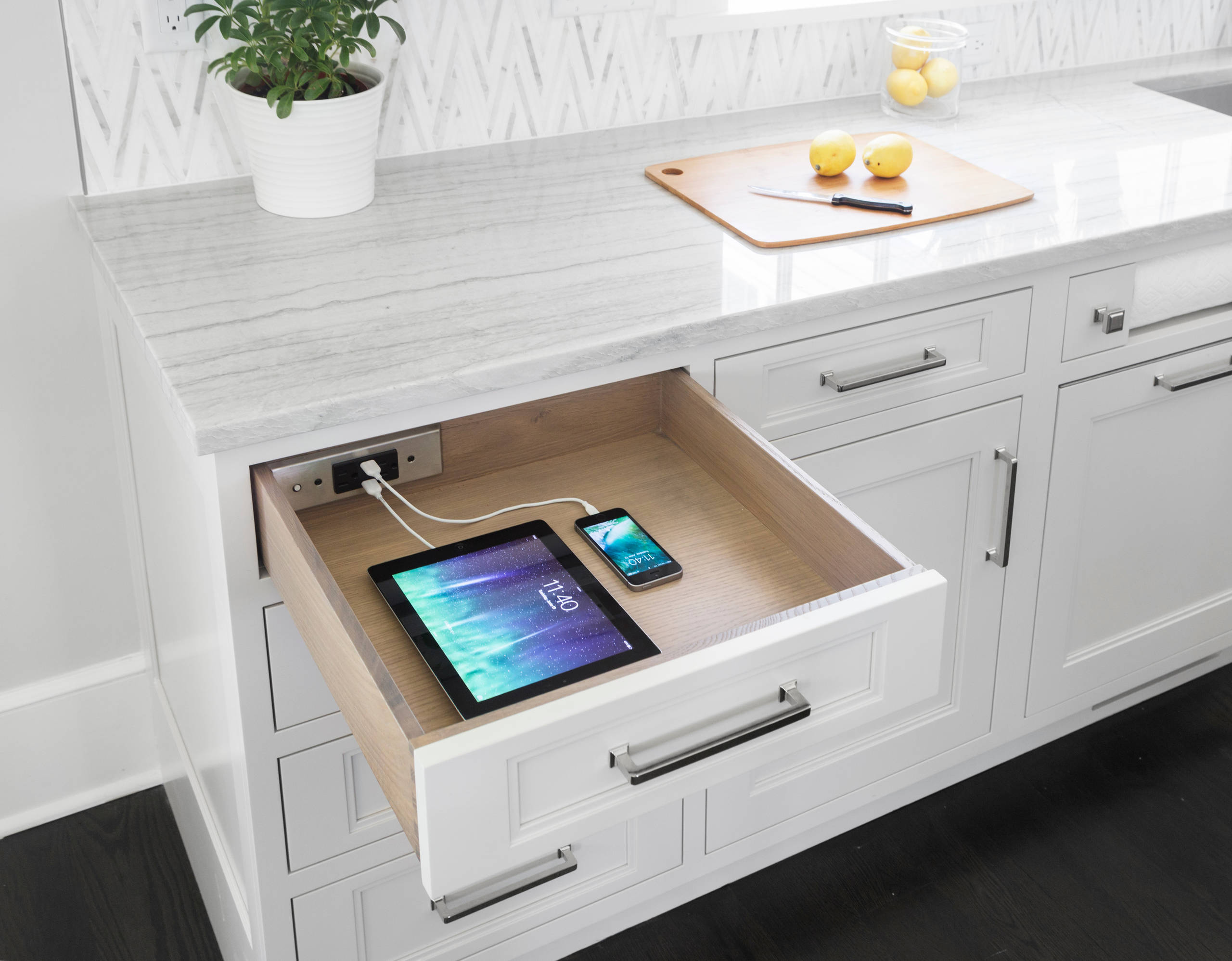
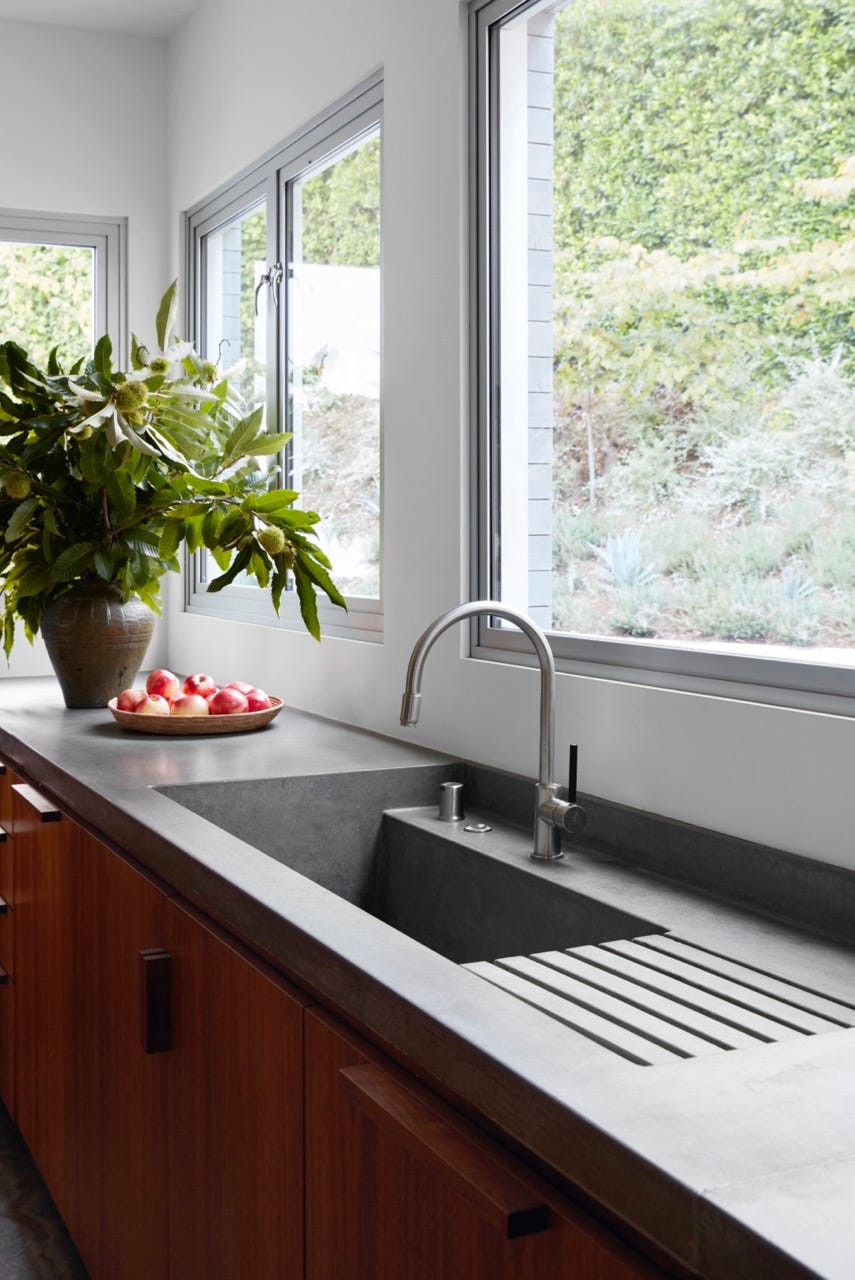
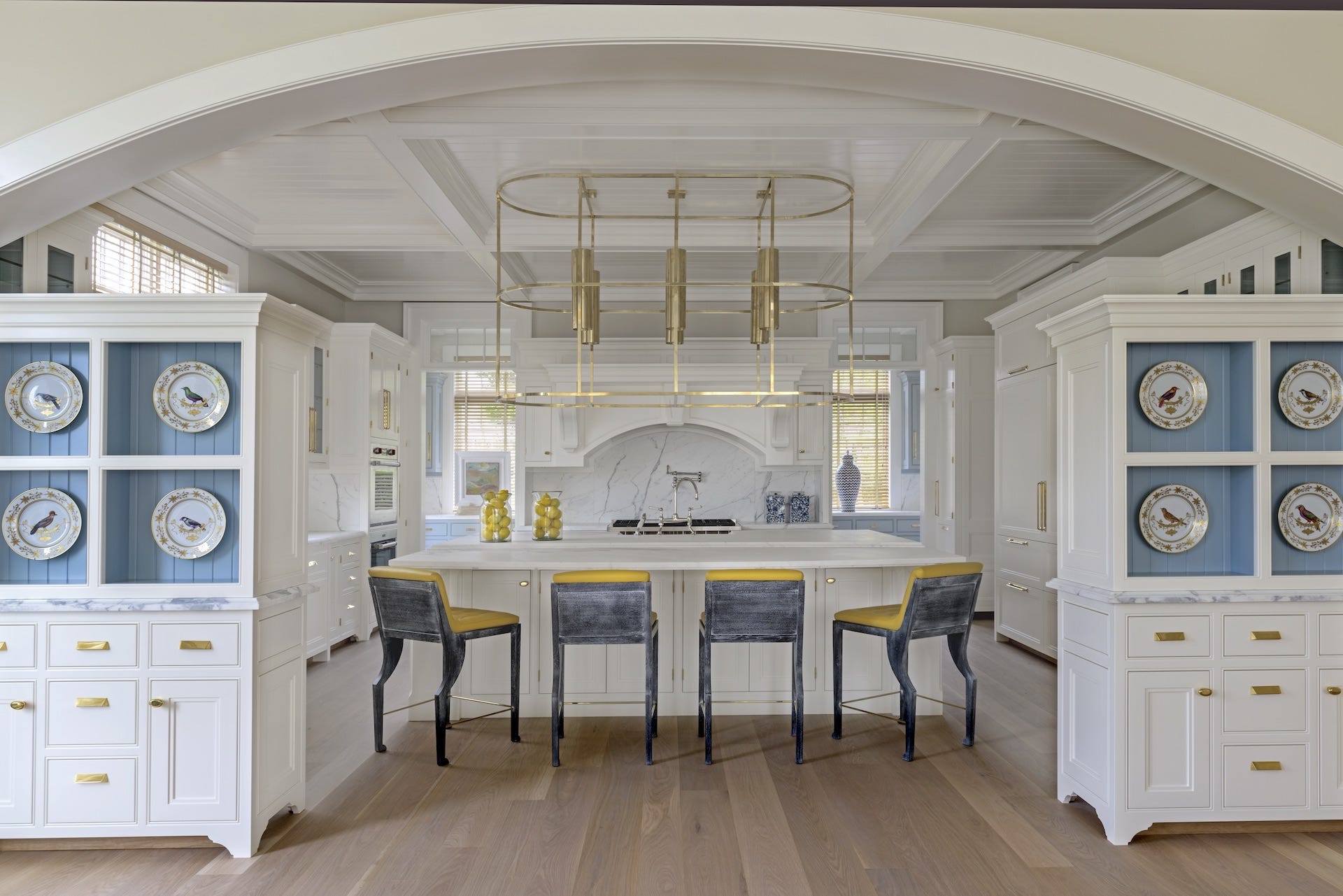
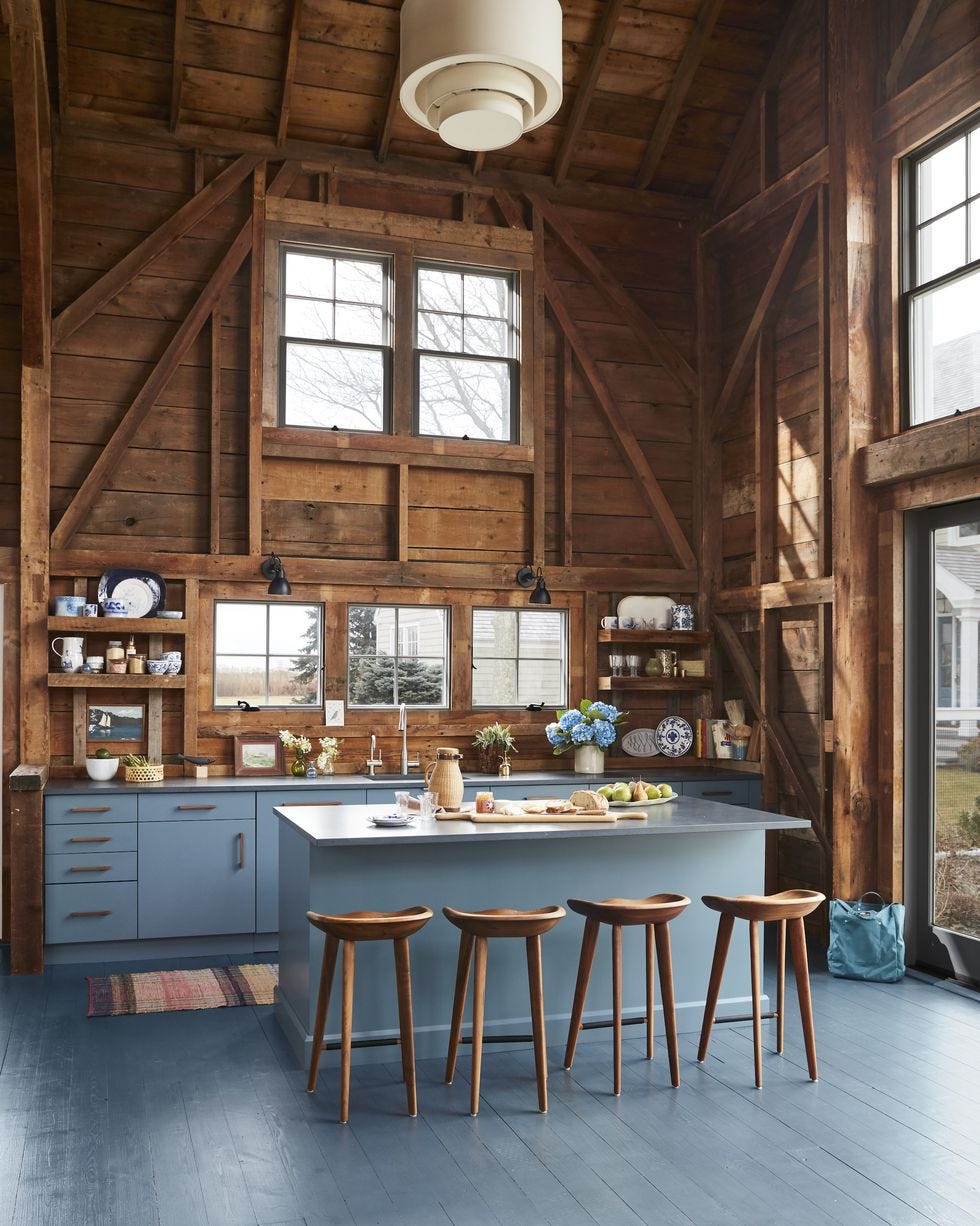
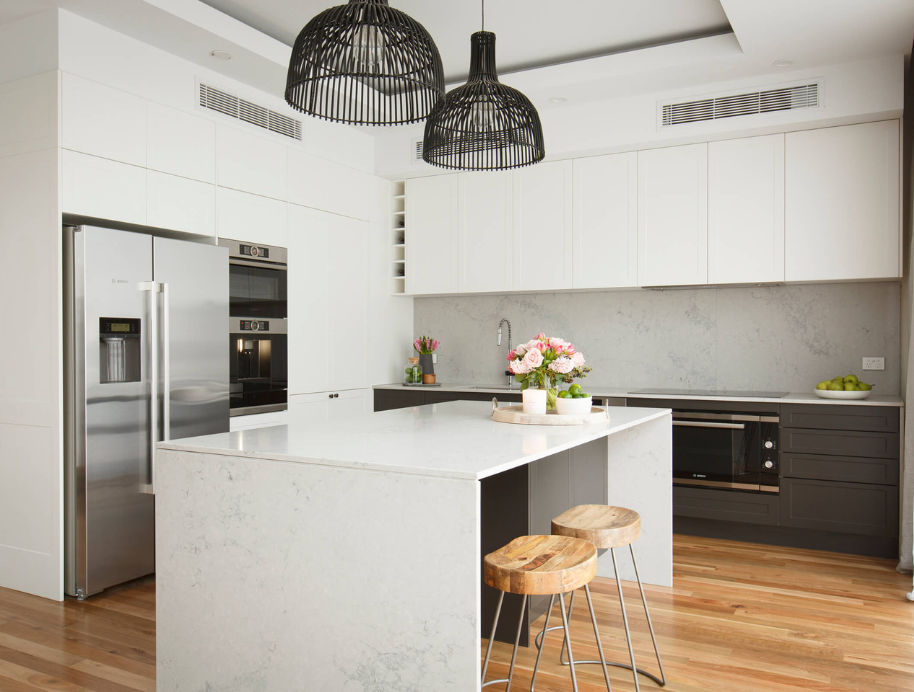
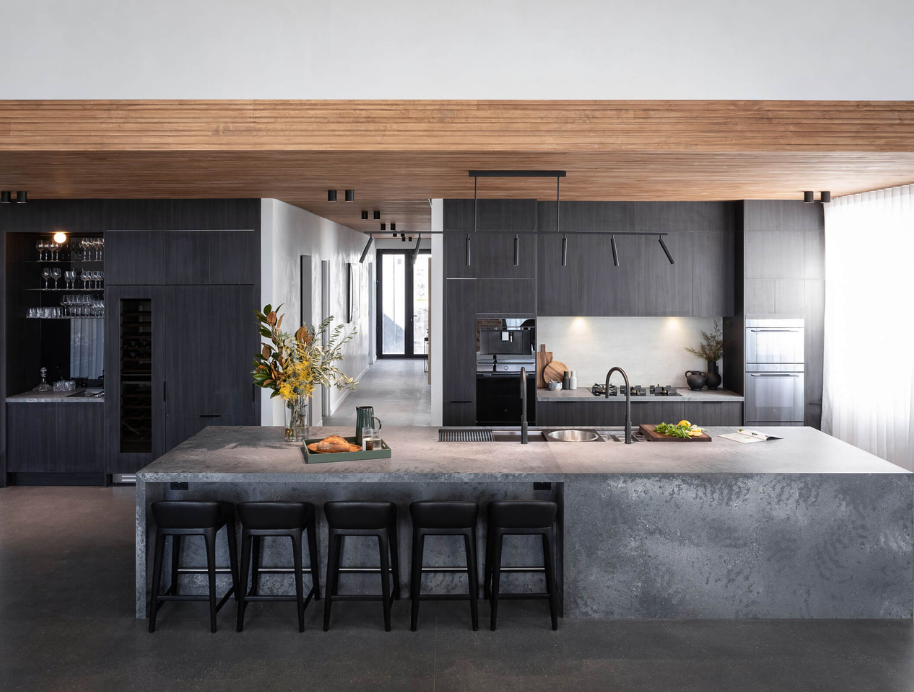
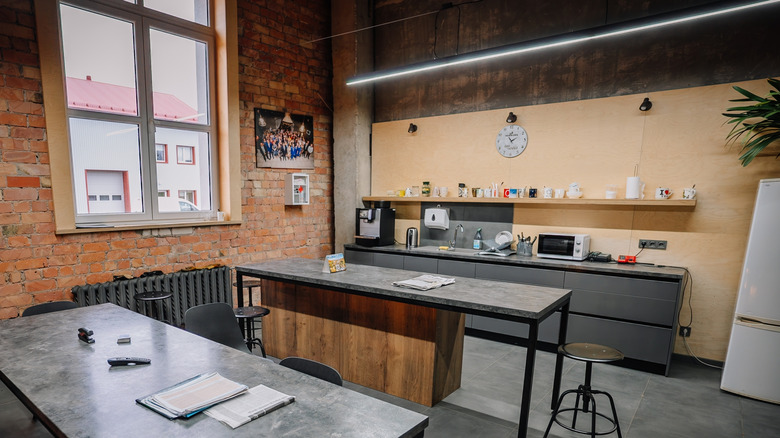
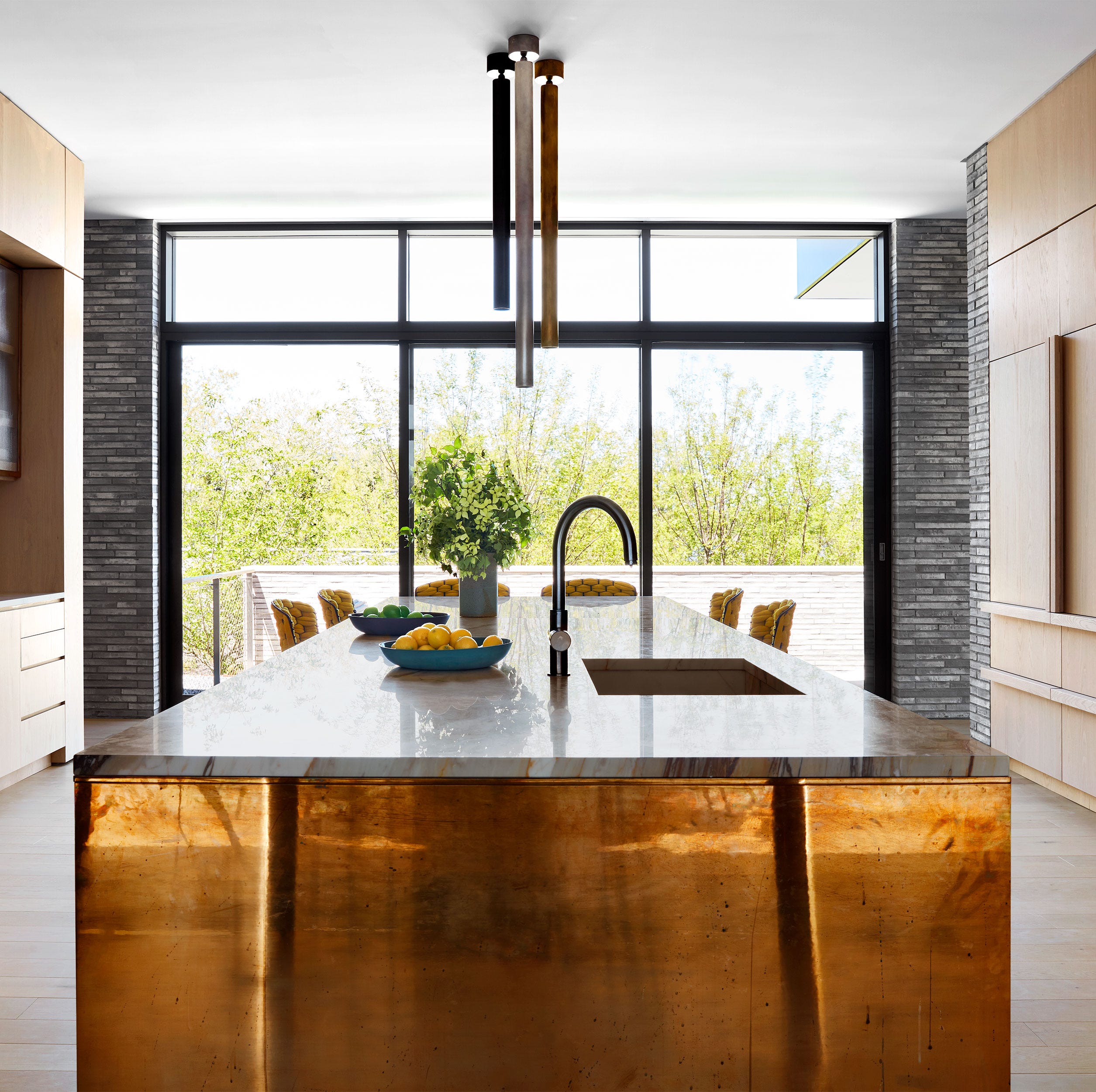
One significant shift is the obsolescence of the traditional “work triangle” (stove, refrigerator, and sink). The kitchen's role has expanded beyond communal meals to include entertaining, remote work, and homework, necessitating more versatile layouts. New York designer Young Huh notes that multiple cooks in a household have led to a demand for diverse functional zones, such as coffee stations or dedicated areas for specific cooking methods. Suzanne Tucker emphasizes that function remains paramount, focusing on optimizing space for more than just a few people, regardless of size. Rafael de Cárdenas highlights that kitchen islands are becoming central gathering points, often designed on a grand scale. Beth Bouck of Kohler points out the increasing aesthetic importance of separate workstations and sinks, offering integrated features like cutting boards and utility racks.
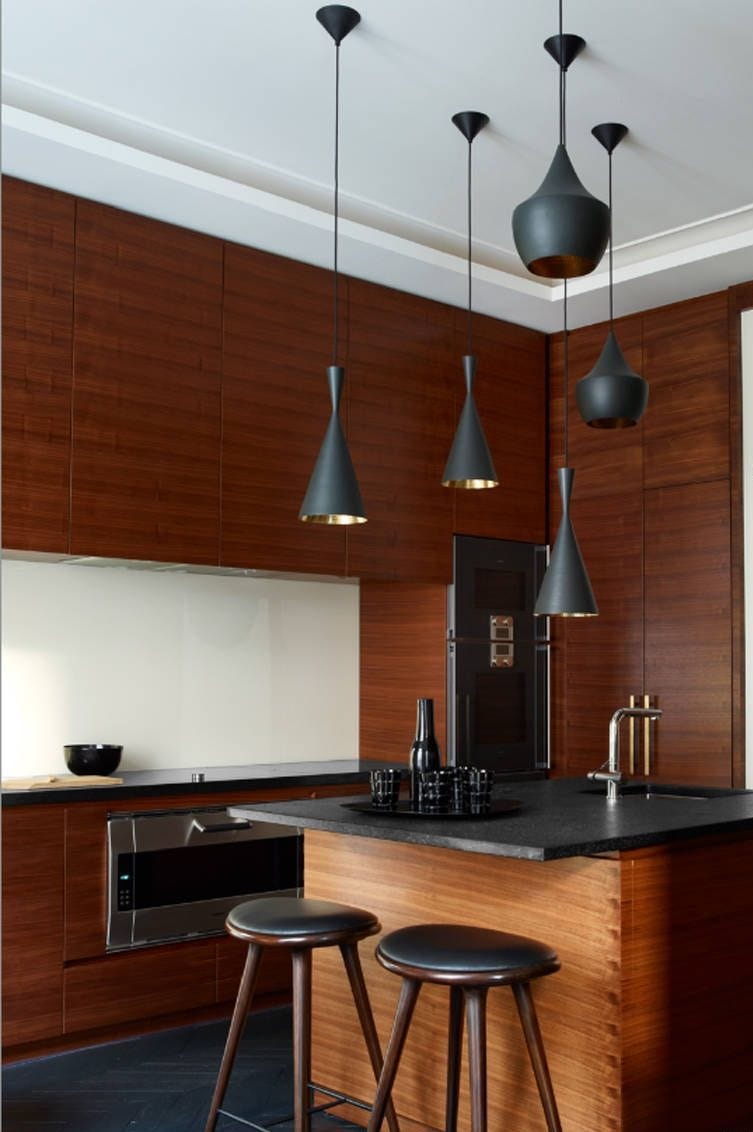
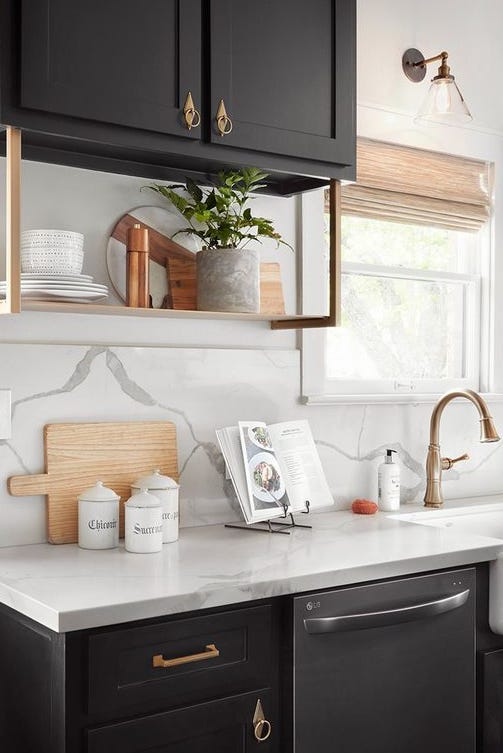
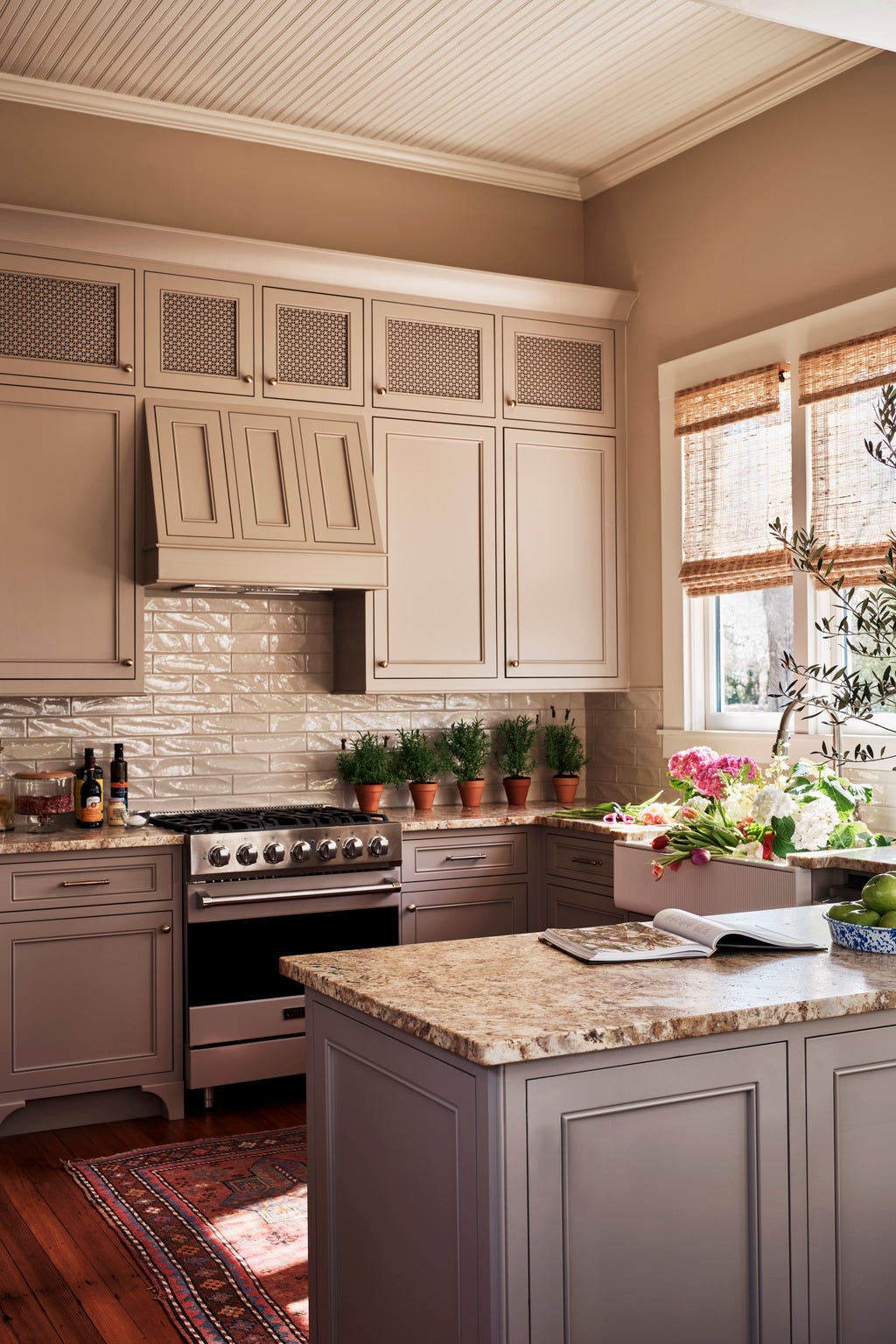
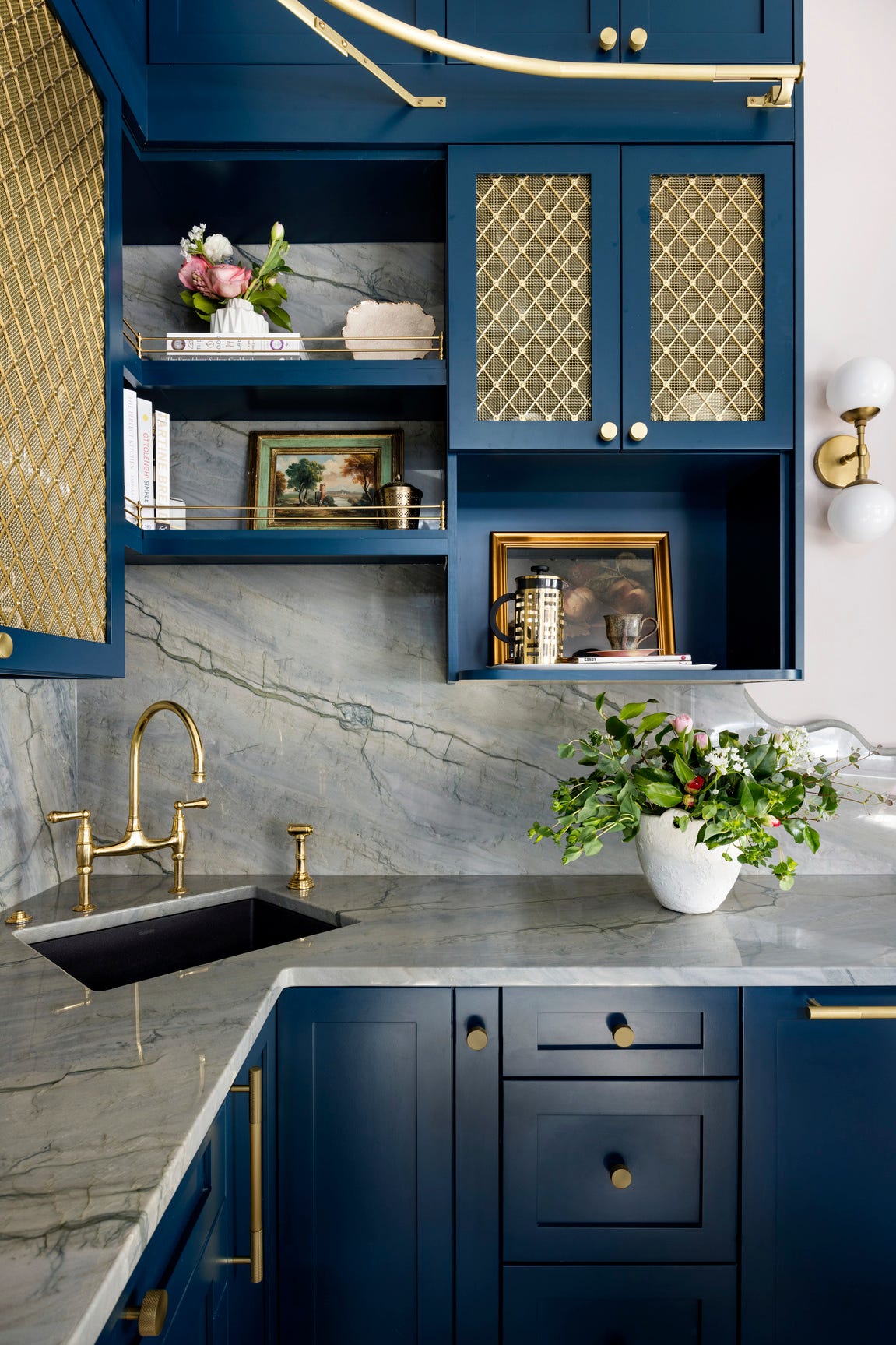
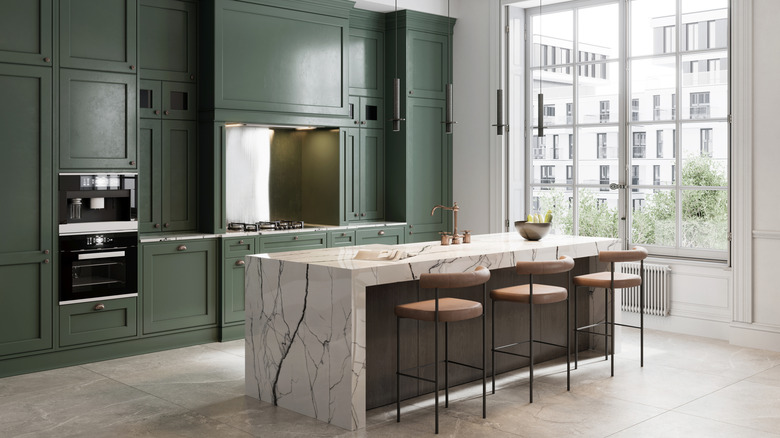
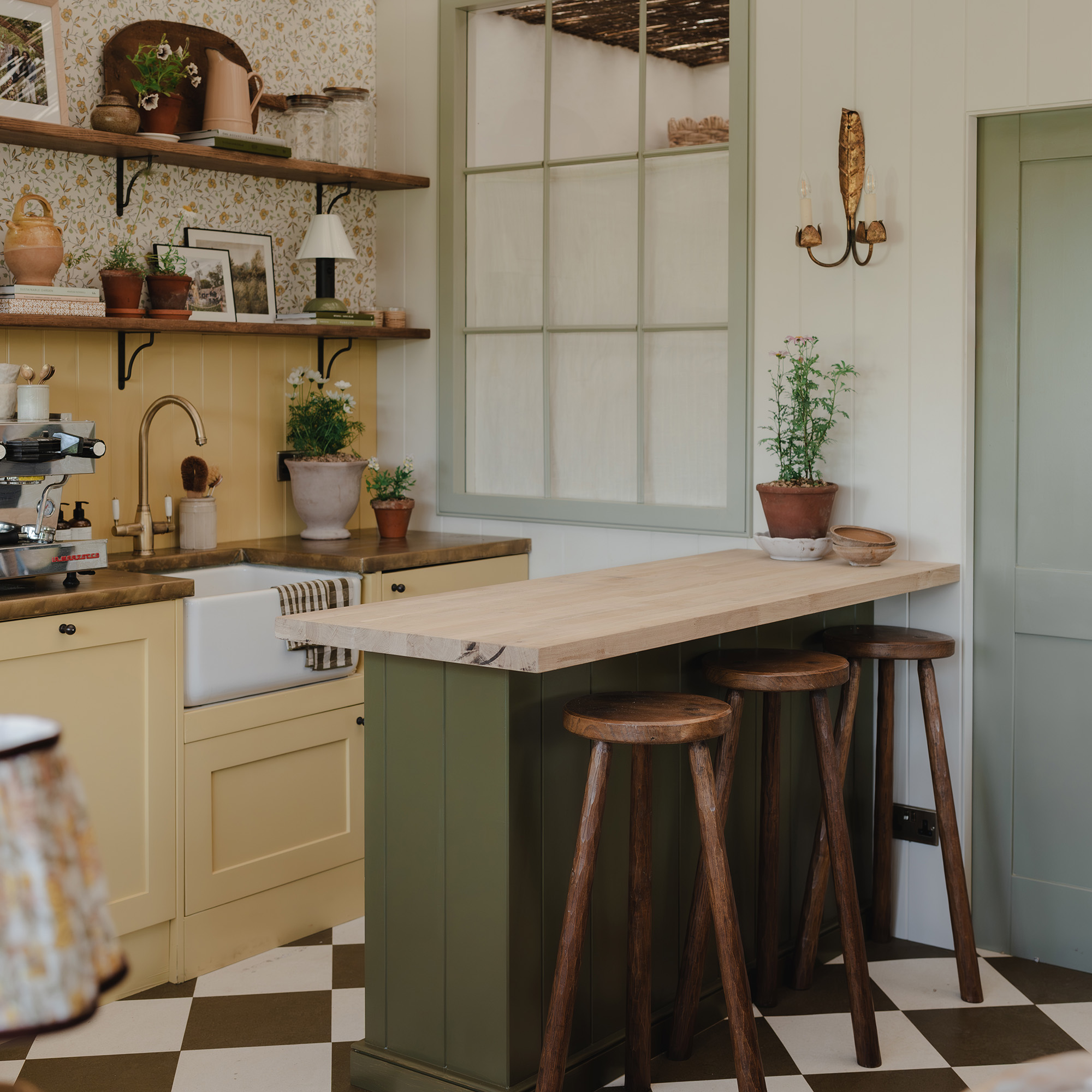
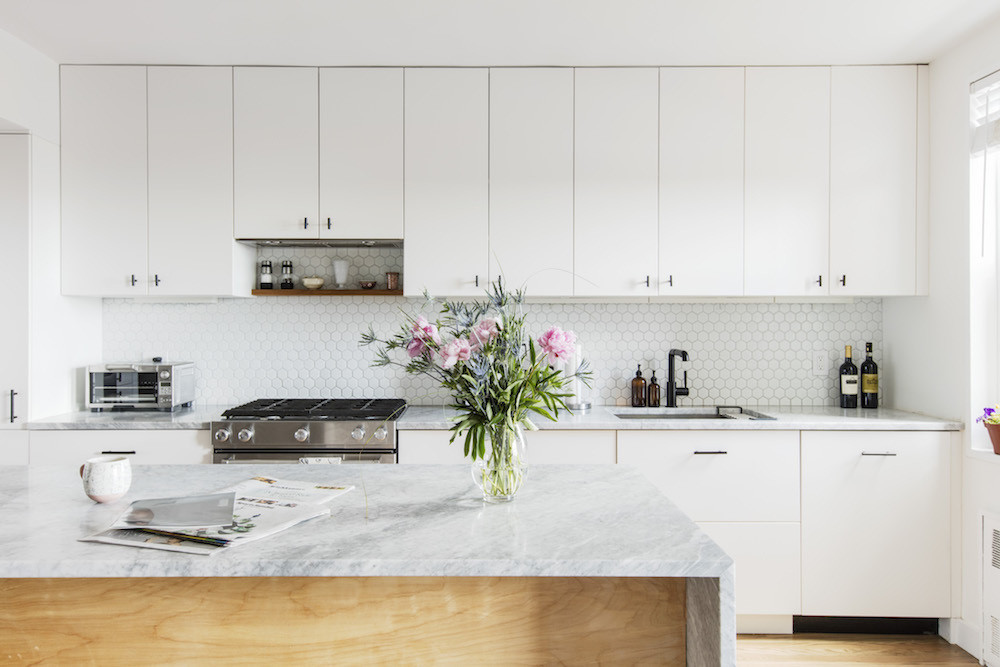
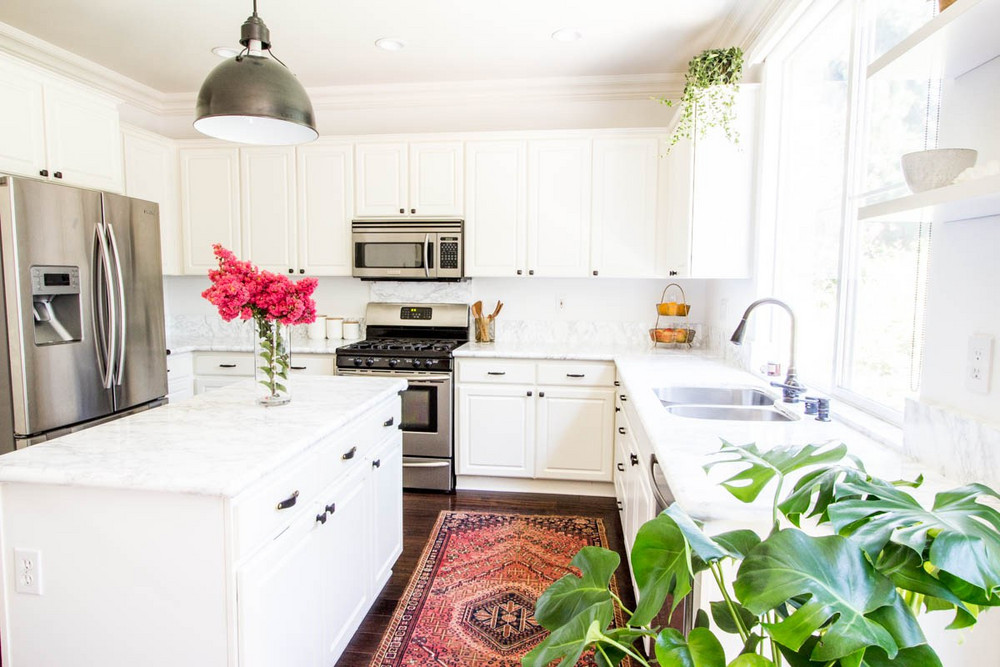
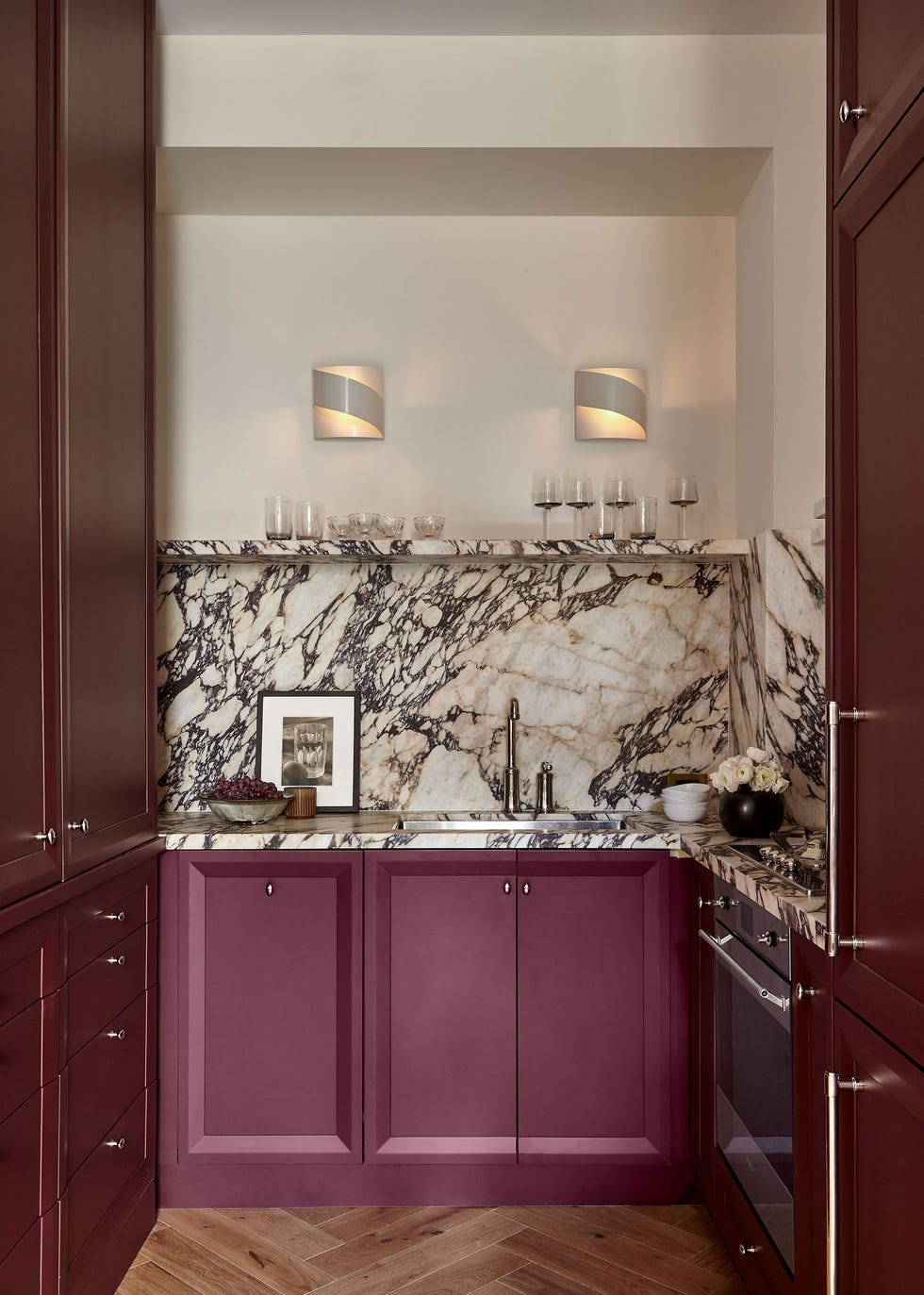
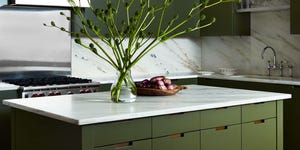
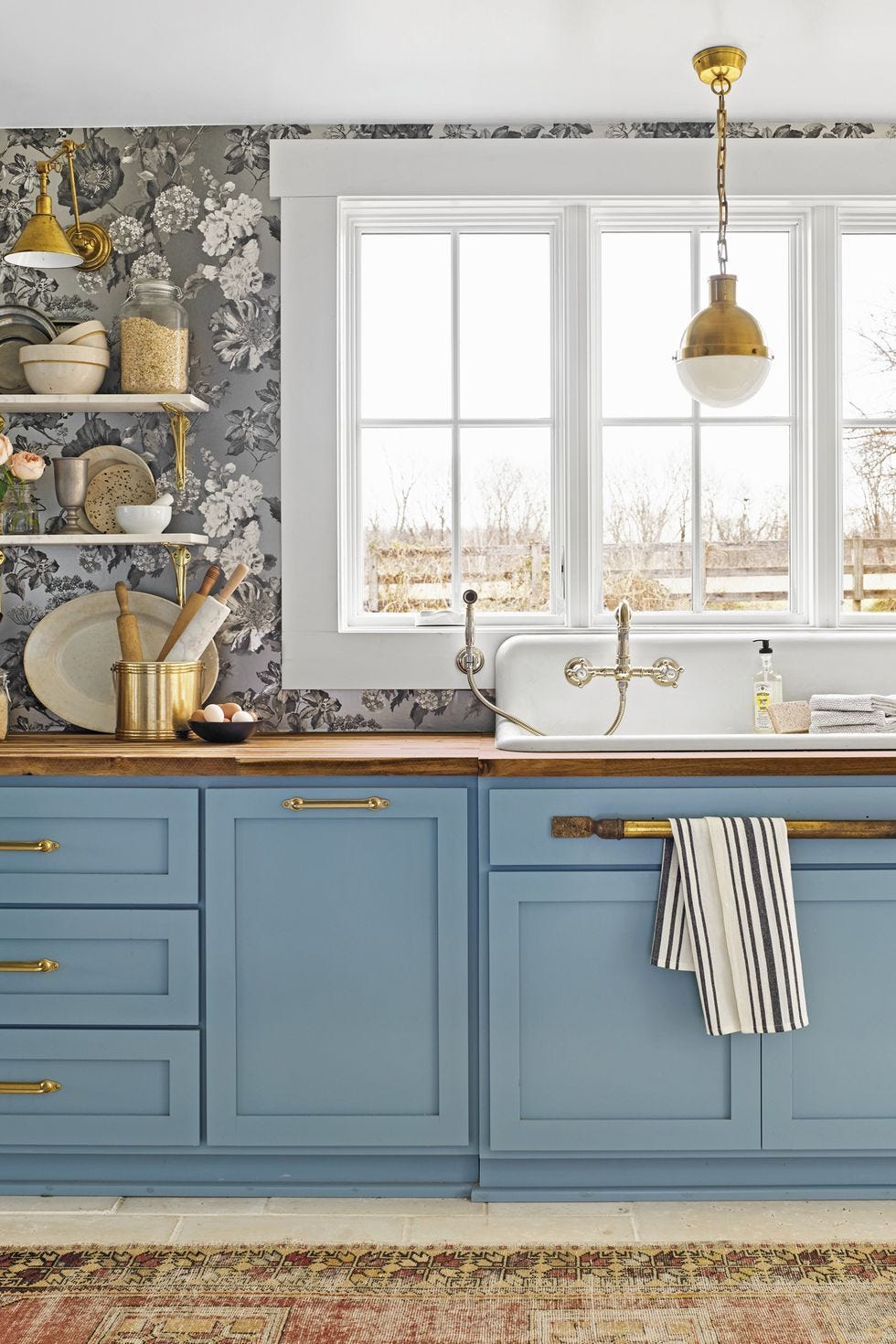
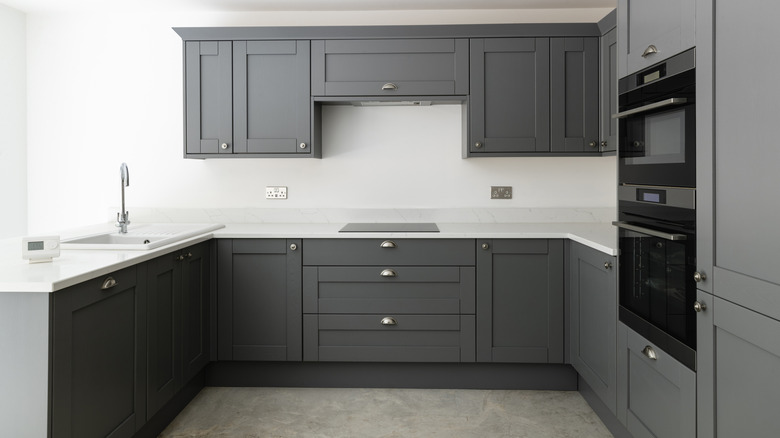
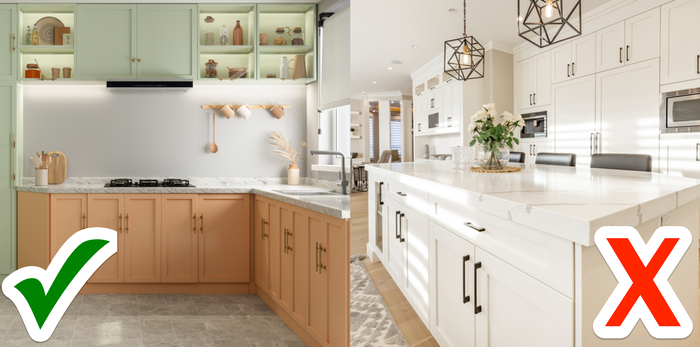
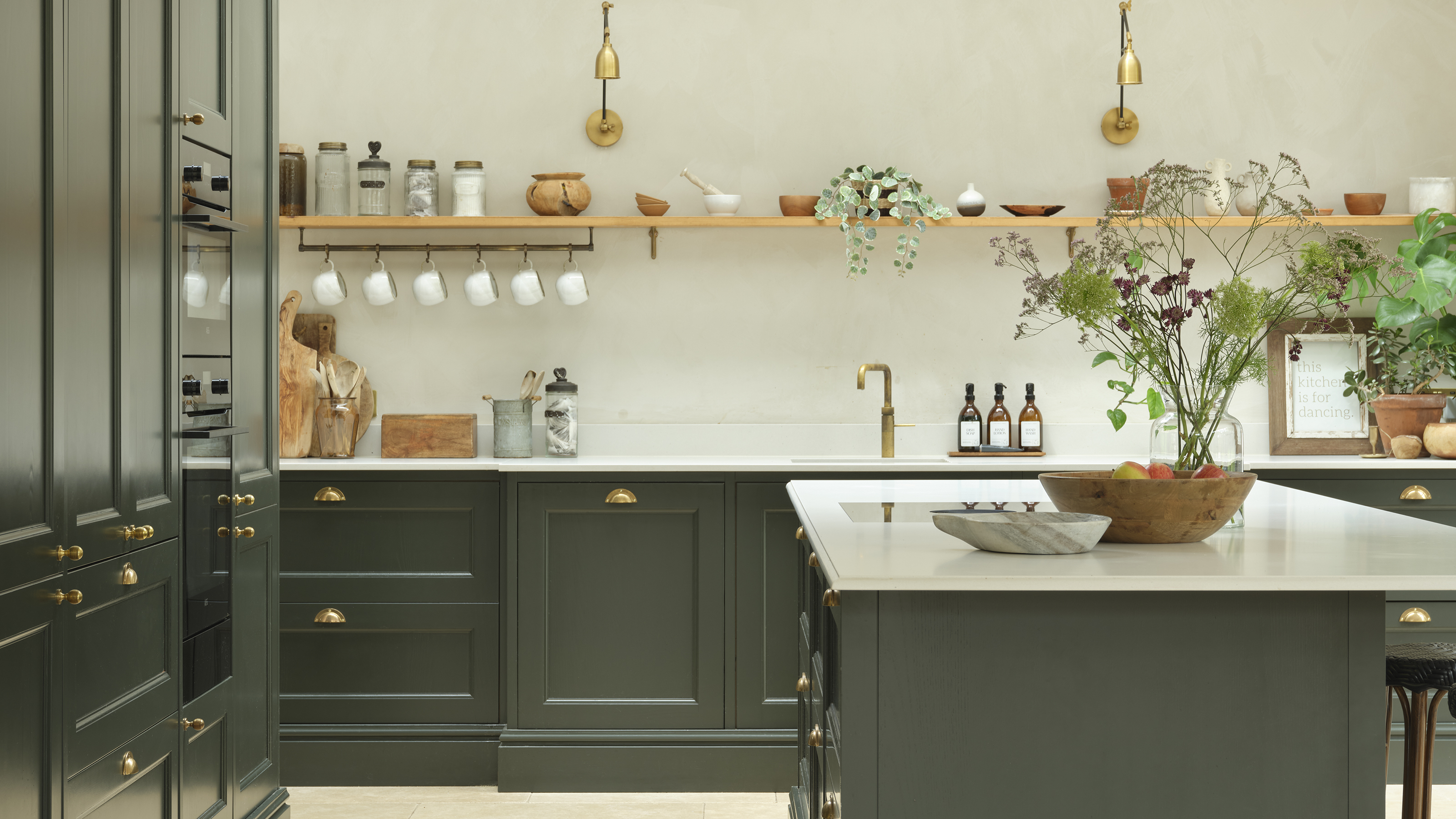
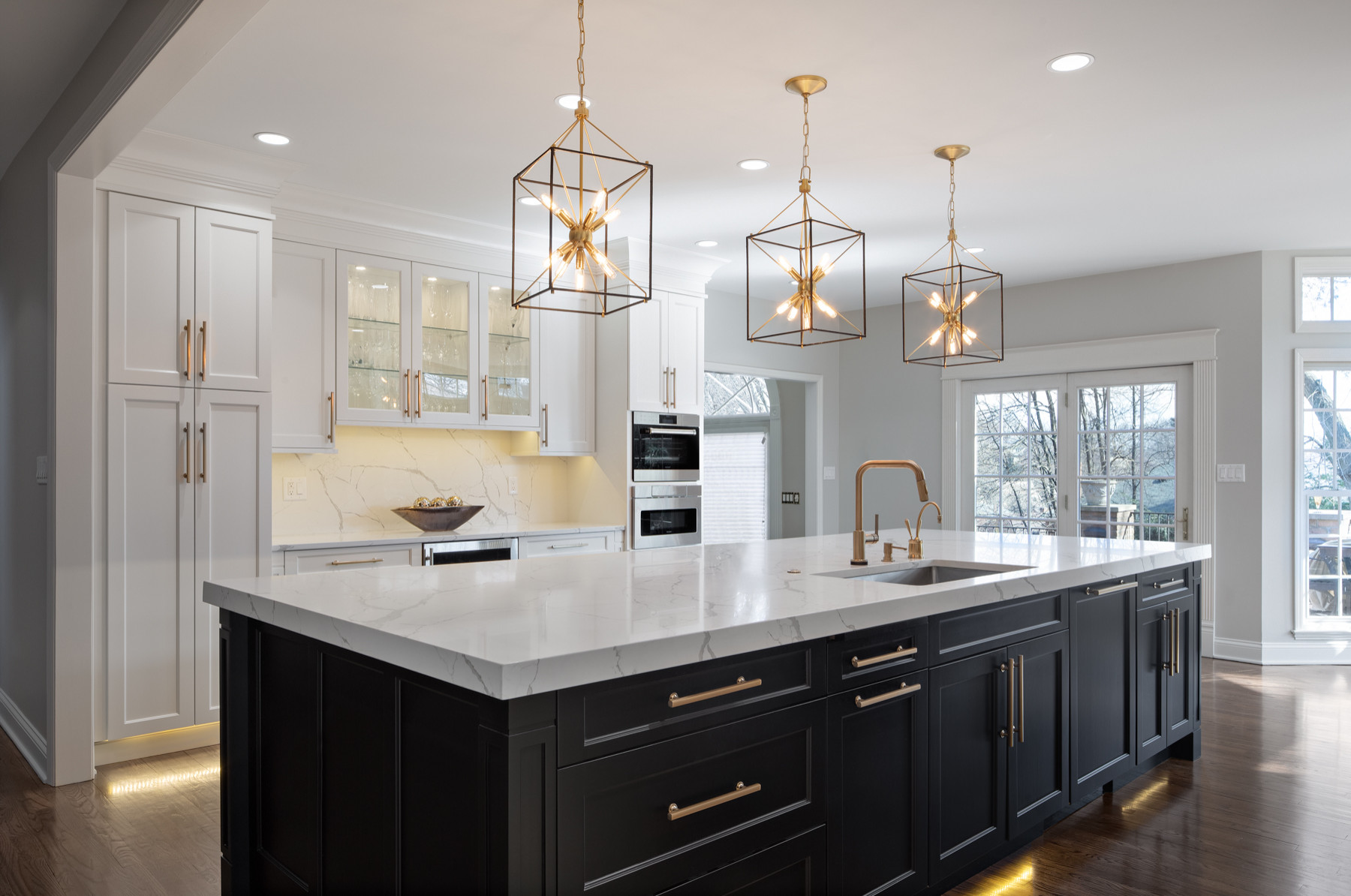
Regarding aesthetics, the all-white kitchen is being replaced by bolder, sleeker, and greener color palettes. Designers like Oliver M. Furth advocate for deeper cabinet colors, including high-gloss black and peacock blue. Ken Fulk observes the “death knell” of pristine white kitchens, favoring slick, lacquered surfaces for vivid colors. Tom Kligerman is incorporating a pistachio-green hue into his kitchen, while Sasha Bikoff predicts a surge in nature-inspired, muted herbal tones like sage, rosemary, and basil, often applied with a lacquer finish.
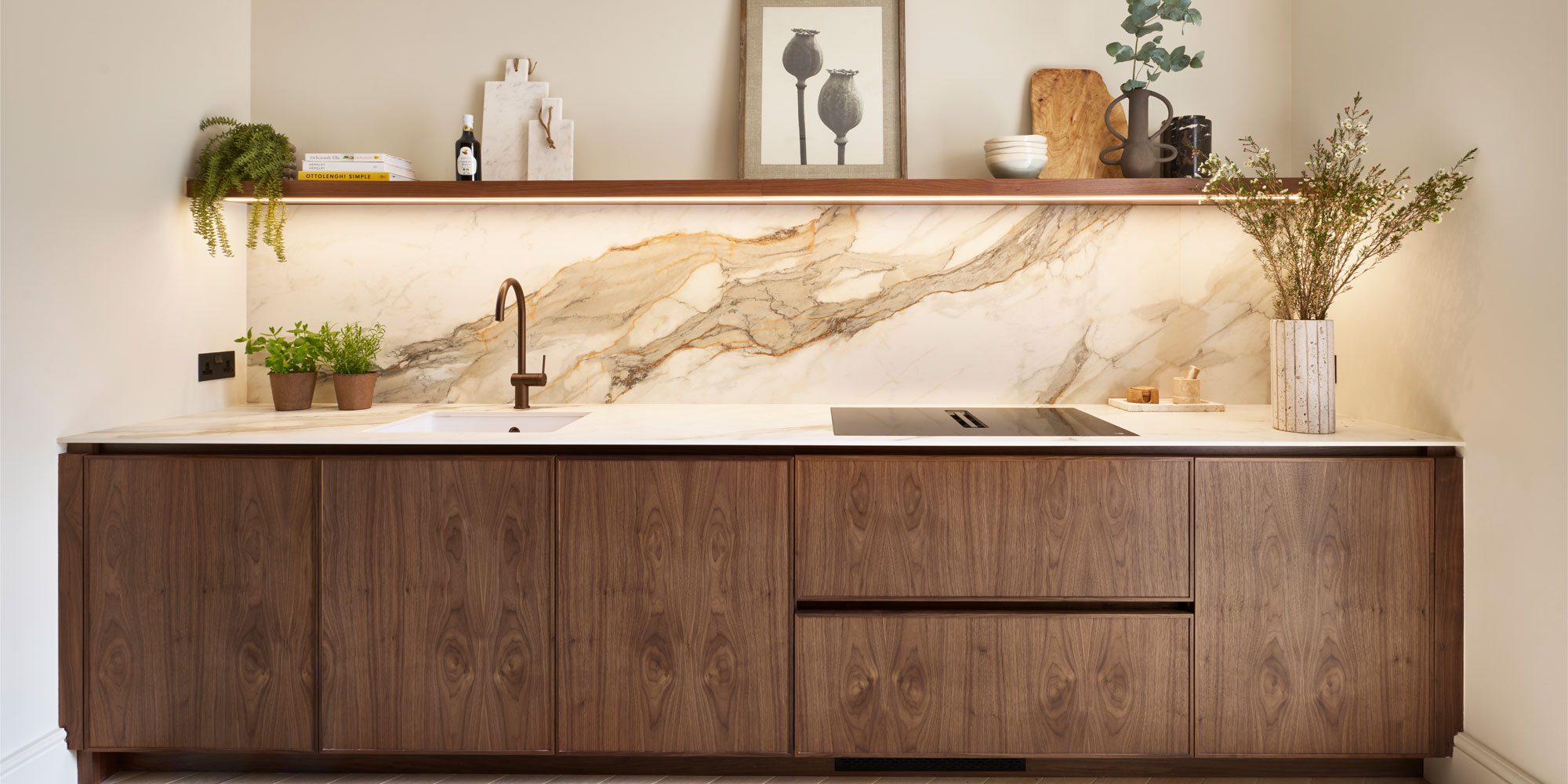
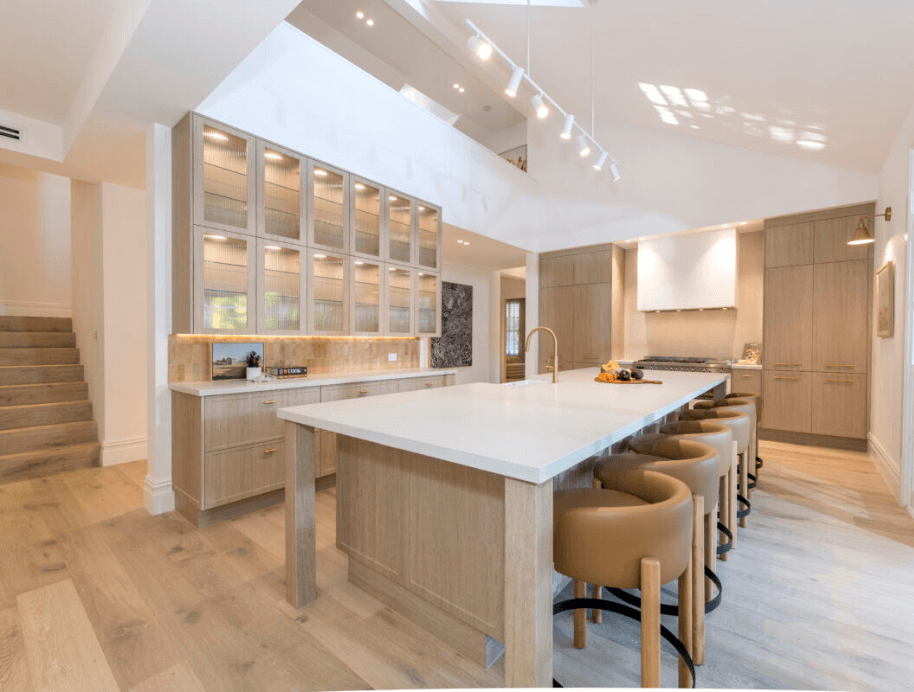
Lighting is also evolving to enhance mood, productivity, and appearance. Harsh task lighting is giving way to integrated systems that prioritize both function and aesthetics. Bianca Betancourt of FORM Kitchens stresses the importance of integrated lighting, while Suzanne Tucker suggests combining task lighting with decorative pendants or lanterns that serve as focal points. Dimmers are becoming a standard feature to adjust ambiance. Young Huh and Ken Fulk champion biodynamic lighting, such as systems from Ketra, which adjust color temperature throughout the day to align with natural biorhythms, combating seasonal affective disorder and making the kitchen more livable.
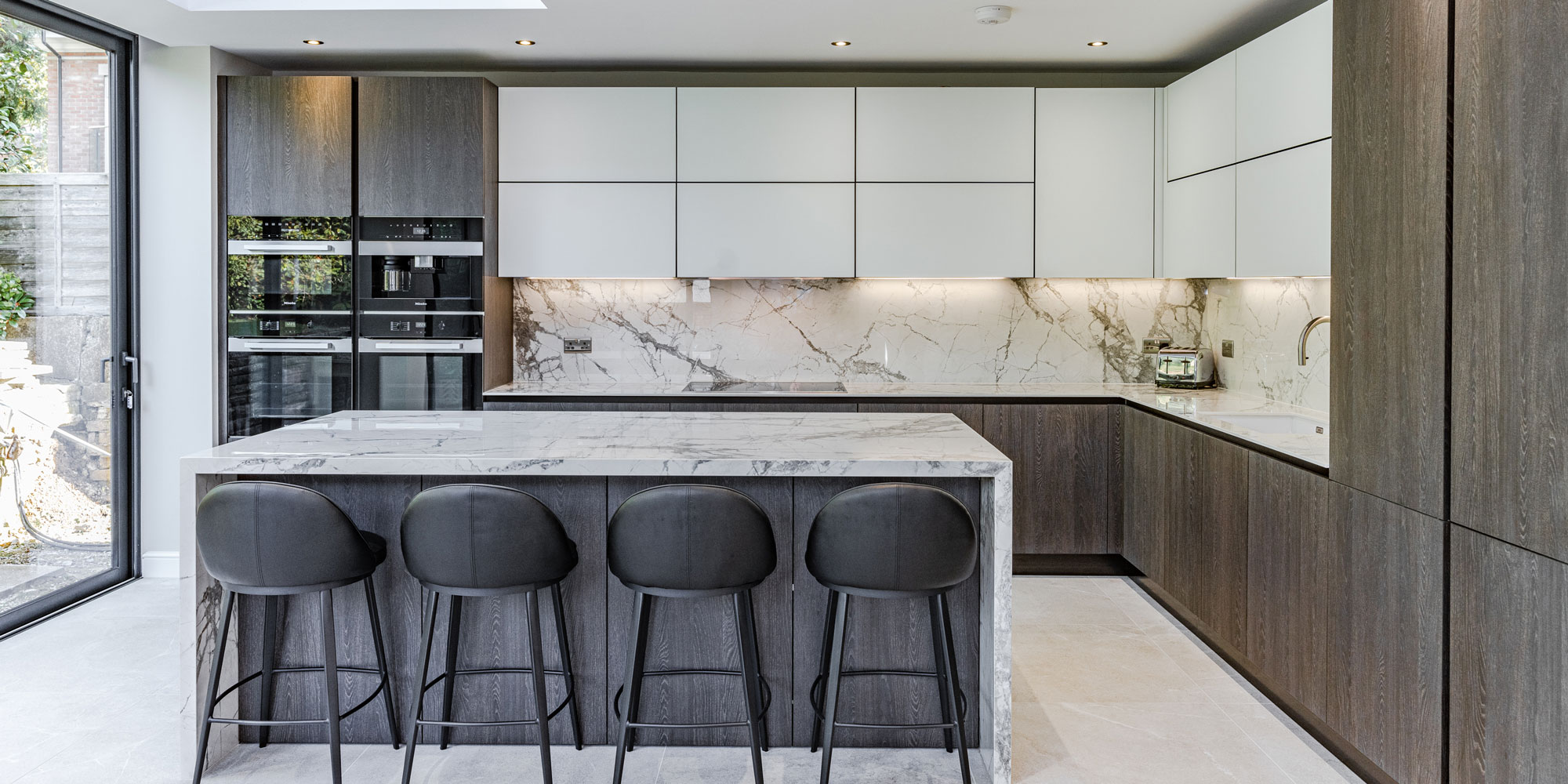
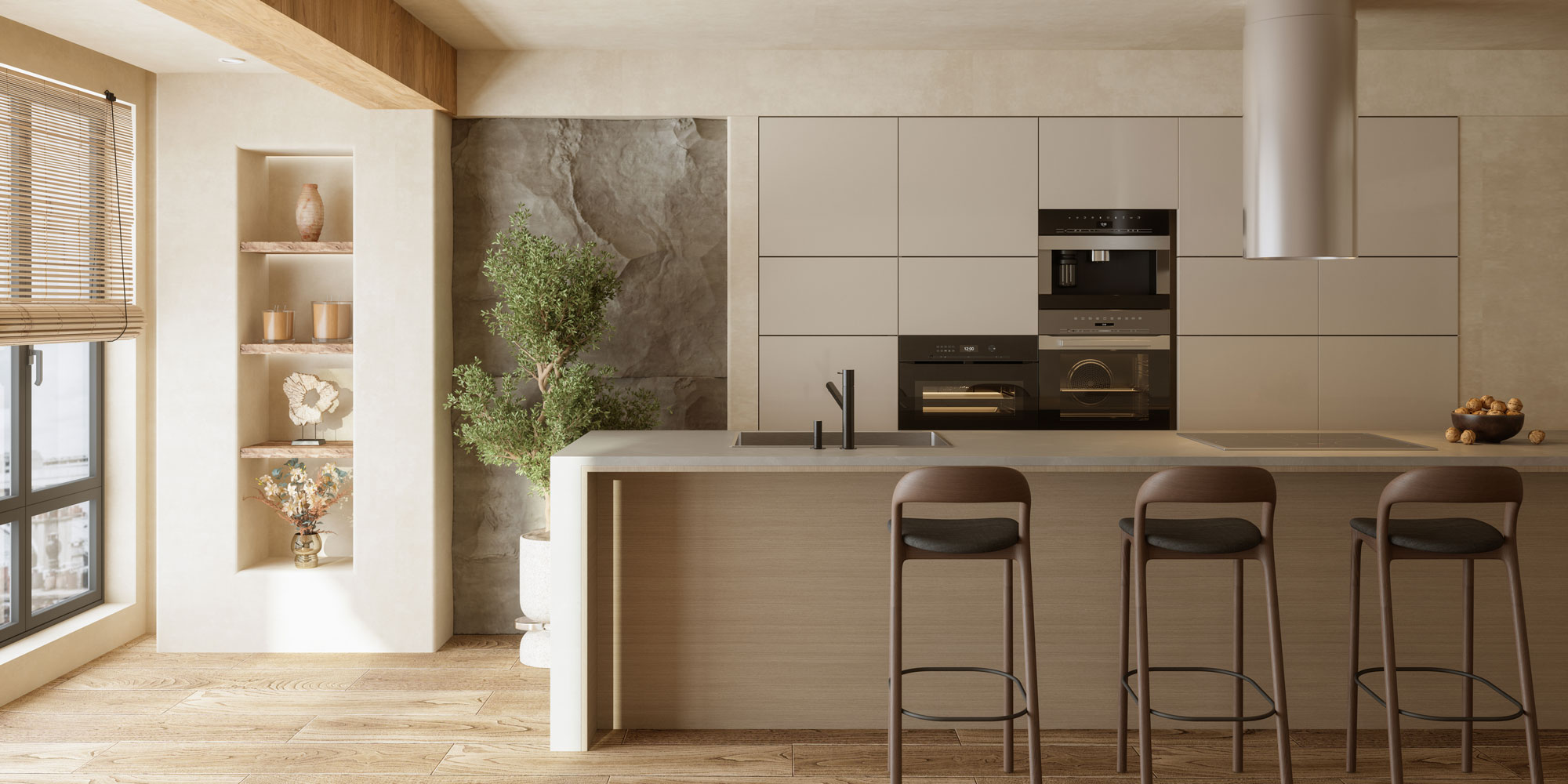
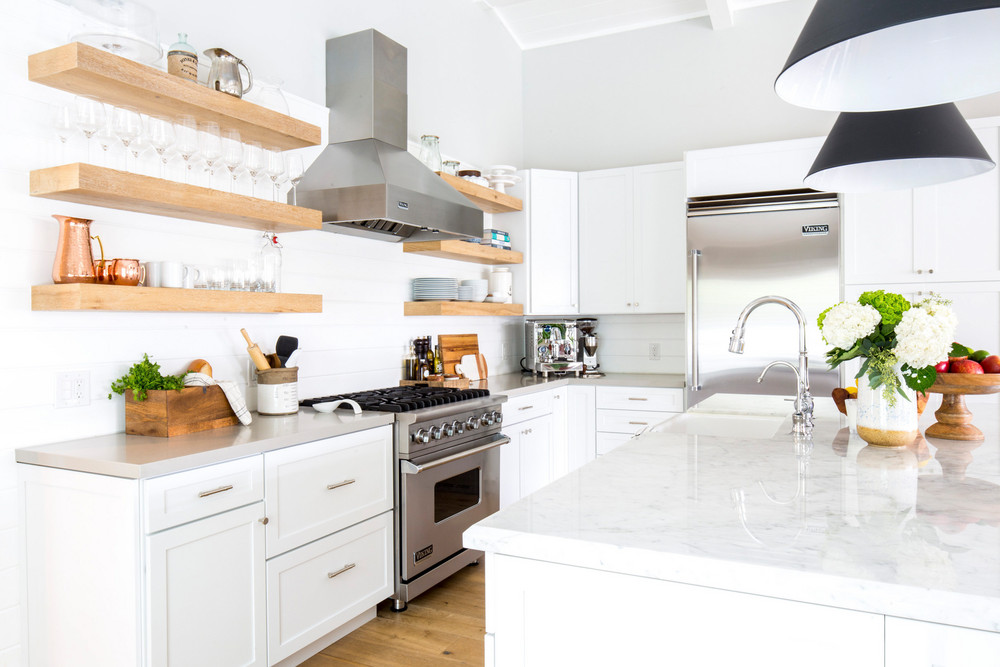
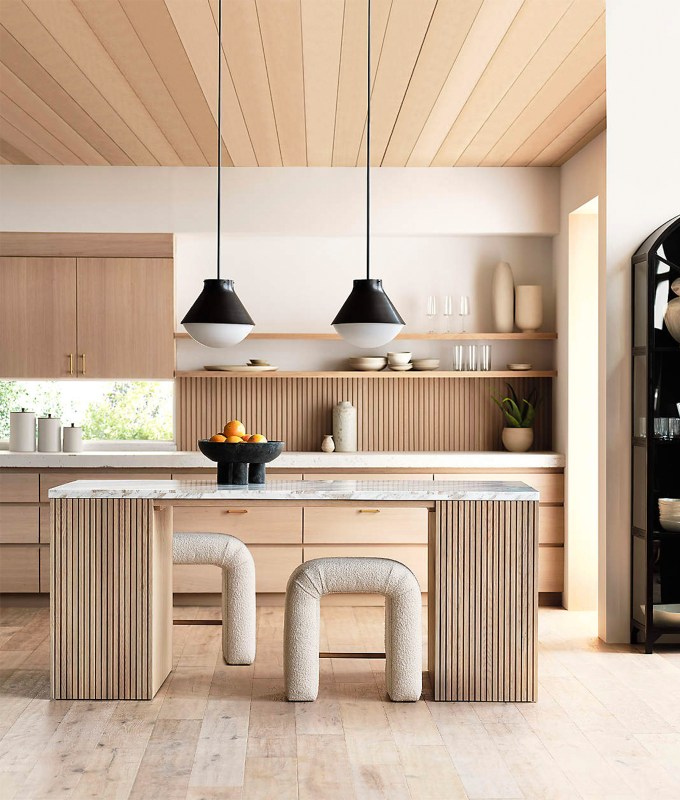
Cabinetry trends lean towards simplicity, with European, minimal, and simple styles gaining popularity in the U.S. market, moving away from ornate designs like Shaker cabinets. Oliver M. Furth and Rafael de Cárdenas prefer clean cabinetry with flat overlay doors that seamlessly conceal appliances. Hardware is also becoming sleeker, with some designers opting for pull-free designs or unique, statement-making handles. Jeffrey Alan Marks acknowledges the trend for slick, flat panels and curved shapes but retains a fondness for simple Shaker styles.
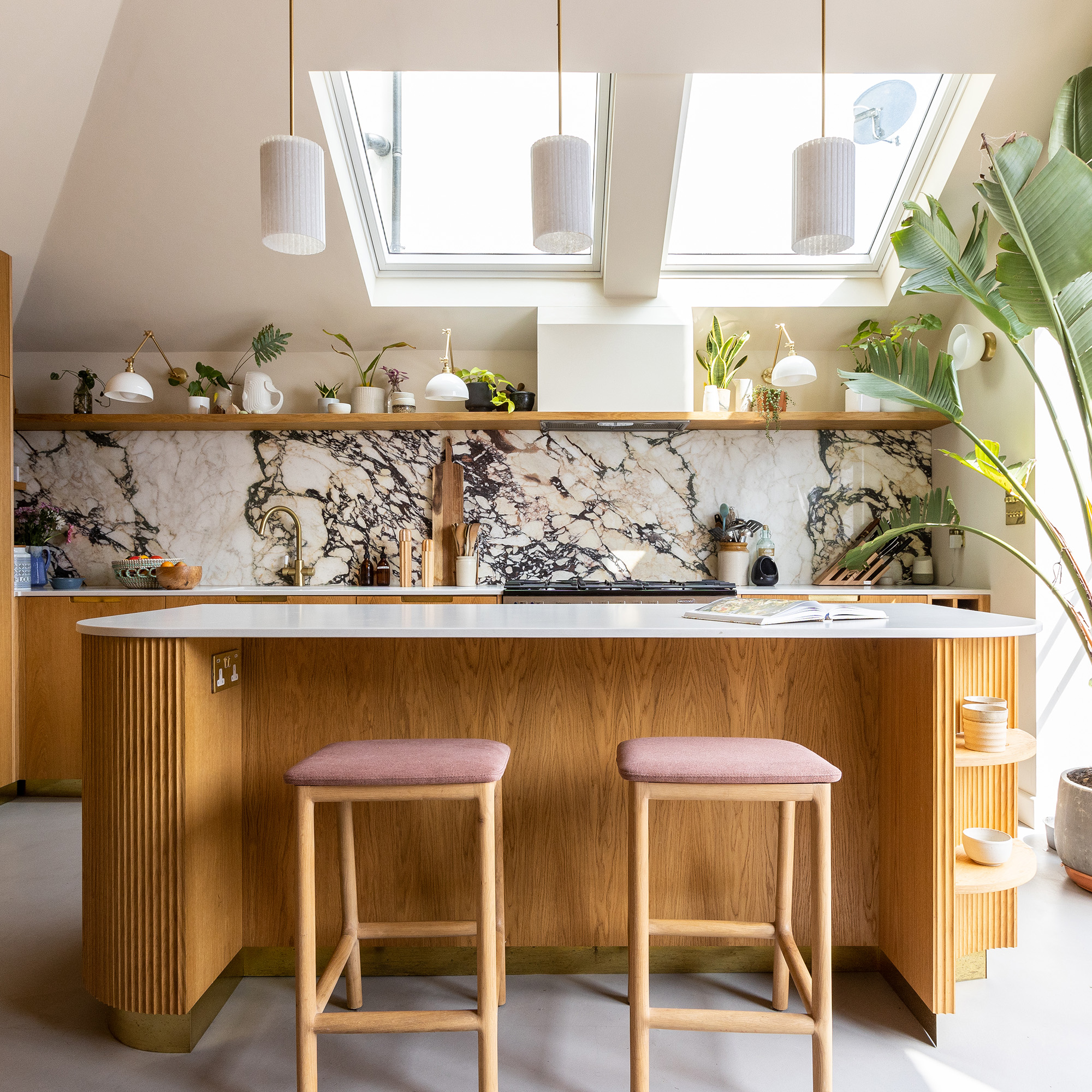
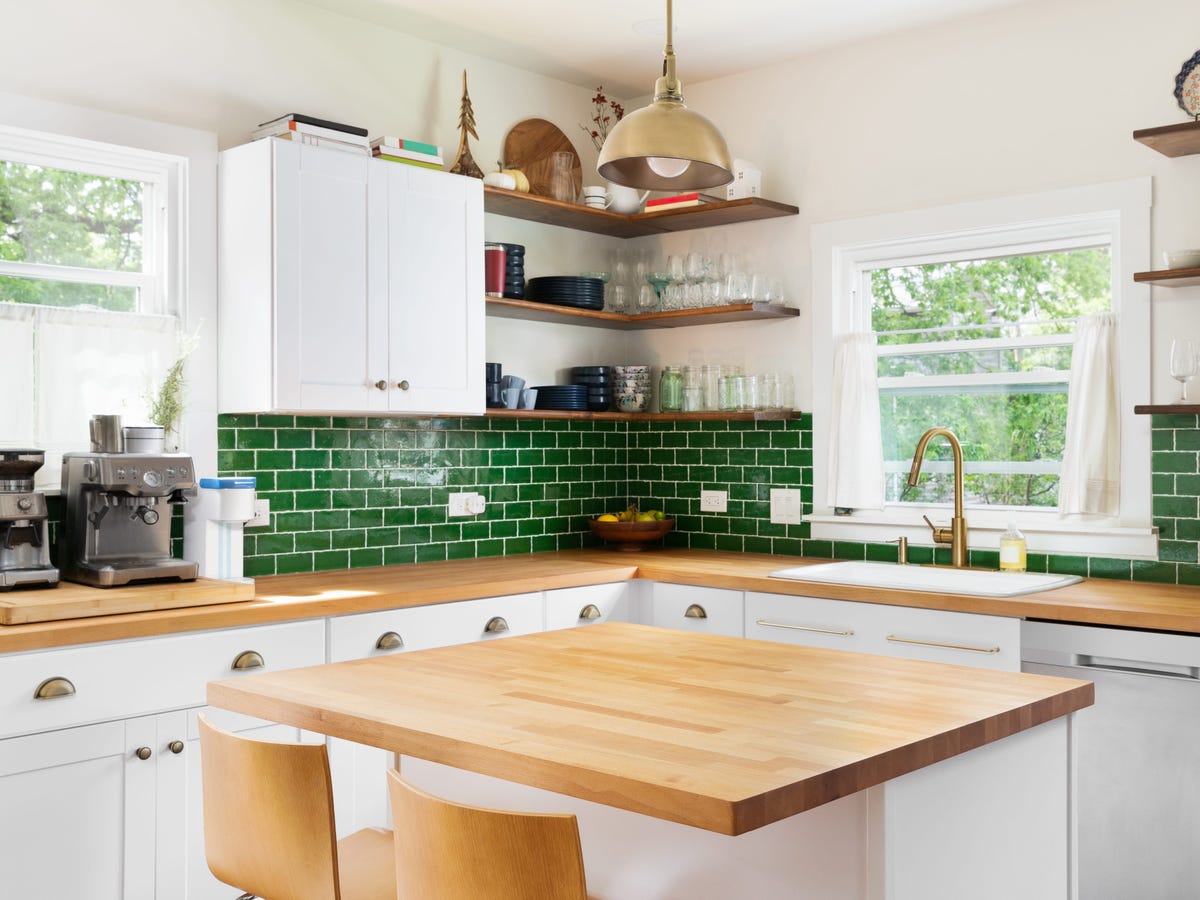
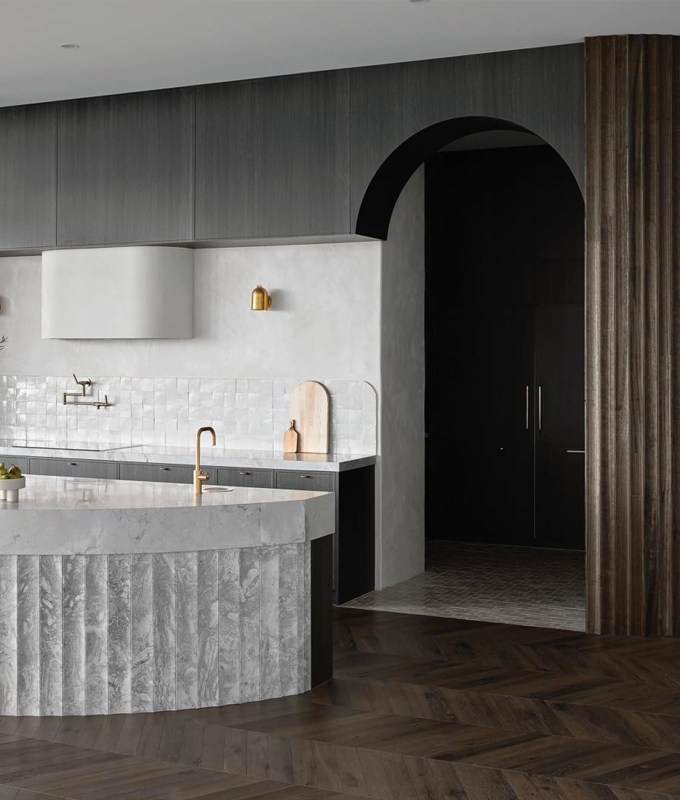
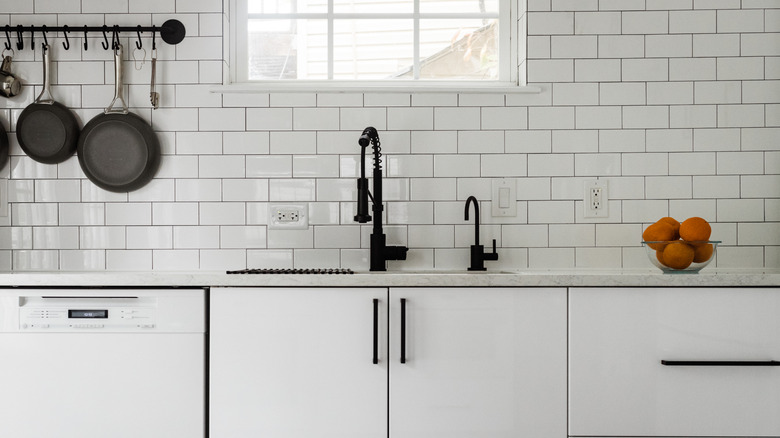
Tile backsplashes are making a strong comeback, reflecting a return to organic and handmade aesthetics. Designers are utilizing high-texture tiles in stacked grid patterns to introduce subtle patterns and character. Neal Beckstedt favors antique tiles and advocates for backsplashes that contrast with counter finishes to visually break up the space. Sasha Bikoff notes a preference for whimsical, mosaic-style designs paired with matching marble surfaces, while Suzanne Tucker sees backsplashes as visual focal points that disrupt countertop monotony.
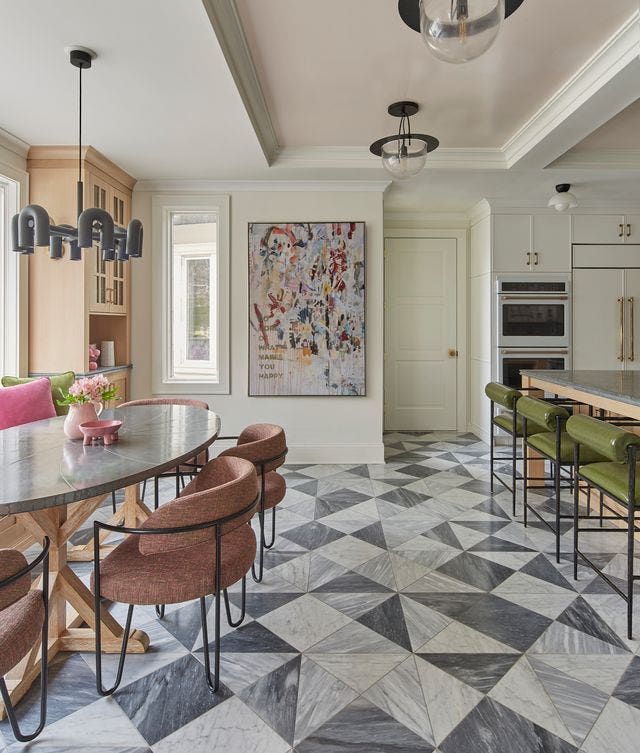
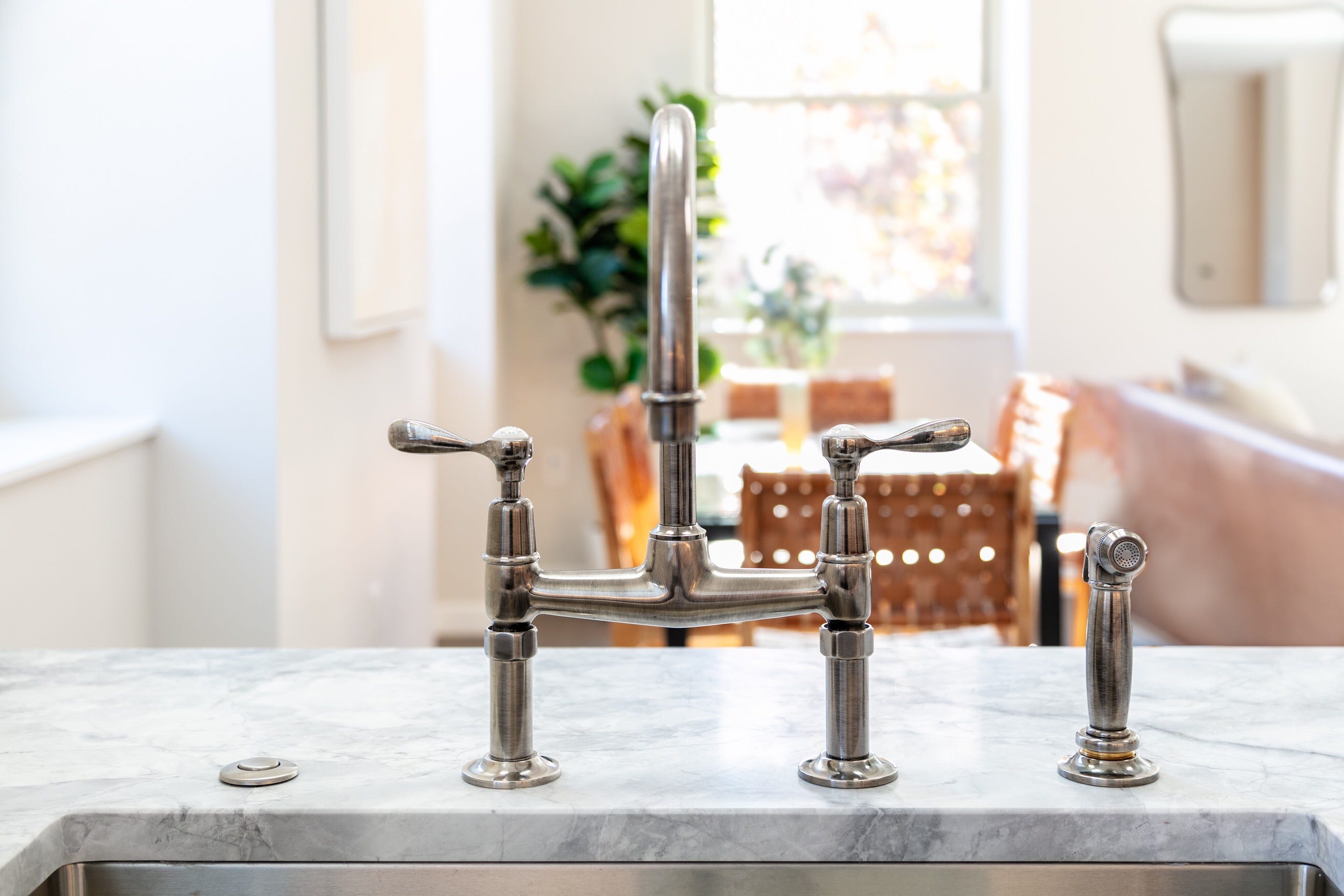
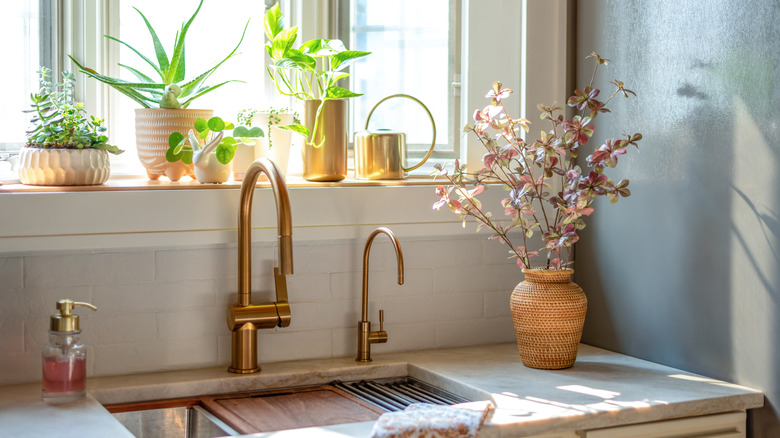
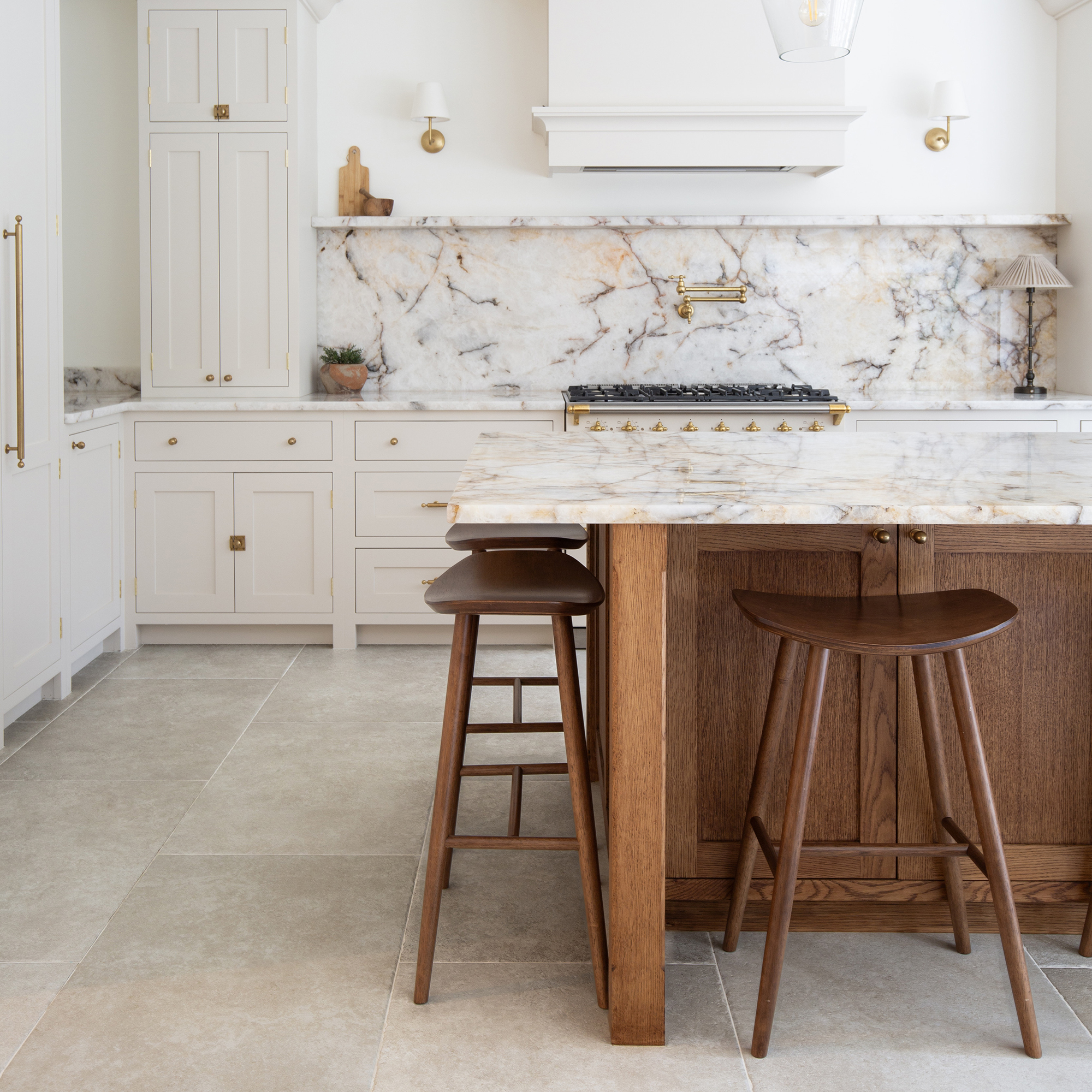
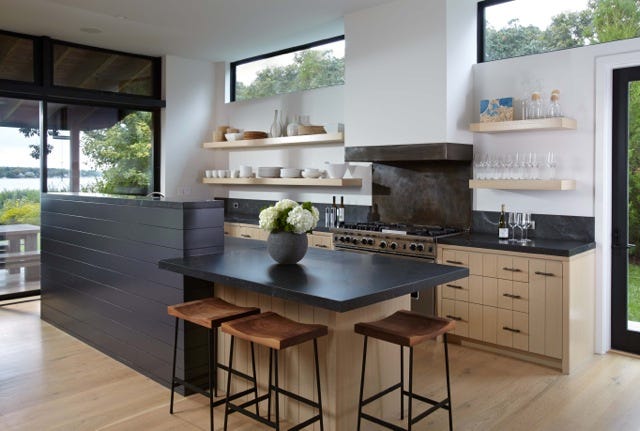
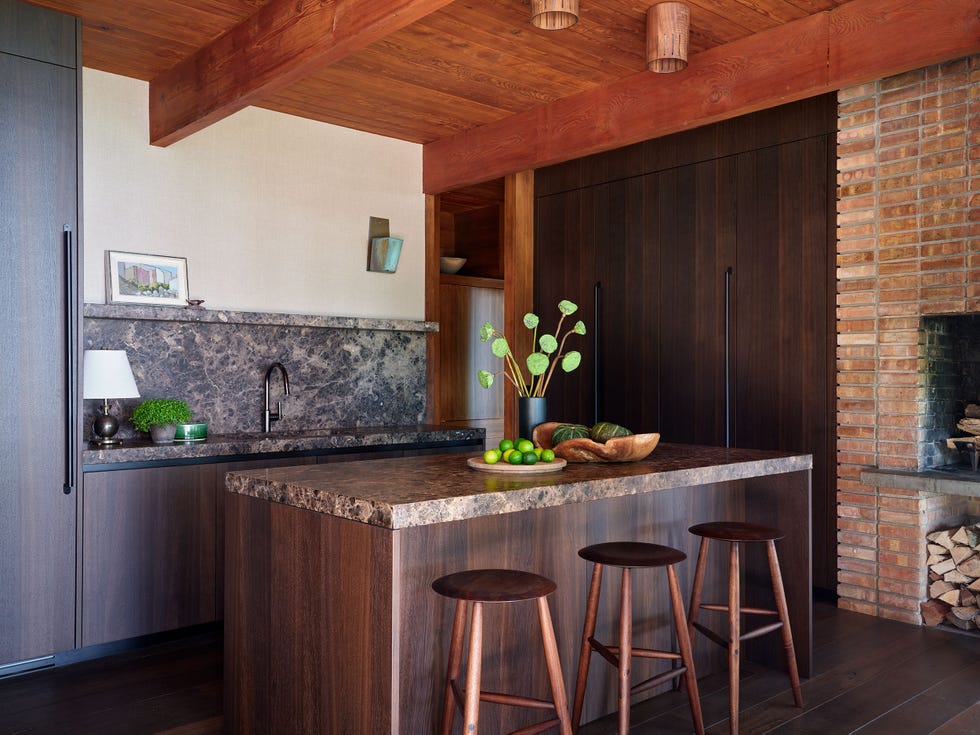
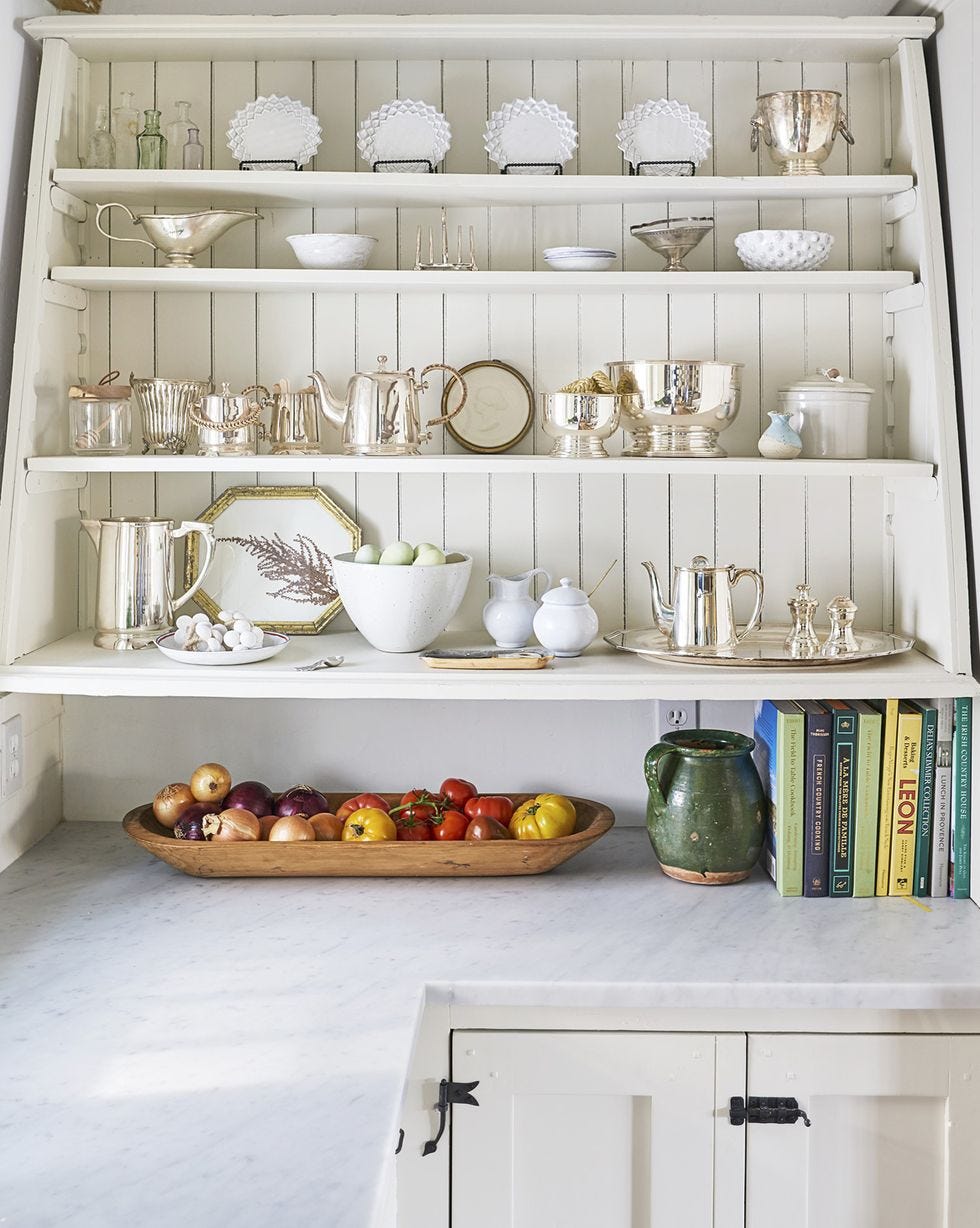
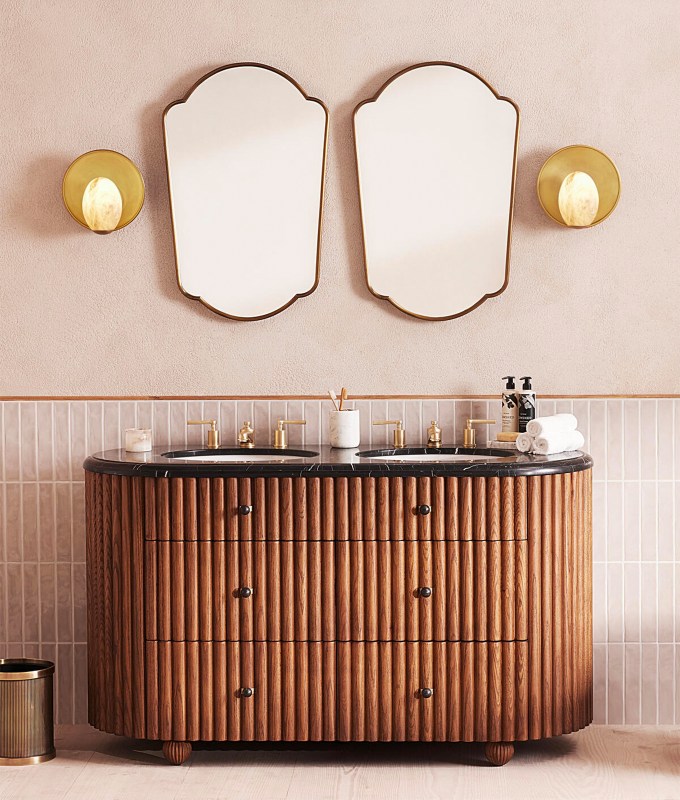
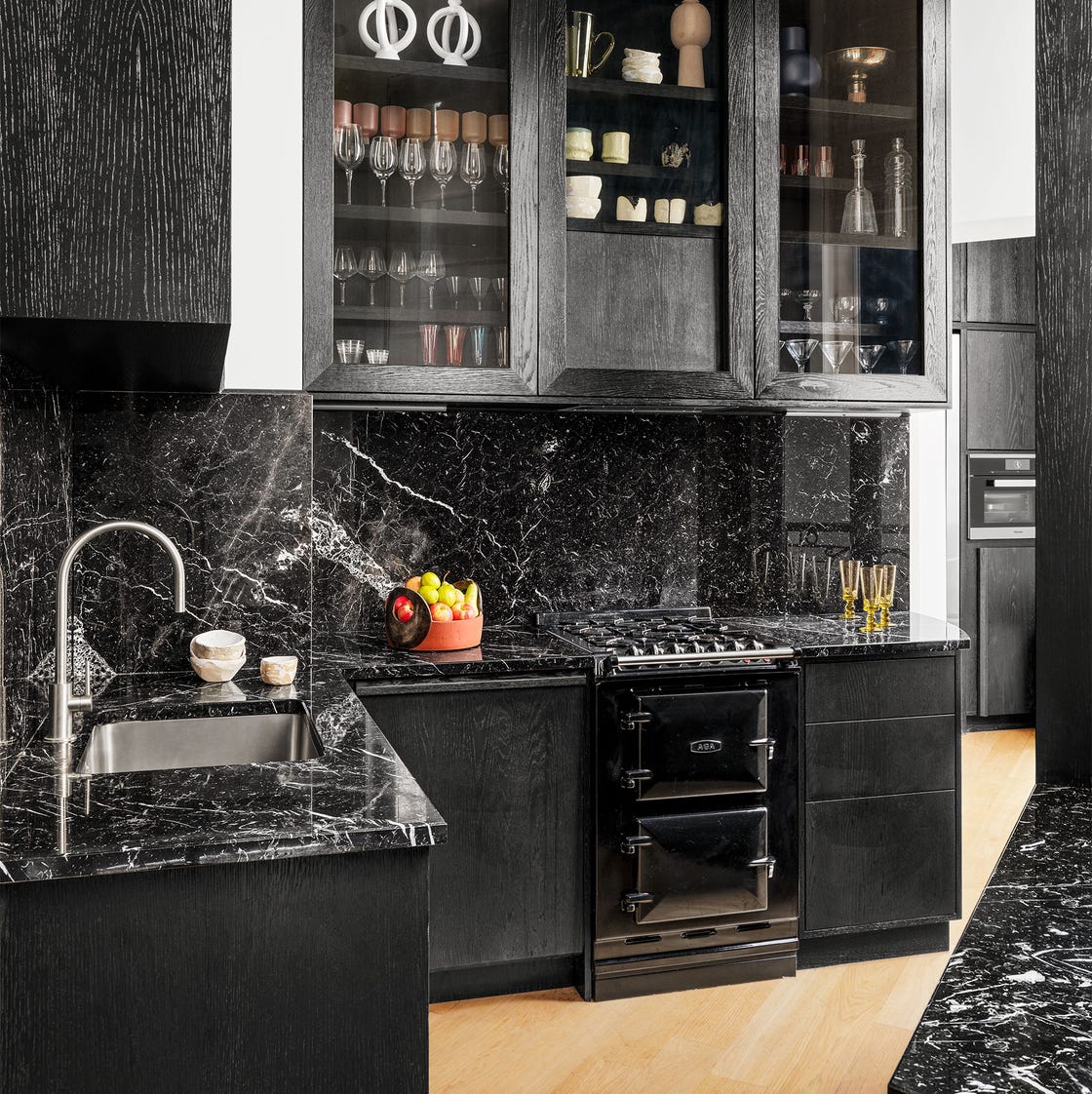
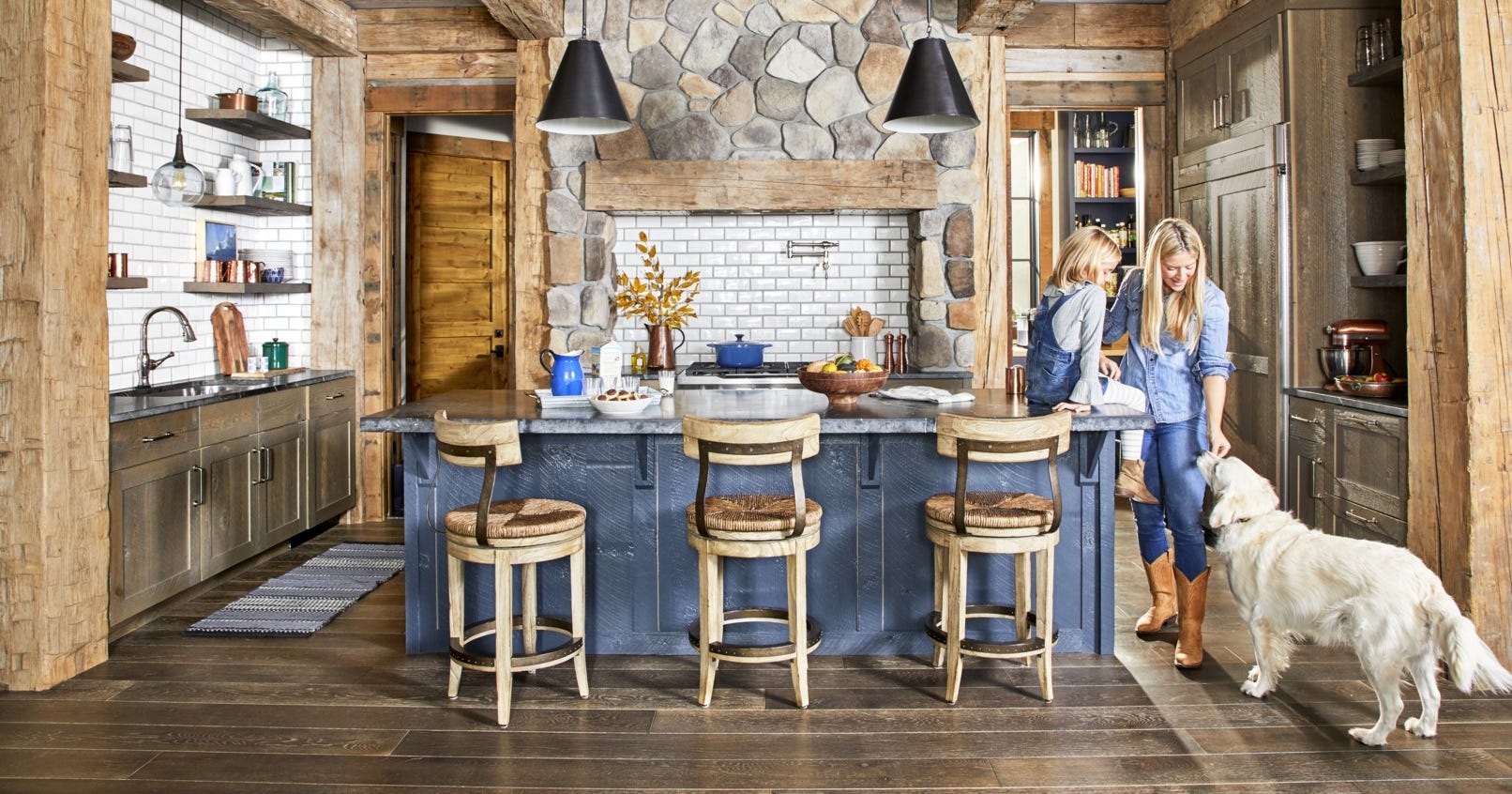
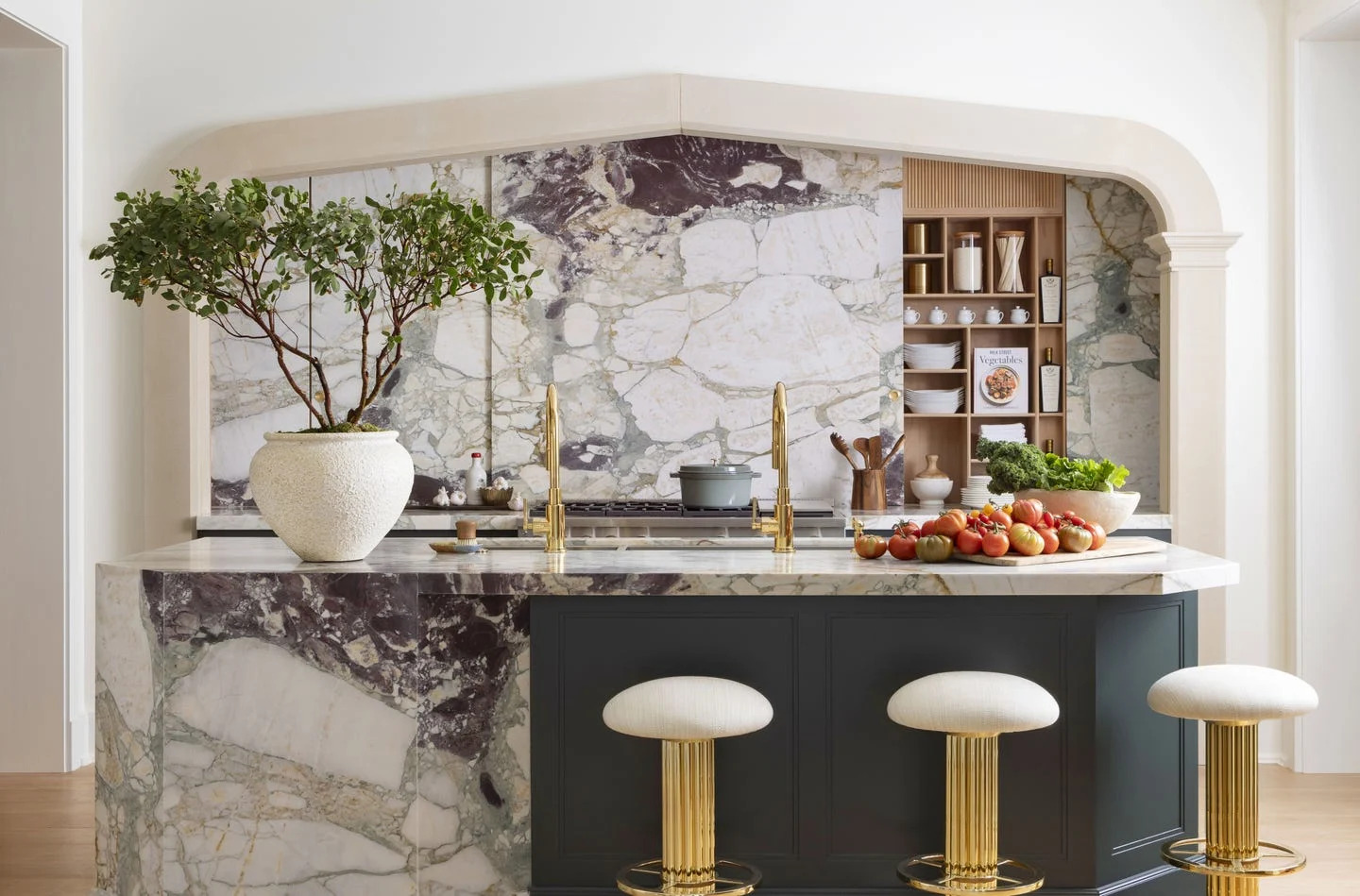
Material choices are becoming increasingly eclectic, moving away from traditional pairings to unique combinations of stone, composites, woods, and metals. Young Huh encourages mixing diverse materials like antiqued brick, natural stone with oxidized metals, warm woods, and colorful quartz countertops. Neal Beckstedt suggests integrating wood cutting boards, stone counters, and stainless steel near cooking stations, drawing inspiration from professional restaurant kitchens. Sasha Bikoff observes a shift from common materials like Carrara marble to exotic stones such as onyx and colored marble, which provide character and color that complement other elements in the home.
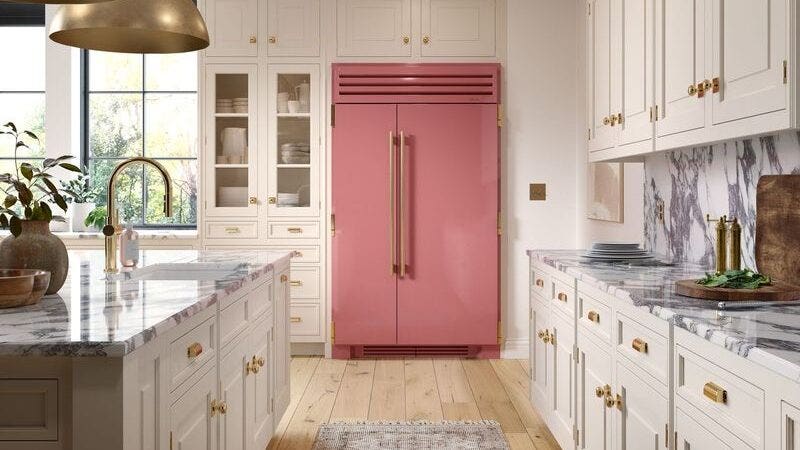
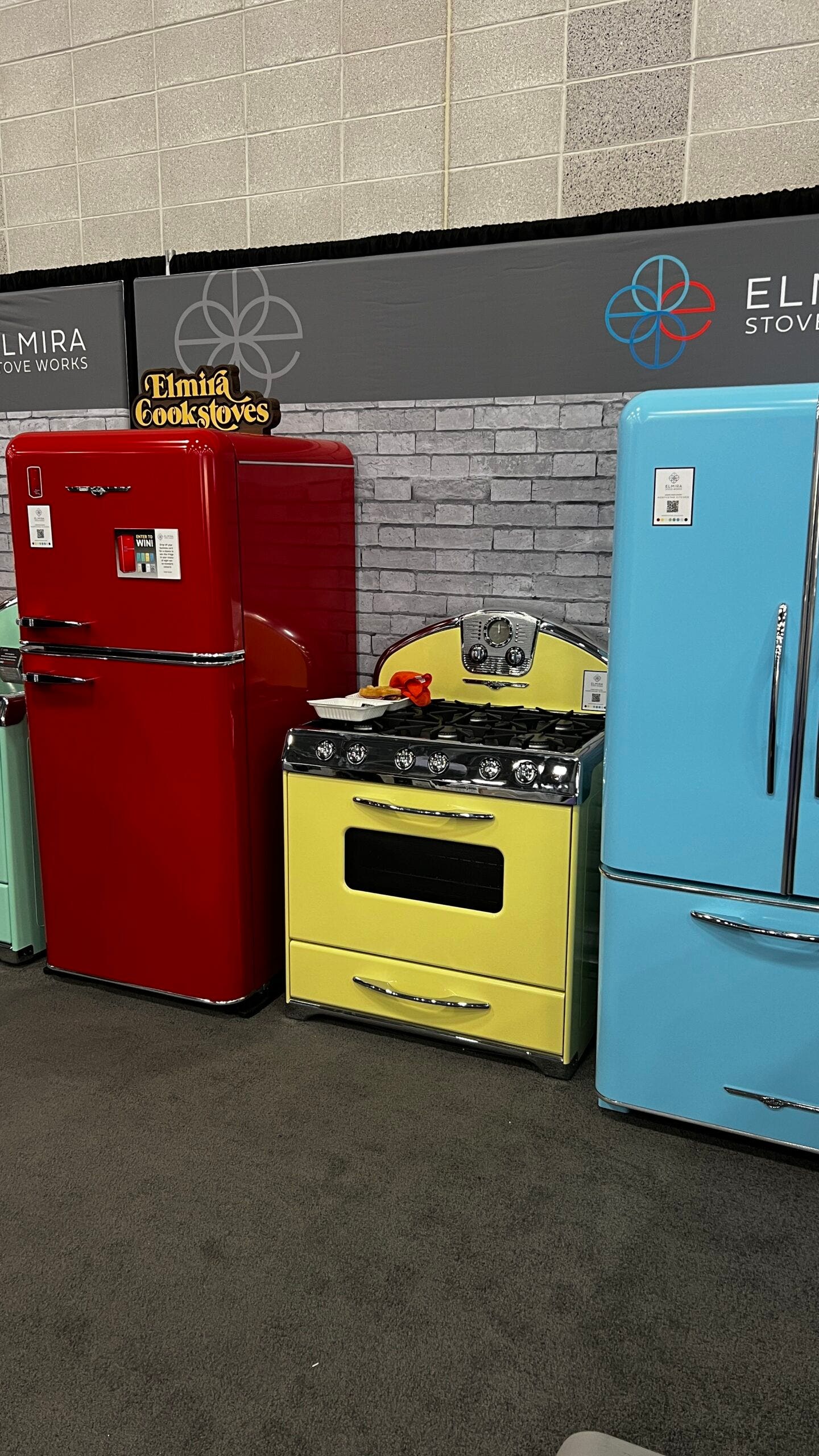
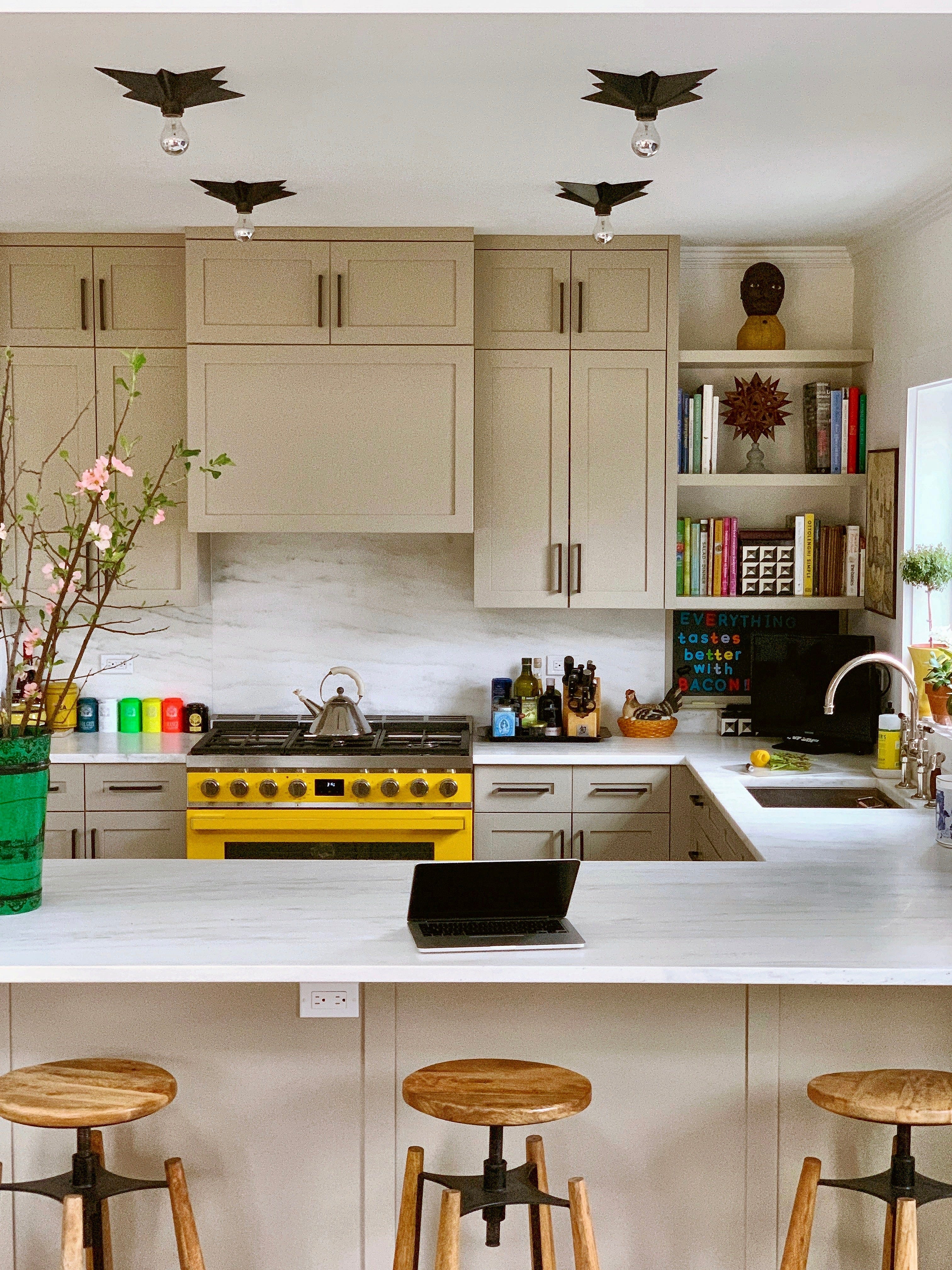
Finally, stainless steel appliances are being replaced by customized, colorful options. Appliance manufacturers like BlueStar offer extensive color choices and custom matching services, addressing a “stainless fatigue” among consumers. Ken Fulk points out the availability of bold colors from nearly every major appliance manufacturer, moving beyond the once-mocked avocado-colored appliances. Sasha Bikoff sees the industrial kitchen look being superseded by the “jewel-box kitchen,” where appliances are often concealed or chosen for their unique colors. Young Huh highlights the growing interest in unusual materials for appliances, such as mixed metals, unique finishes, and even leather, along with an increase in requests for induction ranges due to environmental consciousness. Indulgences like high-end espresso makers are also becoming focal points, contributing to the personalized and luxurious feel of modern kitchens.
#KitchenTrends #InteriorDesign #HomeRenovation #KitchenDesign #ColorTrends #LightingDesign #Cabinetry #MaterialMixing #ApplianceTrends #KitchenTrends #InteriorDesign #HomeRenovation #KitchenDesign #ColorTrends #LightingDesign #Cabinetry #MaterialMixing #ApplianceTrends
0 comment in total
 No comments yet
You may also like
Kitchen Design And Appliance Trends To Try This Year

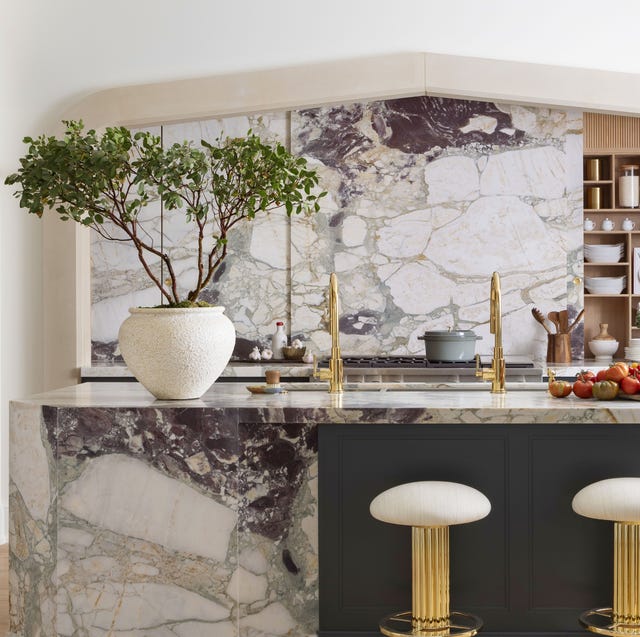
10 Kitchen Countertop Trends You'll See Everywhere This Year, According to Experts

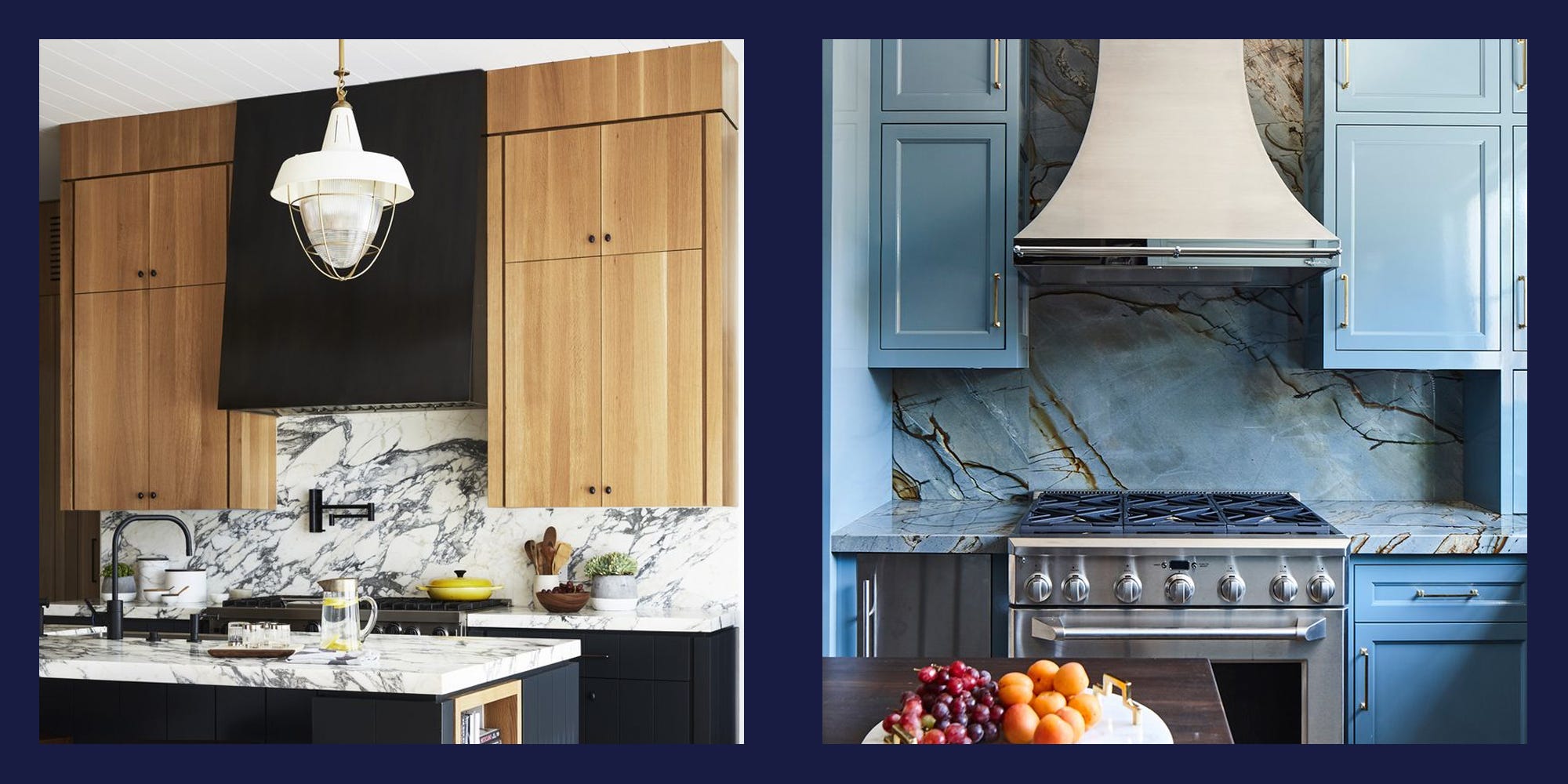
Top Designers Say These Kitchen Trends are Long-Lasting

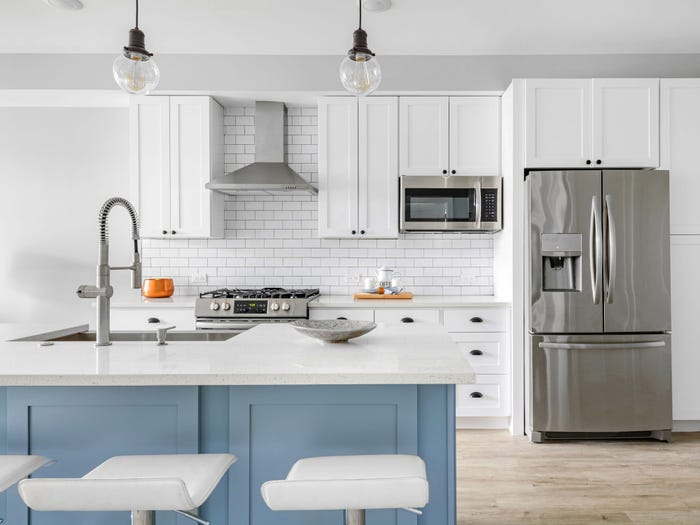
Interior designers share 7 kitchen trends that really missed the mark this year
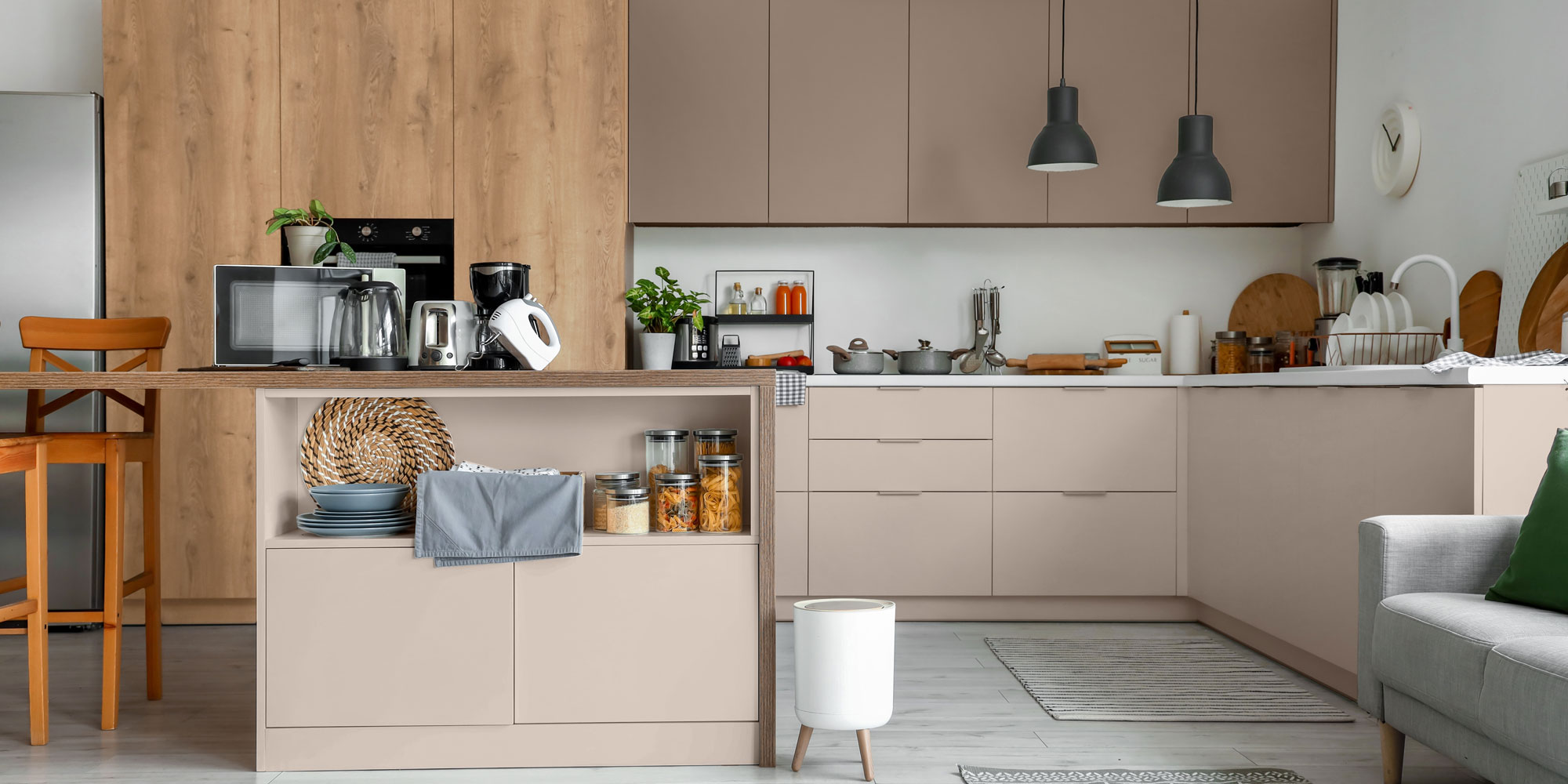
7 kitchen trends for 2026
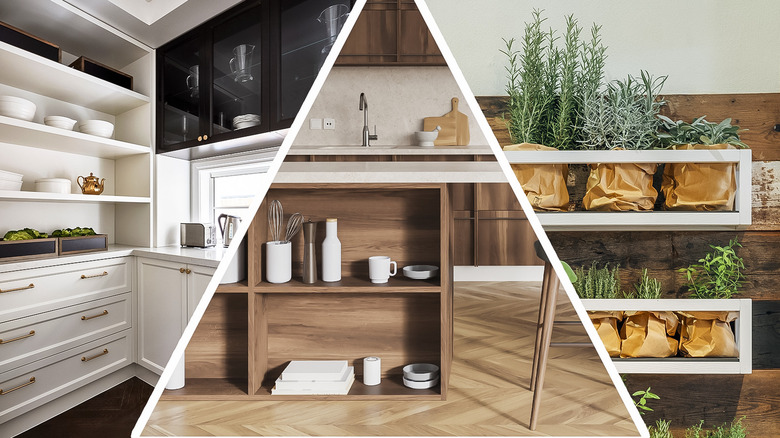
13 Kitchen Trends That We Are Following In 2025

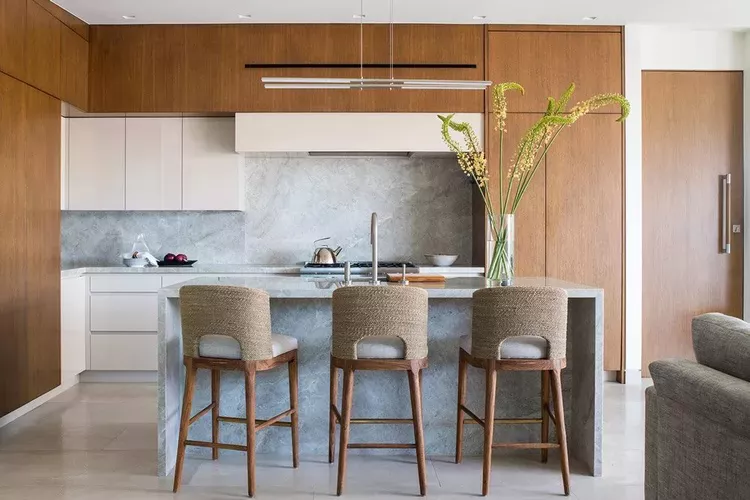
7 Kitchen Trends You're About to See Everywhere in 2025, According to Designers

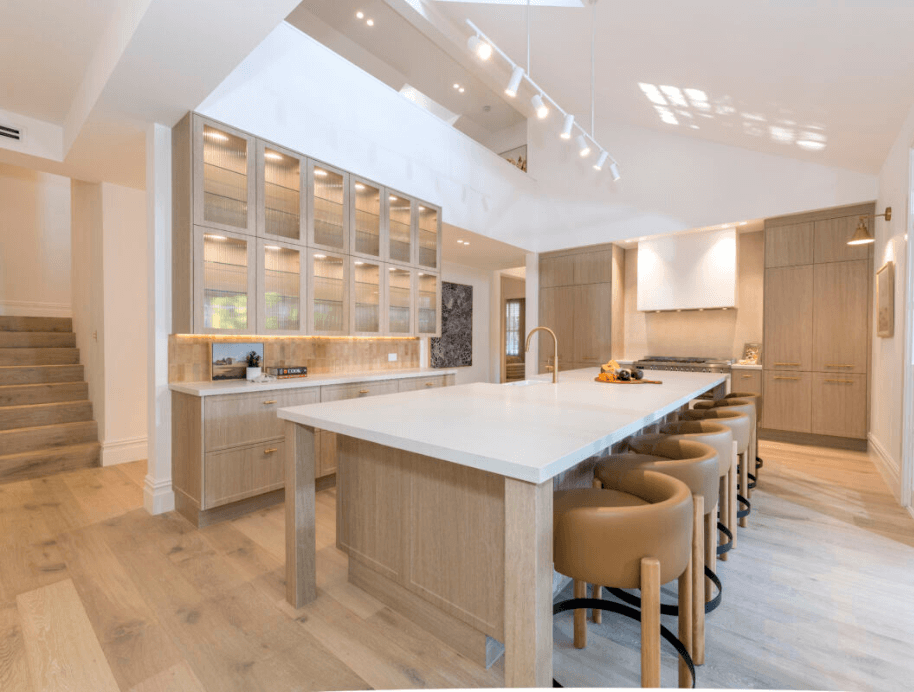
Kitchen Trends in 2025
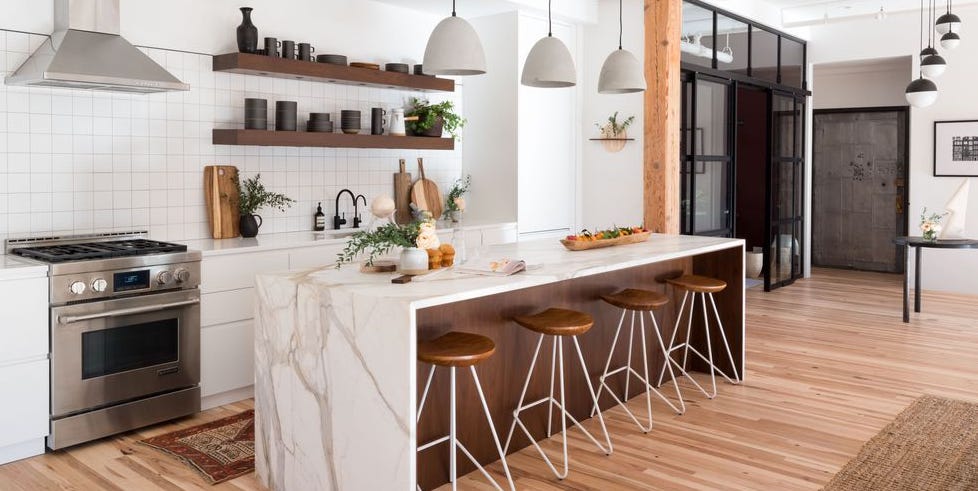
Top Designers Reveal the Biggest Kitchen Design Trends of the Year
Interior designers share 6 kitchen trends that'll be huge next year and 4 that will be out
Timeless Kitchen Trends That Are Here to Stay (We Hope)

The Kitchen Trend We Called in 2021 Is Finally Going Mainstream, So Prepare to See It Everywhere
7 Kitchen Trends That Will Never Go Out of Style

10 kitchen trends we're seeing everywhere in 2025 - create a stylish cooking space with the latest styles
These Are the Biggest Kitchen Trends for 2024

Kitchen Trends That Are Being Left Behind In 2025 And Beyond
7 Kitchen Renovation Trends to Watch
8 Kitchen Trends for 2025
We Predict These Kitchen Trends Will Be Everywhere in 2023

10 Kitchen Countertop Trends You'll See Everywhere This Year, According to Experts