1/2
Interior designers share 7 kitchen trends that really missed the mark this year
In the realm of home aesthetics and functionality, kitchens stand as pivotal spaces, blending utility with design. However, not all design choices prove to be timeless or practical. This year, several popular kitchen trends, despite their initial appeal, ultimately fell short according to interior design experts. These trends were often characterized by impracticality, high maintenance requirements, or a lack of enduring style.
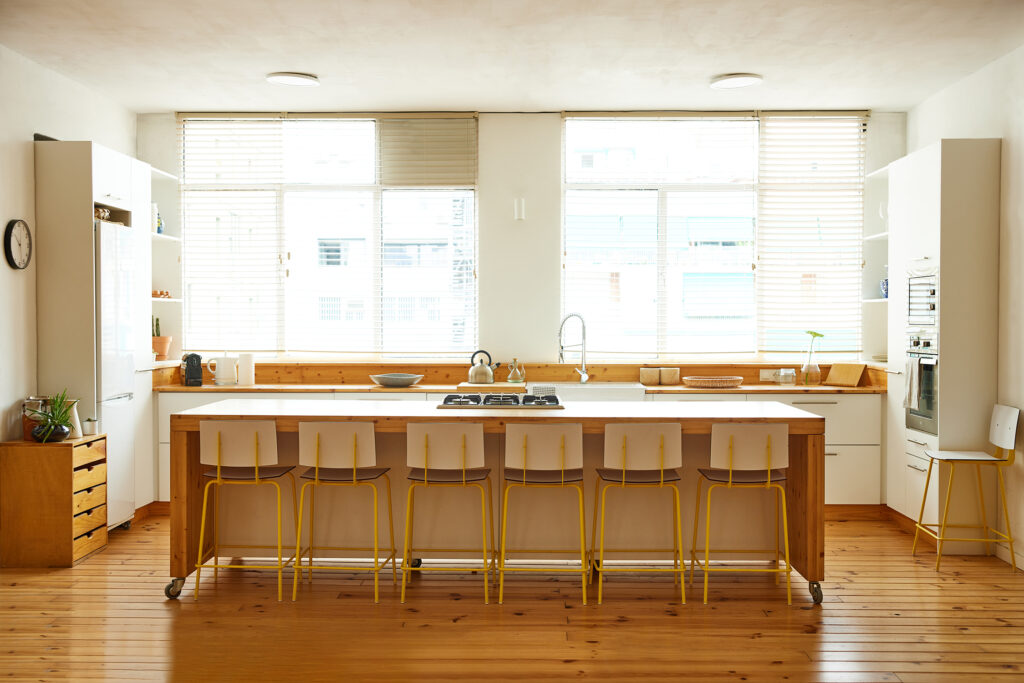
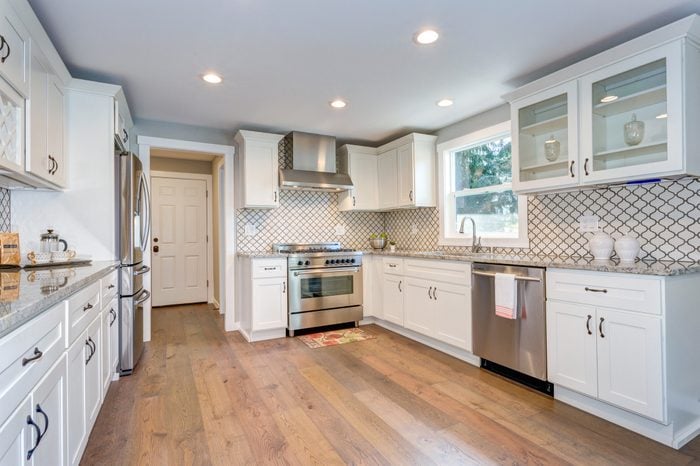
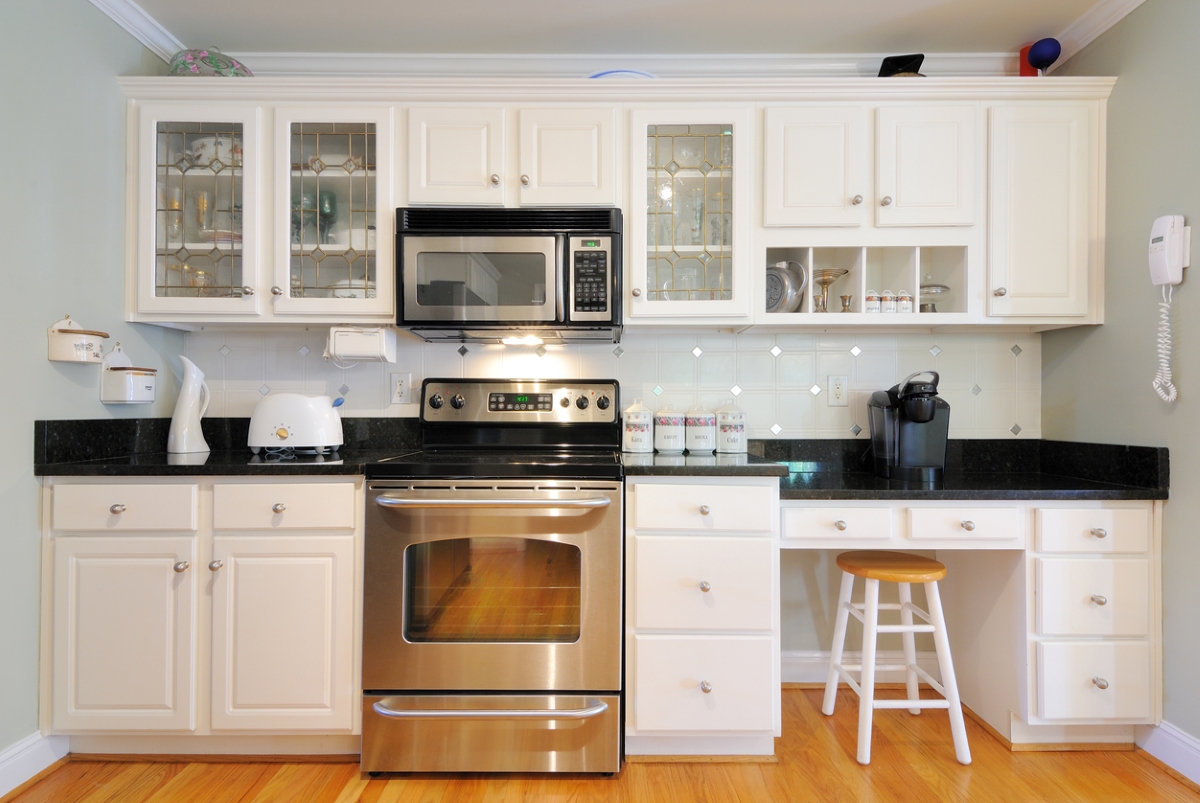
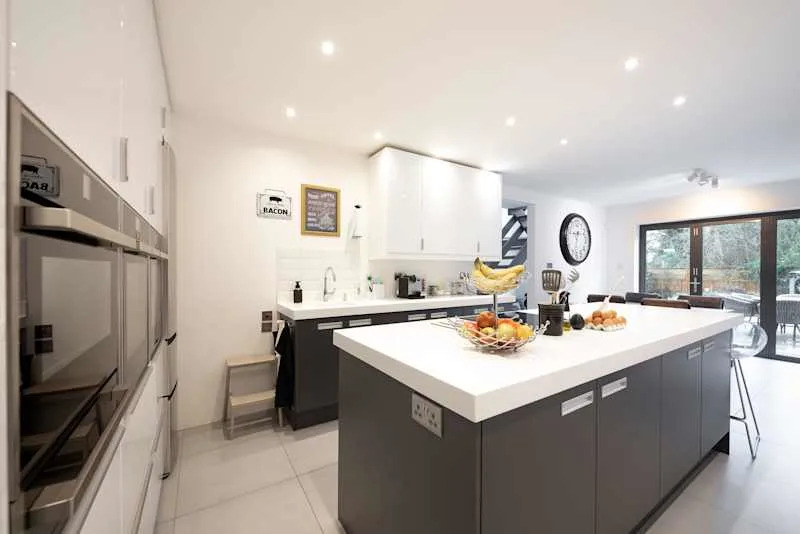
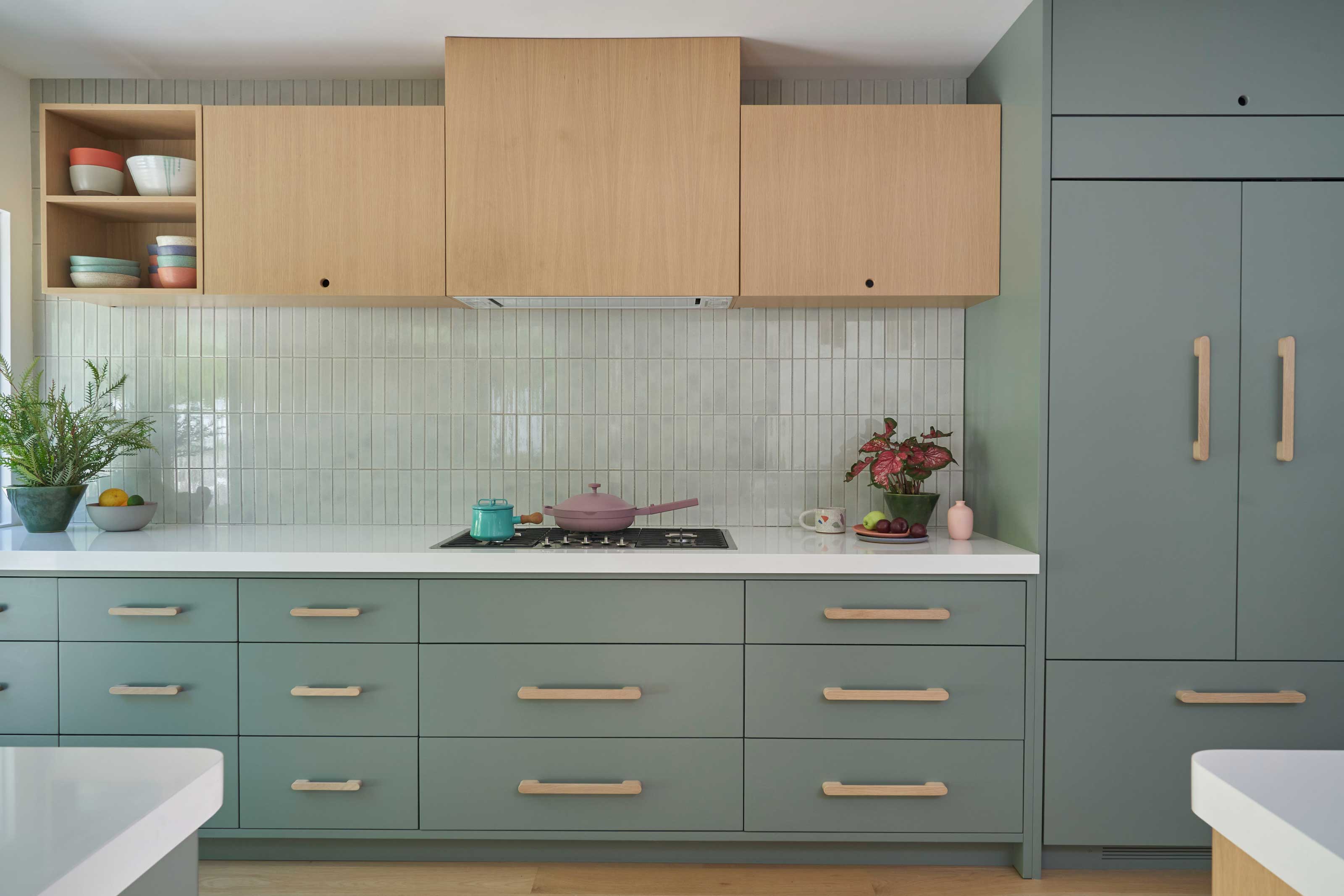
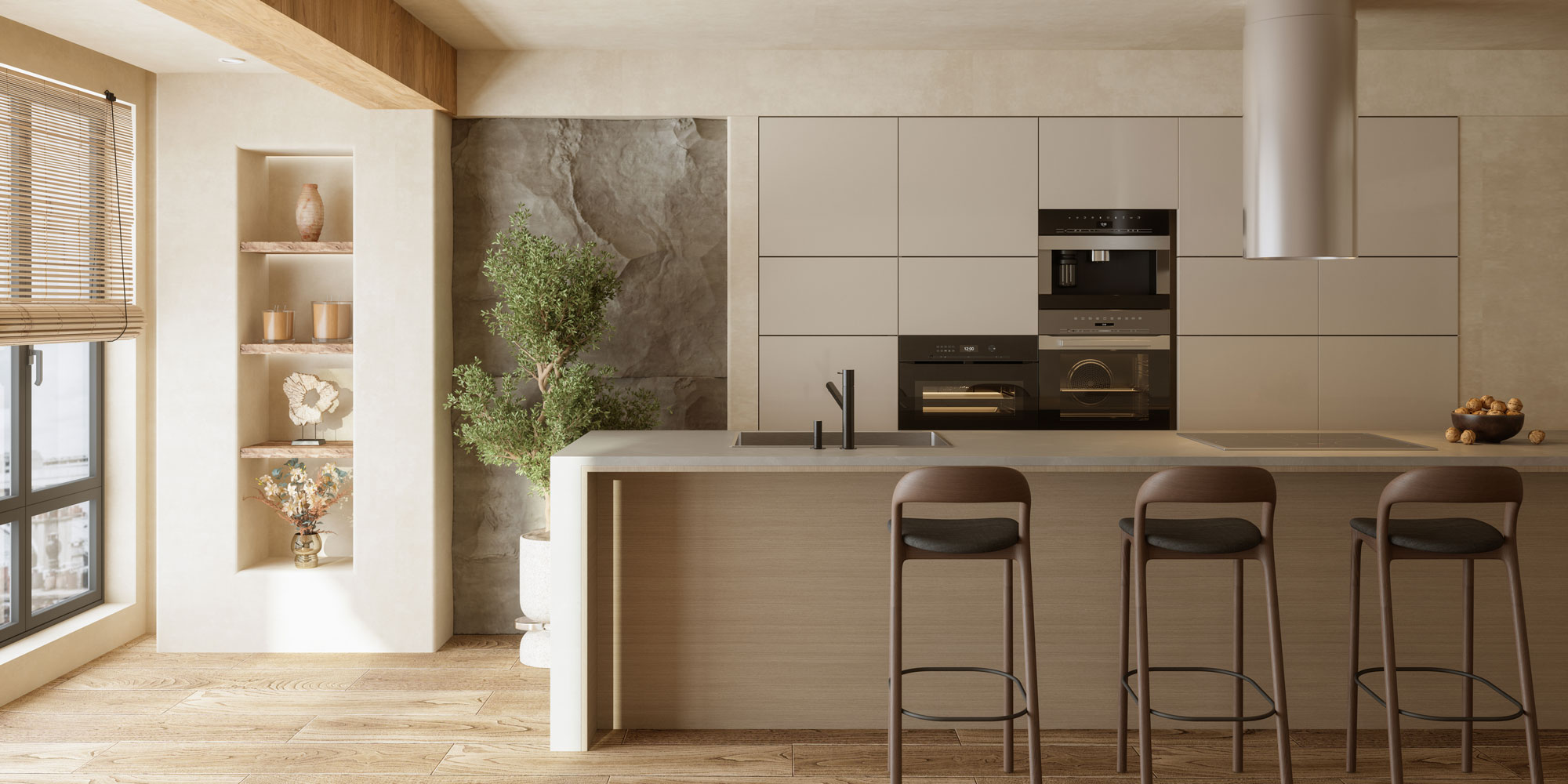
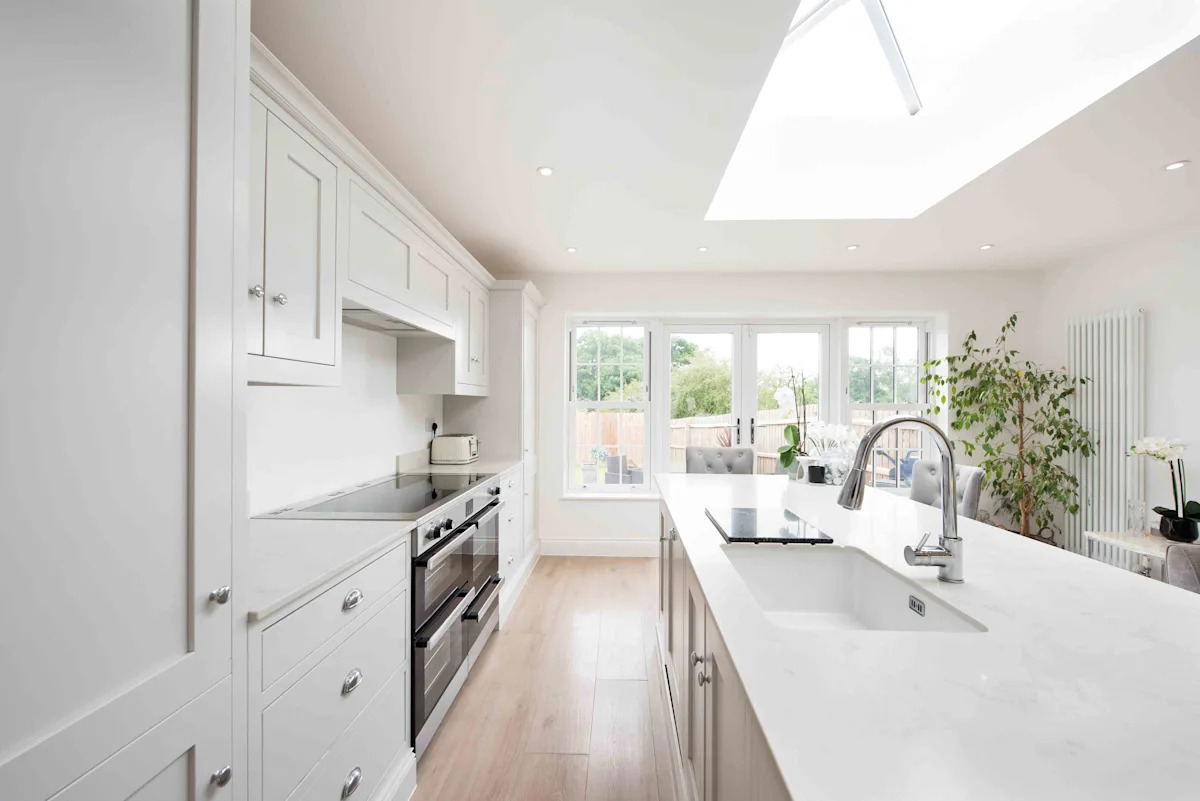
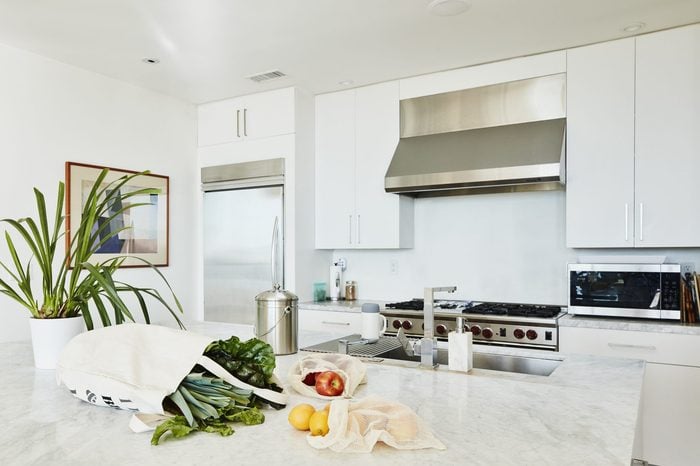
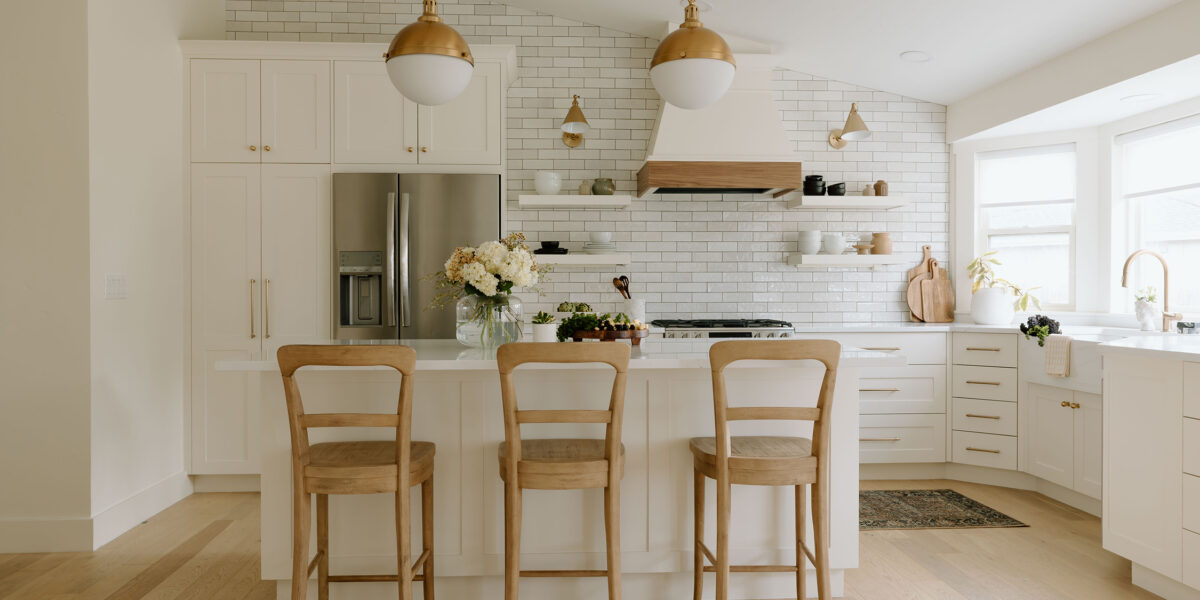
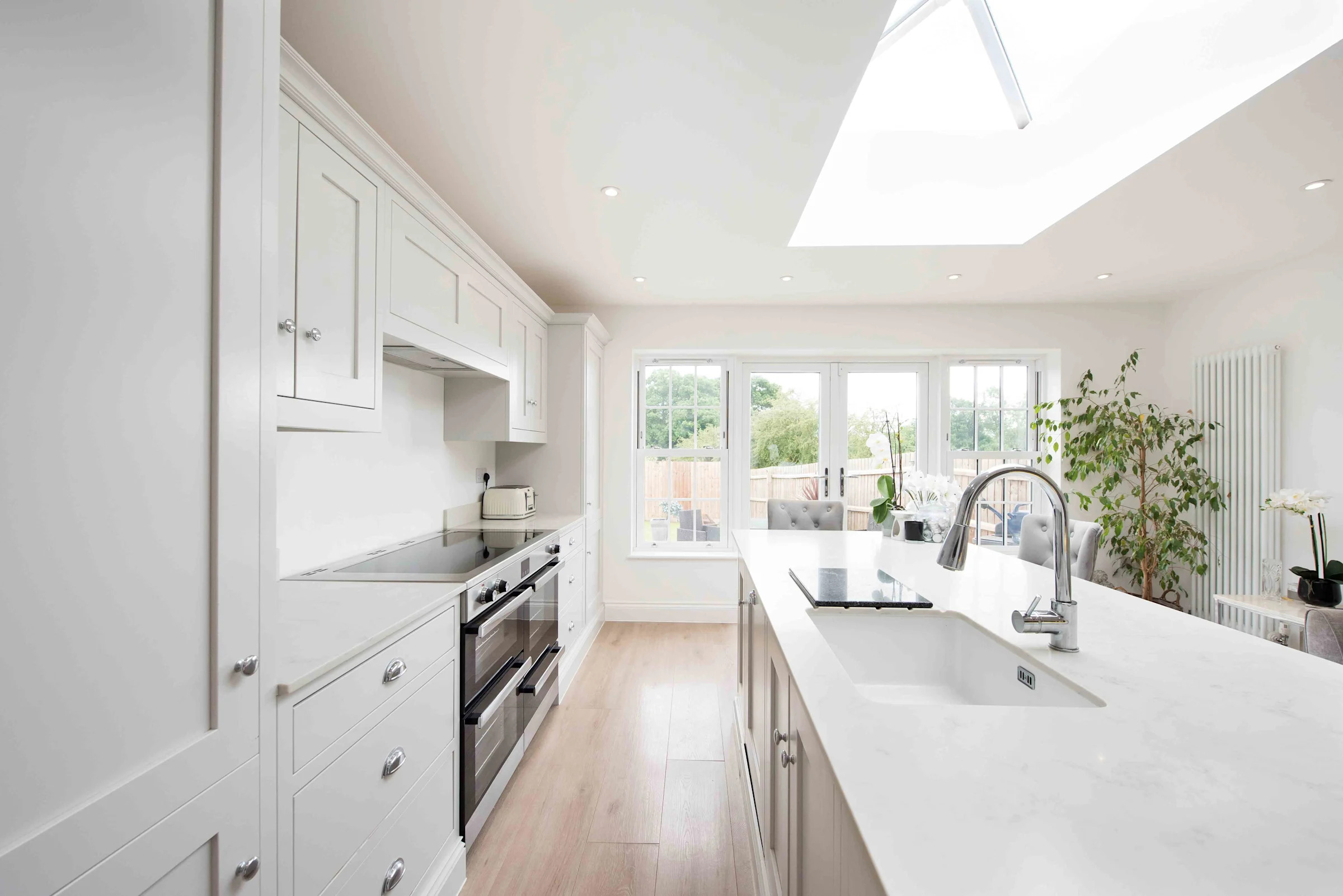
Among the most criticized trends was the prevalence of all-white kitchens. While seemingly clean and minimalist, designers found these spaces to often appear cold and sterile, lacking warmth and personality. A suggested alternative involved incorporating warmer off-whites and soft taupes, which can still maintain a bright aesthetic while introducing a more inviting atmosphere through subtle shifts in color temperature. This approach allows other design elements to stand out without contributing to a stark environment.
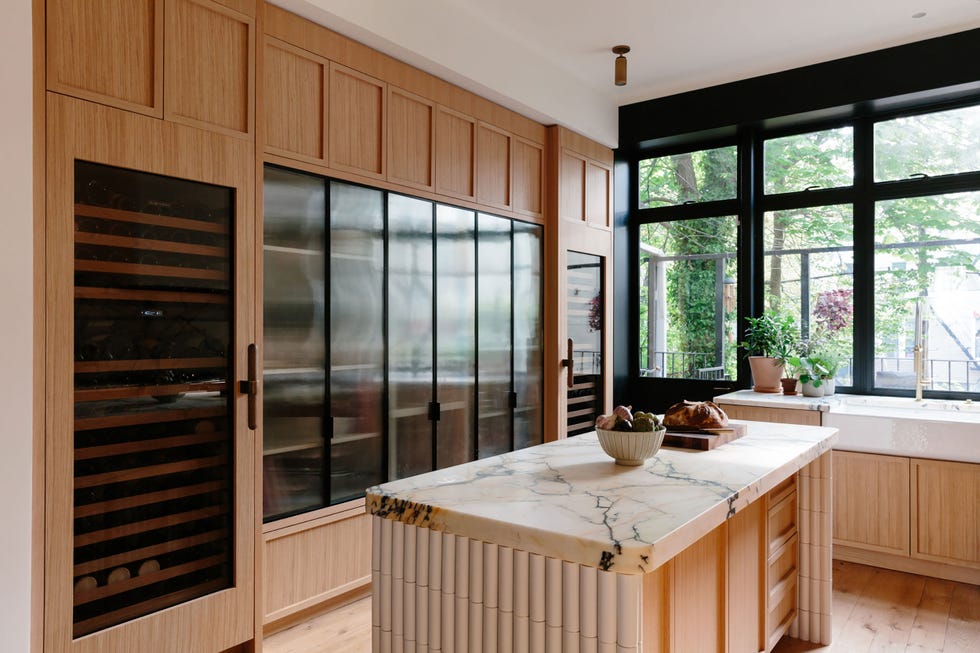
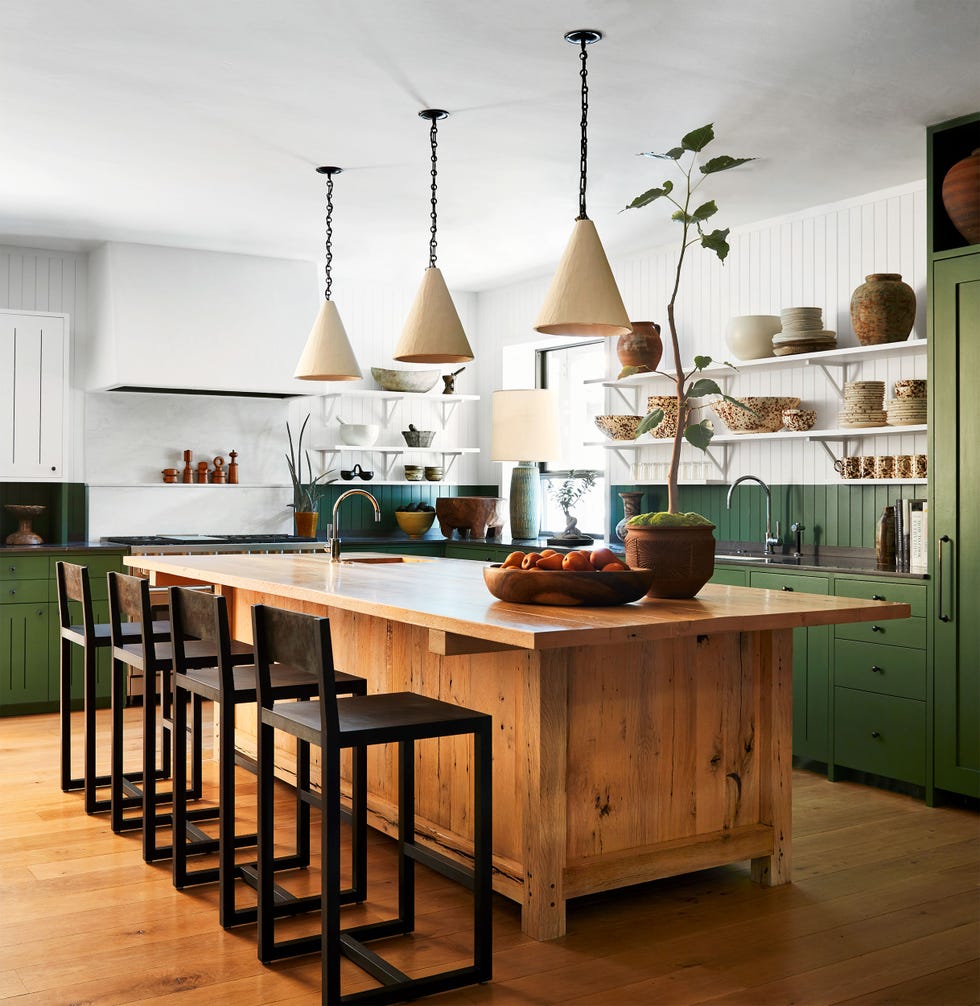
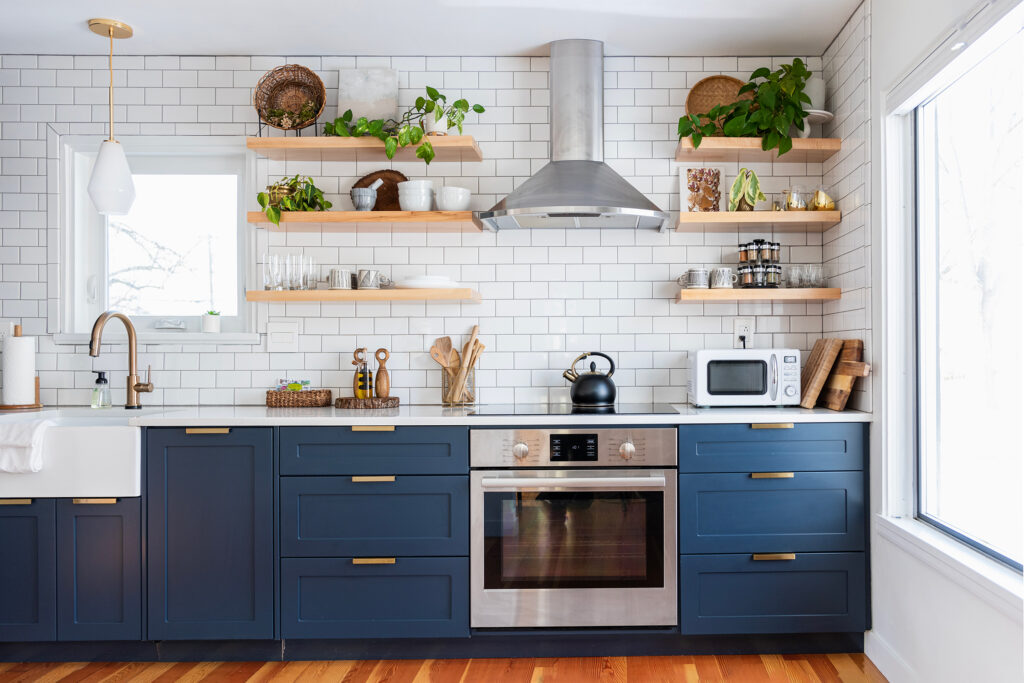
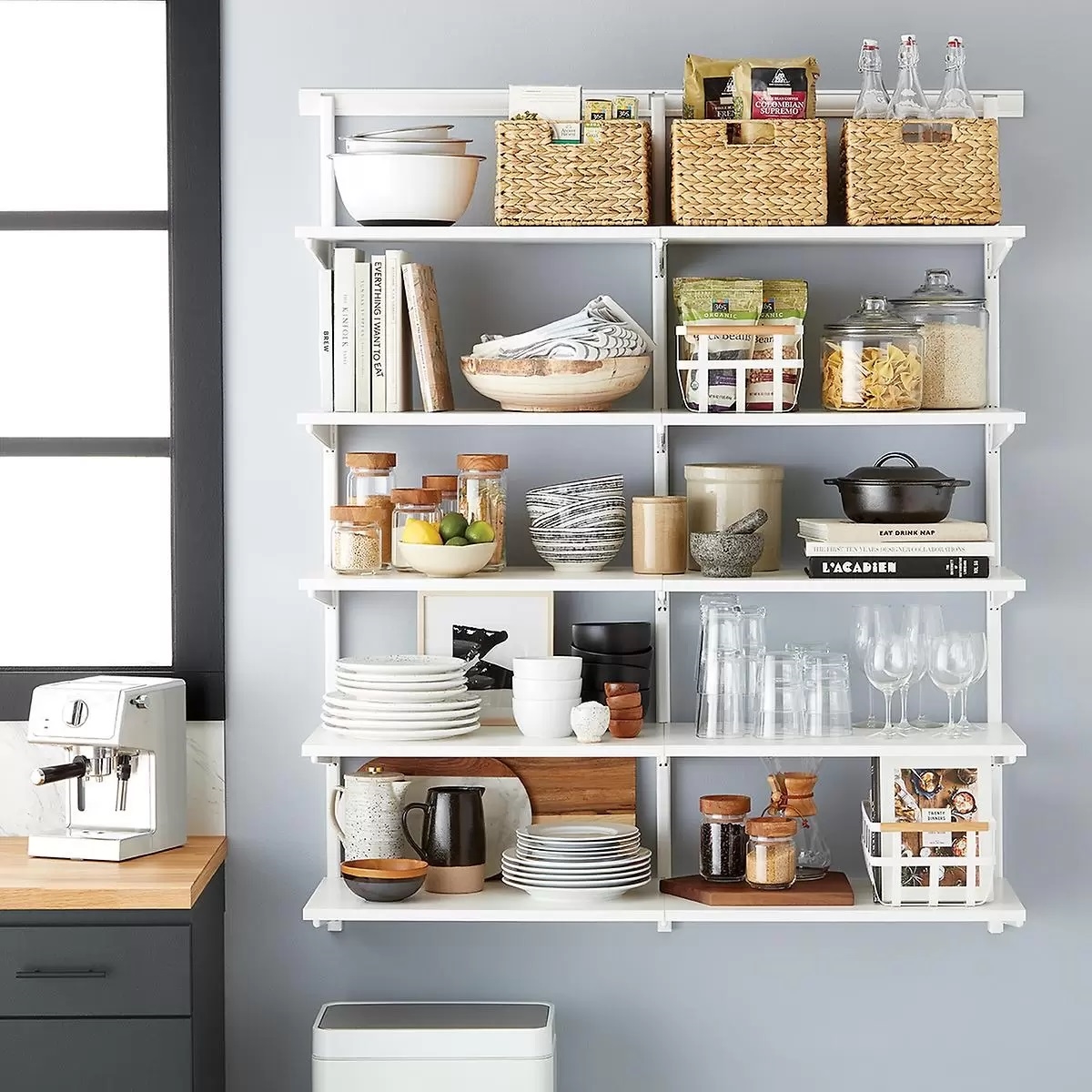
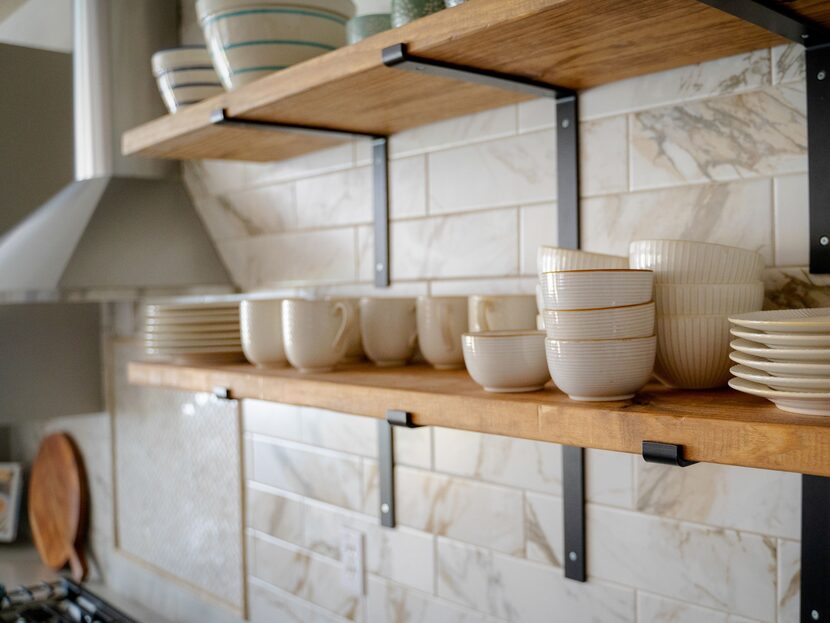
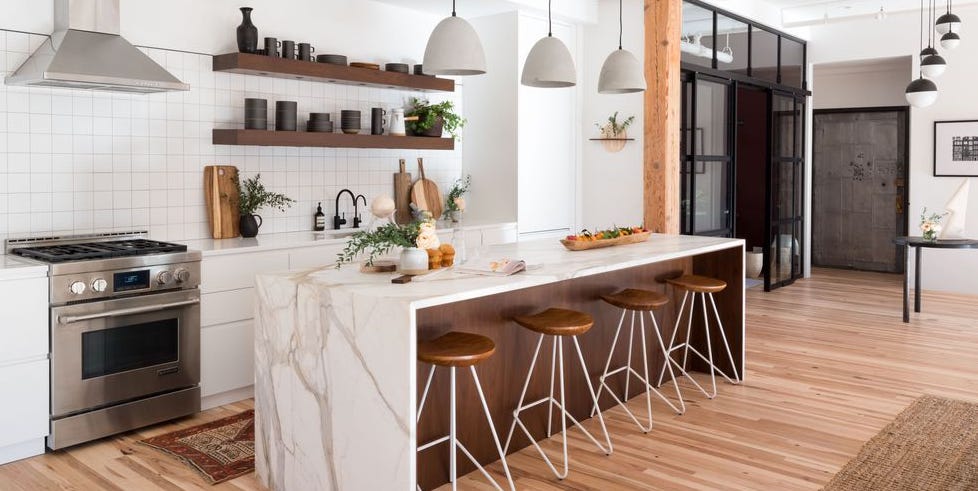
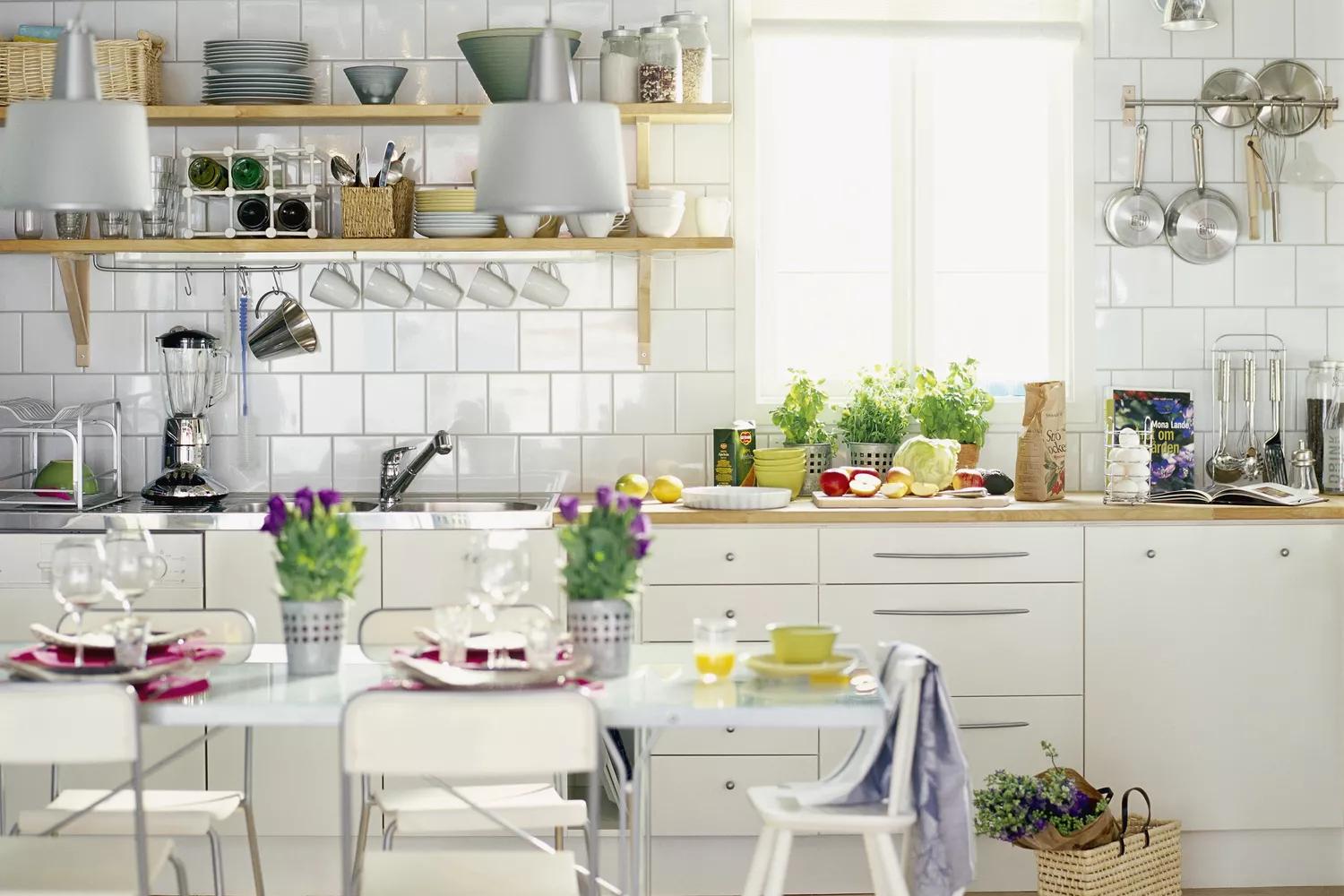
Another trend that received significant backlash was excessive open shelving. While open shelving can potentially create an airy and accessible feel in a kitchen, it often resulted in cluttered and difficult-to-maintain spaces for many homeowners. The constant need for meticulous styling and dusting made it impractical for everyday use. As a more functional and equally aesthetically pleasing alternative, glass-front cabinets were recommended. These provide a similar sense of openness without the pressure of maintaining a perpetually picture-perfect display.
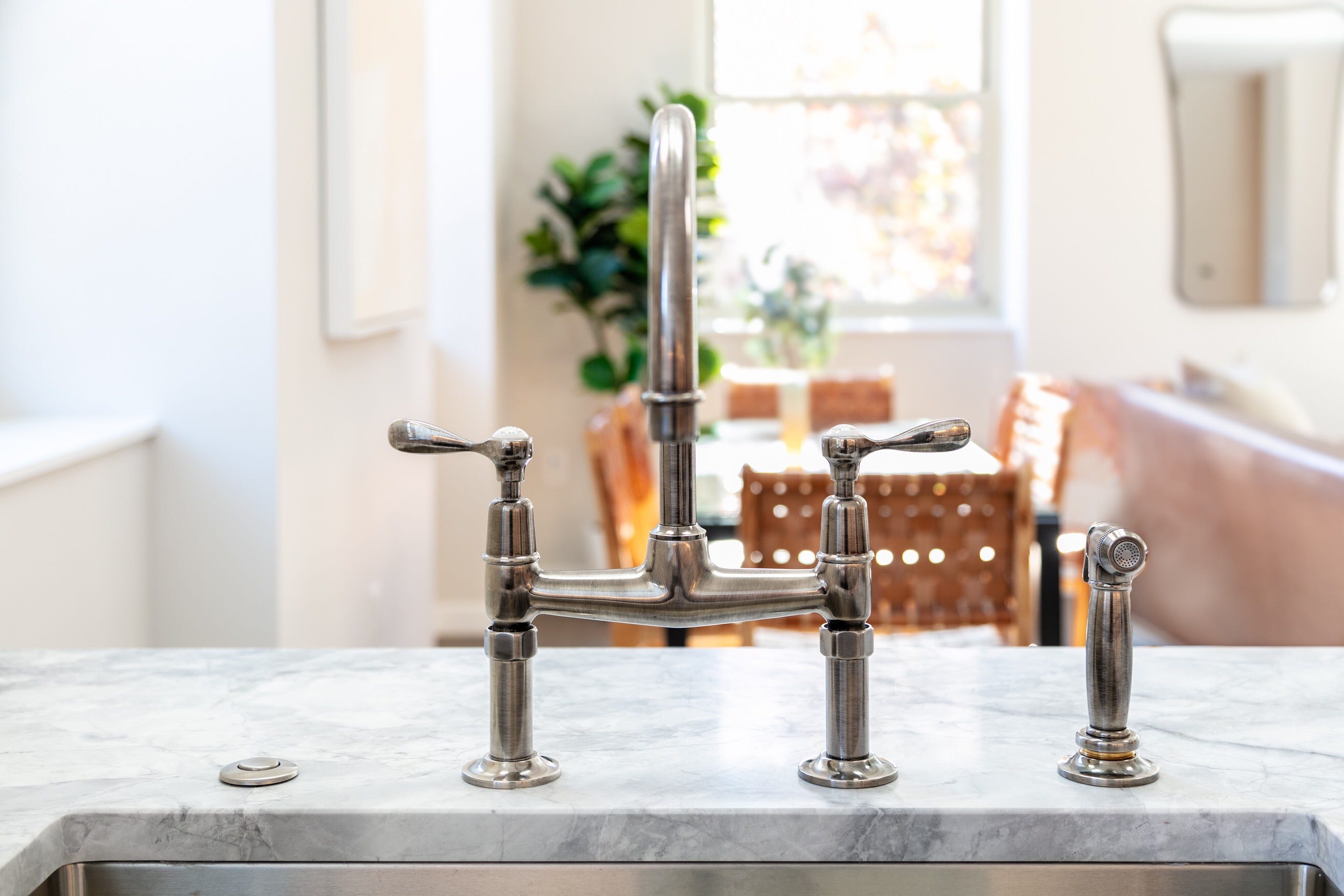
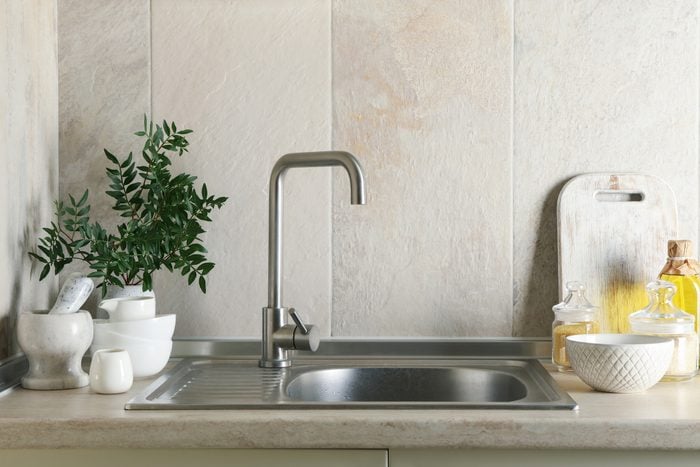
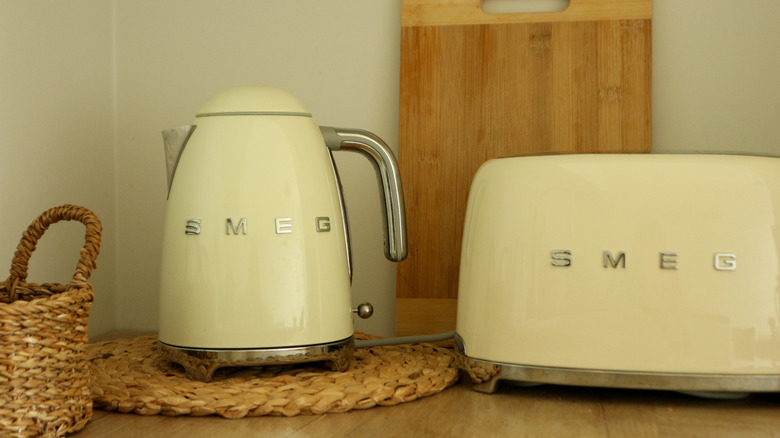
The integration of every available smart appliance also proved to be a misstep. With an influx of AI-powered refrigerators and voice-activated faucets, kitchens risked becoming overly reliant on technology, leading to a cold ambiance and rapid obsolescence. Designers advised a more selective approach, recommending the adoption of smart features only if they genuinely enhance daily routines and are easily replaceable or upgradeable to avoid premature outdatedness.
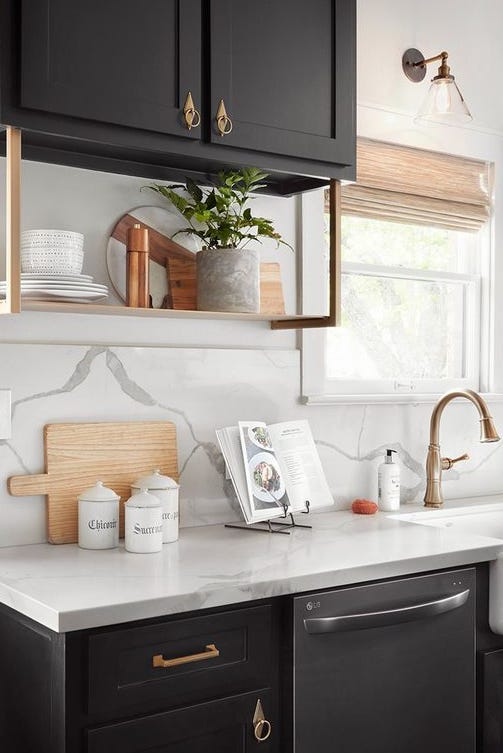
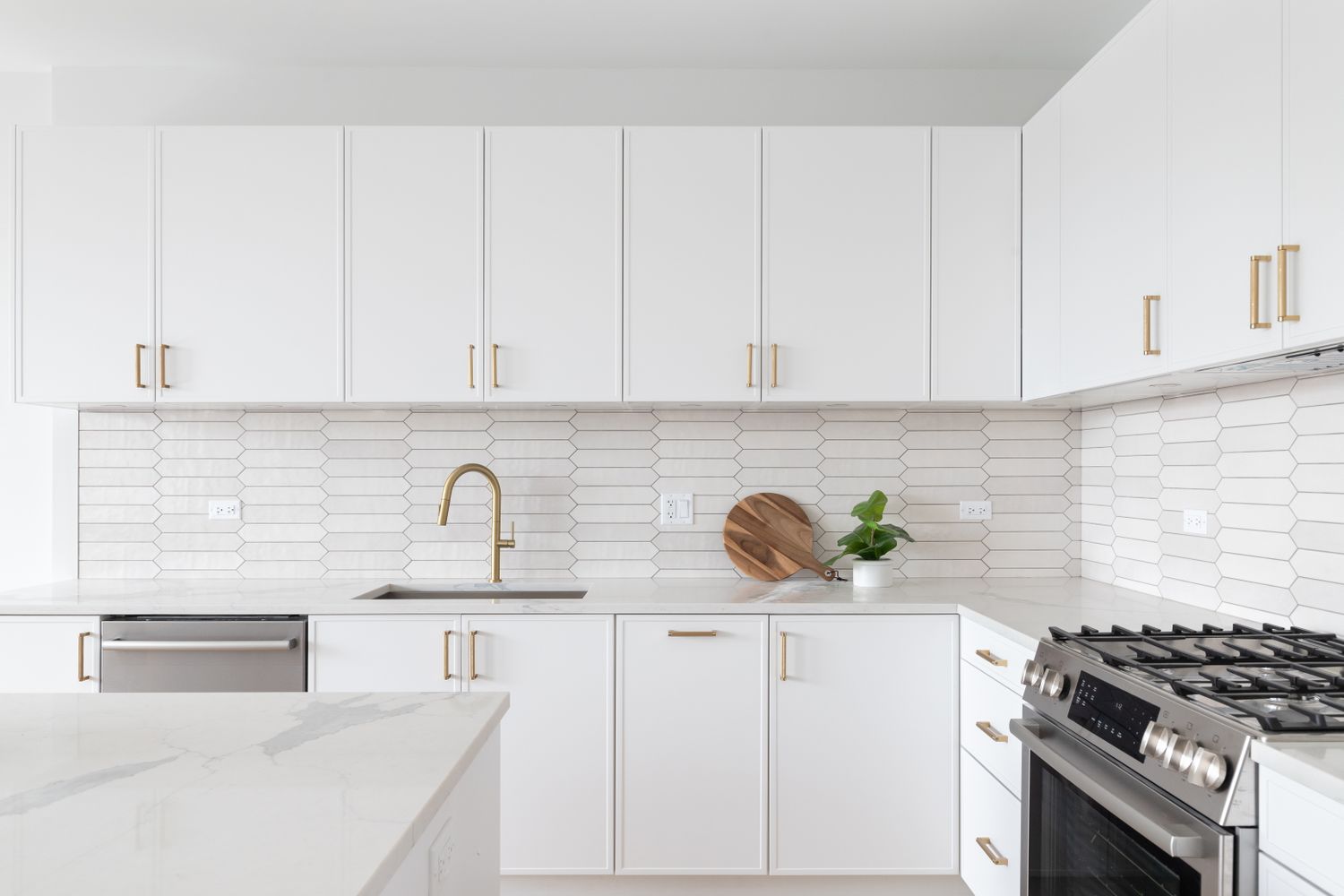
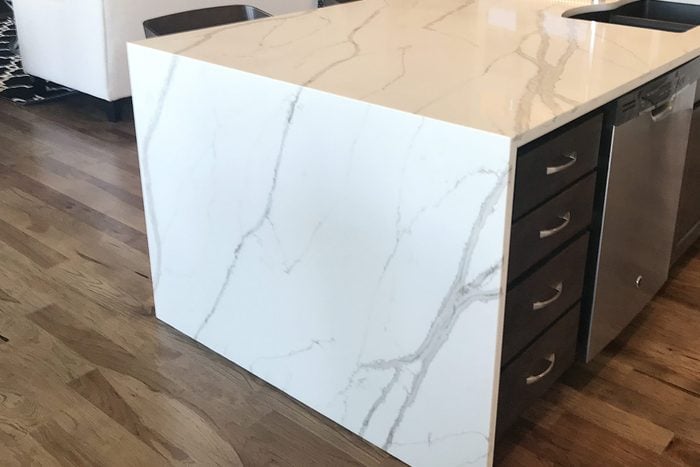
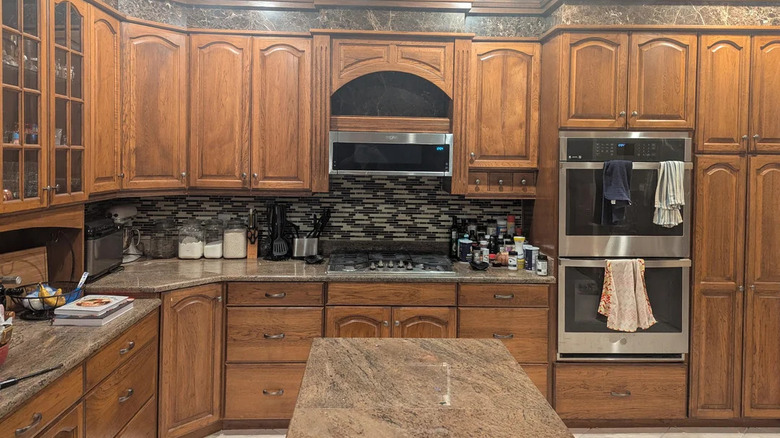
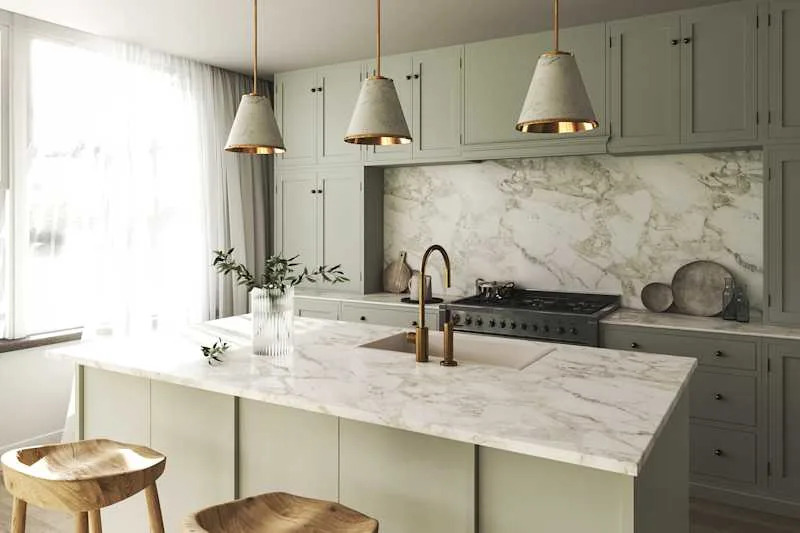
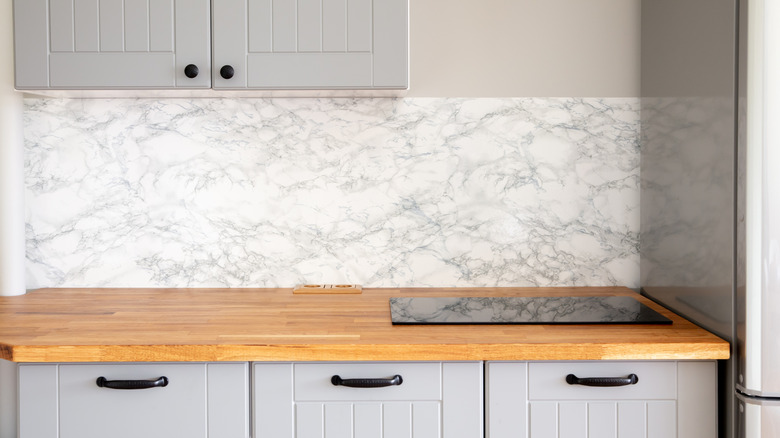
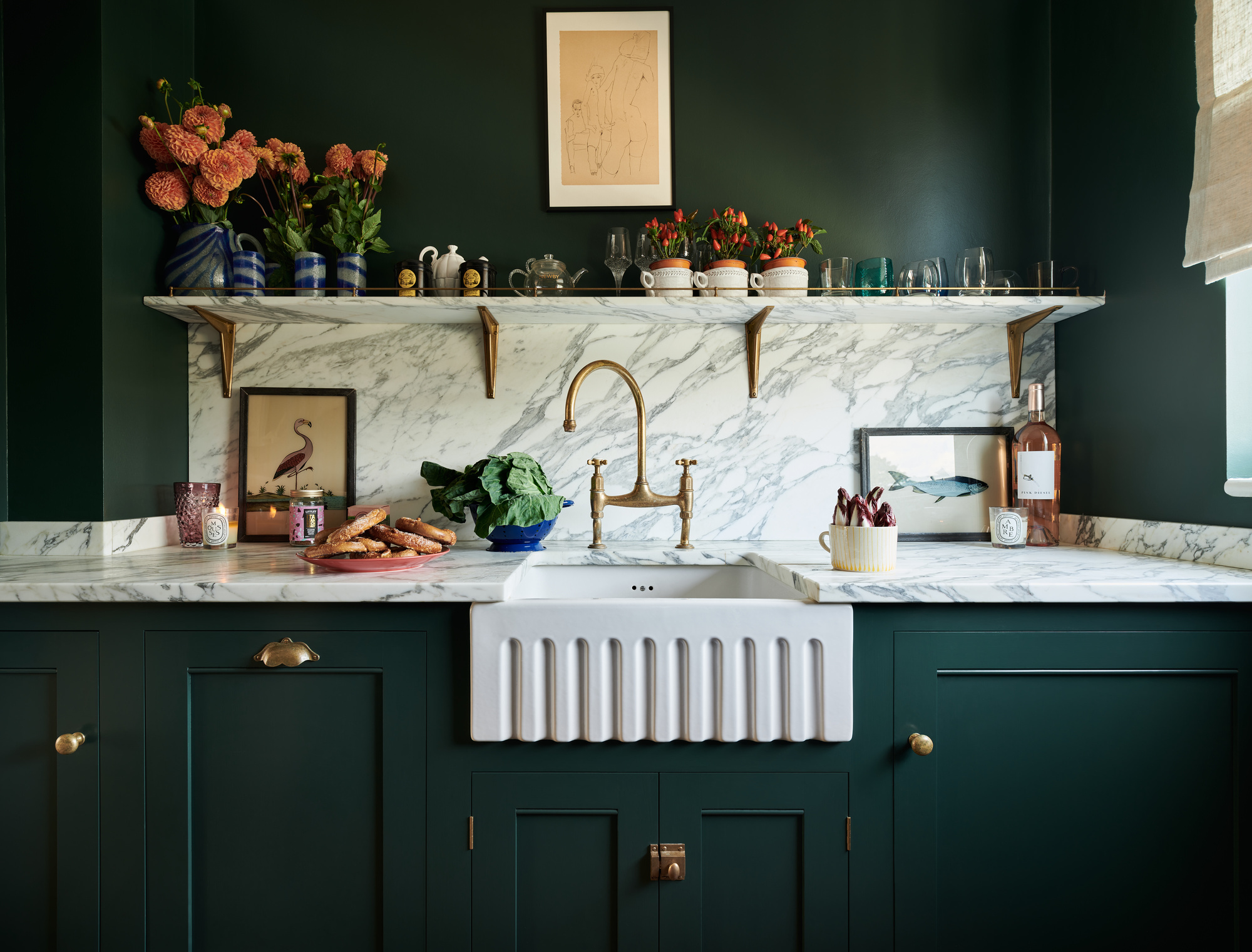
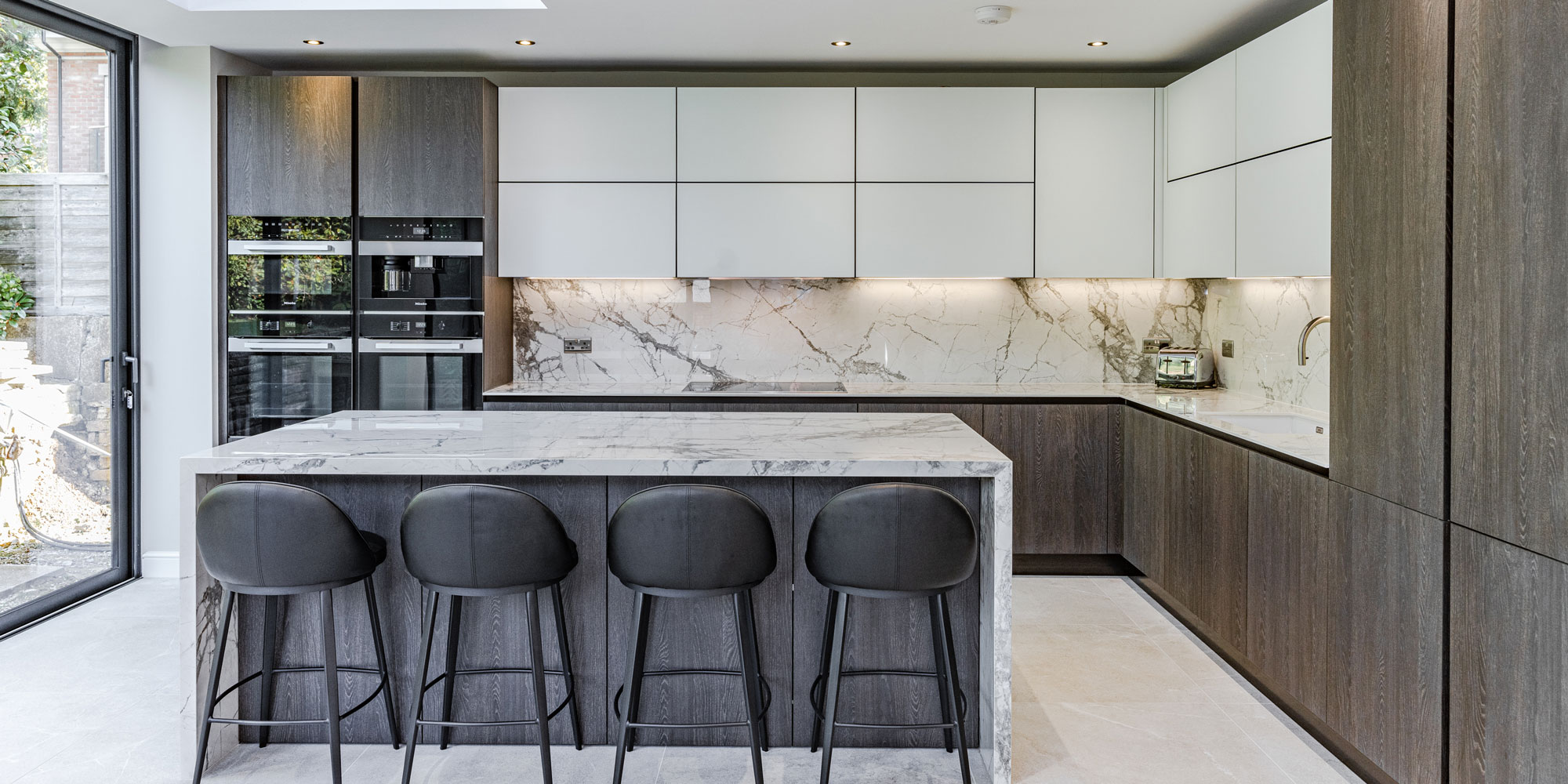
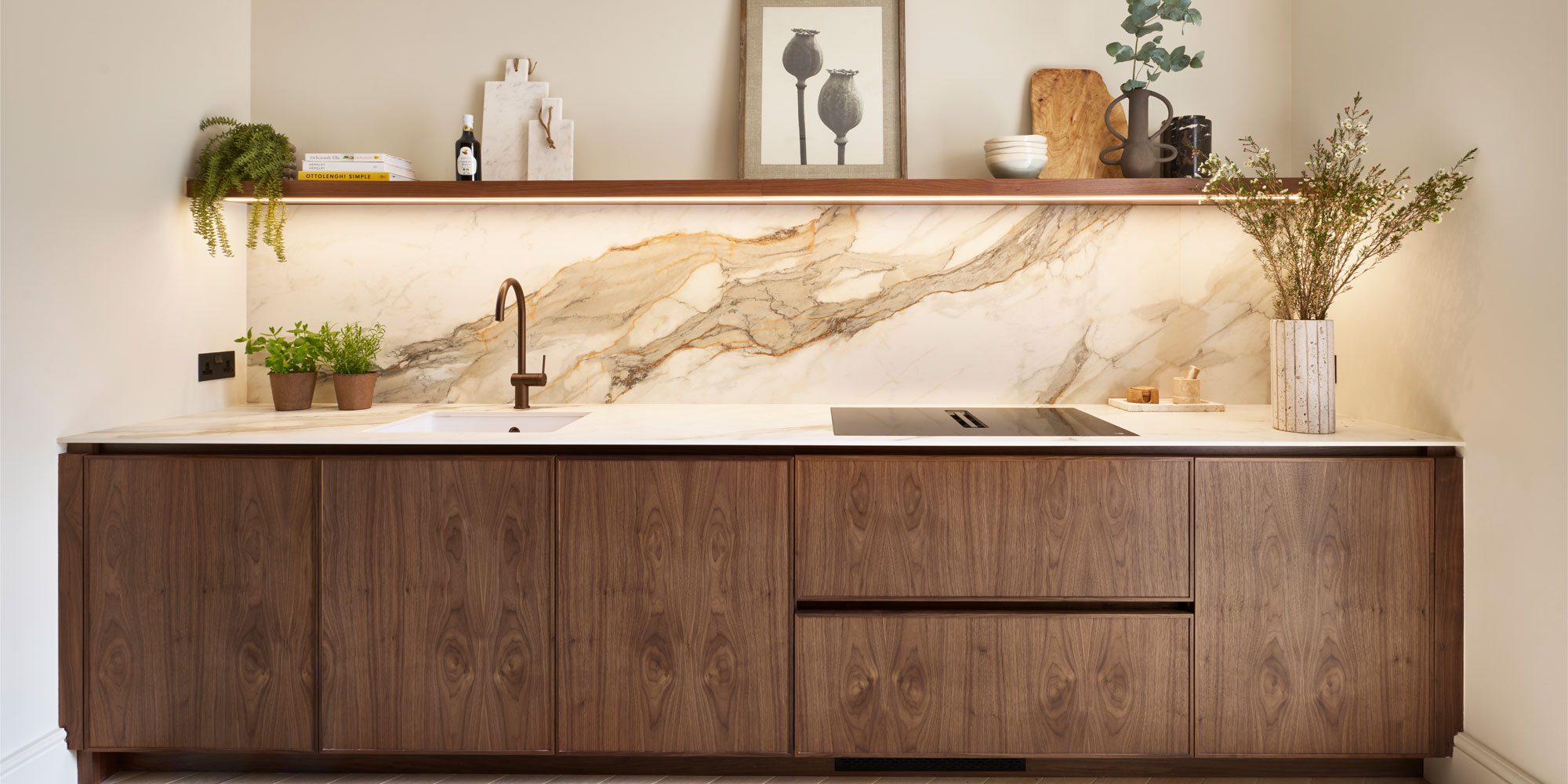
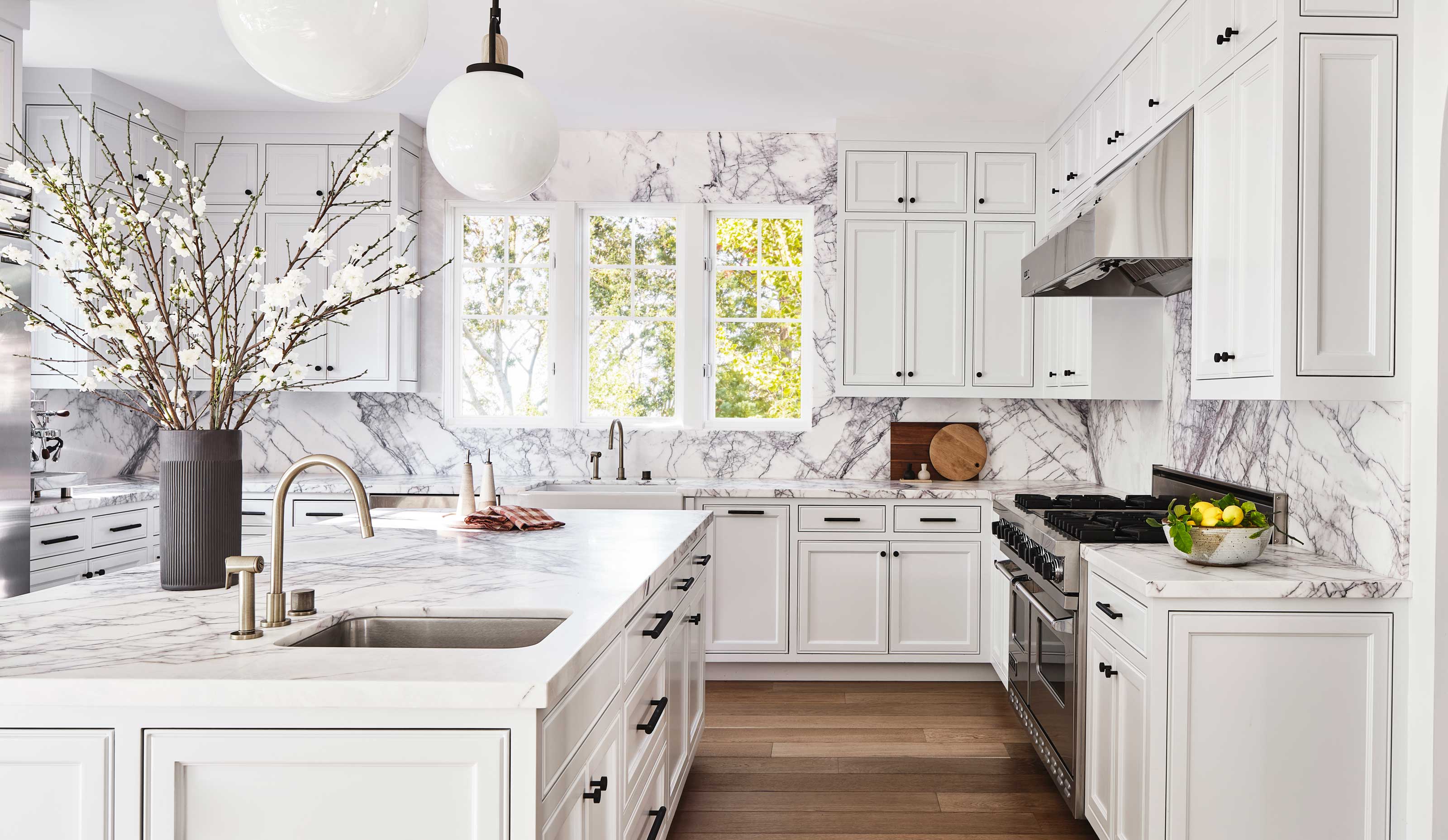
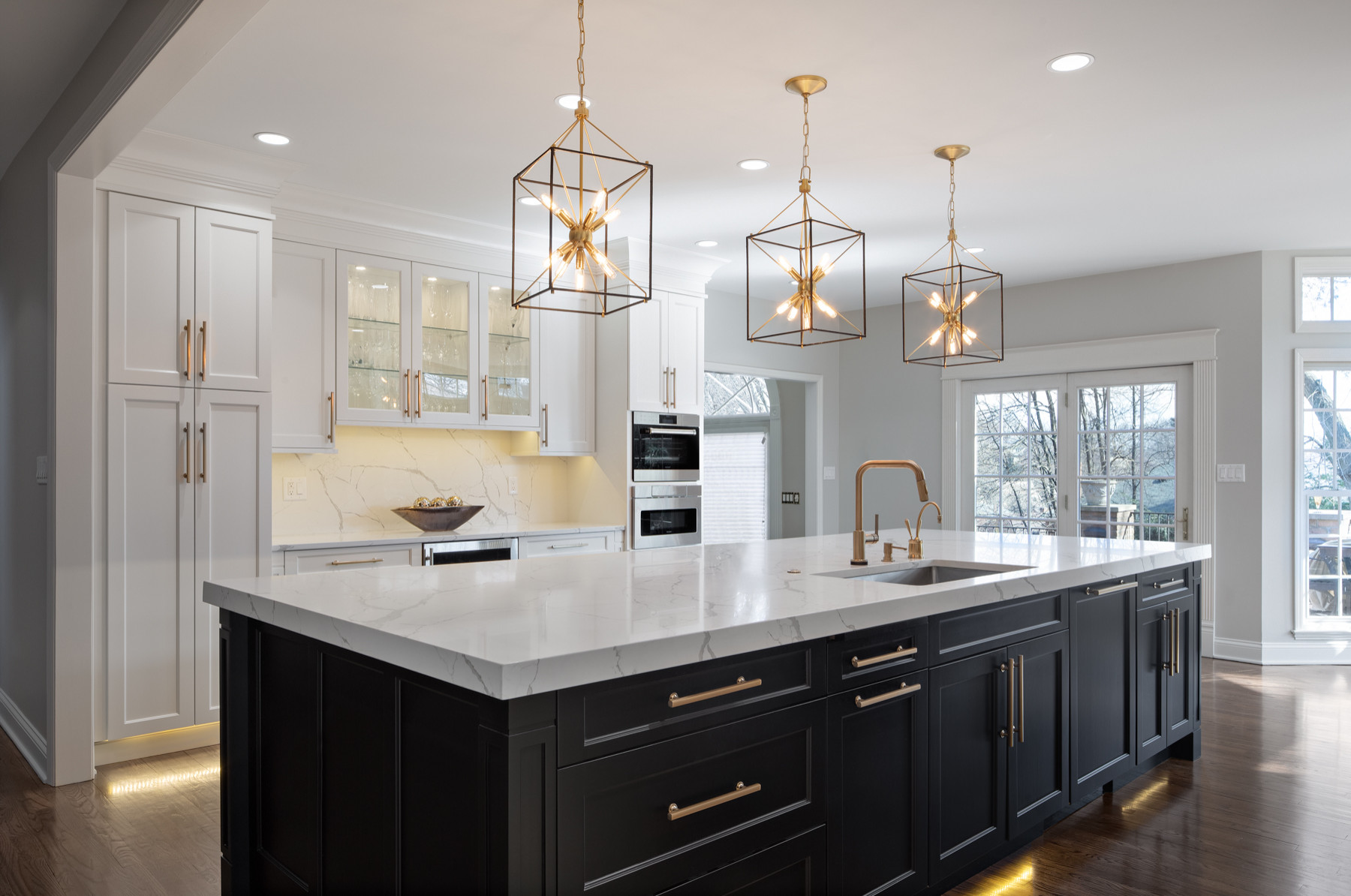
Tiled backsplashes, particularly those with elaborate designs or multiple patterns and colors, were another trend that missed the mark. These busy backsplashes often created a cluttered and overwhelming visual experience. A more refined and timeless option proposed by designers was a solid marble backsplash, offering a luxurious and seamless look that avoids visual chaos.
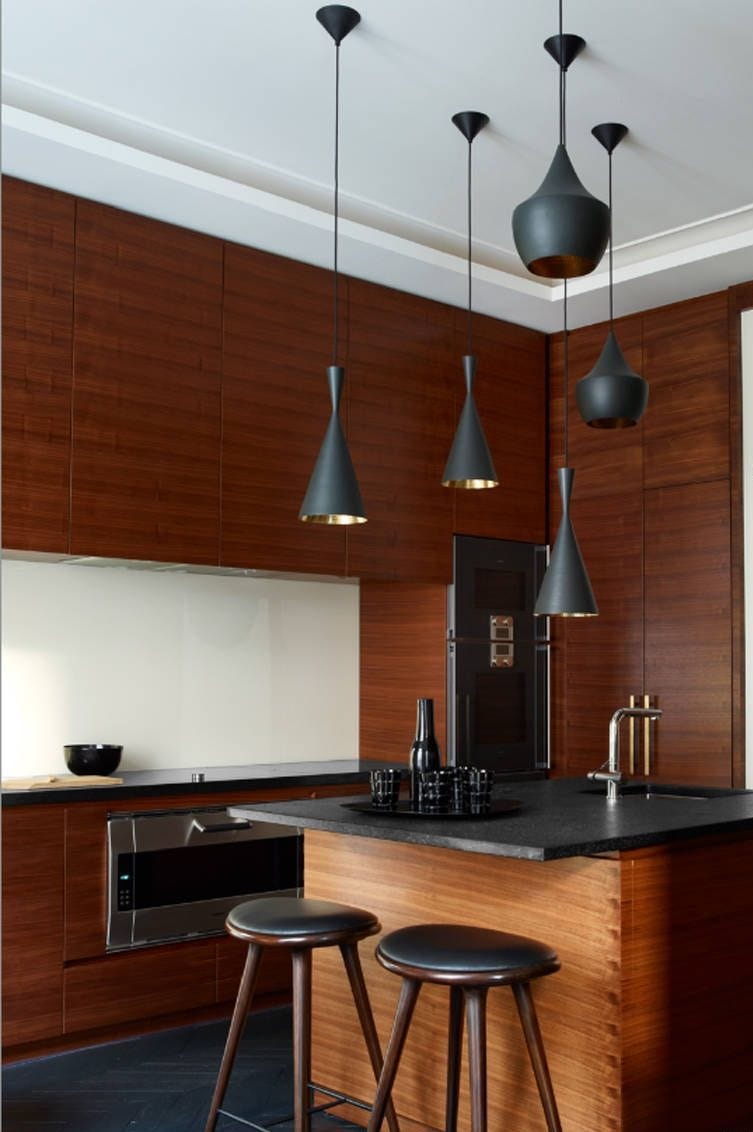
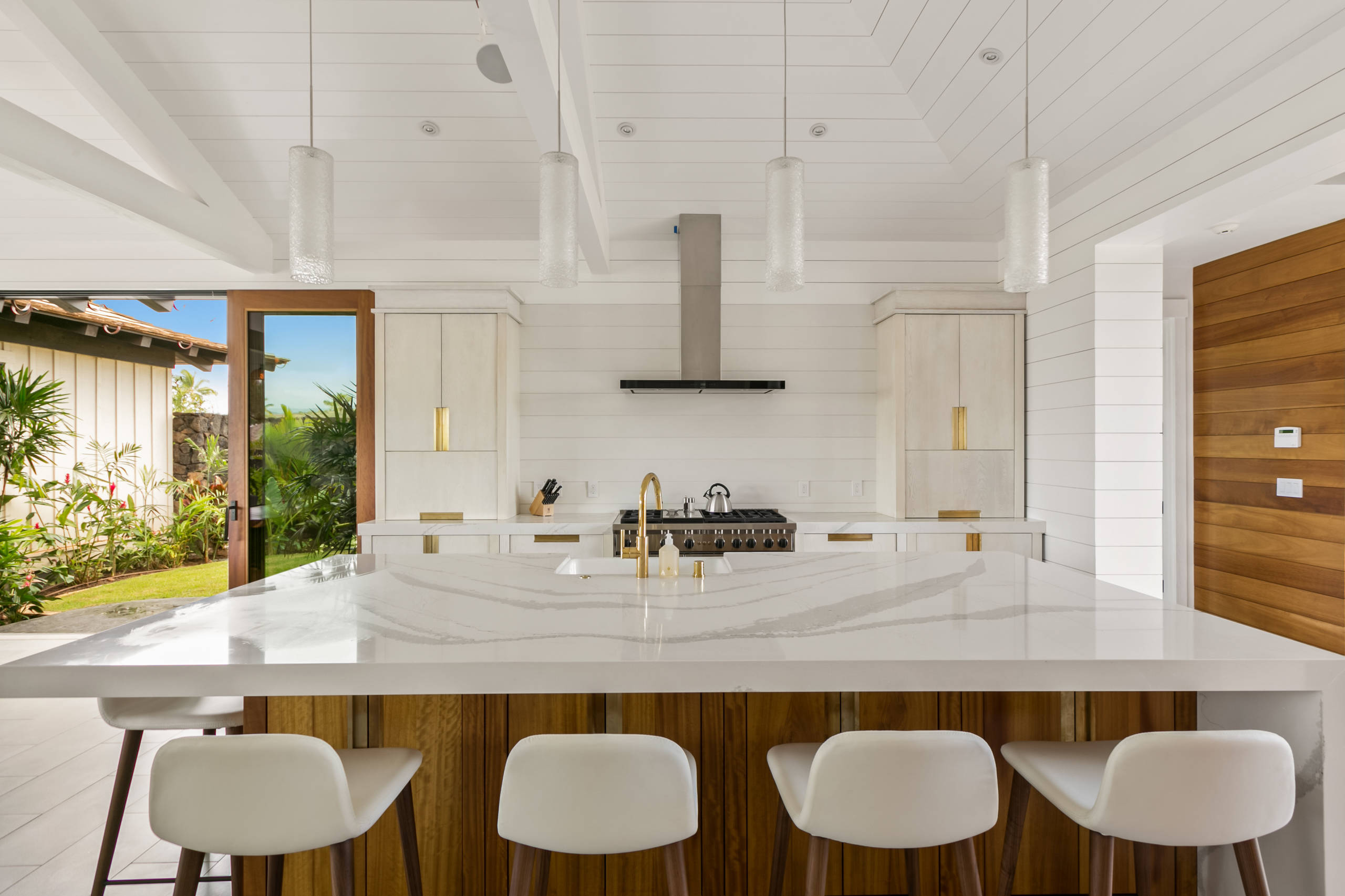
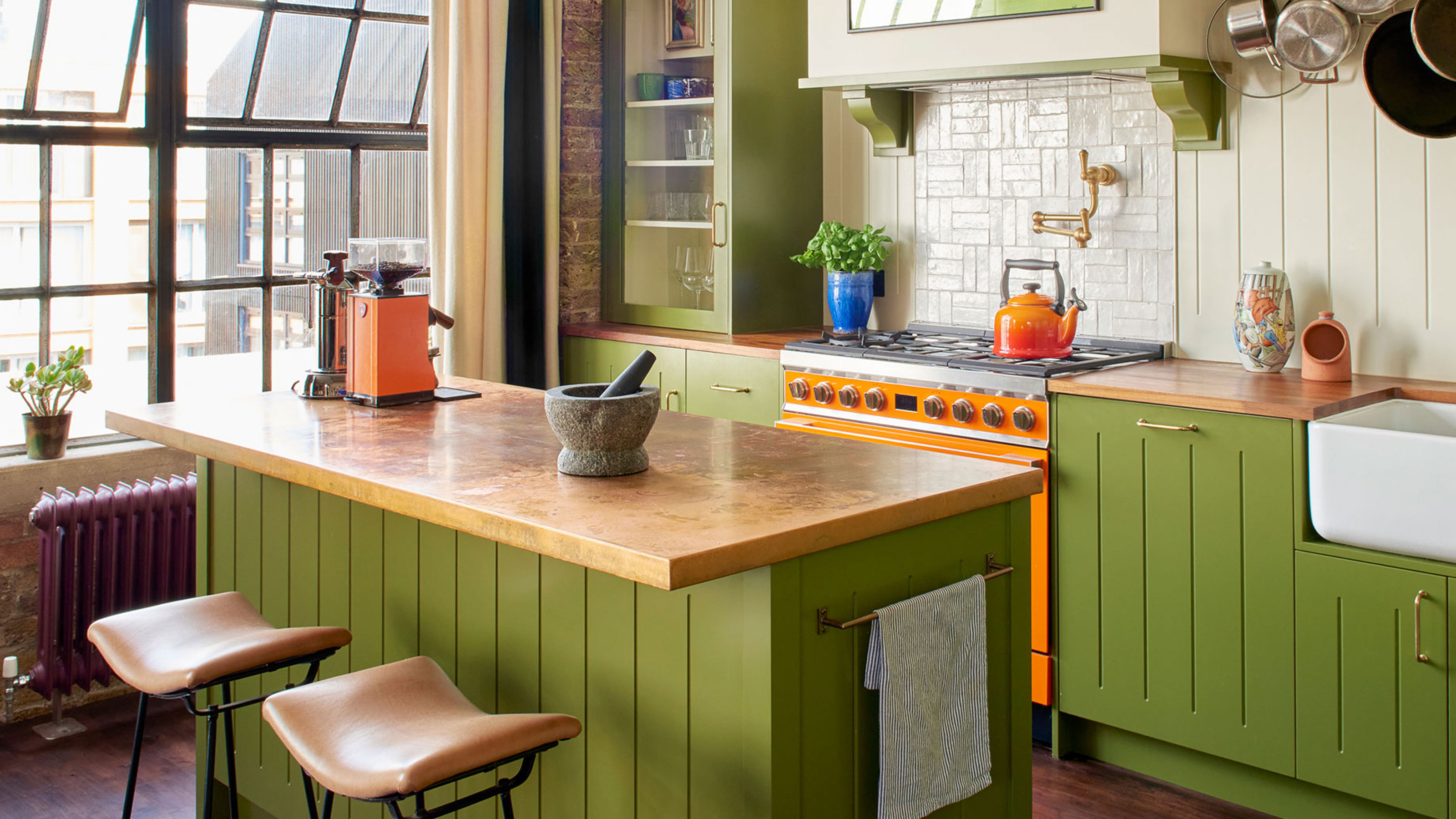
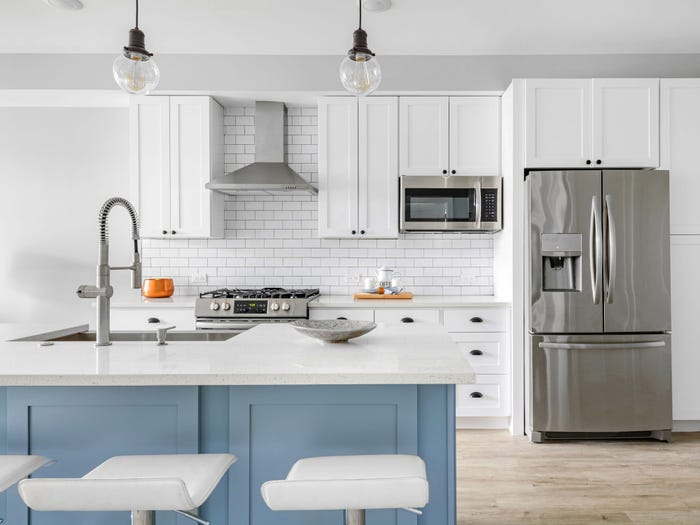
Clear lighting fixtures, particularly over kitchen islands, were identified as impractical. The constant need for cleaning to prevent streaks and the often harsh visibility of the bulb itself detracted from an otherwise polished design. A recommendation was to choose lighting fixtures that complement appliances or decor, creating a cohesive and less demanding aesthetic.
Mismatched cabinet hardware, while intended to be quirky and playful, frequently resulted in a chaotic and disjointed appearance that lacked longevity. Instead of mixing hardware indiscriminately, designers suggested focusing on singular statement pieces, such as a freestanding console, where unique hardware can be a focal point without overwhelming the entire kitchen design.
Finally, deep pantry cabinets, though seemingly offering ample storage, presented significant organizational challenges. Small items often became lost or inaccessible, rendering the storage inefficient. To mitigate this, the incorporation of pullout drawers and shelves was advised, making items more visible and easier to retrieve. These trends highlight the importance of balancing aesthetic appeal with practical considerations and long-term usability in kitchen design.
#KitchenTrends #InteriorDesign #HomeDecor #DesignFails #KitchenRemodel #HomeImprovement #PracticalDesign #KitchenTrends #InteriorDesign #HomeDecor #DesignFails #KitchenRemodel #HomeImprovement #PracticalDesign
0 comment in total
 No comments yet
You may also like
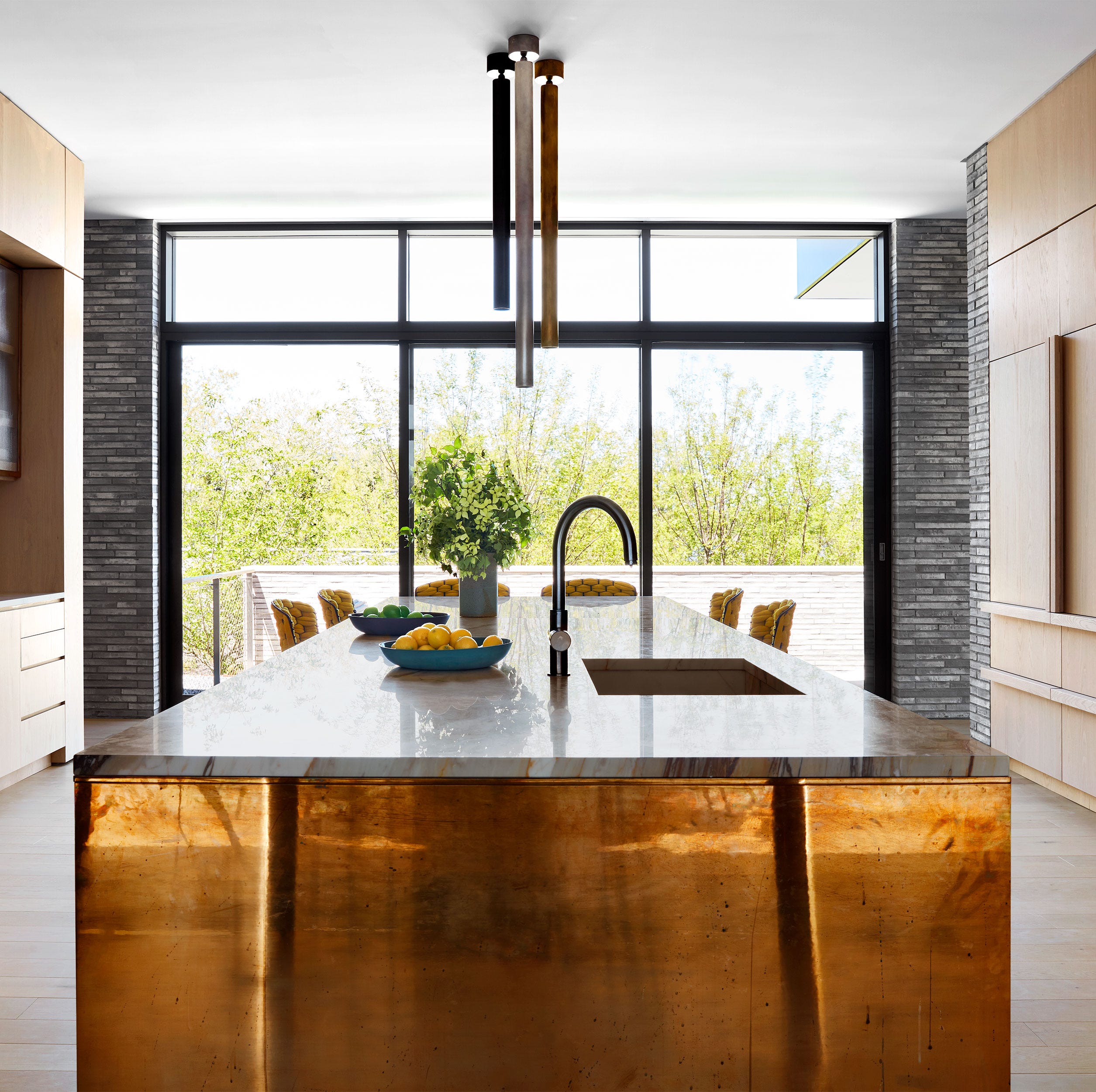
7 Kitchen Trends You’ll Be Seeing Everywhere This Year
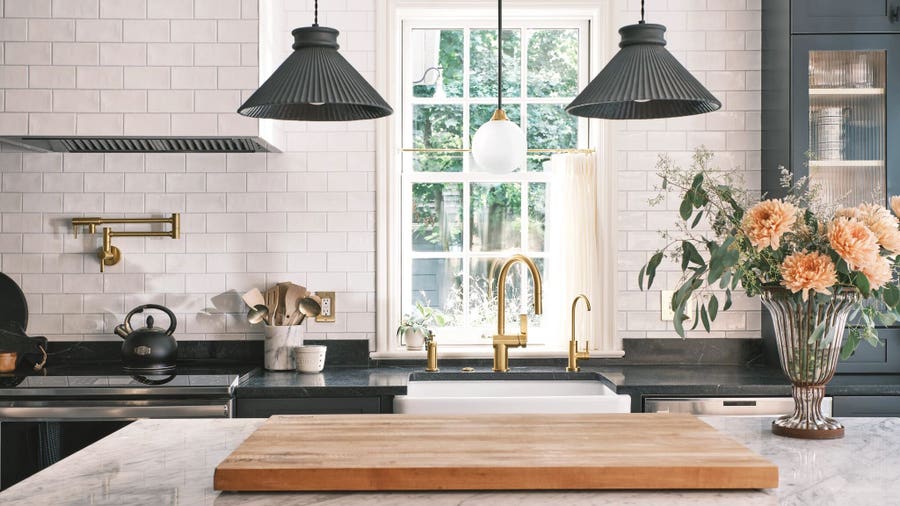
Kitchen Design And Appliance Trends To Try This Year

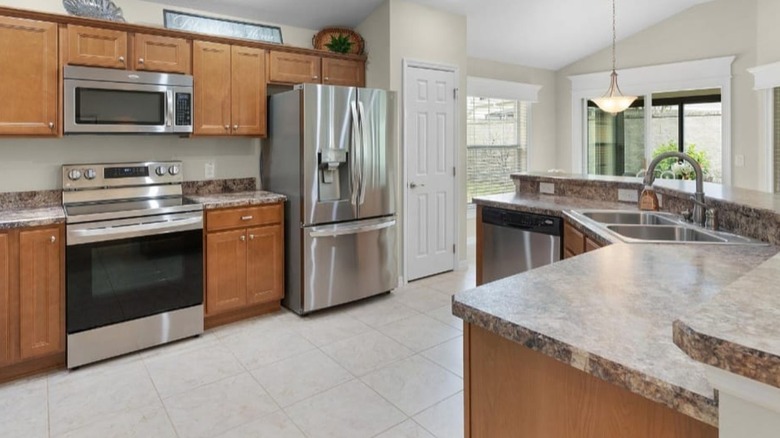
A Look Back At 7 2000s Kitchen Trends We All Suffered Through

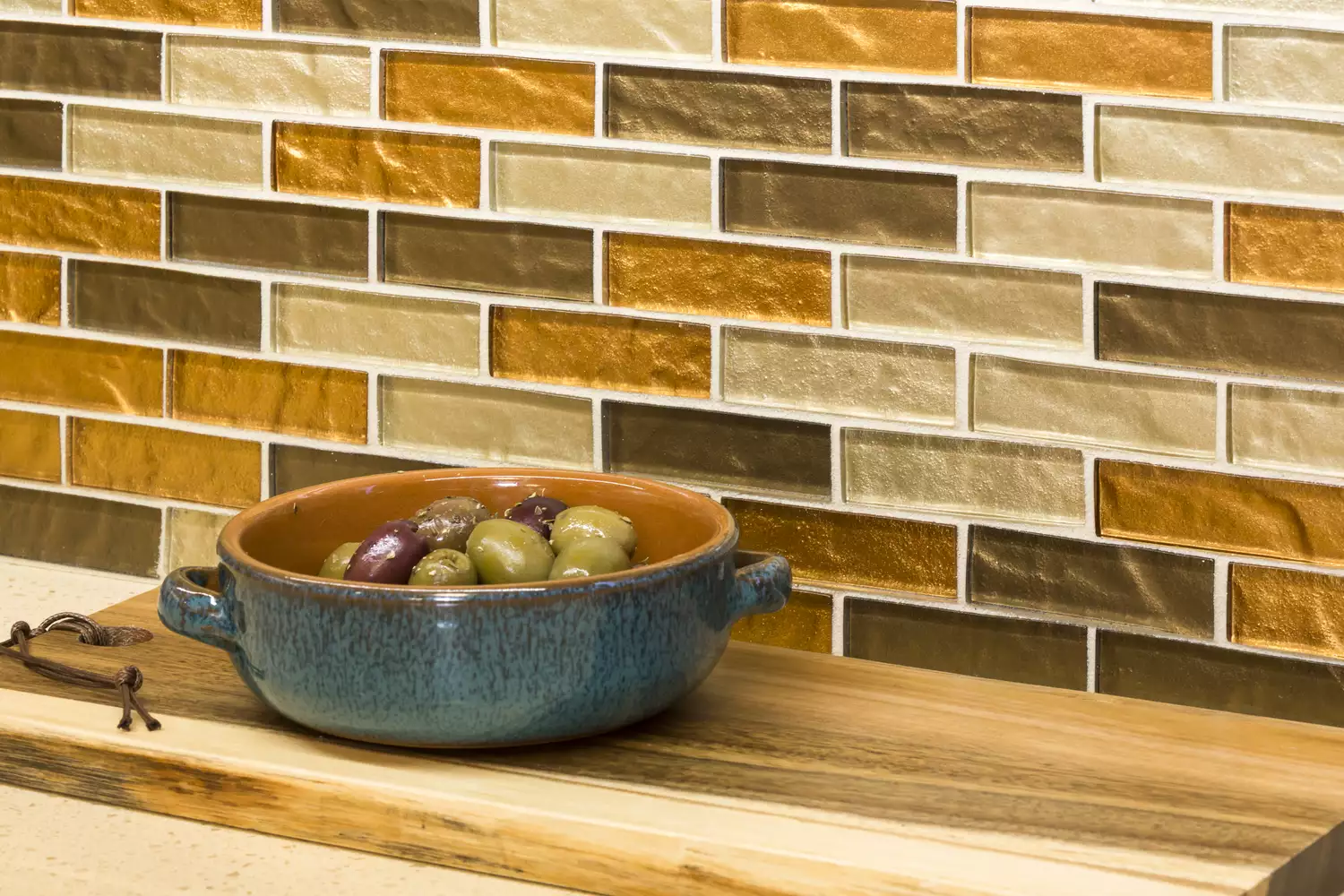
5 Outdated Kitchen Trends Interior Designers Hope Never Come Back

Top Designers Reveal the Biggest Kitchen Design Trends of the Year

9 Outdated Kitchen Trends to Watch Out For

7 Impractical Kitchen Trends Designers Never Recommend to Their Clients
Designers are leaving these outdated kitchen trends in 2022 – some of their choices might shock you

7 Kitchen Design Trends Chefs Say Are Totally Bogus
I'm an interior decorator. Here are 9 trends that totally missed the mark this year.
25 Kitchen Trends You Might Regret + Photos
7 kitchen trends for 2026
5 Kitchen Styles That Are Definitely Out of Style, Designers Say

7 outdated interior trends making a comeback this year

6 Kitchen Countertop Trends That Are on Their Way Out This Year (and What to Do Instead)
7 home design trends to skip (and what to do instead)

7 Kitchen Renovation Trends to Watch
7 Kitchen Styles That Dominated The Early 2000s

10 Outdated Kitchen Trends Making A Comeback, According To A Design Expert
6 Kitchen Design Styles That Are No Longer Trendy, Designers Share