1/9
9 Outdated Kitchen Trends to Watch Out For
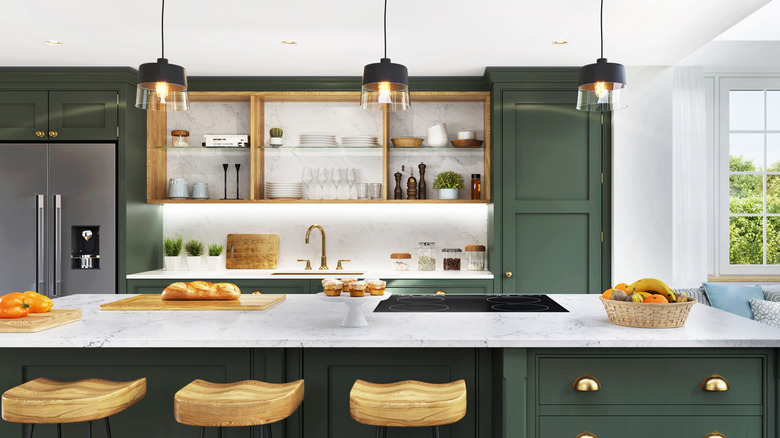
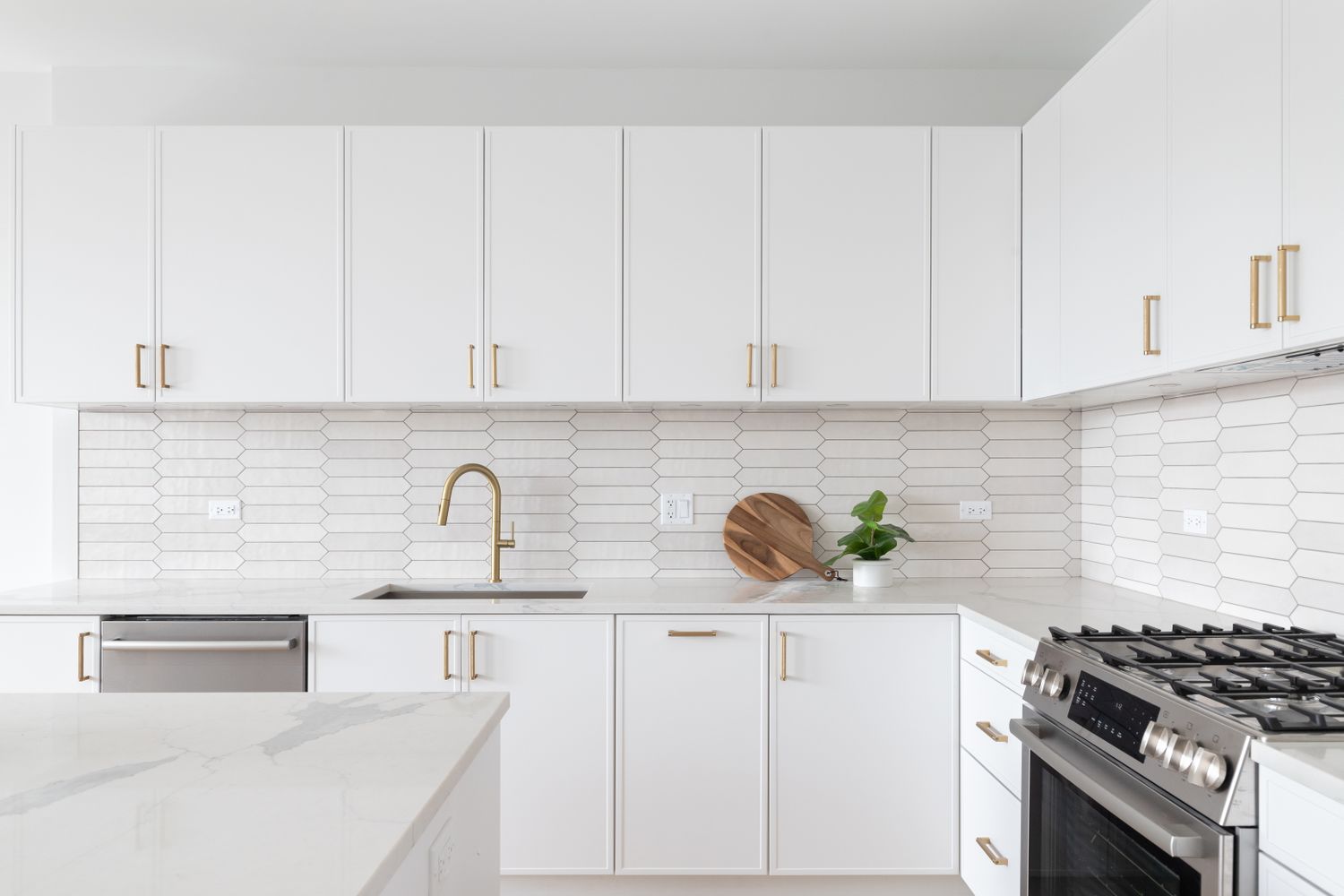
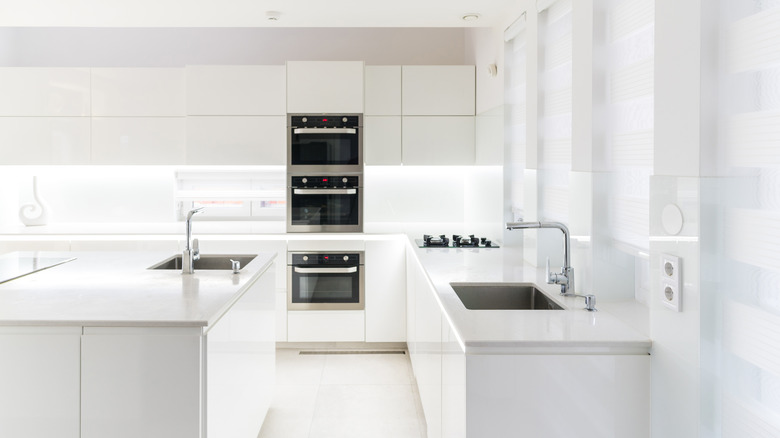
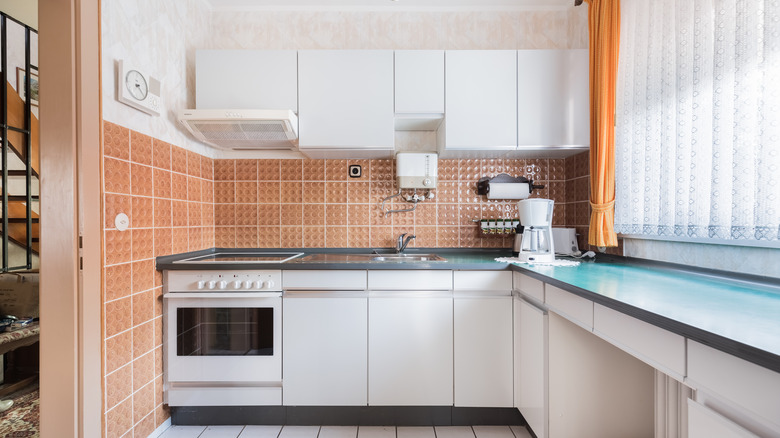

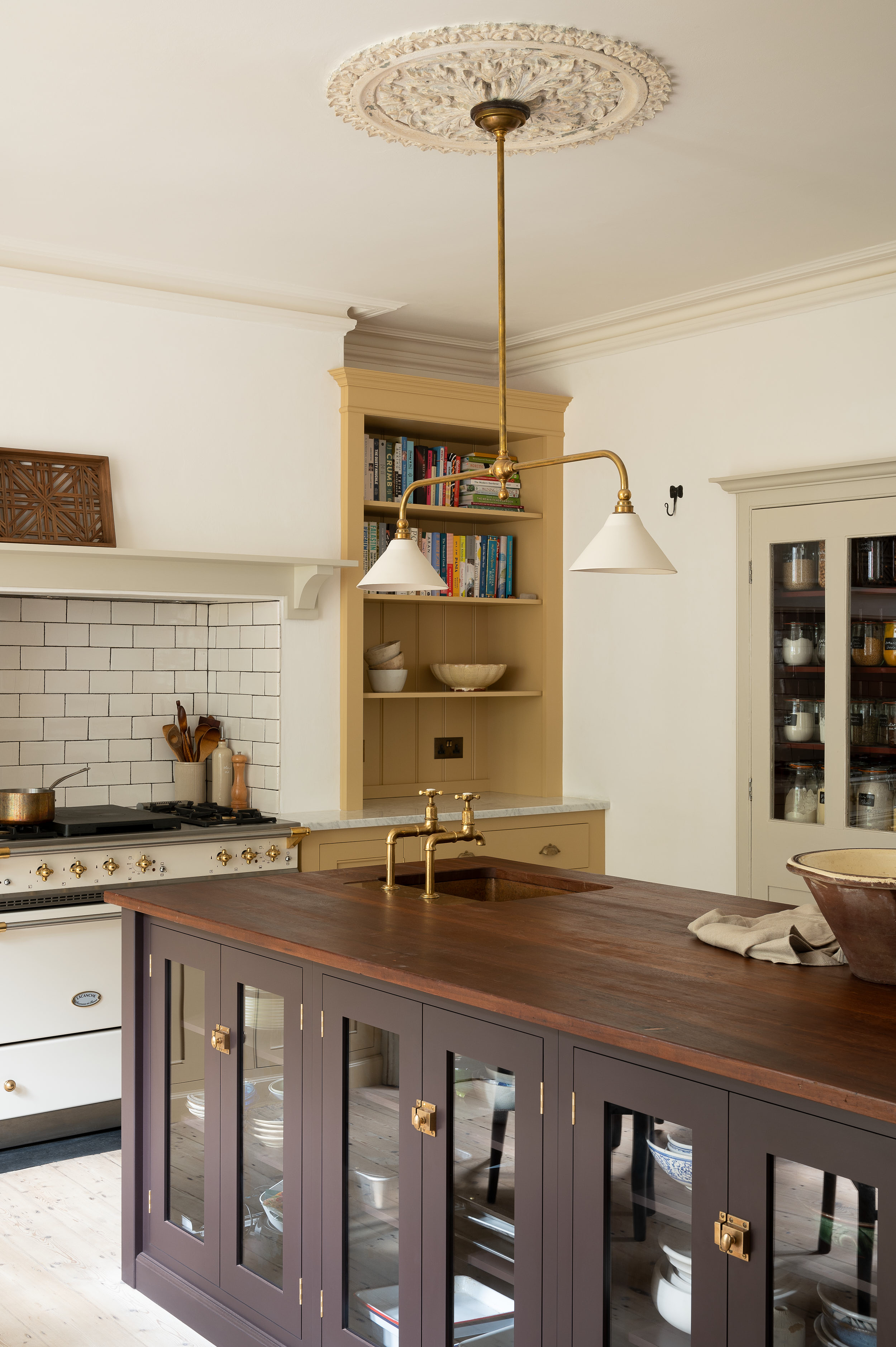

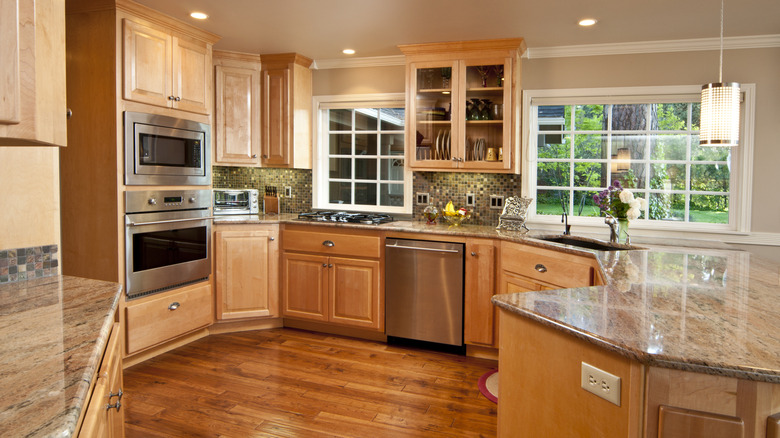
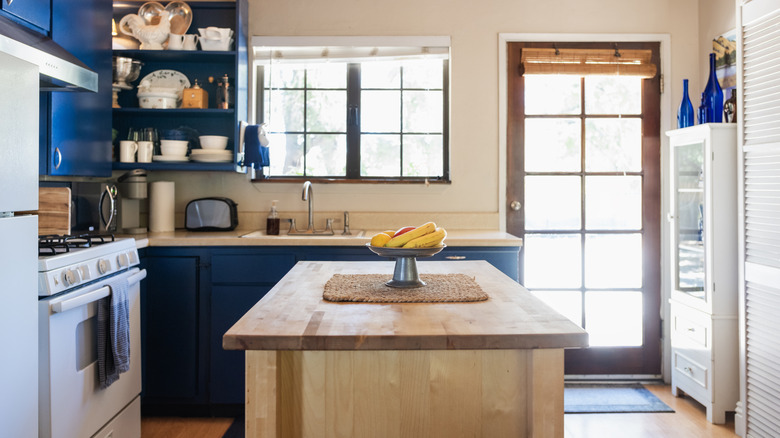
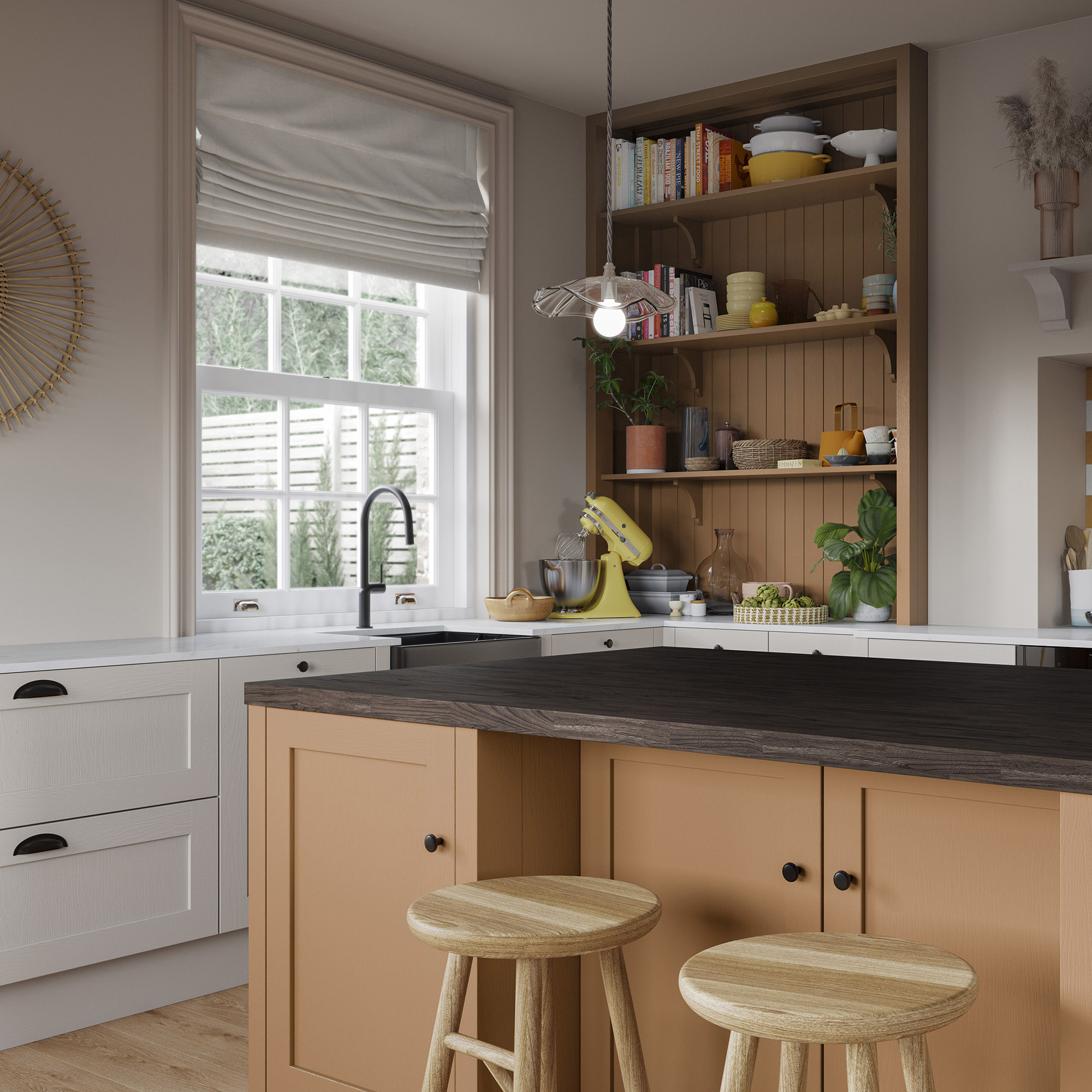
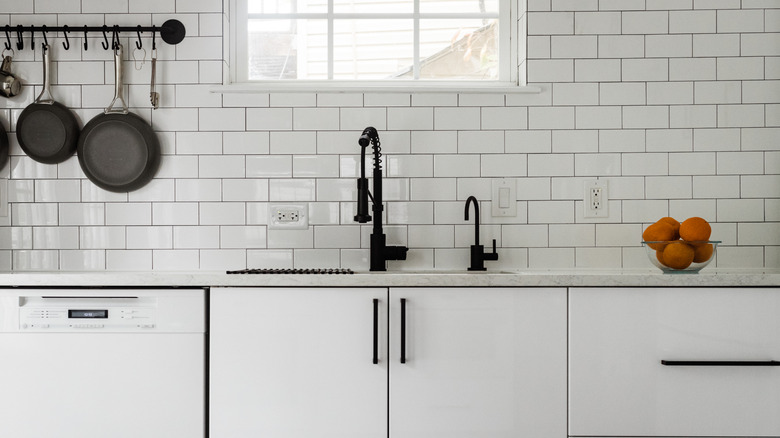
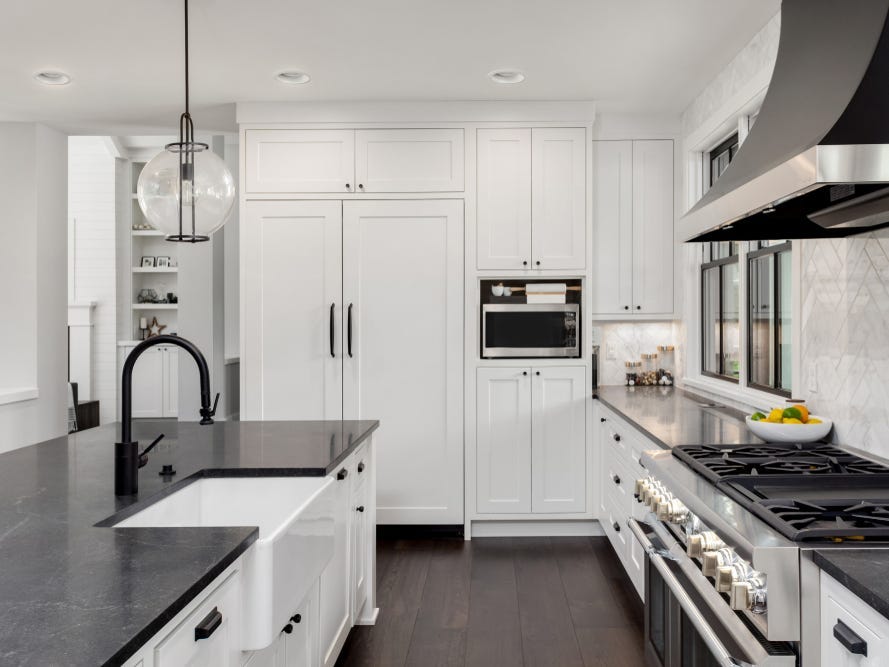
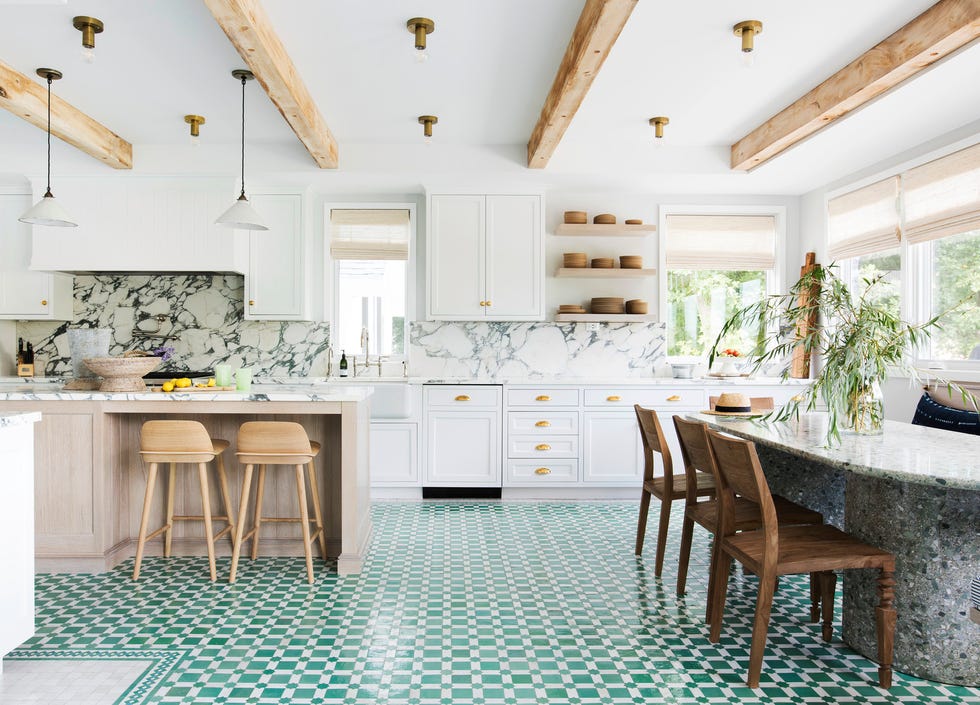
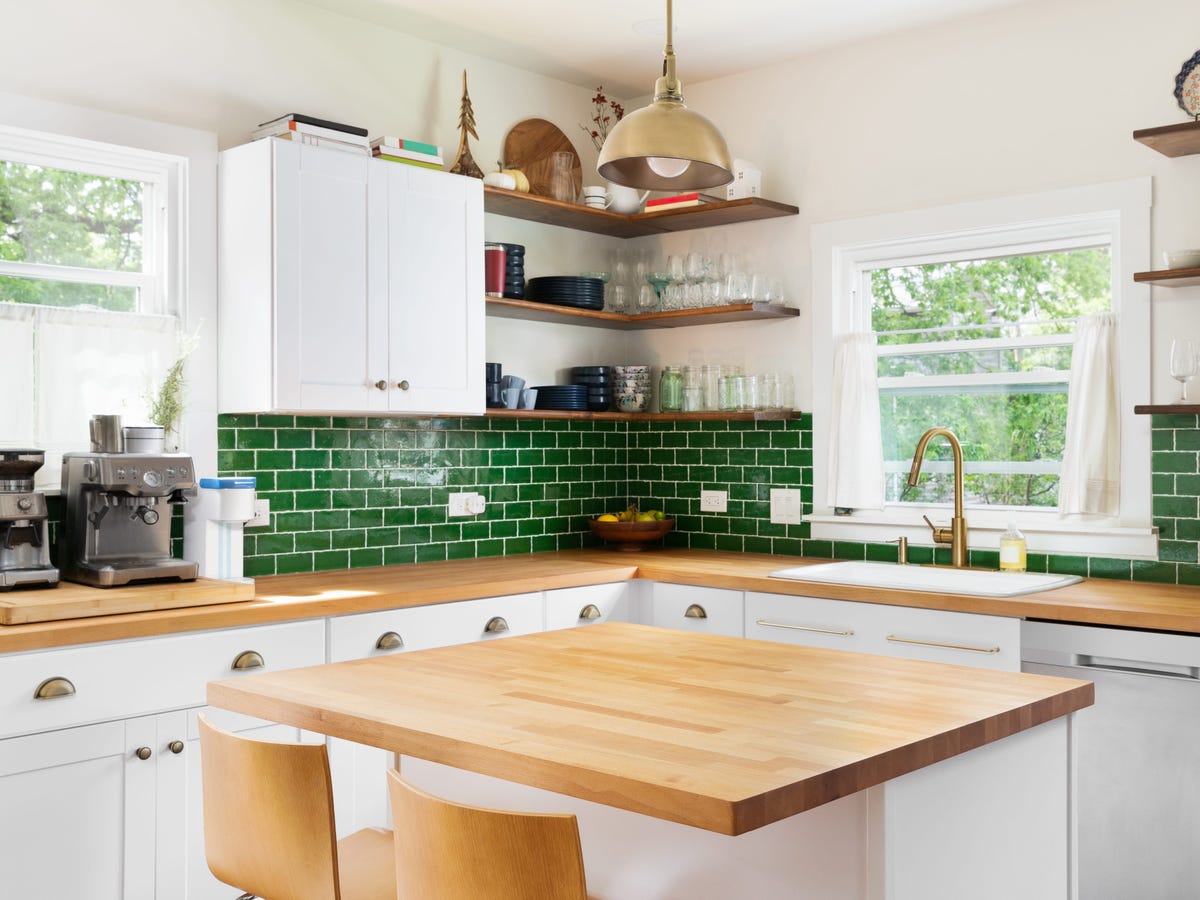
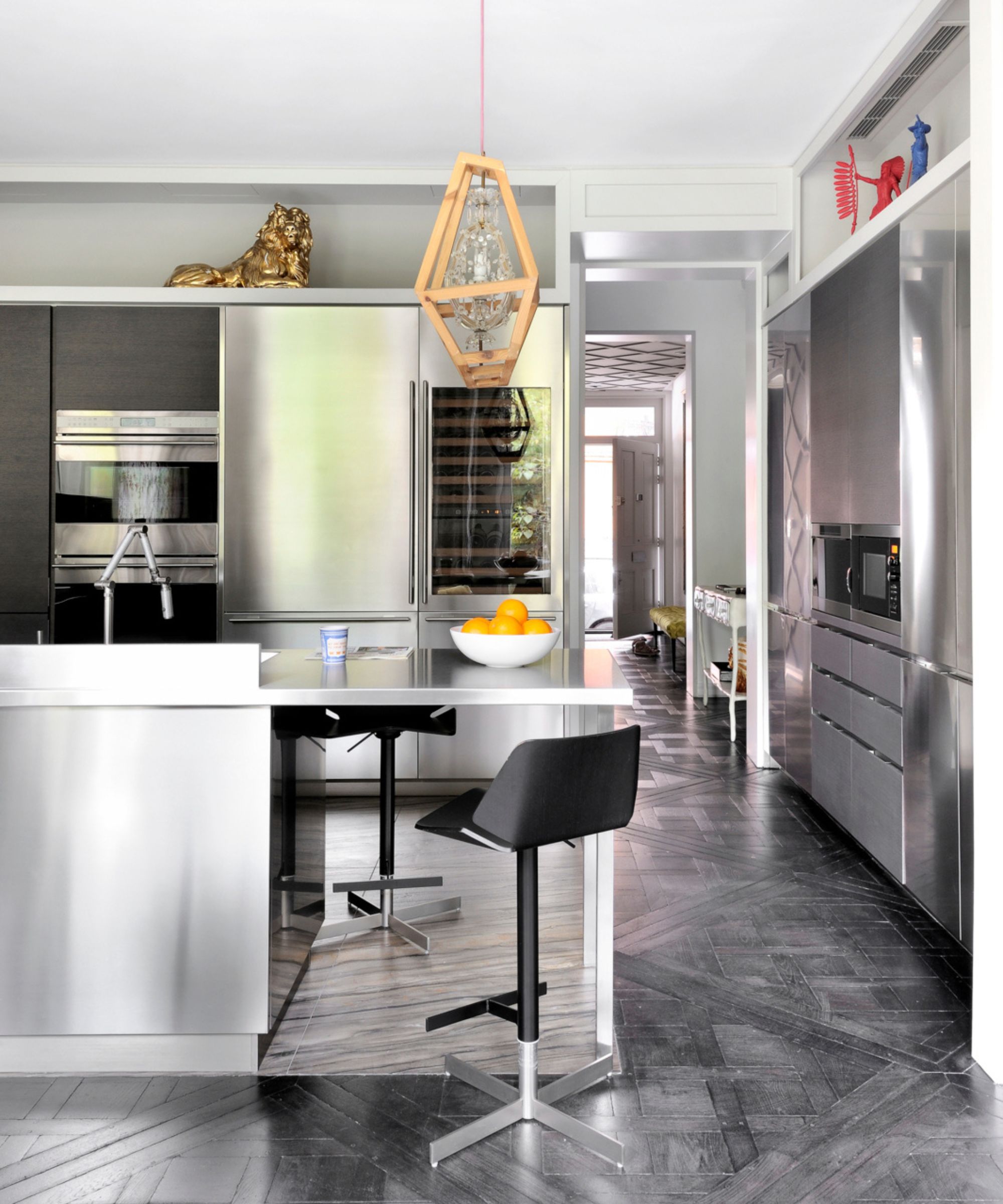
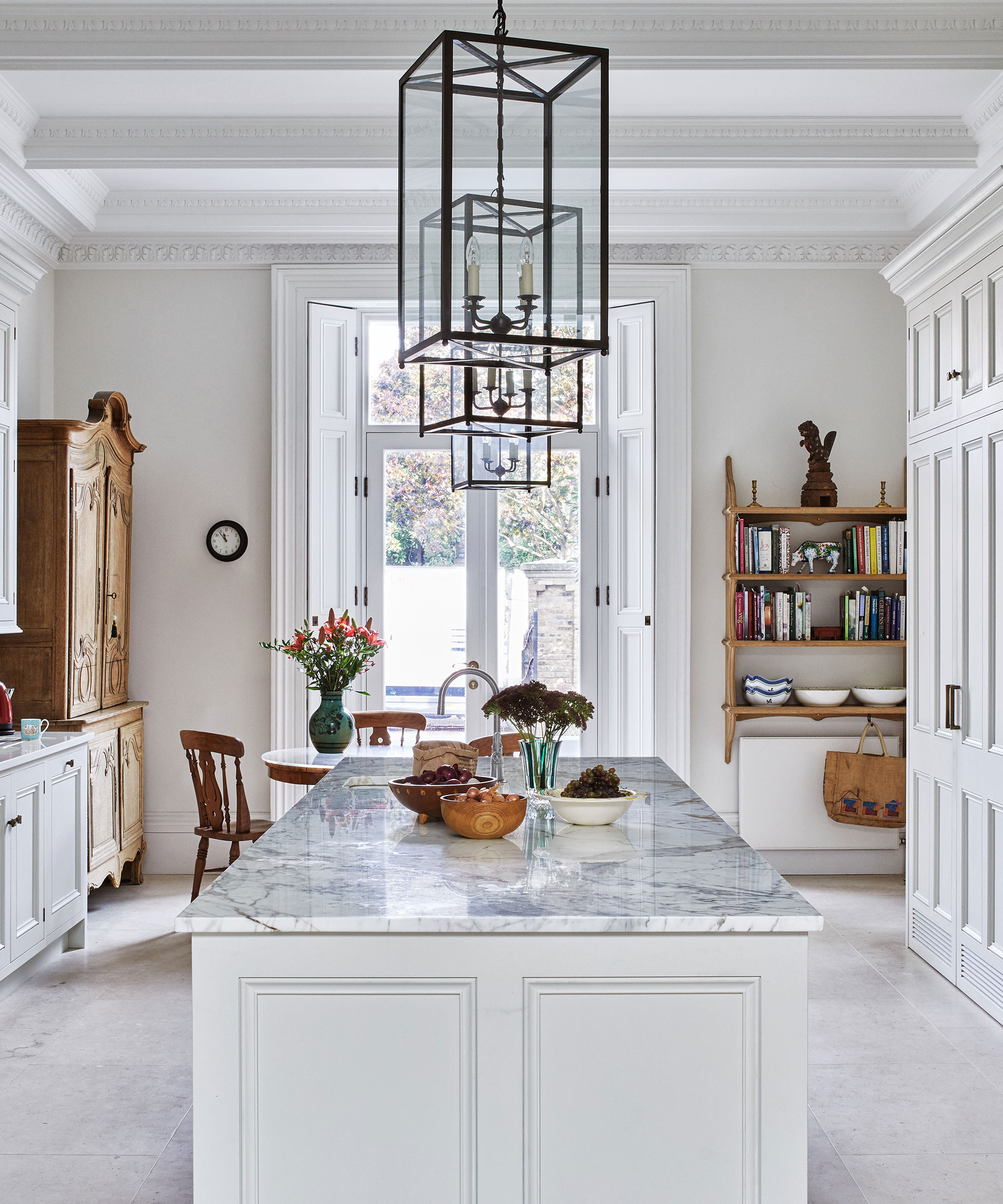
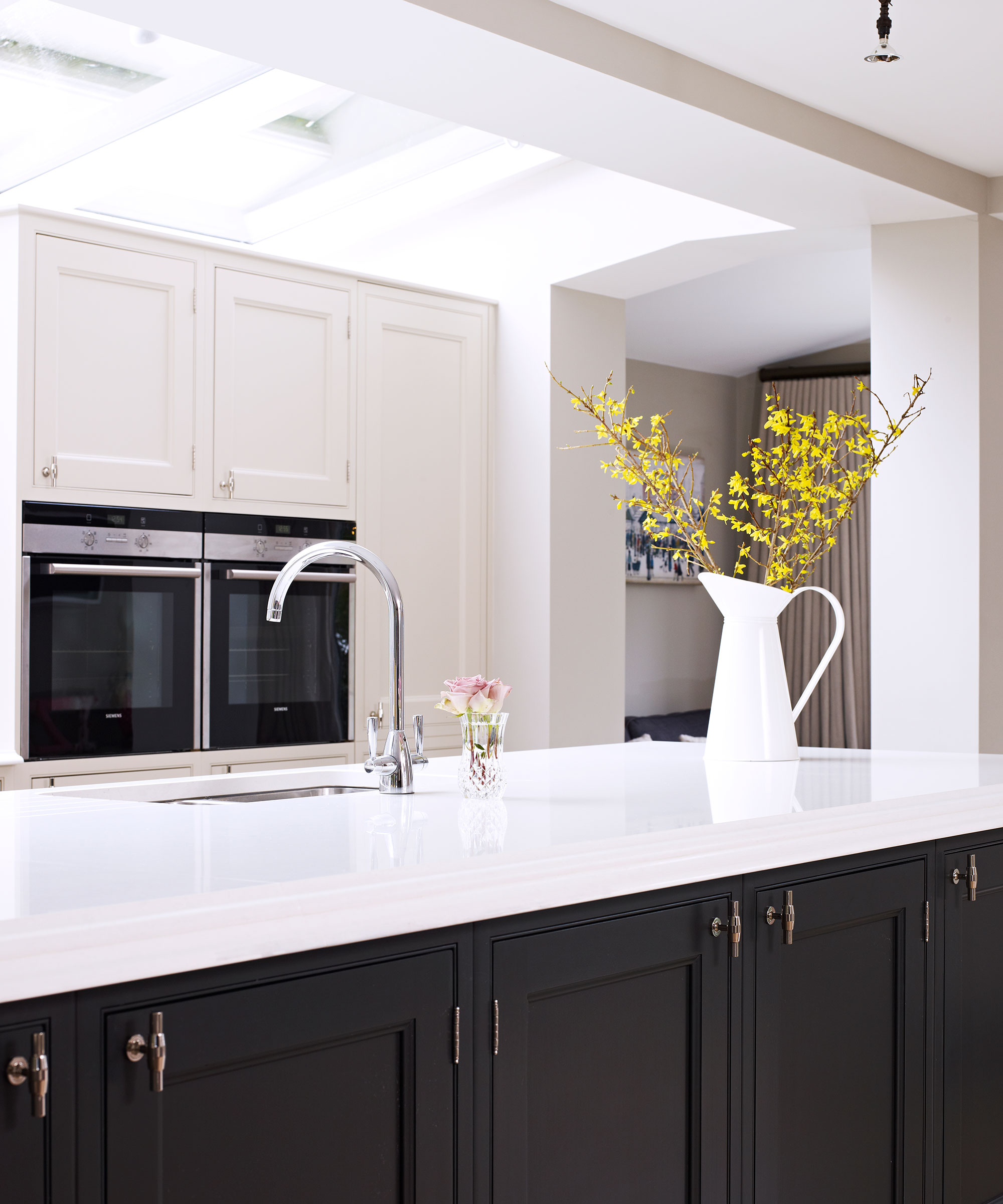
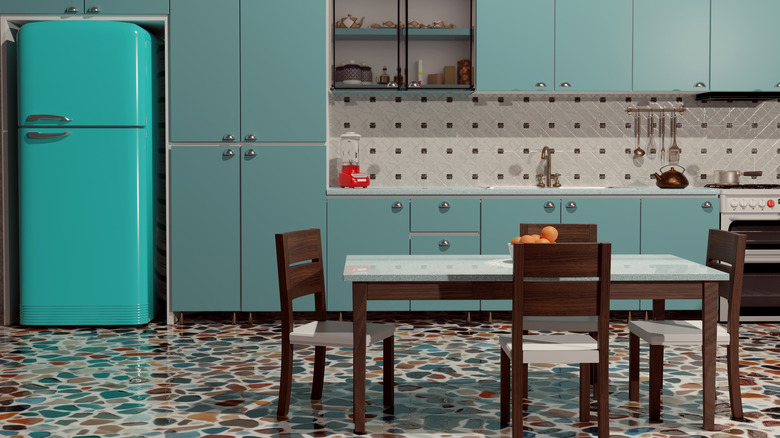
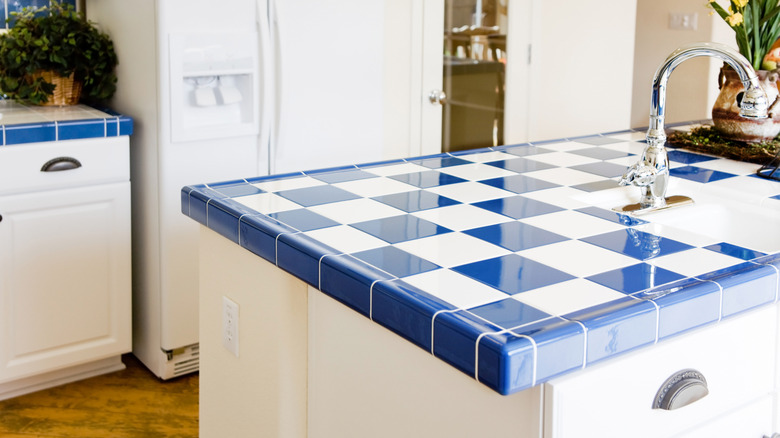
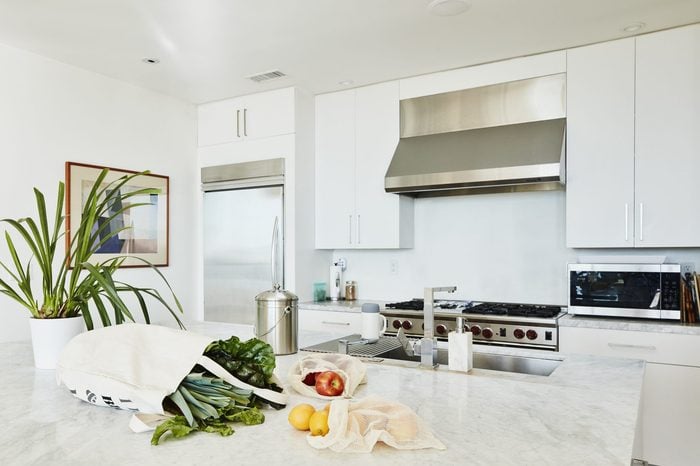
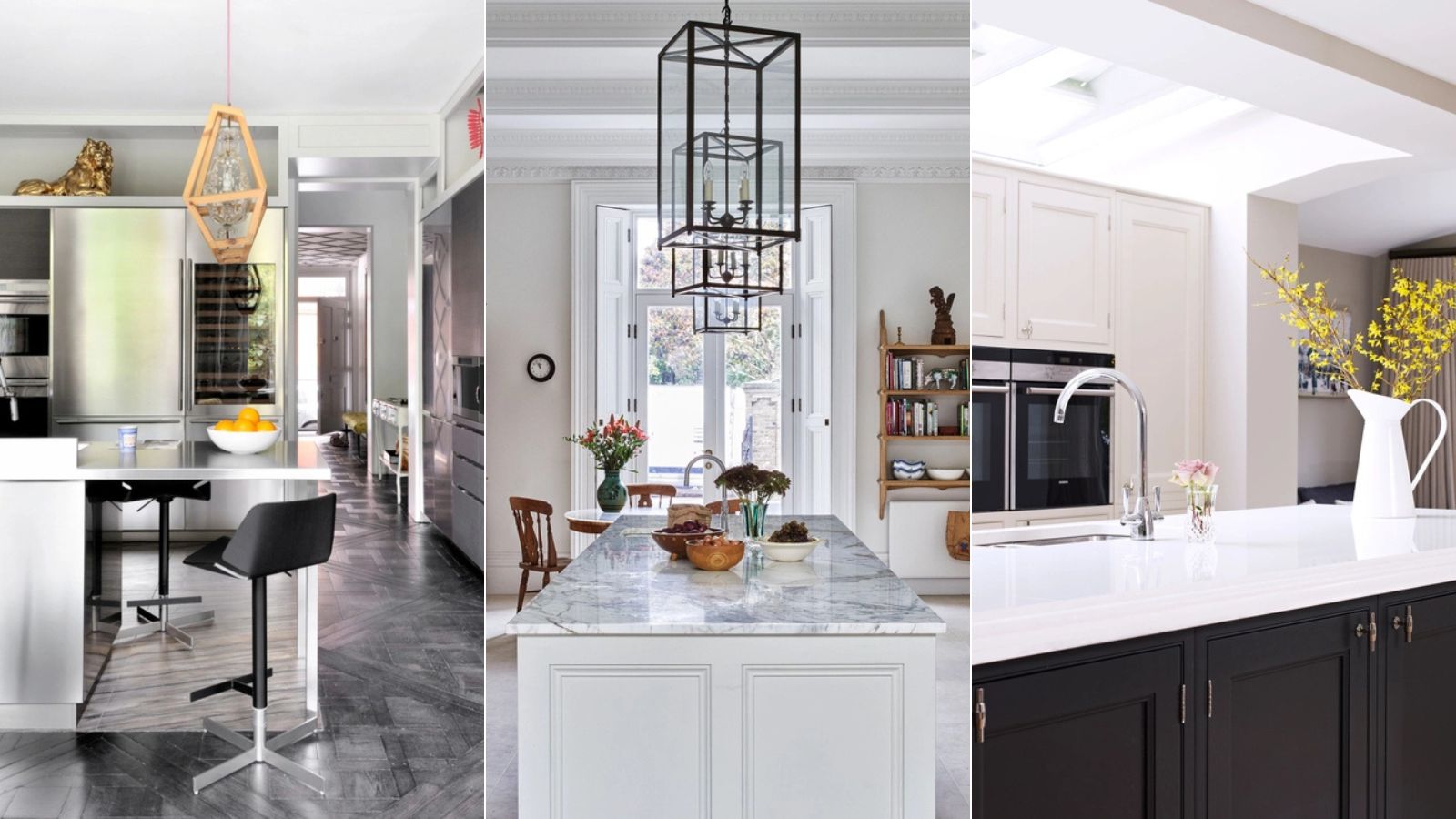
Homeowners are increasingly moving away from certain kitchen design trends in favor of more contemporary and functional aesthetics. The once-dominant all-white kitchen, while offering a clean look, is now considered stark and less inviting. The preference is shifting towards warmer whites, taupes, and nature-based colors like blues and greens, with mid- and light-toned wood cabinets also gaining popularity, as highlighted in the National Kitchen and Bath 2022 Design Trends report. This move reflects a desire for more homey and less sterile kitchen environments.
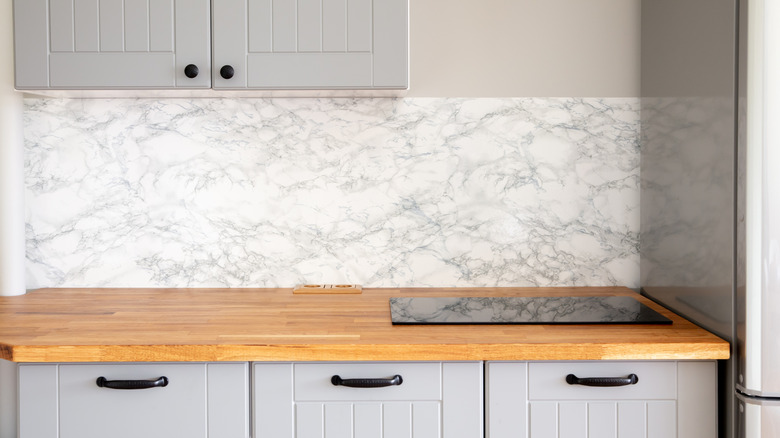
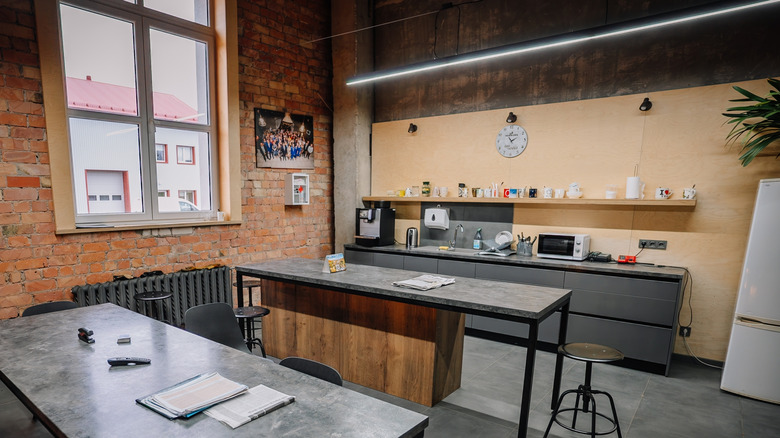
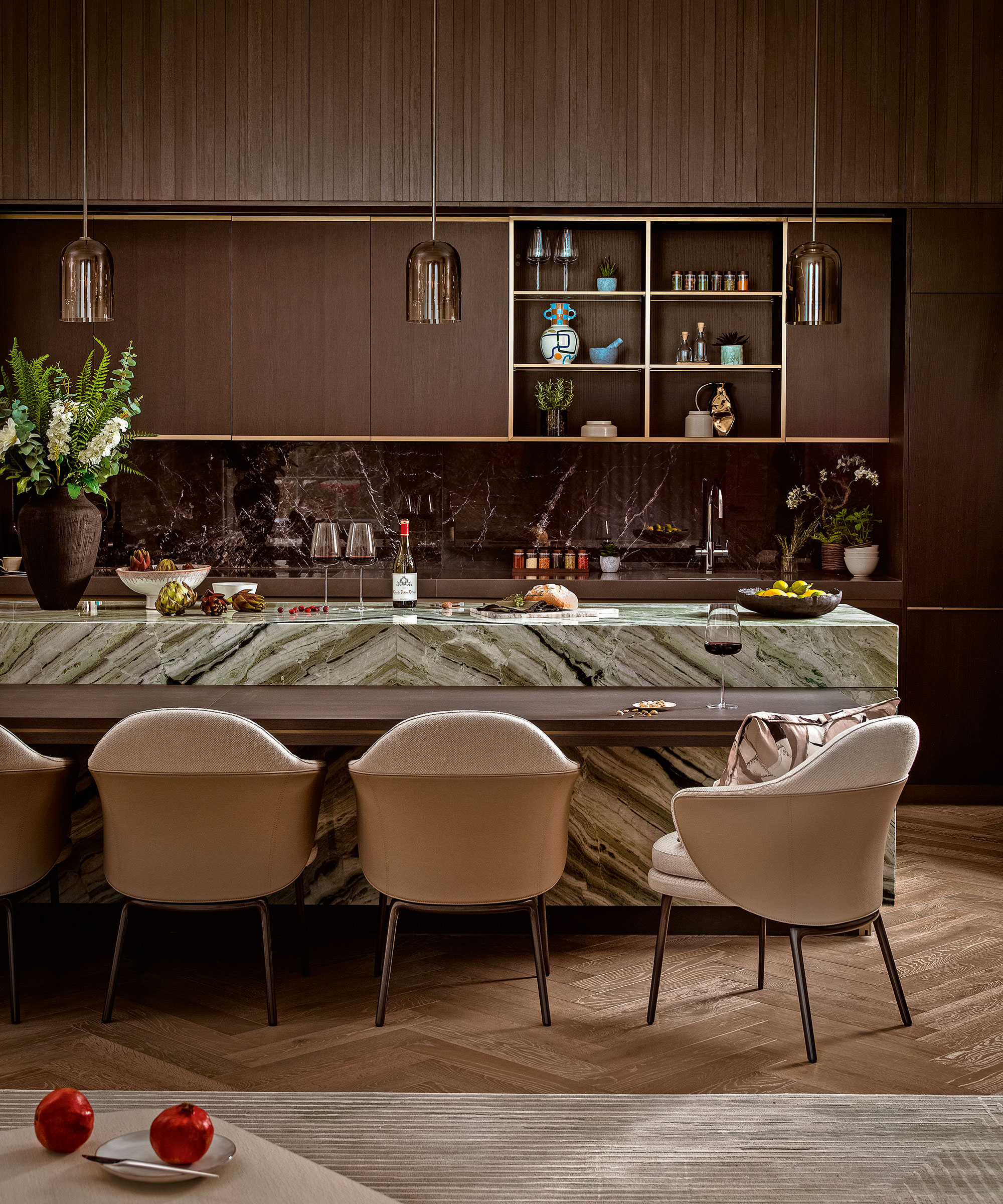
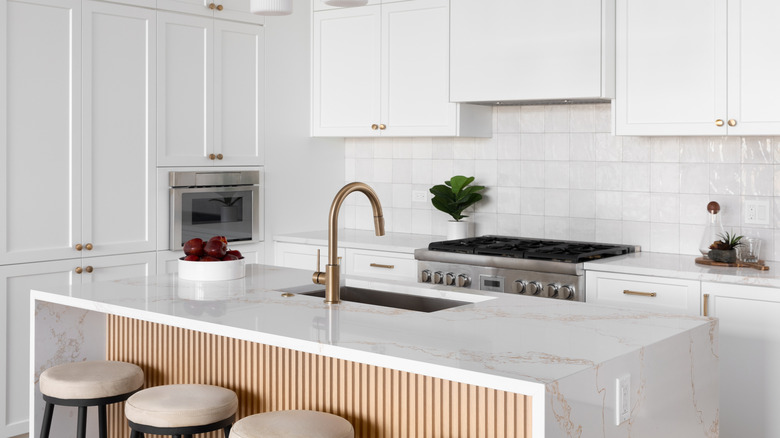
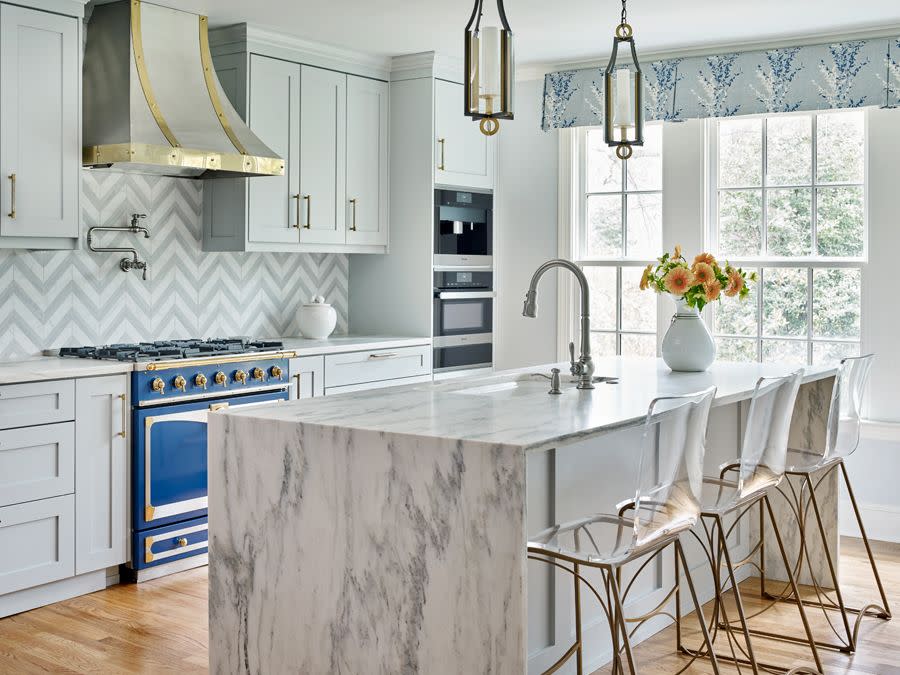
Traditional kitchen faucets requiring physical touch are being replaced by smart, touchless options. This change is driven by convenience and hygiene, especially when handling raw foods, allowing users to control water flow with a simple hand wave. Another trend in decline is the waterfall edge countertop. While these offer a modern aesthetic and protect island woodwork, their sharp edges and cold surfaces are becoming less favored. Designers note that these countertops can also obscure valuable storage space and overshadow other natural elements within the kitchen. The current preference is returning to more traditional countertop designs.
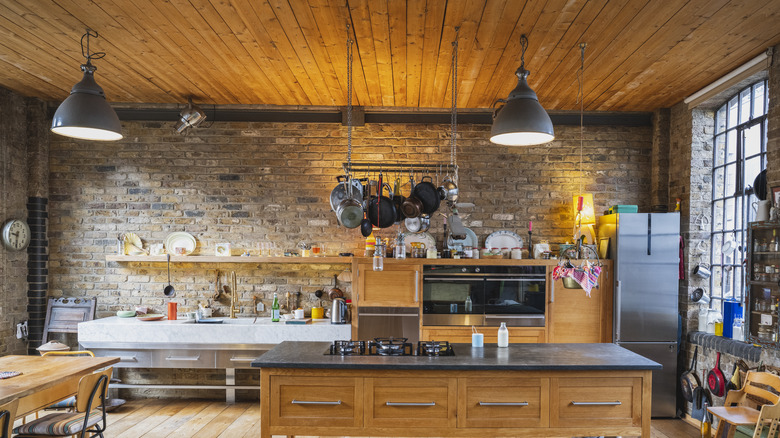
The classic kitchen triangle layout, which emphasizes a triangular arrangement of the sink, stove, and refrigerator for optimal workflow, is also evolving. As modern kitchens in remodeled and new-construction homes often feature larger footprints and incorporate spacious kitchen islands, this traditional layout is becoming less practical. The shift is towards layouts that accommodate kitchens as entertainment hubs, allowing hosts and guests to interact seamlessly during meal preparation.
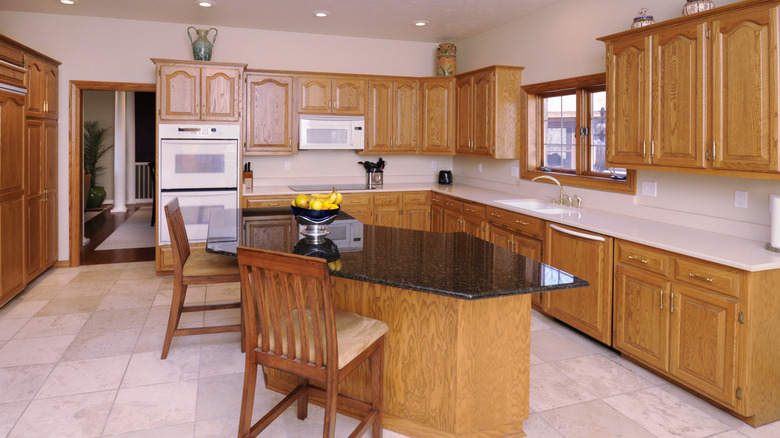
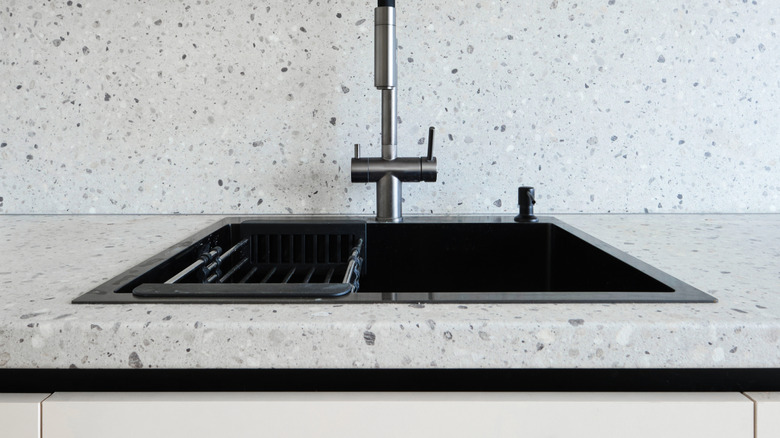
Farmhouse sinks, once a popular choice, are seeing a decrease in demand as the modern farmhouse style wanes. While still charming in specific contexts, the challenge of cleaning their rims is a common complaint. Integrated or seamless sinks are emerging as the preferred alternative, offering a sleek and easier-to-maintain option. Double ovens are another trend being reconsidered, particularly in small to medium-sized kitchens. Homeowners are opting for space-saving alternatives like built-in steam or convection ovens, or compact appliances such as InstantPots and air fryers, which offer similar functionality without occupying extensive kitchen real estate.
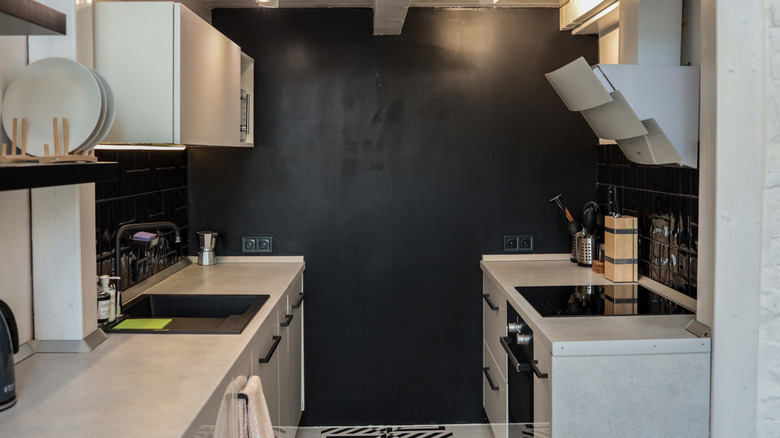
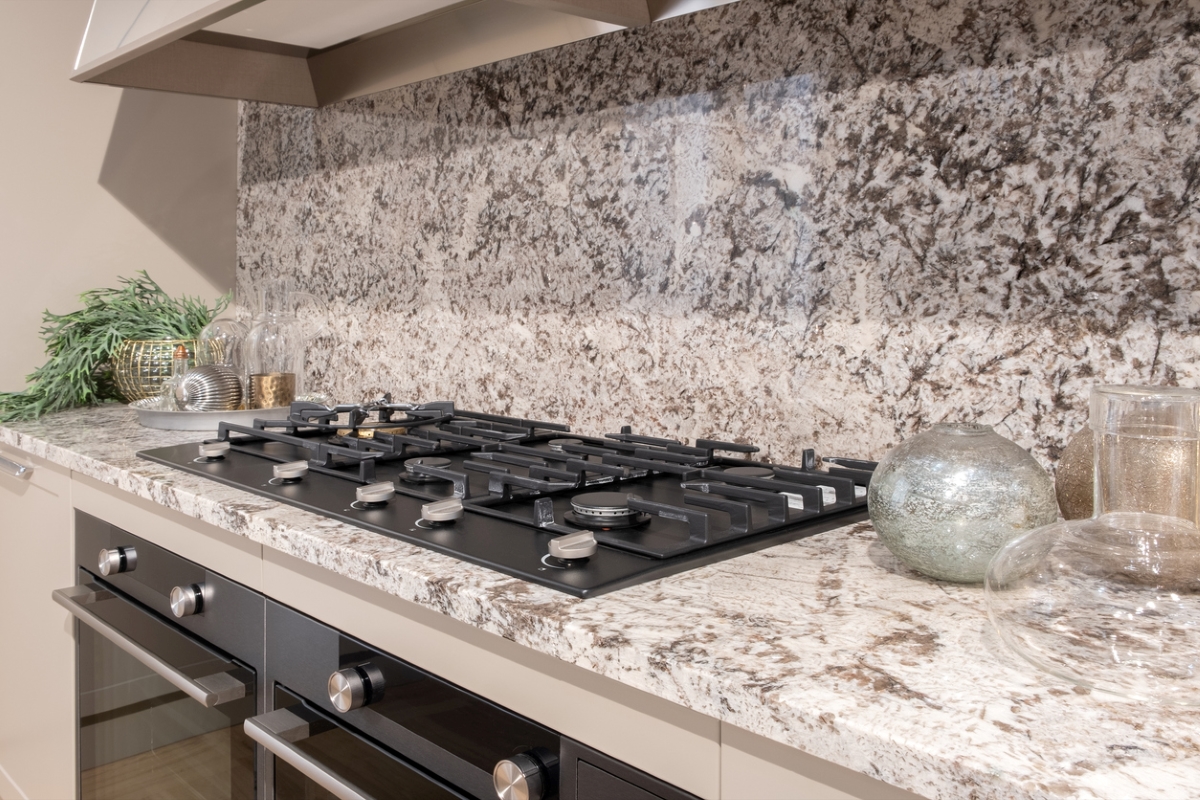
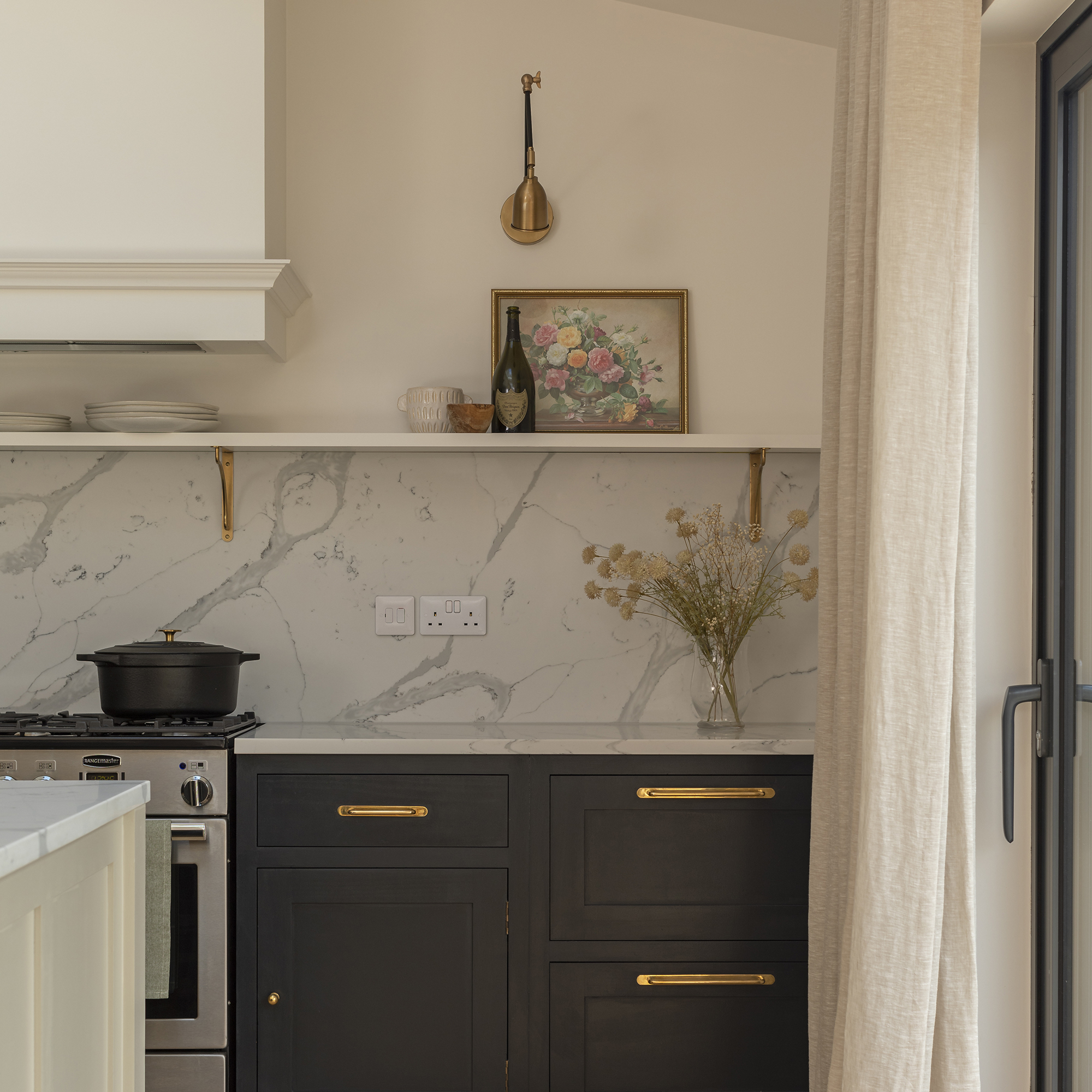
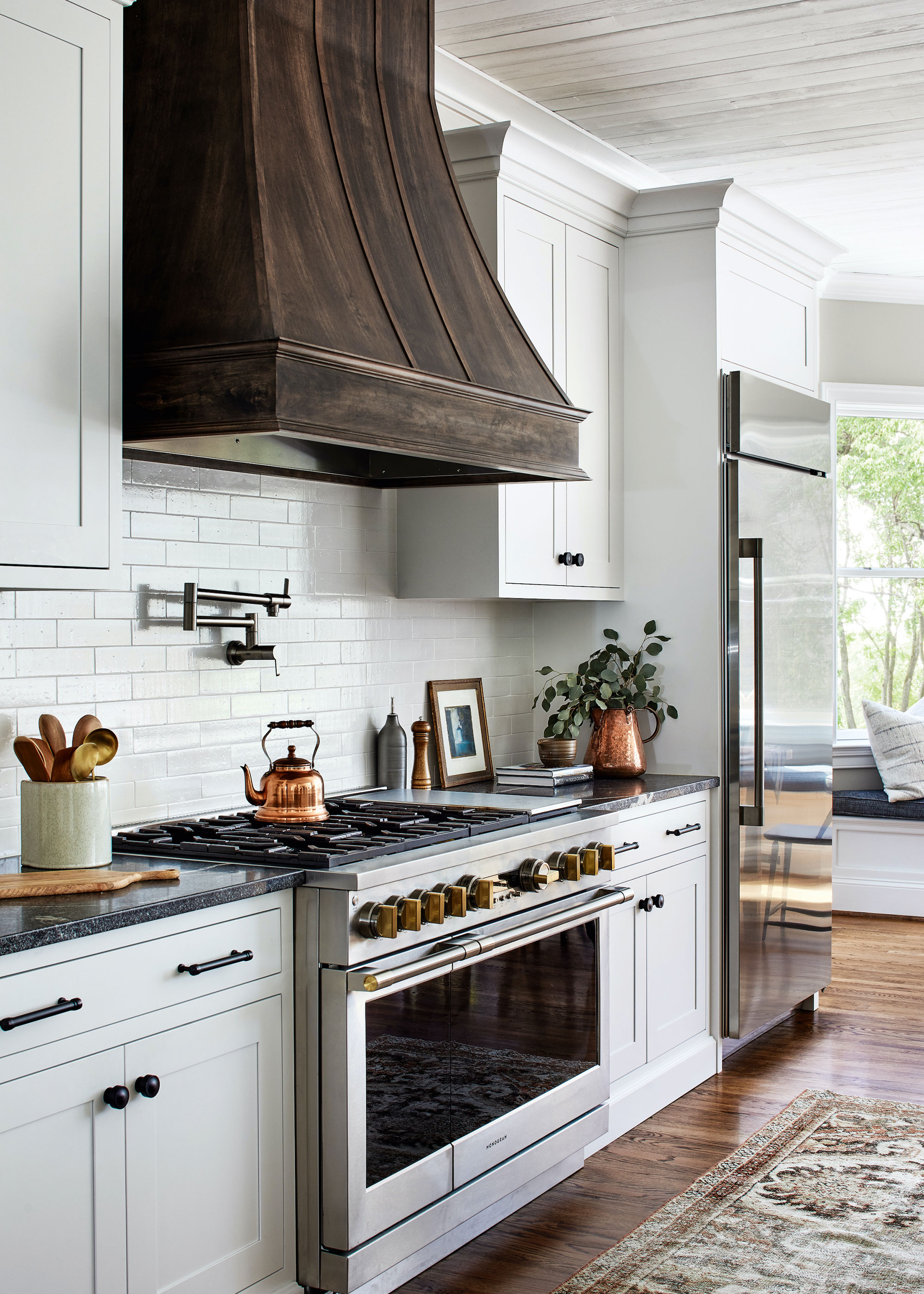
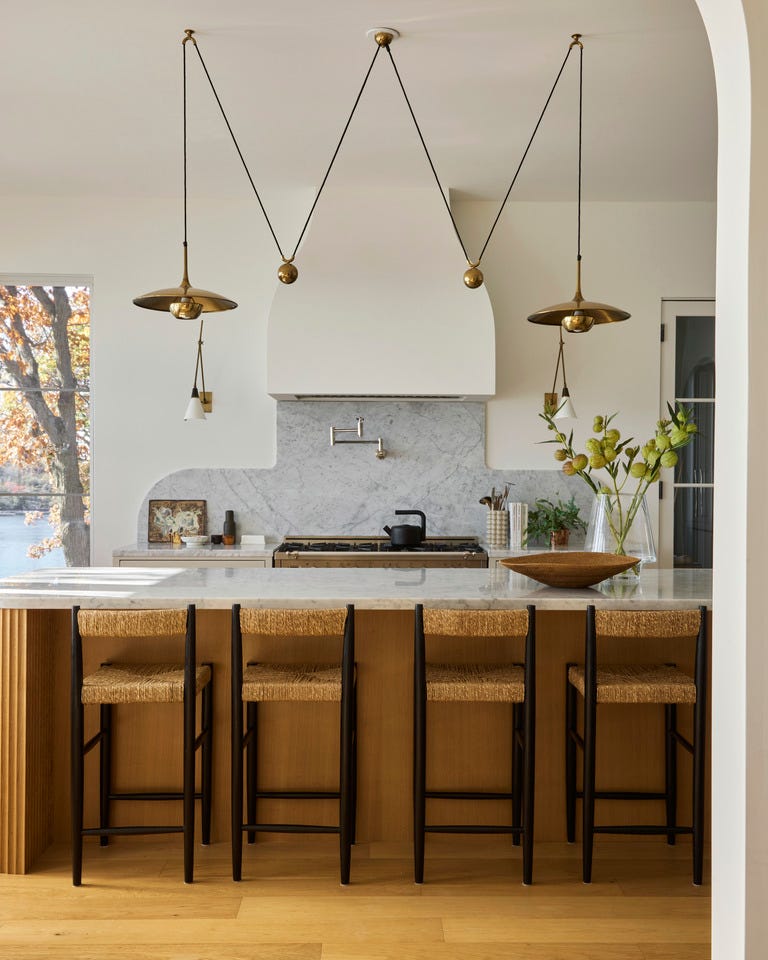
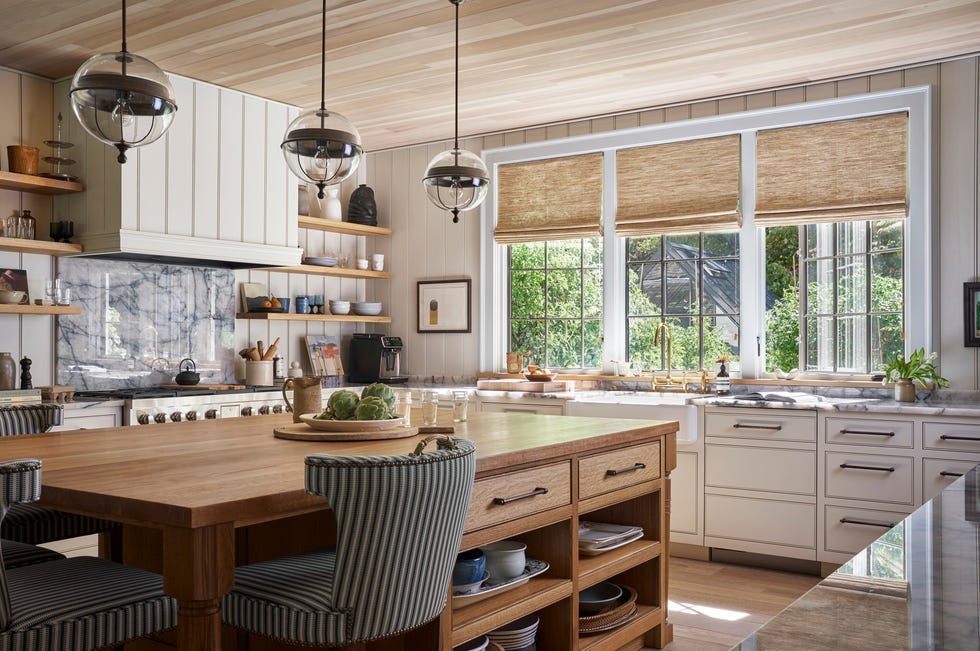
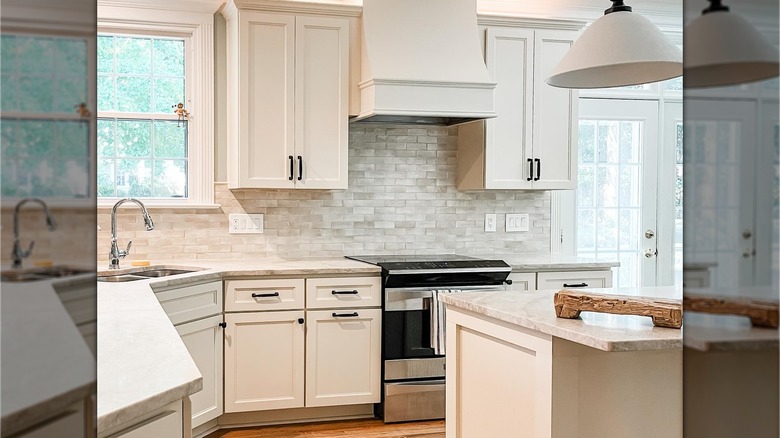
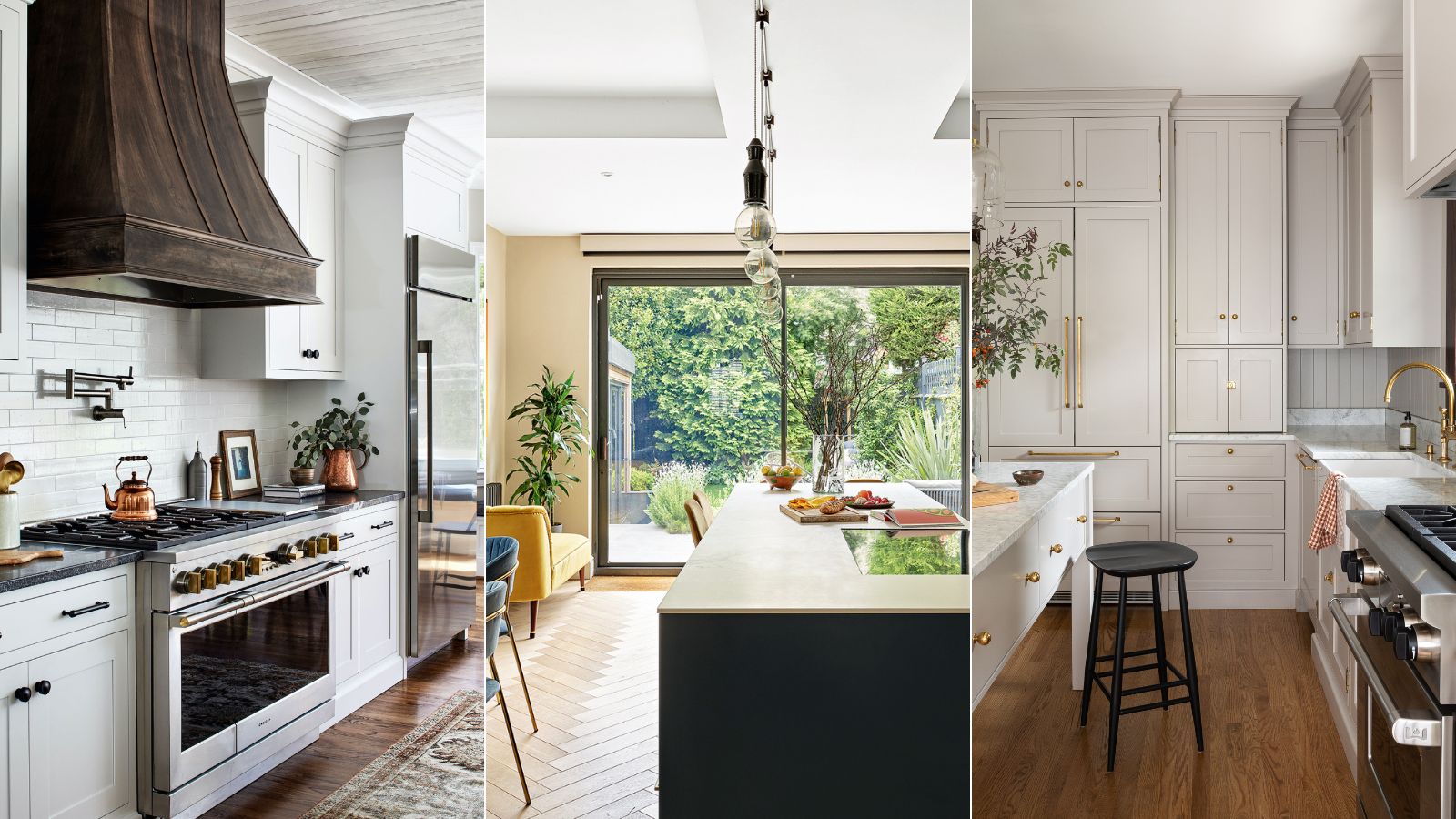
Visible vent hoods, which traditionally served as a decorative element, are giving way to more integrated and architectural solutions. Designers are incorporating vent hoods into the ceiling, disguising them as soffits, or creating box-type designs using interesting materials. This trend aims to make kitchens appear less utilitarian and more seamlessly blend with adjacent living spaces. Kitchen windows are also undergoing a transformation. The standard small windows positioned several inches above countertops are being replaced by larger windows set closer to counter level. This change aligns with the wellness movement, emphasizing a desire for increased natural light and a stronger connection to the outdoors.
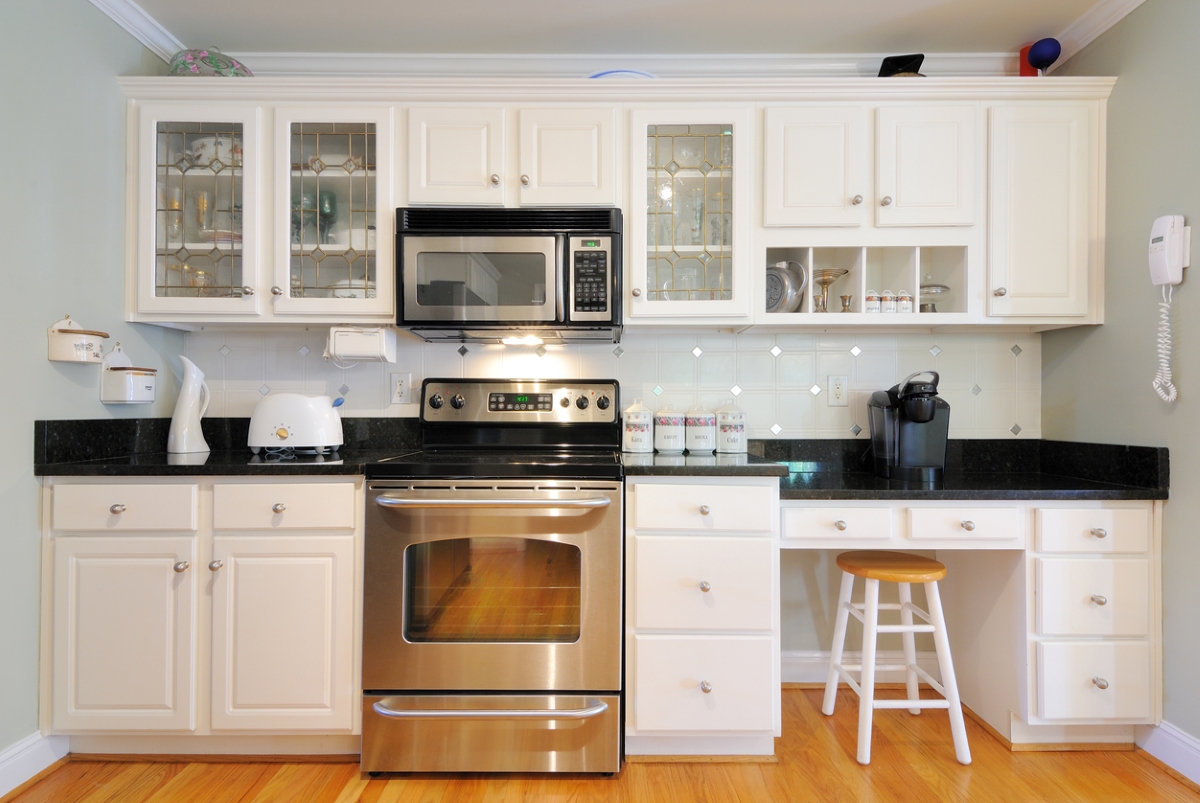
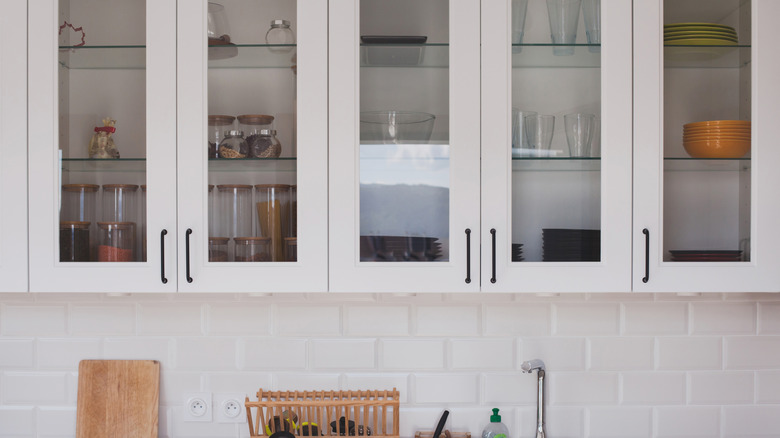
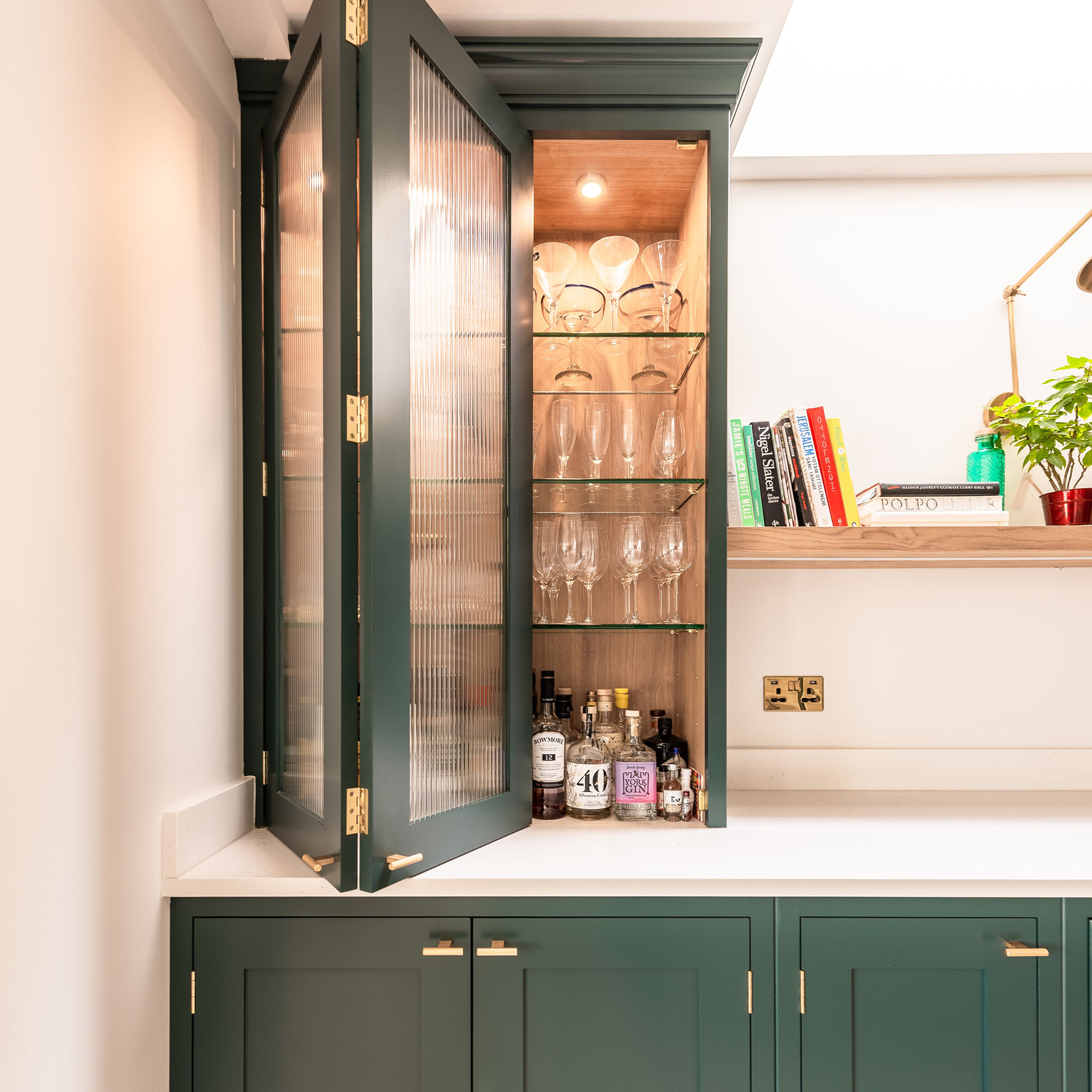
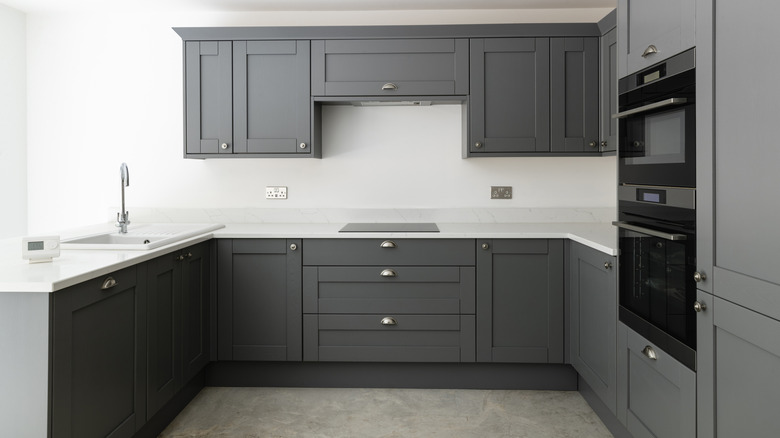
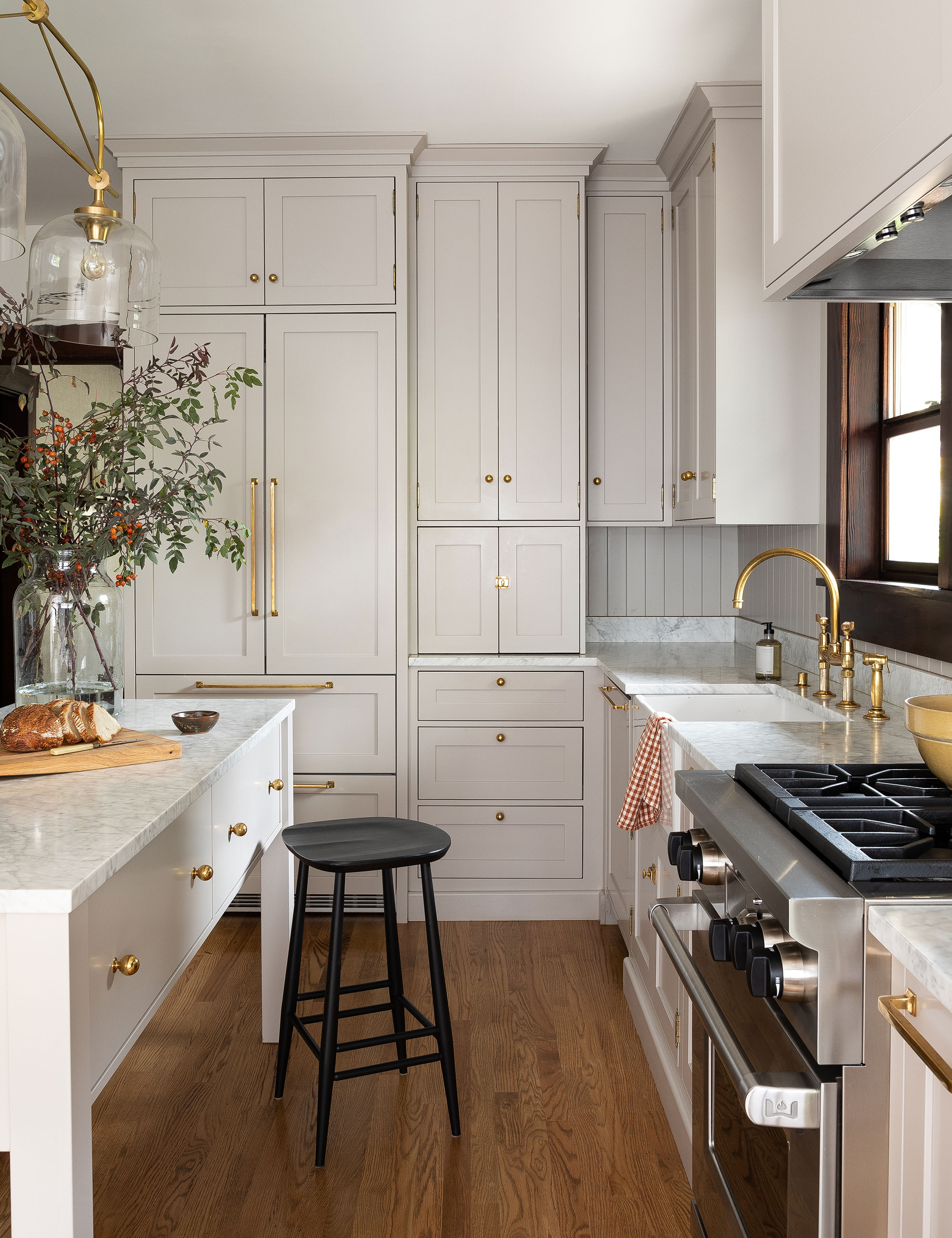
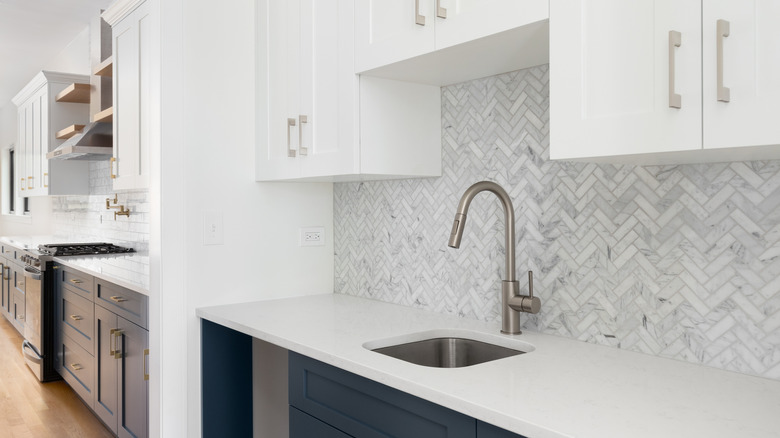
Finally, the ubiquitous Shaker cabinet door style, prevalent for the past decade, is evolving. While still a classic, many homeowners are gravitating towards flat, slab, modern-style doors that complement the growing popularity of warm, modern kitchen designs. For those who still appreciate traditional elements, contemporary Shaker doors often incorporate subtle trim details on the inside or outside of the door panel, offering a refined yet updated look.
#KitchenDesign #HomeRenovation #InteriorDesignTrends #KitchenTrends #HomeImprovement #KitchenCabinets #Countertops #KitchenLayout #SmartKitchen #KitchenDesign #HomeRenovation #InteriorDesignTrends #KitchenTrends #HomeImprovement #KitchenCabinets #Countertops #KitchenLayout #SmartKitchen
0 comment in total
 No comments yet
You may also like
13 Outdated Kitchen Trends You Can Leave In The Past
12 Once-Popular Kitchen Trends That Won't Be Coming Back Anytime Soon

Kitchen Trends That Are Being Left Behind In 2025 And Beyond
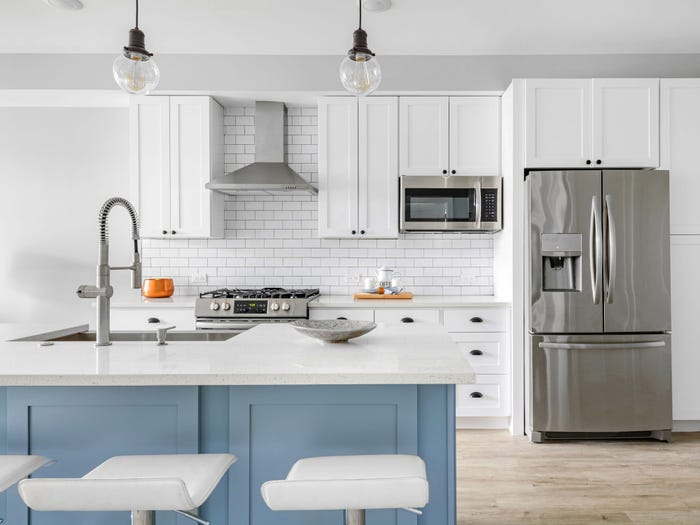
Interior designers share 7 kitchen trends that really missed the mark this year
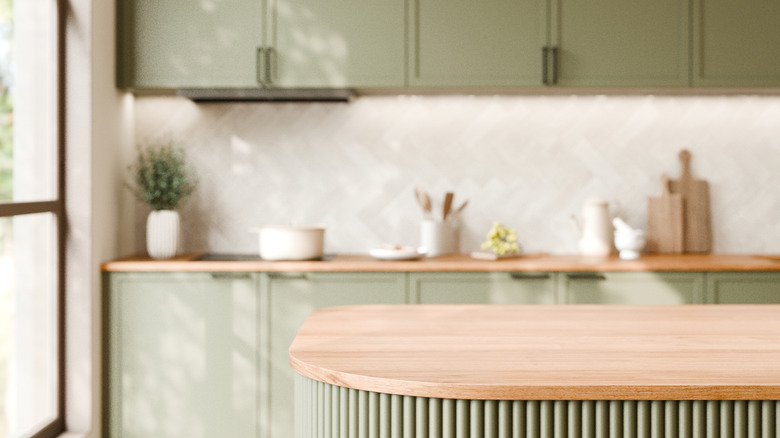
10 Outdated Kitchen Trends Making A Comeback, According To A Design Expert

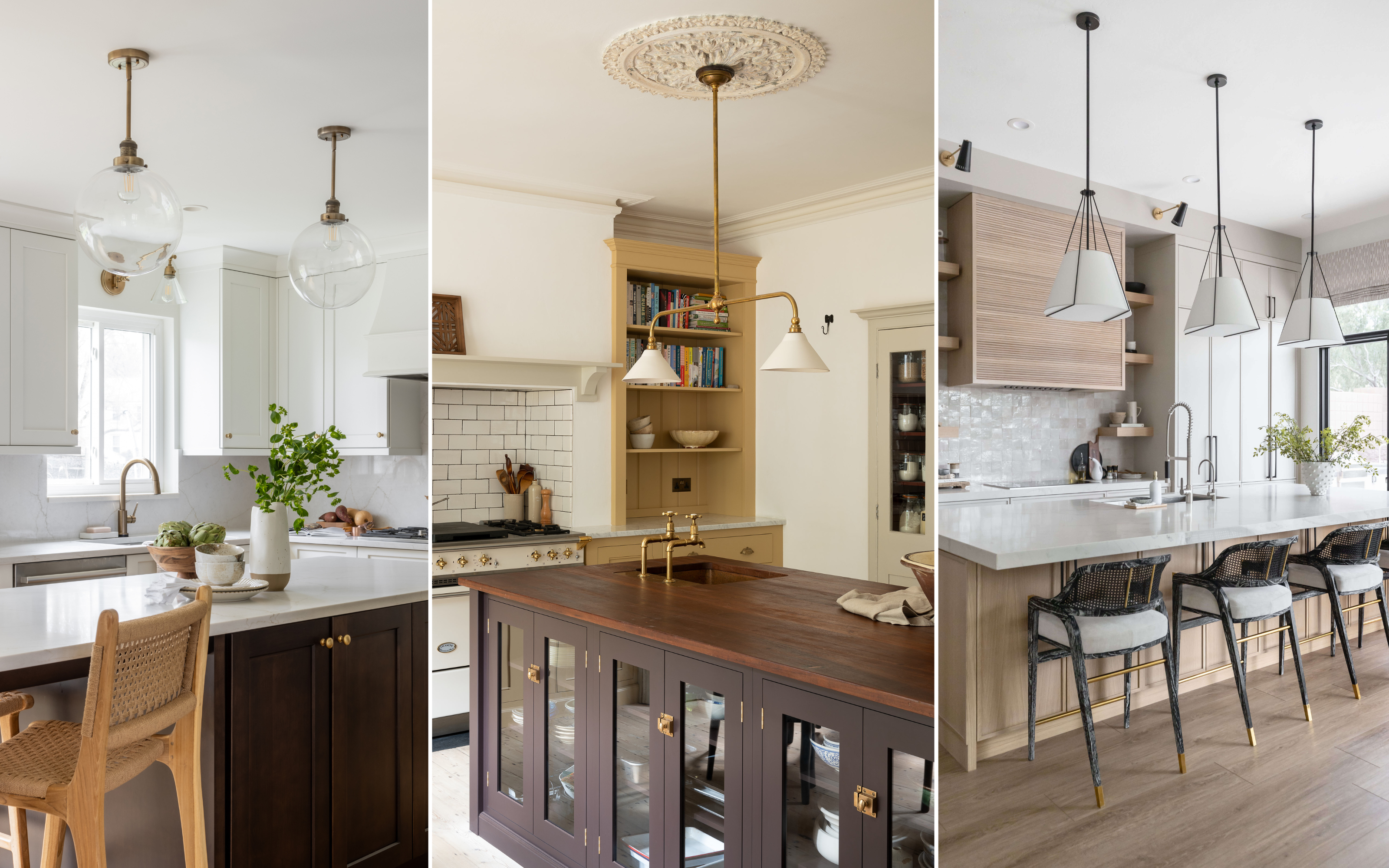
9 outdated kitchen lighting trends designers urge you to avoid, plus what to try instead

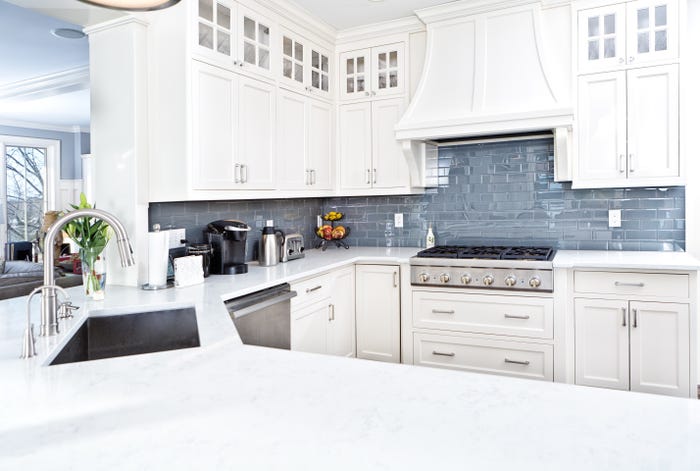
Interior-design experts share 12 kitchen trends you'll probably regret in a few years
6 outdated kitchen countertop trends to leave behind in 2025
12 "Outdated" Kitchen Trends You Should Ditch In 2025 (But You Probably Have)

5 Outdated Kitchen Trends Interior Designers Hope Never Come Back

Outdated kitchen trends – 5 overdone looks that designers like to avoid, and here's why you should too
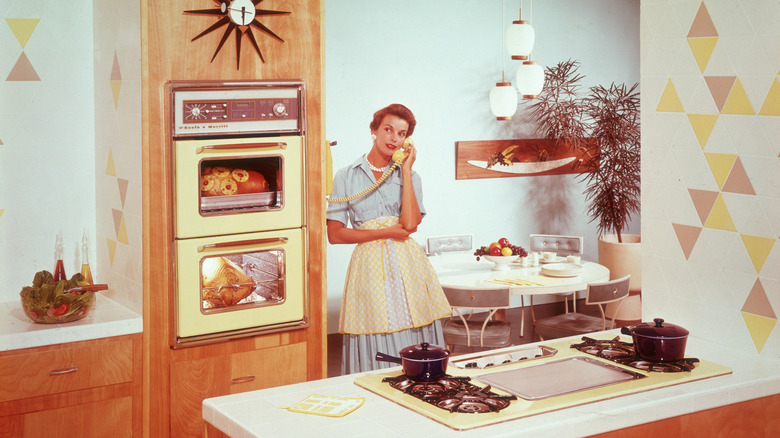
12 Vintage Kitchen Design Trends We Want To Bring Back

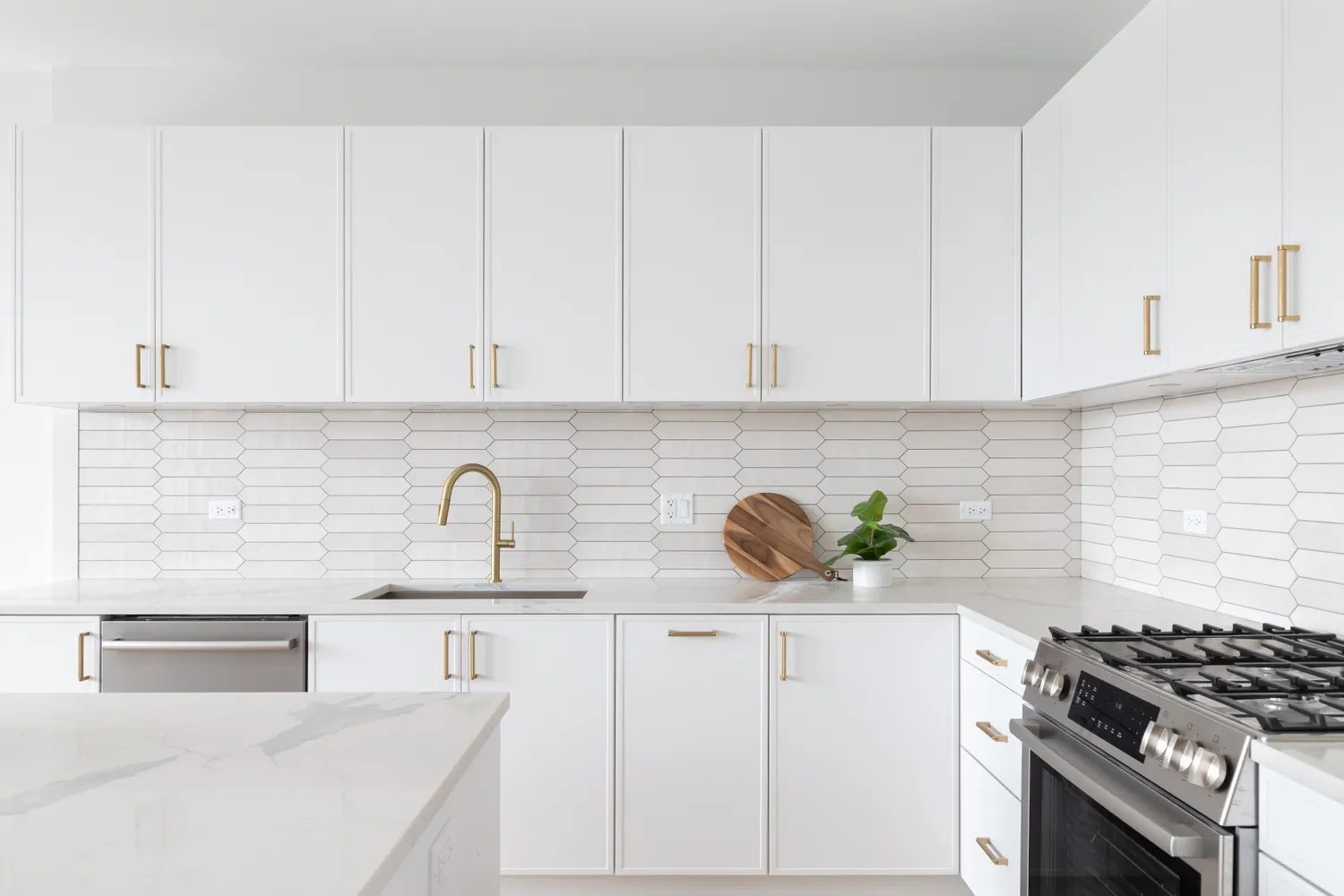
5 Kitchen Styles That Are Definitely Out of Style, Designers Say

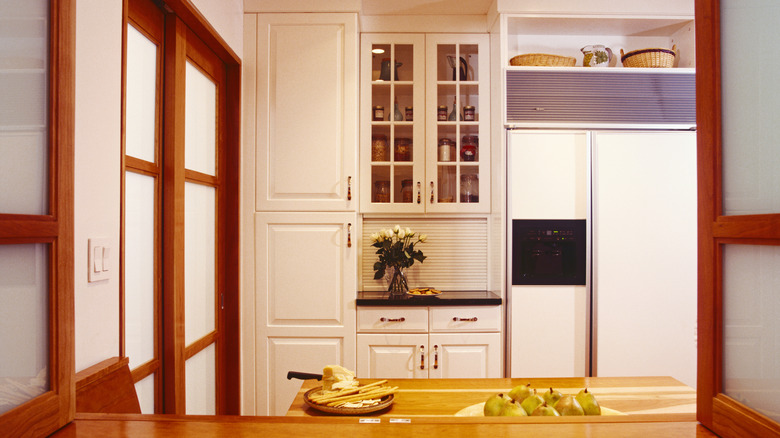
9 Kitchen Trends From The '90s That Are Making A Comeback

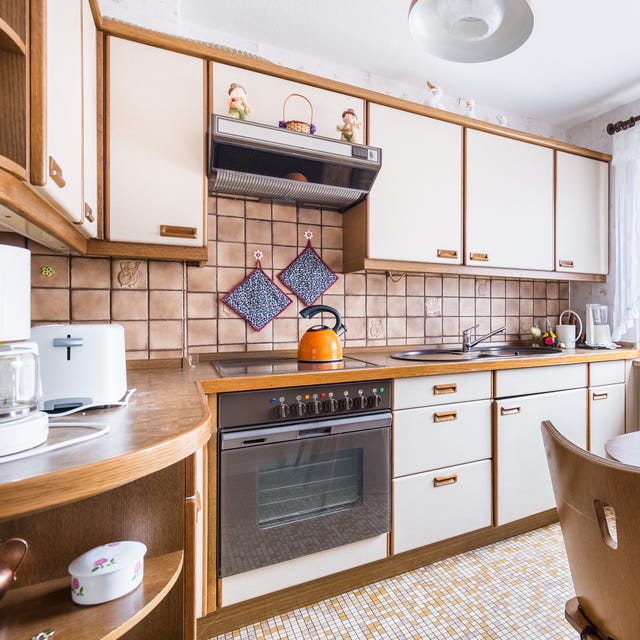
22 Outdated Things You Should Avoid in Your Kitchen, According to Designers

5 Outdated Countertop Trends To Avoid And 5 To Try Instead

25 Kitchen Trends You Might Regret + Photos
5 kitchen trends to avoid for a unique and timeless design
10 '90s Kitchen Design Trends We Think Need A Comeback

10 Outdated Kitchen Details That Are Quietly Aging Your Home