1/4
22 Outdated Things You Should Avoid in Your Kitchen, According to Designers
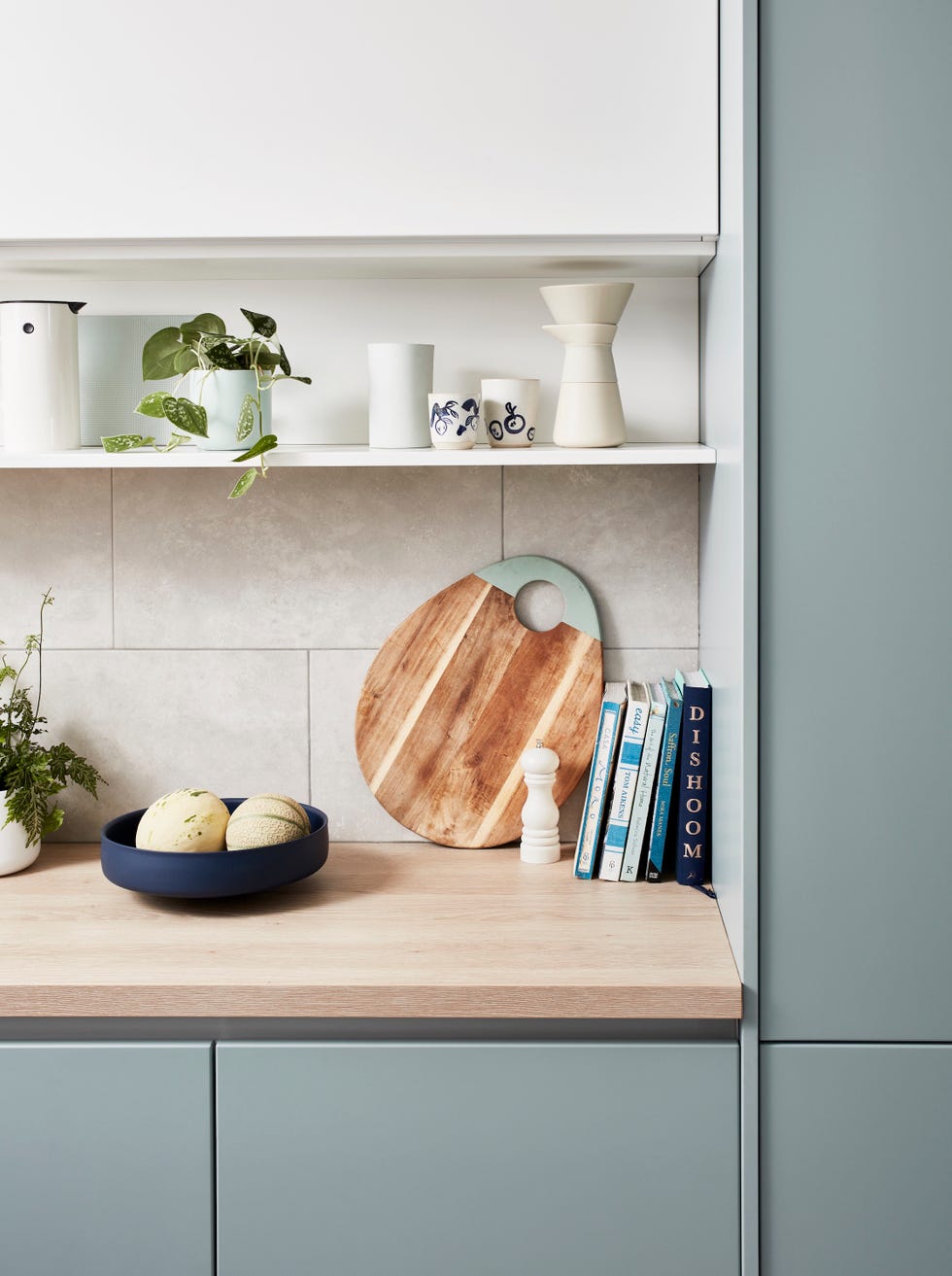
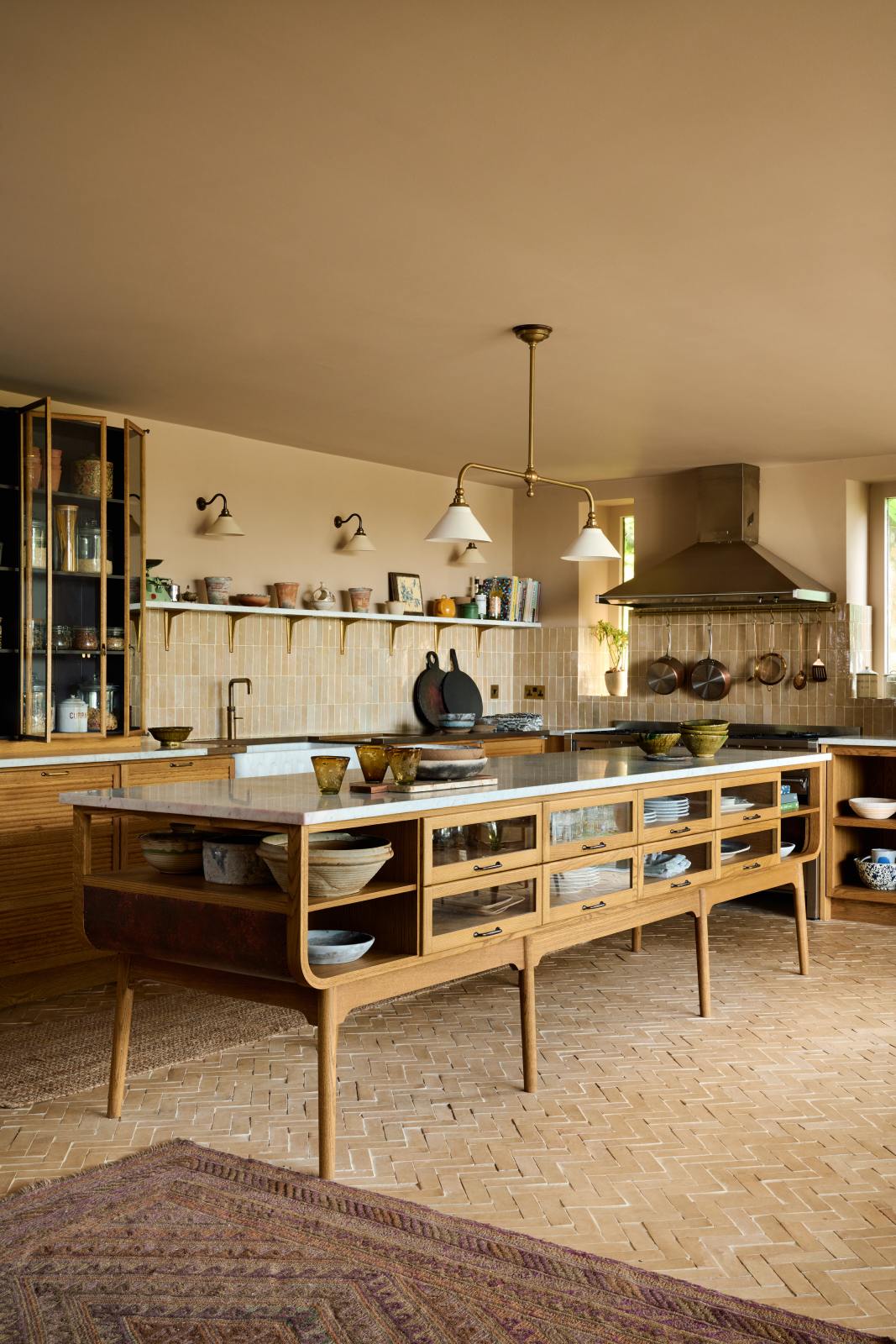
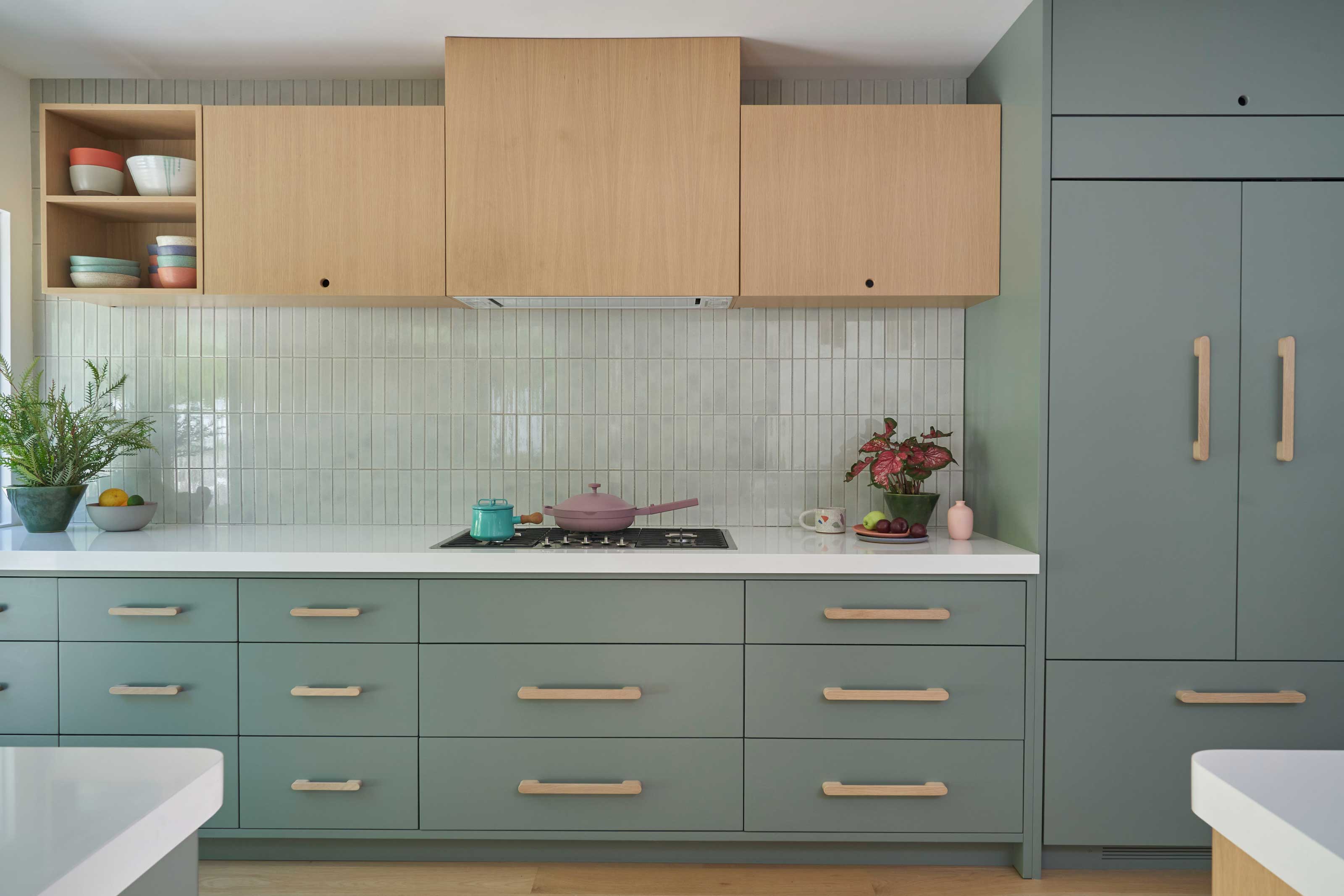
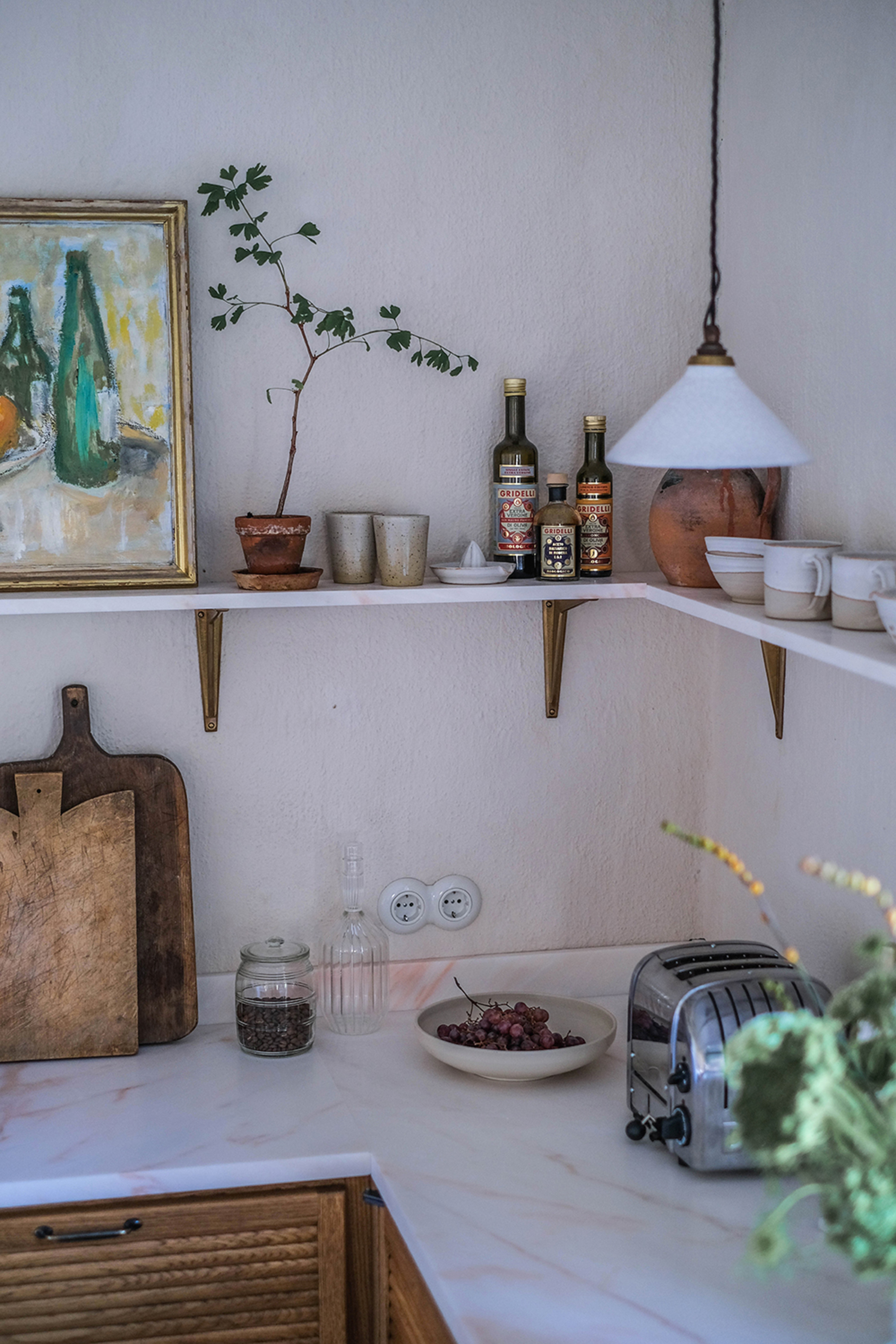

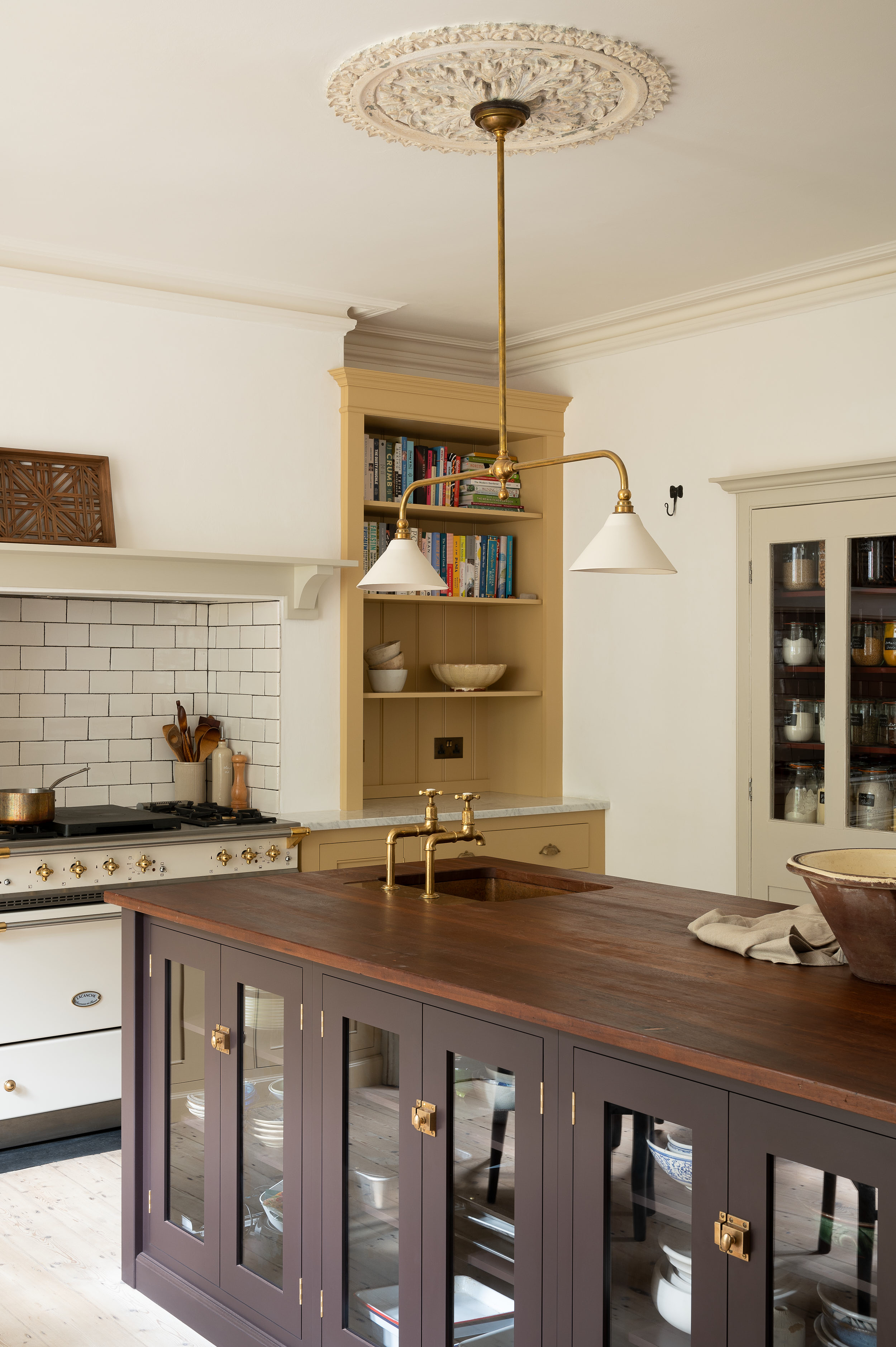
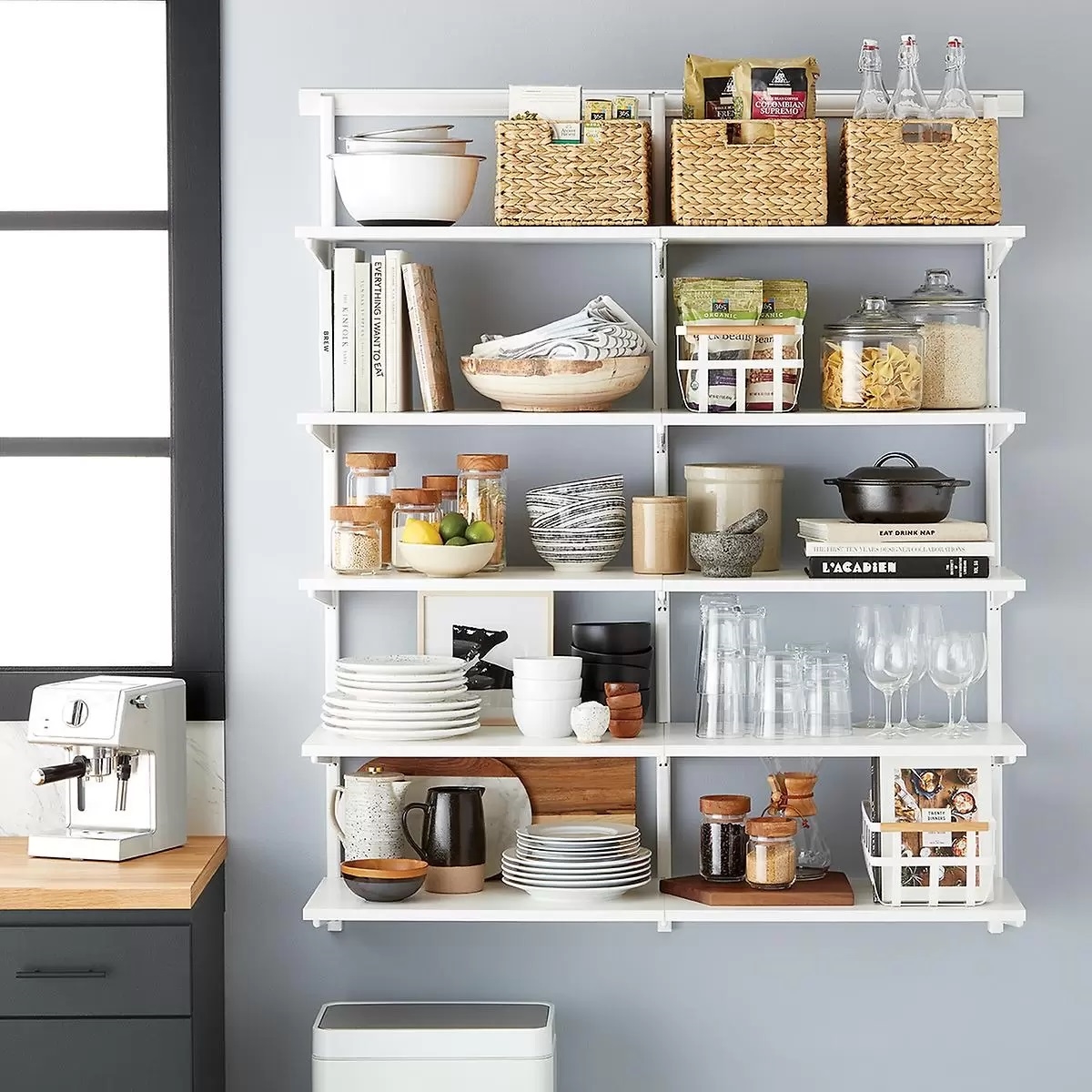
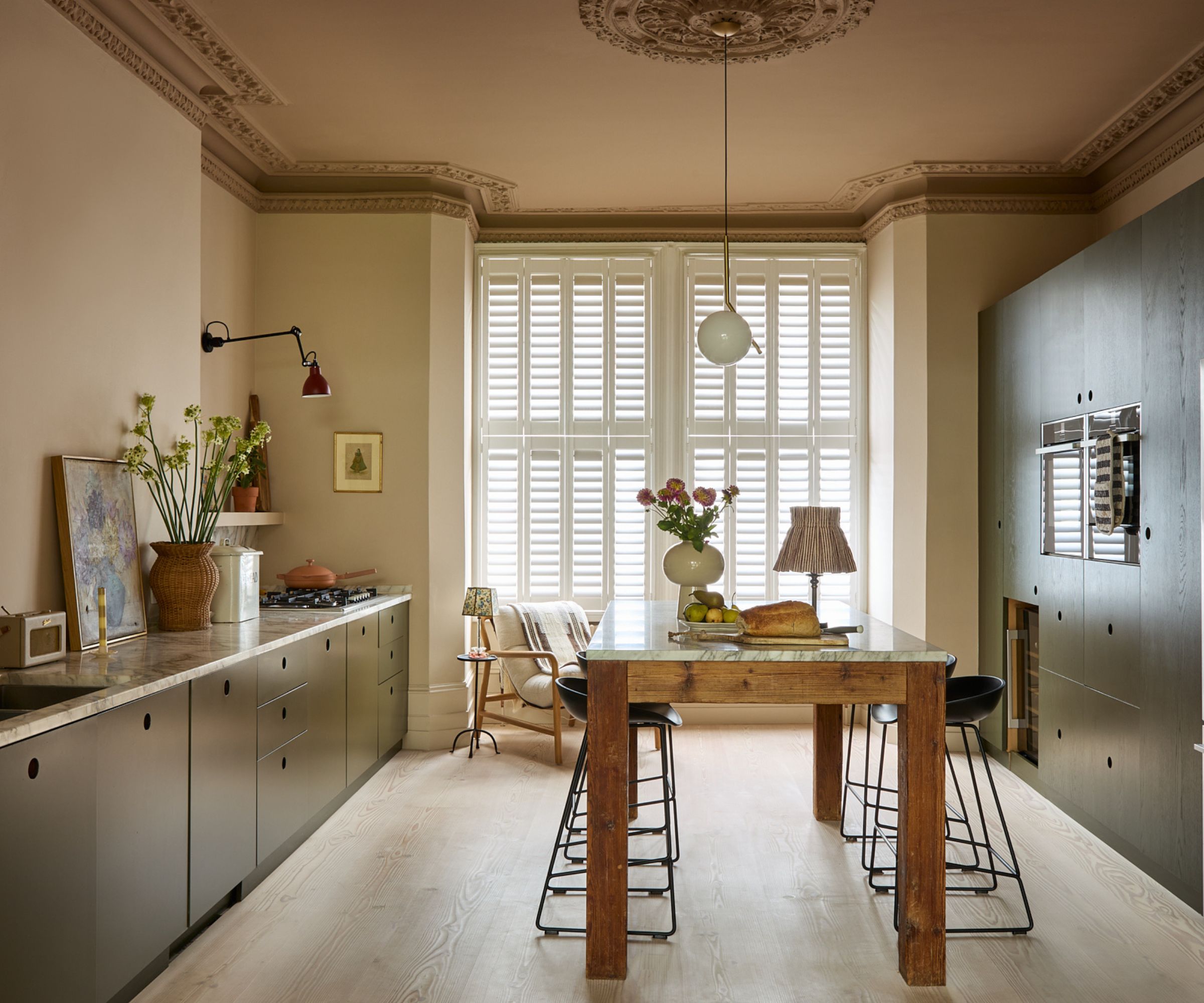
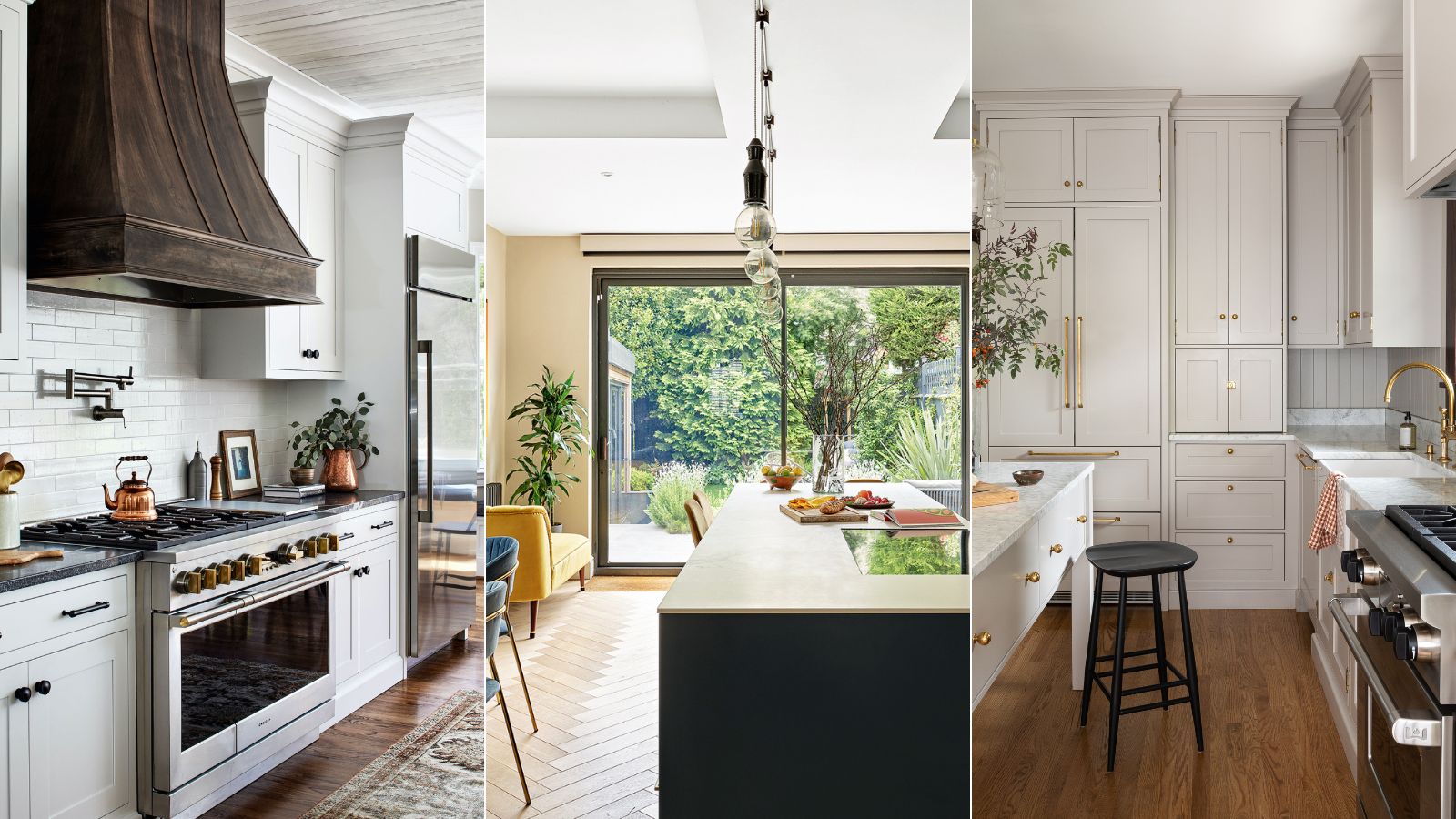
Kitchen trends are ever-evolving, and maintaining a contemporary aesthetic requires ongoing attention to current design principles. Over the past decade, kitchen design has significantly shifted towards minimalism and enhanced functionality. Designers now prioritize open shelving, clean lines, and the incorporation of natural materials such as wood and stone, moving away from heavy cabinetry and synthetic options. Color palettes have also transitioned to lighter, neutral tones to create a more open and inviting atmosphere. Cultural influences, including popular media like TV shows and the rise of prominent designers, frequently dictate emerging trends. For instance, the popularity of English cottage style can be linked to shows like "Downton Abbey" and "Bridgerton," while figures like Chip and Joanna Gaines have popularized the modern farmhouse aesthetic.
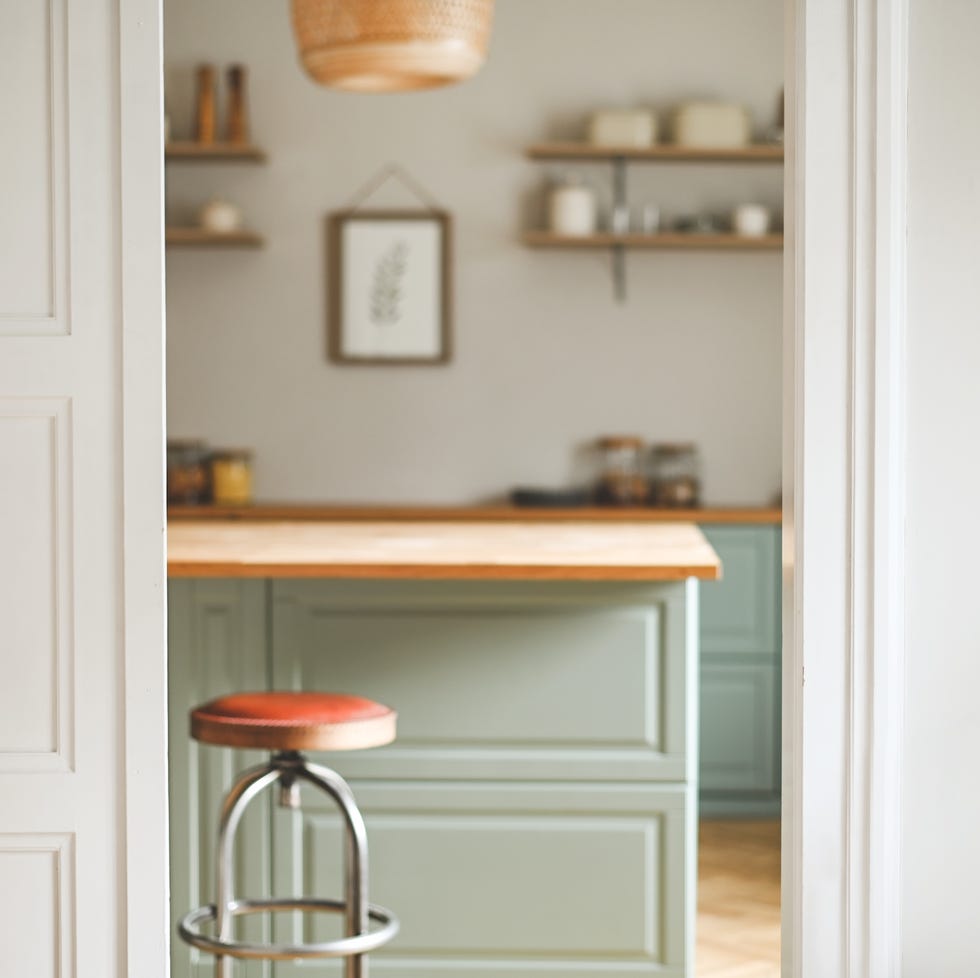
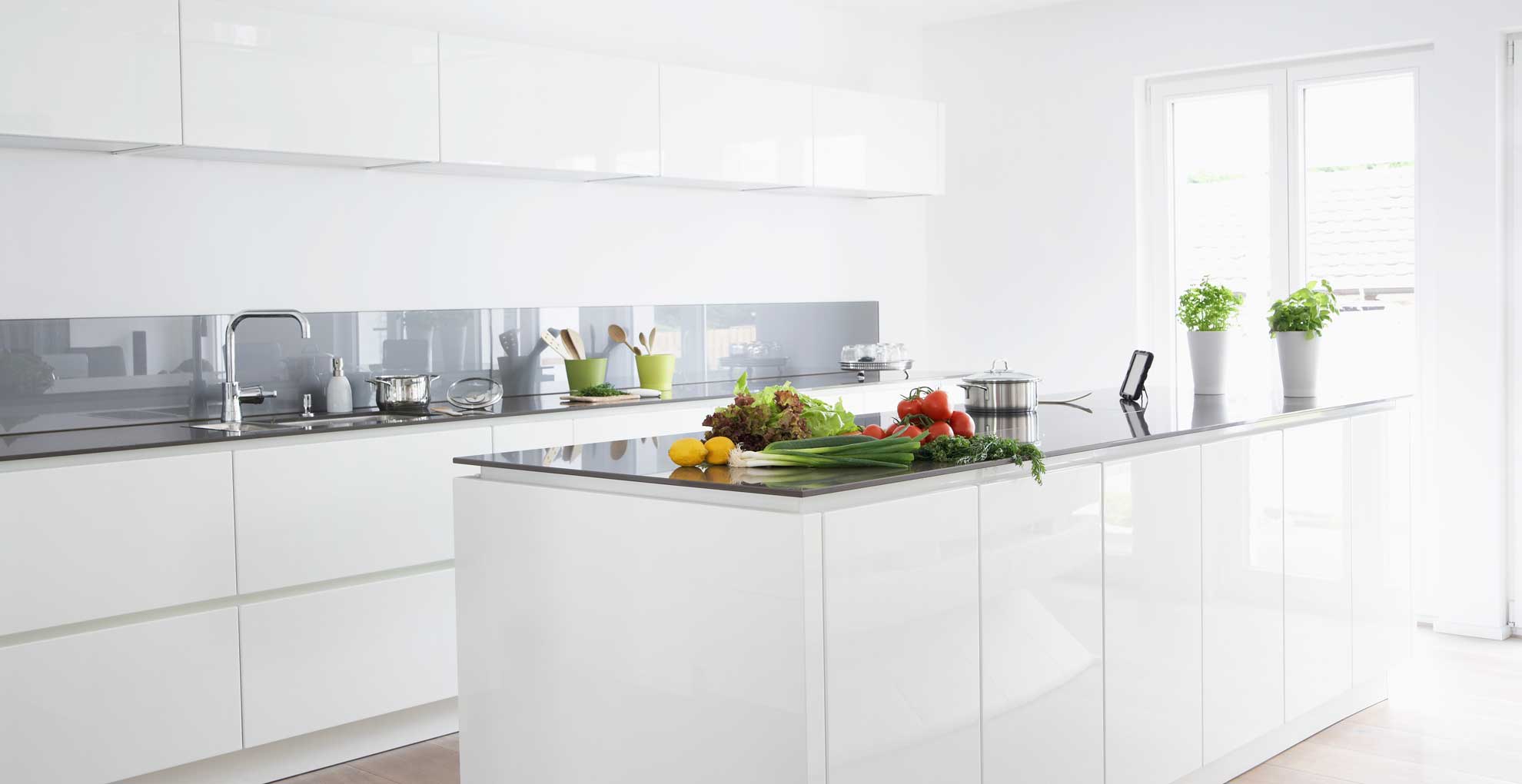
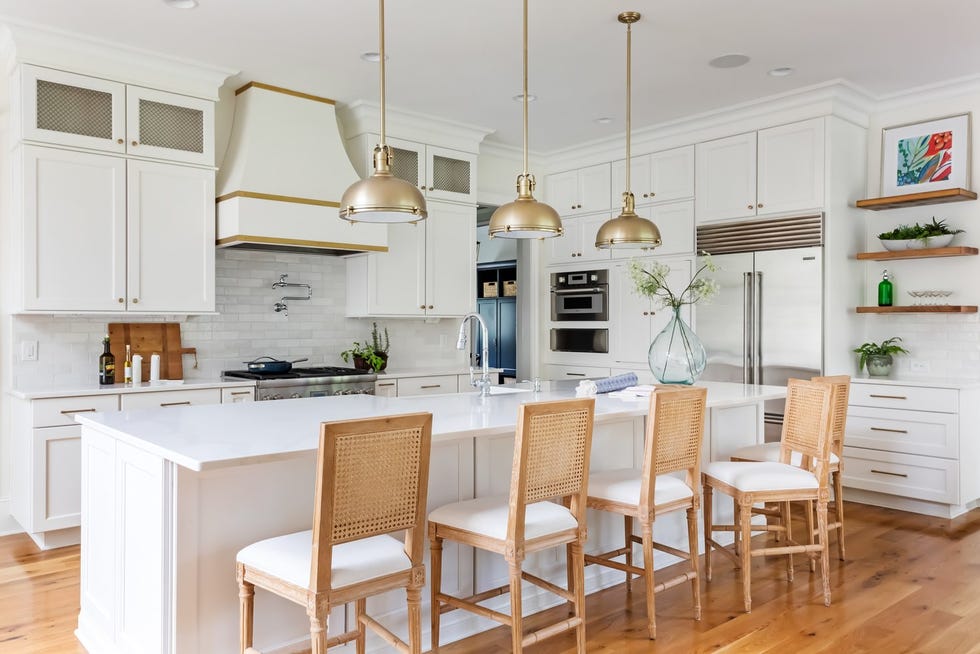
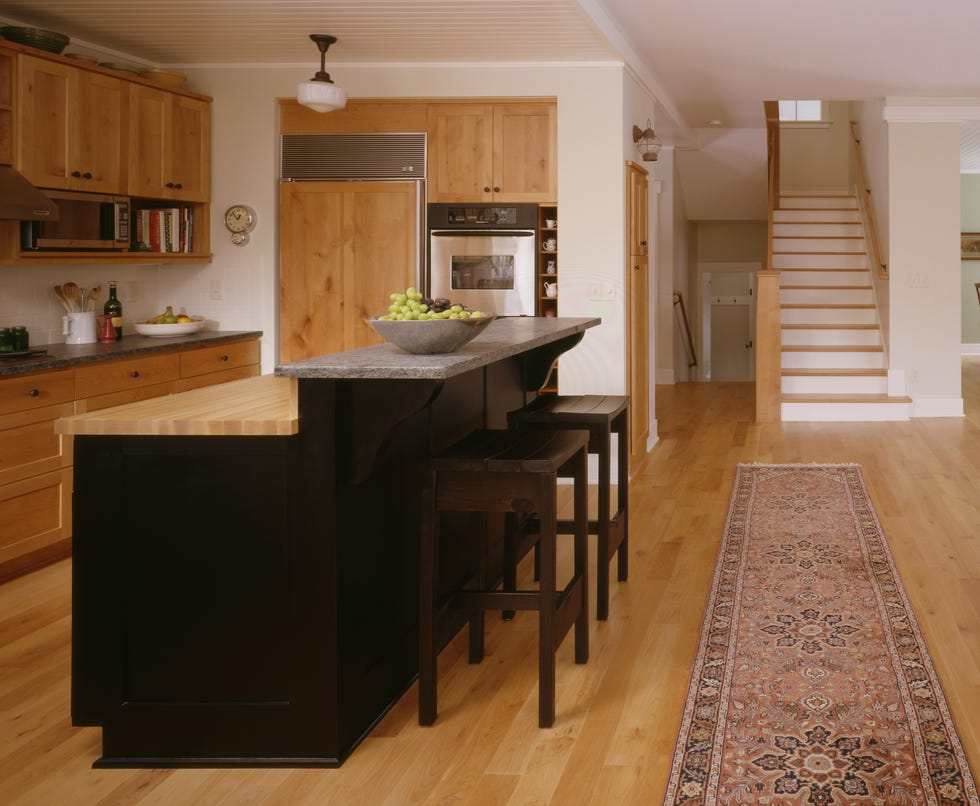
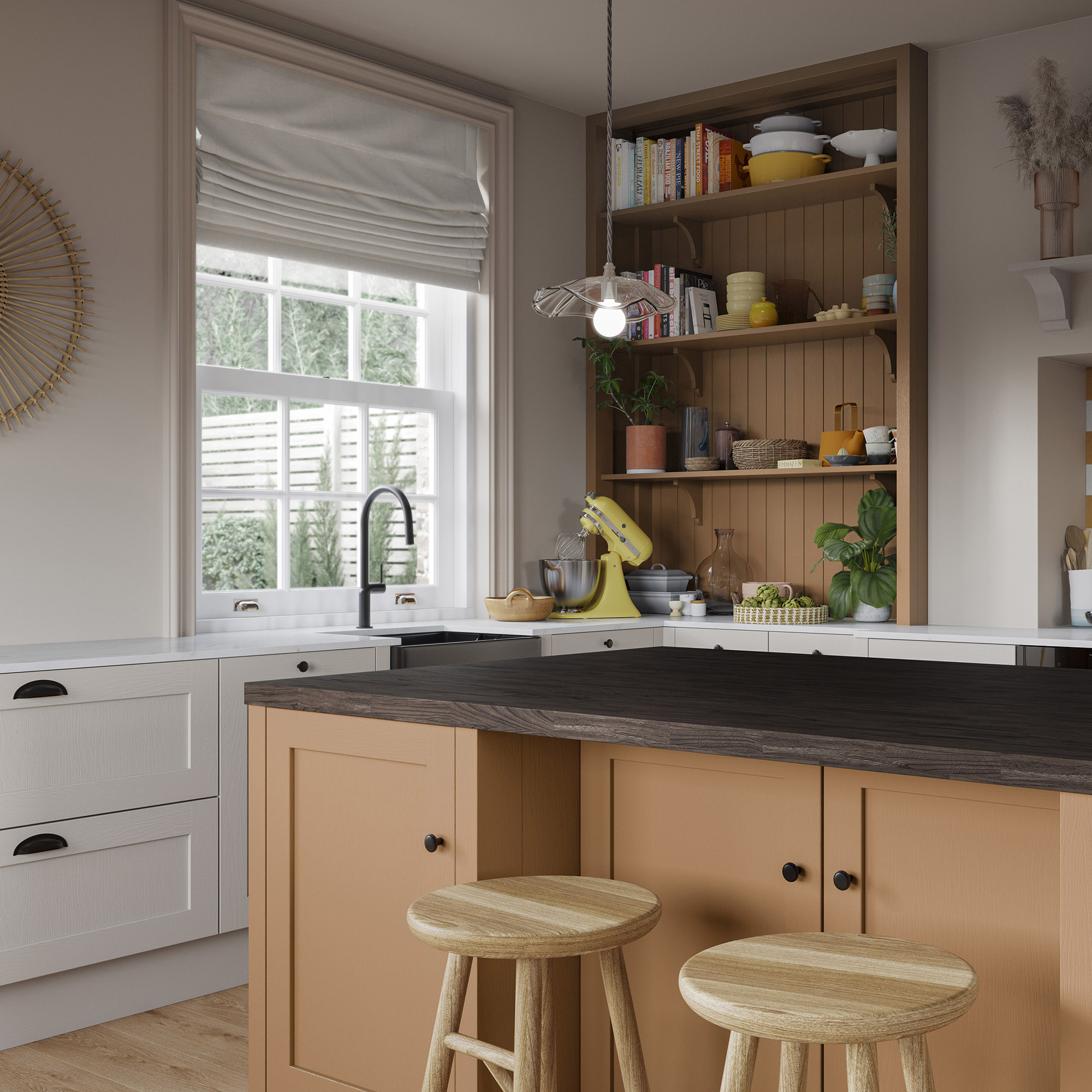
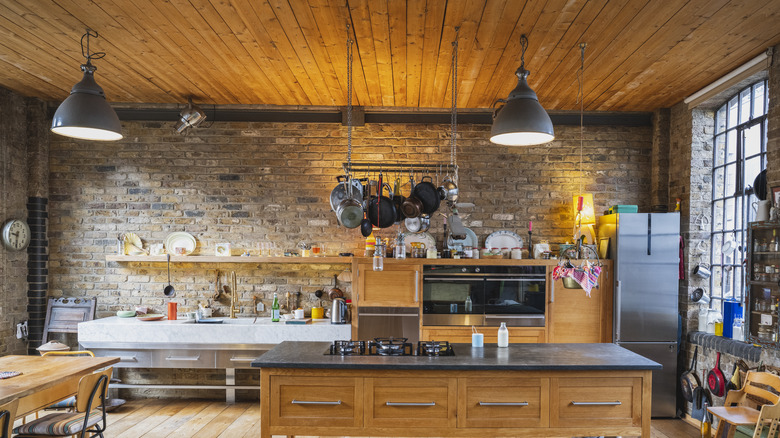
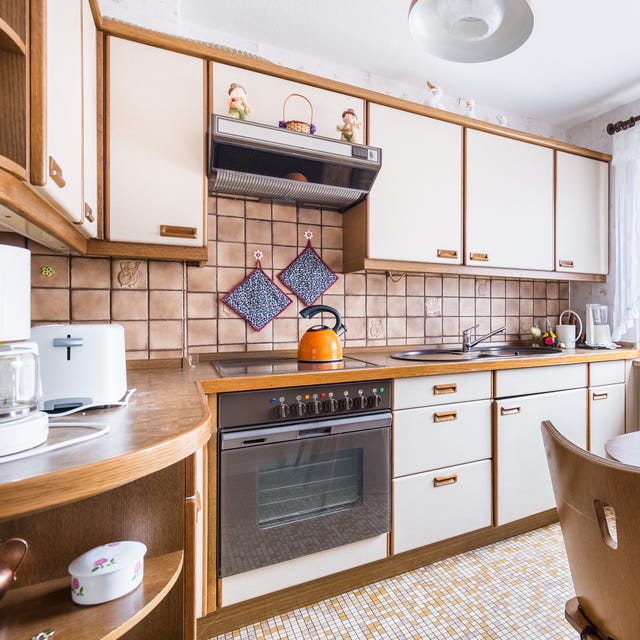
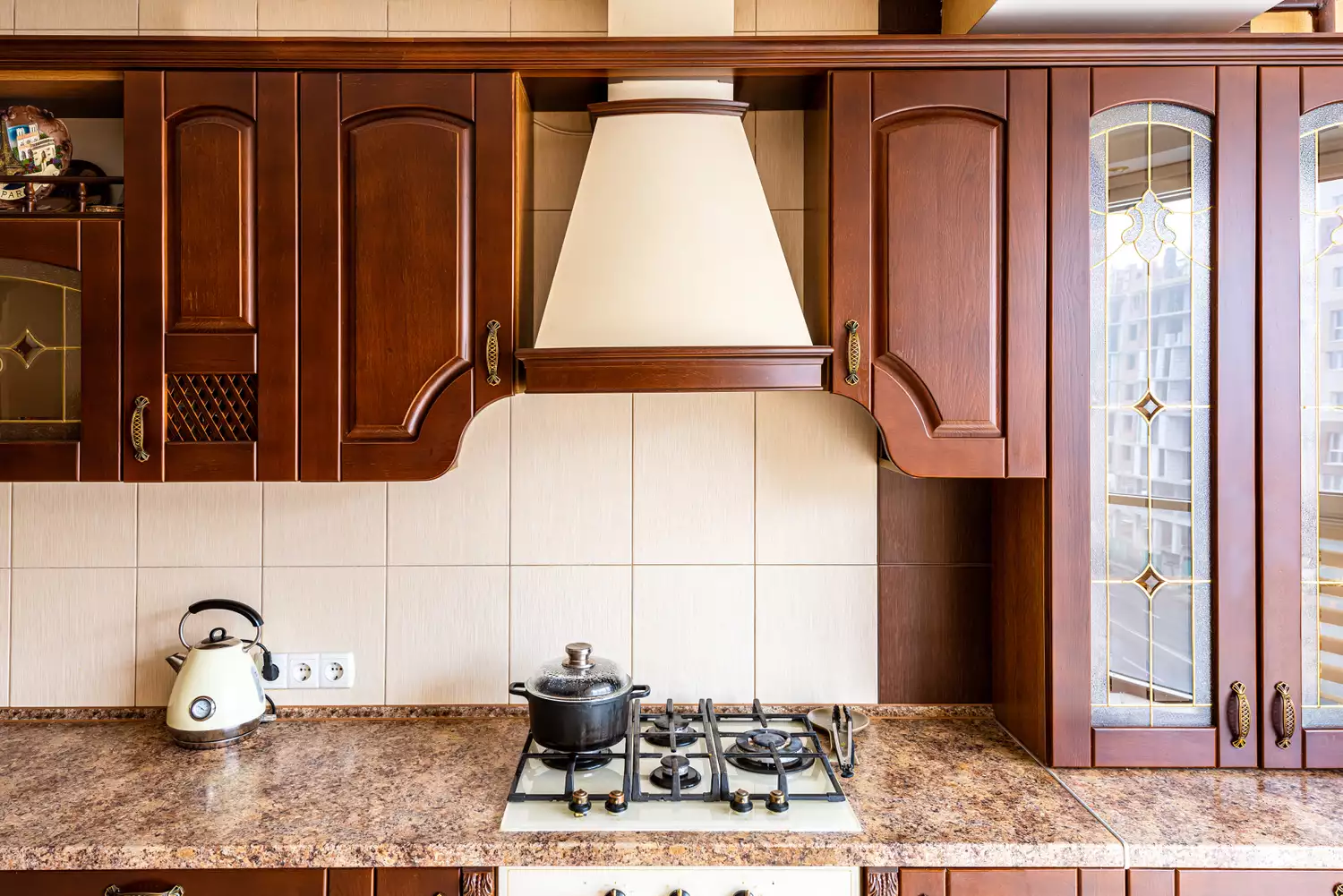
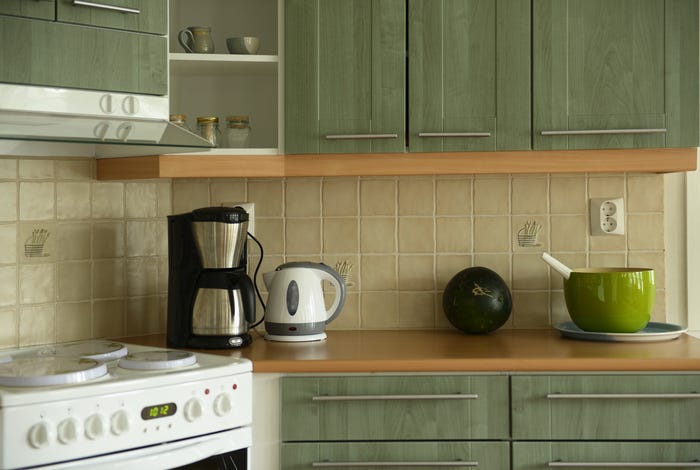
Several elements can instantly date a kitchen. Knotty pine or orange oak cabinetry, reminiscent of the 1970s, is considered outdated due to its strong color and visible imperfections. Modern preferences lean towards neutral timber tones that blend easily with natural materials like stone and quartz. Closed-off kitchen layouts are also outmoded; contemporary living emphasizes connection, and the kitchen is viewed as the home's central hub, ideally integrated into social spaces. Quirky decorative details such as corbels, columns, and cut-outs are no longer favored, as clients now seek sleek, minimalist designs. The height of countertops and barstools can also make a kitchen seem old-fashioned. Current trends favor lower, streamlined countertops (around 36 inches) that offer better visibility and a less cluttered appearance, contrasting with older 42-inch high barstools.
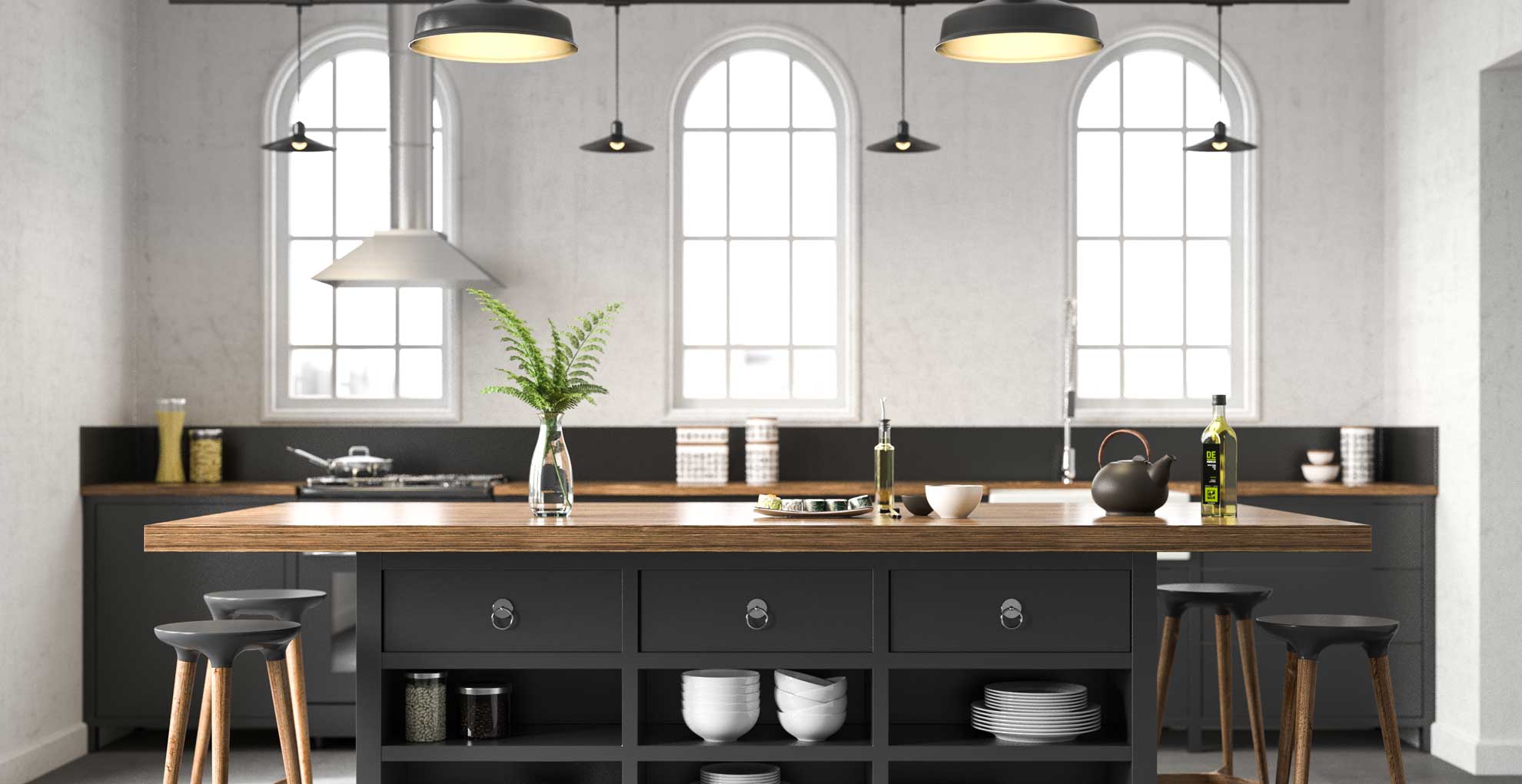
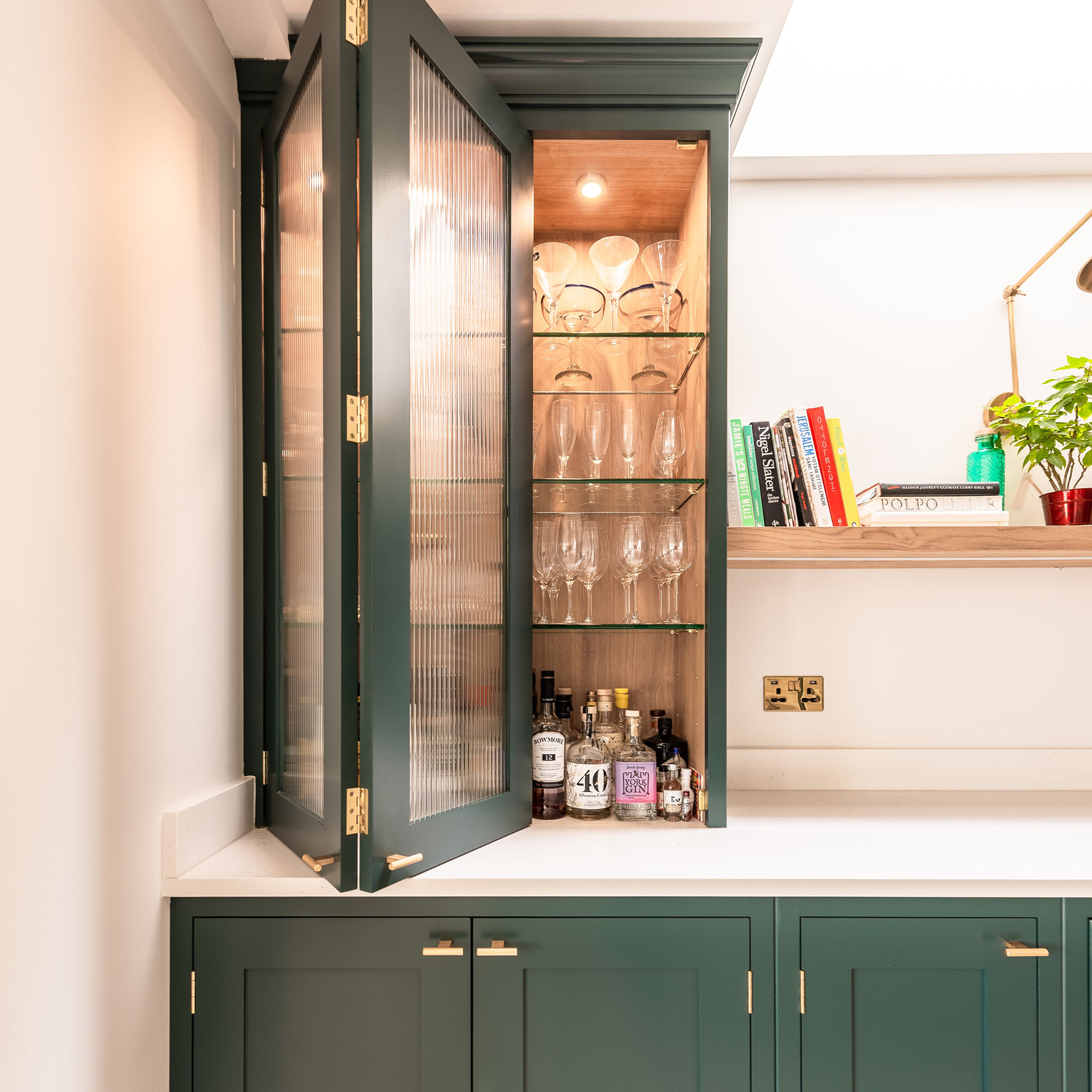
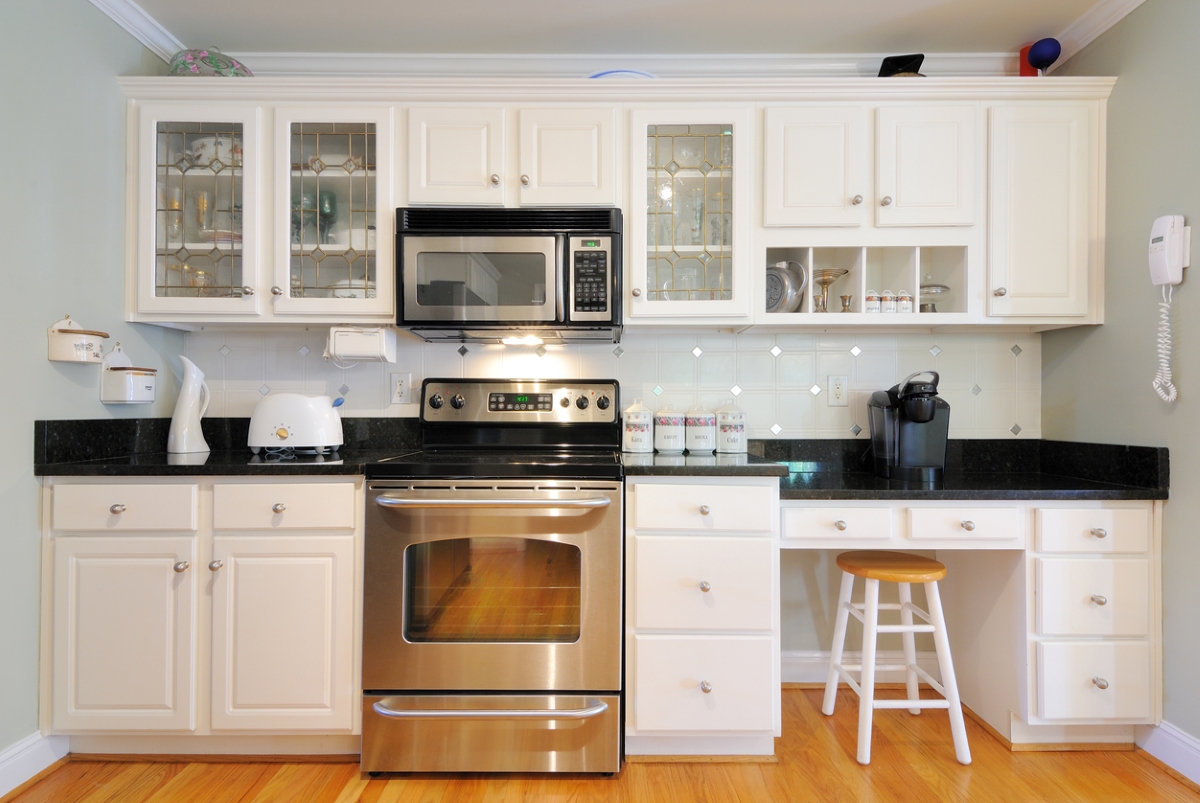
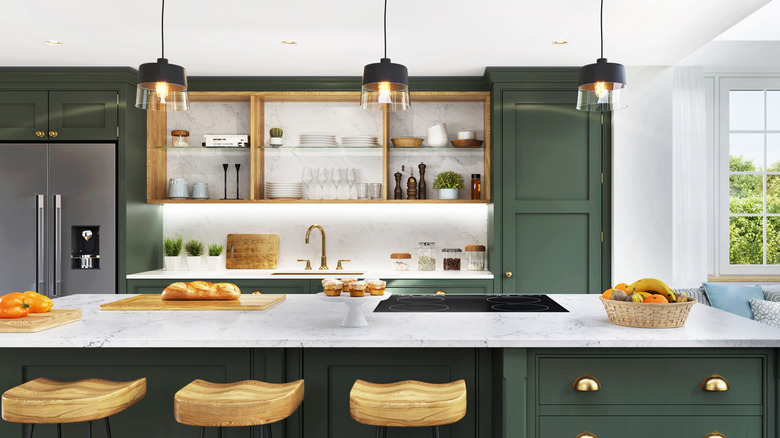
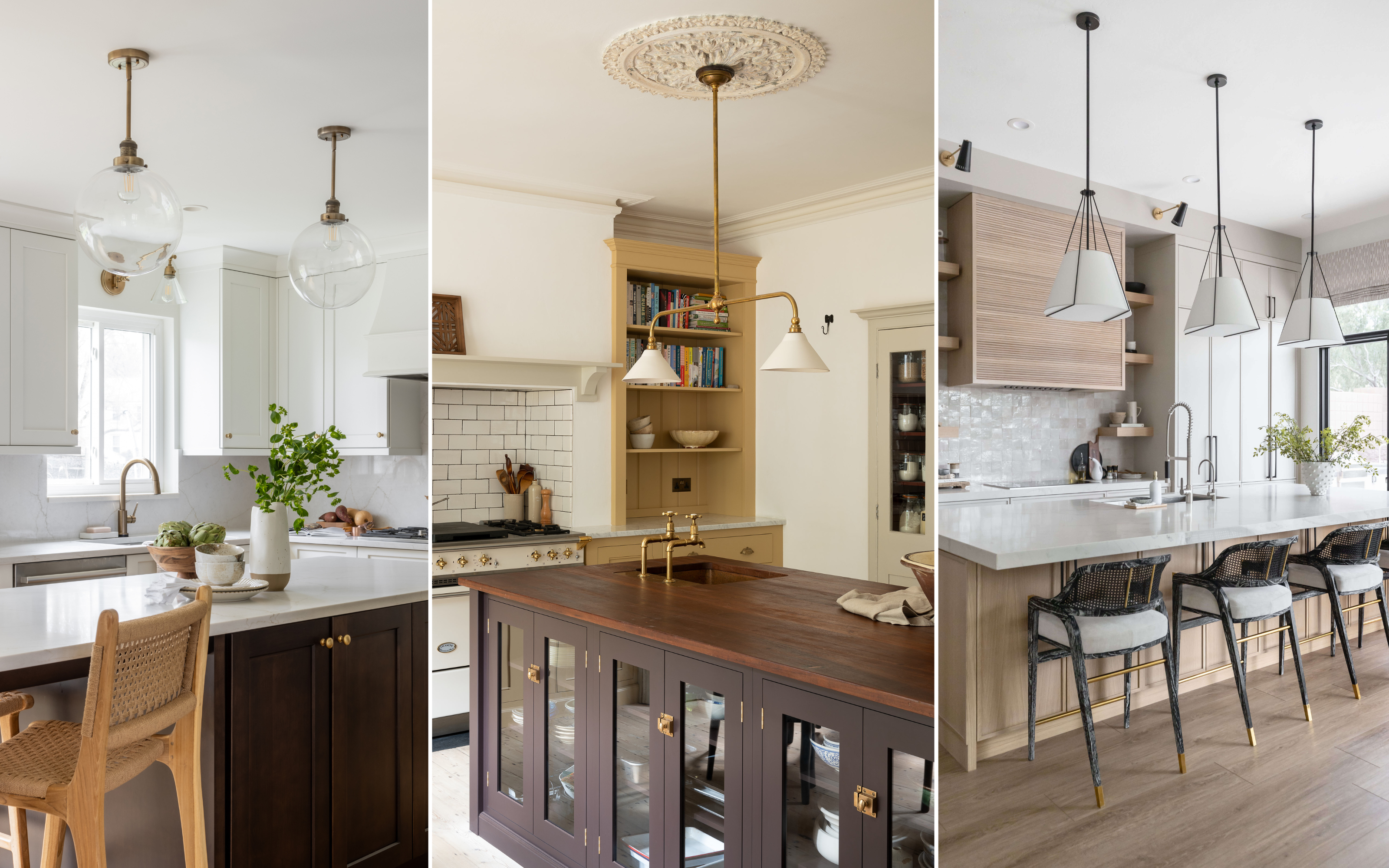
Upper cabinetry is being replaced by open sightlines, artwork, or photography to foster an airy, fresh feel. Dropped ceilings with fluorescent lighting are also indicators of an outdated kitchen. Modern updates include replacing old fixtures with task lighting, such as pendant lights over islands and undermount lights, with dimmers to control mood and extend bulb life. Insufficient counter space also detracts from a kitchen's appeal and functionality, making it essential for food preparation and displaying decor. Visible microwaves are now often concealed in appliance drawers beneath counters to maintain a clean, high-end look.
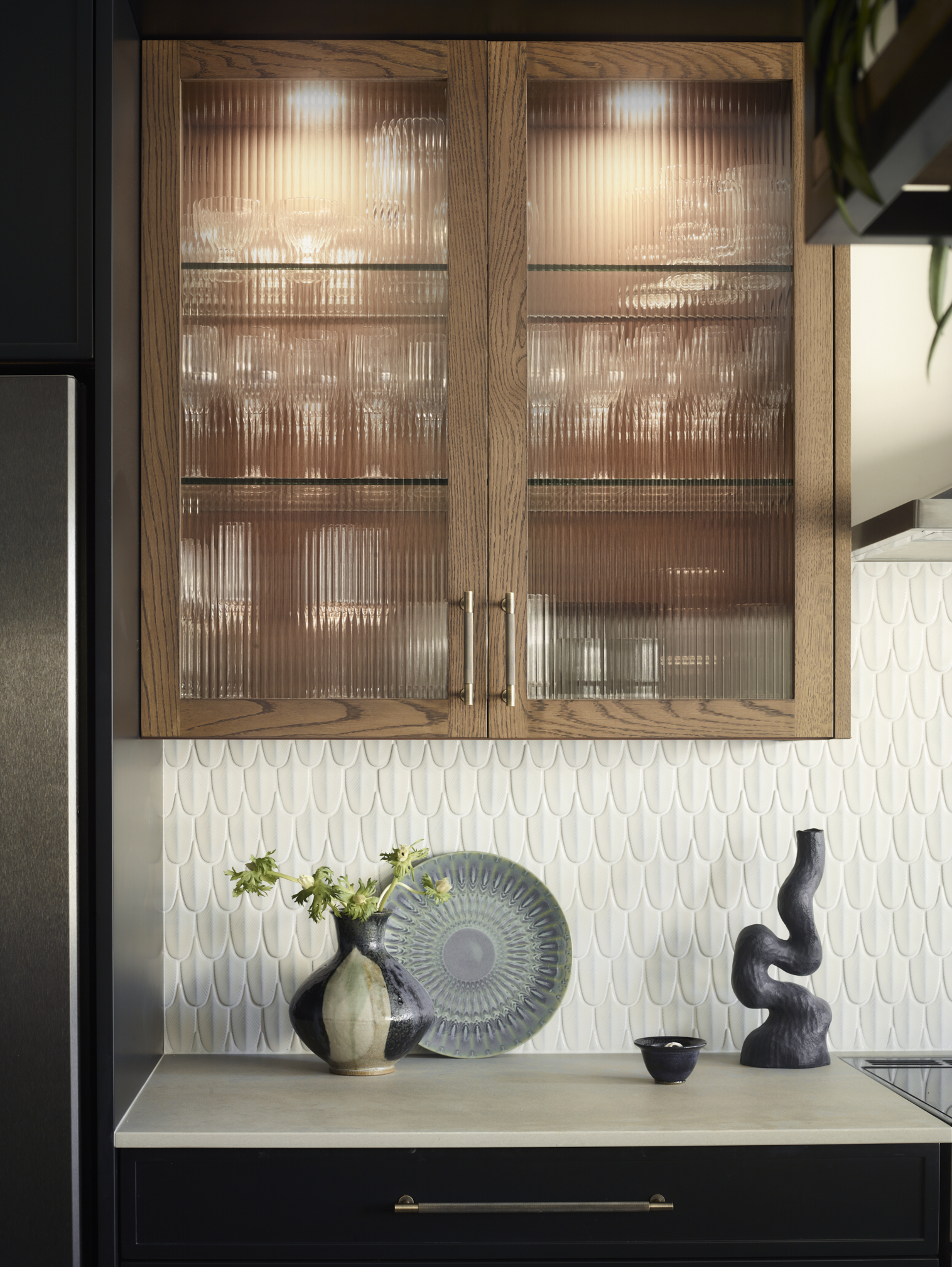
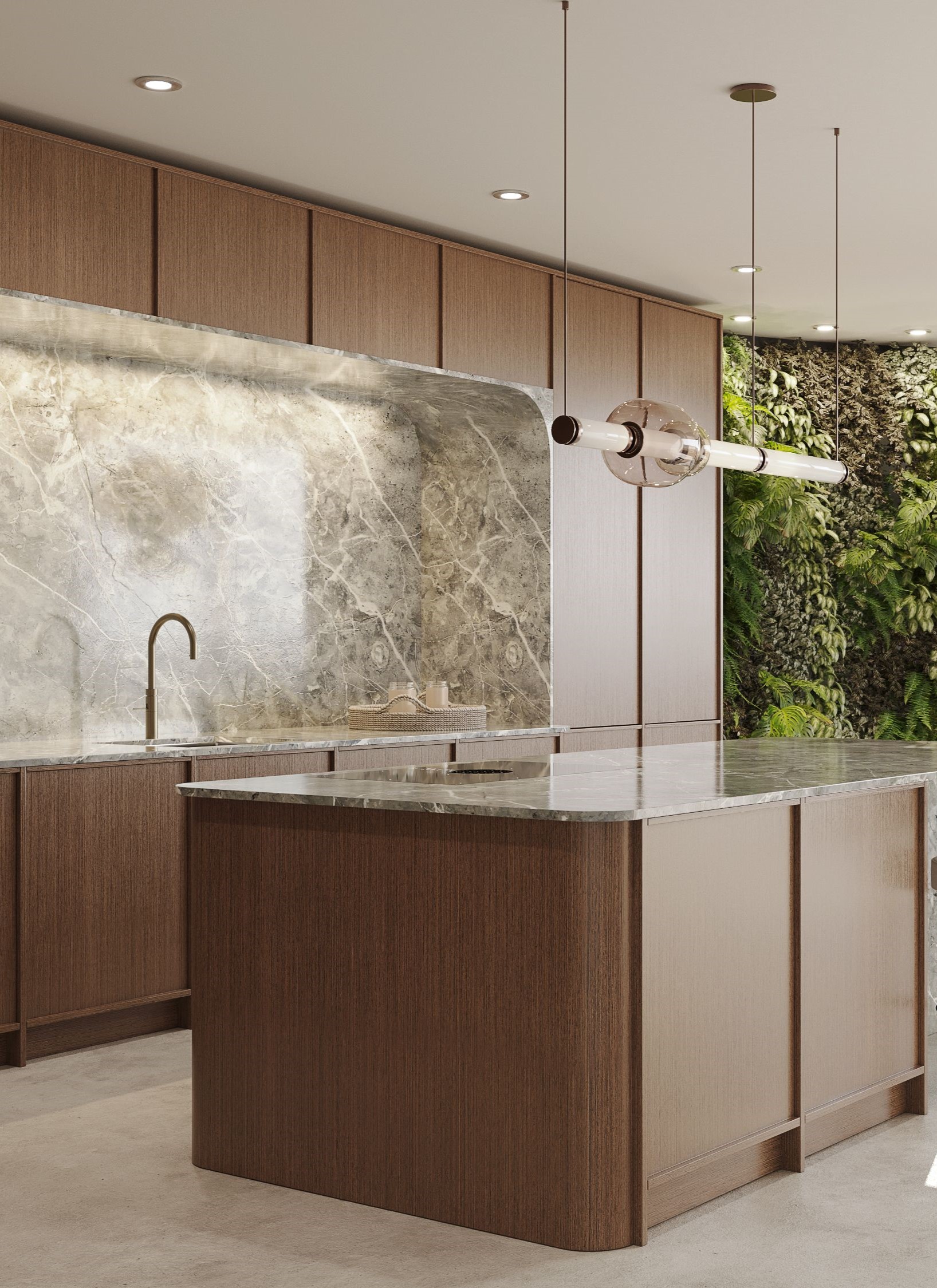
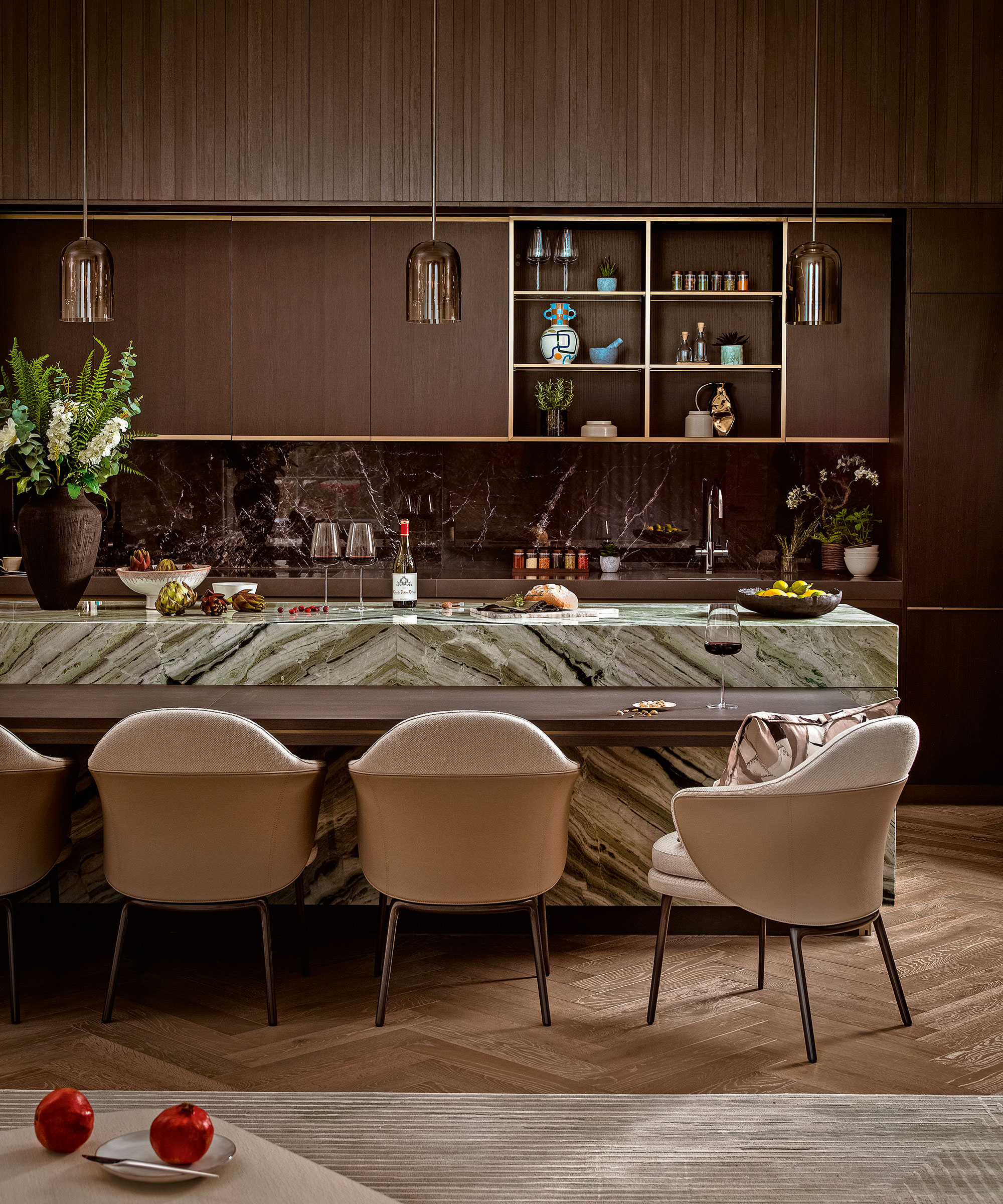
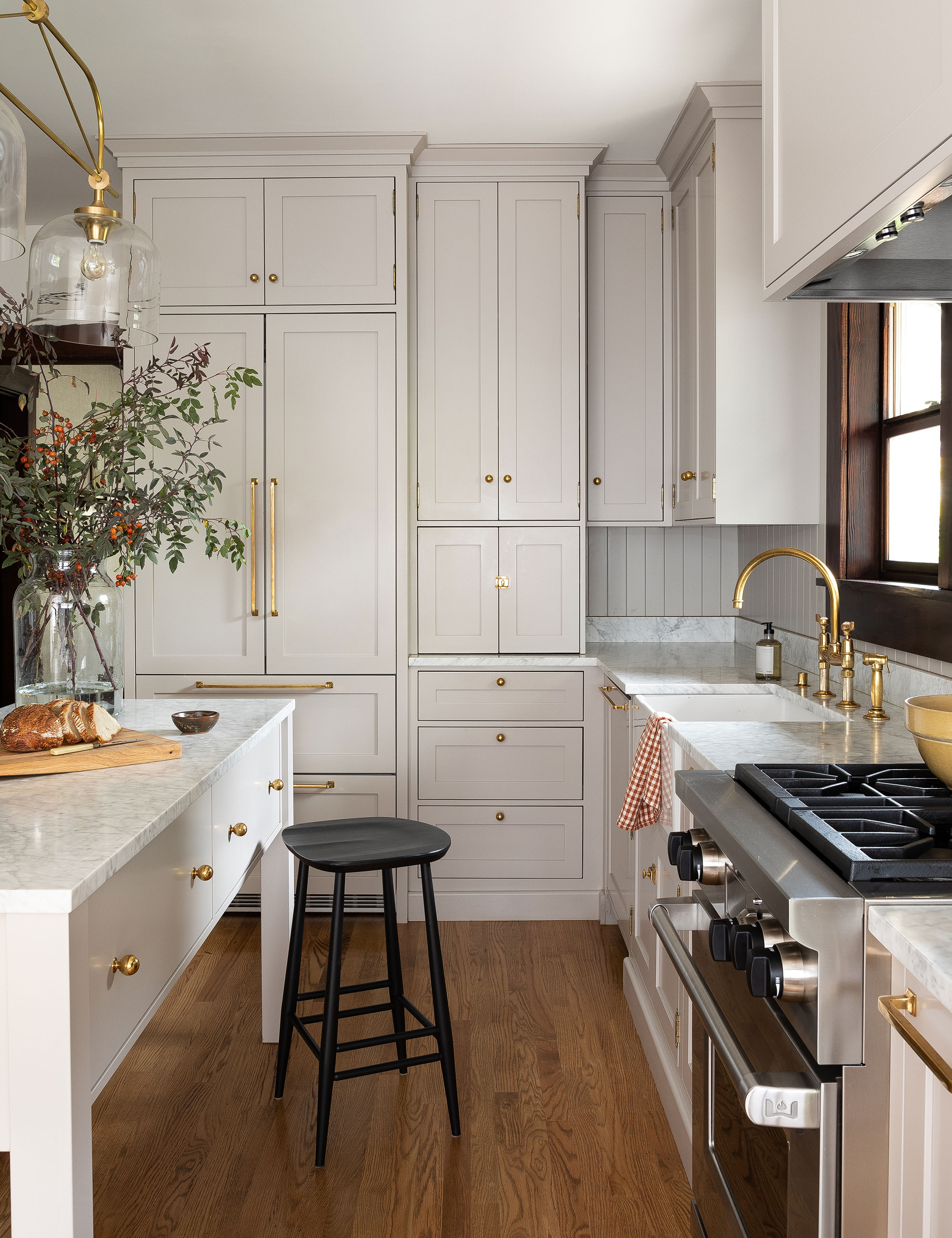
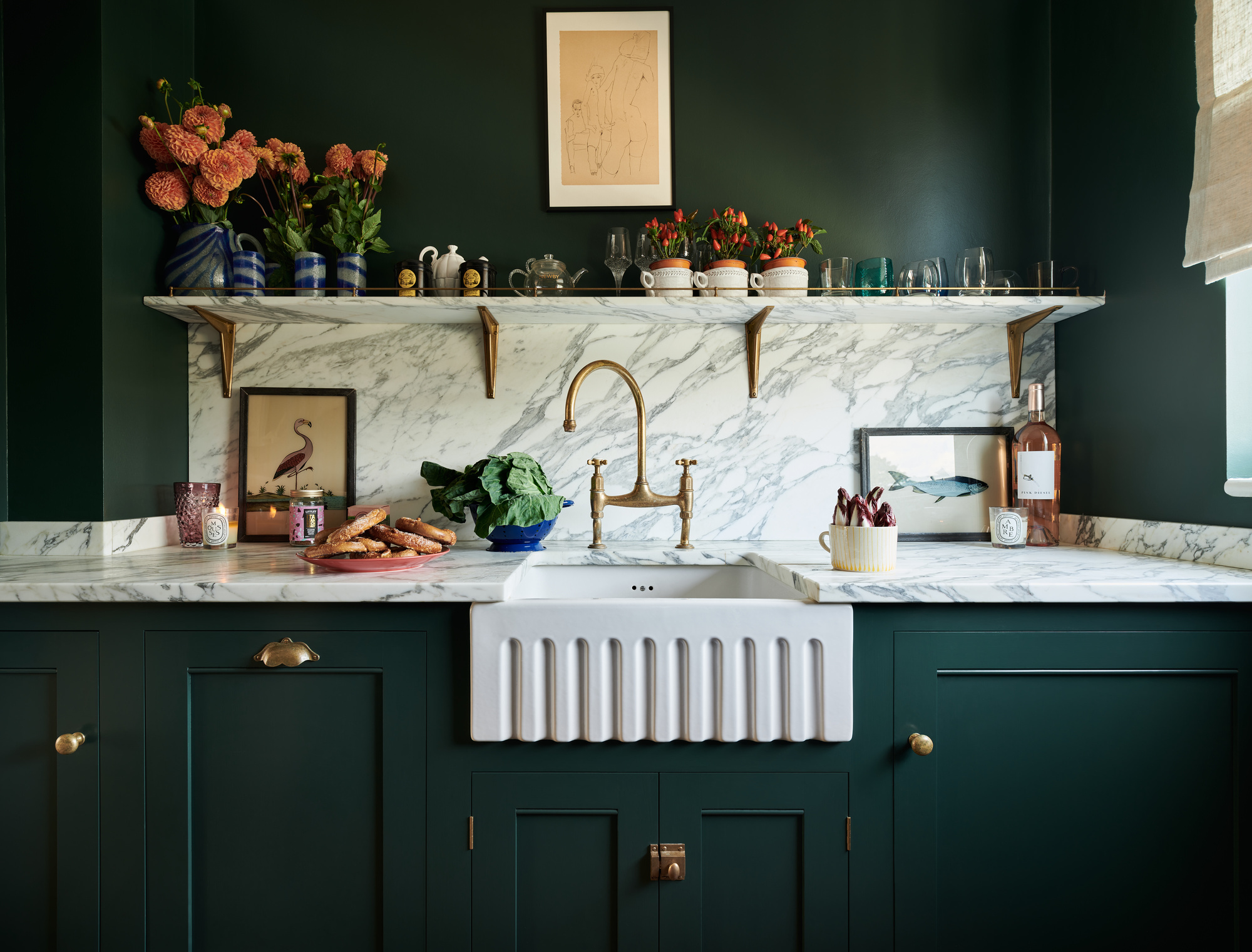
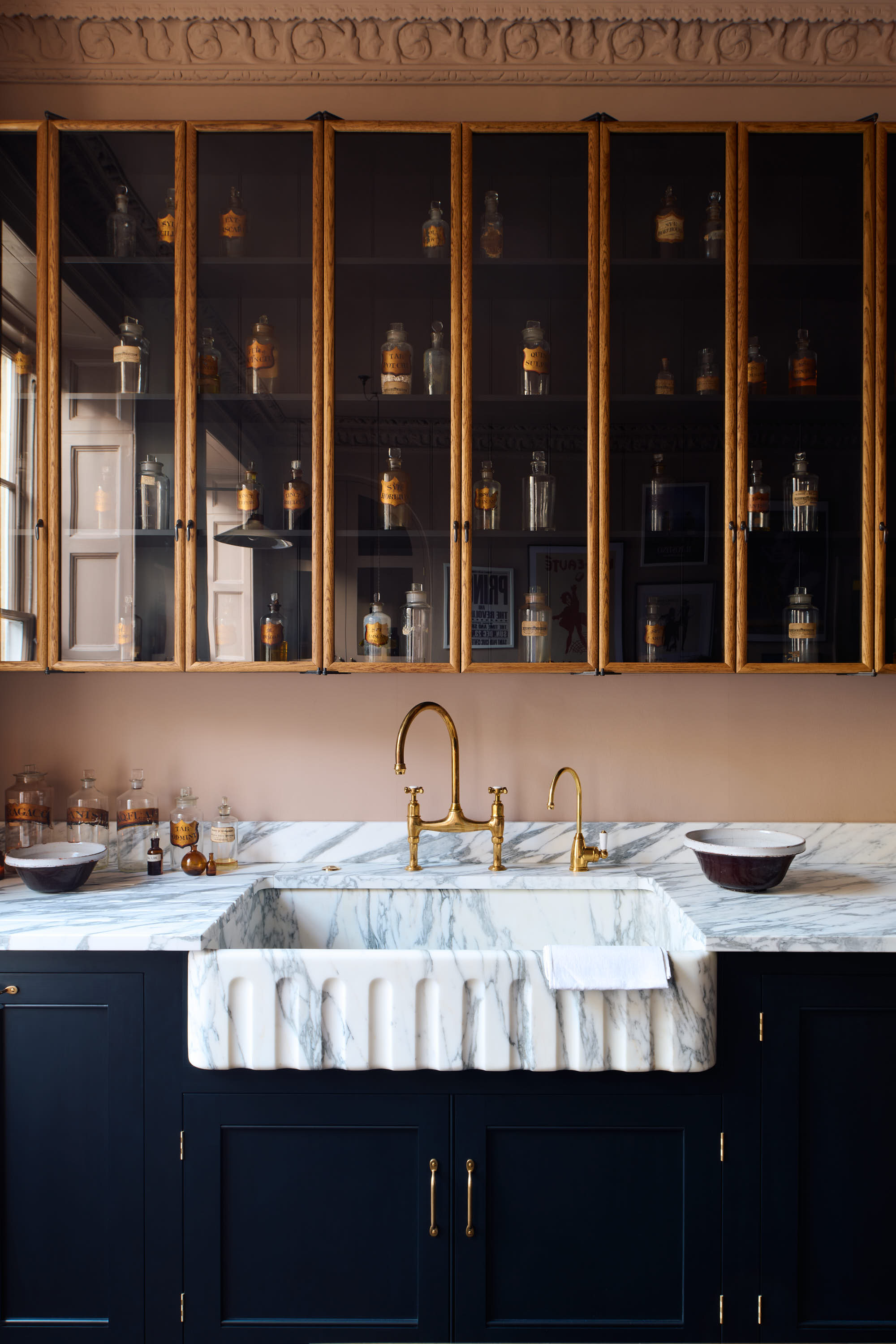
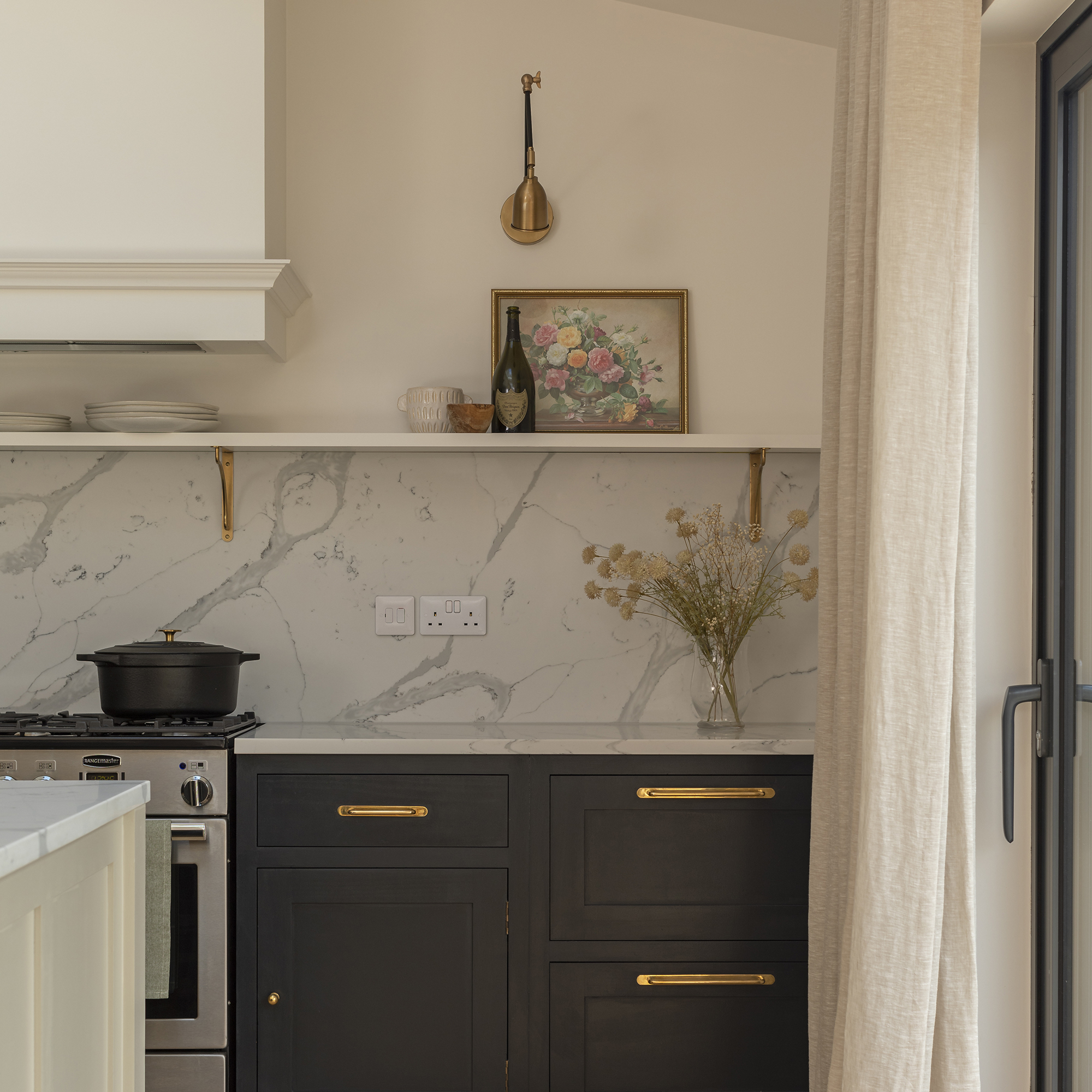

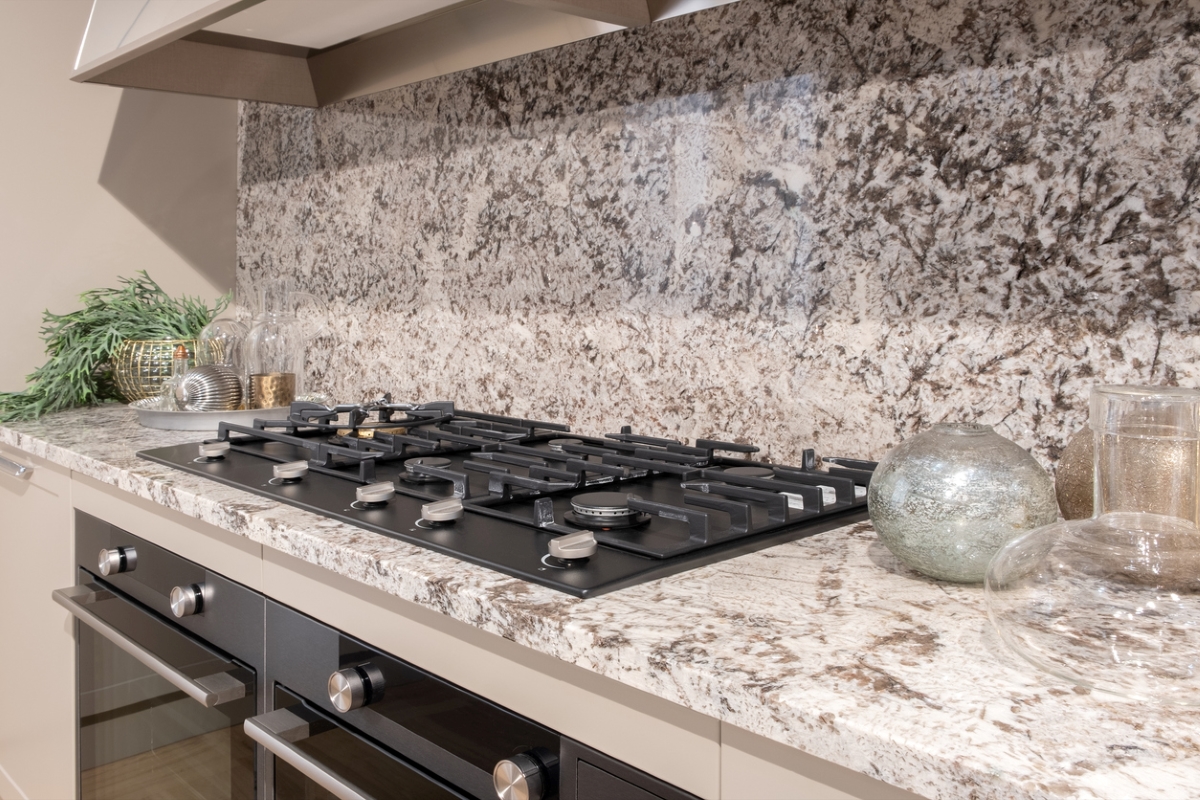
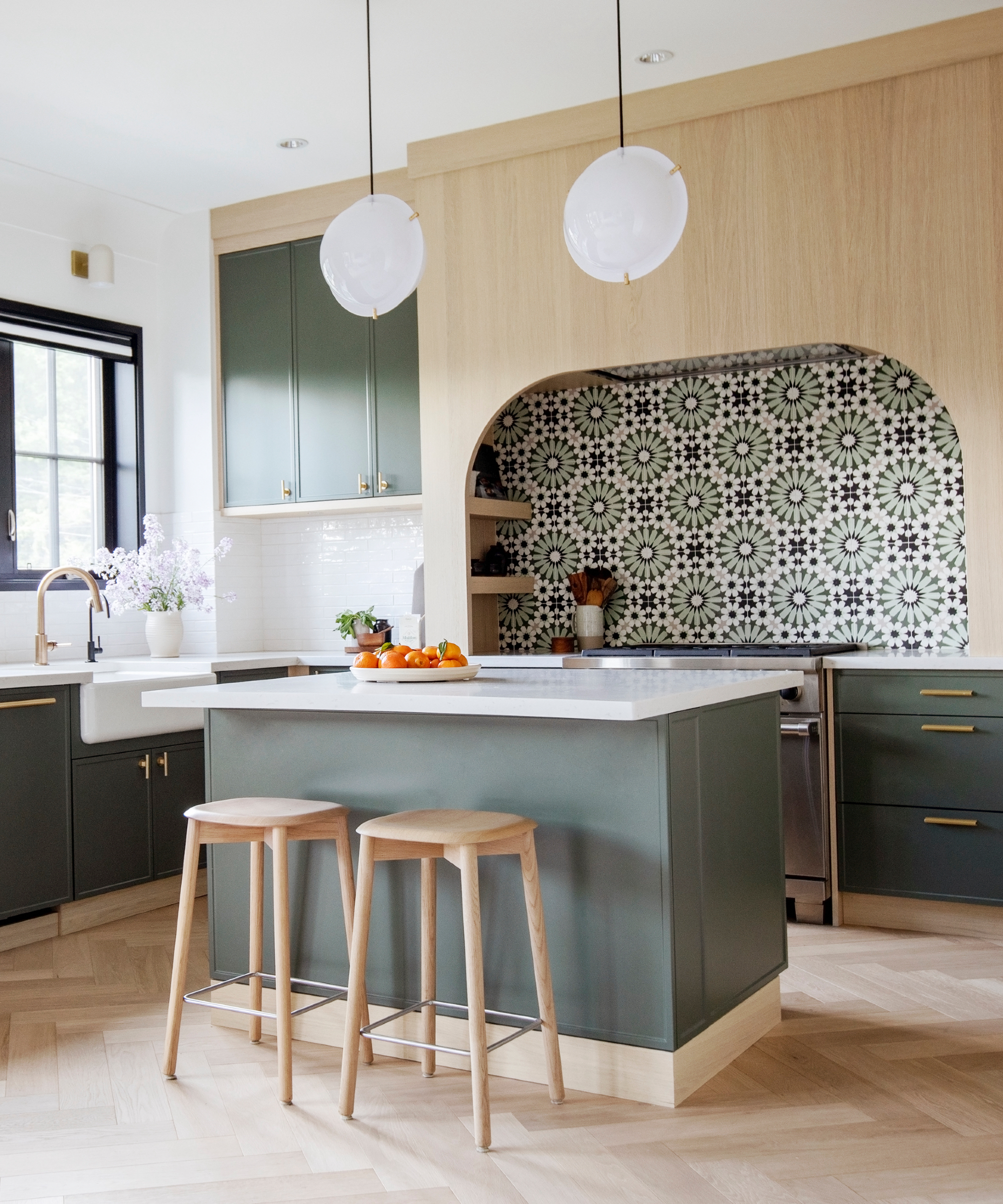
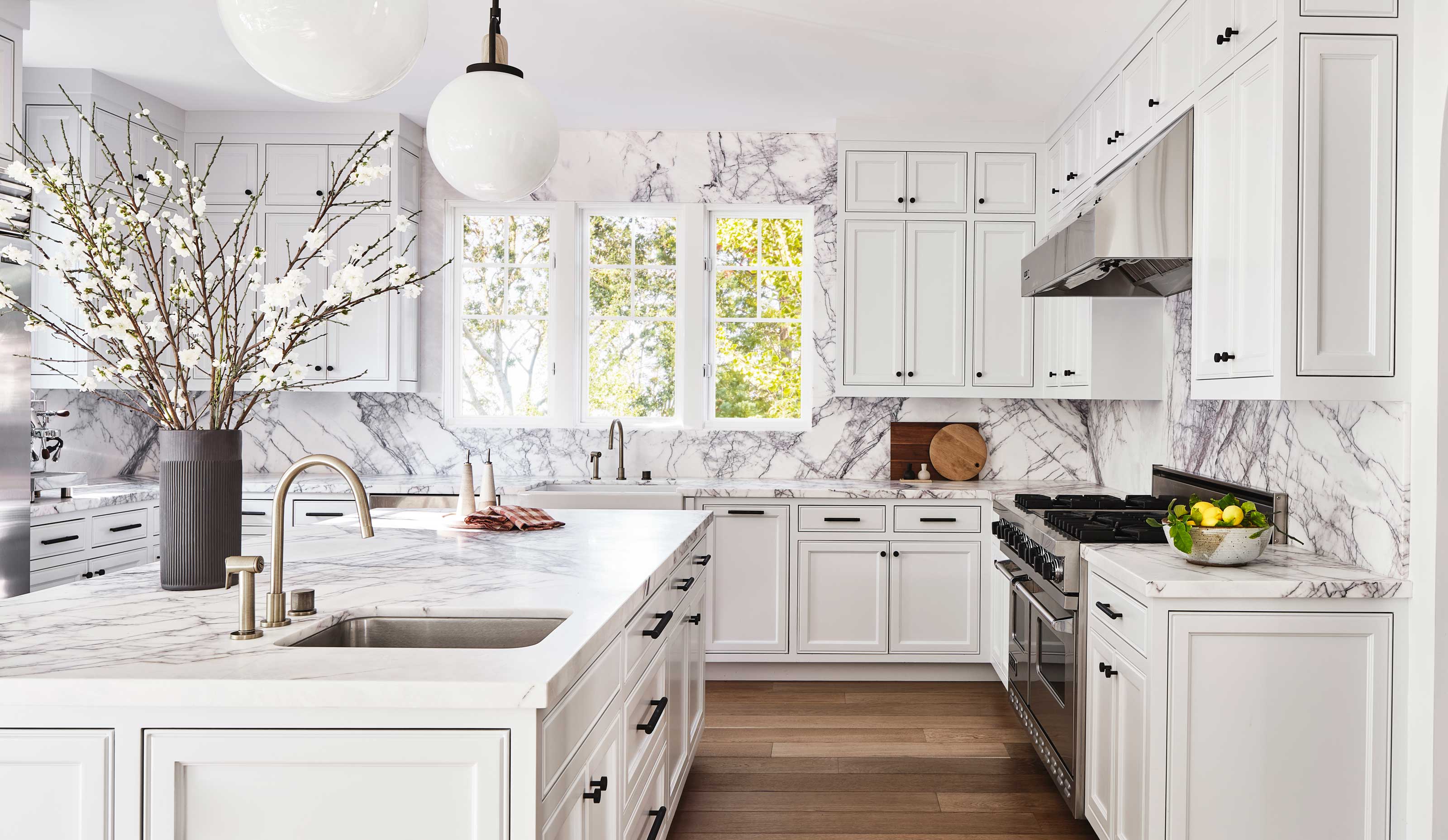
Intricately tiled backsplashes have given way to sleek slabs of marble, stone, or quartz that match countertops, offering a seamless and easier-to-maintain surface. Certain styles of granite, once a luxury staple, are now considered outdated, with quartzite countertops being the preferred choice for their sleekness, durability, and low maintenance. Laminate or tiled countertops with visible grout lines are also clear signs of an older kitchen, contrasting with modern quartz or solid surface options. All-white shaker cabinets, popular in the early 2010s, have become overused and are seen as lacking warmth, with trends moving towards soft wood tones like white oak and walnut combined with off-white for a brighter, warmer feel.
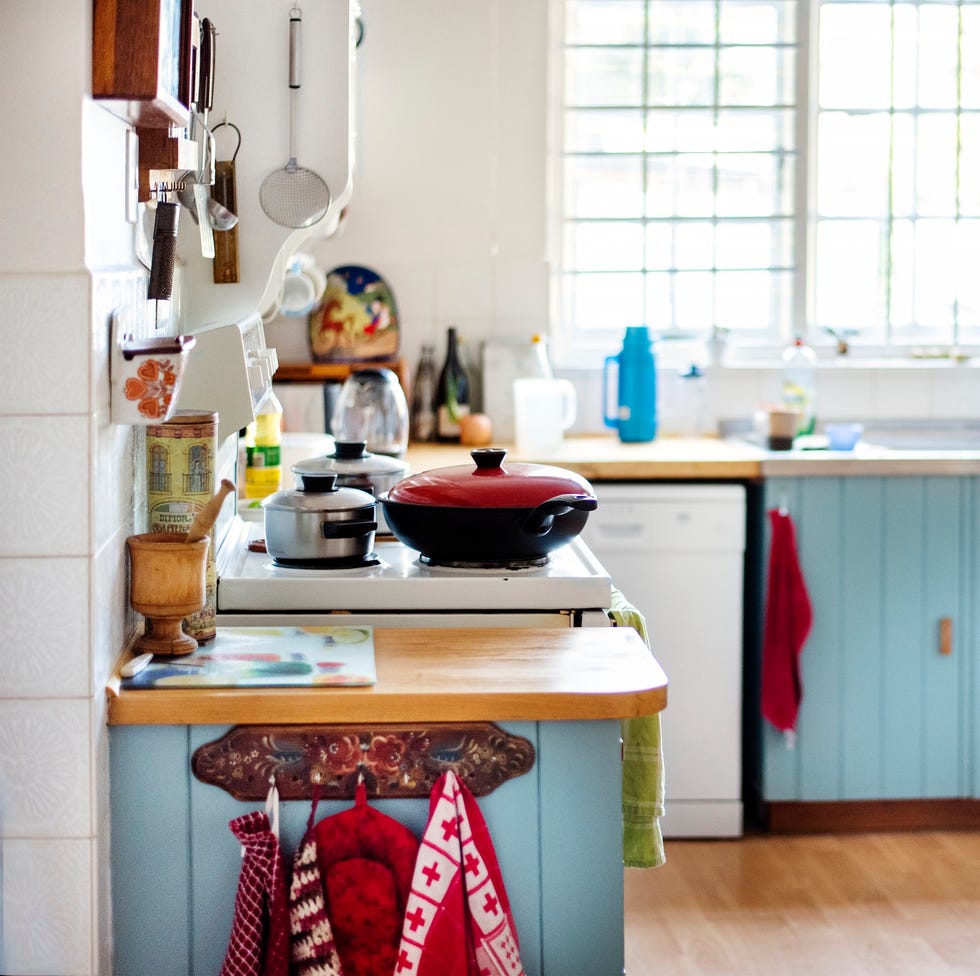
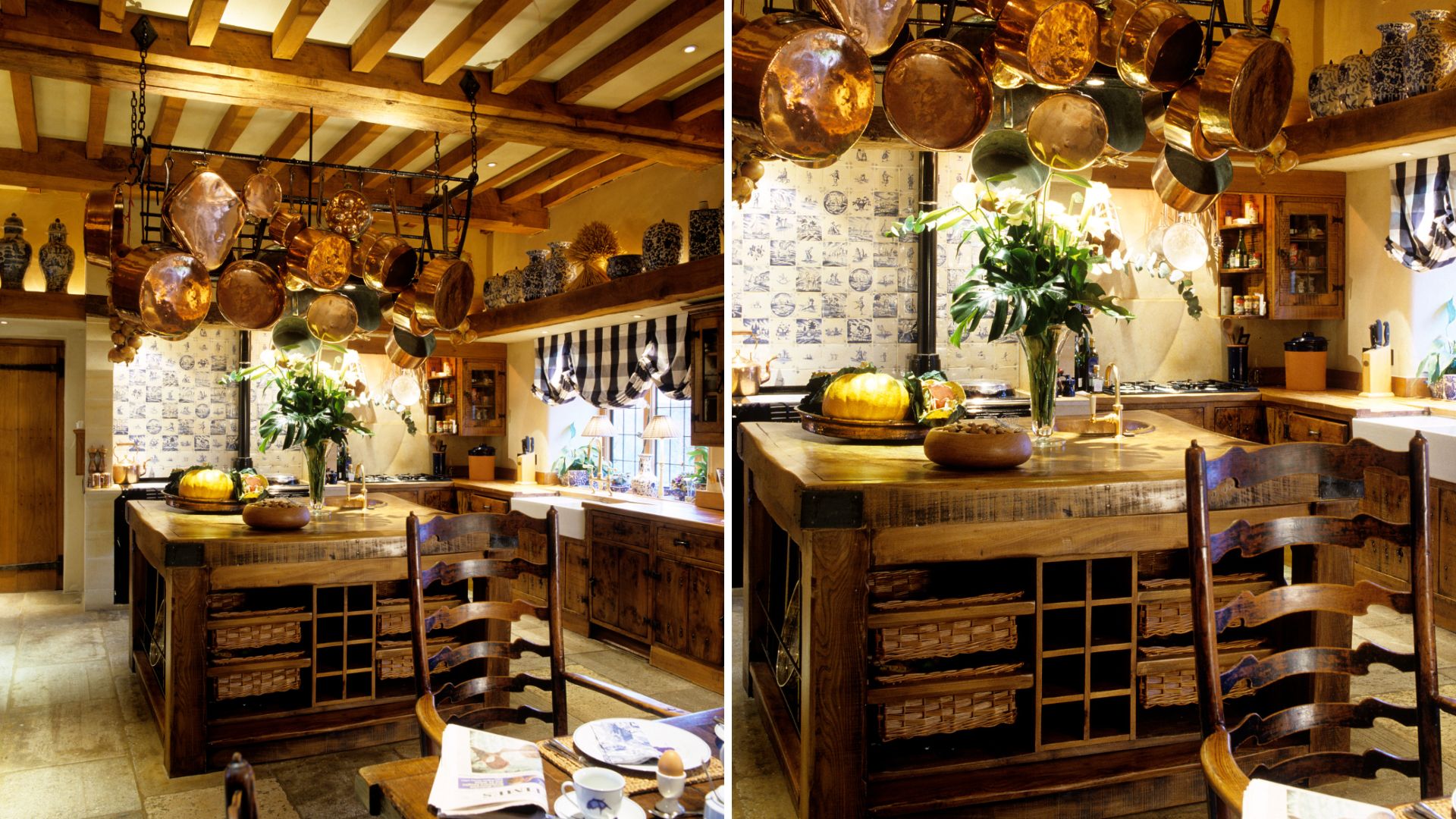
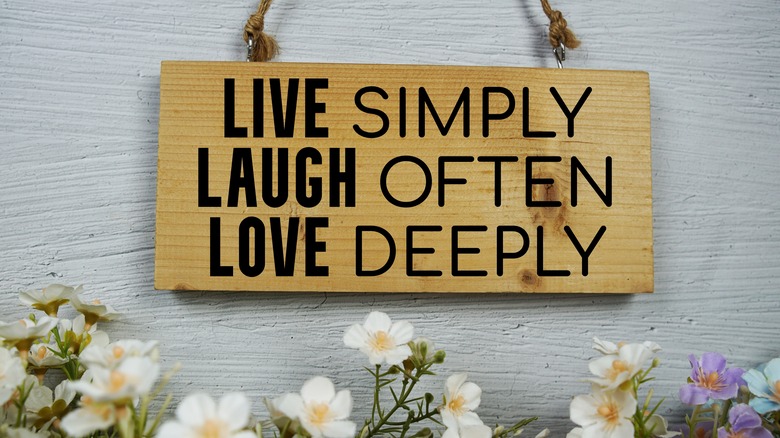
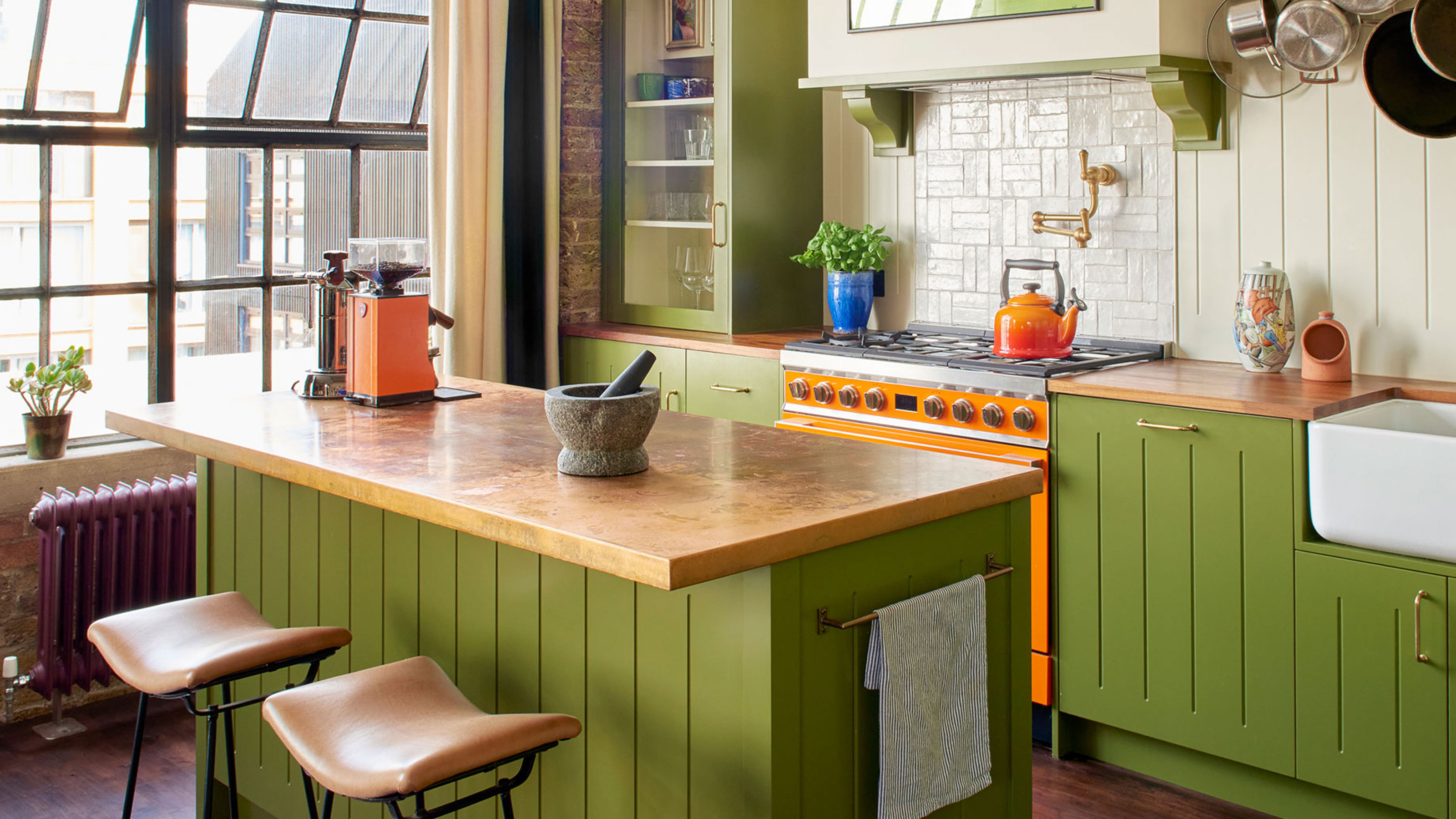
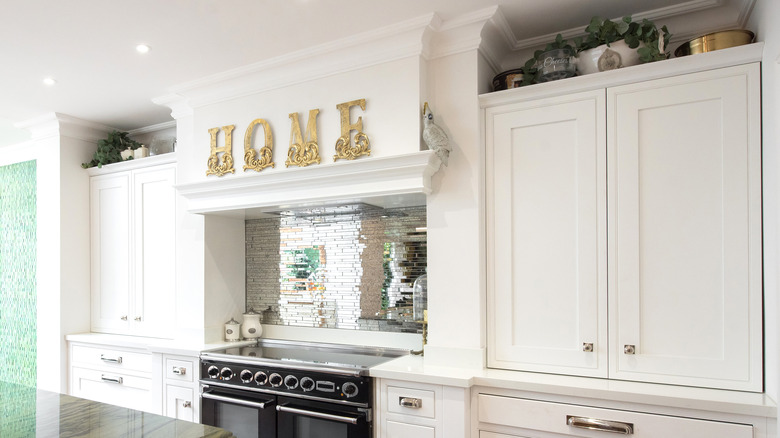
Decorative word signs like “live, laugh, love” are considered gimmicky and detract from a sophisticated aesthetic; designers recommend unique artwork instead. Oversized 6-inch can lights are passé; modern kitchens feature smaller 4-inch LED can lights for functional and updated illumination. Outdated hardware and fixtures, such as ornate faucets or mismatched metals, instantly age a kitchen. Contemporary designs incorporate functional fixtures like touchless faucets and soft-close cabinets. Hanging pot racks are no longer fashionable due to their cluttered appearance; modern kitchens favor hidden storage. Intentionally distressed cabinets, popular in the early 2000s, are replaced by sleek, clean finishes, easily updated with fresh paint and hardware.
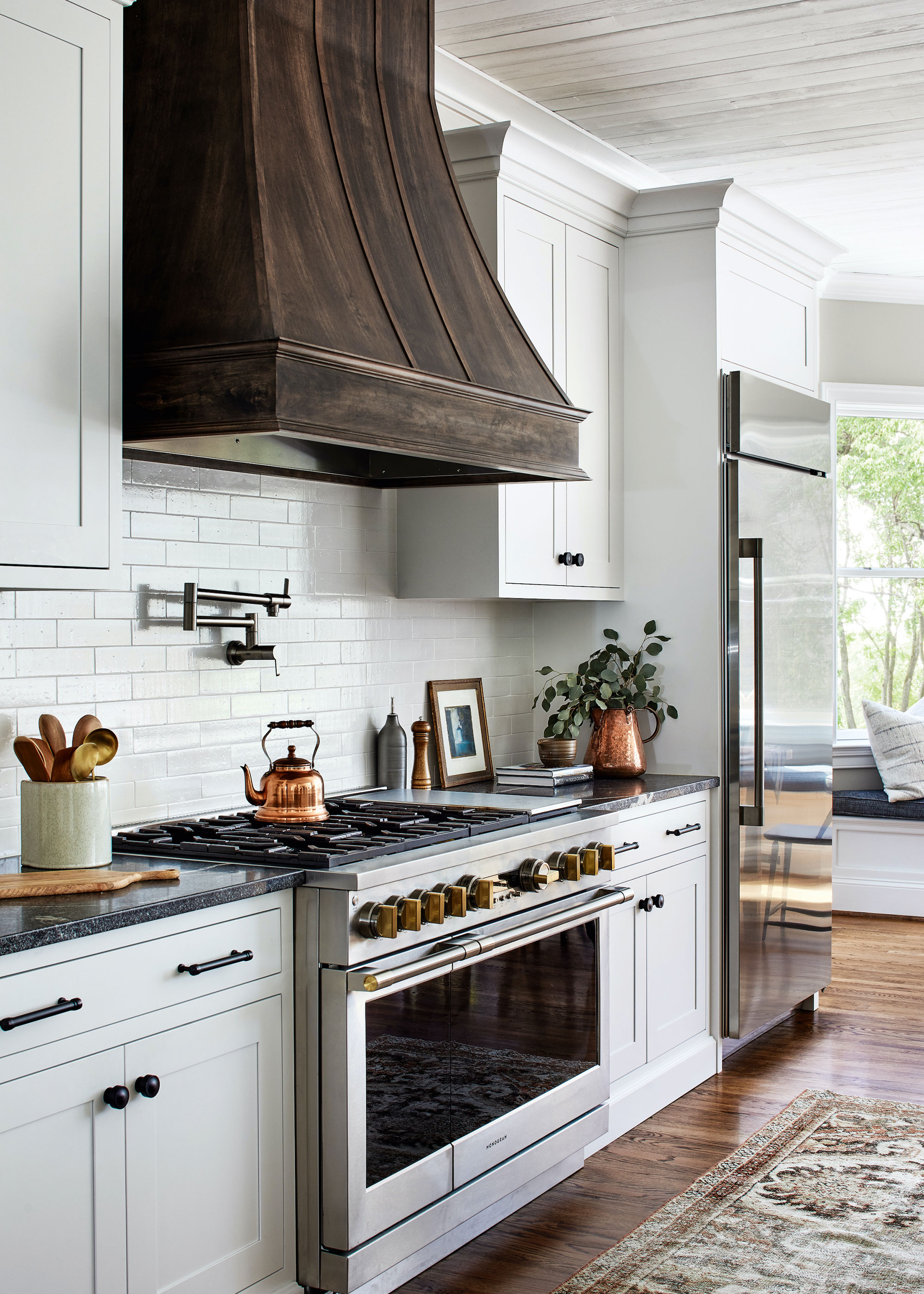
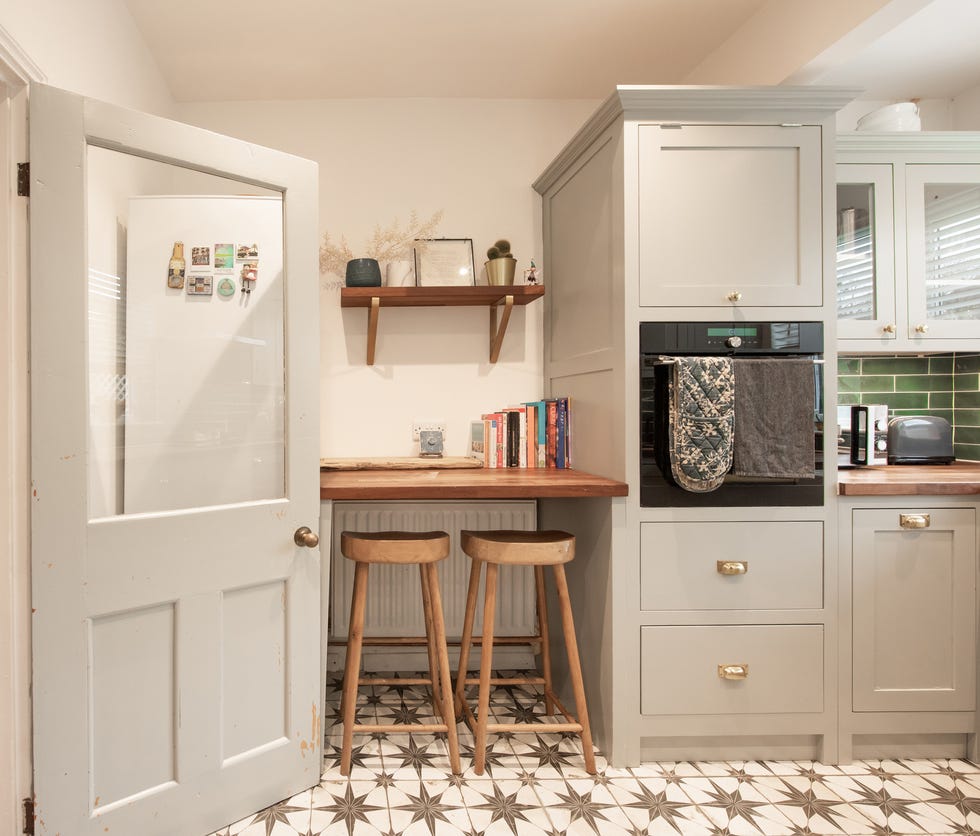
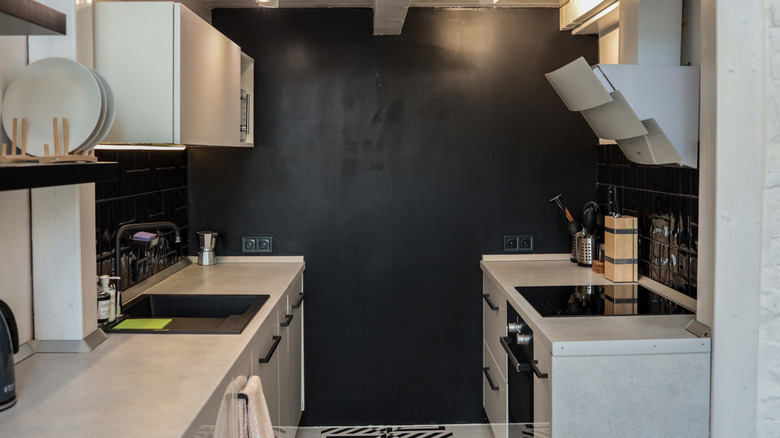
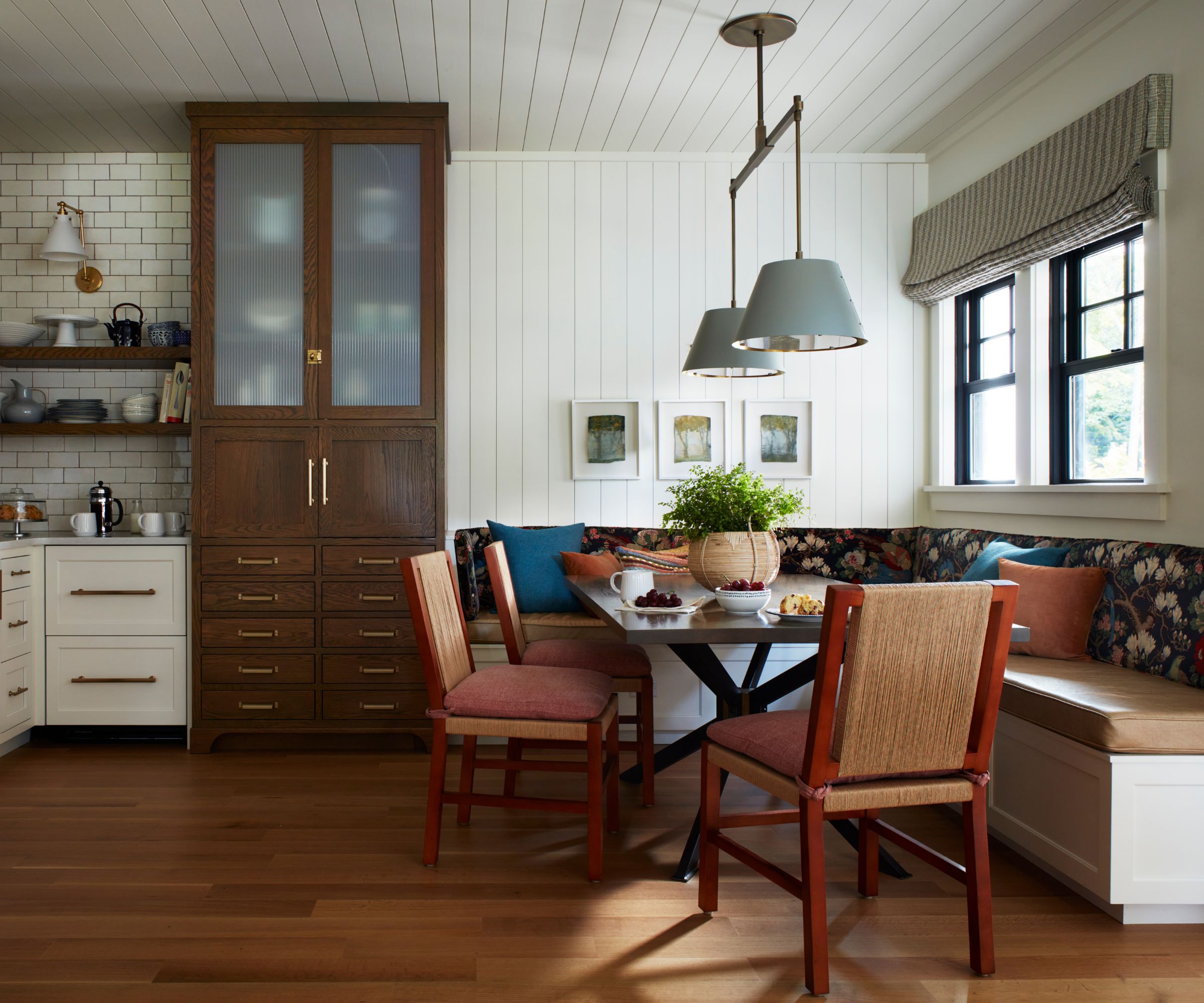
The absence of integrated appliances also makes a kitchen appear dated. Contemporary designs integrate appliances seamlessly into cabinetry for a cohesive look, moving away from standalone units. Homemaker's desks, tiny nooks that consume valuable space without offering modern conveniences like charging stations, are considered outdated and replaced with much-needed storage. Wide, Tuscan or “hearth-style” vent hoods are also out of style, making kitchens appear clunky; streamlined designs that draw the eye upward are preferred. Traditional dining areas that rigidly separate cooking and dining are less common; modern kitchens incorporate casual eating spaces like breakfast nooks or eat-in counters to foster a communal atmosphere. Finally, a lack of cohesive materials, such as mismatched countertops and cabinetry, creates a disjointed and outdated look. A modern kitchen prioritizes a harmonious palette of natural stones, metals, and woods to achieve a timeless and personalized space. These insights provide a comprehensive guide for identifying and updating outdated kitchen elements.
#KitchenDesign #InteriorDesign #HomeRenovation #KitchenTrends #ModernKitchen #DesignTips #HomeDecor #KitchenRemodel #KitchenDesign #InteriorDesign #HomeRenovation #KitchenTrends #ModernKitchen #DesignTips #HomeDecor #KitchenRemodel
0 comment in total
 No comments yet
You may also like
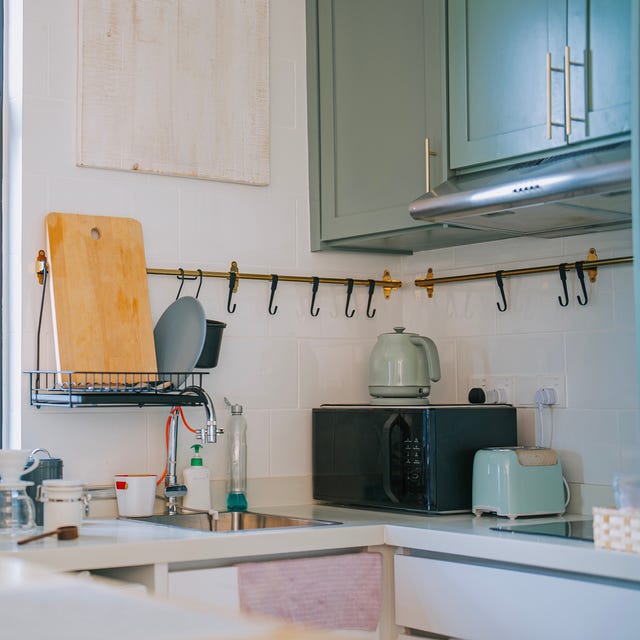
15 Outdated Things You Should Avoid In Your Kitchen, According To Designers
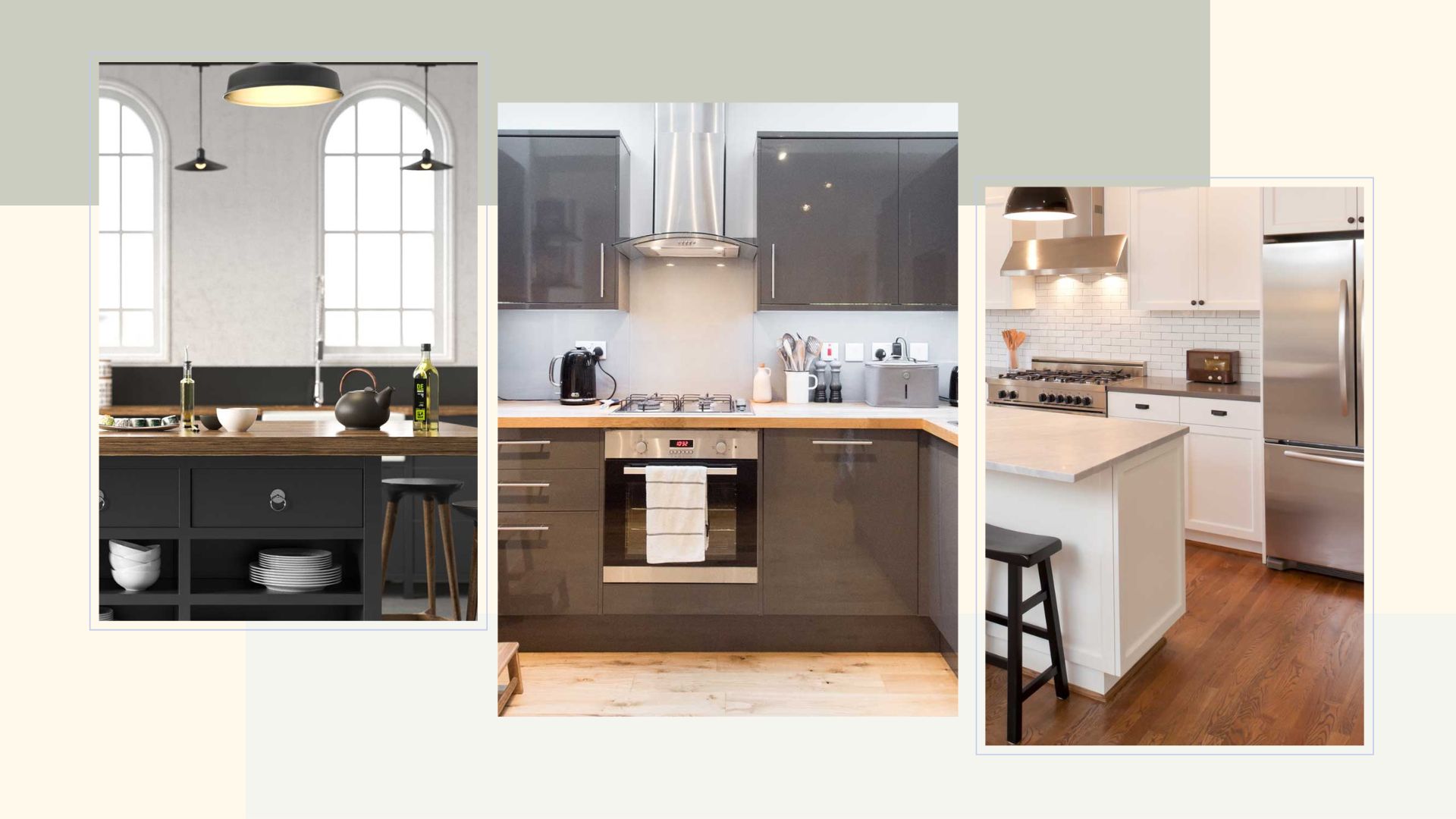
Kitchen trends to avoid 2023 – 9 overdone looks interior designers want us to steer clear of

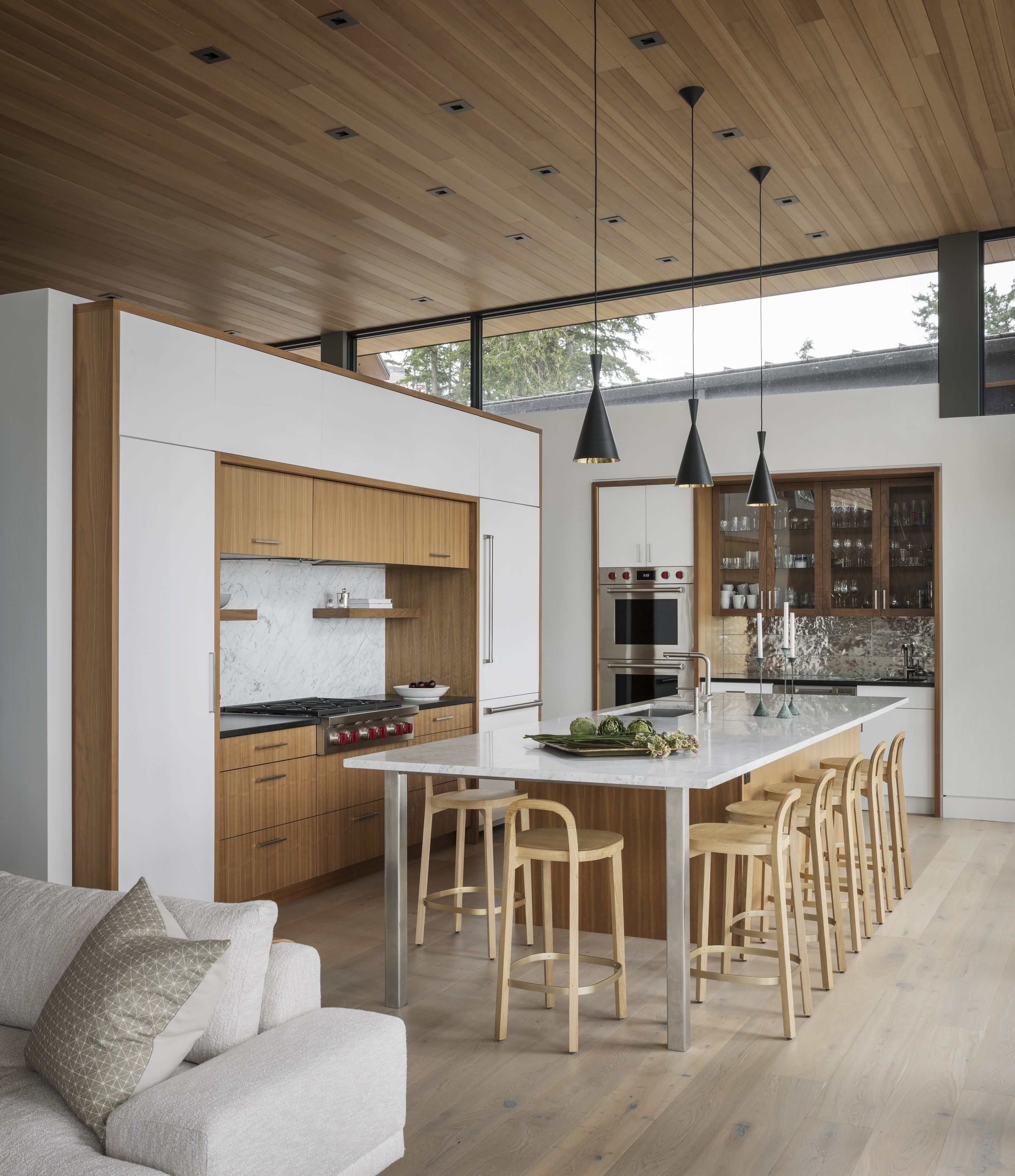
7 Kitchen Storage Trends That Designers say are Best Avoided

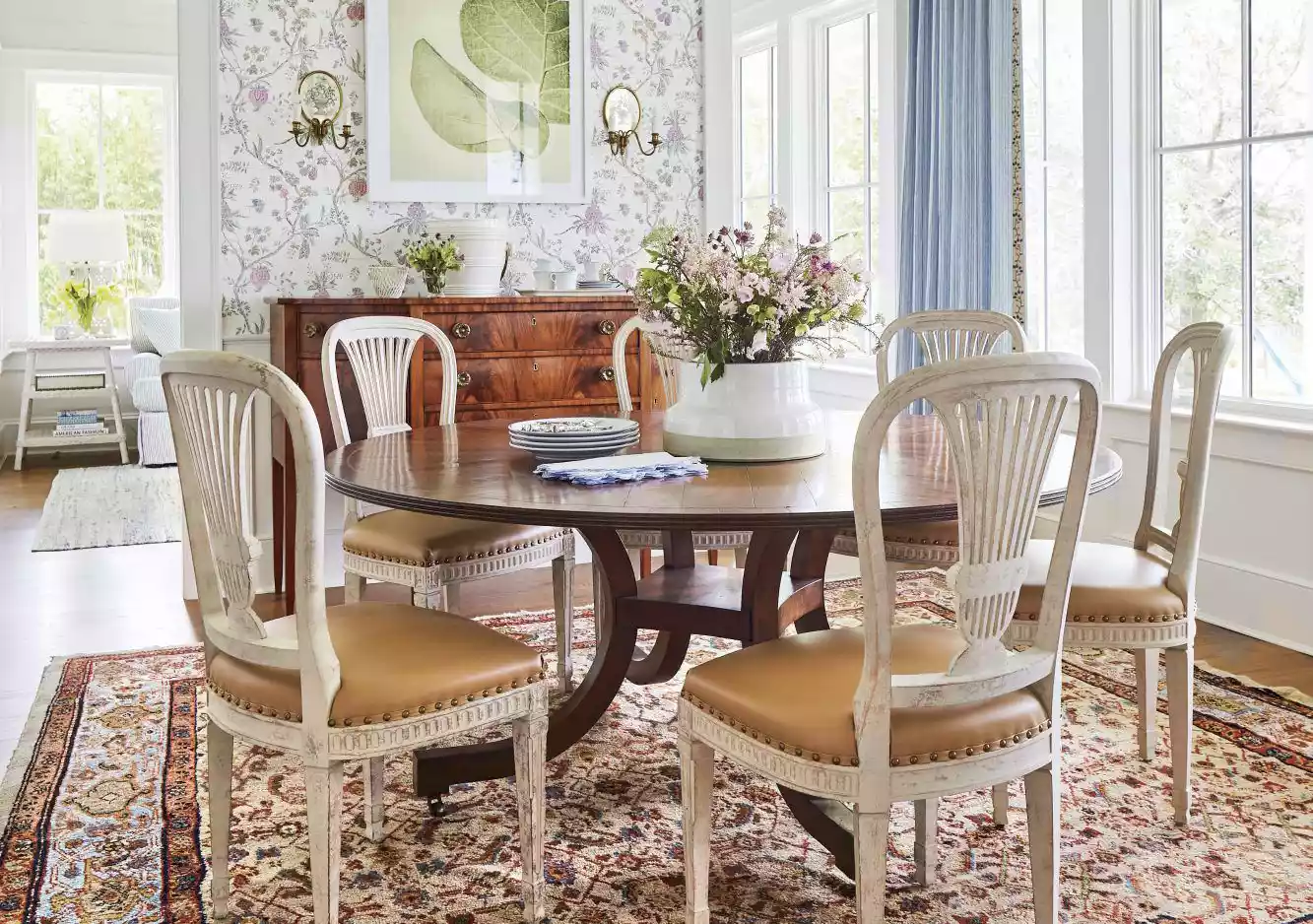
9 Things To Keep Out Of Your Dining Room, According To Designers
6 Outdated Kitchen Trends Designers Say You Need to Avoid in 2025 — And What to Do Instead
10 Outdated Decor Items That Don't Belong In Your Kitchen In 2025

5 Outdated Kitchen Cabinet Trends That Interior Designers Say You Should Skip

13 Outdated Kitchen Trends You Can Leave In The Past
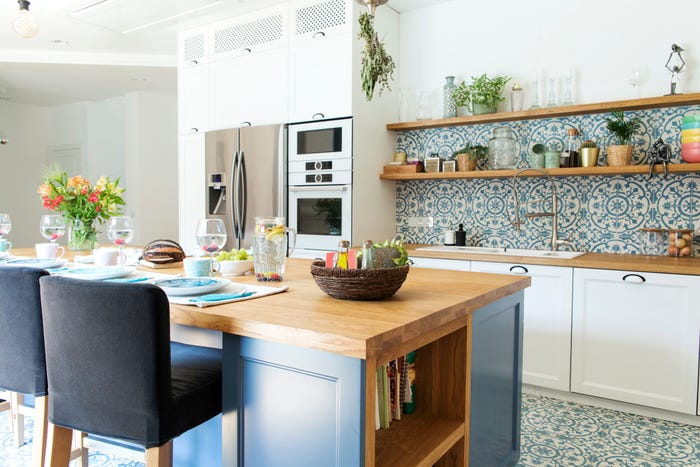
Outdated kitchen trends – 5 overdone looks that designers like to avoid, and here's why you should too

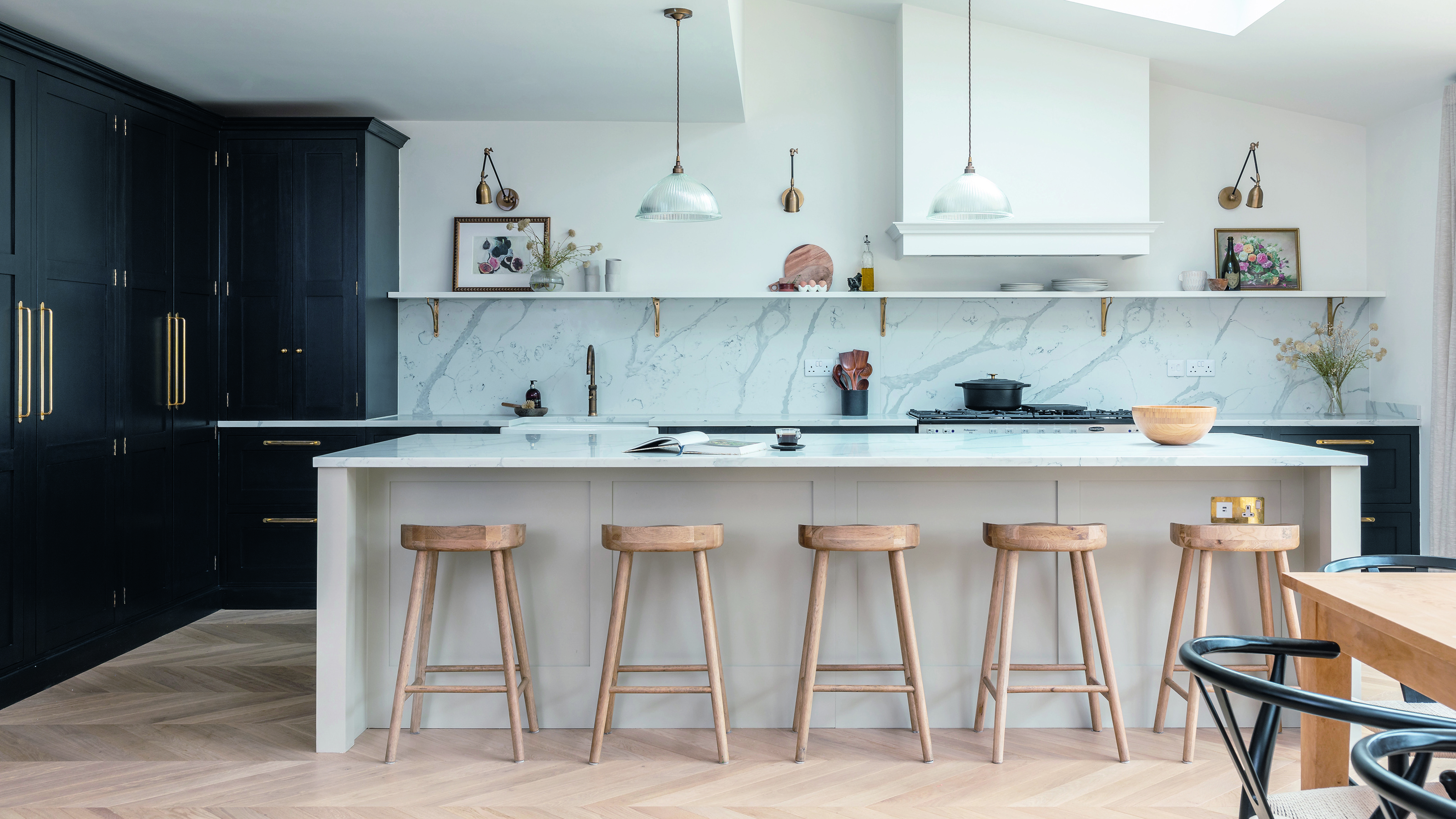
Interior designers share the 10 things in your kitchen you should get rid of
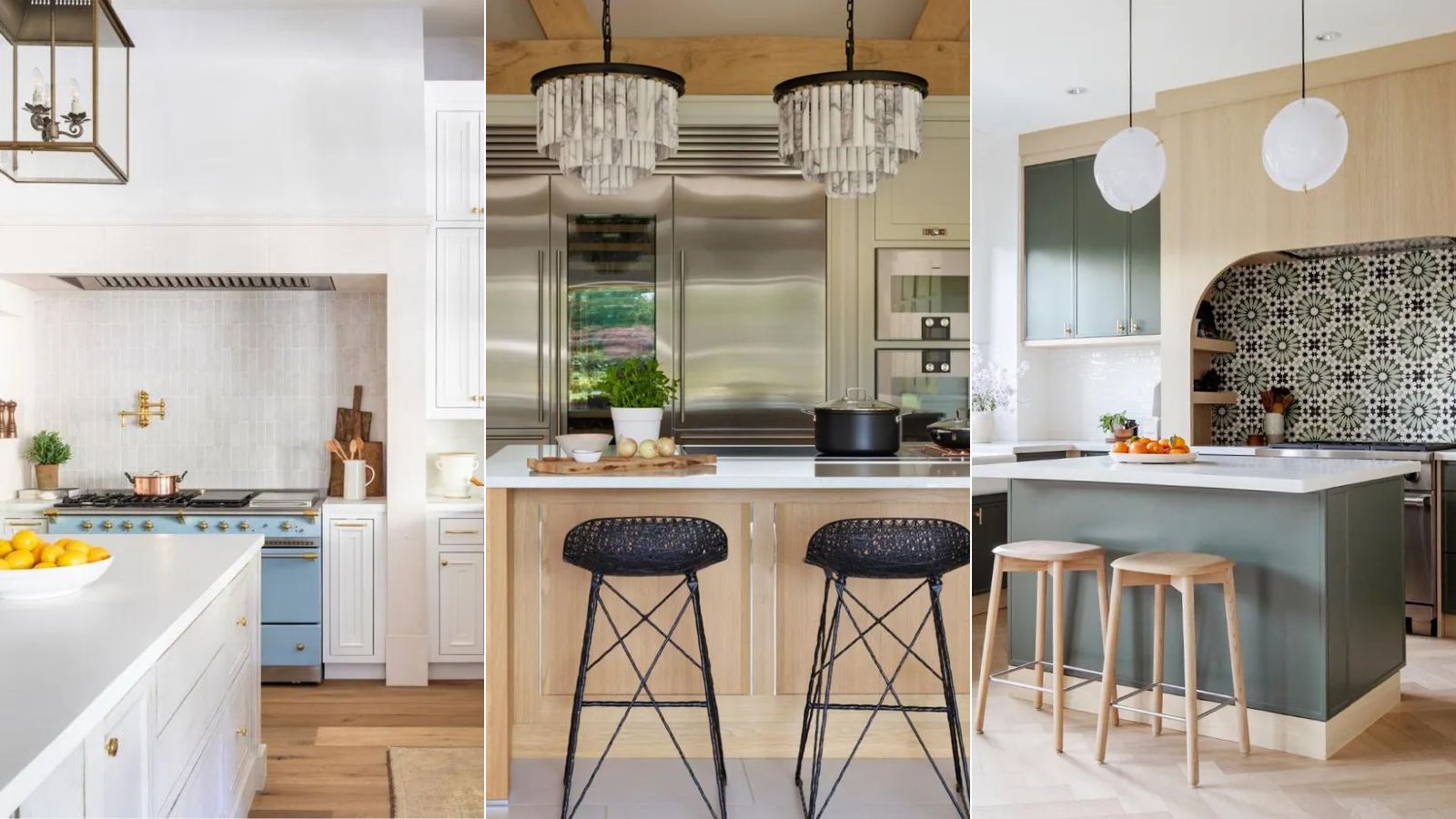
5 kitchen trends to avoid for a unique and timeless design
5 things to never put on your kitchen island, according to interior designers
5 Outdated Kitchen Rules You Should Definitely Ignore, According to Designers

Designers are leaving these outdated kitchen trends in 2022 – some of their choices might shock you
9 outdated kitchen lighting trends designers urge you to avoid, plus what to try instead
These 3 Layouts Are Making Your Kitchen Look Dated – Why Designers Say They Don’t Want to See Them in 2026
12 "Outdated" Kitchen Trends You Should Ditch In 2025 (But You Probably Have)

8 Things Designers Would NEVER Add to a Kitchen in 2025
25 Kitchen Trends You Might Regret + Photos
Interior designers reveal 9 things in your kitchen you should get rid of