9 Things To Keep Out Of Your Dining Room, According To Designers
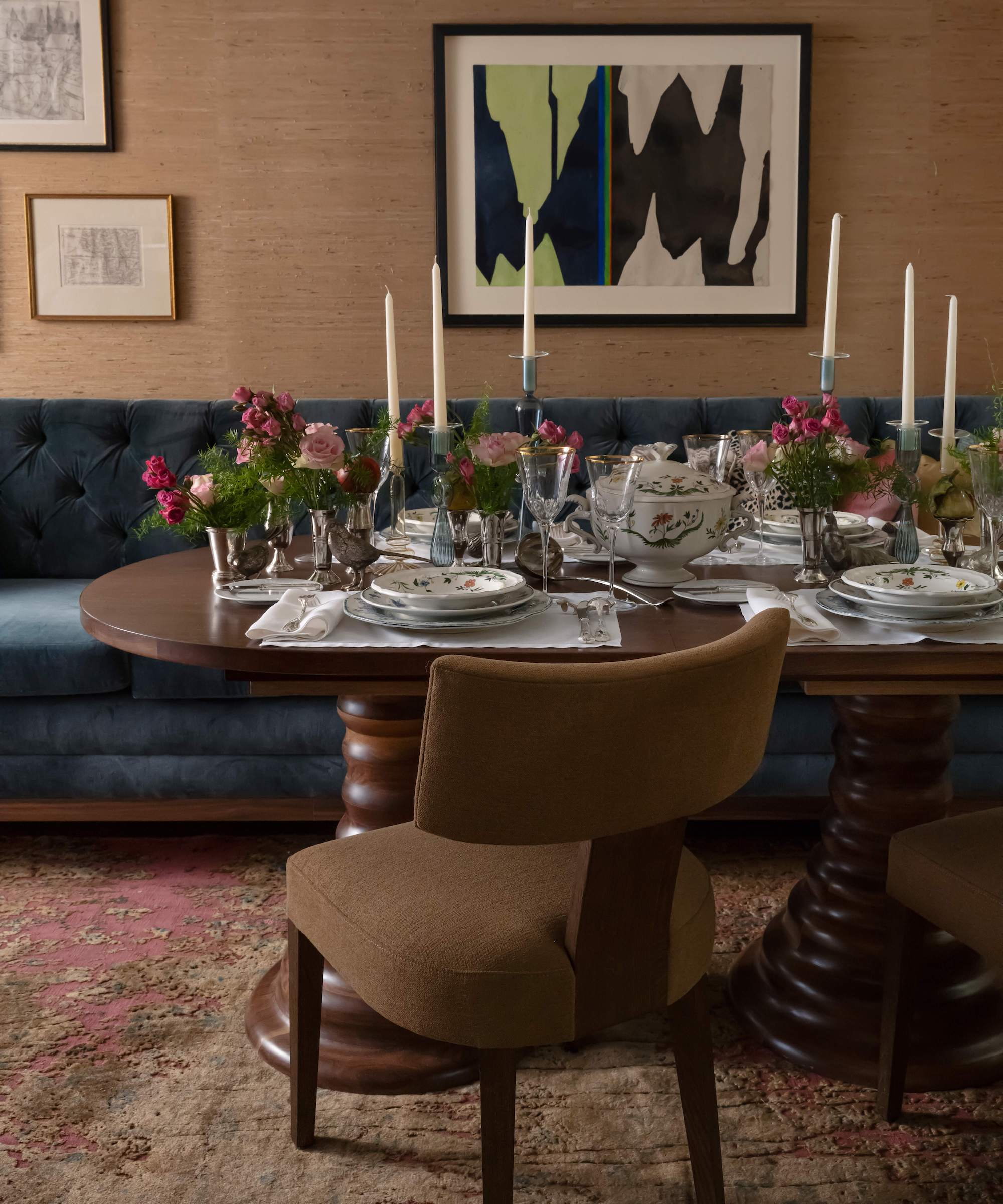
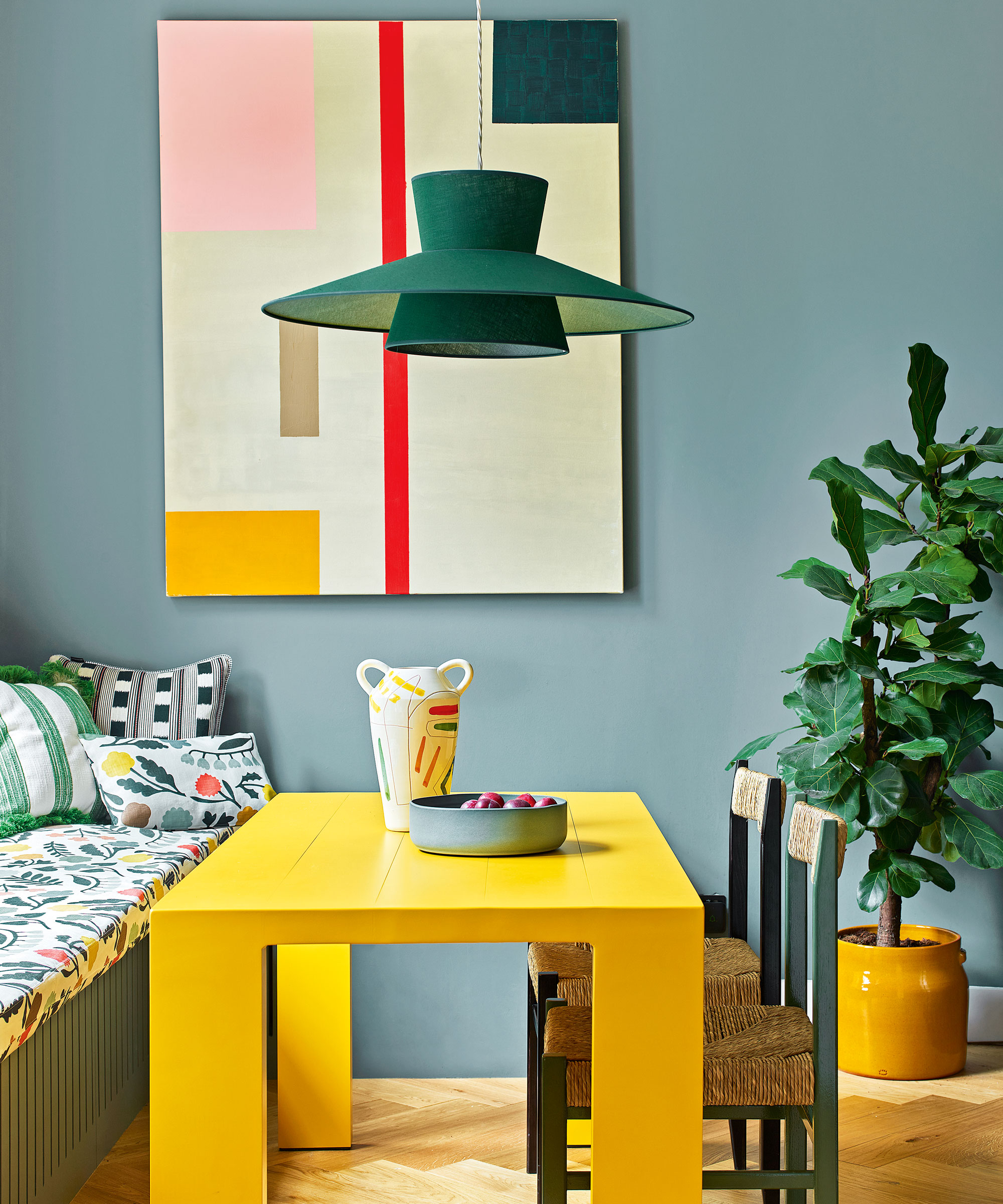
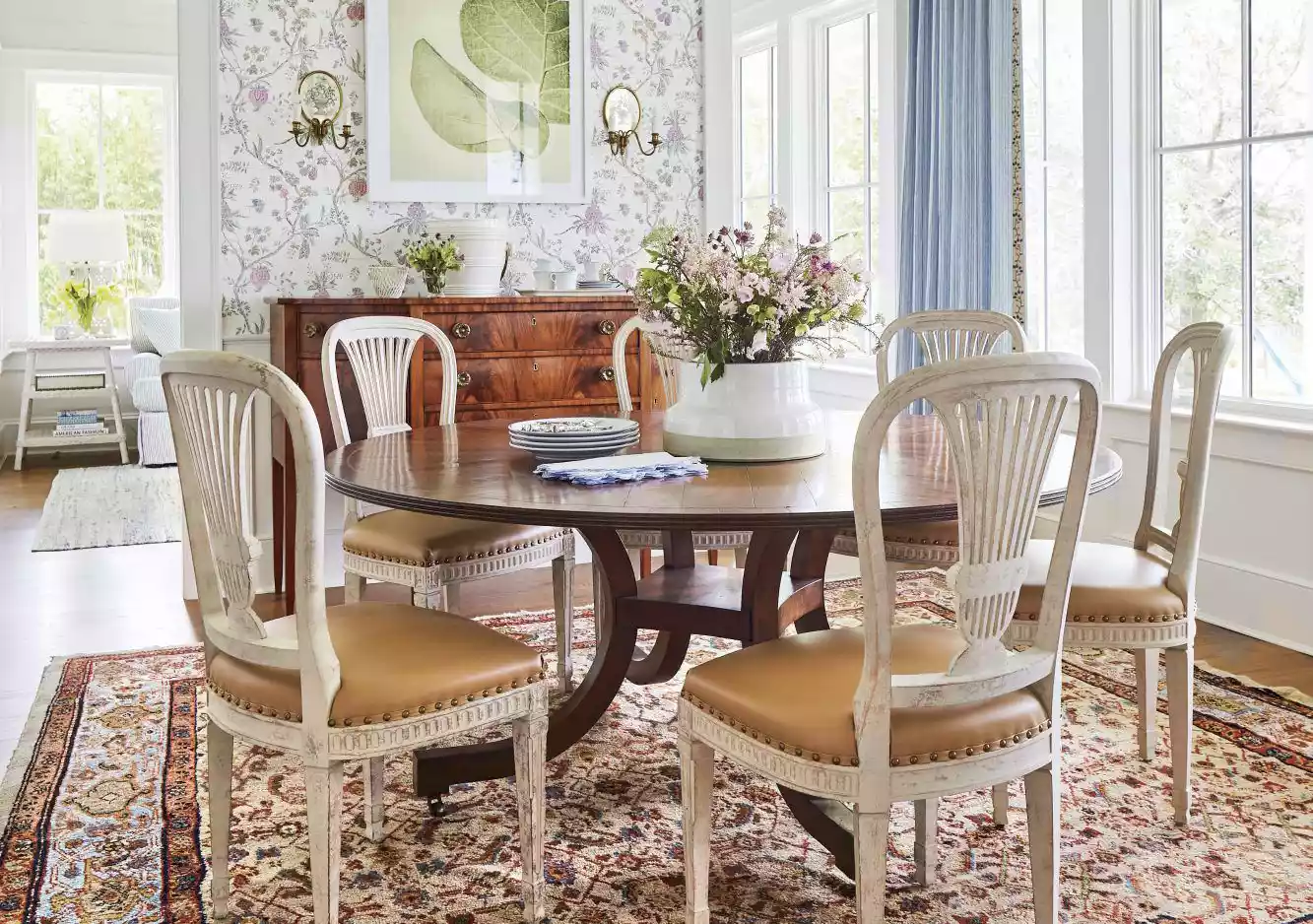
The dining room is a designated space for entertaining and dining, and designers emphasize the importance of keeping it clear of items that detract from its primary function. Overly fragile or expensive area rugs are not recommended for dining rooms. Kate Figler, founder of Kate Figler Interiors, suggests that these rooms are meant to be used and enjoyed, making delicate rugs impractical due to the risk of spills and wear. Instead, more durable and easily maintainable floor coverings are preferred.
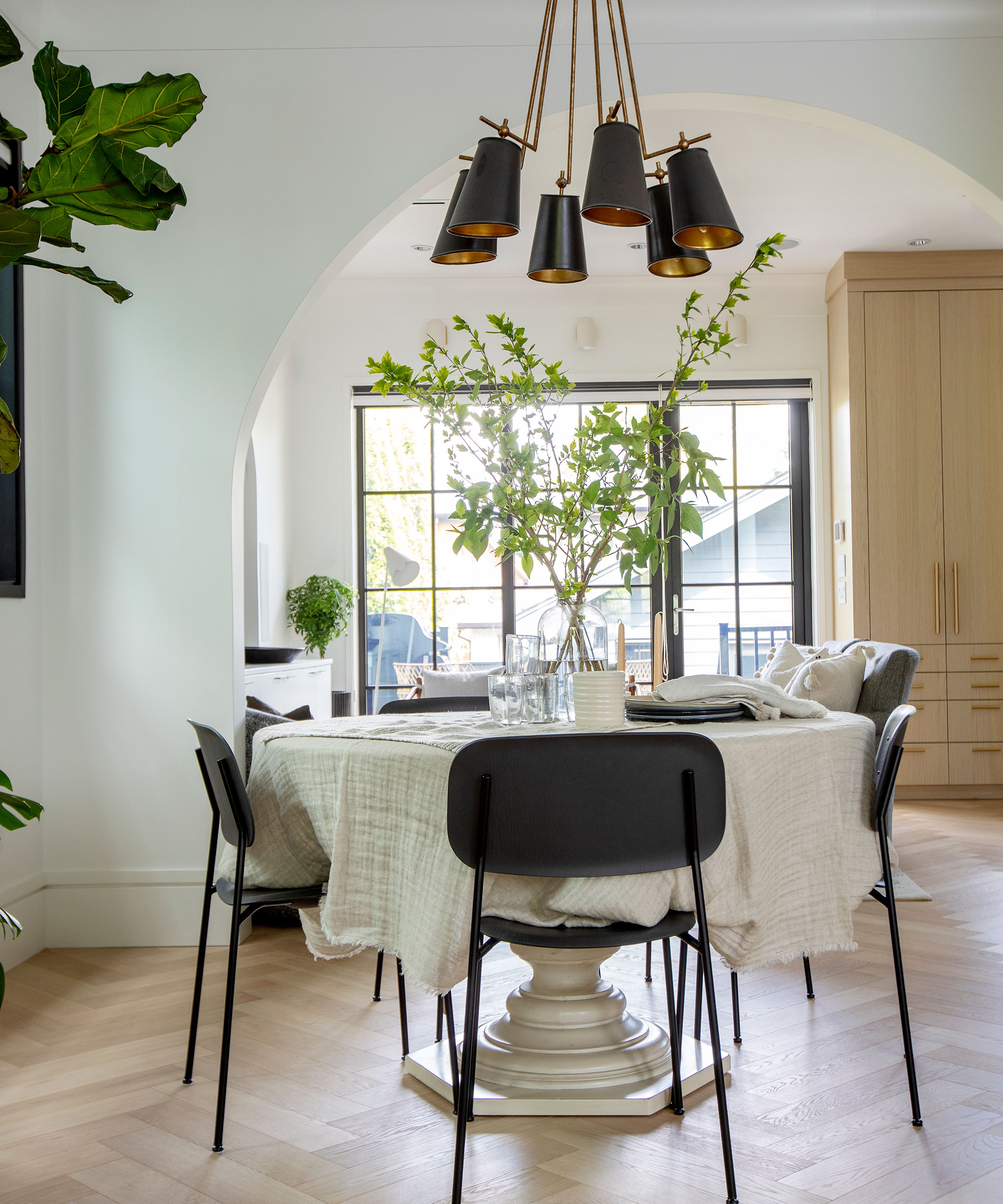
Lighting plays a crucial role in setting the ambiance of a dining room. Harsh overhead lighting should be avoided. Figler advises using dimmers and warm white bulbs, specifically nothing over 2700 Kelvin, to create a softer, more inviting atmosphere. Erin Tripodi of Erin Tripodi Design notes that soft, warm yellow bulbs enhance guests' appearance, making them look younger and more relaxed, thereby encouraging a more enjoyable dining experience.
Televisions, regardless of how cleverly concealed, do not belong in the dining room. Designers stress that this space should be dedicated to dining and social interaction, not TV viewing. Introducing screens can divert attention and hinder conversation, undermining the room's purpose as a gathering area.
Similarly, children's toys and games should be kept out of the dining room. Valerie Darden, founder of Brexton Cole Interiors, highlights instances where dining rooms are repurposed as makeshift playrooms with plastic toys, dolls, and Play-Doh. This practice diminishes the formality and intended use of the space. Plastic storage bins, often used to corral extra items like papers or craft supplies, are also deemed inappropriate for the dining room. Darden recommends storing these items in a closet or home office to maintain the room's elegant appearance.
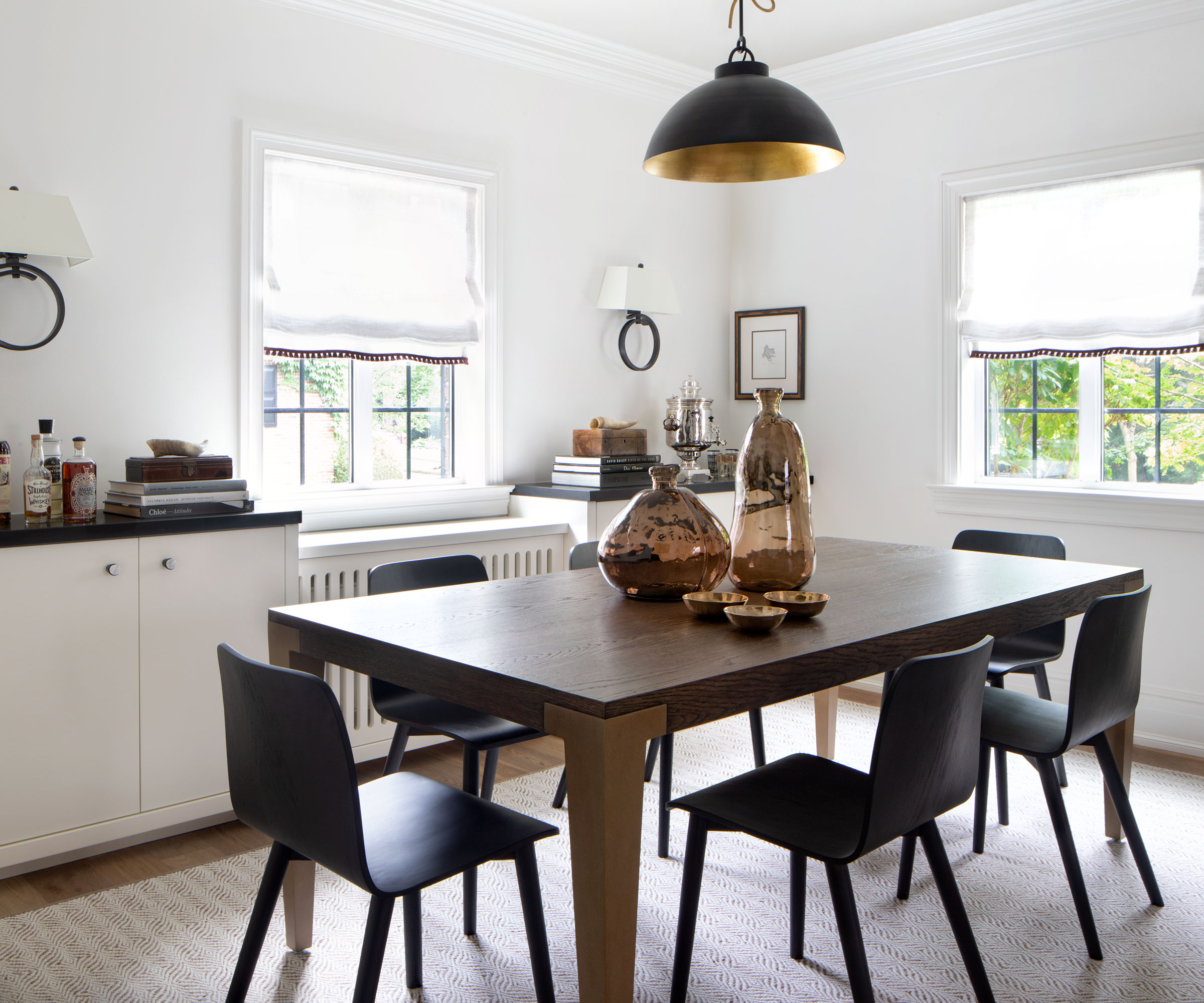
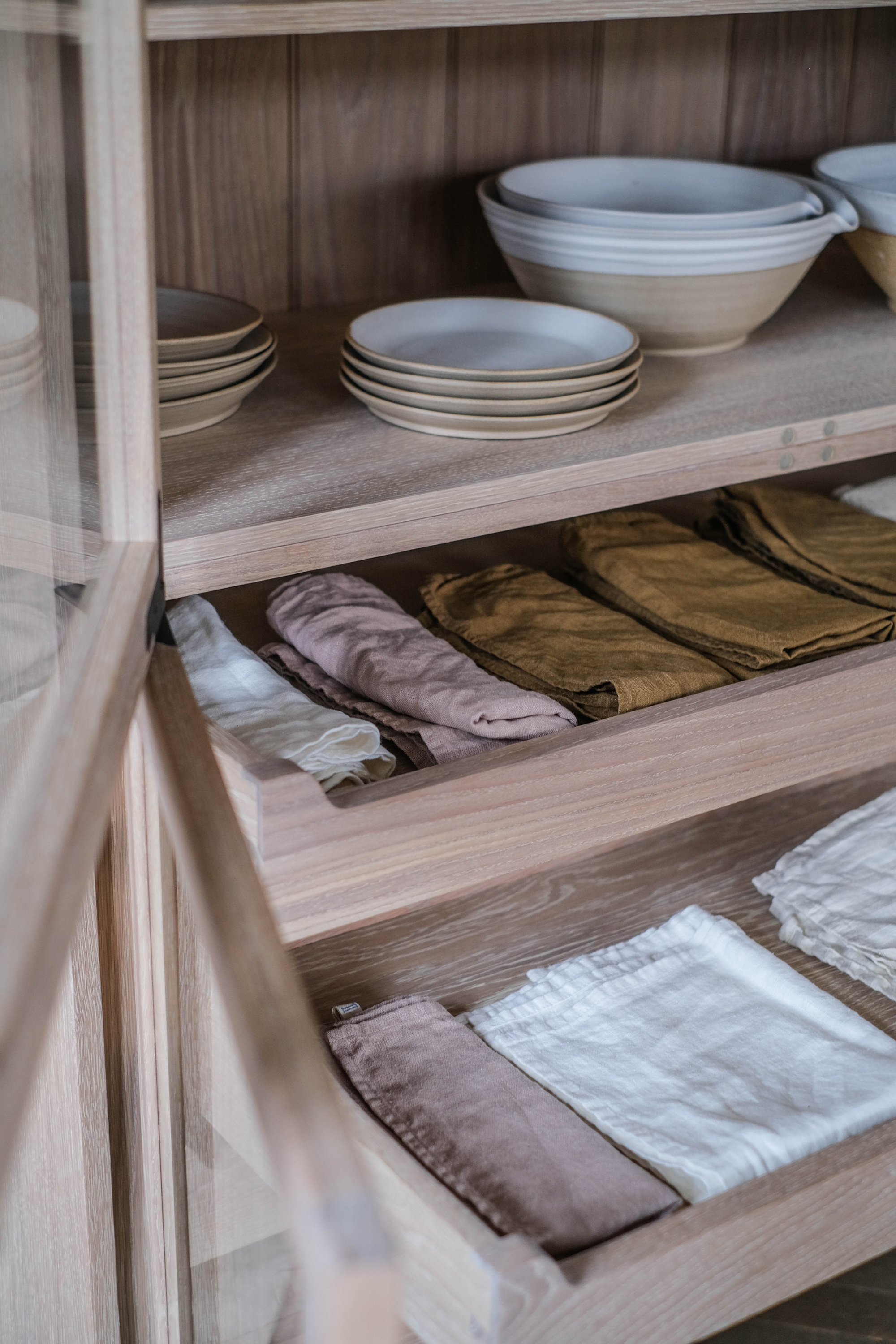
Stray china, when not in use for a dinner party, should be stored in a sideboard or china cabinet. Maggie Clarke, founder of Maggie Clarke Interiors, believes that decor should be useful, suggesting that table settings be put away when not actively needed. This approach helps maintain a tidy and purposeful dining area. Pet crates are another item that should be excluded from the dining room. Holly Hickey Moore, founder of an eponymous firm, states that despite the undeniable cuteness of pets, their crates are best kept out of dining spaces where meals and socializing occur, ensuring a hygienic and appropriate environment for guests.
Family photos, while cherished, are best displayed in other areas of the home, such as hallways, bedroom walls, or less formal family rooms. Carla Aston, founder of DESIGNED w/ Carla Aston, suggests focusing on art and mirrors for dining room wall decoration to maintain a more neutral and sophisticated aesthetic suitable for a formal setting. Finally, backless benches are not recommended for adult dining. Aston explains that while they might be suitable for breakfast rooms with children, most adults prefer individual chairs for comfort during a meal in a dining room. Ensuring guest comfort is paramount for a successful dining experience.
#DiningRoomDecor #HomeOrganization #InteriorDesignTips #DiningRoomLighting #HomeStaging #DesignerTips #RoomFunctionality #Decluttering #EntertainingSpace #DiningRoomDecor #HomeOrganization #InteriorDesignTips #DiningRoomLighting #HomeStaging #DesignerTips #RoomFunctionality #Decluttering #EntertainingSpace
0 comment in total
 No comments yet
You may also like
6 things you should never put on your dining room table, according to interior designers

Kitchen trends to avoid 2023 – 9 overdone looks interior designers want us to steer clear of

9 CONTROVERSIAL Decor Choices Designers Secretly Wish You’d Stop Making

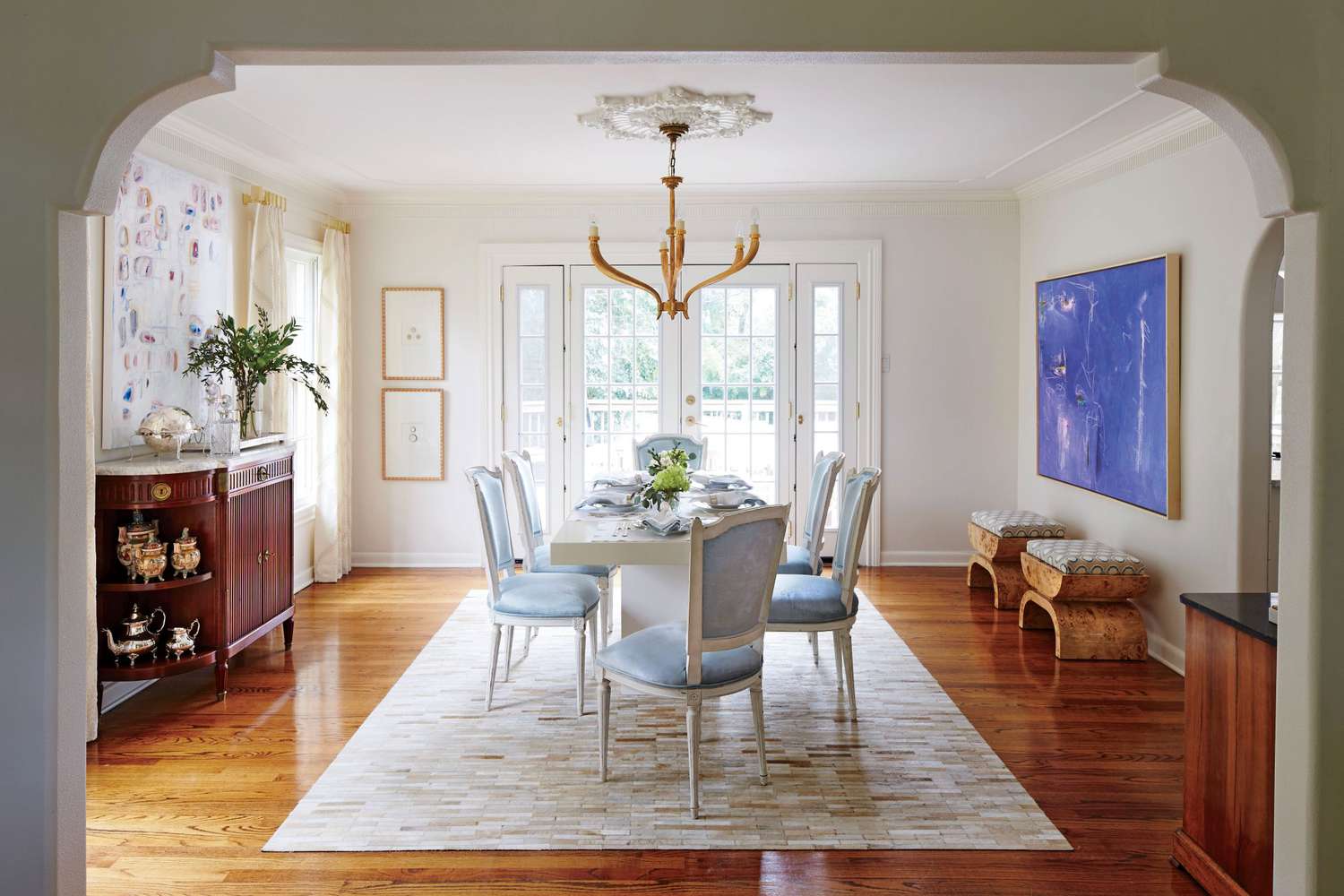
6 Dining Room Items Not Worth Splurging On, According To Designers
22 Outdated Things You Should Avoid in Your Kitchen, According to Designers
7 Kitchen Storage Trends That Designers say are Best Avoided

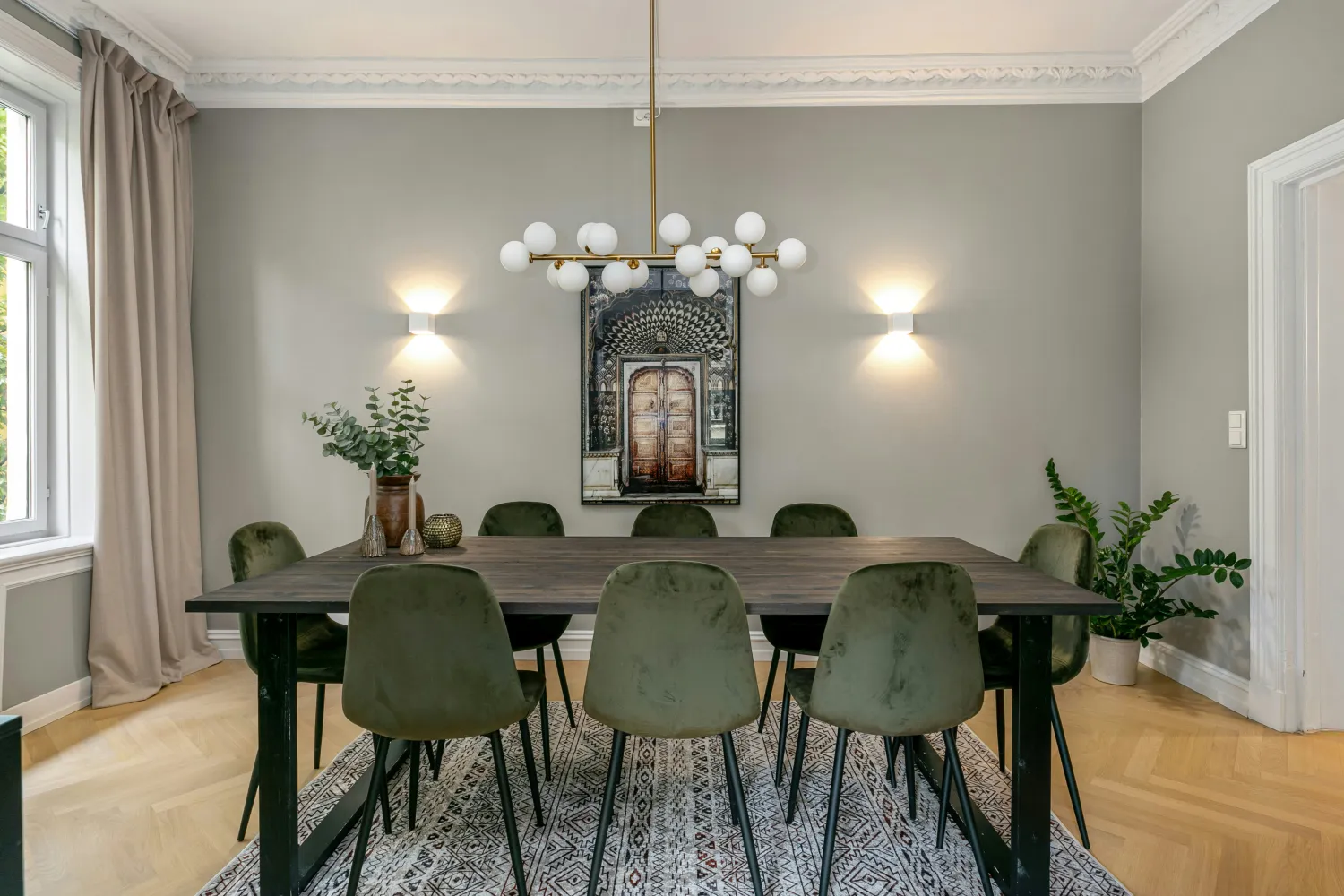
7 Things That Immediately Make Your Dining Room Look Bad, According to Designers

Kitchen storage trends to avoid for a more functional cooking space, according to design experts
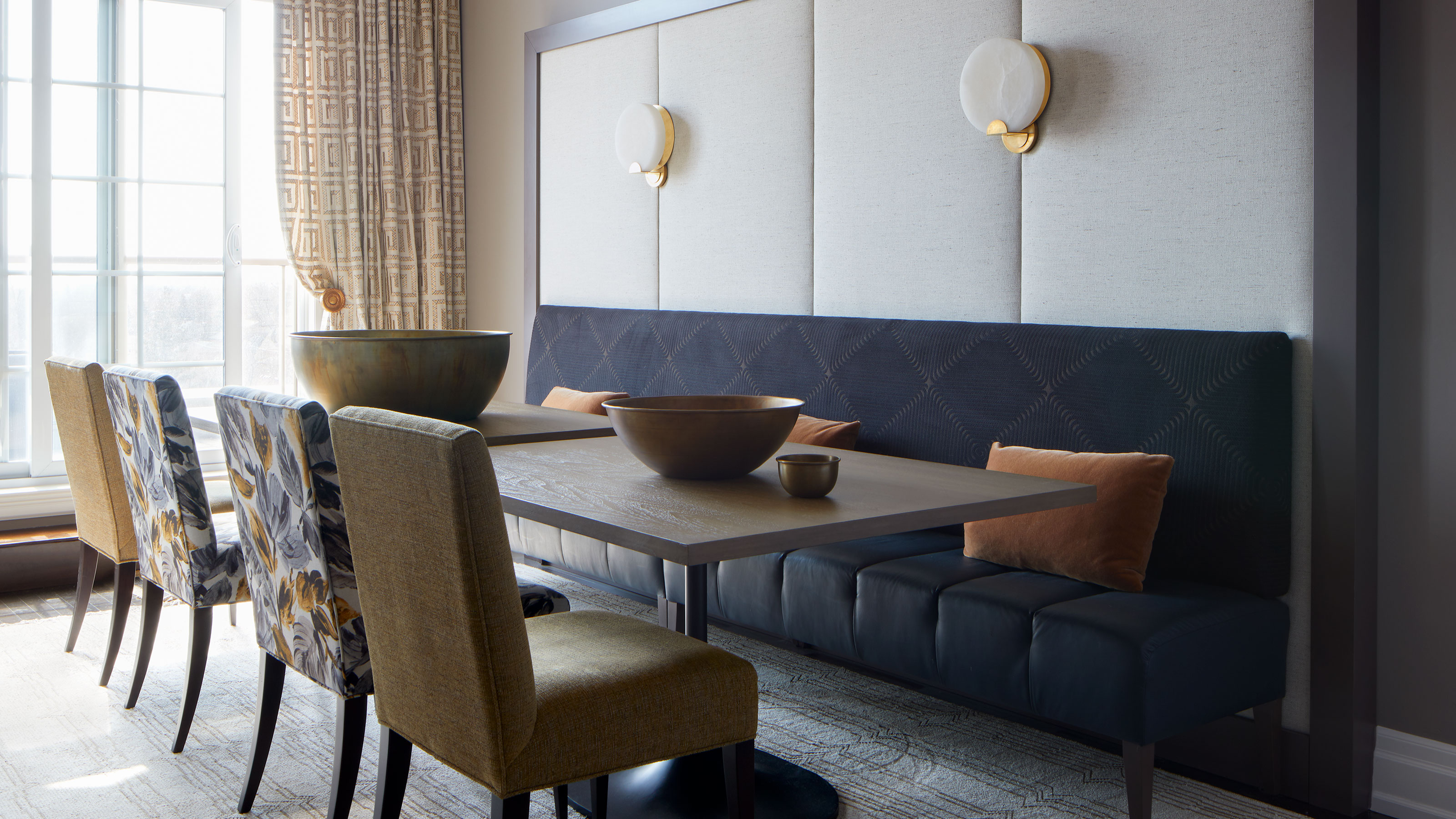
7 major dining room layout mistakes to avoid, according to designers
Interior designers reveal 9 things in your kitchen you should get rid of
5 Things Interior Designers Always Include in Eat-in Kitchens to Help Hide the Mess When Hosting
5 things designers say you should never put on a mantel
10 Things To Keep Out Of Your Living Room, According To Designers
5 things to never put on your kitchen island, according to interior designers
5 Pieces of Decor You Need to Remove From Your Kitchen Today — "They're Bulky and Eyesores," Say Designers
Outdated kitchen trends – 5 overdone looks that designers like to avoid, and here's why you should too
15 Outdated Things You Should Avoid In Your Kitchen, According To Designers
6 things to never put in an entryway, according to interior designers
9 outdated kitchen lighting trends designers urge you to avoid, plus what to try instead
4 Things To Keep Out Of Your Entryway, According To Designers