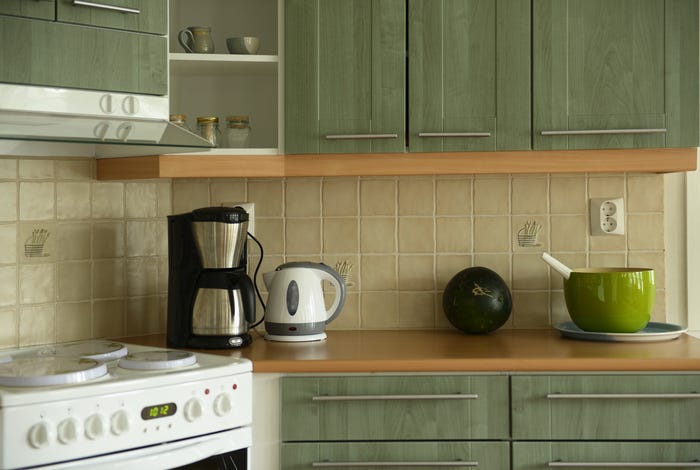
Interior designers reveal 9 things in your kitchen you should get rid of
Maintaining an organized and aesthetically pleasing kitchen can be a challenge, particularly with the accumulation of various items over time. To address this, interior designers offer insights into nine categories of items that homeowners should consider removing or repurposing to enhance their kitchen's functionality and appearance. These recommendations aim to reduce clutter, optimize space, and create a more cohesive design.
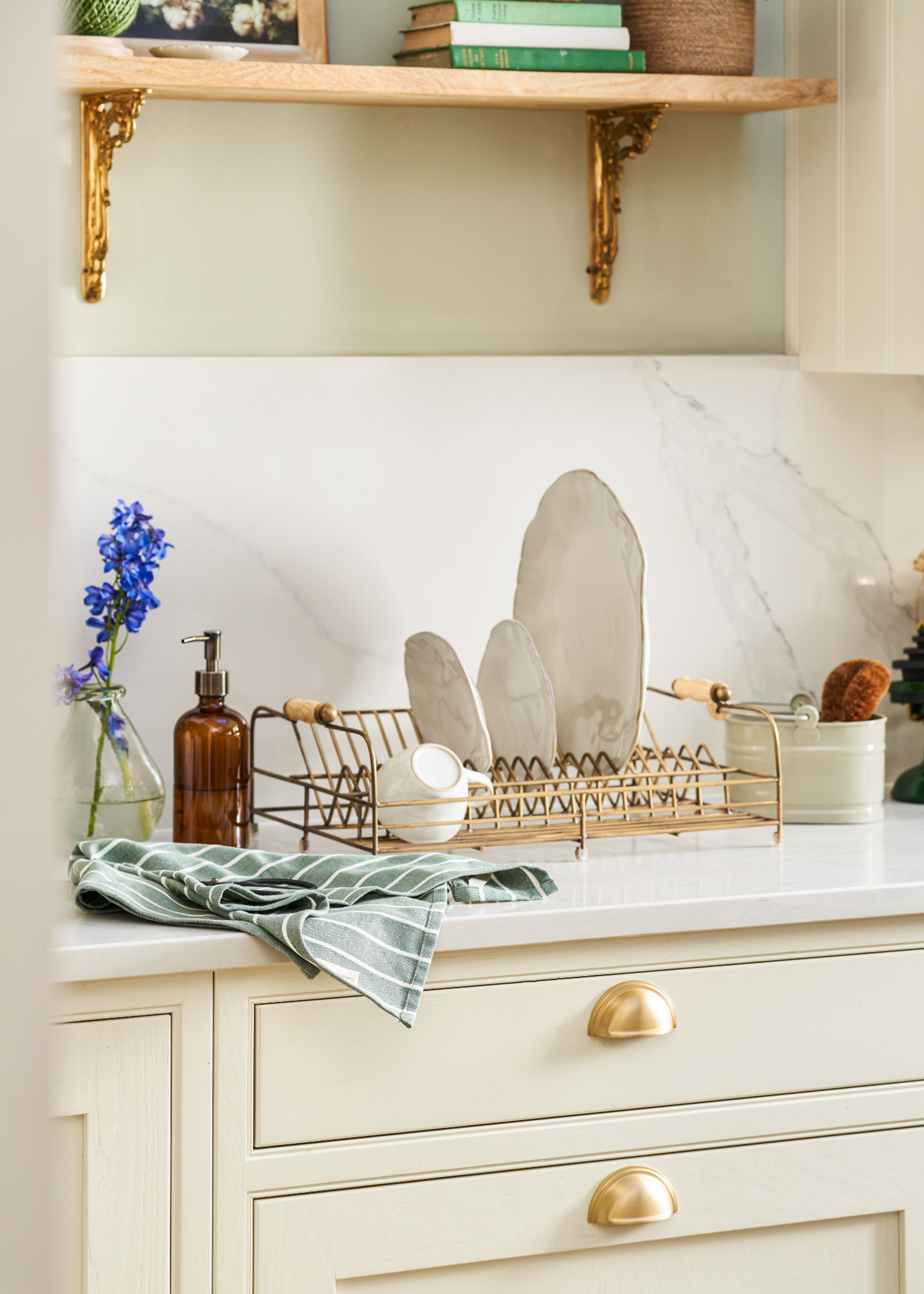
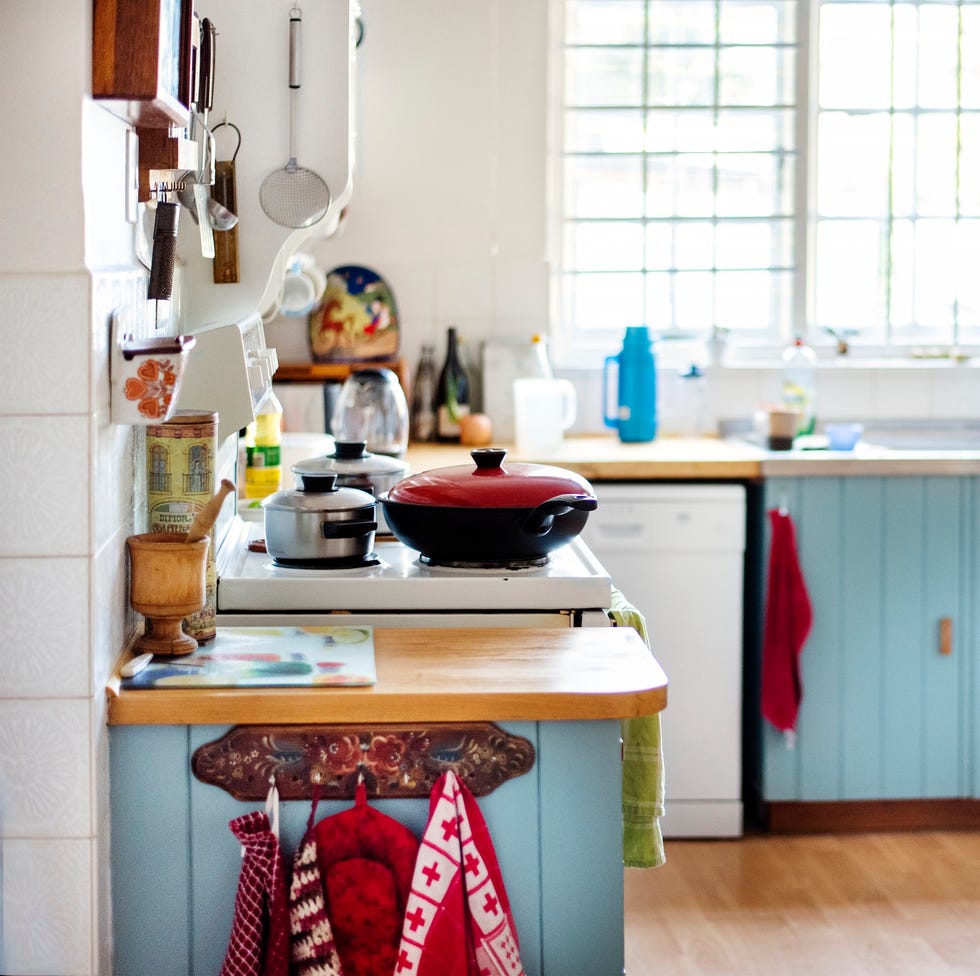
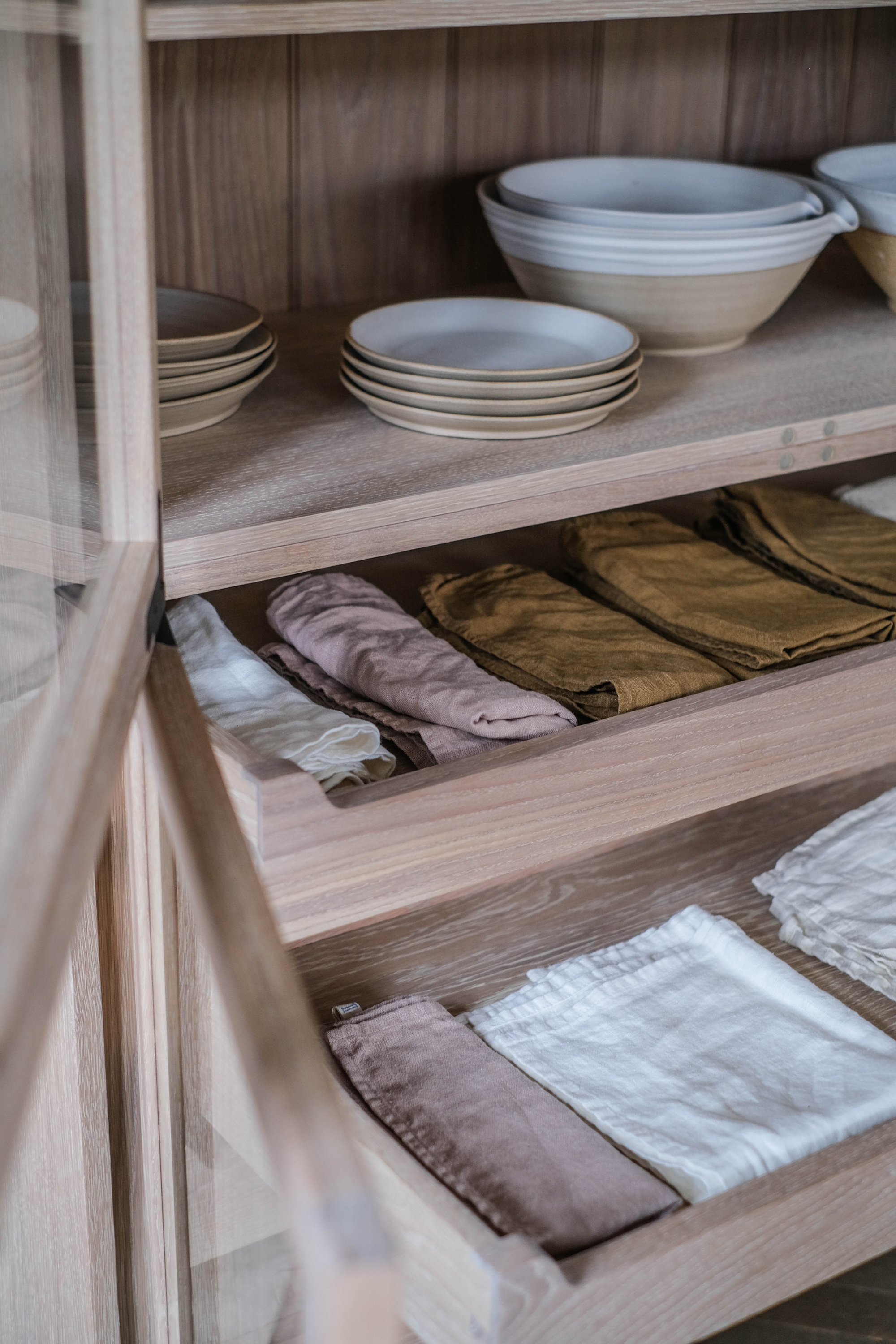
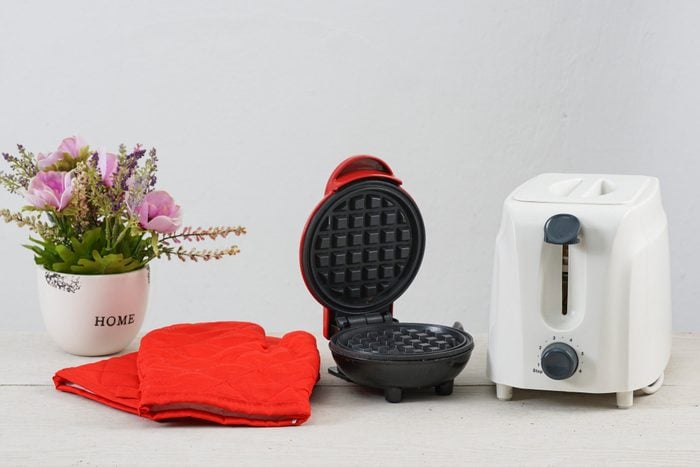
One common area for decluttering is kitchen textiles. Worn or mismatched dish towels, especially those that no longer complement the kitchen's aesthetic, should be retired from visible use. Instead of discarding them entirely, they can be repurposed as cleaning rags. Similarly, an excessive number of oven mitts often takes up valuable drawer or hook space. Designers suggest that only two sets are typically sufficient, one for the user and one for an assistant, thereby freeing up storage.
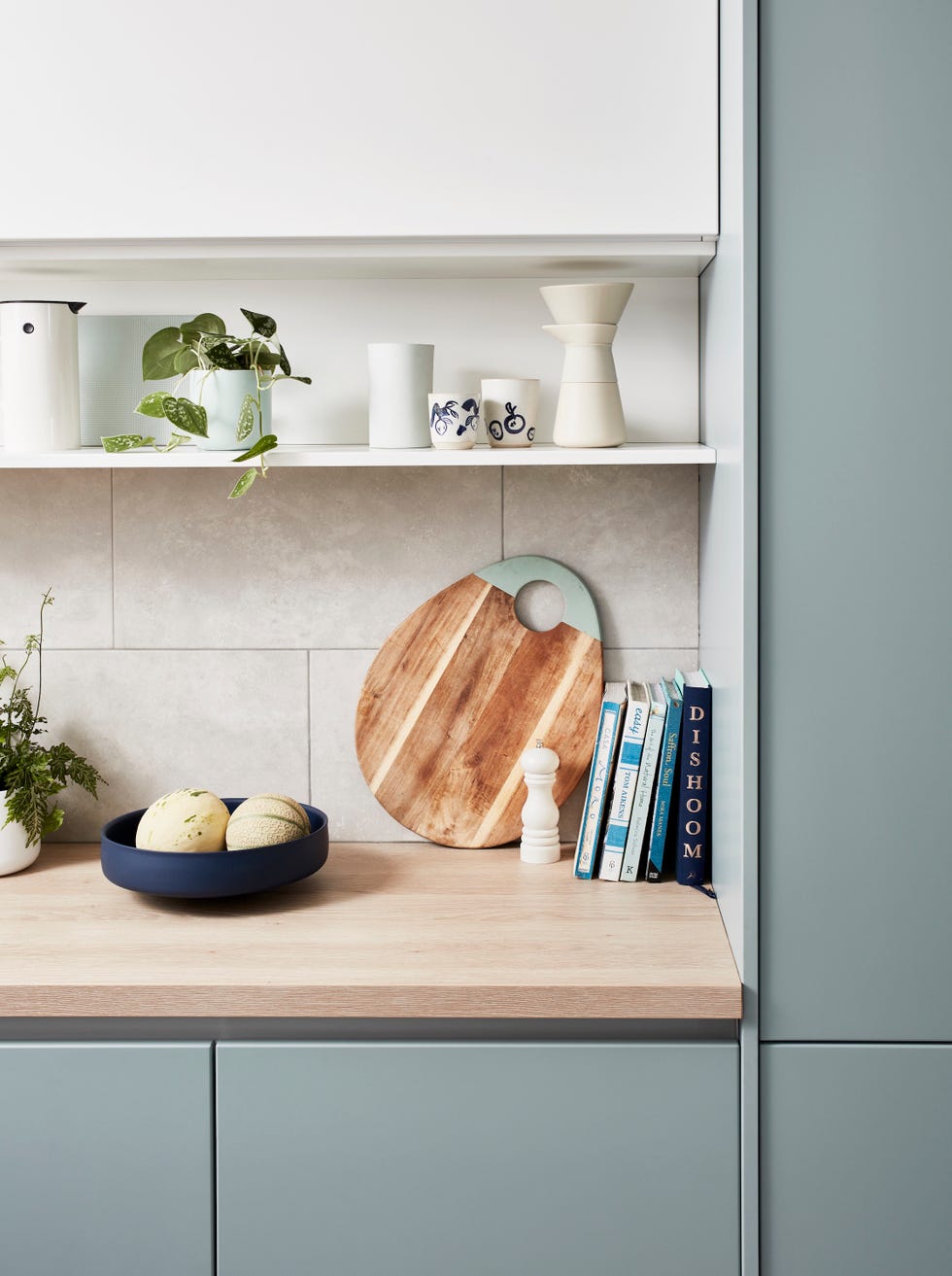
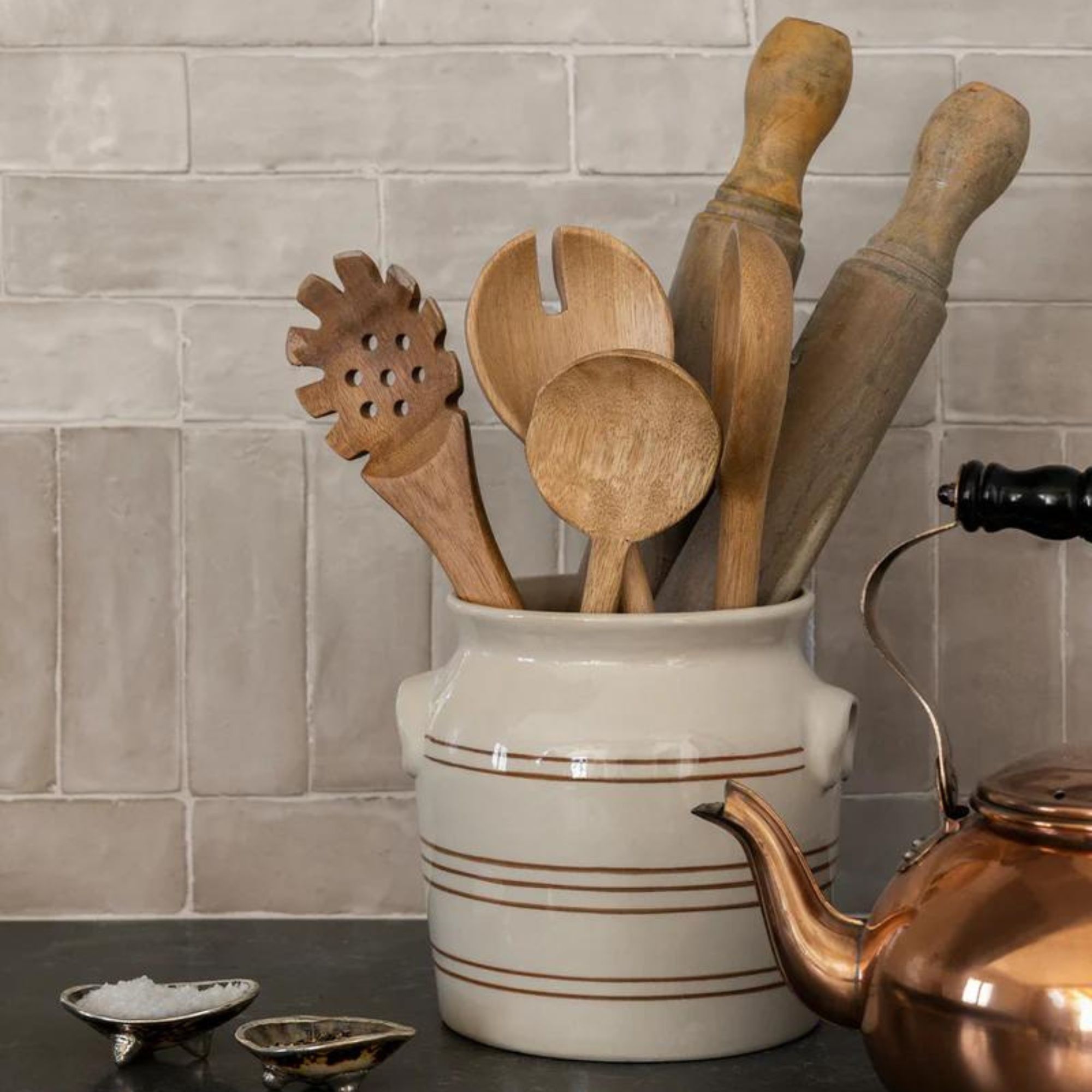
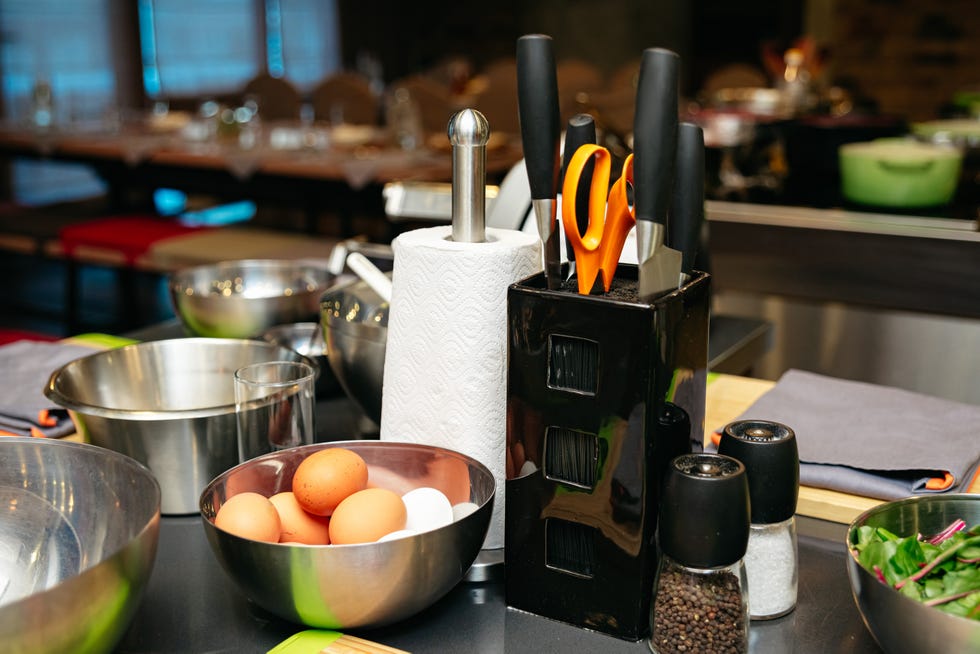
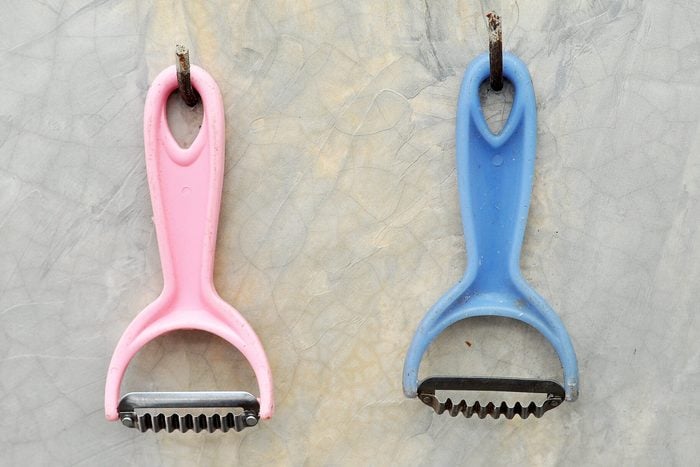
Kitchen tools and appliances that see infrequent use are significant contributors to clutter. Utensils, spatulas, and other gadgets that are not regularly utilized should be sorted through and stored out of sight or donated. The same principle applies to cookbooks; with a plethora of recipes available online, physical cookbooks used only for one or two recipes can be replaced by writing down those specific recipes and storing them in a dedicated recipe box or binder. This approach also extends to recipes from magazines or family heirlooms.
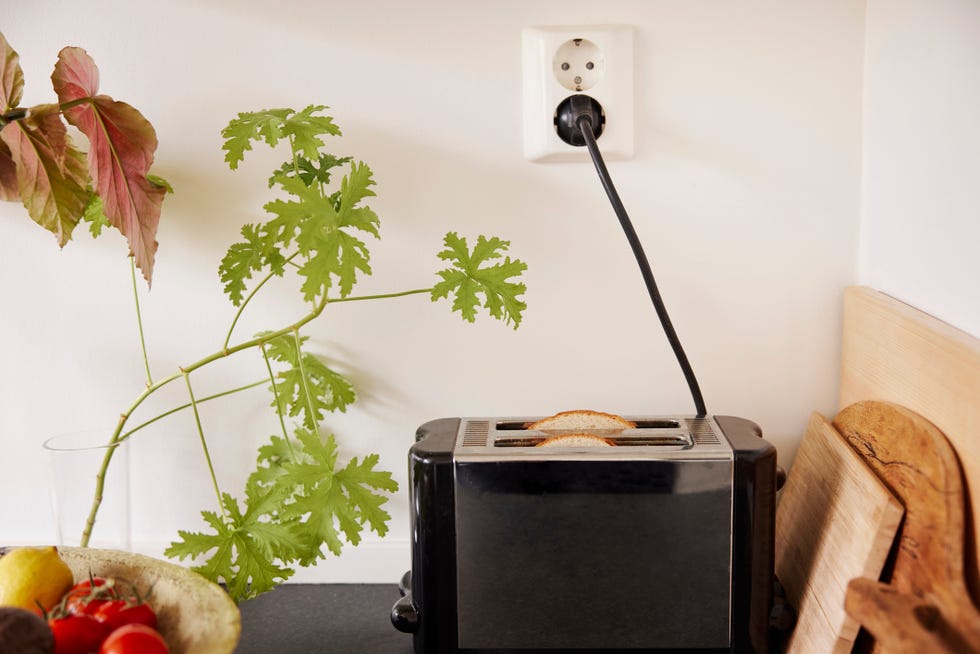
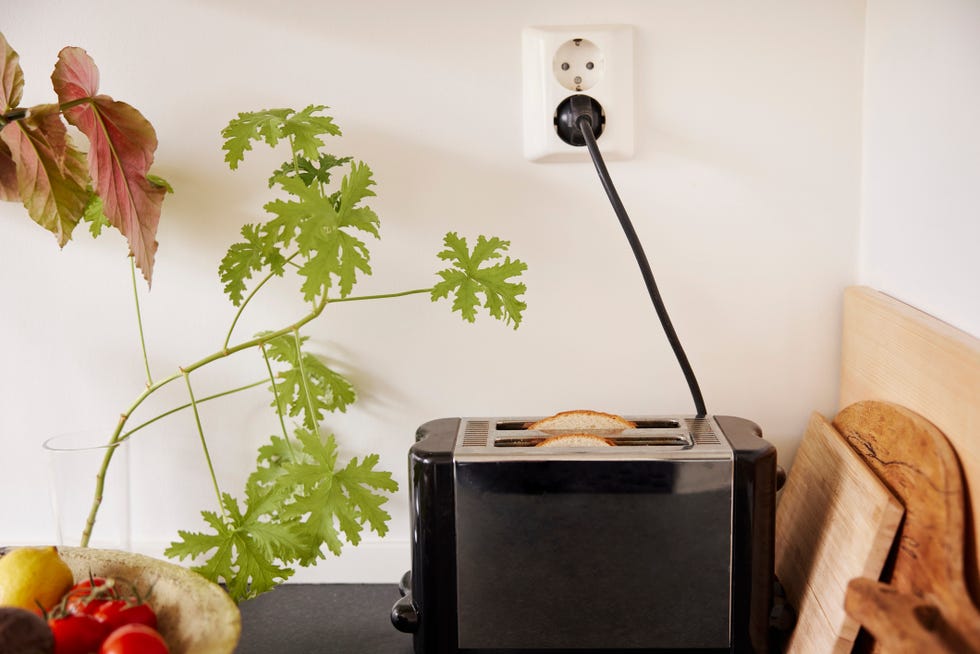
The notorious 'junk drawer' is another target for organization. Often filled with miscellaneous items like takeout menus, old condiment packets, and used batteries, this drawer can be transformed into a functional space for essential items by regularly purging unnecessary contents. Large, counter-hogging appliances, such as stand mixers, that are not used frequently should be stored away. For heavy appliances used occasionally, an appliance lift installed in cabinets can provide a practical solution, allowing them to be easily accessed and then concealed.
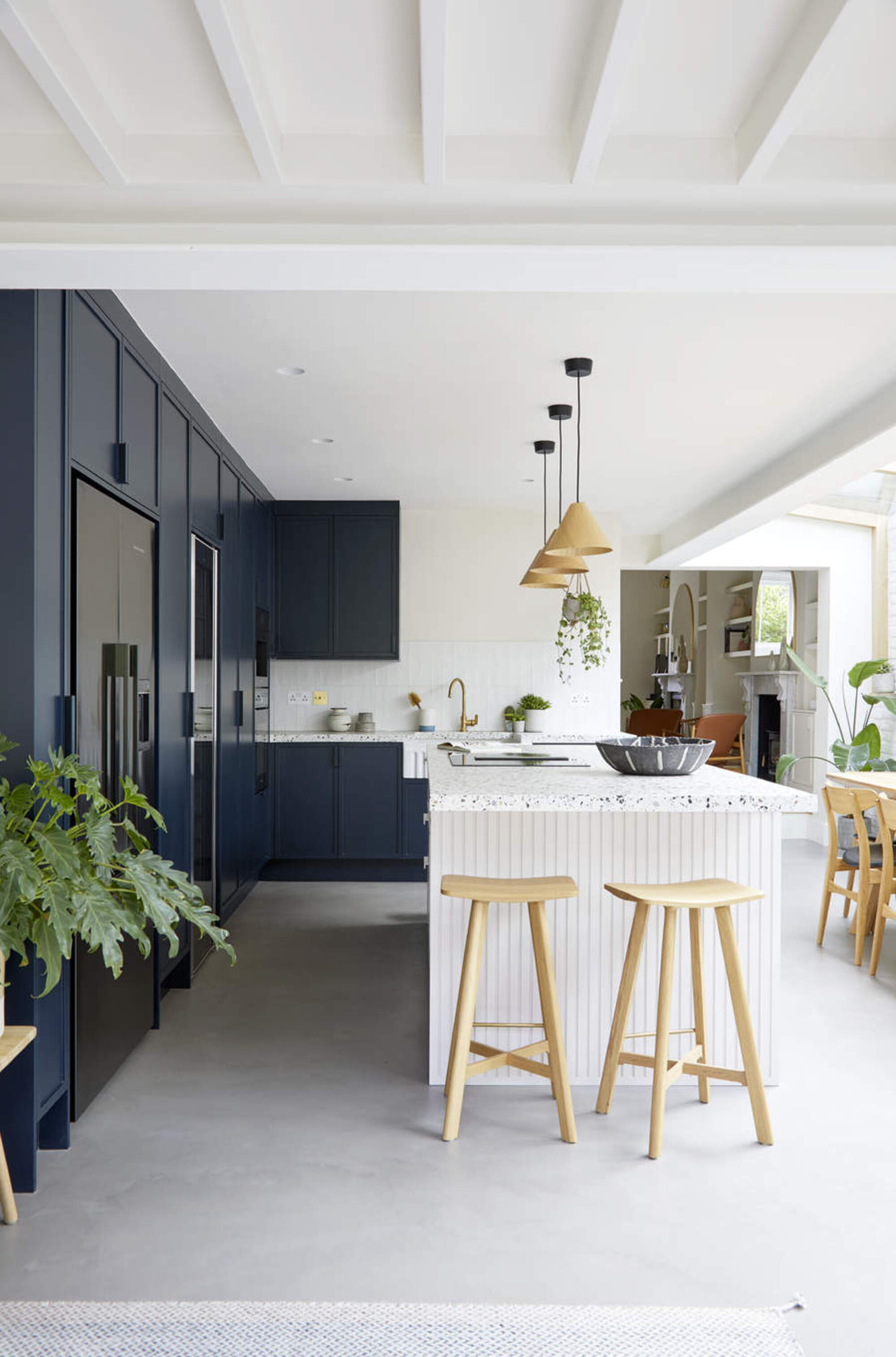
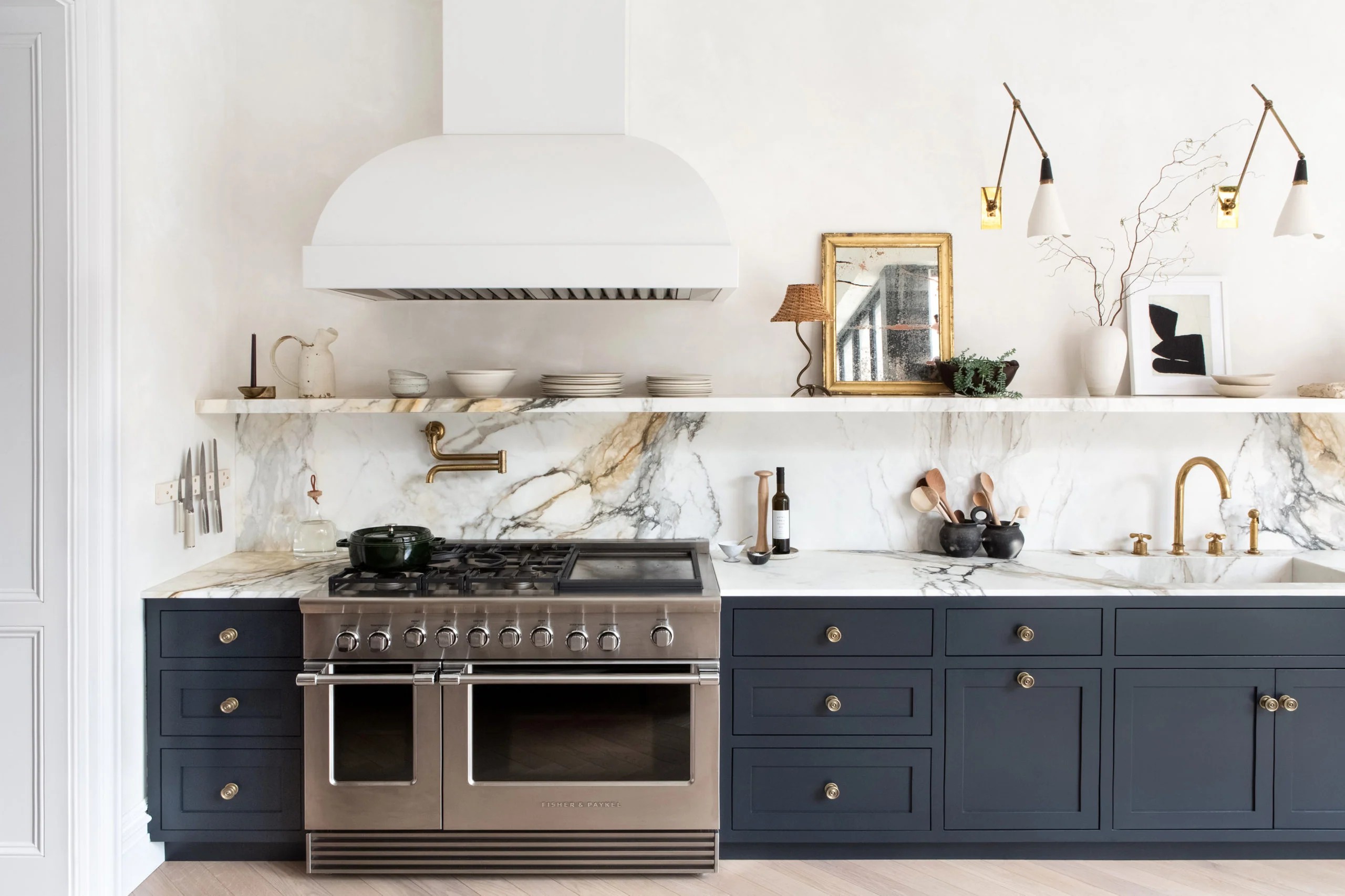
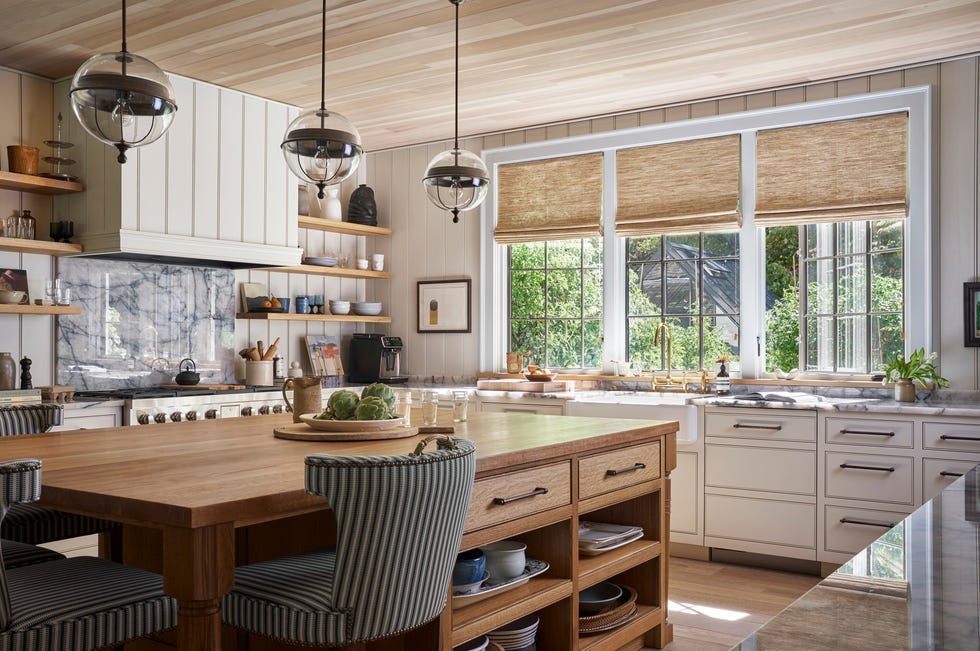
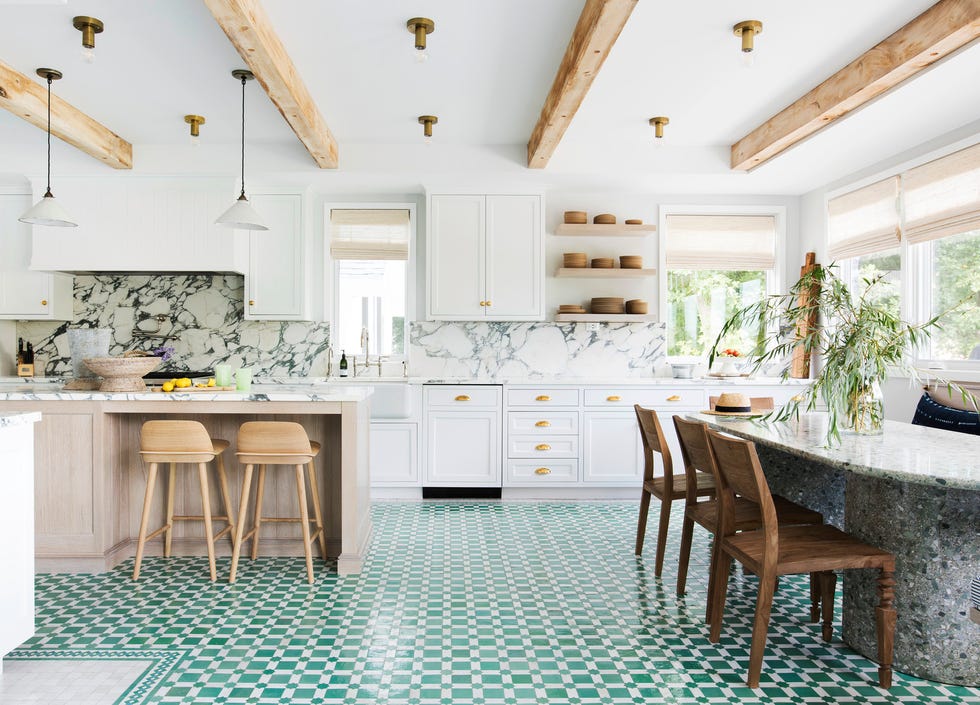
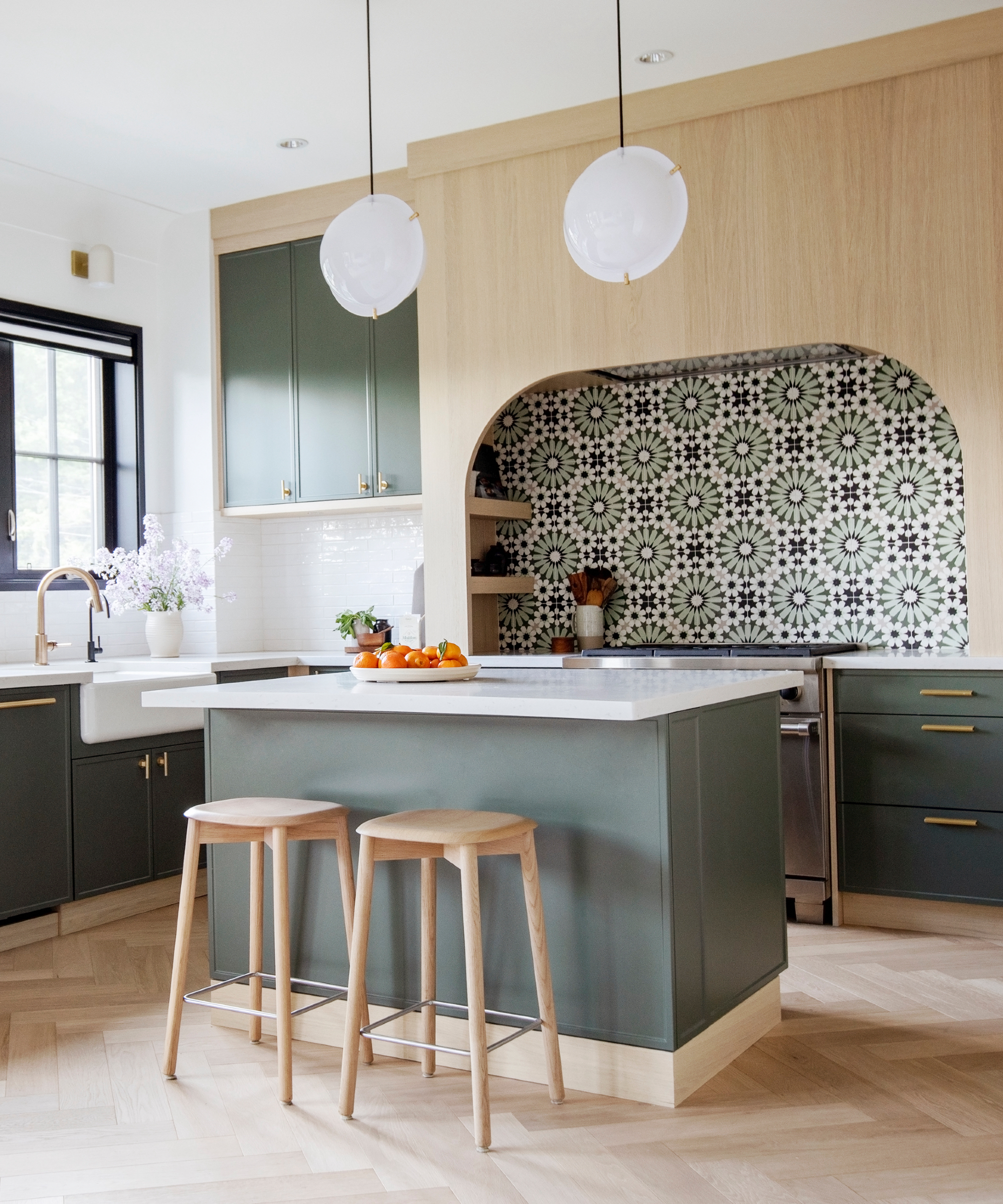
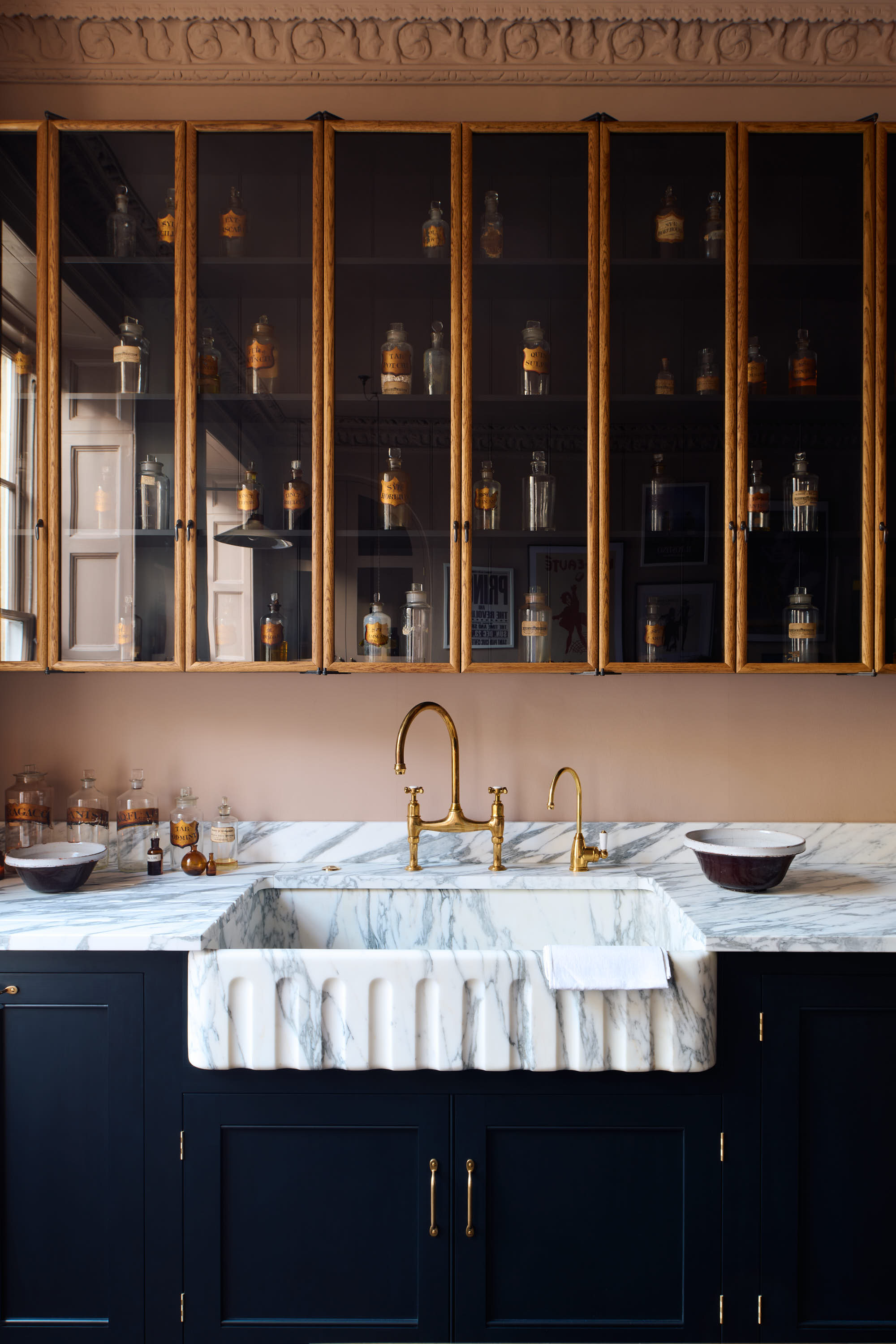
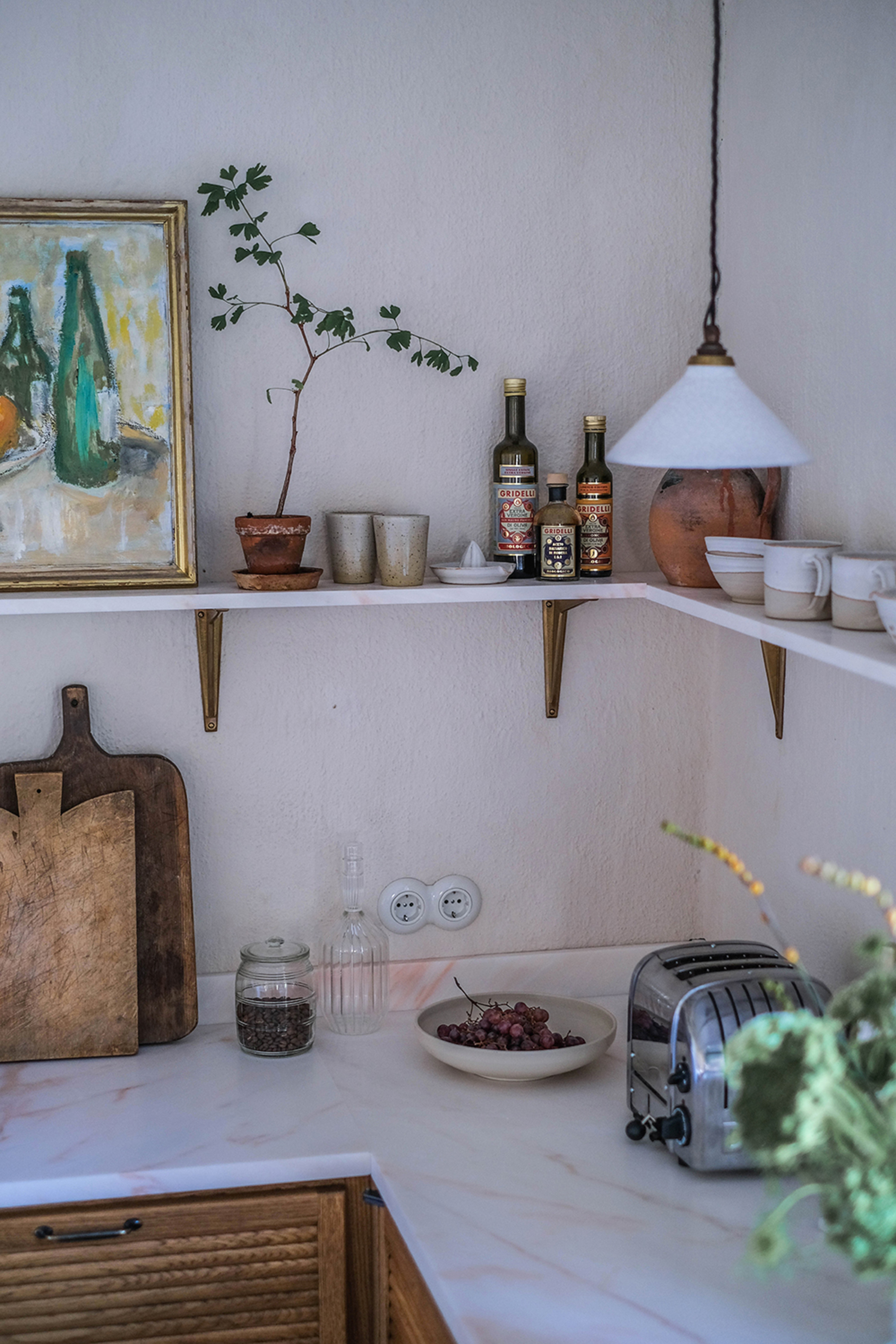
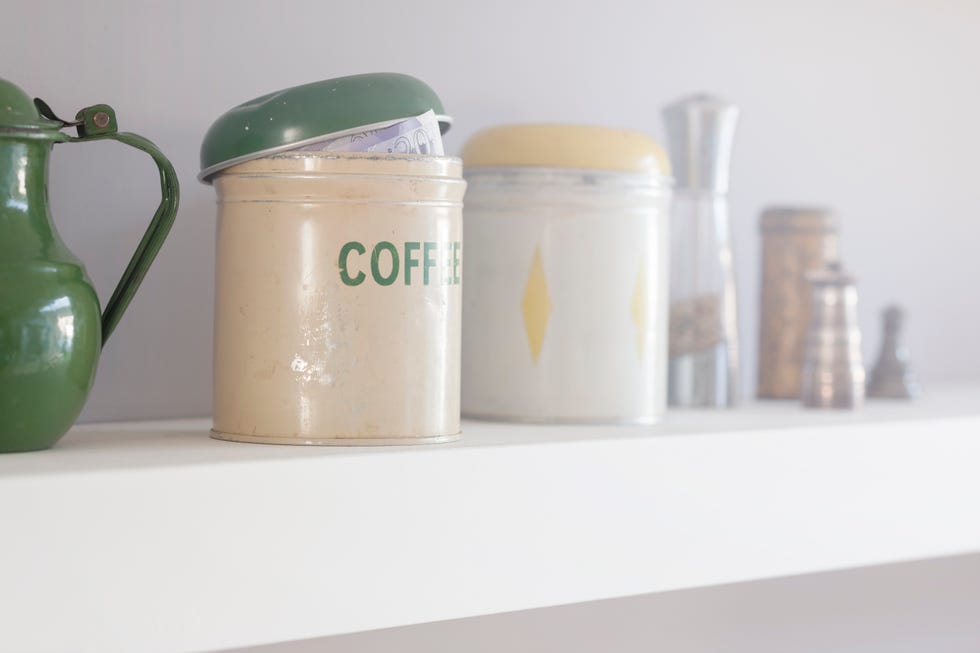
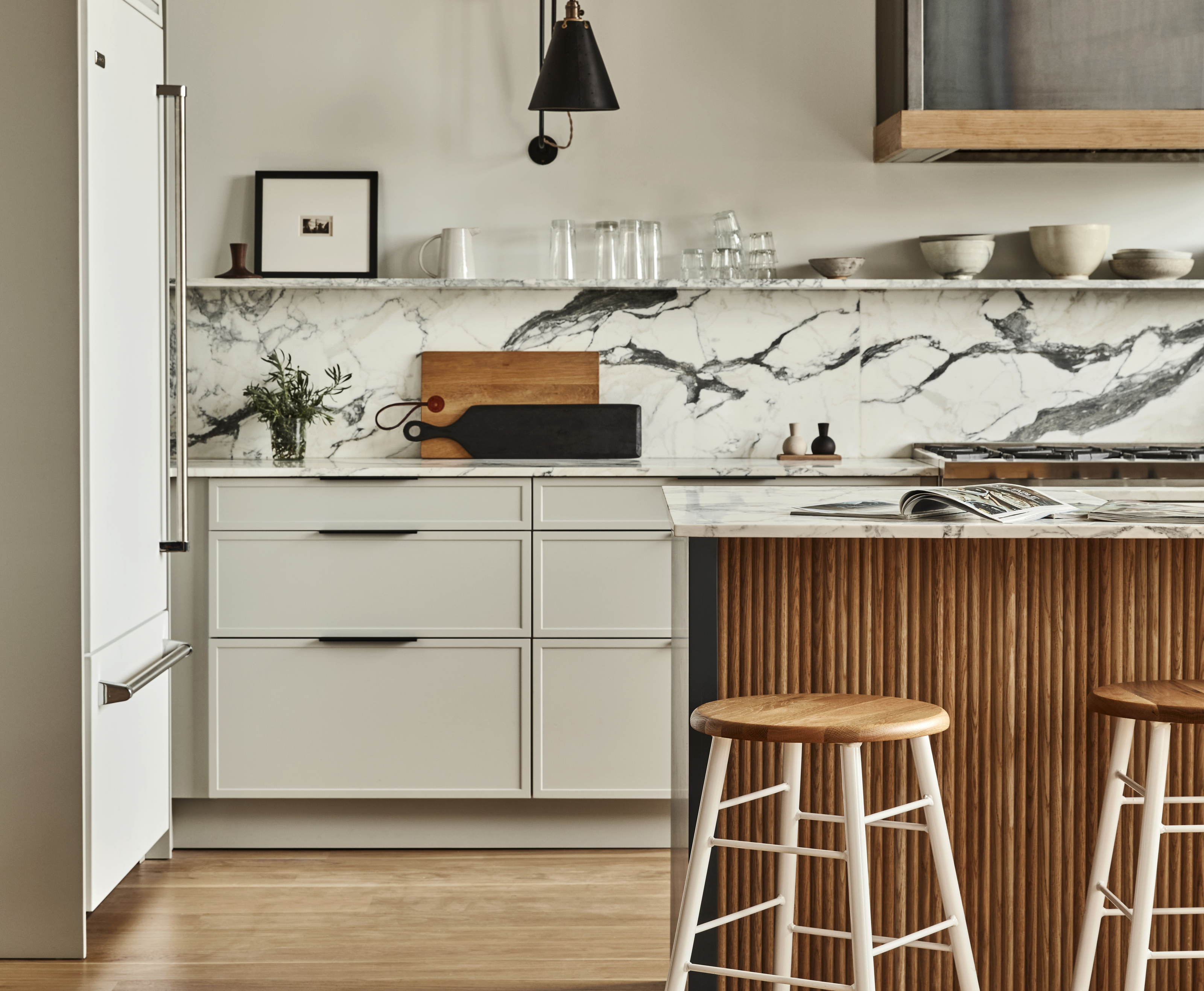
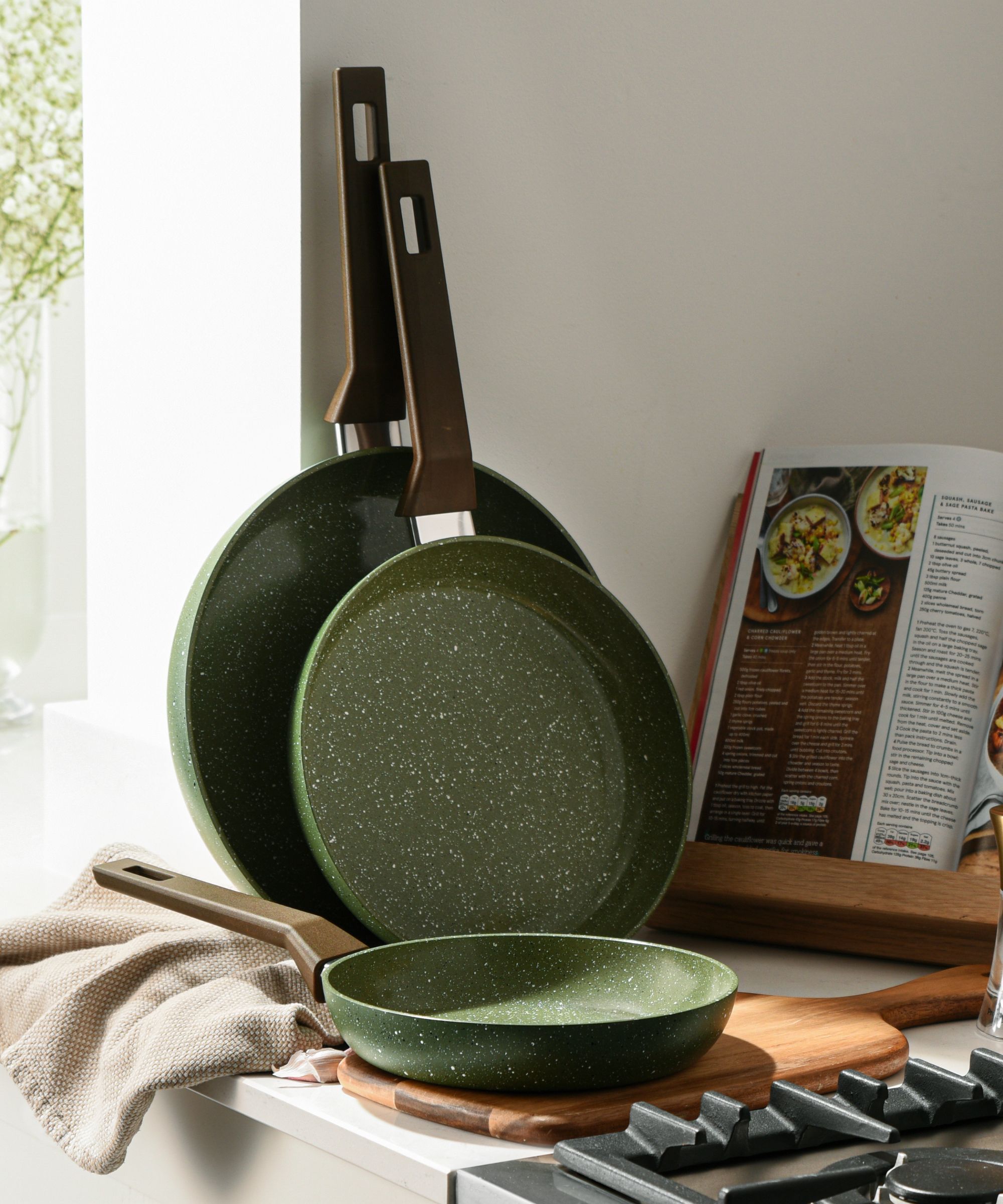
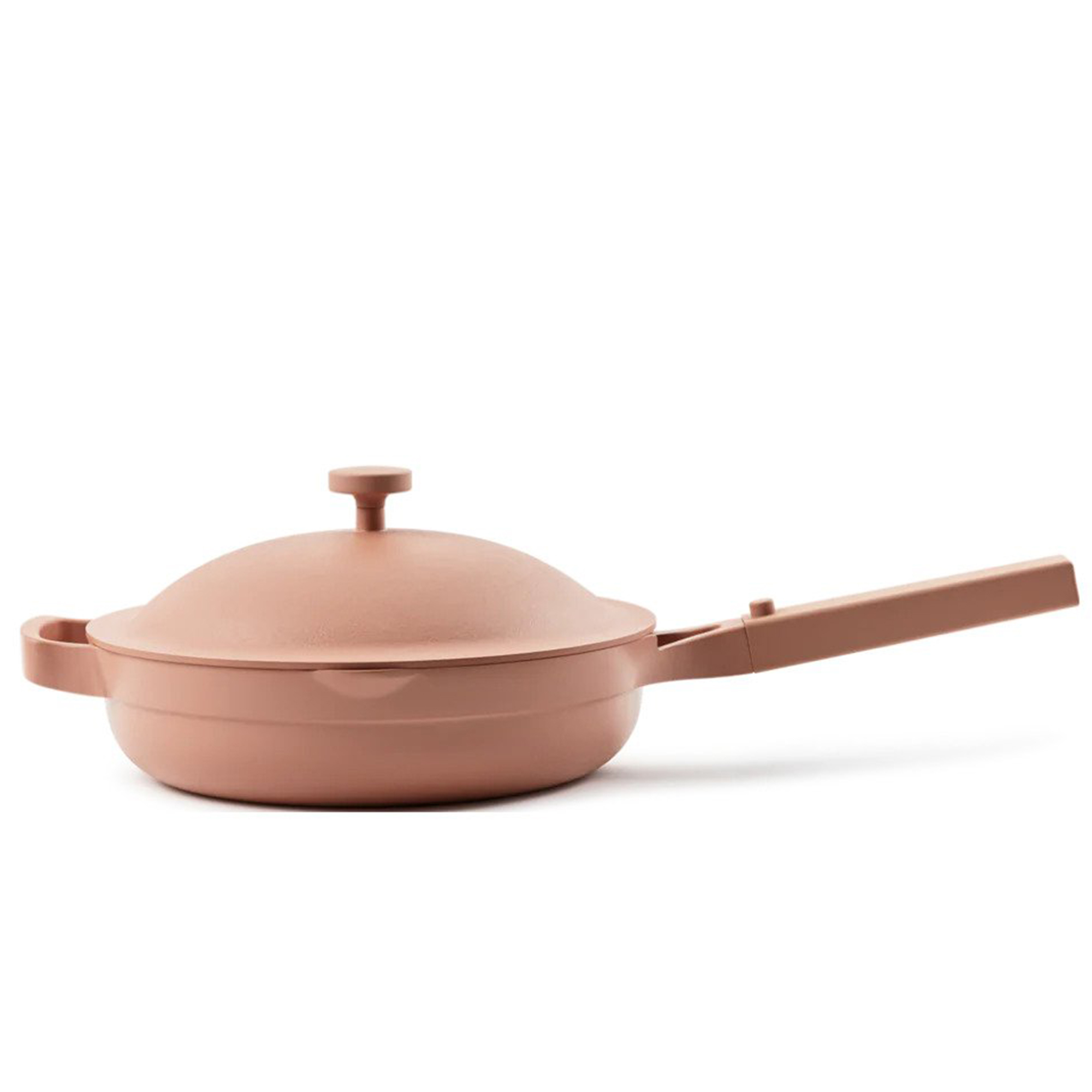
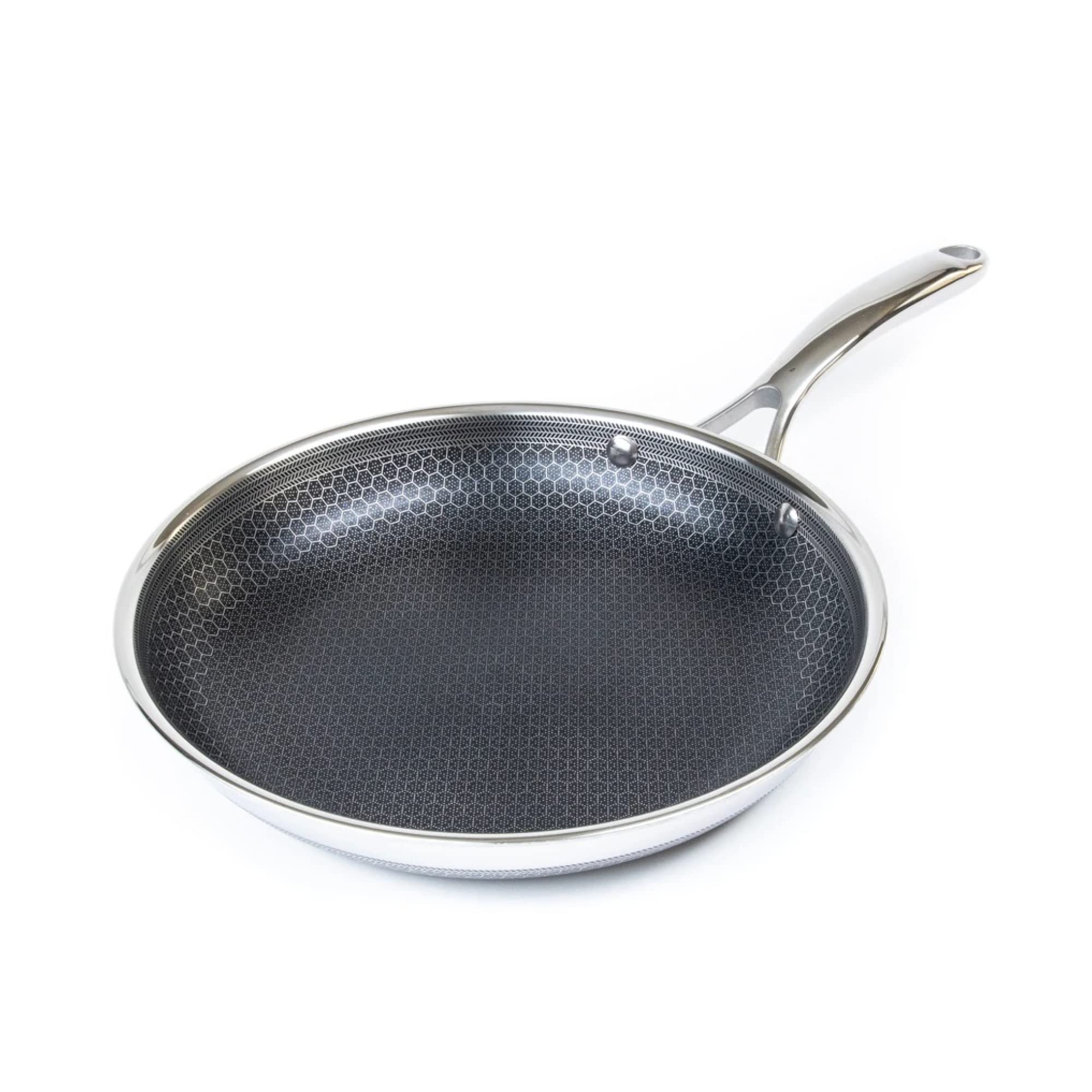
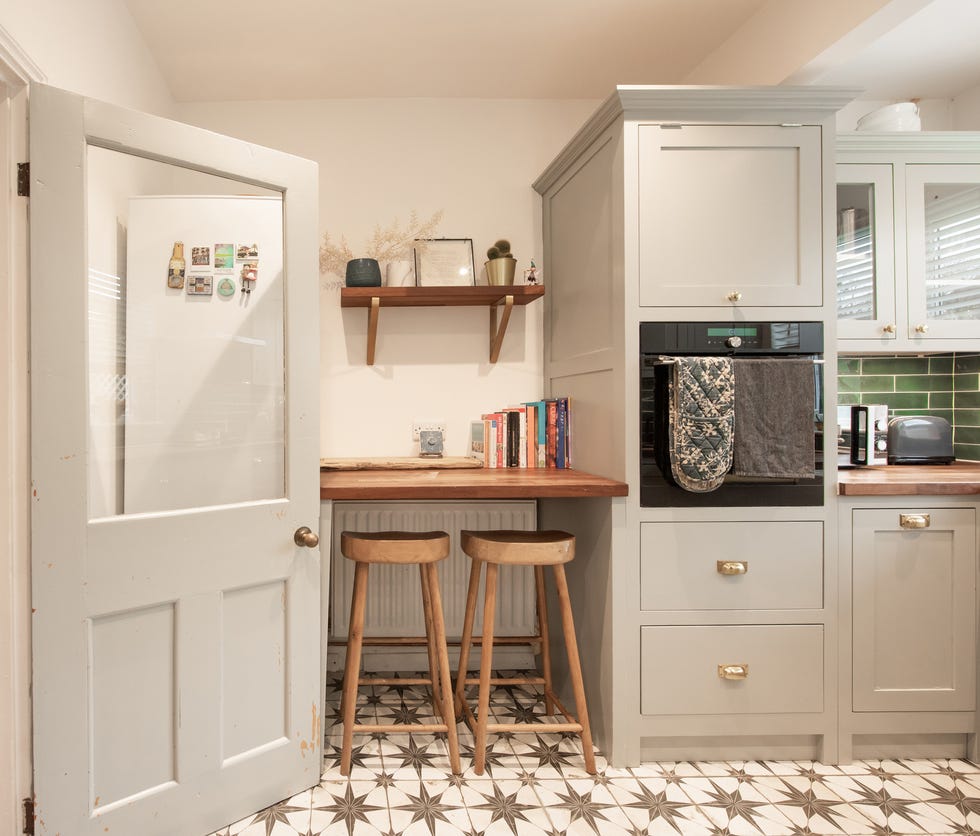
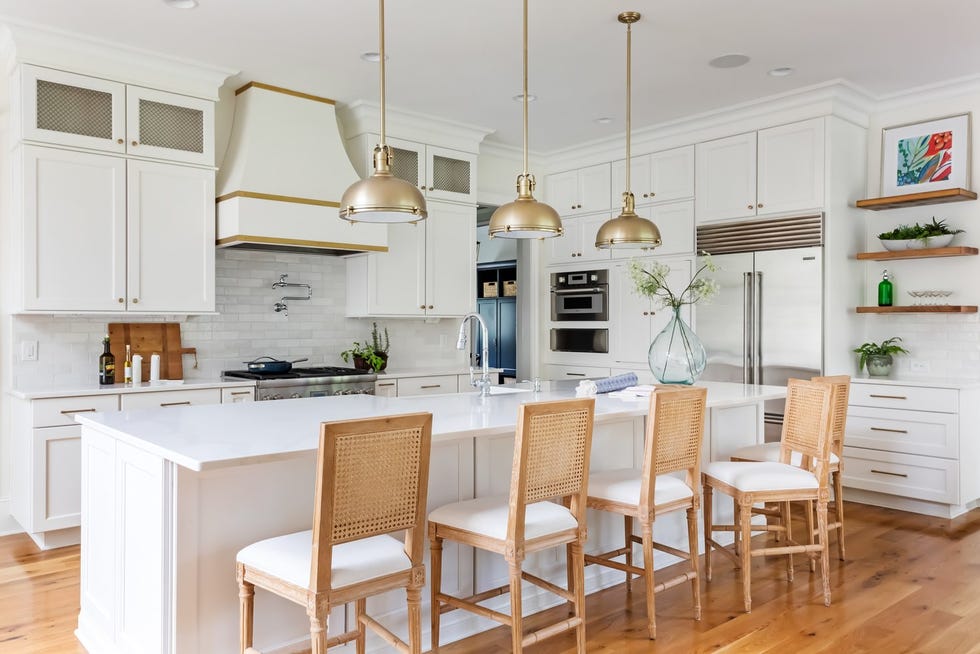
Mismatched kitchenware, such as pots without lids or random plates from old sets, can detract from the kitchen's overall aesthetic and consume valuable storage space. Items that are seldom used or are showing significant wear should be considered for donation or disposal. While open shelving is a popular trend, designers caution that it can lead to faster accumulation of grease and dust, requiring more frequent cleaning. Furthermore, poorly organized open shelves can create a cluttered appearance. Homeowners considering open shelving should carefully evaluate their storage needs, as a tall pantry or wall cabinets might be a more practical alternative.
Finally, items kept out of obligation, whether they are unwanted gifts or seasonal decorations that no longer appeal, contribute to clutter and an unloved kitchen environment. Homeowners should feel empowered to remove items they genuinely dislike. In the case of sentimental items or heirlooms that do not fit the kitchen's design or personal preference, passing them on to a relative who will appreciate and use them can be a thoughtful solution, preventing them from occupying valuable space unnecessarily.
#KitchenOrganization #DeclutteringTips #InteriorDesign #HomeImprovement #KitchenAppliances #KitchenStorage #HomeDecor #SpaceSaving #MinimalistKitchen #KitchenOrganization #DeclutteringTips #InteriorDesign #HomeImprovement #KitchenAppliances #KitchenStorage #HomeDecor #SpaceSaving #MinimalistKitchen
0 comment in total
 No comments yet
You may also like
4 things to get rid of in your kitchen cabinets — experts say ditch these items right now

15 Outdated Things You Should Avoid In Your Kitchen, According To Designers

6 Things You Should Never Keep on Your Kitchen Counter

Interior designers reveal the 12 things in your home you should get rid of
5 Pieces of Decor You Need to Remove From Your Kitchen Today — "They're Bulky and Eyesores," Say Designers

5 things to never put on your kitchen island, according to interior designers

9 Things To Keep Out Of Your Dining Room, According To Designers
8 Things Designers Would NEVER Add to a Kitchen in 2025
10 things decluttering experts won't keep in their kitchen cupboards
9 Things You Should Get Rid of in Your Kitchen Cabinets Right Now — An Expert Explains Why

6 things to get rid of from your kitchen today so that you can embrace a more minimalist way of living
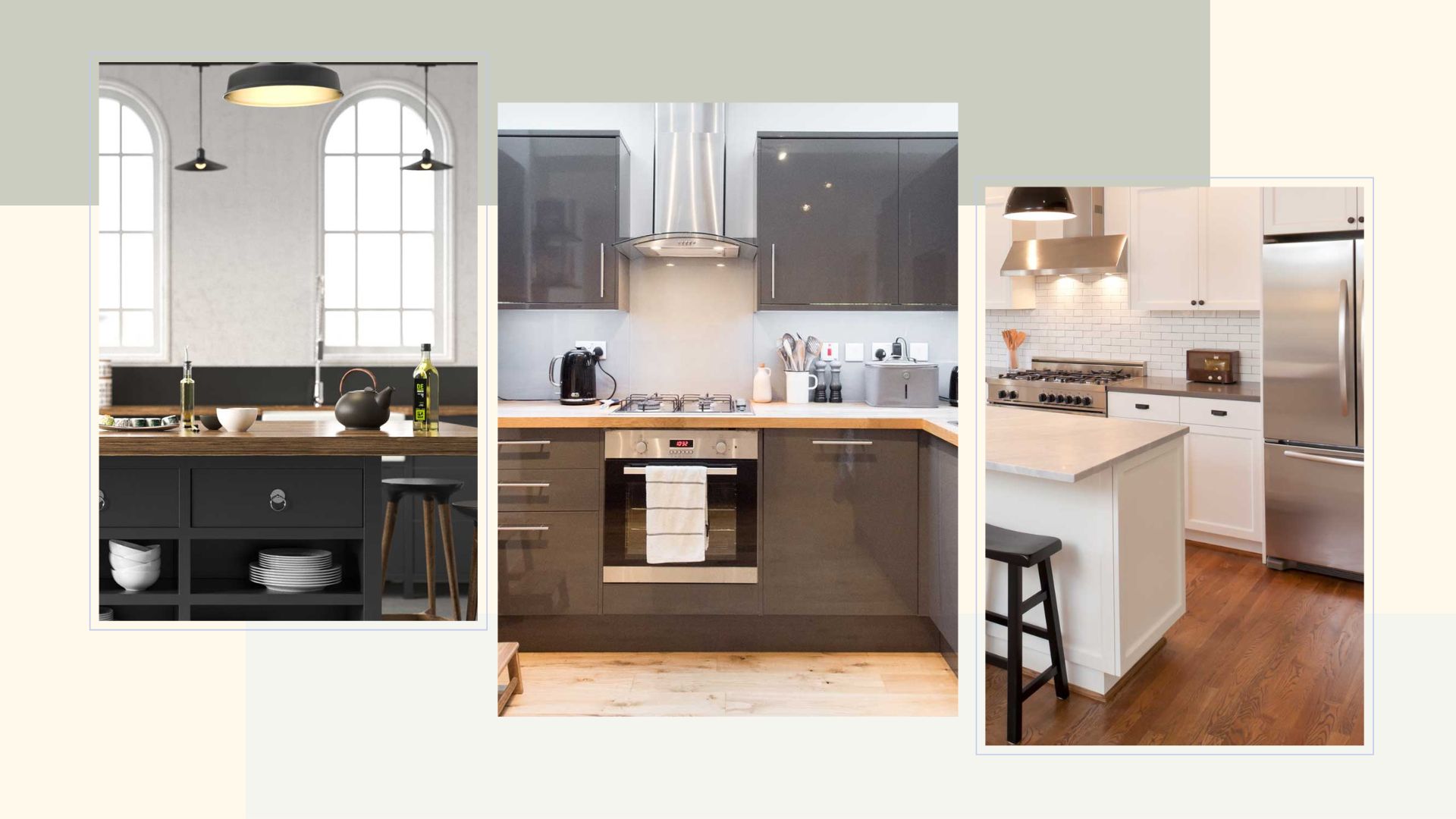
Kitchen trends to avoid 2023 – 9 overdone looks interior designers want us to steer clear of

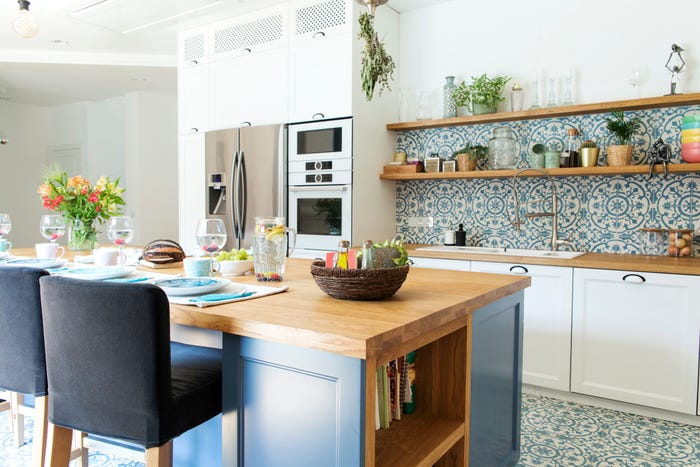
Interior designers share the 10 things in your kitchen you should get rid of
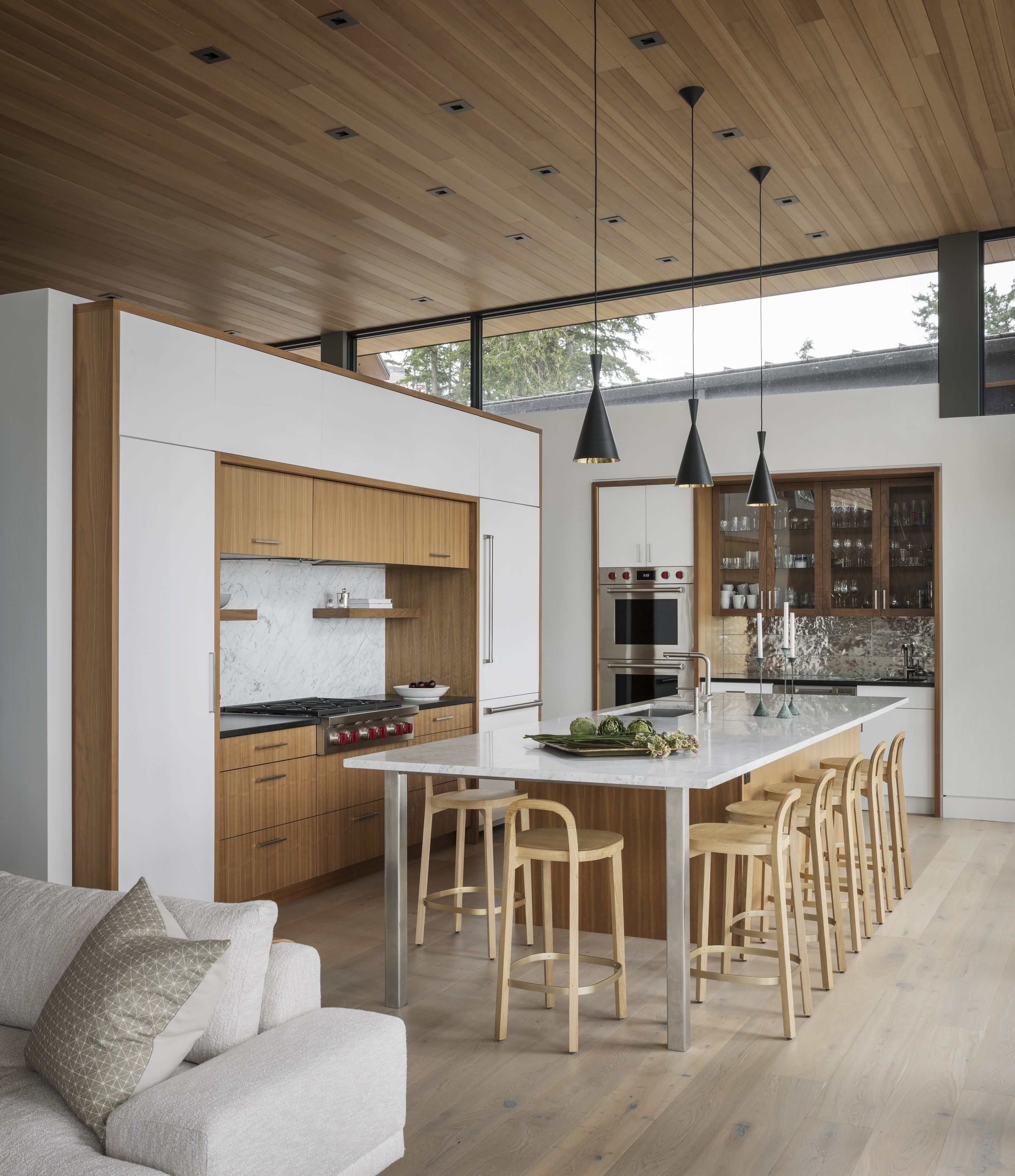
7 Kitchen Storage Trends That Designers say are Best Avoided
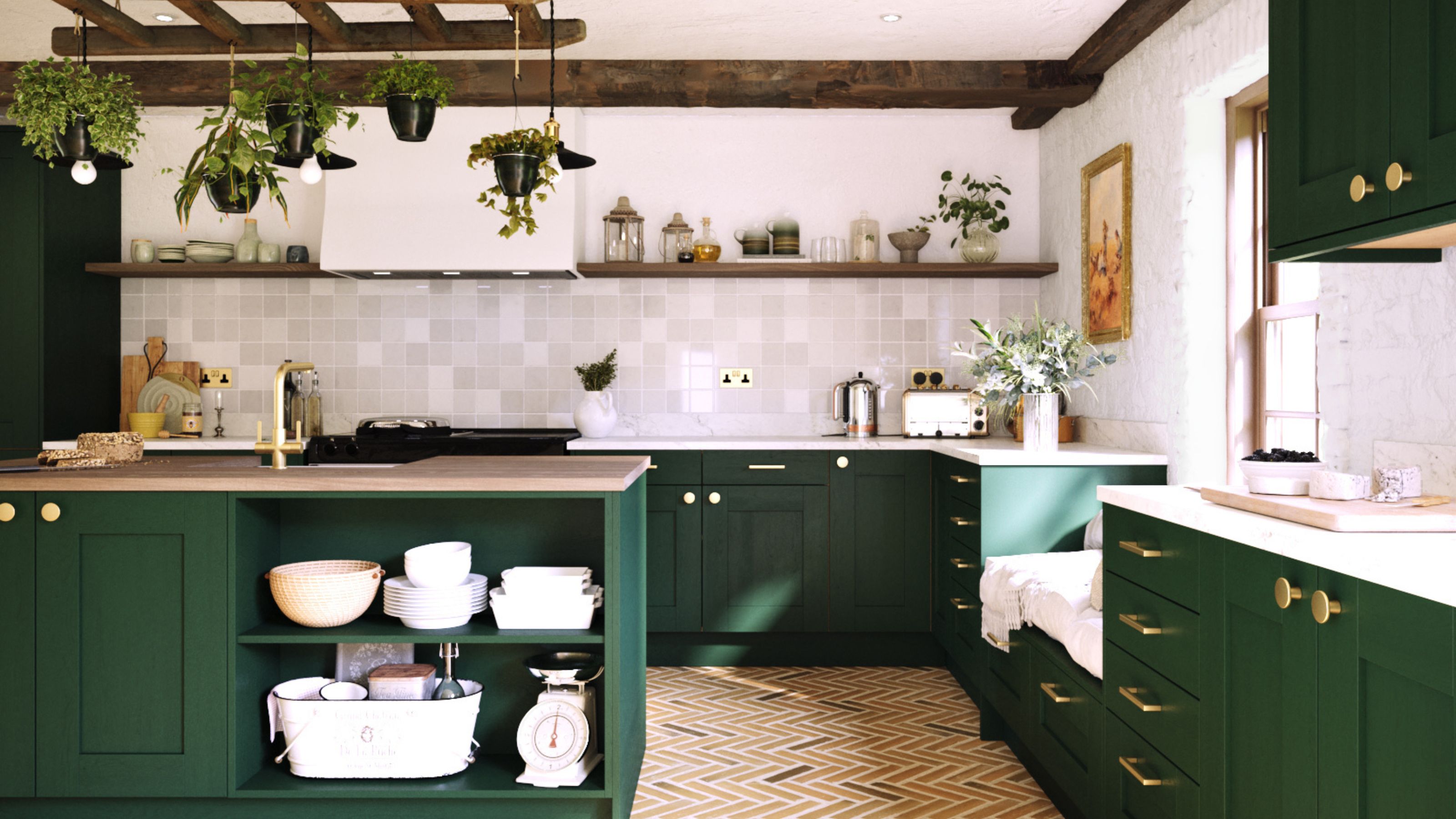
These are the 7 things to get rid of first in your kitchen cabinets, according to cleaning pros
15 Items in Your Kitchen That Professional Organizers Would Throw Out

22 Outdated Things You Should Avoid in Your Kitchen, According to Designers
8 Things You Should NEVER Keep On Your Kitchen Counter

9 things to get rid of from your medicine cabinet right now – according to experts
12 things to get rid of in your home, from an interior designer