1/4
6 things to get rid of from your kitchen today so that you can embrace a more minimalist way of living
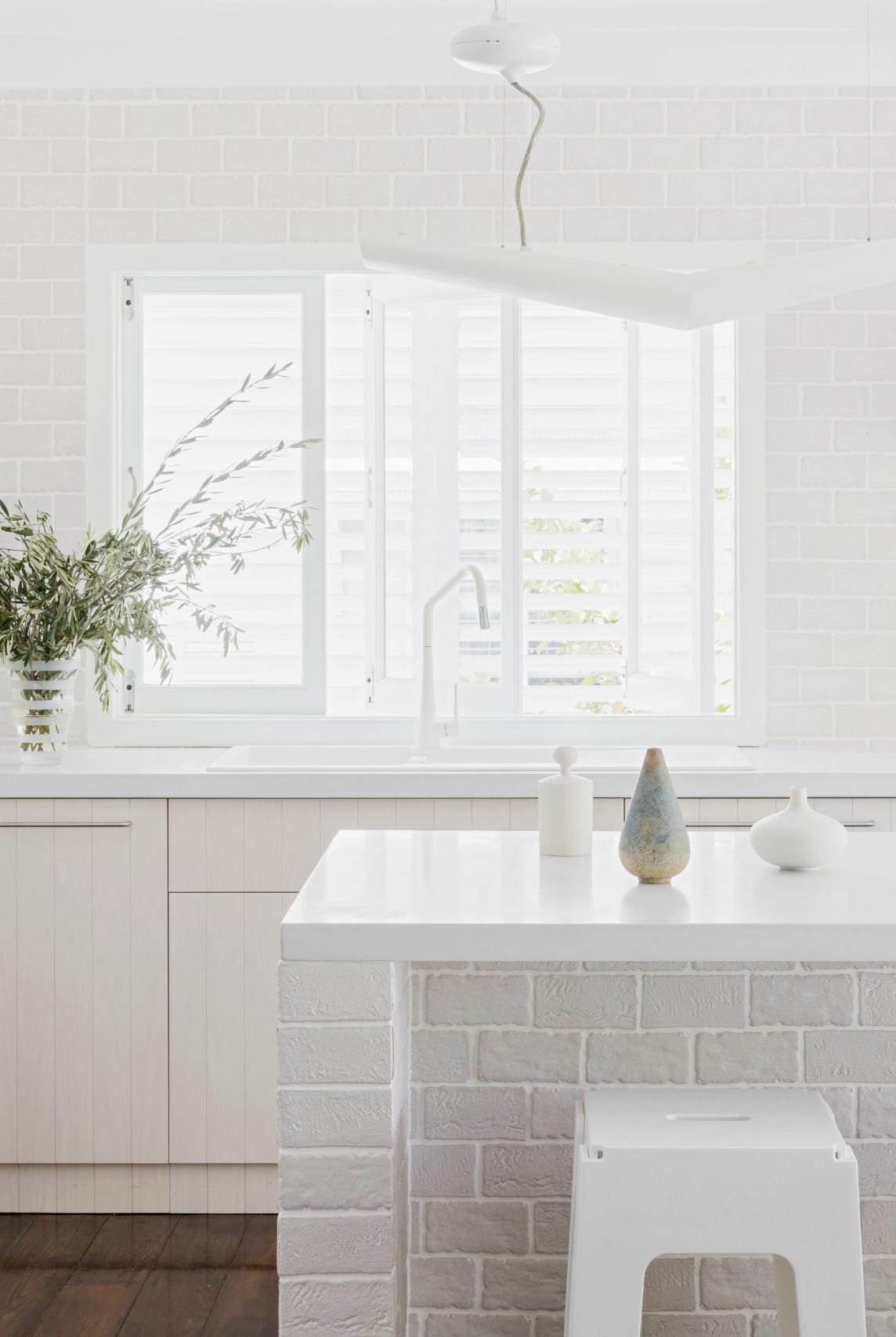
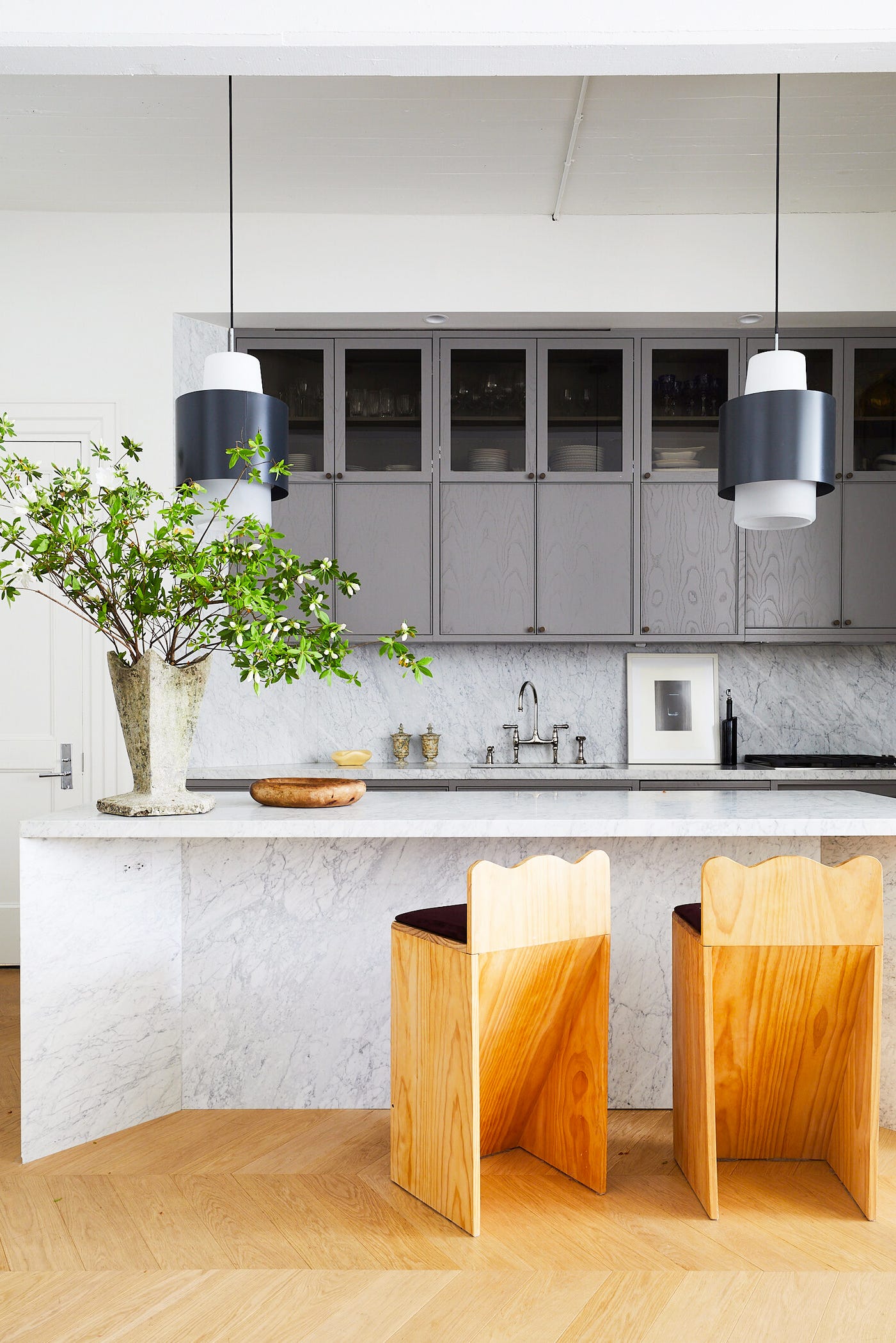
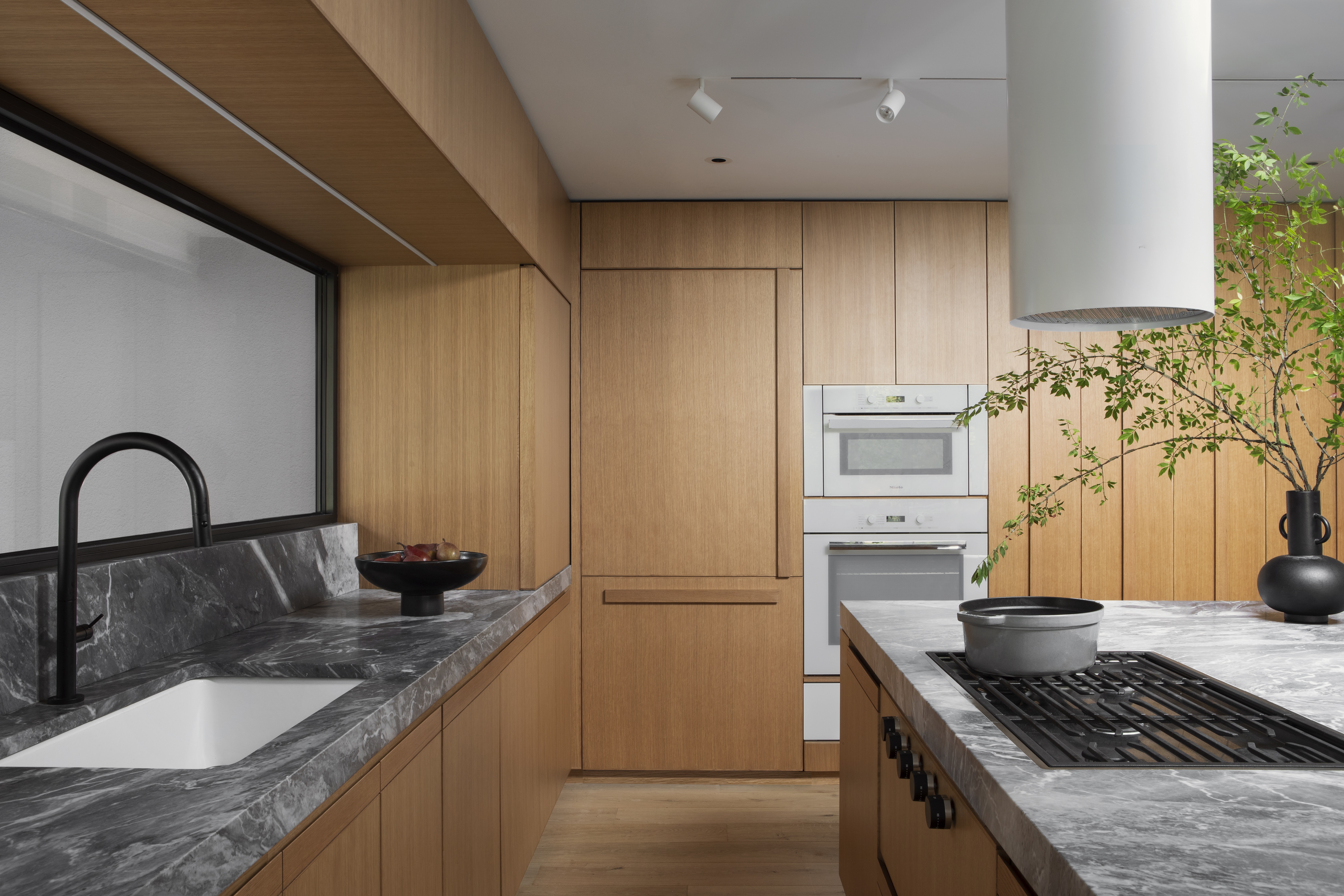
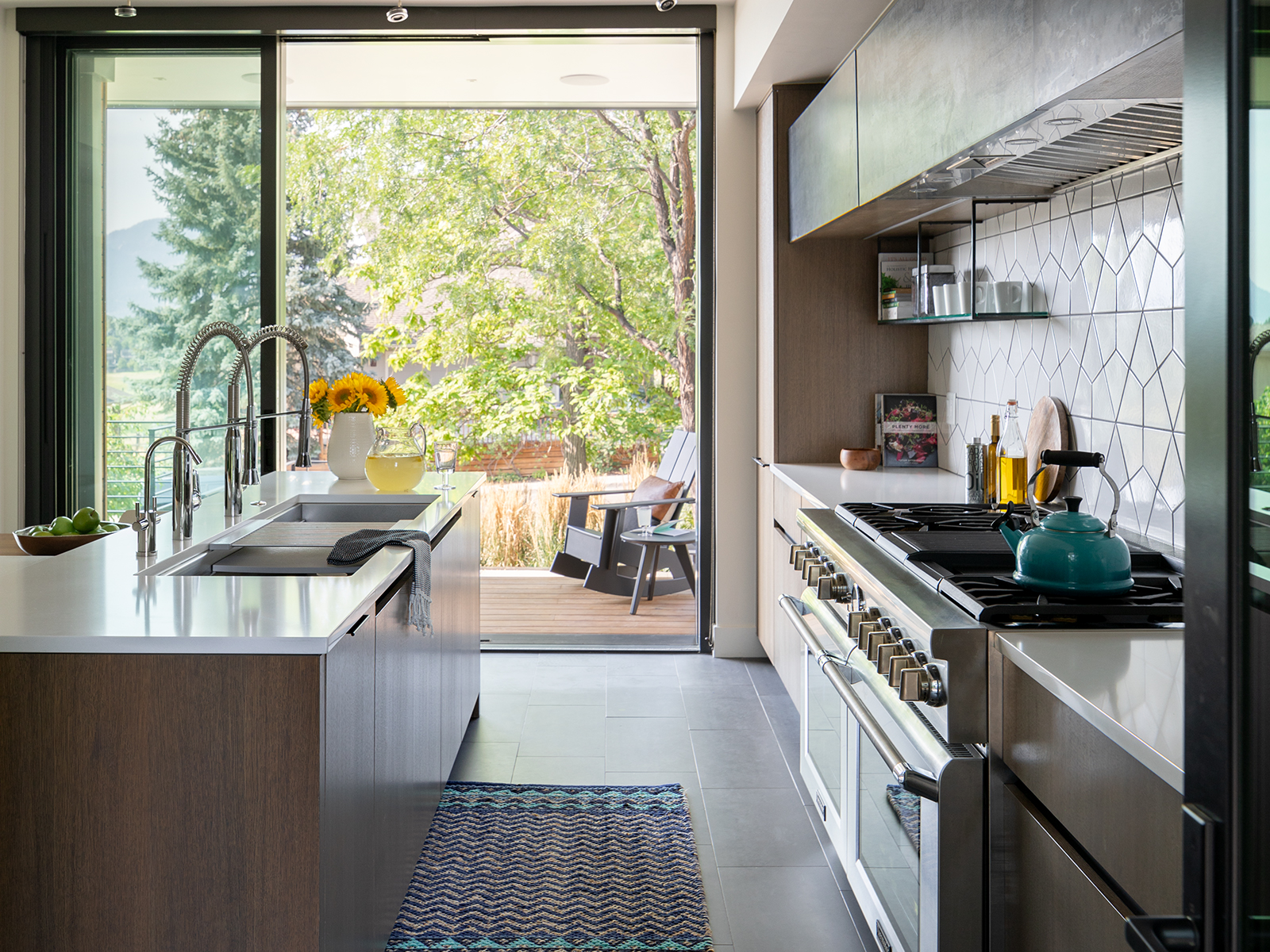
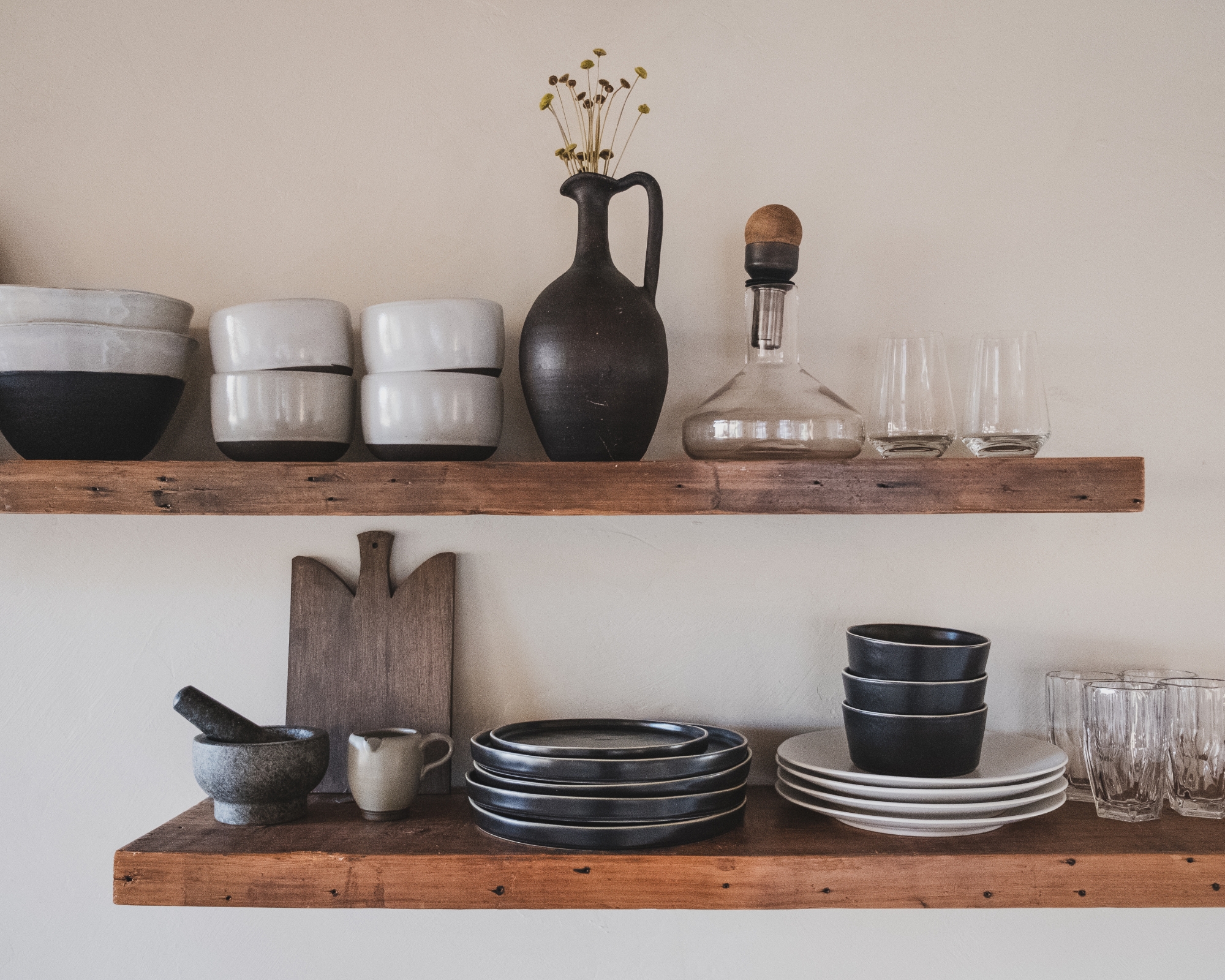
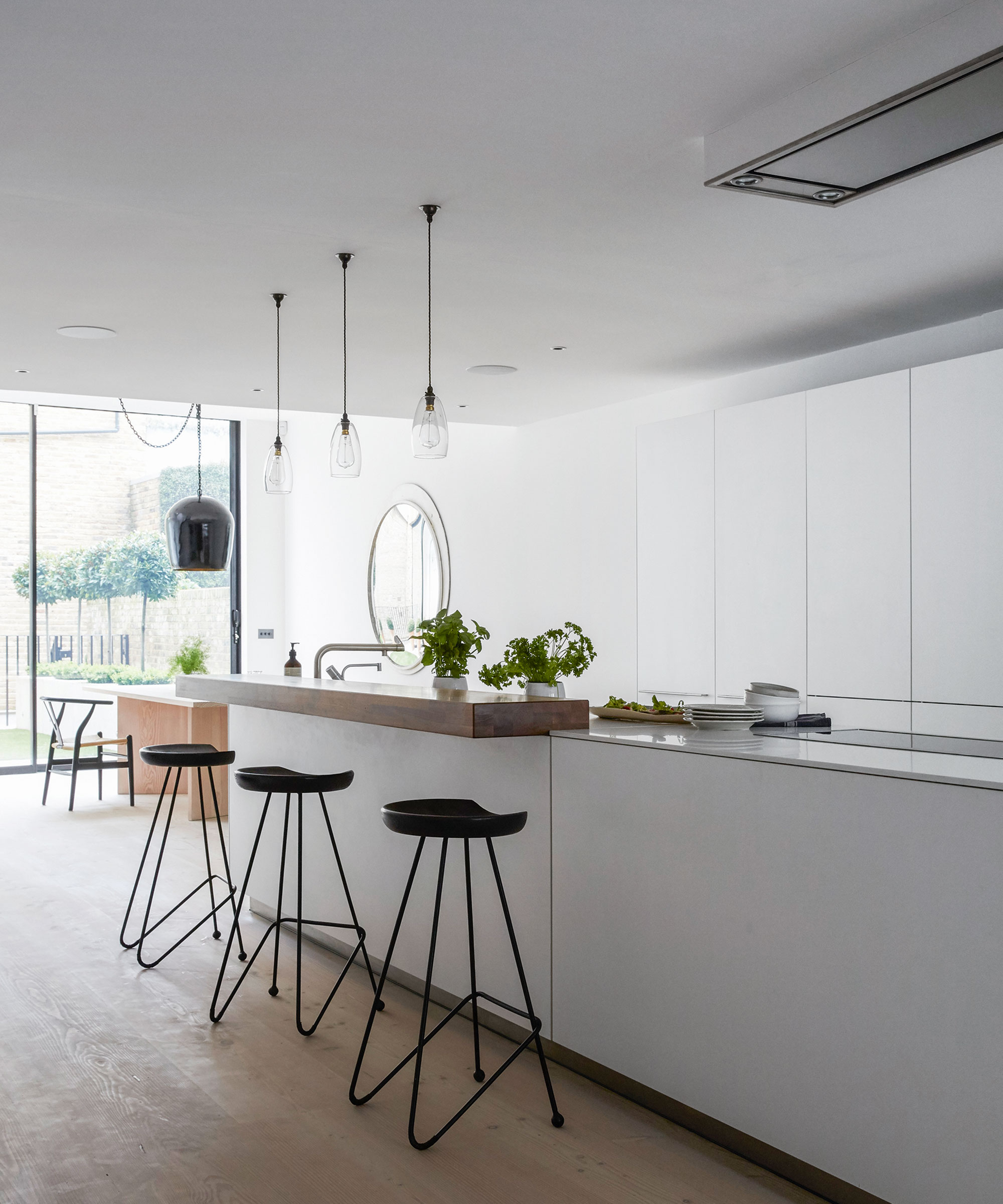
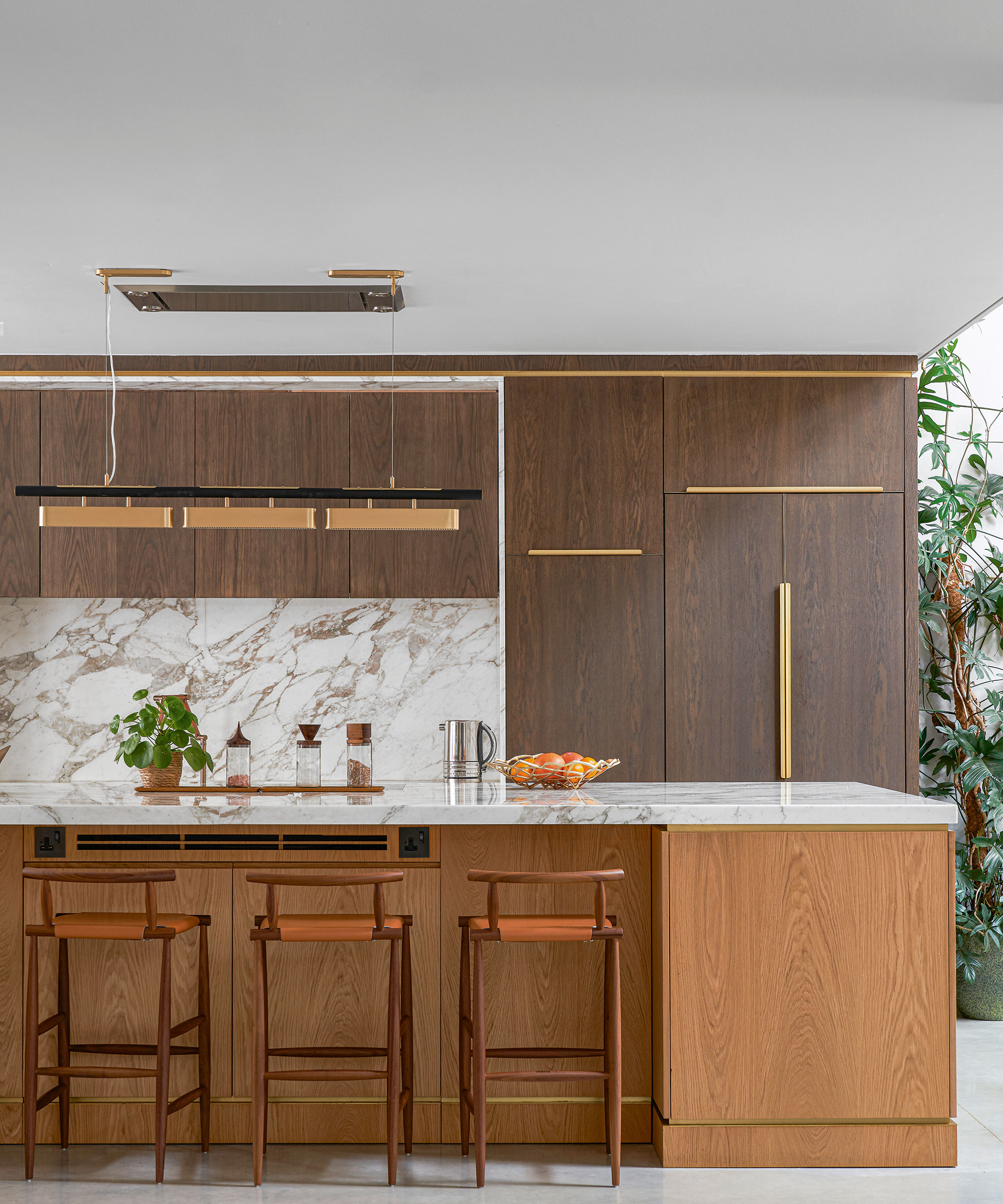
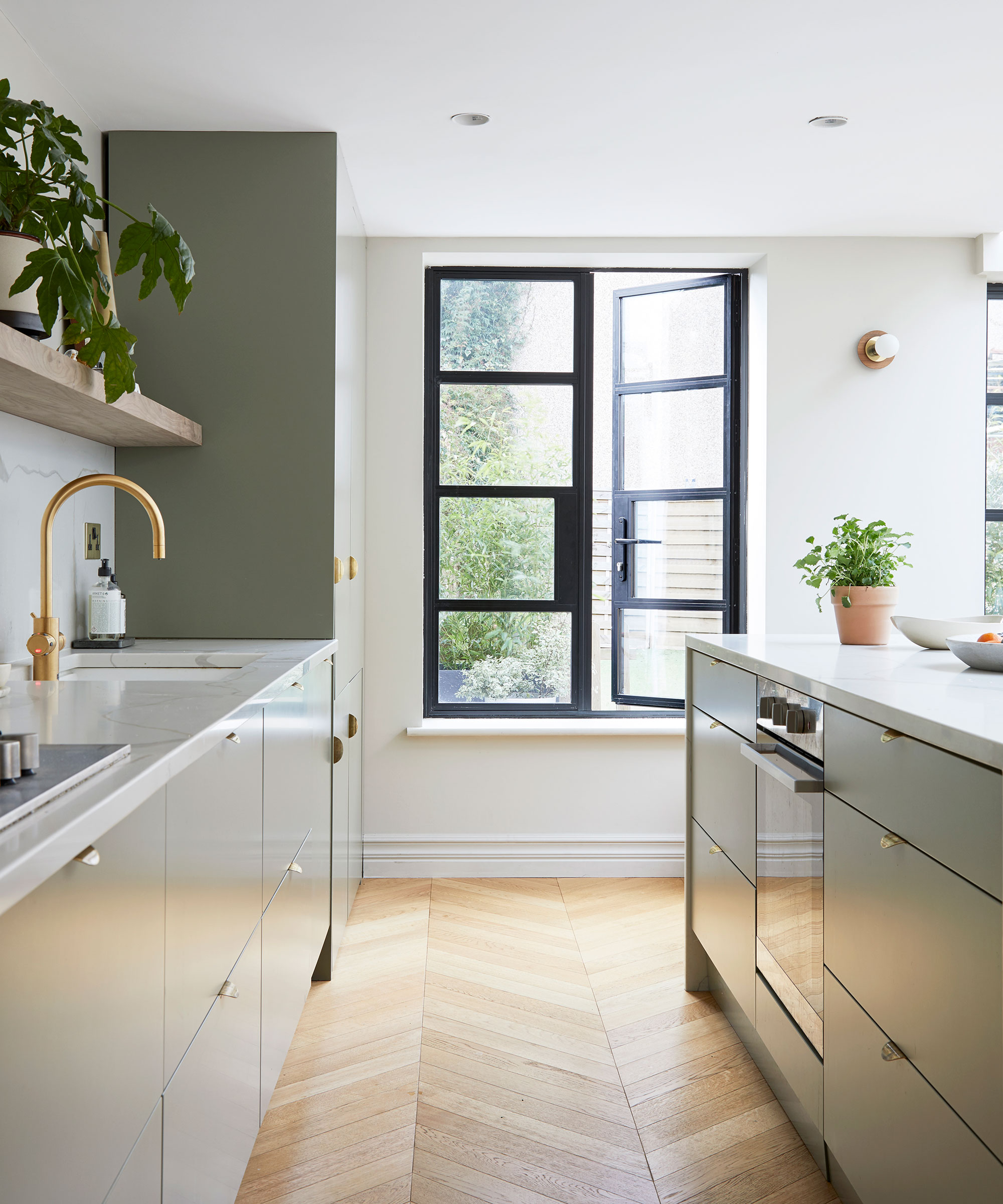
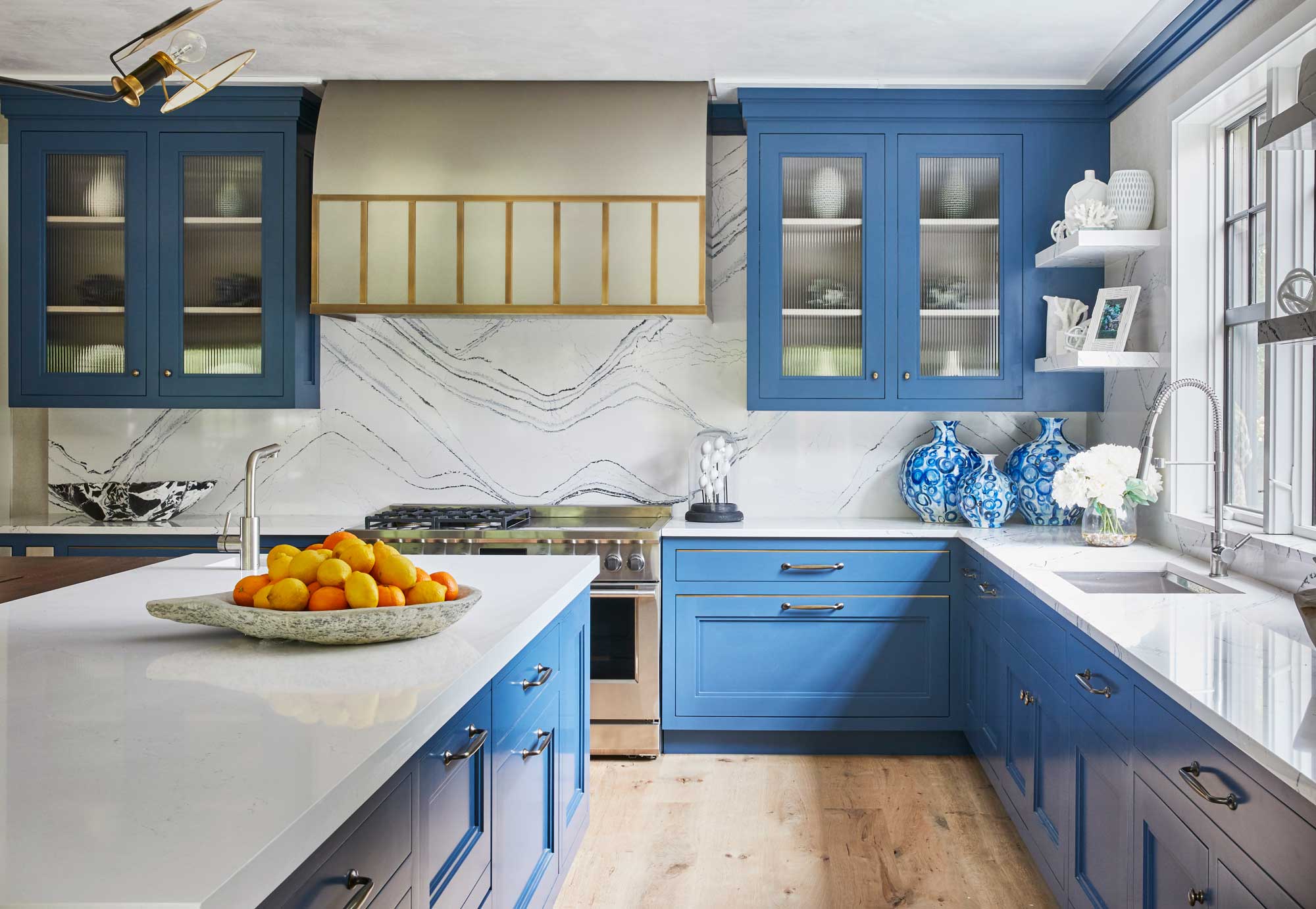
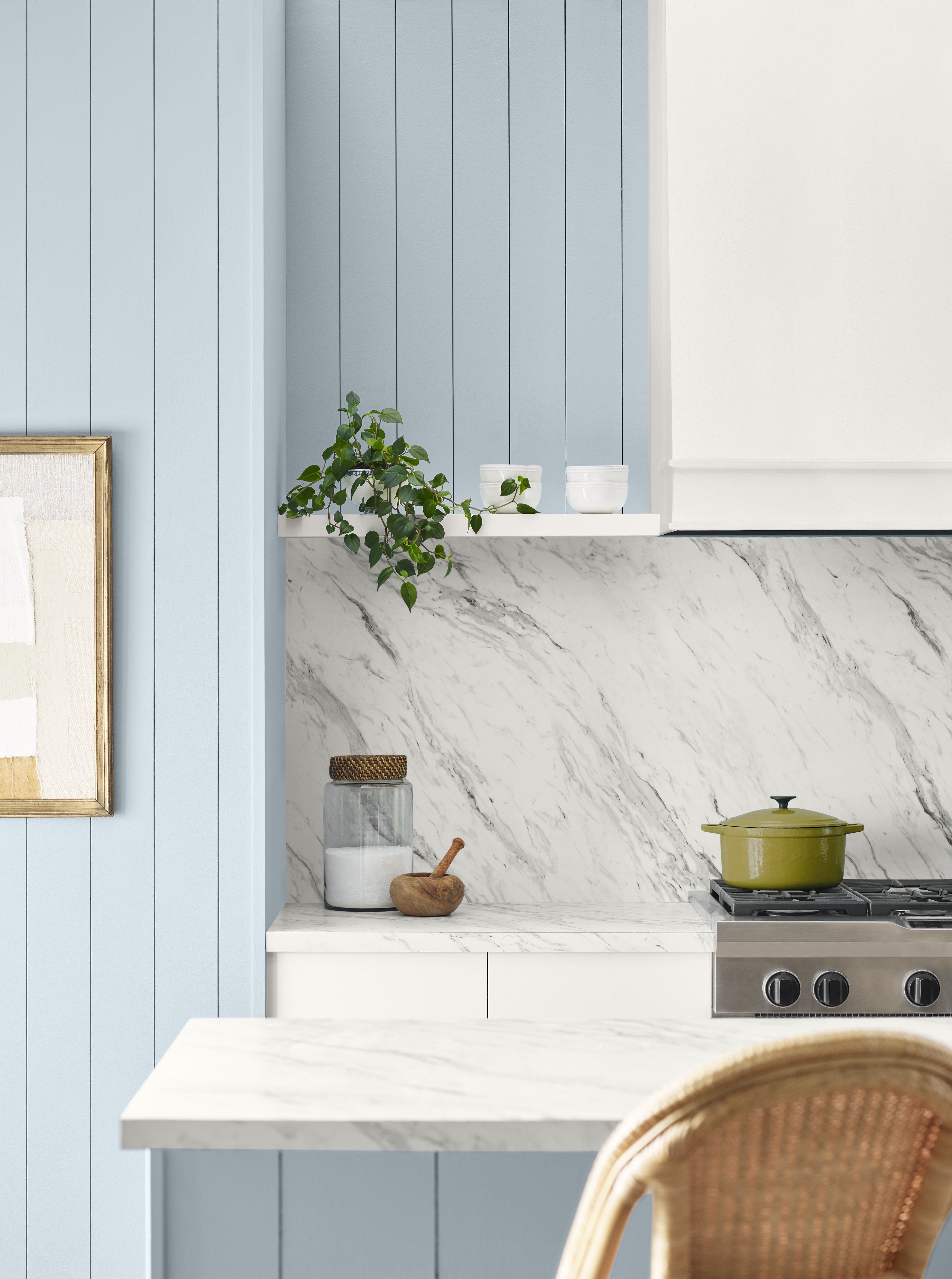
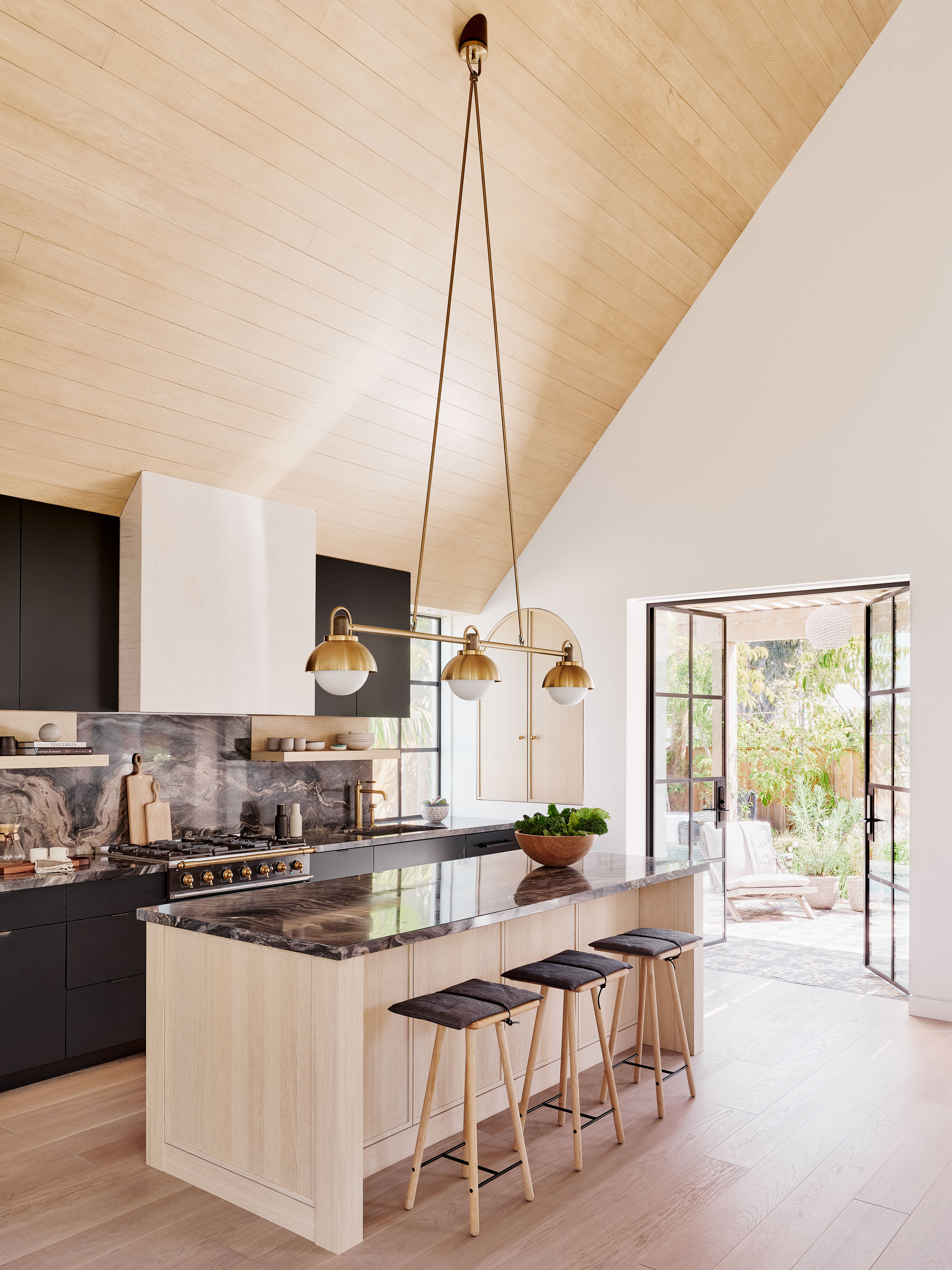
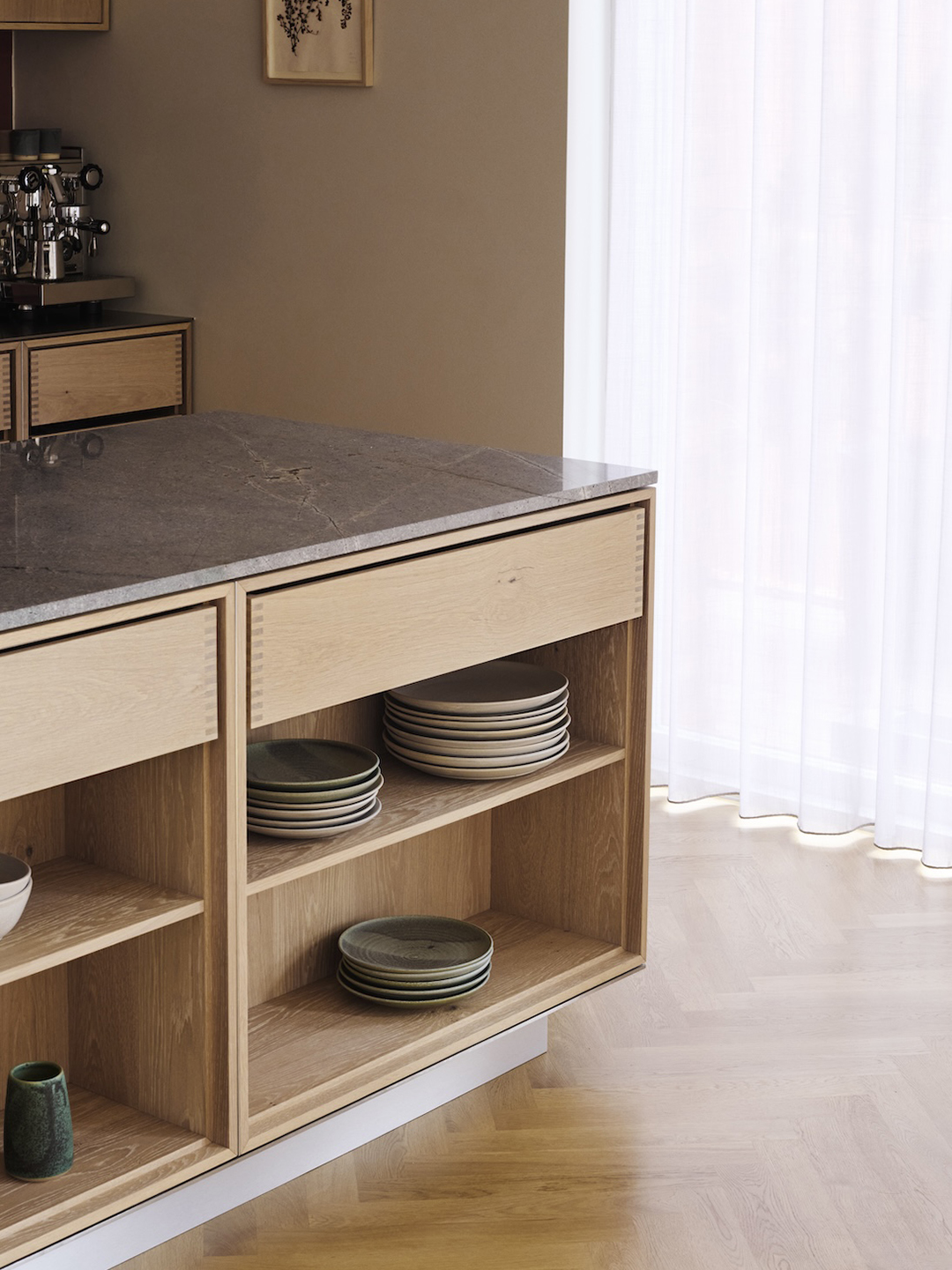
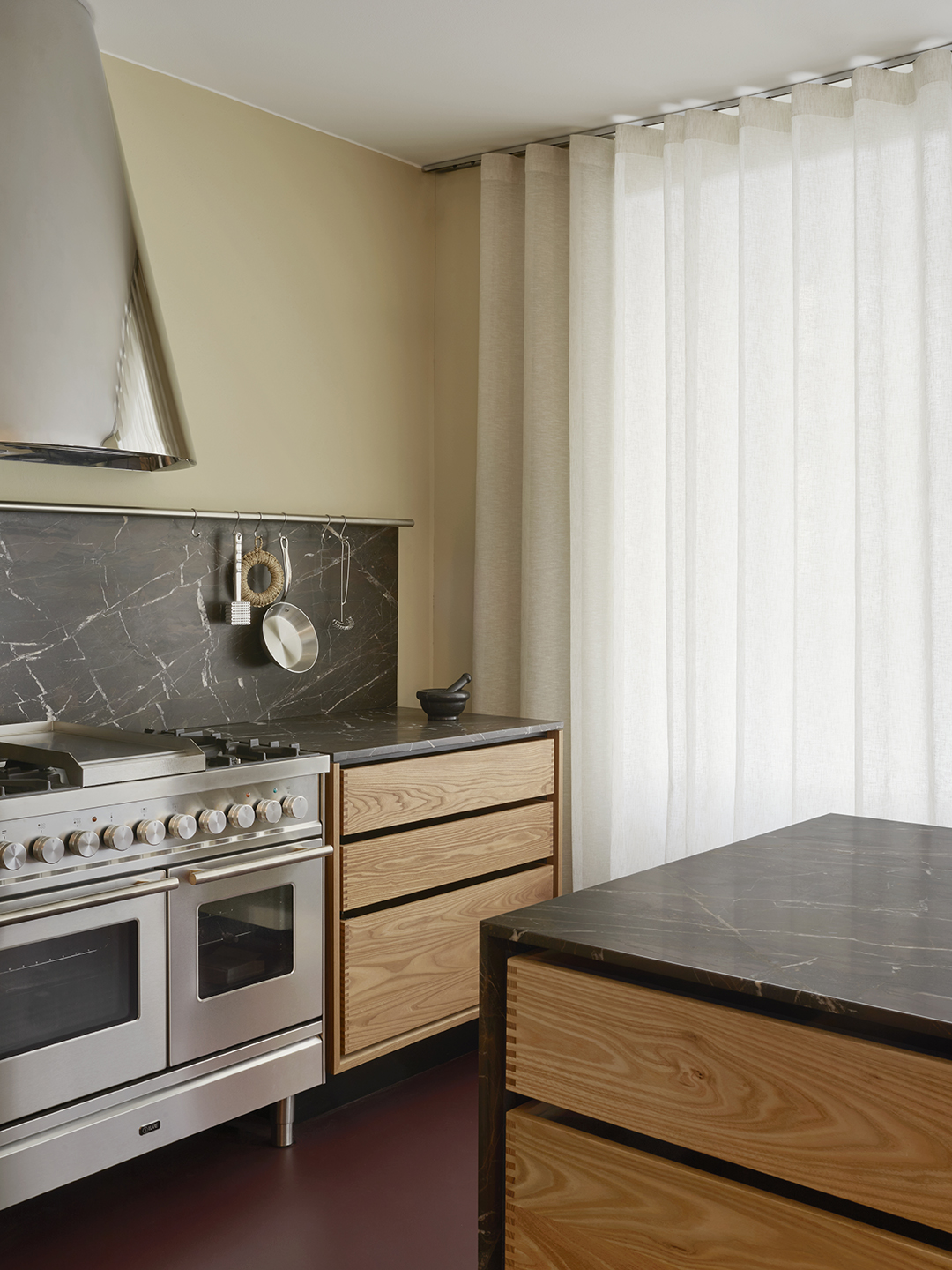
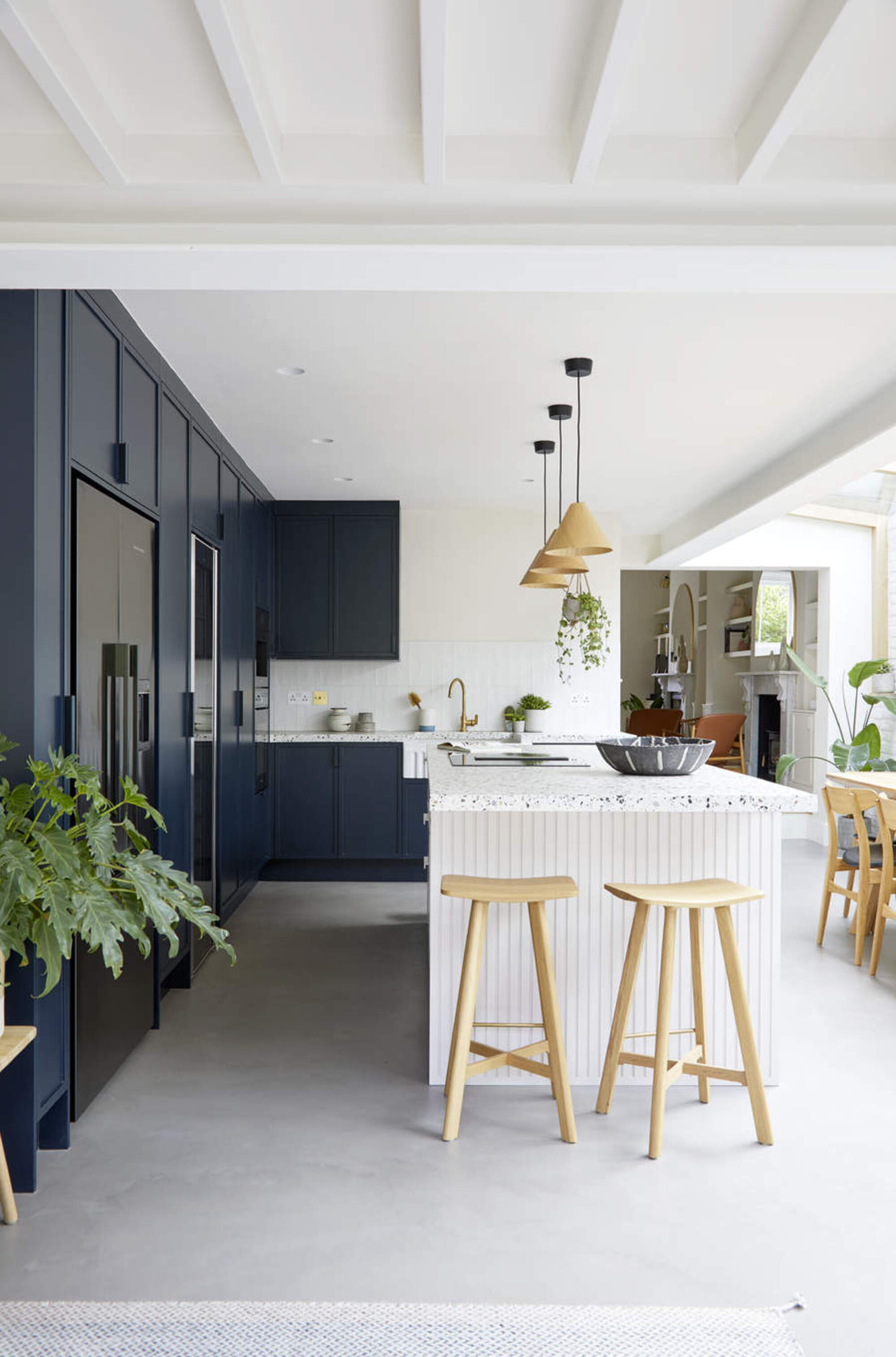
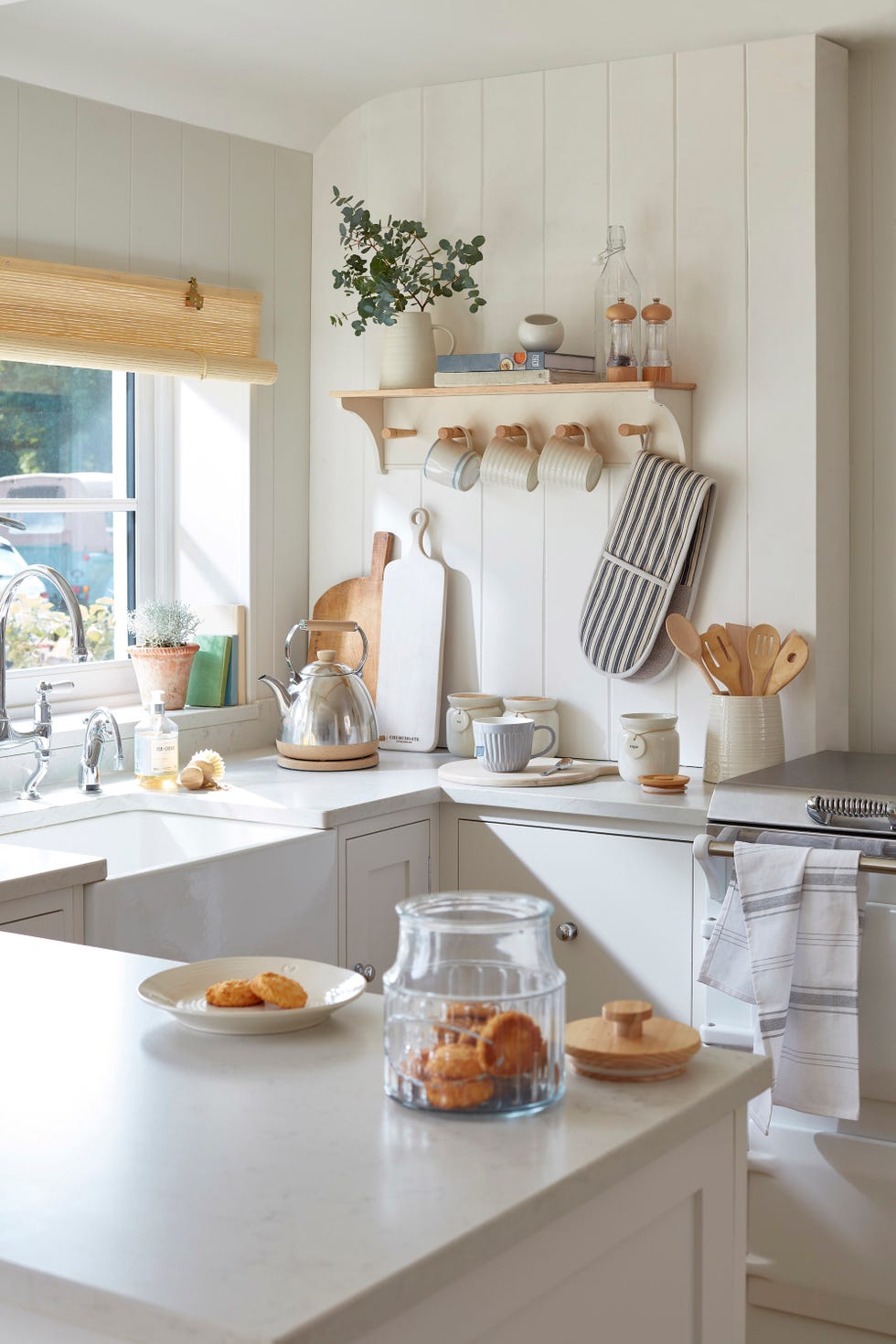
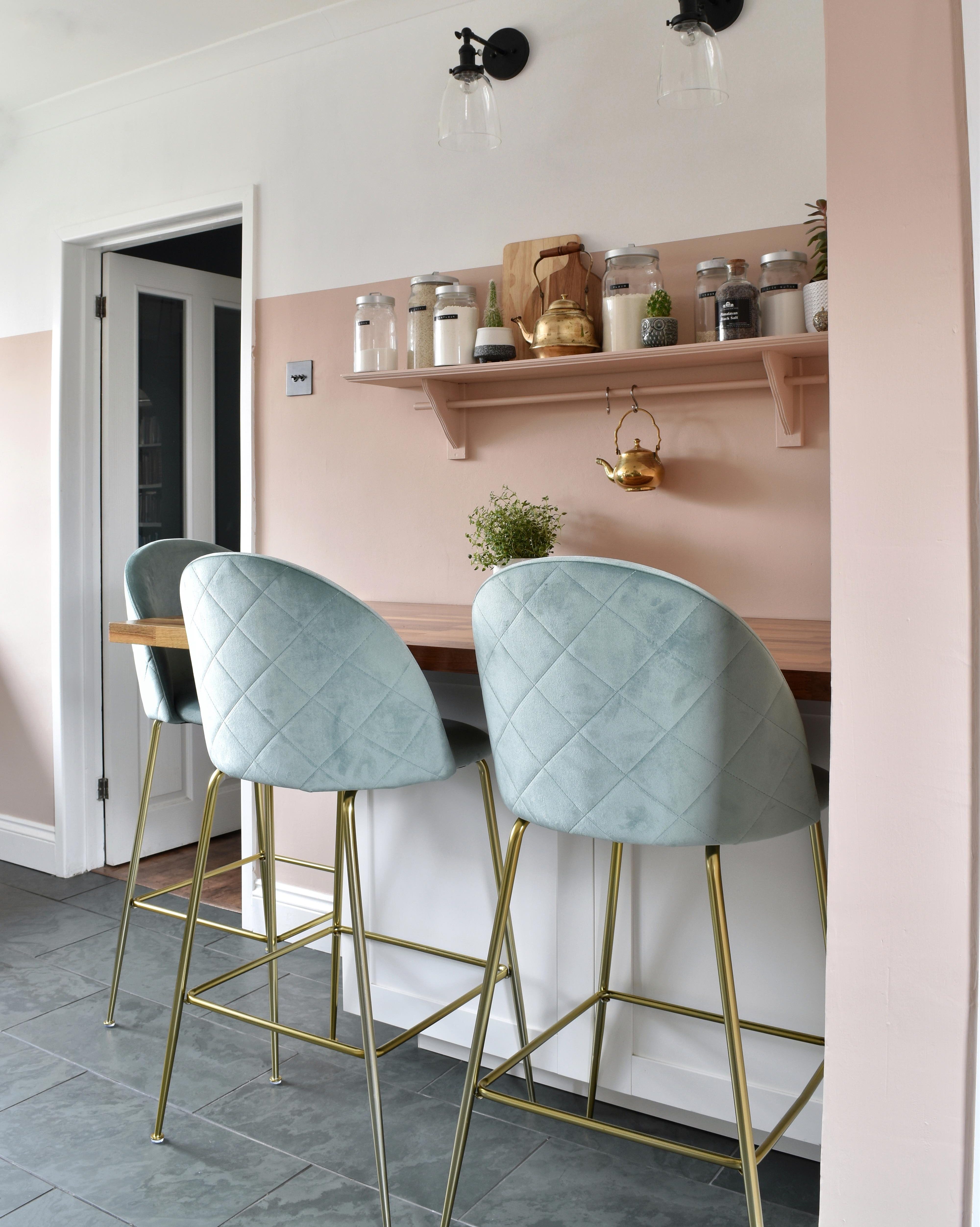
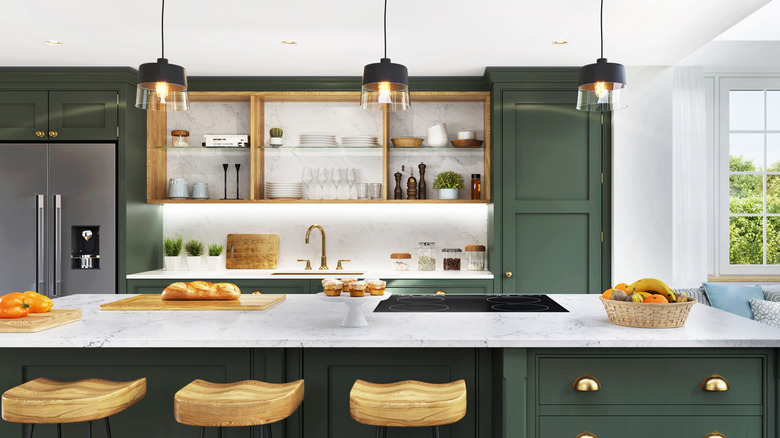
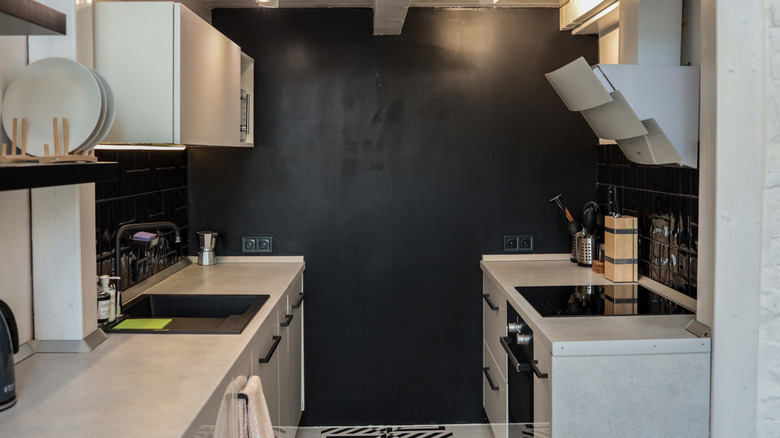
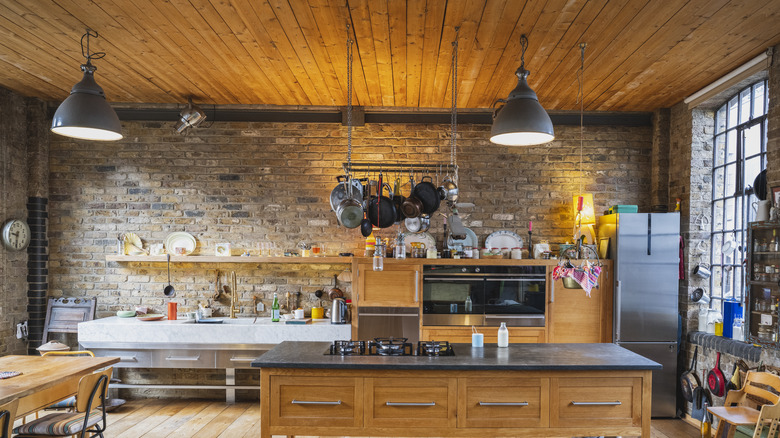
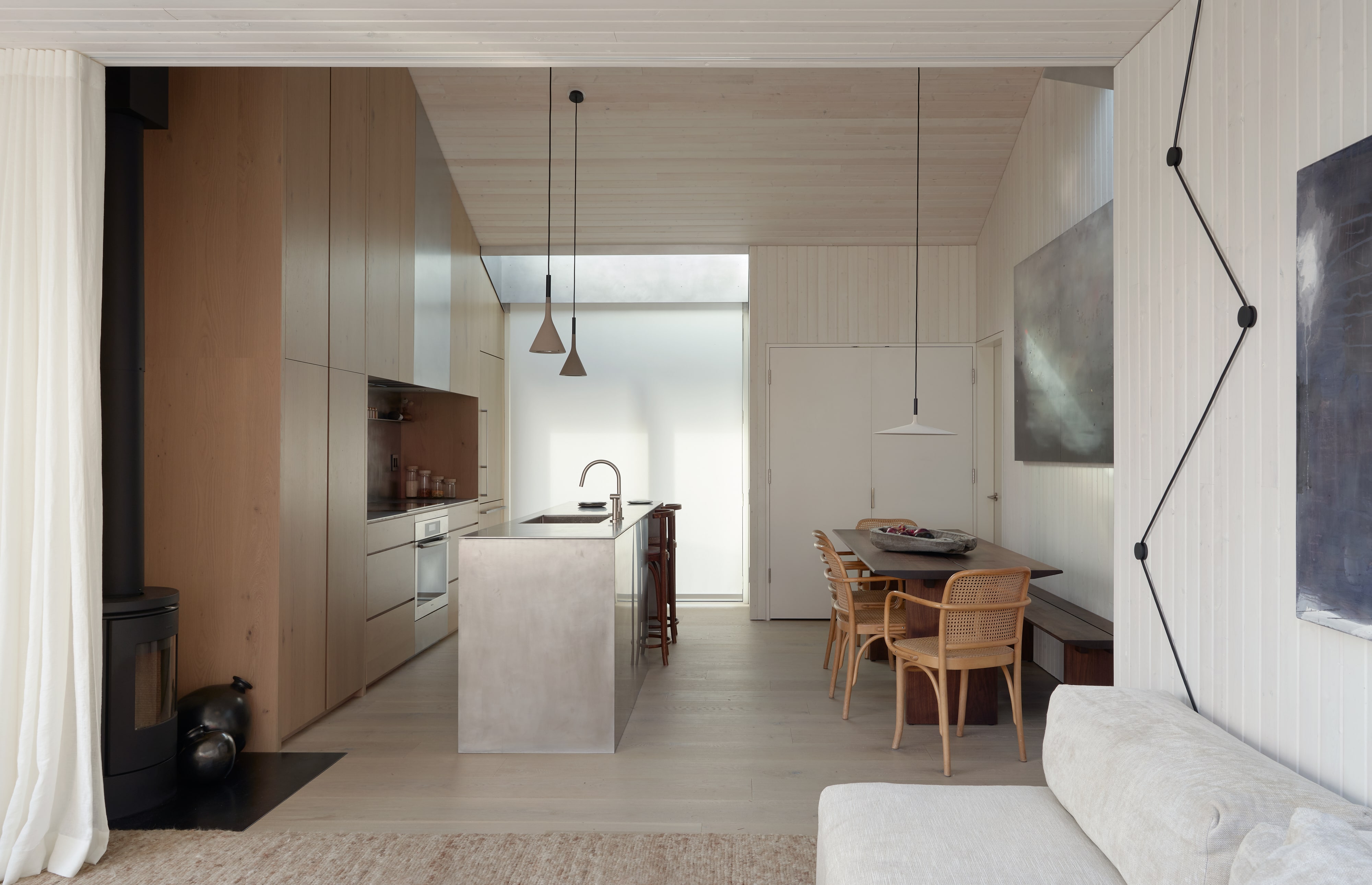
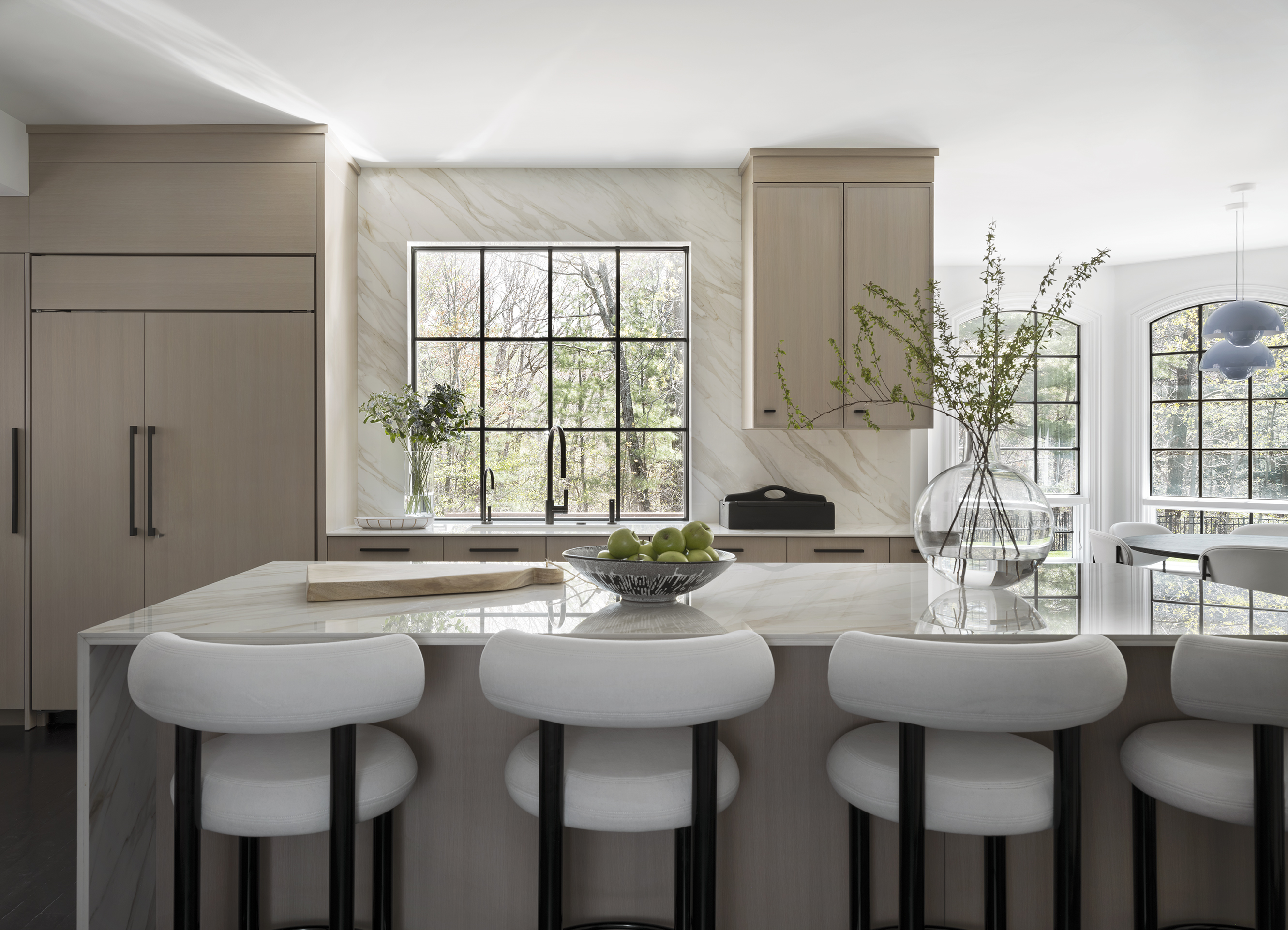
Achieving a minimalist kitchen aesthetic often involves a thorough decluttering process, moving beyond merely concealing items to actively removing unnecessary objects that contribute to visual clutter and take up valuable space. This approach aligns with the core philosophy of minimalism, which advocates for living with less and prioritizing items that are both functional and aesthetically pleasing. While kitchens are central hubs in homes, they often accumulate a wide array of items, many of which are rarely used or serve little practical purpose. Professional organizers emphasize the importance of retaining only those items that genuinely support one's cooking habits and lifestyle, rather than keeping things out of a perceived necessity.
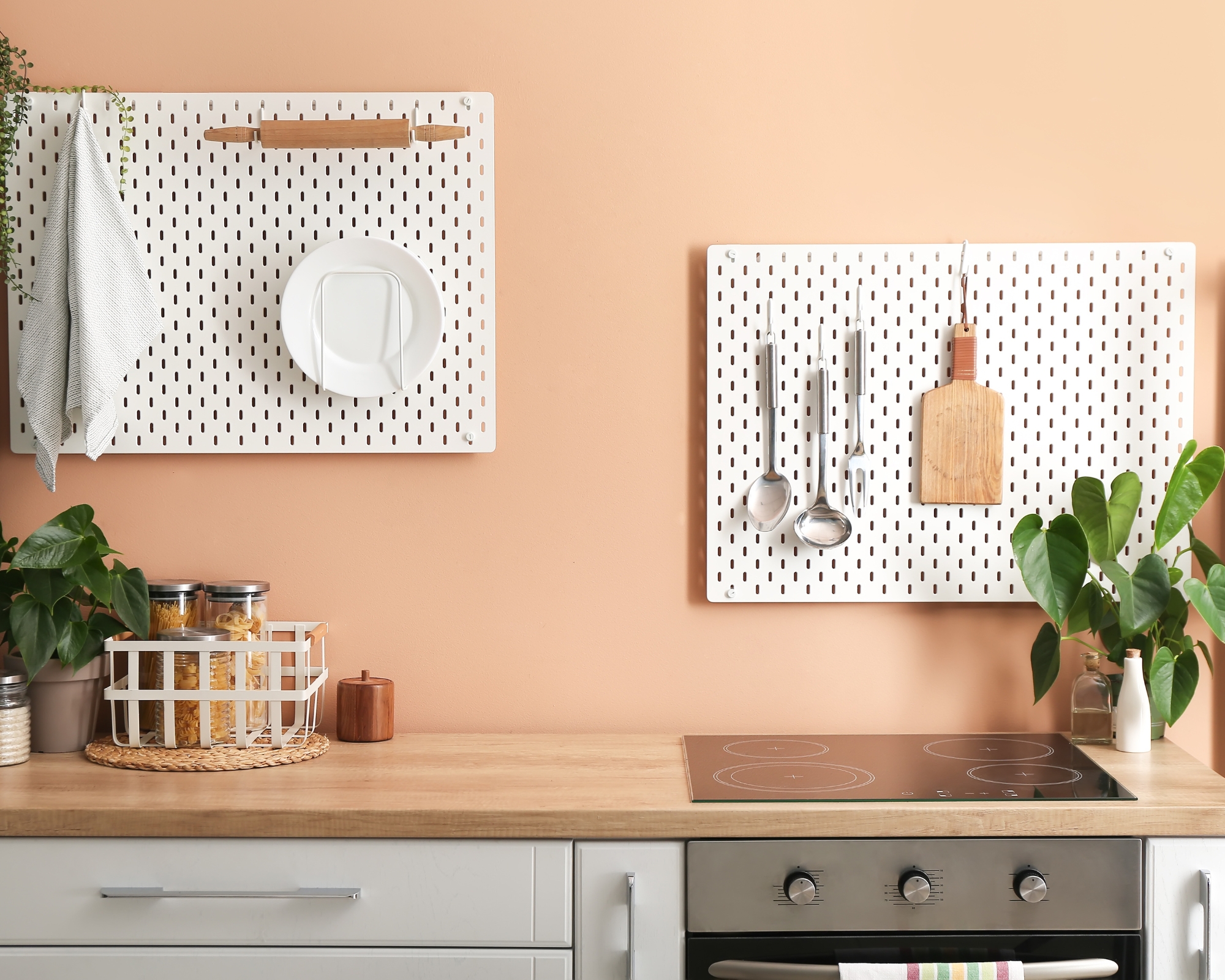
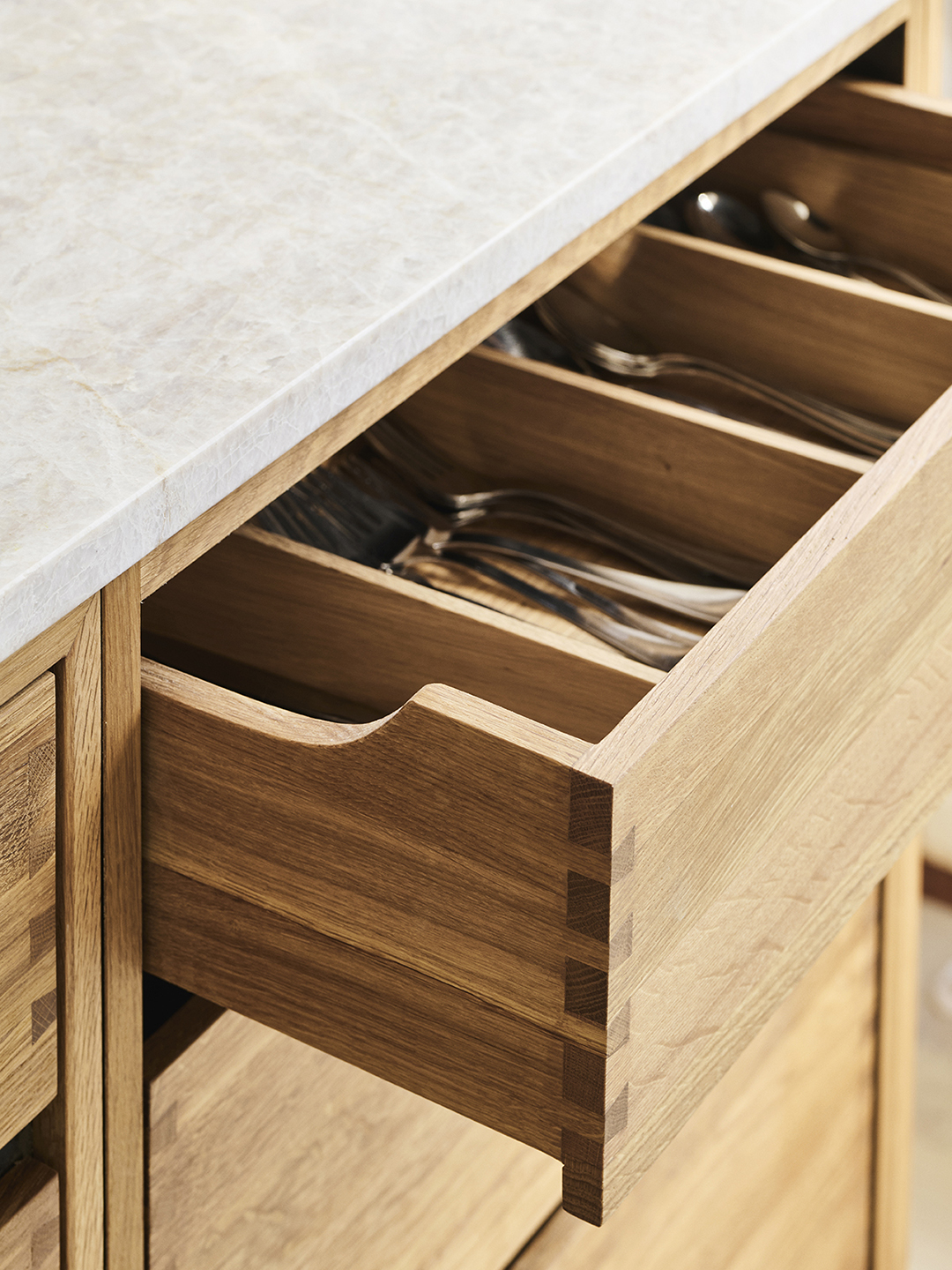
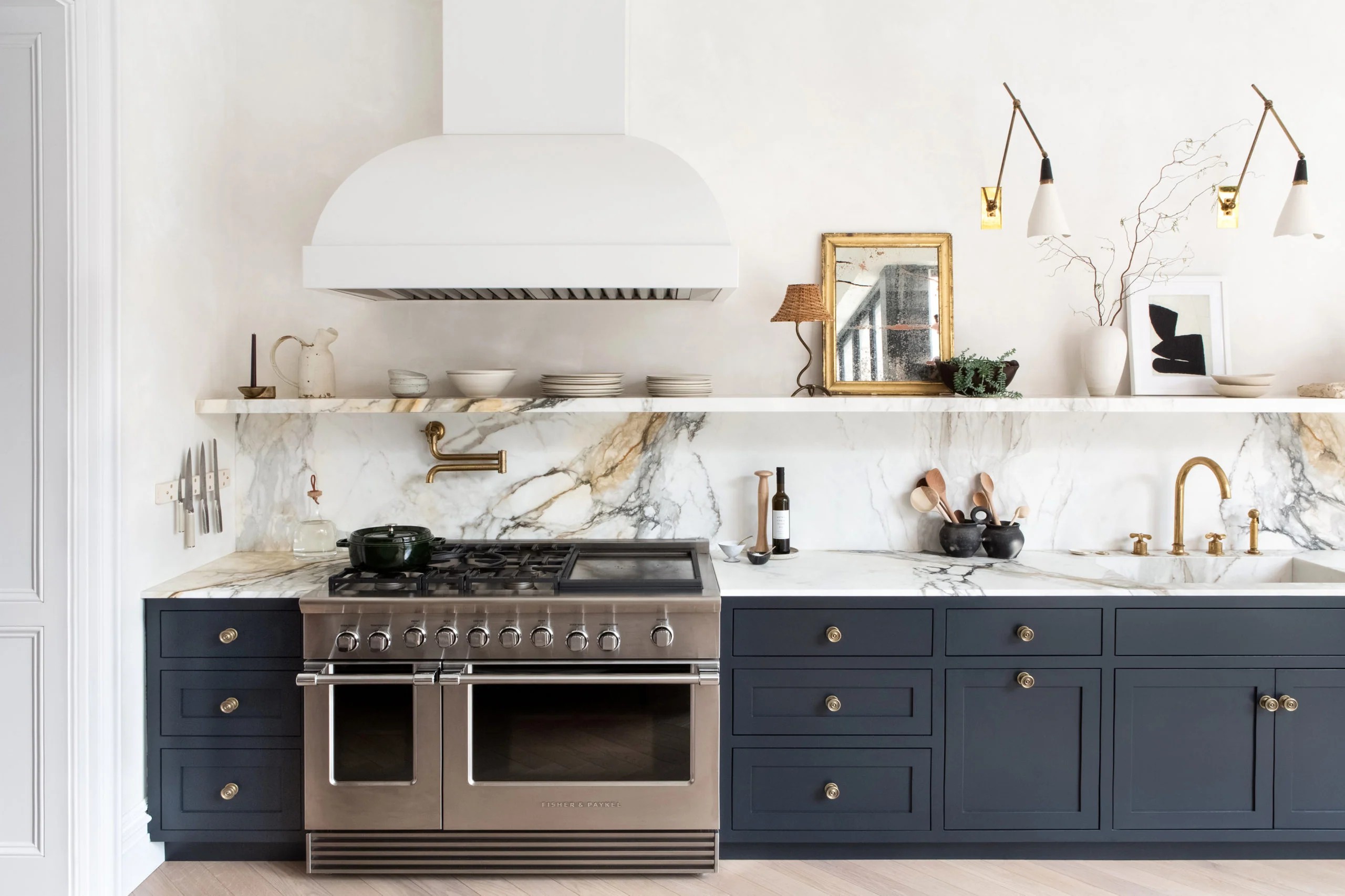
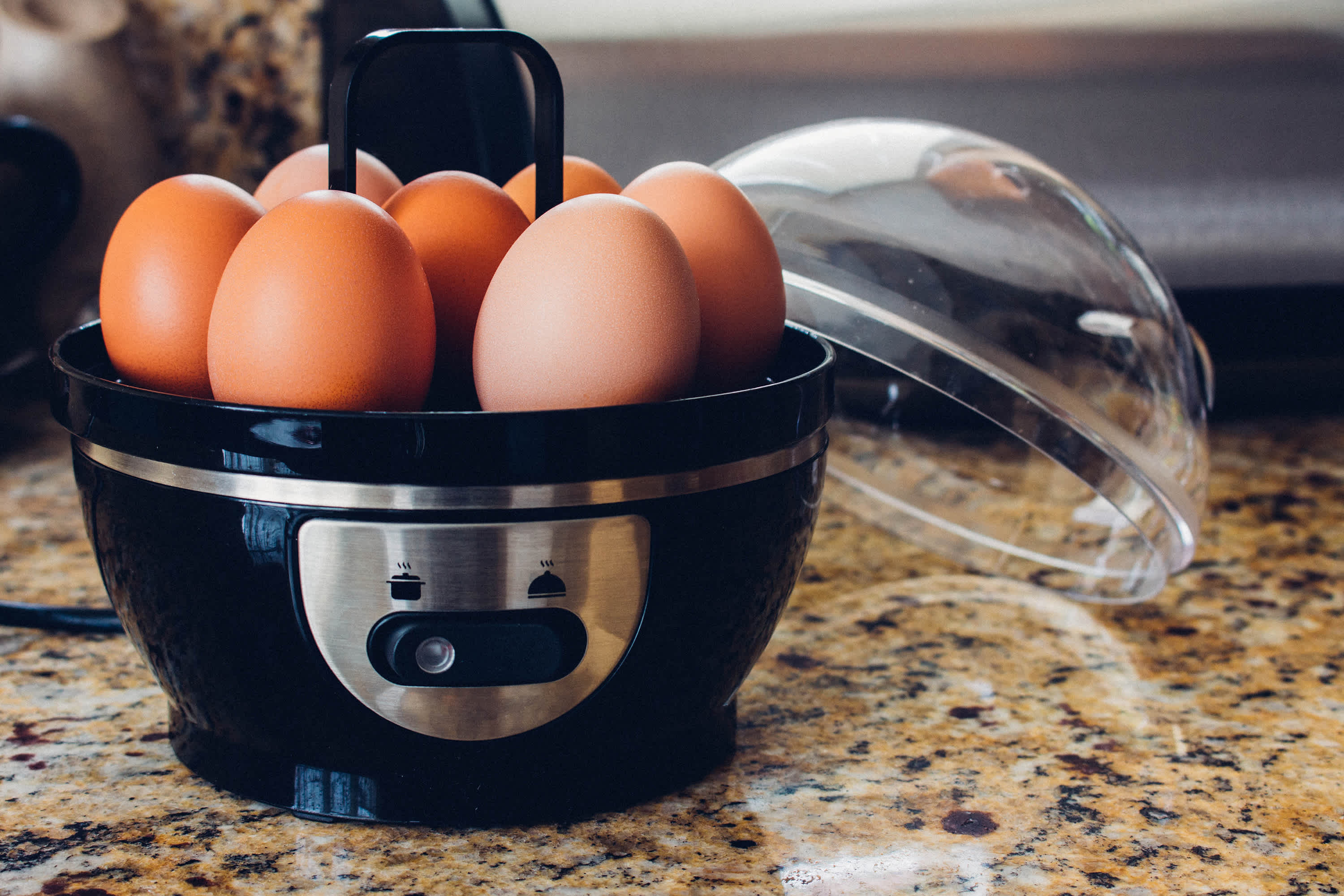
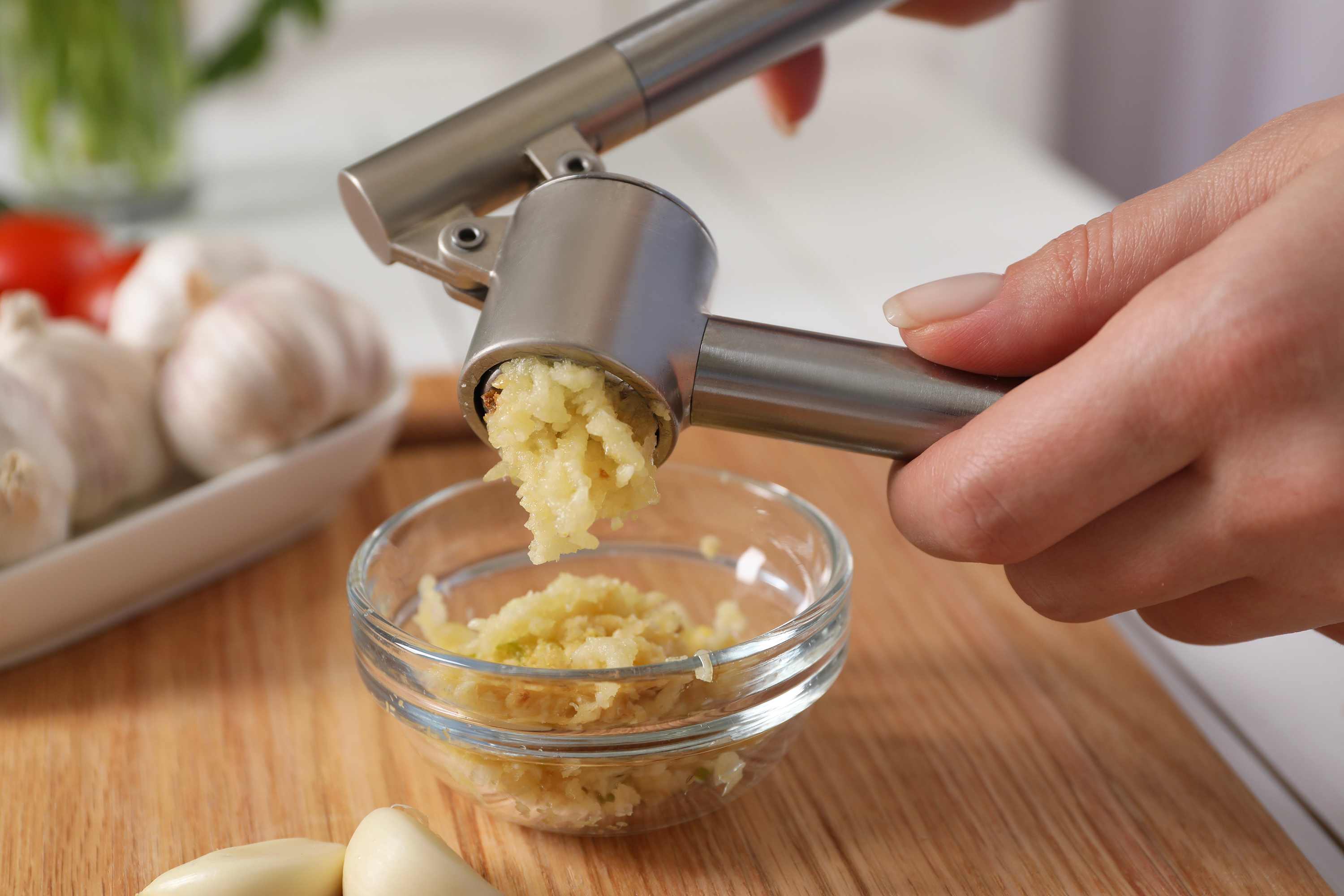
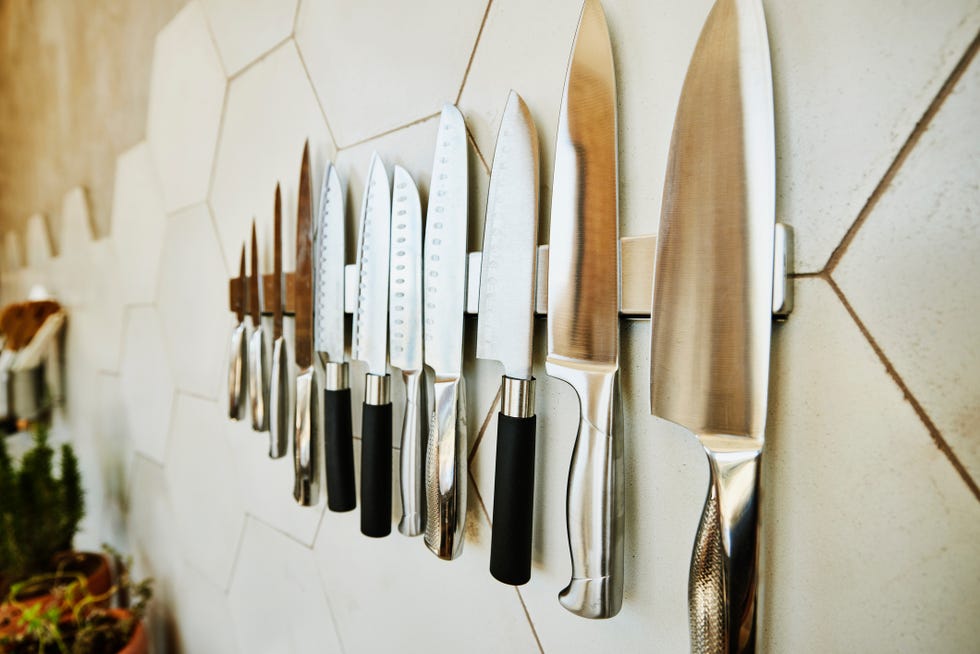
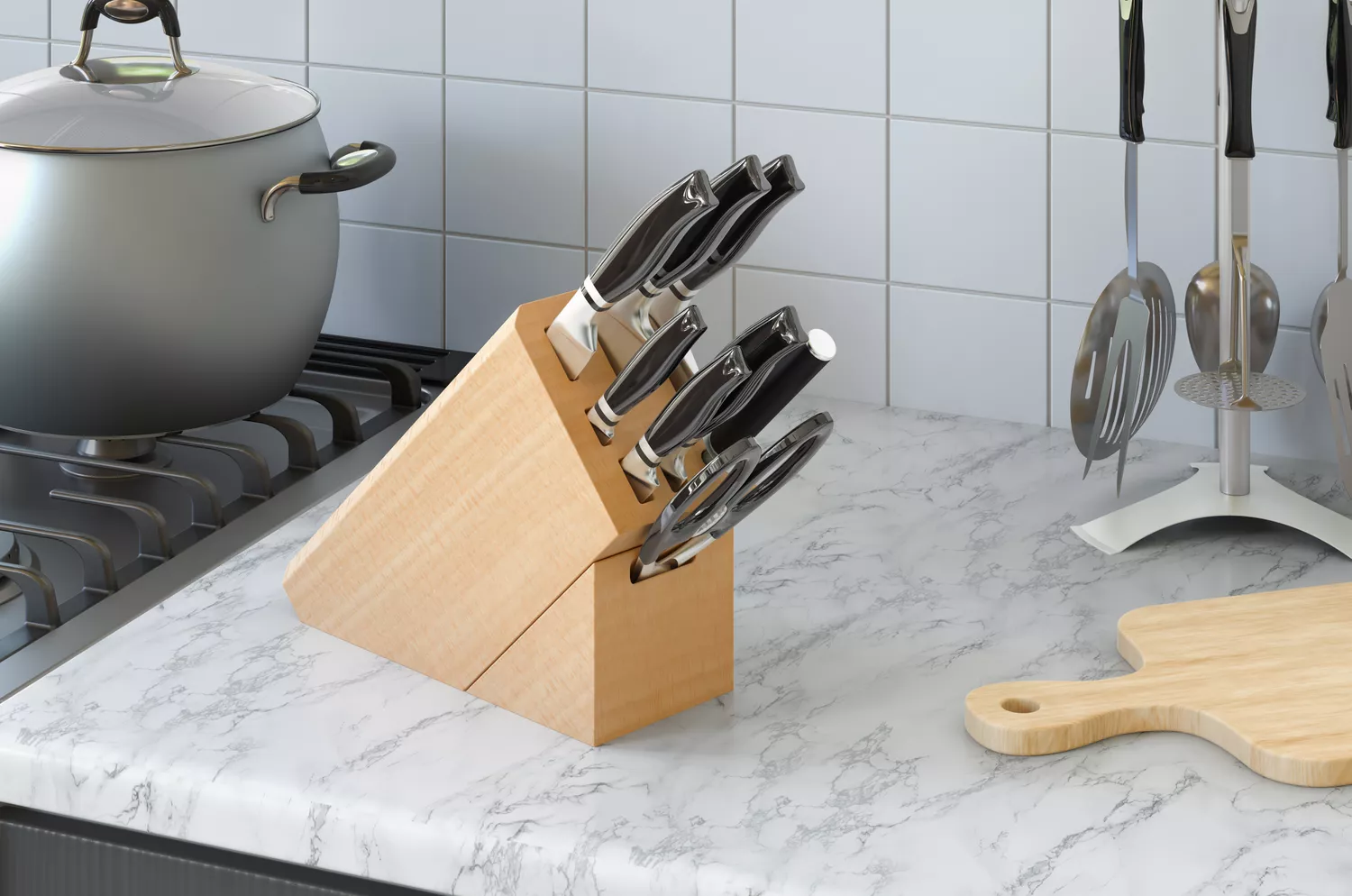
Experts suggest starting the decluttering process by focusing on visible surfaces, such as countertops, as these areas significantly impact the overall perception of minimalism. For instance, traditional knife blocks, despite their common presence, are often bulky, difficult to clean, and consume valuable counter space. A more minimalist alternative involves storing knives in a drawer or utilizing a magnetic strip on the wall, freeing up countertop real estate and simplifying cleaning. Similarly, specialized single-purpose appliances like bread makers, which might have seemed like a good investment during certain periods, often end up unused and occupying considerable space. Unless bread-making is a frequent activity, these appliances can be replaced by simpler methods or the oven, reducing clutter and promoting a more streamlined kitchen environment.
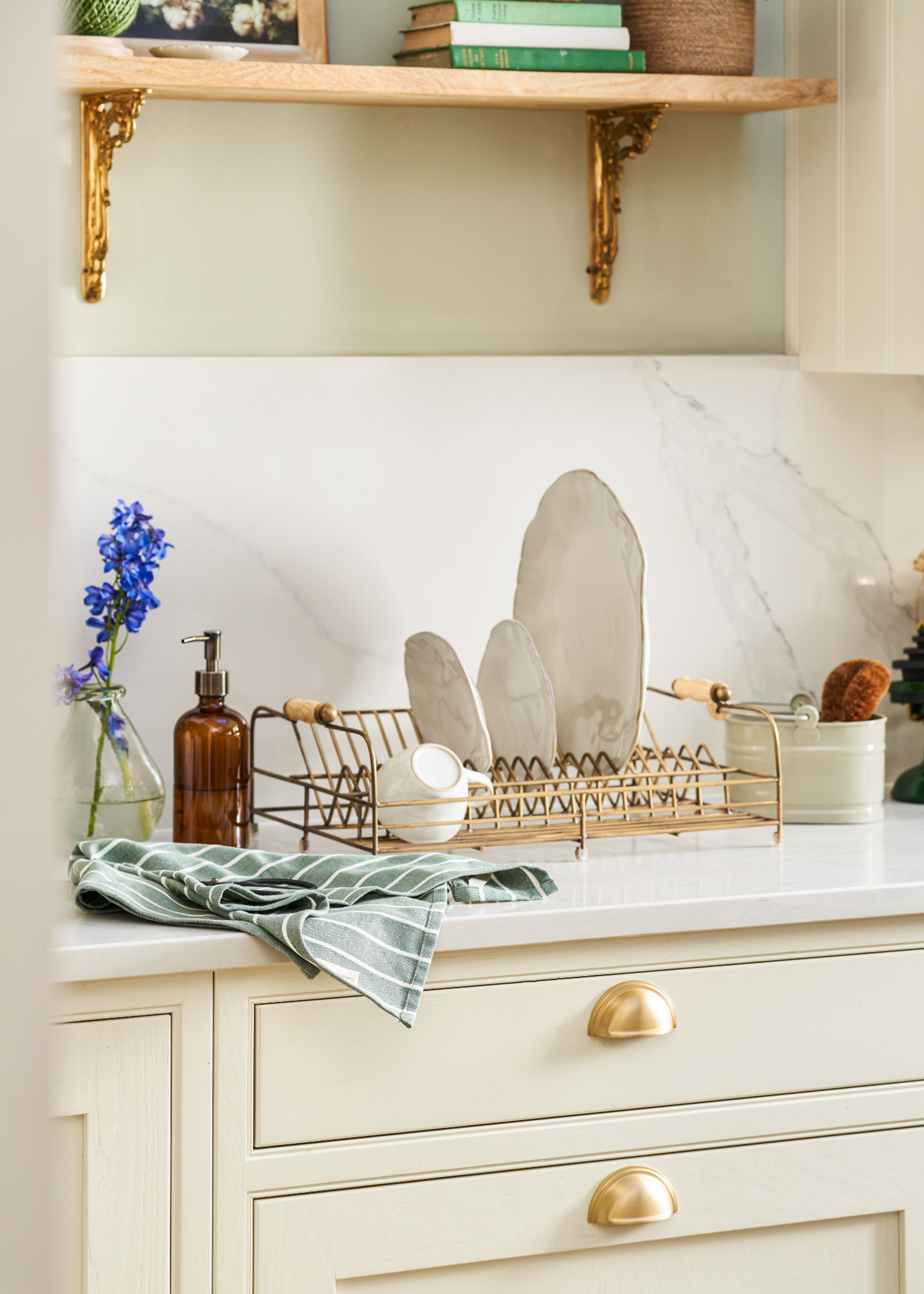
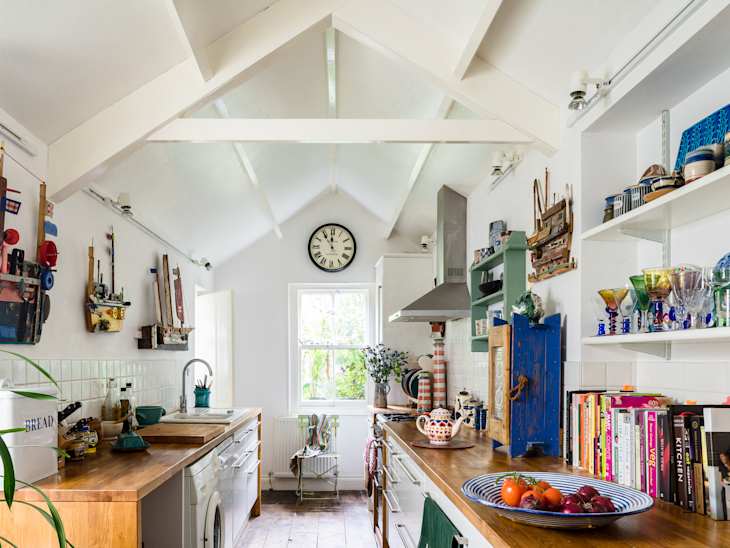
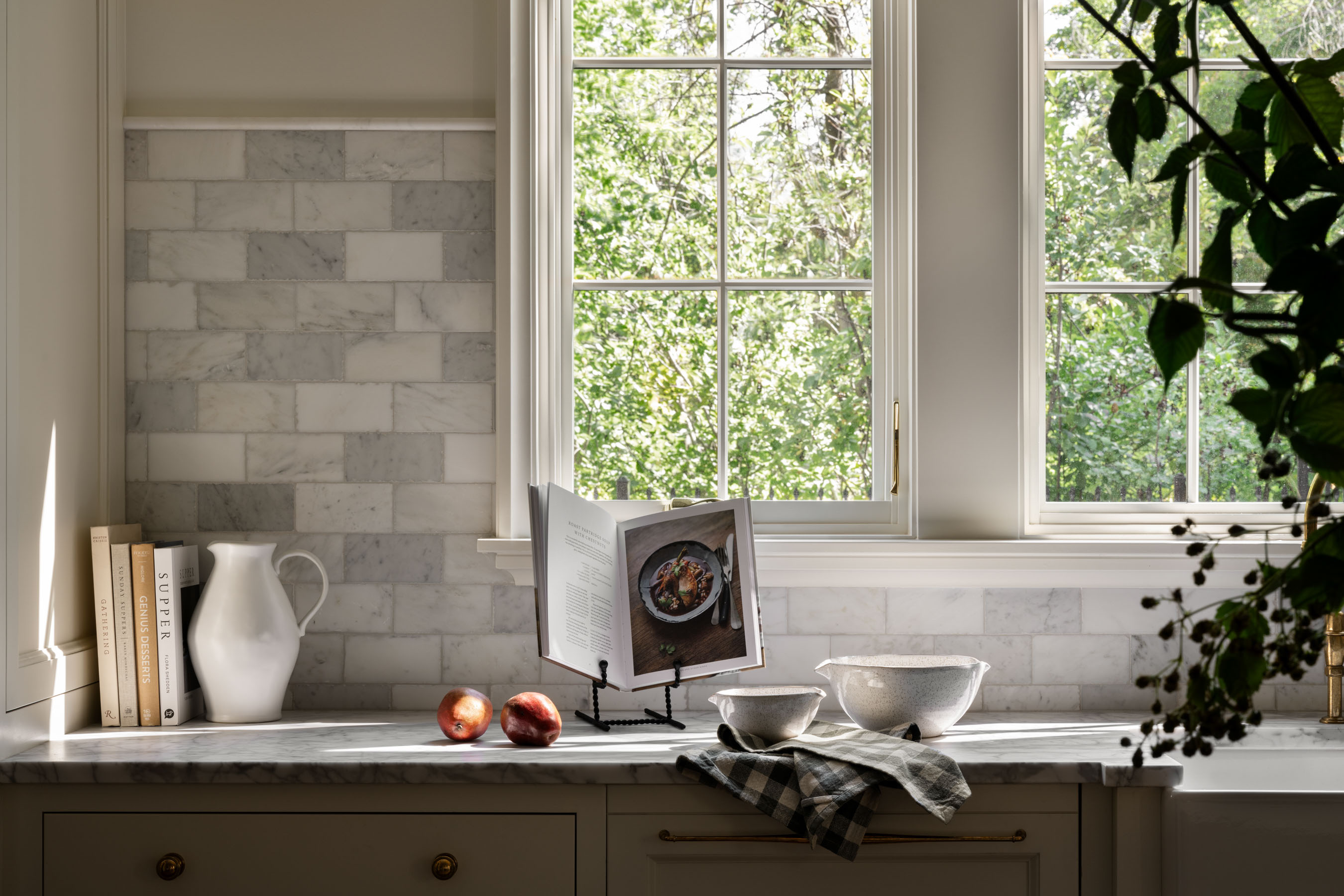
Another common item that can detract from a minimalist kitchen's aesthetic is a surplus of dish towels. A mix of colors, patterns, and textures can create visual chaos. Designers recommend maintaining uniformity and simplicity by keeping only a few neutral-colored dish towels, or even storing them out of sight. Cookbooks, while cherished by many, are also identified as potential clutter sources. With the widespread availability of online recipes, physical cookbooks often collect dust. A minimalist approach would involve digitizing favorite recipes, creating a personal online cookbook, or reducing the collection to a select few, perhaps displayed in a living room rather than the kitchen.
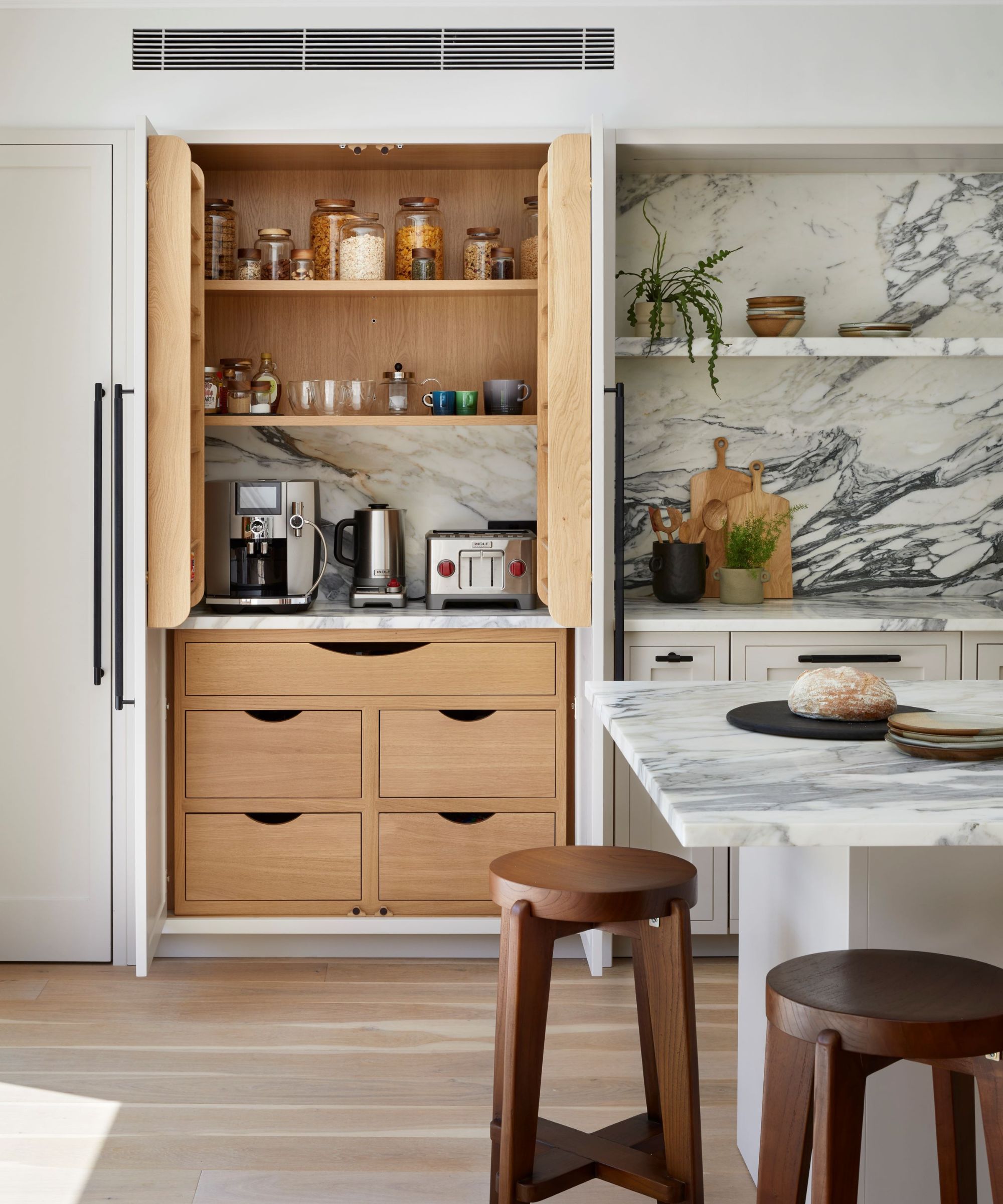
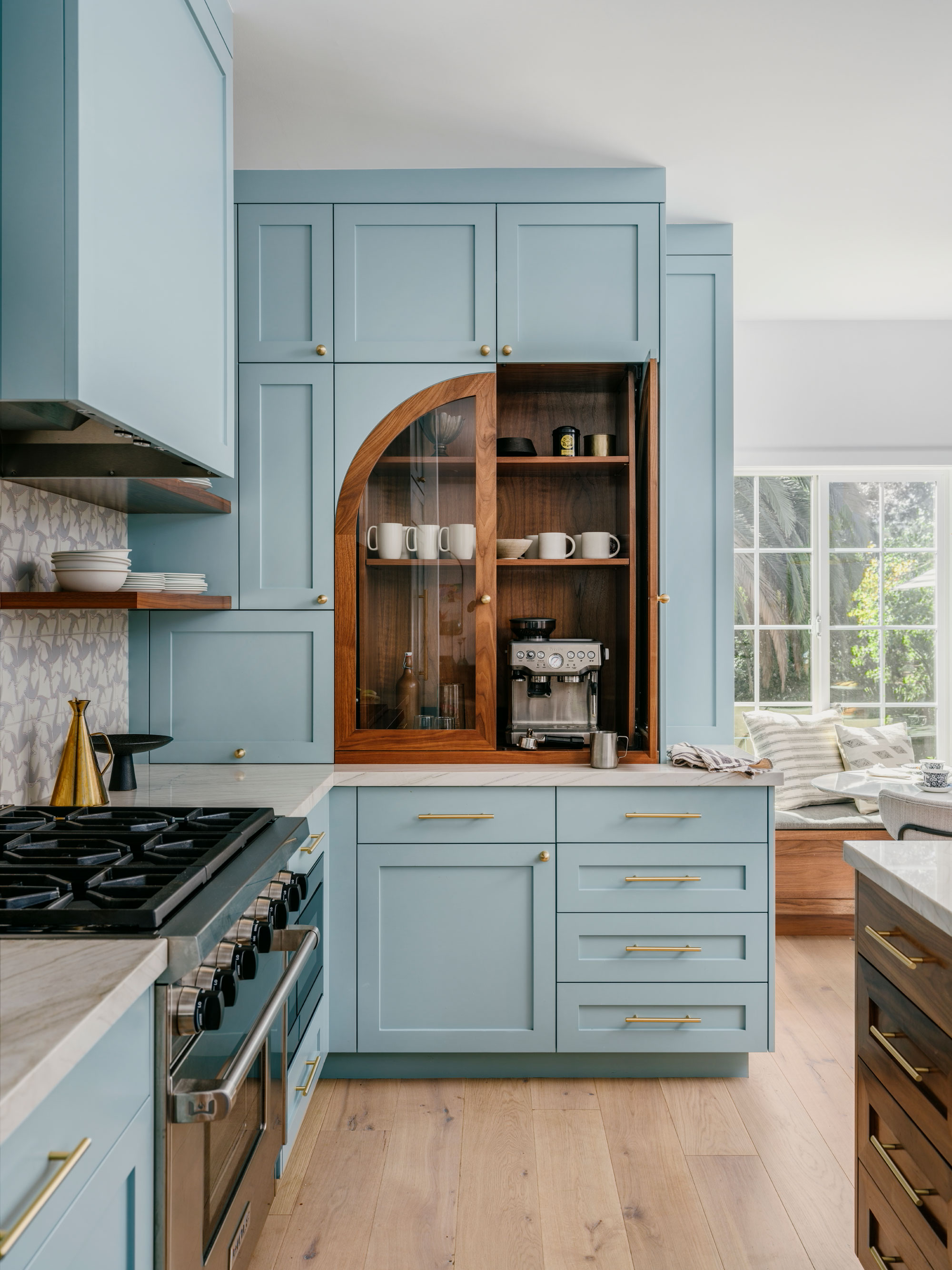
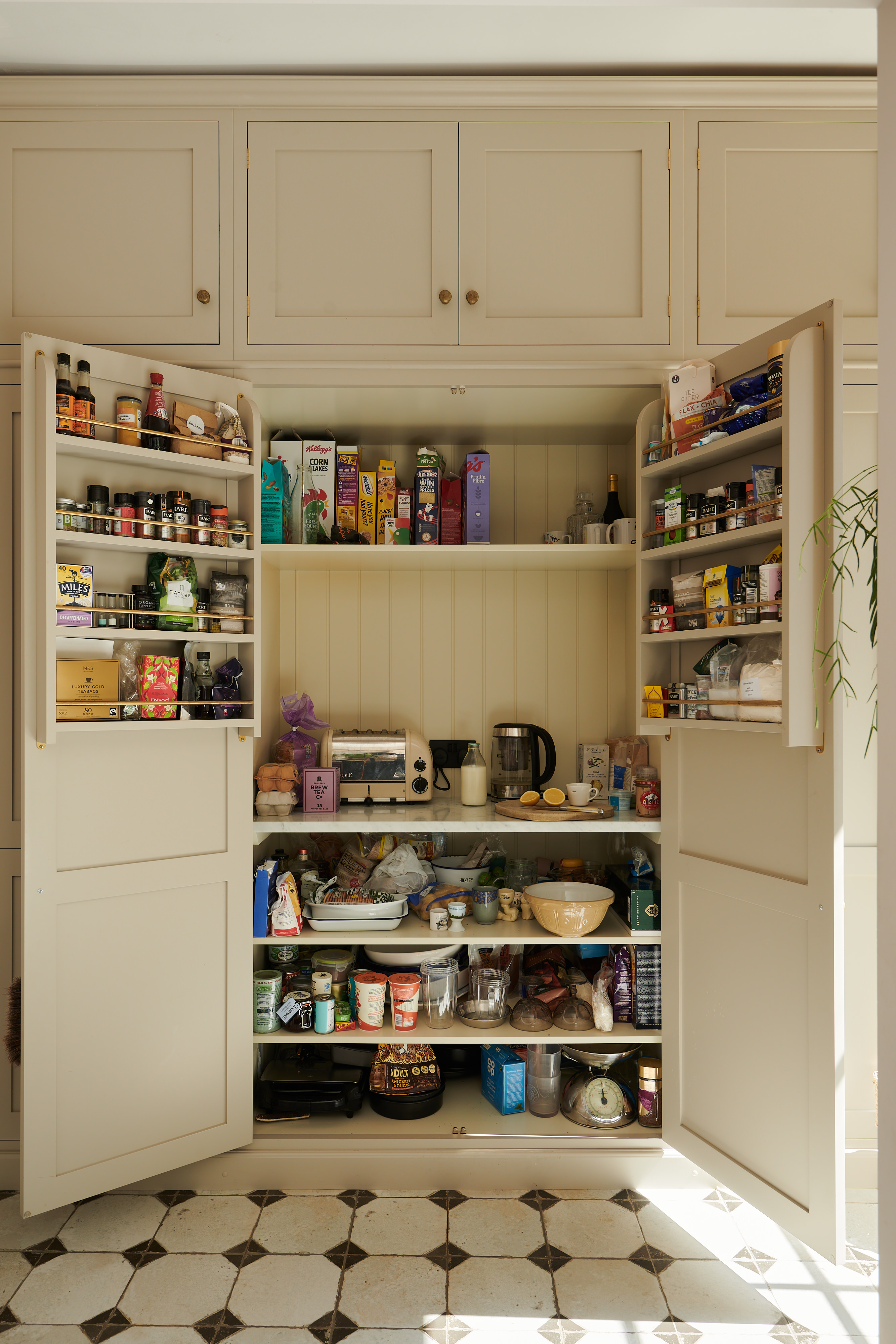
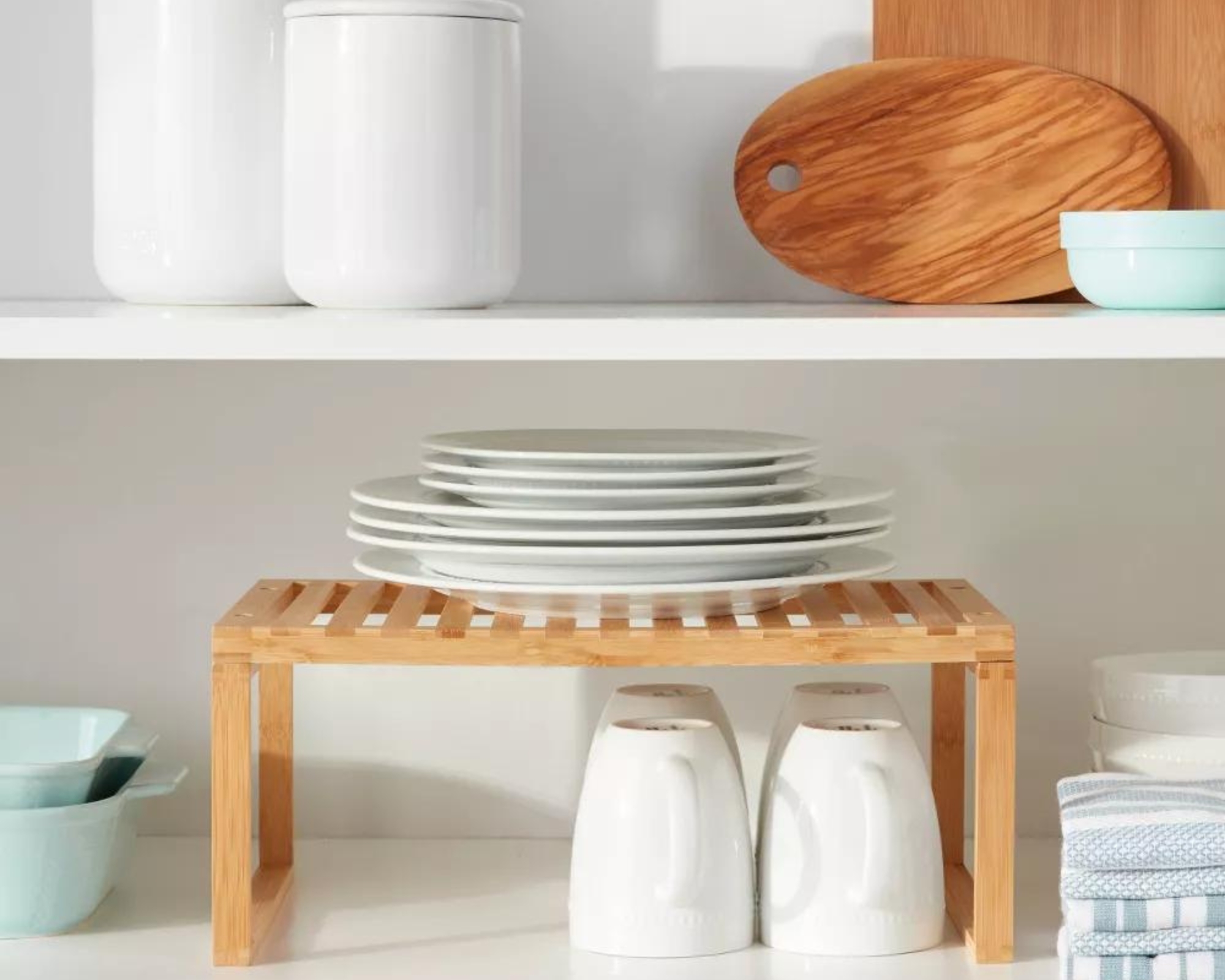
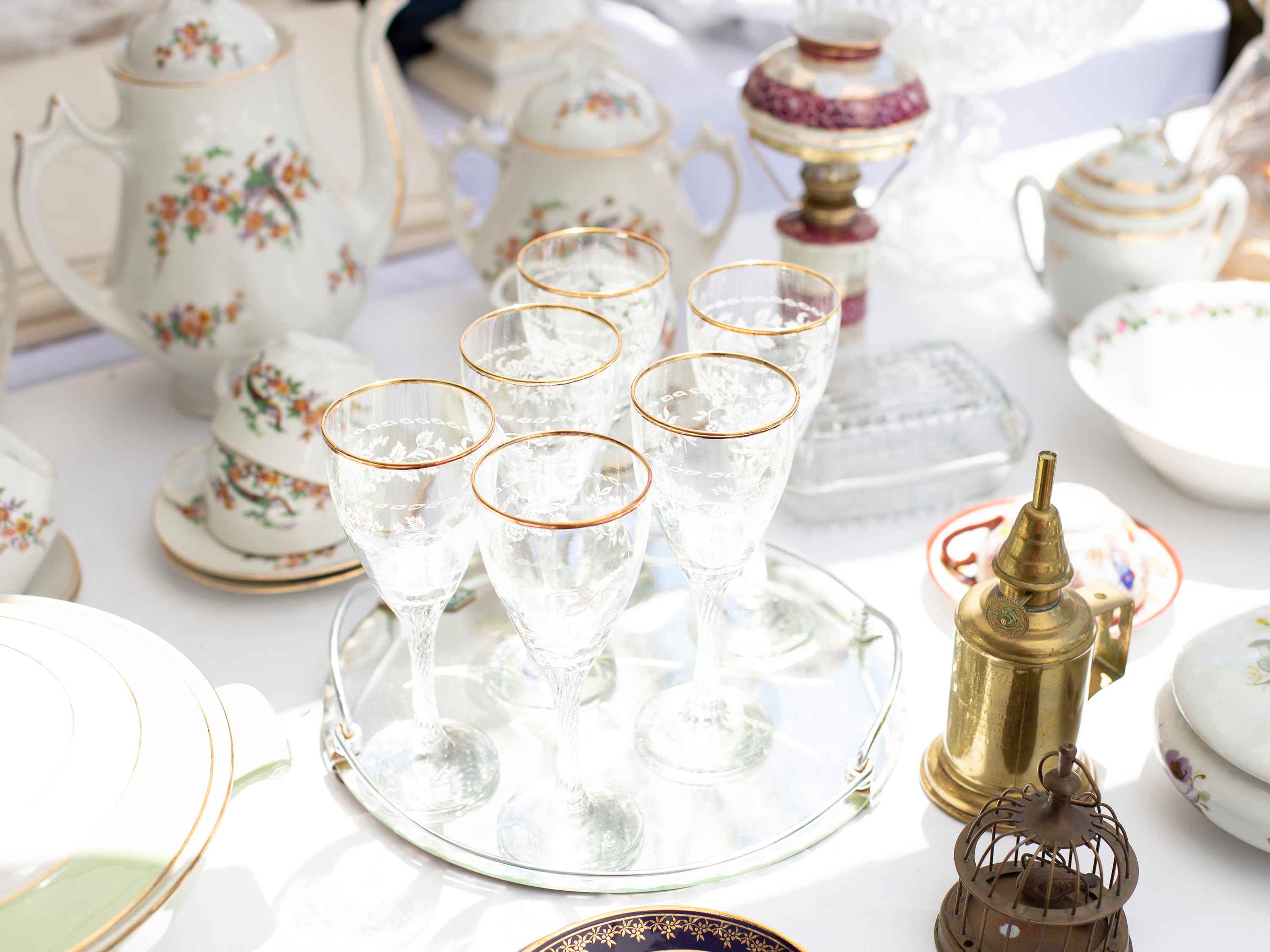
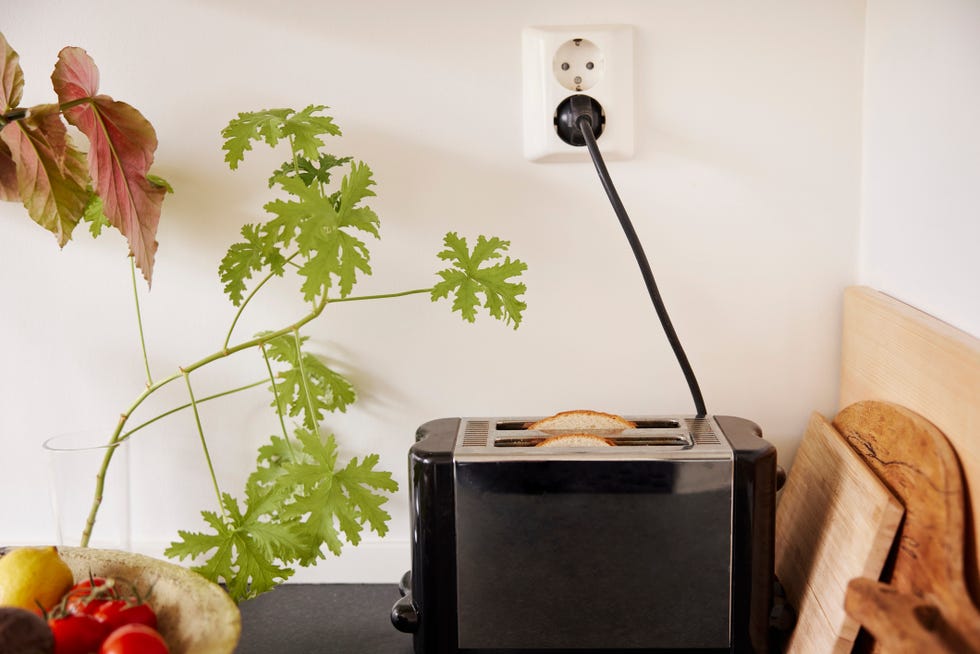
Toasters and microwaves, often considered kitchen essentials, can also be re-evaluated in a minimalist context. While convenient, alternatives exist, such as using an oven grill for toasting or heating food in a conventional oven. Opting for smaller, multi-functional appliances or embracing slightly more effort in cooking can significantly free up counter space. If parting with these appliances is not feasible, an appliance garage offers a practical solution to conceal them behind doors or screens, maintaining a clean countertop aesthetic. Finally, decluttering extends beyond visible surfaces to the contents of cabinets and drawers. Excess kitchenware, even when hidden, can lead to disorganization and eventually spill over into visible areas. Regular reviews of kitchen inventory, discarding broken items, donating unused pieces, and moving seasonal items to secondary storage are crucial steps in maintaining a truly minimalist and functional kitchen. The ultimate goal is to create a space where every item serves a purpose or contributes to the beauty of the design, reflecting a conscious choice to live with intention and without unnecessary distractions.
#MinimalistKitchen #HomeDecluttering #KitchenOrganization #InteriorDesignAdvice #SpaceSaving #KitchenAppliances #HomeImprovement #ModernKitchen #DesignTips #MinimalistKitchen #HomeDecluttering #KitchenOrganization #InteriorDesignAdvice #SpaceSaving #KitchenAppliances #HomeImprovement #ModernKitchen #DesignTips
0 comment in total
 No comments yet
You may also like
6 things minimalists never have in a kitchen – and what to use instead

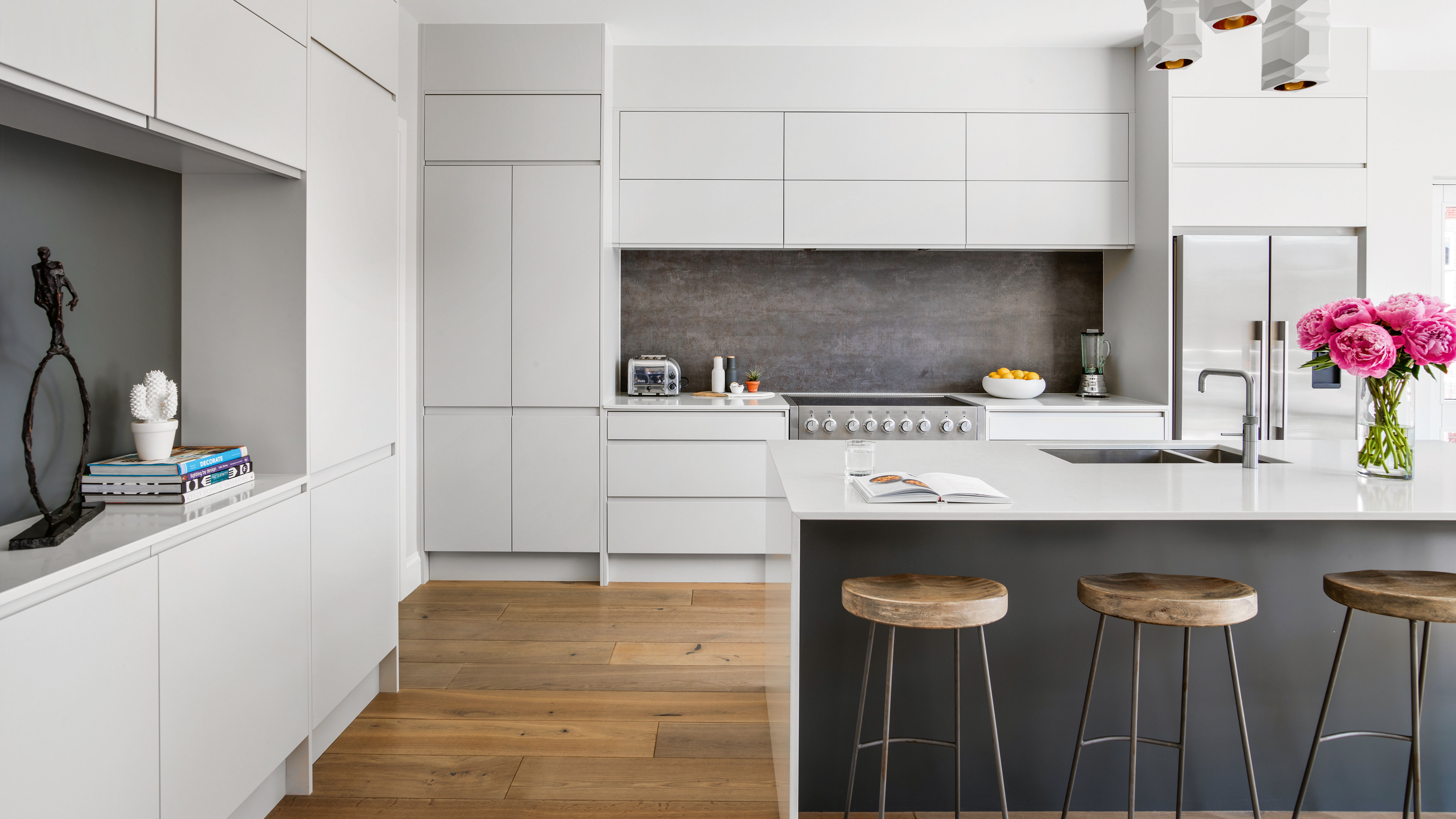
Minimalist kitchen ideas – 10 simple schemes for the modern home
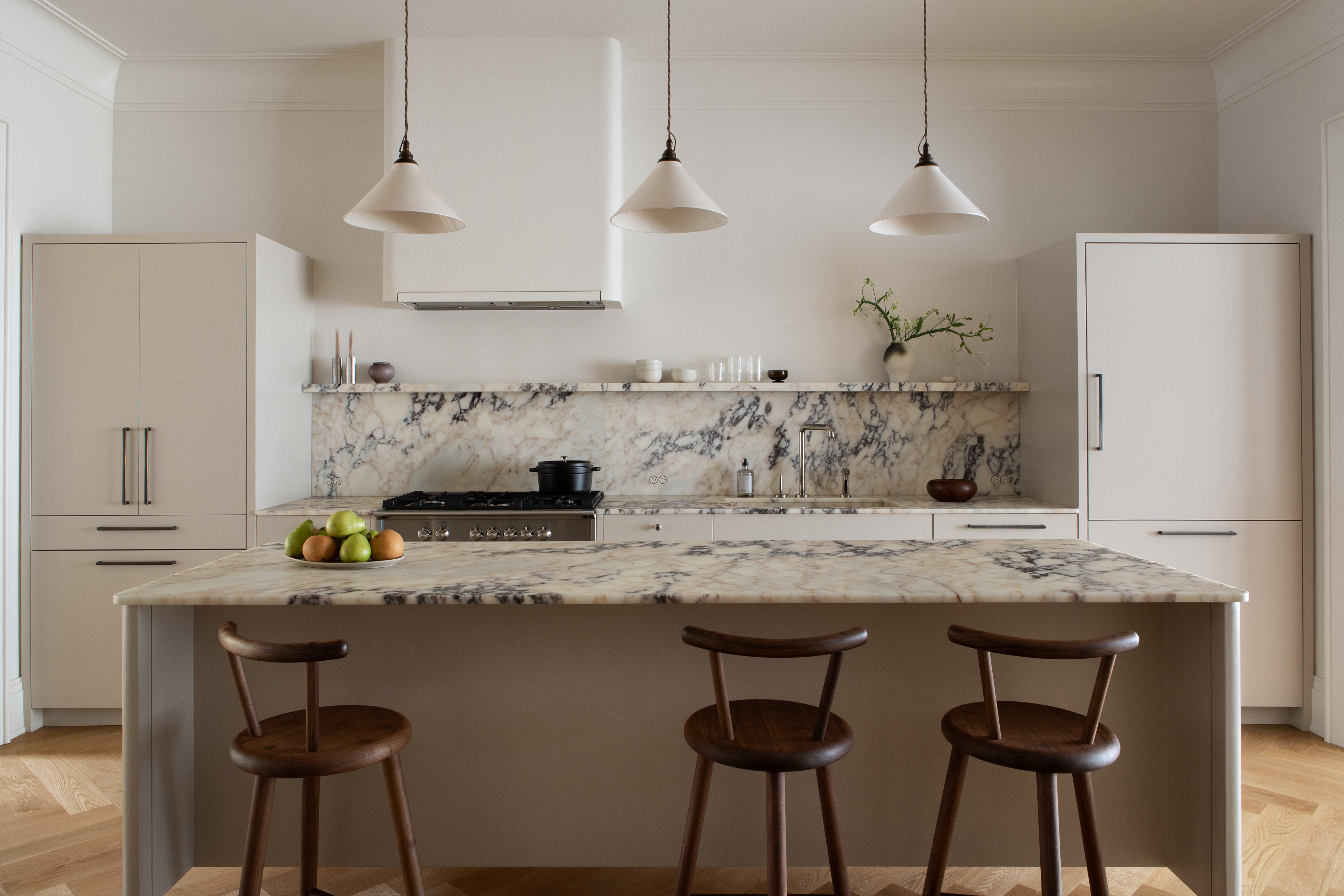
6 ways to have a low-maintenance kitchen that looks good for years to come
Interior designers reveal 9 things in your kitchen you should get rid of
15 Minimalist Kitchens That Will Make You Want to Purge Everything

6 Things That are Making Your Kitchen Look Cheap, and How to Fix Them According to Designers
How to Create a Minimalist Kitchen—and Why You Should, According to Experts

5 Things Cluttering Up Your Kitchen That You Definitely Don’t Need After 50
5 Things You Shouldn't Keep on Your Countertops if You Want an Uncluttered, Minimalist Kitchen
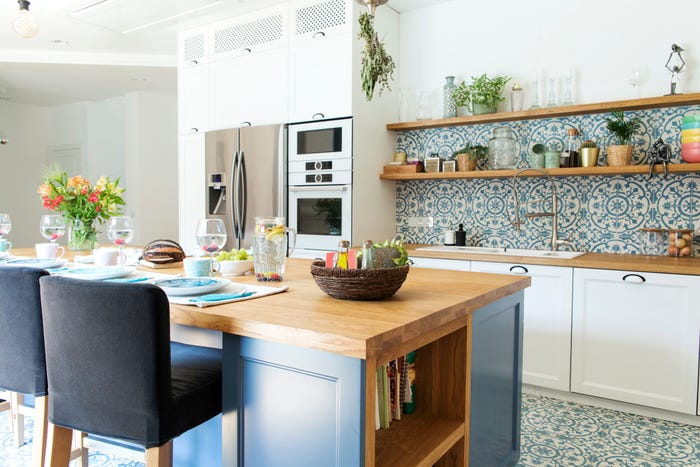
Interior designers share the 10 things in your kitchen you should get rid of
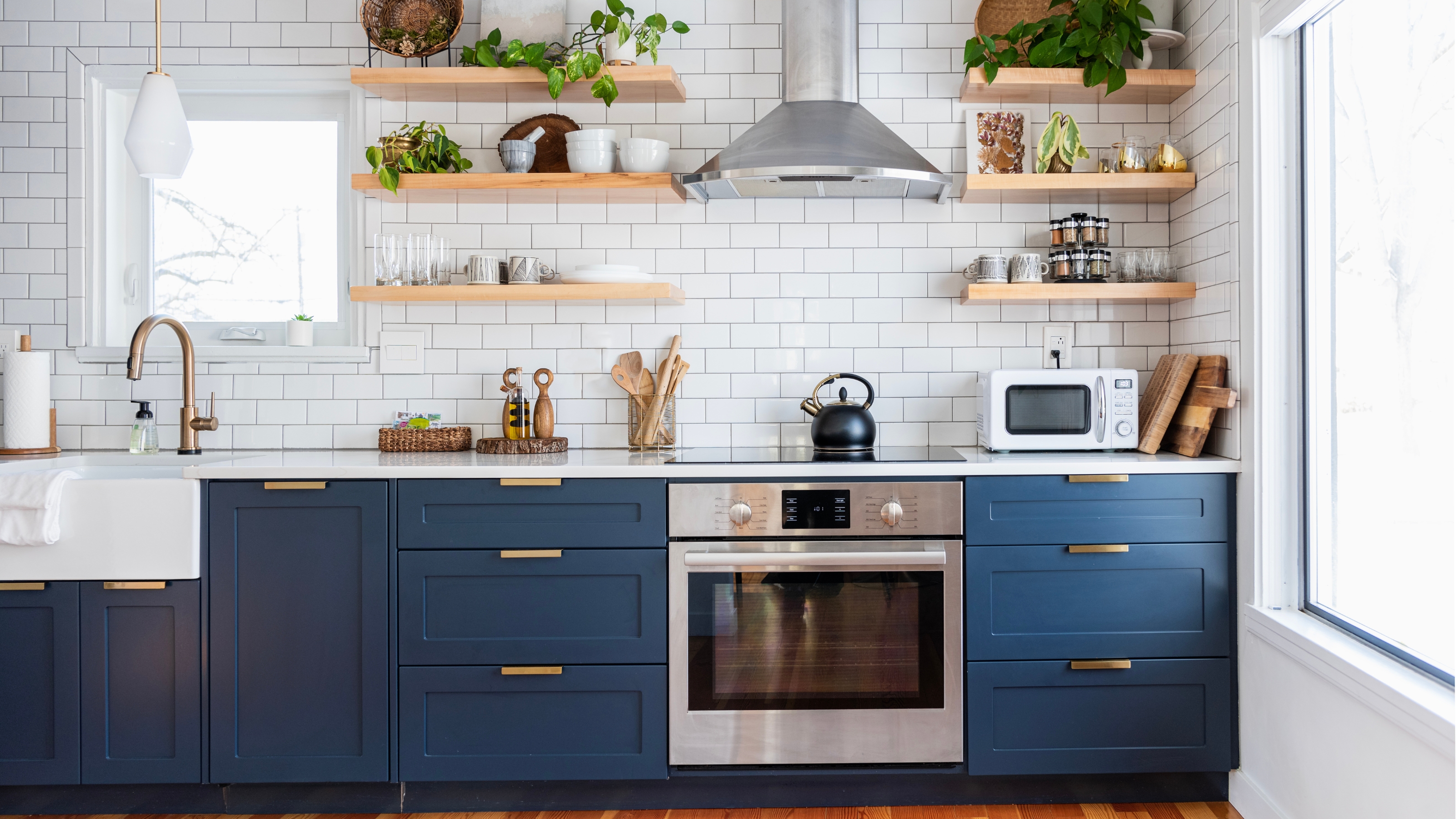
4 things to get rid of in your kitchen cabinets — experts say ditch these items right now

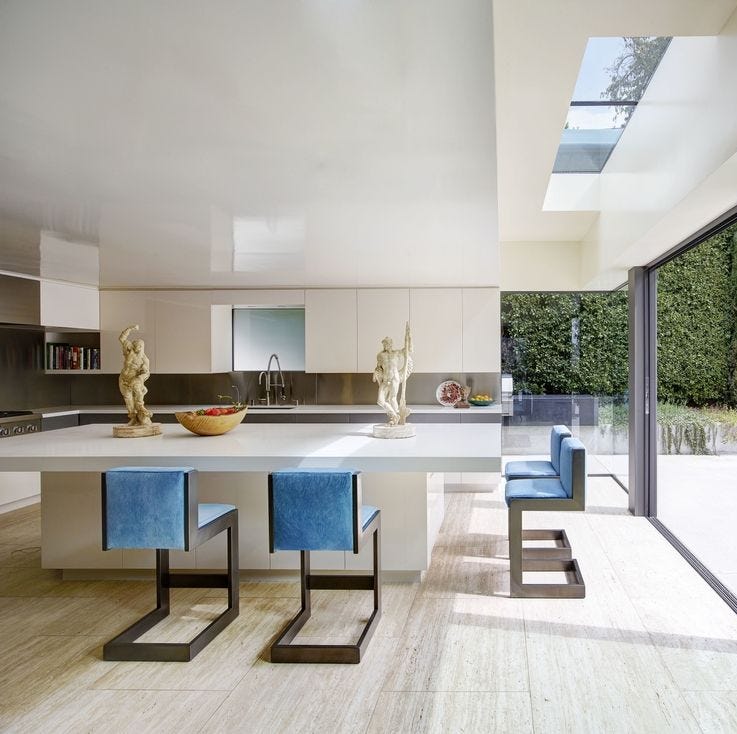
These Minimalist Kitchens Are Super Sexy
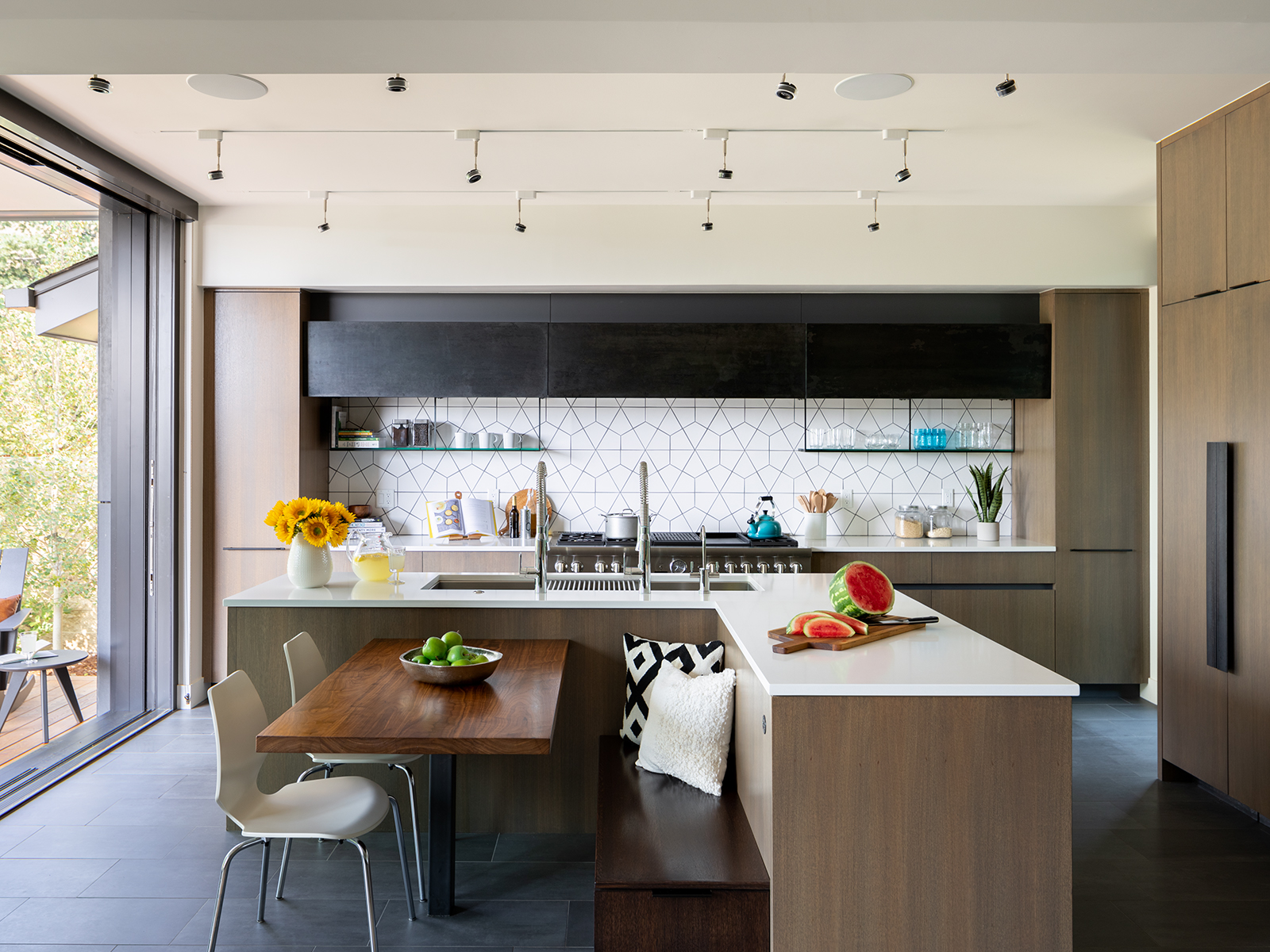
5 (Fresh!) Tips for a Minimalist Kitchen

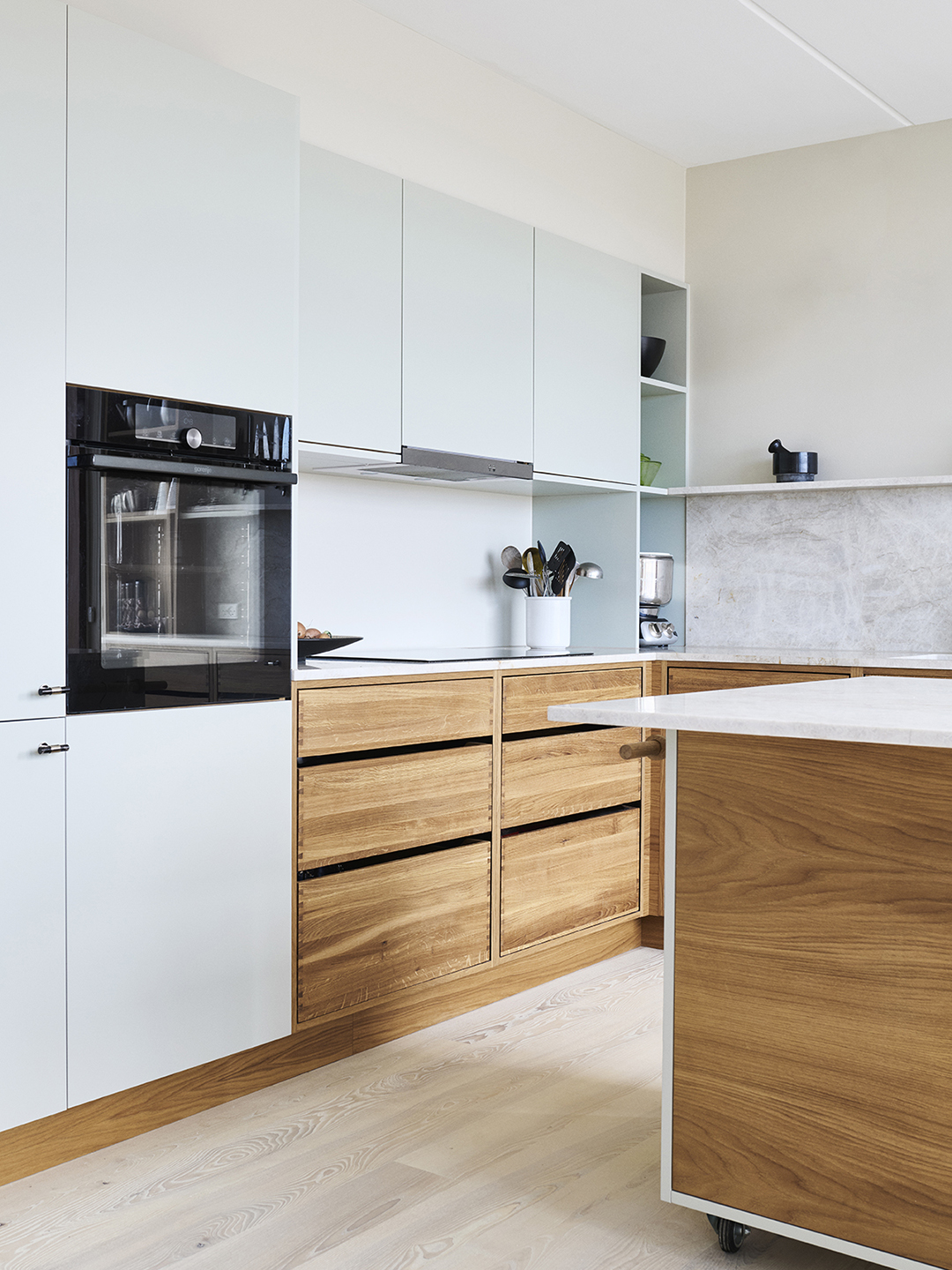
The Minimalist Kitchen Trend We’re About to See Everywhere

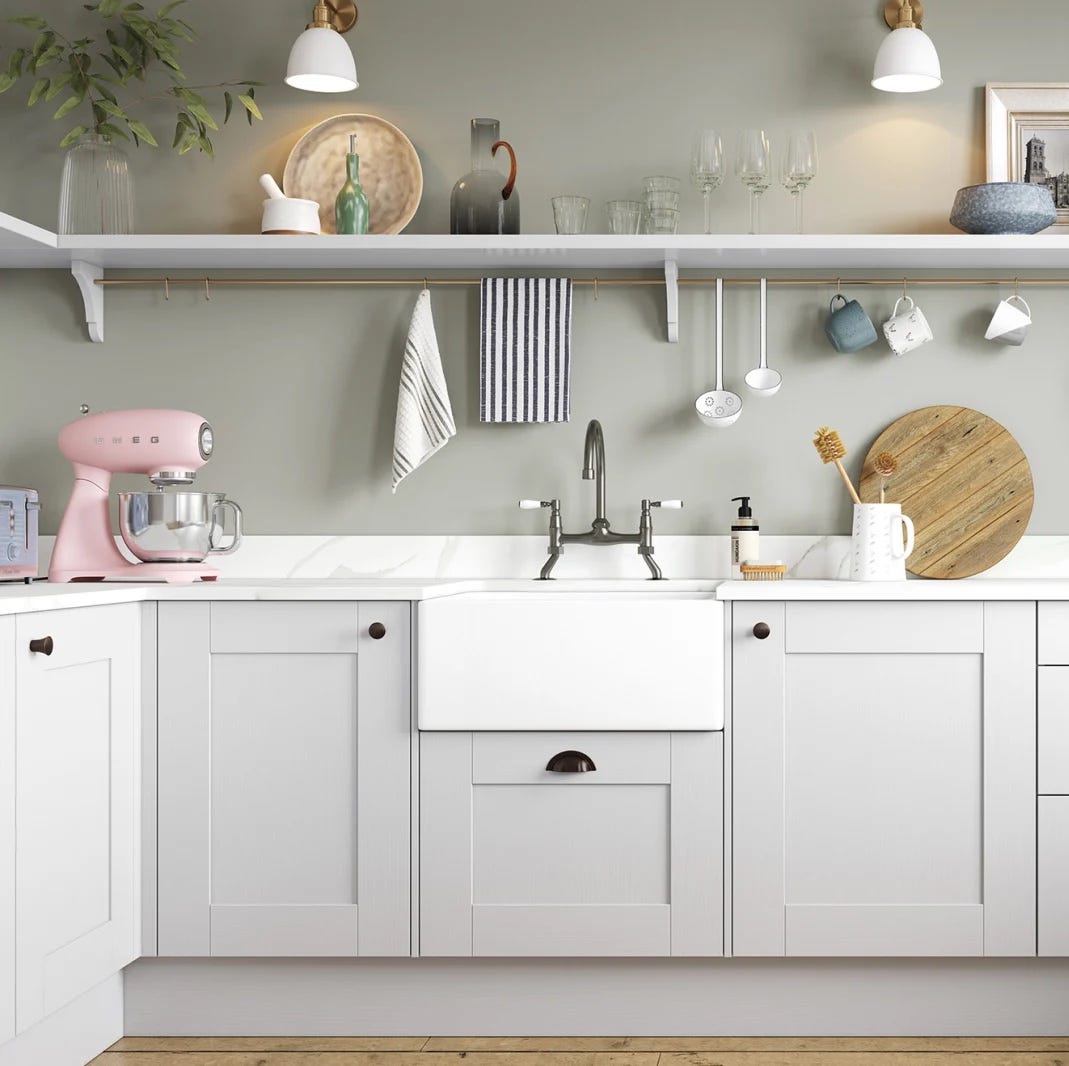
6 things to avoid to make your small kitchen look bigger

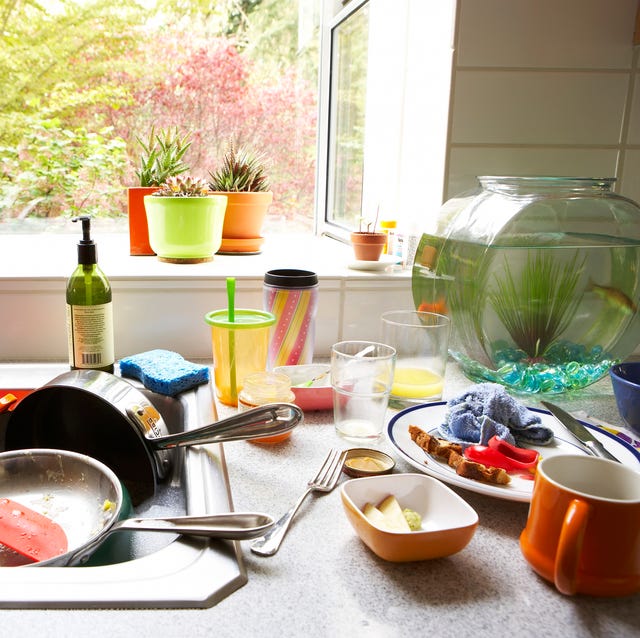
6 Things You Should Never Keep on Your Kitchen Counter

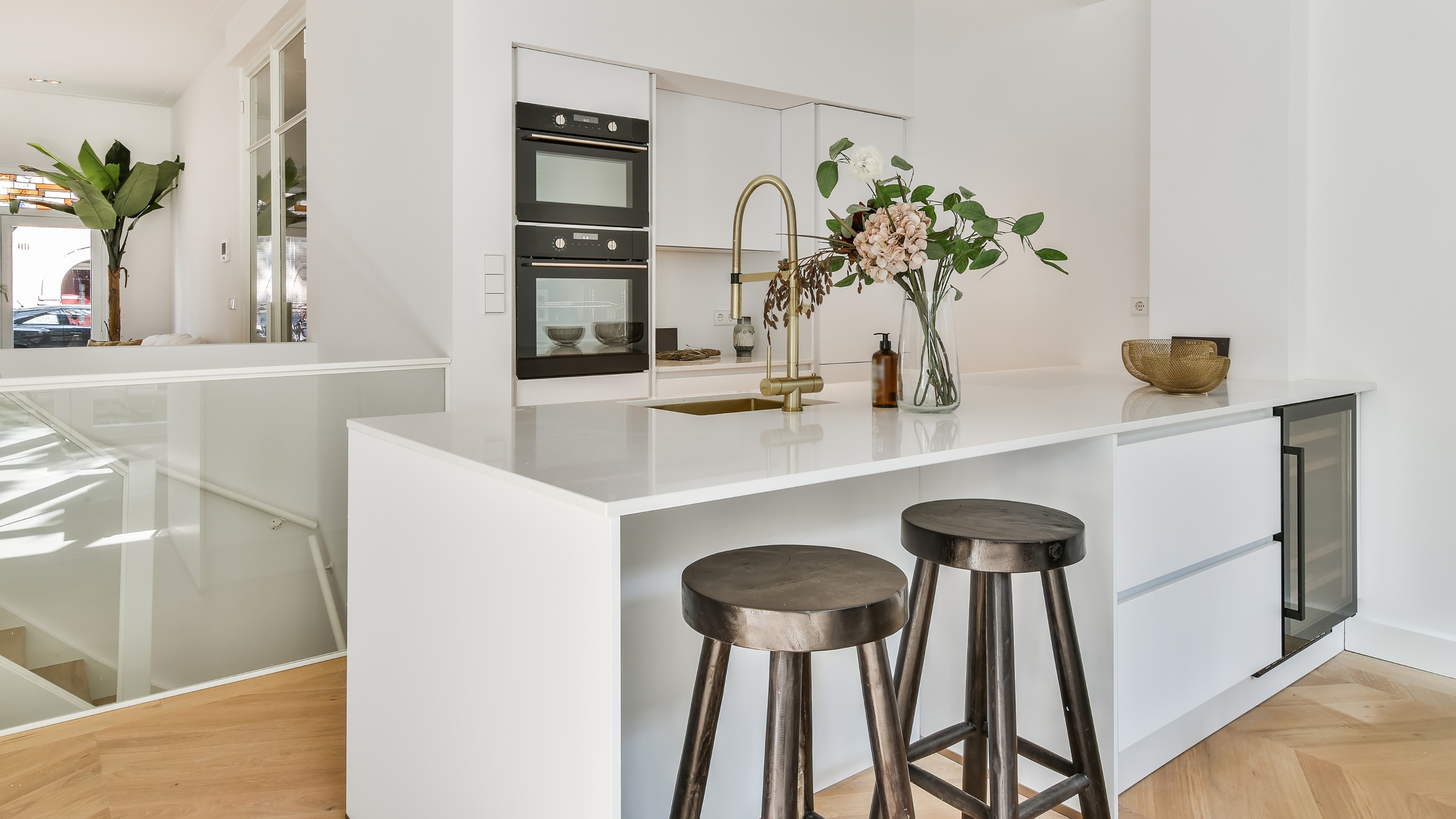
10 ways to declutter a small kitchen

5 Pieces of Decor You Need to Remove From Your Kitchen Today — "They're Bulky and Eyesores," Say Designers
13 Outdated Kitchen Trends You Can Leave In The Past
7 Things You’ll Never See on a Minimalist’s Kitchen Counter—And Why They Swear By It