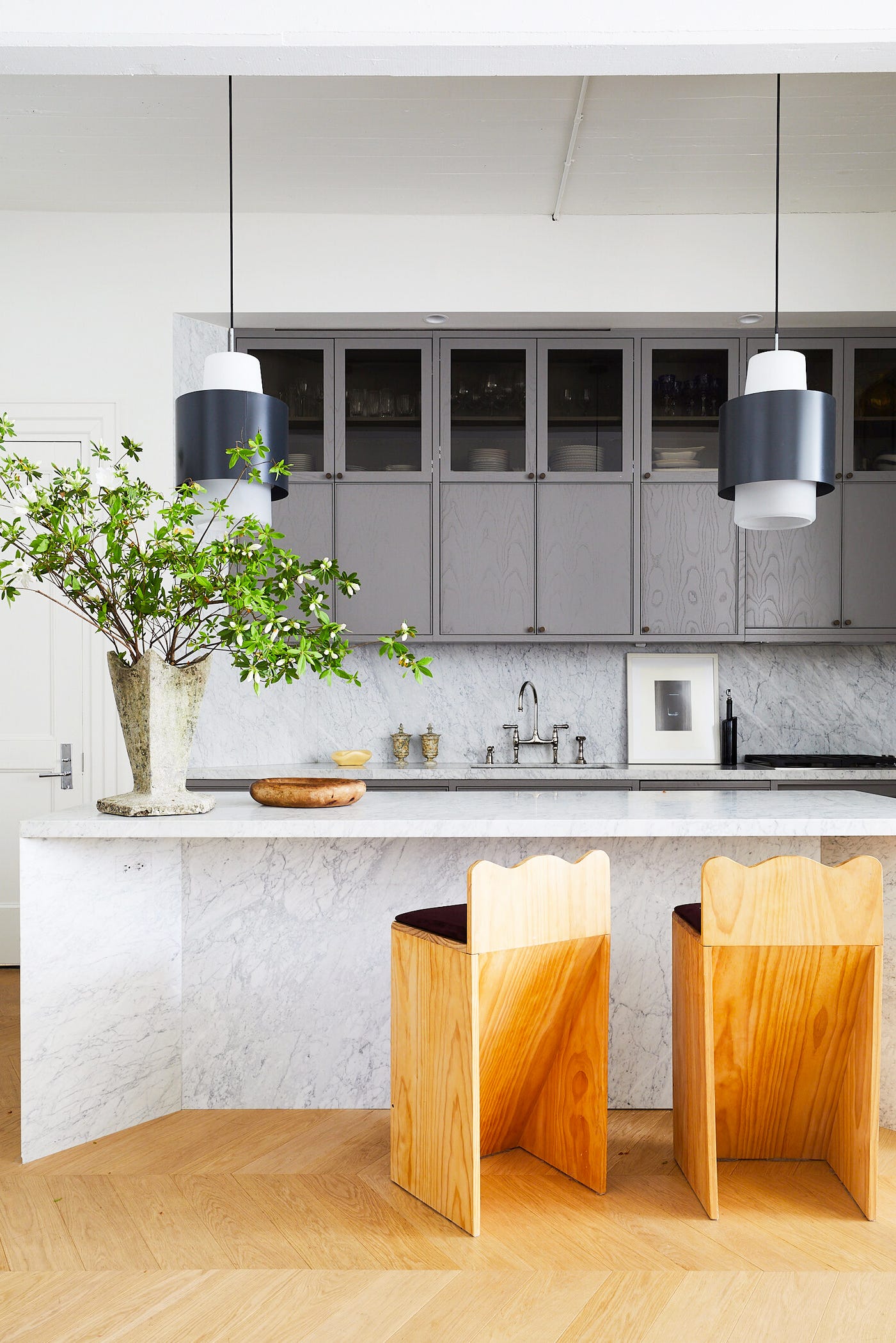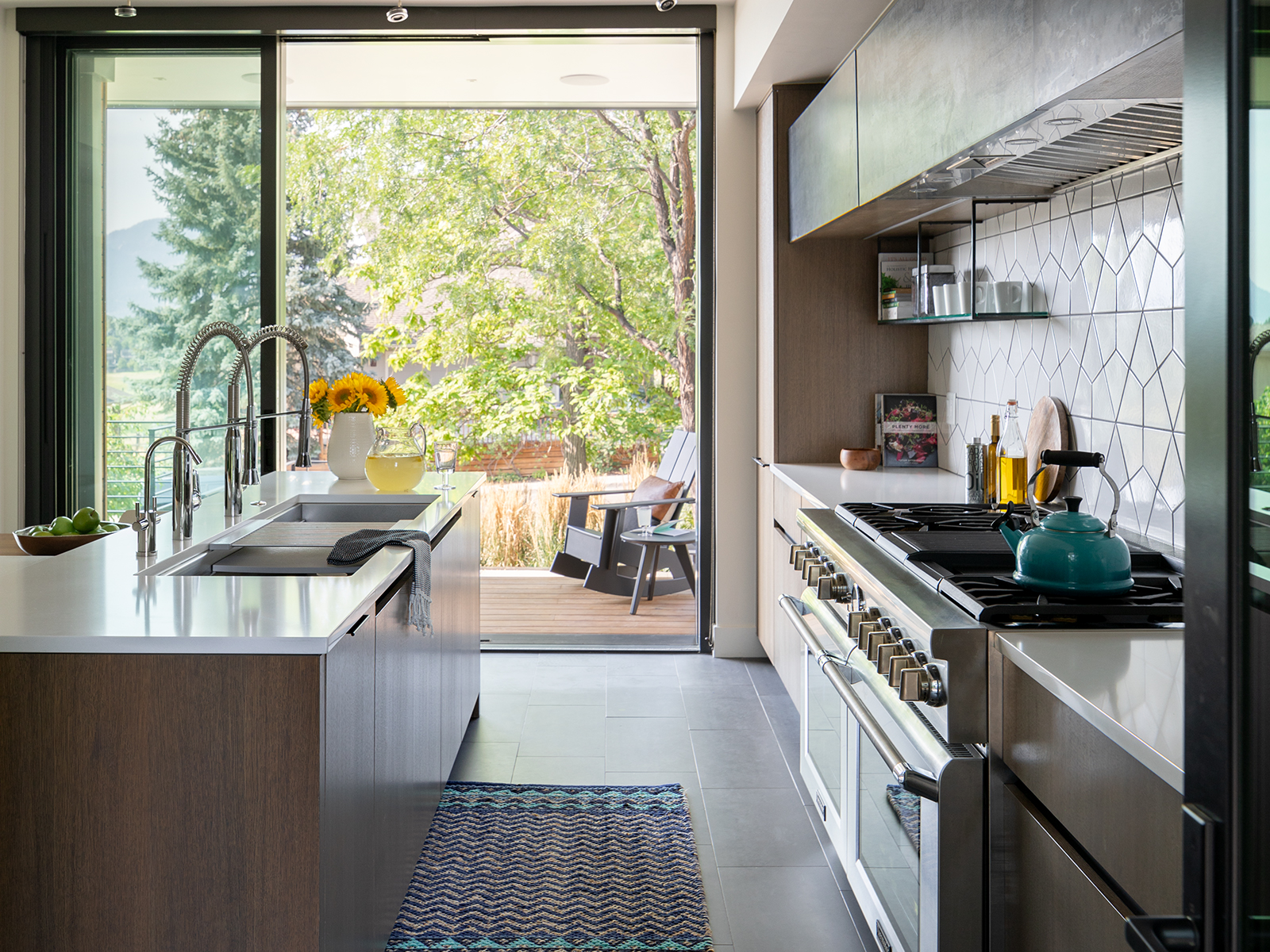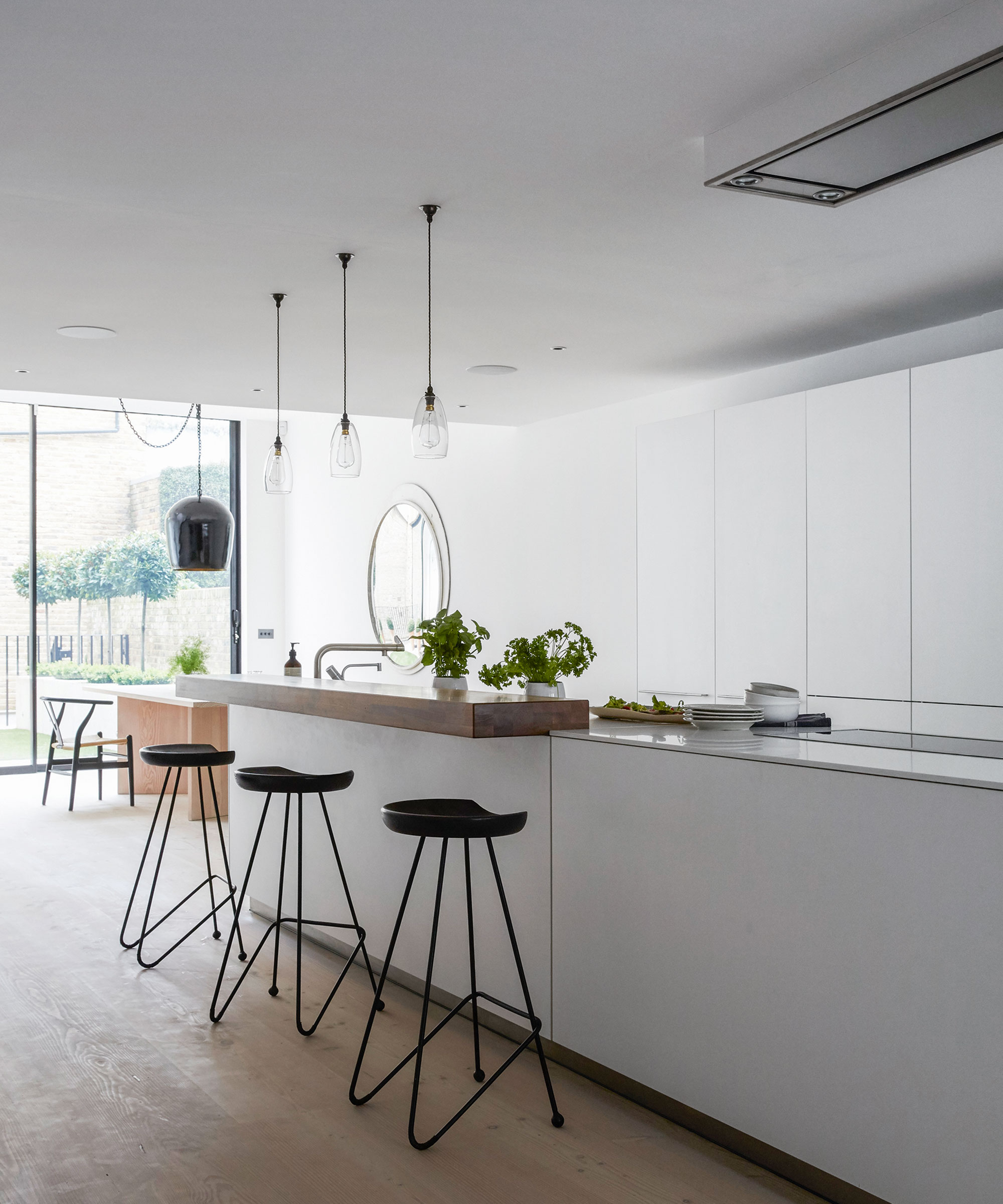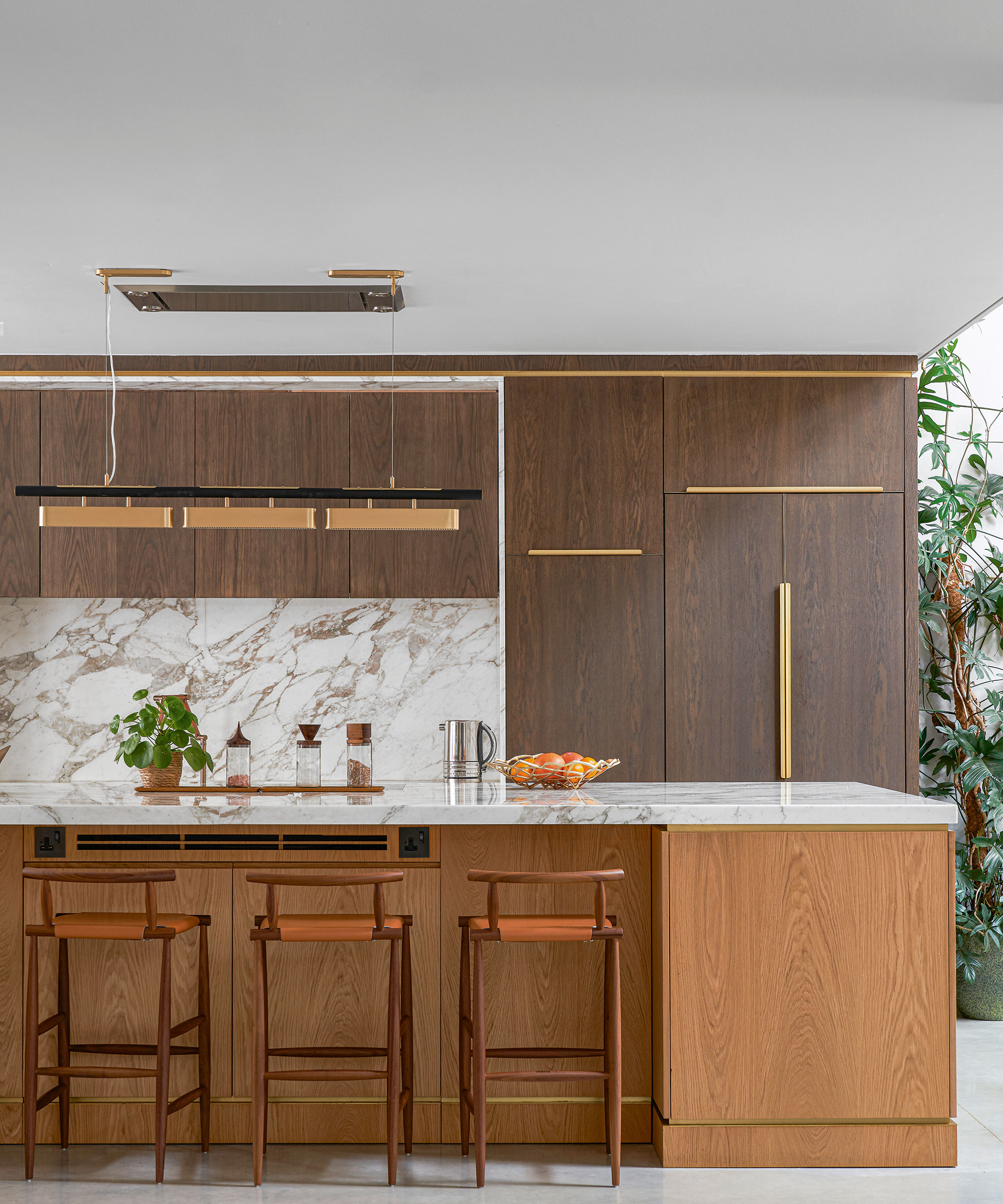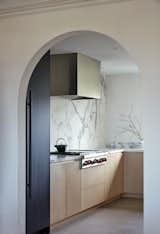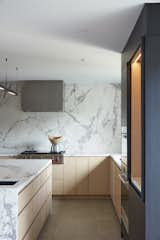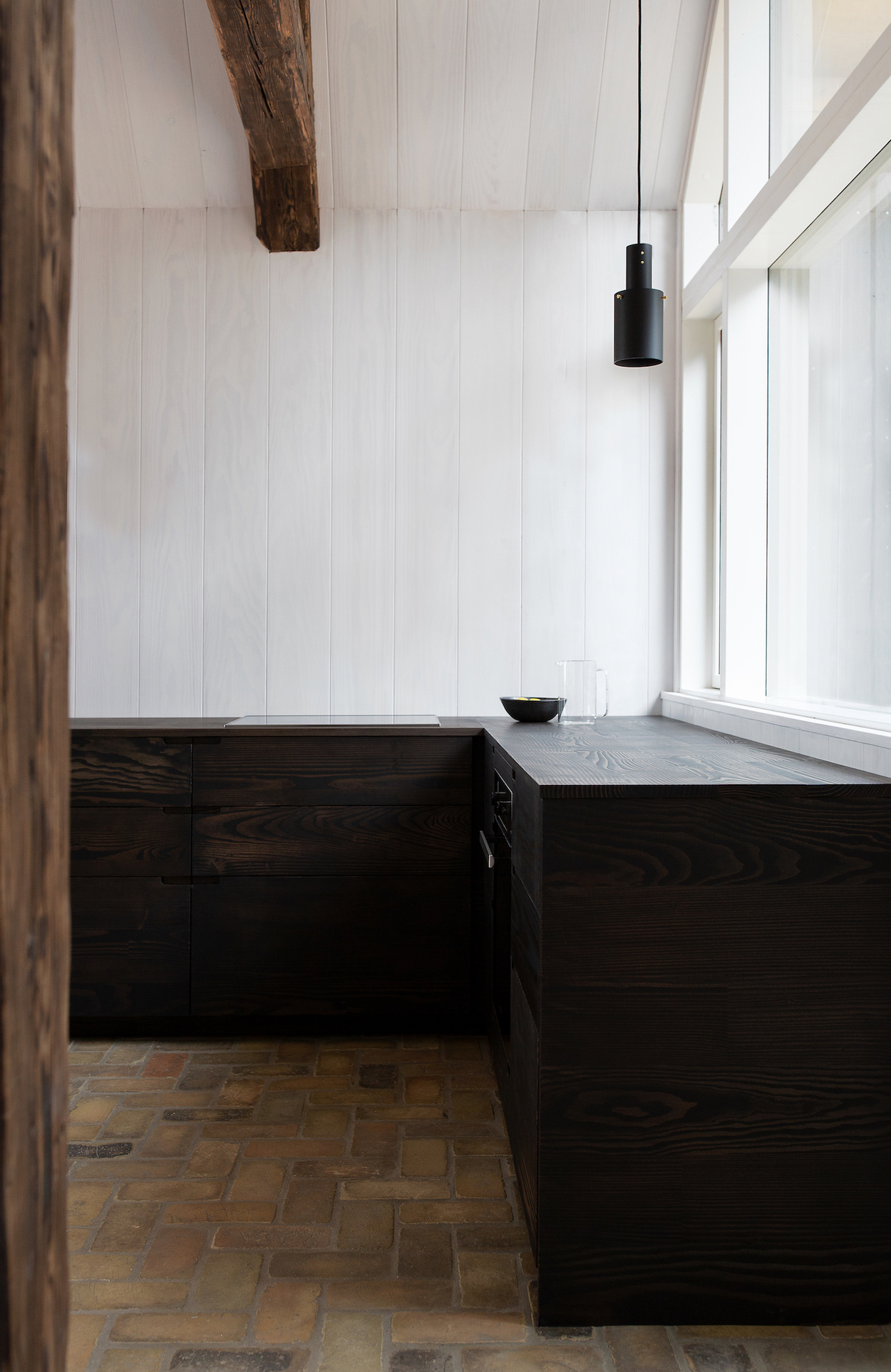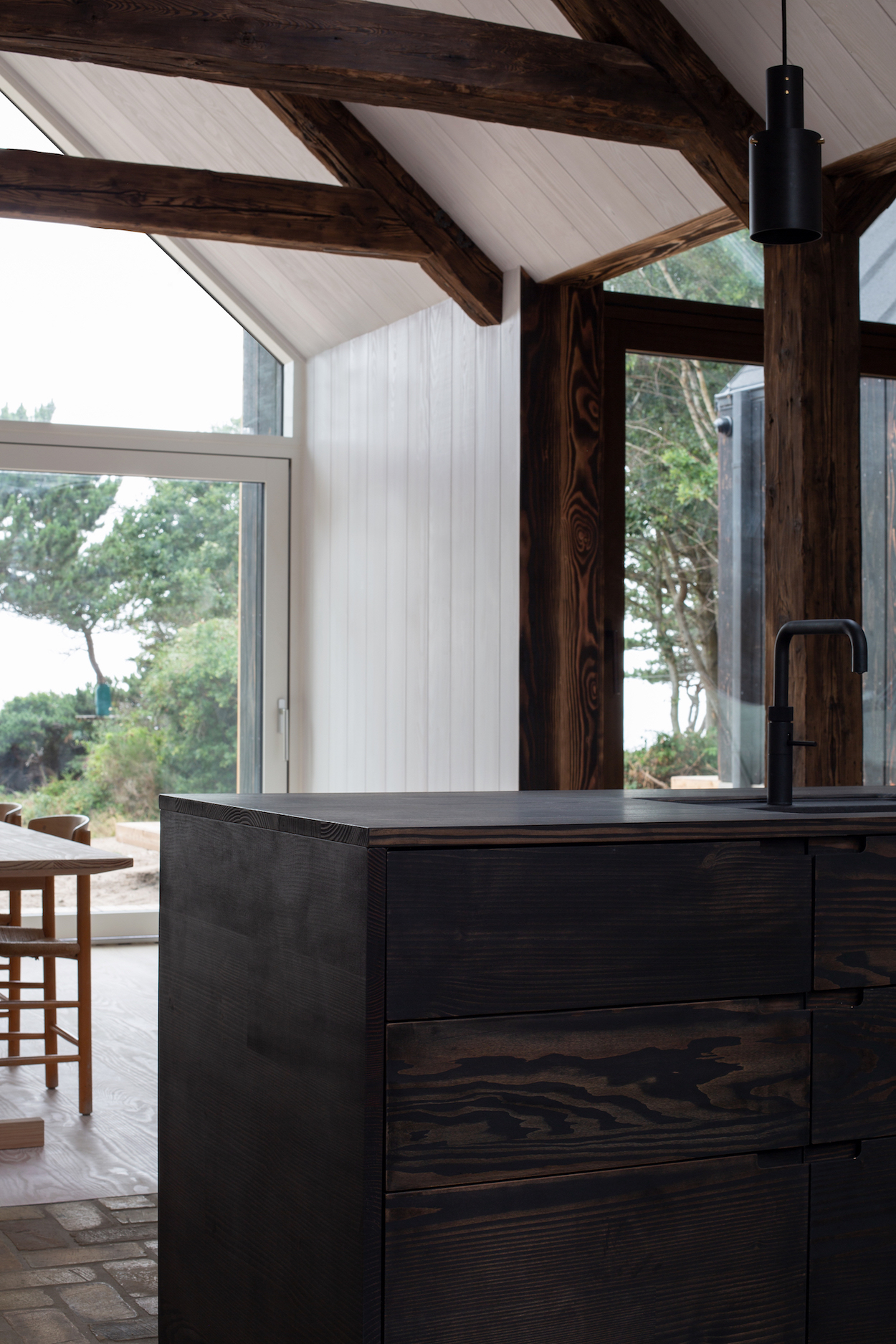
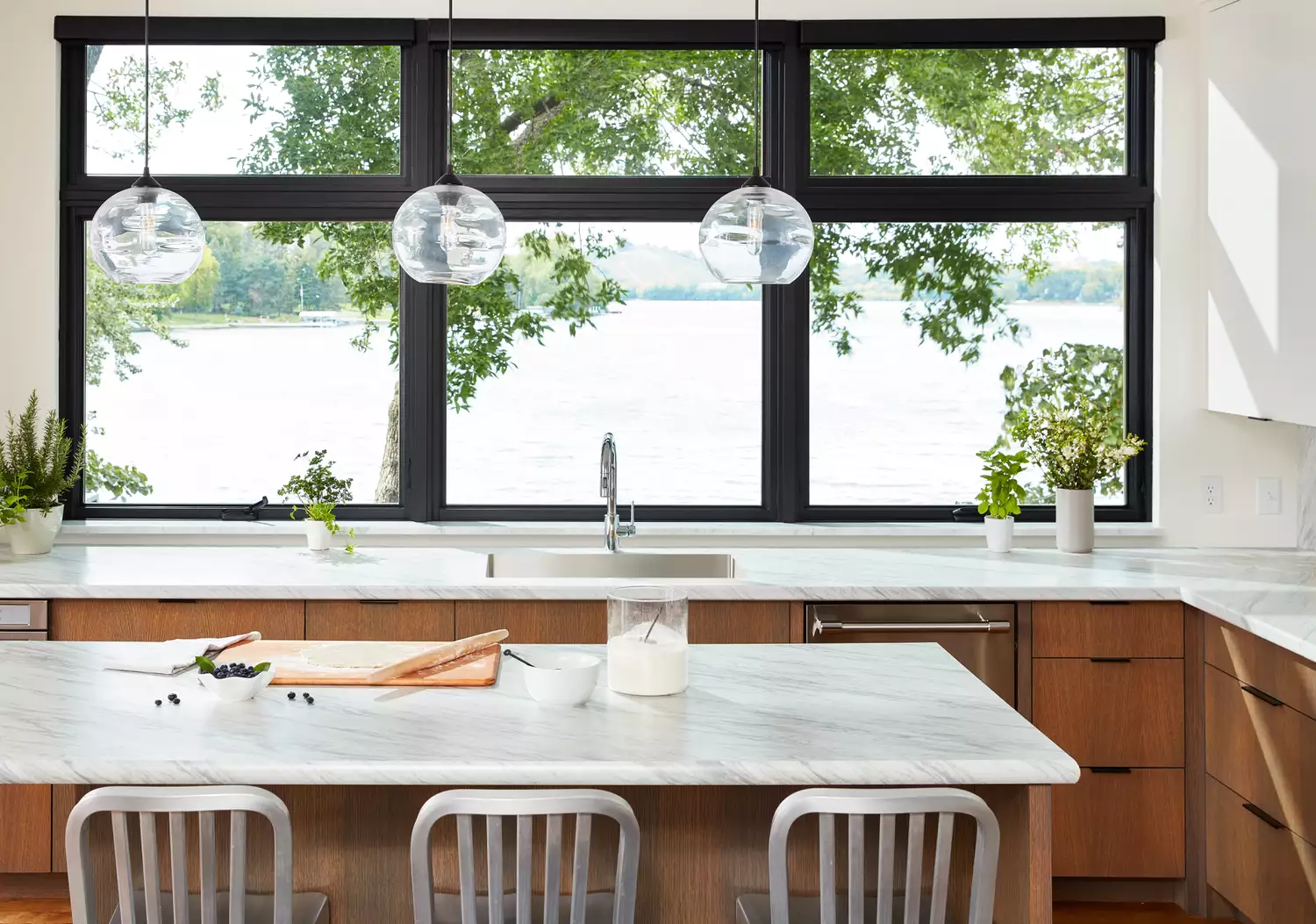
How to Create a Minimalist Kitchen—and Why You Should, According to Experts
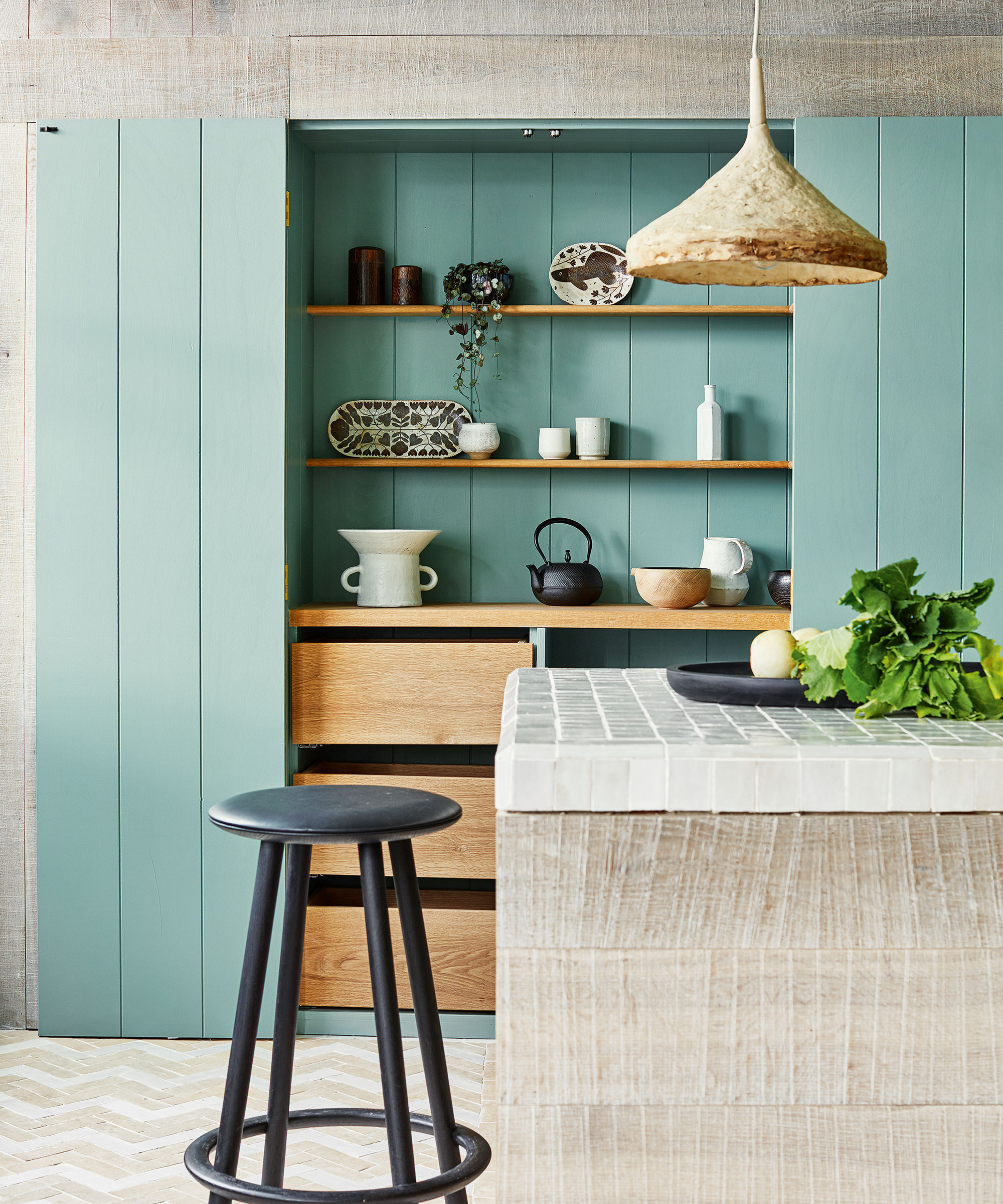
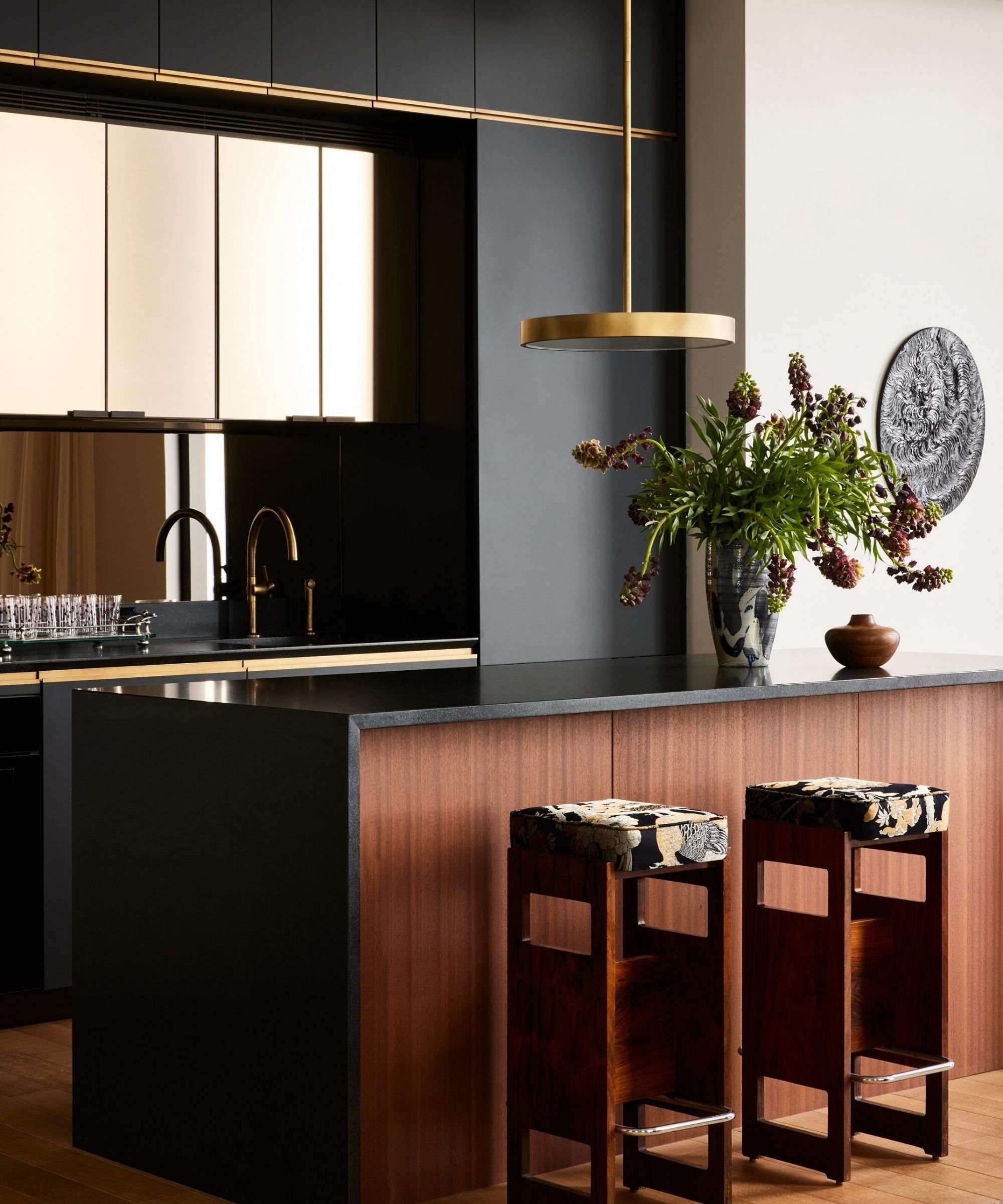
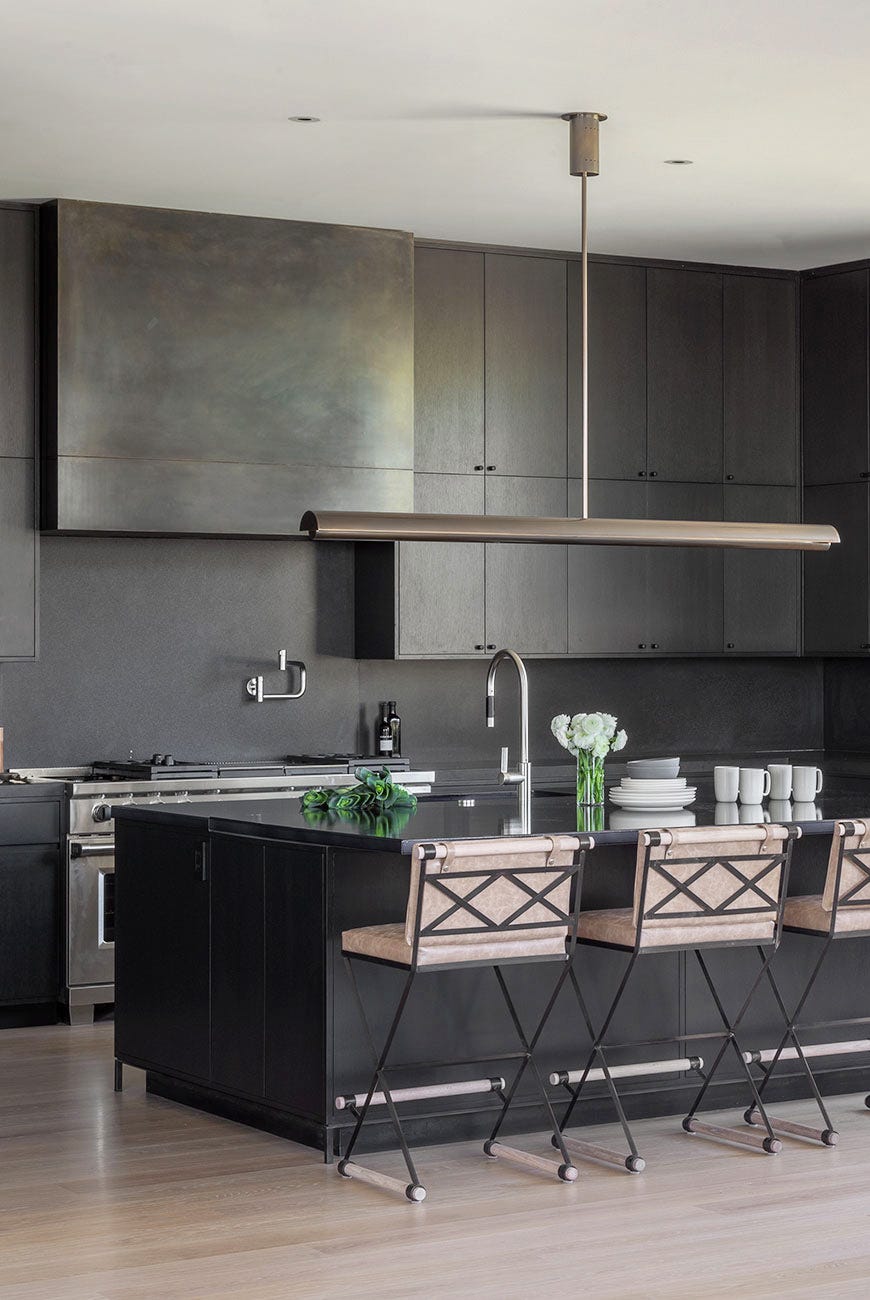
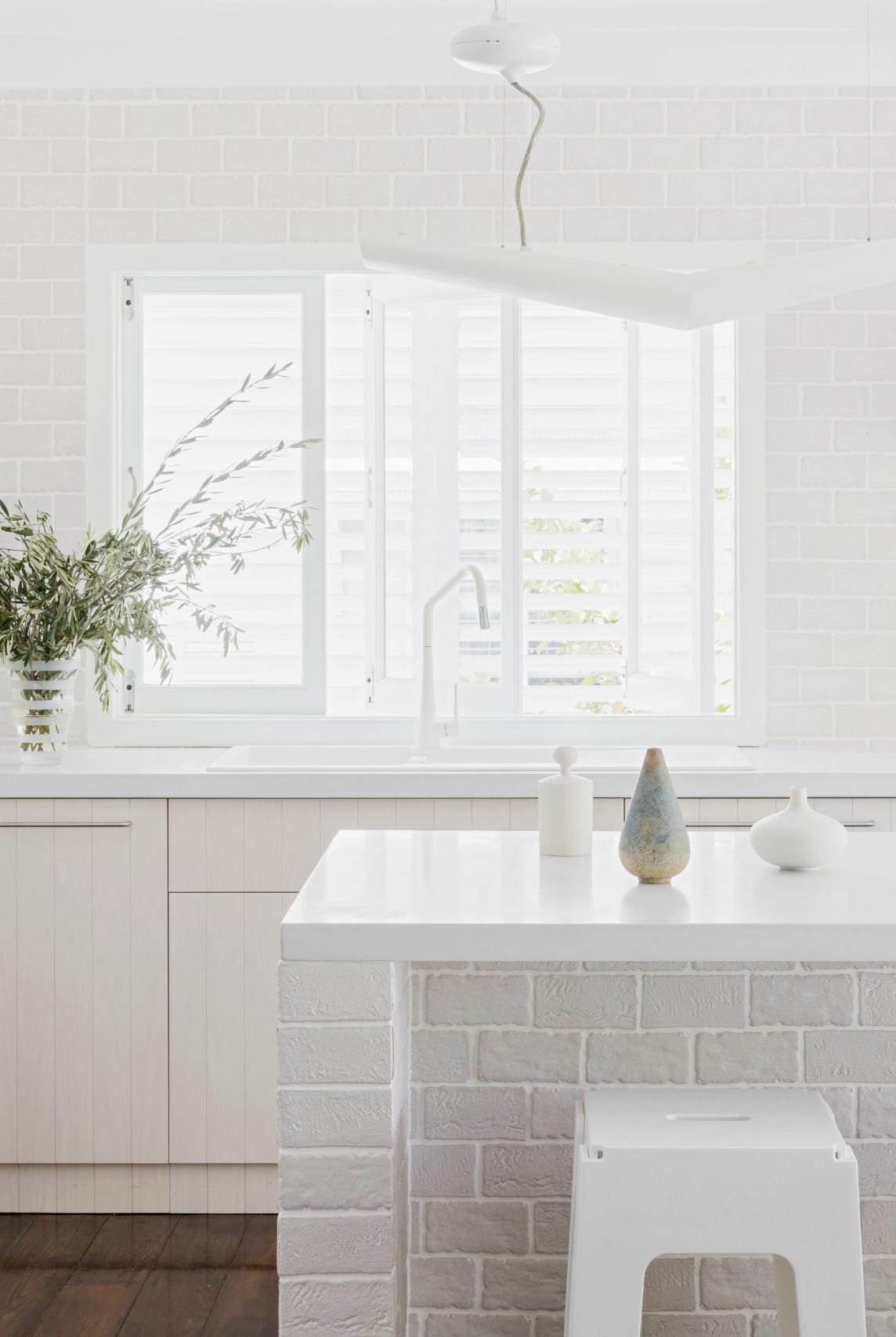
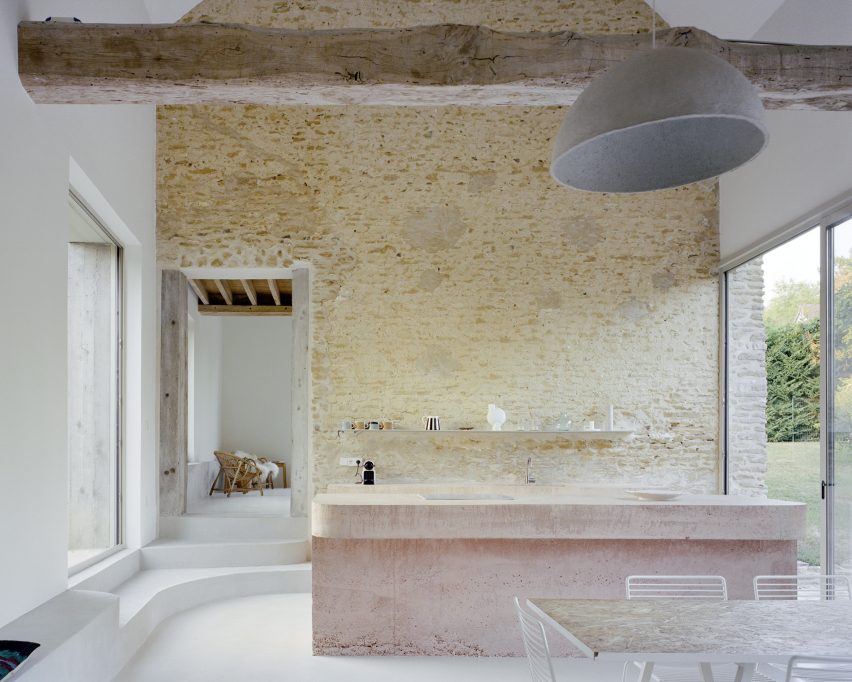
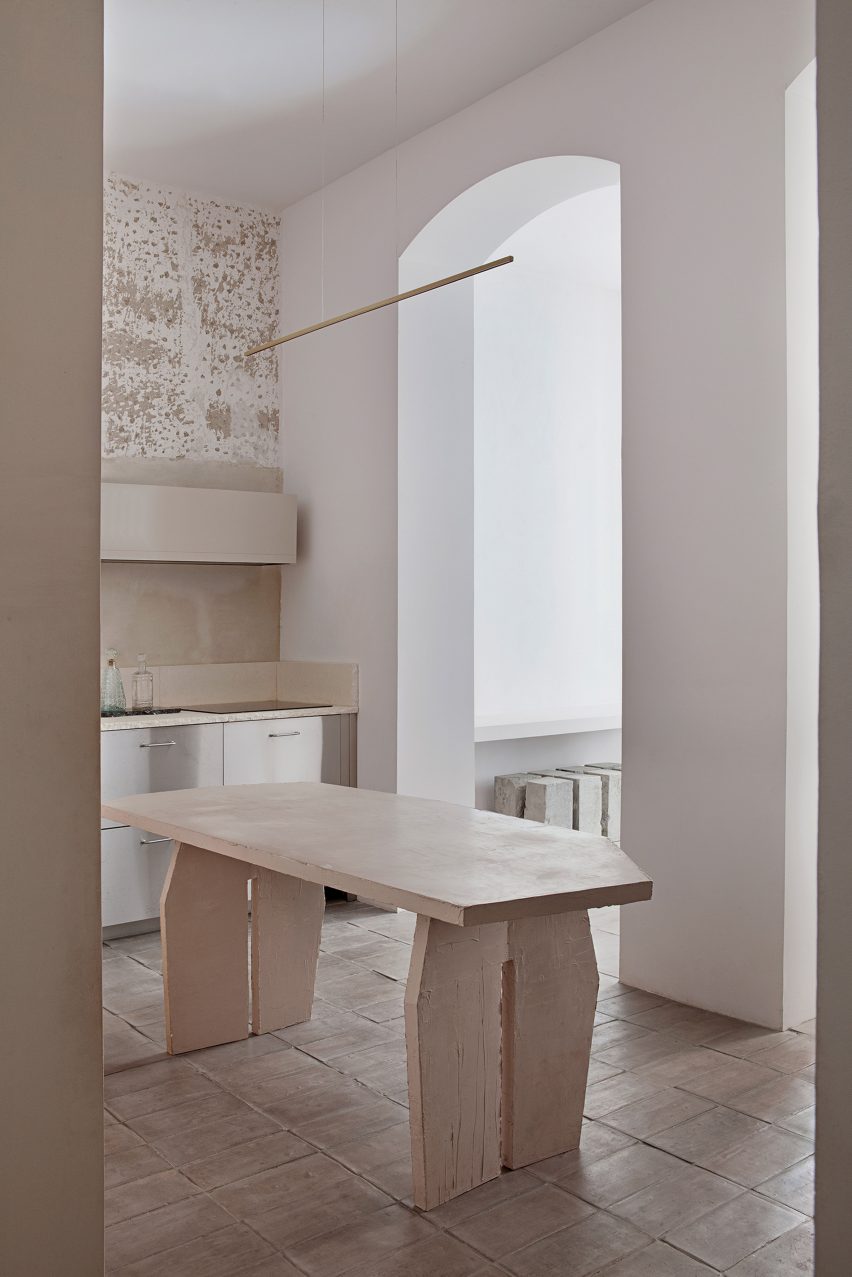
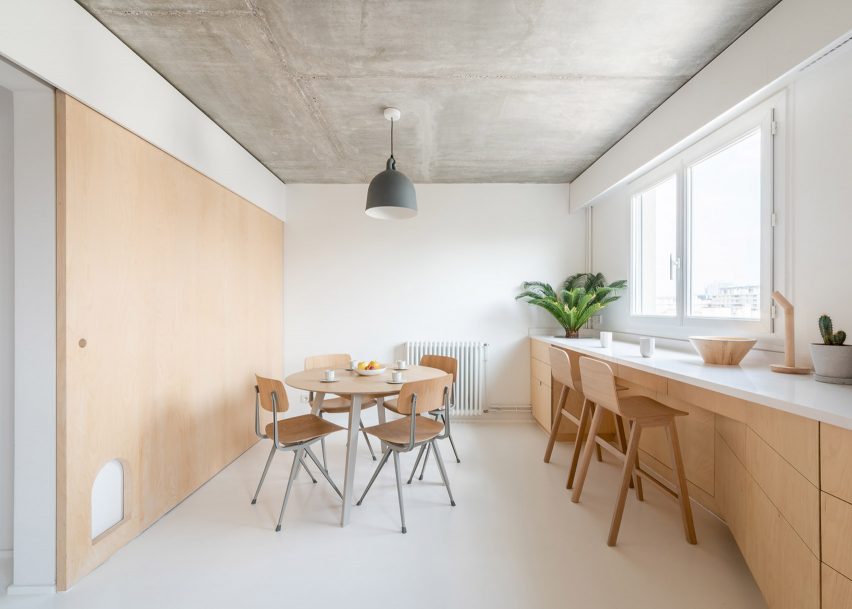
The concept of minimalism, while aesthetically pleasing, often appears challenging to implement, especially in a functional space like a kitchen. However, experts argue that adopting a minimalist approach in the kitchen can lead to a more organized, efficient, and enjoyable cooking experience. This article outlines key strategies and benefits of creating a minimalist kitchen, drawing insights from professional home organizers and minimalist bloggers.
AThe primary benefit of a minimalist kitchen is enhanced ease of use and maintenance. By curating essential items, the space becomes tailored to individual cooking habits, much like a capsule wardrobe. This approach ensures that only useful and versatile tools are retained, eliminating clutter and making cleaning less arduous. Experts emphasize that a minimalist kitchen can positively influence one's mood and improve overall functionality, transforming the culinary environment into a calm and peaceful area.
To begin the transition, a crucial first step is to eliminate duplicate items. Many kitchens harbor multiple versions of tools such as peelers, wine openers, glassware, and food storage containers. Identifying and removing these redundant items, particularly those that are warped, stained, or missing parts, can significantly reduce clutter. This initial decluttering phase often involves straightforward, unemotional decisions, making it an accessible starting point for embracing minimalism.
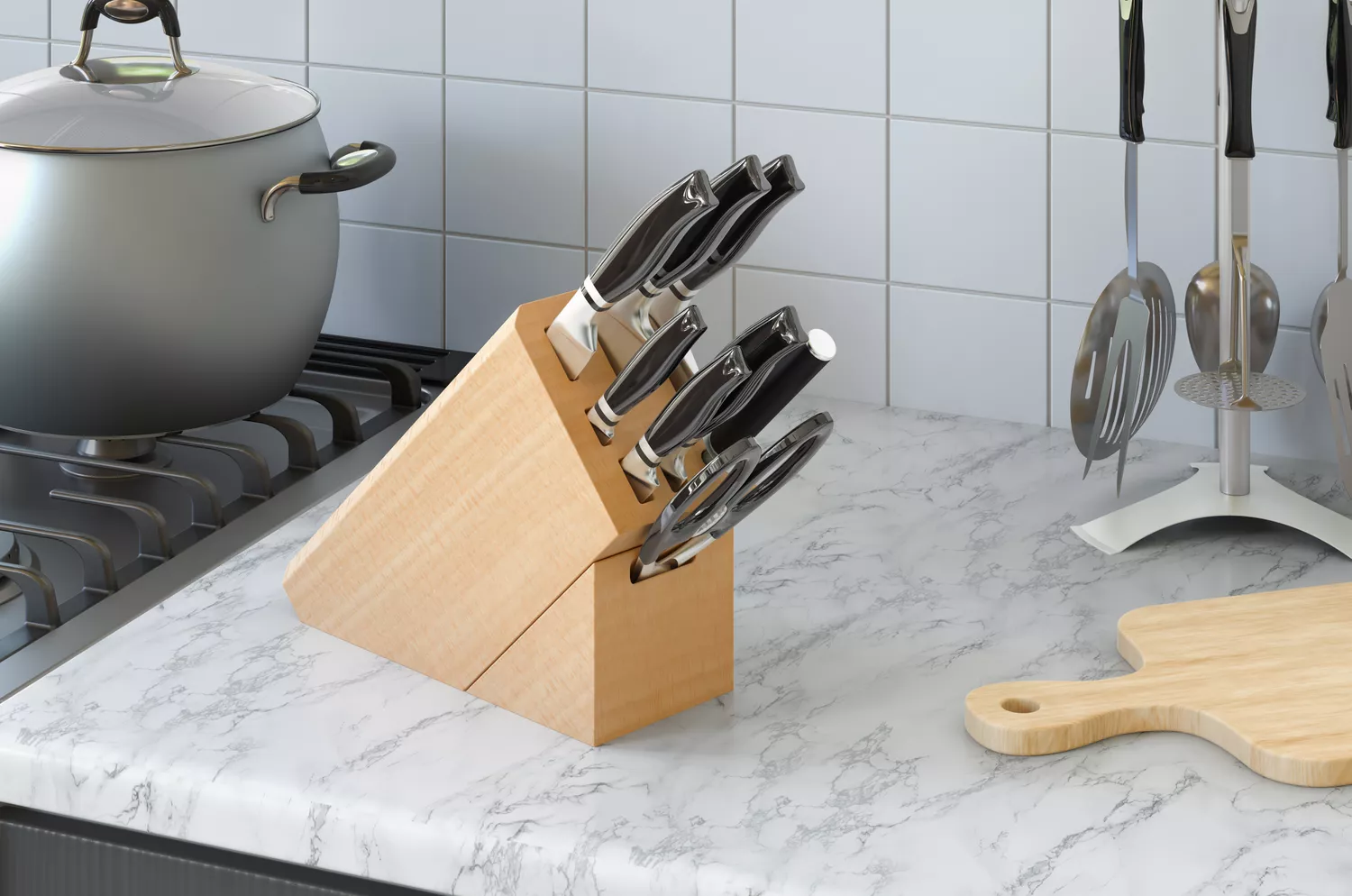
Another fundamental principle of minimalism is retaining only what is genuinely necessary. In a kitchen, discerning essential items from excess can be challenging. A practical method involves temporarily removing all items from cabinets and drawers and storing them in an adjacent room. Over a week or a month, retrieve only the tools needed for daily cooking. Any item not returned to the kitchen after this period can be considered non-essential, helping individuals realize how few items are truly required for effective cooking. This process can highlight that quality tools, like a single chef's knife, often suffice over a multitude of specialized gadgets.
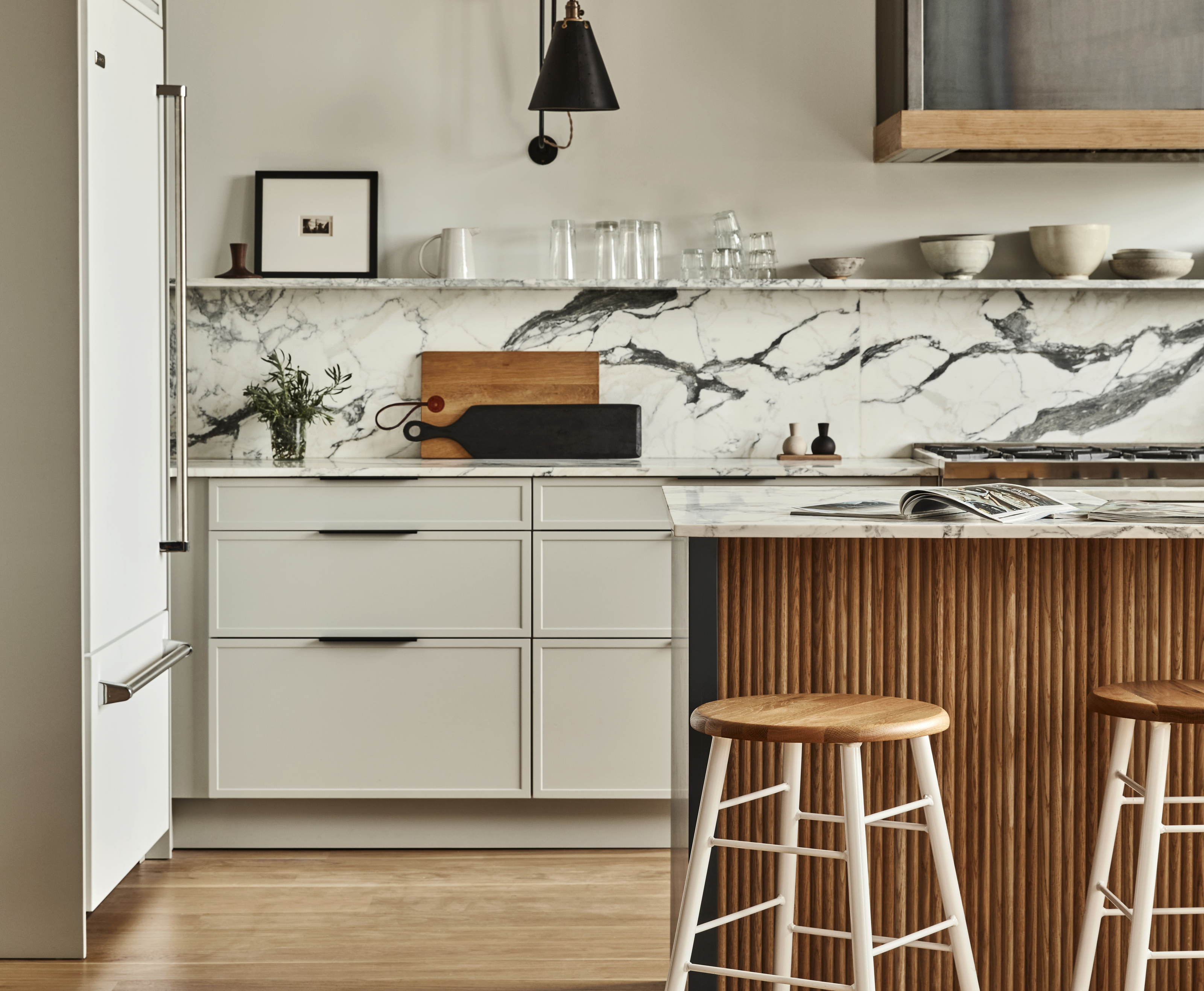
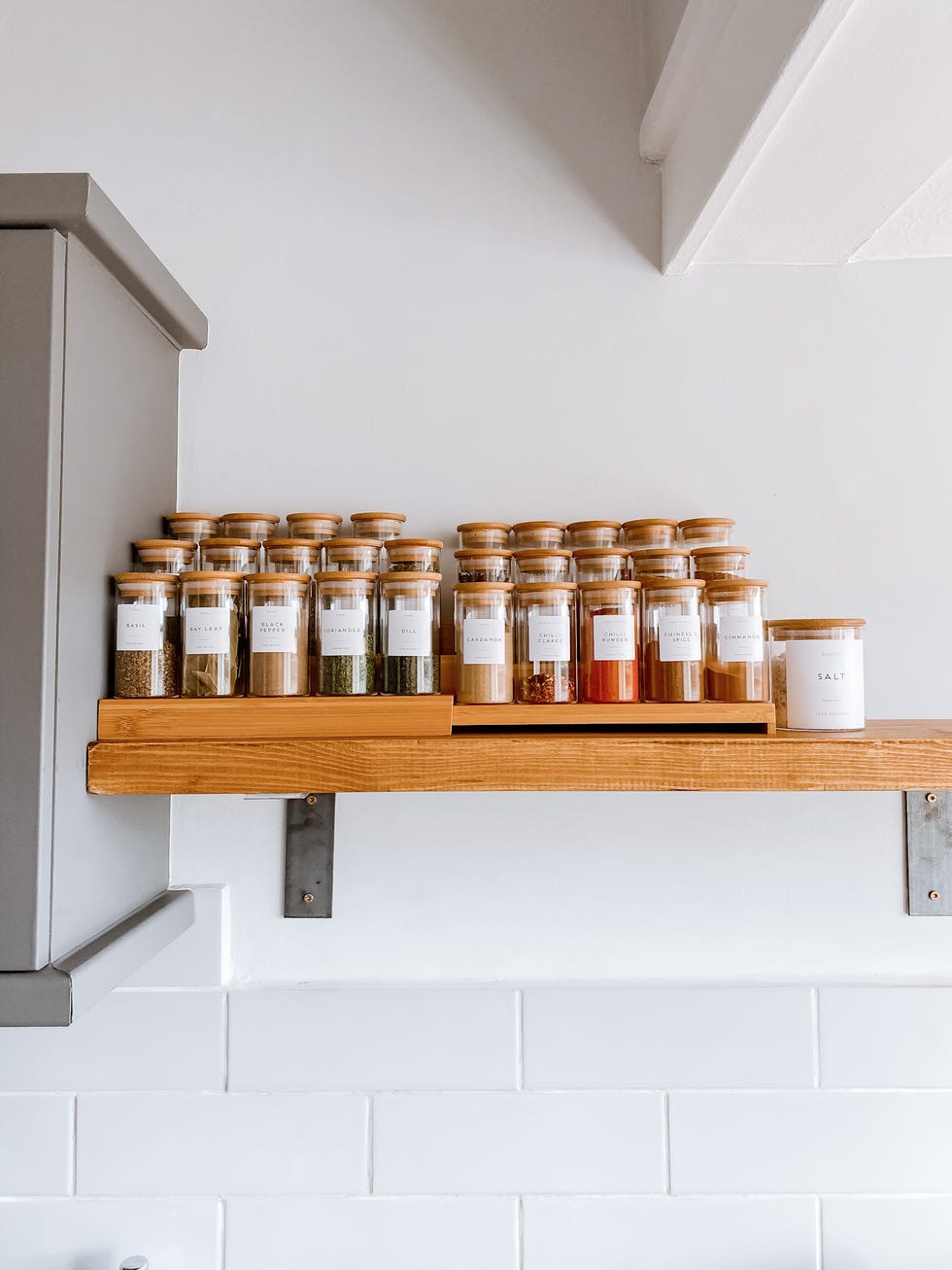
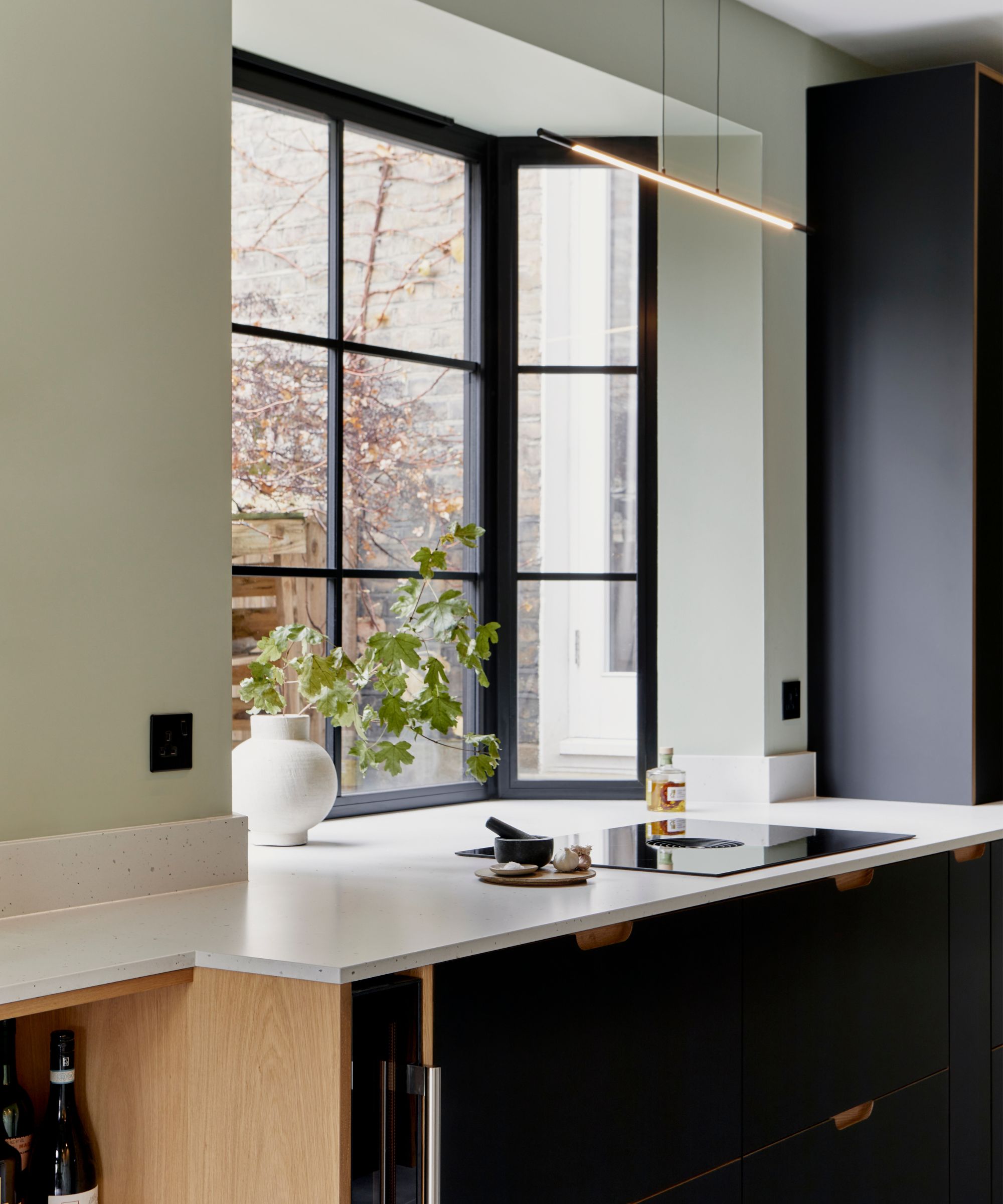
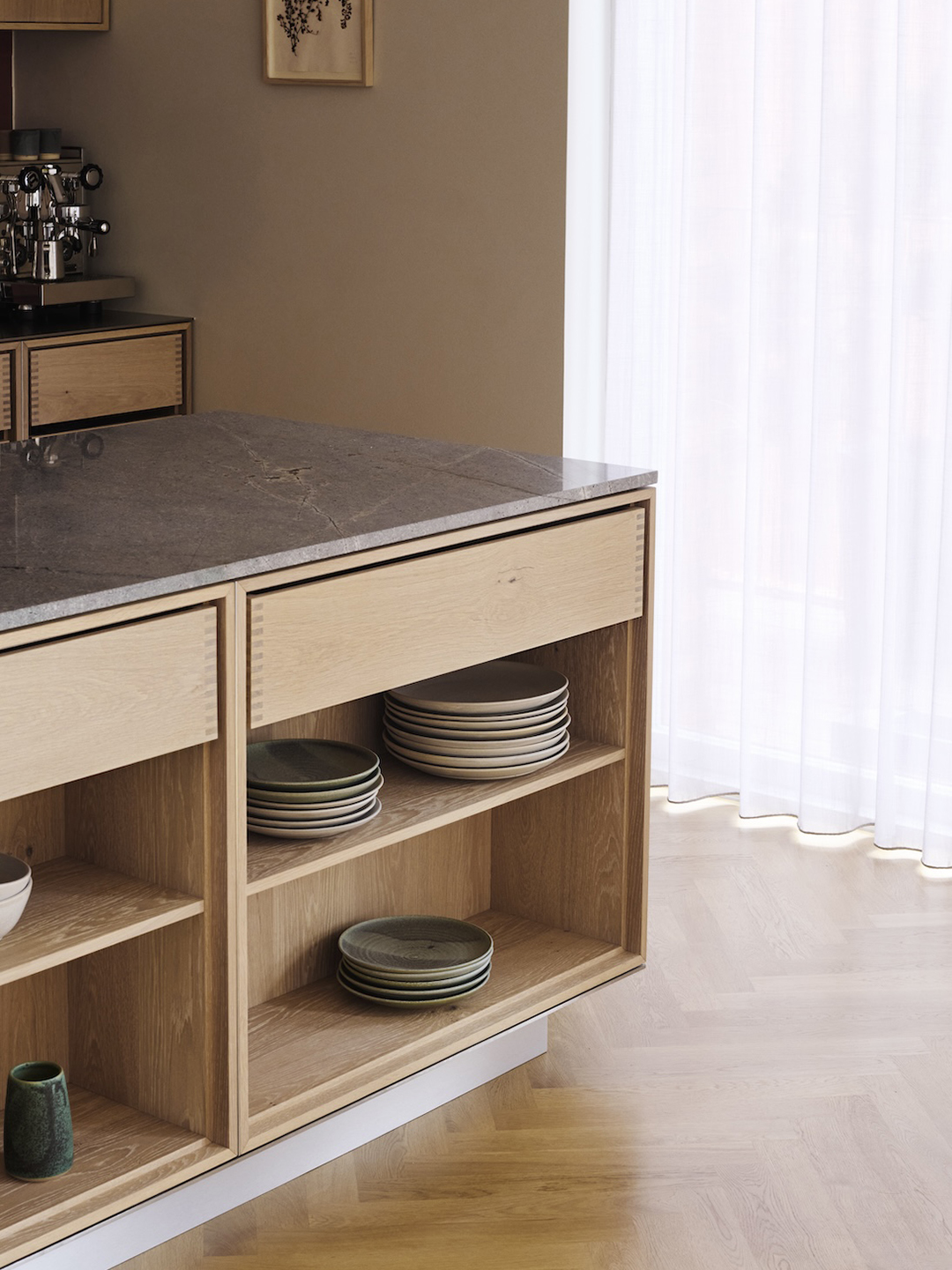
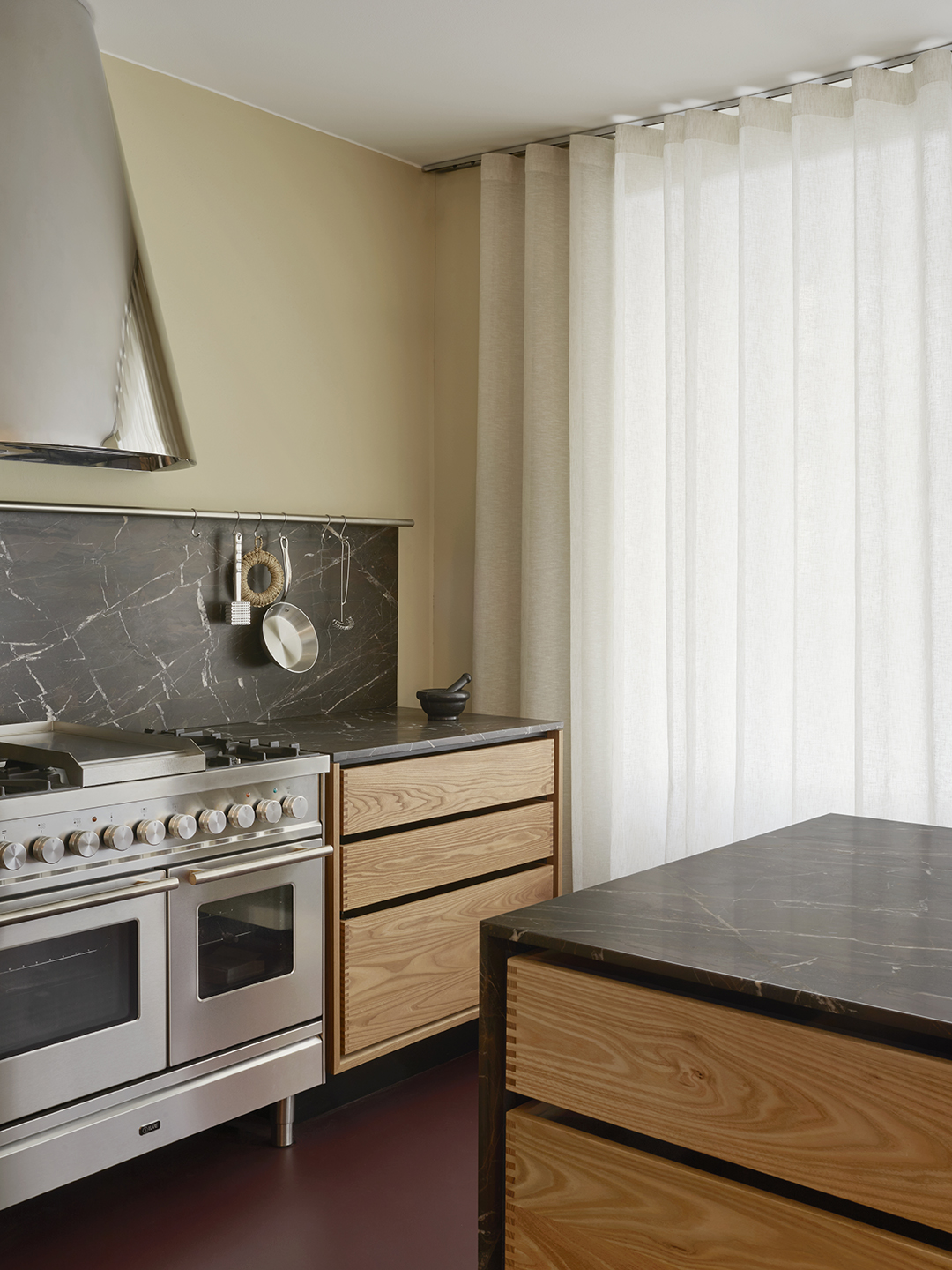
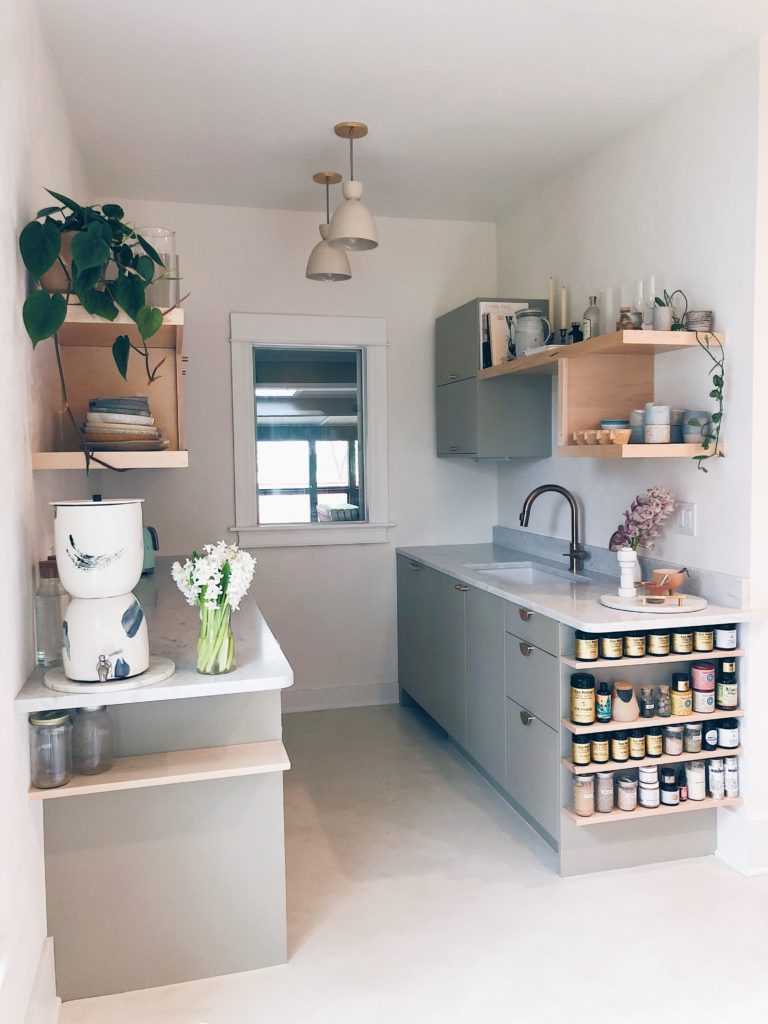
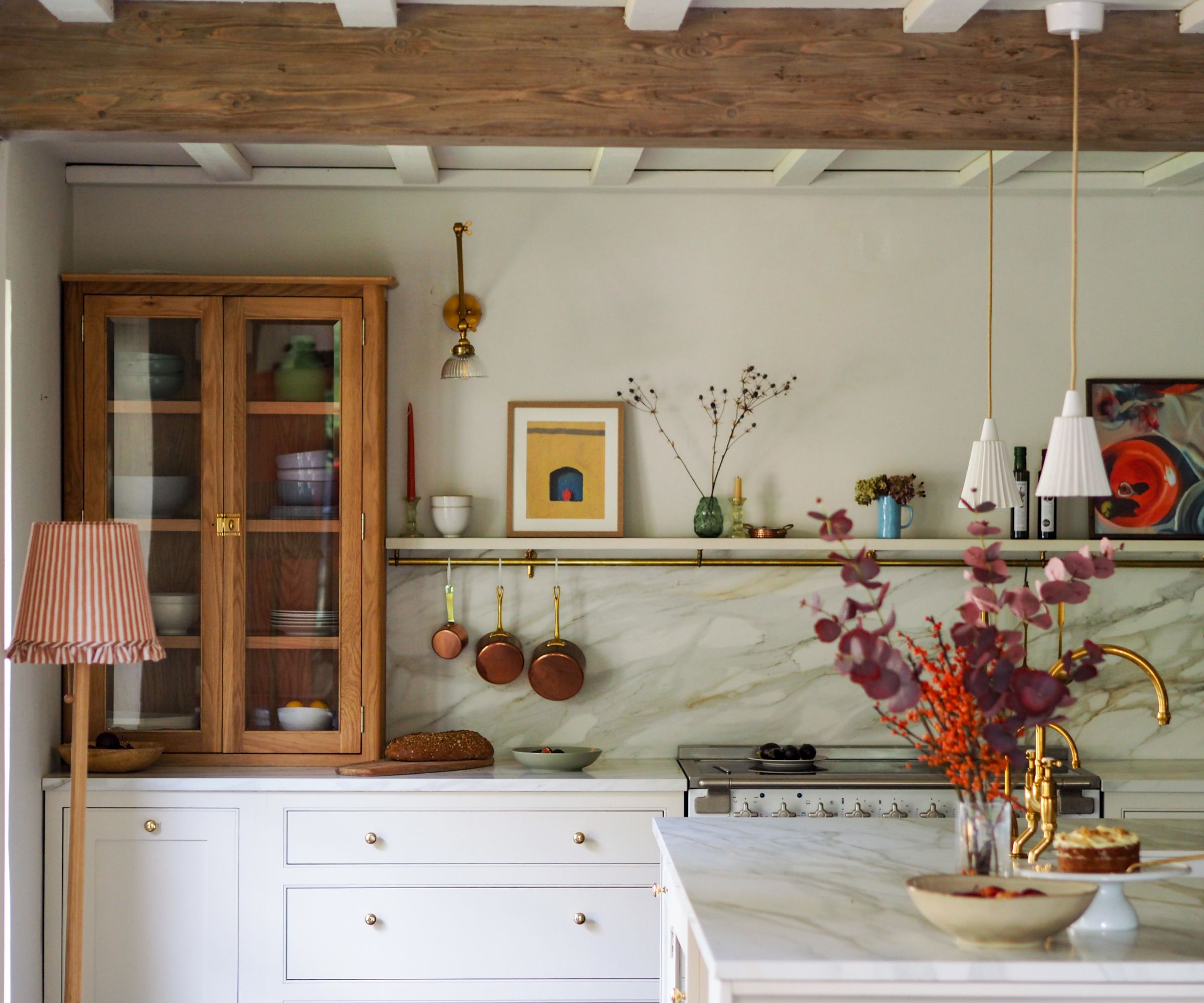
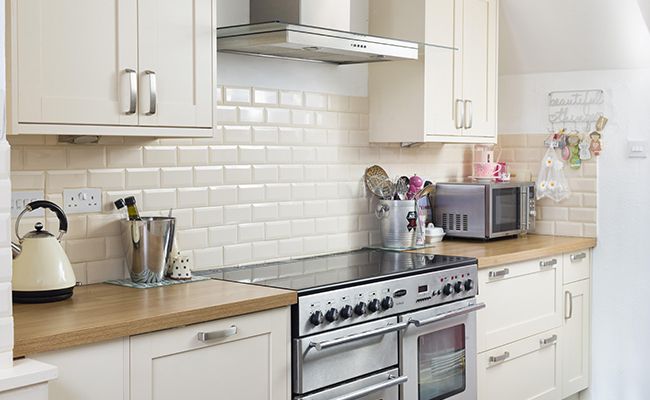
Countertop space, vital for meal preparation, is frequently consumed by unnecessary items. Adopting the mantra that "surfaces are not for storage" is key. Countertops should be reserved for activity, with only daily-use items displayed. This not only streamlines cooking but also reduces visual clutter, contributing to a calmer kitchen environment. For items that need to be stored off the counter, wall-mounted racks or hanging baskets offer practical solutions.
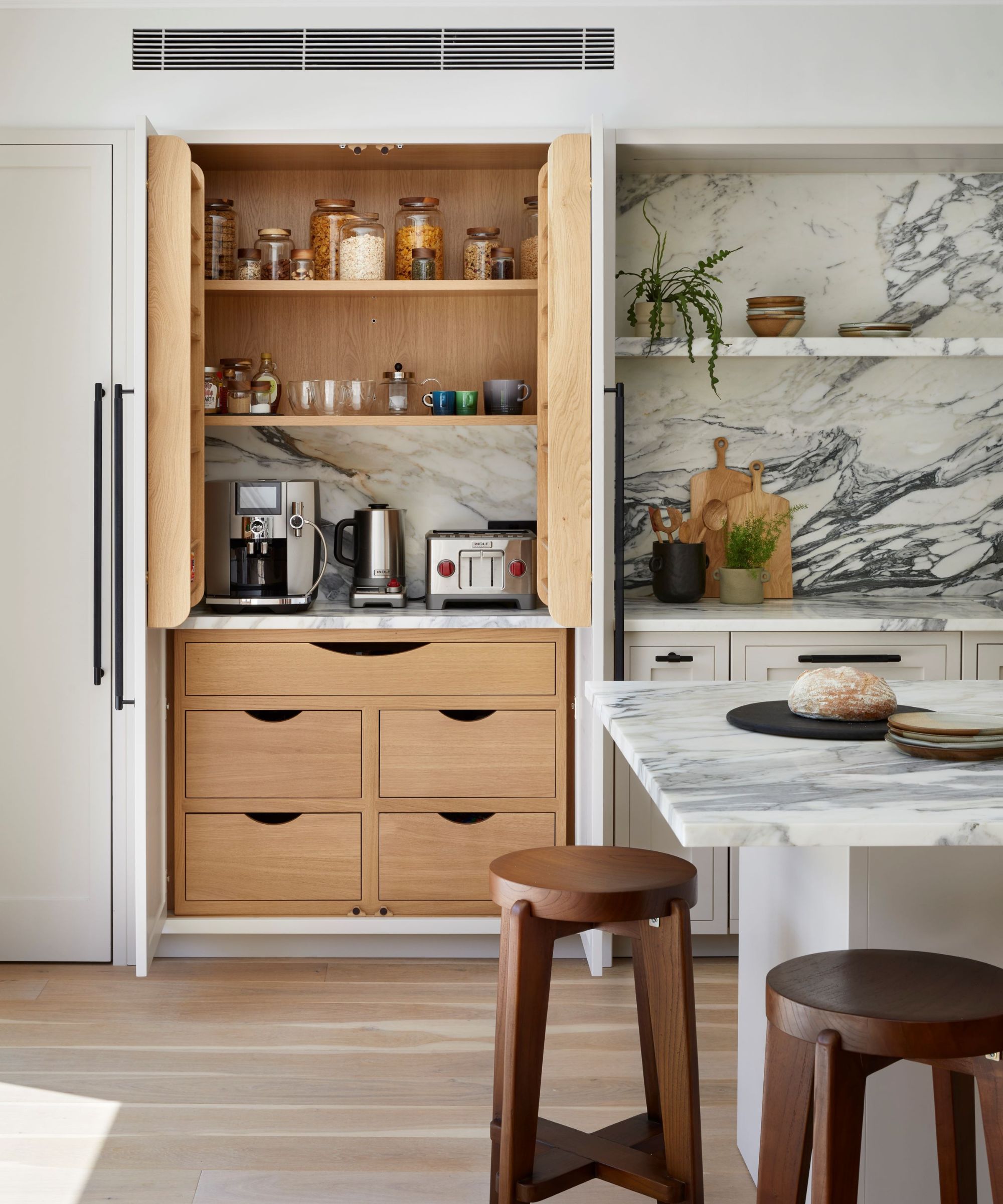
The proliferation of kitchen gadgets, such as air fryers, slow cookers, and waffle machines, often leads to underutilized appliances taking up valuable space. Unless an item is part of a daily routine, like a coffee maker or toaster, these gadgets often collect dust. Experts suggest letting go of culinary fantasies that require specialized equipment and acknowledging that delicious meals can be prepared with simpler tools. This perspective encourages a reevaluation of appliance necessity, often revealing that fewer tools are needed than commonly perceived.
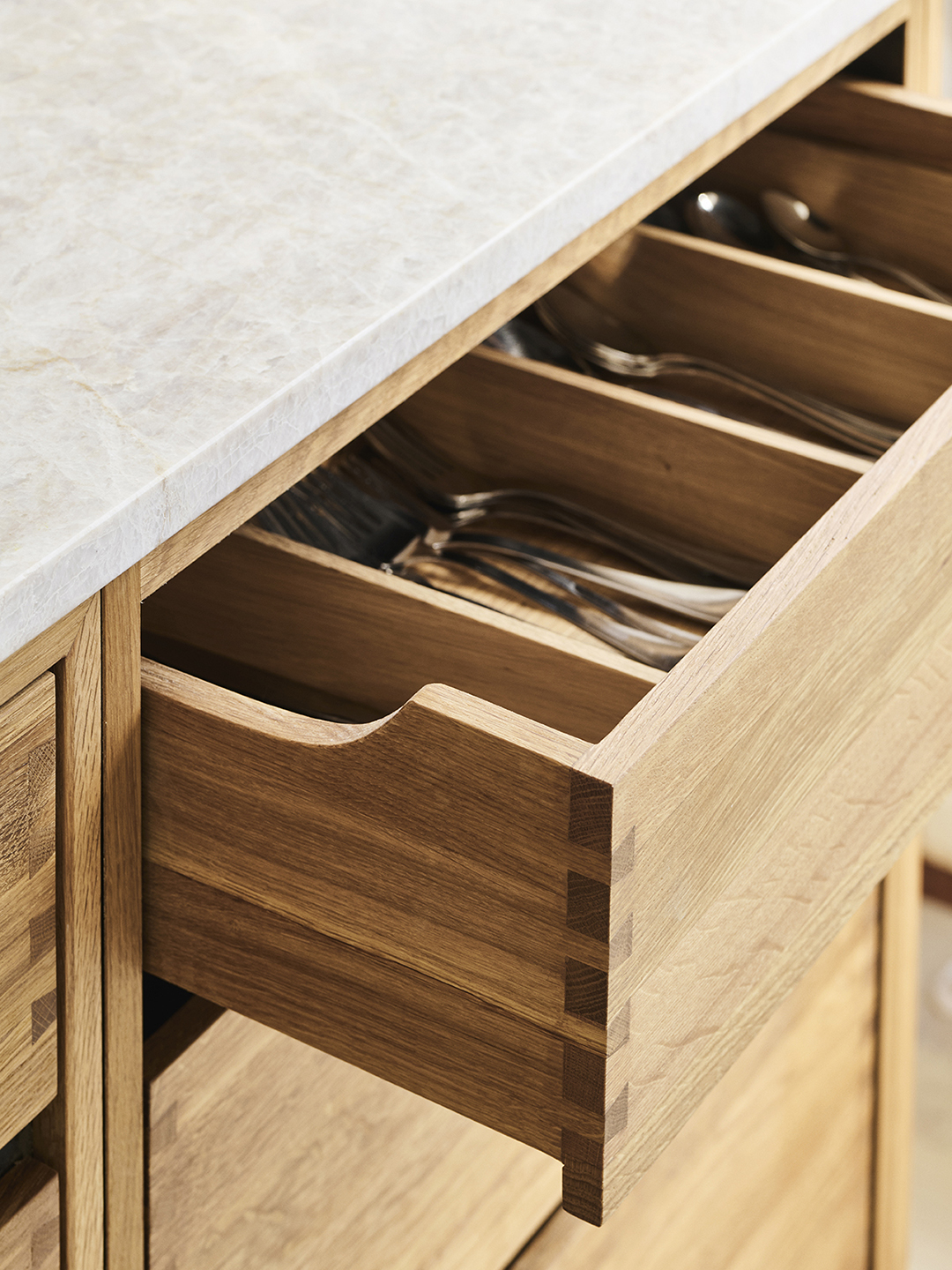
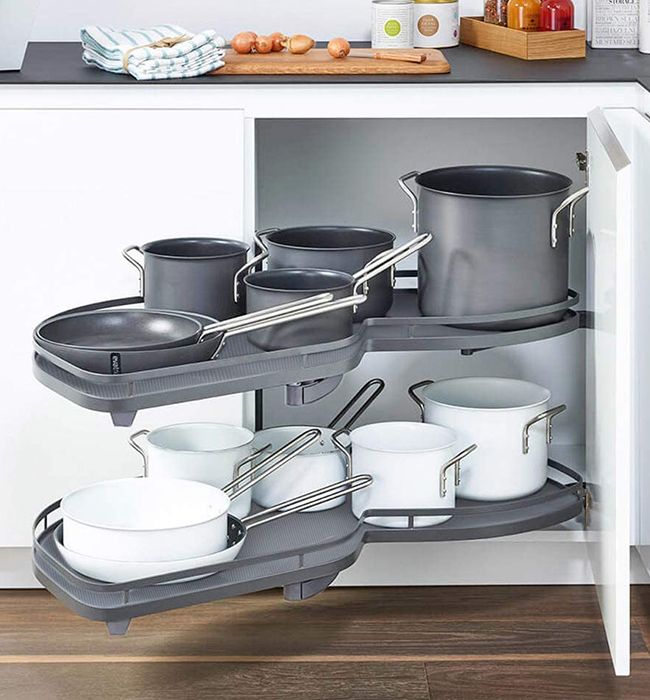
Once essential items are identified, maintaining organization is paramount. Utilizing organizer trays in drawers helps corral utensils and small tools, making them easily accessible and preventing the accumulation of random items. It is also important to remove non-kitchen items, such as mail, bills, or children's belongings, that tend to migrate into the kitchen space. Regular tidying can significantly enhance manageability.
Finally, maintaining a clean minimalist kitchen involves adopting small, consistent cleaning rituals. While a minimalist design inherently simplifies cleaning, daily habits such as washing dishes before bed and wiping down counters prevent messes from accumulating. Patience is crucial throughout this process, as transforming a kitchen into a minimalist space can be a gradual and sometimes challenging endeavor. Breaking down the organizing tasks into smaller, manageable zones, such as one drawer at a time, can prevent overwhelm. The ultimate reward is a functional, beautiful, and enjoyable kitchen space.
#MinimalistKitchen #HomeOrganization #KitchenDesign #DeclutteringTips #KitchenStorage #HomeImprovement #InteriorDesign #KitchenEssentials #MinimalistKitchen #HomeOrganization #KitchenDesign #DeclutteringTips #KitchenStorage #HomeImprovement #InteriorDesign #KitchenEssentials
0 comment in total
 No comments yet
You may also like
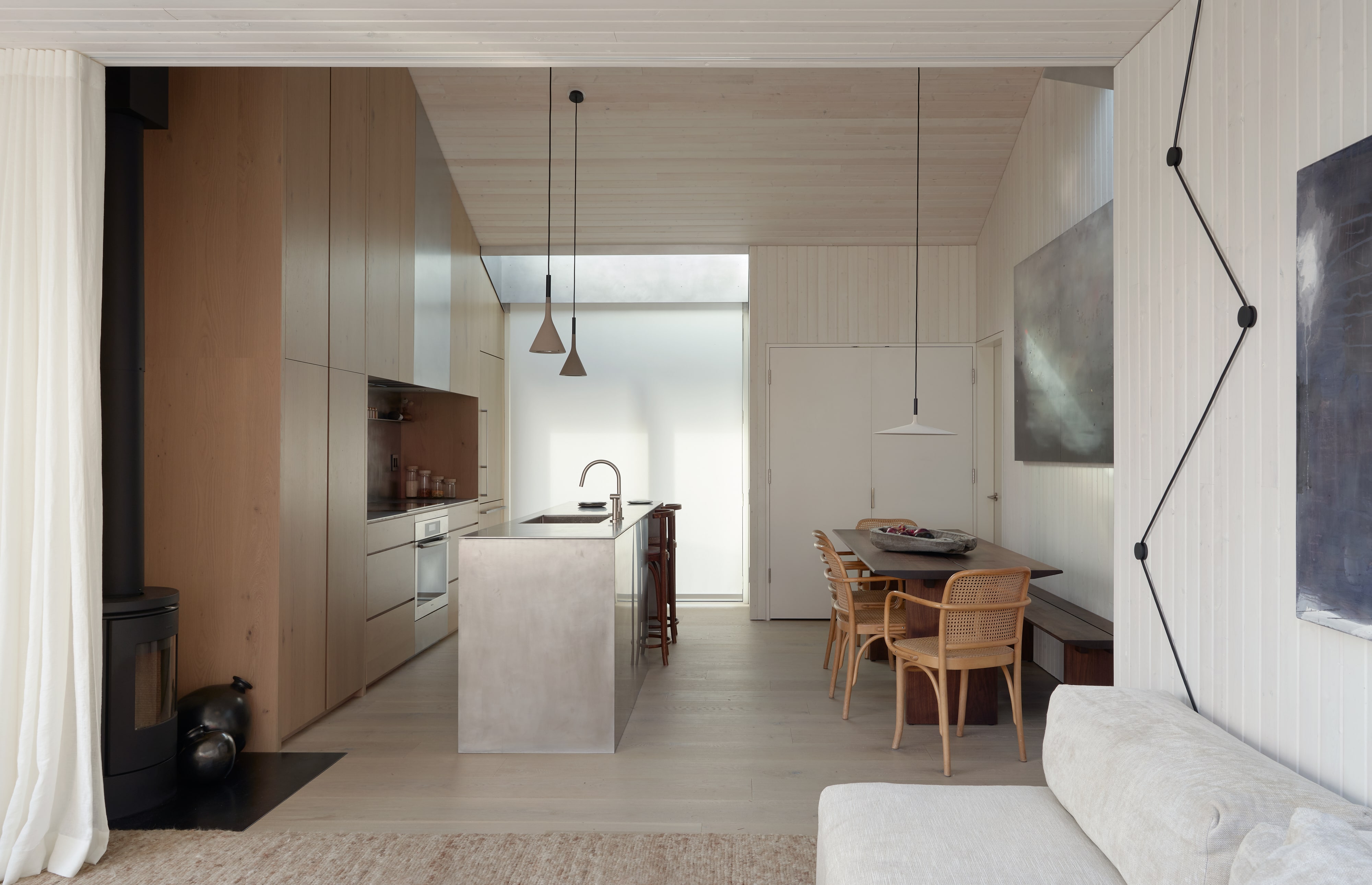
6 things to get rid of from your kitchen today so that you can embrace a more minimalist way of living

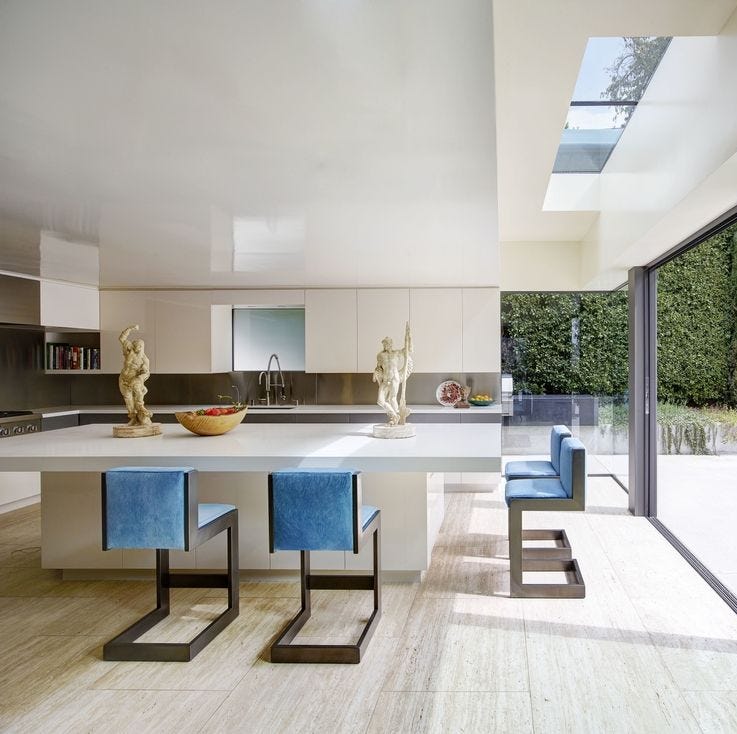
These Minimalist Kitchens Are Super Sexy
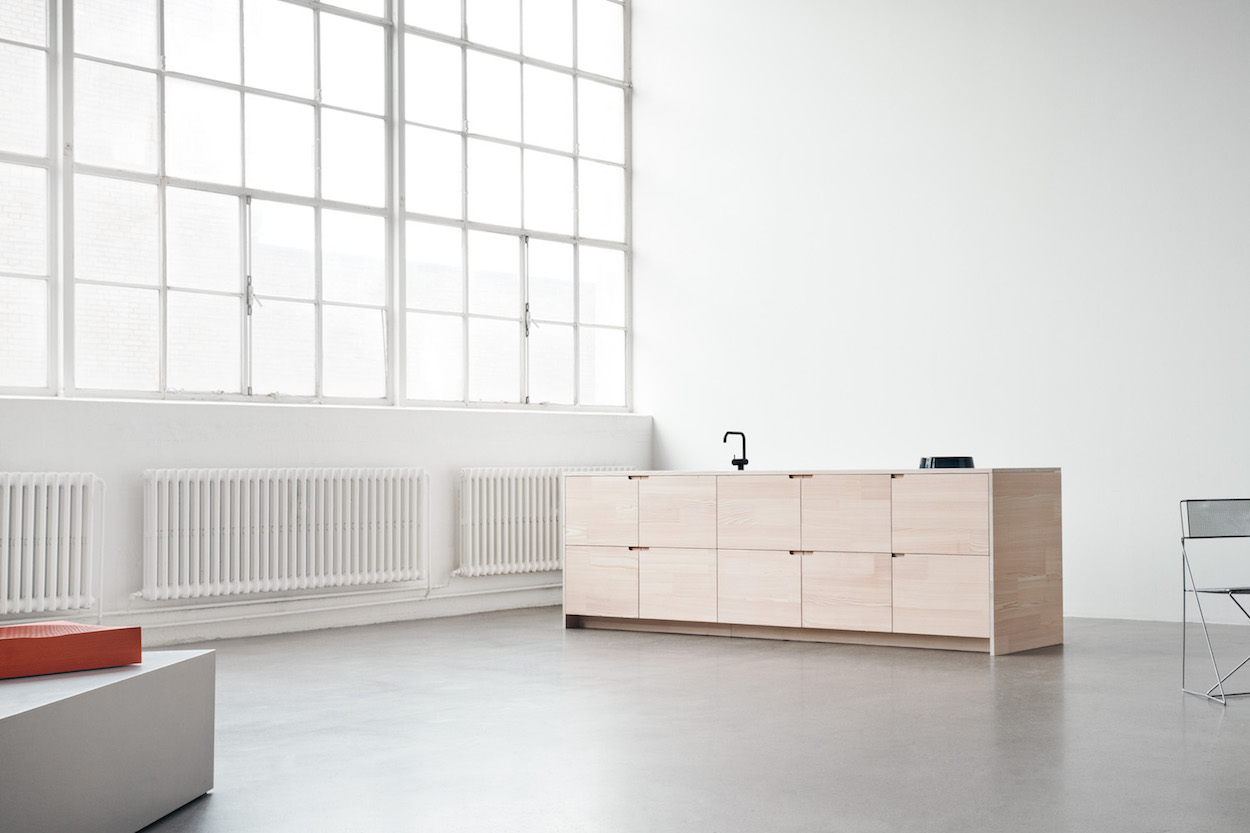
UP Minimalist Kitchen by Lendager Group
7 Things You’ll Never See on a Minimalist’s Kitchen Counter—And Why They Swear By It

6 things minimalists never have in a kitchen – and what to use instead

The Finishing Touch for Your Minimalist Kitchen

41 Minimalist Kitchens With Maximum Style

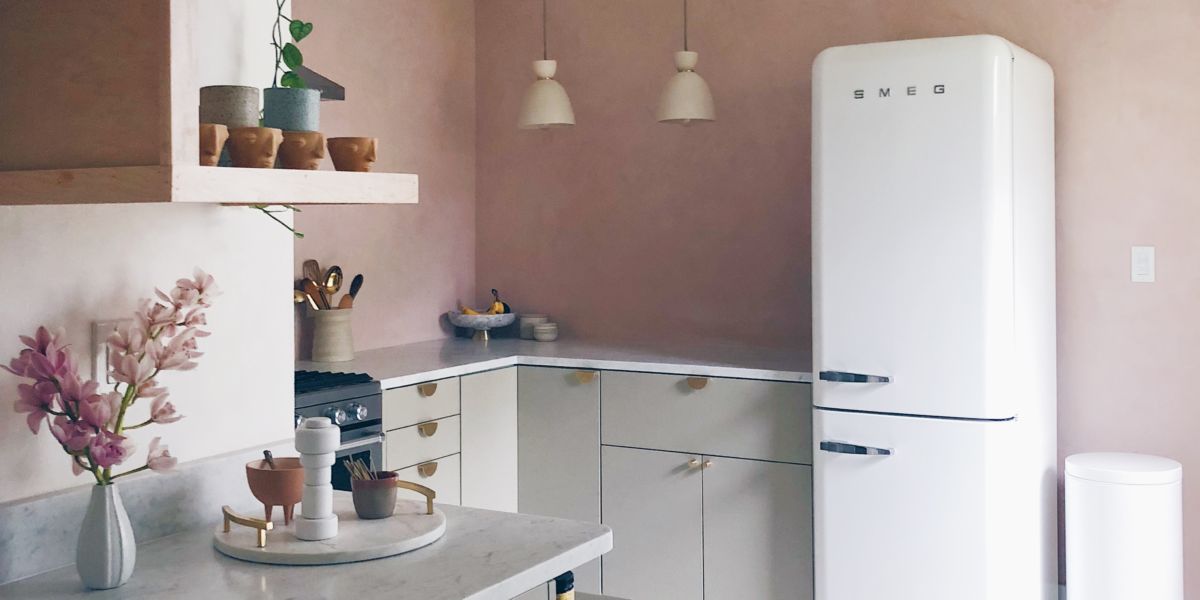
From Mauve Walls to Sleek Countertops, This Portland Kitchen Is Springtime Goals
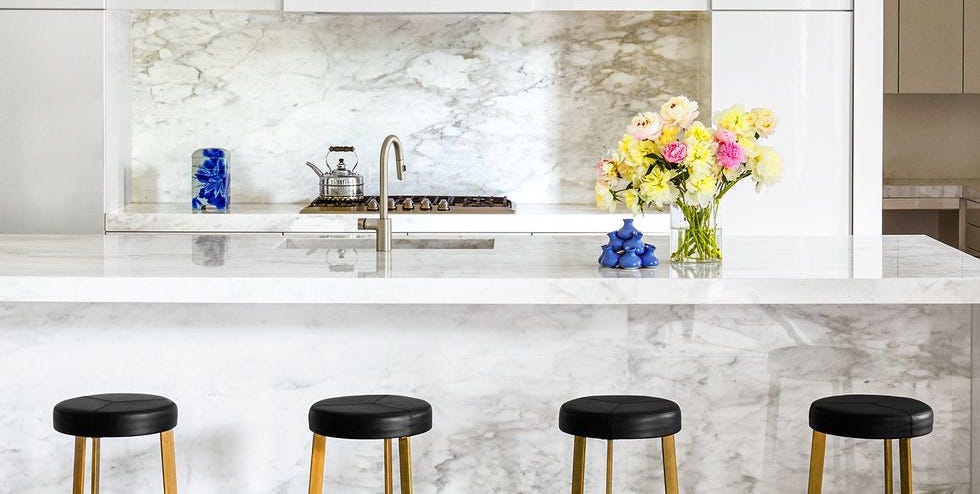
15 Minimalist Kitchens That Will Make You Want to Purge Everything

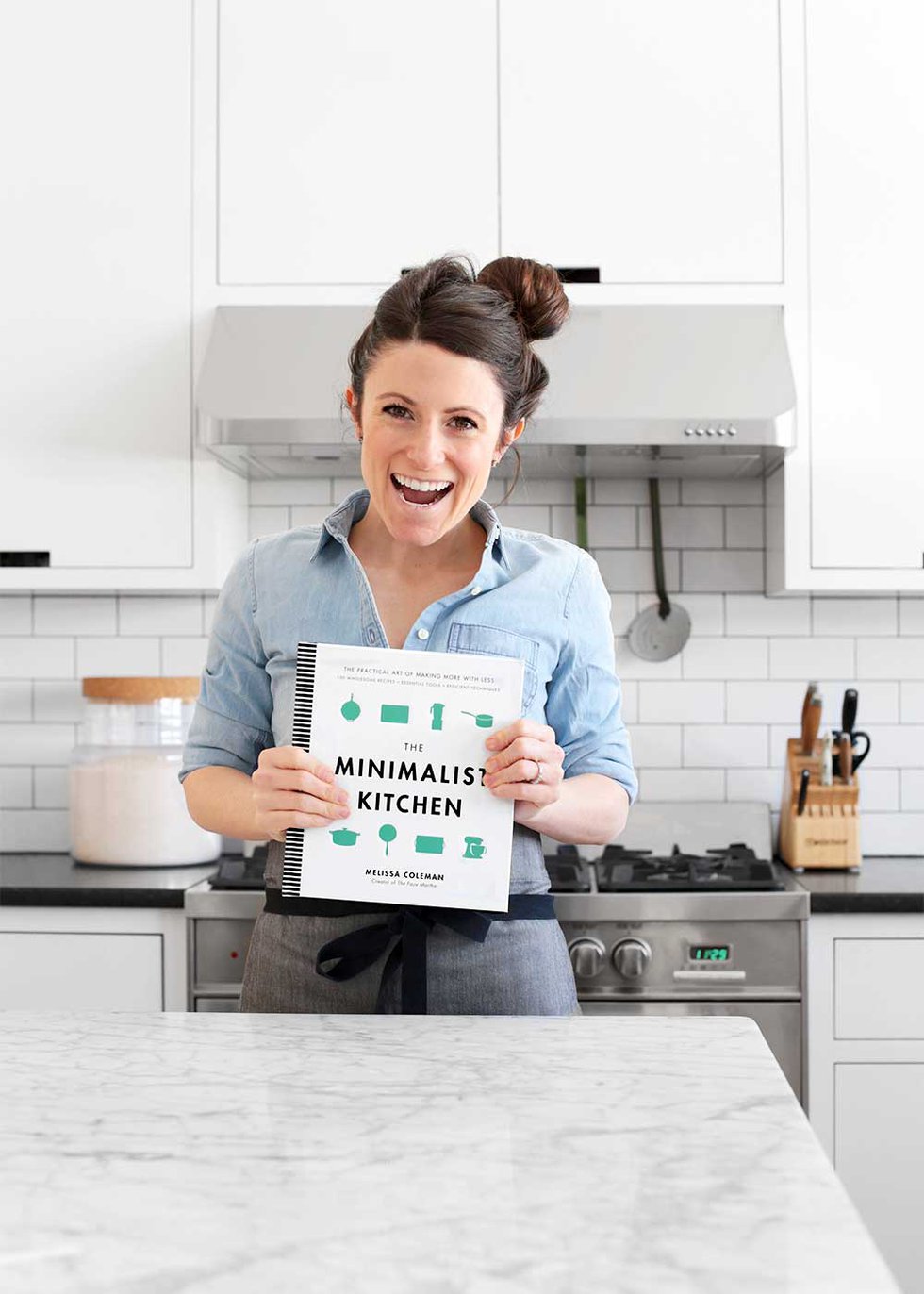
'The Minimalist Kitchen' Author Melissa Coleman on How to Make the Kitchen Fun

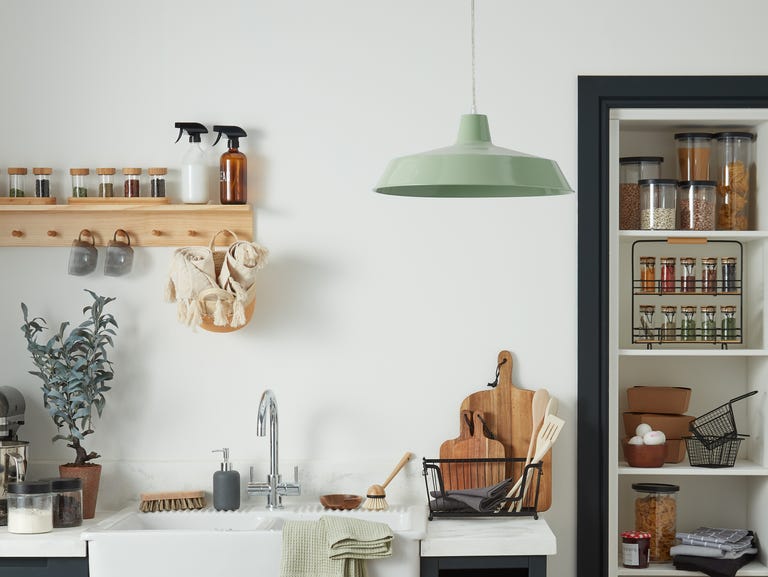
Interiors experts reveal how to upgrade your small kitchen

If you have a small kitchen, designers urge you to make this one key design decision
5 (Fresh!) Tips for a Minimalist Kitchen

Eight minimalist kitchens where materials provide the decoration
How to Make a Small Kitchen Feel More Airy — 5 Designer-Approved Tricks to Enhance Light and Space
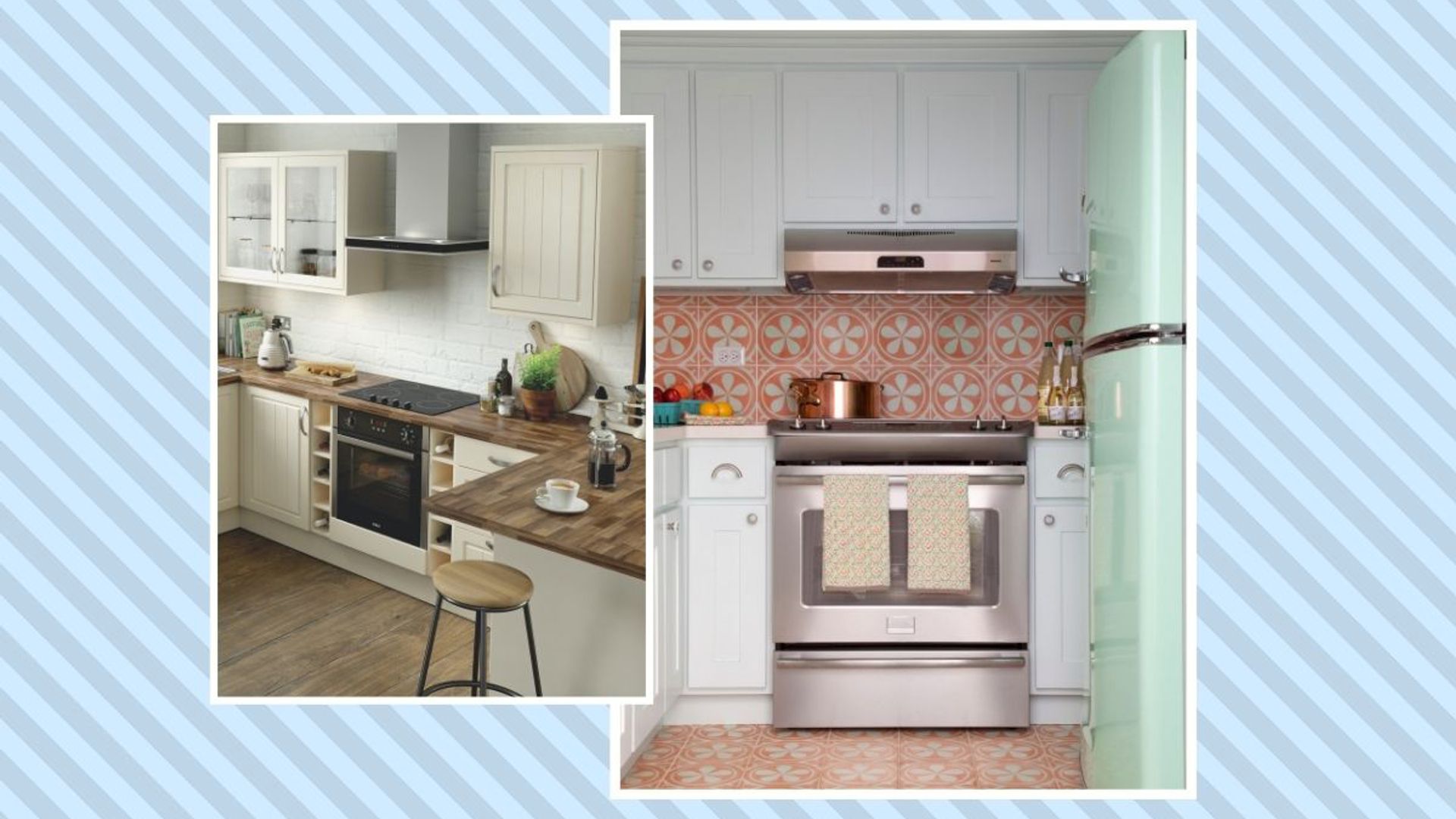
15 genius small kitchen design ideas to maximise your space

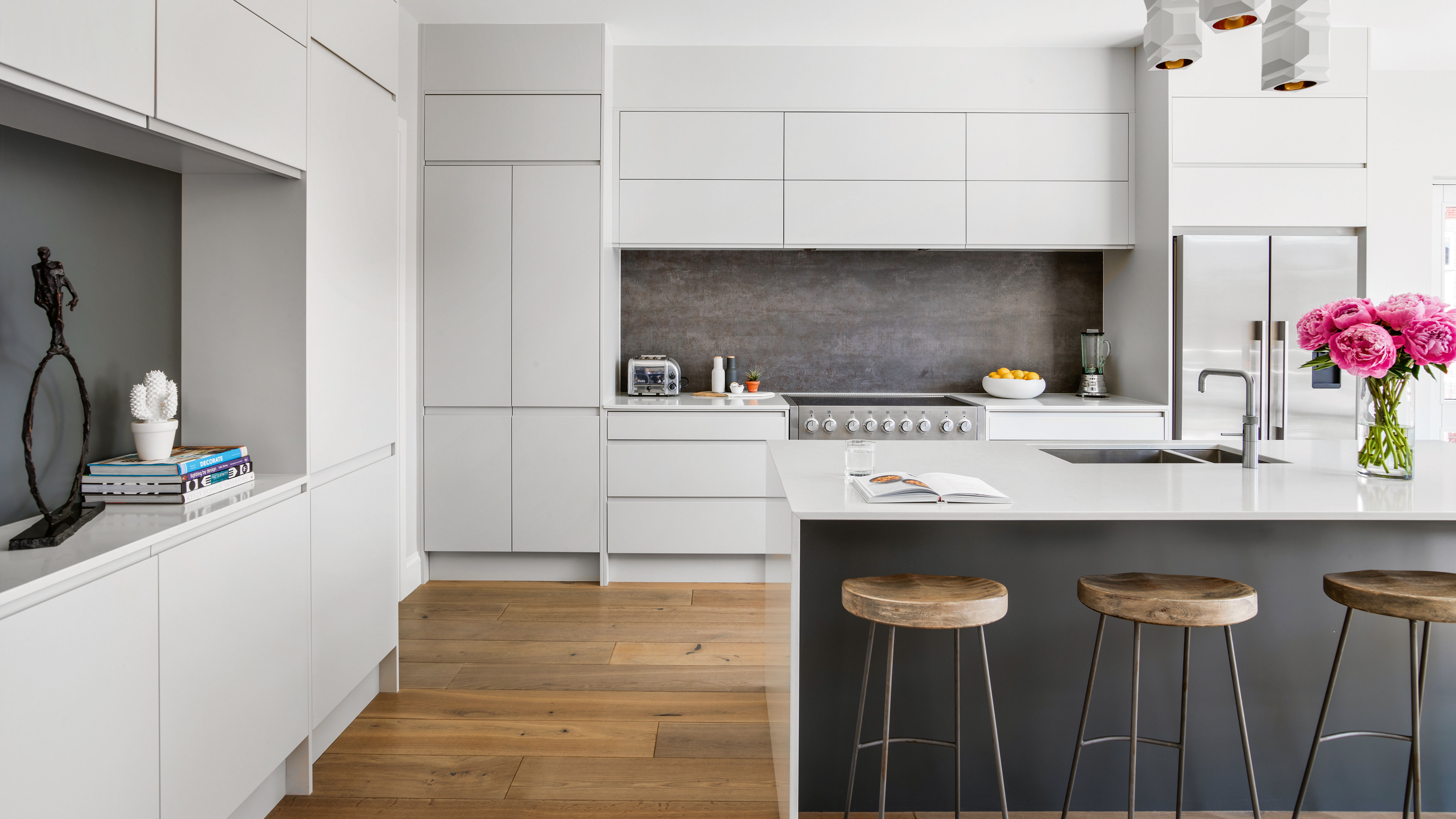
Minimalist kitchen ideas – 10 simple schemes for the modern home
This Culinary Couple’s Minimalist Kitchen Is Designed Around One Essential Gadget

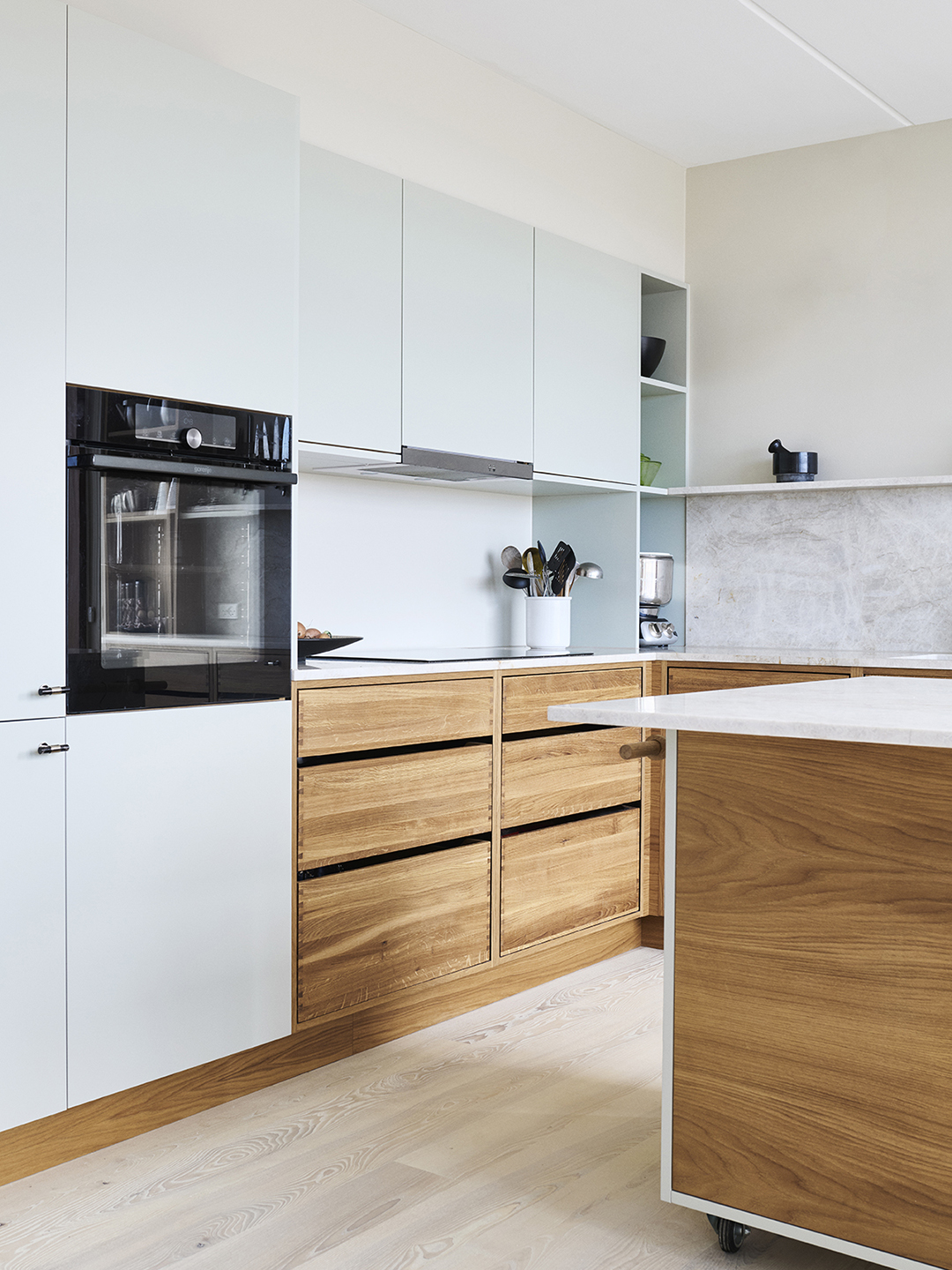
The Minimalist Kitchen Trend We’re About to See Everywhere

10 expert tips for designing a small kitchen