1/24
UP Minimalist Kitchen by Lendager Group
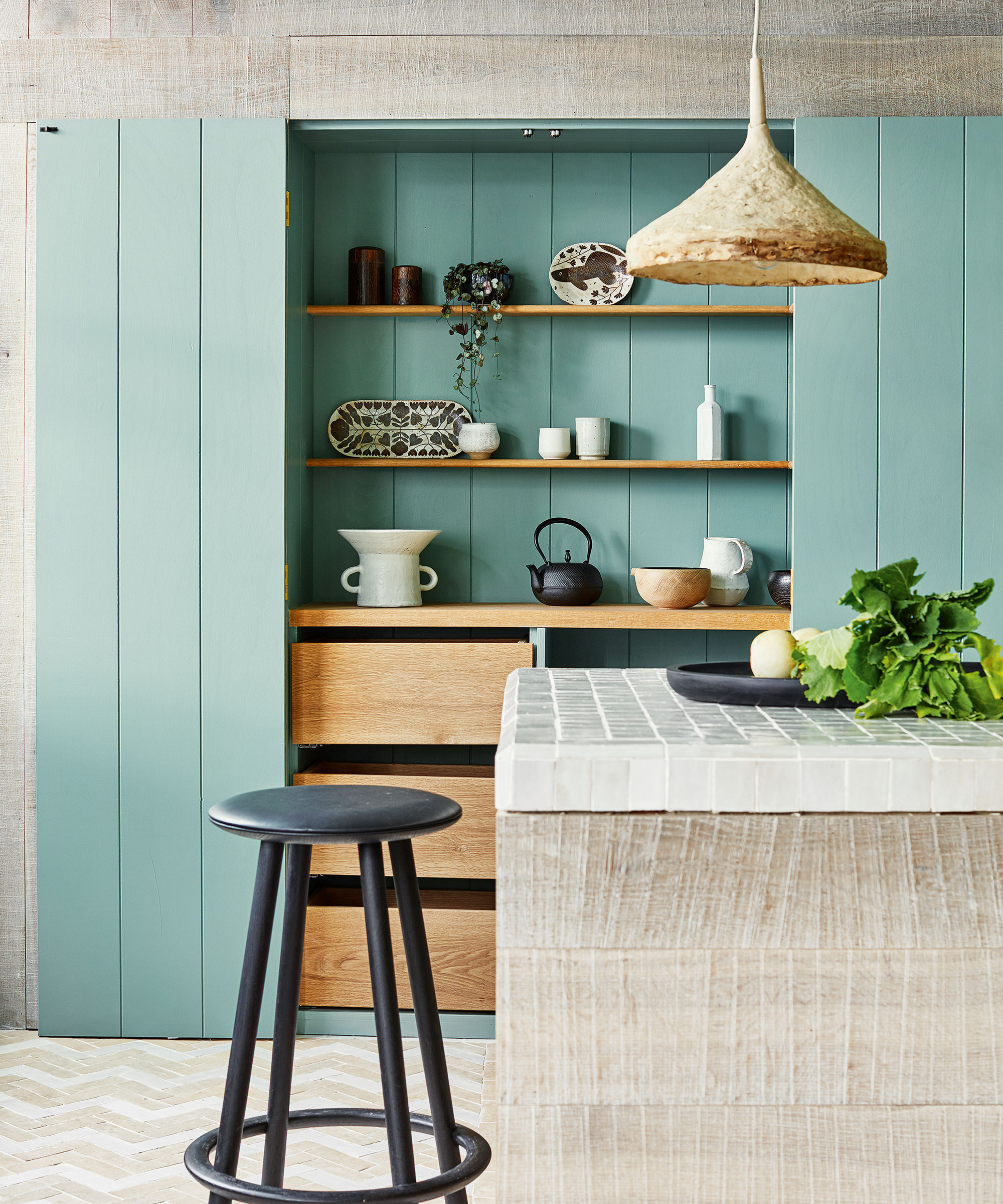
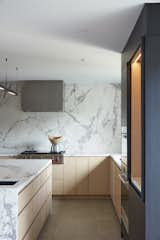
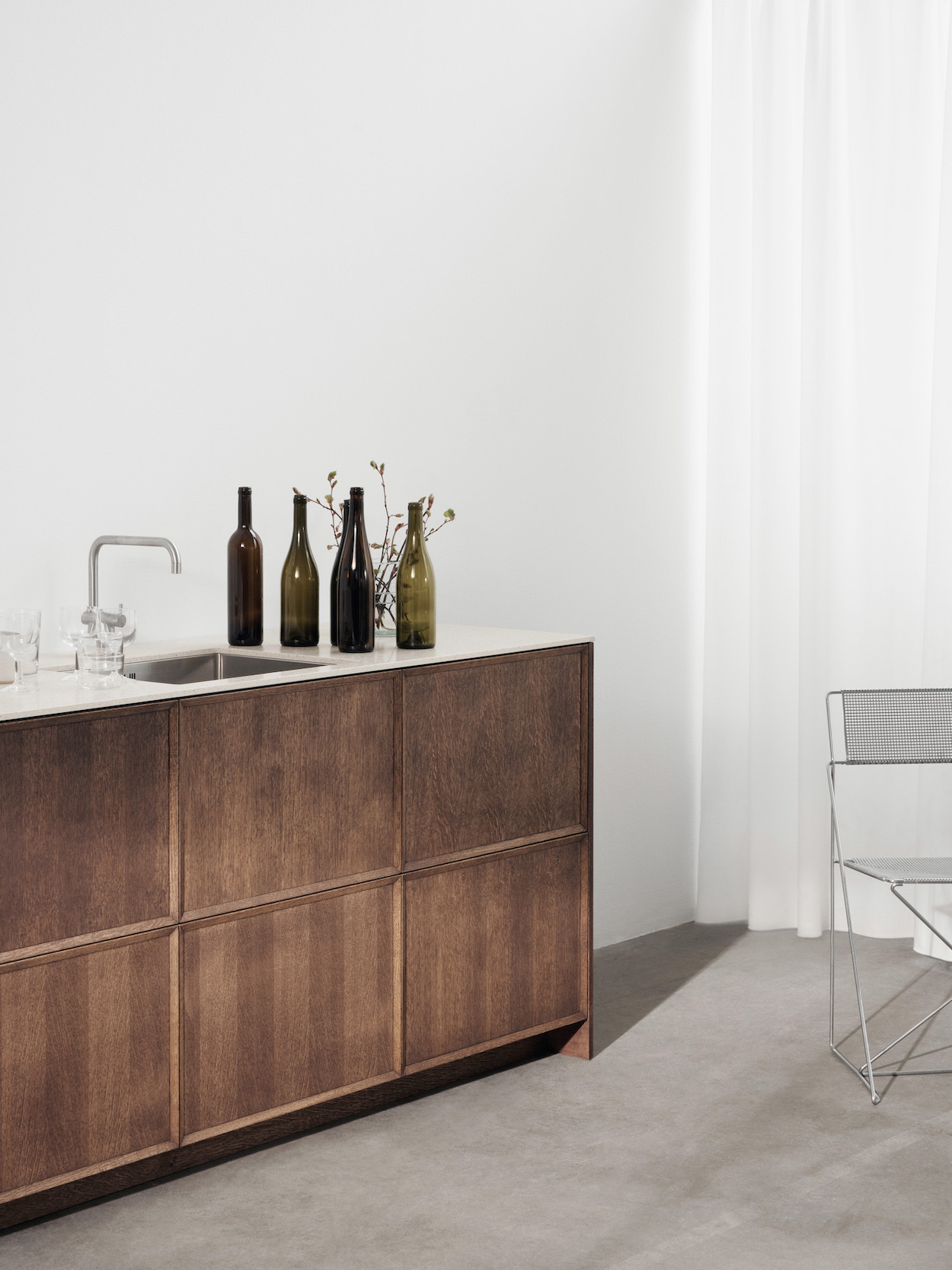
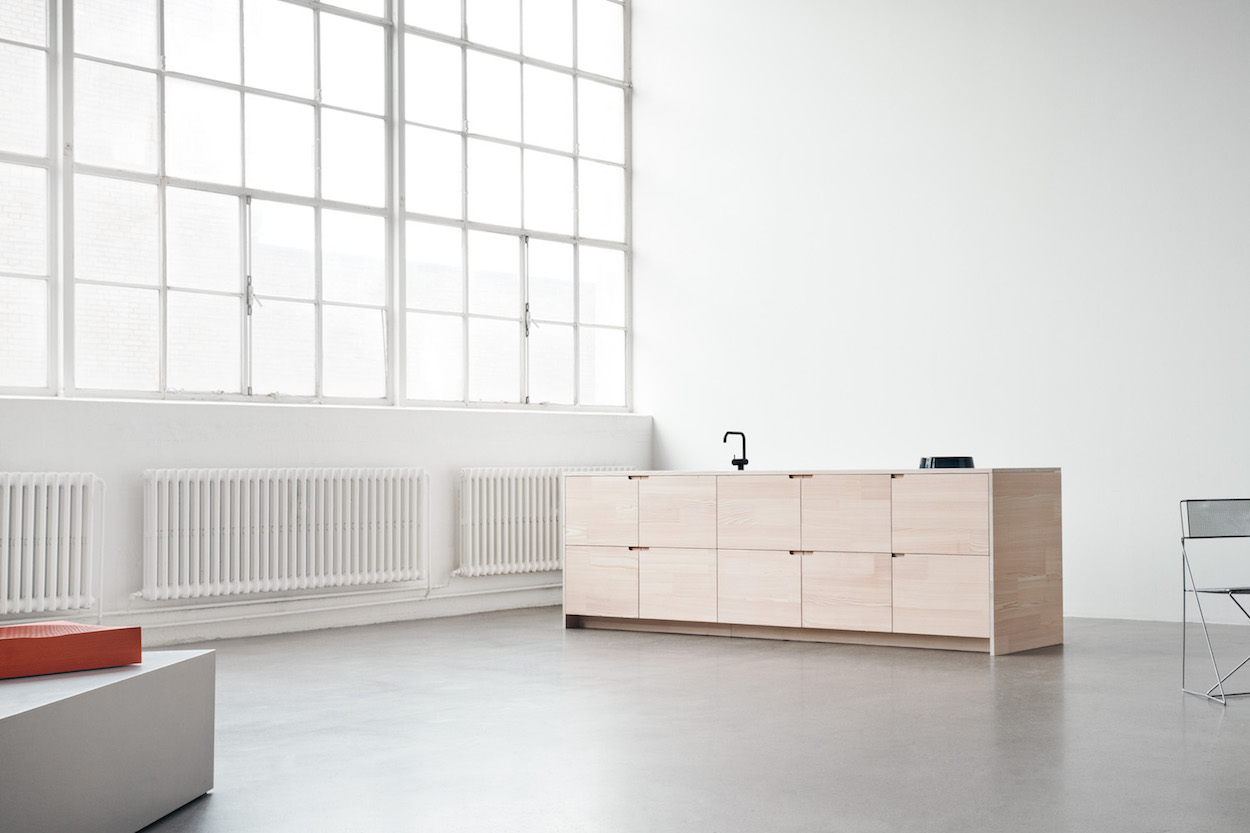
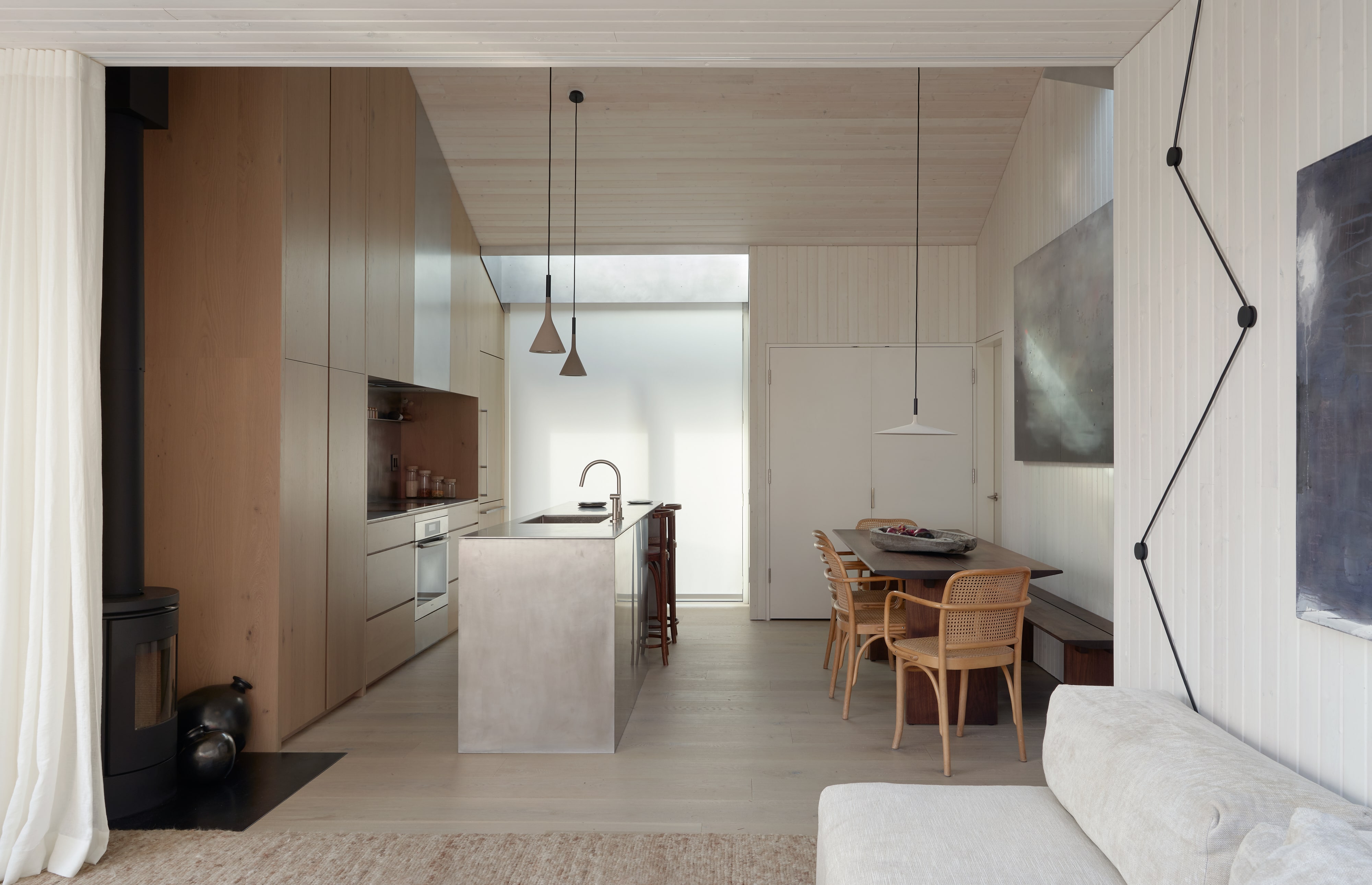
The UP Minimalist Kitchen represents a collaboration between Reform, a company dedicated to sustainable kitchen design, and Lendager Group, an architectural firm recognized for its expertise in circular economics within sustainable building. This partnership addresses Reform's longstanding goal of offering environmentally responsible kitchen solutions. Lendager Group holds exclusive rights to utilize surplus wood from Dinesen, a globally renowned flooring manufacturer, thereby transforming what would otherwise be waste into valuable resources for innovative architectural projects.
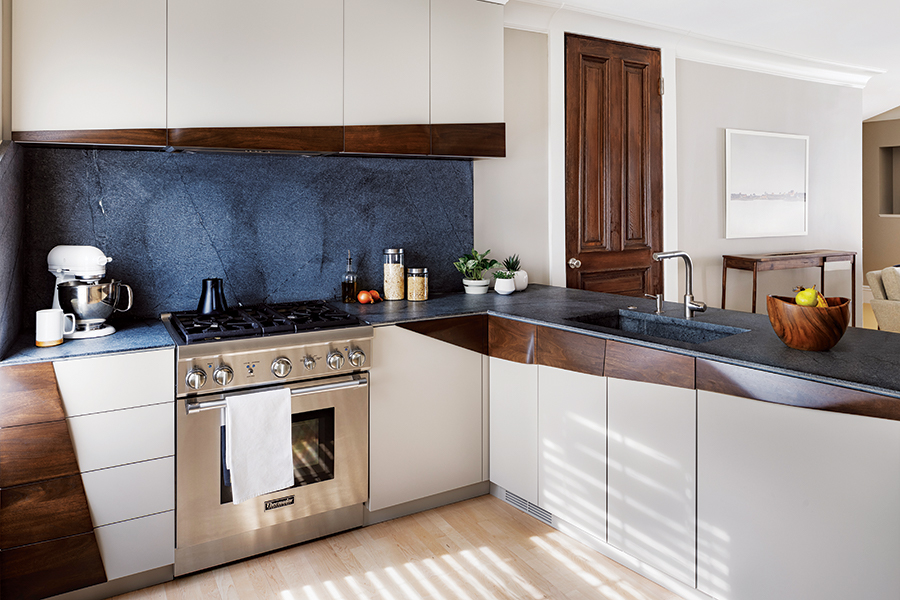
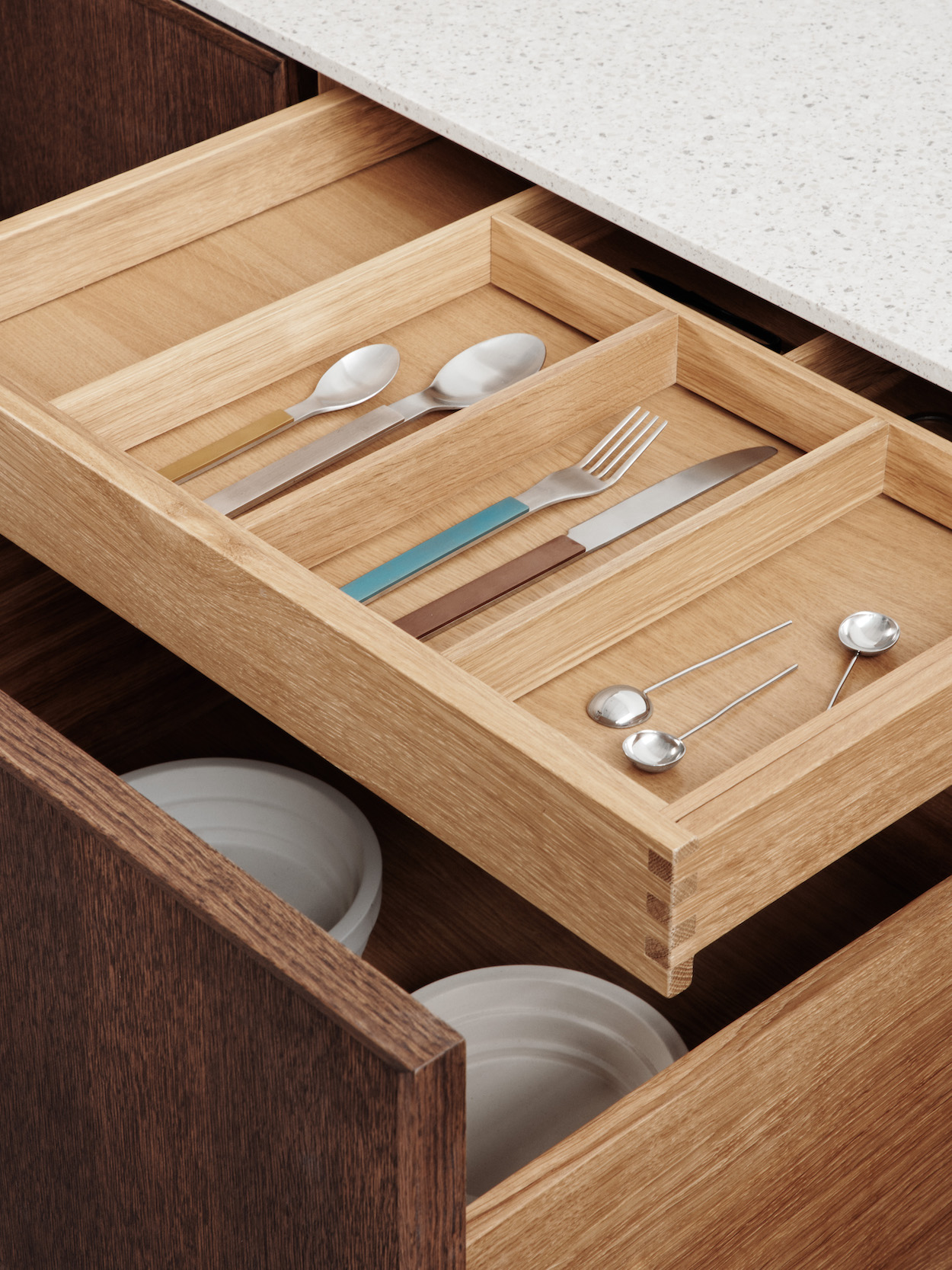
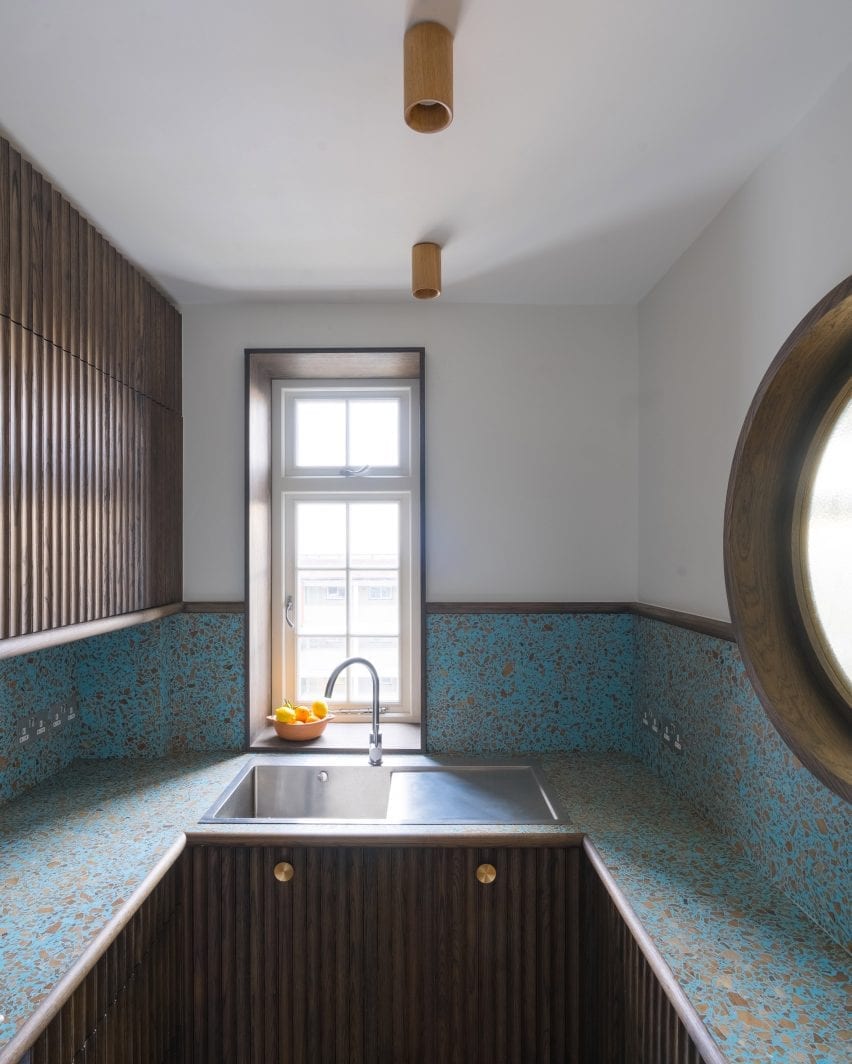
Dinesen, known for its customized flooring solutions, frequently generates a considerable amount of residual wood during its manufacturing processes. The UP kitchen is specifically designed to incorporate these leftover cuts, providing a new purpose for materials that would typically be discarded. This approach exemplifies a commitment to minimizing waste and maximizing resource efficiency within the design and manufacturing industries. The use of Dinesen’s surplus wood not only enhances the sustainability credentials of the UP kitchen but also introduces a unique material narrative, connecting the kitchen back to its origins in high-quality, large-format timber production.
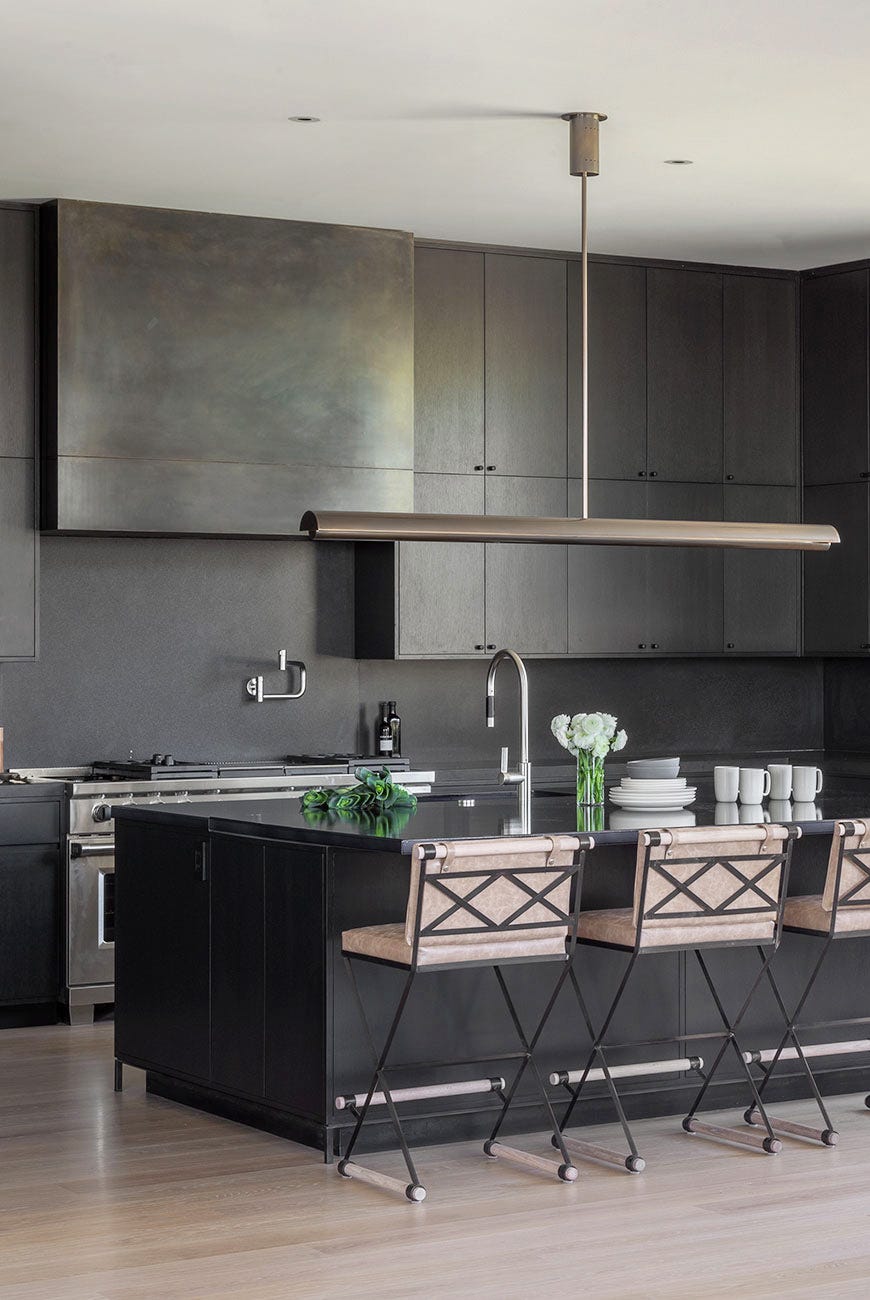
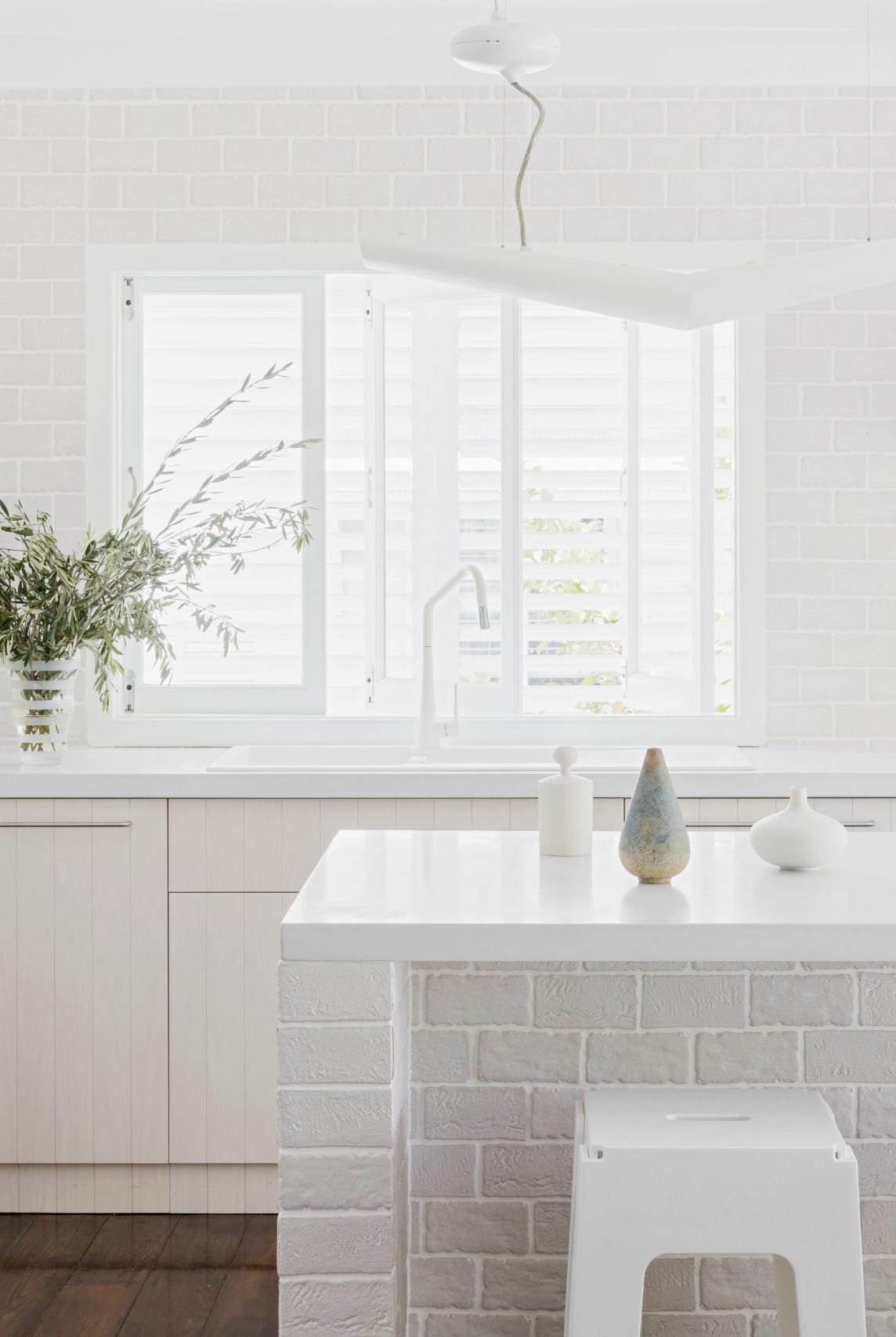
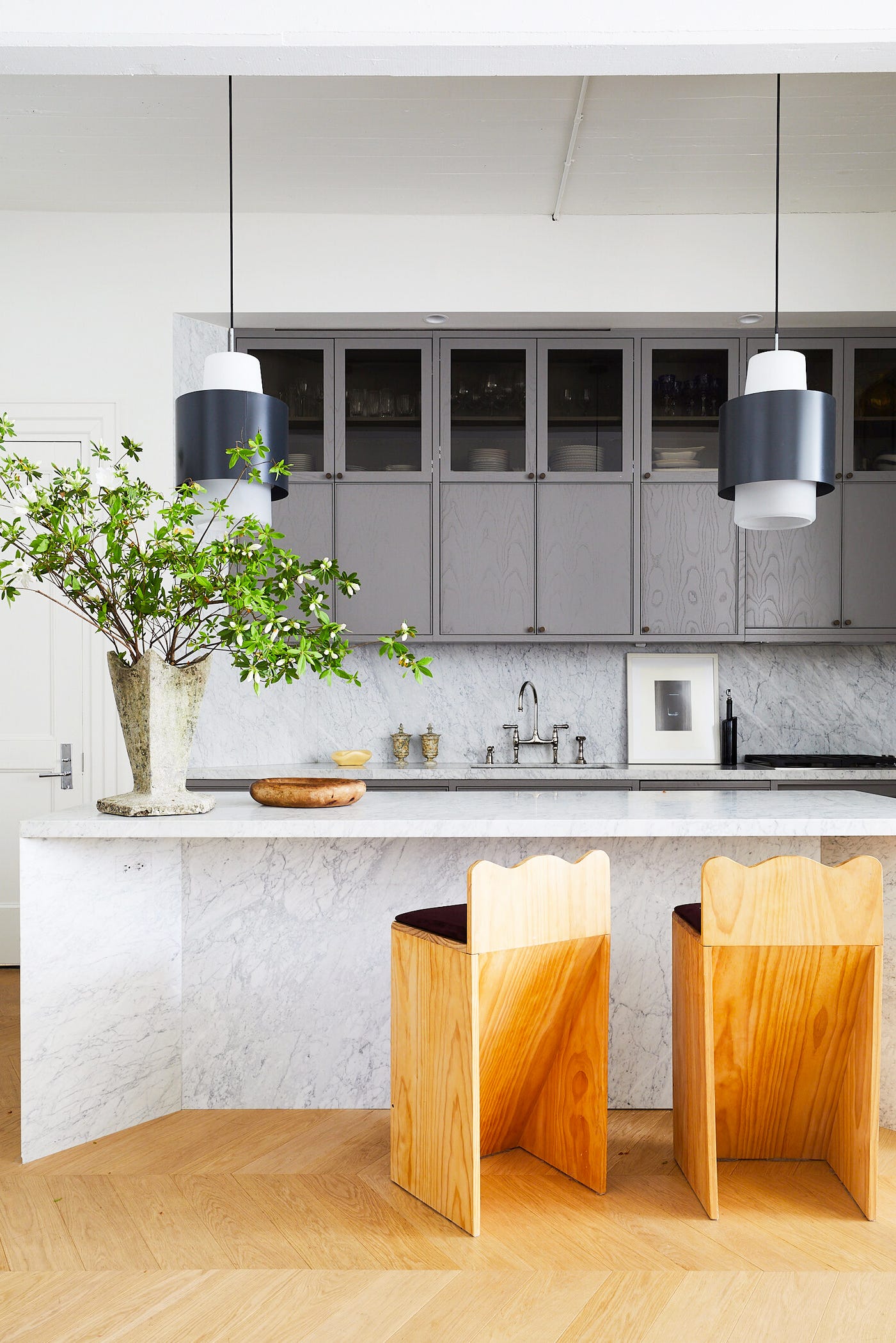
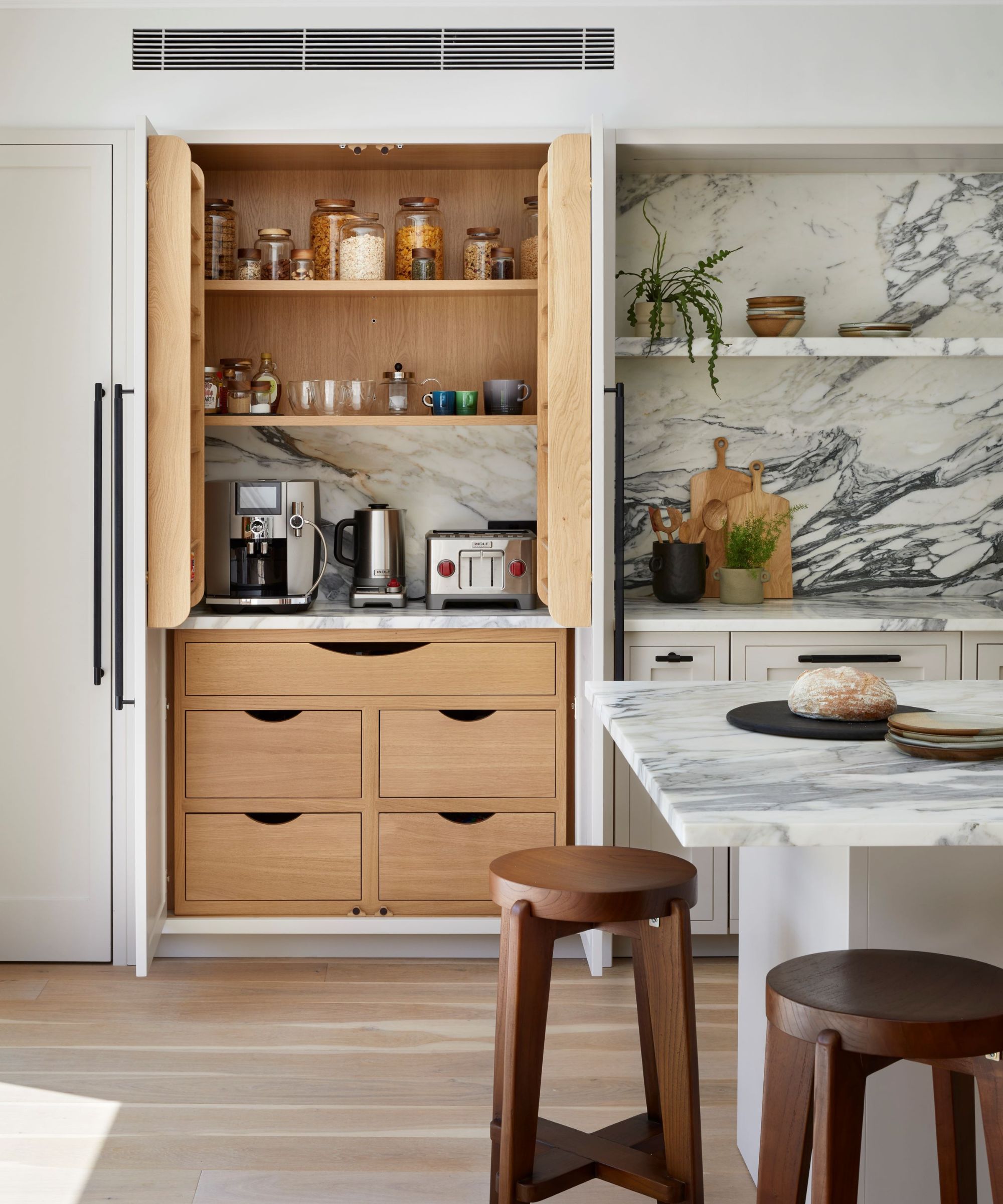
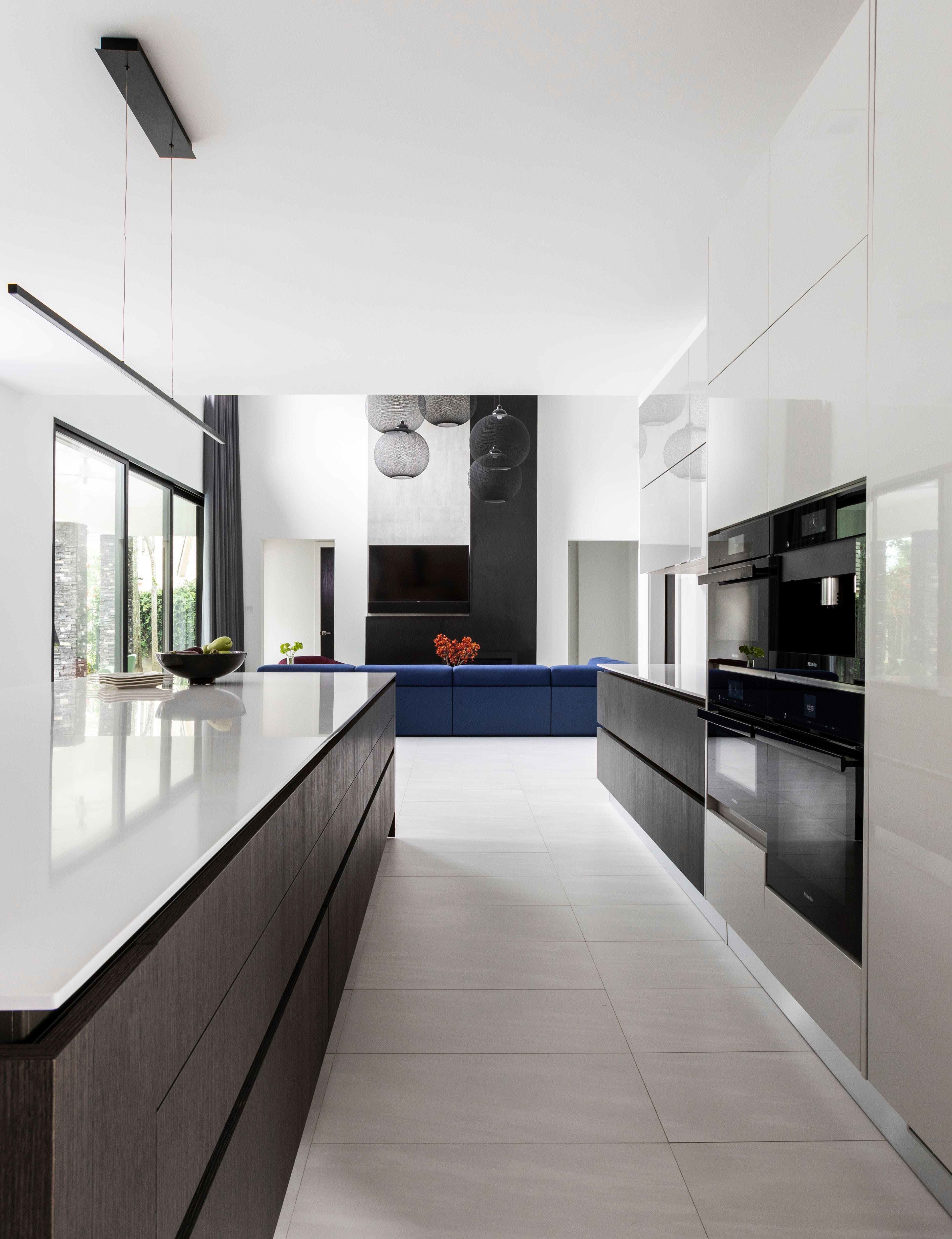
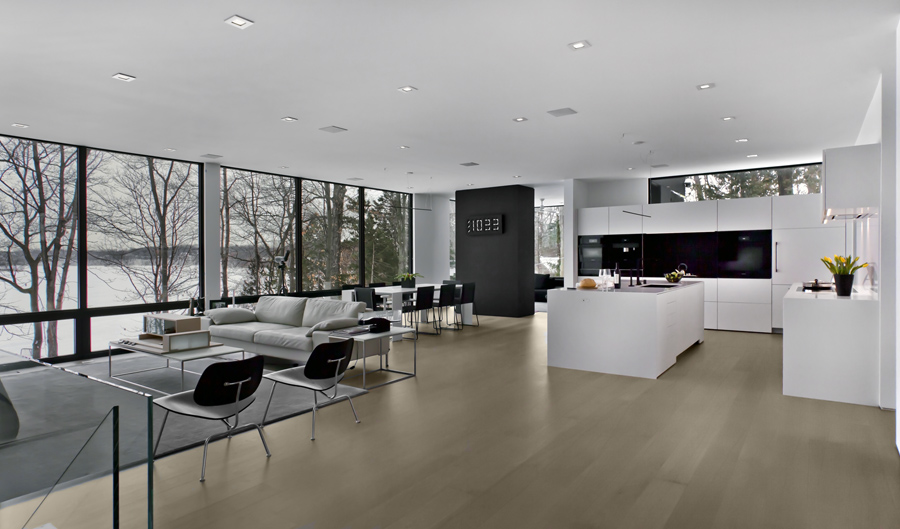
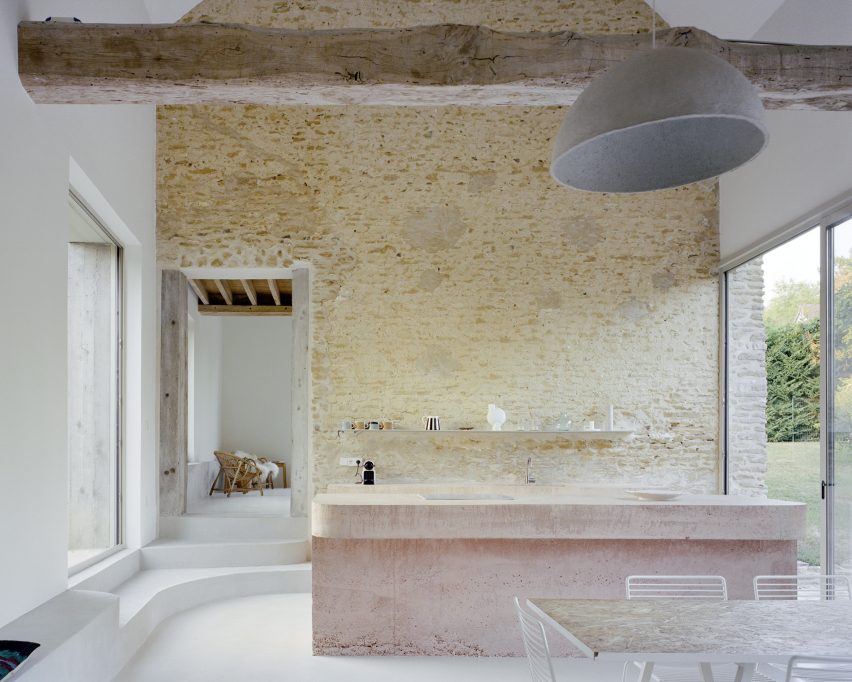
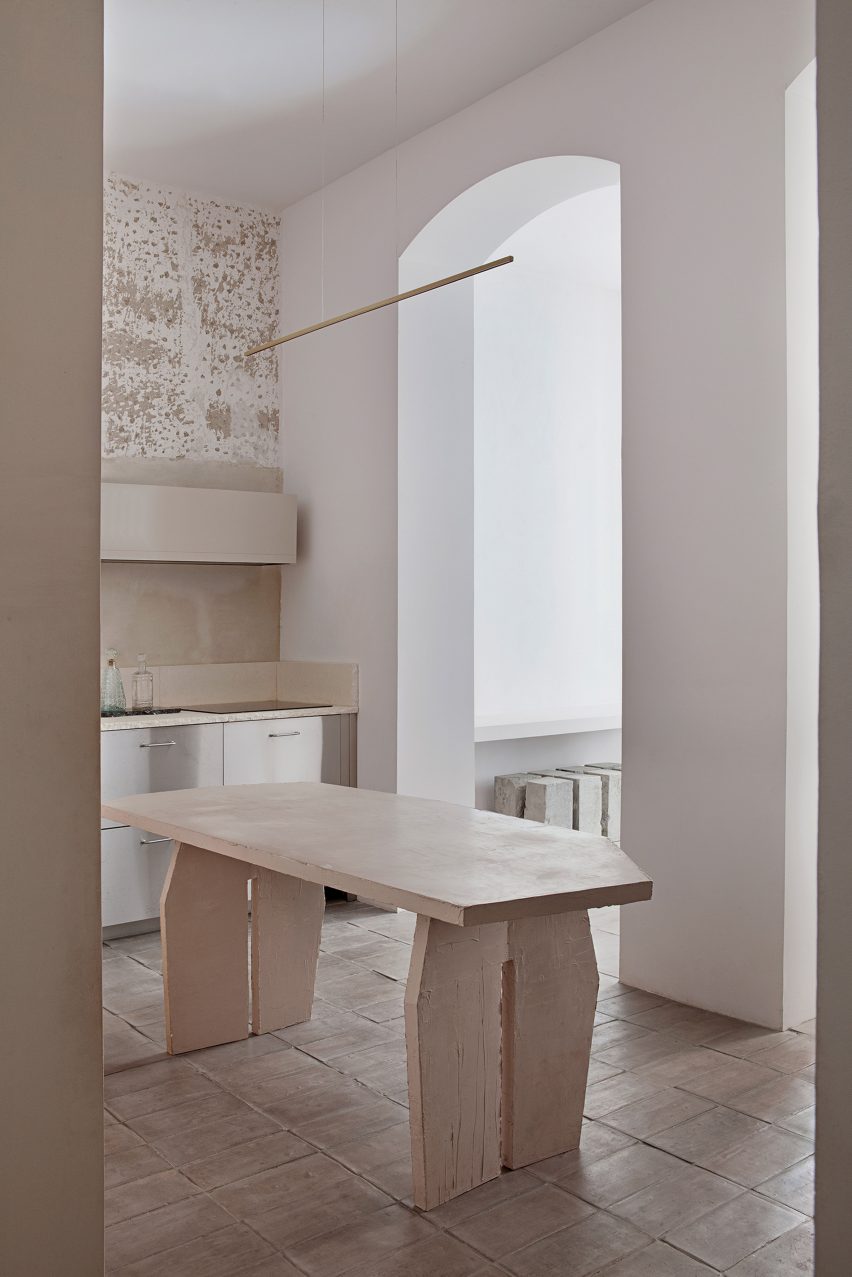
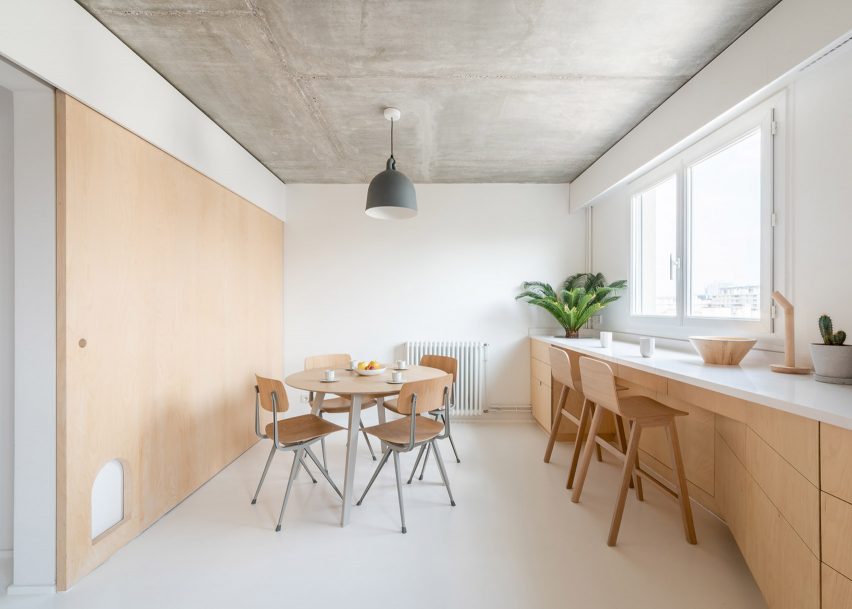
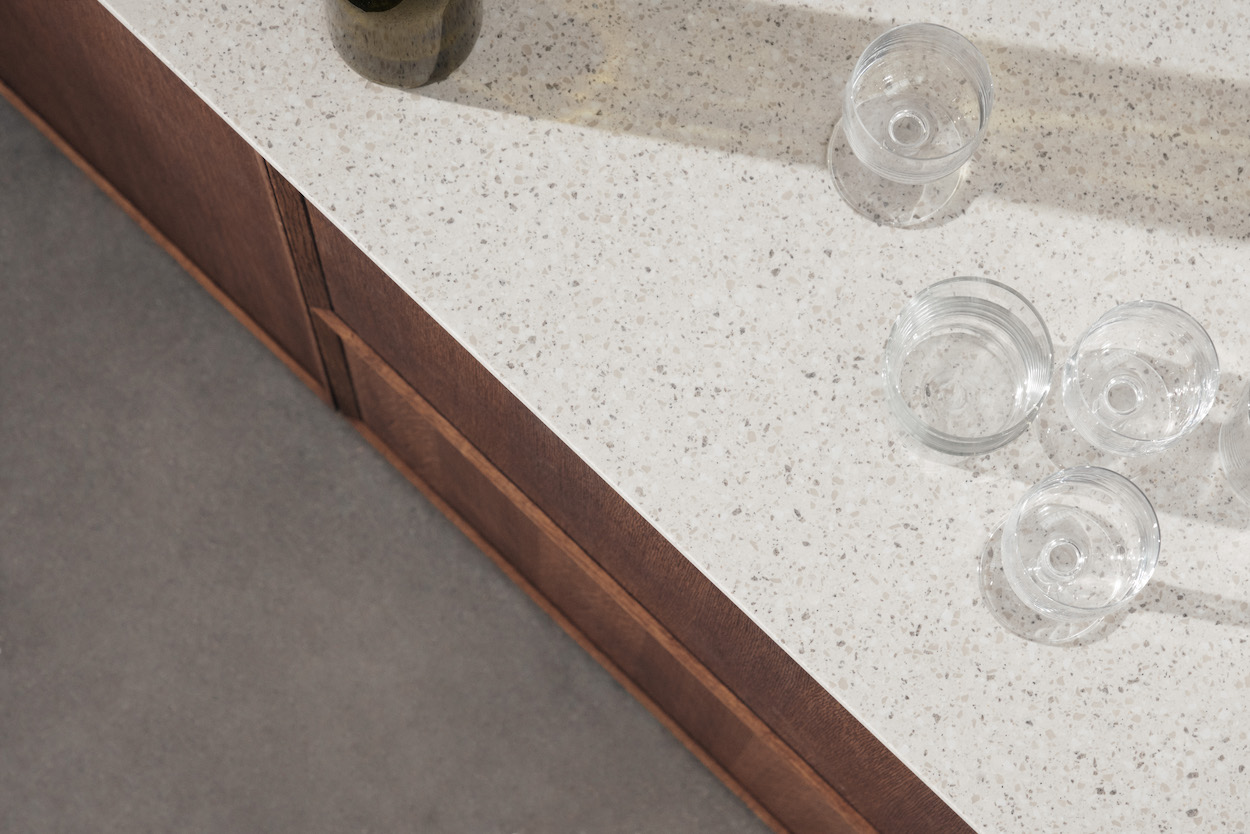
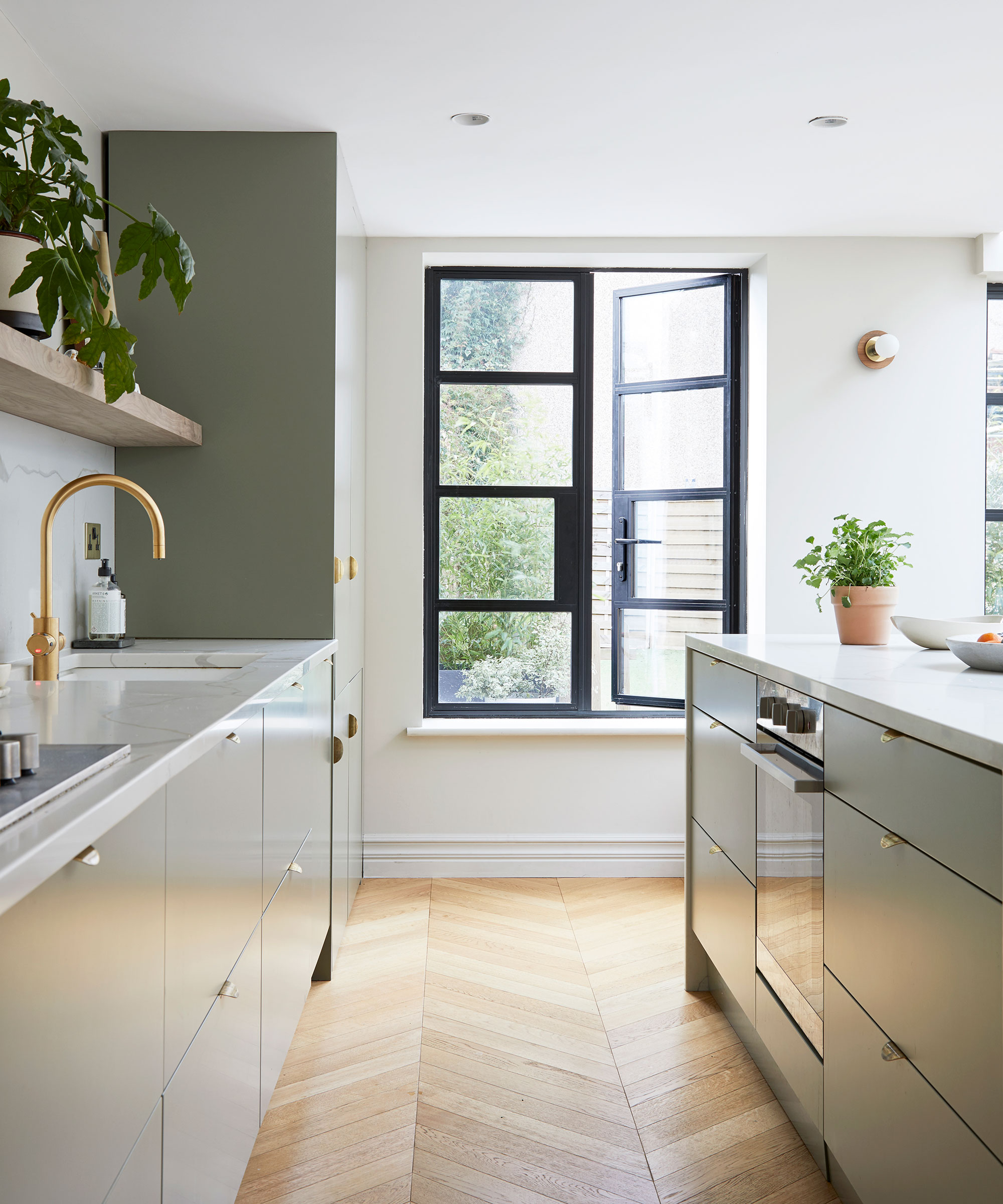
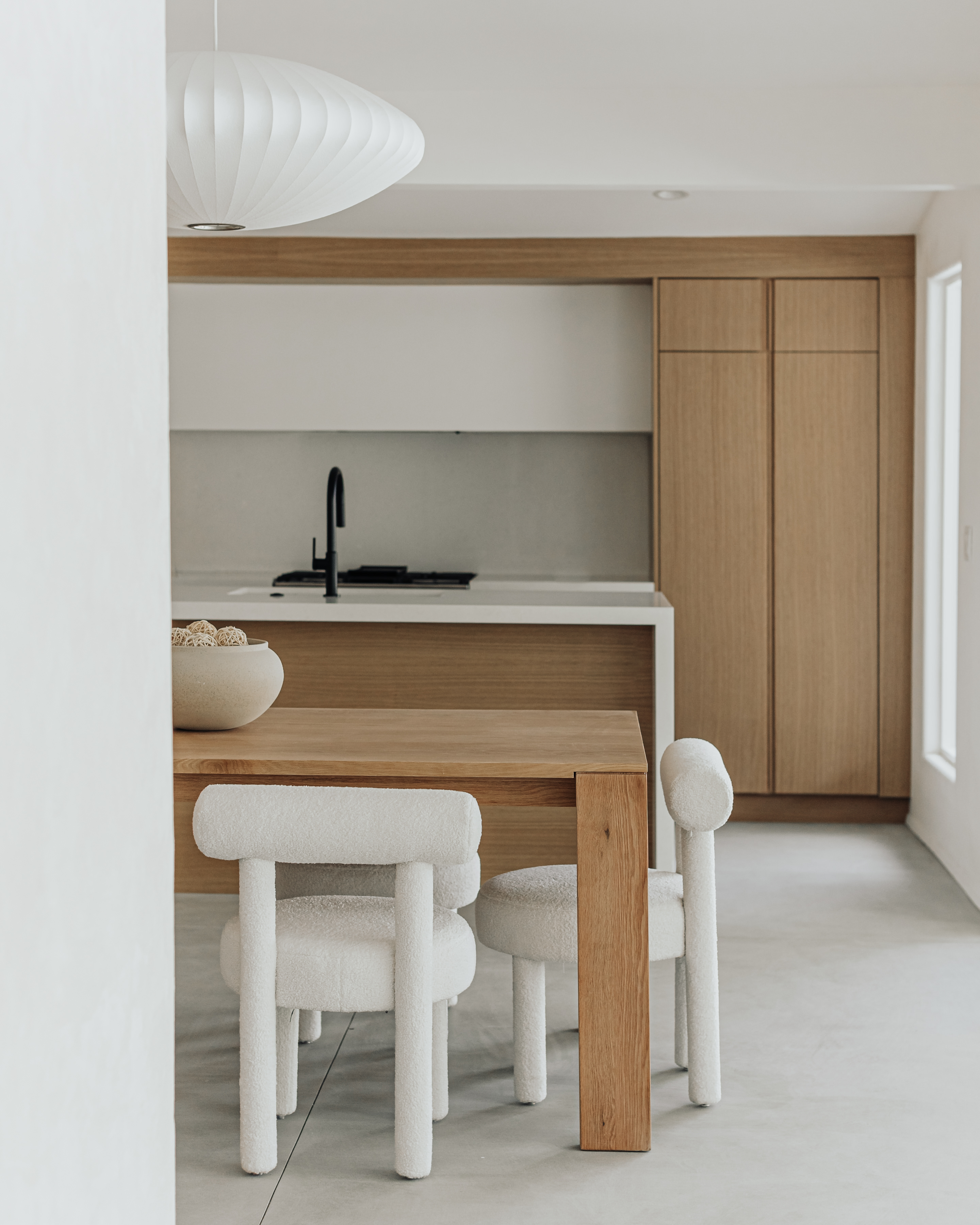
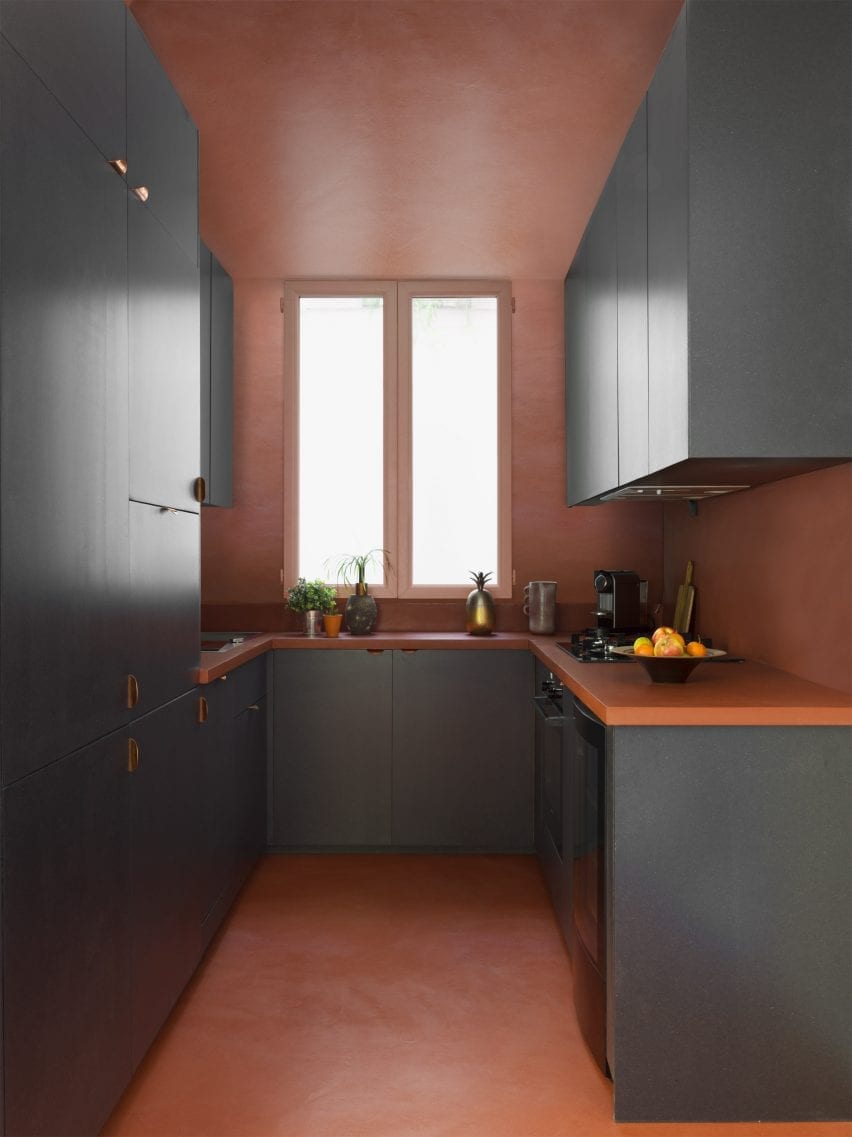
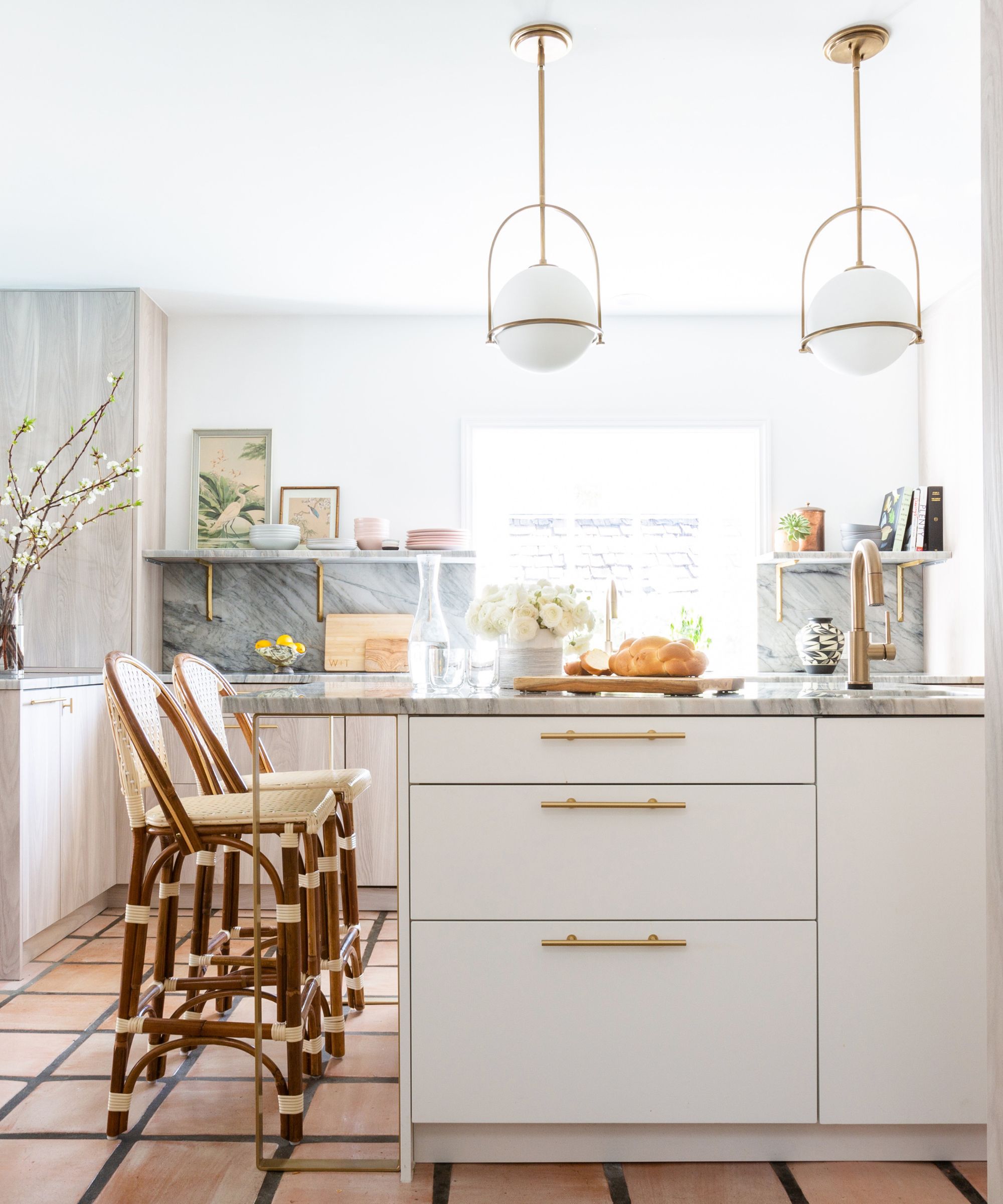
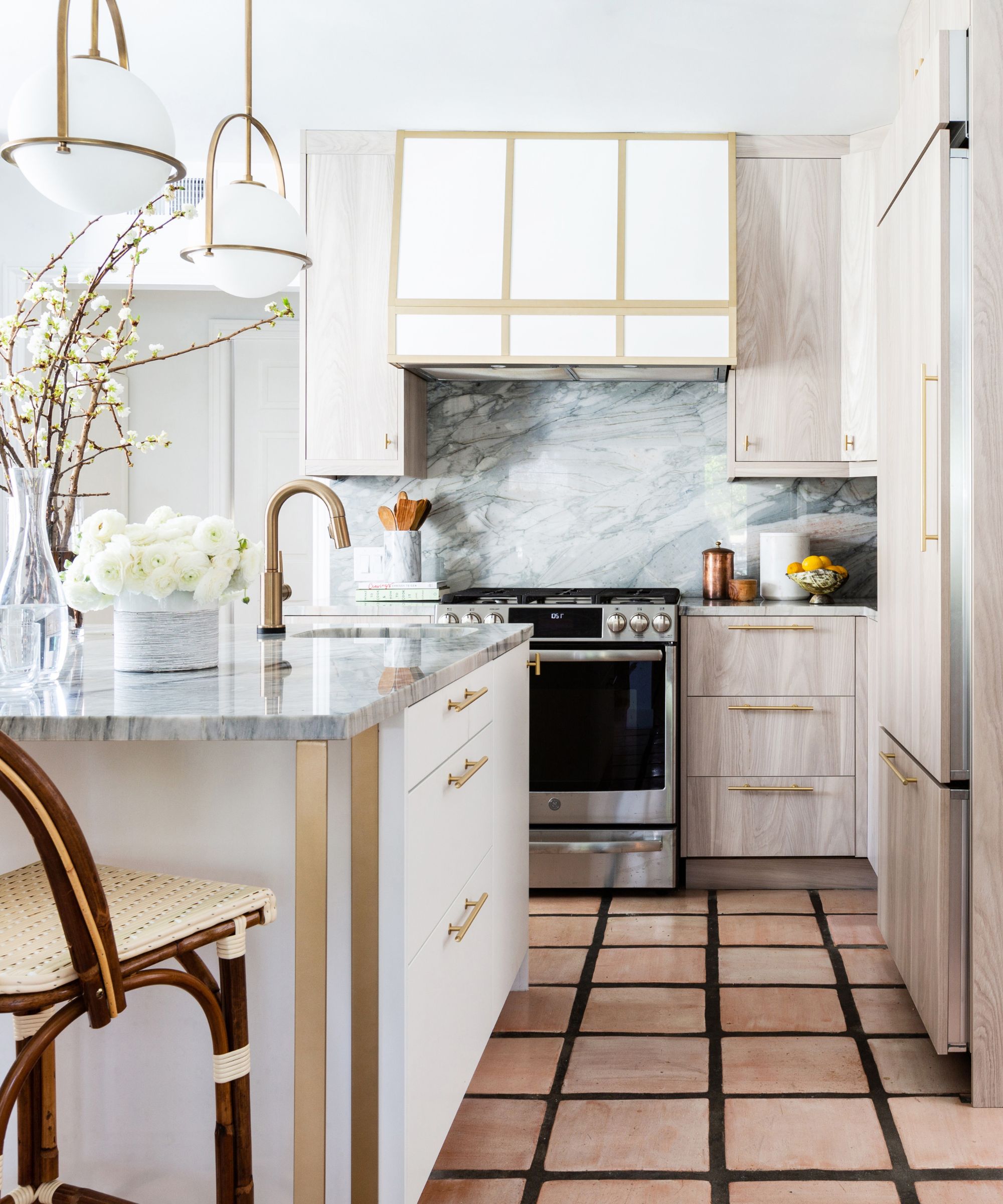
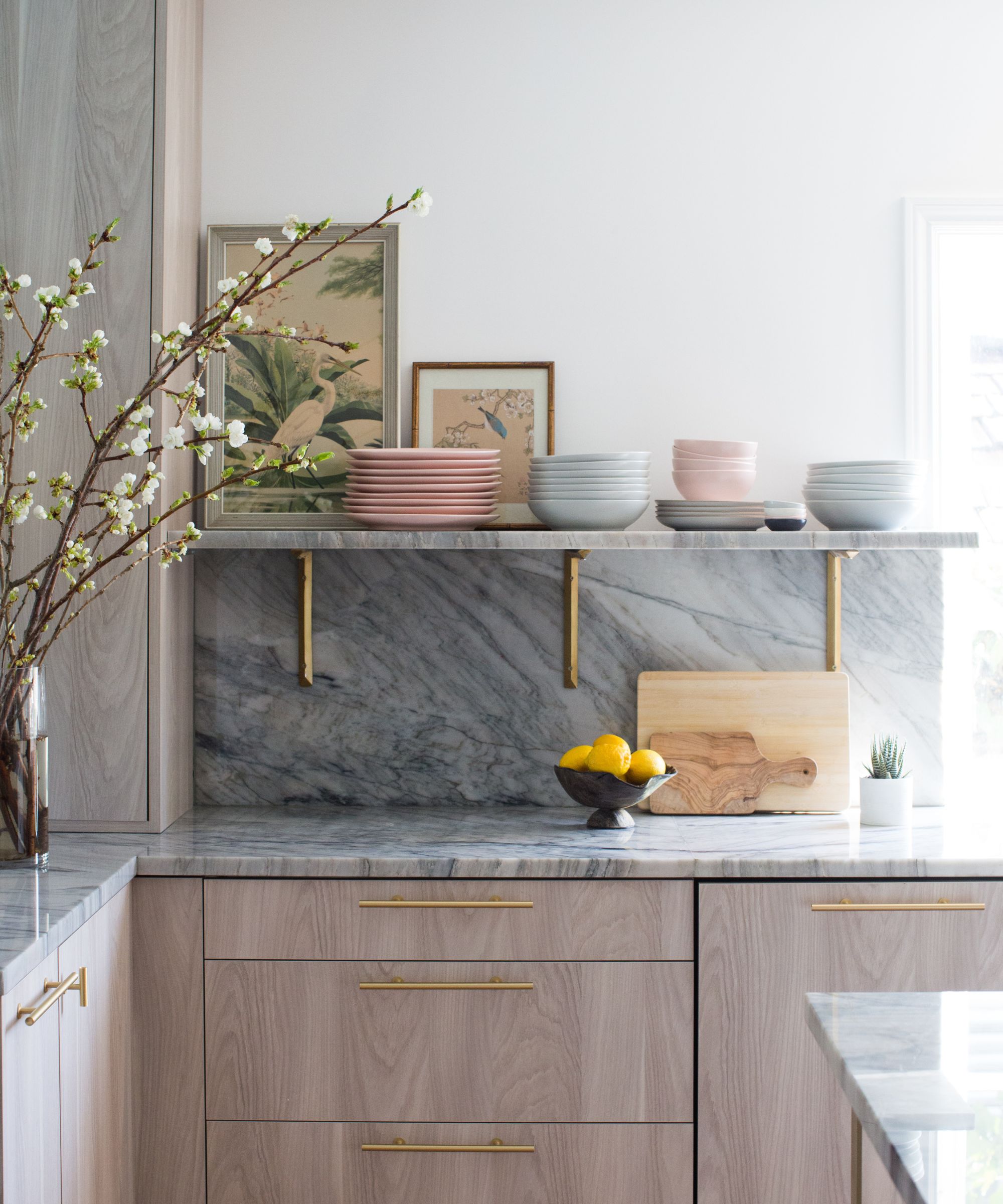
The aesthetic of the UP kitchen is characterized by a minimalist design, which is achieved through clean lines, uncluttered surfaces, and a focus on the natural beauty of the wood. The design emphasizes functionality and simplicity, avoiding excessive ornamentation to allow the material itself to be the focal point. This minimalist philosophy aligns with contemporary design trends that prioritize understated elegance and practical utility.
By integrating recycled and repurposed materials, the UP Minimalist Kitchen offers an example of how design can contribute to a more circular economy. It demonstrates that high-quality, aesthetically pleasing, and functional products can be created using resources that might otherwise be considered waste. This model of production supports ecological responsibility by extending the lifecycle of materials and reducing the demand for new raw resources. The project serves as a practical illustration of how sustainable practices can be embedded into the core of product development, offering consumers an option that combines modern design with environmental consciousness.
Overall, the UP Minimalist Kitchen is a product of strategic collaboration and innovative material use. It highlights the potential for architectural and design firms to partner with manufacturers to address waste and promote sustainability. The design not only meets contemporary aesthetic demands but also champions a responsible approach to resource management, reflecting a growing industry trend towards more ethical and environmentally friendly practices in home furnishings and interior design.
#MinimalistKitchen #SustainableDesign #LendagerGroup #ReformCopenhagen #DinesenWood #CircularEconomy #UpcycledMaterials #EcoFriendlyDesign #InteriorDesign #MinimalistKitchen #SustainableDesign #LendagerGroup #ReformCopenhagen #DinesenWood #CircularEconomy #UpcycledMaterials #EcoFriendlyDesign #InteriorDesign
0 comment in total
 No comments yet
You may also like
15 Minimalist Kitchens That Will Make You Want to Purge Everything

This Partners 4, Design Minimalist Kitchen Brings Research to Reality

Minimalist kitchen ideas – 10 simple schemes for the modern home

41 Minimalist Kitchens With Maximum Style

6 things minimalists never have in a kitchen – and what to use instead
Eight minimalist kitchens where materials provide the decoration
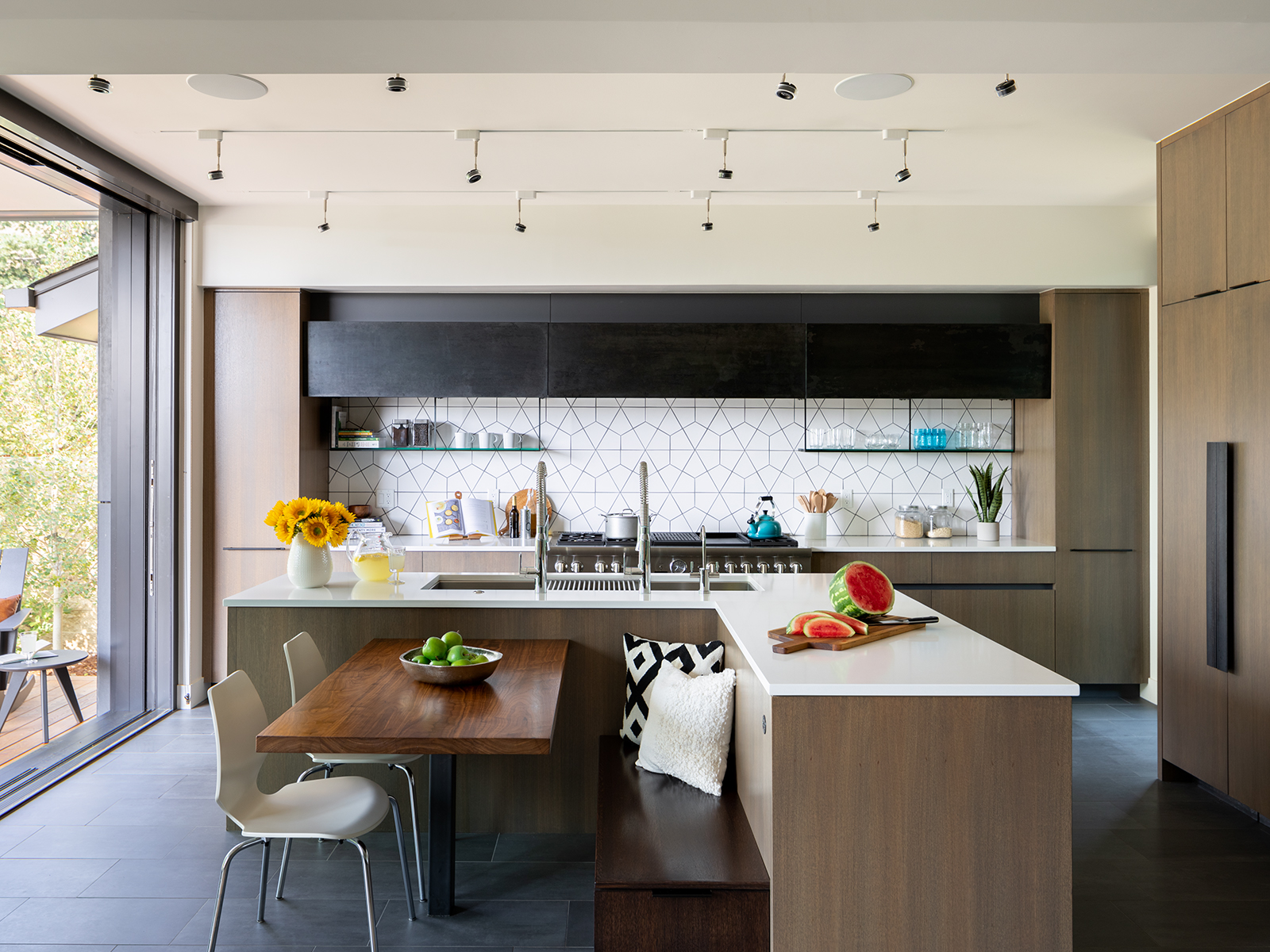
5 (Fresh!) Tips for a Minimalist Kitchen

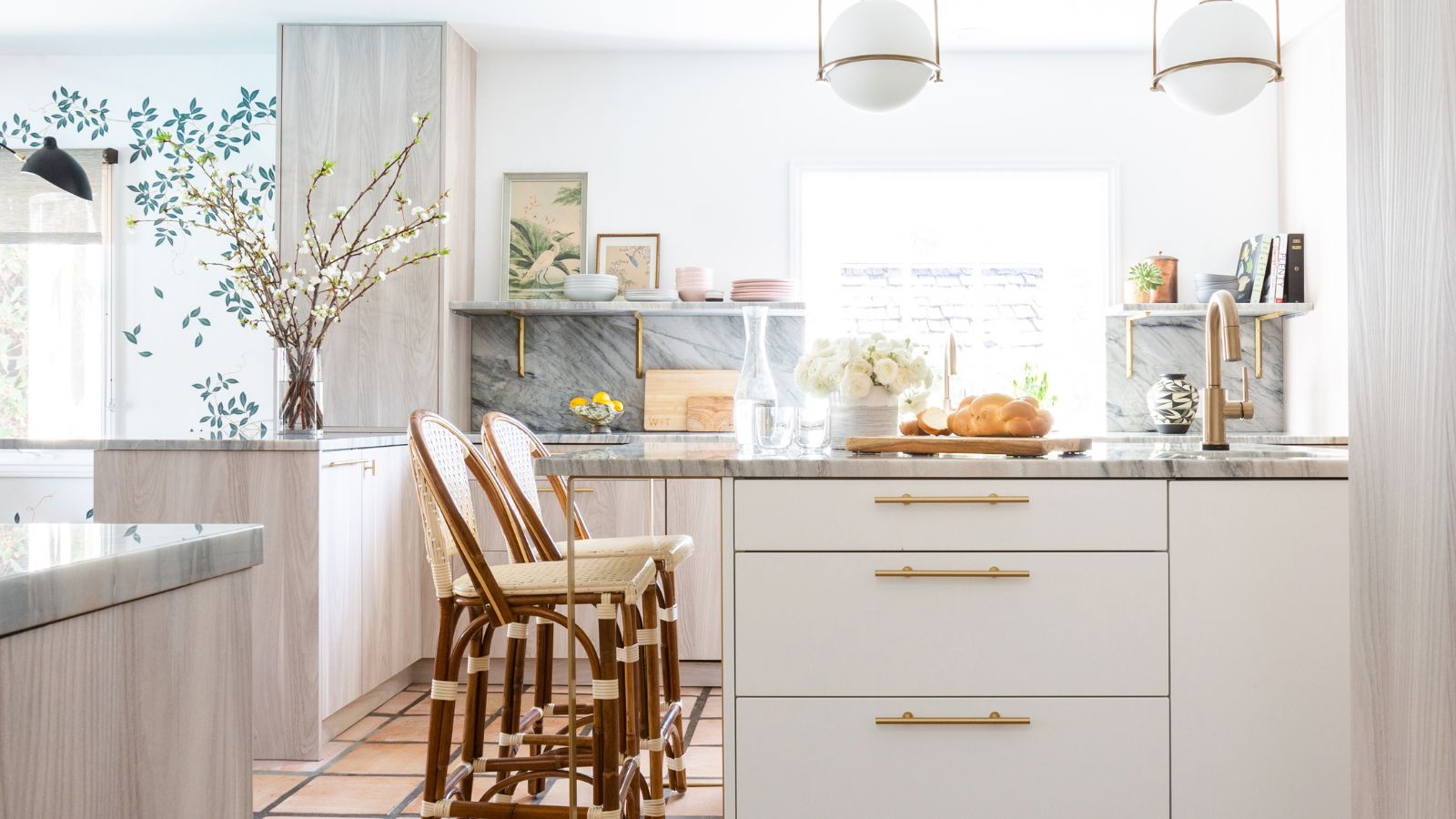
3 small kitchen remodels we're totally inspired by
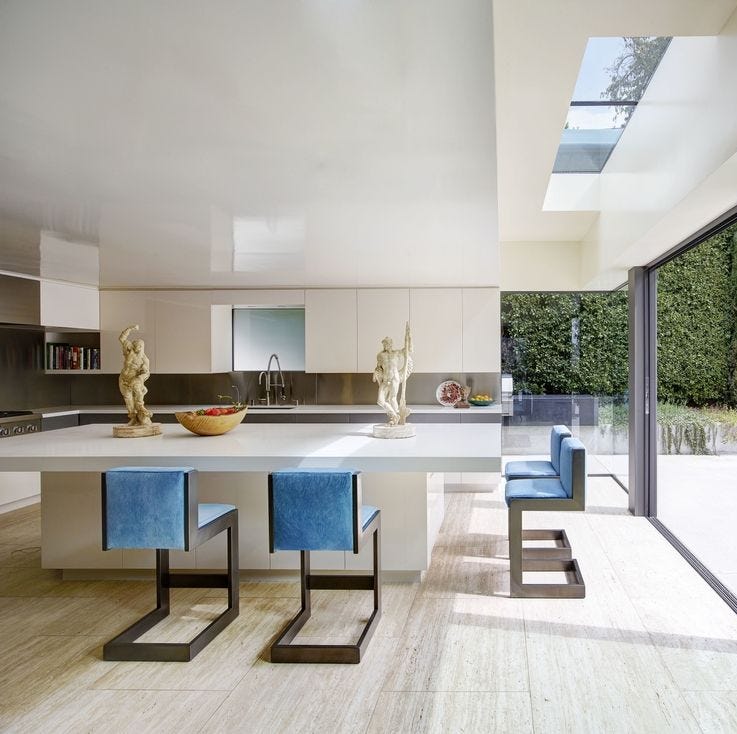
These Minimalist Kitchens Are Super Sexy
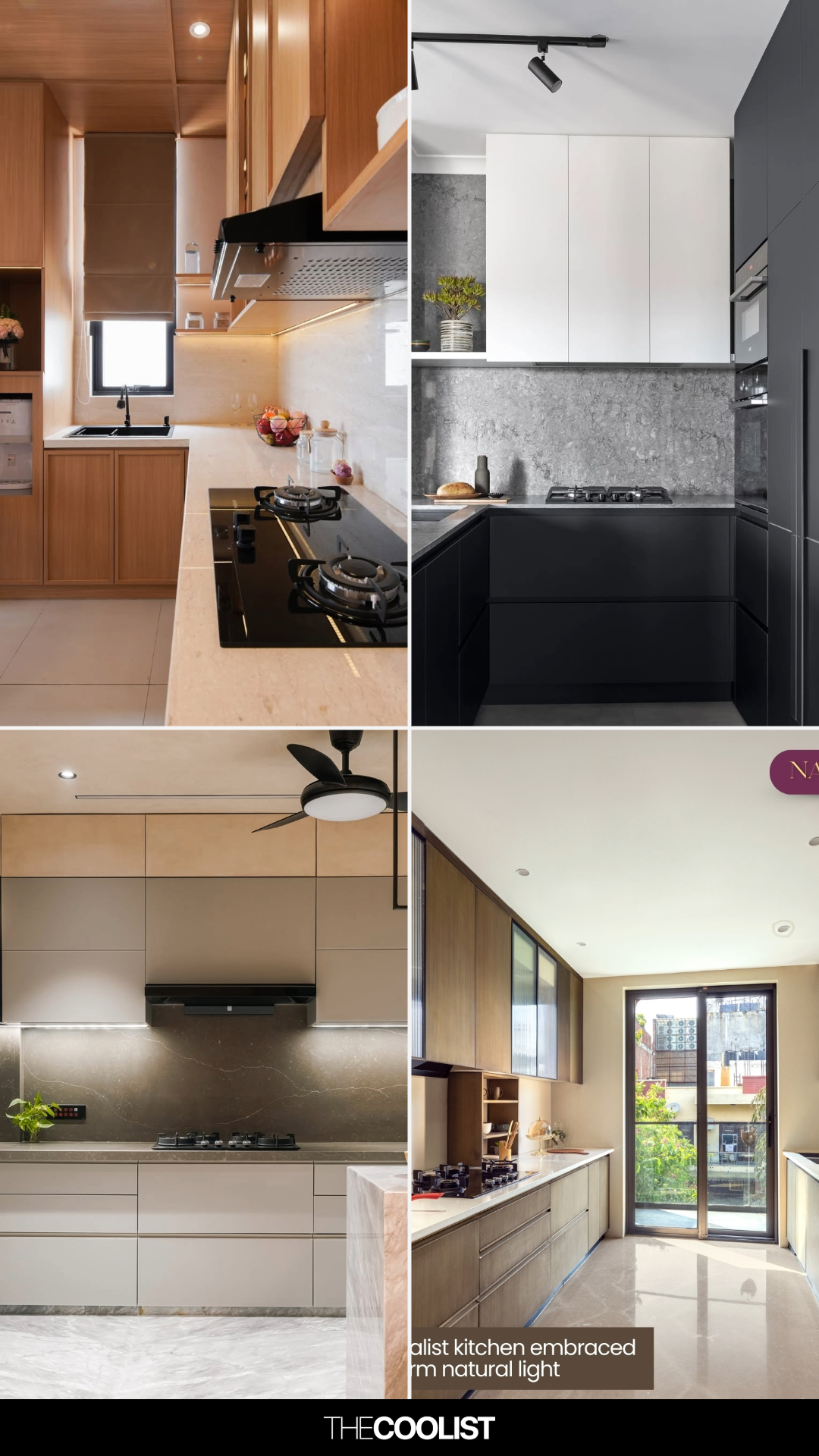
20 Breathtaking Minimalist Kitchen Ideas That Look Million-Dollar Without the Price Tag
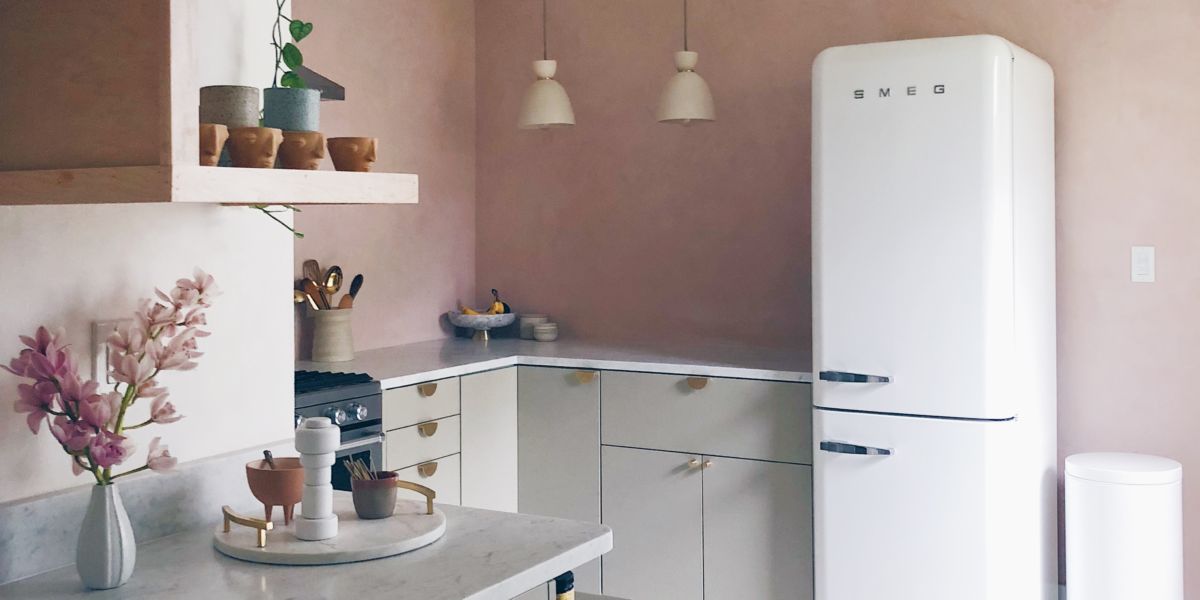
From Mauve Walls to Sleek Countertops, This Portland Kitchen Is Springtime Goals
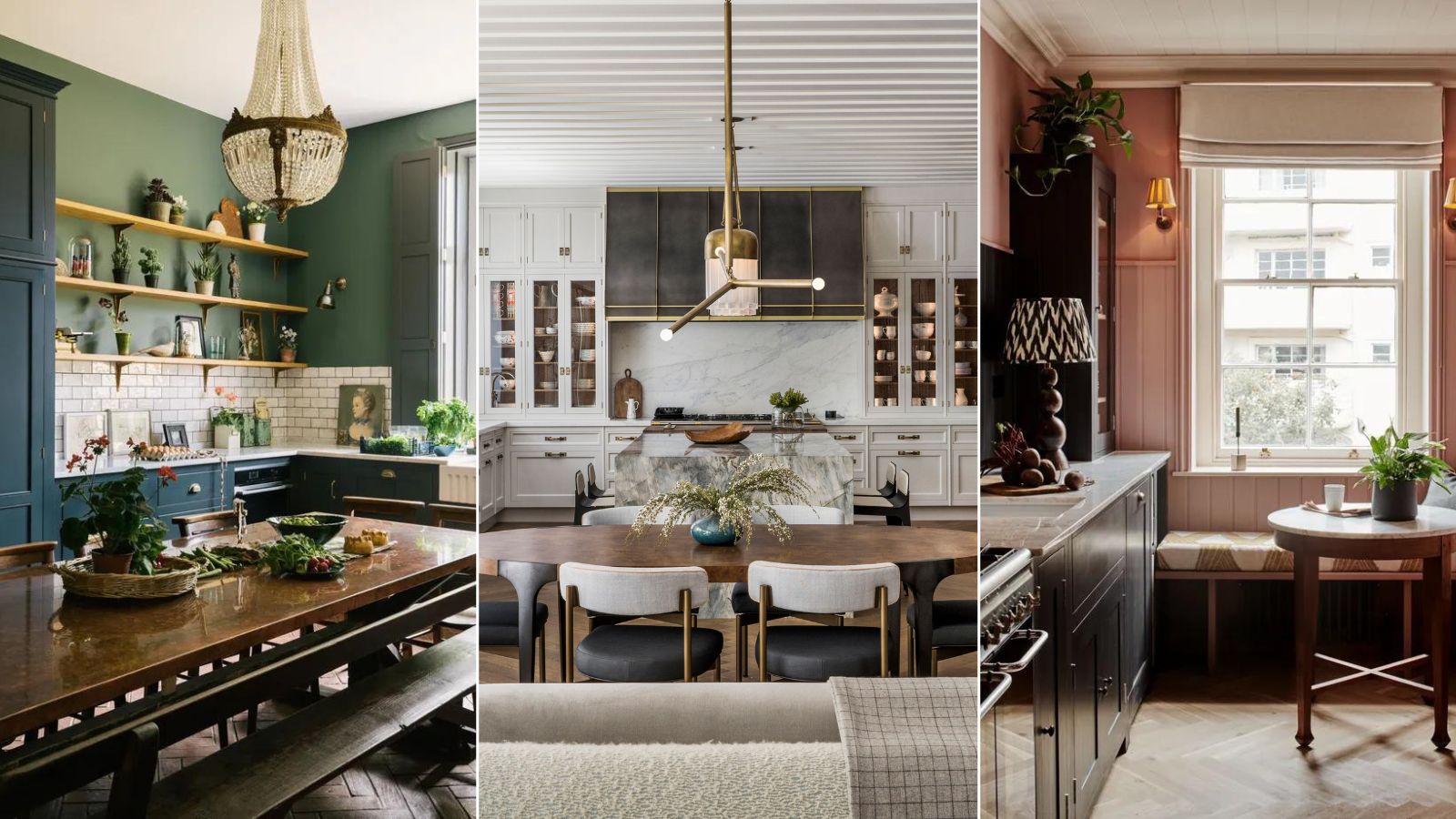
What layouts always make a kitchen look bigger? Designers reveal all
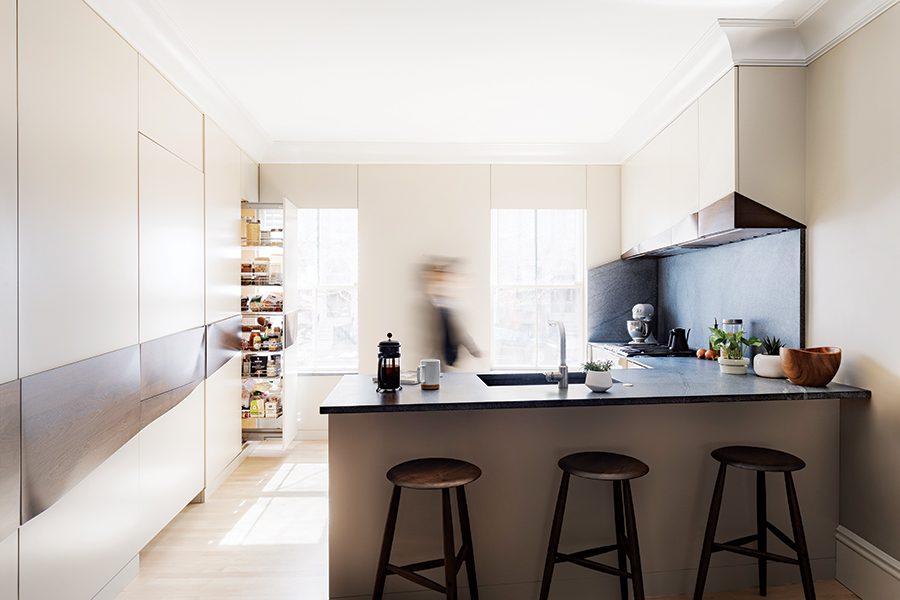
A Minimalist Kitchen in the South End

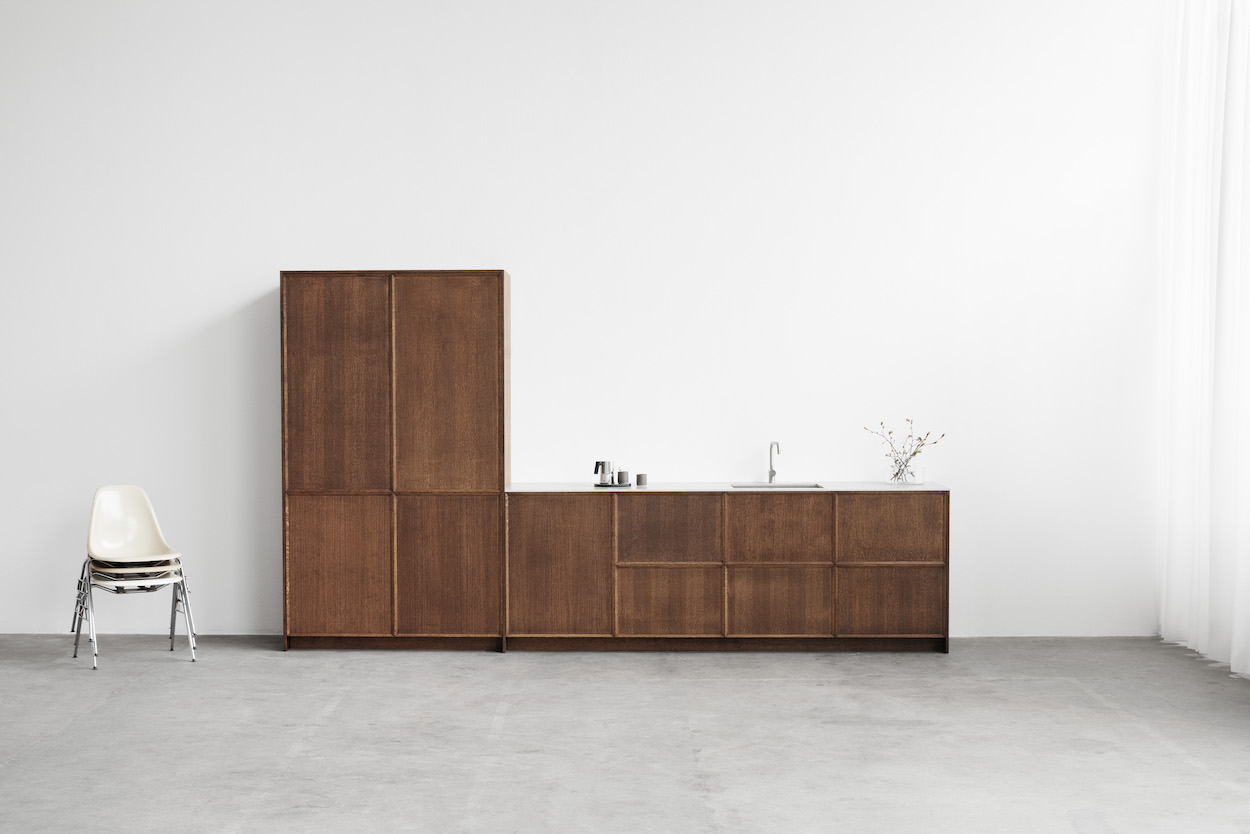
FRAME Minimalist Kitchen by Note Design Studio
6 things to get rid of from your kitchen today so that you can embrace a more minimalist way of living

What is an industrial kitchen? Who needs it? Here are 16 design ideas to copy

This Culinary Couple’s Minimalist Kitchen Is Designed Around One Essential Gadget


The Finishing Touch for Your Minimalist Kitchen

Eight compact U-shaped kitchens designed by architects

5 Minimalist Appliances & Tools Every Modern Chef Needs: Upgrade Your Kitchen In June 2025