10 expert tips for designing a small kitchen
Designing a small kitchen can be a challenging yet rewarding endeavor, transforming a confined space into a functional and aesthetically pleasing area. Despite spatial limitations, effective design strategies can prevent a cramped feeling and maximize utility. Key considerations include selecting appropriate materials, integrating hidden storage, and making informed choices about cabinetry.
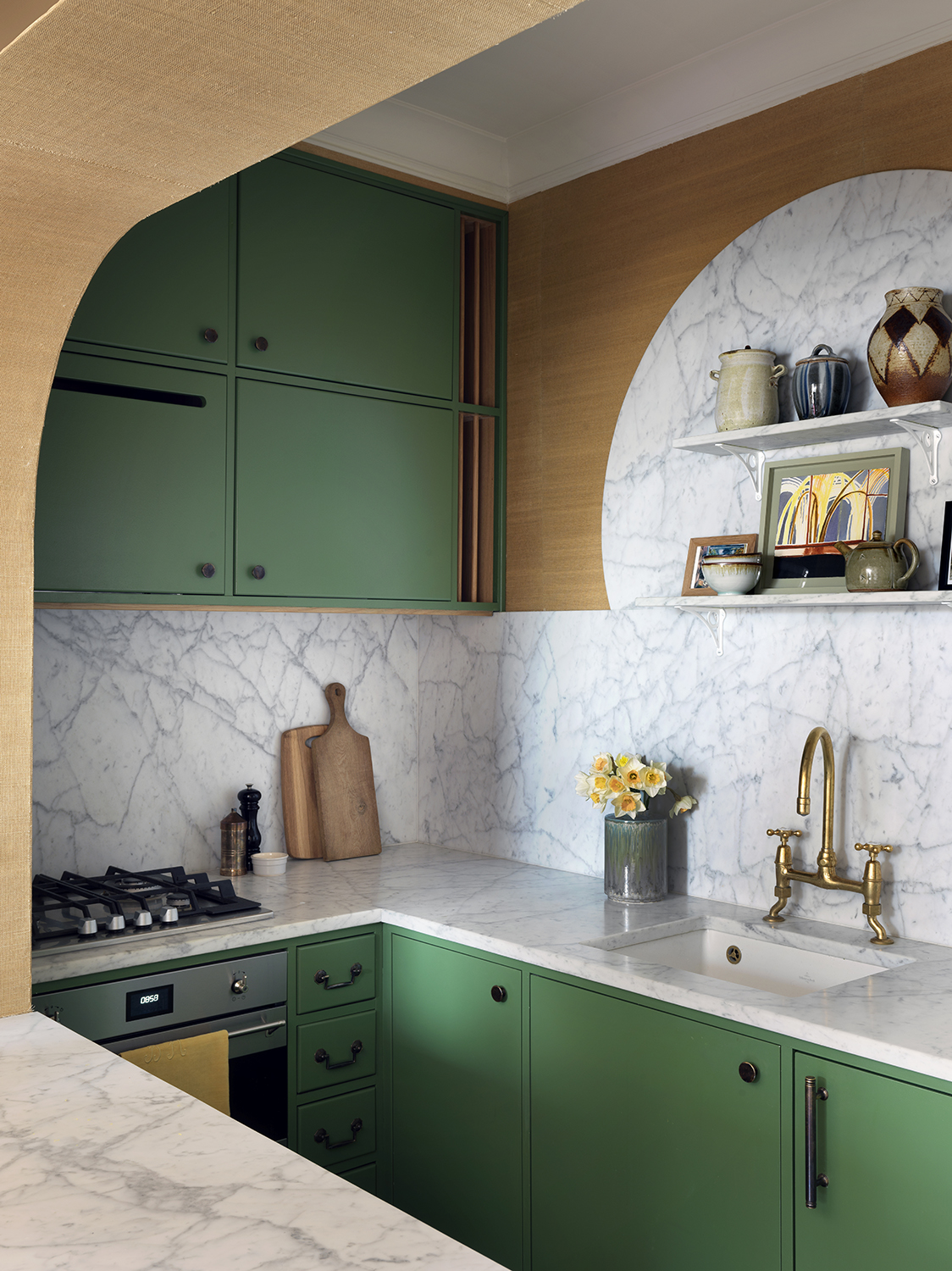
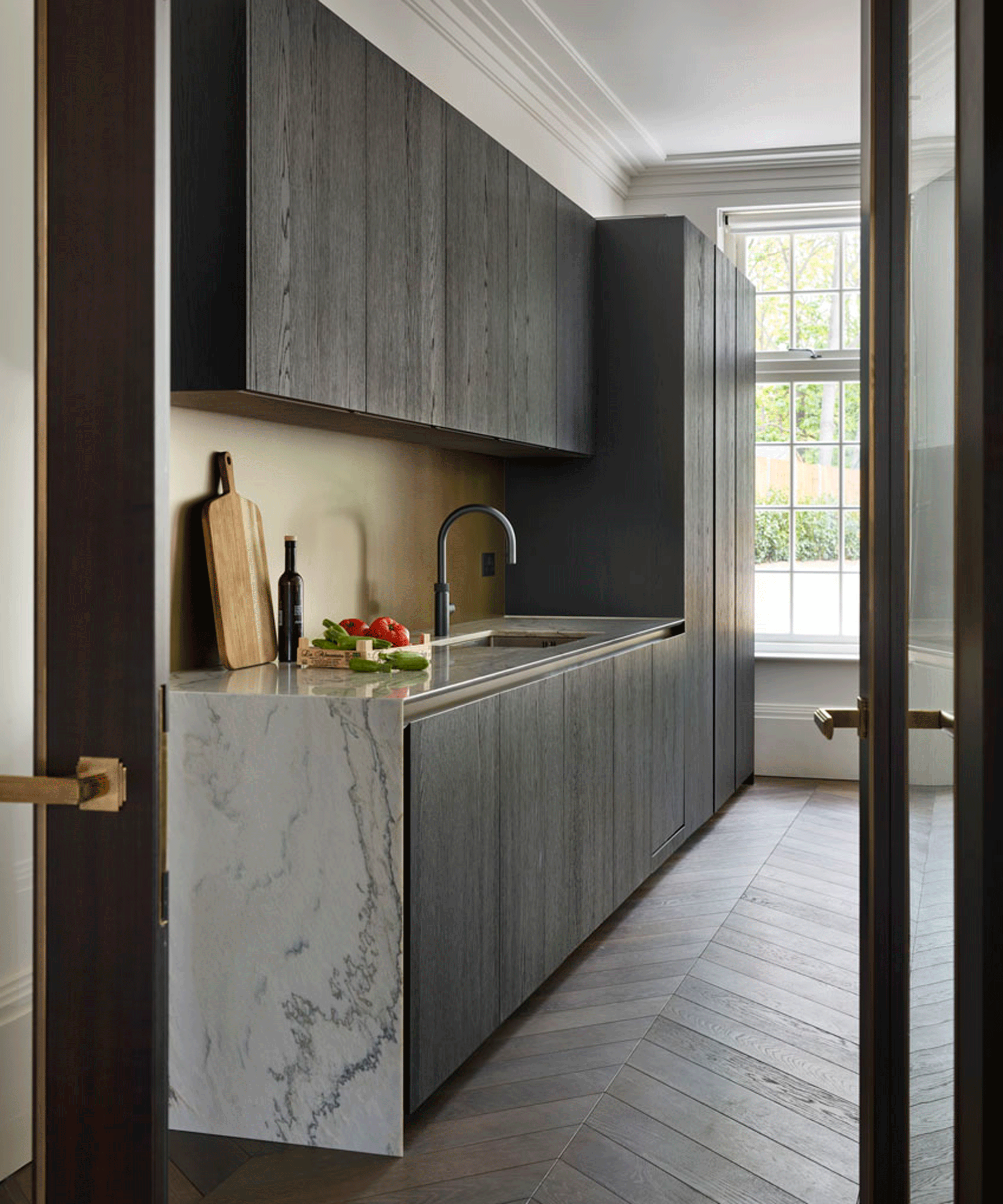
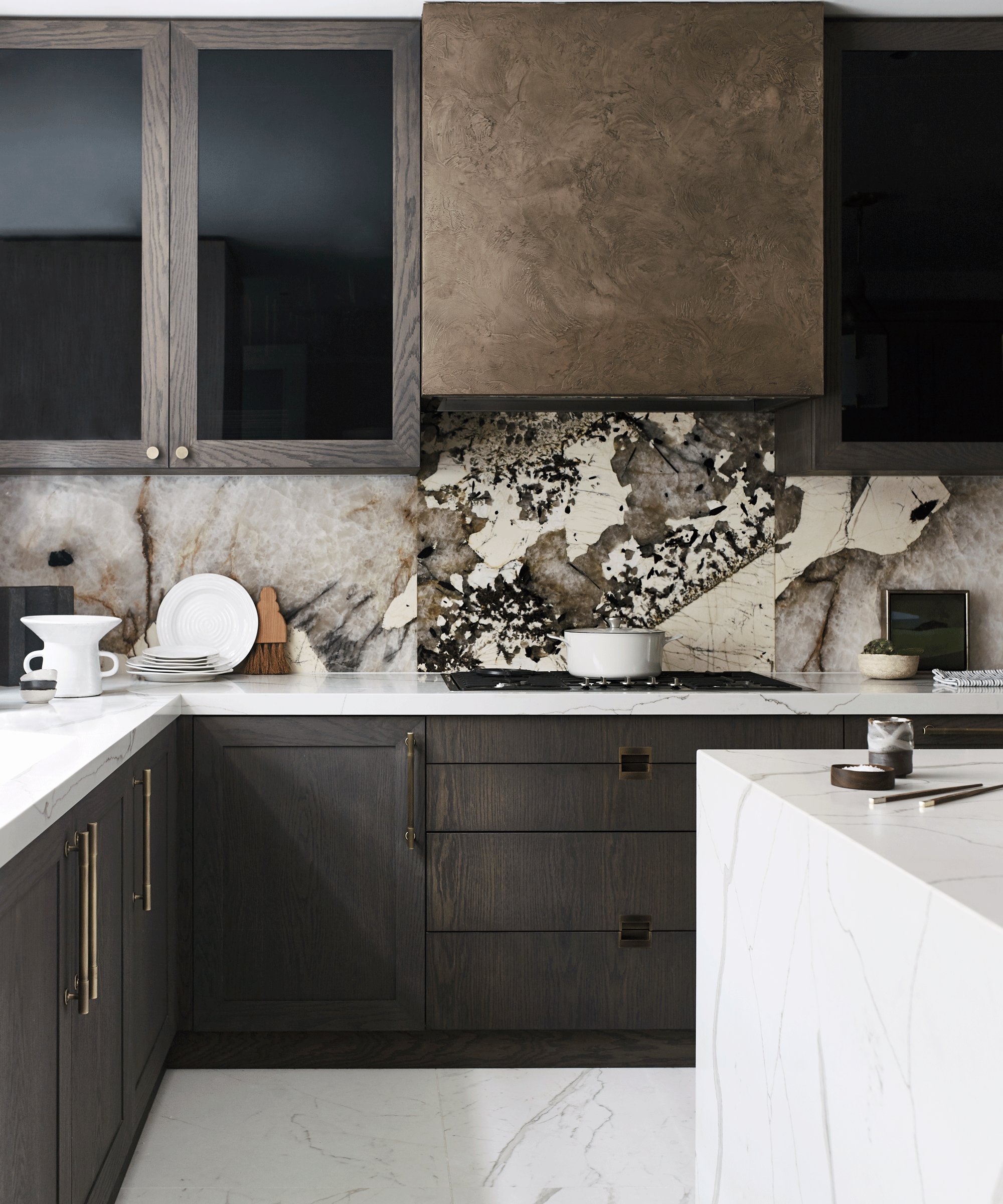
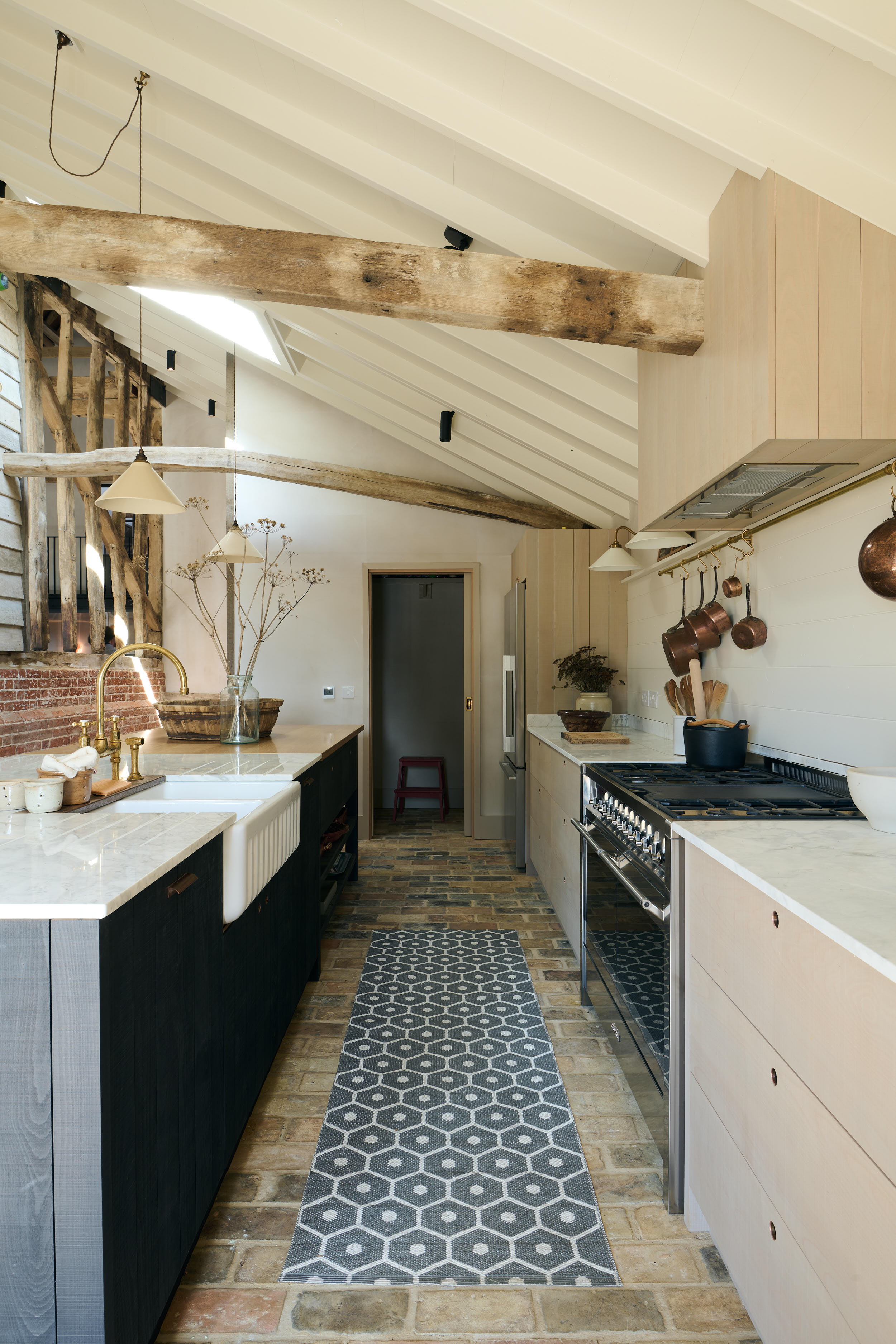
Material selection is crucial for maintaining a clean and orderly appearance. Durable, easy-to-clean surfaces for countertops, cabinets, appliances, and flooring are recommended. Fragile materials that show damage quickly can make a small kitchen appear unkempt and even smaller, undermining efforts to create an open feel. Prioritizing materials that withstand daily wear and tear ensures longevity and ease of maintenance, contributing to a consistently tidy environment.
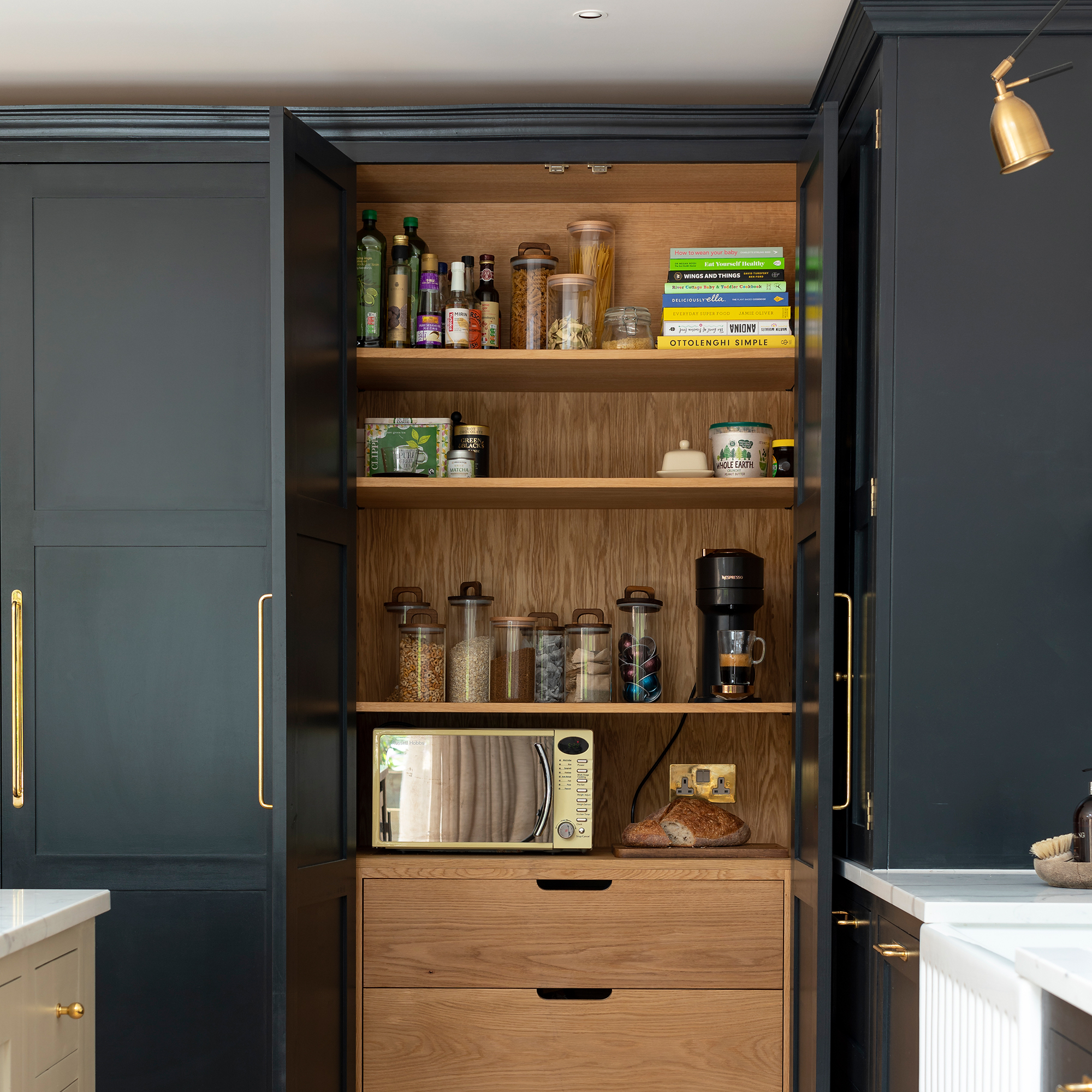
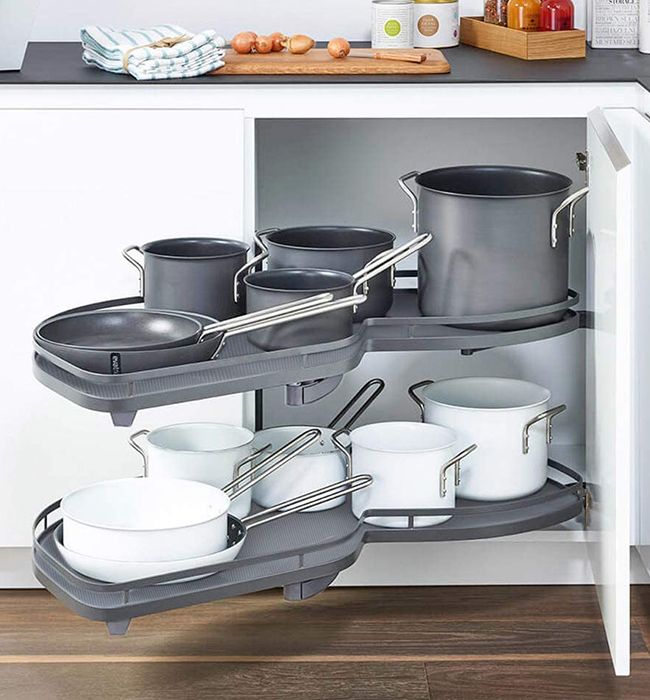
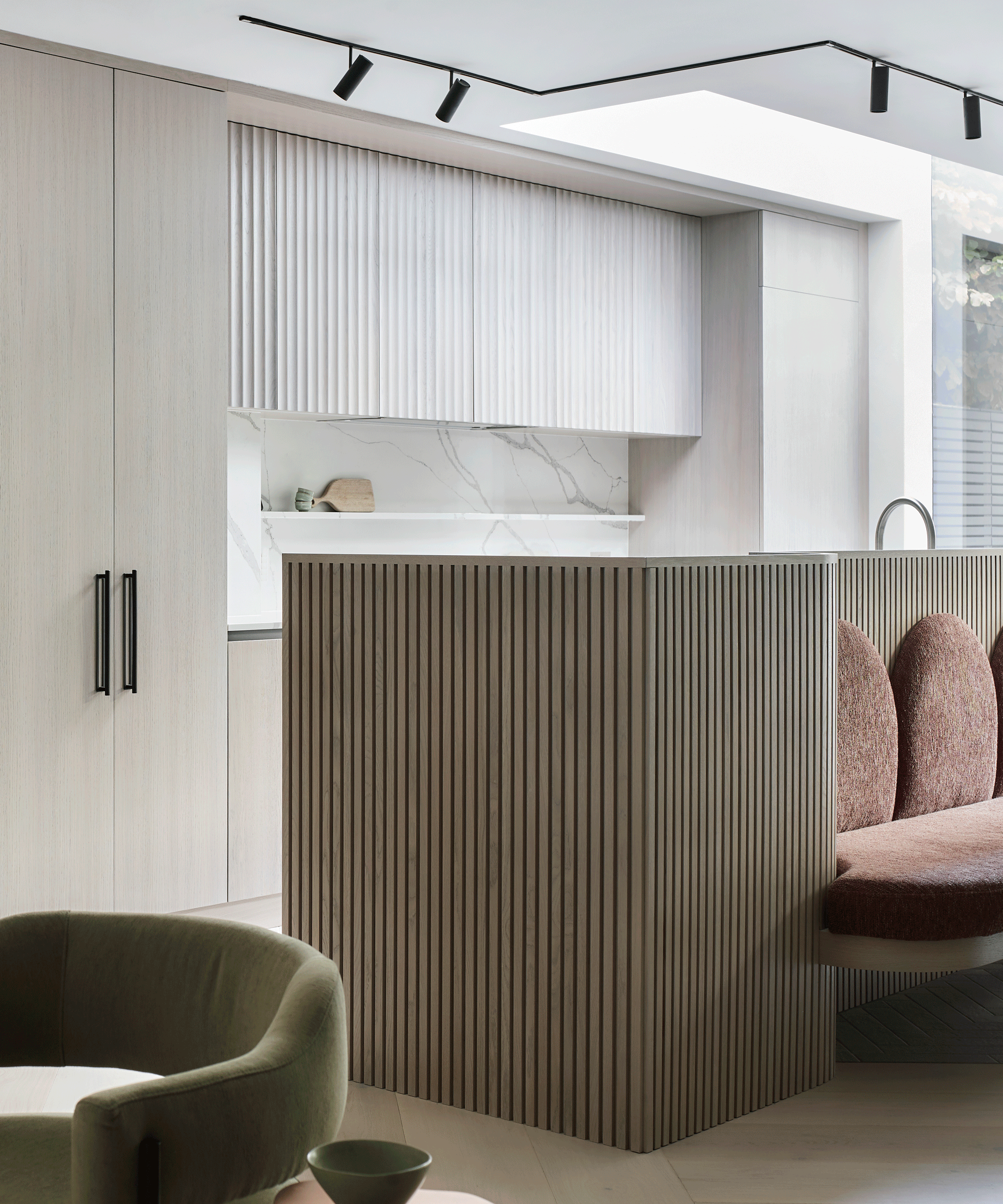
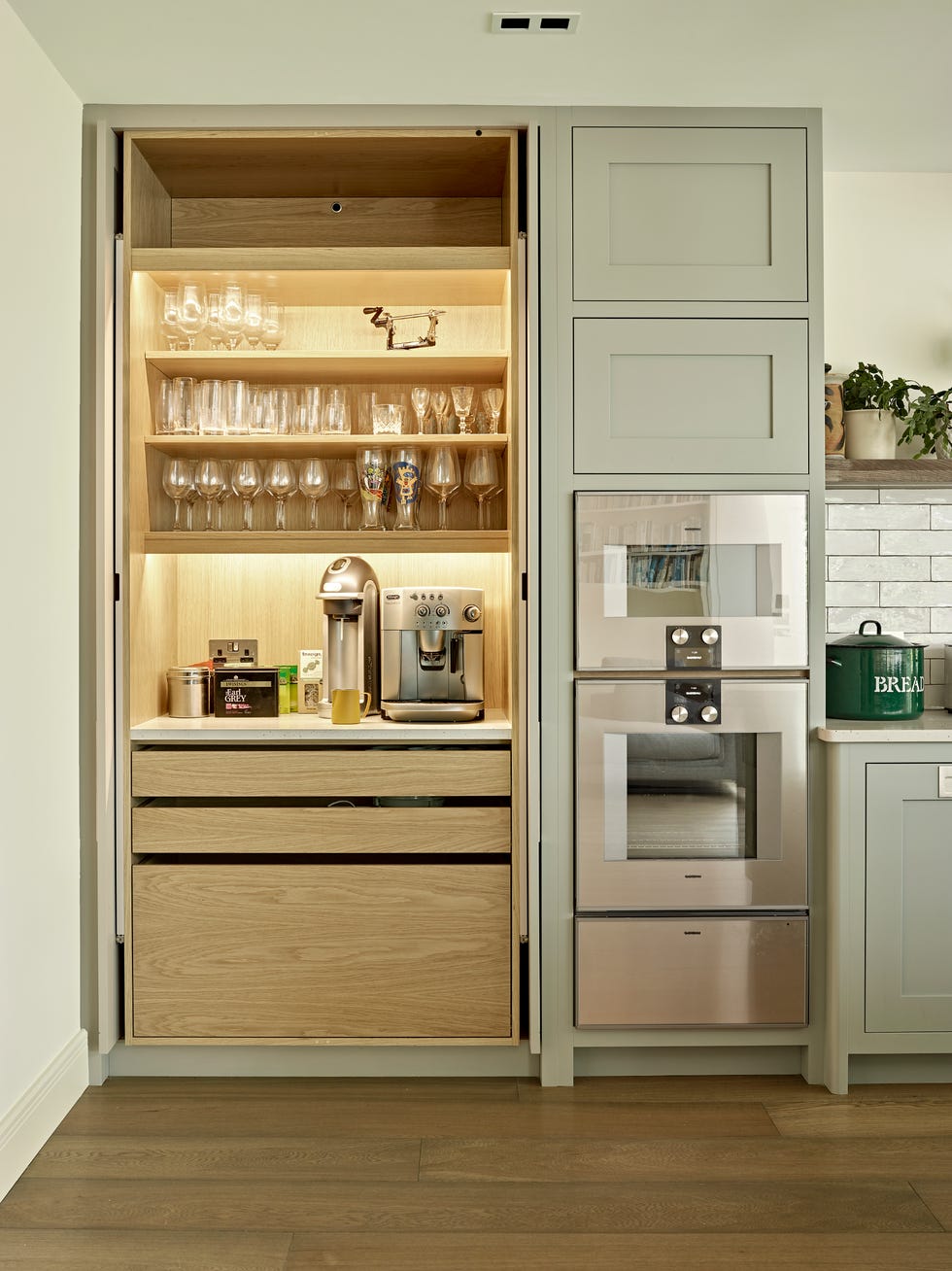
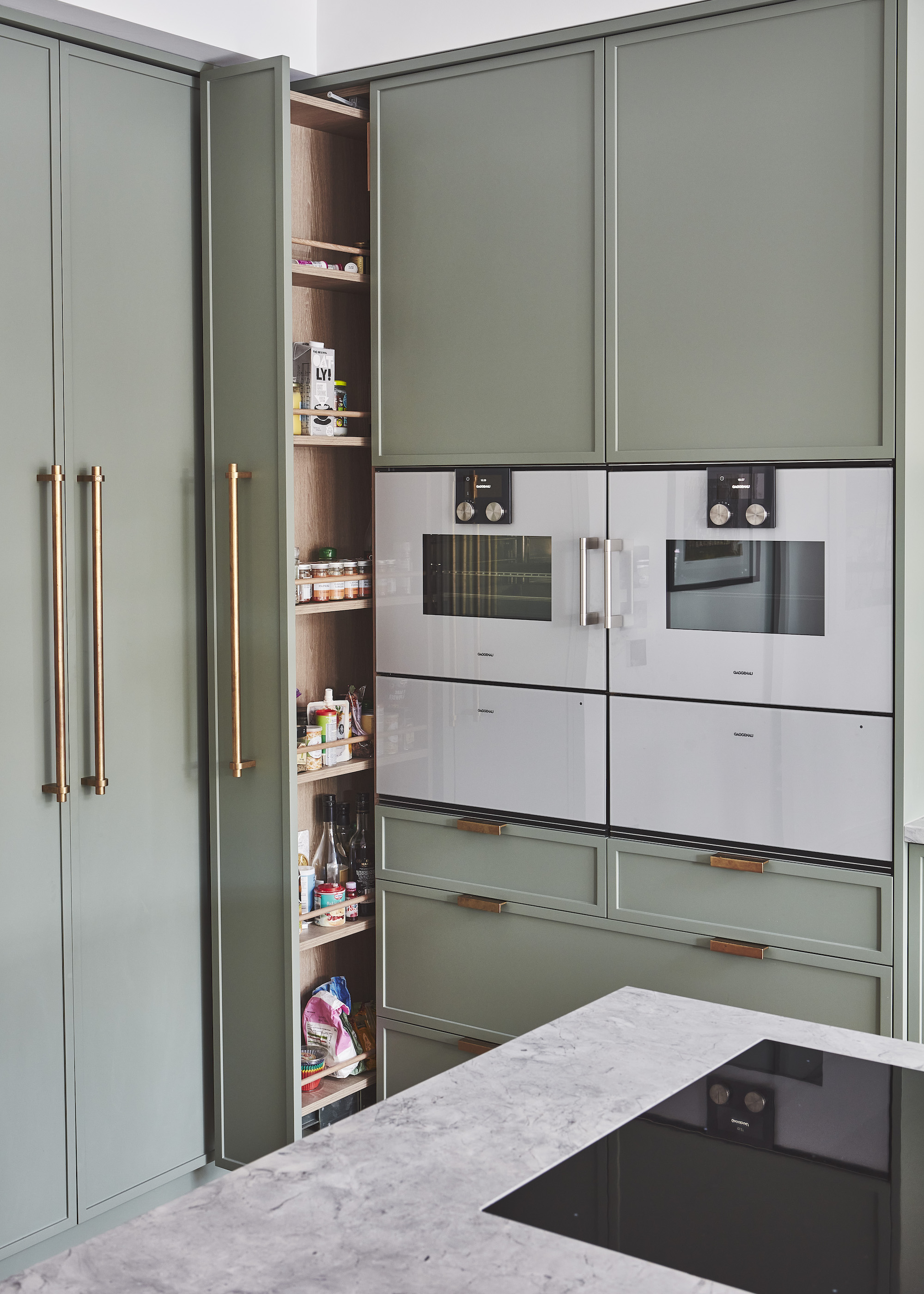
Hidden storage solutions are paramount for decluttering and optimizing small kitchens. Visible clutter can make a space feel significantly smaller. Integrating features such as rollout caddies, under-counter drawers, rotating corner shelves, and slim storage options within cabinet doors helps keep surfaces clear. Assigning a specific purpose to every inch of space, even seemingly insignificant areas, maximizes storage potential and contributes to an organized kitchen. These hidden compartments allow for a streamlined look, making the kitchen feel more expansive.
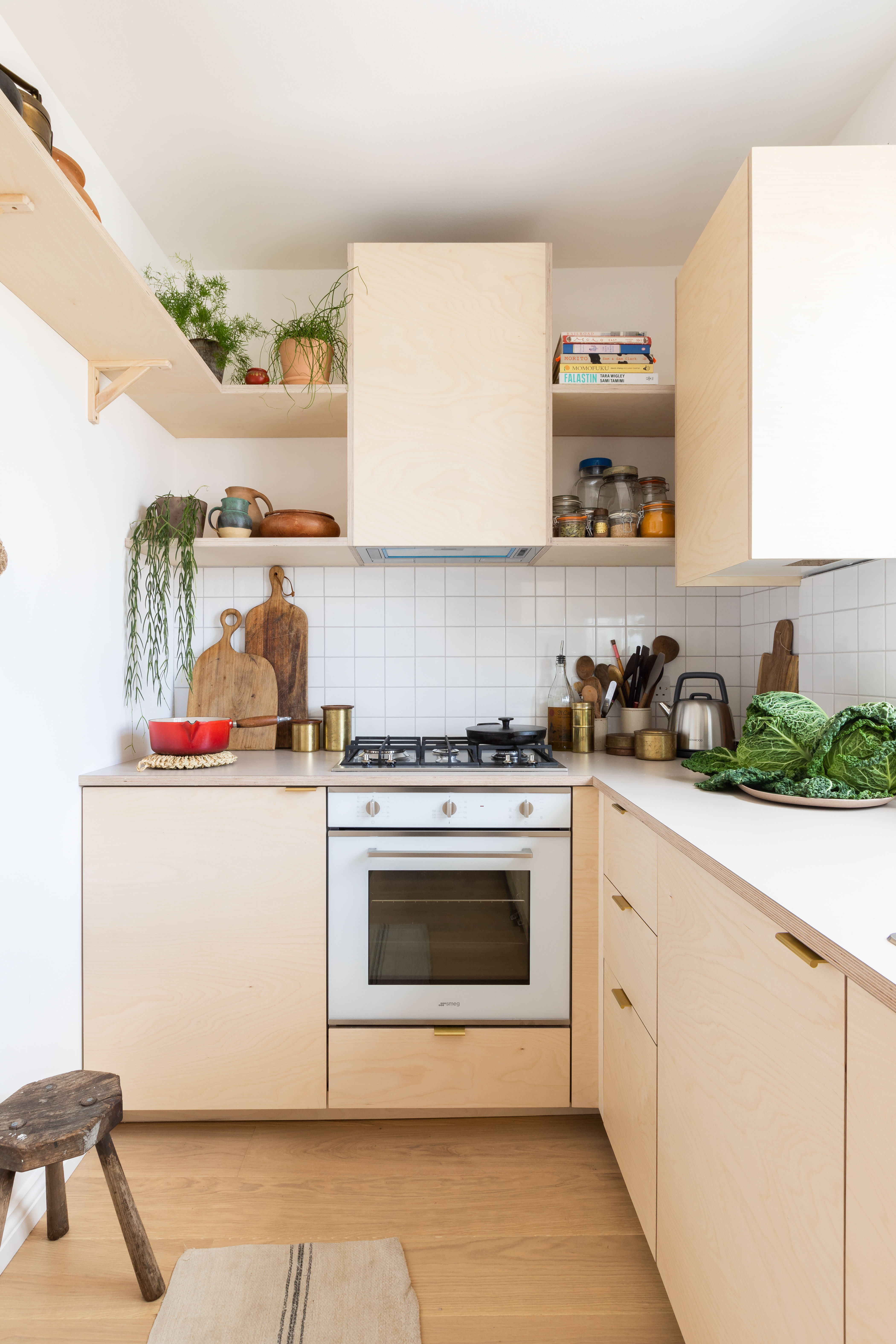
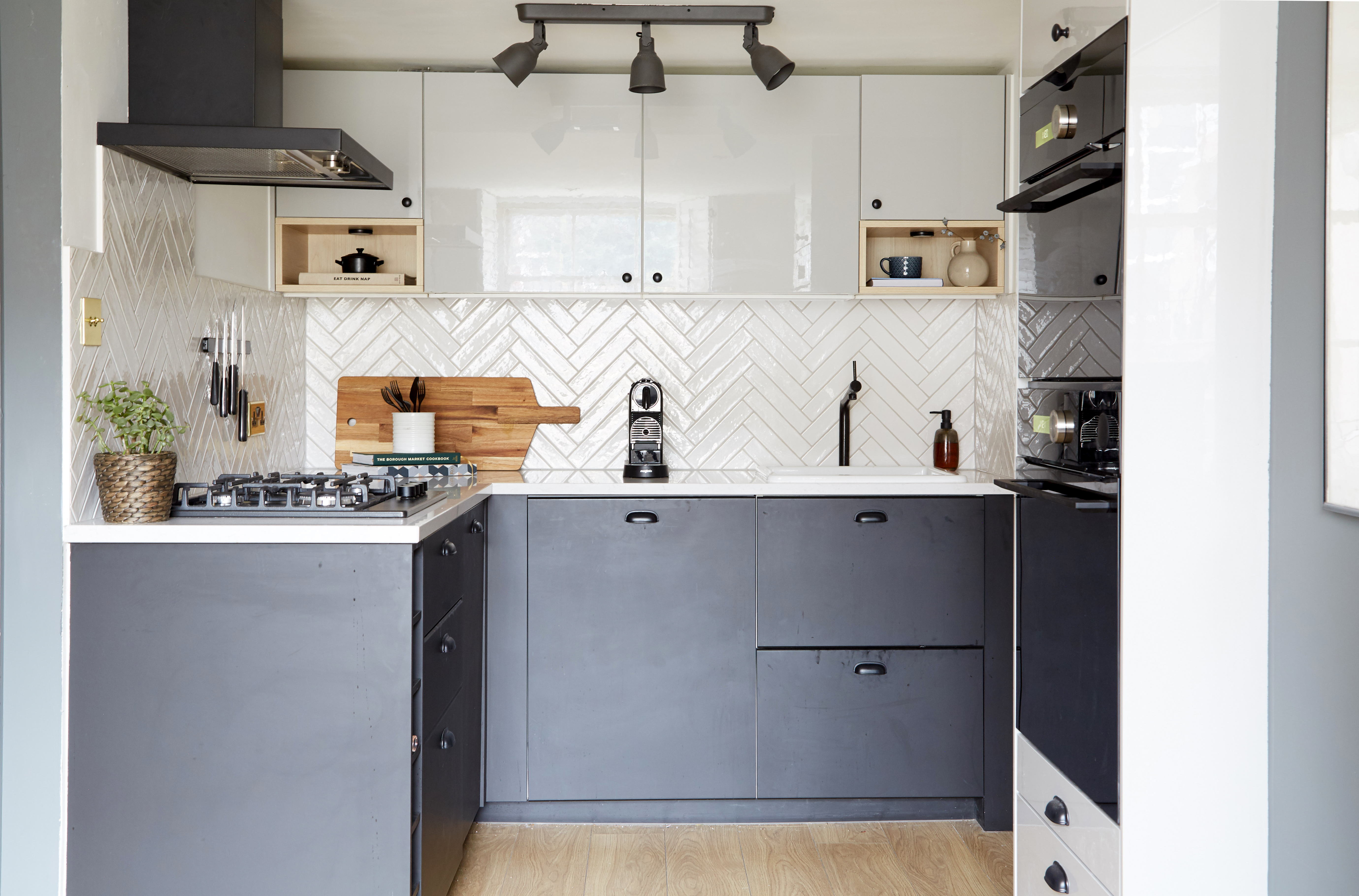
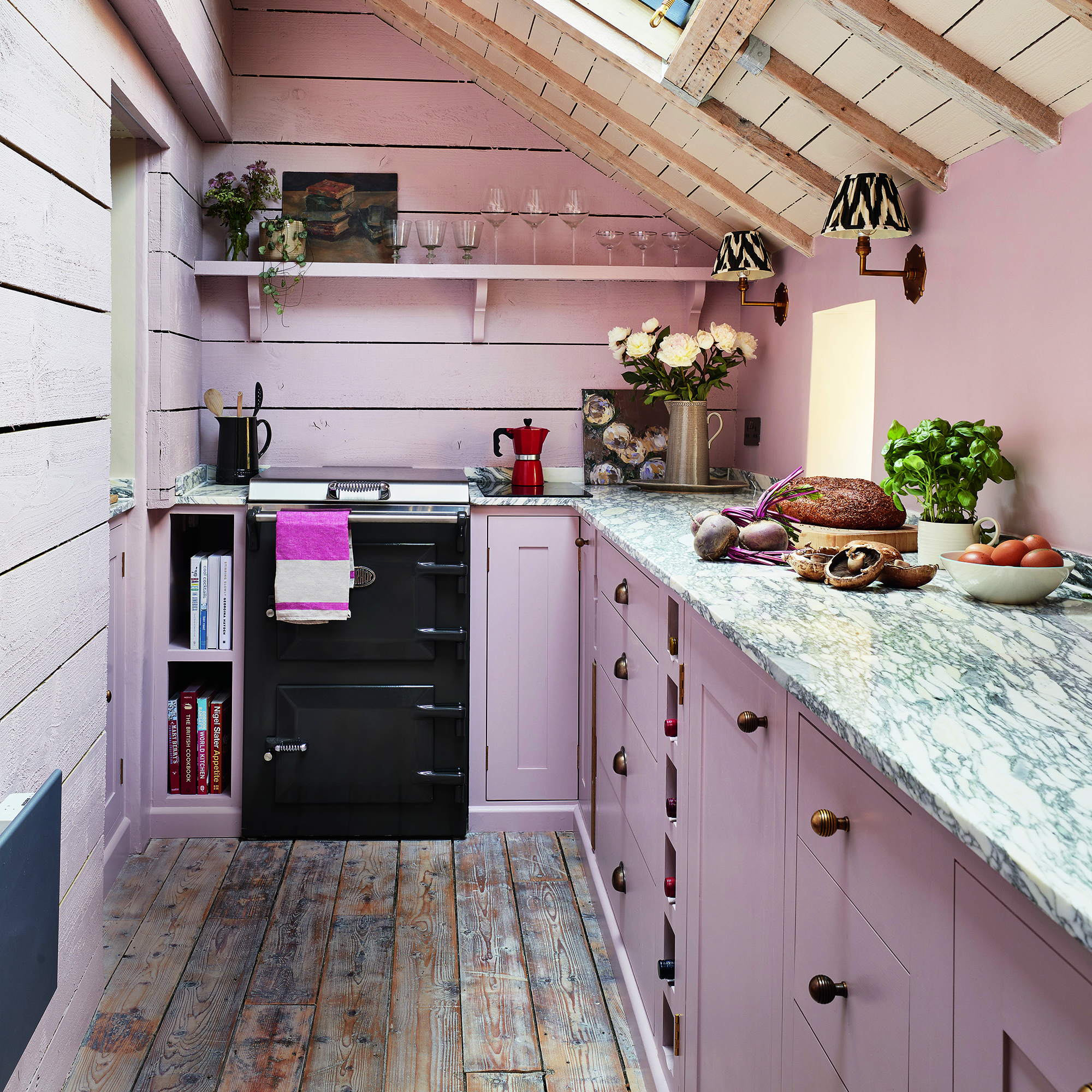
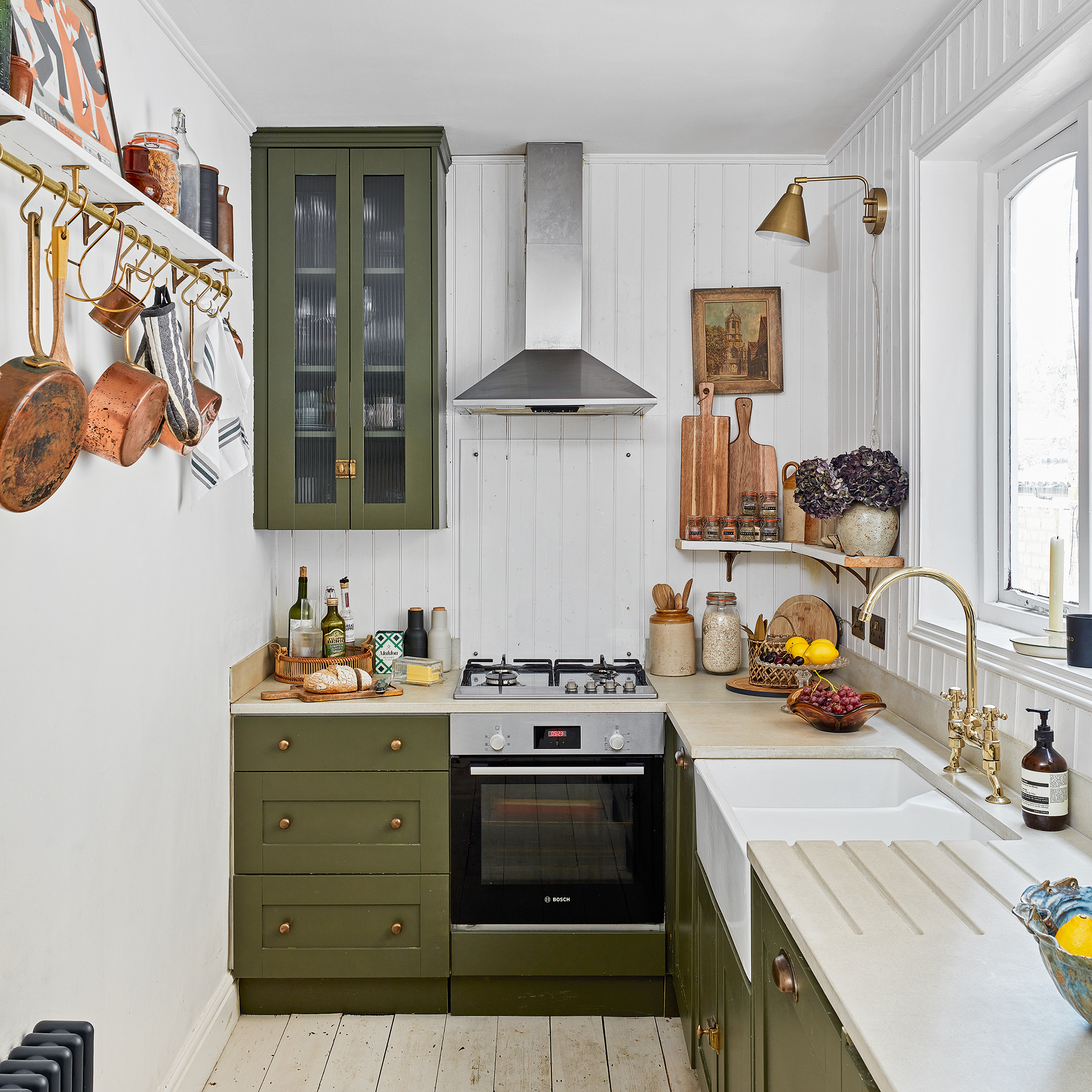
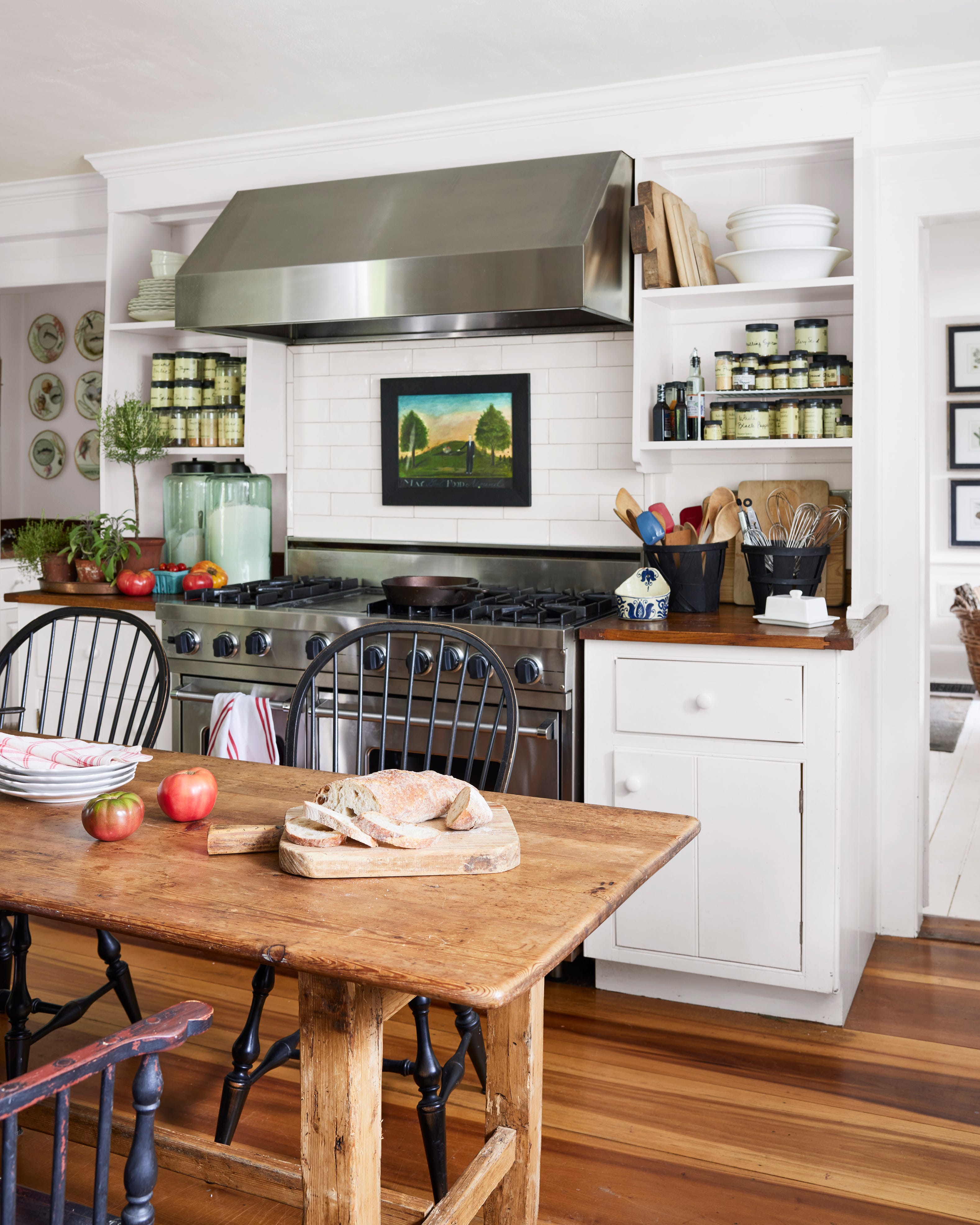
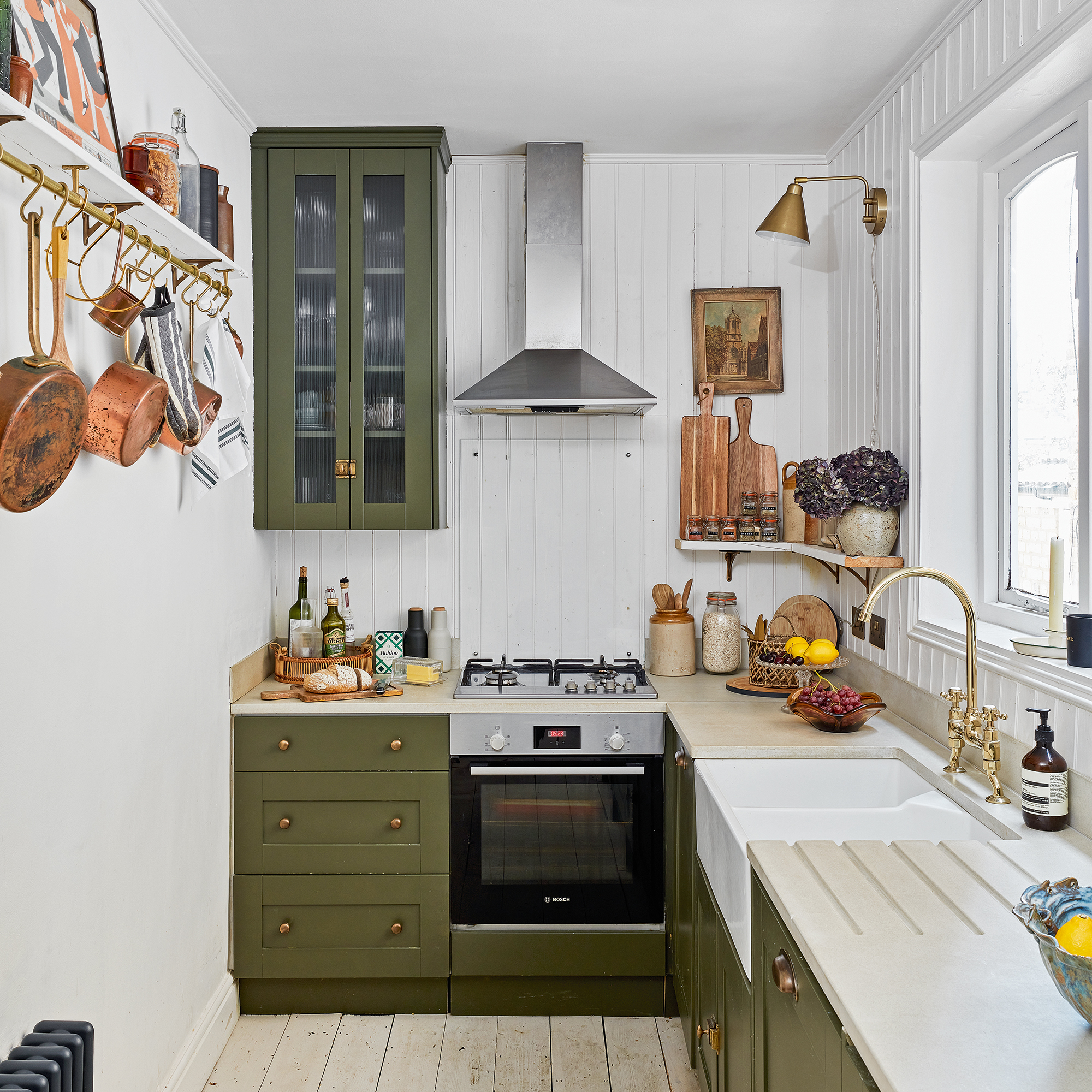
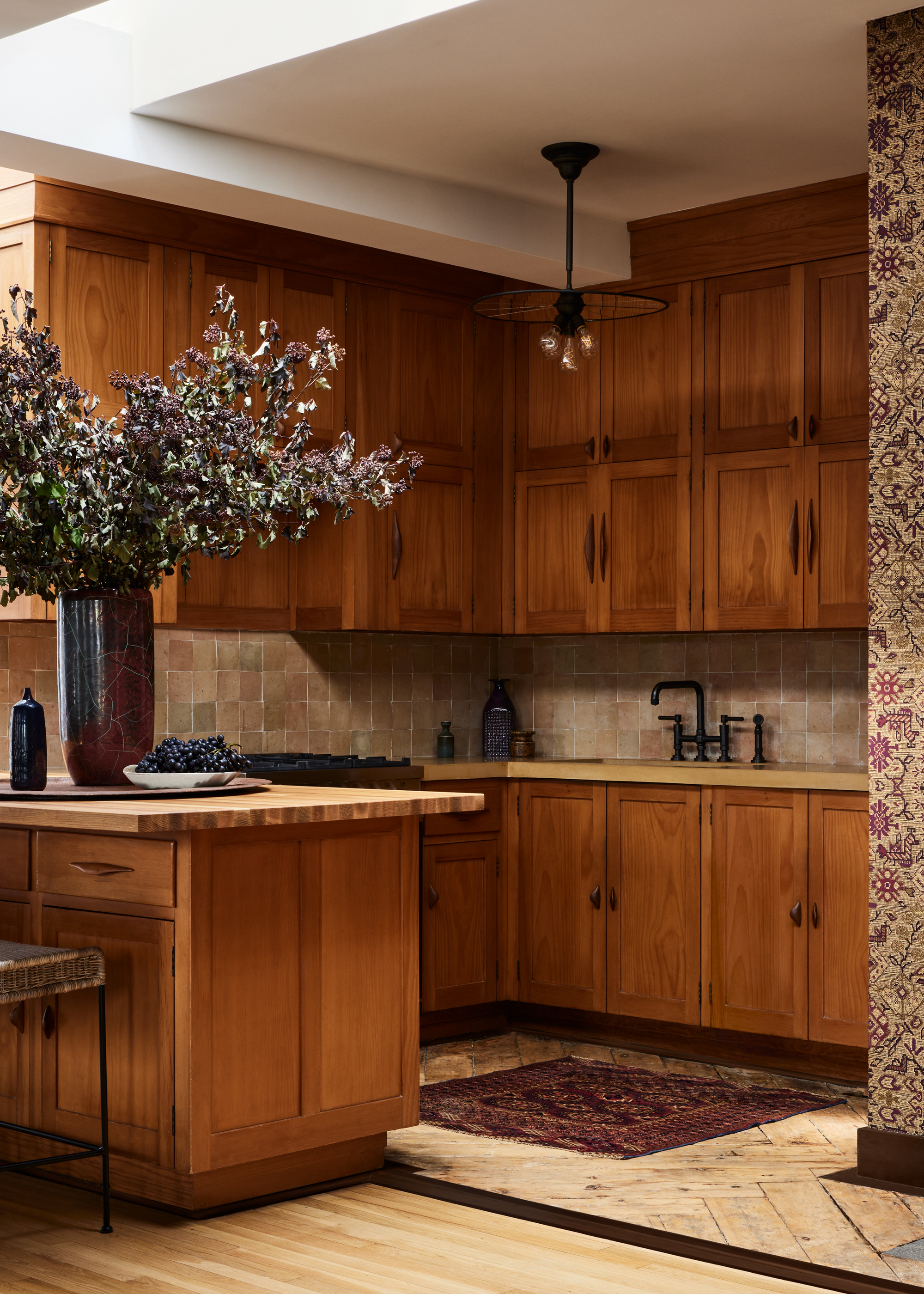
Careful cabinet selection and placement are essential. Maximizing vertical space by extending cabinets to the ceiling and finishing them with crown molding not only increases storage but also draws the eye upward, creating an illusion of height and openness. This approach leverages often-underutilized overhead space, providing ample room for rarely used items while maintaining a cohesive design.
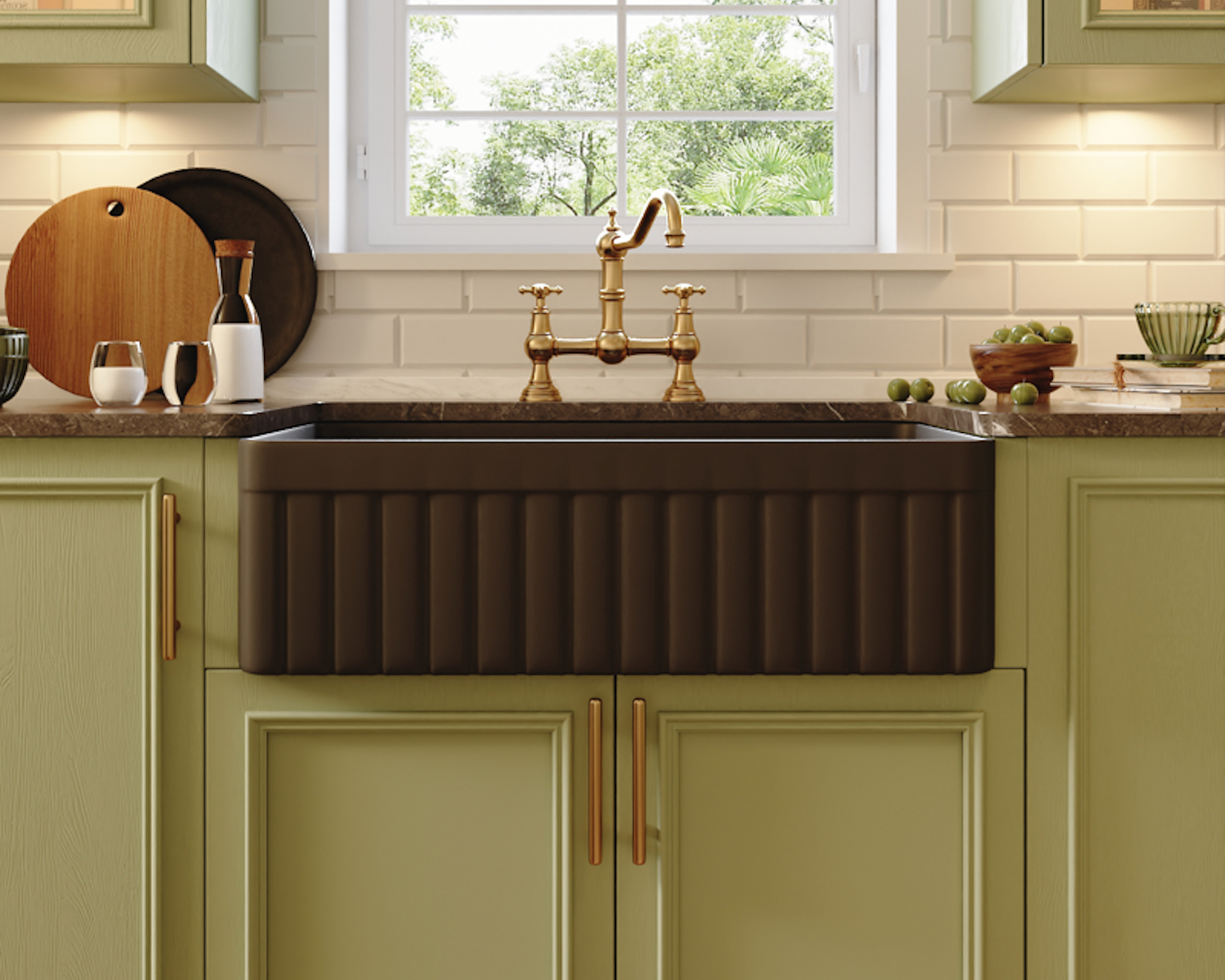
Sink placement is another critical design element. Corner sinks are generally advised against due to their inefficiency in space utilization. Instead, positioning the sink parallel to the cabinetry optimizes workflow and conserves valuable counter space. This strategic placement ensures that the primary work triangle—sink, stove, and refrigerator—remains functional without awkward angles.
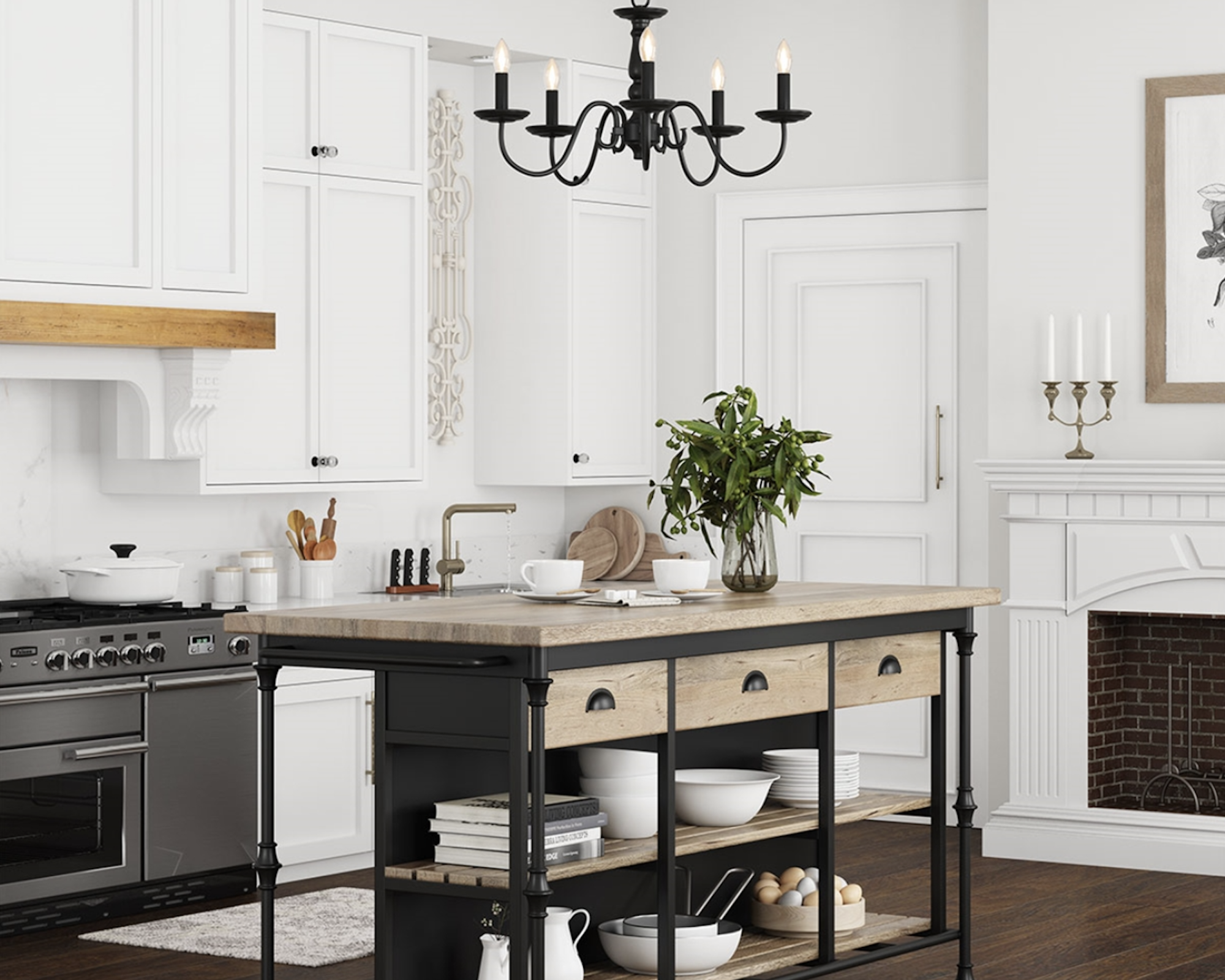
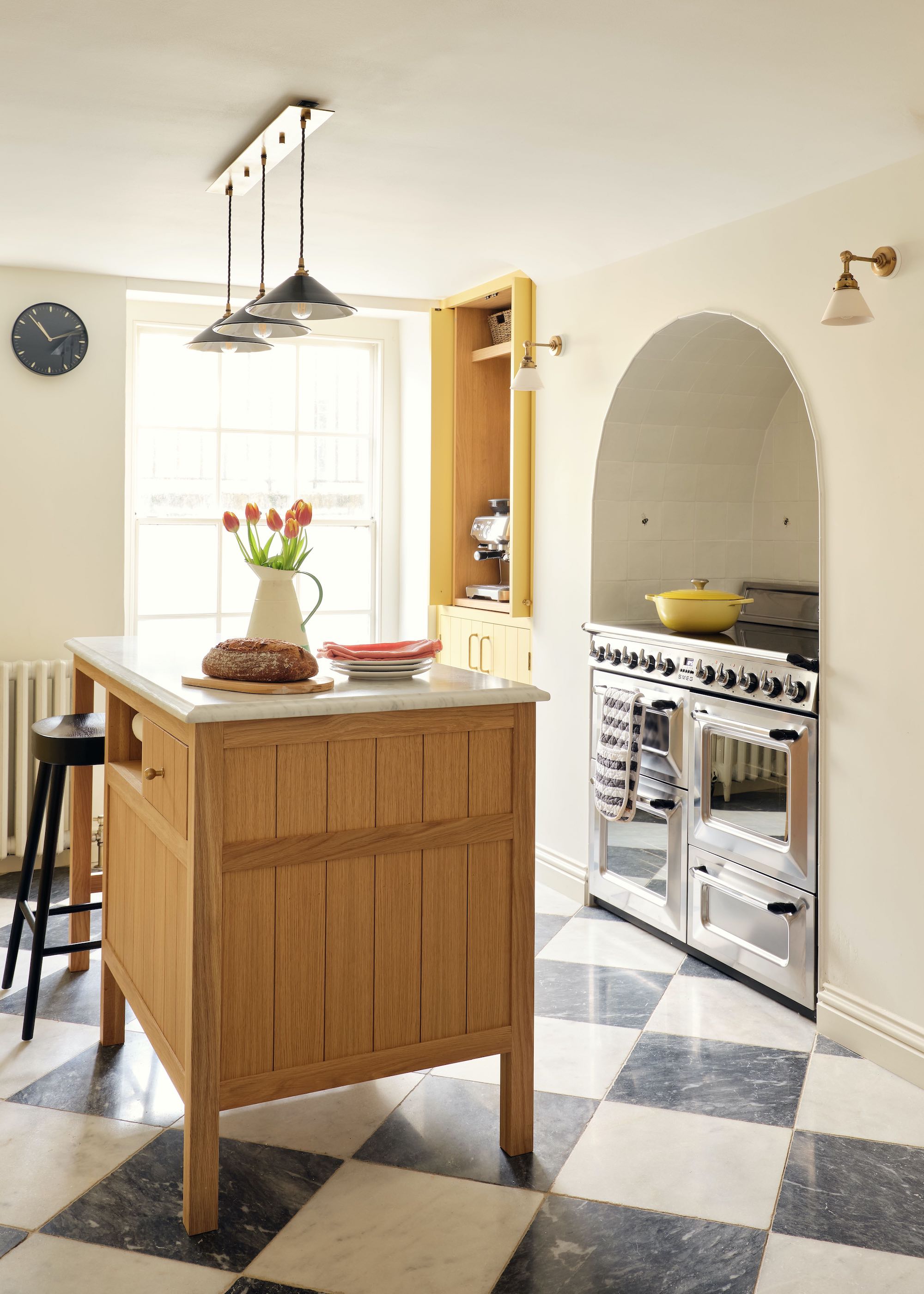
For kitchens lacking sufficient counter space, a rolling island offers a flexible solution. Unlike built-in islands, a mobile unit can be brought out for additional workspace when needed and stored away to free up floor space. This adaptability is particularly beneficial in small layouts, providing a versatile surface for meal preparation or serving without permanent commitment.
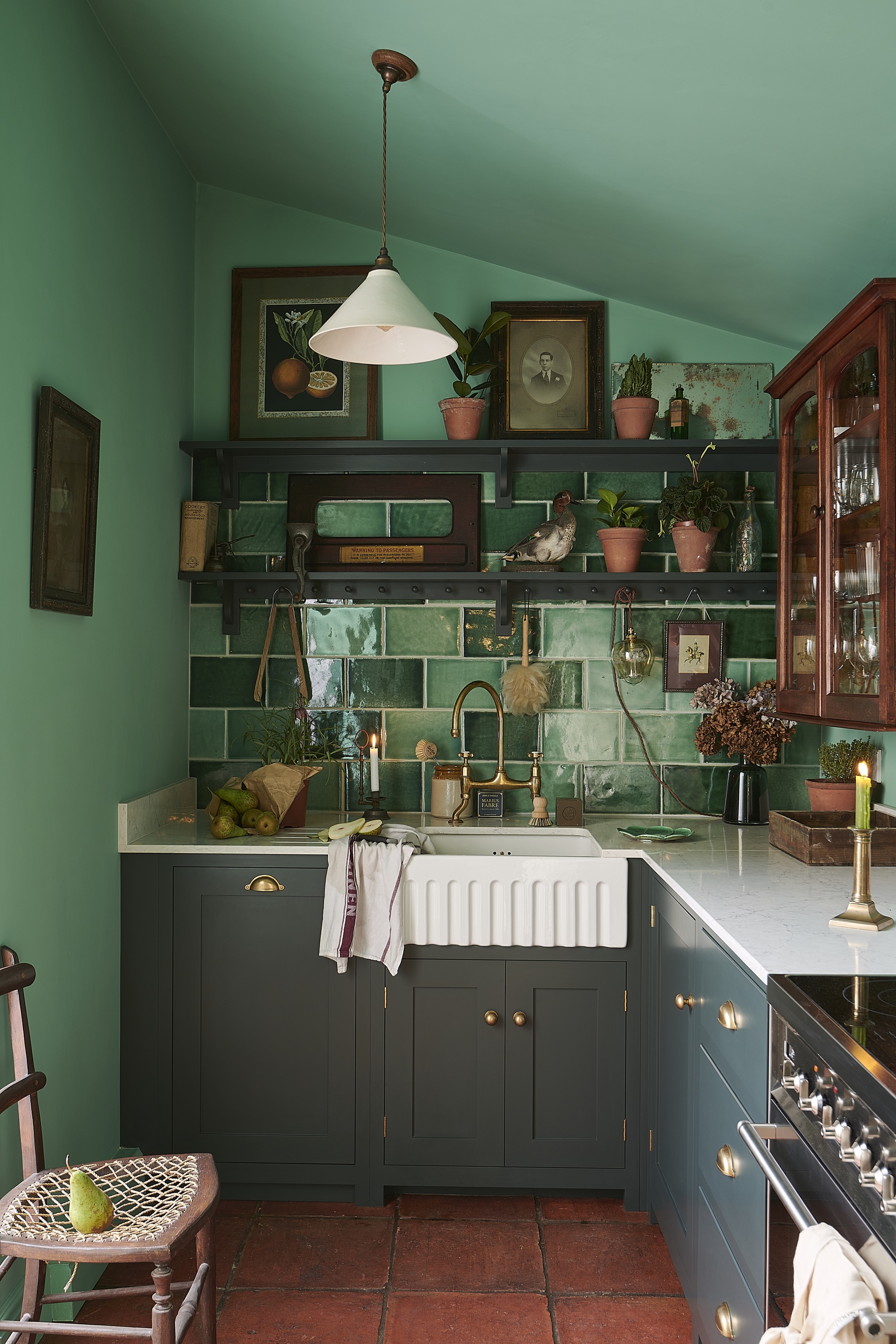
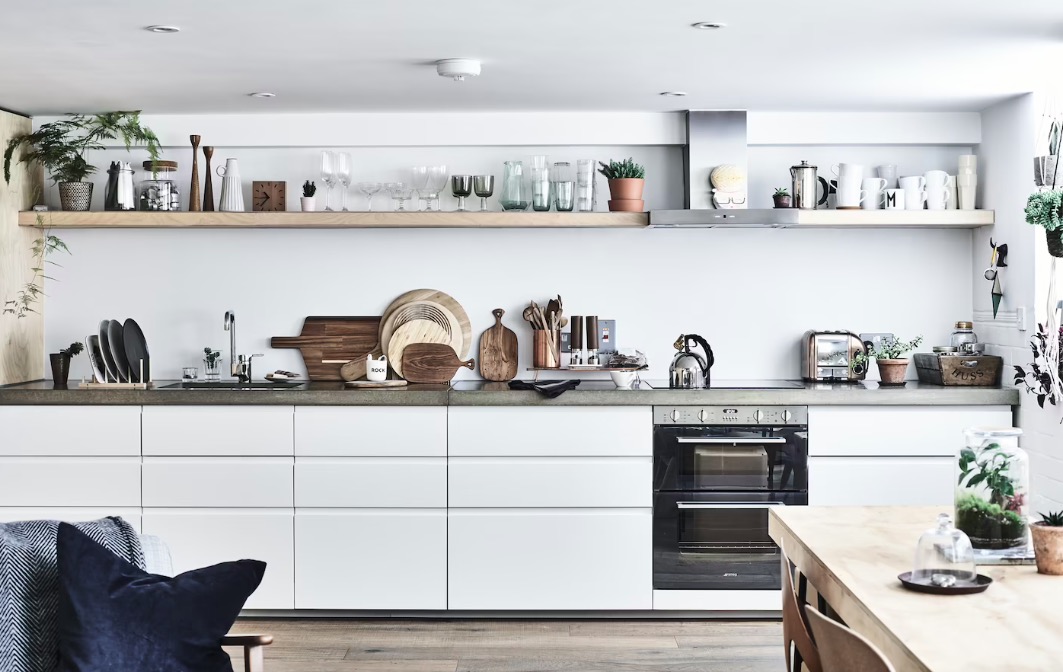
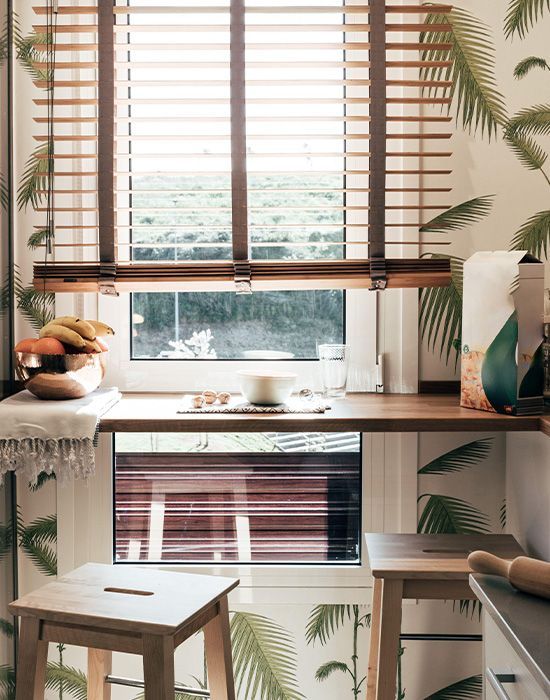
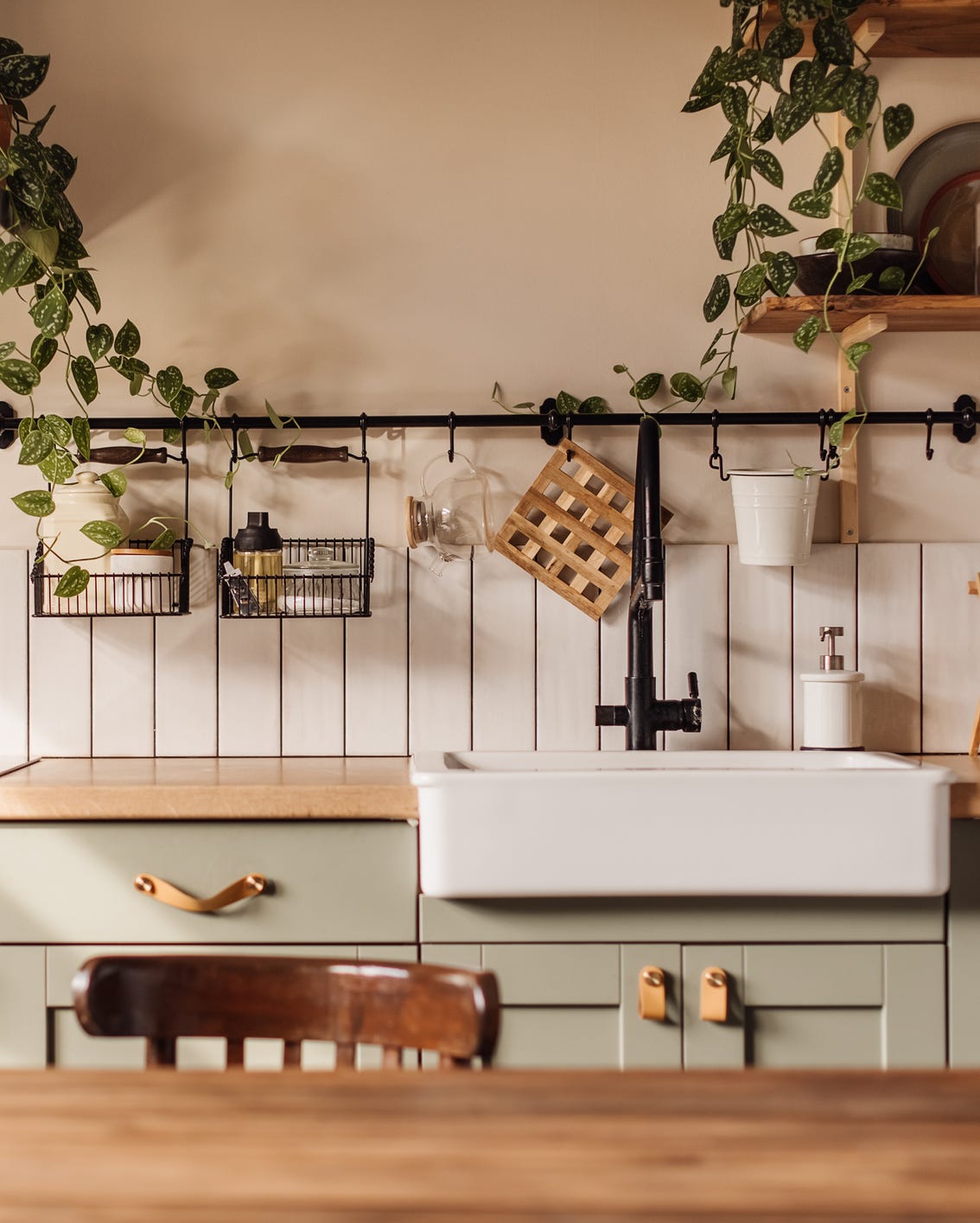
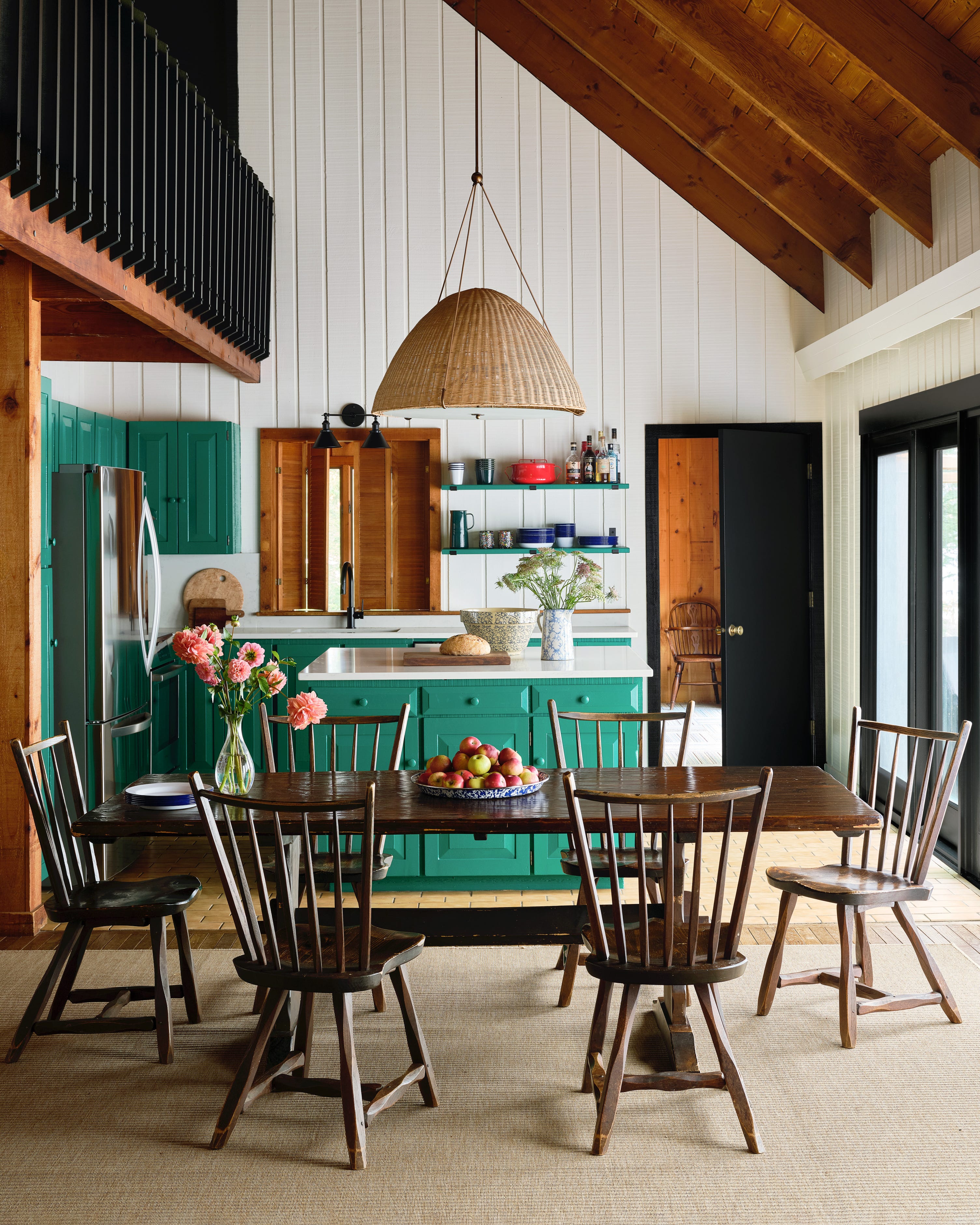
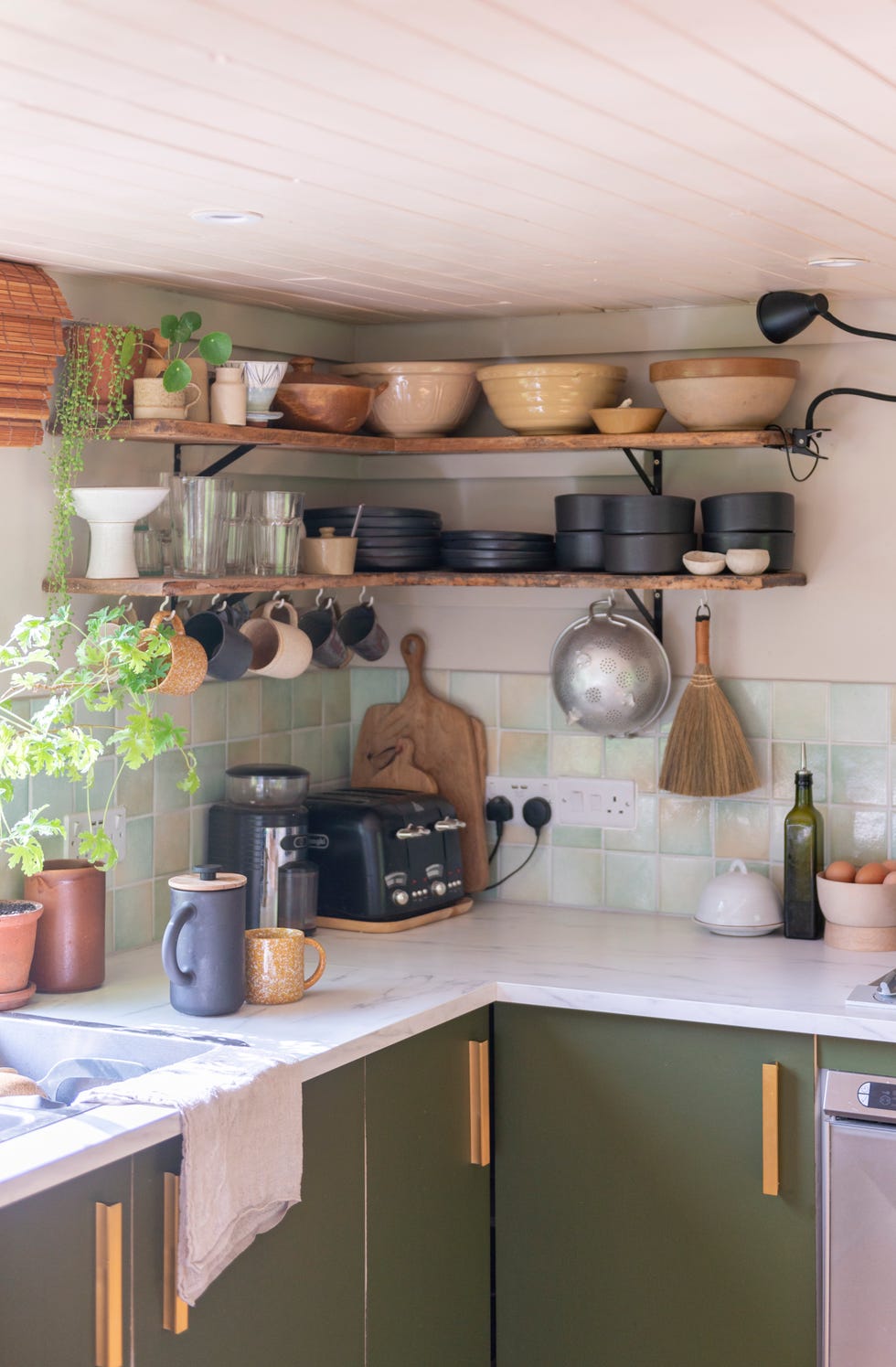
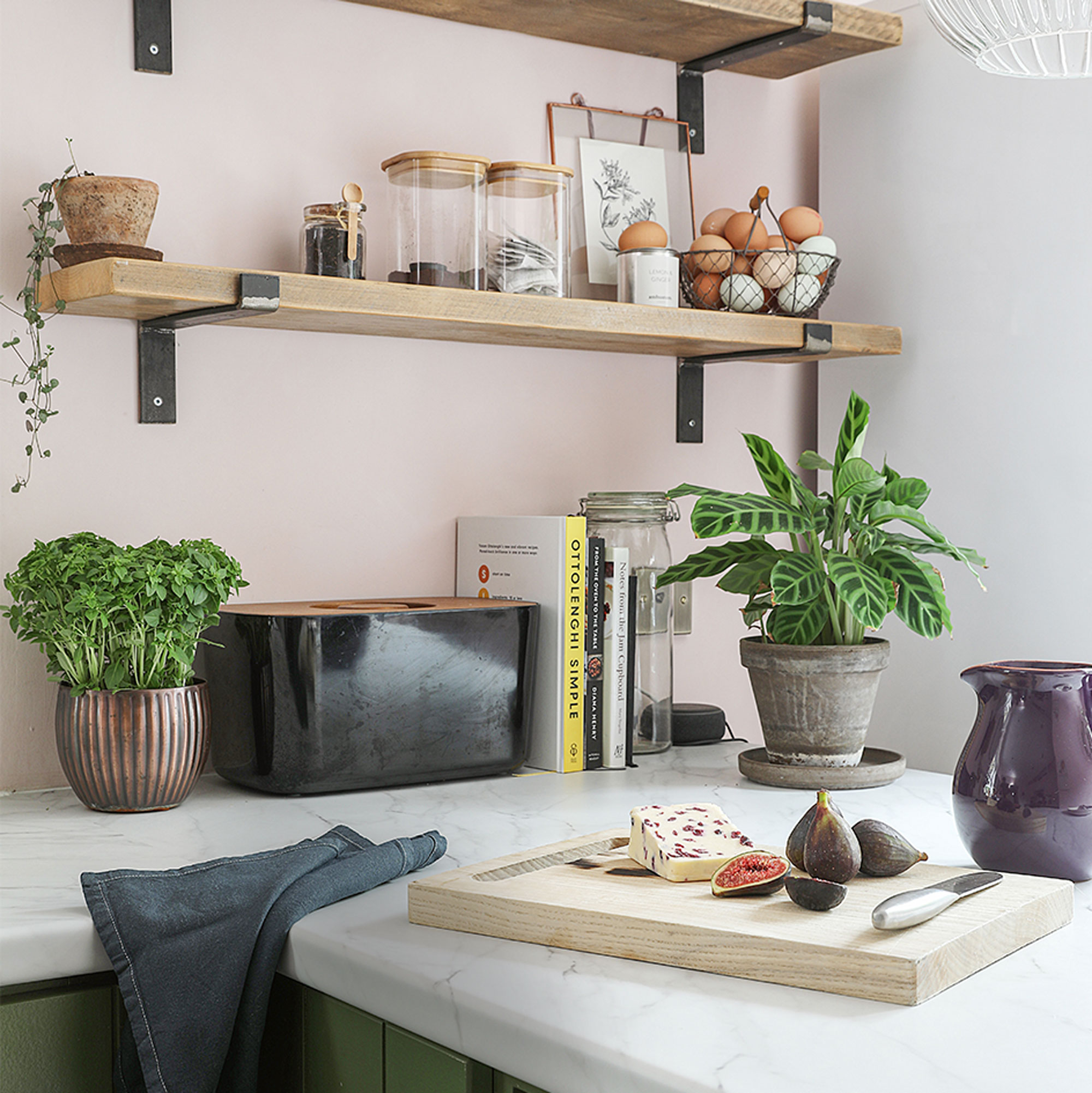
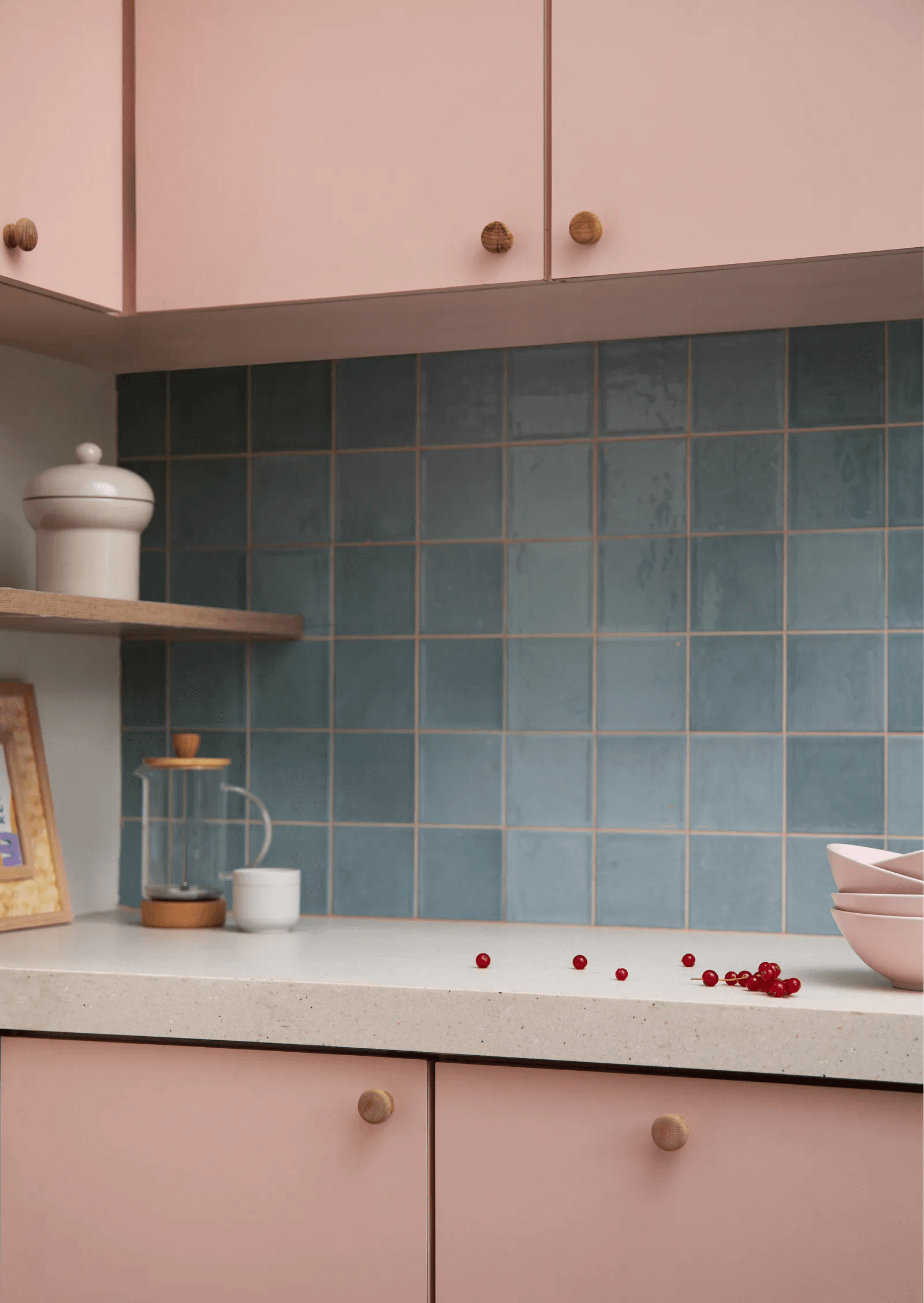
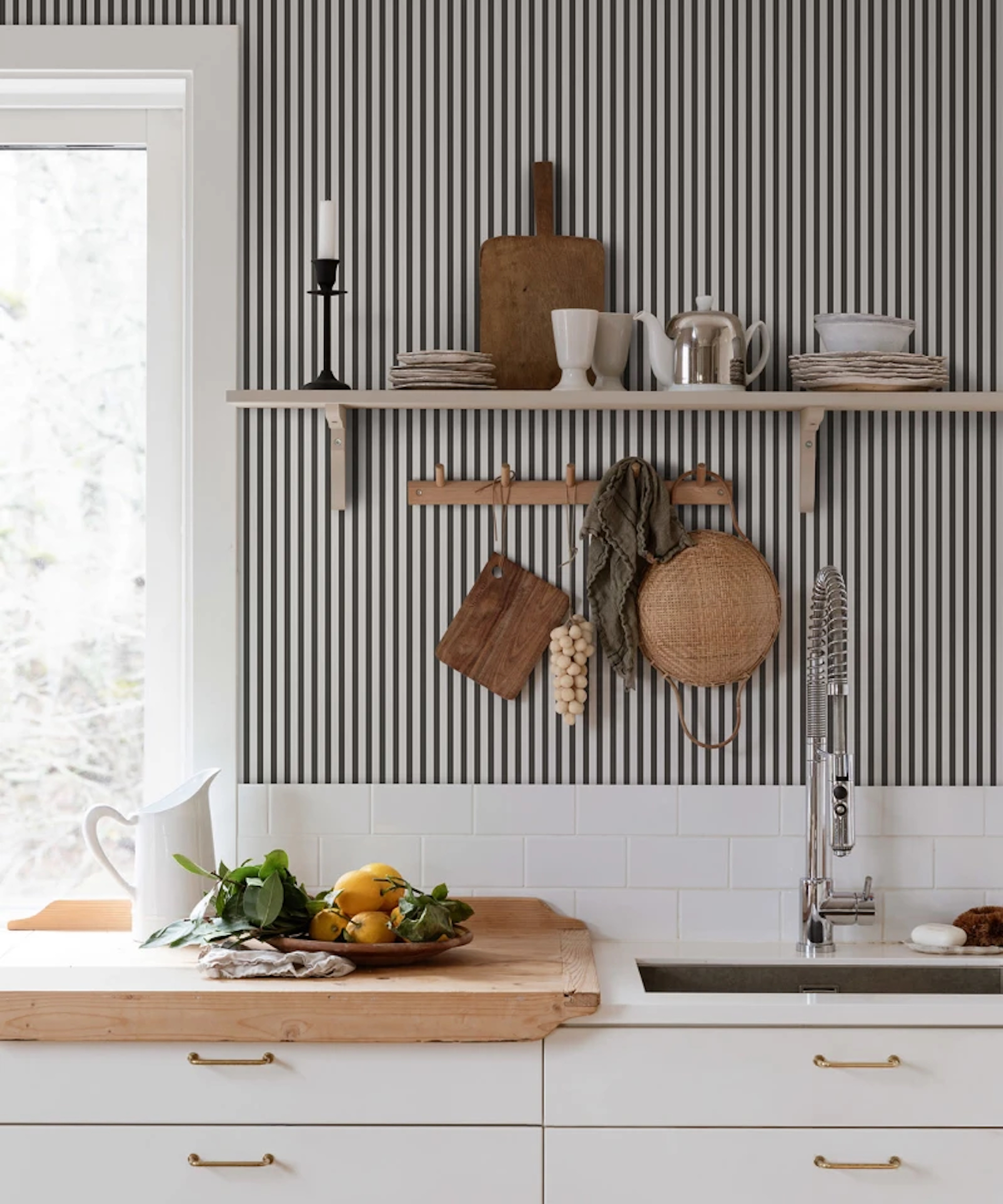
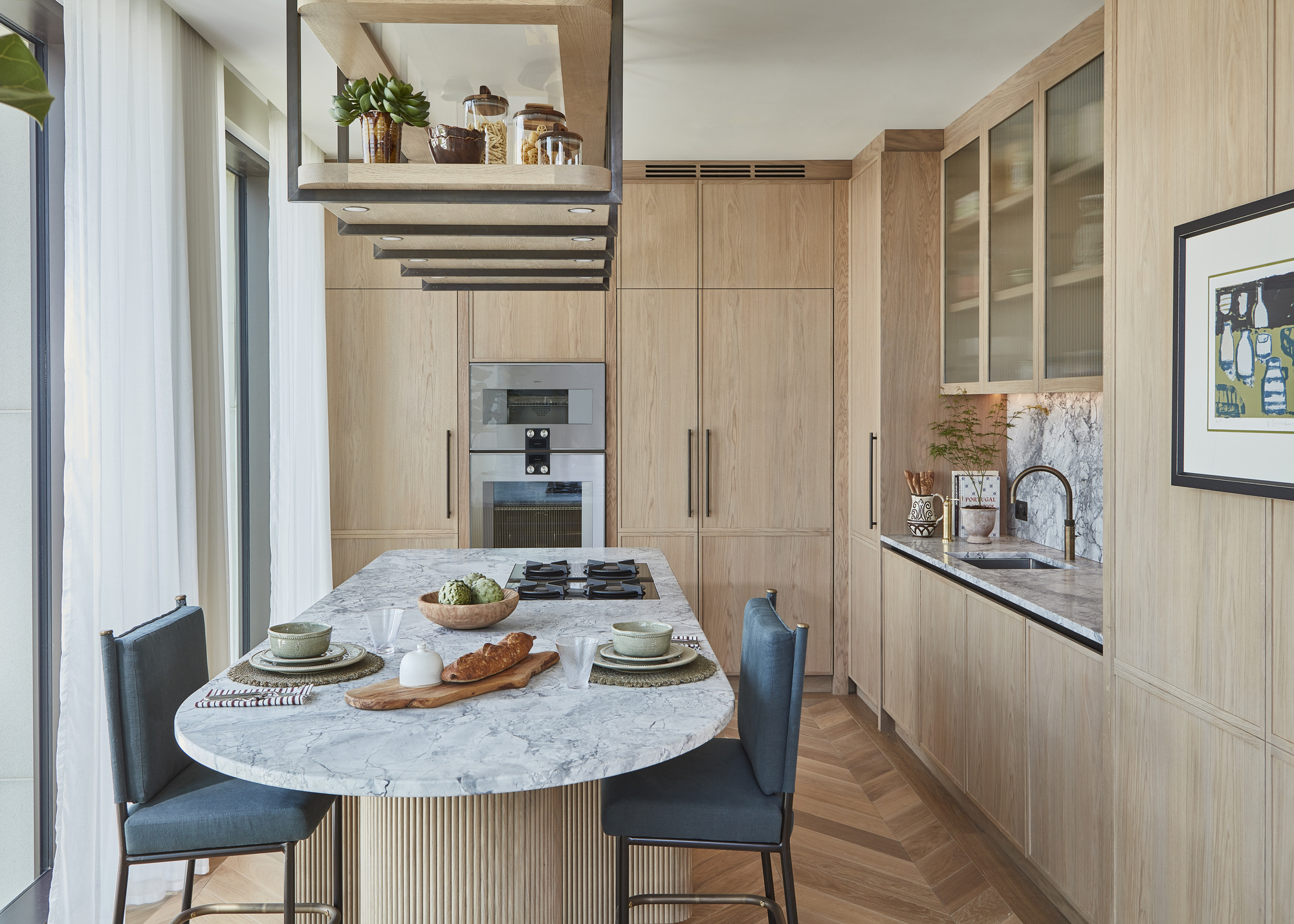
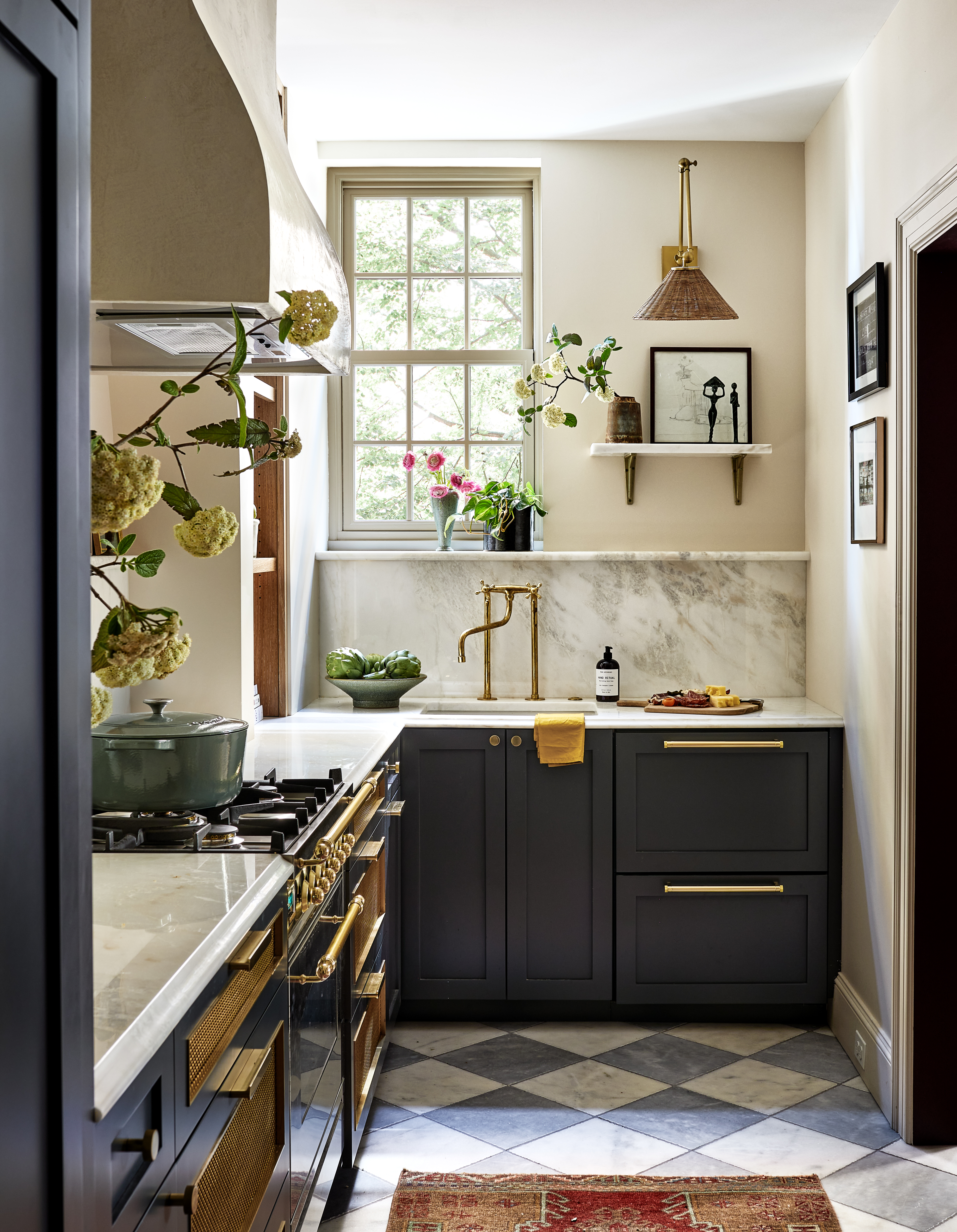
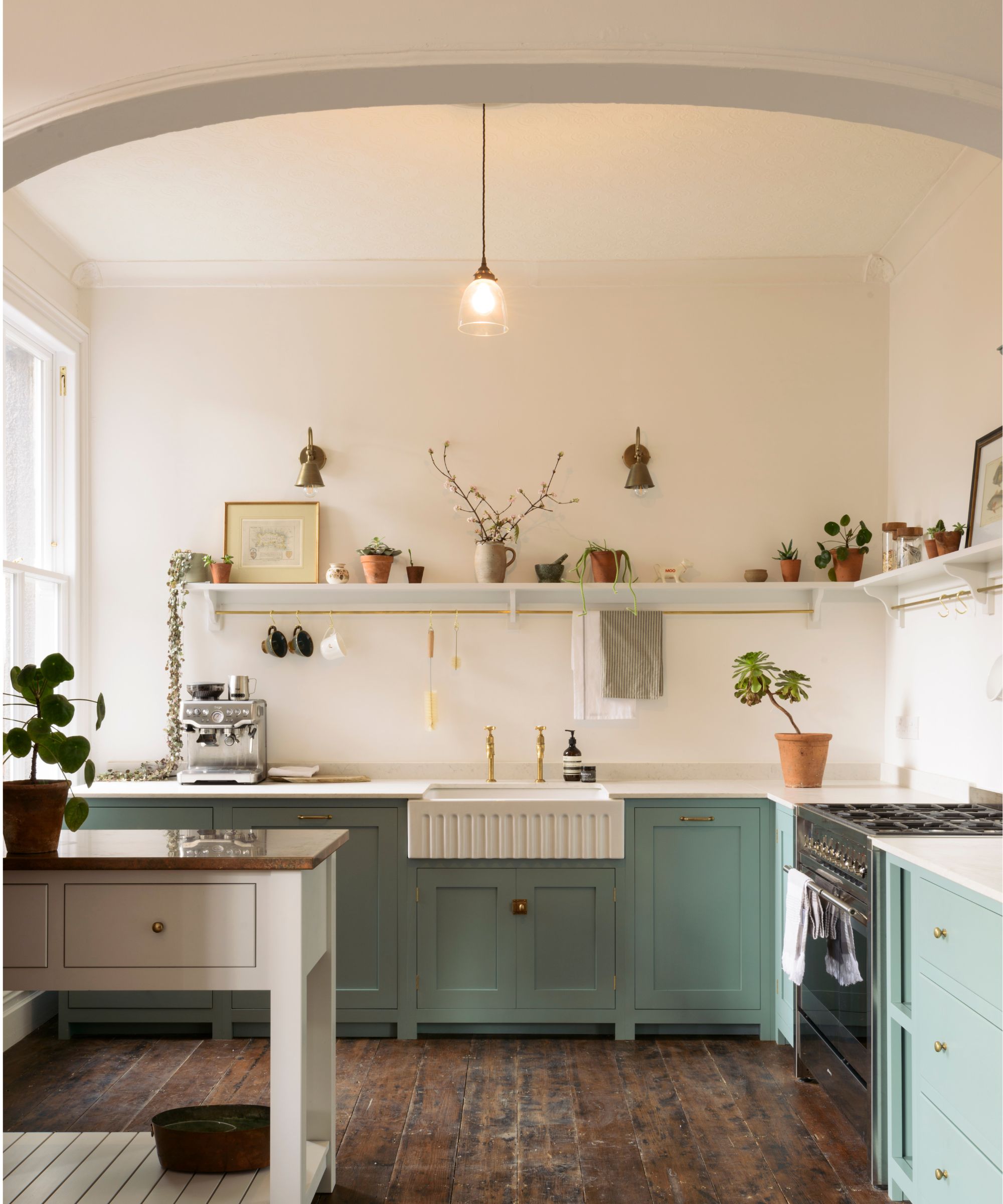
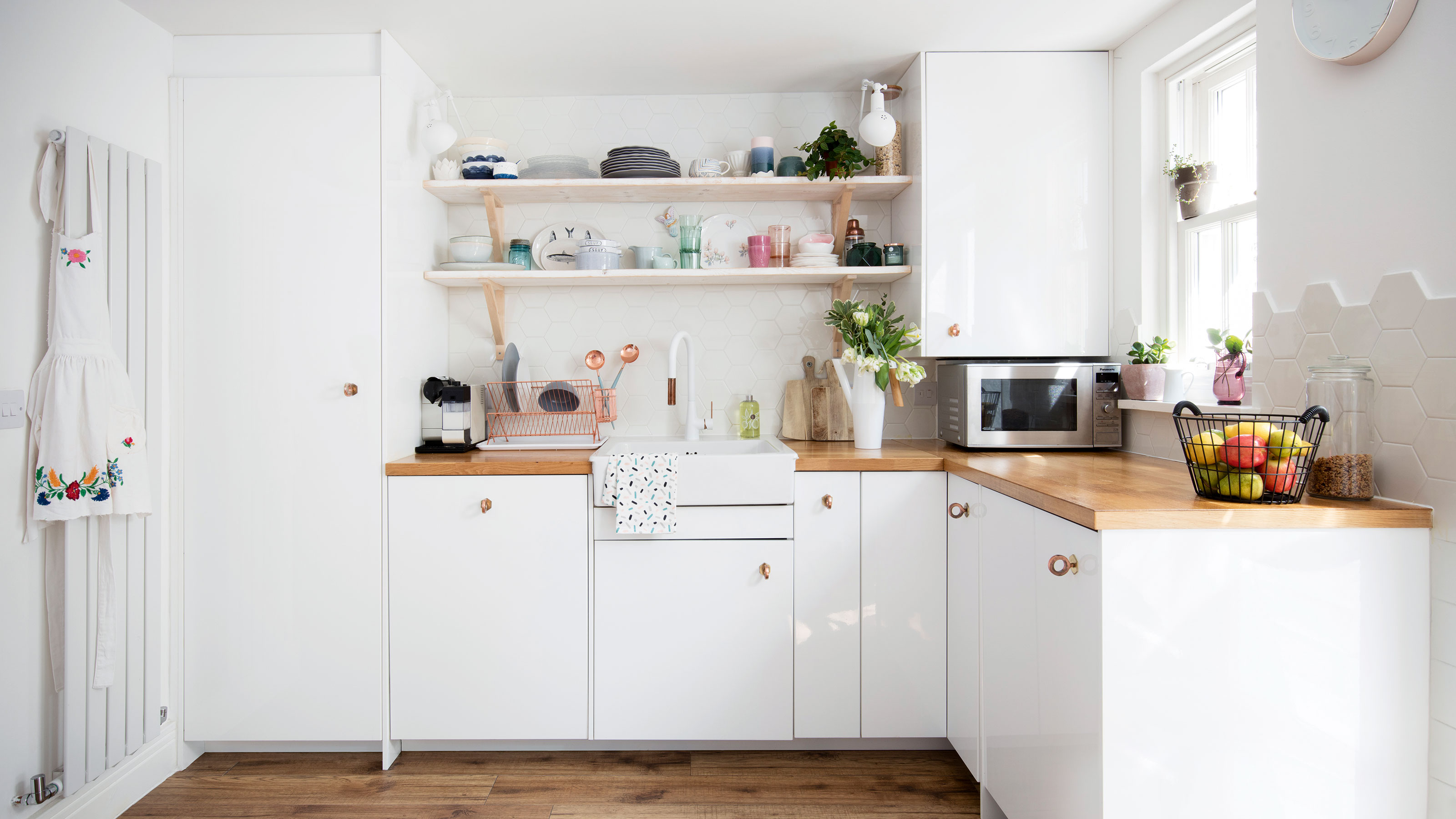
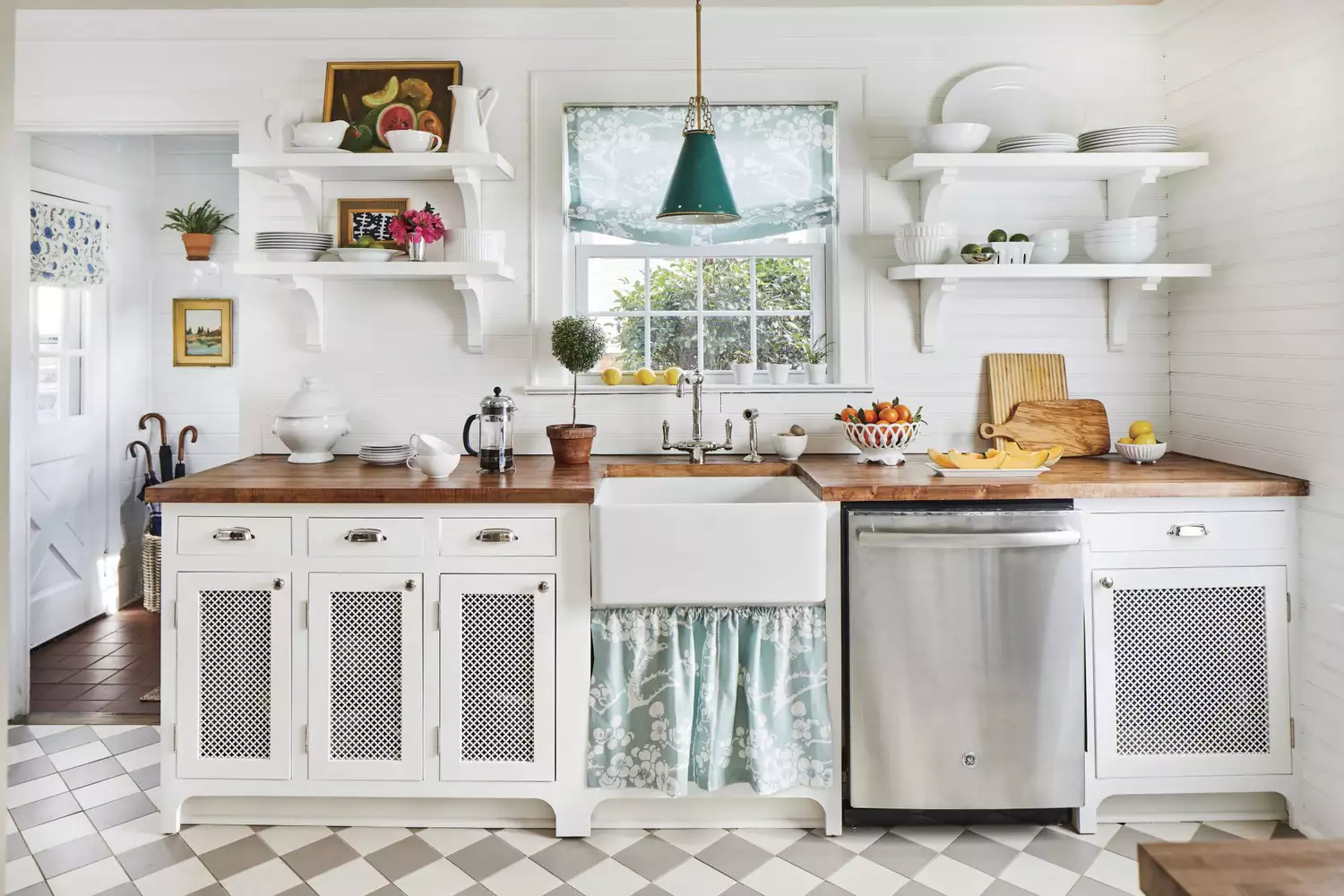
Floating shelves are a versatile addition, offering both storage and decorative opportunities. They can be installed across windows to gain valuable space for plants or kitchen accessories, adding visual interest while maintaining an open feel. Floating shelves provide an airy alternative to traditional cabinetry, preventing the space from feeling overly enclosed.
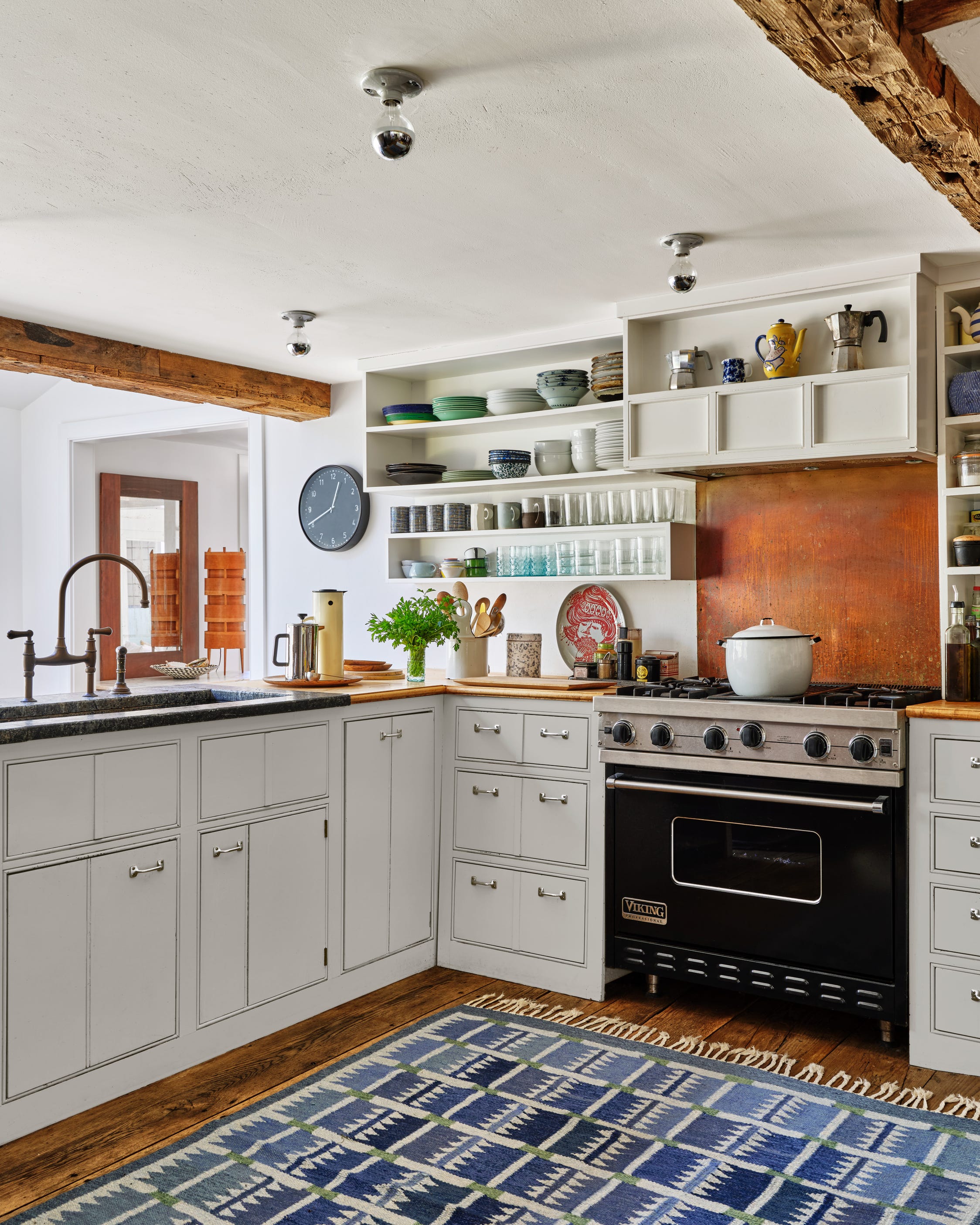
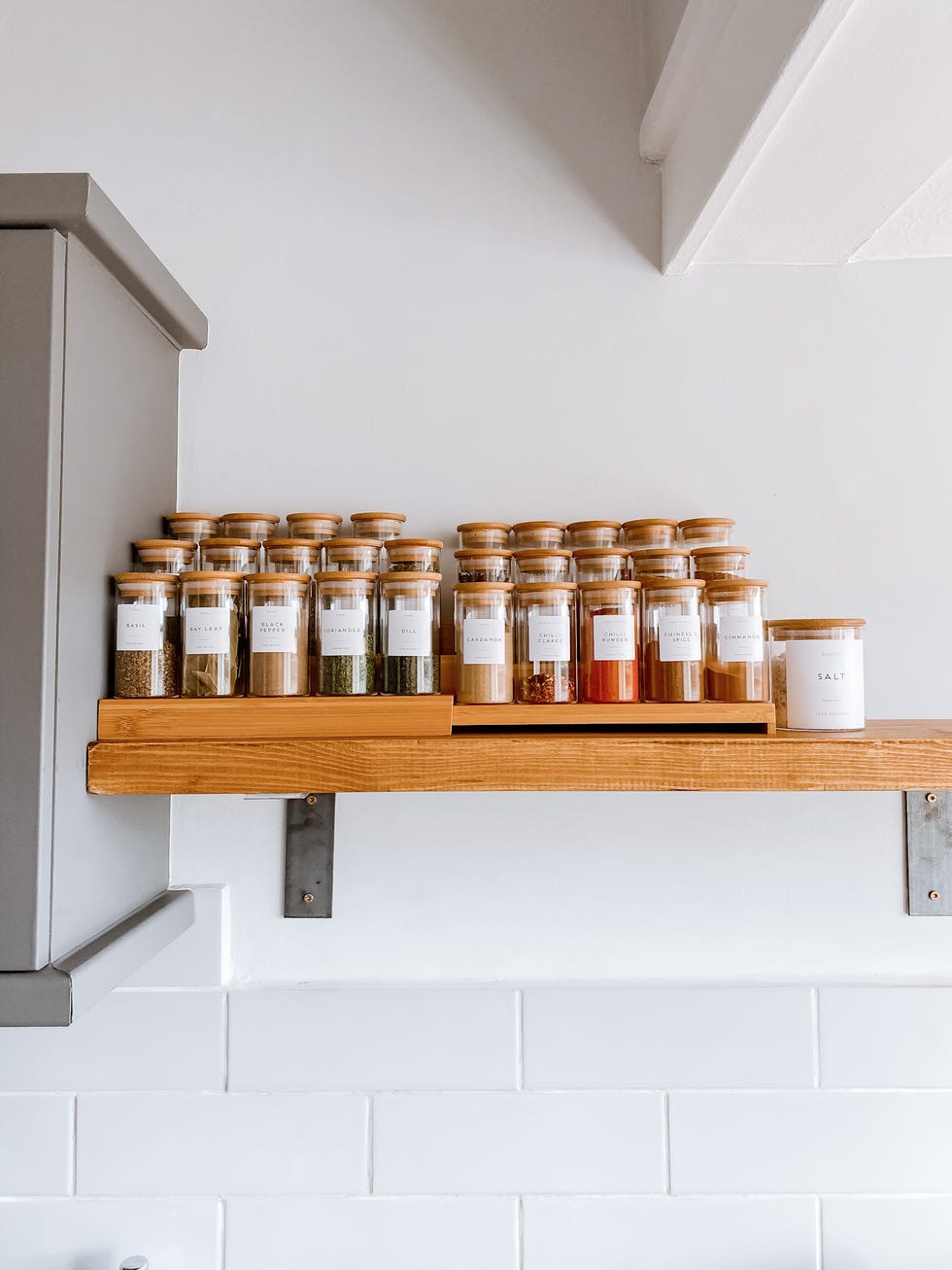
Maximizing vertical storage extends beyond cabinetry to include various shelving options. Rent-friendly shelves or additional cabinets that reach the ceiling are effective in drawing the eye upwards, thereby making the room appear larger. This strategy is about utilizing every available dimension to its fullest, ensuring that no potential storage area goes to waste.
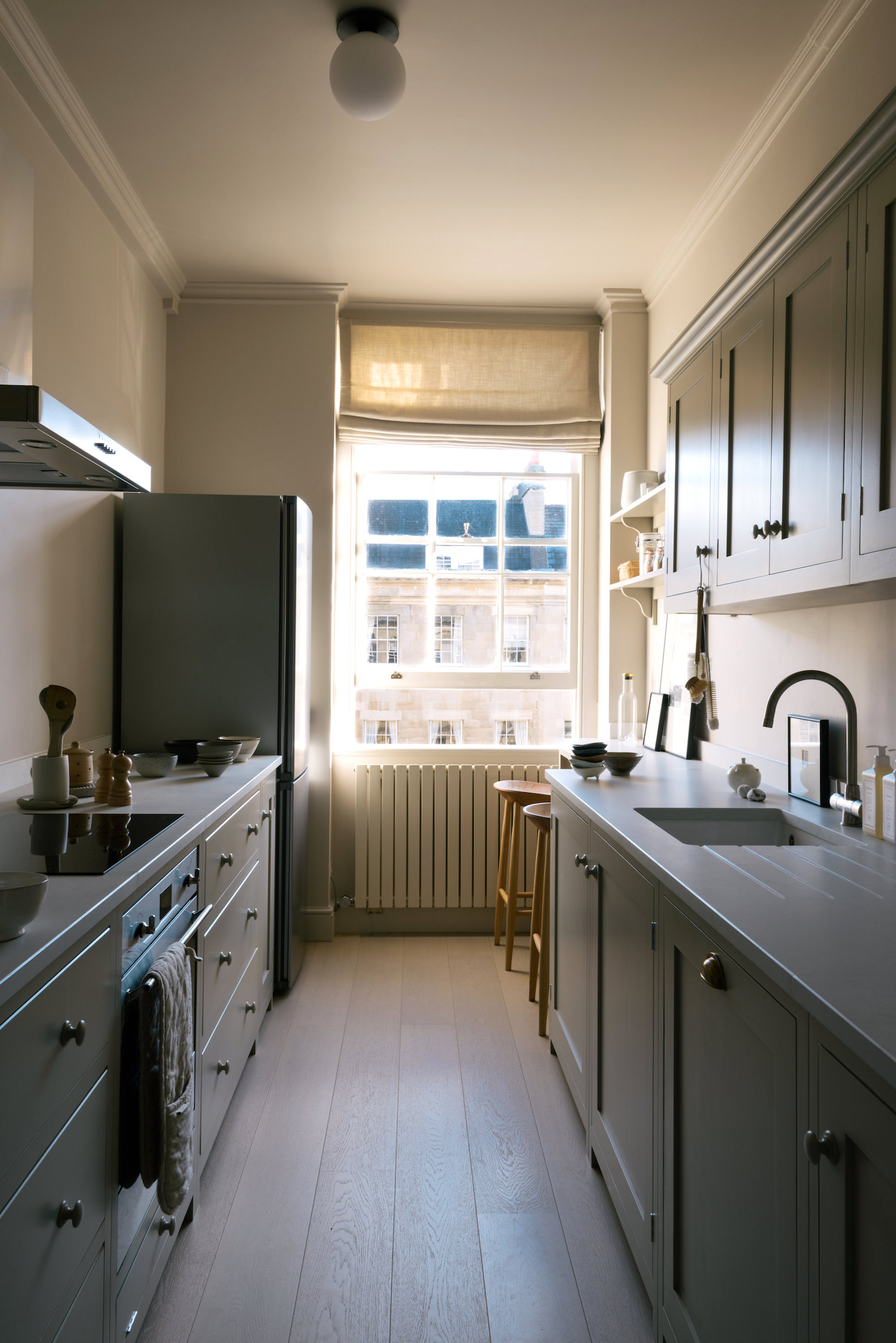
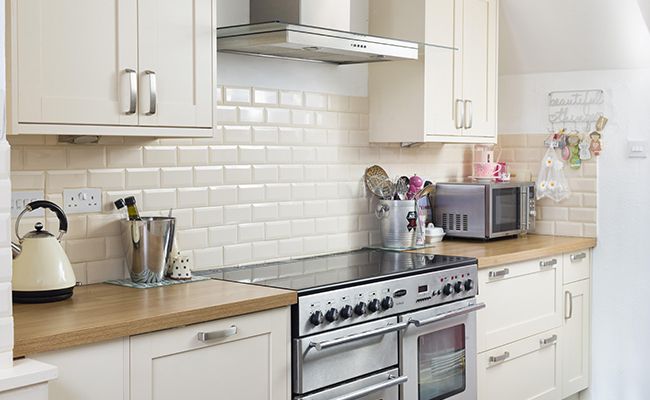
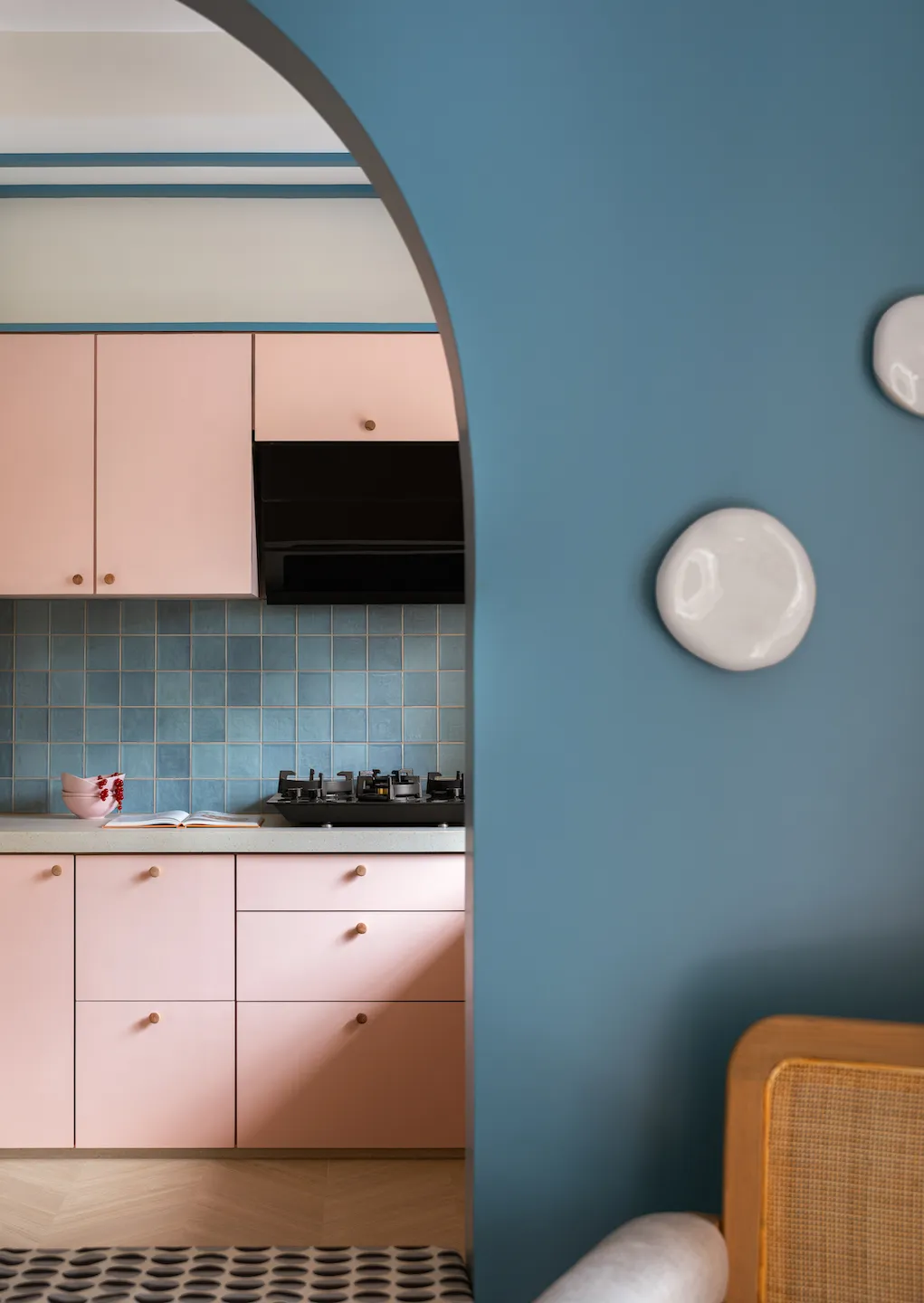
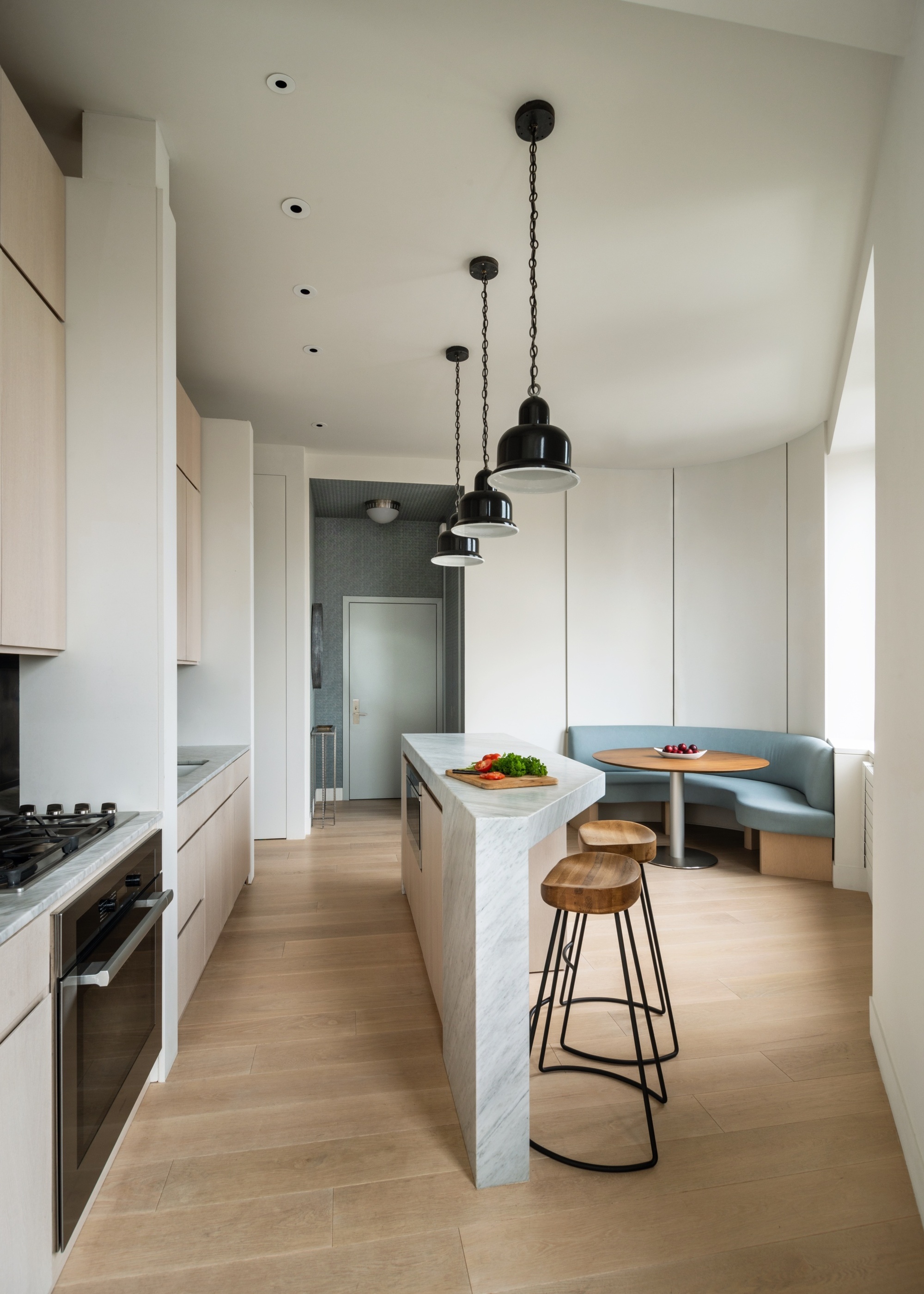
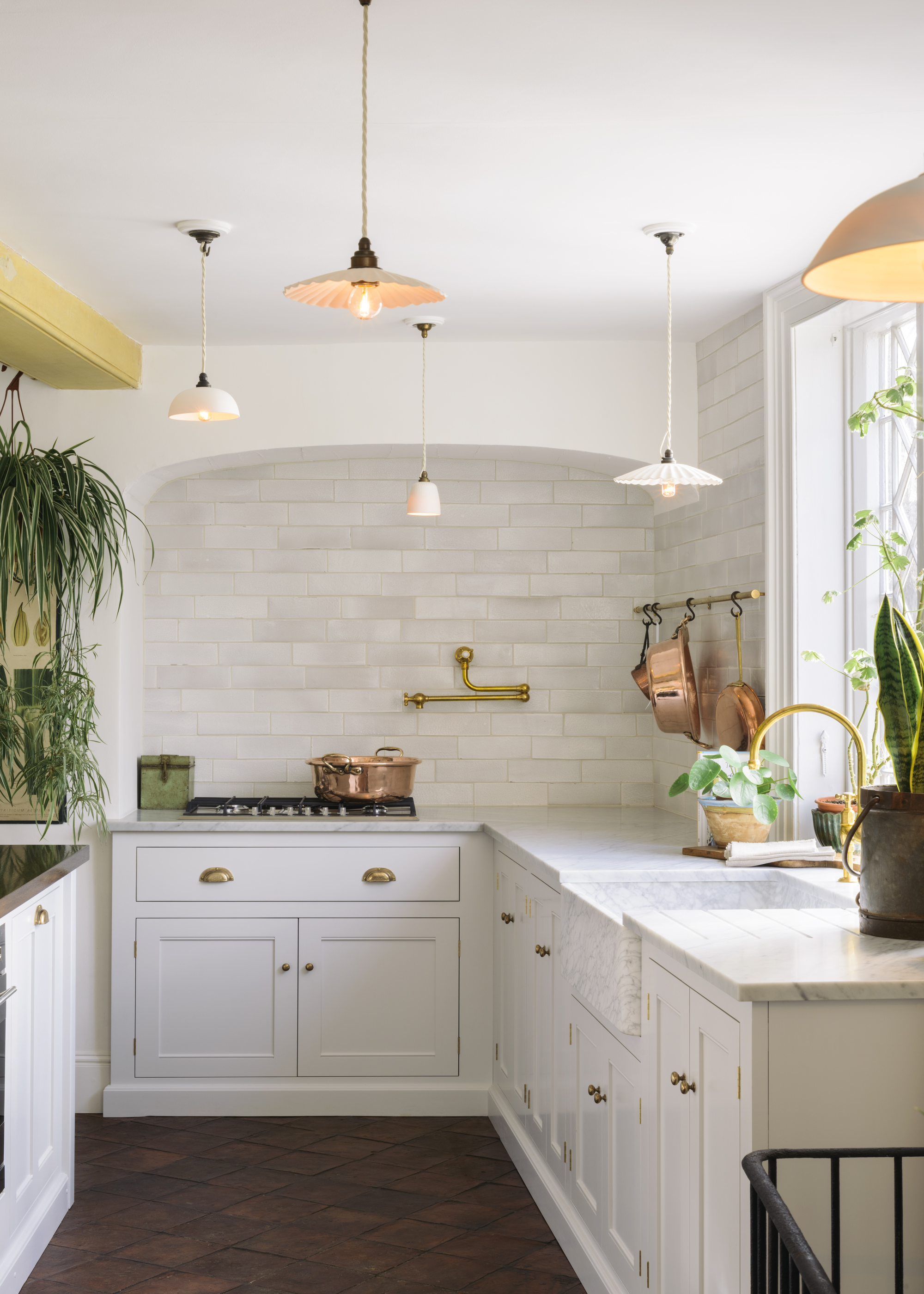
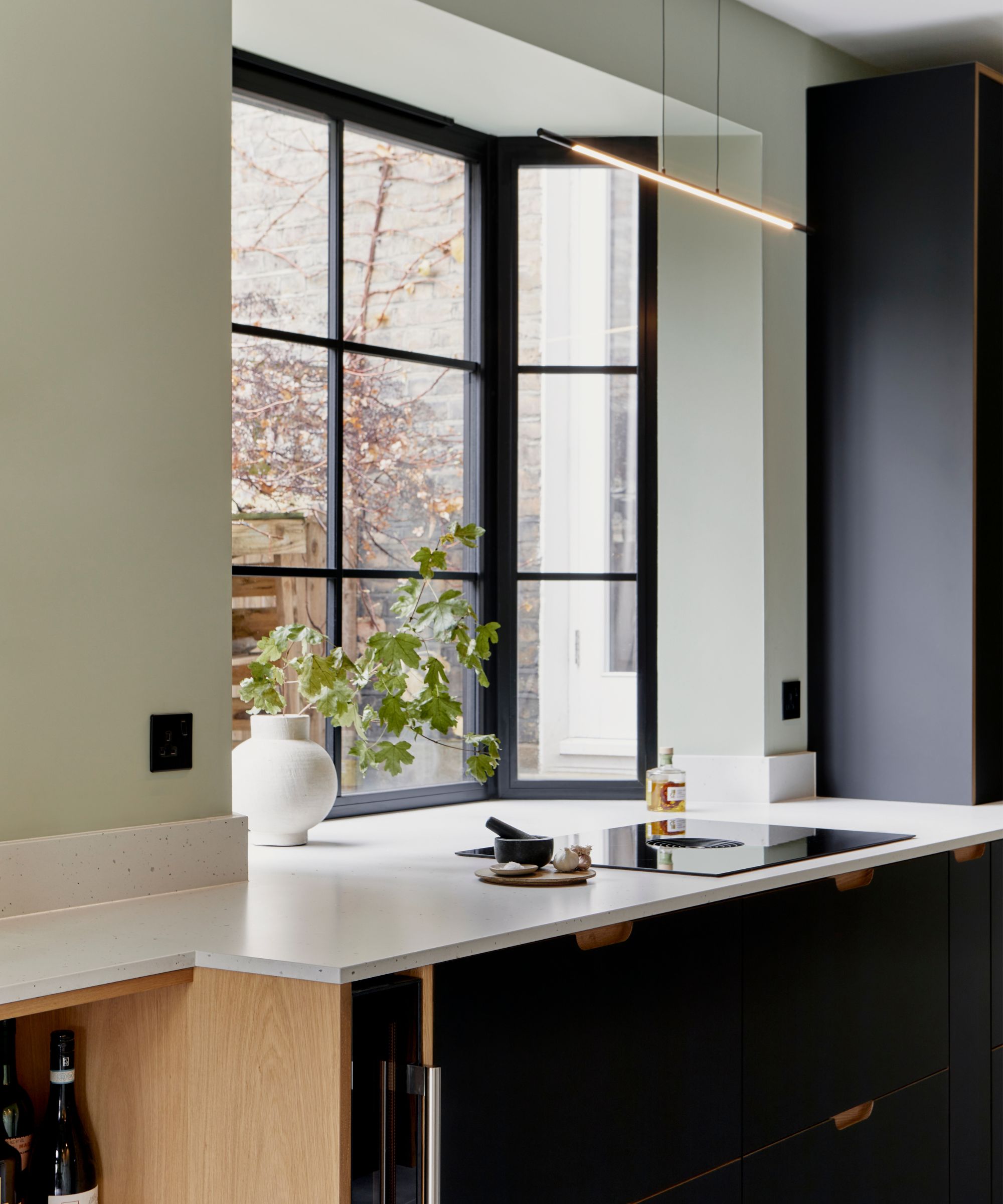
Effective lighting significantly impacts the perception of space. Utilizing both natural and artificial light can brighten a small kitchen and make it feel more expansive. Under-cabinet lighting illuminates workspaces, while light, reflective colors on walls and surfaces enhance natural light, contributing to an open and airy ambiance. Strategic lighting can dramatically alter the mood and perceived size of the room.
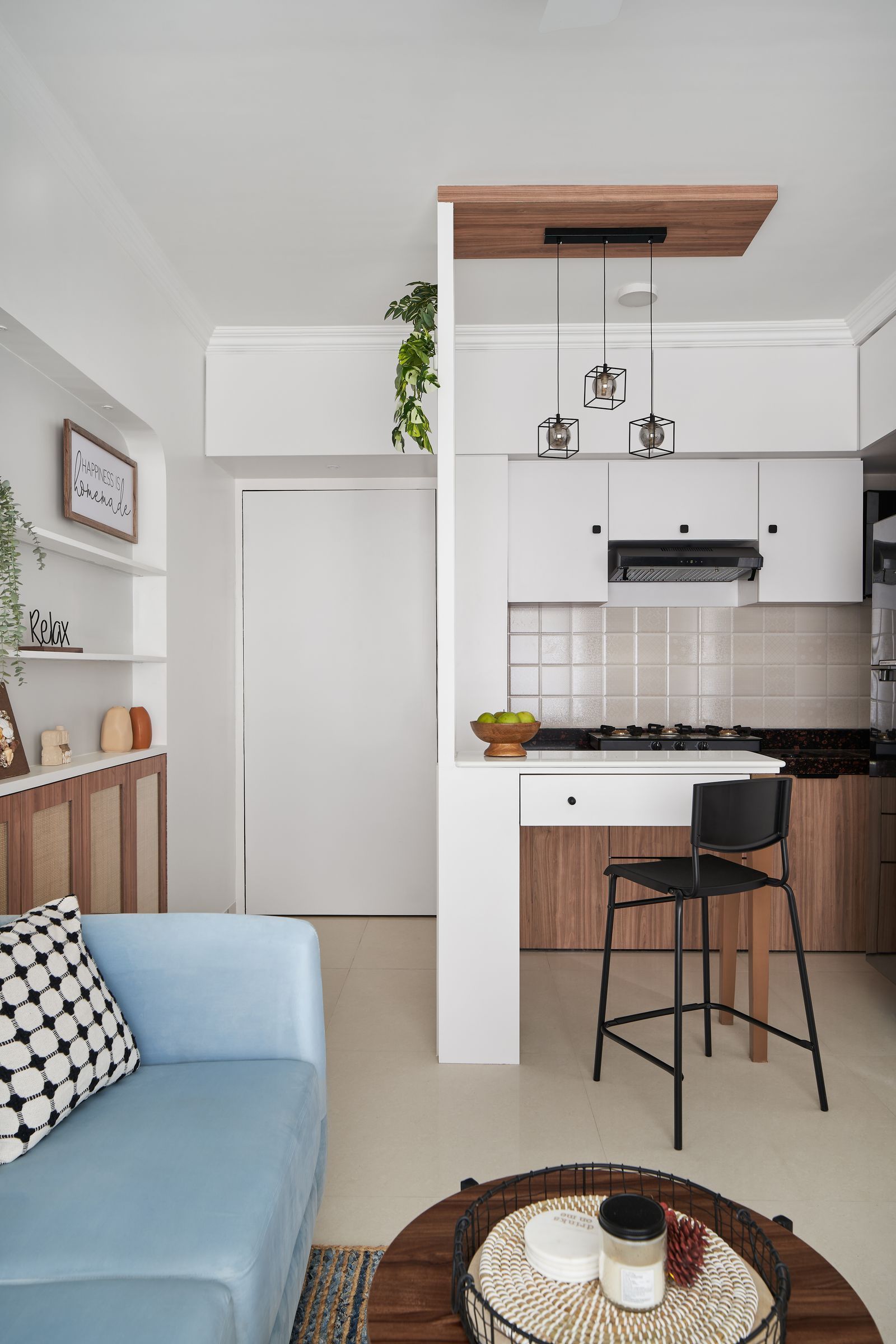
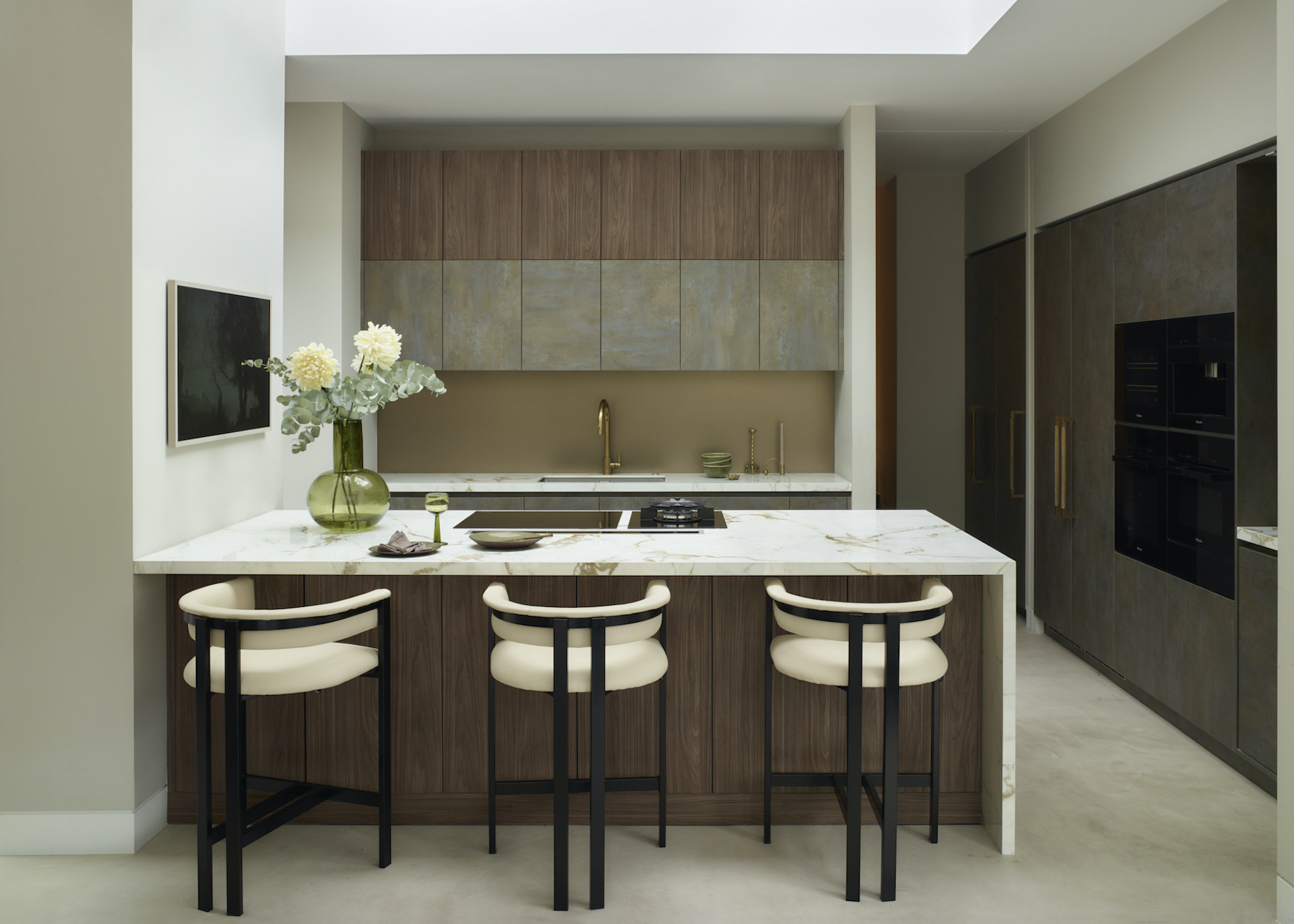
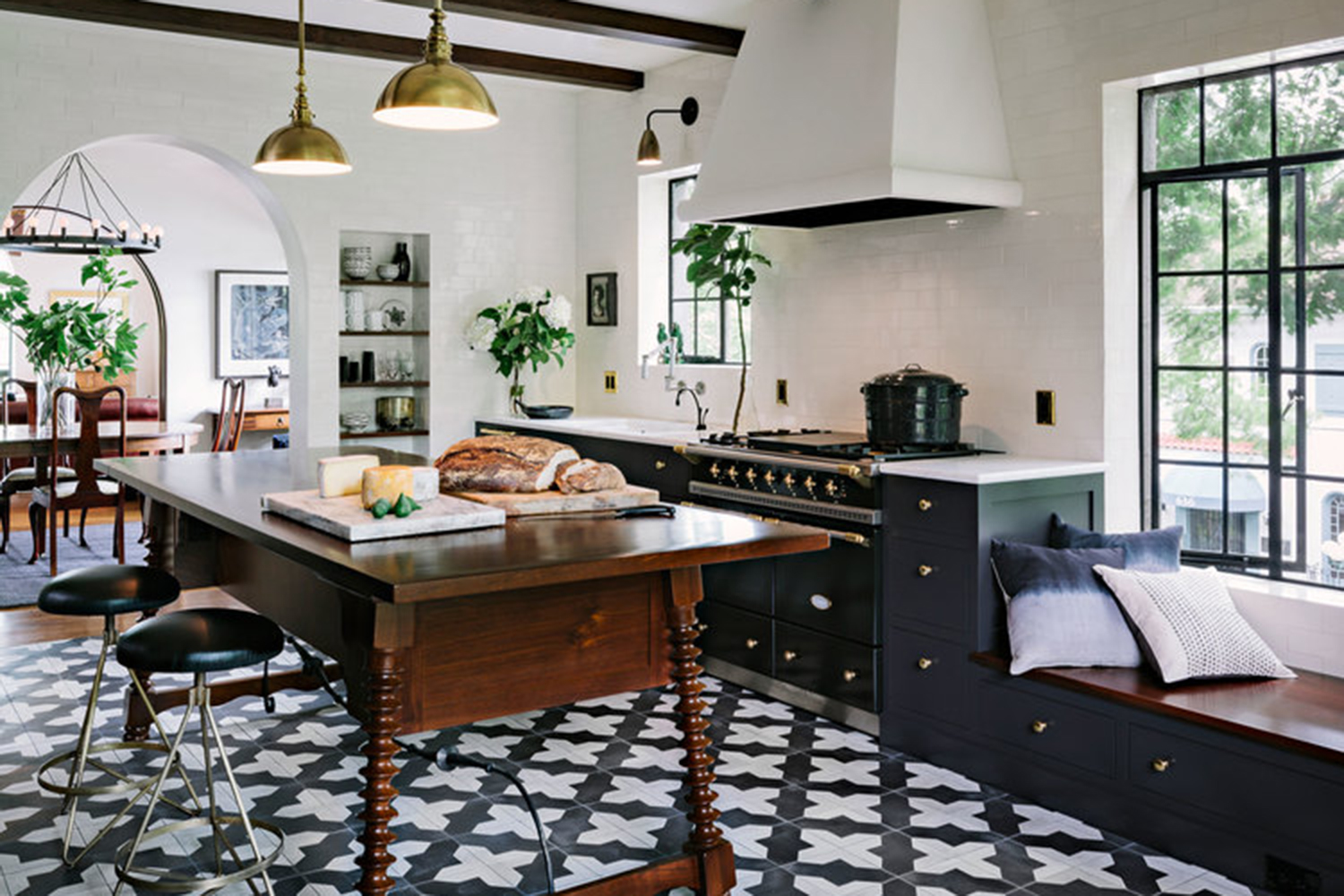
Incorporating multi-functional furniture and products is a clever way to conserve space. Examples include kitchen islands with integrated storage underneath or foldable tables that provide extra workspace and can be tucked away when not in use. These pieces offer practical solutions by serving dual purposes, reducing the need for multiple single-function items.
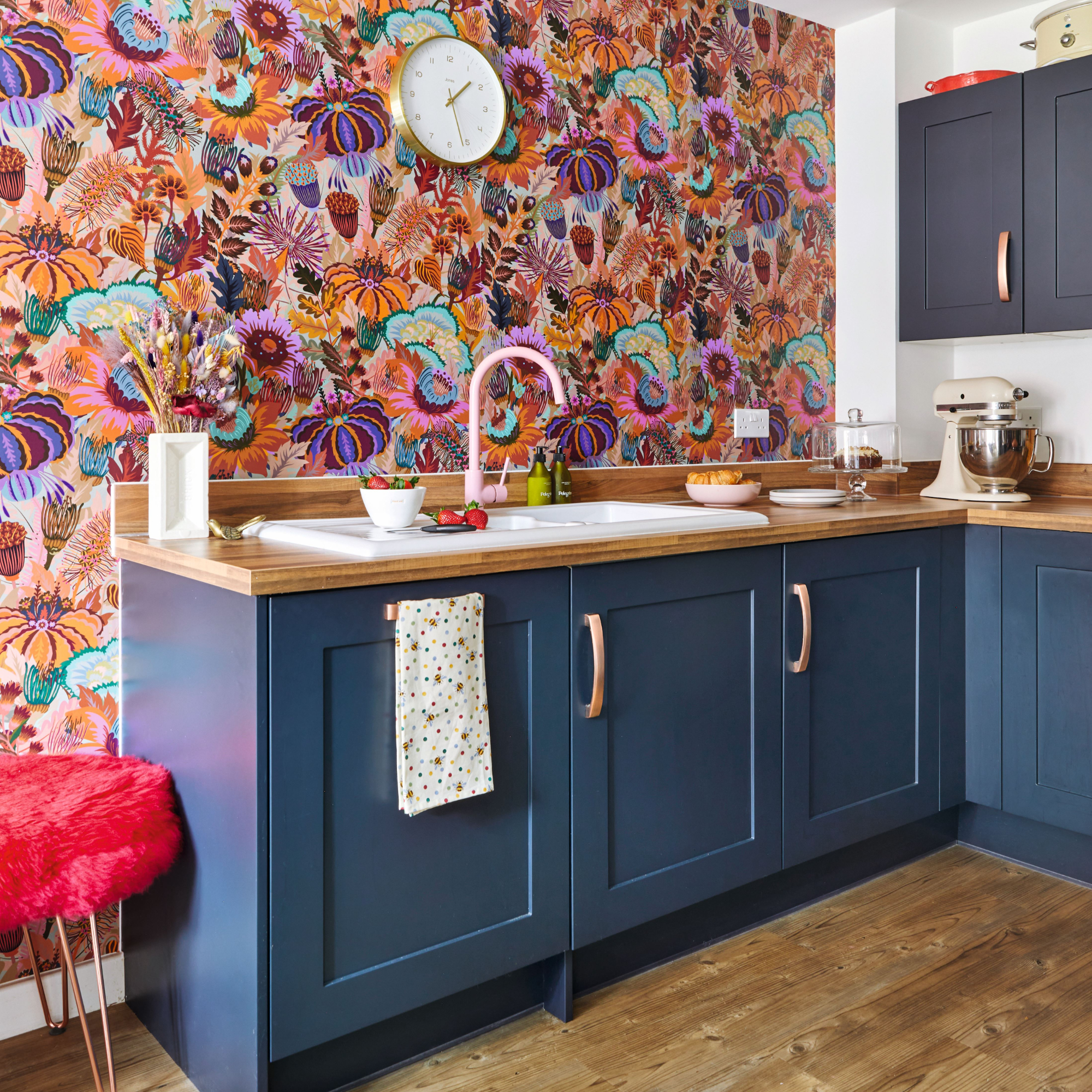
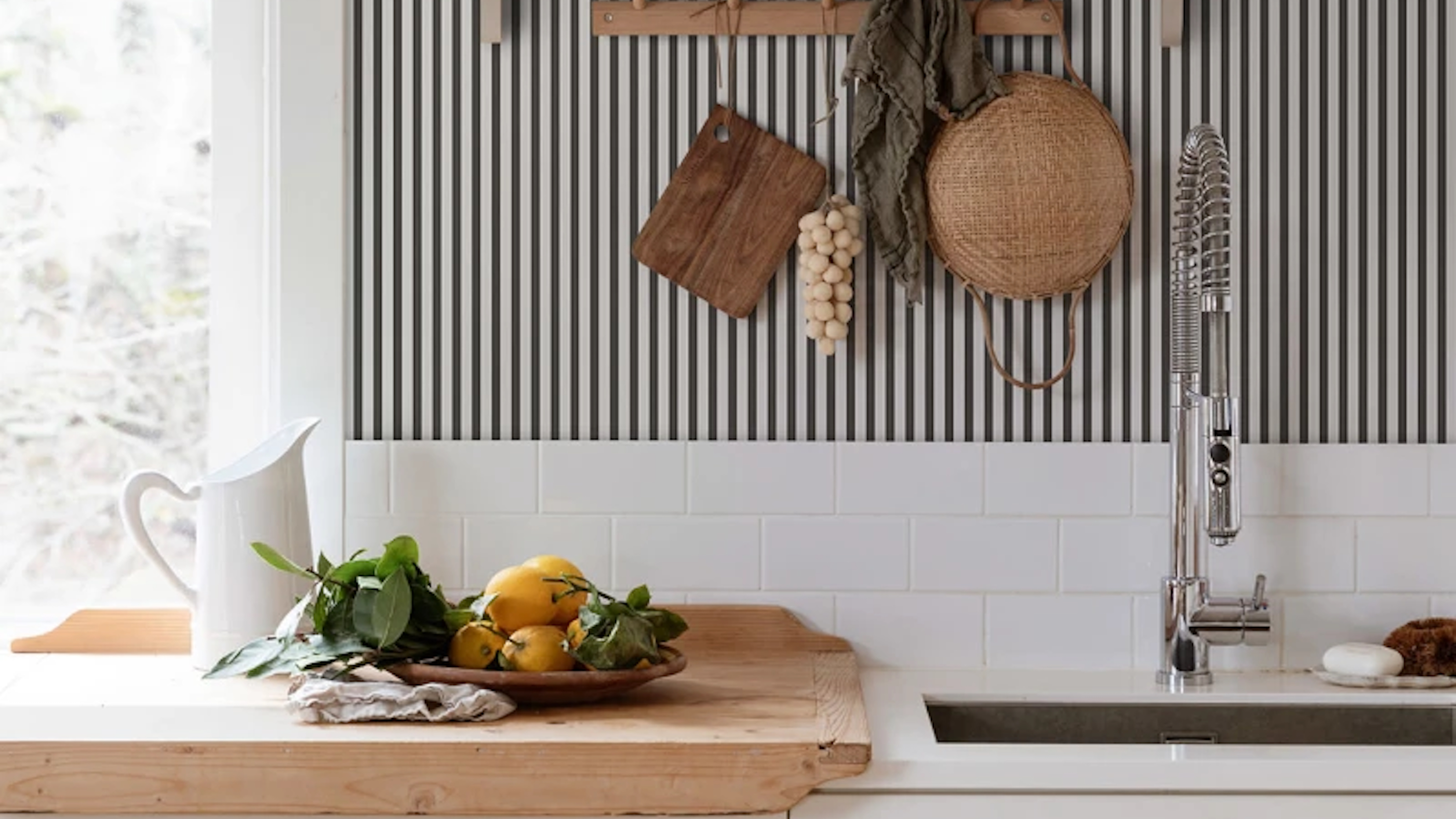
Even for renters or those seeking non-permanent solutions, redesigning a small kitchen is achievable. Portable kitchen islands, storage carts, and removable wallpaper offer ways to personalize and enhance the space without making lasting alterations. These temporary design elements allow for creativity and functionality without infringing on rental agreements or committing to major renovations. By implementing these expert tips, small kitchens can be transformed into highly efficient, organized, and inviting spaces.
#SmallKitchenDesign #KitchenStorageSolutions #SpaceSavingIdeas #KitchenRenovation #InteriorDesignTips #HomeOrganization #KitchenLighting #RentalFriendlyDesign #SmallKitchenDesign #KitchenStorageSolutions #SpaceSavingIdeas #KitchenRenovation #InteriorDesignTips #HomeOrganization #KitchenLighting #RentalFriendlyDesign
0 comment in total
 No comments yet
You may also like
Small kitchen layout ideas - 10 clever designs to make the most of space

These Smart Small Kitchen Ideas Prove Size Isn't Everything

5 outdated rules to ignore when designing a small kitchen – for a realistic yet organised space
Small kitchen ideas – 23 beautiful designs for tiny kitchens
Small IKEA kitchens can be perfectly formed if you know these 10 designer secrets to getting them right
37 Small Kitchen Design Ideas That Are Big on Style
26 Small Kitchen Ideas To Make The Most Of Your Space
10 Small Kitchen Problems You're Probably Facing — And What You Can Do to Solve Them
Clever small kitchen layouts that will maximise even the tiniest of spaces
The One Trick Pro Designers Use to Make Small Kitchens Seem Massive
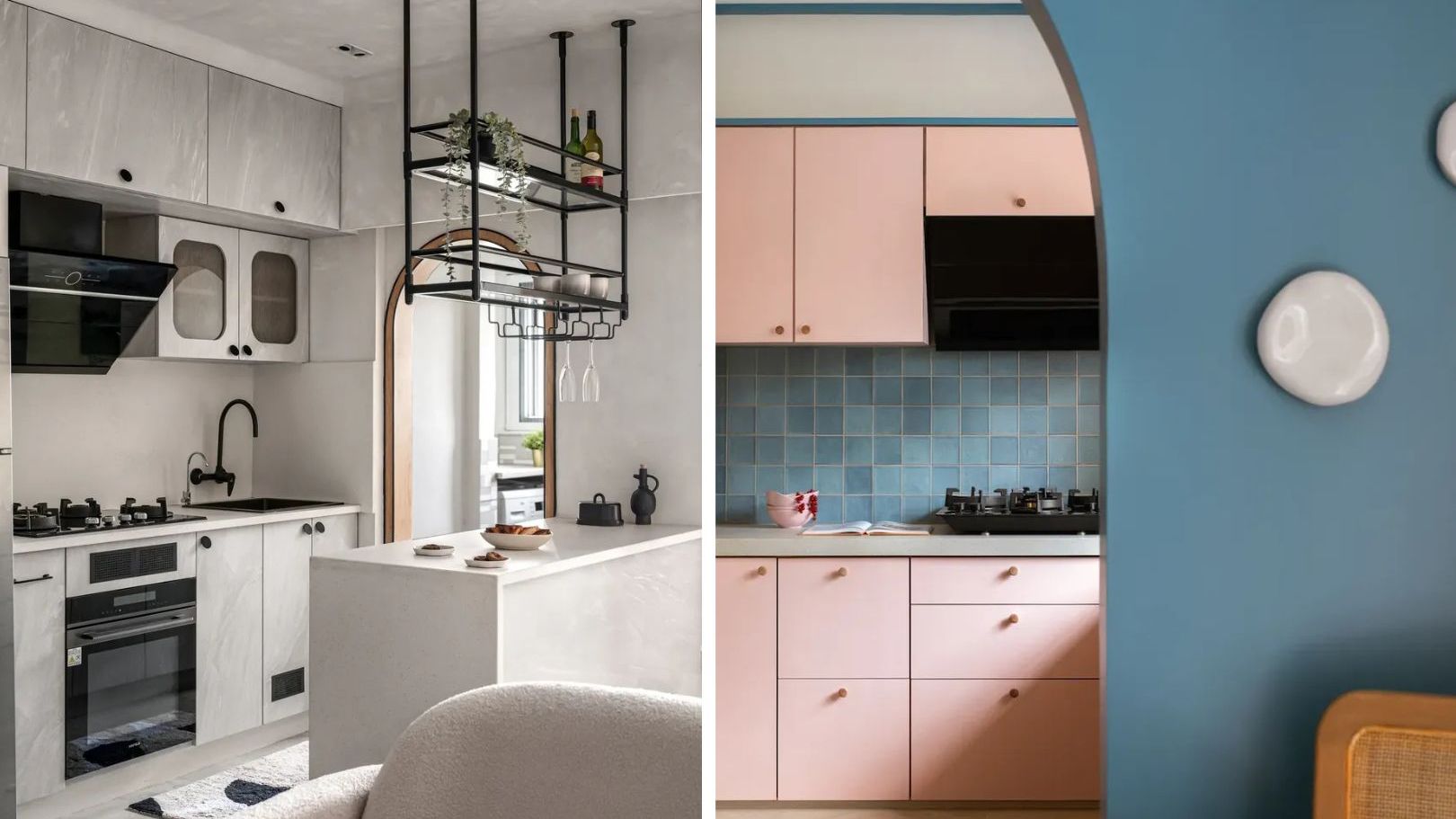
5 small kitchen ideas that make the most of a compact space

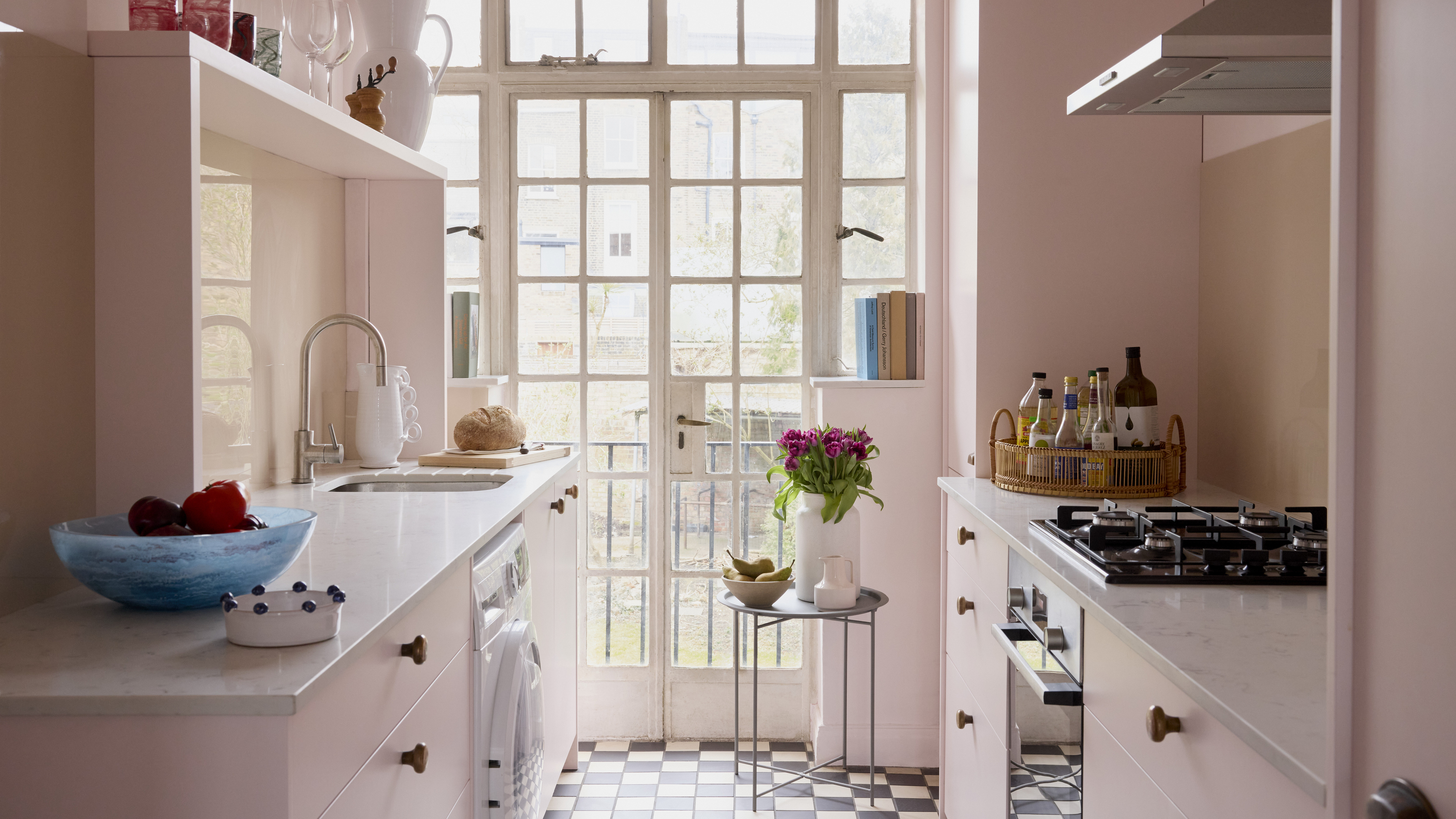
10 Outdated Kitchen Rules You Can Ignore When Designing a Small Kitchen
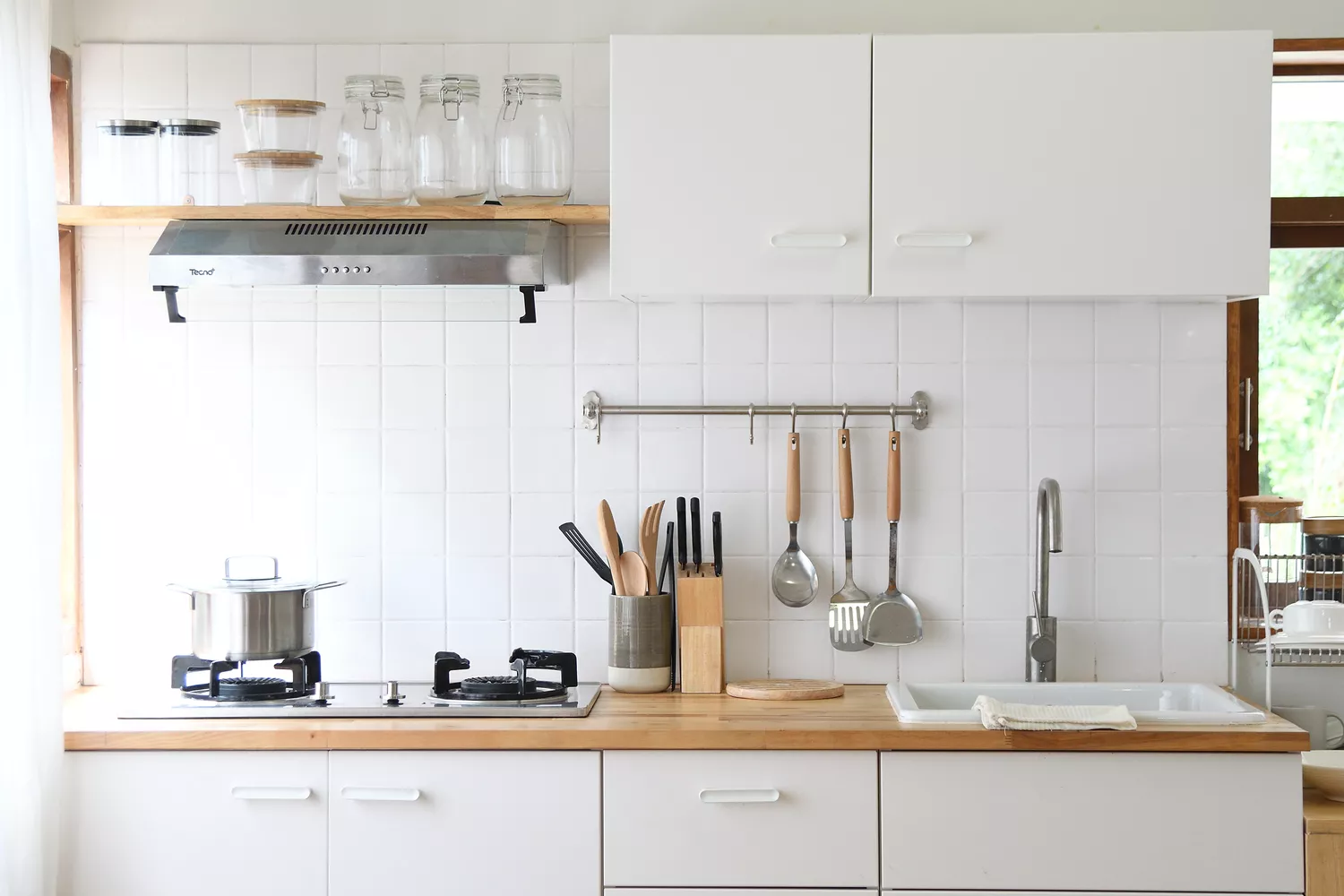
7 Tiny Kitchen Ideas That Will Optimize Even the Smallest of Spaces

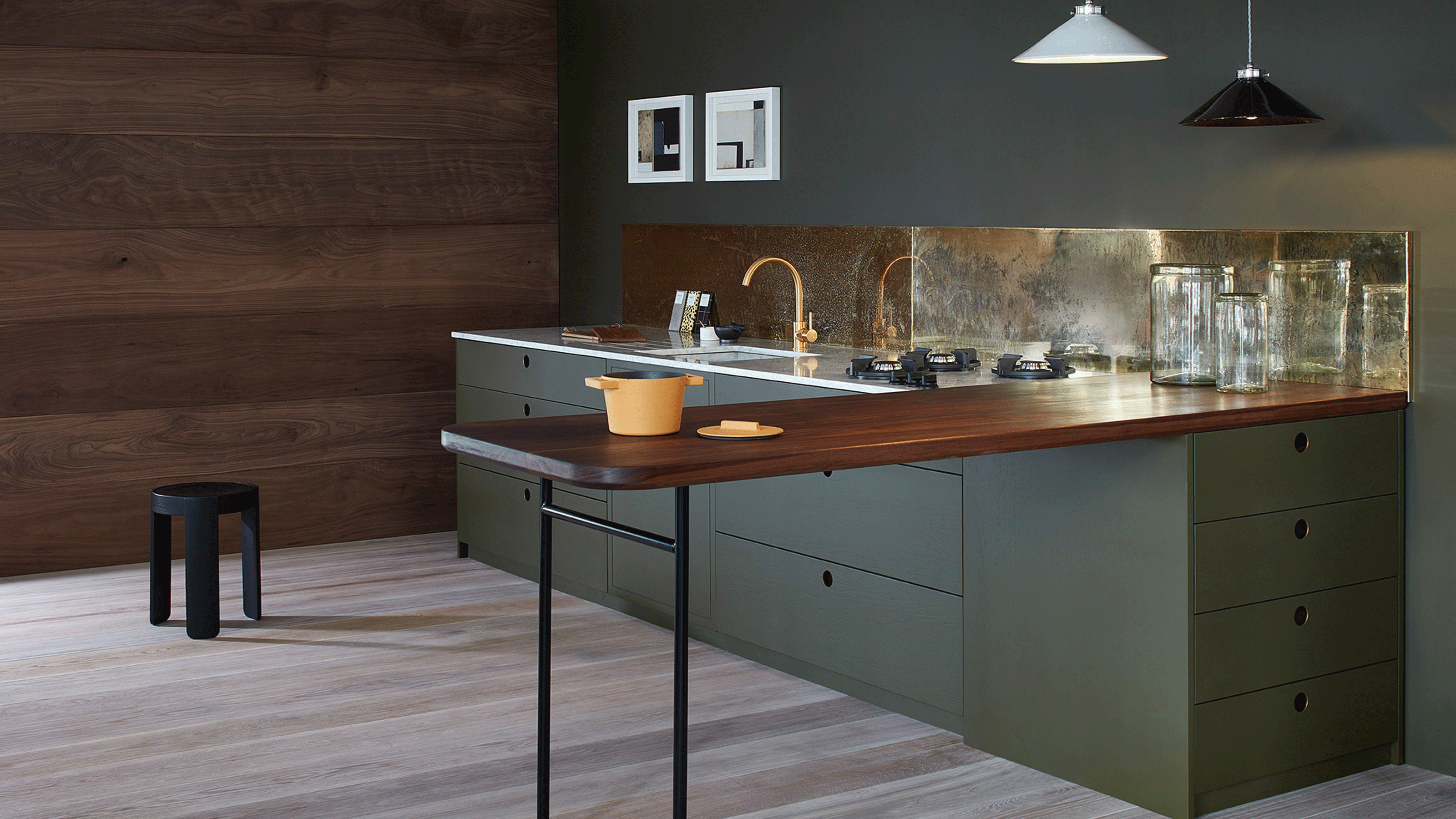
Modern small kitchen ideas – 10 clever design tricks to make a compact kitchen appear bigger
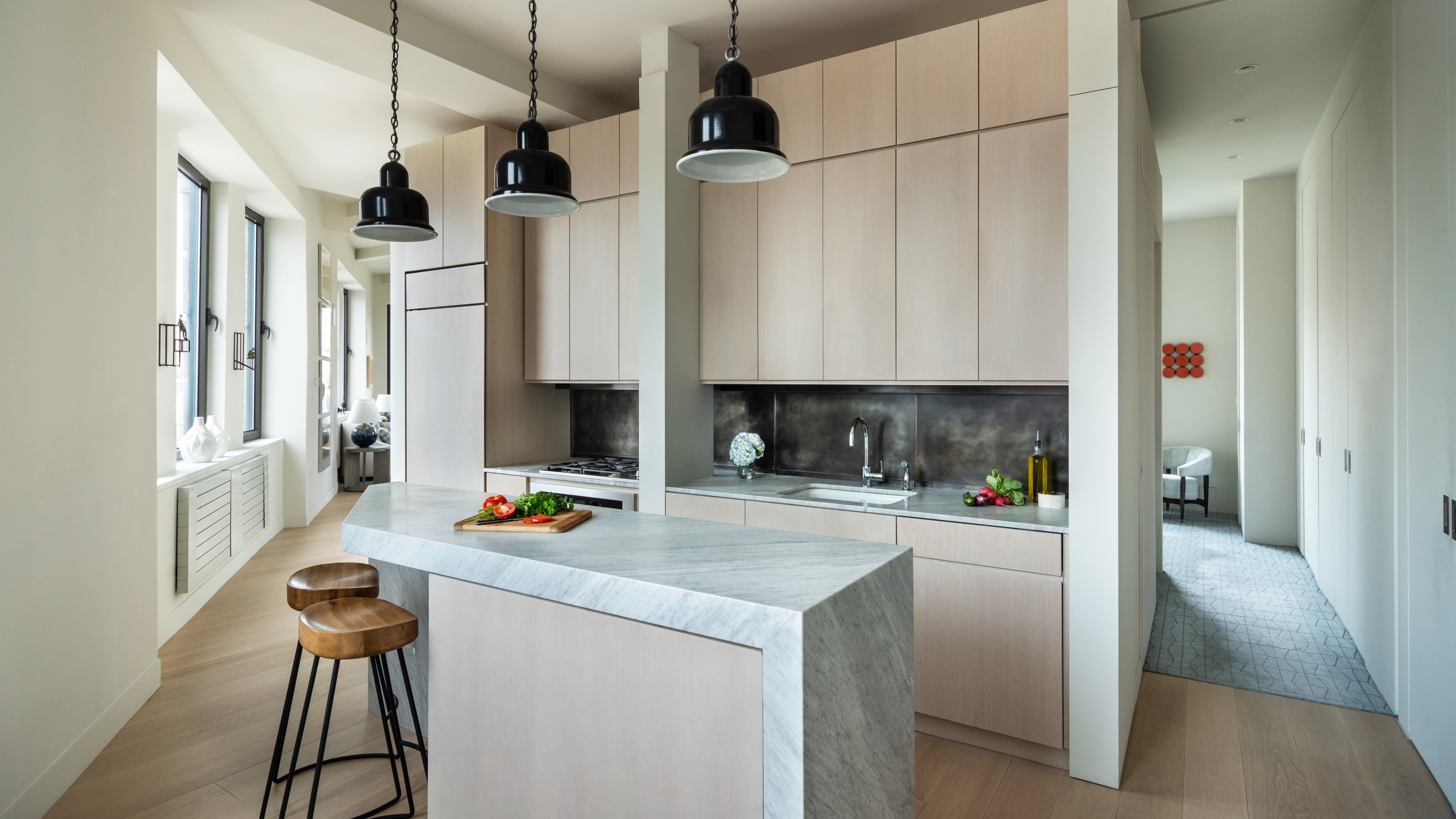
10 Small Kitchen Layout Mistakes Designers Will Always Urge You to Avoid for a Better Working Space
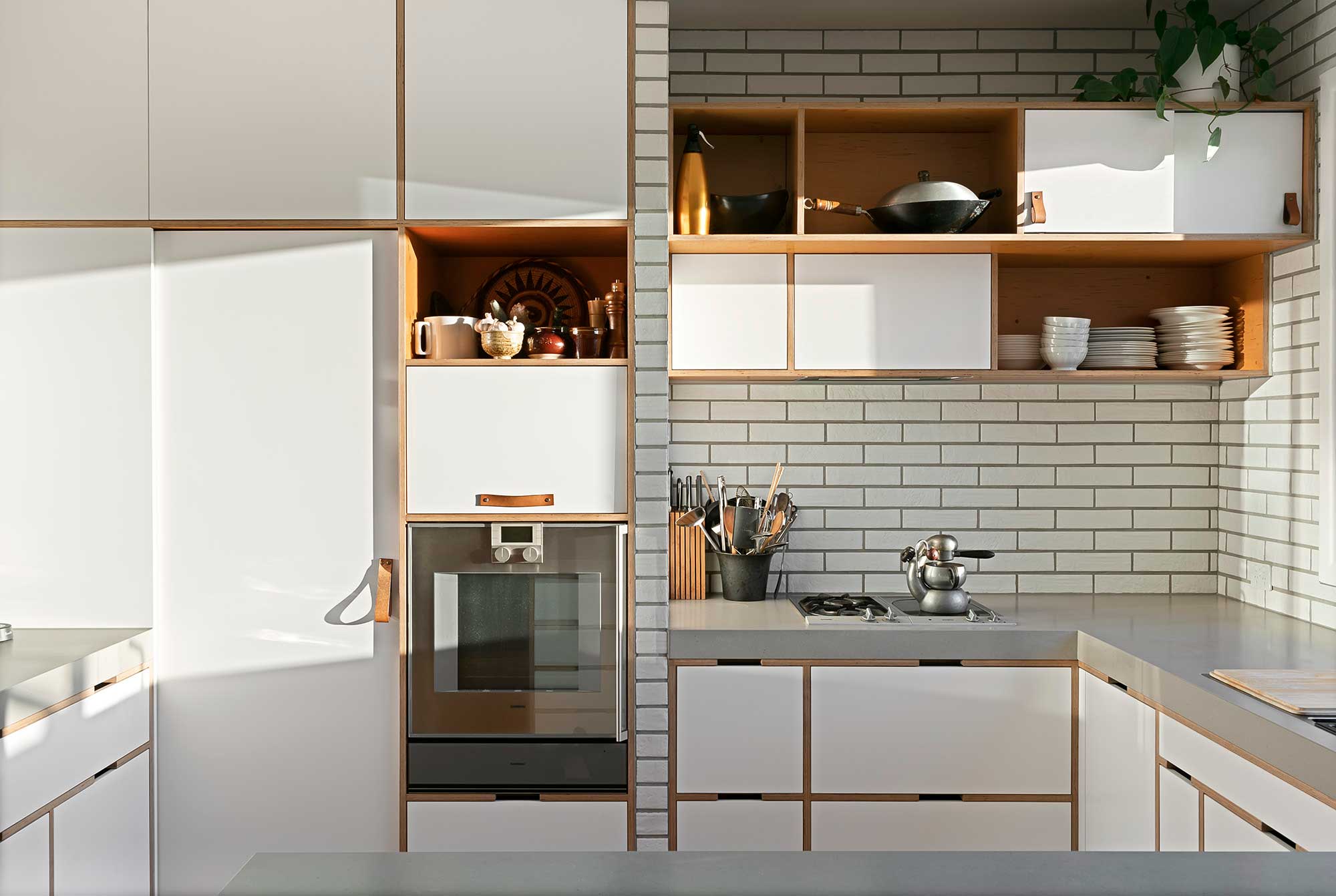
How to Make a Small Kitchen Feel More Airy — 5 Designer-Approved Tricks to Enhance Light and Space
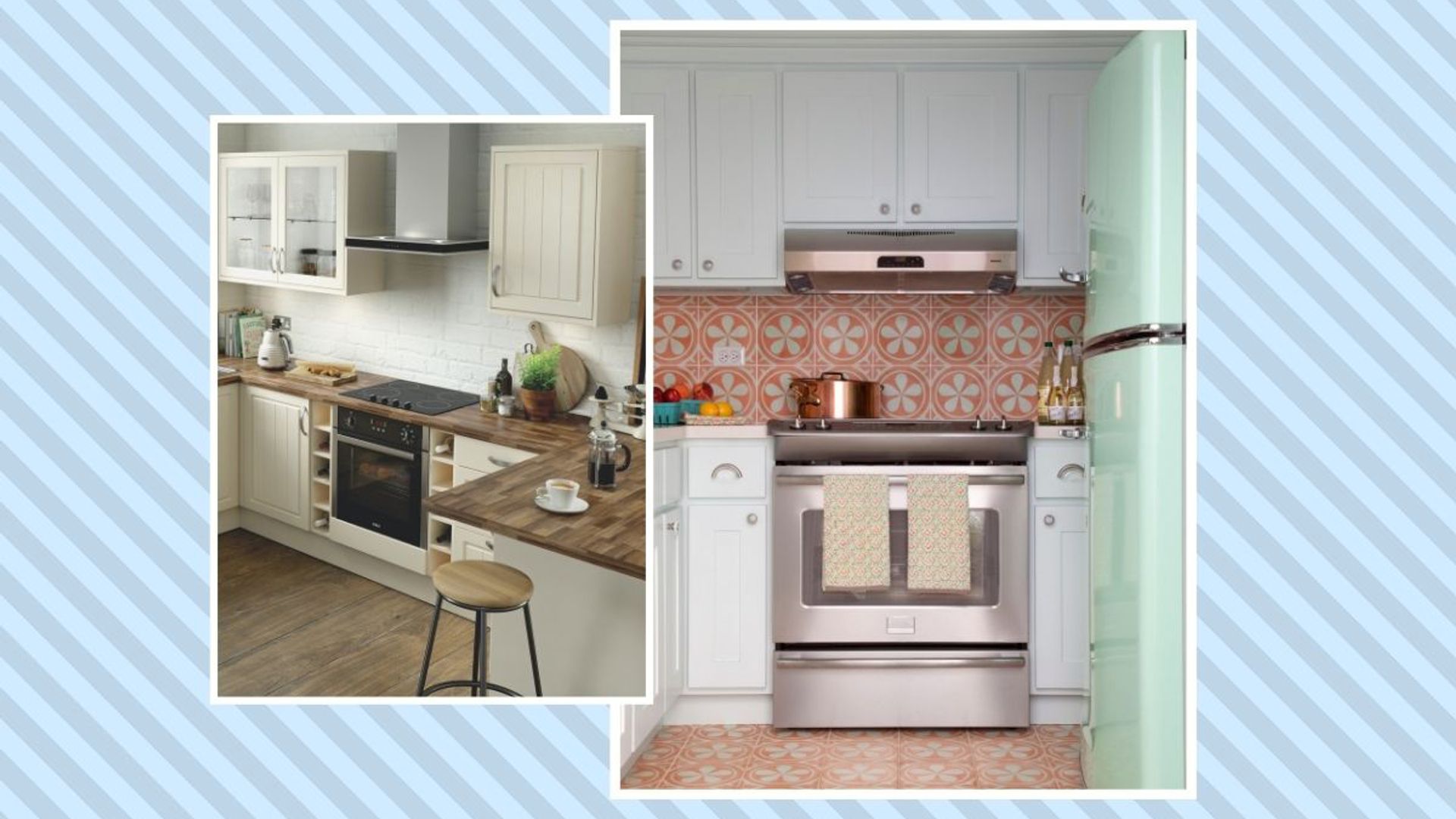
15 genius small kitchen design ideas to maximise your space

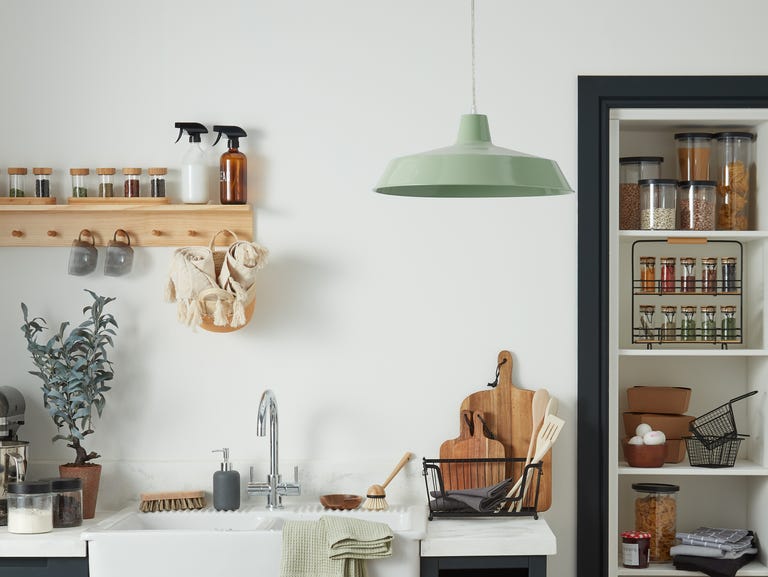
Interiors experts reveal how to upgrade your small kitchen

10 rustic small kitchen ideas for a charming and cozy result

Small kitchen ideas – 23 beautiful designs for tiny kitchens