1/11
10 Outdated Kitchen Rules You Can Ignore When Designing a Small Kitchen
Designing small kitchens often presents unique challenges due to limited square footage. Many traditional kitchen design rules, developed for larger spaces, are increasingly irrelevant and can hinder the functionality and aesthetics of compact kitchens. Designers suggest that homeowners should confidently disregard these outdated guidelines to create spaces that are both practical and personal. The emphasis has shifted from rigid adherence to 'rules' to prioritizing user experience, style, and comfort within the available footprint.
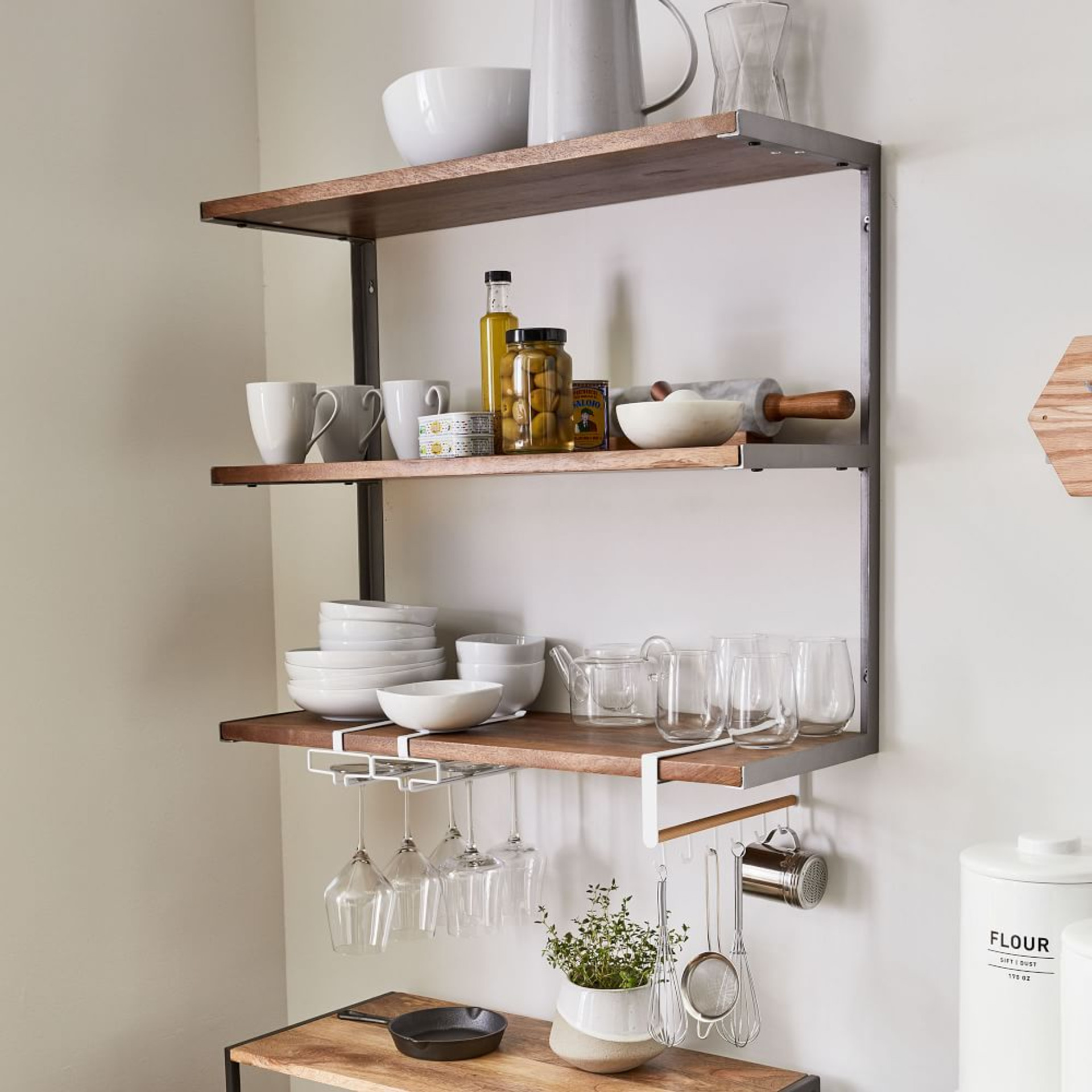
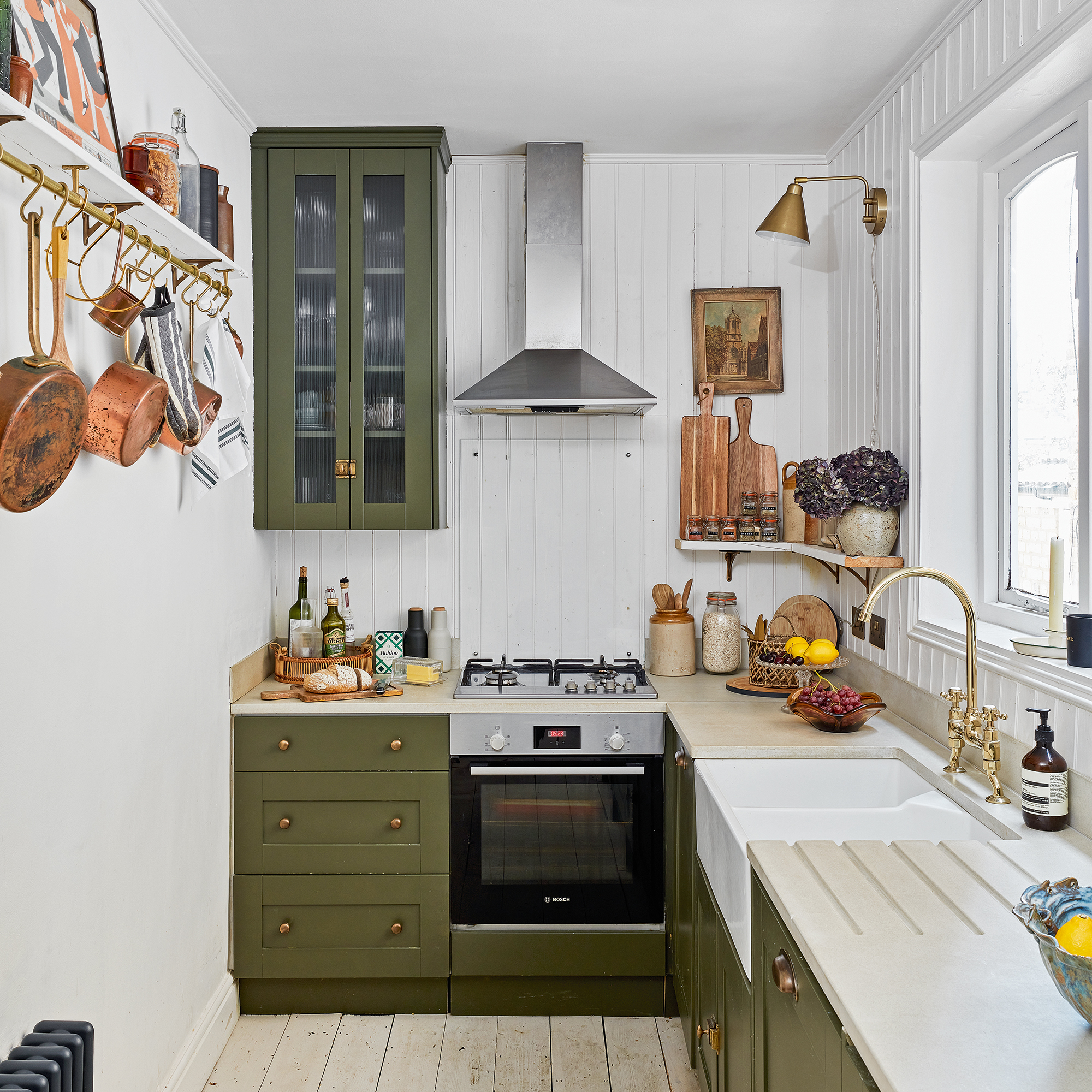
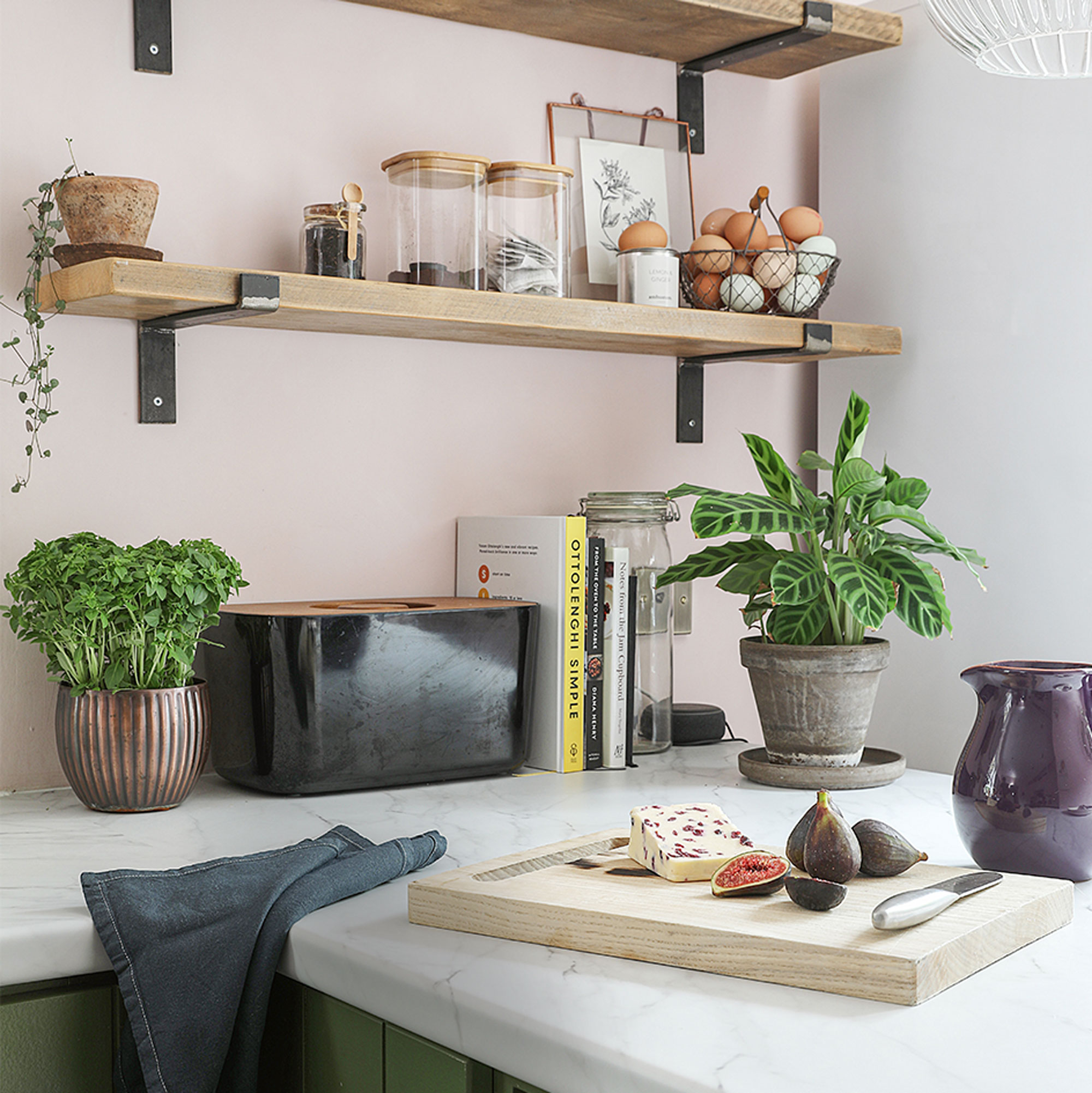
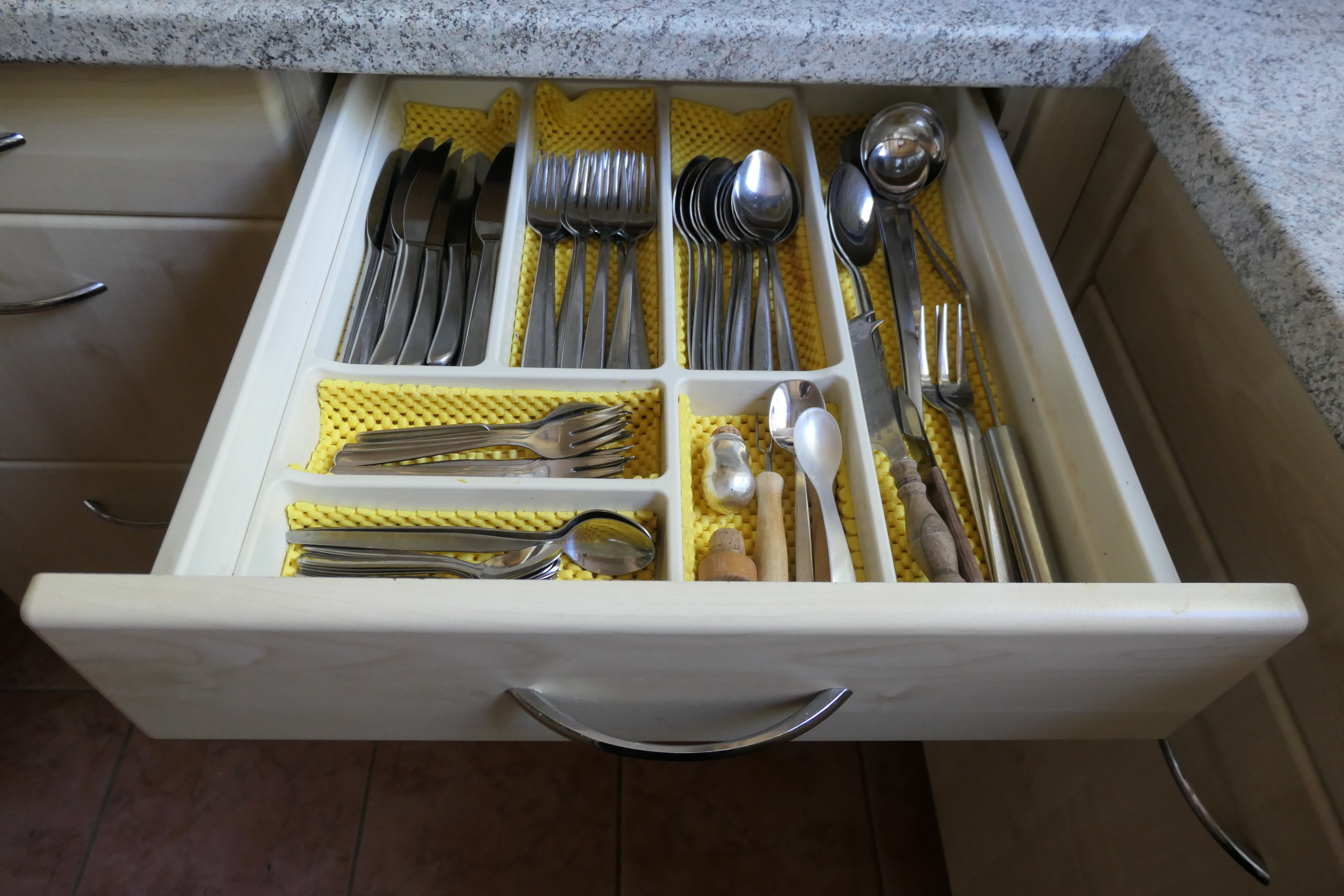
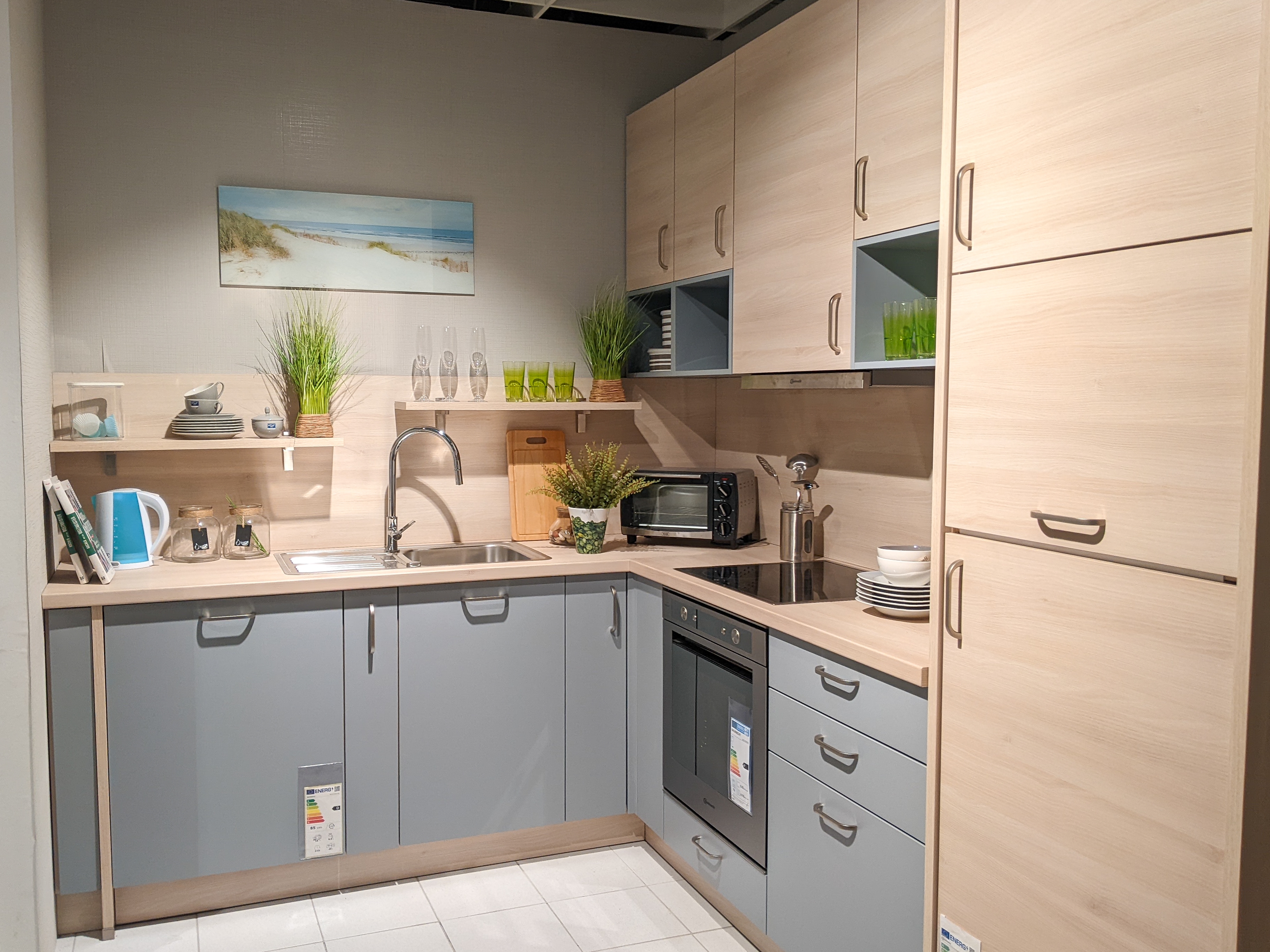
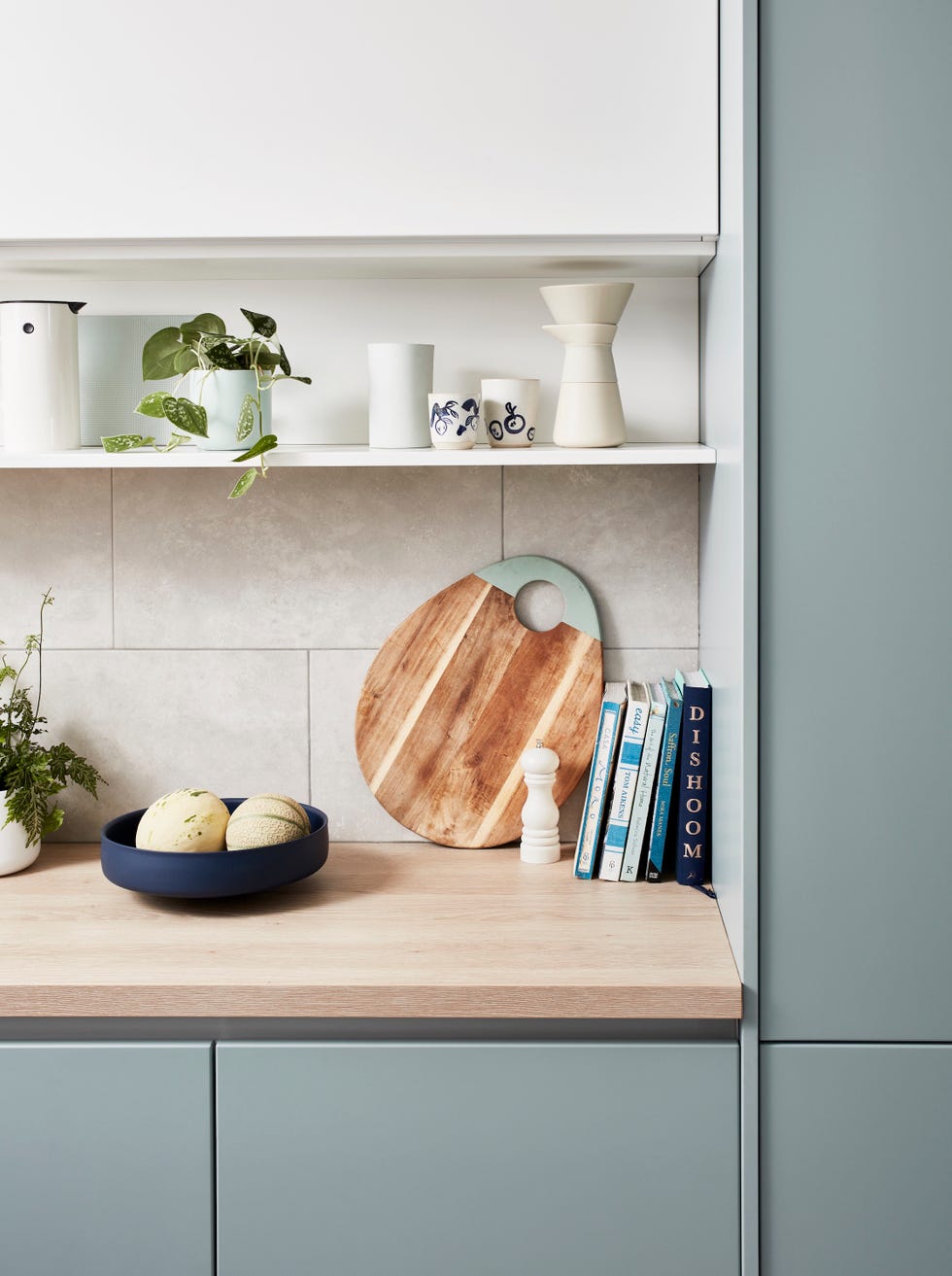
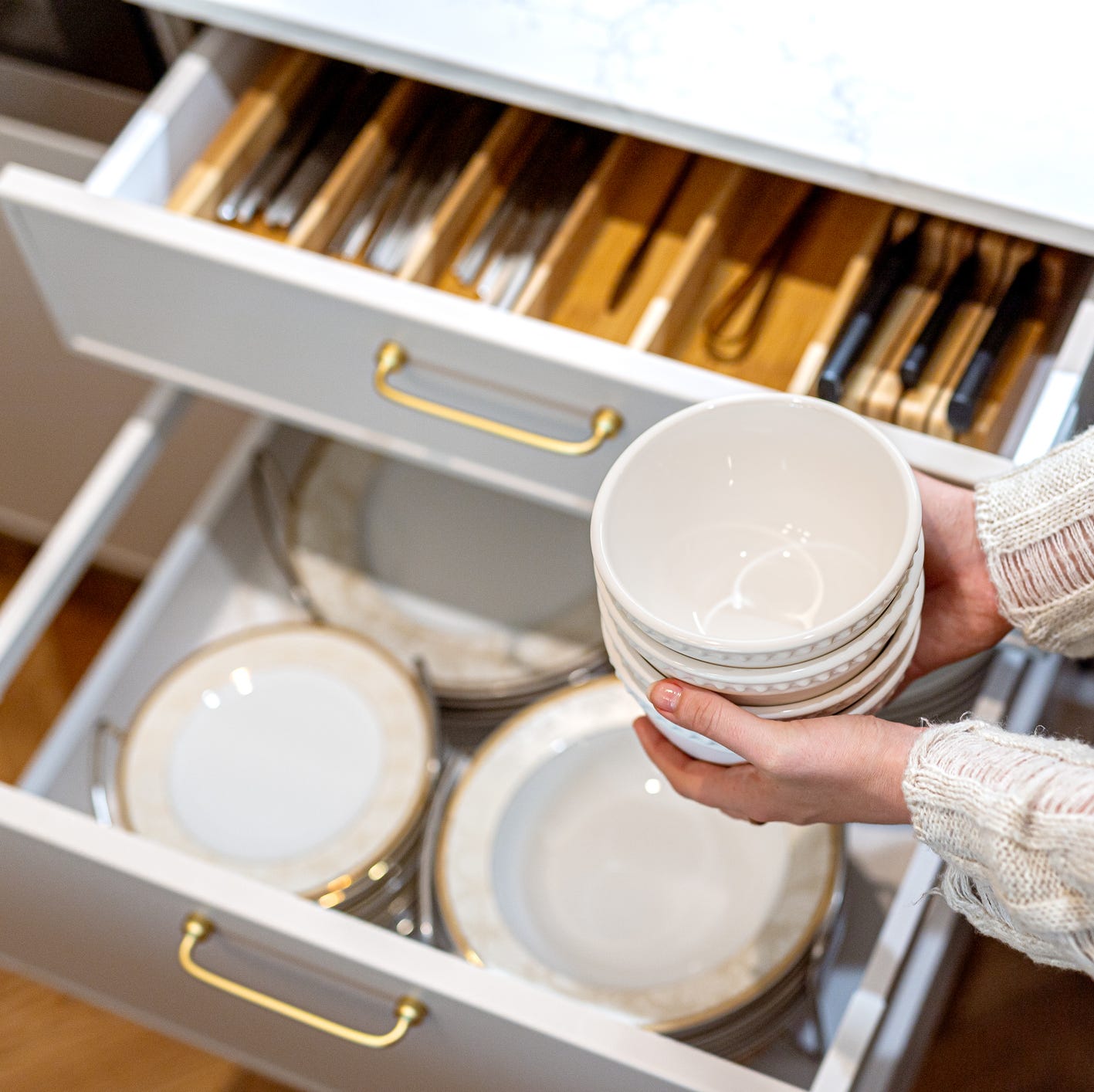
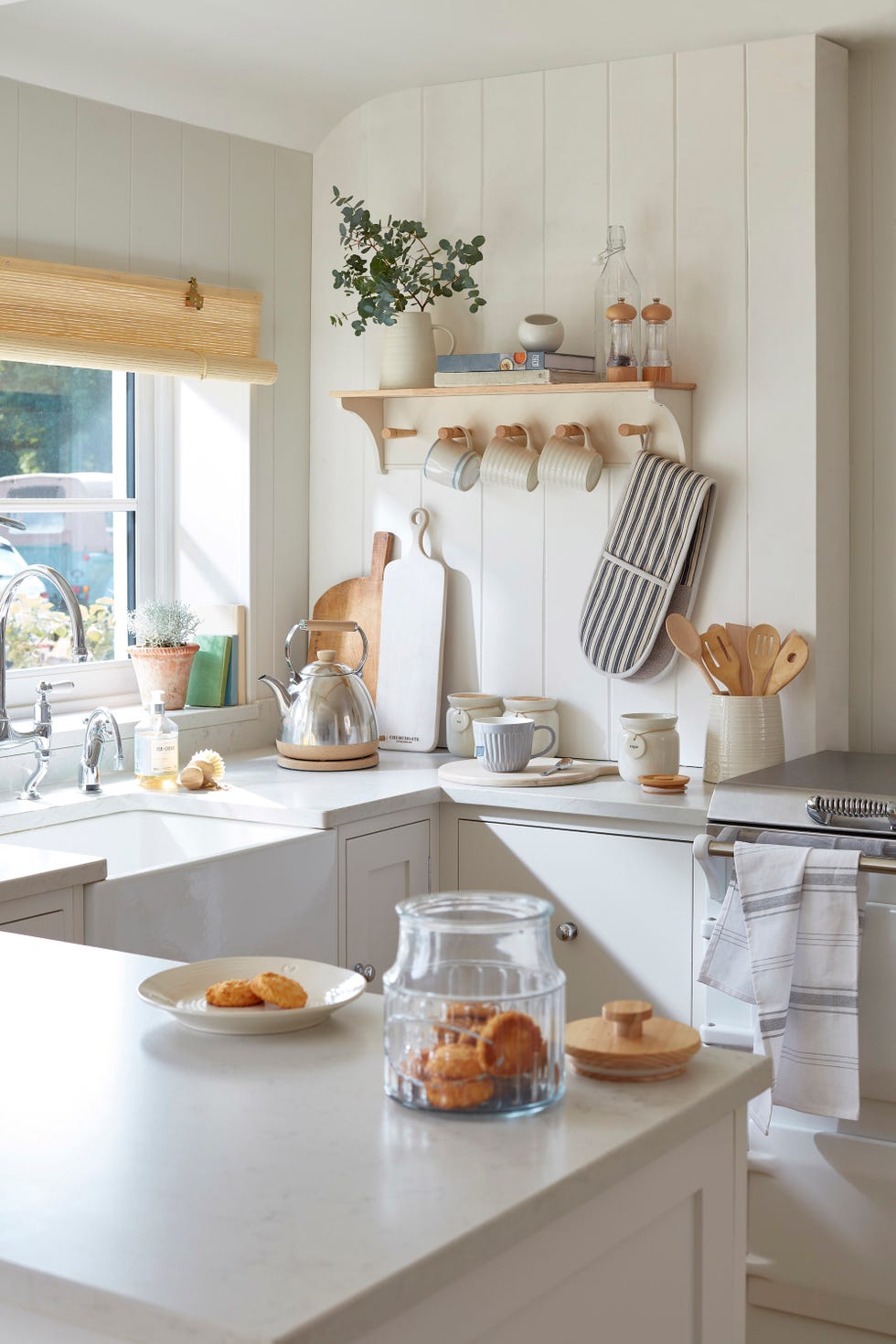
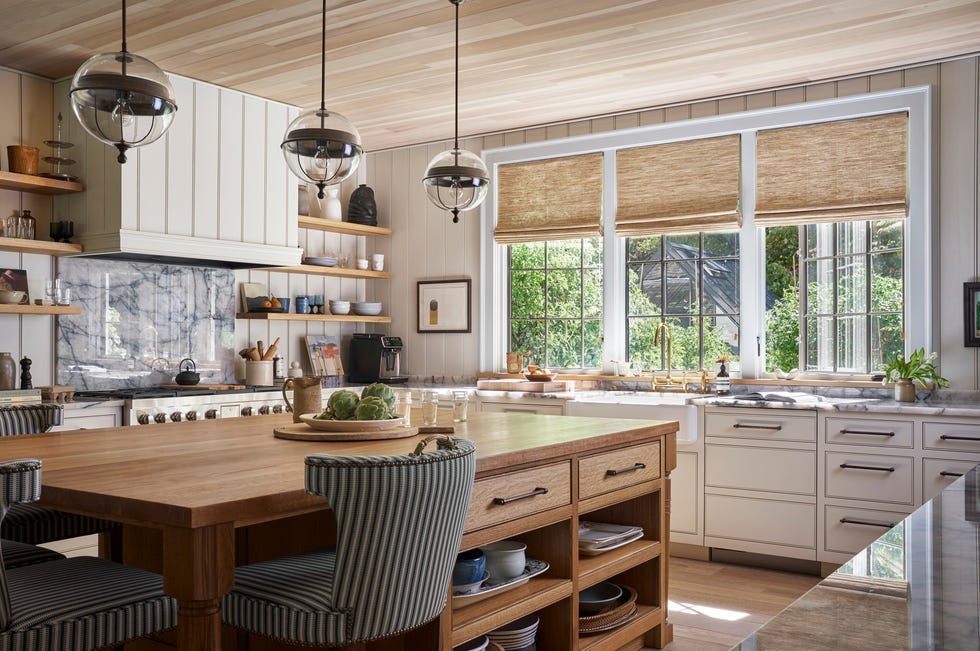
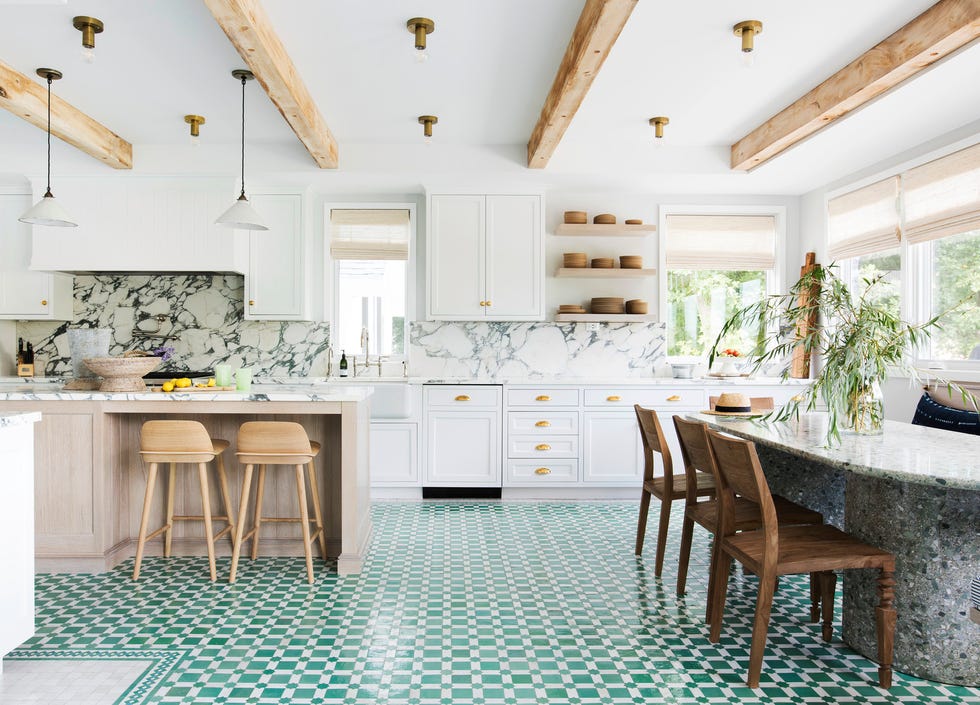
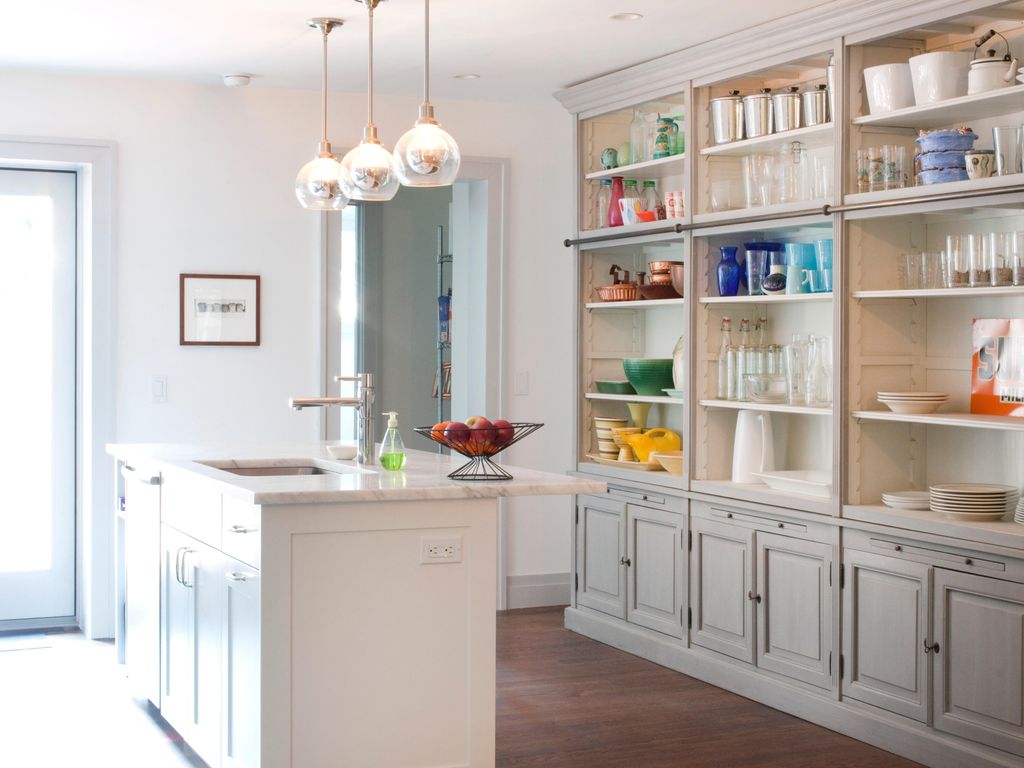
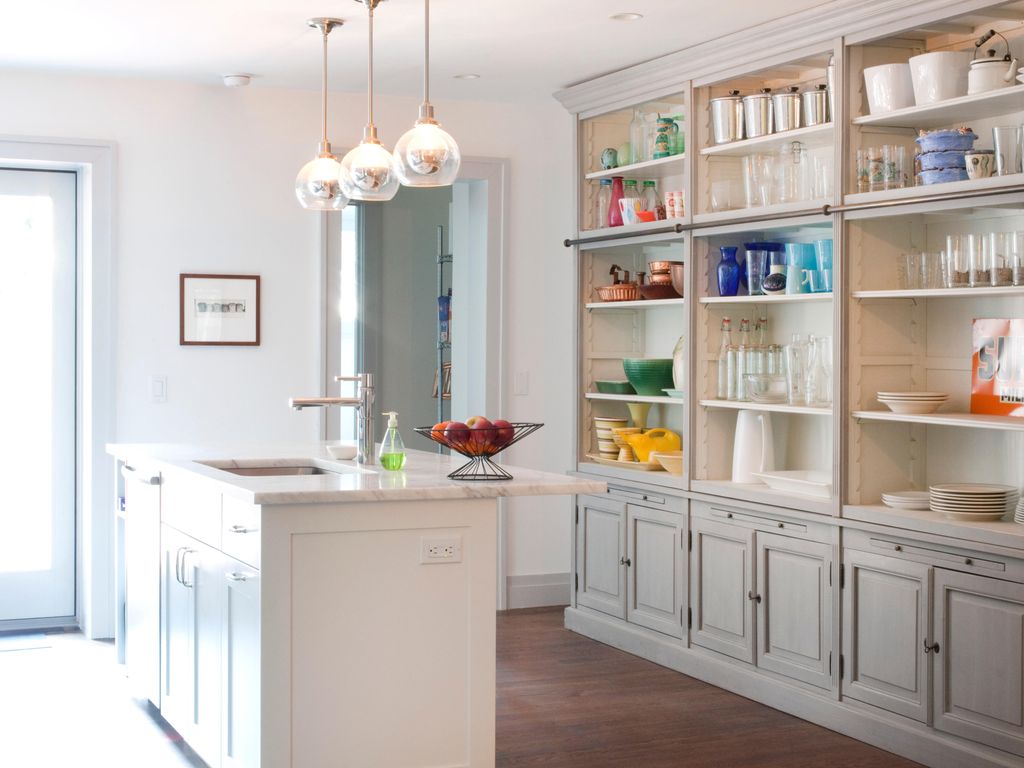
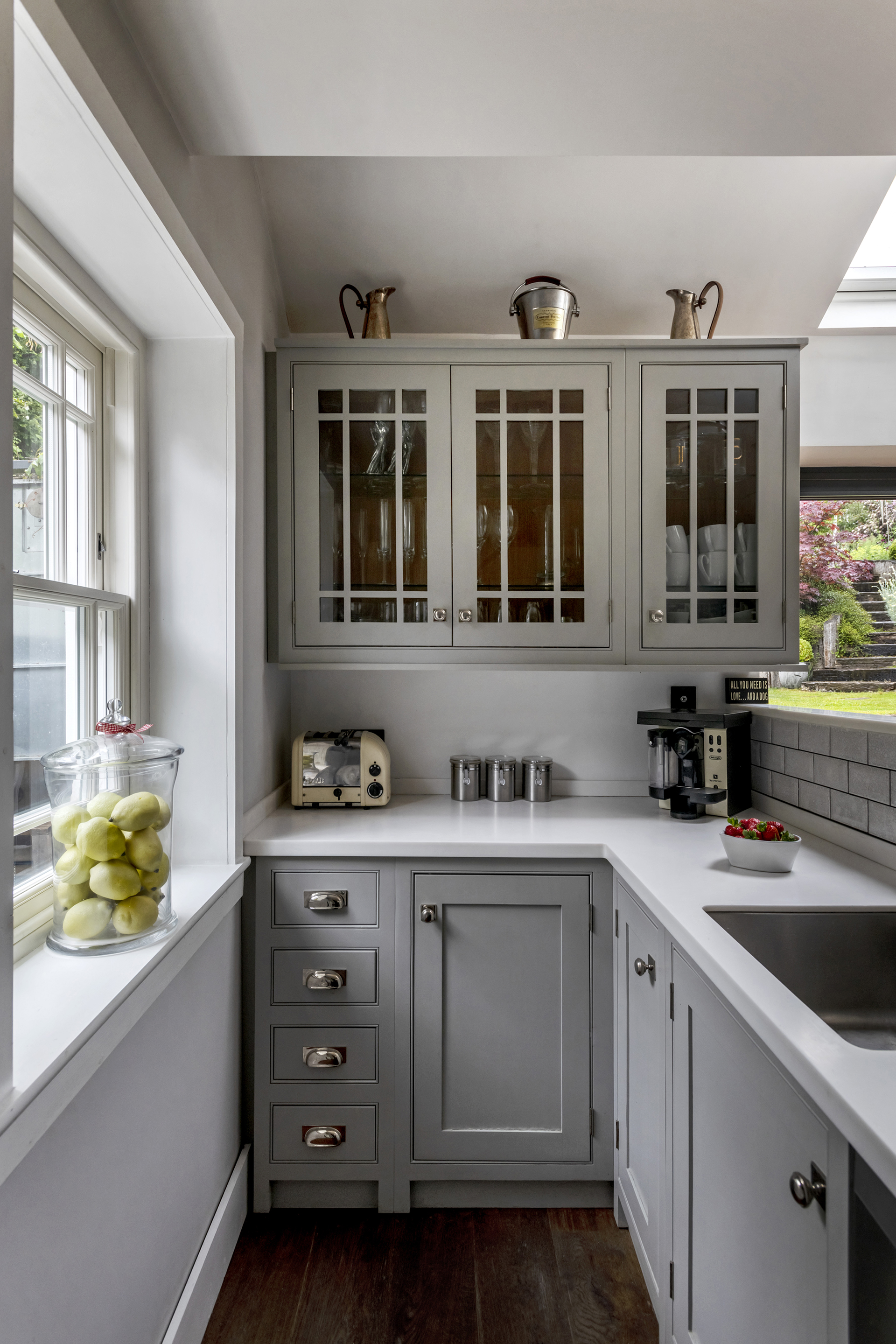
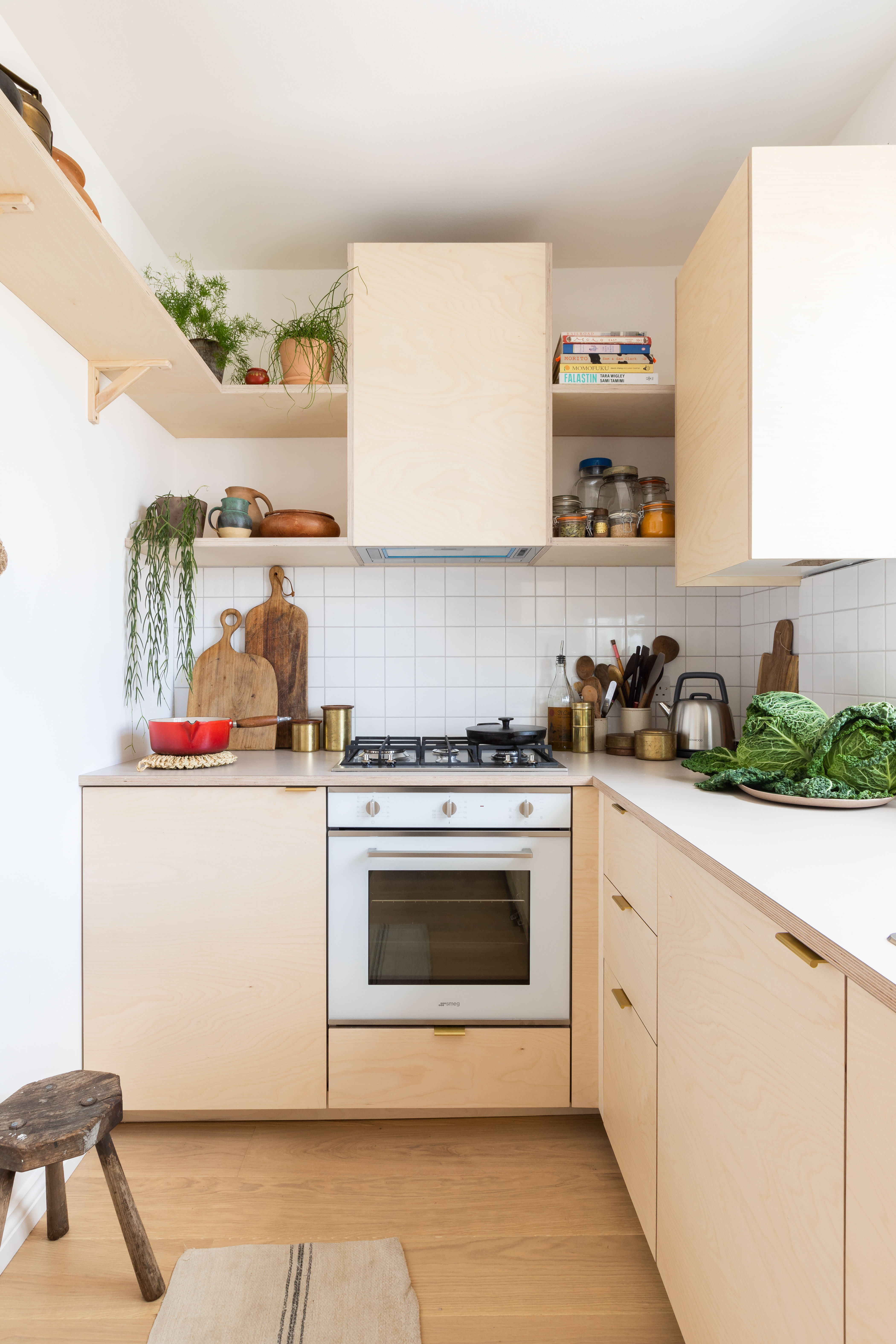
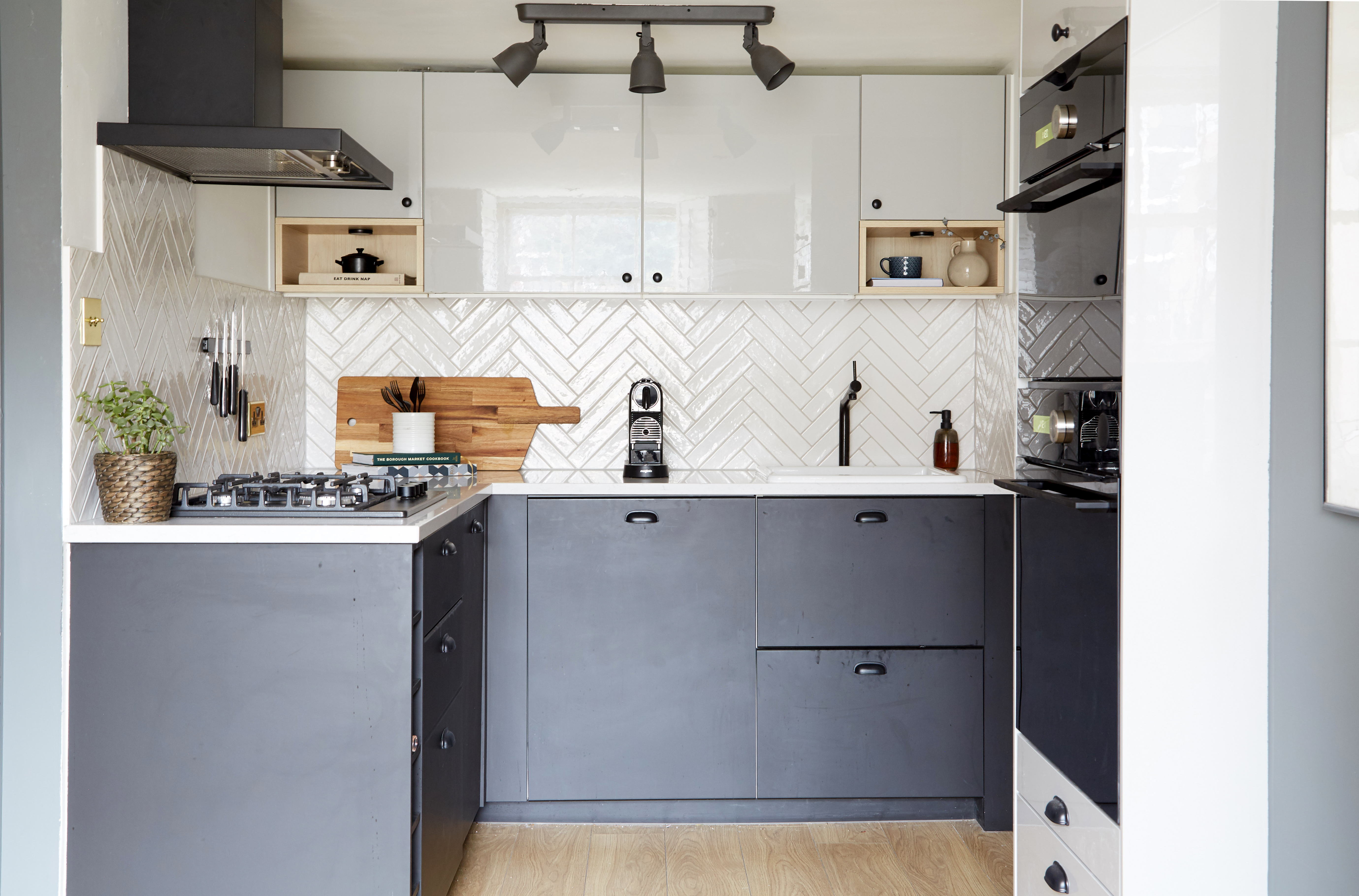
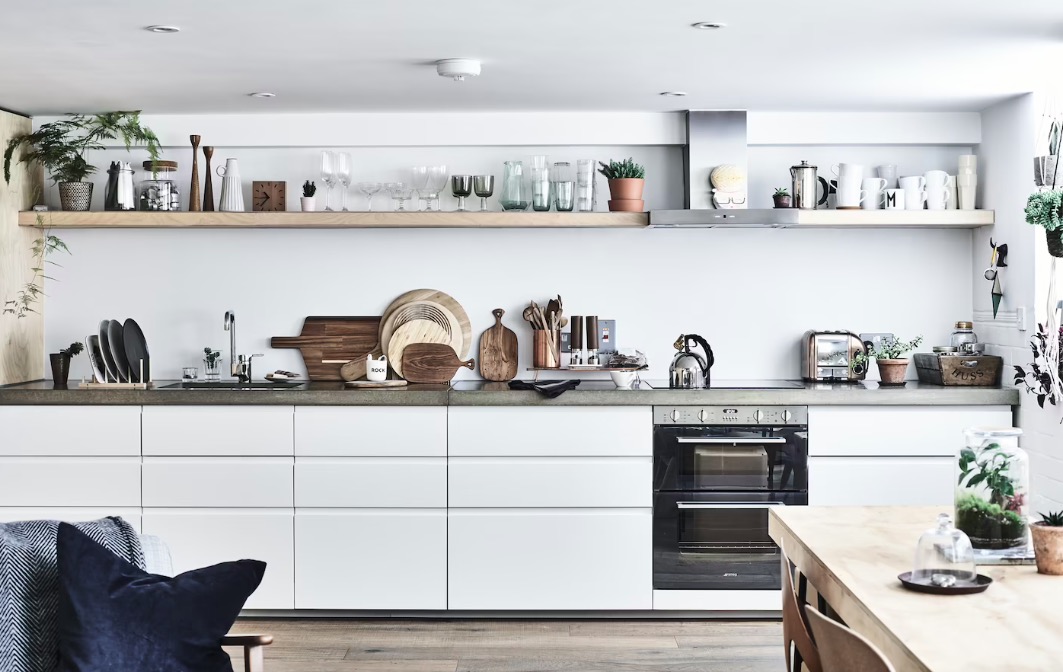
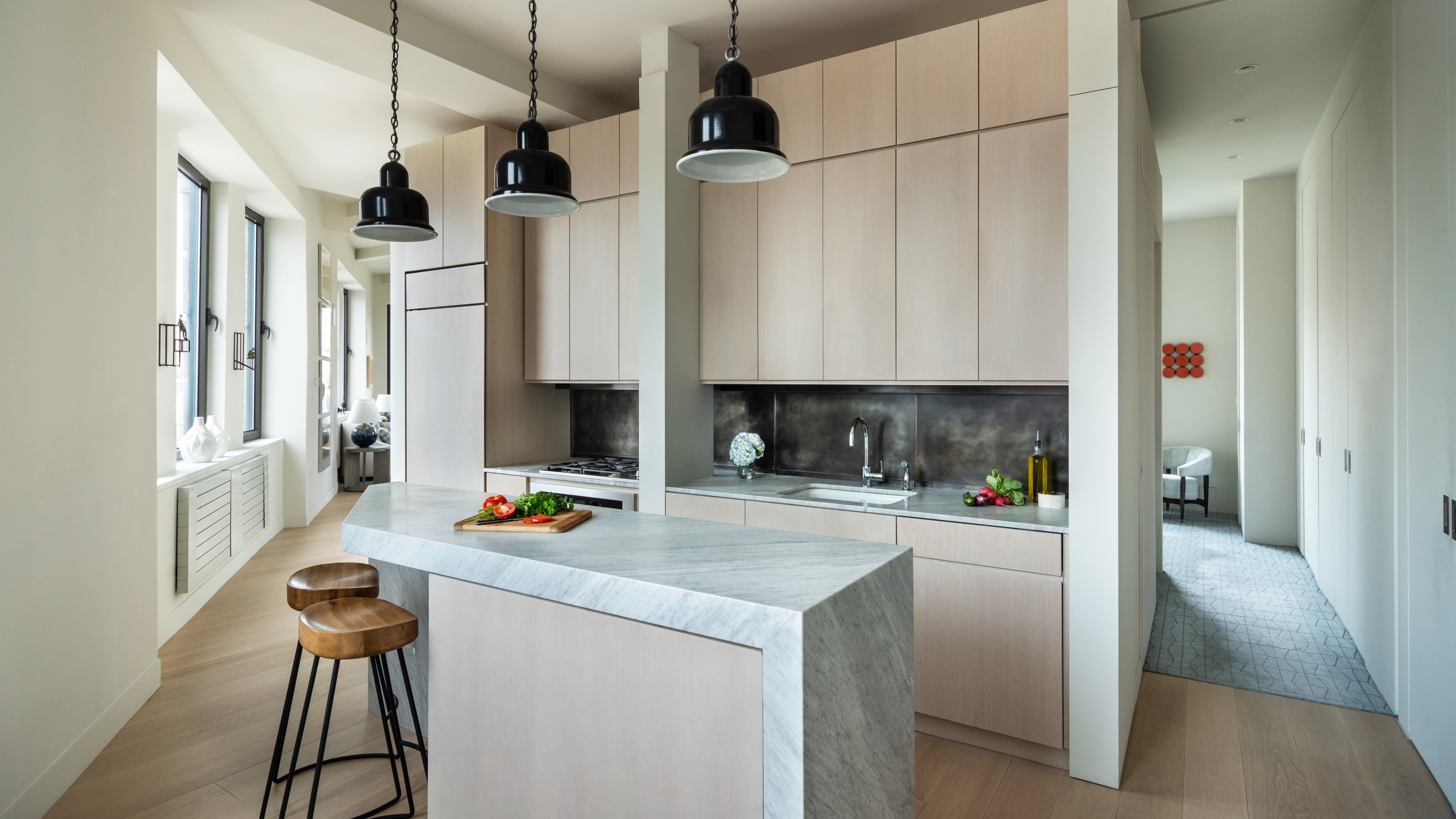
One significant outdated rule is the necessity of upper cabinets. While they offer storage, upper cabinets can make small kitchens feel claustrophobic and boxed in. Instead, designers recommend open shelving, rail systems, or even eliminating upper cabinets entirely to foster a more open and welcoming atmosphere. For those requiring extensive storage, full-height pantry walls or streamlined cabinets extending to the ceiling can maximize space without sacrificing visual lightness. Deep, wide drawers for plates and bowls also offer accessible and aesthetically pleasing storage solutions, challenging the traditional reliance on wall-mounted cabinetry.
Another long-held concept, the 'golden work triangle' (positioning the sink, refrigerator, and stove in a triangular formation), is also considered outdated, particularly for small kitchens. This rule, intended to optimize workflow, often fails in linear or single-wall layouts. Modern design principles advocate for zone-based workflows, prioritizing smooth movement and accessibility. Grouping appliances and storage based on usage, such as keeping the dishwasher near the sink and the prep zone near storage, is deemed more effective than rigid triangular layouts. Visual harmony and how one actually moves through the space should dictate the arrangement, rather than an arbitrary geometric rule.
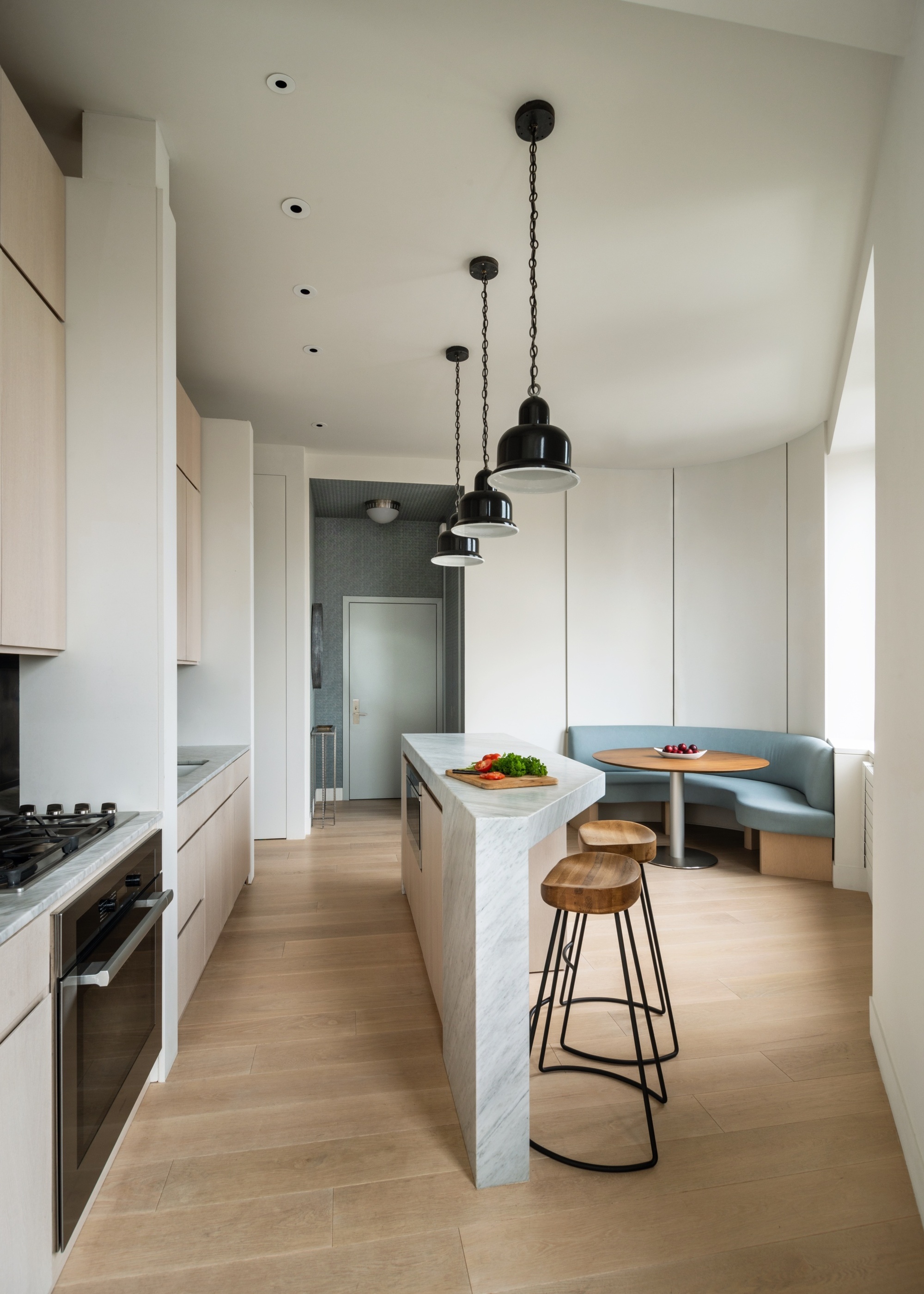
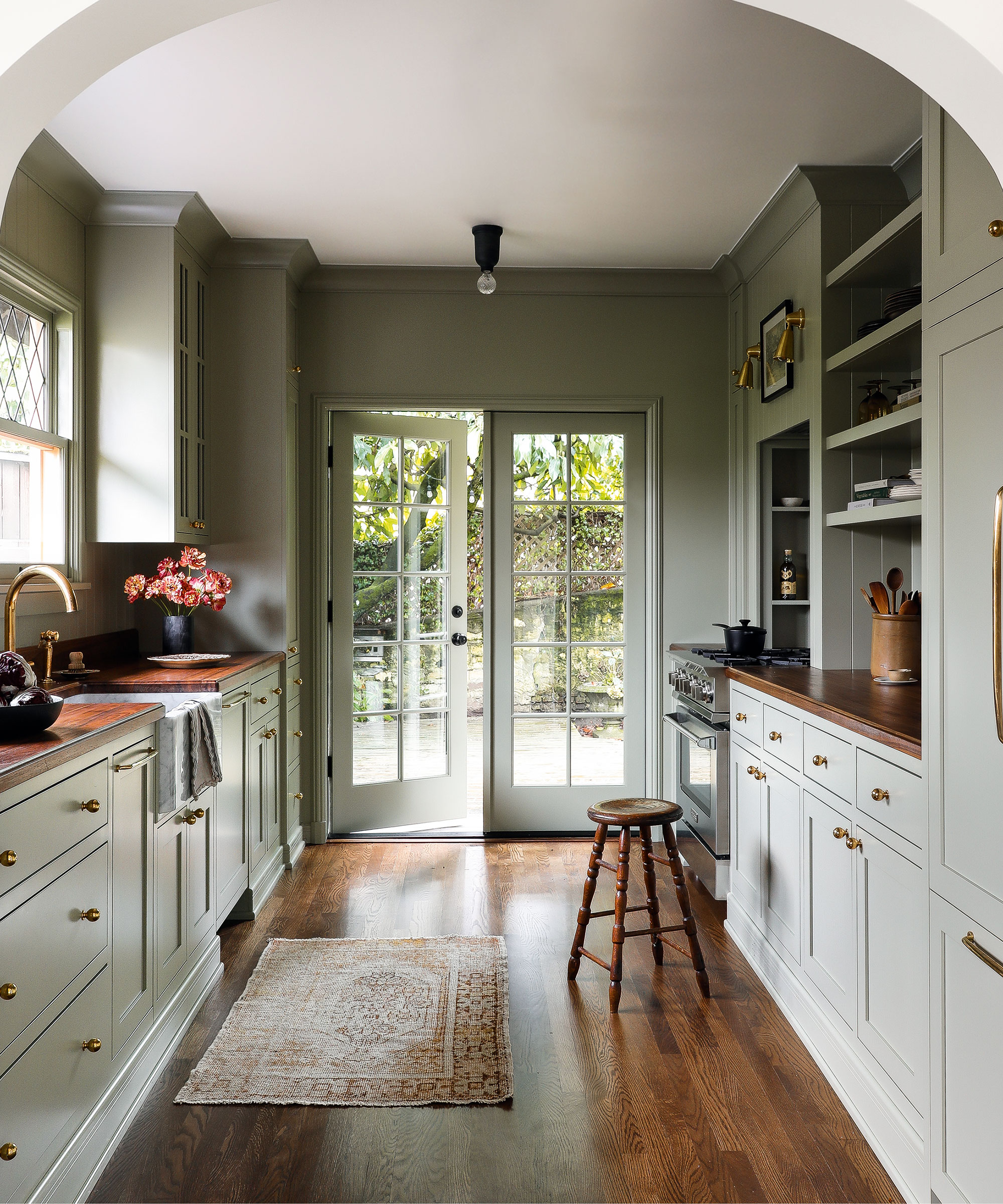
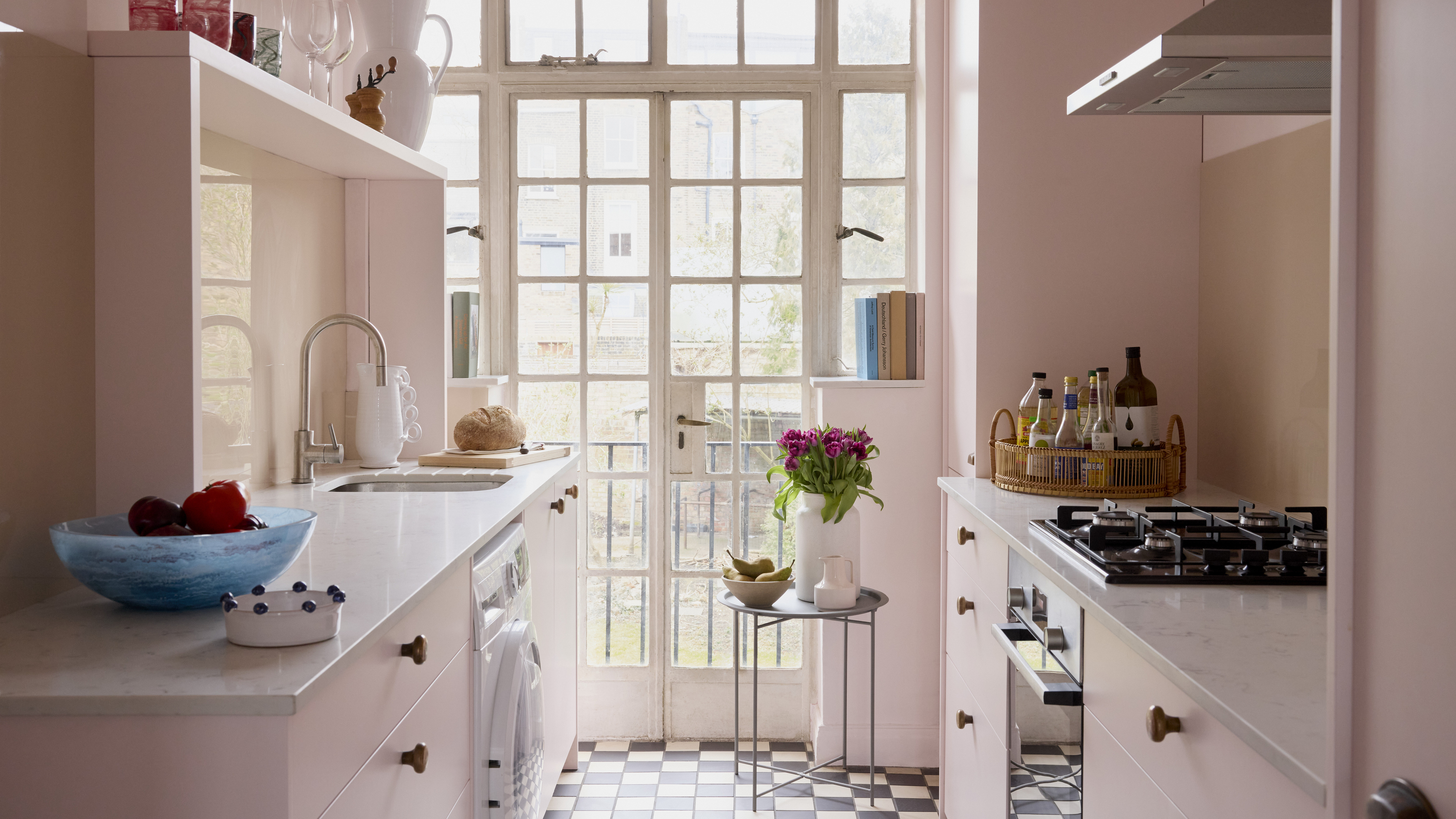
The idea that small kitchens must always be open-concept is also being challenged. While open-plan layouts offer brightness and a sense of spaciousness, they can sometimes limit storage opportunities. Contemporary design trends are moving towards more defined spaces, offering benefits like privacy, noise reduction, and odor containment. Crucially, a closed kitchen allows for all four walls to be utilized for storage, potentially compensating for limited square footage in compact layouts like galley kitchens.
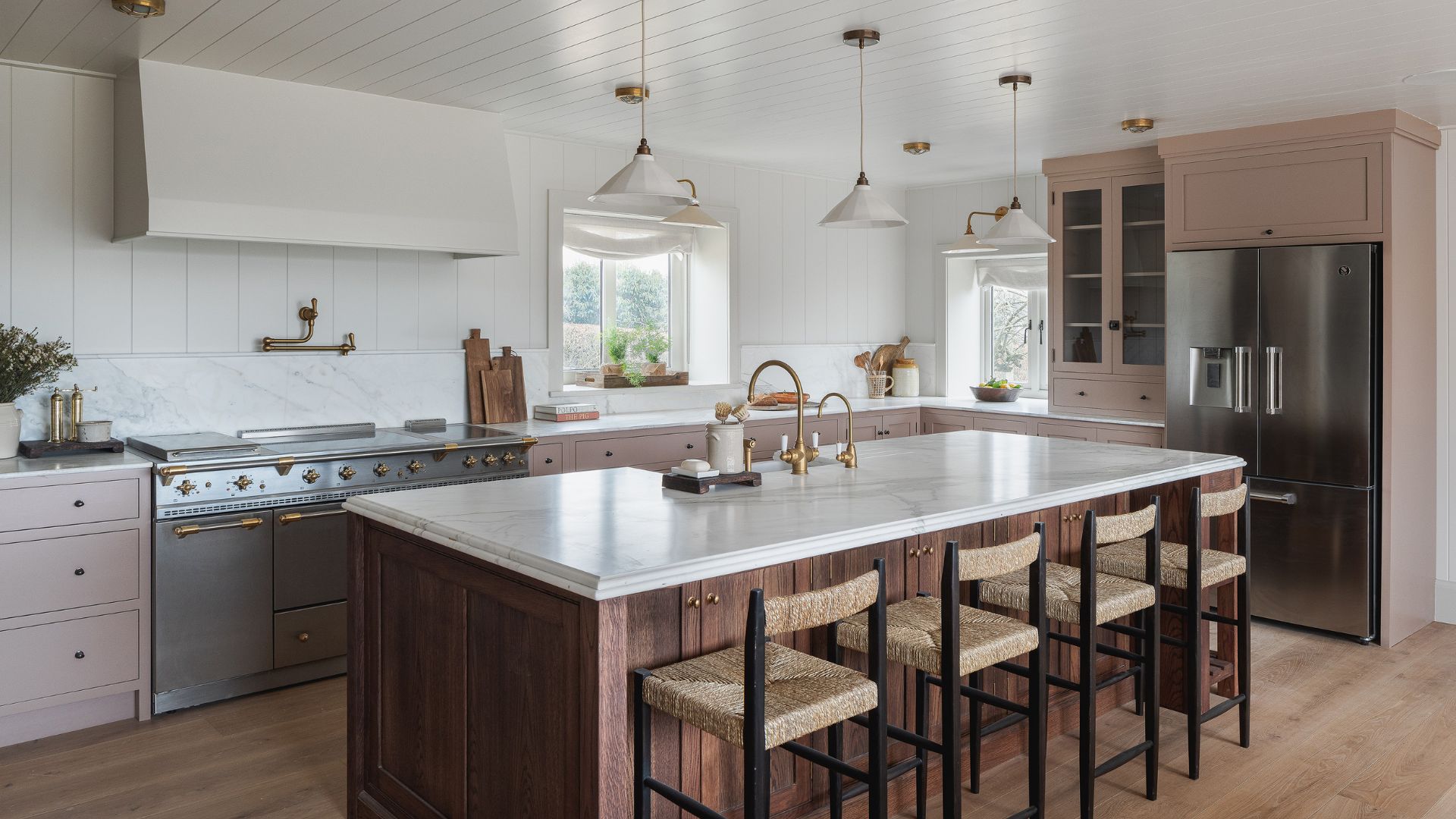
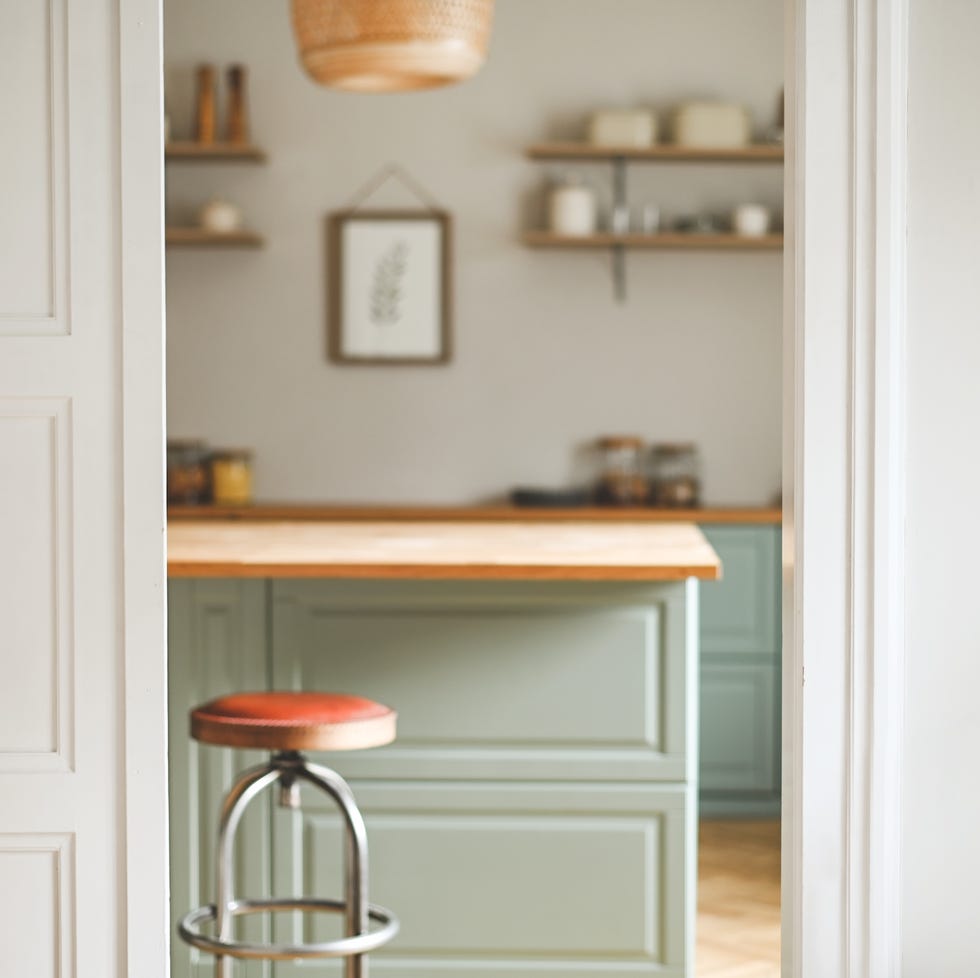
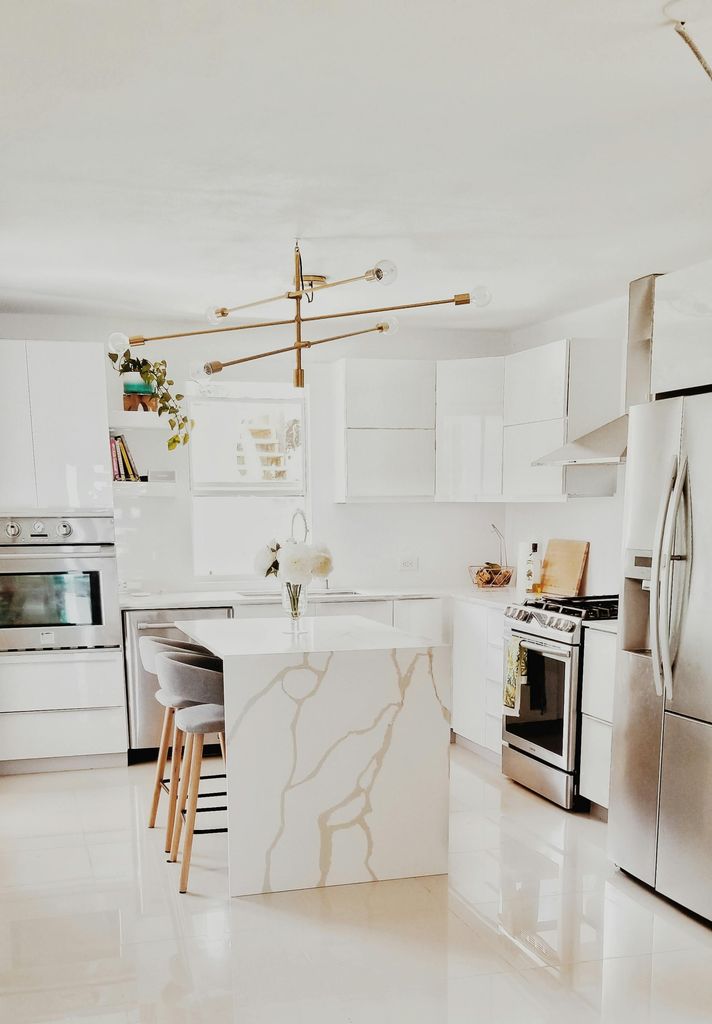
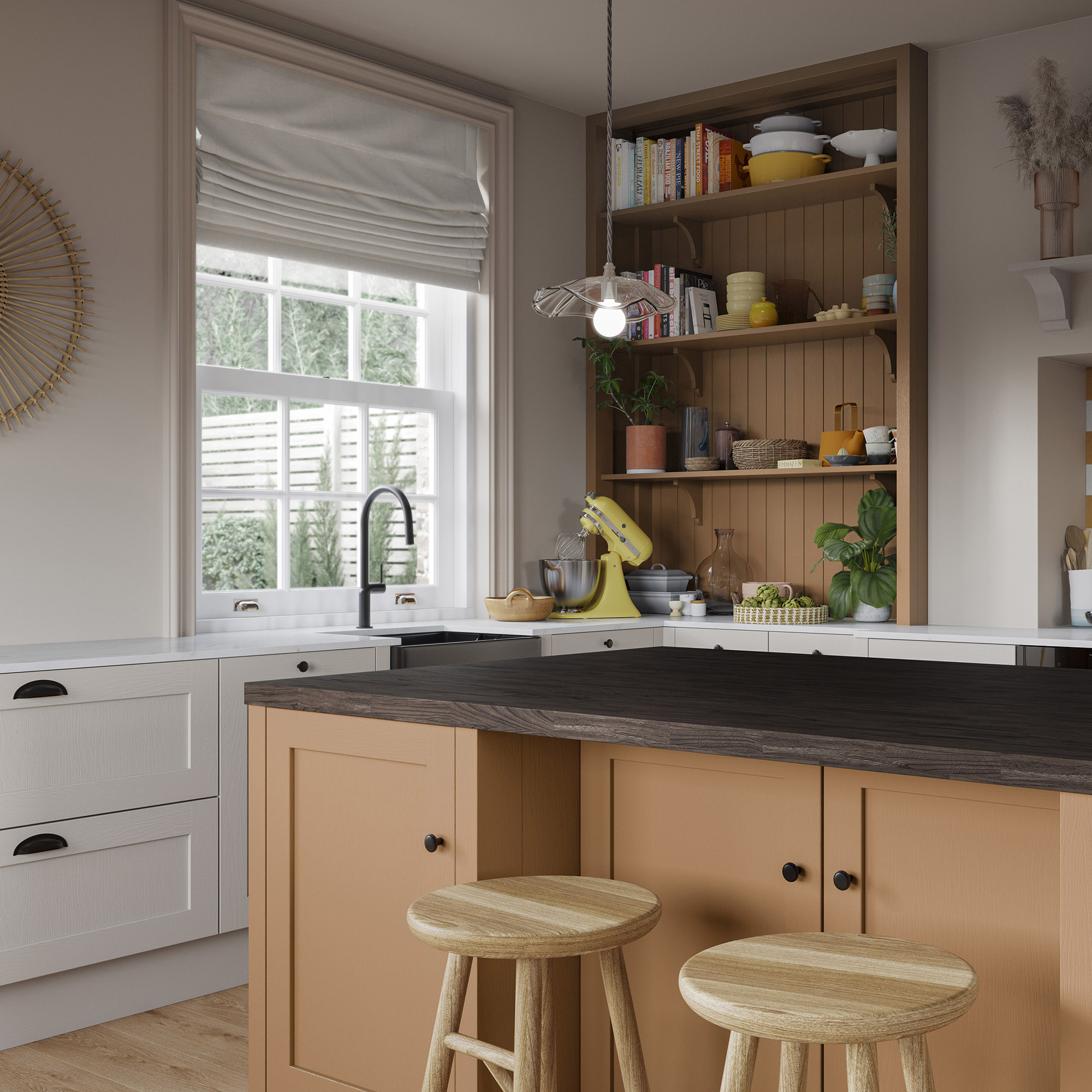
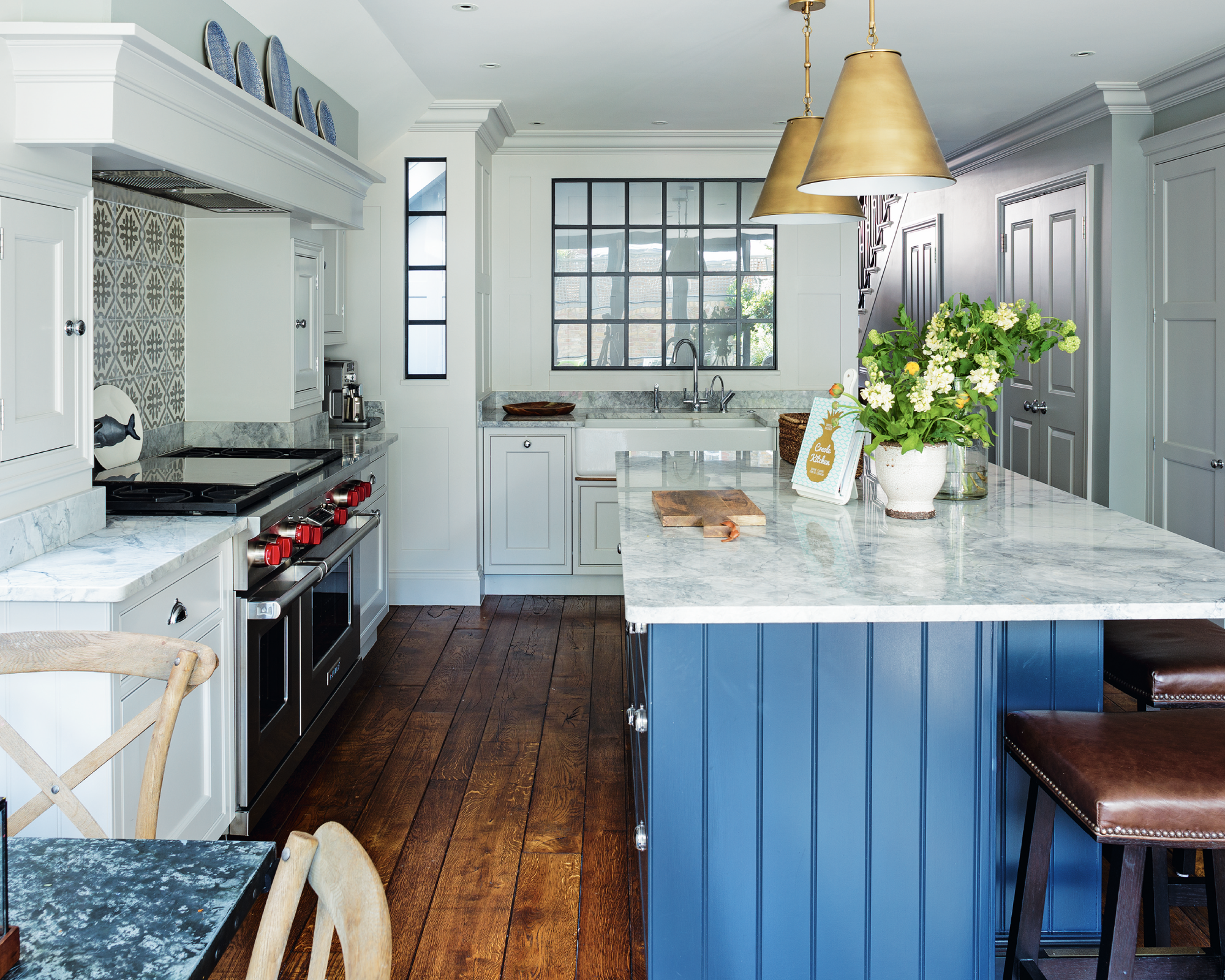
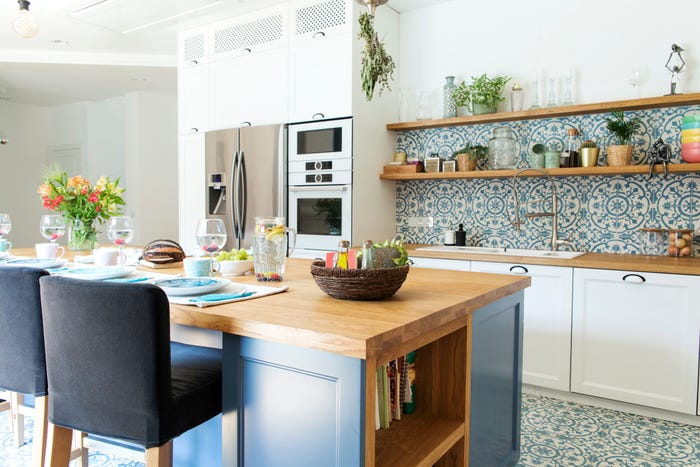
Furthermore, the belief that small kitchens cannot accommodate an island is increasingly untrue. Modern designs offer compact, movable, or multi-functional islands that provide extra prep space, storage, and even seating without overwhelming the room. Features like wheels or drop-leaves enhance functionality, and integrating banquette seating can add value. Designers also suggest that seating is not always essential for an island; a slim, functional island of 24 inches deep with minimal overhangs can significantly increase storage and prep space without impeding flow.
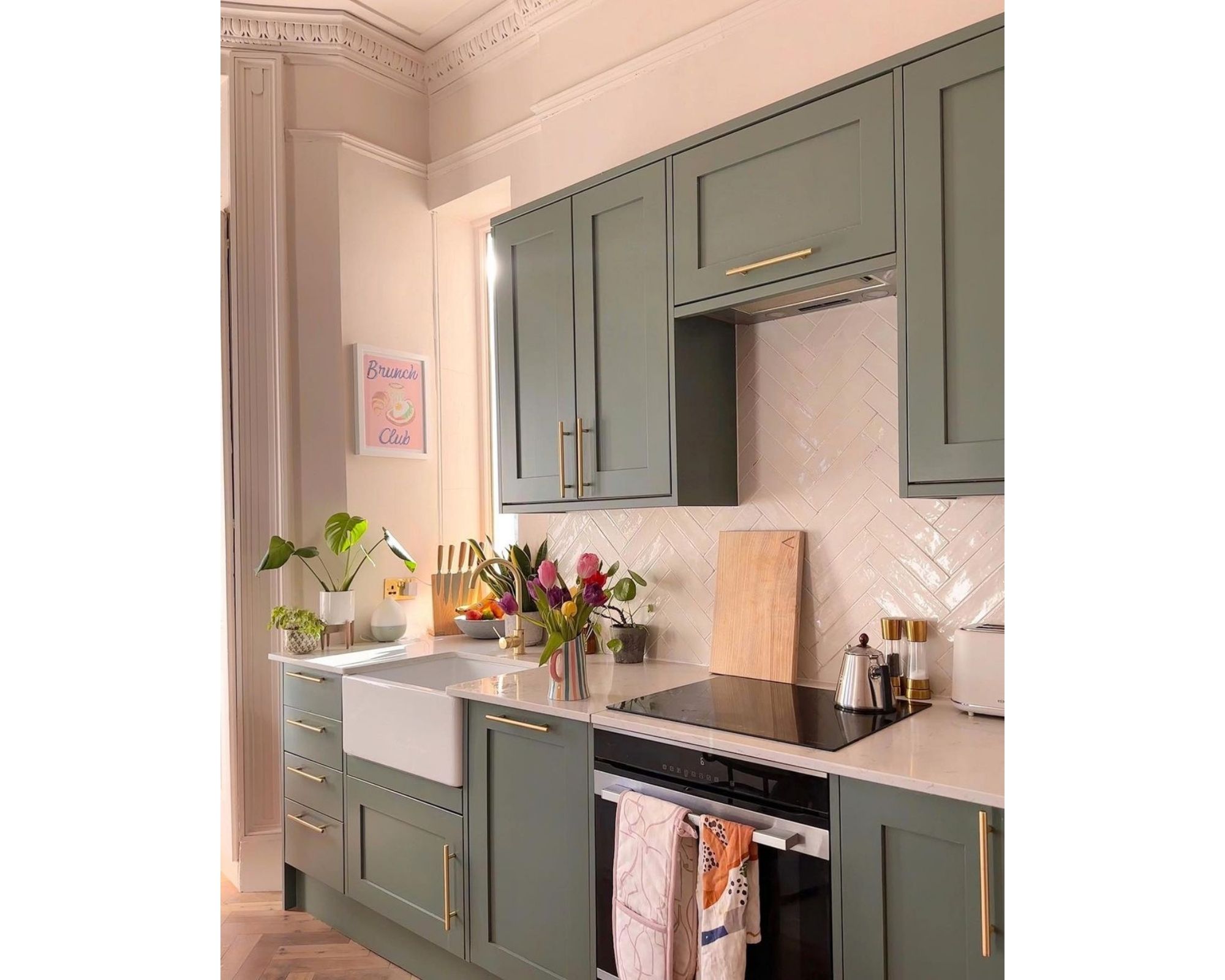
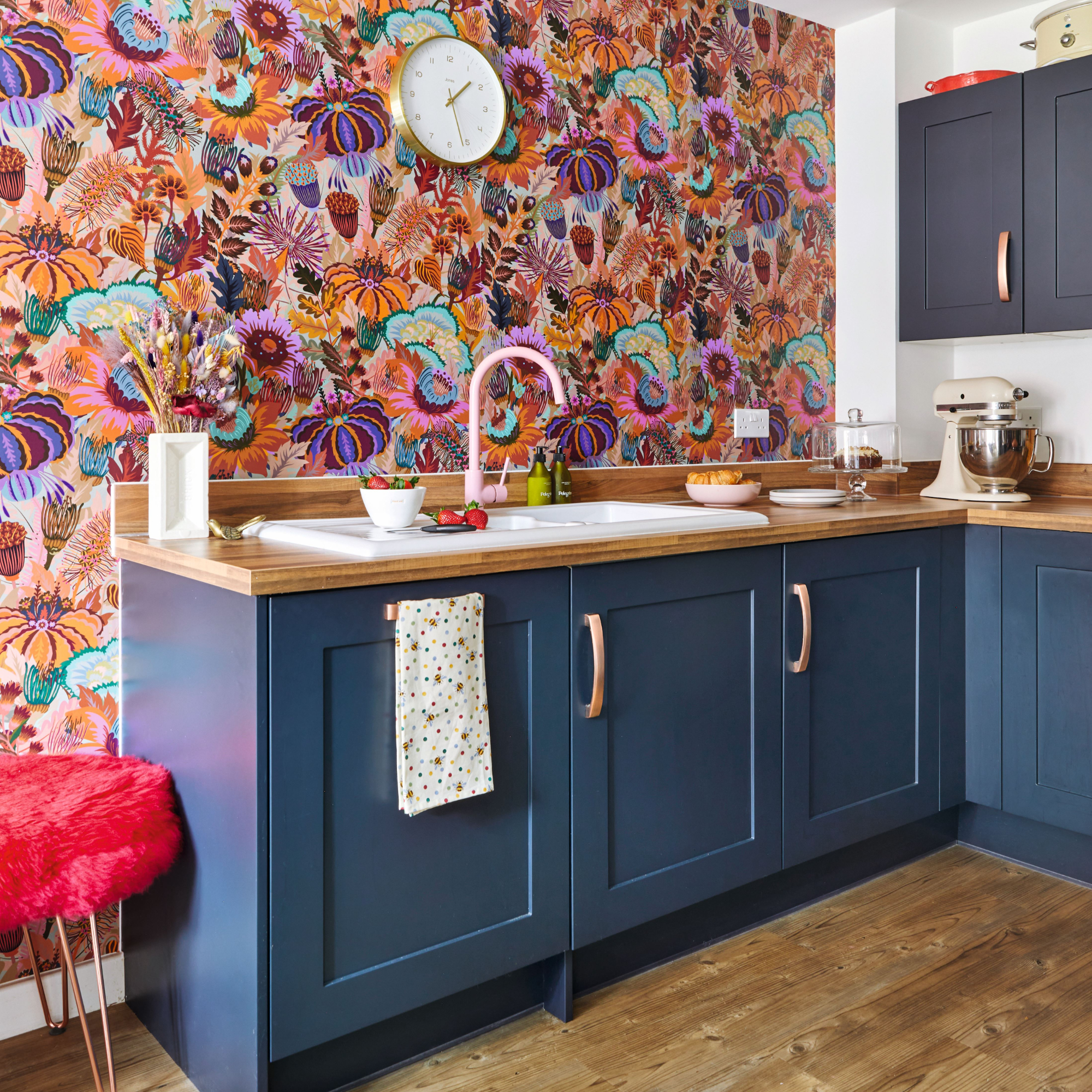
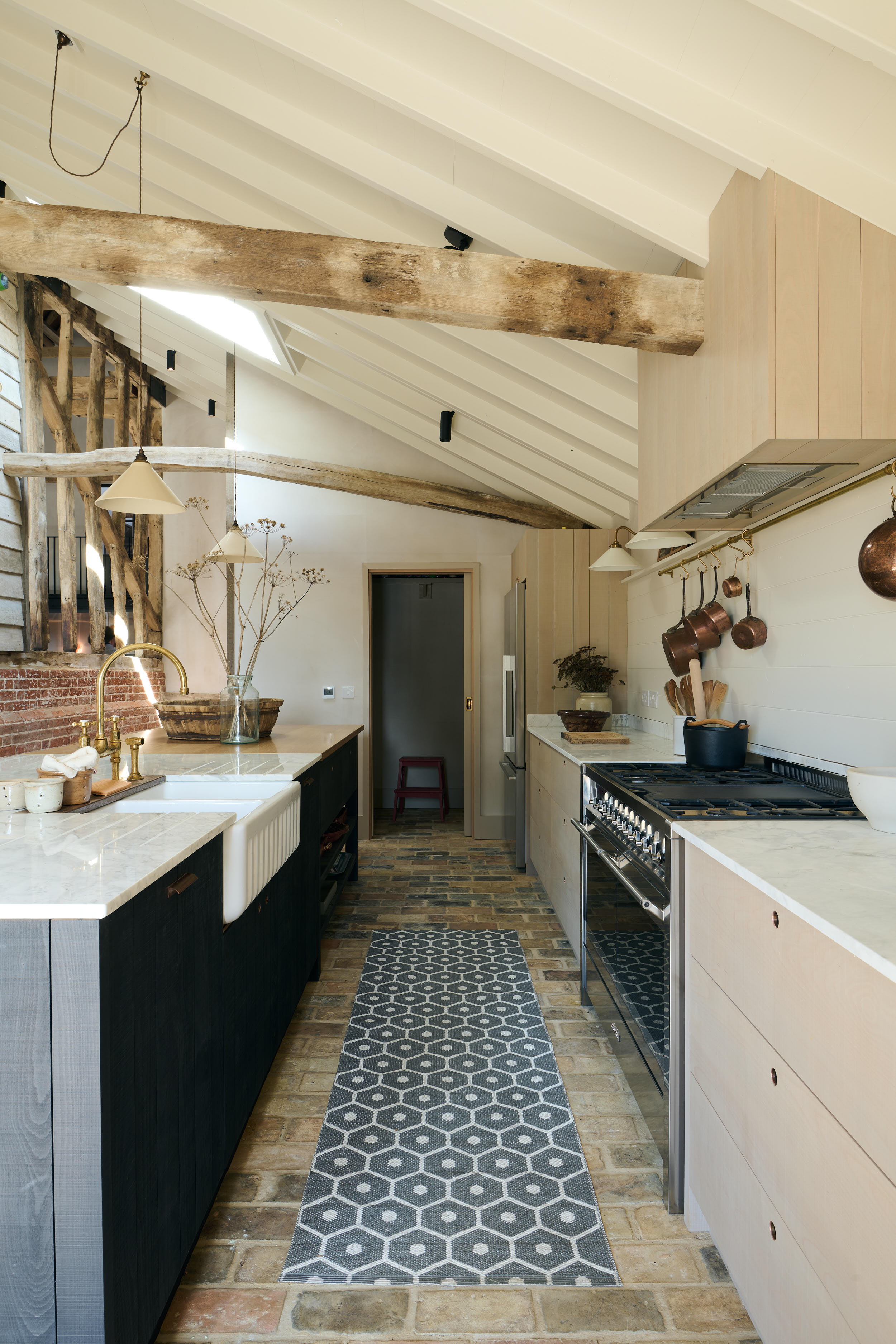
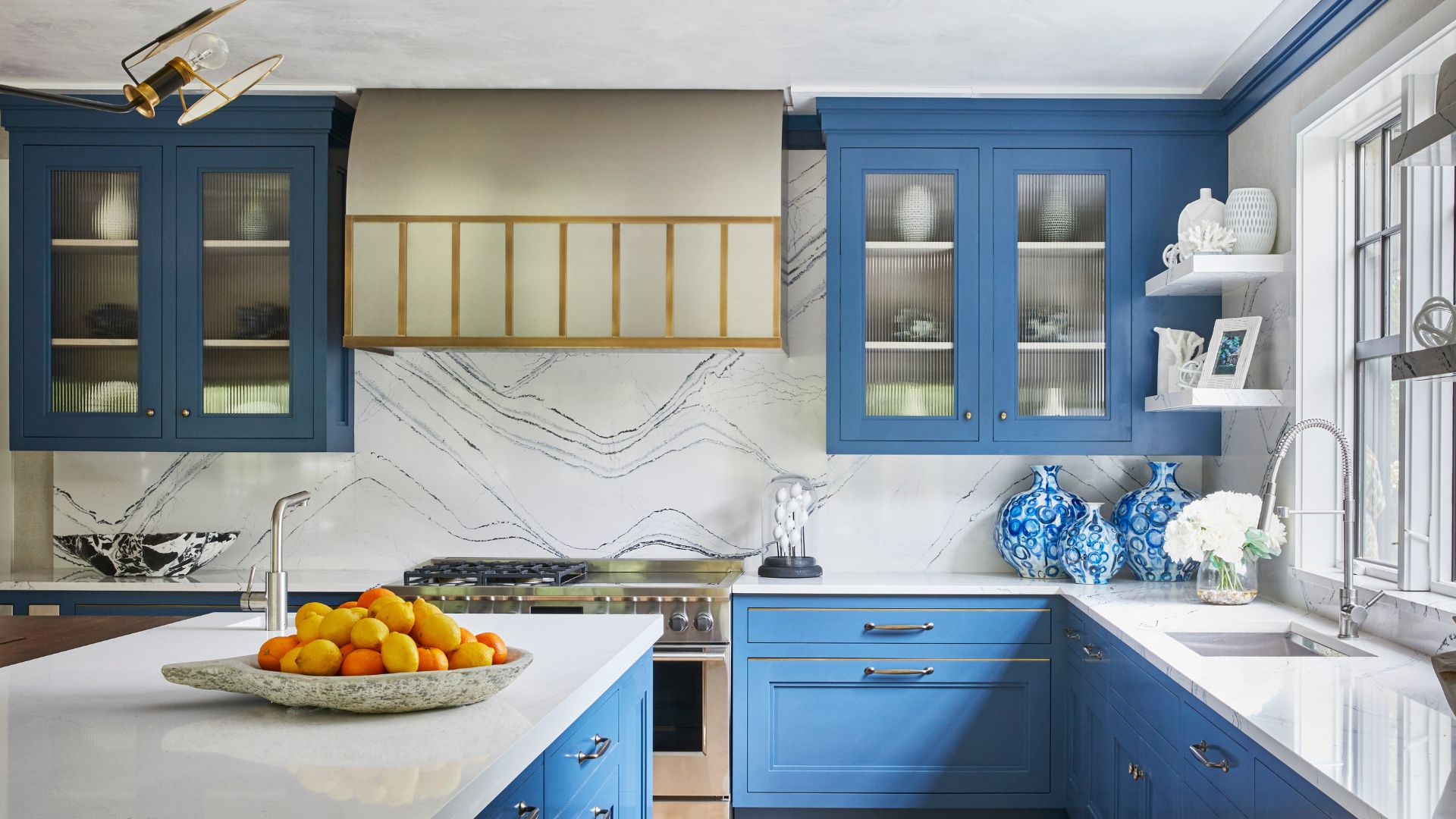
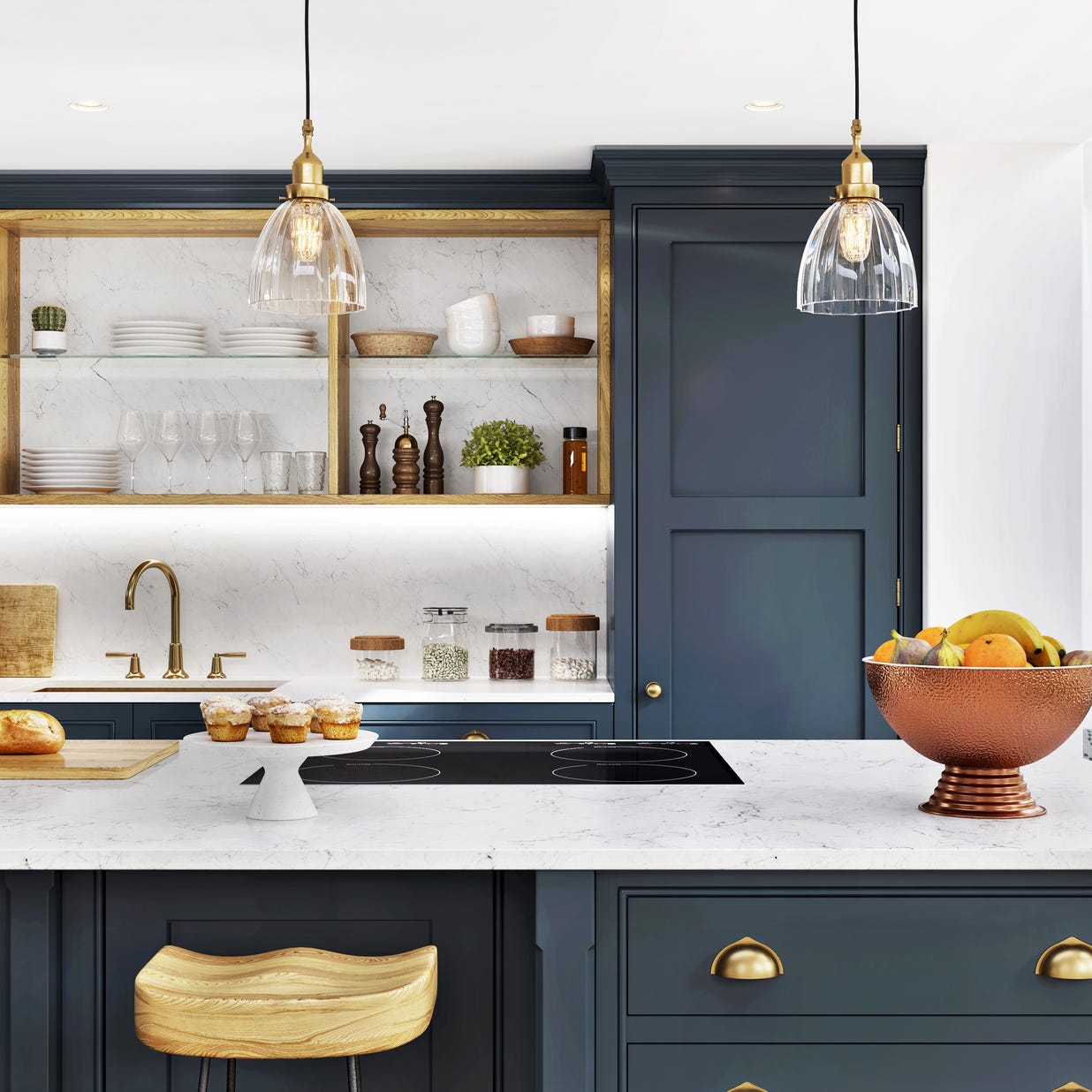
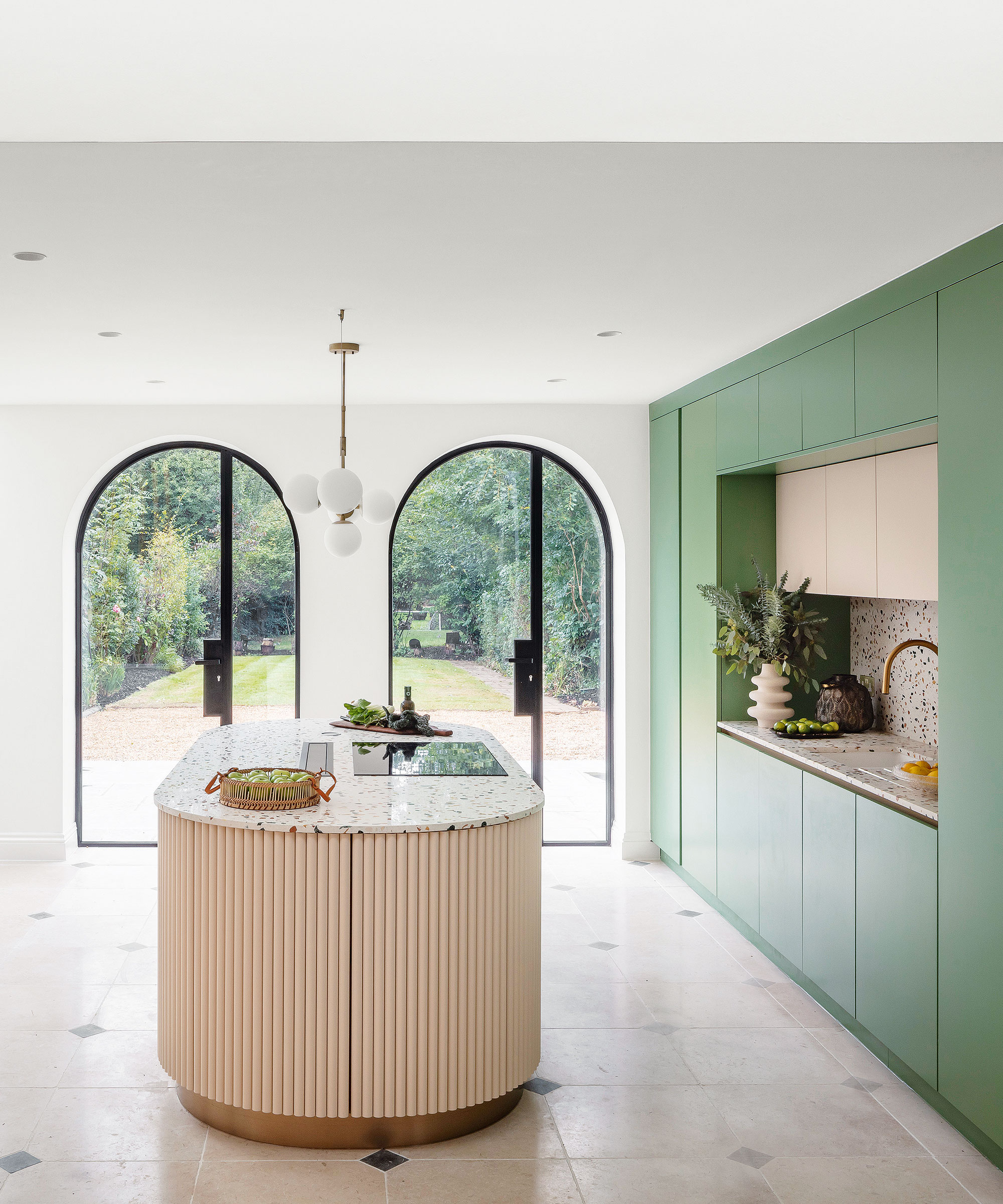
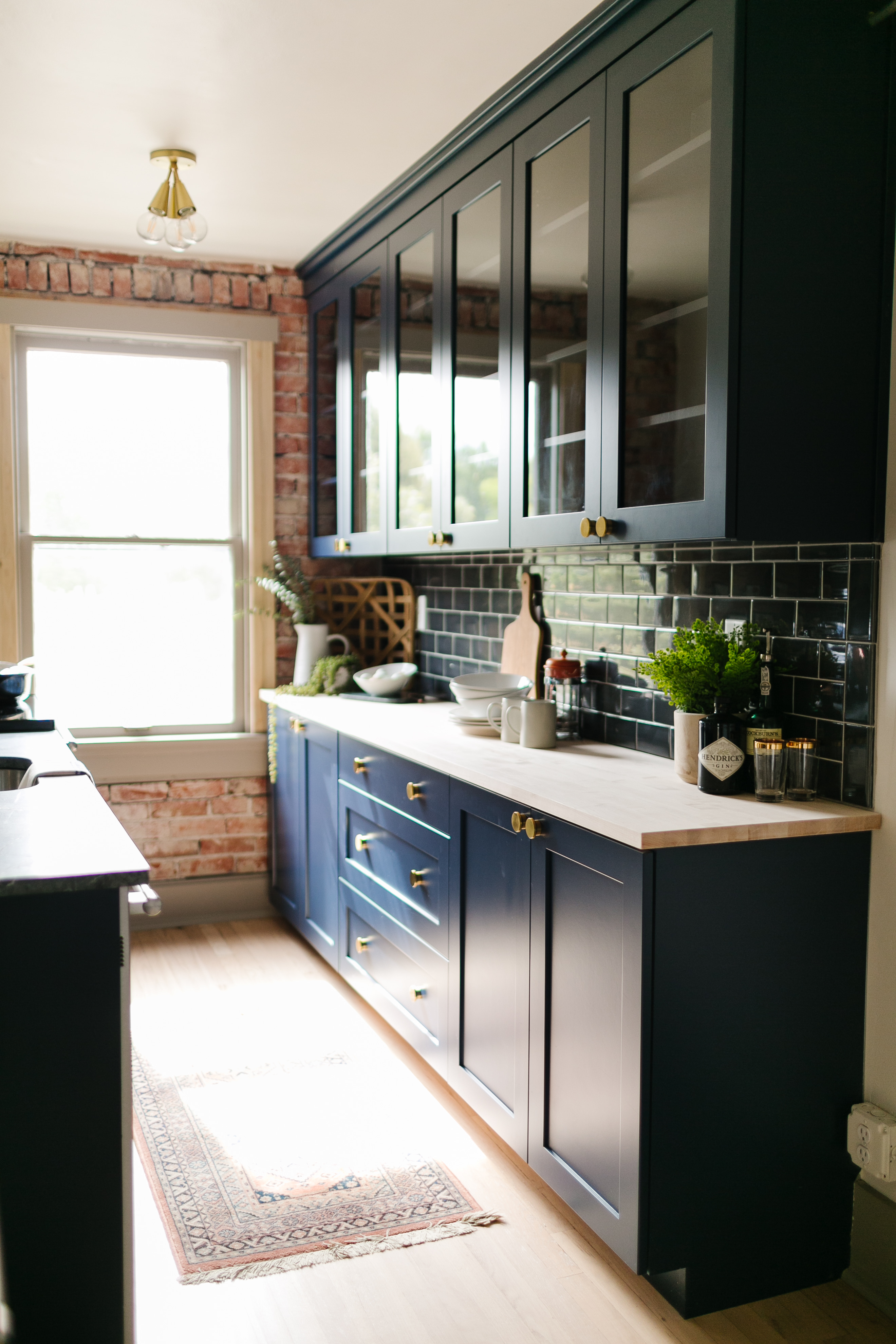
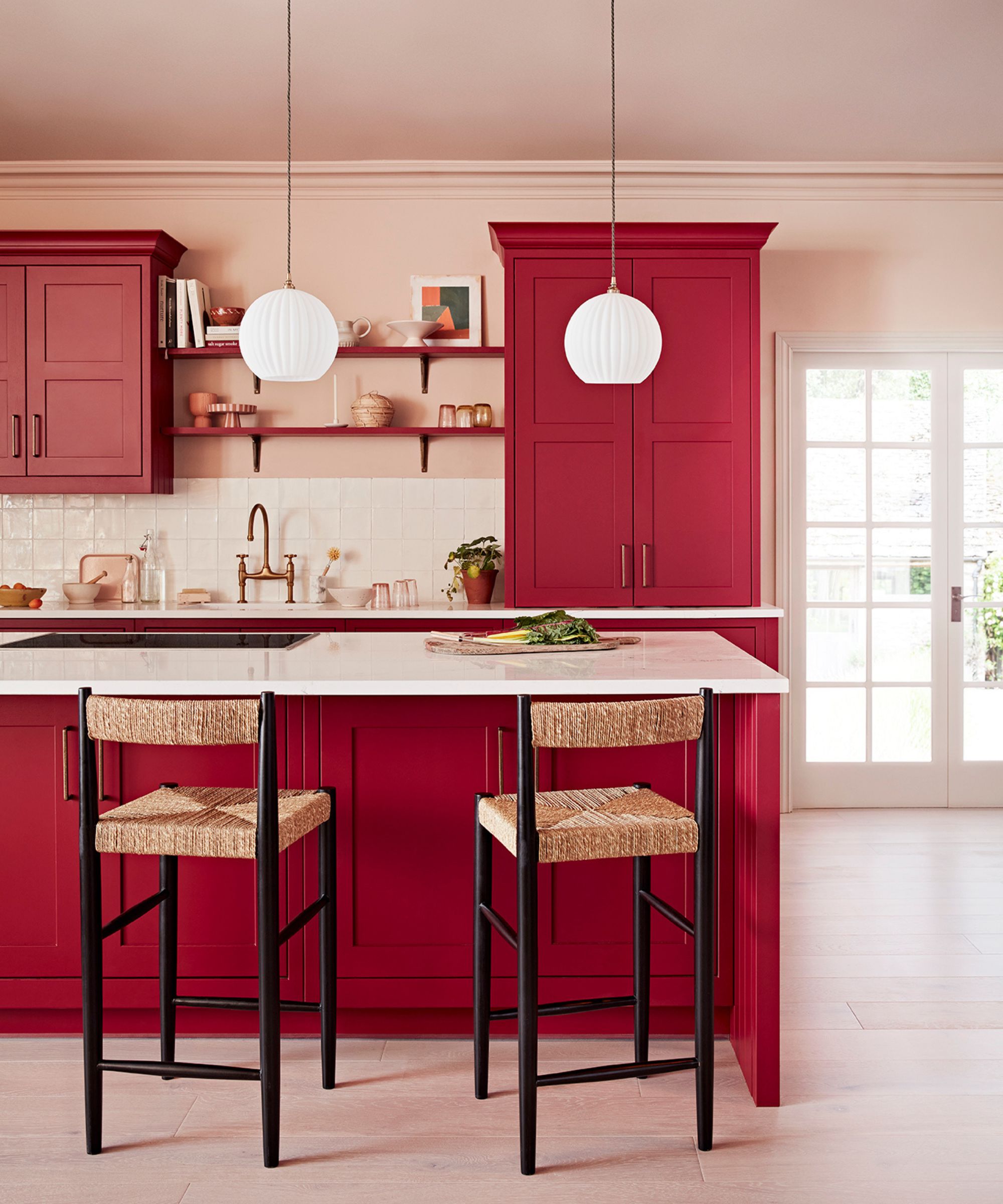
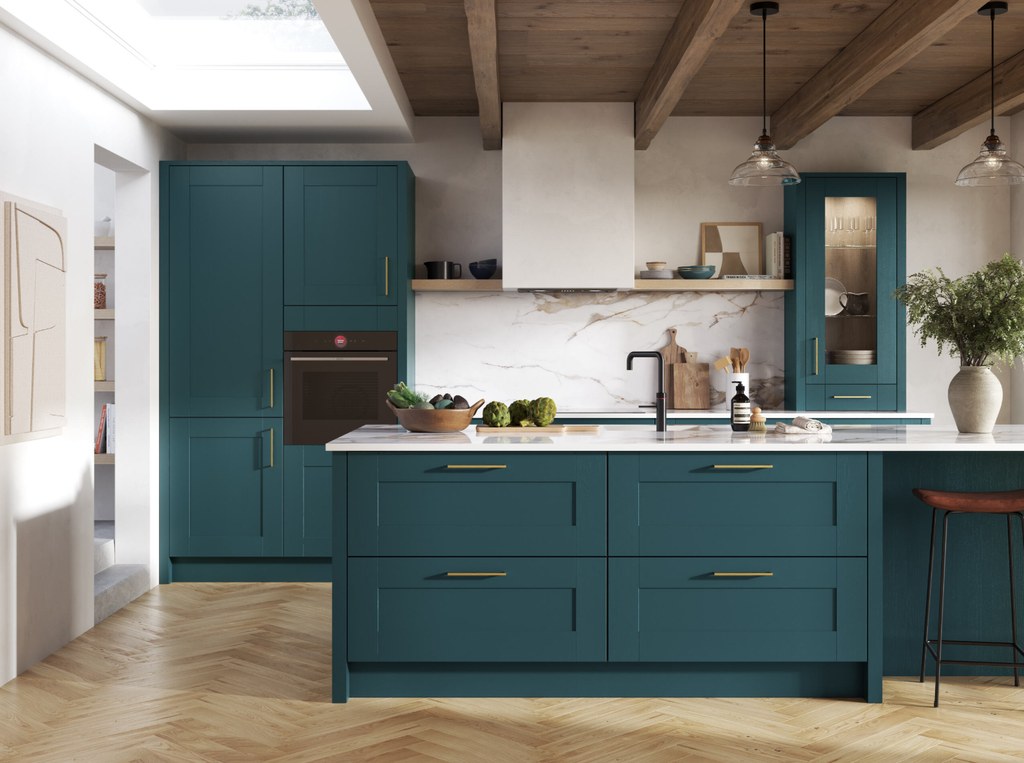
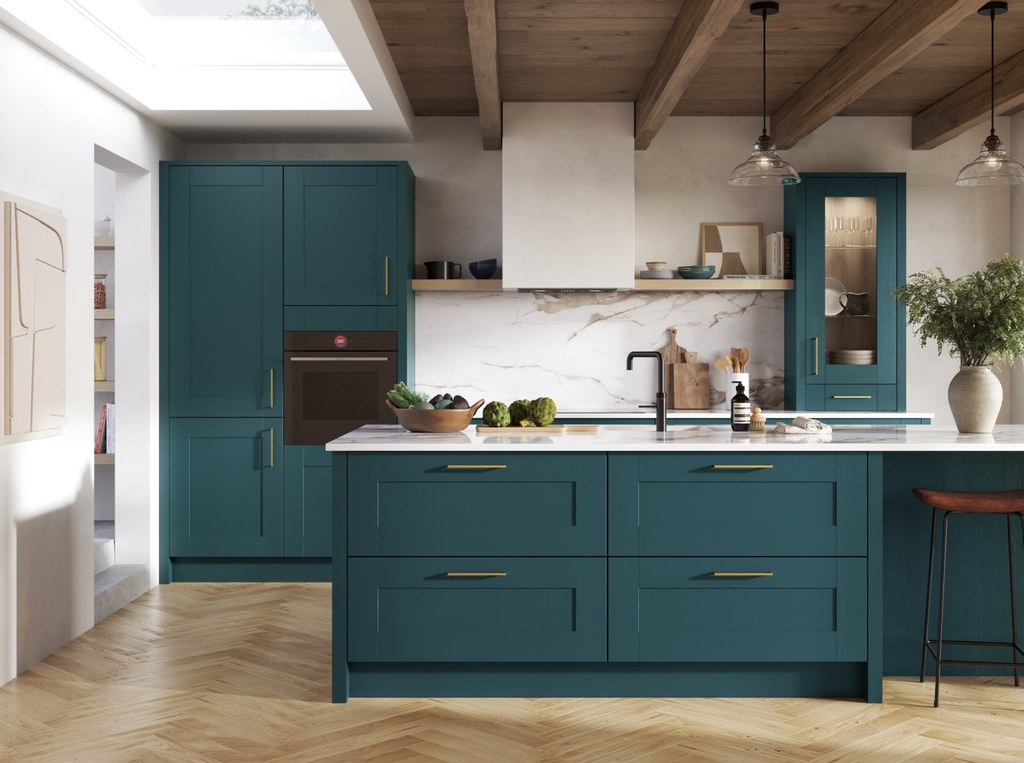
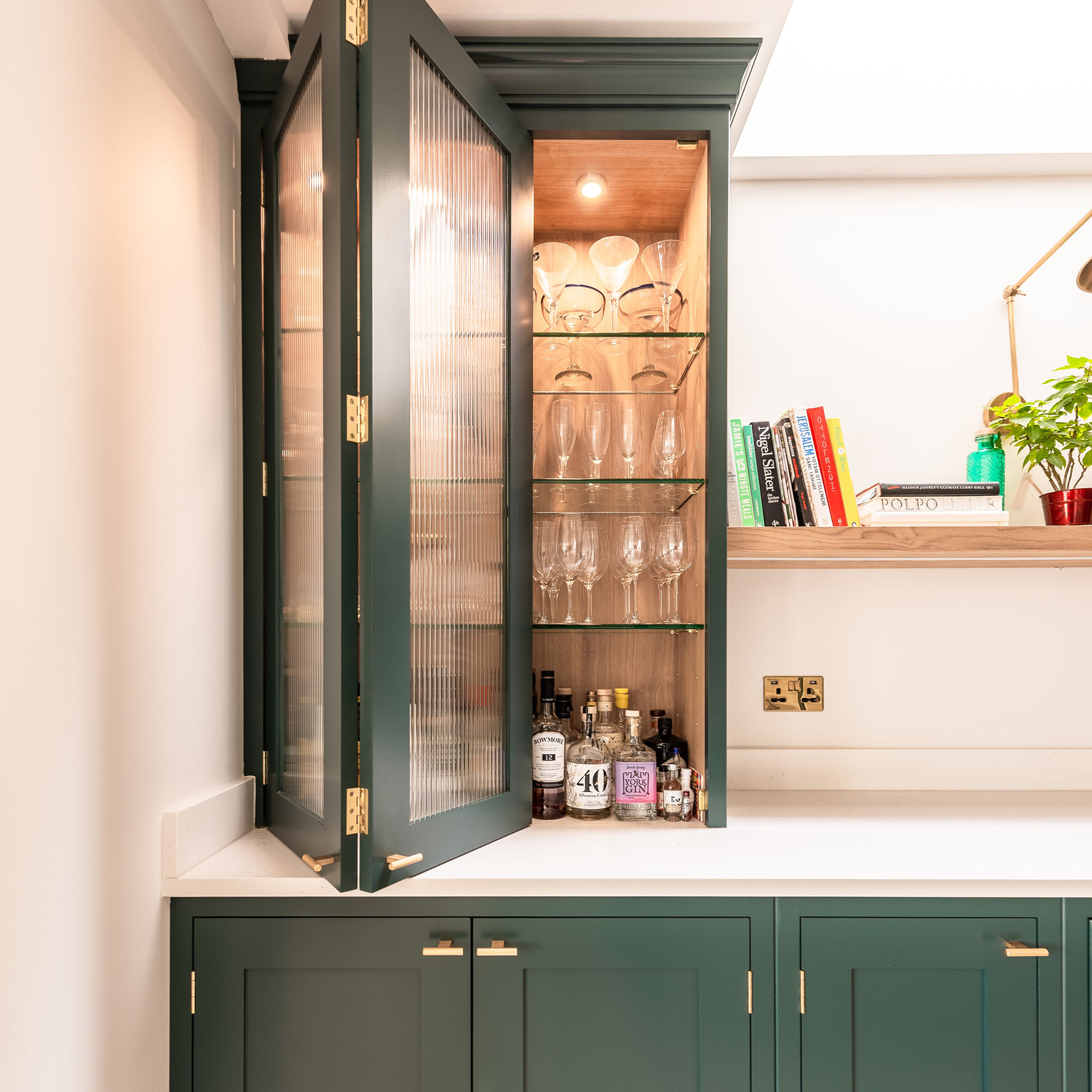
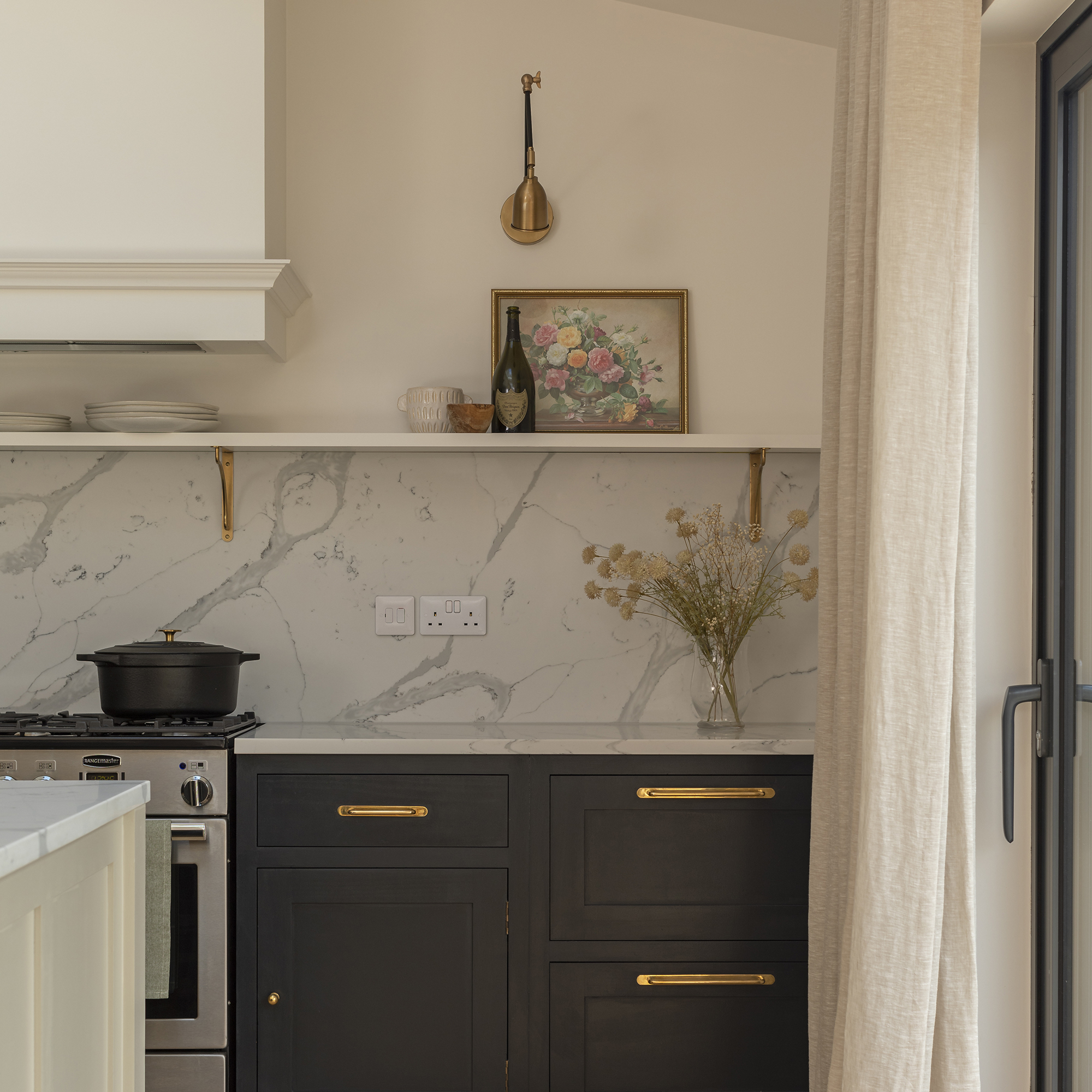
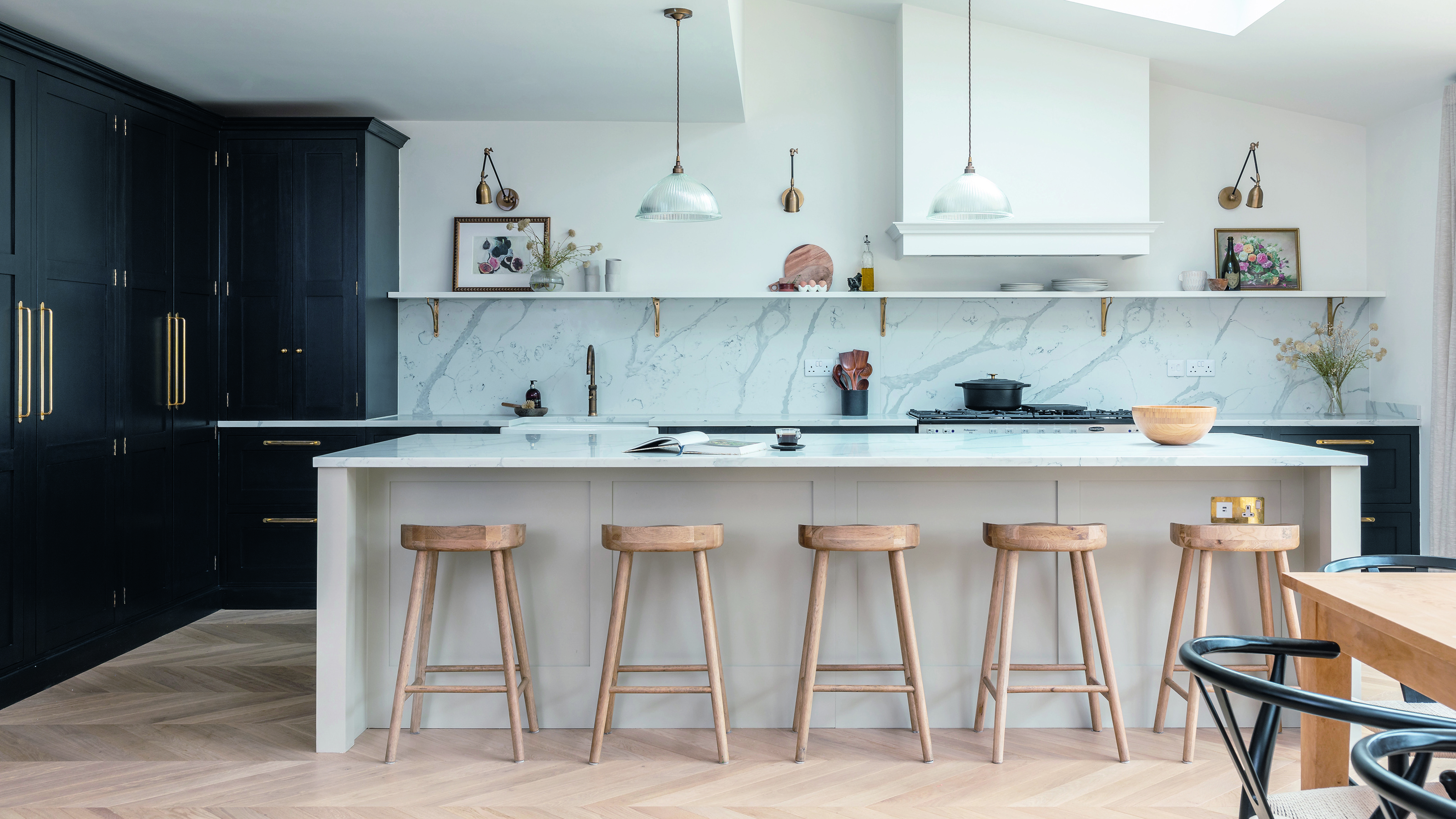
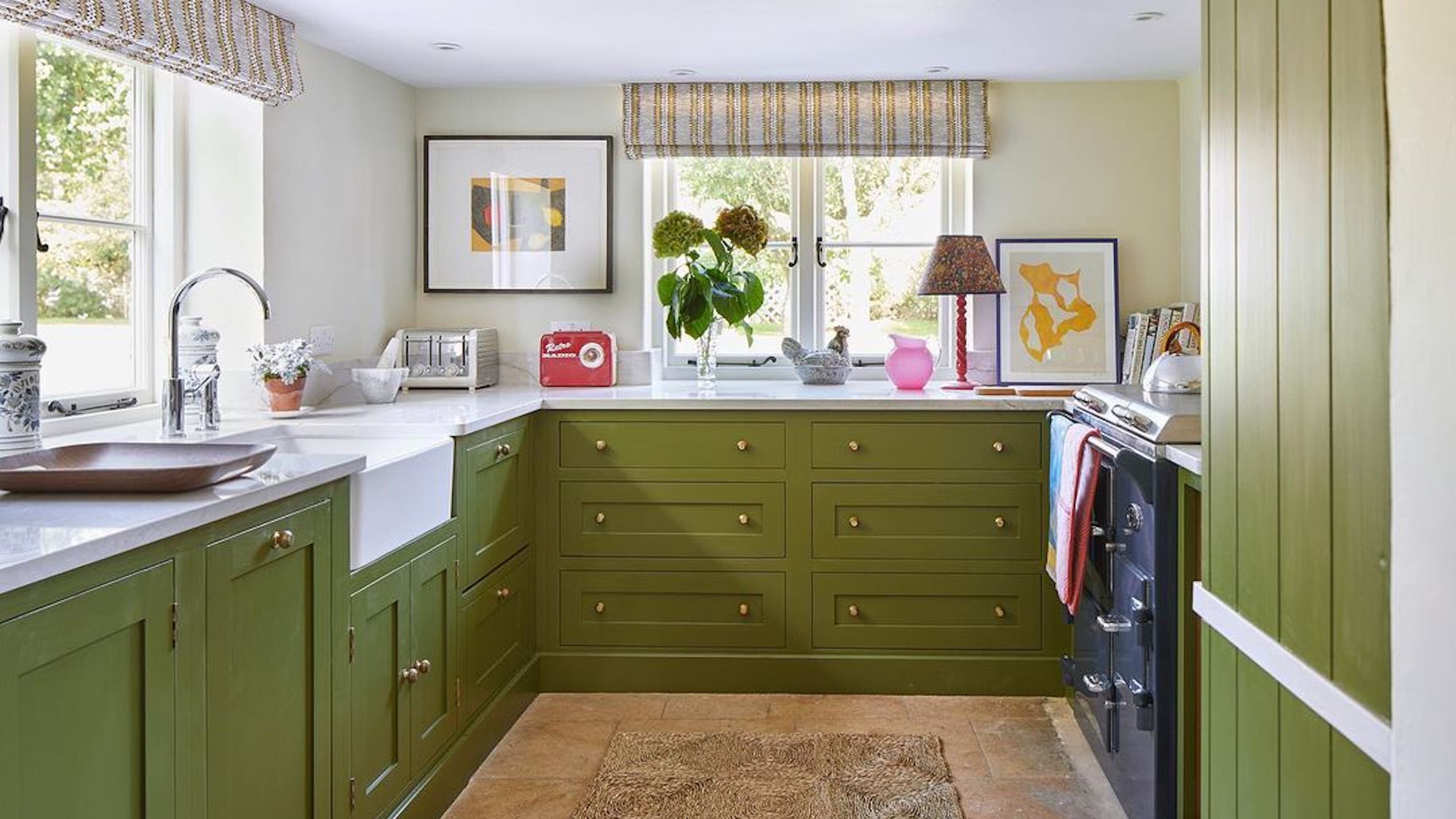
The notion of restricting small kitchens to light colors is another rule to discard. While pale colors can create an illusion of space, overusing white can make a room feel sterile and lack character. Designers now encourage the use of rich, moody tones like navies, forest greens, or charcoal blacks. When paired with effective lighting and reflective surfaces such as glass or metal, these colors can add depth and drama. Darker cabinetry, especially in kitchens with ample natural light, can create a sophisticated and intimate atmosphere, aligning with current client preferences for bold blues, greens, and dramatic marble.
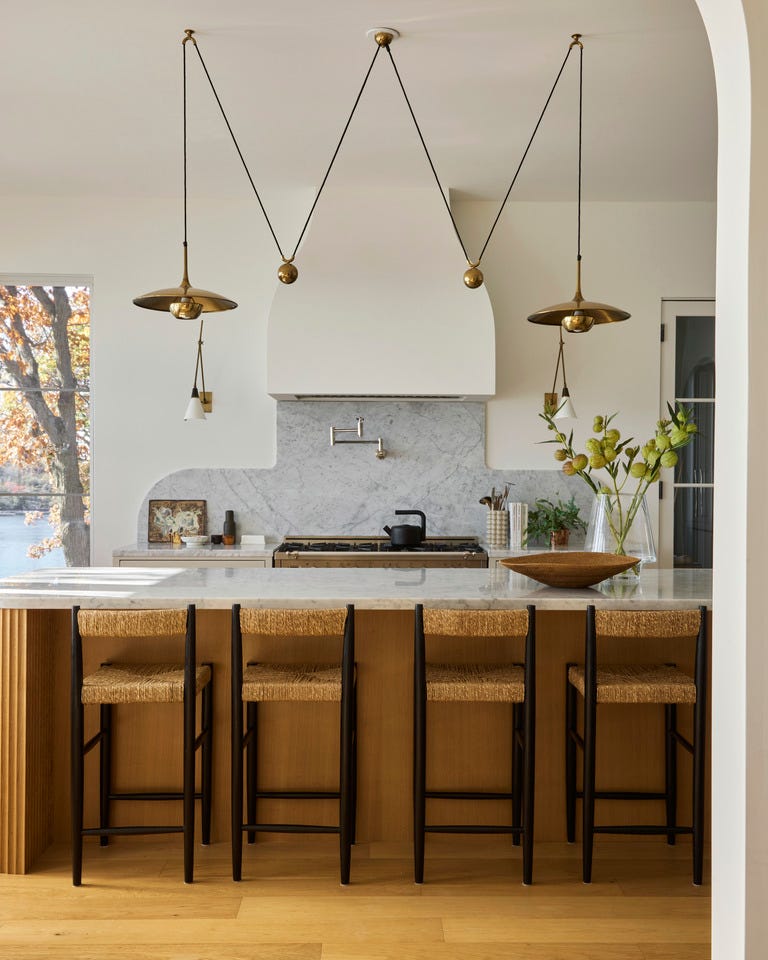
Kitchen symmetry, once a hallmark of balanced design, is now considered dated. Rigidly symmetrical layouts can feel stiff in small kitchens. Designers advocate for embracing irregularities, such as offset cabinets or varied storage options, to create more dynamic and custom spaces. Employing principles like the rule of thirds or the golden ratio can achieve structure and flow, balancing cabinet heights and widths for visual interest and harmony, rather than strict mirroring.
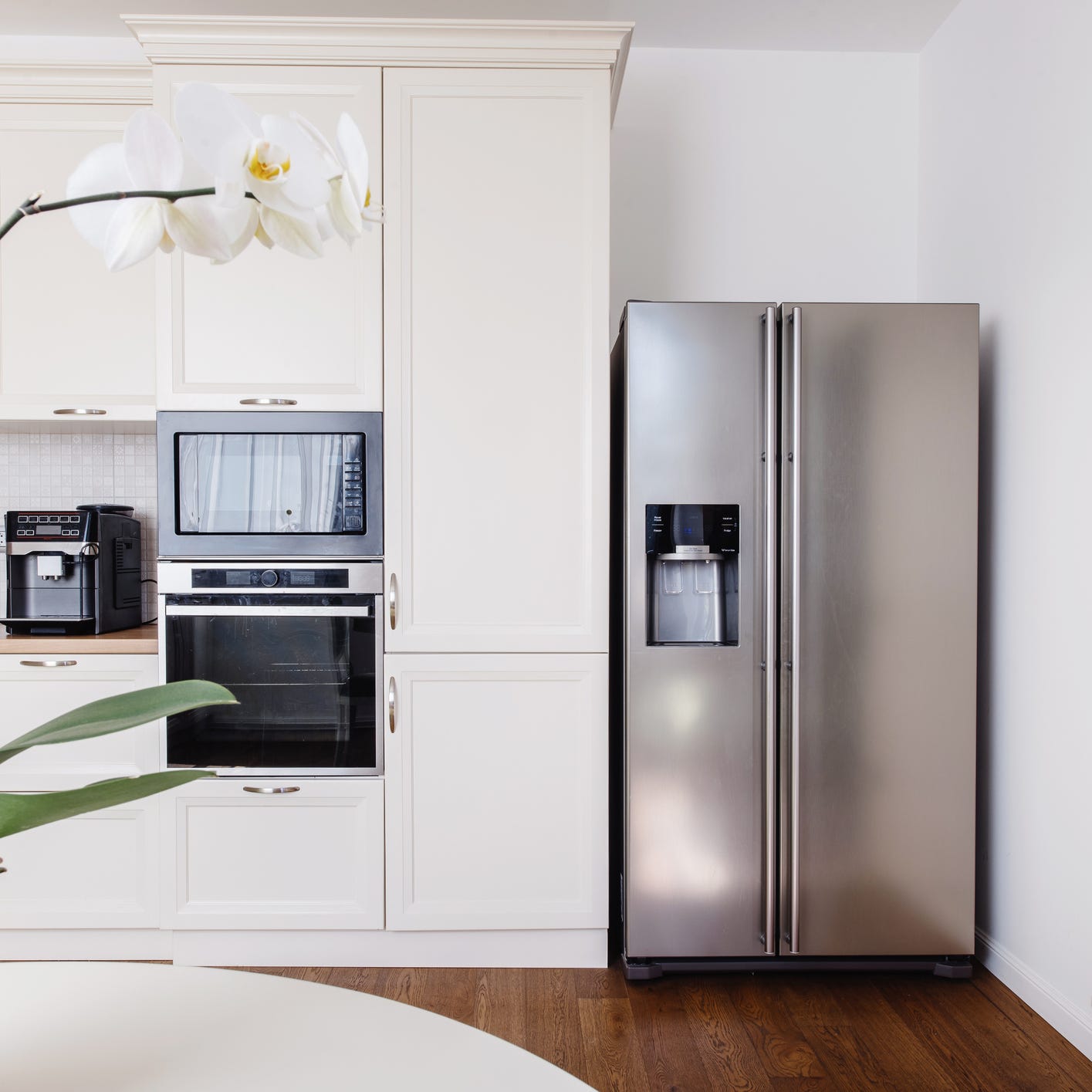
The impulse to shrink all appliances and furnishings in a small kitchen is also an outdated approach. While compact spaces require smart solutions, sacrificing full-size functionality is unnecessary. Integrated appliances, drawer storage, and pull-out systems optimize every inch. However, using shallower base cabinets (e.g., 18 or 15 inches deep instead of the standard 24 inches) can free up circulation space or allow for compact islands without making the area feel tight.
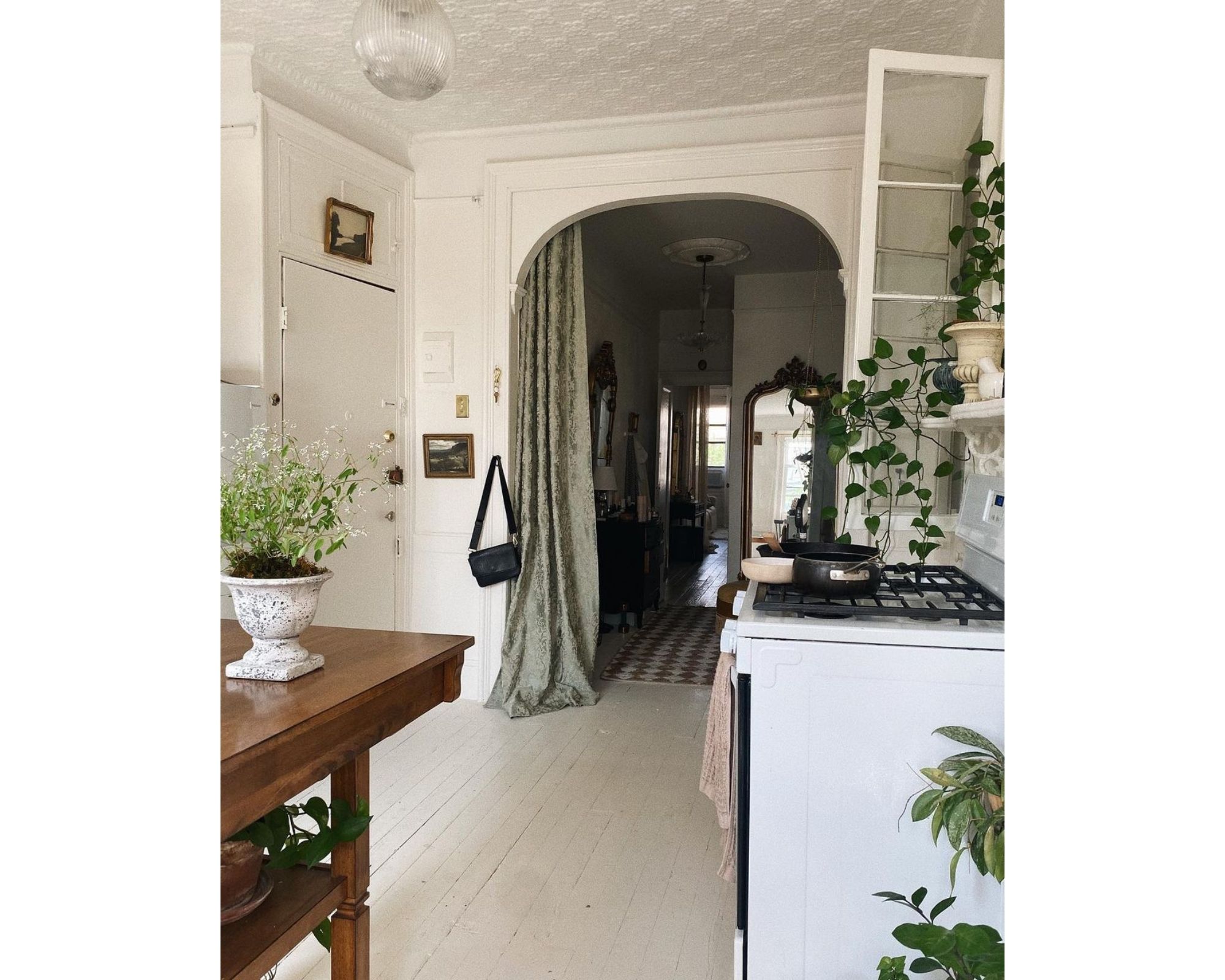
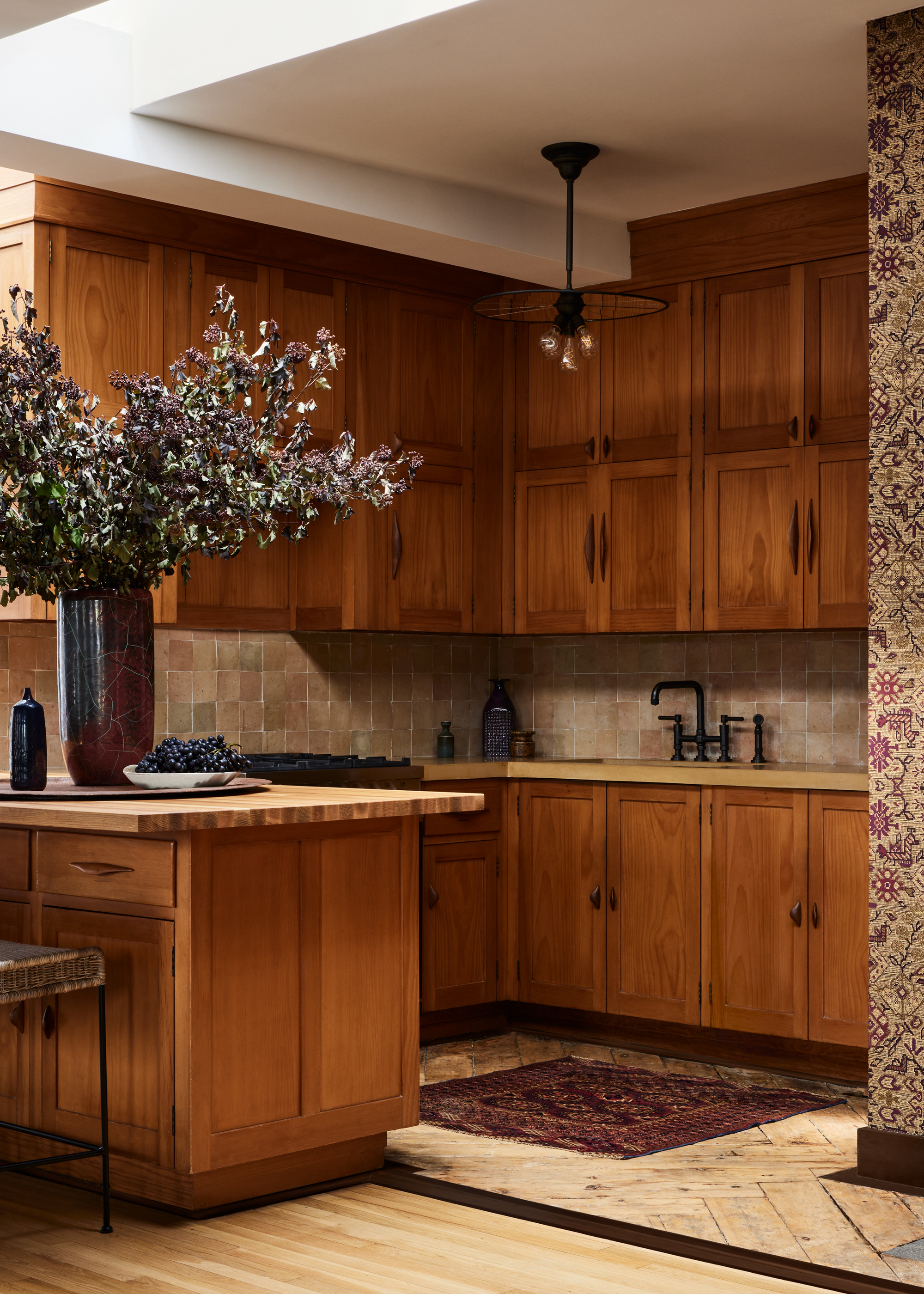
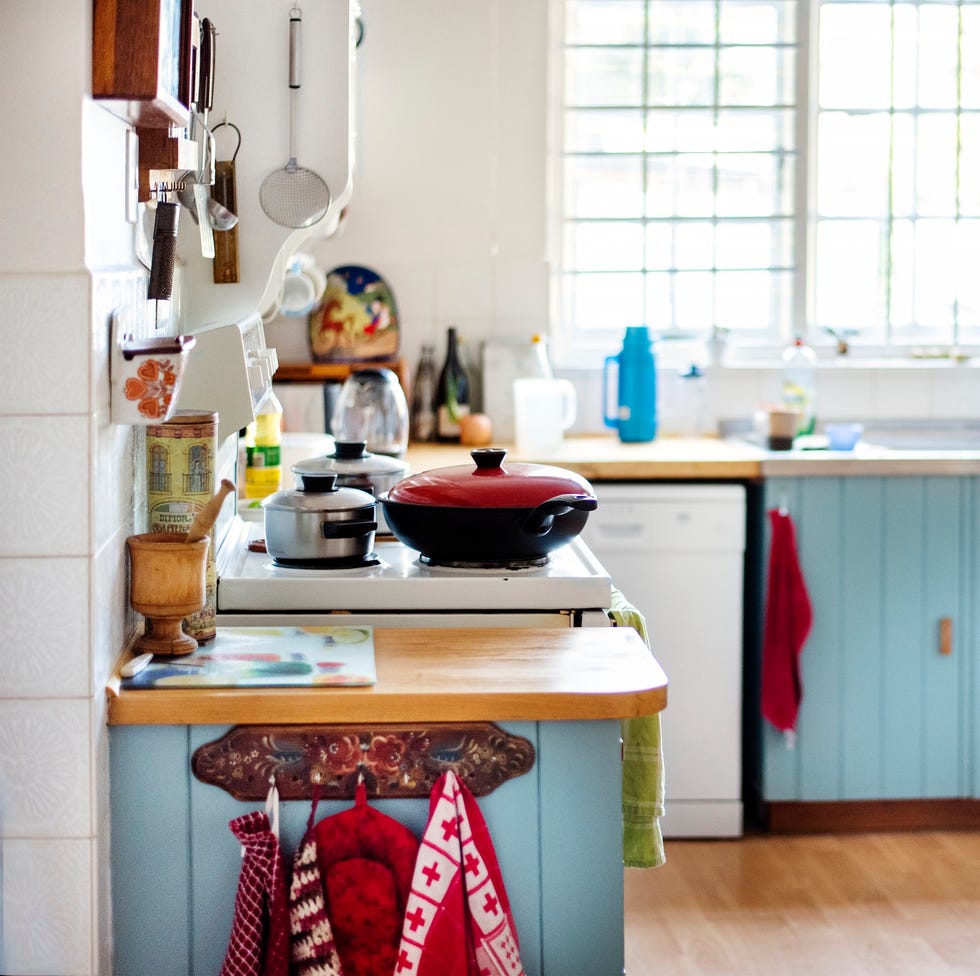
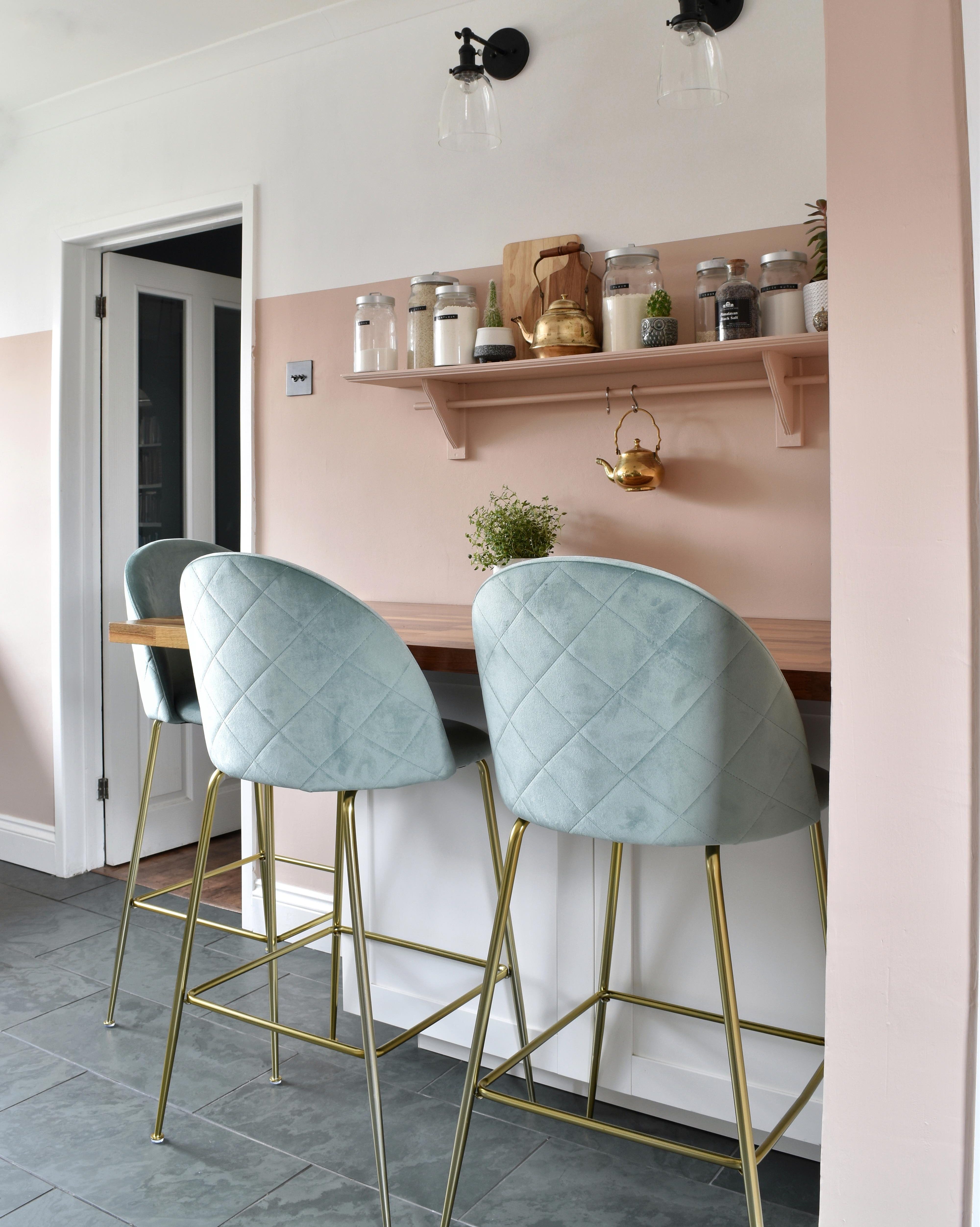
Finally, the rules against mixing styles or incorporating furniture in small kitchens are being disregarded. Uniform, cookie-cutter designs can lack personality. Intentional curation allows for mixing materials, colors, and vintage-inspired elements to add warmth and character. Similarly, while practicality is paramount, small kitchens can benefit from thoughtful furnishings beyond built-ins. A freestanding vintage table, a narrow console, or an open hutch can introduce warmth, charm, and additional functional purpose, making the space feel more personal and less purely utilitarian. By letting go of these outdated rules, designers can create small kitchens that are both practical and deeply personal to the homeowners' needs.
#SmallKitchenDesign #KitchenRenovation #InteriorDesignTrends #SpatialDesign #KitchenLayout #StorageSolutions #ColorTheory #FunctionalDesign #ModernKitchens #SmallKitchenDesign #KitchenRenovation #InteriorDesignTrends #SpatialDesign #KitchenLayout #StorageSolutions #ColorTheory #FunctionalDesign #ModernKitchens
0 comment in total
 No comments yet
You may also like
Outdated rules to ignore when decorating a small kitchen

6 design rules worth breaking for a more characterful kitchen

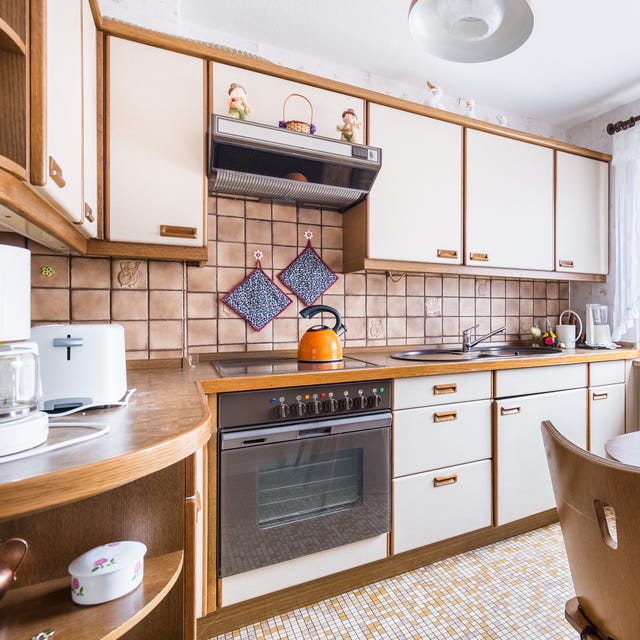
22 Outdated Things You Should Avoid in Your Kitchen, According to Designers

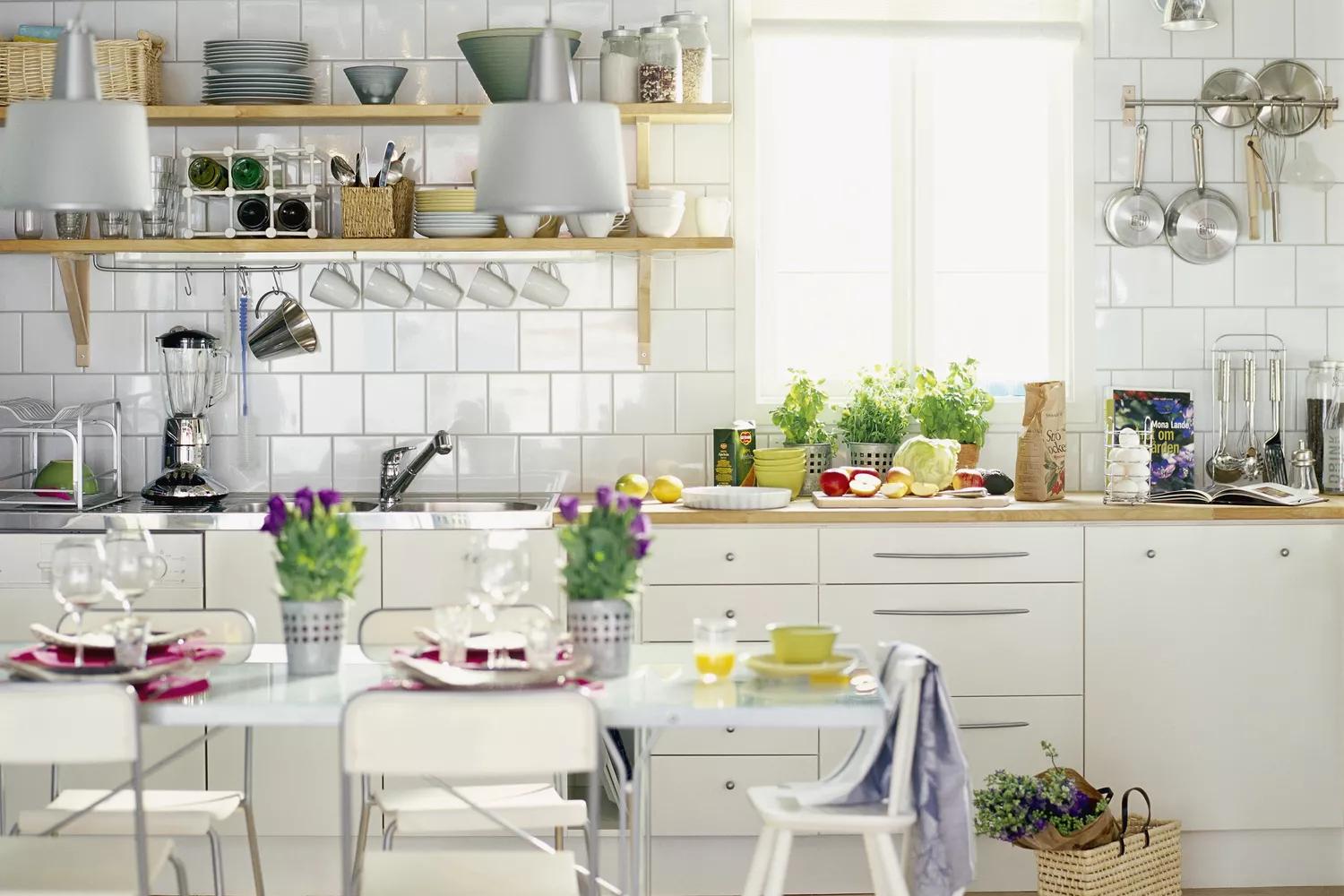
7 Impractical Kitchen Trends Designers Never Recommend to Their Clients

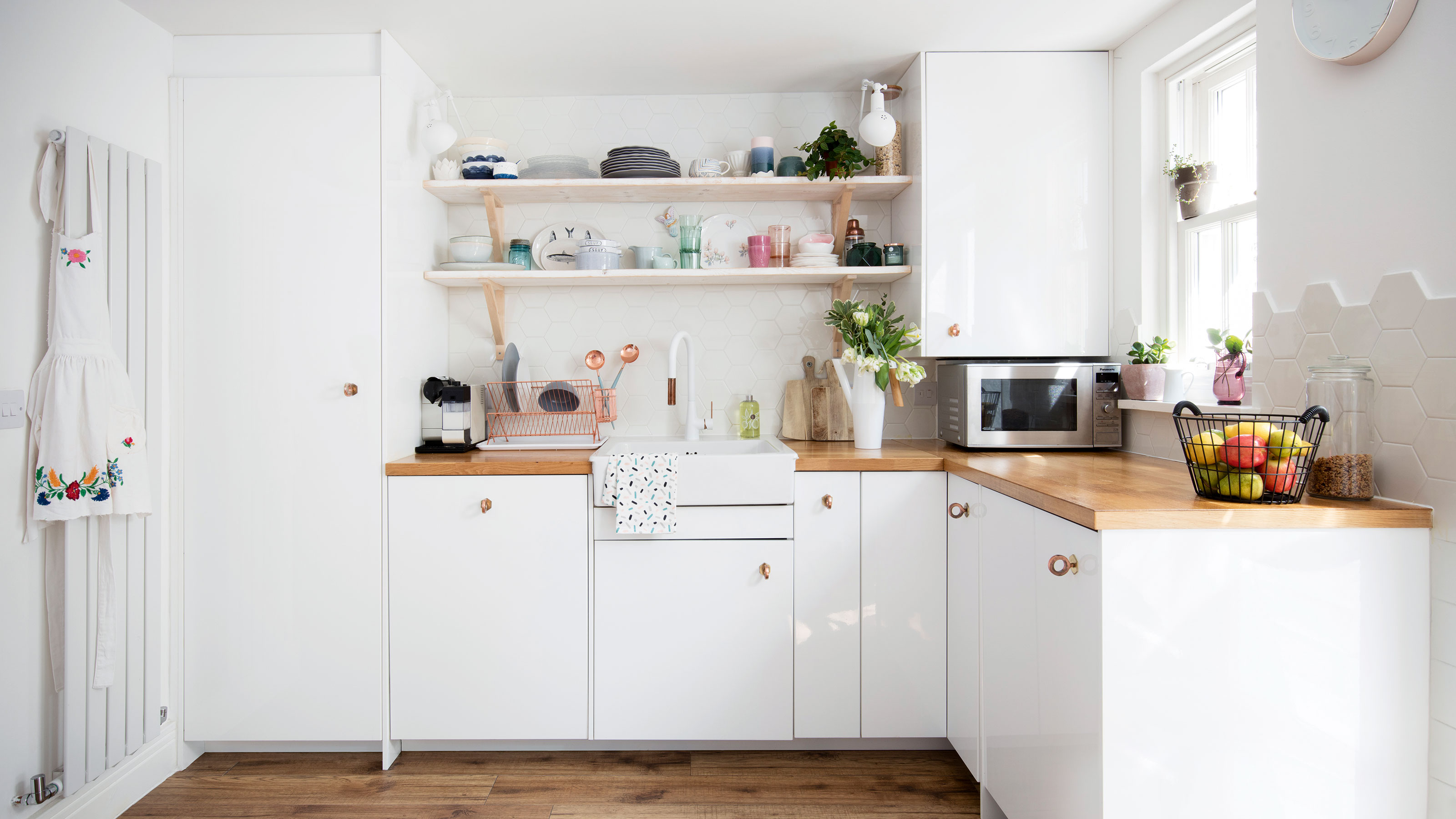
5 outdated rules to ignore when designing a small kitchen – for a realistic yet organised space
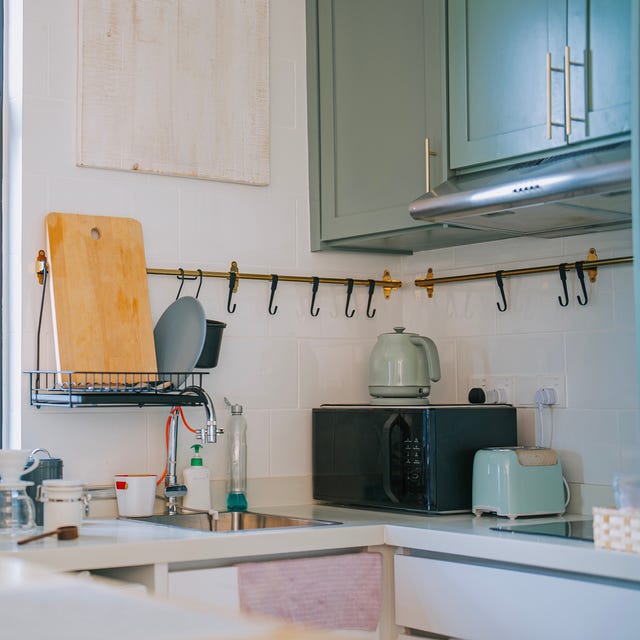
15 Outdated Things You Should Avoid In Your Kitchen, According To Designers
Interior designers share the 10 things in your kitchen you should get rid of
5 kitchen trends to avoid for a unique and timeless design
10 Small Kitchen Layout Mistakes Designers Will Always Urge You to Avoid for a Better Working Space
10 expert tips for designing a small kitchen

11 kitchen layout mistakes – frustrating to live with, they make your space look smaller too

Narrow kitchen ideas – 10 design rules for making a long kitchen space seem wider
5 Outdated Kitchen Rules You Should Definitely Ignore, According to Designers

11 WORST Kitchen Design Mistakes You're Probably Making

8 shockingly common kitchen design mistakes according to a pro

Small IKEA kitchens can be perfectly formed if you know these 10 designer secrets to getting them right
8 small kitchen design mistakes to avoid, according to an interior designer
6 things to avoid to make your small kitchen look bigger
8 shockingly common kitchen design mistakes according to a pro

10 Outdated Kitchen Details That Are Quietly Aging Your Home