1/7
6 design rules worth breaking for a more characterful kitchen
The article explores six traditional kitchen design rules that, according to experts, can be broken to create a more personalized and characterful kitchen space. It emphasizes moving beyond conventional trends to design a kitchen that truly suits individual lifestyles and preferences.
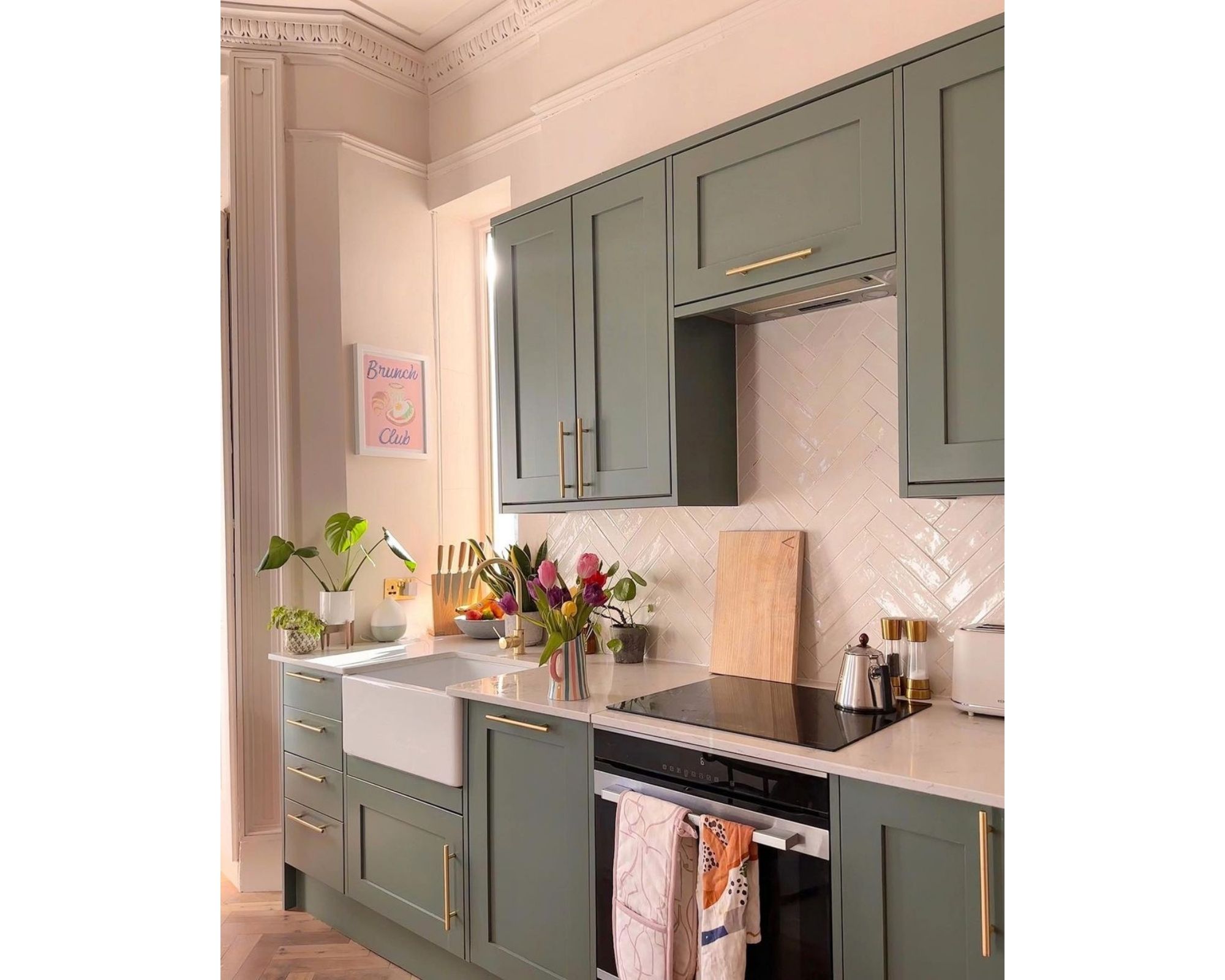
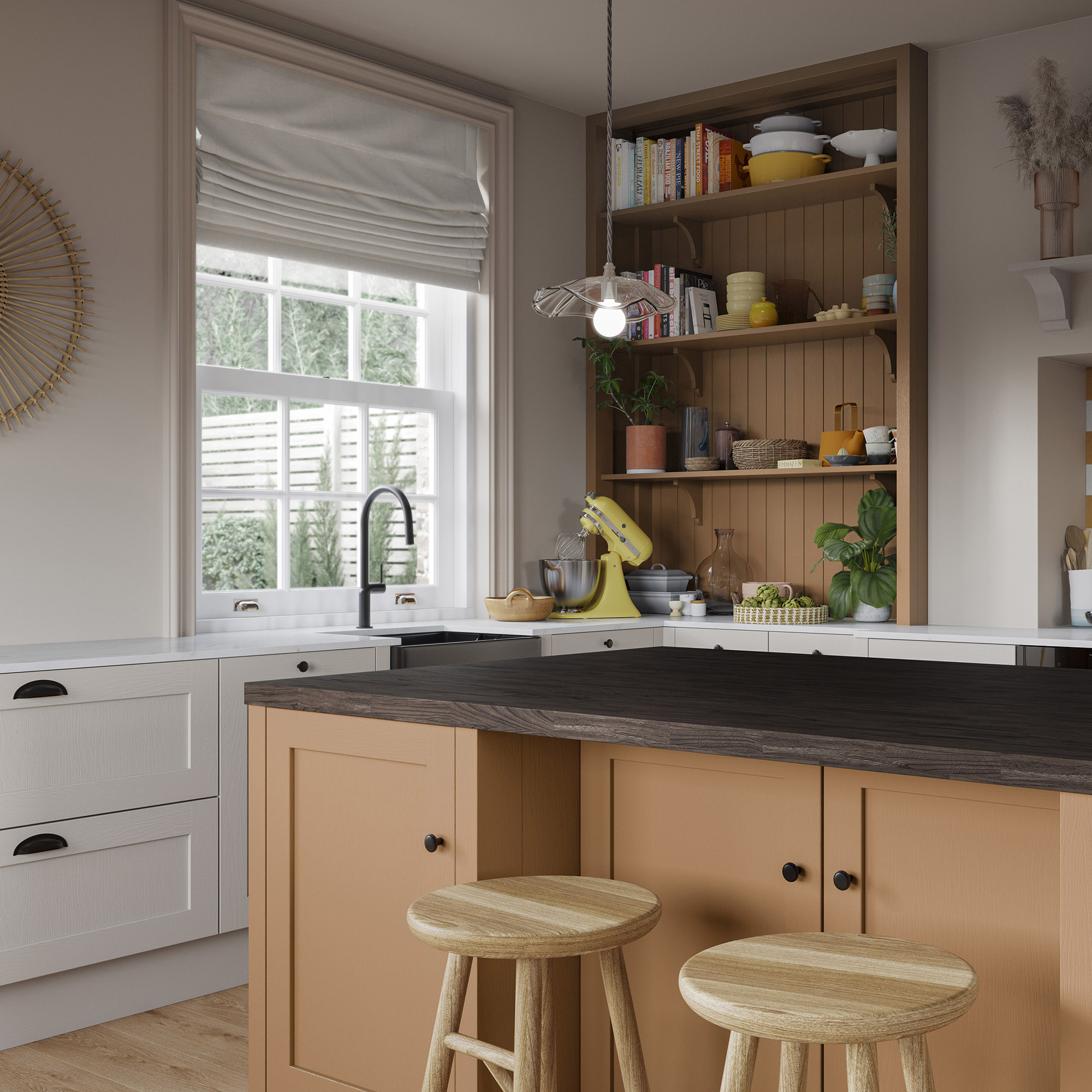
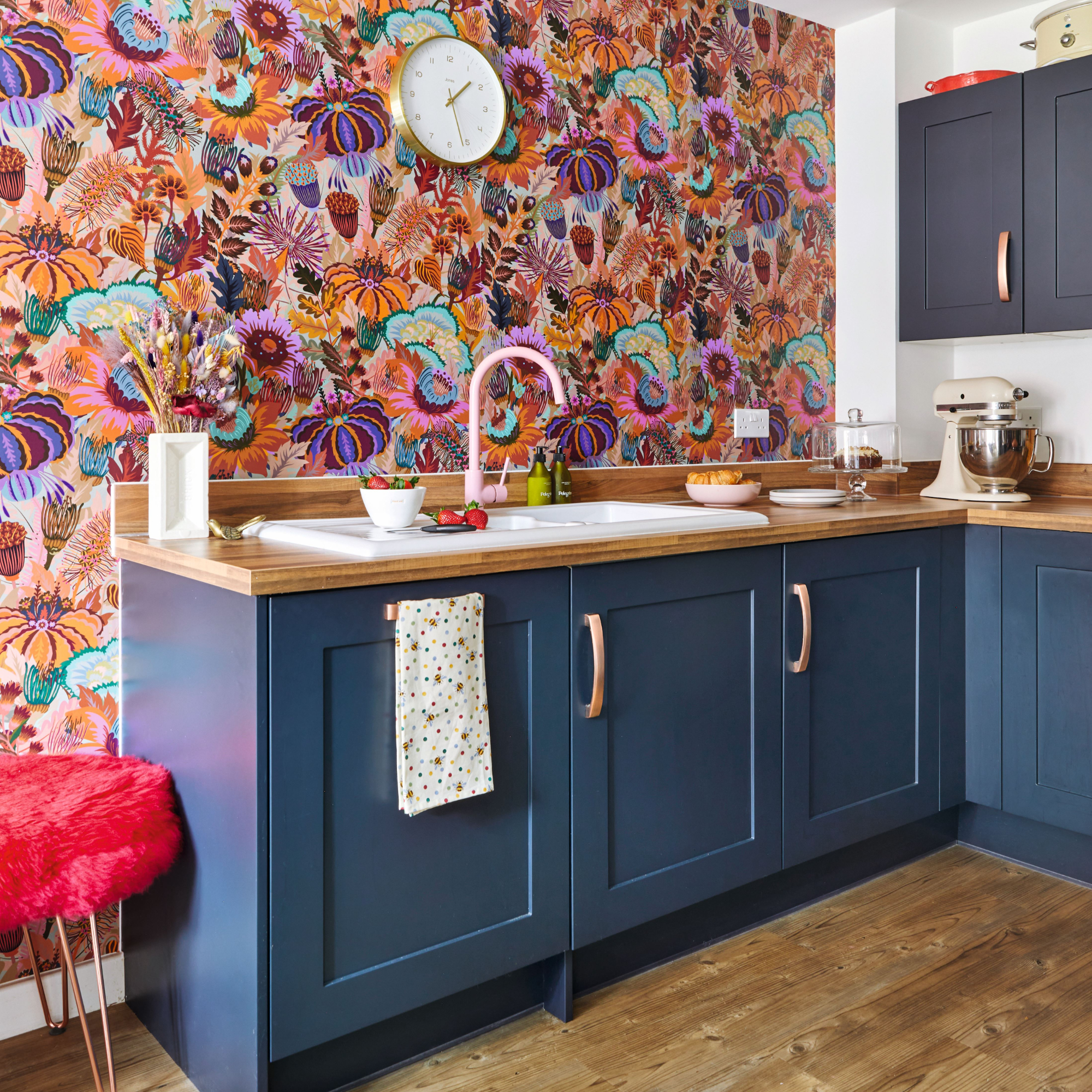
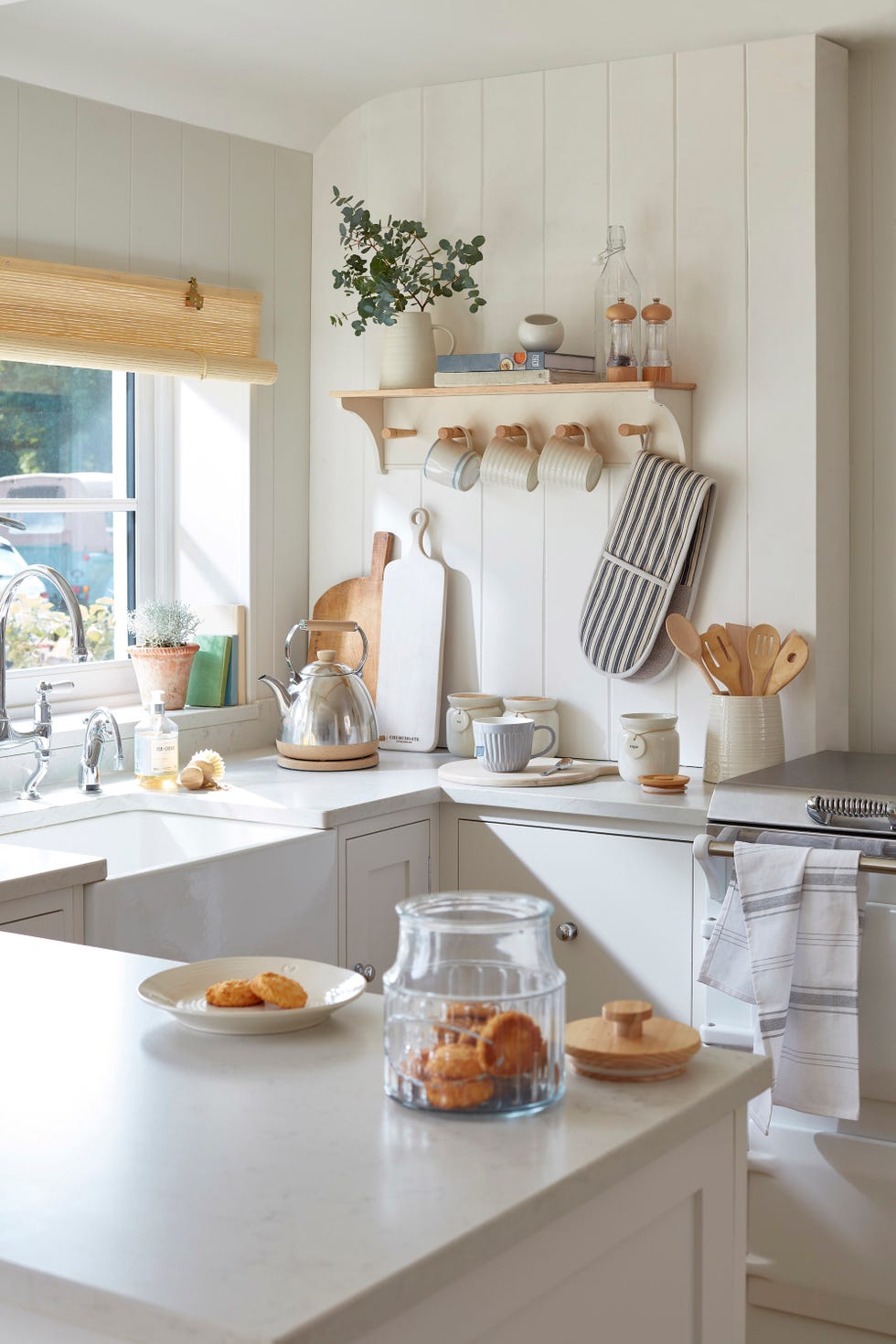
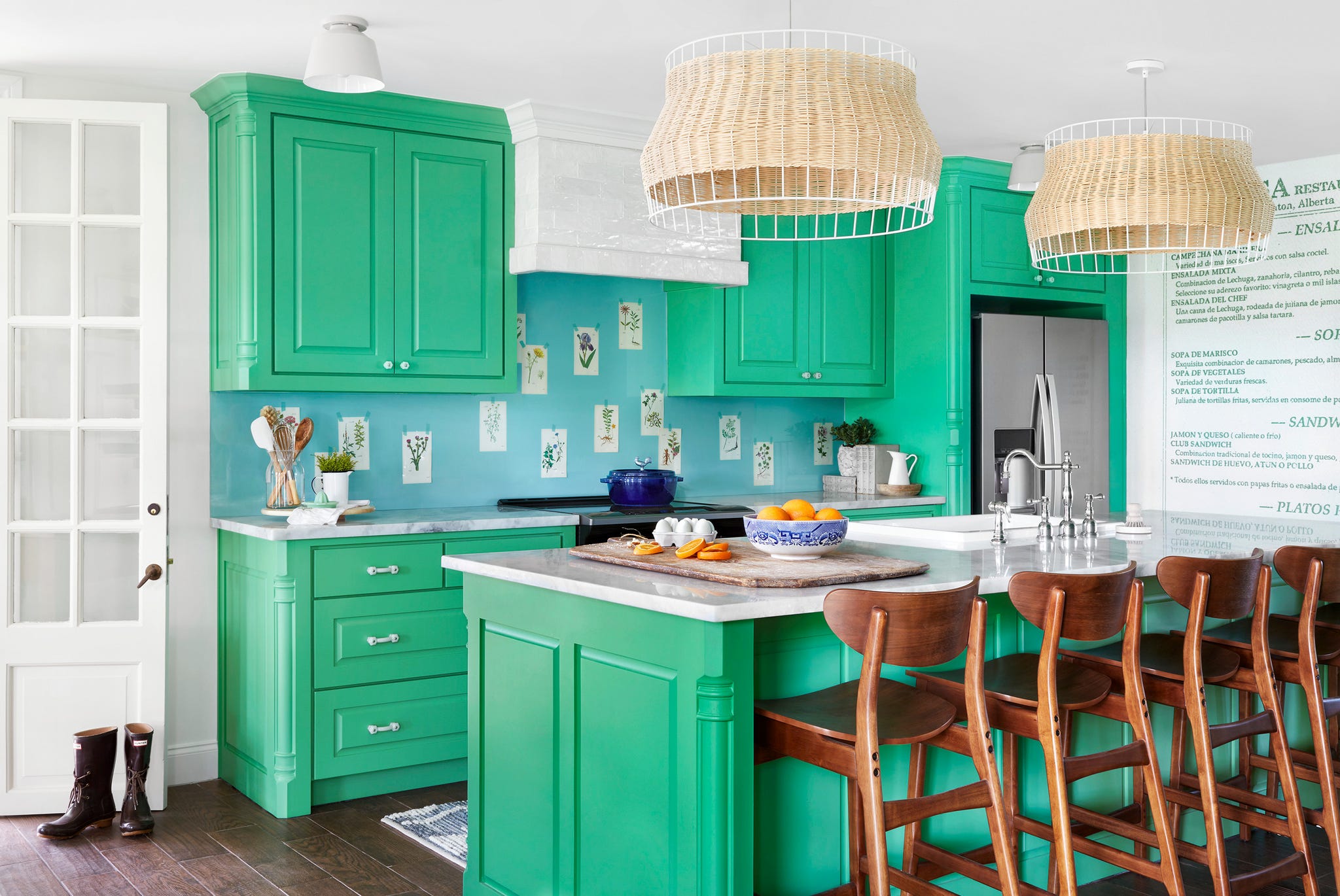
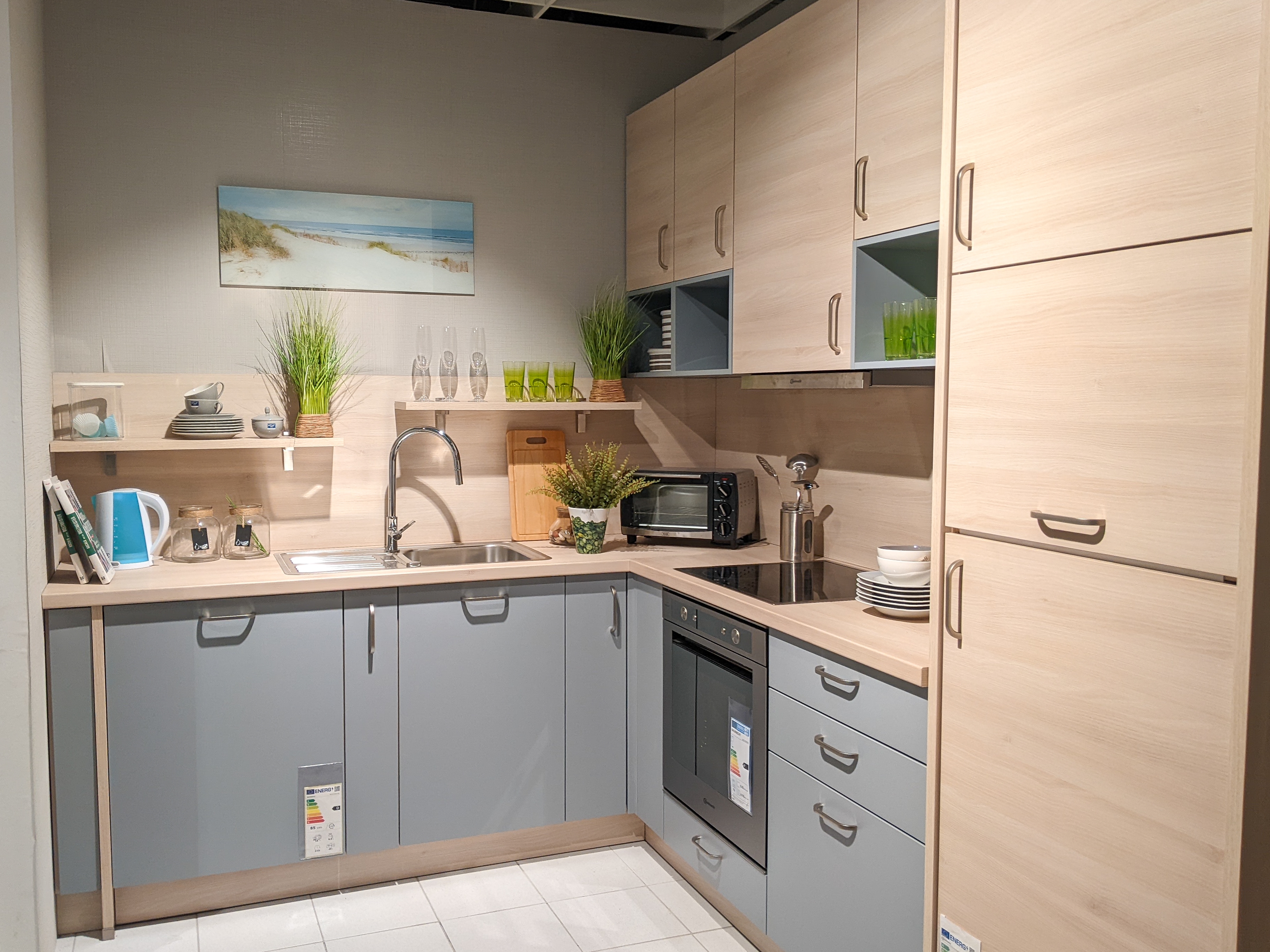
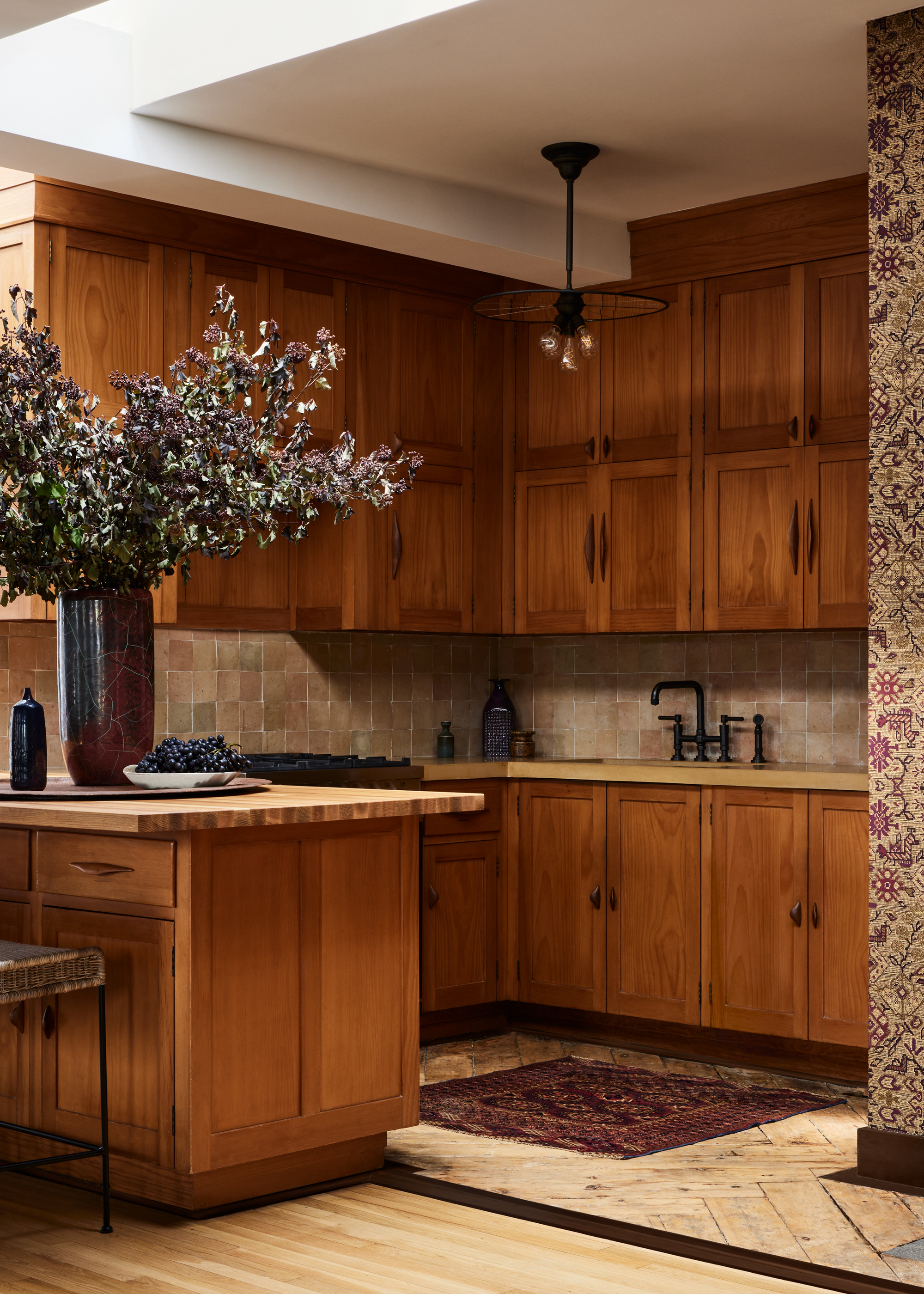
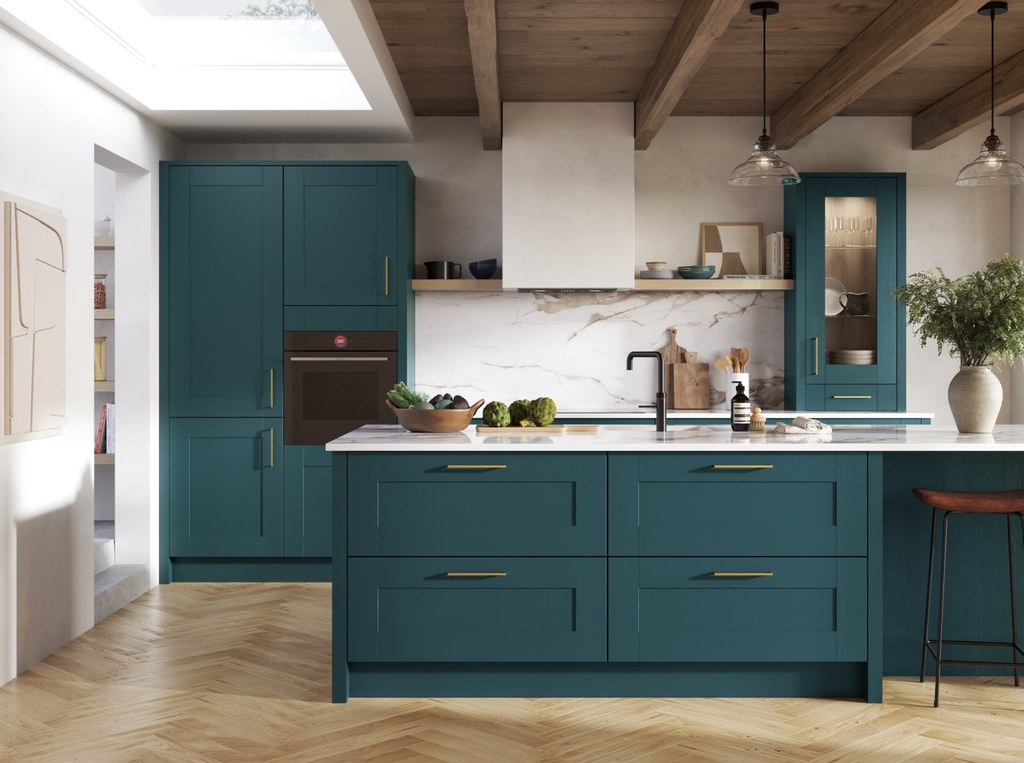
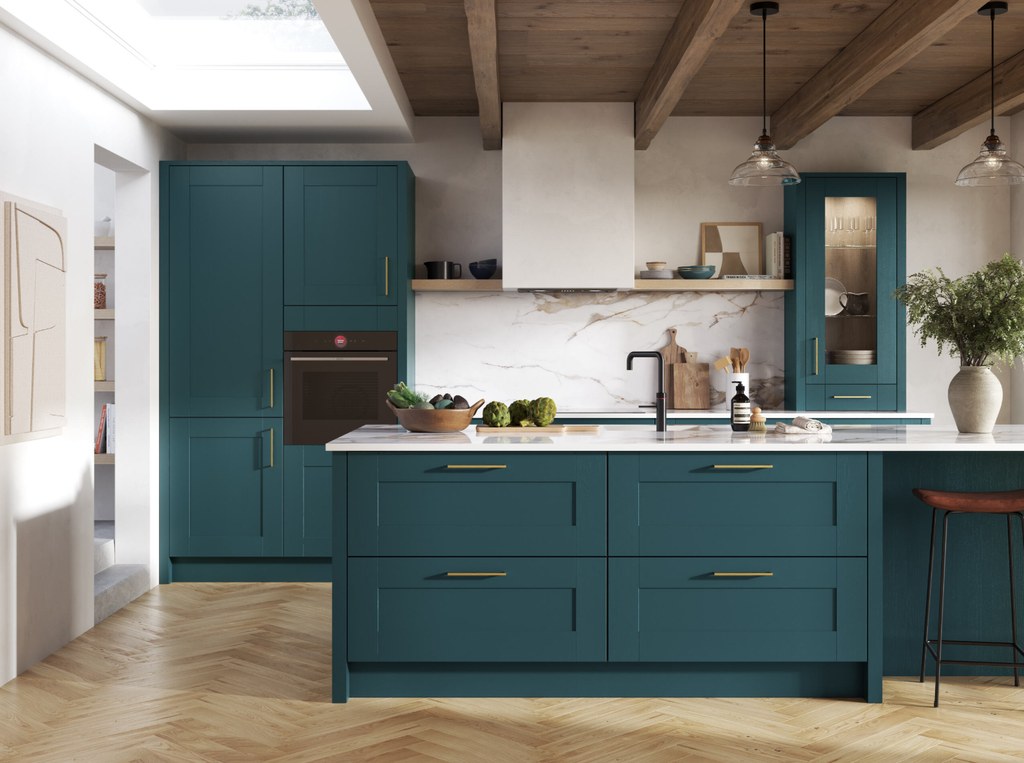
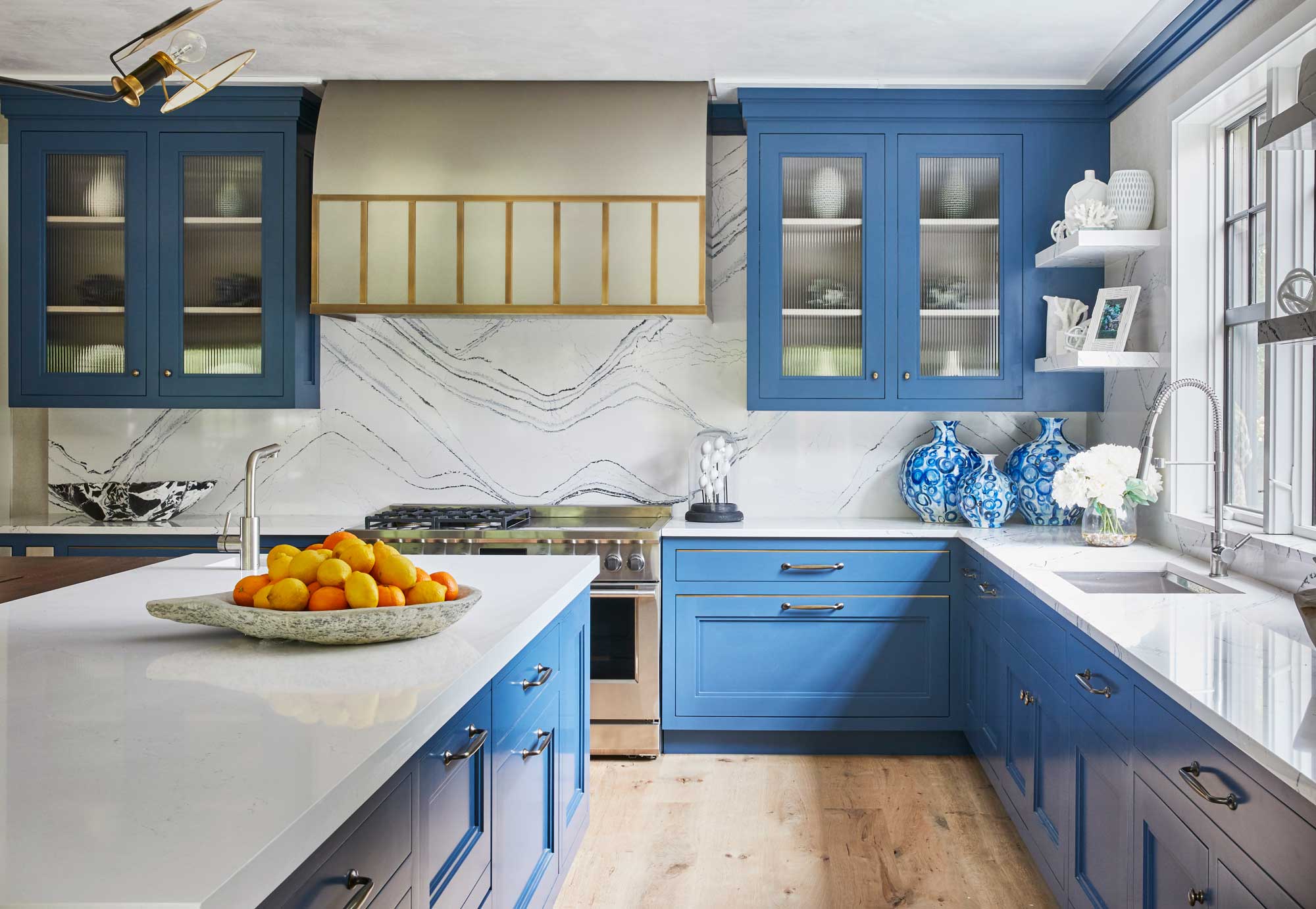
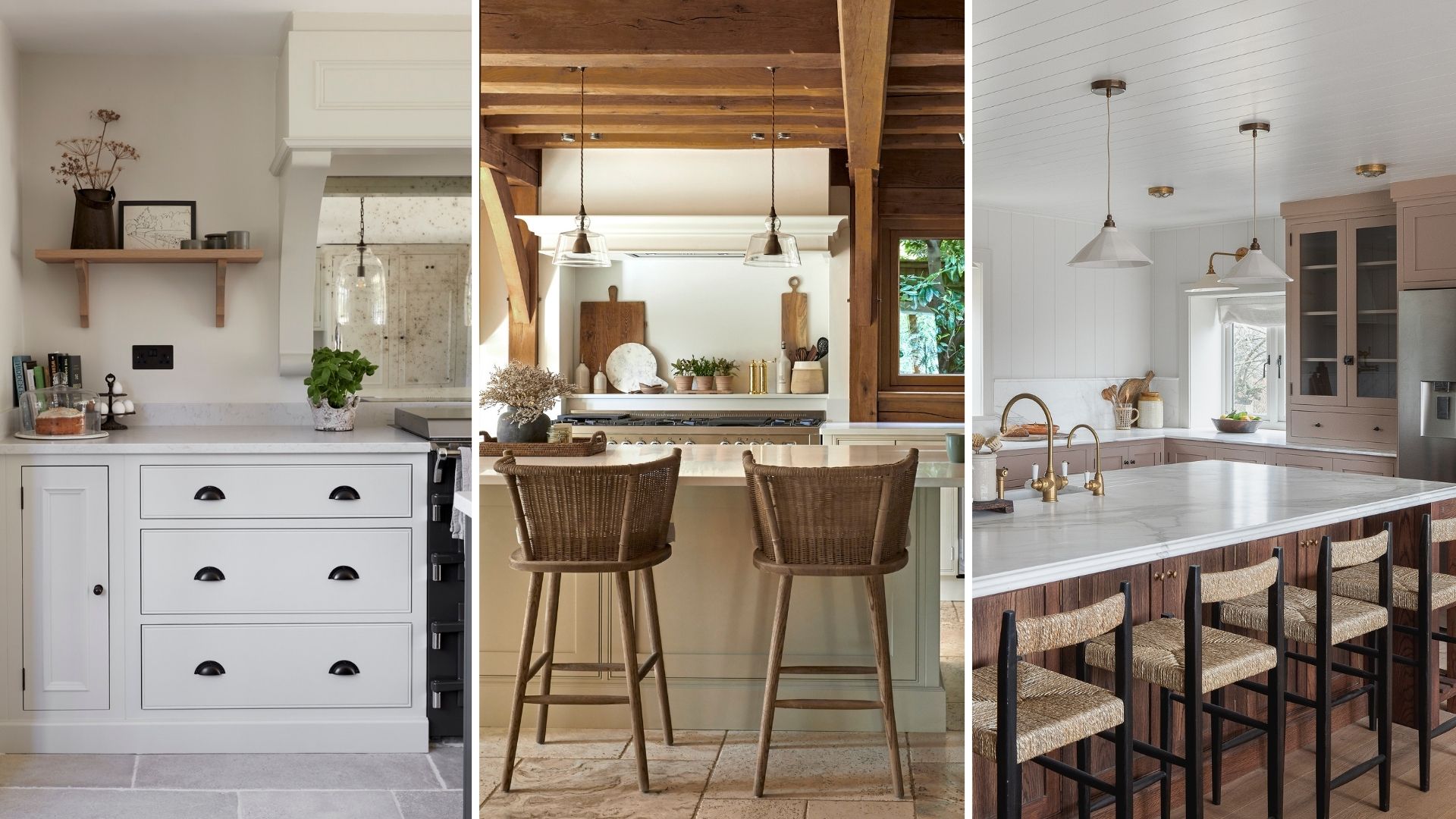
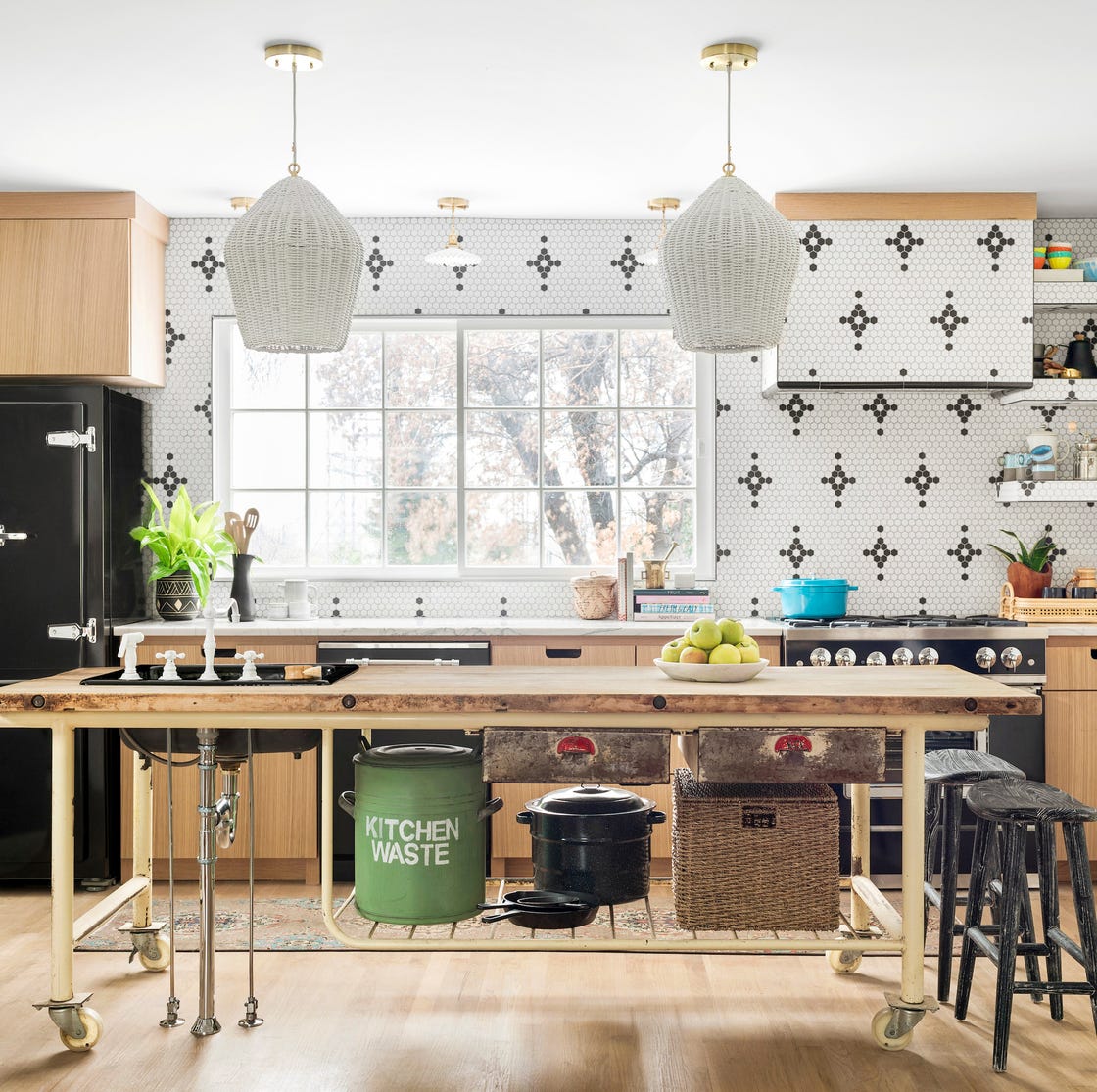
First, the notion of sticking to one consistent style is challenged. Ady Heaton, head of design at Howdens, suggests mixing cabinet styles, such as shakers with modern slab or handle-less doors, and combining different materials like rustic timber with quartz worktops. This eclectic approach allows for the creation of distinct zones within the kitchen and adds personality, provided the mixing is done thoughtfully to avoid a chaotic appearance.
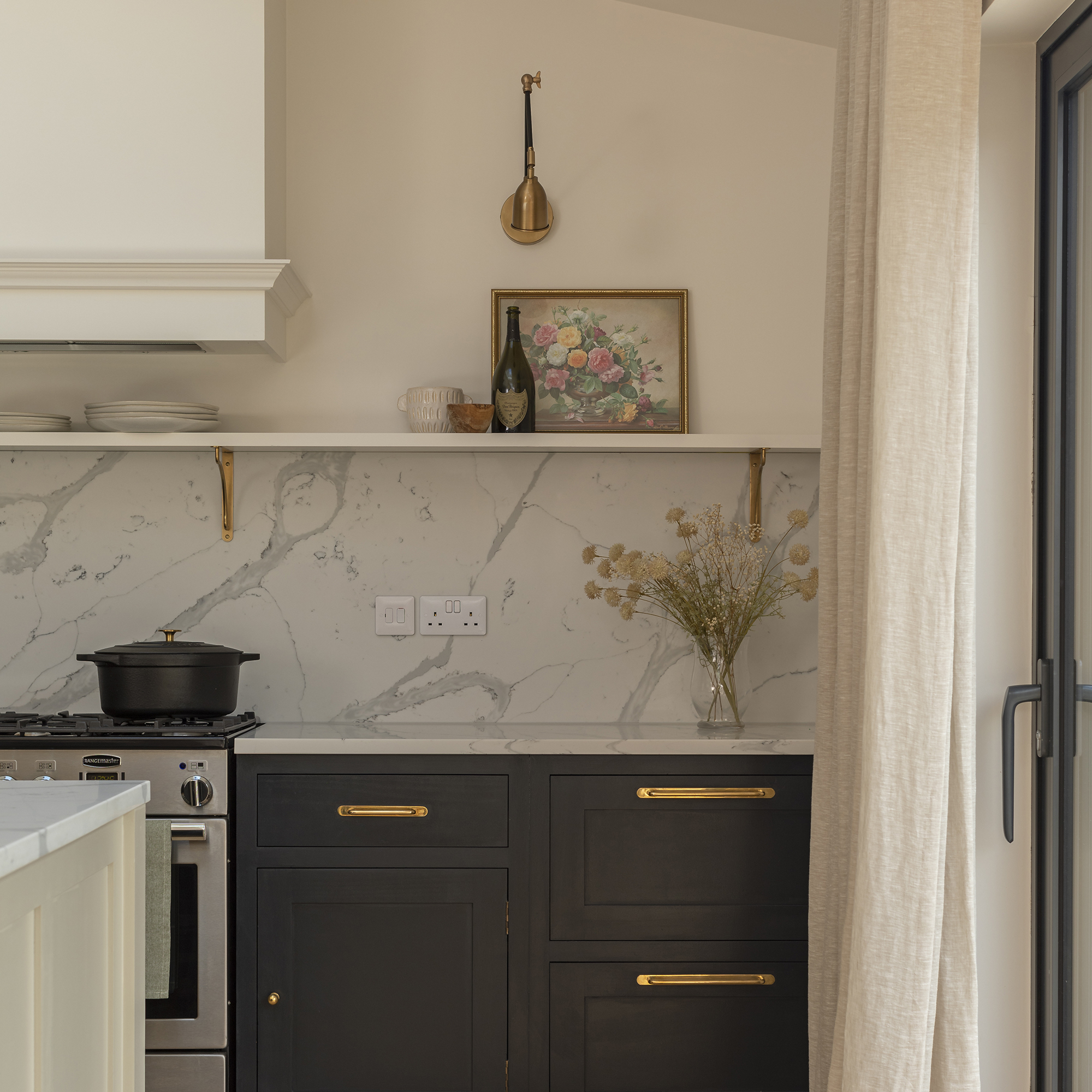
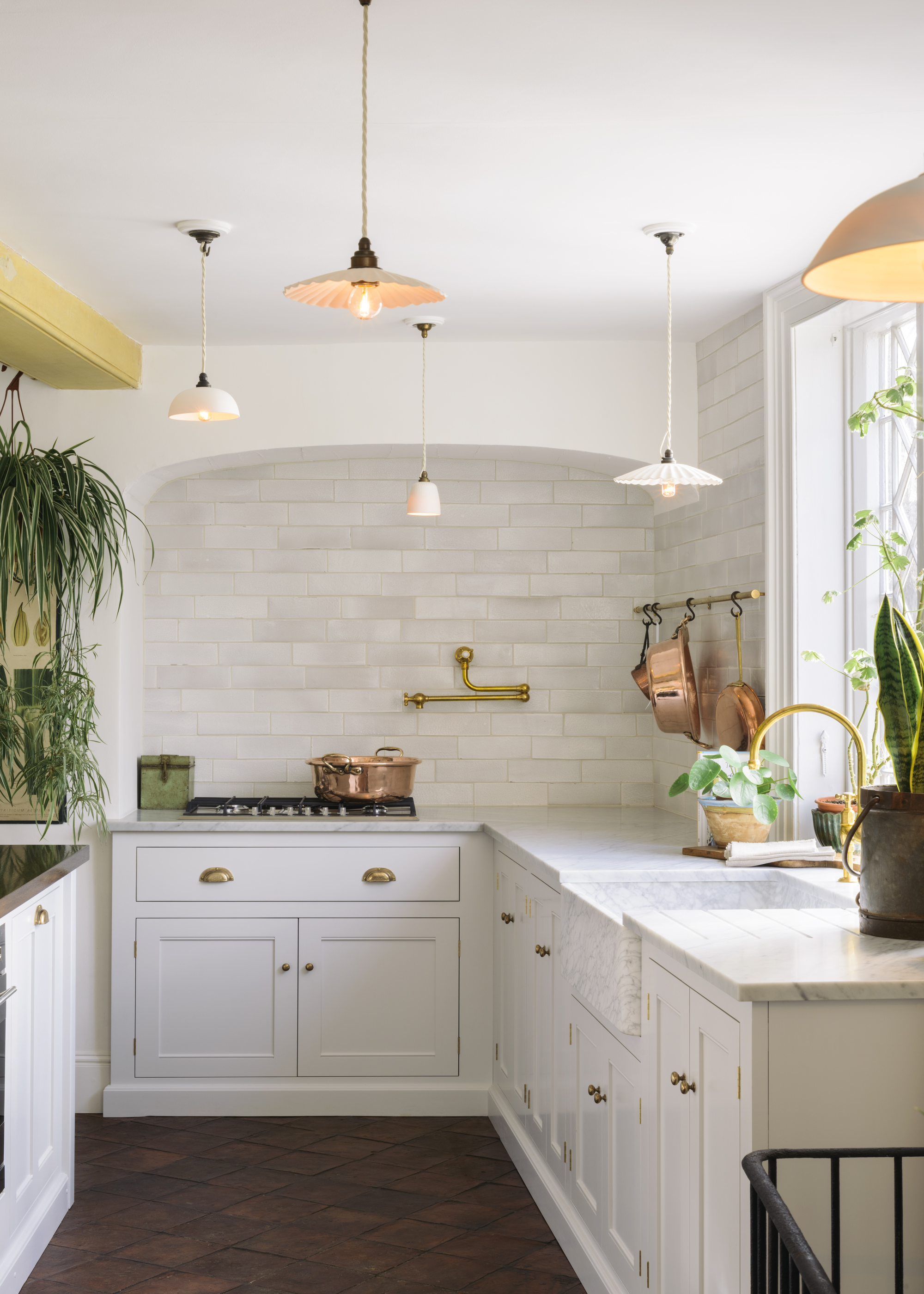
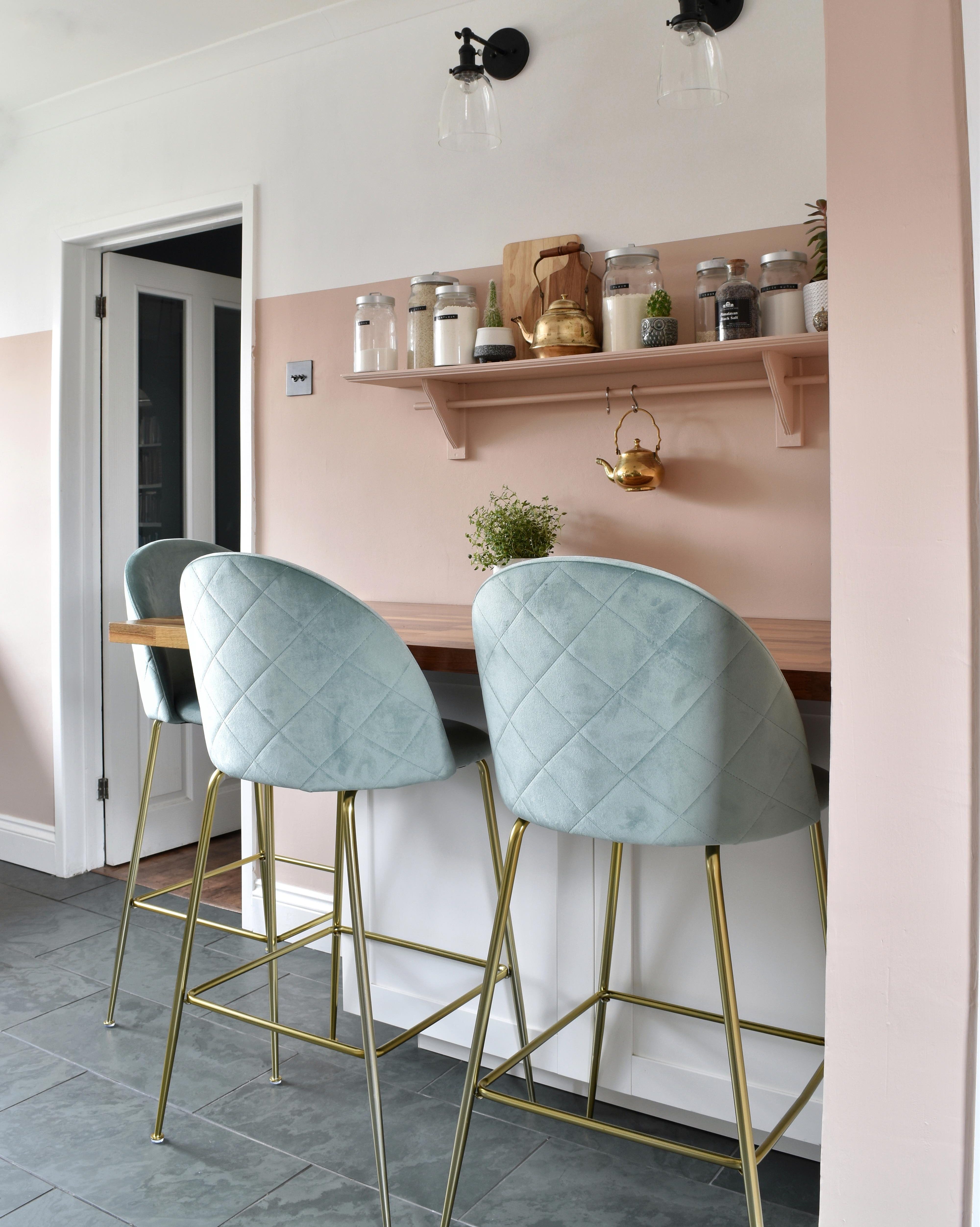
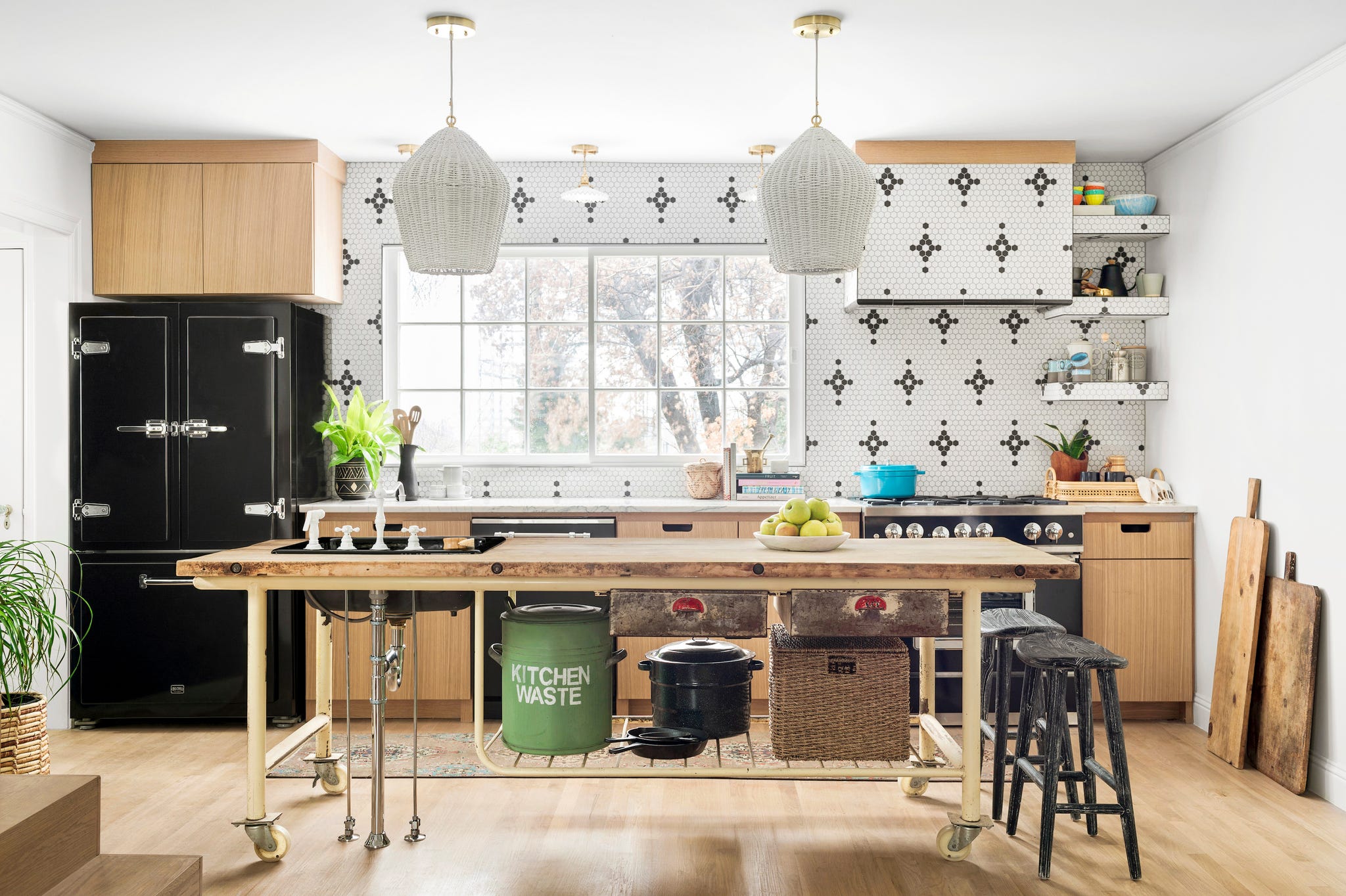
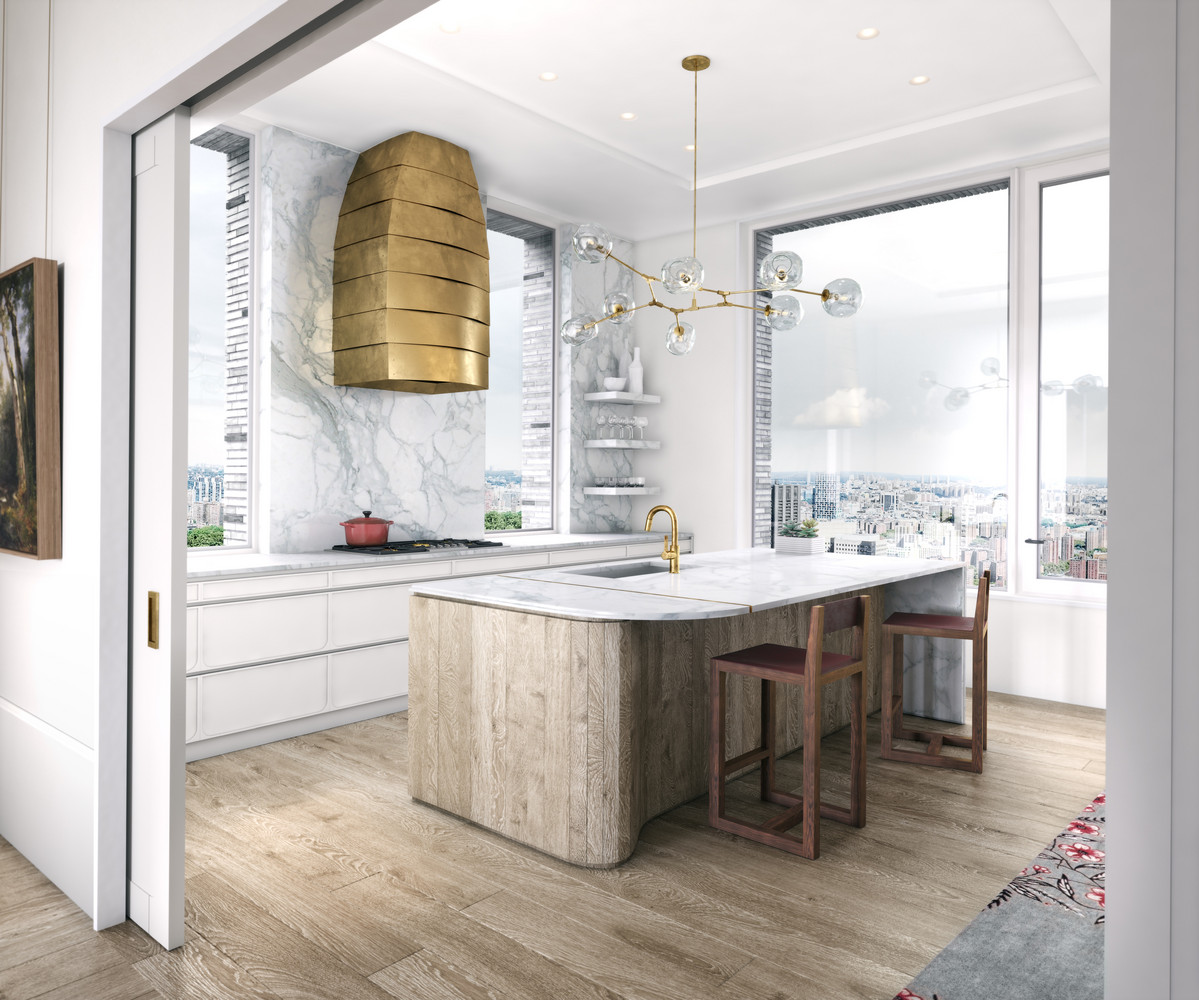
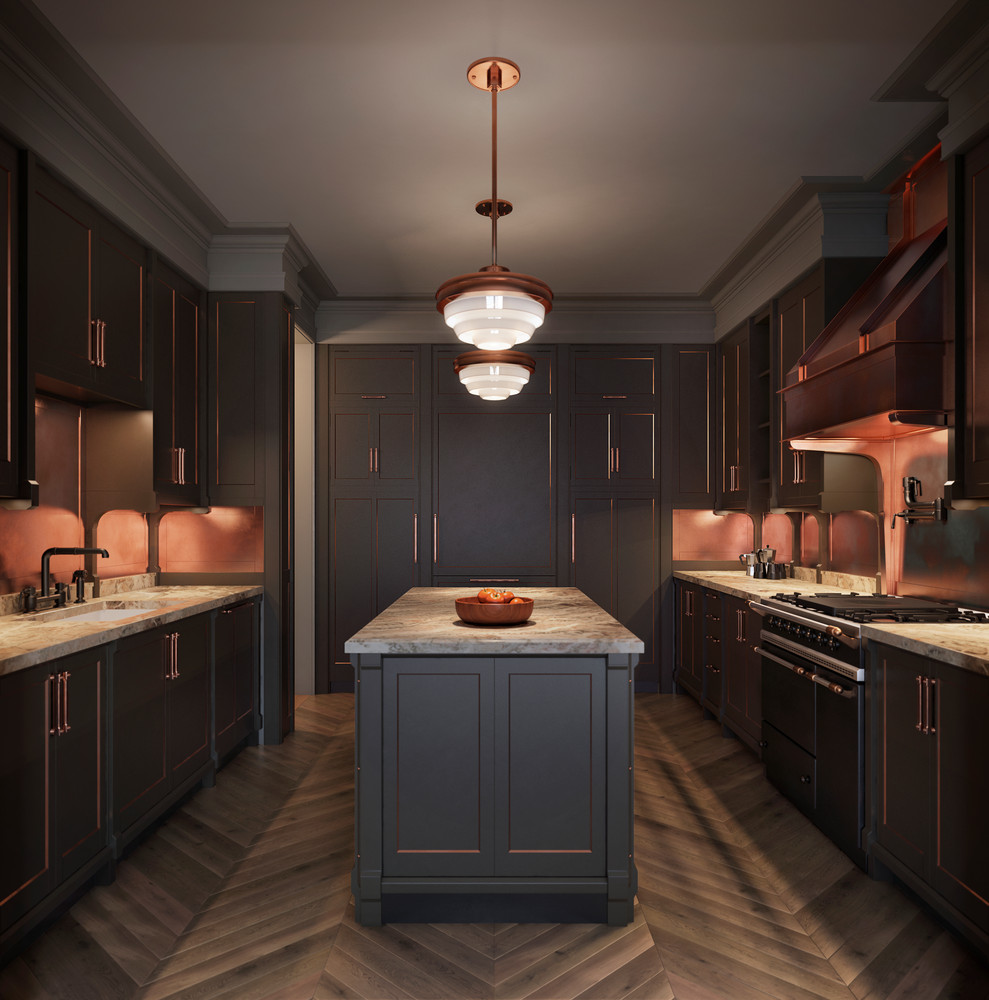
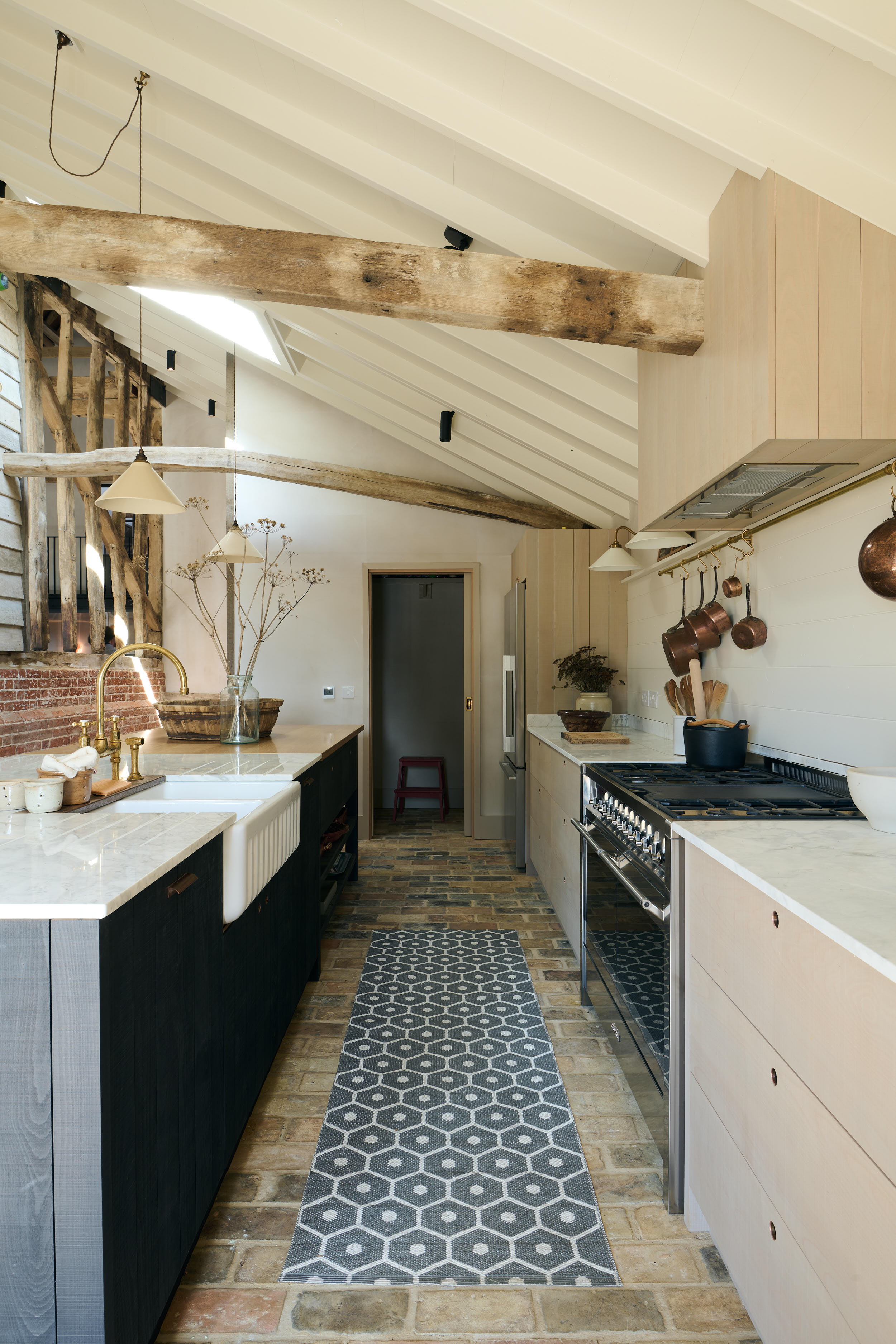
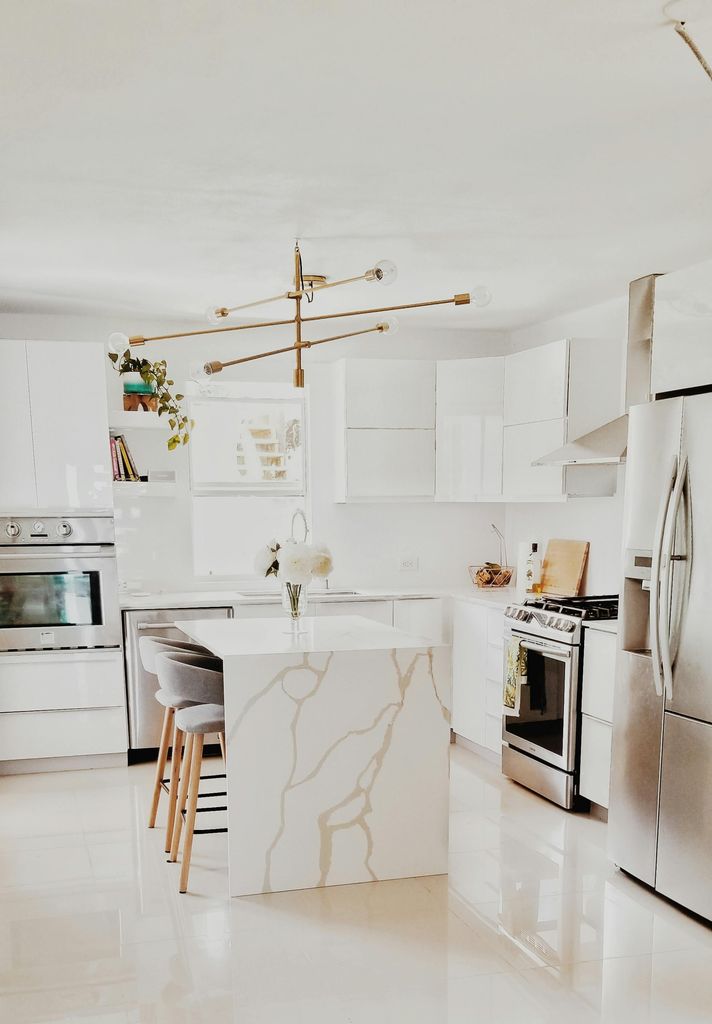
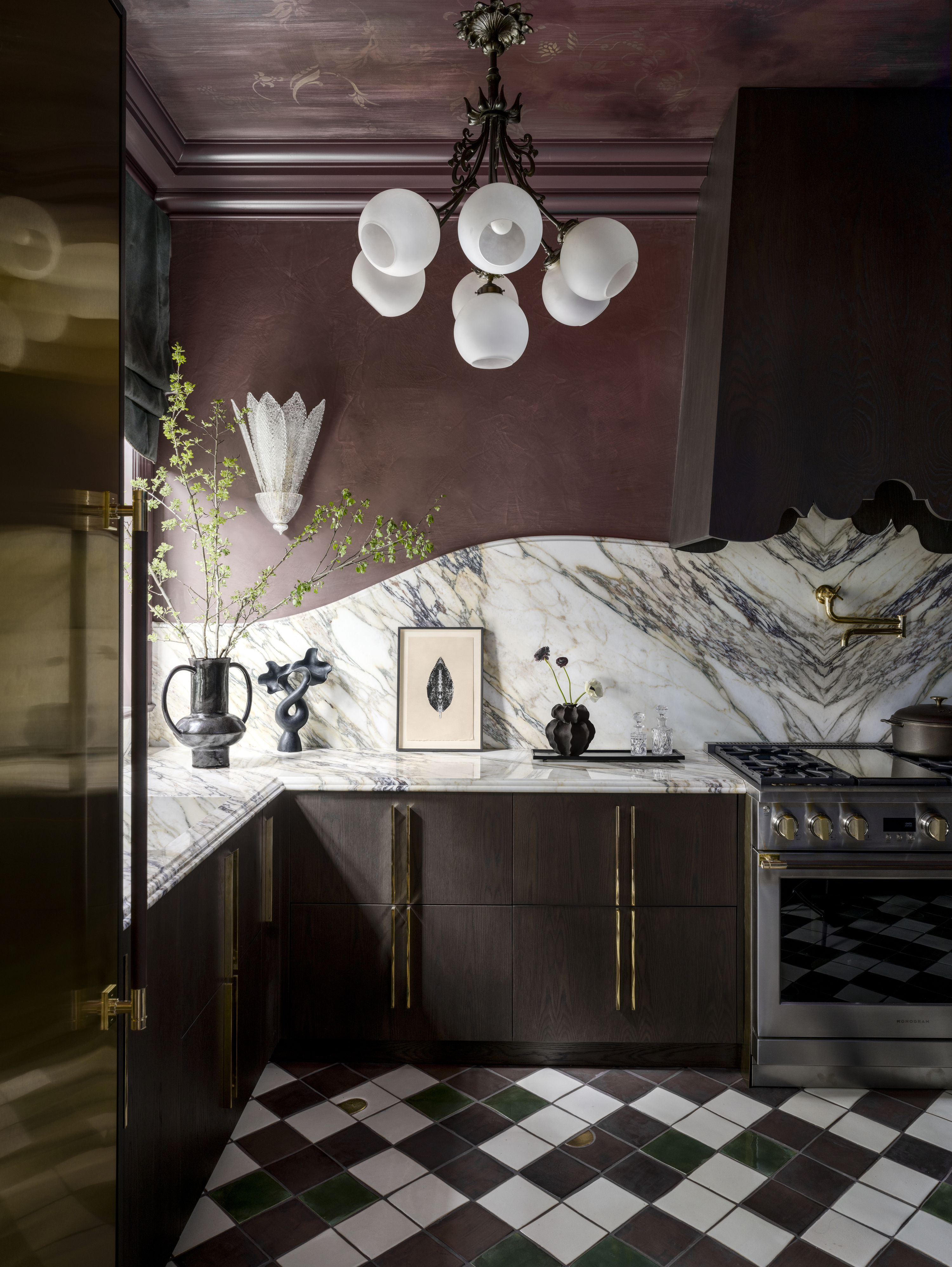
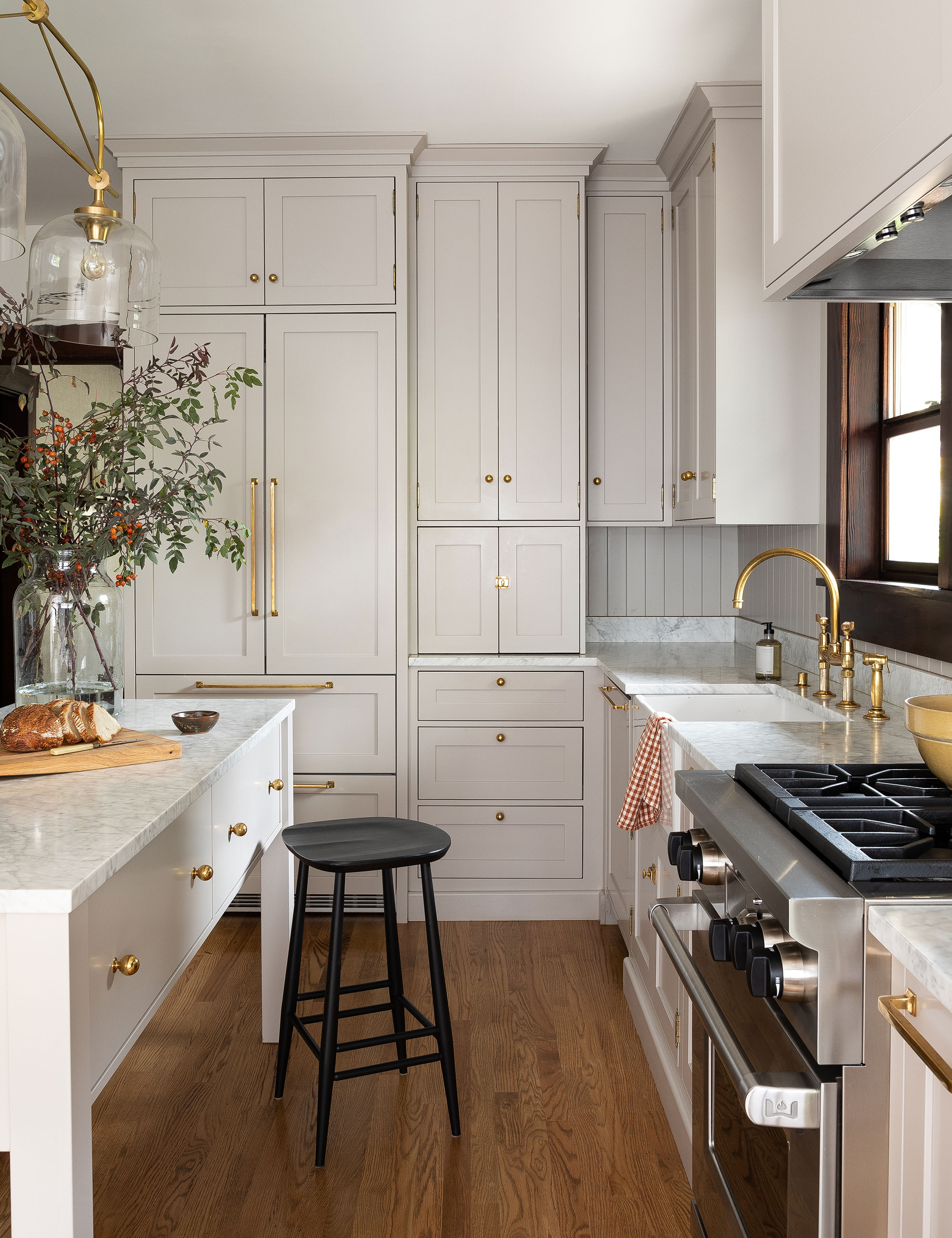
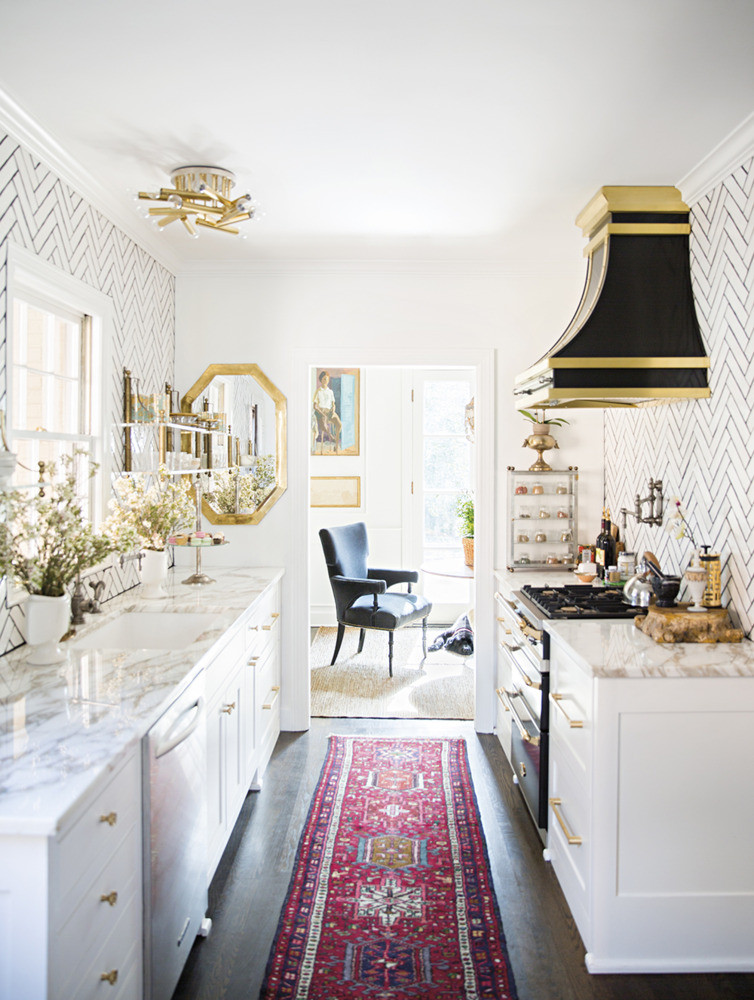
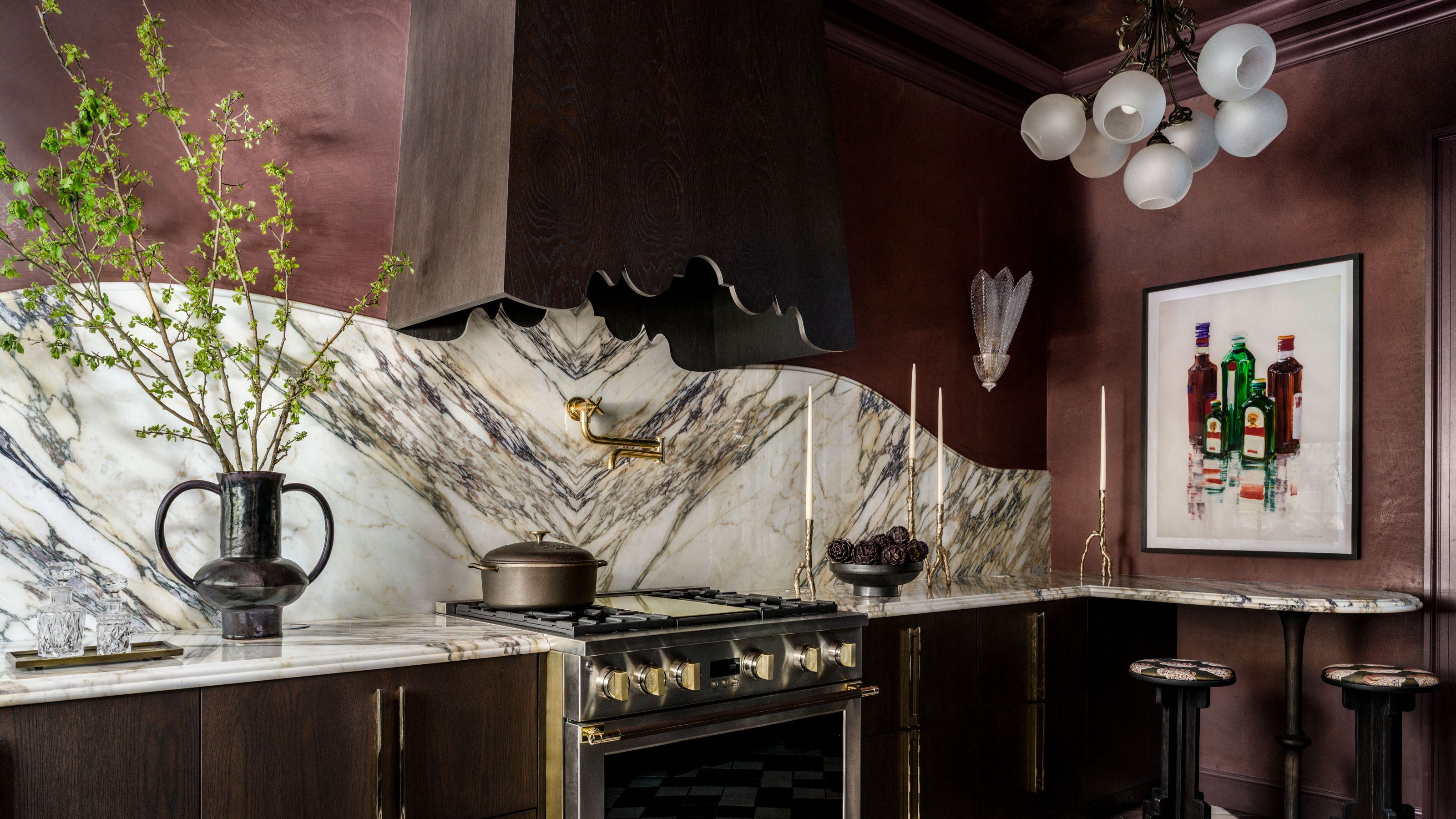
Second, the article addresses the common caution against mixing metals. Experts like Bob Bakes from Bakes & Kropp advocate for blending different metallic finishes, such as brass with polished nickel or black with silver, to introduce visual interest and texture. The key is to establish one dominant metal and use another as an accent. Examples include pairing stainless steel worktops with natural wooden shelving and specific lighting fixtures.
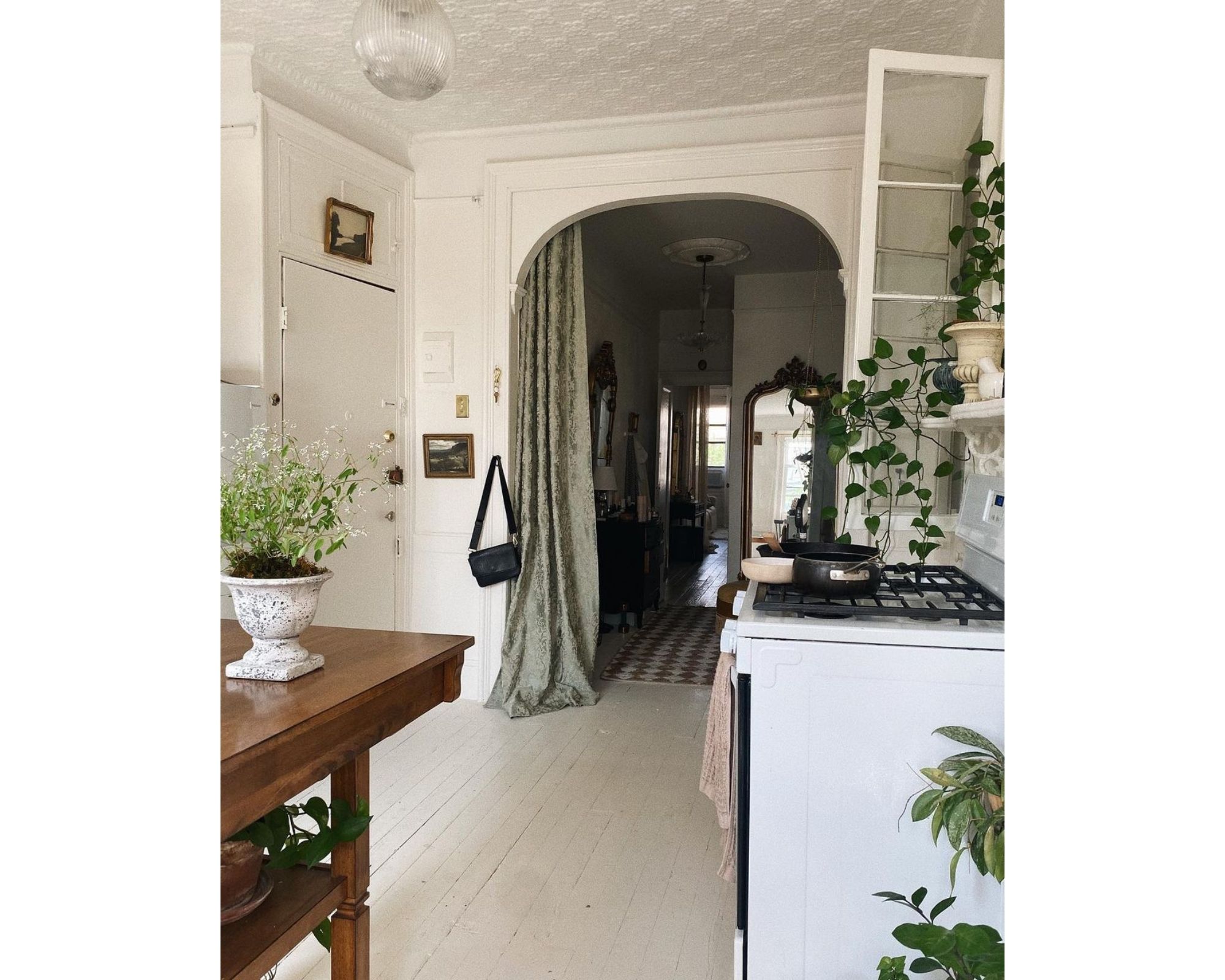
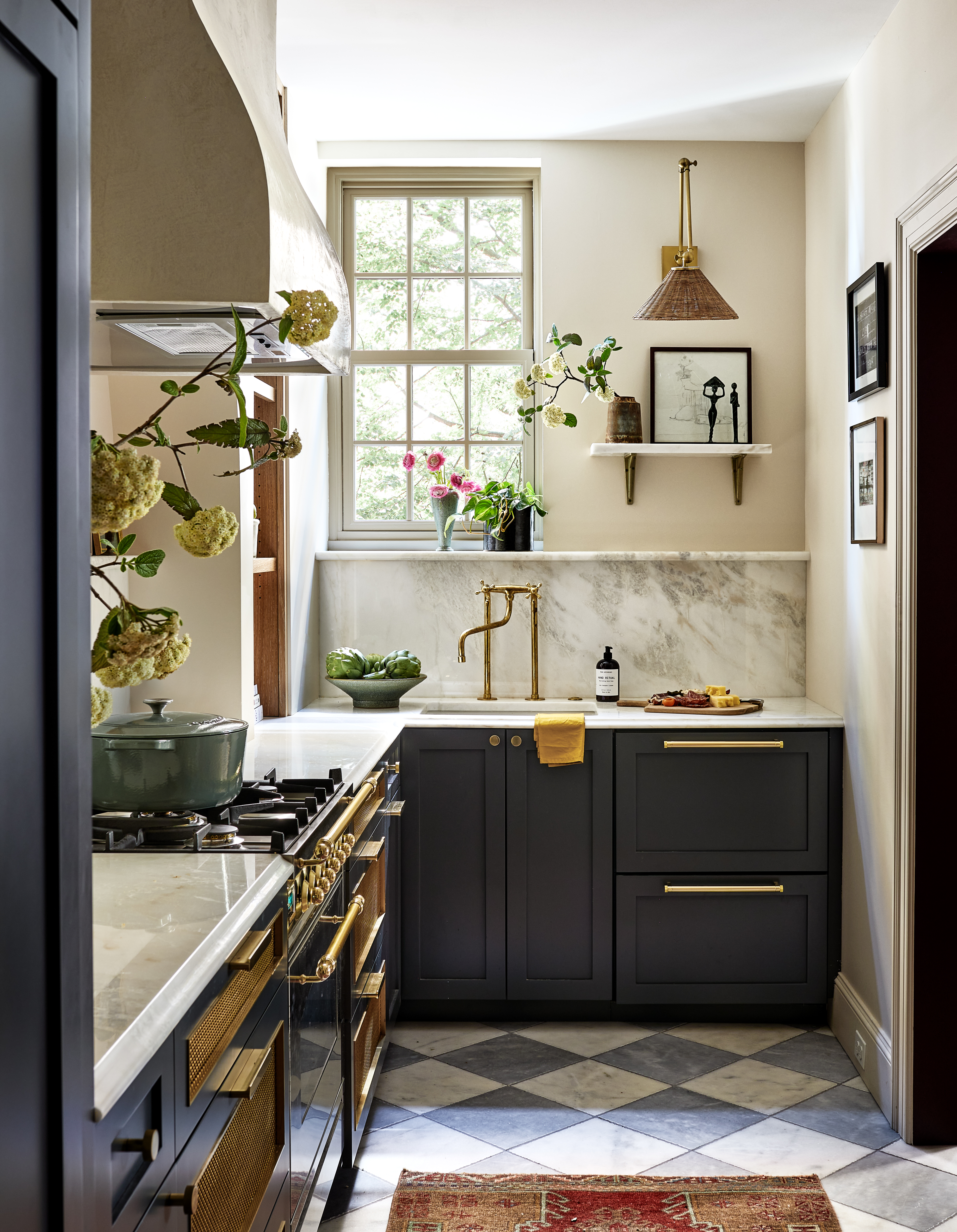
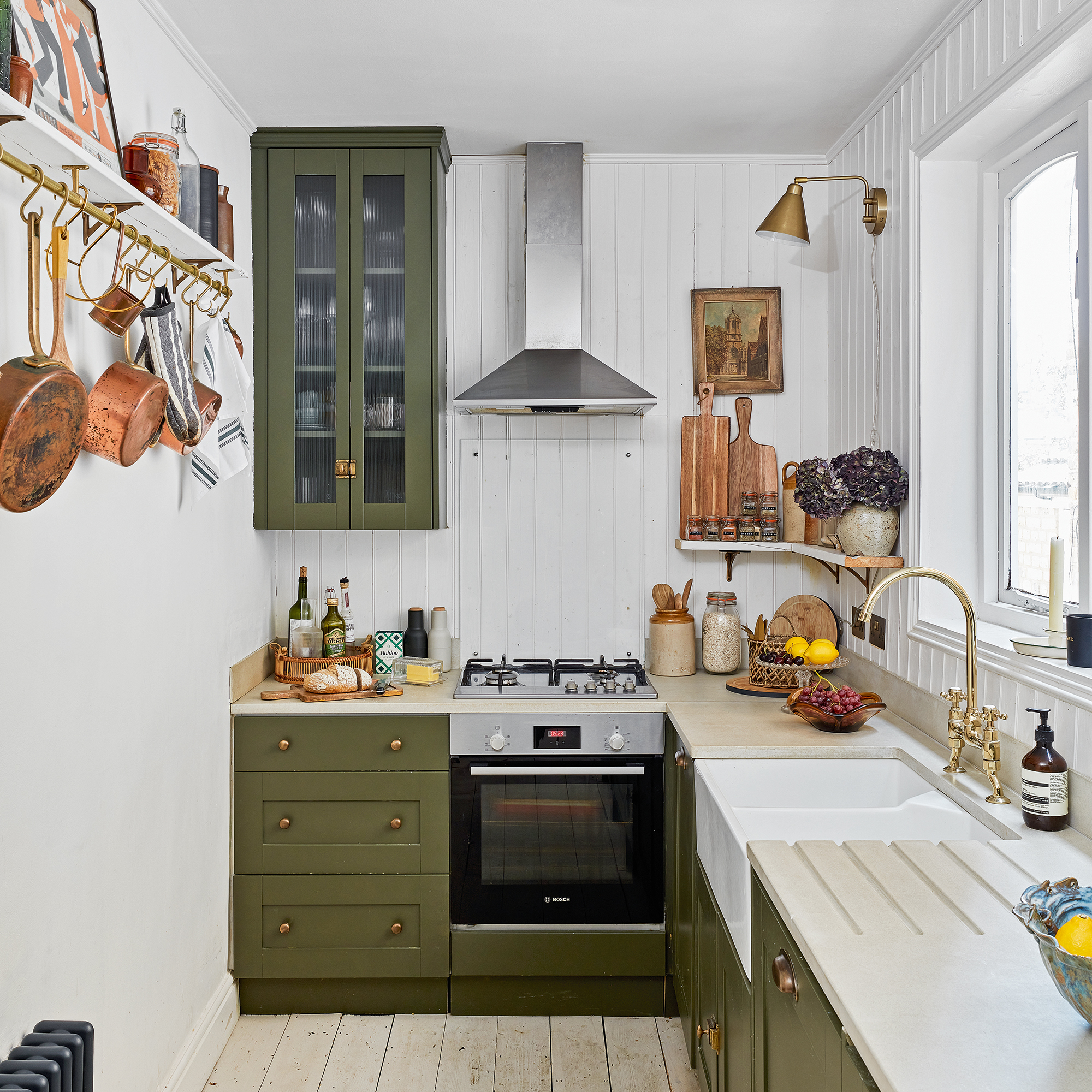
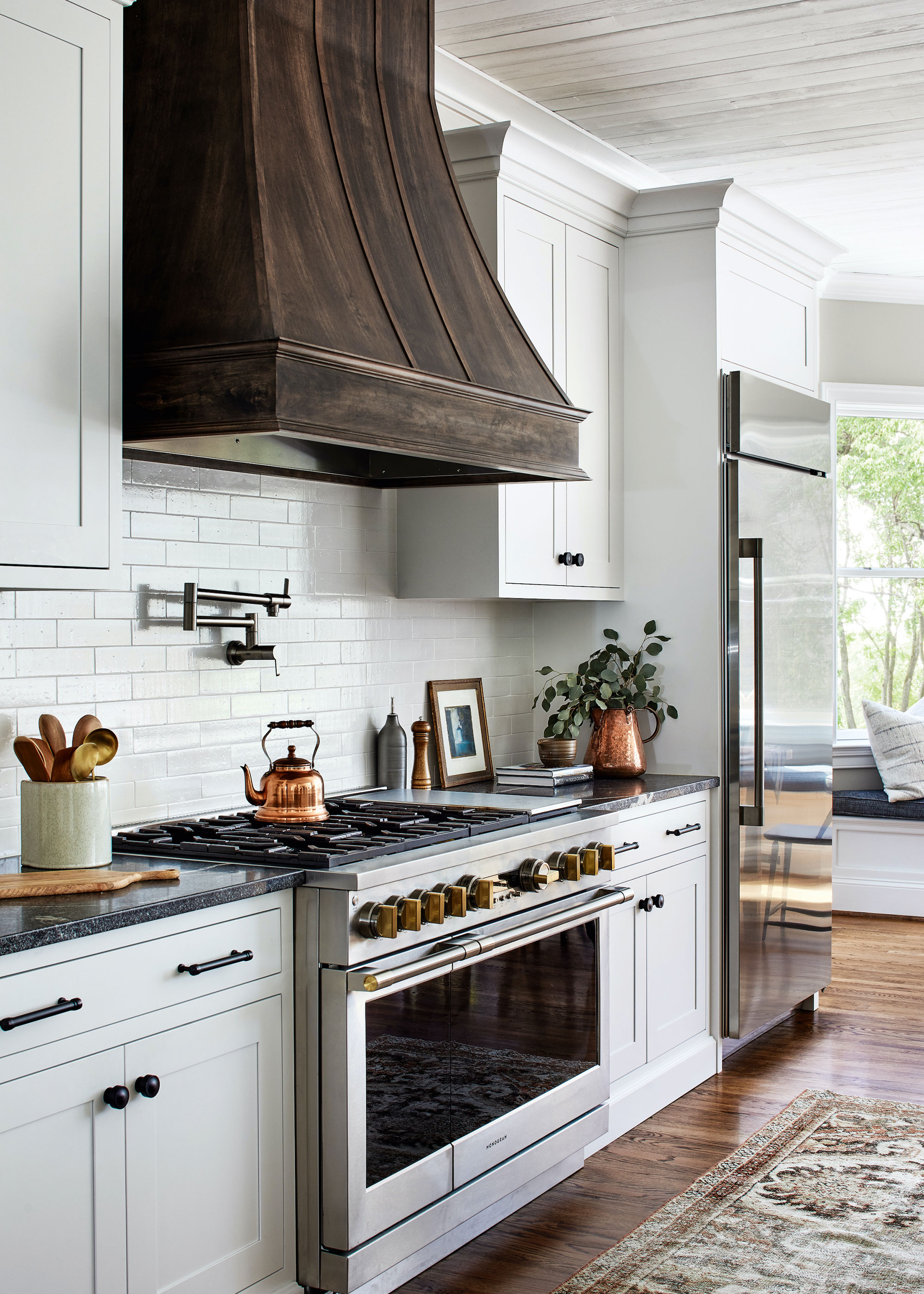
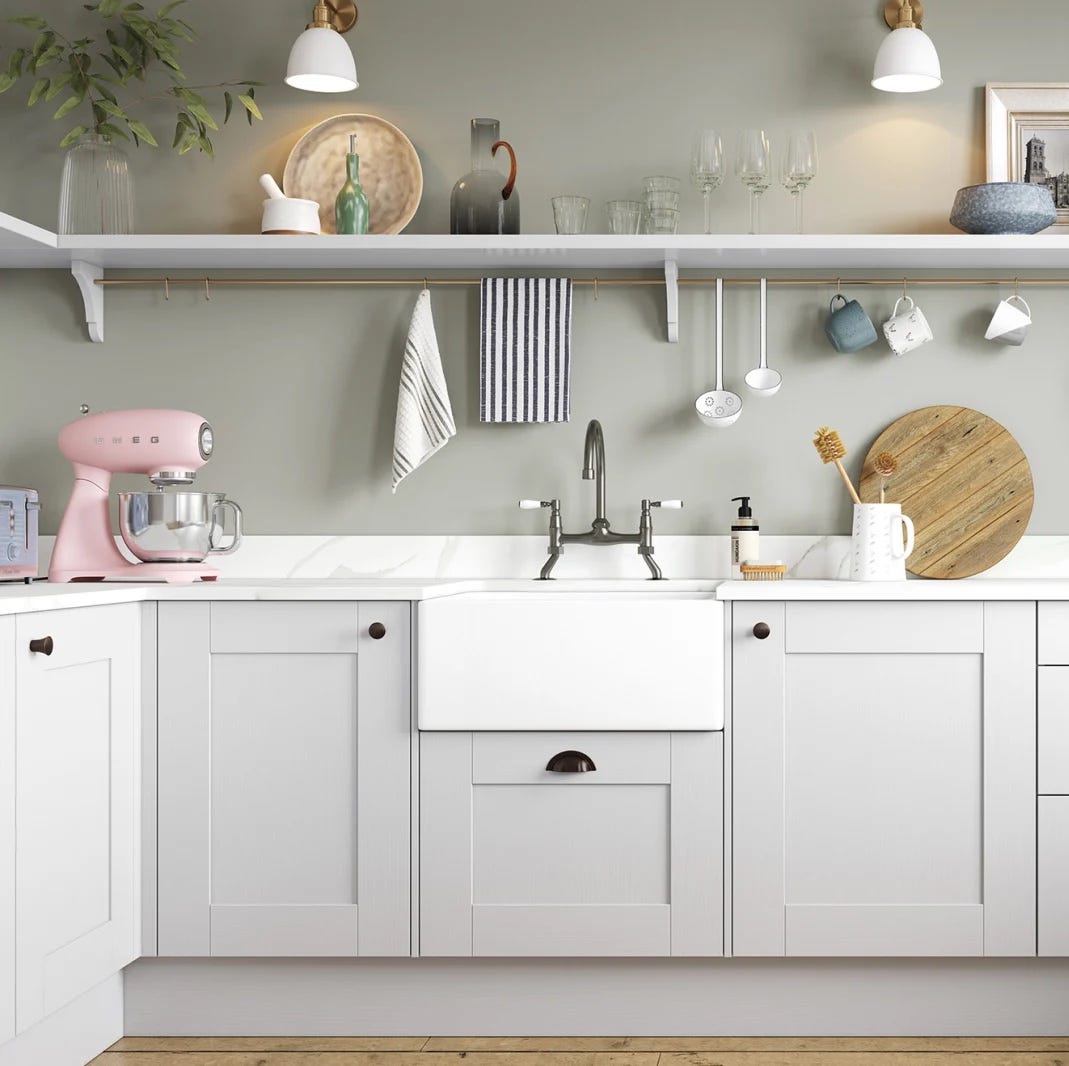
Third, the article questions the preference for built-in appliances. While integrated appliances contribute to a cohesive look, Paul Dore from County Stone Ltd argues that freestanding appliances, now available in various colors and styles, can serve as focal points and offer greater flexibility for future design changes. This approach allows homeowners to express their personal style through appliance choices rather than concealing everything.
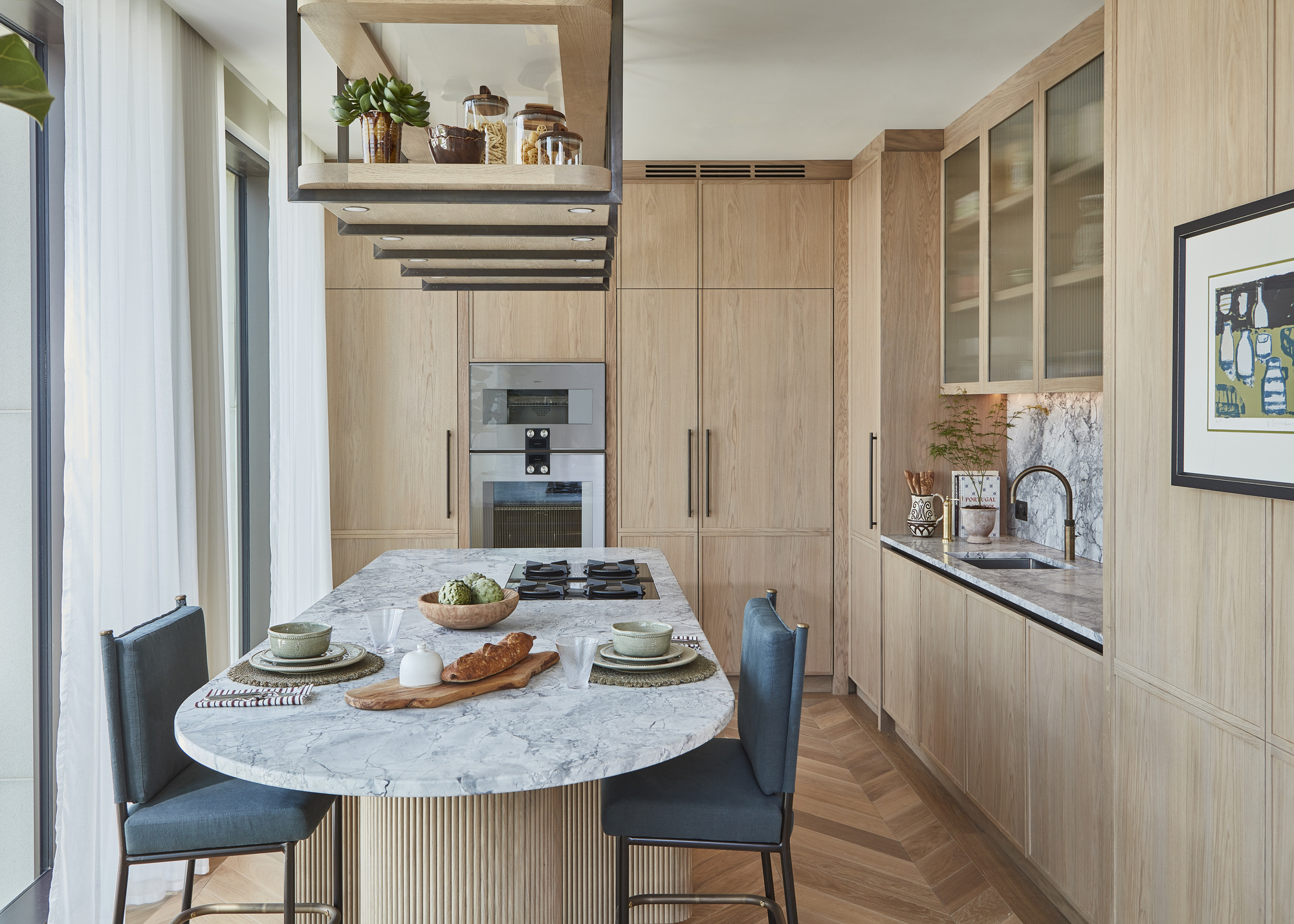
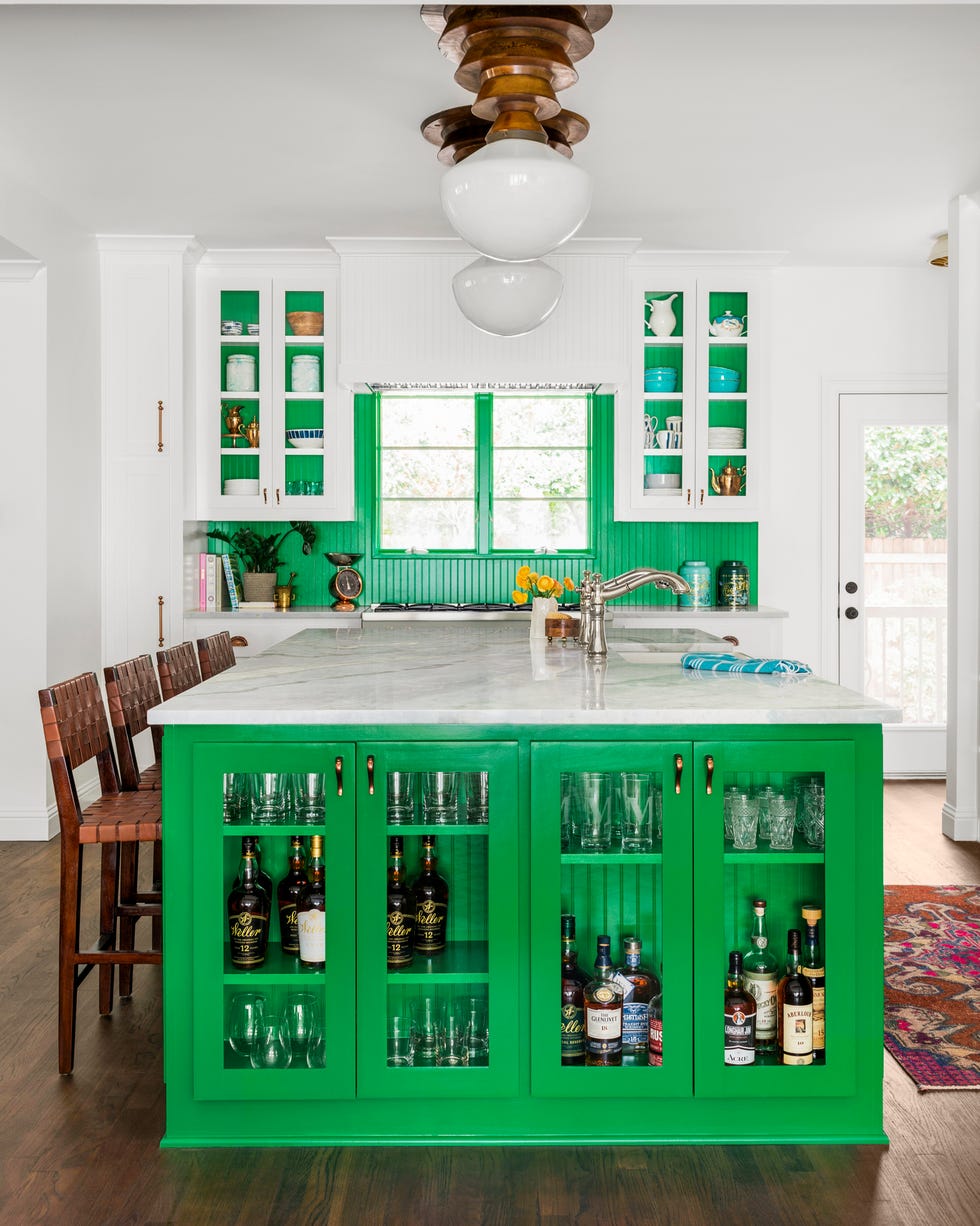
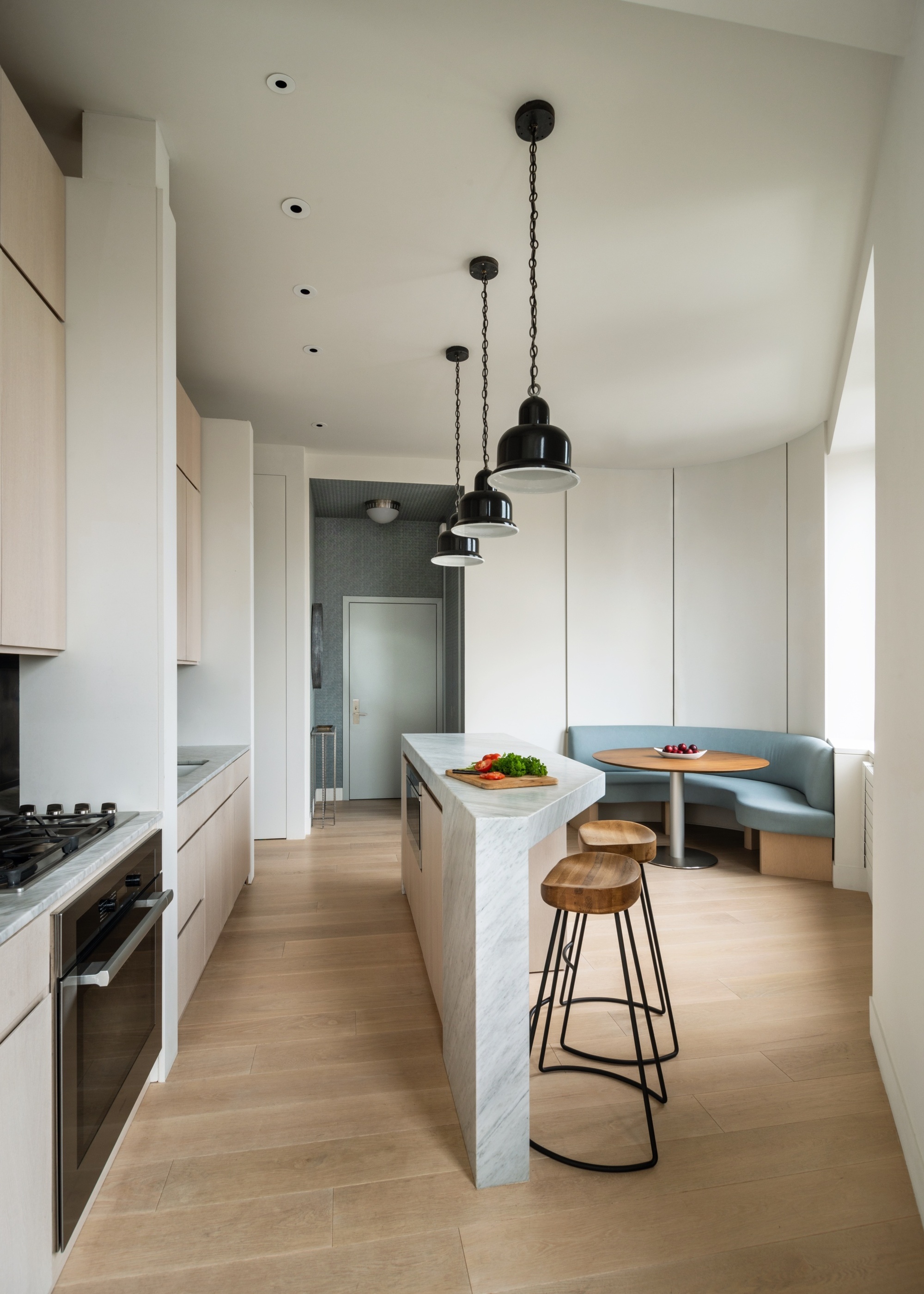
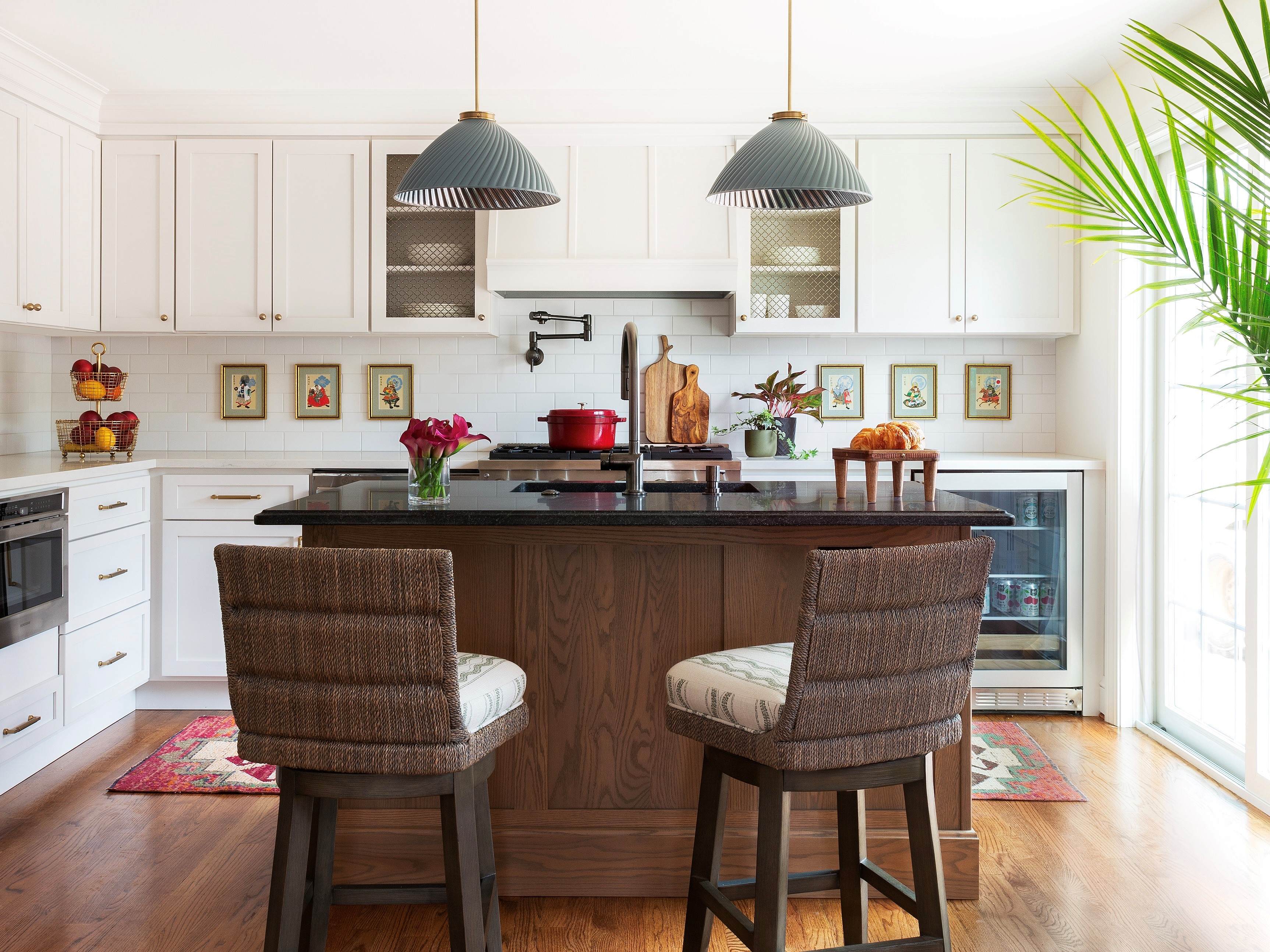
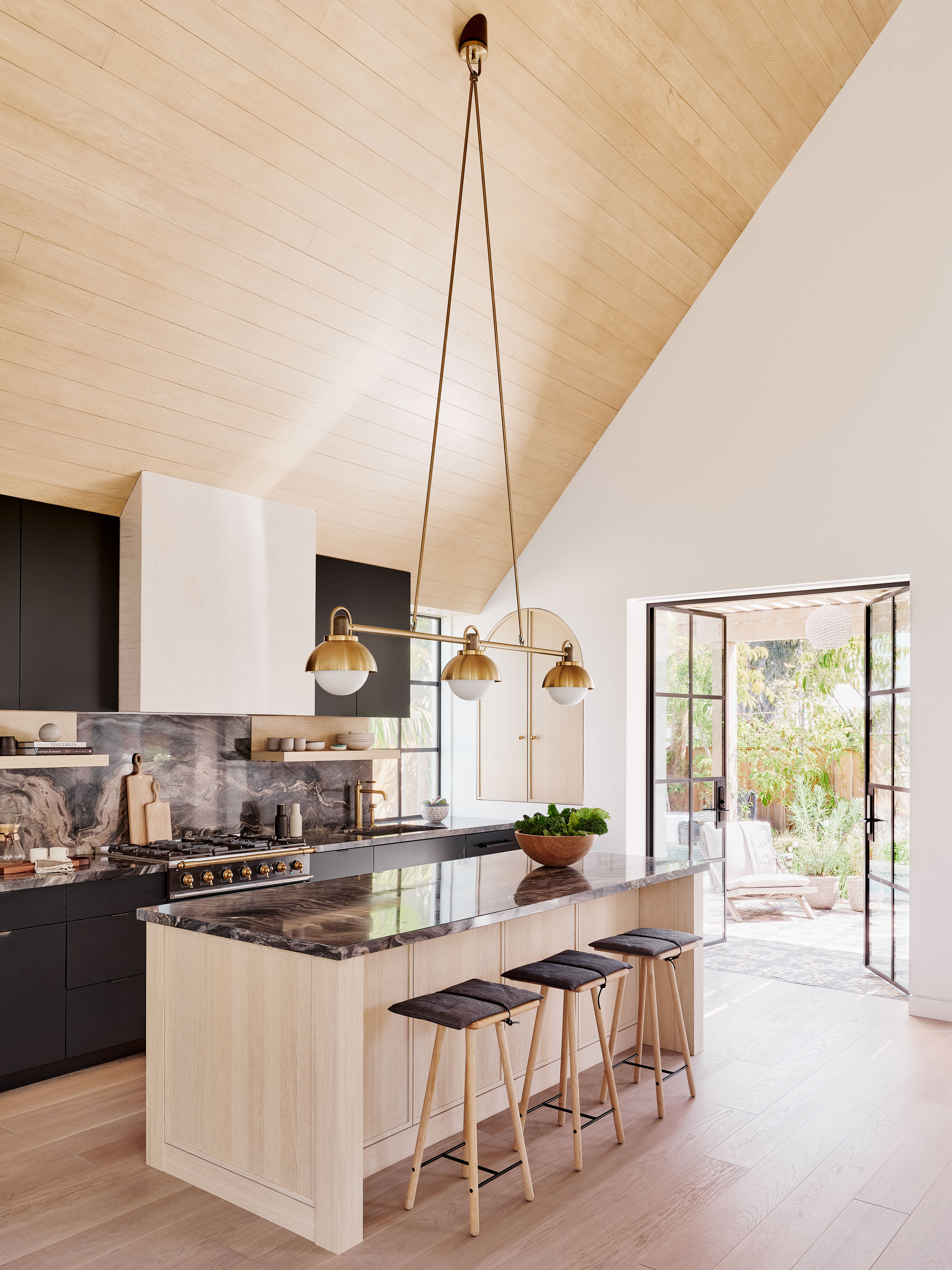
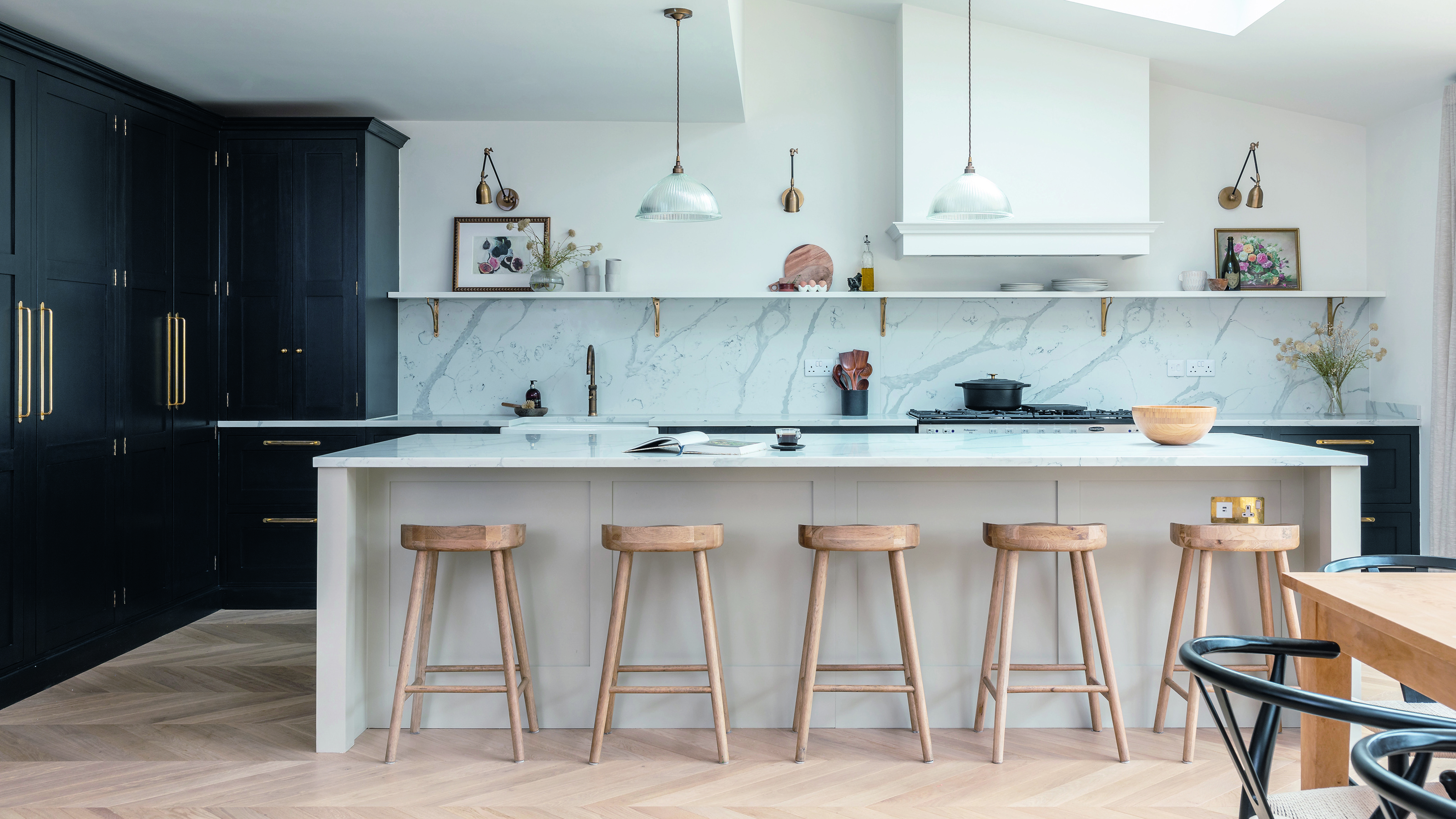
Fourth, the article advises against the assumption that a kitchen island should be as large as possible. Sophie Clemson, an interior designer at The Living House, cautions that an overly large island can hinder movement and disrupt the flow of the room. Instead, homeowners should consider the island's function, such as a seating area or a space for the hob or sink, and ensure it complements the overall layout and movement within the kitchen.
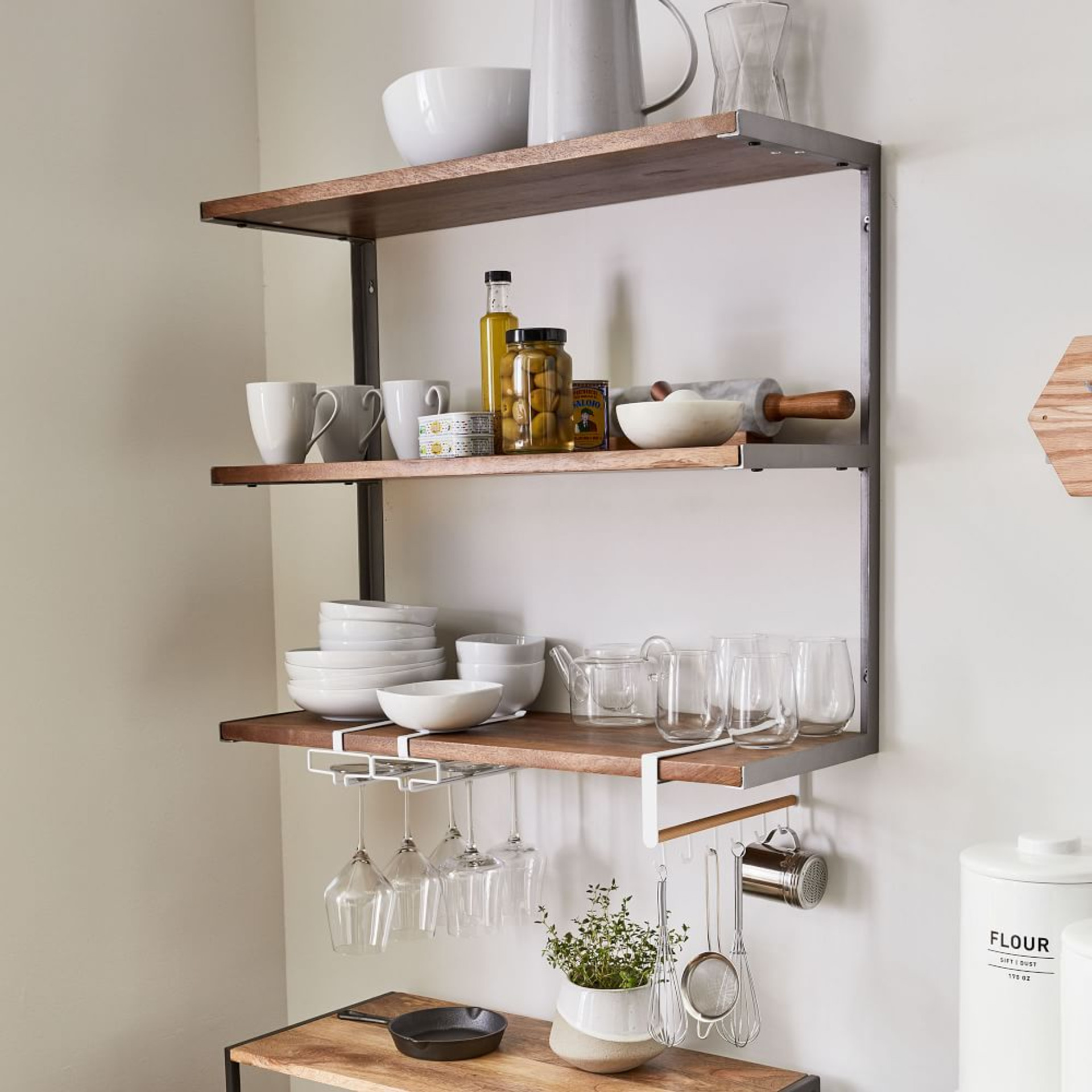
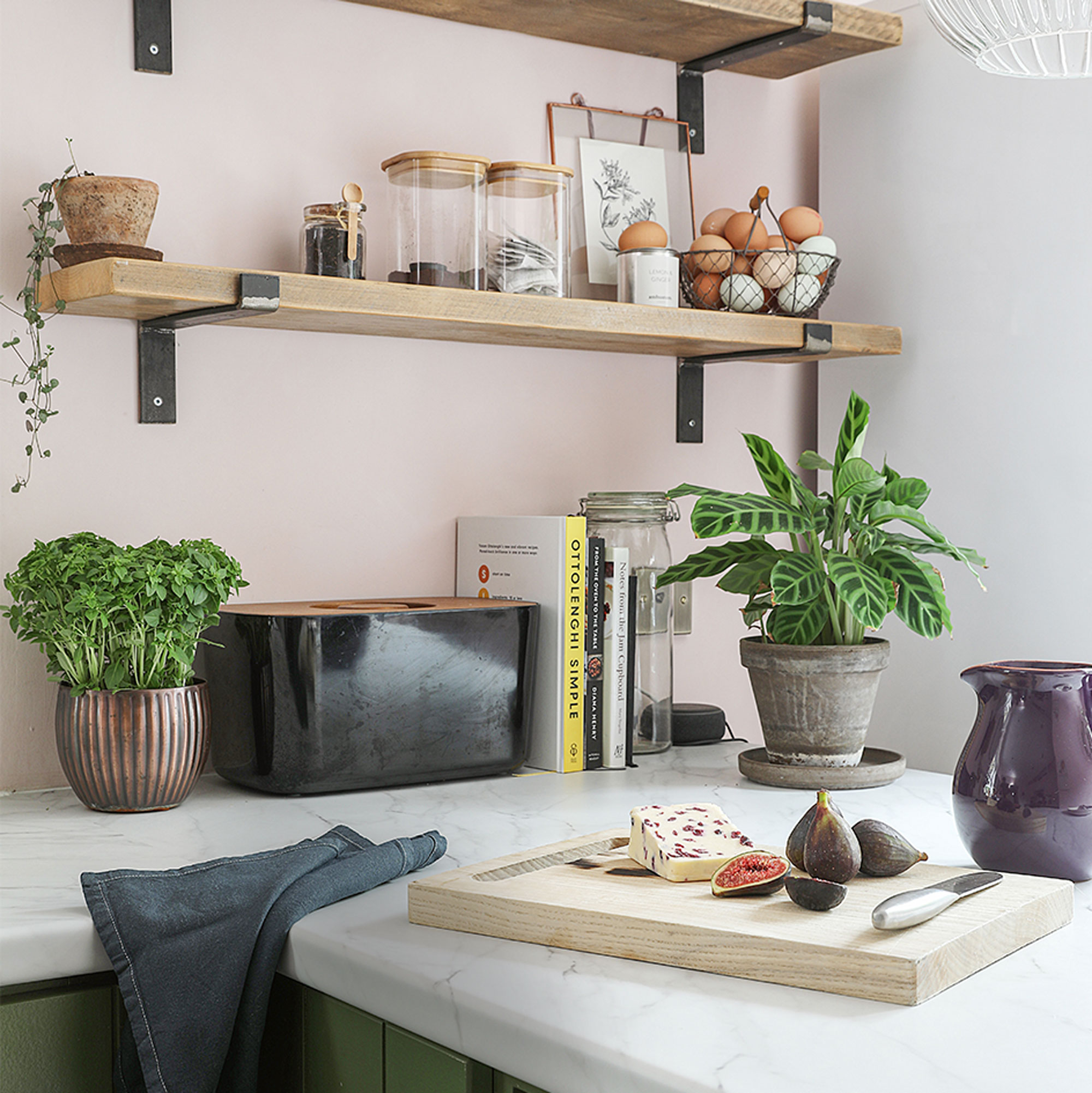
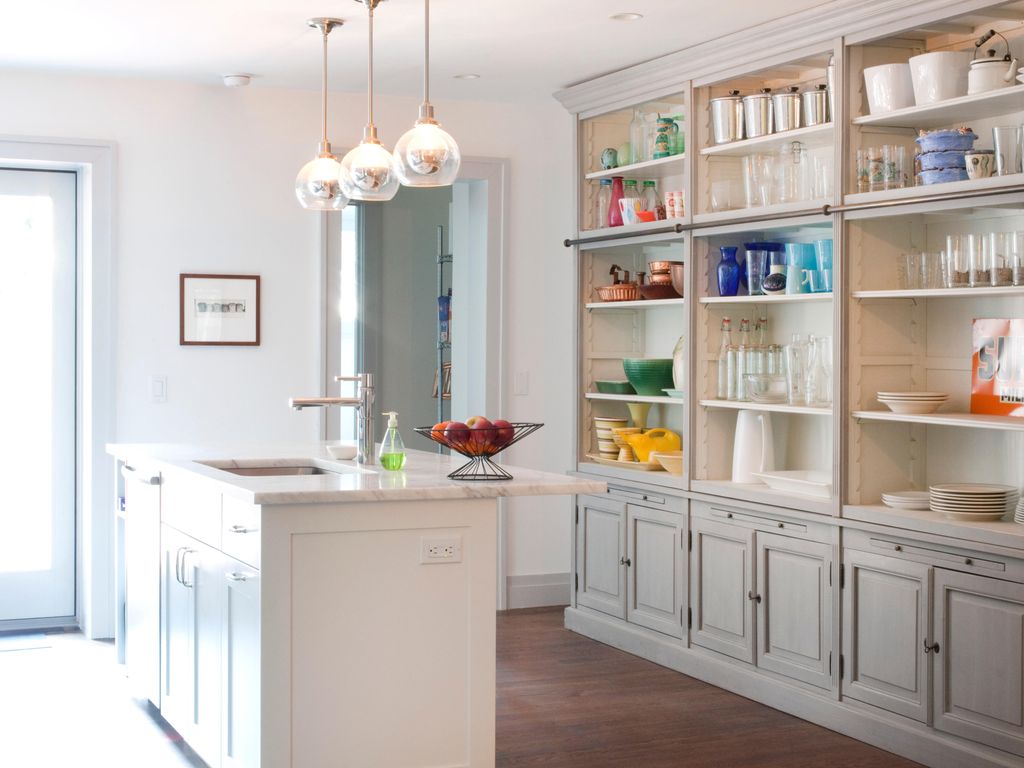
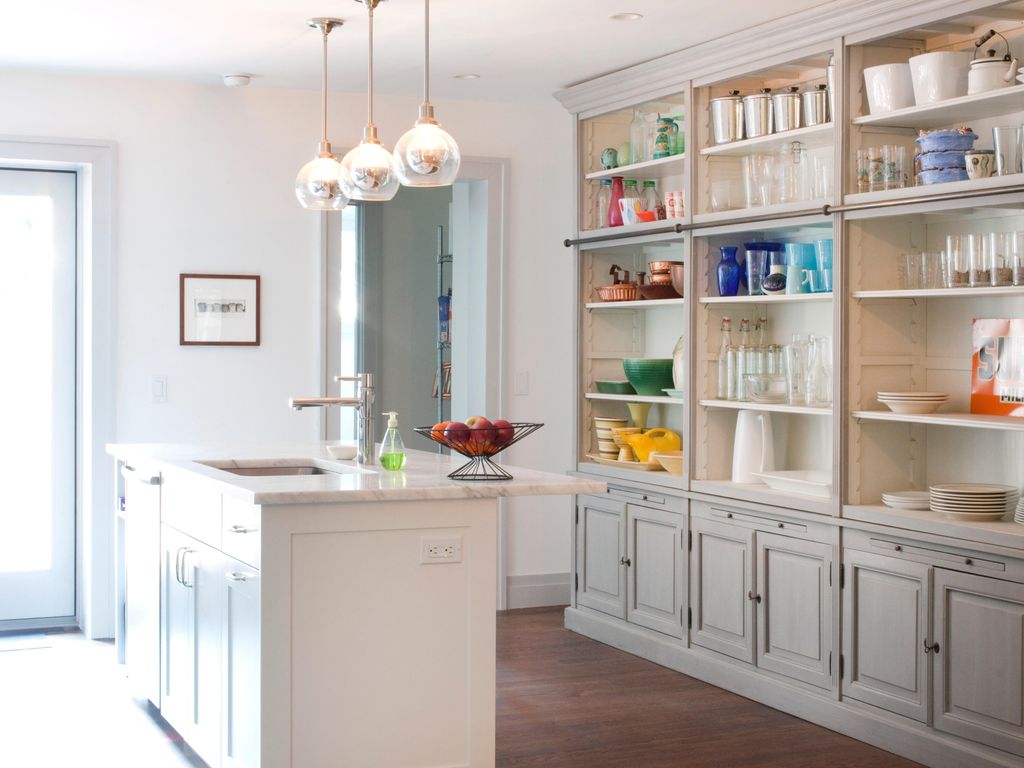
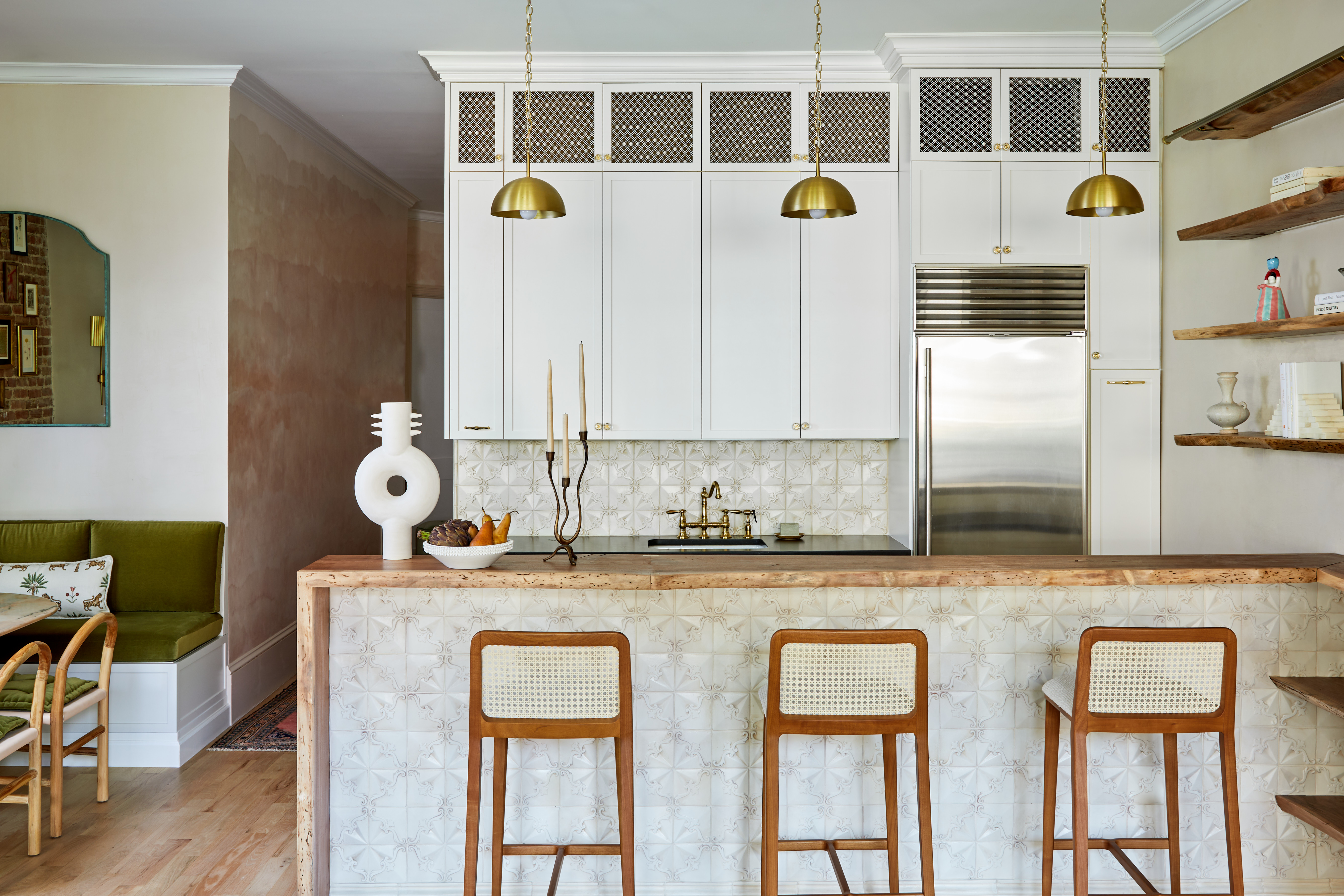
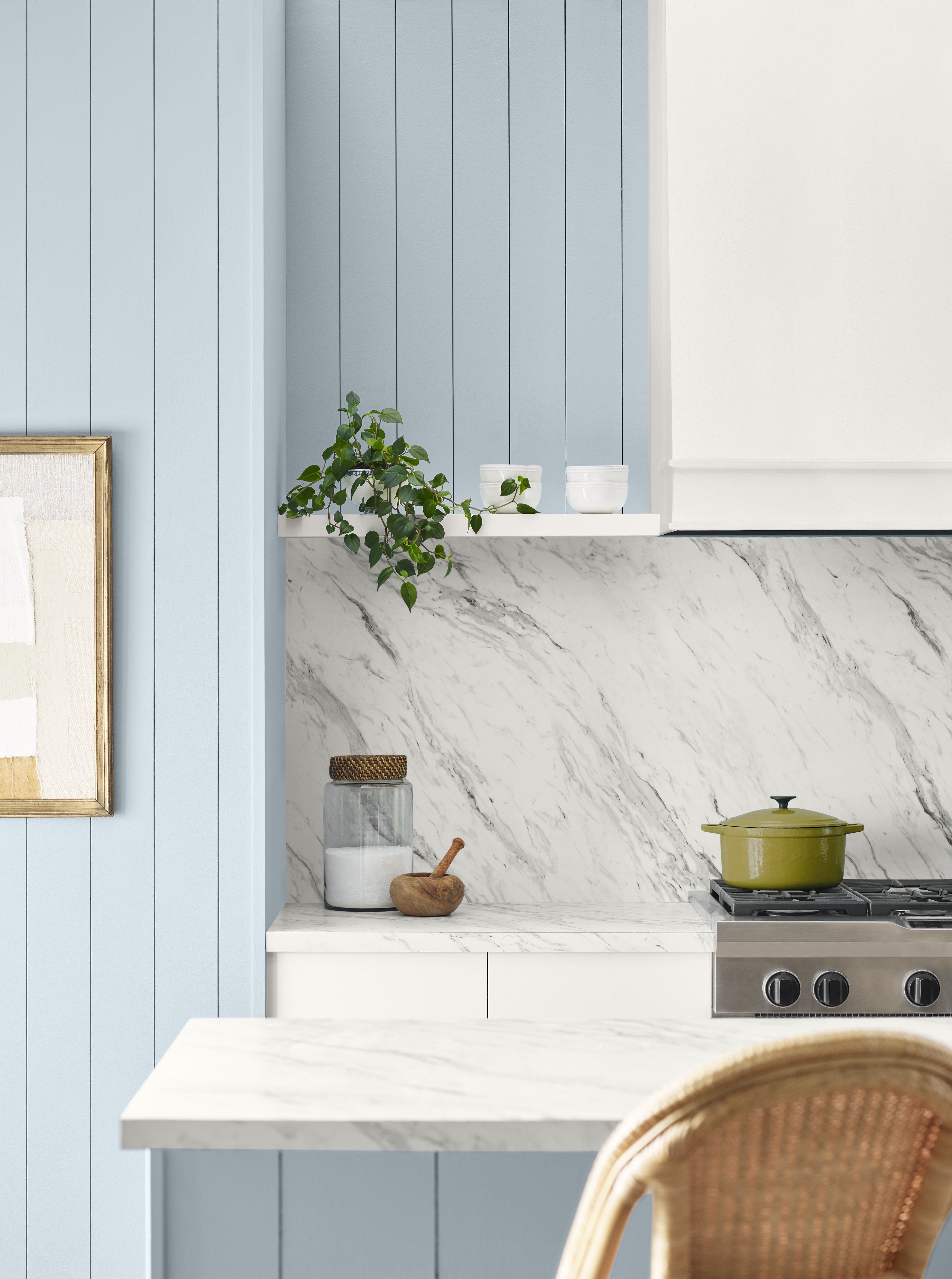
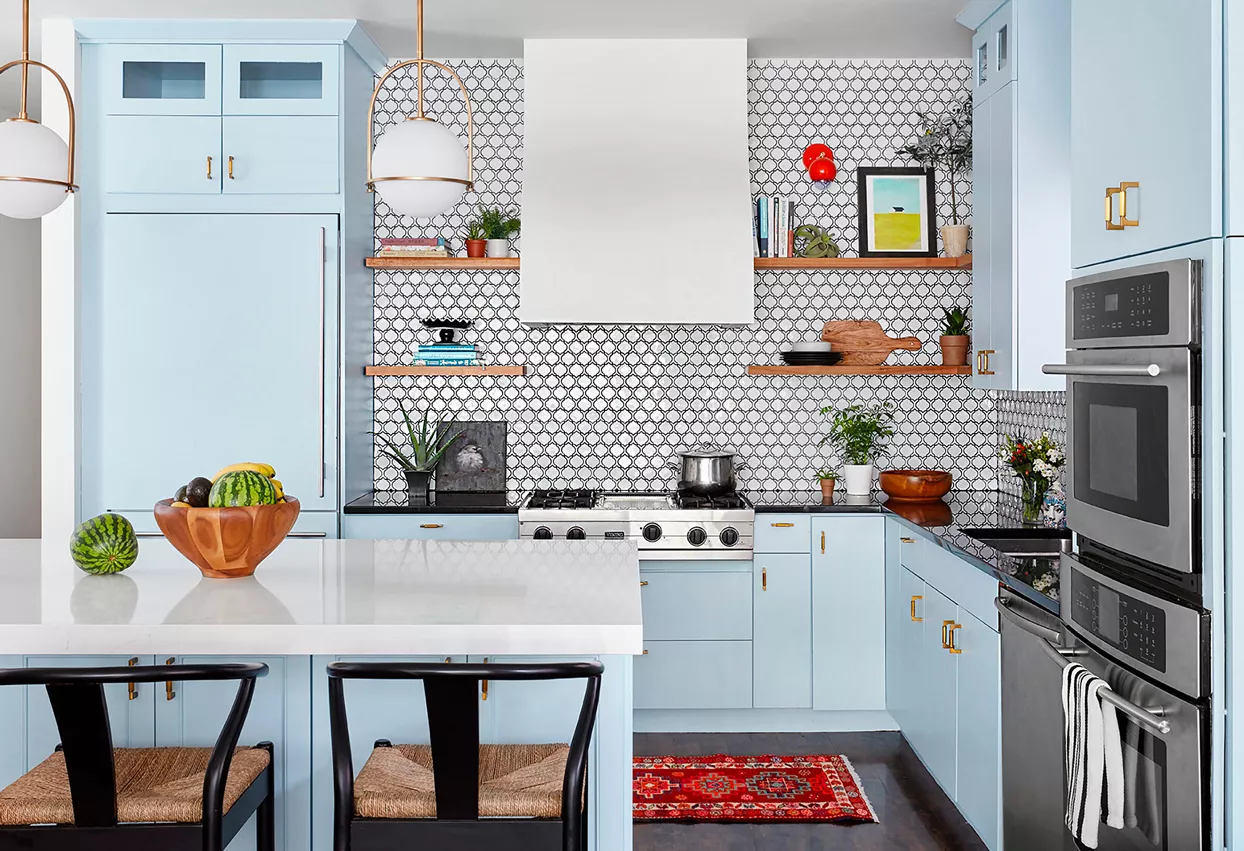
Fifth, the traditional avoidance of open shelving is re-evaluated. While open shelves can be perceived as impractical or high-maintenance, Paul Dore highlights their potential for both style and functionality. They offer easy access to frequently used items and allow for the display of cherished kitchenware, making the space feel more homely. The recommendation is to maintain organization and cleanliness to mitigate any perceived downsides.
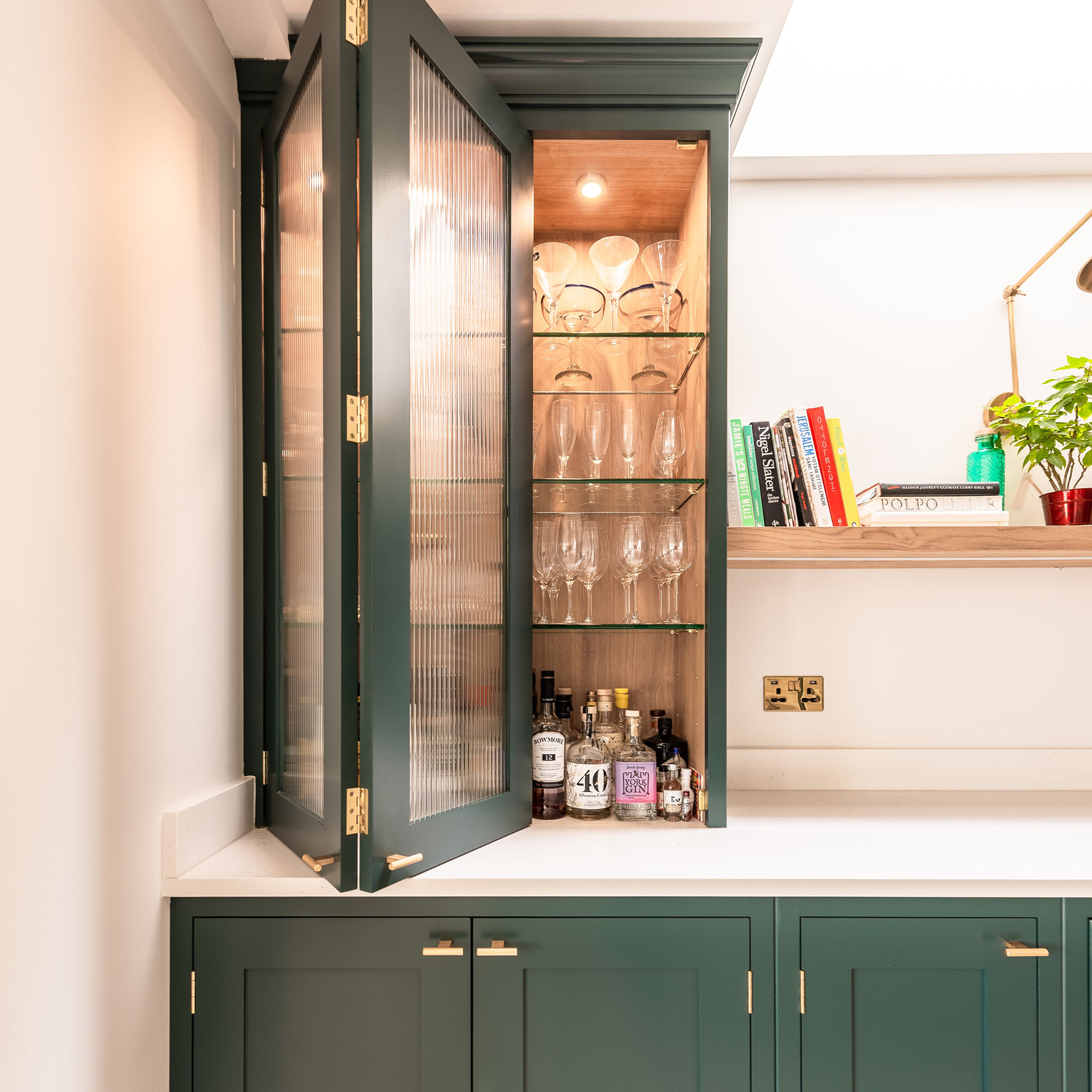
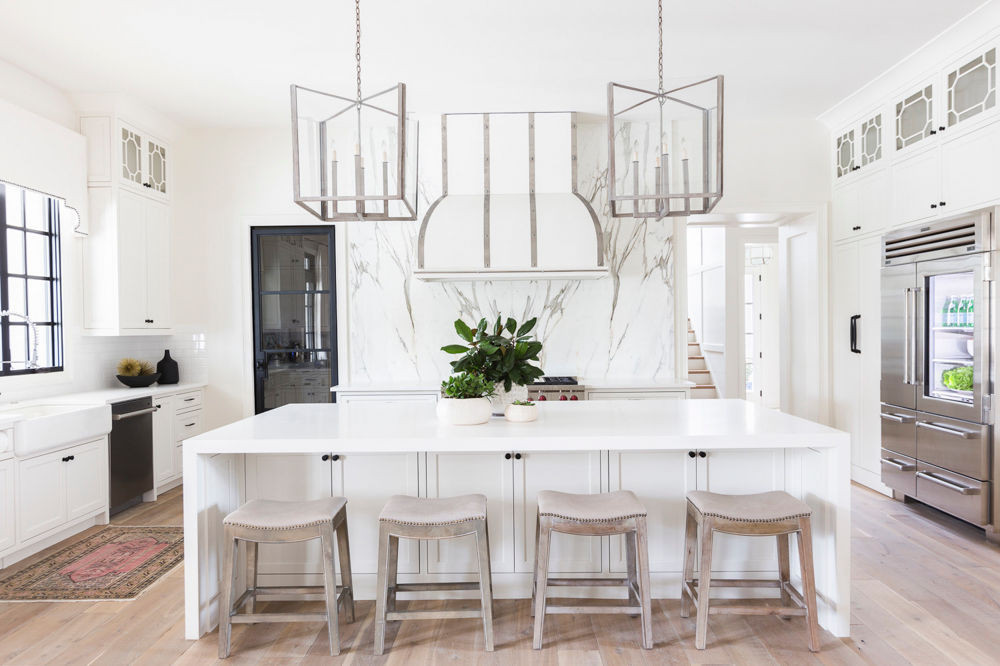
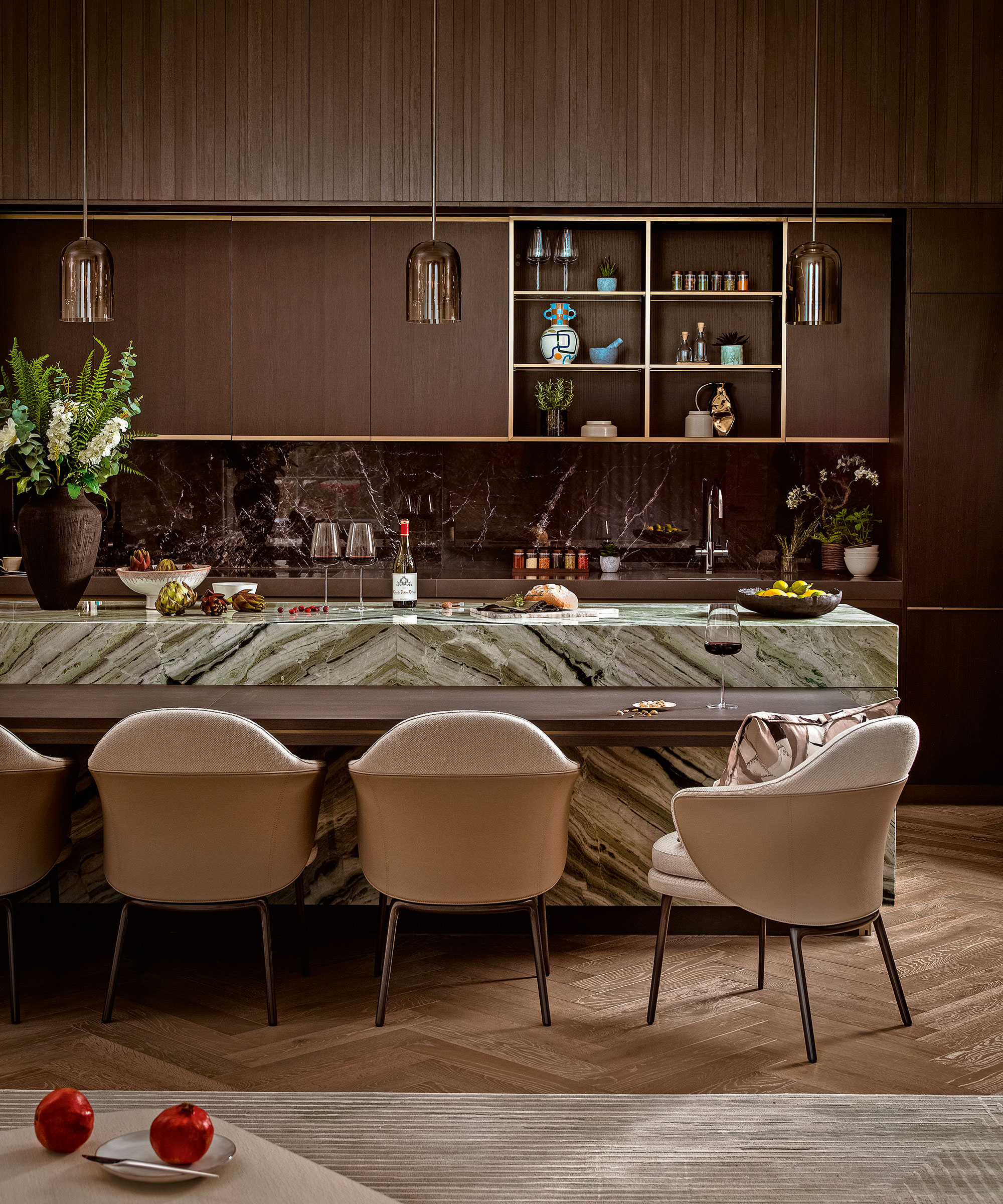
Finally, the article challenges the importance of strict symmetry in kitchen design. Bob Bakes notes that excessive symmetry can appear contrived, suggesting that homeowners consider asymmetry or implied symmetry to create more natural and visually engaging spaces. Interior designer Carolyn Cerminara also advocates for breaking strict symmetry by incorporating varied elements, such as open shelving on one side of a range hood and closed cabinets on the other, to introduce character and personalized storage solutions. The article concludes by revisiting the "kitchen work triangle" concept, suggesting that modern kitchen design should prioritize individual use patterns and other key areas like waste management and dining spaces, especially in open-plan layouts, rather than strictly adhering to outdated rules.
#KitchenDesign #InteriorDesign #HomeDecor #KitchenTrends #PersonalizedSpaces #EclecticStyle #KitchenRemodel #KitchenDesign #InteriorDesign #HomeDecor #KitchenTrends #PersonalizedSpaces #EclecticStyle #KitchenRemodel
0 comment in total
 No comments yet
You may also like
Outdated rules to ignore when decorating a small kitchen

6 things to avoid to make your small kitchen look bigger

How to Make an Unexpected Style Statement in the Kitchen
6 Dining Room Design Rules Designers Always Break—and You Should, Too

5 kitchen trends to avoid for a unique and timeless design
11 Fool-Proof Ways to Add Character to Your Kitchen
19 Universal Design Principles to Consider When Remodeling Your Kitchen

5 Kitchen Lighting Design Rules Interior Designers Warn You Should Never Ignore for a Well-Lit Space

10 Outdated Kitchen Rules You Can Ignore When Designing a Small Kitchen
5 Outdated Kitchen Rules You Should Definitely Ignore, According to Designers

10 Small Kitchen Layout Mistakes Designers Will Always Urge You to Avoid for a Better Working Space
6 Things That are Making Your Kitchen Look Cheap, and How to Fix Them According to Designers
7 Kitchen Details That Always Give Designers the Ick—and What to Do Instead

What are your kitchen design must-haves?
8 shockingly common kitchen design mistakes according to a pro

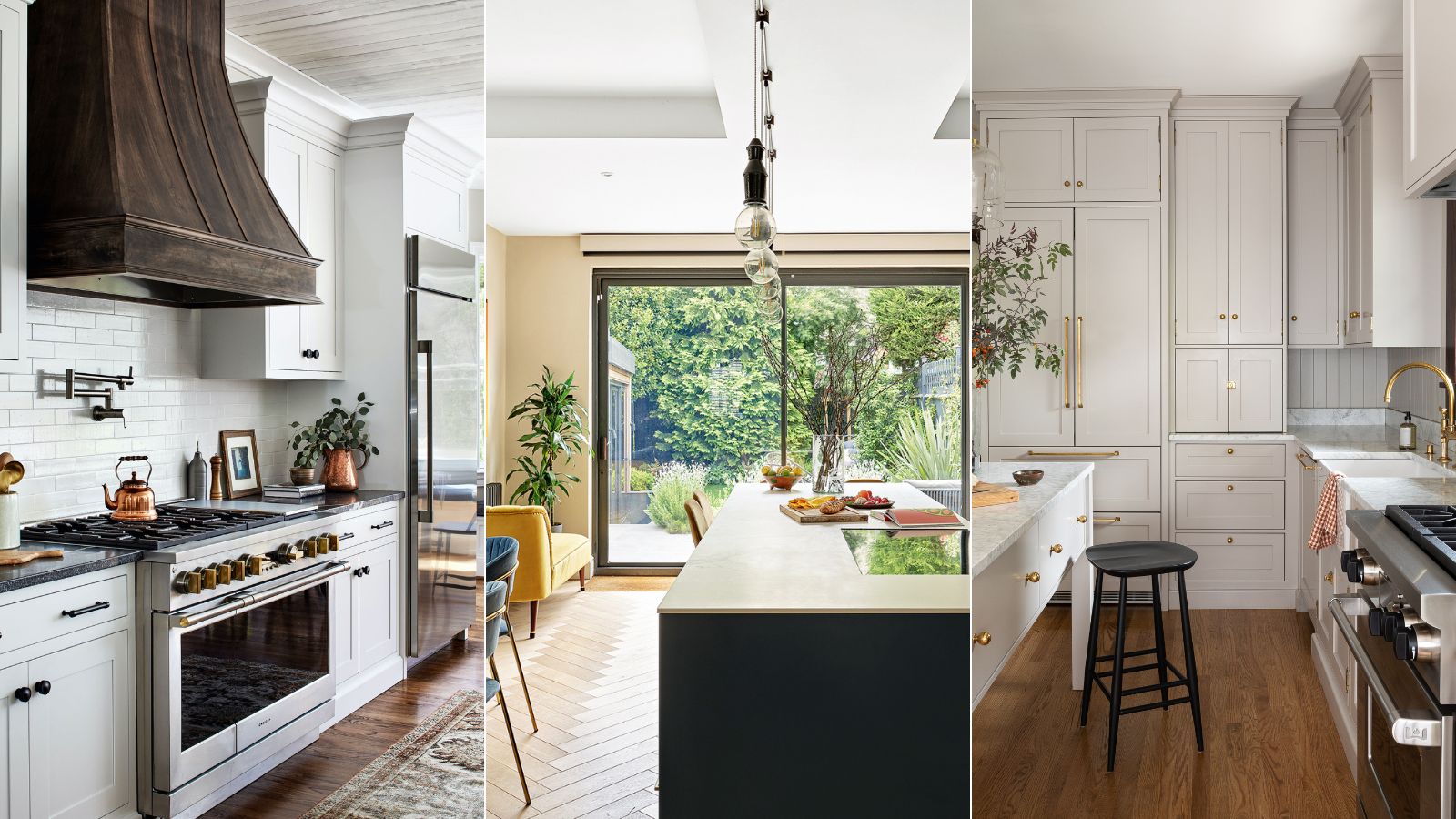
Outdated kitchen trends – 5 overdone looks that designers like to avoid, and here's why you should too

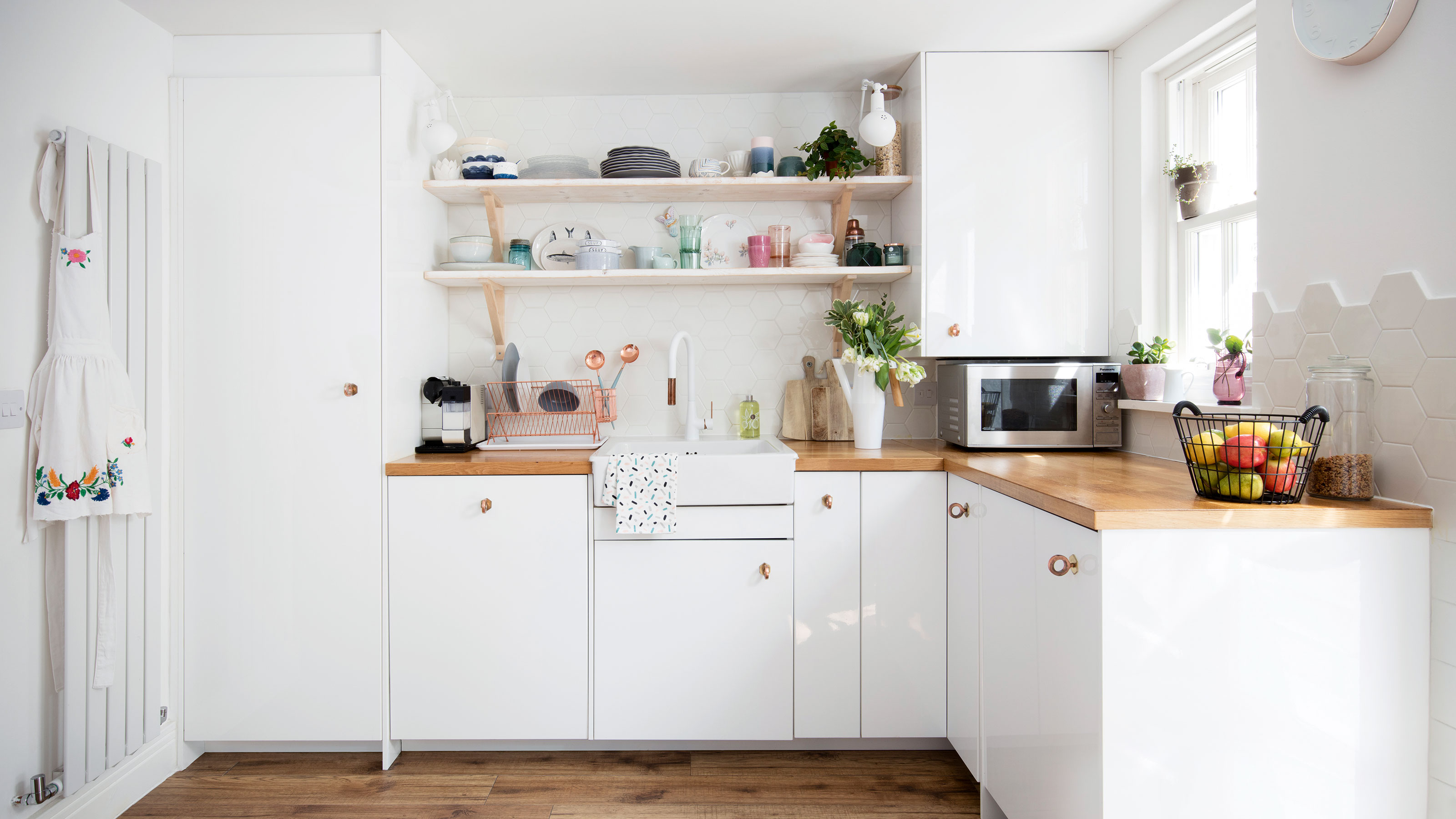
5 outdated rules to ignore when designing a small kitchen – for a realistic yet organised space
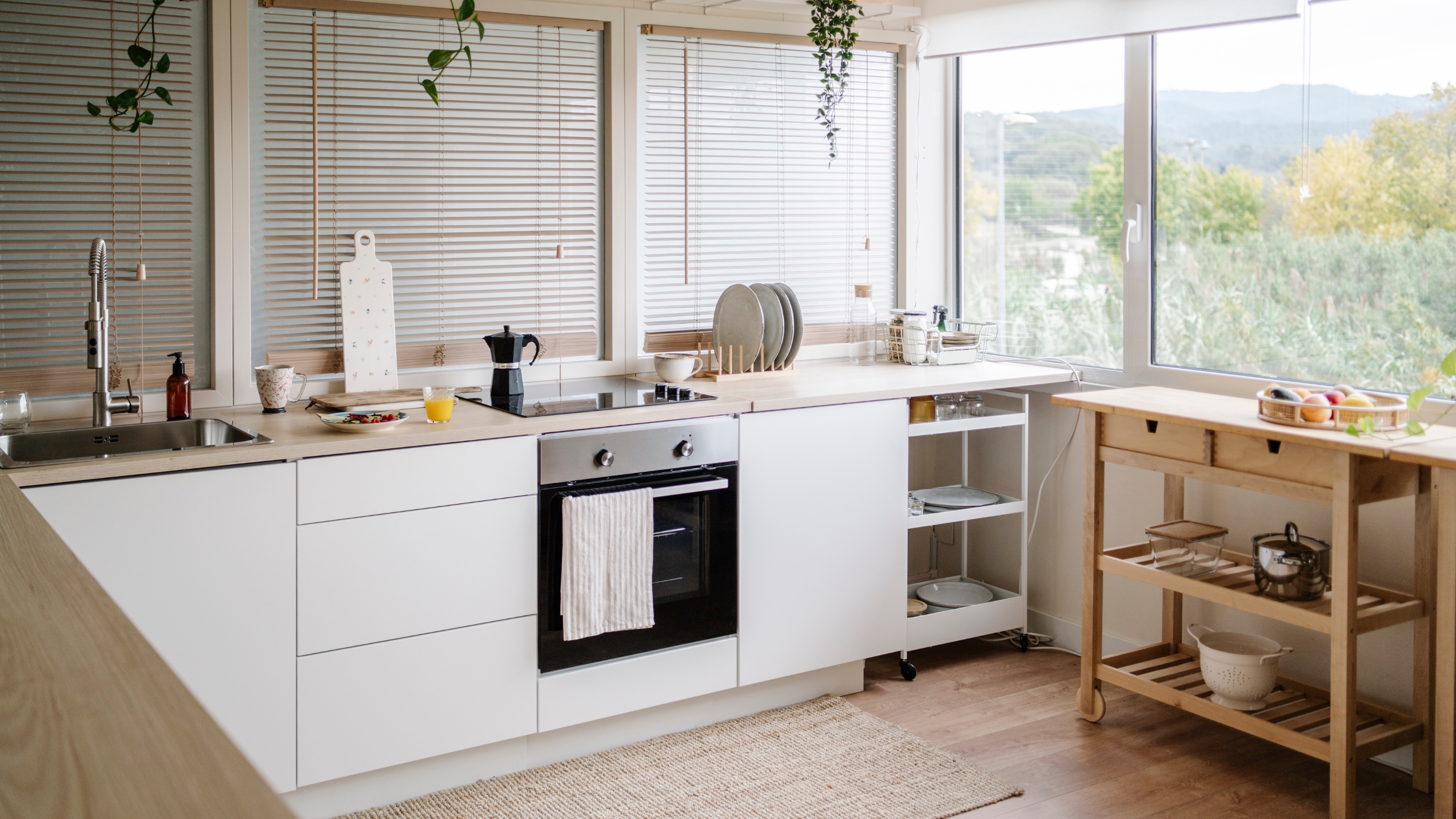
8 small kitchen design mistakes to avoid, according to an interior designer
8 shockingly common kitchen design mistakes according to a pro

7 Common Kitchen Features That Actually Give Designers the "Ick"