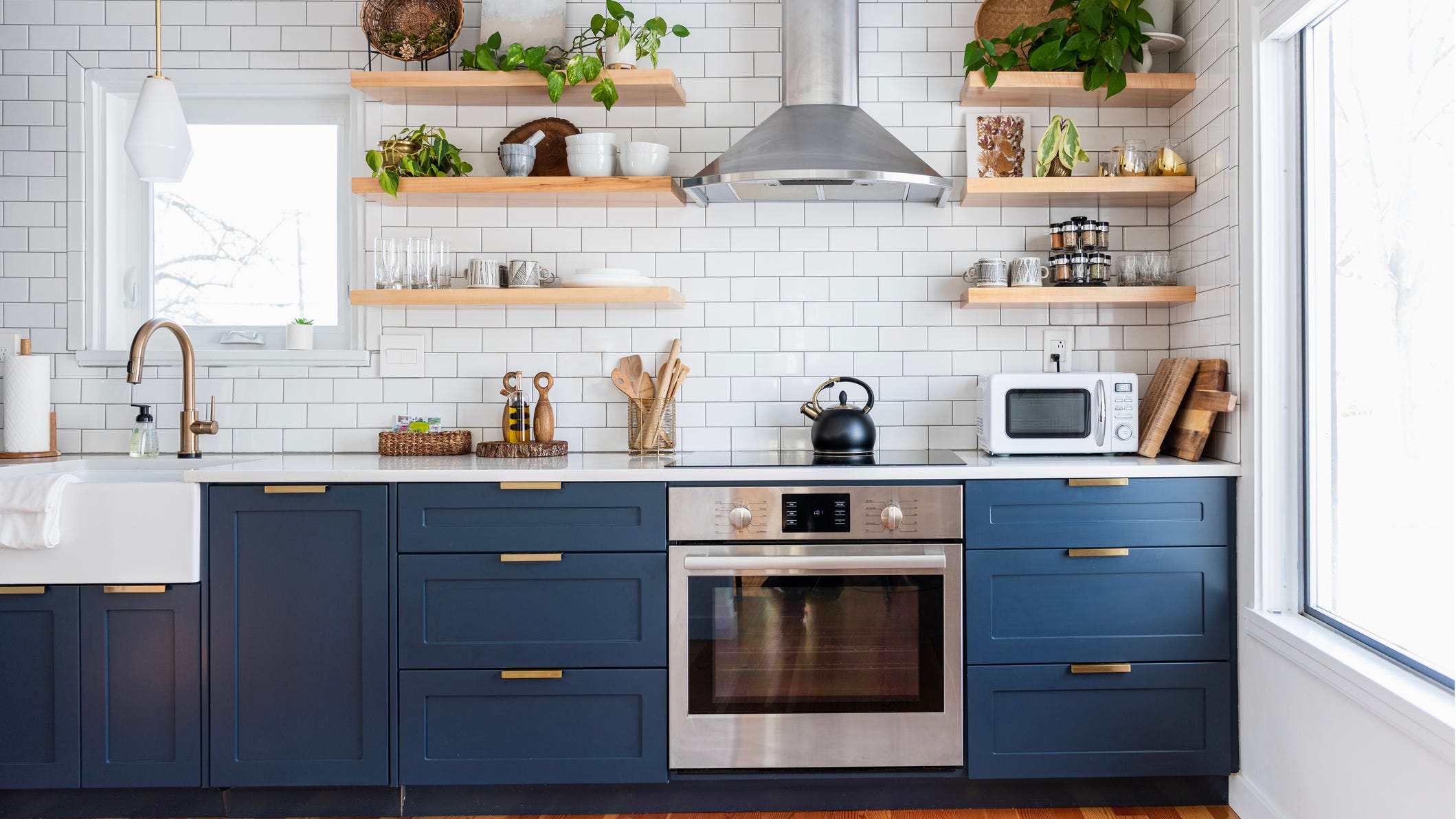
1/12
11 WORST Kitchen Design Mistakes You're Probably Making
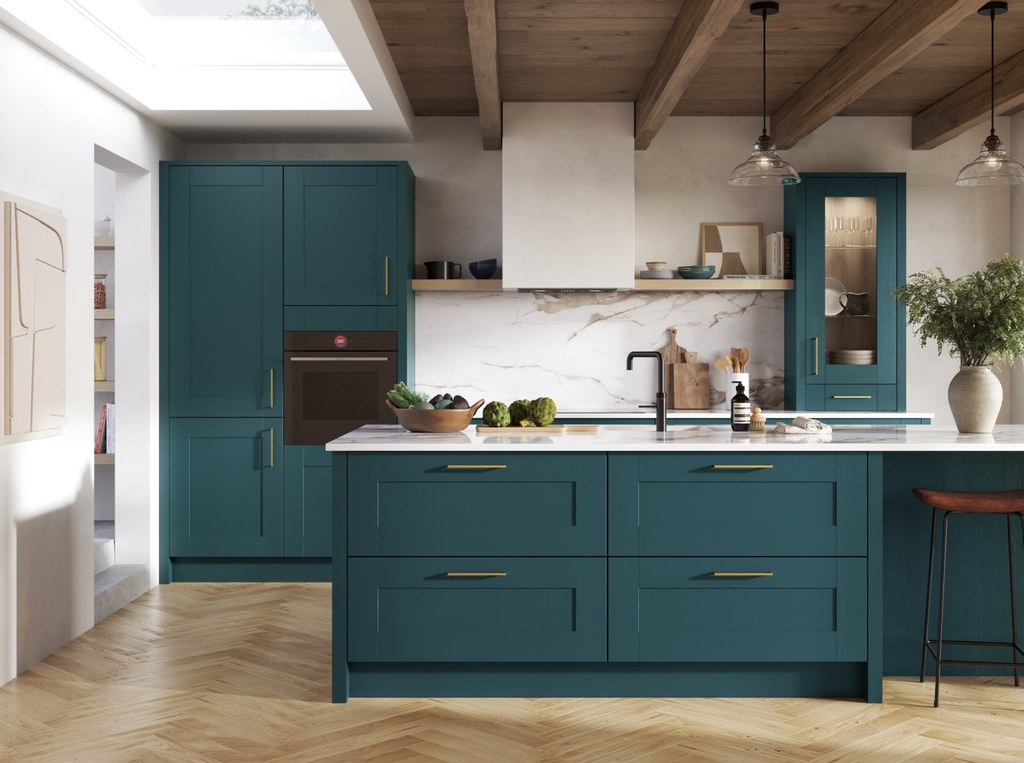
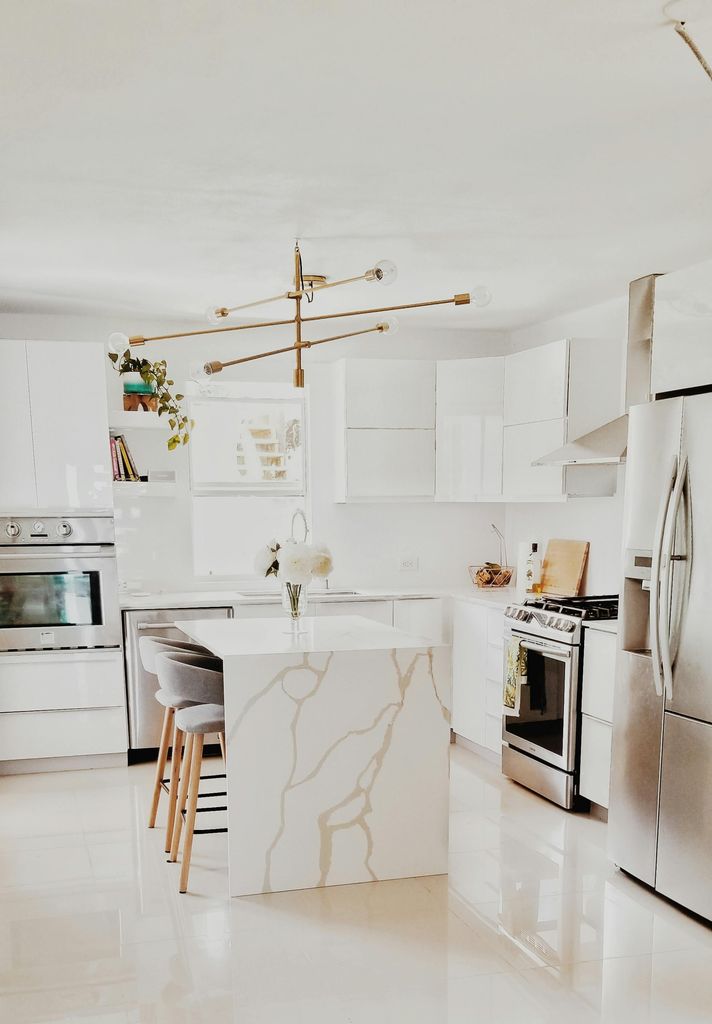
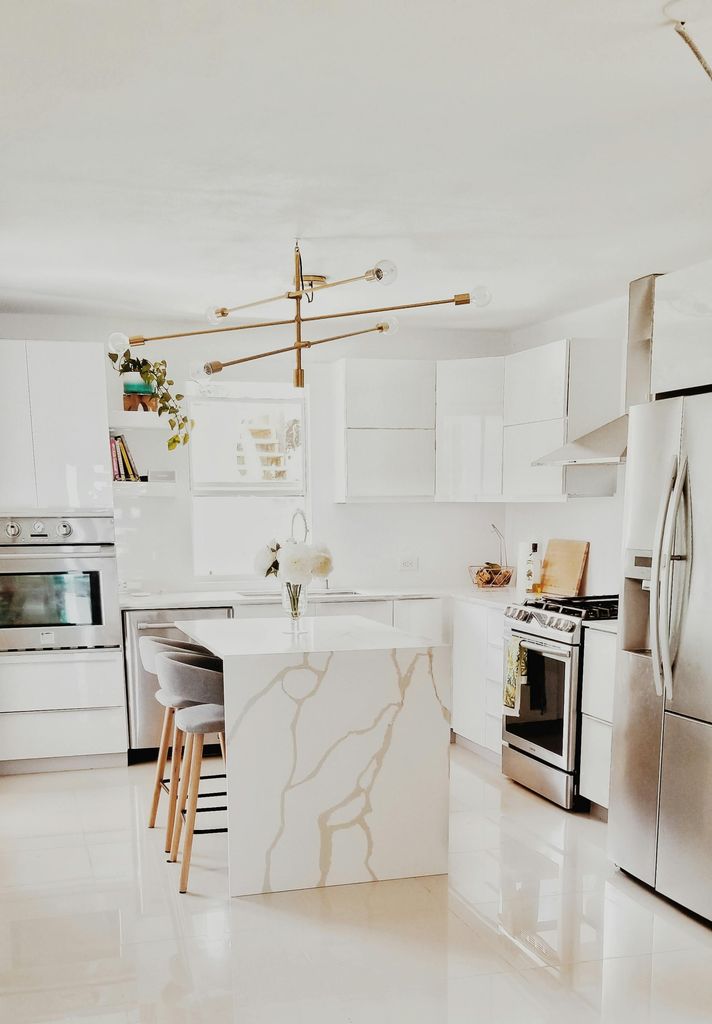
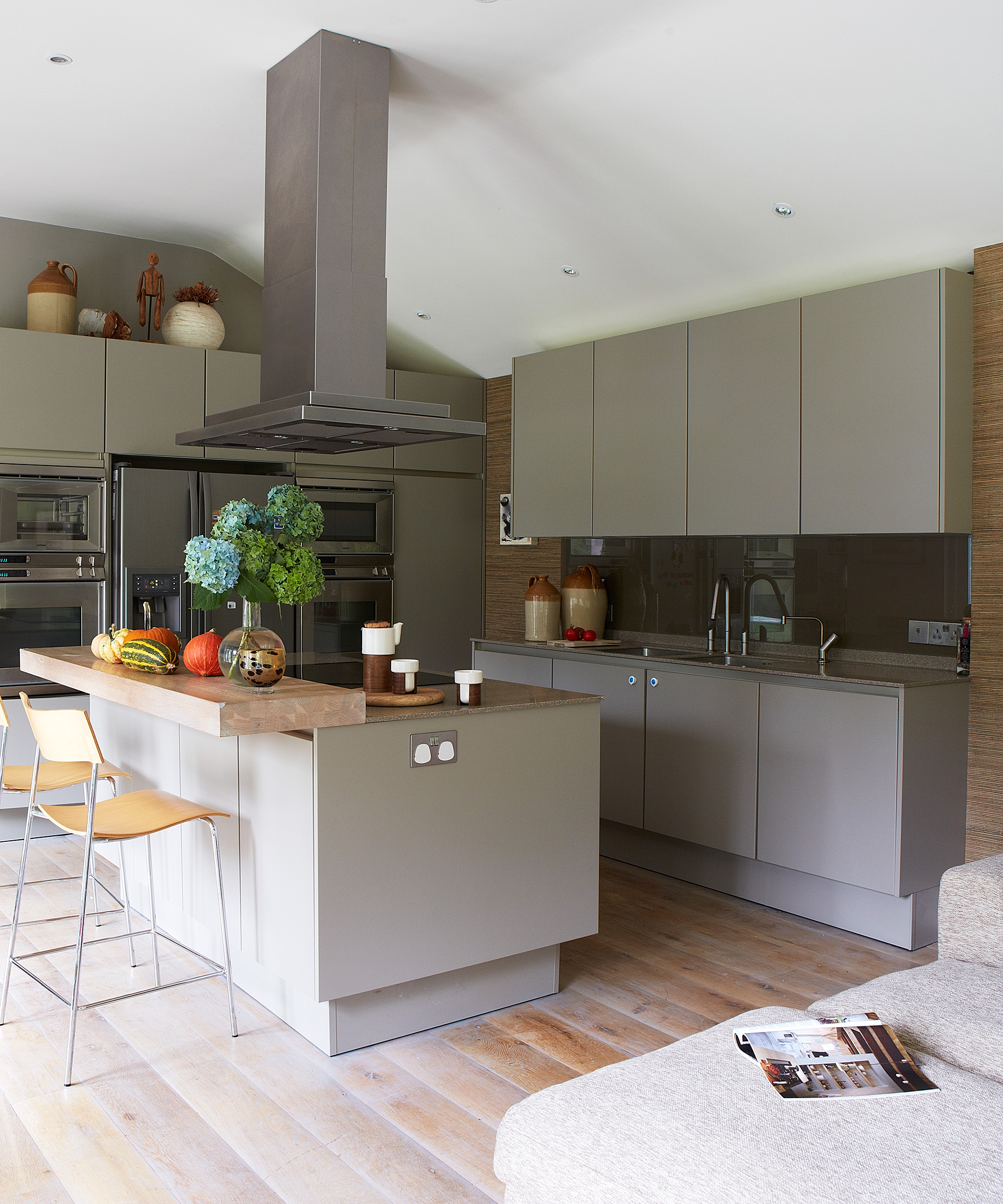
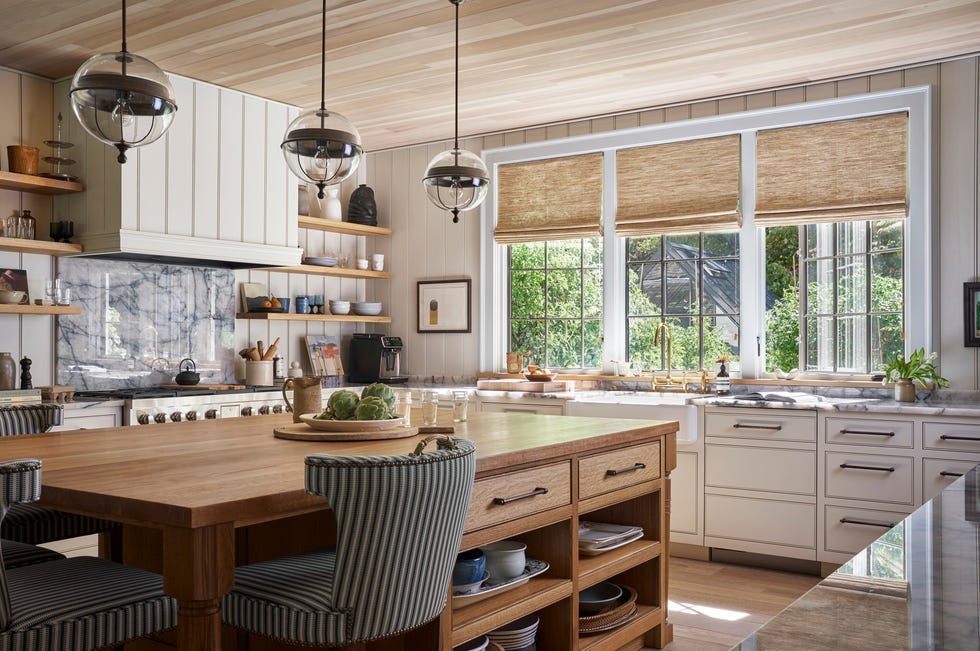
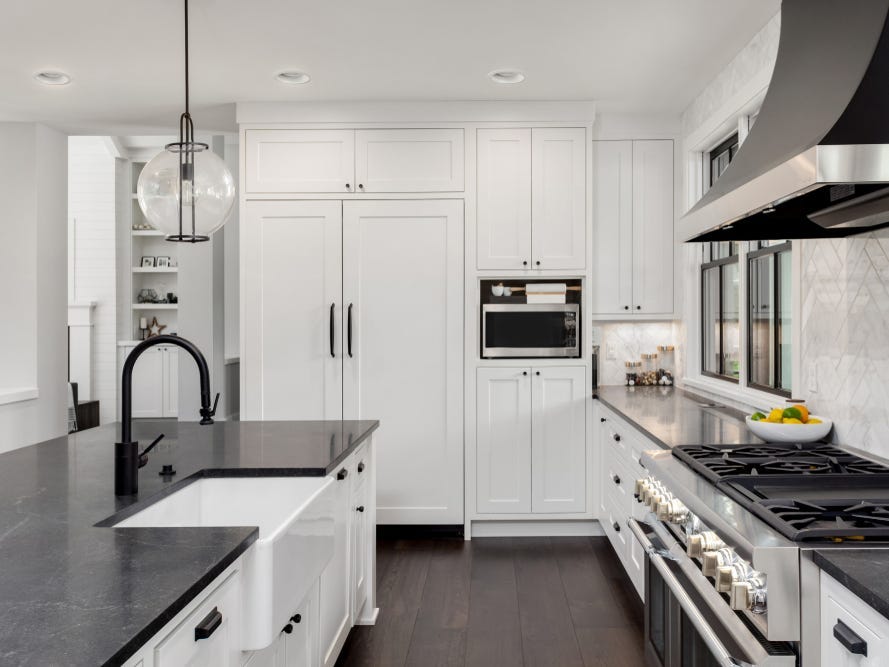
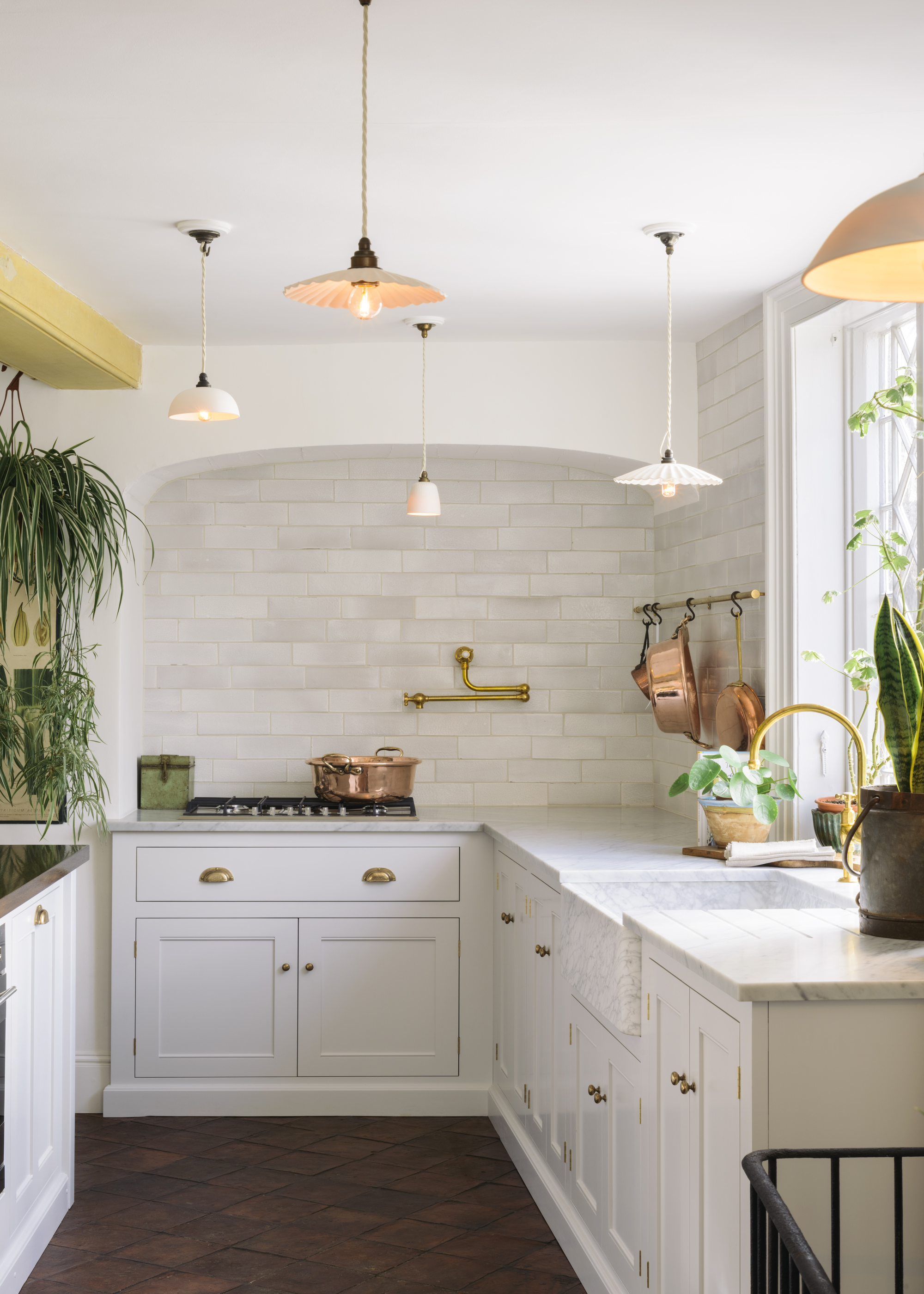
Designing a kitchen requires careful consideration to ensure both functionality and aesthetic appeal. Interior design experts identify several common pitfalls that homeowners often make, emphasizing the importance of thoughtful planning to create a dream kitchen. One significant mistake is leaving the refrigerator exposed. Designers recommend enclosing the refrigerator with end panels that match the cabinetry, as an exposed appliance can make the kitchen appear unfinished and detract from a cohesive design. Another common error involves selecting the wrong paint finish for kitchen walls. While flat or matte paints might be appealing visually, they are impractical for kitchens due to the need for frequent spot cleaning. Eggshell or satin finishes are preferred for their durability and ease of maintenance in high-traffic kitchen environments.
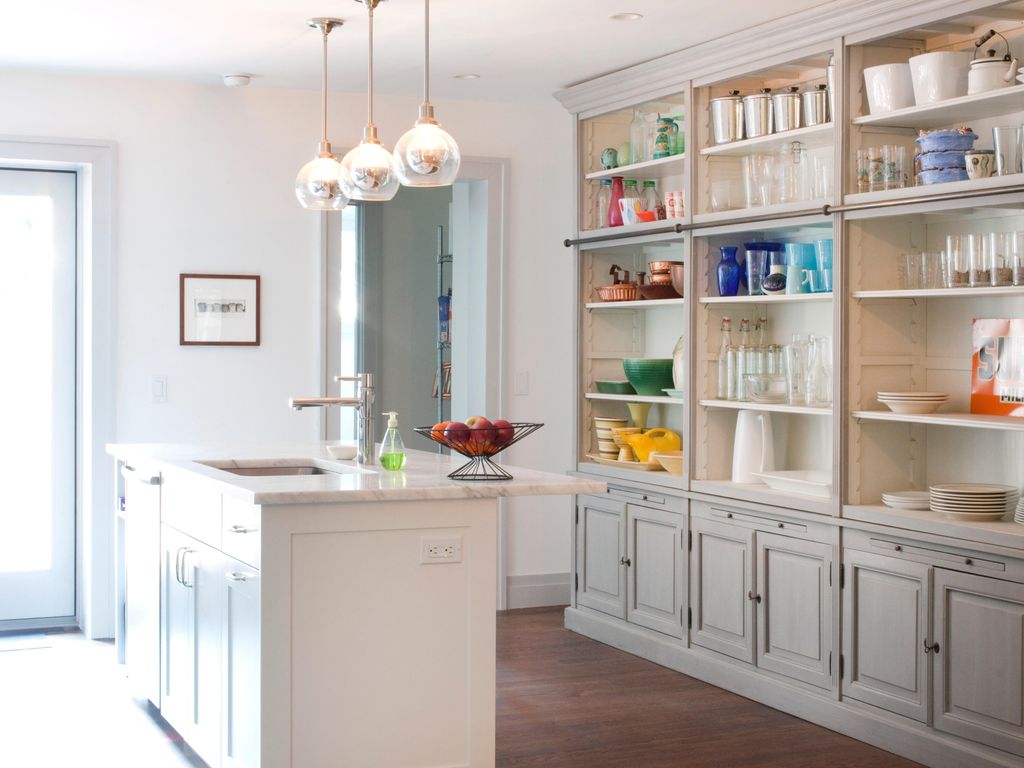
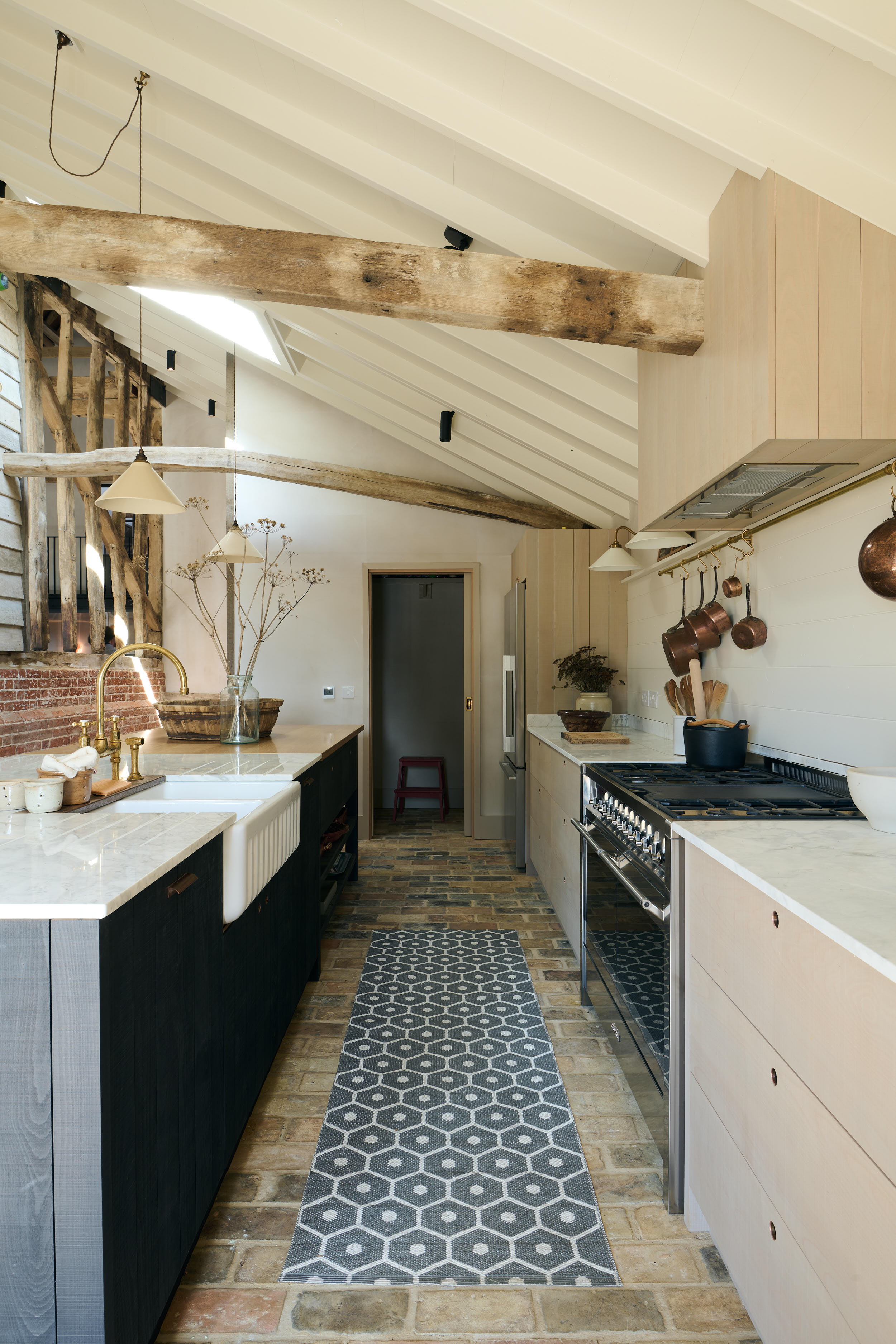
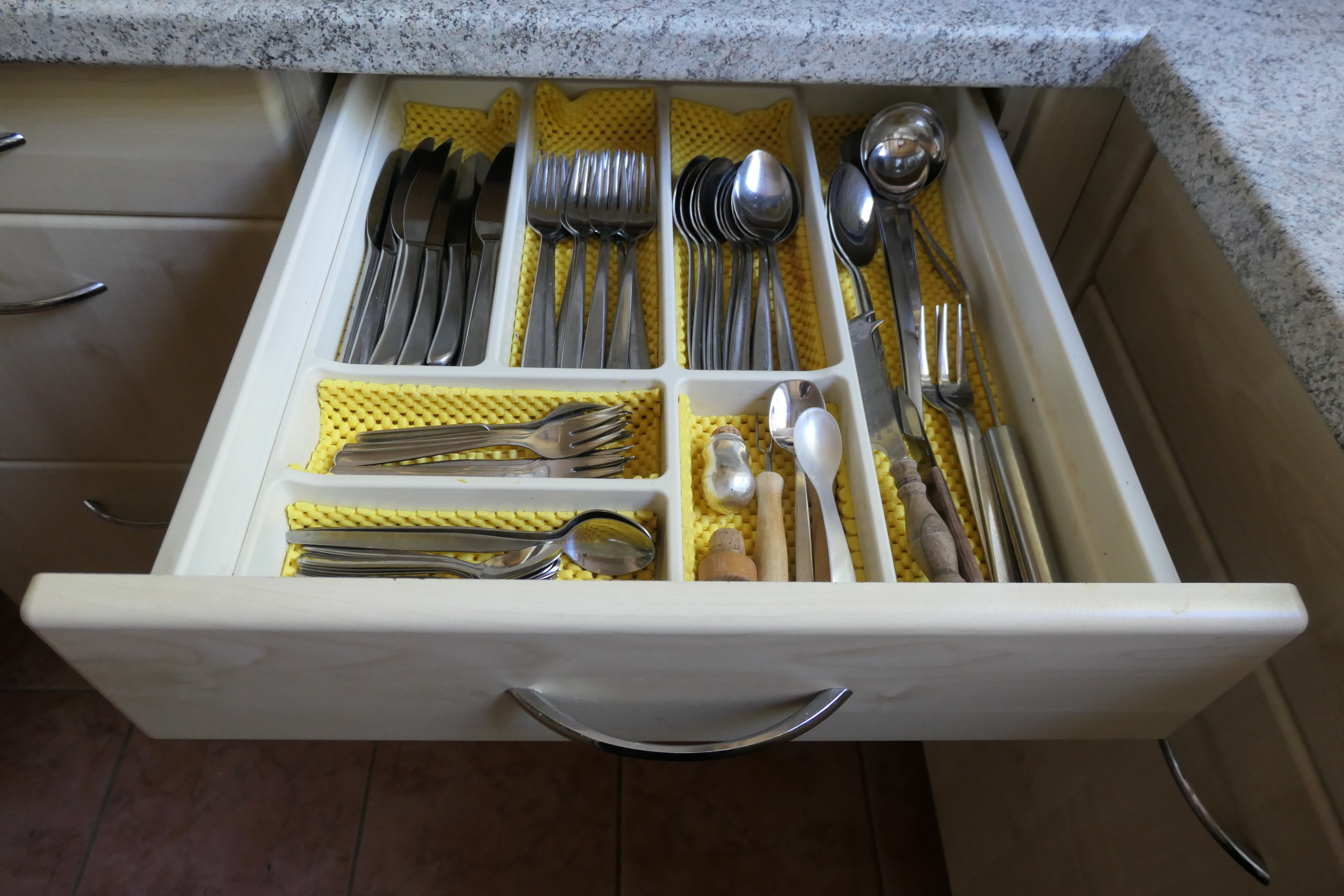
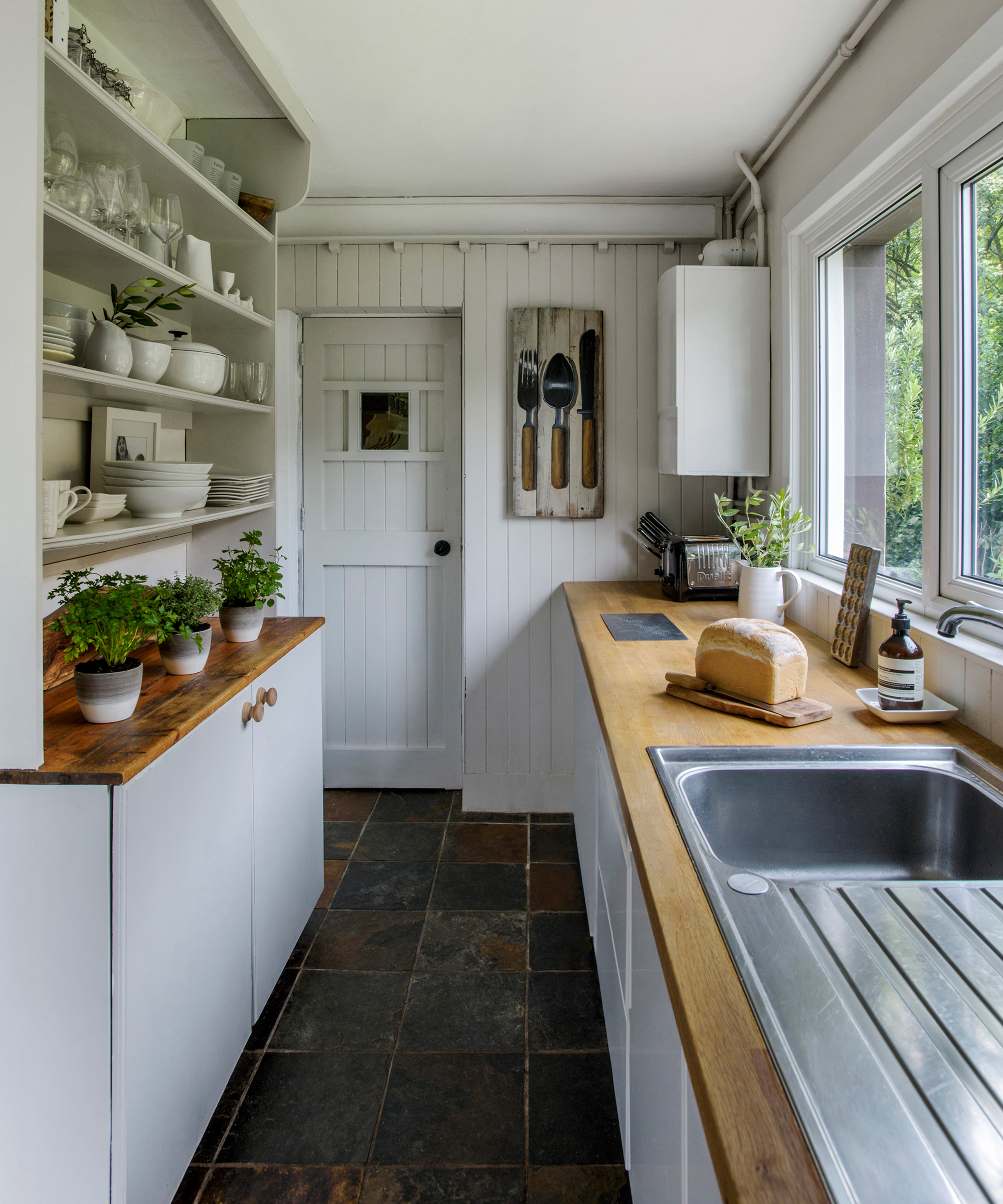
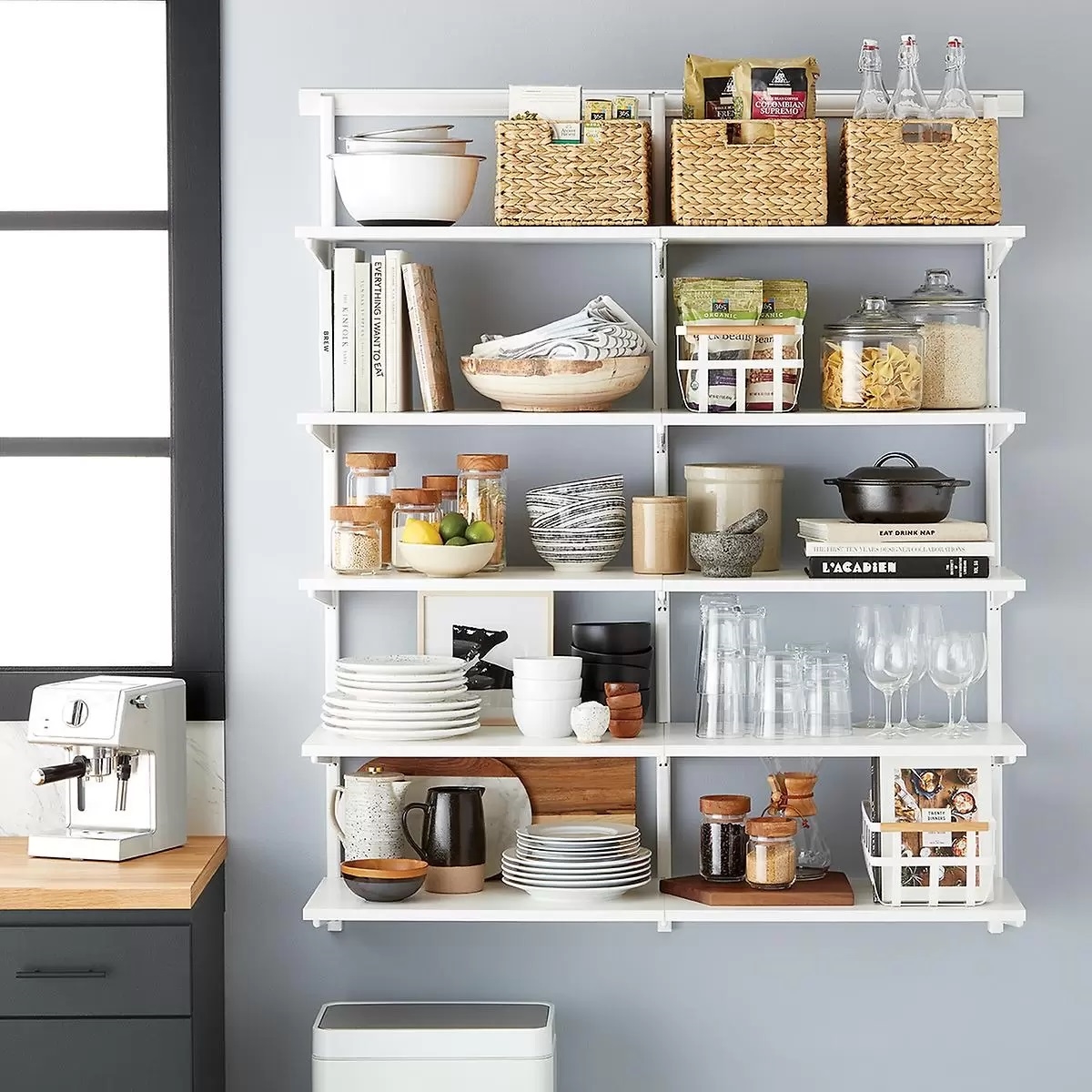
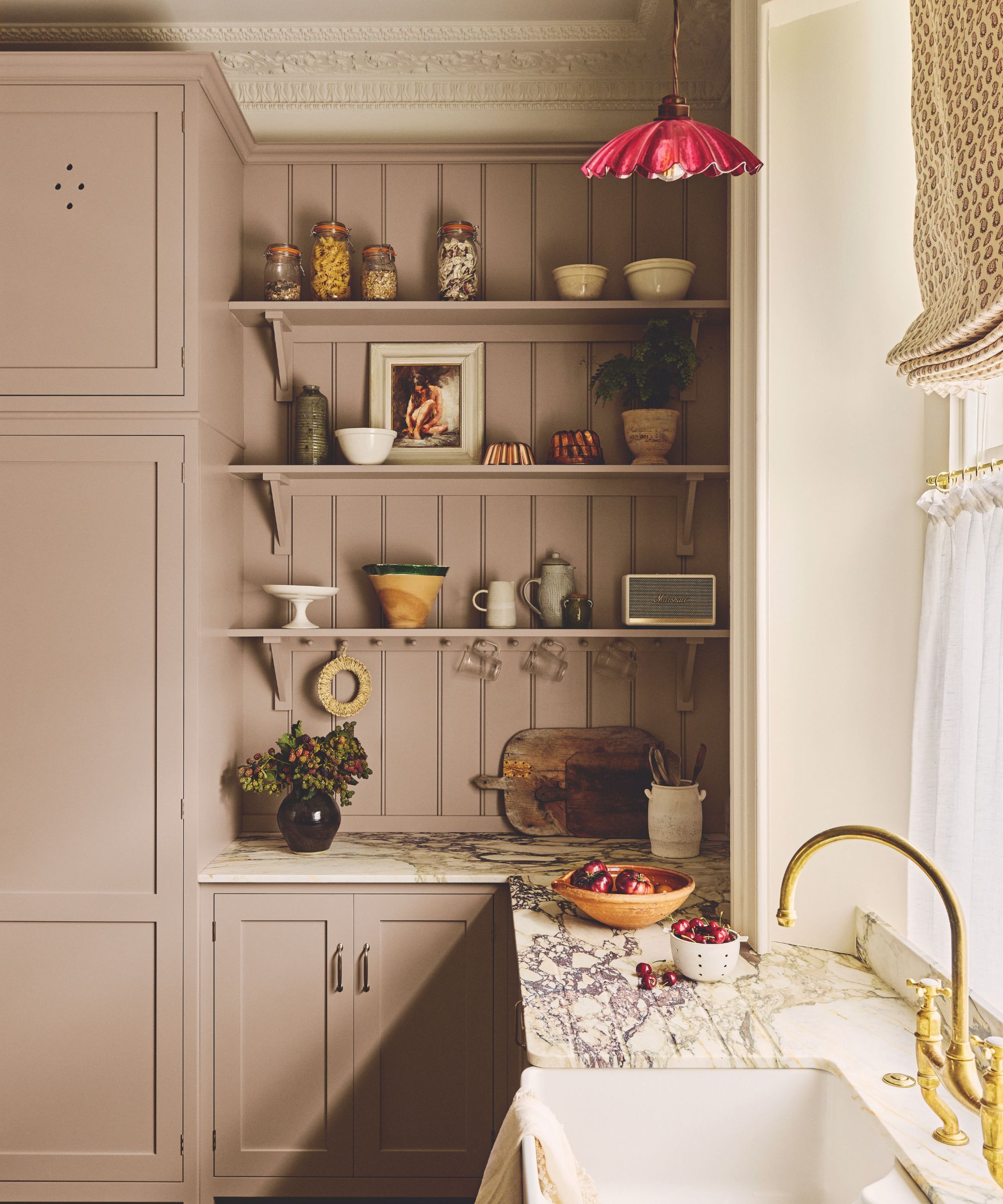
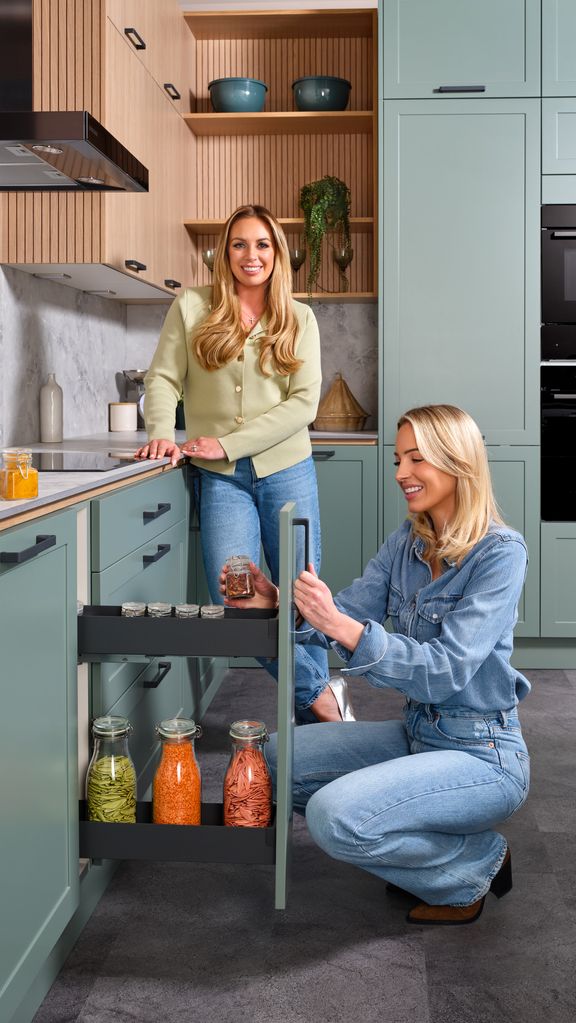
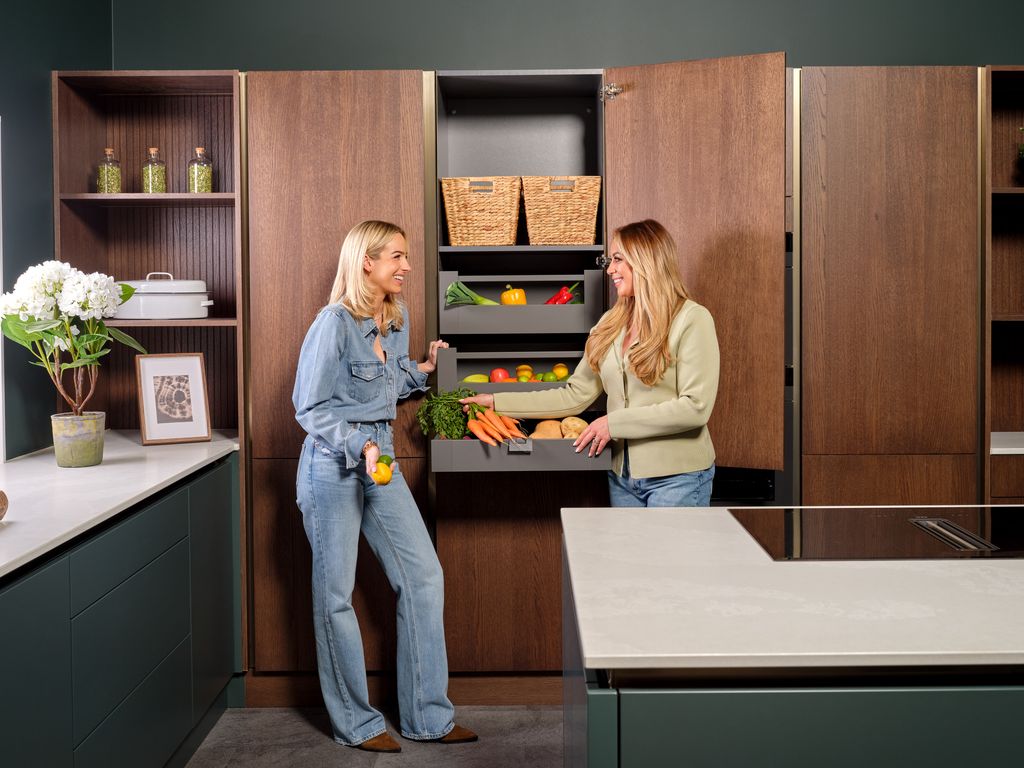
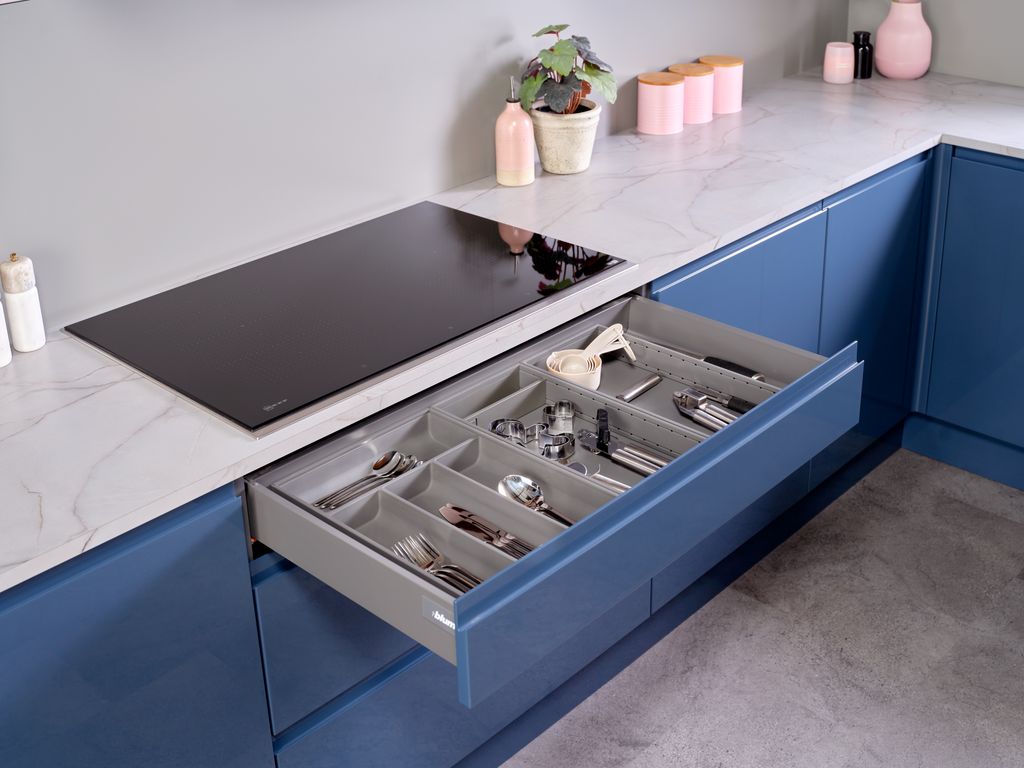
Insufficient storage is another critical design flaw. Experts advise thoroughly assessing current and future storage needs to plan for adequate drawer and cabinet space, ensuring that all kitchen items have designated places. This prevents clutter and enhances the kitchen's efficiency. Furthermore, designers caution against blindly following social media trends. Instead, homeowners should personalize their kitchens by visiting material suppliers like stone yards and tile shops to choose elements that resonate with their personal style and create a unique design story. Over-reliance on decorative lighting without adequate task lighting is also a mistake. Kitchens are primary task areas, necessitating sufficient illumination for meal preparation, beyond just ambient light from decorative fixtures. Combining decorative and functional lighting ensures the space is both beautiful and practical.
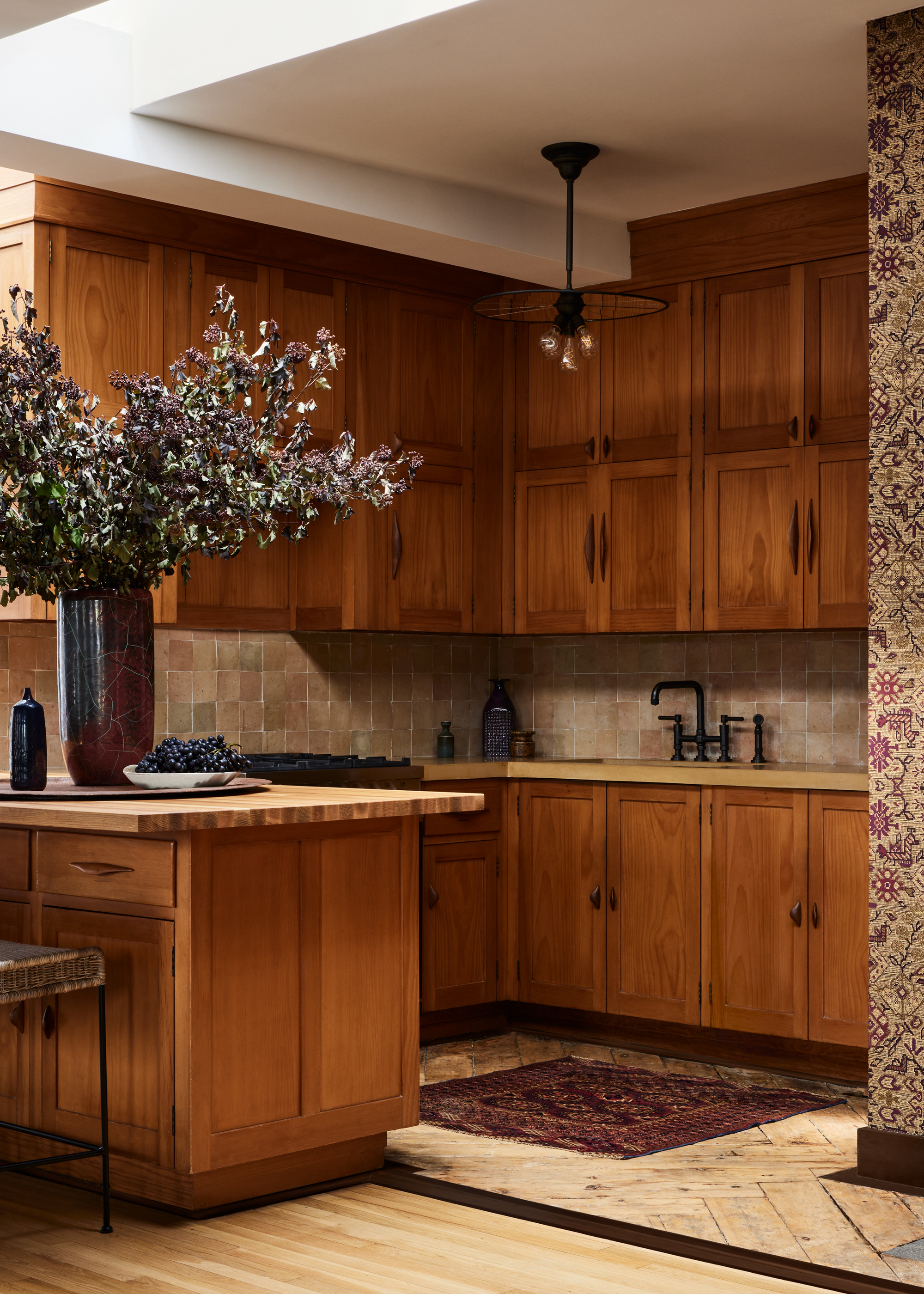
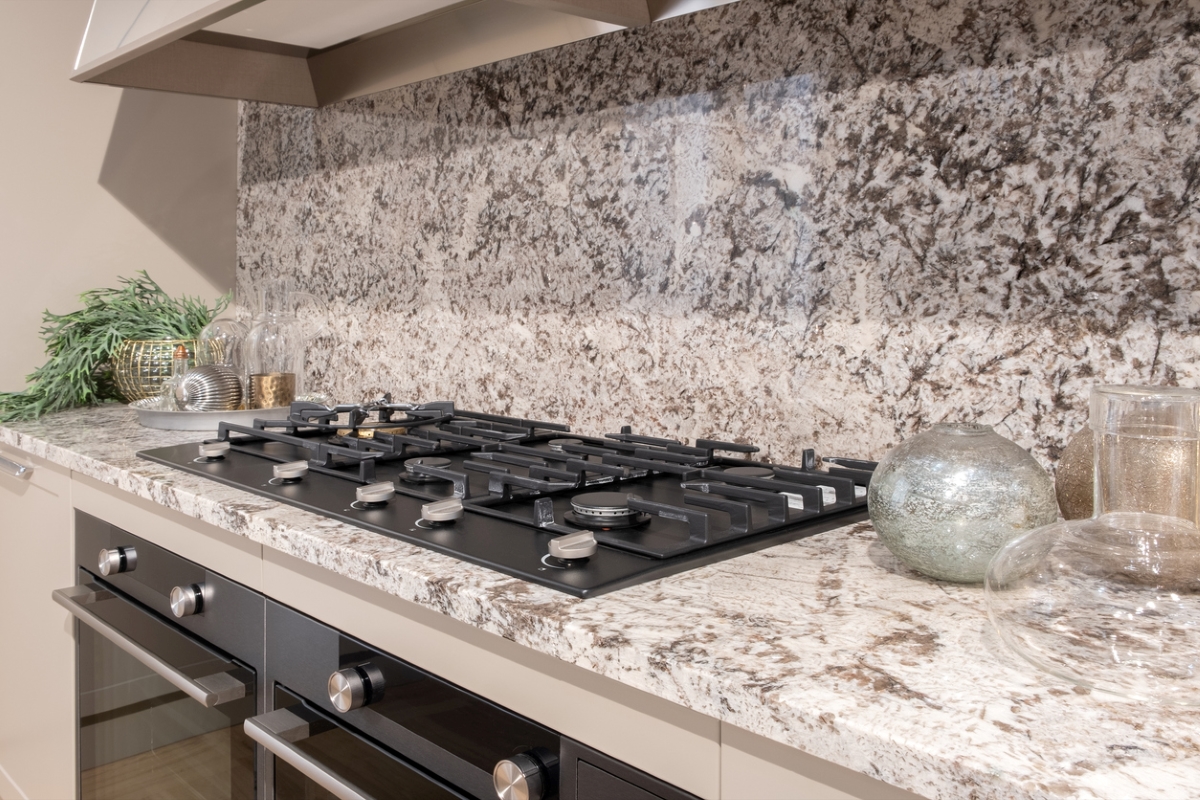
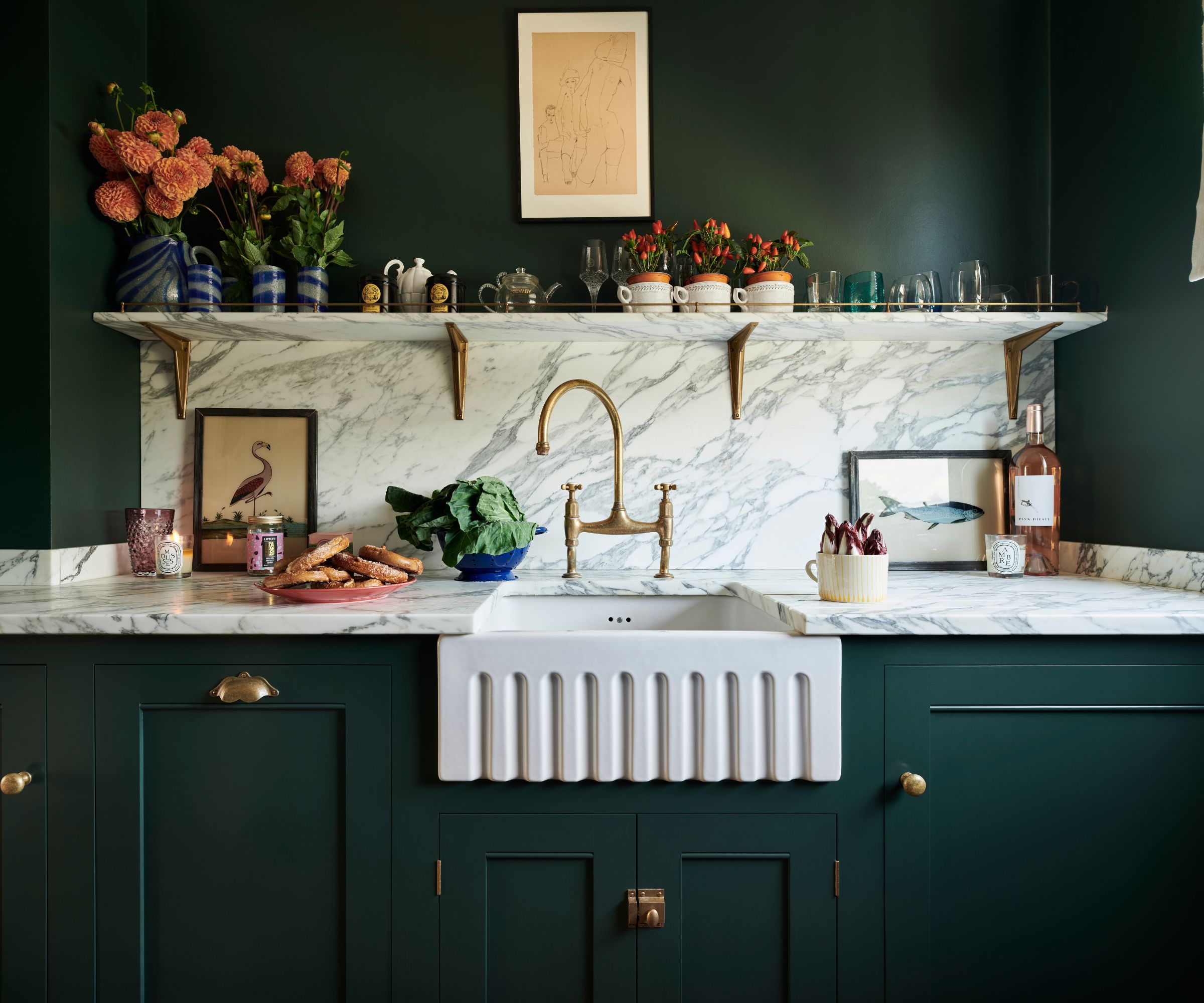
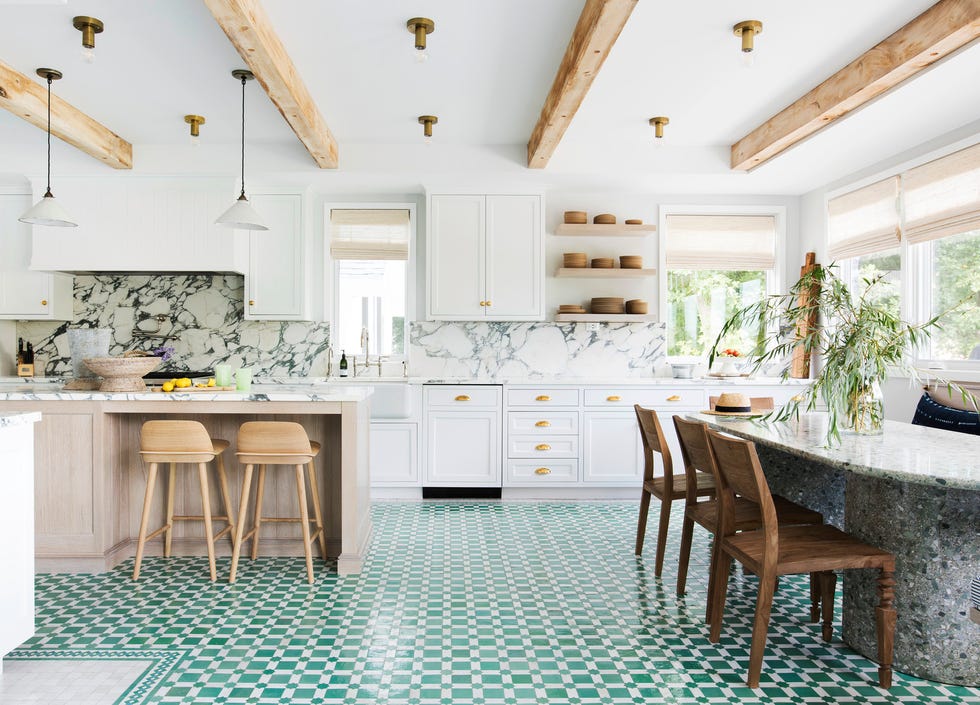
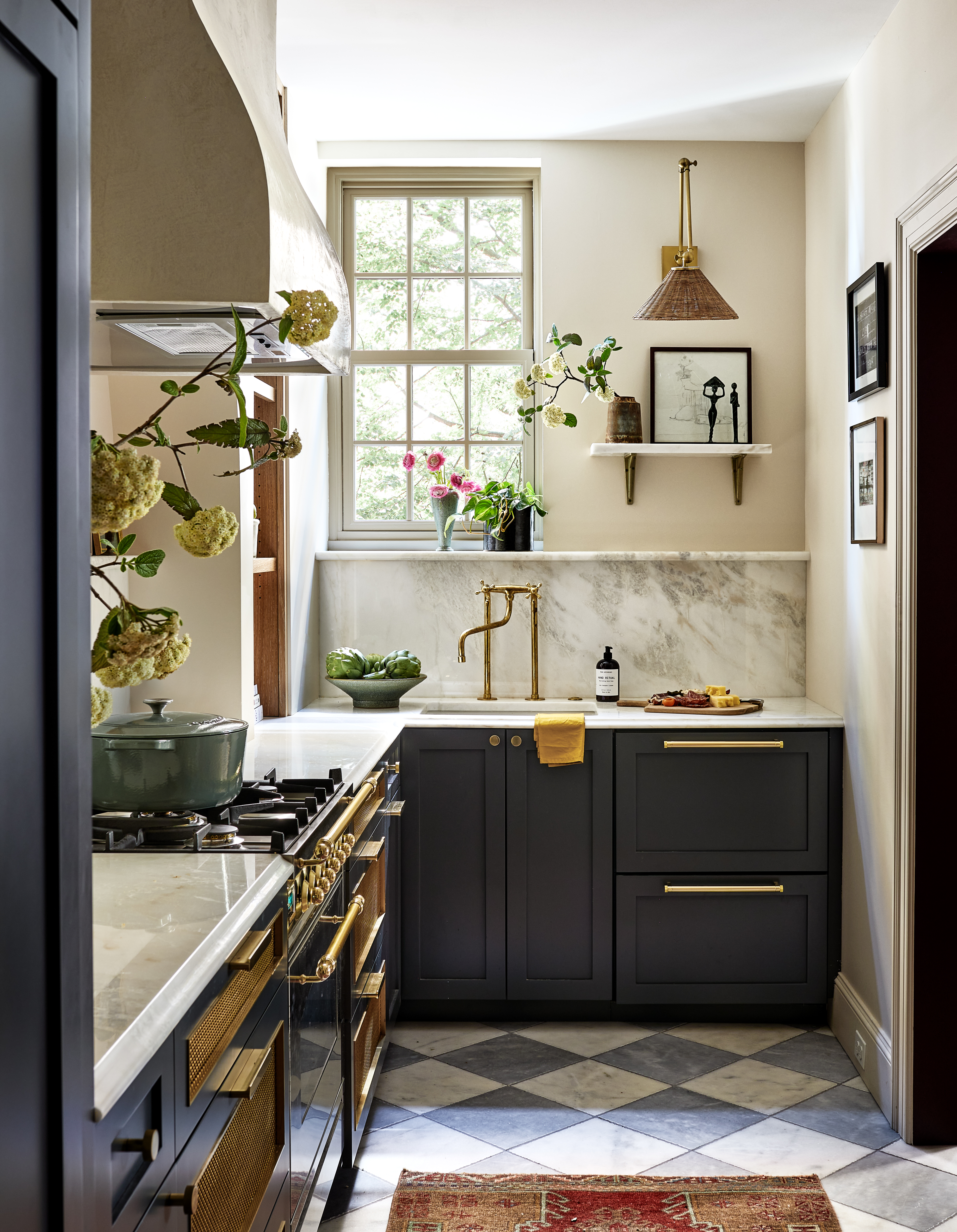
Clutter on kitchen countertops is a perennial problem that can make a kitchen feel chaotic and less appealing. Designers suggest incorporating solutions like charging or docking drawers to keep electronics off the counter and developing habits that prevent items from accumulating in visible areas. The selection of materials for key surfaces such as countertops, flooring, and backsplashes is another crucial aspect. Prioritizing durability and ease of maintenance alongside aesthetics is essential. Natural stones like marble, while beautiful, are porous and require regular sealing, making them less practical for some households compared to more resilient options. Additionally, tiled countertops, despite their resurgence in popularity, are often impractical due to maintenance challenges and the difficulty of keeping grout lines clean.
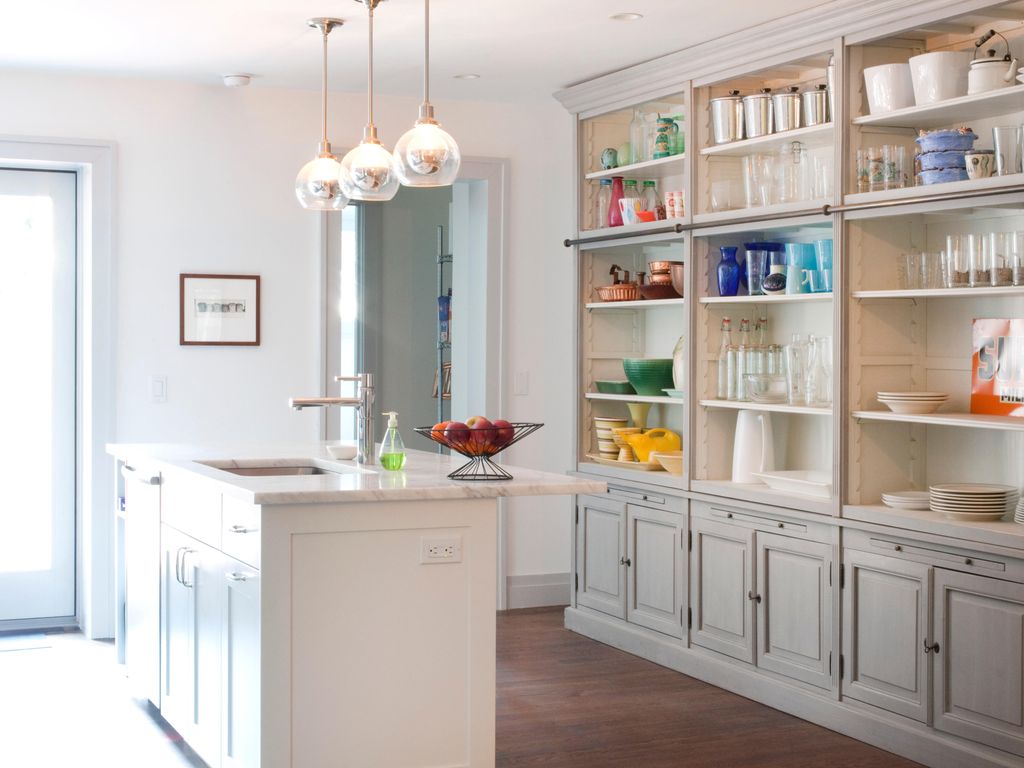
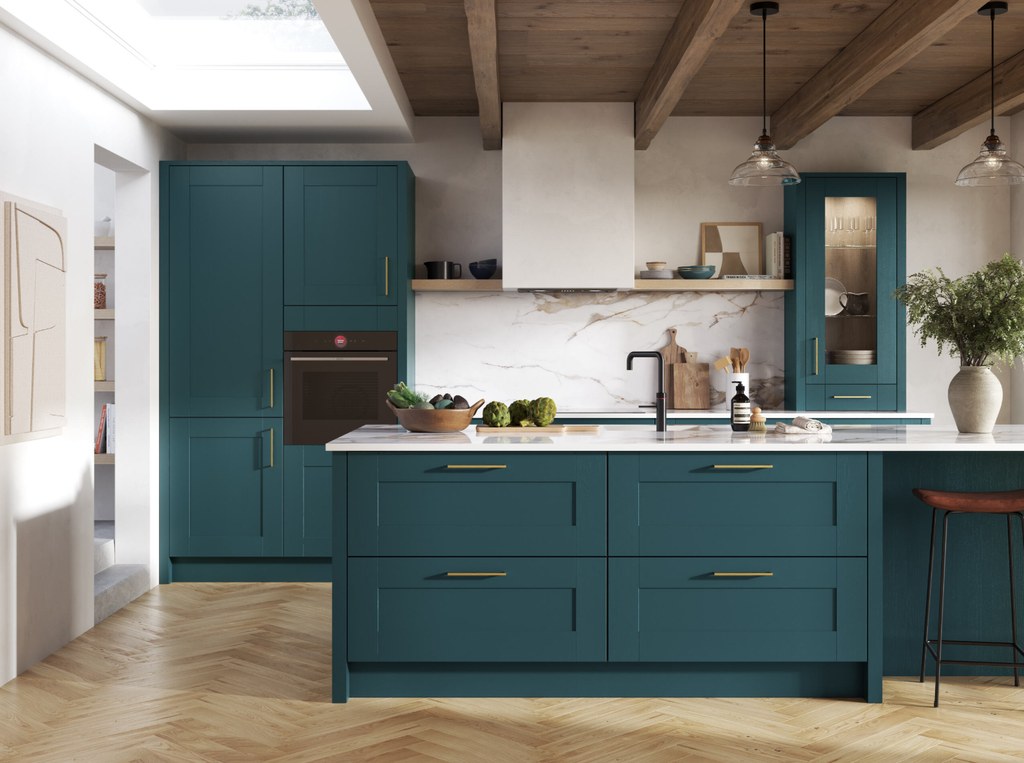
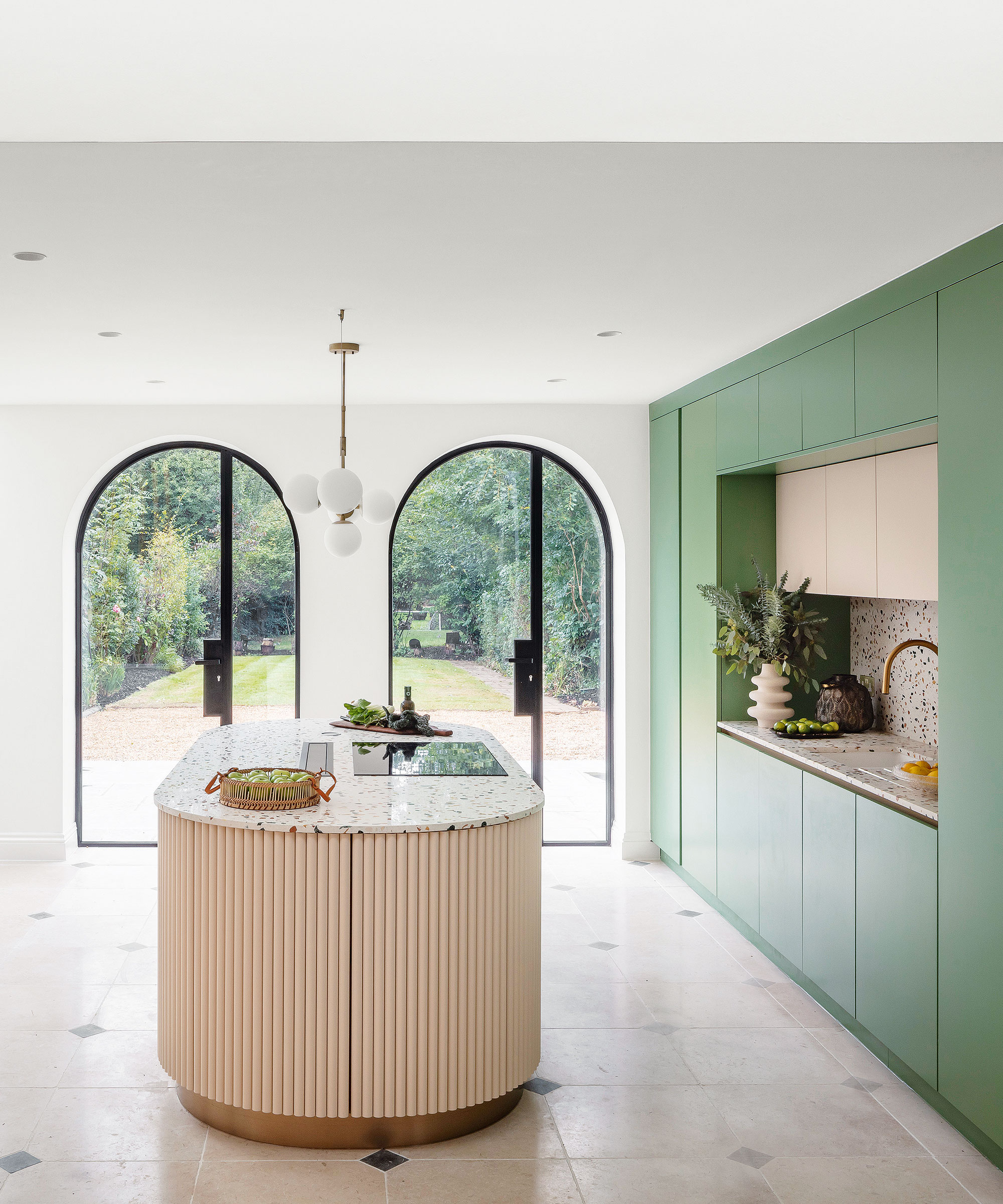
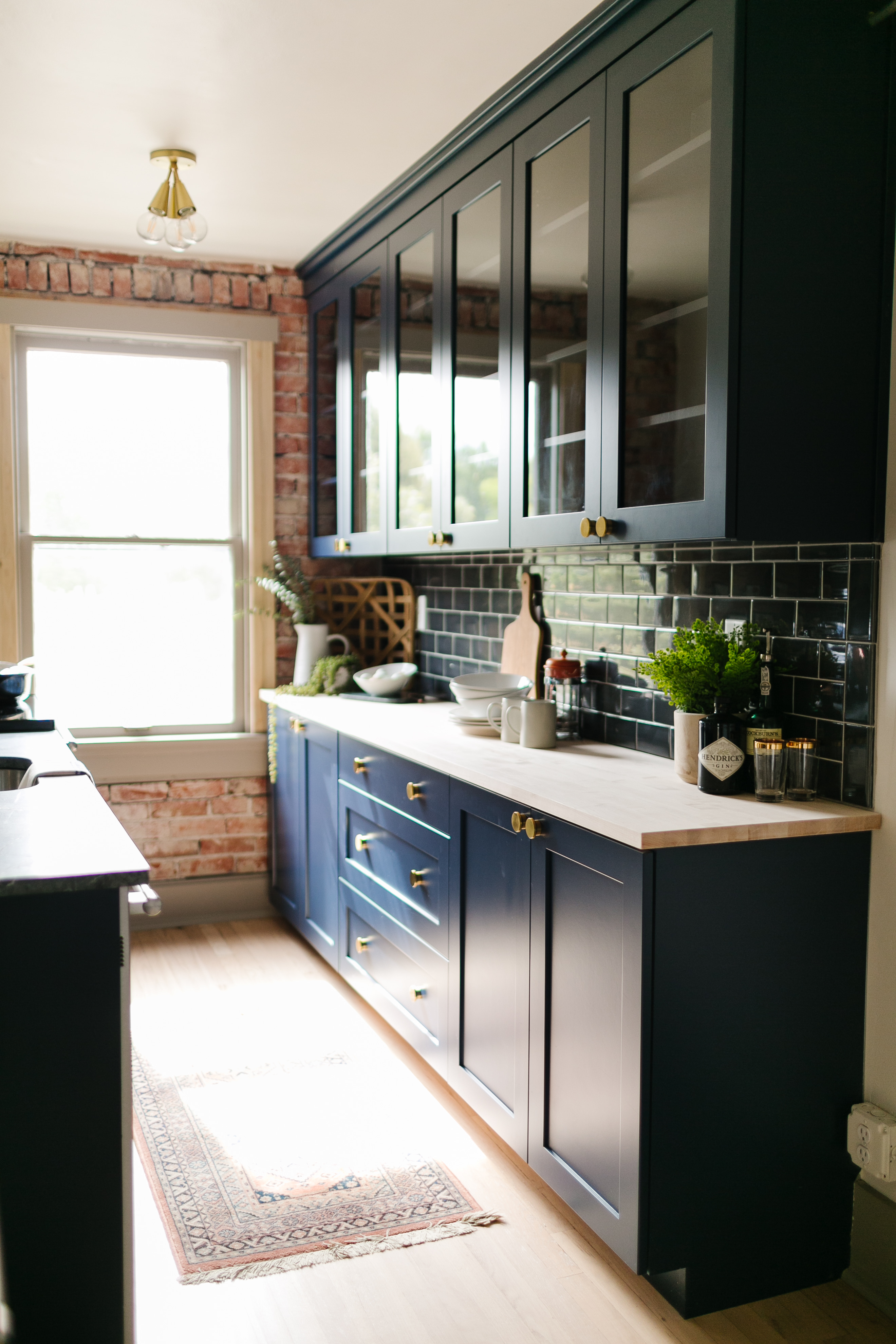
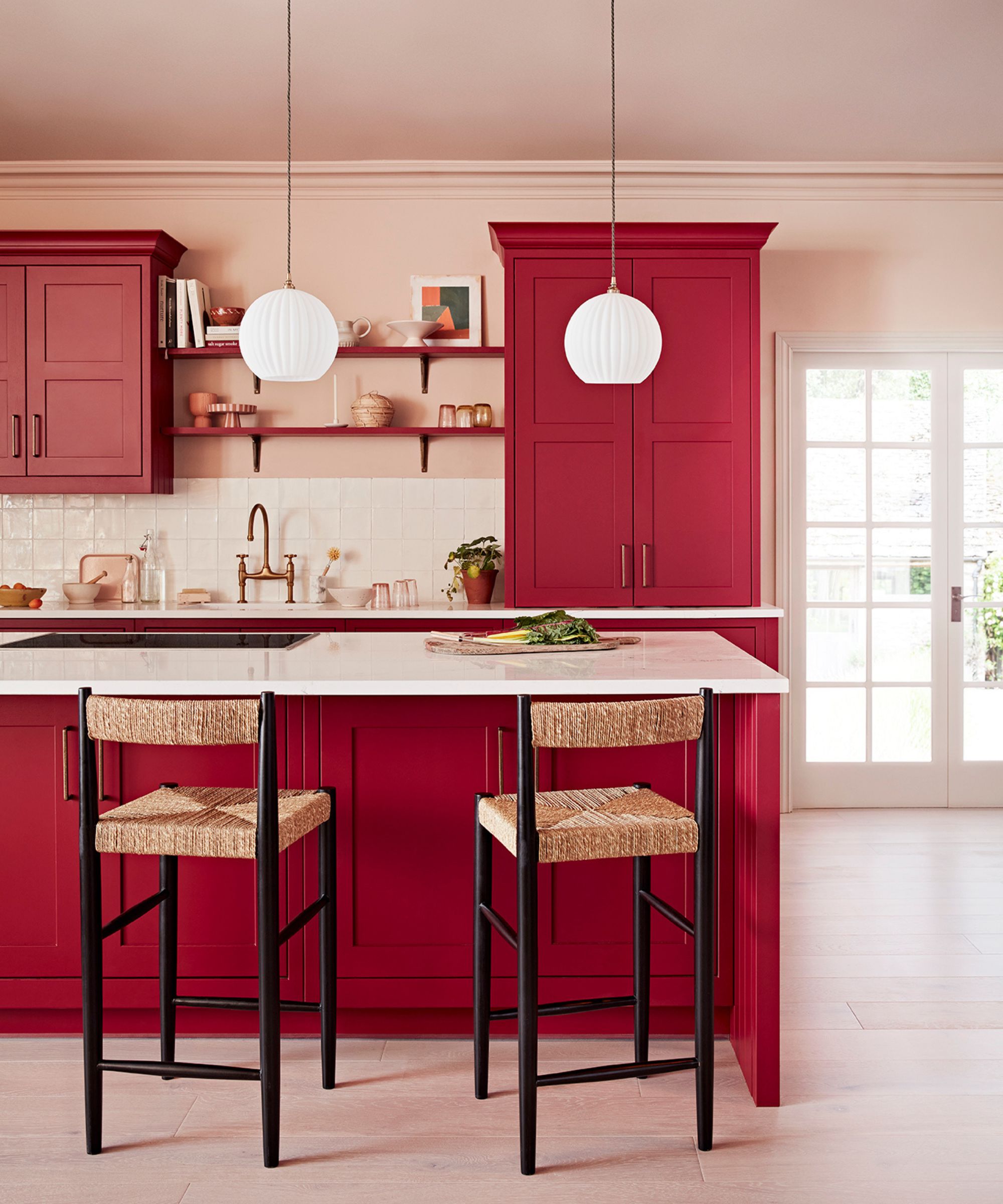
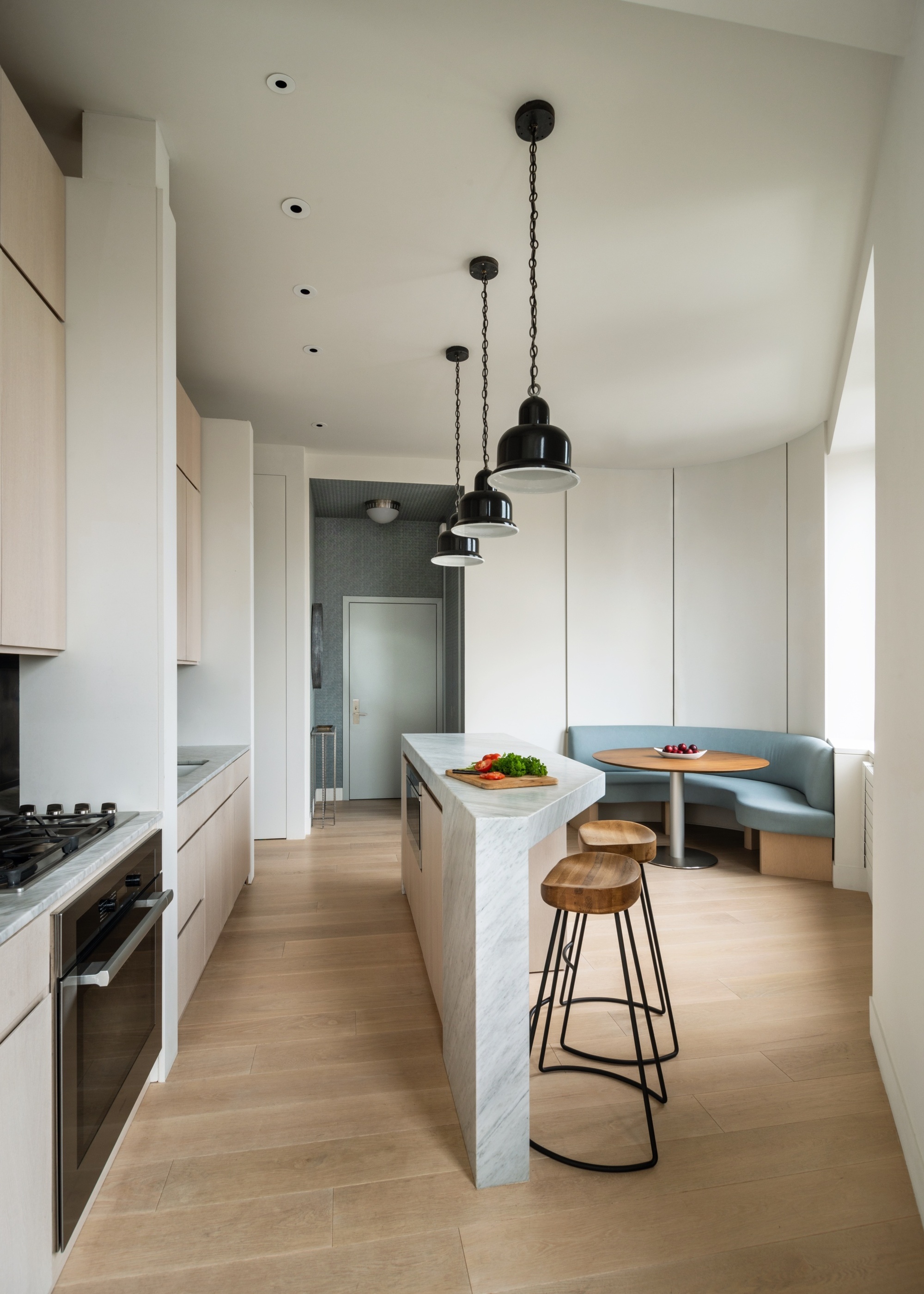
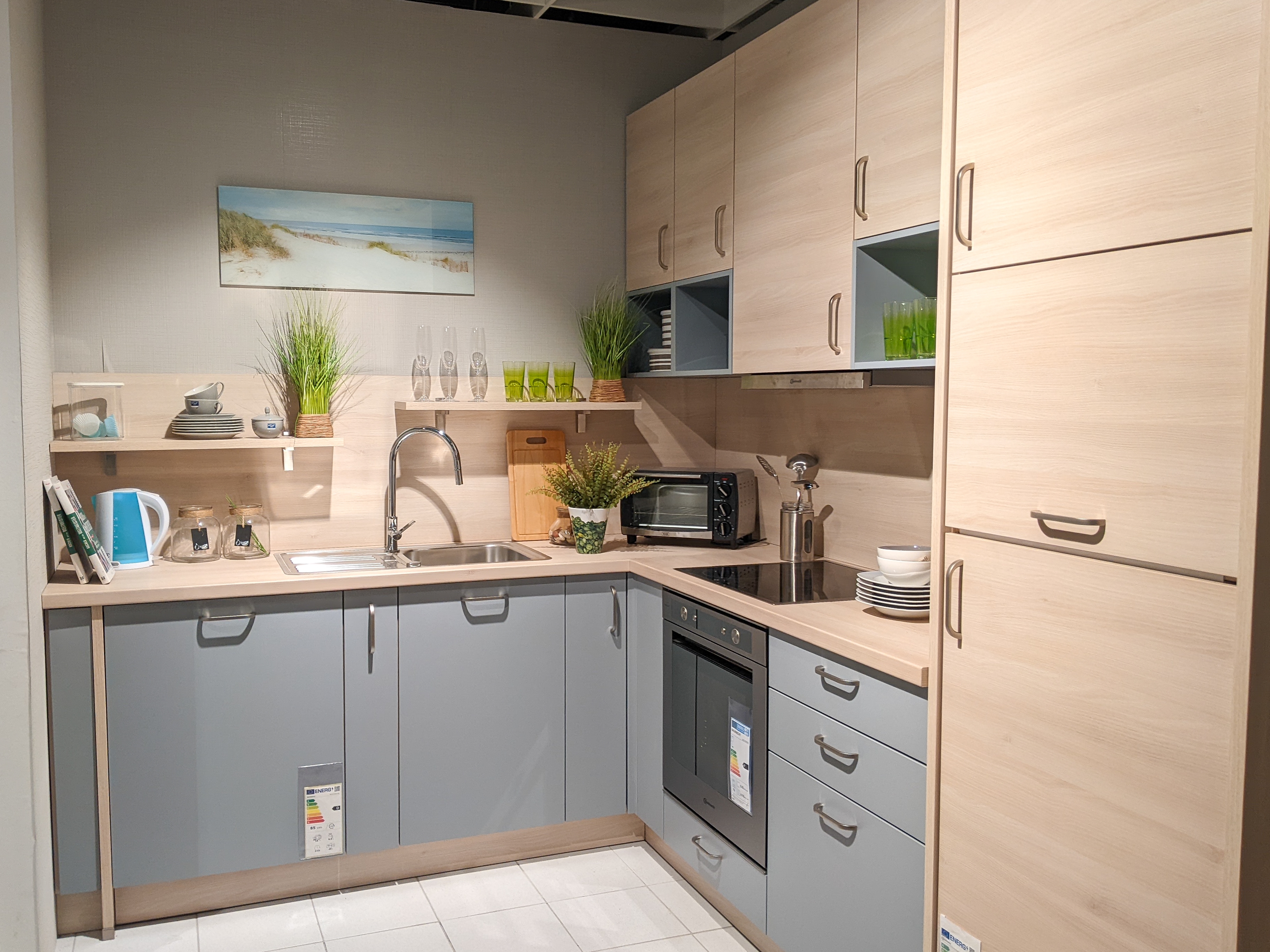
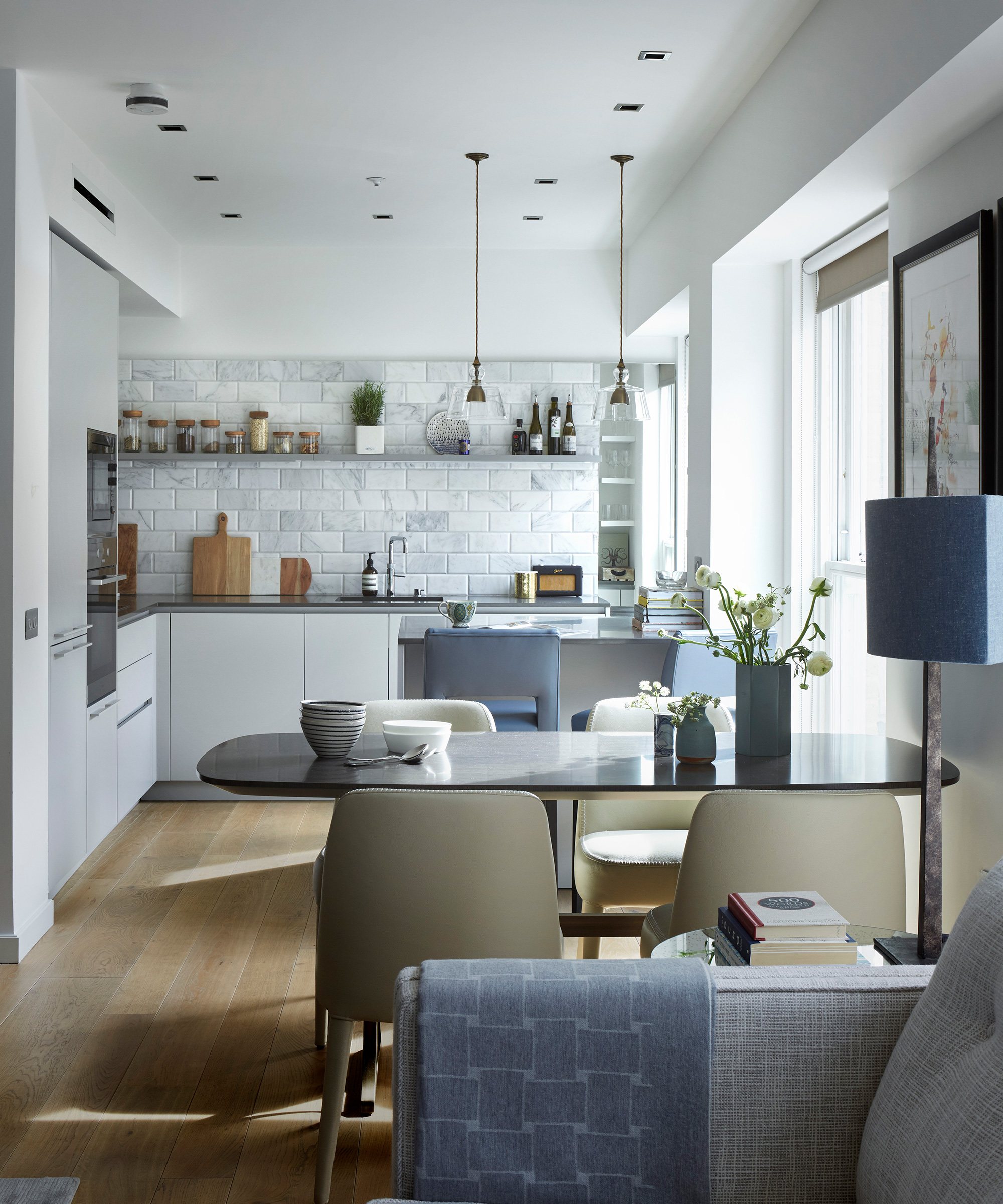
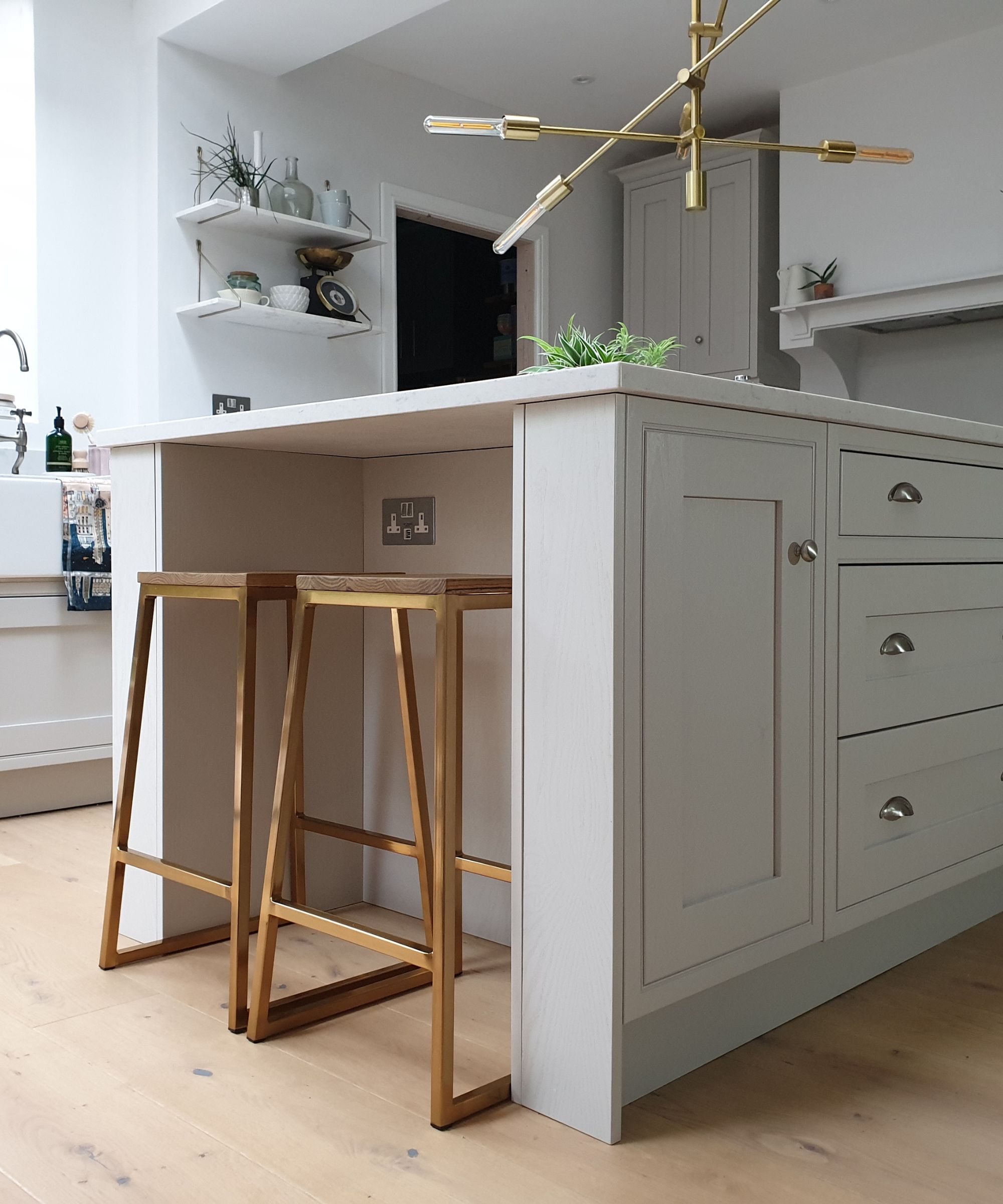
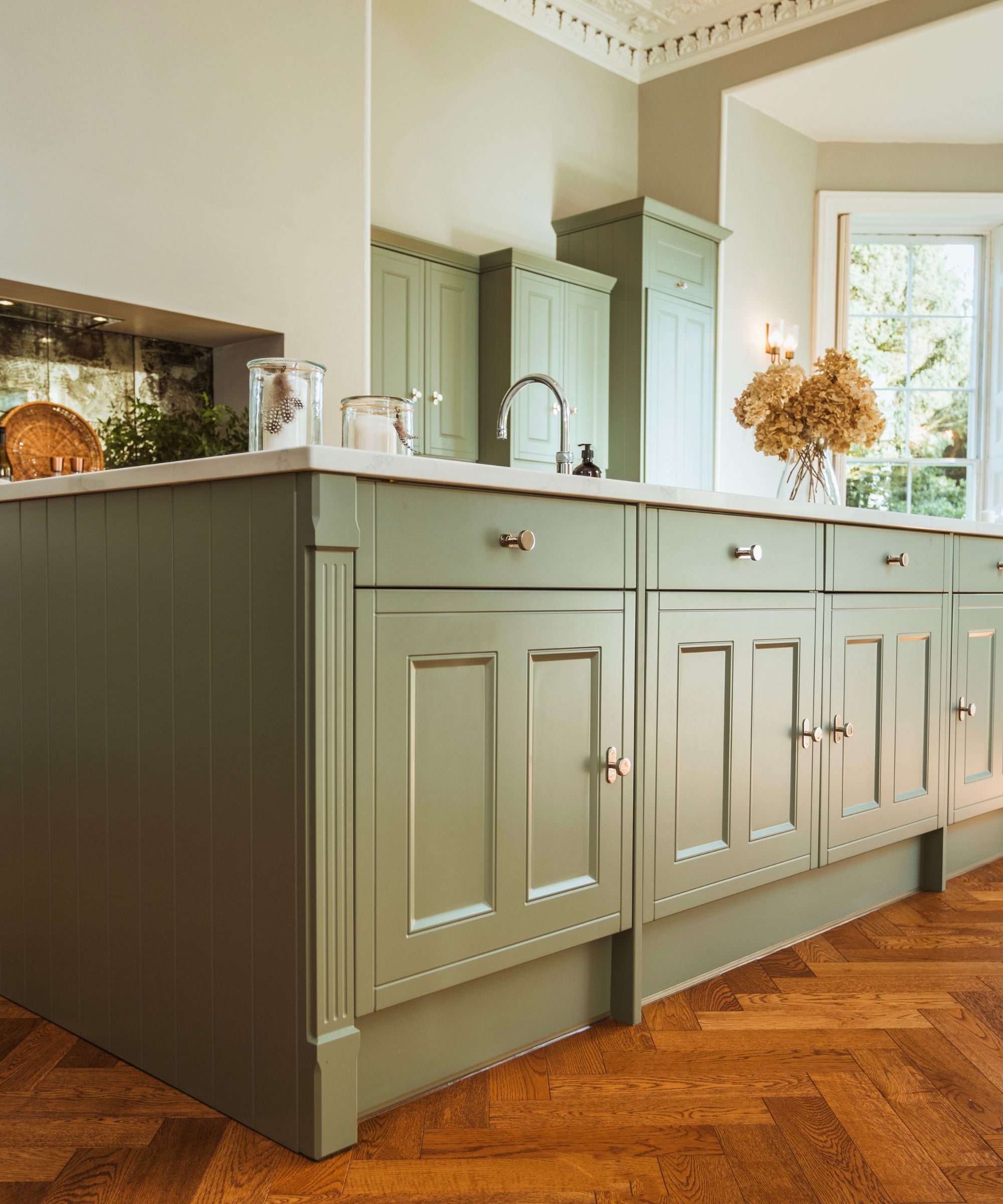
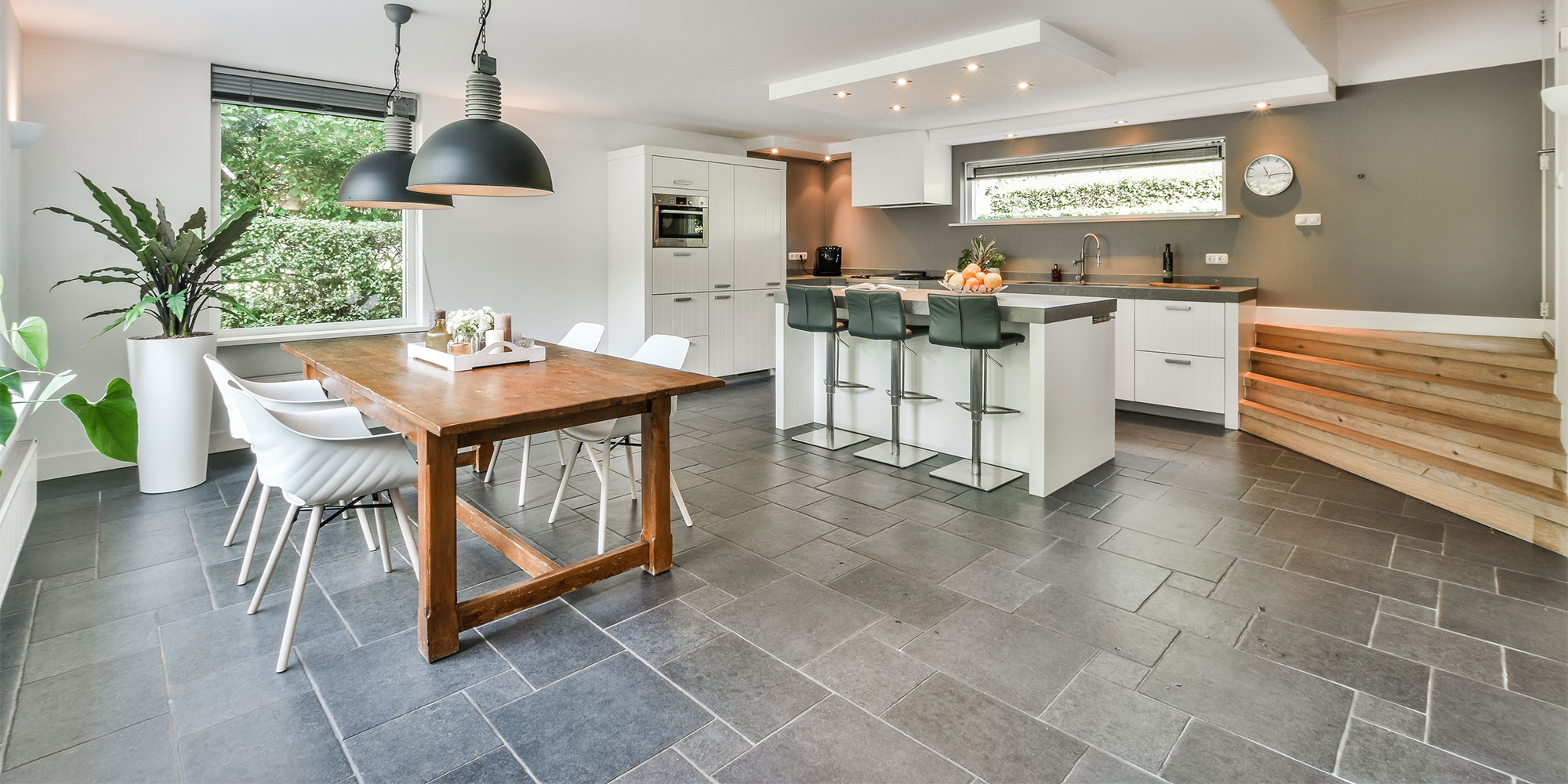
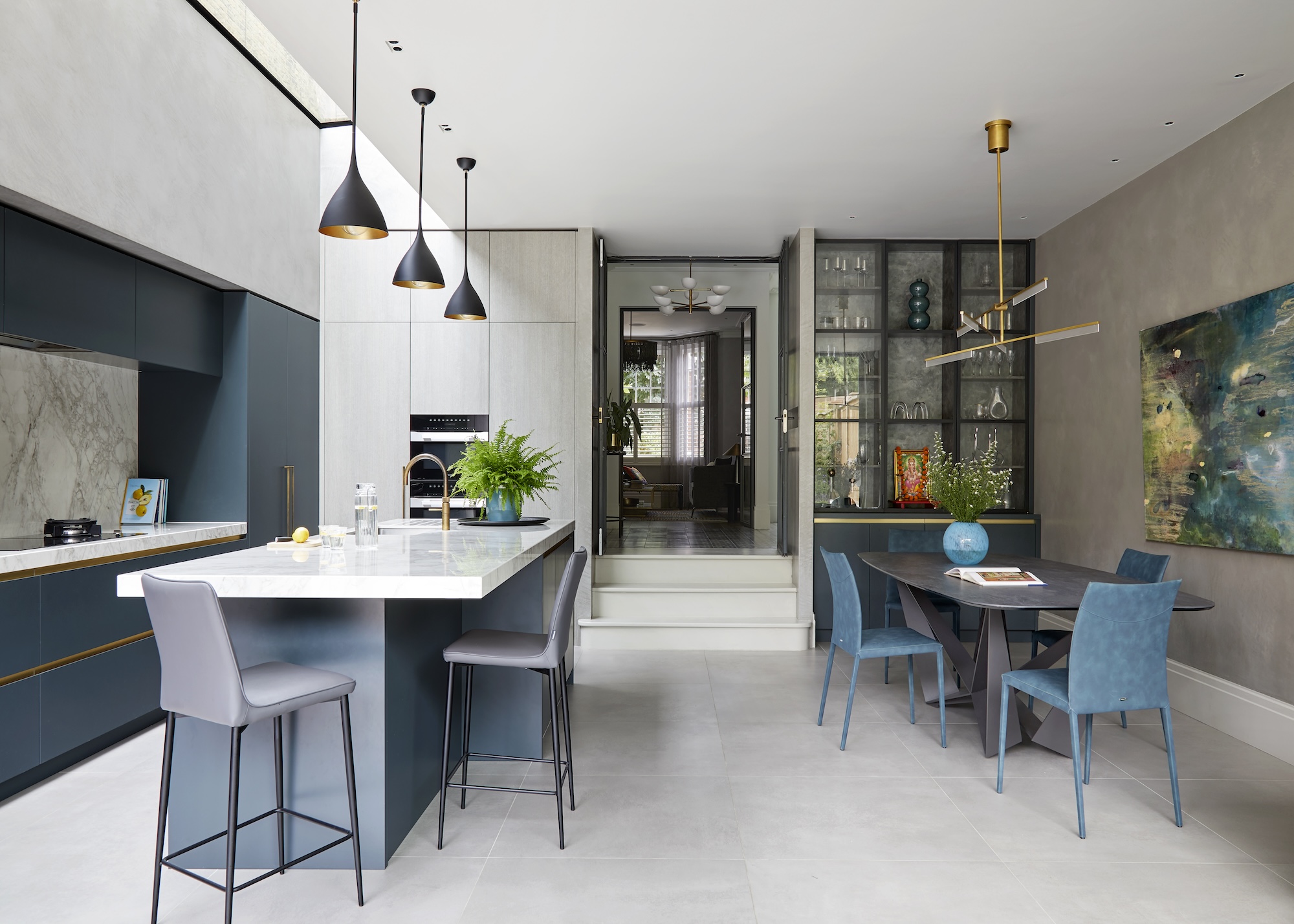
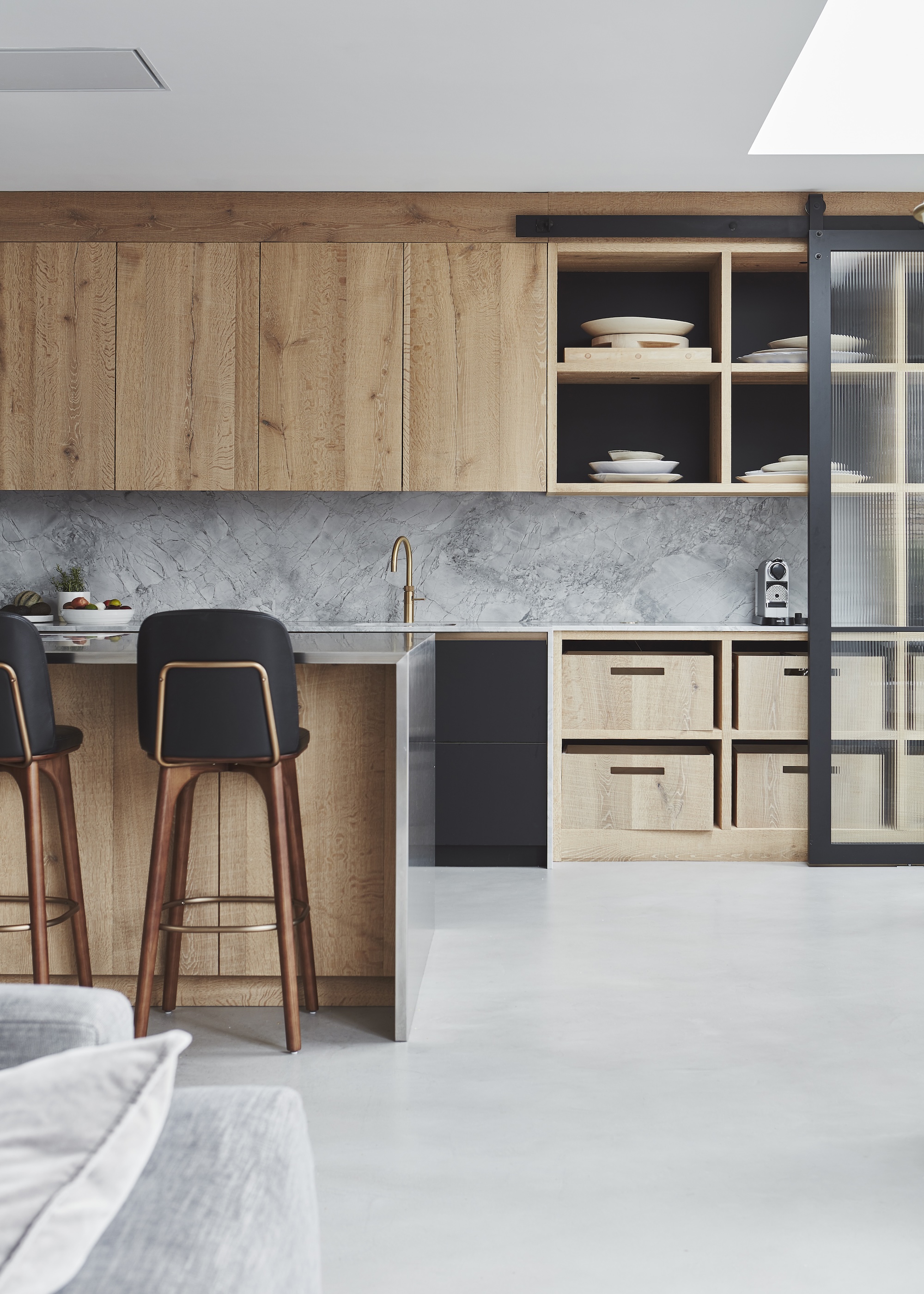
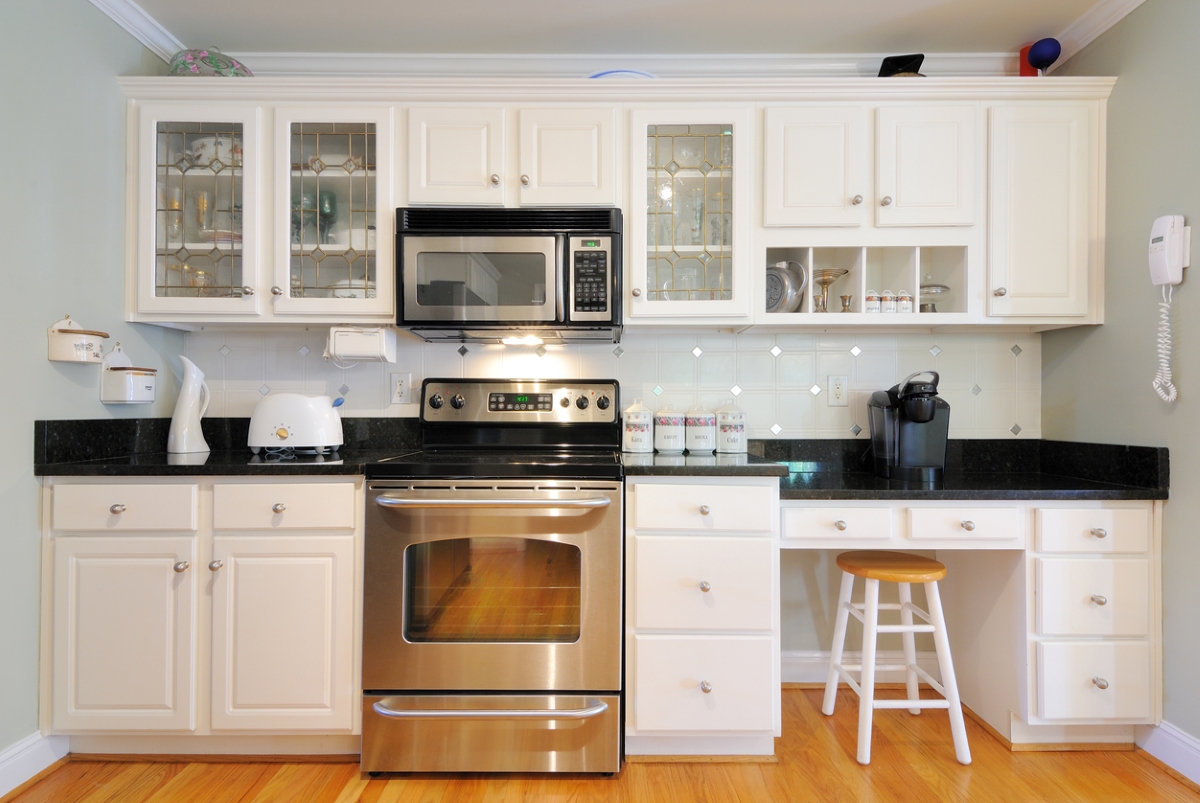
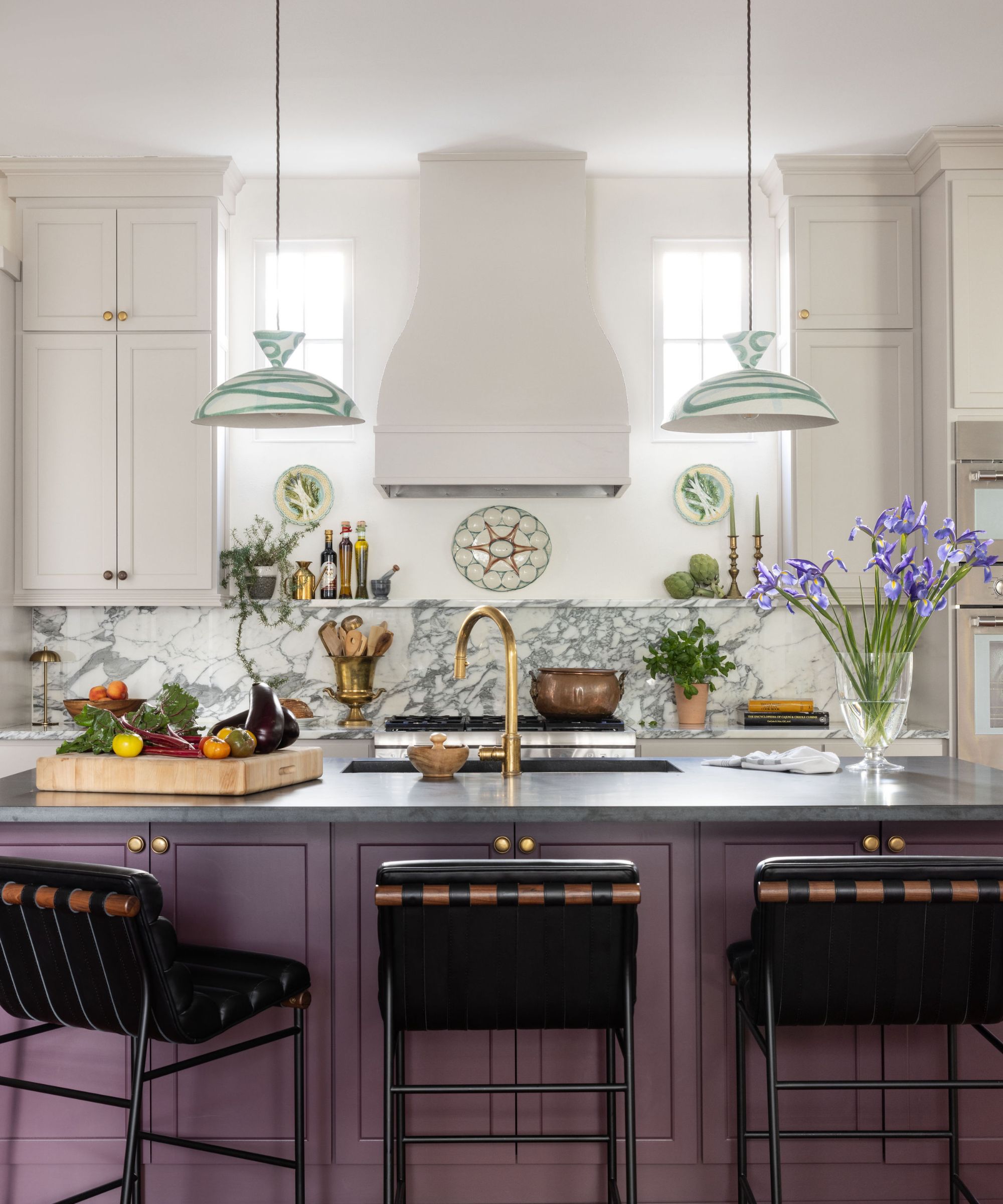
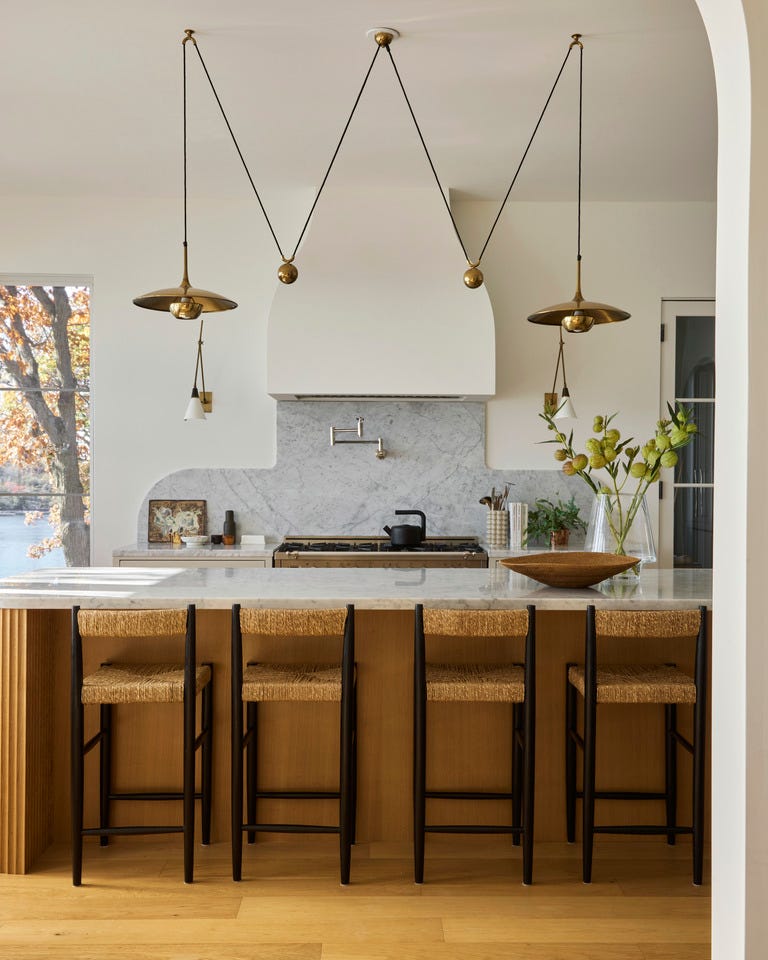
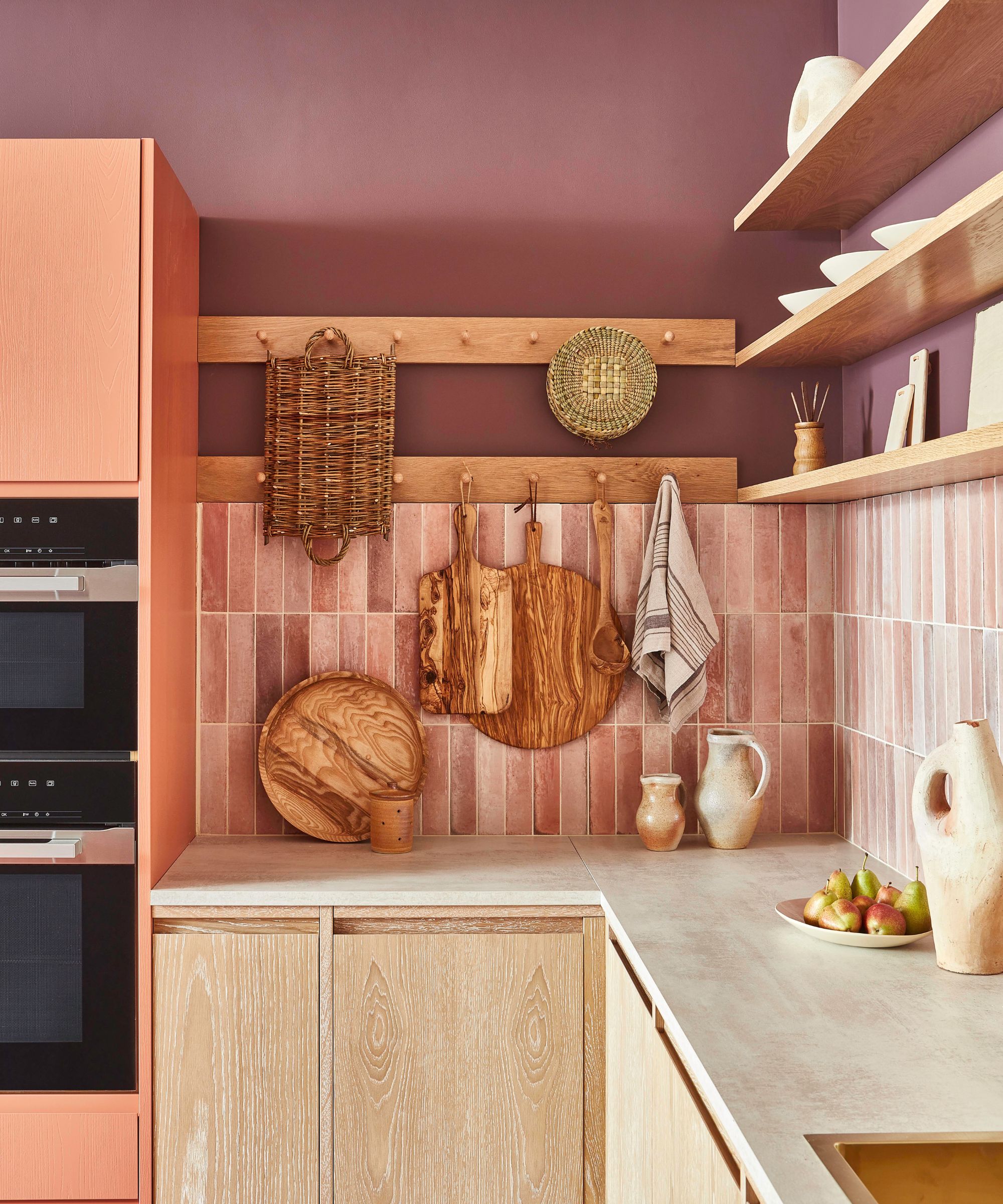
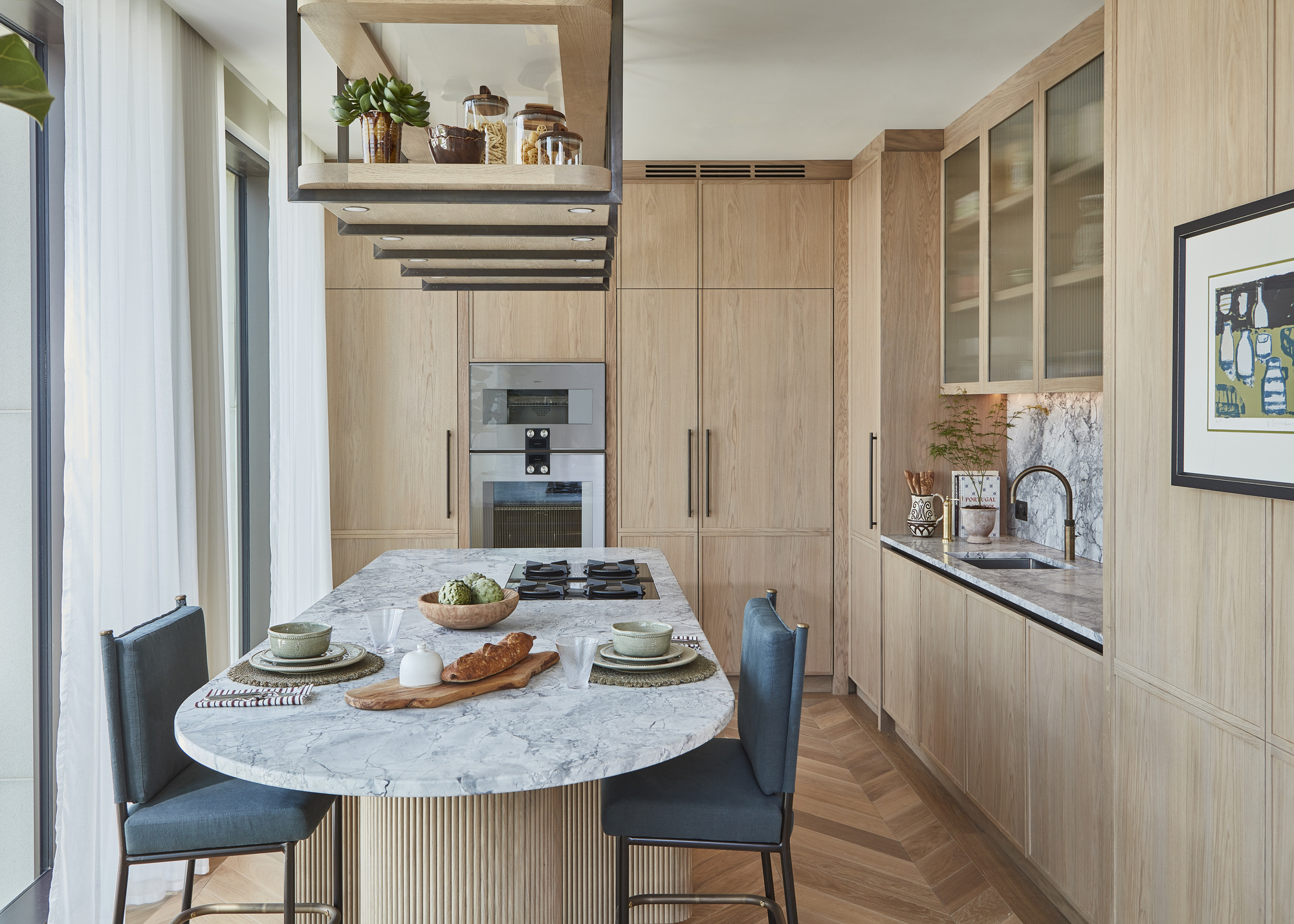
Overlooking the gap above kitchen cabinets is a detail that can impact both aesthetics and cleanliness. In homes with standard ceiling heights, leaving a gap between upper cabinets and the ceiling can accumulate dust and create an unfinished look. Designers recommend closing this gap with molding or flush fillers for a cleaner, more integrated appearance. The size and placement of pendant lights are also important; undersized pendants can make an island appear disproportionate. Opting for fewer, larger pendants over multiple small ones can create a more balanced and aesthetically pleasing lighting scheme. Finally, incorporating too much color can overwhelm a kitchen, especially given the natural clutter that accumulates in such a busy space. A soft, singular color palette is often recommended to create a calm backdrop that can better absorb the visual noise of everyday kitchen activity, making the space feel more serene and less cluttered.
#KitchenDesign #HomeDecor #InteriorDesign #KitchenStorage #KitchenLighting #MaterialSelection #ColorPalette #ClutterControl #HomeRenovation #KitchenDesign #HomeDecor #InteriorDesign #KitchenStorage #KitchenLighting #MaterialSelection #ColorPalette #ClutterControl #HomeRenovation
0 comment in total
 No comments yet
You may also like
8 shockingly common kitchen design mistakes according to a pro

8 small kitchen design mistakes to avoid, according to an interior designer

7 Kitchen Planning Mistakes That Amateurs Always Make, According to London's Best Kitchen Designers

Interior-design experts share 12 kitchen trends you'll probably regret in a few years
8 shockingly common kitchen design mistakes according to a pro

These are the worst kitchen layouts according to designers (and the tips on how to work with them)

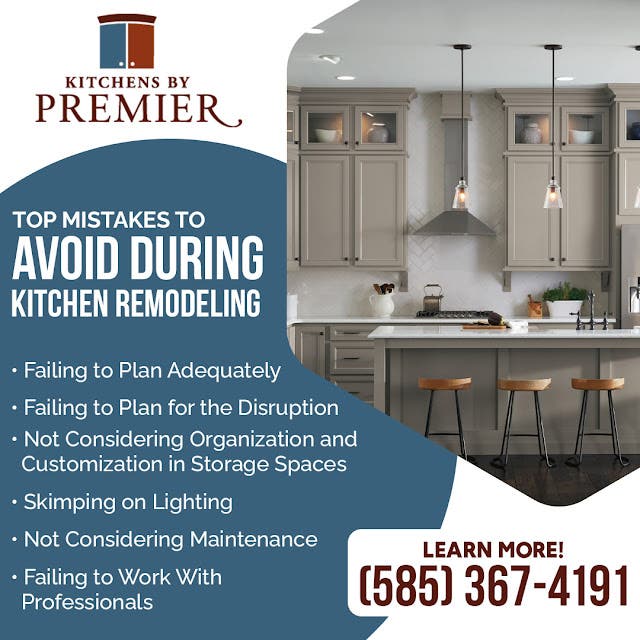
Local Announcement: What Are the Top Mistakes to Avoid During Kitchen Remodeling?

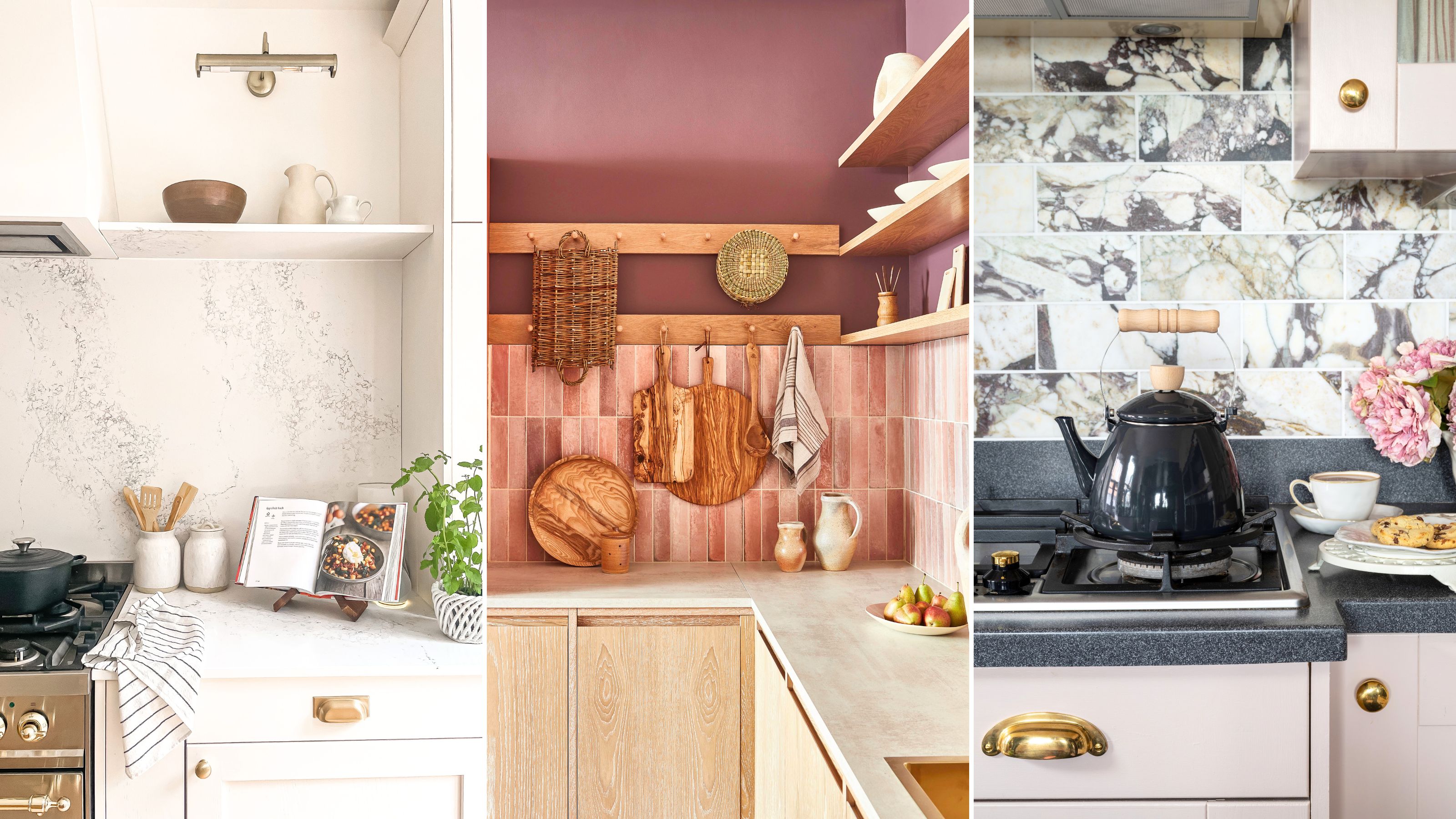
The 5 kitchen storage mistakes interior designers always avoid

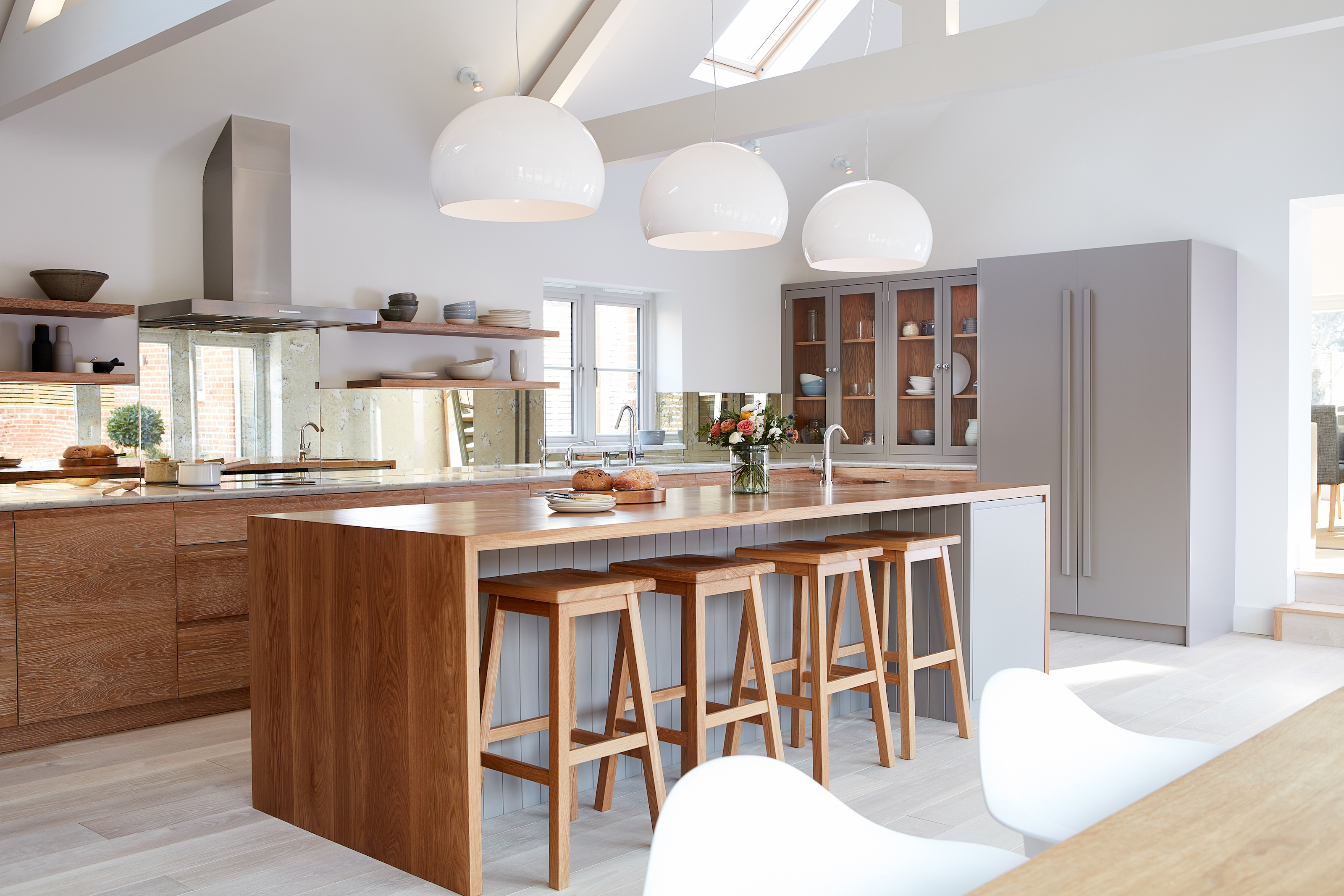
11 kitchen layout mistakes – frustrating to live with, they make your space look smaller too
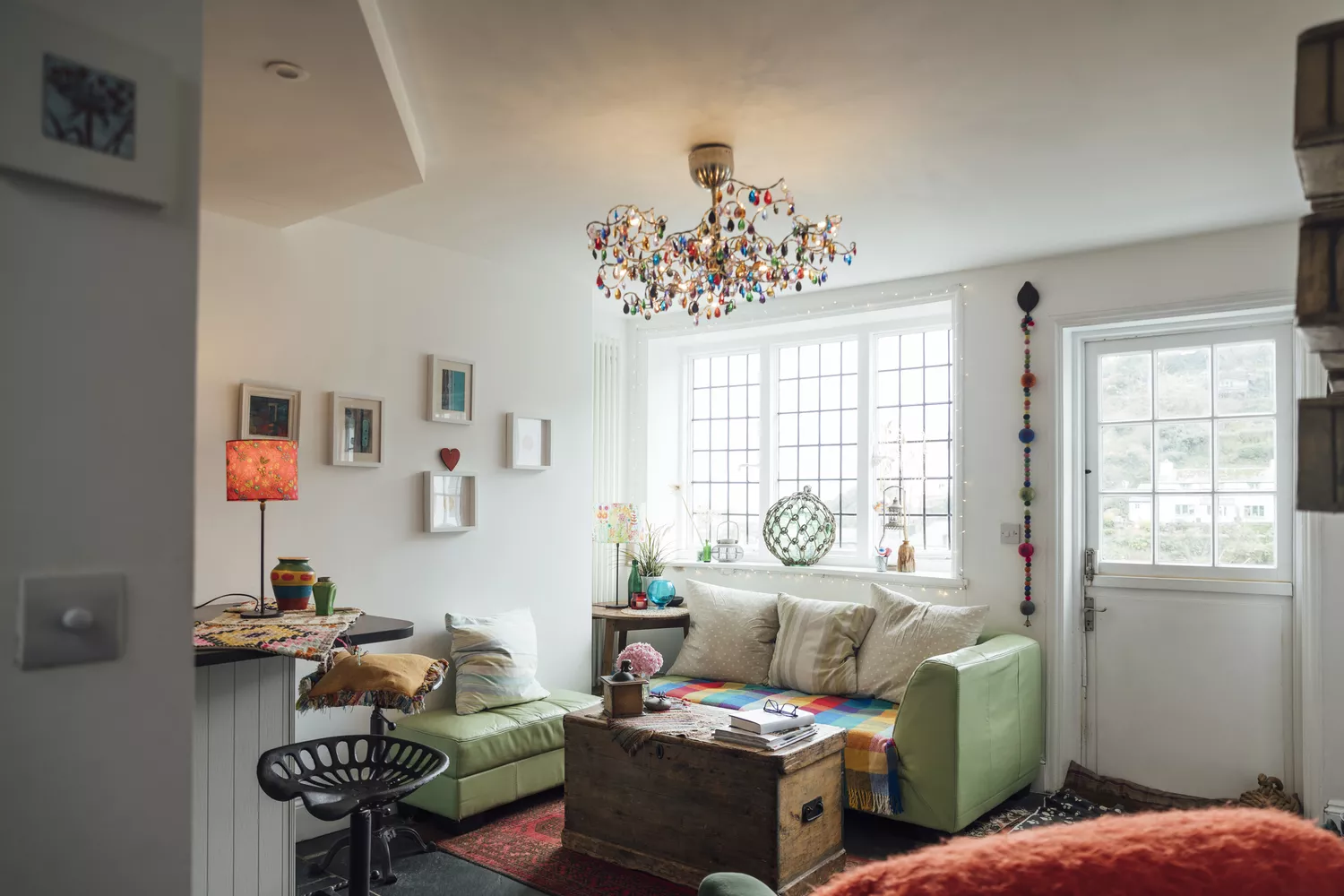
11 Decor Mistakes That Always Make Your Home Look Tacky, According to Designers

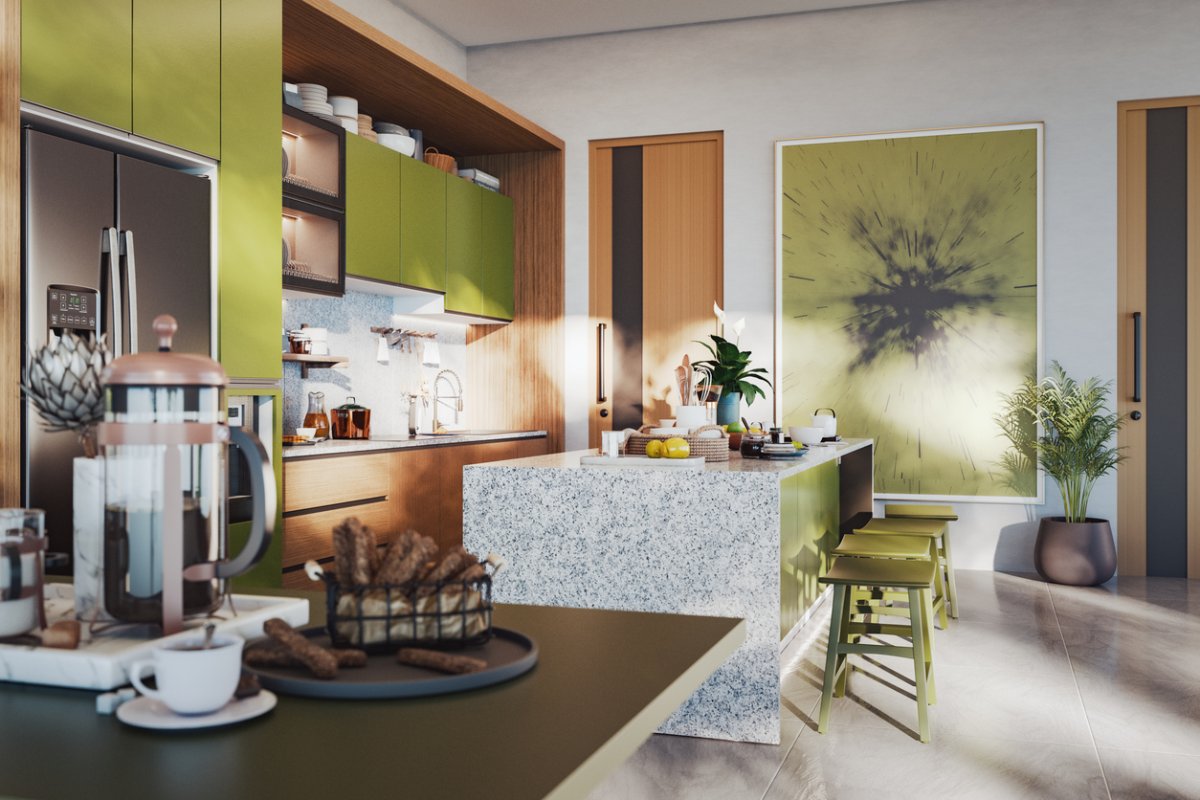
25 Kitchen Trends You Might Regret + Photos
10 Outdated Kitchen Rules You Can Ignore When Designing a Small Kitchen
Common design mistakes you're making in every room of your house
The 7 kitchen island mistakes designers always avoid — and what you can try instead
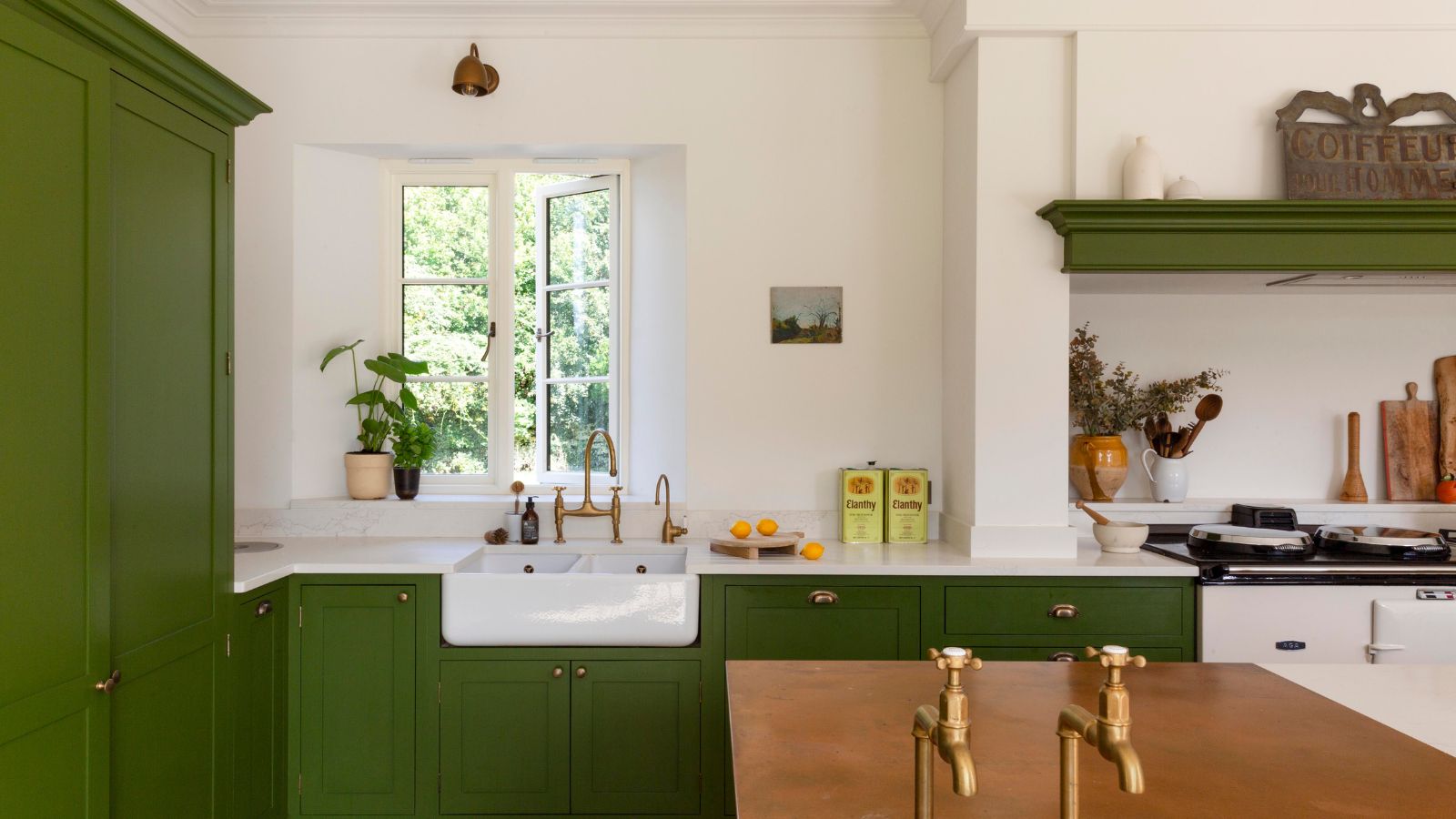
5 kitchen countertop mistakes designers warn to avoid
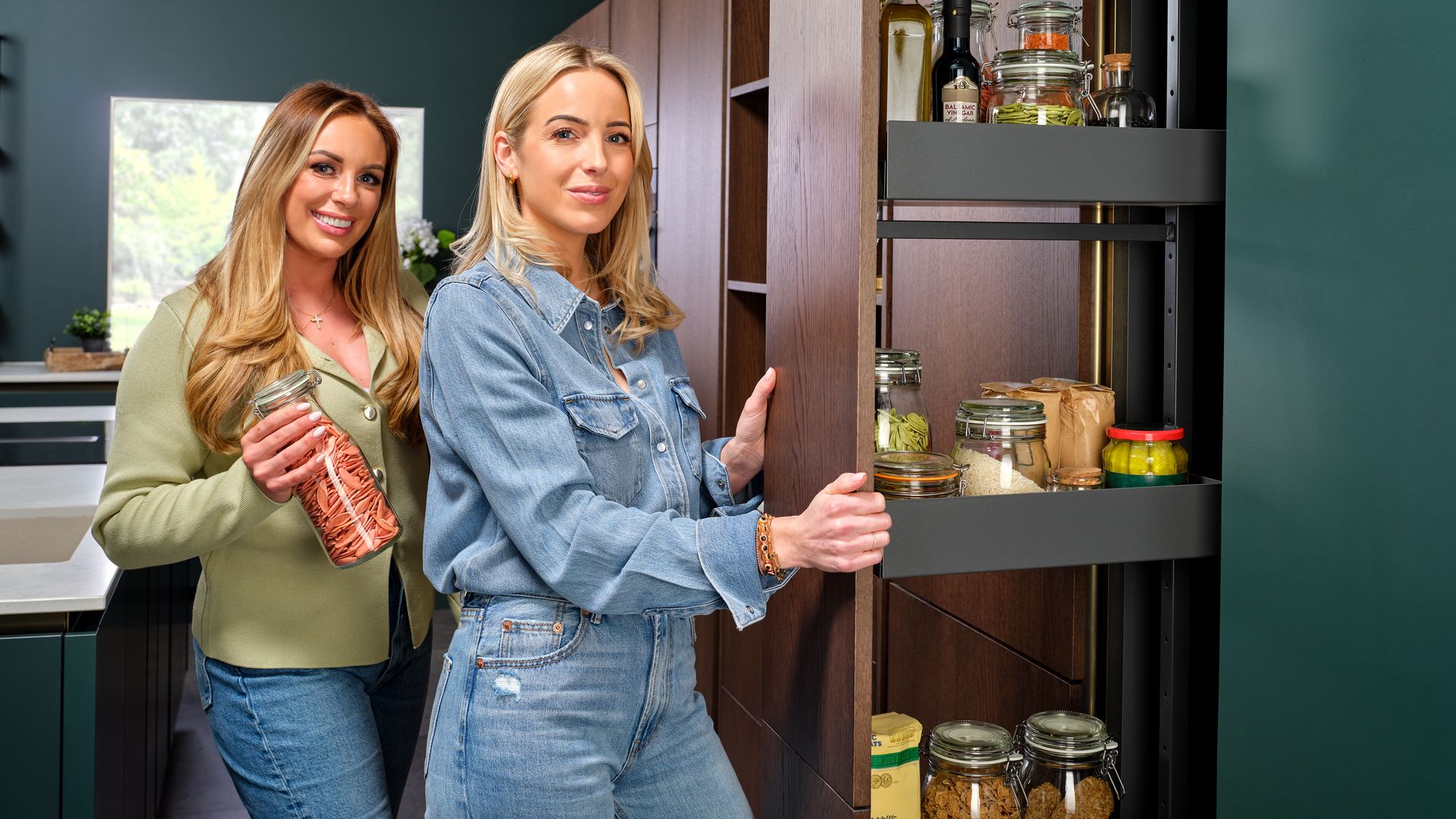
Exclusive: Style Sisters reveal the biggest kitchen organisation mistakes you're making
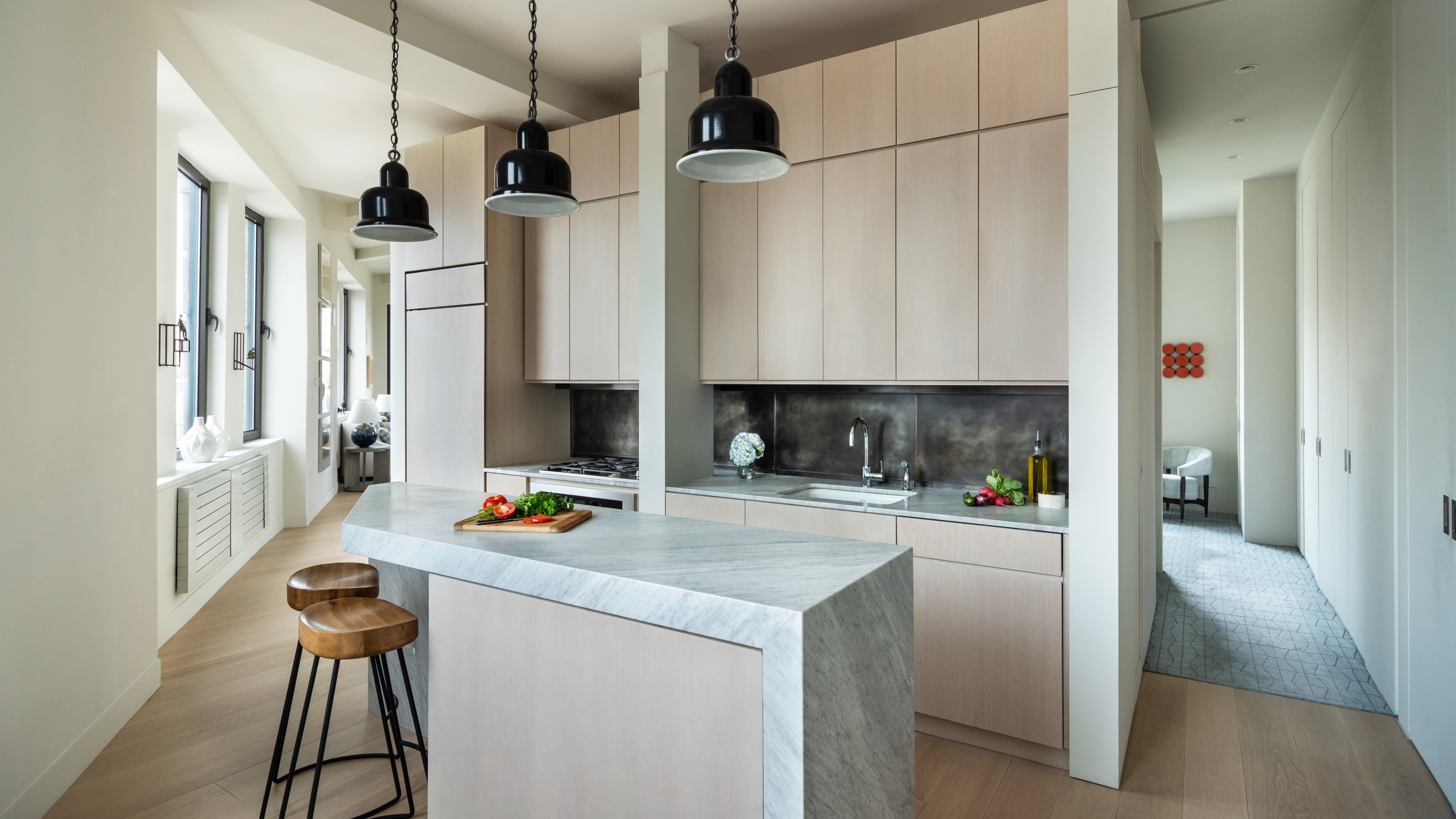
10 Small Kitchen Layout Mistakes Designers Will Always Urge You to Avoid for a Better Working Space
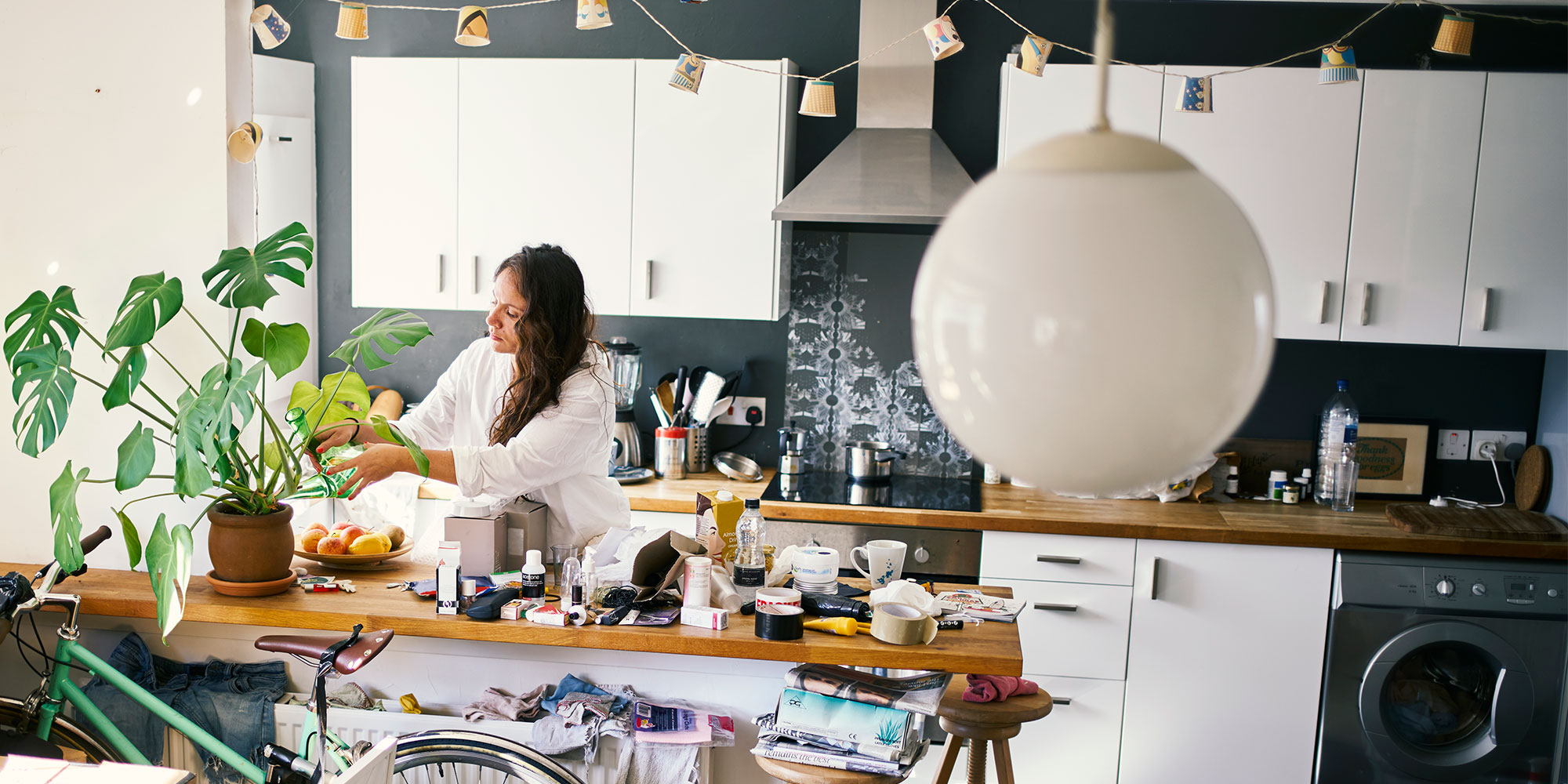
7 things people regret most about their kitchen design
22 Outdated Things You Should Avoid in Your Kitchen, According to Designers

We Asked Designers Which Kitchen Features People Regret Most, and Now We Can't Unsee the Mistakes