1/23
10 things decluttering experts won't keep in their kitchen cupboards
The article details 10 items that professional declutterers advise removing from kitchen cupboards to improve organization and functionality. The kitchen, often the busiest room, presents constant challenges with clutter, especially when storage space is limited. Expert declutterers from the Association of Professional Declutterers and Organisers (APDO) provide a comprehensive list of items they recommend decluttering from kitchen cupboards and drawers. This advice aims to transform cluttered kitchens into more efficient and stress-free spaces.
First on the list is large tableware that is not used frequently. Items like big casserole dishes, Christmas crockery, and large serving platters should be stored elsewhere, perhaps in a living or dining room sideboard. The rationale is that these items take up valuable space needed for everyday essentials, making daily tasks more difficult. Storing occasional-use items outside the main kitchen area ensures that kitchen cupboards remain organized and easily accessible.
Second, plastic food containers are often accumulated excessively. While useful, a whole cupboard full of unused containers is unnecessary. The experts suggest reducing the number of these items, discarding any that are misshapen or missing lids. Additionally, plastic takeaway containers are deemed unsuitable for long-term use as they are not sturdy and can warp in a dishwasher, making them prime candidates for recycling rather than retention.
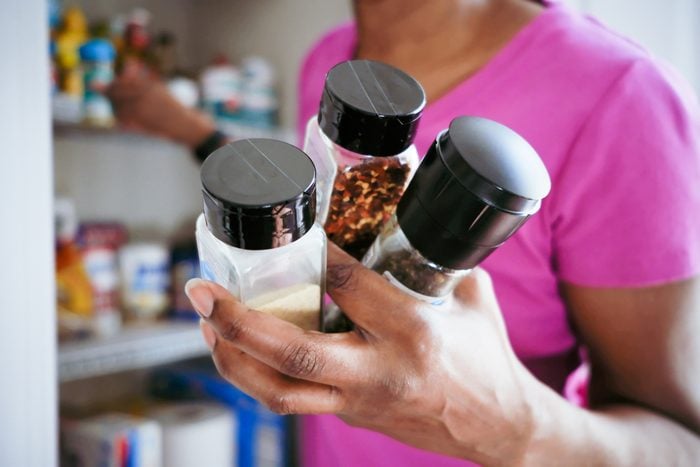
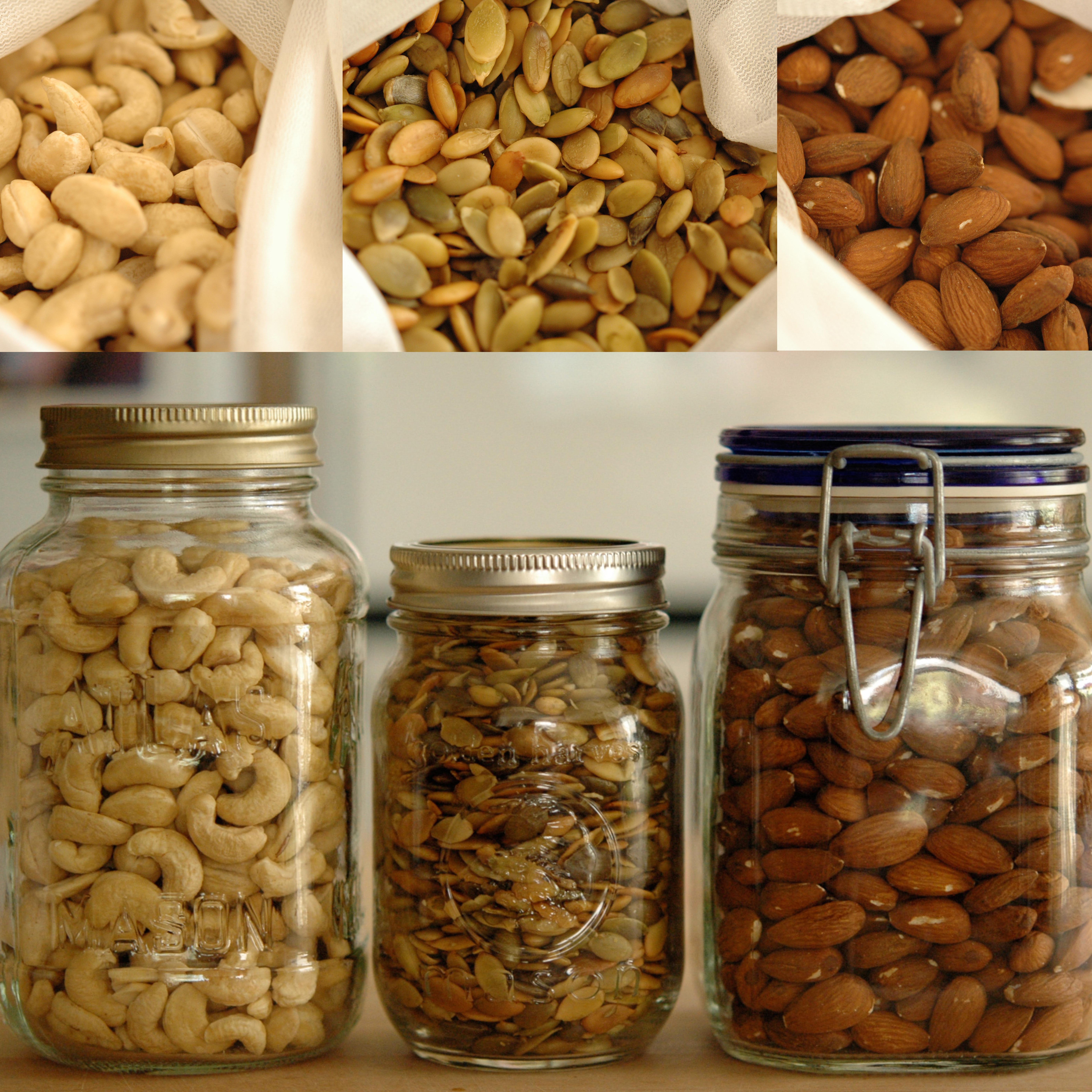
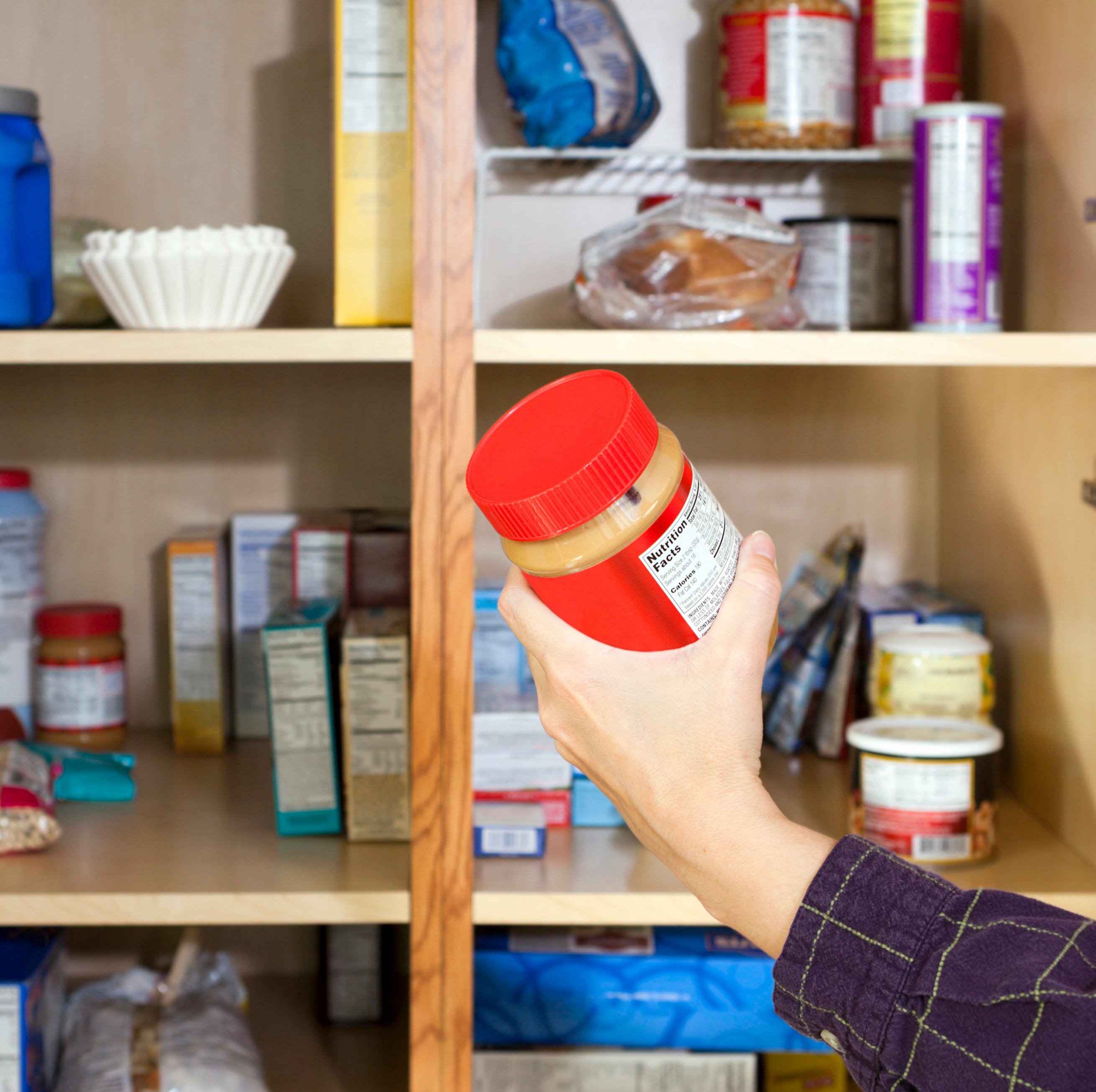
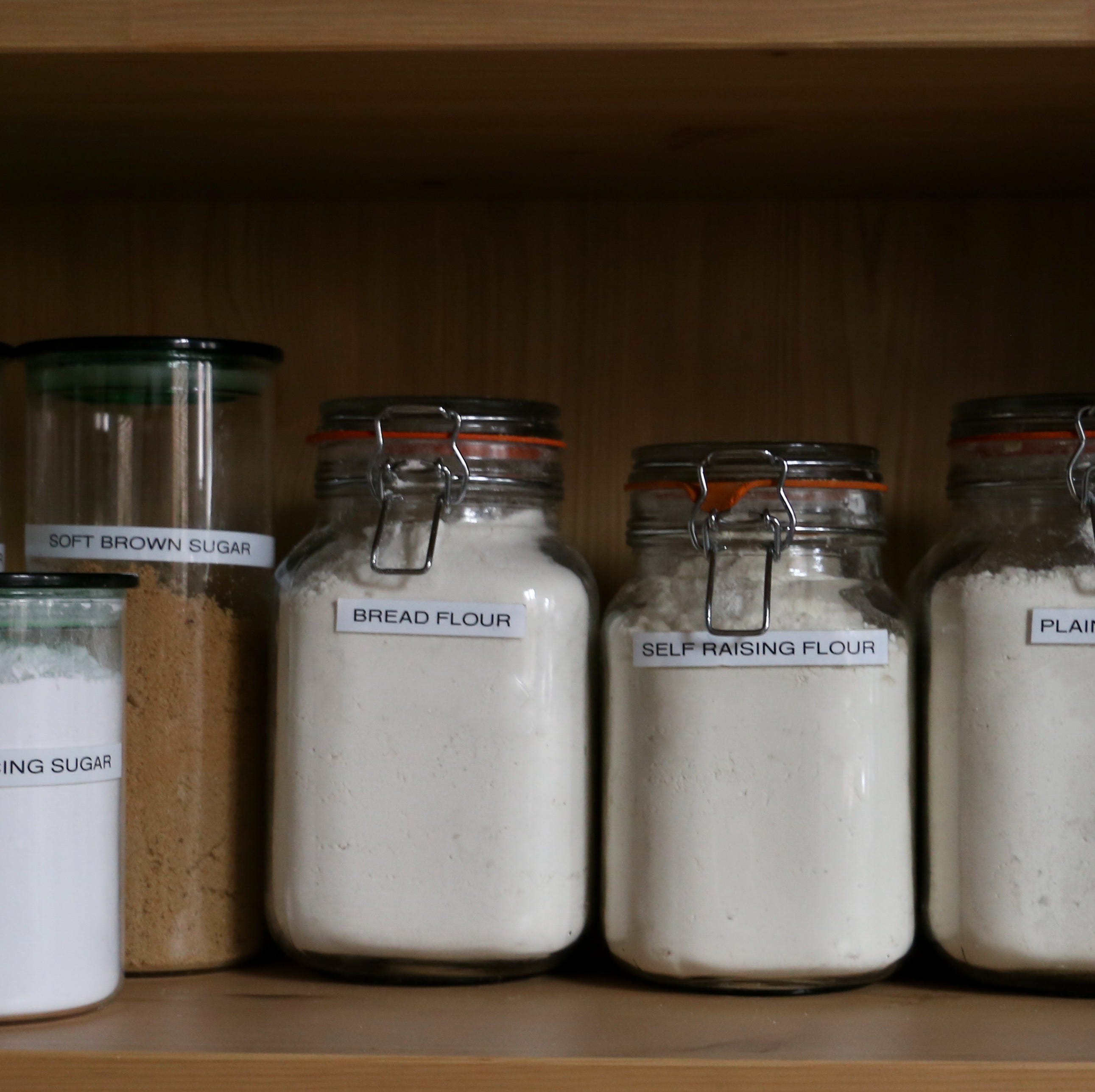
Third, open food packets are identified as a major source of clutter and potential waste. Professional organizers recommend transferring foods from open packets into appropriate containers, storing them at the correct temperature for the right duration. This practice not only reduces food waste but also helps manage cupboard space more effectively. Foods with a short shelf life, such as fresh bread, fruit, or pastries, should generally not be stored in cupboards as they can quickly spoil if forgotten. Modular food cupboard storage, preferably with rectangular or square stackable containers, is suggested to maximize every centimeter of space, avoiding countertop clutter caused by ill-fitting storage solutions.
Fourth, the notorious 'junk drawer' is strongly advised against. Often a repository for miscellaneous items like batteries, screwdrivers, safety pins, Blu Tack, receipts, coins, rubber bands, and children's drawings, this drawer occupies prime kitchen real estate. Declutterers recommend emptying and sorting its contents, relocating items to their proper places outside the kitchen unless they are genuinely kitchen-related tools. Using drawer dividers can help organize essential items if a designated utility drawer is necessary, but the goal is to eliminate the 'catch-all' habit due to both space inefficiency and hygiene concerns.
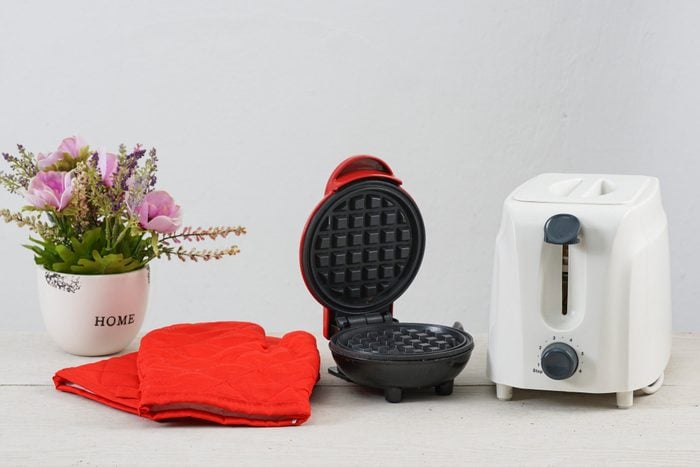
Fifth, unused kitchen gadgets are a common culprit for clutter. Professional declutterers unanimously agree that specialized appliances like ice cream makers, doughnut makers, fondue sets, and blowtorches, if not used regularly, should not take up precious kitchen space. These items often sit unused, evoking guilt and shame. A practical tip is to store such gadgets elsewhere for six months; if they remain untouched, it's a clear sign they can be donated or disposed of. Jane Lee suggests storing old favorites in less-frequently accessed areas like under the stairs, in the garage, or a spare bedroom wardrobe, ideally boxed for easy stacking. Recycling resources for unwanted electrical items are also highlighted.
Sixth, an excessive amount of glassware is frequently observed in clients' homes. People often possess more glasses than they realistically use, ranging from tumblers and highballs to whiskey glasses, wine glasses, and champagne flutes. This surplus consumes significant cupboard space, and many types are not stackable. The recommendation is to assess actual needs and let go of surplus items. Wine glass holders can offer an elegant and space-saving solution by mounting glasses under shelves.
Seventh, DIY tools such as screwdrivers and other small tools should not be stored in kitchen cupboards or cutlery drawers due to hygiene concerns and improper storage. These items can harbor bacteria and should ideally be kept in a dedicated toolbox in a garage, shed, or under the stairs. Eighth, mail and paper clutter in kitchen cupboards is inefficient and can lead to forgotten bills. Instead, systems like trays and files should be used for sorting incoming mail, with unneeded items recycled or shredded immediately. Digital alternatives are suggested for items like takeaway menus.
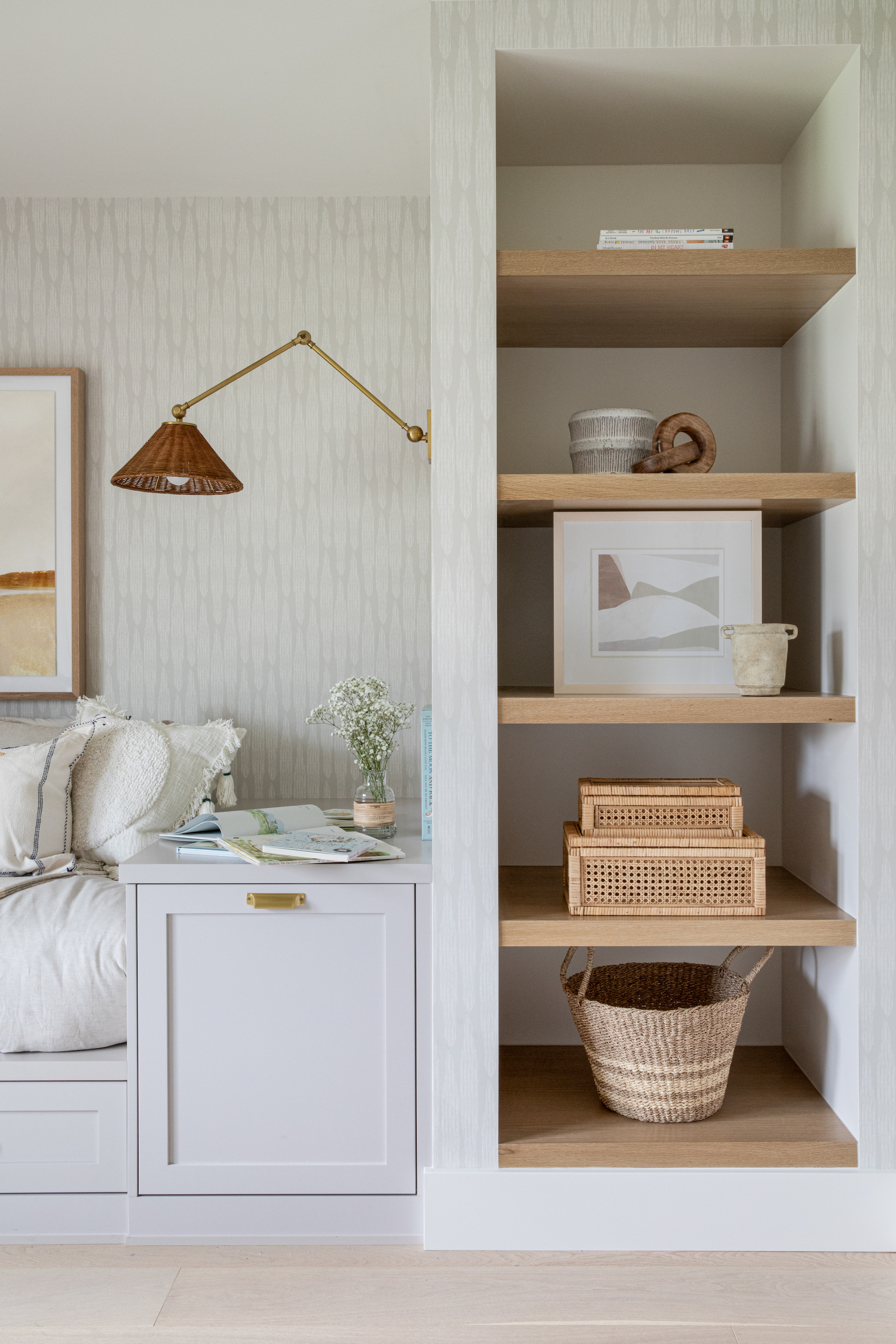
Ninth, impractical storage containers, particularly round ones, are discouraged. While aesthetically pleasing, they do not optimize space in kitchen cupboards. Rectangular or square, stackable containers are preferred for their efficiency. Wicker baskets are also noted as problematic due to difficulty in cleaning and susceptibility to leaks and spills. Finally, an excessive number of cookery books are often found unused in cupboards. It is recommended to keep only a select few favorite, well-used cookbooks readily accessible on a shelf or worktop, acknowledging that online resources often suffice for recipe searches.
#KitchenOrganization #DeclutteringTips #HomeStorage #KitchenCupboards #ProfessionalOrganizers #SpaceSaving #FoodStorage #HomeImprovement #Minimalism #KitchenOrganization #DeclutteringTips #HomeStorage #KitchenCupboards #ProfessionalOrganizers #SpaceSaving #FoodStorage #HomeImprovement #Minimalism
0 comment in total
 No comments yet
You may also like
9 Things Professional Declutterers Won’t Keep In Their Bathroom

7 Kitchen Storage Trends That Designers say are Best Avoided

4 things to get rid of in your kitchen cabinets — experts say ditch these items right now

10 Things Making Your Kitchen Counter Messier, According to Pro Organizers
15 Items in Your Kitchen That Professional Organizers Would Throw Out

6 Things You Should Never Keep on Your Kitchen Counter

7 Items You Should Never Store In Kitchen Cabinets

Items to get rid of in your living room – 10 things decluttering experts want to clear out
8 Things You Should NEVER Keep On Your Kitchen Counter
Interior designers share the 10 things in your kitchen you should get rid of
5 things to never put on your kitchen island, according to interior designers

Never store these 6 things on open kitchen shelving, warn pro organisers
8 Things Pro Organizers Say You Should NEVER Keep On Your Kitchen Counter

From fluffy towels to medicine cabinets: 9 things professional organisers never keep in the bathroom

8 things a professional organiser would never keep in a hallway – and you shouldn’t either
9 items never to store in a bathroom vanity – according to the experts
6 Things You Should NEVER Keep In Your Pantry, According To Pro Organizers & Chefs
These are the 7 things to get rid of first in your kitchen cabinets, according to cleaning pros
5 storage mistakes people with clutter-free kitchens never make - they'll make you re-think your remodel plans

Interior designers reveal 9 things in your kitchen you should get rid of