1/11
5 Outdated Countertop Trends To Avoid And 5 To Try Instead
The kitchen countertop is a prominent feature that significantly influences the aesthetic and value of a home. While practical, some designs and trends have become outdated, making kitchens appear stuck in the past. This article, with insights from Kerrie Kelly, CEO and creative director of Kerrie Kelly Studio, outlines five outdated countertop trends to avoid and five contemporary options to consider.
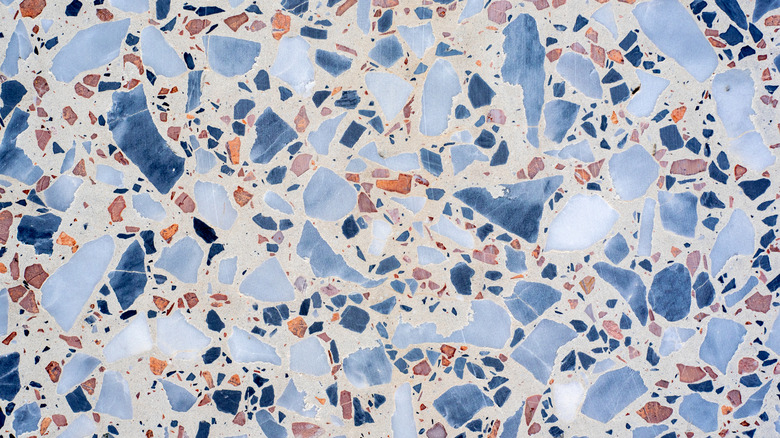
Speckled patterns, once a symbol of durability and effective at camouflaging imperfections, are now considered visually busy and reminiscent of the early 2000s. Modern design prioritizes refinement and natural movement over scattered dots. If speckled patterns are desired, subdued flecks or tone-on-tone colors that mimic natural stone are recommended to evoke texture without chaos.
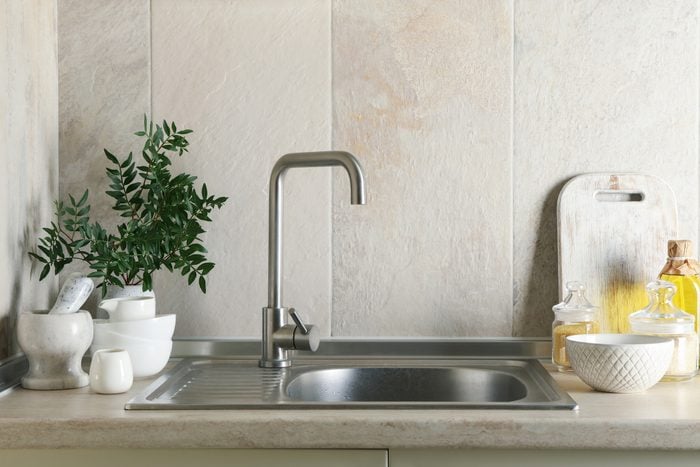
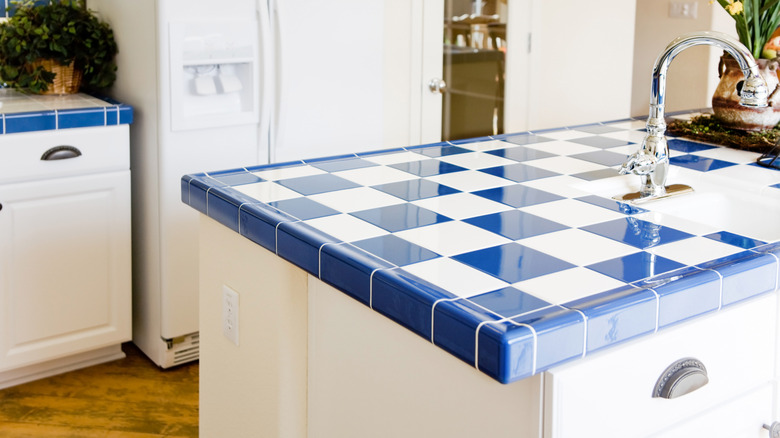
Tiled countertops, popular in the 1970s through the 1990s due to their affordability and DIY flexibility, are now largely considered impractical. The visible grout lines disrupt a clean, continuous surface and are prone to trapping bacteria. Furthermore, ceramic tiles can crack or chip, and grout requires frequent resealing, leading to high maintenance. The modern preference leans towards seamless, uninterrupted slabs that offer fluidity, easy maintenance, and enhanced performance.
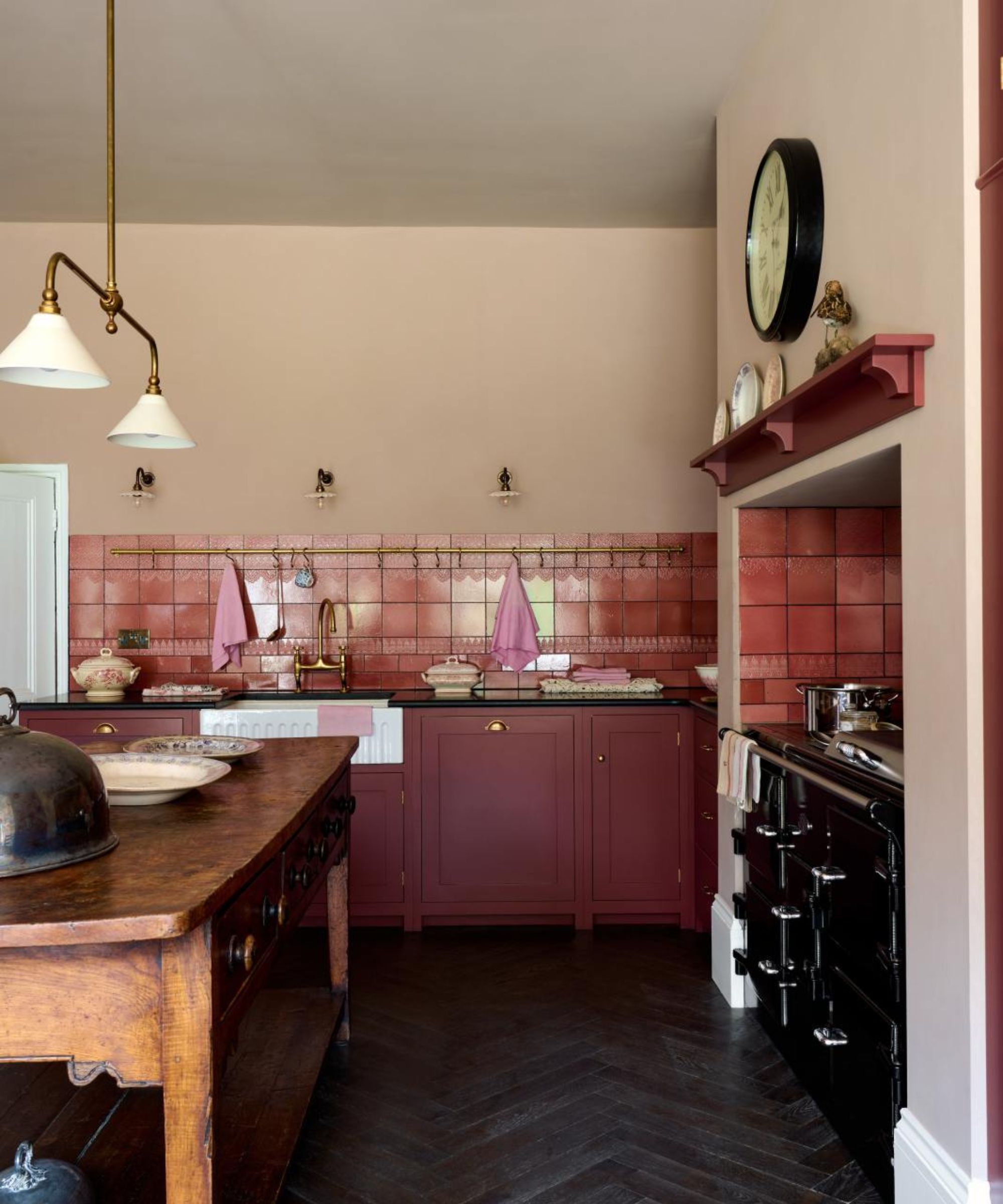
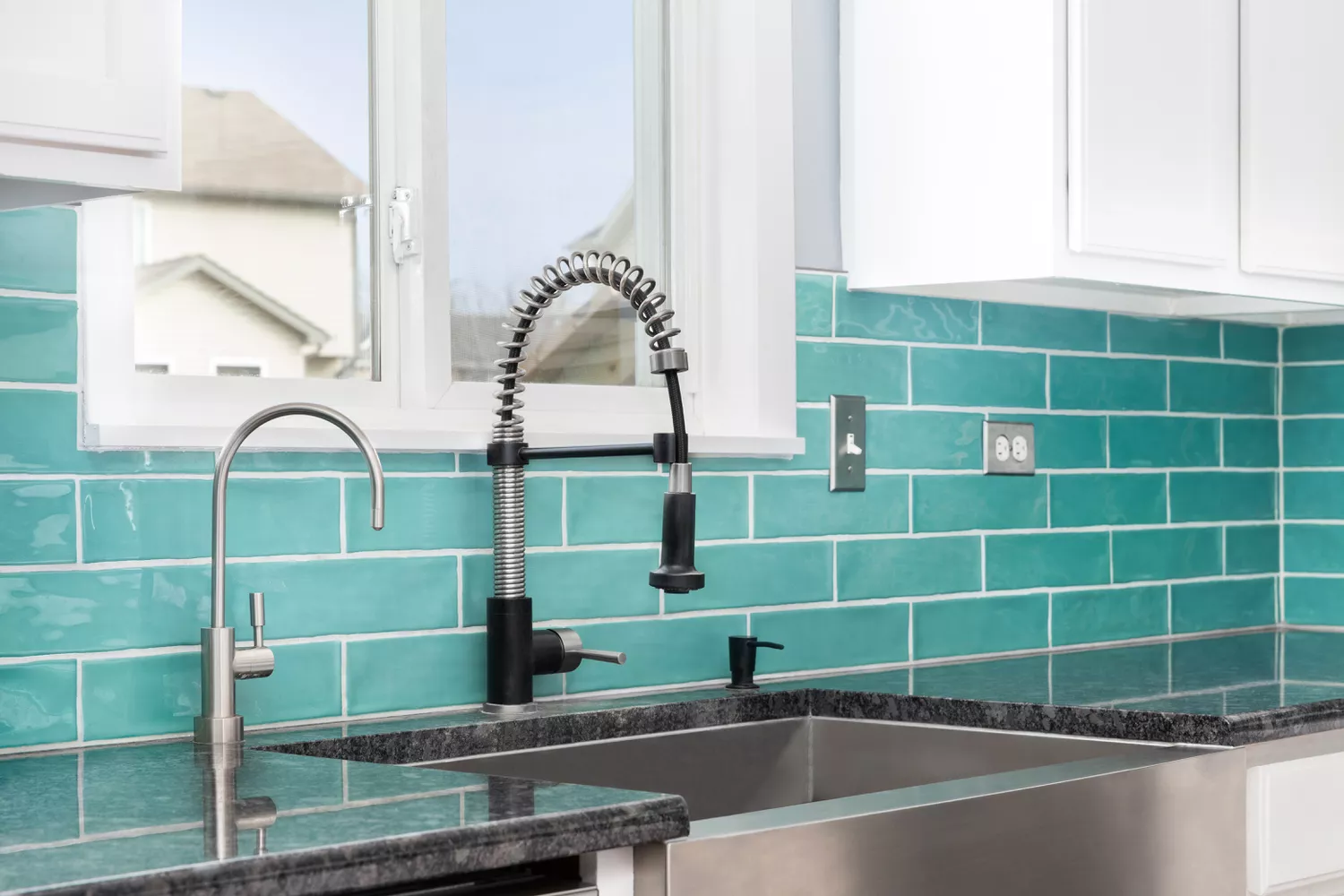
Brightly colored countertops, such as cherry reds, taxi cab yellows, and electric blues, are identified as overwhelming to a space and detrimental to its longevity. While colorful appliances can add personality, countertops in overly saturated hues can quickly date a kitchen. Current trends favor earthy, grounded hues like soothing taupes, creamy neutrals, terracottas, and mineral greens. These colors contribute to a more open, inviting, and sophisticated feel, layering well with mixed woods, brushed metals, and matte finishes to create a curated rather than themed environment.
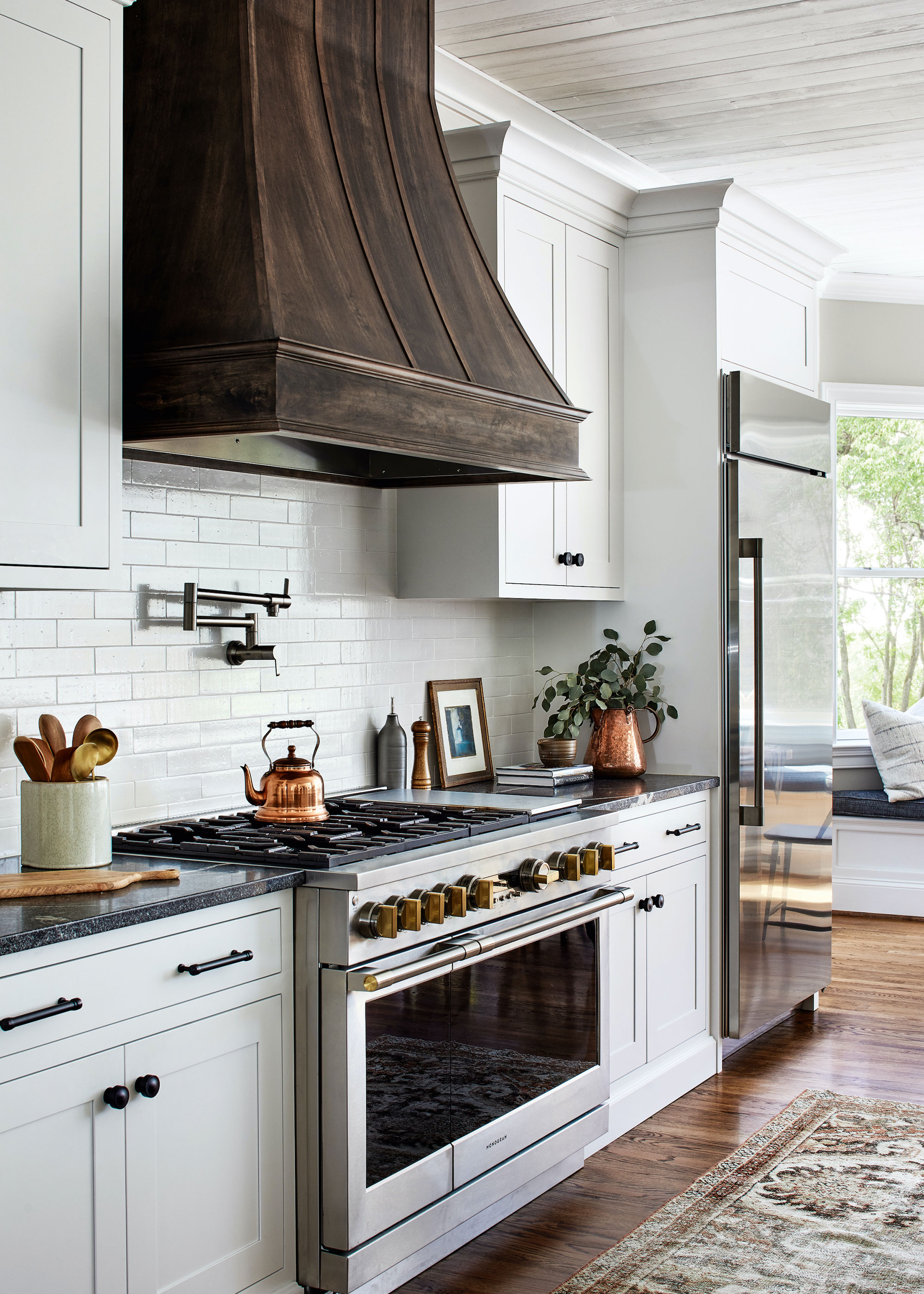
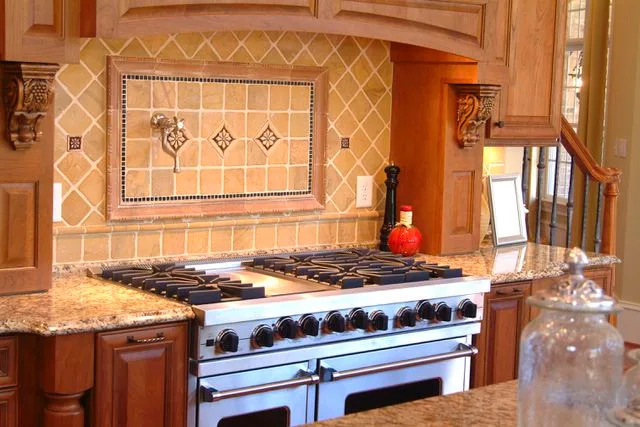
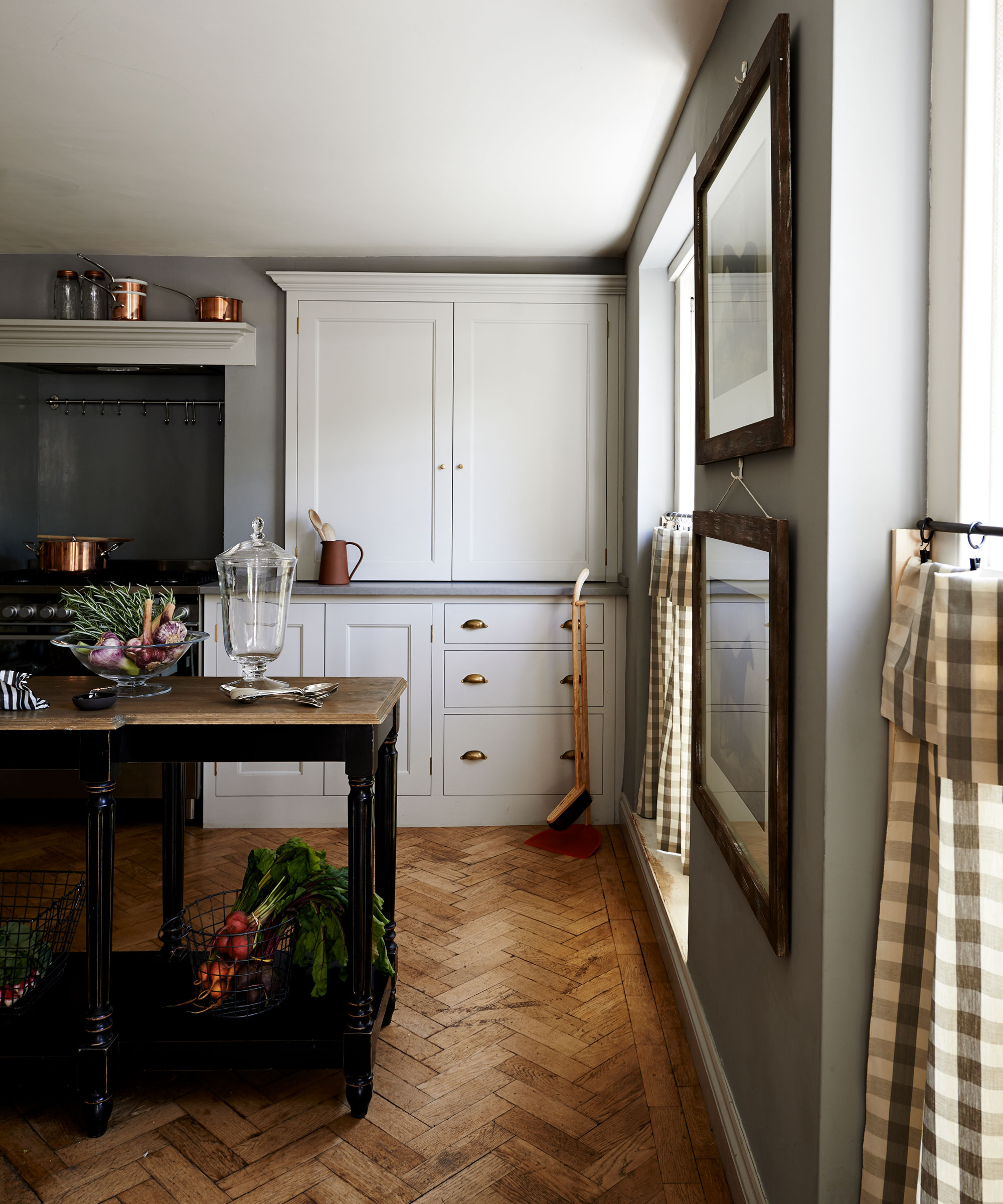
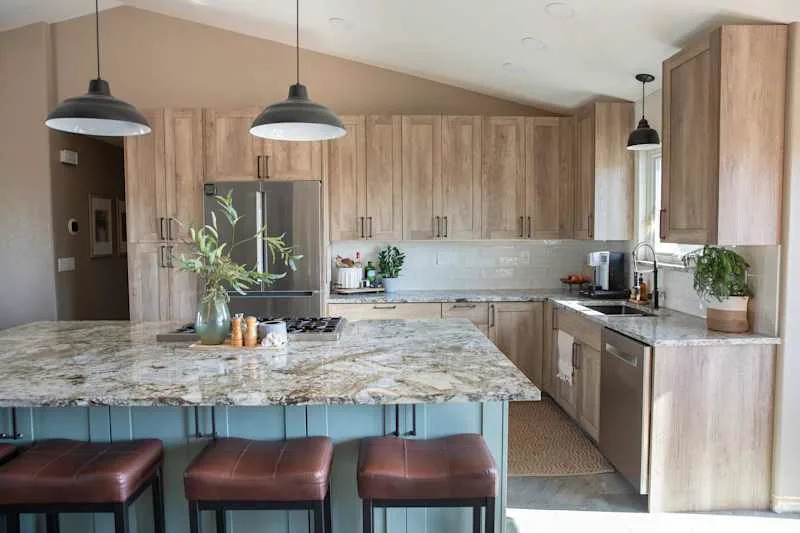
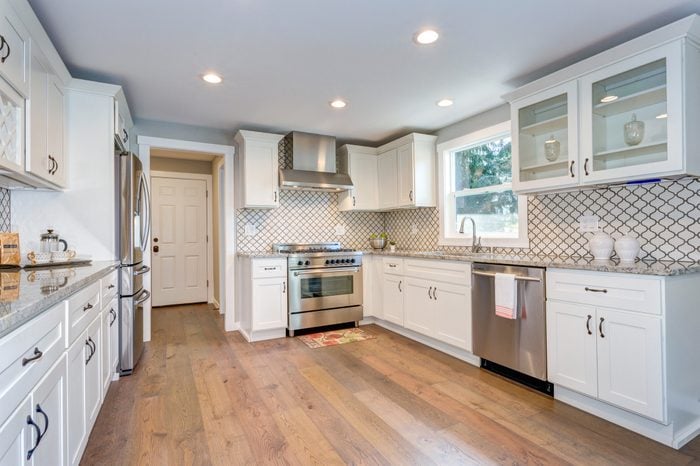
Granite, though once a hallmark of luxury, has become predictable due to its distinct patterning and high-gloss finish, often associating kitchens with the 2000s. The widespread adoption of granite has led to it feeling overdone. Contemporary preferences are shifting towards nuanced surfaces, including matte textures, honed finishes, and larger-scale patterns that convey understated luxury. For those loyal to granite, opting for a non-glossy finish and integrating contemporary materials like rift-cut oak cabinetry or satin brass hardware can modernize its appearance.
Laminate countertops, which gained popularity in the post-war 1950s for their ability to mimic more expensive materials at a fraction of the cost, are now seen as a compromise in tactile depth and prone to chipping, scratches, and water damage. The plasticky finish can also lower a home's perceived value. While advancements in laminate technology exist, achieving the look and feel of natural stone or engineered composites remains challenging. For those on a budget, selecting laminates with matte finishes and large-scale veining, paired with minimalist edge profiles and refined cabinetry, along with good lighting, can create a more elevated impression.
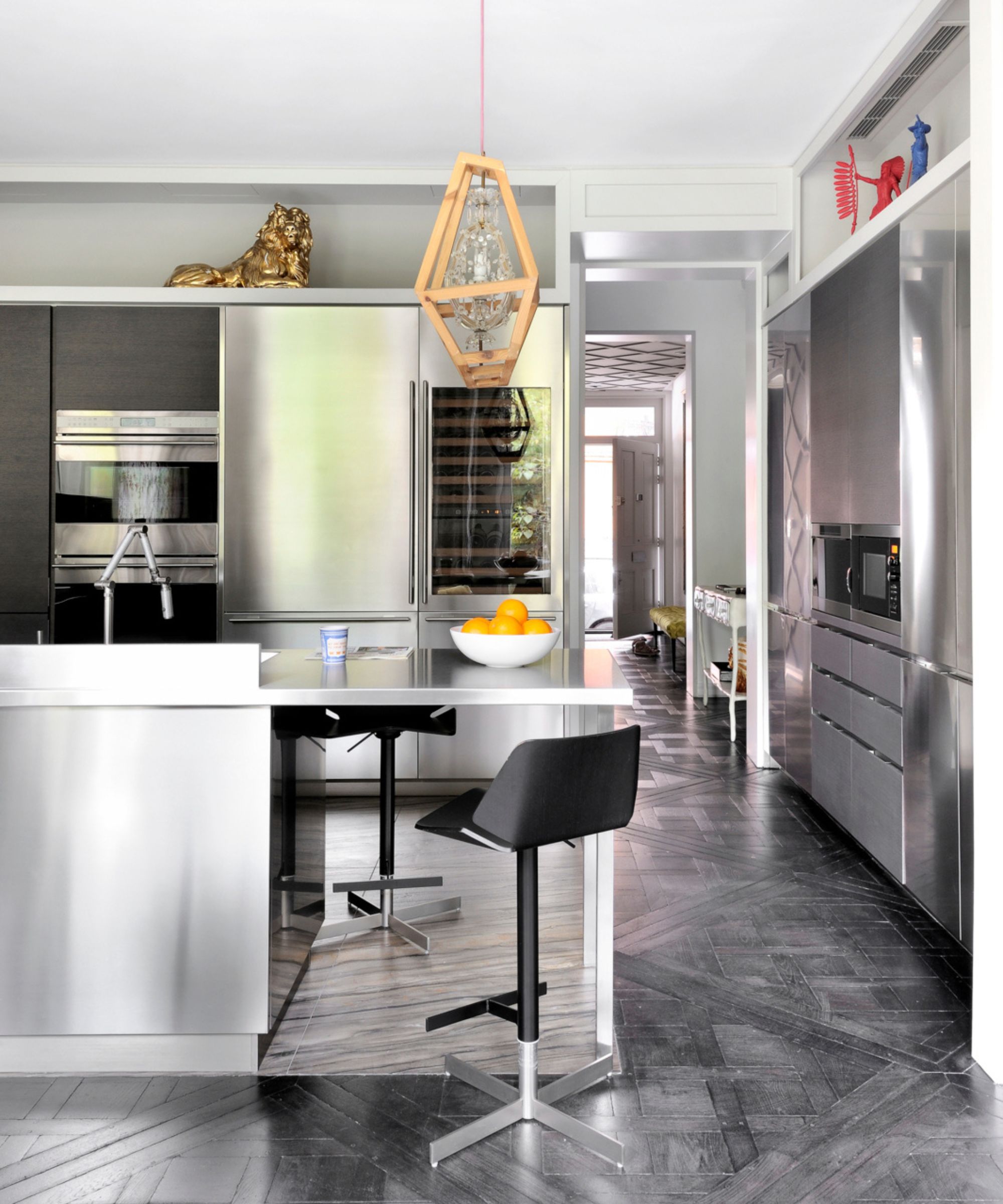
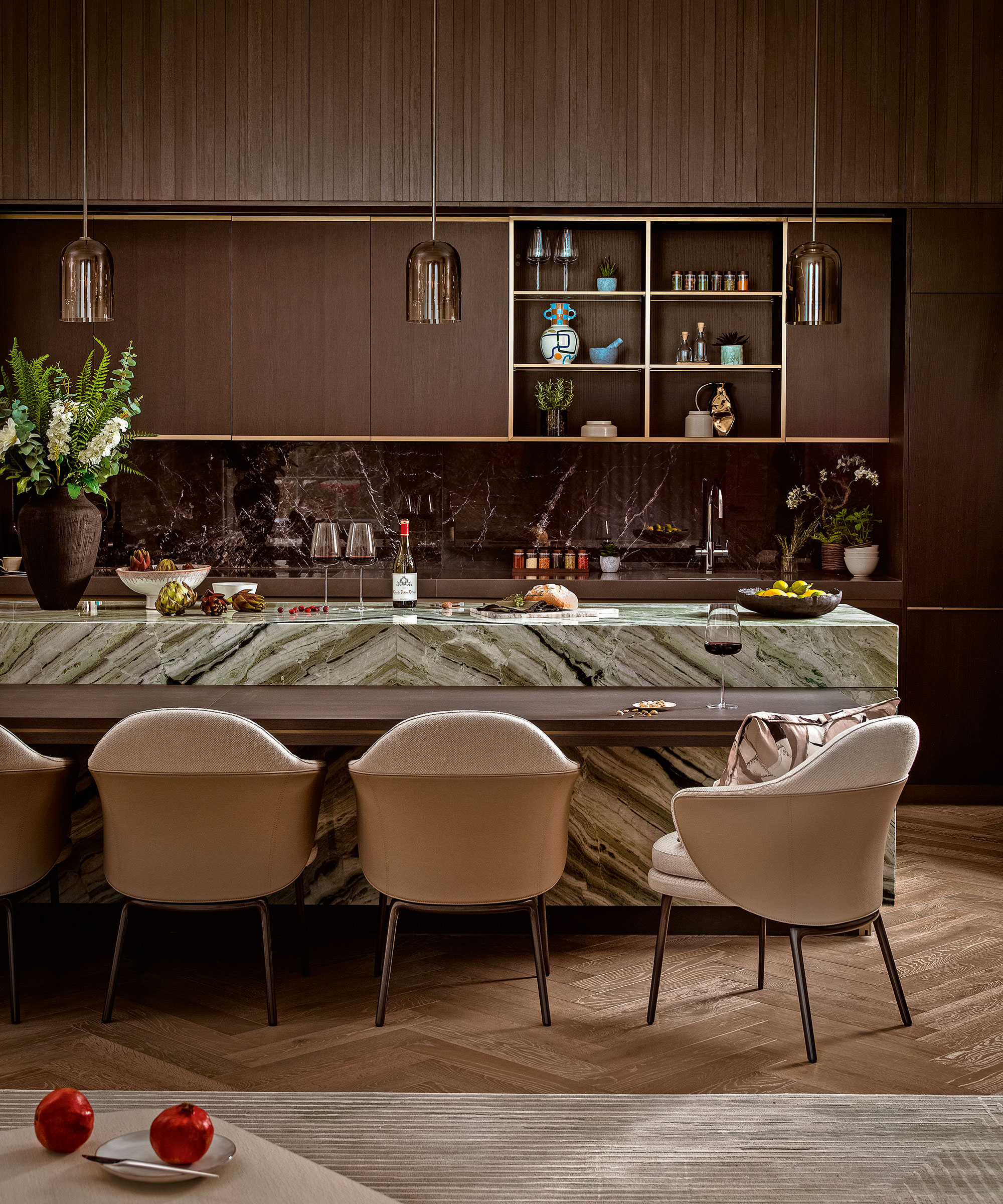
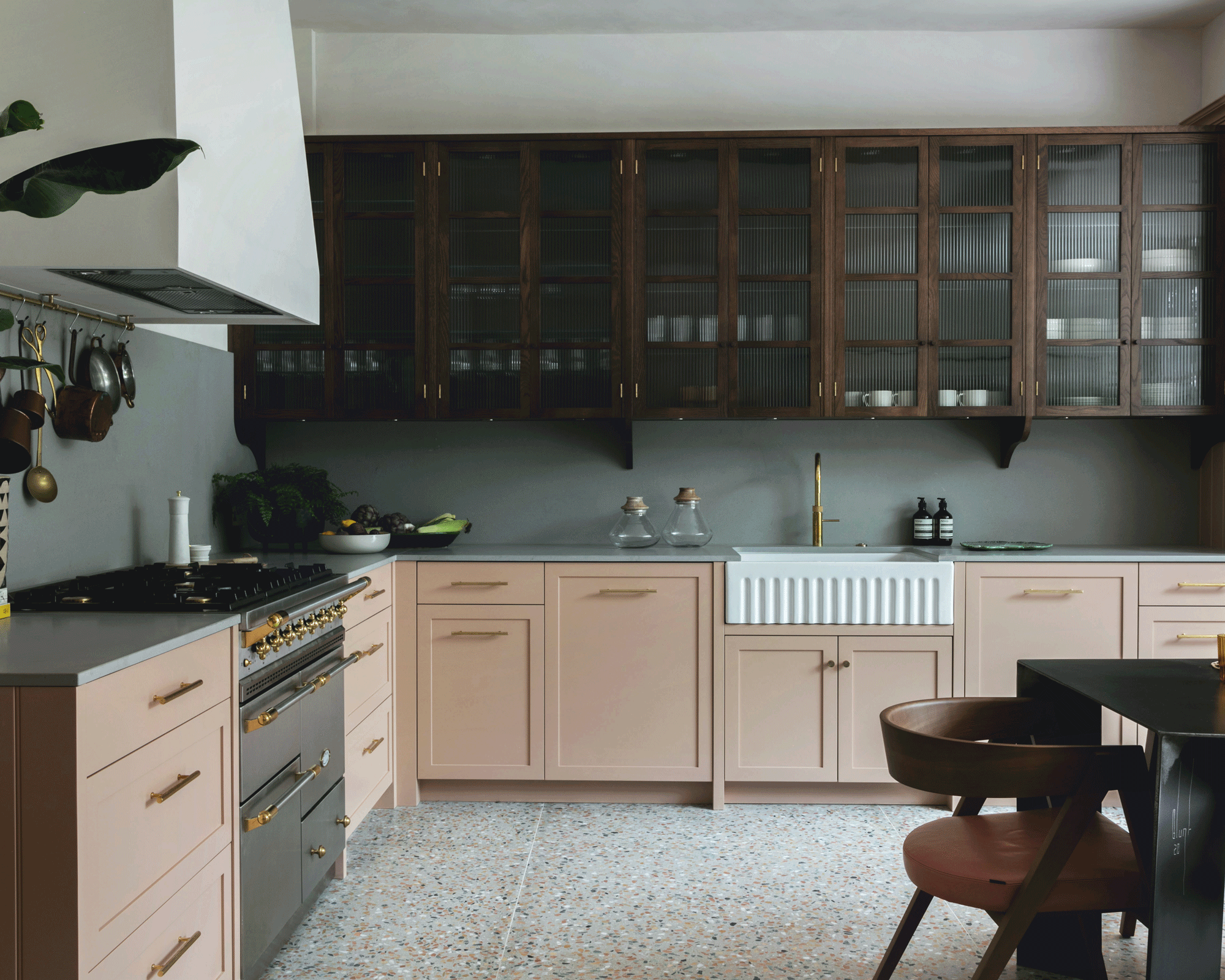
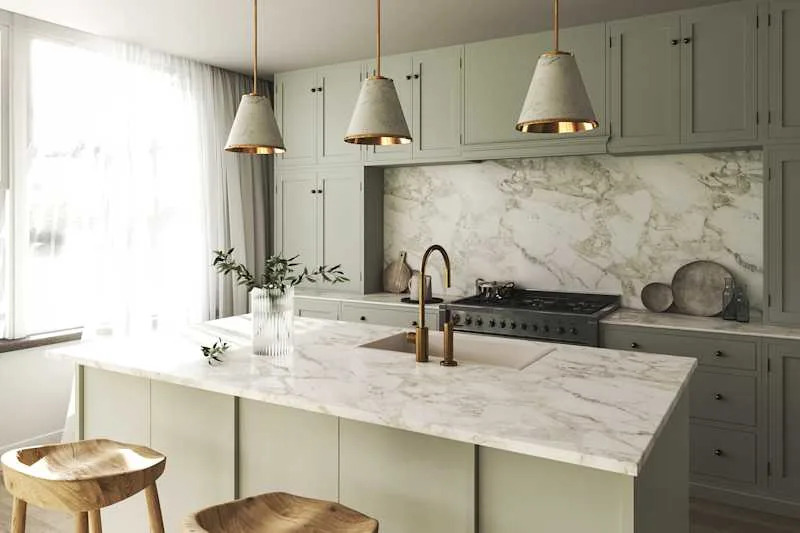
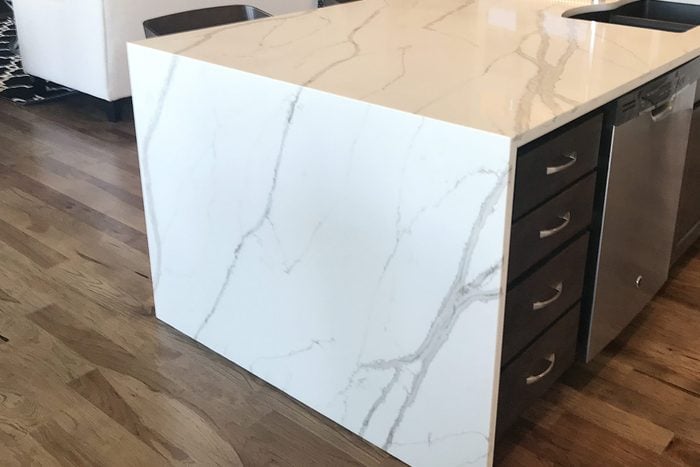
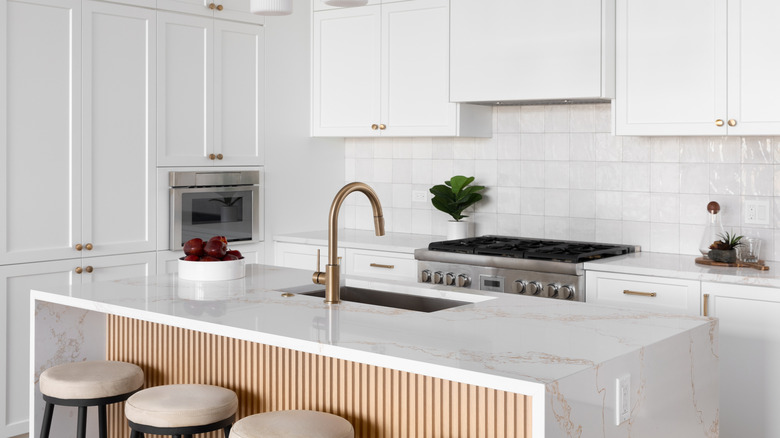
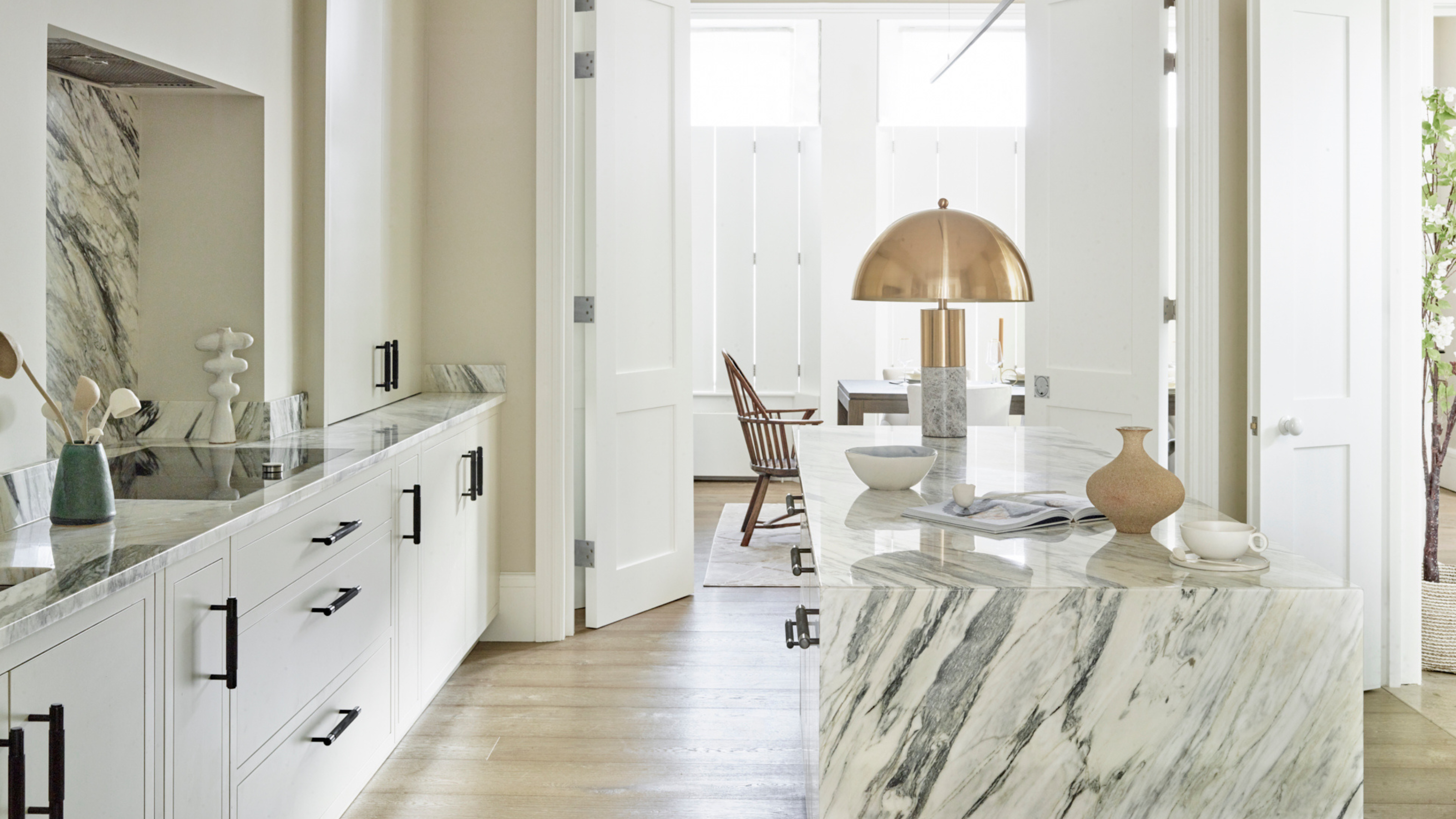
In contrast, five trending options are highlighted. Sustainable materials are gaining traction, reflecting a growing environmental consciousness. Homeowners are seeking longevity, opting for materials like recycled industrial glass for terrazzo surfaces, reclaimed wood, and easily recyclable materials like quartz. Key principles for choosing sustainable options include looking for durability and environmental certifications, combined with timeless design choices. Waterfall edges, a design element from the Art Deco movement, are making a comeback. This style extends the countertop material down to the floor, creating a sculptural, seamless flow that visually anchors an island. Working with proportional veining and selecting durable materials like quartz and porcelain are recommended for the best results.
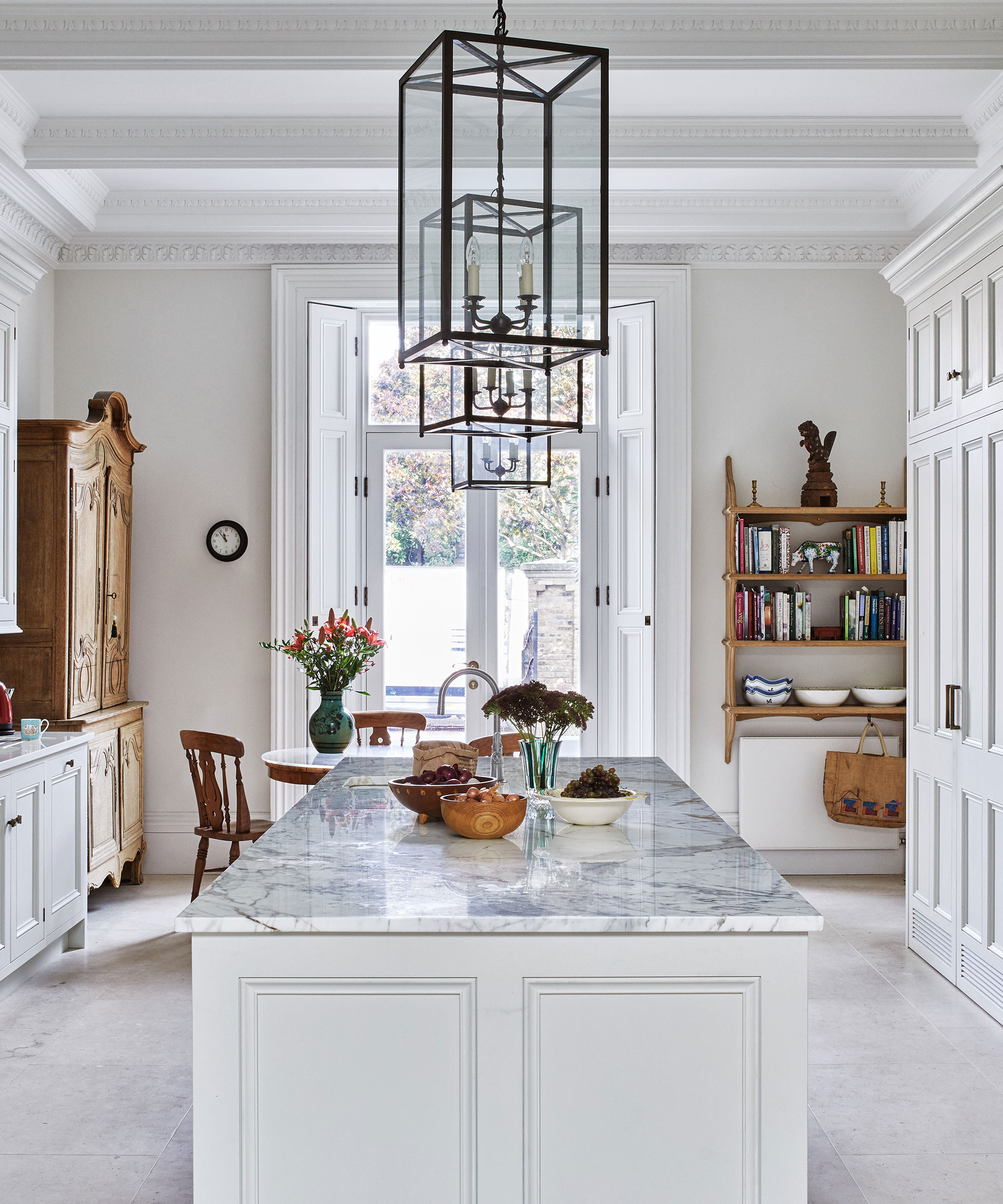
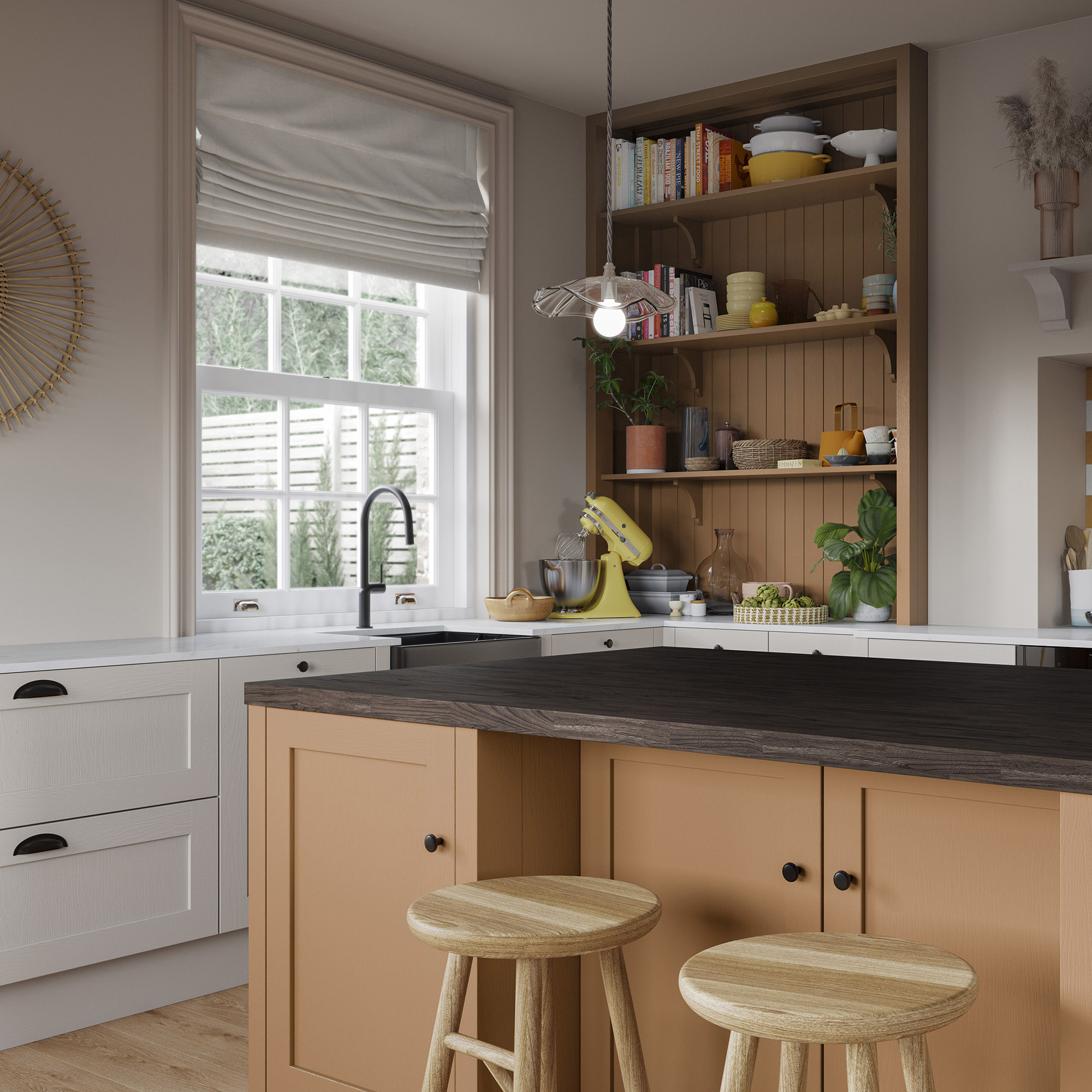
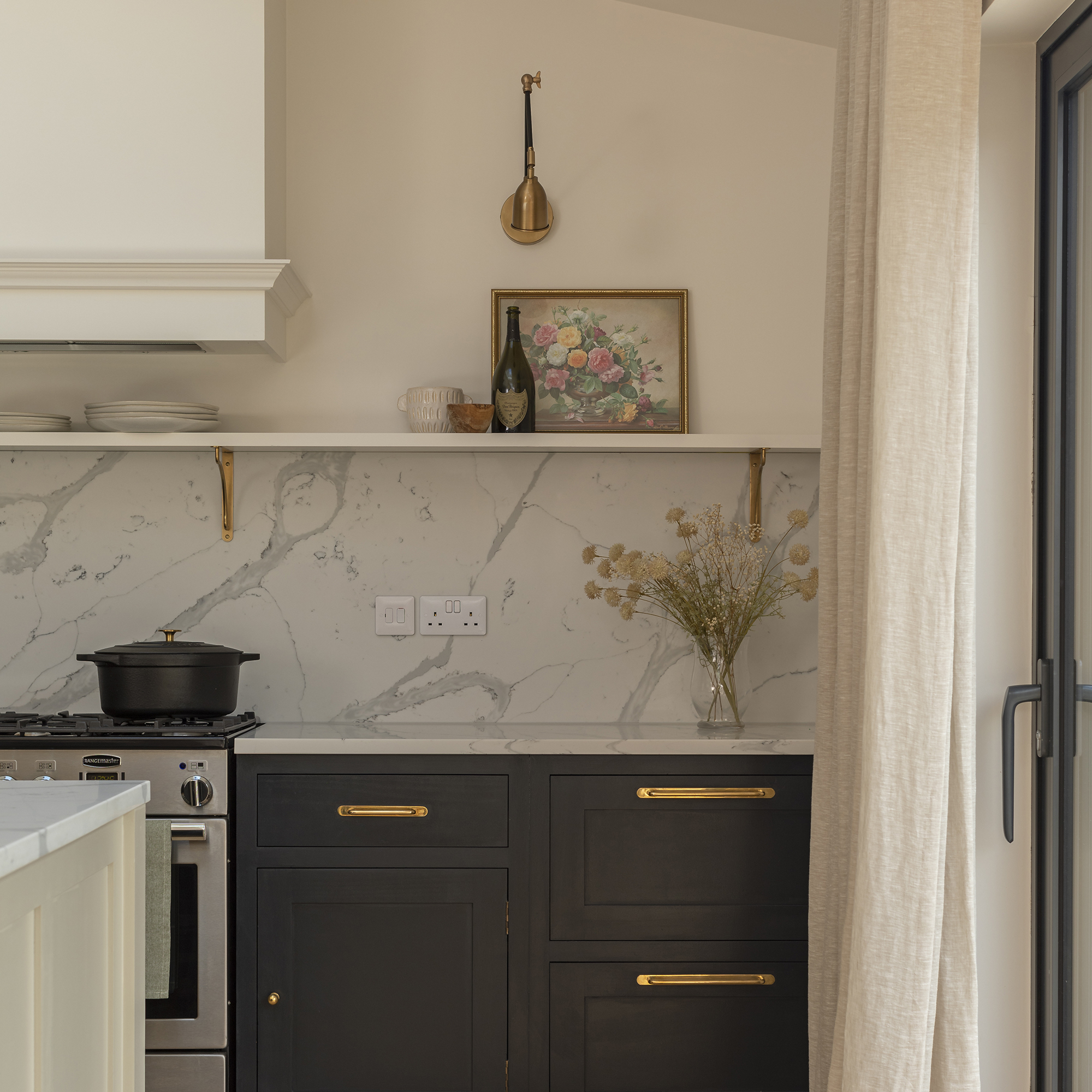
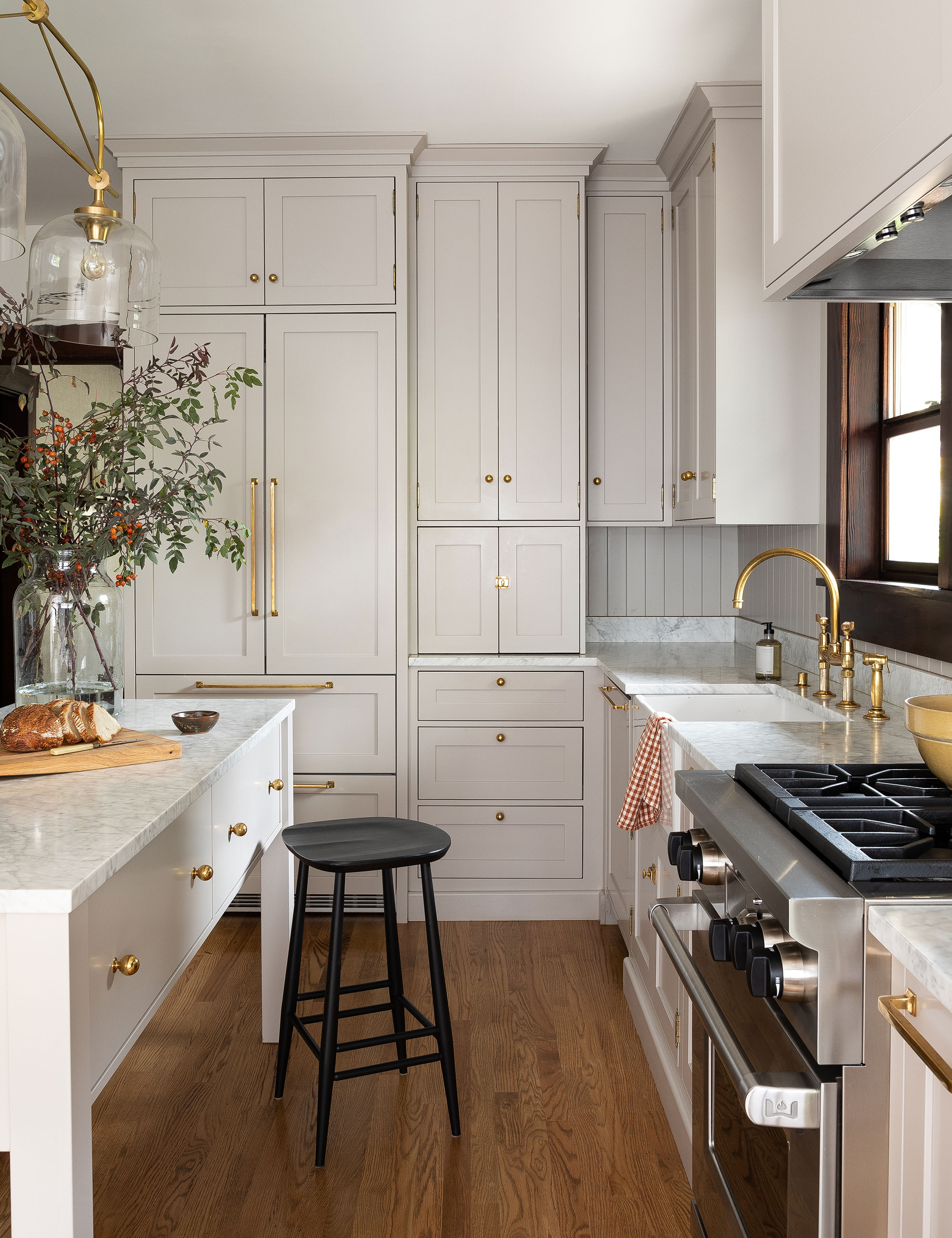
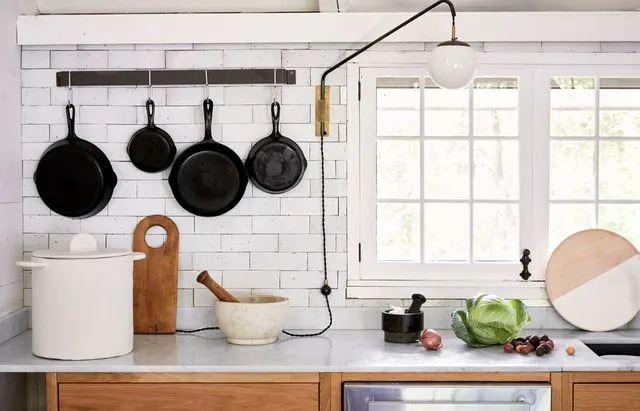
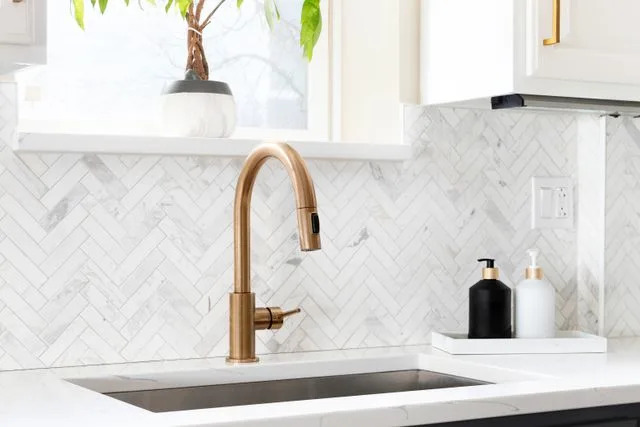
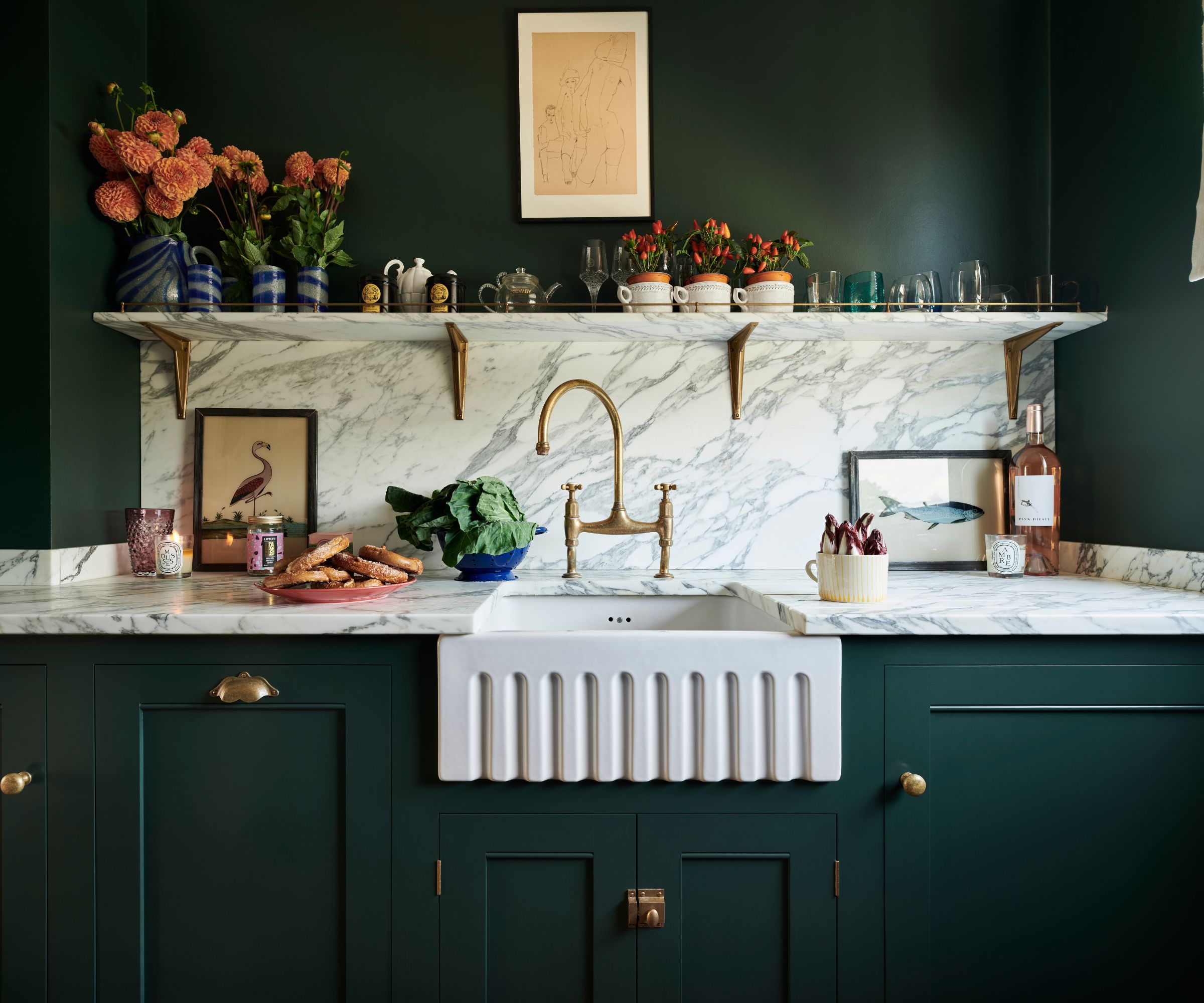
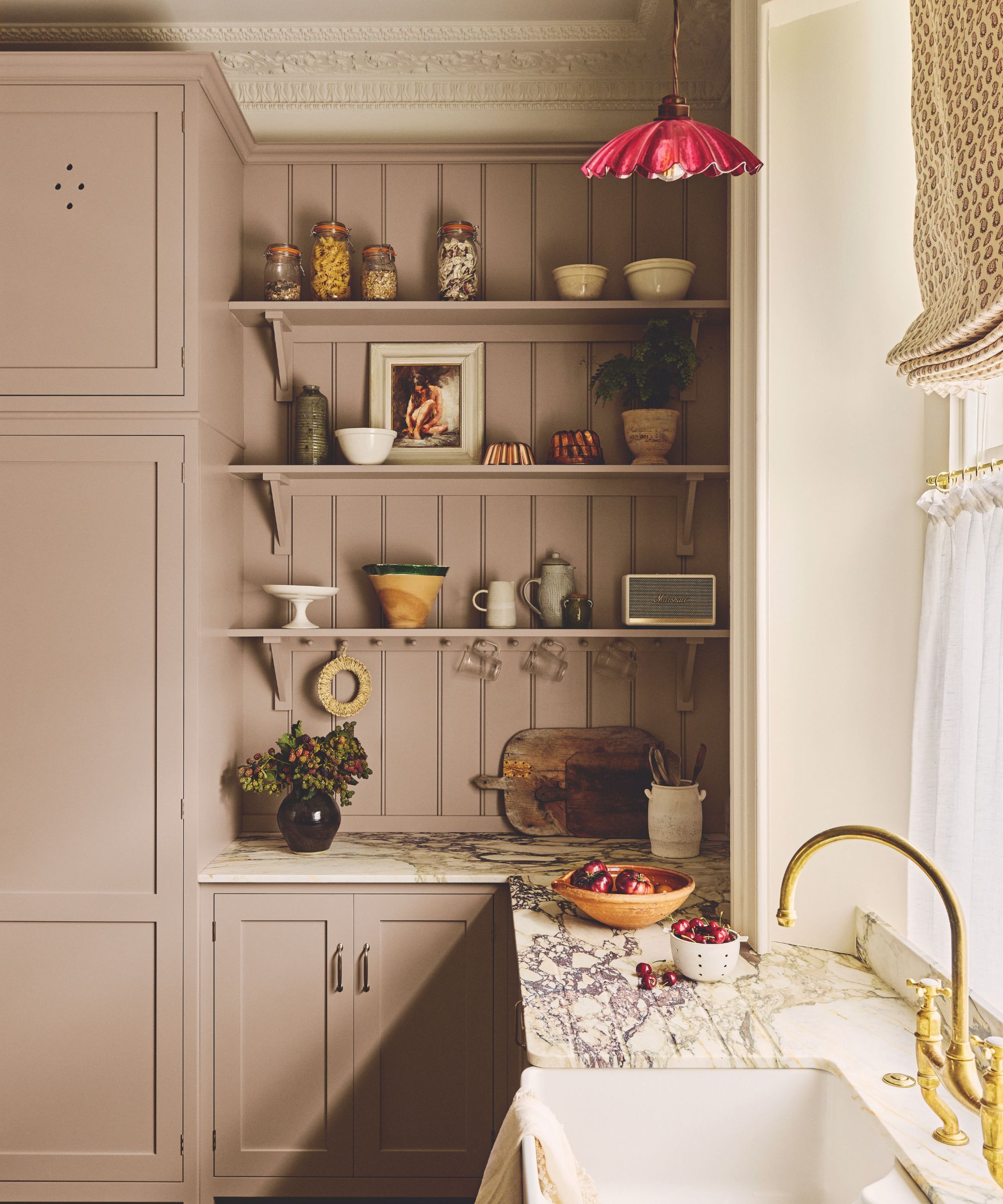
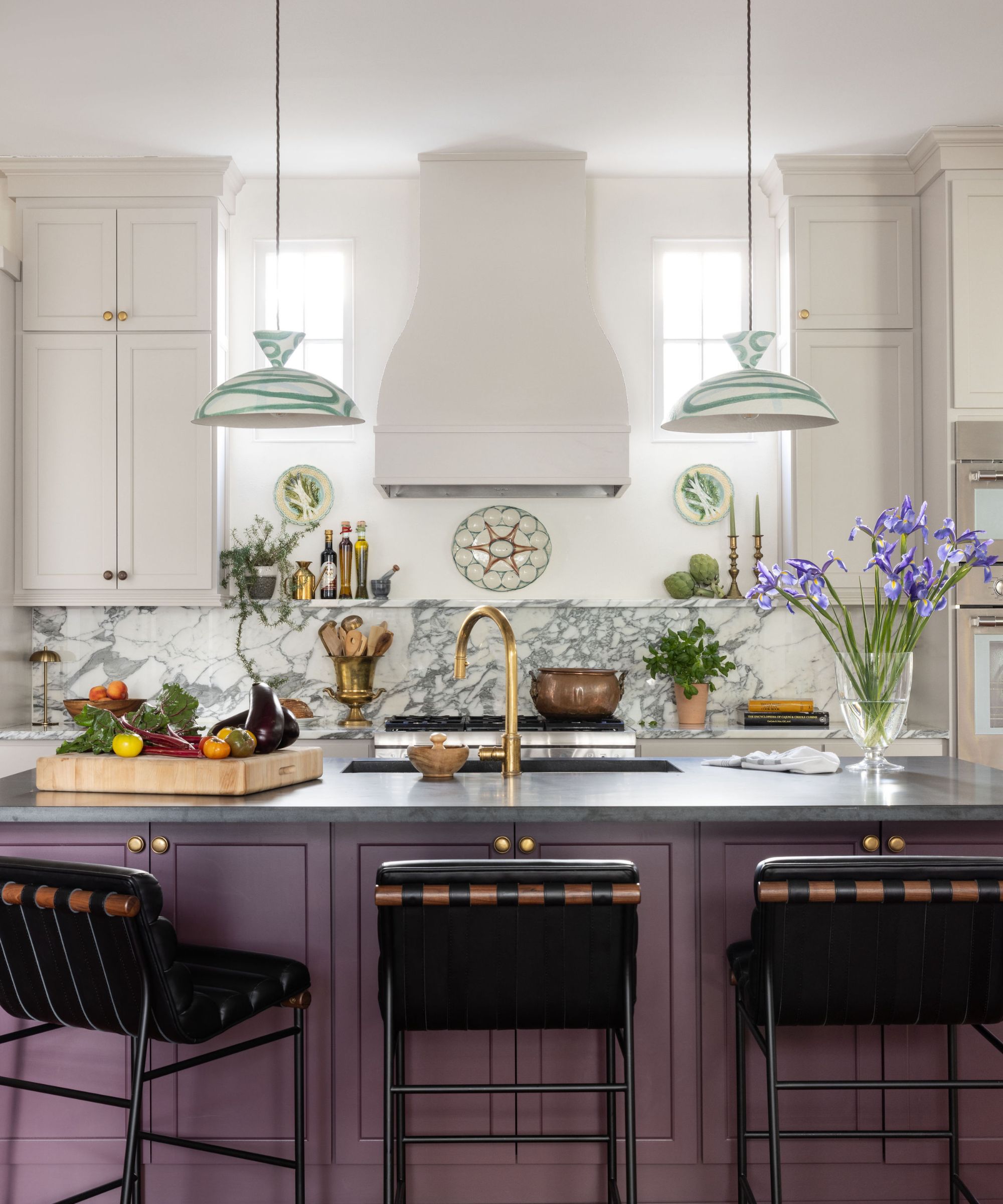
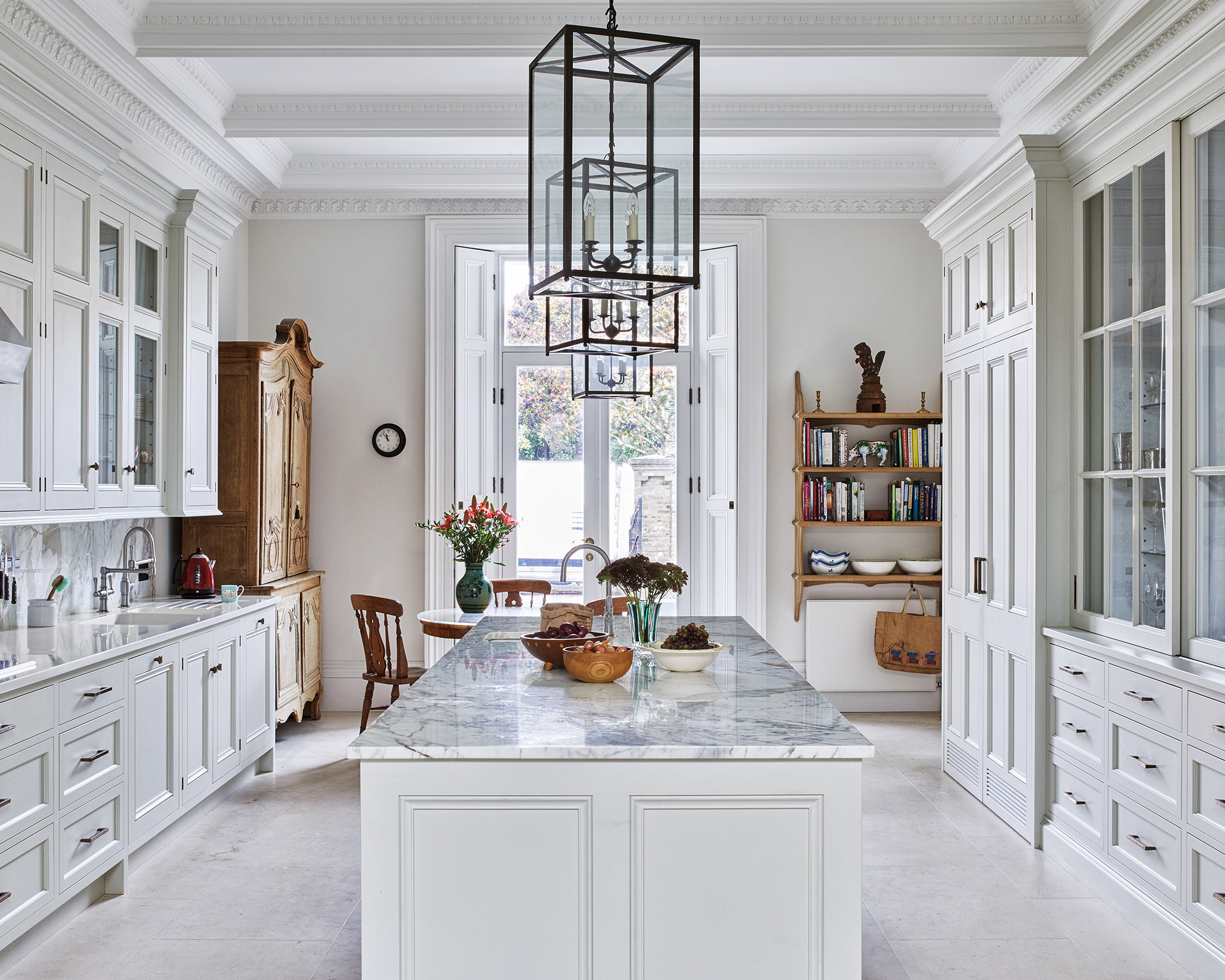
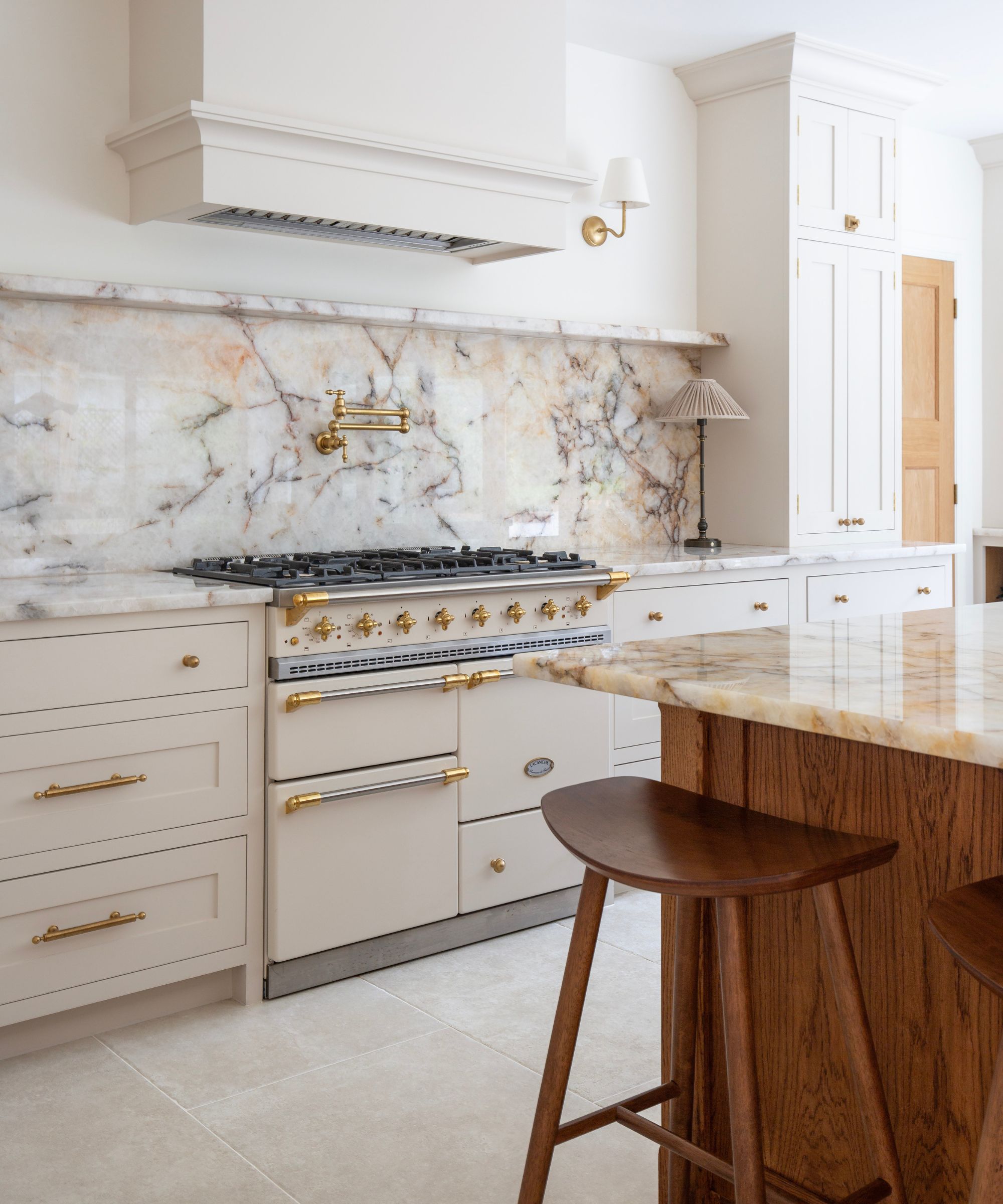
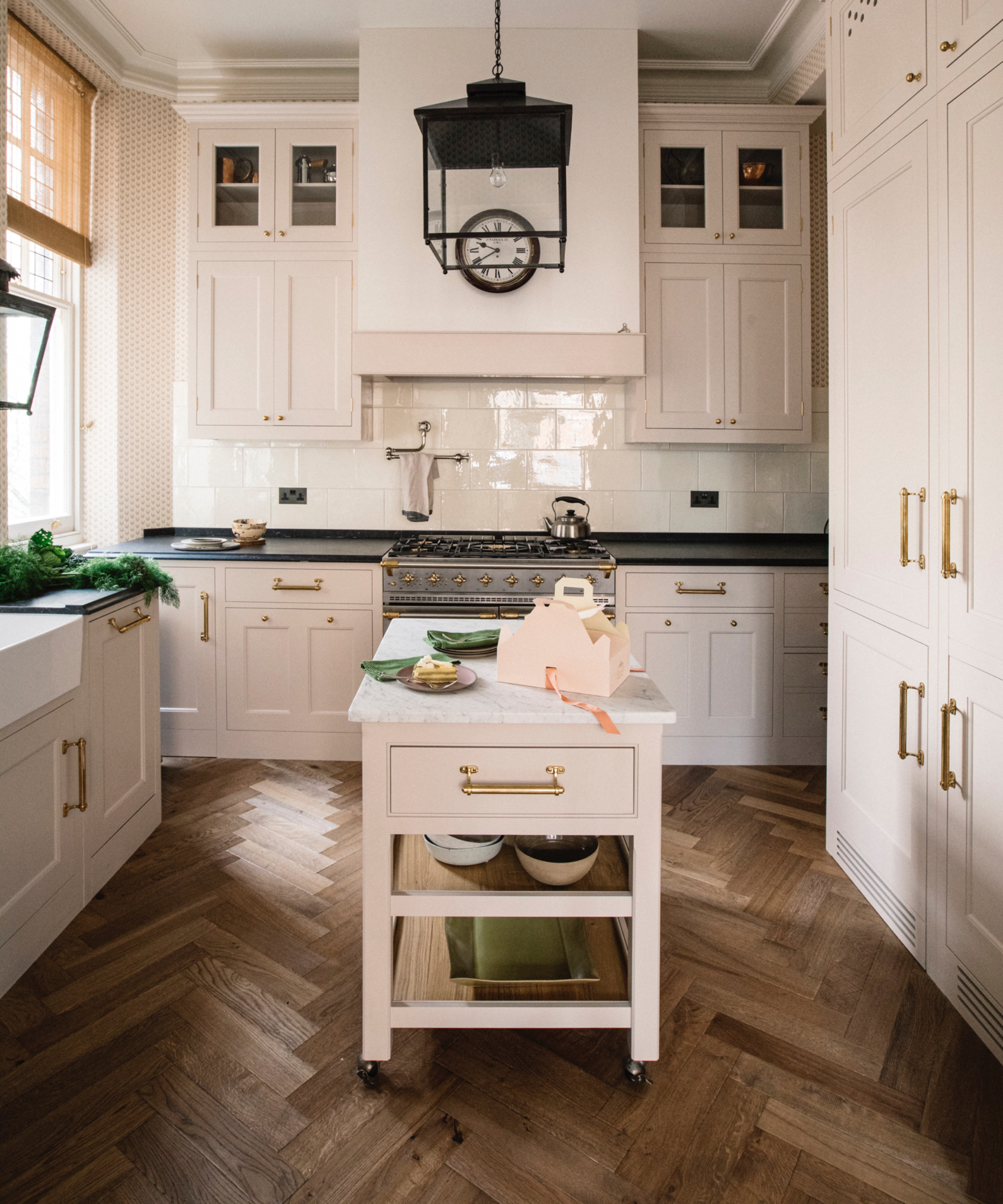
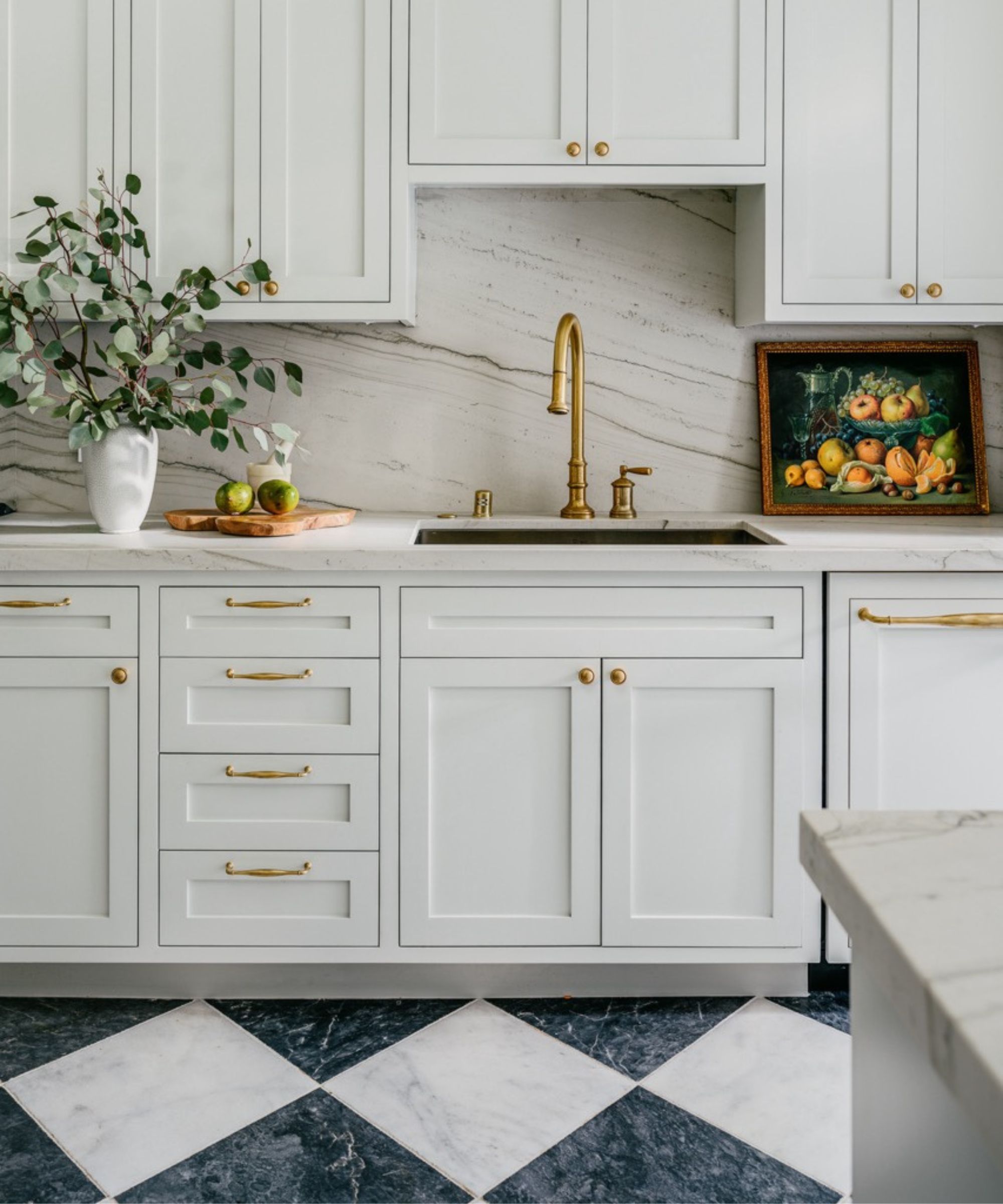
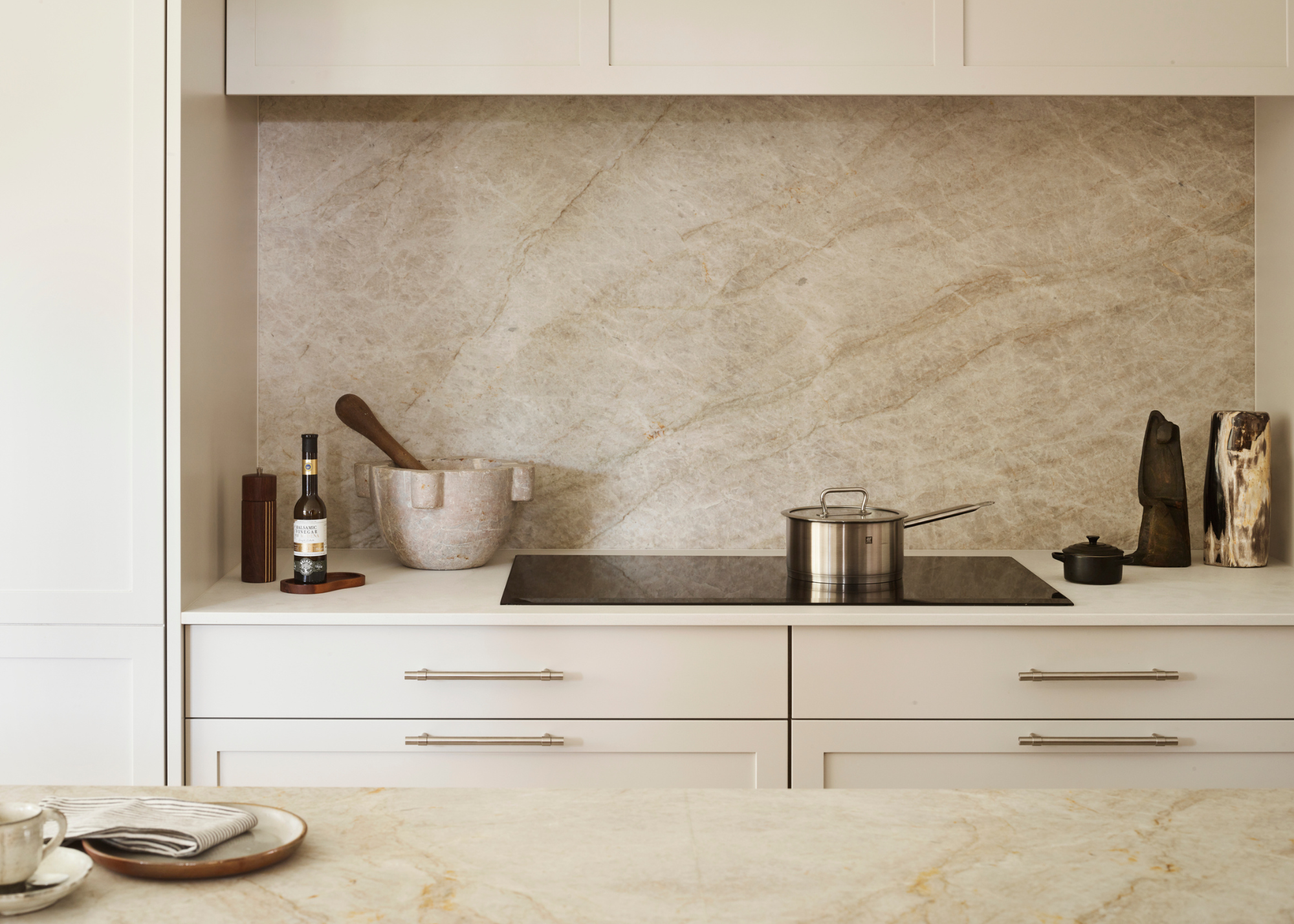
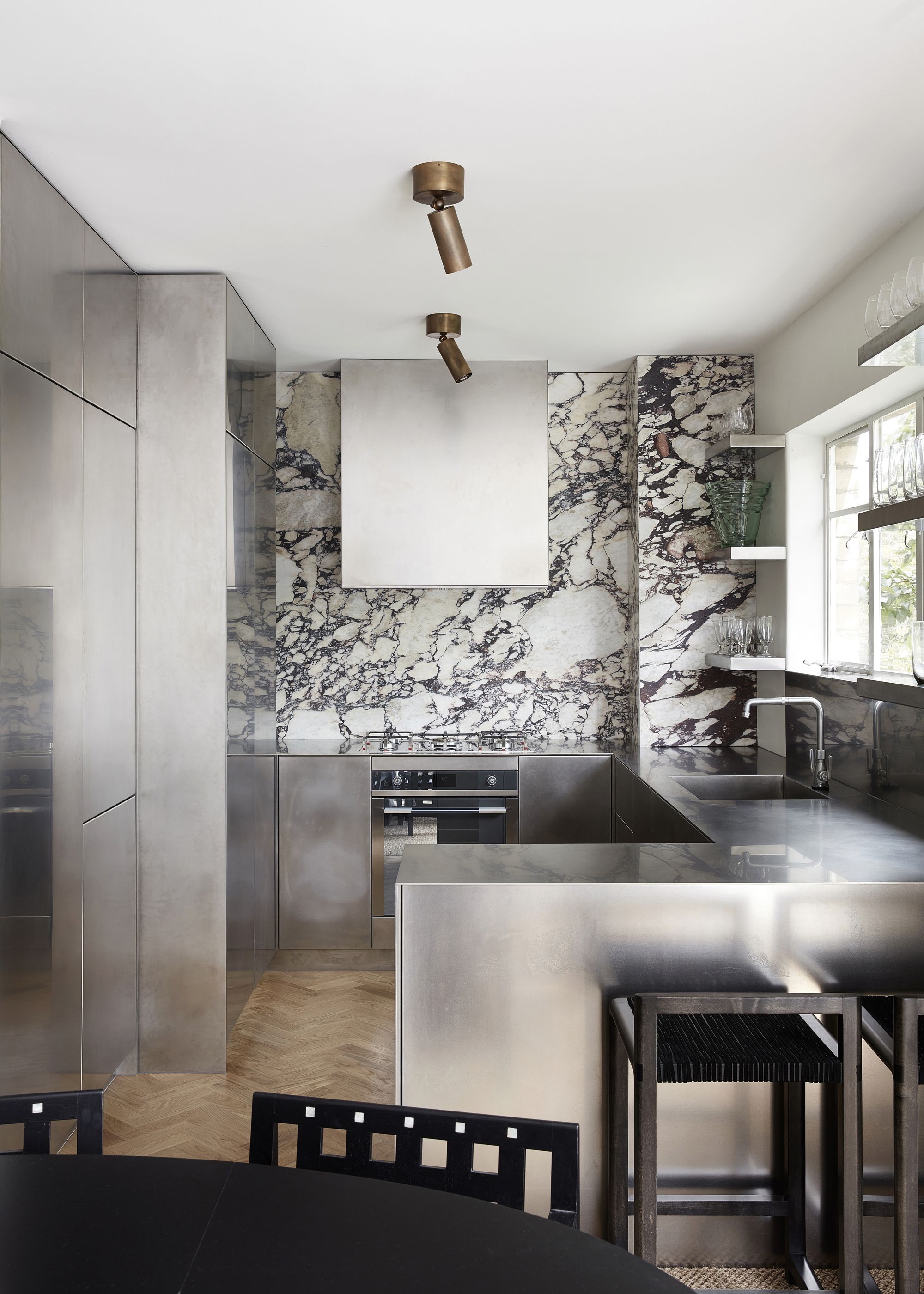
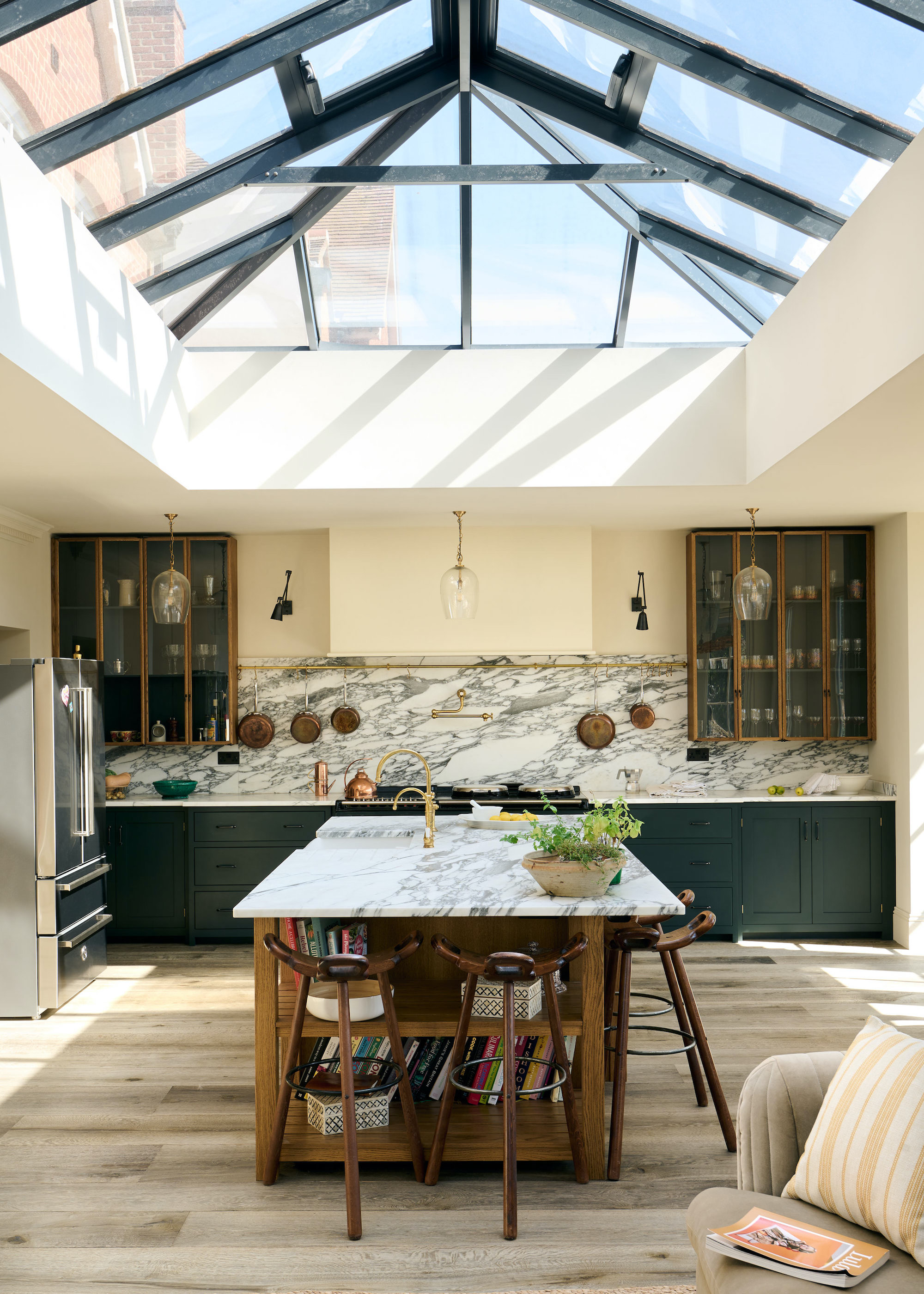
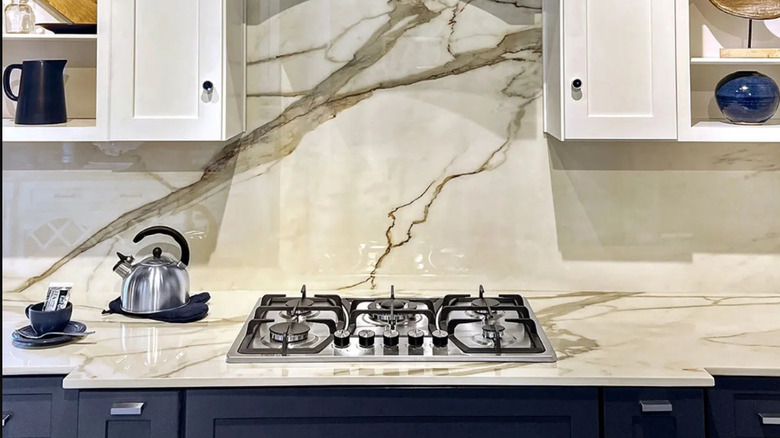
Matte finishes are currently at the forefront of quiet luxury trends. These surfaces absorb rather than reflect light, allowing other kitchen elements to stand out. They also minimize fingerprints and offer a pleasant tactile experience, making them forgiving for everyday use. Options include micro-textured, suede, or velvet-like finishes, as well as honed granite and matte quartz. Concrete countertops, moving beyond their industrial perception, are now valued for their raw honesty, tactile appeal, and Scandi-style chic. They develop a graceful patina over time and can be customized. To soften their industrial edge, designers pair concrete with warm metals, natural woods, and soft-sheen finishes, creating a modern organic contrast. Lastly, warm tones are replacing the all-white kitchen trend. Hues like creamy beiges, soft clay neutrals, and toffee-inflected stones connect people to comfort and nature. Materials such as marble, beige-toned quartz, or caramel-hued granite can be used. Accenting these warm tones with brushed brass or walnut enhances depth and timelessness, resulting in sophisticated yet lived-in kitchens.
#CountertopTrends #KitchenDesign #HomeRenovation #InteriorDesign #SustainableMaterials #MatteFinishes #WaterfallEdges #WarmTones #ConcreteCountertops #CountertopTrends #KitchenDesign #HomeRenovation #InteriorDesign #SustainableMaterials #MatteFinishes #WaterfallEdges #WarmTones #ConcreteCountertops
0 comment in total
 No comments yet
You may also like
6 outdated kitchen countertop trends to leave behind in 2025
5 things not to put on your bathroom countertops, according to interior designers
6 Kitchen Countertop Trends That Are on Their Way Out This Year (and What to Do Instead)
5 Outdated Kitchen Cabinet Trends That Interior Designers Say You Should Skip

5 kitchen trends to avoid for a unique and timeless design
5 kitchen countertop mistakes designers warn to avoid

5 Outdated Kitchen Tile Trends to Retire, According to Interior Designers
Countertop Trends That Will Be Huge In 2025 (And Ones We'd Recommend Avoiding)
Outdated kitchen trends – 5 overdone looks that designers like to avoid, and here's why you should too
5 Outdated Kitchen Tile Trends to Retire, According to Interior Designers
5 Countertop Colors That Are Going Out of Style, and What You Should Choose Instead — According to Kitchen Designers

12 "Outdated" Kitchen Trends You Should Ditch In 2025 (But You Probably Have)

5 Outdated Kitchen Trends Interior Designers Hope Never Come Back

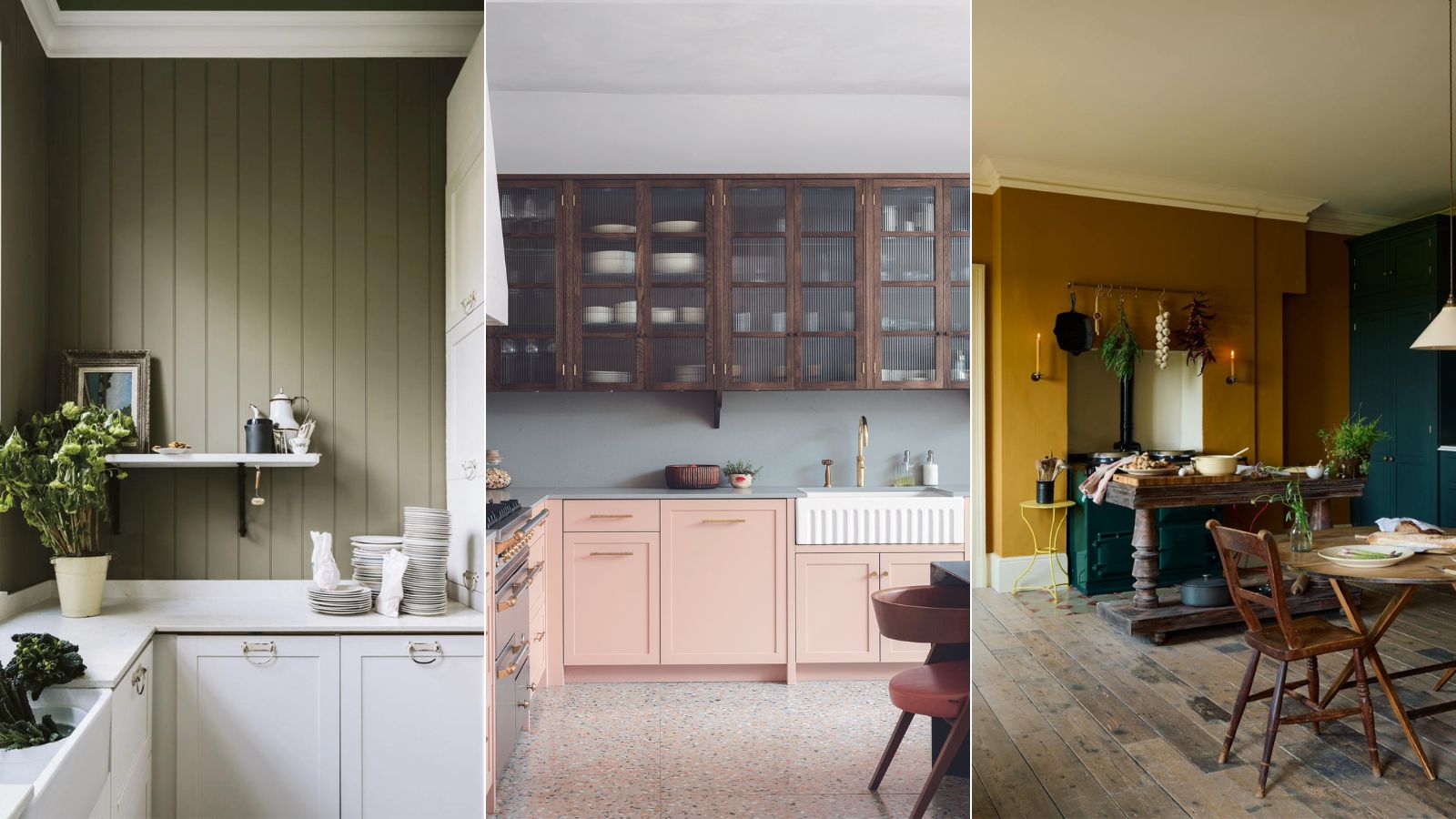
5 outdated kitchen cabinet color trends to avoid if you don't want your kitchen to look unfashionable, say designers
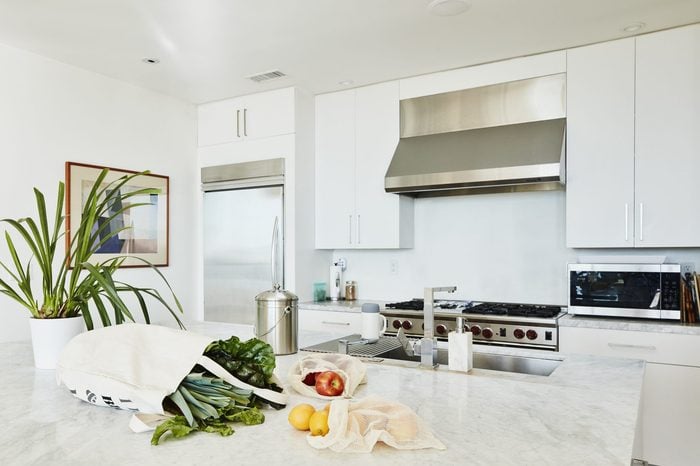
9 Outdated Kitchen Trends to Watch Out For

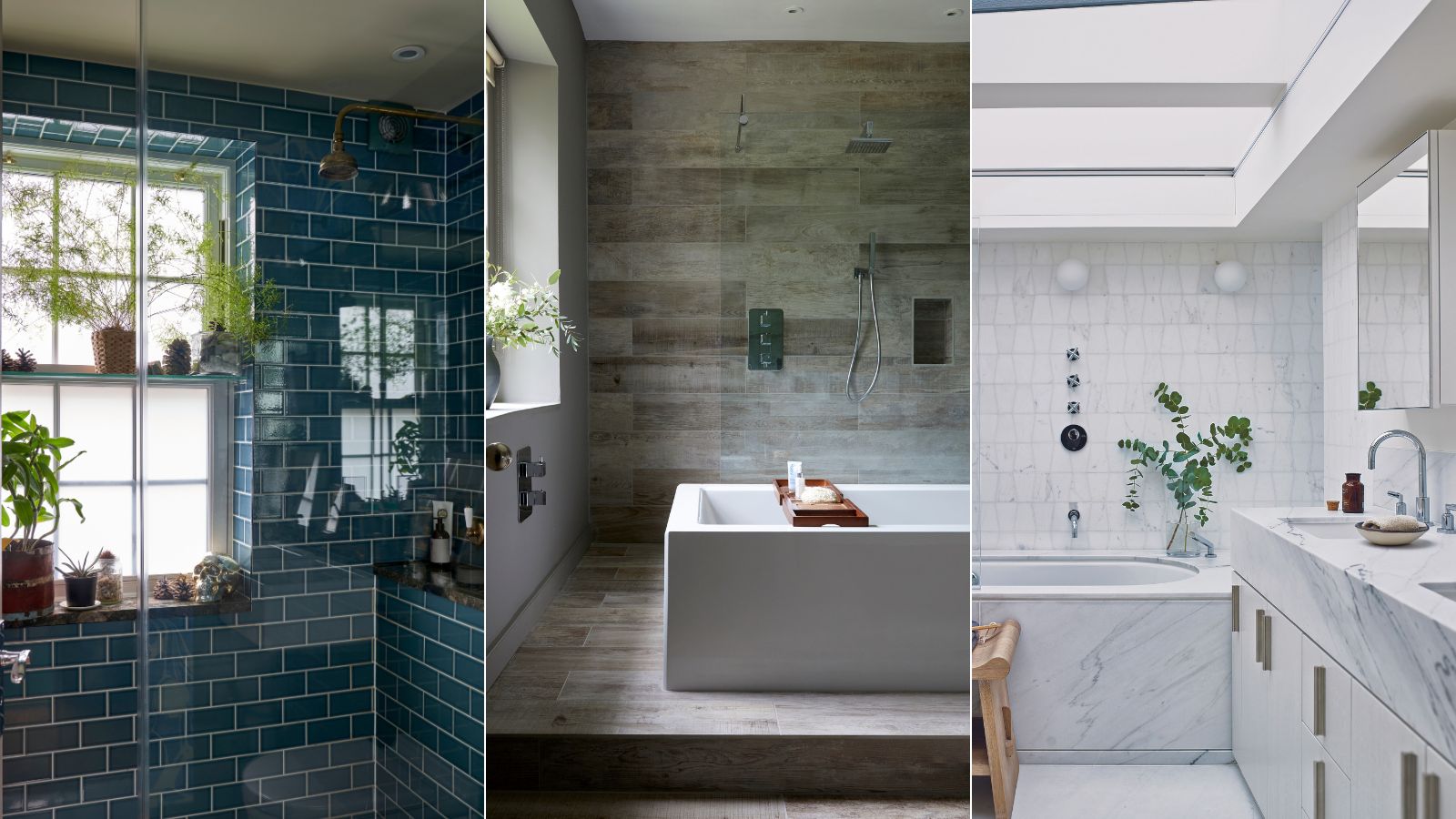
5 outdated tile trends that are letting your kitchens and bathrooms down
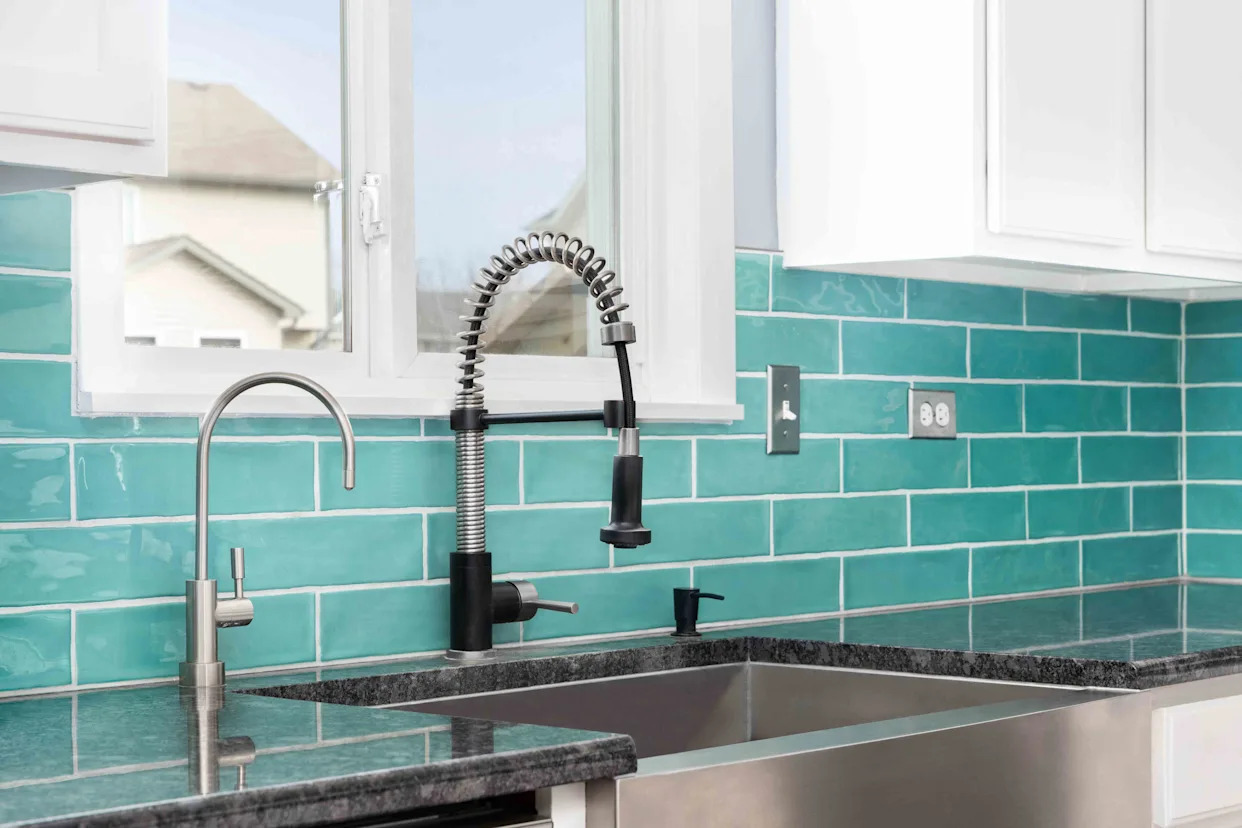
5 Outdated Kitchen Tile Trends to Retire, According to Interior Designers

5 dated kitchen flooring trends to avoid in 2025 – and what experts say you should choose instead
5 outdated entryway trends to wave goodbye to, and what to do instead

6 Kitchen Countertop Trends That Are on Their Way Out This Year (and What to Do Instead)