1/13
Kitchen Trends That Are Being Left Behind In 2025 And Beyond
The rapid evolution of kitchen design trends in 2025 and beyond is largely influenced by social media platforms like Instagram and TikTok, which accelerate design cycles. Styles that quickly gain popularity often become overdone, leading to a shift towards cozier, more personalized, and functional designs. This article, featuring insights from interior designers Kate Fuller and Nikki Klugh, identifies several kitchen trends that are being left behind and explains the reasoning behind these changes, helping homeowners avoid fleeting fads.
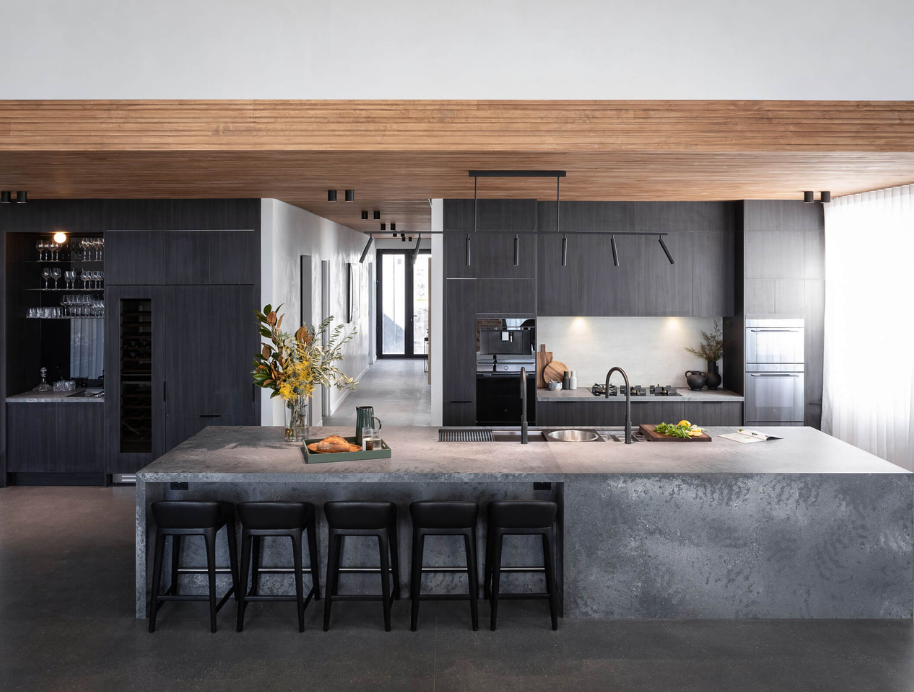
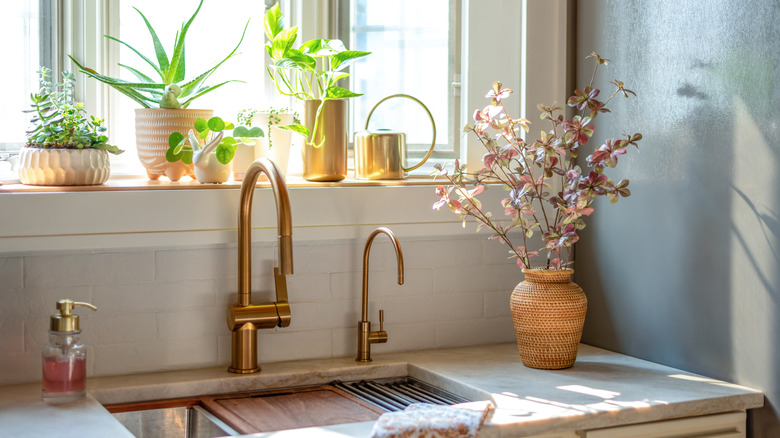
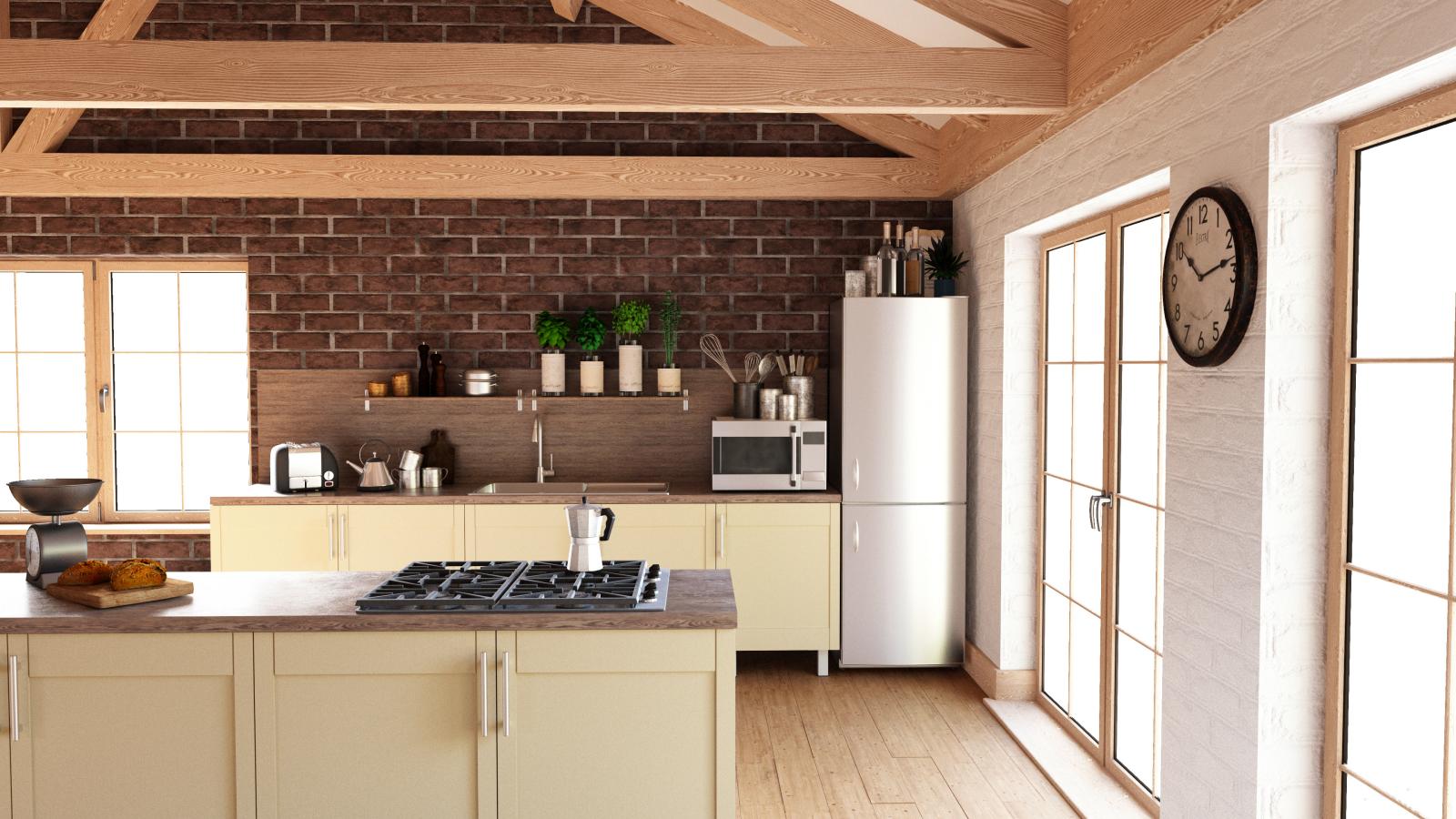
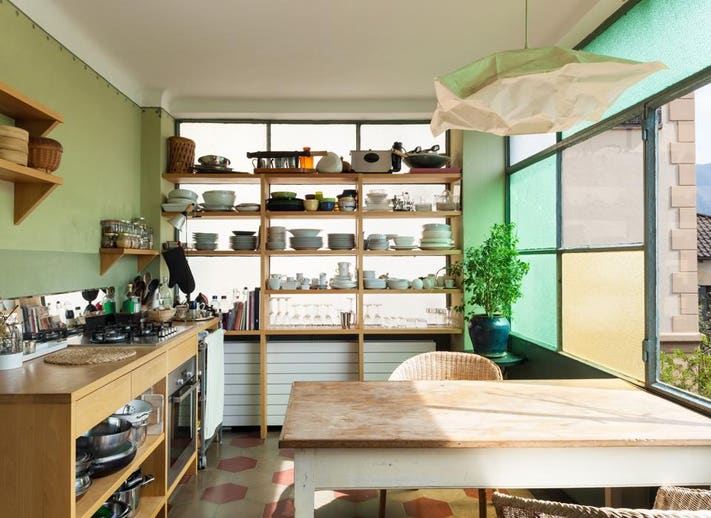
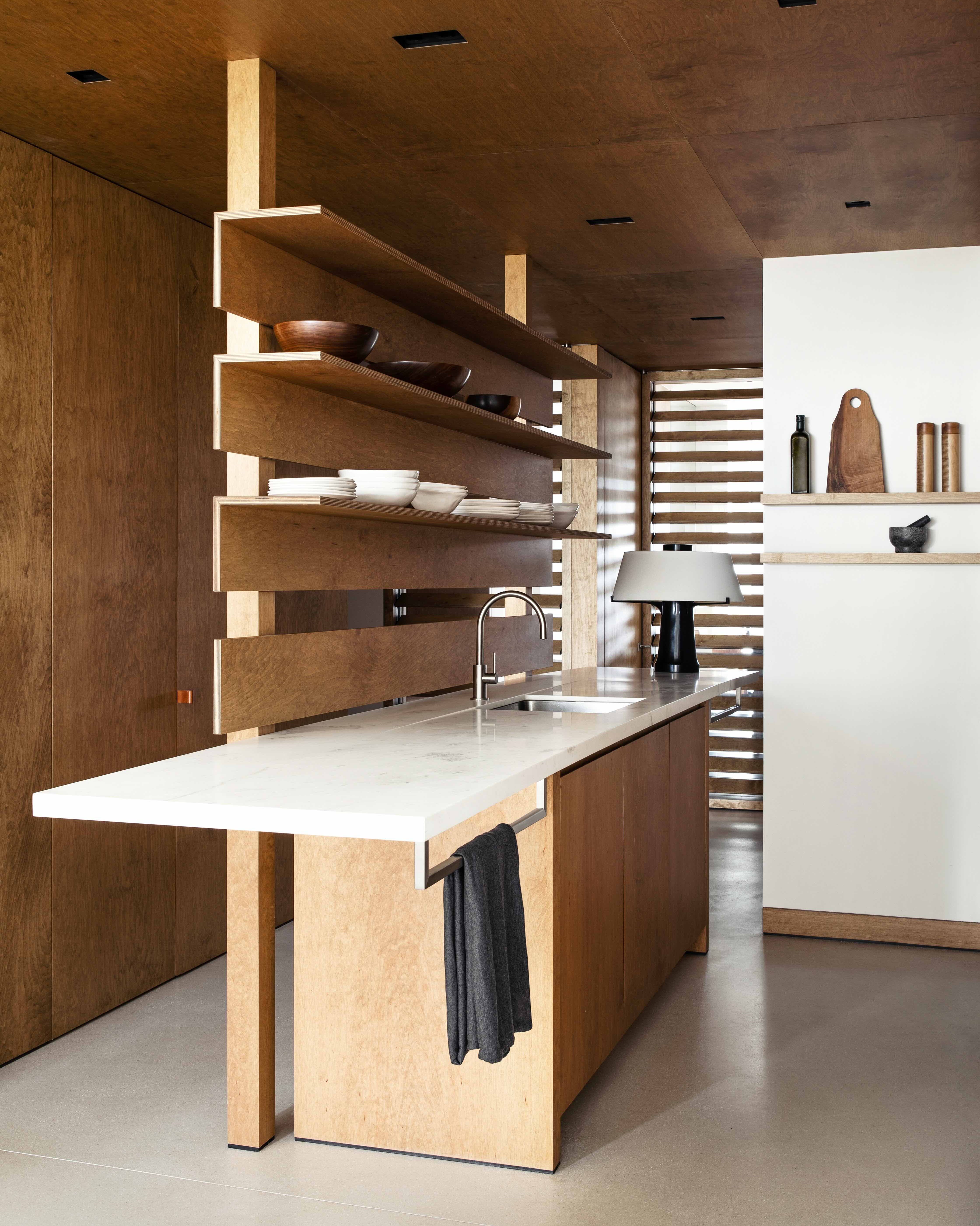
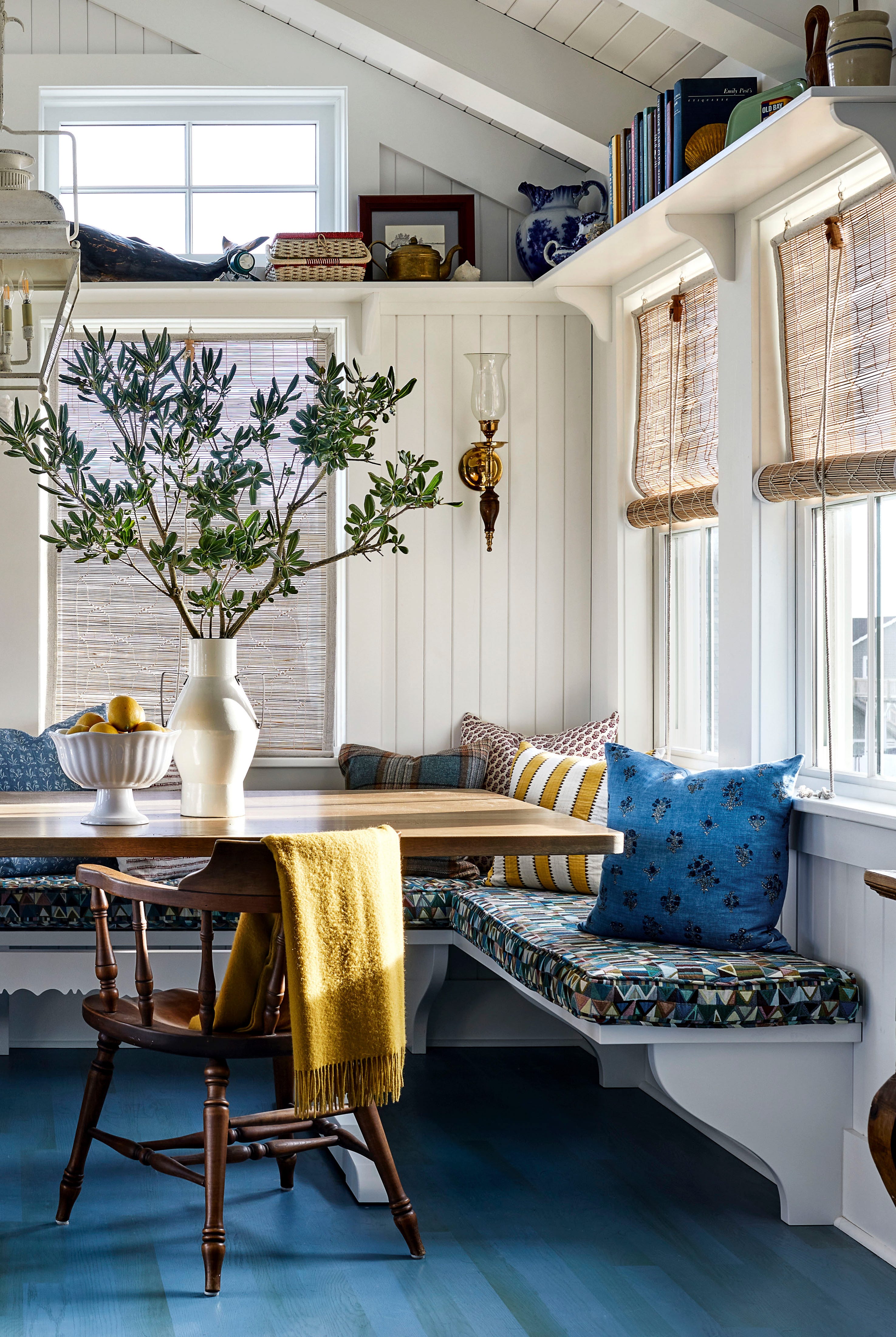
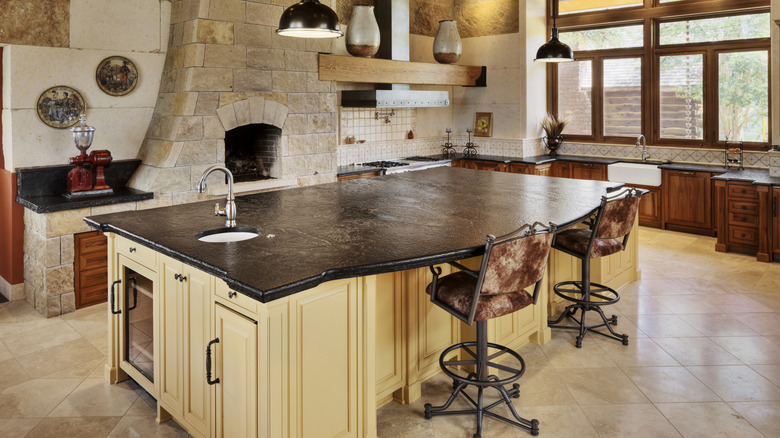
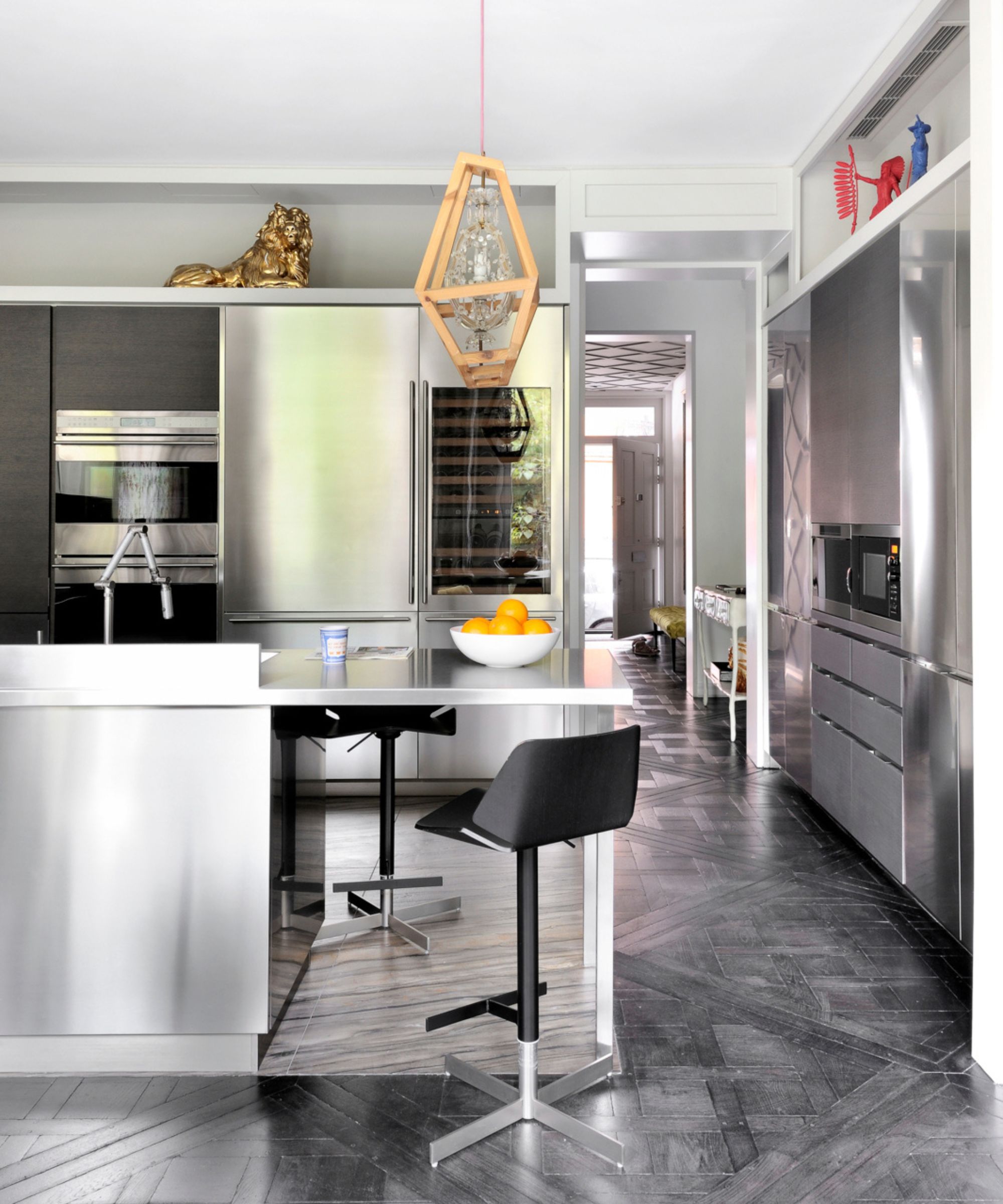
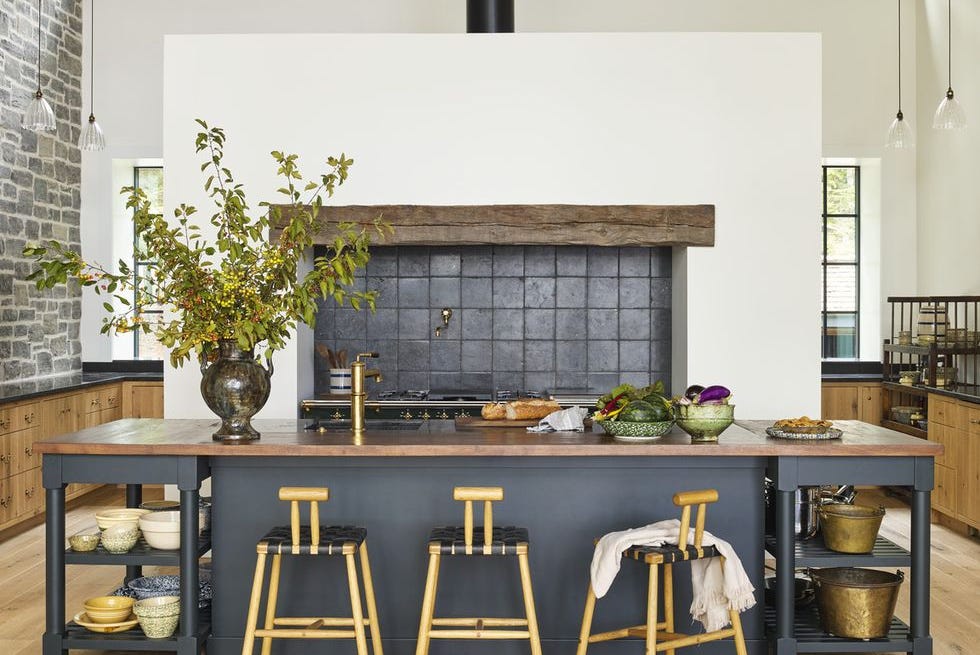
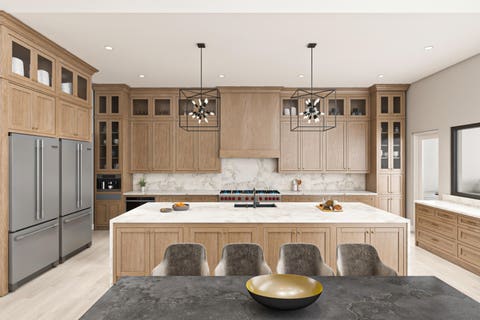
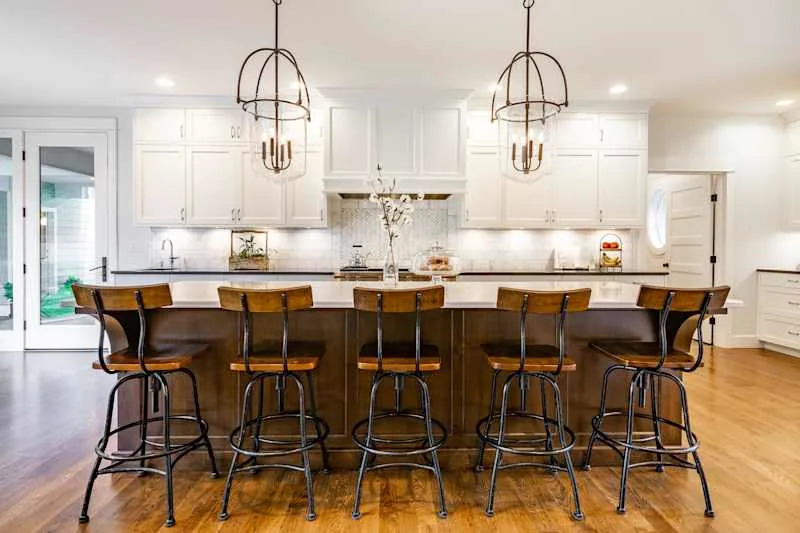
Overly industrial kitchen styles, characterized by exposed pipes, Edison bulbs, and raw materials, are now considered dated. Designers suggest replacing the starkness of industrial design with a softer, more refined modern look that blends warmth with clean lines. This can be achieved by swapping harsh stainless steel or black metal fixtures for warmer alternatives like brushed brass or warm bronze, and incorporating more wooden elements such as butcher block countertops or warm-toned cabinetry. Cushioned seating can also enhance coziness.
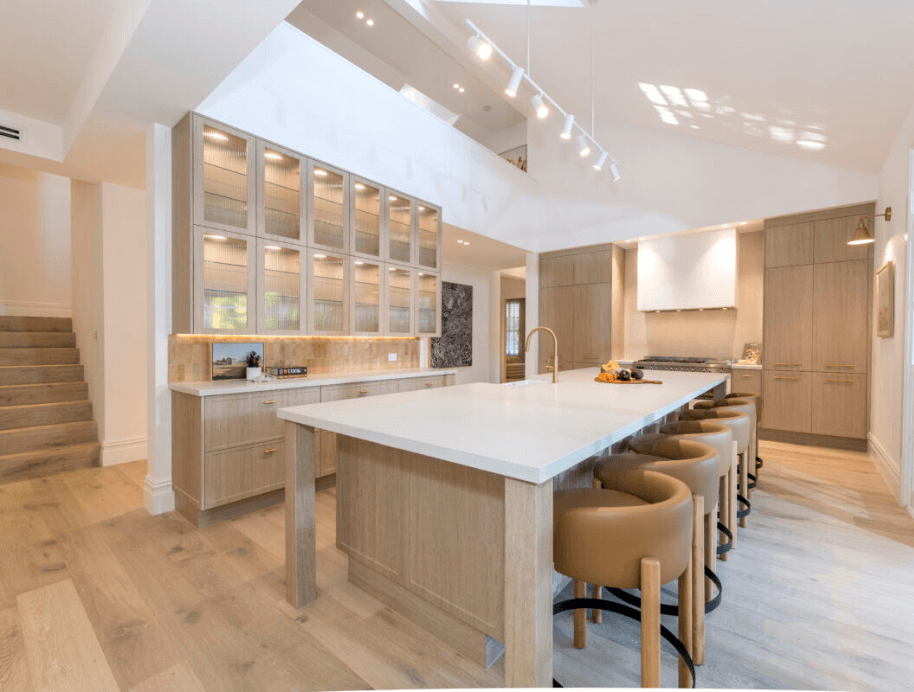
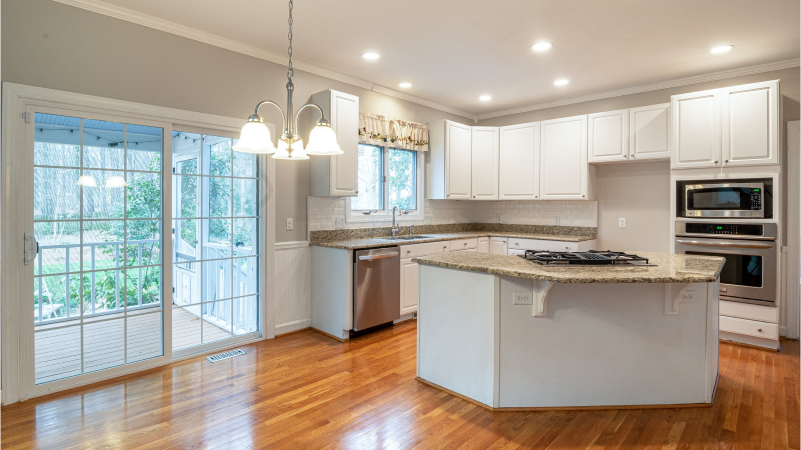
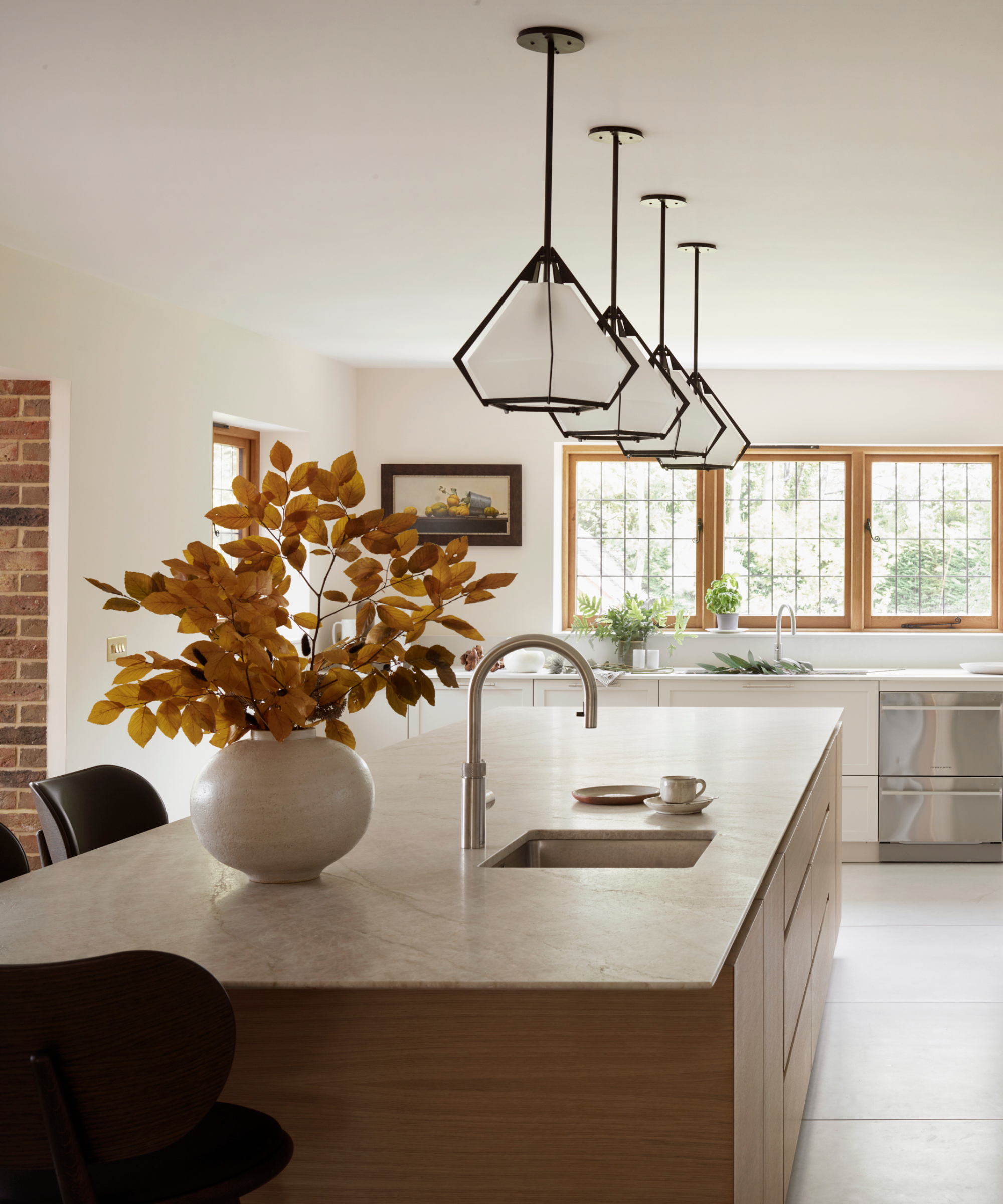
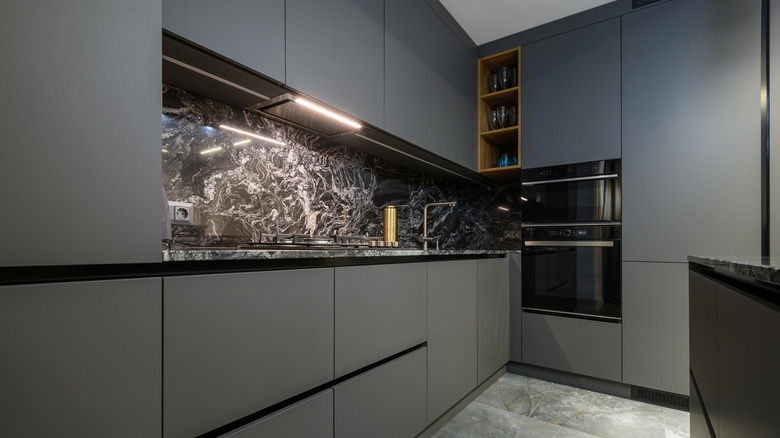
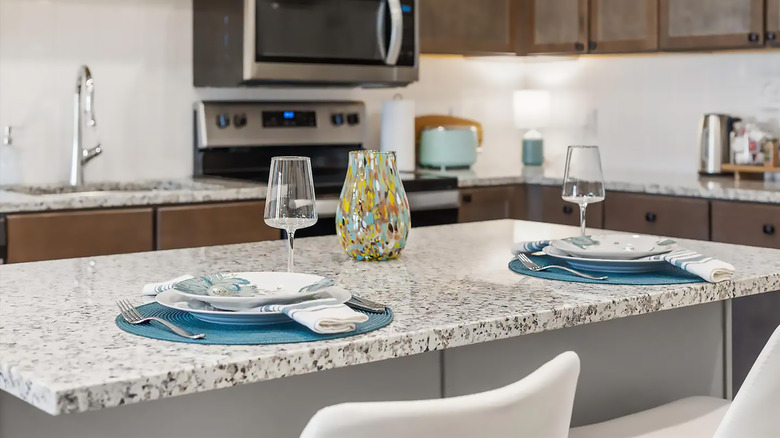
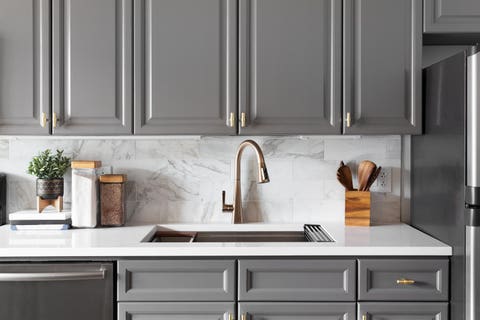
The widespread use of gray tones in kitchens has led to them being perceived as boring and lifeless. The trend is shifting towards warmer, earthier hues like taupe, greige, and beige, which bring depth and an inviting feel. These warmer tones complement natural materials like wooden countertops and stone islands, creating a more layered and welcoming environment. For those with existing gray elements, balancing them with warmer accents is recommended.
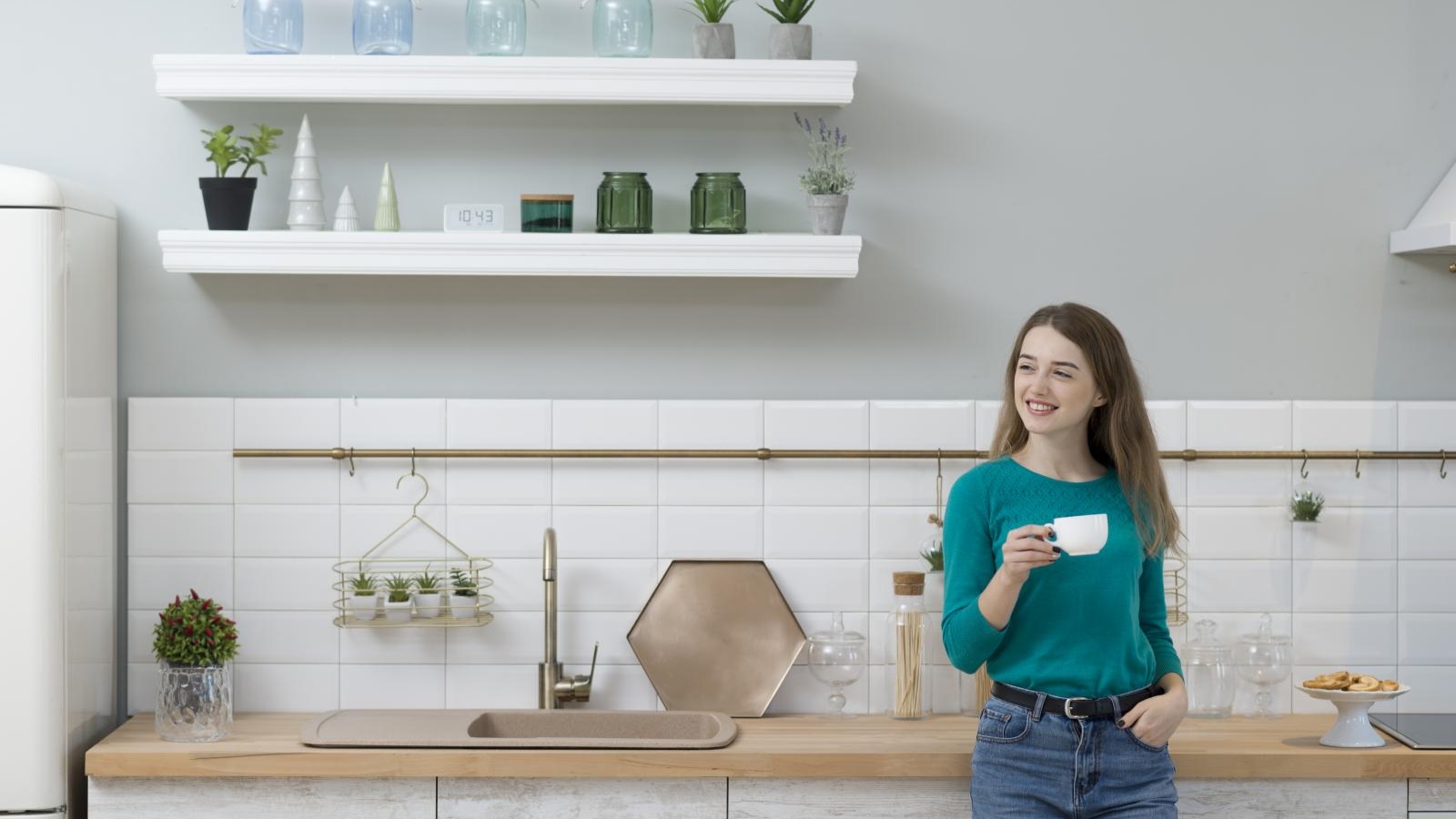
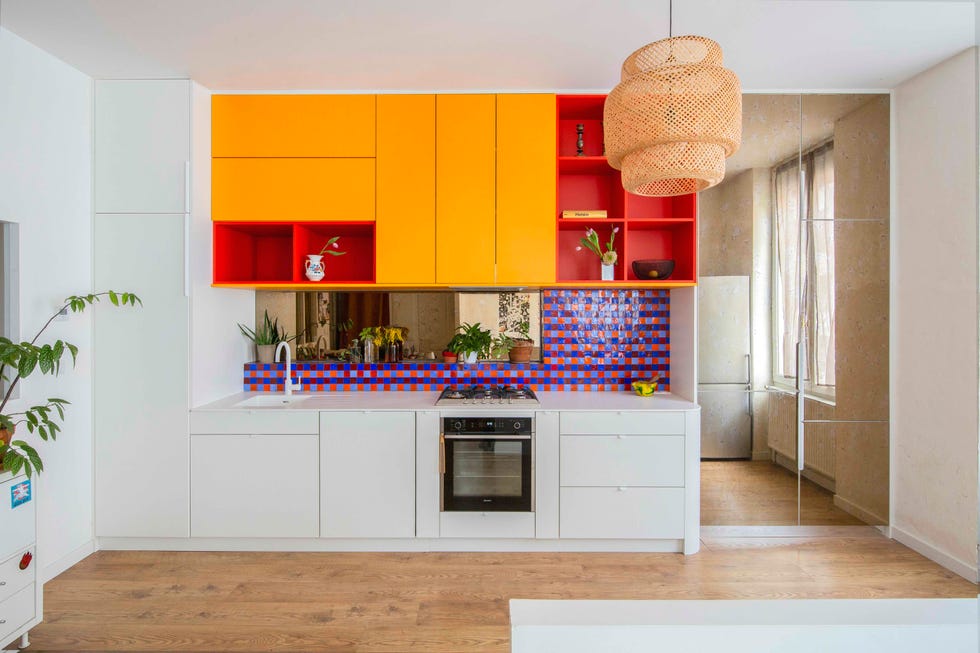
Basic subway tile backsplashes are giving way to more statement-making options due to their ubiquitous presence. Designers are now opting for large-format tiles, zellige tiles with their organic textures, or seamless slabs of marble and quartz extending from the countertop to the ceiling. Zellige tiles, with their glossy yet uneven surface, offer visual texture and artisanal charm, even in neutral colors, for those who appreciate smaller formats.
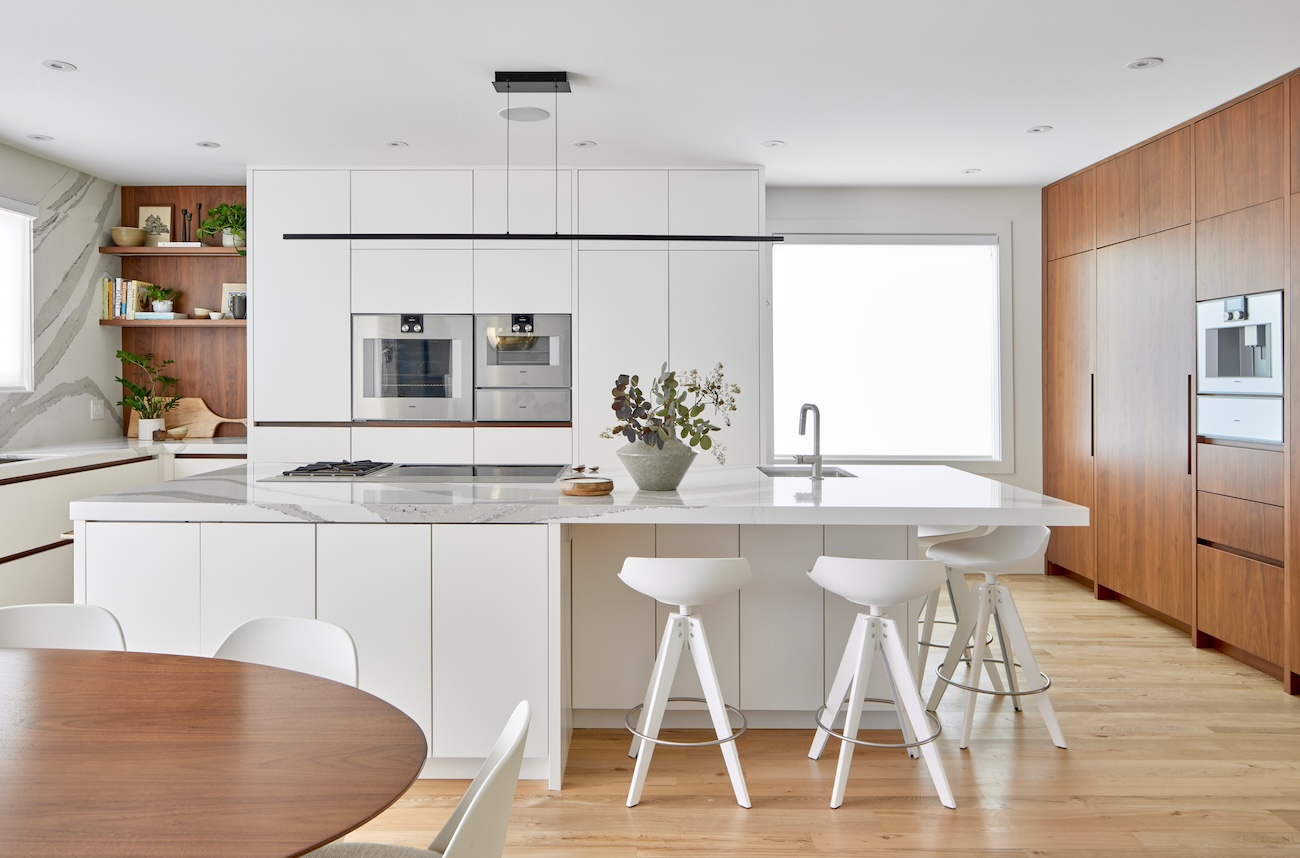
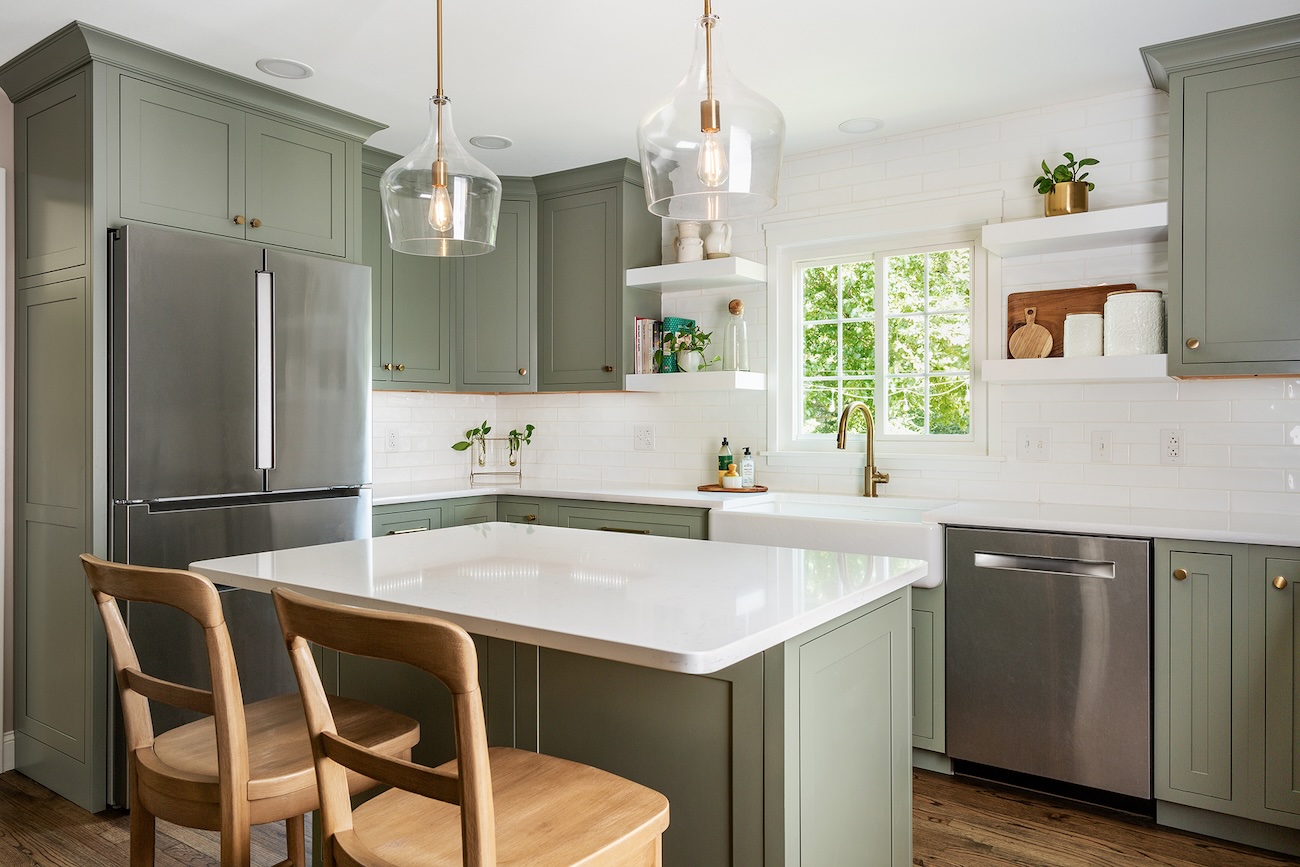
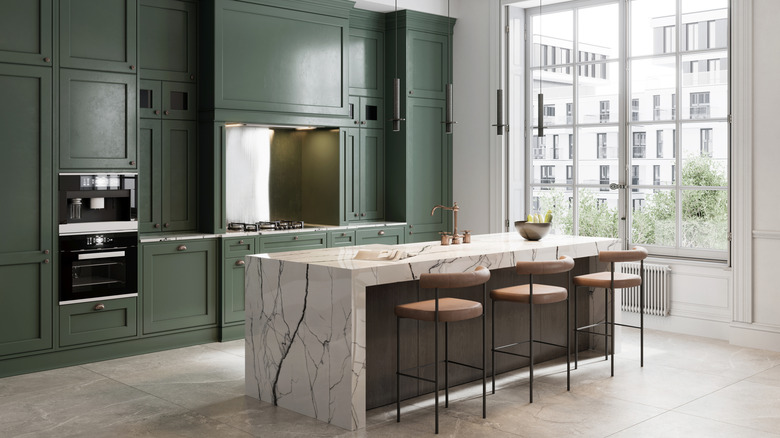
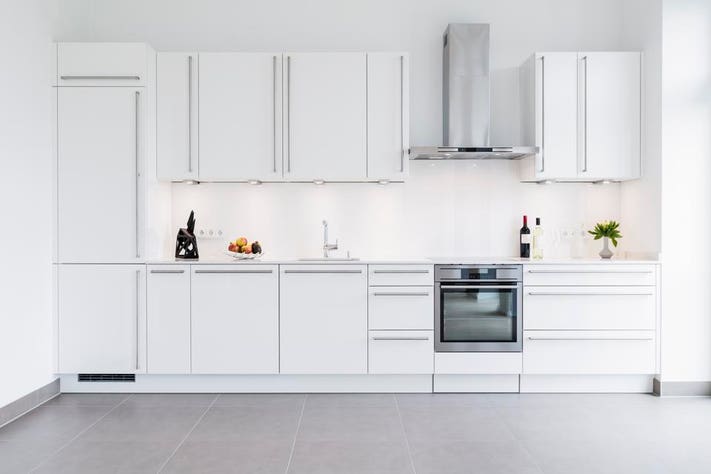
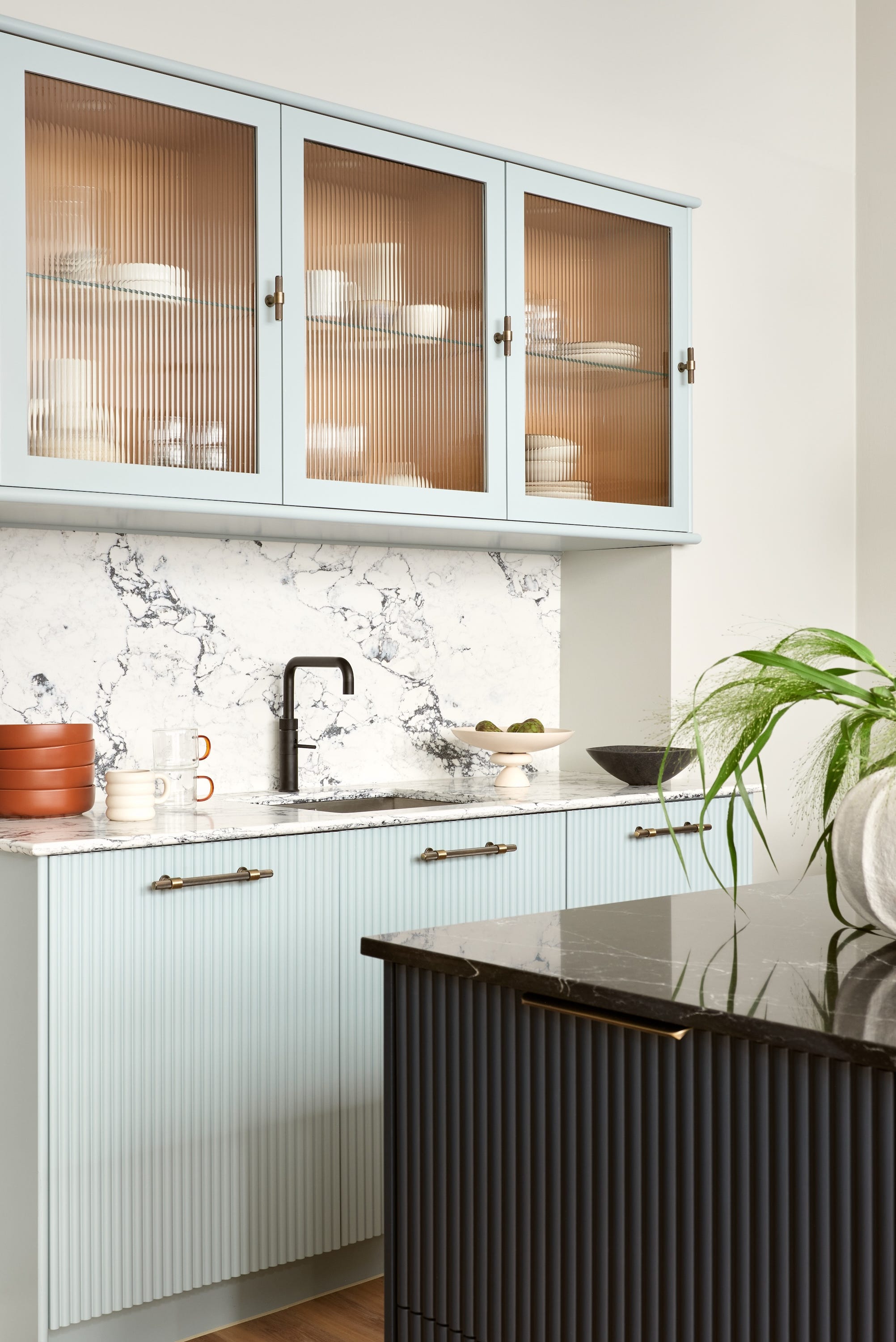
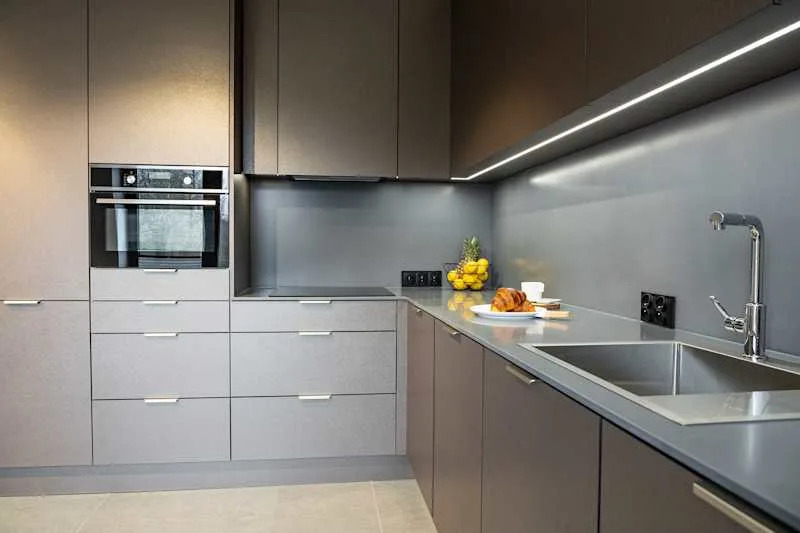
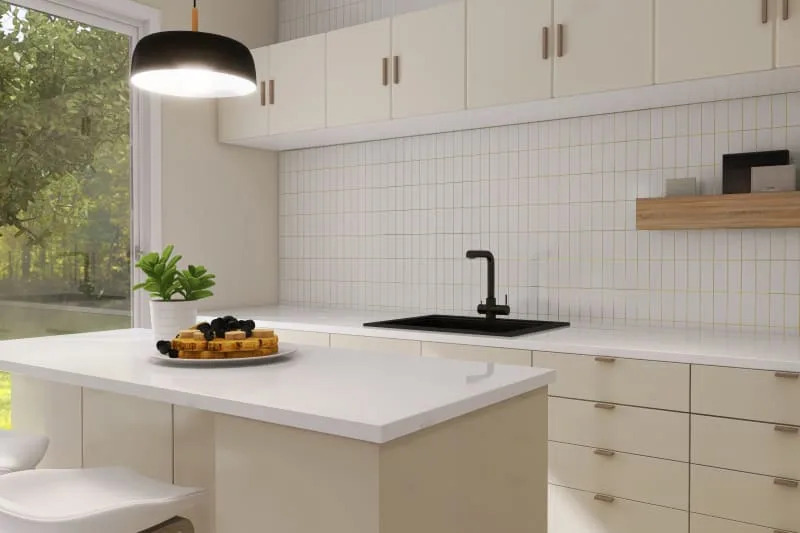
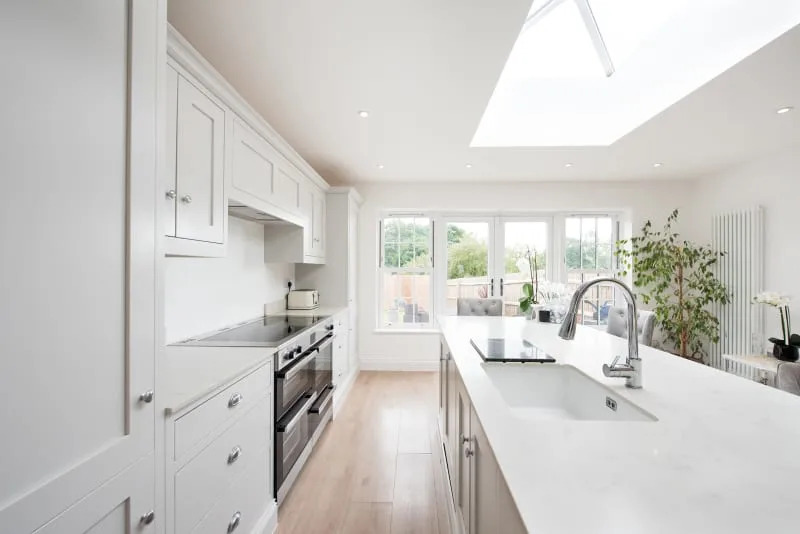
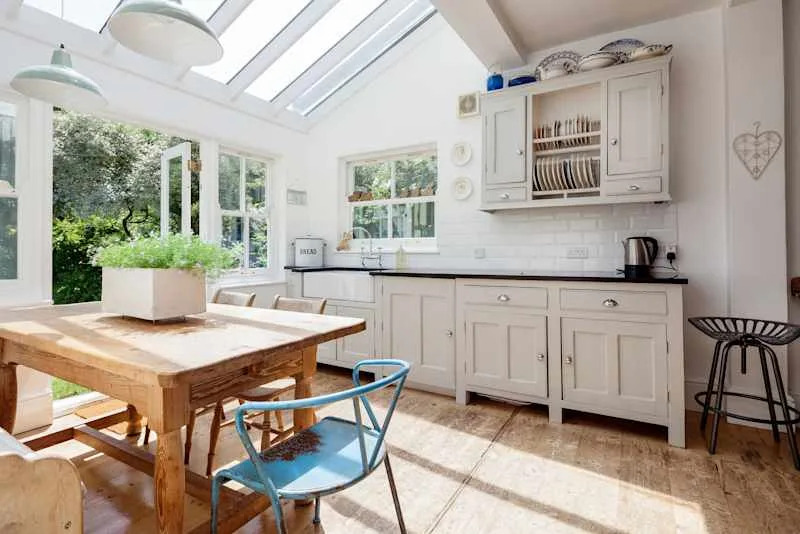
Flat panel cabinets, often handleless, are being replaced by more traditional styles like shaker panel doors. This shift is driven by a desire for increased functionality and a more old-school, artisanal aesthetic reminiscent of vintage British kitchens. The minimalist nature of flat panels is seen as sterile and industrialized, whereas traditional cabinets with visible frames, hinges, and handles offer character and a sense of craftsmanship, allowing homeowners to personalize their spaces away from mass-produced looks.
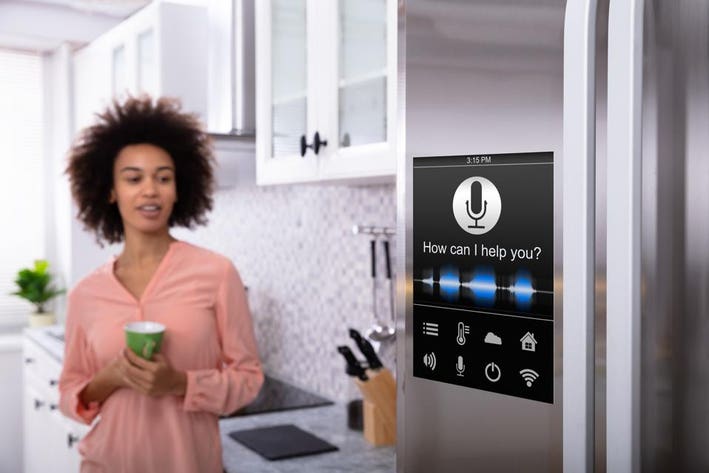
Traditional gas stoves are becoming less favored due to the growing emphasis on energy efficiency and sustainability. Induction cooktops are gaining popularity for their energy efficiency, safety, and precise heating. This move towards greener living extends to other kitchen appliances, with smart refrigerators and water-efficient dishwashers becoming standard. Sustainable material choices, recycled countertops, LED lighting, and water-saving faucet fixes are also key considerations. Smart home technology further aids in monitoring and reducing energy consumption.
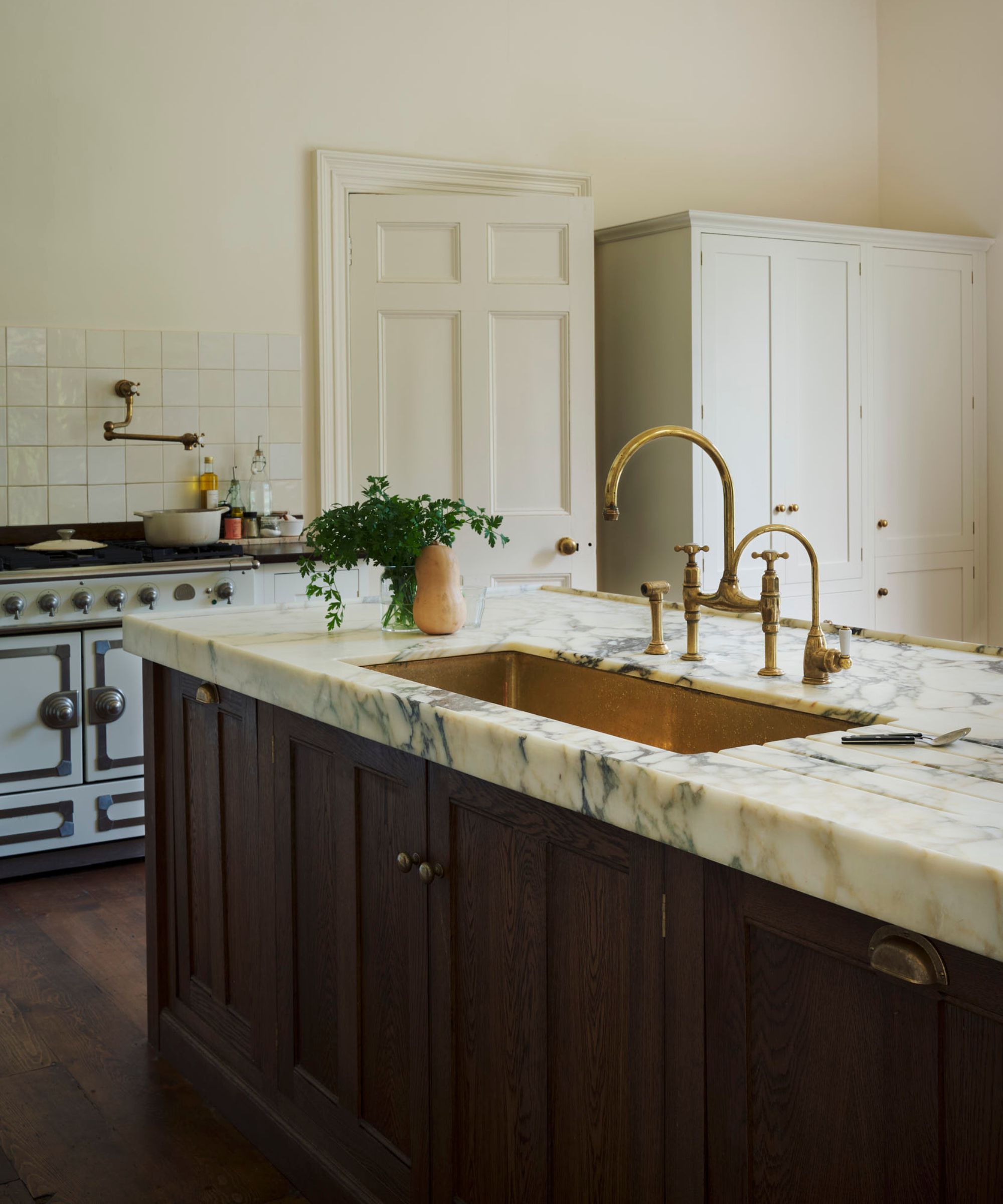
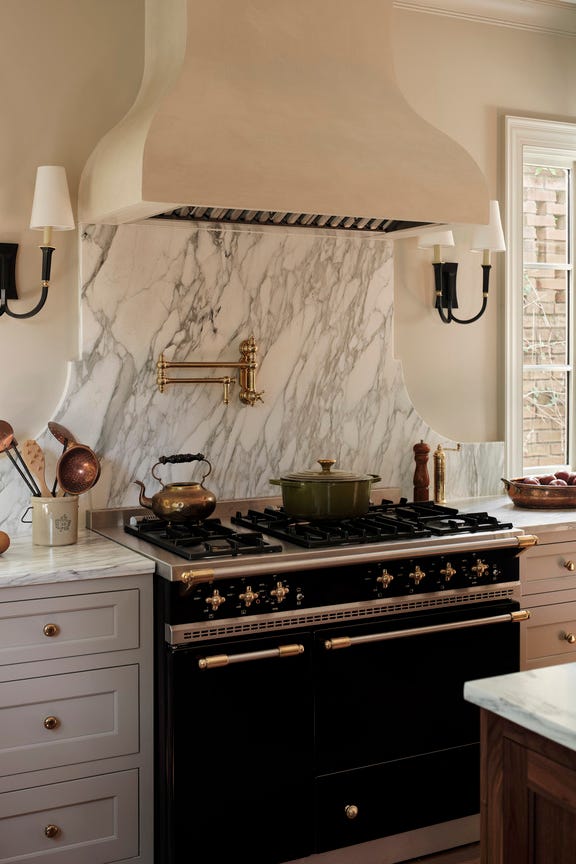
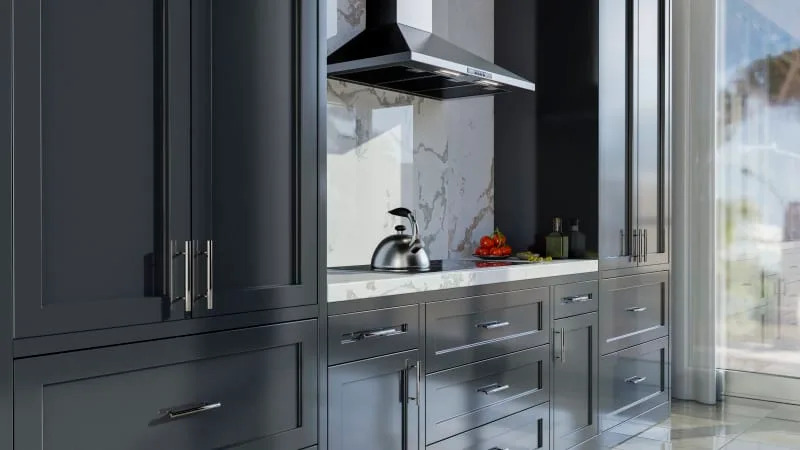
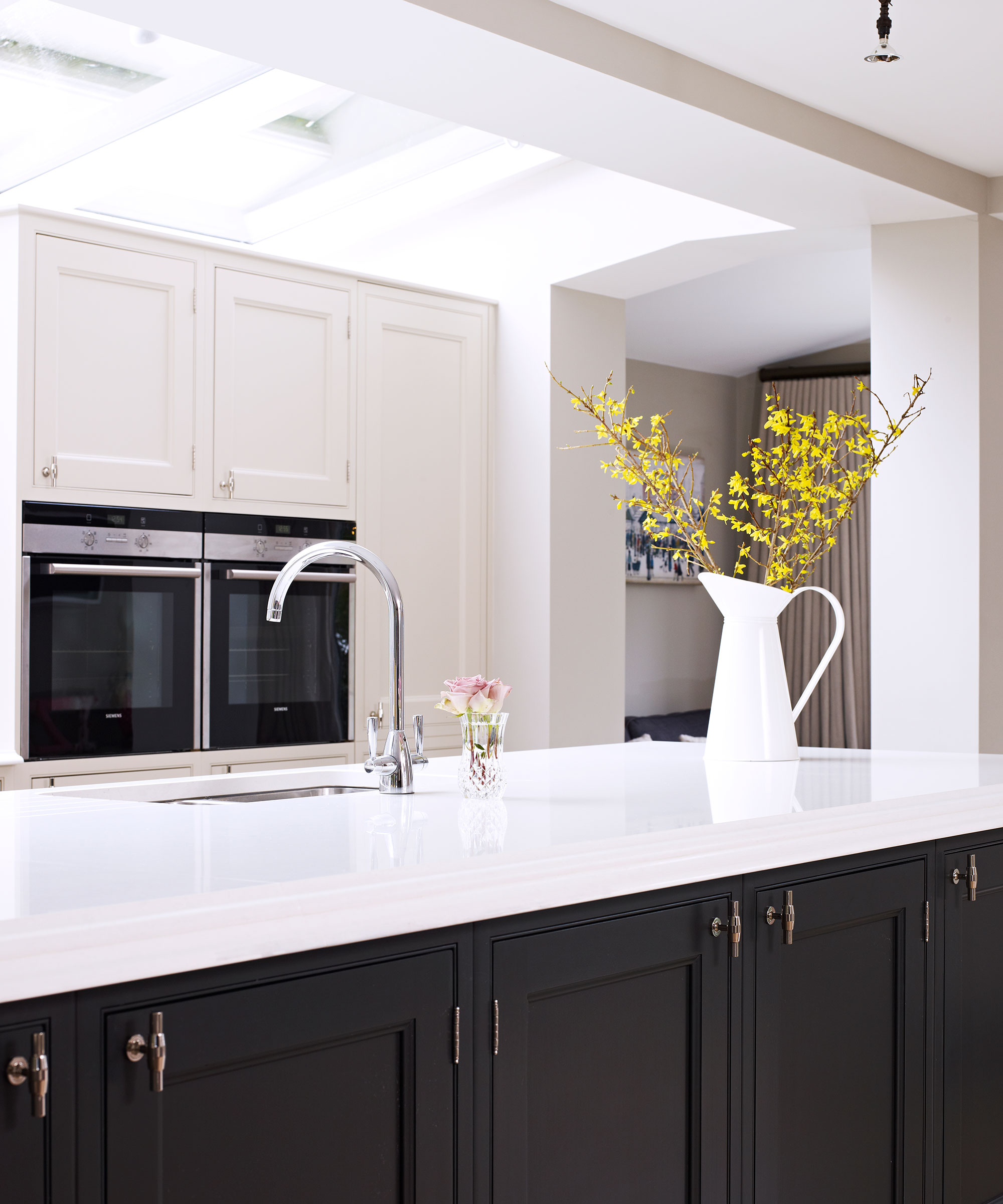
Glossy, high-shine finishes for cabinetry and countertops are losing appeal as they are perceived as cold, overly modern, and sterile, akin to an office environment. Matte finishes, textured woods, and honed stone are preferred for their grounded and sophisticated aesthetic. Furthermore, while matte black hardware was popular, it is being replaced by warmer metals like antique brass and polished nickel, which offer a more timeless feel and are less prone to showing fingerprints.
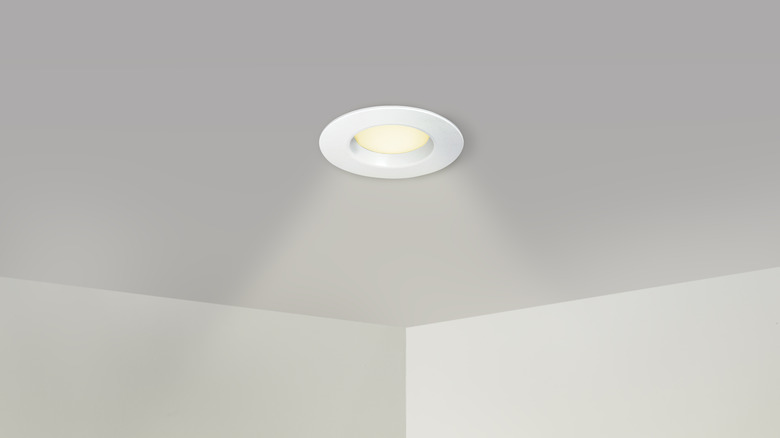
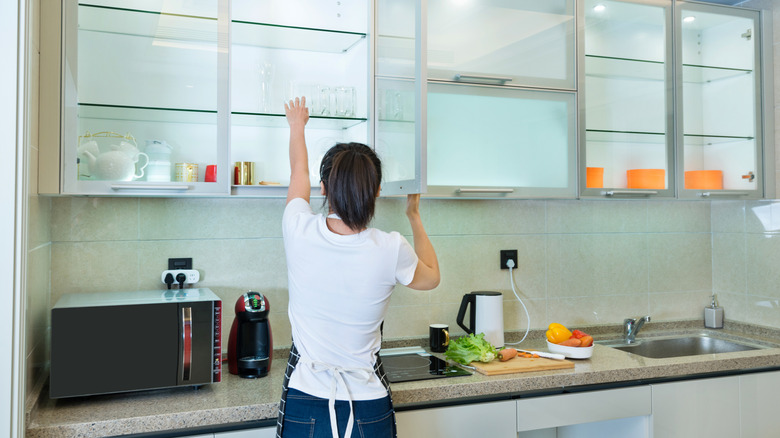
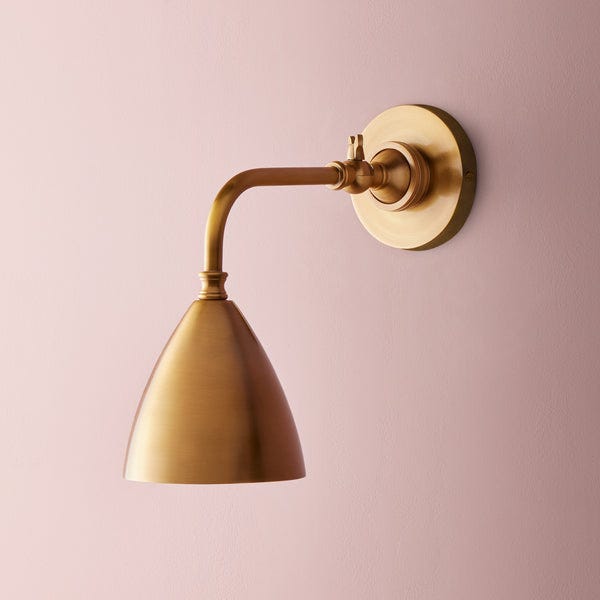
Integrated lighting, such as under-cabinet or in-shelf lighting, is declining in popularity due to its lack of personality and sterile appearance. Homeowners are now gravitating towards individual light fittings with character and patina, allowing for more personalized expression. Aged brass and bronze wall lights, angled to illuminate specific areas, are becoming popular, providing both functionality and aesthetic appeal. This reflects a broader trend of prioritizing both utility and style in kitchen design.
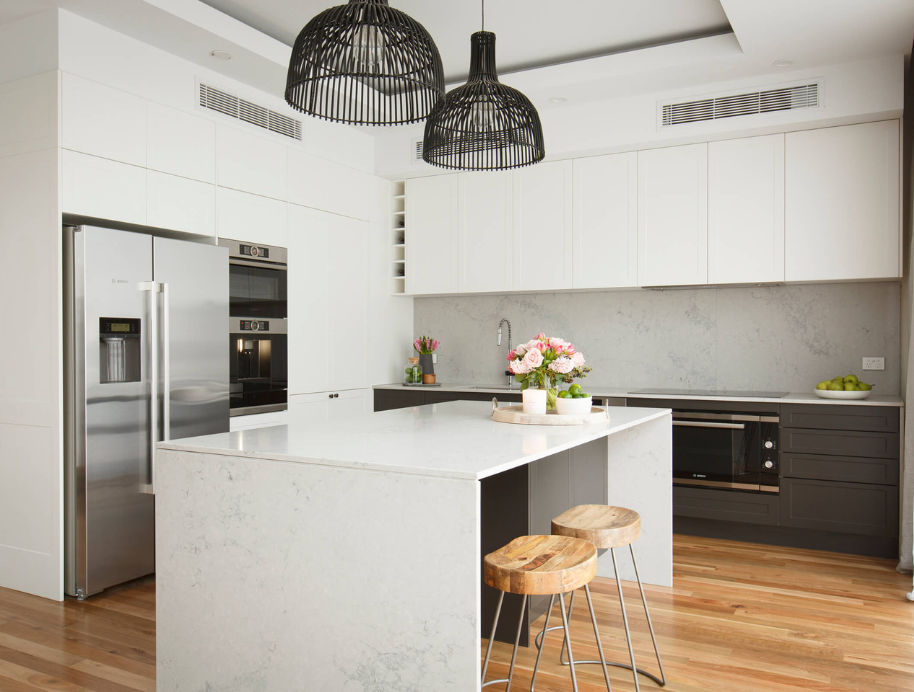
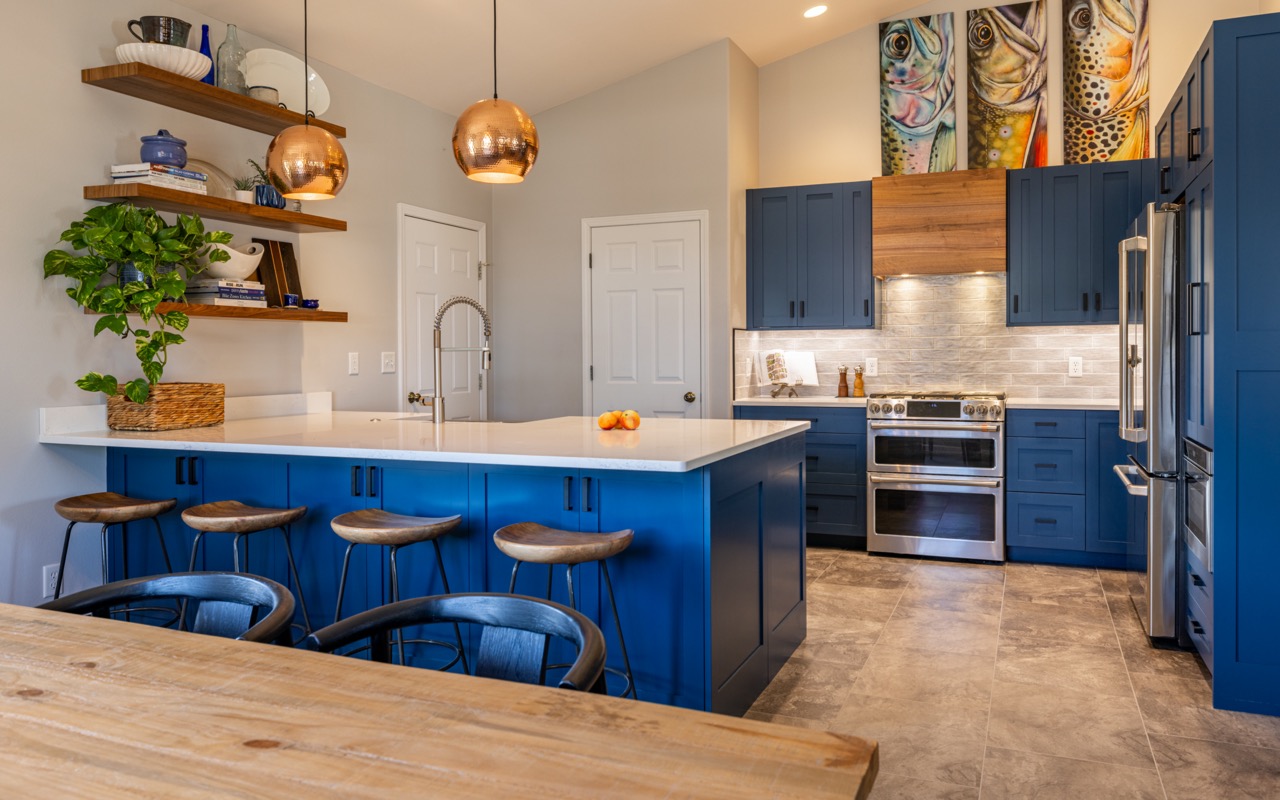
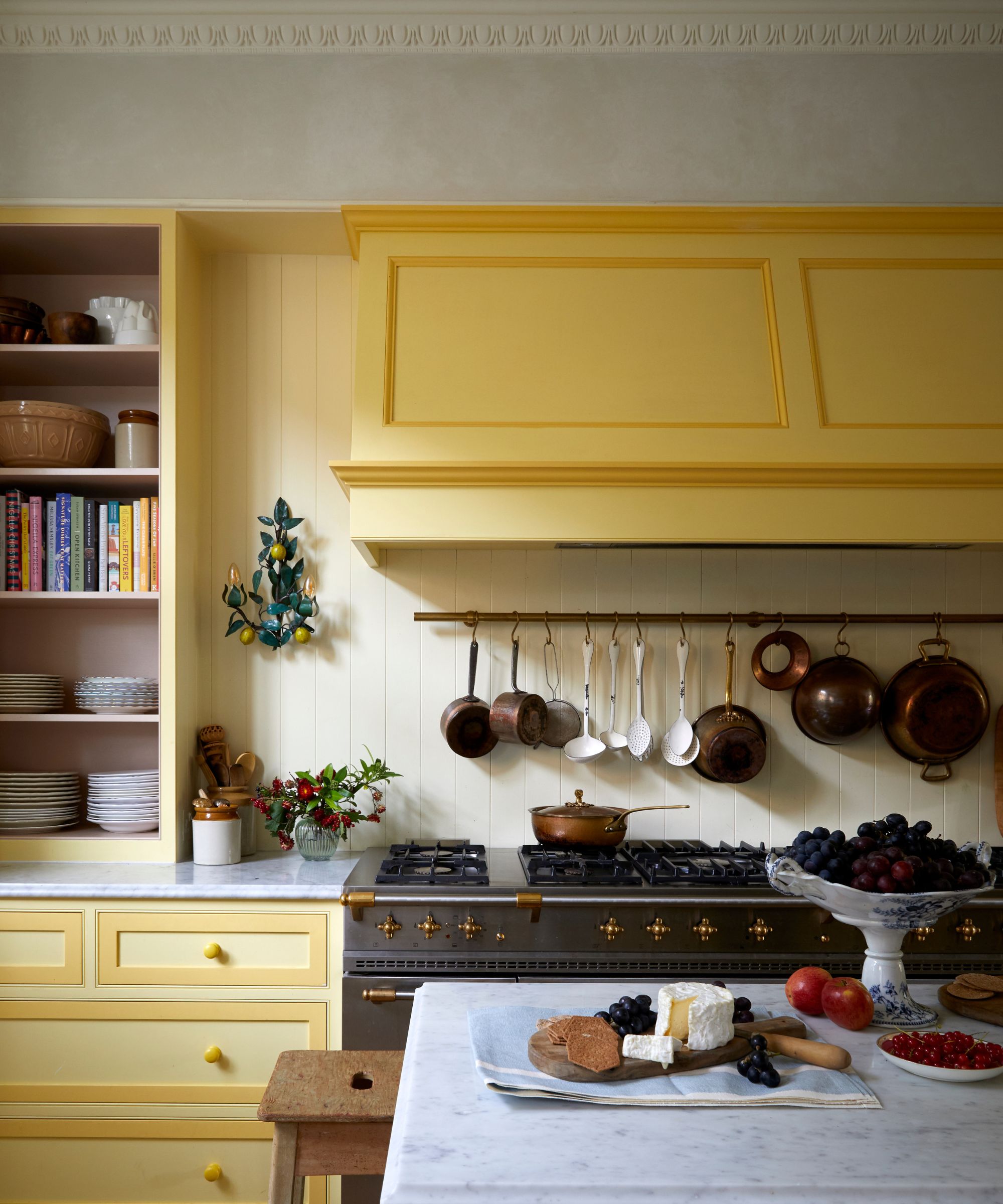

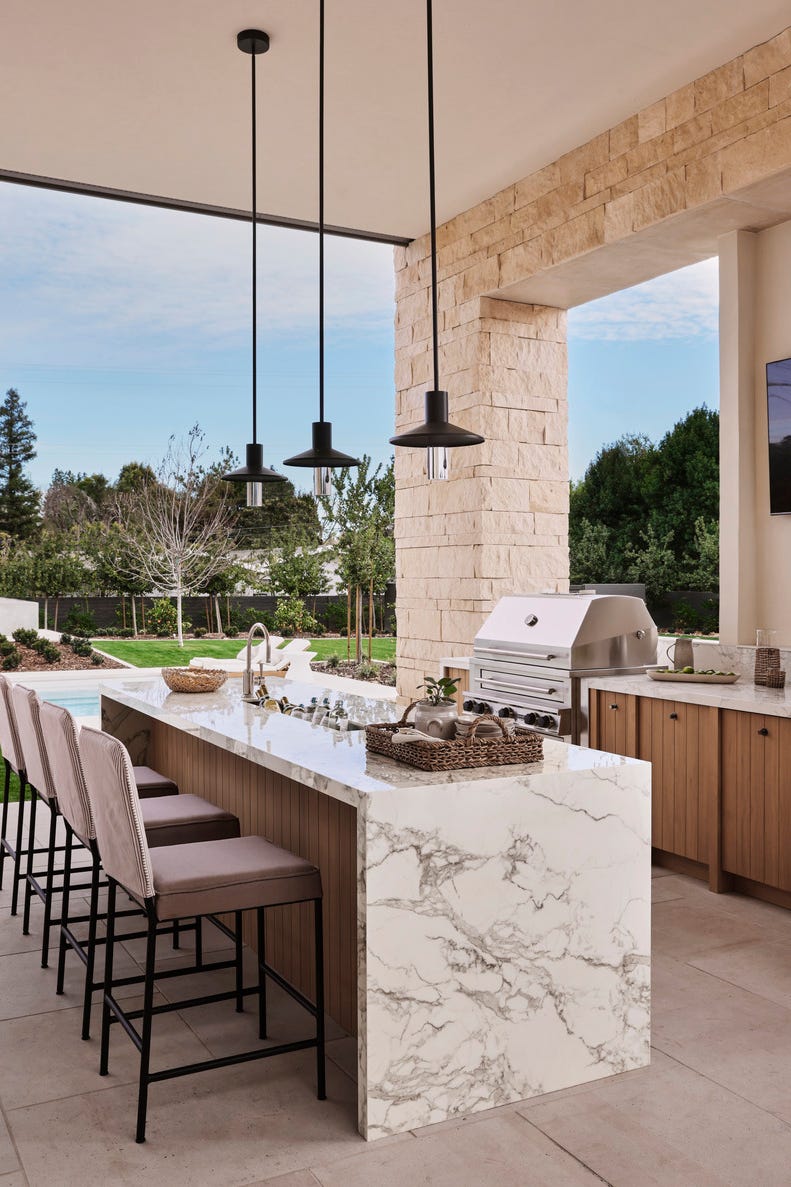
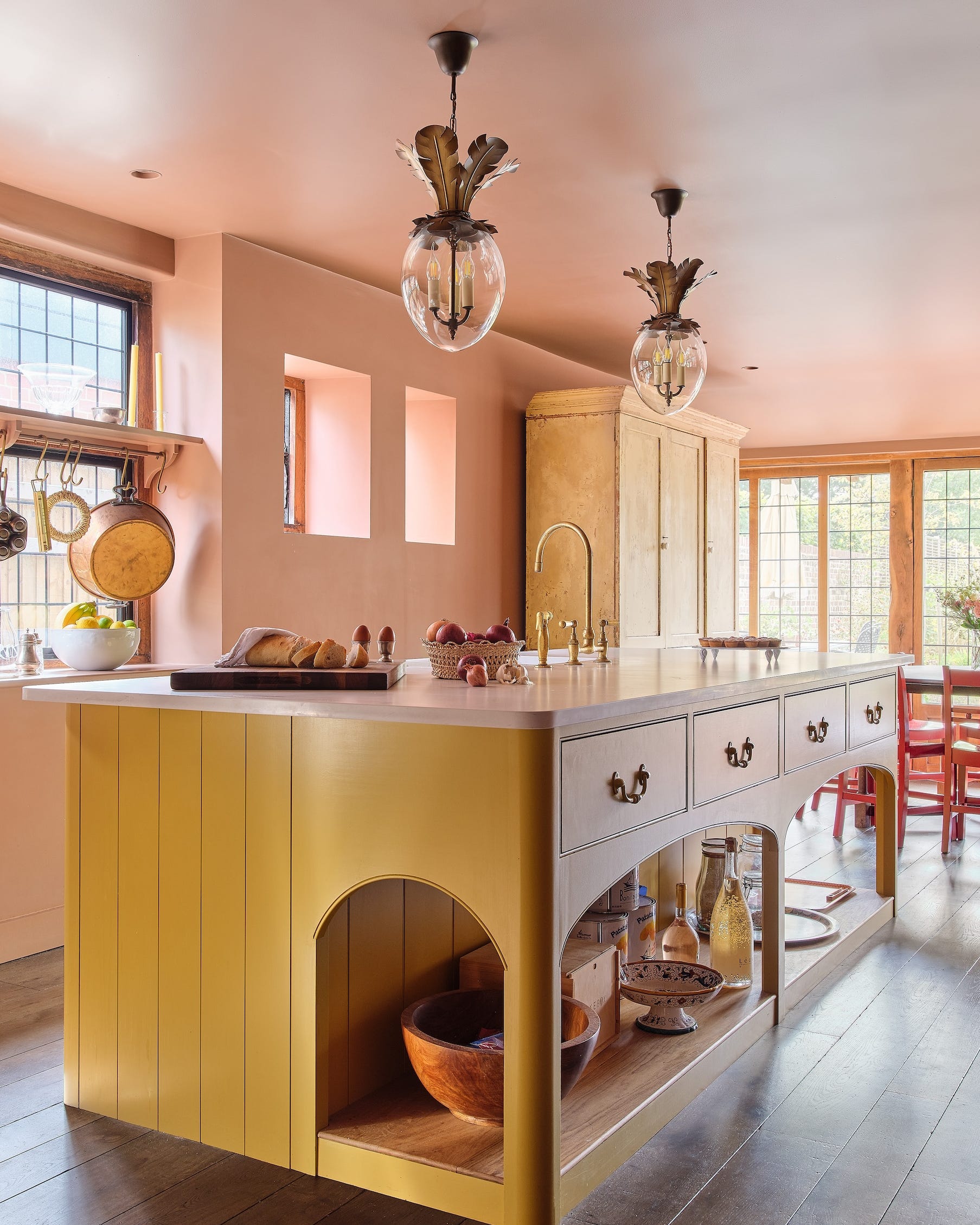
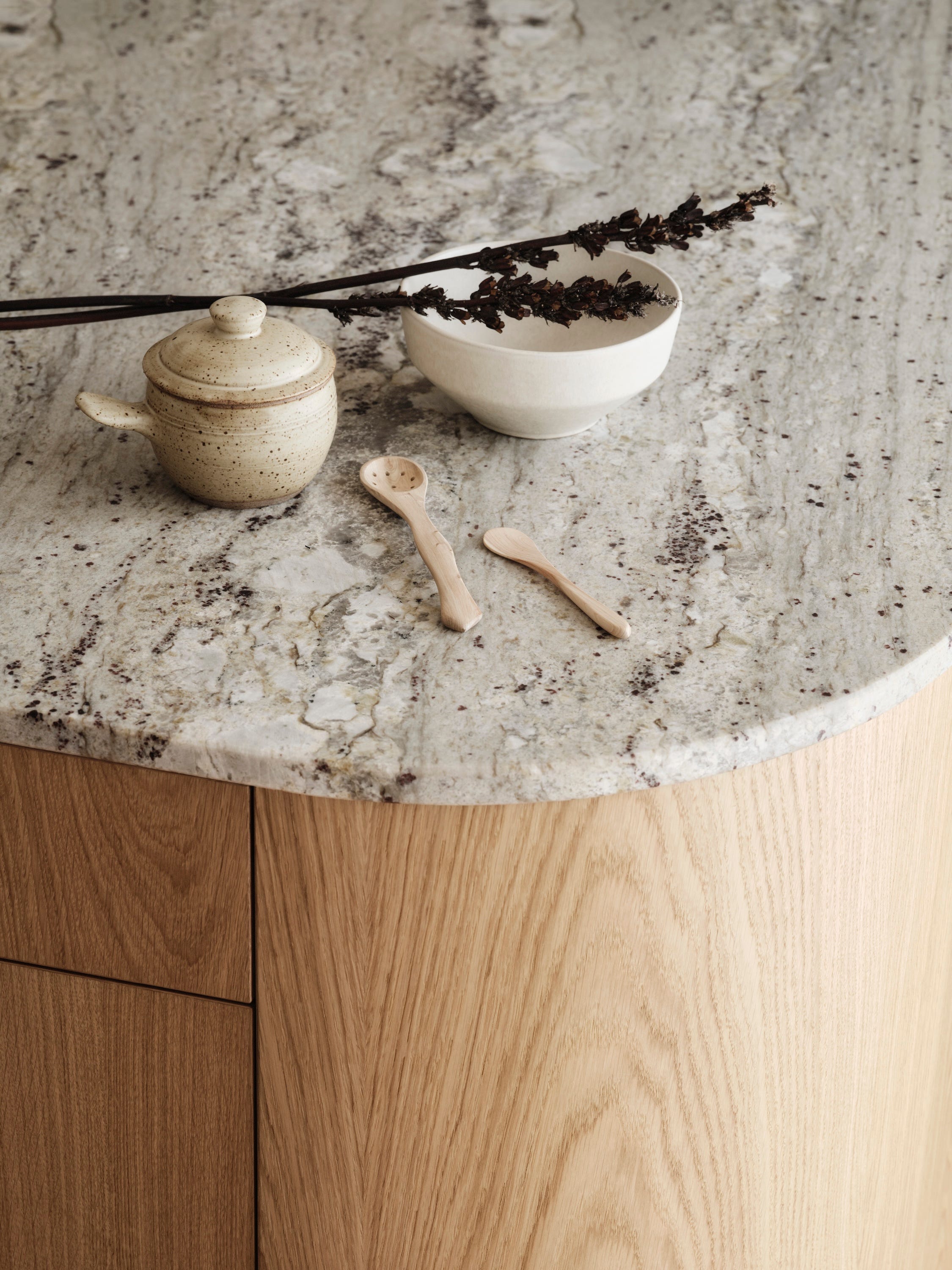
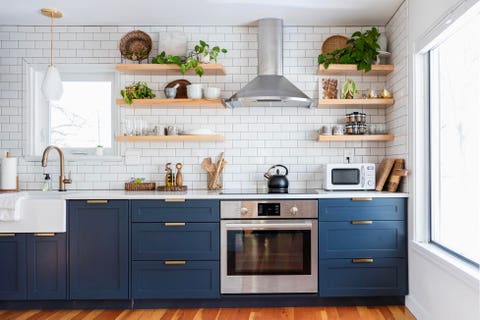
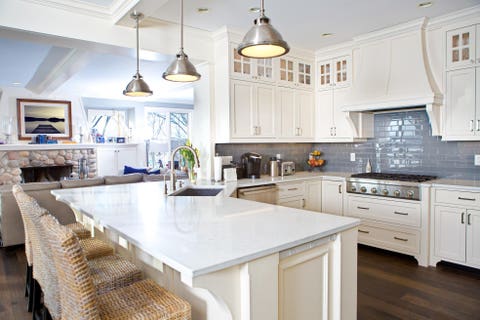
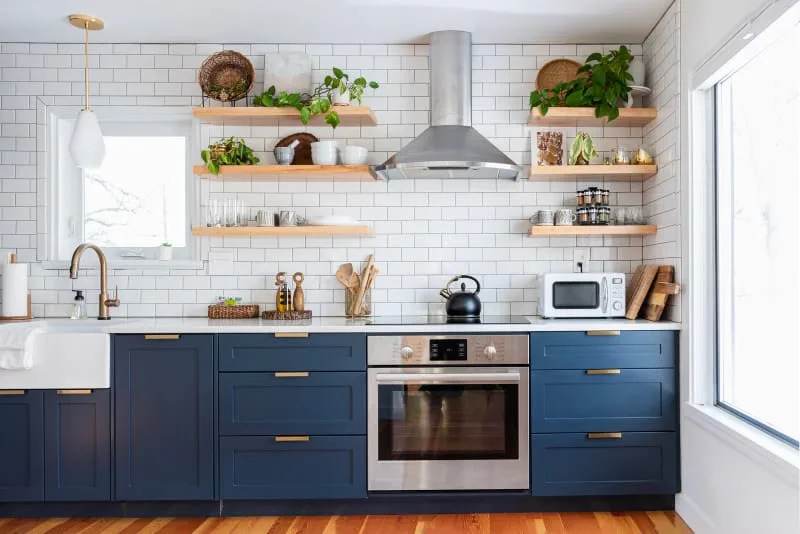
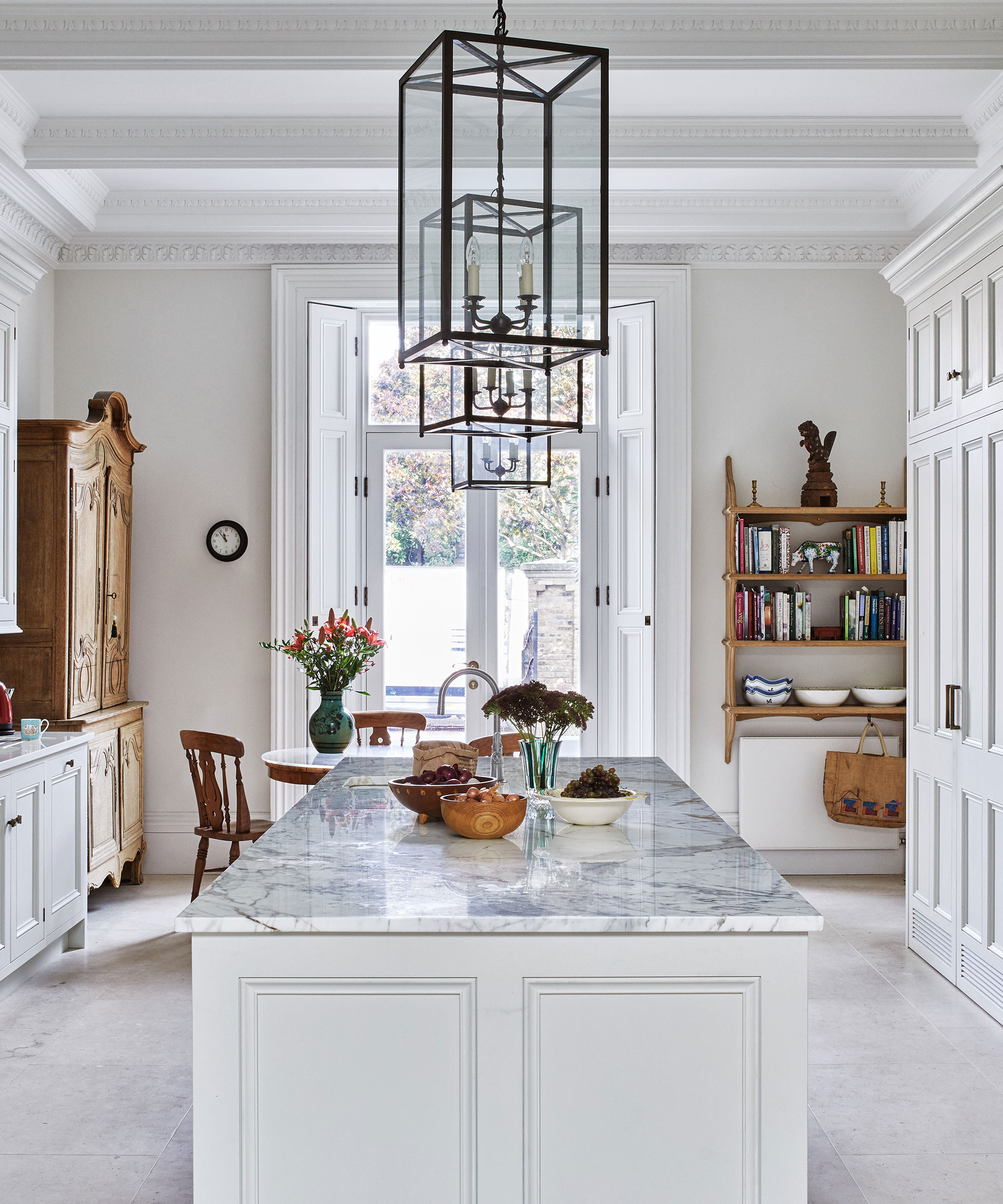
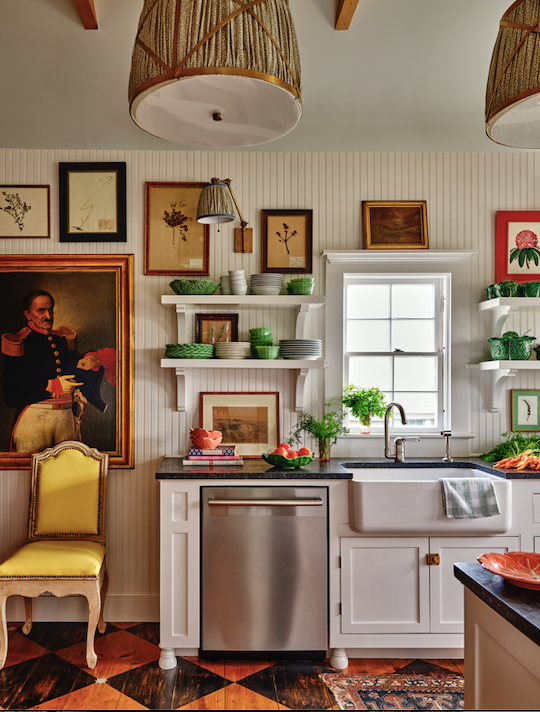
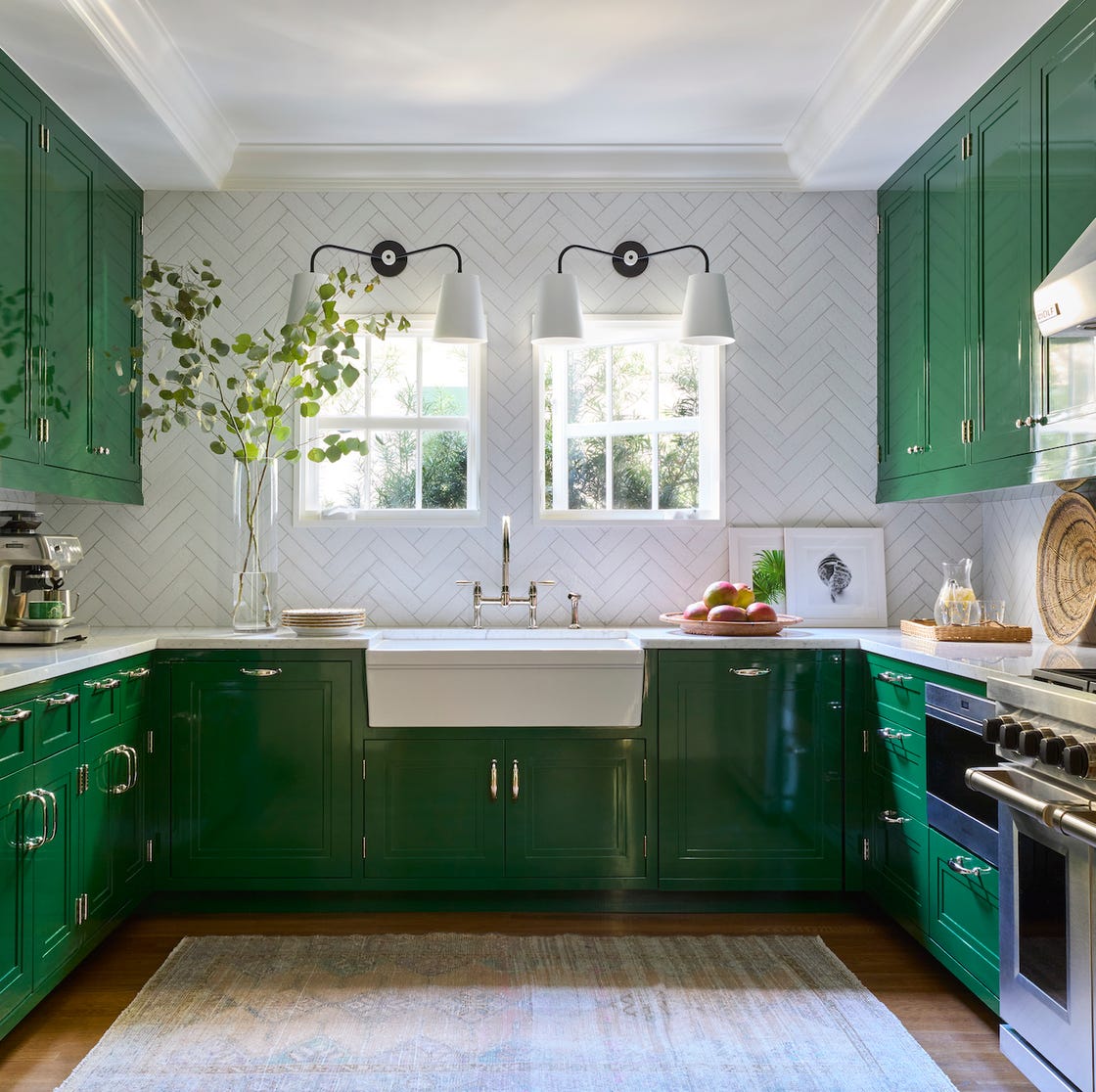
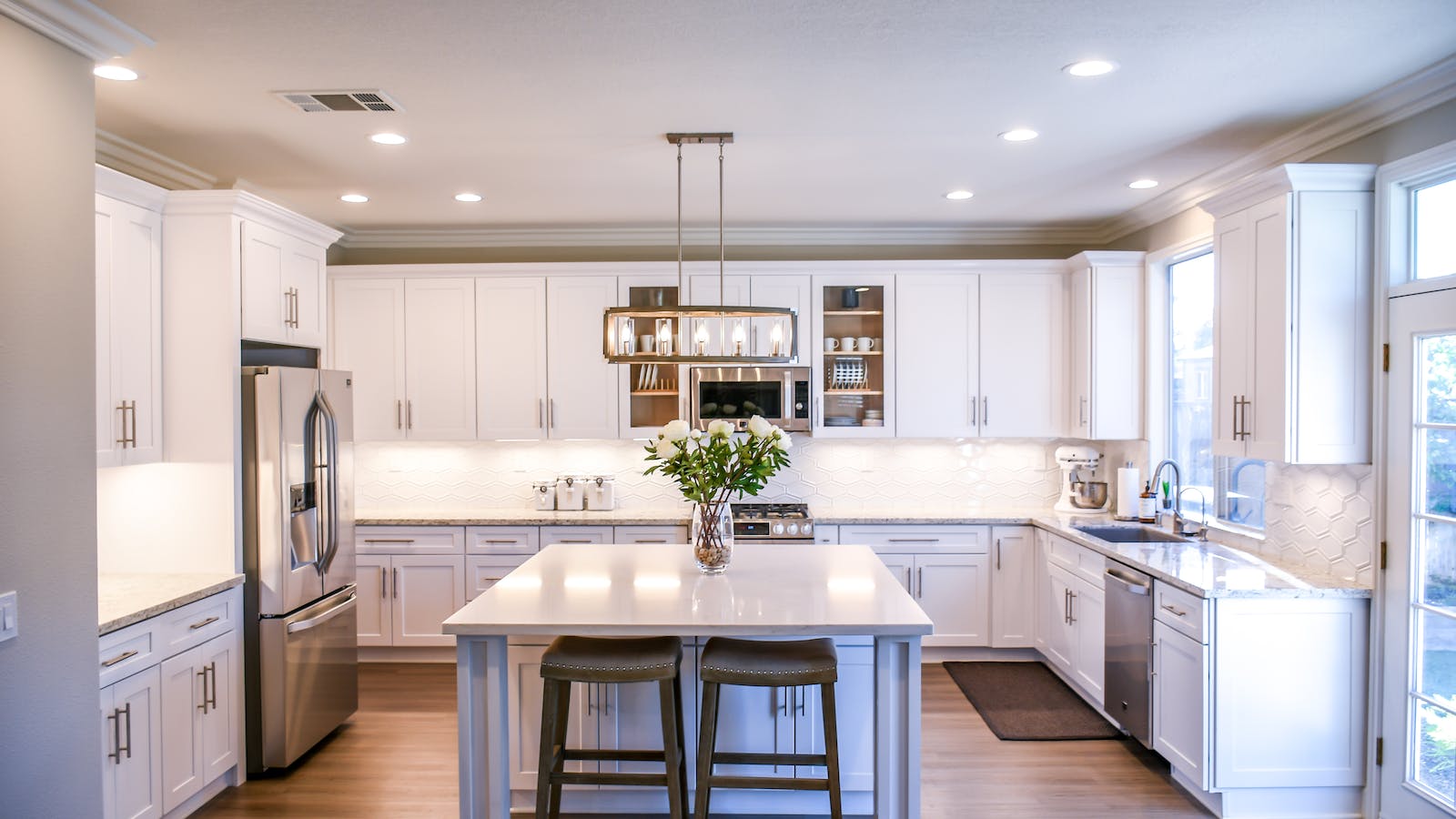
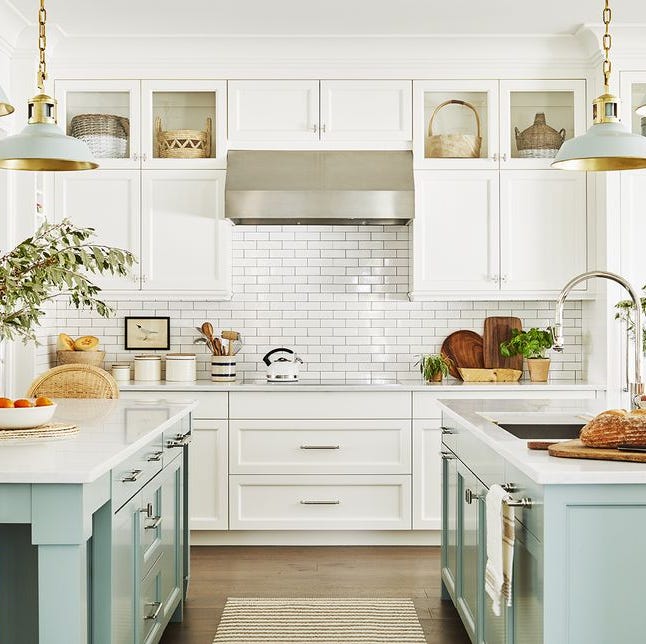
Finally, the all-white kitchen, while classic, is being updated with warmer tones and personality. While white remains a good neutral base, an all-white kitchen can appear sterile if not thoughtfully layered. Designers are incorporating rich, earthy tones, wood finishes, and bold cabinet colors like butter yellow or deep burgundy. For those who prefer white, using warmer, creamier undertones in paint and incorporating bold accents like a colorful island or vivid backsplash tile can modernize the look. Open shelving is also being re-evaluated for its functionality, often seen as a "dust-collecting nightmare" unless used for frequently cycled items or integrated sparingly with closed cabinetry to maintain an airy feel while addressing practical concerns. Lastly, overly veiny quartz countertops are perceived as artificial, with a preference now for natural-looking stone with subtle veining, such as Carrara Marble or soapstone, which offer a more authentic and timeless aesthetic.
#KitchenTrends #InteriorDesign #HomeRenovation #KitchenDesign #SustainableLiving #DesignFads #ModernKitchen #HomeDecor #KitchenAppliances #KitchenTrends #InteriorDesign #HomeRenovation #KitchenDesign #SustainableLiving #DesignFads #ModernKitchen #HomeDecor #KitchenAppliances
0 comment in total
 No comments yet
You may also like
Kitchen Trends in 2025
10 Kitchen Design Trends Going Out Of Style In 2025

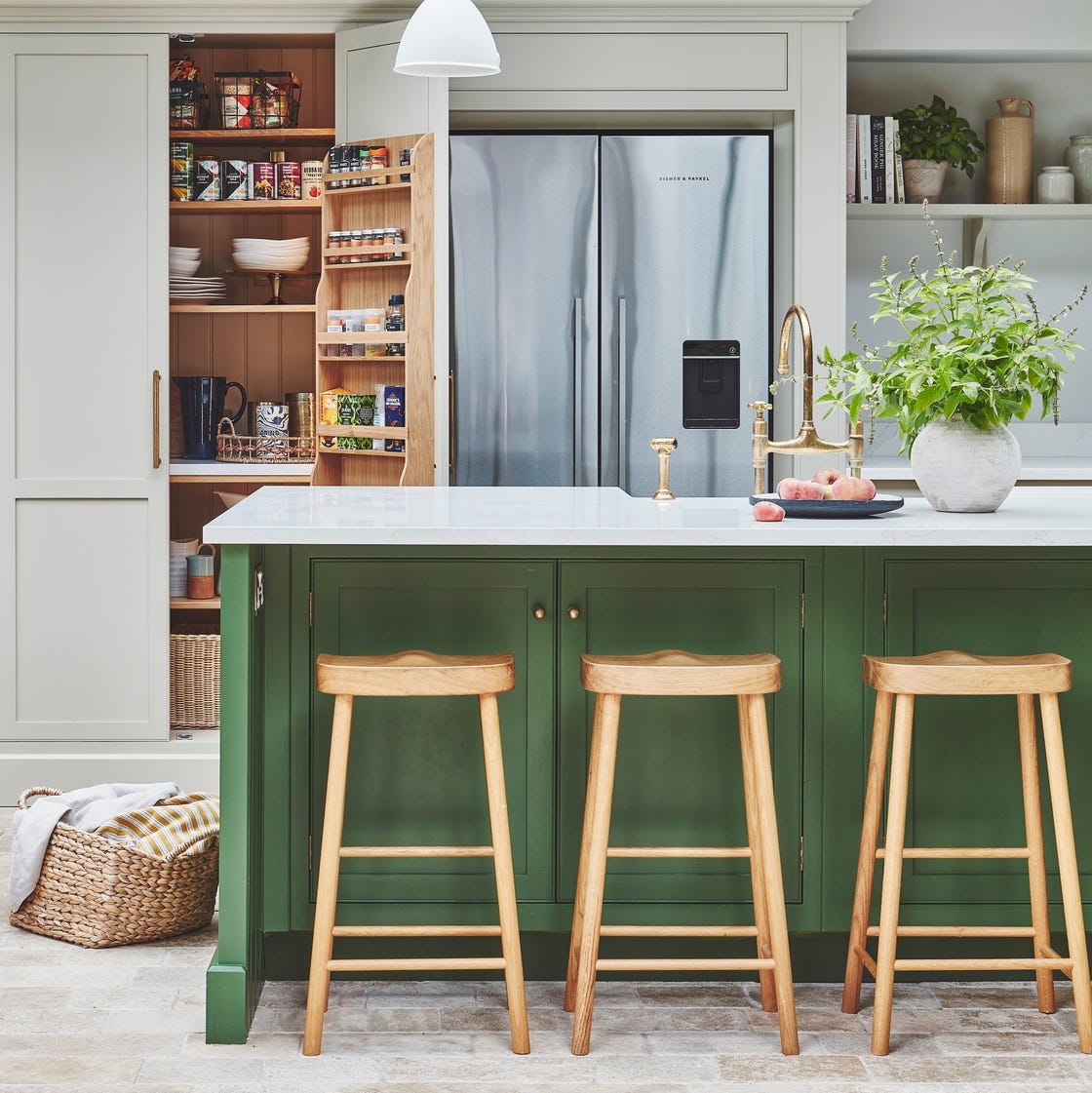
20 kitchen design trends you'll see everywhere in 2025, according to experts

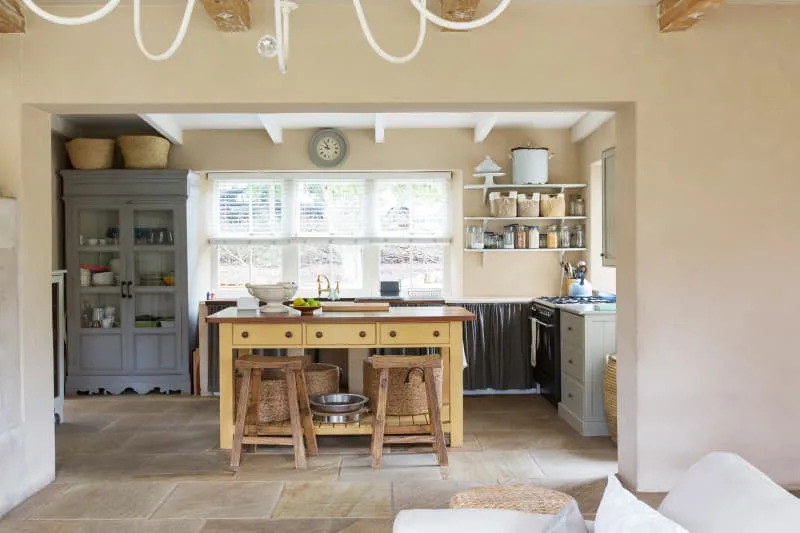
Farmhouse Kitchens Are Officially Out — These Are the Trends Taking Their Place in 2025

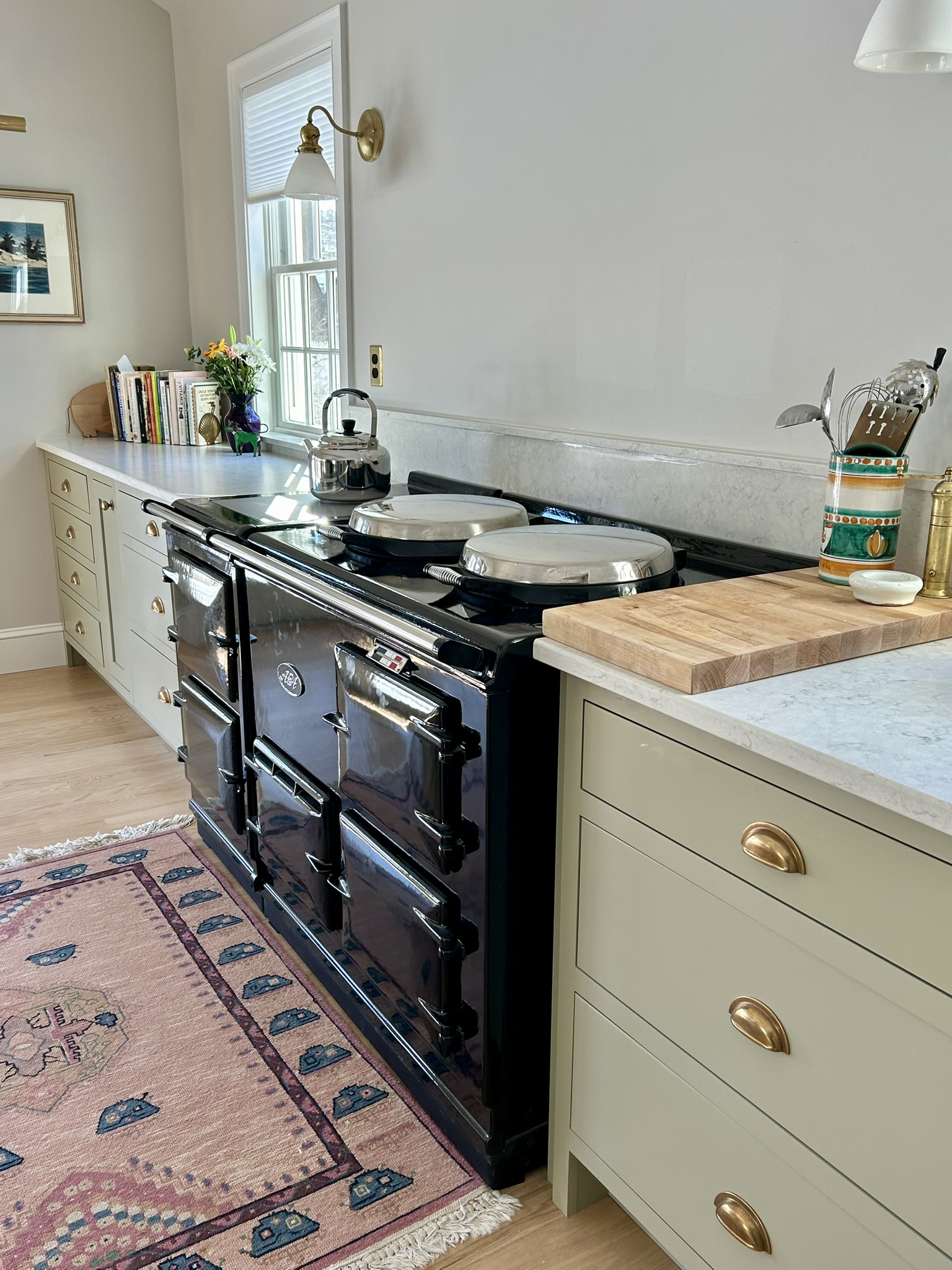
Kitchen Trends 2025: What’s In, What’s Out
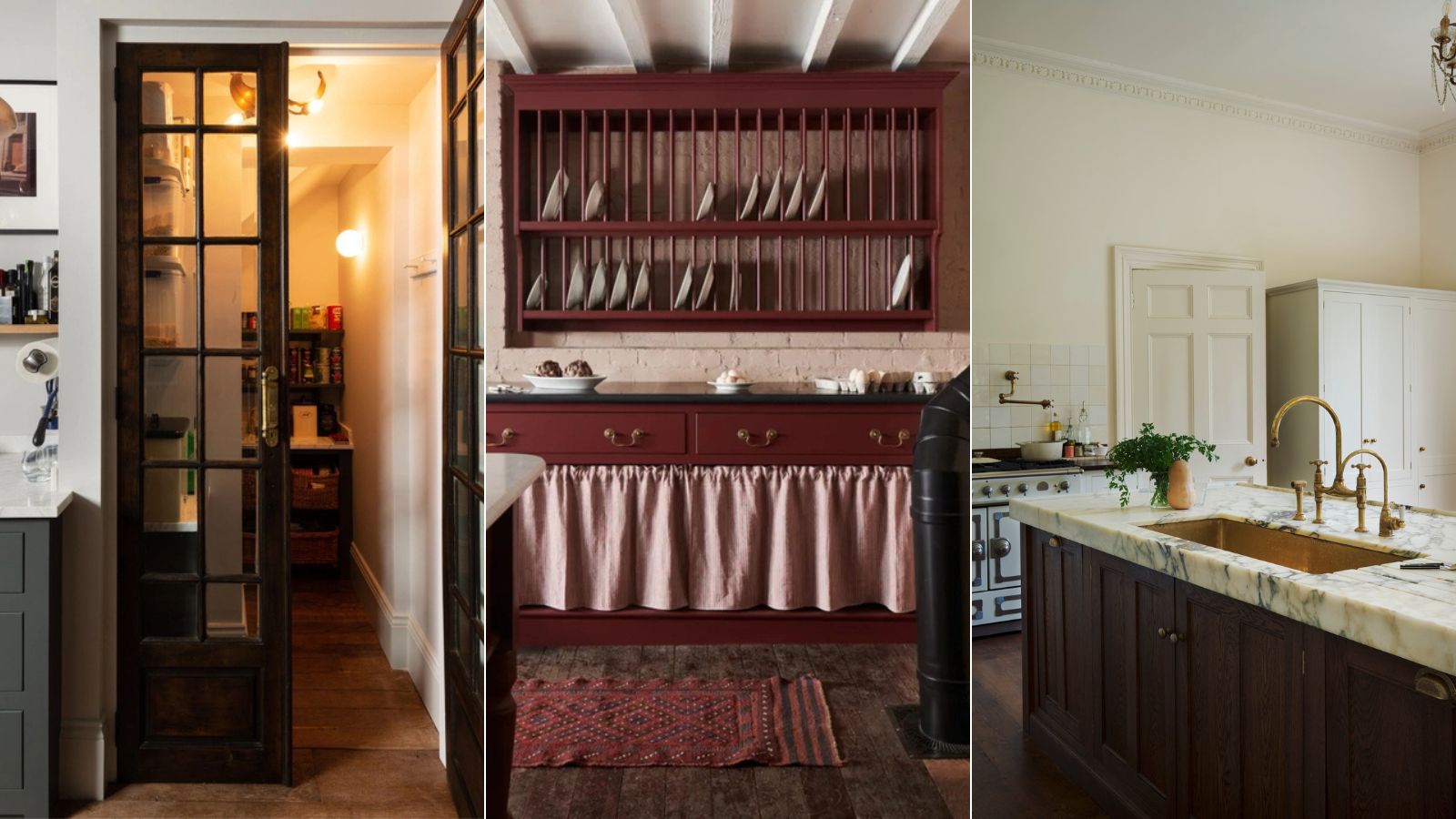
8 dated kitchen trends making a comeback in 2025

The Kitchen Hardware Trend on Its Way Out in 2025 (and the ’90s Finish That’s Taking Its Place!)

5 Kitchen Fads That Will Disappear In 2026

13 Kitchen Trends That We Are Following In 2025

6 Kitchen Trends Definitely on Their Way Out in 2025, According to Designers
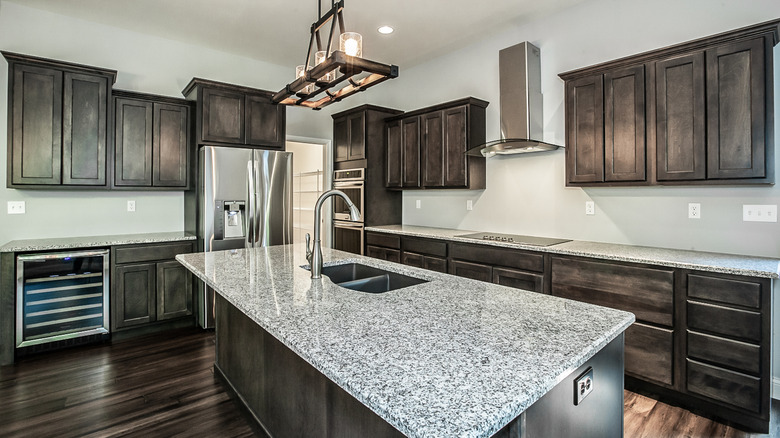
10 Kitchen Trends On The Way Out In 2026

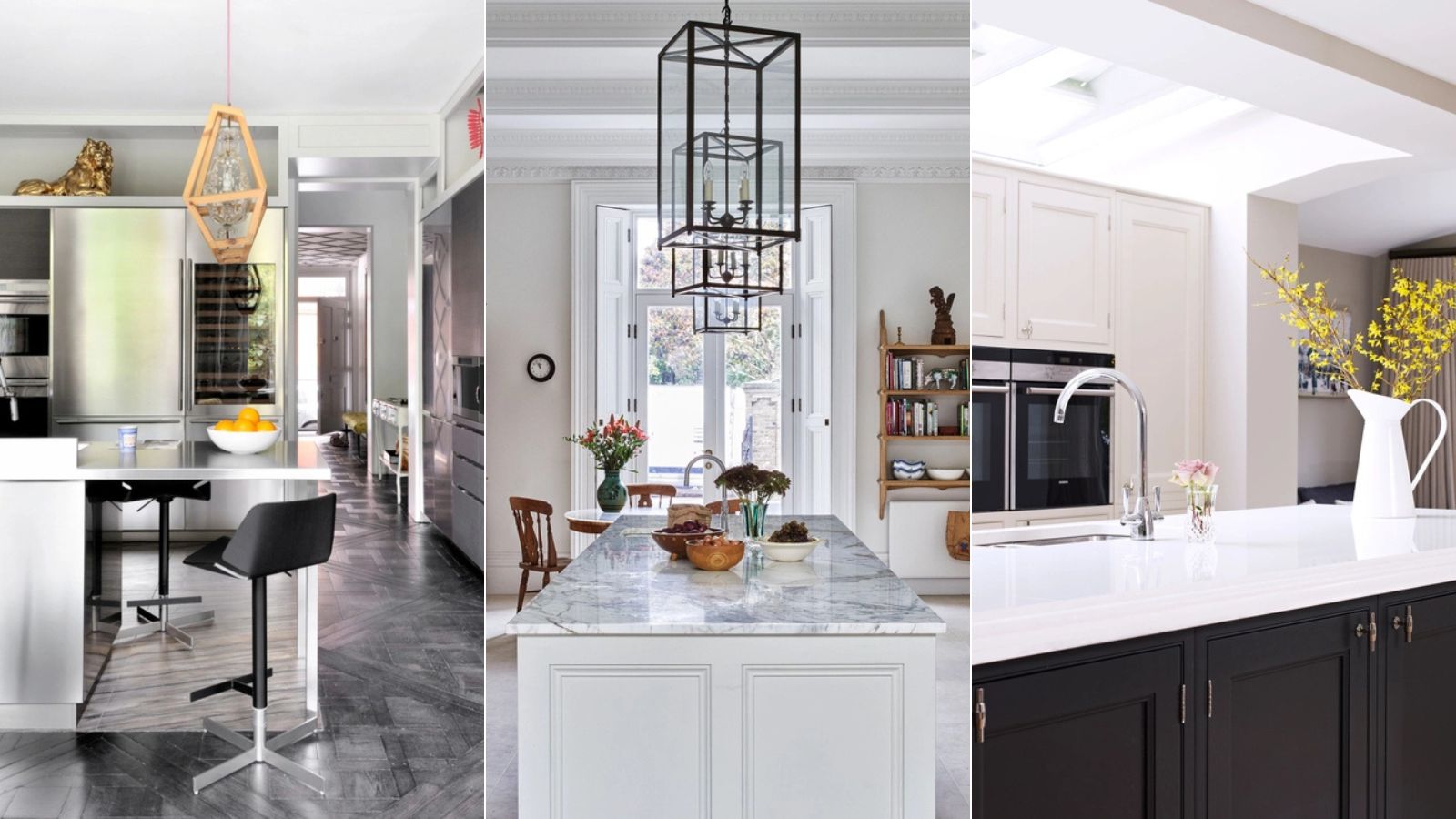
6 outdated kitchen countertop trends to leave behind in 2025
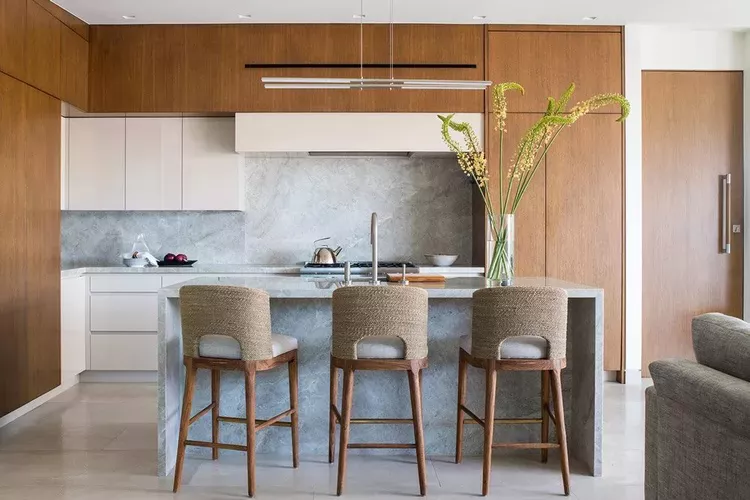
7 Kitchen Trends You're About to See Everywhere in 2025, According to Designers

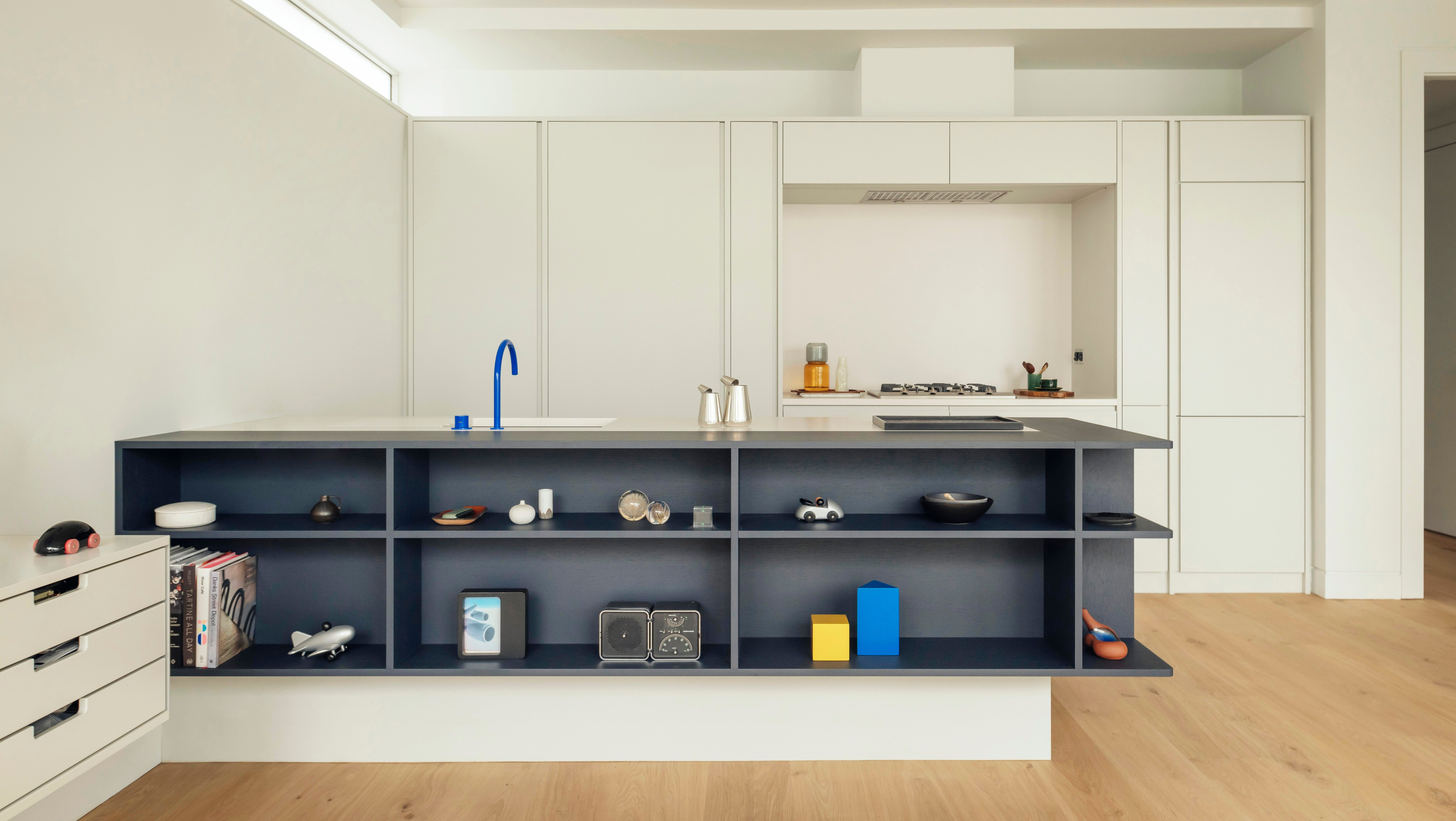
The big kitchen trends of 2025 explained by top designers

5 Kitchen Design Trends Going Away In 2026

8 Kitchen Trends Designers Predict Will Be Everywhere in 2025

8 Kitchen Trends for 2025
20 Kitchen Design Trends You’ll See Everywhere in 2025, According to Experts
6 Kitchen Trends on Their Way Out in 2025, According to Designers
7 Kitchen Renovation Trends That Are Taking Over 2025, According to Designers