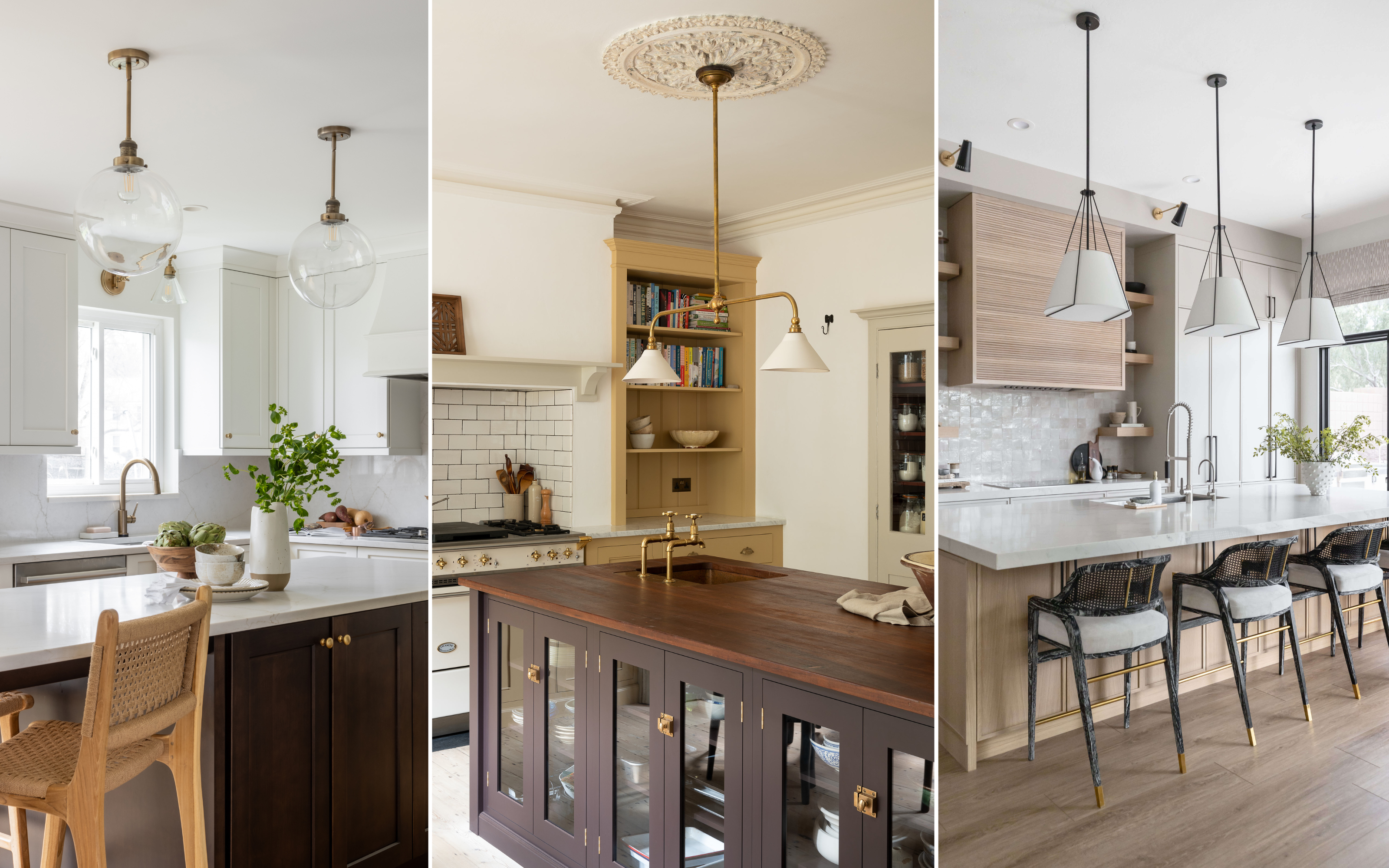
1/10
9 outdated kitchen lighting trends designers urge you to avoid, plus what to try instead
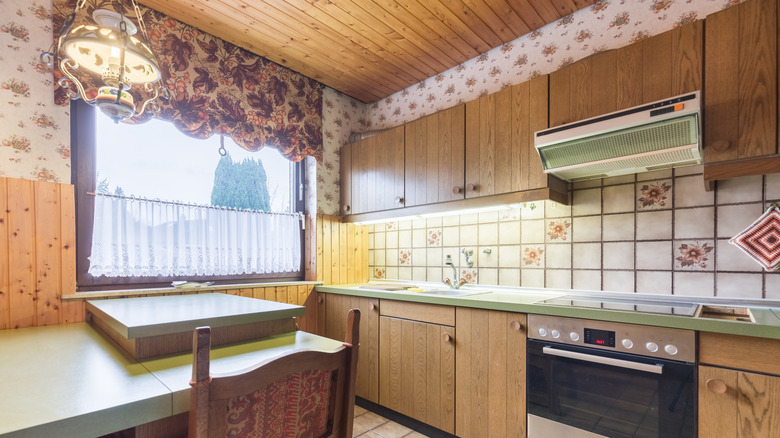
Effective kitchen lighting requires a balance of style and practicality, providing sufficient illumination for cooking while creating a warm and inviting atmosphere. However, certain lighting trends can quickly render a kitchen aesthetically dated. This article outlines nine such outdated kitchen lighting trends identified by designers and offers contemporary alternatives to ensure a stylish and functional space.
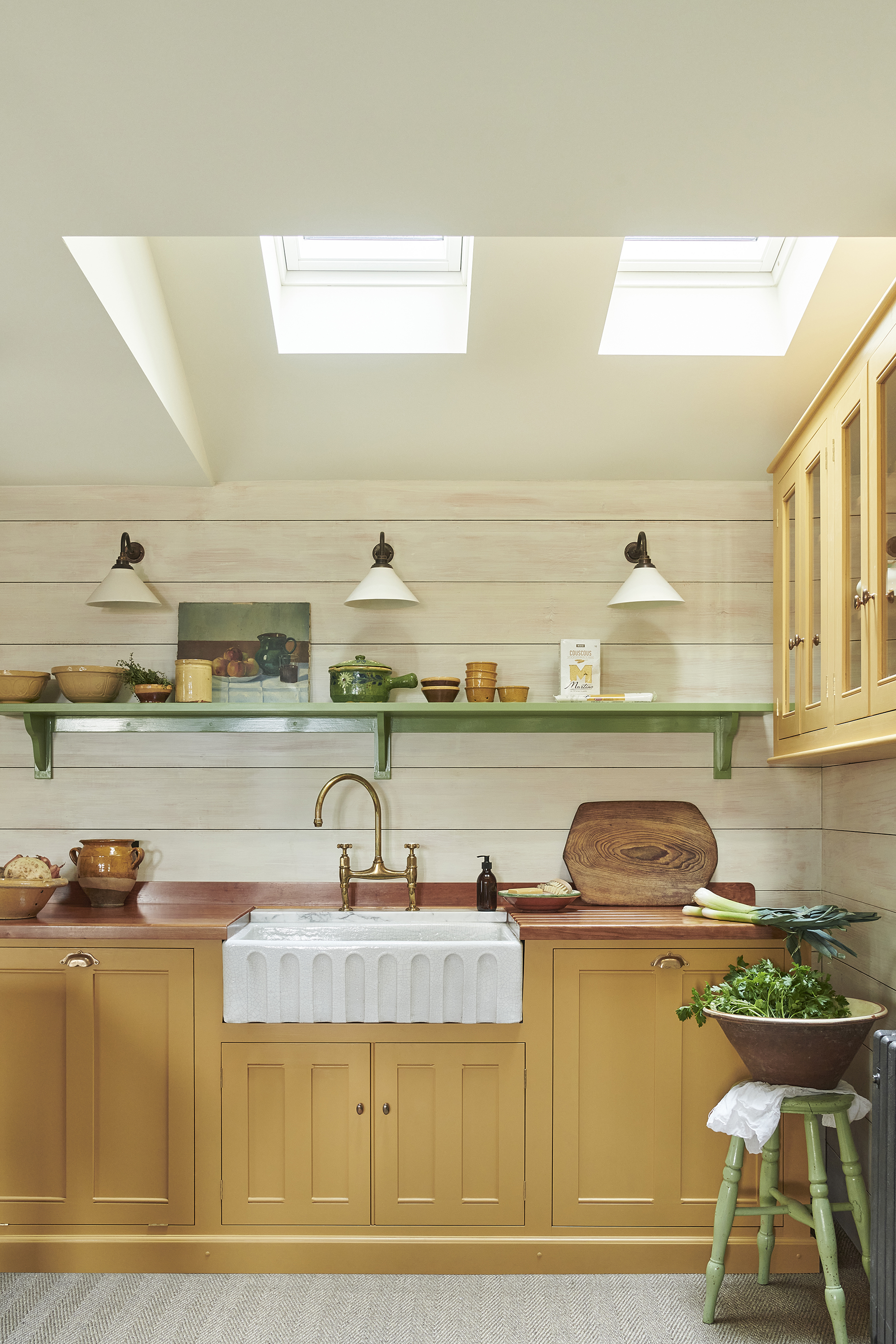
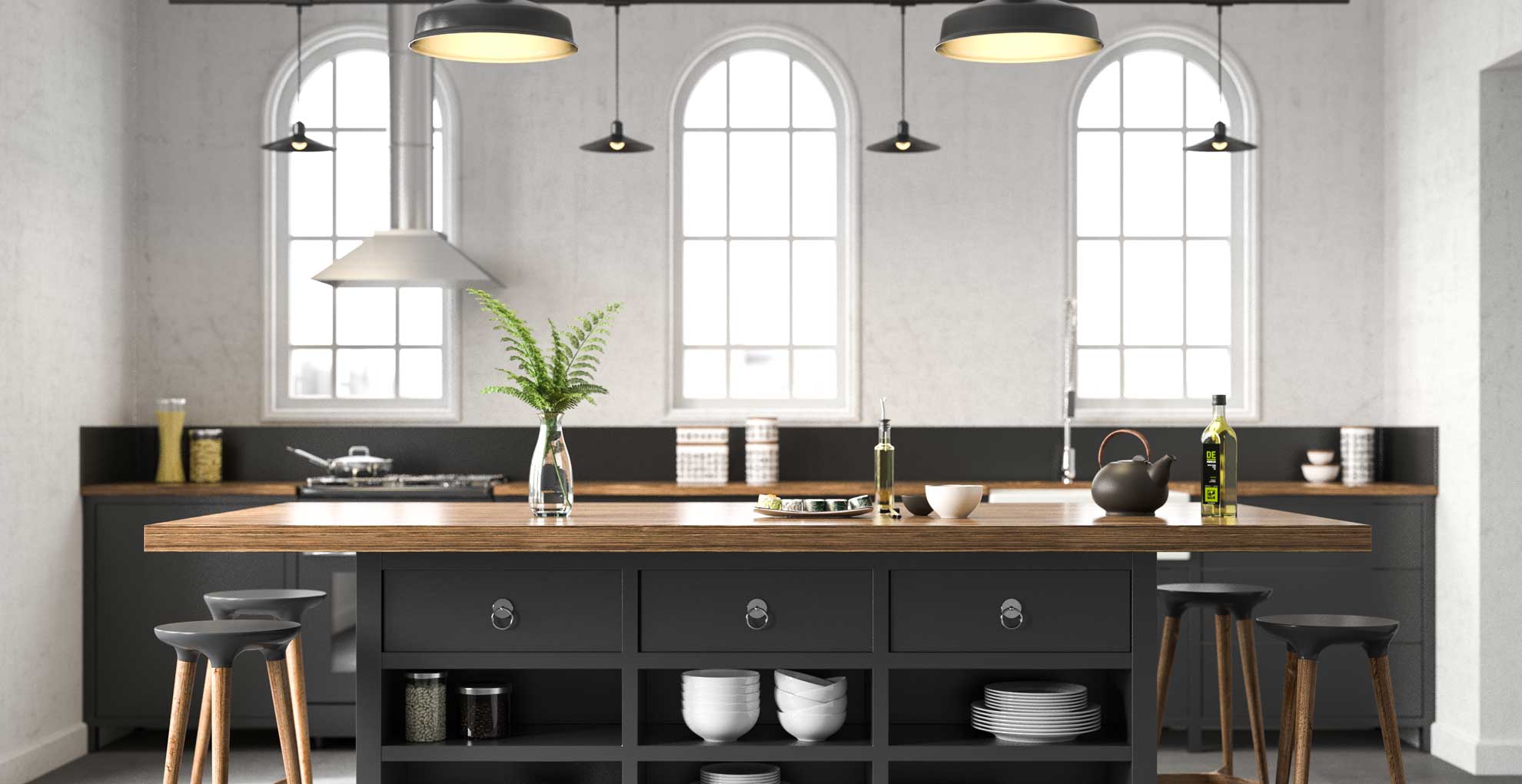
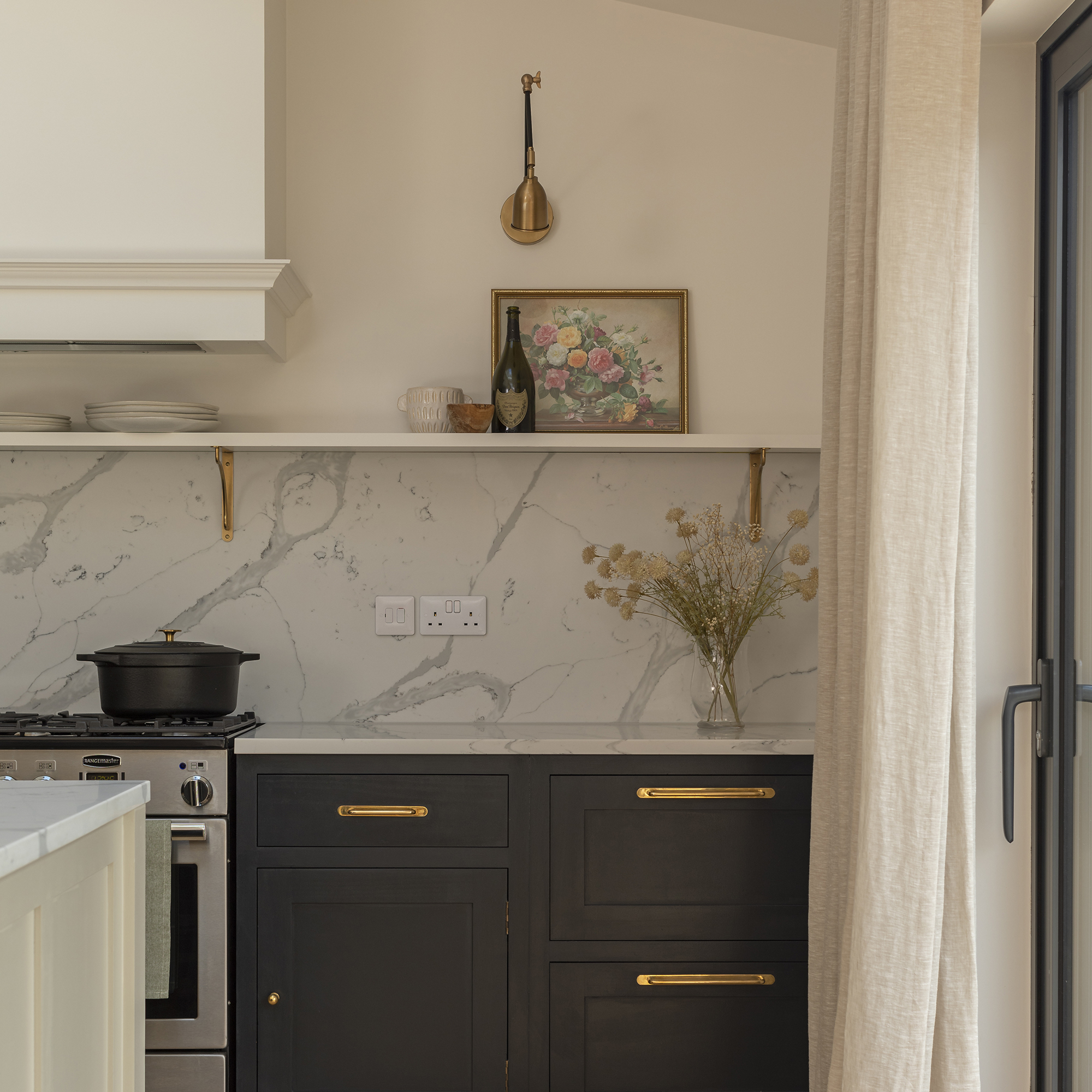
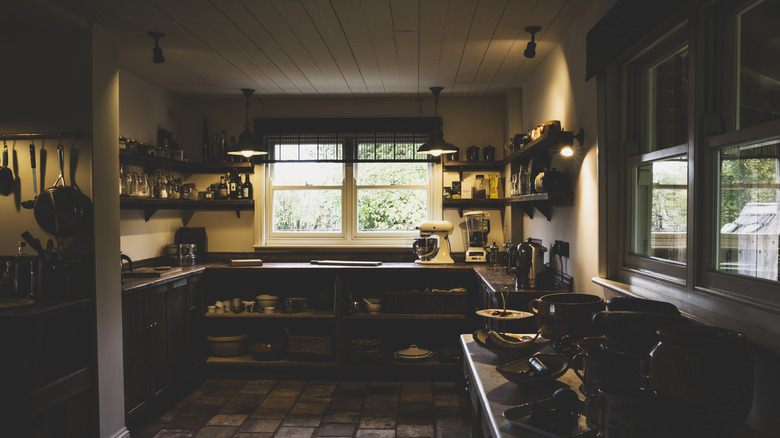
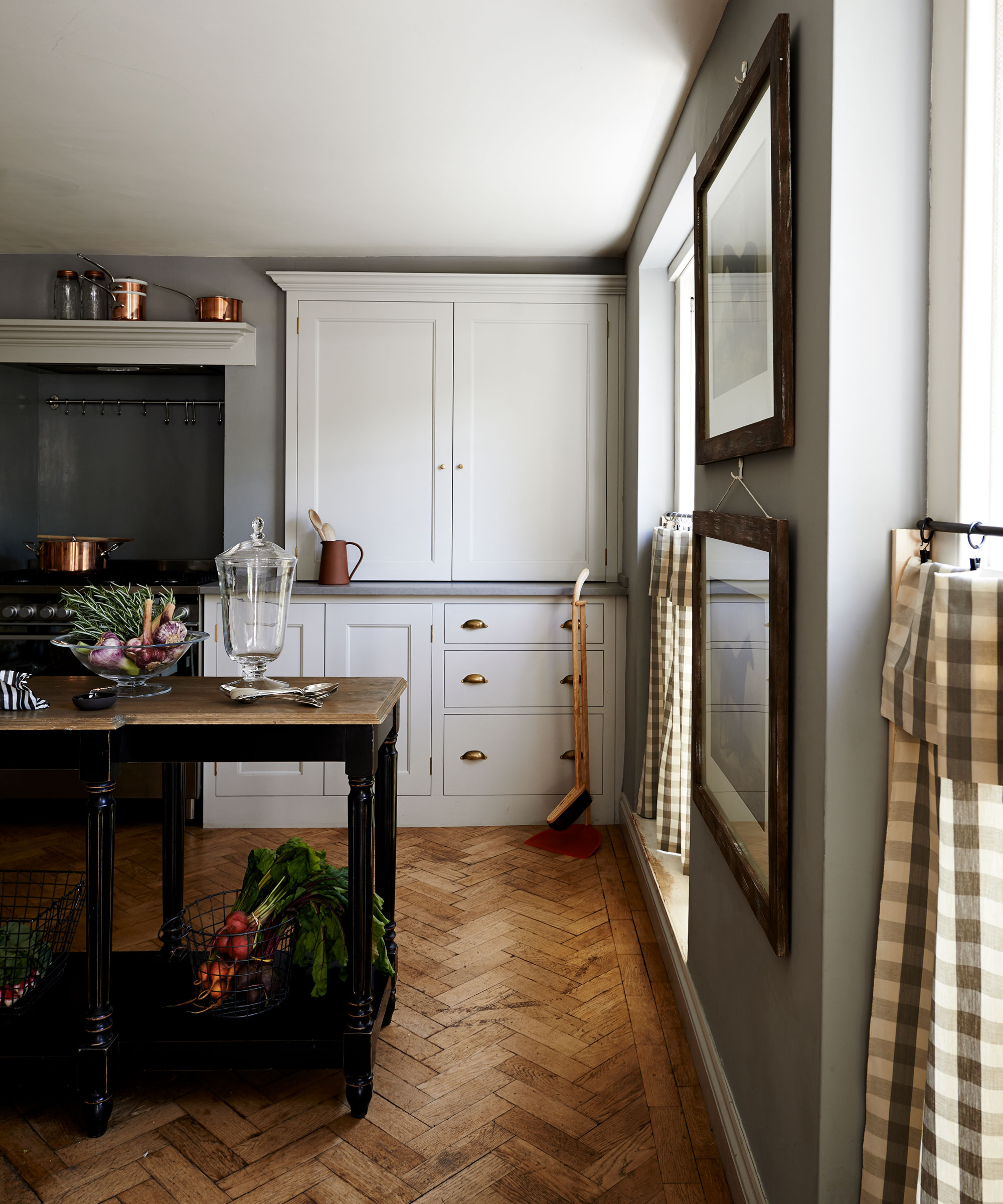
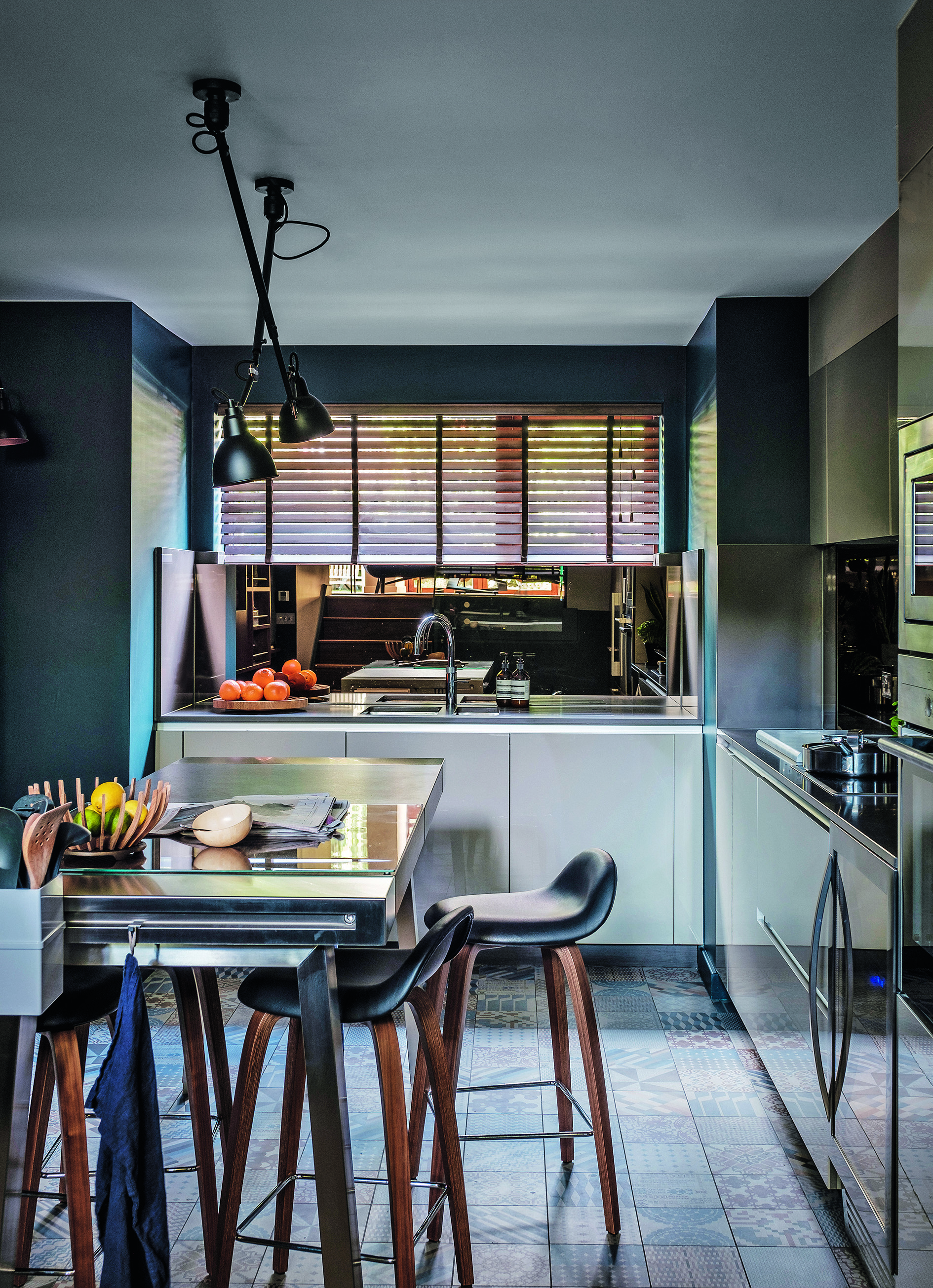
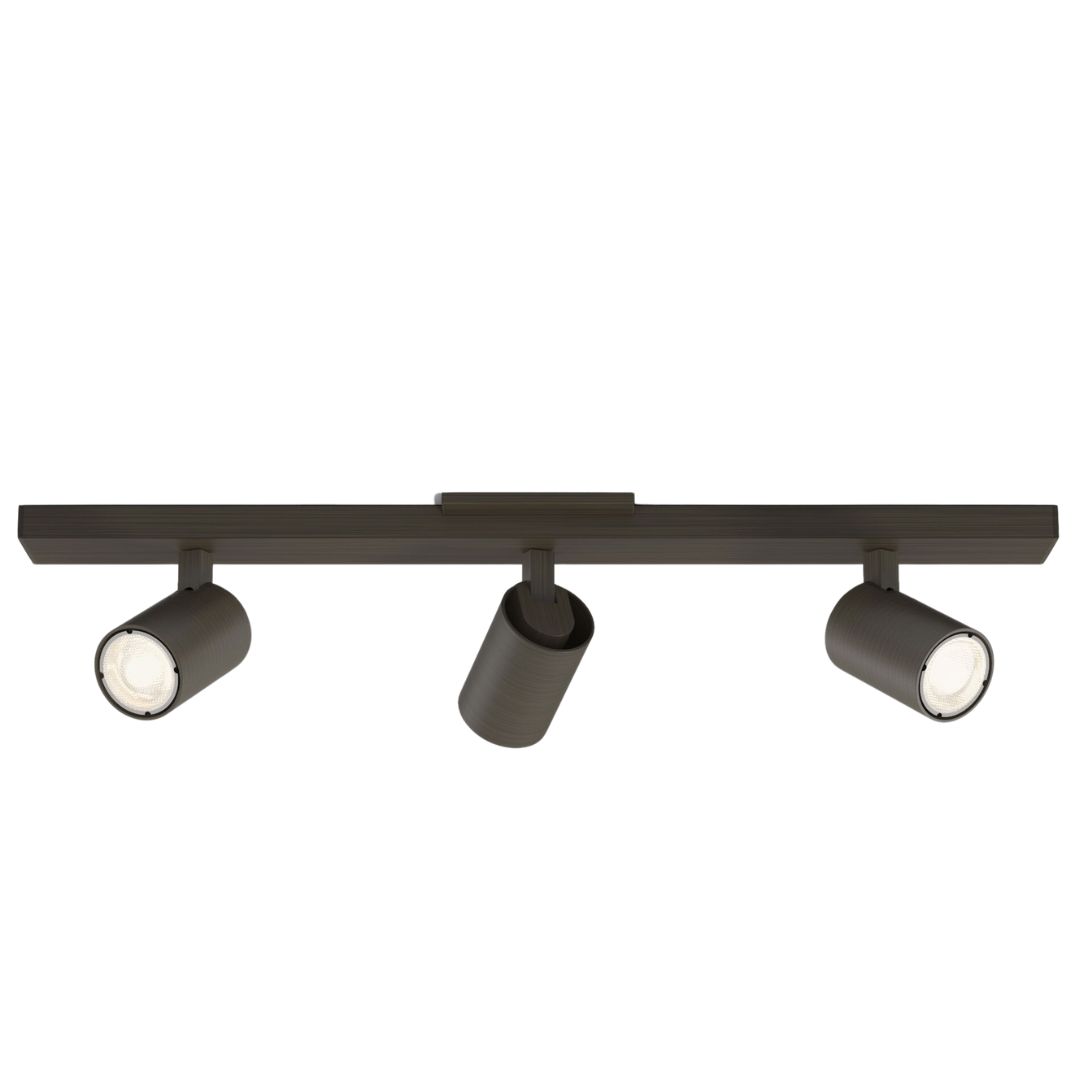
Track lighting, once popular for its adjustable fixtures, is now considered bulky and unstylish. Instead, designers suggest incorporating standard ceiling lights complemented by wall sconces to provide both atmospheric and task lighting, allowing for flexible illumination and enhancing traditional charm.
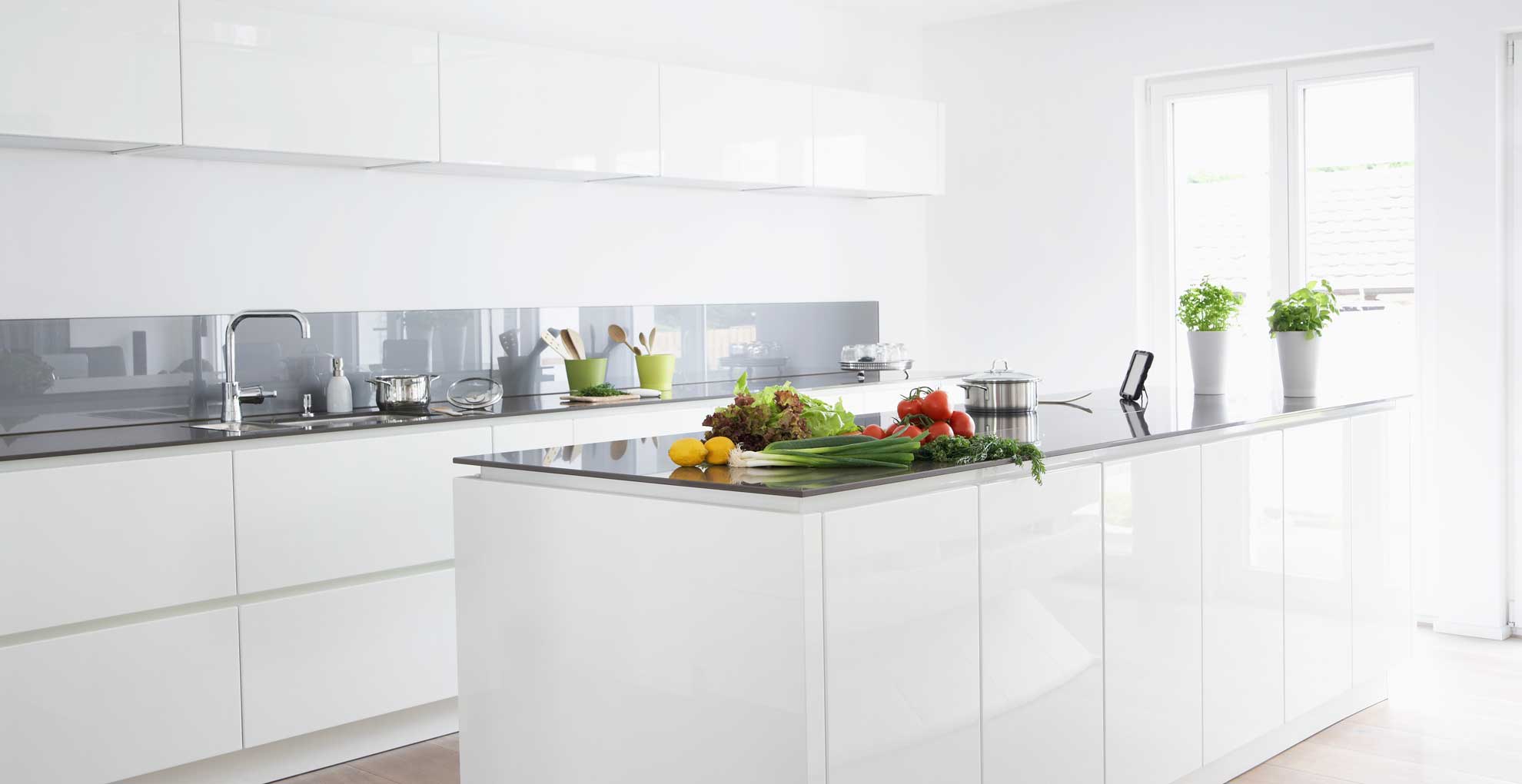
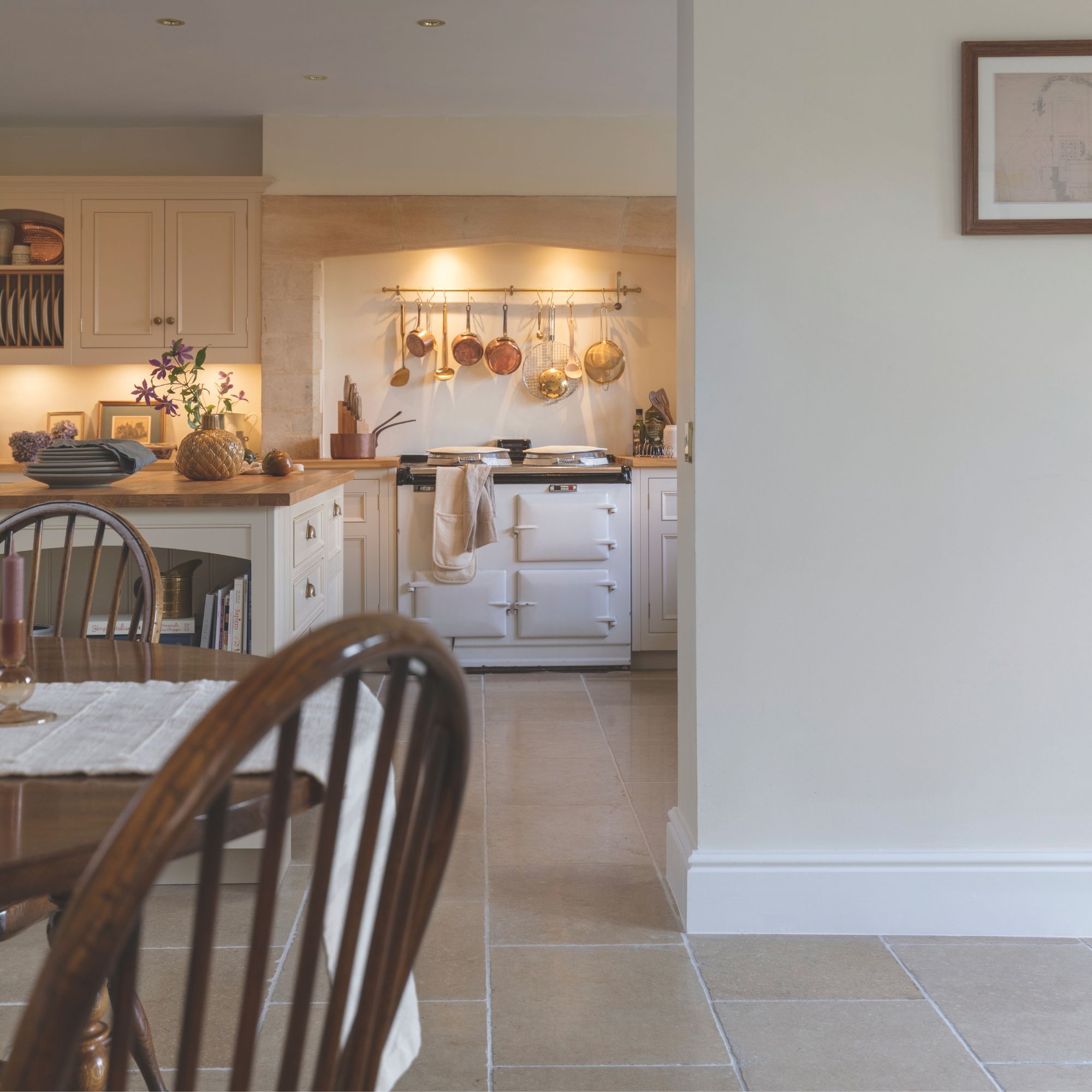
Harsh overhead spotlights, particularly excessively bright ones, are another trend to avoid. These can create a clinical and unwelcoming environment. Modern kitchens benefit from a more nuanced approach, layering lighting with portable table lamps or wall-mounted sconces to introduce softer, ambient light and personalized touches.
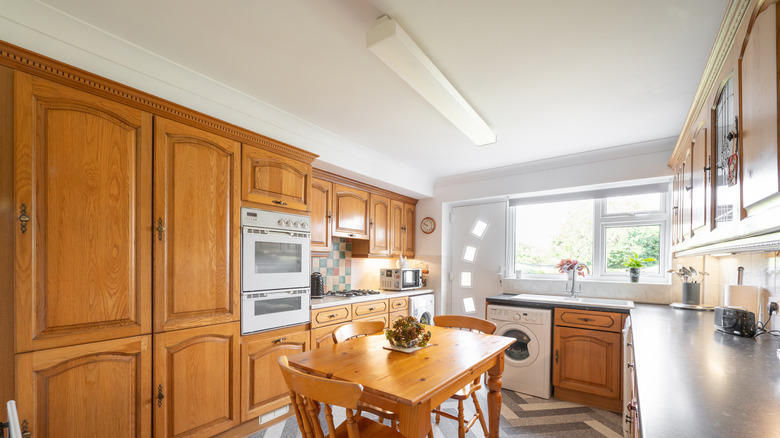
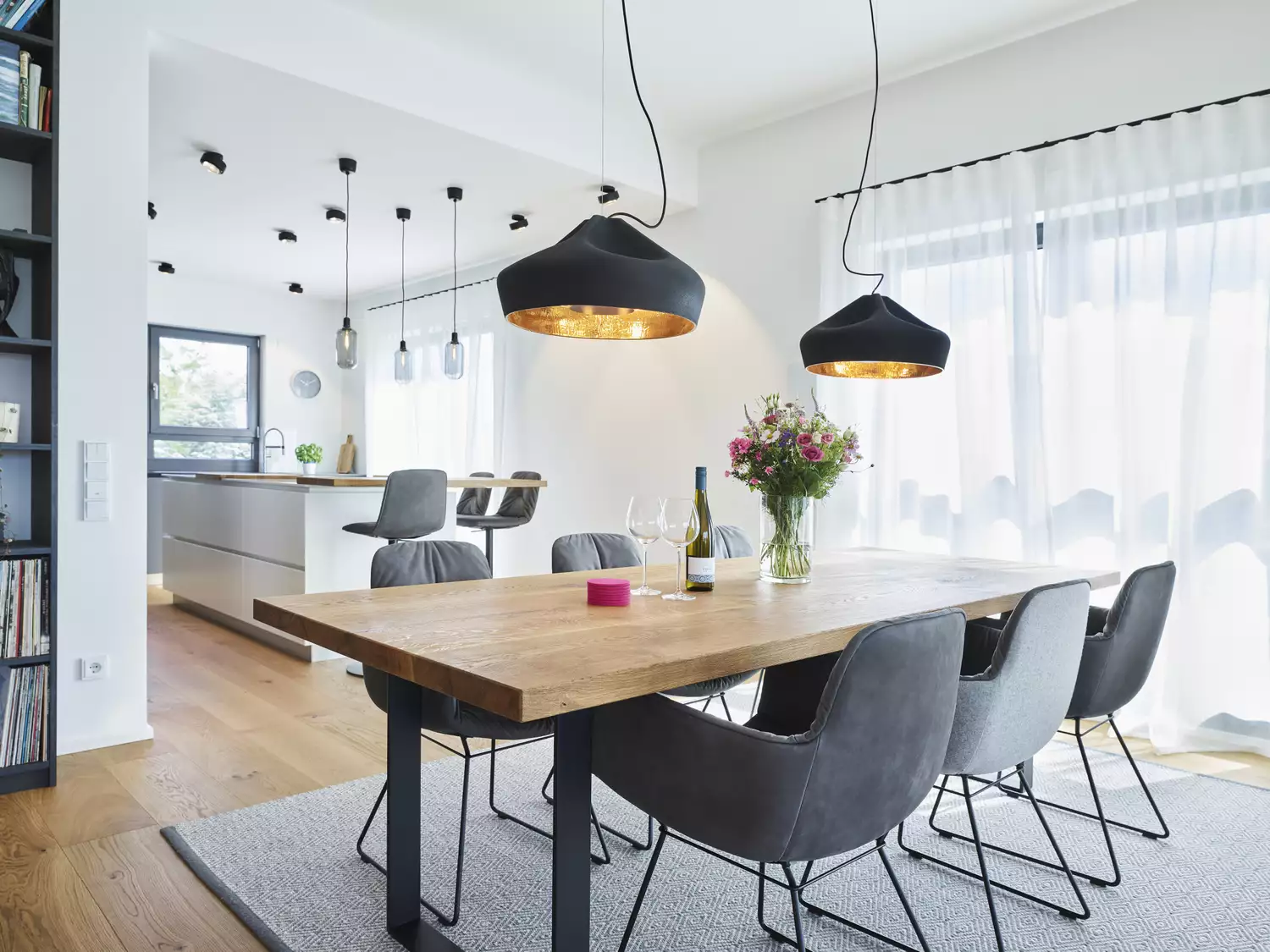
Fluorescent tube lighting, typically found in offices or industrial settings, is strongly discouraged due to its harsh, cool light that makes kitchens feel cold and uninviting. The recommendation is to use warmer kitchen pendant lighting, preferably with glass shades or soft finishes, to diffuse light beautifully and add character.
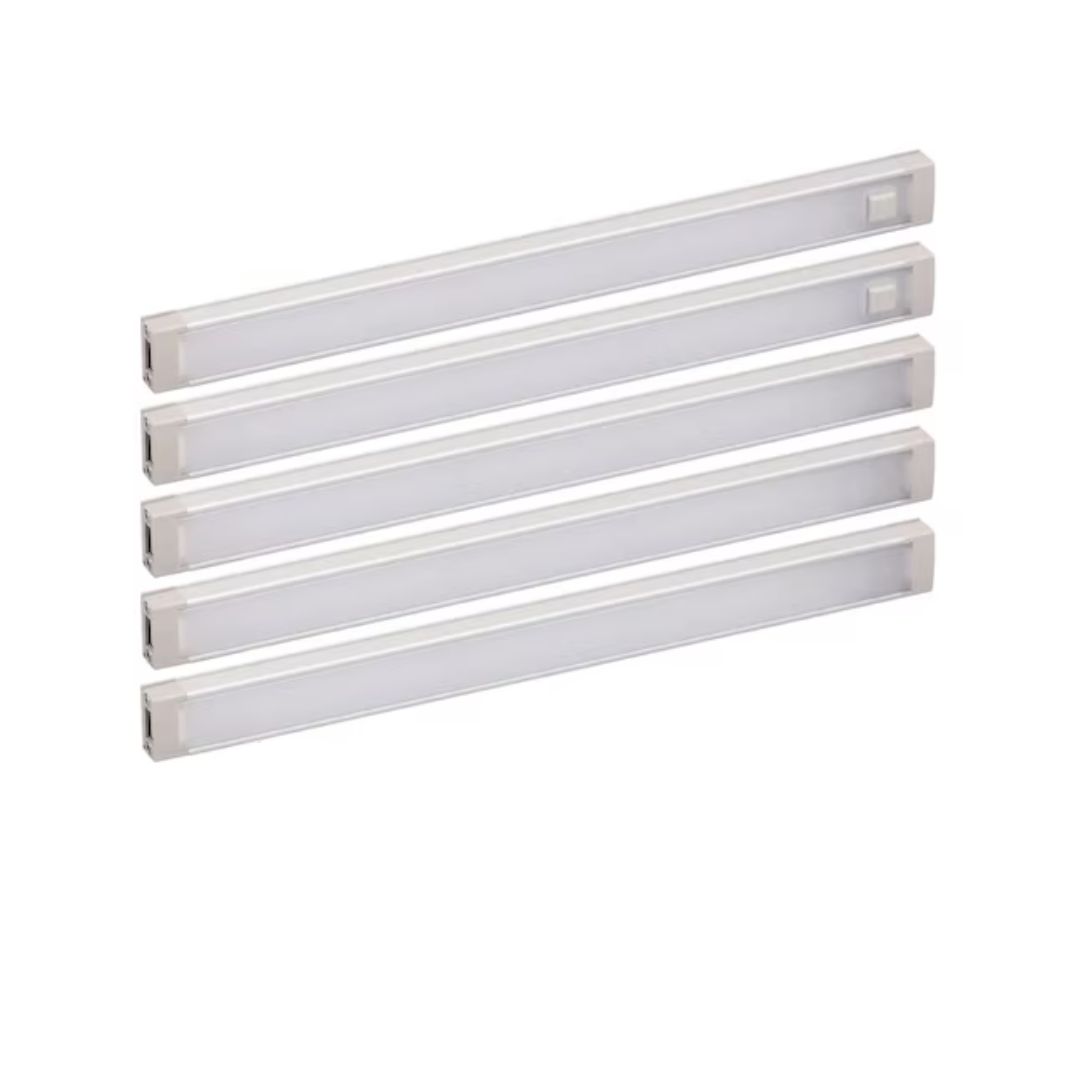
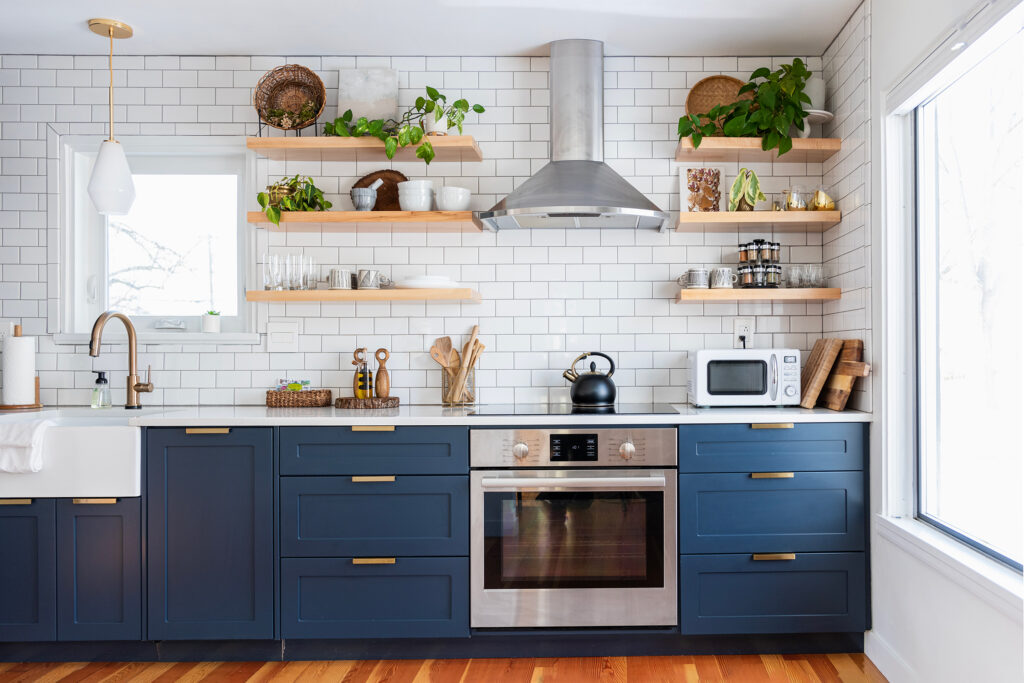
Single overhead fixtures are also deemed outdated, as they lead to uneven lighting and shadows, hindering functionality. Contemporary kitchens should implement layered lighting solutions, including under-cabinet lighting, multiple pendant lights over islands, and recessed ceiling lights for comprehensive and even illumination. This can be further enhanced by decorative table lamps and task lighting with bluer hues for food preparation.
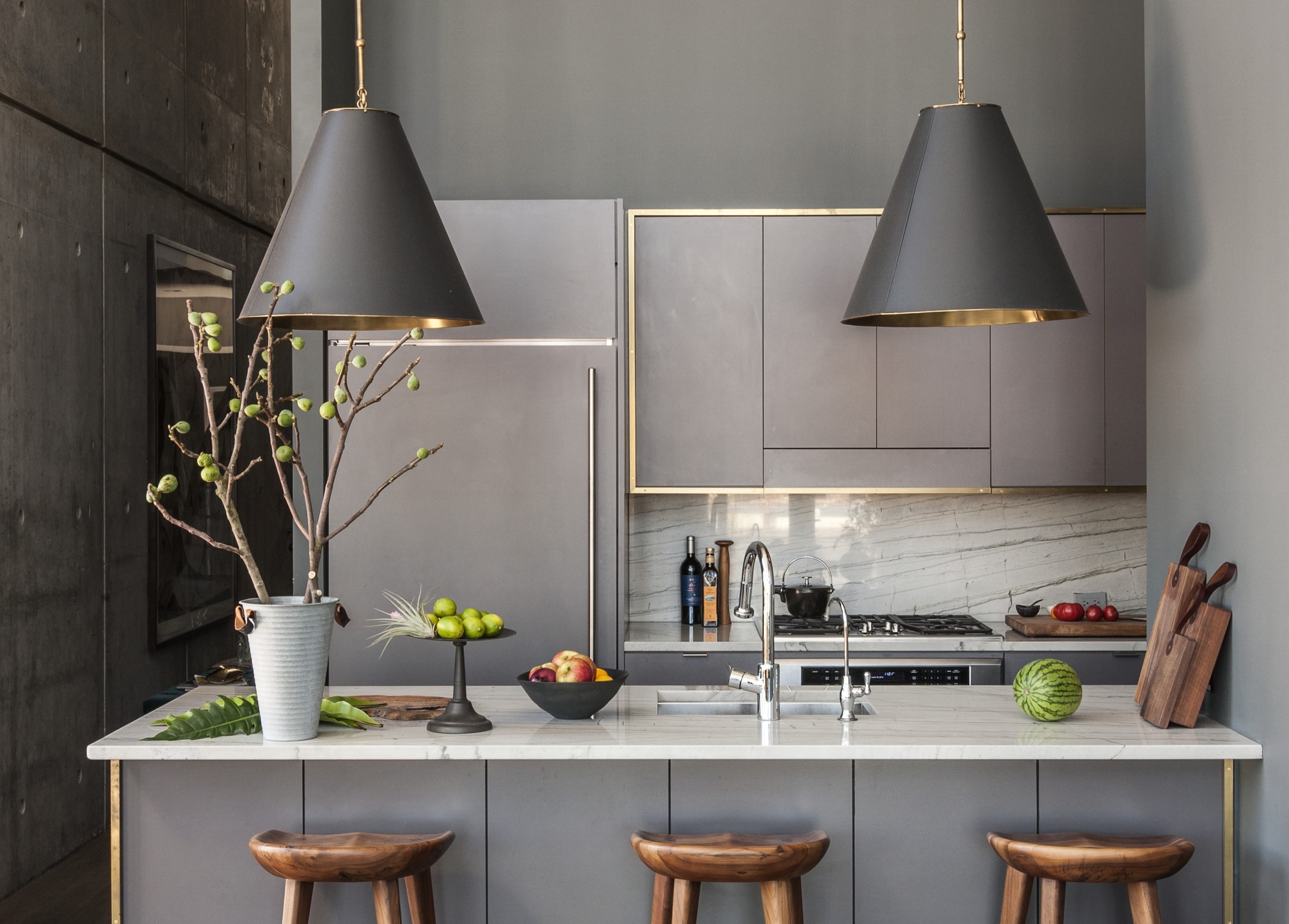
The overuse of matte black finishes, a prominent trend throughout the 2010s, is now falling out of favor due to its potential to appear overly industrial or heavy. Designers are shifting towards lighter, brighter neutrals and suggest using matte white on textured or painted metals for a softer aesthetic. While matte black can be used sparingly for dramatic effect, it should be balanced with warmer finishes like pewter and copper.
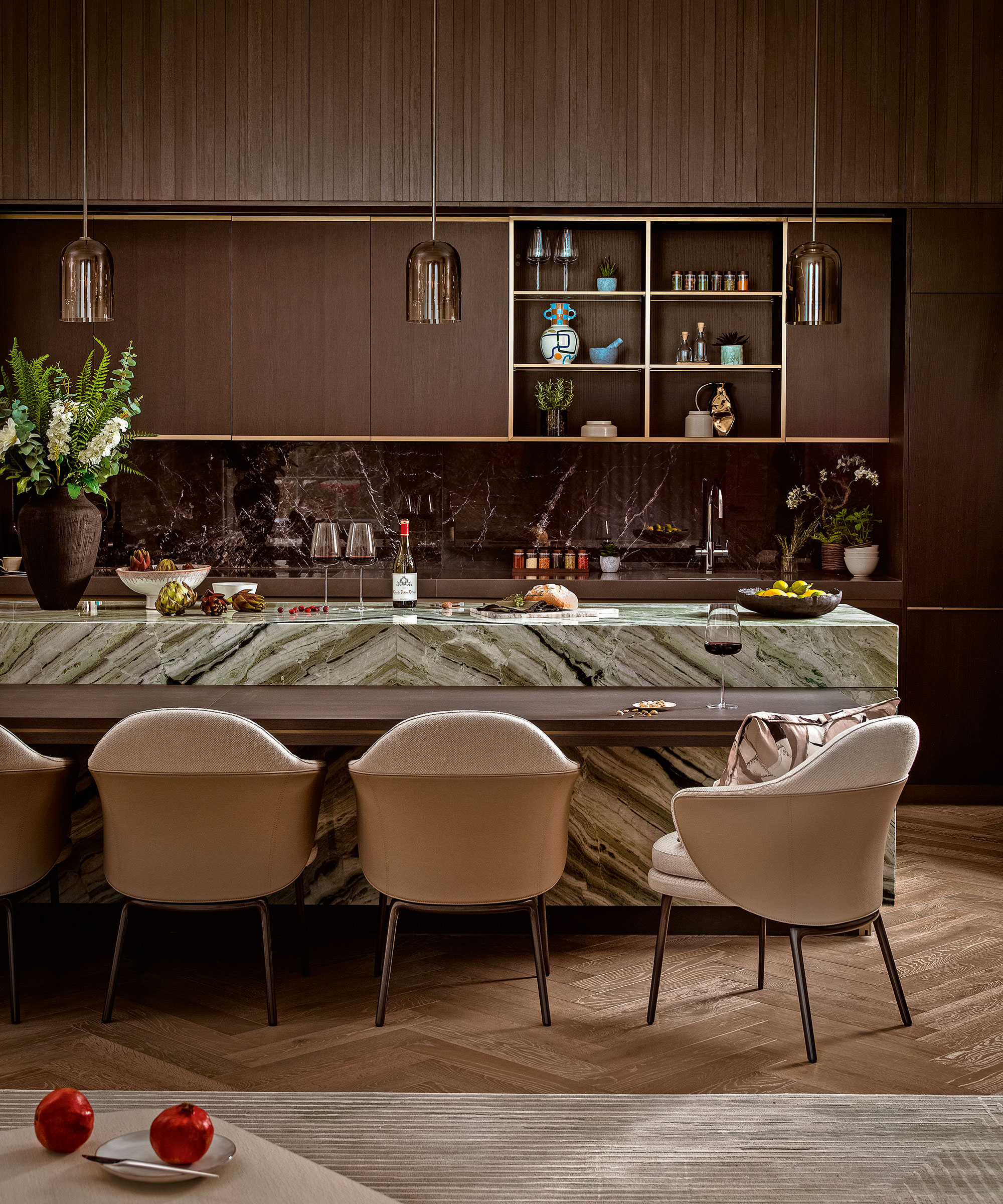
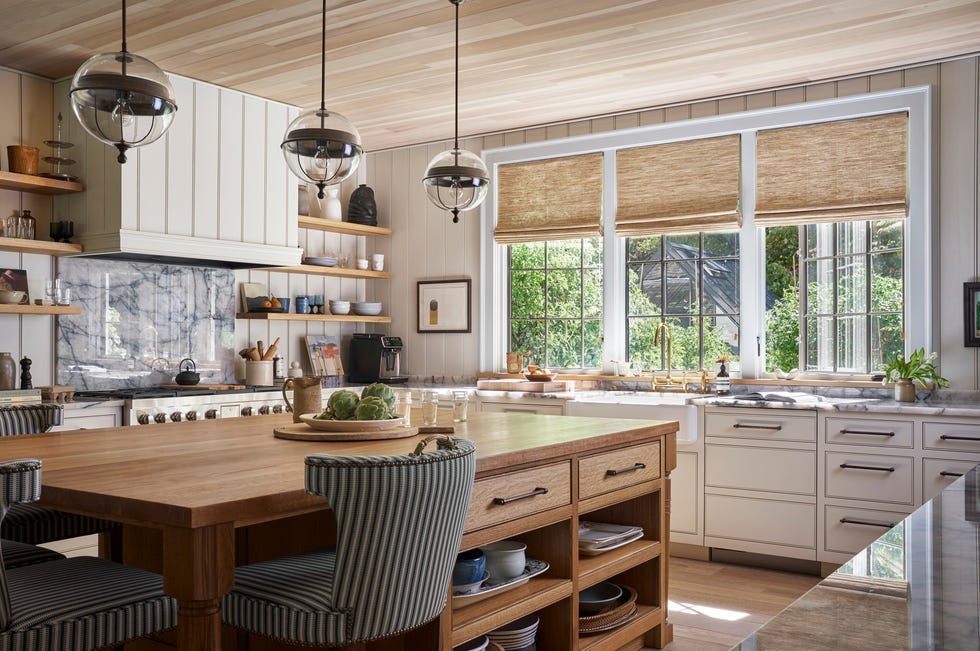
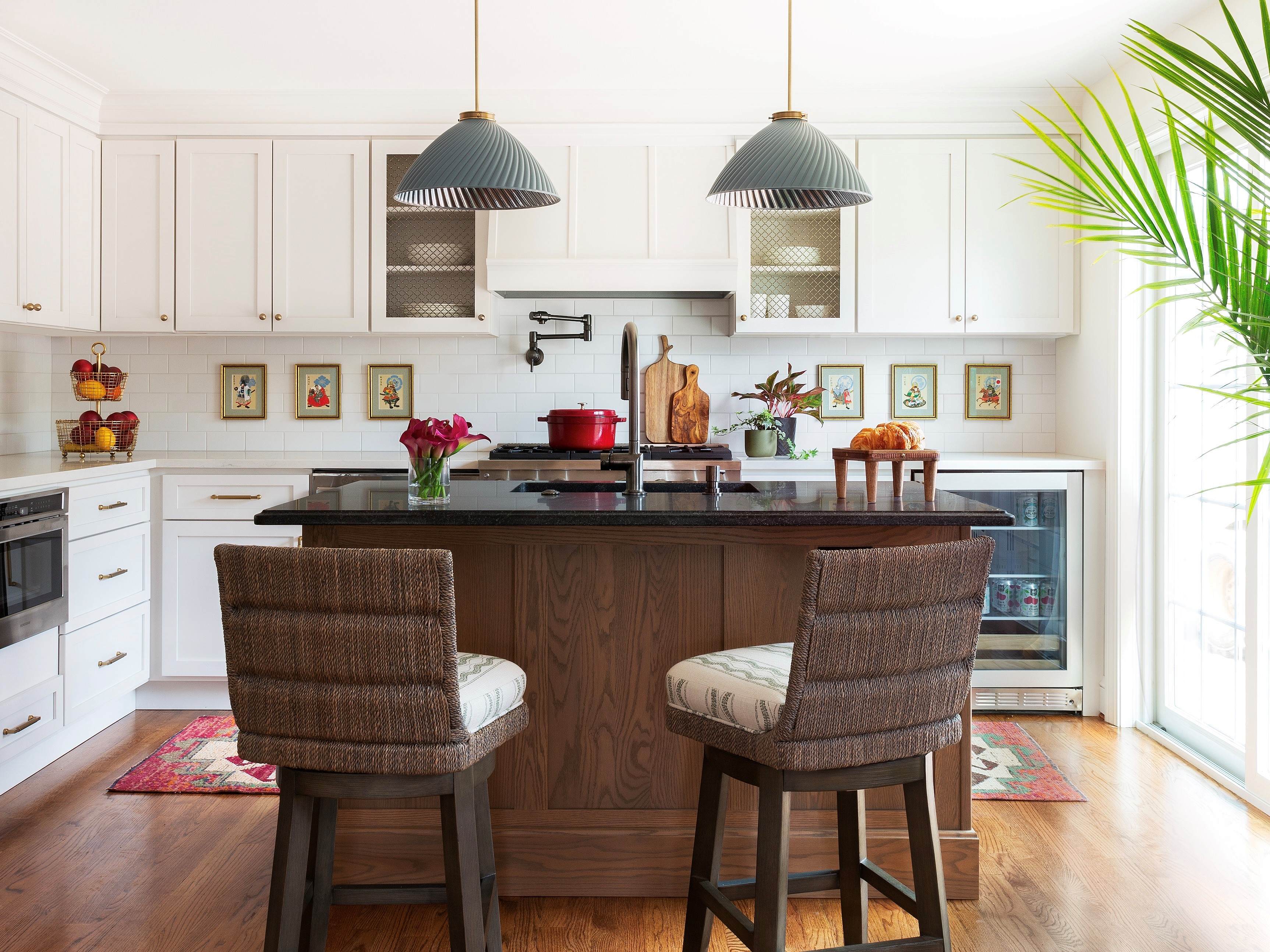
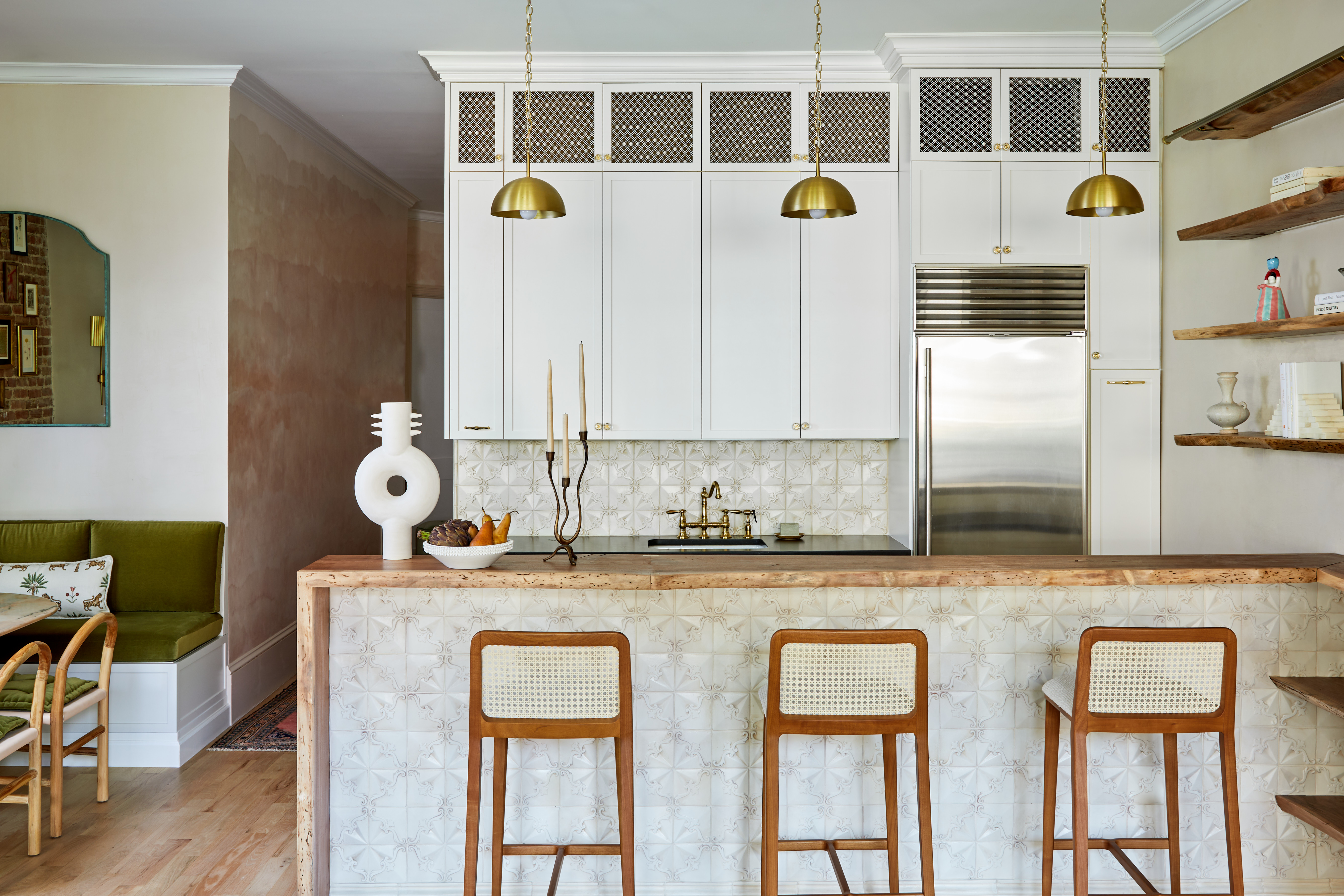
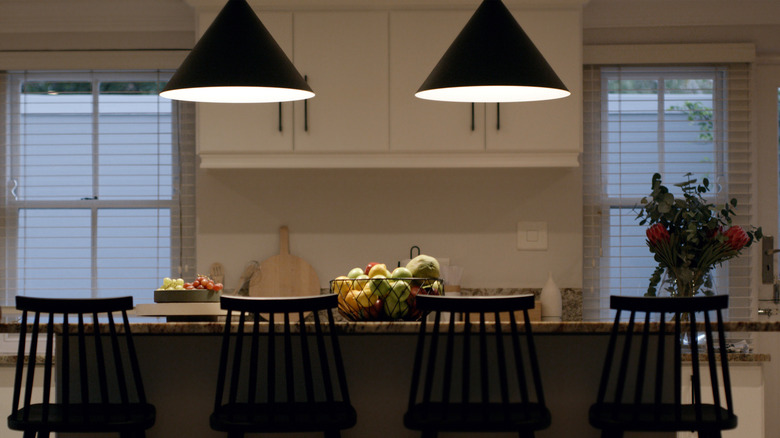
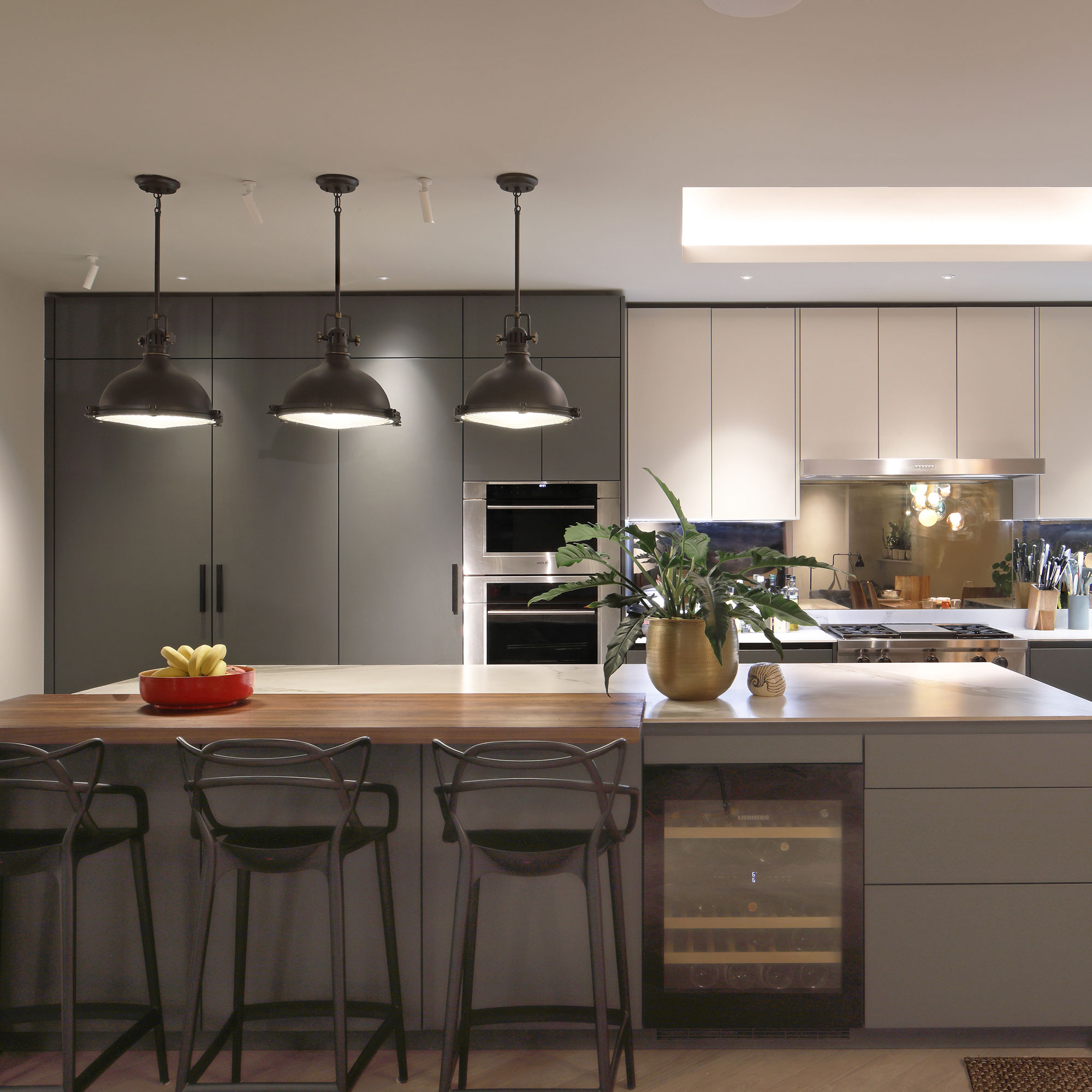
While pendant lights remain popular, using a single large pendant over a kitchen island is considered outdated and can create an imbalanced look. The article advises opting for clusters of smaller pendants or a trio of lights to provide balanced illumination and a more layered, curated feel.
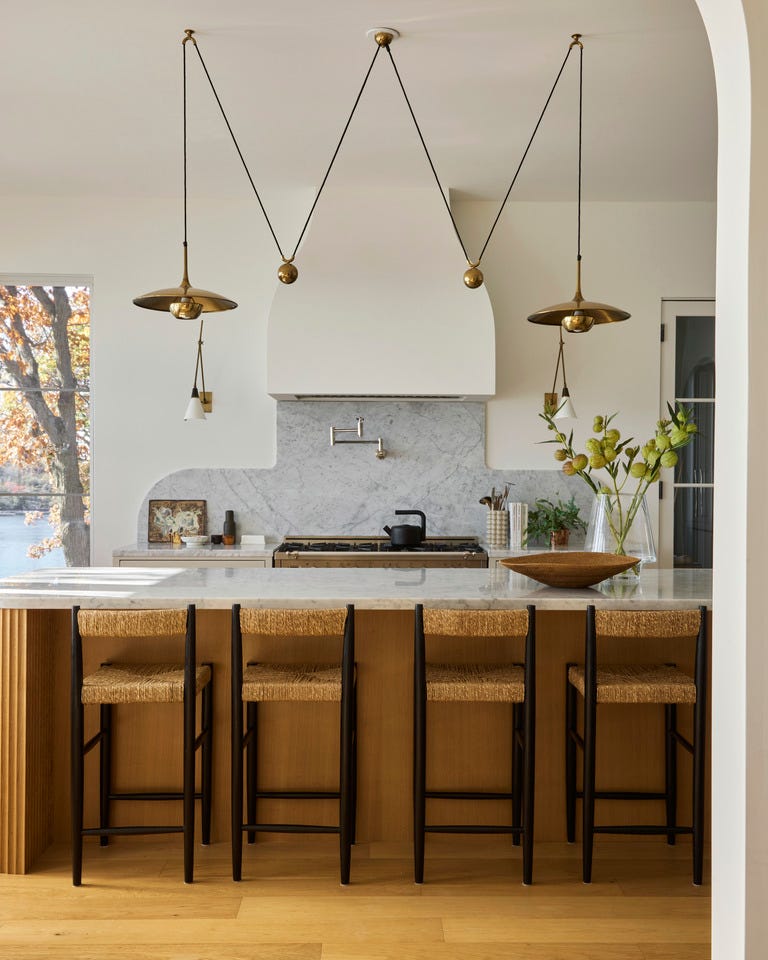
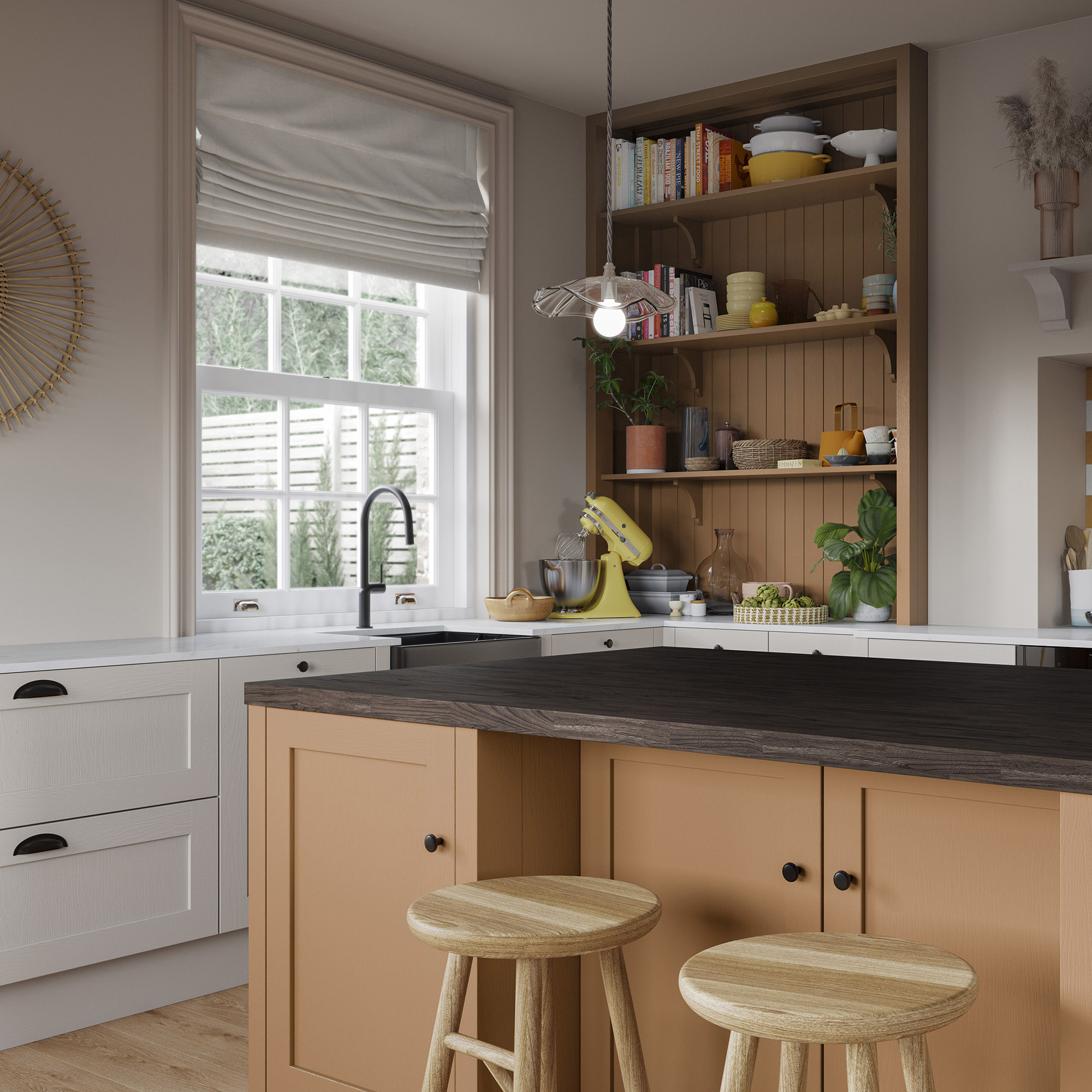
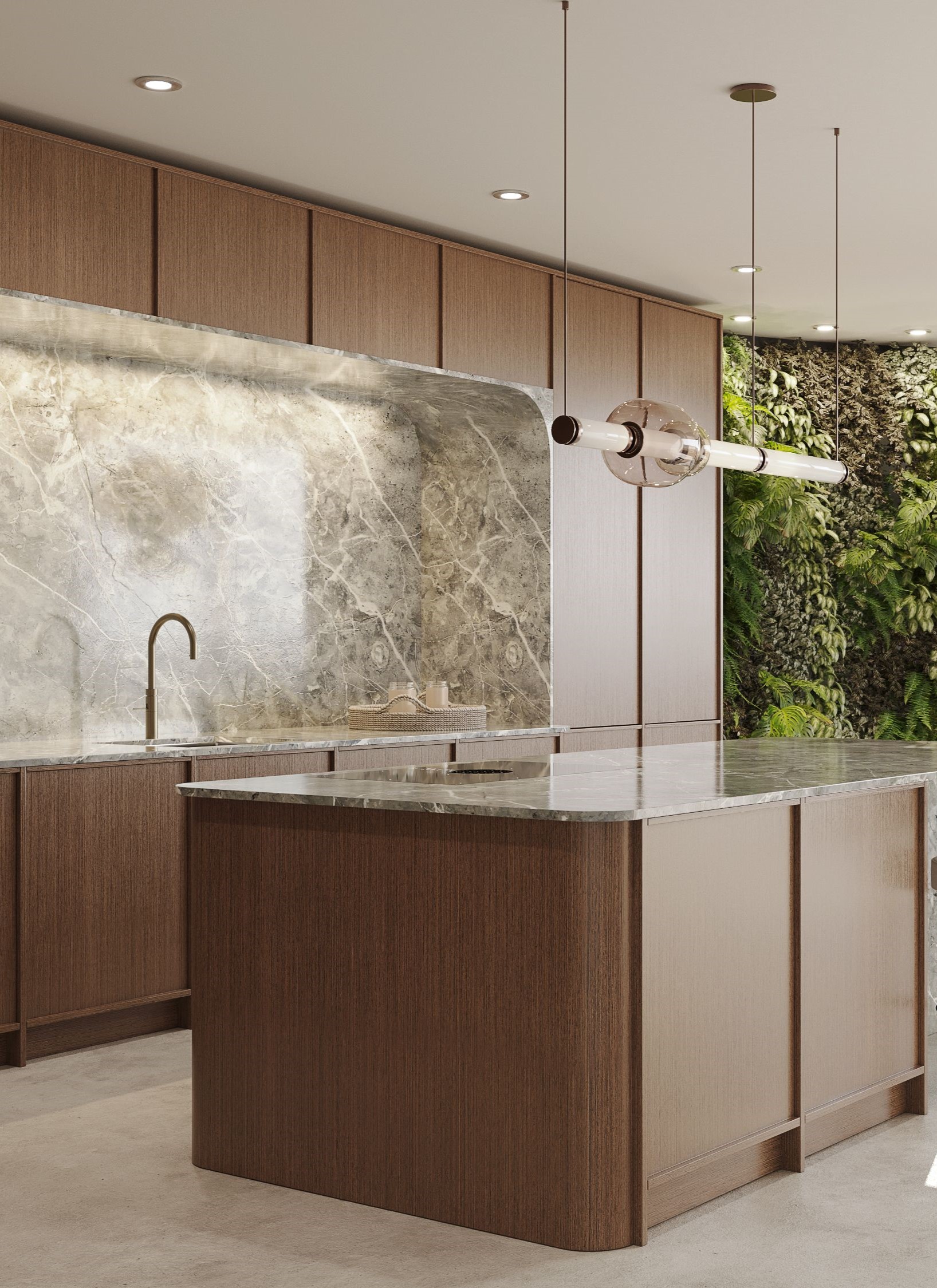
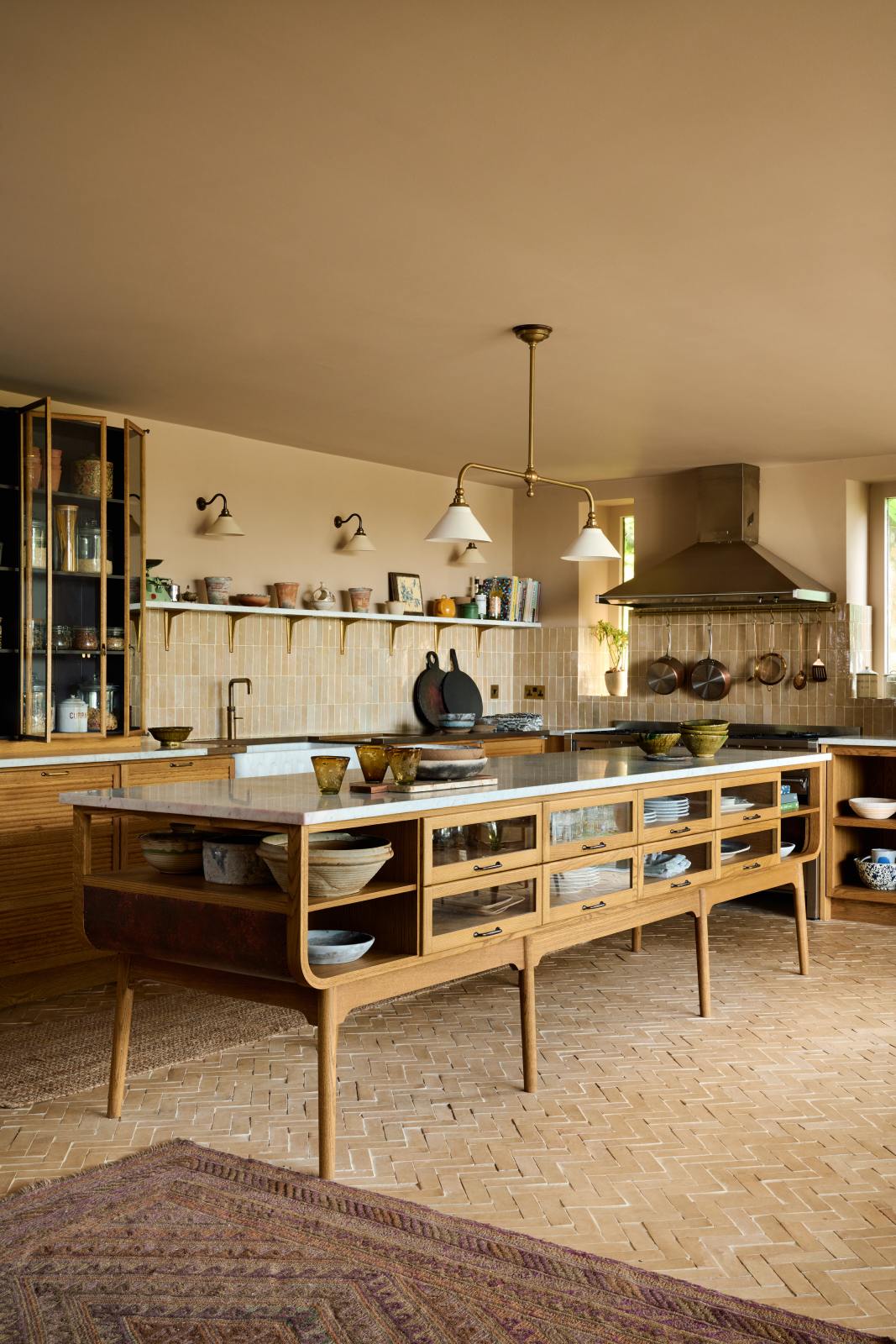
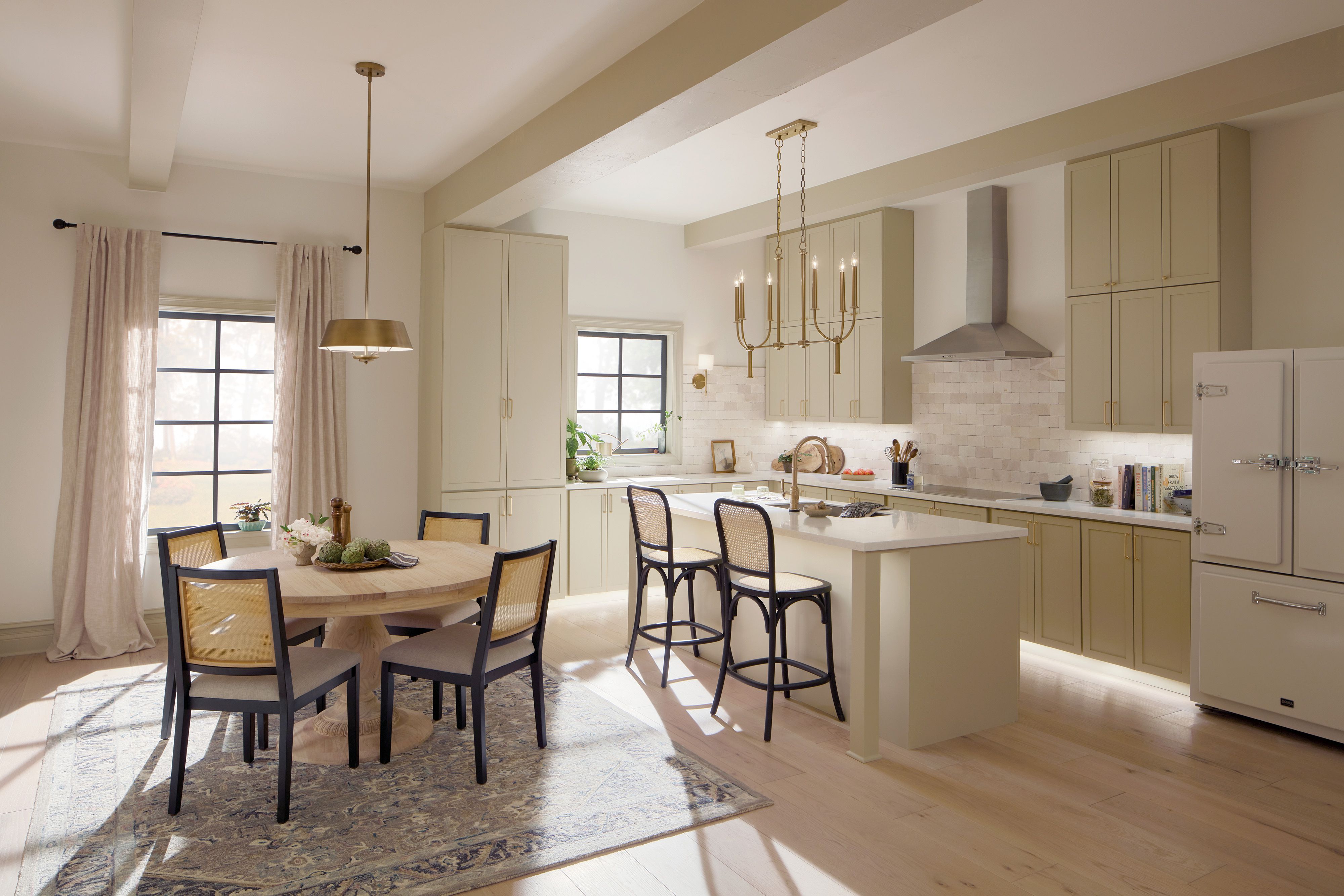
Pendants that are overly symmetrical or 'matchy' are giving way to more visually interesting options. Asymmetrical pendants or those hung at varying heights are encouraged to add unique character and an intimate setting. Organic-shaped pendants with warm lighting, such as wicker or rattan, are favored for their ability to inject warmth and act as a focal point. Alternatively, architectural and streamlined lighting that directs light to working surfaces is also recommended.
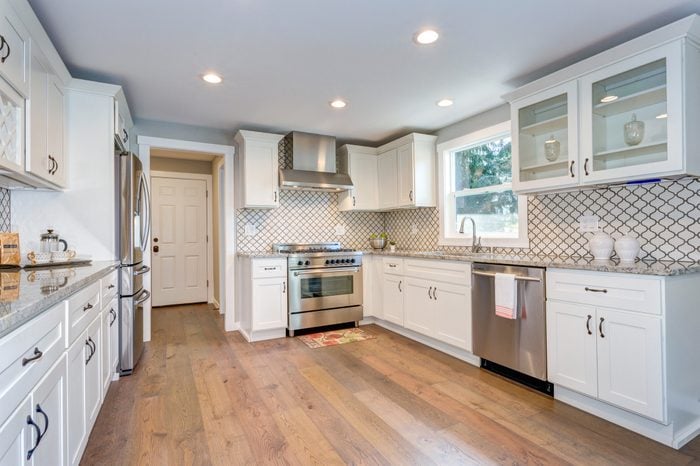
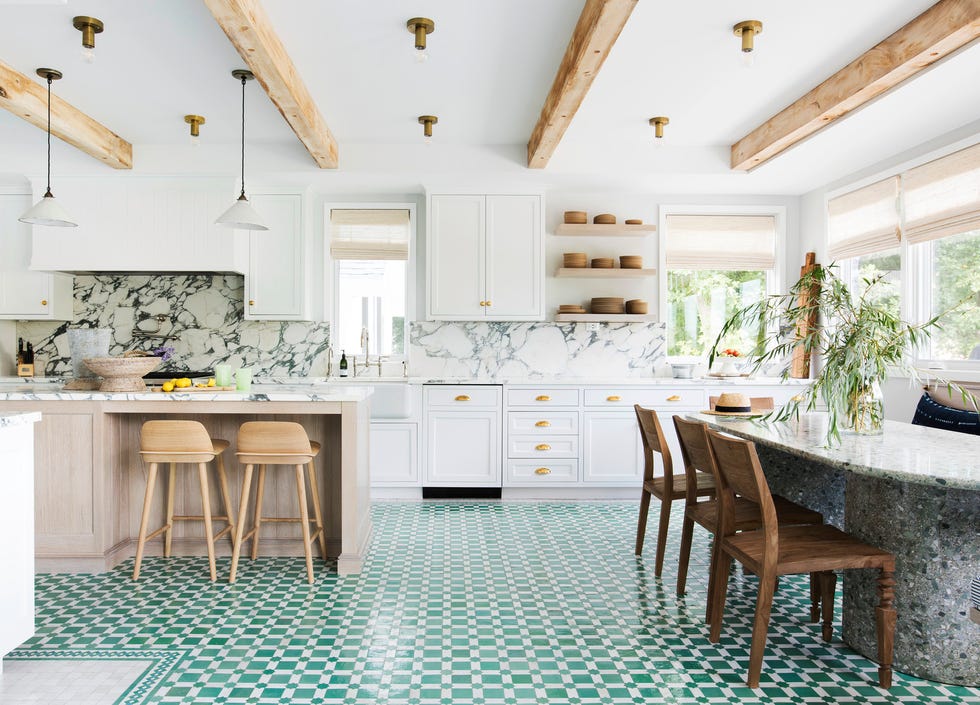
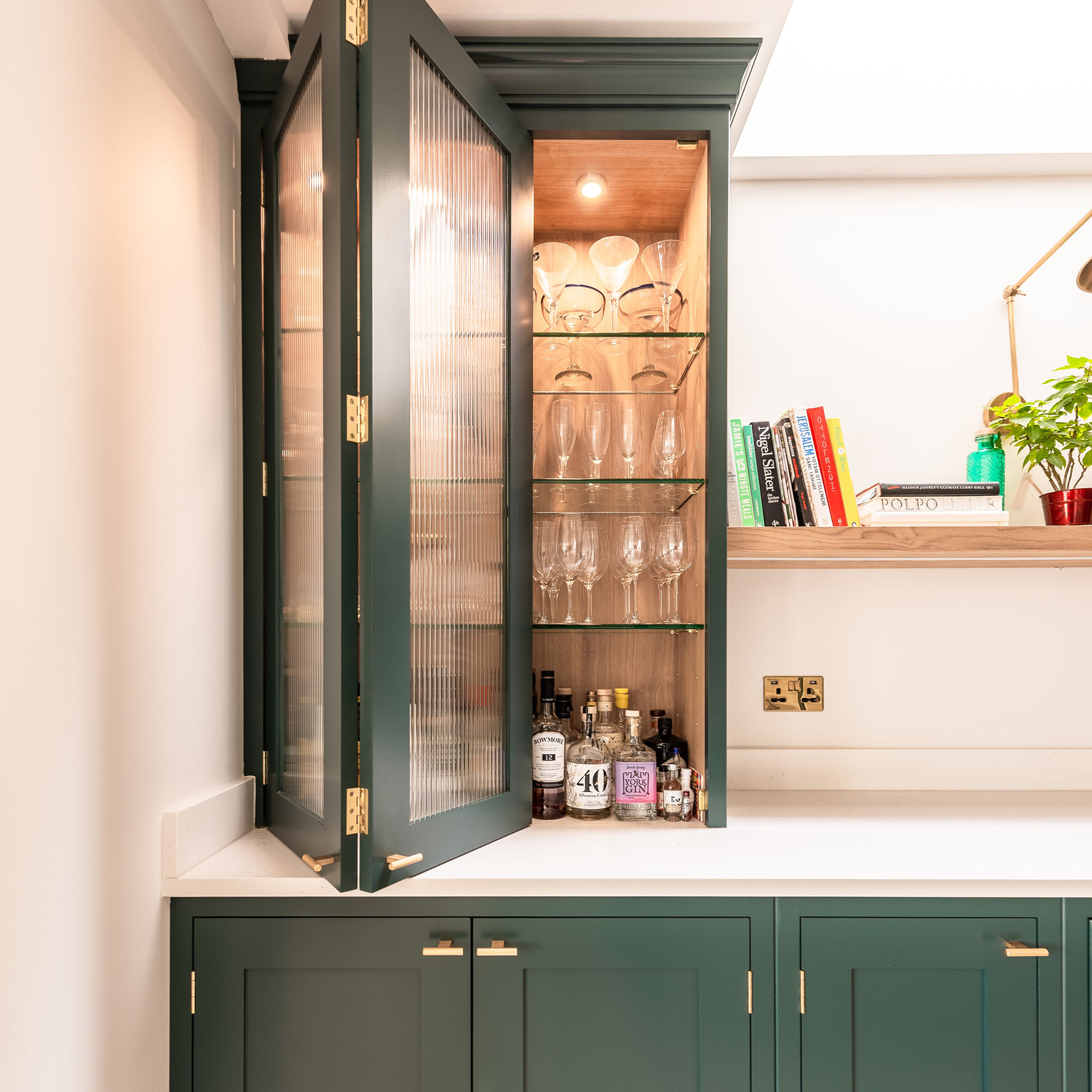
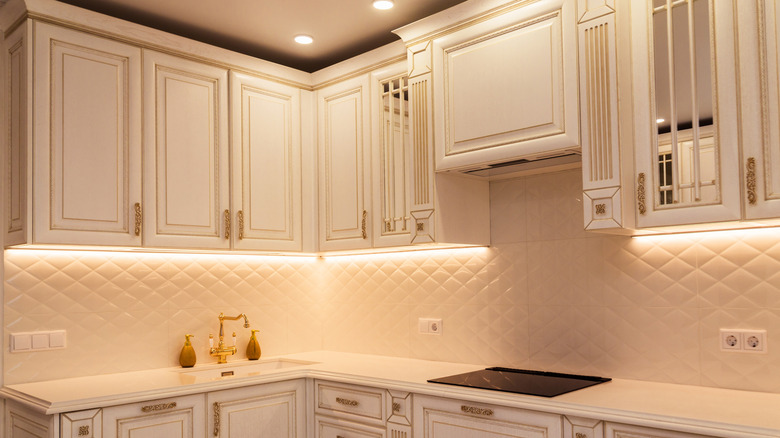
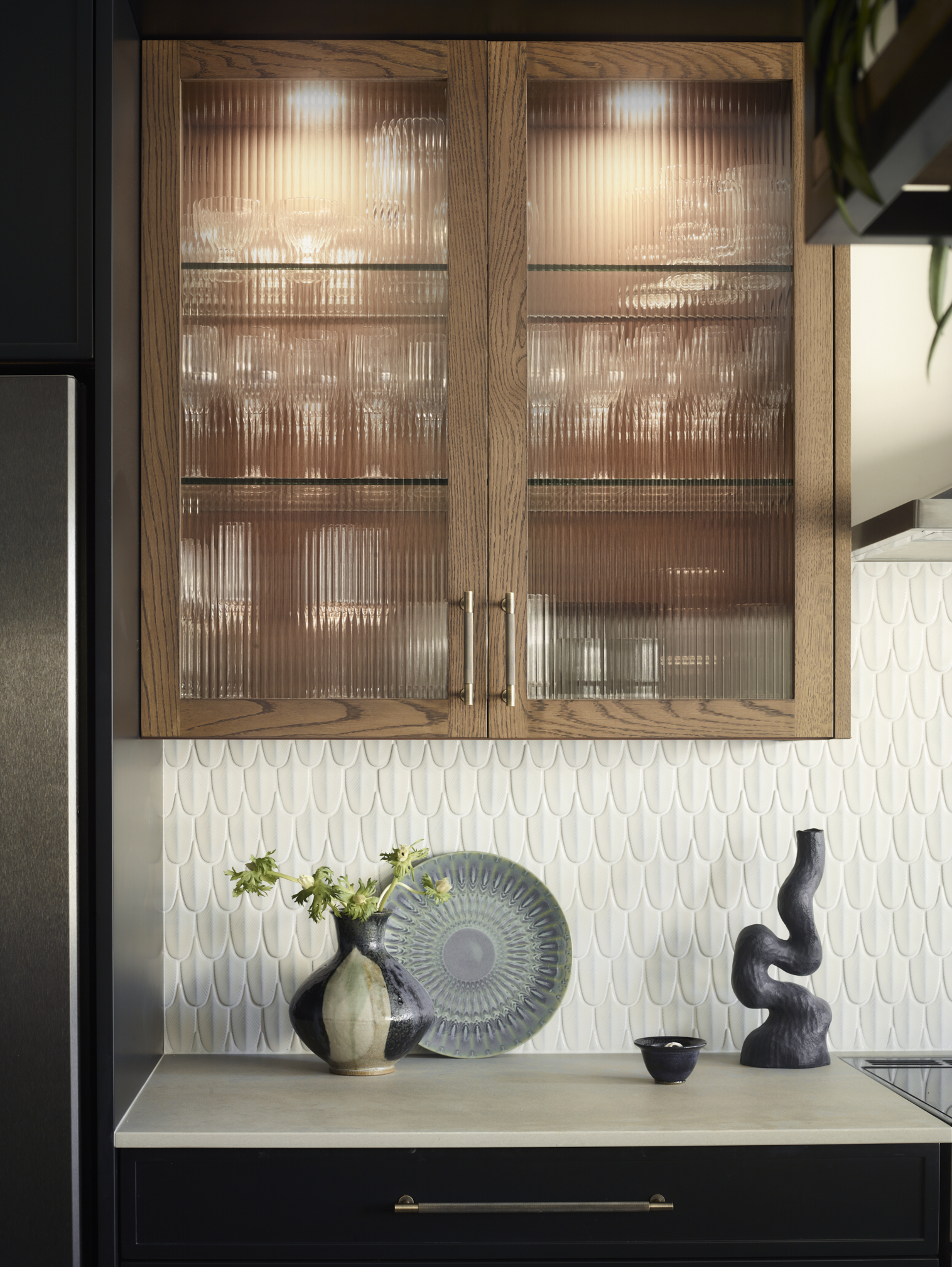
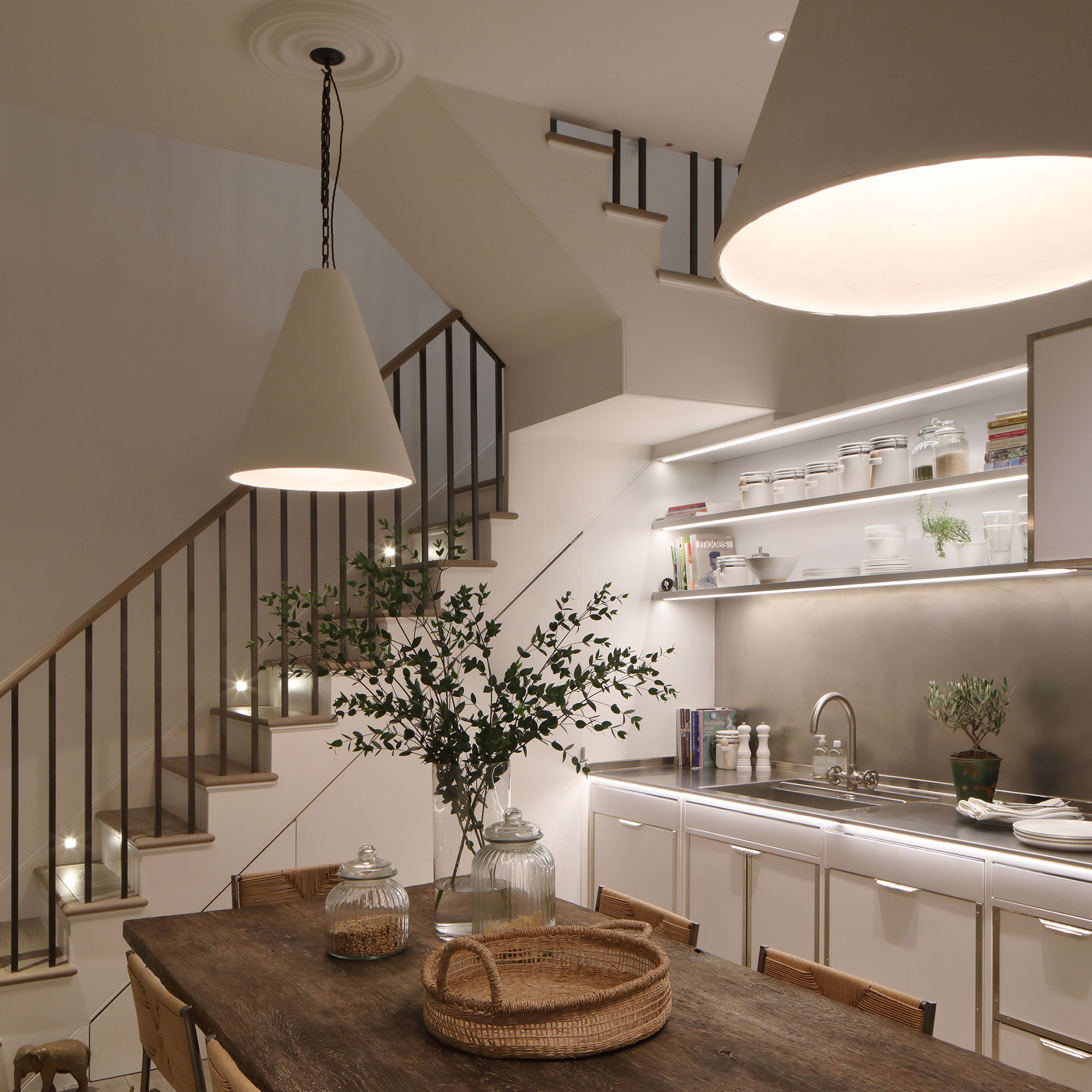
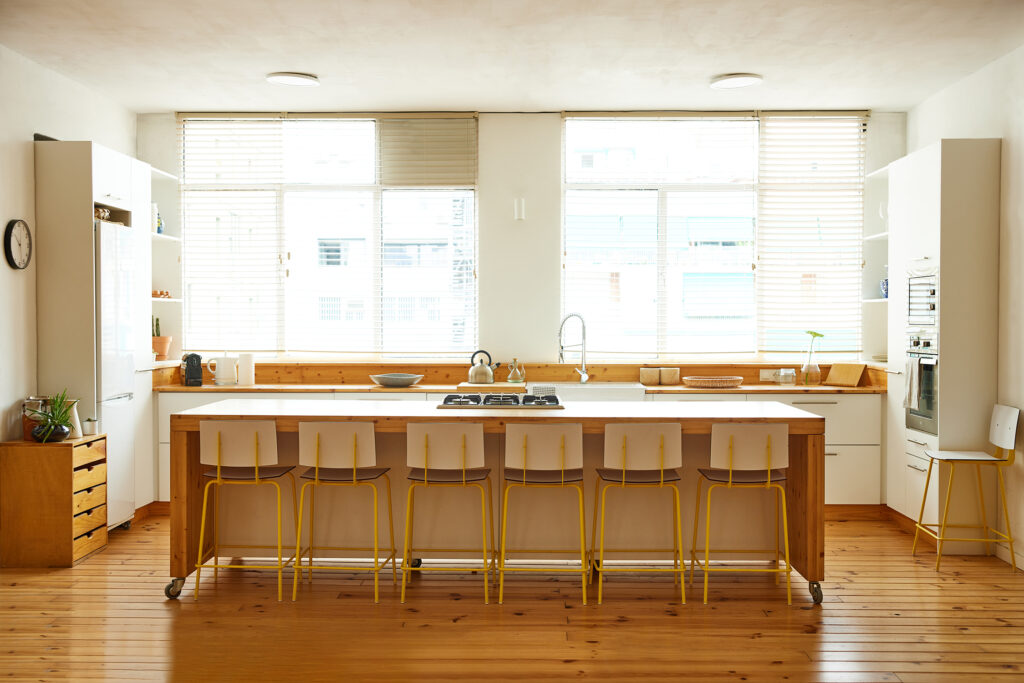
Recessed lighting, when used excessively, can create a sterile and overly modern aesthetic. Instead of turning the ceiling into what designers call "Swiss cheese," the article suggests utilizing kitchen cabinet lighting, both inside and above, to cast a warm glow across the ceiling. If cabinets do not reach the ceiling, installing LED strip lights above them can transform the ceiling into a light reflector, enhancing the ambient light. All lighting should be on dimmers and separate switches to allow for versatility in brightness levels.
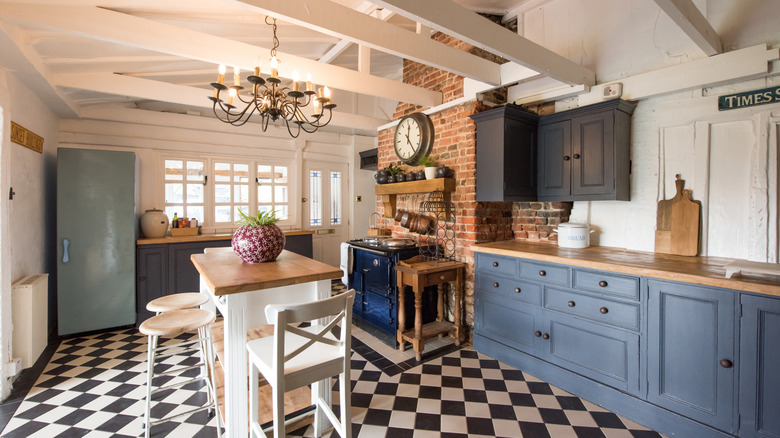
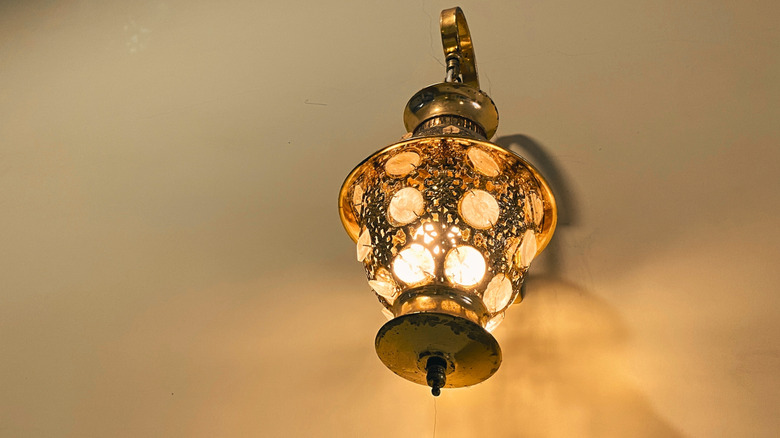
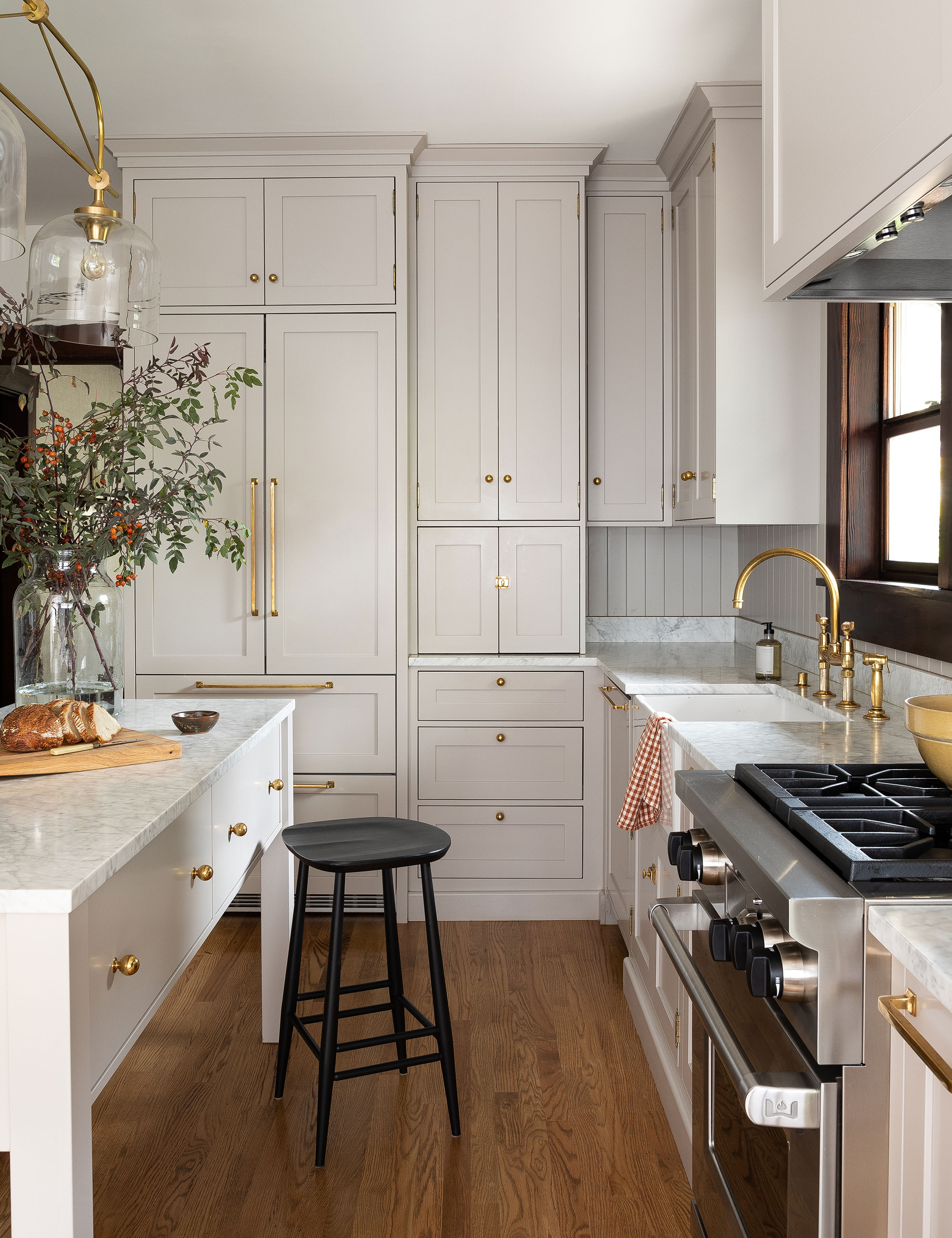
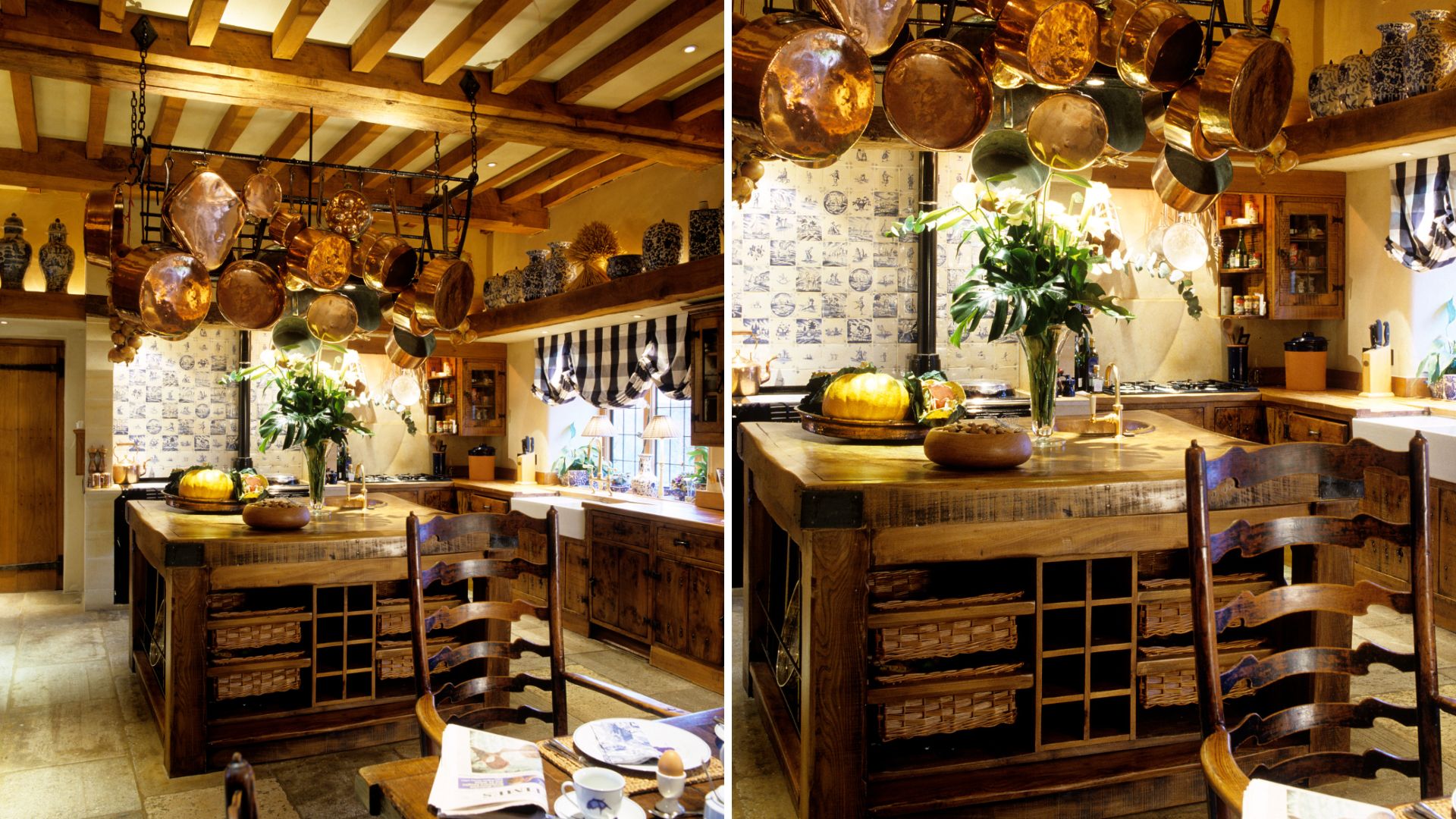
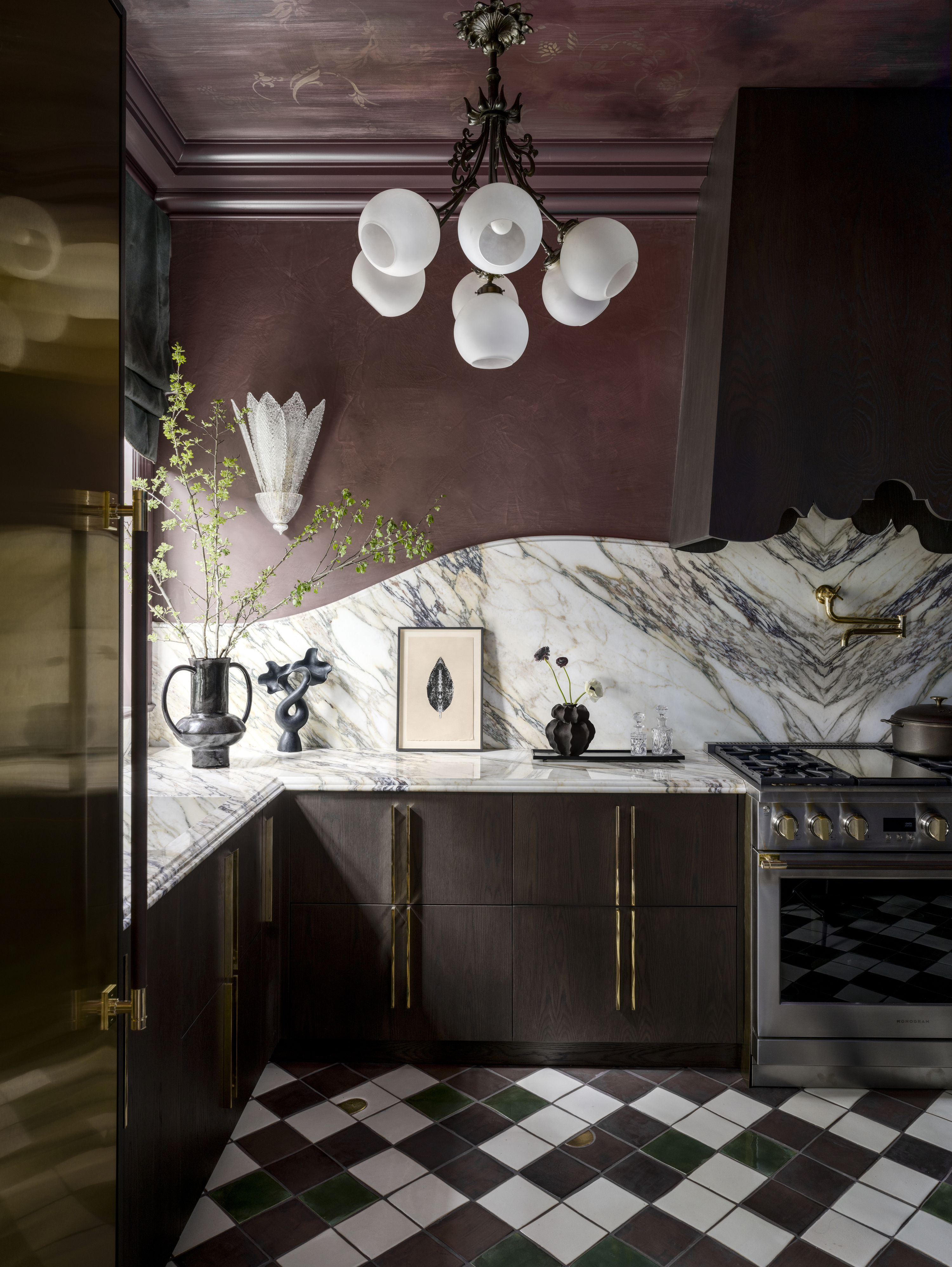
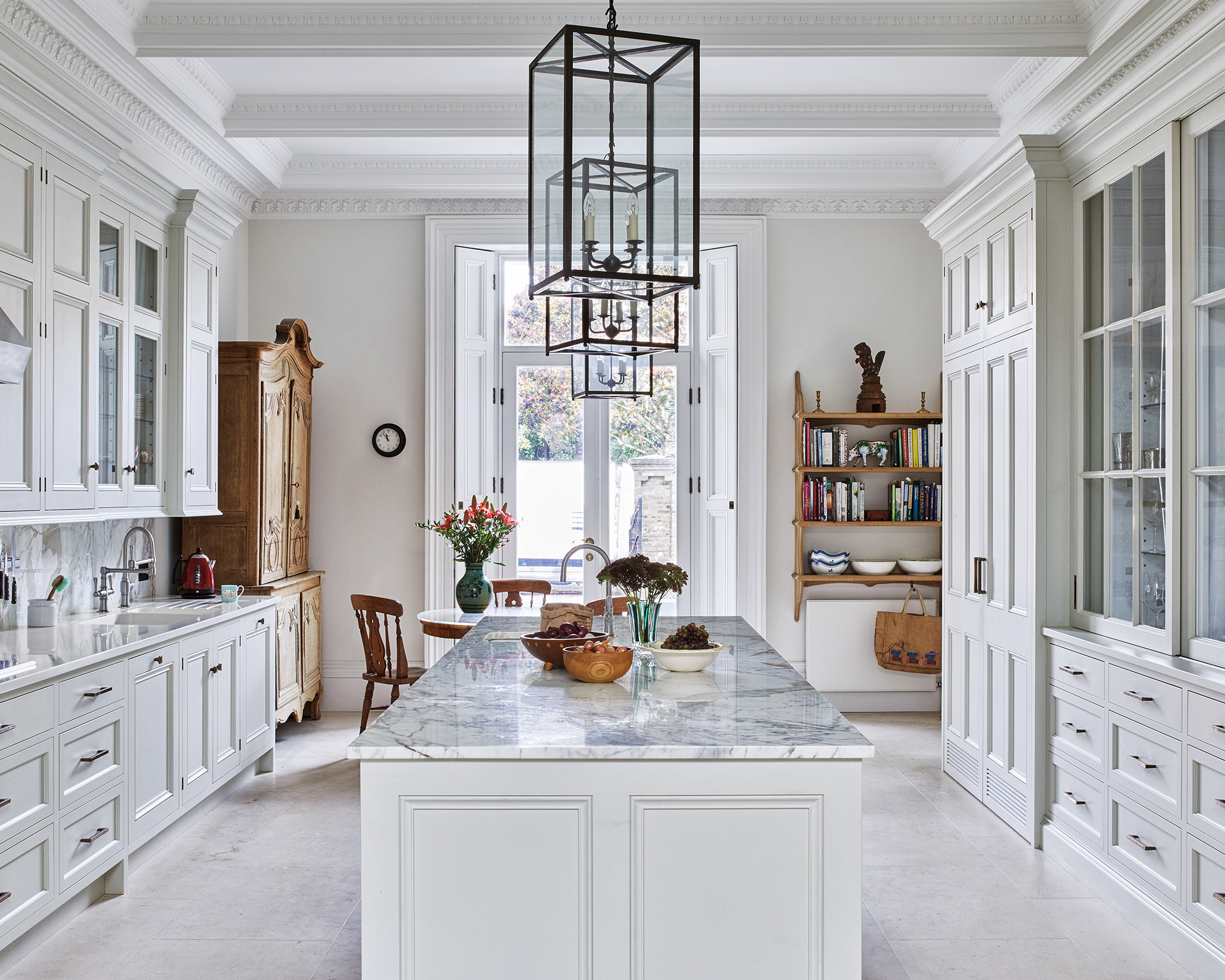
Finally, heavy, ornate chandeliers, once a staple in formal kitchens, are now considered excessive. More streamlined fixtures that align with contemporary or transitional styles are preferred. For those desiring a chandelier, delicate options or glass pendants with a weightless movement are suggested, ensuring they provide soft ambient lighting without obstructing views. The key takeaway for on-trend kitchen lighting is layering: combining ambient, task, and accent lighting for a versatile and inviting space, with easily adjustable fixtures to suit different activities and needs. Metal fixtures are generally recommended for durability and ease of cleaning in a kitchen environment.
#KitchenLighting #InteriorDesignTrends #OutdatedTrends #ModernKitchen #LayeredLighting #PendantLights #HomeDecor #DesignTips #KitchenRemodel #KitchenLighting #InteriorDesignTrends #OutdatedTrends #ModernKitchen #LayeredLighting #PendantLights #HomeDecor #DesignTips #KitchenRemodel
0 comment in total
 No comments yet
You may also like
5 outdated lighting trends designers say to avoid – and the designs and techniques to use, instead
Kitchen trends to avoid 2023 – 9 overdone looks interior designers want us to steer clear of

15 Outdated Things You Should Avoid In Your Kitchen, According To Designers

5 Outdated Kitchen Trends Interior Designers Hope Never Come Back

Kitchen Lighting Mistakes That Are Making Your Space Look Dated
22 Outdated Things You Should Avoid in Your Kitchen, According to Designers
Essential Kitchen Lighting Tips, According to Industry Pros

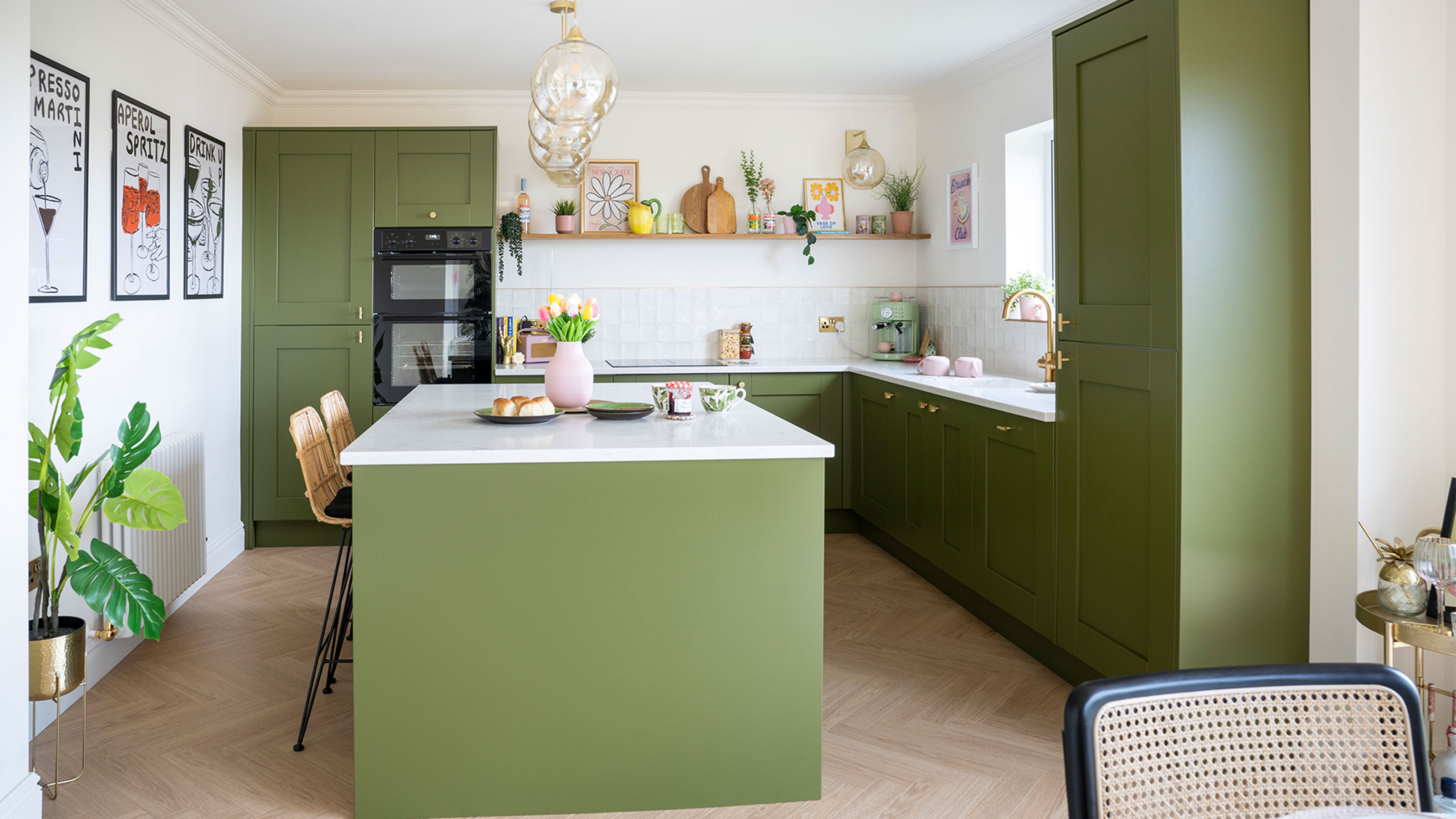
Experts warn this is the biggest mistake people make when choosing lighting for their kitchen
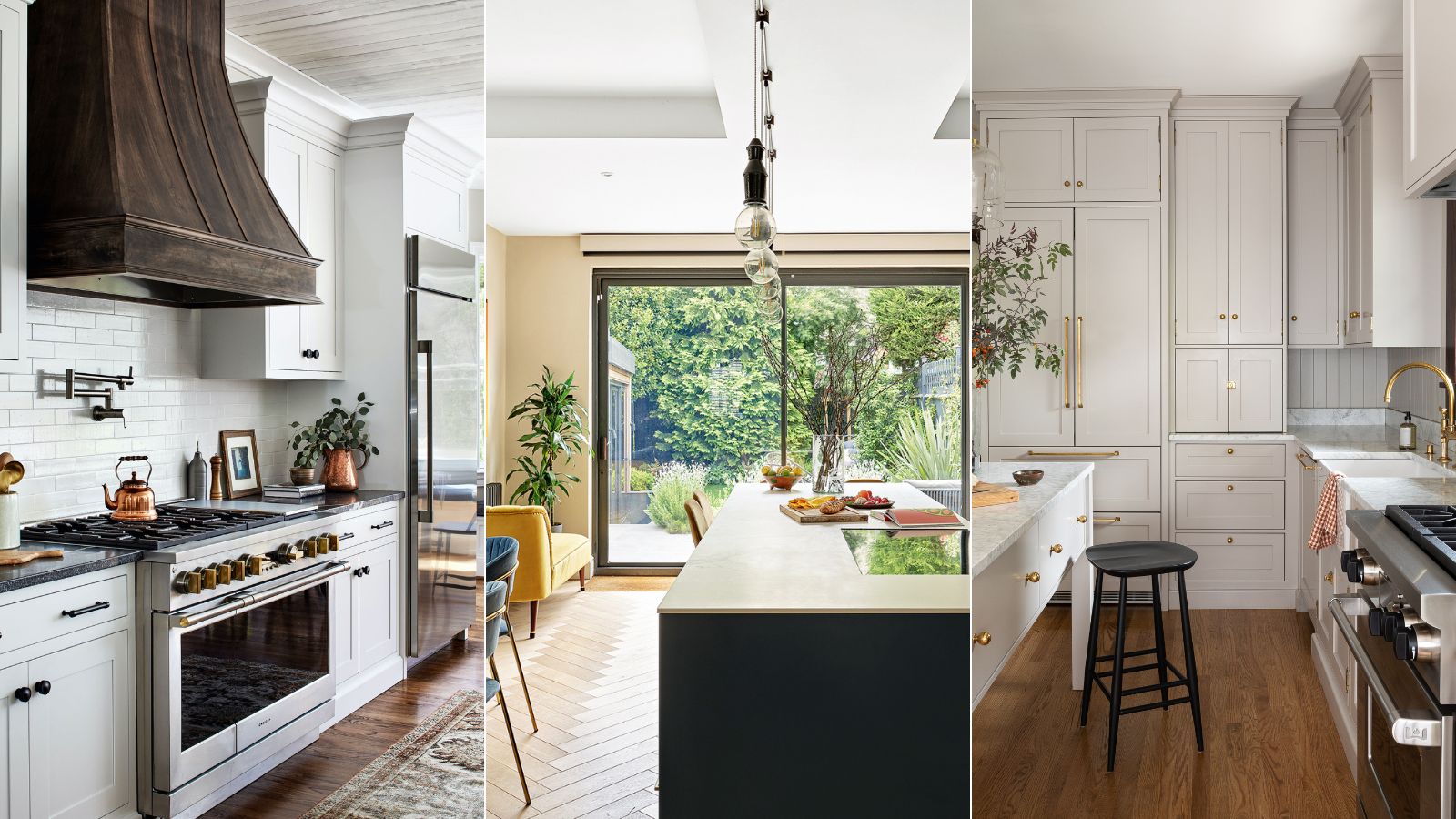
Outdated kitchen trends – 5 overdone looks that designers like to avoid, and here's why you should too
5 Outdated Kitchen Cabinet Trends That Interior Designers Say You Should Skip

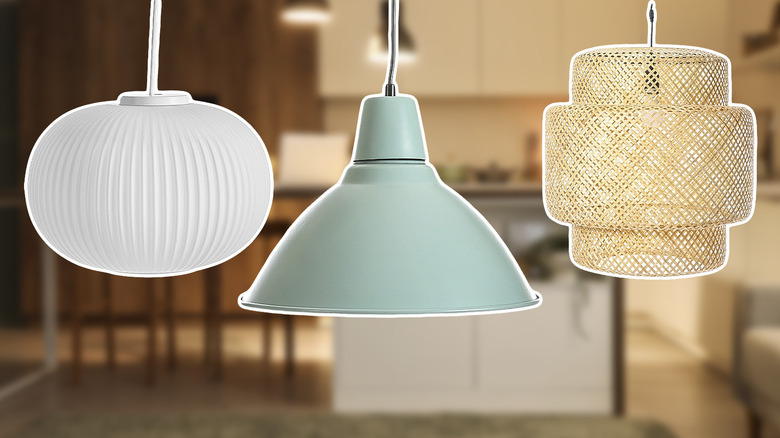
12 Kitchen Lighting Mistakes (And How To Avoid Them)

Every Mistake I Made While Designing My Kitchen Lighting Scheme — The 5 Errors I Strongly Advise Against

5 Lighting Trends That Are So Outdated, According to Designers

5 Kitchen Lighting Design Rules Interior Designers Warn You Should Never Ignore for a Well-Lit Space
6 Outdated Kitchen Trends Designers Say You Need to Avoid in 2025 — And What to Do Instead
7 Kitchen Design Trends Chefs Say Are Totally Bogus
9 Outdated Kitchen Trends to Watch Out For

5 kitchen trends to avoid for a unique and timeless design
5 outdated kitchen cabinet color trends to avoid if you don't want your kitchen to look unfashionable, say designers
6 Outdated Lighting Trends to Avoid in 2025, According to Interior Designers