1/11
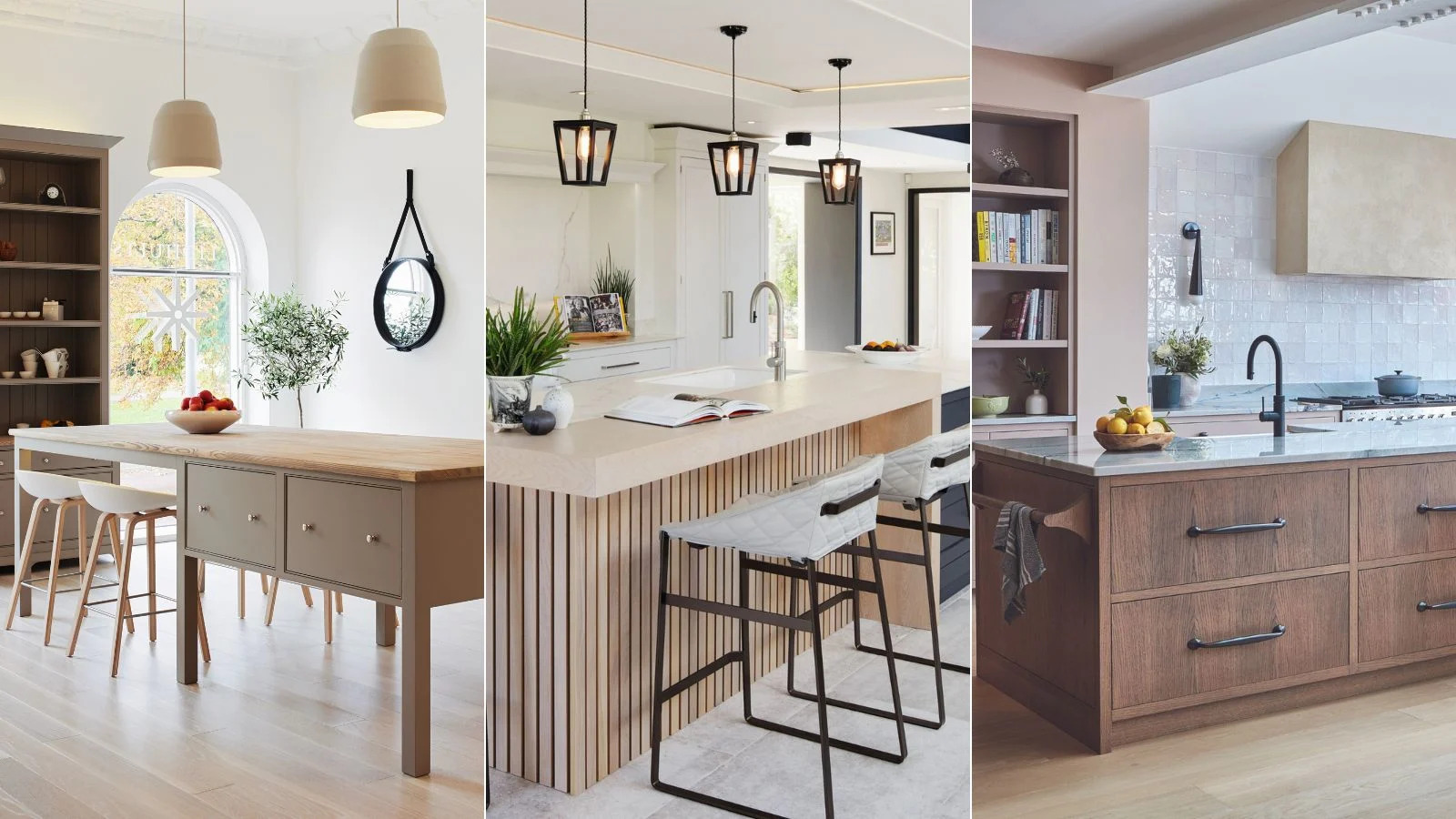
How to organize a kitchen island — 7 expert tips from pros
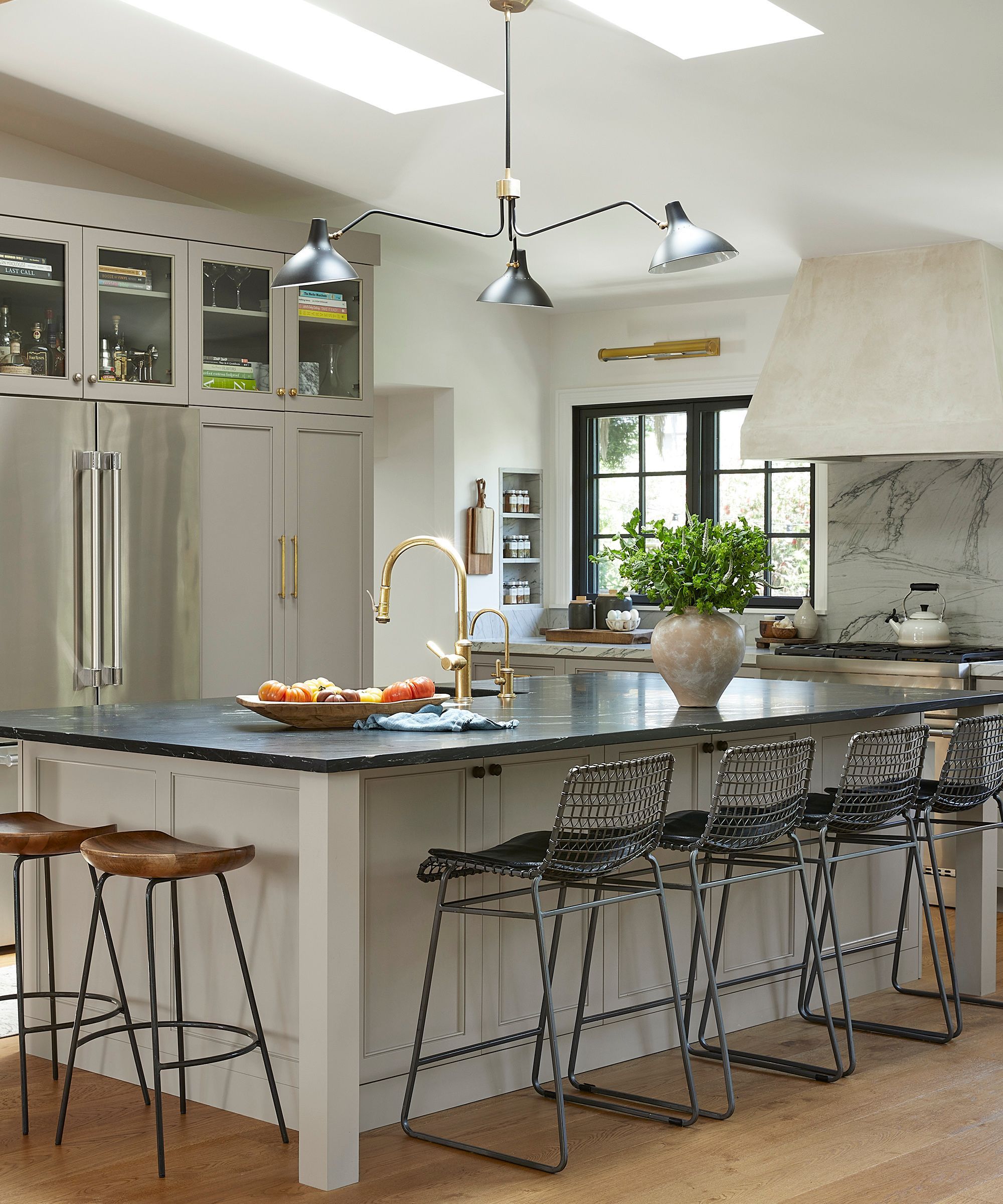
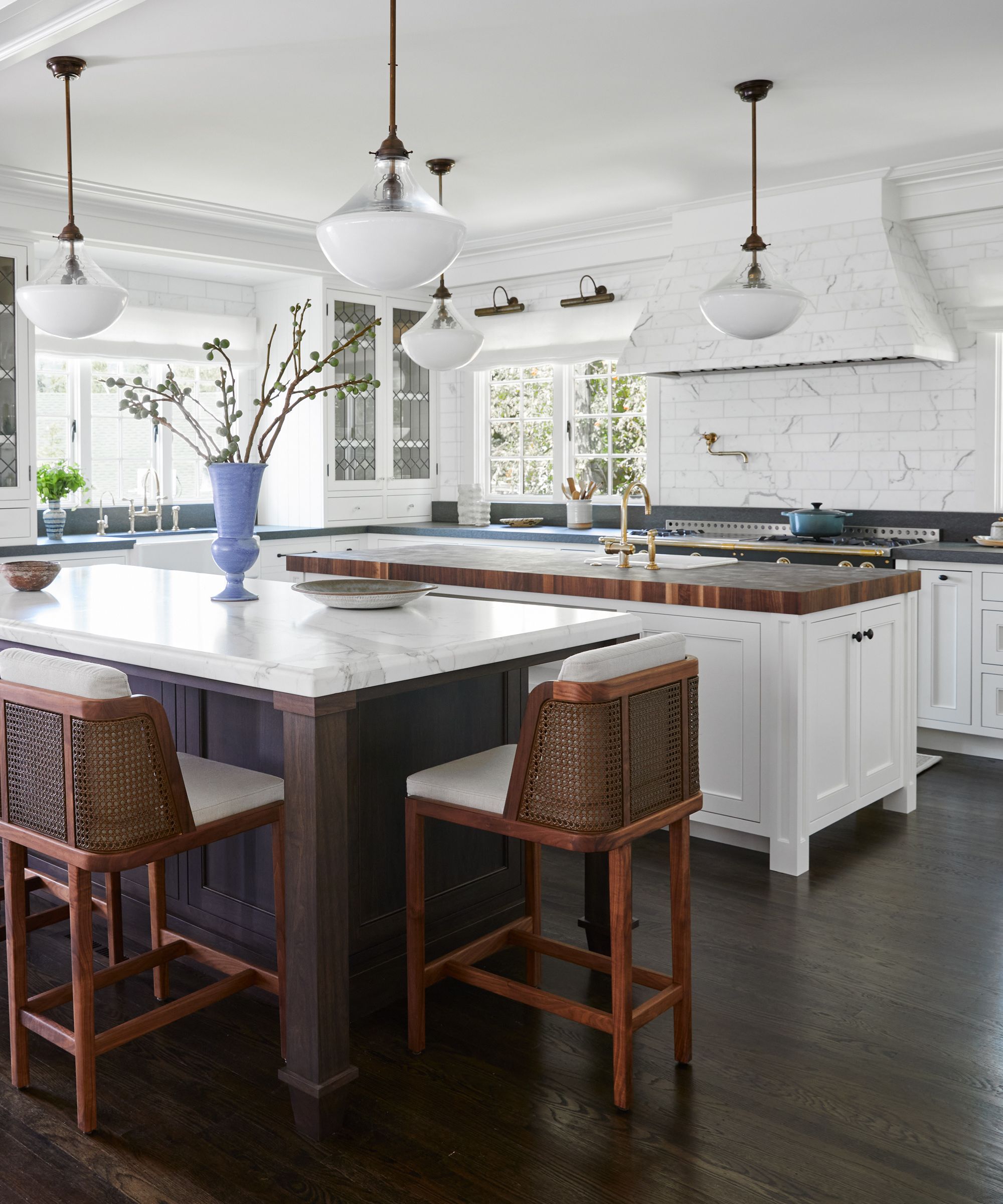
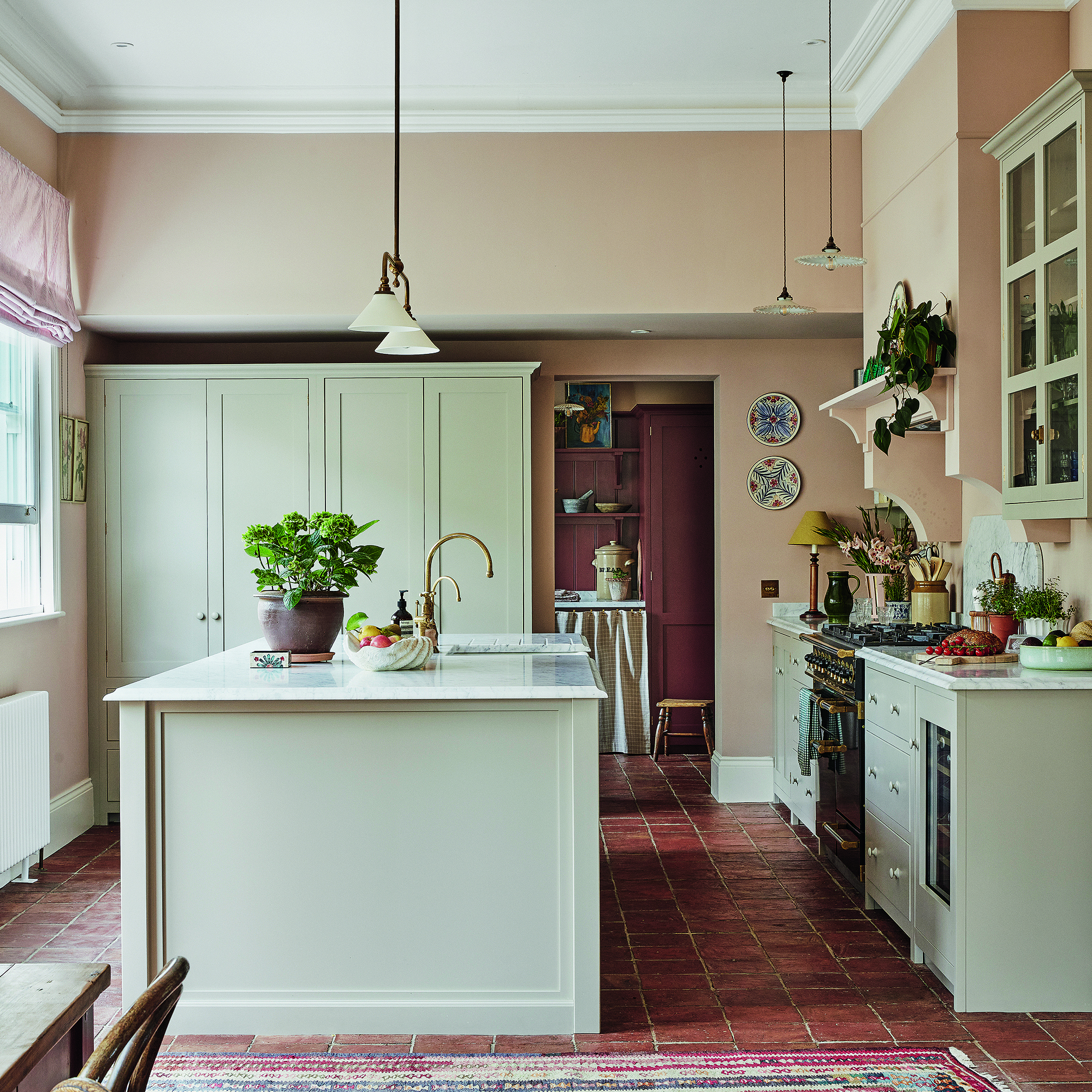
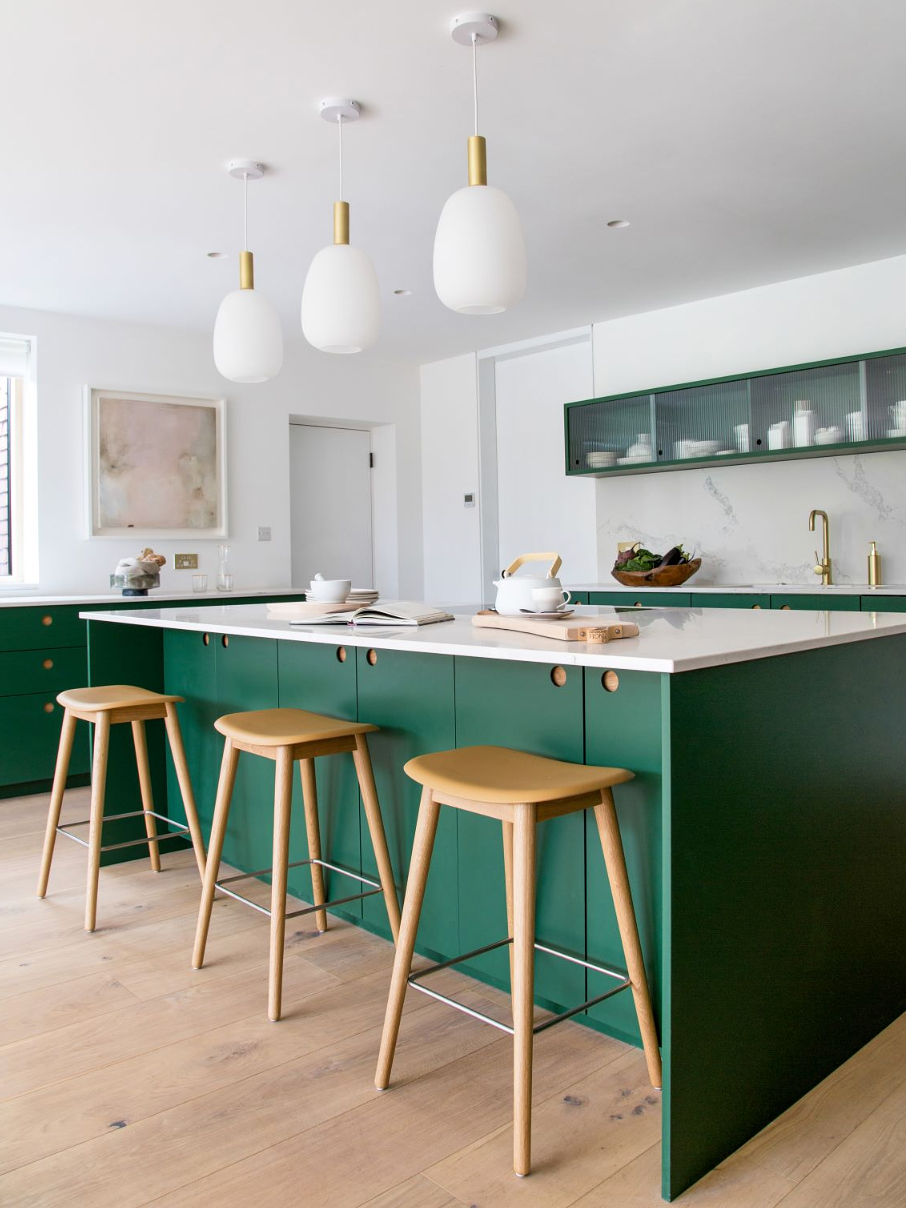
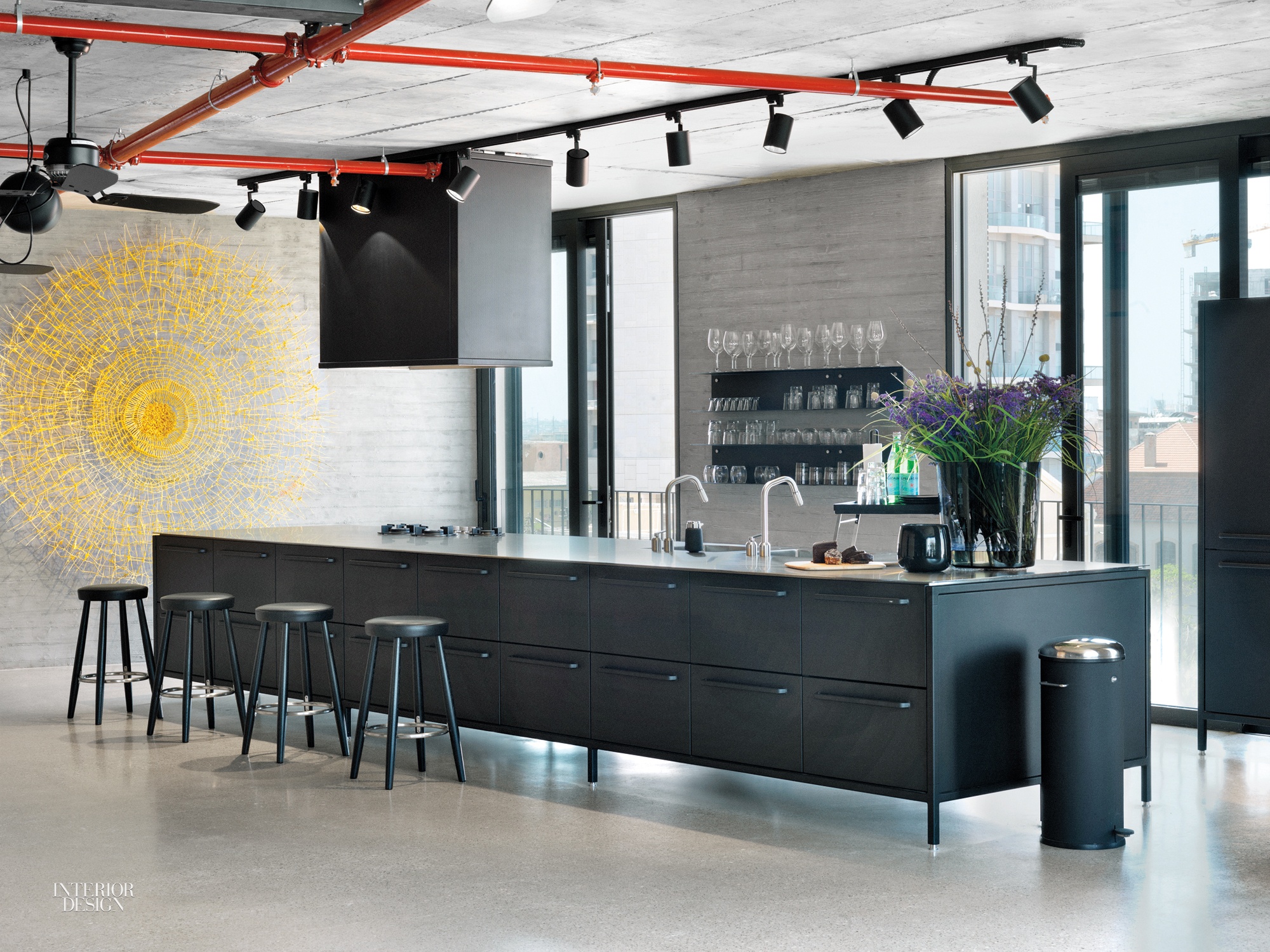
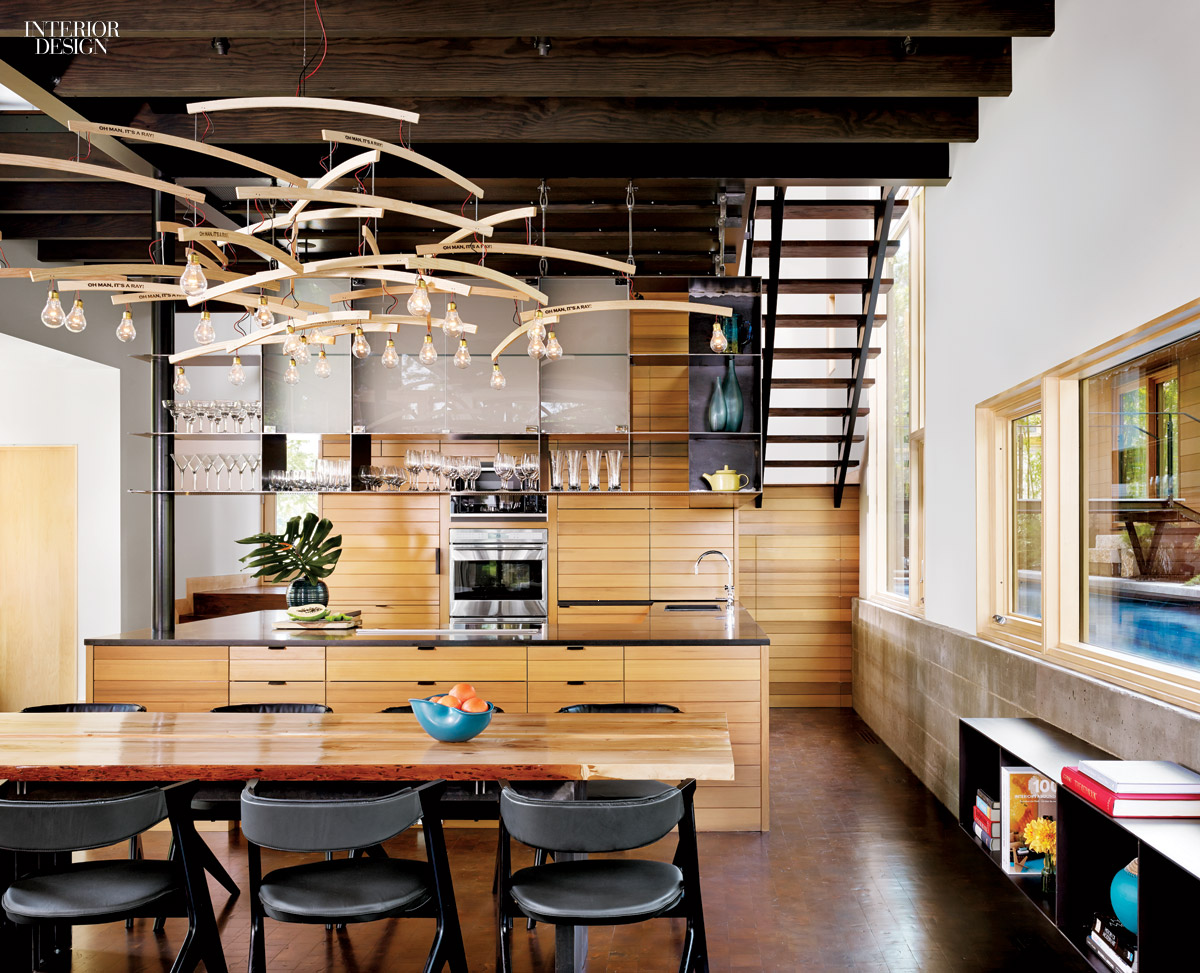
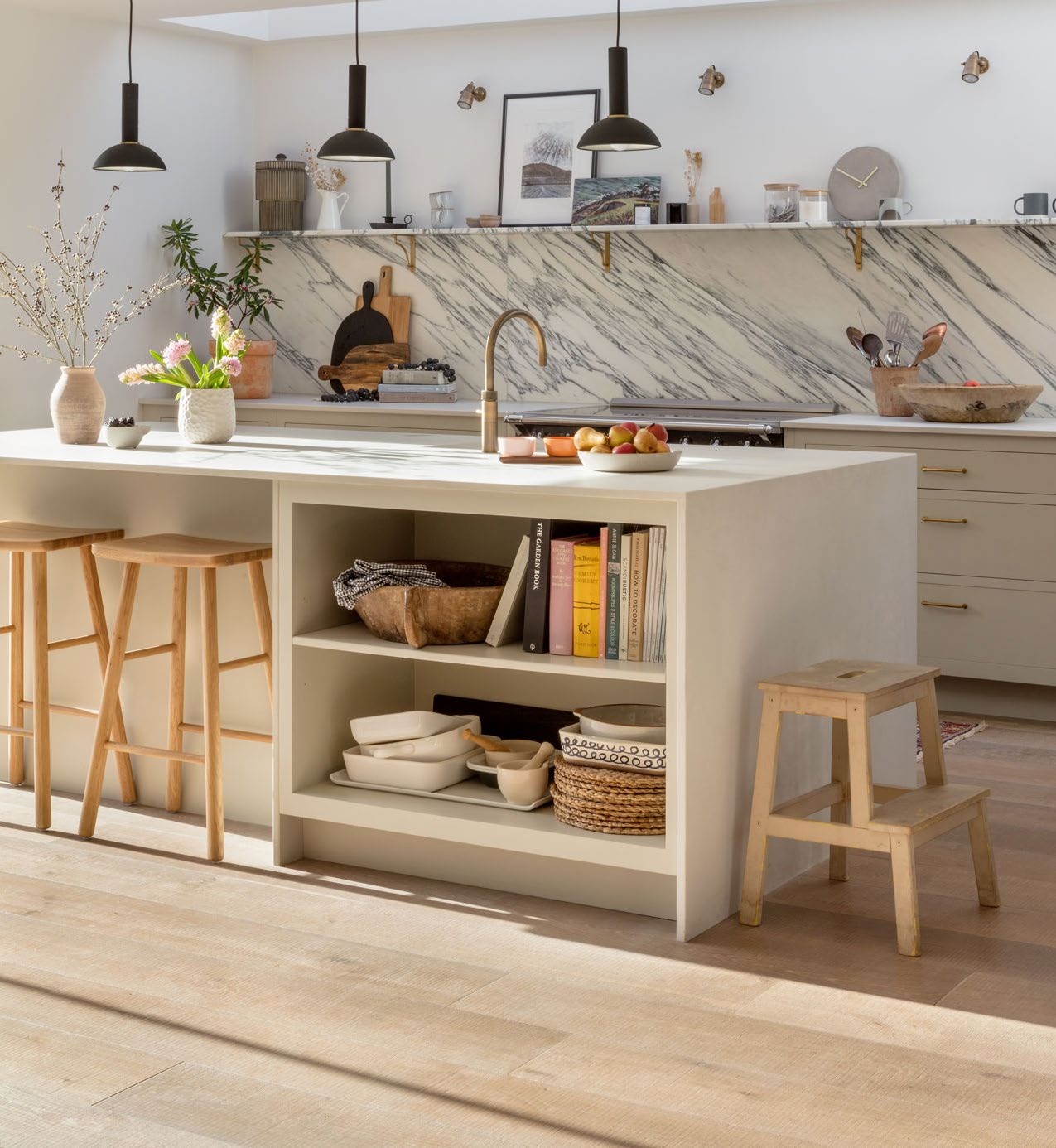
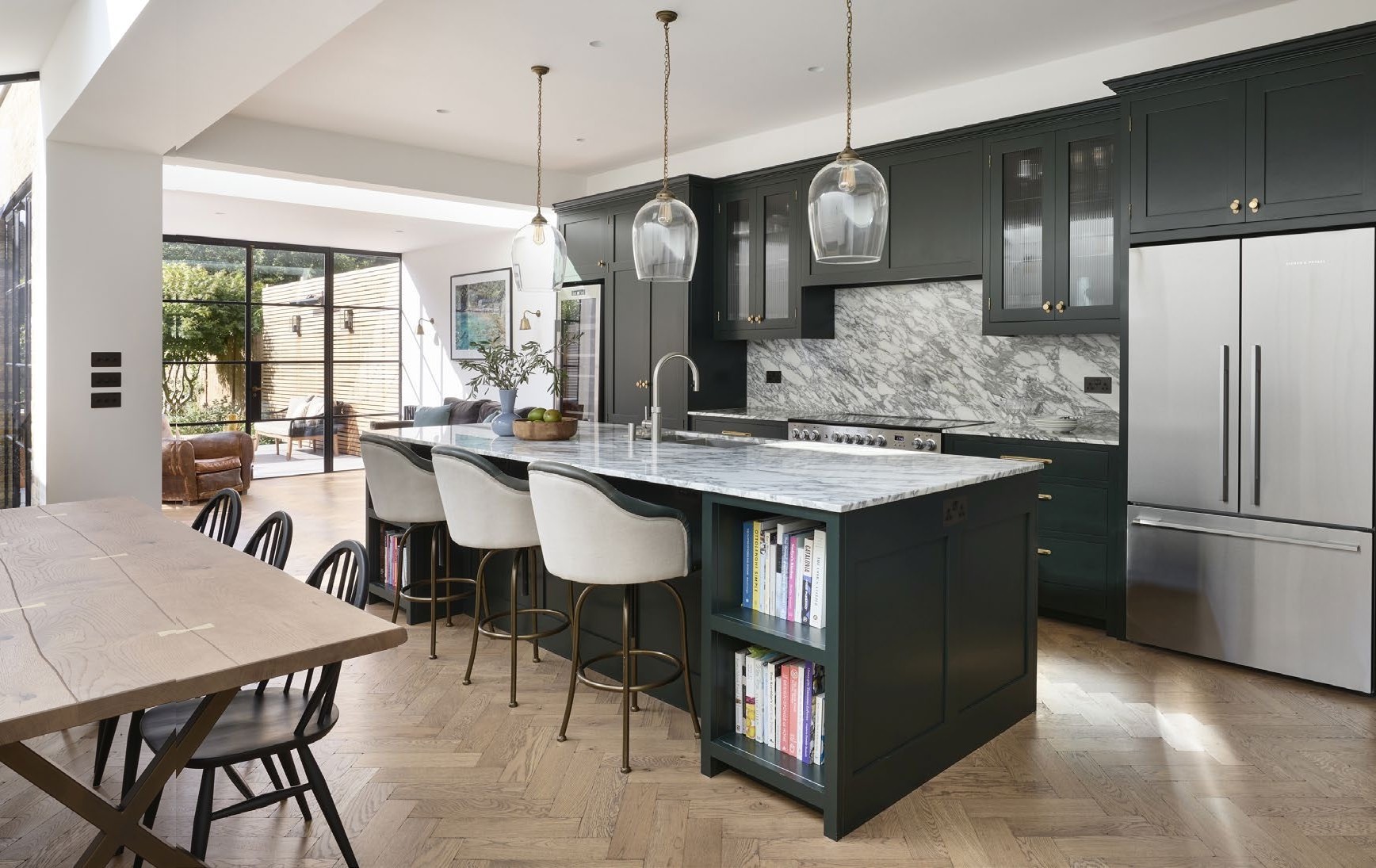
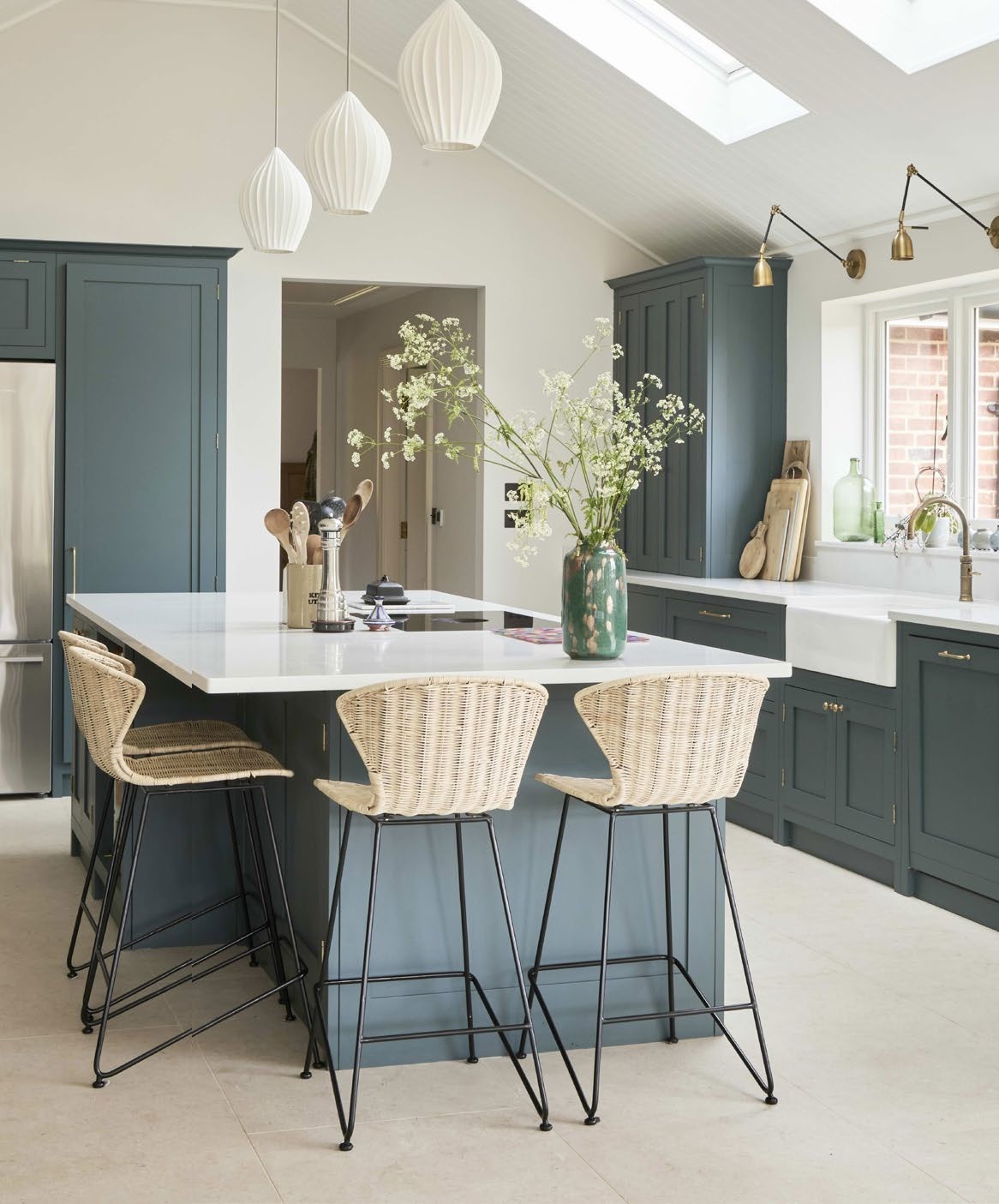
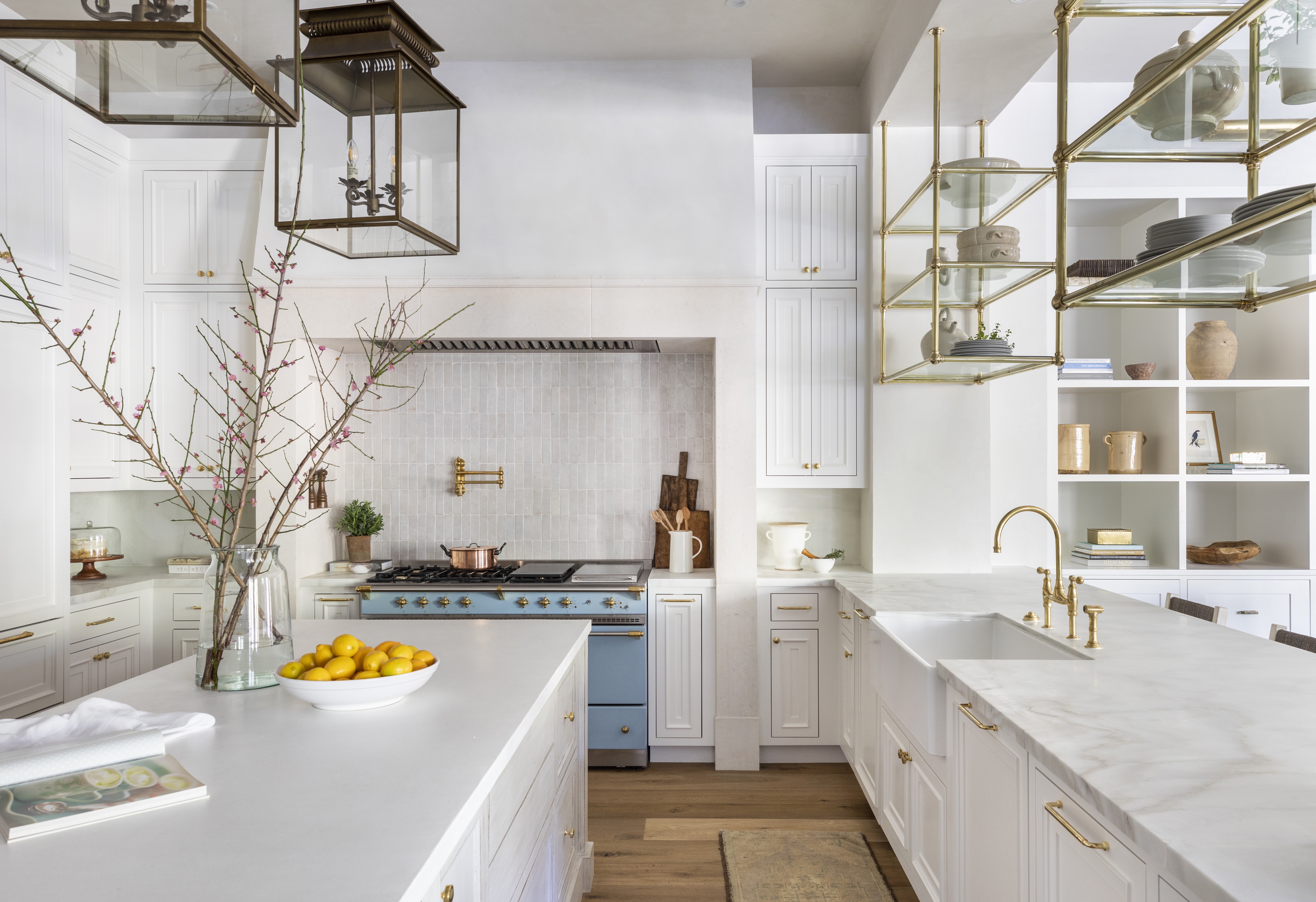
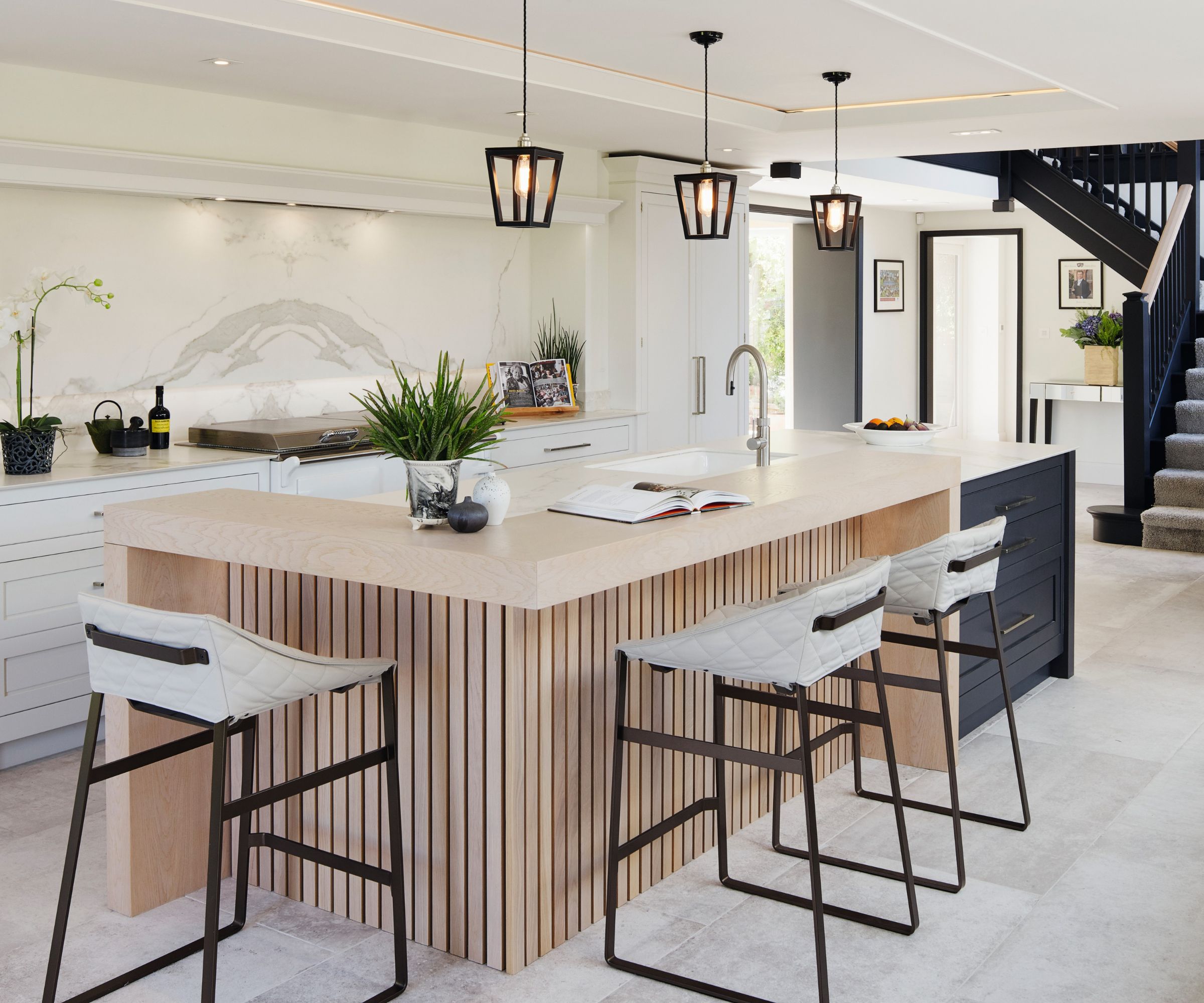
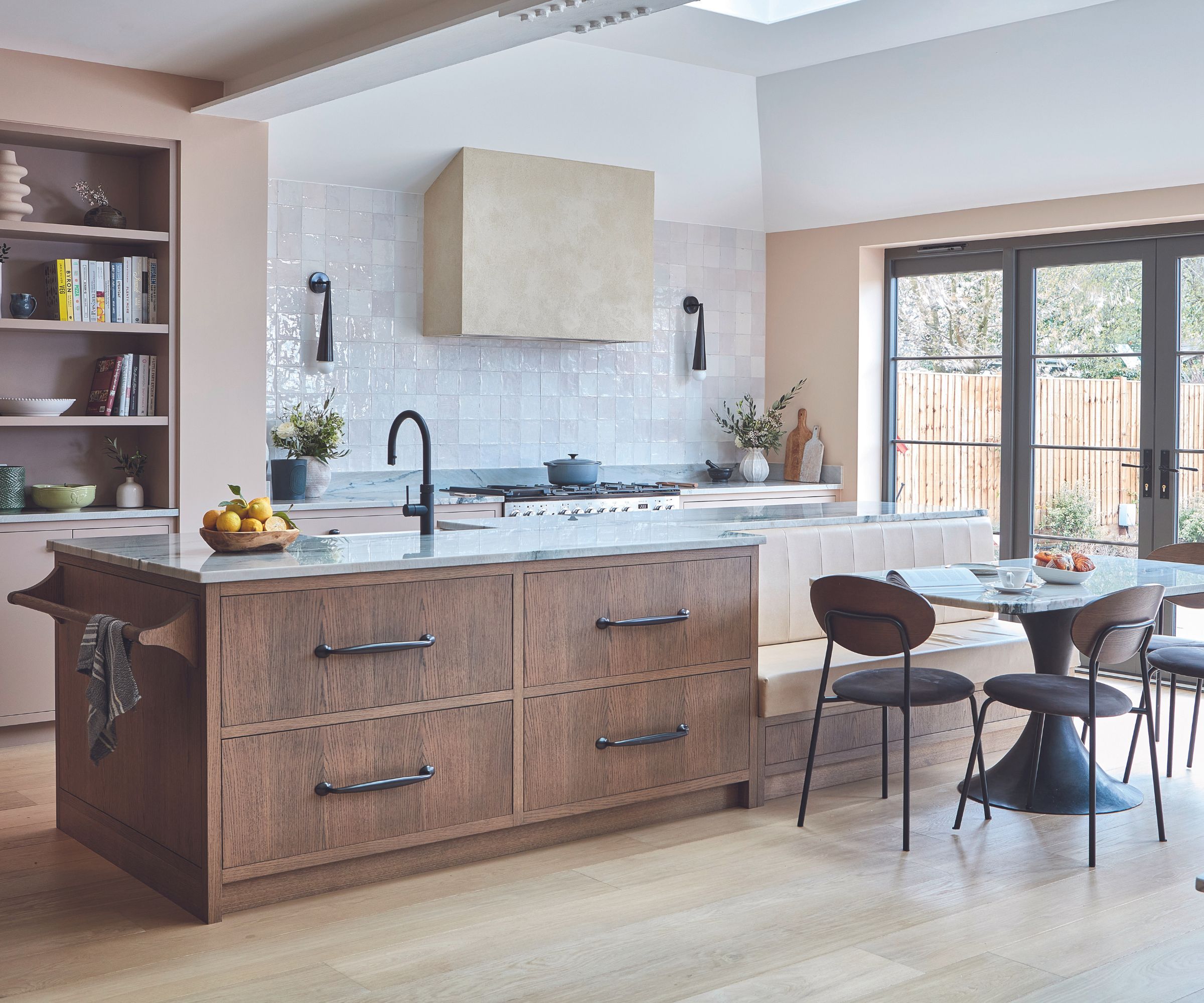
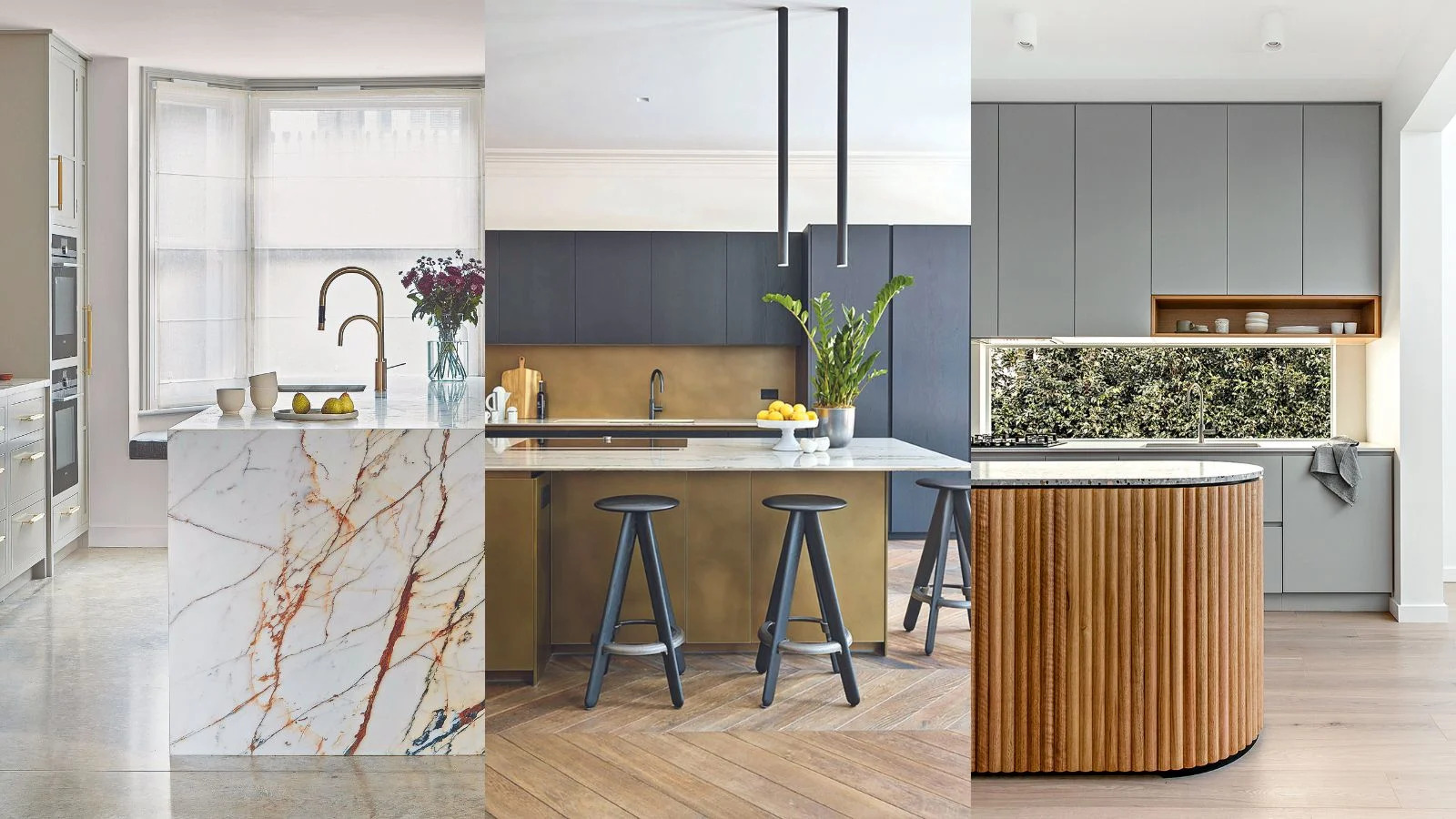
A well-organized kitchen island is a highly functional asset in any home, serving multiple purposes from food preparation and cooking to dining and entertaining. Maximizing its utility requires intentional organization to minimize clutter and ensure seamless operation. Professional organizer Audra George emphasizes that a kitchen island can provide excellent storage and functionality when correctly organized.
The initial step in organizing a kitchen island involves thorough decluttering and categorization. Certified Professional Organizer Amy Trager recommends removing all items from the island and sorting them into distinct categories such as baking dishes, serving dishes, and utensils. This process helps in assessing the volume of items in each category and determining what should be kept or discarded. Trager suggests evaluating items based on their usage within the last year, whether they would be repurchased today, and their current condition. Items that do not meet these criteria should be donated or disposed of. Clearing the entire island provides a clear overview of the available space, making subsequent organization more effective.
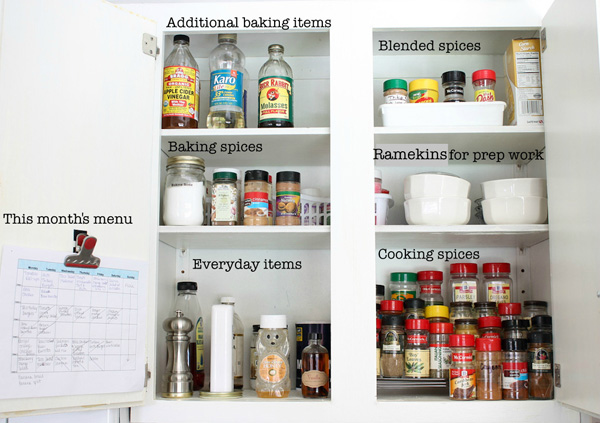
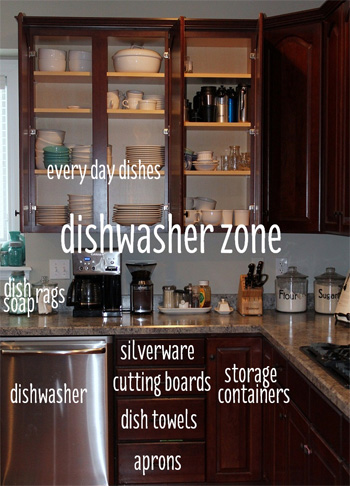
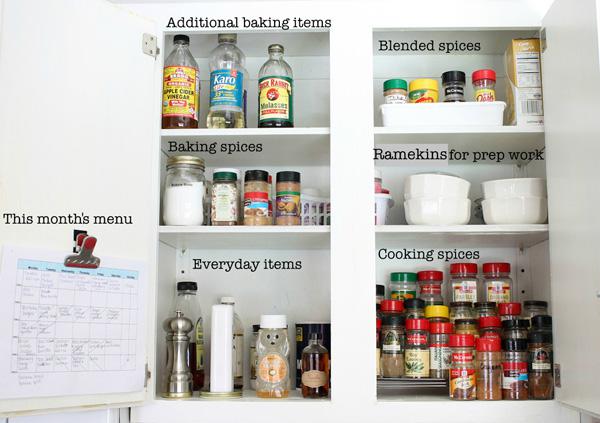
Once items are categorized, the next crucial step is to group similar items together. This applies not only to kitchen islands but to any frequently used space. Grouping items like spices, utensils, bakeware, serveware, and appliances ensures that everything is easily locatable. Audra George advises grouping similar items, while Amy Trager highlights that having a dedicated place for each category simplifies the process of finding and returning items for everyone using the kitchen, preventing the need to search multiple locations for a single item.
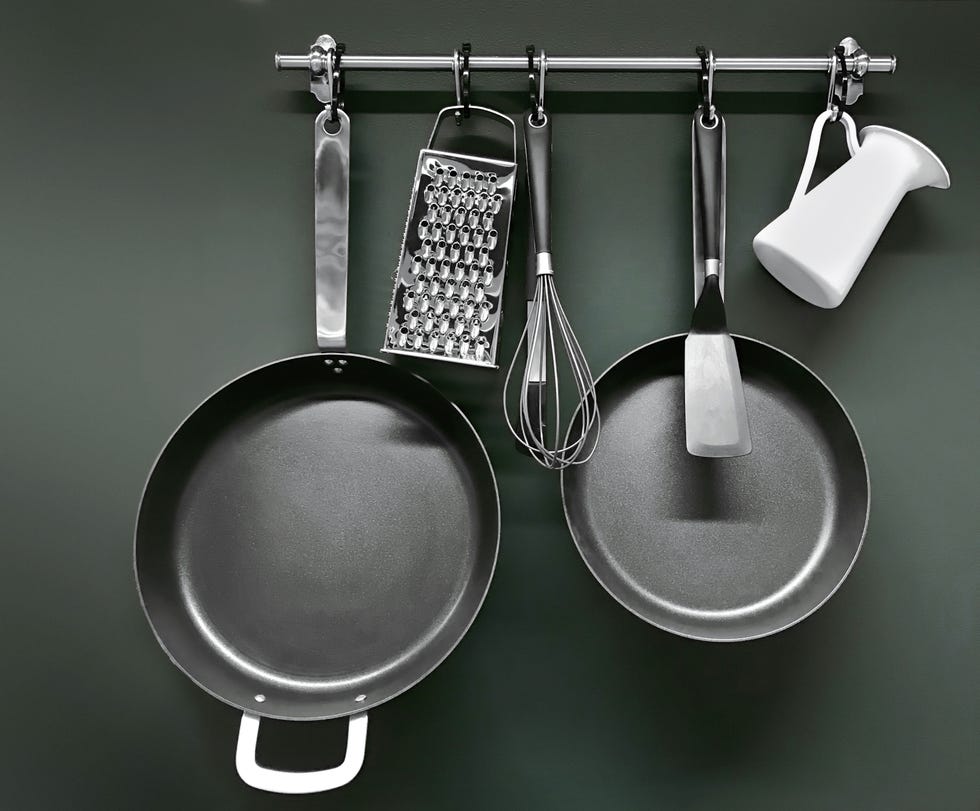
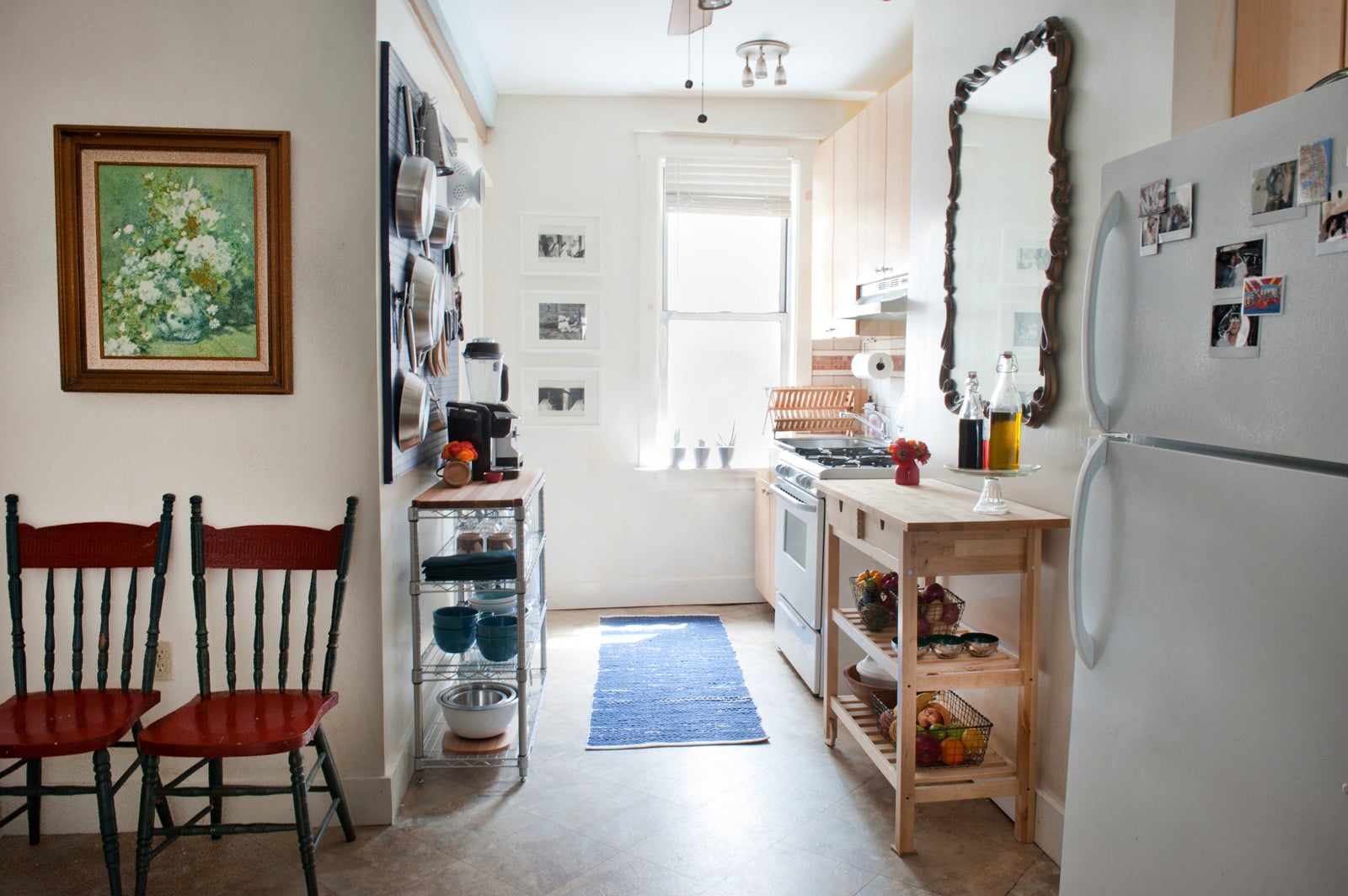
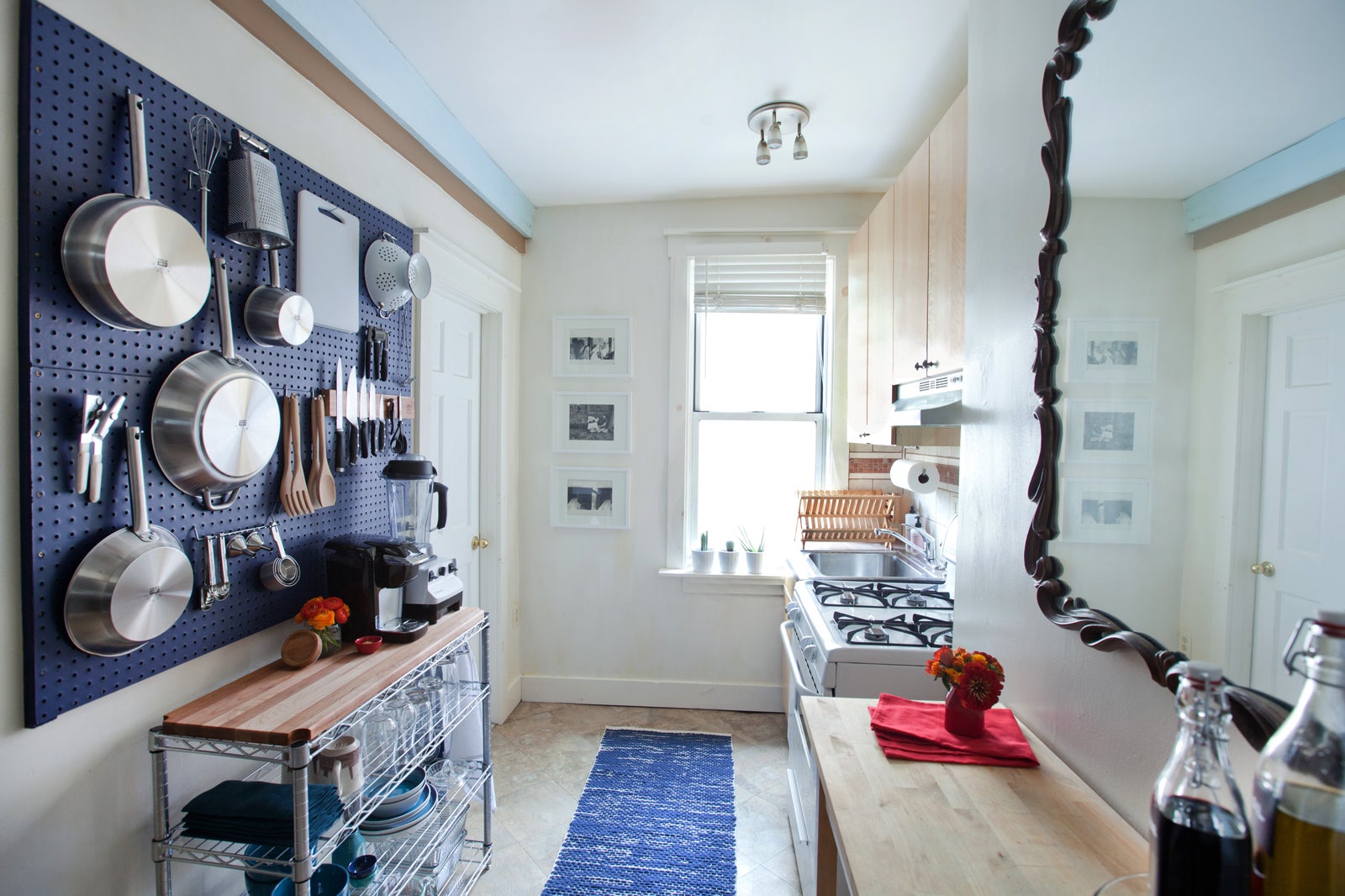
Despite their versatility, it is beneficial to assign a primary purpose to the kitchen island. This focus guides the organization process. For example, if the island is primarily used for food preparation, it should be organized with tools like knives, spoons, whisks, can openers, spatulas, graters, pots, and pans. Certified Professional Organizer Sara Bereika suggests creating distinct zones for different purposes and reserving the island specifically for food preparation tools, rather than using it for storing daily mail or everyday dishes. Establishing these boundaries helps prevent confusion and maintains order.
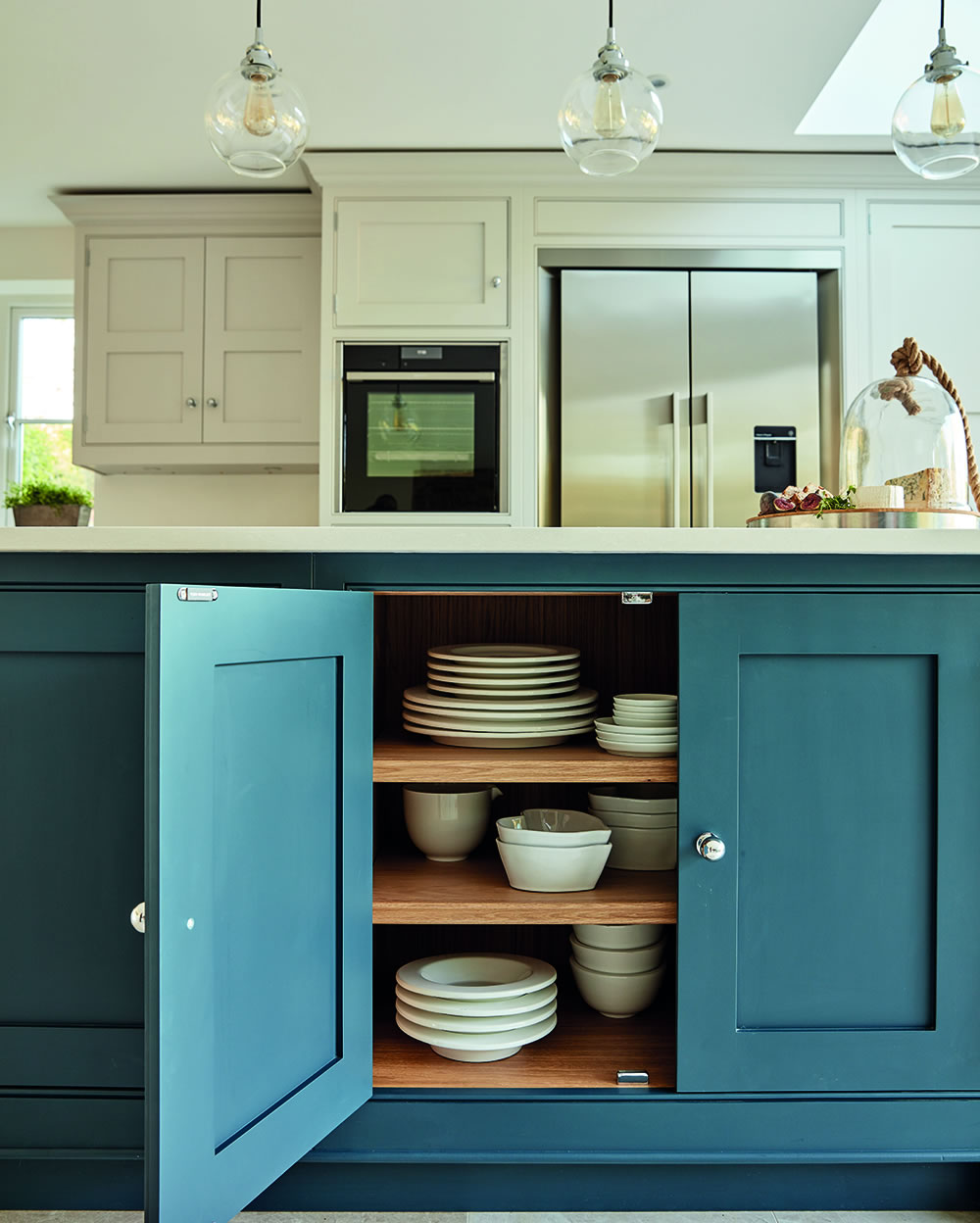
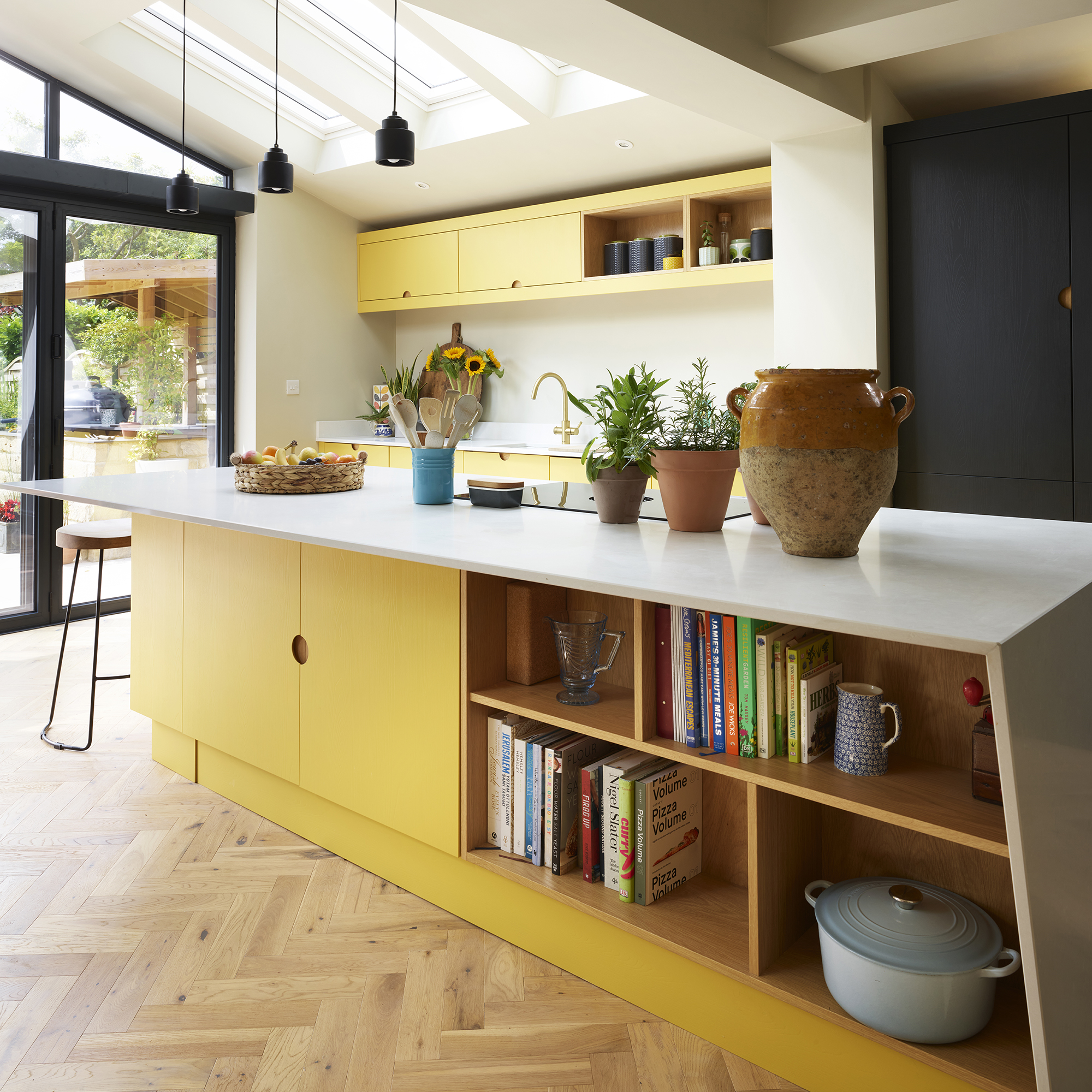
Considering the function and accessibility of items is vital when storing them on or in the kitchen island. Items used frequently should be placed in easily accessible locations, such as utensils near the stove or cutting boards and knives close together. Less frequently used items can be stored further back or in less accessible spots. Effective storage solutions, including small kitchen cabinet organizers and strategies for storing appliances in small kitchens, are essential for maintaining order.
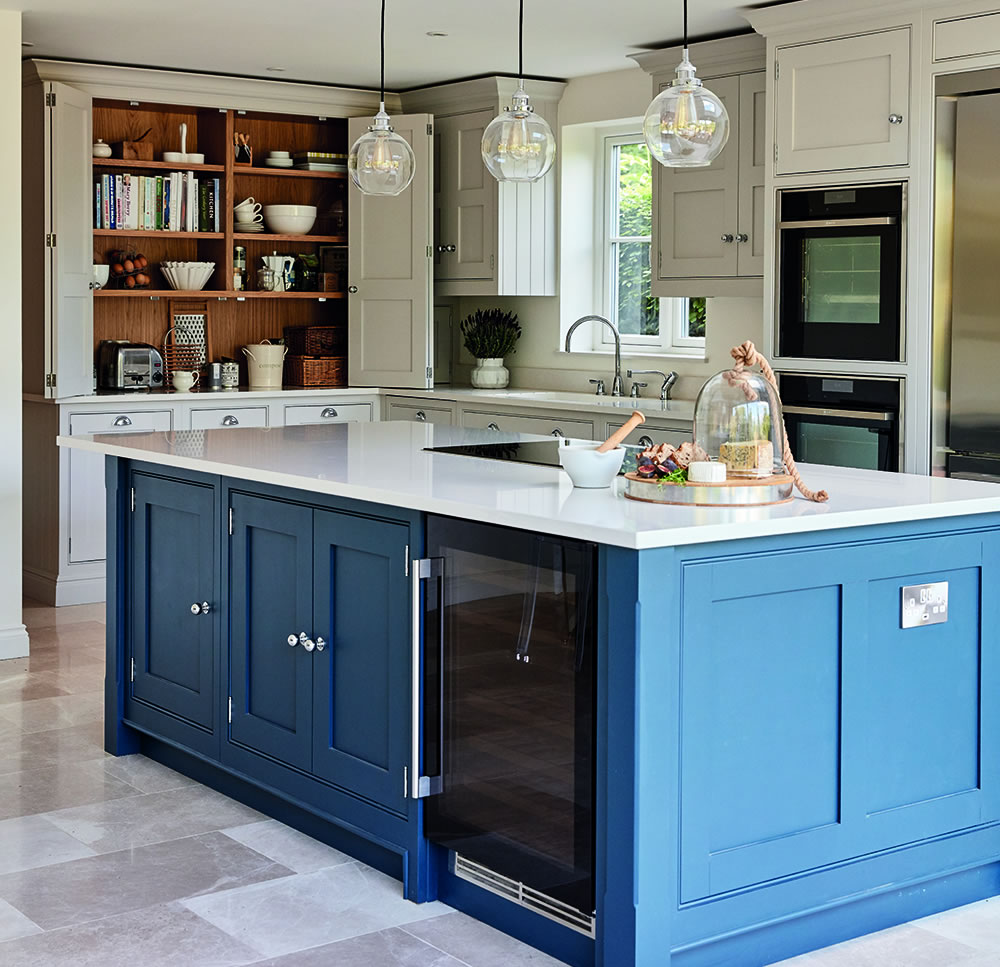
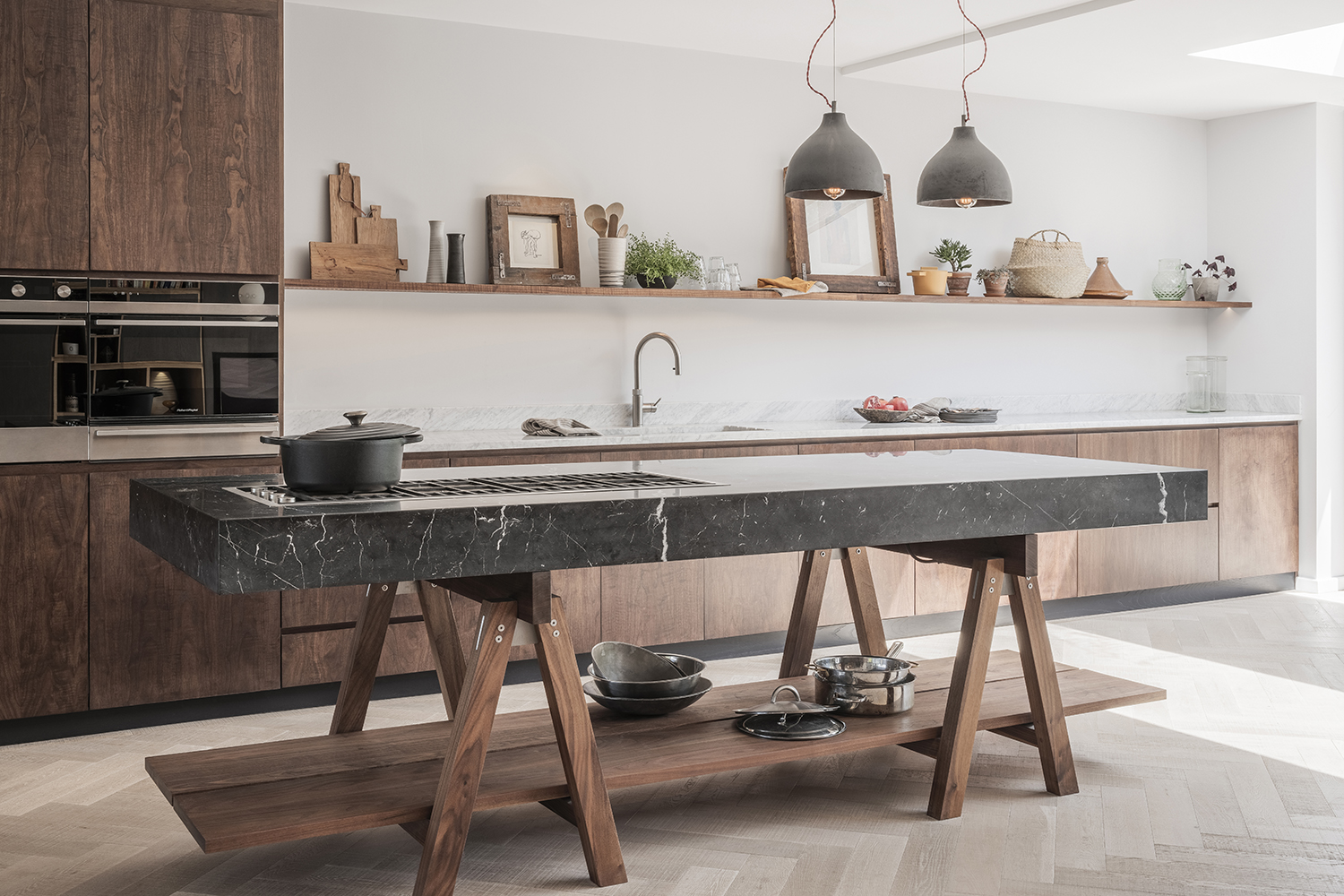
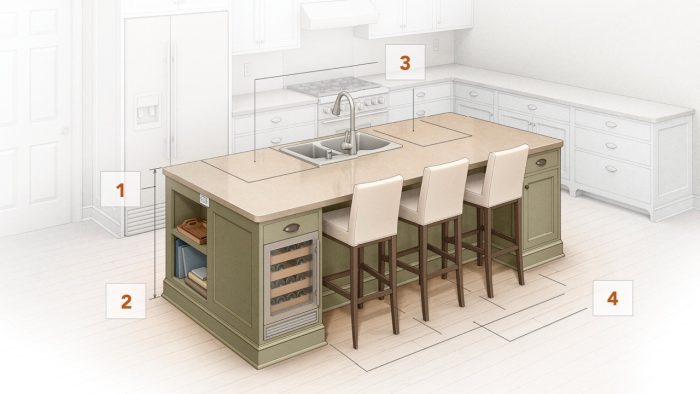
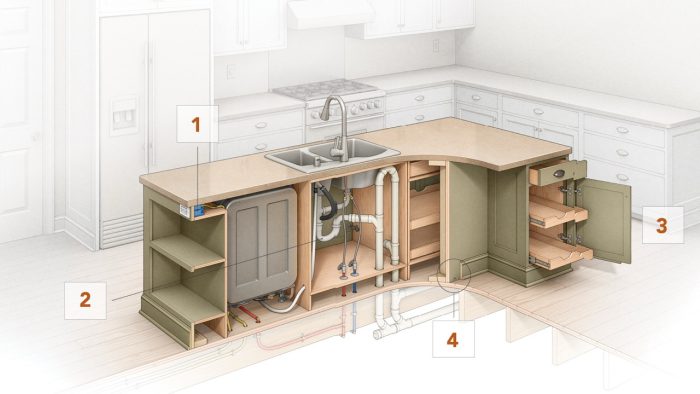
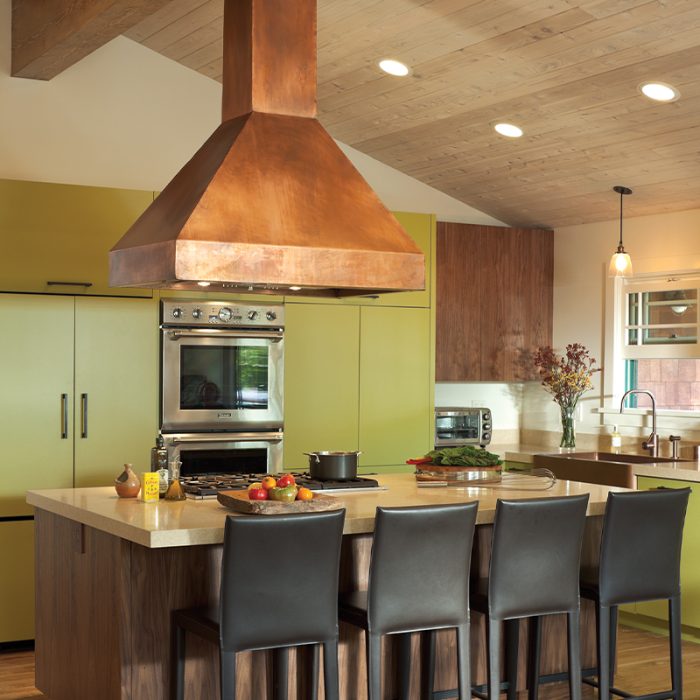
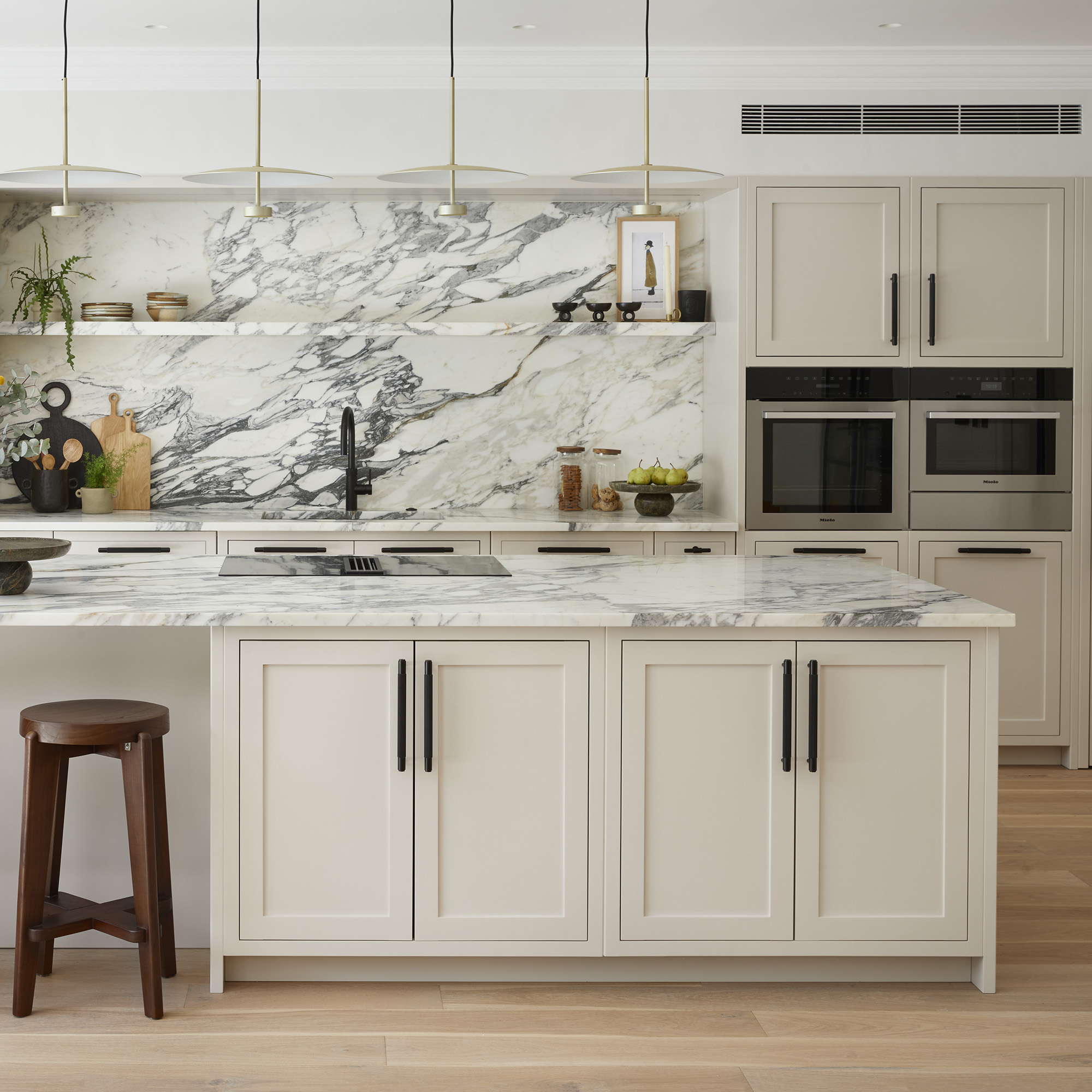
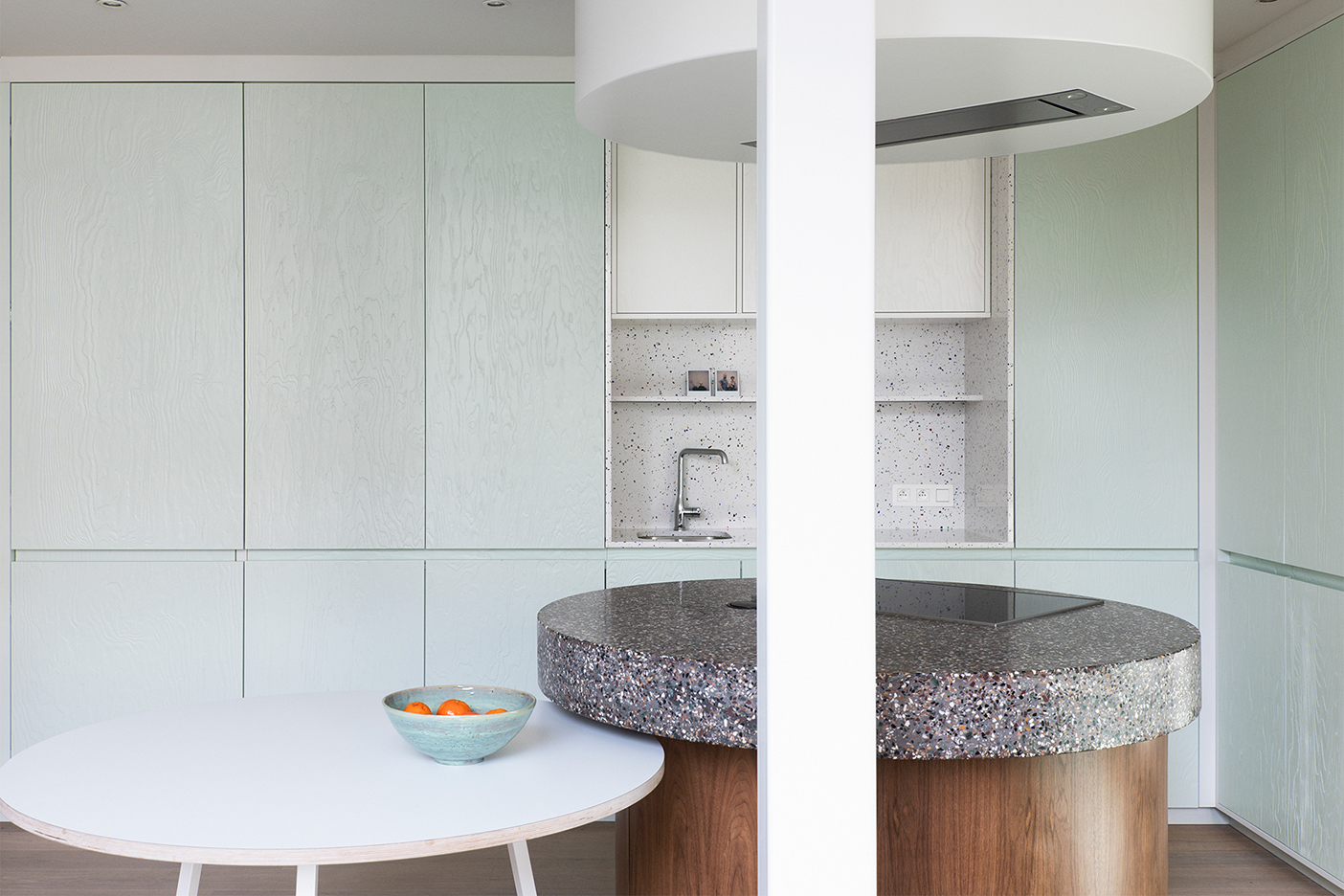
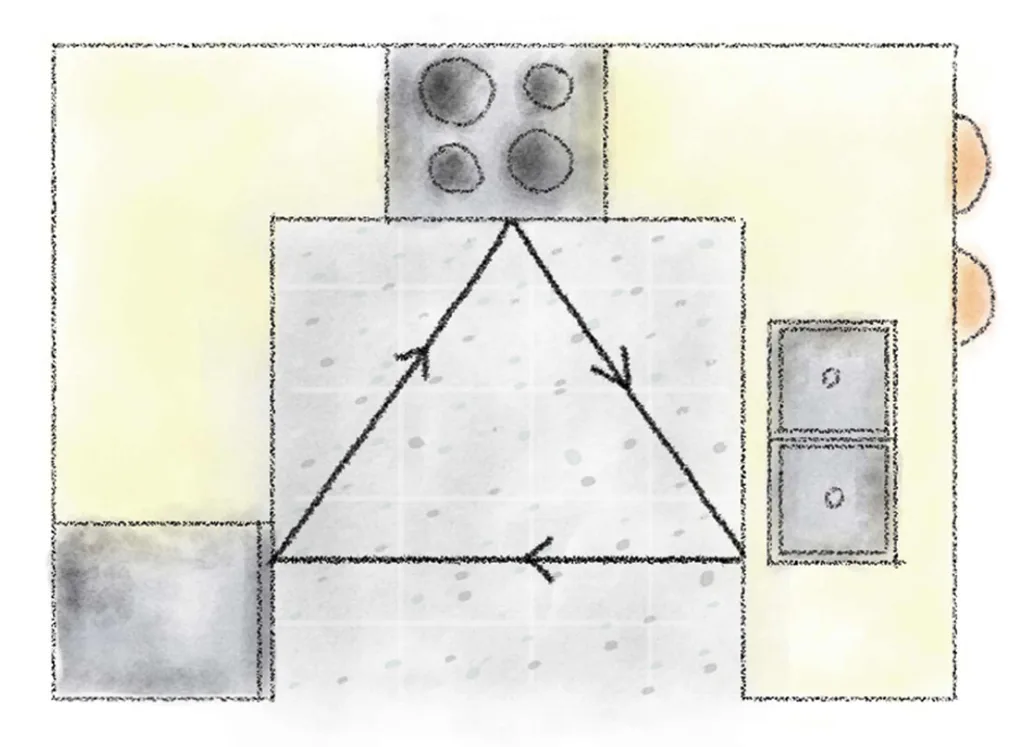
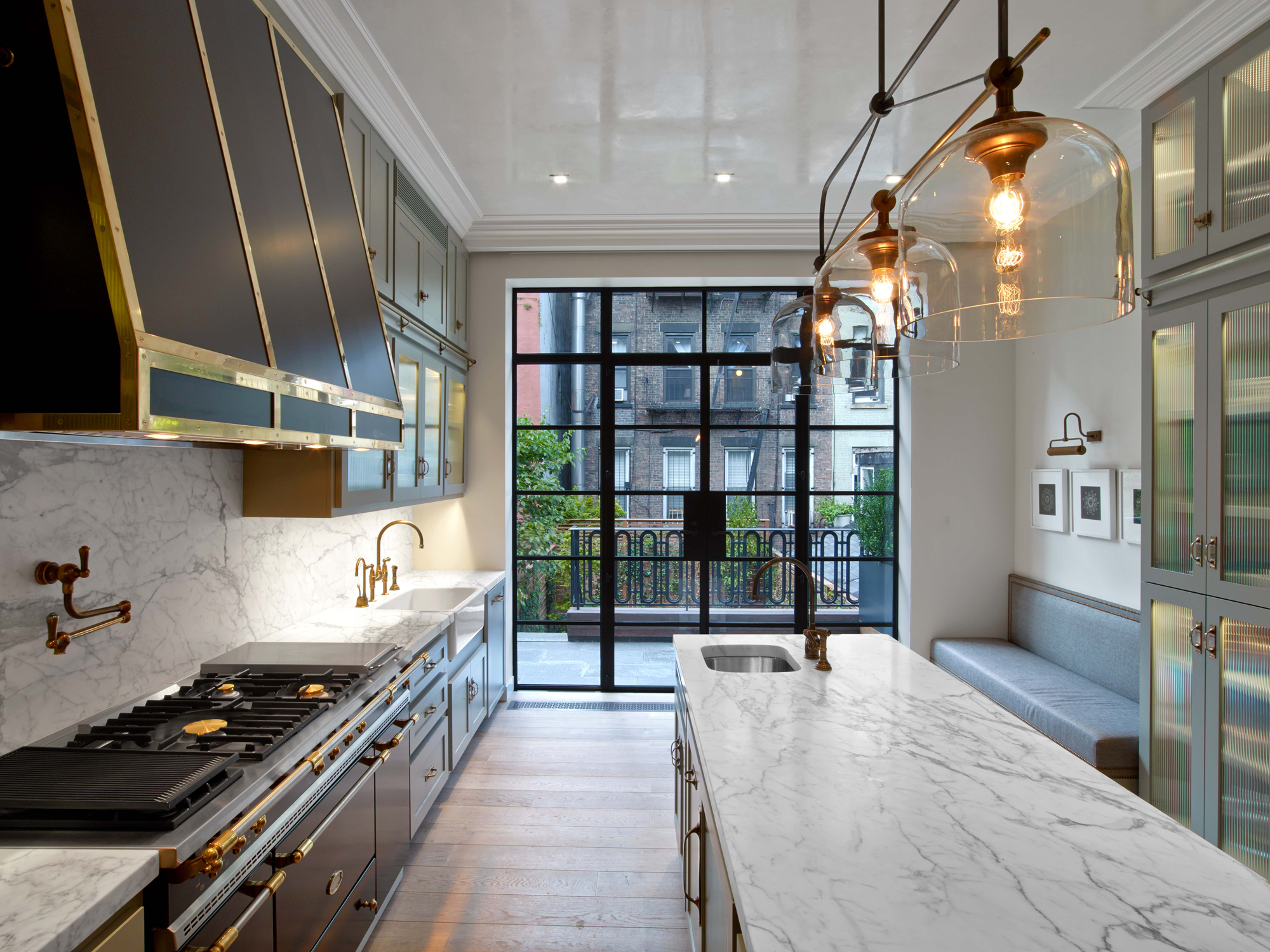
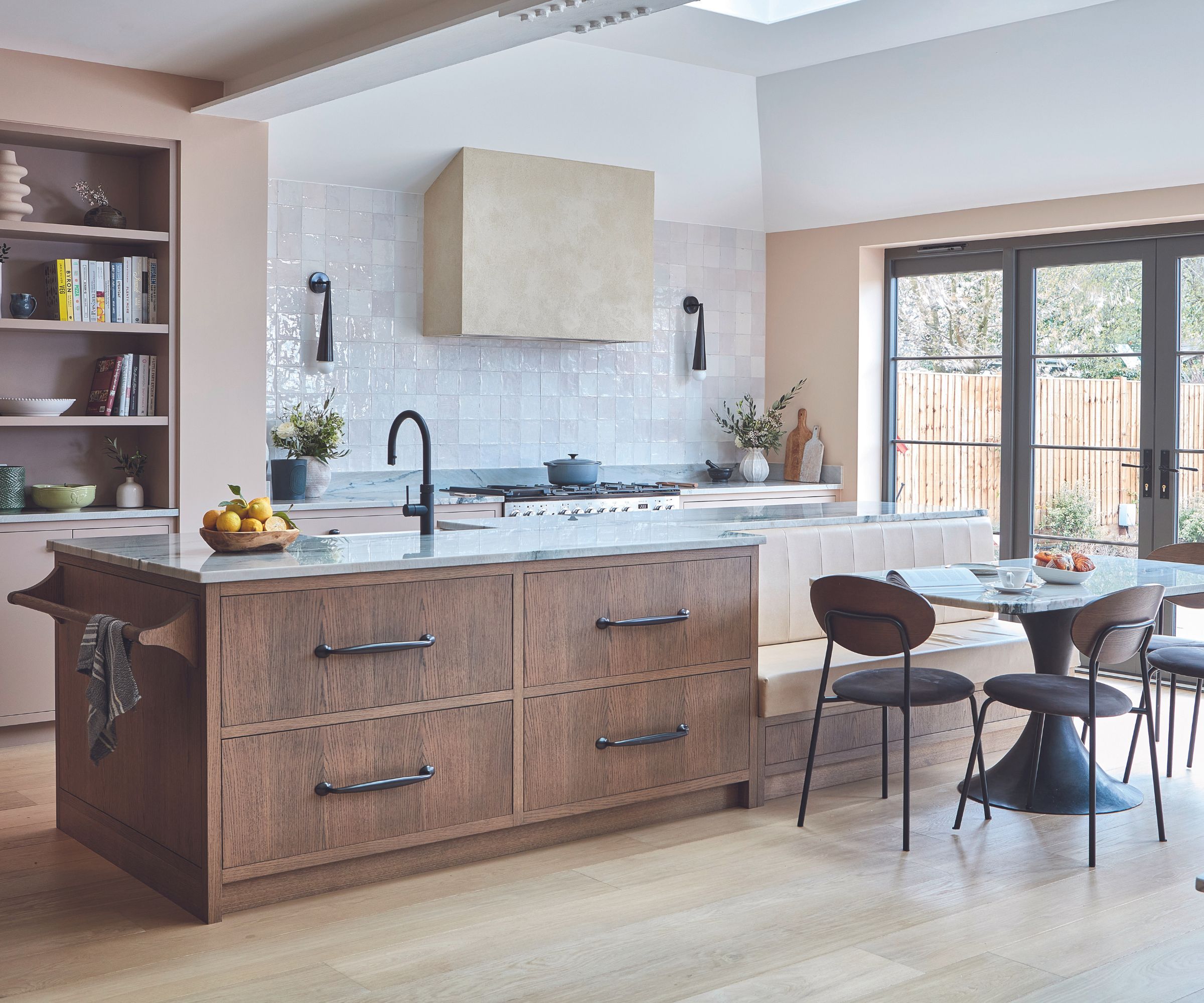
Appliance storage also requires careful consideration. Whether appliances are already integrated into the island or planned for future inclusion, their placement should prevent clutter. Lucy Searle, Content Director at Real Homes, suggests siting a hob on the island to allow the cook to face outwards and engage with others. She recommends sleek induction hobs over bulky gas hobs for safety and ease of cleaning. Additionally, a drinks refrigerator on the dining/living room side of the island can provide convenient access to cold drinks without disrupting the chef. Heavy appliances like stand mixers are best stored in deep drawers, while smaller items such as coffee pods can be kept neat in purpose-made storage trays. Organizing drawers and cabinets effectively is a foundational step. Audra George advises using small bins, baskets, or drawer organizers to keep similar items together, facilitating easy storage, retrieval, and return of items.
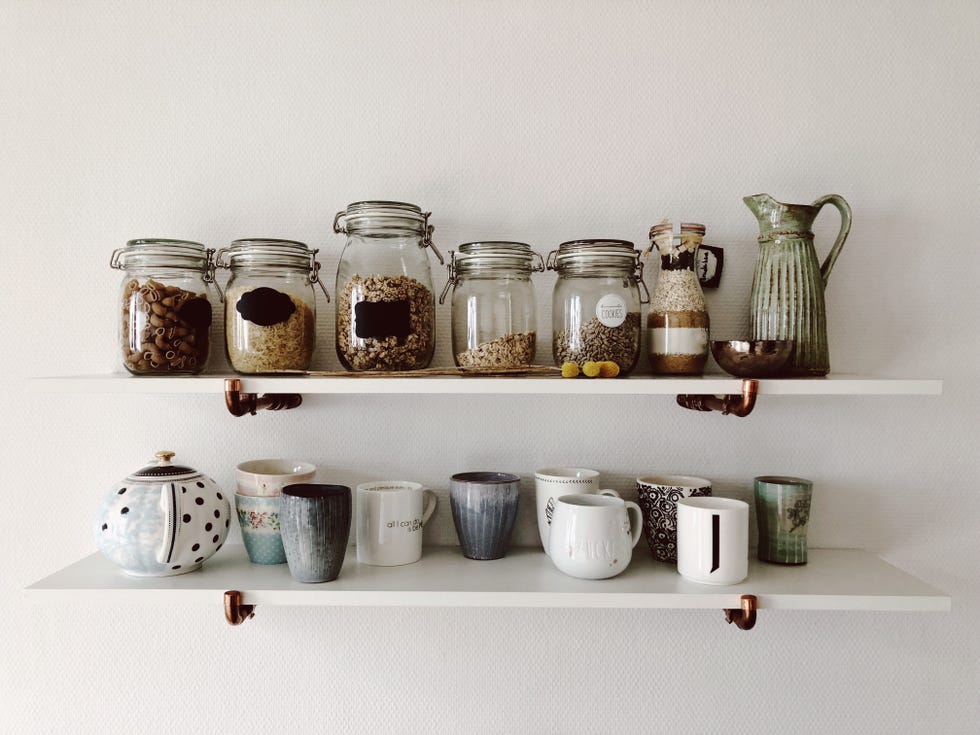
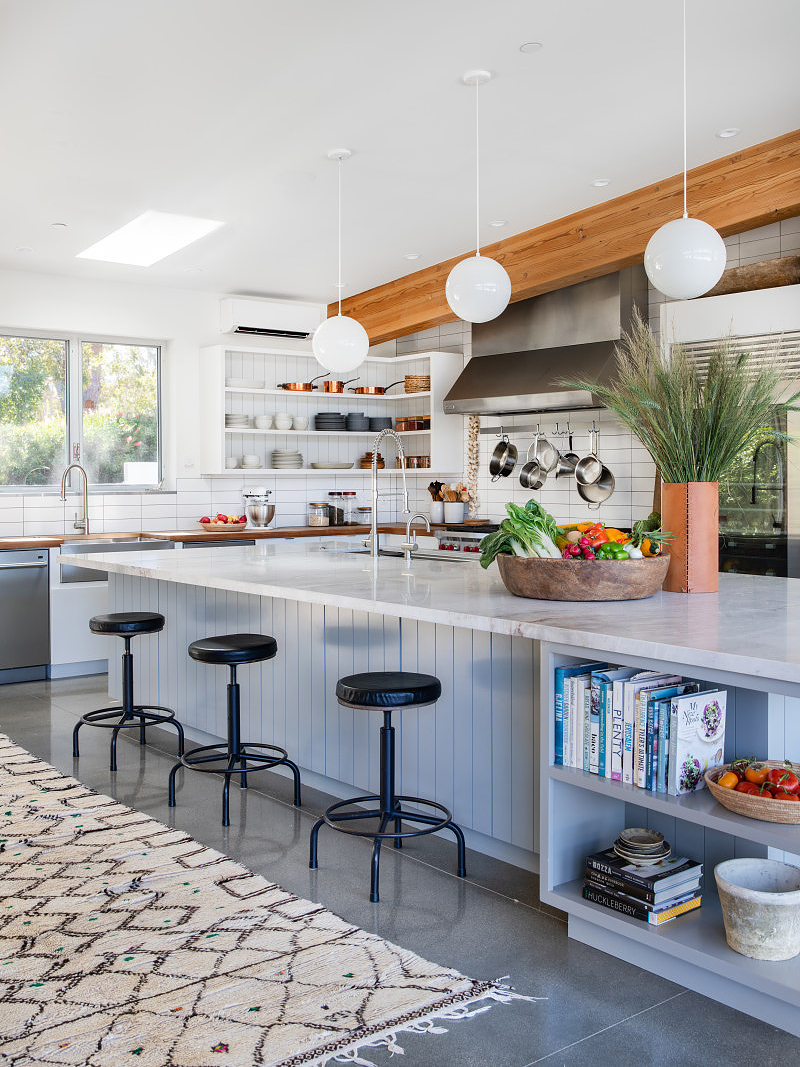
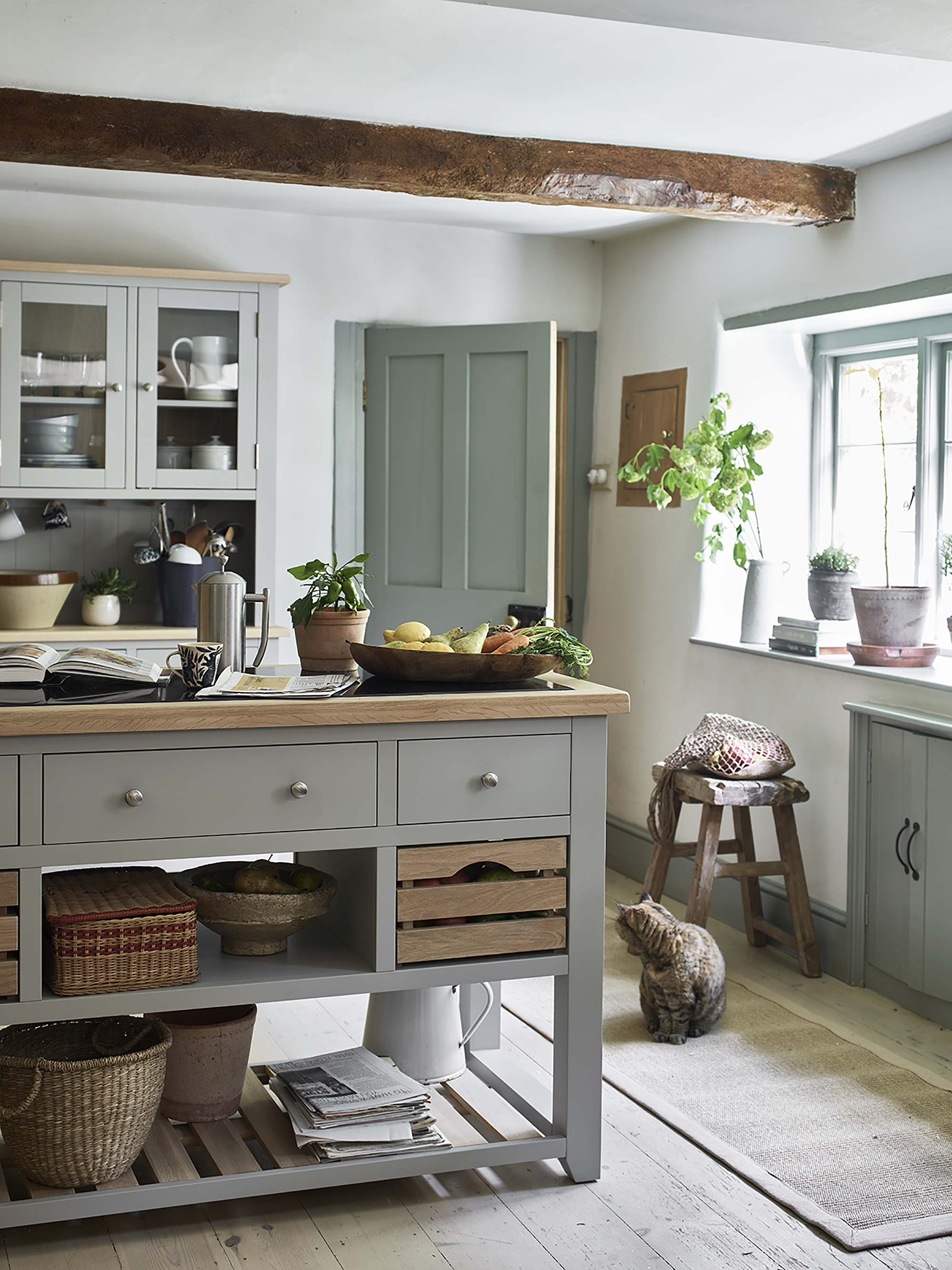
Finally, investing in organizing tools can significantly enhance the functionality and tidiness of a kitchen island. Sara Bereika recommends using canisters for large, bulky cooking and food preparation tools like ladles, spoons, spatulas, and graters, while smaller items can remain in drawers. Small hooks on cabinet doors can be used for hanging dish towels or storing lids. For islands without pull-out drawers, installing them is advisable to avoid crouching to access tools. Ultimately, successful kitchen island organization, regardless of its size, hinges on deciding its primary function and implementing suitable storage solutions to maintain a neat and orderly space.
#KitchenIslandOrganization #HomeOrganization #KitchenStorage #DeclutteringTips #ProfessionalOrganizing #KitchenDesign #ApplianceStorage #KitchenIslandOrganization #HomeOrganization #KitchenStorage #DeclutteringTips #ProfessionalOrganizing #KitchenDesign #ApplianceStorage
0 comment in total
 No comments yet
You may also like
7 successful kitchen island layout ideas experts swear by

Kitchen island layout ideas – what to consider when incorporating your dream island

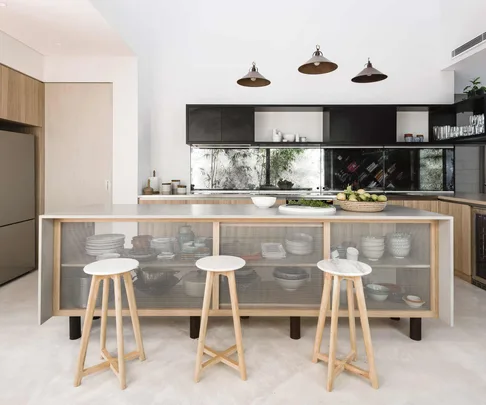
Kitchen floorplan: expert tips for getting your layout right

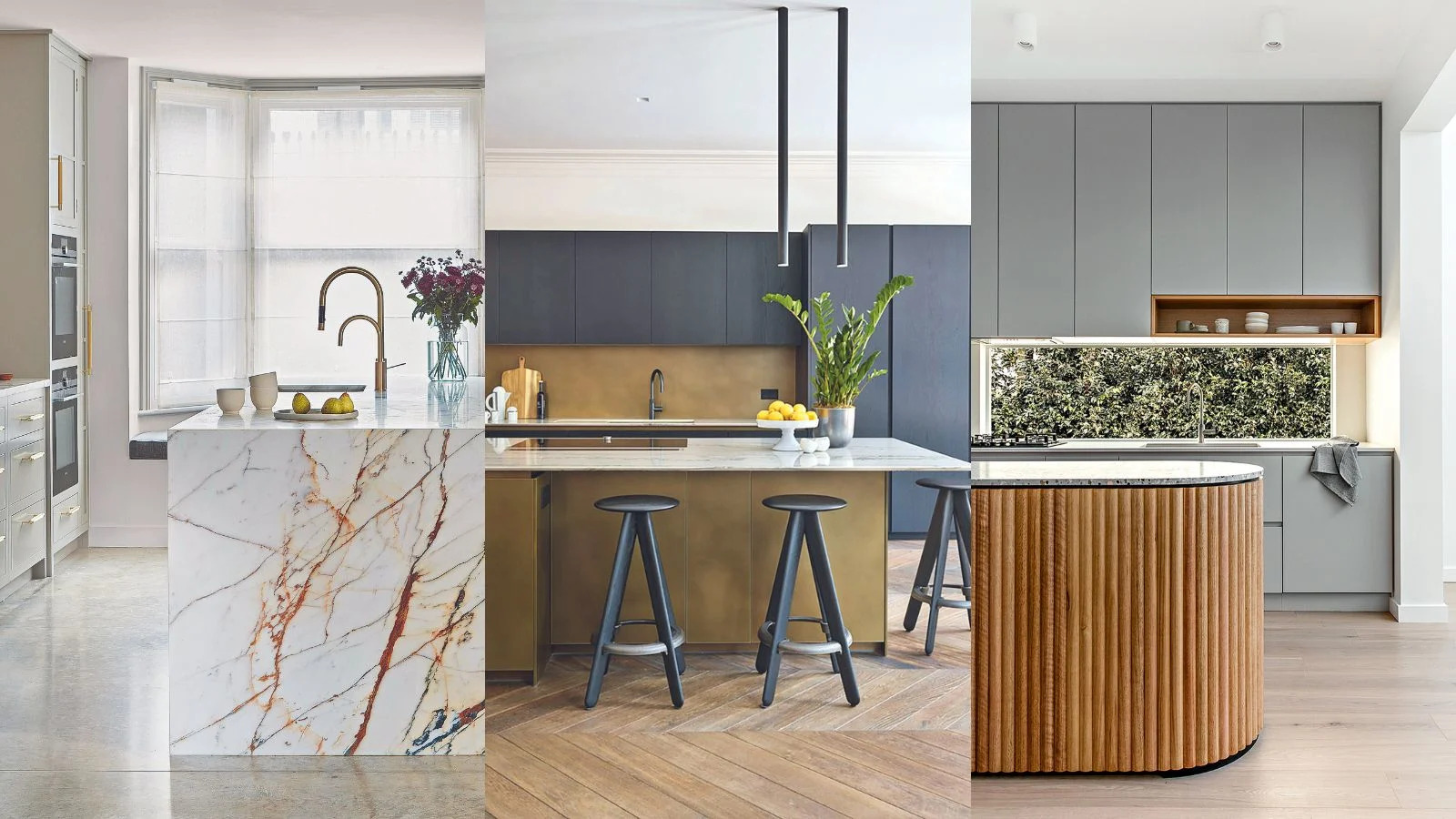
Kitchen island ideas – 37 ways to create a fabulous and functional feature

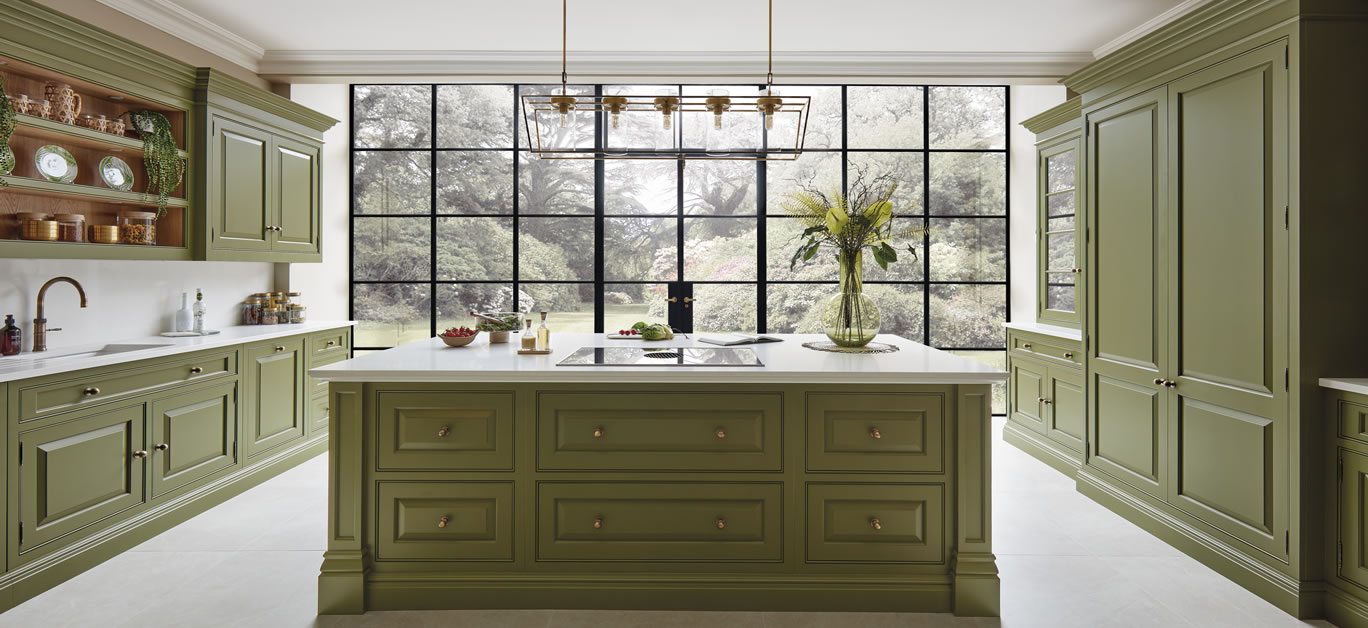
Kitchen island design: The design tips you should know

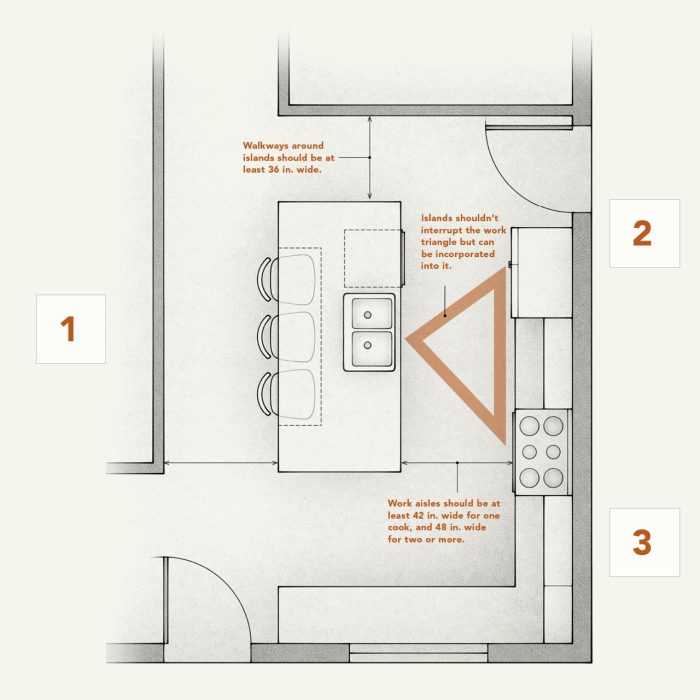
How to Design a Kitchen Island: Code Requirements, Flow, & More

Kitchen island ideas – 37 ways to create a fabulous and functional feature

Kitchen island styling ideas – 10 ways to make a practical space look beautiful

6 cooking experts on how to organise your kitchen

Kitchen island ideas – 37 ways to create a fabulous and functional feature
Know your way around the kitchen

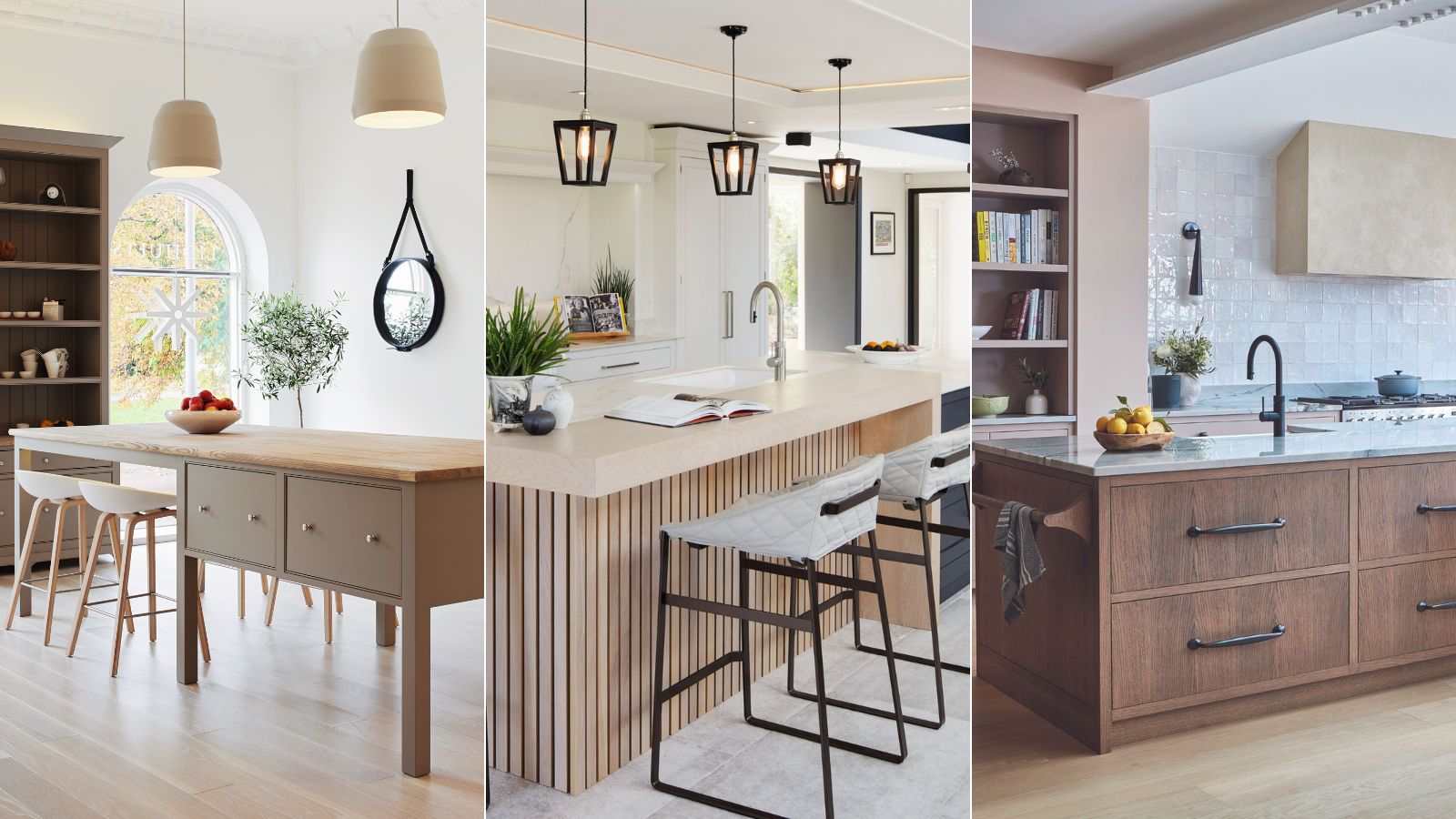
How to design a kitchen island with seating – 6 expert steps to the perfect, social space

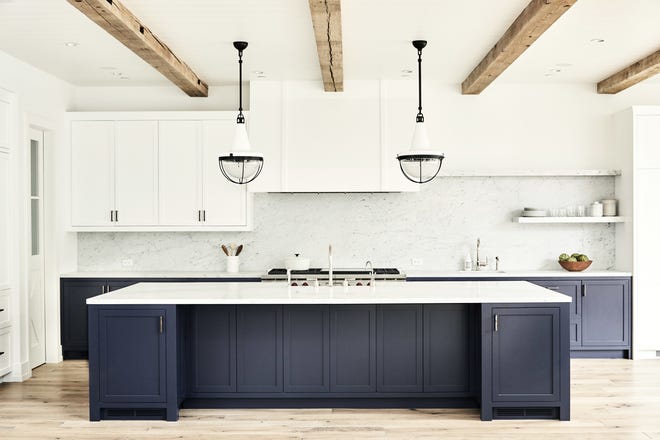
Creating the perfect kitchen island

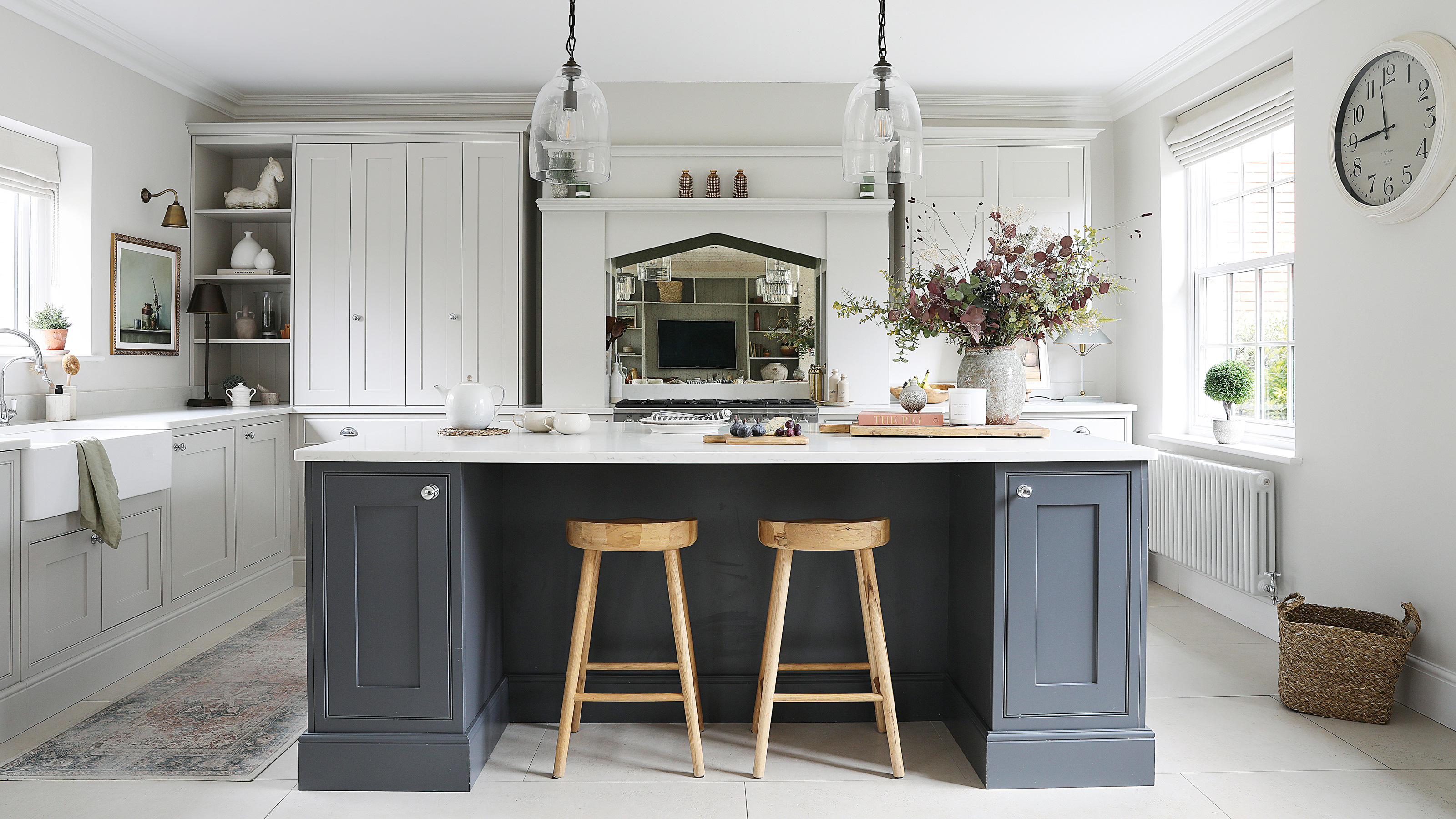
5 ways to organise a kitchen island for a clutter-free, functional cooking and seating space in 2025
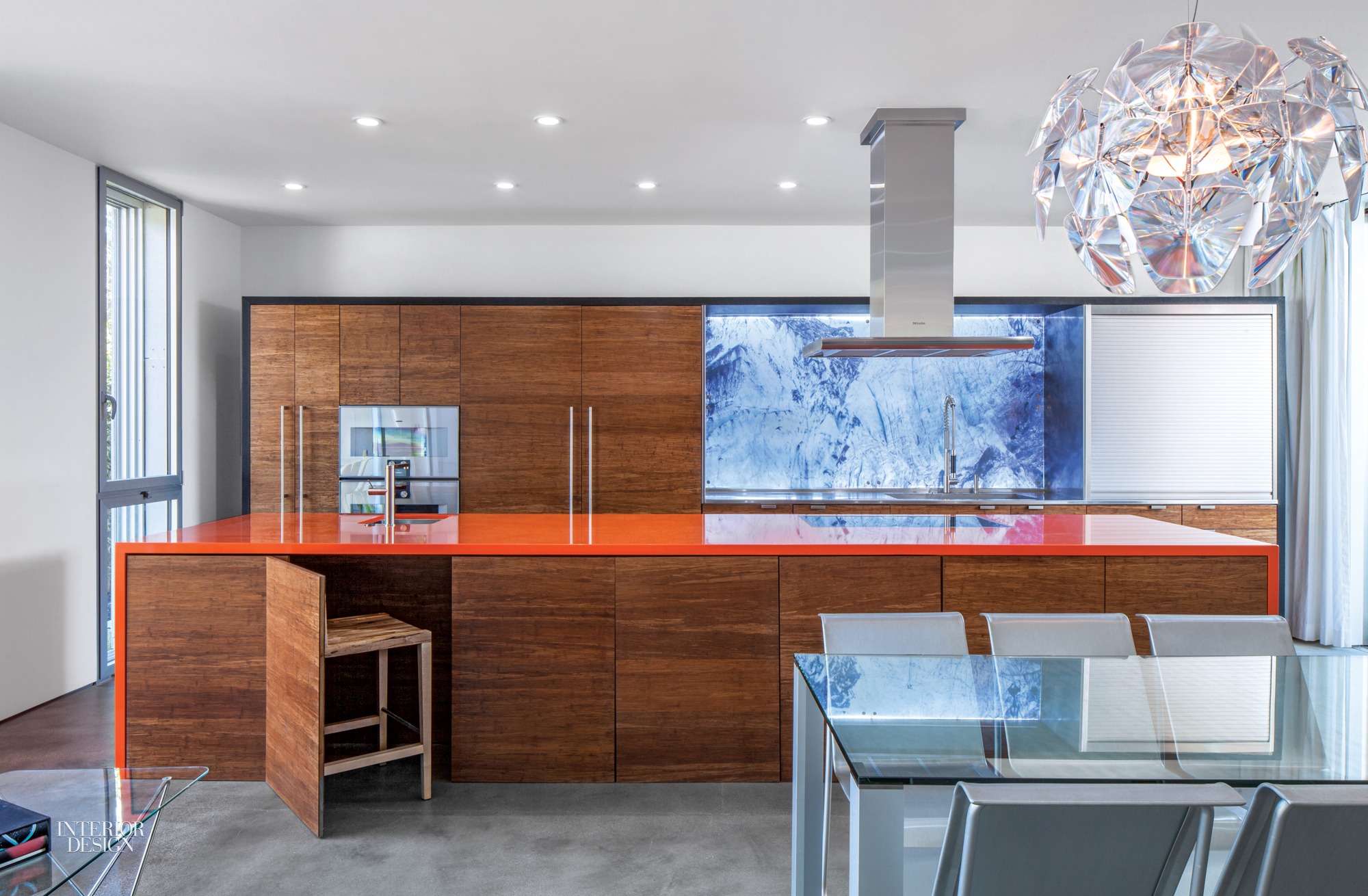
7 Simply Amazing Kitchen Islands

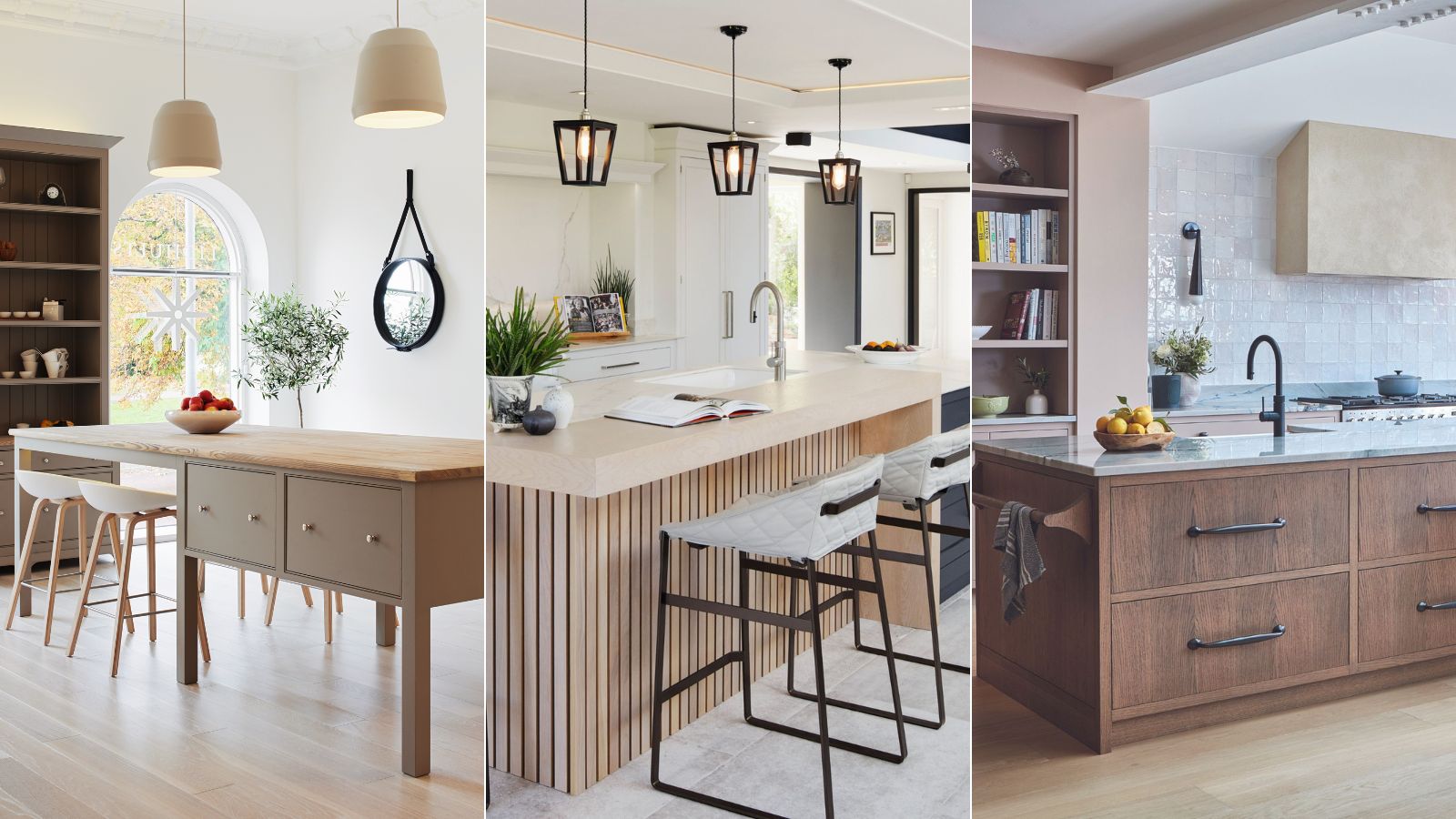
How to design a kitchen island with seating – 6 expert steps to the perfect, social space
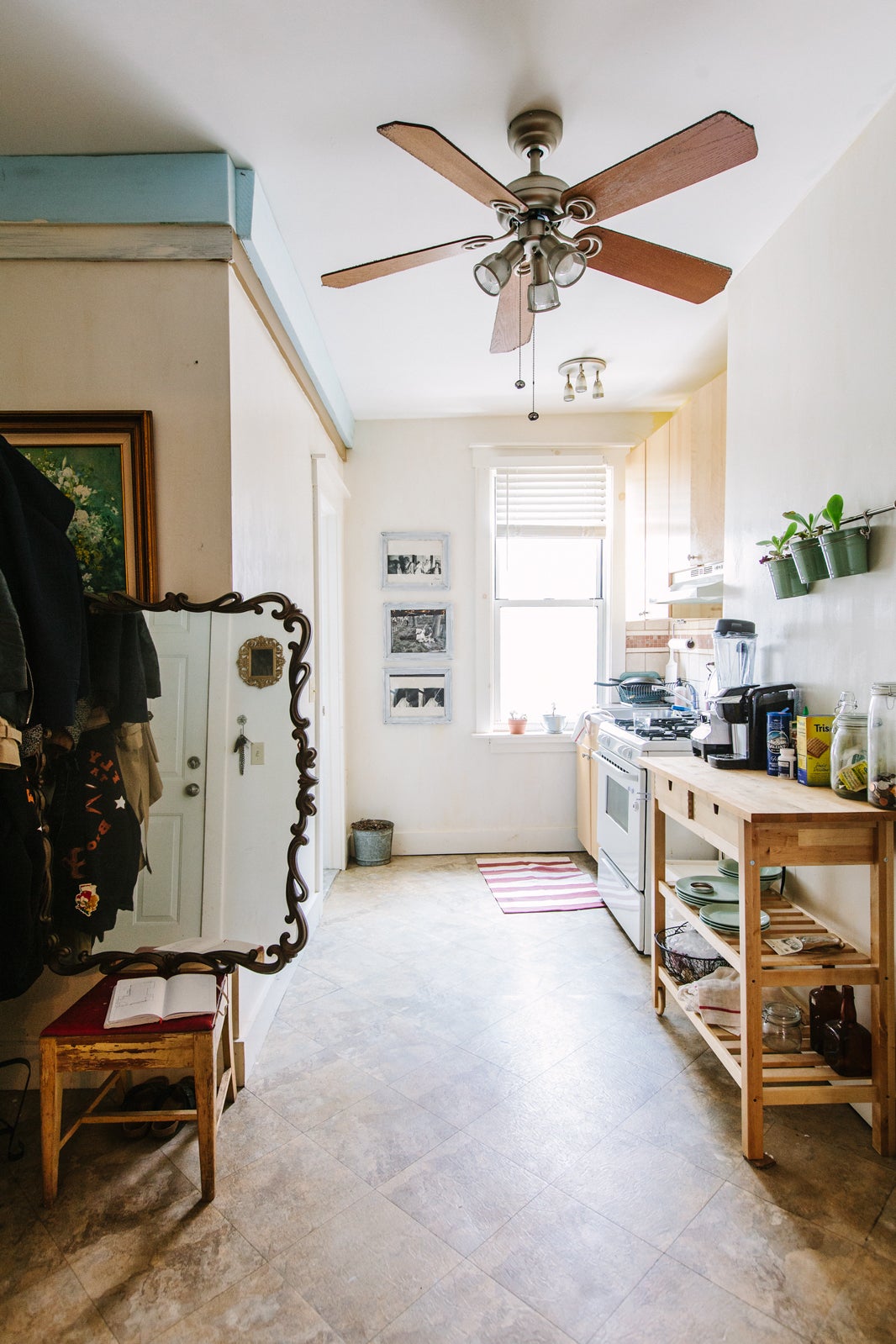
All The Secrets To Organize Your Kitchen

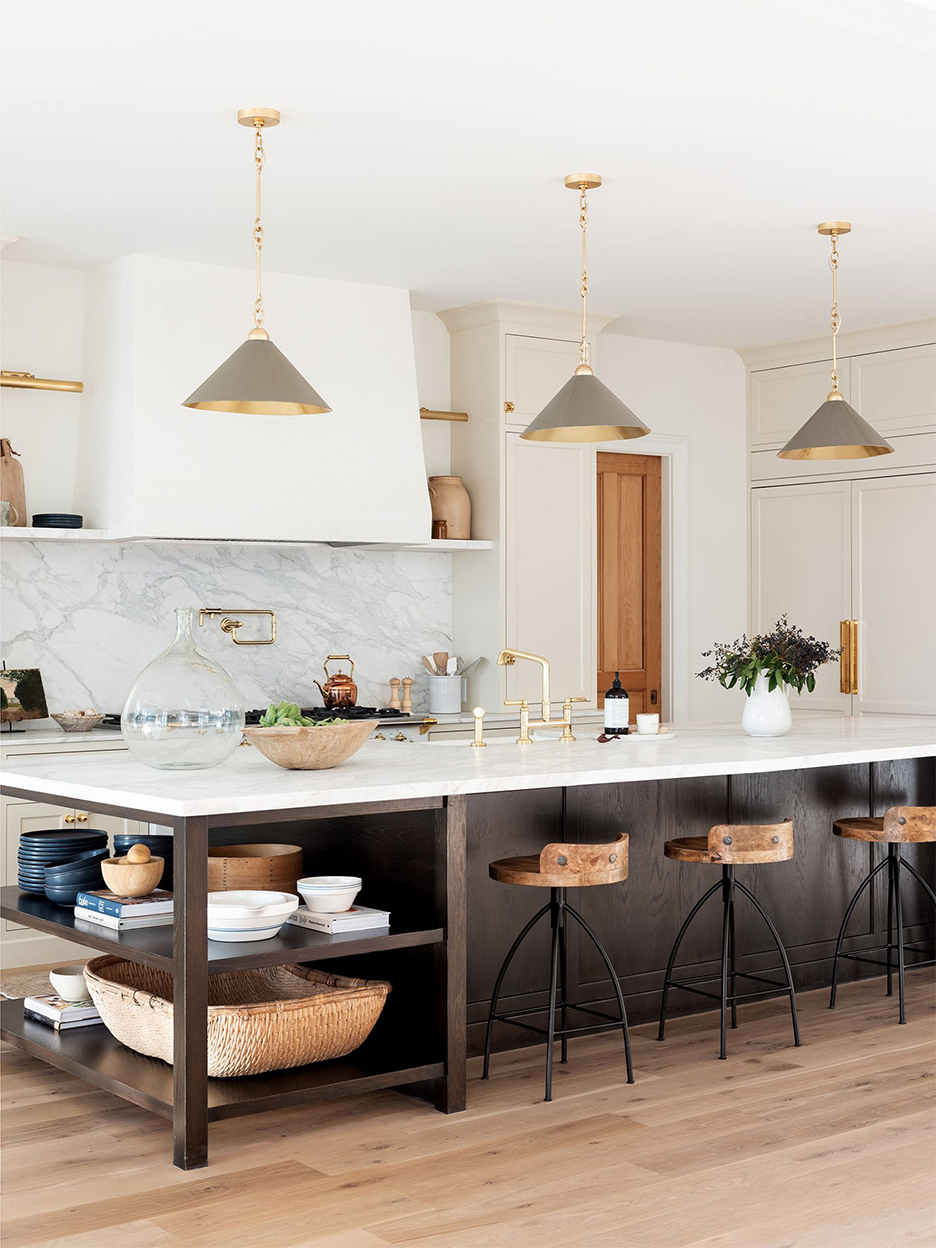
Cleverly Designed Kitchen Islands That Check Off Storage and Seating
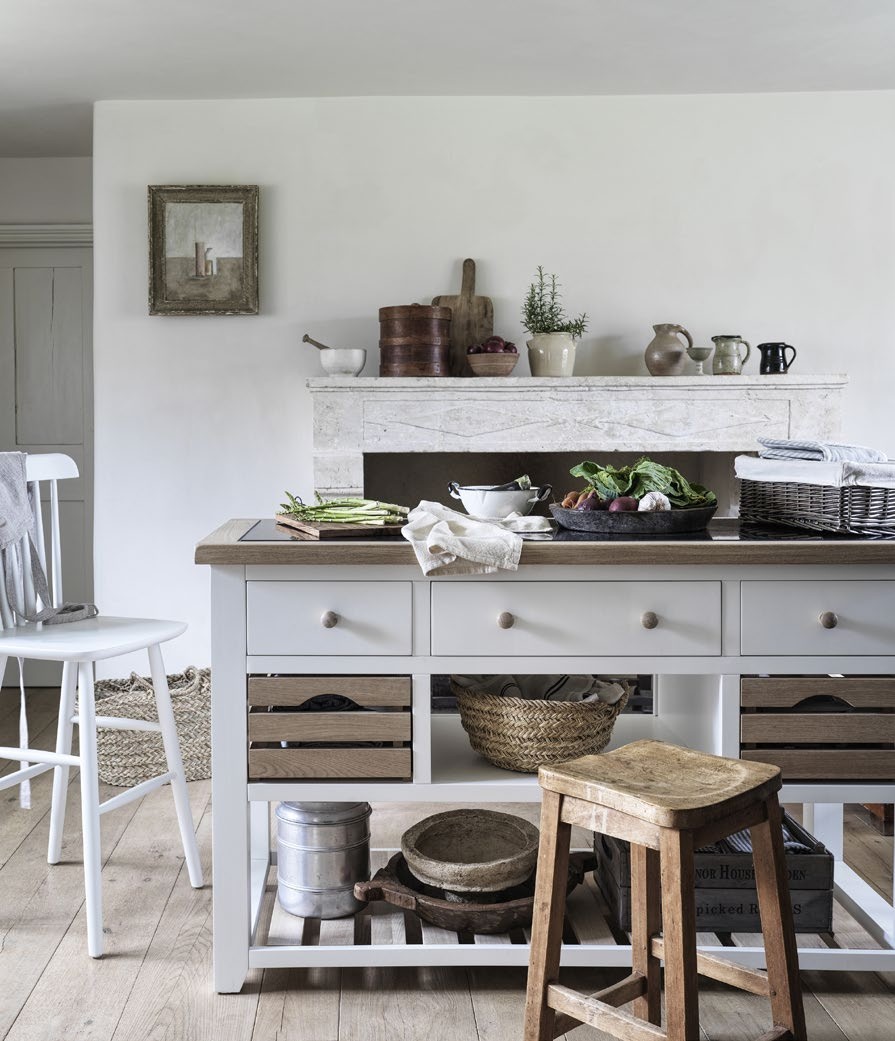
Kitchen island design - 7 Nov 2024 - Homebuilding & Renovating Magazine

How to design a kitchen island with seating – 6 expert steps to the perfect, social space