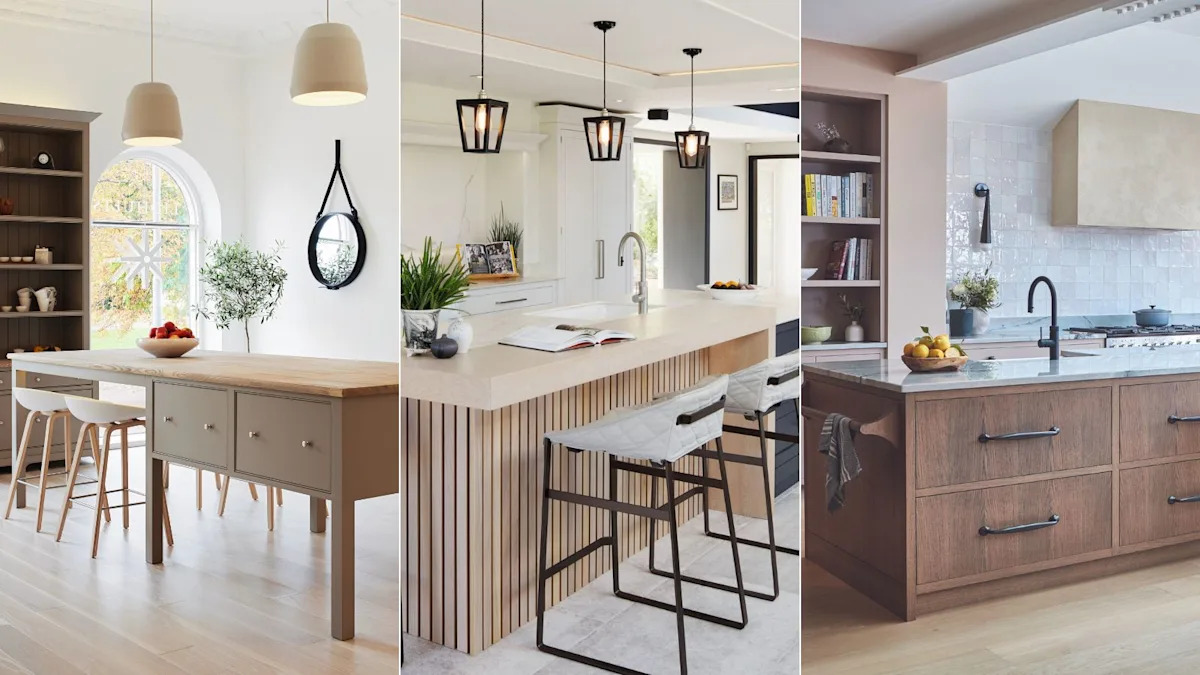
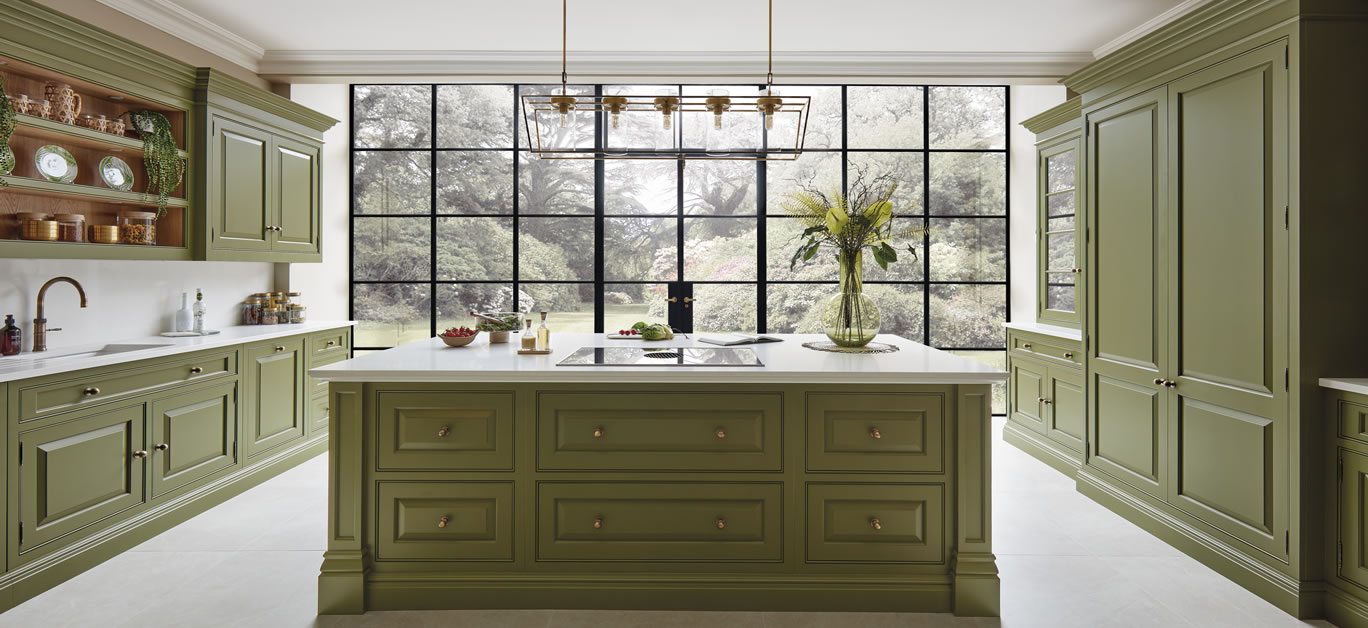
1/4
Kitchen island design: The design tips you should know
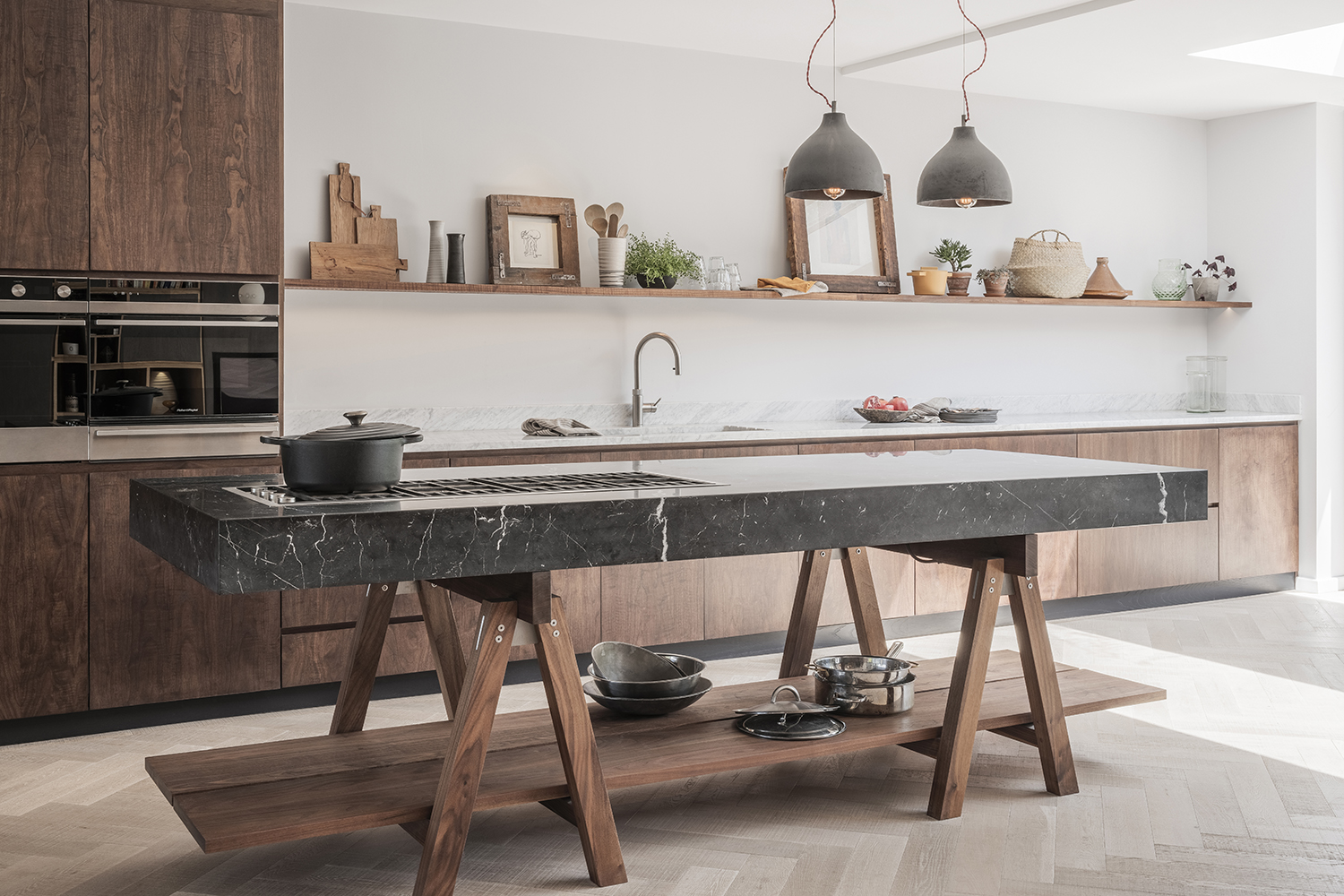
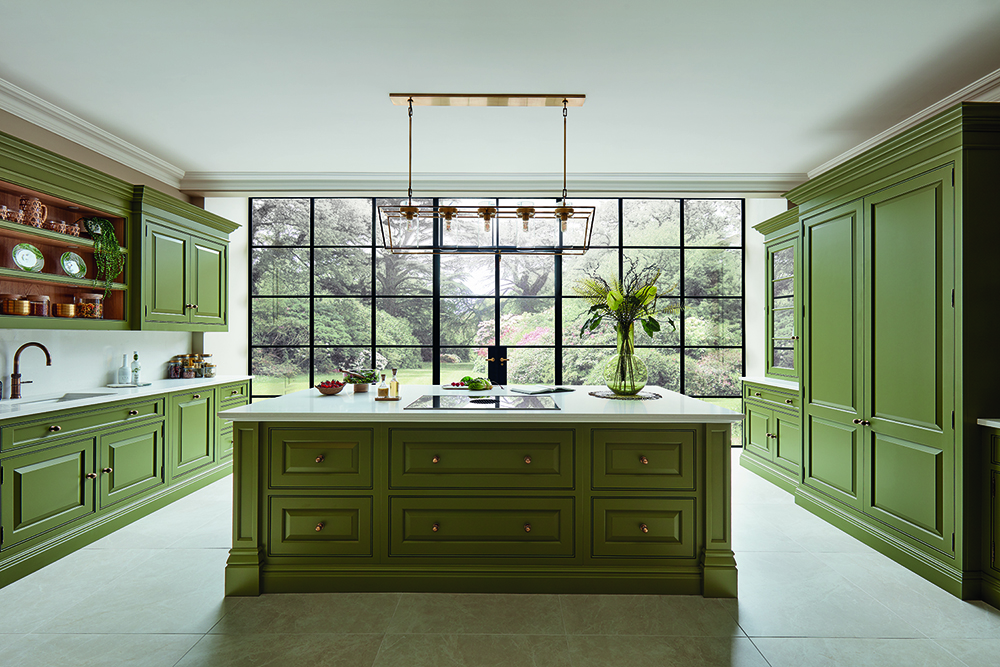
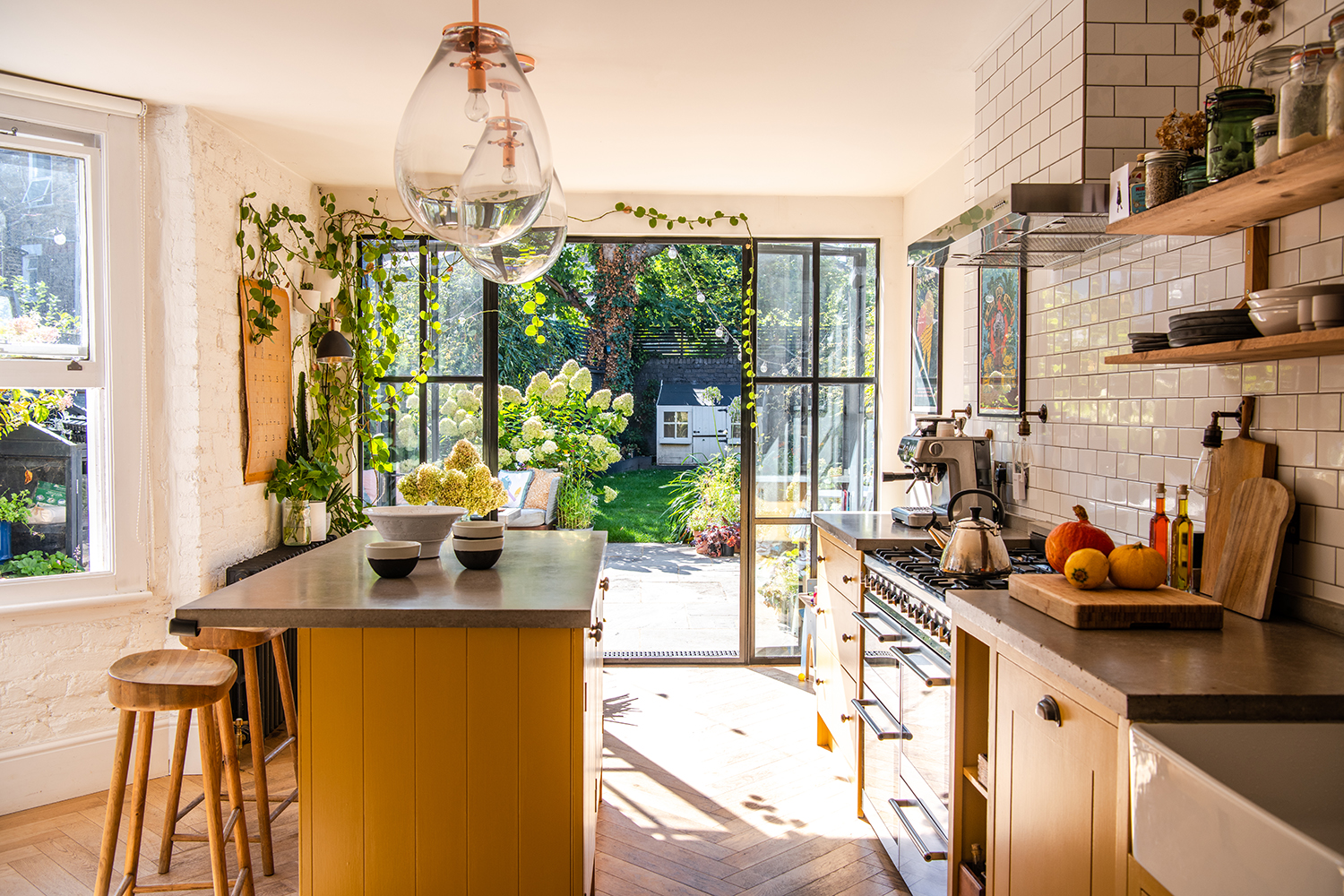
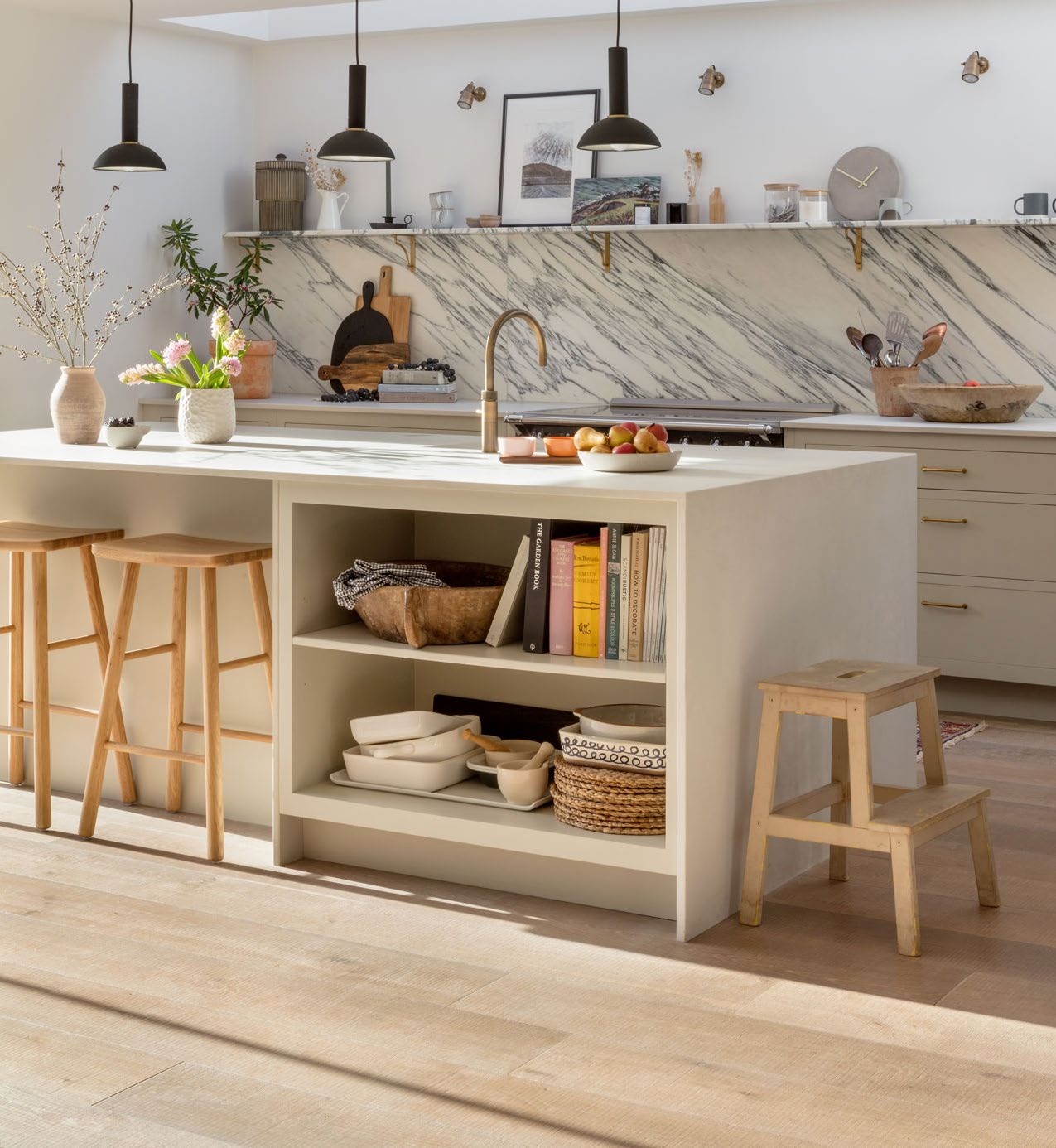
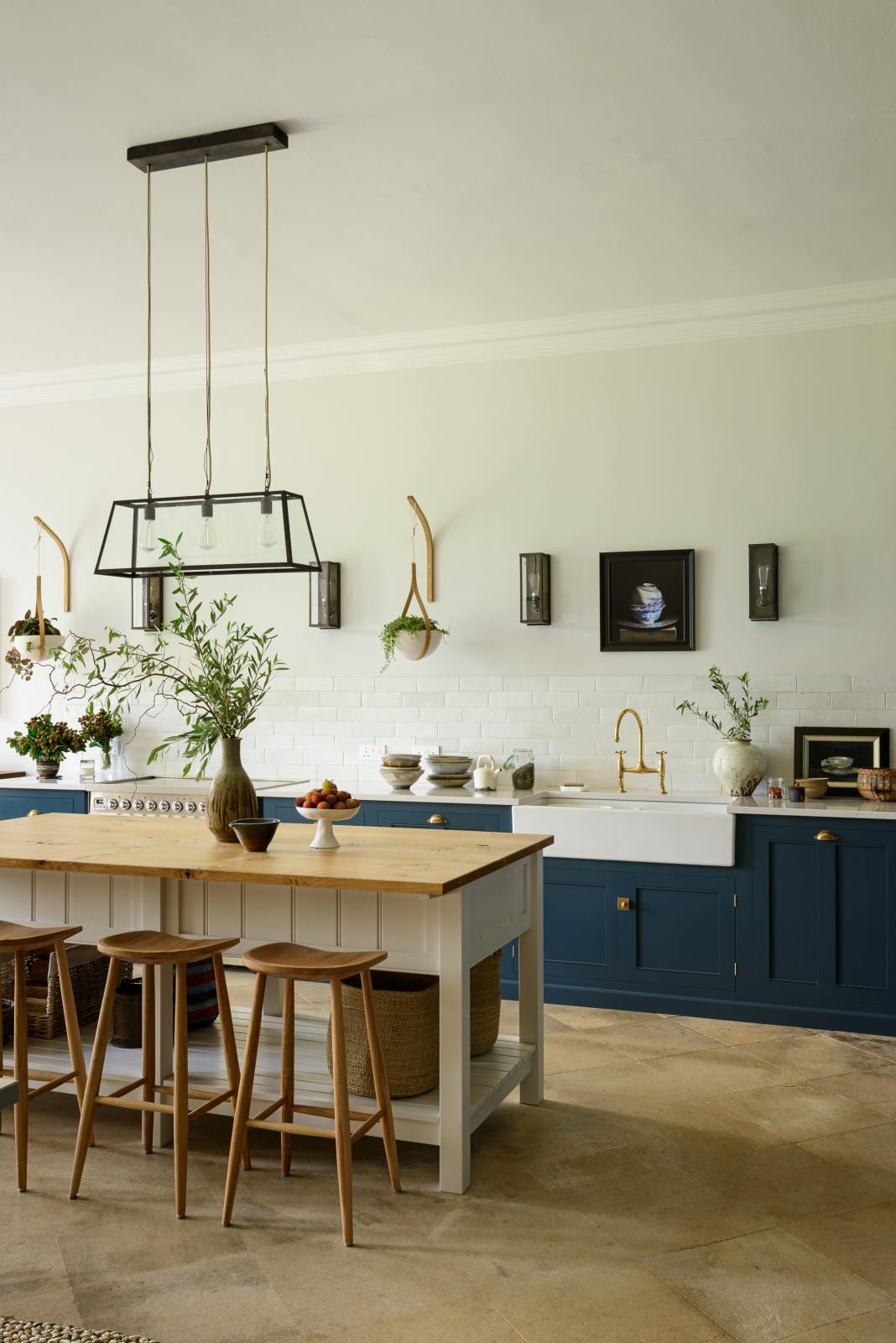
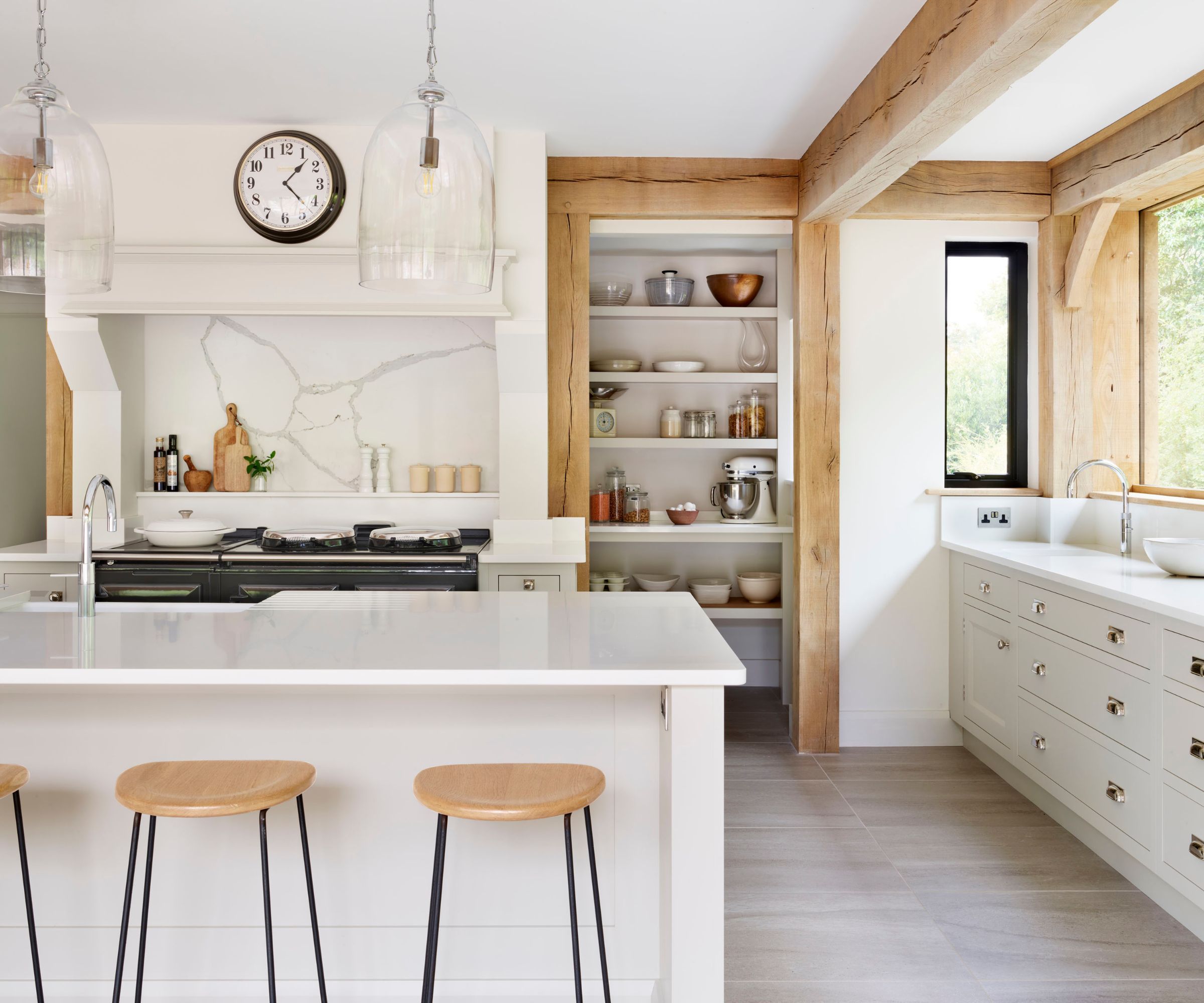
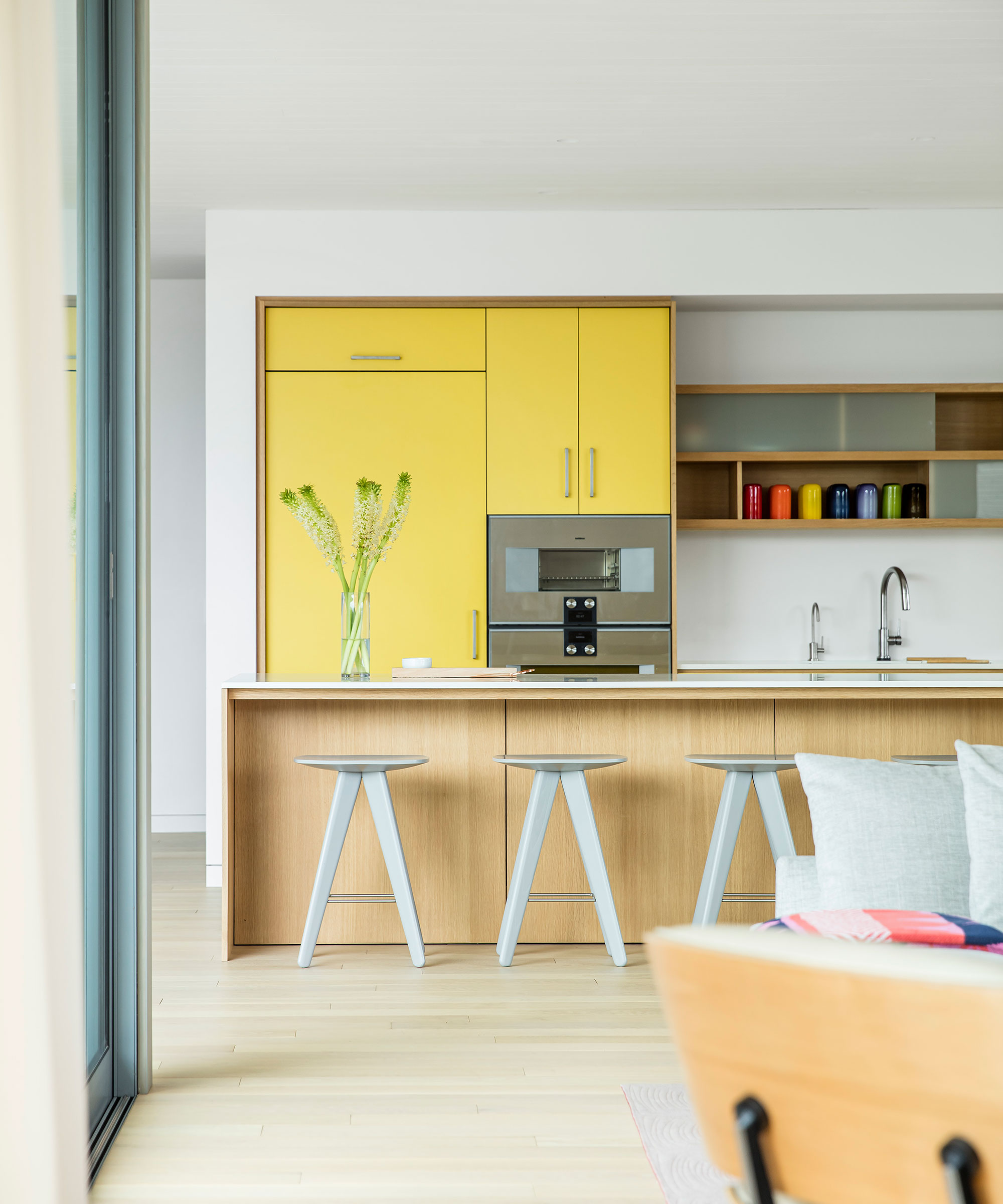
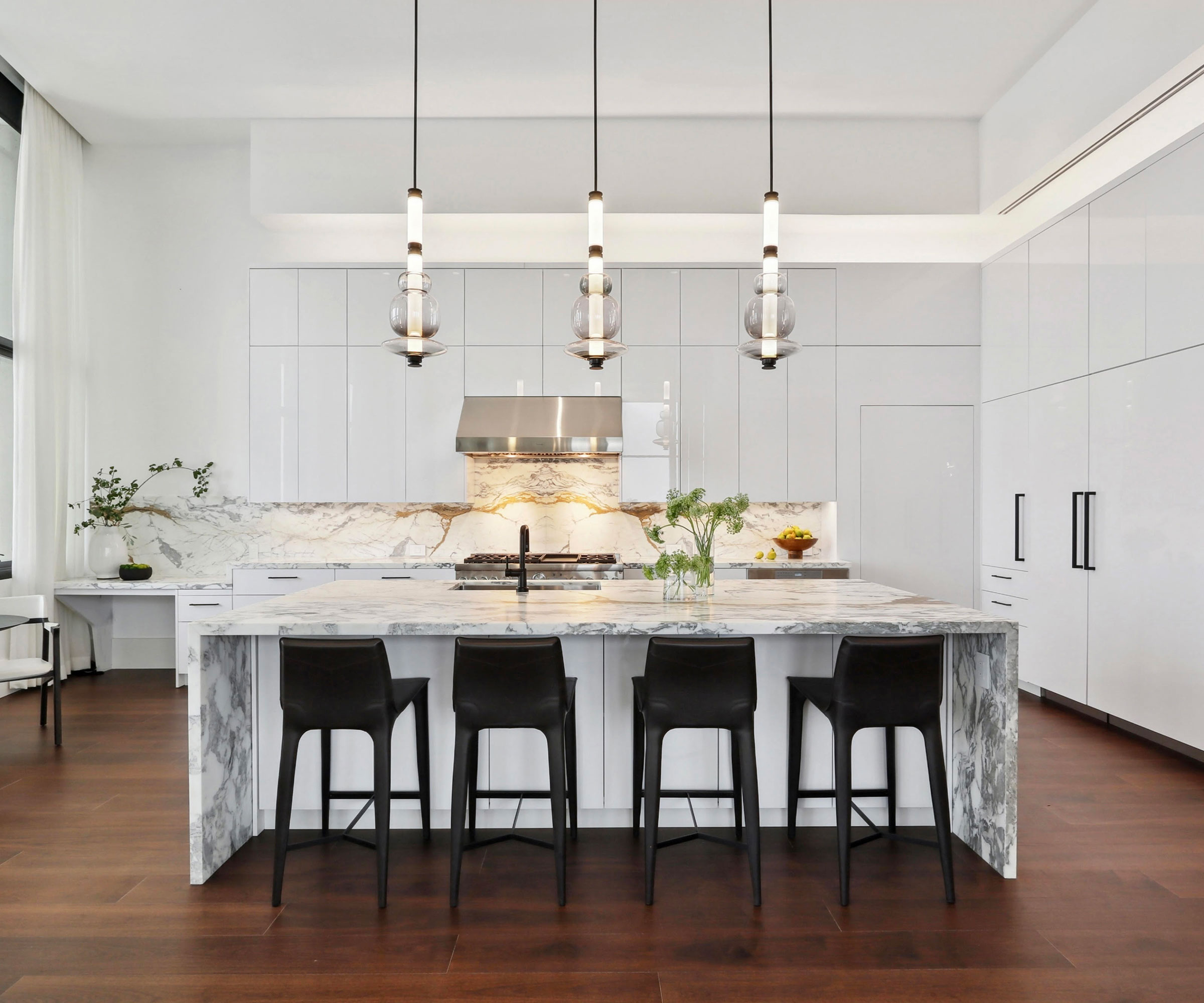
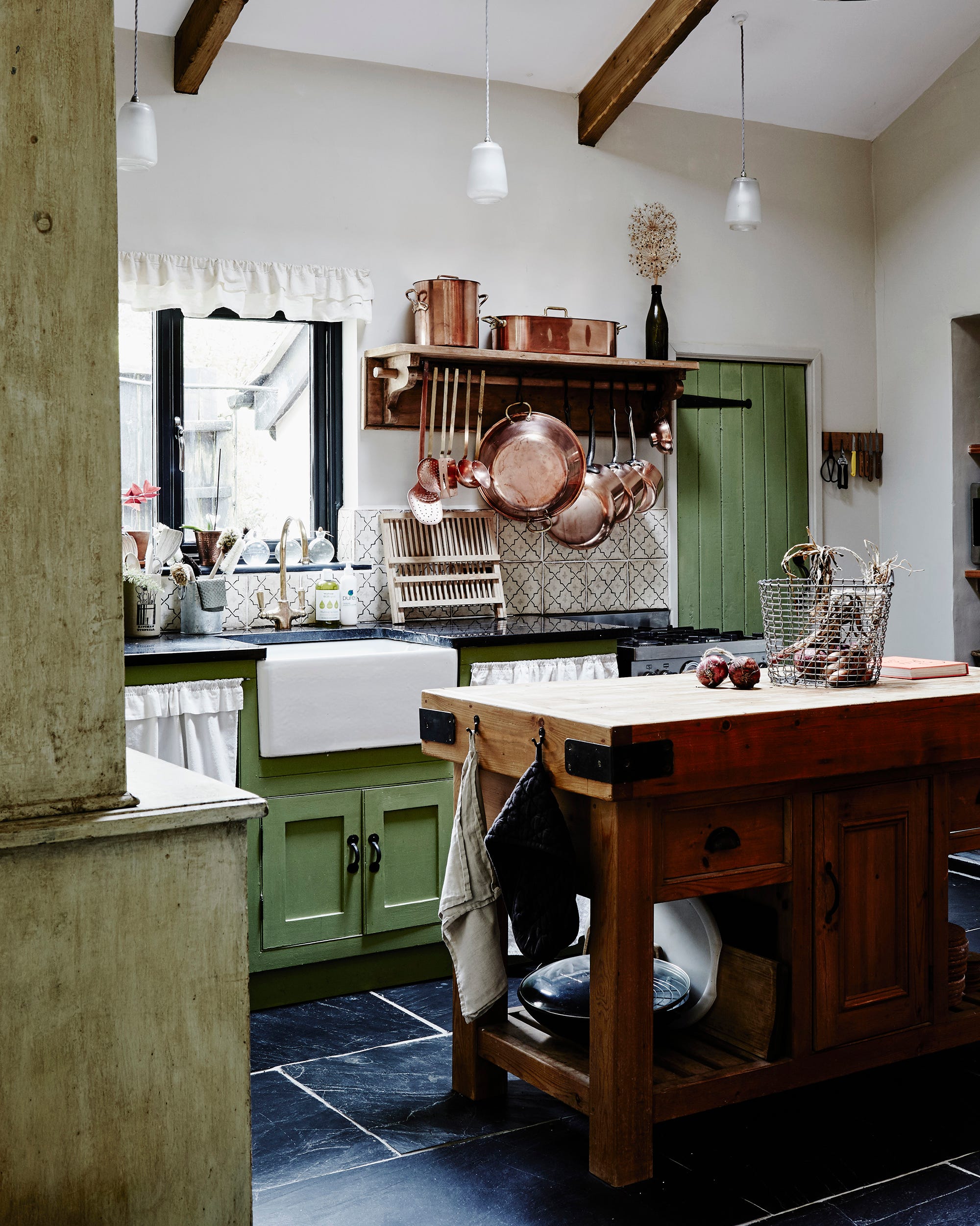
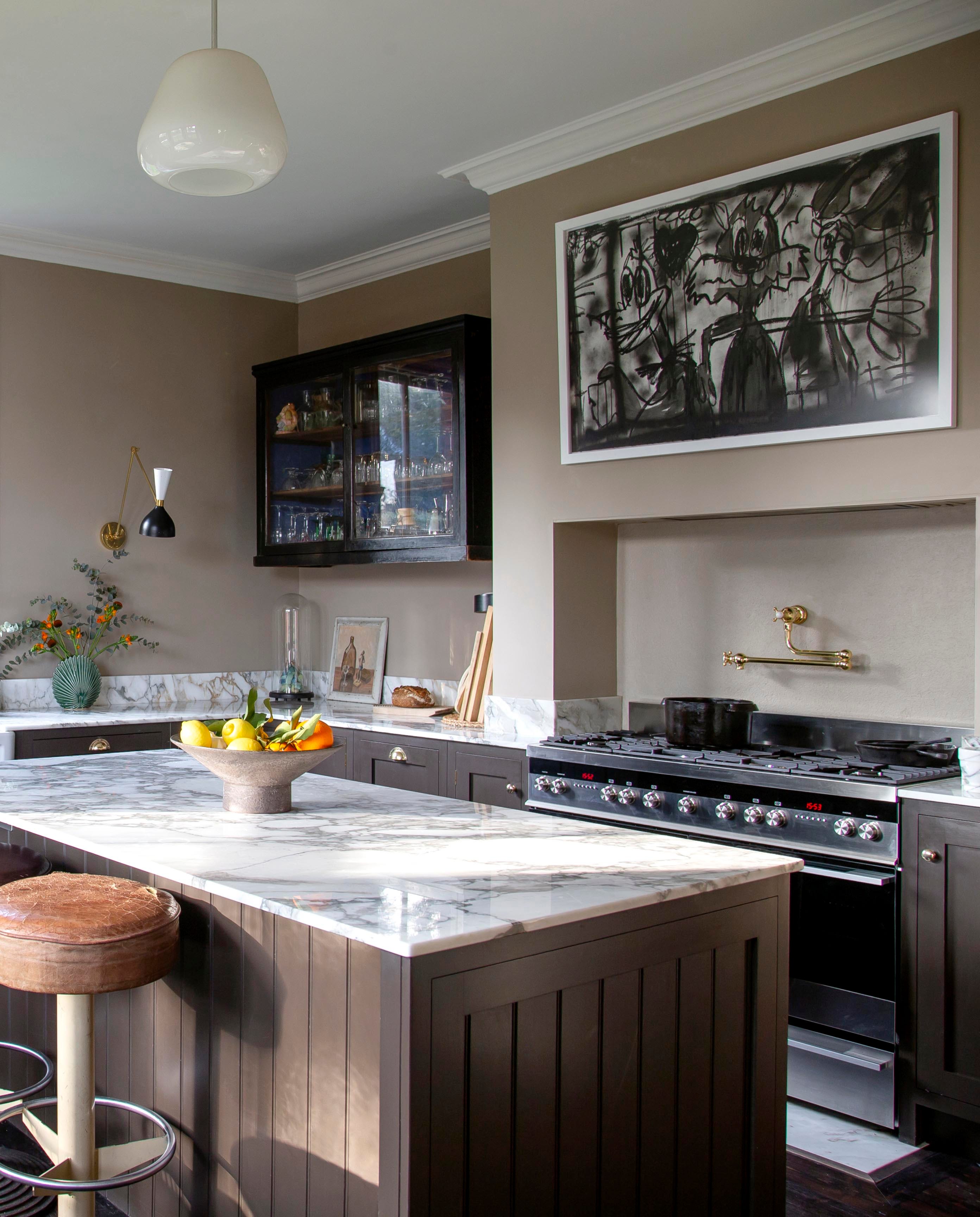
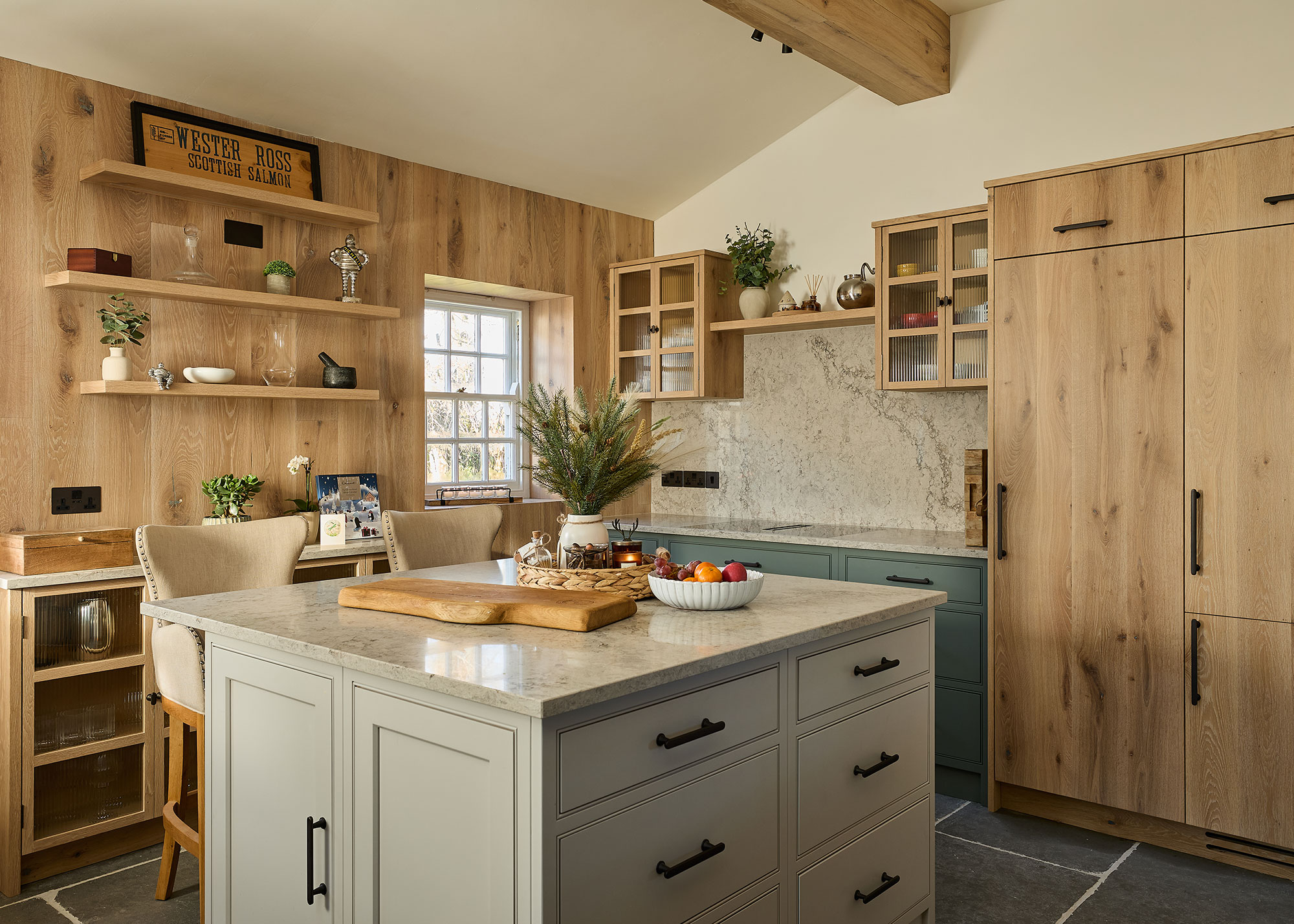
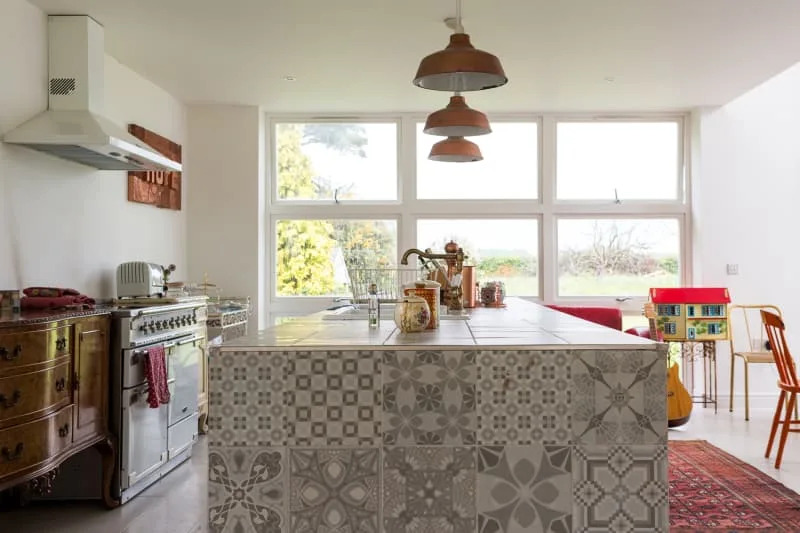
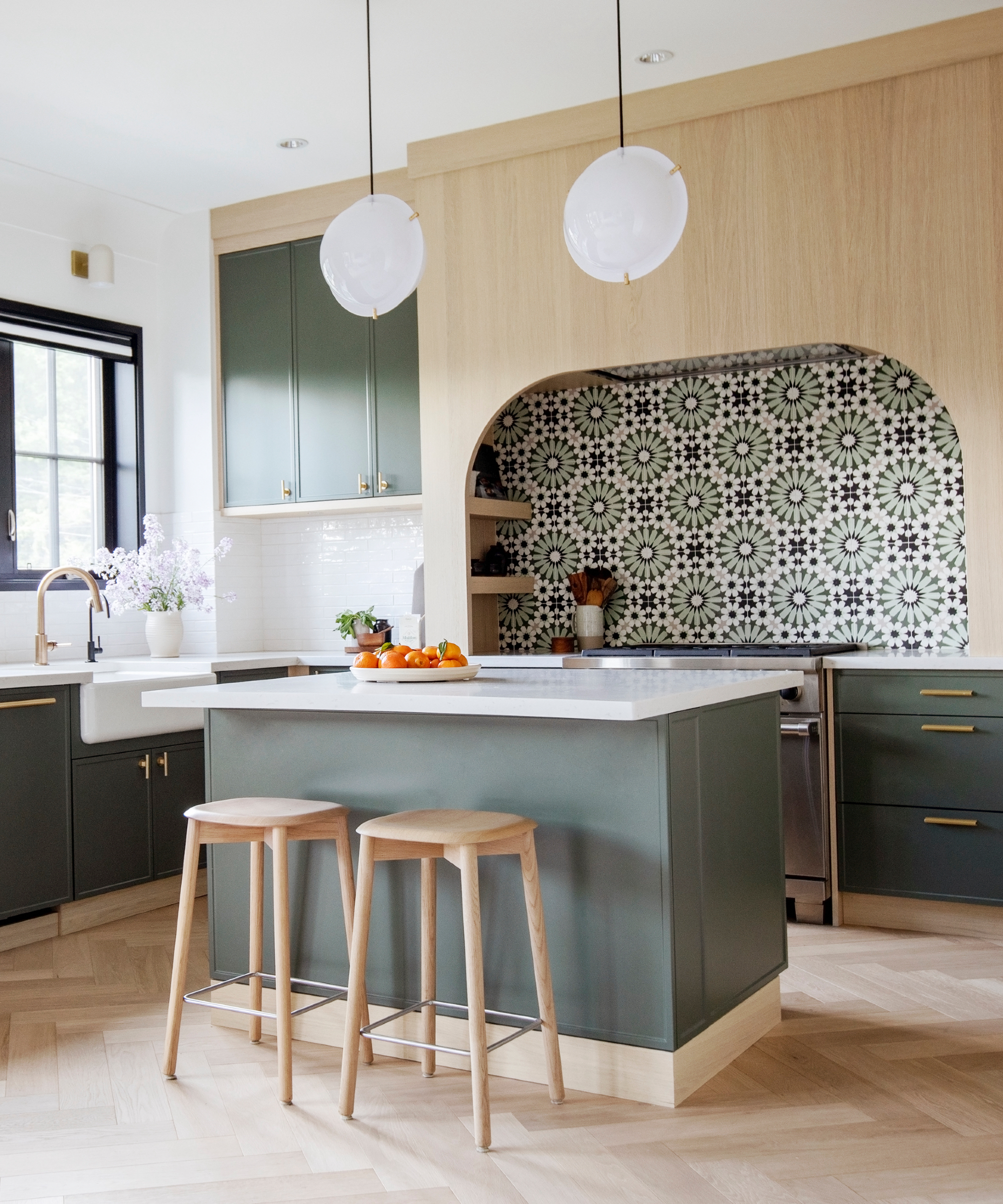
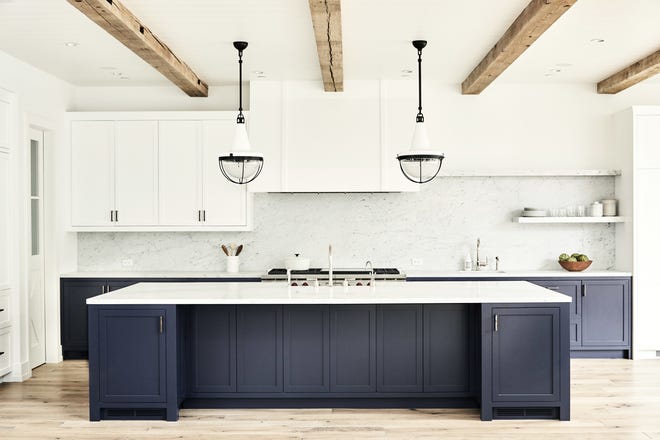
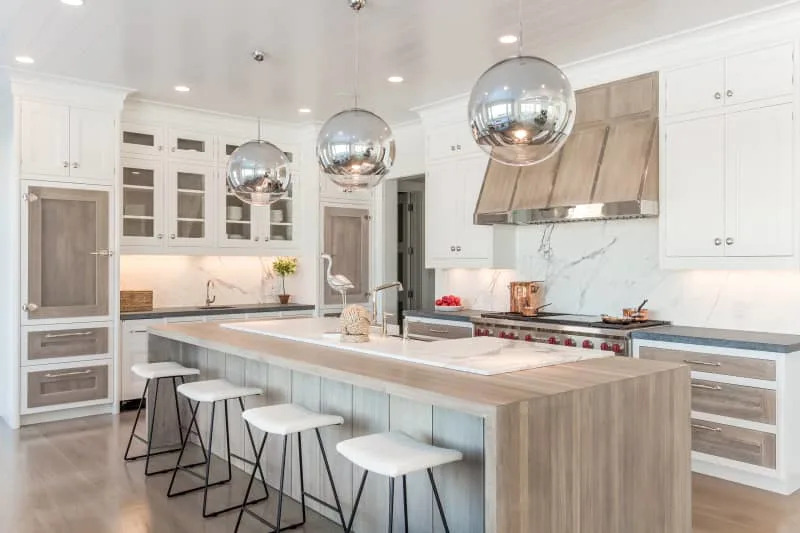
A kitchen island is often considered a fundamental design element in modern kitchens, serving as a versatile and central feature that can enhance functionality, order, and social interaction within the space. When planning a kitchen island, several key design considerations should be taken into account to ensure it perfectly complements the specific room and its intended uses.
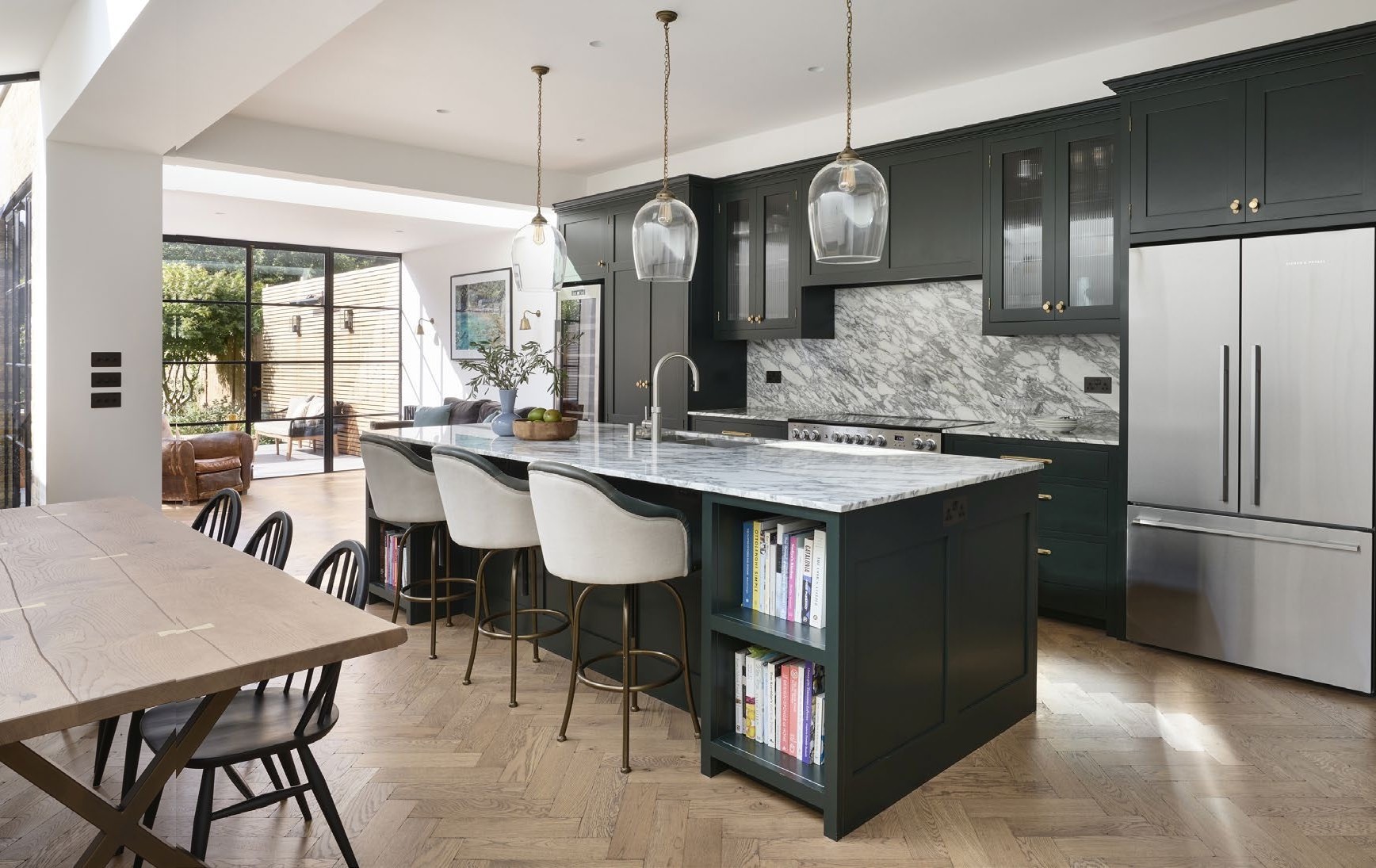
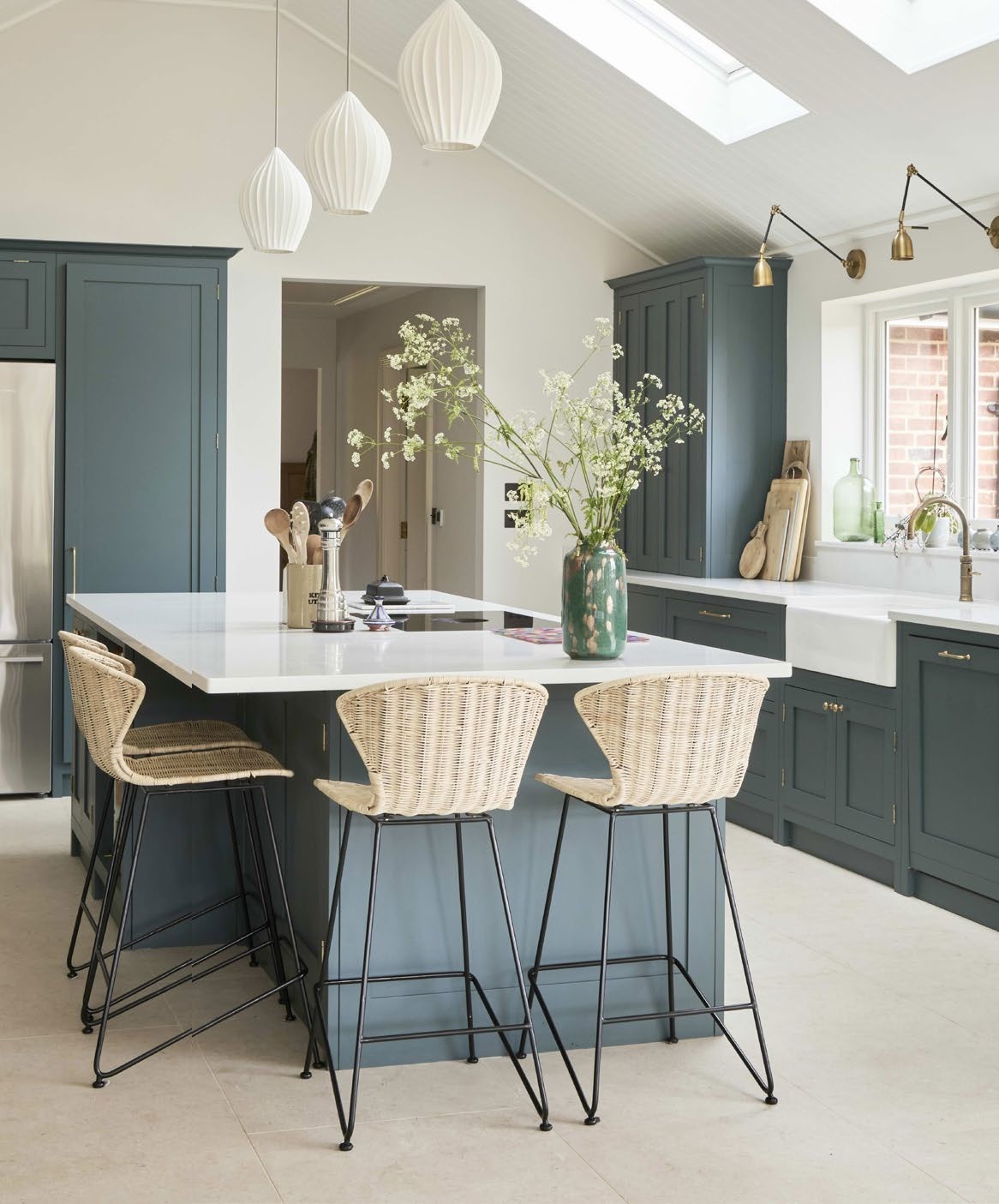
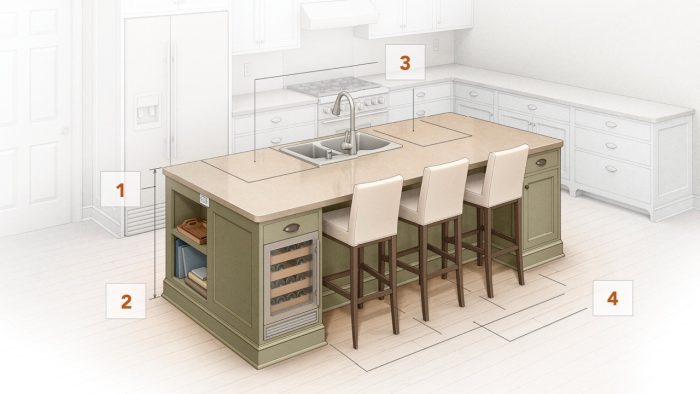
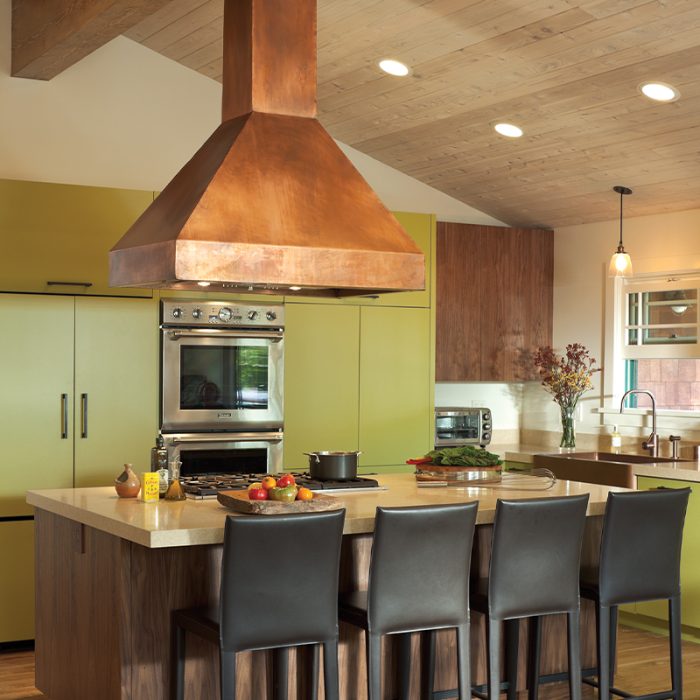
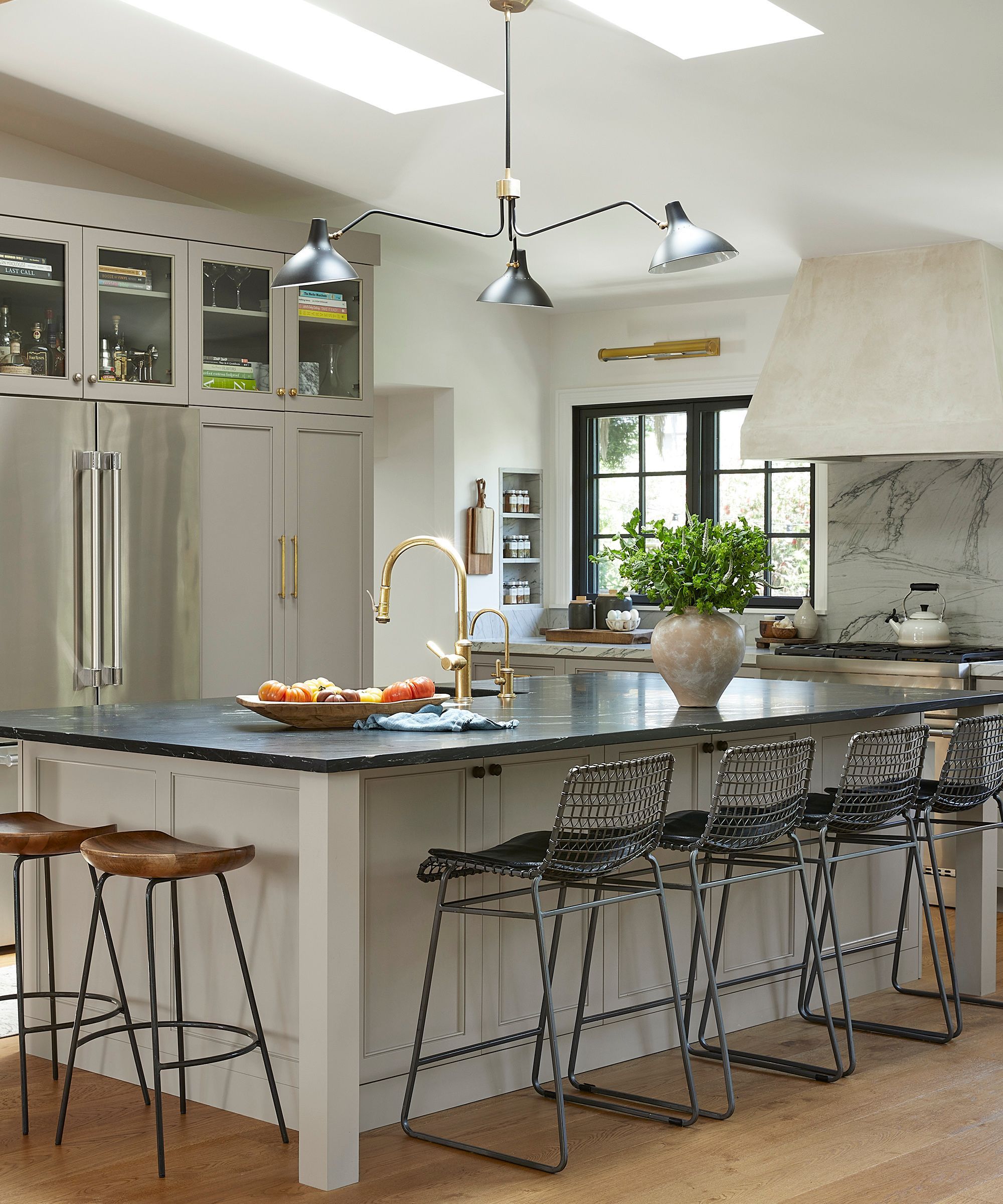
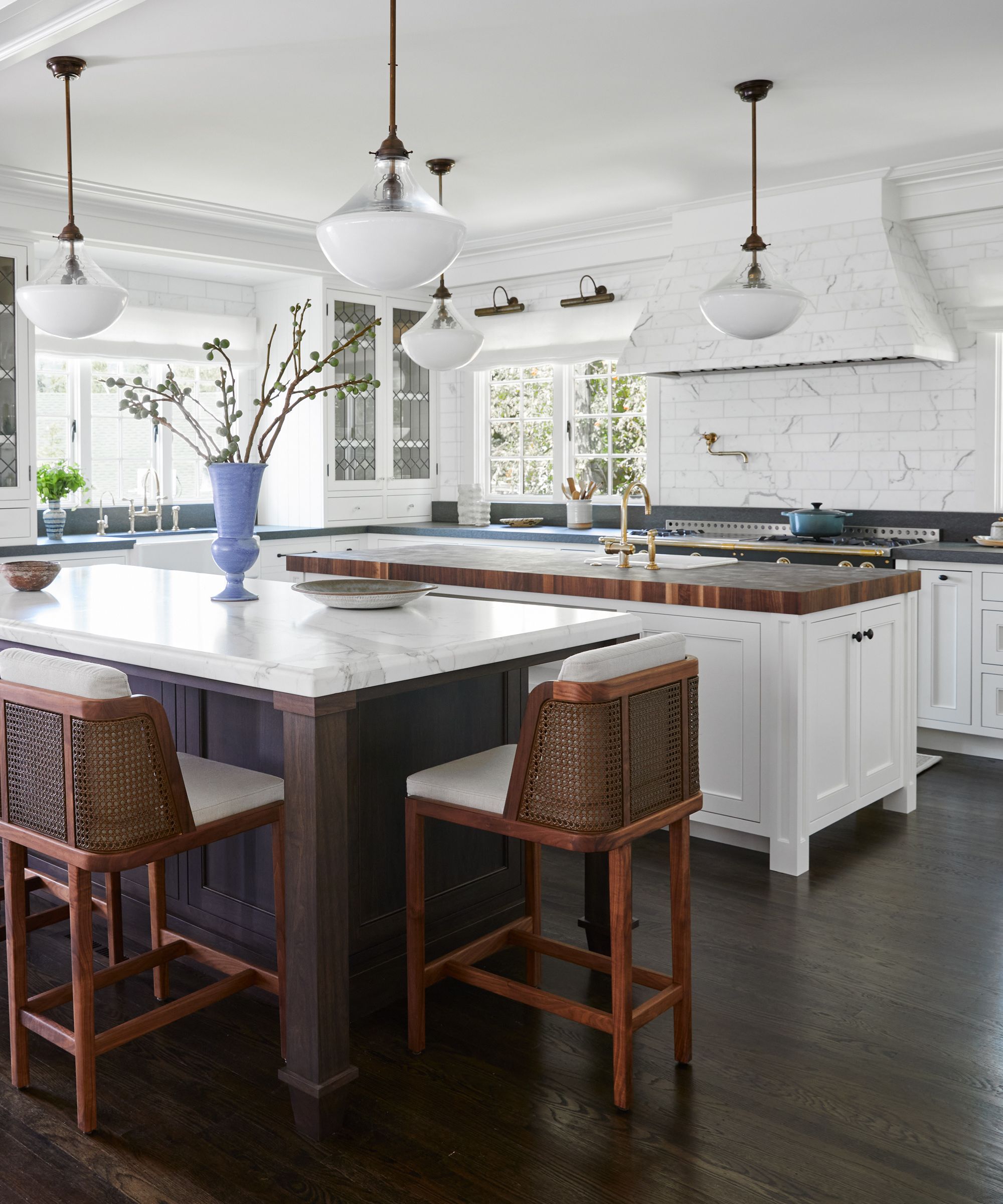
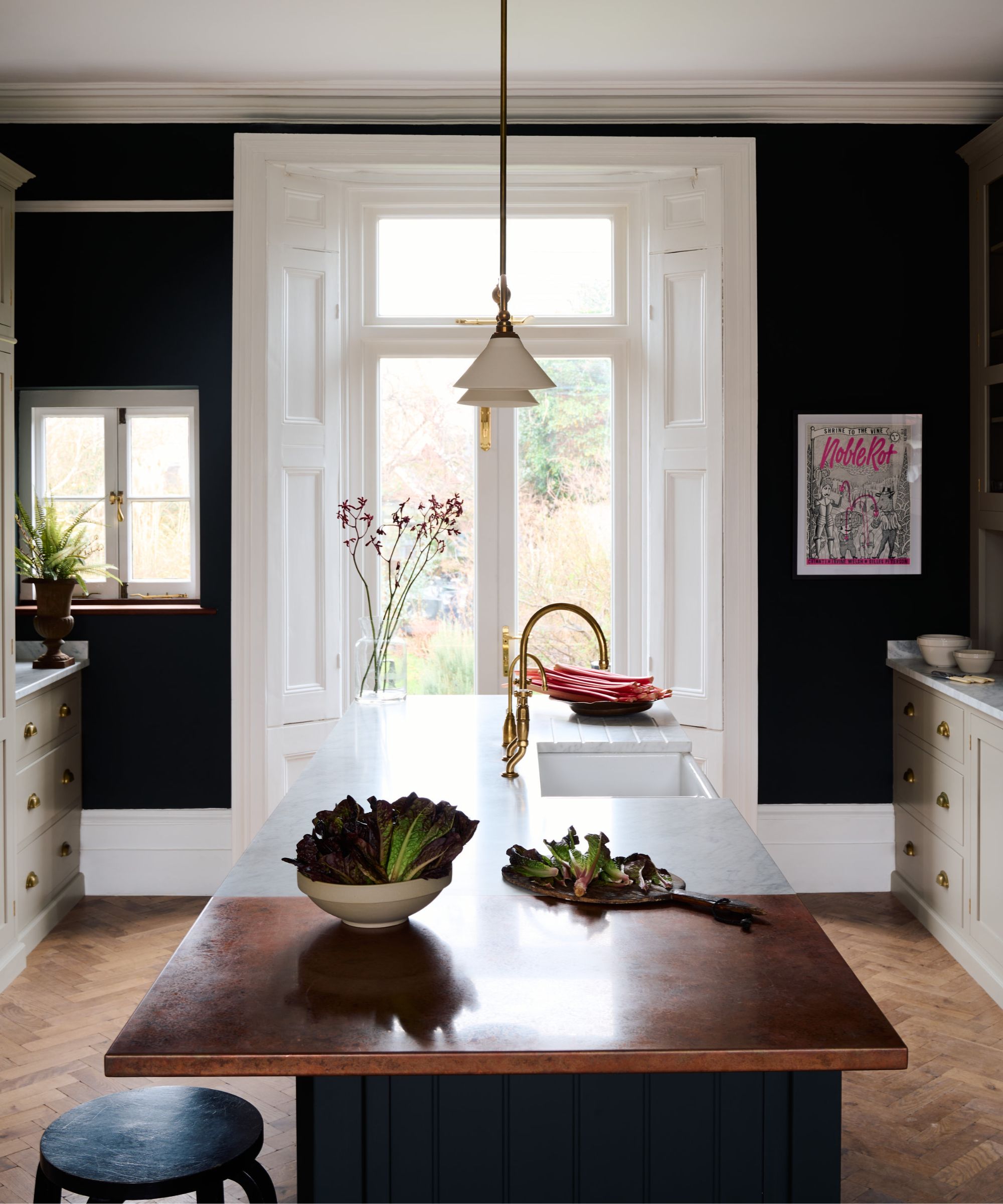
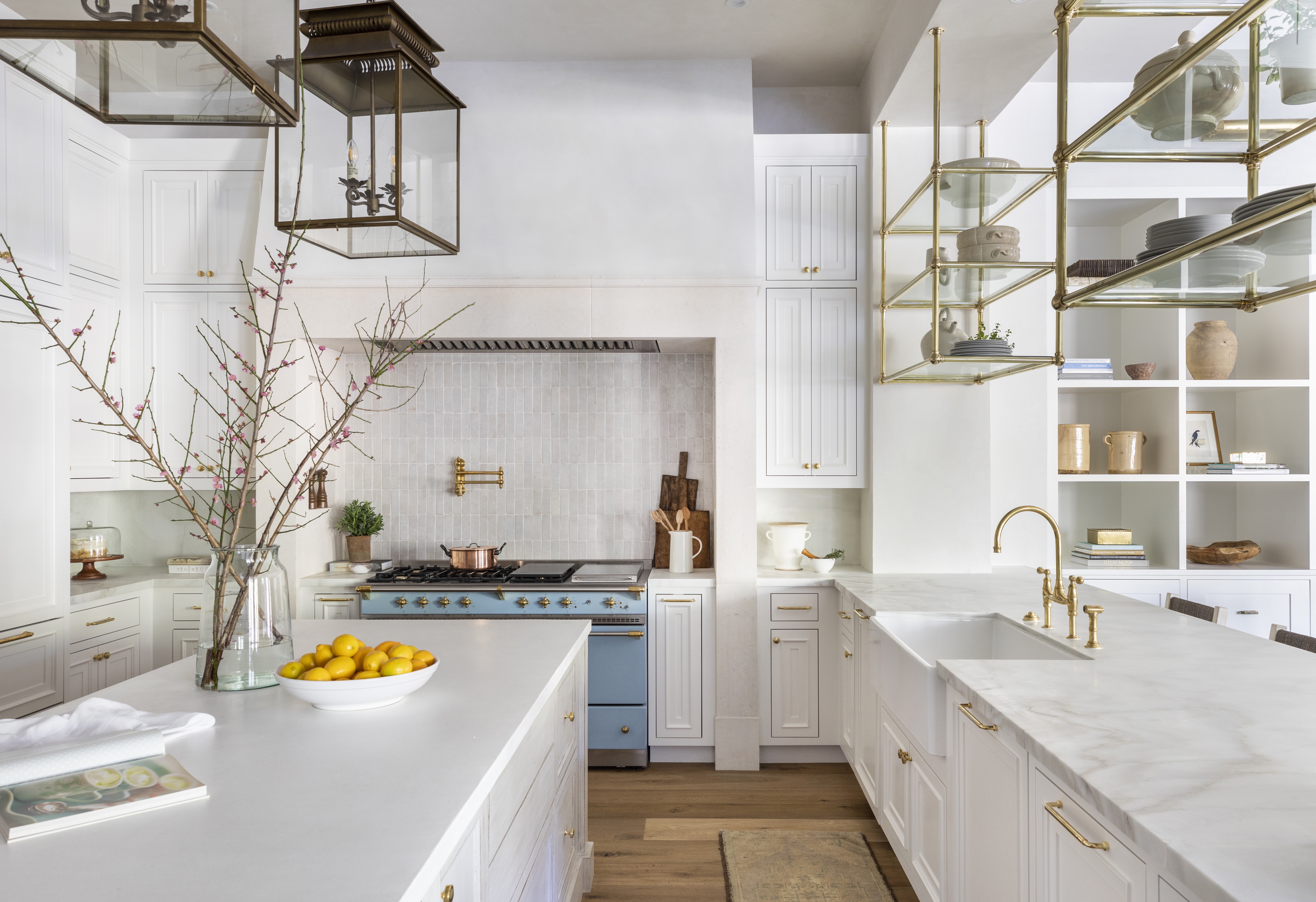
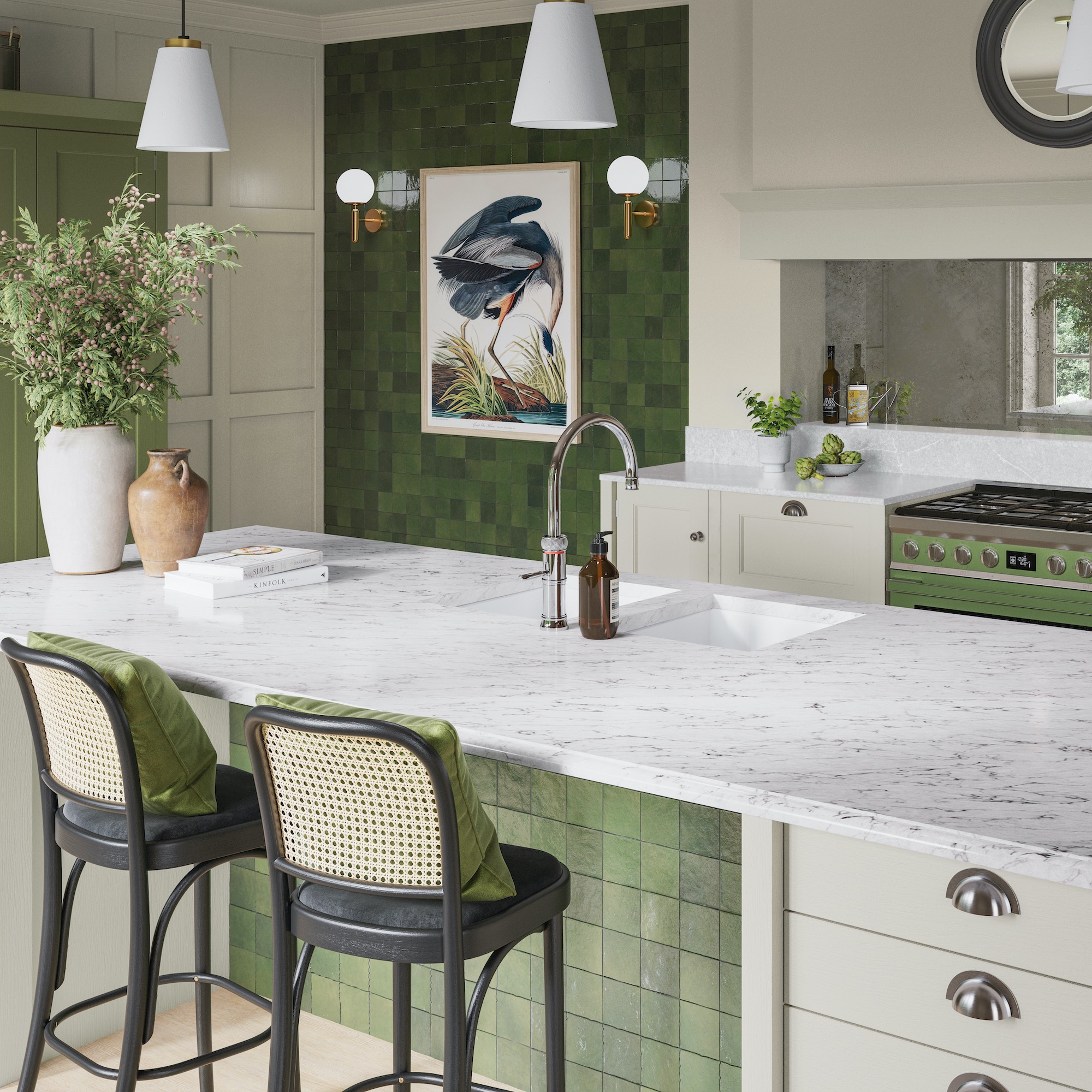
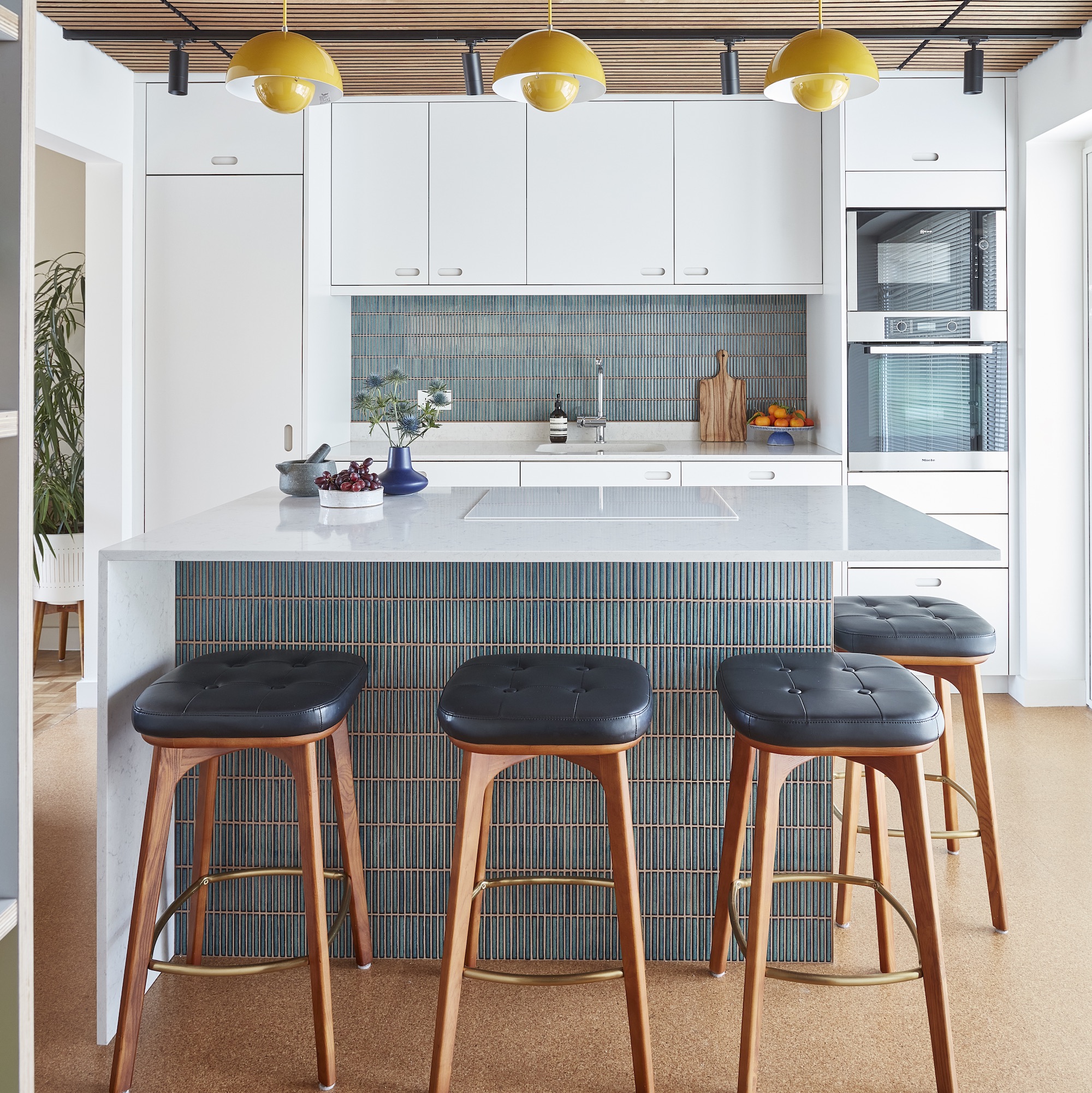
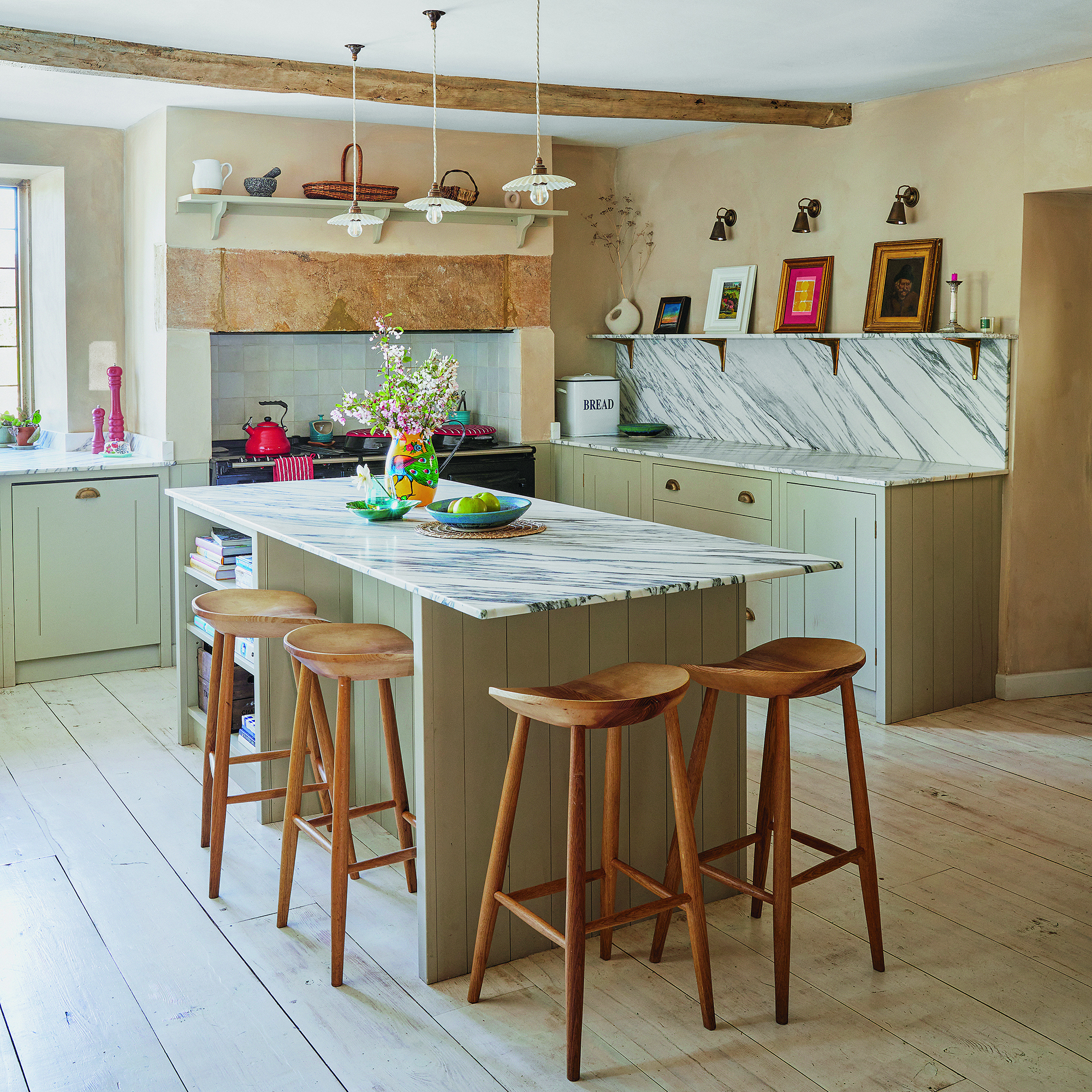
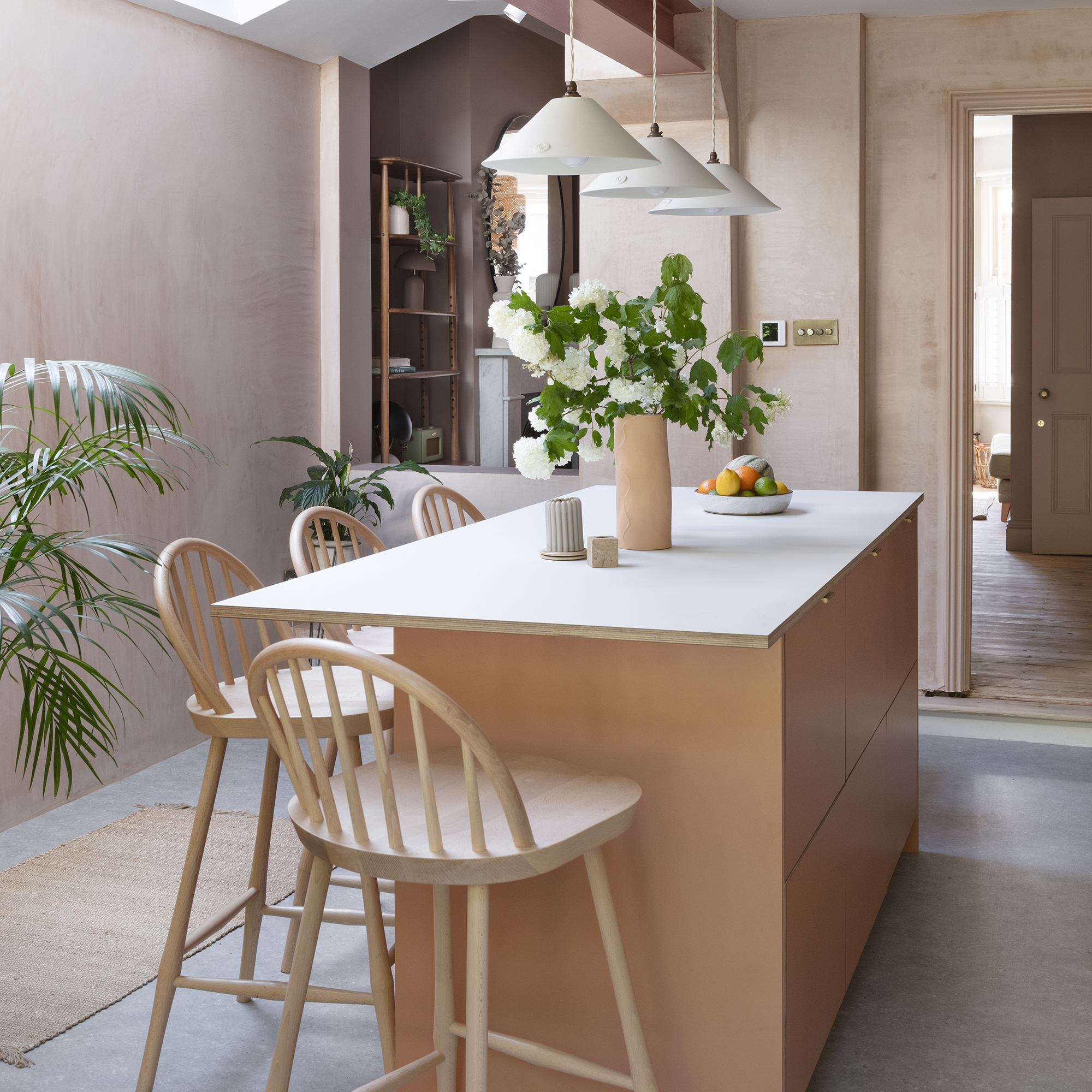
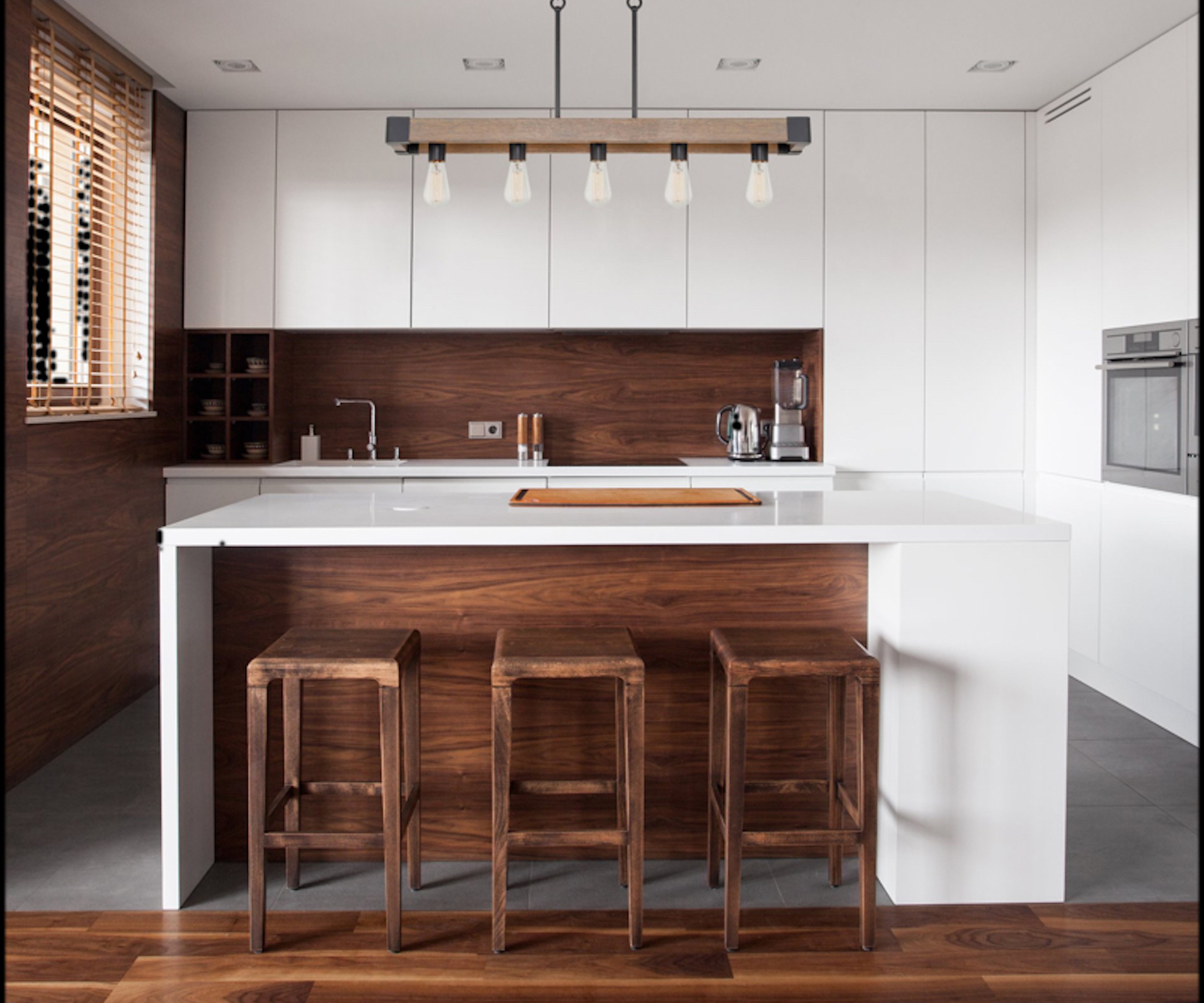
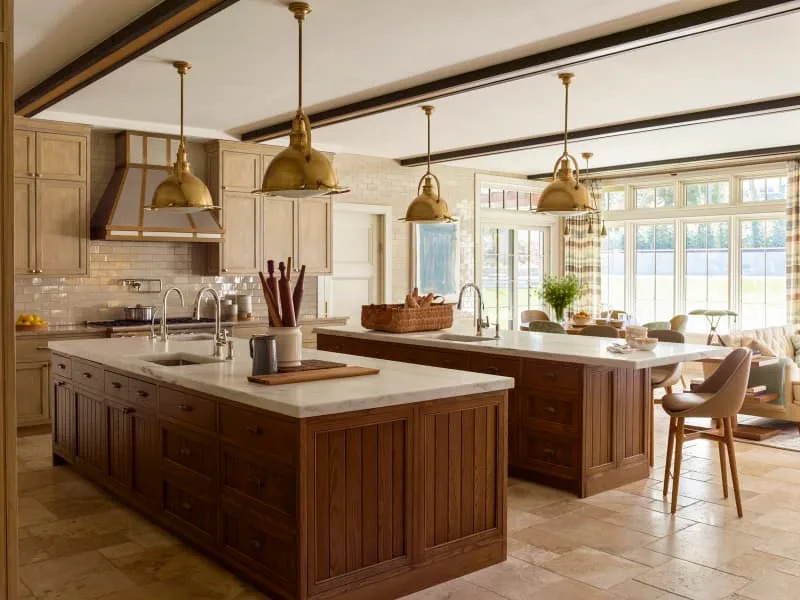
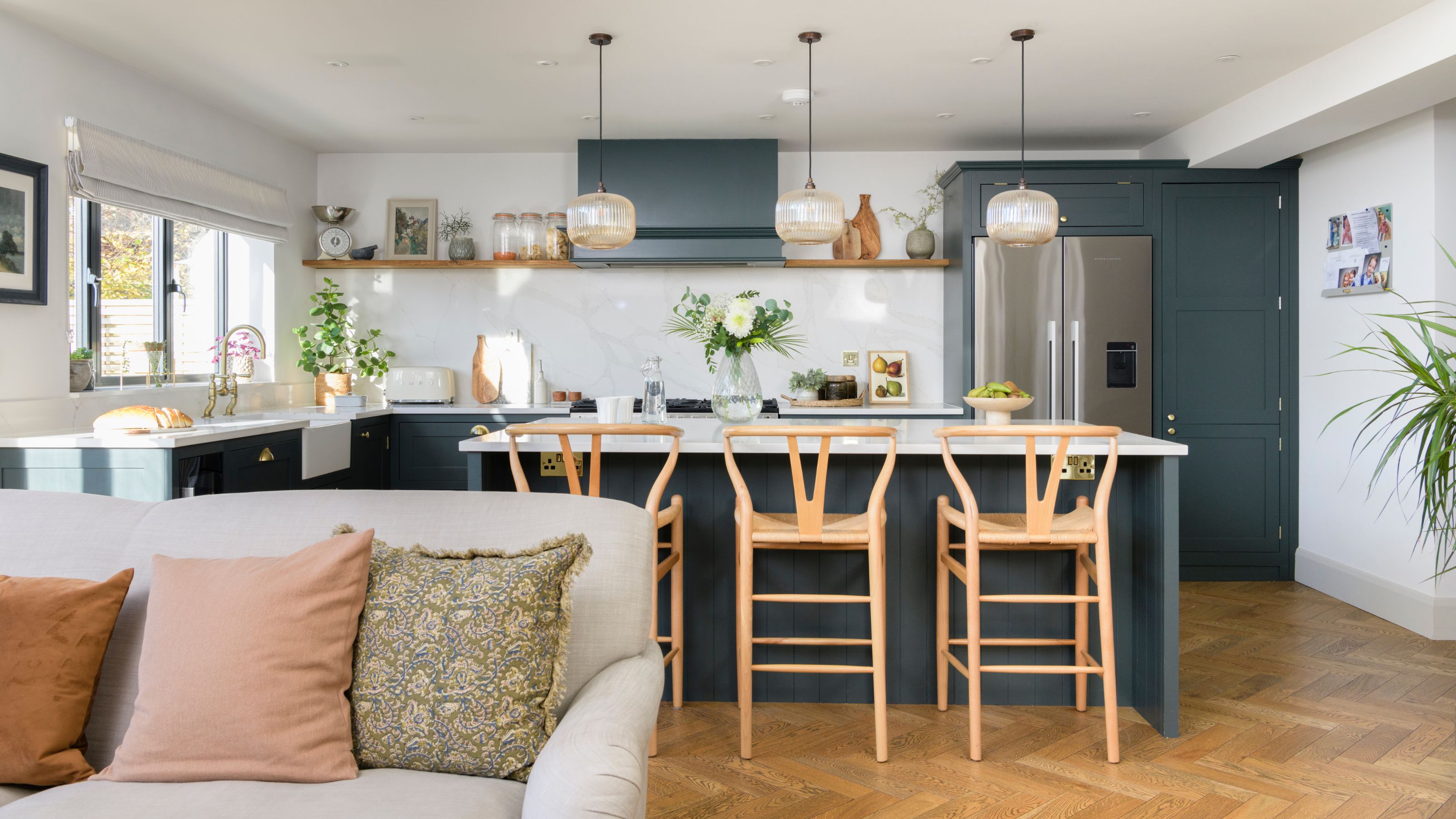
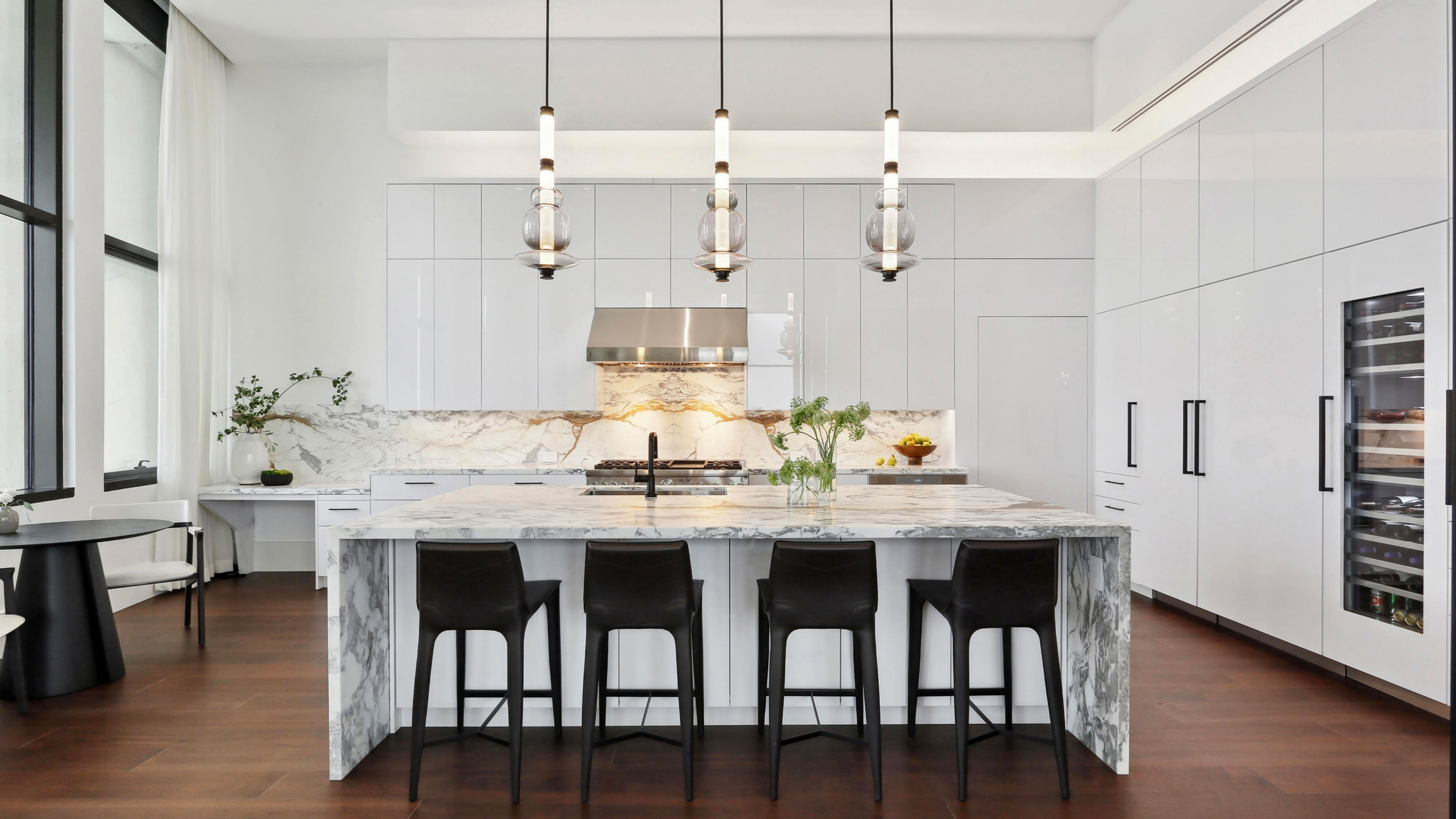
First, the scale and layout of the island are crucial. It should be proportionate to the overall kitchen size, allowing for balance and symmetry. Importantly, adequate walkway space around the island is essential for both functionality and aesthetics. Design director Tom Howley recommends maintaining at least a meter of clearance on one or two sides of the island to prevent a cramped or awkward feel. This ensures ease of movement and prevents obstructions, particularly when multiple people are using the kitchen simultaneously. The centralized position of an island also fosters a more sociable cooking environment, allowing the chef to interact with guests or family members rather than being isolated facing a wall.
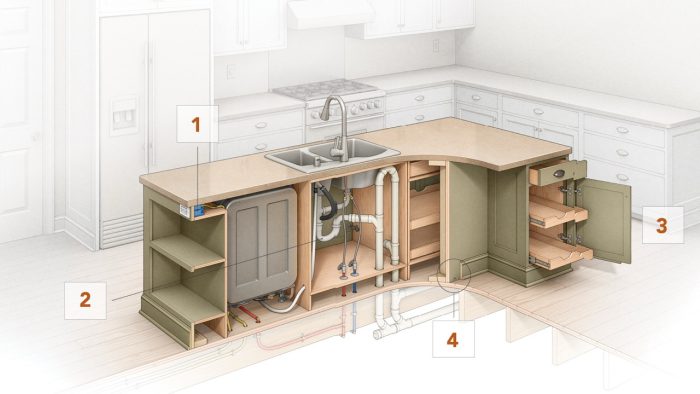
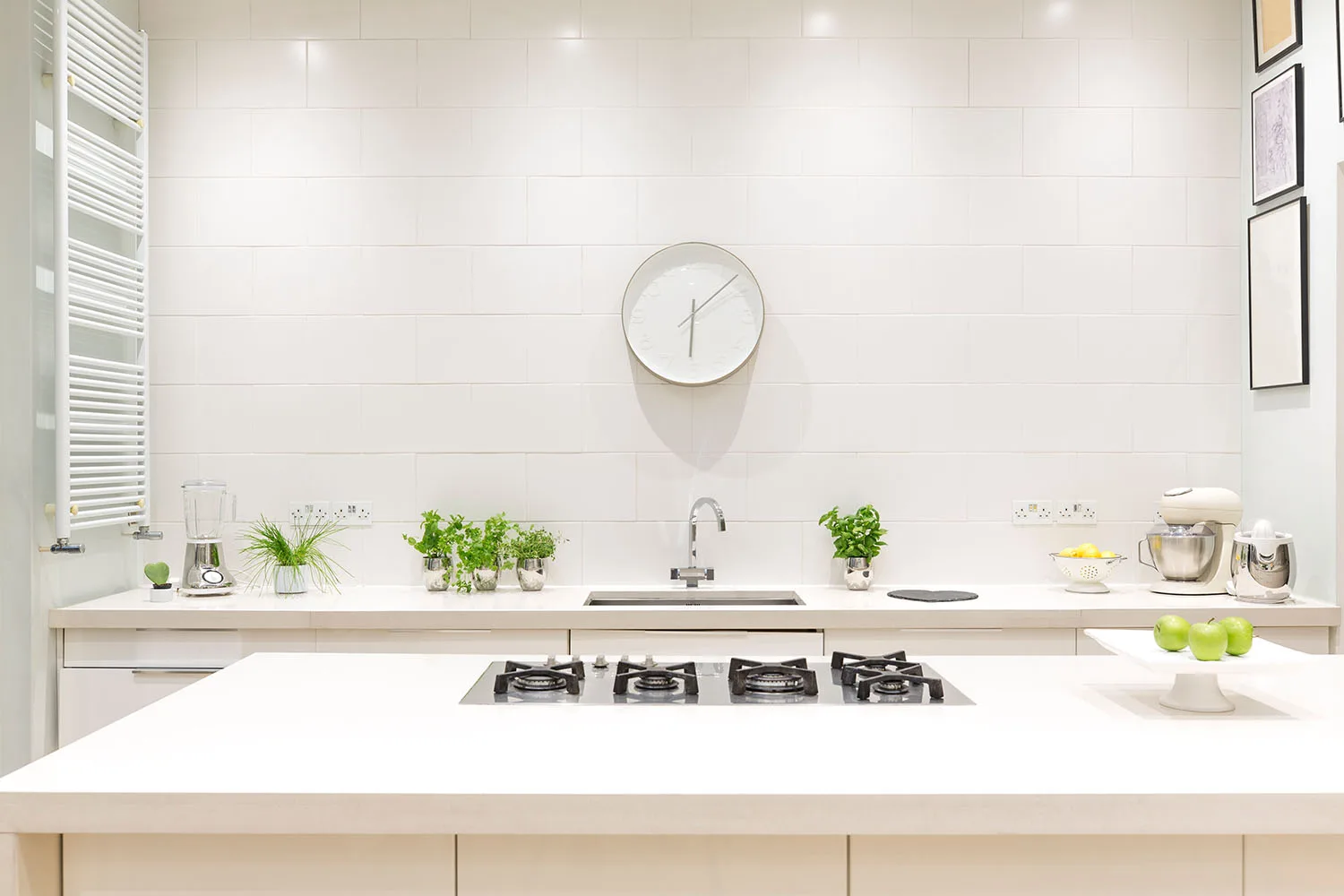
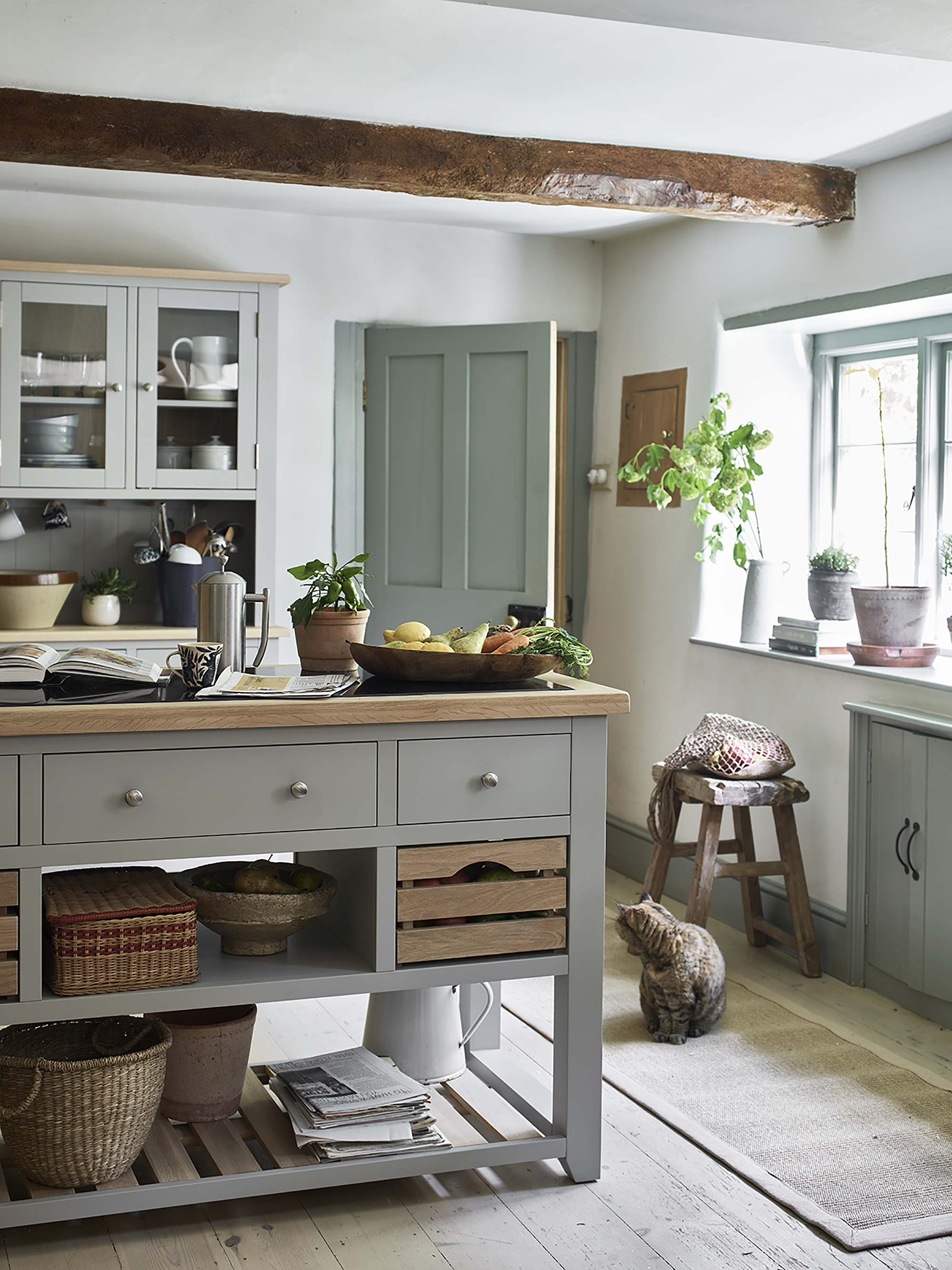
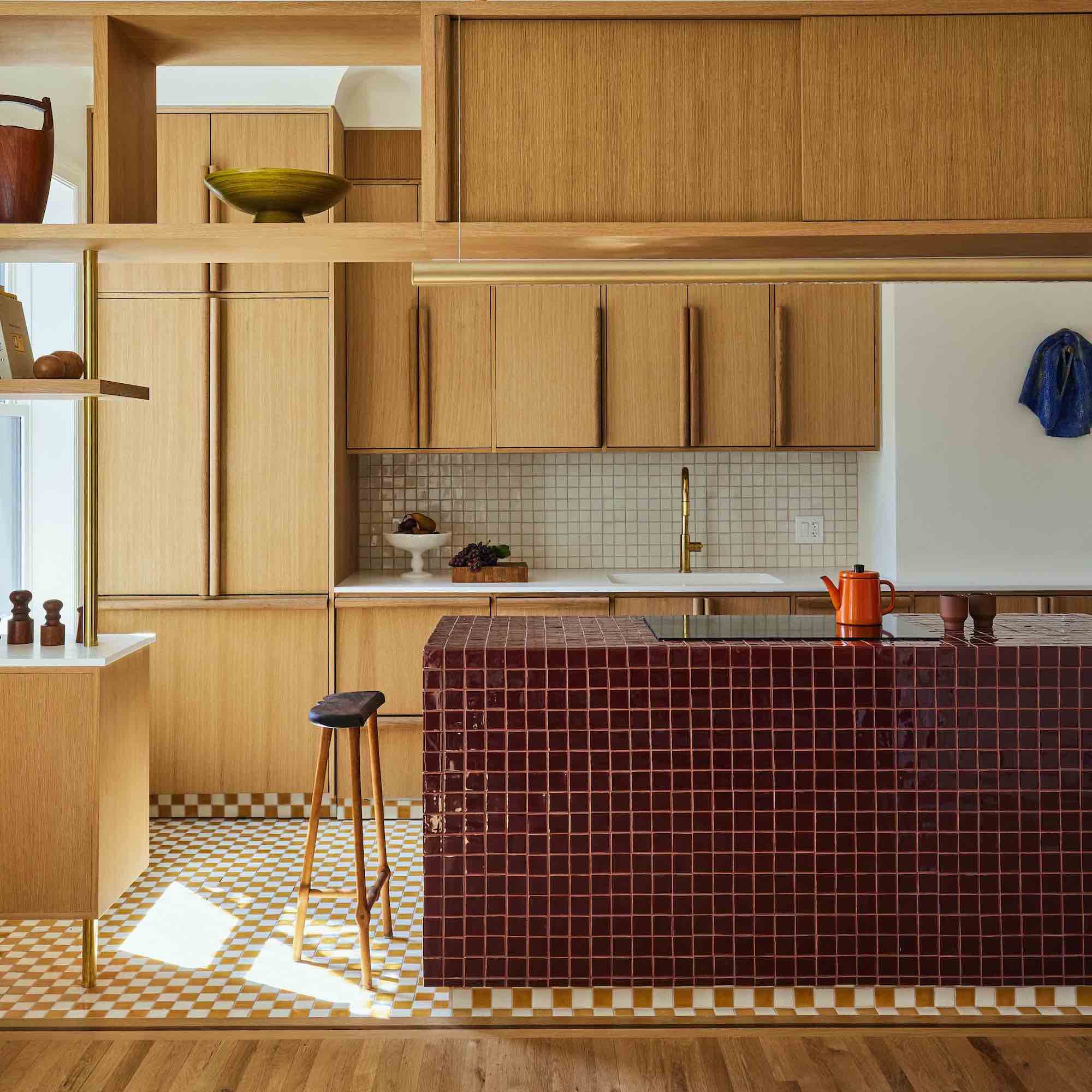
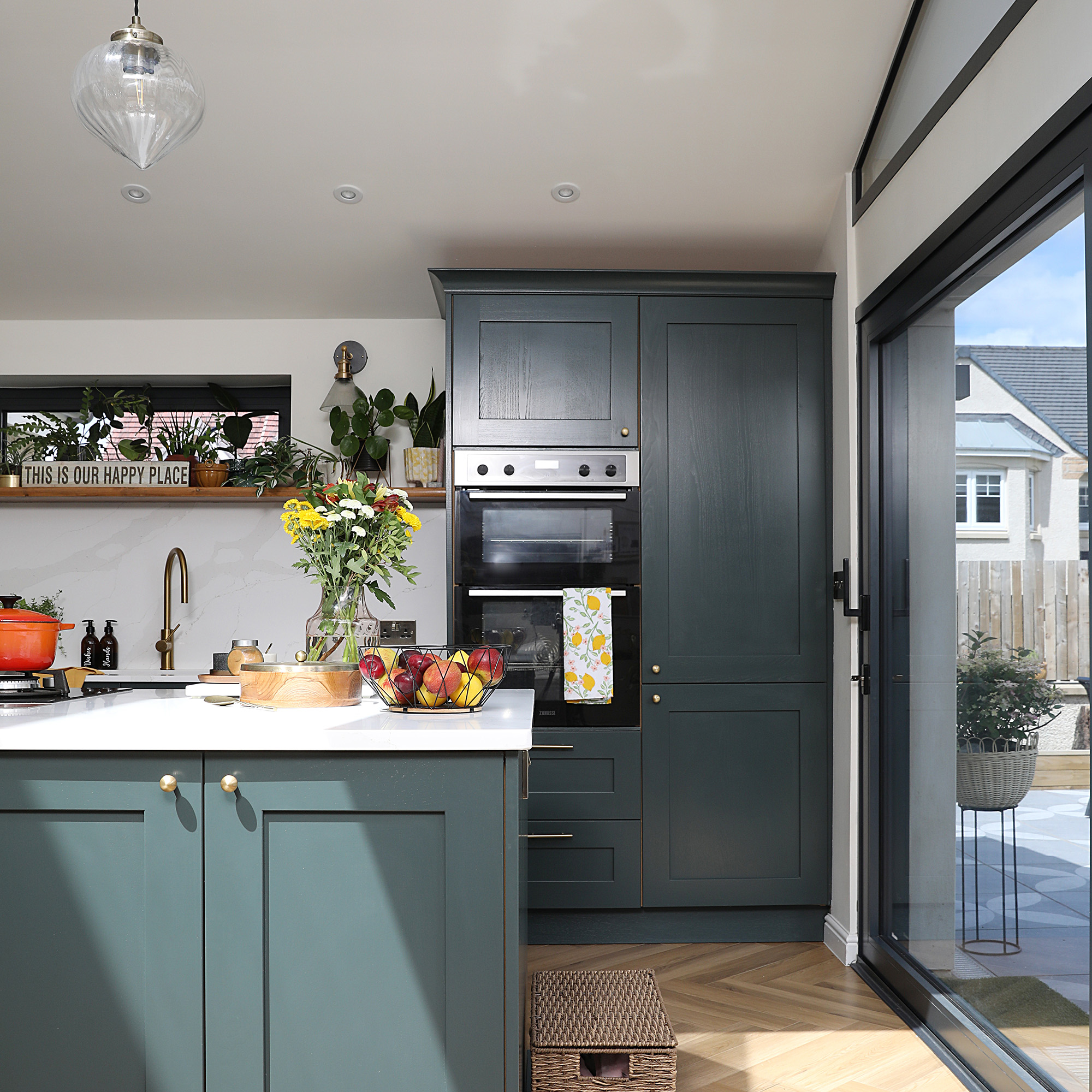
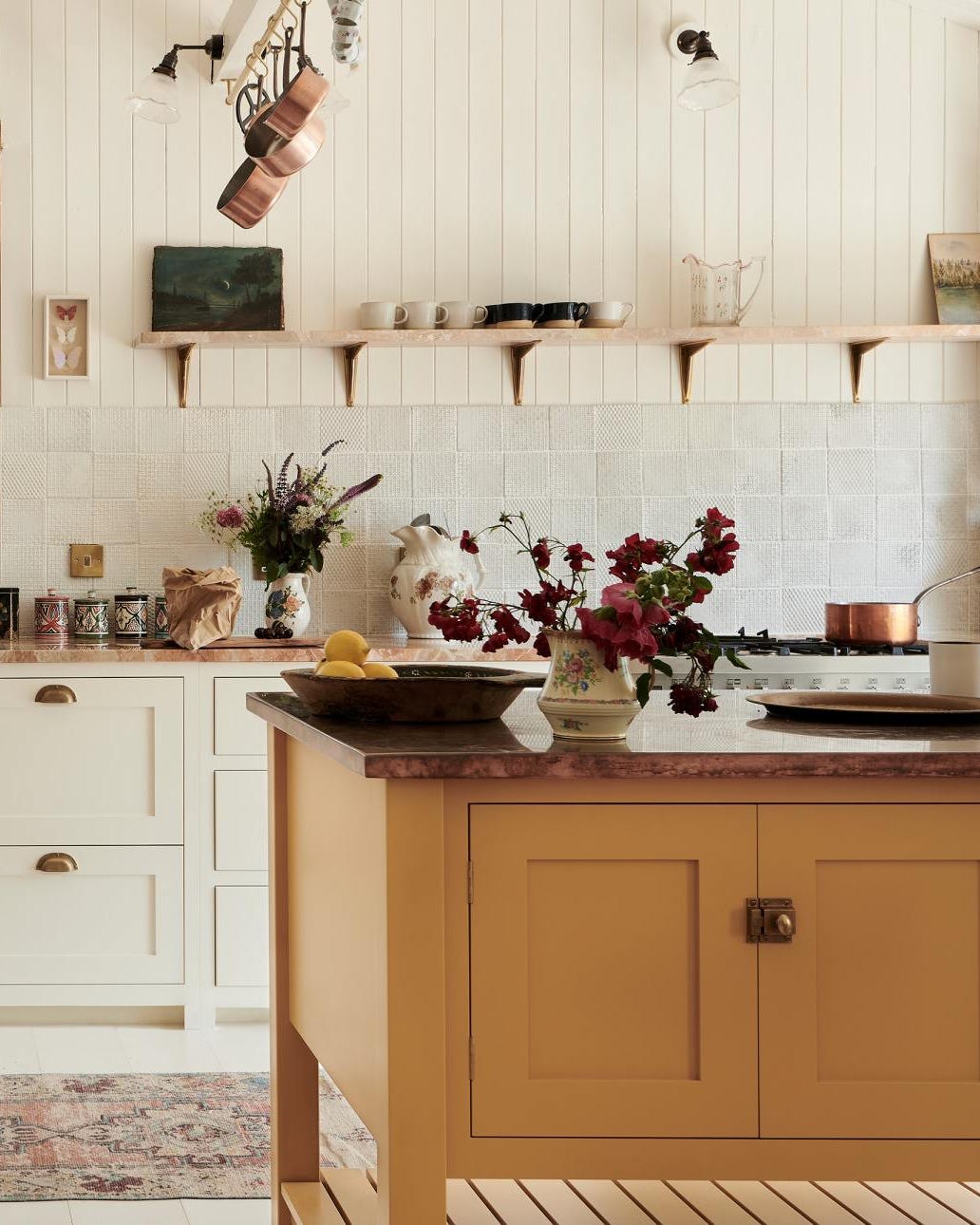
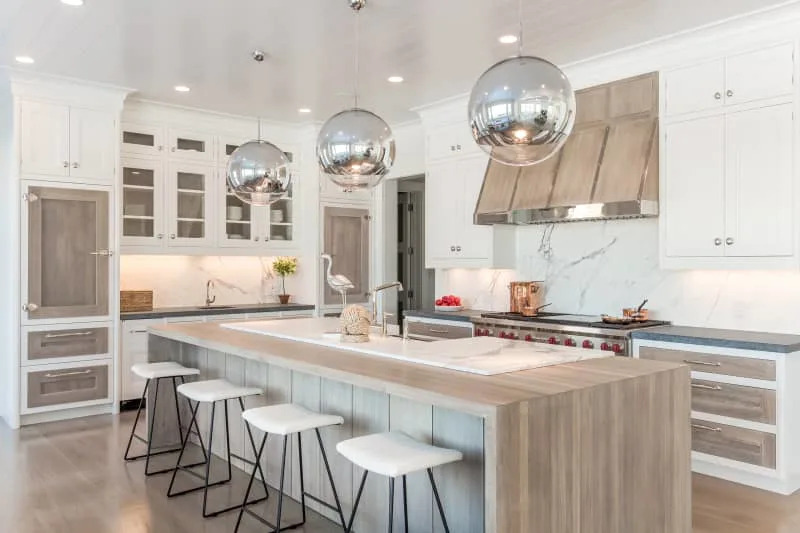
Functionality is paramount, and incorporating practical elements can significantly boost an island's utility. Adding a sink or a hob can transform the island into a primary cooking and preparation area, streamlining tasks and maintaining the social aspect of the kitchen. Beyond active work areas, kitchen islands provide valuable storage solutions. Deep pan drawers are ideal for cookware, keeping essential items close at hand while maintaining a clutter-free environment. Other designs can feature display shelves for decorative pieces or high-end kitchenware, adding a personal touch and visual interest.
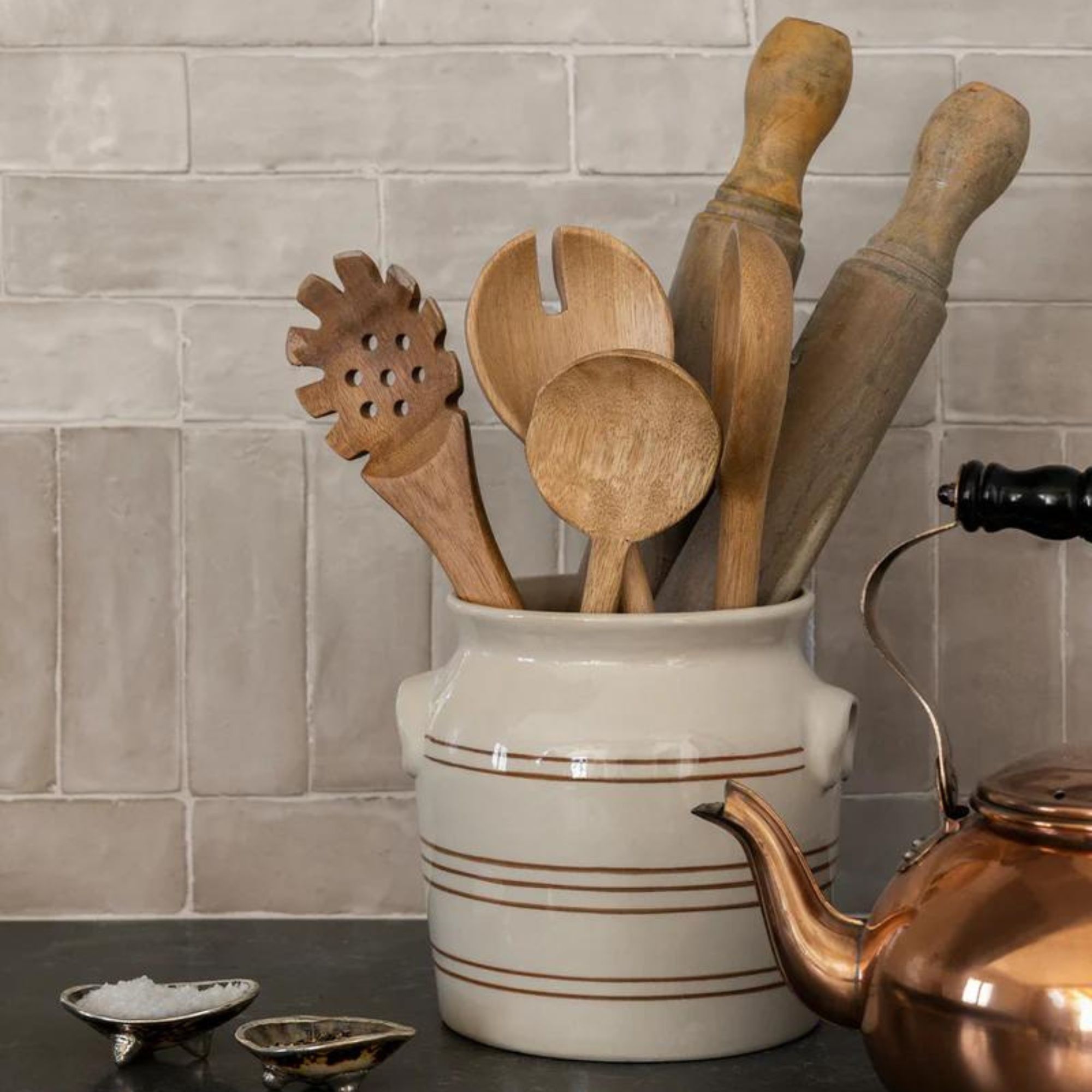
Bespoke inserts within drawers are another practical feature. These provide dedicated compartments for cutlery and cooking utensils, ensuring everything is organized and easily accessible. Choosing a contrasting wood for these inserts can also add a stylish statement to the cabinetry. Furthermore, integrating internal bin configurations helps to conceal waste and recycling, eliminating unsightly freestanding bins and freeing up valuable floor space. This thoughtful consideration contributes to a cleaner, more organized kitchen.
Before designing an island, it is important to reflect on its primary purpose. Will it be predominantly a cooking and prep area, a social hub with a breakfast bar, or even a multi-functional space for tasks like homework? The flexibility of a kitchen island allows it to serve various roles within a dynamic household. Incorporating power sockets directly into the island can further enhance its utility, making it convenient for small appliances or charging devices. Ultimately, a well-designed kitchen island is a blend of internal solutions and exterior proportions, ensuring it is both beautiful and highly functional, tailored to the specific needs and lifestyle of the homeowner.
#KitchenIslandDesign #LuxuryKitchens #HomeDesignTips #KitchenStorage #BespokeKitchens #FunctionalDesign #KitchenLayout #KitchenIslandDesign #LuxuryKitchens #HomeDesignTips #KitchenStorage #BespokeKitchens #FunctionalDesign #KitchenLayout
0 comment in total
 No comments yet
You may also like
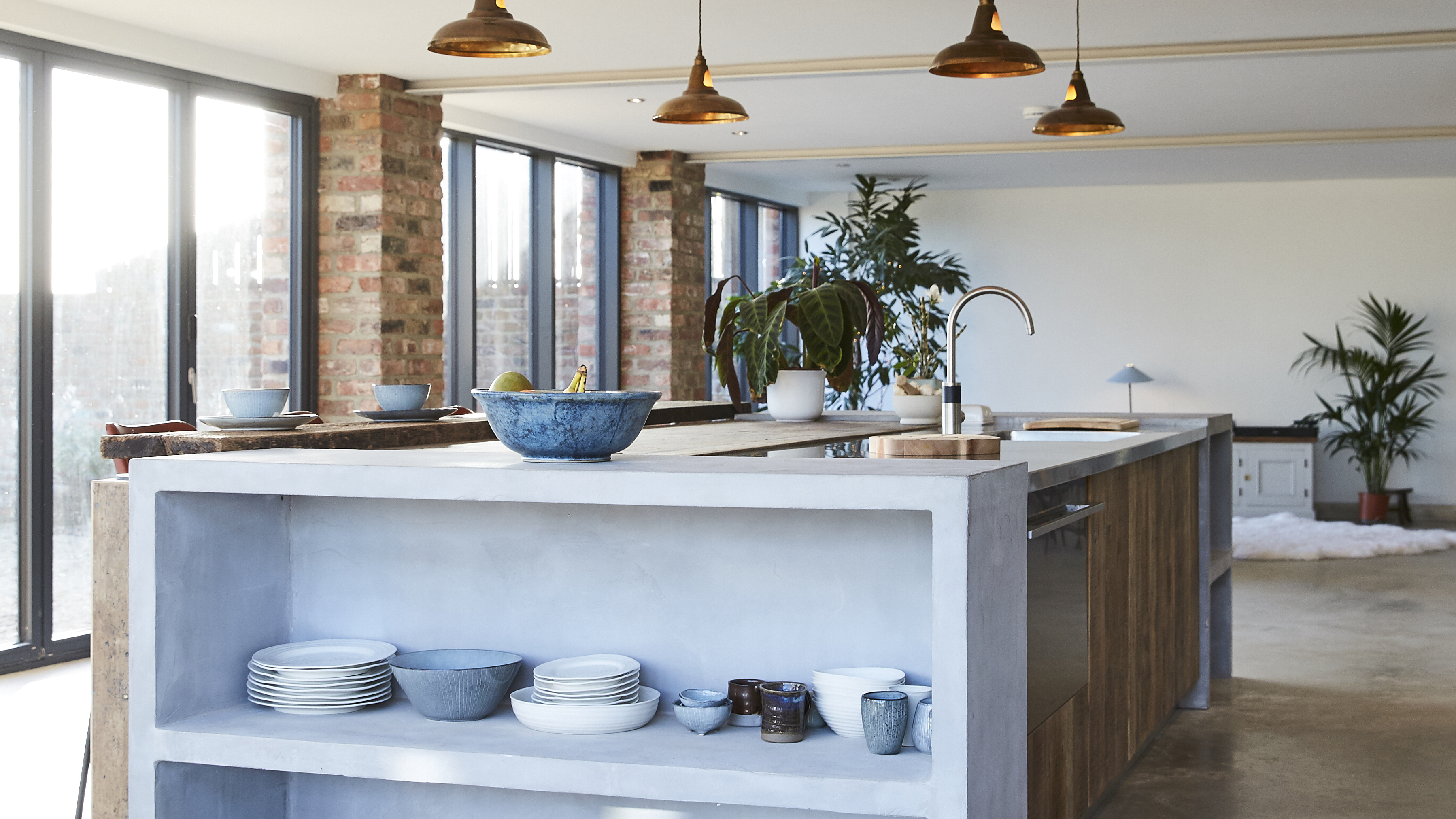
Kitchen island layout ideas – what to consider when incorporating your dream island

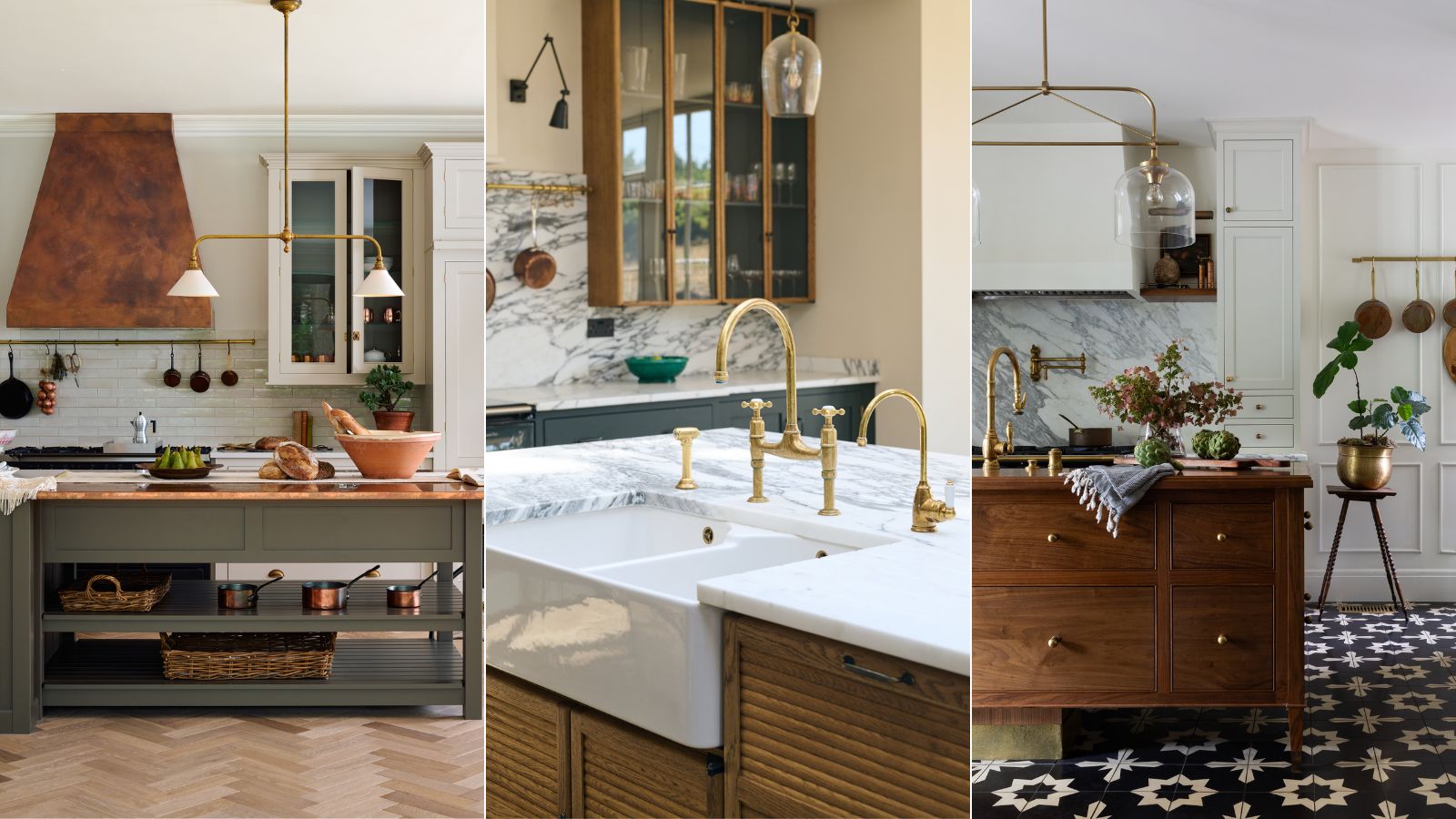
7 successful kitchen island layout ideas experts swear by

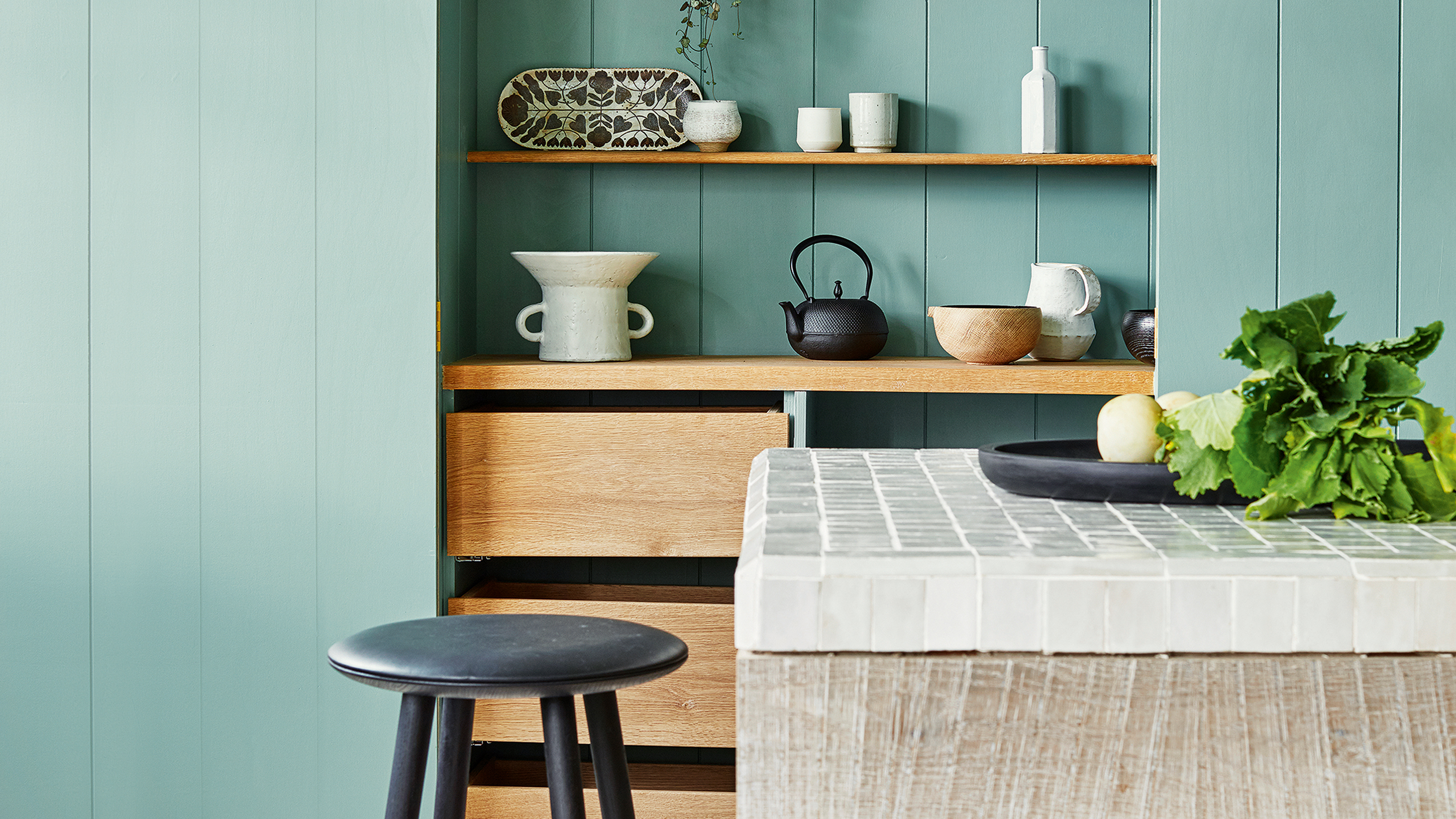
Tiled kitchen island ideas – discover how to do island tiles with style
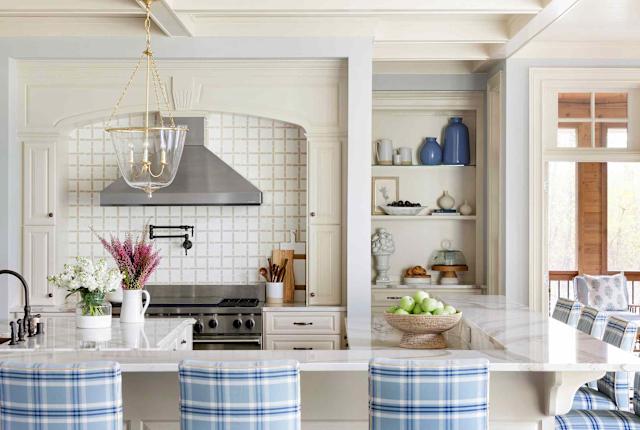
11 Kitchen Island Décor Ideas That Add Style and Elegance to Your Cooking Space

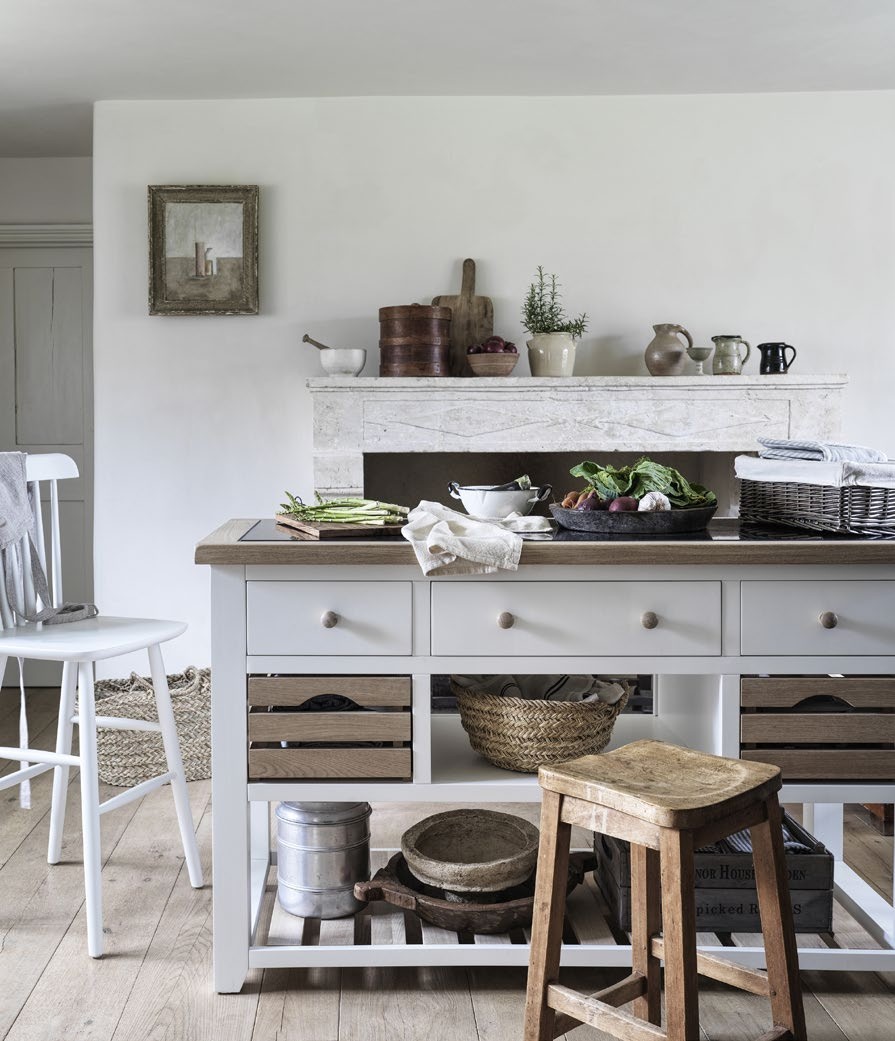
Kitchen island design - 7 Nov 2024 - Homebuilding & Renovating Magazine

Your Guide to Kitchen Island Centerpiece Ideas and Styling

How to Choose a Kitchen Island with Seating to Create a Cozy Space

Should a Kitchen Island Be Centered? "There Is No One-Size-Fits All" Solution, Say the Experts
How to Design a Kitchen Island: Code Requirements, Flow, & More

Creating the perfect kitchen island

Can you add an island to an existing kitchen? Yes, but these are the 3 considerations to be aware of
3 Kitchen Island Trends That Interior Designers Love (and 2 to Skip)

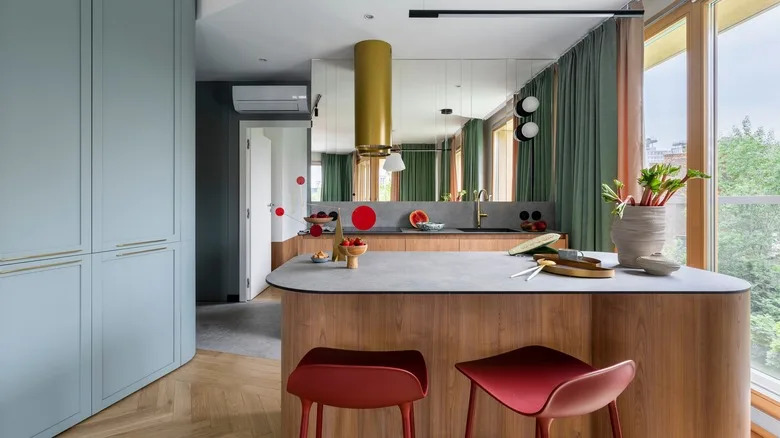
Your Kitchen Island Doesn't Have To Be A Rectangle: How To Pick The Right Shape For Your Space
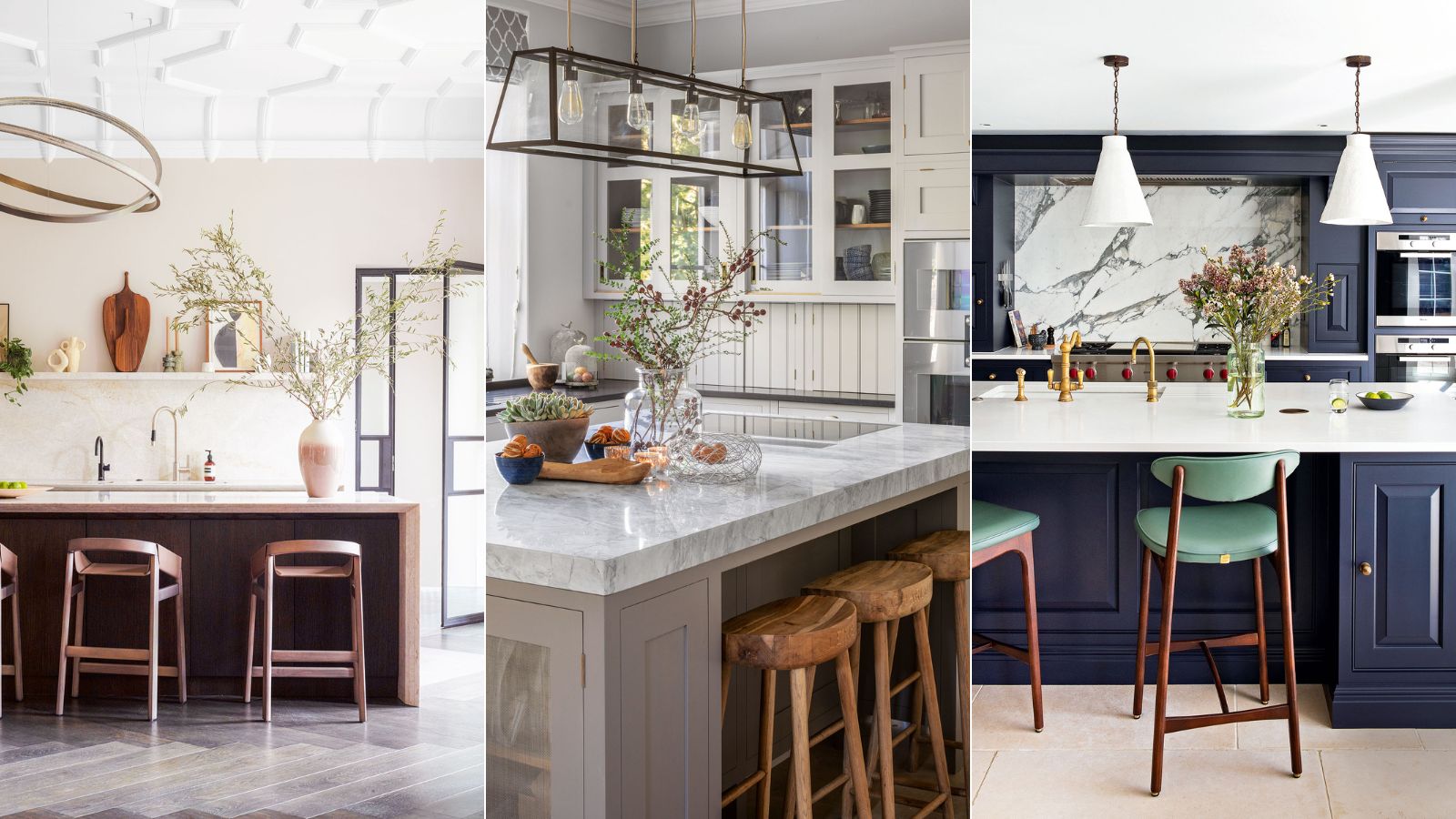
Kitchen island styling ideas – 10 ways to make a practical space look beautiful
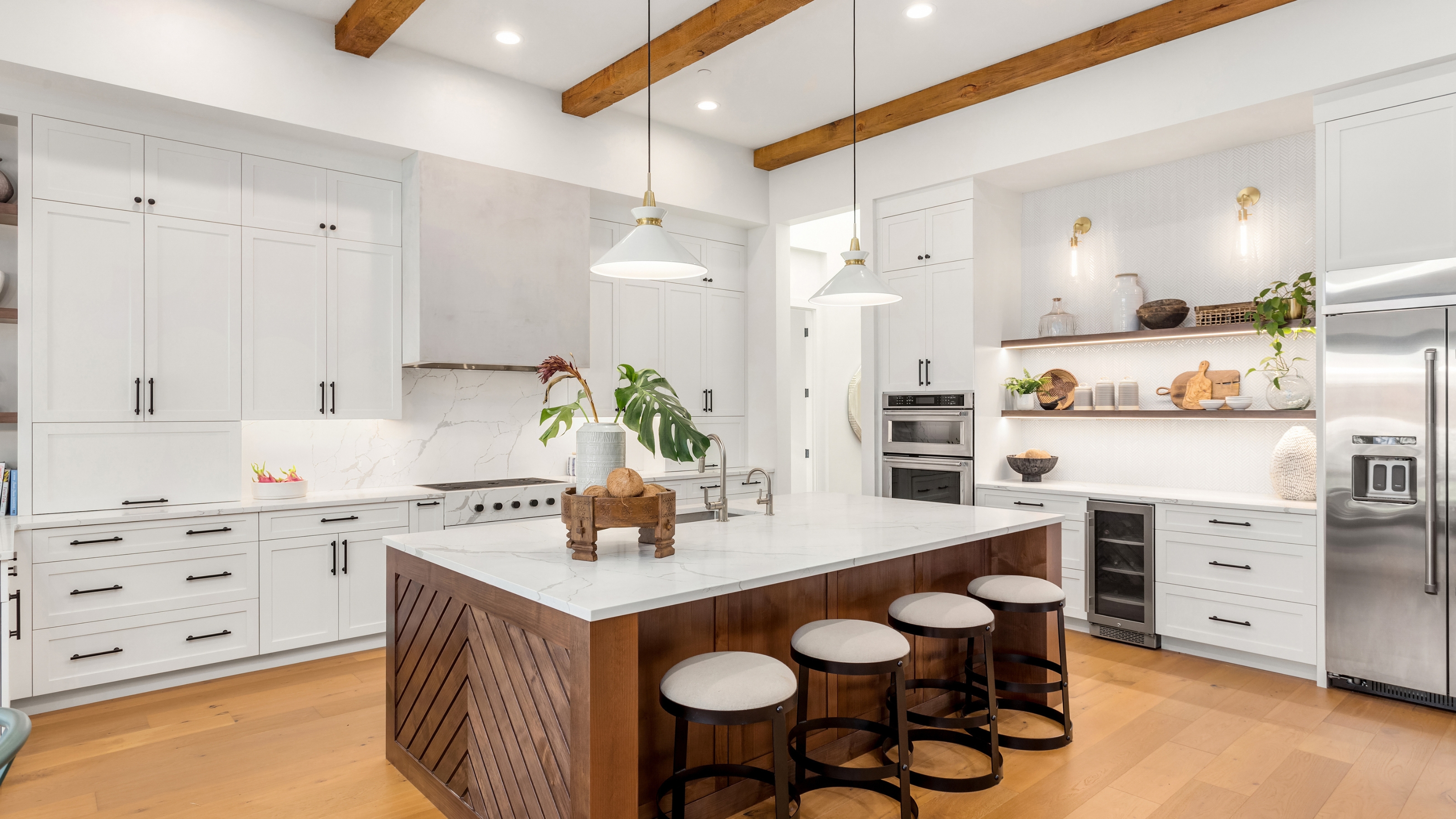
How to organize a kitchen island — 7 expert tips from pros

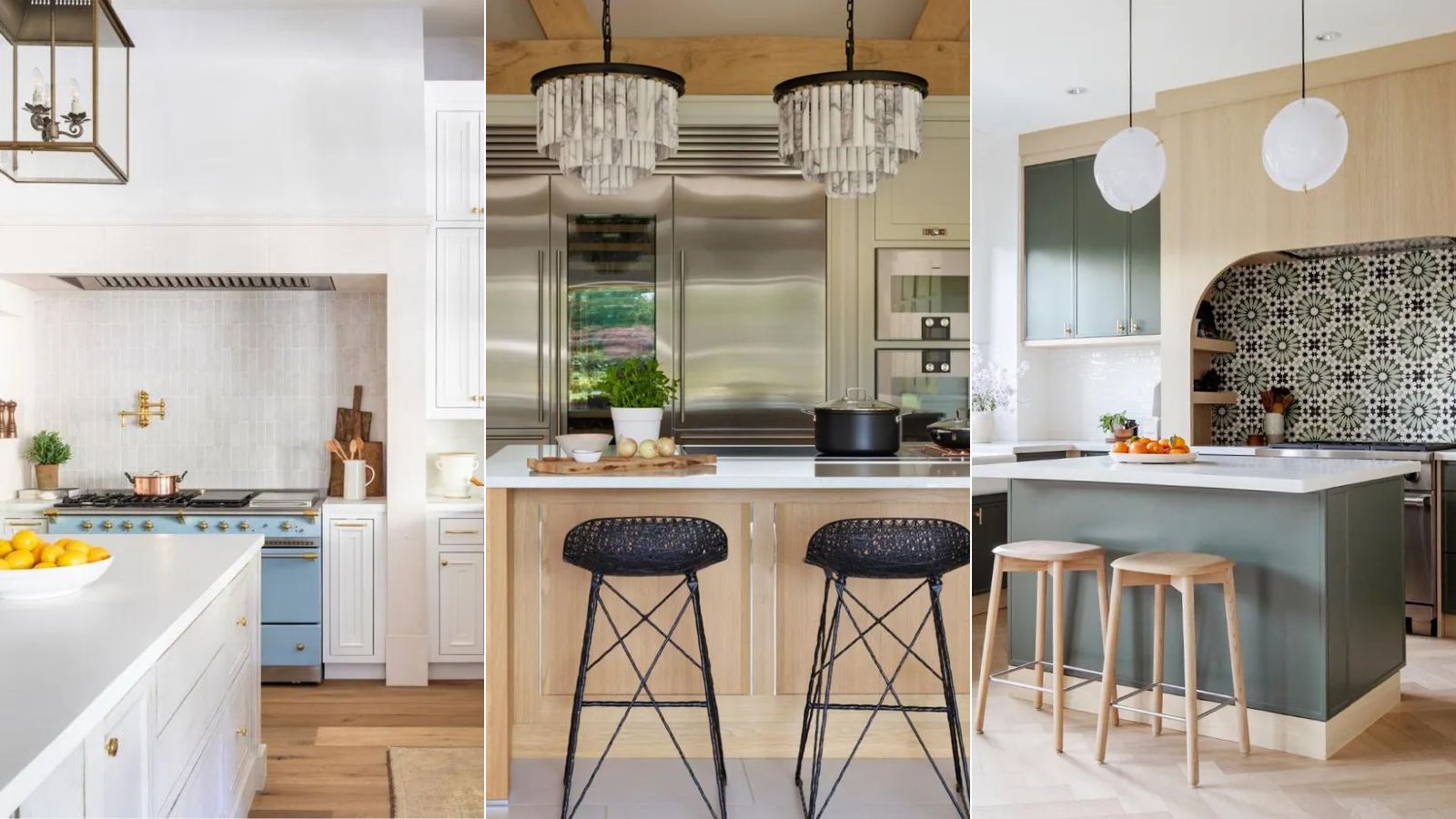
5 things to never put on your kitchen island, according to interior designers
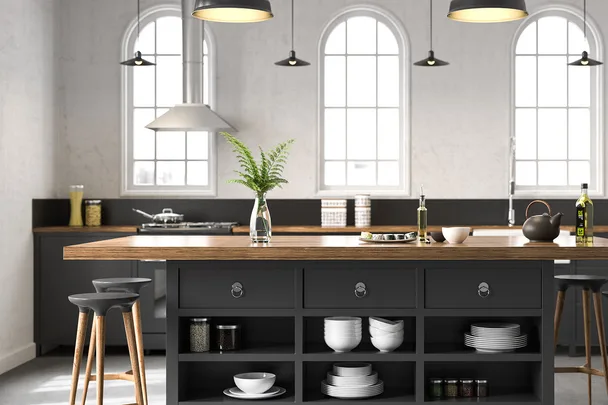
10 inspiring kitchen island design ideas

A 'rule of thumb' when working out kitchen island sizes and mistakes to avoid
The best kitchen island ideas for a sophisticated and functional feature
How to design a kitchen island with seating – 6 expert steps to the perfect, social space