Your Kitchen Island Doesn't Have To Be A Rectangle: How To Pick The Right Shape For Your Space
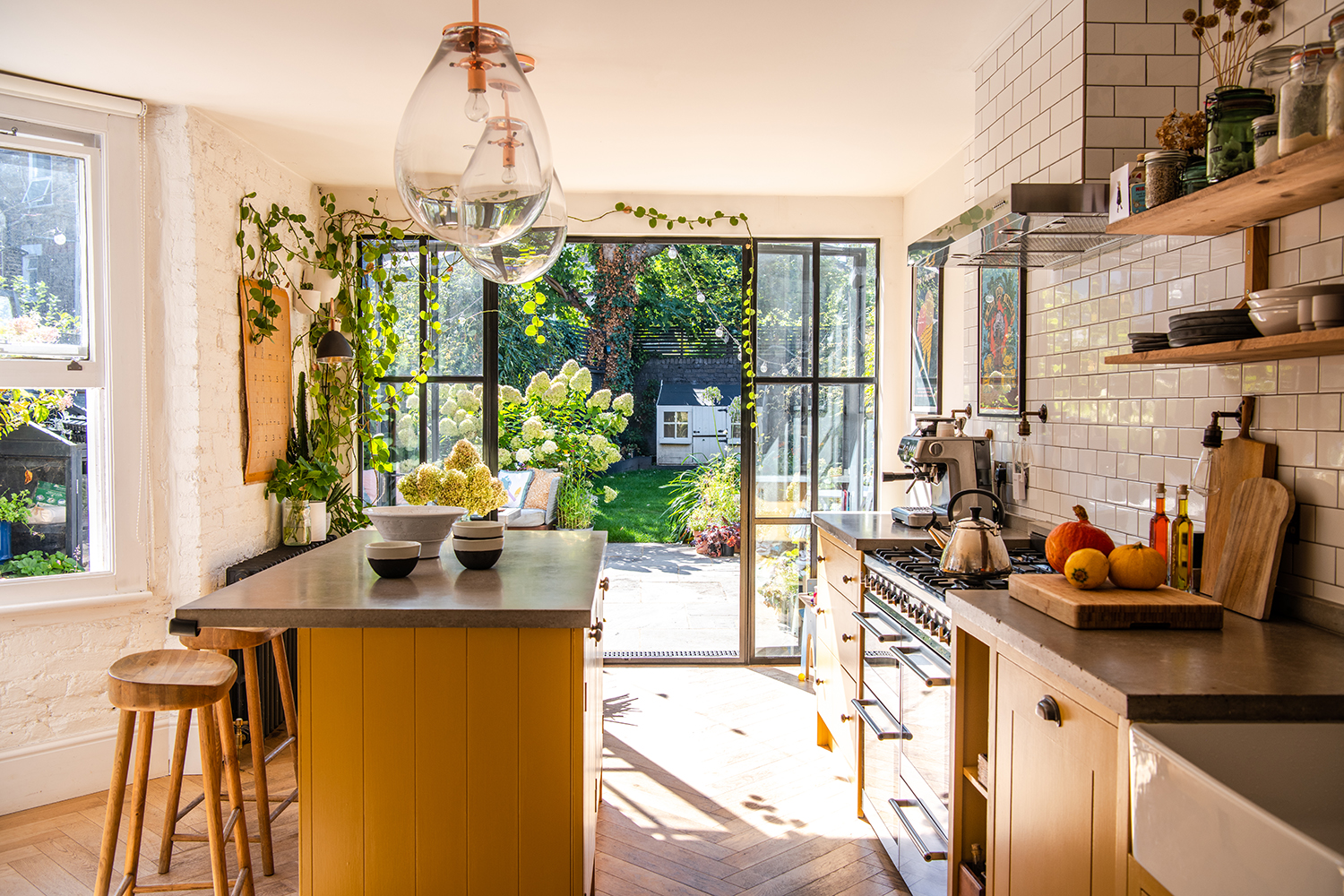
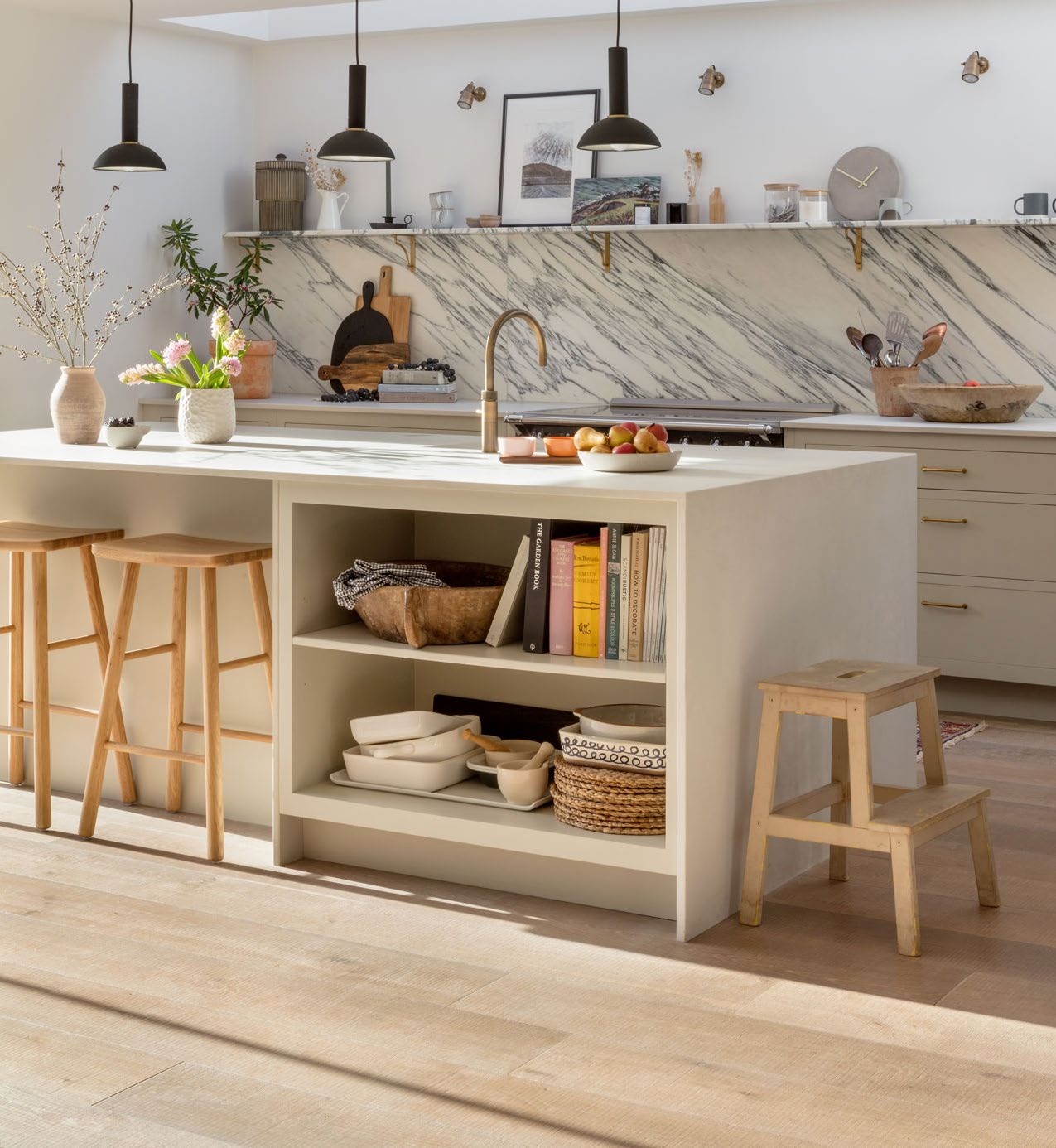
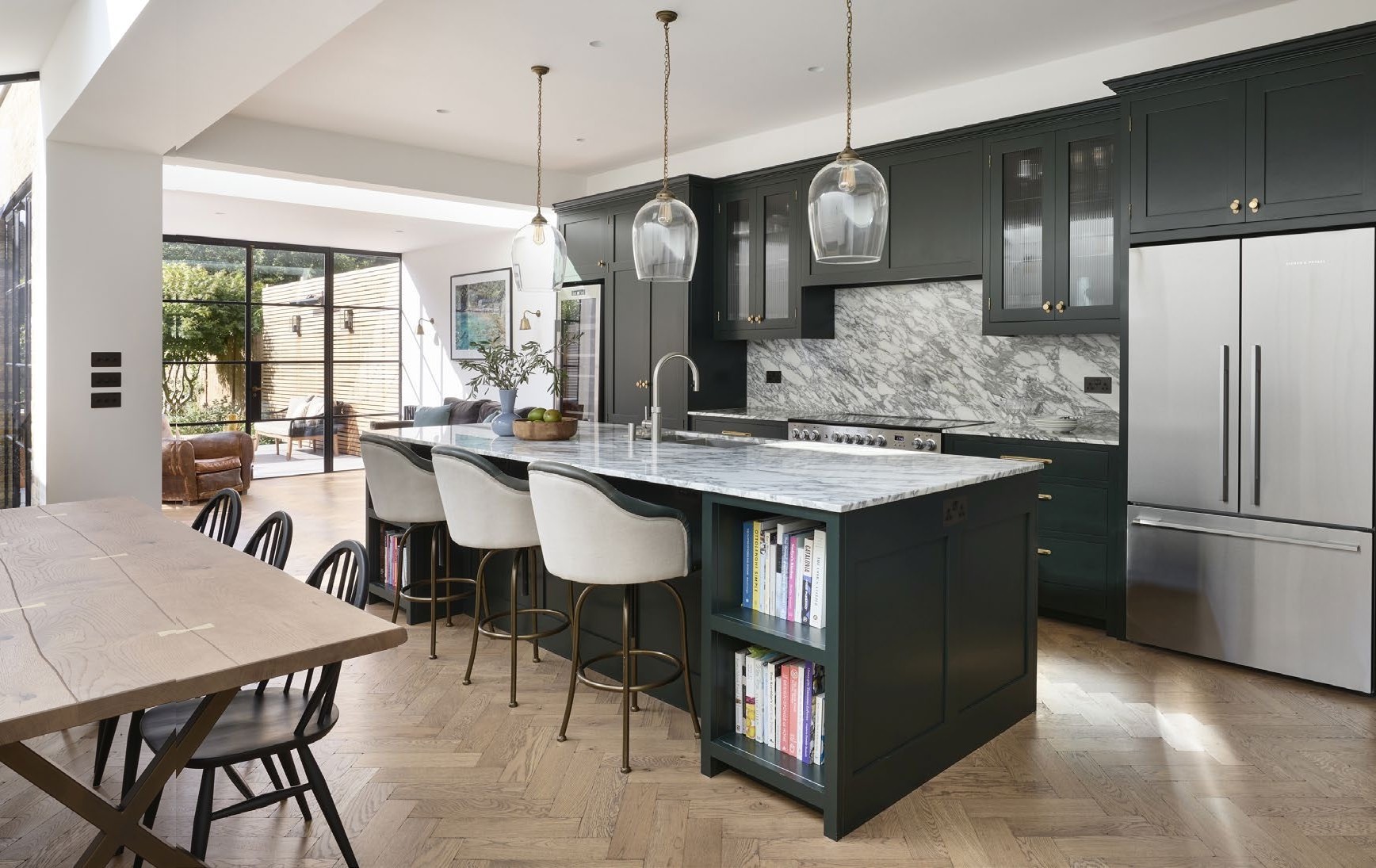
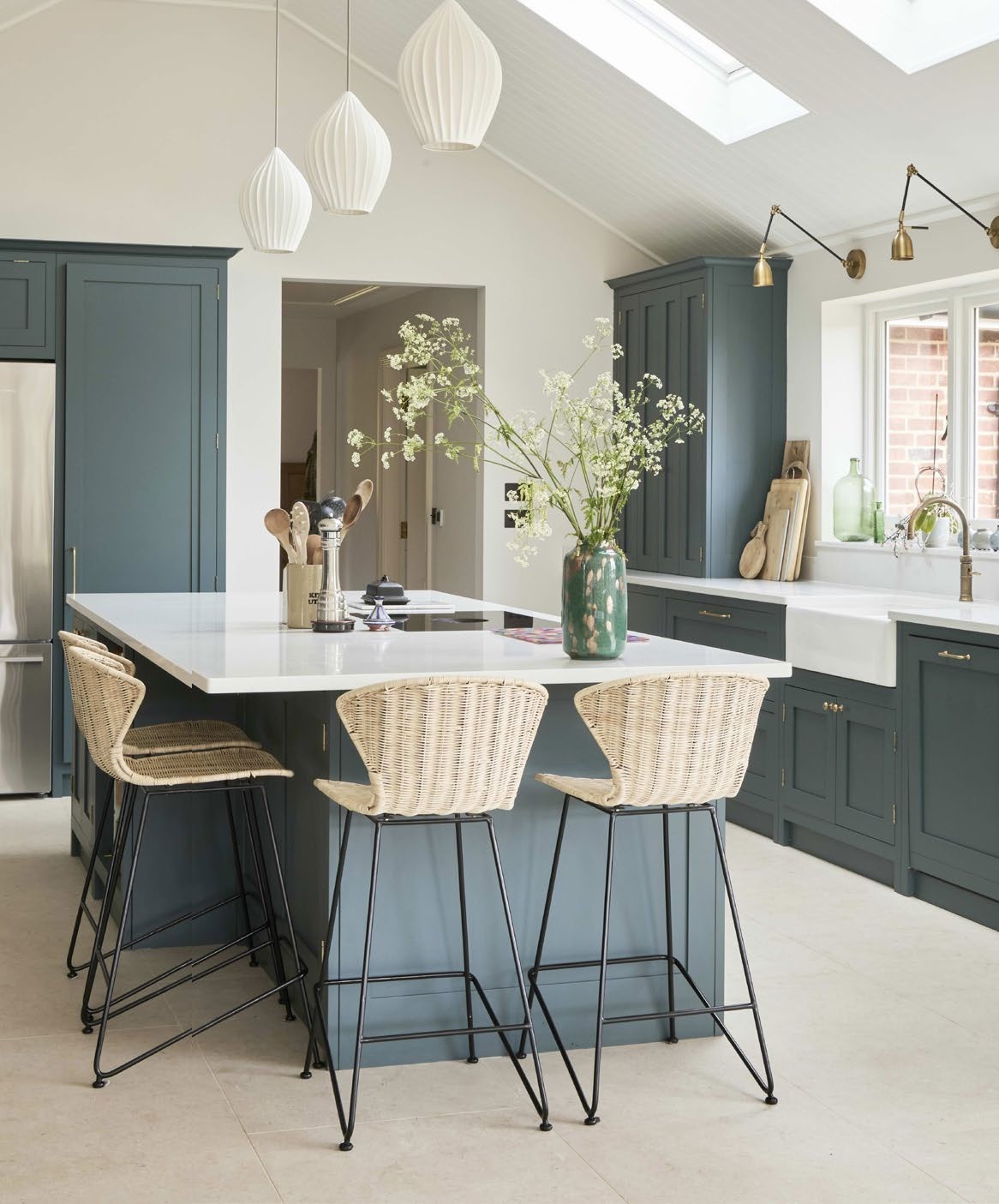
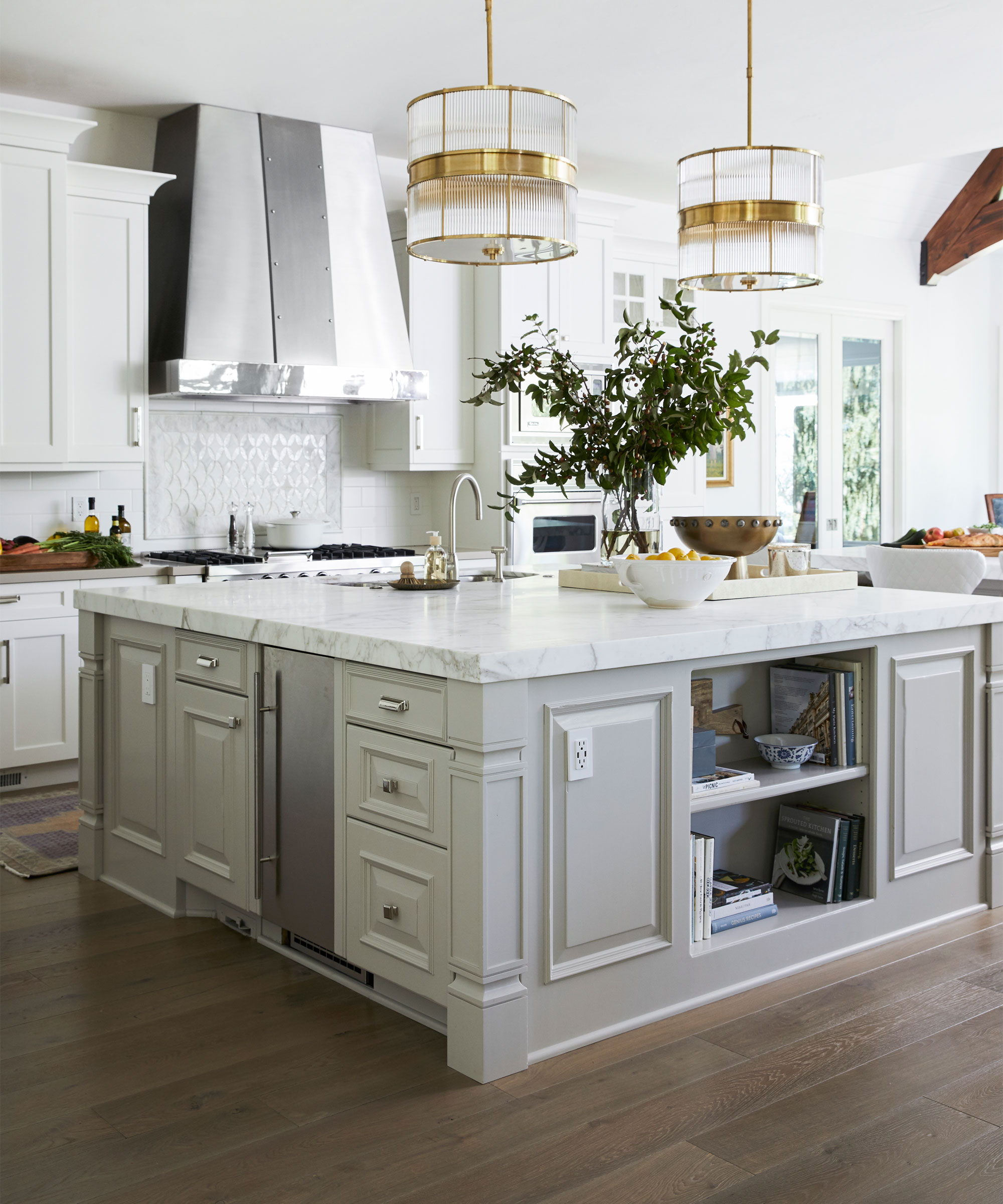
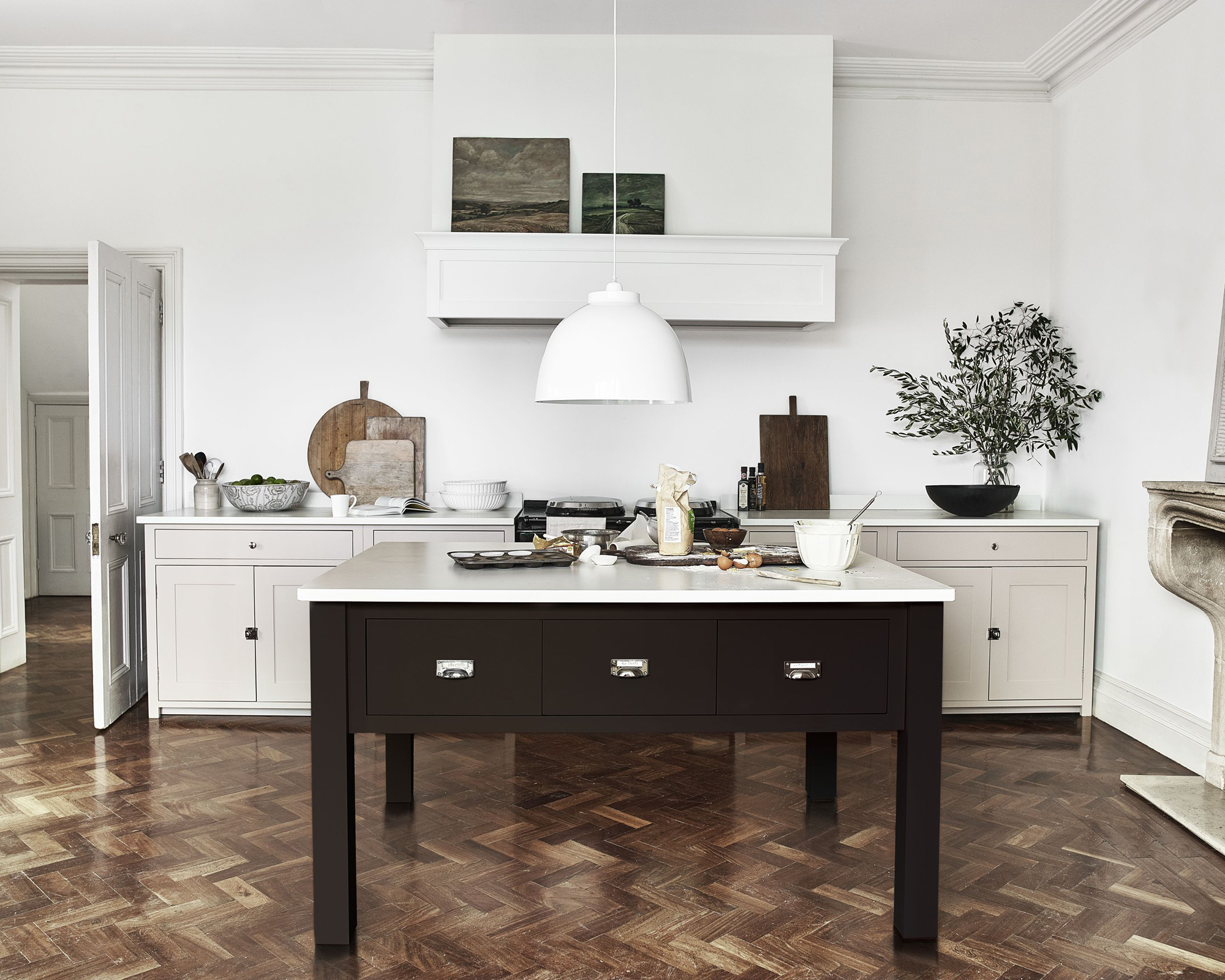
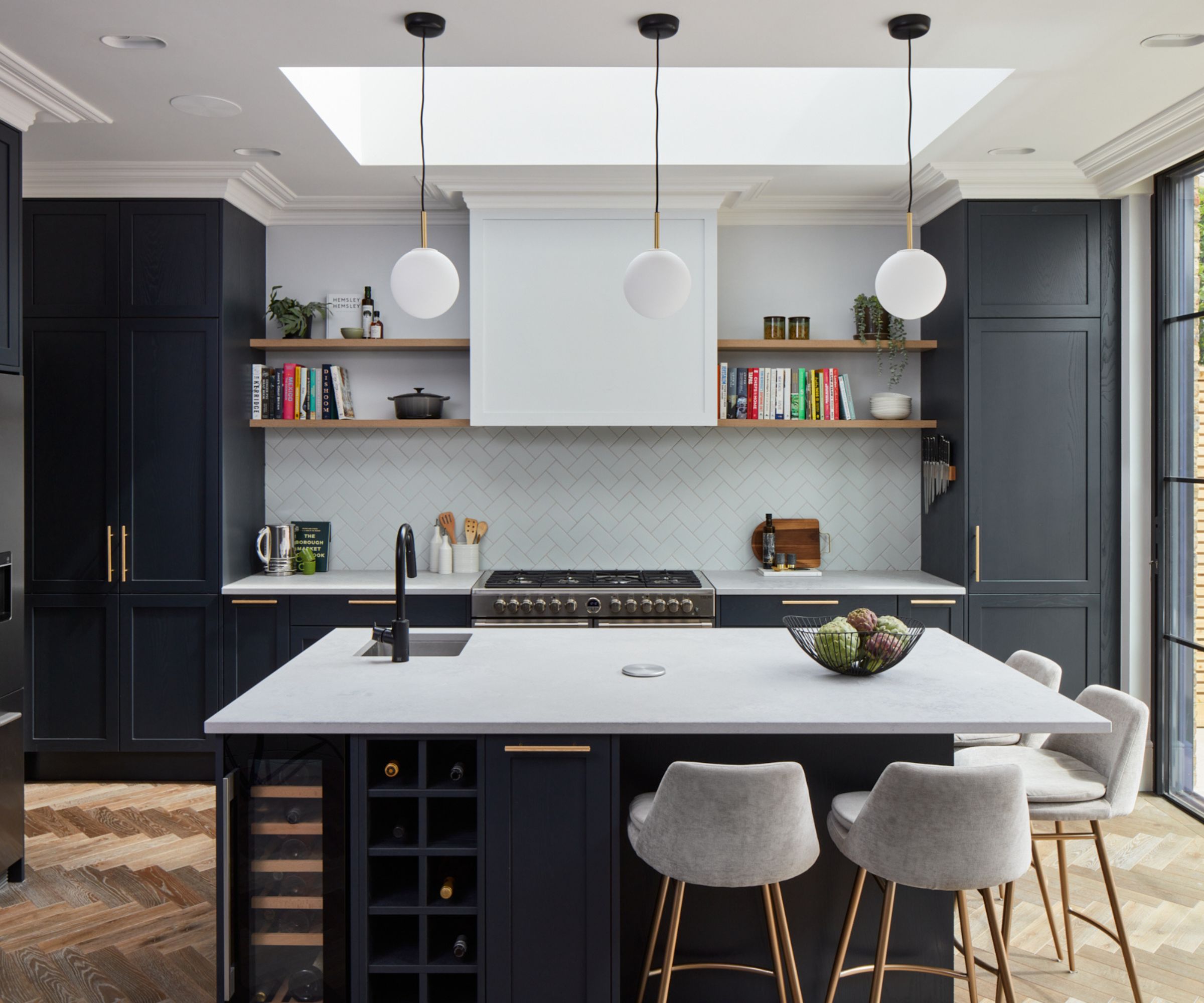
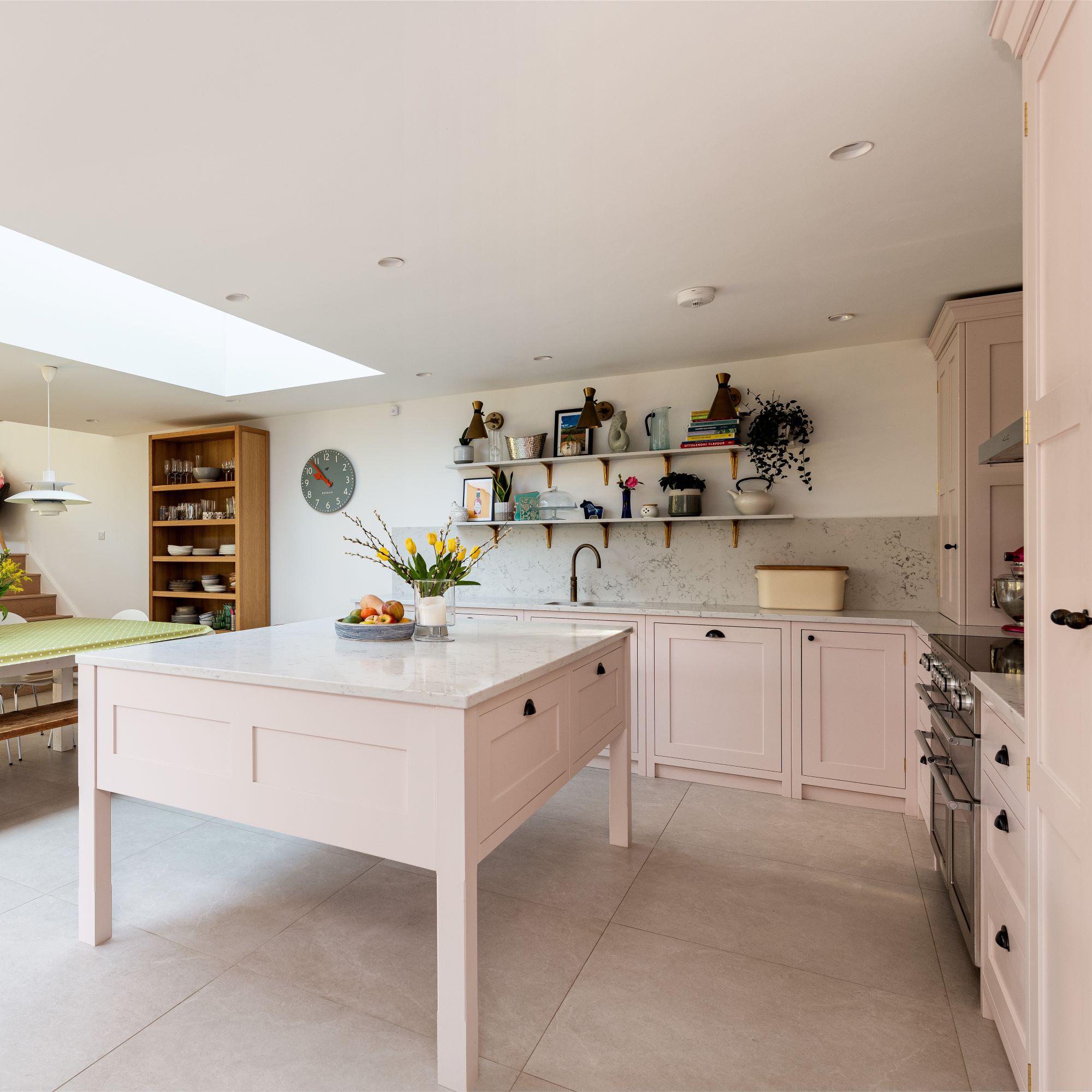
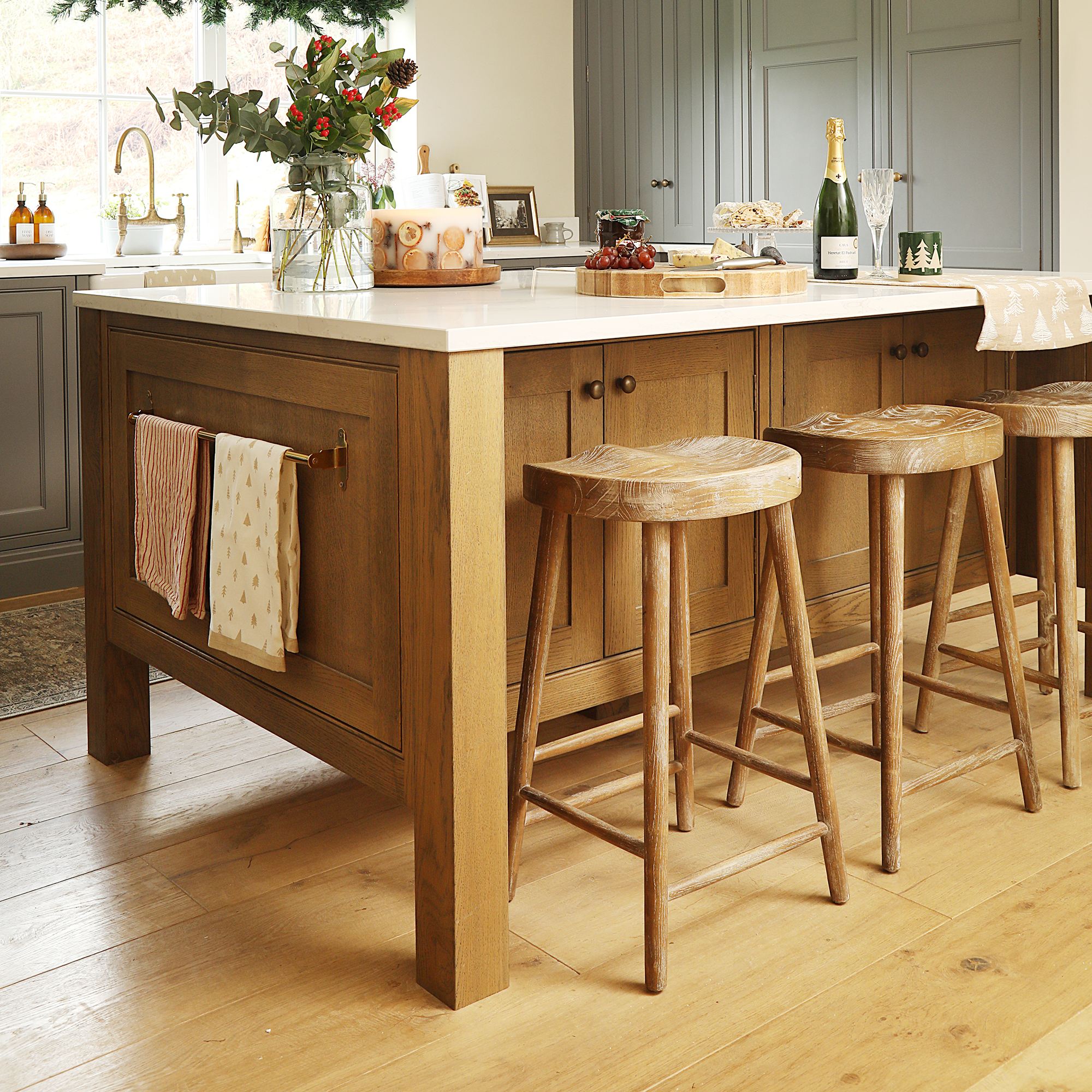
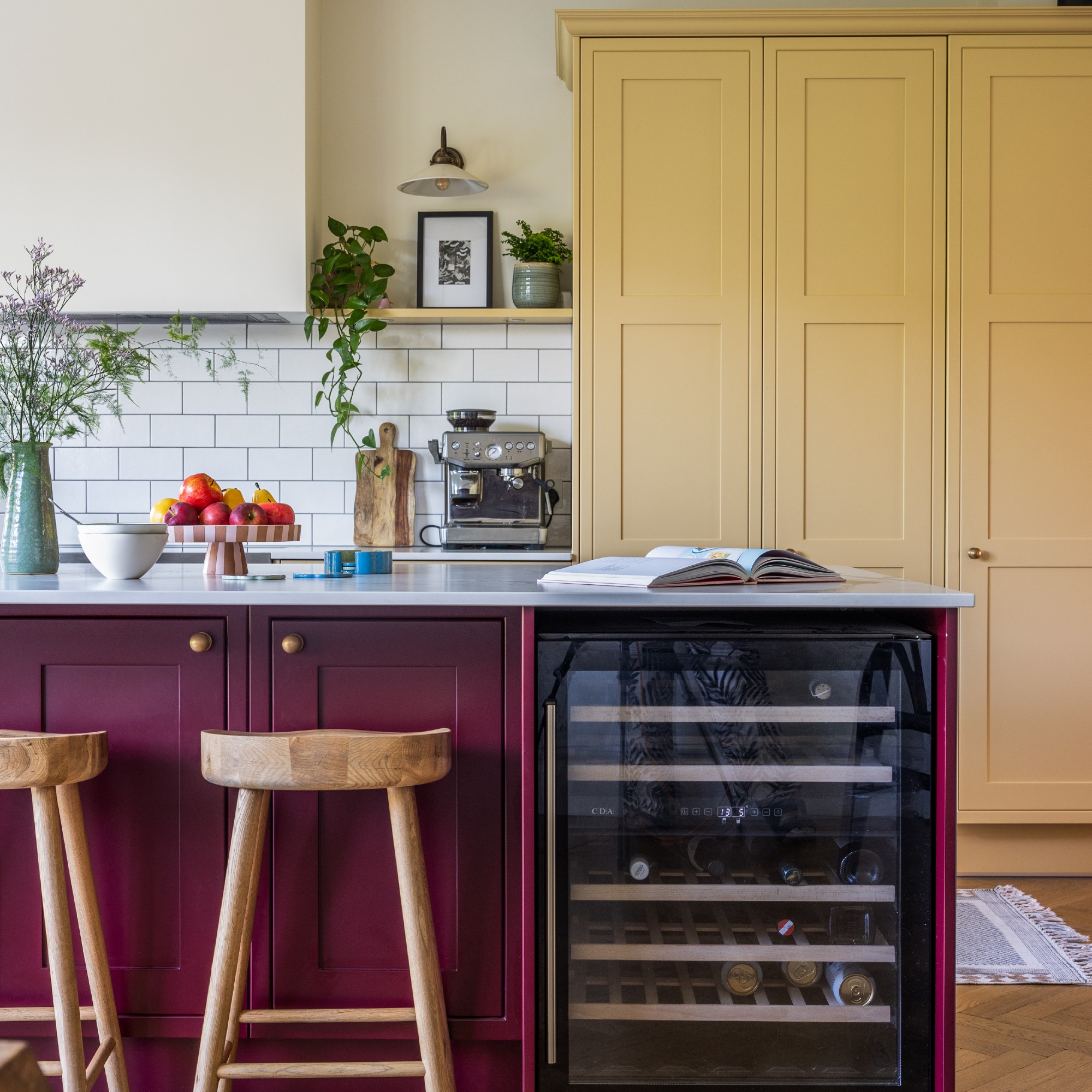
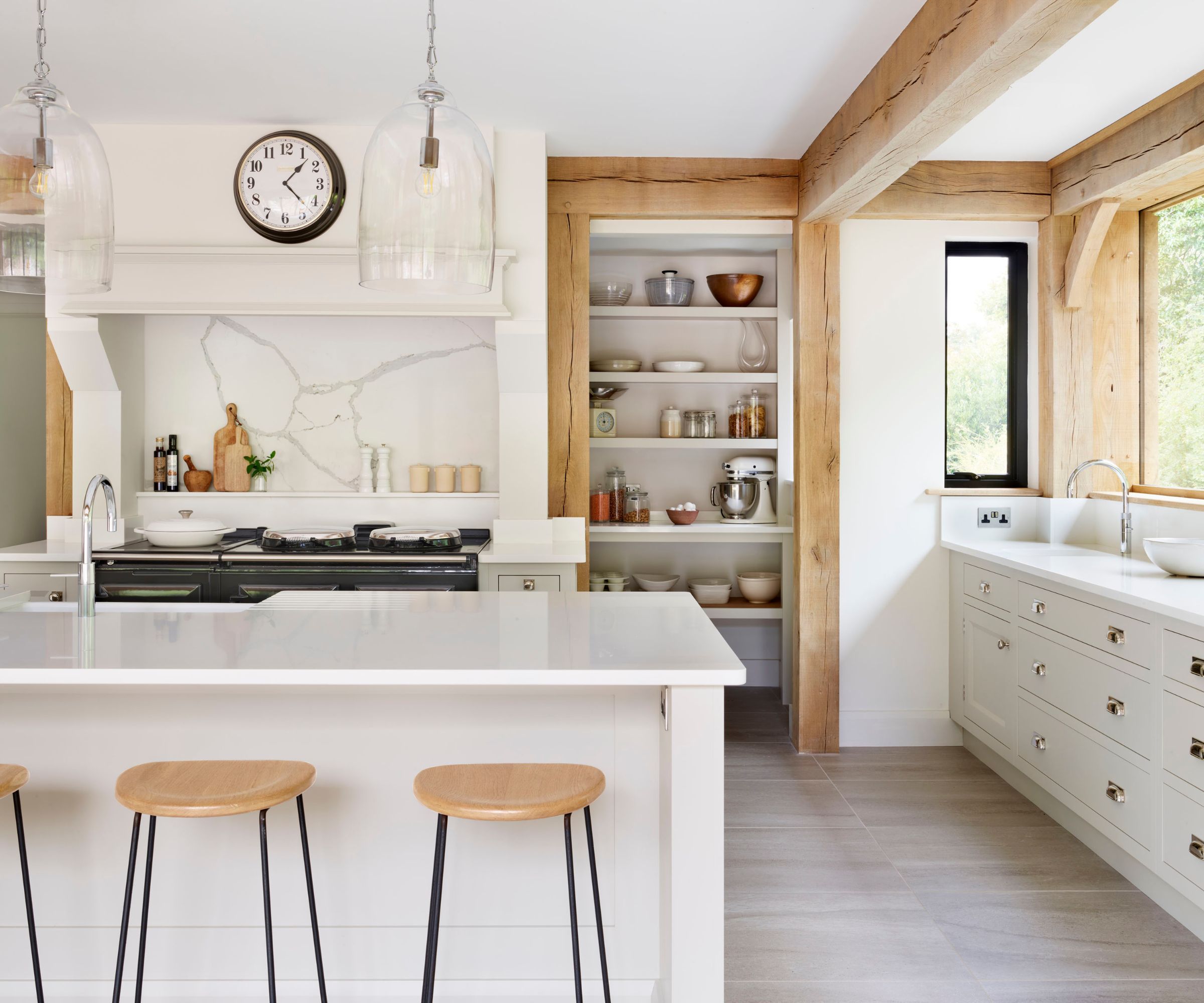
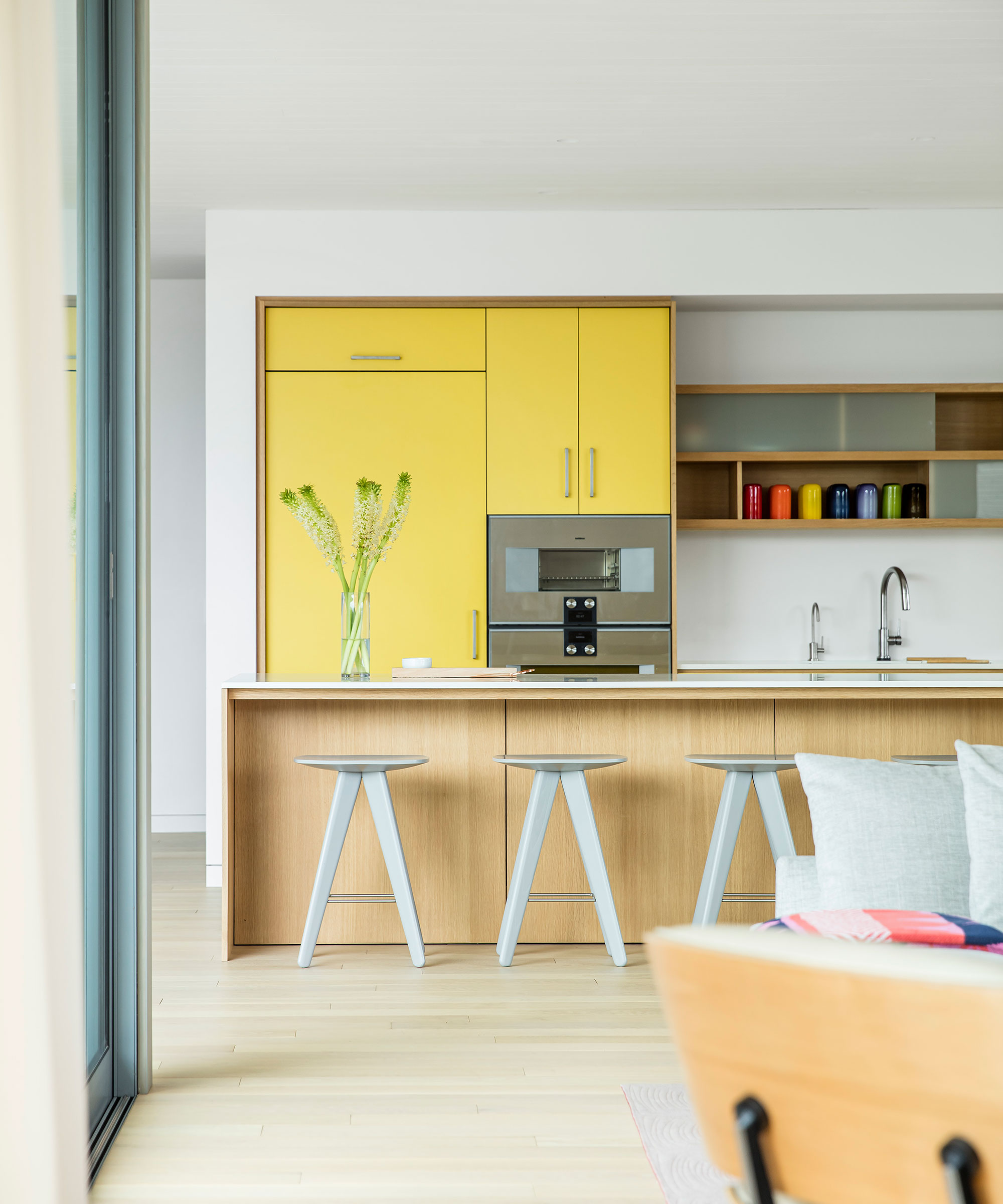
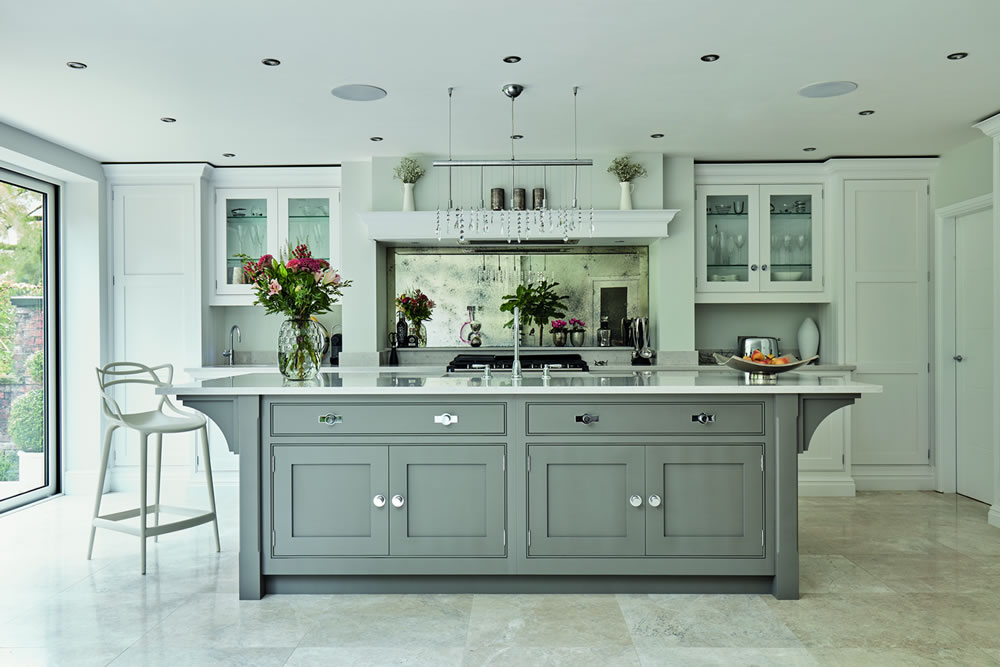
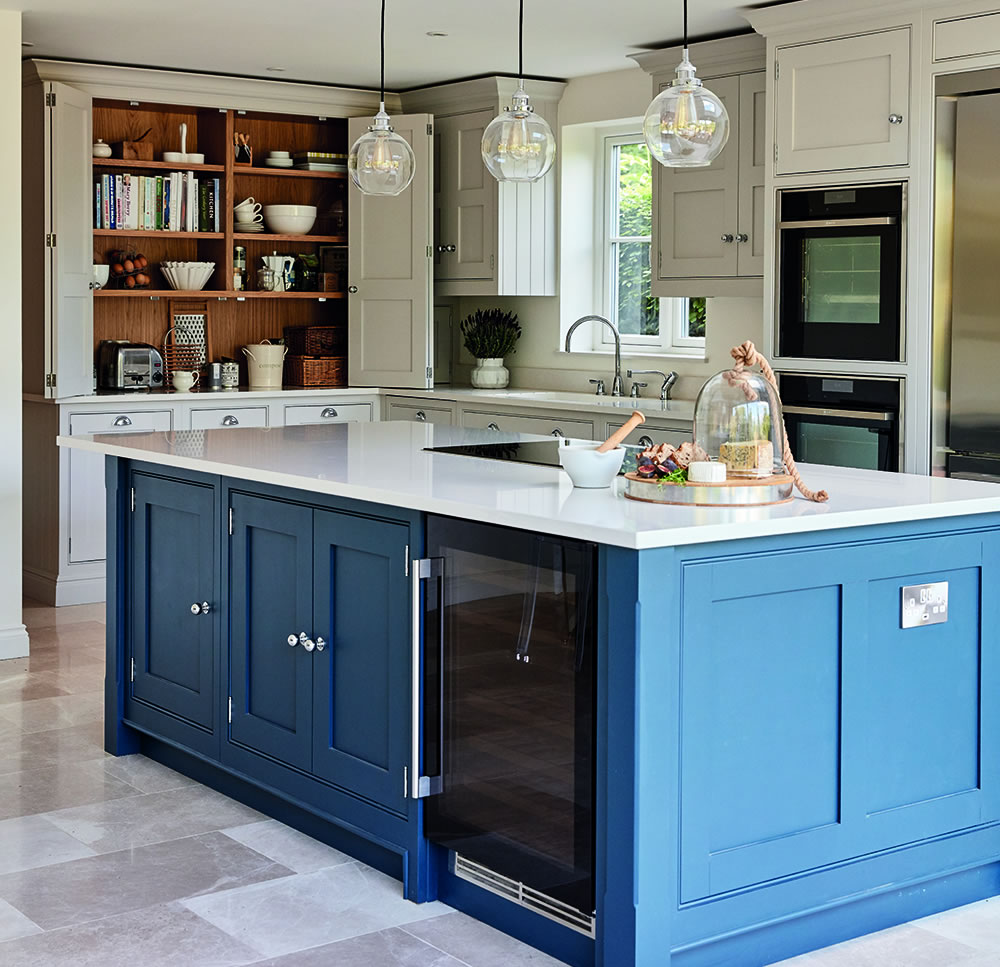
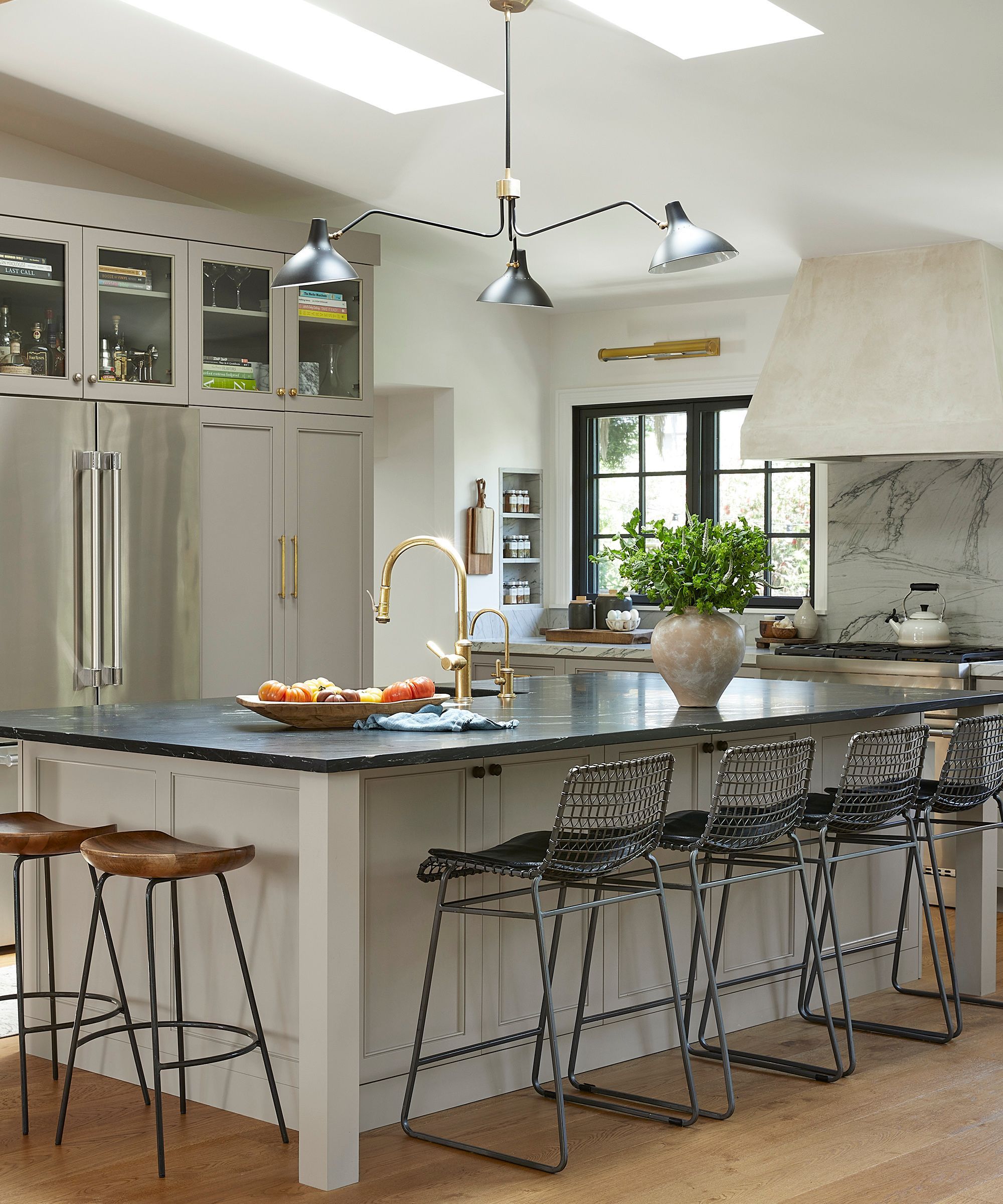
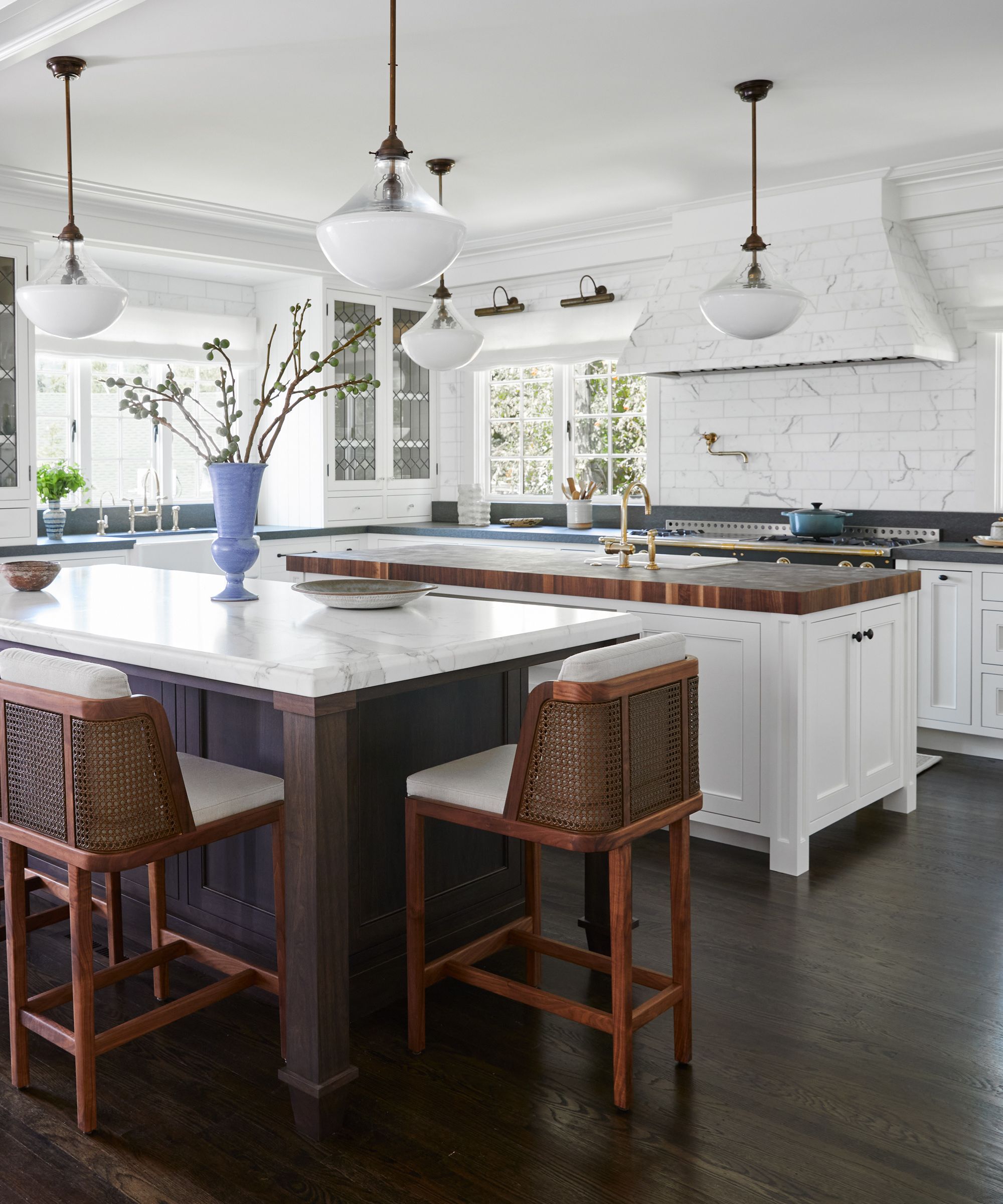
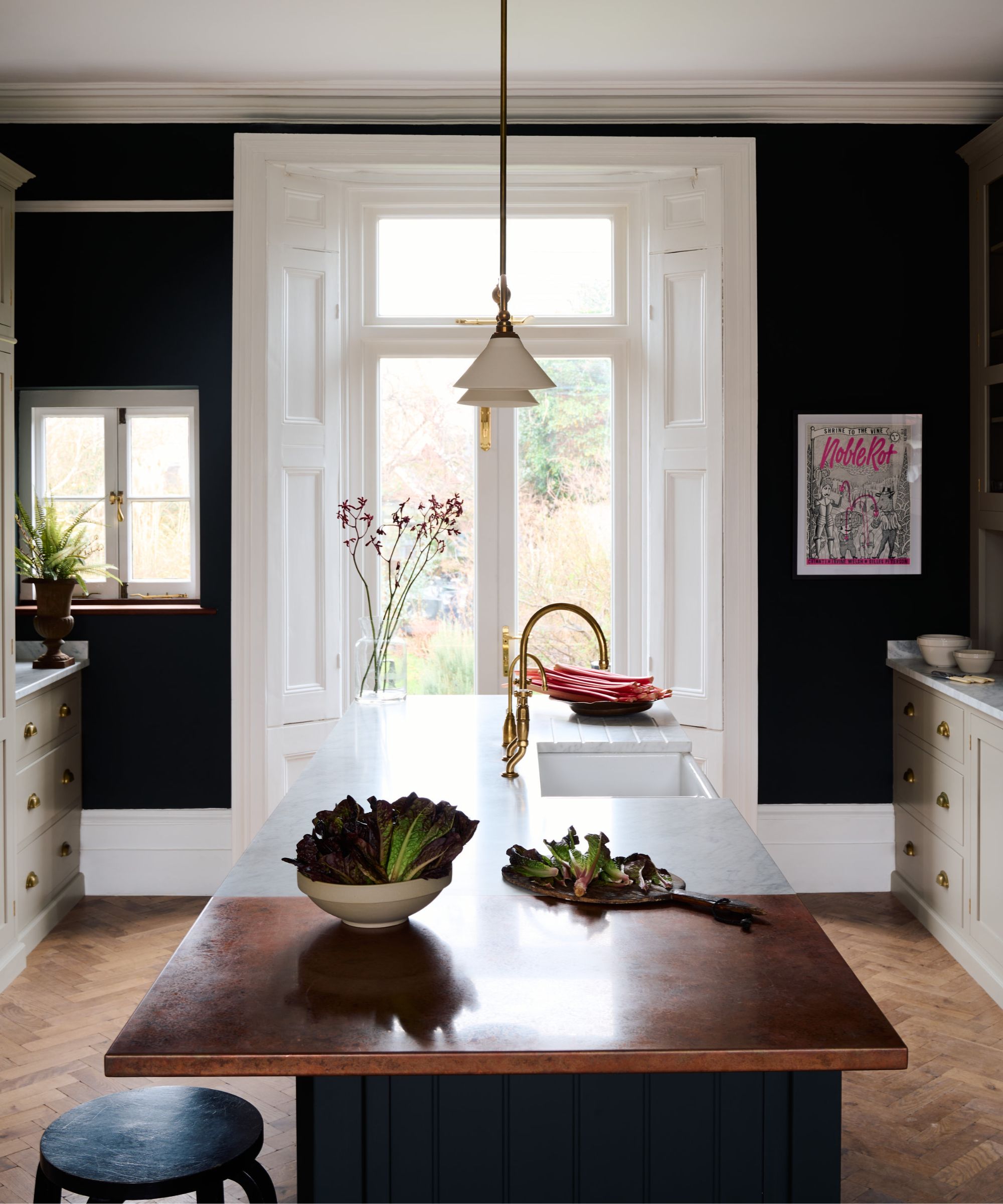
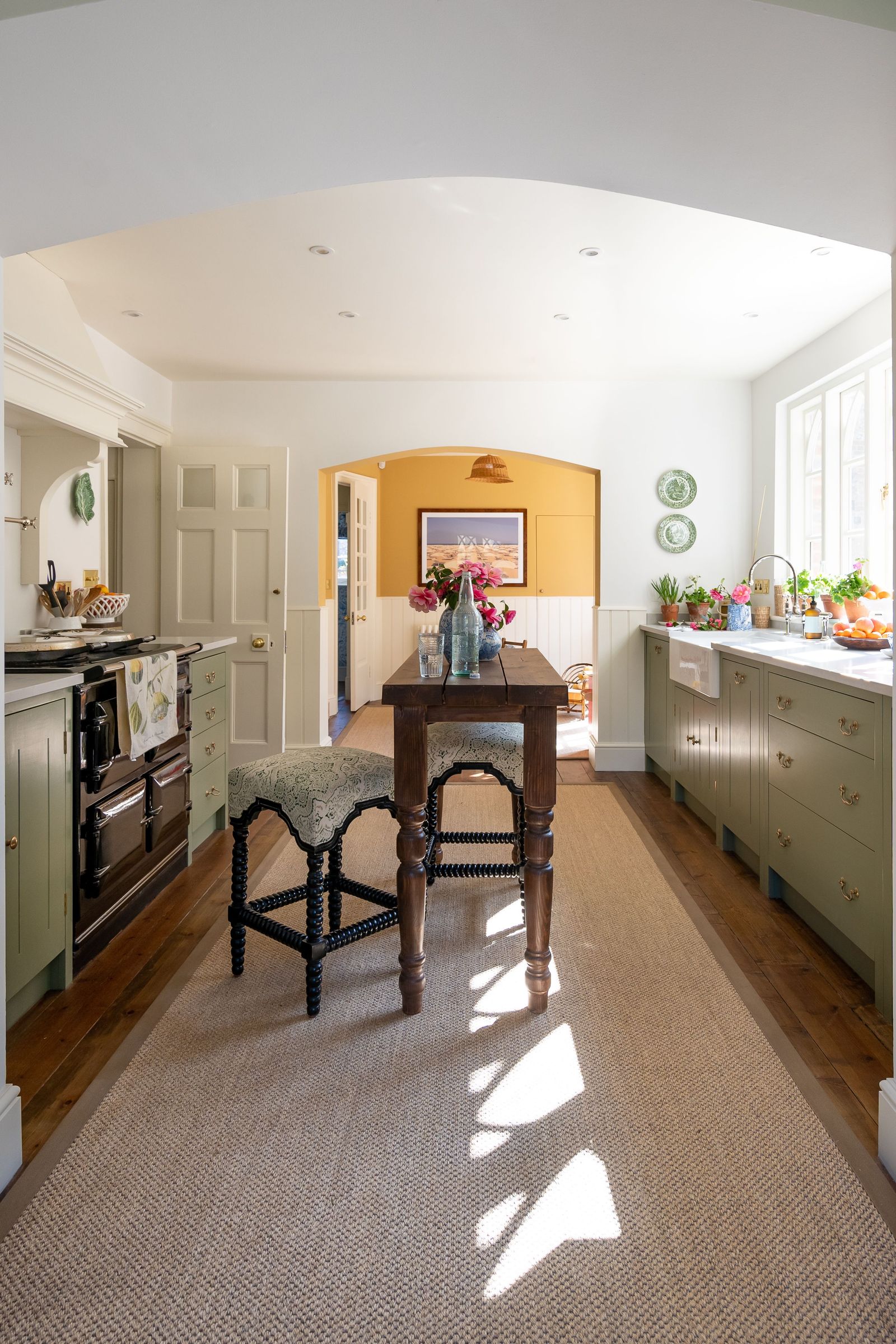
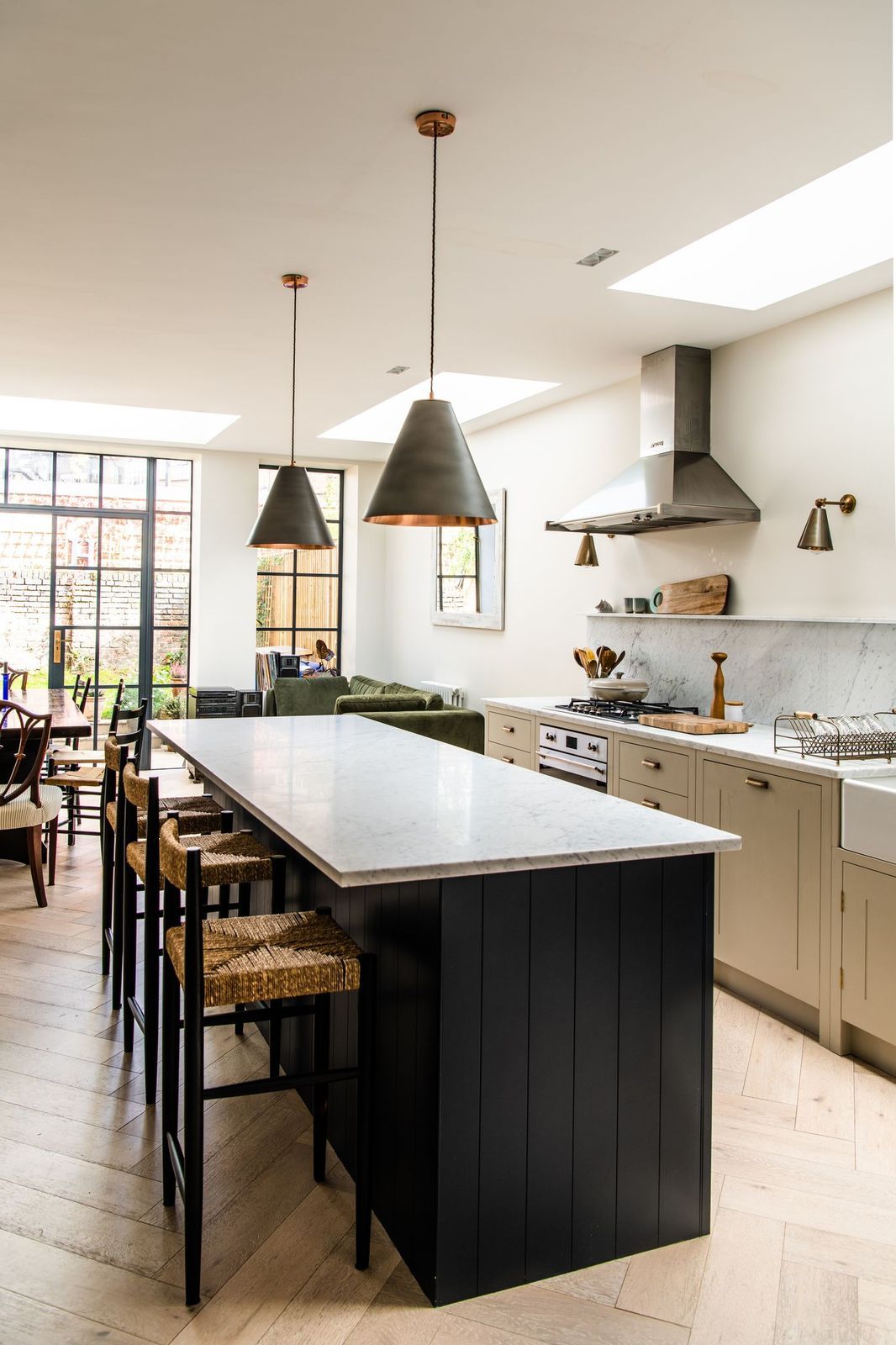
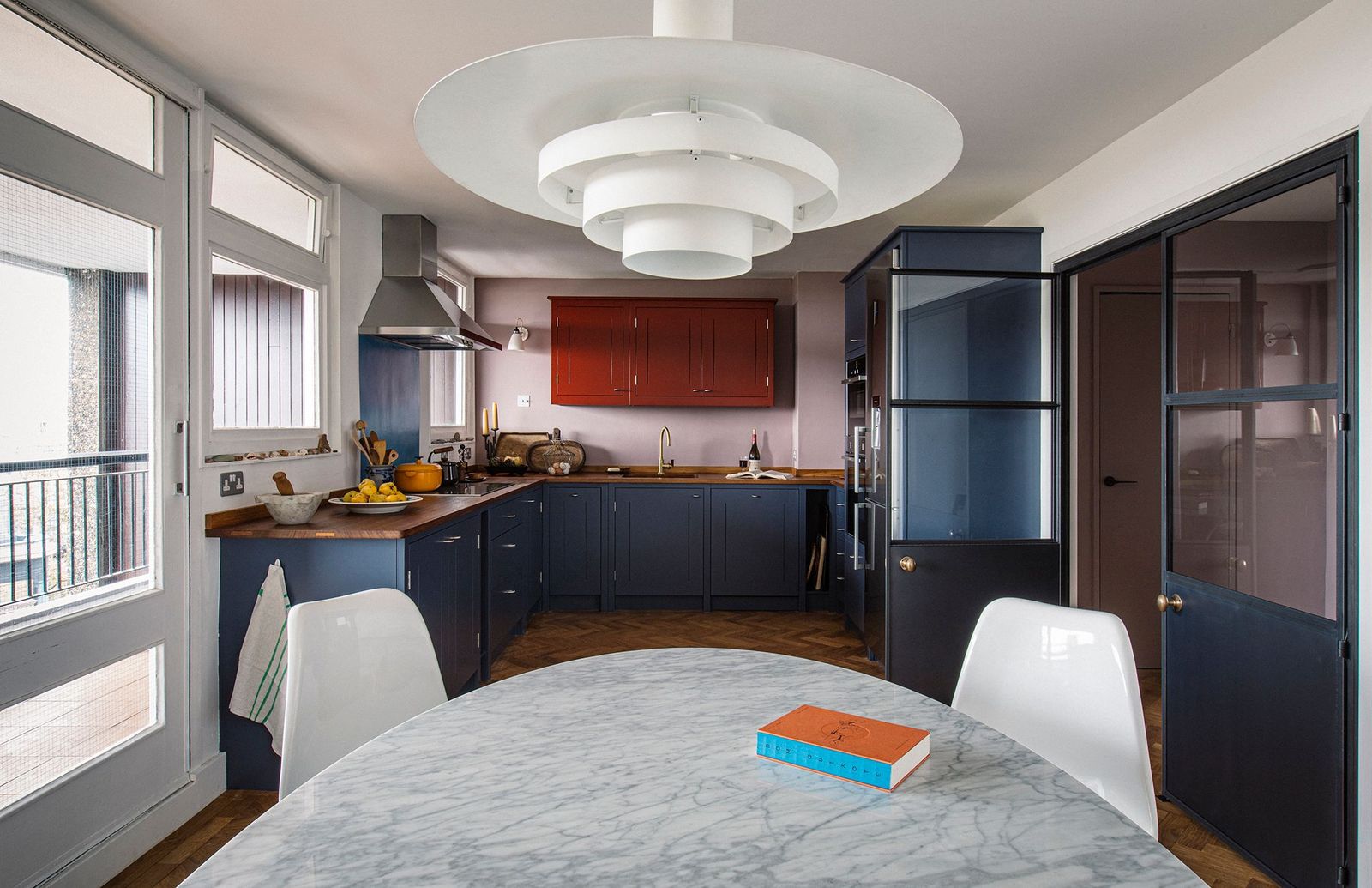
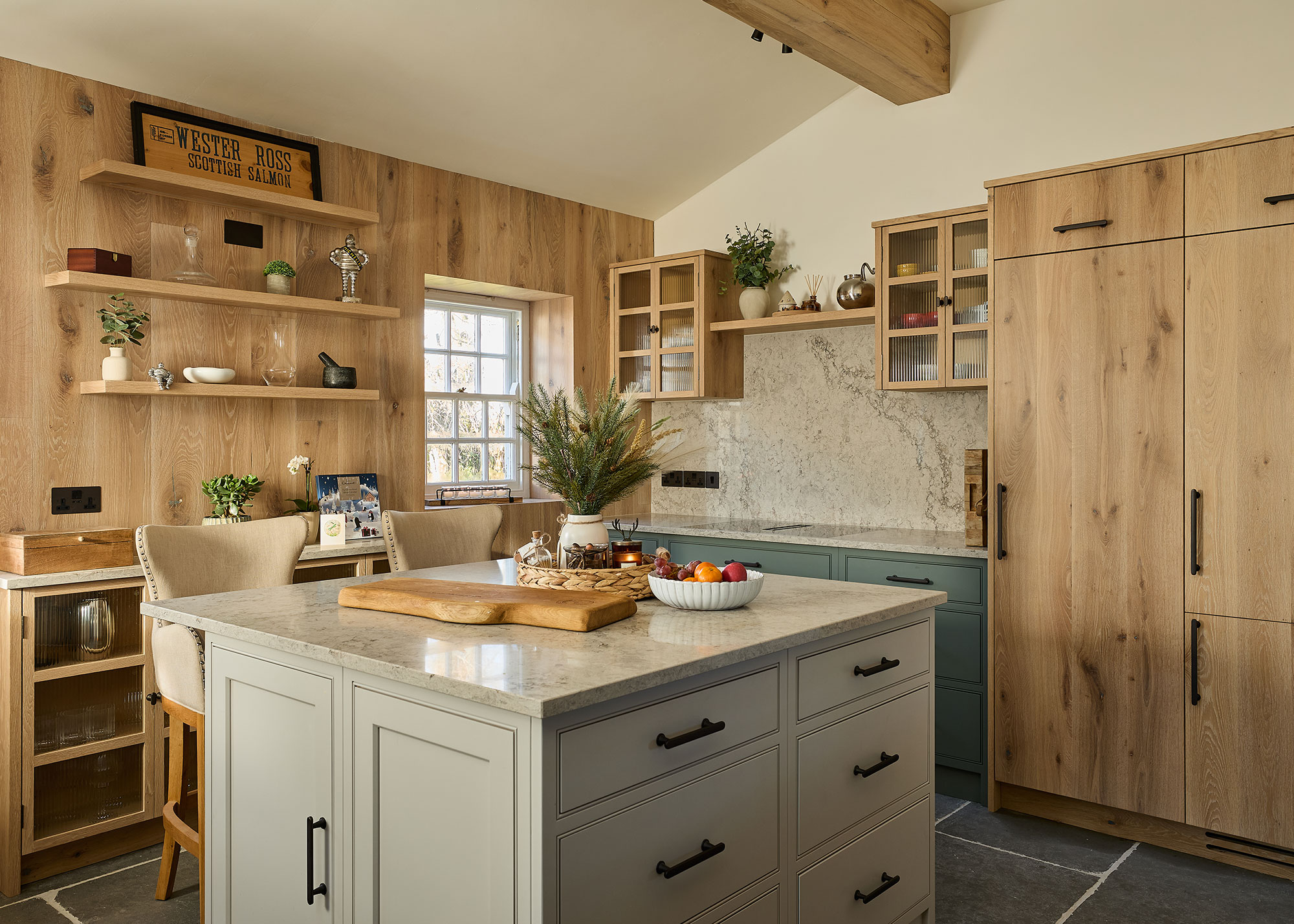
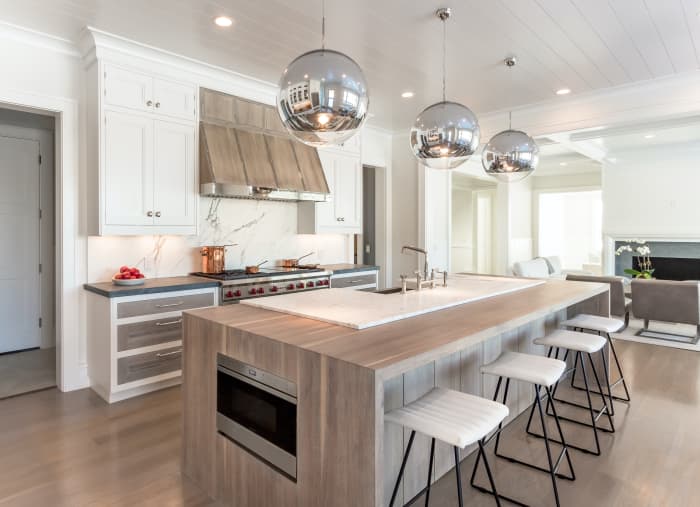
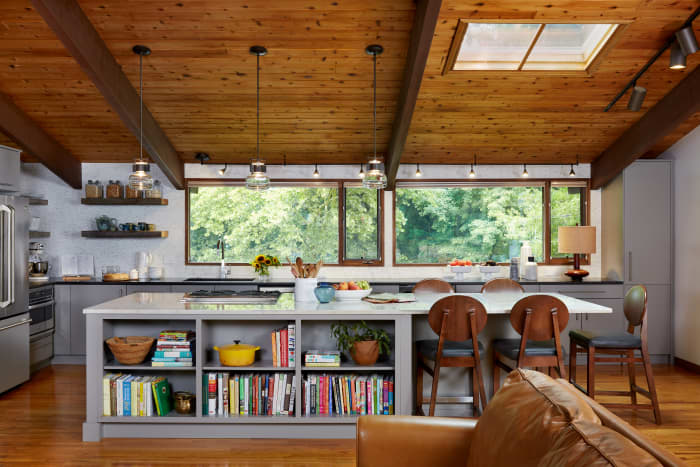
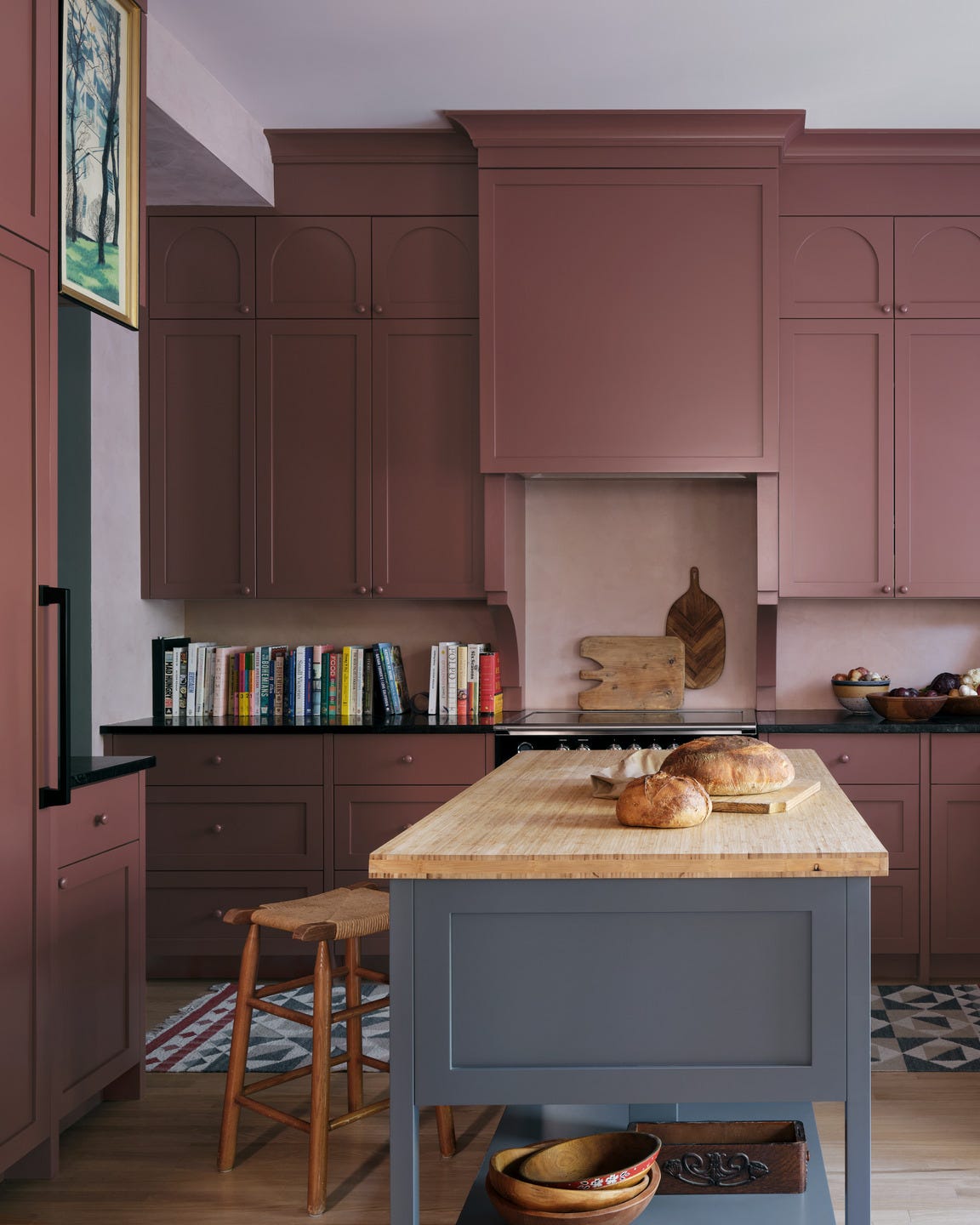
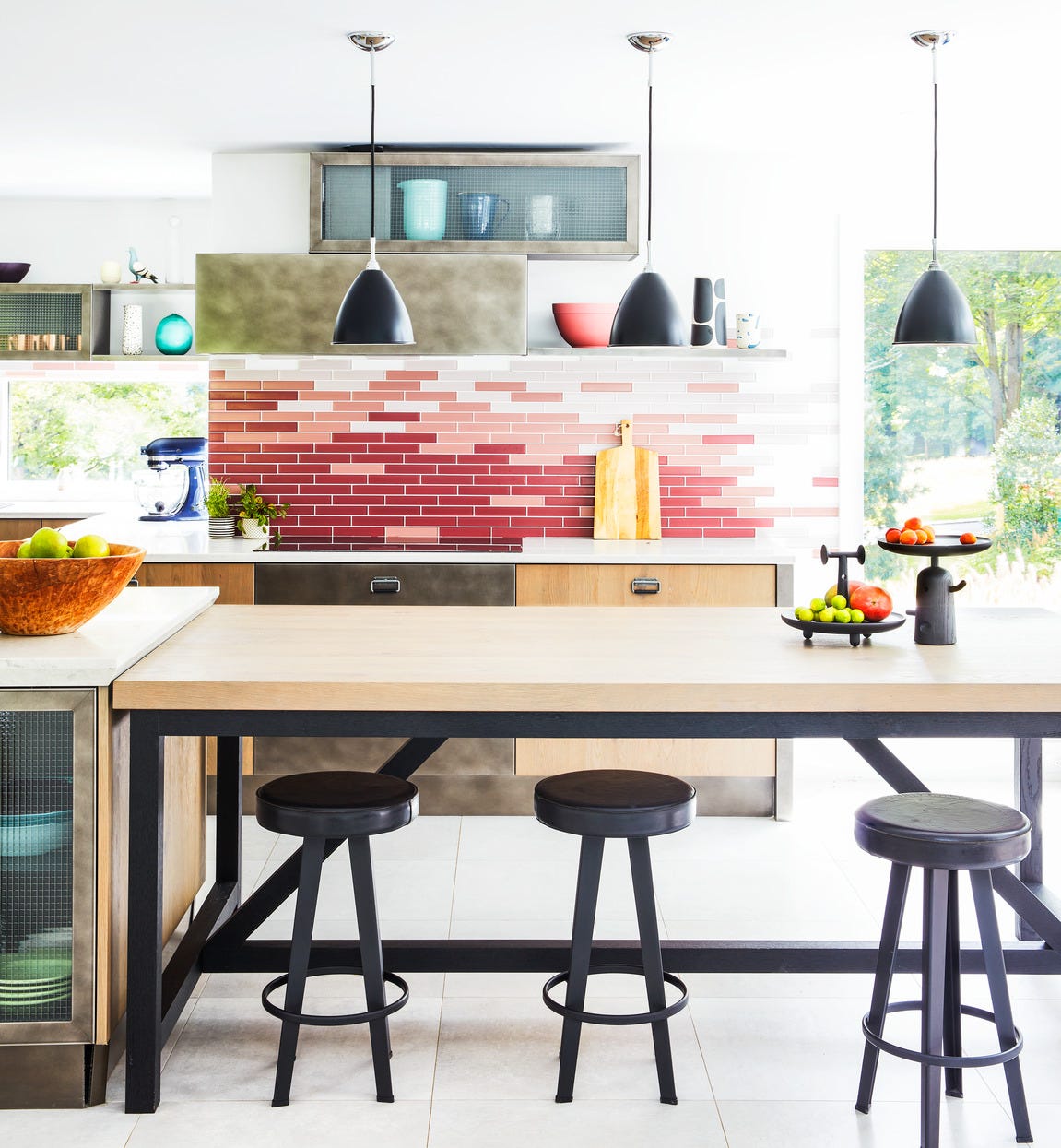
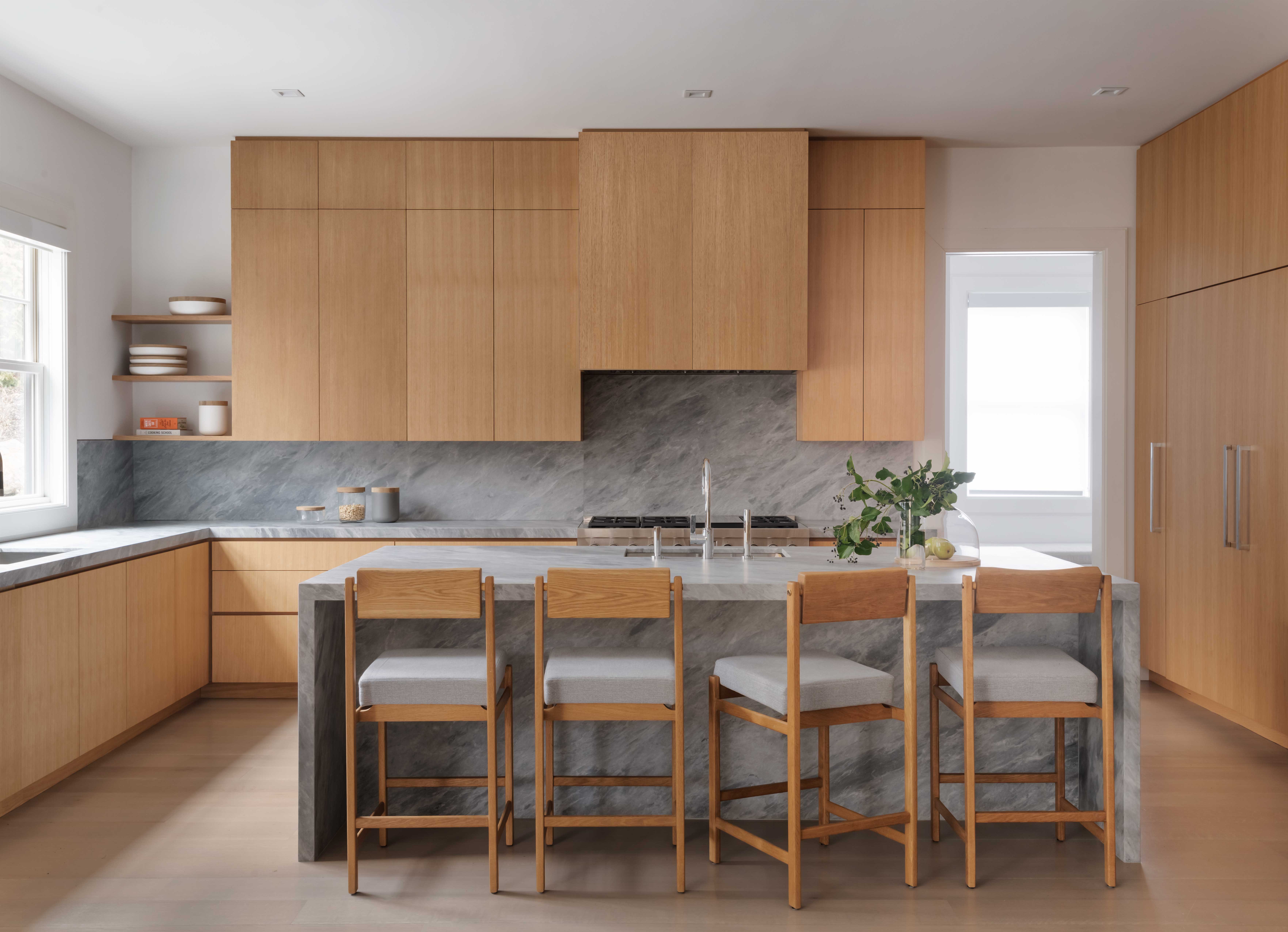
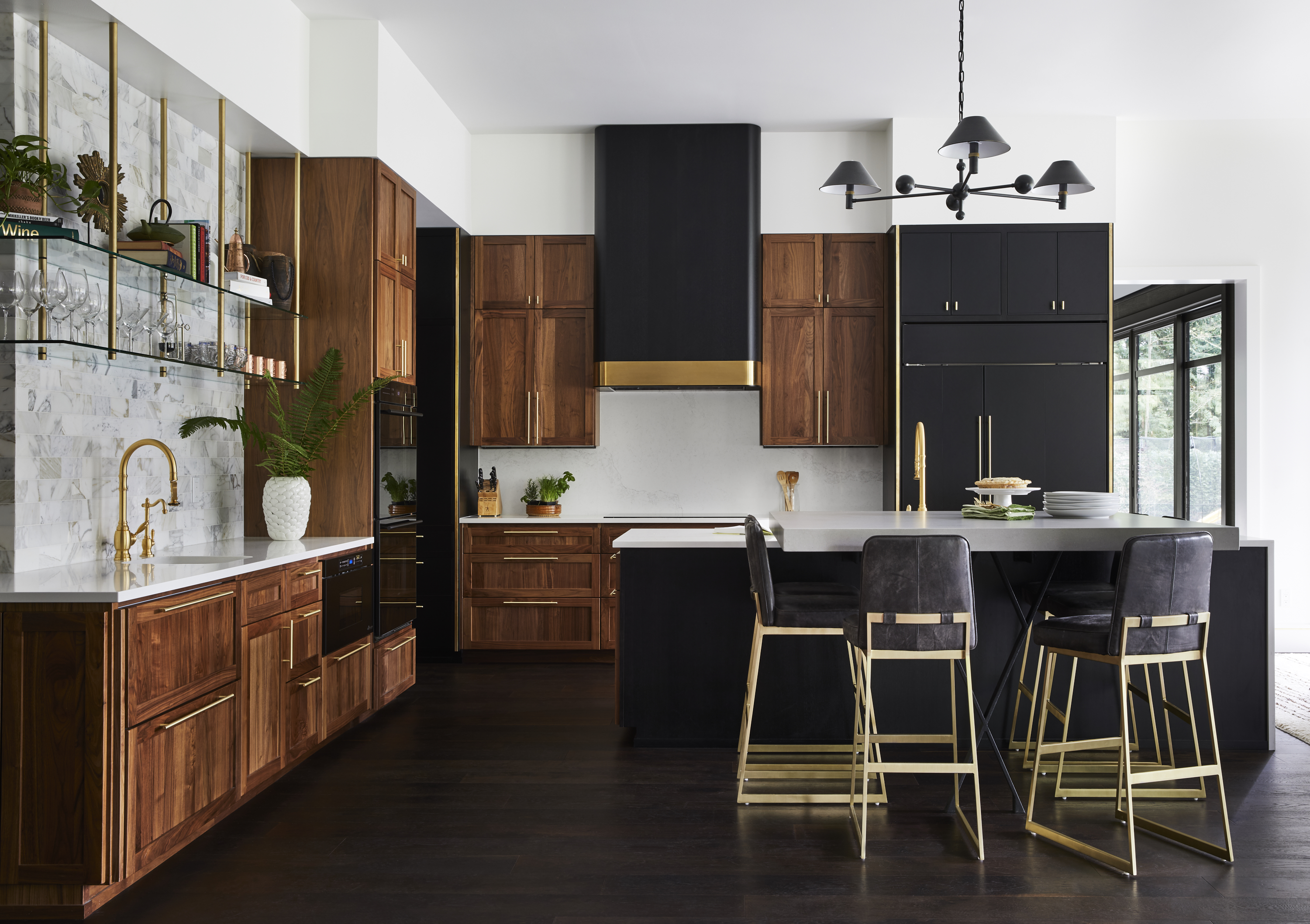
The article explores the variety of kitchen island shapes beyond the traditional rectangle, offering insights into how to select the most suitable design for a kitchen space. The standard rectangular island, while common, is not always the best fit for every kitchen layout or aesthetic preference. The article highlights that designers are increasingly moving away from the conventional rectangular shape to accommodate diverse kitchen sizes, traffic patterns, and desired functionalities.
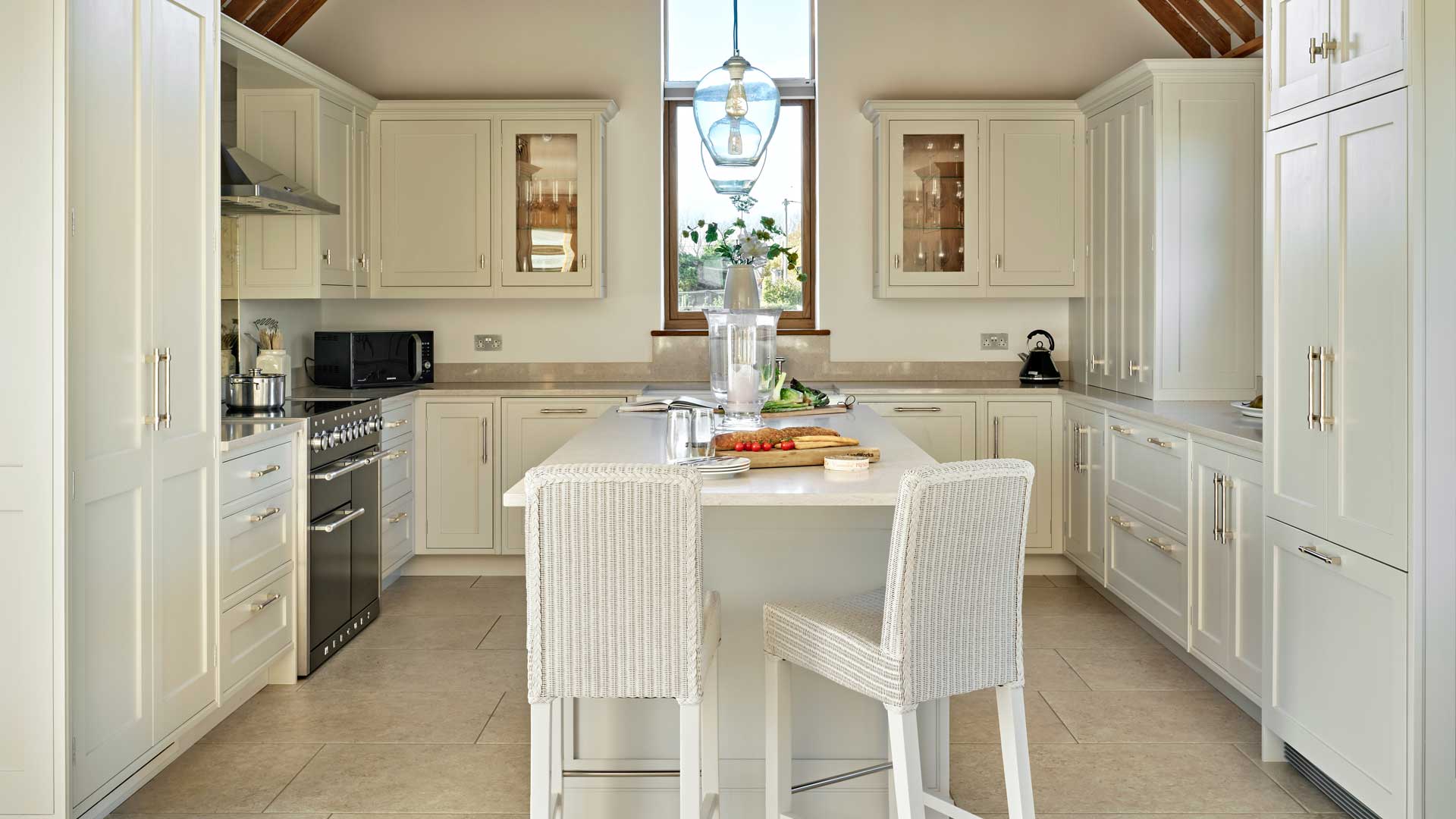
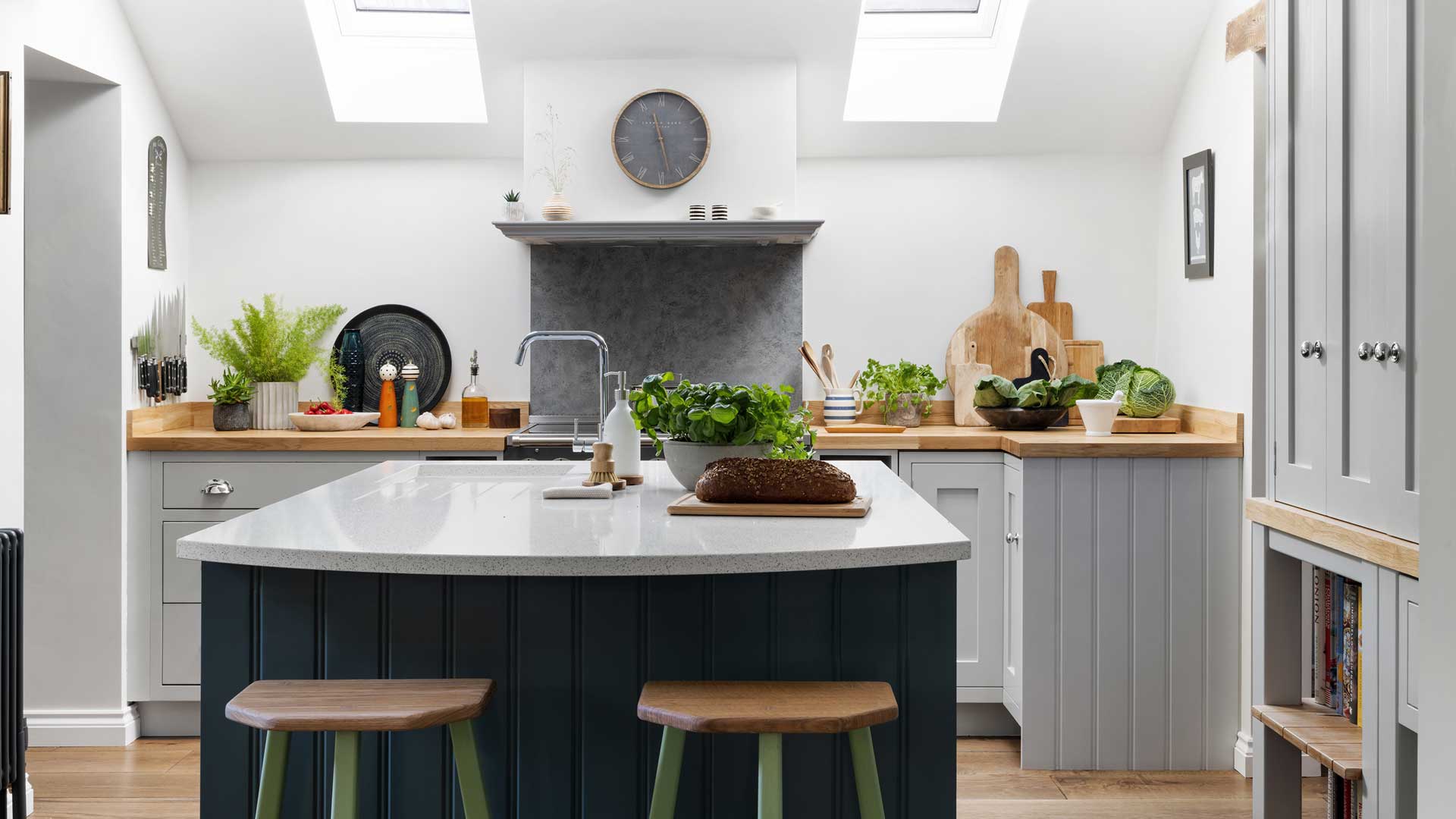
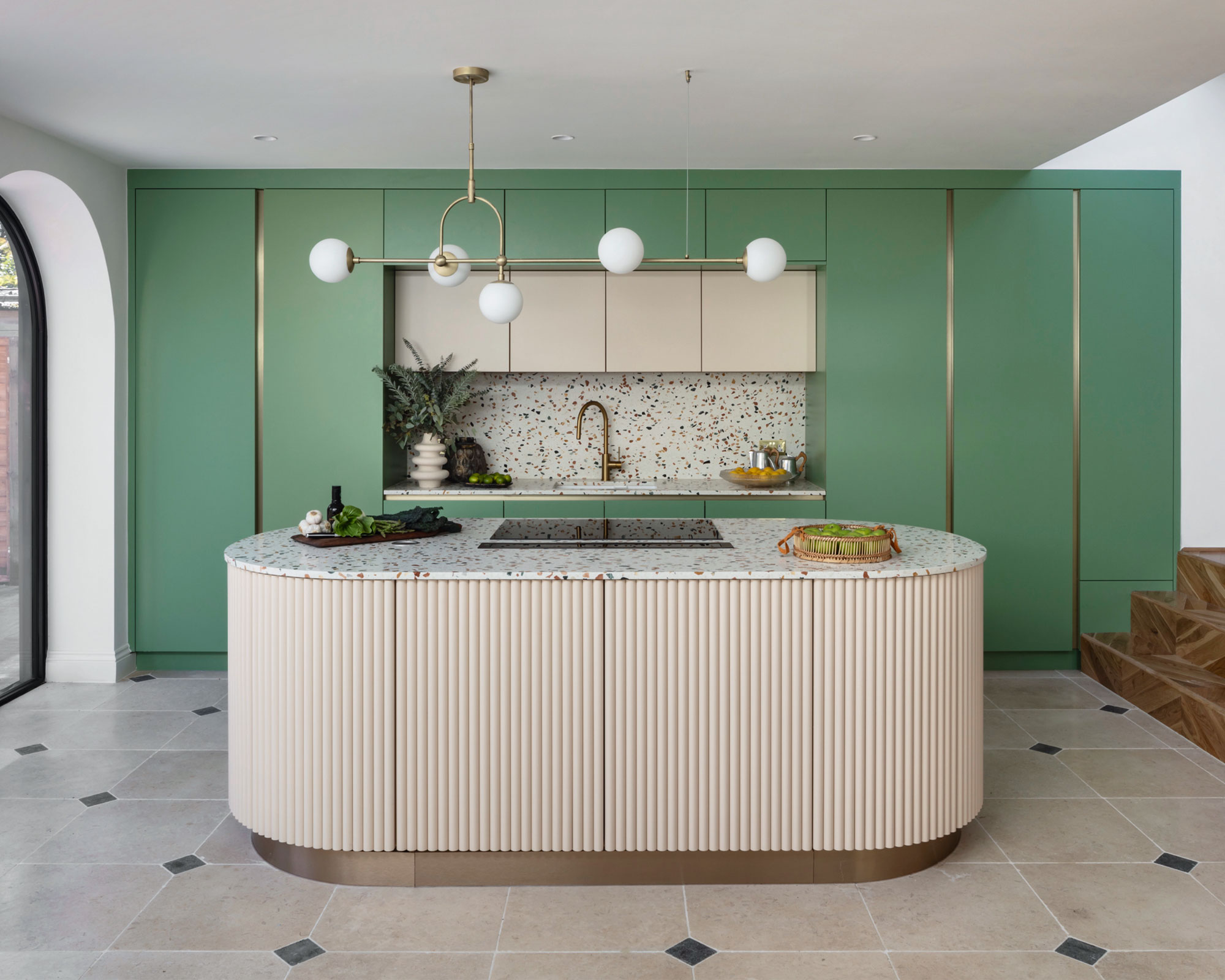
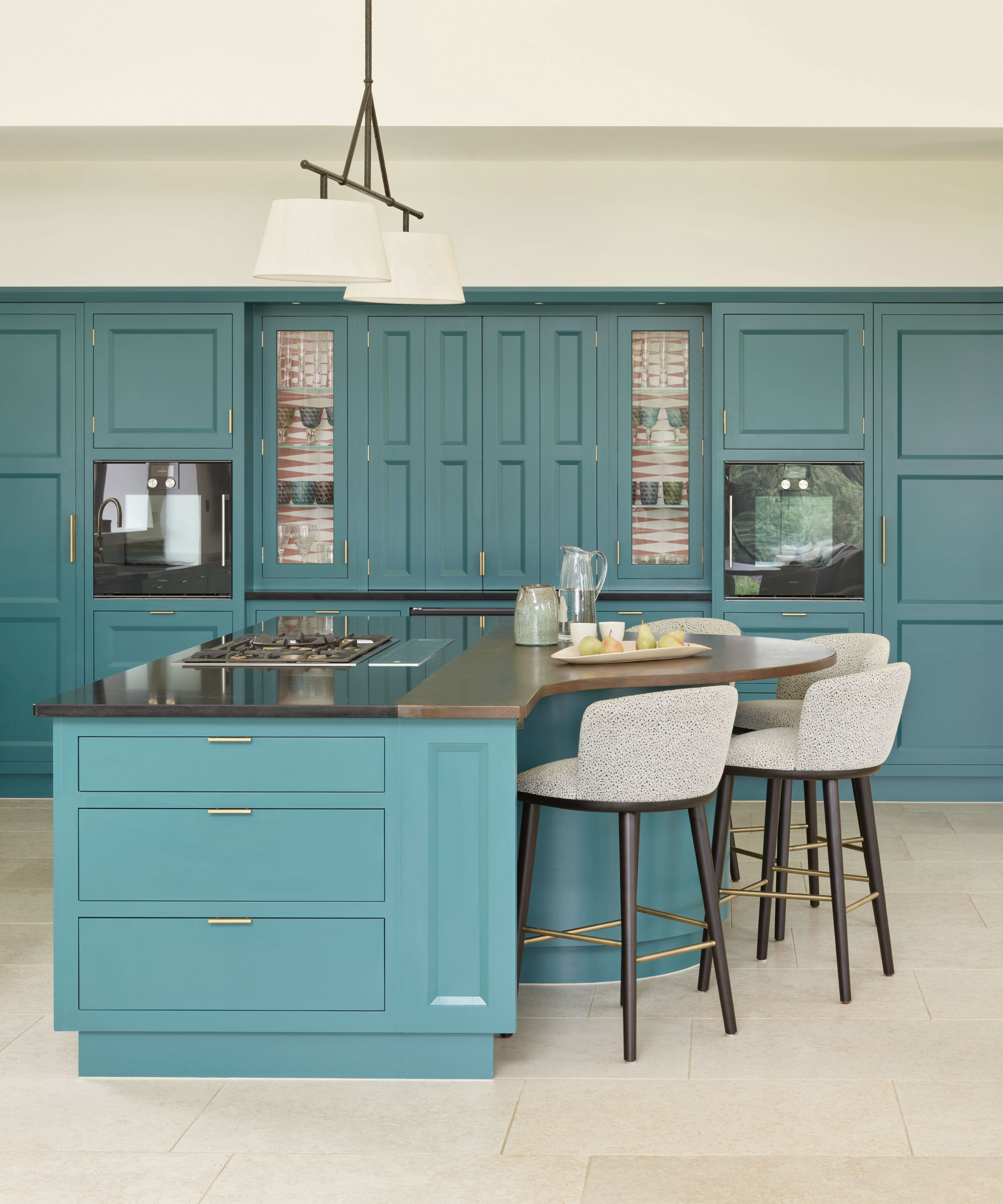
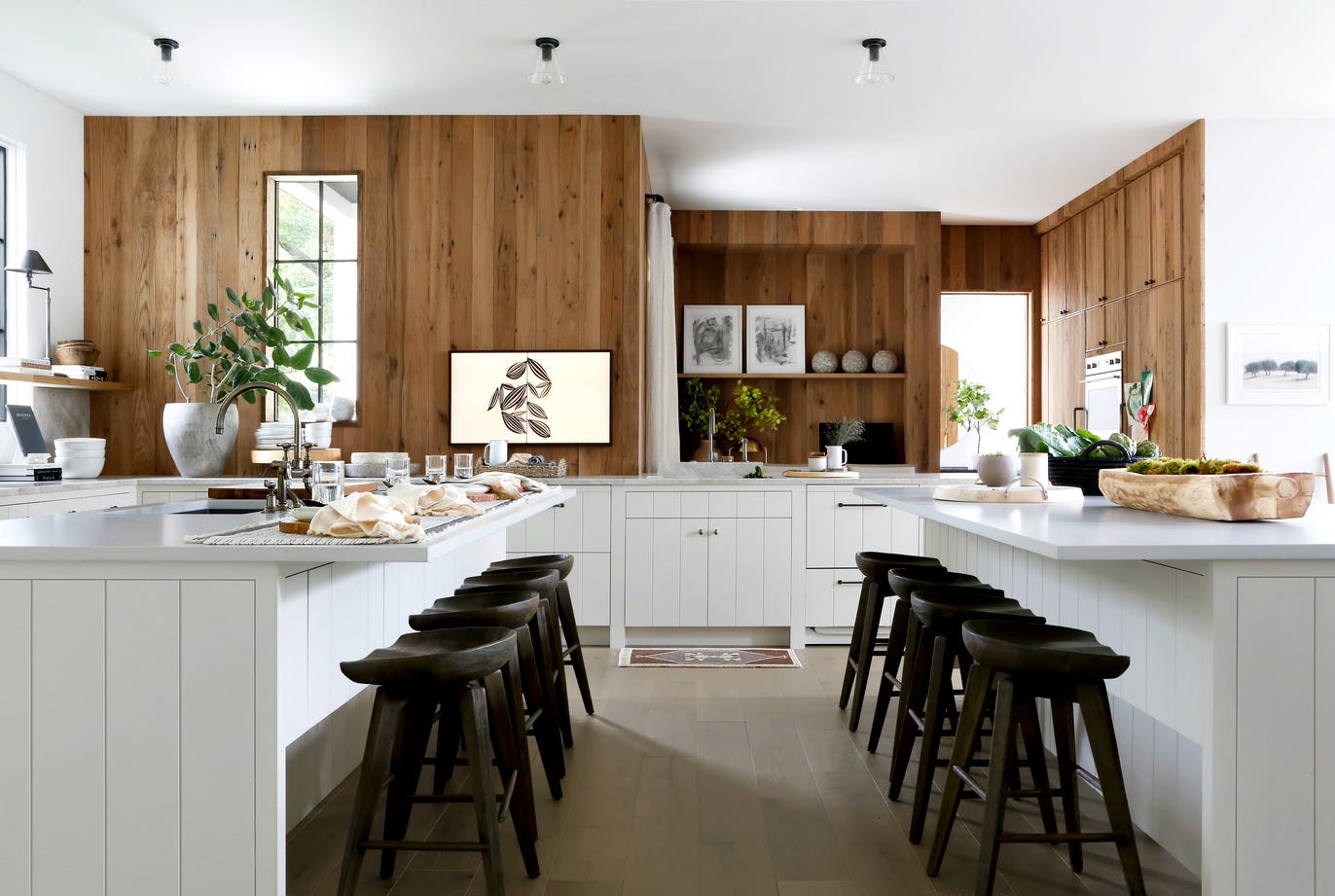
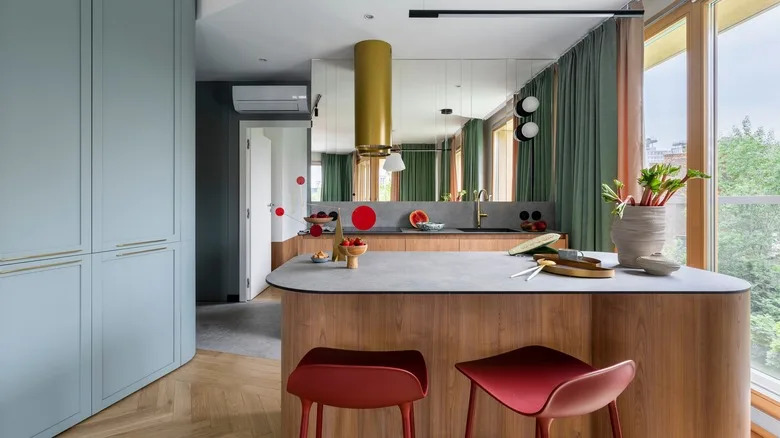
Various alternative shapes are presented, each with distinct advantages. For instance, a circular or semicircular island can facilitate better flow and interaction in a kitchen, particularly when entertaining, by eliminating sharp corners and creating a more convivial atmosphere. These shapes are often ideal for kitchens where a softer aesthetic is desired or where frequent movement around the island is necessary. An L-shaped or U-shaped island is suggested for larger kitchens, as these configurations can delineate different zones within the kitchen, such as a preparation area, a cooking zone, and a dining space. They also offer ample counter space and storage, which are practical benefits for active kitchens.
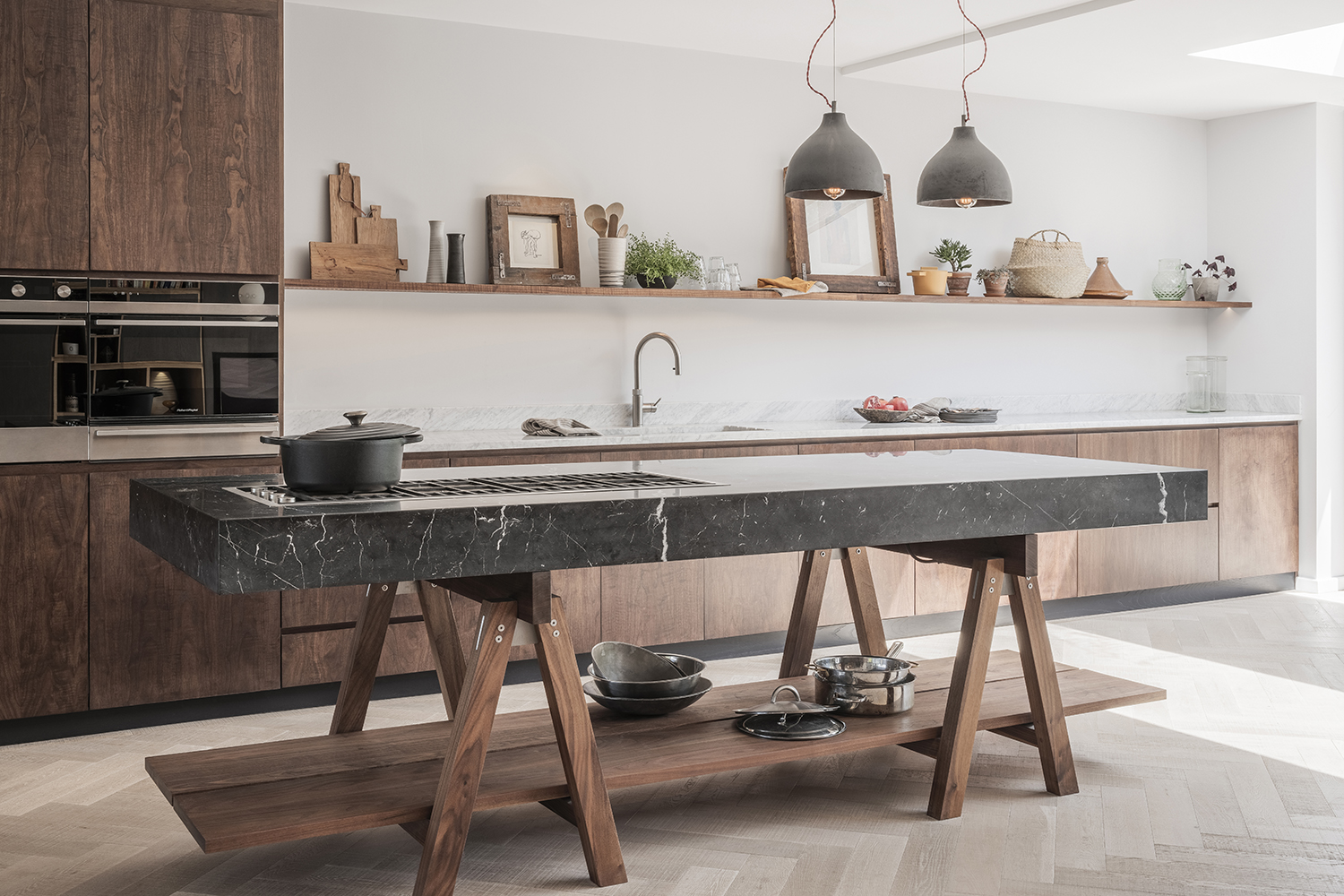
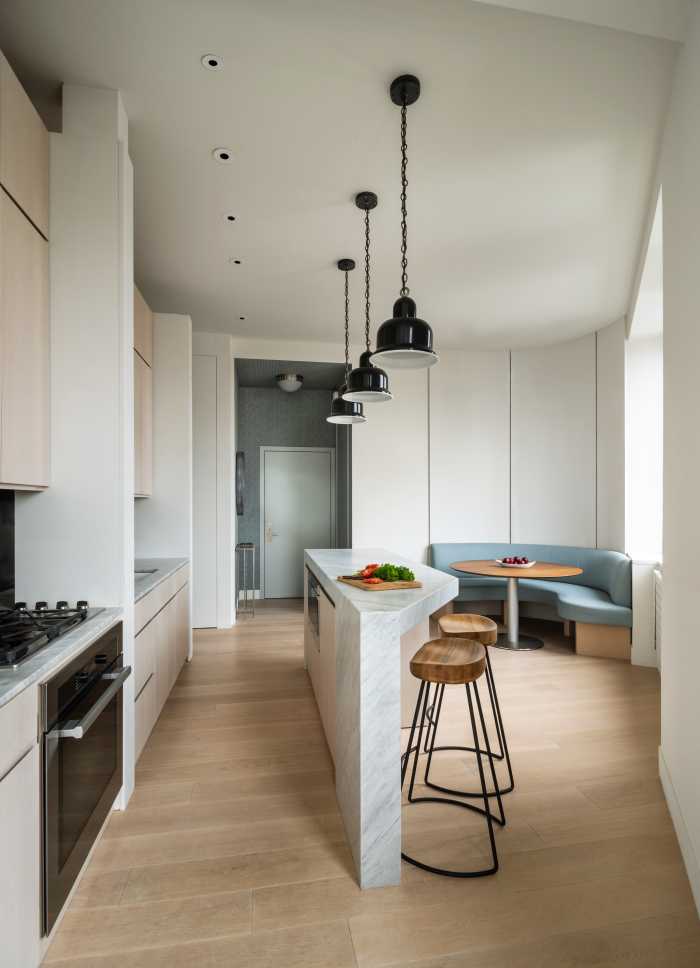
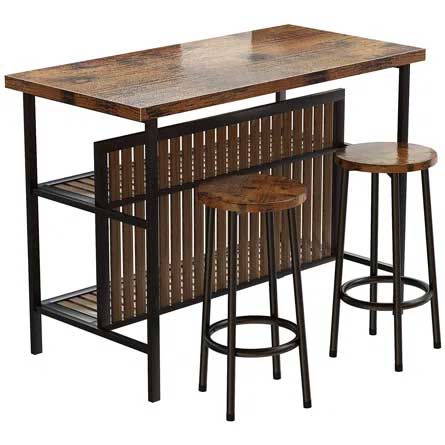
For smaller kitchens, creative solutions are discussed. A narrow, elongated island can provide additional workspace without obstructing pathways. Peninsula islands, which are attached to a wall, are also recommended as they offer the benefits of an island while saving space, making them suitable for compact layouts. The article emphasizes that the primary considerations when choosing an island shape should be the kitchen's overall size and shape, the amount of available floor space, and the desired functionality. It is crucial to ensure adequate clearance around the island to allow for comfortable movement and the opening of appliance doors and drawers.
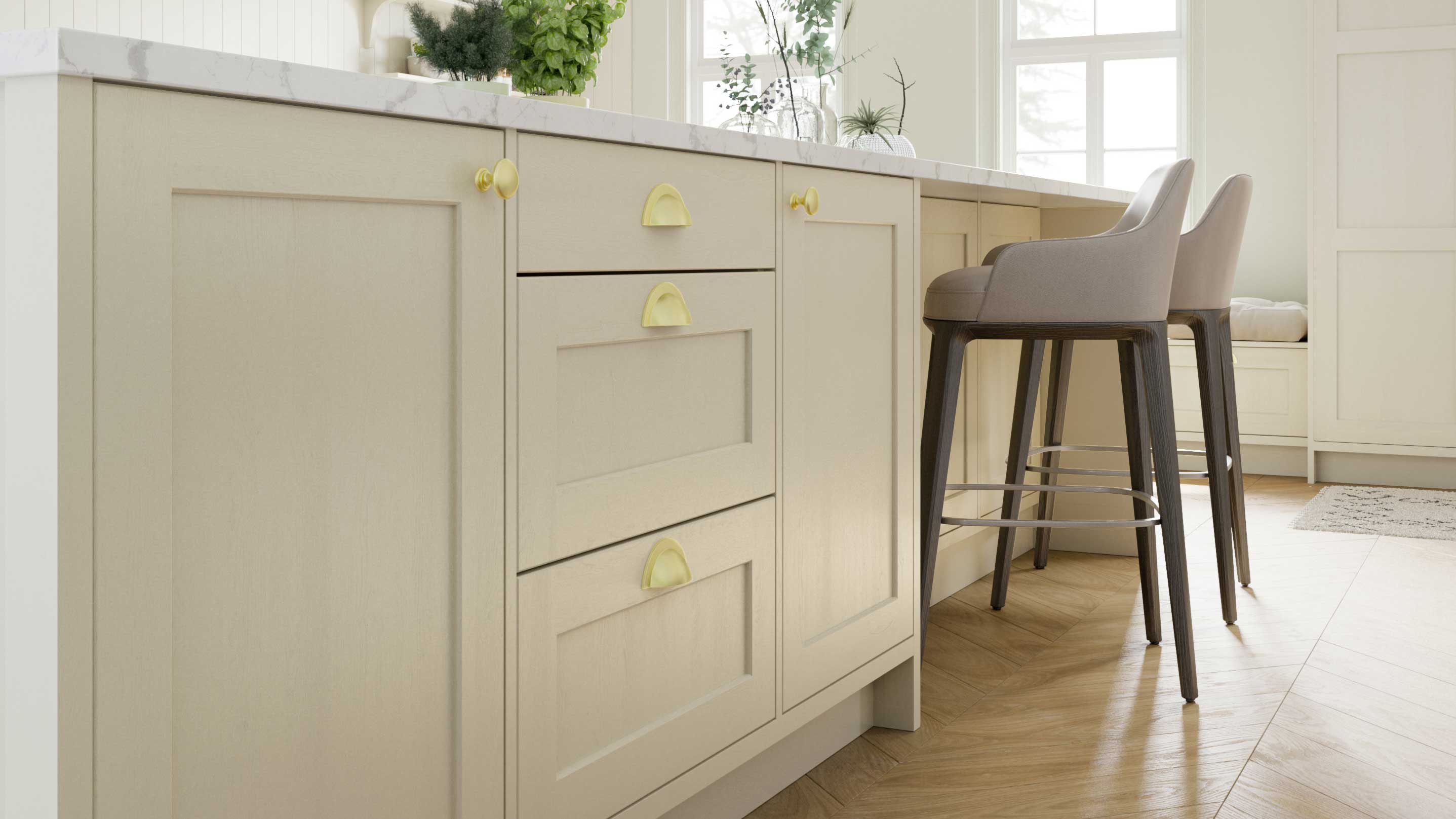
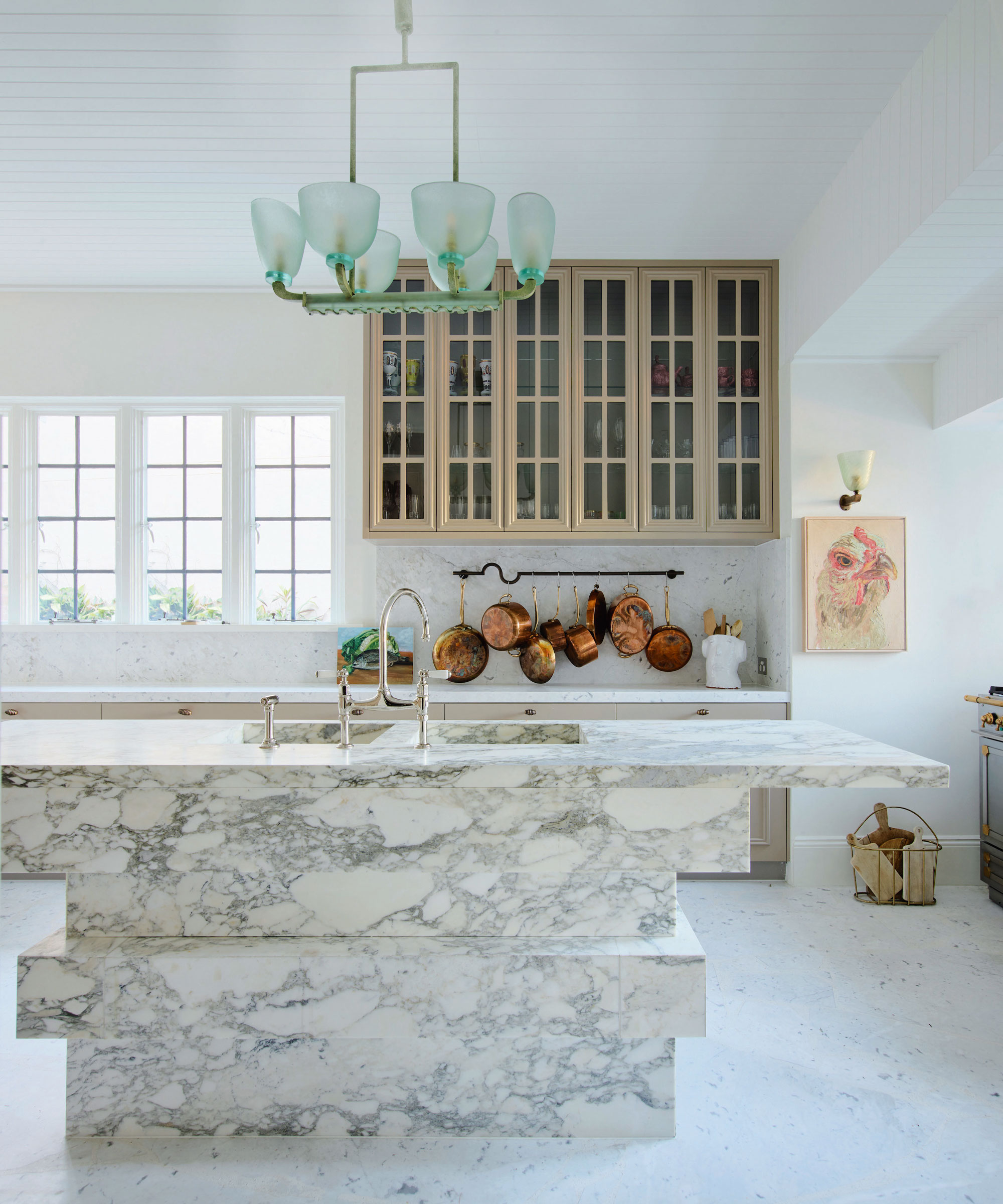
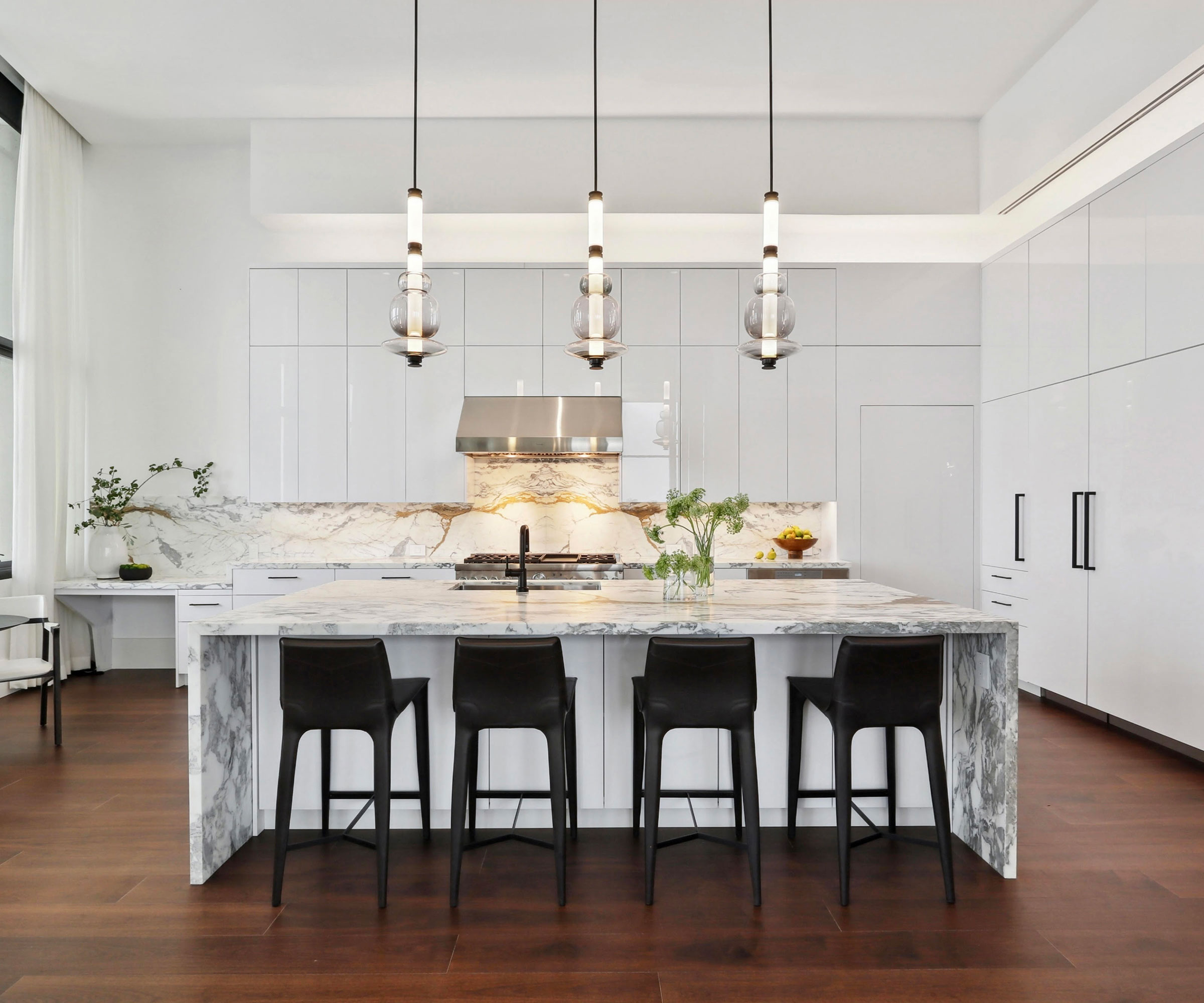
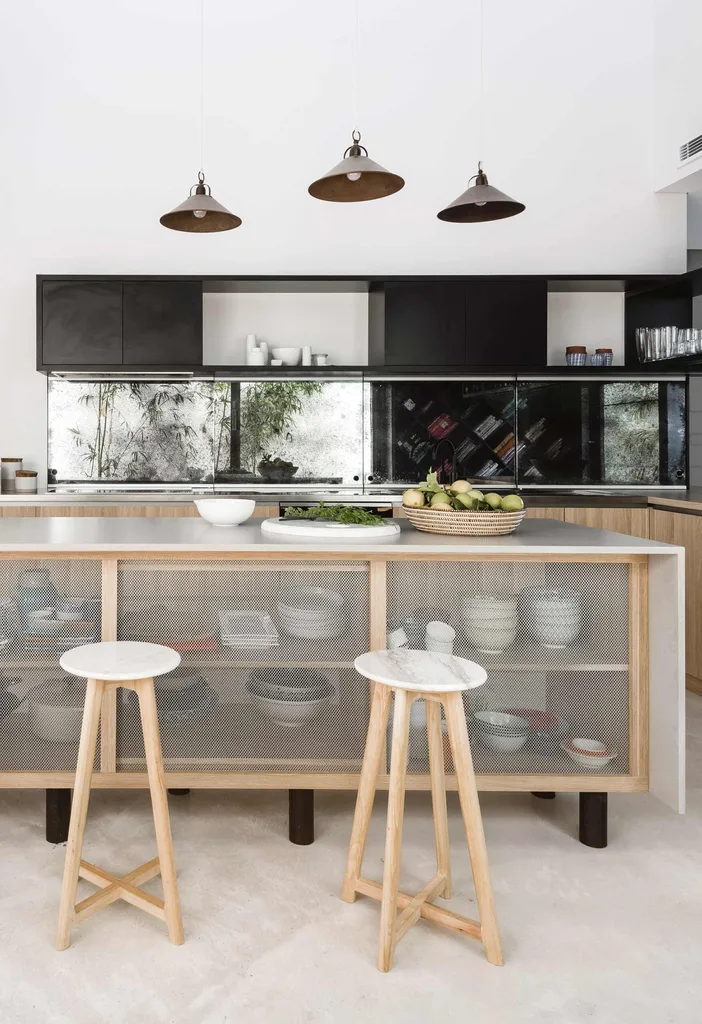
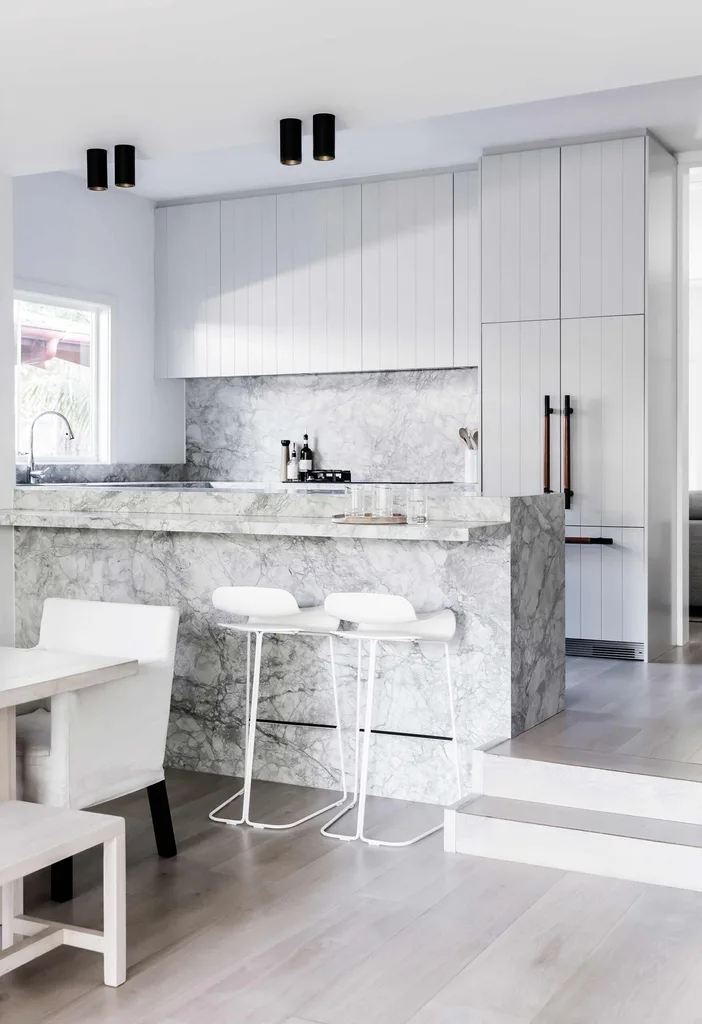
Material choices also play a significant role in enhancing the chosen shape and overall kitchen design. Different materials, such as wood, stone, or metal, can contribute to the island's aesthetic and practical appeal. For example, a sleek, minimalist design might pair well with a quartz or marble countertop, while a rustic or traditional kitchen could benefit from a butcher block surface. The importance of integrating the island's design with the existing kitchen decor is also stressed, ensuring that the island complements the cabinets, flooring, and other fixtures.
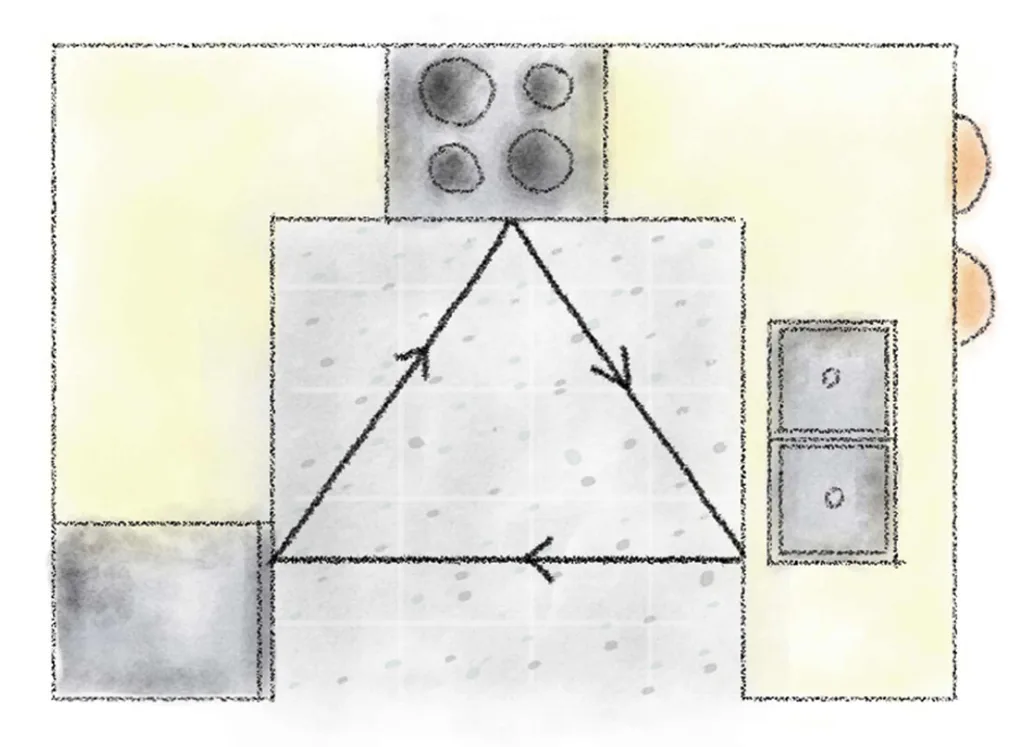
Beyond aesthetics and functionality, the article touches upon the placement of the island, suggesting that its position can influence the kitchen's efficiency and user experience. Proper placement can optimize the work triangle between the refrigerator, sink, and stove, which is a fundamental principle of kitchen design. Ultimately, the article encourages homeowners and designers to think creatively about kitchen island design, moving beyond traditional norms to create functional, aesthetically pleasing, and personalized kitchen spaces that meet specific needs and preferences.
#KitchenIslands #KitchenDesign #InteriorDesign #HomeImprovement #KitchenLayout #DesignTips #KitchenIslands #KitchenDesign #InteriorDesign #HomeImprovement #KitchenLayout #DesignTips
0 comment in total
 No comments yet
You may also like
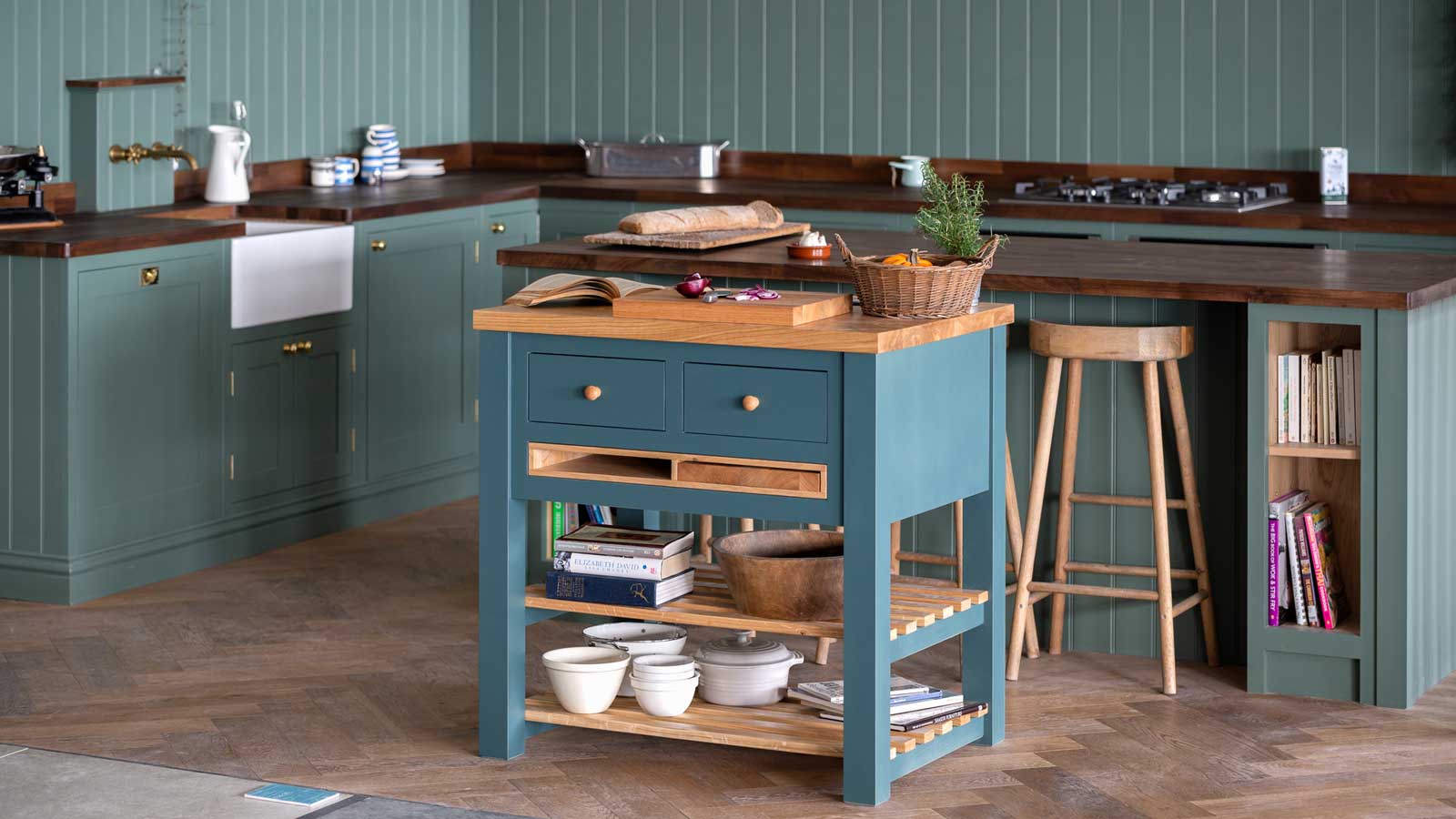
How to choose the right kitchen island size – experts explain how big a kitchen 'ideally' needs to be

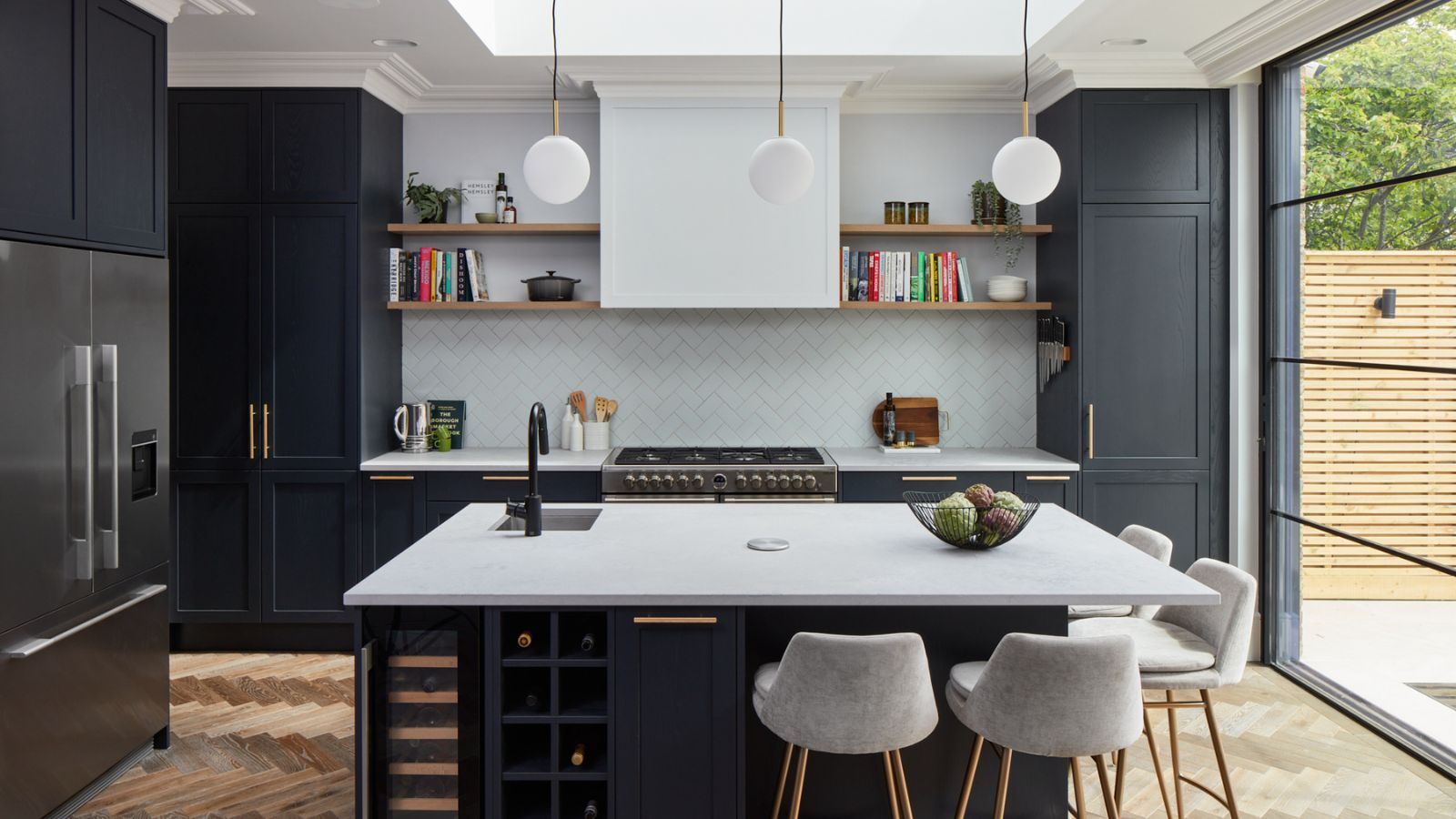
6 square kitchen island ideas that blend style and practical design

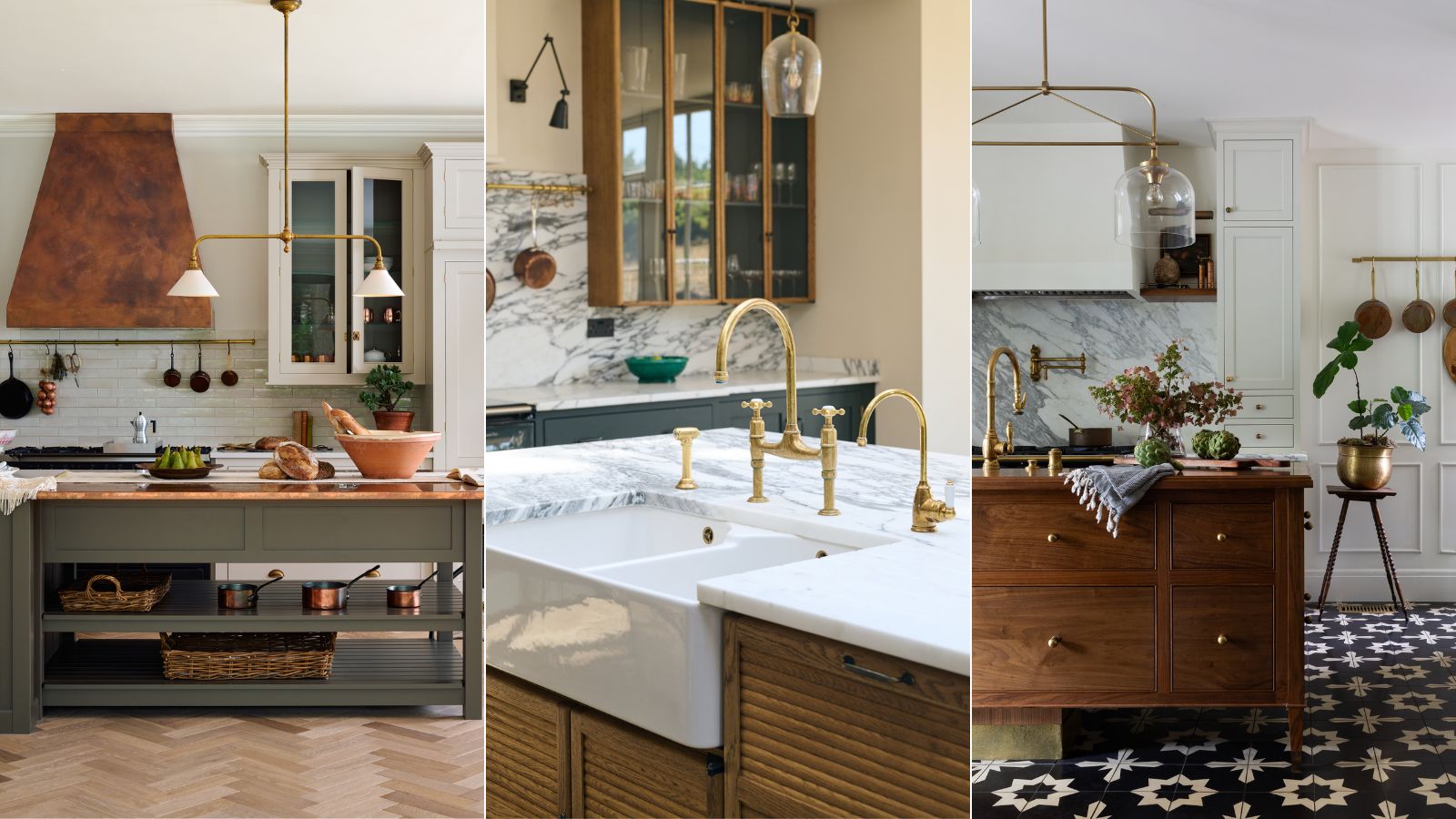
7 successful kitchen island layout ideas experts swear by
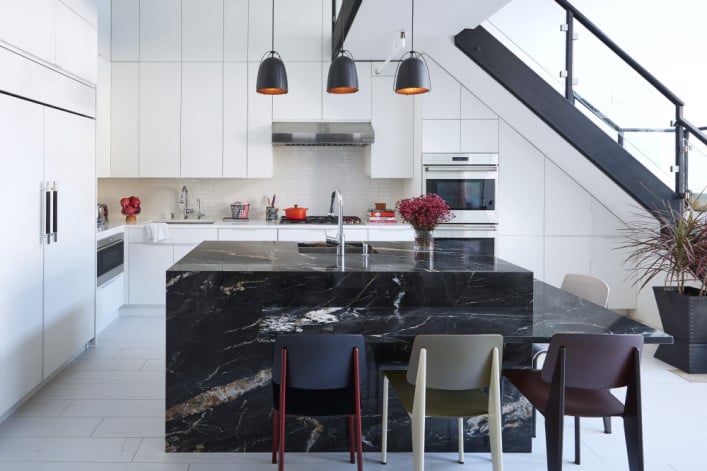
Renovating or adding a kitchen island to your NYC apartment? Here's a checklist
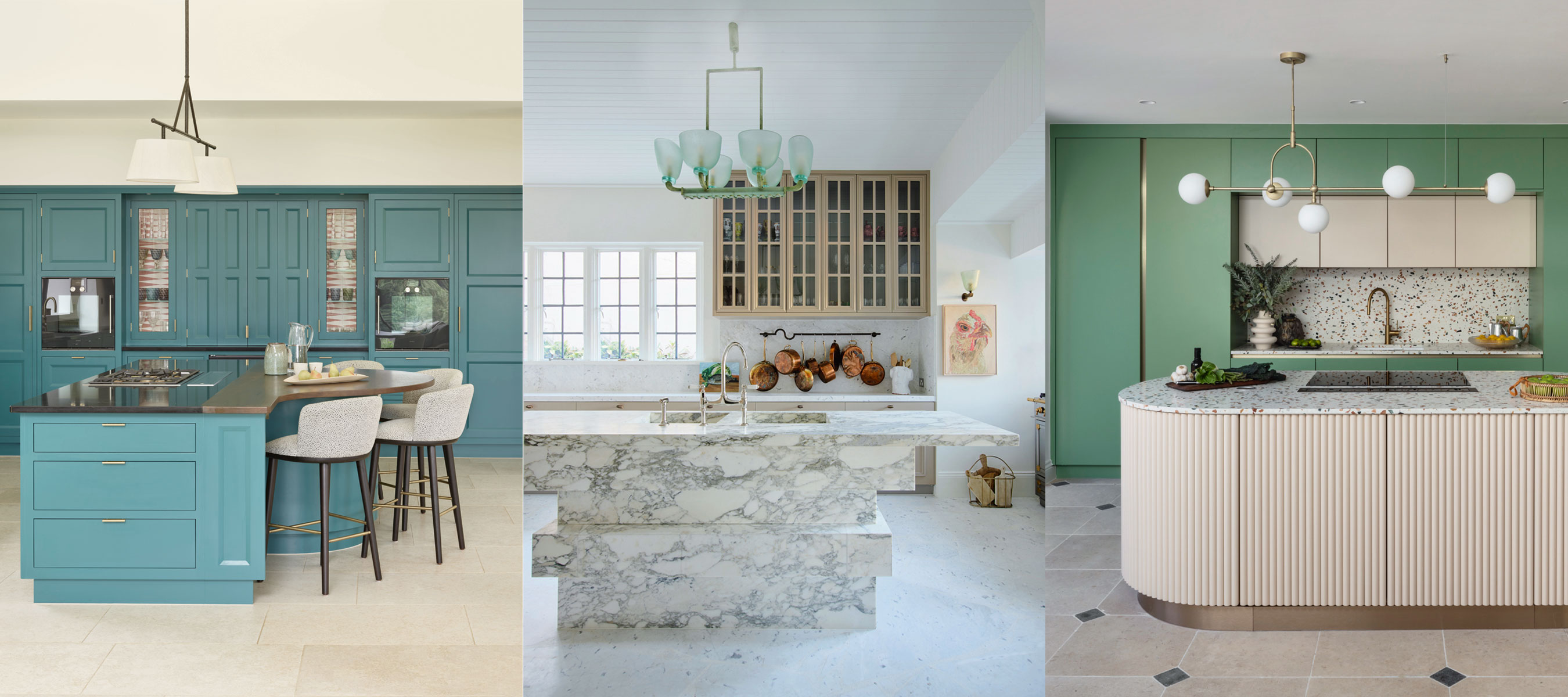
‘The pay-off can be huge in terms of visual impact' – 4 dynamic kitchen island shapes to transform your kitchen
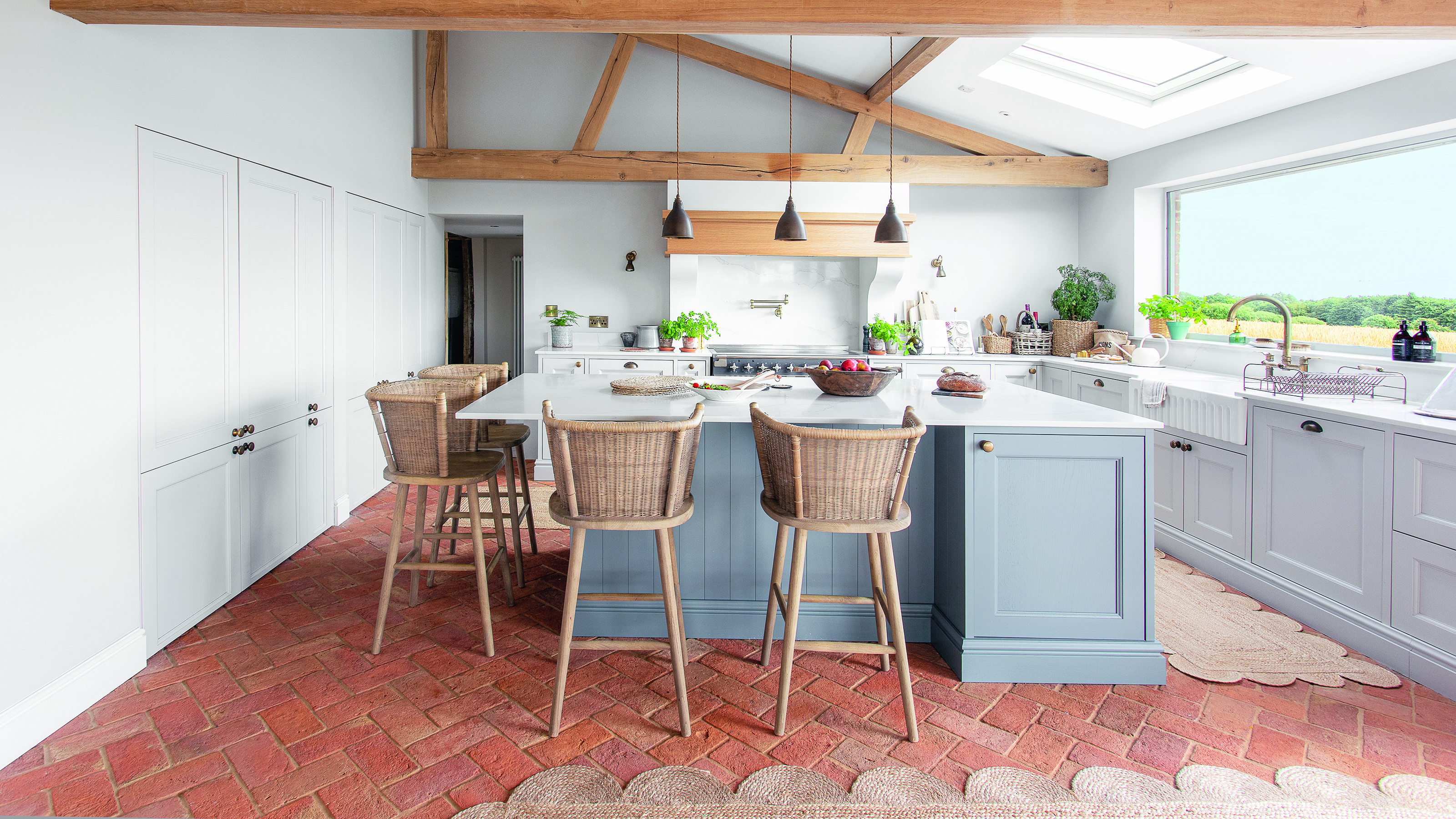
25 kitchen island ideas to make it the most used, and most stylish, area of your cooking space
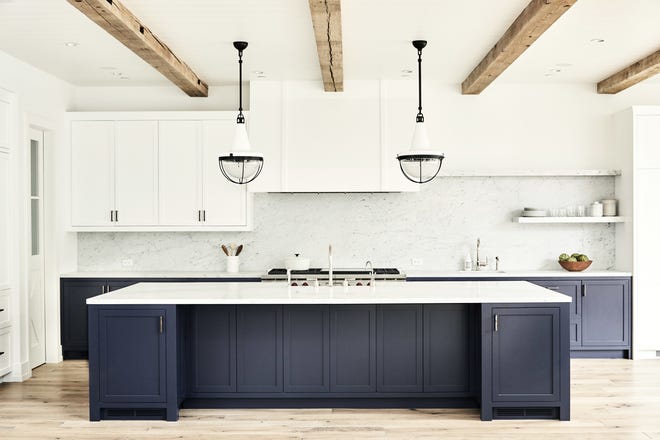
Creating the perfect kitchen island

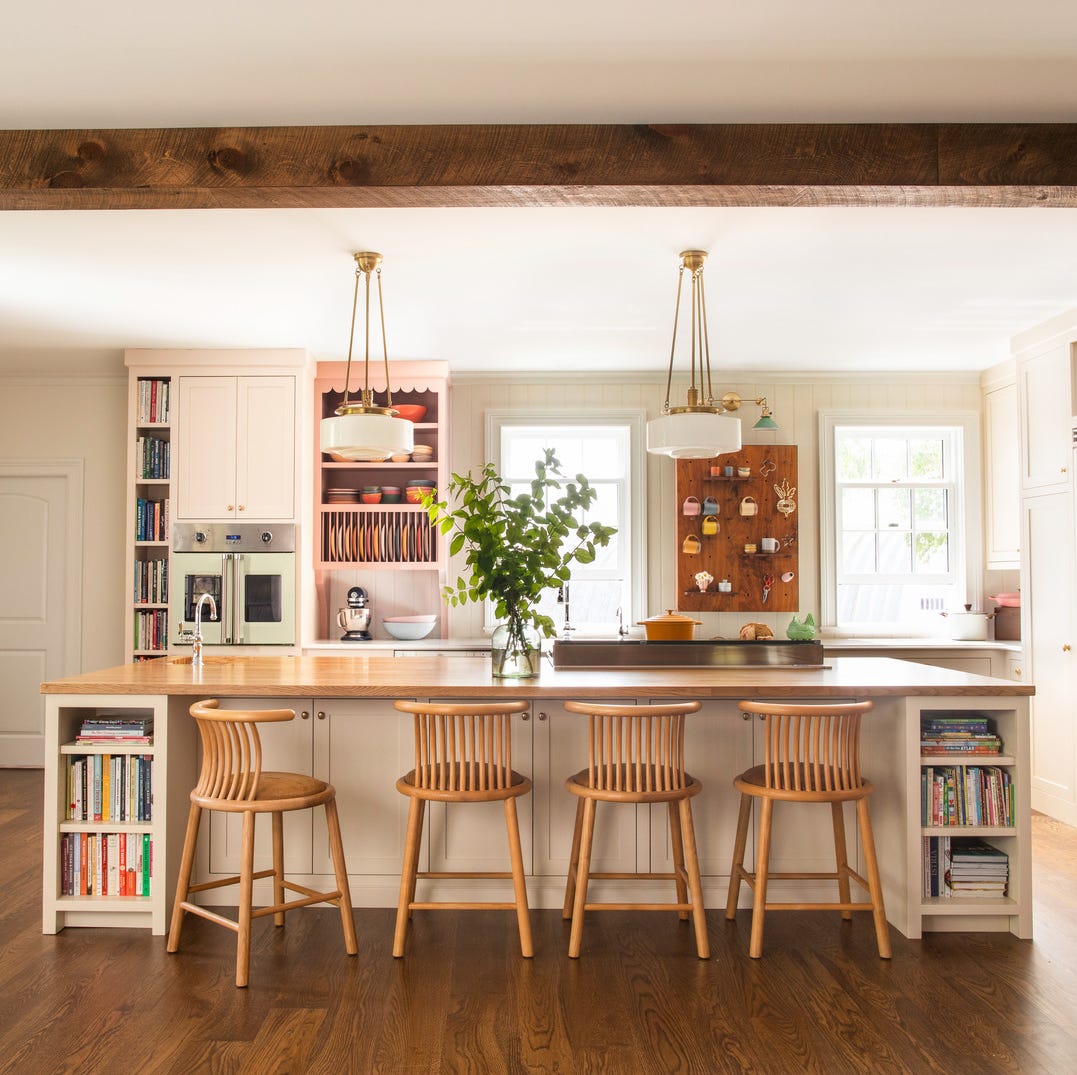
How to Add More Seating to Your Kitchen Island


Kitchen island layout ideas – what to consider when incorporating your dream island

This Island Cart Has Over 600 5-Star Reviews and Is Perfect for Small Kitchens
How to choose a kitchen layout
Kitchen floorplan: expert tips for getting your layout right

There’s Nothing Worse Than an Awkward Kitchen Island—Here’s How to Calculate Correctly
A 'rule of thumb' when working out kitchen island sizes and mistakes to avoid
Should a Kitchen Island Be Centered? "There Is No One-Size-Fits All" Solution, Say the Experts
Kitchen island vs no kitchen island – two reasons designers choose this layout, and two reasons they don't
Kitchen island design - 7 Nov 2024 - Homebuilding & Renovating Magazine

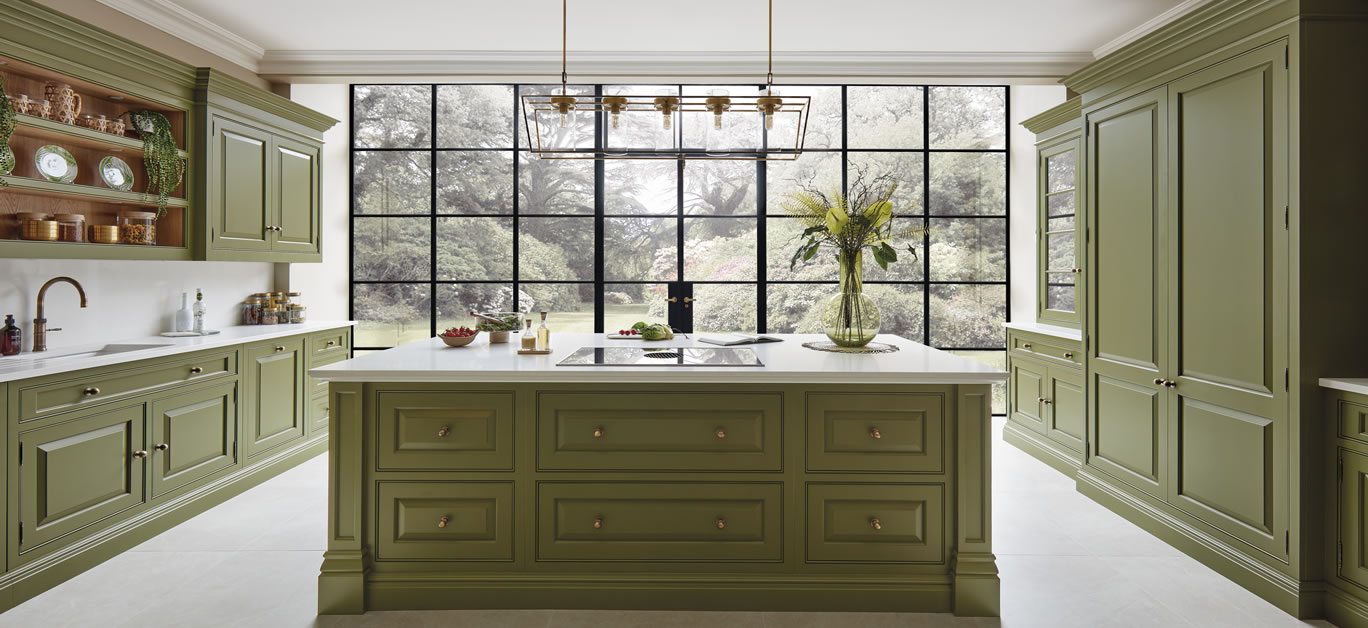
Kitchen island design: The design tips you should know

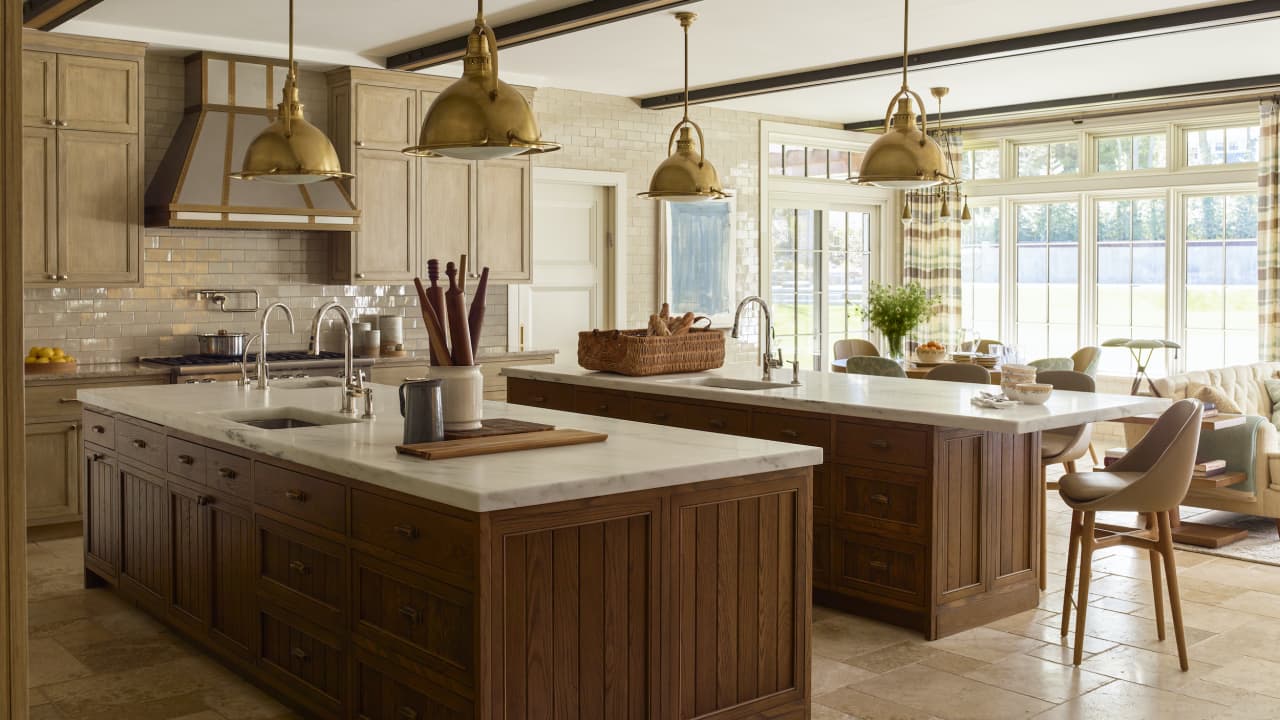
Four Ways to Reimagine the Kitchen Island
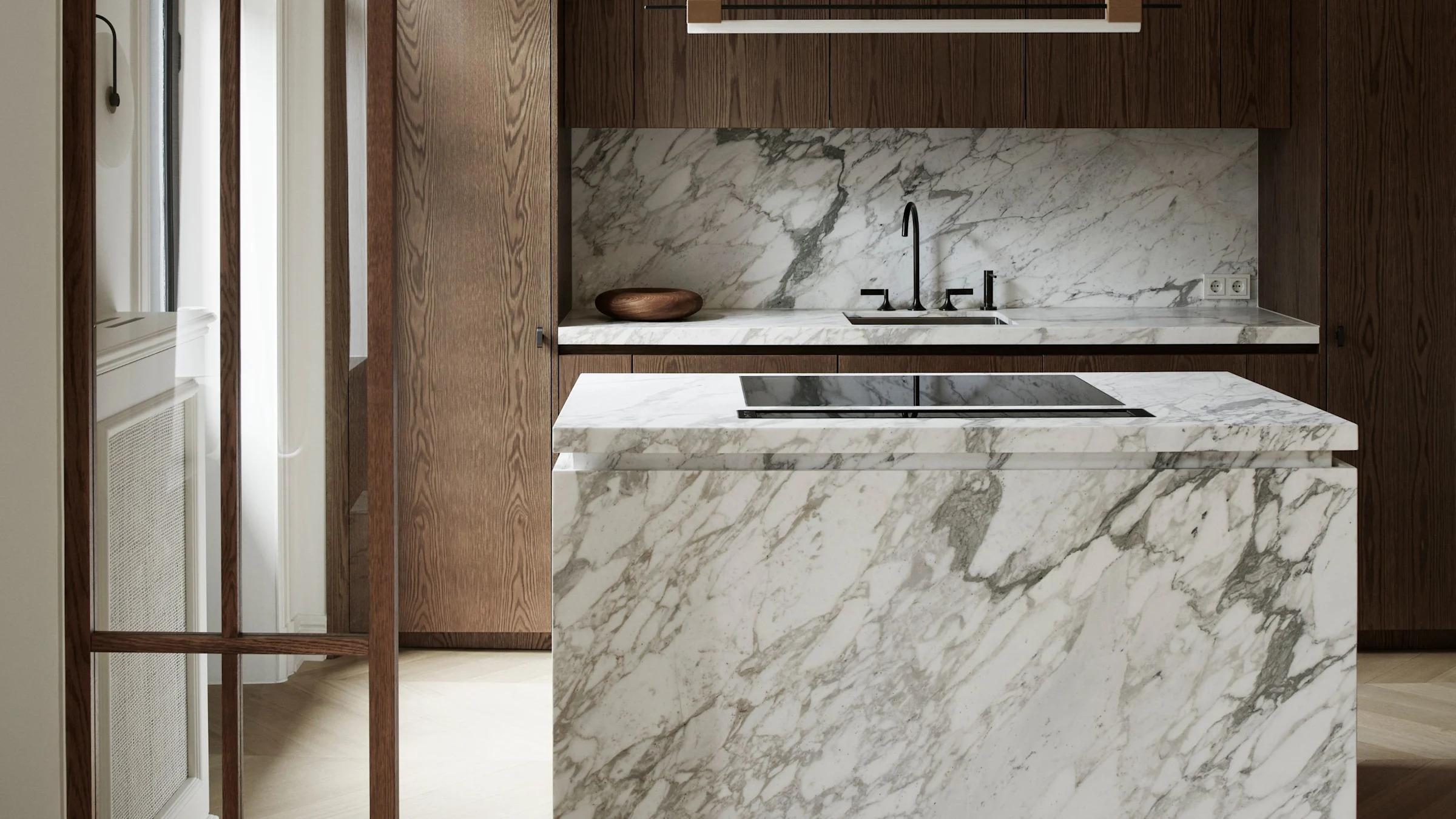
Suddenly, Everyone's Choosing Square Islands — Here's Why They Work So Well, Even in Small Kitchens