1/5
‘The pay-off can be huge in terms of visual impact' – 4 dynamic kitchen island shapes to transform your kitchen
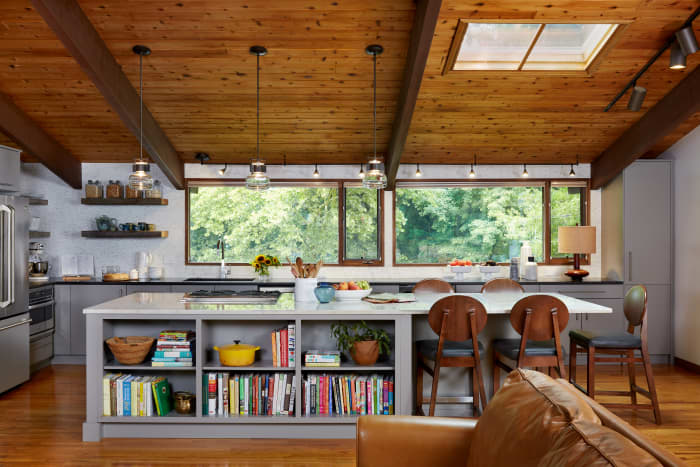
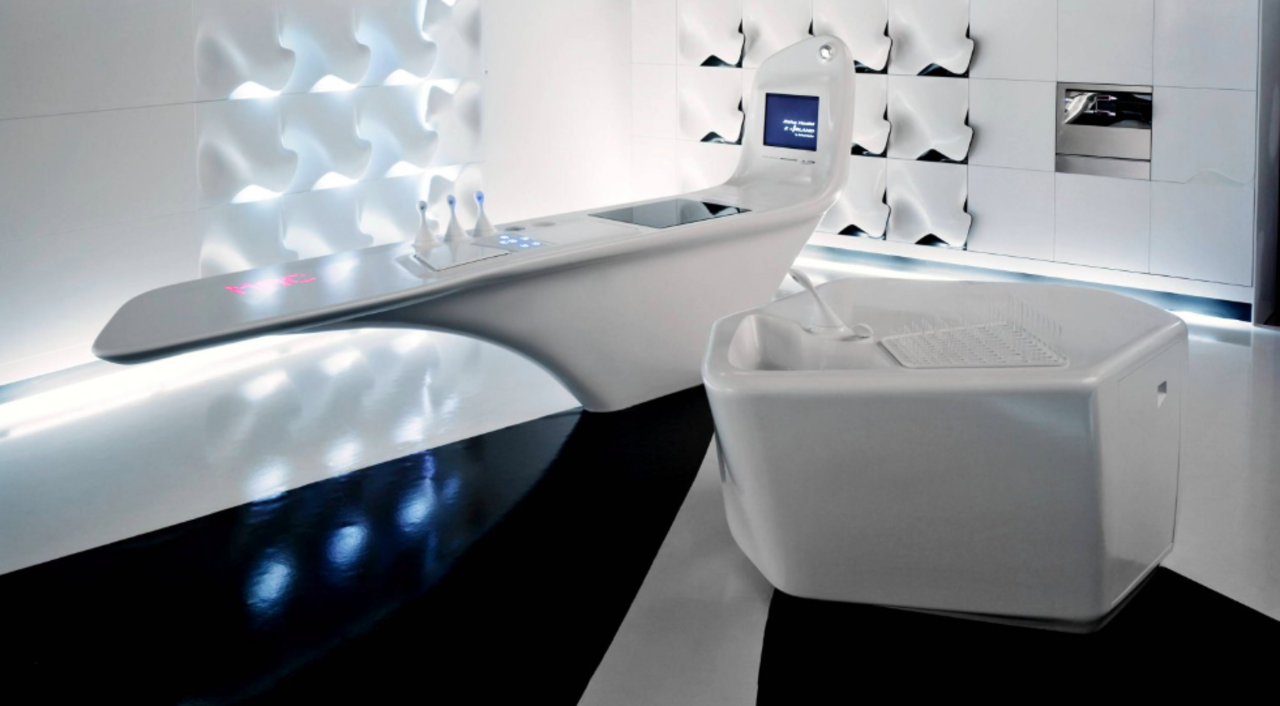
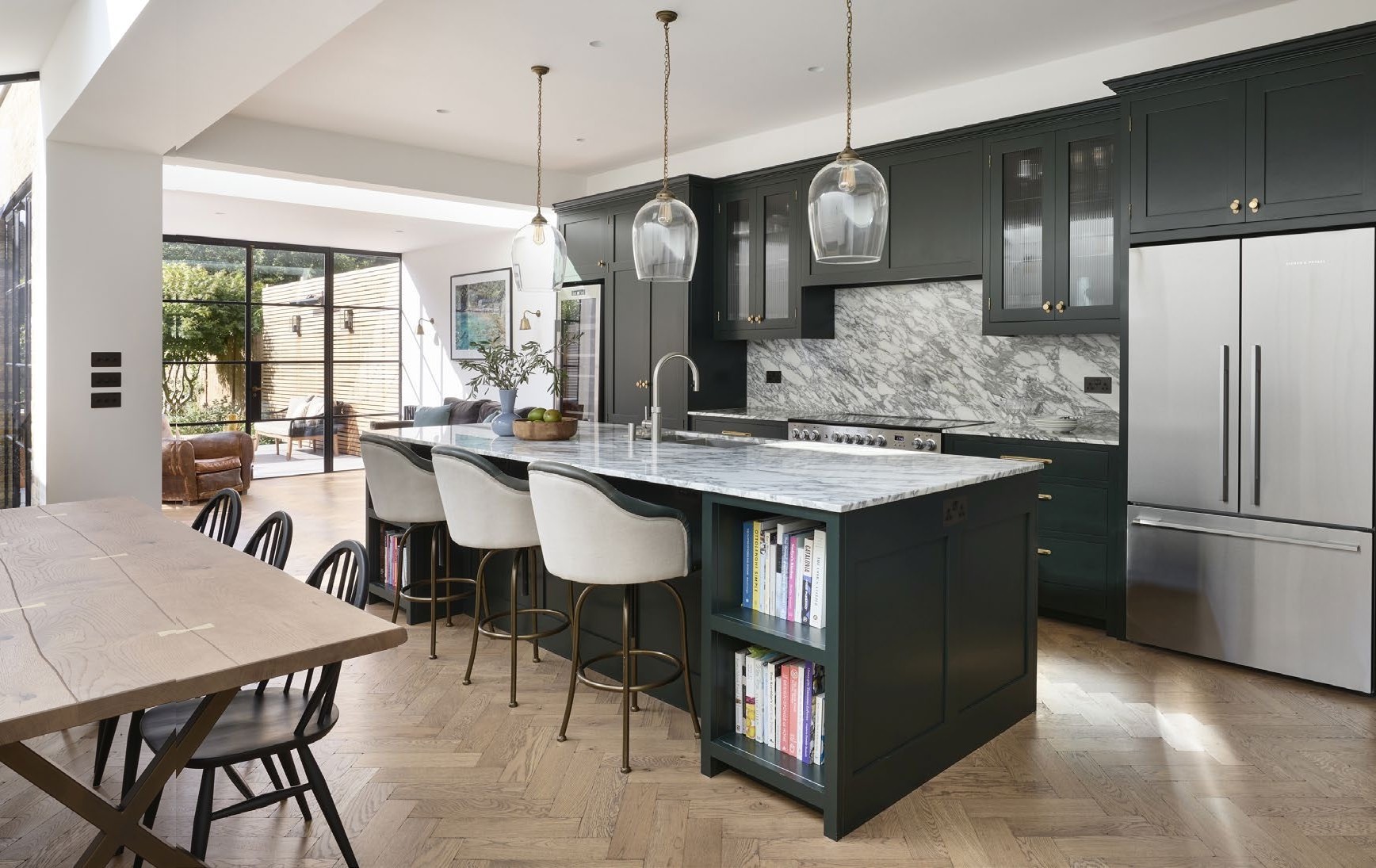
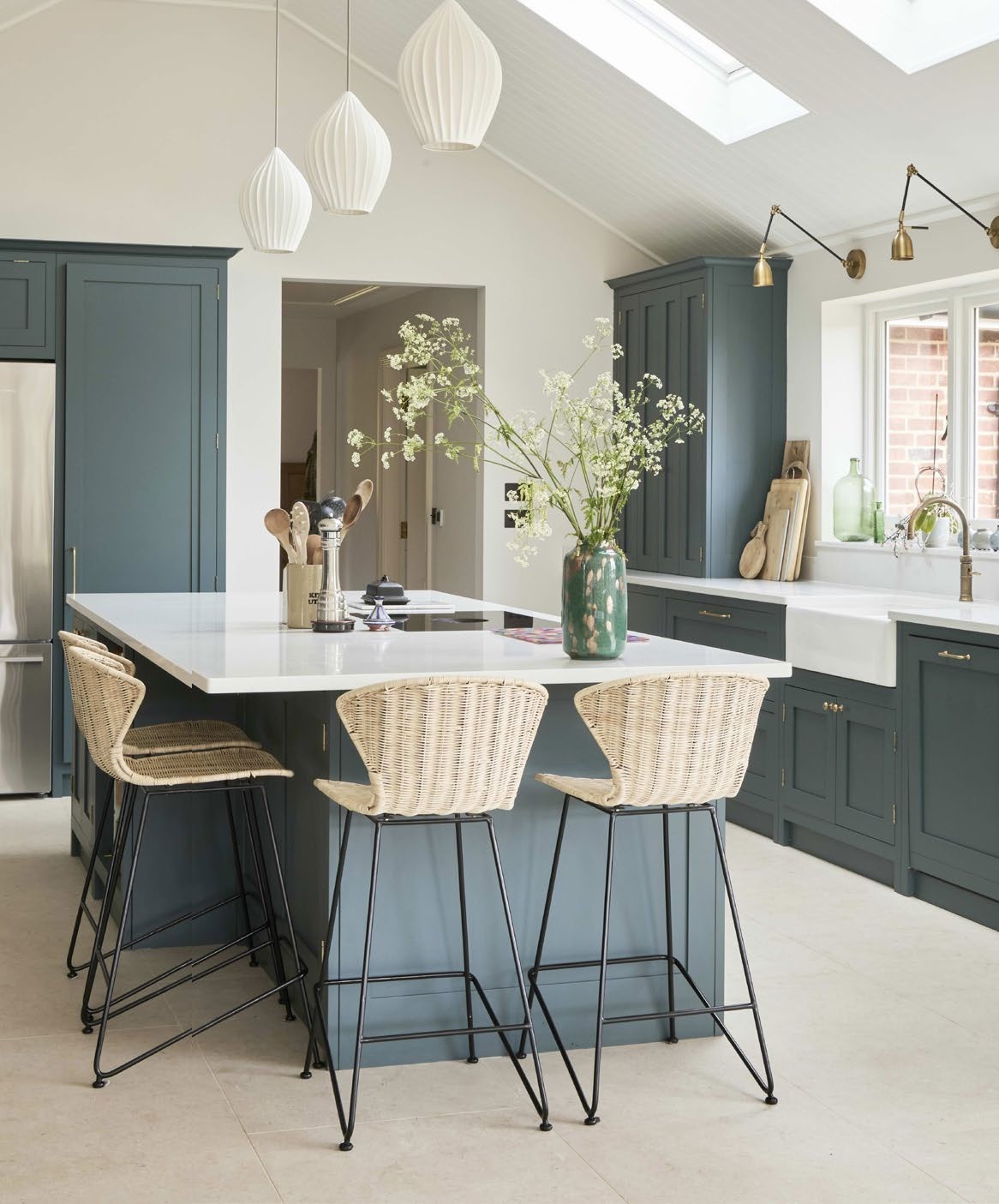
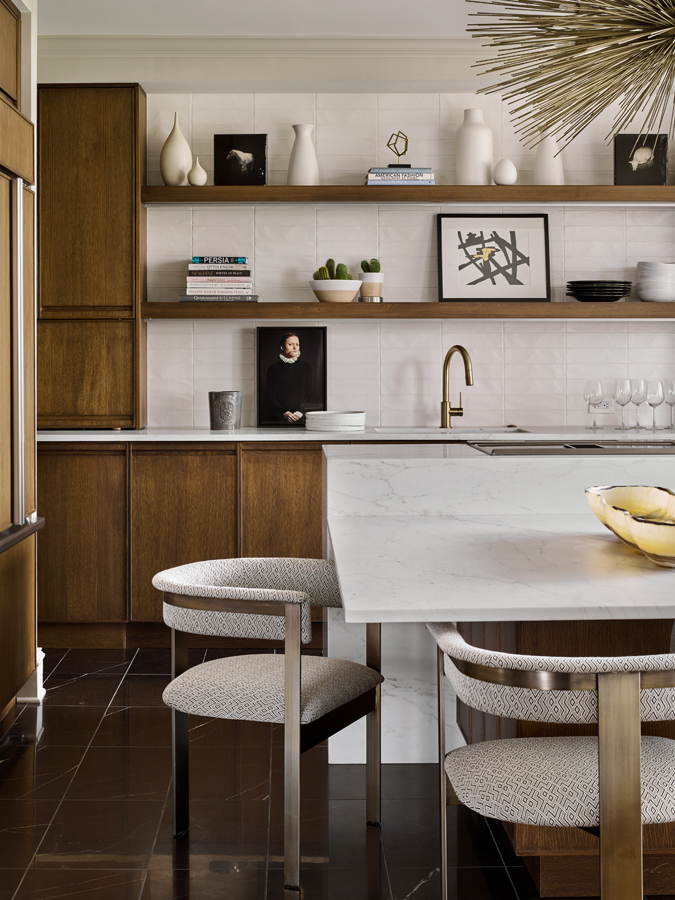
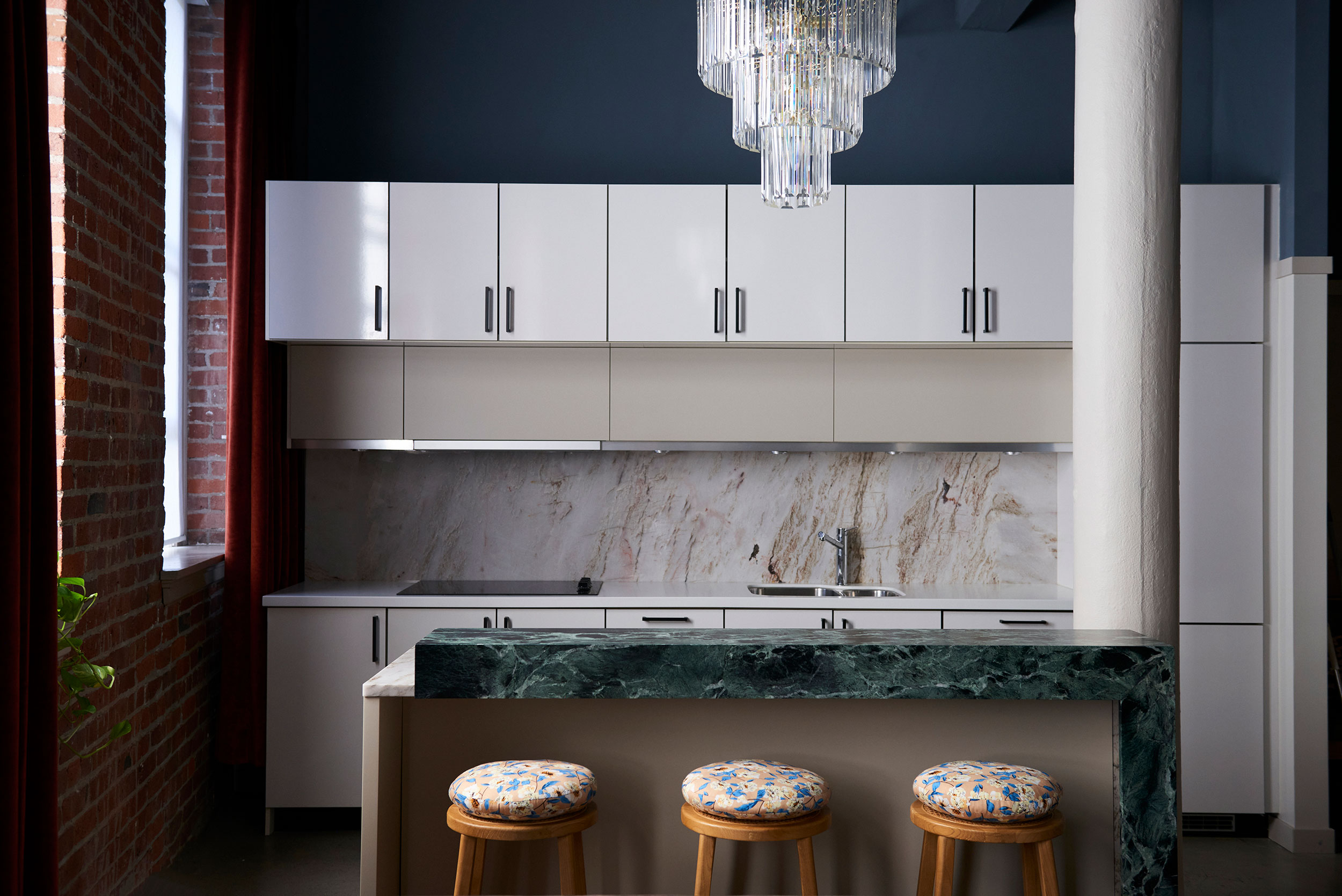
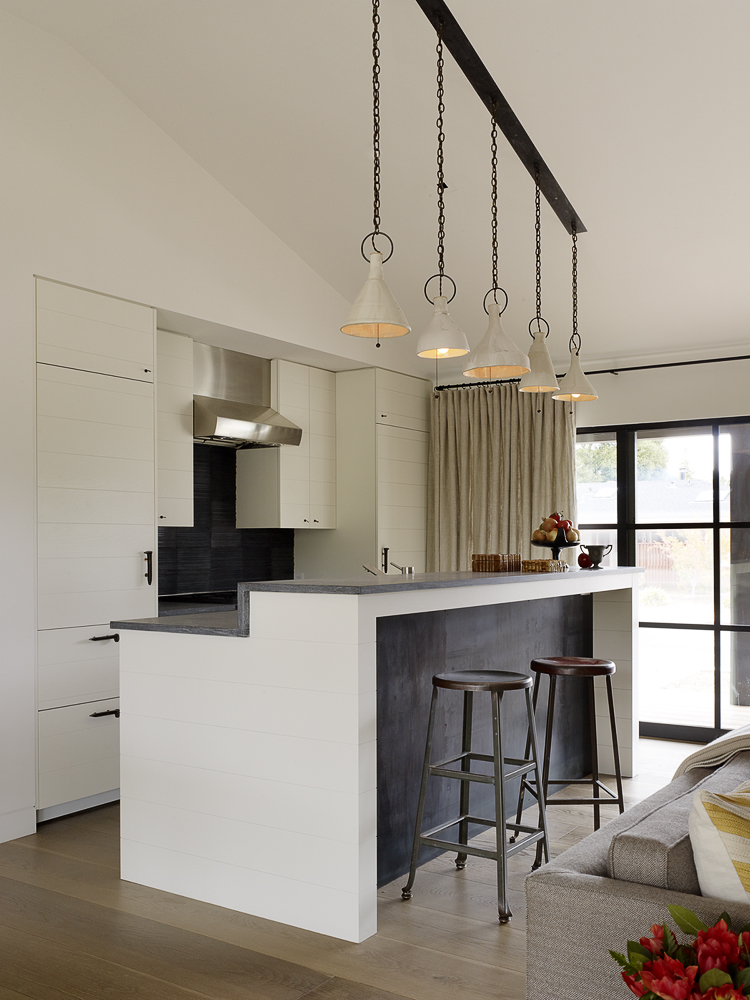
A kitchen island serves as a central design element within a kitchen, commanding both visual and physical attention. While considerations like materials, storage, and integrated appliances are important, the chosen shape significantly influences the overall look and usability of the space. Modern kitchen and interior designers are moving beyond traditional rectangular forms, embracing more unconventional, artistic, and sculptural kitchen island shapes to create breathtaking results.
Jane Powell, a kitchen designer at Roundhouse, emphasizes that irrespective of the island's size, opting for a dynamic shape can yield substantial visual impact. The article explores four distinct kitchen island shapes that are shaping future kitchen trends, ranging from designs suitable for small kitchen islands to those influencing kitchen island seating arrangements.
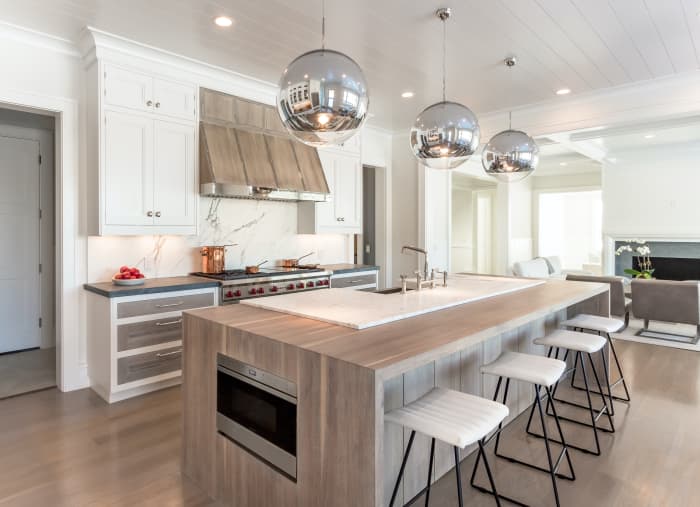
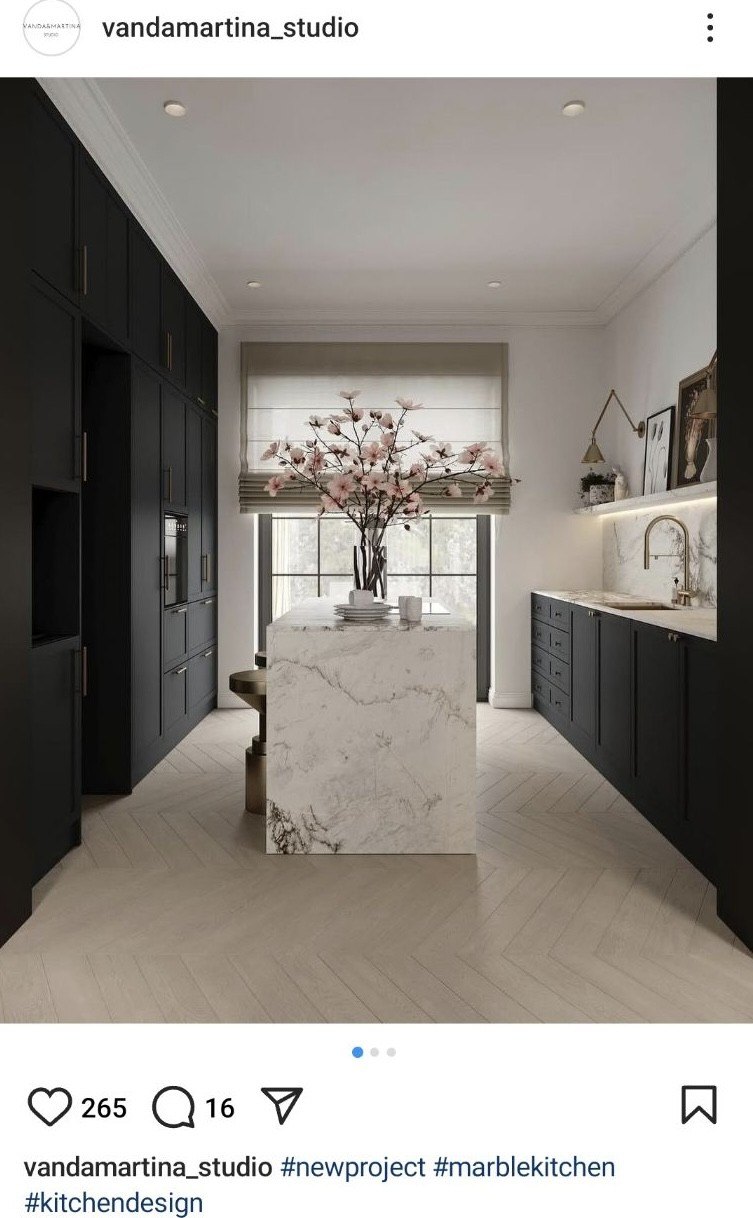
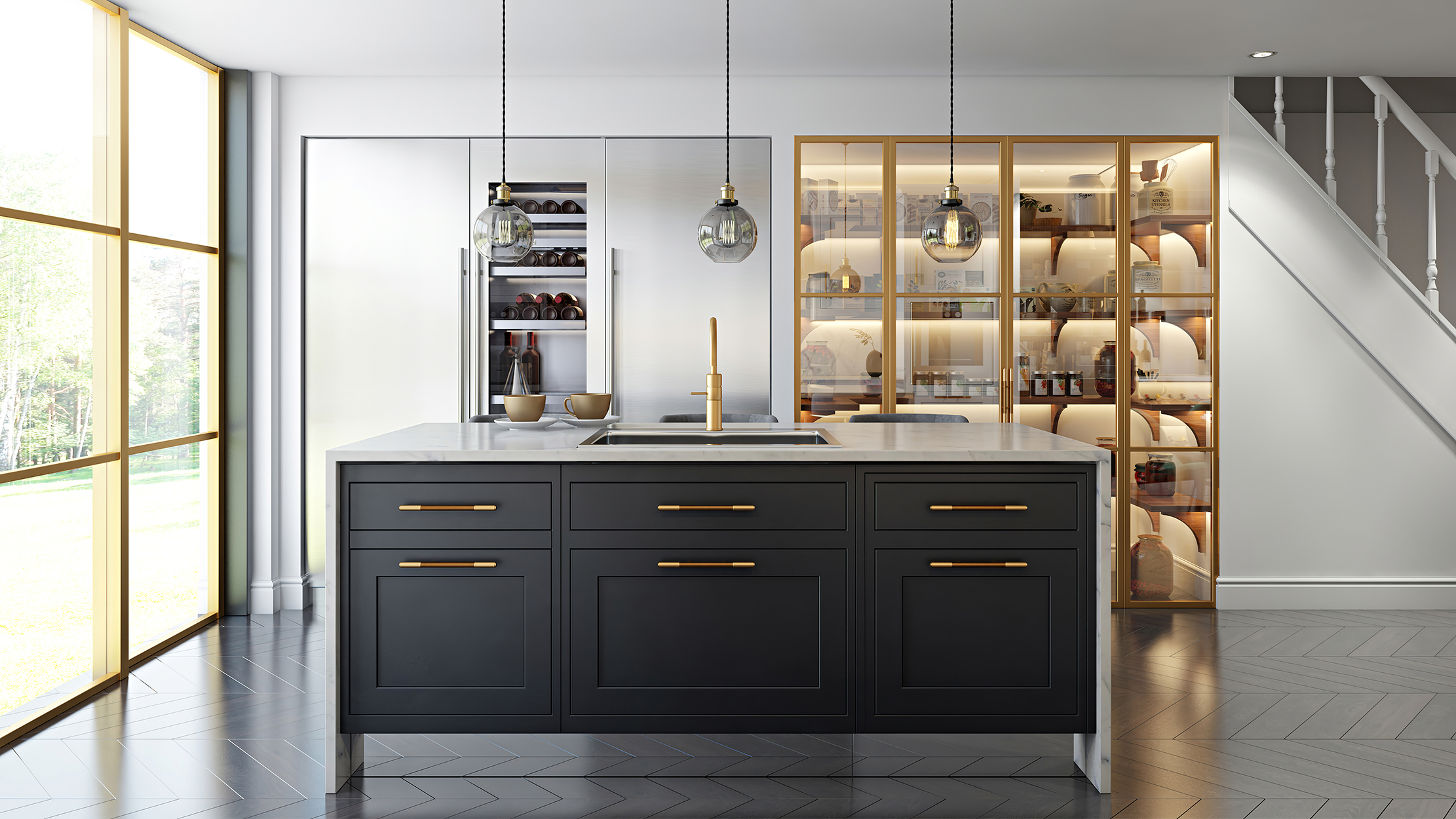
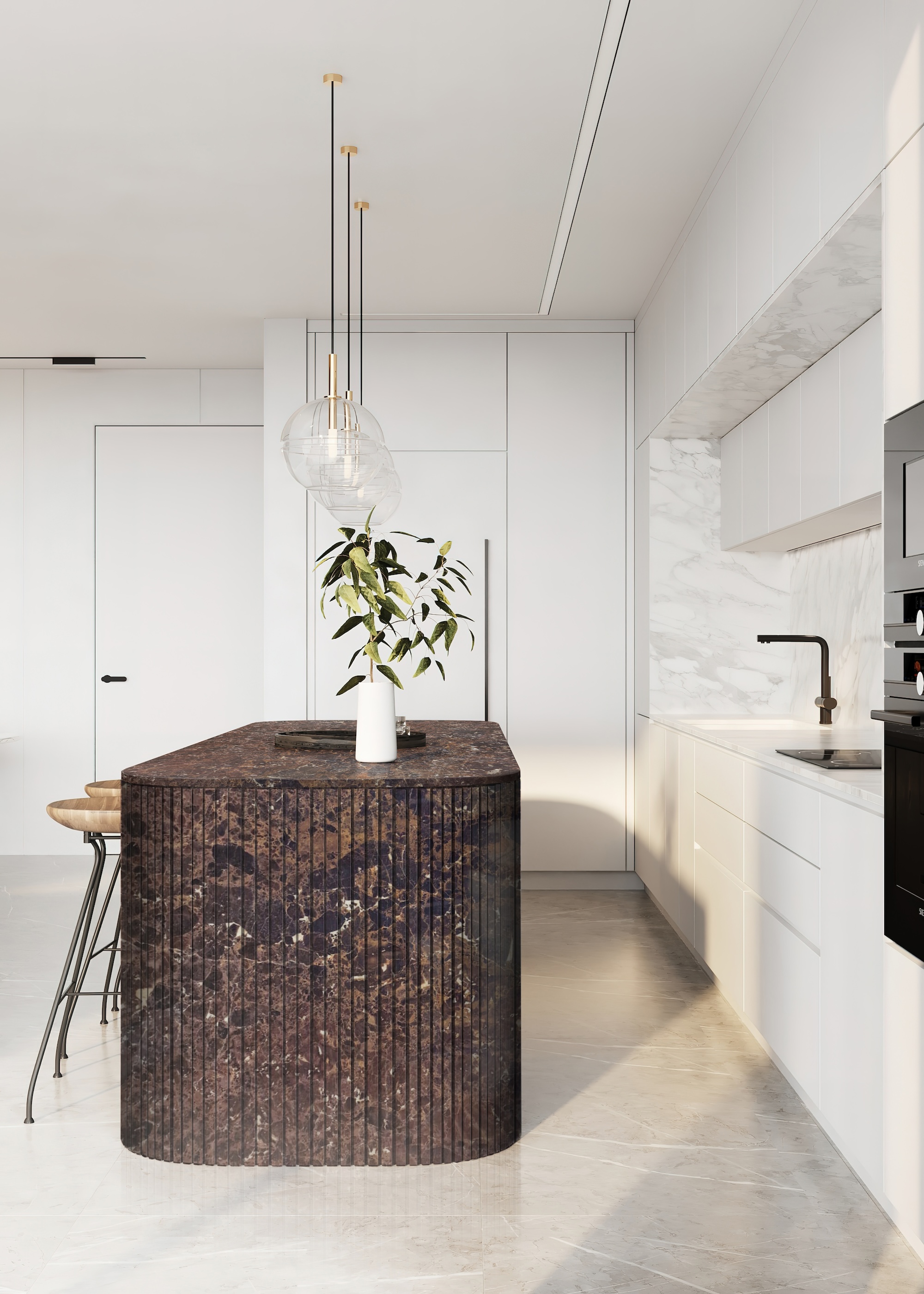
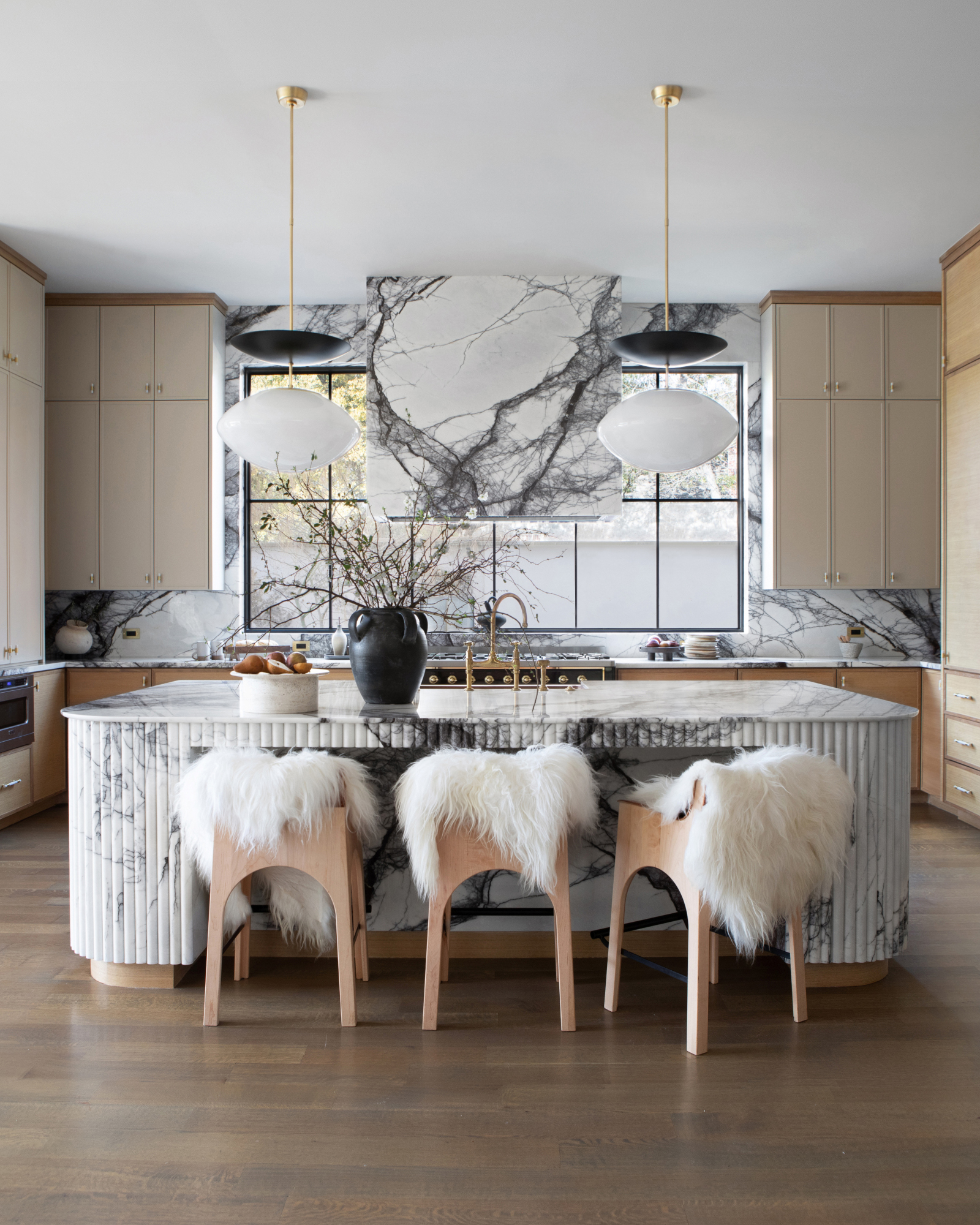
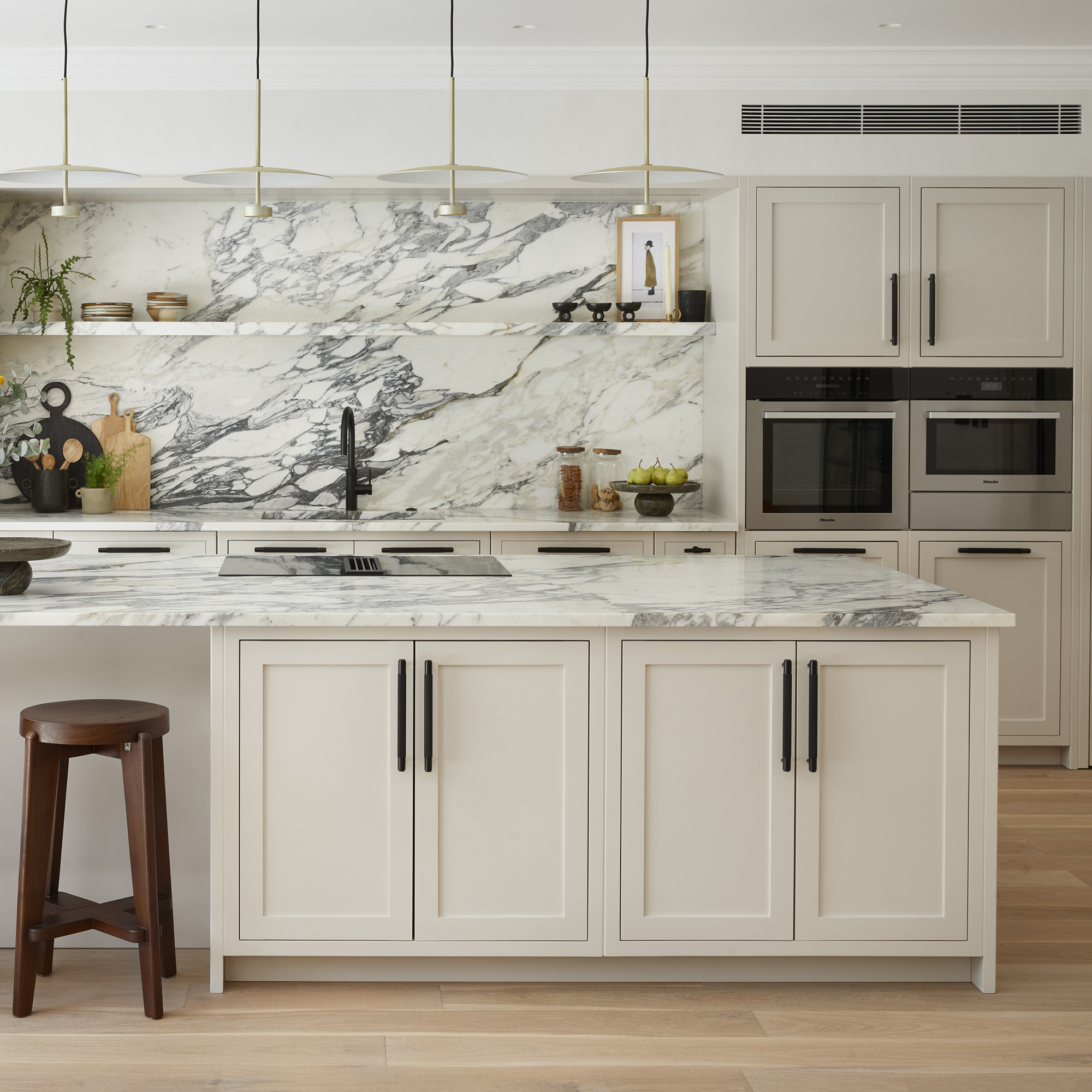
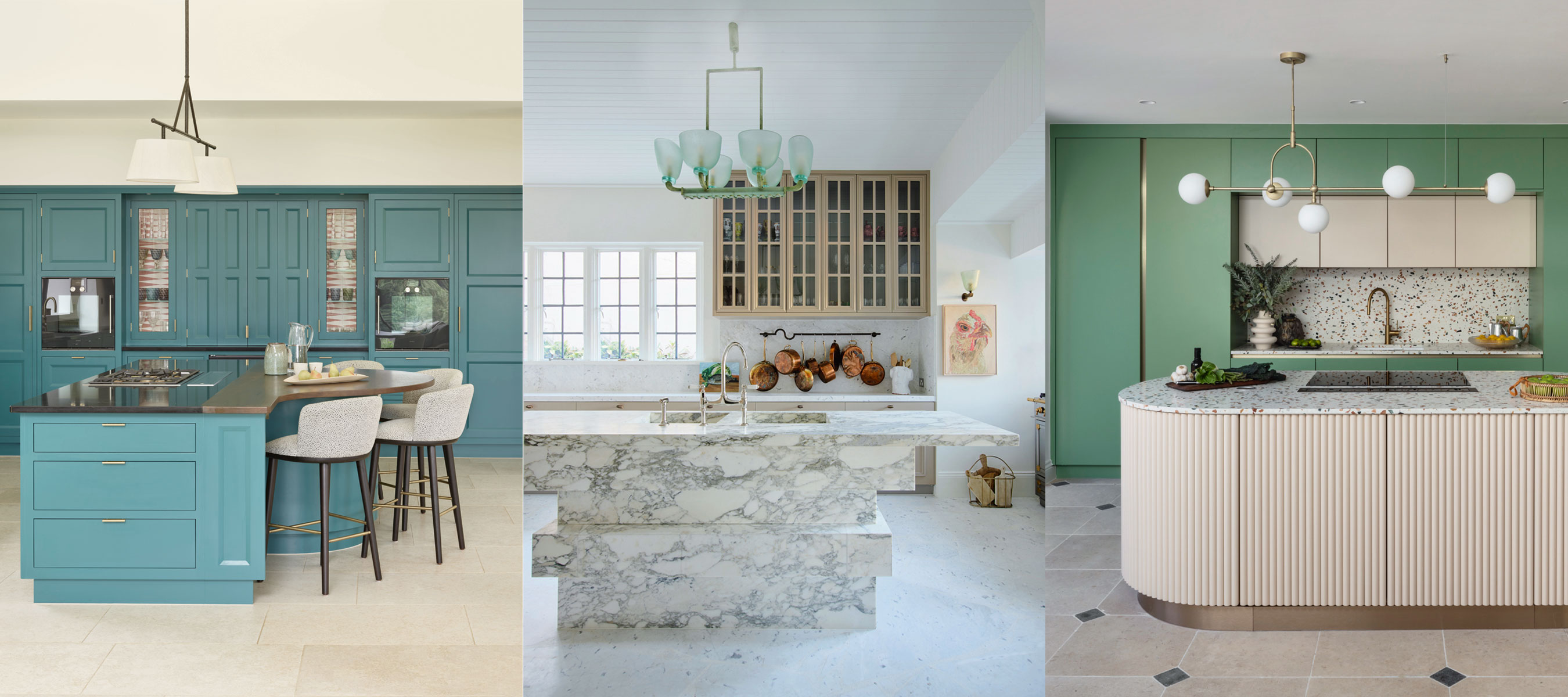
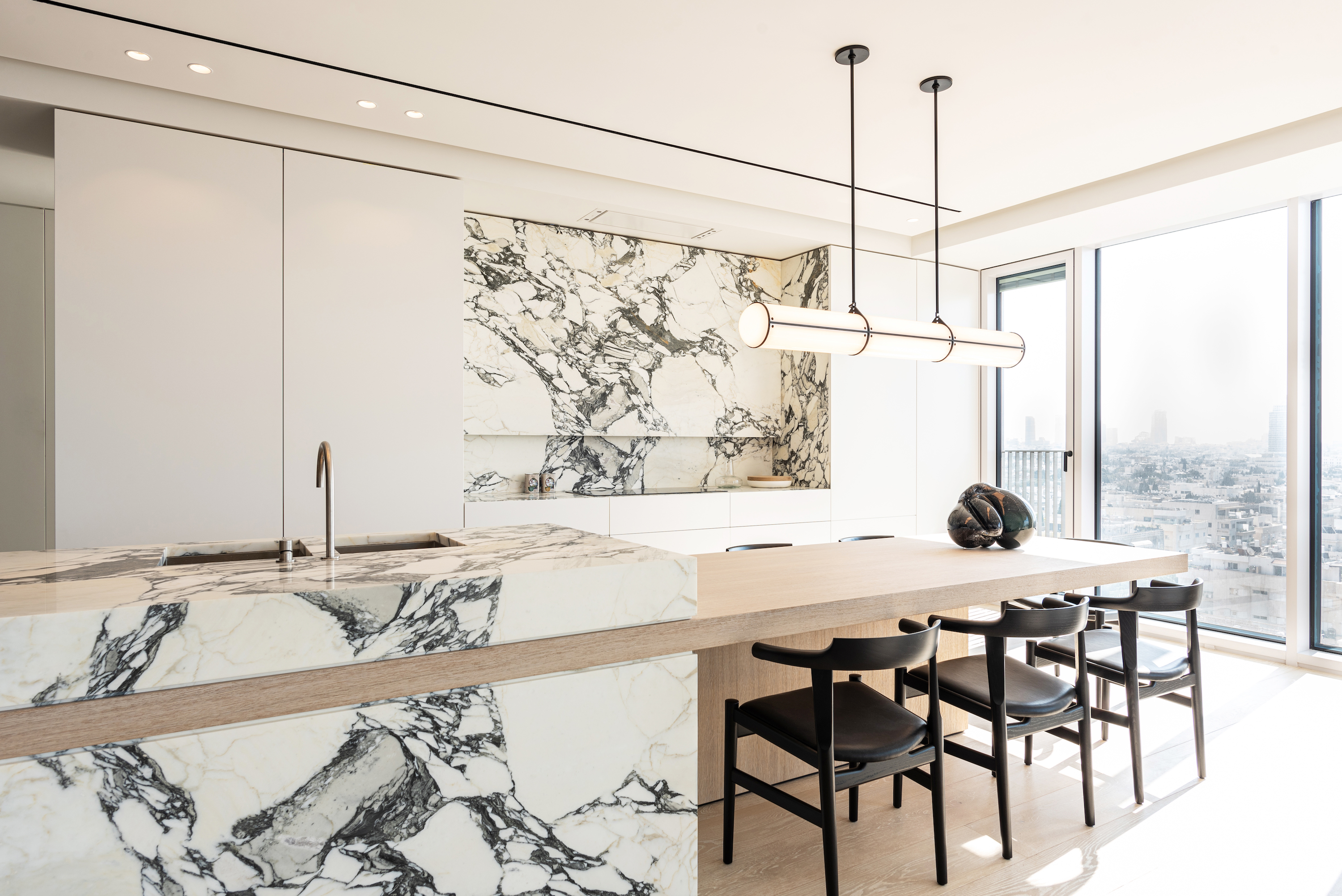
One approach is to create a statement with a strong silhouette, lending a sculptural feel. An example showcased is a stacked marble island featuring obscure lines that complement and offset traditional joinery. This design utilizes clever vein matching to give the illusion of being carved from a single block, while in reality, it's constructed from thin stone cuts with mitered edges and steel supports, allowing for internal storage. This approach creates a bold, graphic, and memorable statement, especially when contrasting with a traditional white kitchen aesthetic.
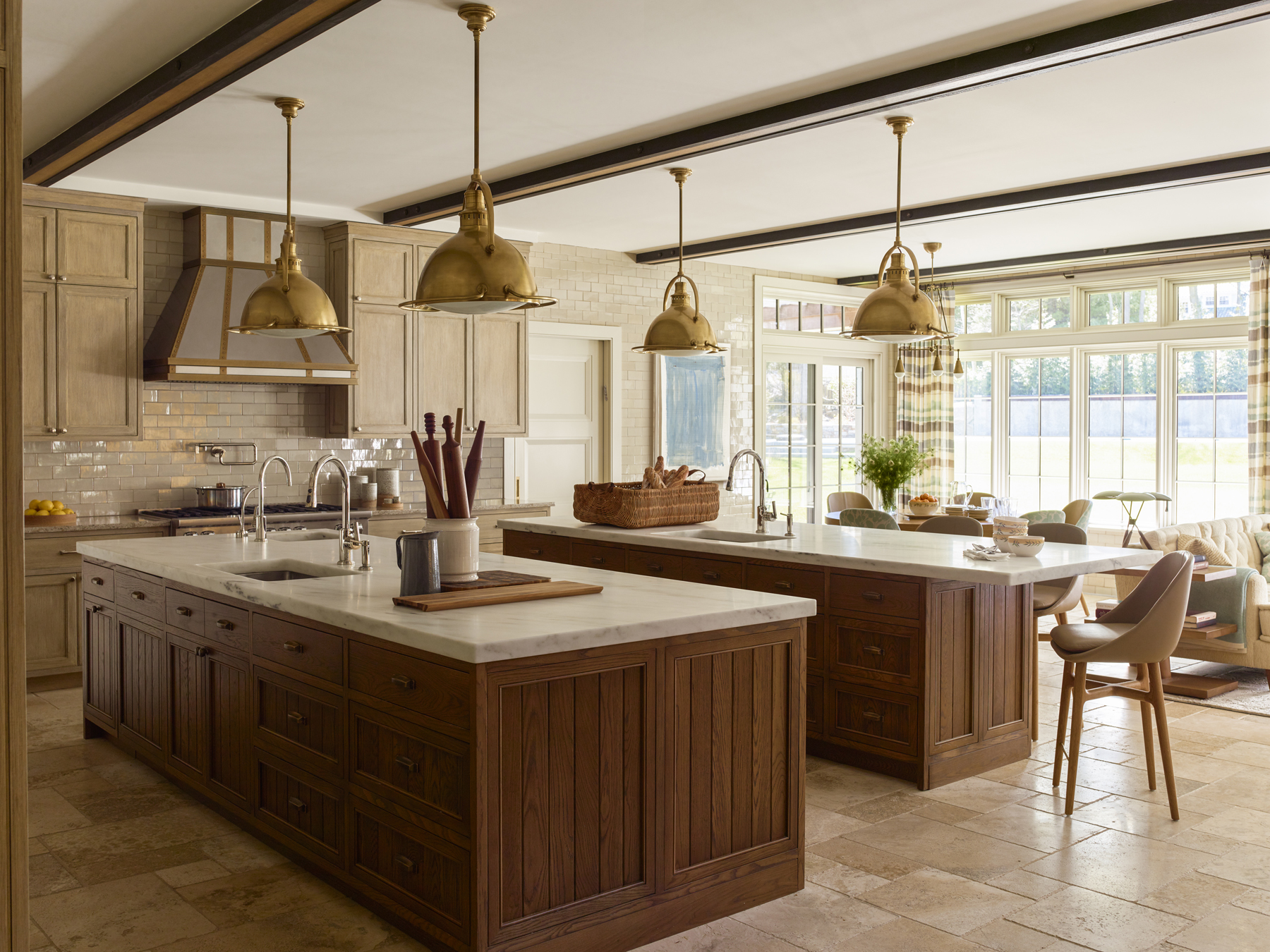
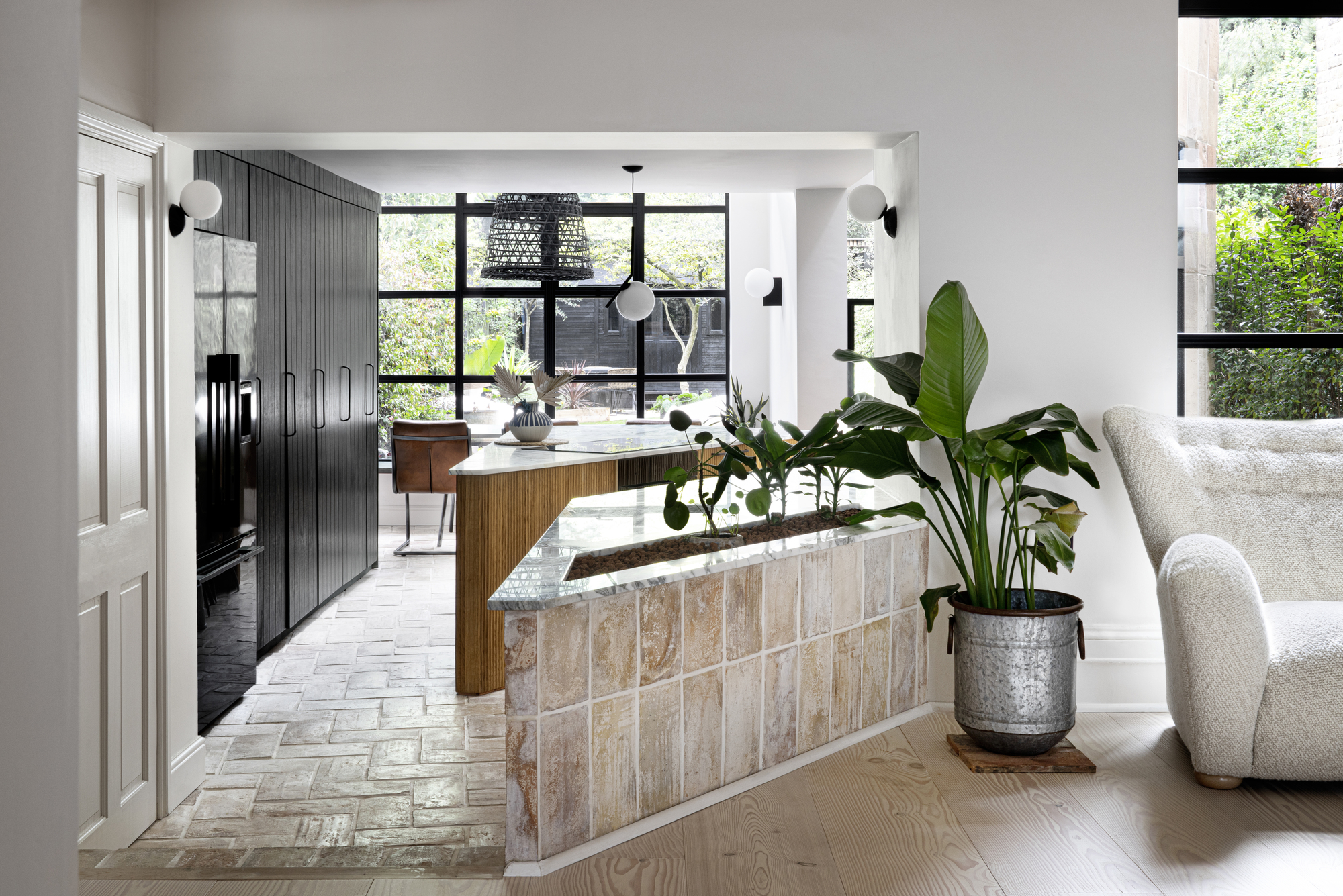
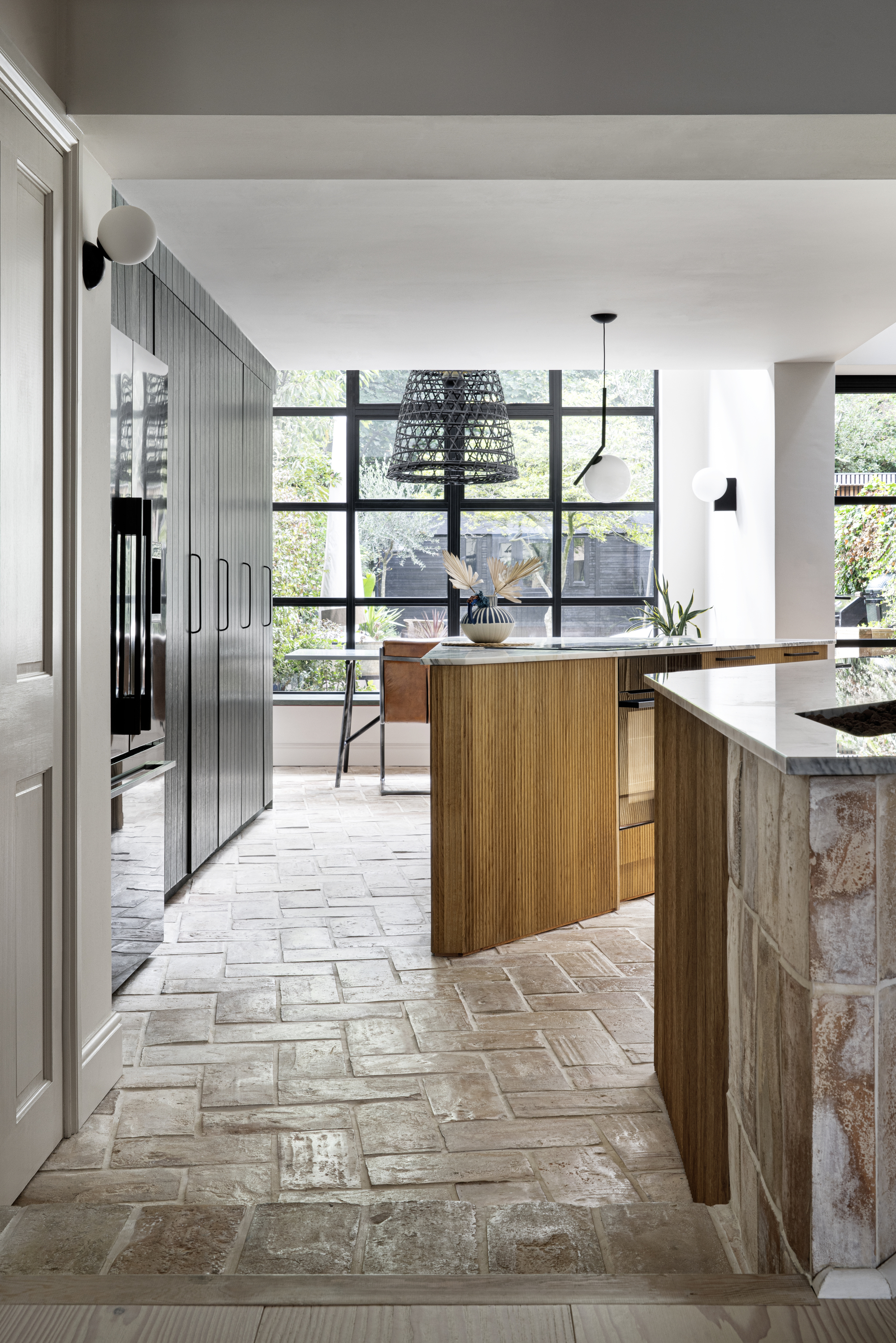
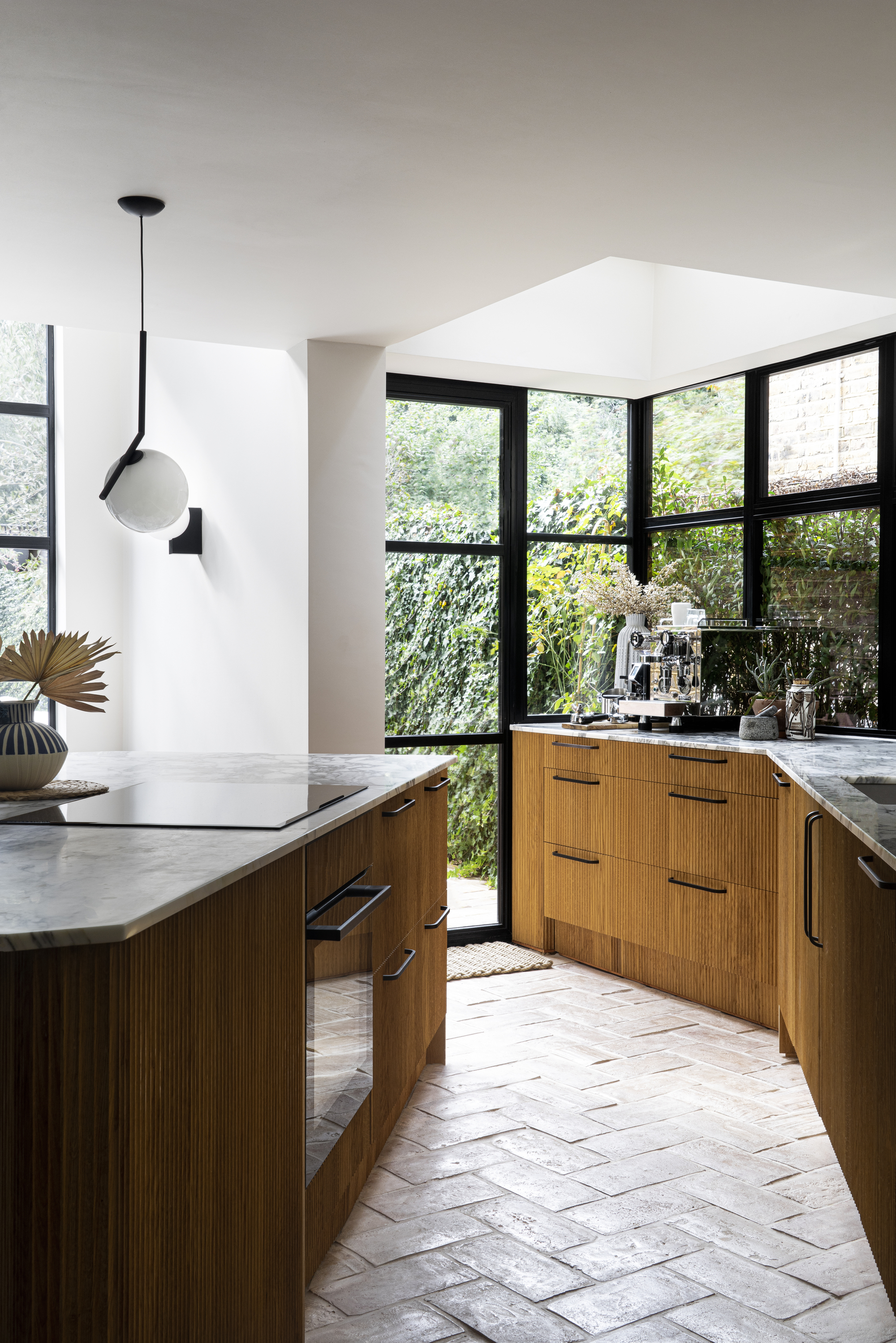
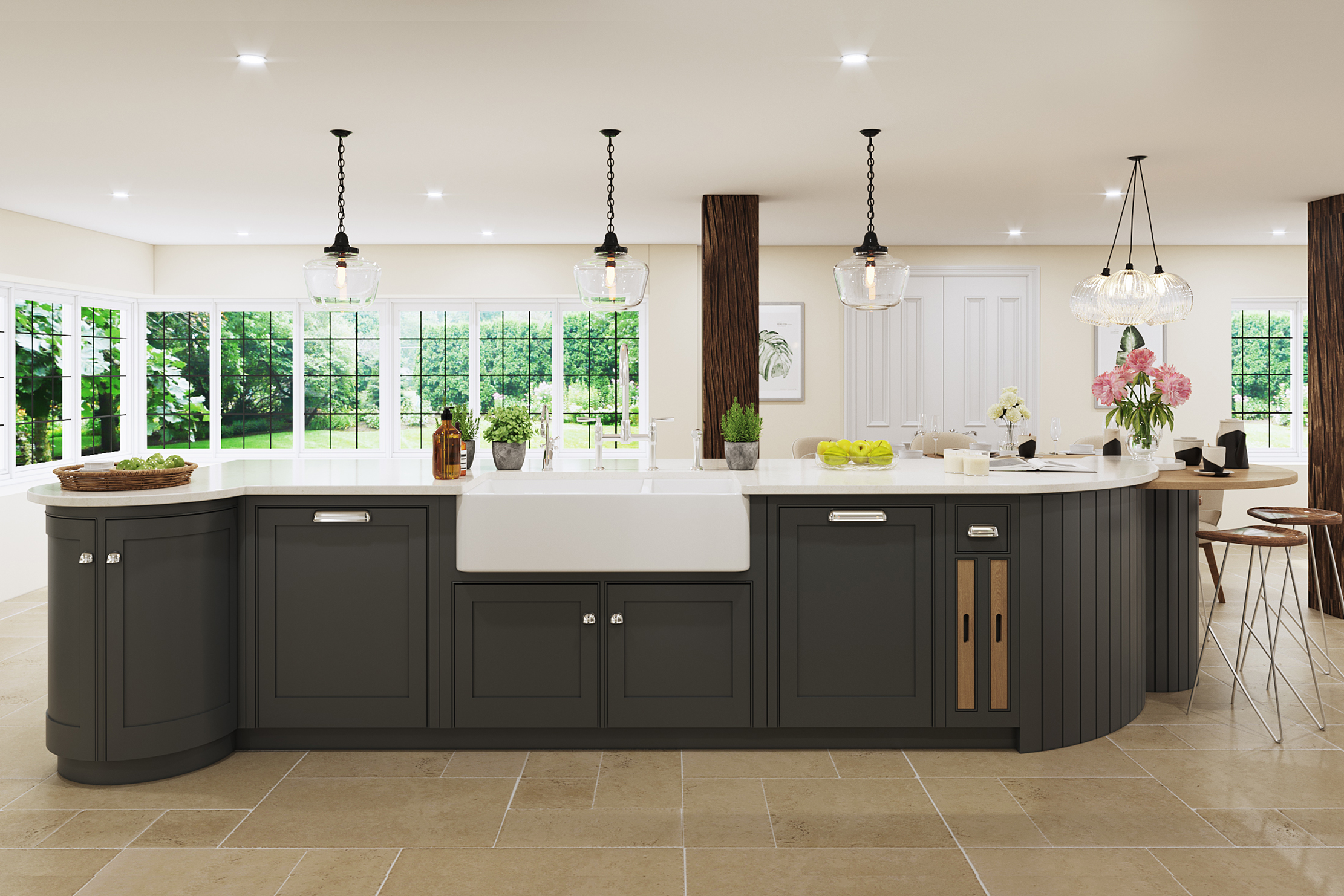
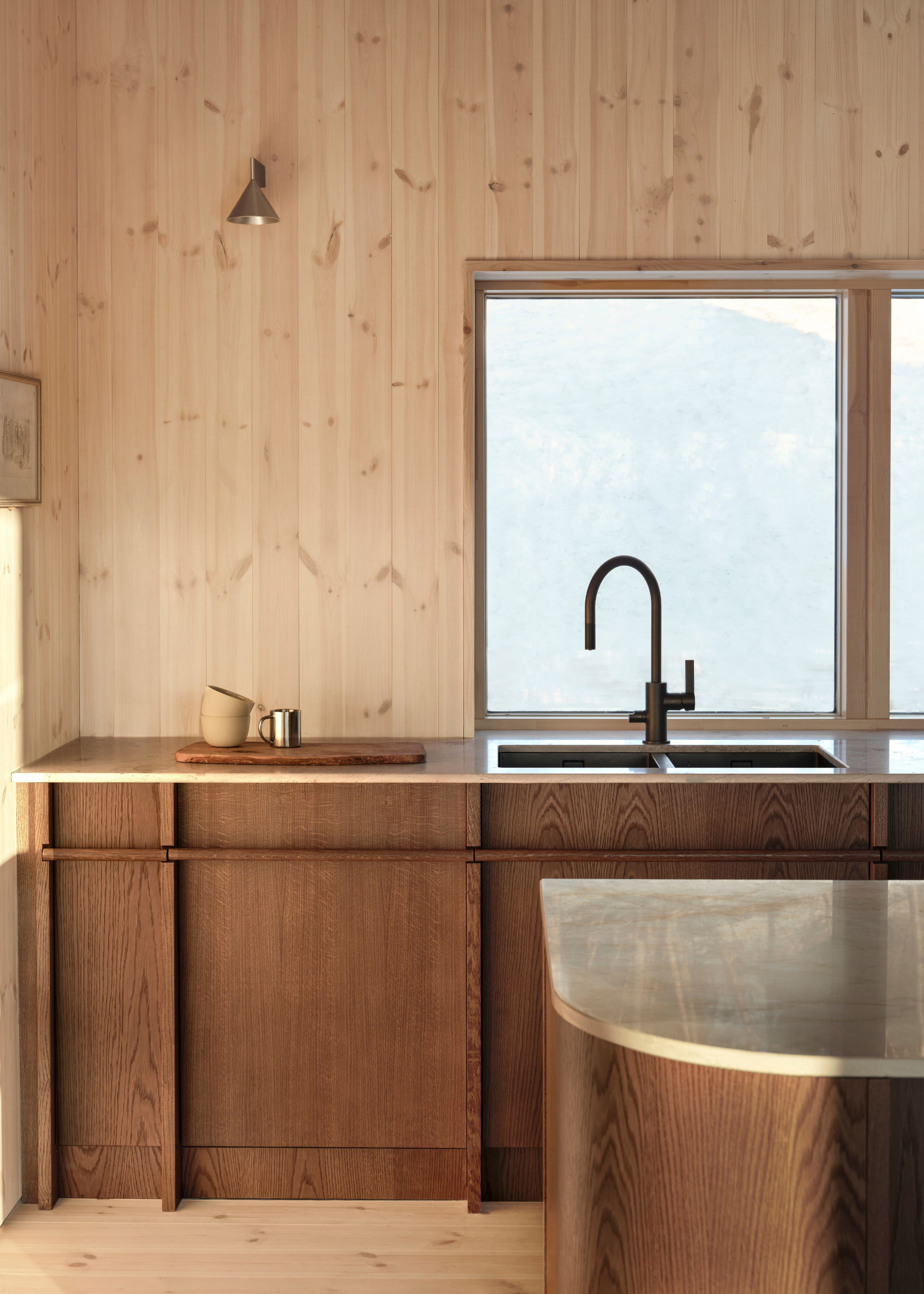
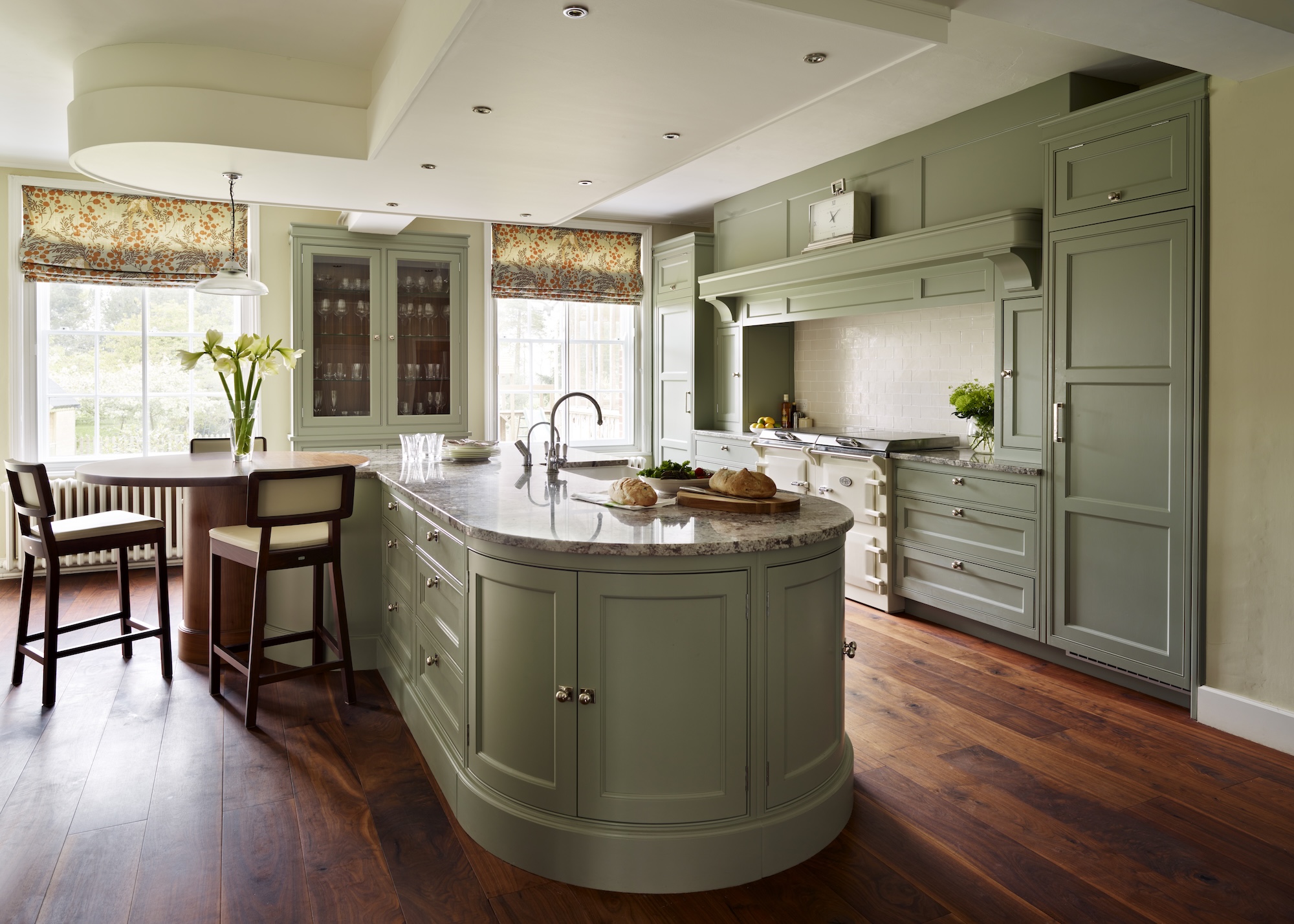
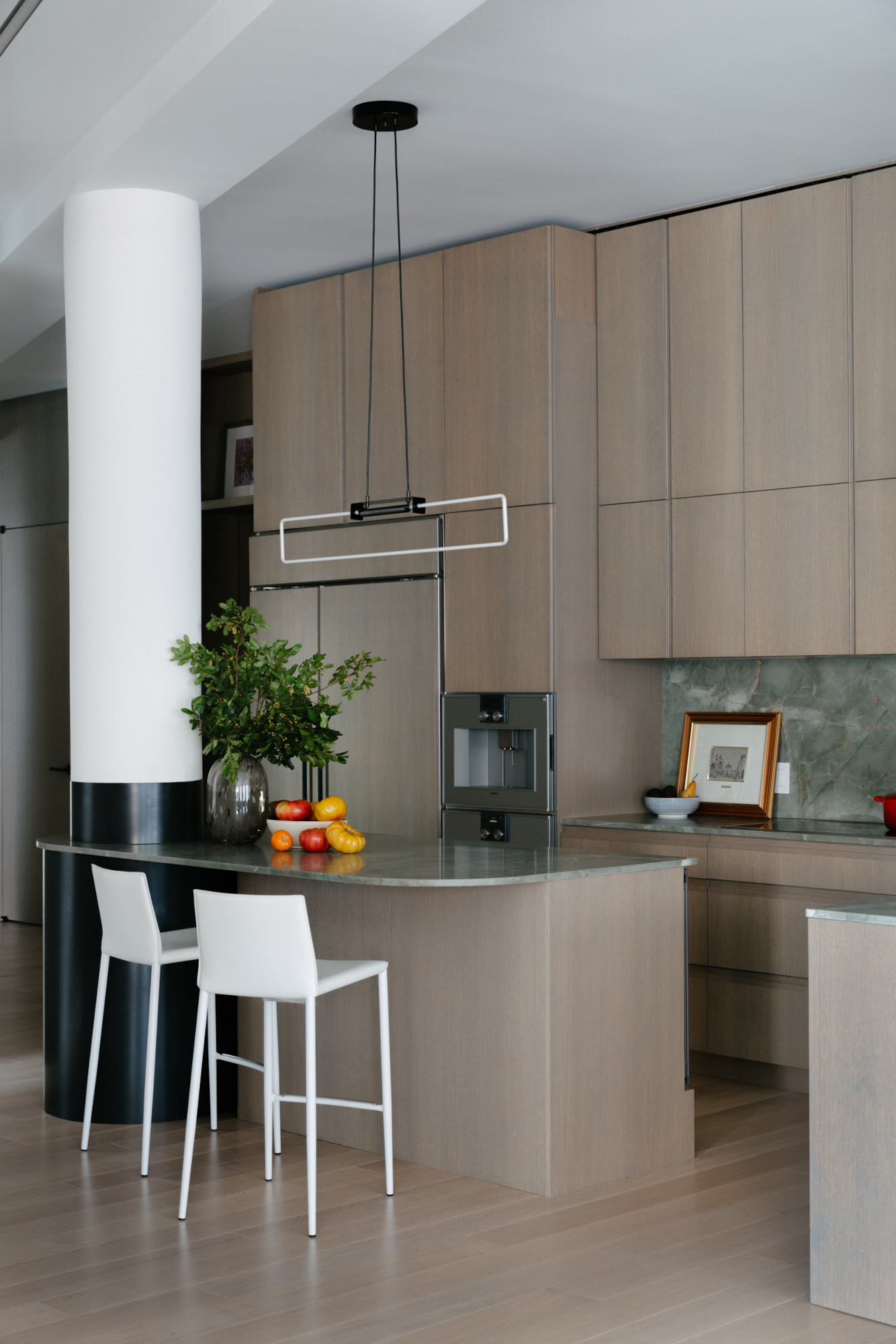
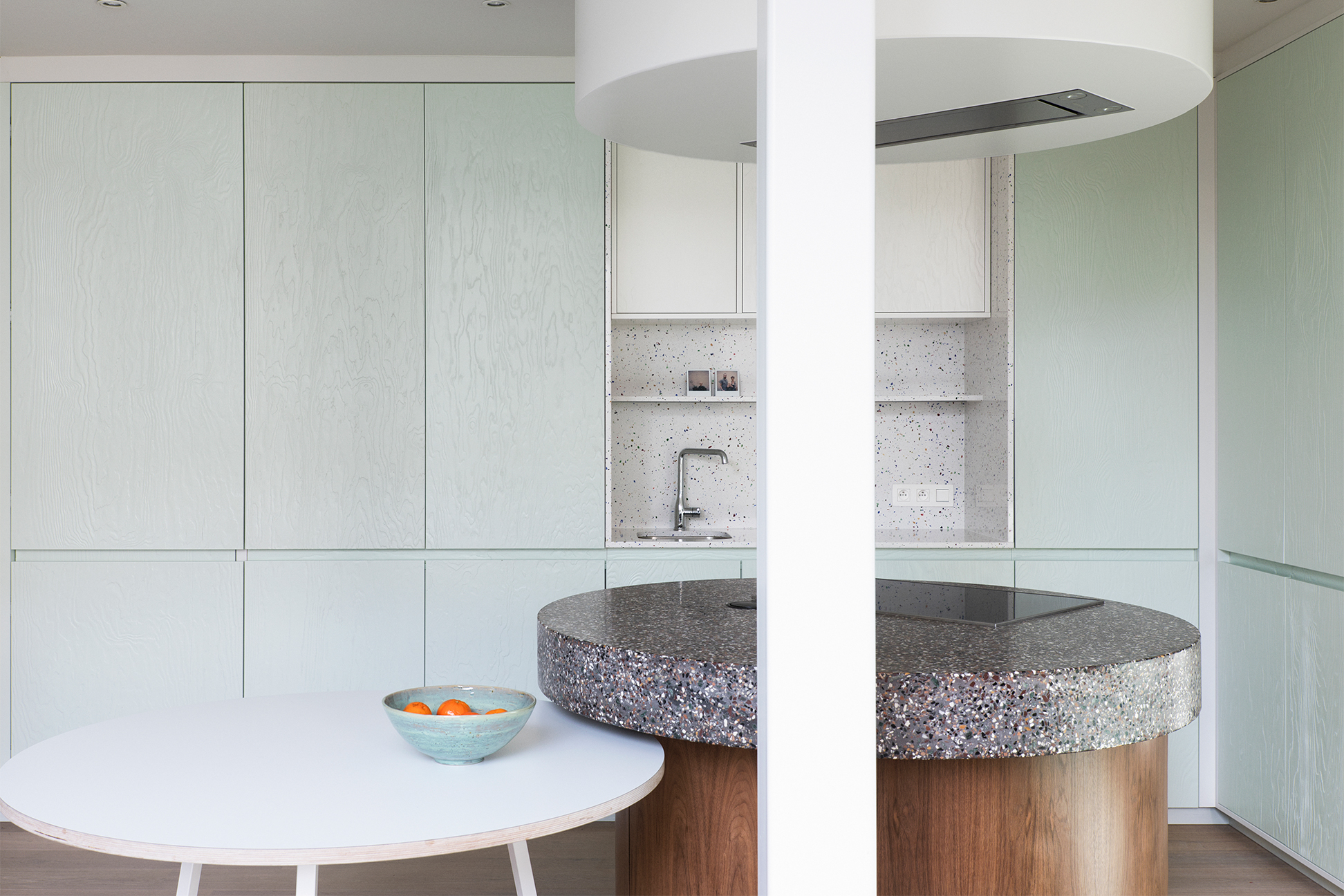
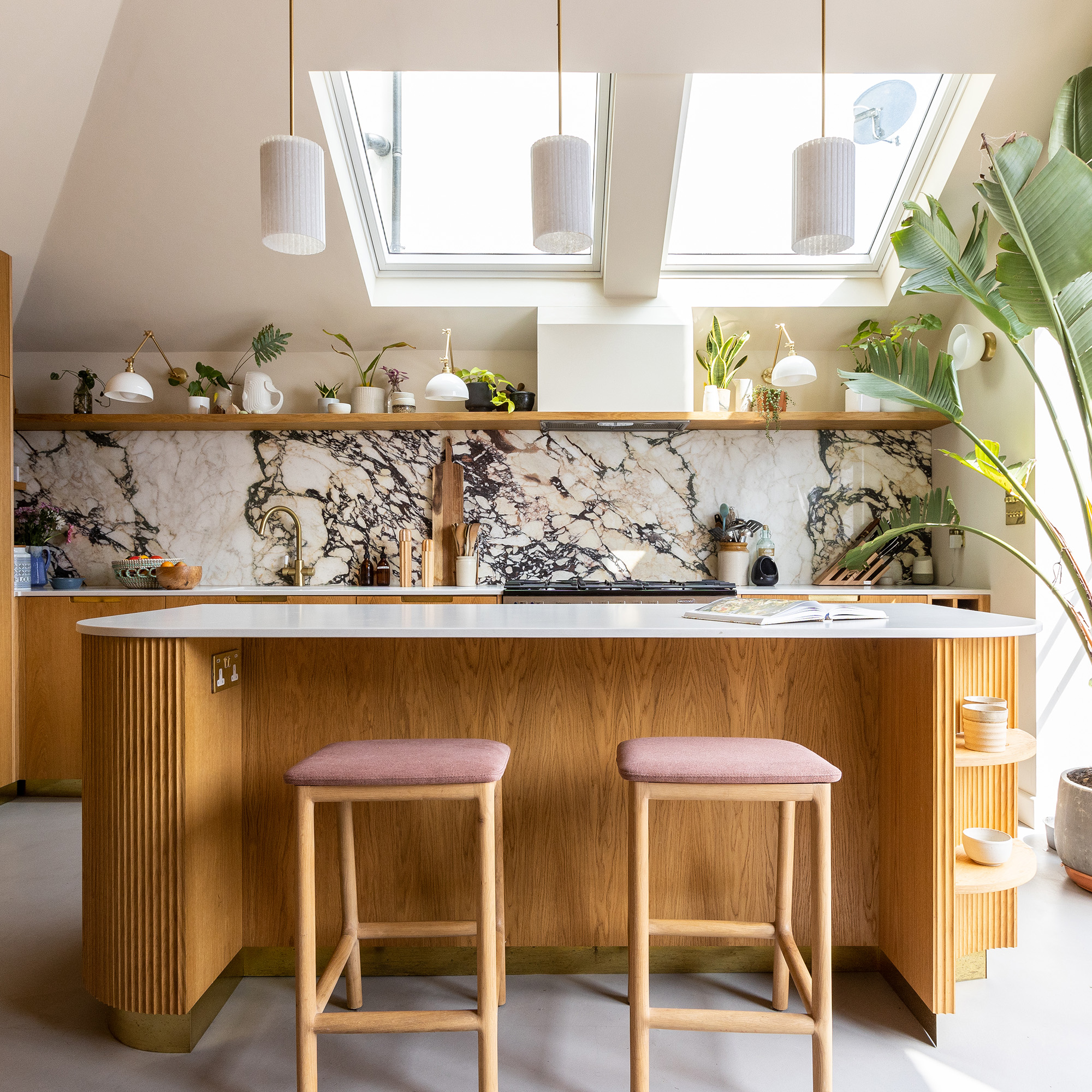
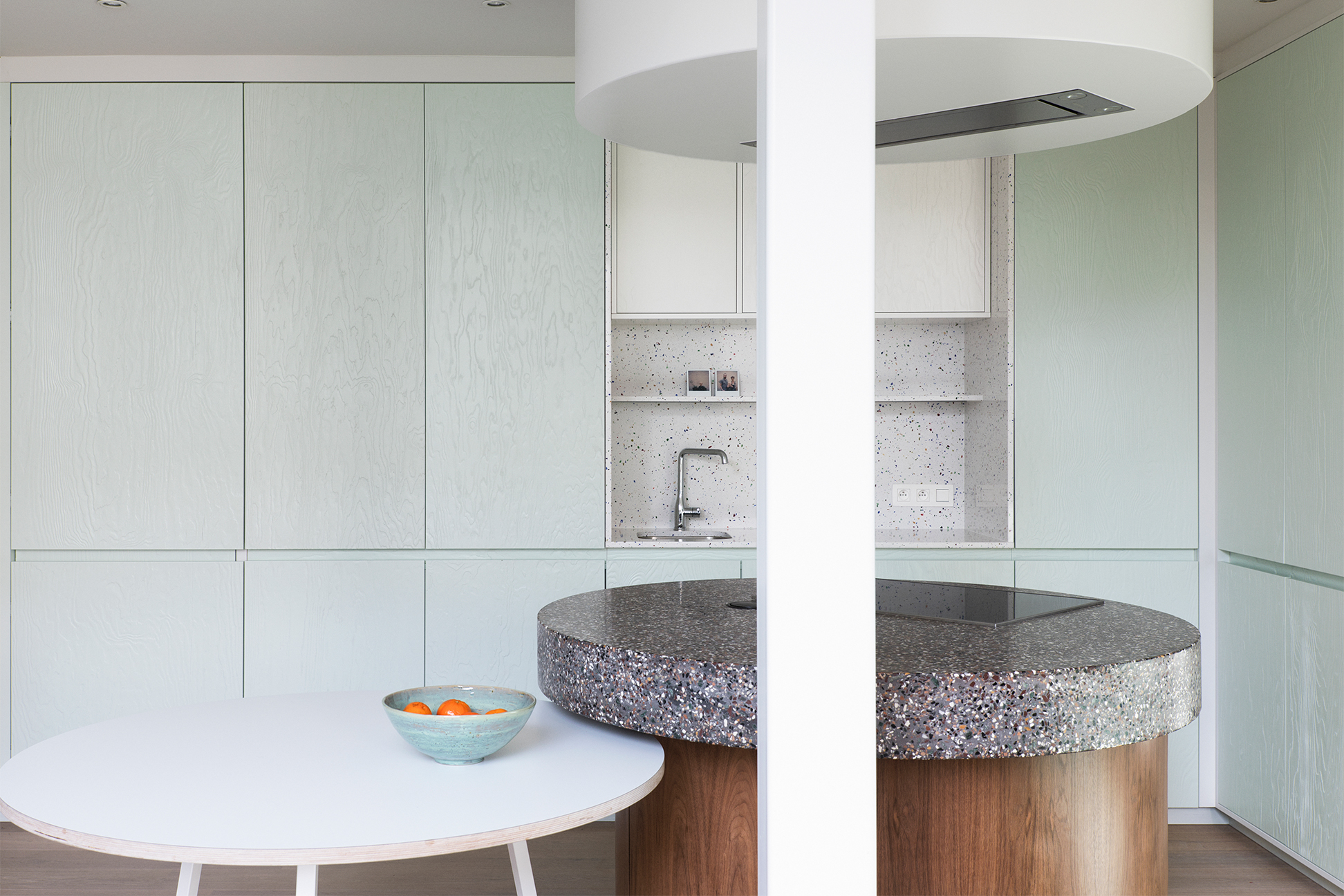
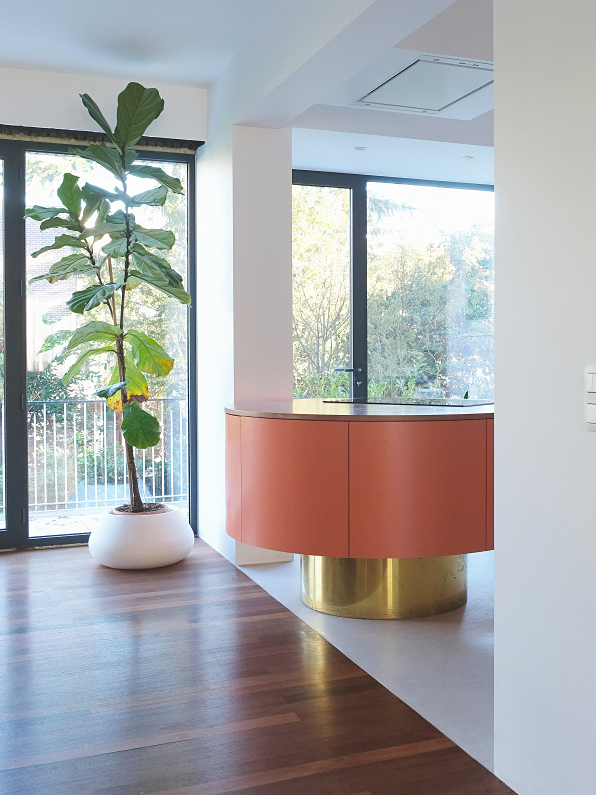
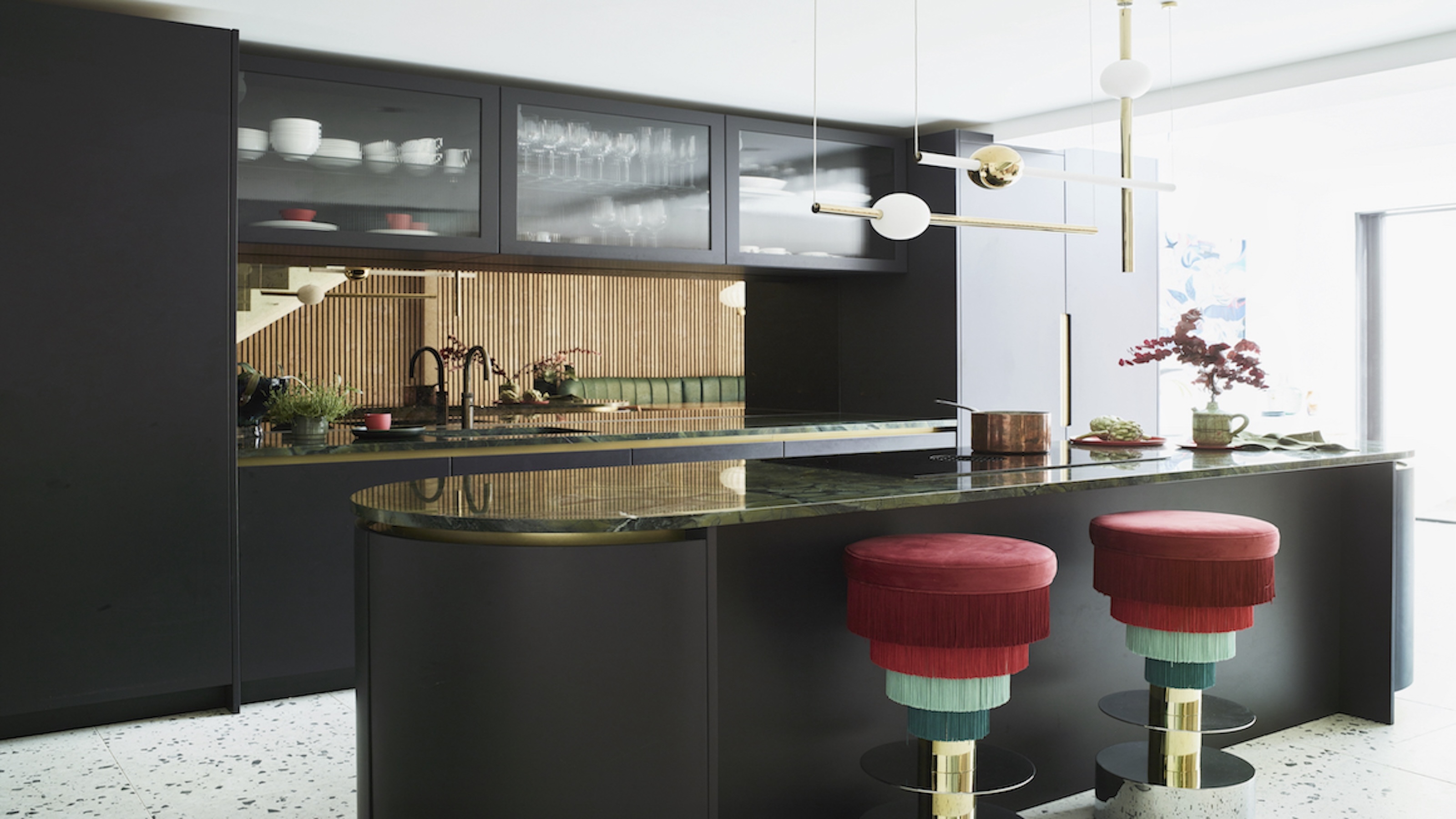
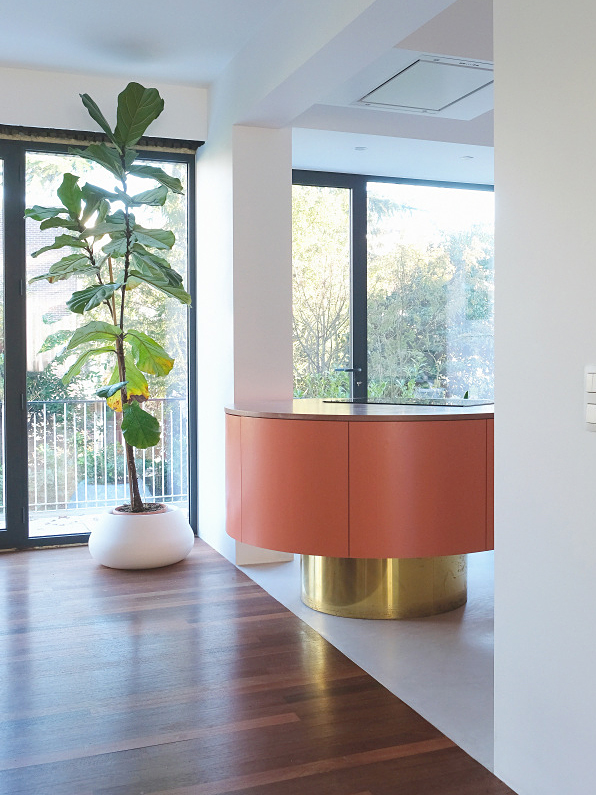
Another trend involves embracing rounded and sweeping lines, moving away from sharp, rectilinear islands. Shehryar Khan, director of Sheraton Interiors, explains that curves soften a space and are particularly inviting for socializing. They are also safer, reducing the risk of accidental bumps. Jane Powell adds that shaped islands, such as L-shaped or deeply curved designs, can effectively zone open-plan rooms, clearly delineating cooking and relaxing areas.
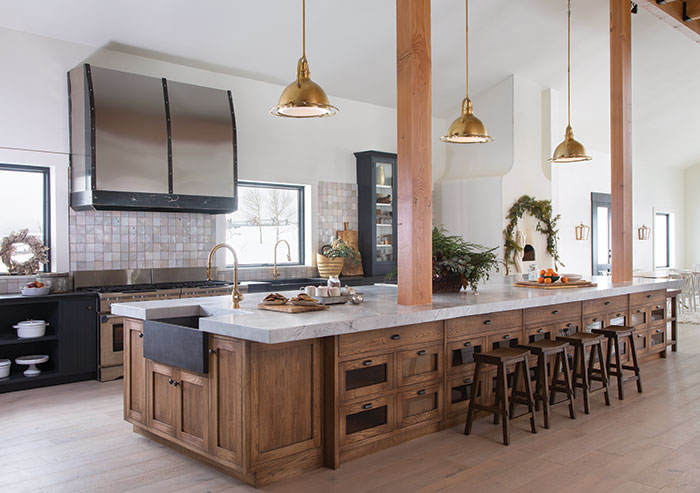
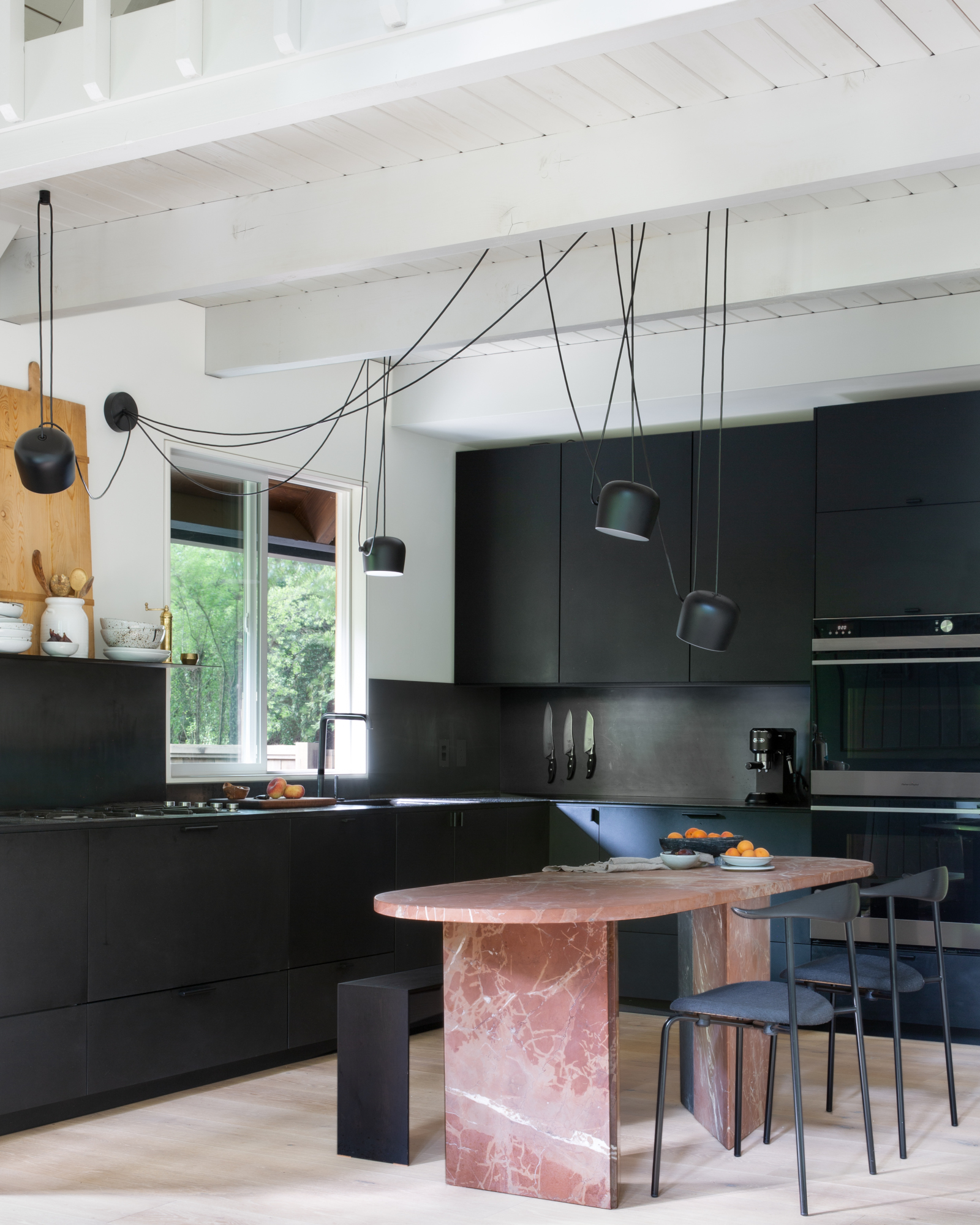
For a more sociable arrangement, an asymmetrical design that connects in an inventive way is recommended over a linear breakfast bar. Richard Moore, design director at Martin Moore, highlights how a rounded bar can create a more convivial atmosphere, allowing guests to face each other for comfortable conversation, rather than sitting in a straight line.
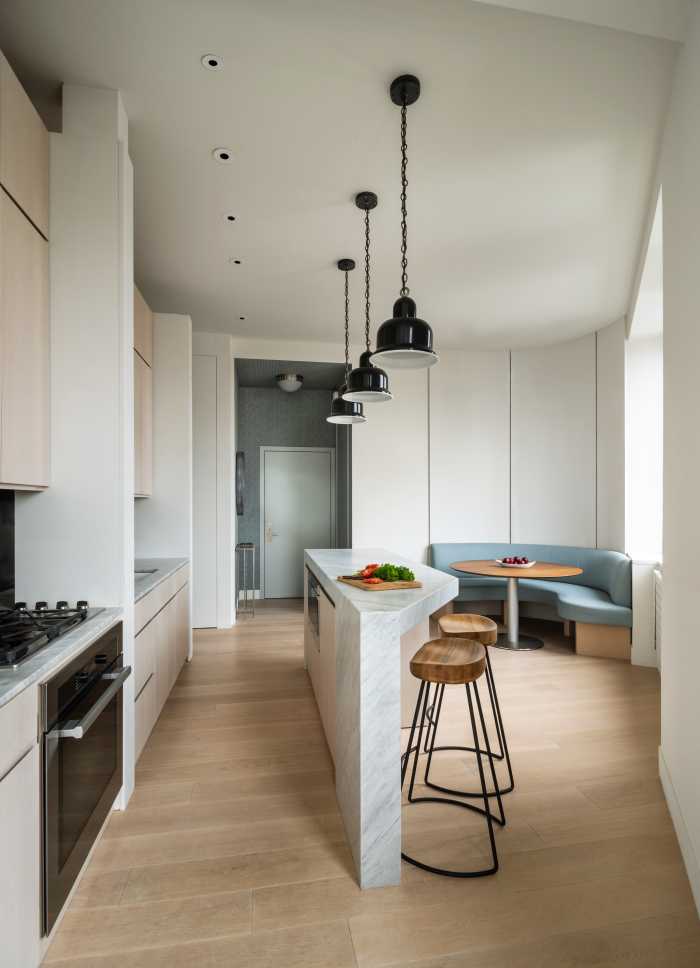
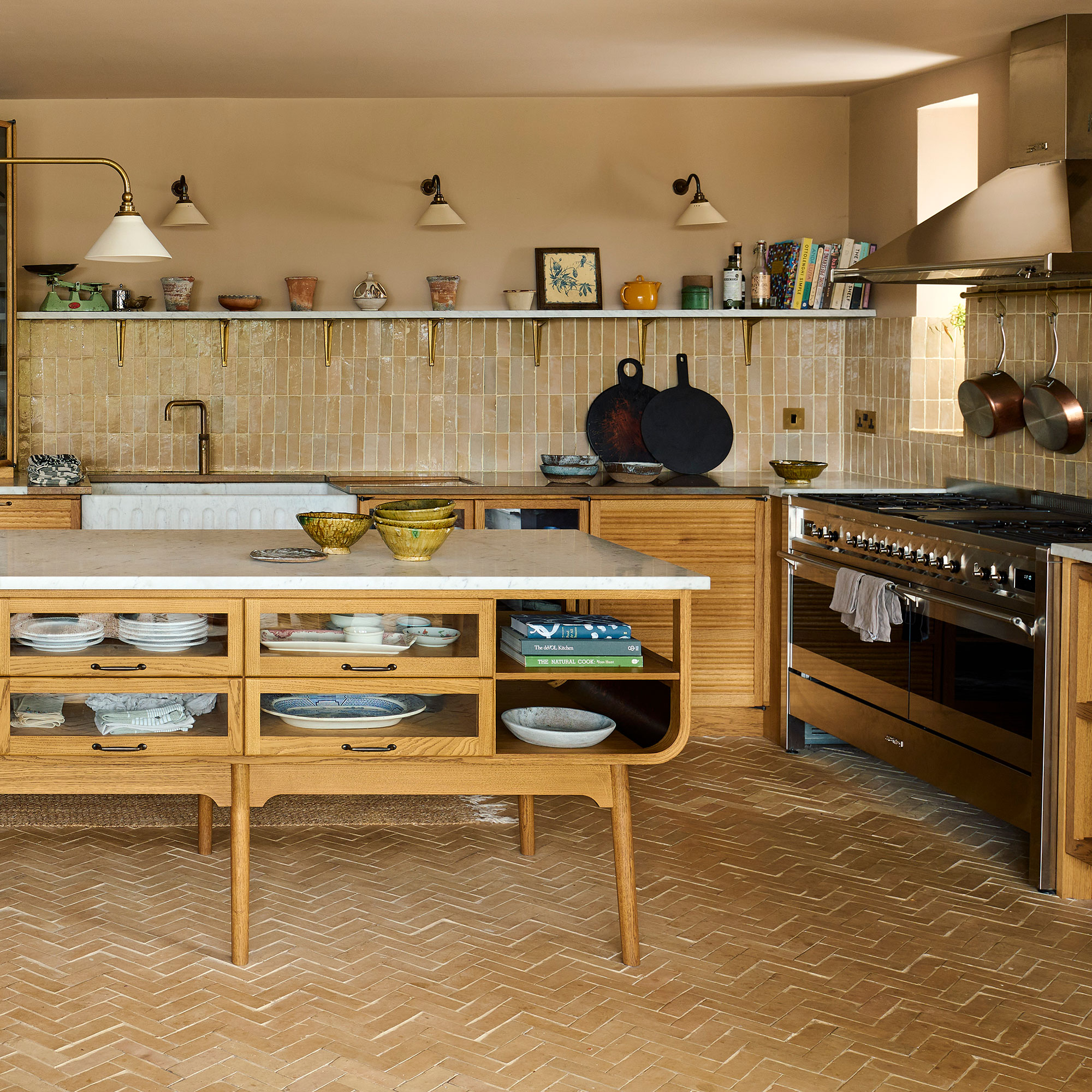
Finally, designers are taking cues from furniture design to create islands that feel less monolithic. Andrew Griffiths, founder of A New Day, designed a slimline, freestanding steel-framed island with raised legs. This approach makes the island appear more like a piece of furniture, yet it still provides storage and counter space. Features like reeded glass sliding doors contribute to a sense of lightness. Elevating an island off the floor enhances light flow, and a more compact, lightweight shape is ideal for small or narrow kitchen spaces, providing character through its elevated structure and elegant details.
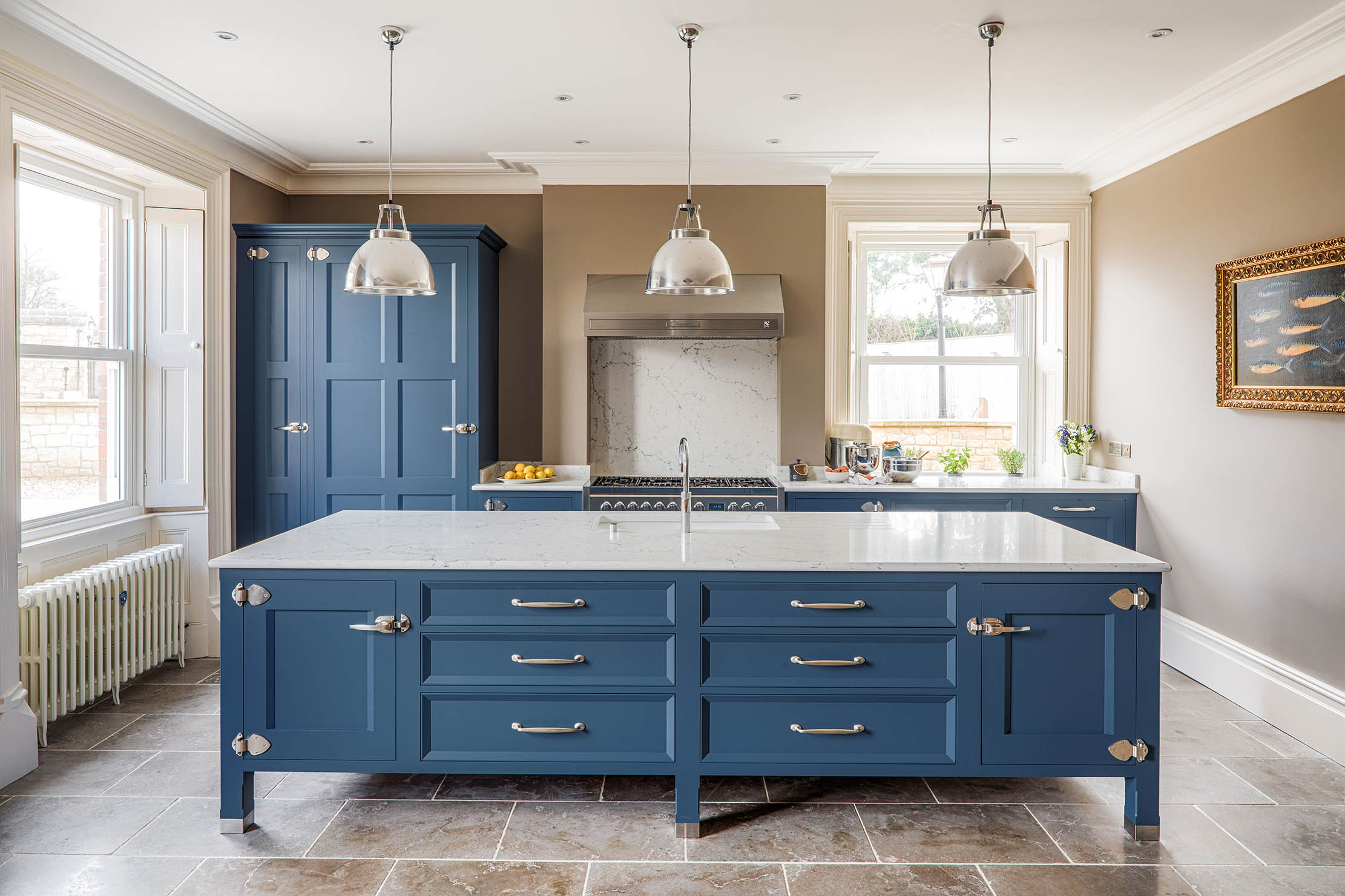
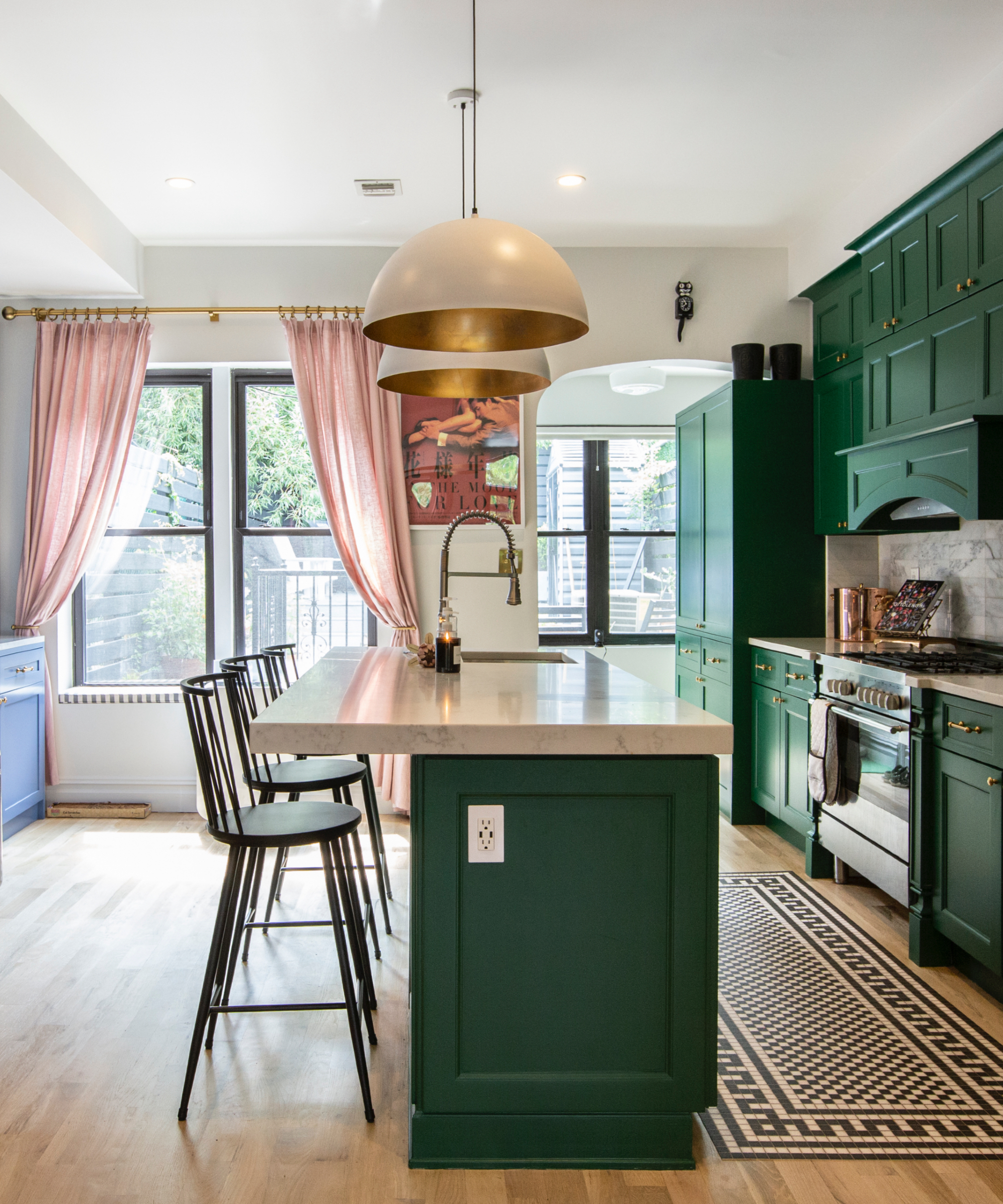
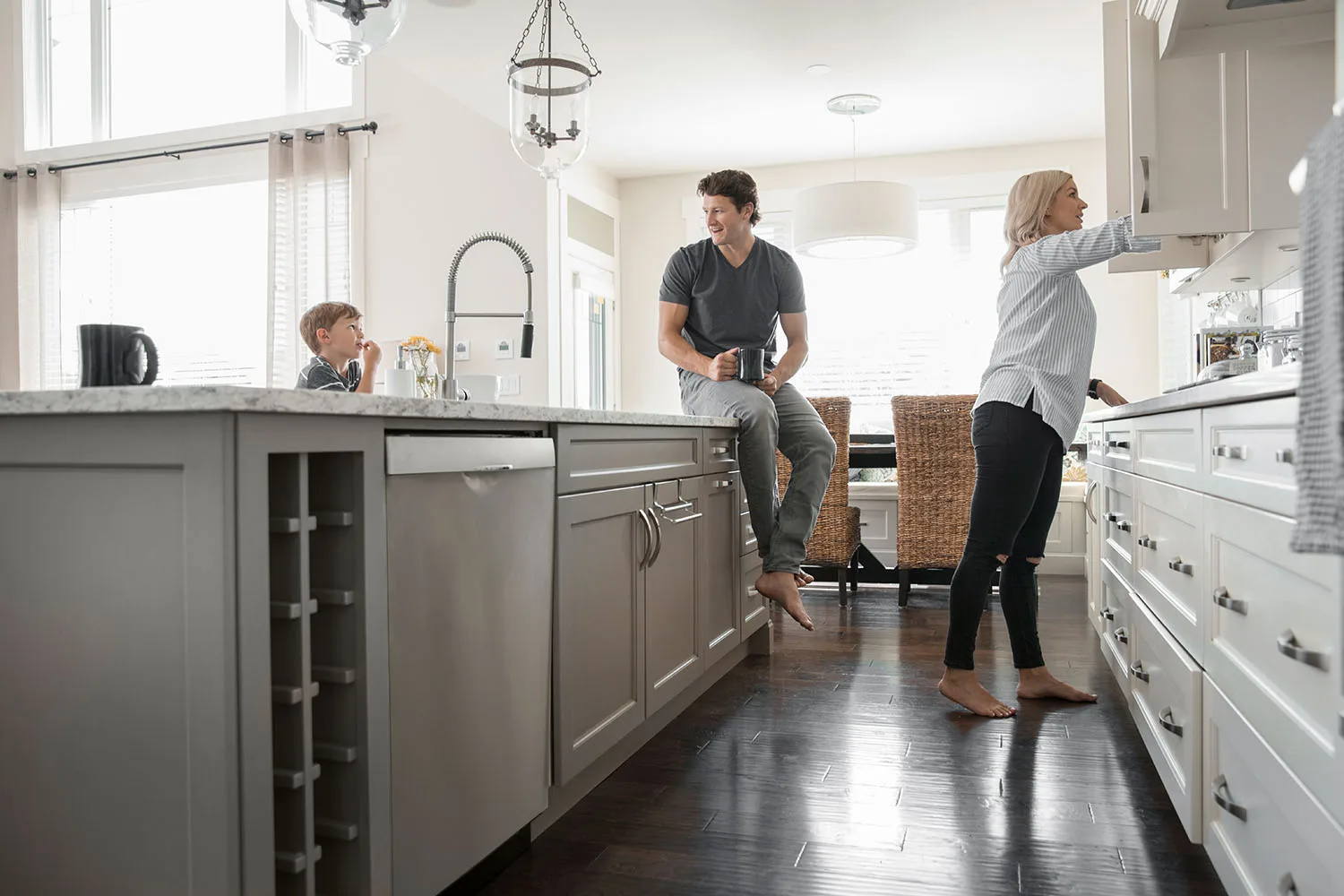
Ultimately, a kitchen island does not need to be rectangular. While rectangular islands remain popular and versatile, creative and unusual options abound. Round islands can balance the harsh lines often found in kitchens, though their size needs careful consideration to avoid becoming an obstruction. Regardless of the shape, ensuring accessibility to all surfaces for cleaning is a practical concern. Unique island shapes offer dramatic style and dynamic character, and beyond aesthetics, they can also improve organization and functionality, transforming the island into a hardworking and multipurpose hub within the home.
#KitchenDesign #KitchenIslands #InteriorDesignTrends #ModernKitchens #KitchenLayout #HomeDecor #DesignInnovation #SociableKitchens #FurnitureInspiredDesign #KitchenDesign #KitchenIslands #InteriorDesignTrends #ModernKitchens #KitchenLayout #HomeDecor #DesignInnovation #SociableKitchens #FurnitureInspiredDesign
0 comment in total
 No comments yet
You may also like
Four trending ways to reimagine kitchen islands
Four beautiful kitchen islands which push the boundaries of what can be done


Futuristic Kitchen Islands
This Kitchen Island’s Shape Is All-Around Gorgeous

Four Ways to Reimagine the Kitchen Island
Kitchen island makeover ideas – 10 nifty ways to update this key space

Kitchen island trends – 8 shapes, materials and finishes designers are choosing for elevated spaces

Kitchen island design - 7 Nov 2024 - Homebuilding & Renovating Magazine

5 Showstopping Kitchen Island Looks That Will Redefine Your Cook Space
11 Kitchen Island Décor Ideas That Make the Whole Room Look Better, According to Designers
10 Ways to Make a Statement With Curved Kitchen Islands

10 incredible split-level kitchen islands that prove this design trend is the best way to have it all
24 Kitchen Island Ideas That Add Function and Style to Your Cooking Space
37 stunning kitchen island ideas to transform any space into a dream kitchen

Kitchen island trends – 8 shapes, materials and finishes designers are choosing for elevated spaces
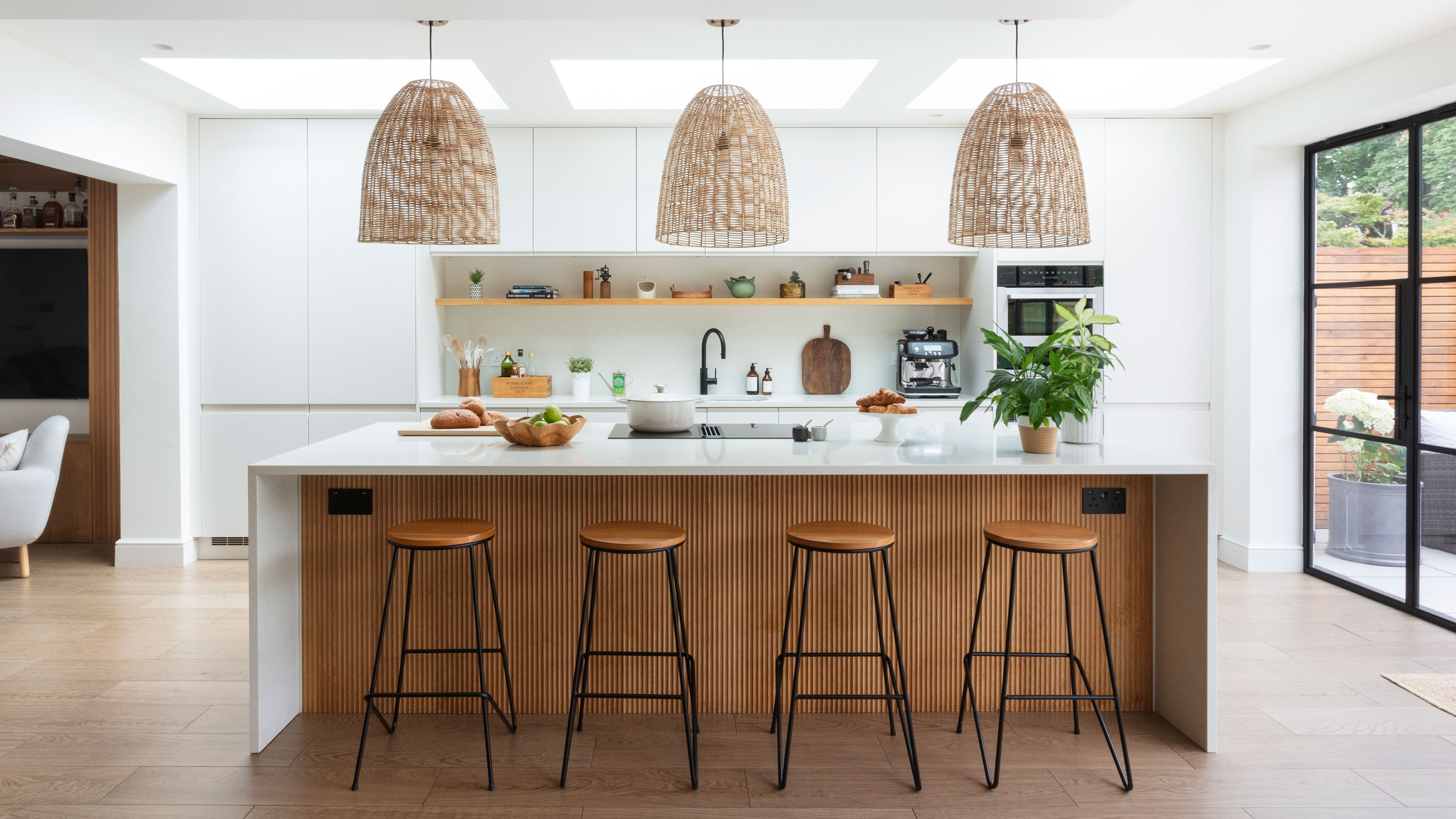
The kitchen island trends dominating 2025 - the liveable looks we predict will become new classics
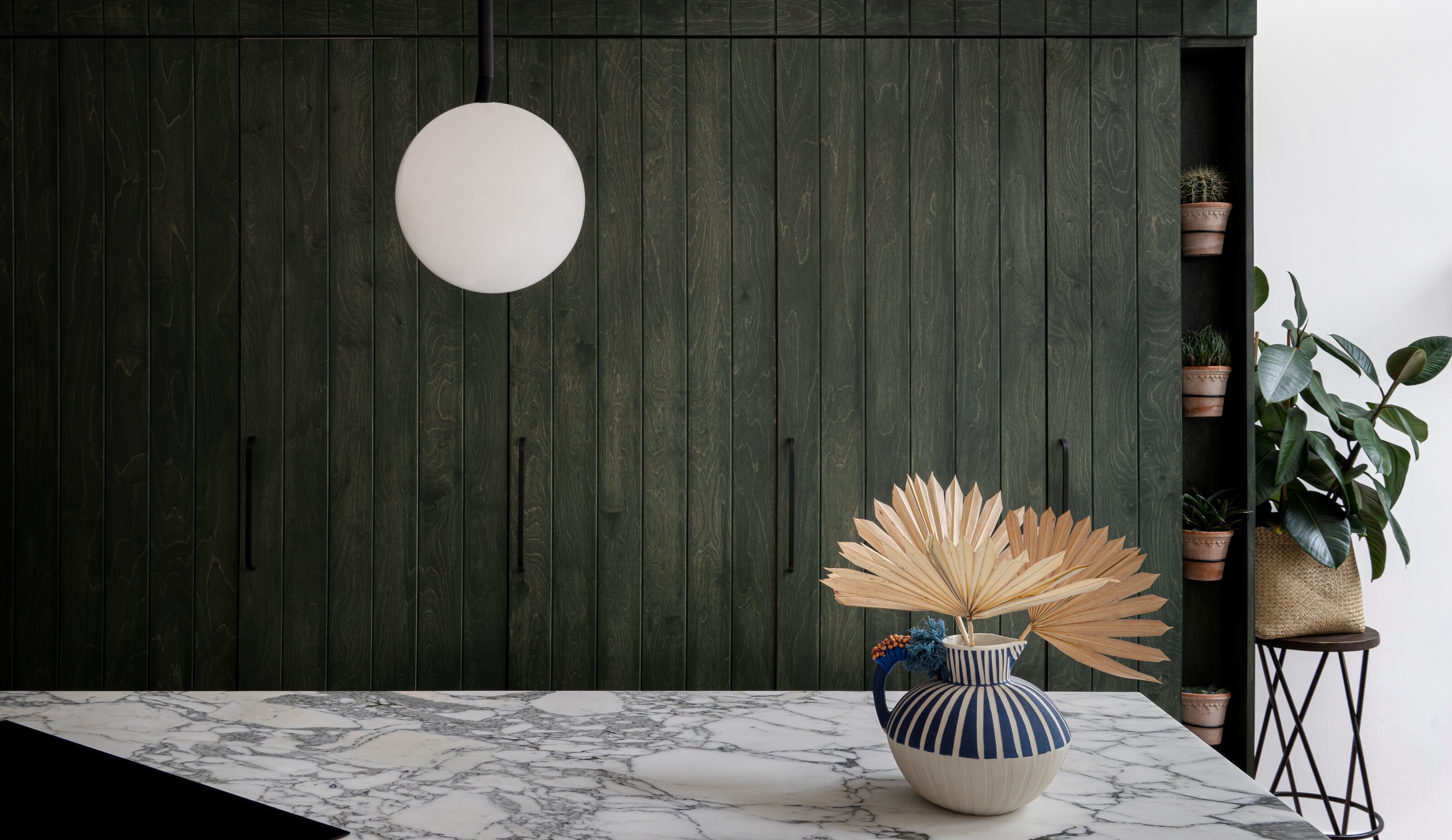
"It's a Game Changer" — This Kitchen's Uniquely-Shaped Island Completely Shifts the Space's Feel for the Better
Inspiration and ideas for a kitchen island that delivers big wow factor

10 inspiring kitchen island design ideas

This Kitchen Island’s Shape Is All-Around Gorgeous