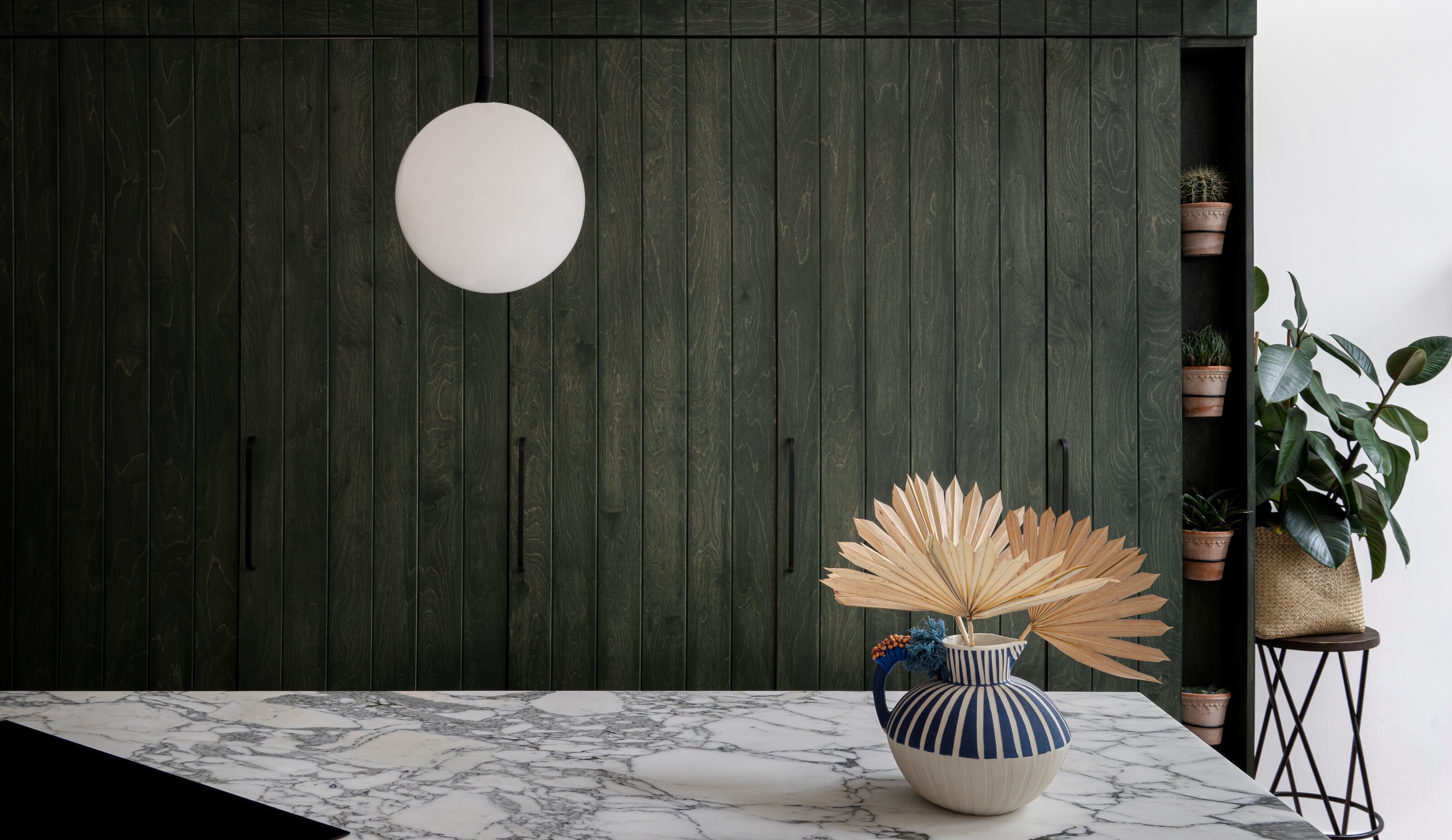
1/5
"It's a Game Changer" — This Kitchen's Uniquely-Shaped Island Completely Shifts the Space's Feel for the Better
This article discusses a contemporary kitchen design that deviates from the popular trend of curves and arches, instead embracing sharp angles and a unique 'chopped' kitchen island. This design approach, implemented by Merrett Houmøller Architects for a young family who later formed their own design studio, One Small Studio, aims to optimize space and create visual interest within a smaller area.
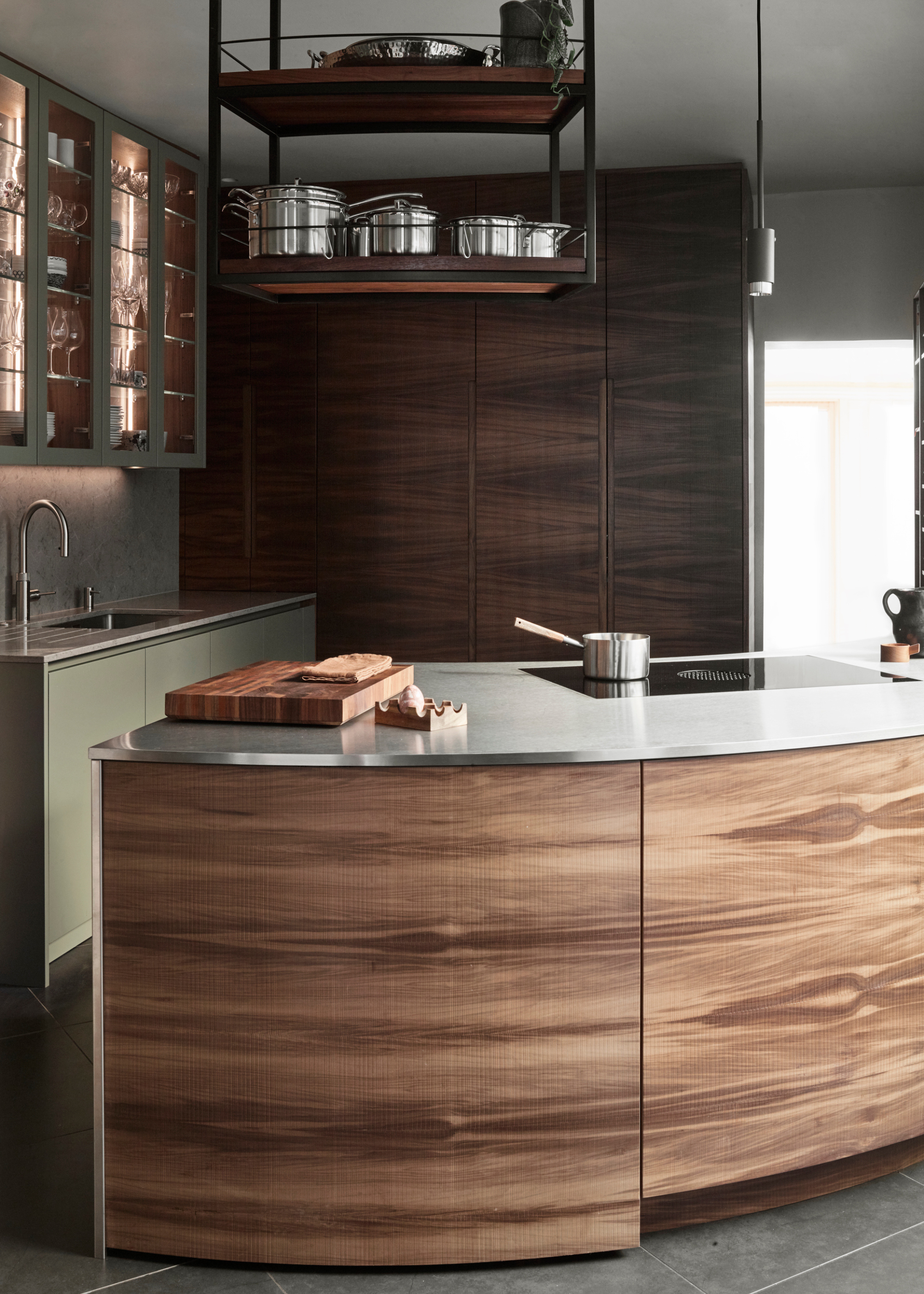
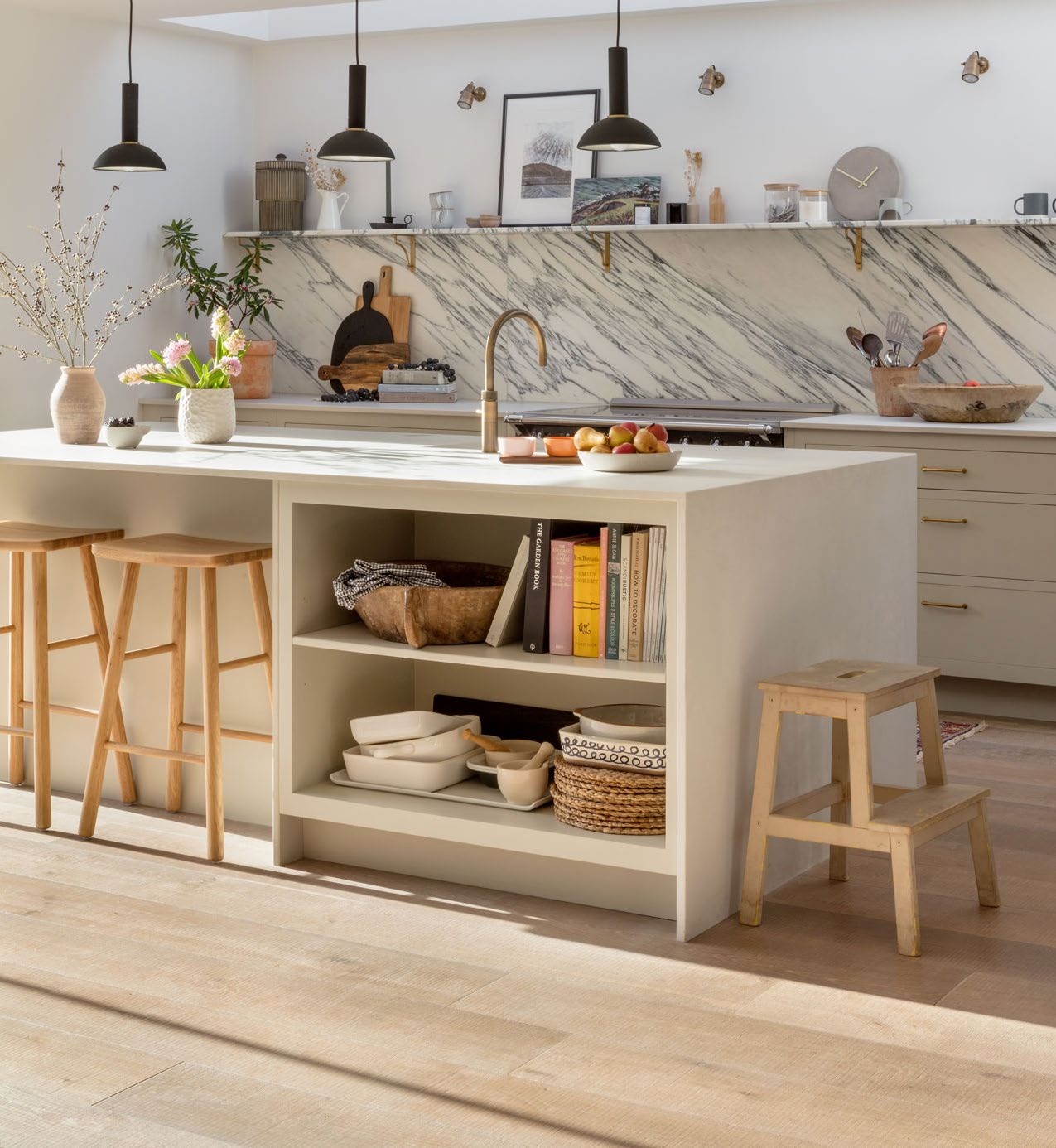
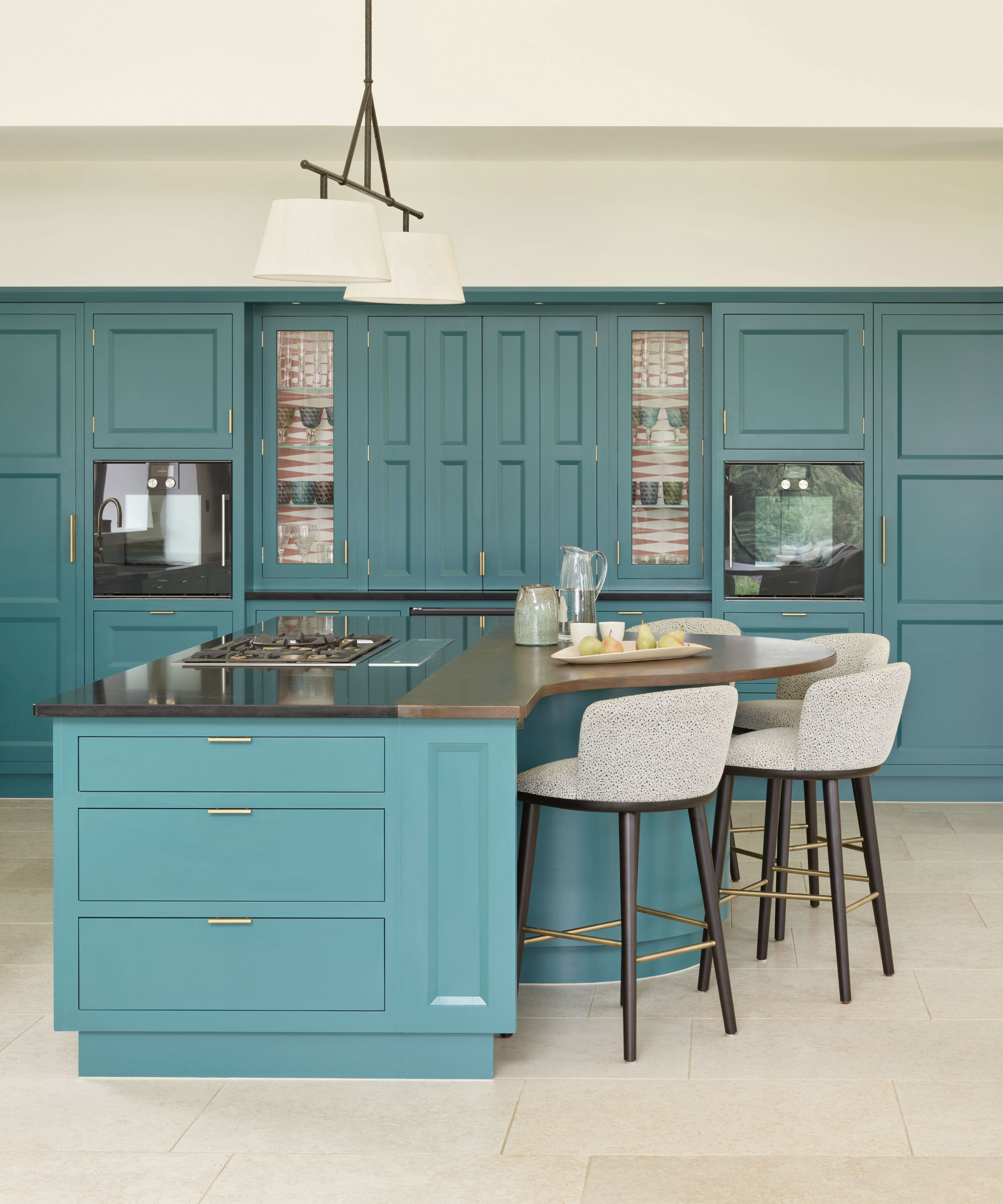
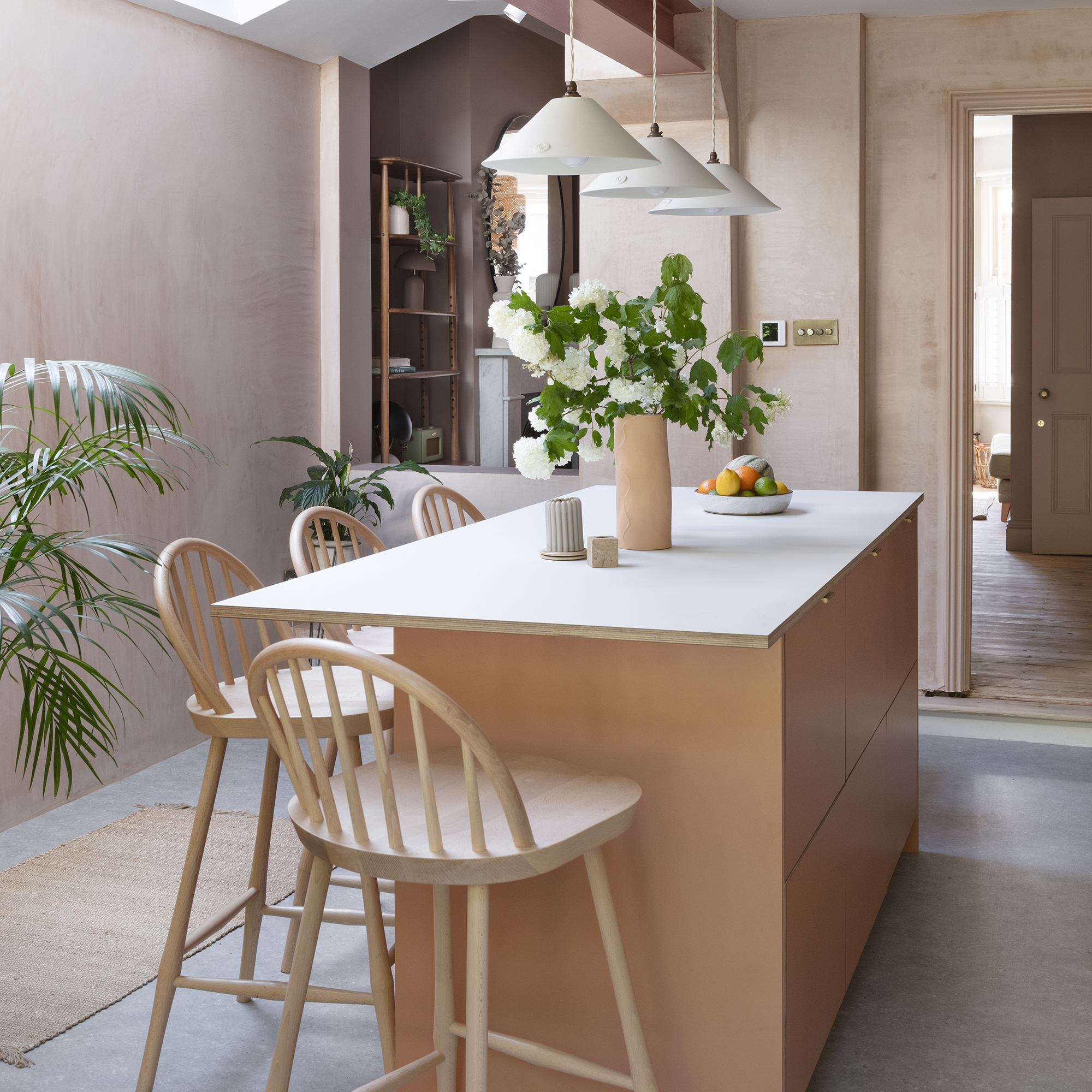
The central feature of this kitchen is the 'chopped kitchen island,' where a corner of the island is removed to create an angular, typically triangular shape. This modification reduces the island's footprint while maintaining its functional benefits, making it suitable for smaller kitchens. Robert Houmøller, founder of Merrett Houmøller Architects, explains that while curves are not obsolete, they can be costly to construct and may lead to awkward spatial arrangements. The angular island in this project creates two distinct pathways, enhances visual appeal, and provides the desired kitchen island functionality within limited dimensions.
The design rationale for the island's form is directly linked to the extension of the home, strategically maximizing usable kitchen space and optimizing natural light and airflow. This approach resulted in a generous yet uniquely dynamic island that adds a dramatic element to the space. Houmøller emphasizes that good design should be rooted in rationale, allowing for a highly functional island while preserving ample circulation around it.
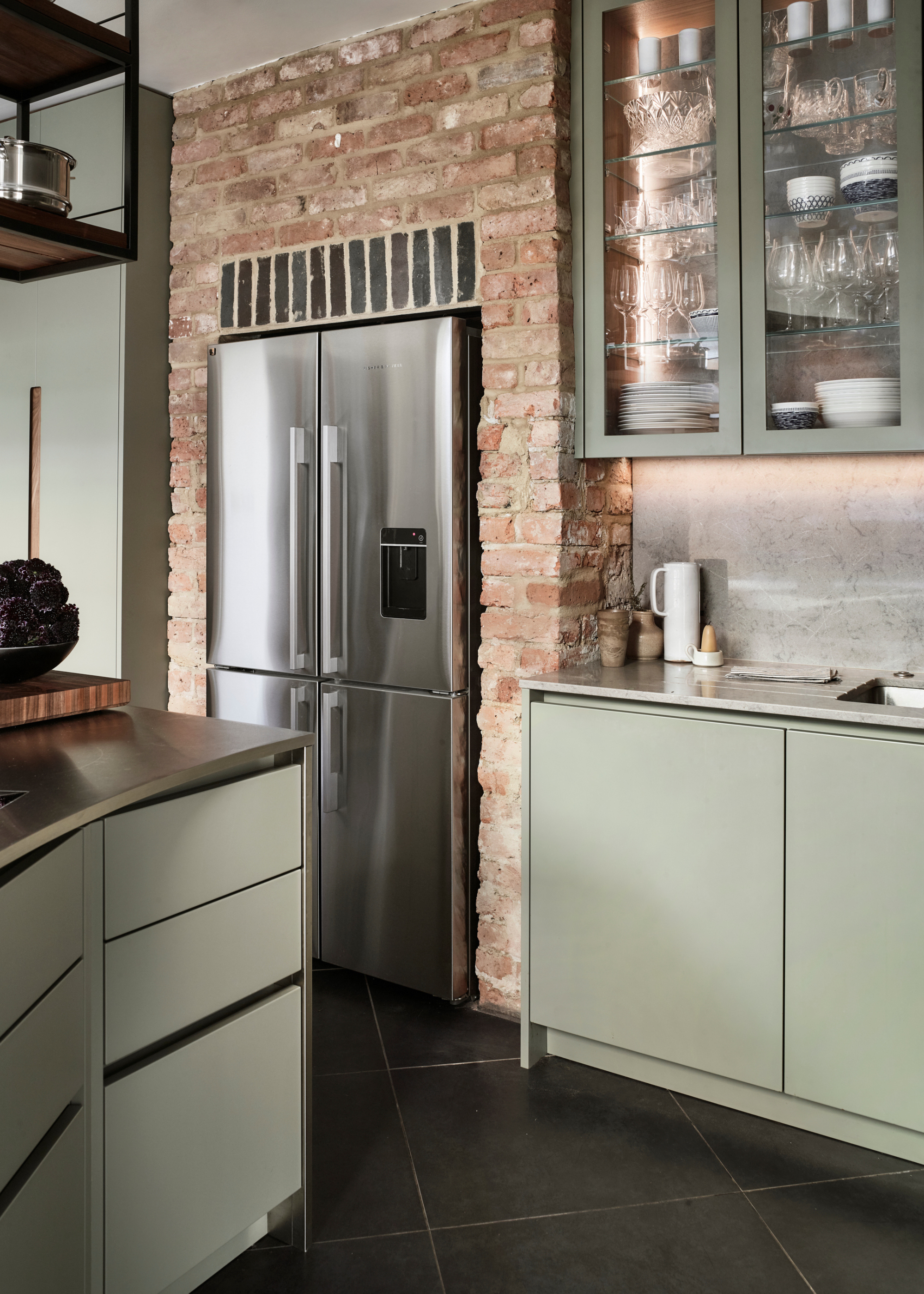
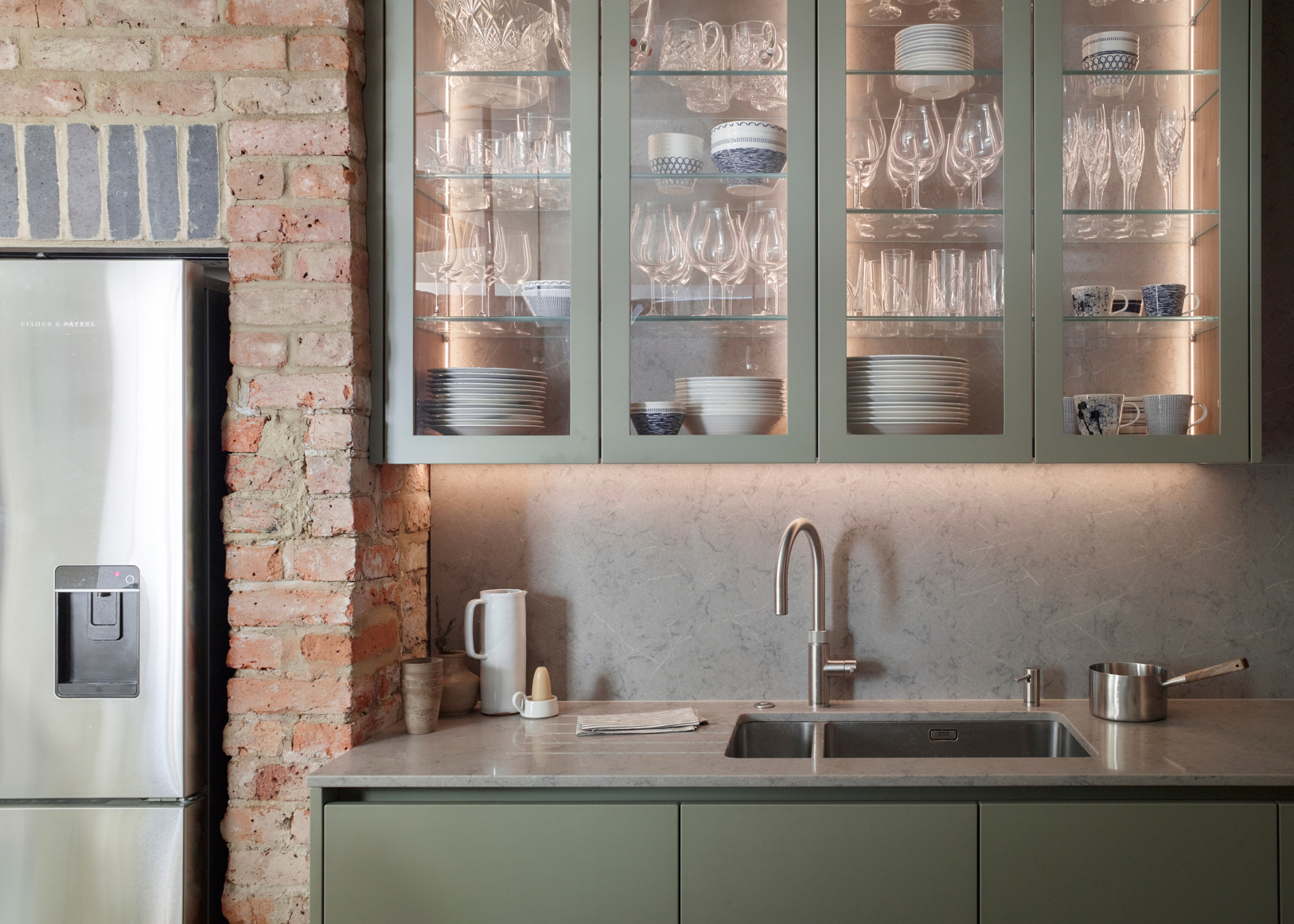
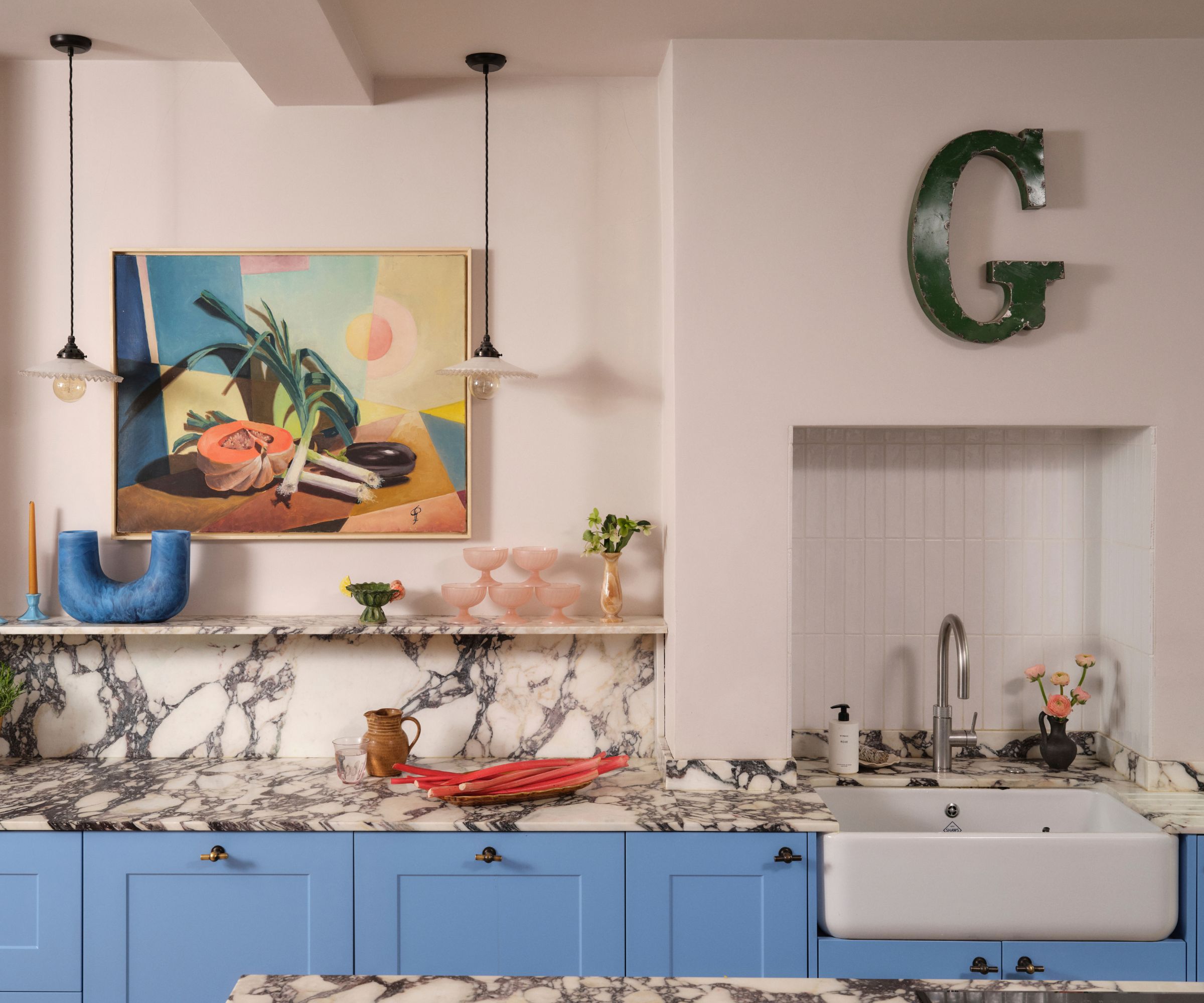
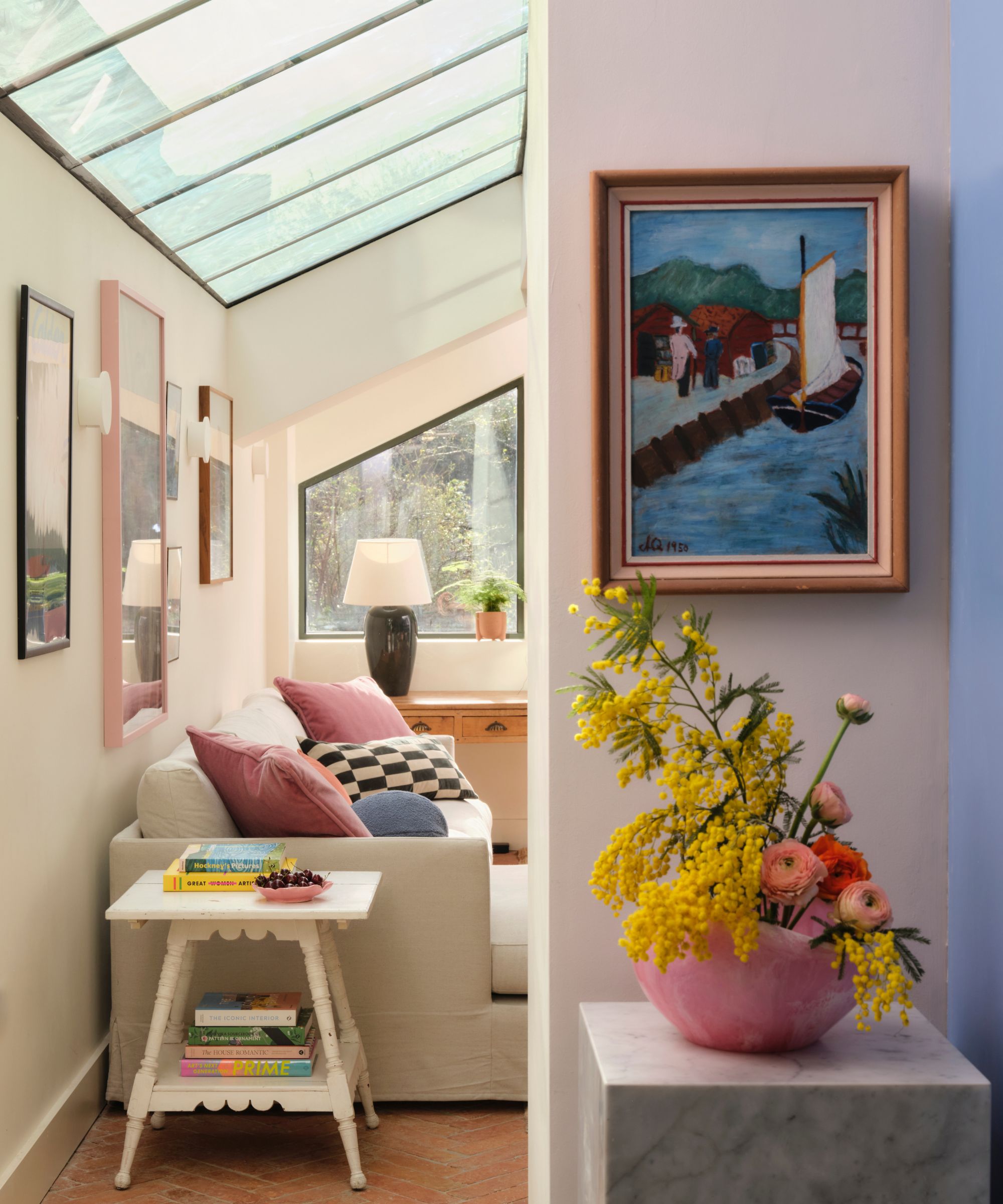
Material selection plays a crucial role in harmonizing the angular design with warmth and texture. The kitchen incorporates natural materials such as a marble worktop, reclaimed handmade terracotta floor tiles from Lubelska (aged 80-100 years, originating from Southeast Europe), and fluted timber cabinets. These materials introduce warmth and a connection to nature, preventing the angular space from feeling sterile. The terracotta tiles, available in various creams, ochres, and light pinks, are often finished with wax for a satin look.
The kitchen's color scheme is intentionally subtle, with the warmth primarily derived from the timber and terracotta. This neutral palette allows for flexibility in furnishings and art, enabling the space to adapt to changing fashions and tastes over time. The emphasis on materiality ensures that where color is present, texture is also highlighted. Robert Houmøller also highlights the sustainability aspect of the material choices; timber acts as a carbon sink, and stone and reclaimed tiles require minimal energy for production and can be reused or recycled, reducing landfill waste.
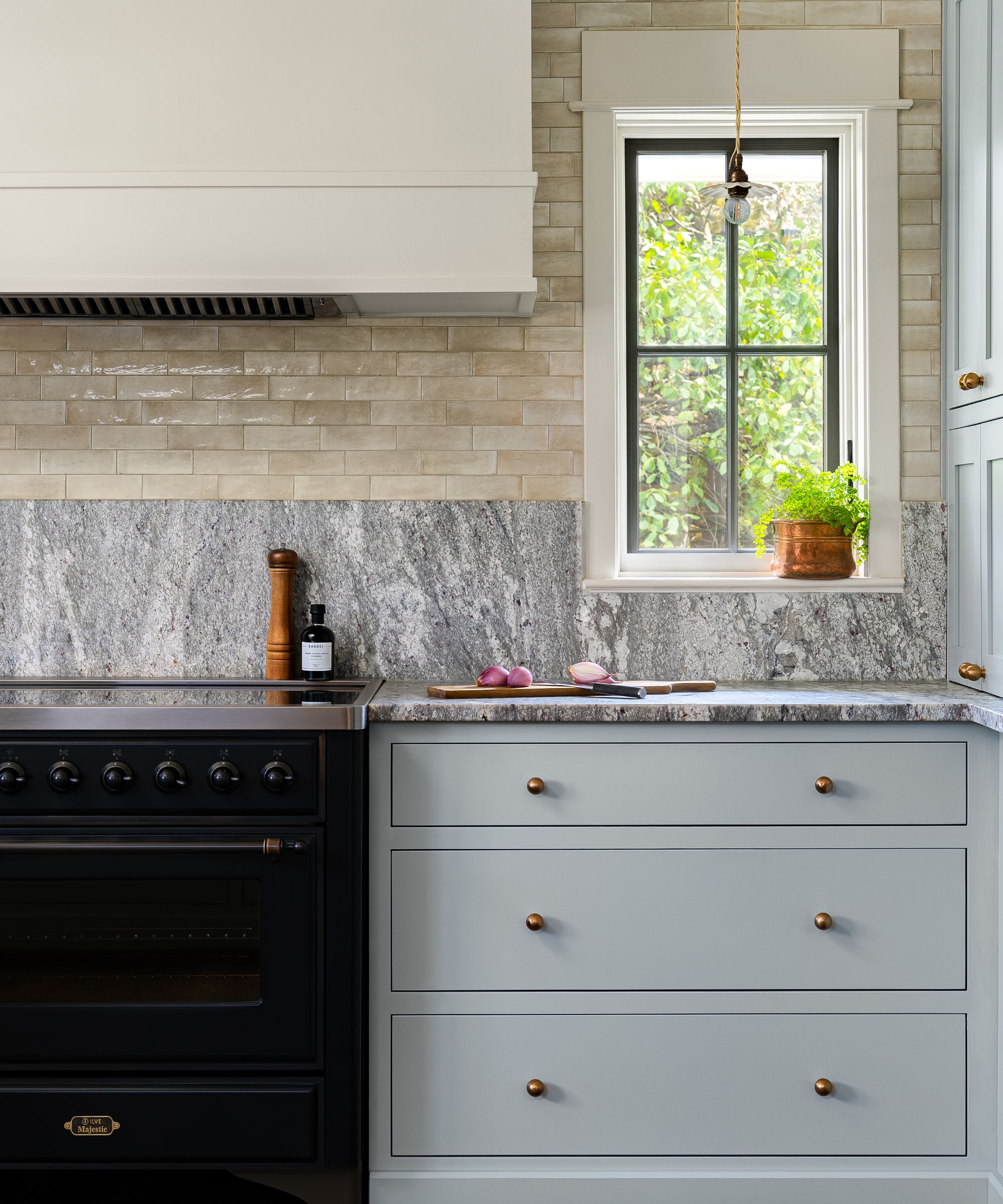
Another design choice that contributes to the minimalist and seamless aesthetic is the absence of a splashback for the countertop against the window. By bringing the sill height down to the worktop level, the design achieves a deeper and more generous worktop, maximizes natural light and views, and reduces visual clutter by minimizing the number of surfaces. This thoughtful integration of angular forms, natural materials, and practical considerations defines the innovative design of this kitchen.
#KitchenDesign #AngularDesign #ChoppedIsland #InteriorArchitecture #SmallSpaceDesign #NaturalMaterials #SustainableDesign #ModernHome #MerrettHoumøllerArchitects #KitchenDesign #AngularDesign #ChoppedIsland #InteriorArchitecture #SmallSpaceDesign #NaturalMaterials #SustainableDesign #ModernHome #MerrettHoumøllerArchitects
0 comment in total
 No comments yet
You may also like
An Unexpected Island Design Made This Small and Awkward Kitchen Work a Million Times Better
Futuristic Kitchen Islands
Four Ways to Reimagine the Kitchen Island
This Kitchen Island’s Shape Is All-Around Gorgeous
Updated Kitchen Tells a New Story

5 Showstopping Kitchen Island Looks That Will Redefine Your Cook Space
This Kitchen Island’s Shape Is All-Around Gorgeous

Can you add an island to an existing kitchen? Yes, but these are the 3 considerations to be aware of
Kitchen island design - 7 Nov 2024 - Homebuilding & Renovating Magazine

The Most Inviting Spot in Your House Might Not Be in the Living Room

Trending now: Trade a big block of cabinets for a freestanding kitchen island

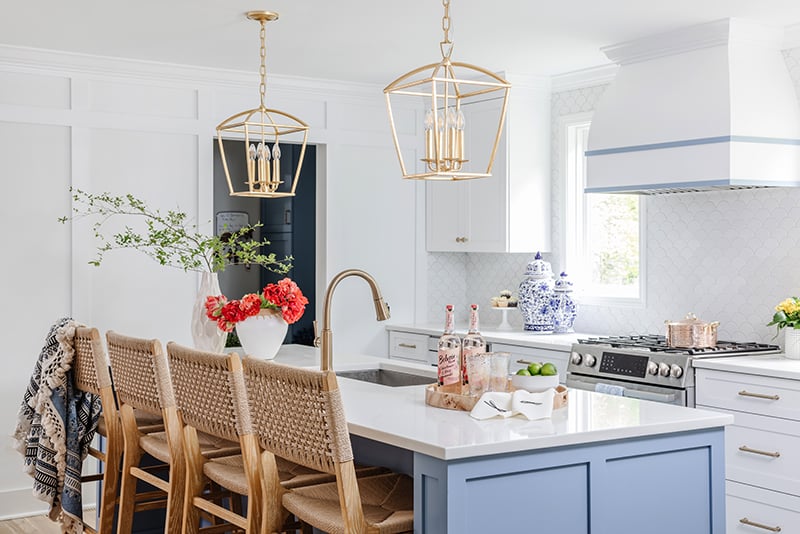
DESIGN: An Open Concept Kitchen Transformation


A Unique Island Feature Is The Star Of This Fixer Upper Kitchen Renovation
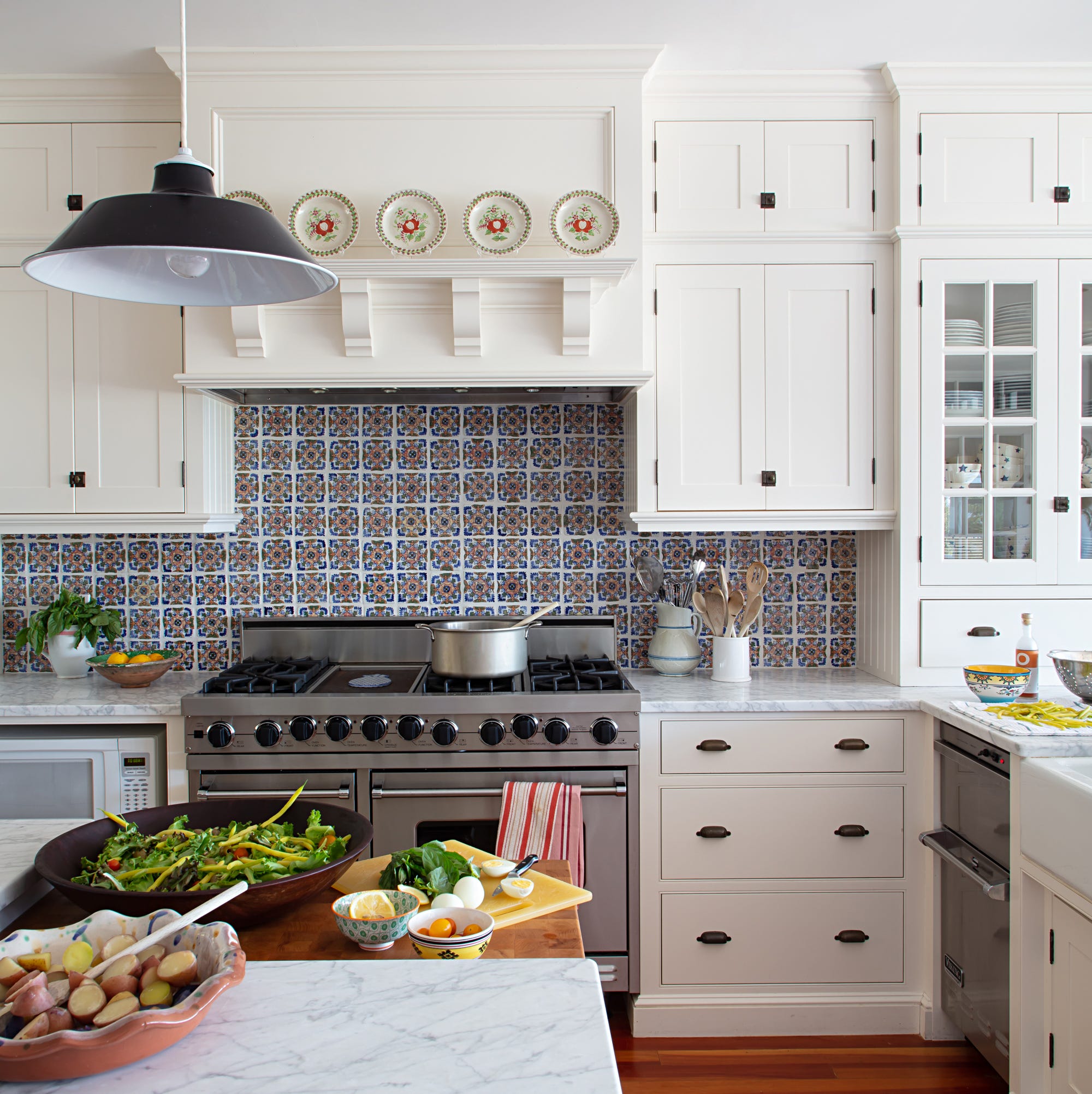
Designers Say Making This Small Change Can "Transform" Your Kitchen

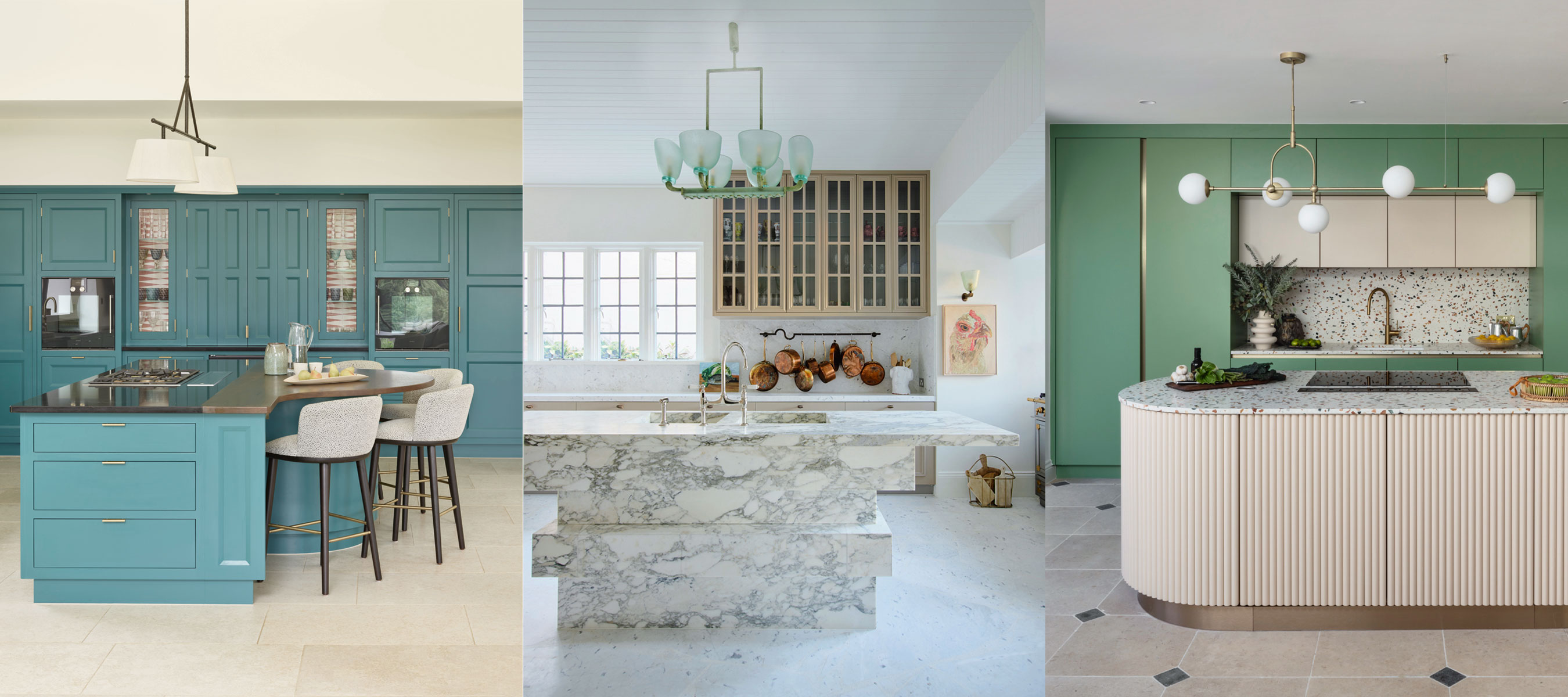
‘The pay-off can be huge in terms of visual impact' – 4 dynamic kitchen island shapes to transform your kitchen

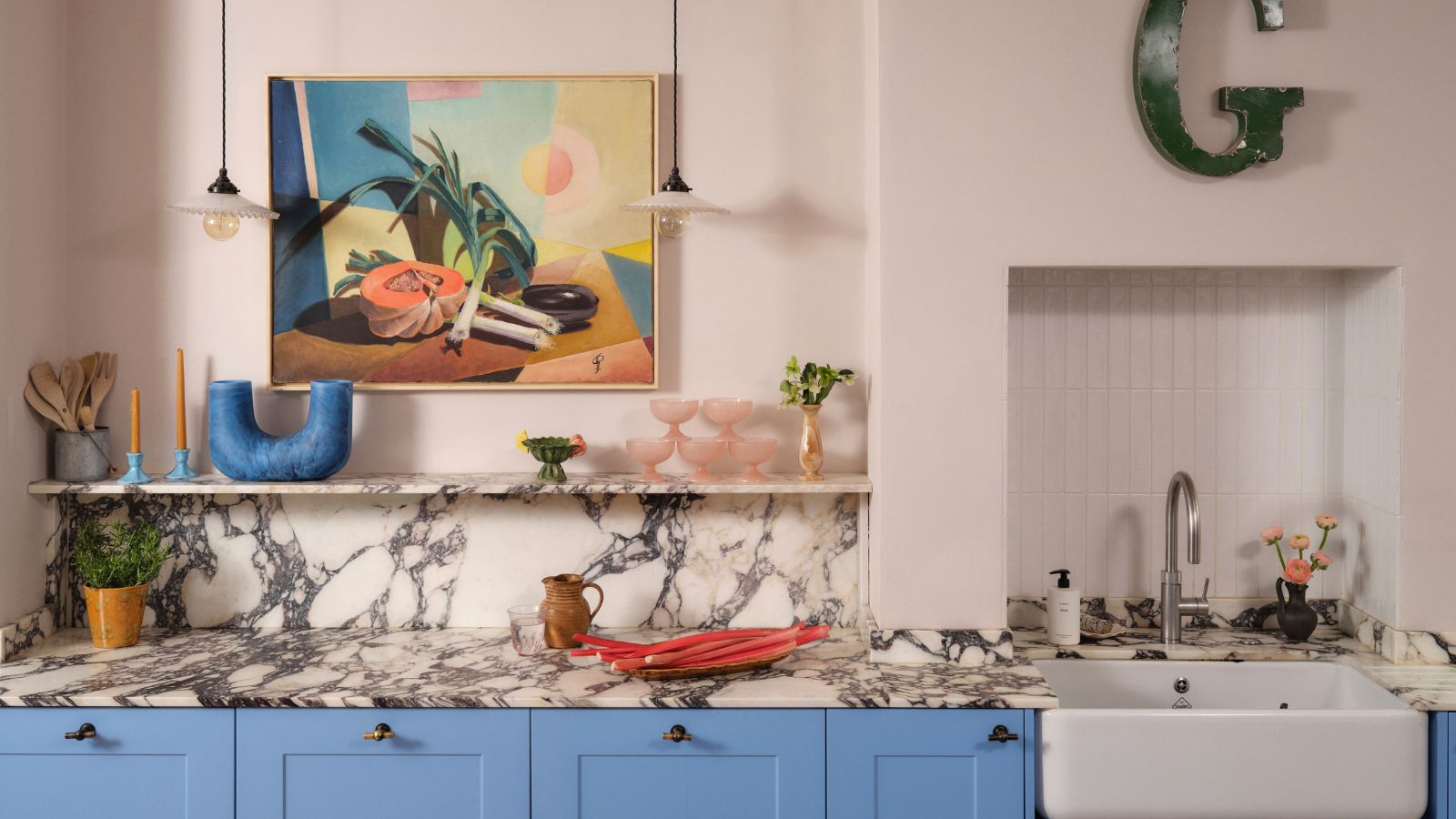
The designer totally transformed this kitchen with an unexpected color combination and a controversial decorating technique
This Versatile Rolling Island Is a Small Kitchen Game Changer

An unexpected layout has totally transformed this family kitchen – it's now filled with warmth, texture, and multifunctional zones
Are kitchen islands outdated? Kitchen experts reveal how these perfectly practical designs will never be passé
Suddenly, Everyone's Choosing Square Islands — Here's Why They Work So Well, Even in Small Kitchens