1/7
Are kitchen islands outdated? Kitchen experts reveal how these perfectly practical designs will never be passé
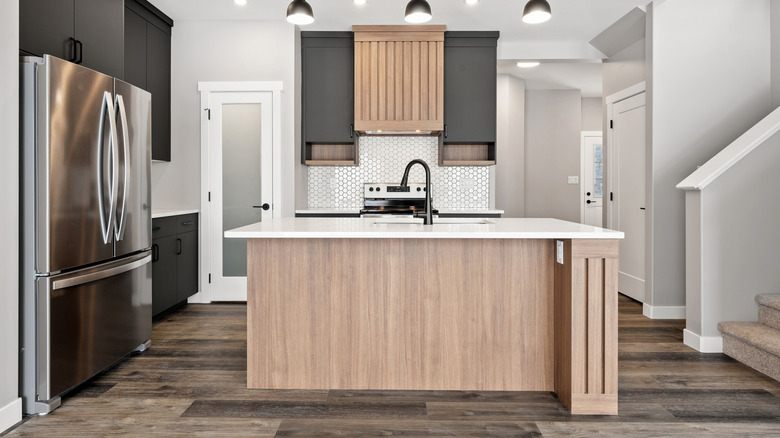
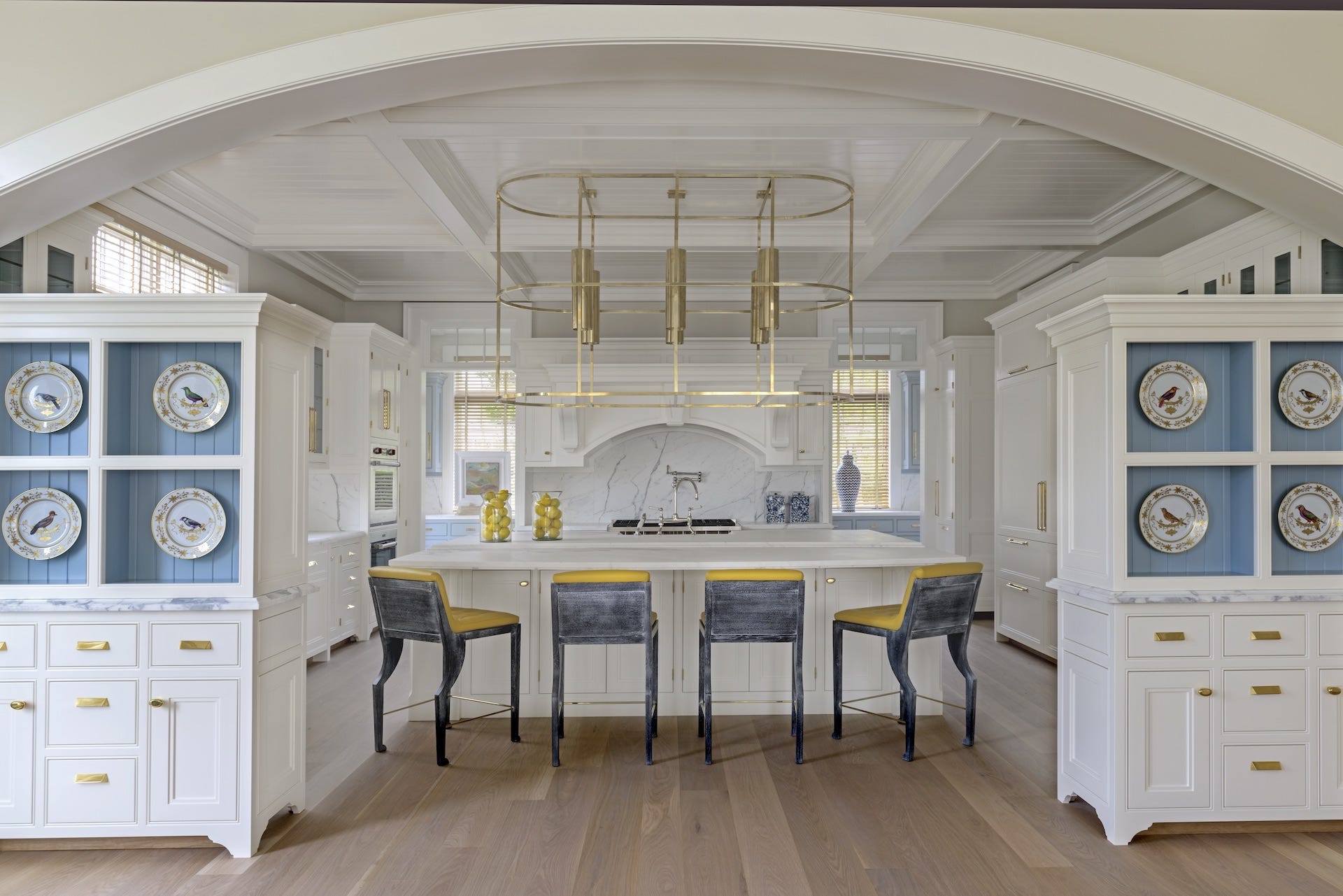
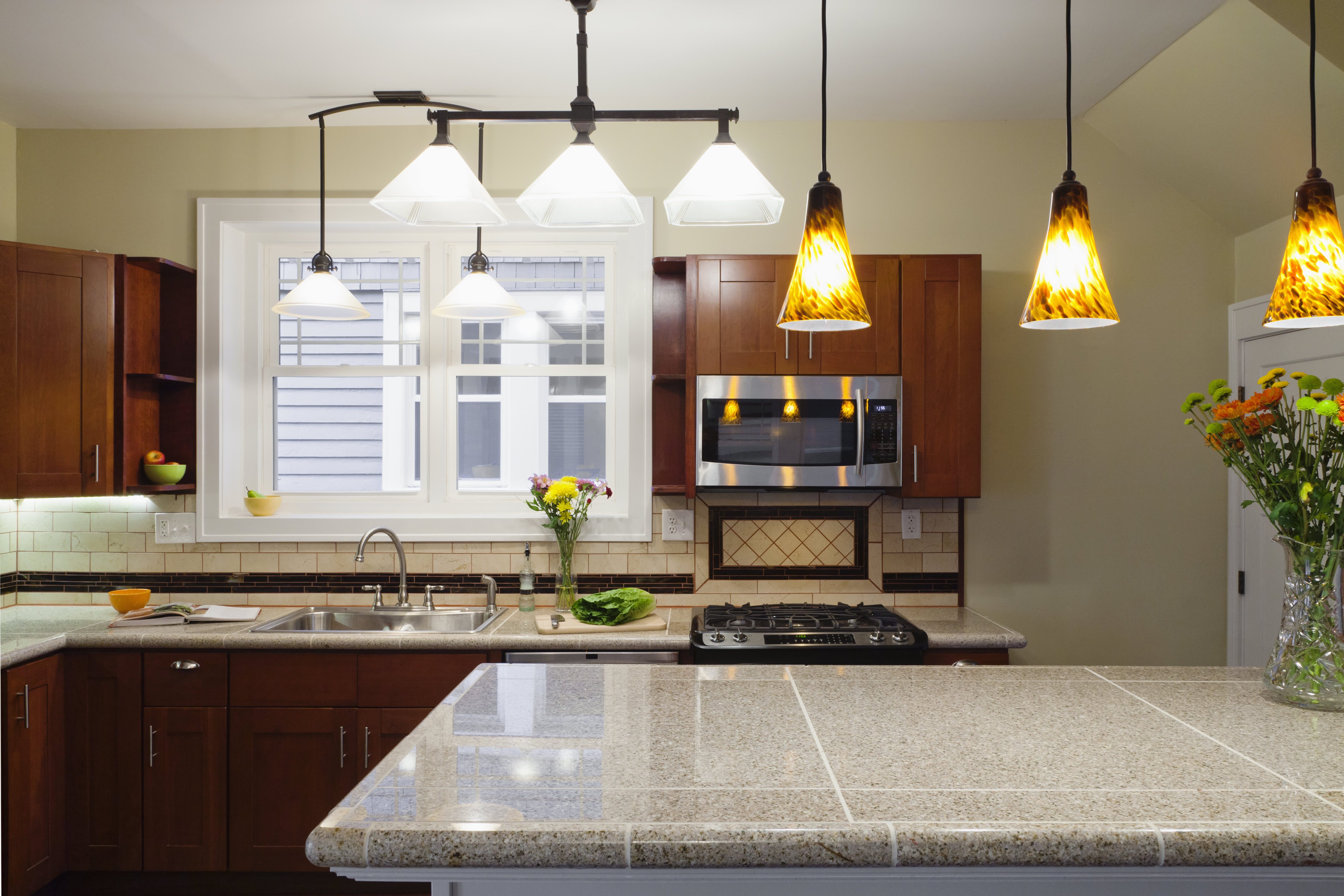
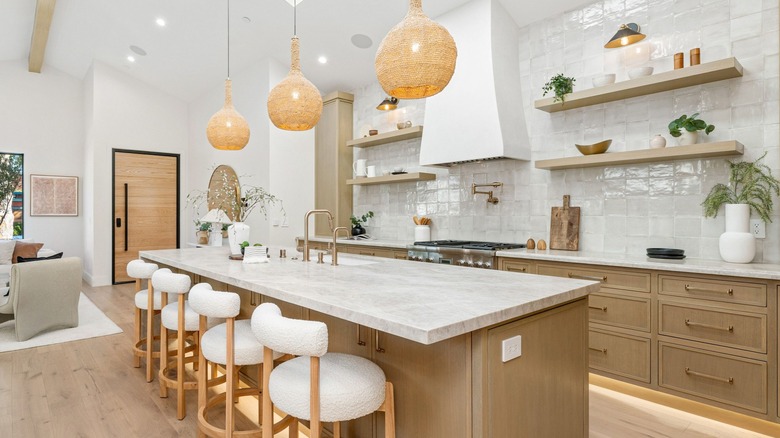
Kitchen islands remain a highly sought-after feature in contemporary kitchen design, their enduring popularity attributed to evolving designs rather than obsolescence. While certain trends, such as the waterfall edge, may recede, the fundamental utility and aesthetic potential of kitchen islands ensure their continued relevance. Experts in interior design and kitchen planning emphasize that while islands are not universally essential for every kitchen layout, they offer significant benefits when appropriately integrated.
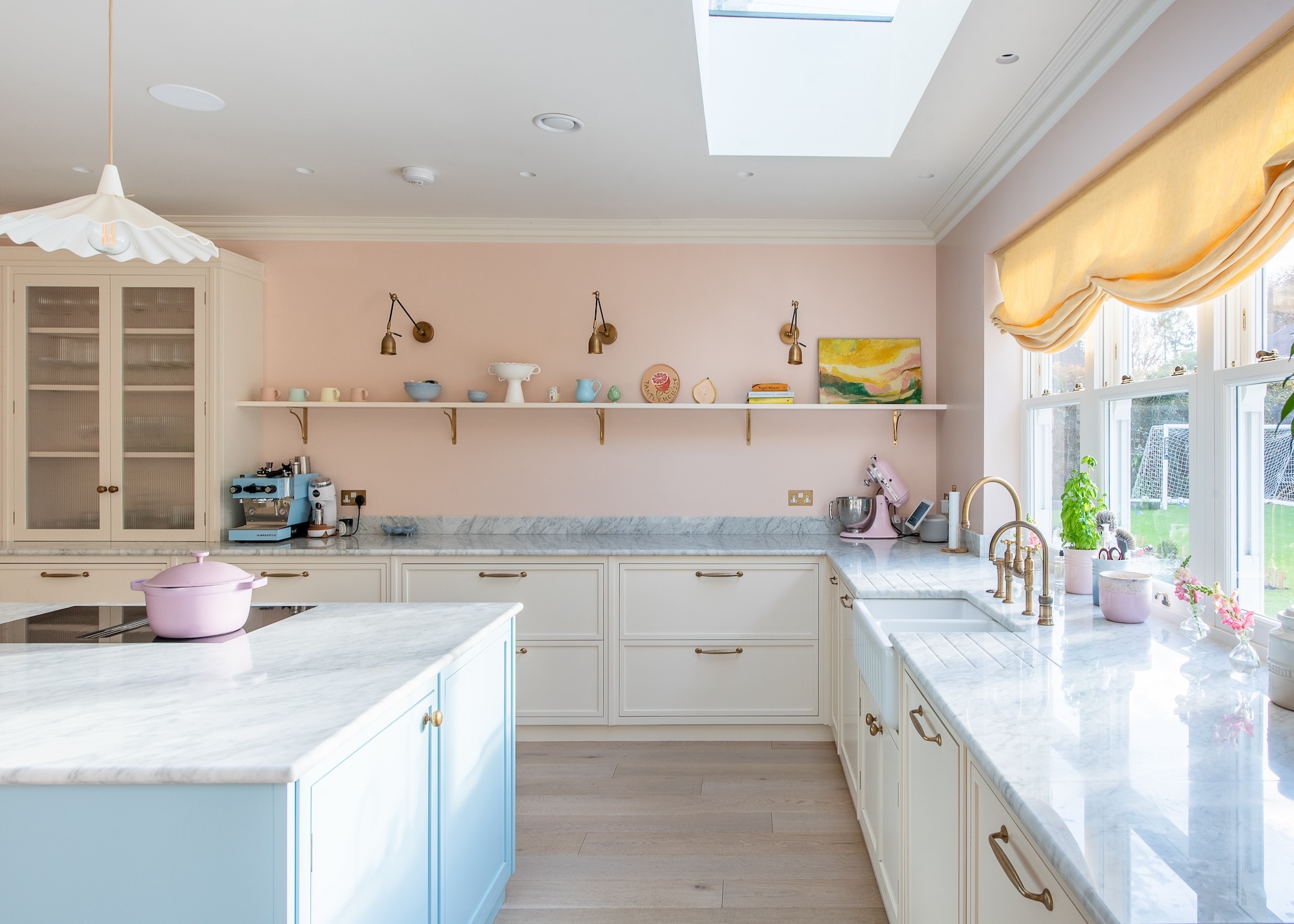
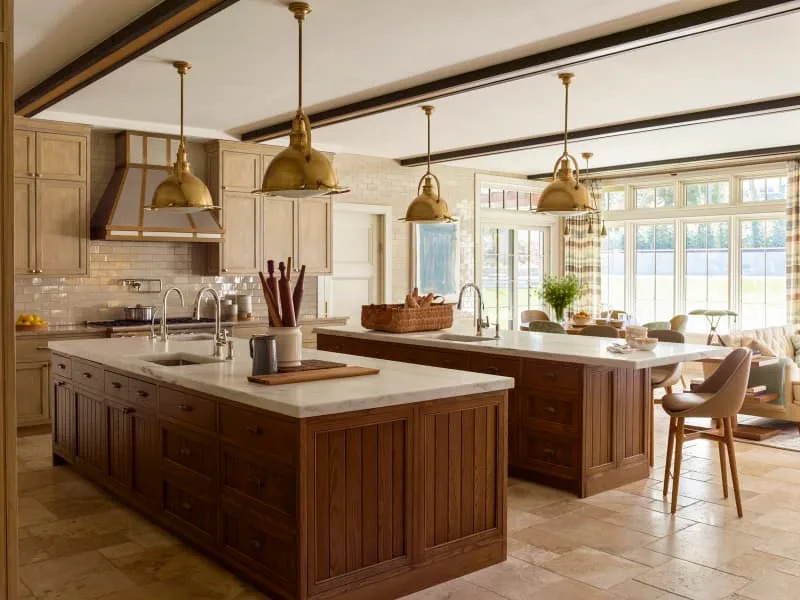
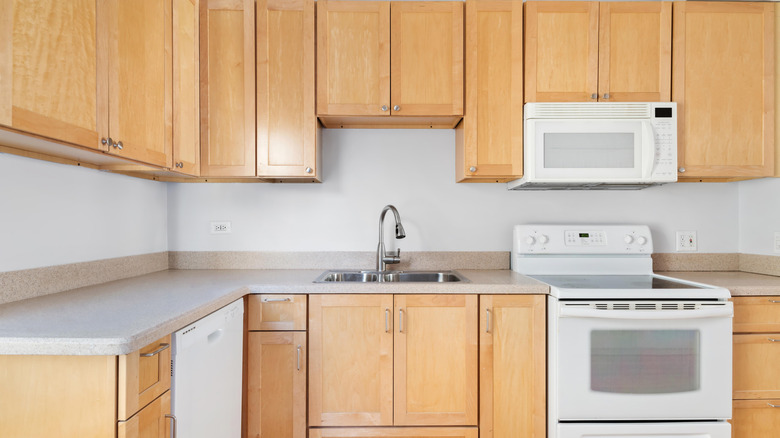
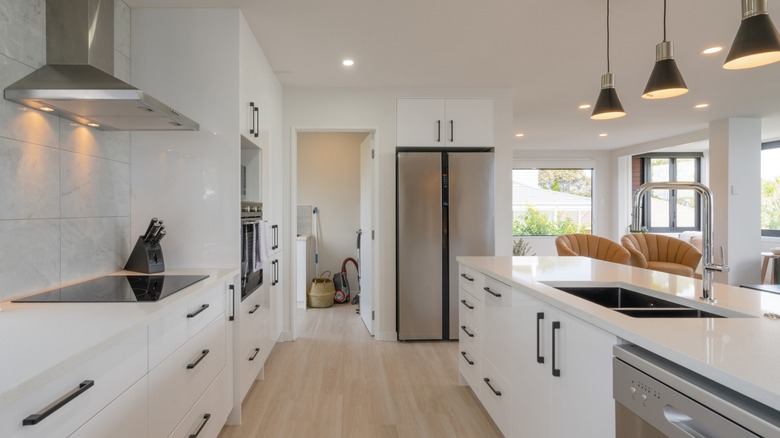
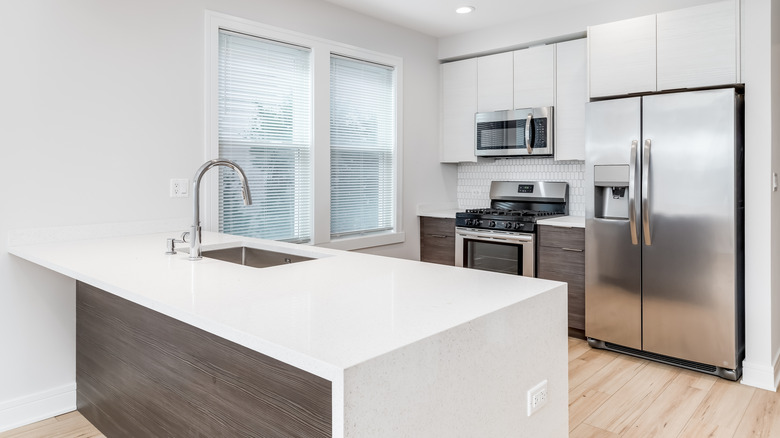
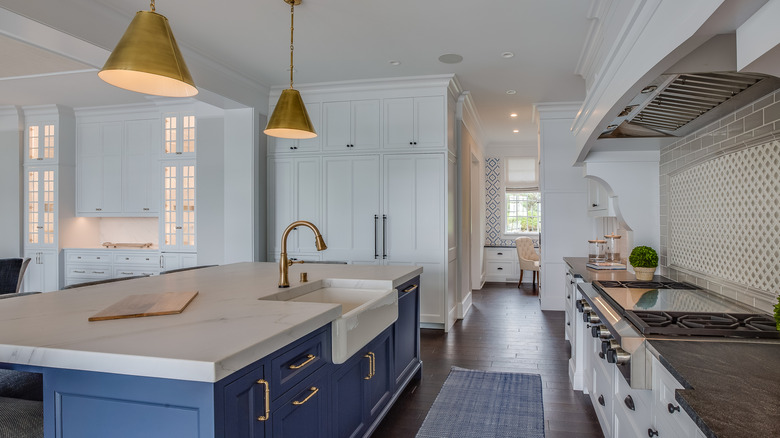
One of the primary considerations for incorporating a kitchen island is assessing the available space. In smaller kitchens, such as galley kitchens, an island can lead to a cramped and dysfunctional environment, hindering movement and accessibility. Conversely, in larger kitchen spaces, an island provides invaluable additional storage, counter space, and a focal point for social gatherings. A crucial aspect of this assessment involves ensuring adequate clearance, typically recommending approximately 900mm around all sides of the island to facilitate safe movement and the comfortable operation of drawers, cabinets, and appliances. For compact spaces where a full-sized island is impractical, reduced-depth or smaller island options can still offer functional advantages.
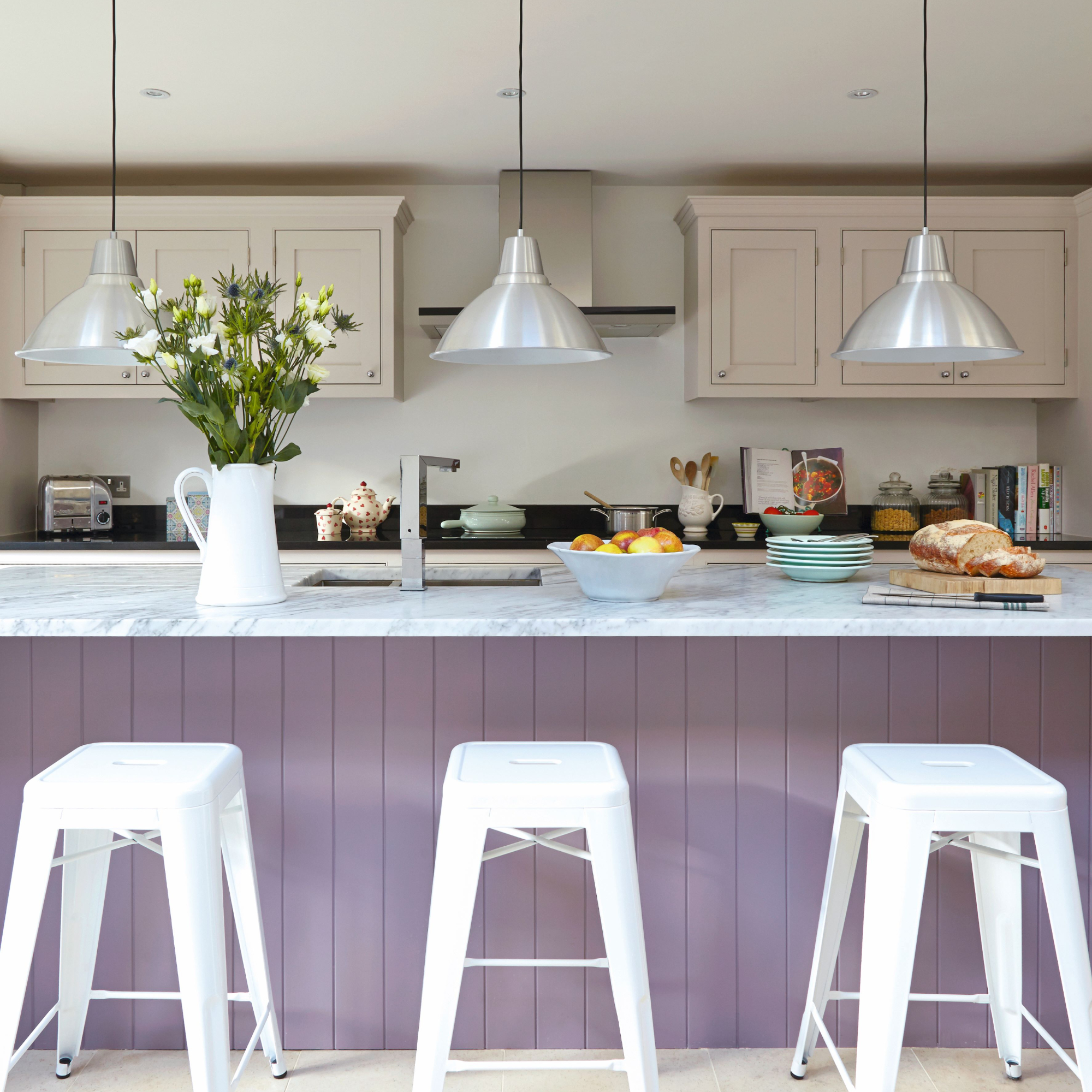
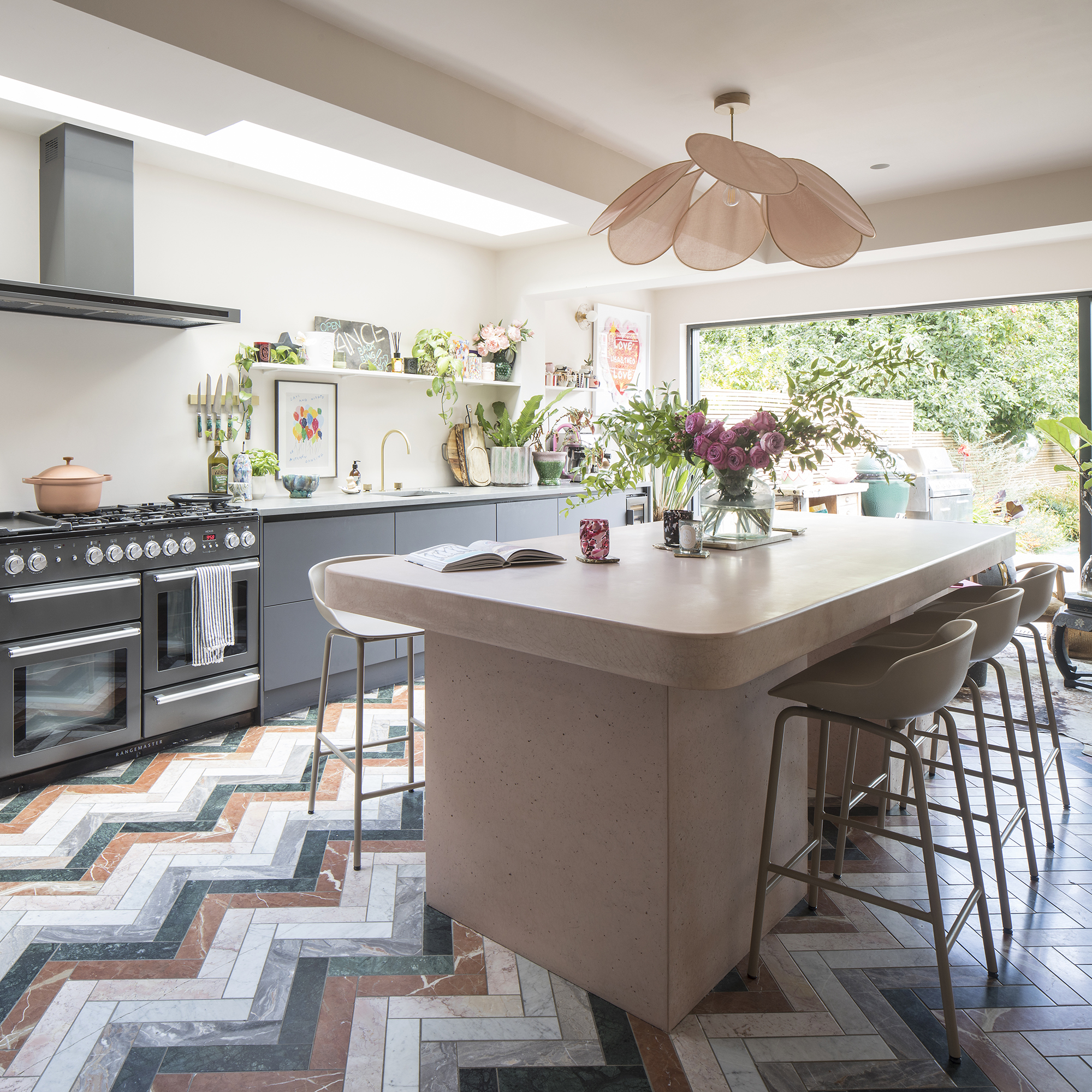
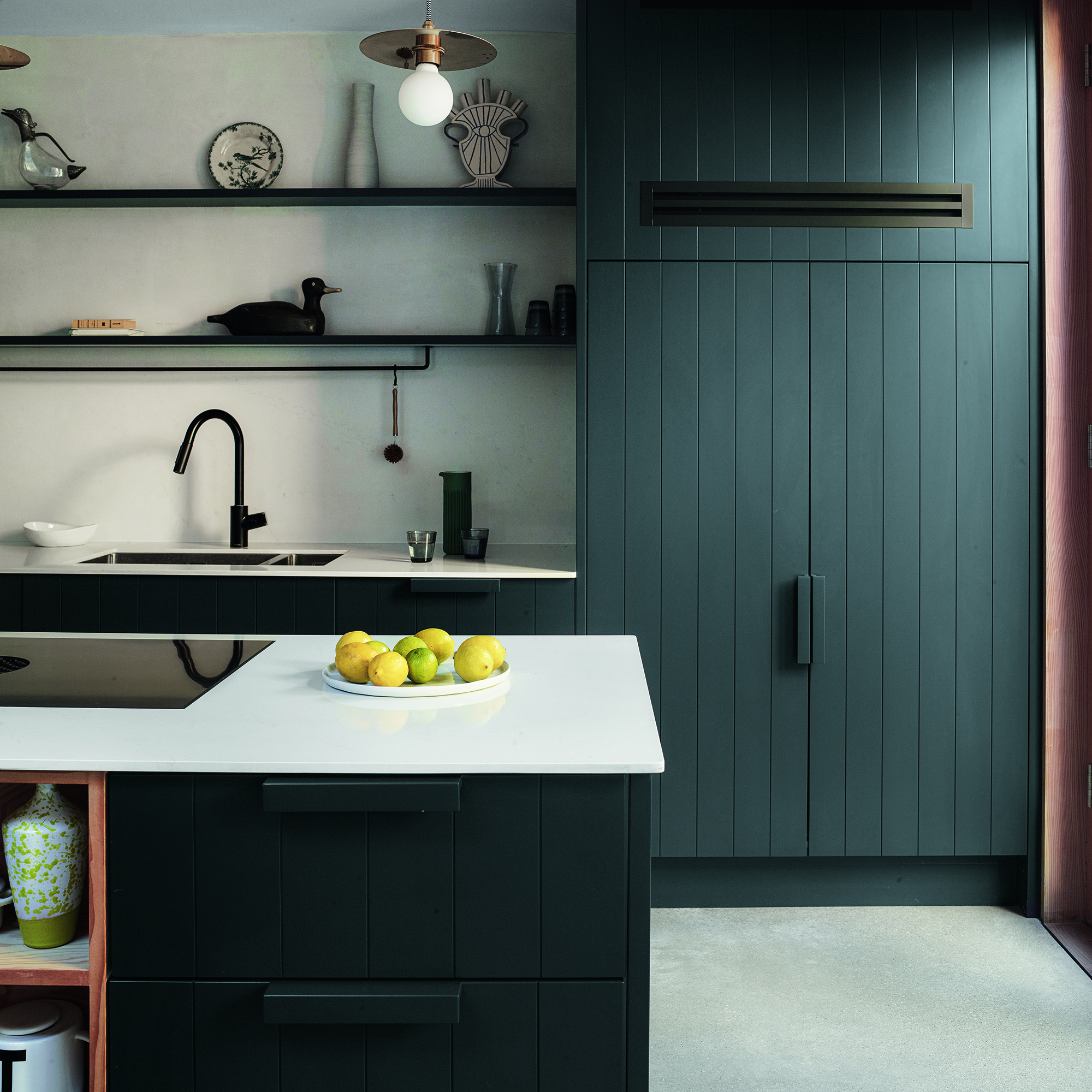
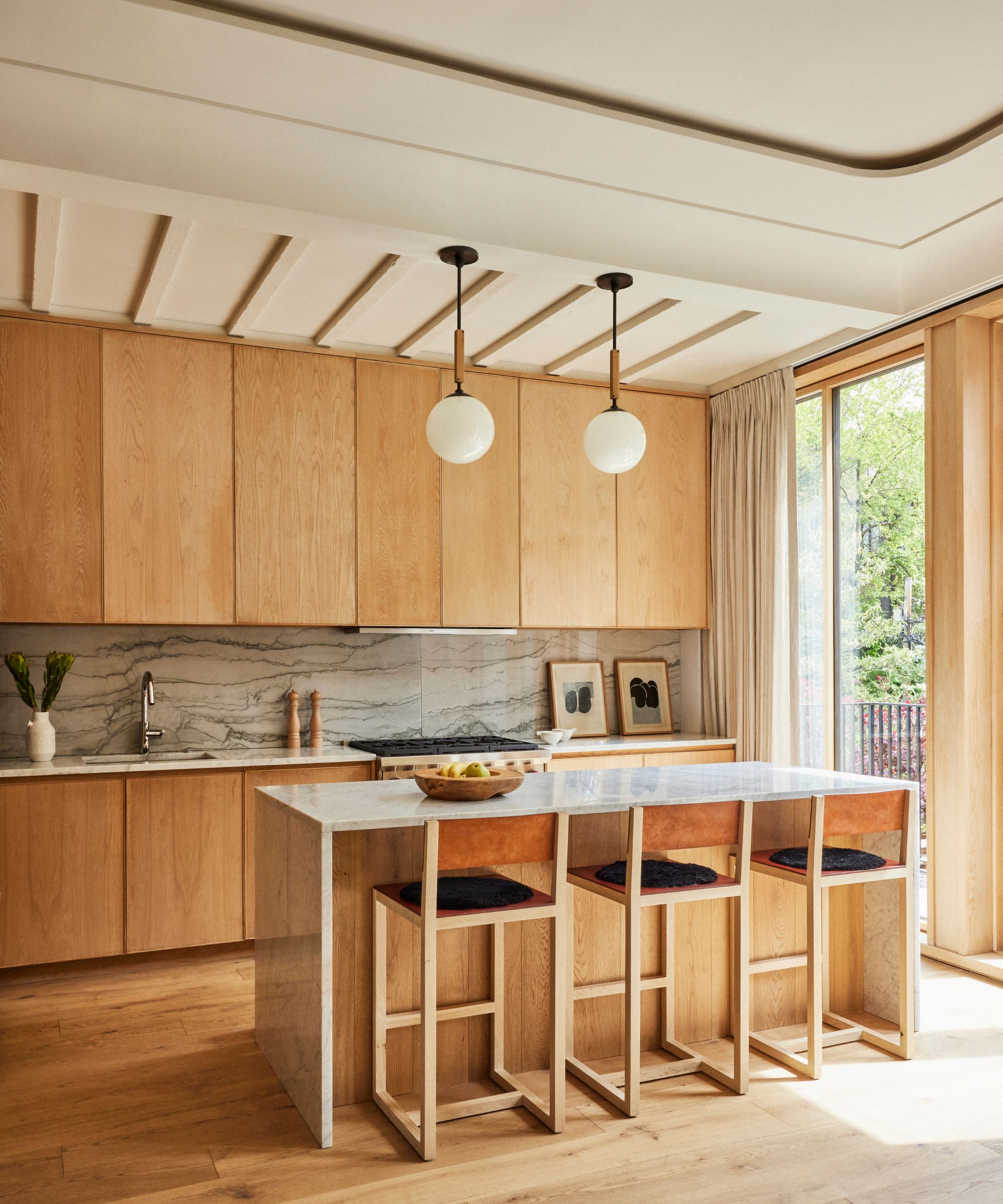
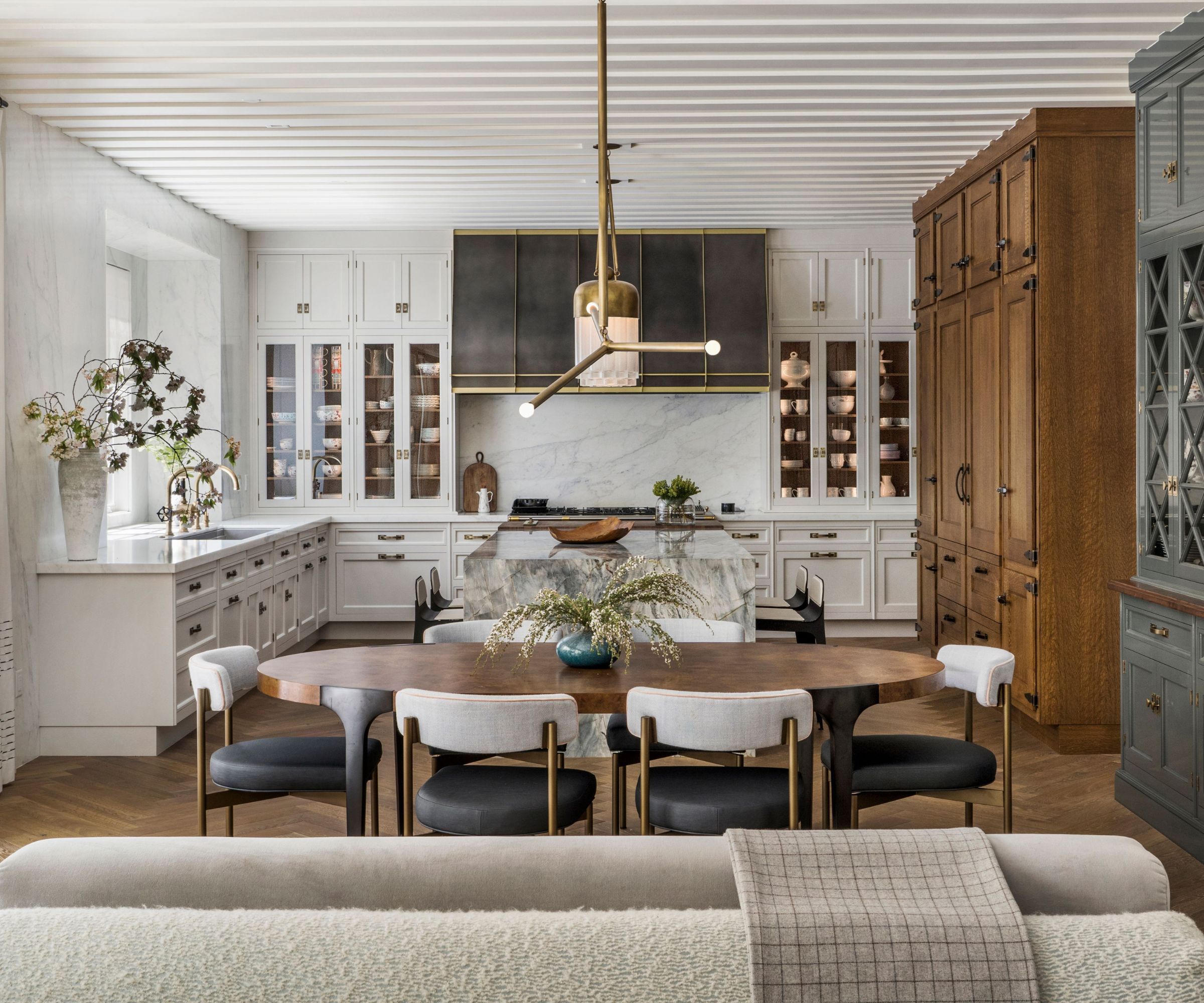
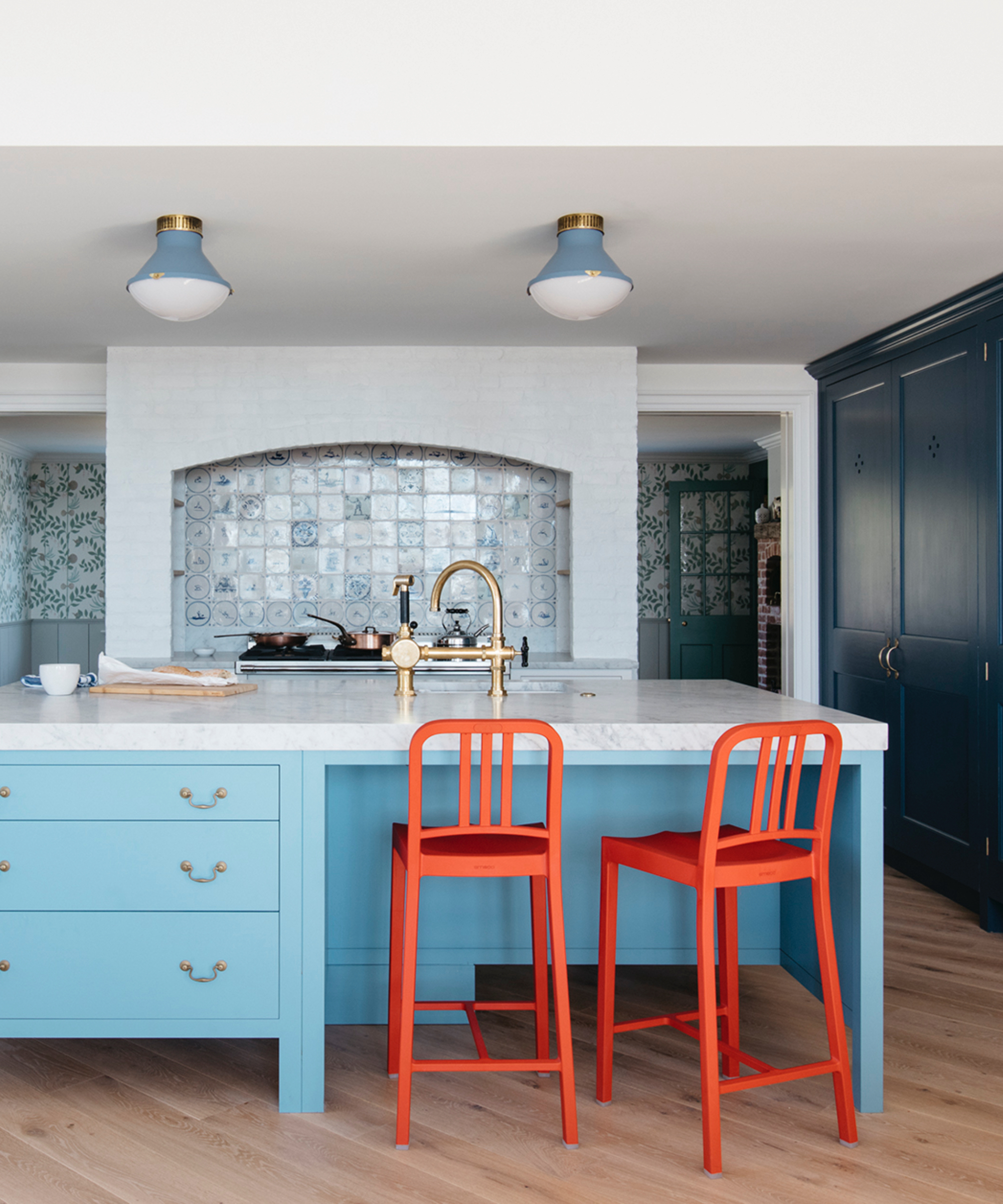
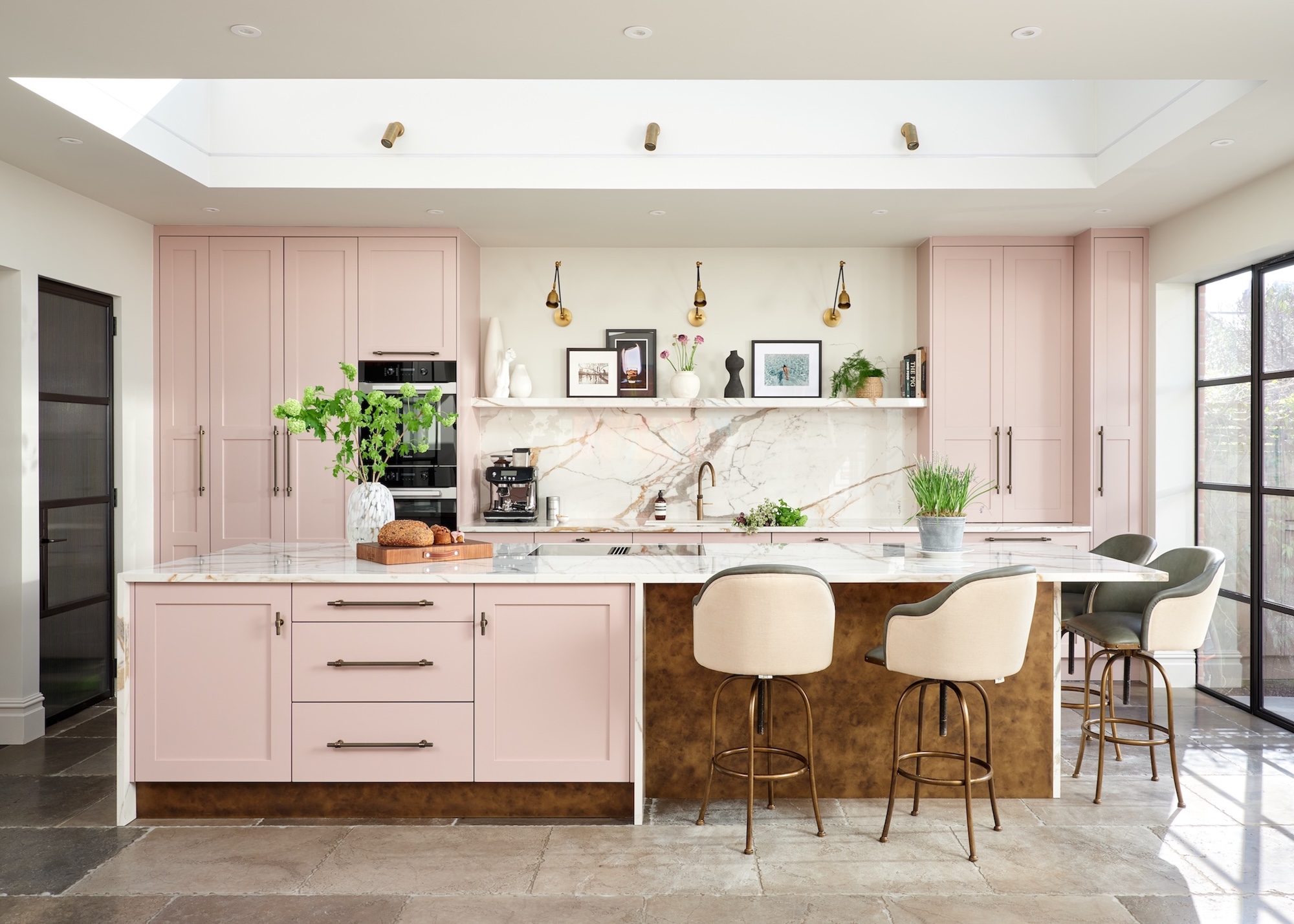
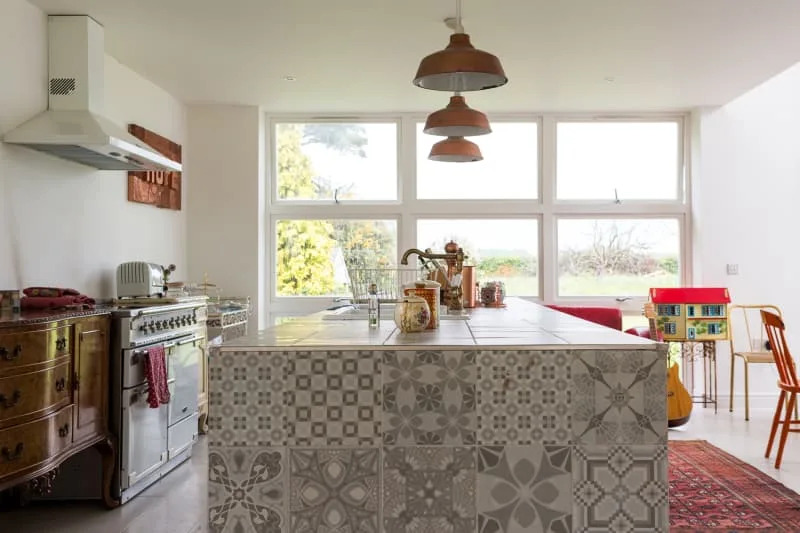
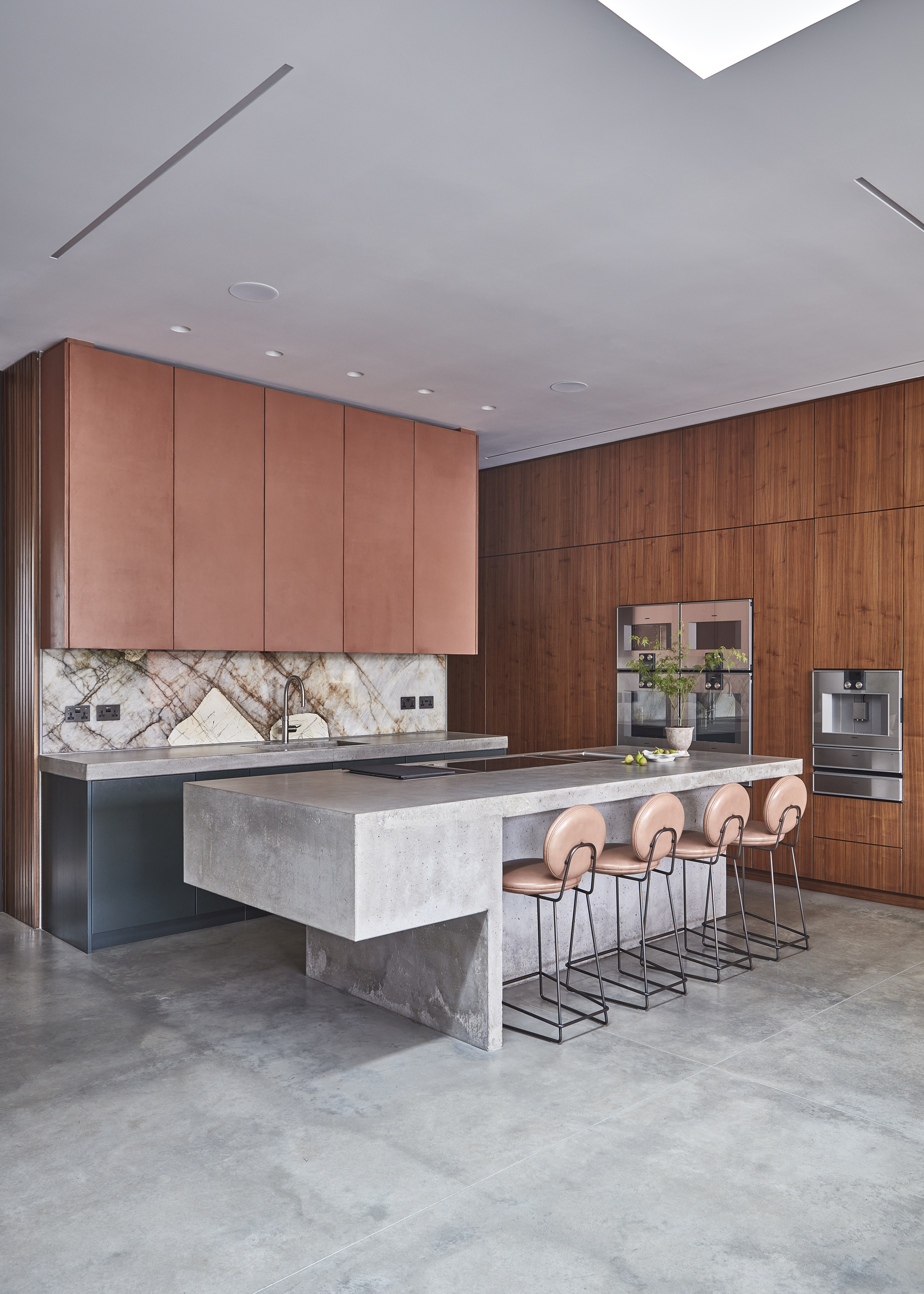
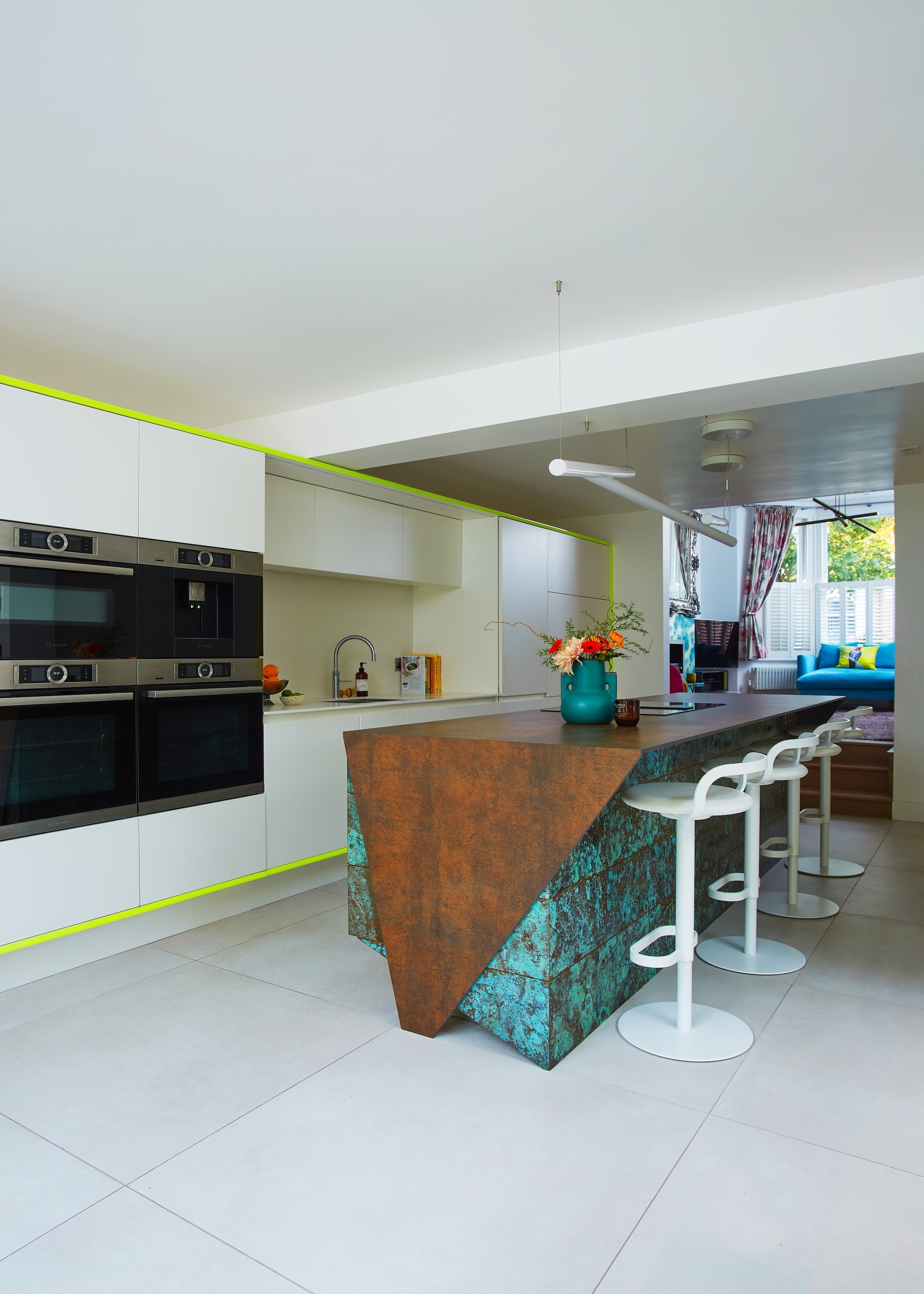
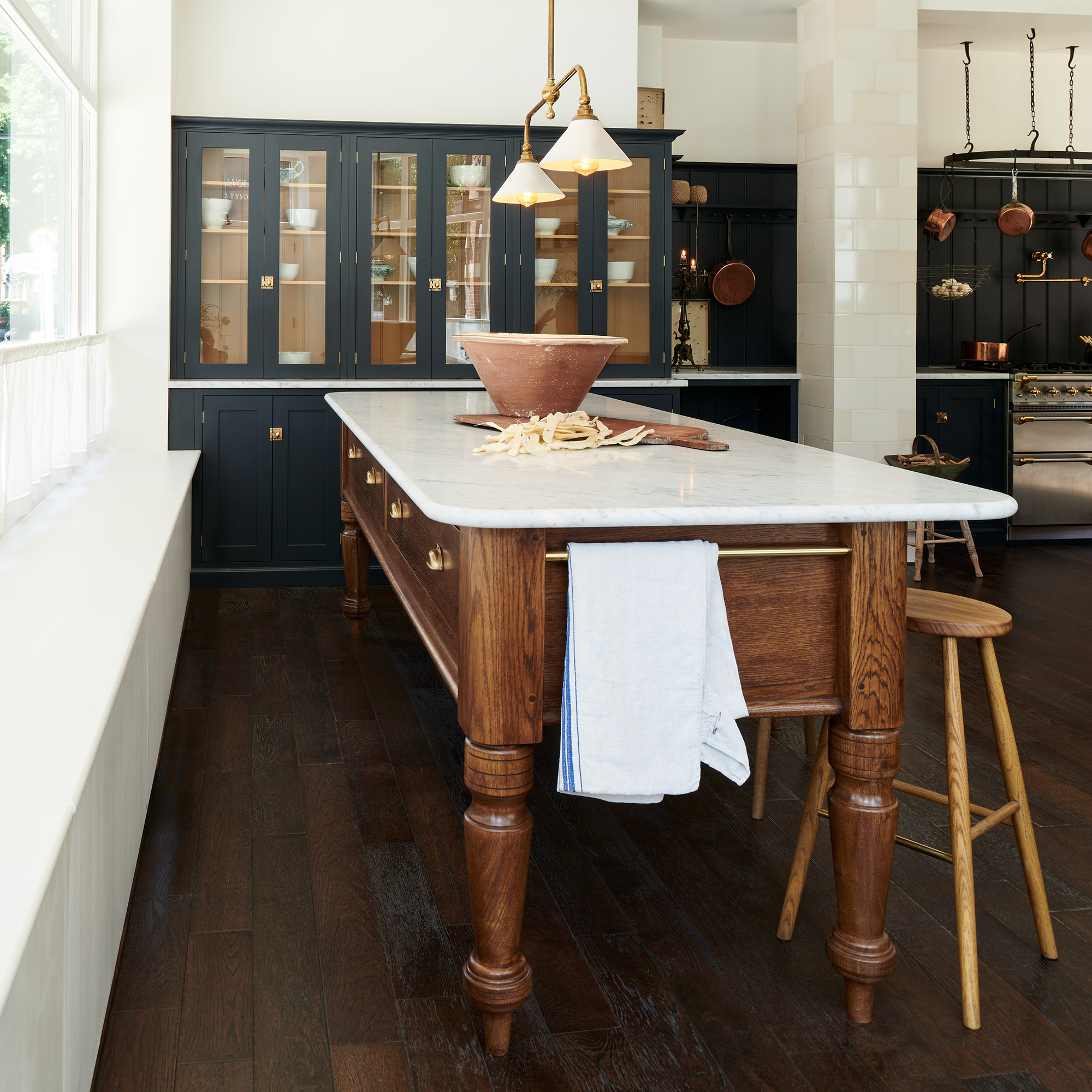
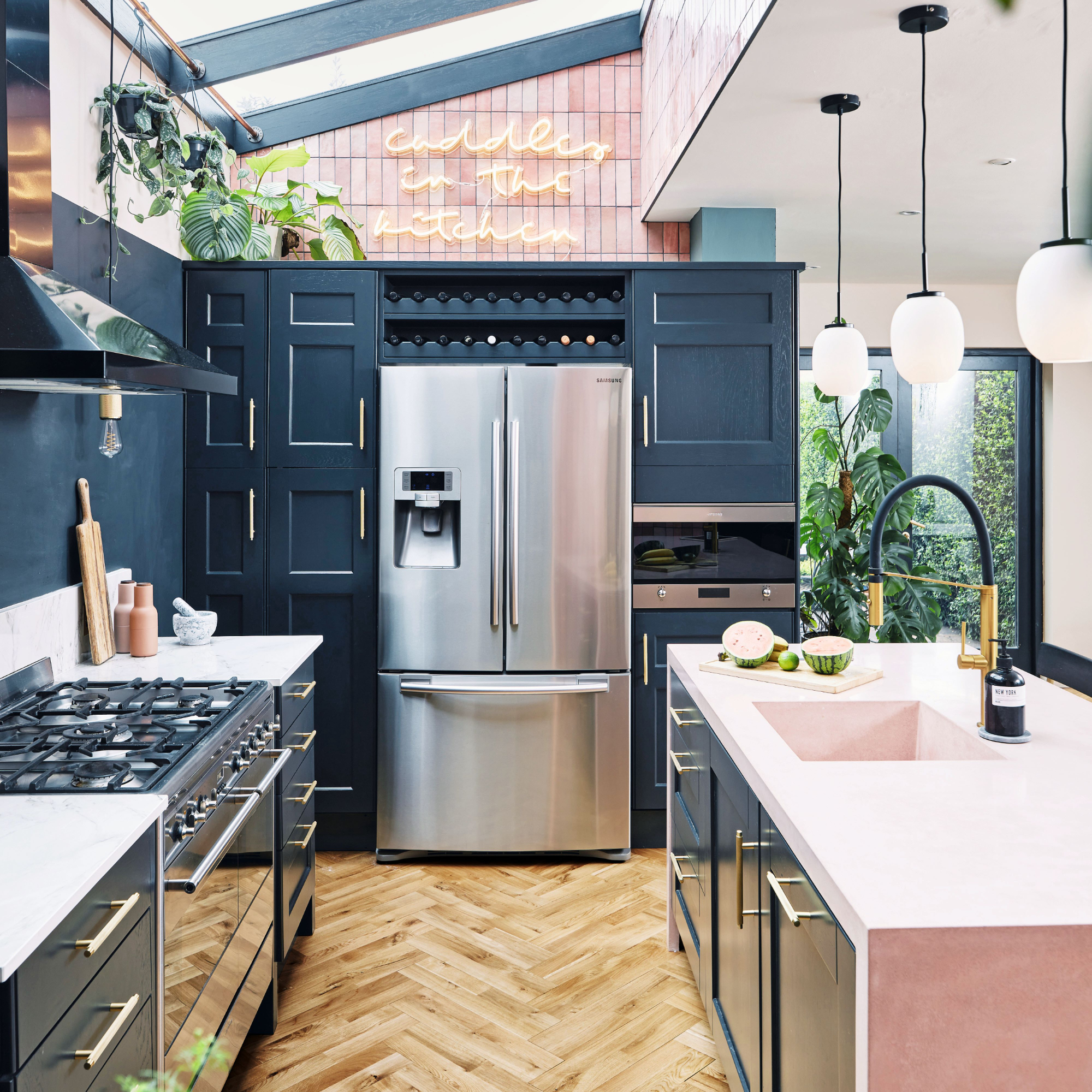
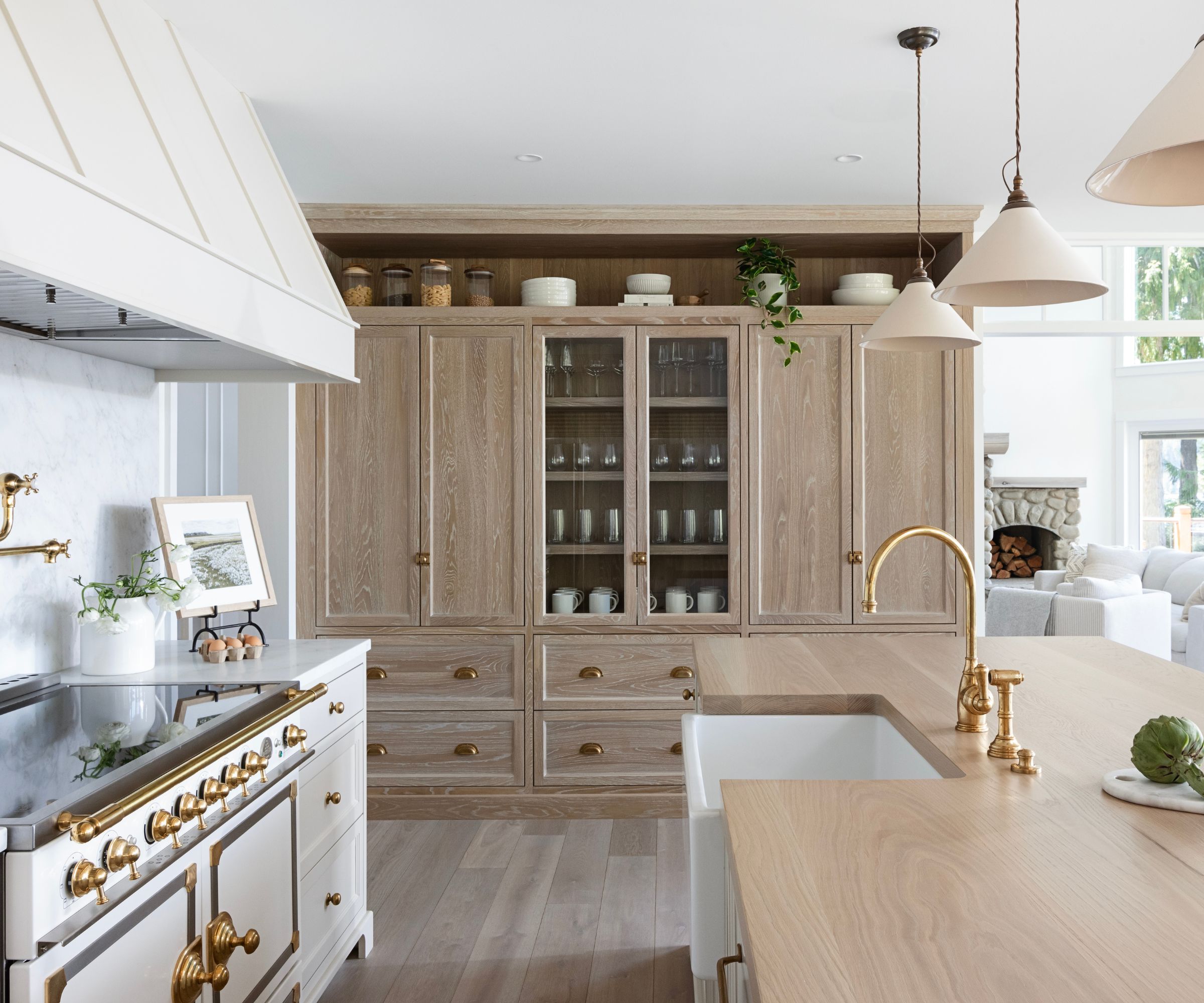
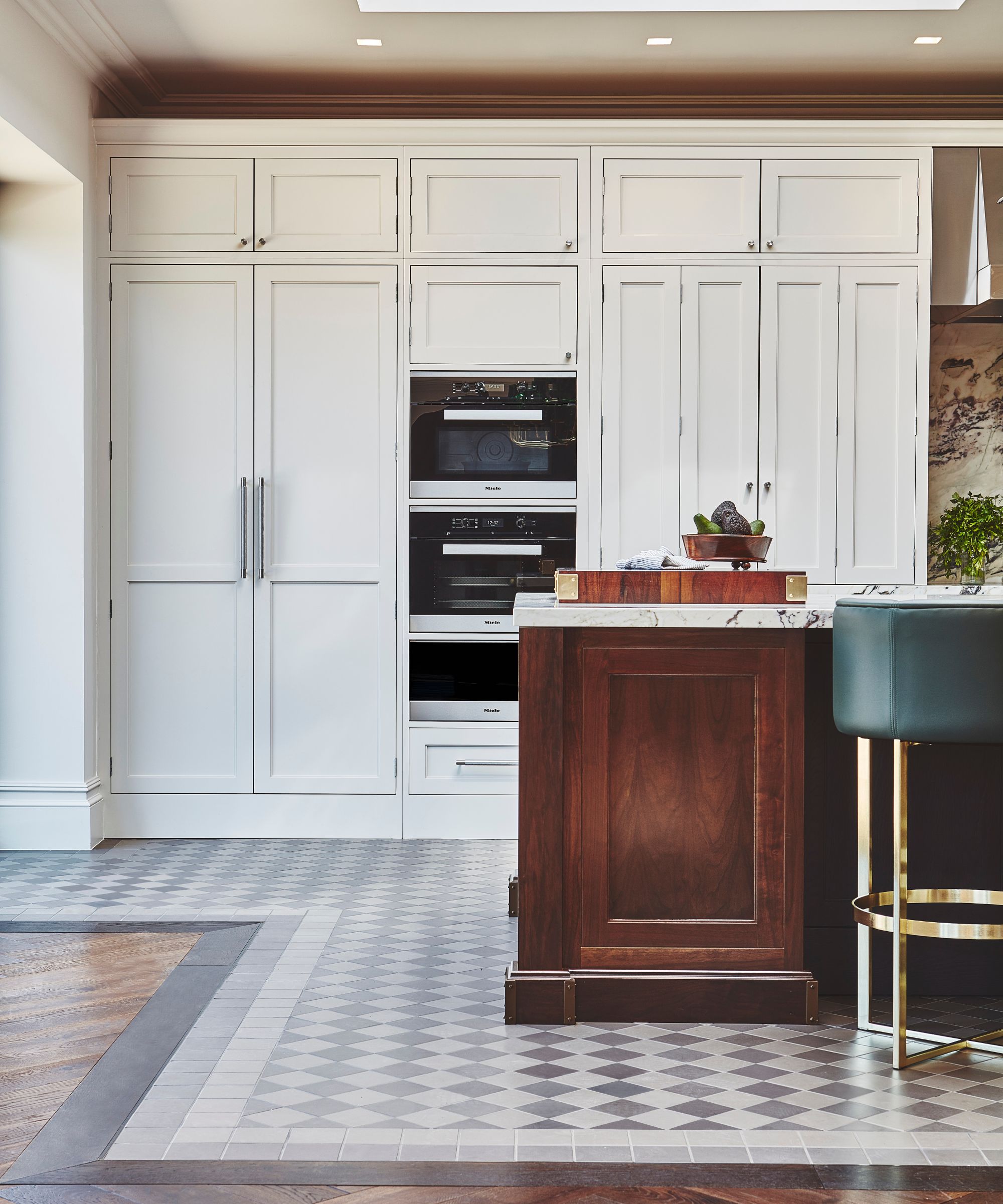
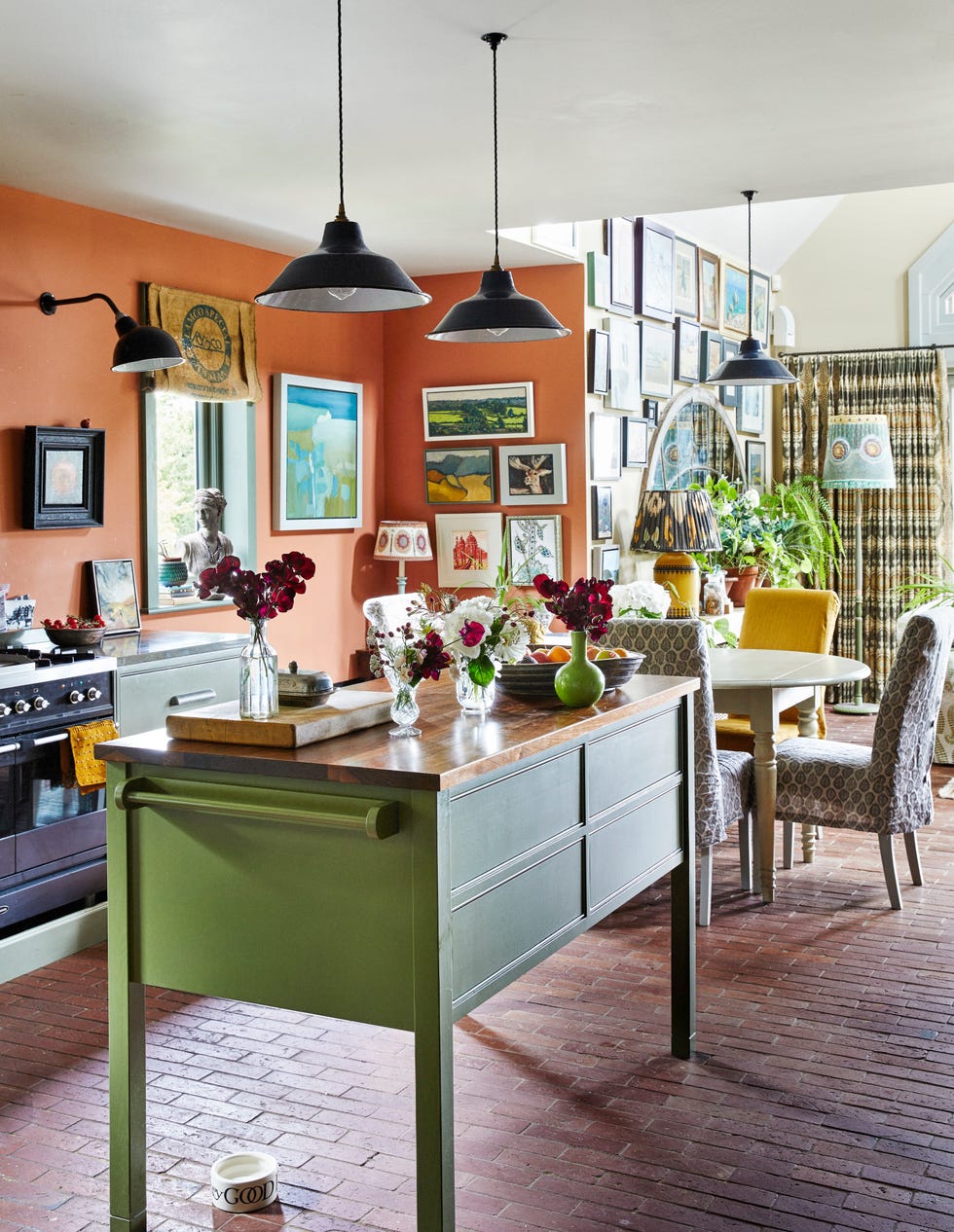
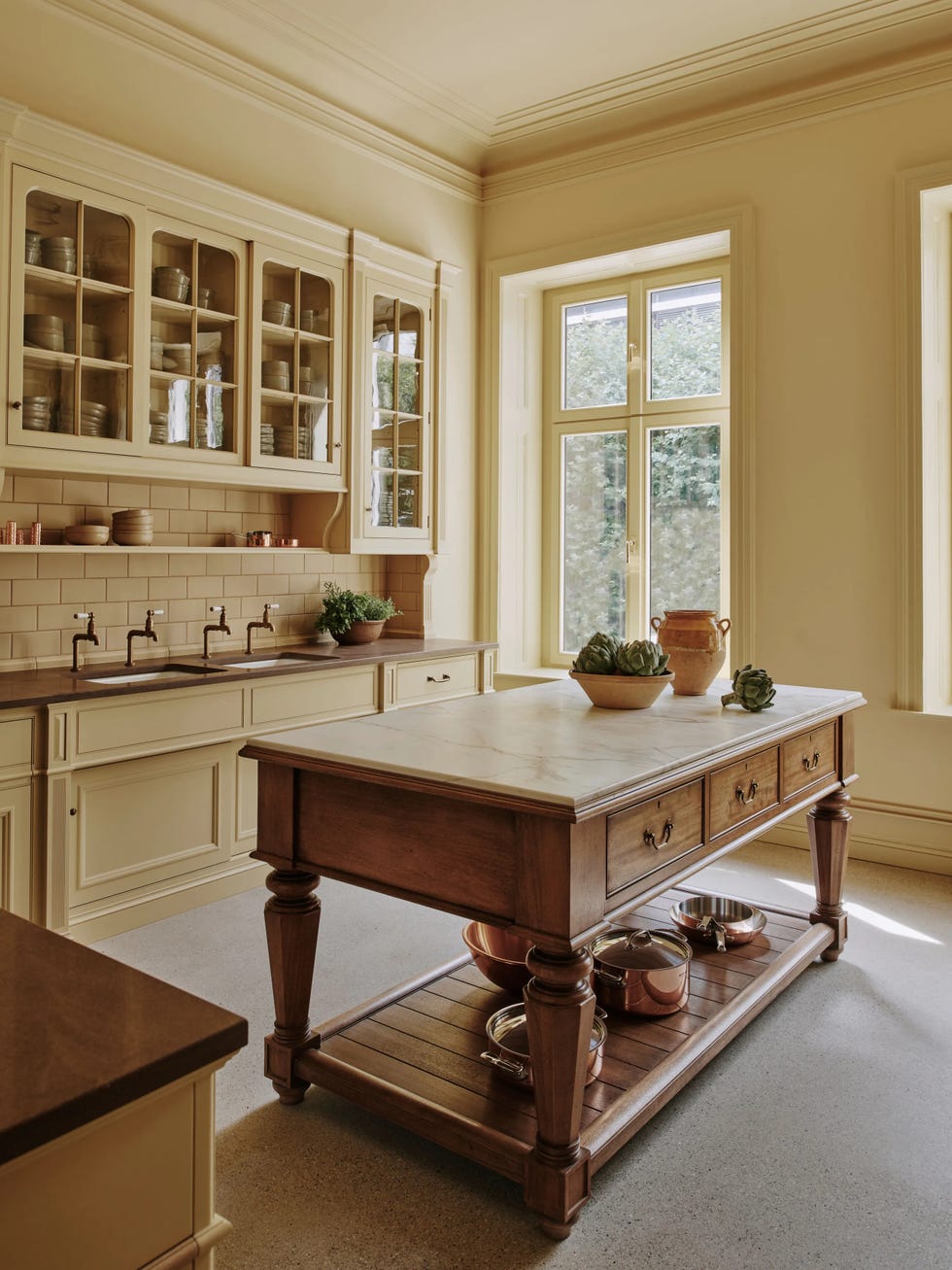
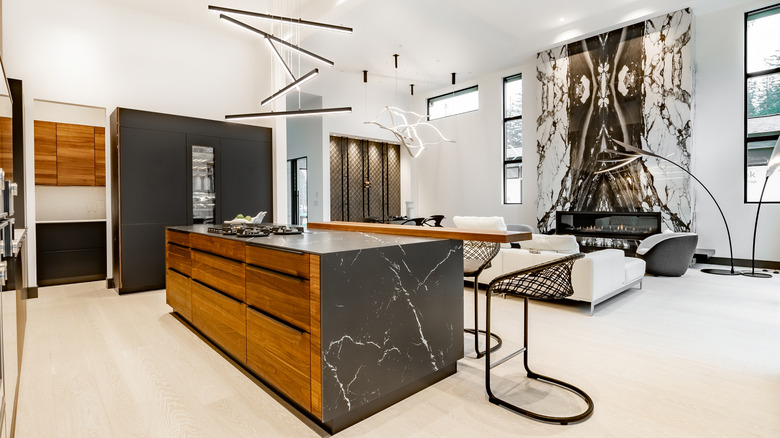
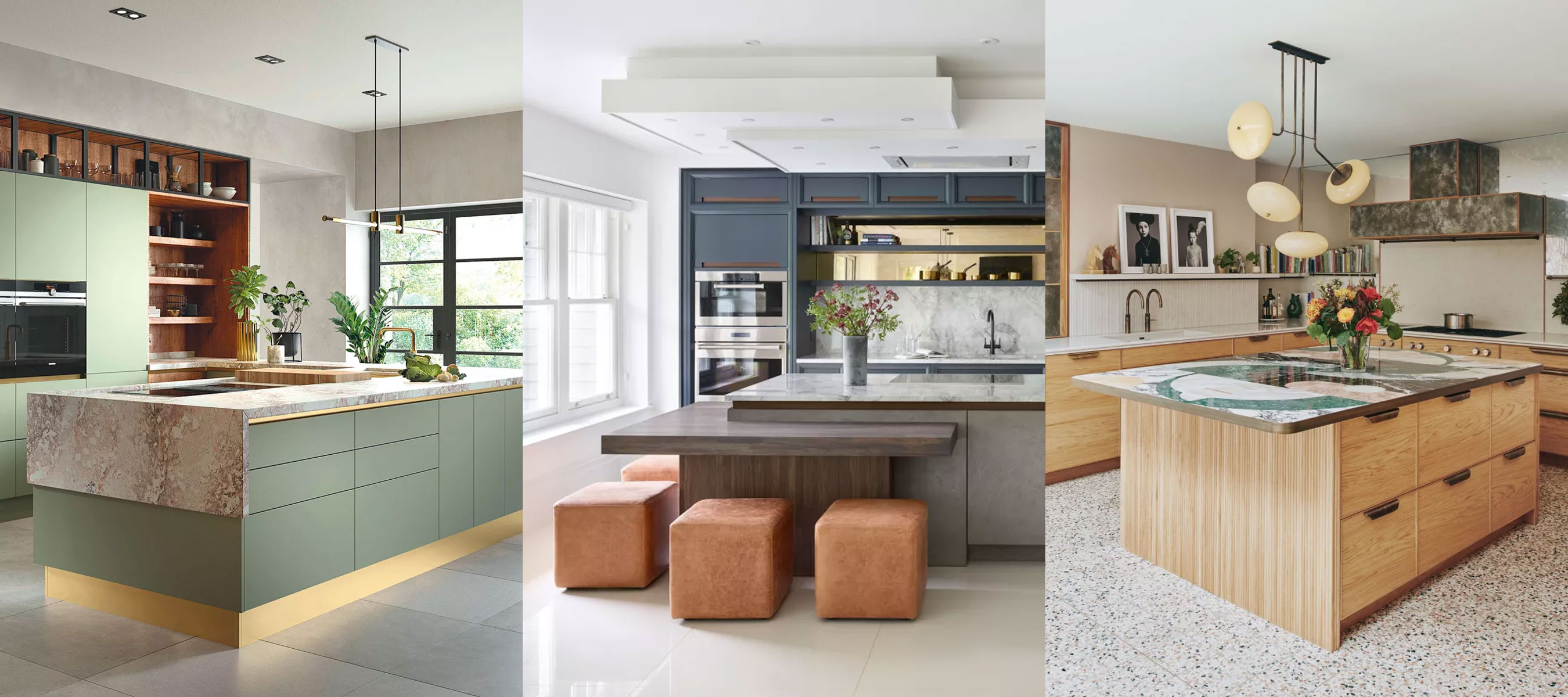
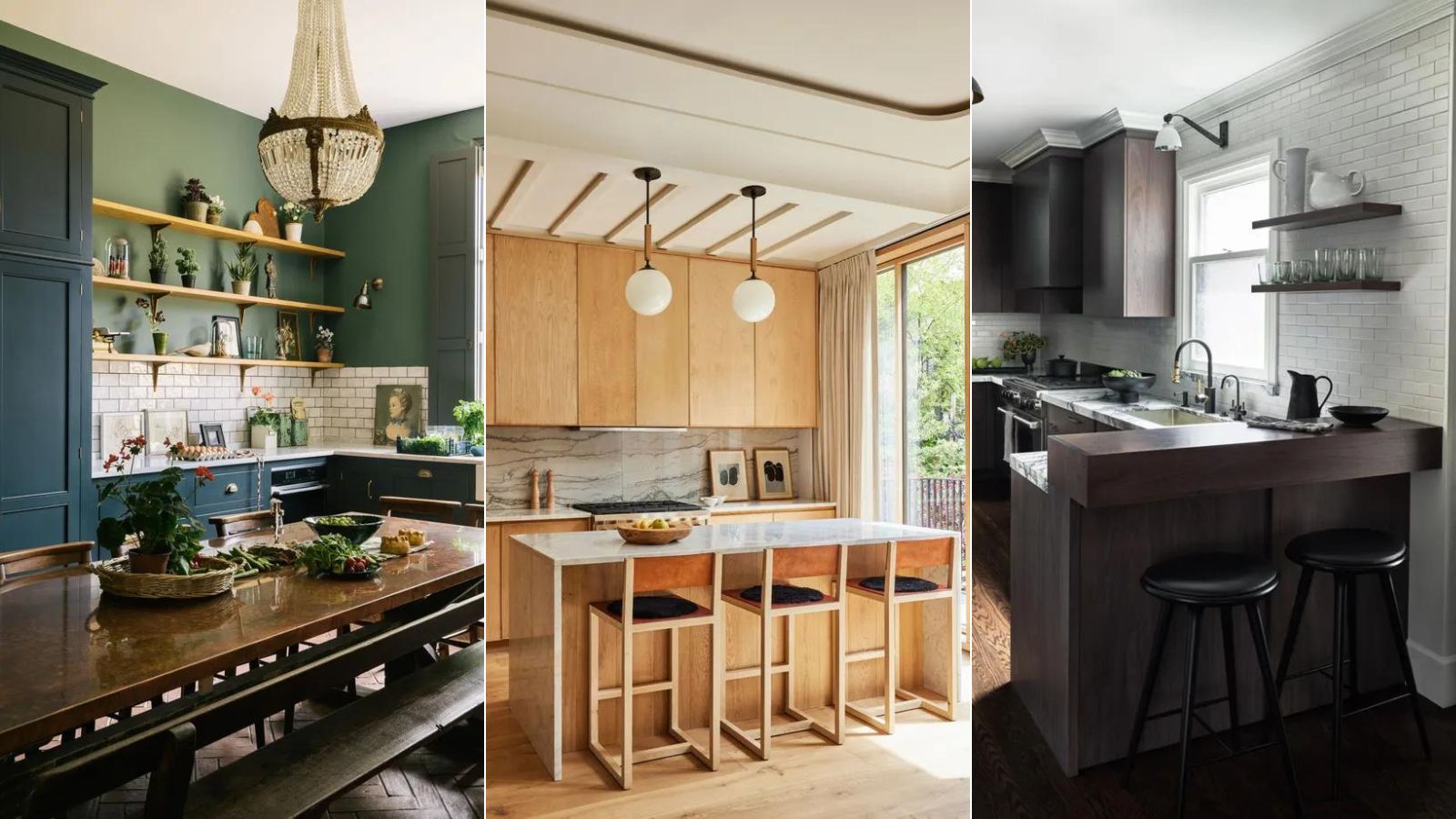
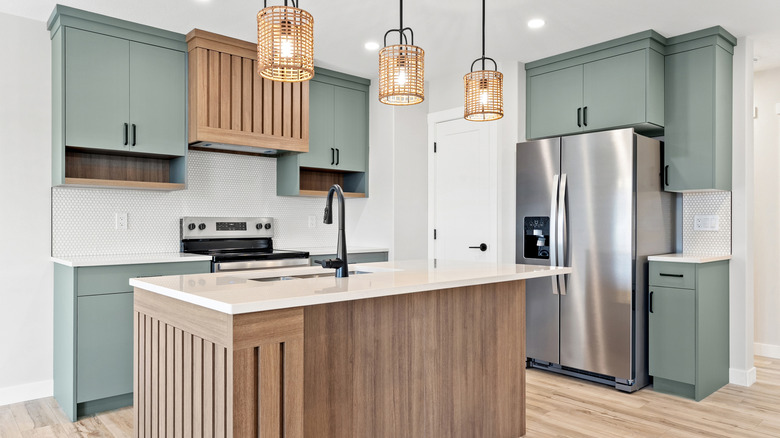
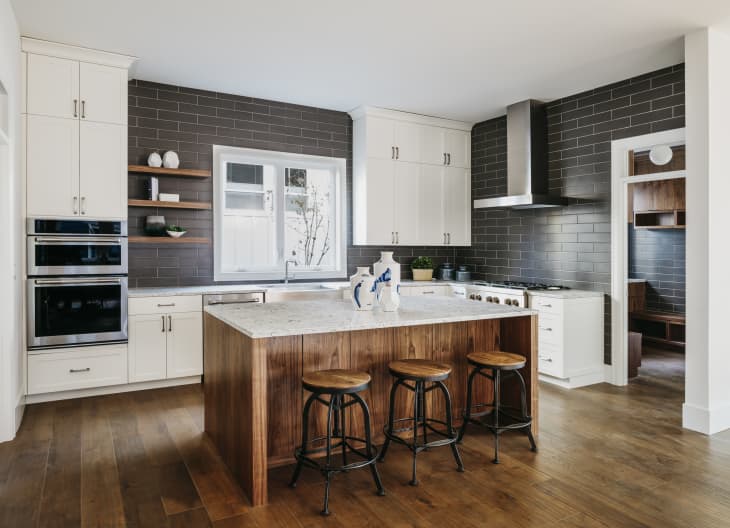
Beyond their practical functions, kitchen islands serve as significant design statements. The selection of materials, from exotic stones and large quartz slabs that minimize joins to contrasting colors and textures, allows an island to become an eye-catching centerpiece. This focus on material innovation and decorative integration elevates the island from a mere utility item to a key aesthetic component of the kitchen, enhancing its overall visual appeal.
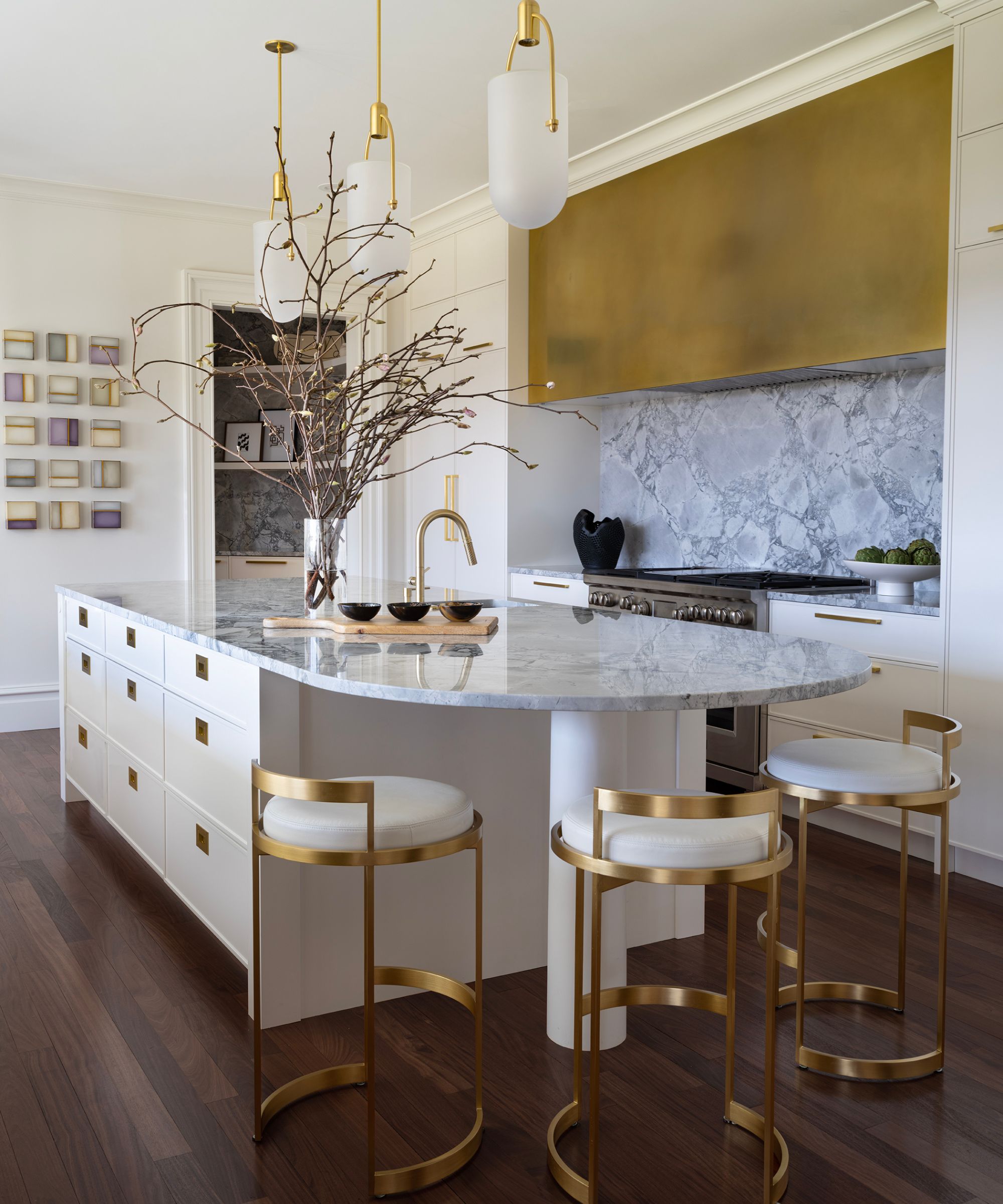
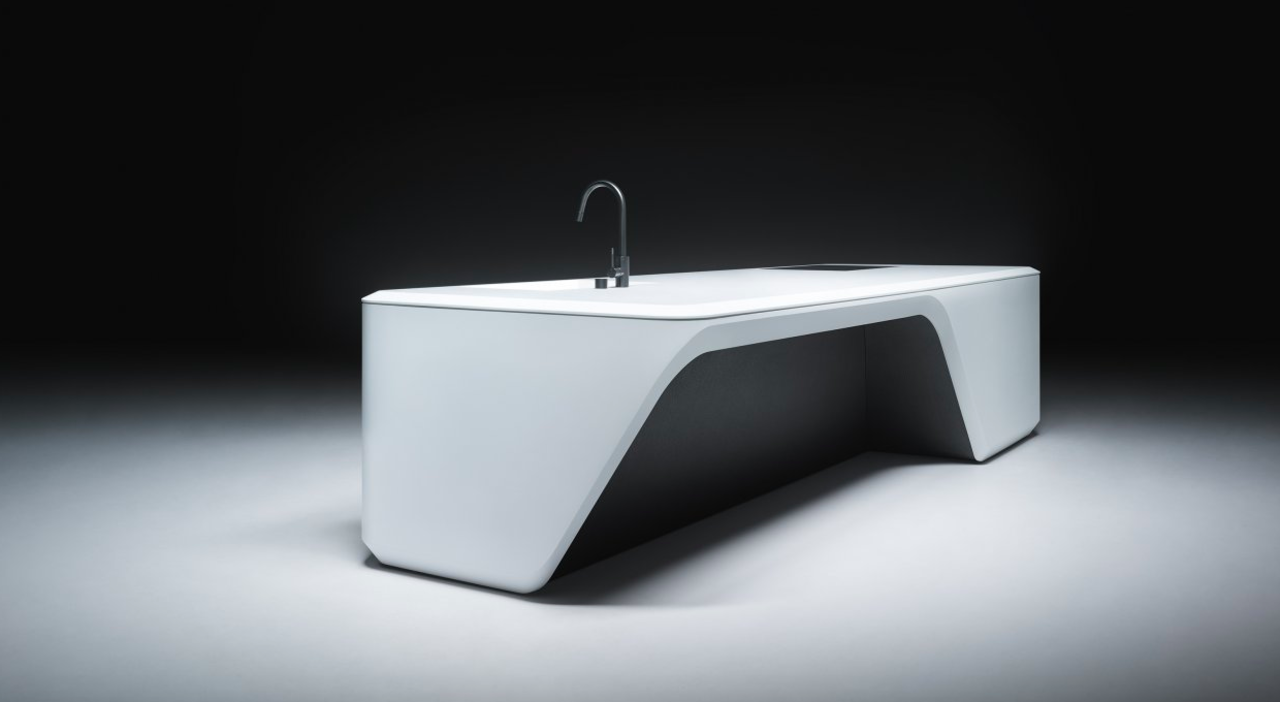
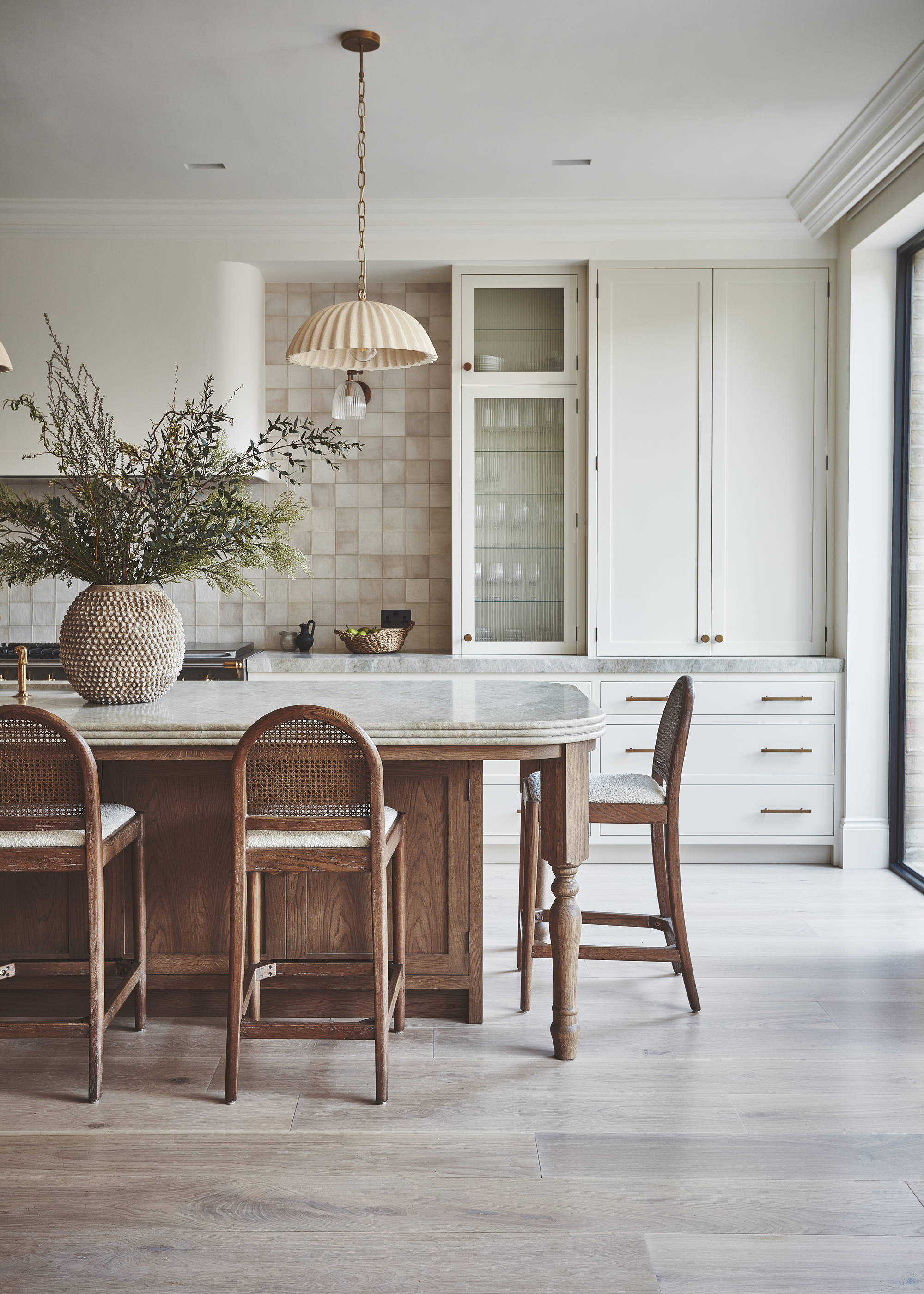
The latest kitchen trends reveal a shift away from traditional square and rectangular island forms towards more unconventional, curvilinear, and organic shapes. These softer silhouettes contribute to a more relaxed and fluid atmosphere, improving the rhythm and flow within the kitchen. Rounded islands, for instance, are gaining traction, especially in kitchens designed for entertaining, as their ergonomic benefits foster a more conducive environment for social interaction. Furthermore, designs incorporating asymmetrical structures, multi-tiered arrangements, and zoning for different activities allow for highly customized solutions that align with the specific style and functional requirements of each kitchen.
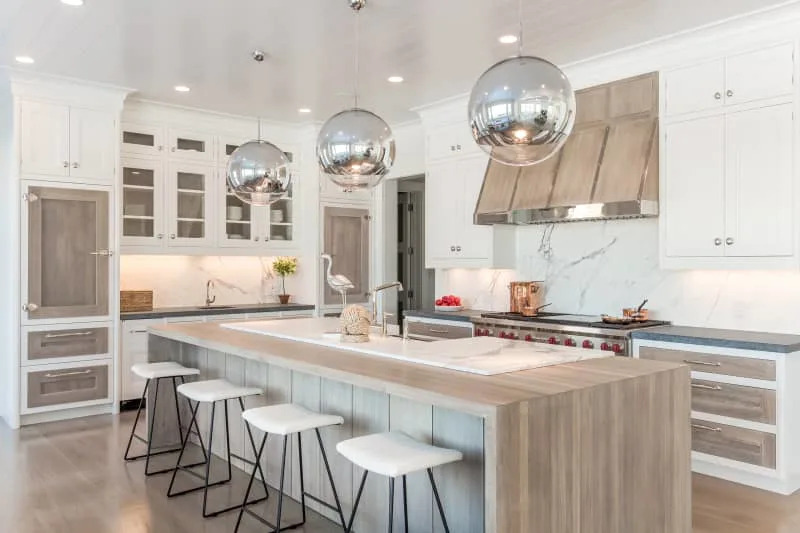
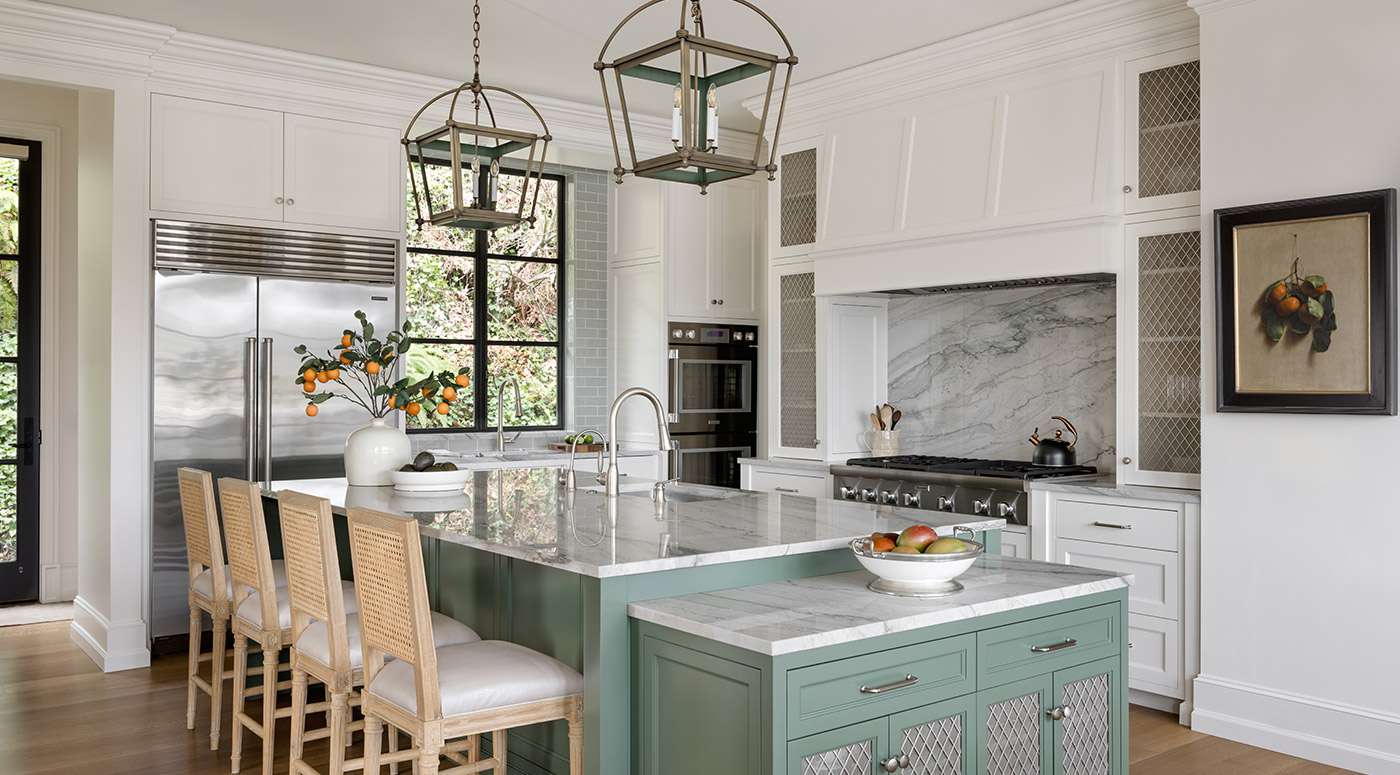
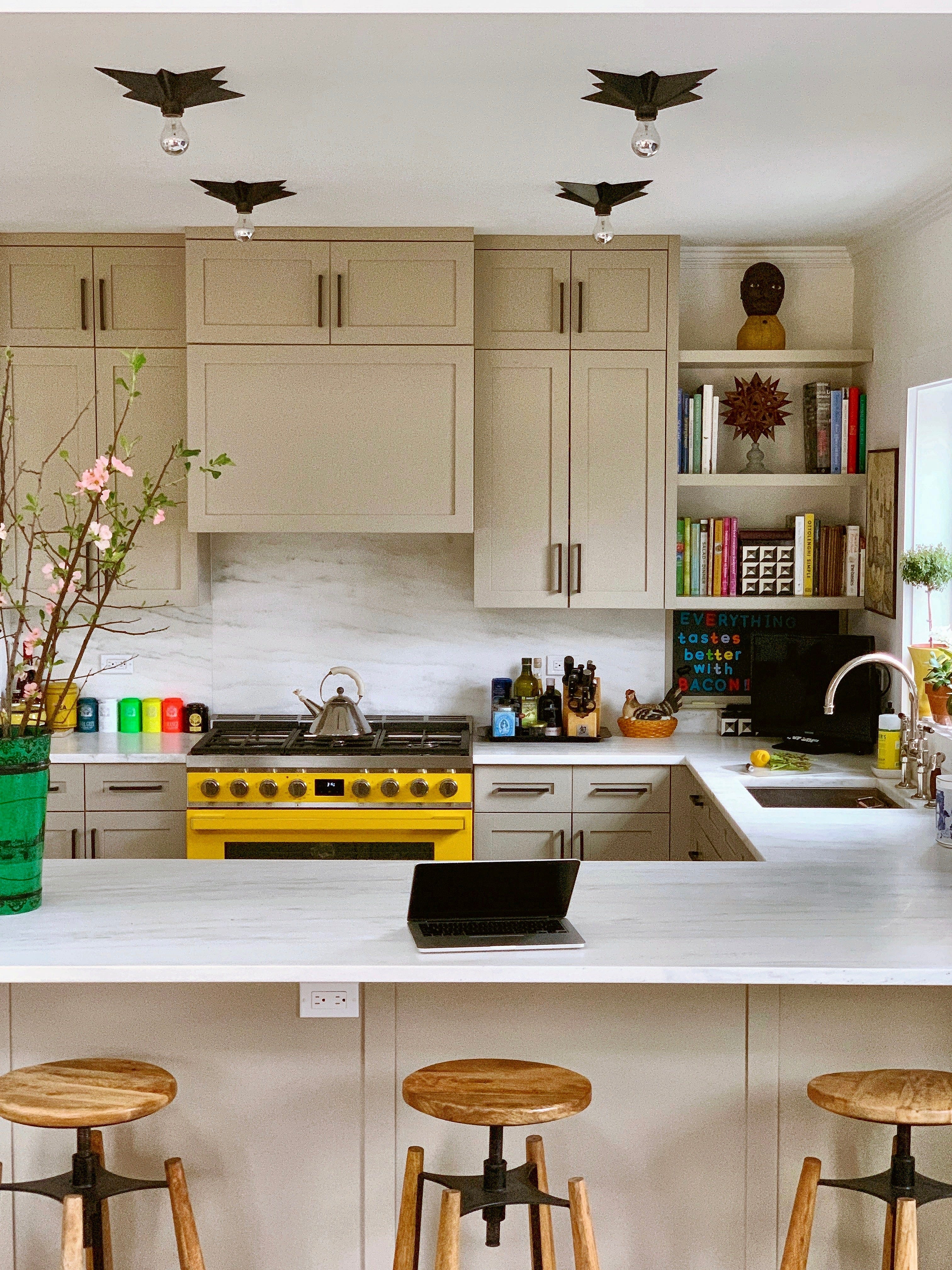
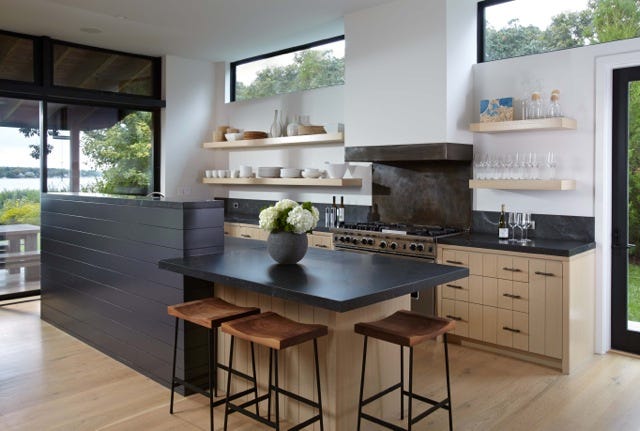
Seating integration is another evolving aspect of kitchen island design. Many individuals choose a kitchen island specifically to create an informal dining or social area. Contemporary designs frequently incorporate various seating options, moving beyond simple bar stools to include banquette and booth seating, and even a mix of chair types to offer diverse comfort levels and clearly delineate different zones within the island. This emphasis on seating transforms the island into a versatile hub for family and friends, reinforcing the kitchen's role as the heart of the home.
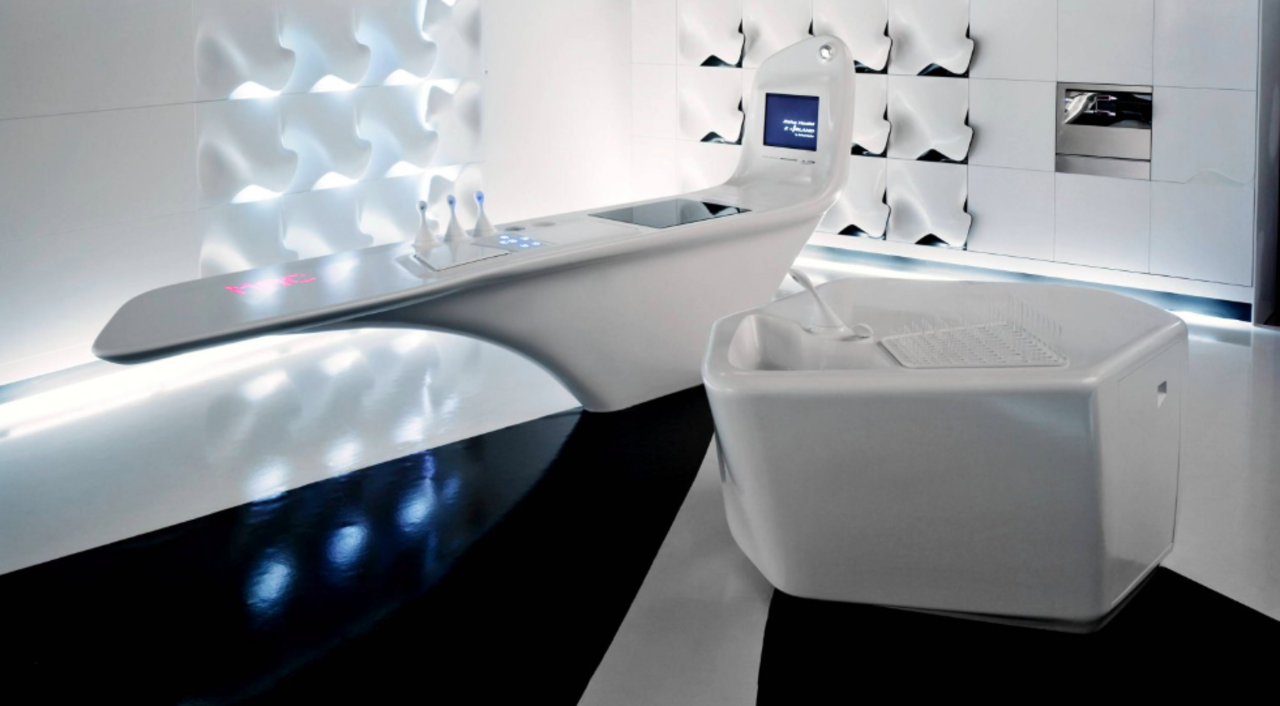
Modern kitchen islands are characterized by their bespoke nature, designed to meet the specific demands of contemporary lifestyles. They transcend their traditional role as food preparation surfaces, evolving into multi-functional zones that can include integrated appliances like sinks, hobs, and ovens, as well as serving as dining areas, home offices, or entertainment centers. Customization in shape, size, and features ensures that an island perfectly complements the household's needs and aesthetic preferences, making it a highly adaptable and integrated part of the kitchen environment.
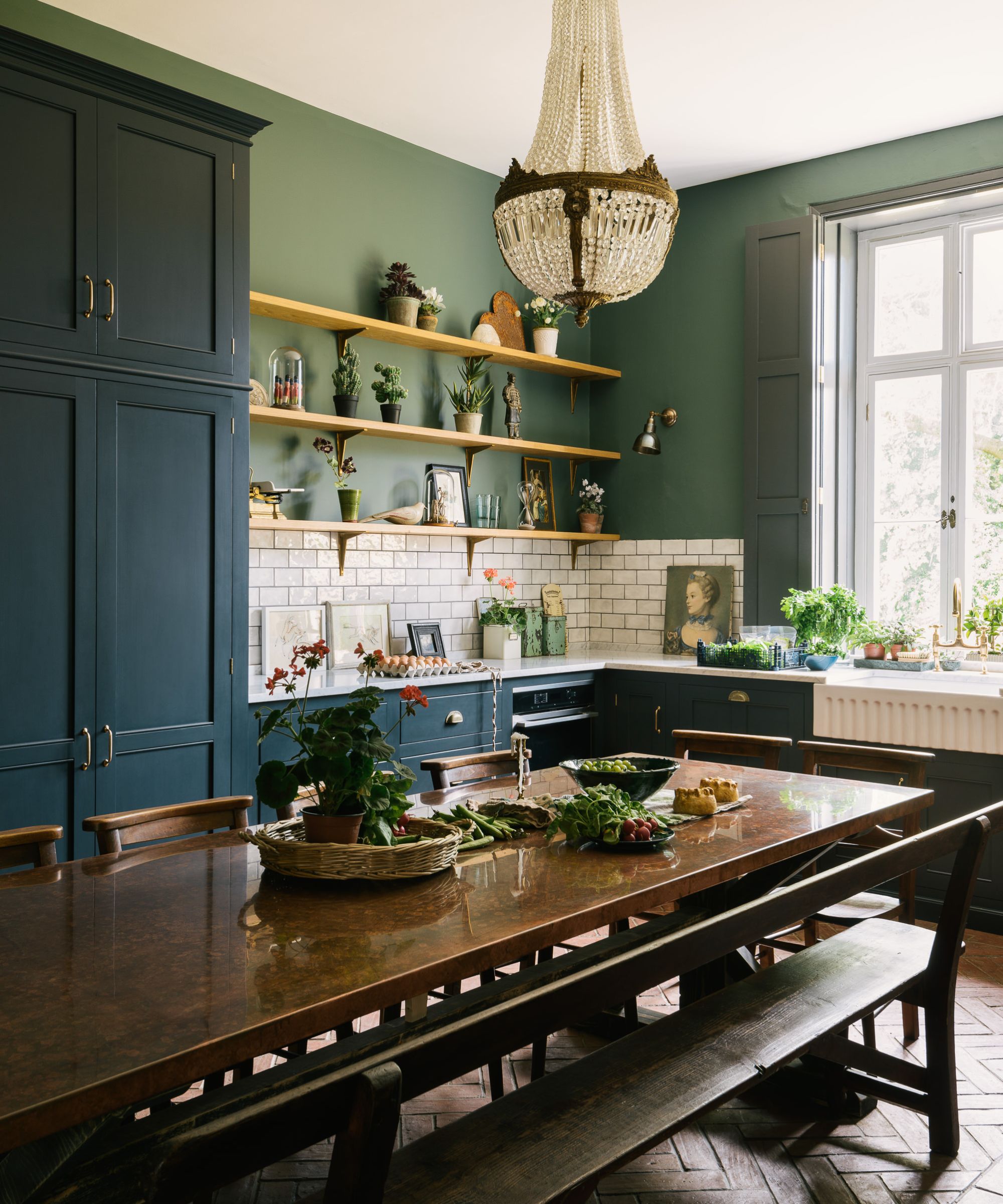
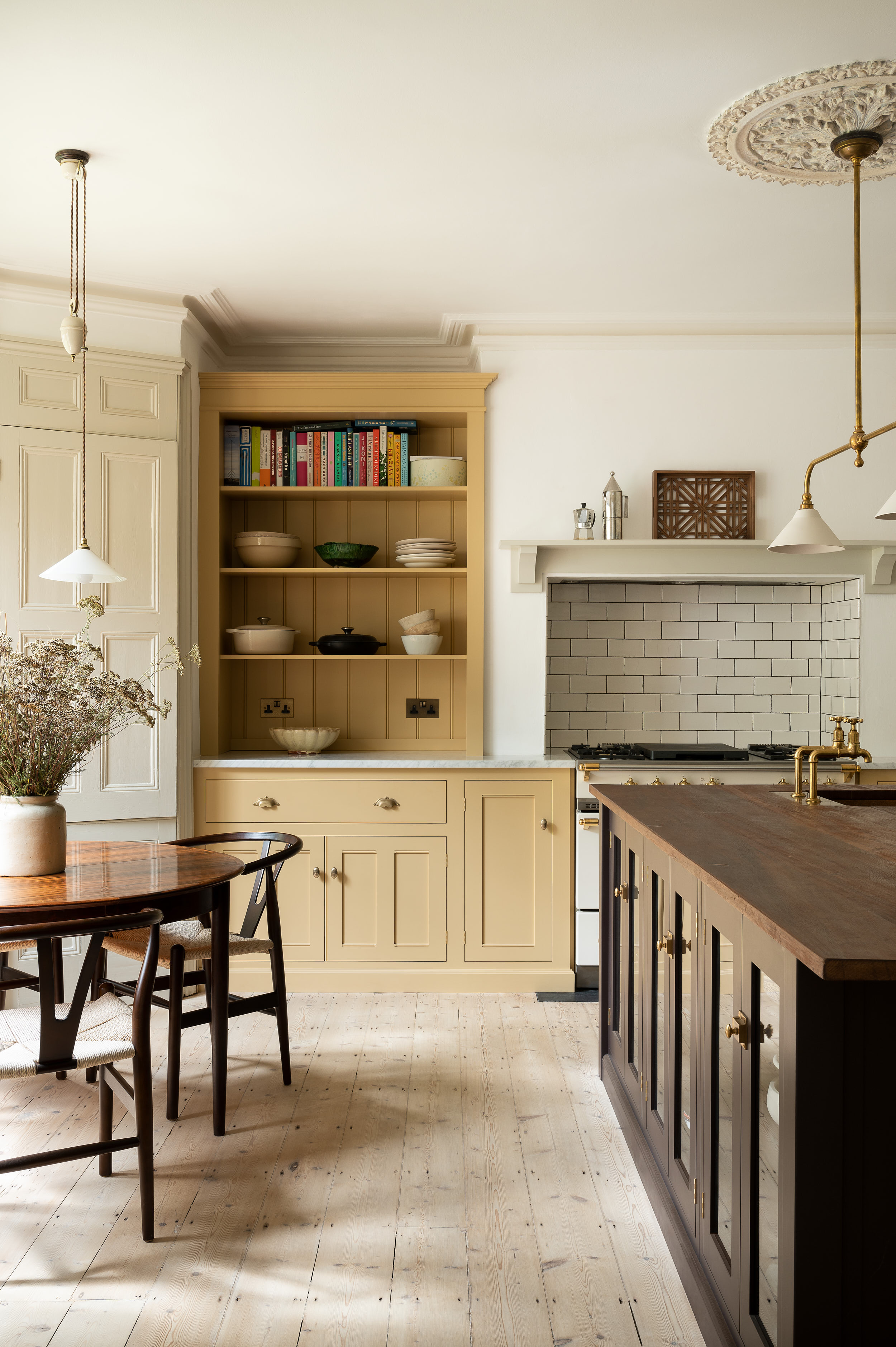
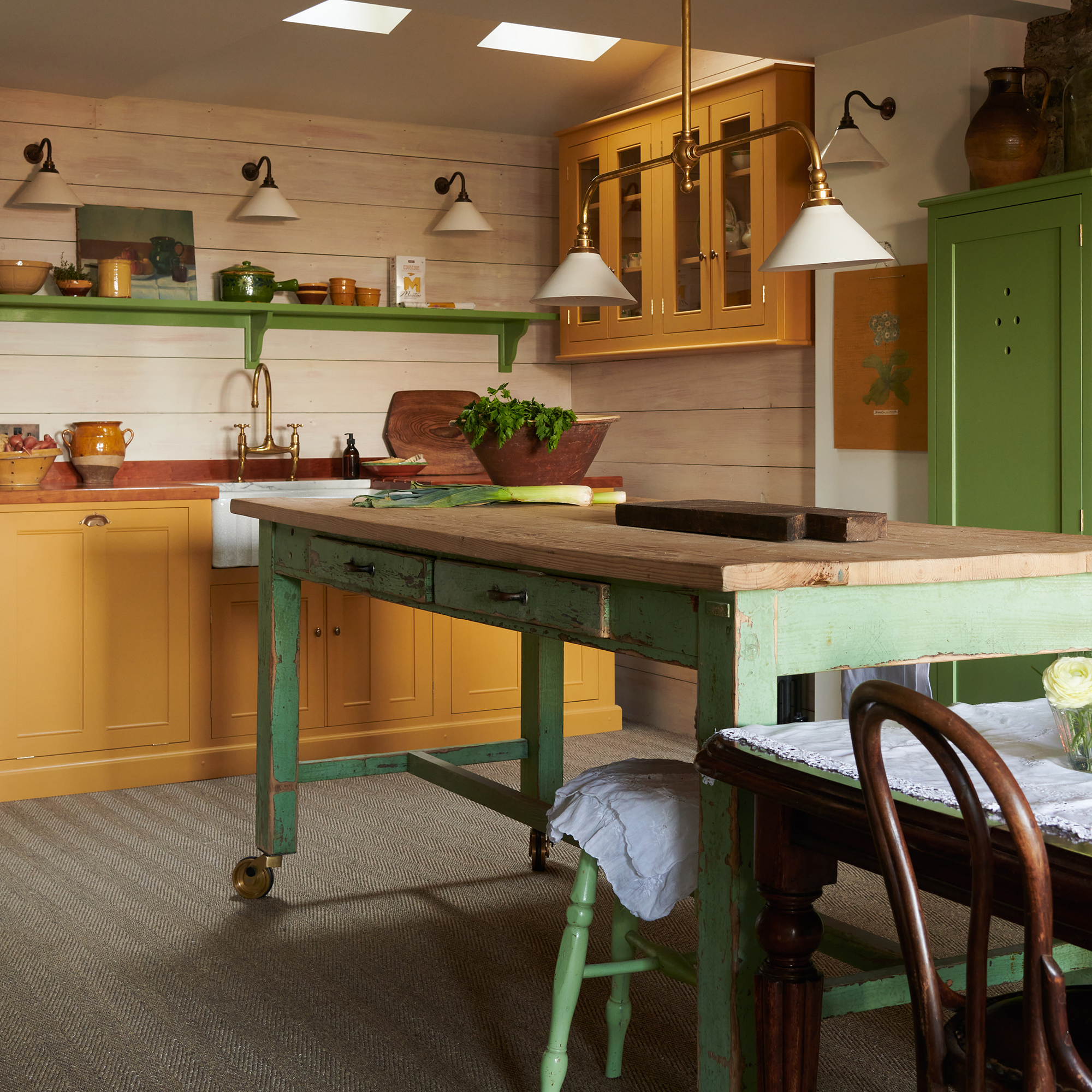
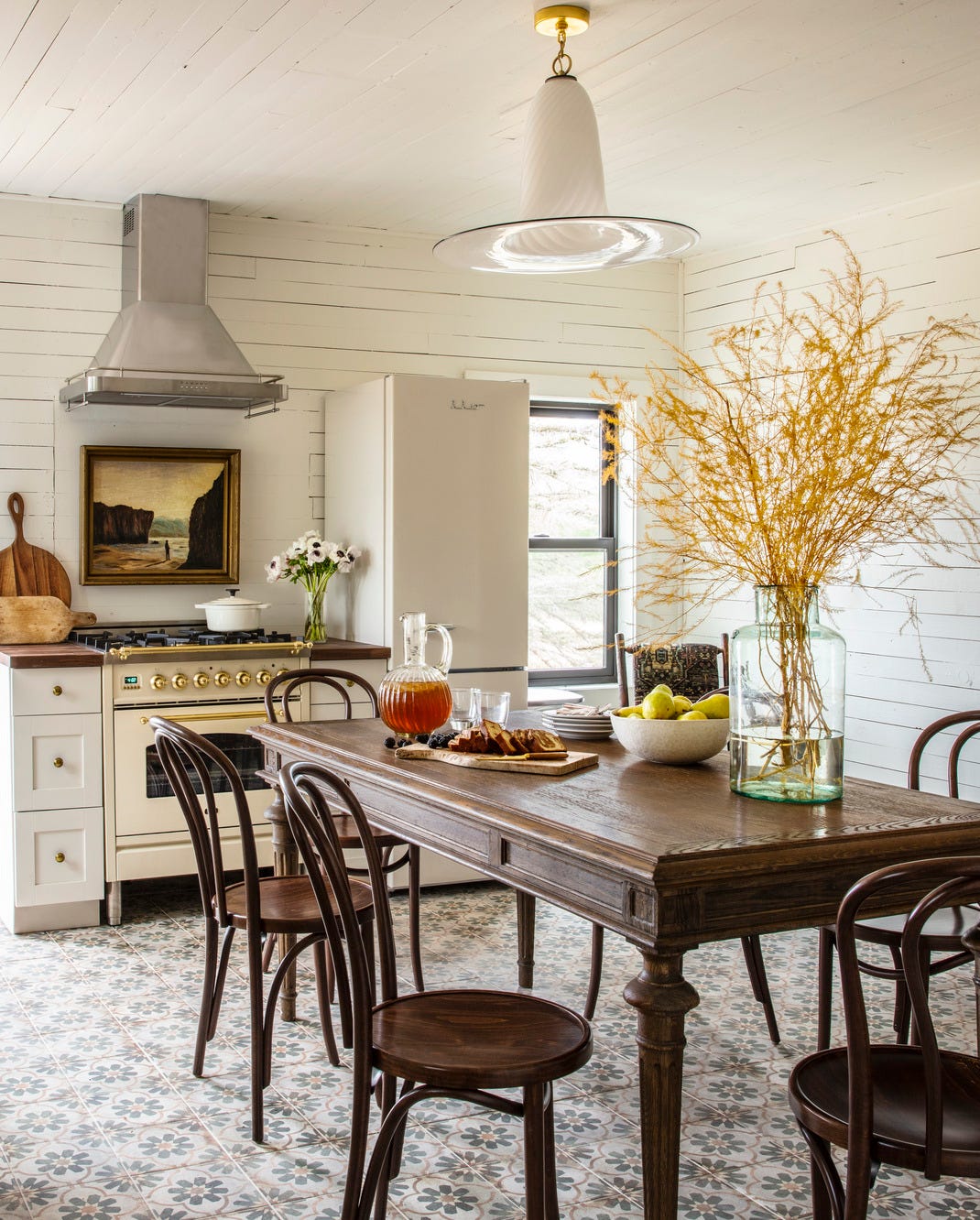
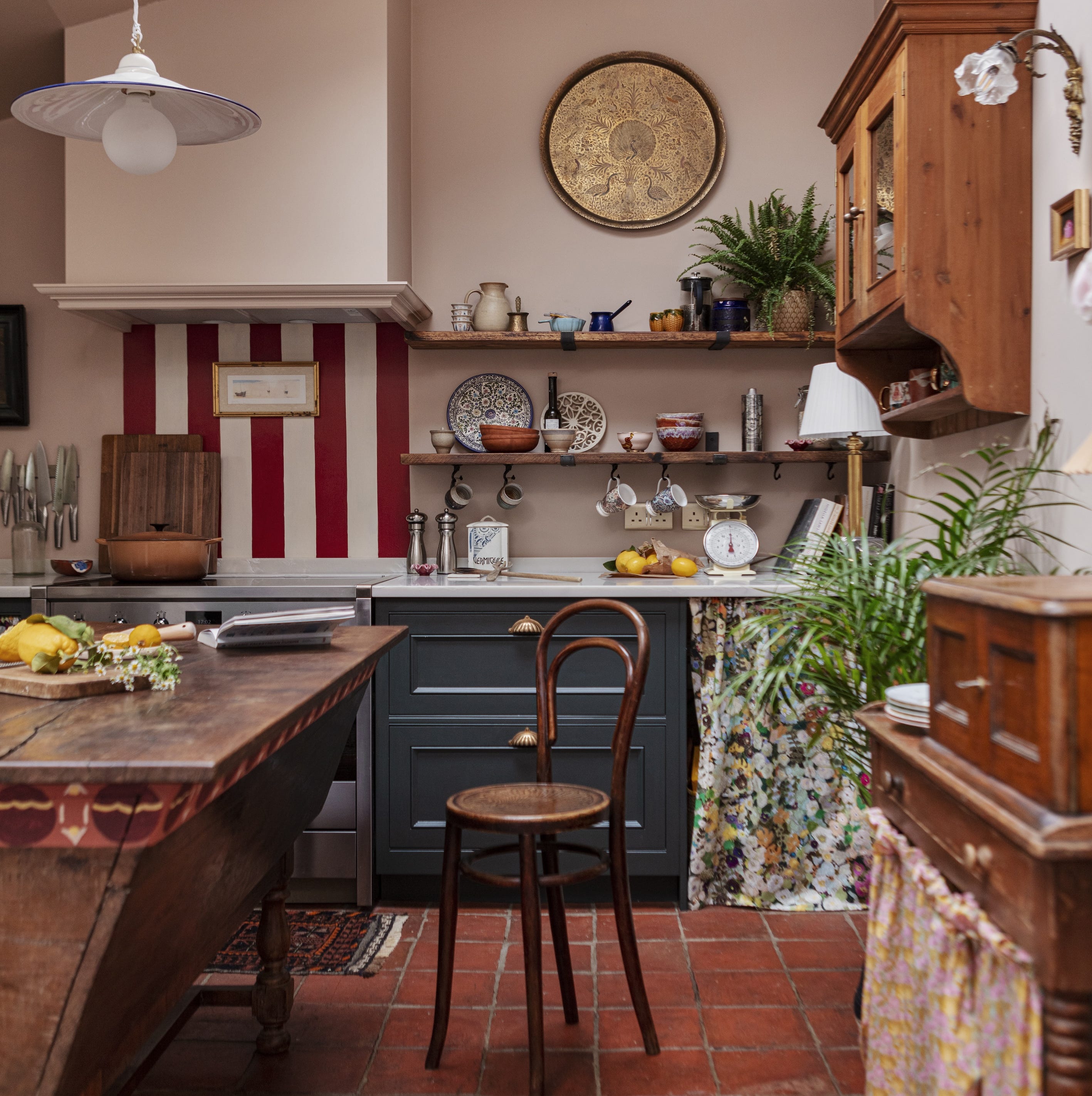
However, for kitchens where the primary goal is to create a social and dining area, a conventional dining table might be a more suitable alternative to an island. In homes without a separate dining room, placing a dining table in the kitchen can establish a natural gathering hub, drawing people together more effectively than an island might. Ultimately, the decision to include a kitchen island, or its alternative, hinges on a careful evaluation of kitchen size, functional requirements, and desired social dynamics. While kitchen islands are not outdated, their design continues to evolve to meet changing needs, with an emphasis on larger, more integrated, and aesthetically rich forms that enhance the gathering experience within the kitchen.
#KitchenDesign #KitchenIslands #InteriorDesign #HomeDecor #KitchenLayout #BespokeKitchens #KitchenTrends #SpacePlanning #KitchenDesign #KitchenIslands #InteriorDesign #HomeDecor #KitchenLayout #BespokeKitchens #KitchenTrends #SpacePlanning
0 comment in total
 No comments yet
You may also like
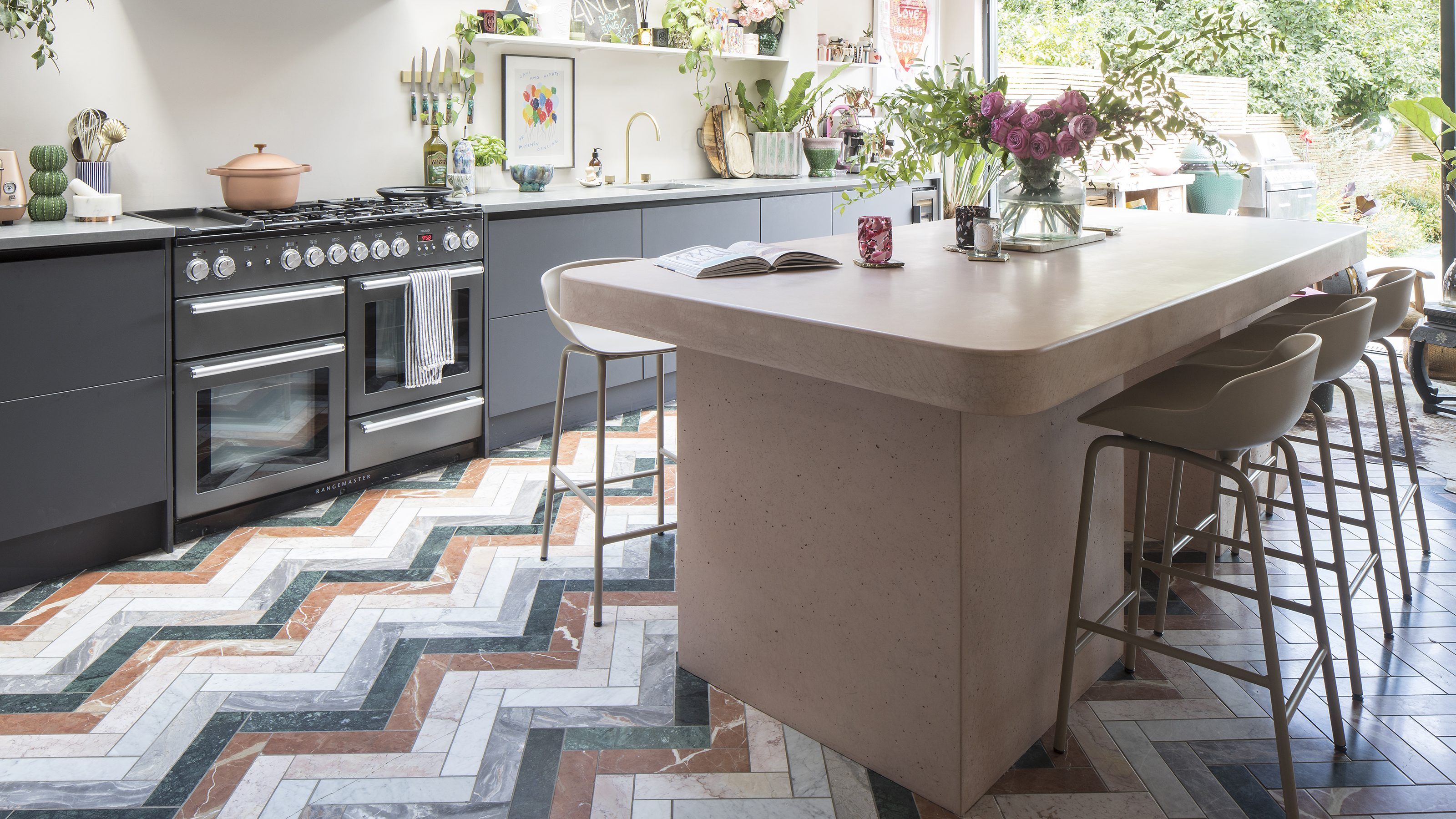
Are kitchen islands going out of style? Kitchen designers say they're here to stay but with a twist
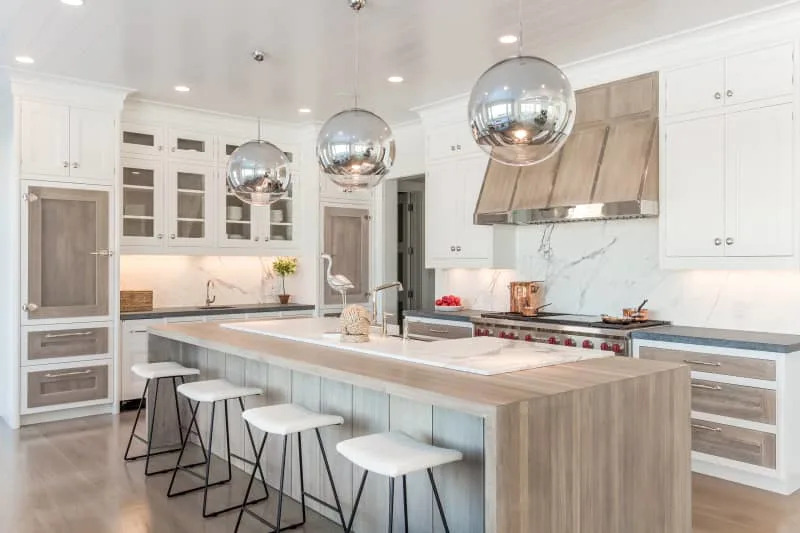
3 Kitchen Island Trends That Interior Designers Love (and 2 to Skip)

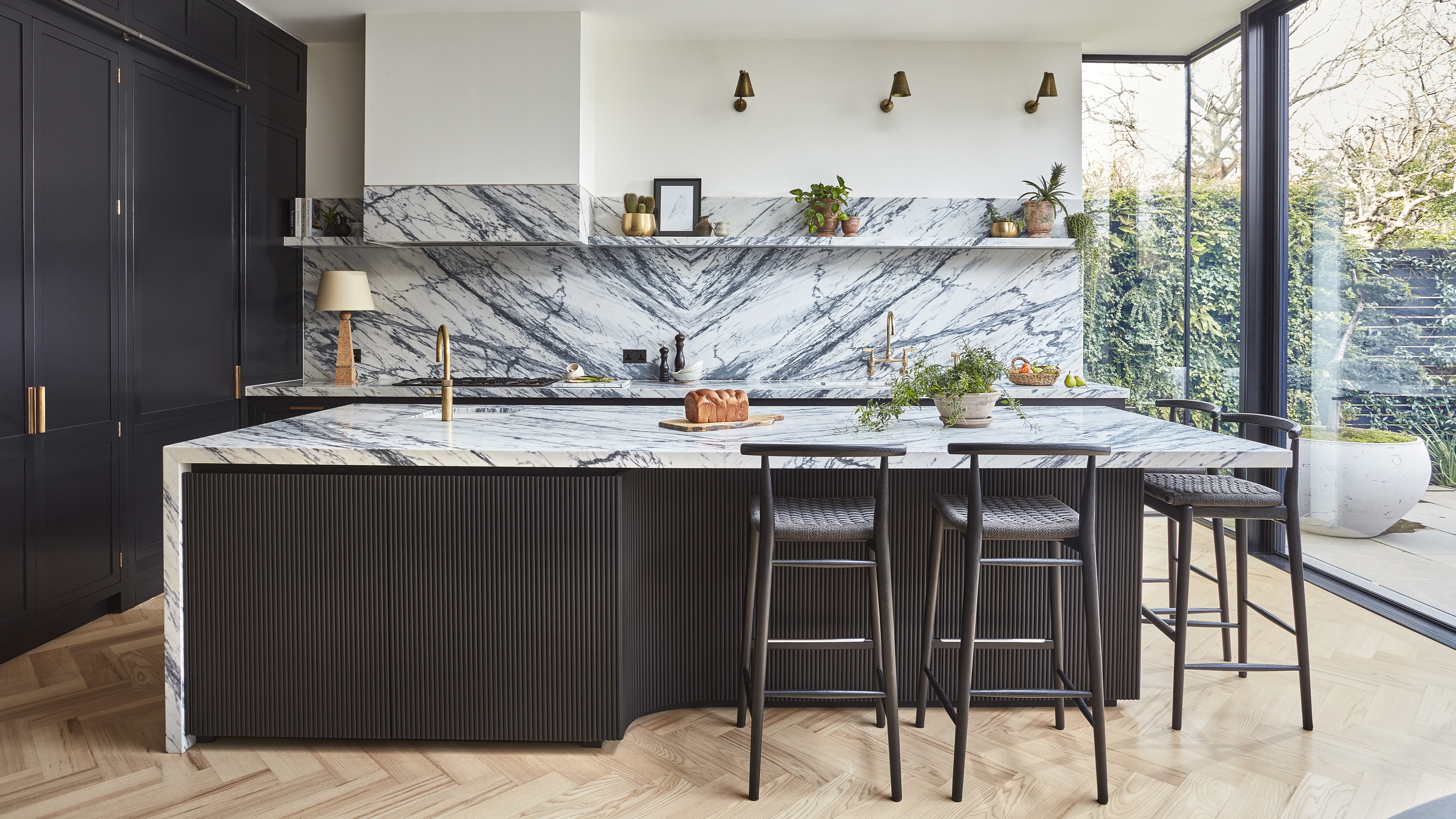
Are Islands Ruining Kitchens? We Asked Designers If This Once-Favorable Feature Has Lost Its Appeal

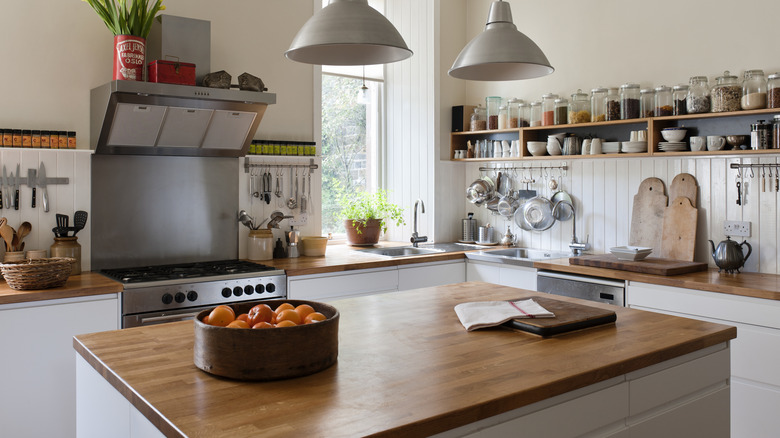
The Popular Kitchen Island Style That's Making Your Home Look Dated In 2025
Are kitchen islands going out of style? Experts weigh in on whether it's time to ditch this beloved feature
We Asked Kitchen Remodel Experts What Trends Are Actually Timeless

5 Kitchen Island Trends That Are on Their Way Out, According to Real Estate Experts
Is it time to say goodbye to kitchen islands?
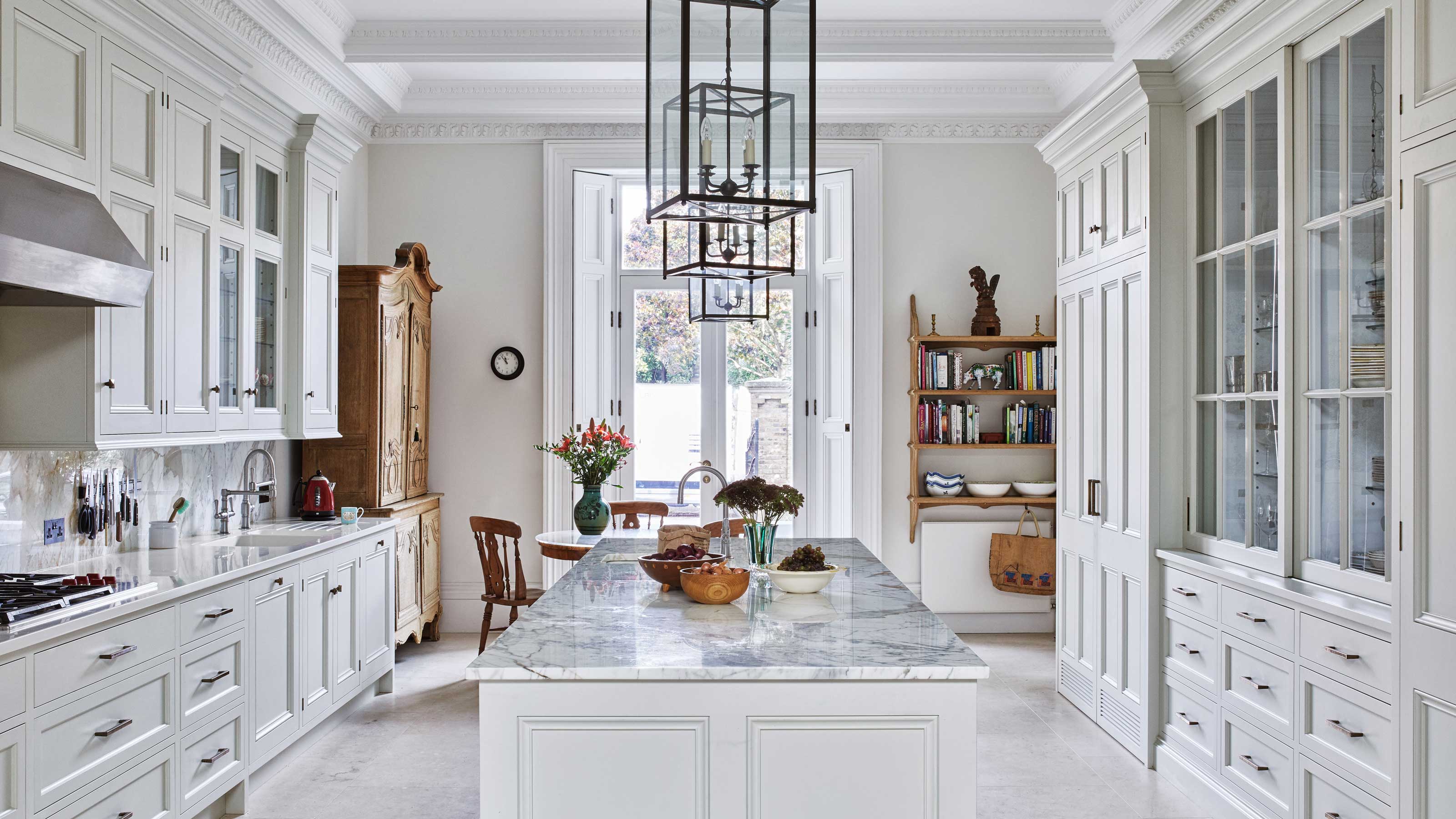
Do you need a kitchen island? Designers weigh in on are they an essential or are islands becoming outdated
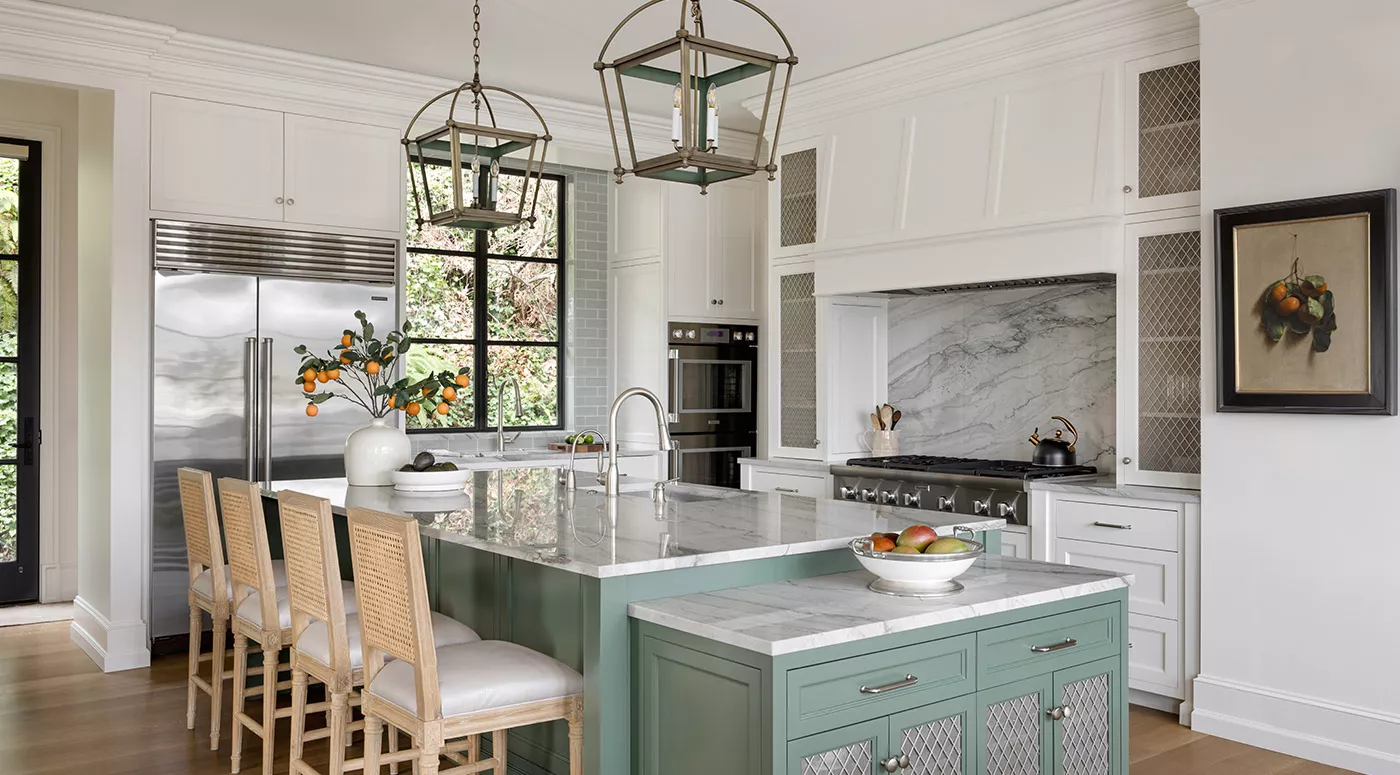
7 Outdated Kitchen Island Styles Designers Never Want to See Again

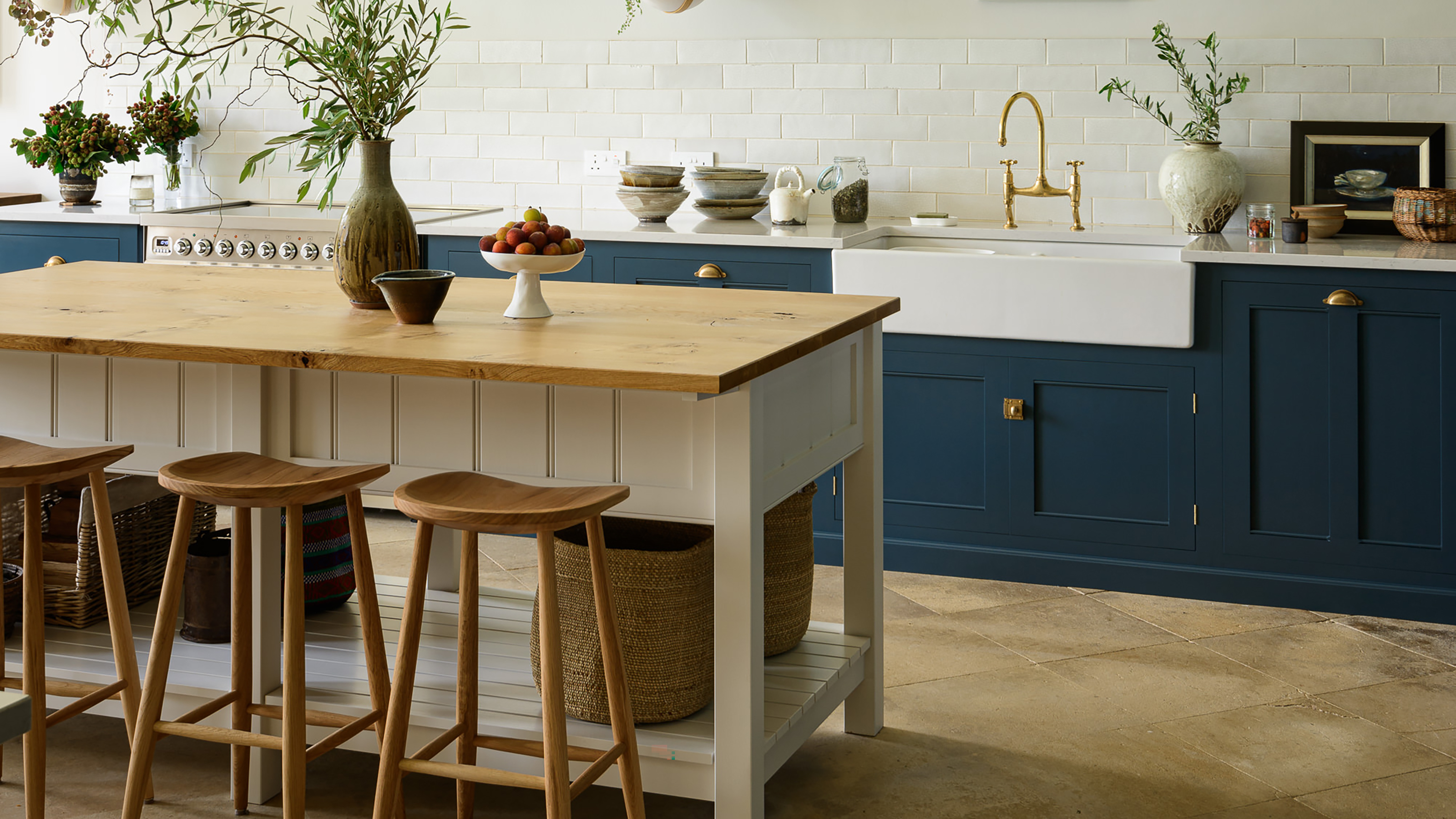
Are kitchen islands out? Kitchen experts agree that the prep table might be it's trendy replacement

15 Stunning Kitchen Island Trends That Are Set To Dominate Throughout 2025
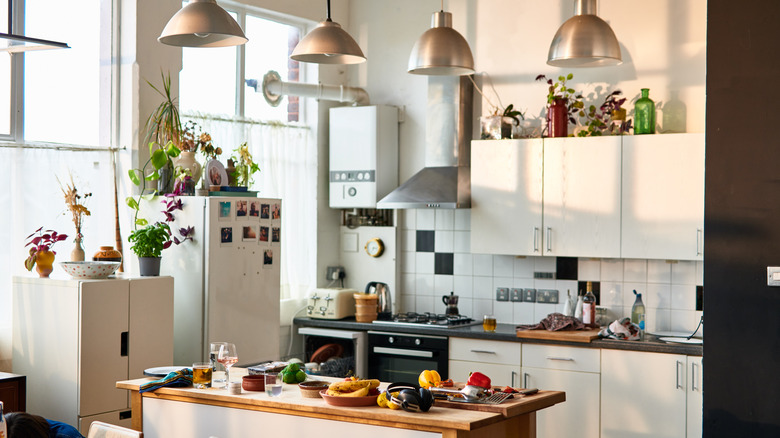
The Classic Kitchen Design Trend That Might Never Go Out Of Style

Futuristic Kitchen Islands
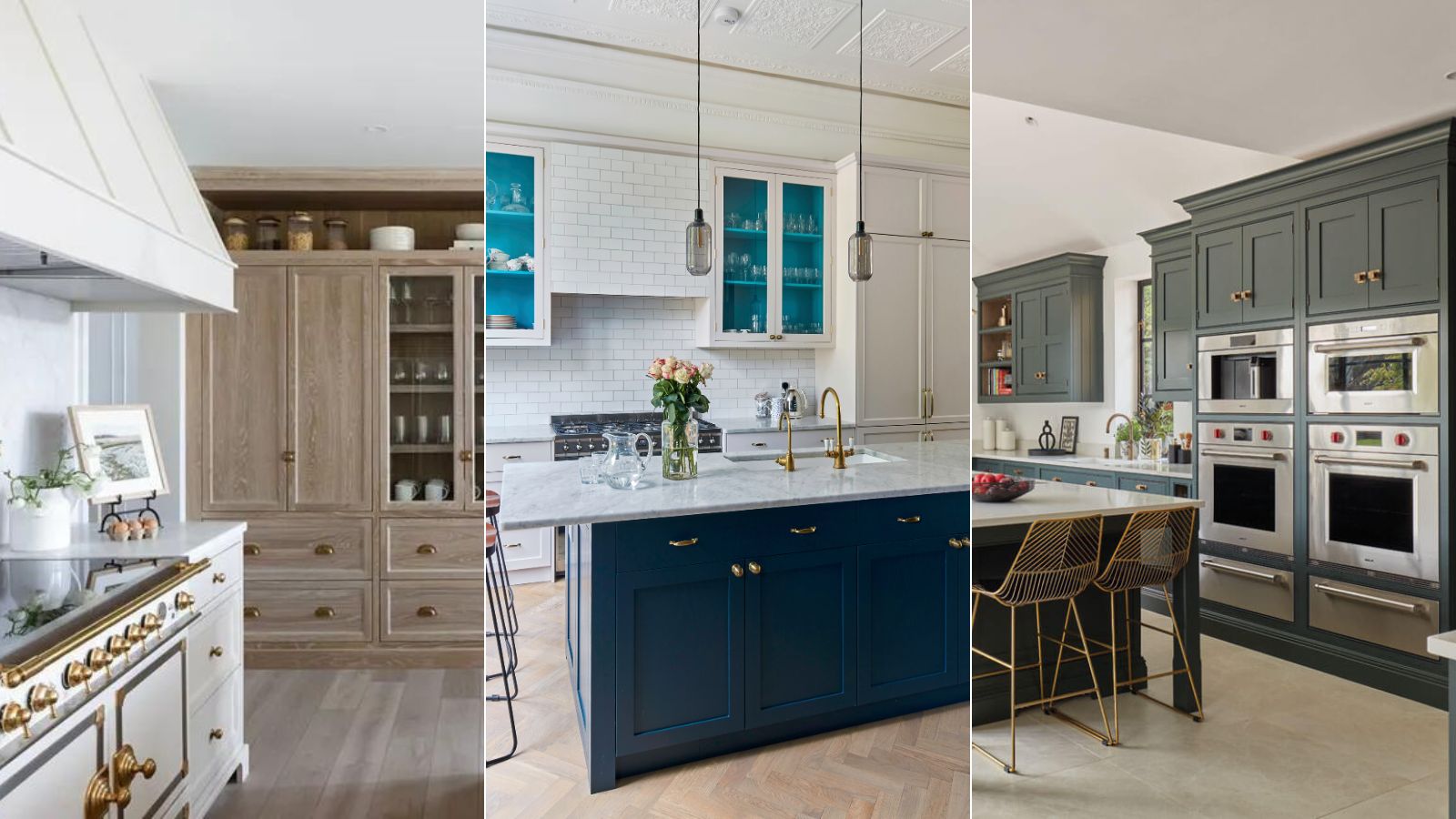
What's the most timeless kitchen hardware? These are the designs that transcend trends, say interior designers
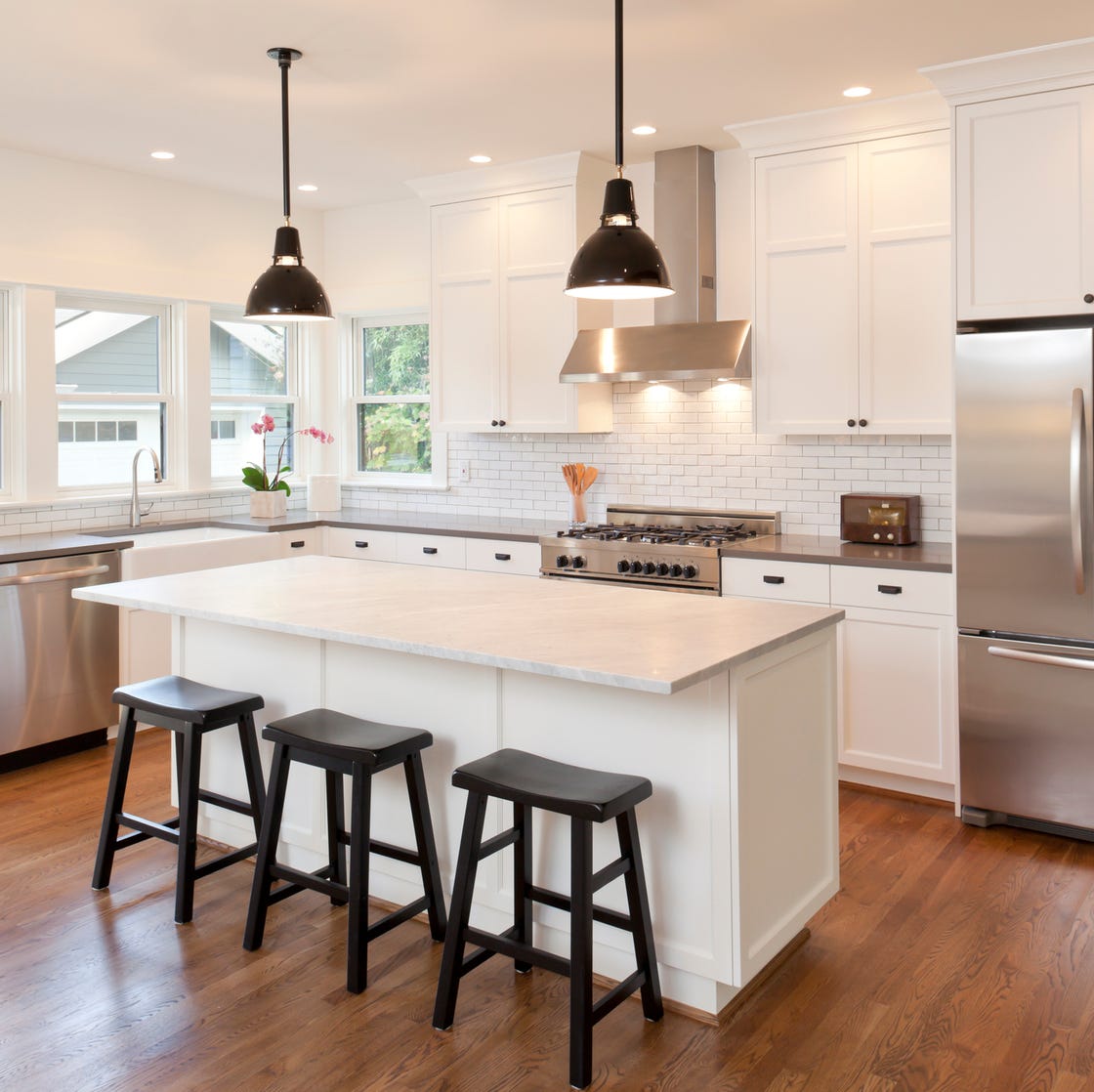
13 Kitchen Decorating Ideas Designers Can't Wait to Say Goodbye To

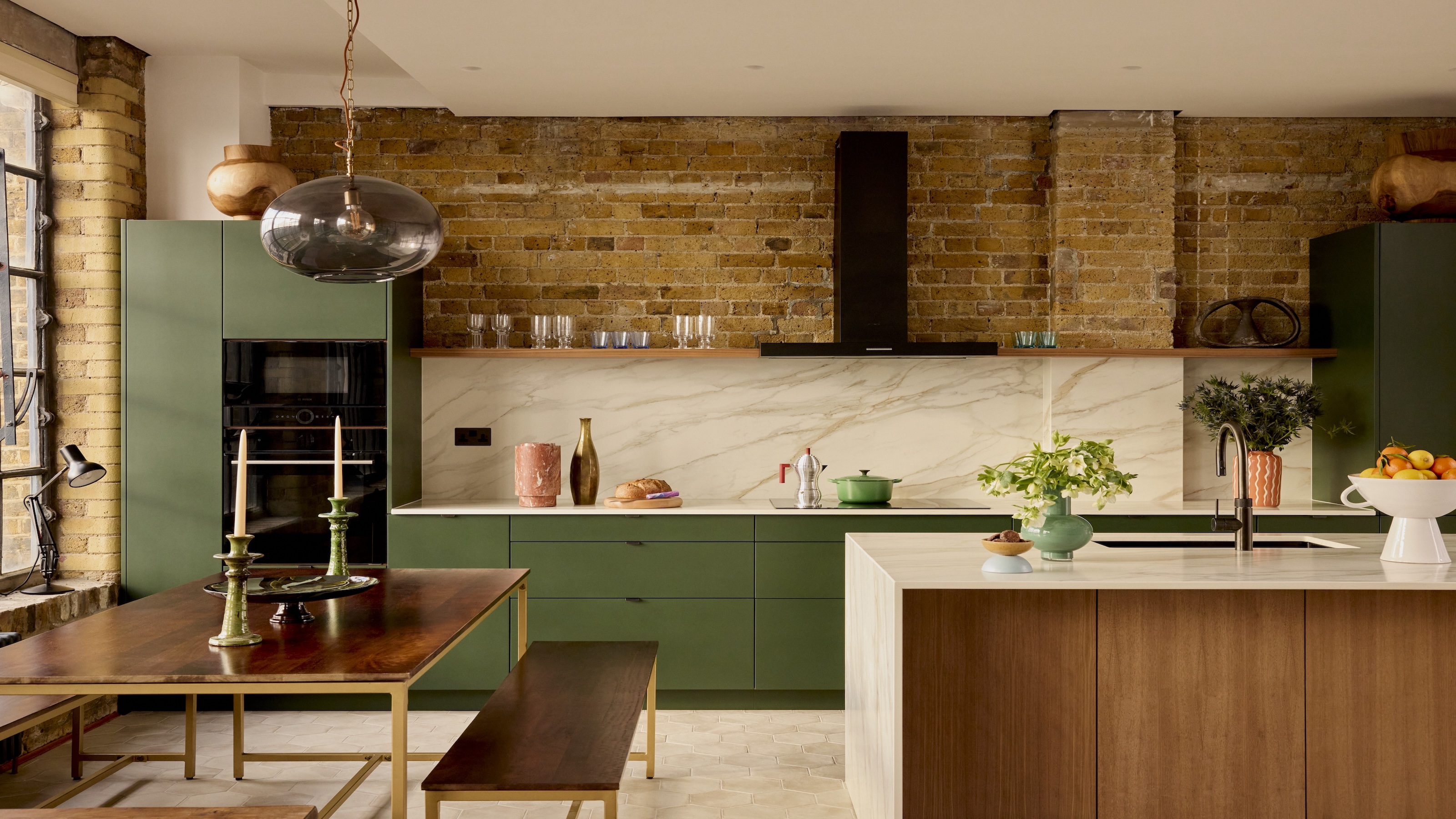
10 Outdated Kitchen Island Trends to Avoid in 2025 Remodels — And What Designers Are Doing Instead
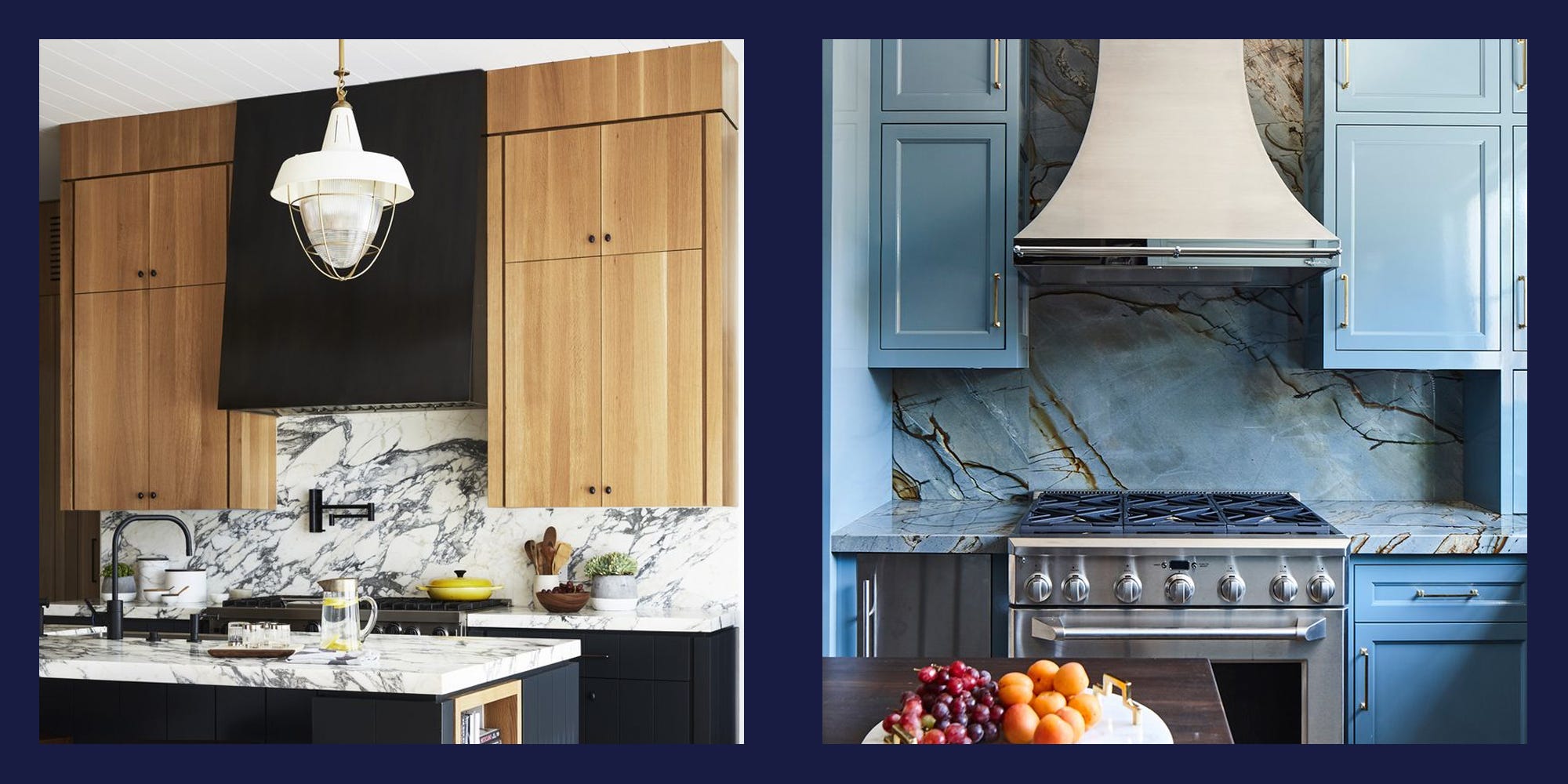
Top Designers Say These Kitchen Trends are Long-Lasting

How To Design A Kitchen That Won't Look Dated Down The Line – An Expert Guide

The Popular Kitchen Island Style That's Making Your Home Look Dated In 2025