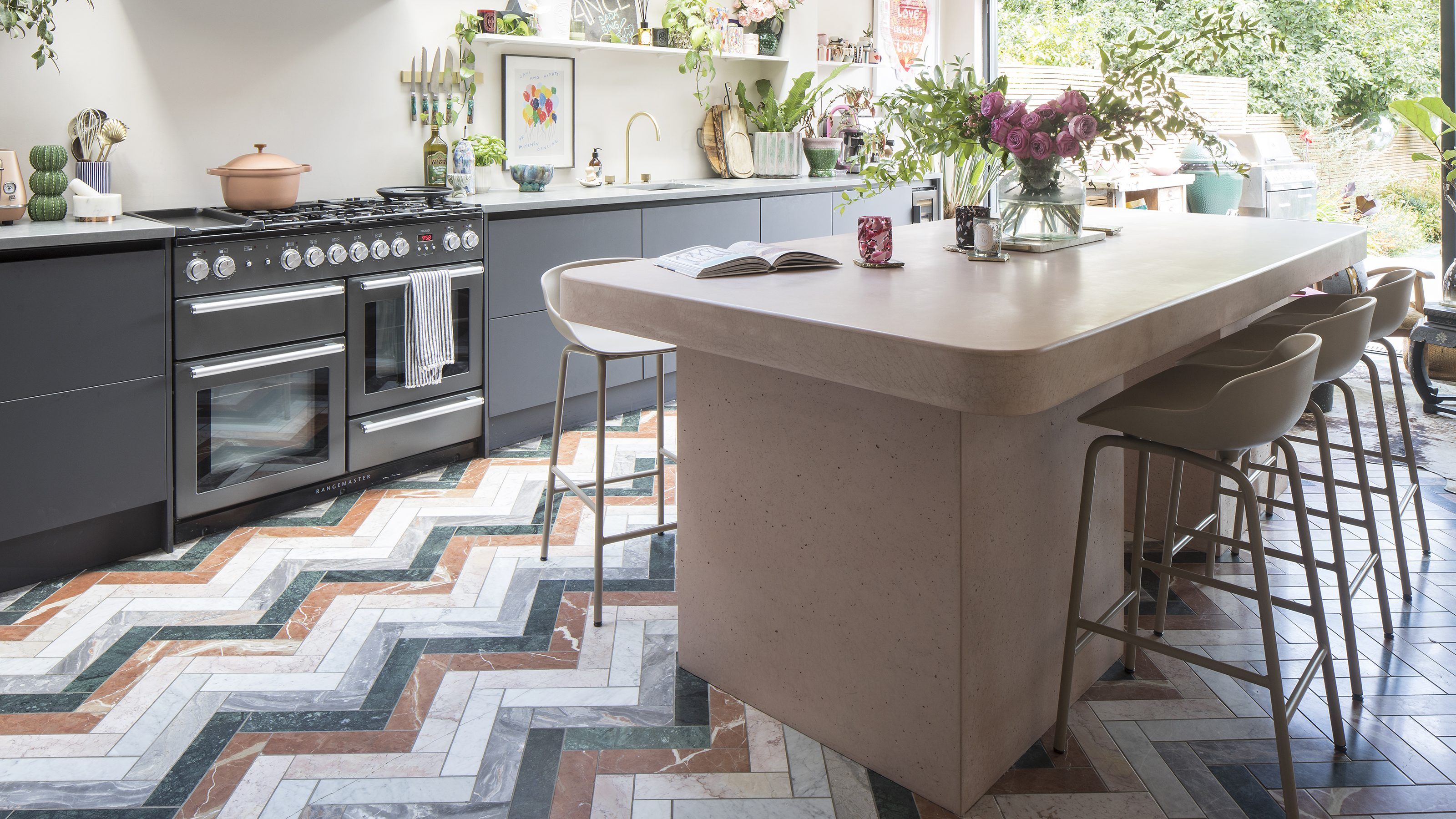
1/8
Are kitchen islands going out of style? Kitchen designers say they're here to stay but with a twist
This article explores whether kitchen islands are still a relevant and fashionable design element in modern kitchens, concluding that they are indeed here to stay, albeit with evolving designs and functionalities. It delves into various reasons why kitchen islands remain popular and offers insights from several kitchen design experts.
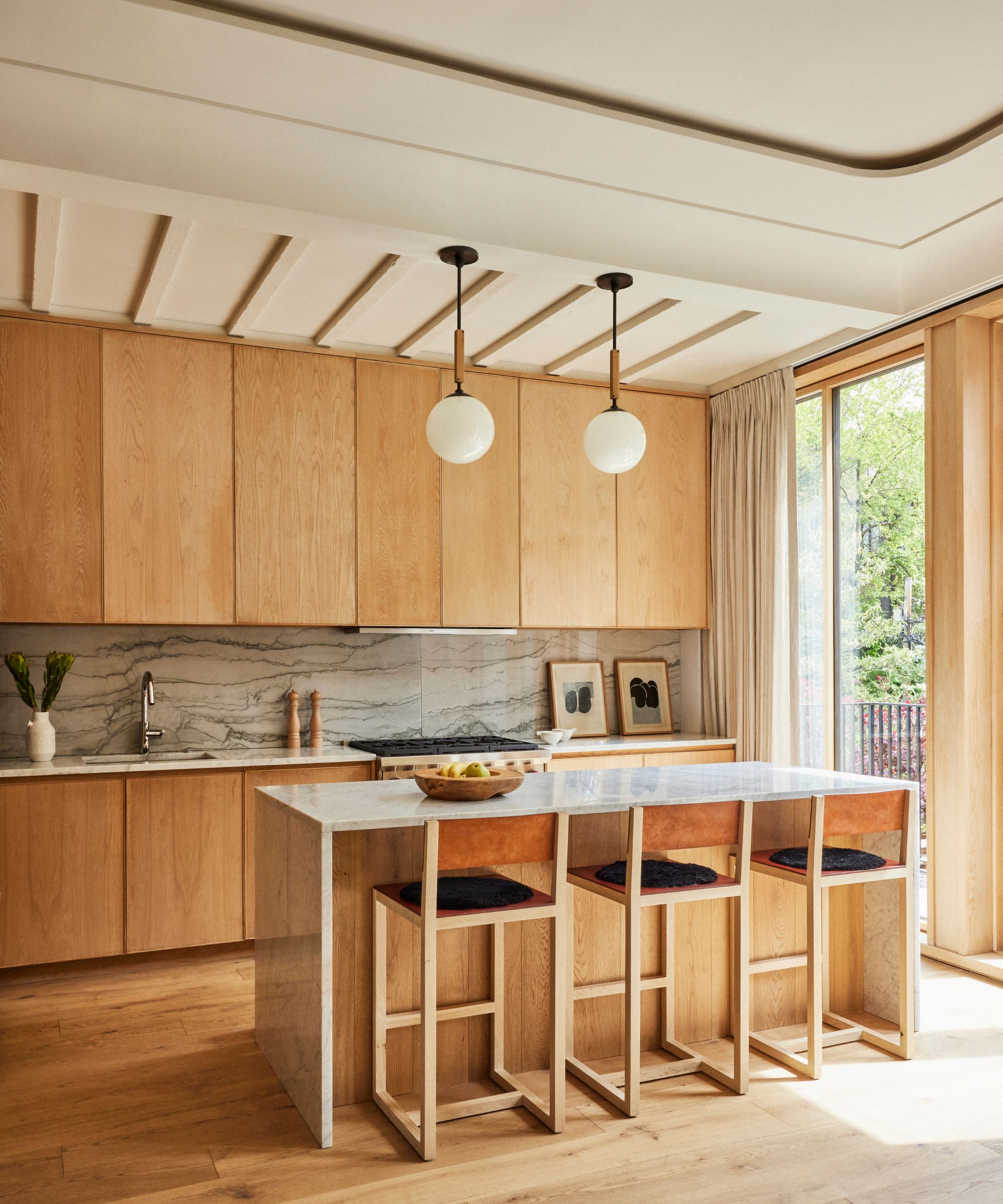
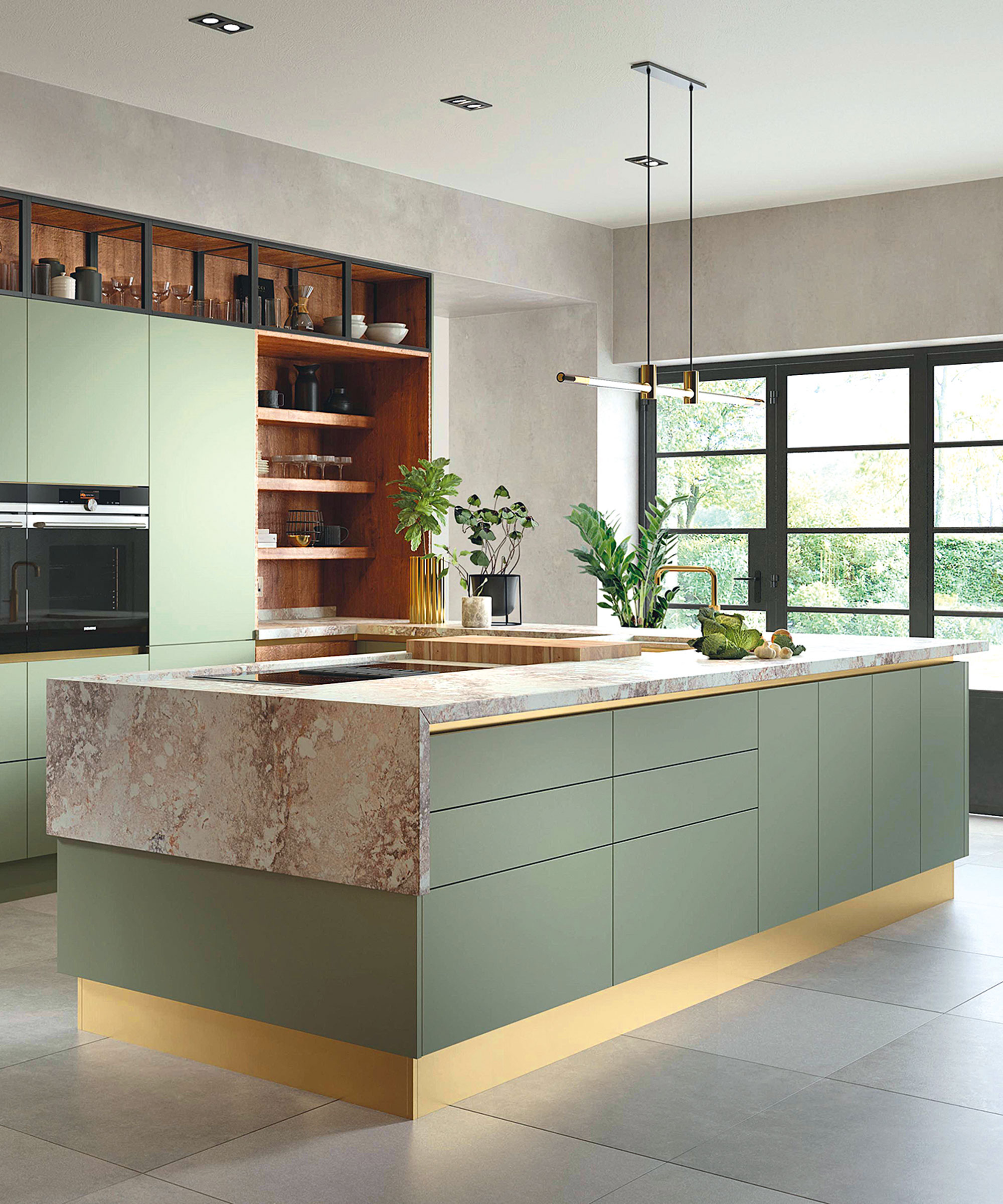
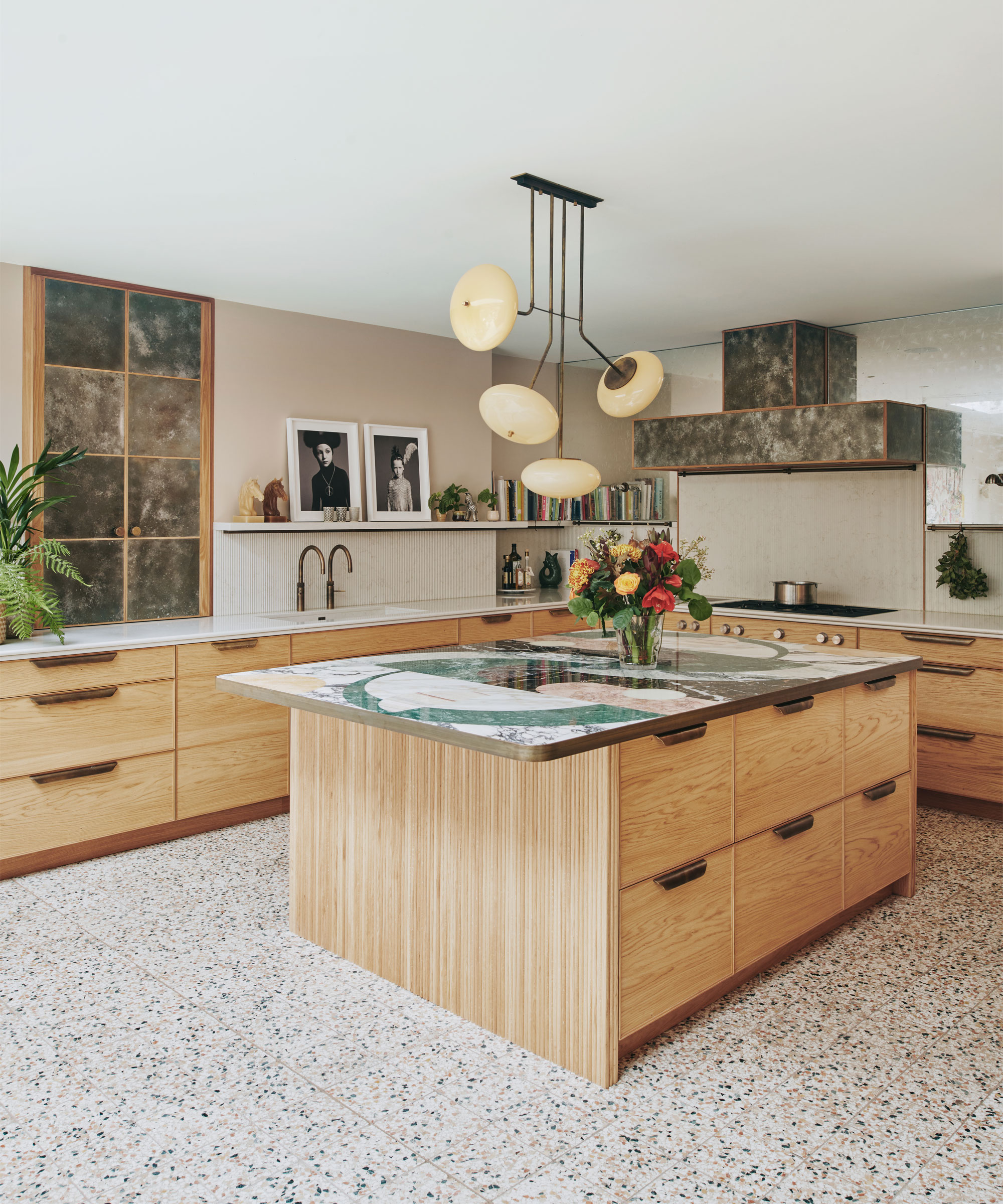
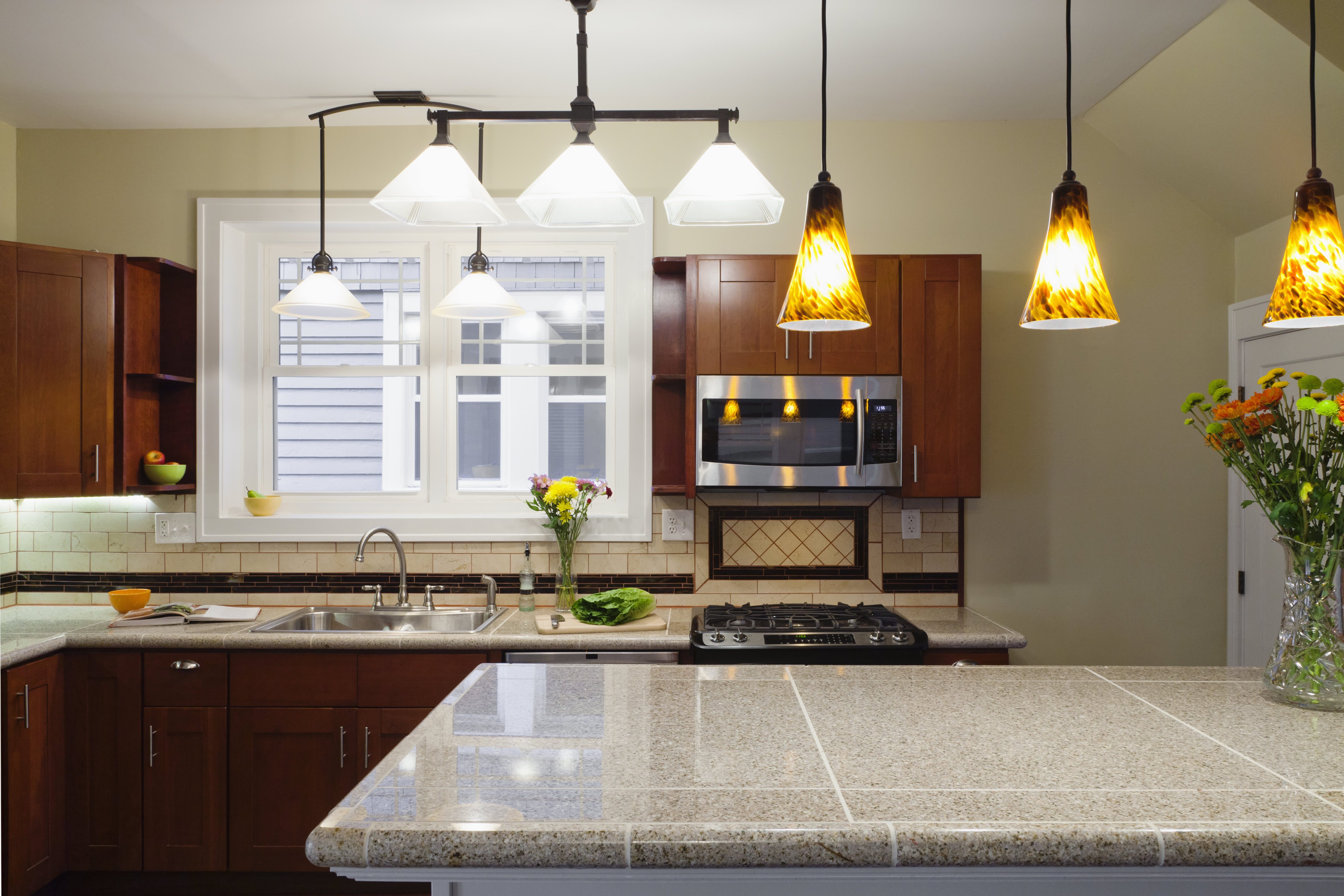
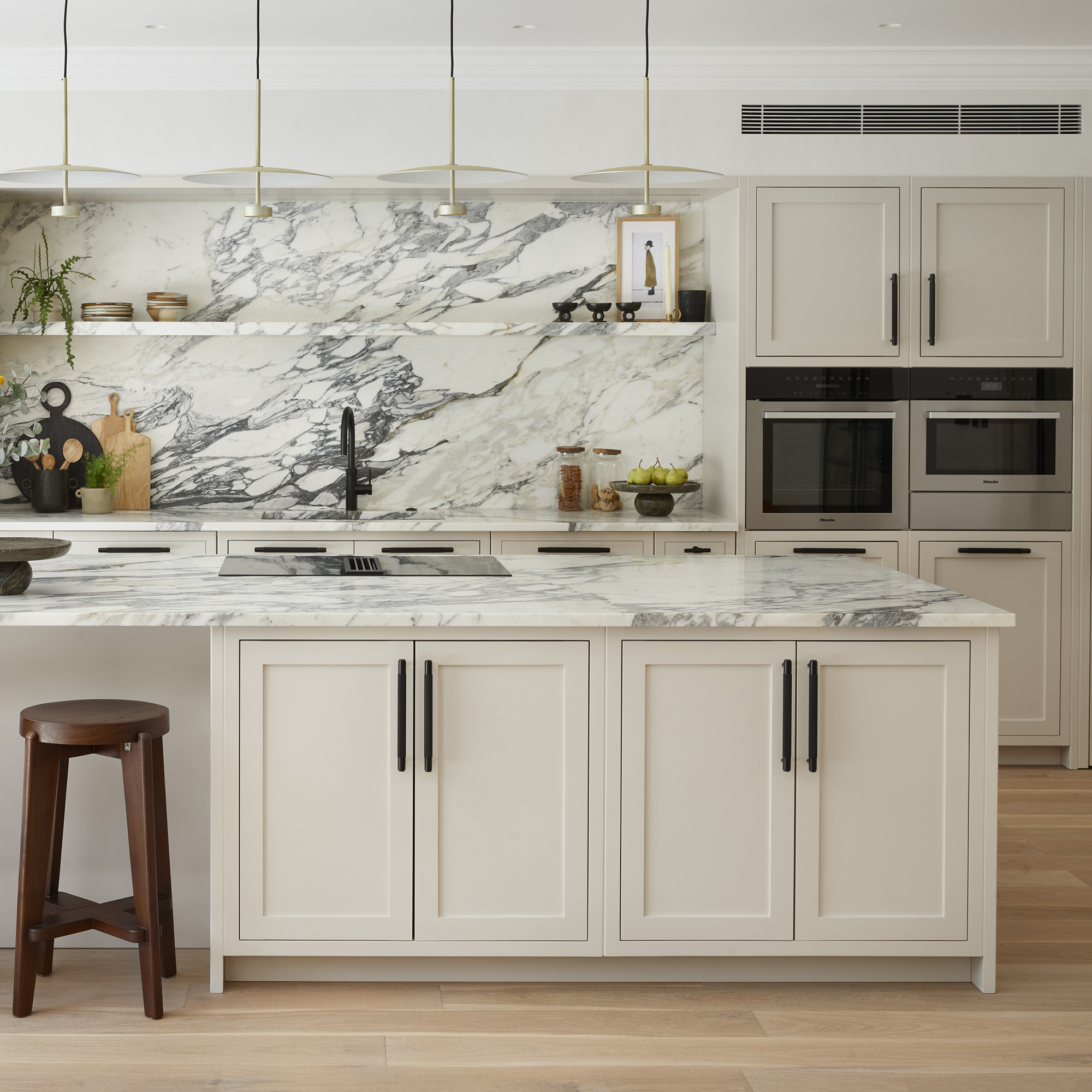
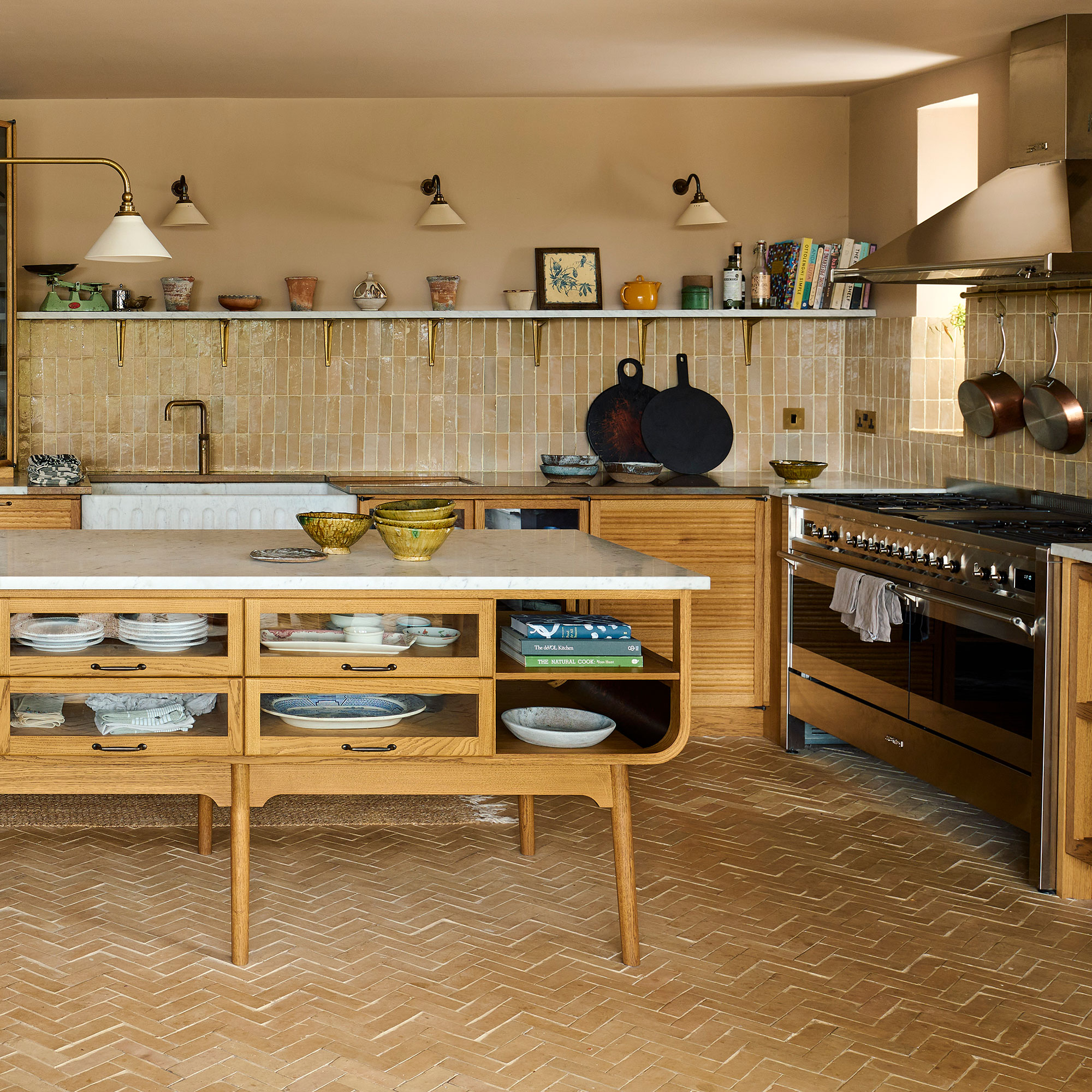
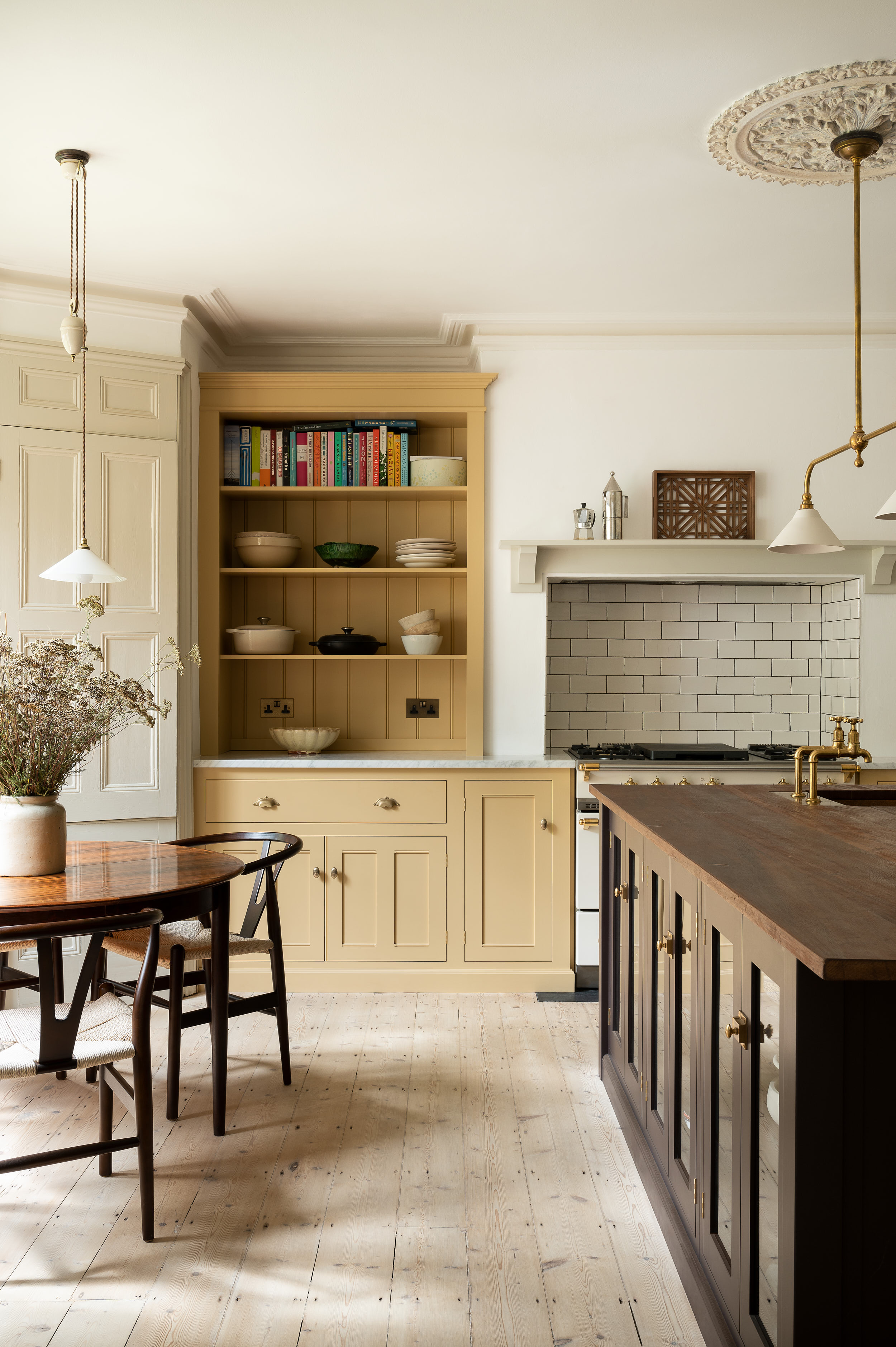
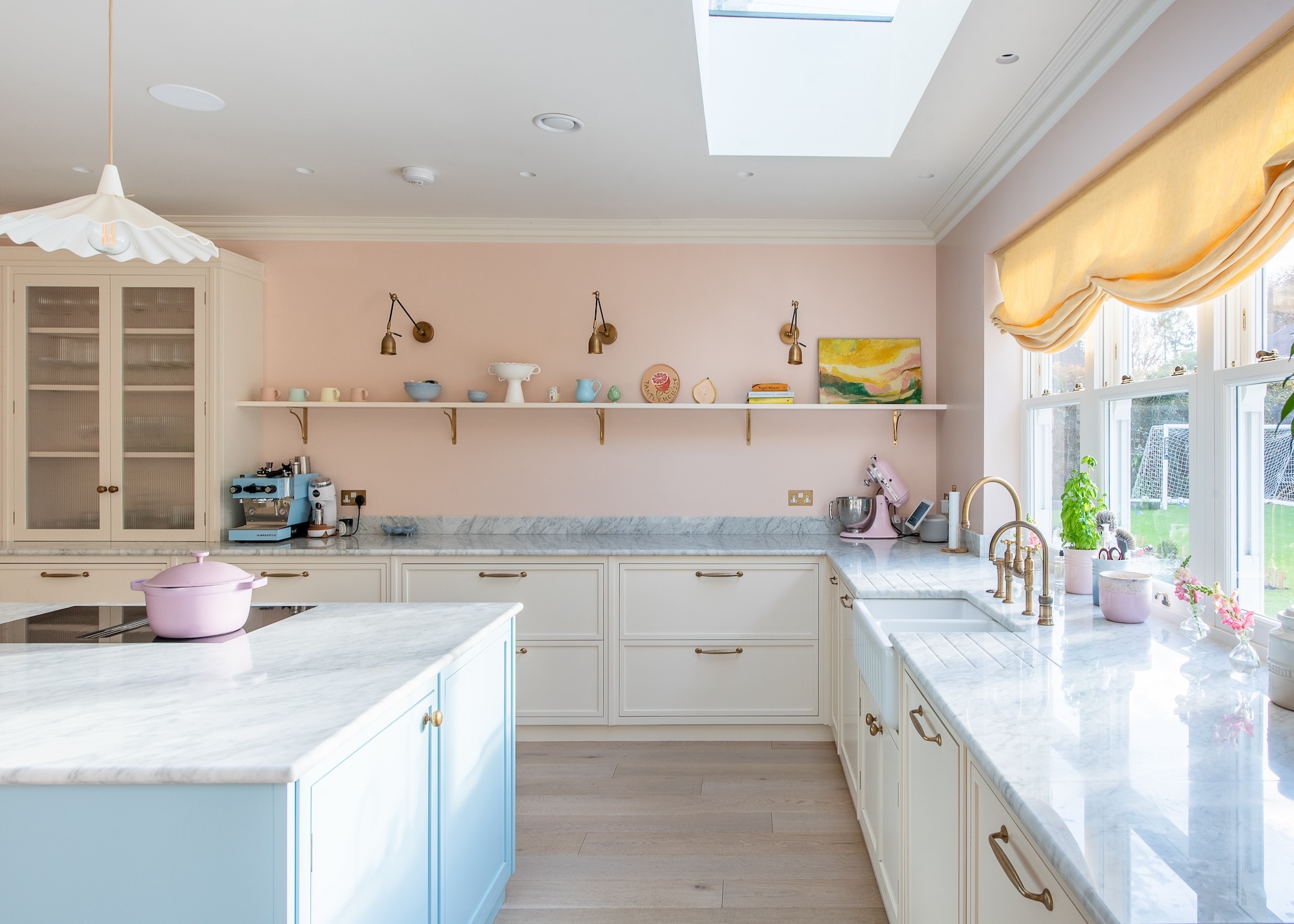
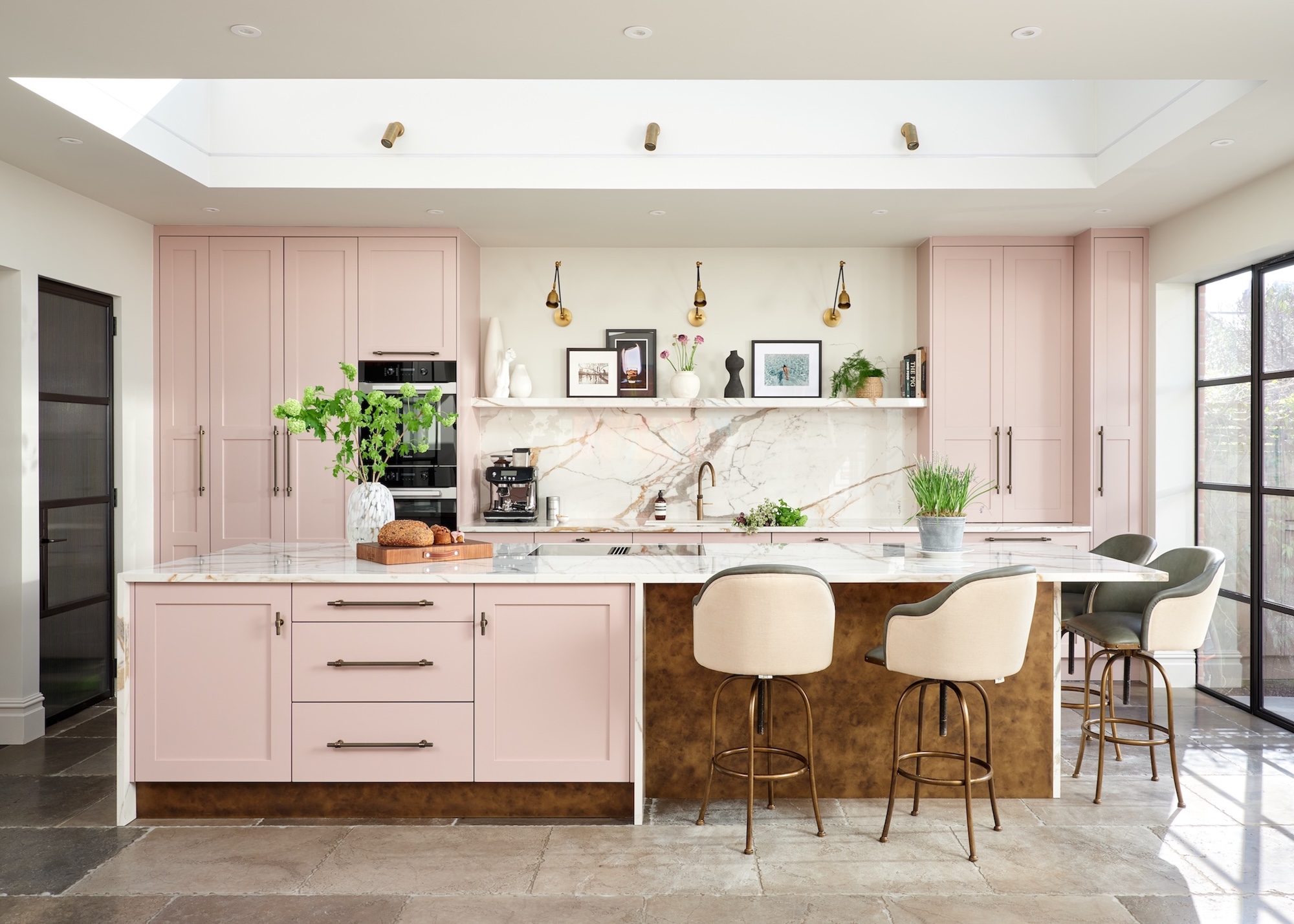
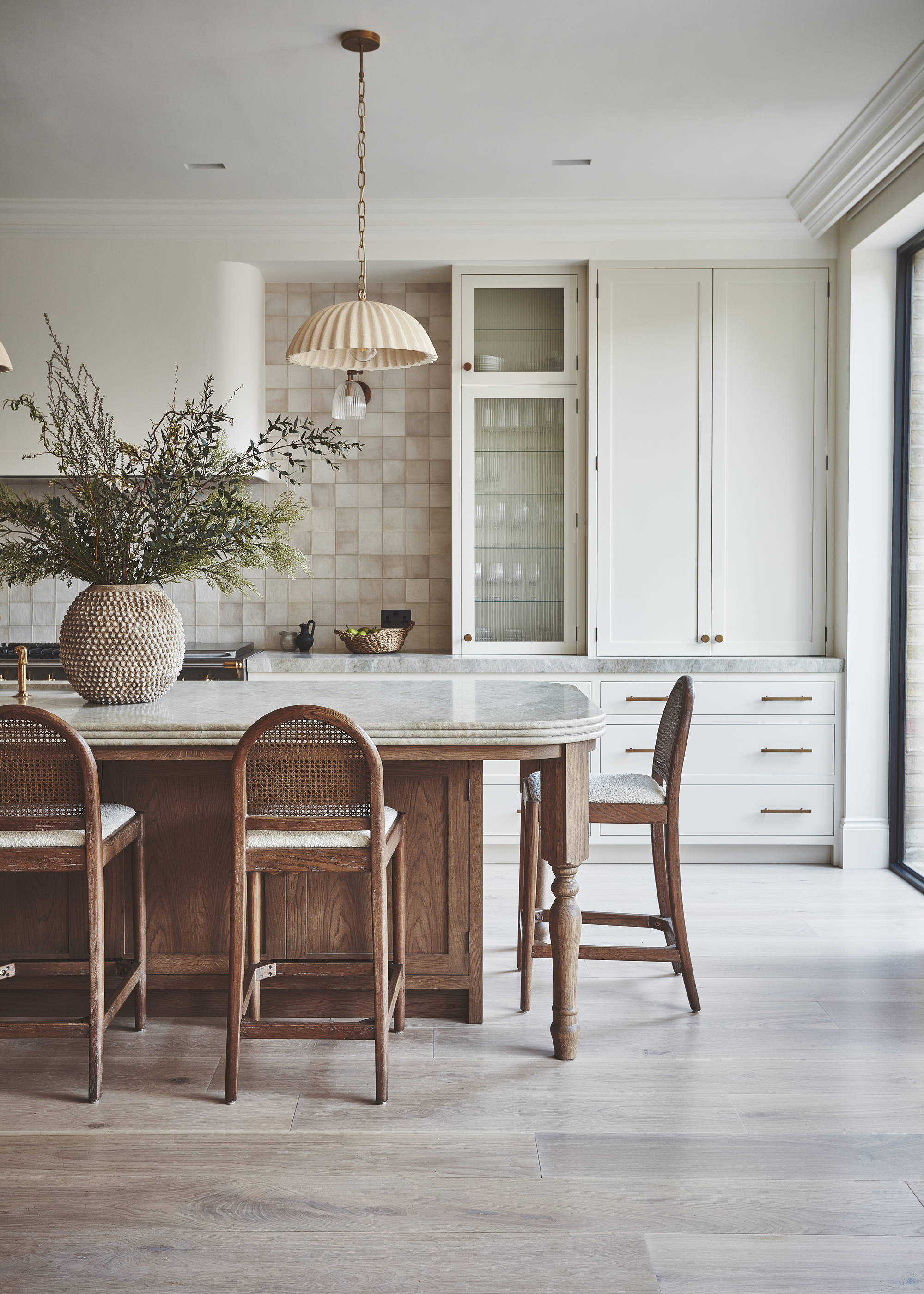
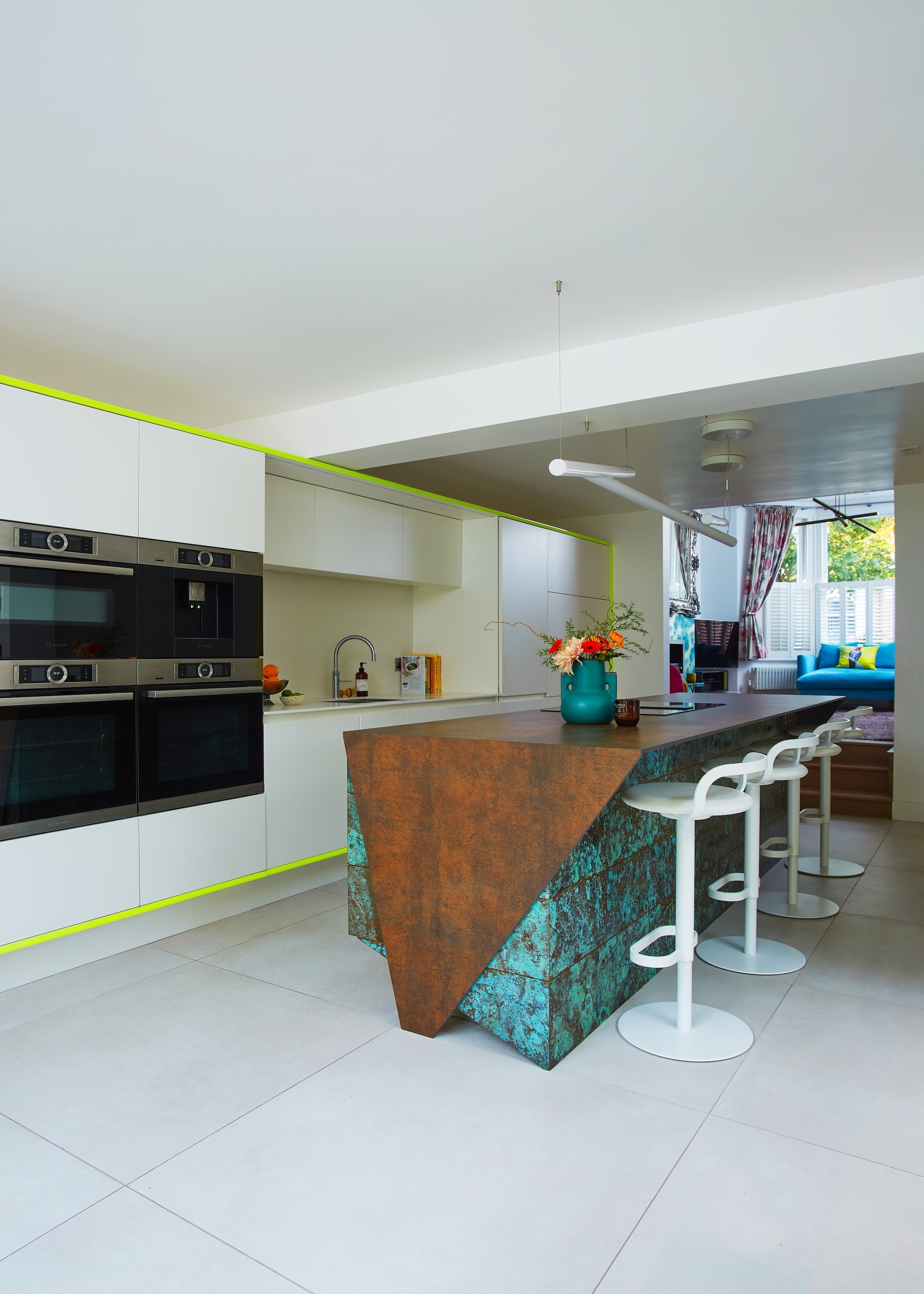
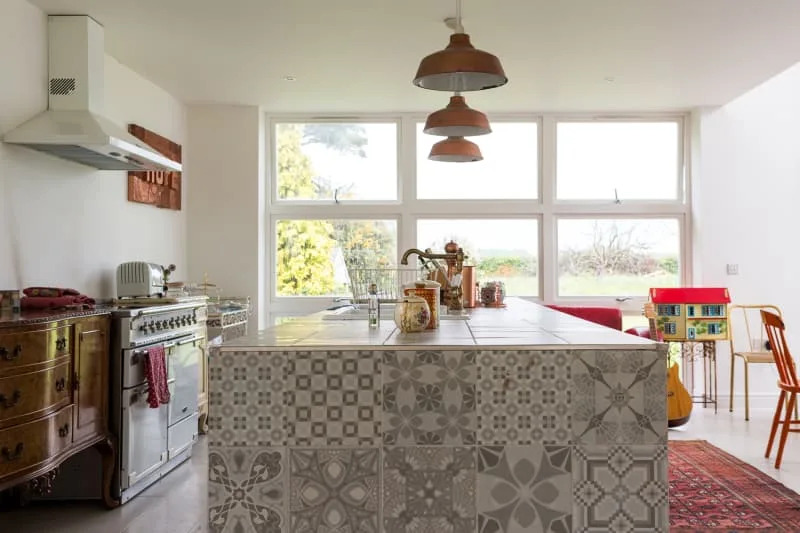
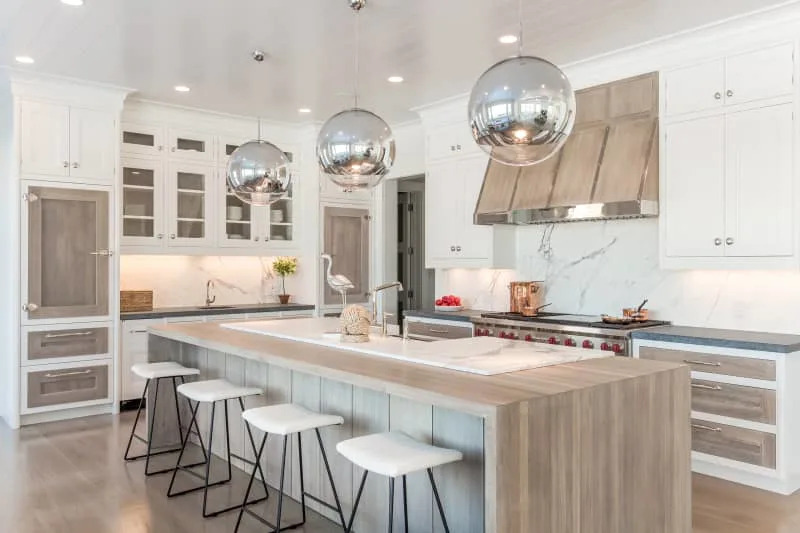
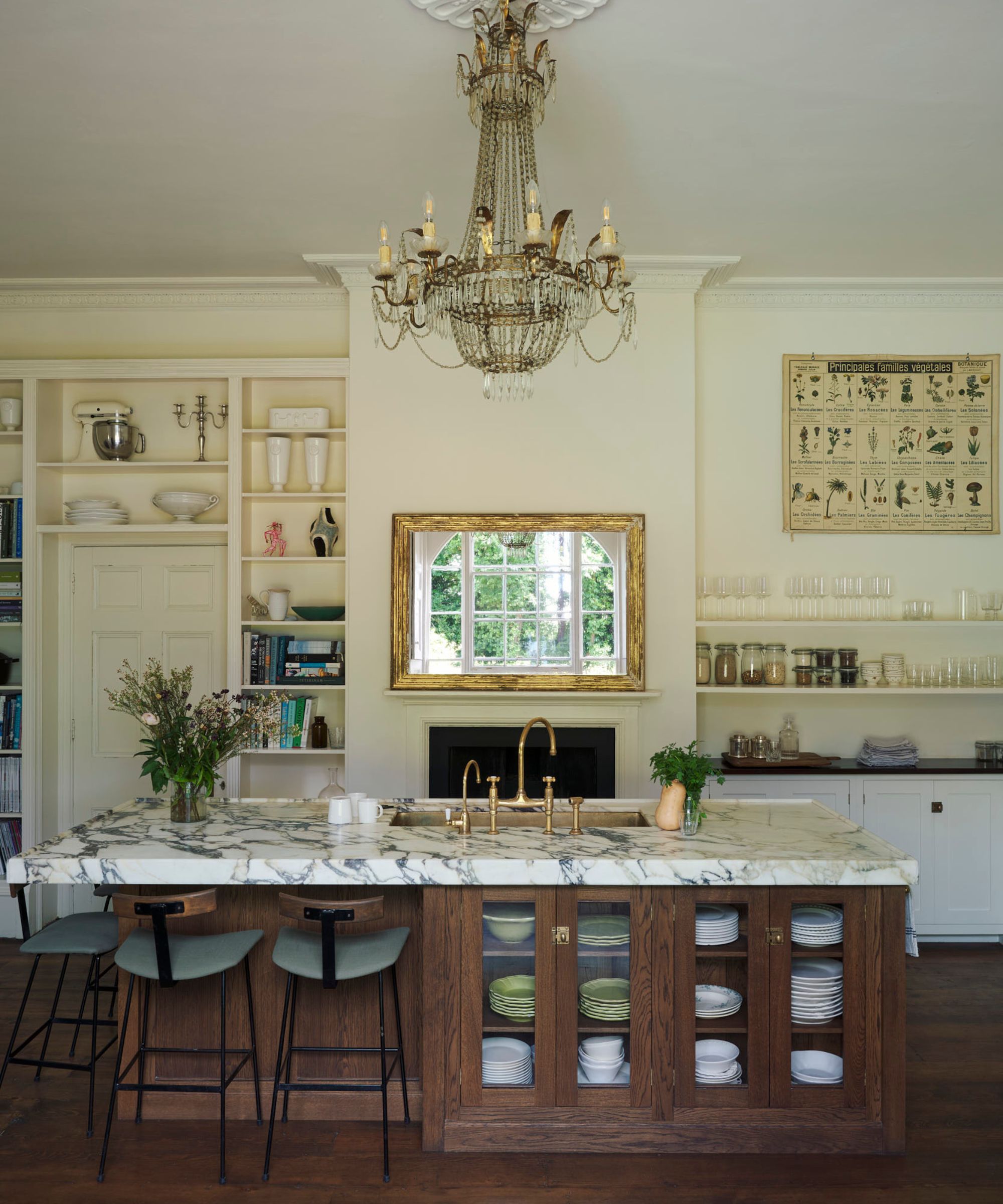
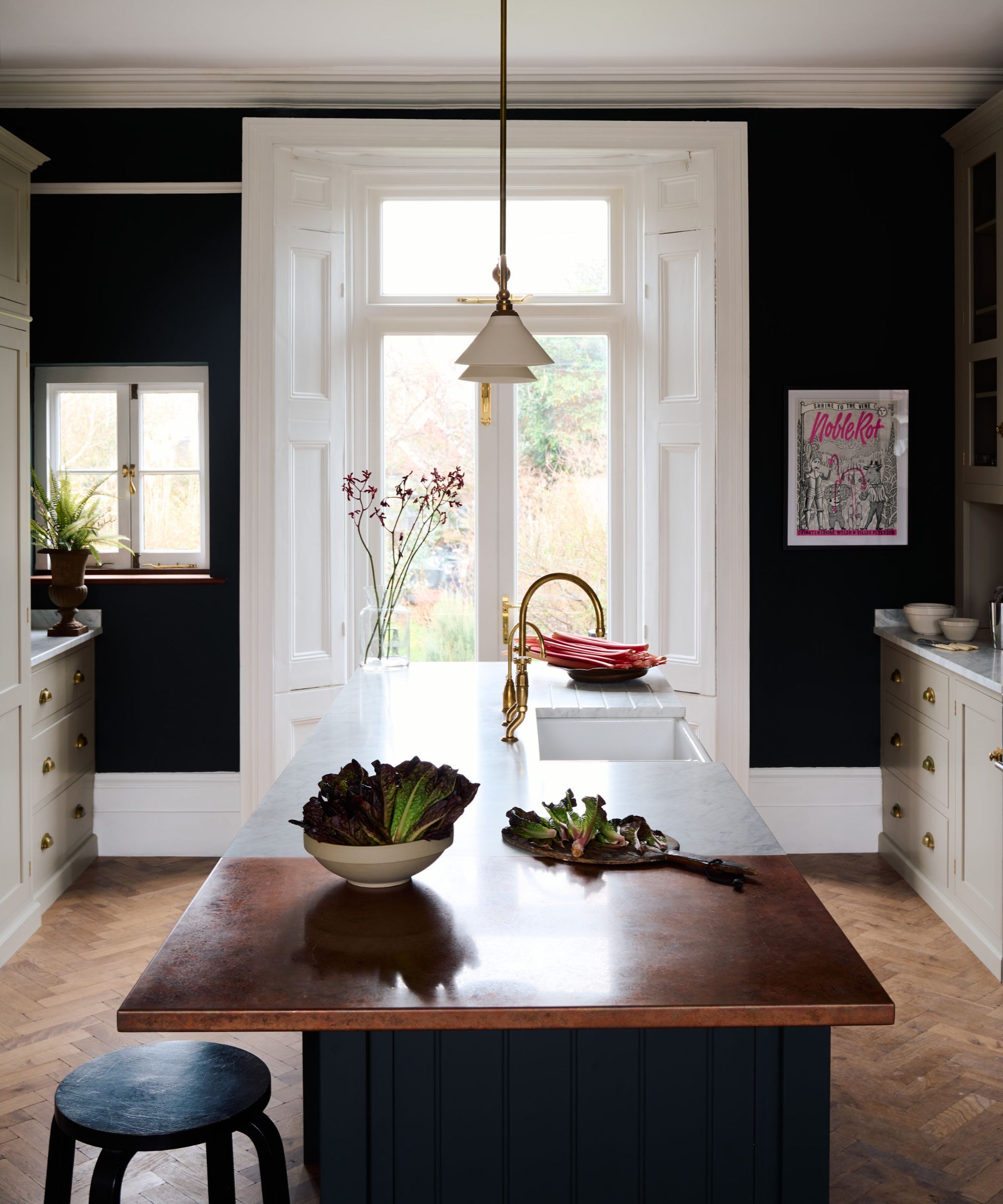
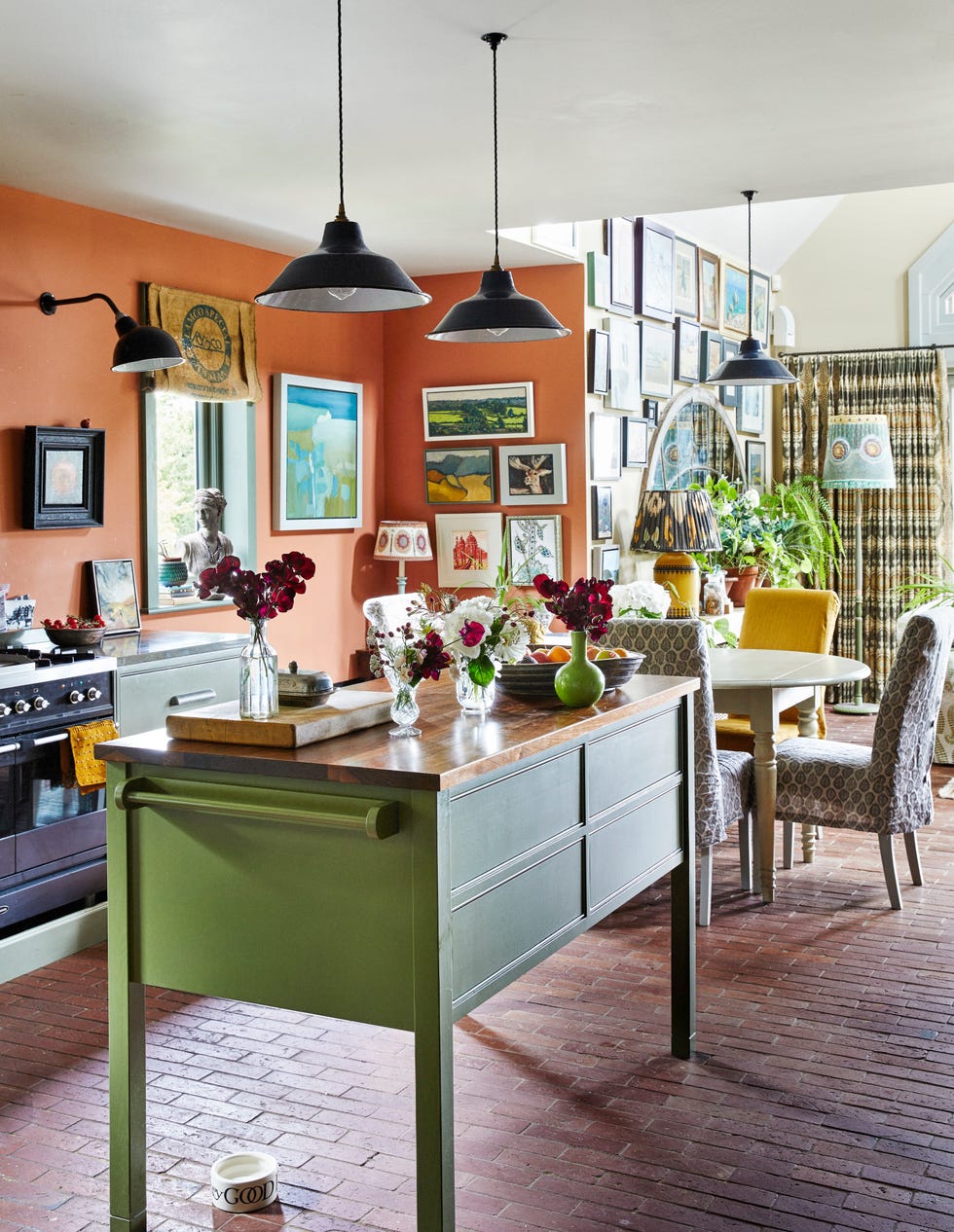
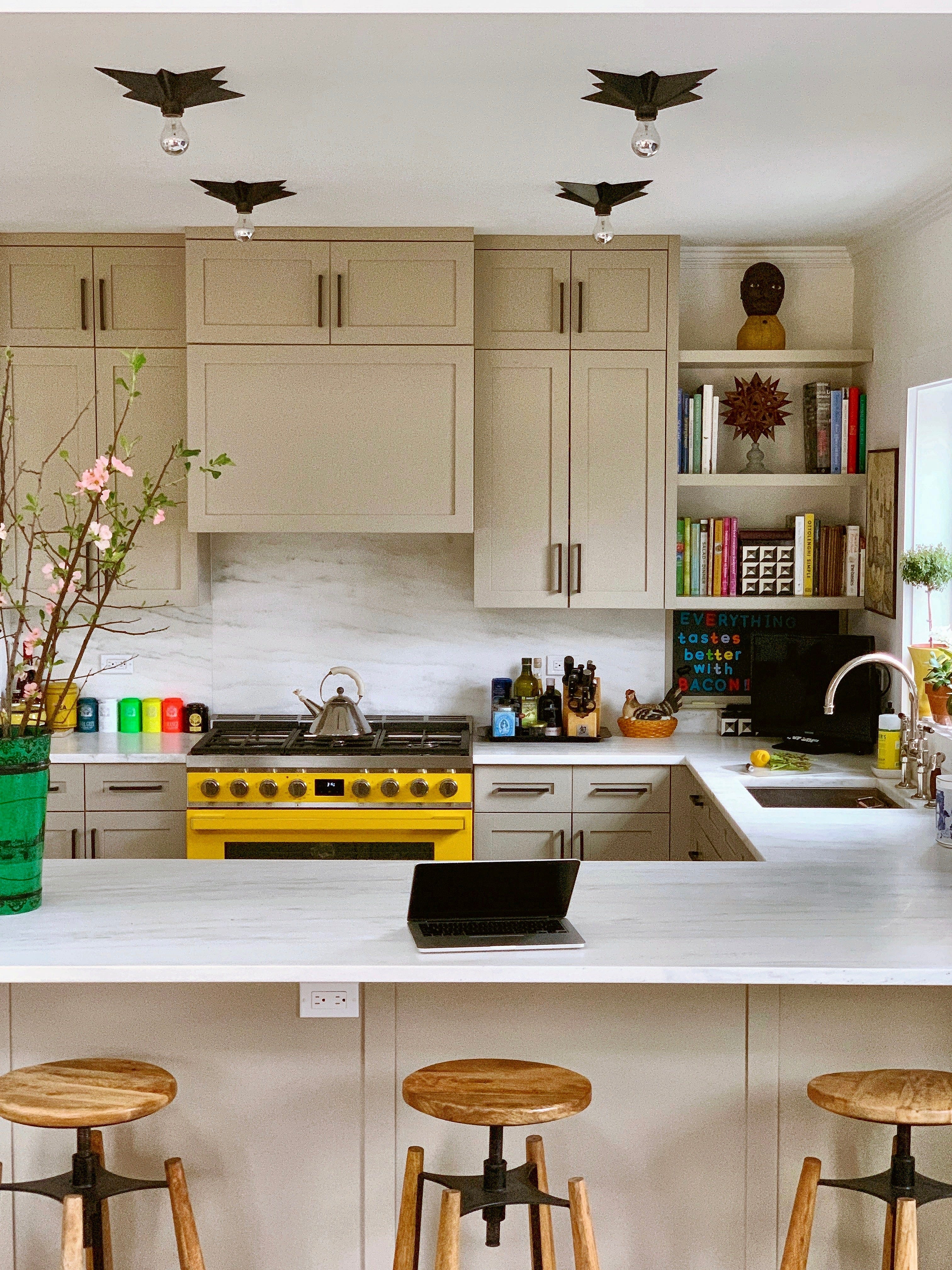
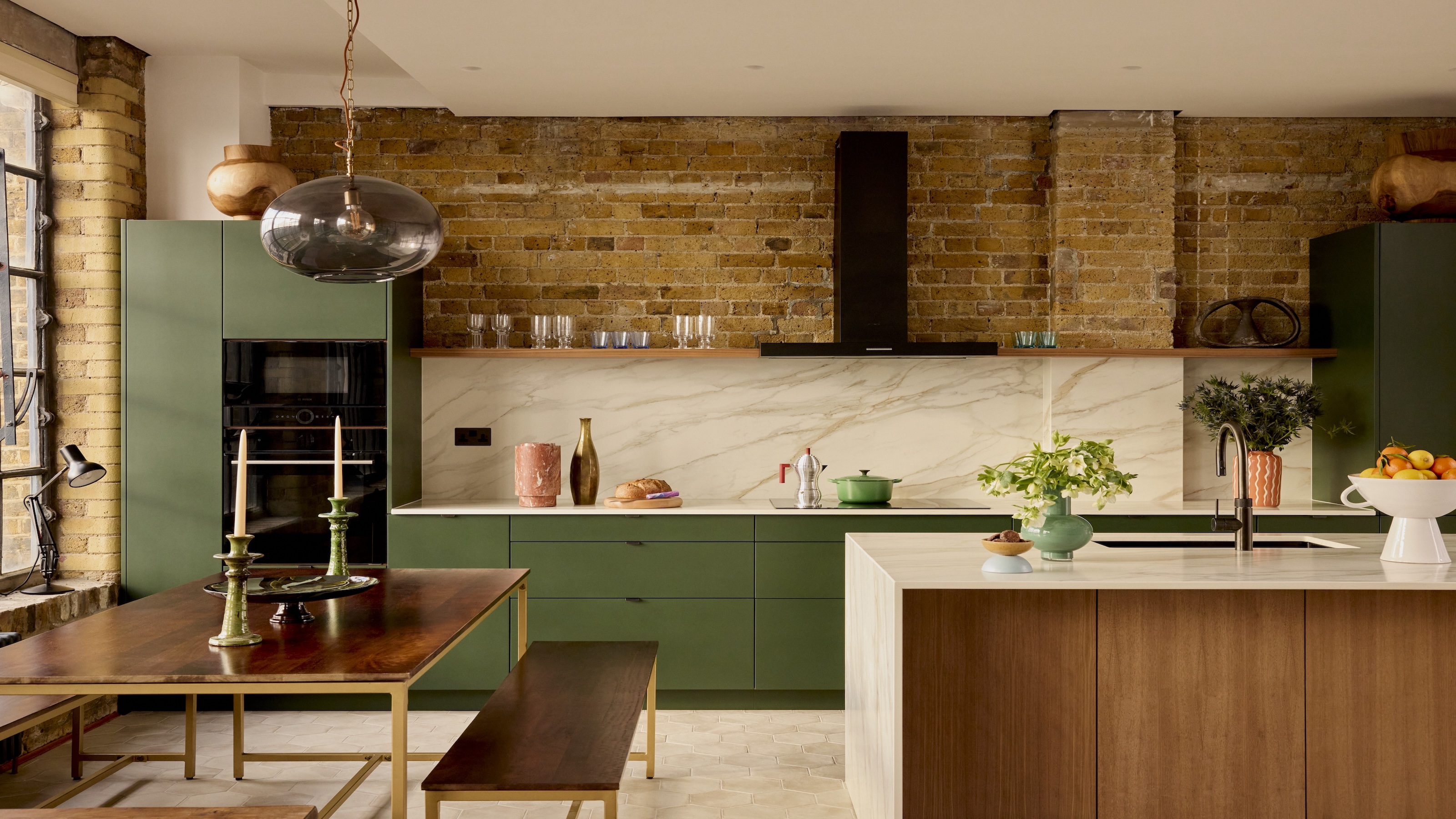
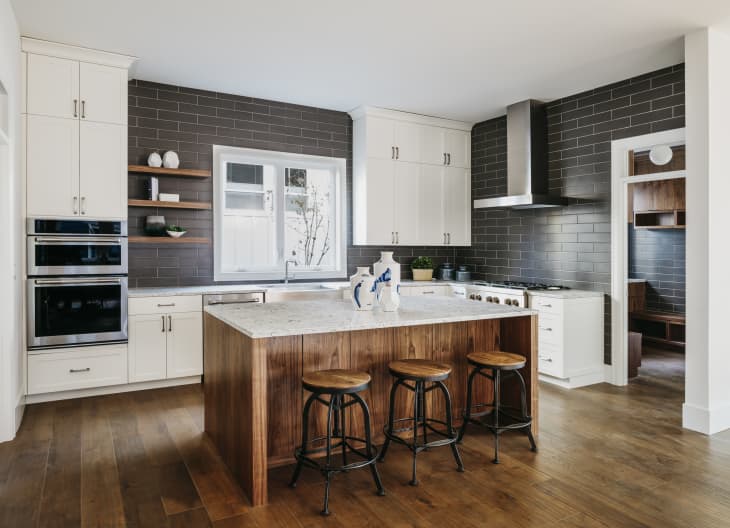
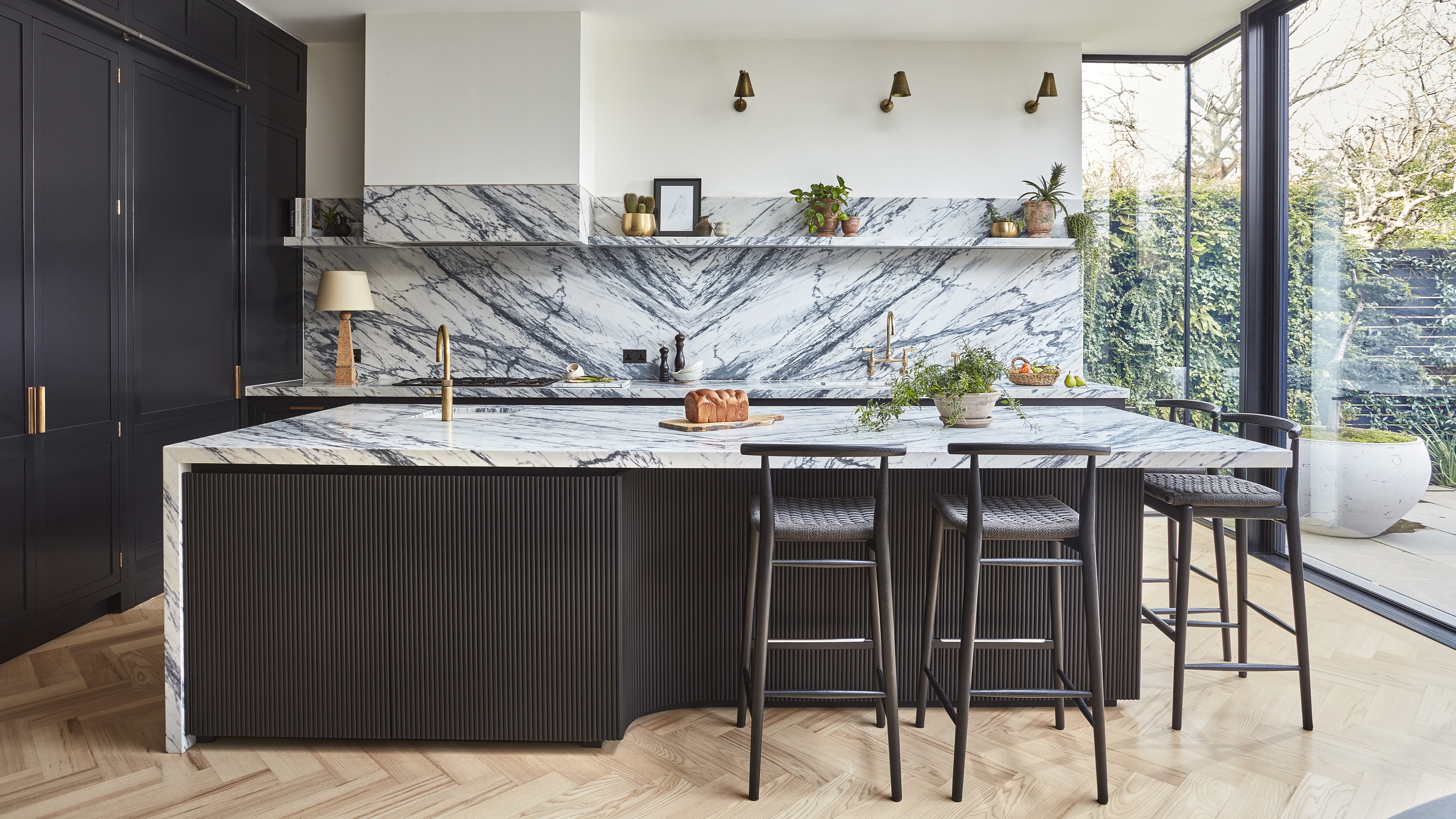
One of the primary arguments for the enduring appeal of kitchen islands is their role as a centerpiece in open-plan kitchen designs. Experts like Al Bruce of Olive & Barr emphasize that islands provide a natural division between kitchen and living areas, acting as an anchor that draws attention to the space where most activity occurs. Beyond functionality, an island can personalize a kitchen by serving as a display area for decorative items like flowers or cookbooks, enhancing the homely atmosphere.
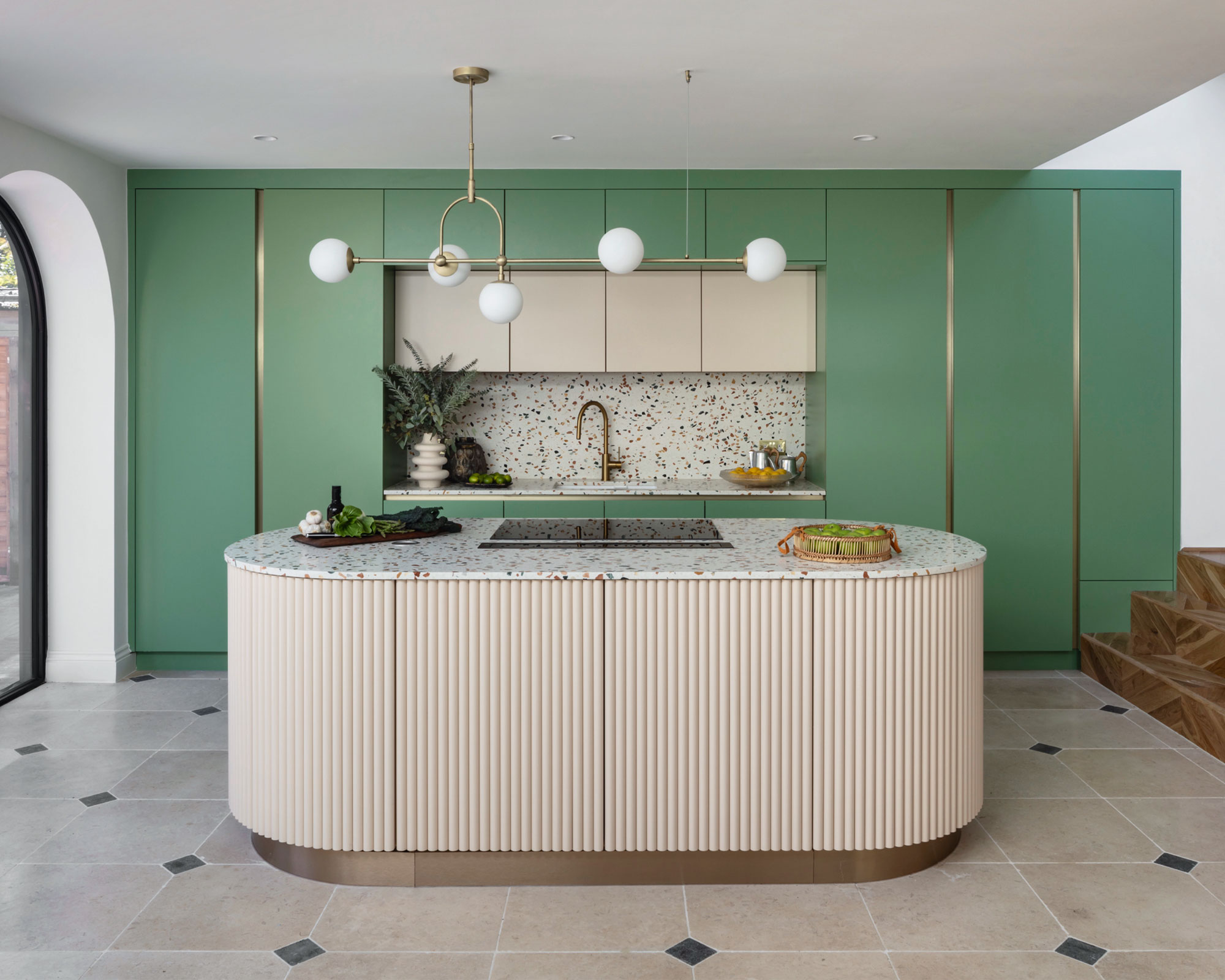
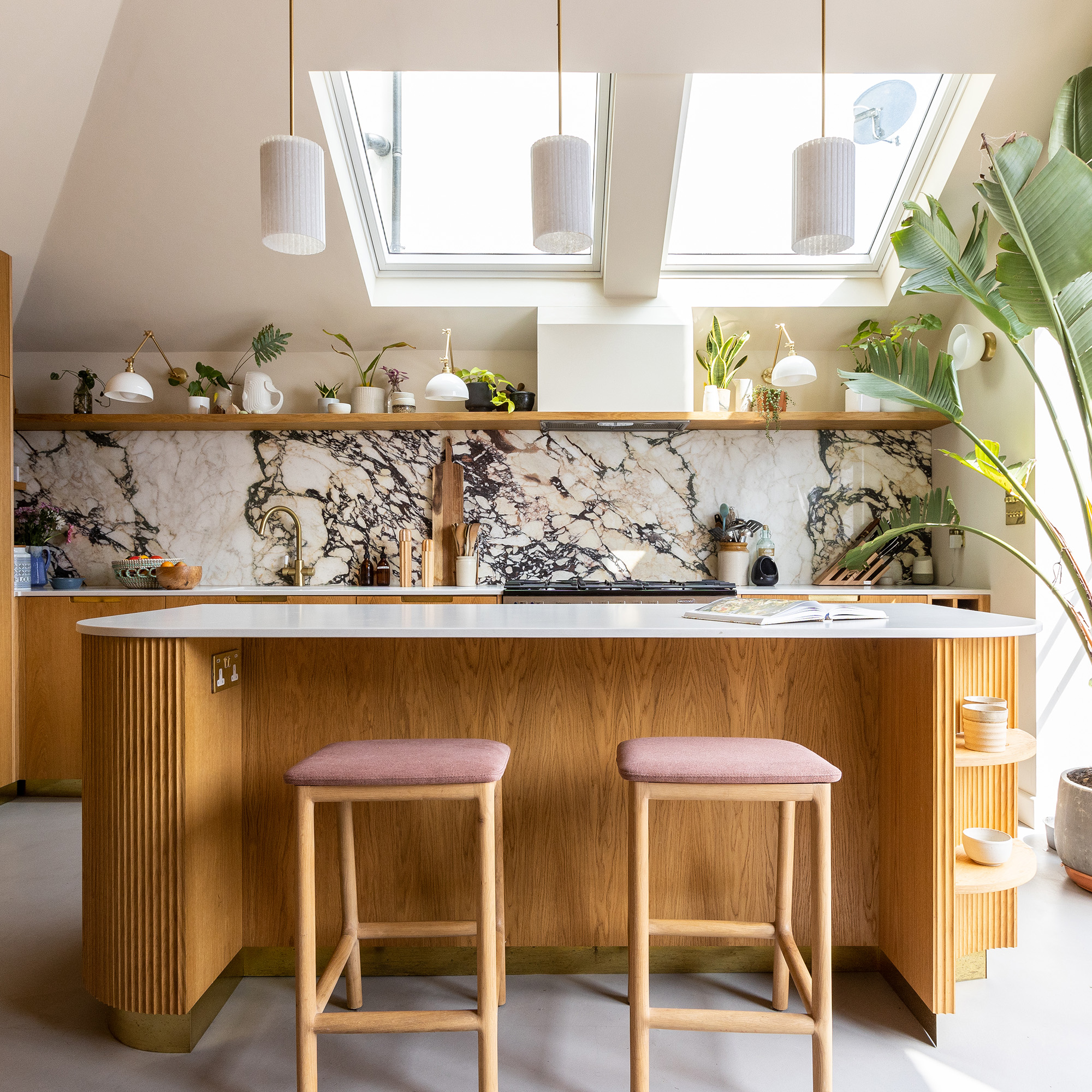
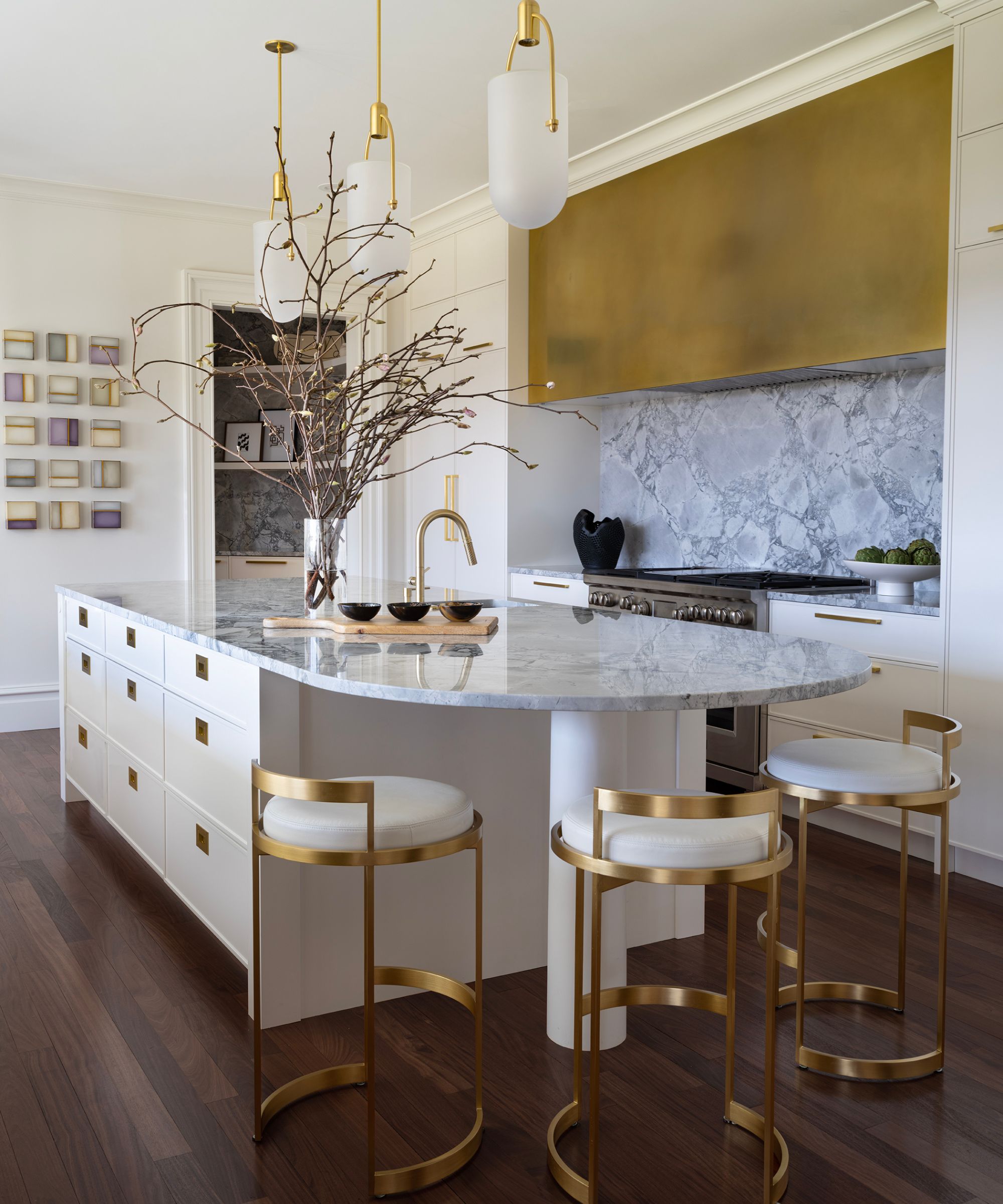
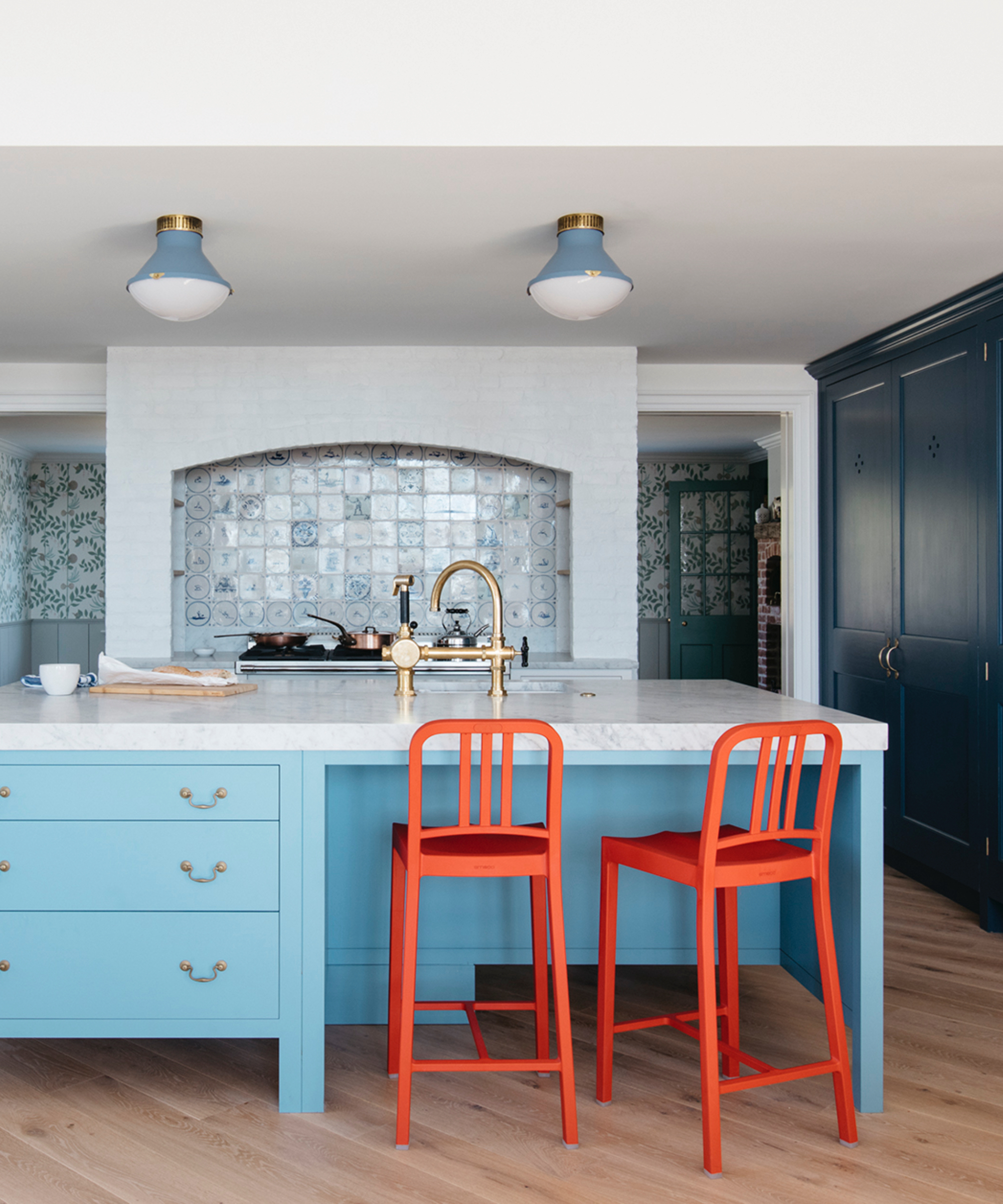
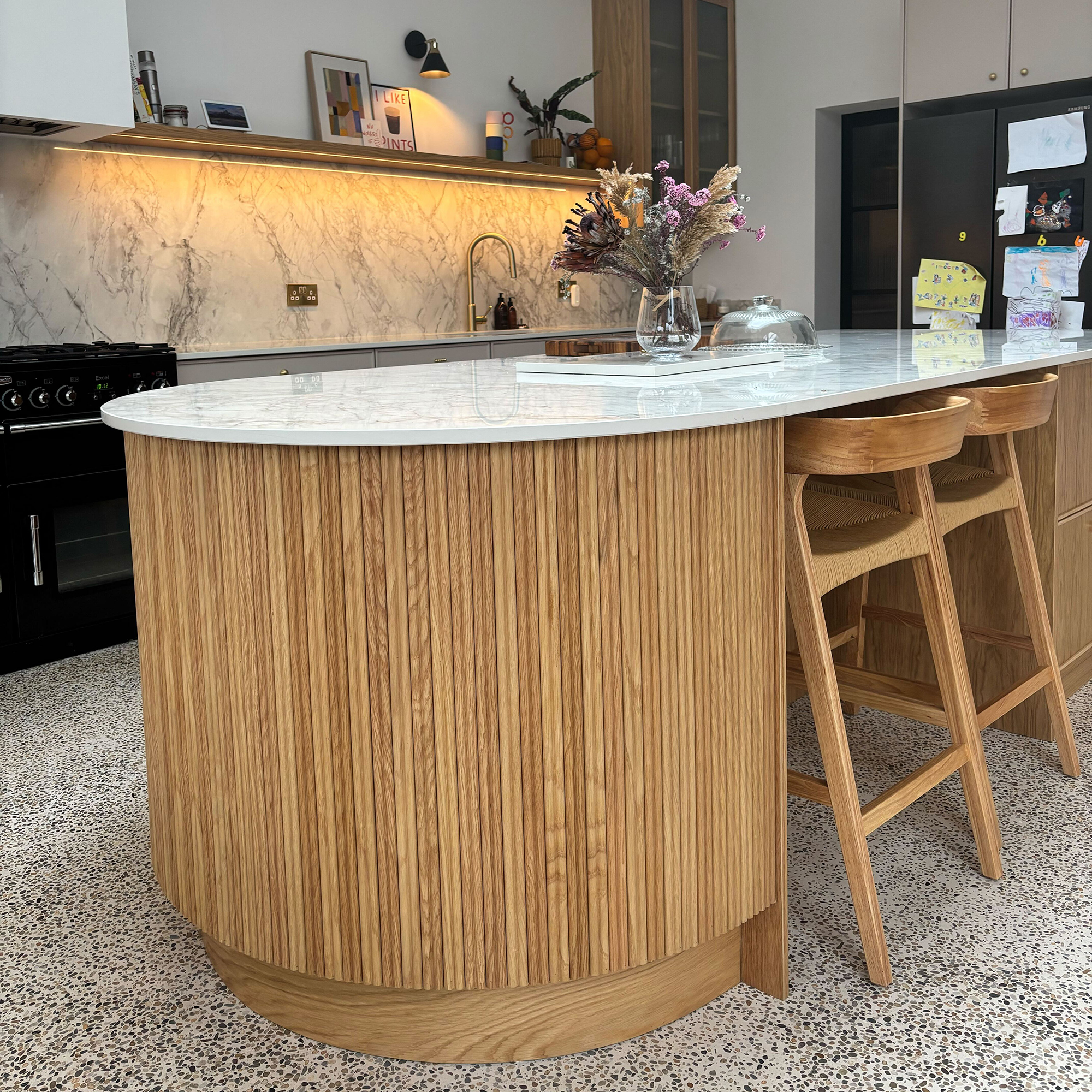
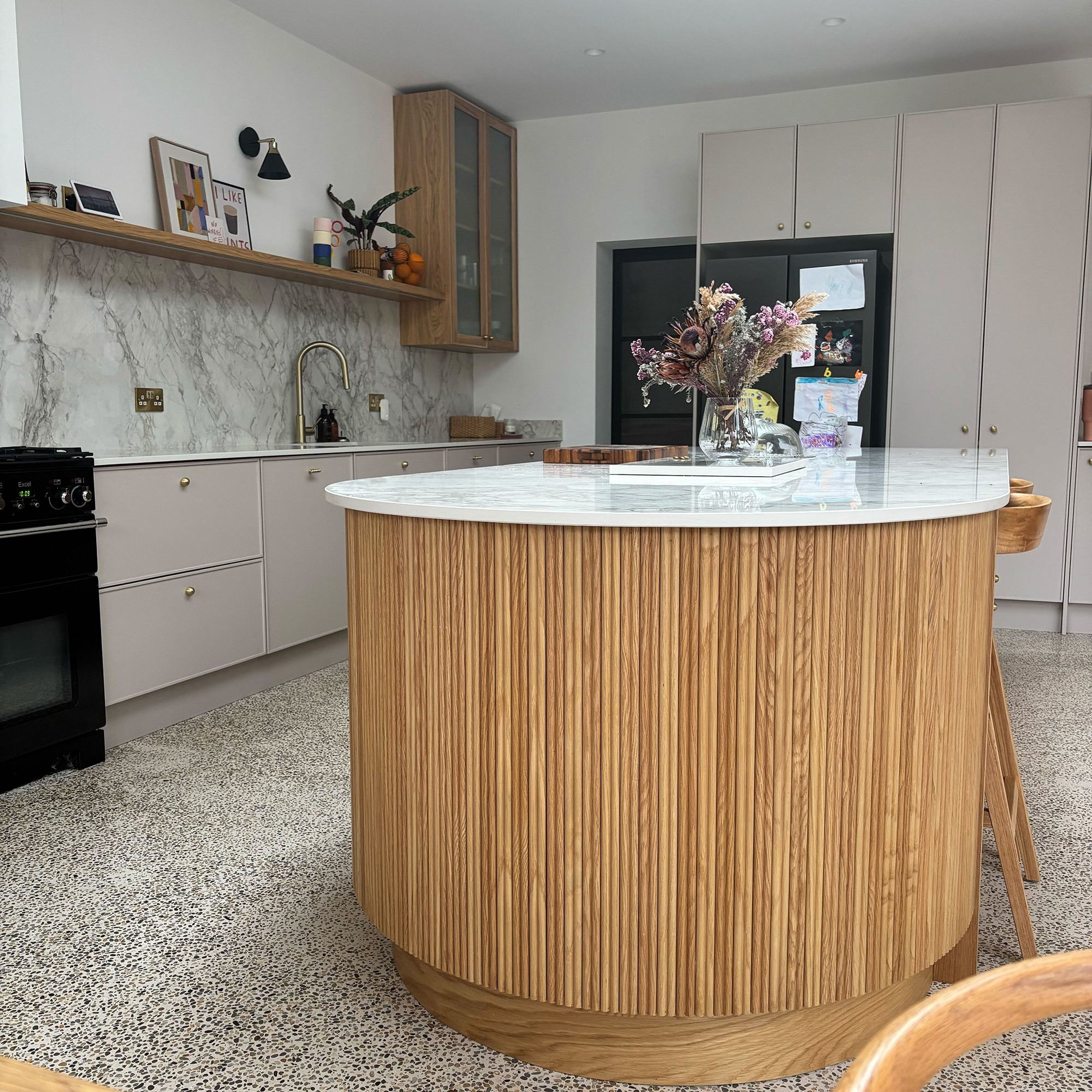
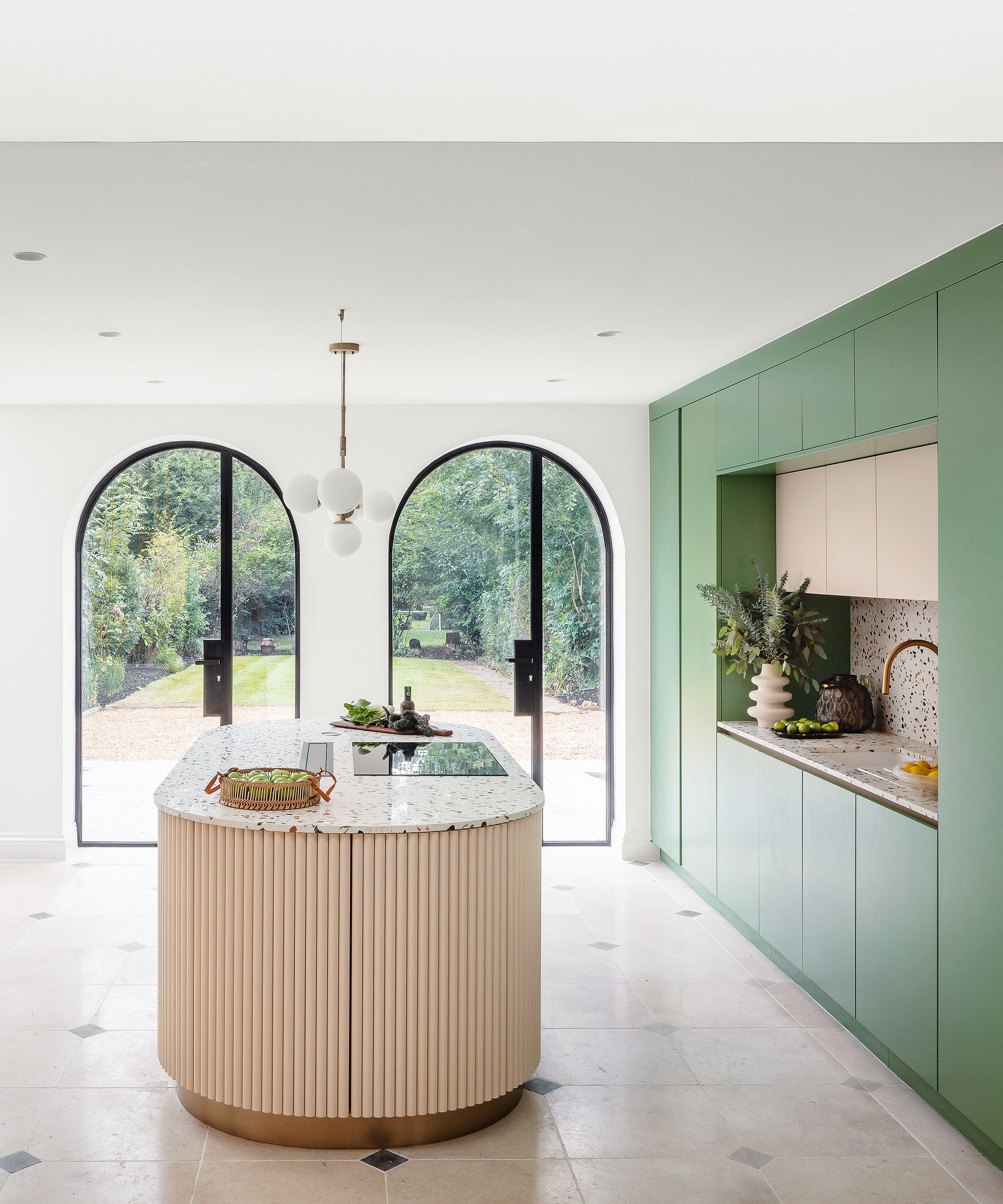
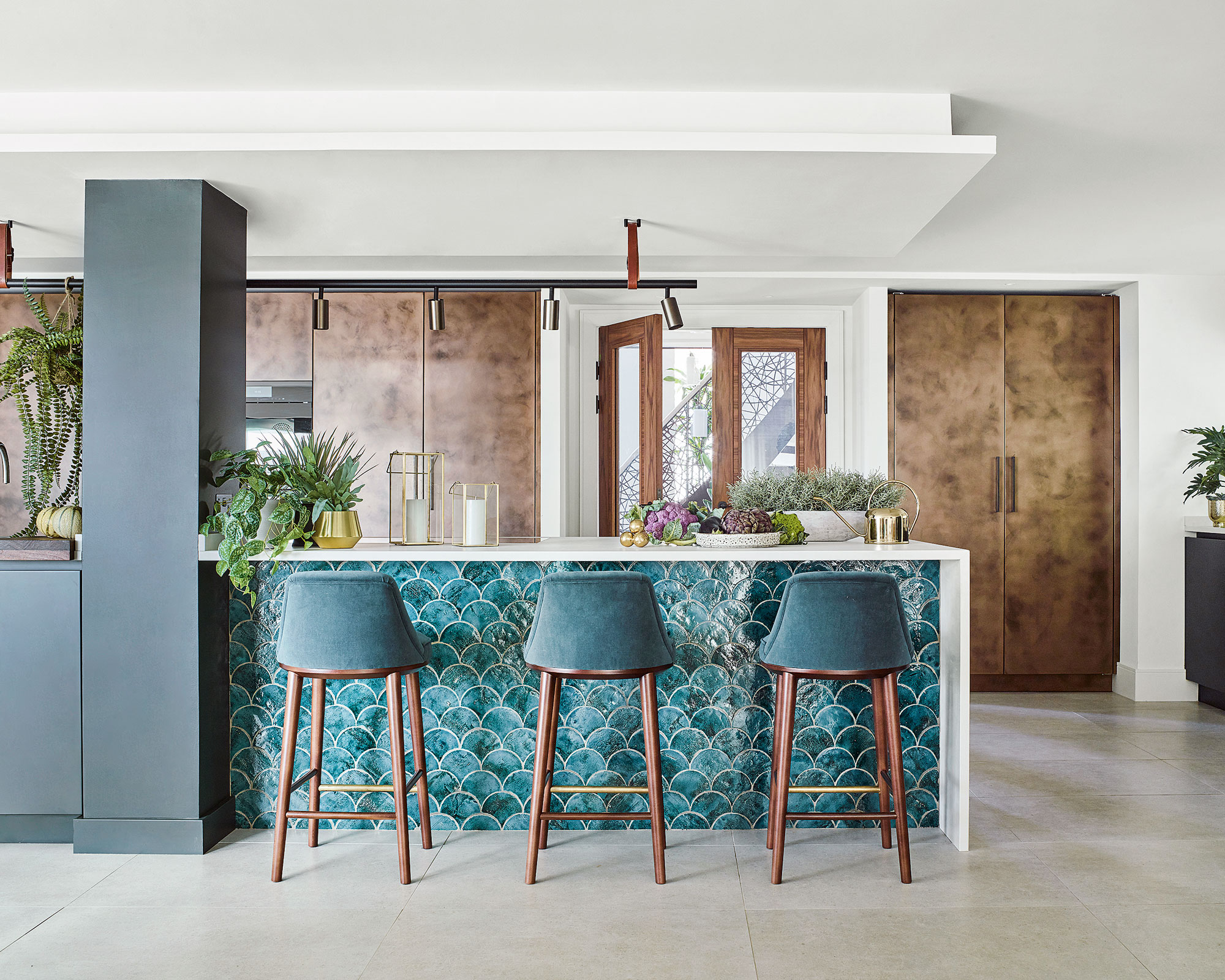
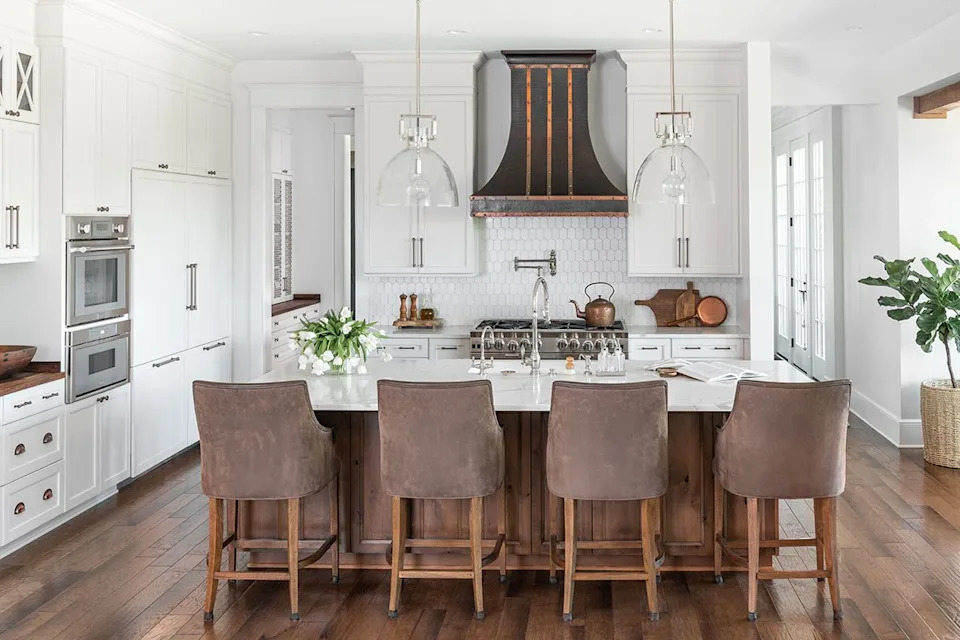
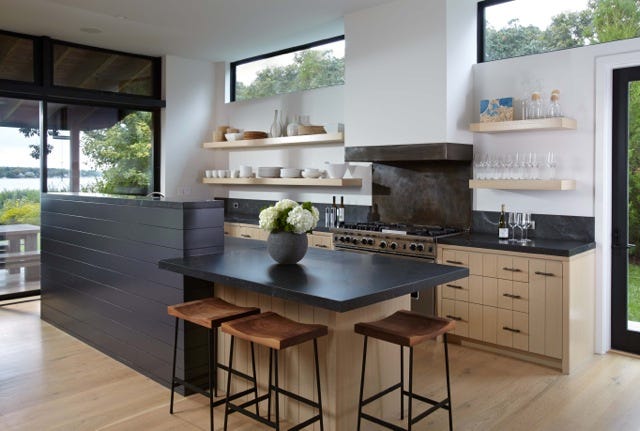
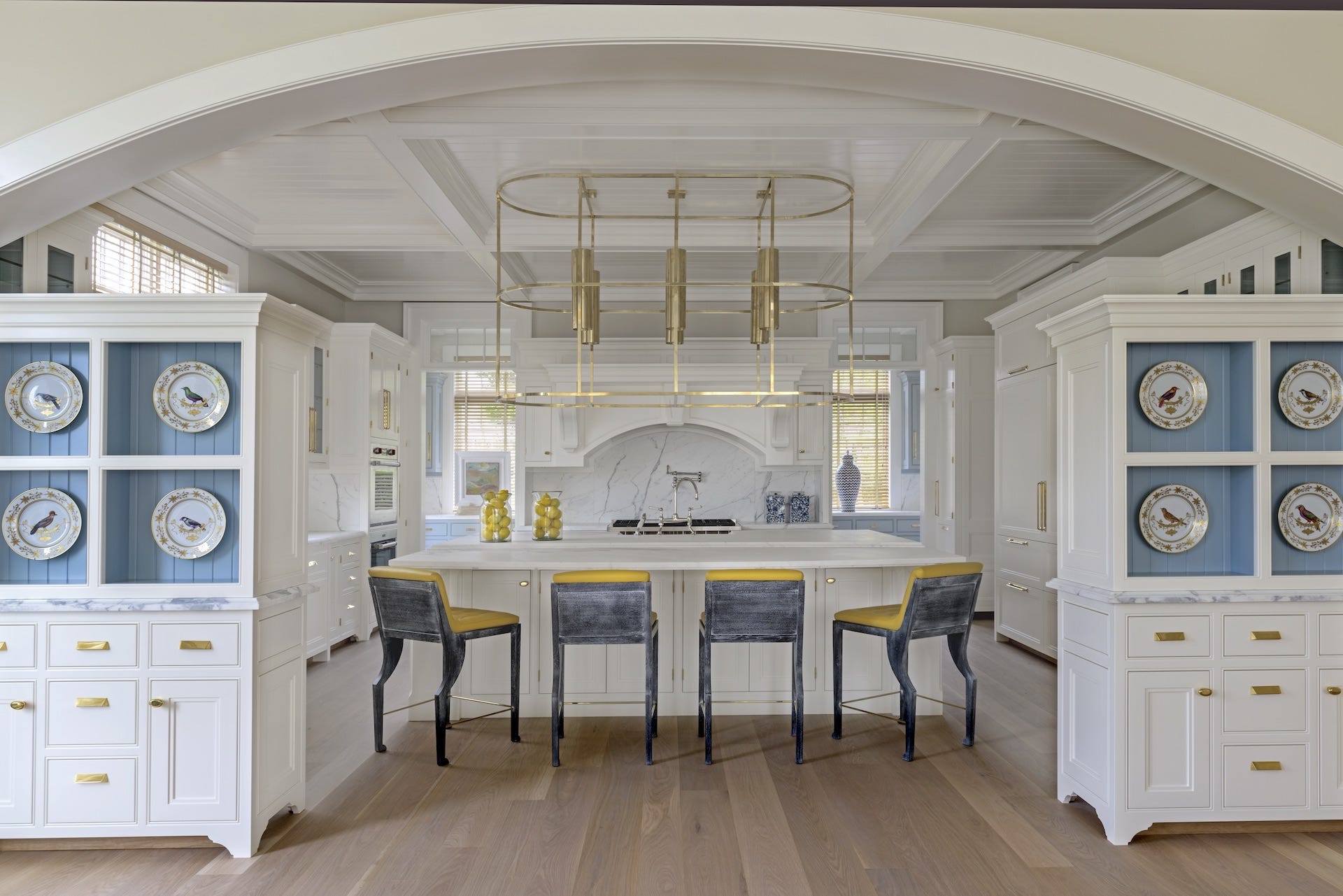
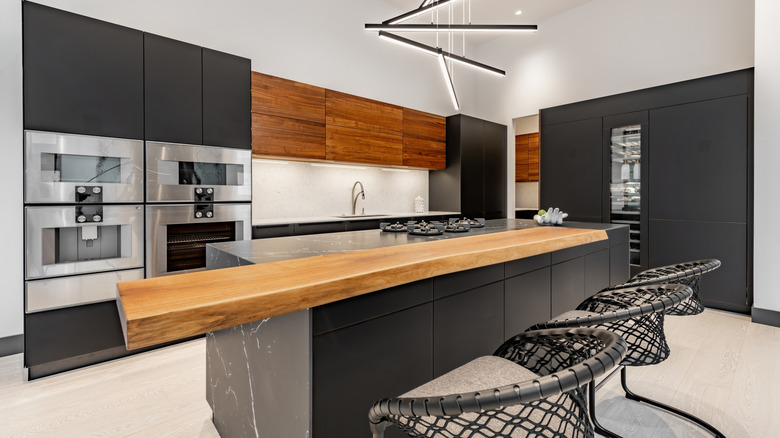
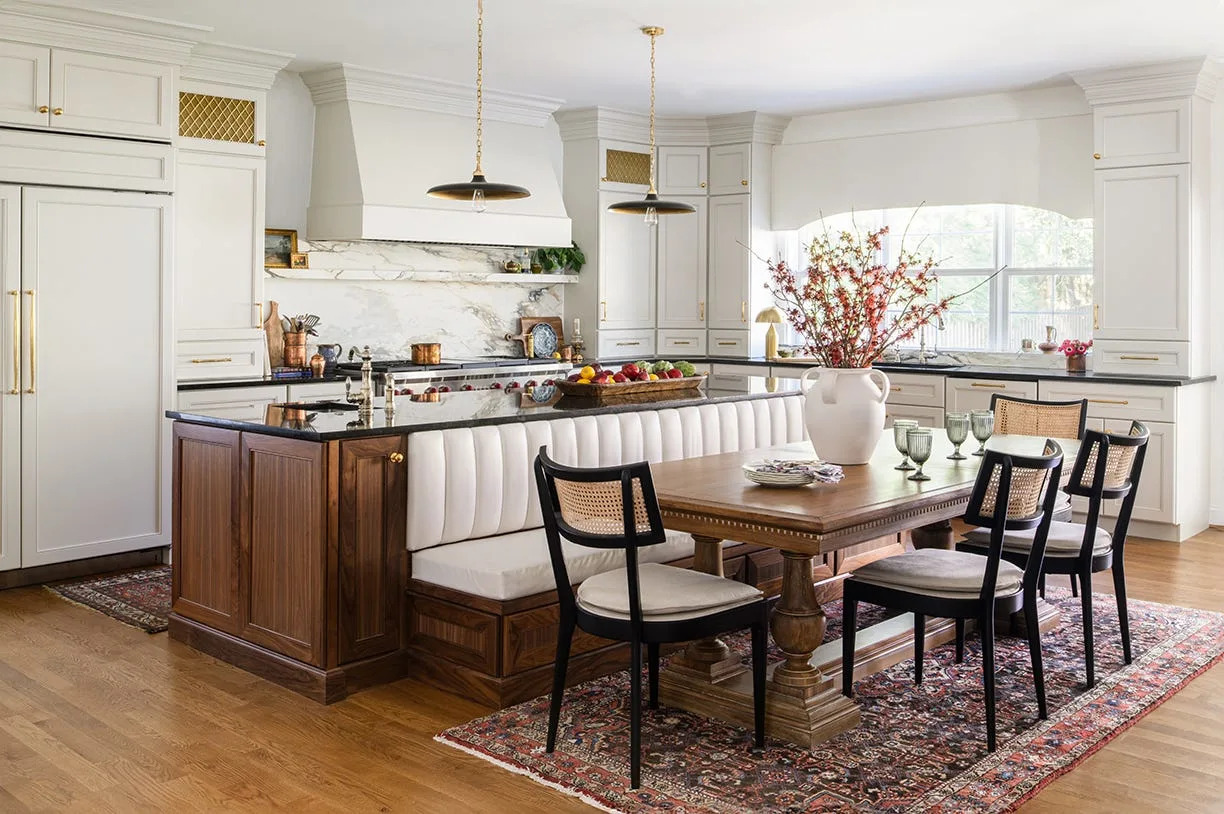
Another significant aspect highlighted is the island's suitability for hosting and social gatherings. Rob Streather from Shape London points out the increasing trend of spending more time at home, which makes the inclusive, social cooking environment facilitated by a kitchen island more desirable than ever. Darren Watts of Wren Kitchens adds that contemporary island designs often feature rounder edges to create a more welcoming space for people to gather and interact. Oli Deadman of Clive Christian Interiors further elaborates on the 'chef's table experience' an island provides, allowing hosts to entertain guests while preparing meals, whether through built-in seating or freestanding stools.
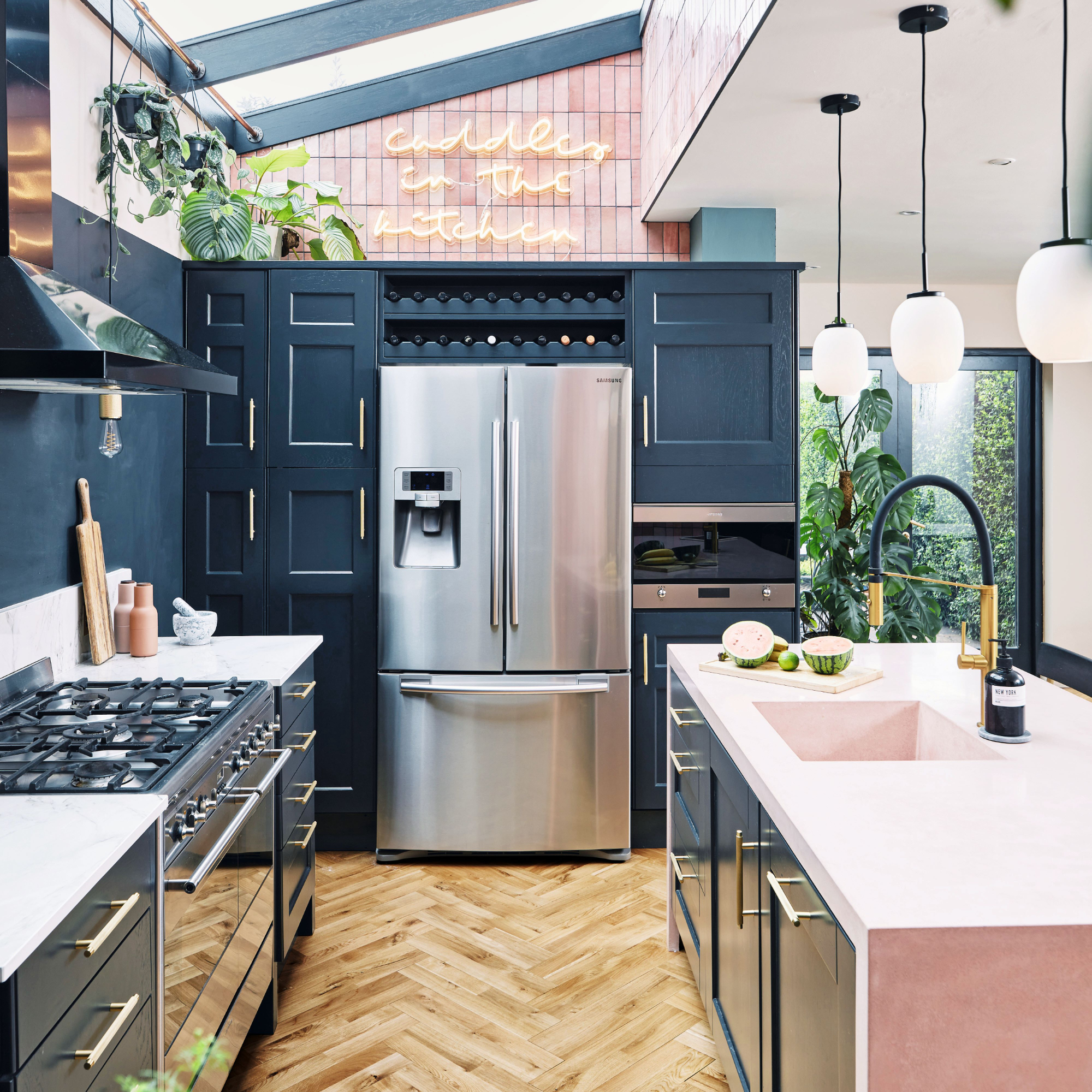
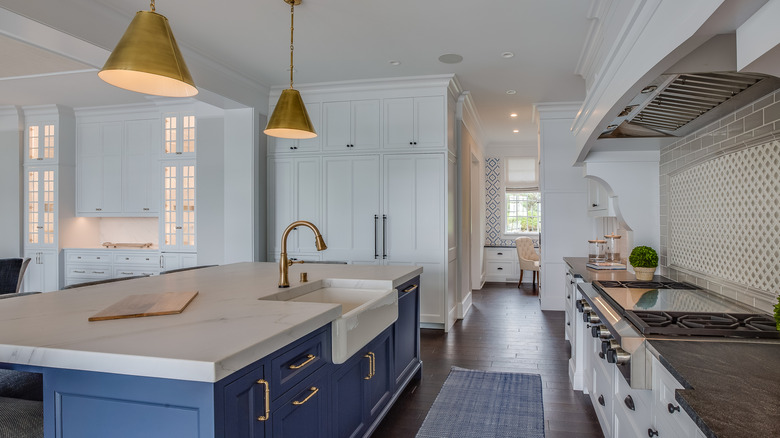
The versatility of kitchen islands is also a key factor in their continued popularity. They offer additional counter space for meal preparation, cooking, and dining, making them multifunctional areas. Chris Dance from InHouse room design notes that islands can even serve as impromptu workspaces for individuals who need a home office but lack dedicated space. This adaptability allows homeowners to tailor the island to their specific needs, potentially incorporating sinks, hobs, or seating arrangements.
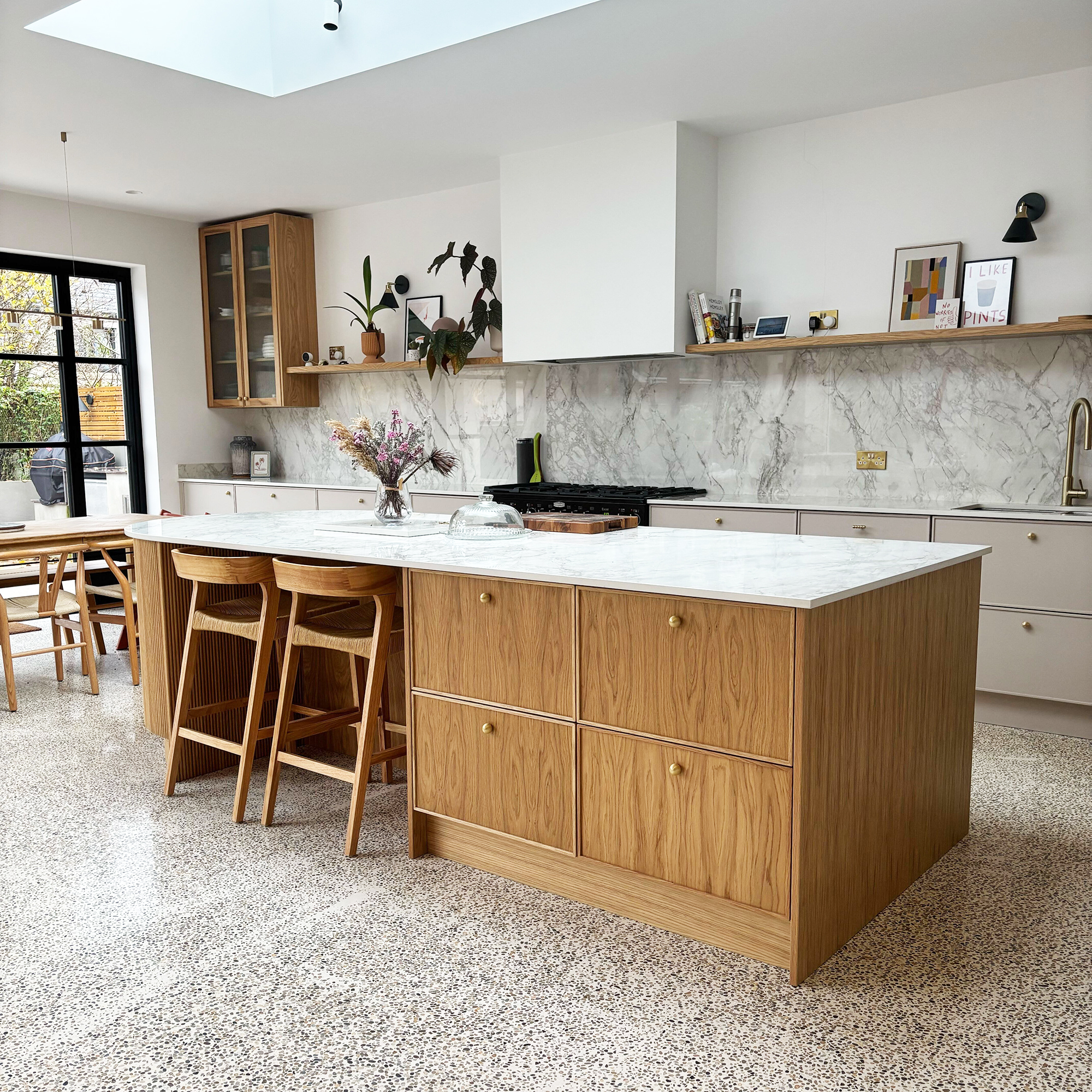
Storage is another practical benefit. The article emphasizes that adequate kitchen storage is always in demand, especially for those who frequently cook. Kitchen islands often come equipped with built-in cabinets, drawers, and shelves, providing valuable extra space for utensils and other essentials, thus contributing to an efficient workflow. This added storage capacity enhances the overall functionality of the kitchen.
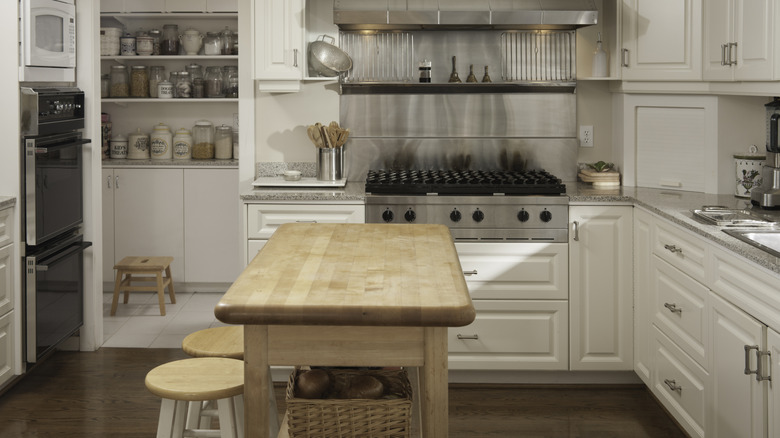
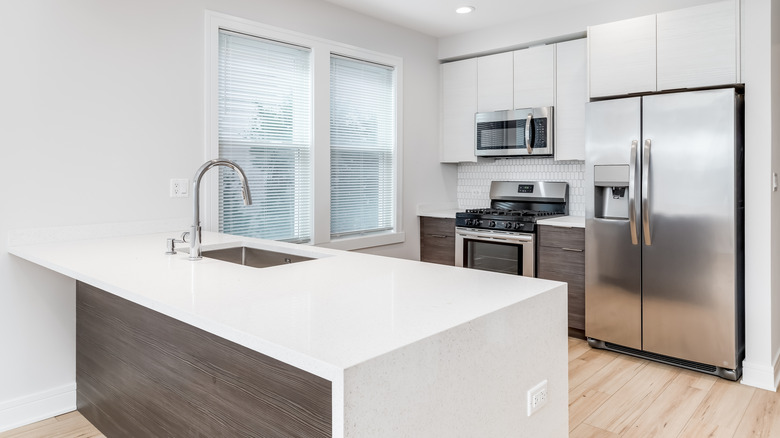
Furthermore, the article debunks the myth that kitchen islands are exclusive to large kitchens. Ruth Lavender, a design expert at Benchmarx Kitchens, states that with careful planning, islands can be integrated into most kitchen sizes. Rob Streather reiterates that the adaptability of islands ensures they can enhance both the functionality and aesthetic appeal of any kitchen, from spacious family kitchens to compact urban apartments, making them a viable option for a wide range of homeowners.
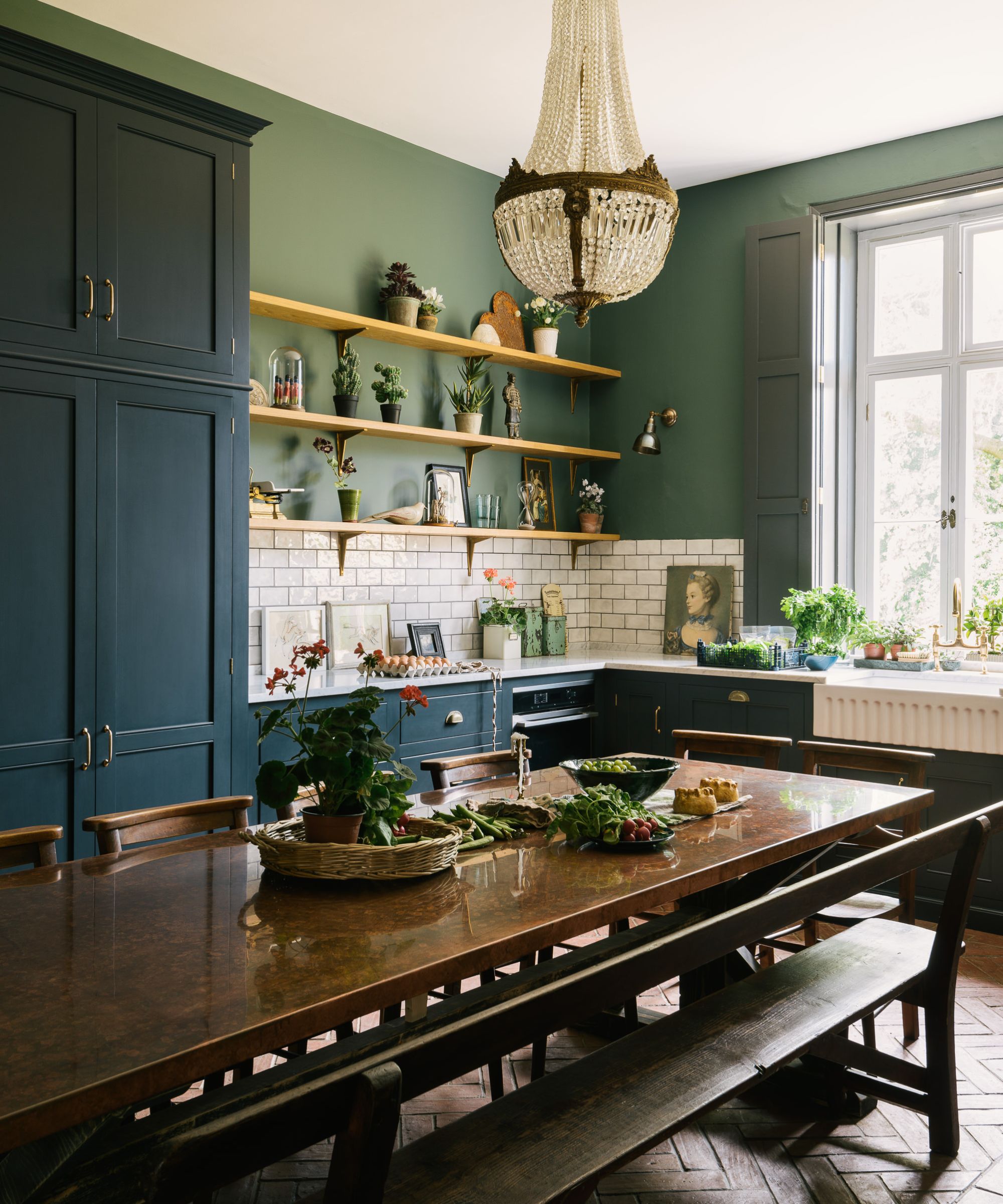
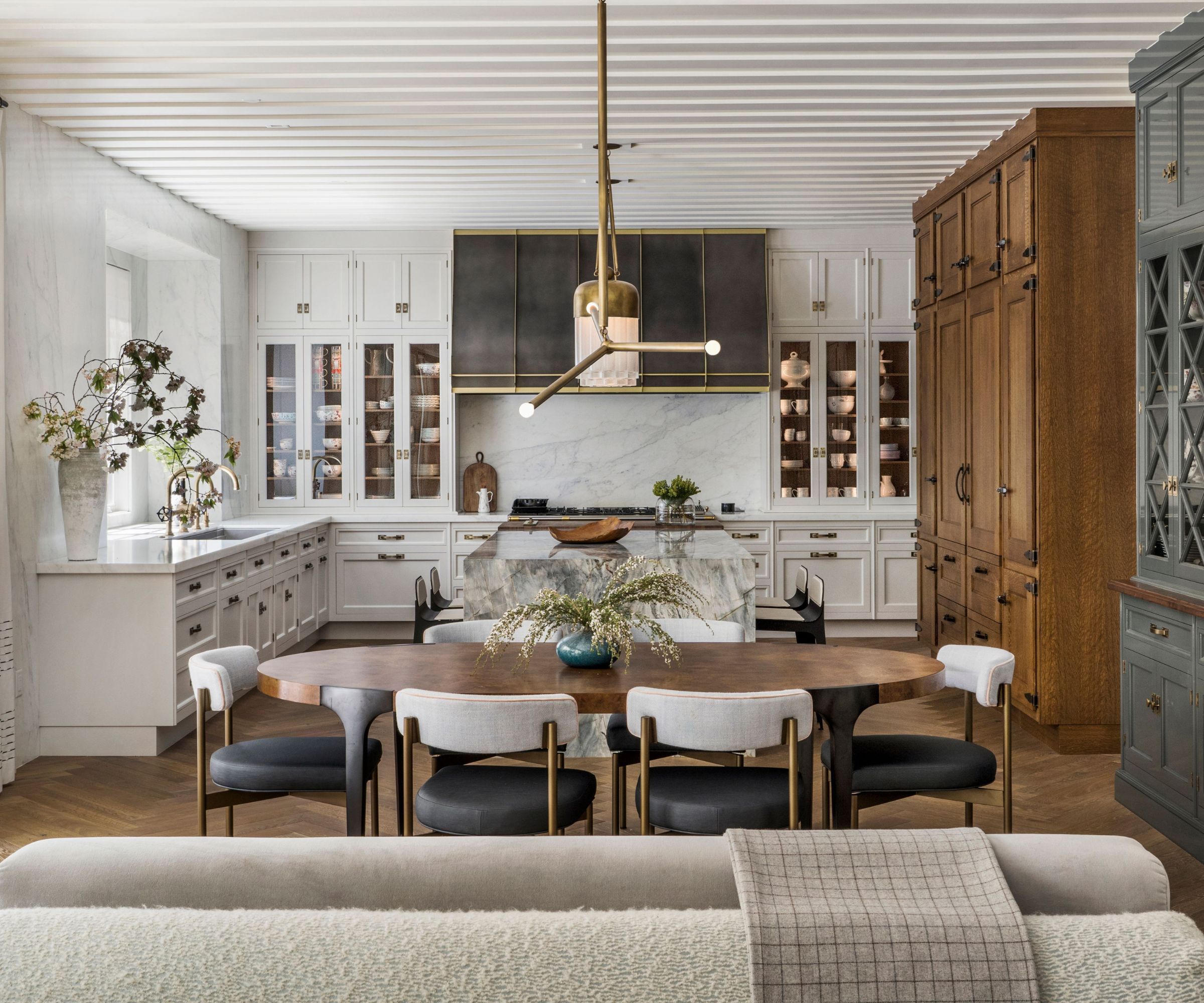
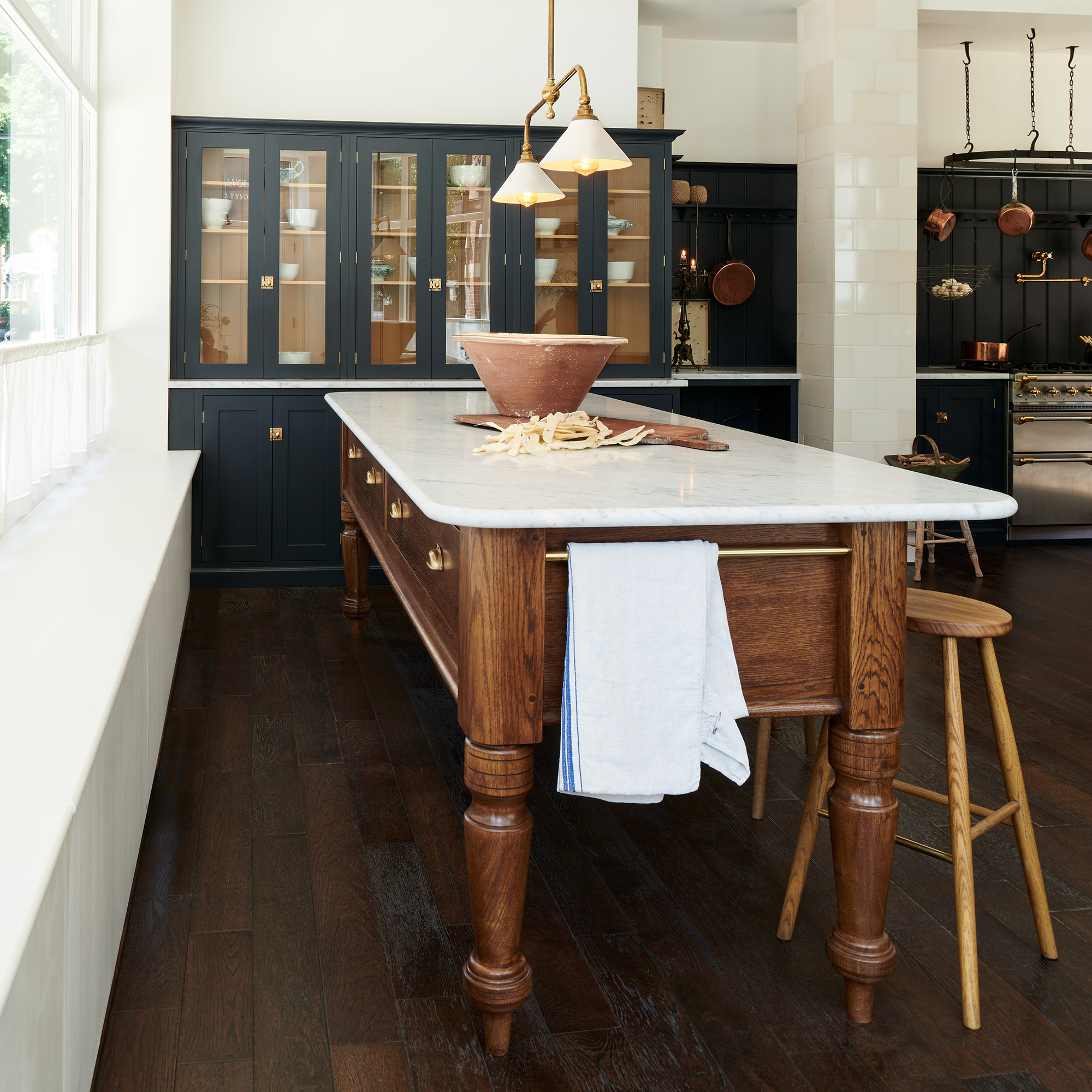
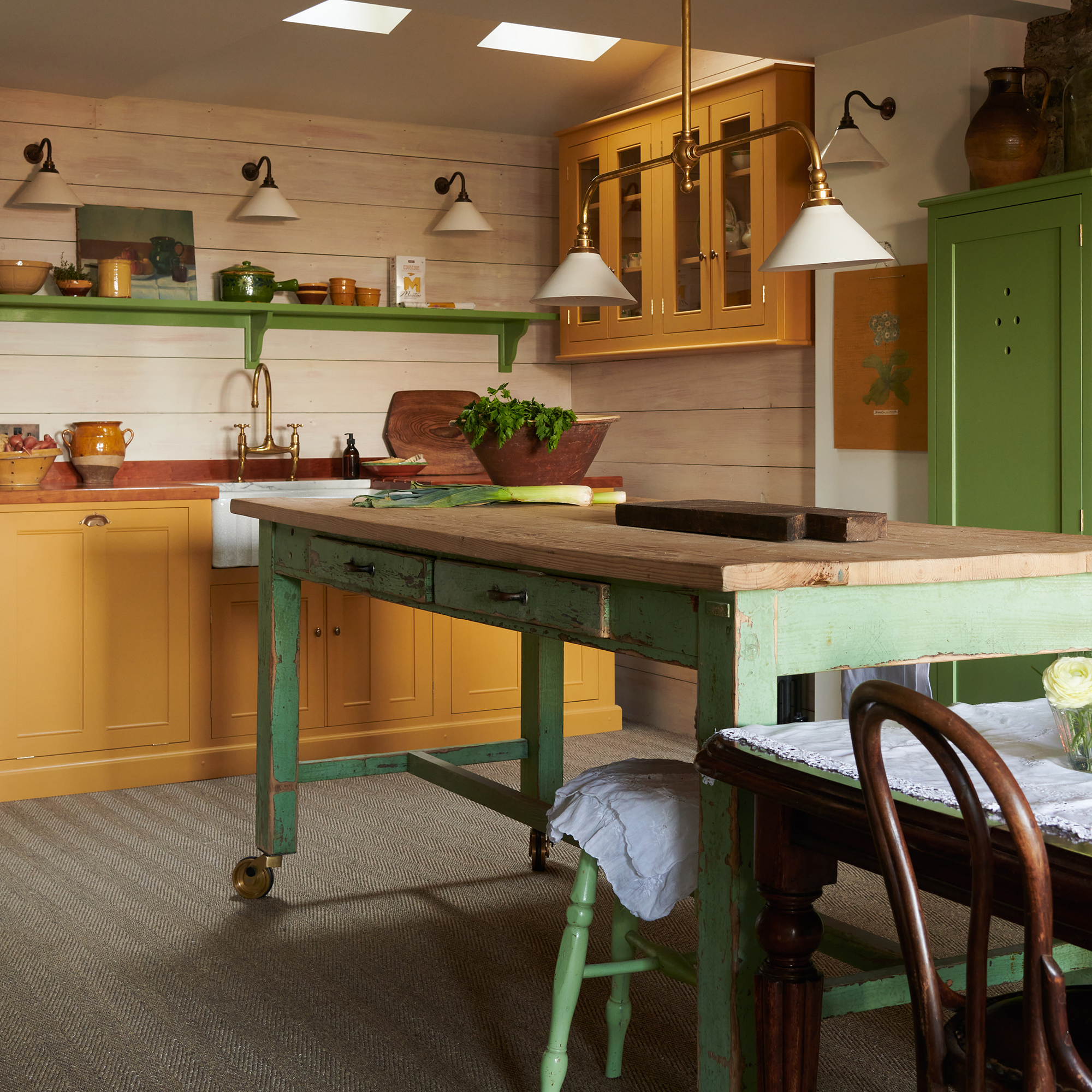
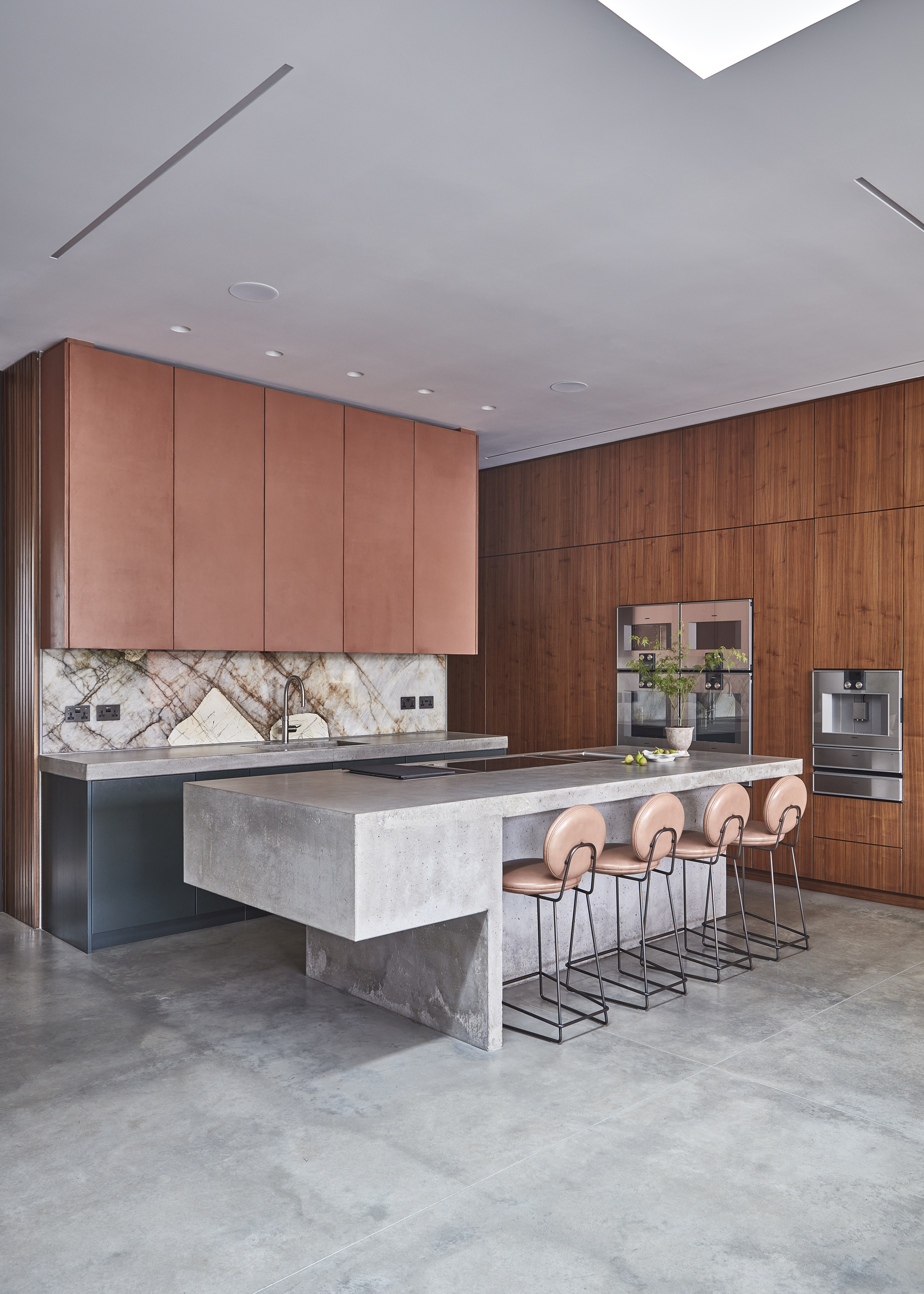
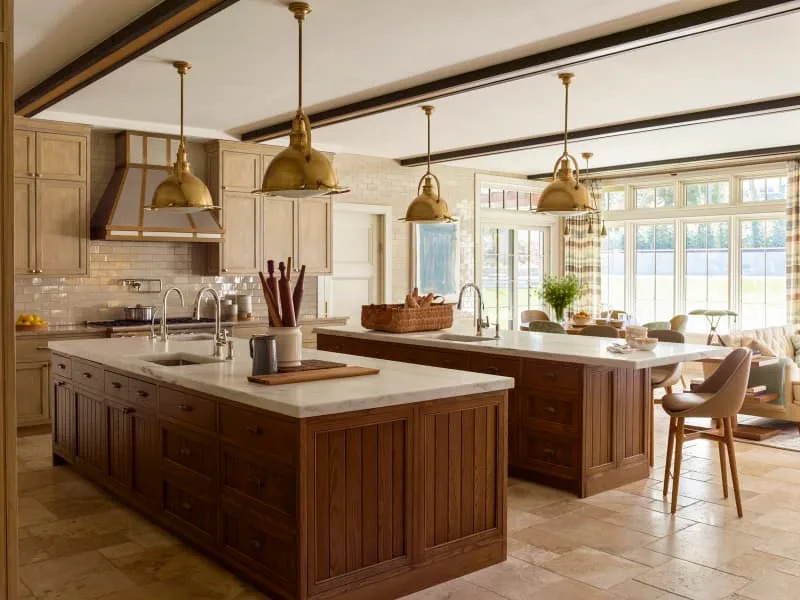
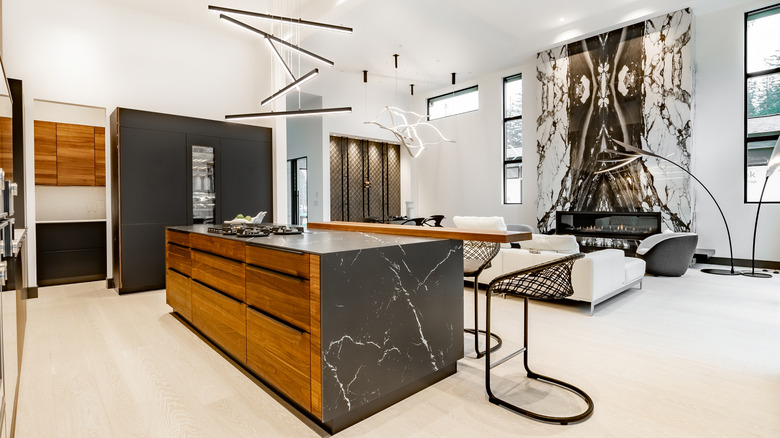
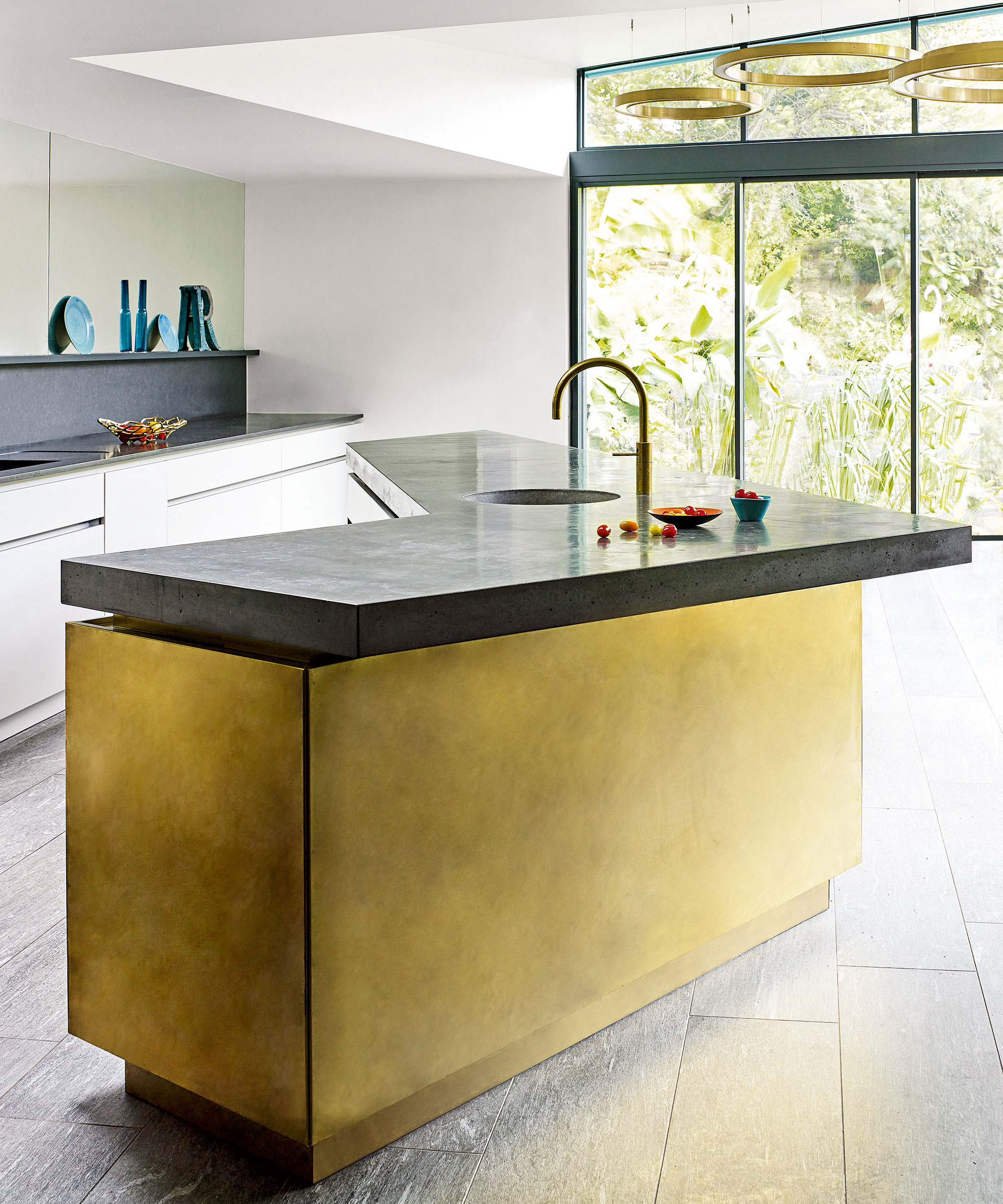
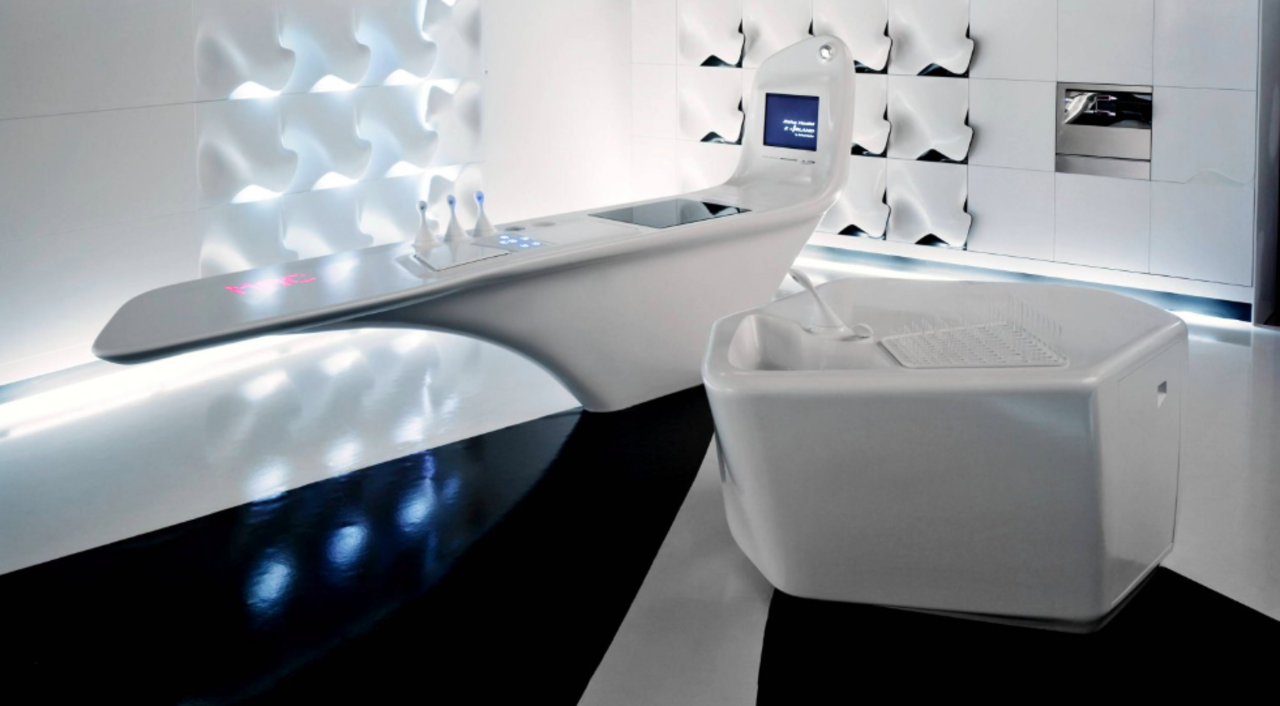
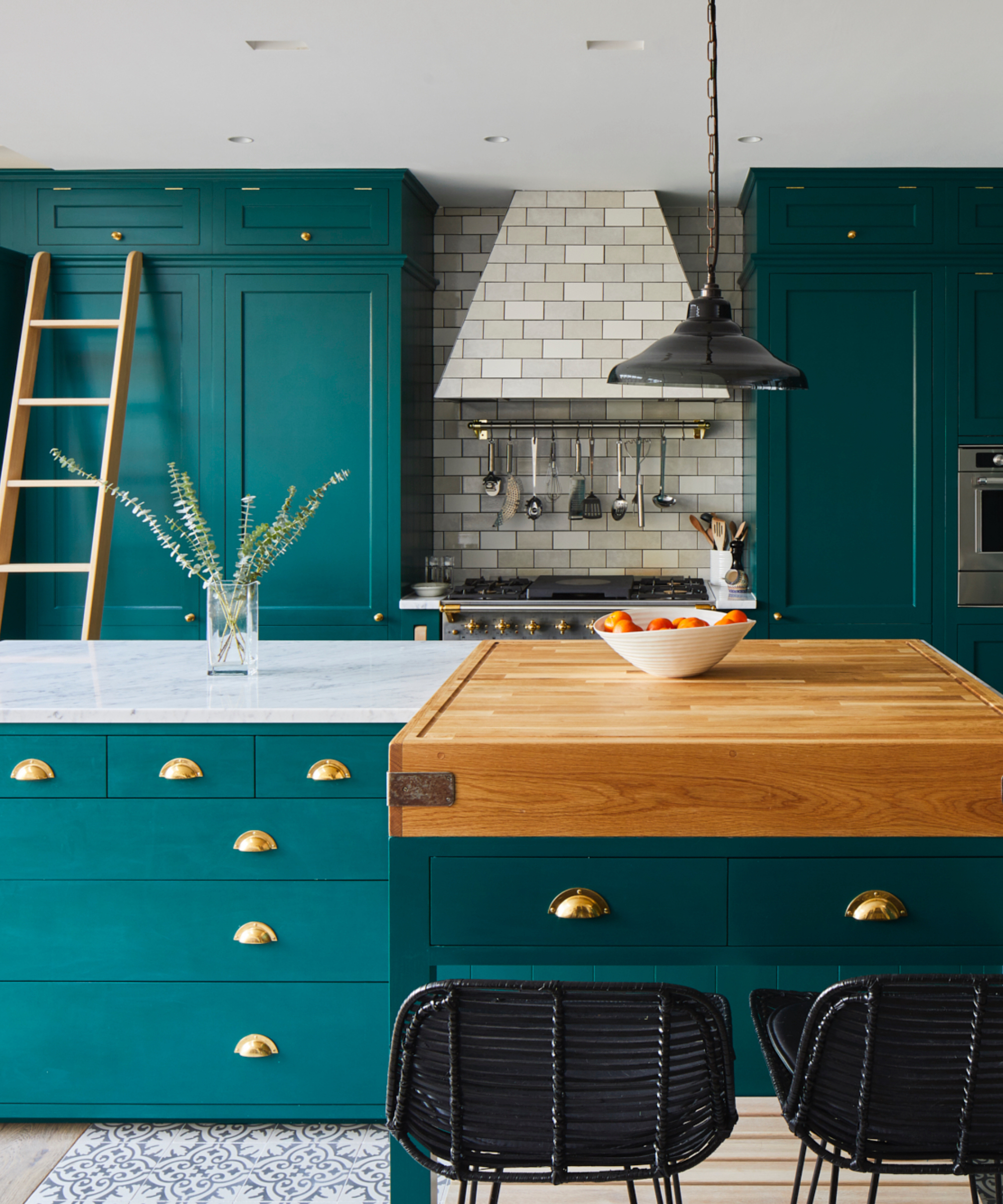
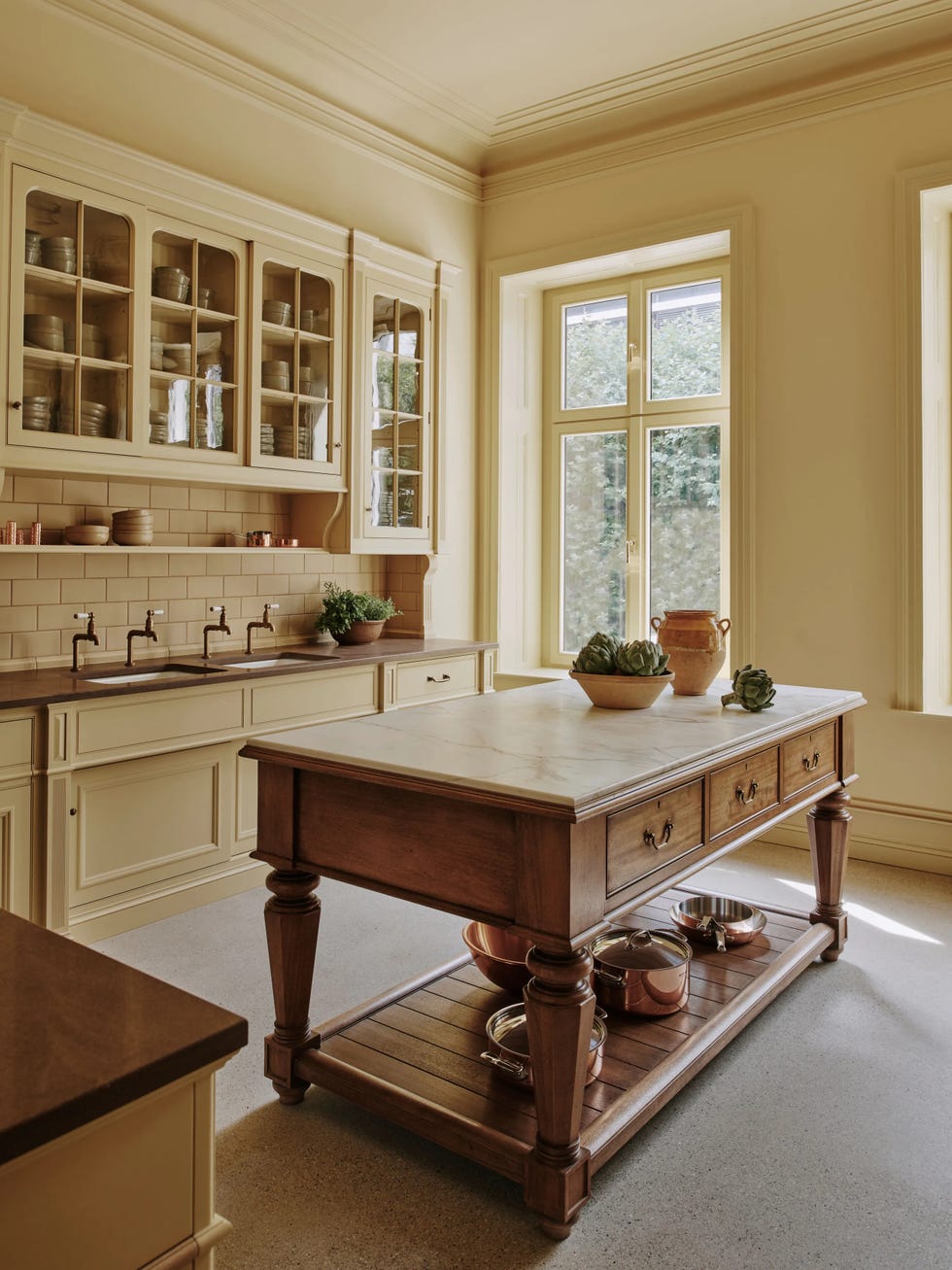
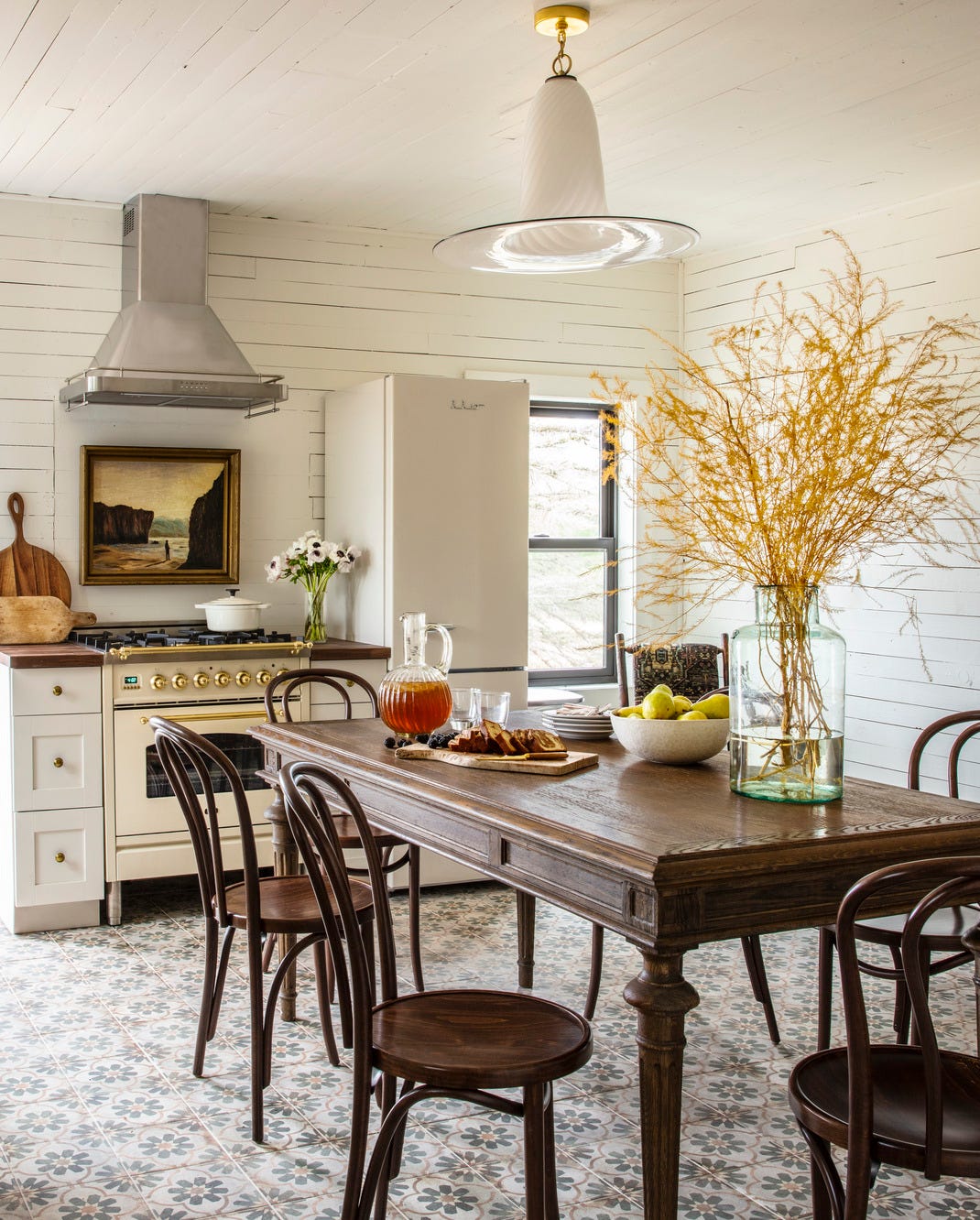
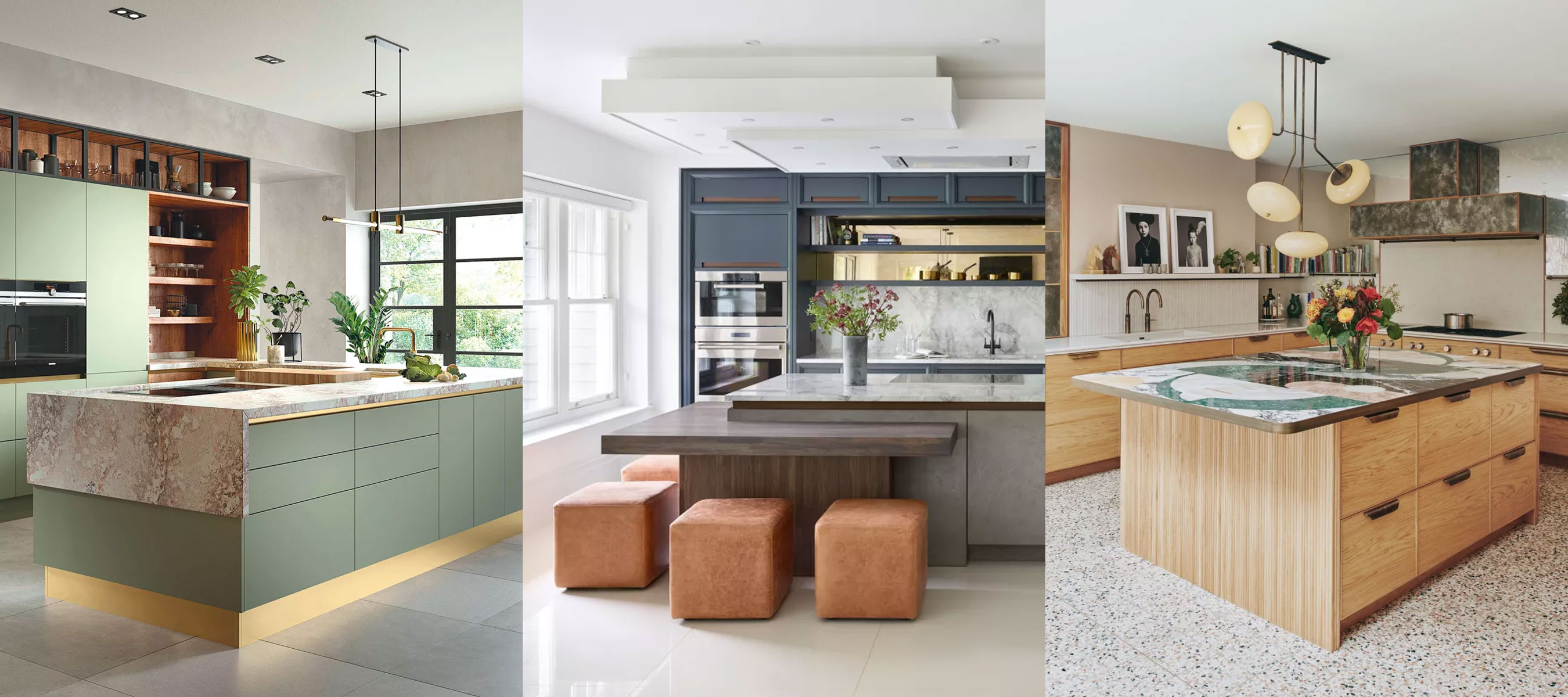
Finally, the article highlights the ongoing evolution of kitchen islands. Experts suggest that modern islands are moving beyond traditional extra worktop space. Al Bruce mentions alternatives such as harvest tables for tighter spaces, which can be customized with paint for warmth and contrast. Floating shelves, small cabinets, or bespoke countertops can also function as islands. A growing trend is the 'double island' design, which offers extensive space for cooking, entertaining, and gathering, adding a touch of grandeur to the kitchen. The article concludes that kitchen islands are a worthwhile investment, offering enhanced value through aesthetic appeal, practicality, and customizability, making them a permanent fixture in home design.
#KitchenDesign #HomeInteriors #KitchenIslands #InteriorTrends #HomeRenovation #KitchenStorage #OpenPlanLiving #KitchenDesign #HomeInteriors #KitchenIslands #InteriorTrends #HomeRenovation #KitchenStorage #OpenPlanLiving
0 comment in total
 No comments yet
You may also like
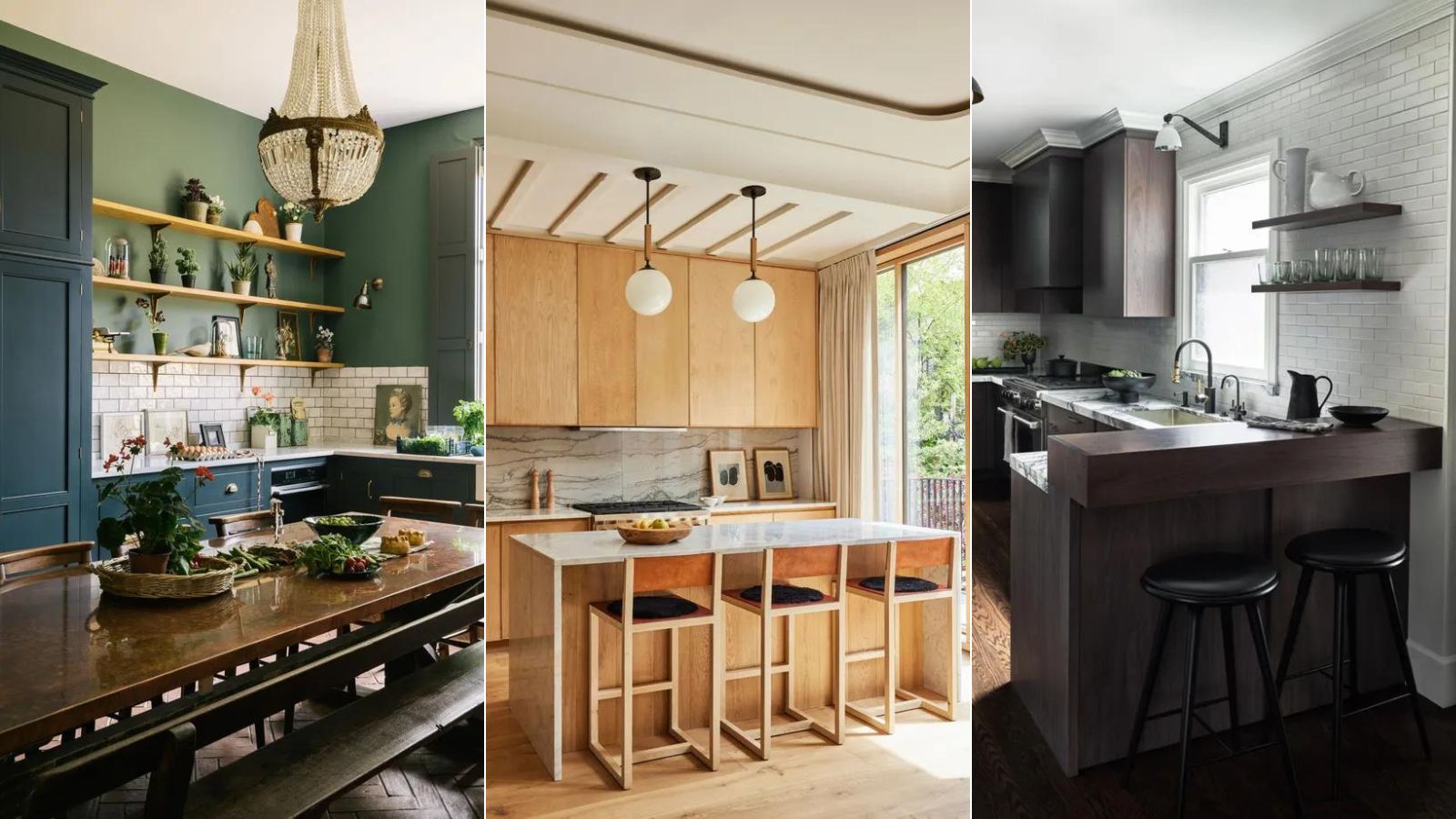
Are kitchen islands going out of style? Experts weigh in on whether it's time to ditch this beloved feature

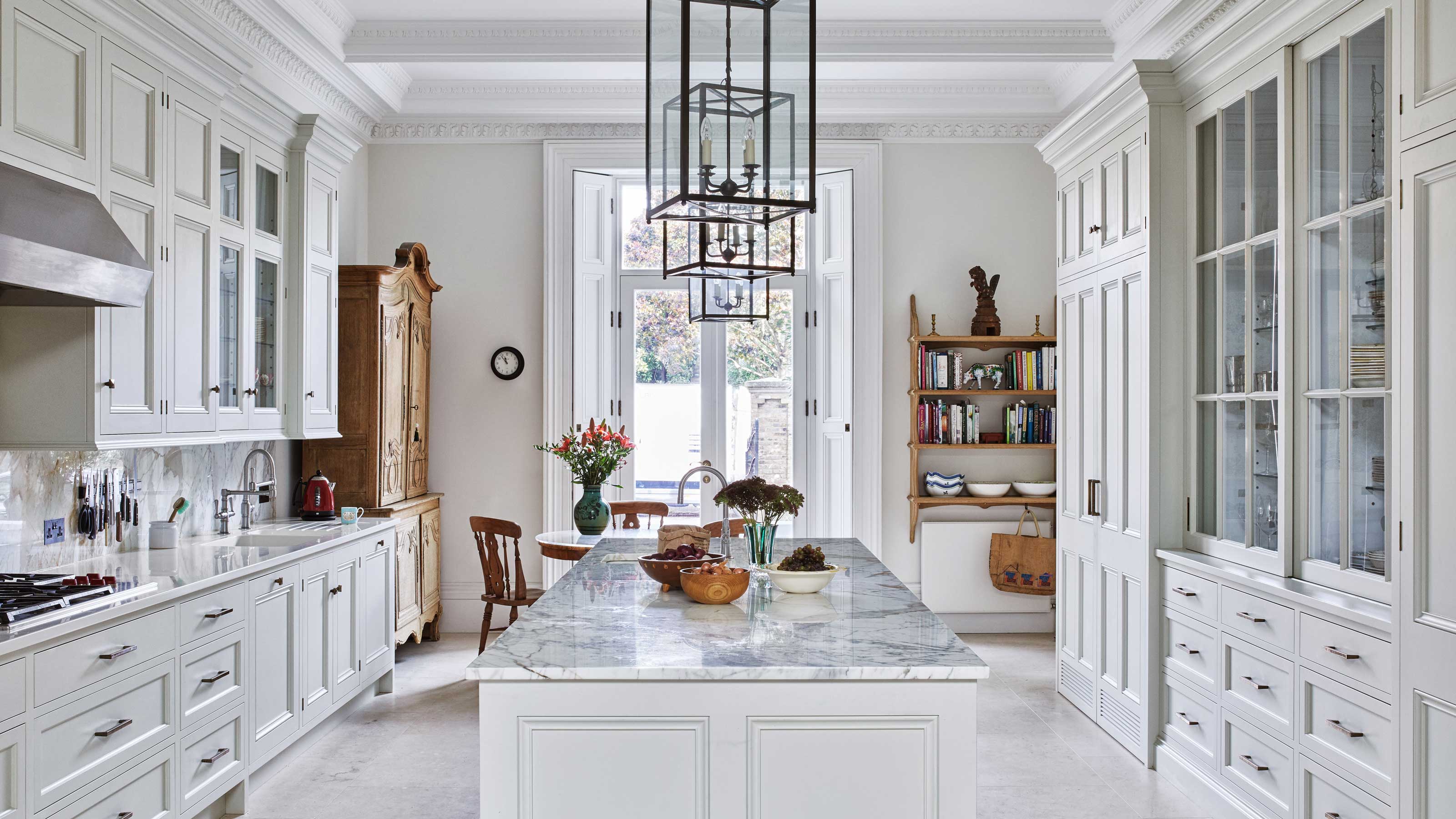
Do you need a kitchen island? Designers weigh in on are they an essential or are islands becoming outdated
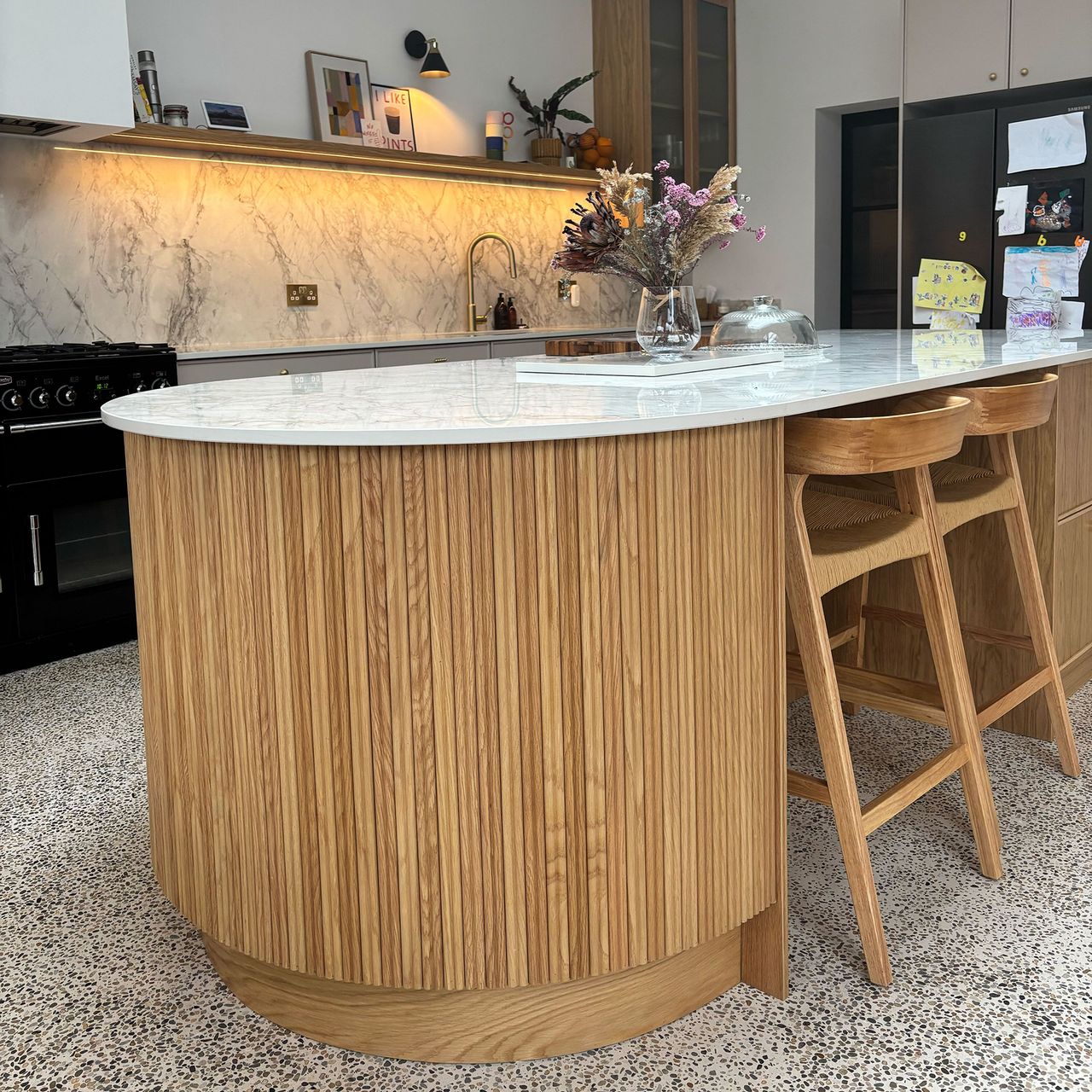
This kitchen island trend is set to continue in 2026 – this is how one of our editors made it work in her busy family kitchen
Design Experts Agree: This Kitchen Style Is Making a Major Comeback
Are kitchen islands outdated? Kitchen experts reveal how these perfectly practical designs will never be passé
10 Outdated Kitchen Island Trends to Avoid in 2025 Remodels — And What Designers Are Doing Instead

Move over, islands: Kitchen tables are making a comeback

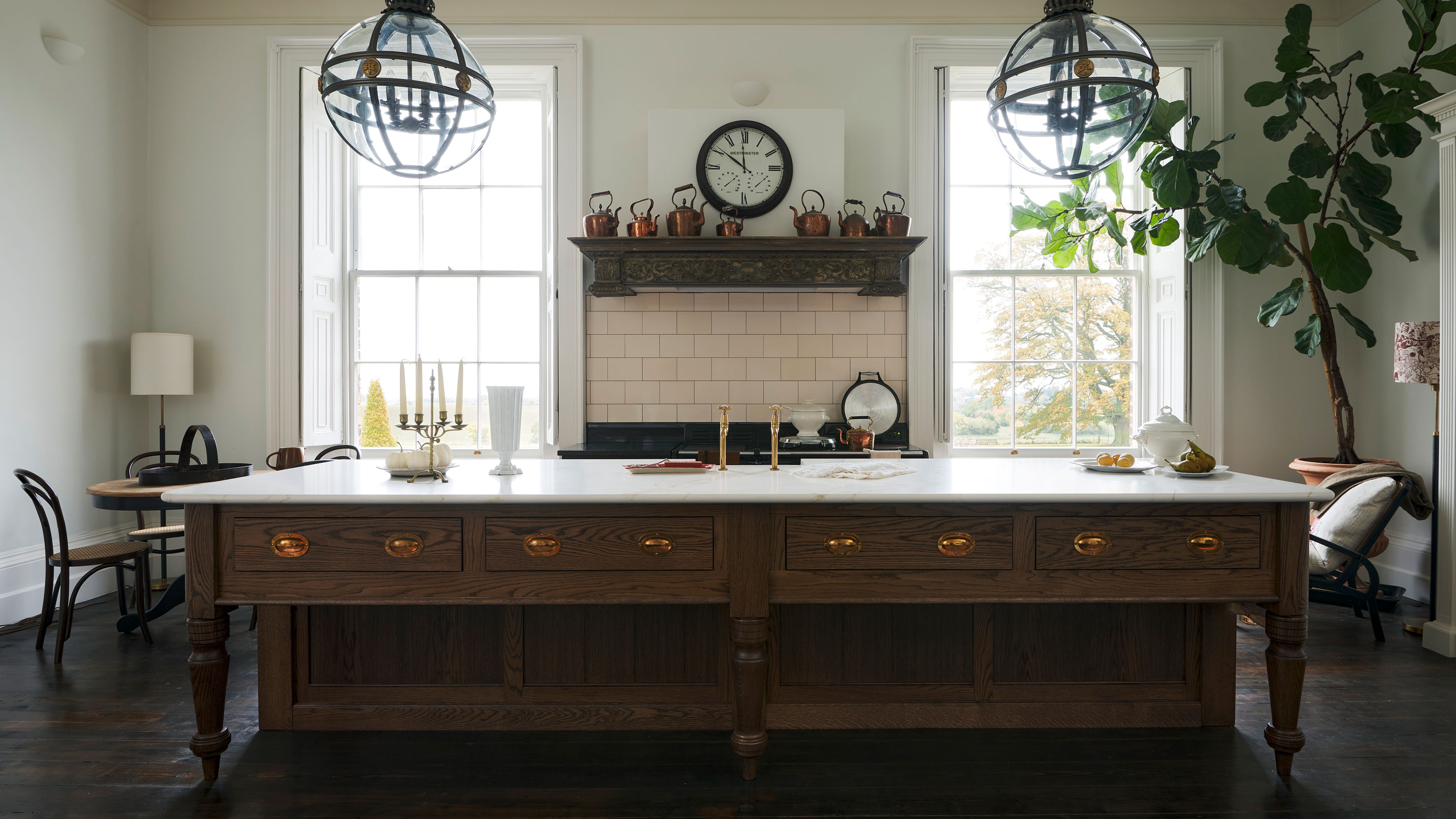
16 kitchen island trends designers say will be everywhere in 2025
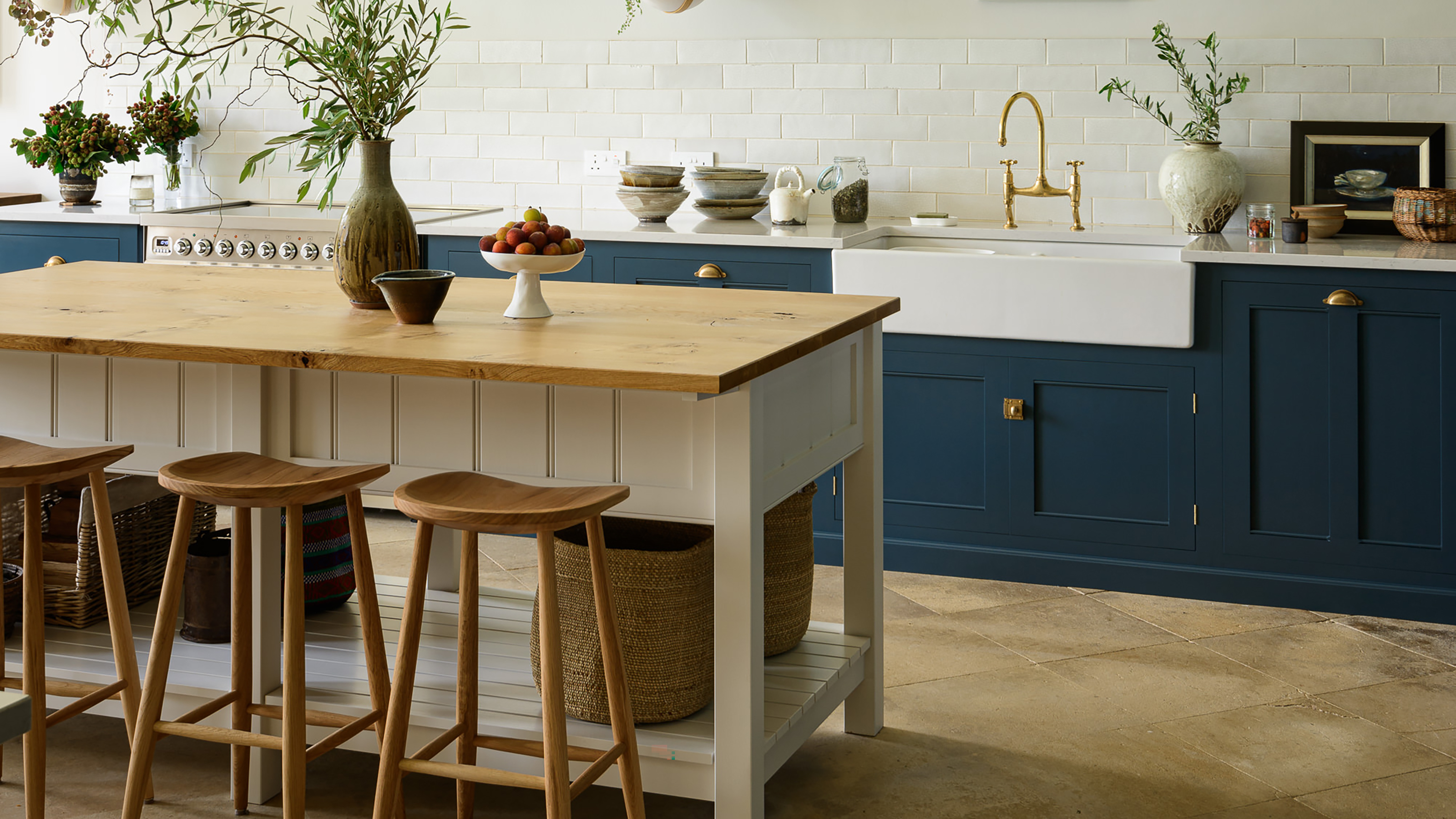
Are kitchen islands out? Kitchen experts agree that the prep table might be it's trendy replacement
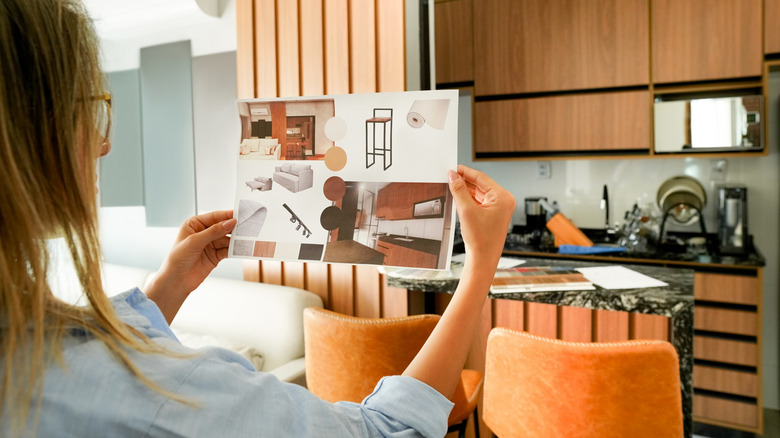
The Once Dated Kitchen Island Alternative That's Making A Hot Comeback In Homes

15 Stunning Kitchen Island Trends That Are Set To Dominate Throughout 2025
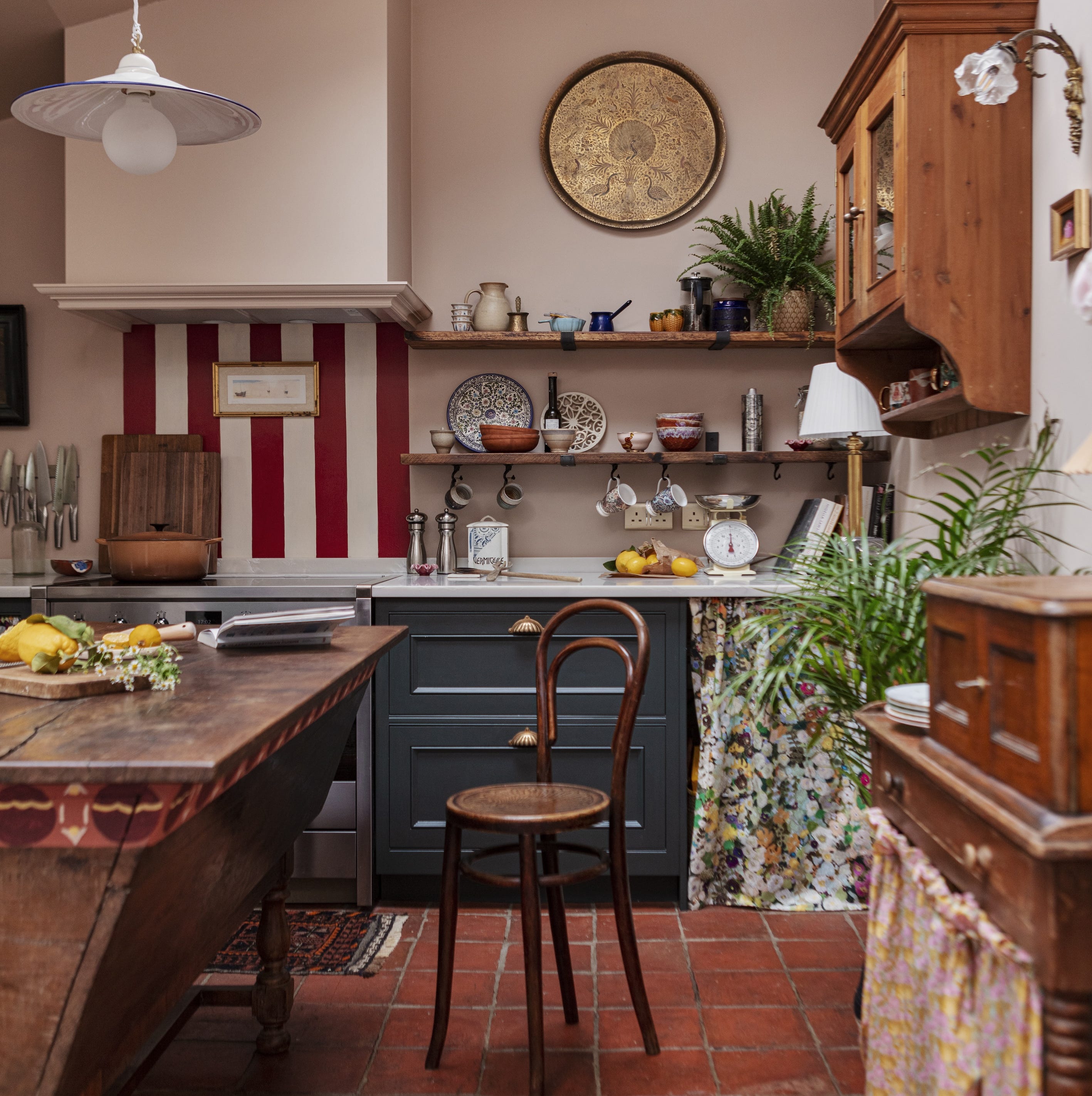
Is it time to say goodbye to kitchen islands?
5 Kitchen Island Trends That Are on Their Way Out, According to Real Estate Experts
Are Islands Ruining Kitchens? We Asked Designers If This Once-Favorable Feature Has Lost Its Appeal
Kitchen island trends 2023 – 9 new looks for your kitchen's focal point that marry style and functionality
Top Designers Say These Kitchen Trends are Long-Lasting

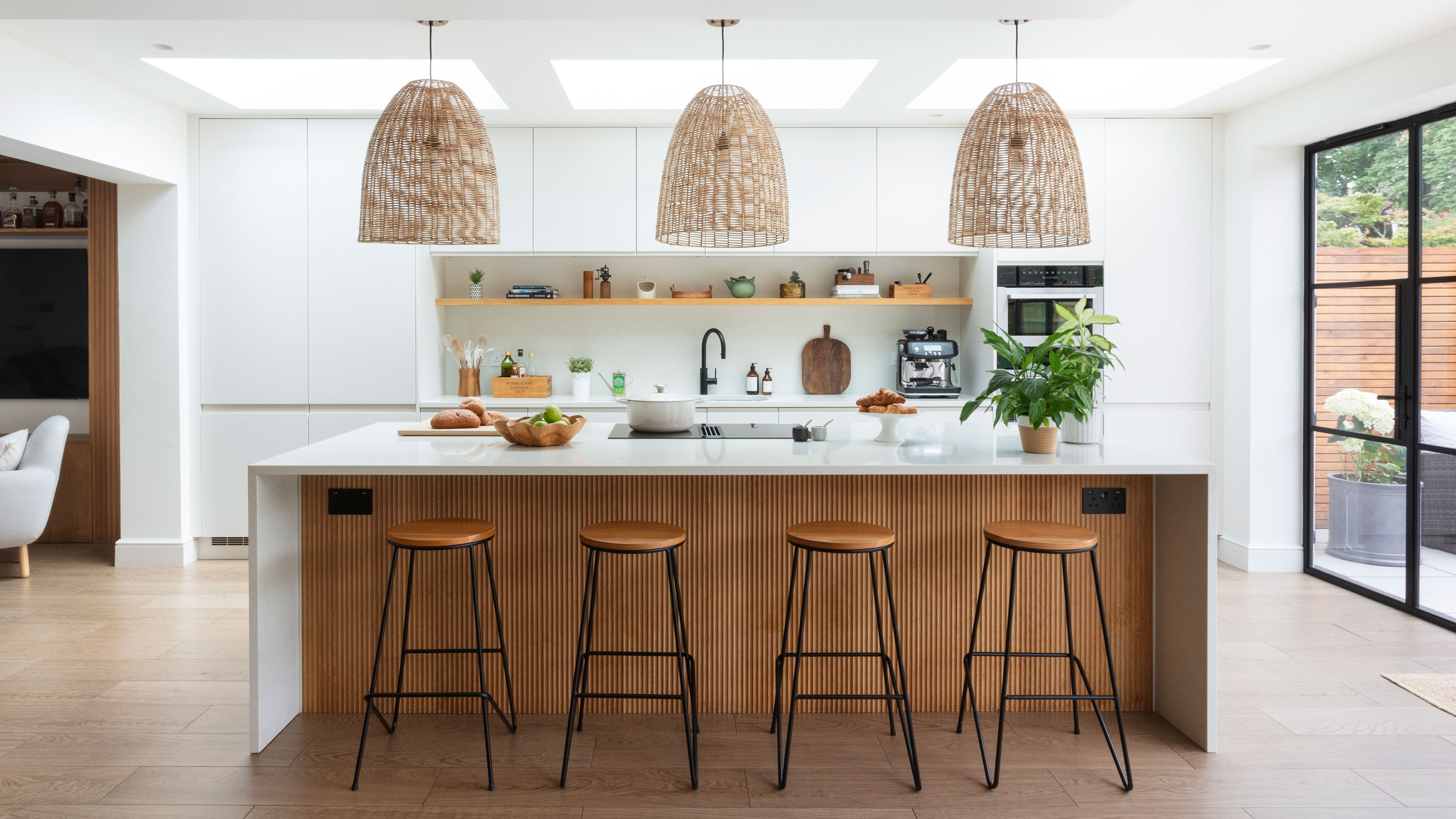
The kitchen island trends dominating 2025 - the liveable looks we predict will become new classics
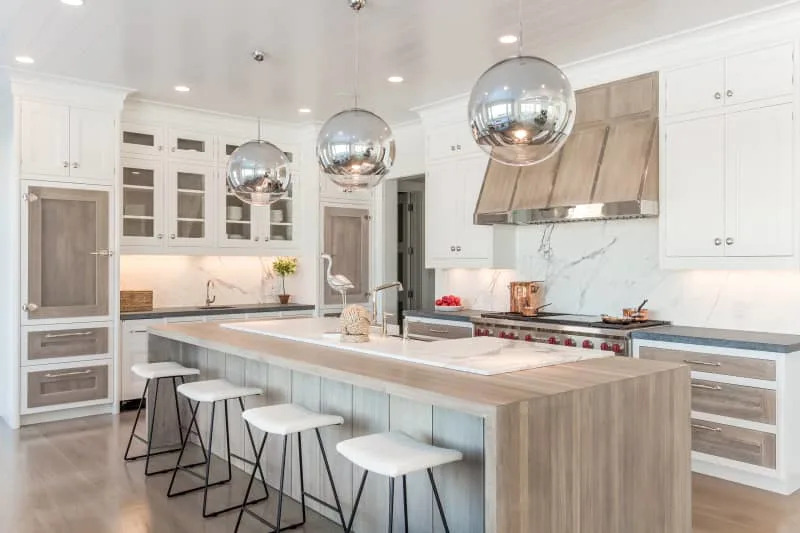
3 Kitchen Island Trends That Interior Designers Love (and 2 to Skip)


Futuristic Kitchen Islands
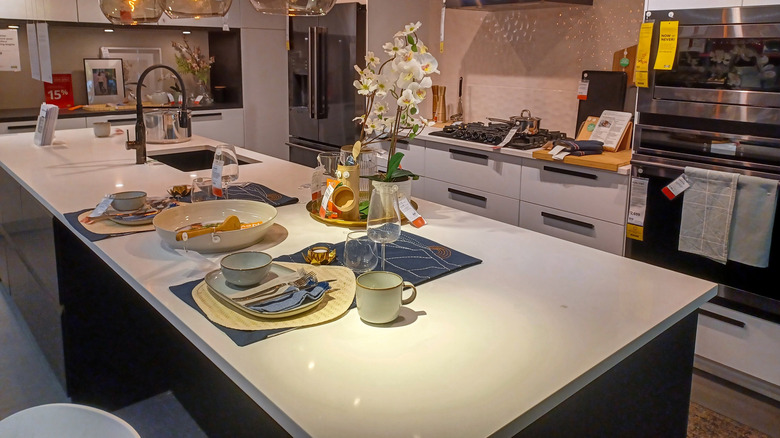
The Stunning Kitchen Island Trend We Should've All Seen Coming In 2025