1/9
Kitchen island trends 2023 – 9 new looks for your kitchen's focal point that marry style and functionality
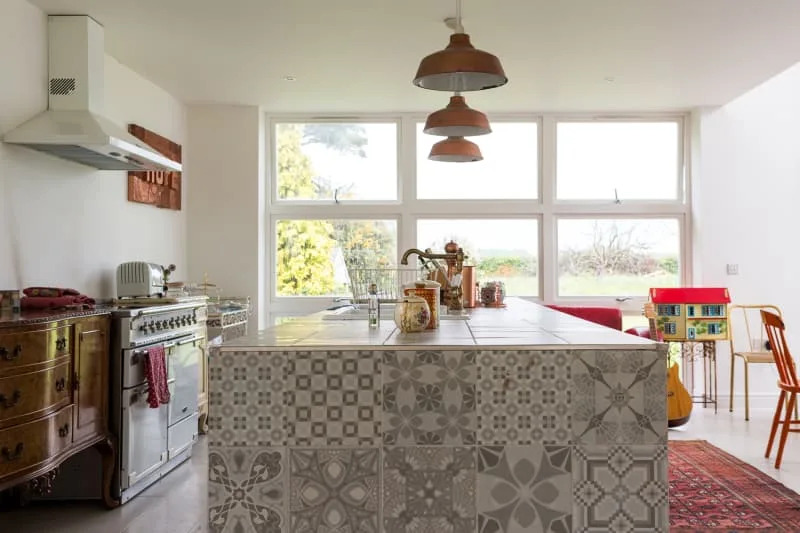
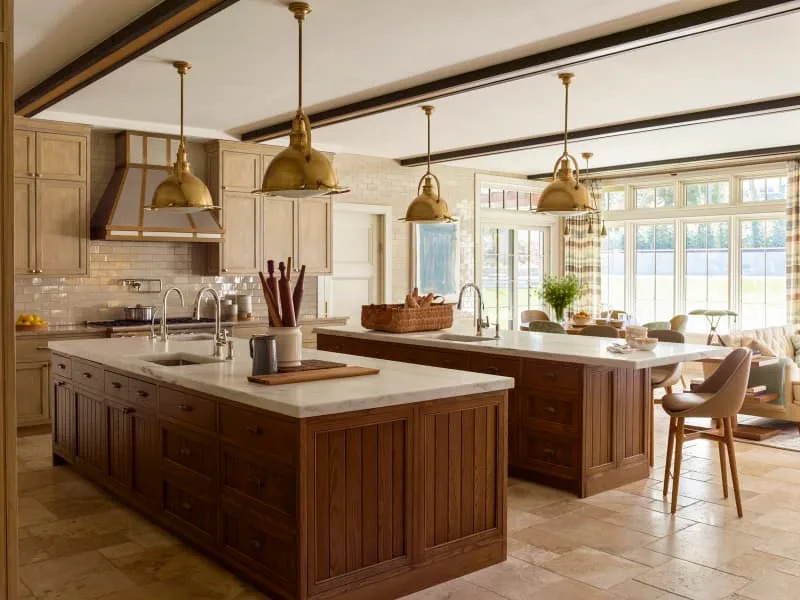
The kitchen island, a highly sought-after feature in modern homes, serves multiple functions, including entertaining, providing storage, and housing appliances. To maximize its potential, homeowners are increasingly focusing on bold shapes, innovative materials, and unique design twists. As 2023 approaches, a variety of on-trend and contemporary designs are emerging, with insights from leading kitchen designers and trend experts highlighting nine key looks.
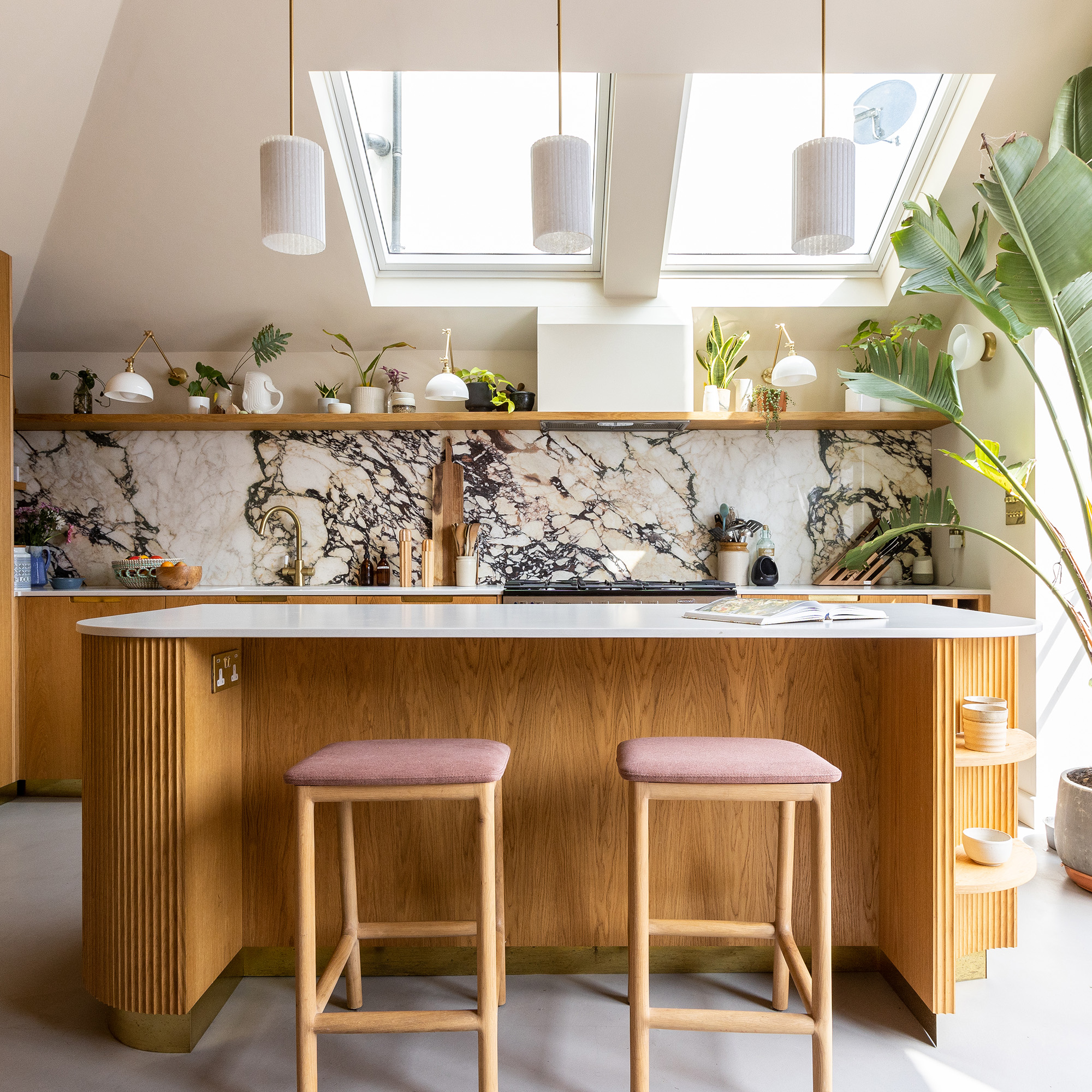
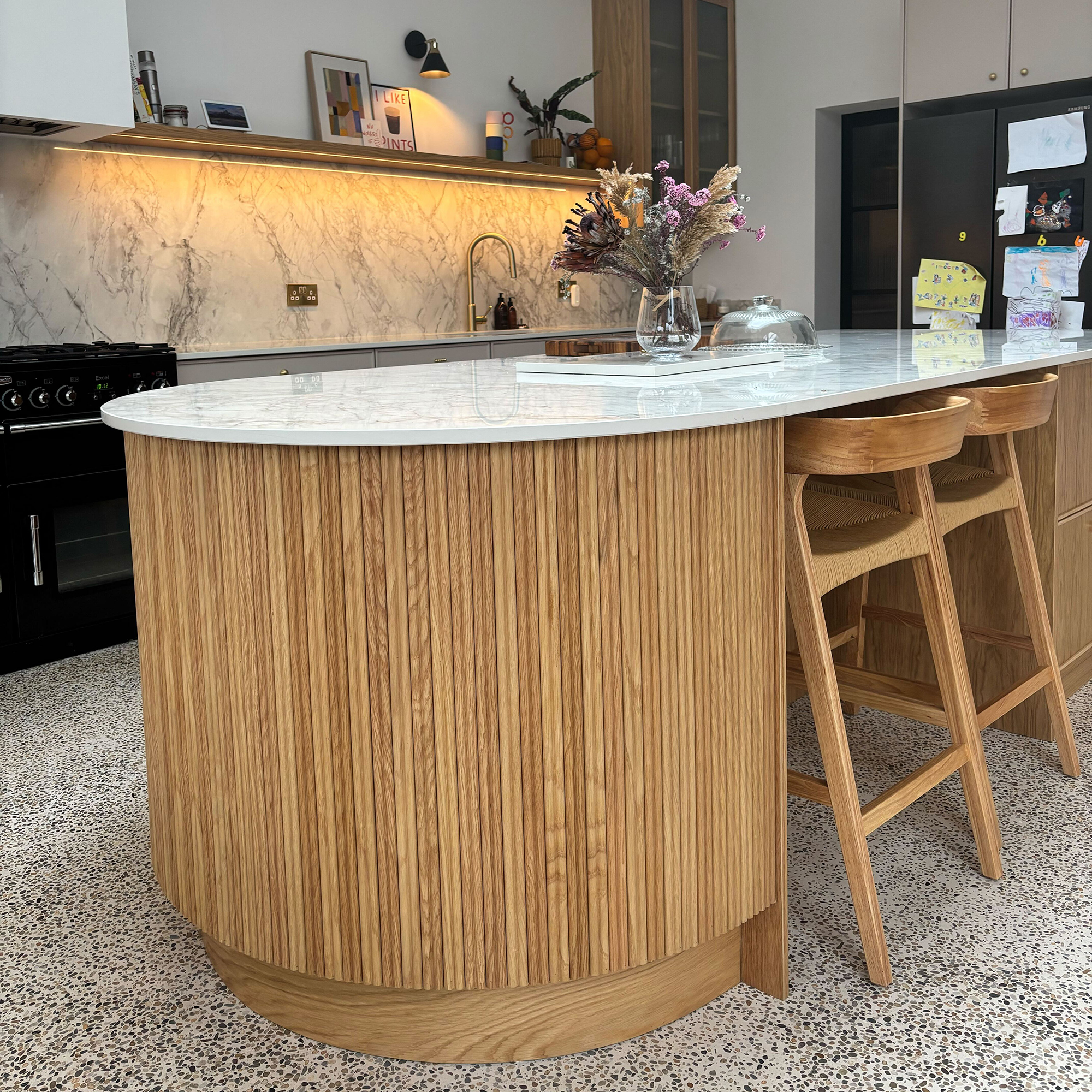
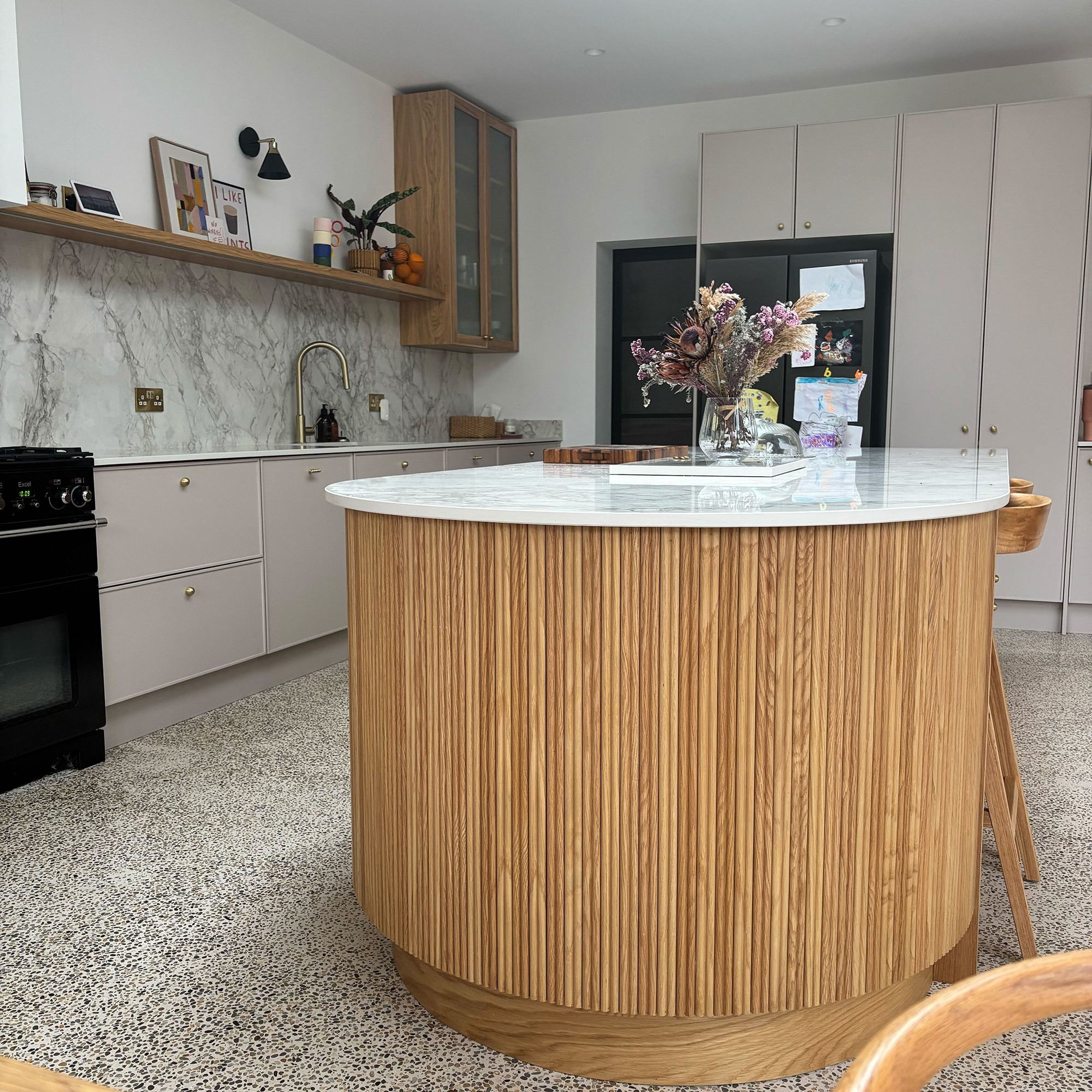
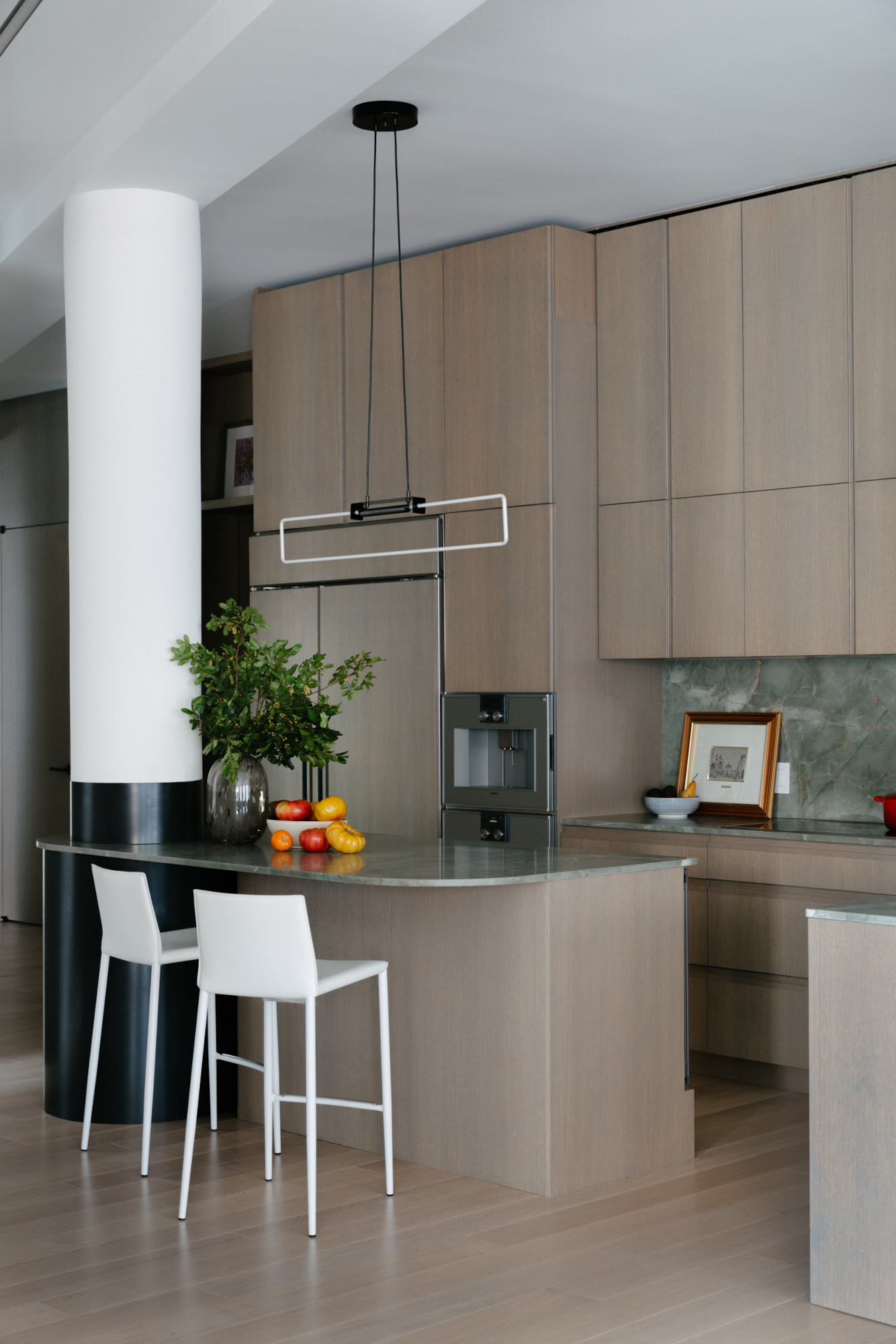
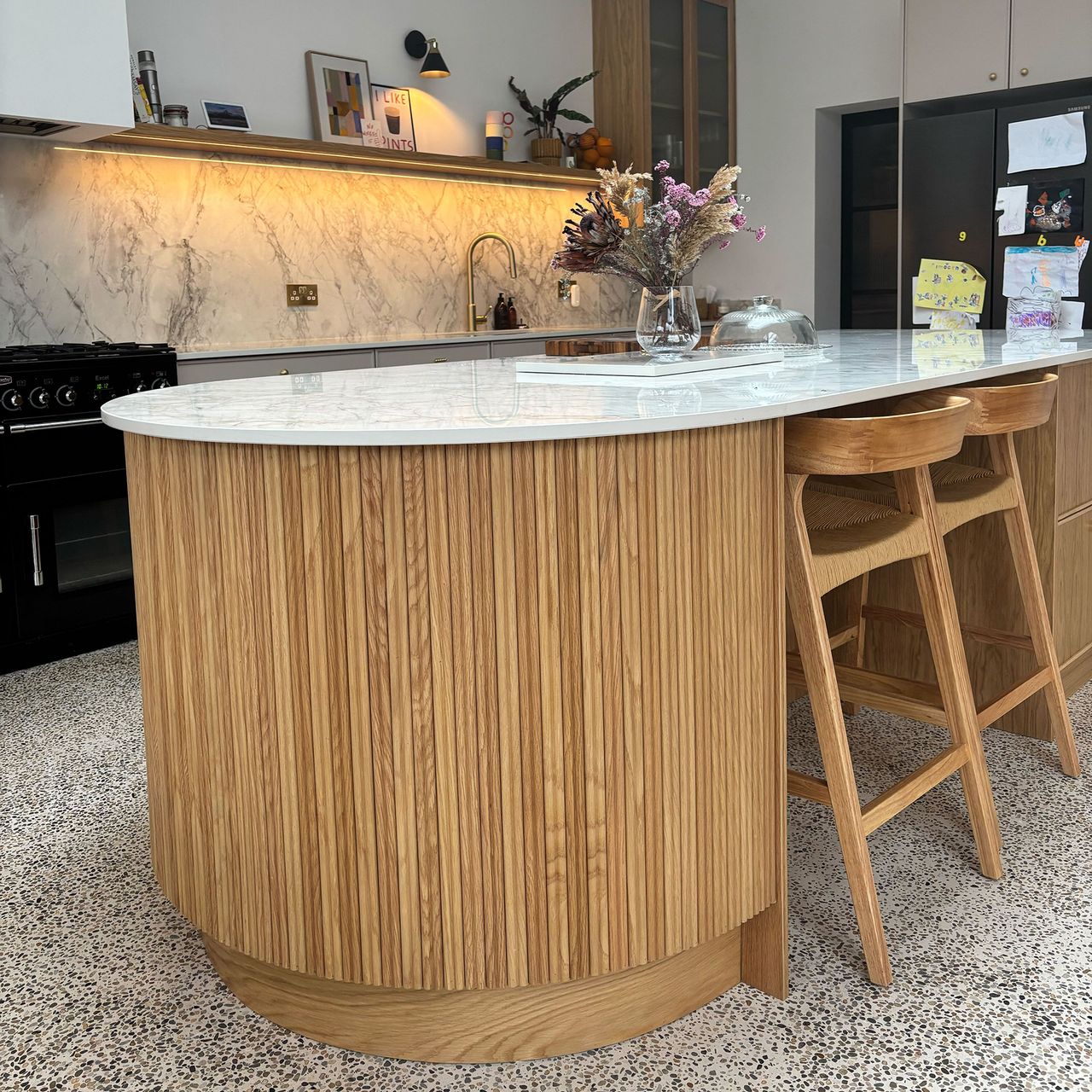
One prominent trend emphasizes the 'social island' concept, incorporating curvaceous designs reminiscent of the 1980s. These rounded islands enhance ergonomics, facilitate social interaction, and promote smooth transitions in kitchens with multiple entry and exit points. They also offer more expansive seating areas, making them ideal for comfortable dining and socializing.
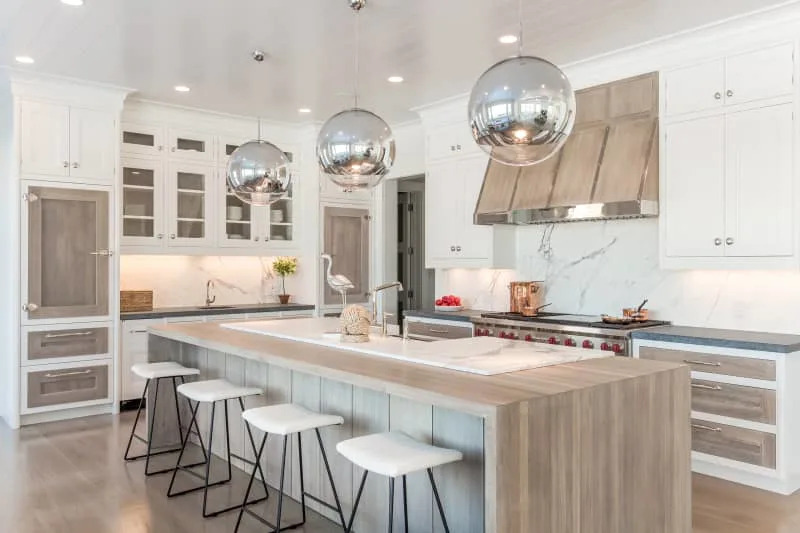
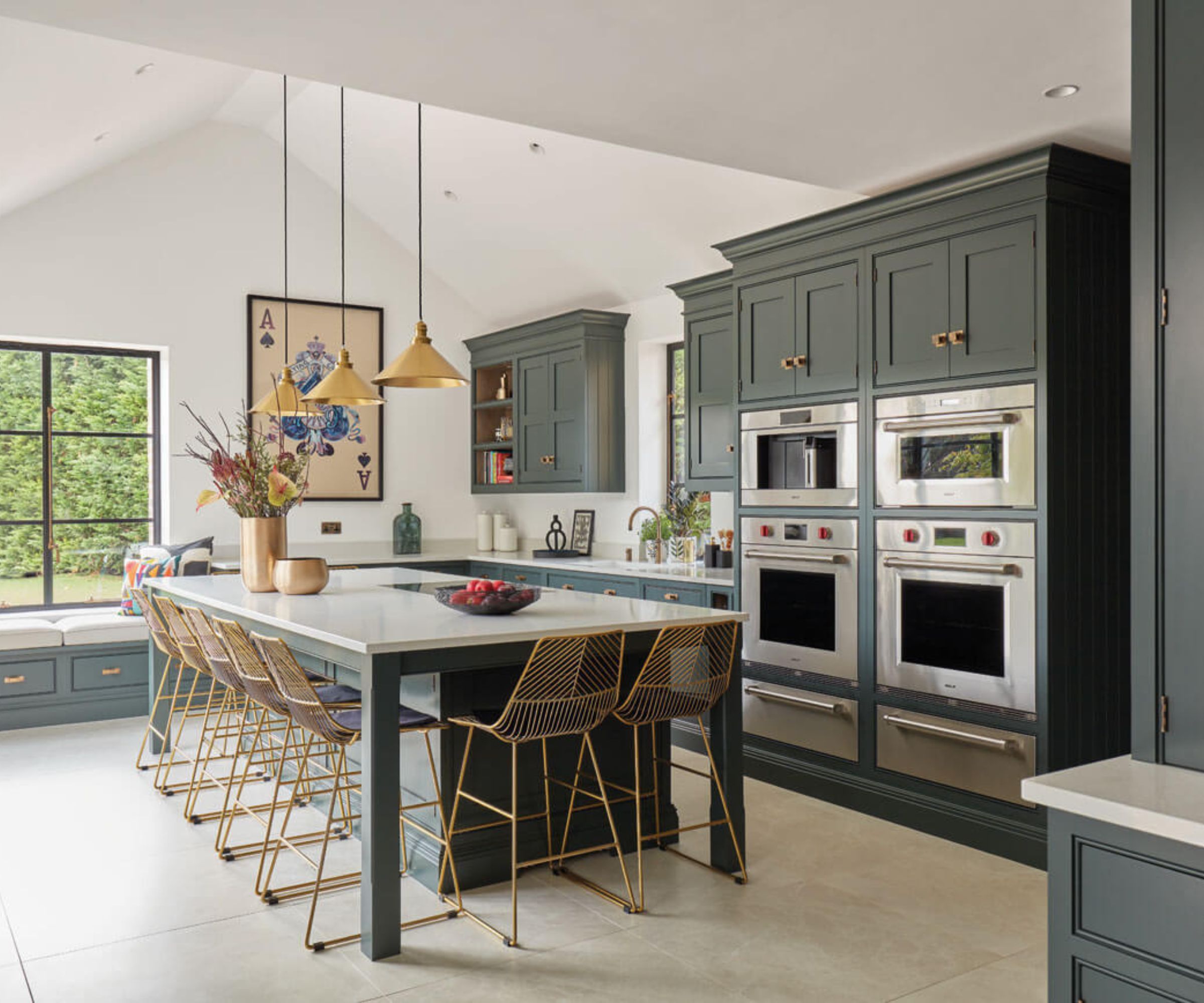
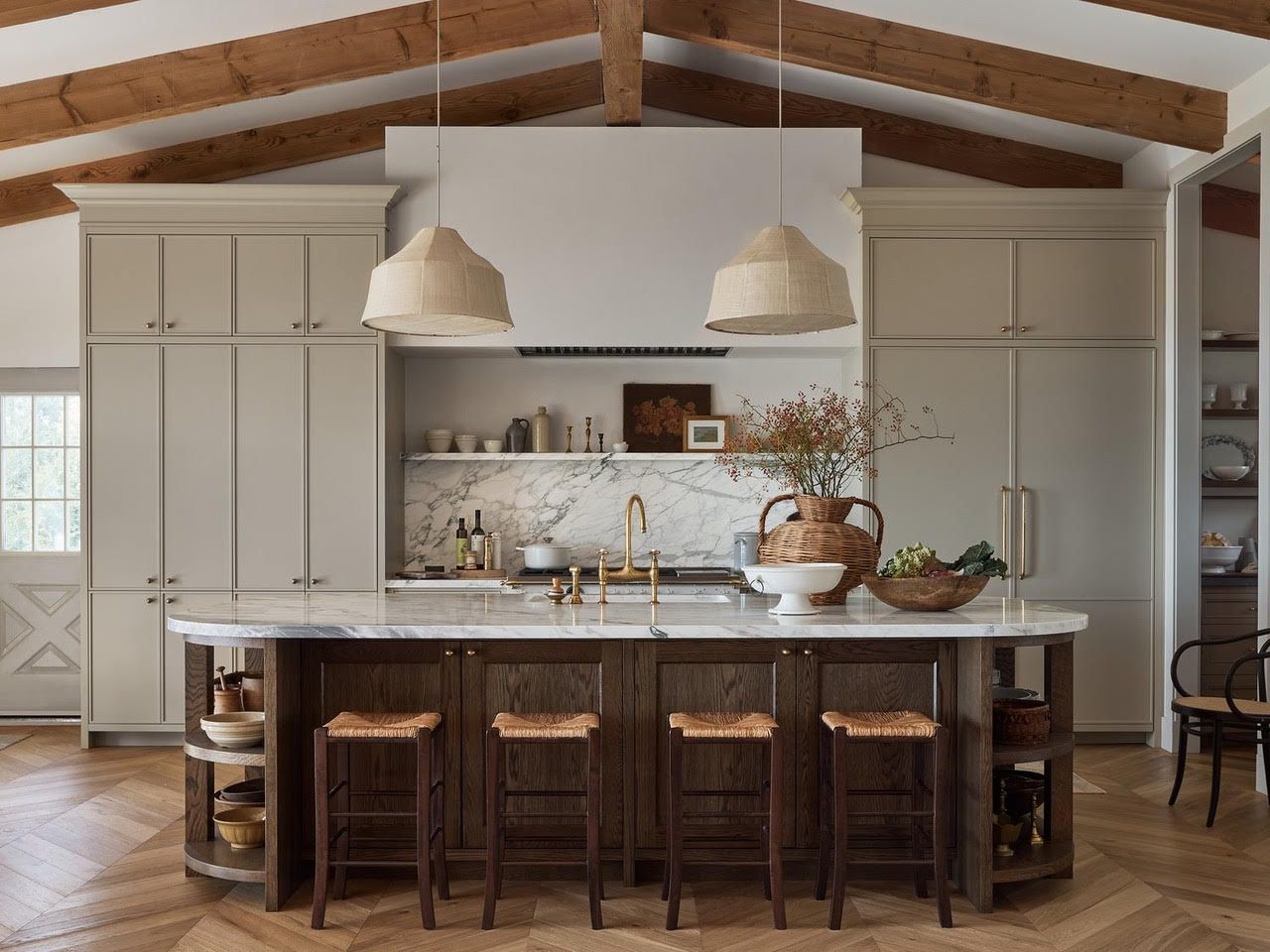
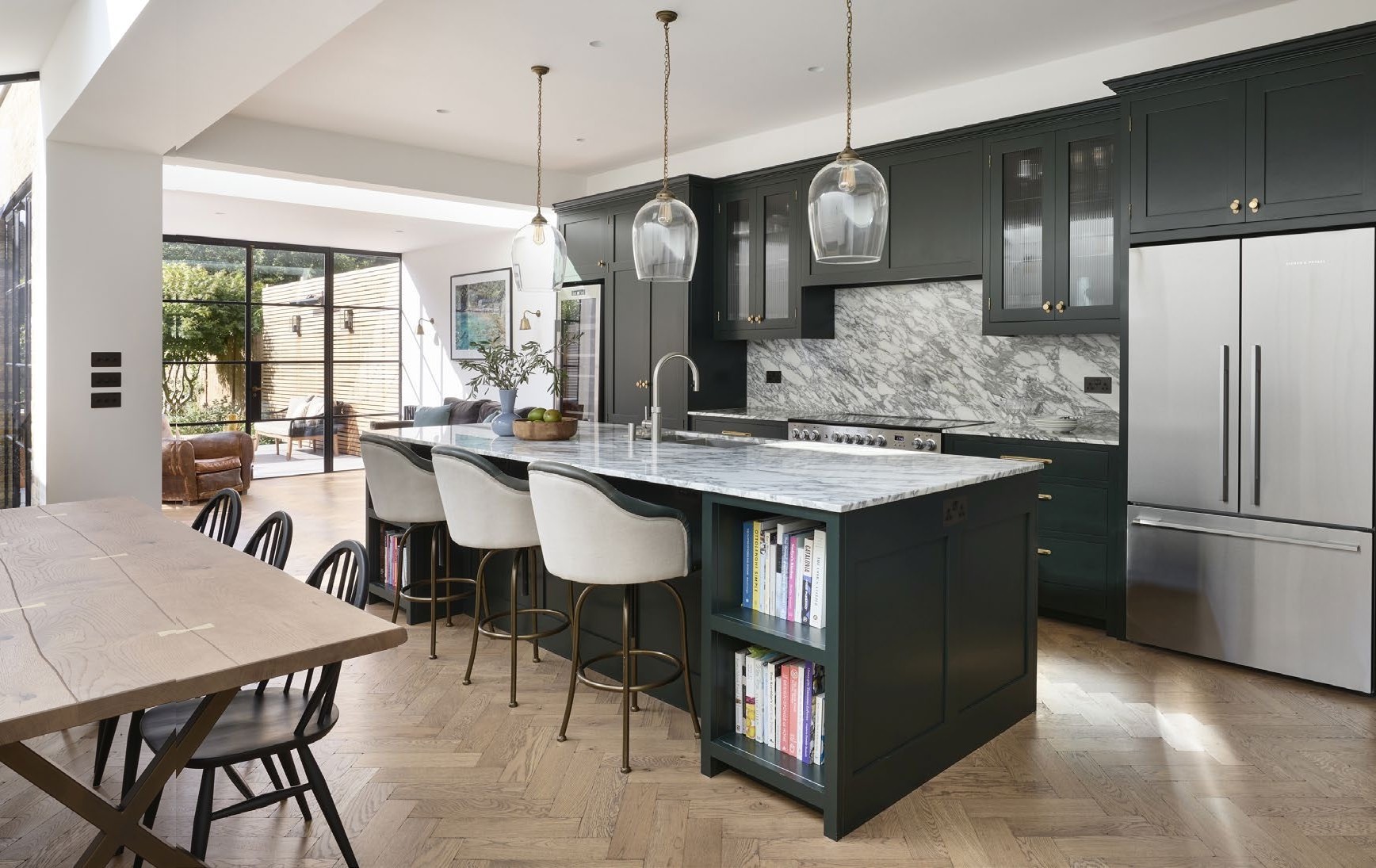
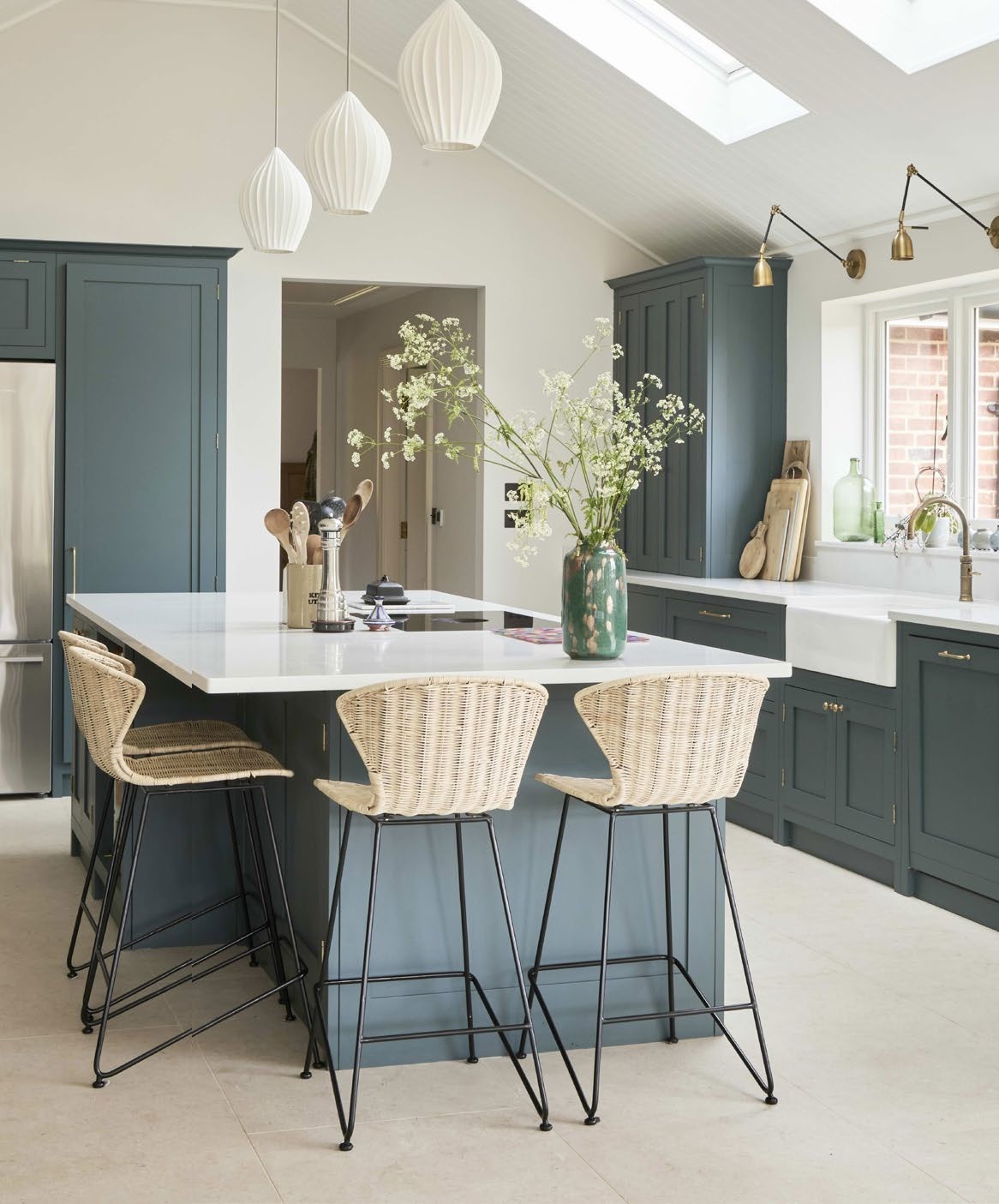
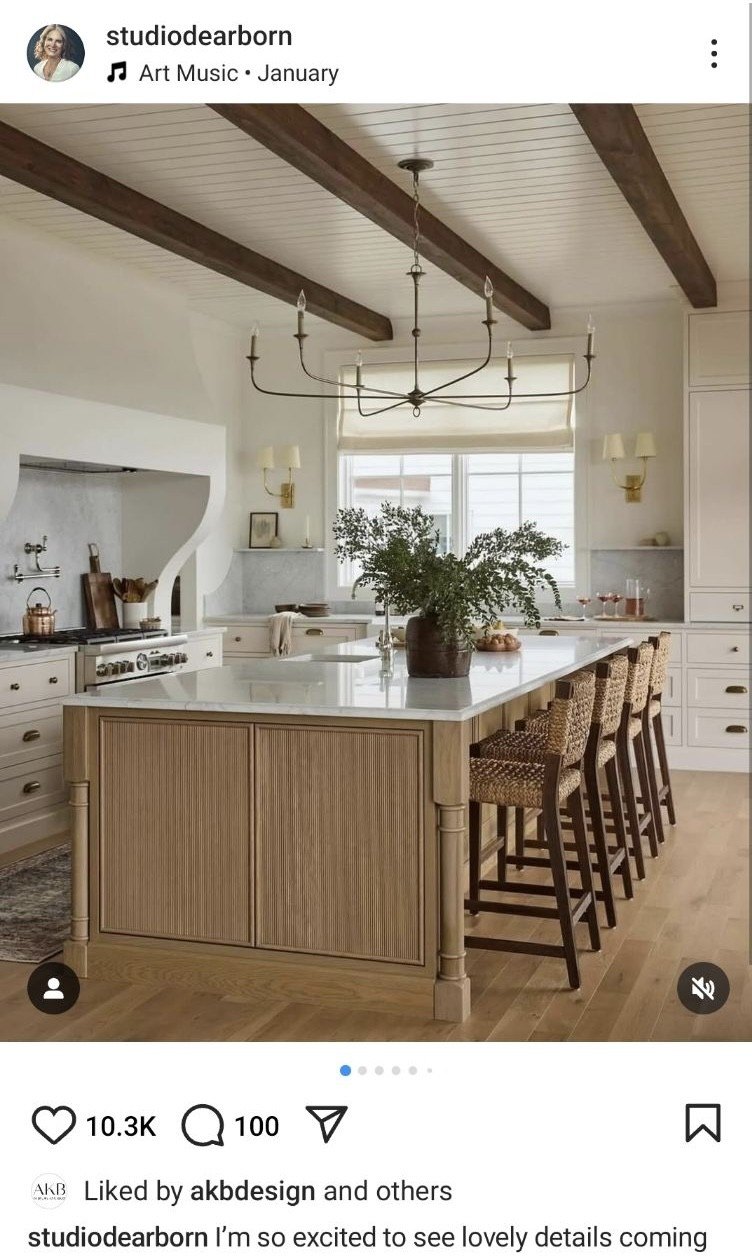
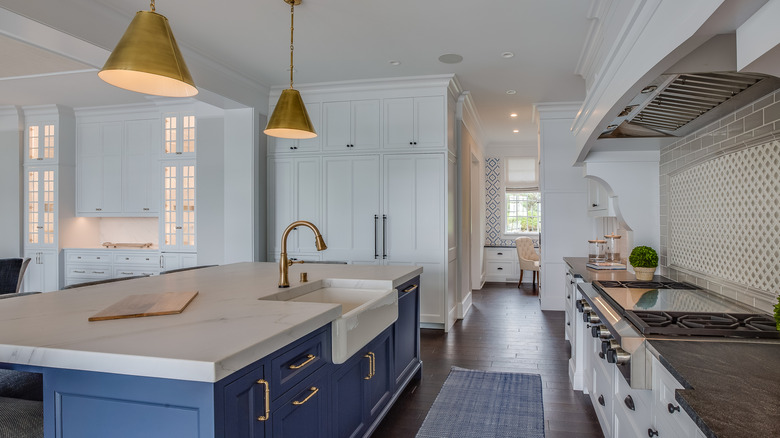
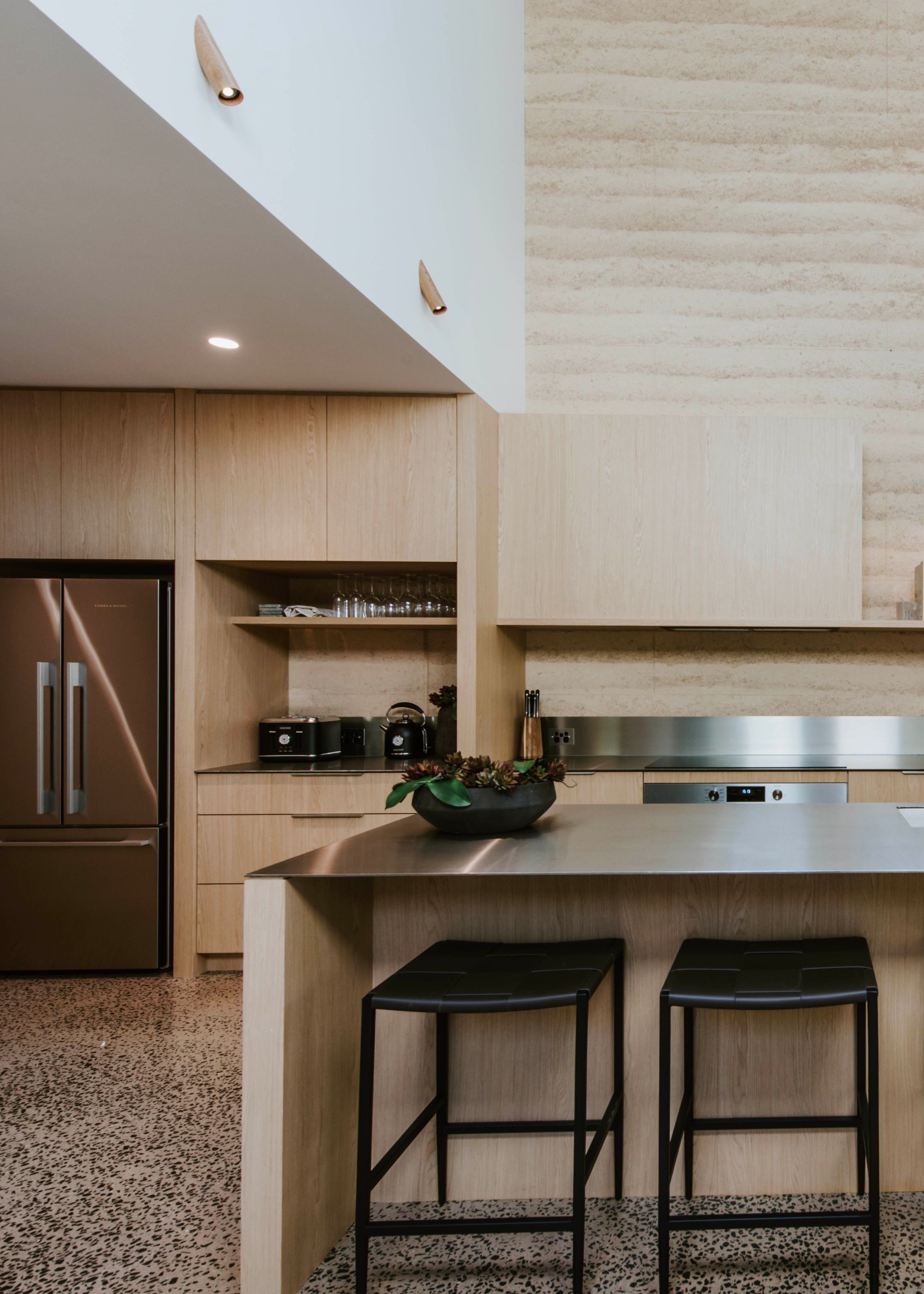
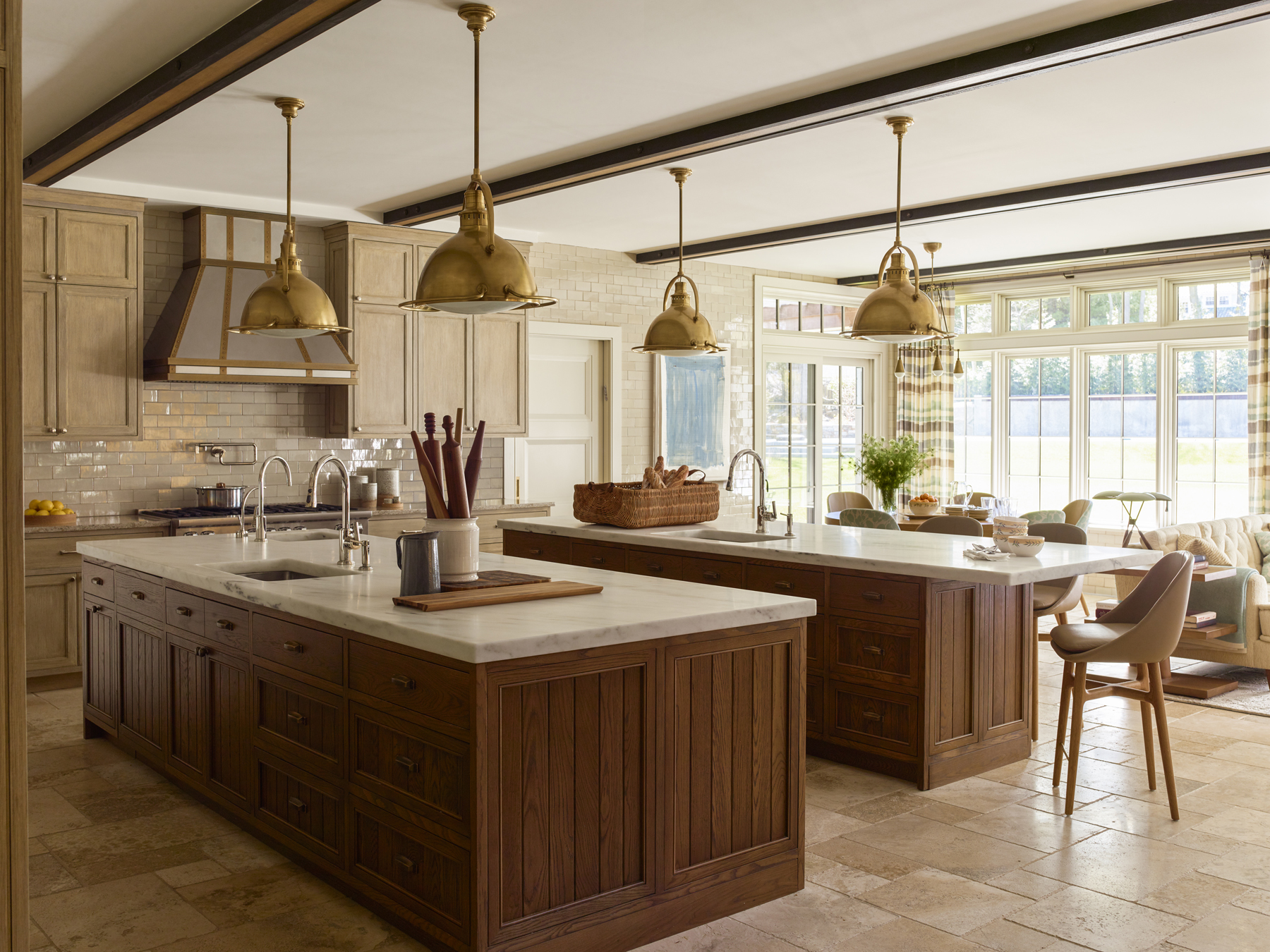
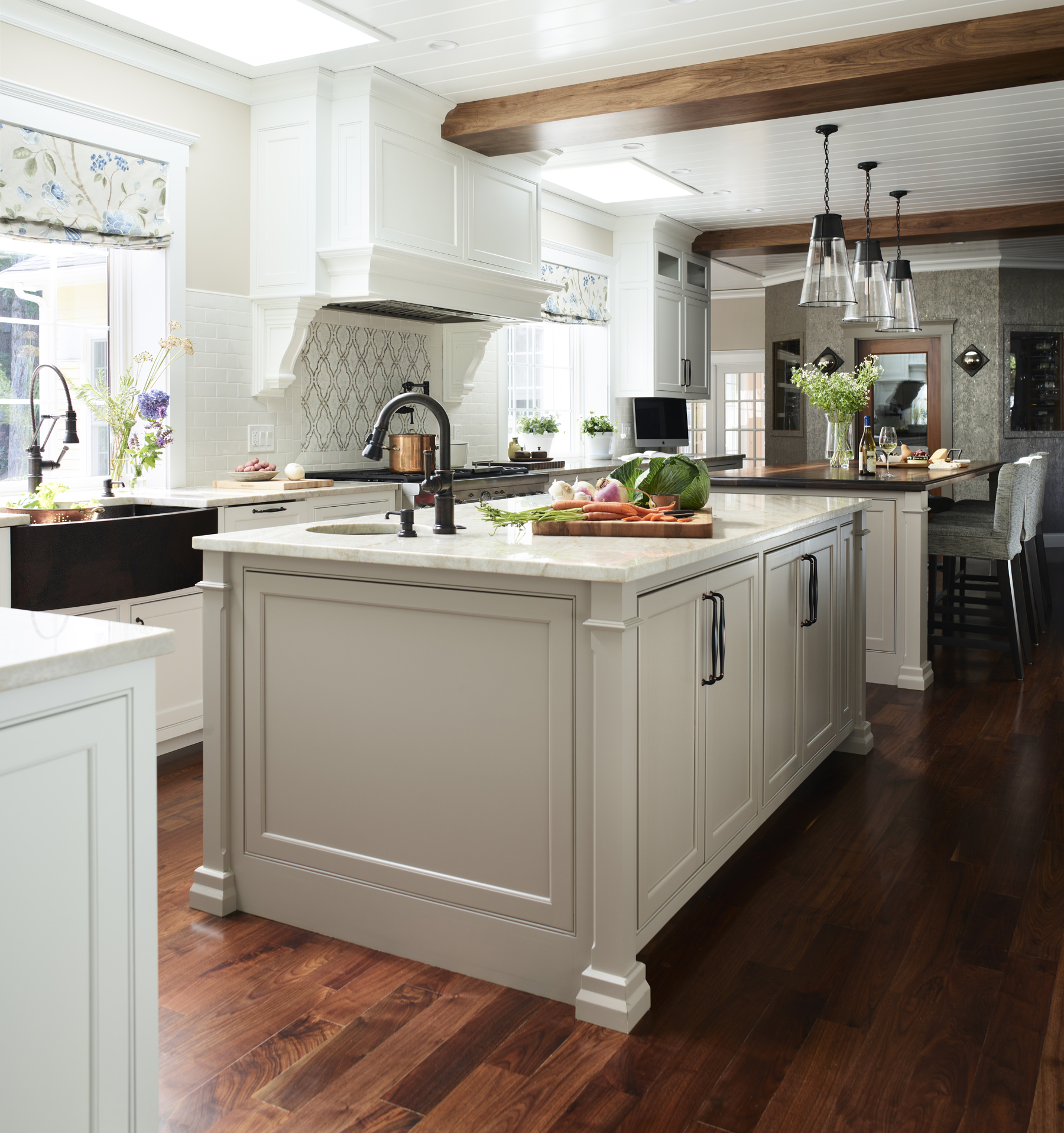
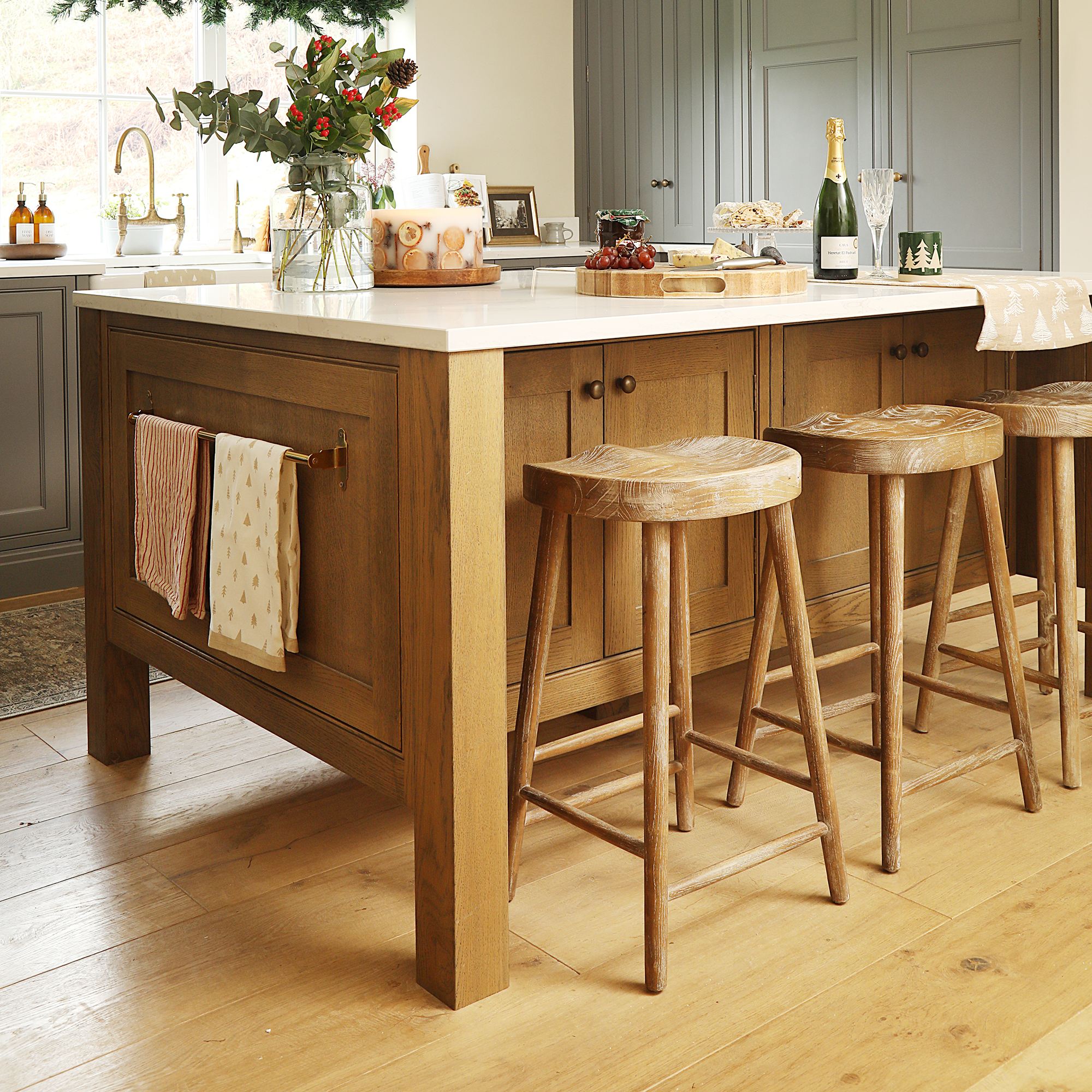
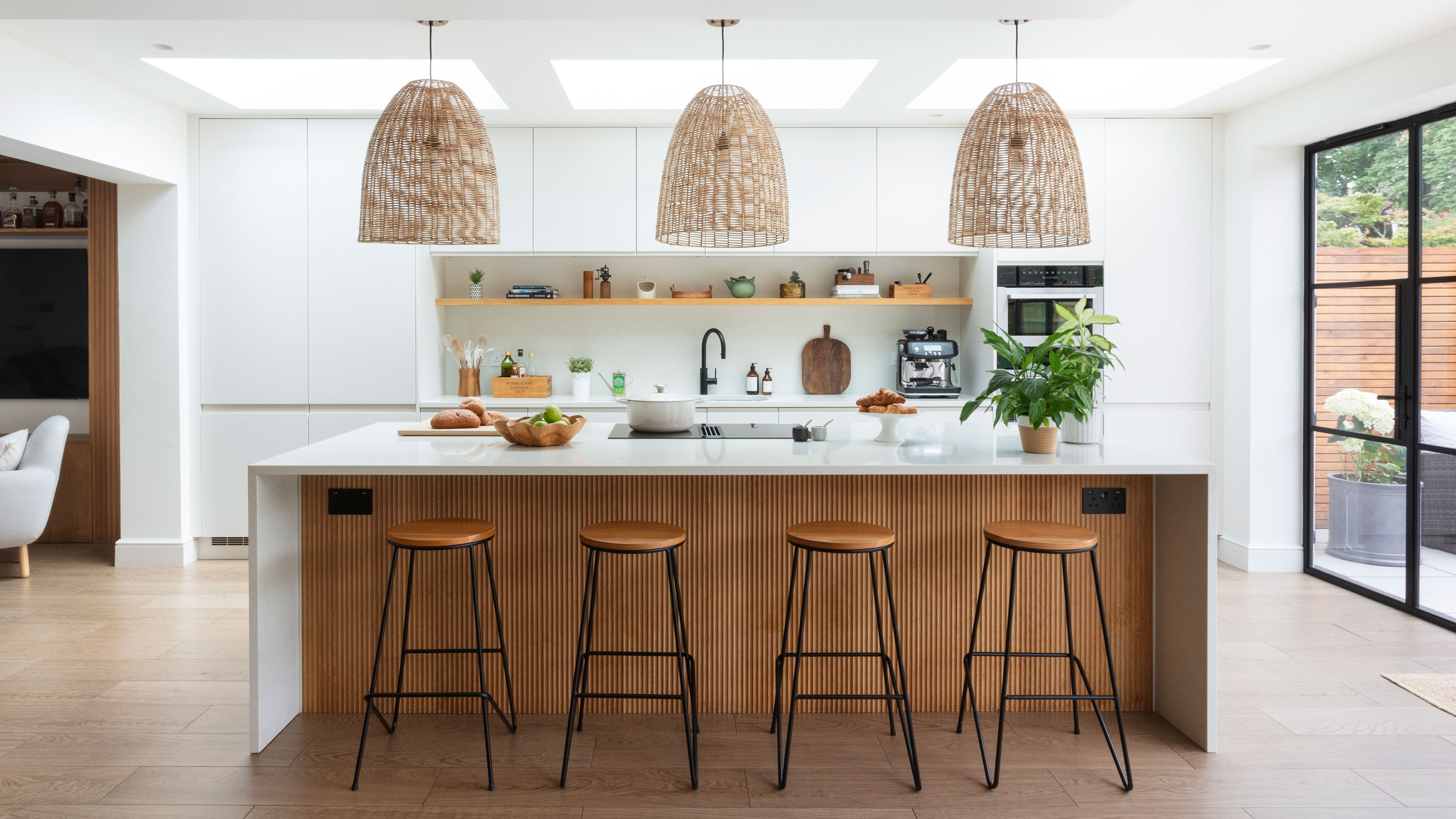
Another significant trend is the 'island fit for the family,' which caters to diverse activities such as cooking, dining, socializing, and relaxing. This trend often includes breakfast bars that boost a kitchen's social status, with an emphasis on comfortable bar stools. Designers recommend thoughtful placement and sizing of seating, suggesting three stools for straight-line configurations and wrapping four stools around an island end for more sociable arrangements. The importance of checking dimensions and ensuring adequate maneuverability space is also highlighted.
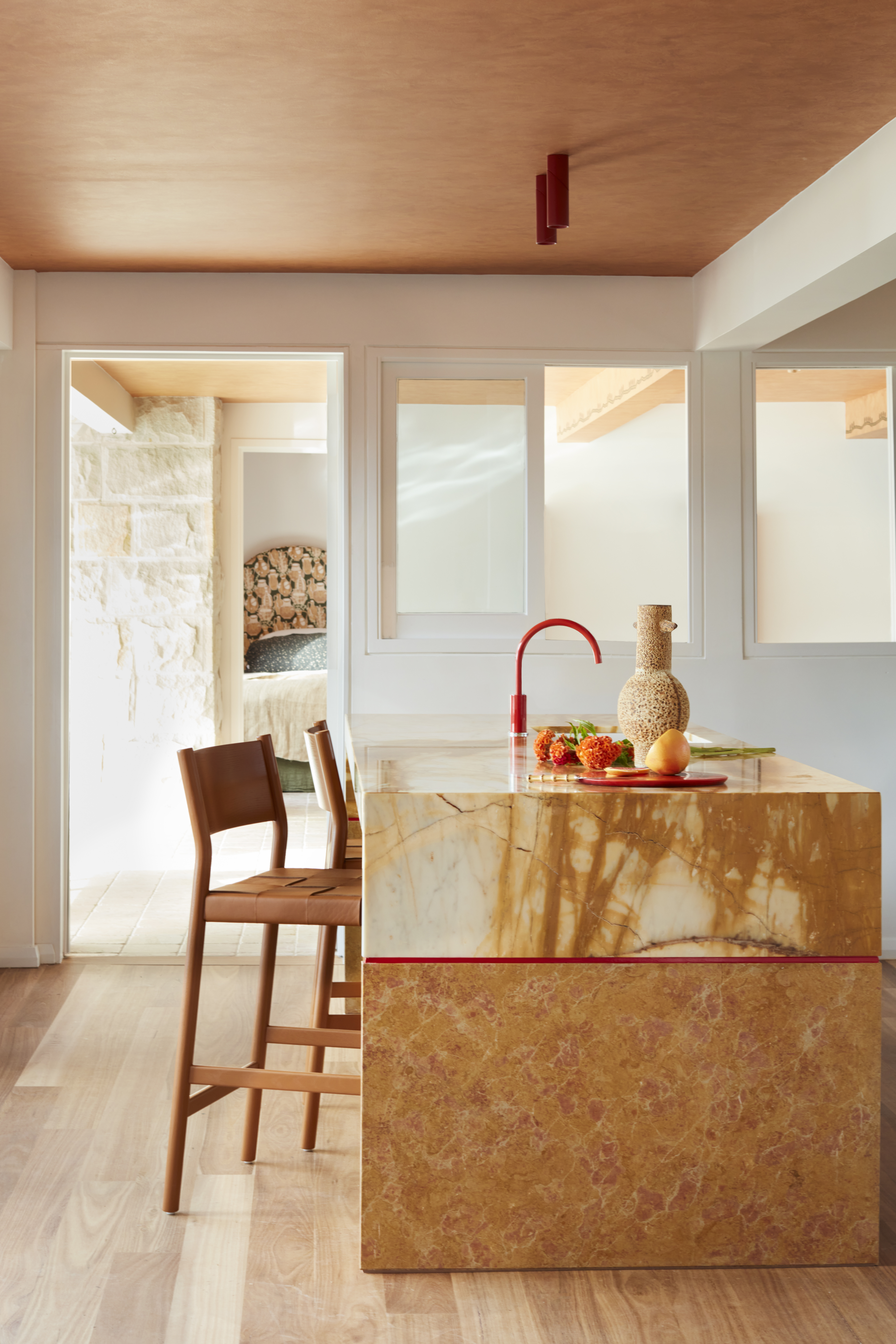
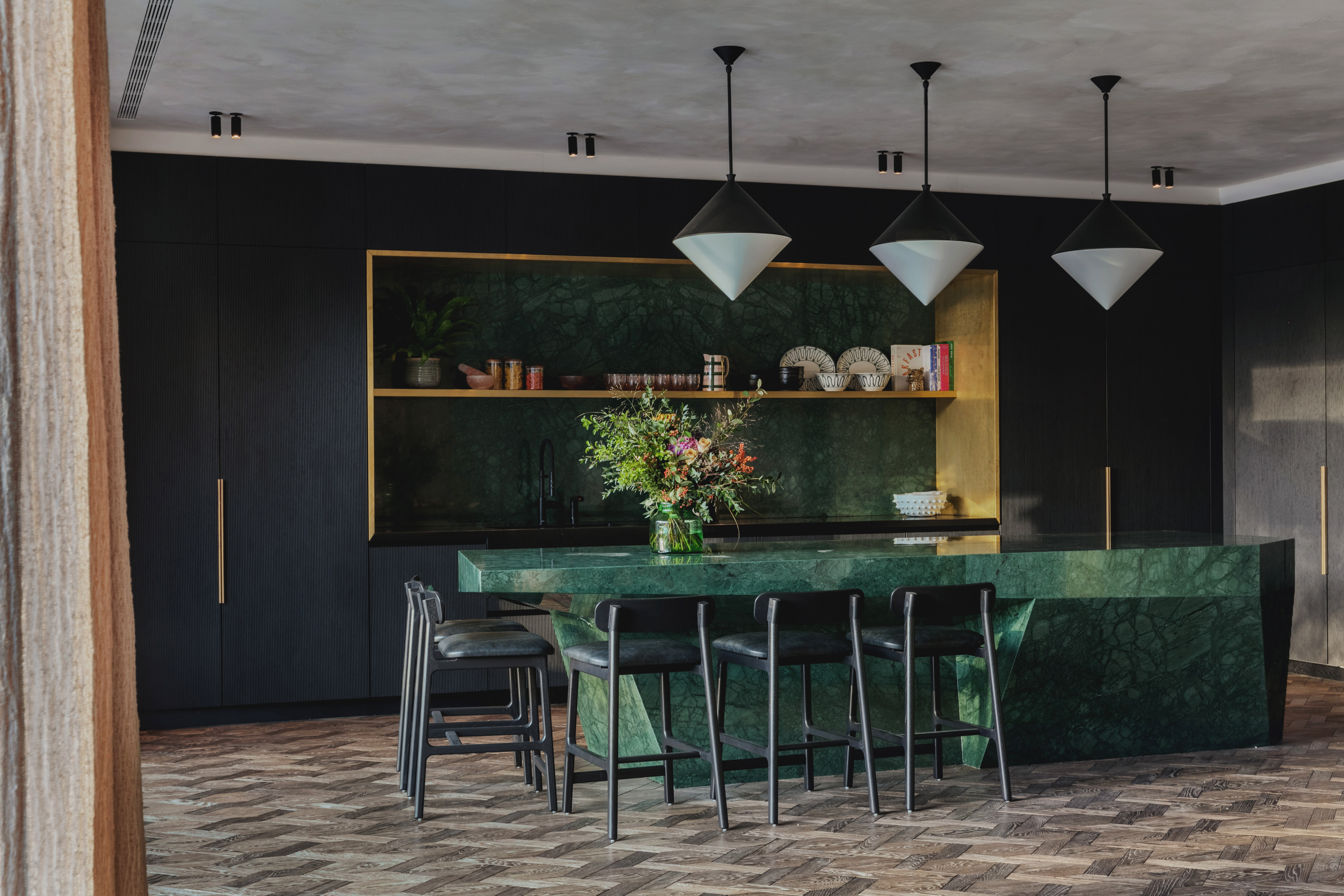
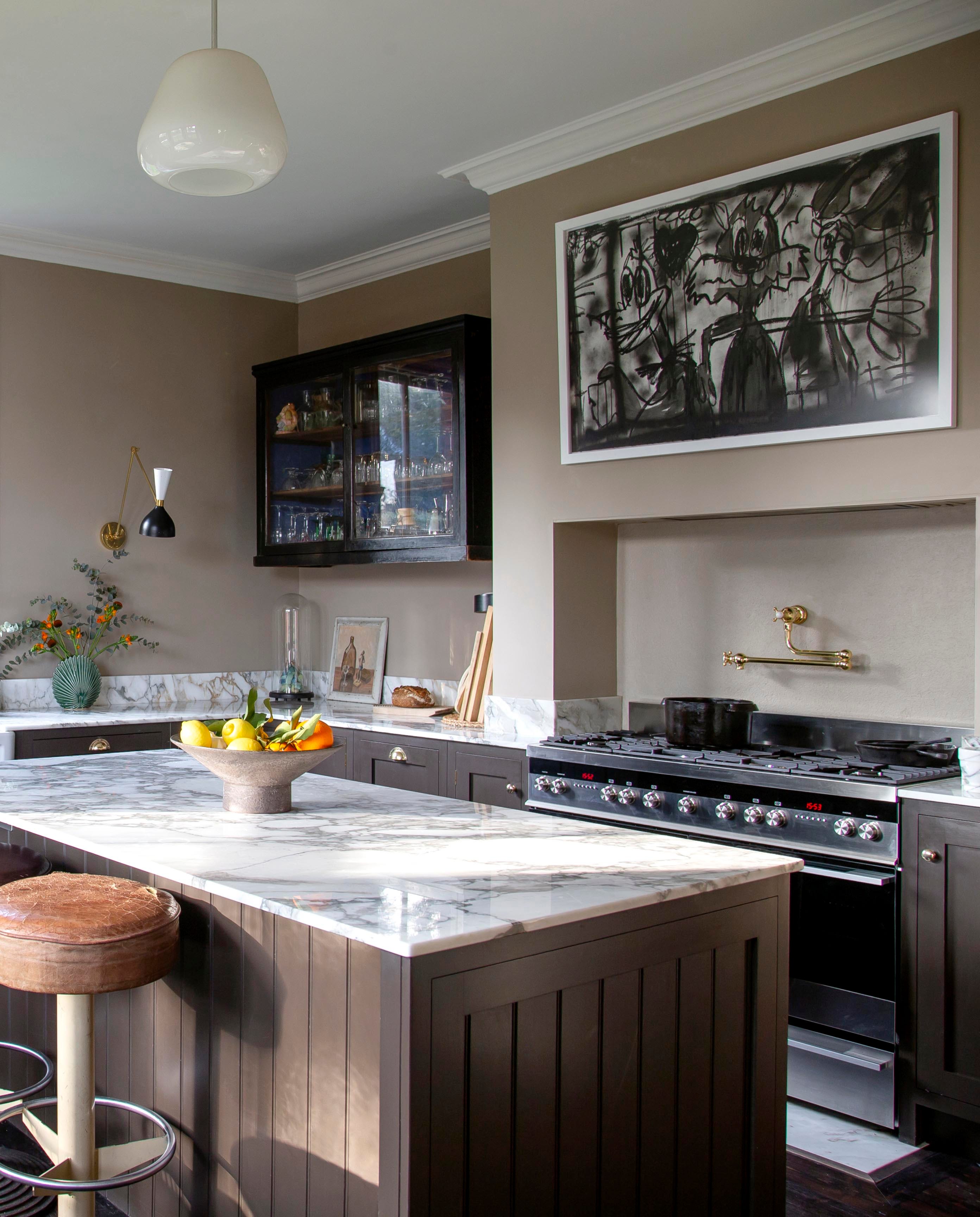
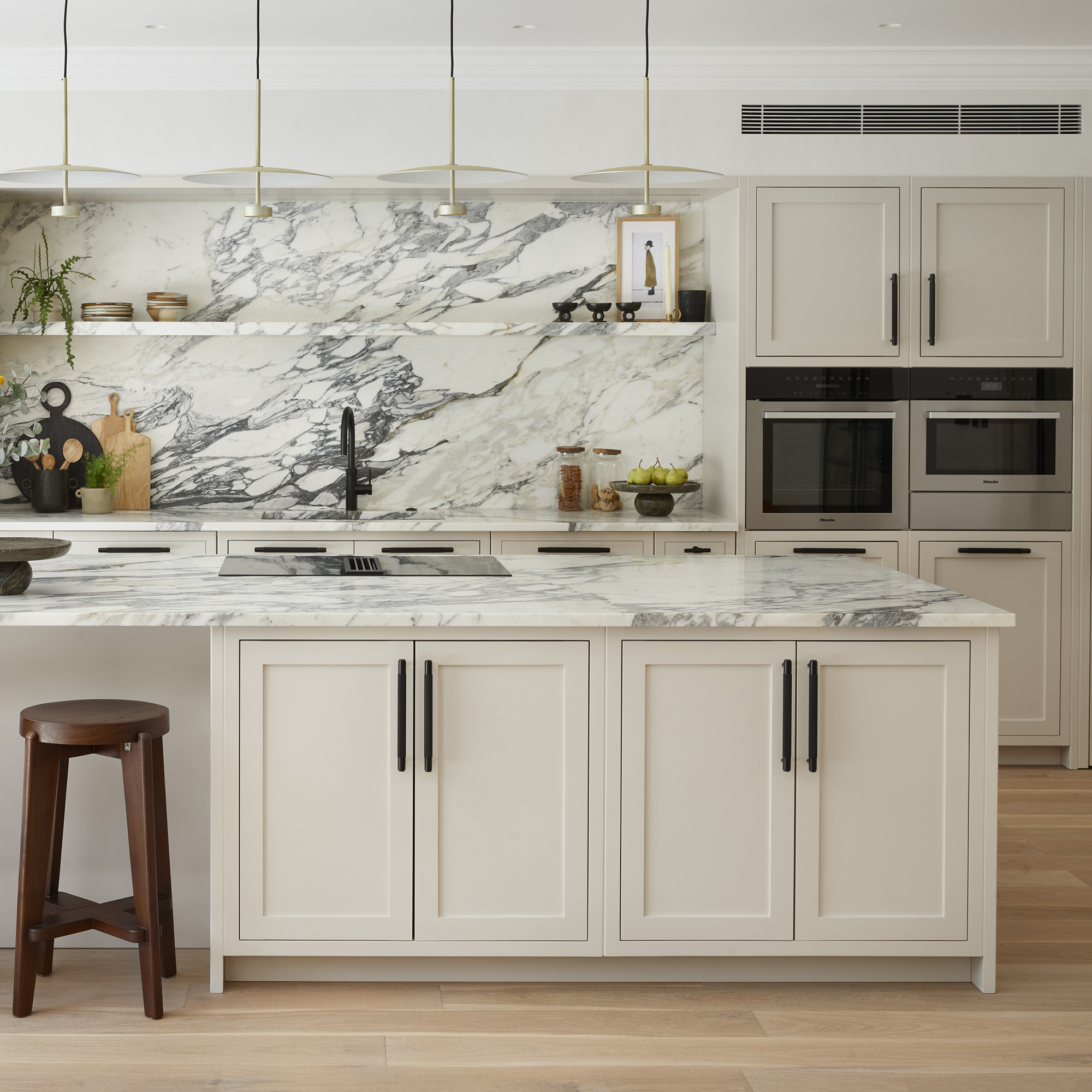
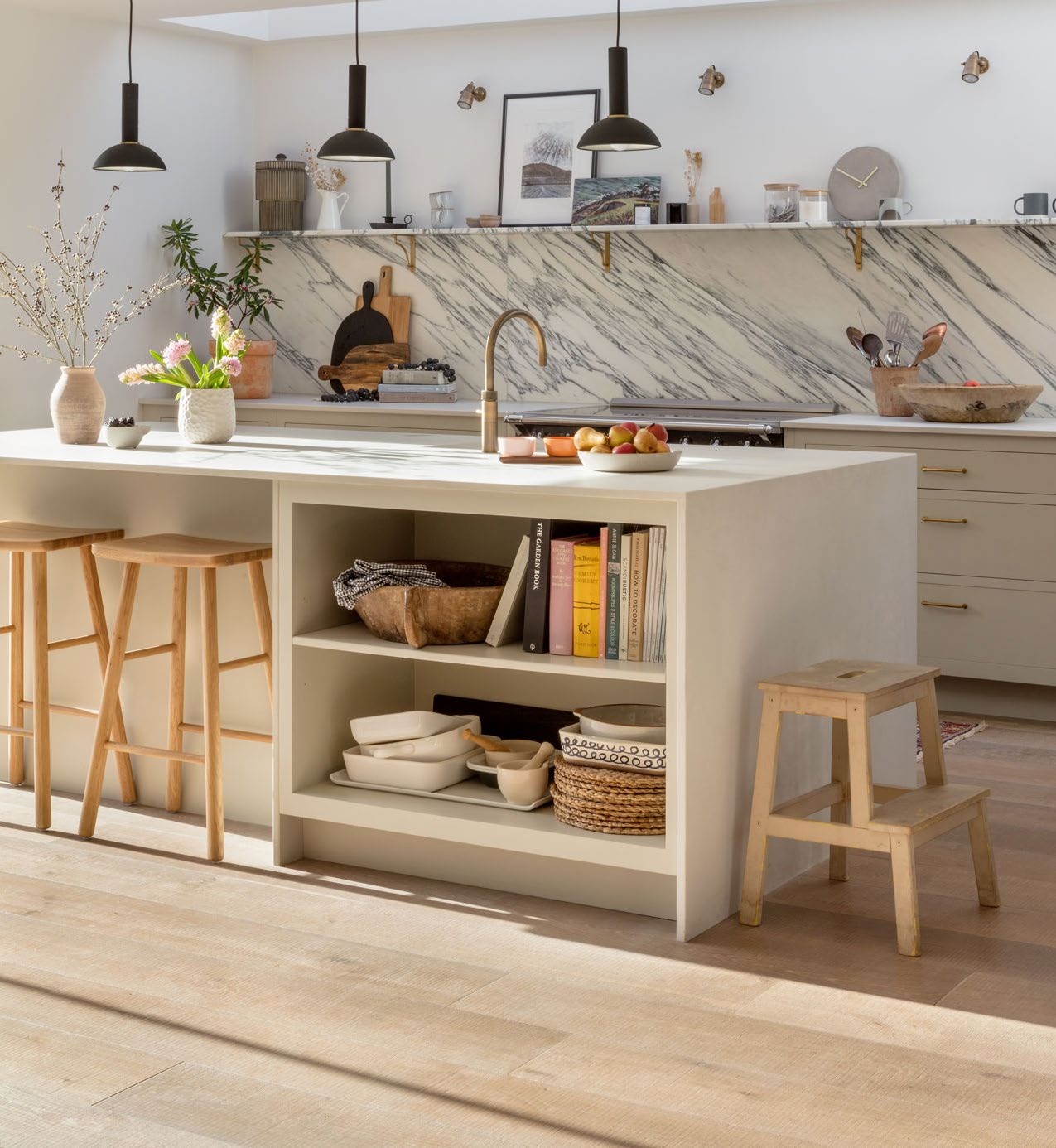
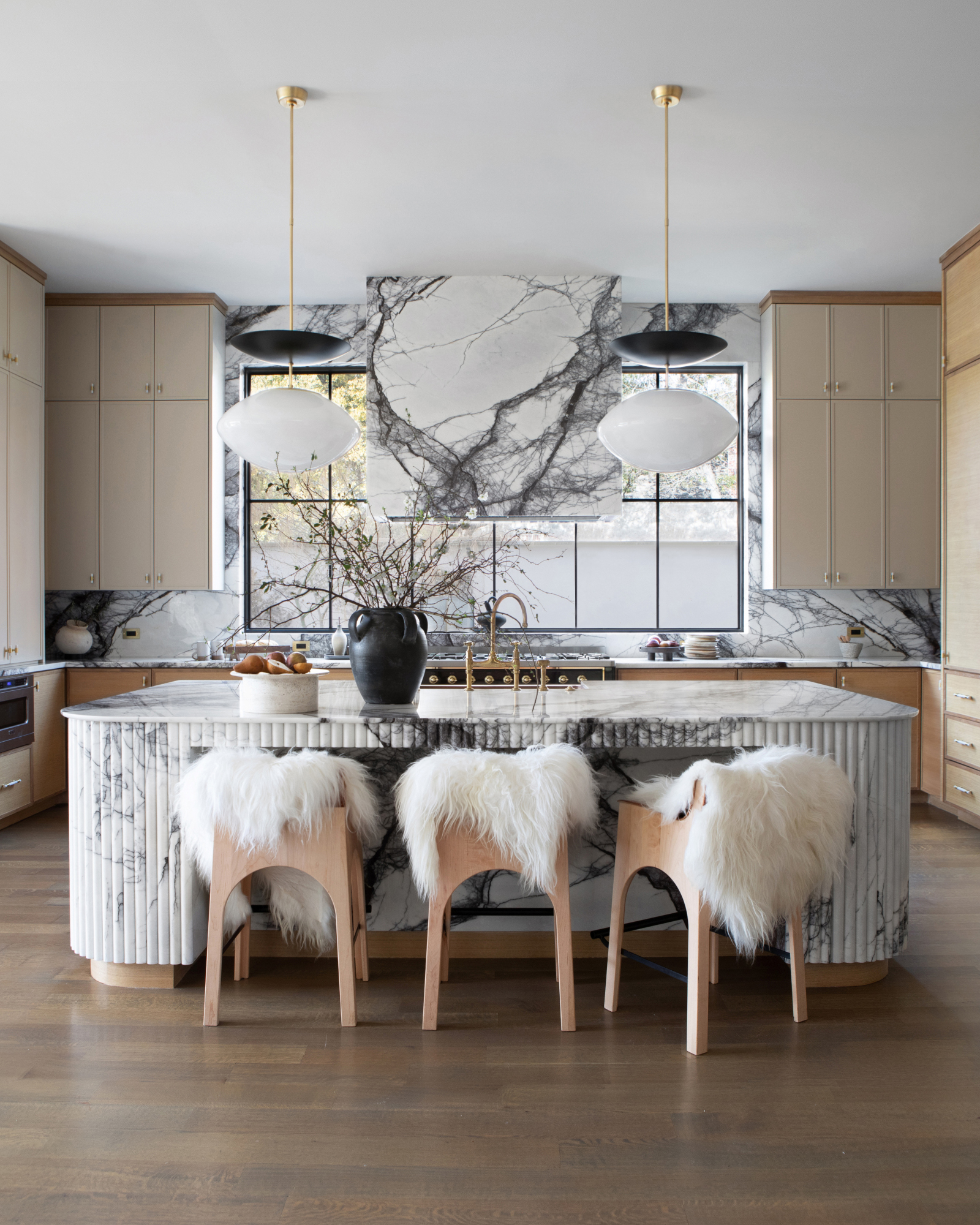
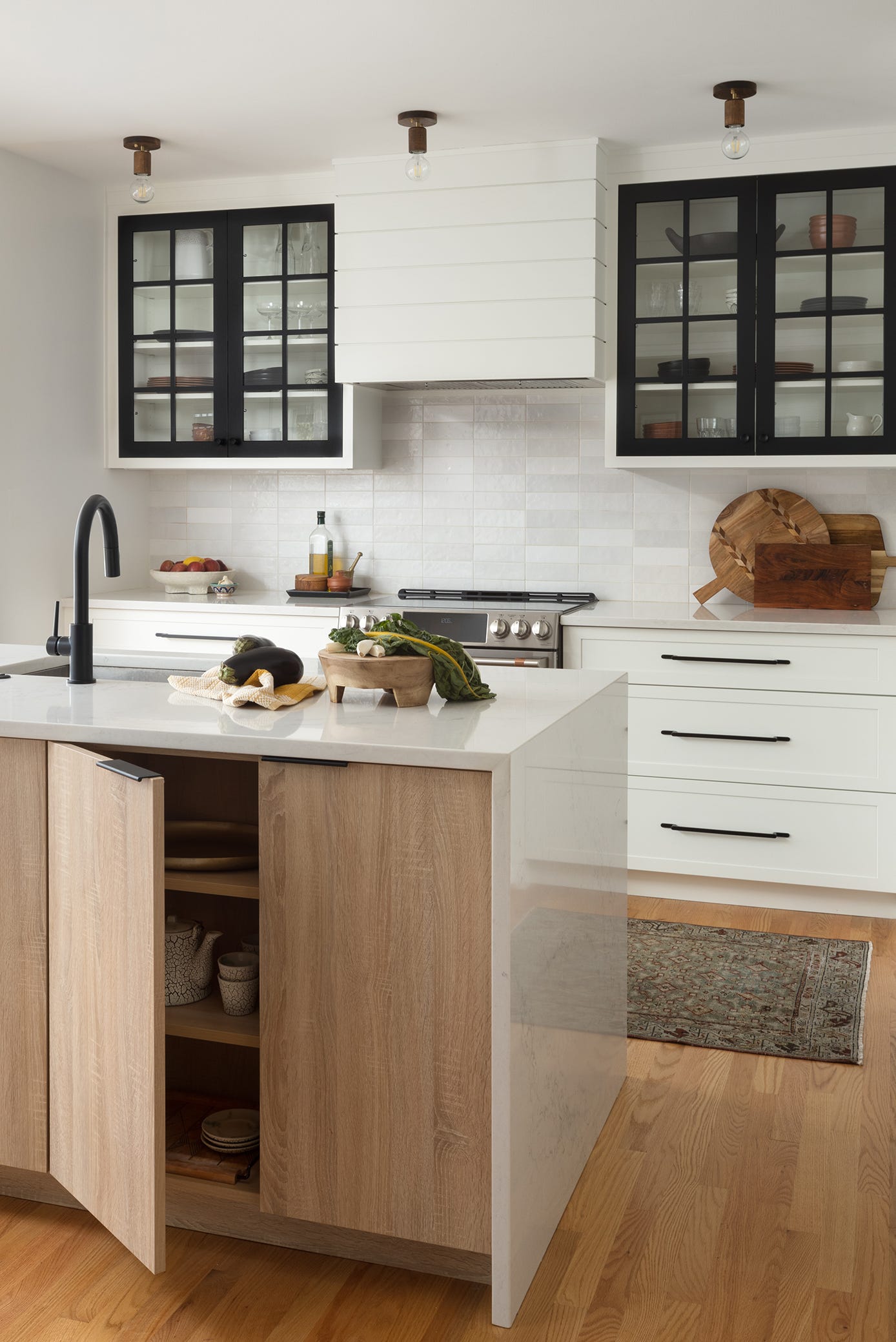
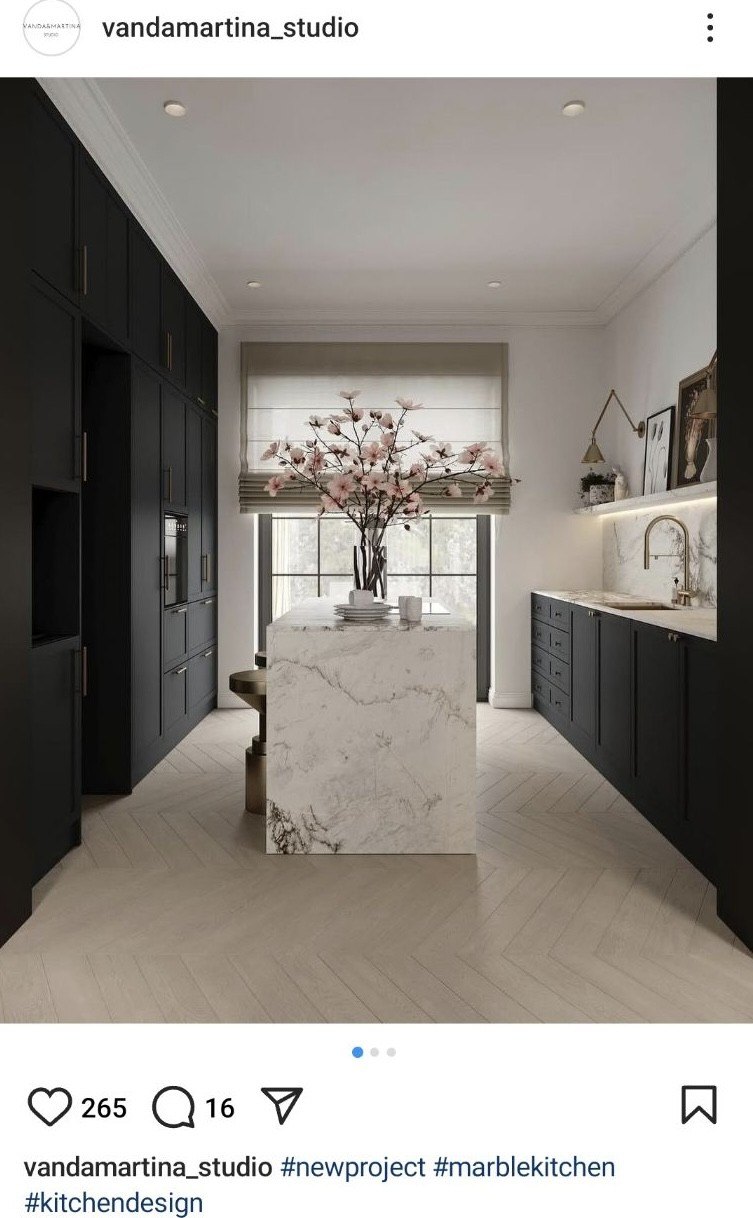
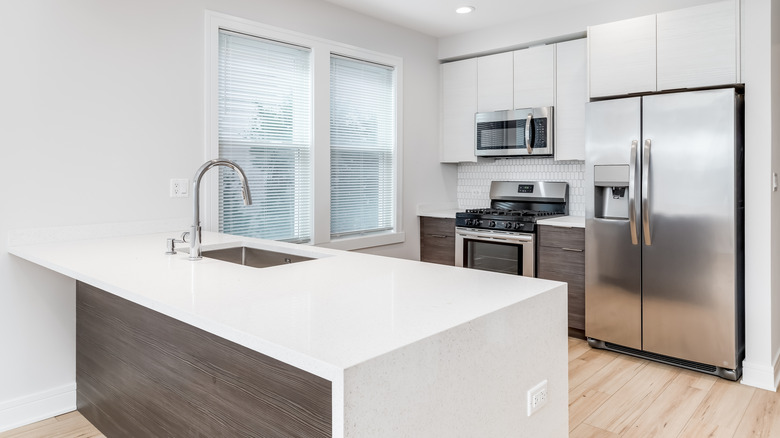
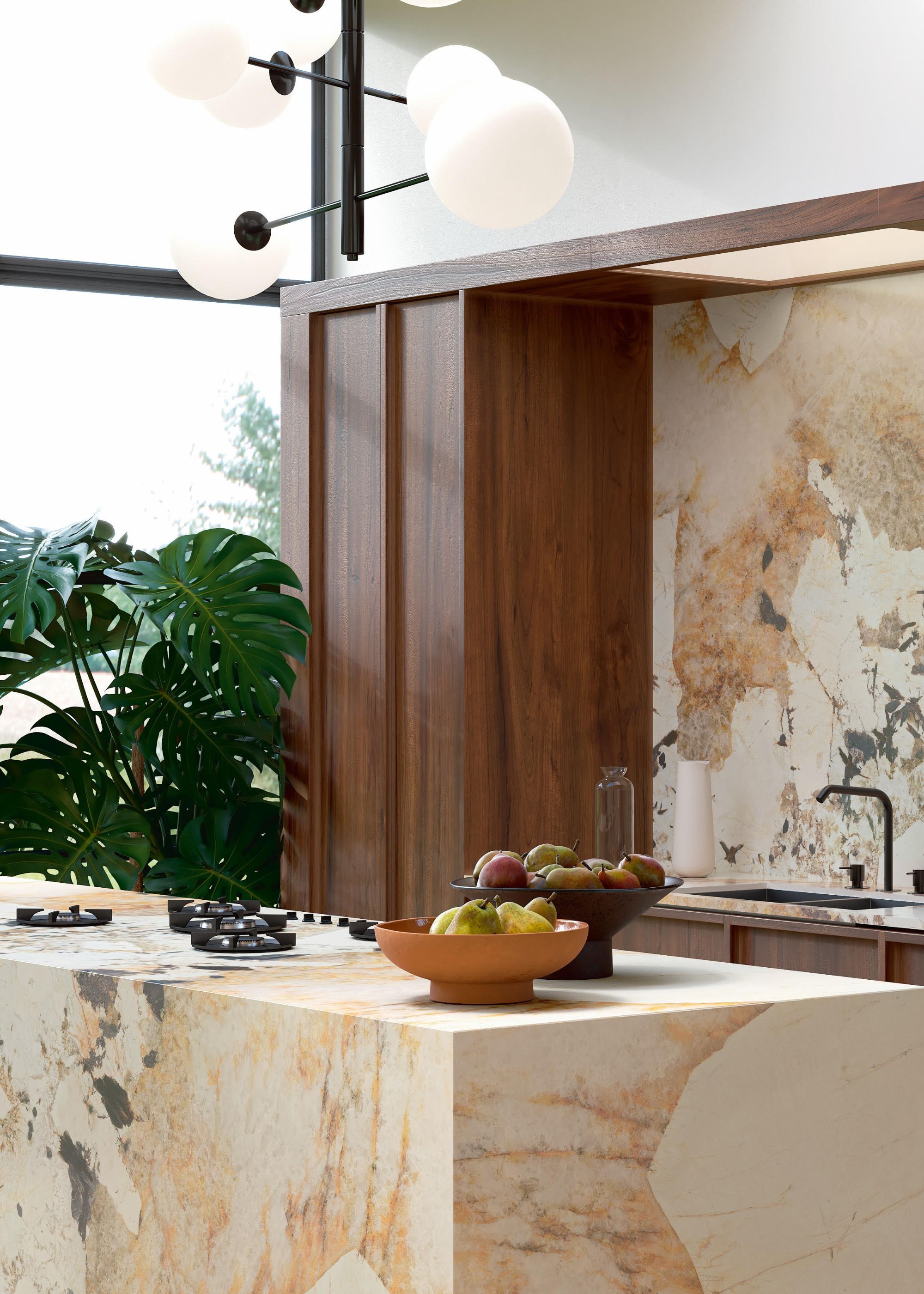
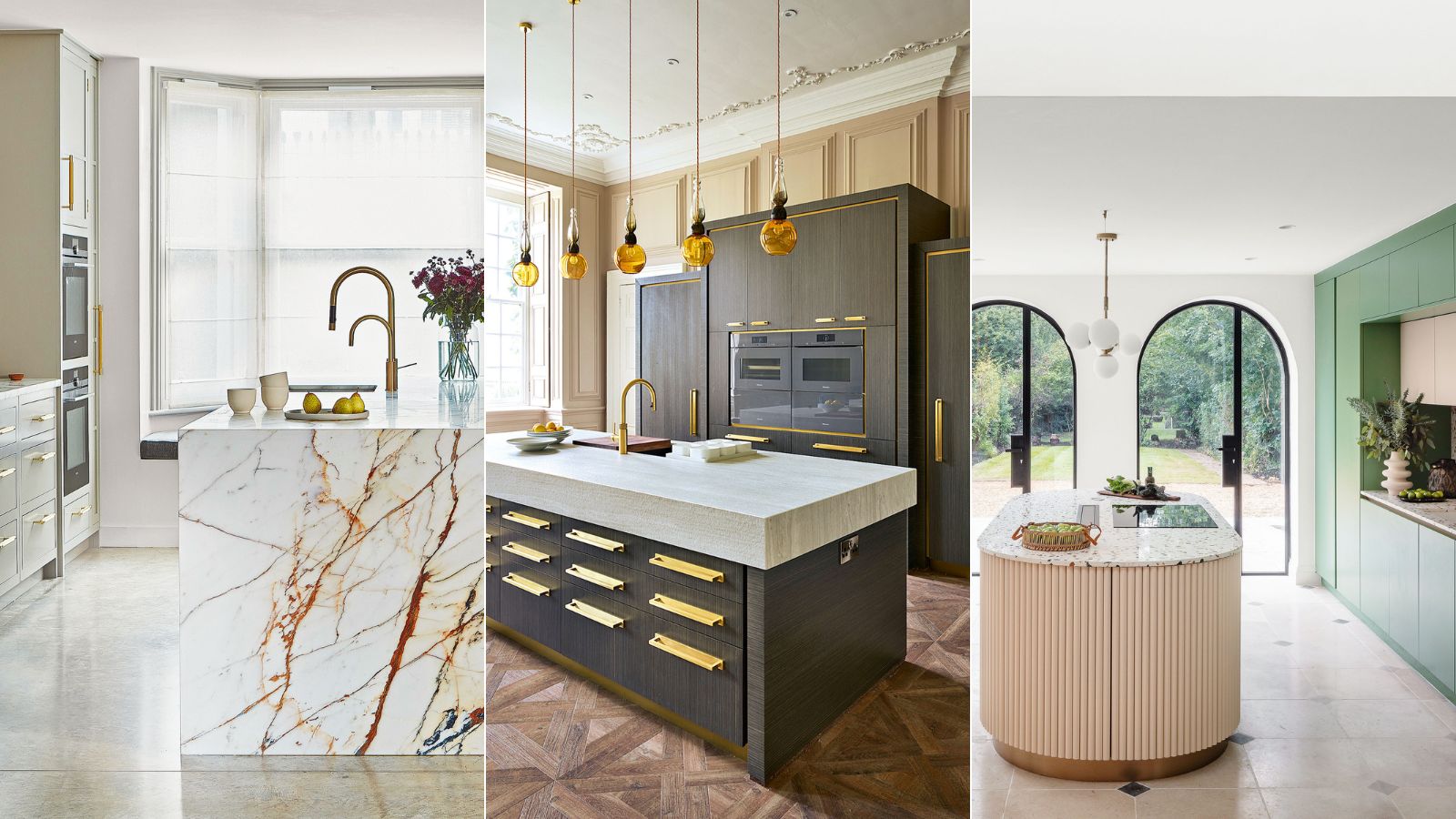
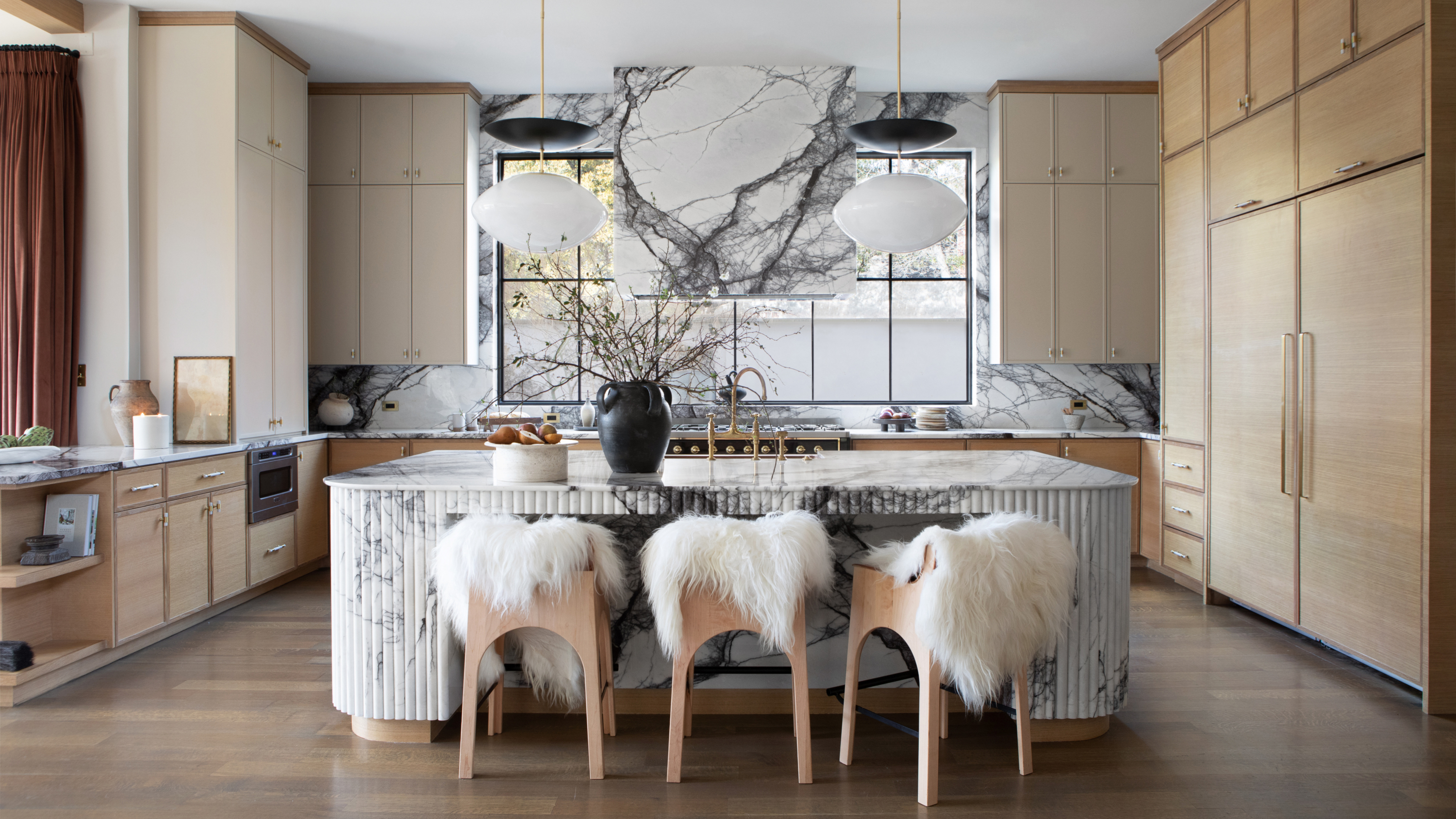
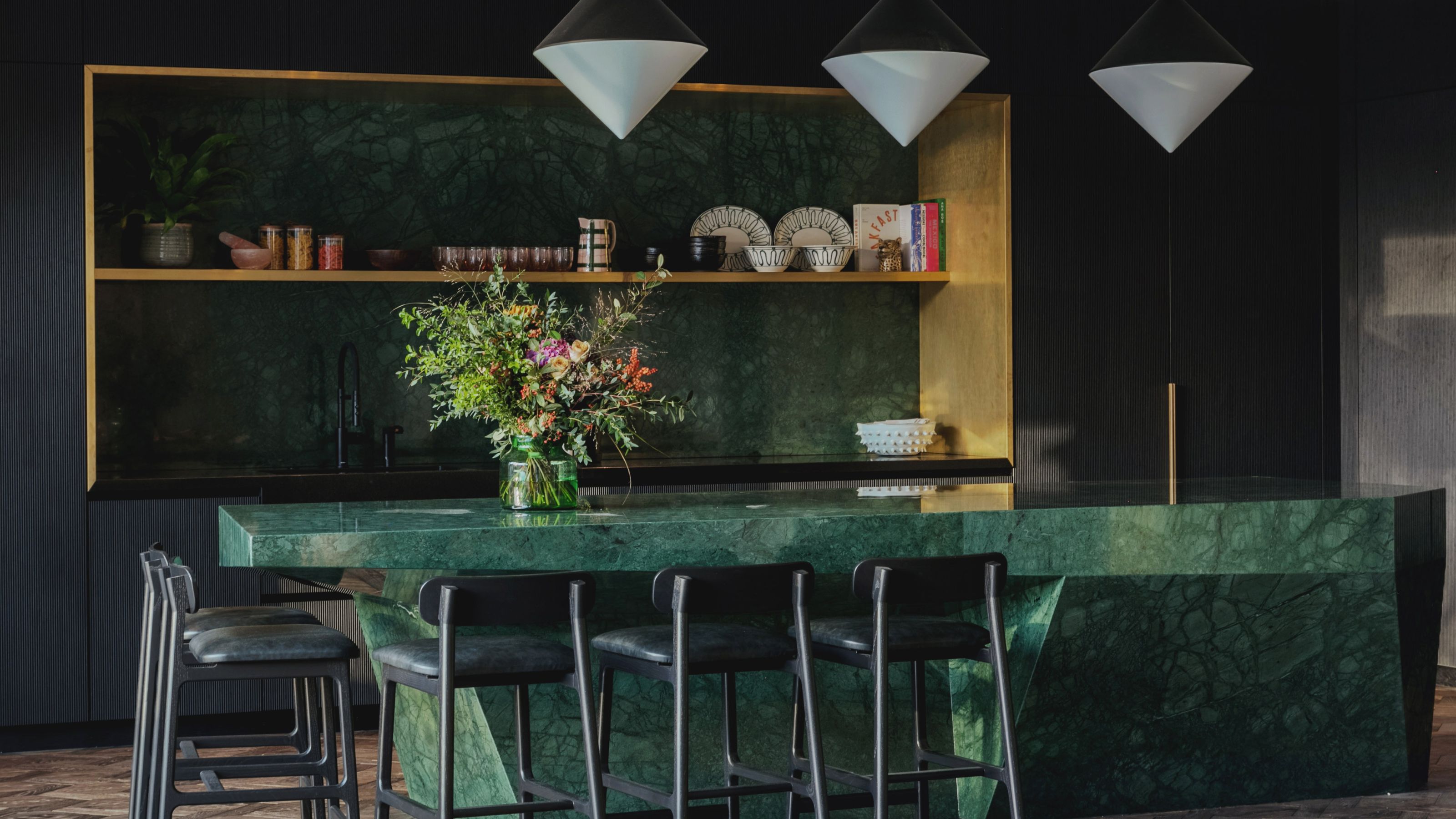
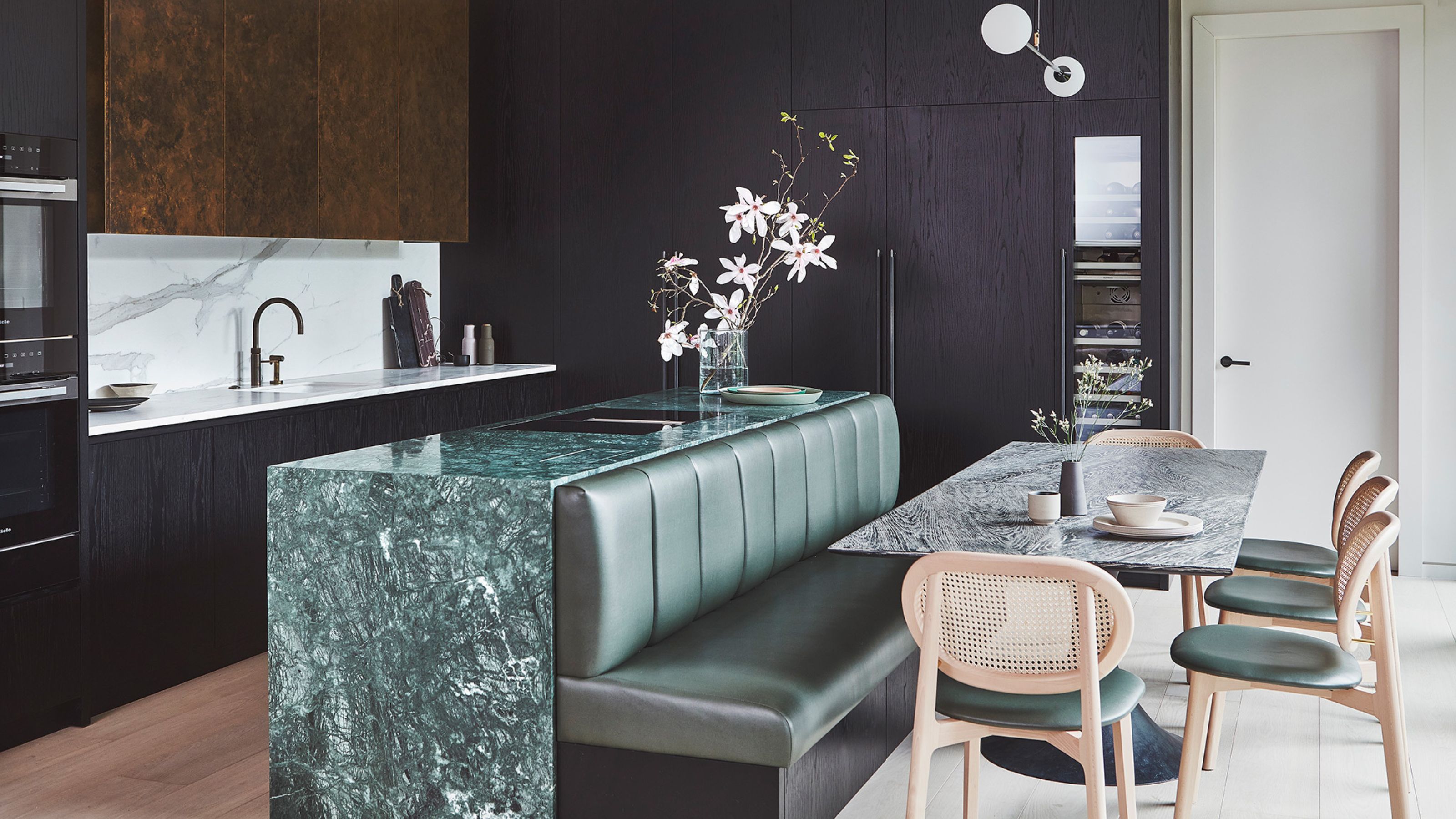
Statement islands featuring a 'waterfall edge' are making a comeback, bringing glamor and elegance to the kitchen. This design involves extending the countertop material seamlessly from horizontal to vertical, with deeply veined marbles being particularly favored. The choice of flooring is crucial to complement the countertop, with contrasting options often working best.
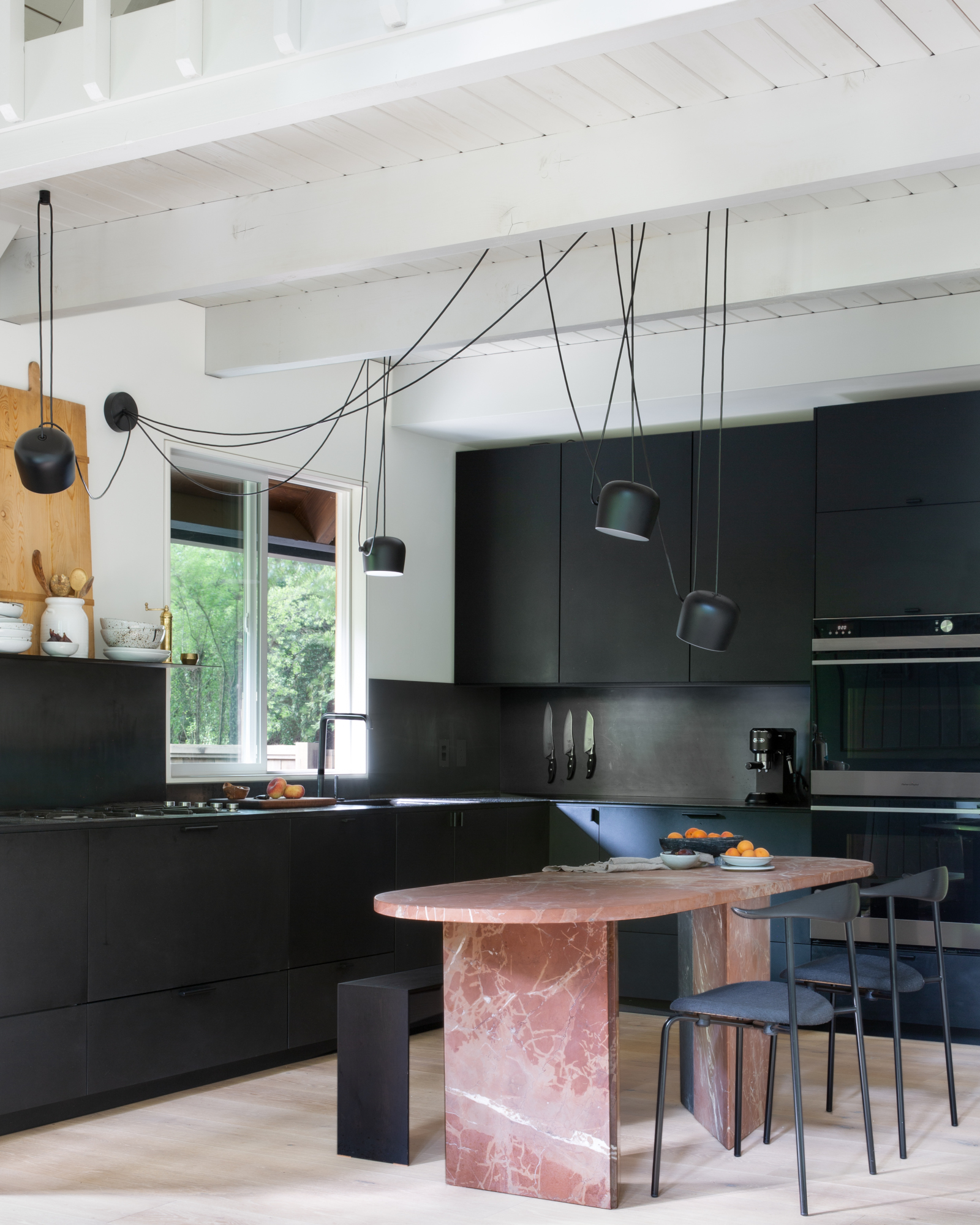
Dynamic designs encourage thinking outside the traditional rectangular island. Unique island shapes can create a significant visual impact and help zone open-plan rooms, reflecting the homeowner's personality while maintaining functionality.
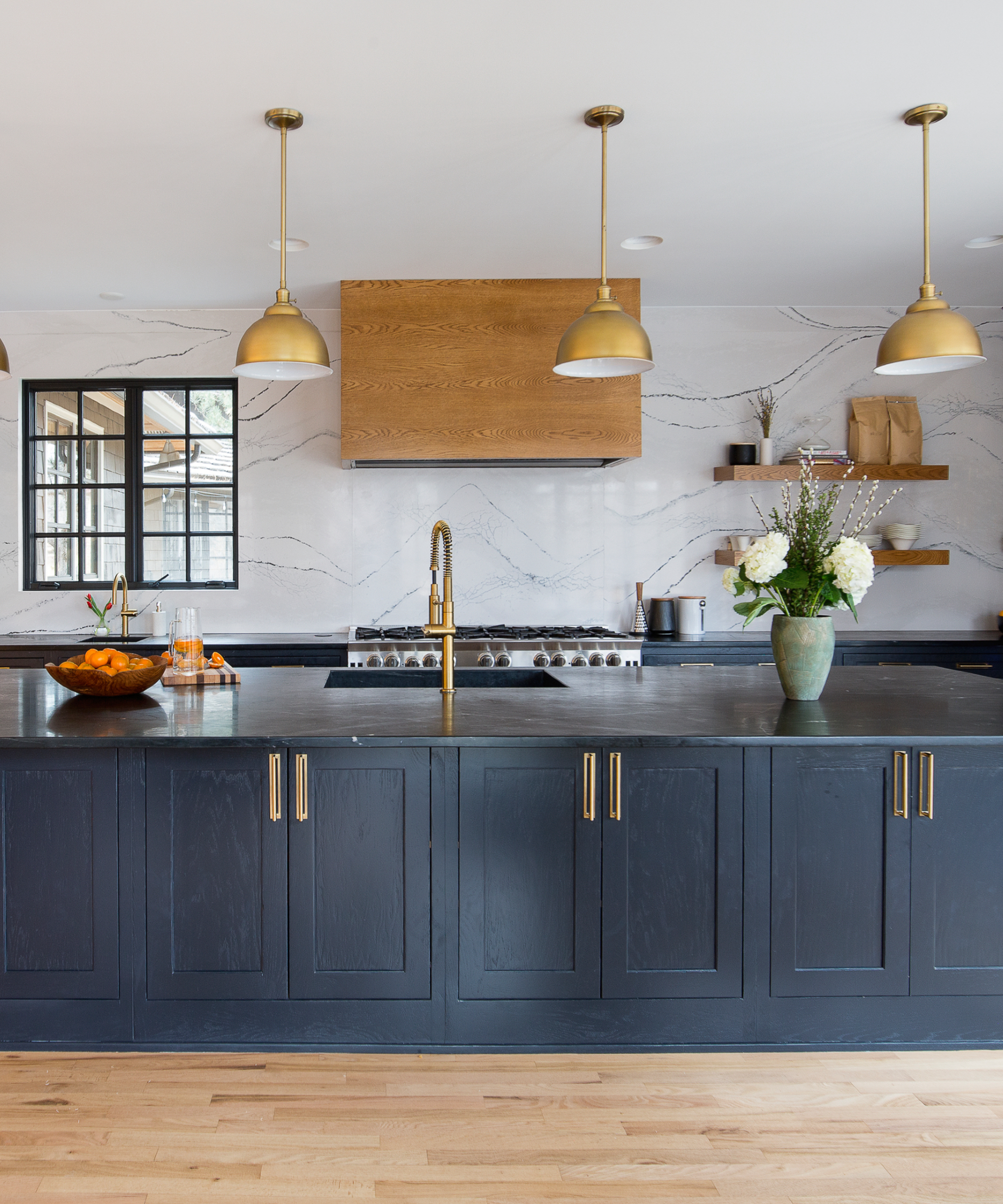
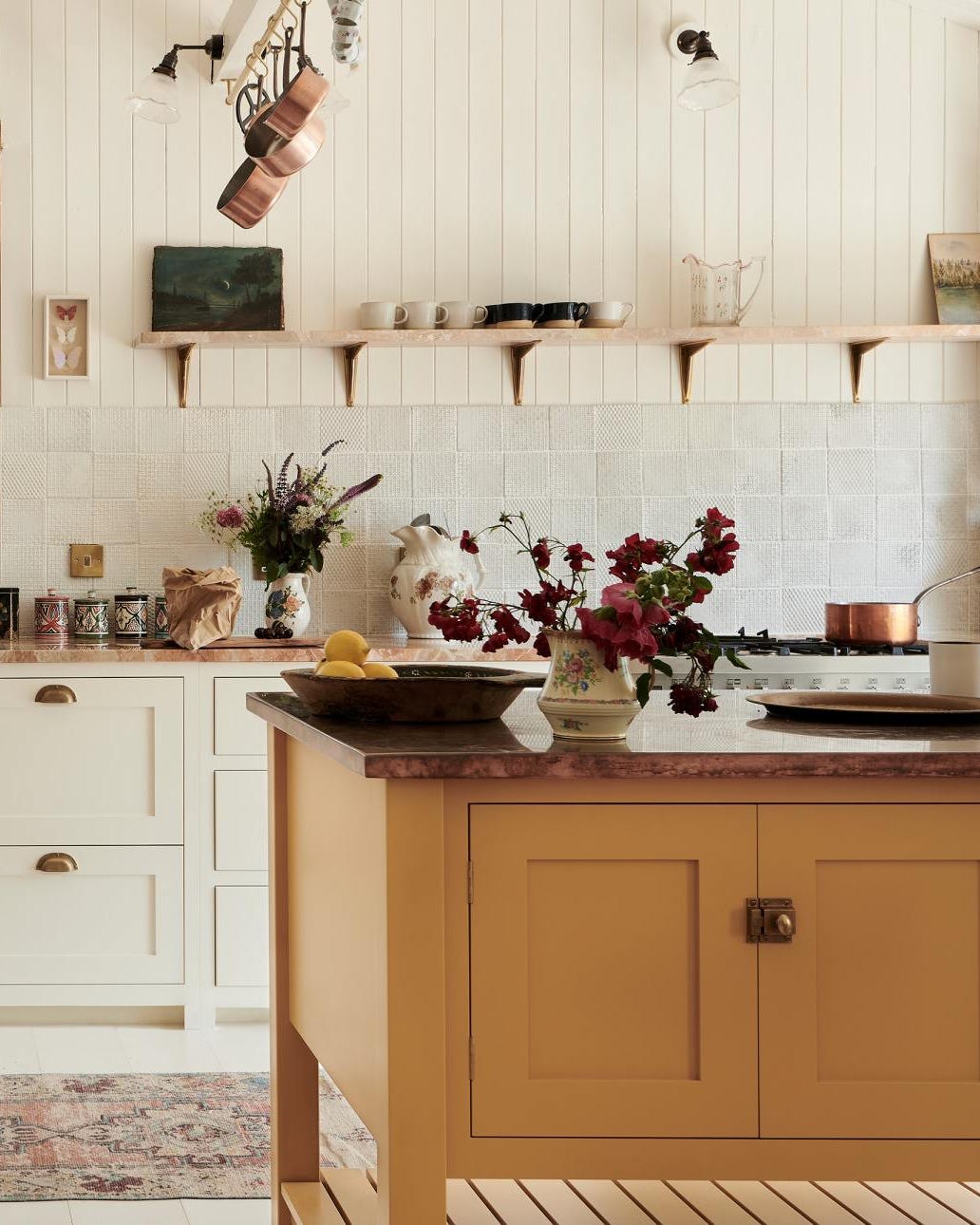
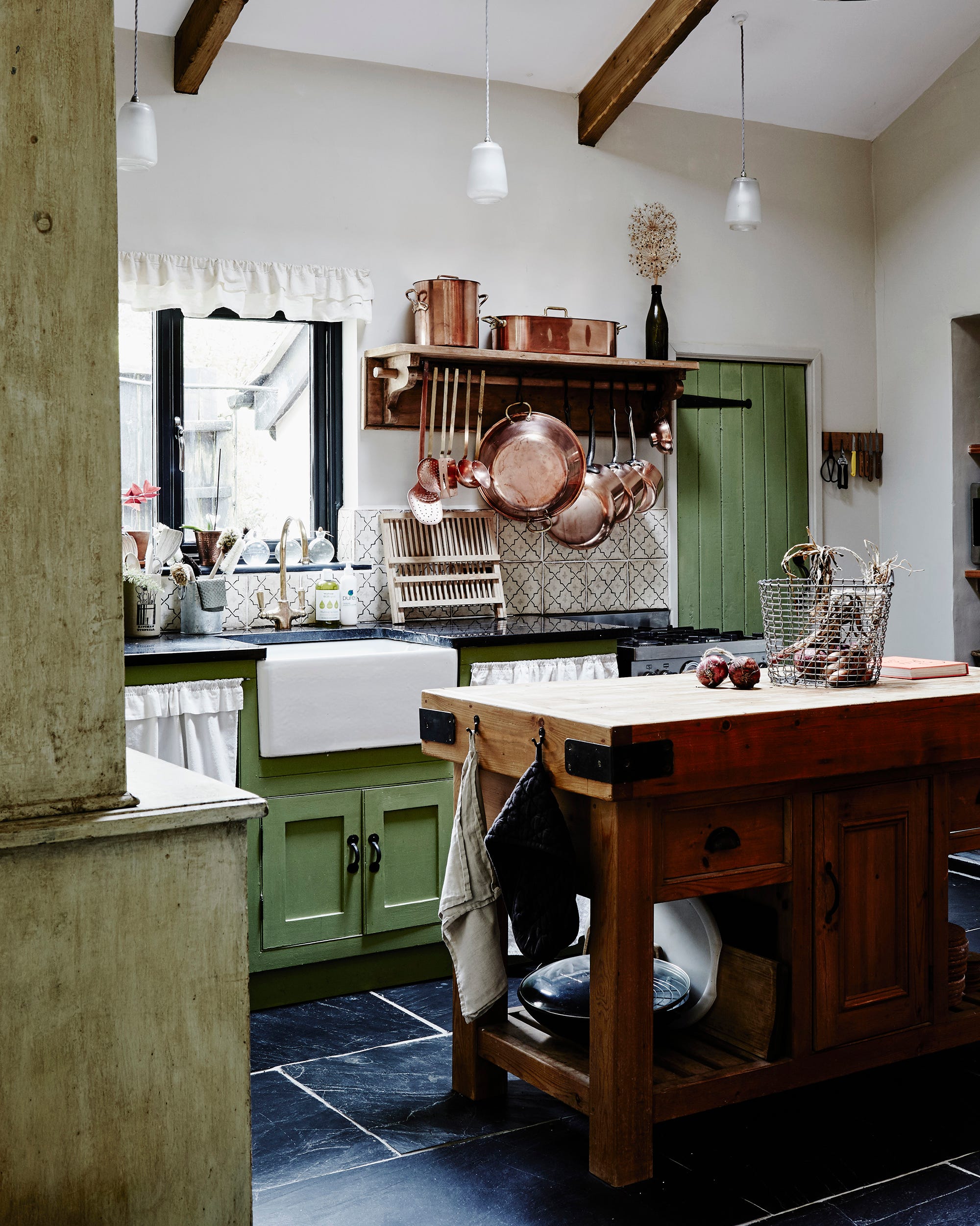
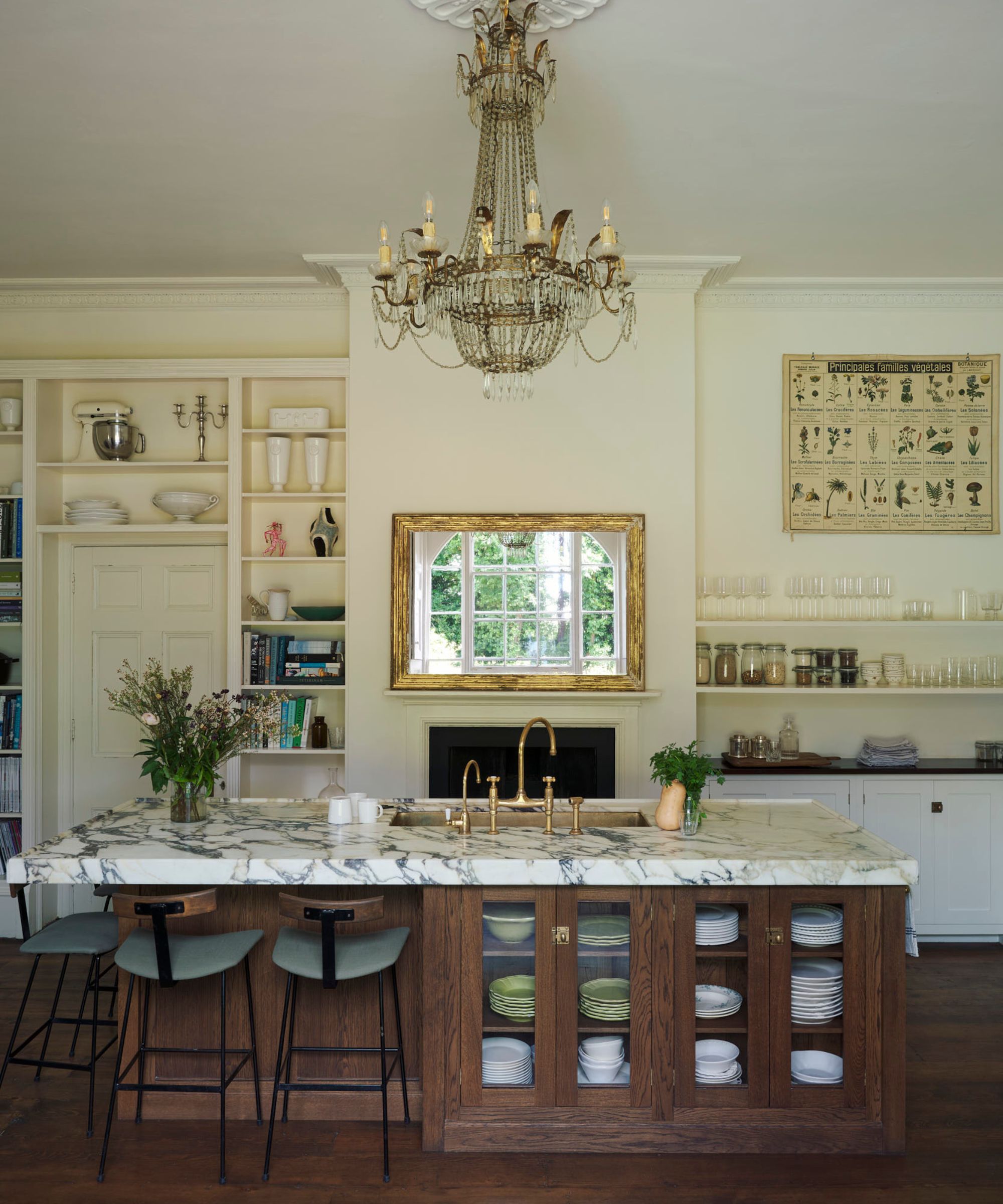
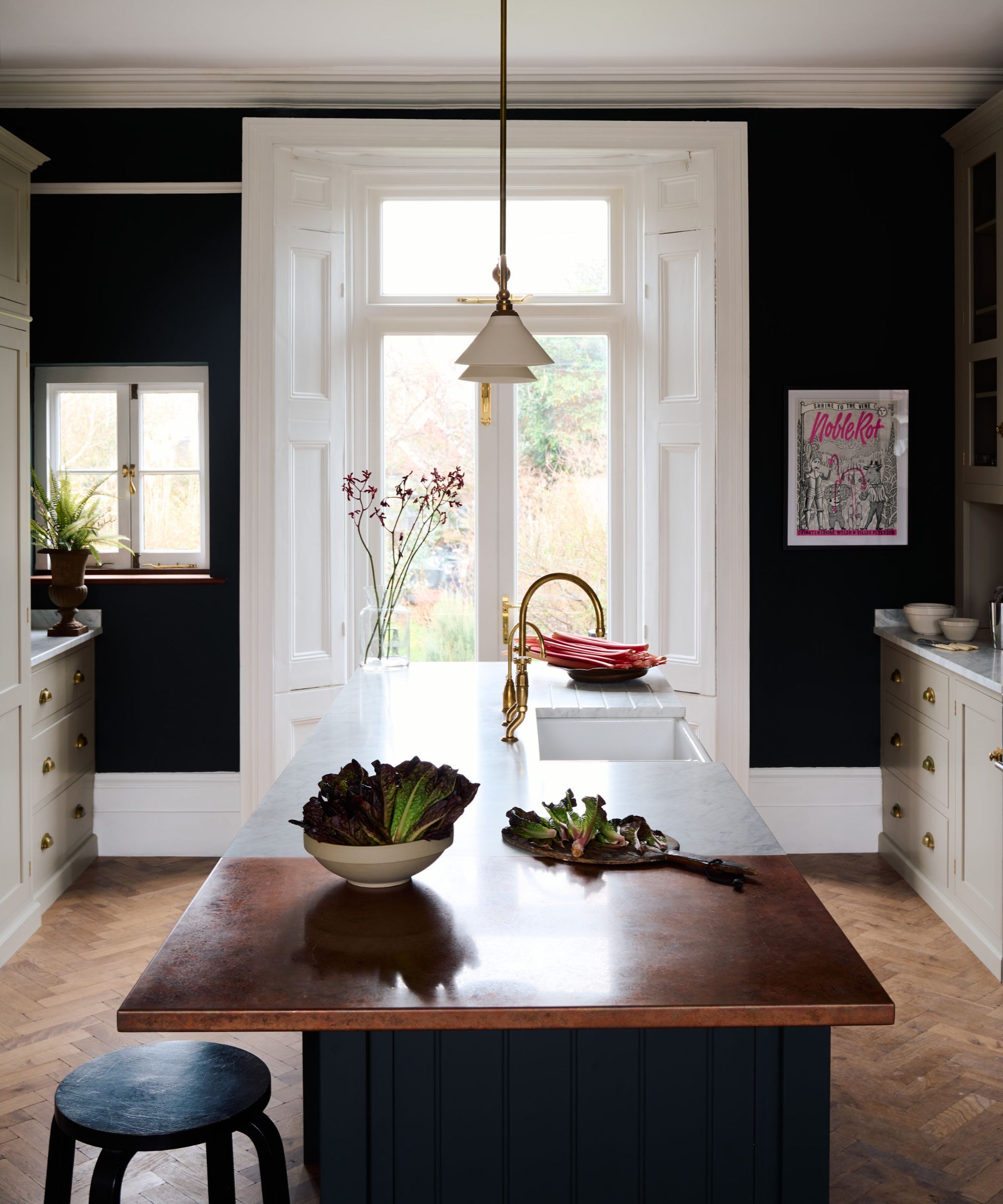
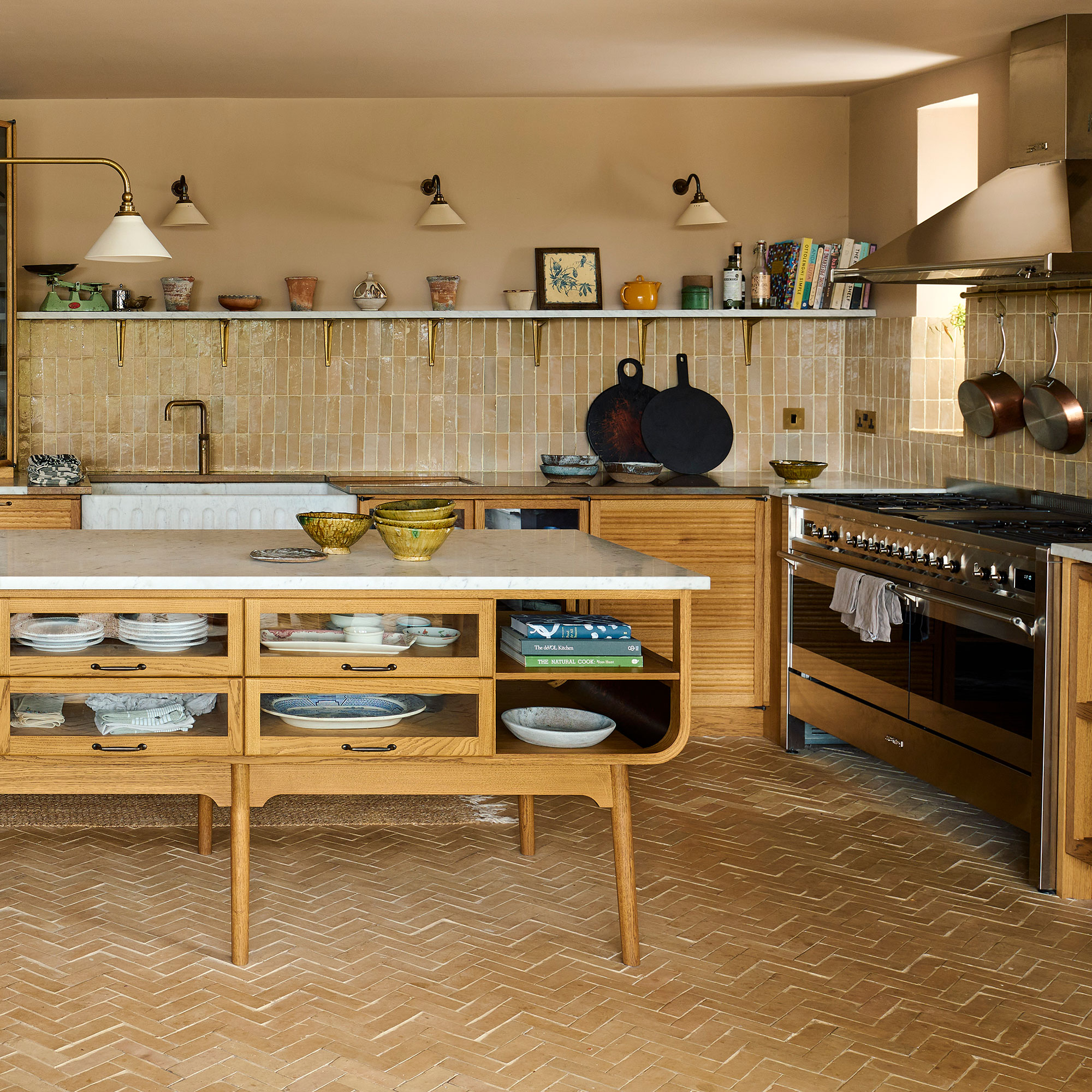
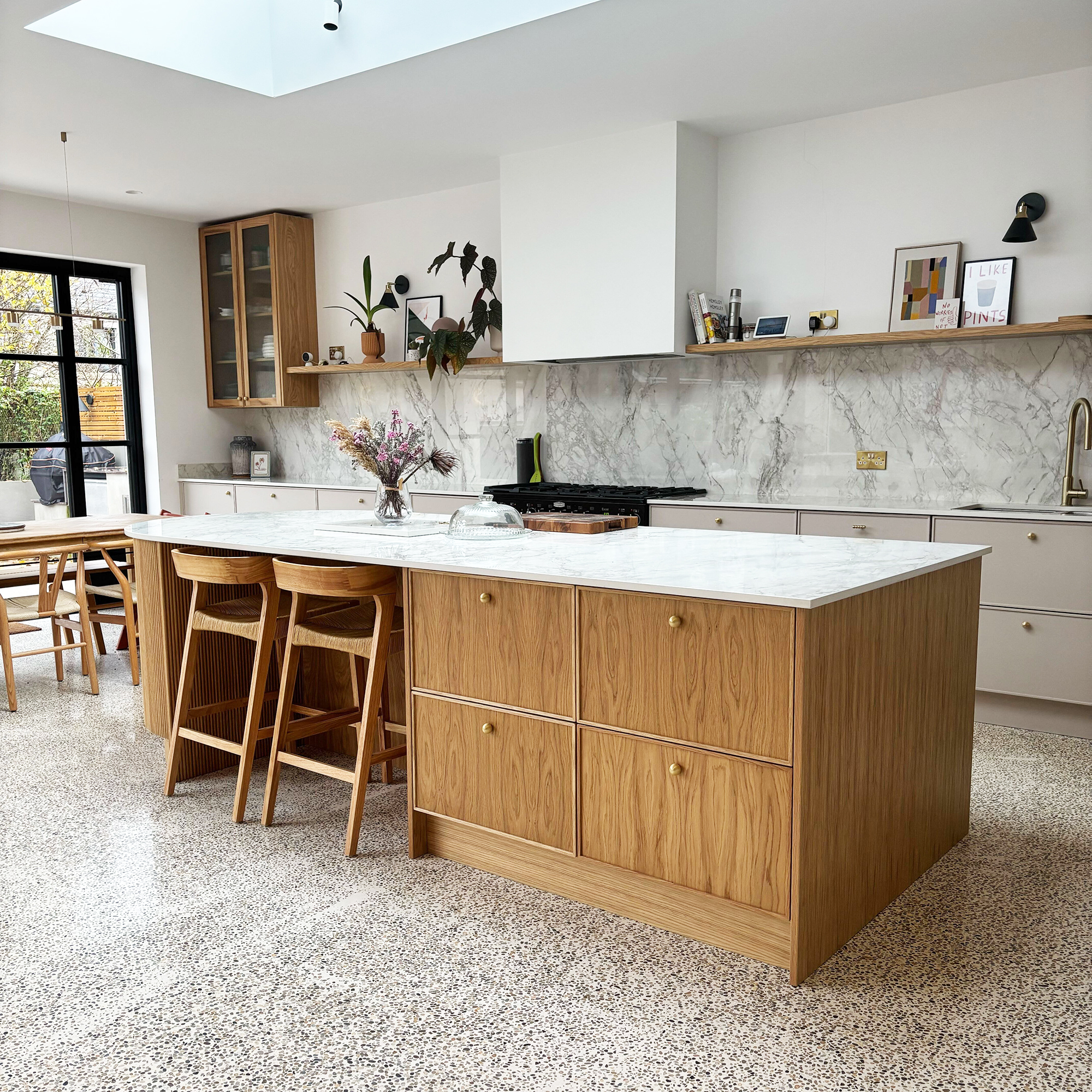
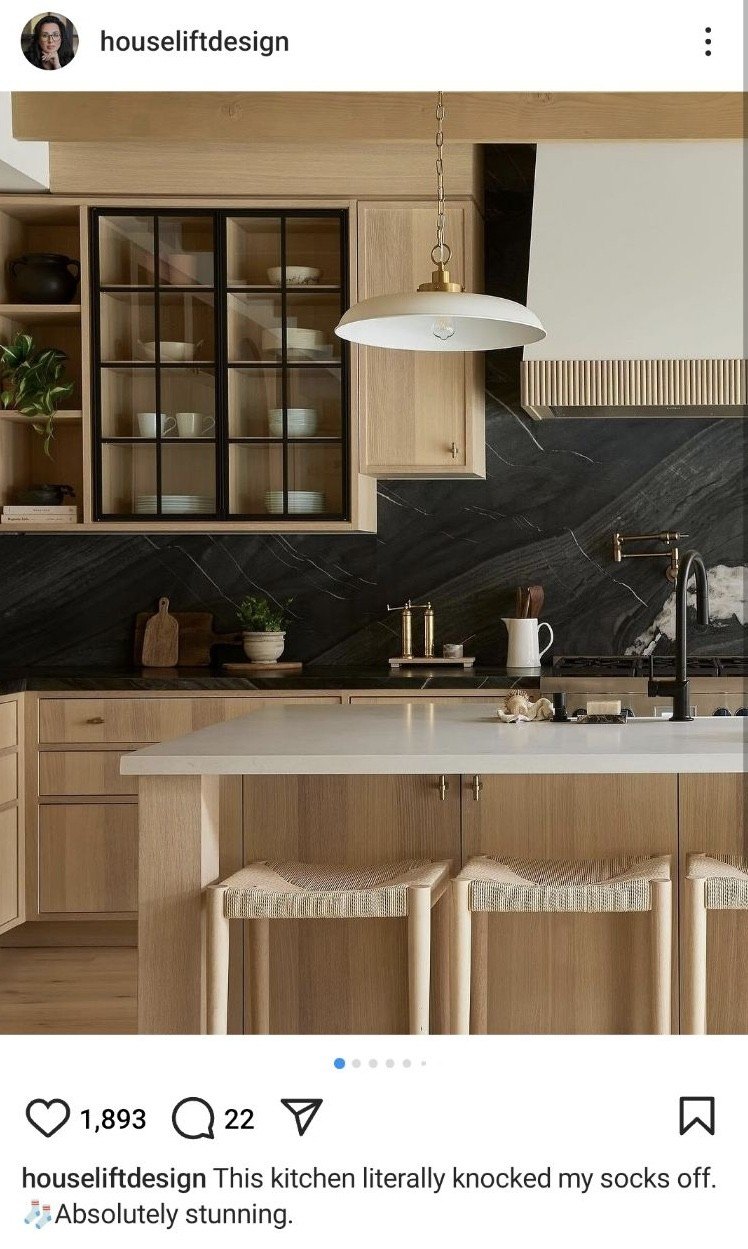
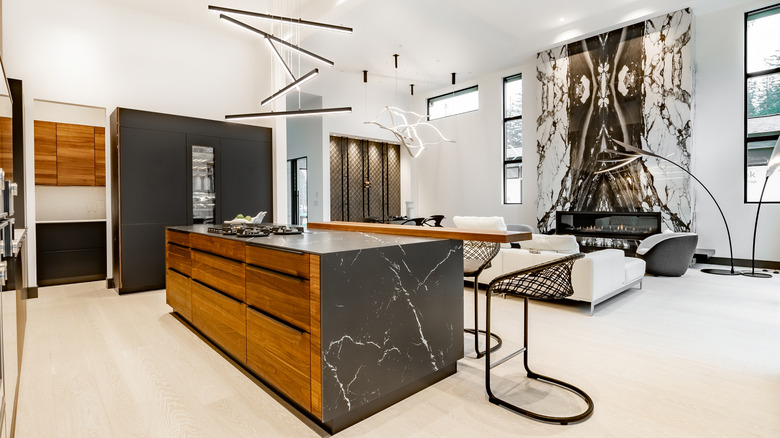
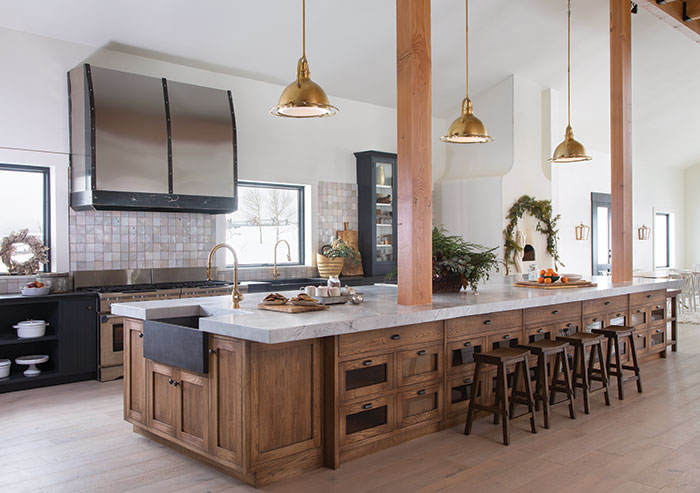
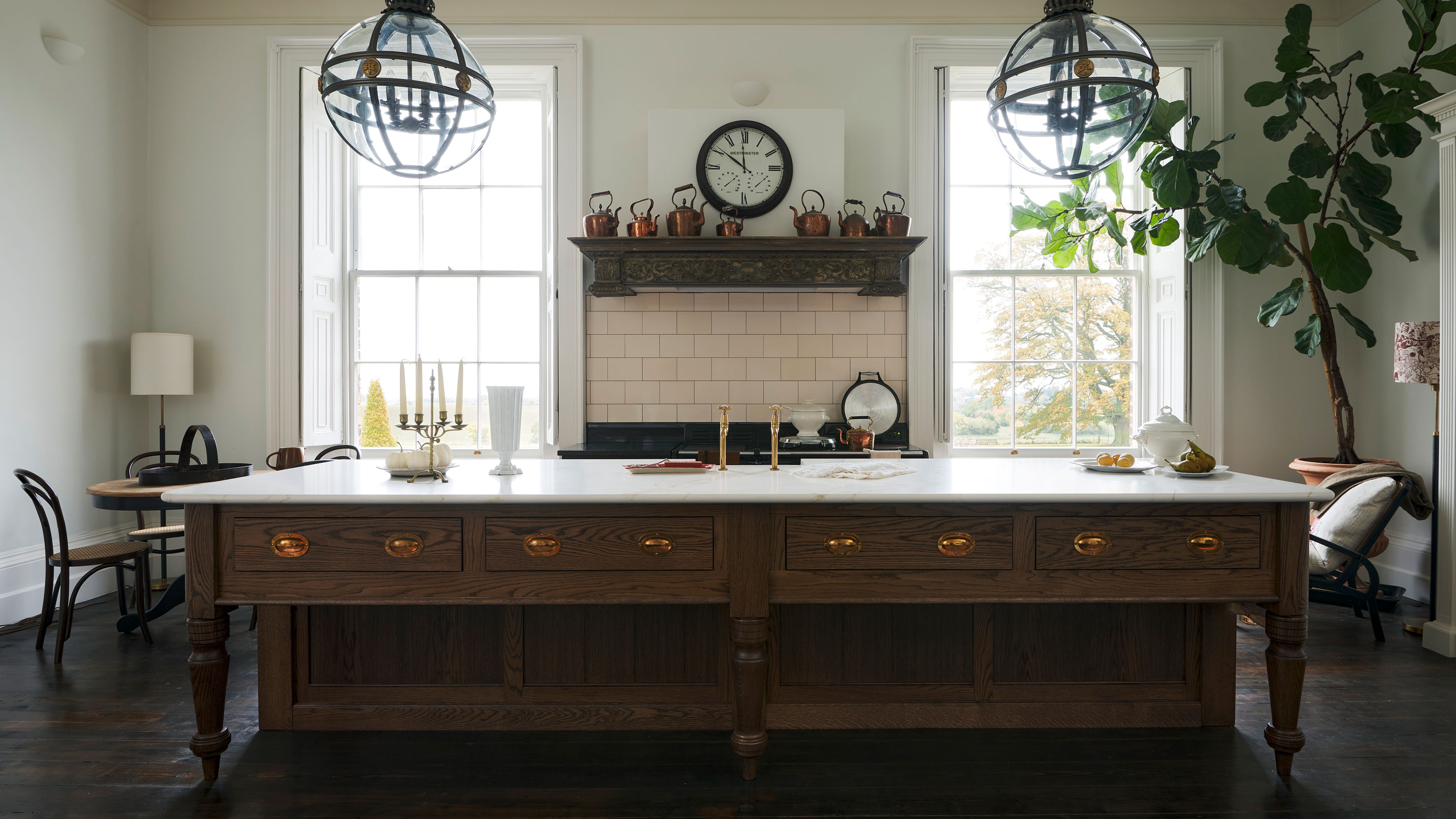
Naturally modern materials are gaining traction, with a shift towards sustainable kitchen design and the use of natural wood. Varnished natural wood offers an artisanal and interesting aesthetic, providing warmth and texture. The contrast between natural materials like woodgrain or heavily veined marble and crisp, modern cabinetry creates an unexpected yet beautiful look.
For larger kitchens, 'size matters,' advocating for capacious and glamorous islands that can be central focal points. Generously sized islands prevent the space from appearing empty, often featuring chunky worktops and oversized handles for visual appeal. Design directors suggest mitering deep strips around the perimeter to achieve striking depth without adding excessive weight.
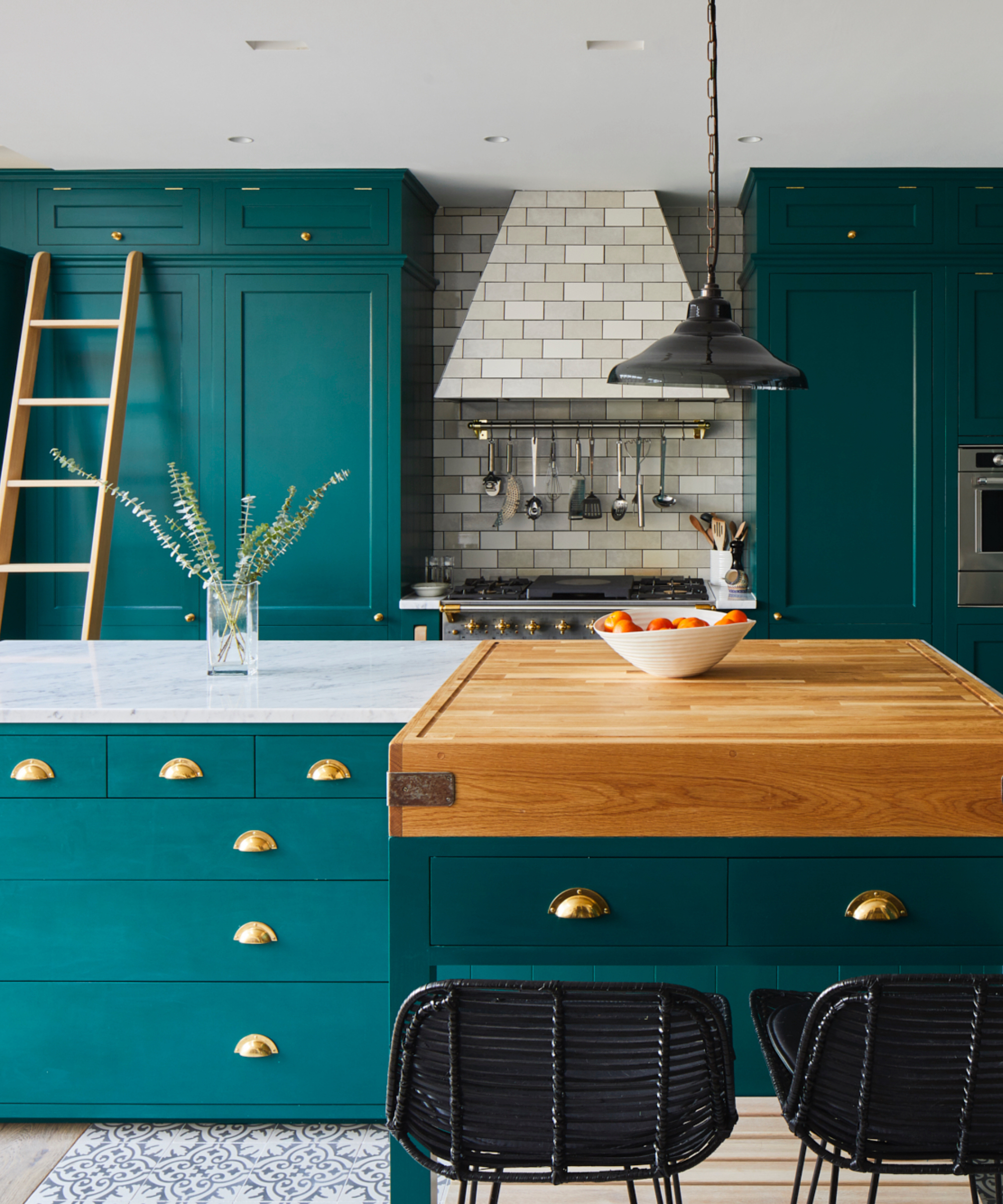
'Hidden joints' address the aesthetic concern of visible seams in kitchen cabinetry. Designers recommend using materials that wrap around the island or incorporating features that conceal joints. For islands longer than 3.5 meters, which typically require multiple slabs of stone or quartz, integrating timber elements like chopping blocks or breakfast bars can effectively hide these joints while mixing materials.
Shapely designs are emerging as kitchens become more family-oriented spaces for socializing and relaxing, moving away from ultra-modern, clinical aesthetics. Fluid and organic shapes lend movement and dynamism, improving traffic flow and ergonomics, particularly in open-plan homes. An example provided is an island made from Australian hardwood, formed from vertical planks, appearing to rise from the floor.
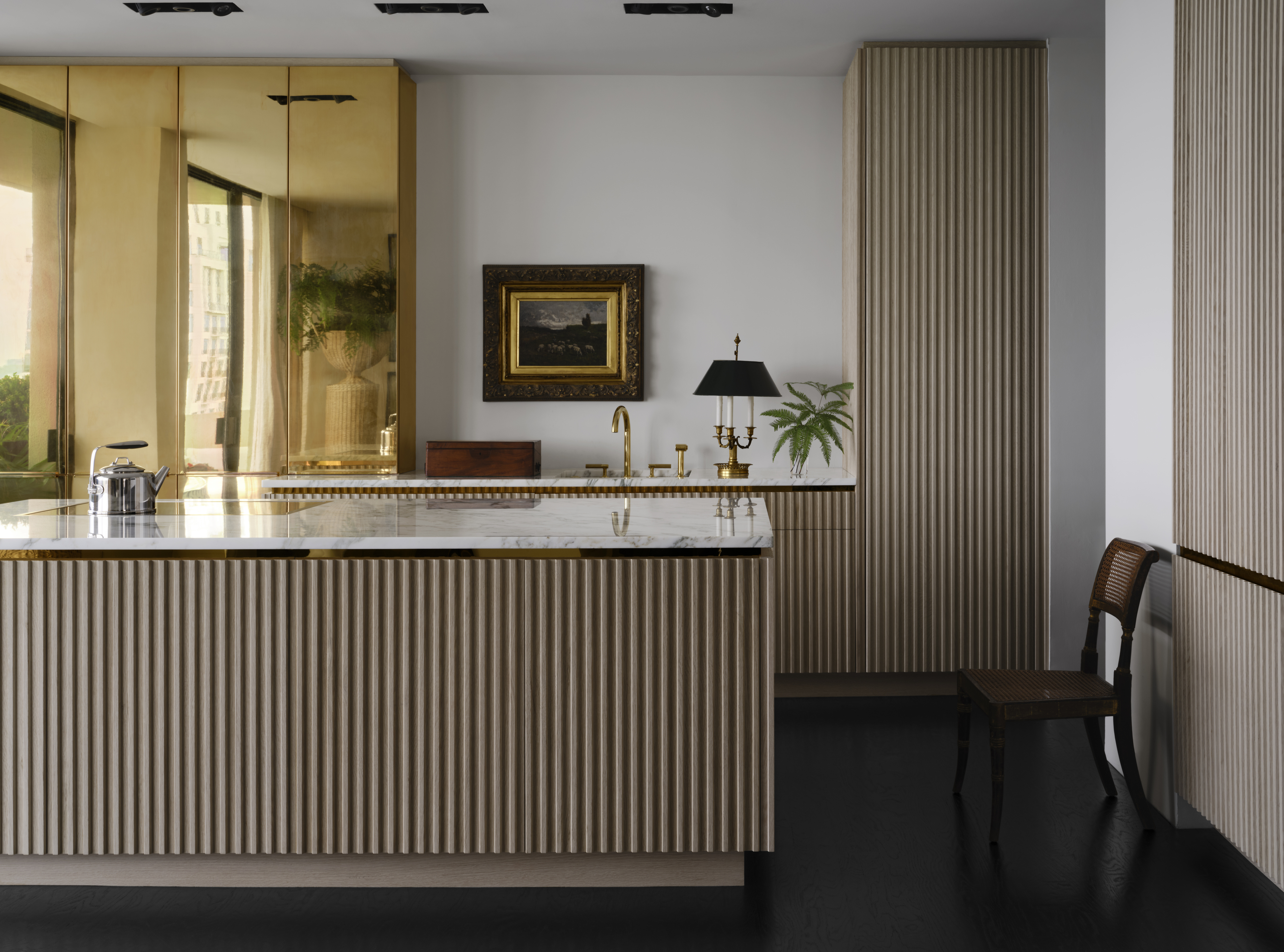
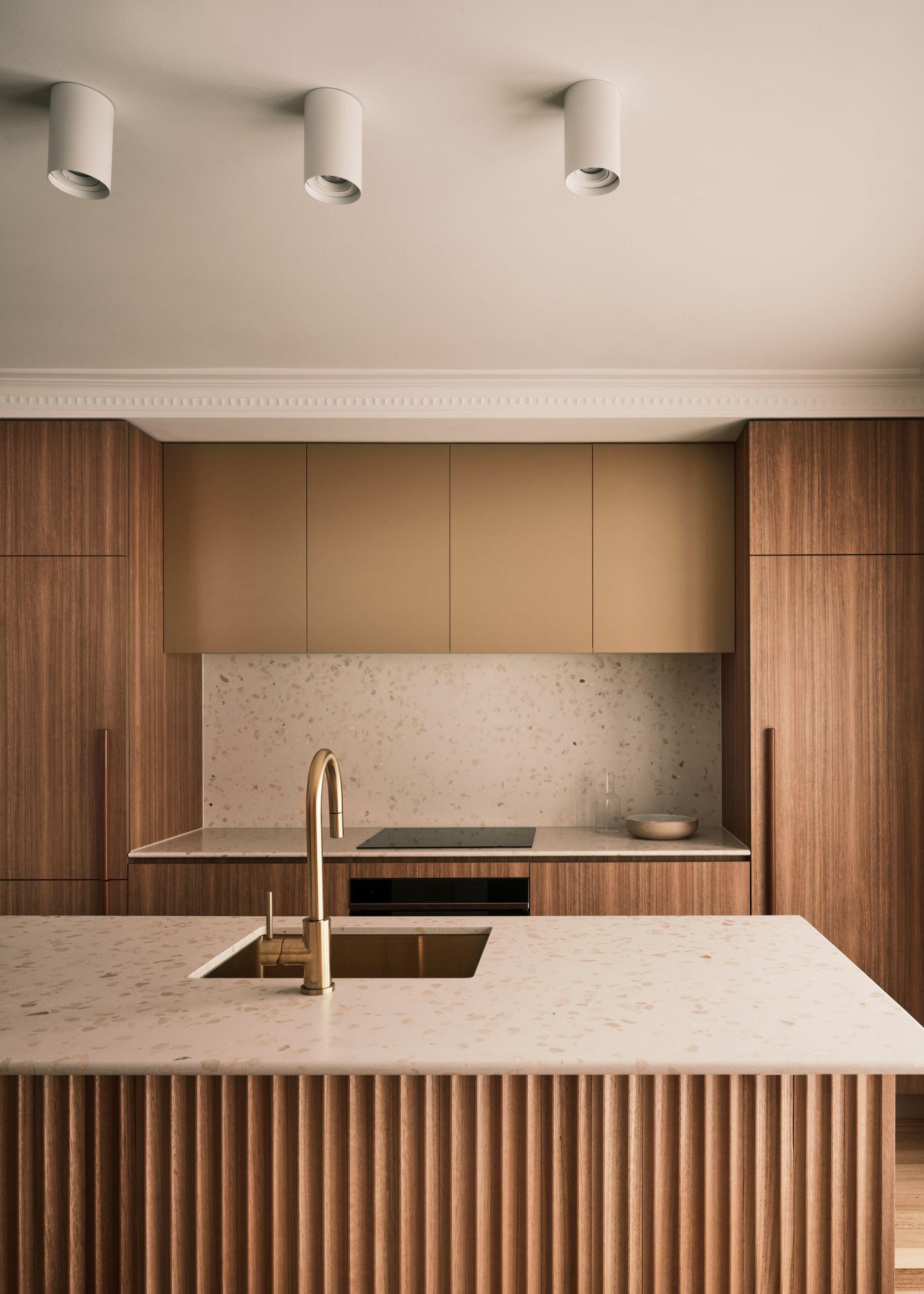
Finally, 'fluted details' are making a strong return. This undulating design can be both decorative and practical, adding texture, warmth, and contrast to a space. It can also serve functional purposes, such as improving traffic flow and ergonomics in narrower kitchens, as demonstrated by the use of individual half-round dowels in Tasmanian oak.
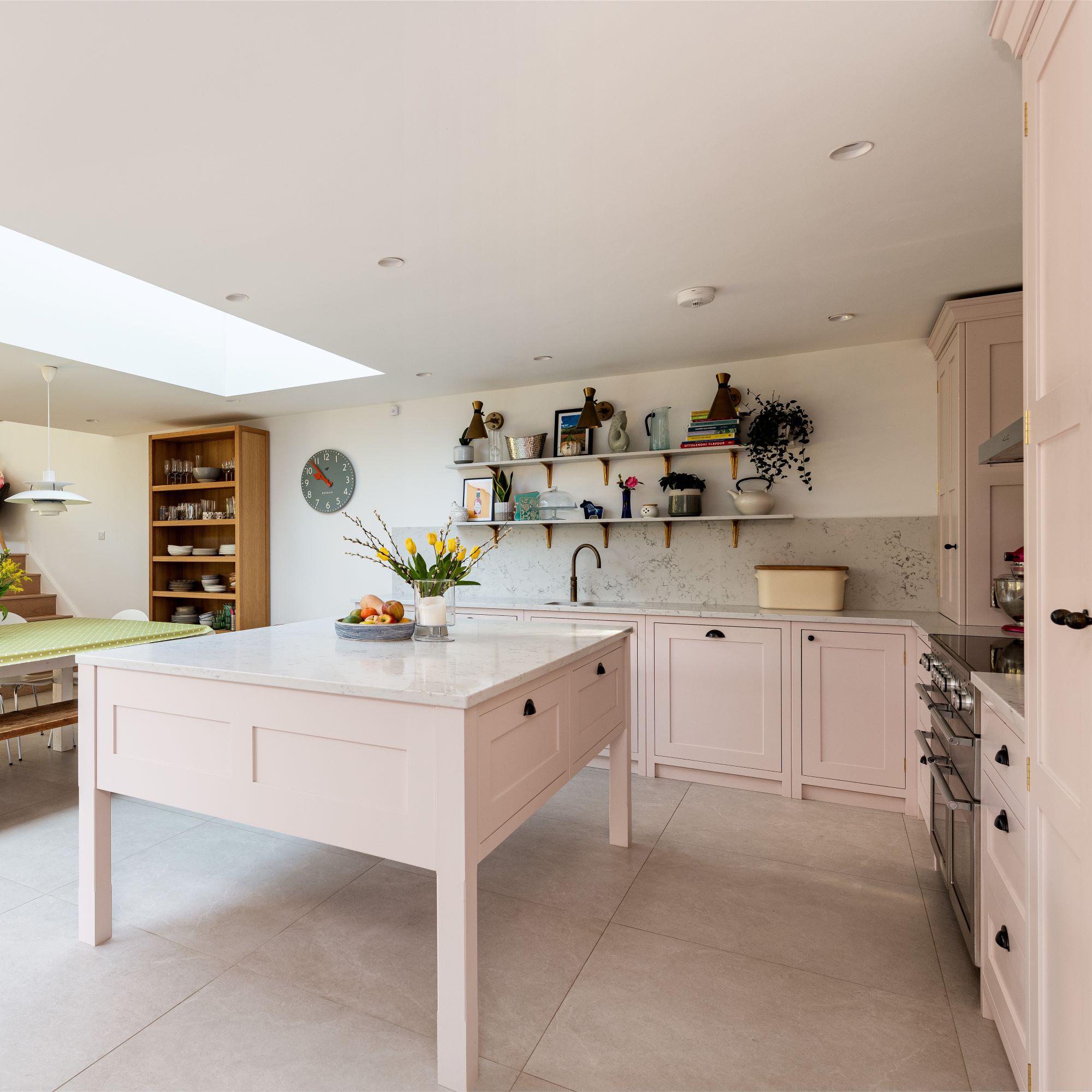
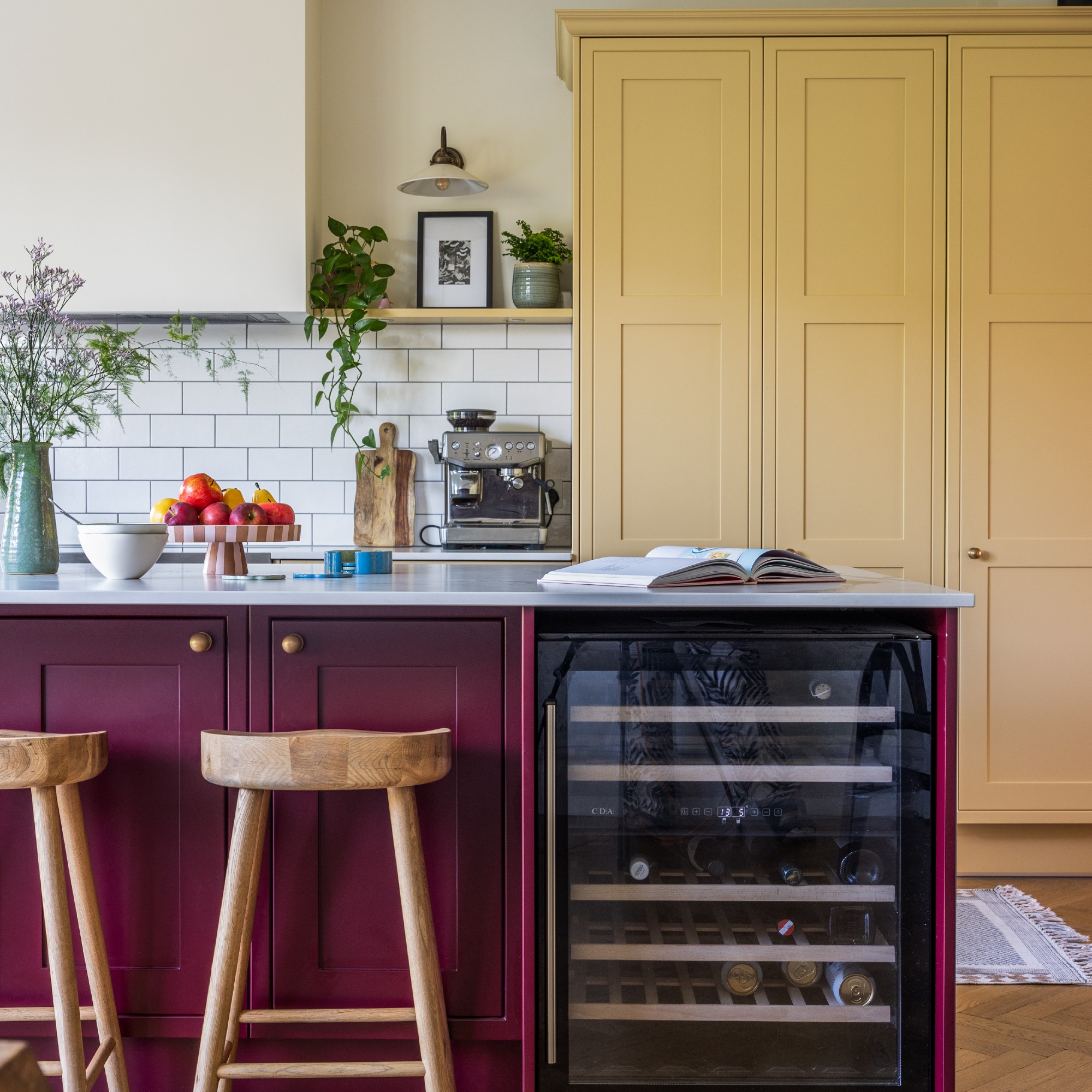
Contrary to some beliefs, kitchen islands are not going out of style; in fact, their popularity is growing due to their versatile benefits. Islands enhance spacious kitchens by centralizing functionality, improving the 'work triangle,' and allowing multiple cooks to work comfortably. They also serve as design centerpieces with arresting light pendants or eye-catching work surfaces. In open-plan settings, islands effectively divide cooking and dining areas. Equipped with water and electricity, they become impressive workstations, accommodating cooking, washing, and cooling appliances, thereby freeing up other kitchen surfaces. Islands can also house additional ovens or specialized appliances. However, islands are not suitable for all kitchen types; they are generally not recommended for kitchens less than 4 meters wide. For smaller kitchens, more compact island options exist. The 'golden rule' for island placement is to allow 1-1.2 meters of clear space around them for easy movement, though slightly narrower clearances can be justified in specific areas, such as near a dishwasher. Low-maintenance, easy-to-clean quartz worktops, available in large slabs to avoid joints, are often preferred for islands.
#KitchenIslandTrends #KitchenDesign #HomeInteriors #ModernKitchens #SustainableDesign #InteriorDesign #HomeDecor #FamilyKitchen #WaterfallEdge #KitchenIslandTrends #KitchenDesign #HomeInteriors #ModernKitchens #SustainableDesign #InteriorDesign #HomeDecor #FamilyKitchen #WaterfallEdge
0 comment in total
 No comments yet
You may also like
3 Kitchen Island Trends That Interior Designers Love (and 2 to Skip)

16 kitchen island trends designers say will be everywhere in 2025
Kitchen island trends – 8 shapes, materials and finishes designers are choosing for elevated spaces

13 Trending Kitchen Islands That You'll See in All the Coolest Schemes Next Year

13 Trending Kitchen Islands That You'll See in All the Coolest Schemes Next Year
The kitchen island trends dominating 2025 - the liveable looks we predict will become new classics
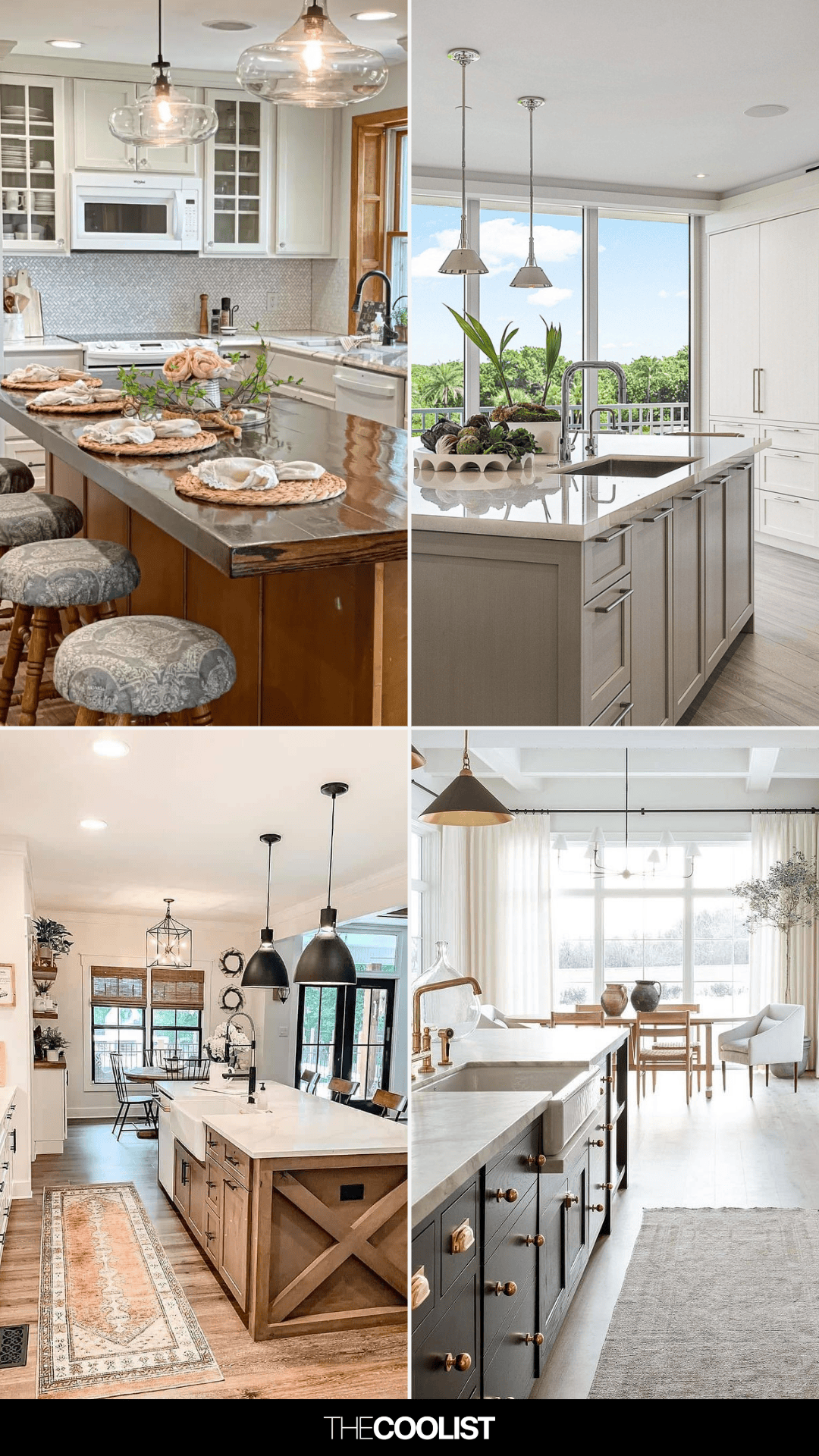
24 Kitchen Island Ideas That Add Function and Style to Your Cooking Space
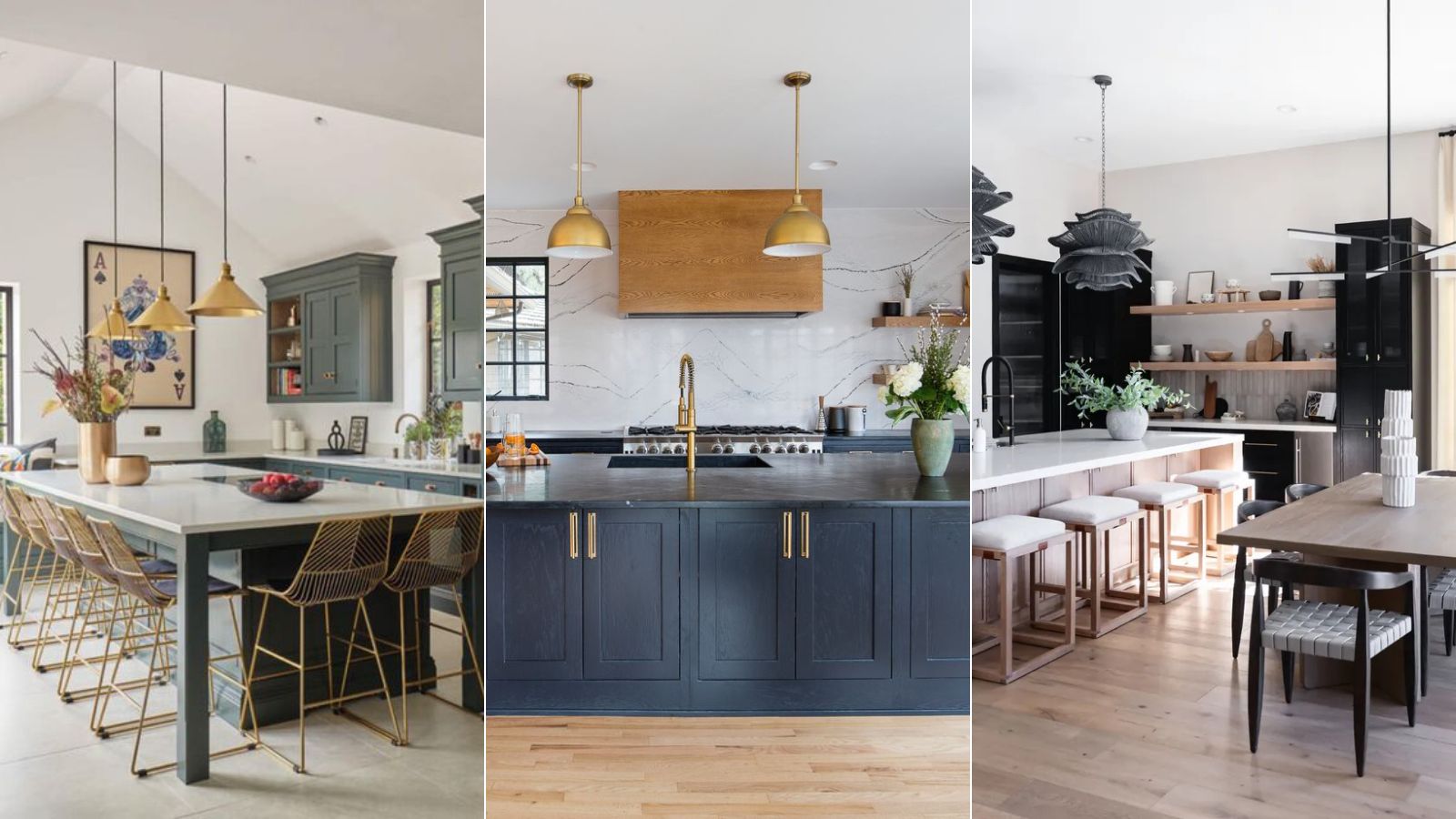
16 Kitchen Island Ideas That Feel Pitch Perfect for 2025 Projects
9 kitchen layout trends to have on your radar for 2025, according to designers
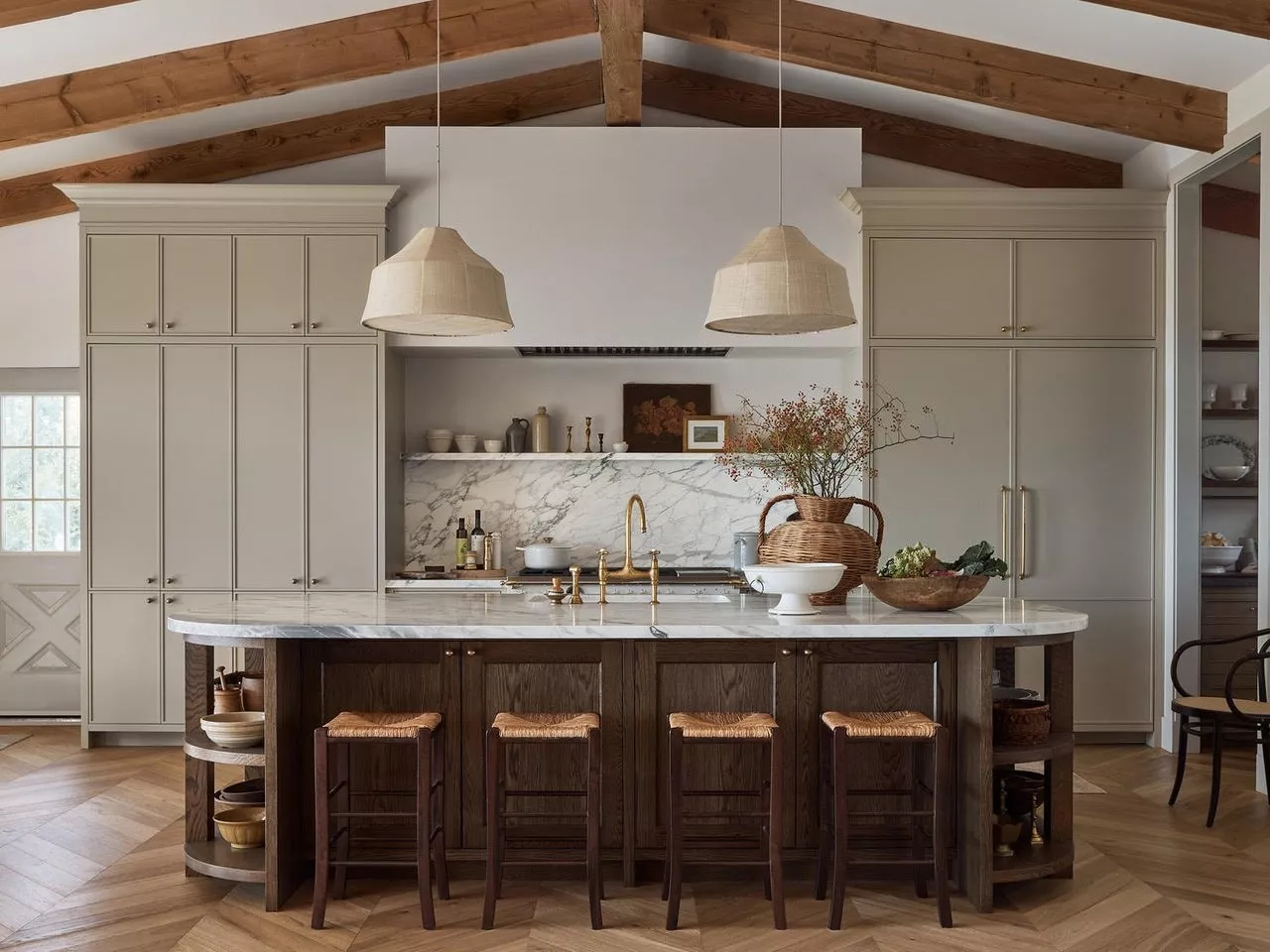
Curved Kitchen Islands Are a Top 2023 Kitchen Design Trend

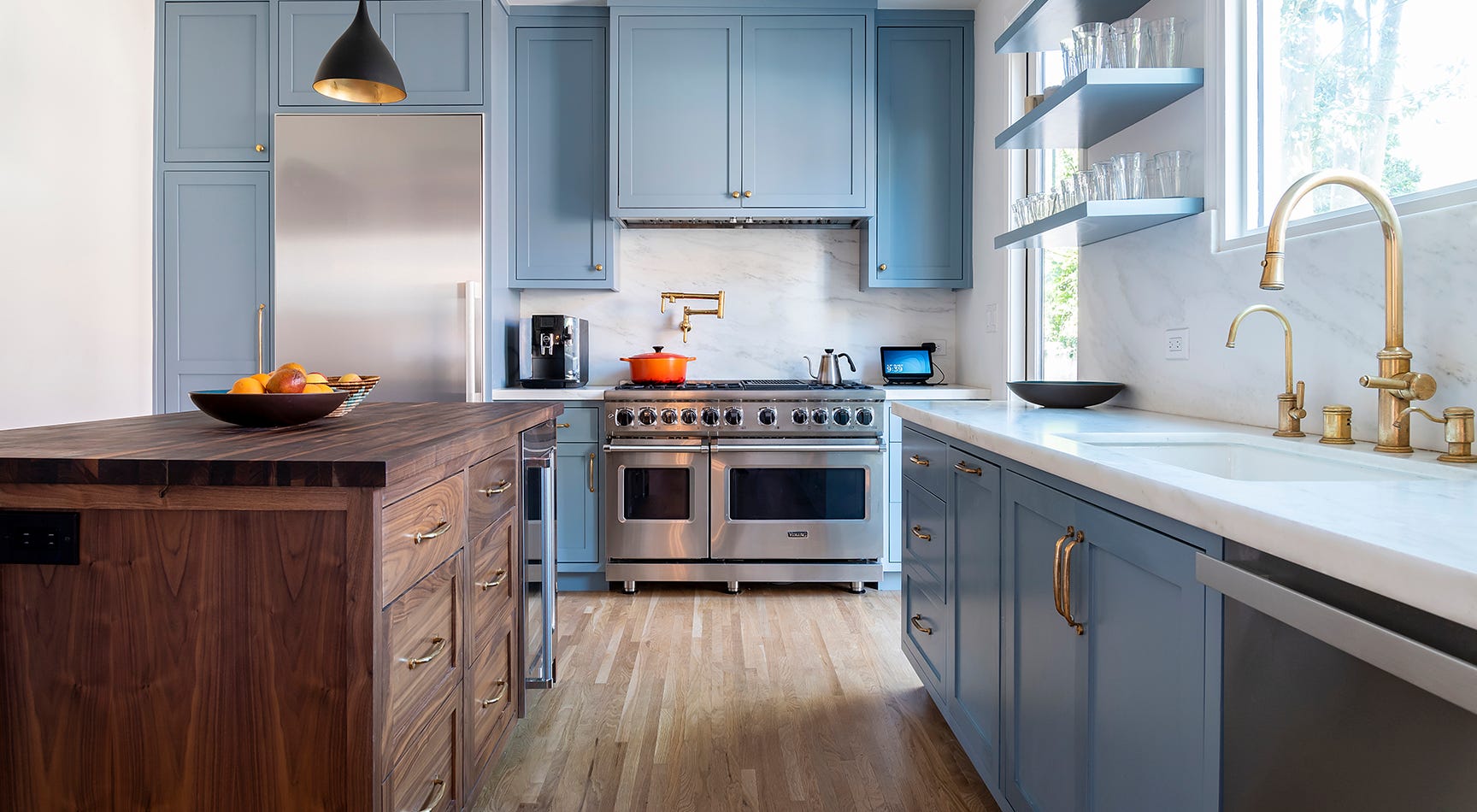
The Latest Kitchen Design Trends for 2023, According to the Pros

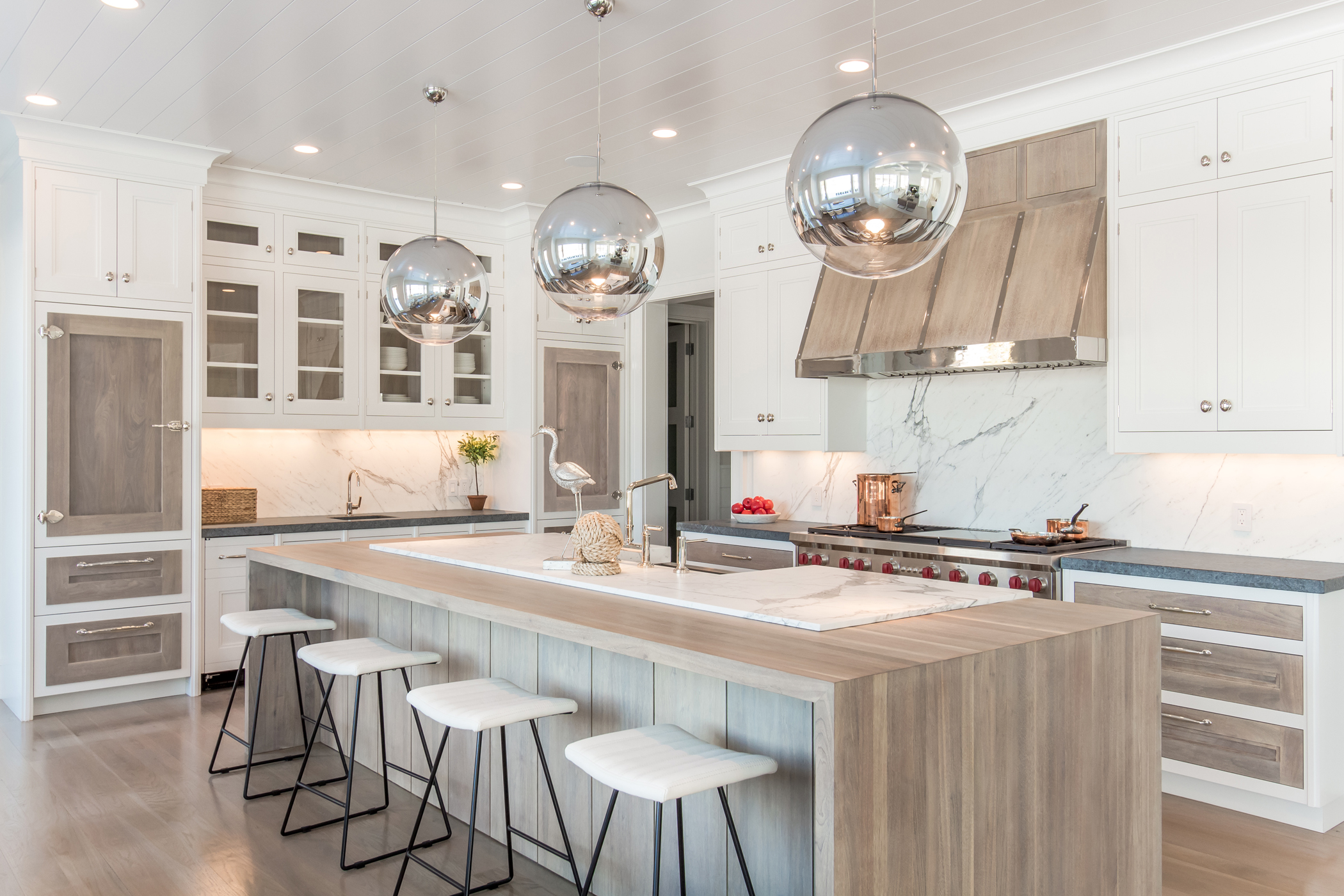
Four trending ways to reimagine kitchen islands
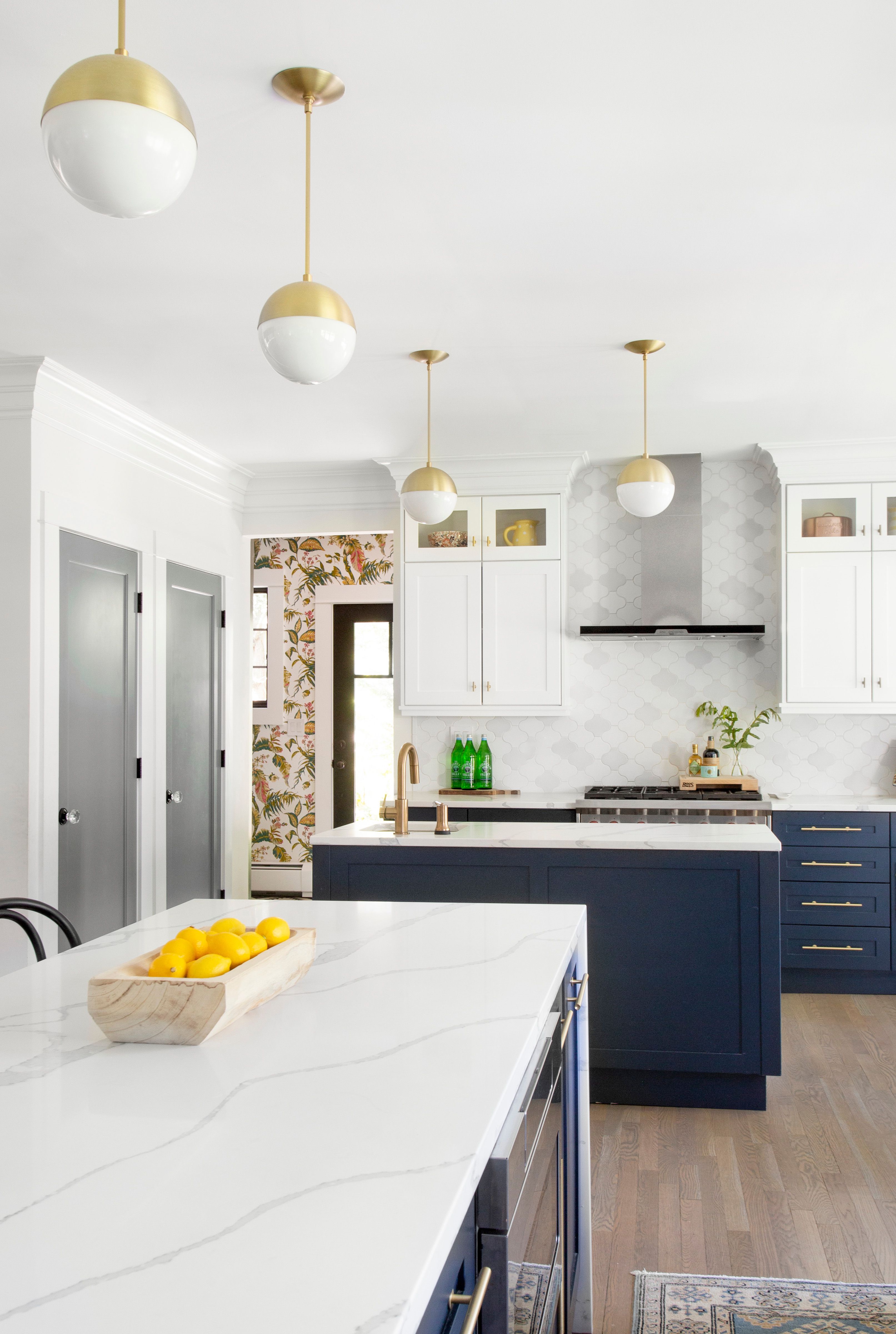
The Top Kitchen Island Trends of 2023, According to Designers

Kitchen island design - 7 Nov 2024 - Homebuilding & Renovating Magazine

5 Showstopping Kitchen Island Looks That Will Redefine Your Cook Space
25 kitchen island ideas to make it the most used, and most stylish, area of your cooking space
The best kitchen island ideas for a sophisticated and functional feature
This kitchen island trend is set to continue in 2026 – this is how one of our editors made it work in her busy family kitchen

15 Stunning Kitchen Island Trends That Are Set To Dominate Throughout 2025
This ’90s Kitchen Island Trend Is Being Replaced with Something Far More Practical