This ’90s Kitchen Island Trend Is Being Replaced with Something Far More Practical
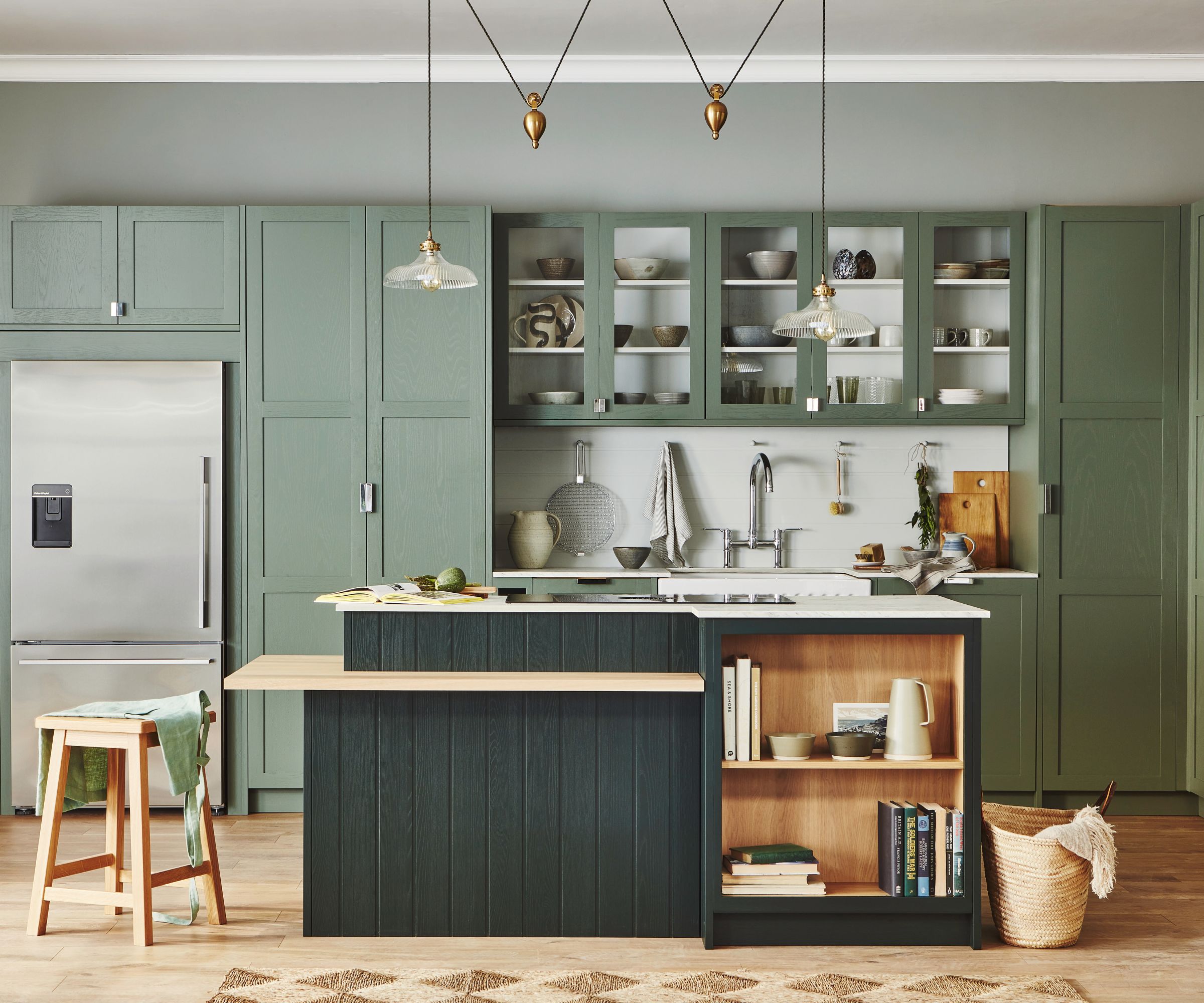
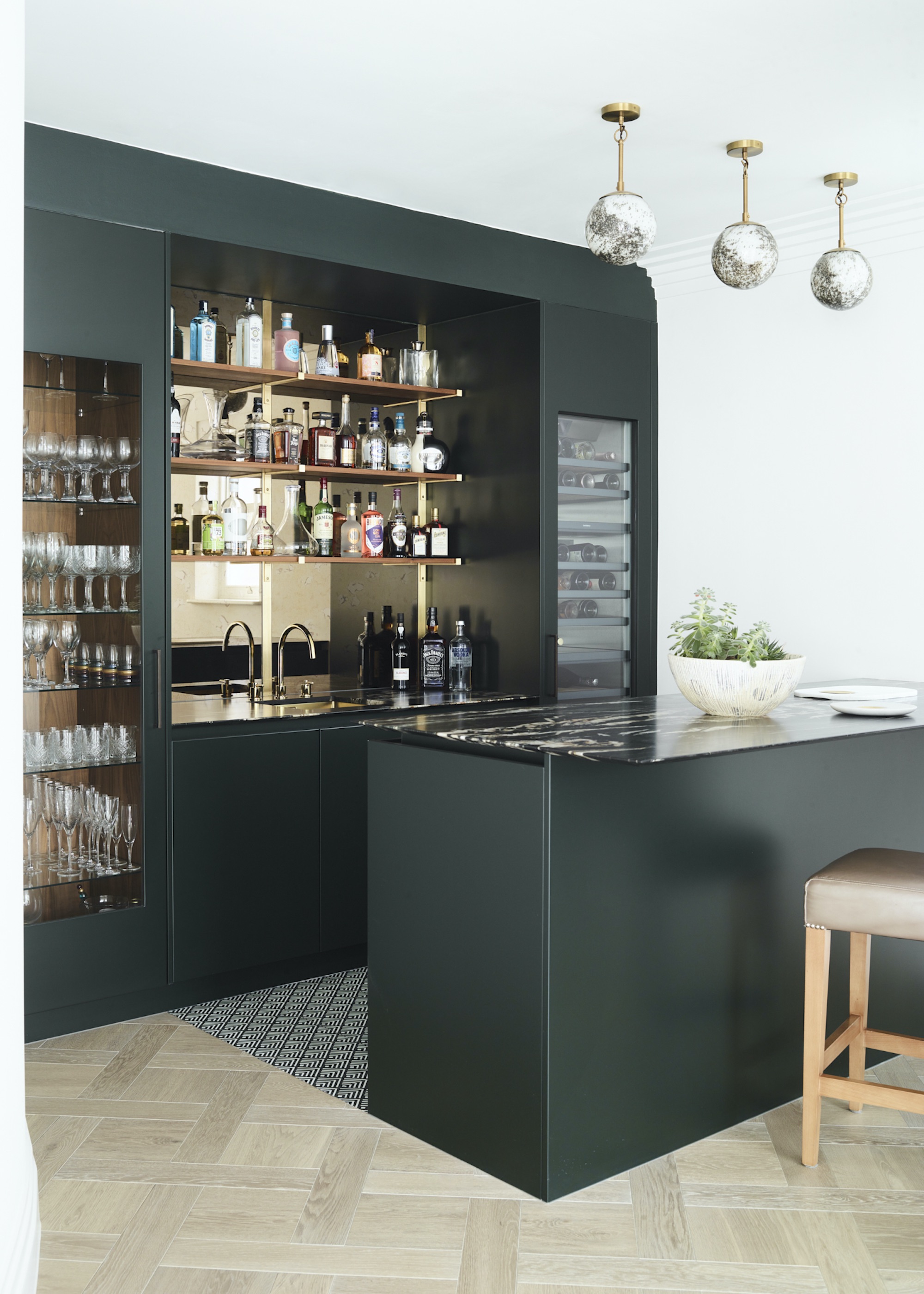
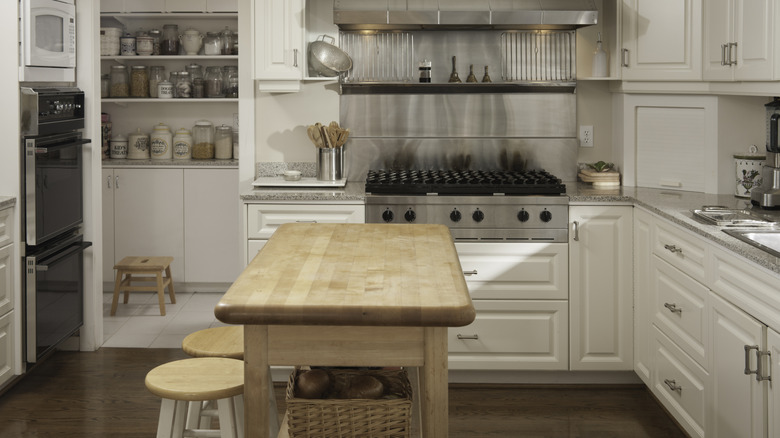
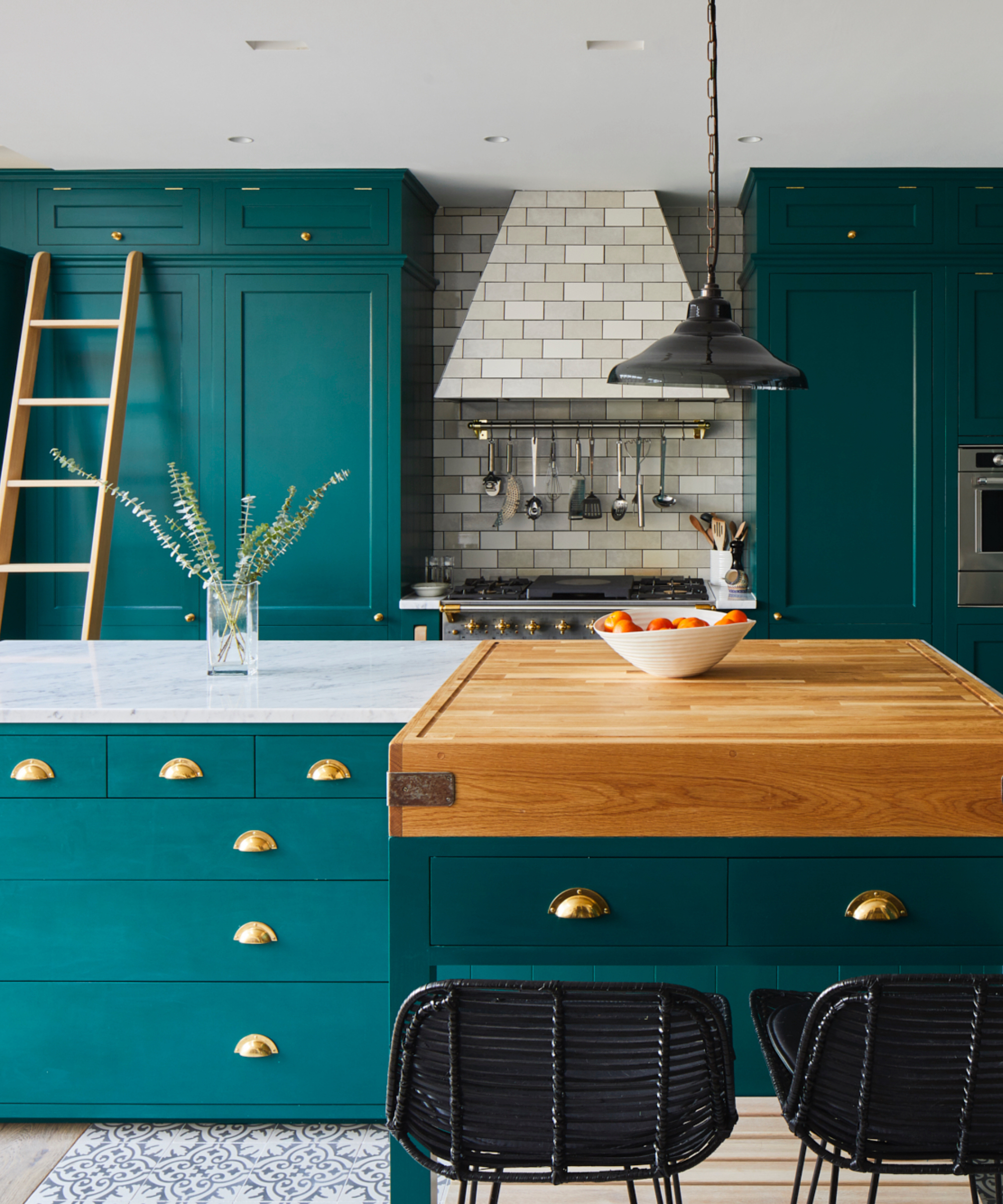
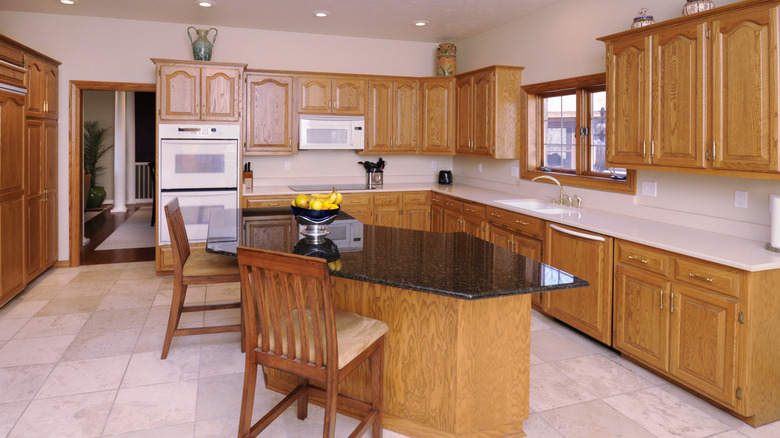
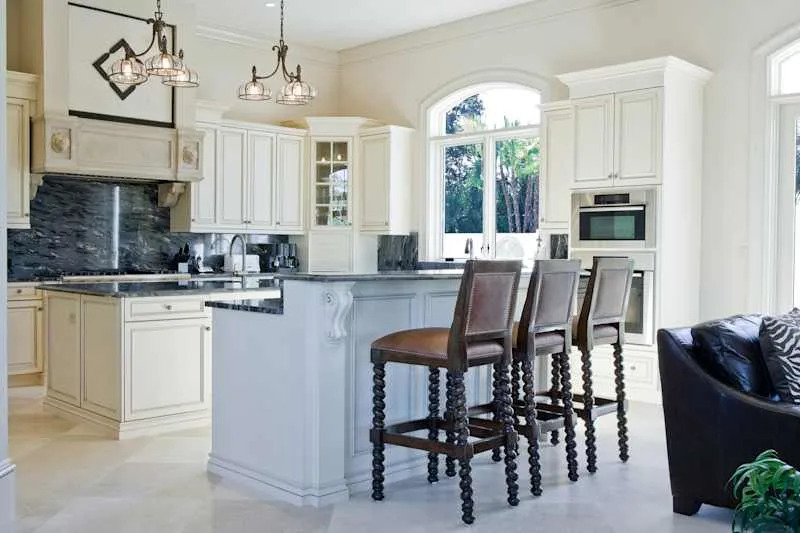
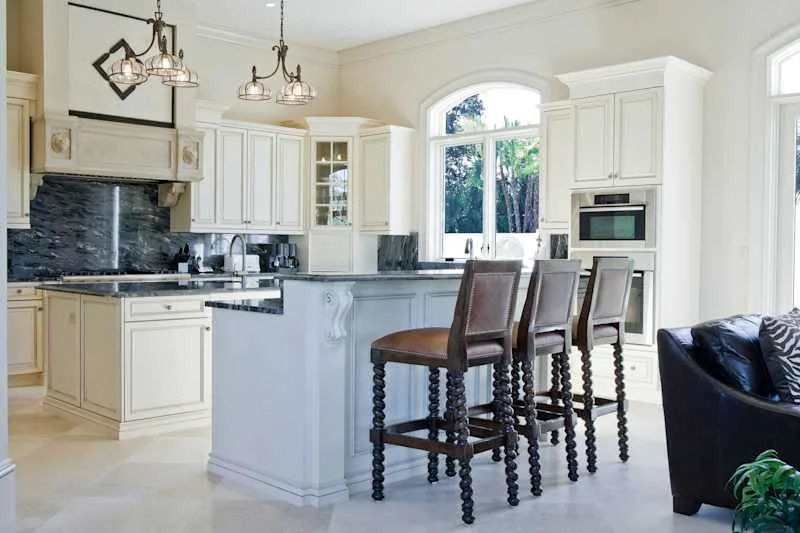
In the 1990s, the two-tiered kitchen island, often referred to as a bar-height counter, became a prominent feature in many homes. This design included a lower counter for food preparation and a raised section for dining or casual seating. According to Levi Schoenfeld, a former architect and product manager at Hover, a home improvement technology company, this trend emerged as a clever solution to the rising popularity of open-plan living. As traditional room boundaries began to blur, the split-level counters offered a visual separation between the kitchen and other living spaces without the need for physical walls. Schoenfeld notes that these islands were particularly well-suited for the 90s' emphasis on entertaining, allowing kitchens to serve both as functional cooking areas and social gathering spots. The design reflected a "more is more" philosophy, aiming to create layered, multifunctional spaces that were characteristic of the era.
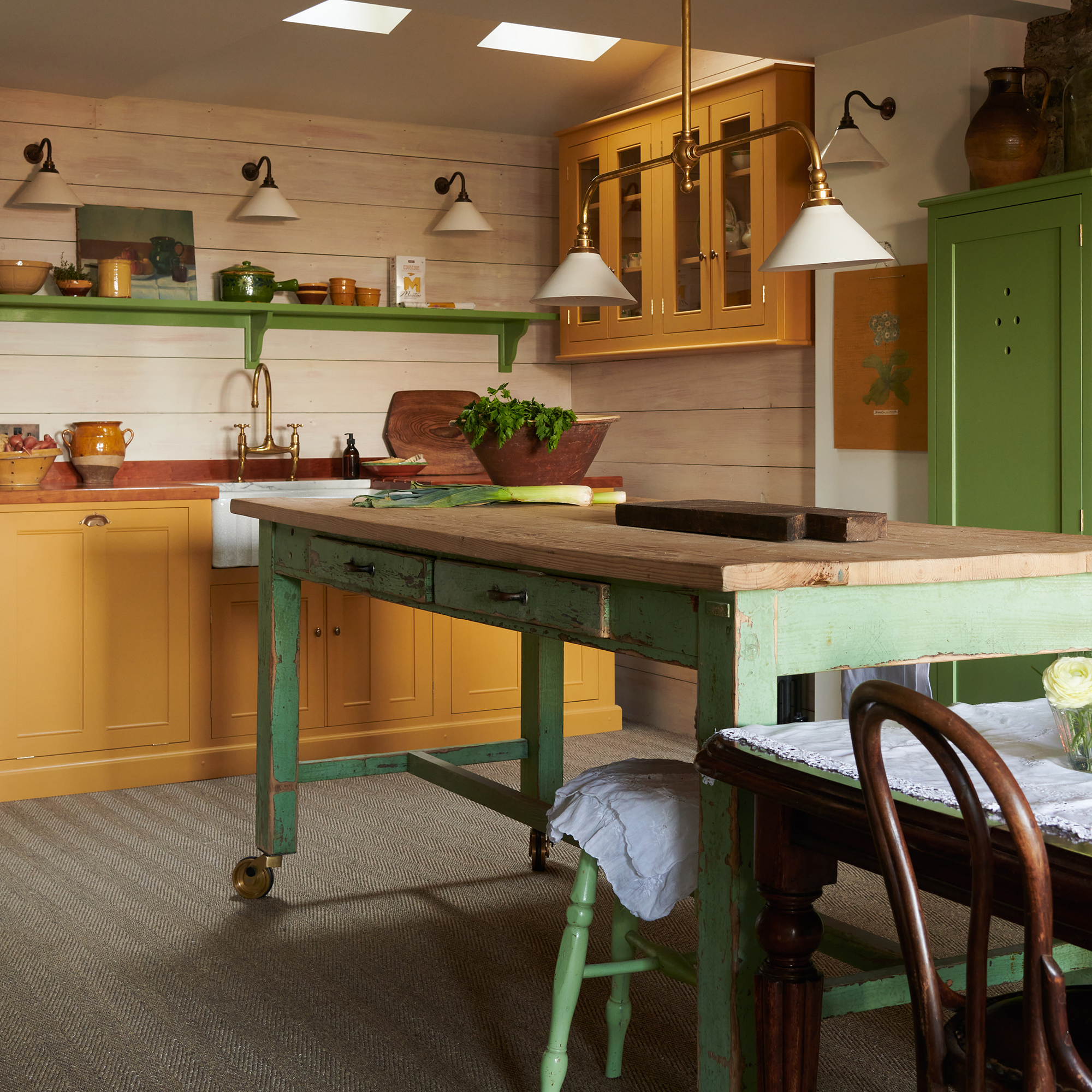
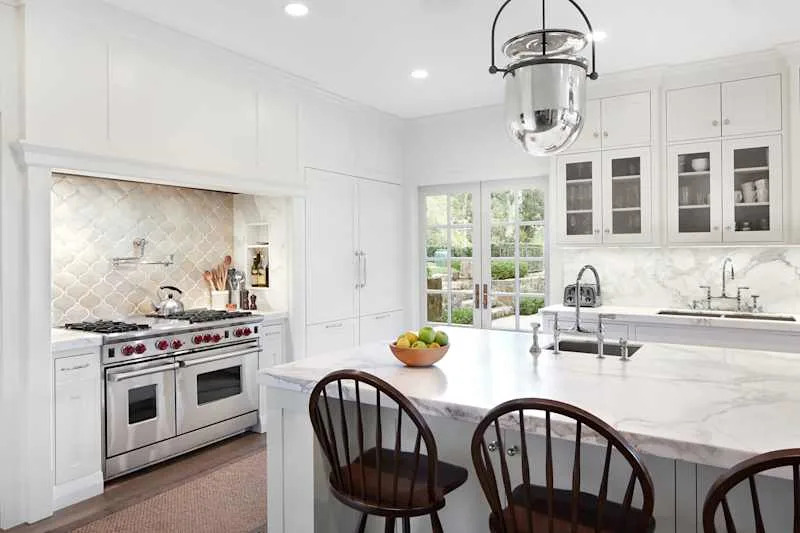
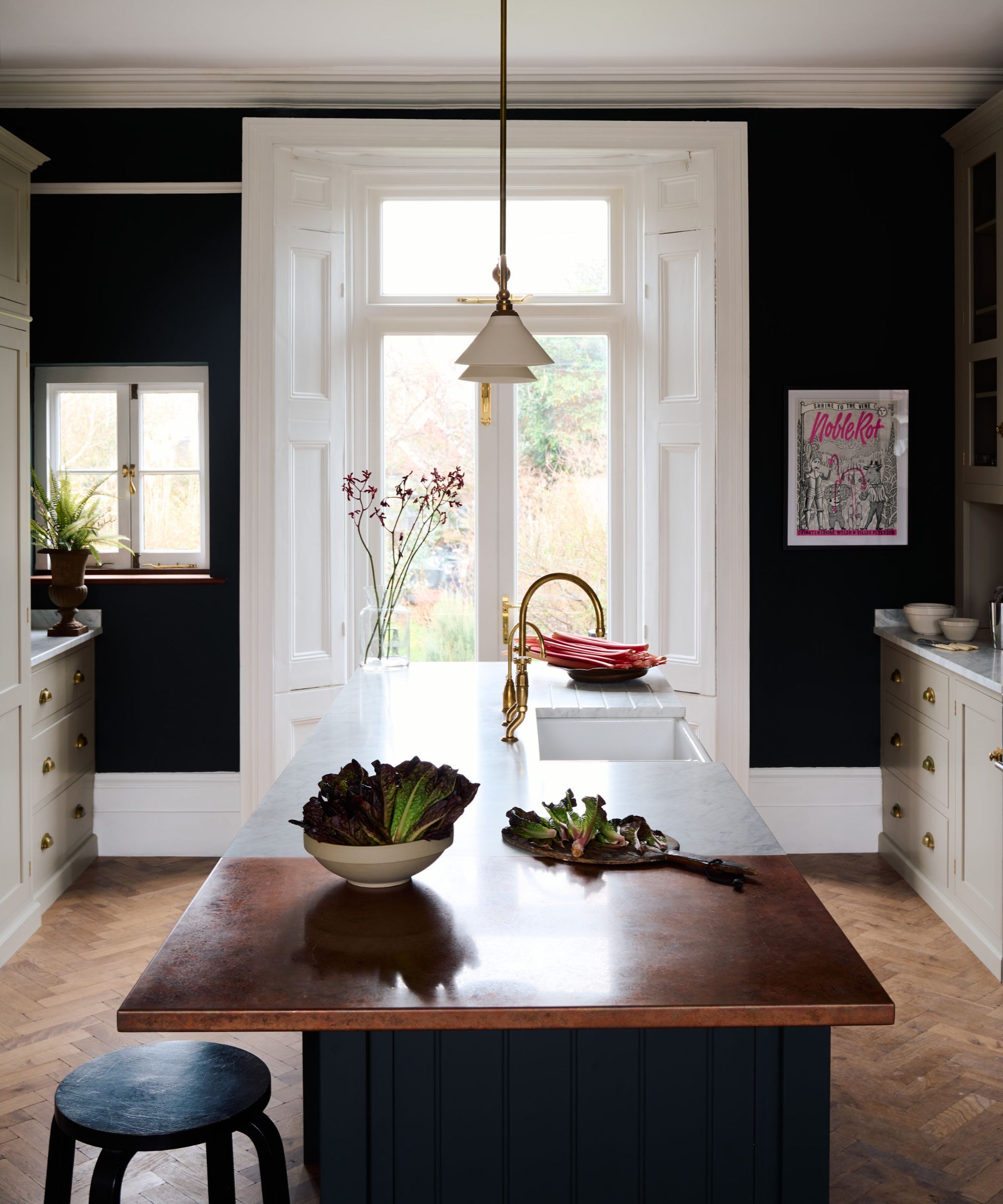
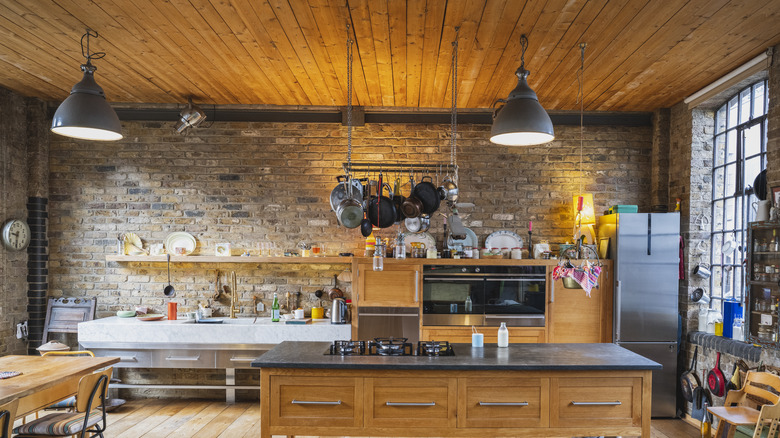
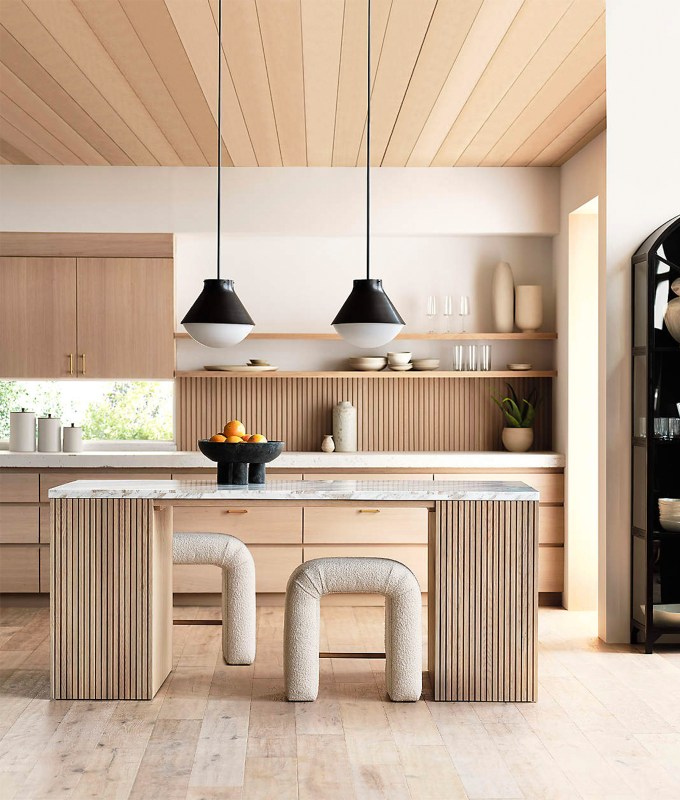
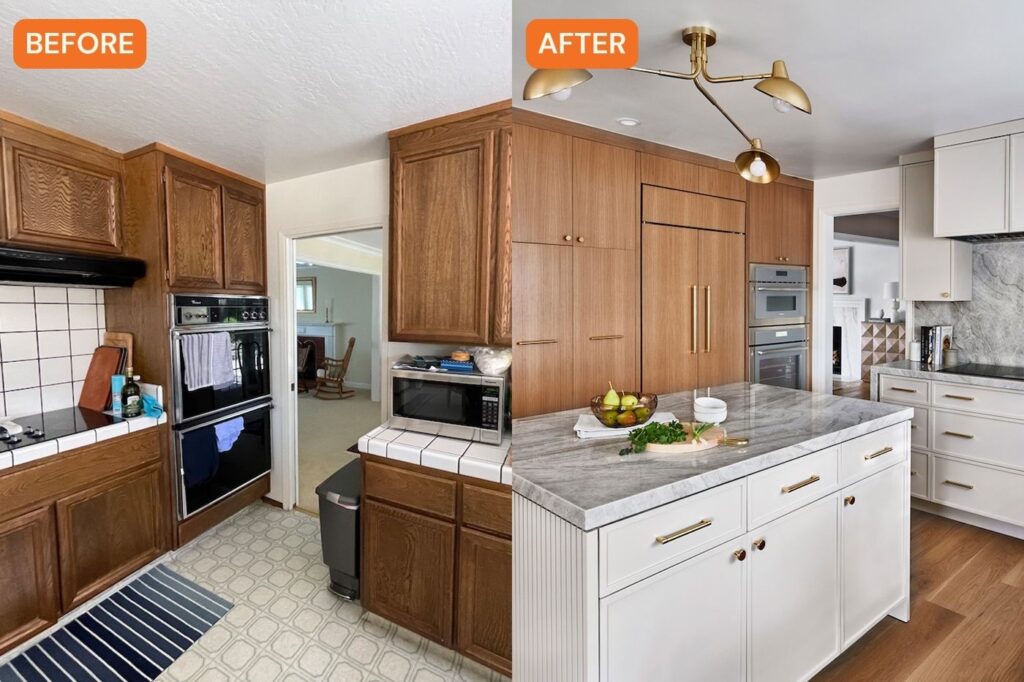
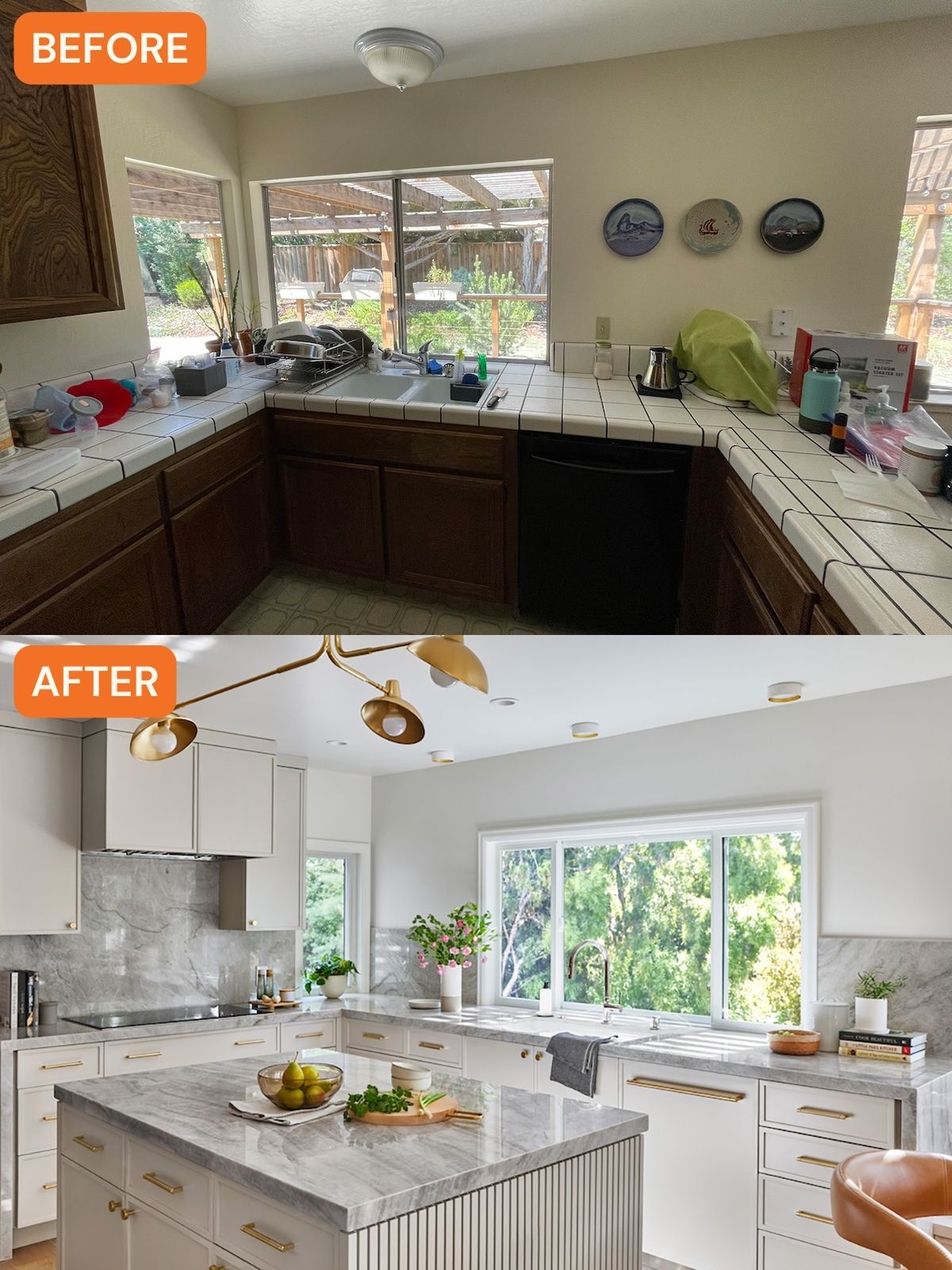
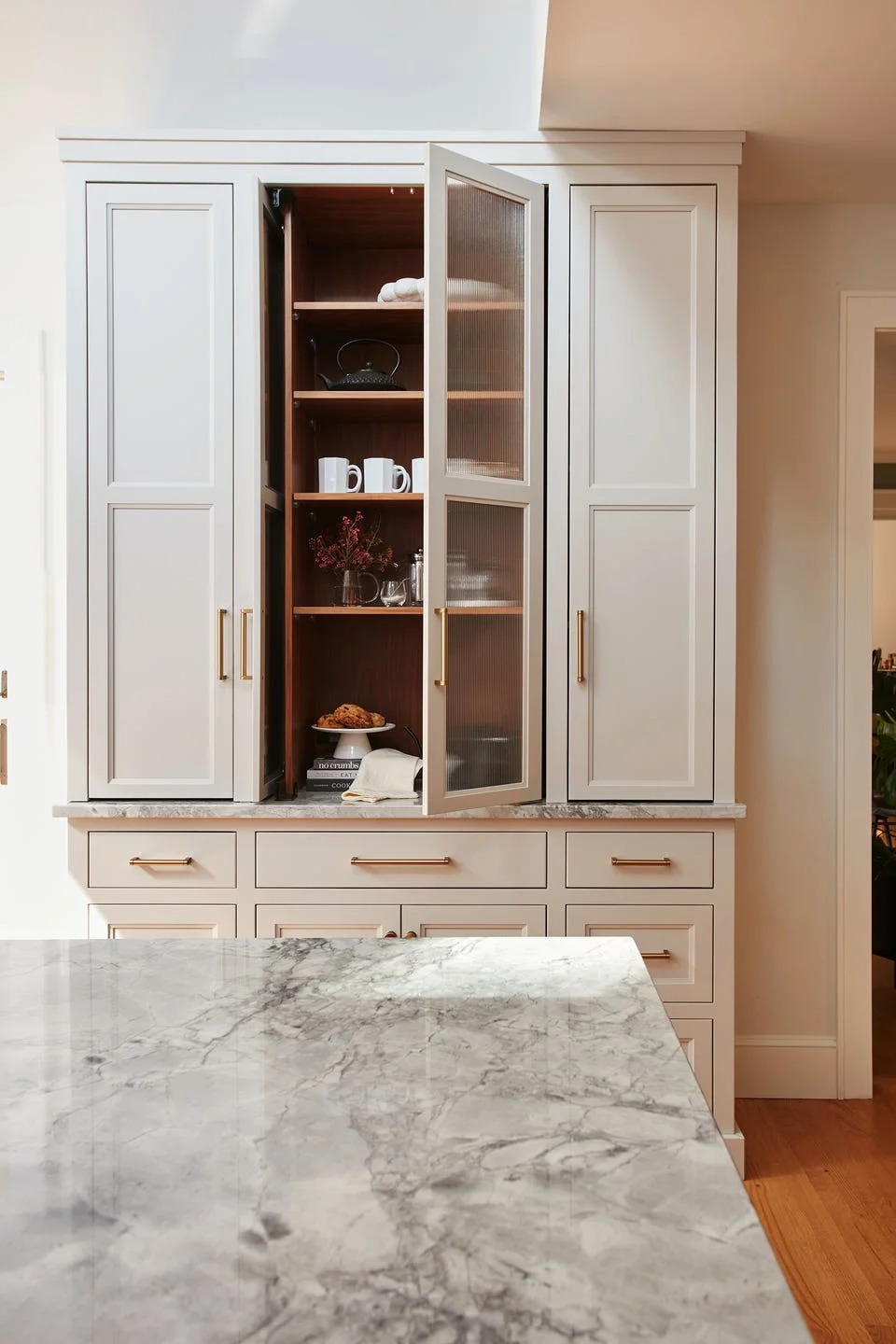
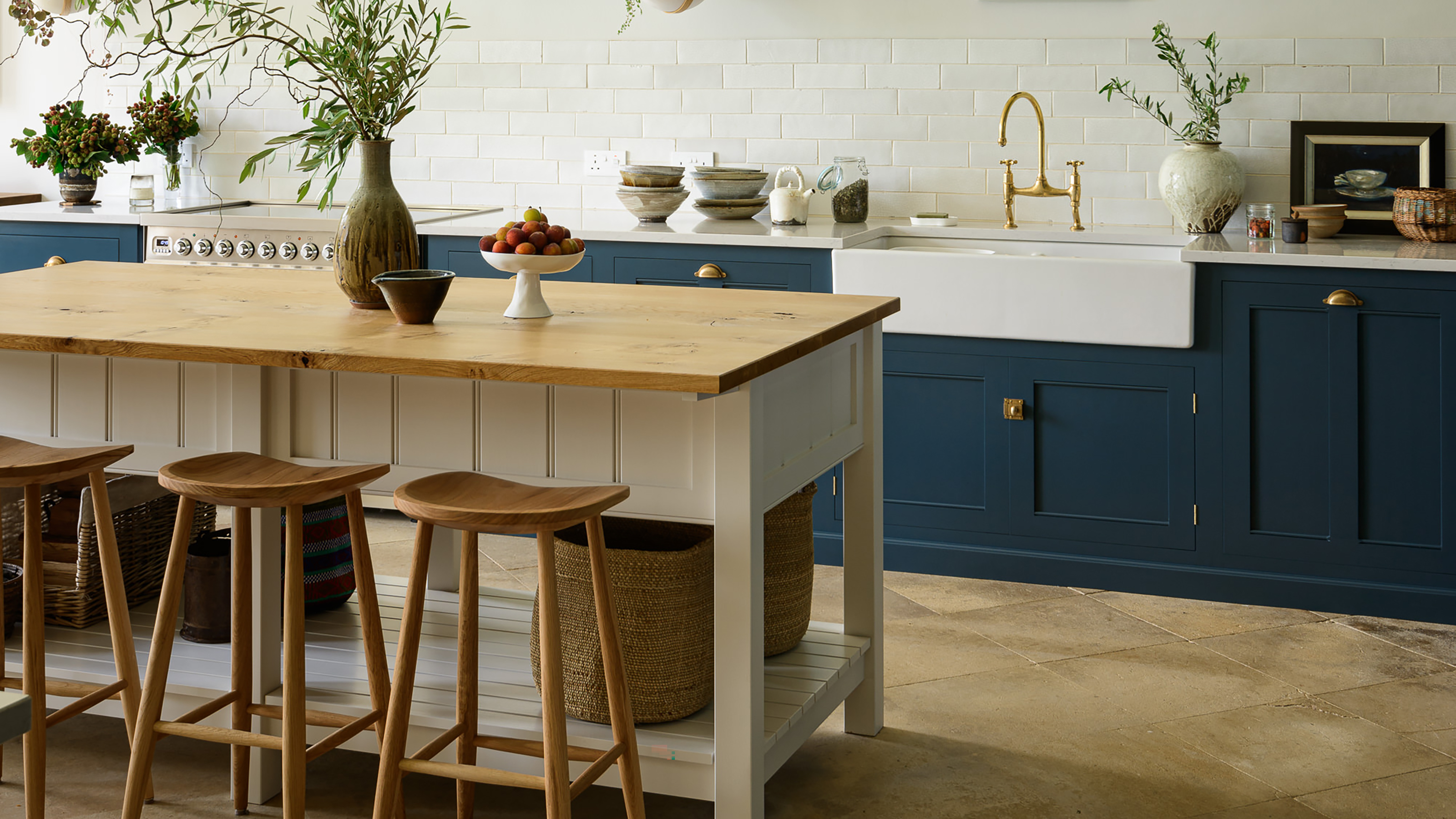
However, contemporary interior designers and homeowners are increasingly moving away from the two-tiered island in favor of more practical and aesthetically streamlined alternatives. The article highlights that modern kitchen island trends prioritize functionality, clean lines, and an uninterrupted visual flow. One of the primary reasons for this shift is the desire for more usable counter space. The two-tiered design often resulted in a smaller, less continuous surface for food preparation, which can be inefficient in a busy kitchen. In contrast, single-level islands offer a large, flat expanse that is ideal for various tasks, from meal prep to baking and even as an informal dining area.
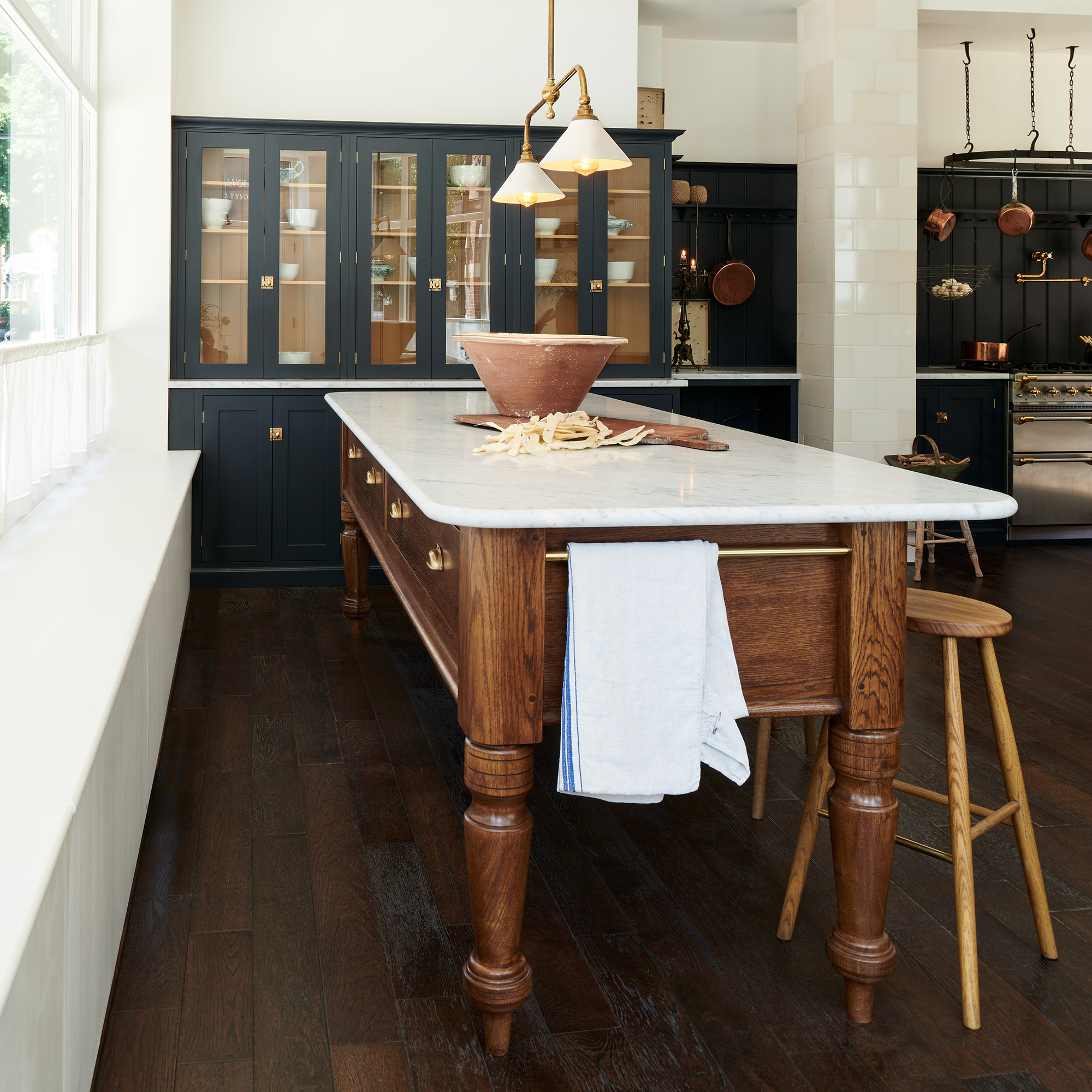
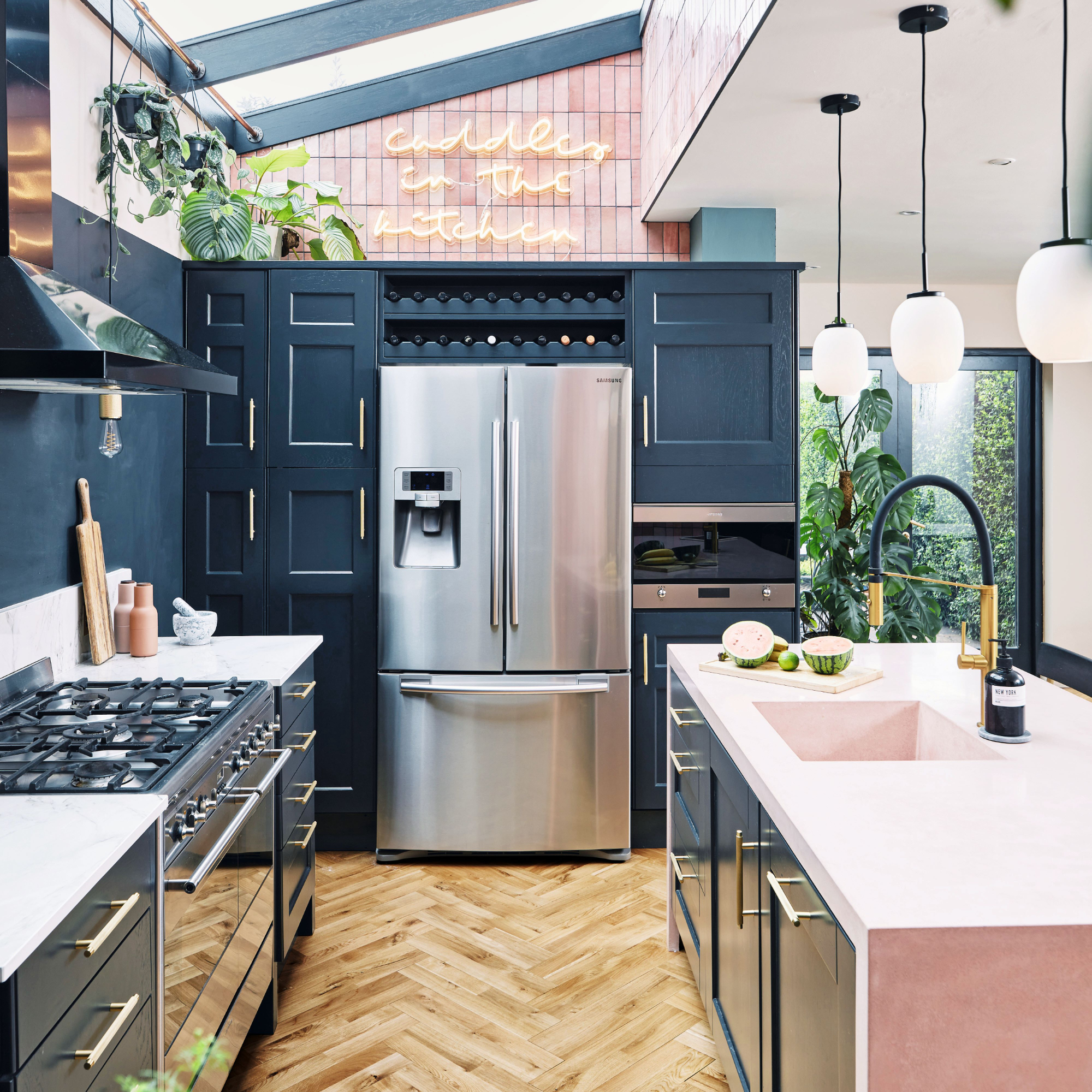
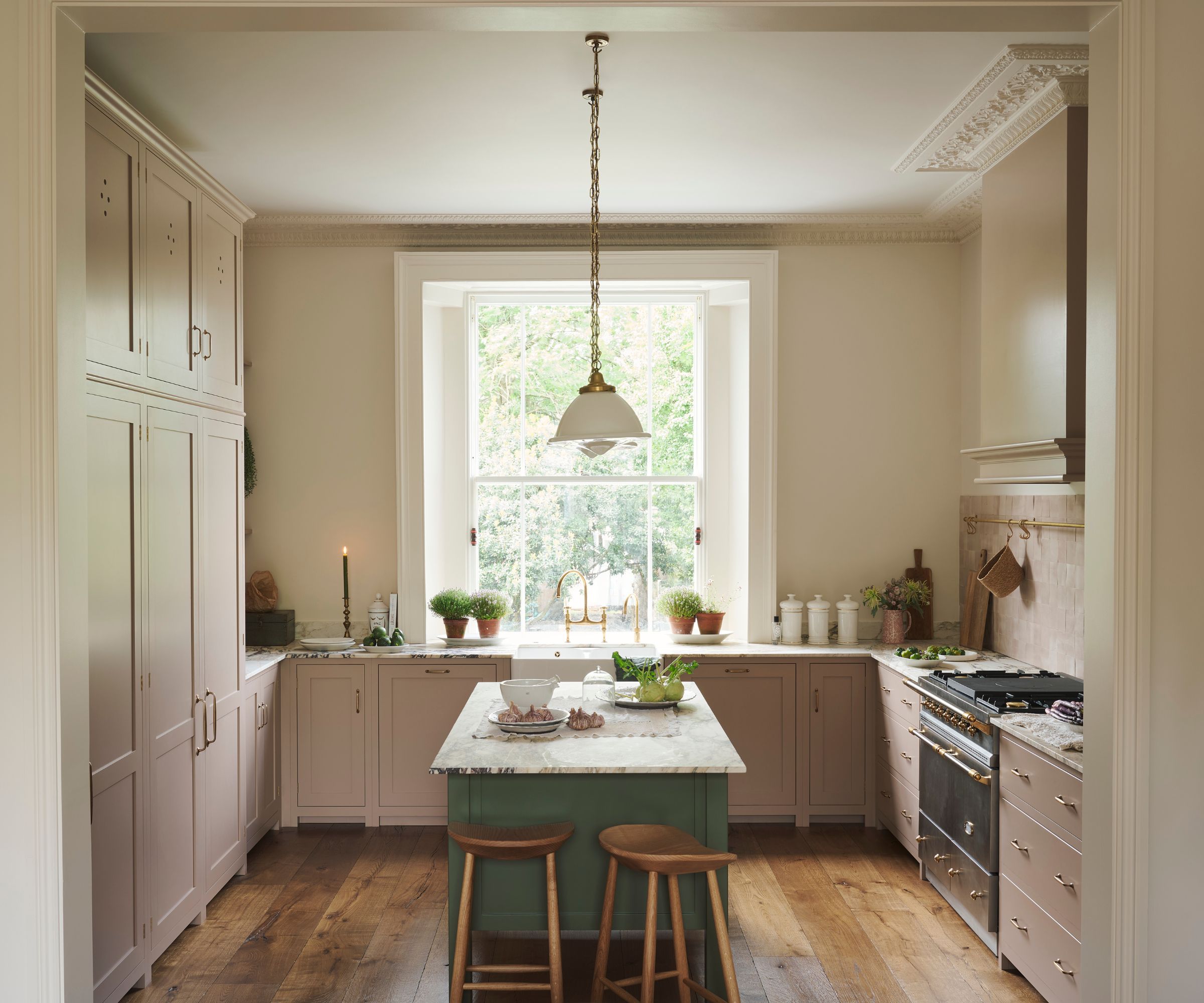
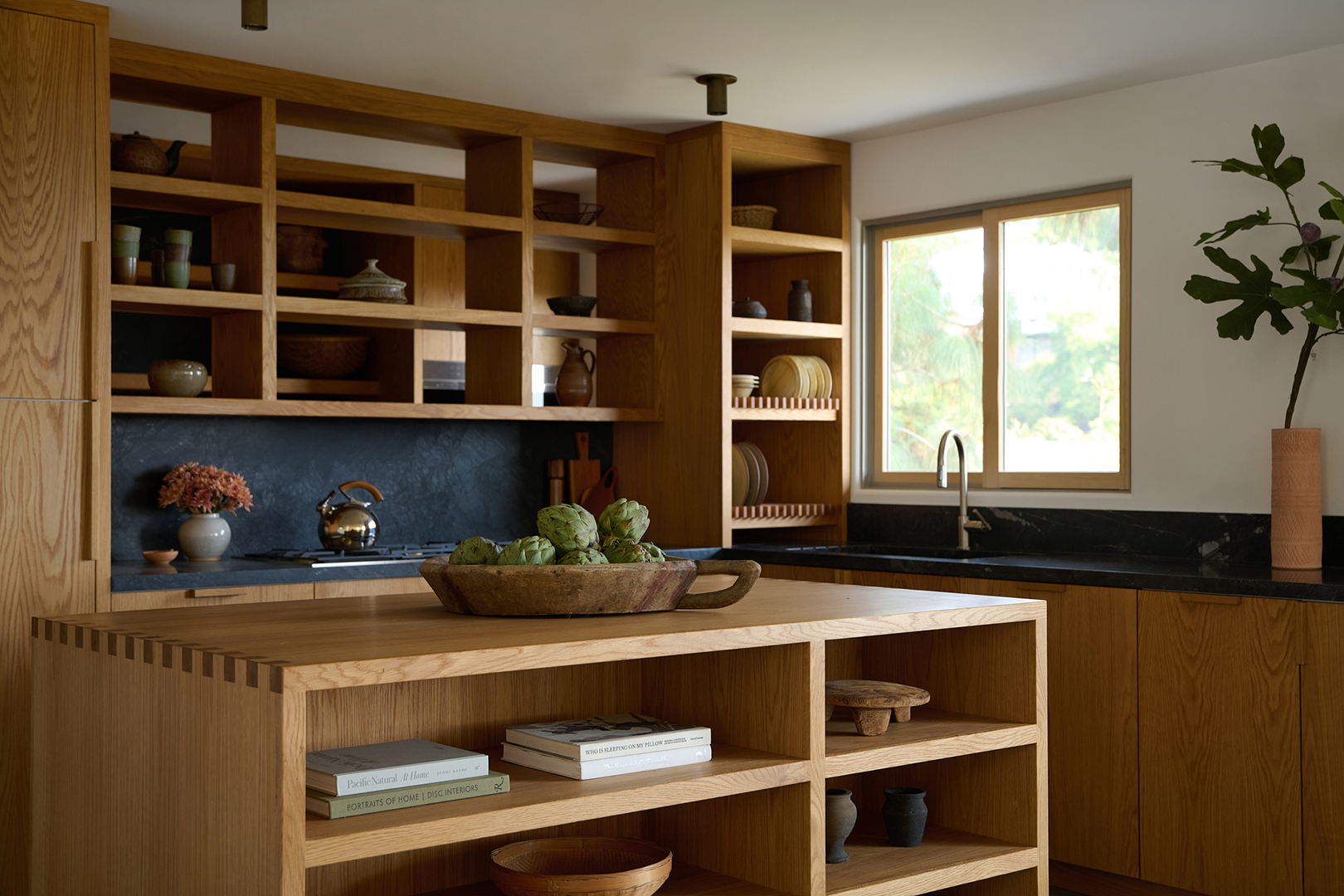
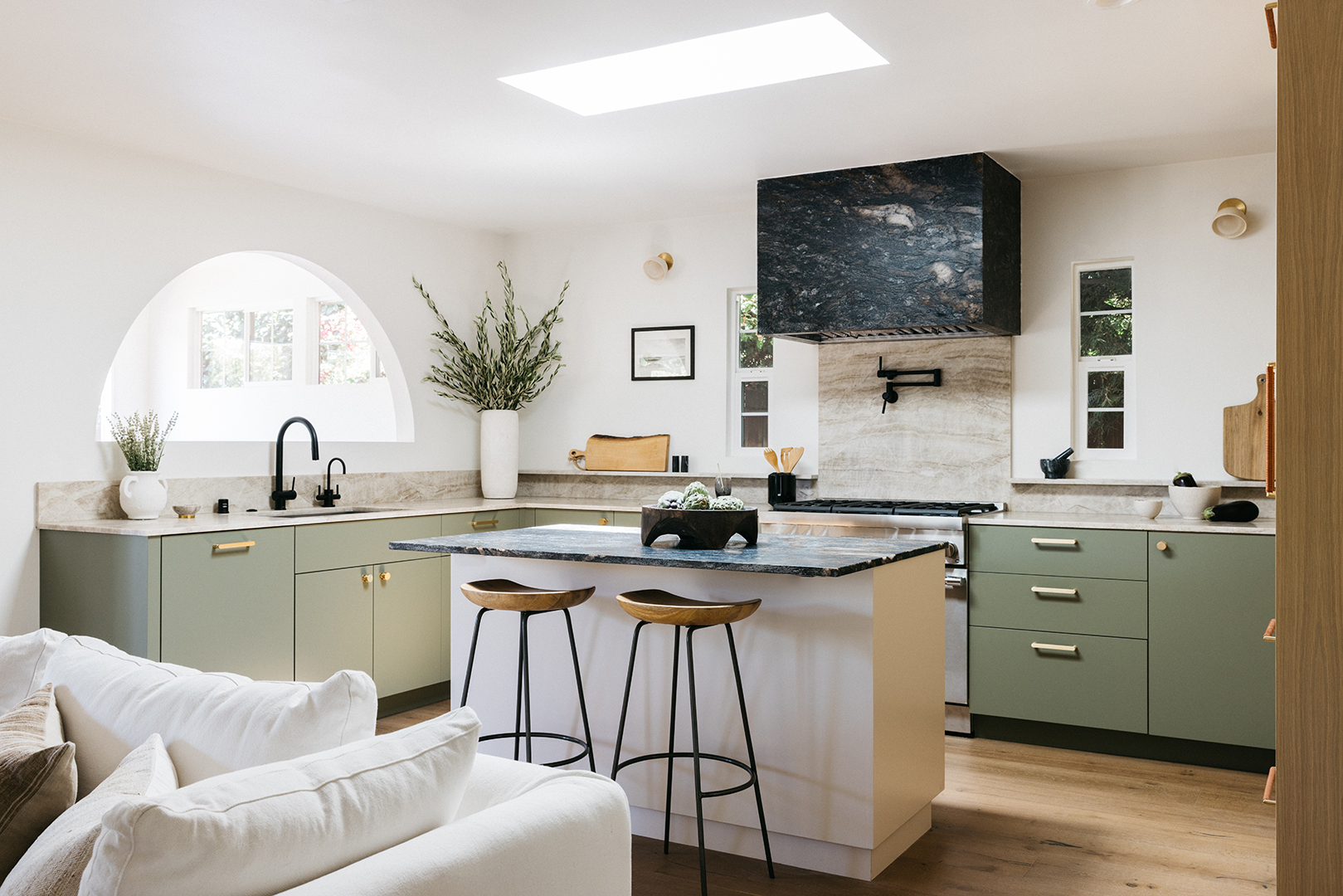
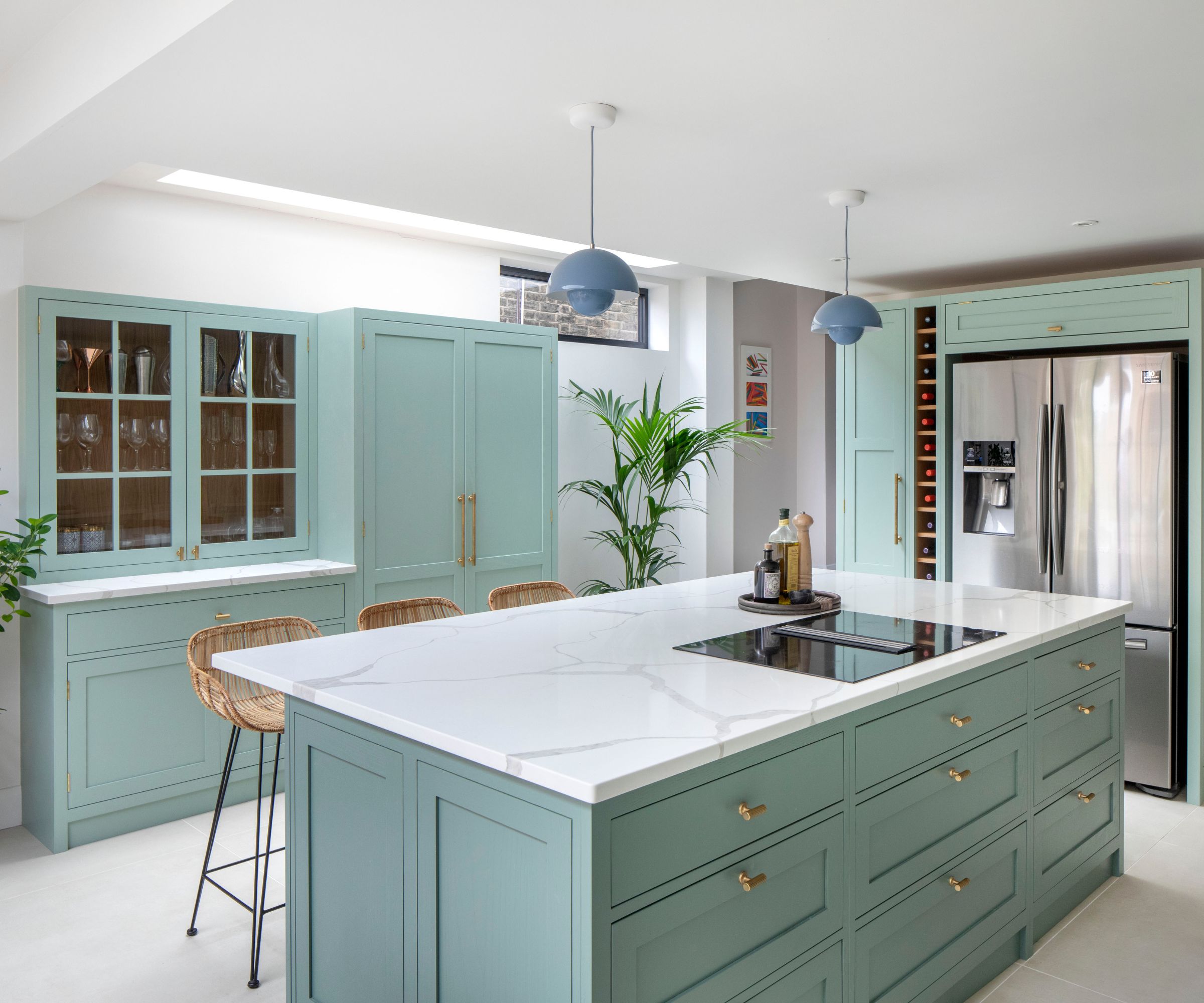
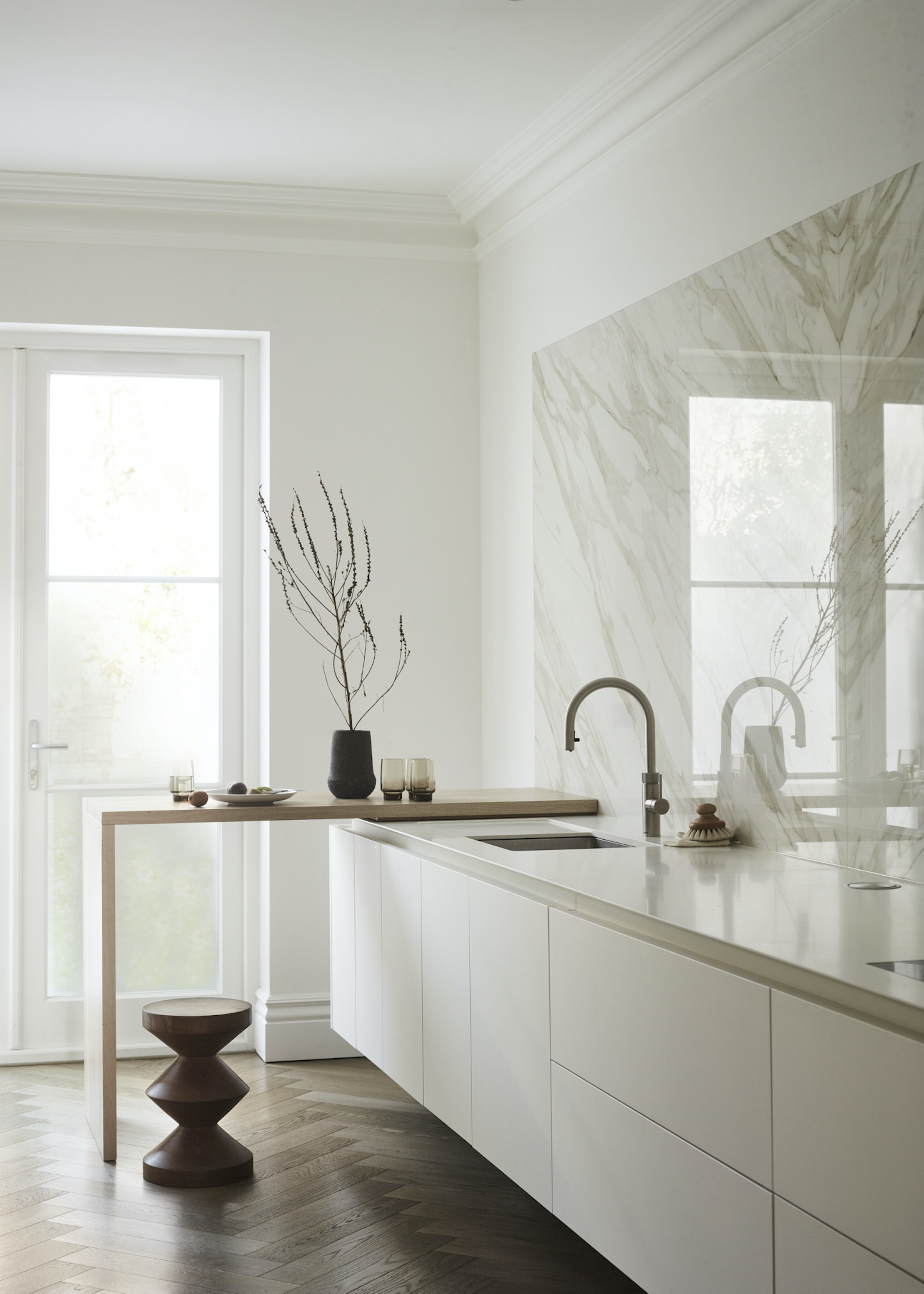
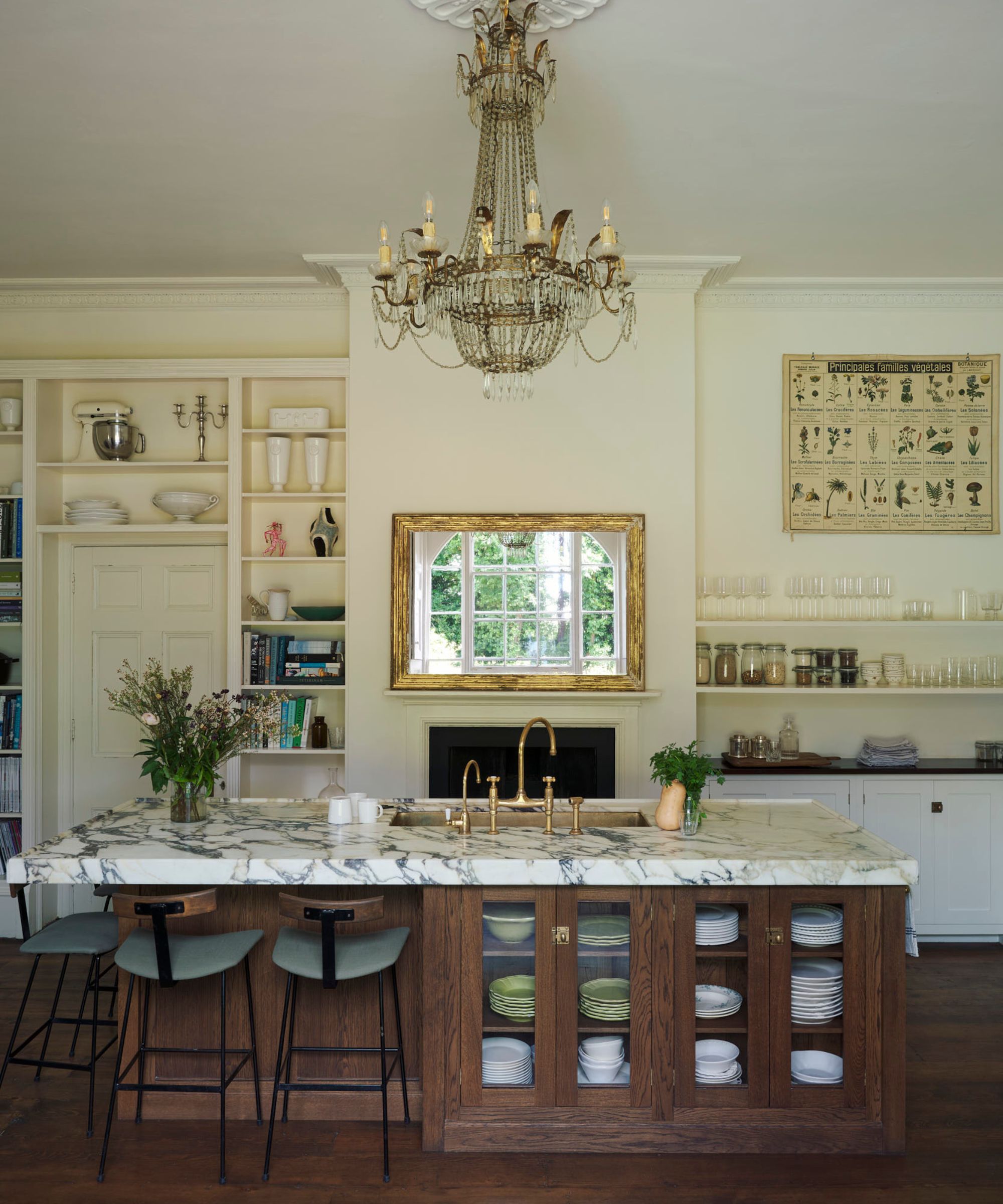
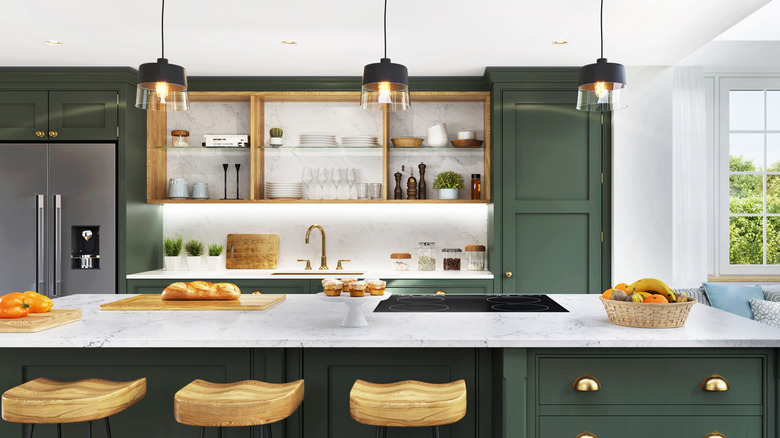
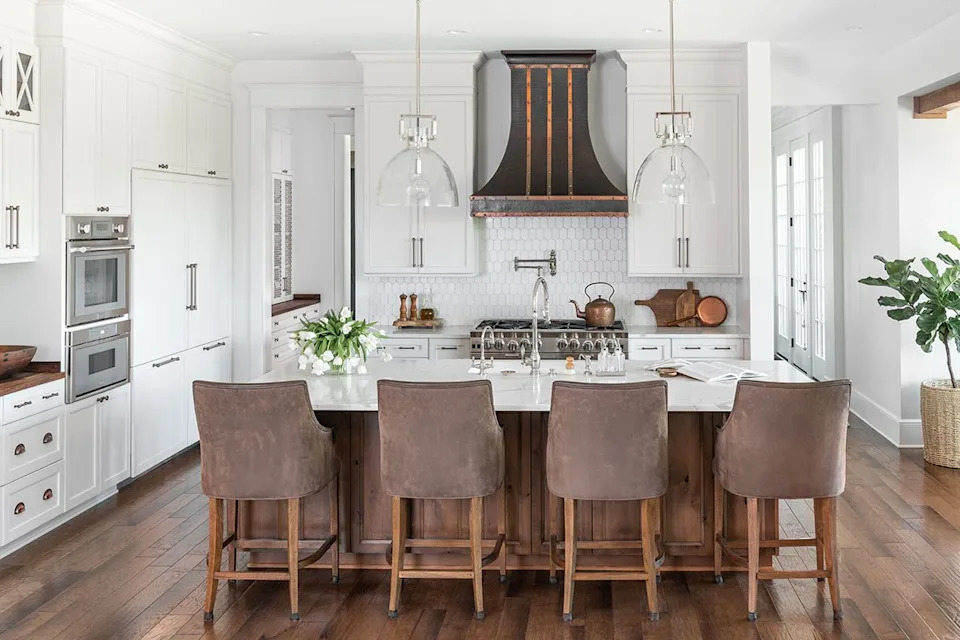
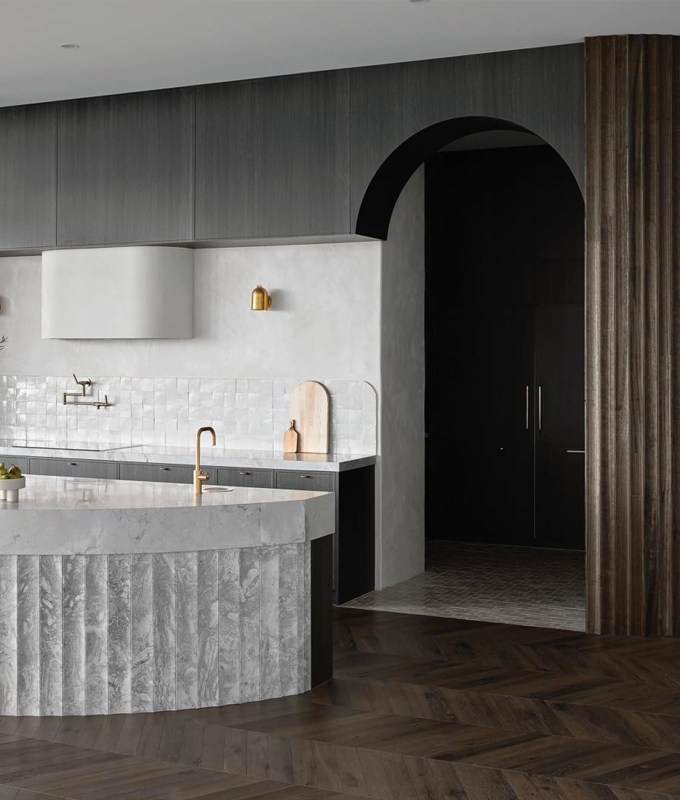
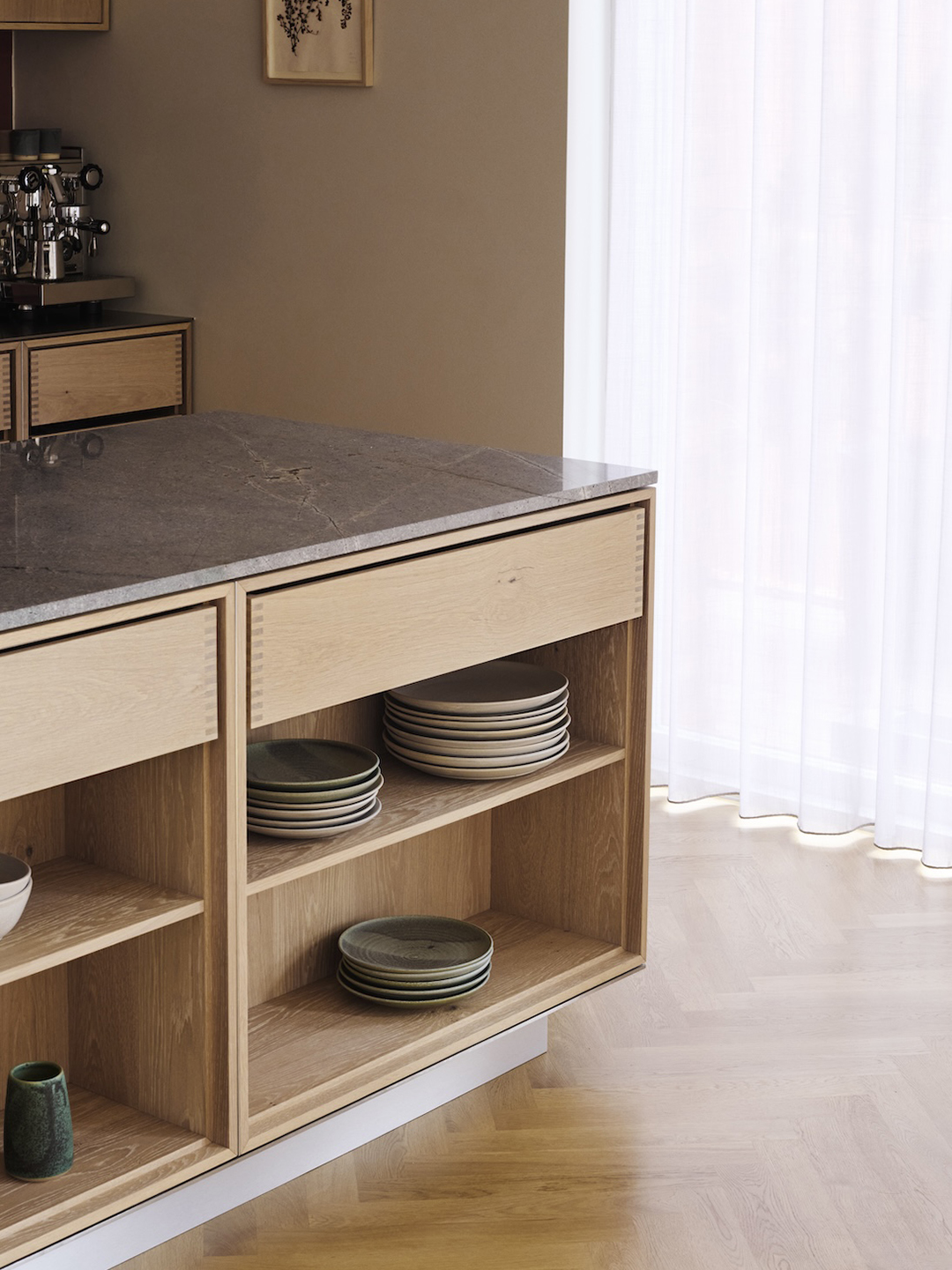
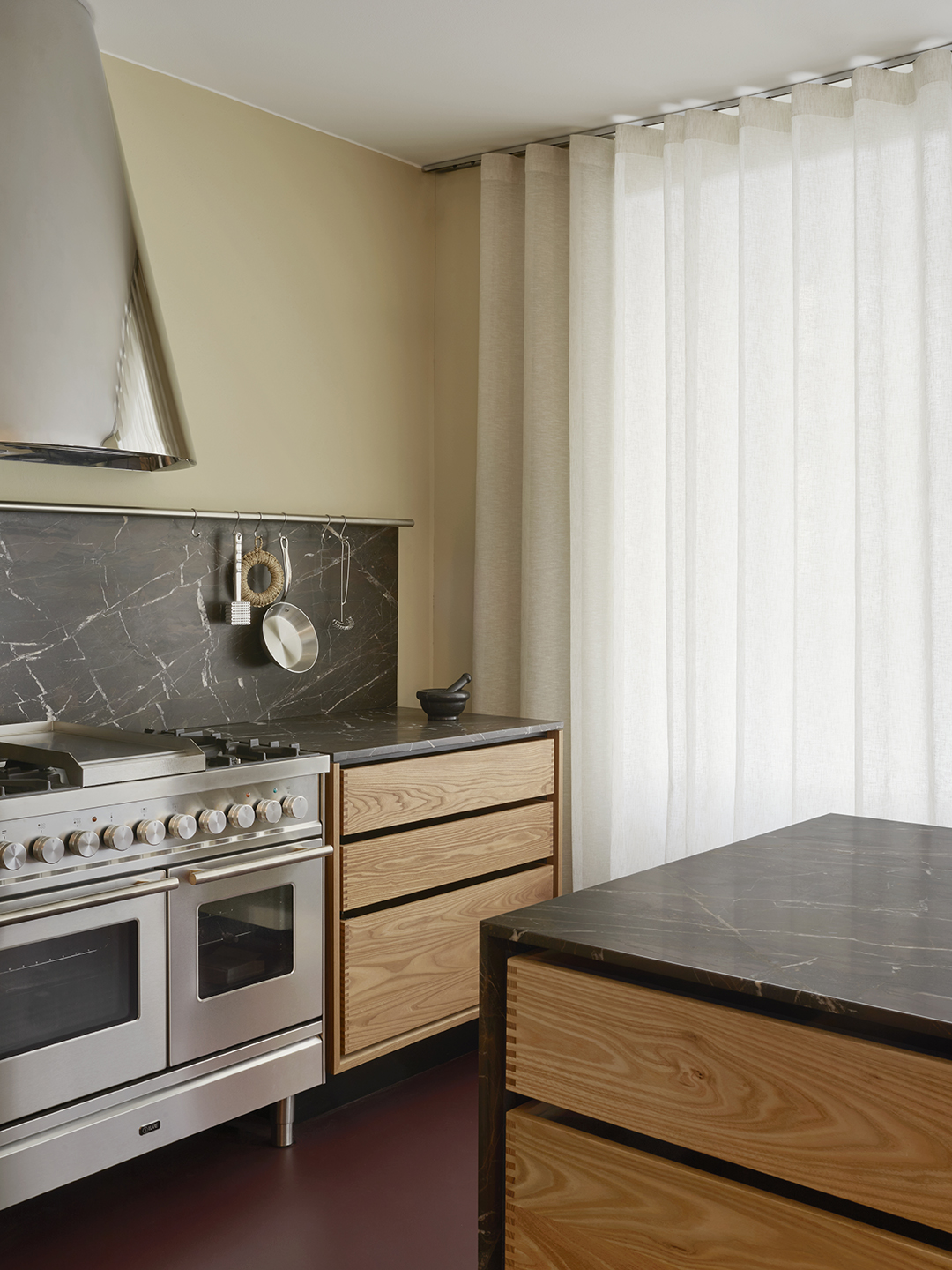
Popular current trends include oversized islands and those featuring waterfall countertop edges. Oversized islands provide an ample surface area, making them highly practical for contemporary cooking and entertaining needs. Waterfall countertops, which extend the counter material down the sides of the island to the floor, create a sleek, cohesive, and luxurious look. This design choice contributes to a more modern and sophisticated aesthetic, aligning with current preferences for minimalist and elegant kitchen designs. Sabrina Phillips, a general contractor, interior designer, and owner of Designing Women of Orange County, confirms that these newer styles are favored for their enhanced prep space and refined appearance.
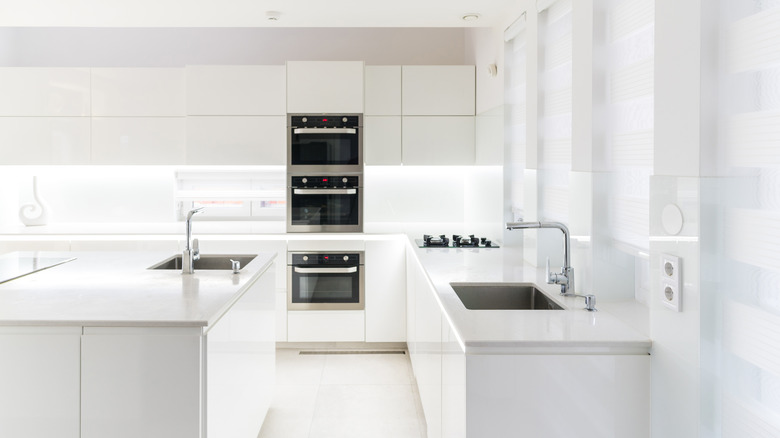
Schoenfeld further emphasizes that single-level islands are preferred for their clean lines and improved visual flow within an open-concept layout. The absence of a split-level creates an uncluttered look, making the kitchen feel more spacious and integrated with the rest of the home. This shift reflects a broader design philosophy that values simplicity and seamless surfaces. Modern kitchen design increasingly focuses on creating a sense of openness and maximizing the utility of every surface, moving away from the more segmented and visually complex designs of the past. The evolution of kitchen island trends demonstrates a continuous adaptation to changing lifestyles and aesthetic preferences in home design, favoring practicality and contemporary style over nostalgic features.
#KitchenIsland #InteriorDesign #HomeDecor #90sTrends #ModernKitchen #KitchenTrends #HomeImprovement #KitchenIsland #InteriorDesign #HomeDecor #90sTrends #ModernKitchen #KitchenTrends #HomeImprovement
0 comment in total
 No comments yet
You may also like
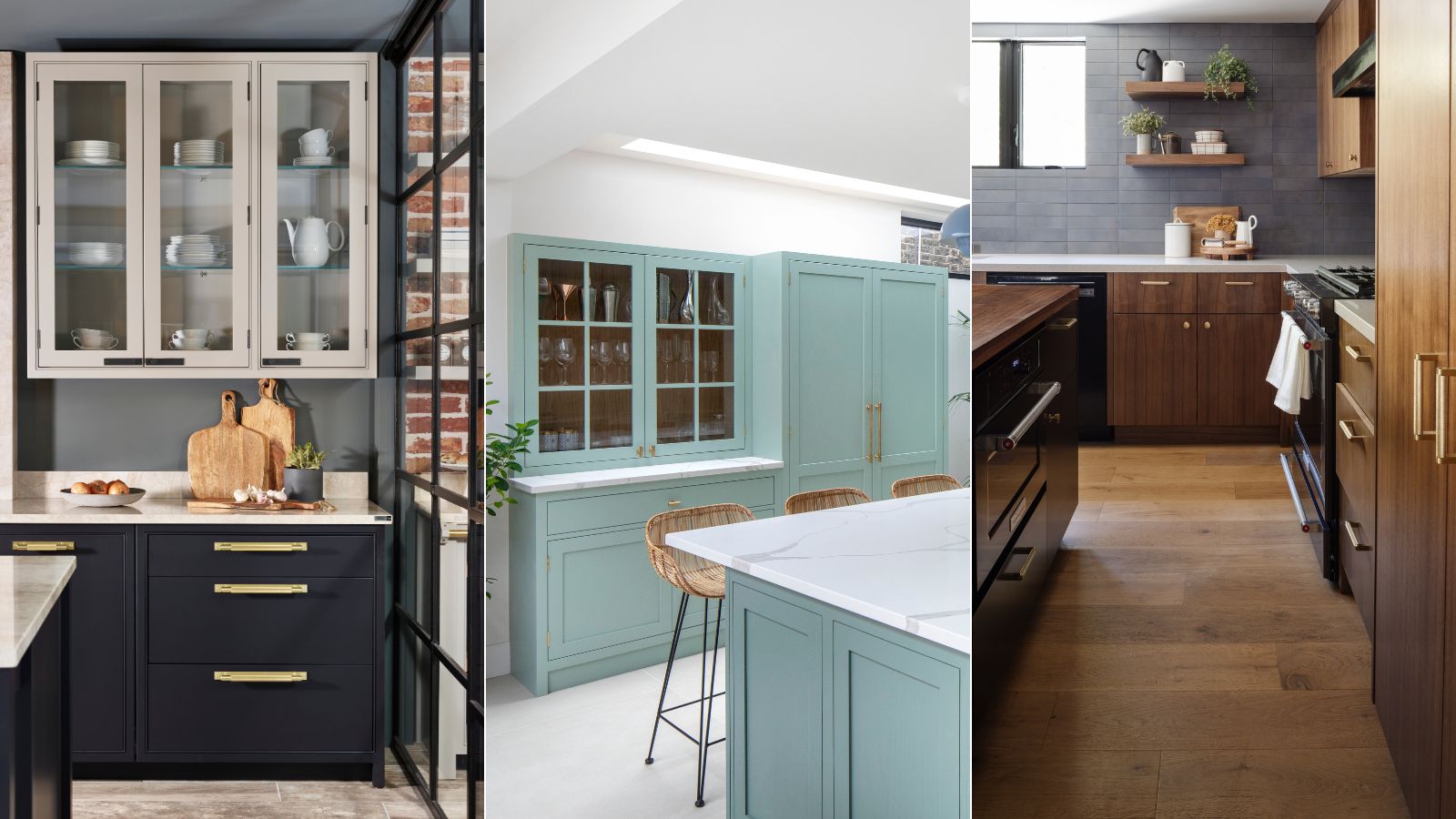
Are kitchen islands out? Kitchen experts agree that the prep table might be it's trendy replacement
5 dated kitchen hardware trends that could be bringing down the look of your kitchen

13 Outdated Kitchen Trends You Can Leave In The Past
Design Pros Reveal the Surprising Kitchen Trend That's About to Take Over
This Traditional Kitchen Detail is Making an Unexpected Comeback This Year
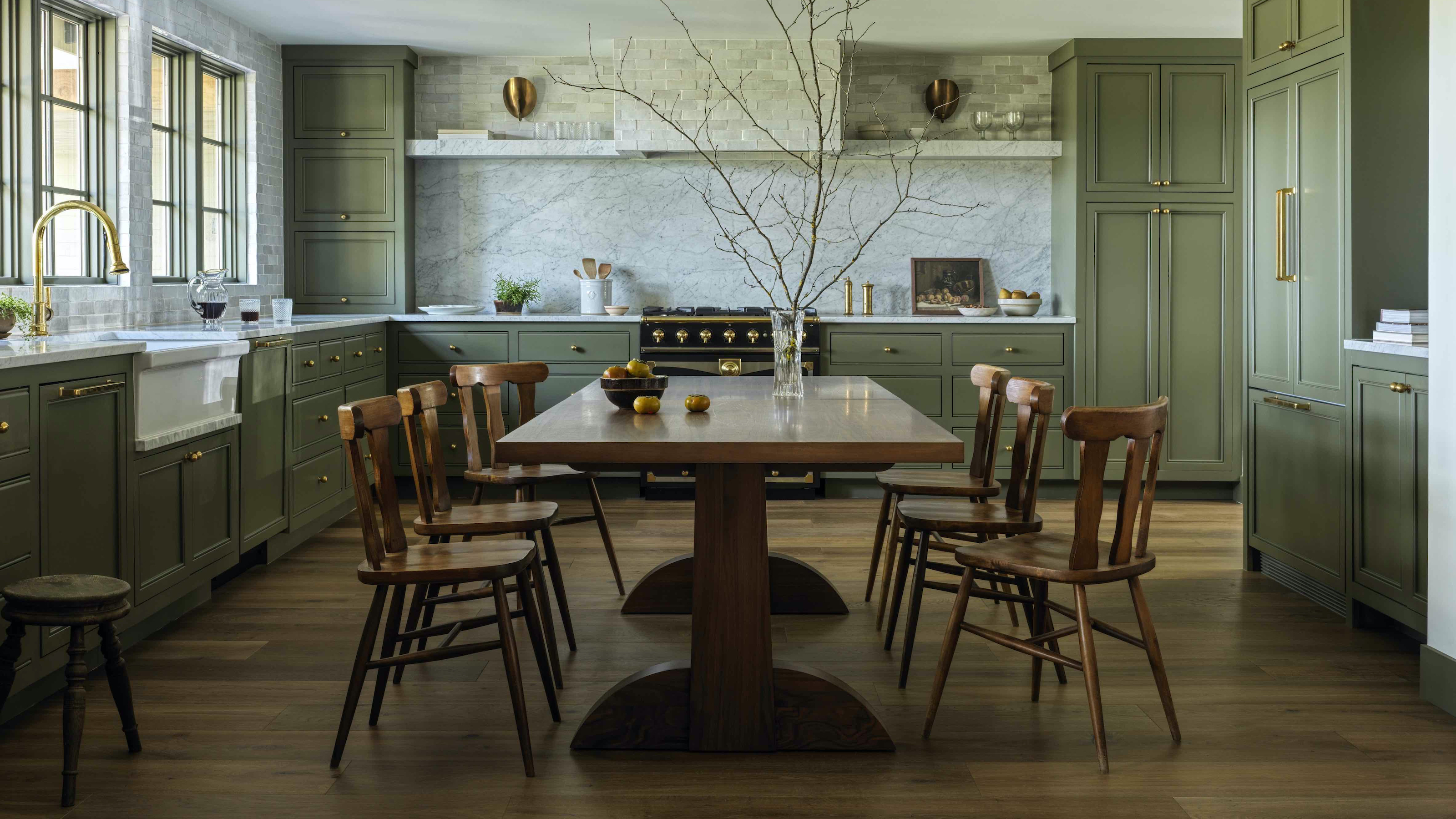
What's Replacing the Kitchen Island? Meet the Stylish Alternatives Stealing the Spotlight in 2025

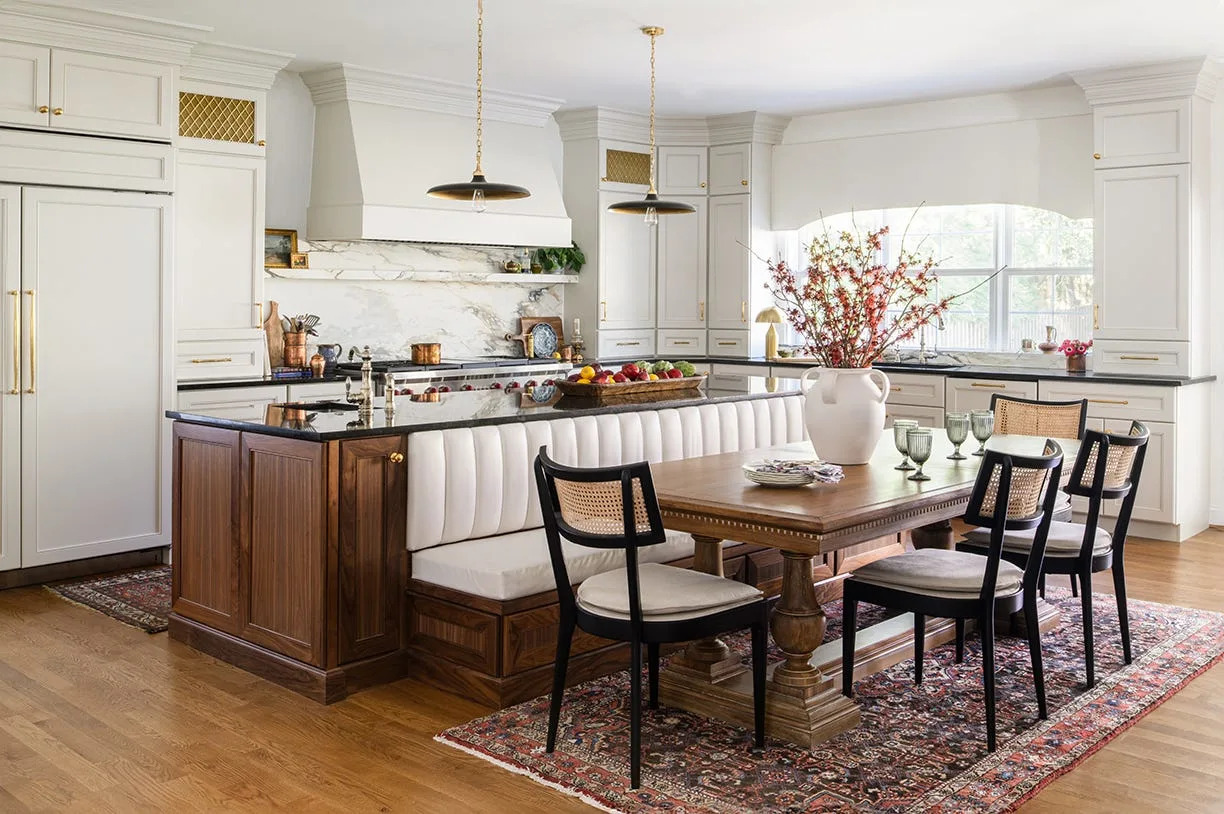
Design Experts Agree: This Kitchen Style Is Making a Major Comeback
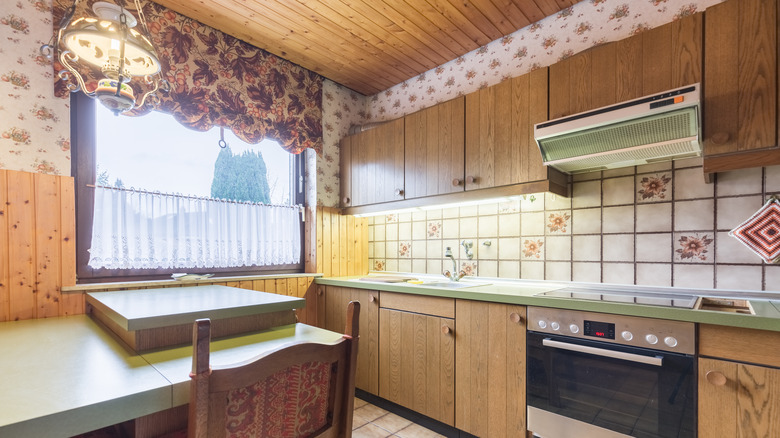
12 Once-Popular Kitchen Trends That Won't Be Coming Back Anytime Soon
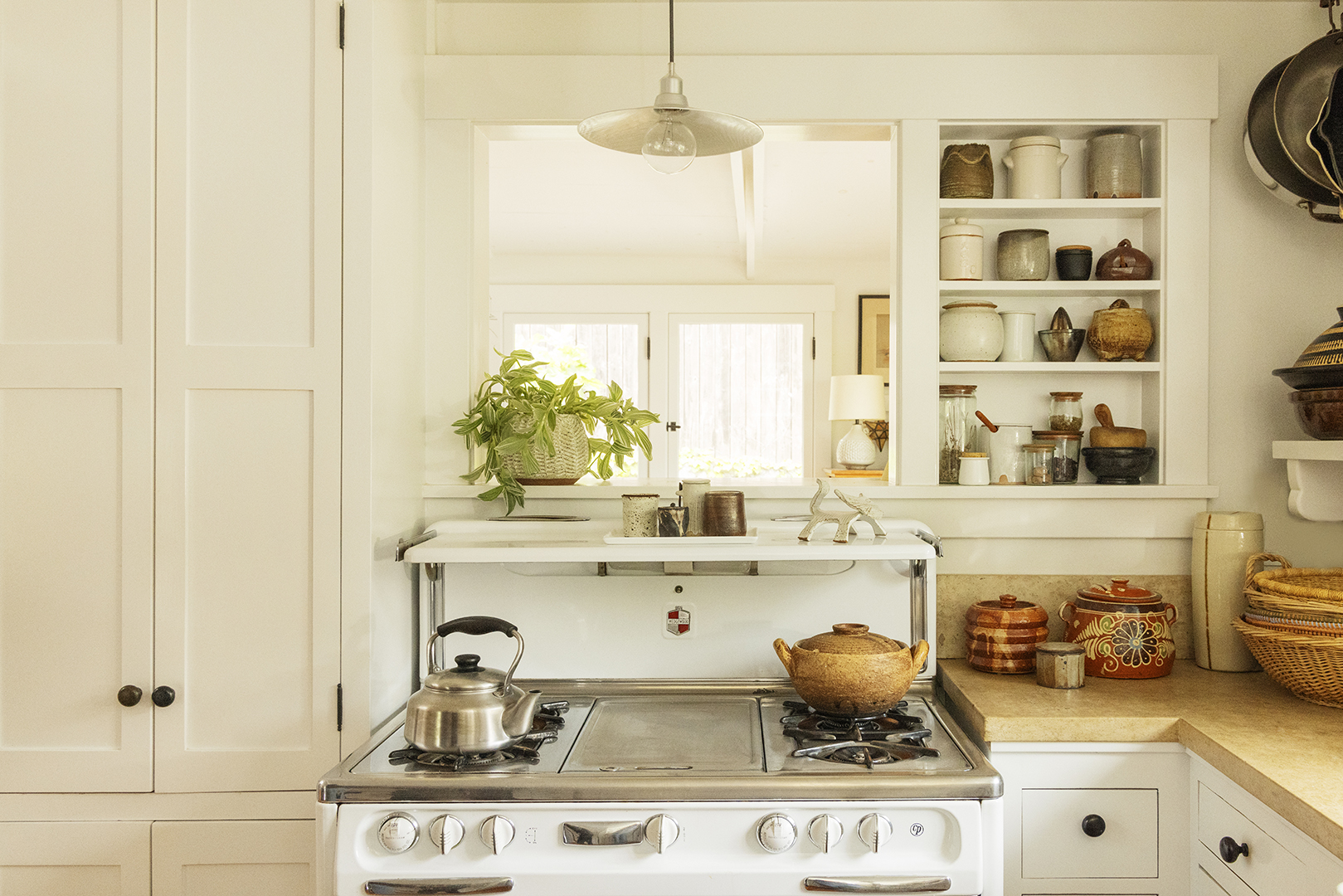
This Forgotten Kitchen Feature Is Popping Up More and More

The Once Dated Kitchen Island Alternative That's Making A Hot Comeback In Homes
The Kitchen Trend We Called in 2021 Is Finally Going Mainstream, So Prepare to See It Everywhere
Futuristic Kitchen Islands
This ’90s Kitchen Island Trend Is Being Replaced with Something Far More Practical

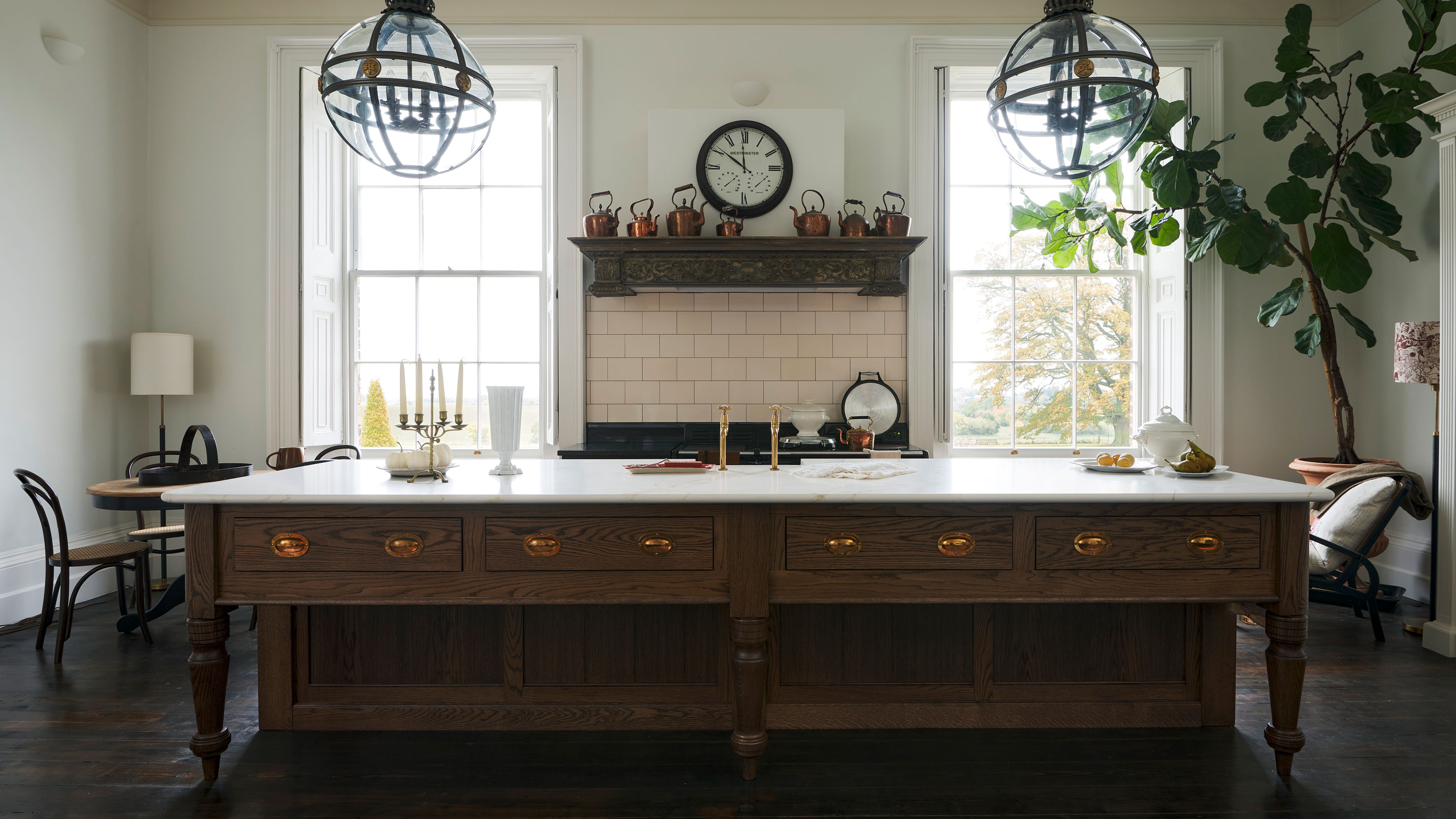
16 kitchen island trends designers say will be everywhere in 2025
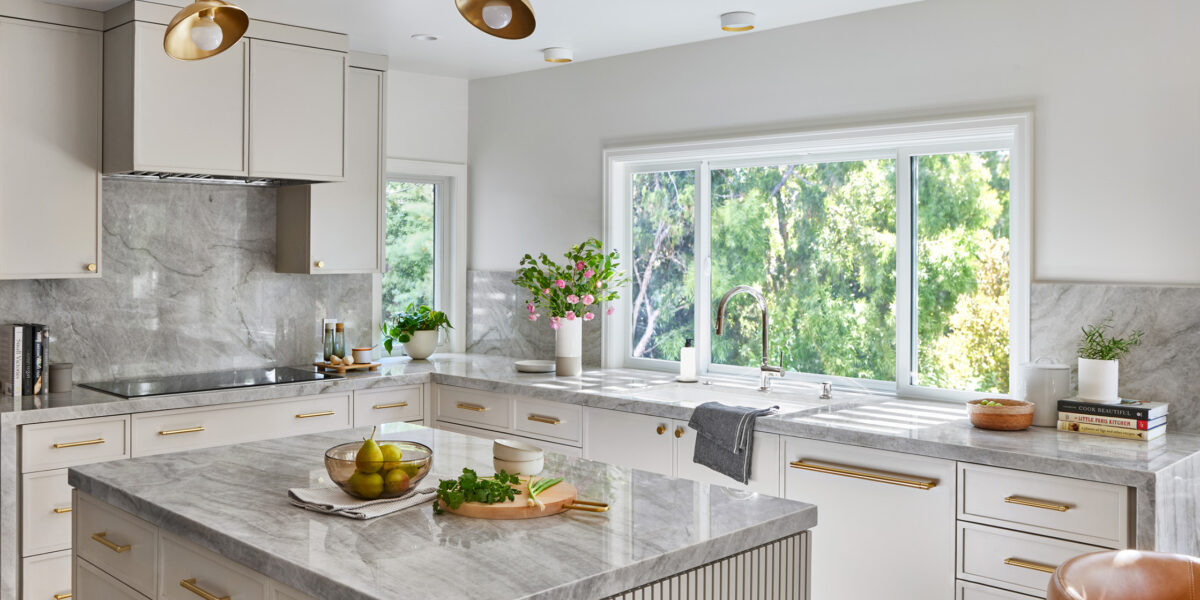
This Once-Popular Kitchen Trend Is Actually a Huge Pain—Here’s One Designer’s Solution
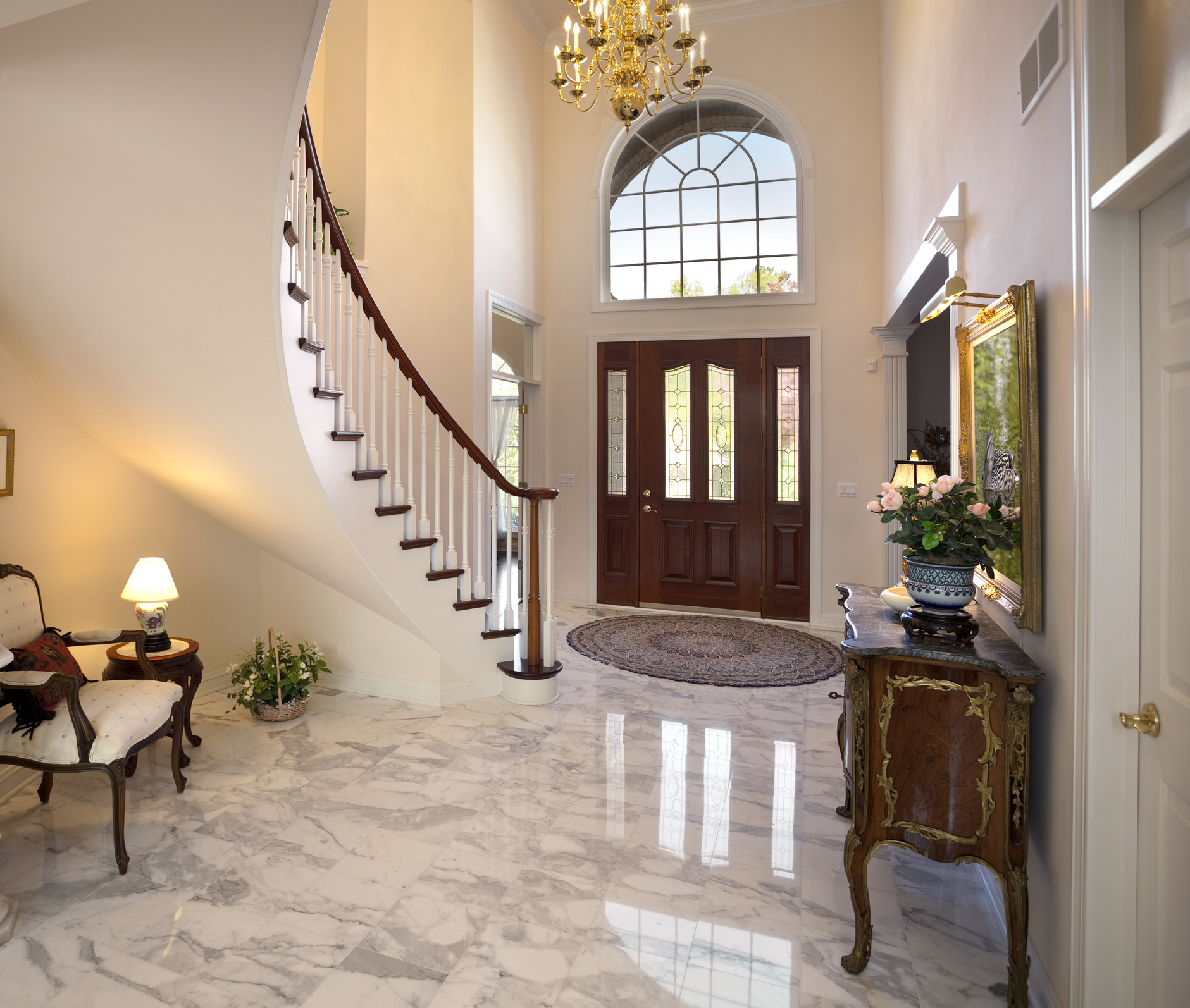
This Once-Popular Home Feature Is Falling Out of Favor

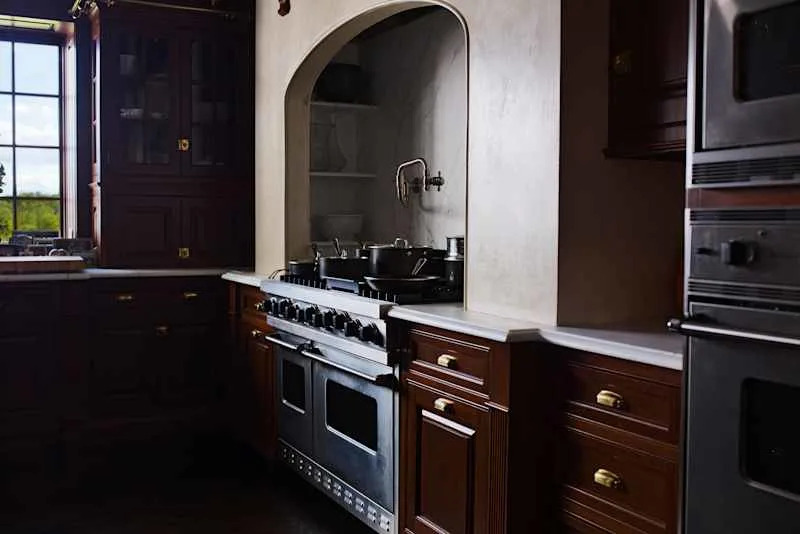
This Is the Old-World Interior Design Trend Taking Over Kitchens Again
This Once-Taboo Kitchen Flooring Is Climbing the Ranks
The Minimalist Kitchen Trend We’re About to See Everywhere

This Surprising Kitchen Trend Is Making Designers Ditch Tile