This ’90s Kitchen Island Trend Is Being Replaced with Something Far More Practical
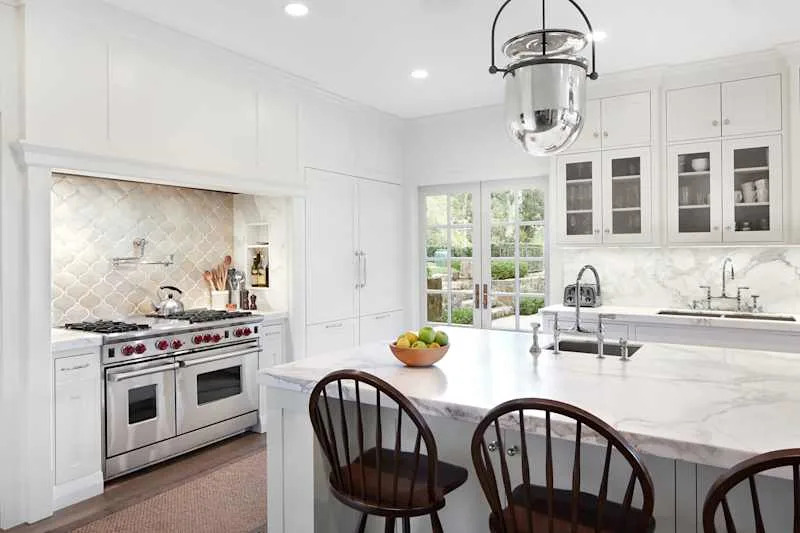
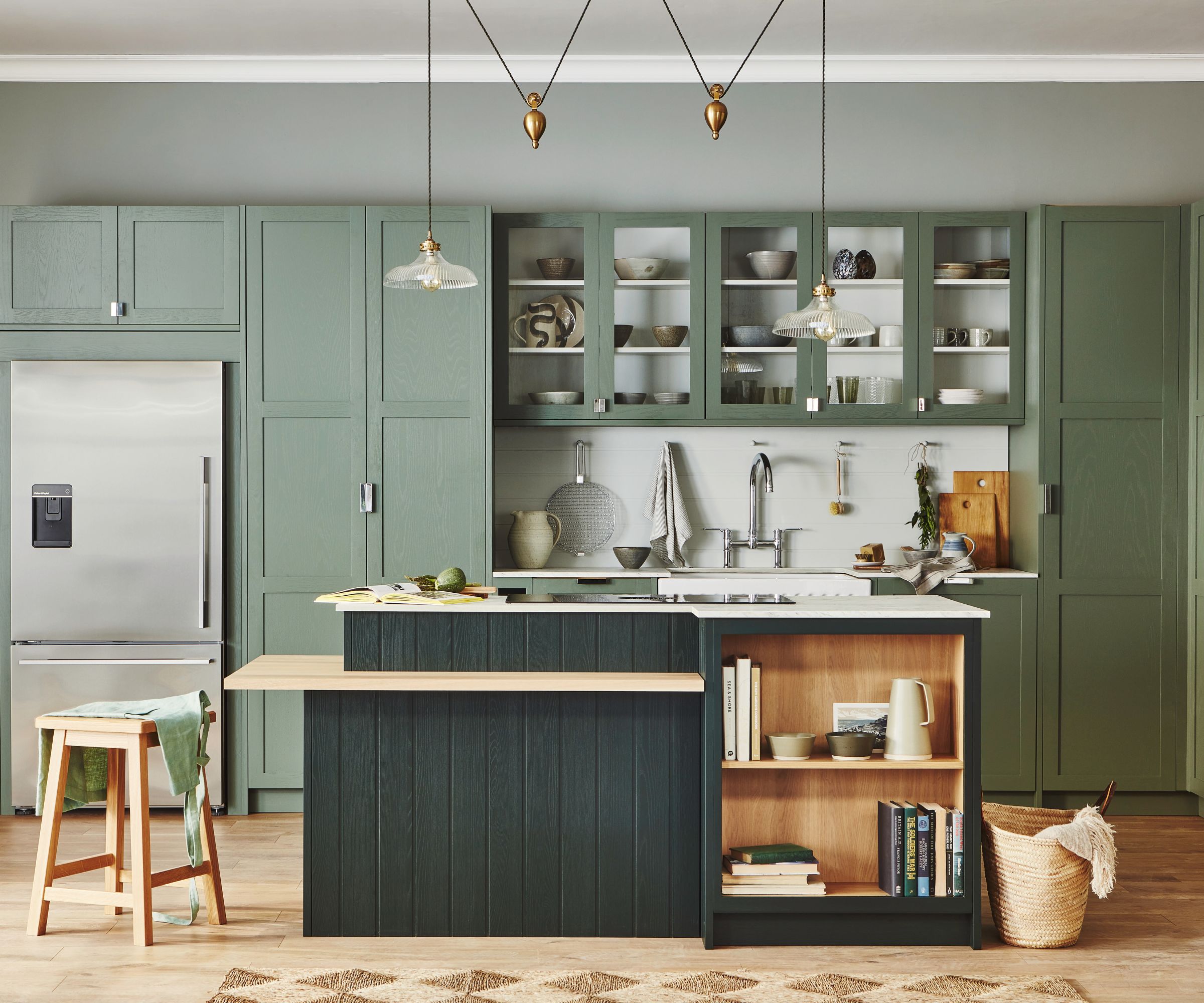
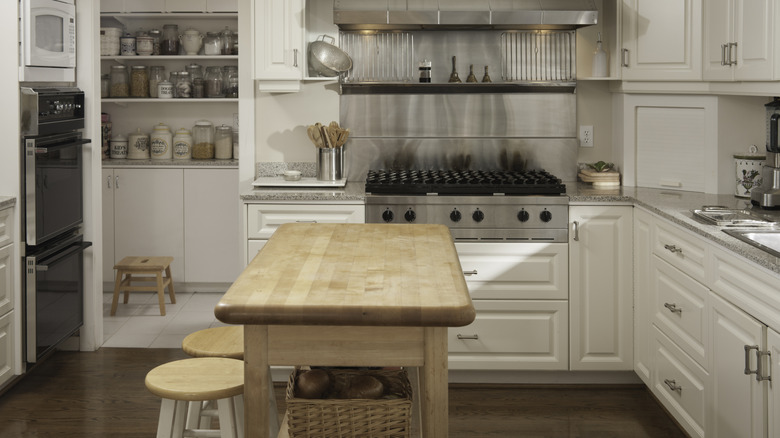
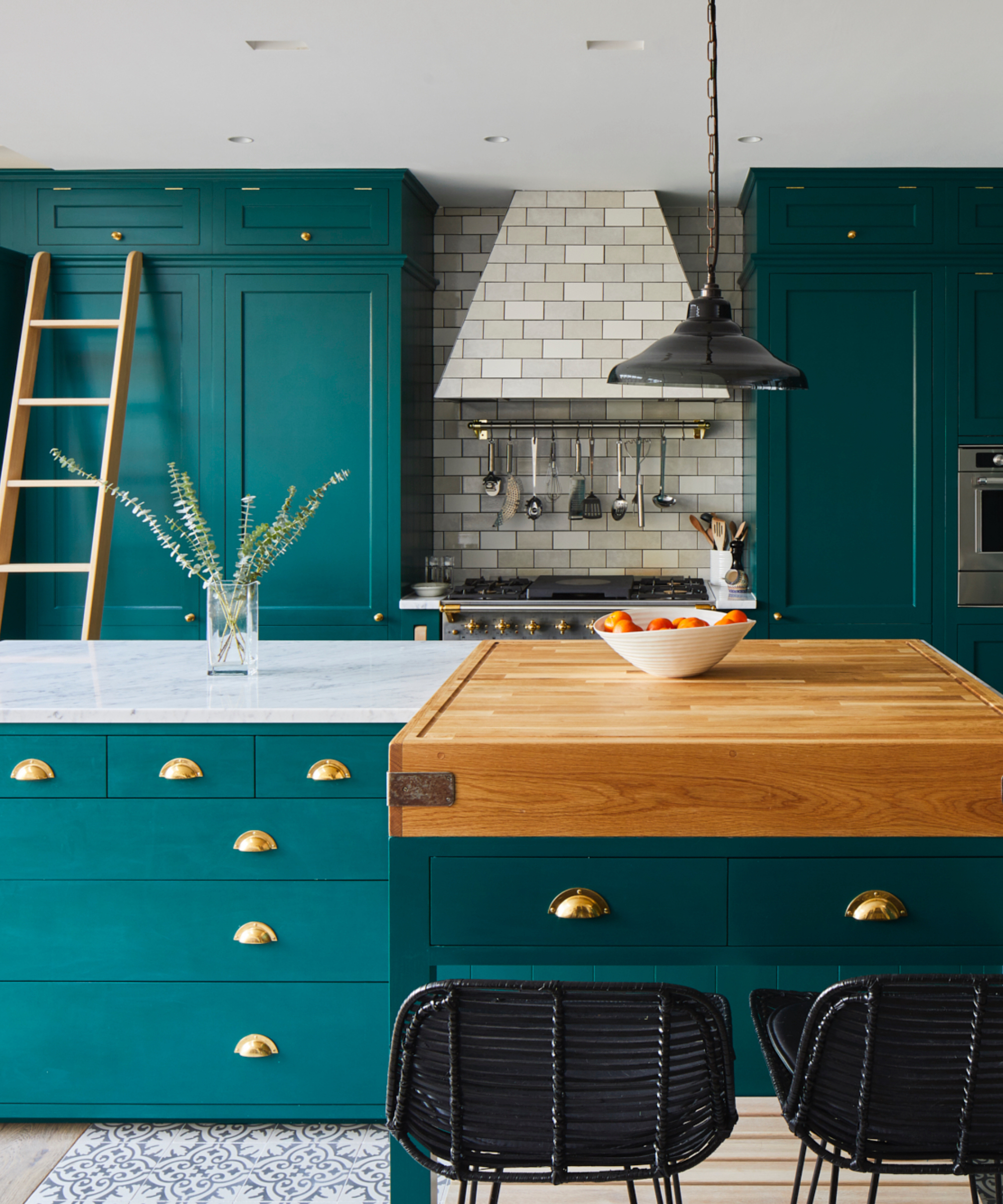
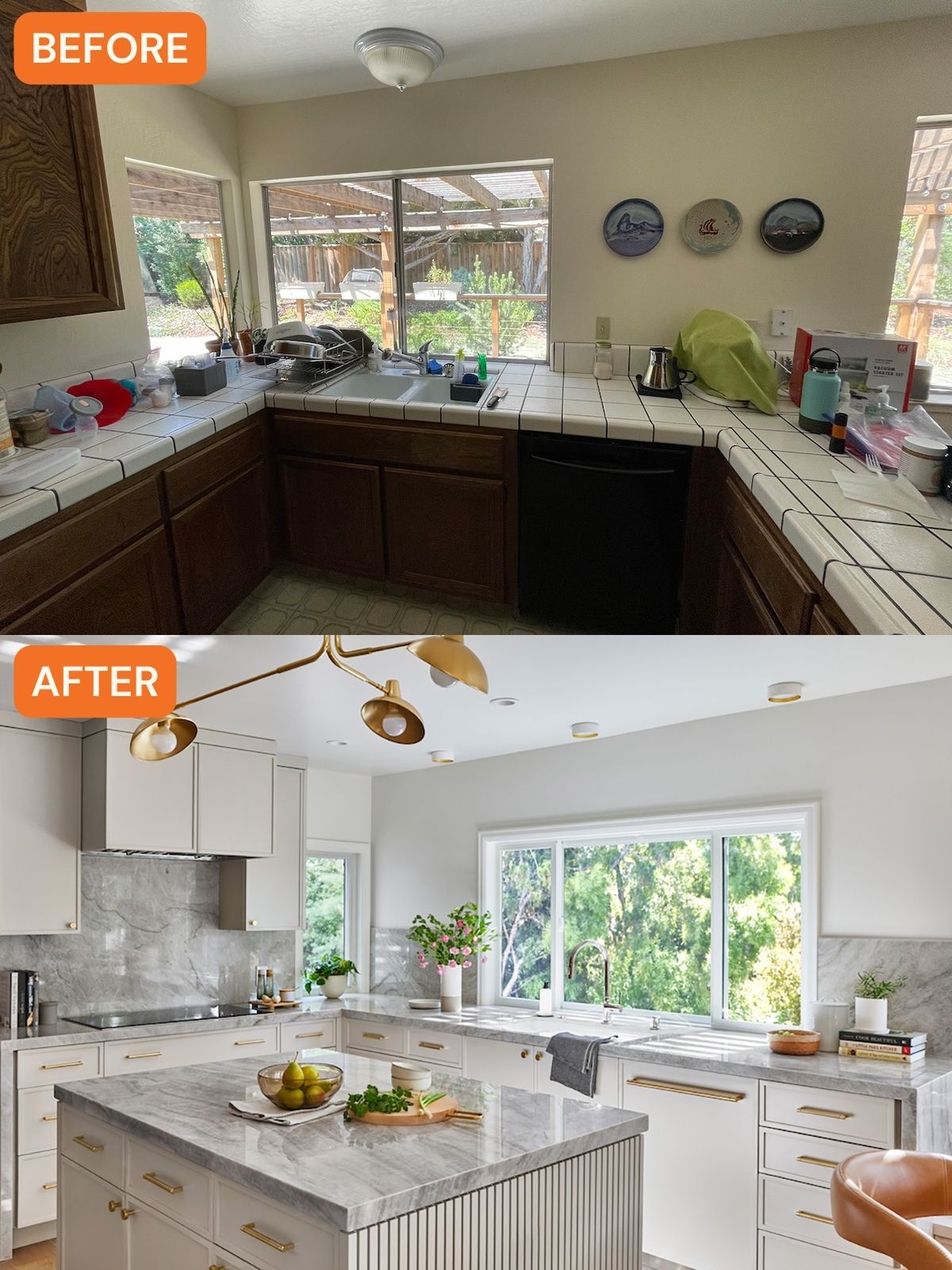
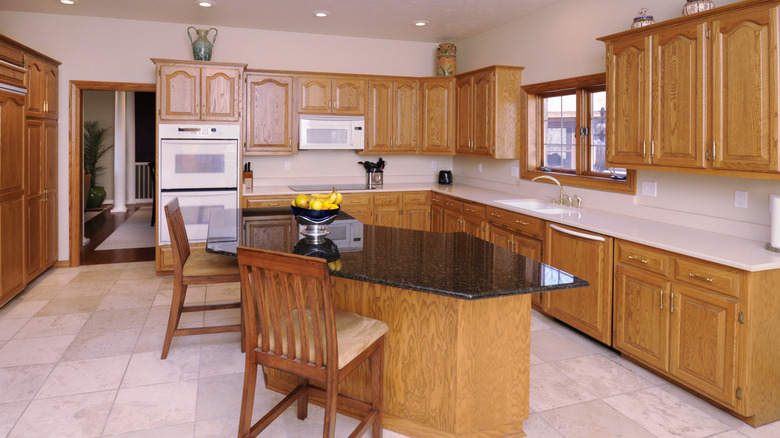
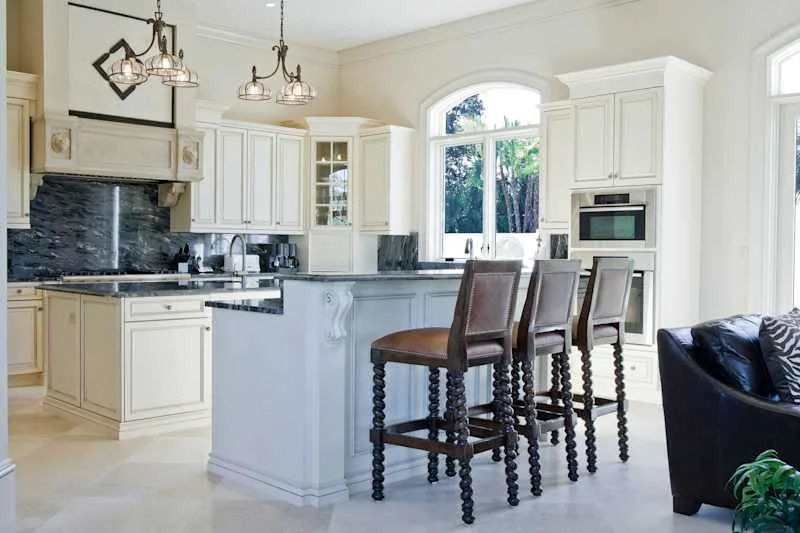
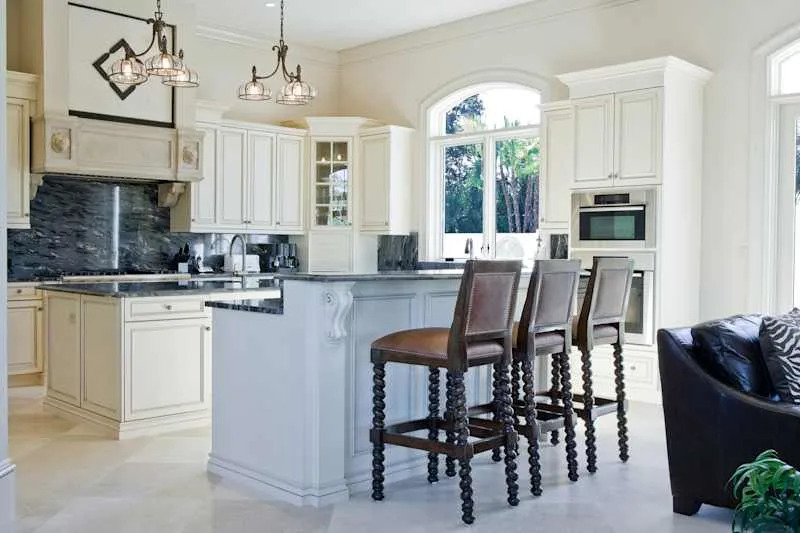
The two-tiered kitchen island, a prevalent feature in 1990s home design, is being phased out in favor of more practical and aesthetically streamlined single-level islands. This shift reflects evolving design philosophies and changing needs in modern homes. Originally, the two-tiered island served as a clever solution to maintain visual separation in the then-emerging open floor plans. As homes moved away from traditional enclosed rooms, these split-level counters offered a compromise, defining distinct zones for cooking and entertaining without the need for physical walls. This design catered to the 90s' emphasis on multi-functional spaces and a "more is more" approach to home aesthetics, transforming kitchens into central venues for social gatherings.
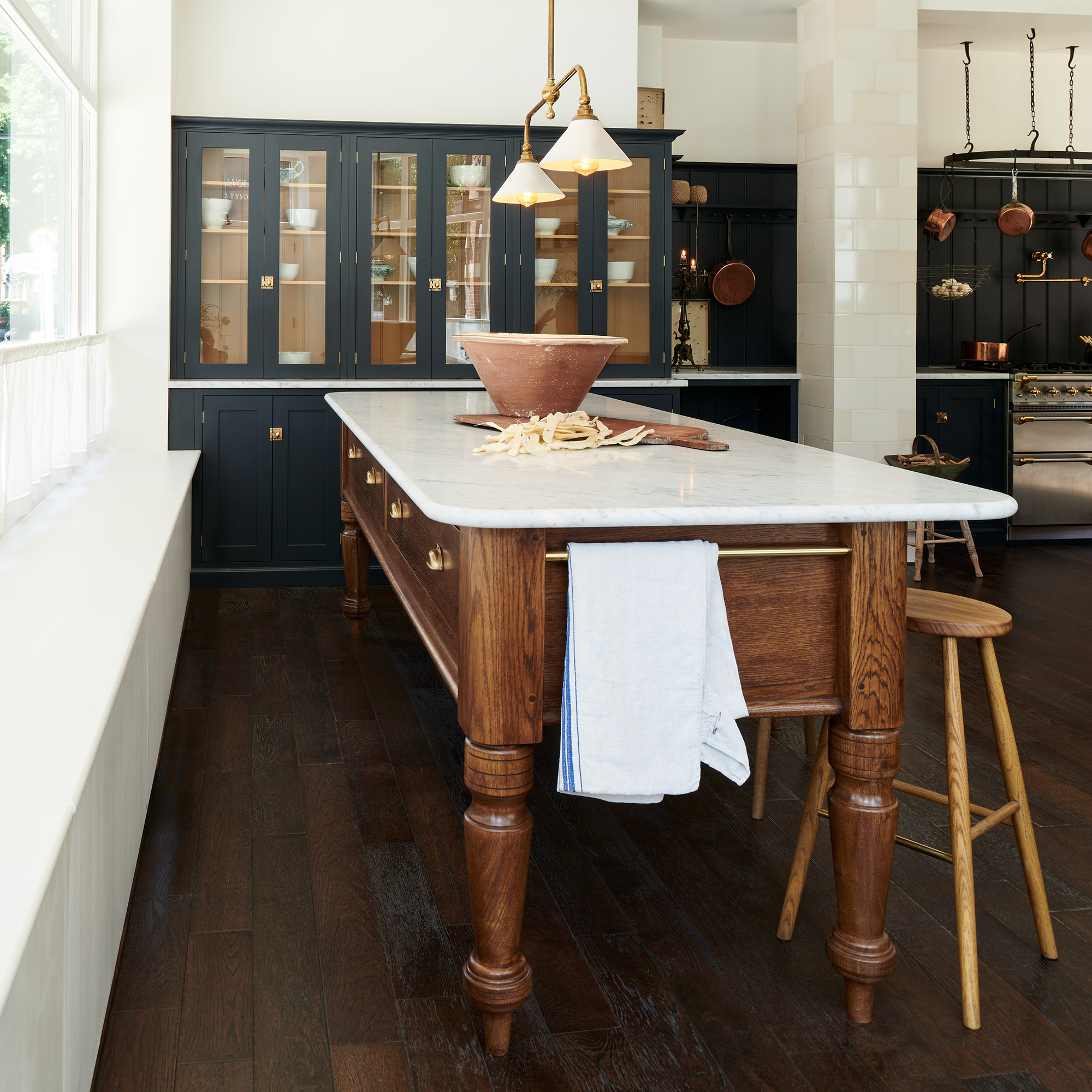
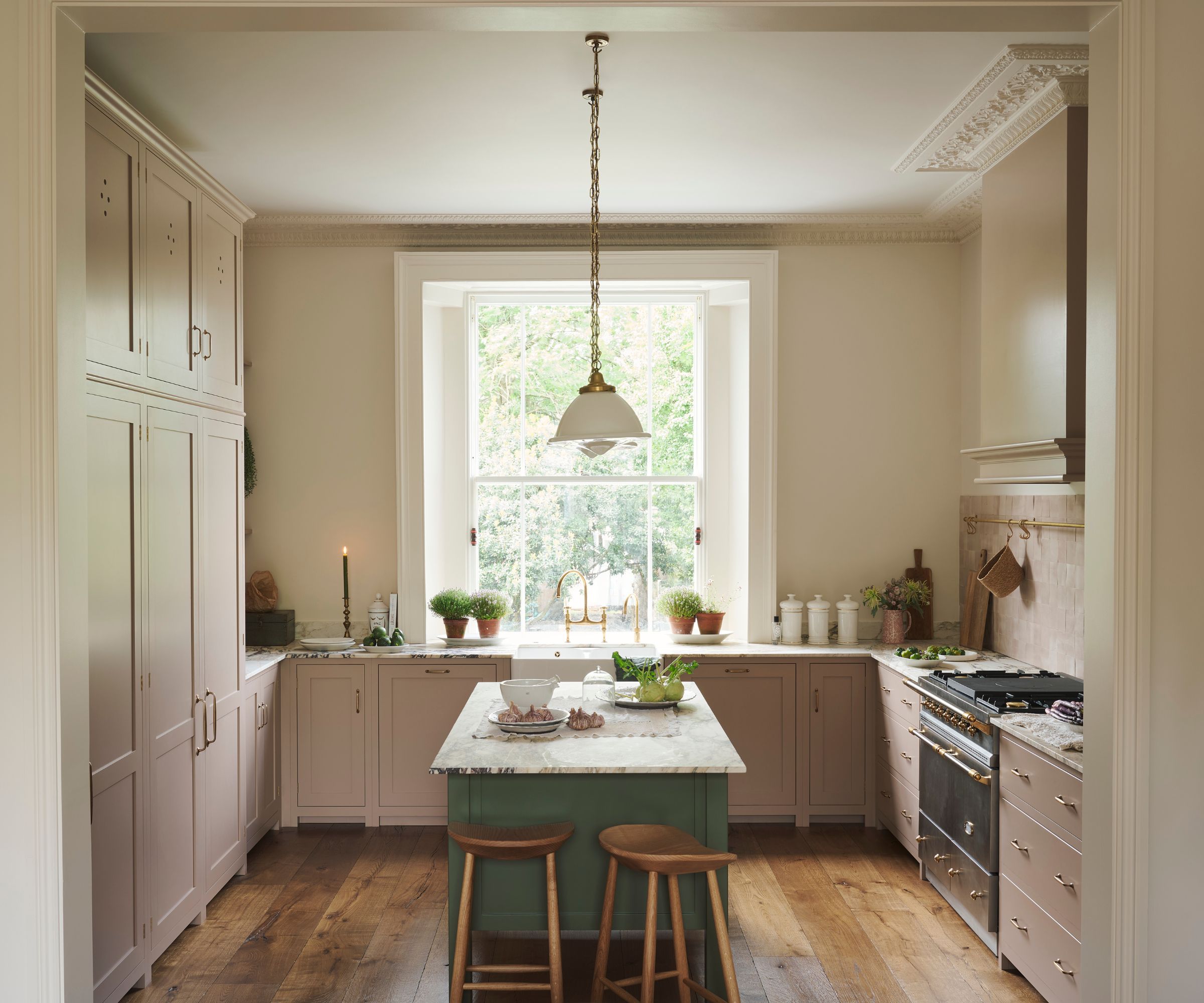
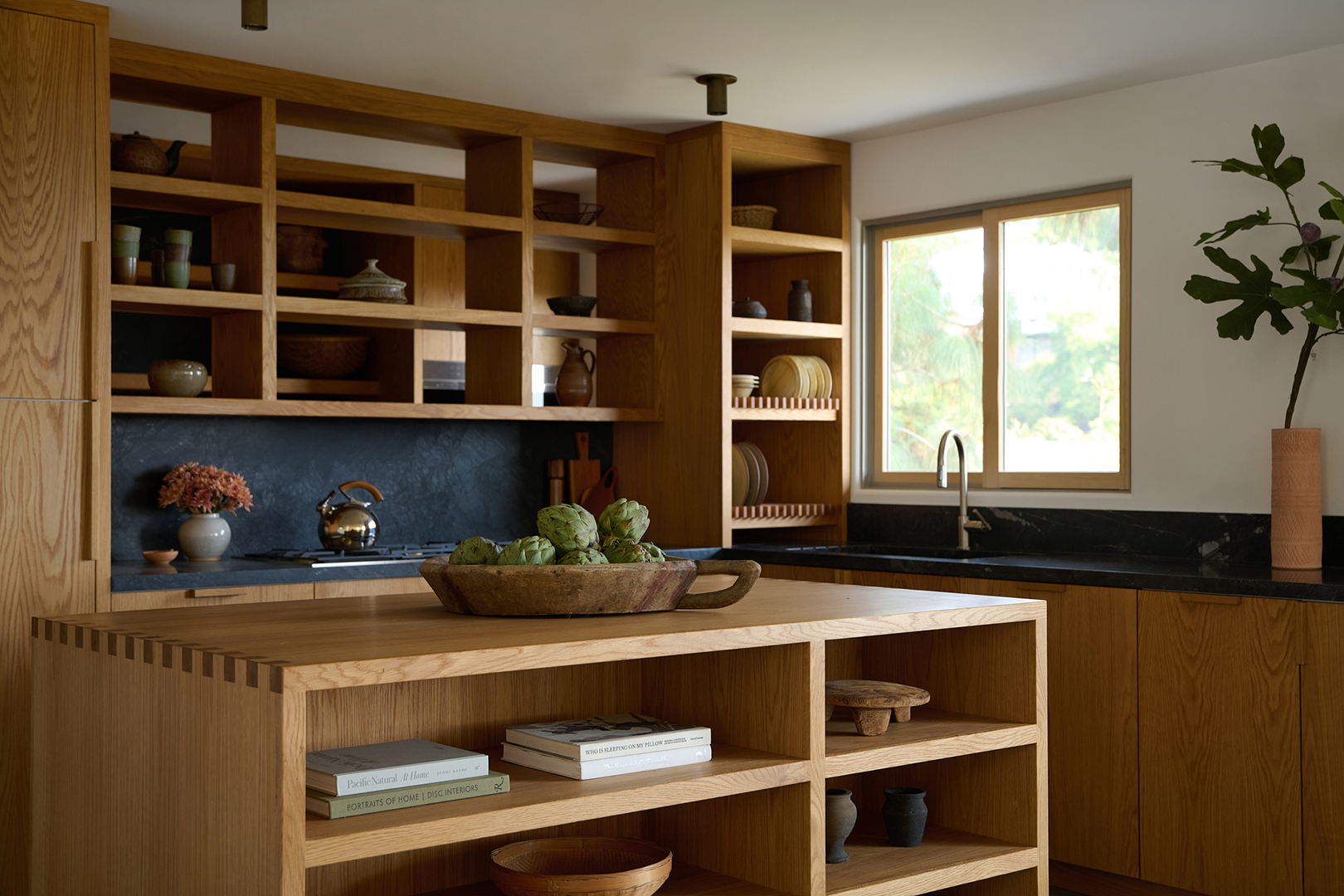
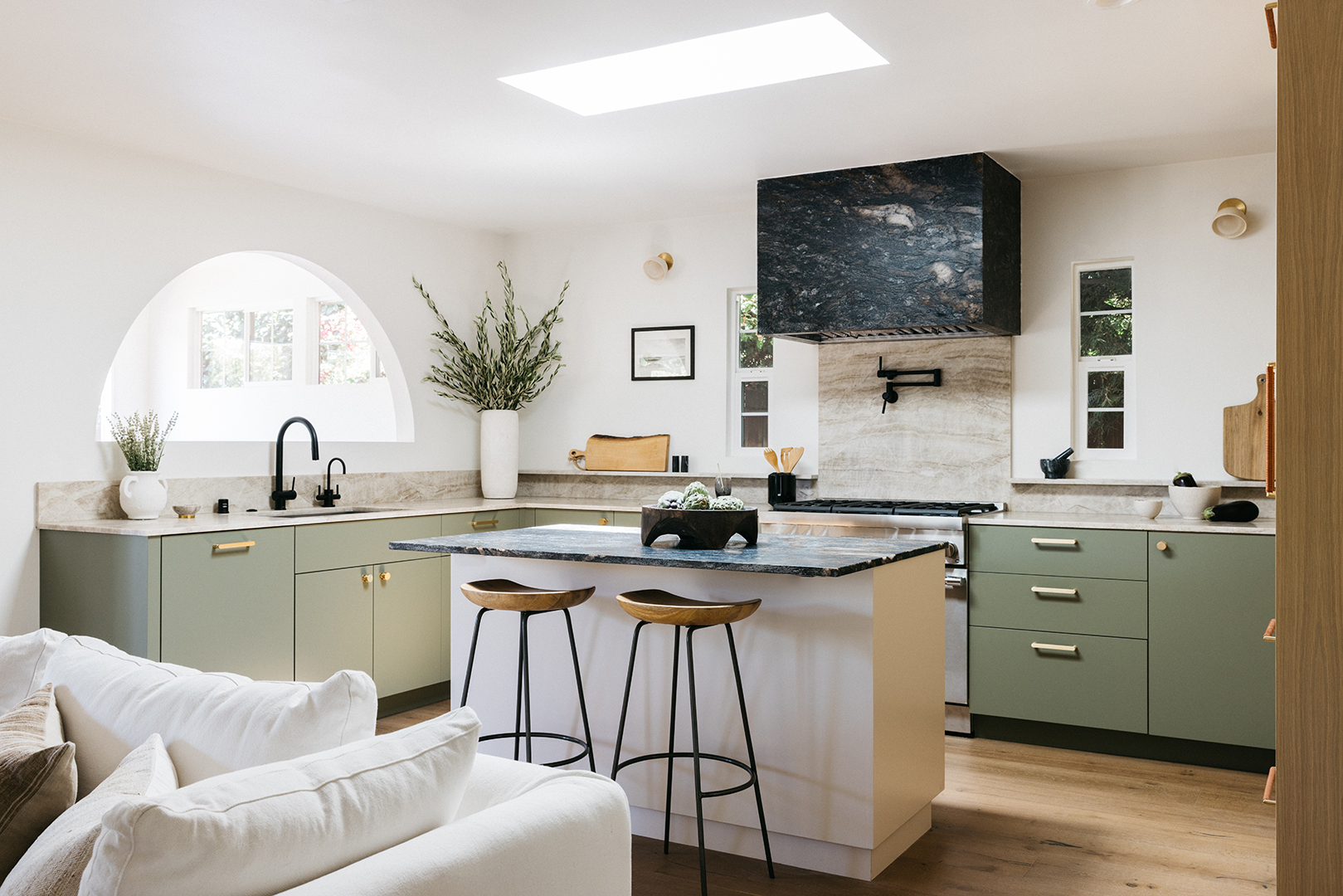
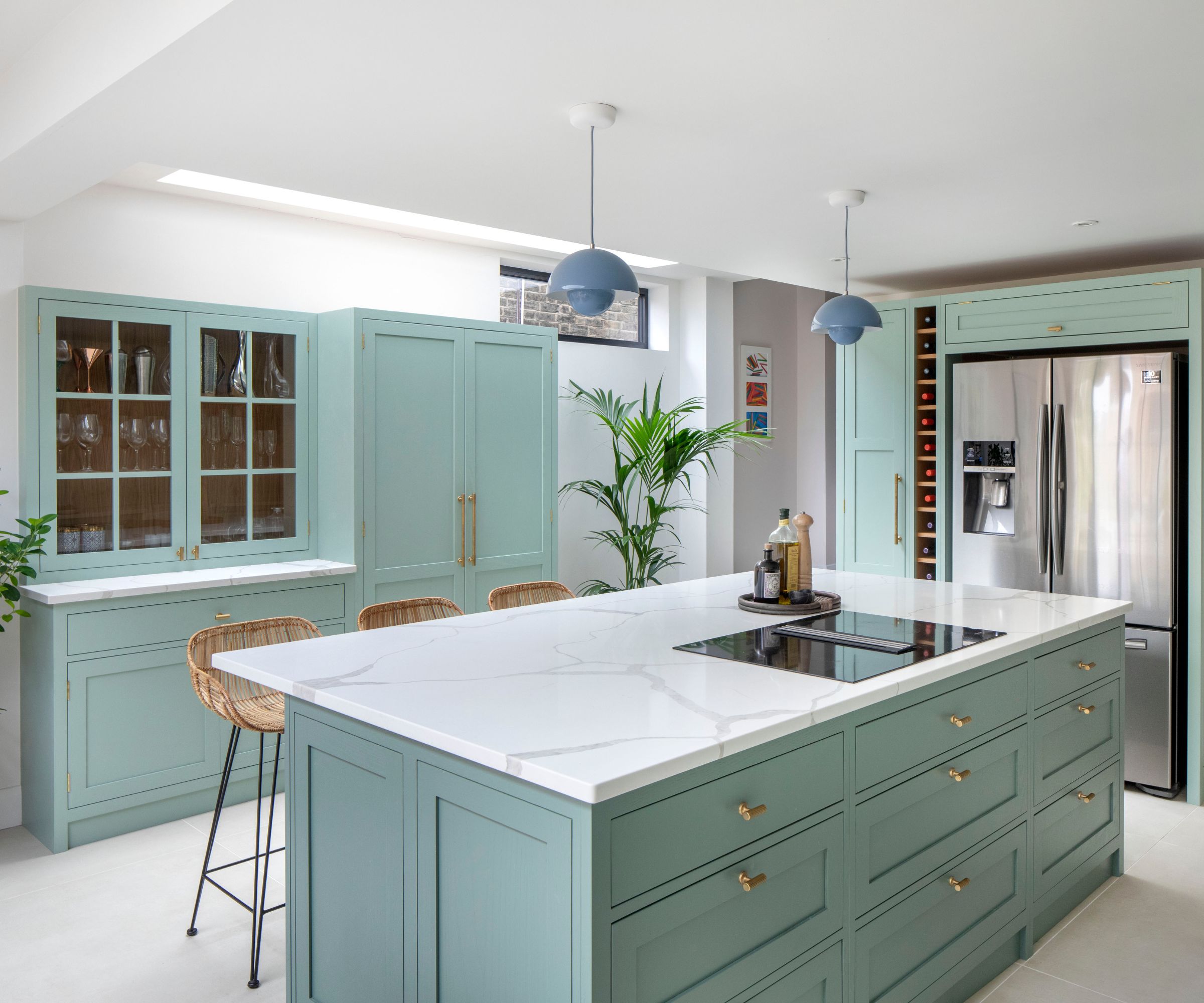
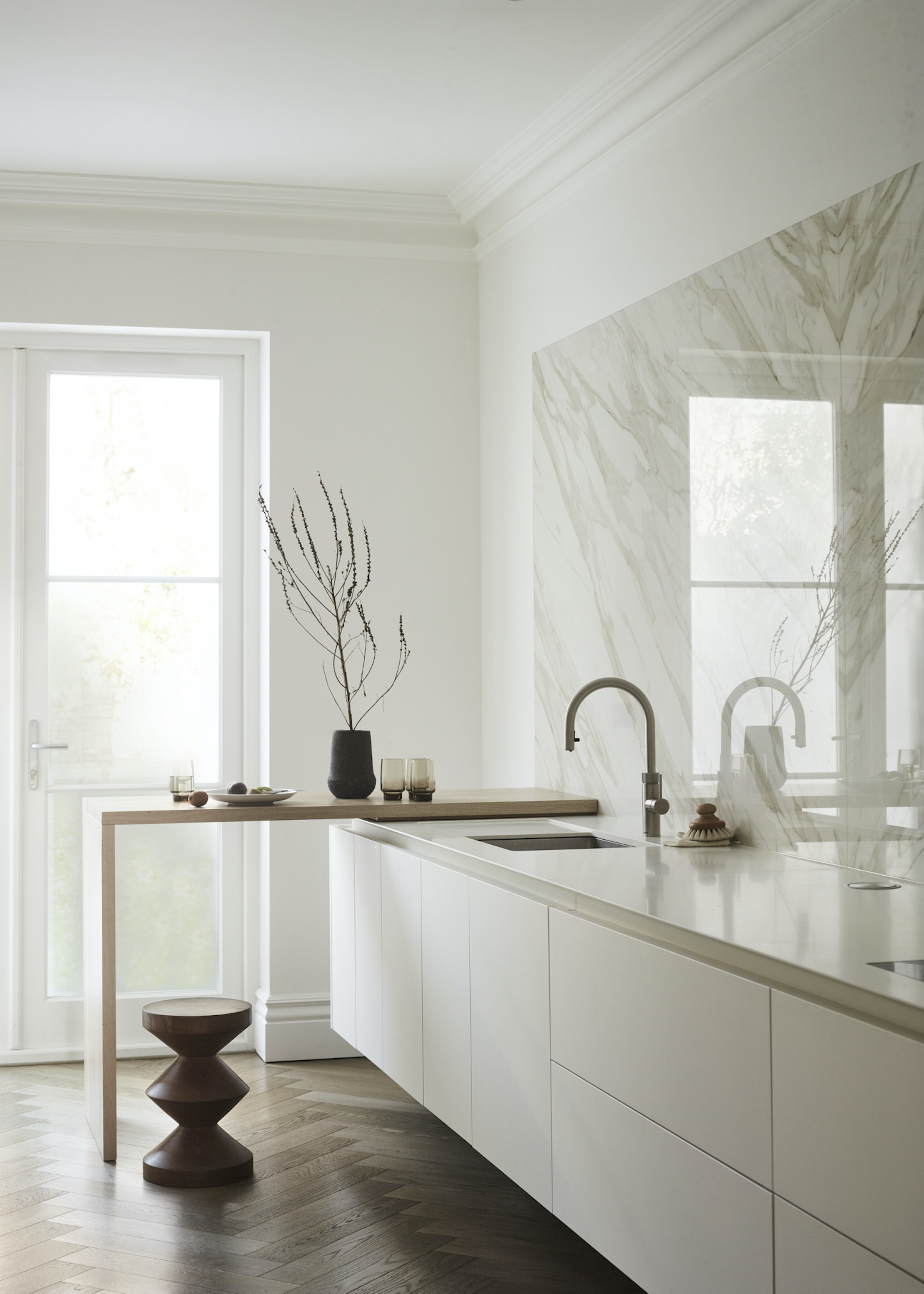
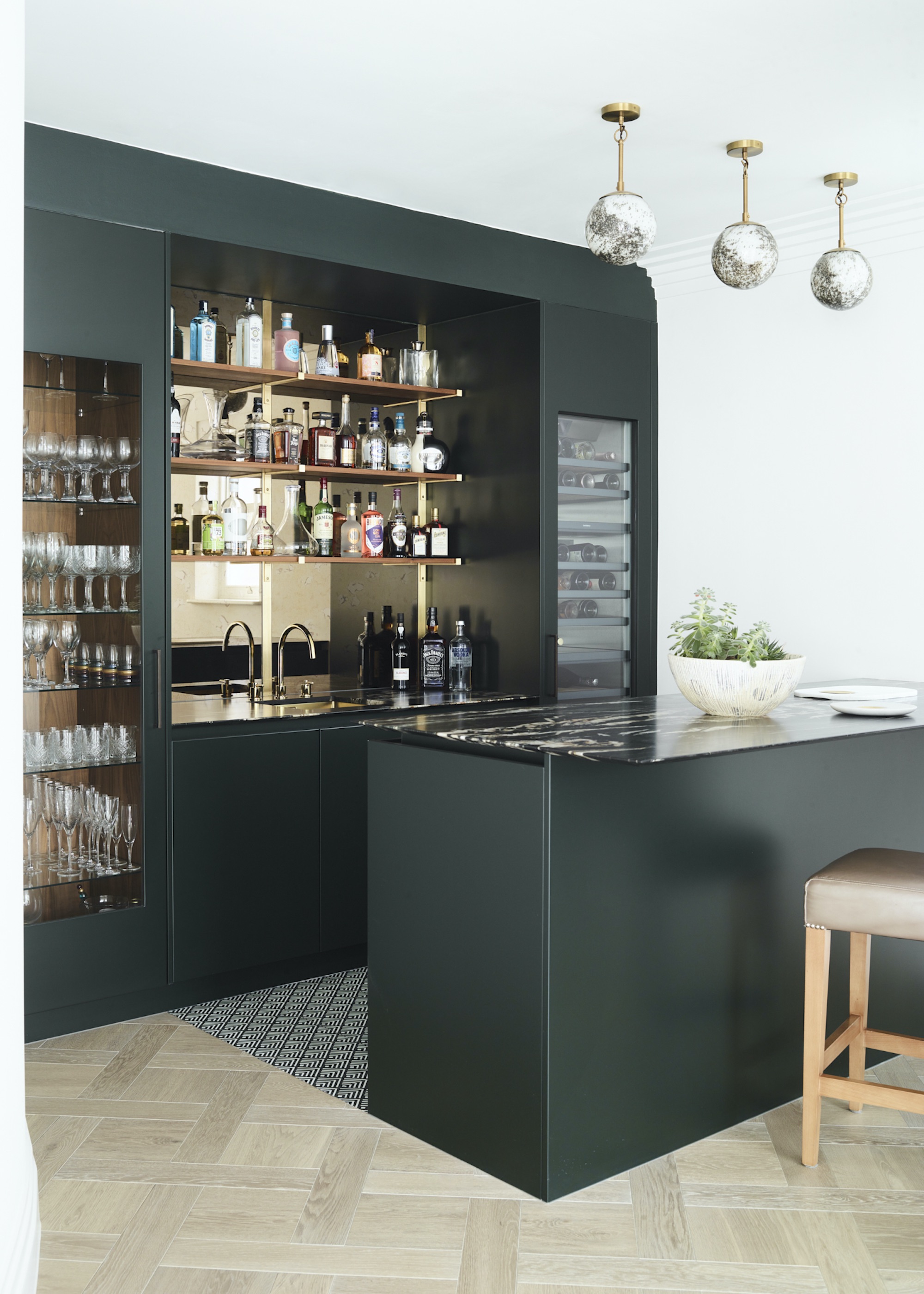
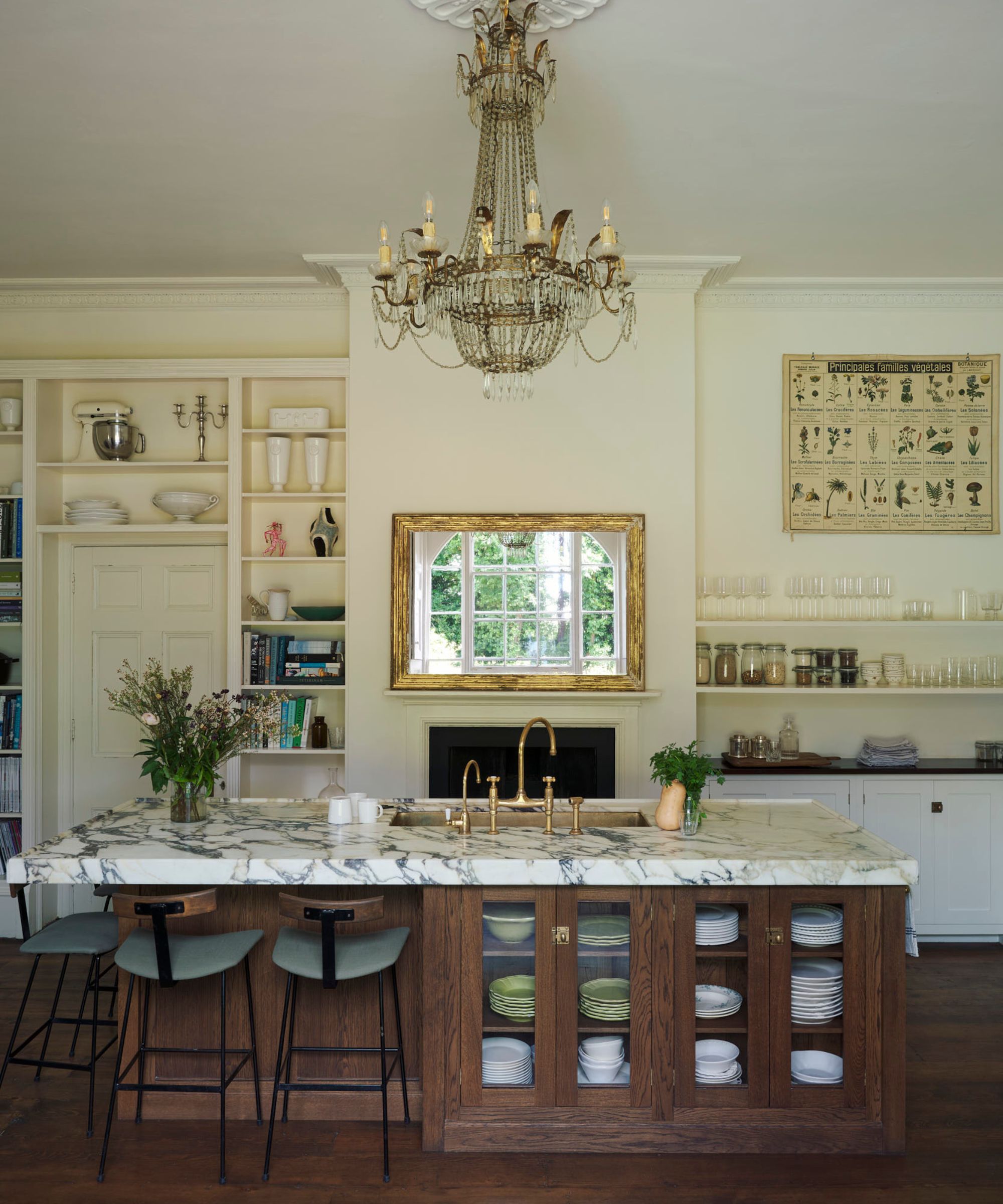
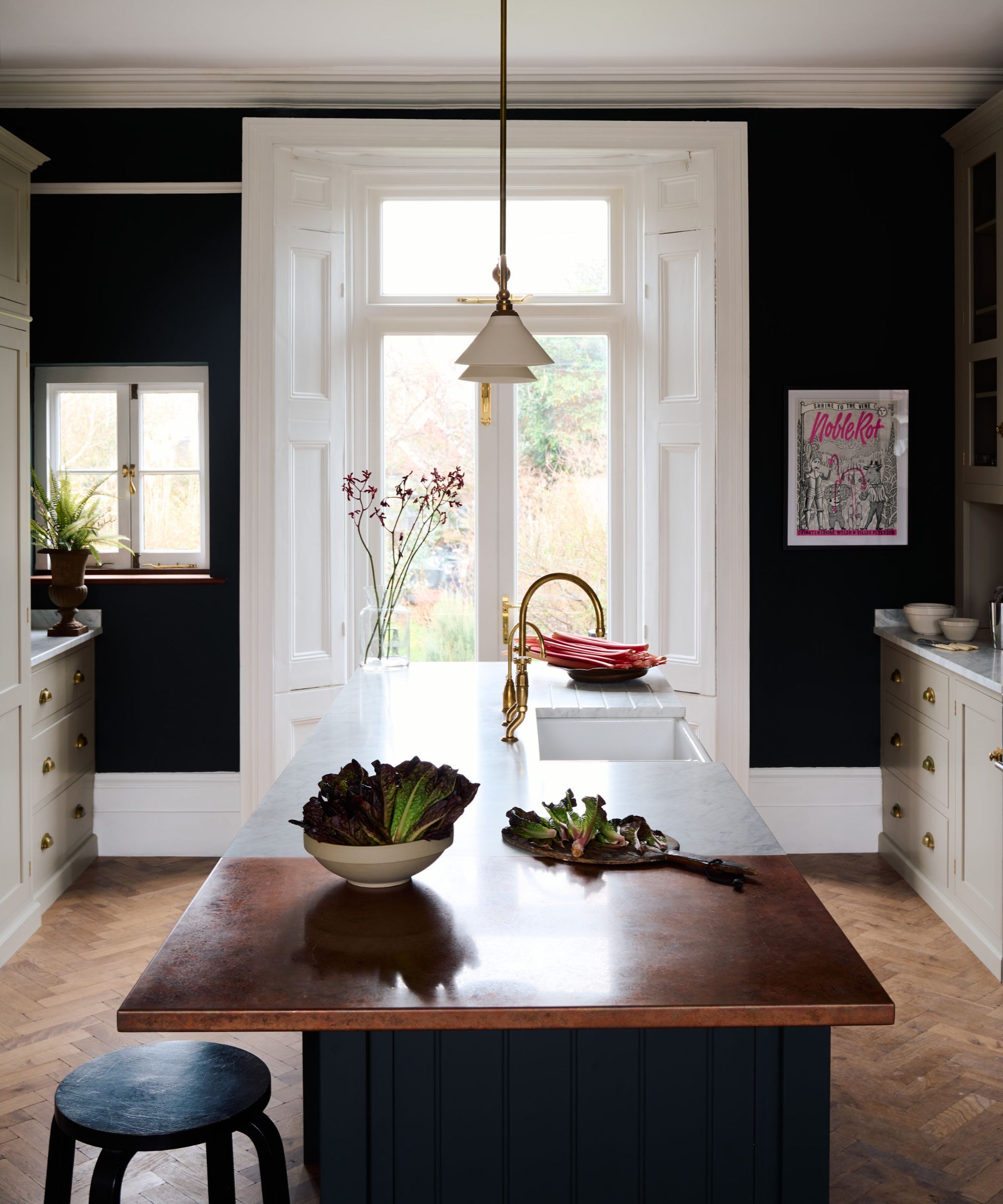
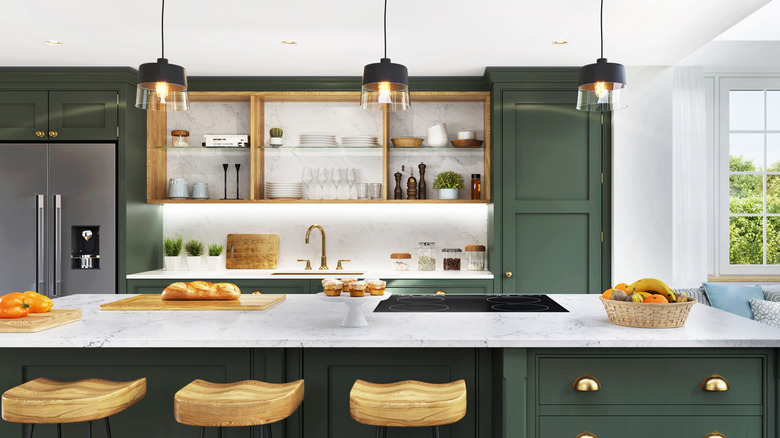
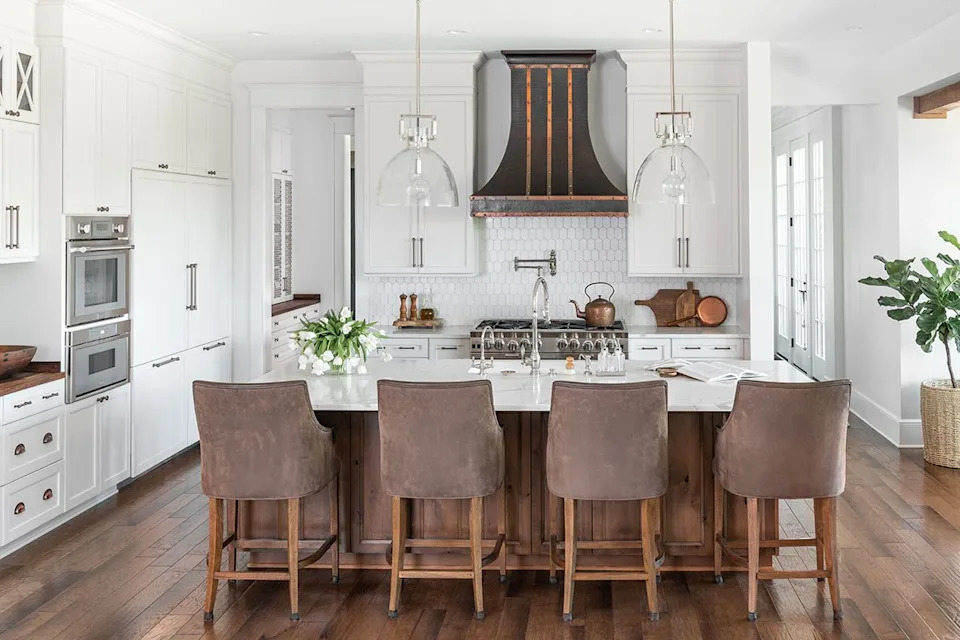
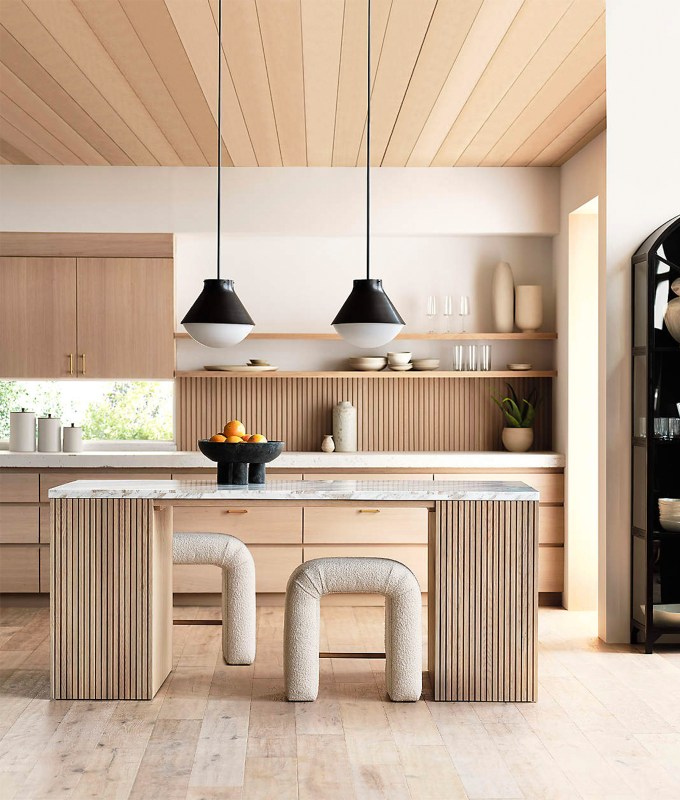
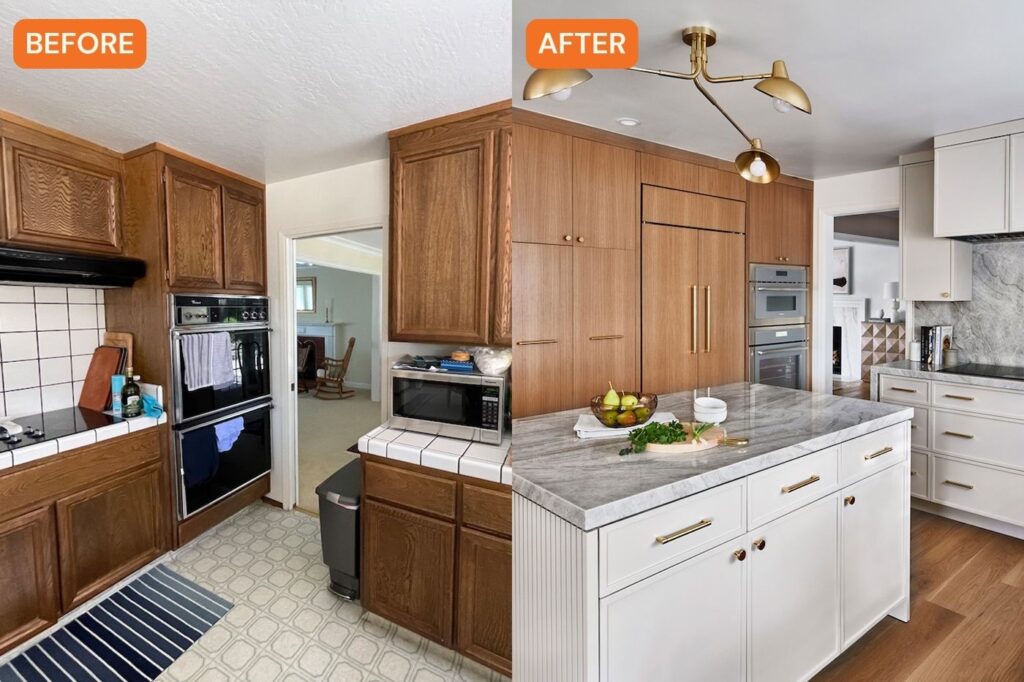
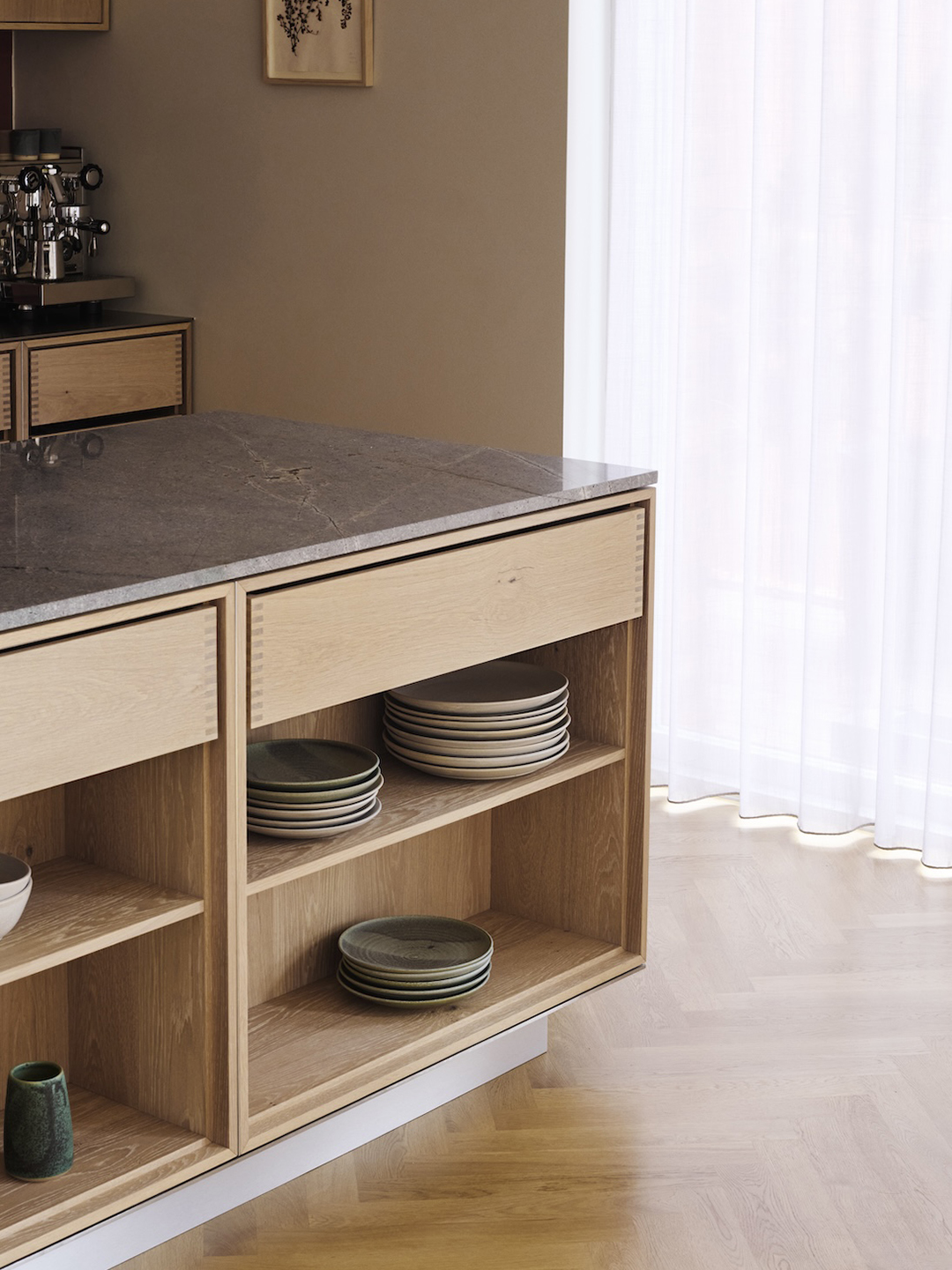
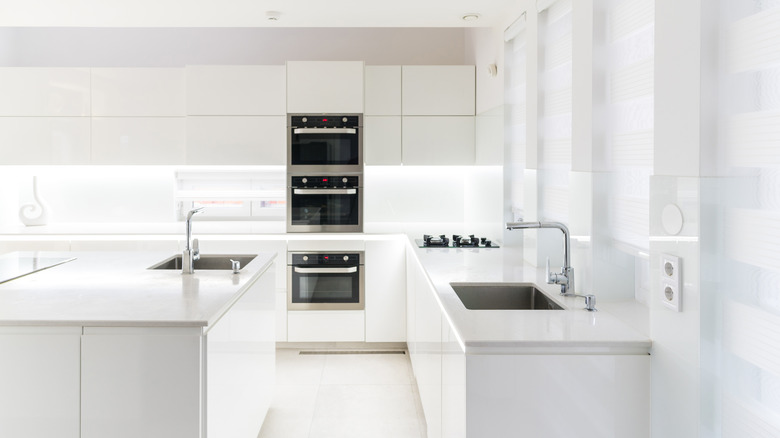
However, contemporary interior designers and homeowners are increasingly favoring single-level islands for several reasons, primarily due to their clean lines and enhanced visual flow. These modern islands contribute to a sleeker, more minimalist aesthetic that aligns with current design trends. The removal of the upper tier opens up the space, making kitchens feel larger and more cohesive. Functionally, single-level islands provide a continuous, expansive surface, which is ideal for meal preparation, casual dining, and various household activities. This uninterrupted surface offers greater versatility and ease of use compared to the segmented space of two-tiered designs.
Key advantages of single-level islands include their capacity for more usable counter space. With a single, large surface, there is ample room for chopping, mixing, and serving, making kitchen tasks more efficient. Furthermore, the uniform height allows for easier interaction between individuals on both sides of the island, fostering a more connected environment, whether for family meals or entertaining guests. The absence of a raised bar top also eliminates visual clutter, contributing to an uncluttered and sophisticated look that many homeowners now desire.
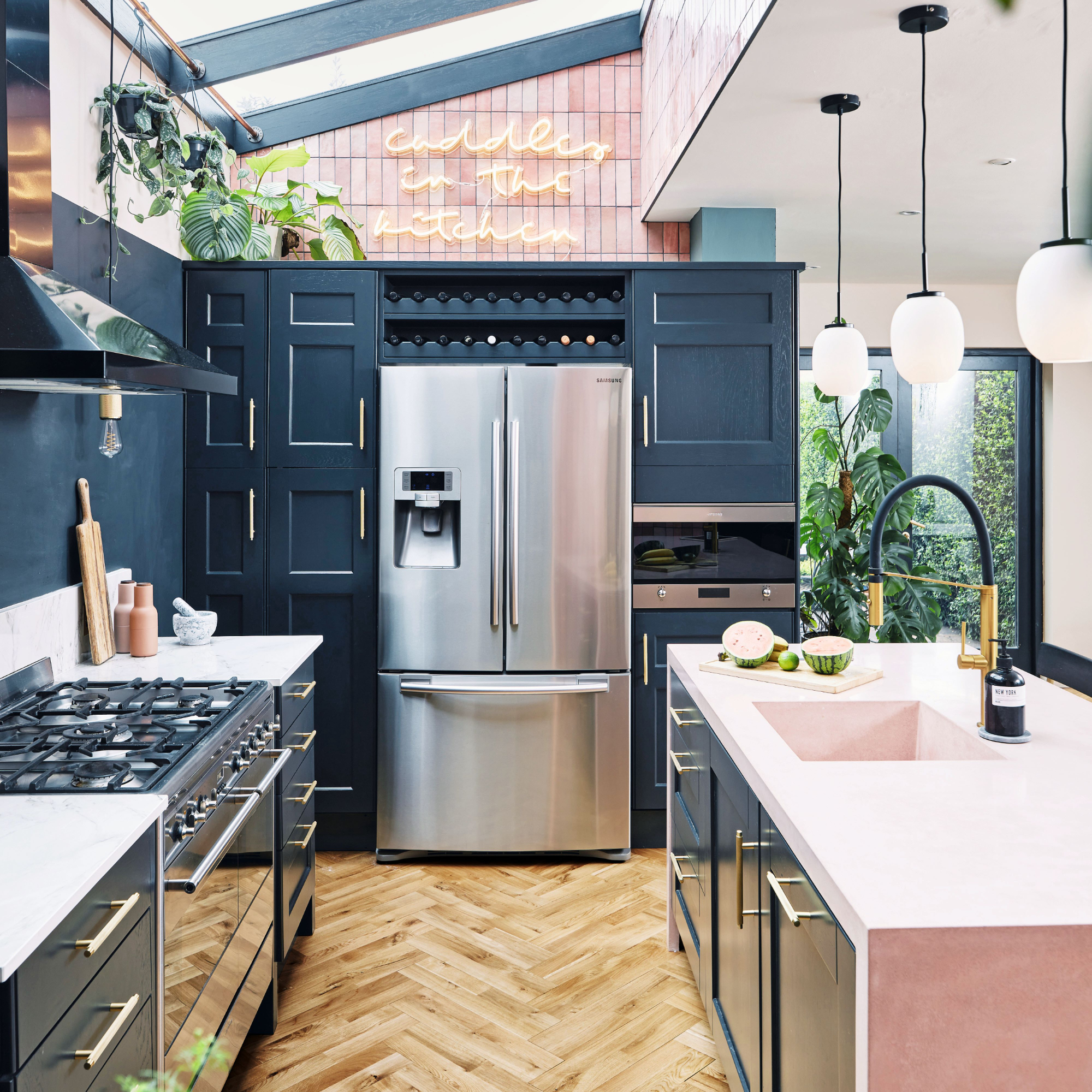
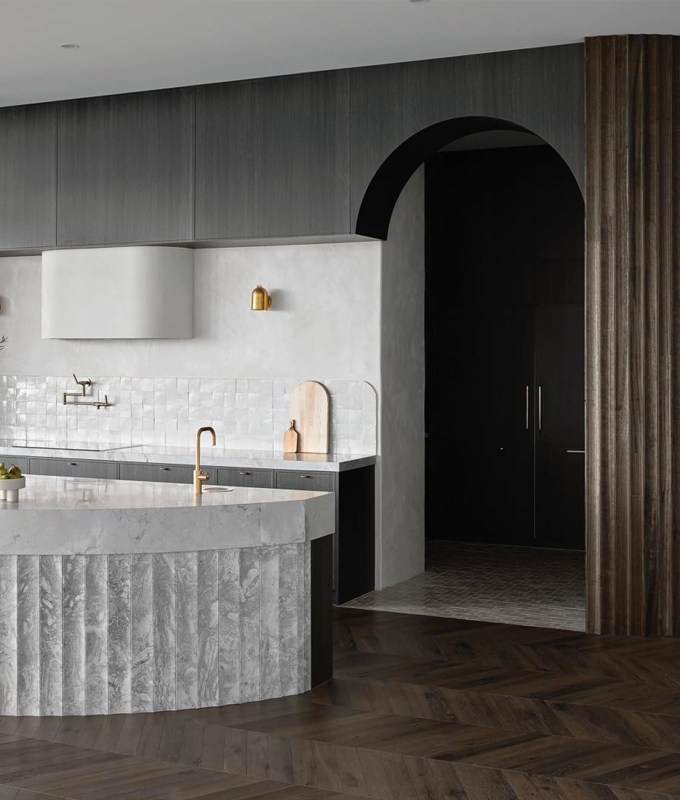
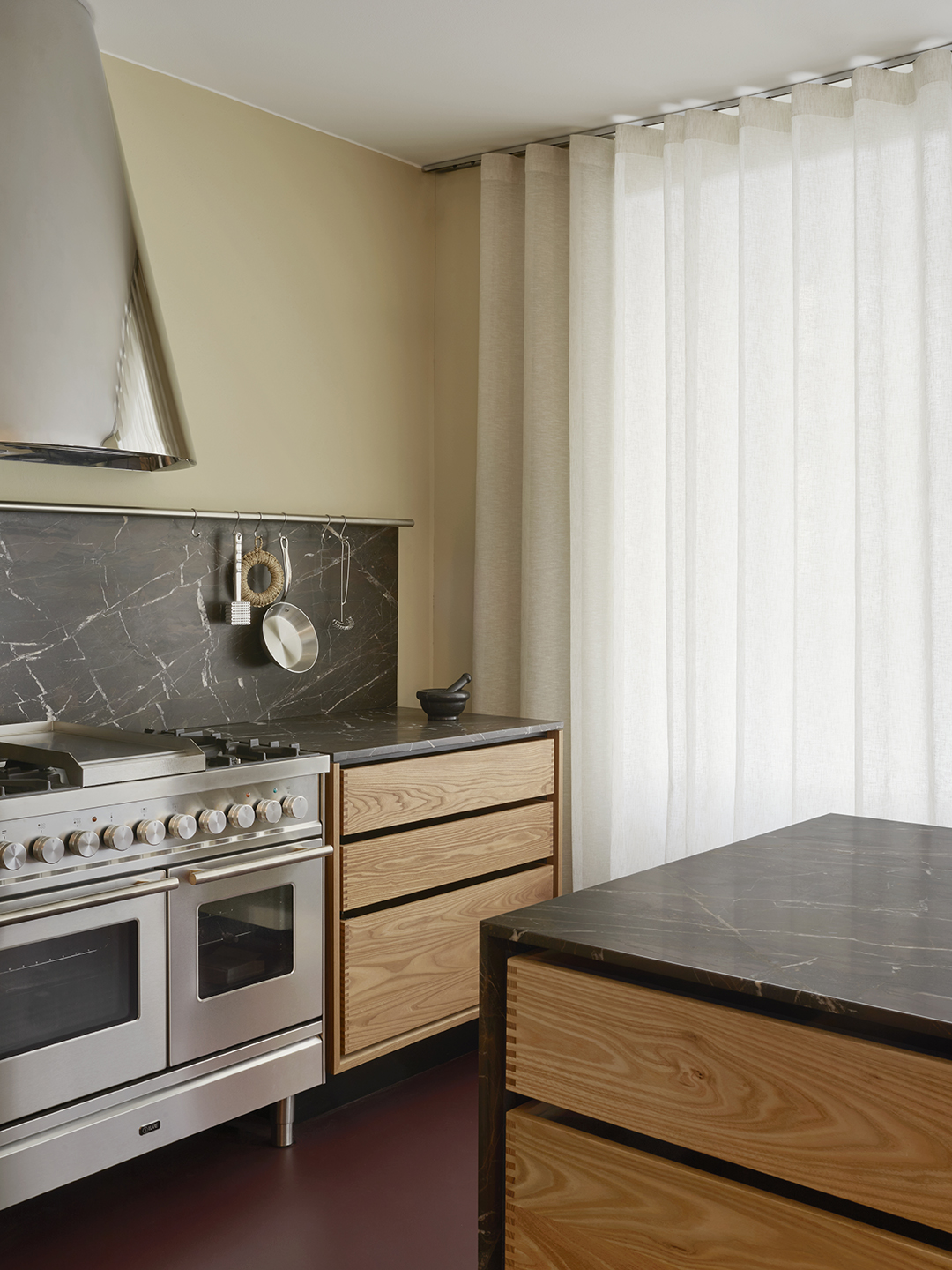
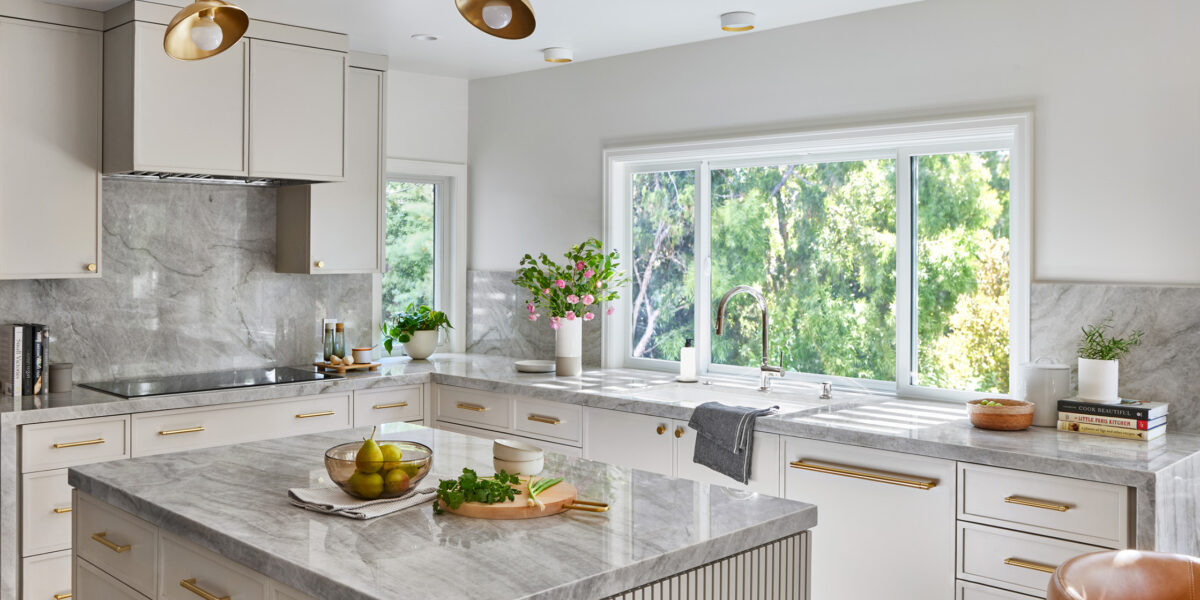
Another popular trend observed alongside the rise of single-level islands is the incorporation of waterfall countertop edges. These edges extend vertically down the sides of the island, seamlessly connecting the countertop to the floor. This design choice further enhances the sleek and modern appeal, creating a luxurious and polished finish. Waterfall edges also protect the sides of the cabinetry, adding a layer of durability and aesthetic continuity. The combination of single-level islands with waterfall edges exemplifies the current preference for refined, functional, and visually appealing kitchen designs that prioritize simplicity and practicality.
Ultimately, the shift from two-tiered to single-level kitchen islands underscores a broader movement in interior design towards more functional, open, and aesthetically harmonious living spaces. This evolution reflects a desire for simplicity, increased workspace, and a seamless integration of kitchen and living areas, moving away from the more segmented and visually busy designs of past decades. The current trends emphasize creating an inviting and efficient kitchen environment that serves multiple purposes without sacrificing style or practicality.
#KitchenIsland #HomeDesignTrends #InteriorDesign #KitchenRenovation #ModernKitchen #HomeImprovement #CountertopTrends #KitchenIsland #HomeDesignTrends #InteriorDesign #KitchenRenovation #ModernKitchen #HomeImprovement #CountertopTrends
0 comment in total
 No comments yet
You may also like
Are kitchen islands out? Kitchen experts agree that the prep table might be it's trendy replacement
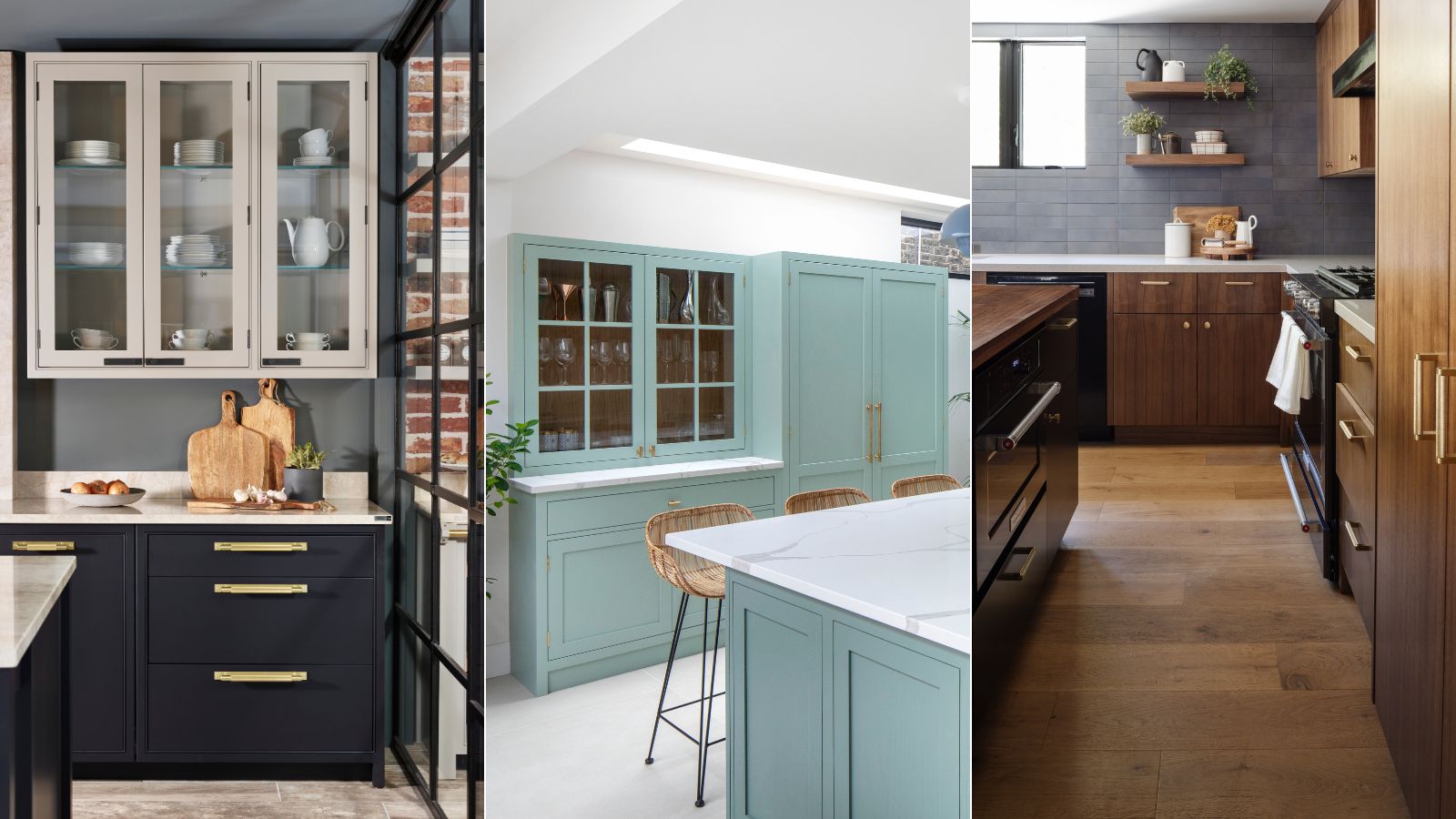
5 dated kitchen hardware trends that could be bringing down the look of your kitchen

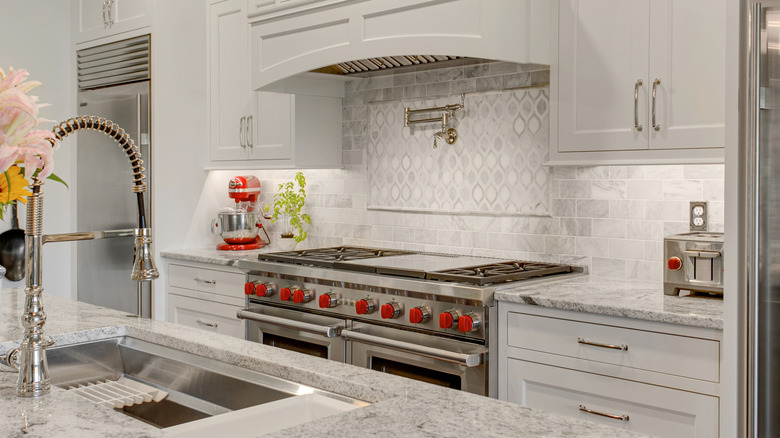
13 Outdated Kitchen Trends You Can Leave In The Past
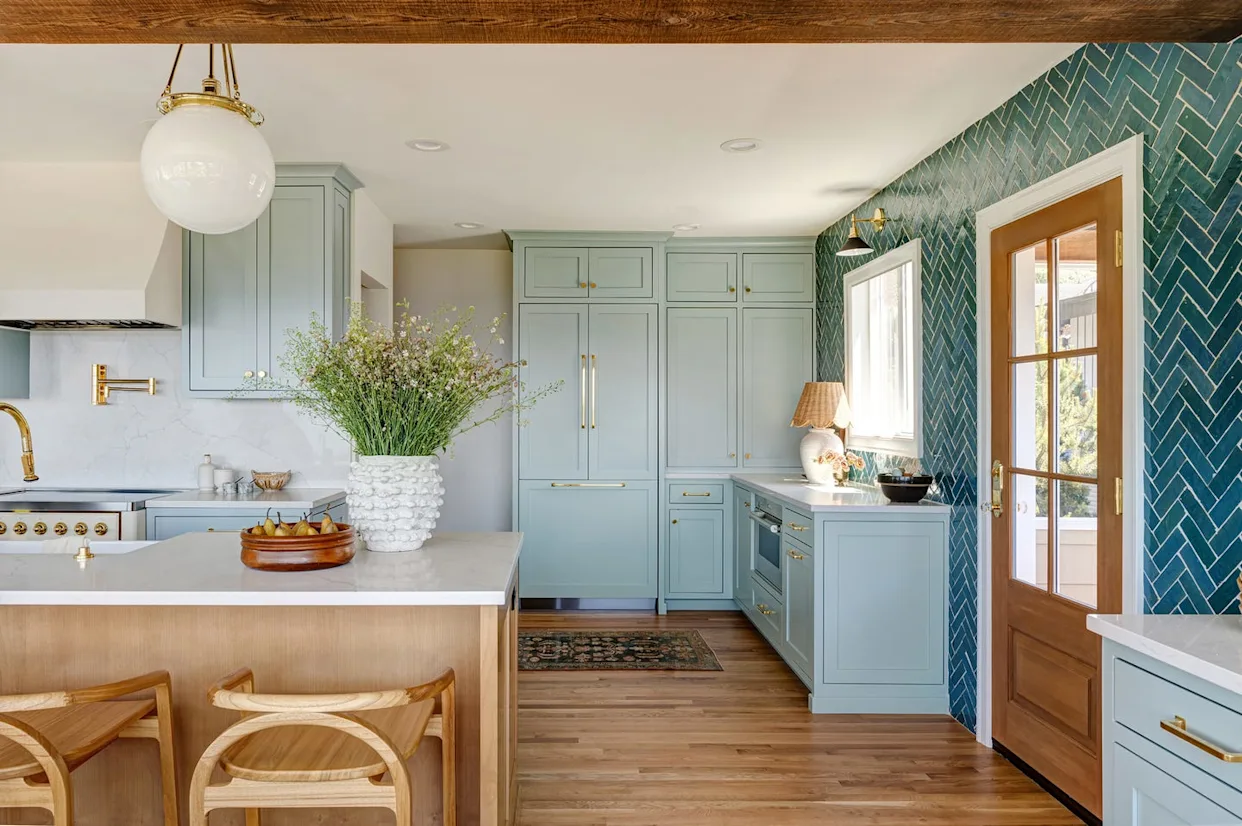
Design Pros Reveal the Surprising Kitchen Trend That's About to Take Over
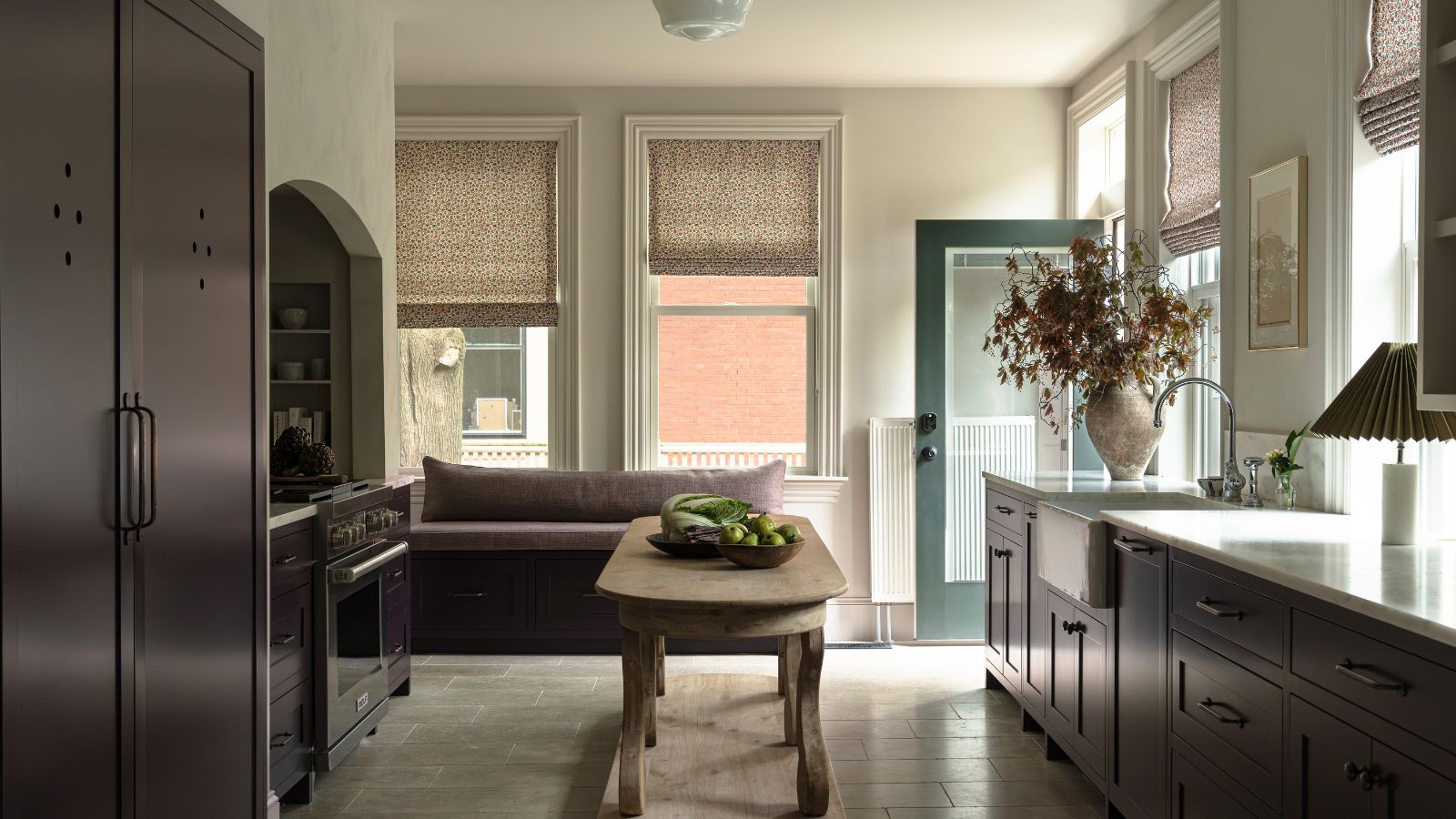
This Traditional Kitchen Detail is Making an Unexpected Comeback This Year
What's Replacing the Kitchen Island? Meet the Stylish Alternatives Stealing the Spotlight in 2025

Design Experts Agree: This Kitchen Style Is Making a Major Comeback
12 Once-Popular Kitchen Trends That Won't Be Coming Back Anytime Soon
This Forgotten Kitchen Feature Is Popping Up More and More

The Once Dated Kitchen Island Alternative That's Making A Hot Comeback In Homes
The Kitchen Trend We Called in 2021 Is Finally Going Mainstream, So Prepare to See It Everywhere

Futuristic Kitchen Islands
This ’90s Kitchen Island Trend Is Being Replaced with Something Far More Practical

16 kitchen island trends designers say will be everywhere in 2025
This Once-Popular Kitchen Trend Is Actually a Huge Pain—Here’s One Designer’s Solution
This Once-Popular Home Feature Is Falling Out of Favor

This Is the Old-World Interior Design Trend Taking Over Kitchens Again
This Once-Taboo Kitchen Flooring Is Climbing the Ranks
The Minimalist Kitchen Trend We’re About to See Everywhere

This Surprising Kitchen Trend Is Making Designers Ditch Tile