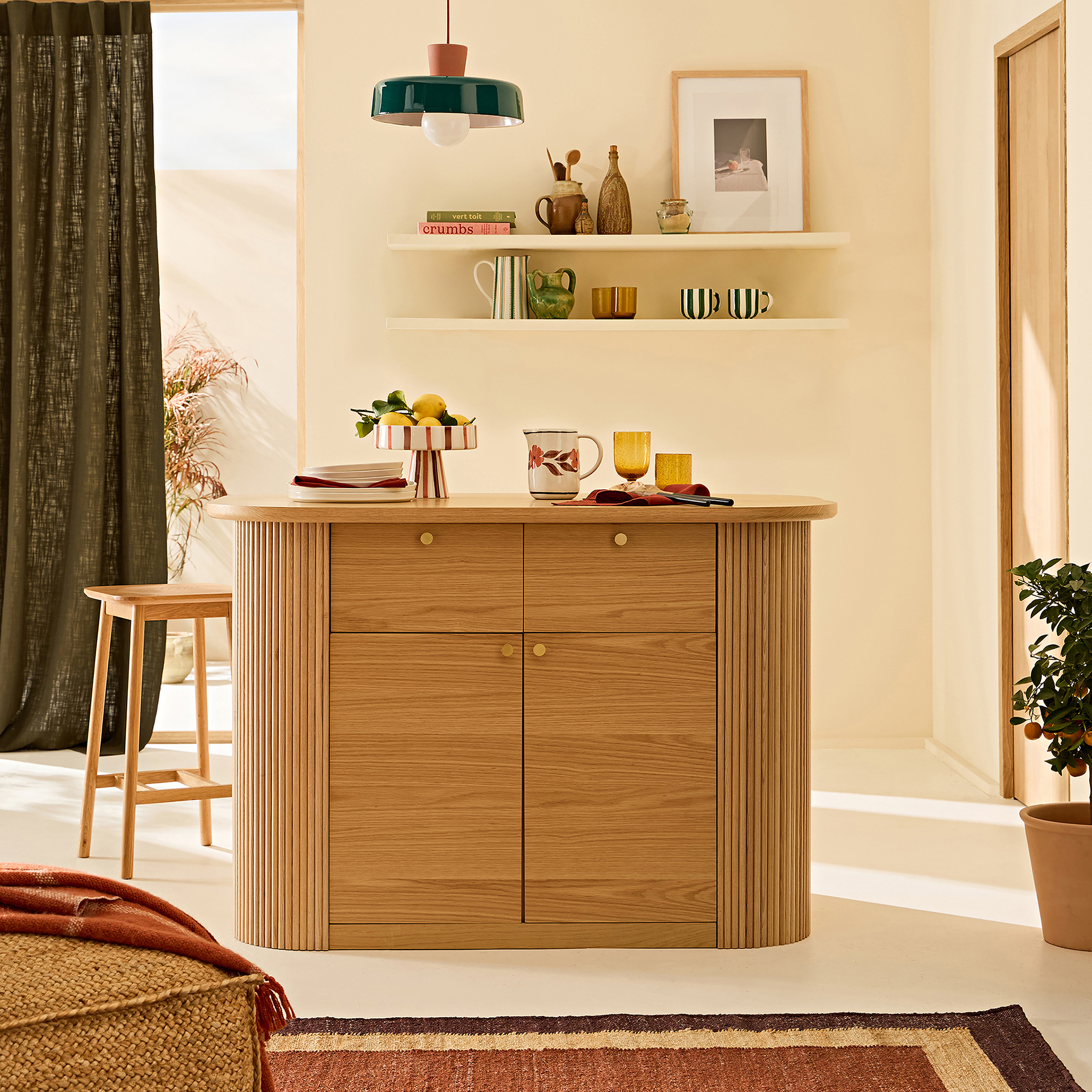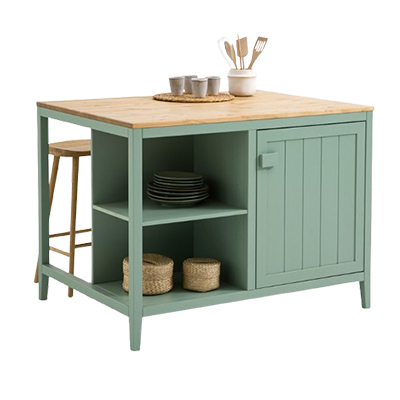
Move over, islands: Kitchen tables are making a comeback
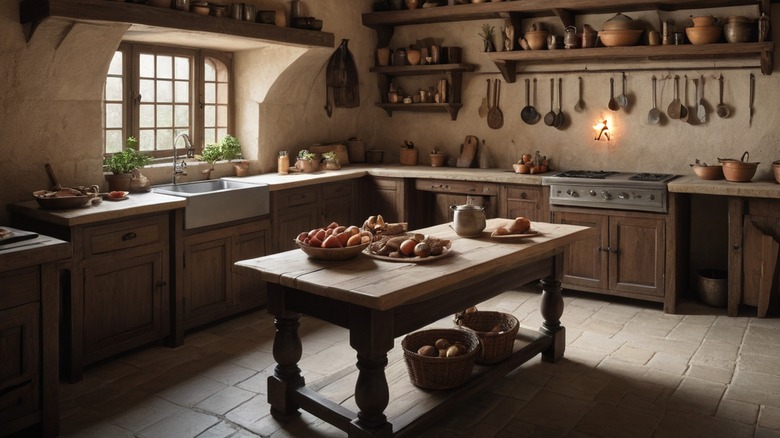
The article discusses the resurgence of the traditional kitchen table as a preferred alternative to the modern kitchen island, highlighting its nostalgic appeal and functional advantages. Historically, the kitchen table served as a central gathering point in homes, fostering a sense of family and community. Designers and individuals alike recall warm memories associated with kitchen tables, where activities extended beyond meals to include card games, conversations, and homework.
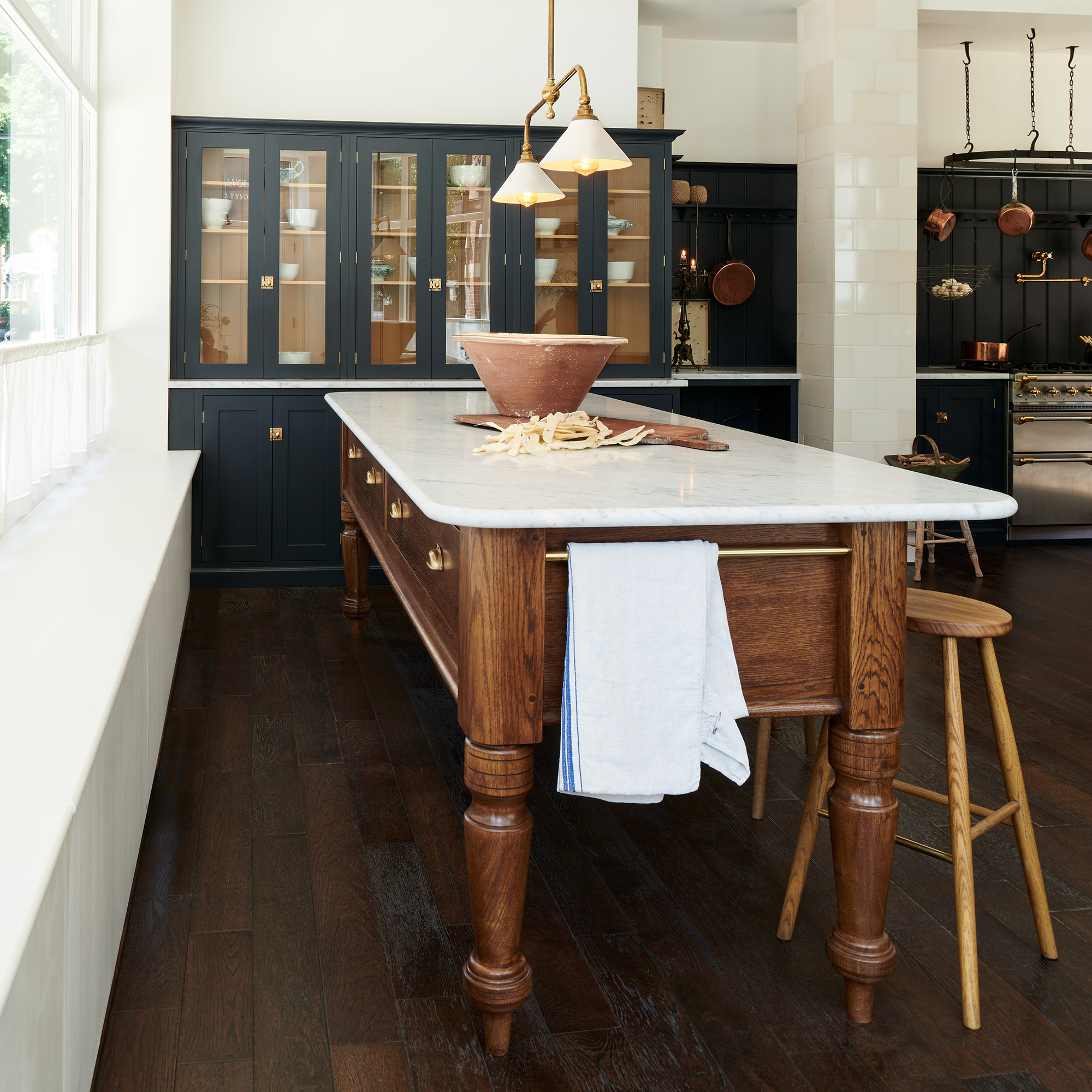
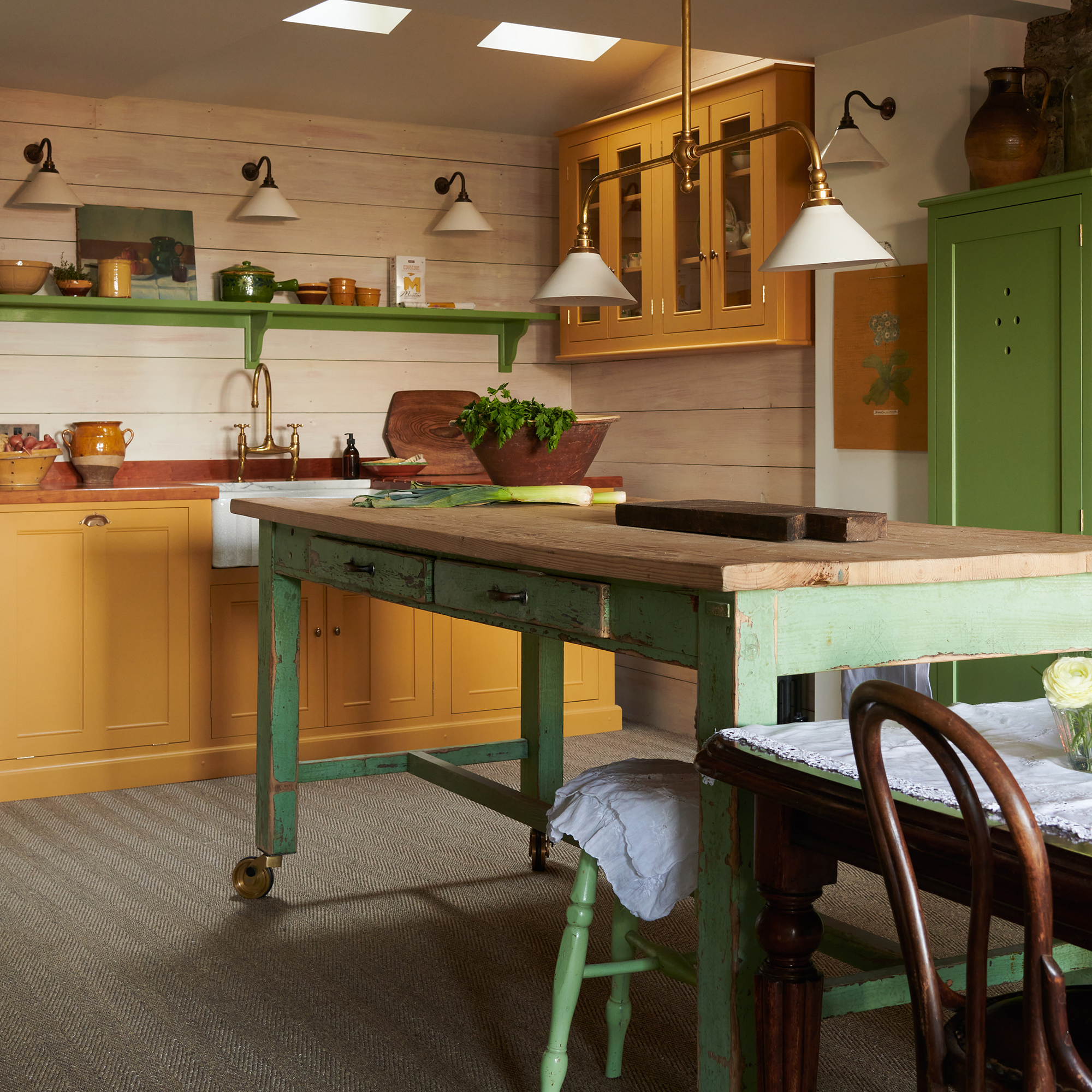
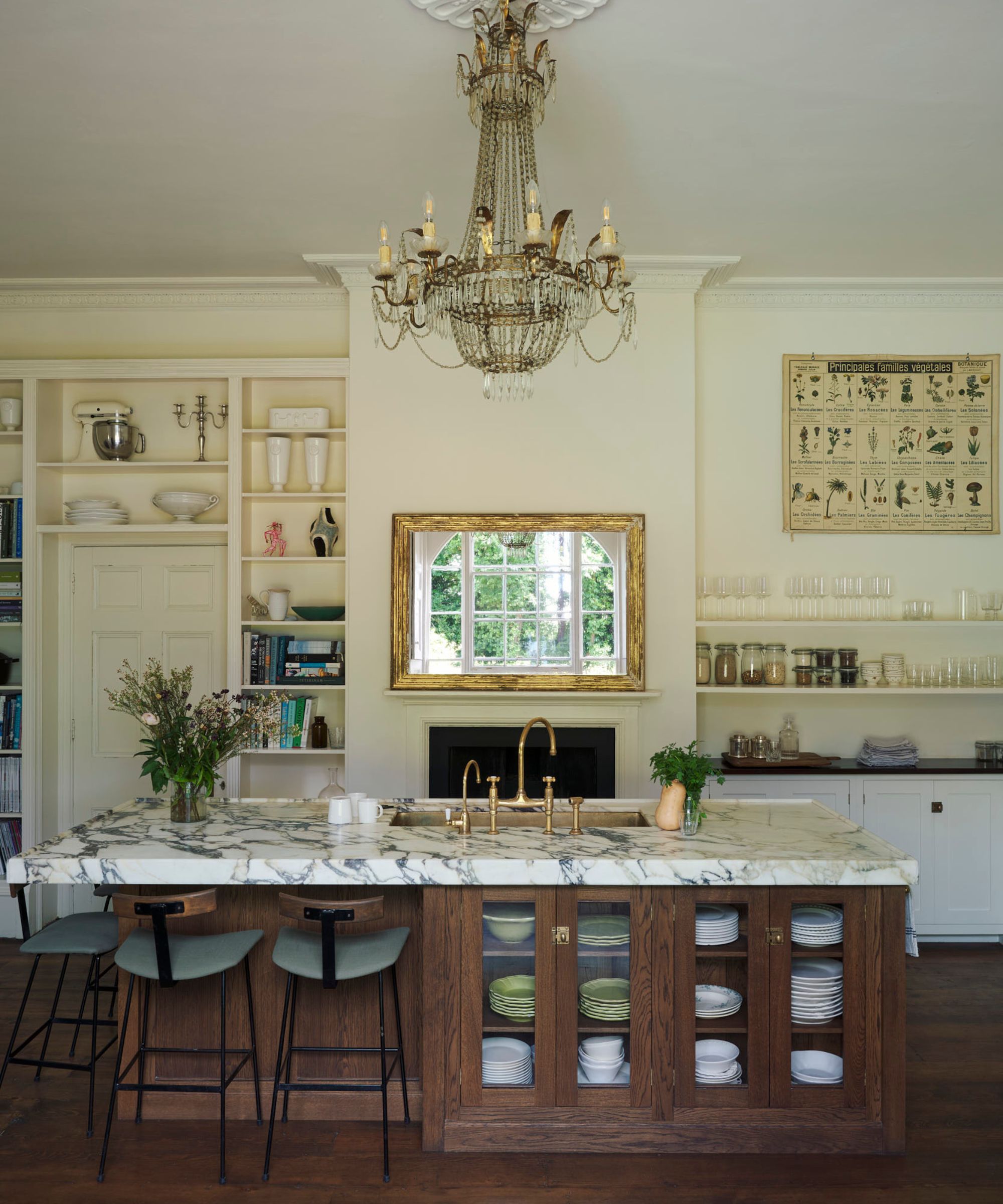
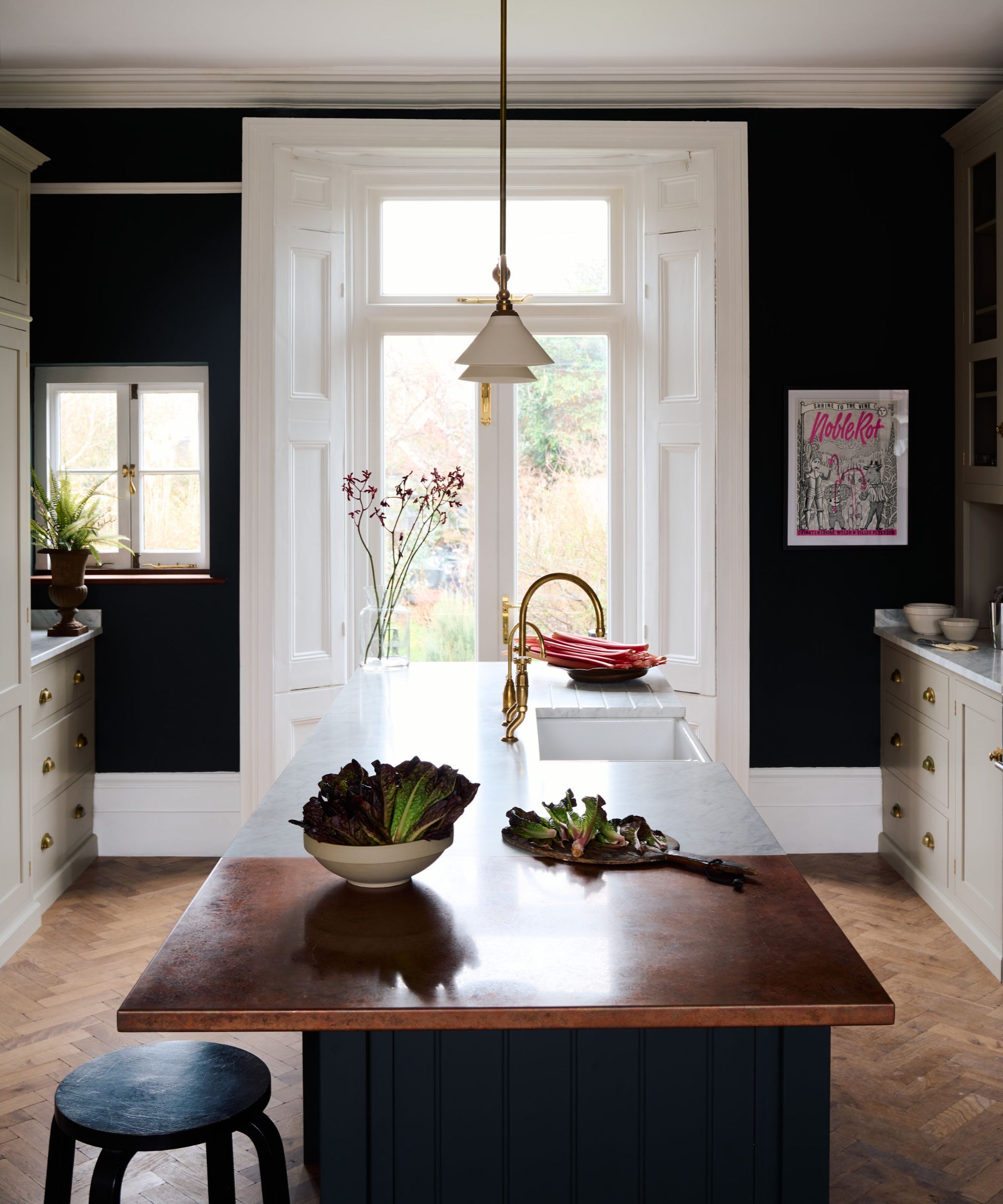
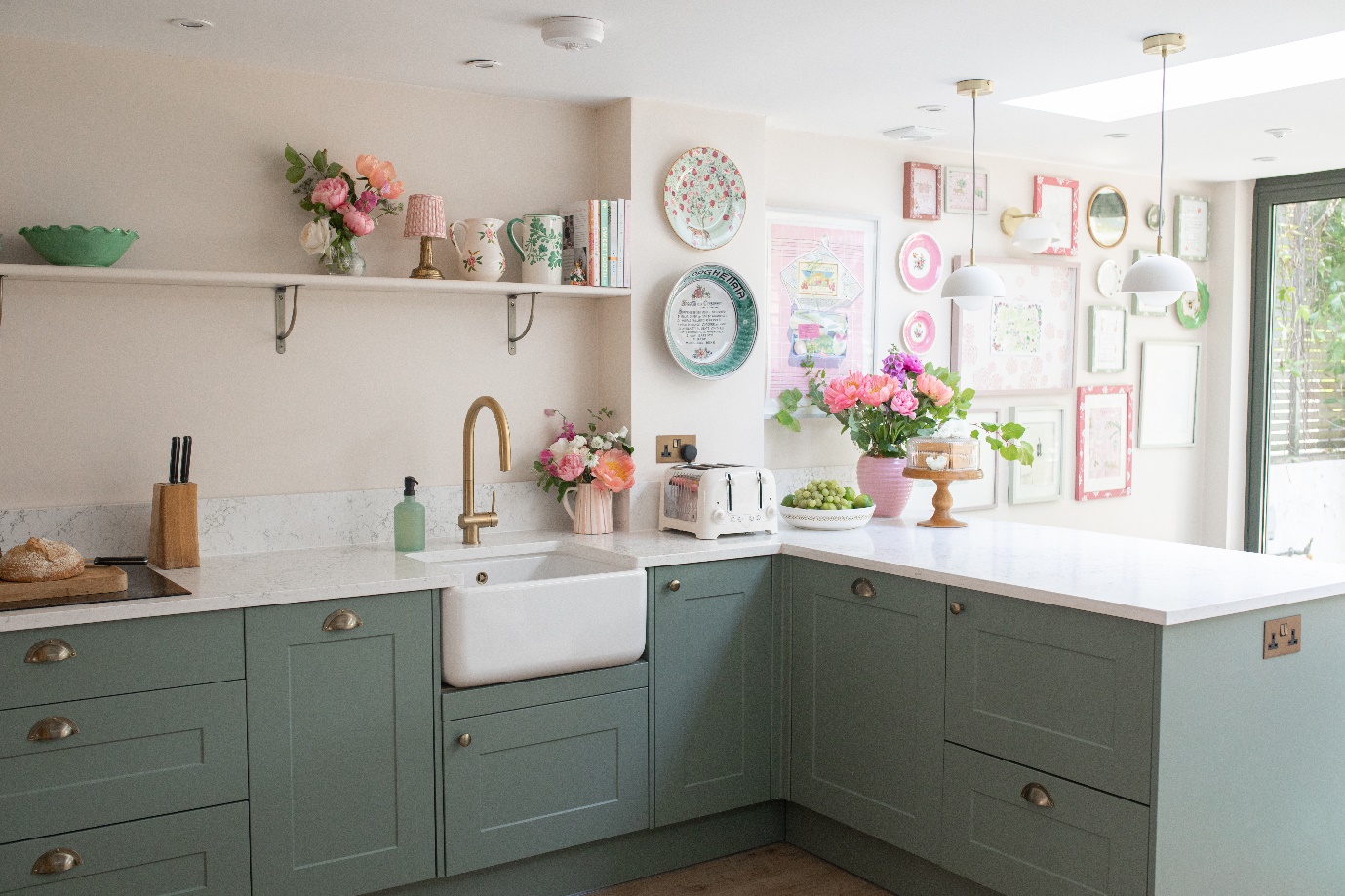
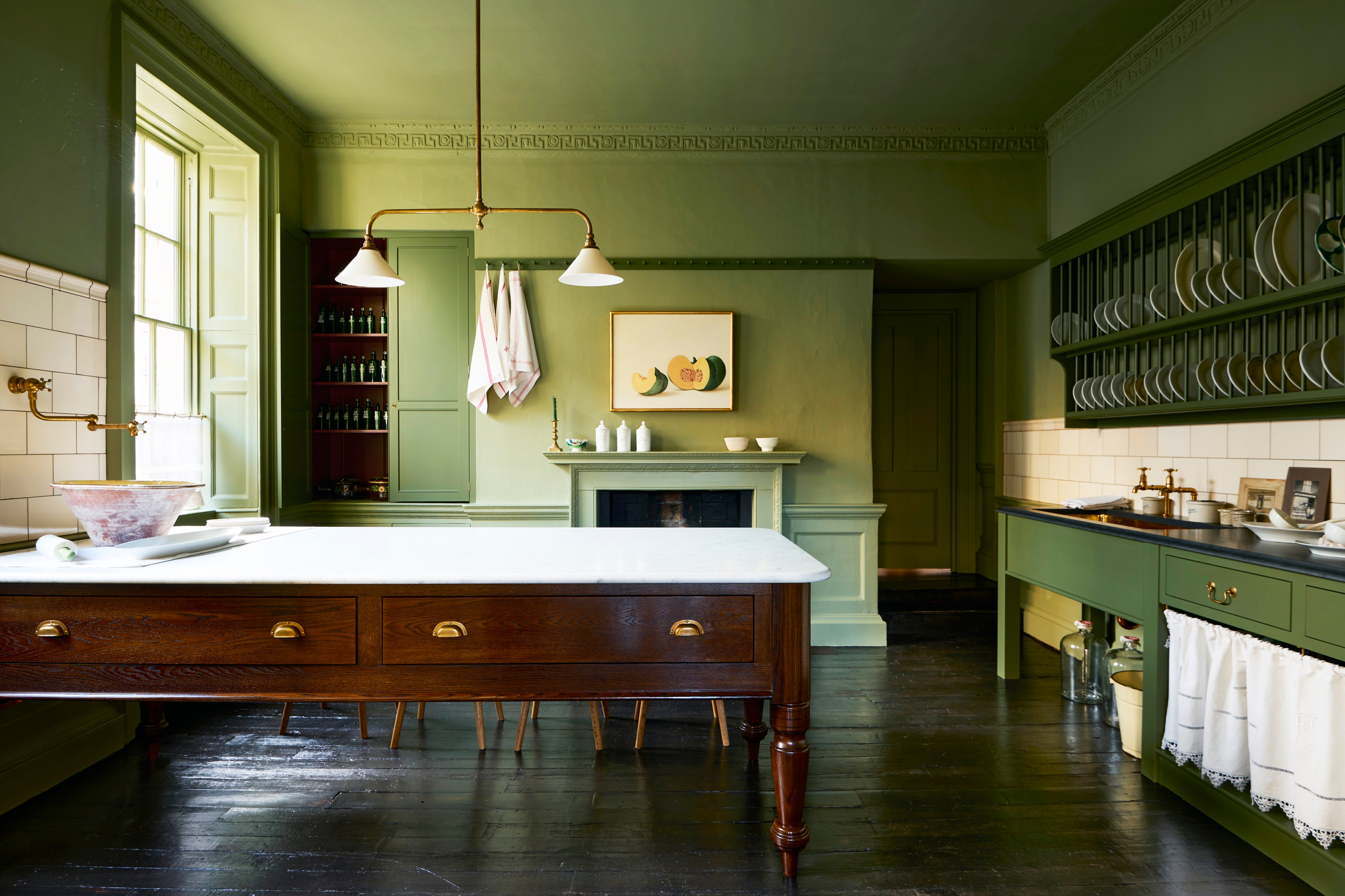
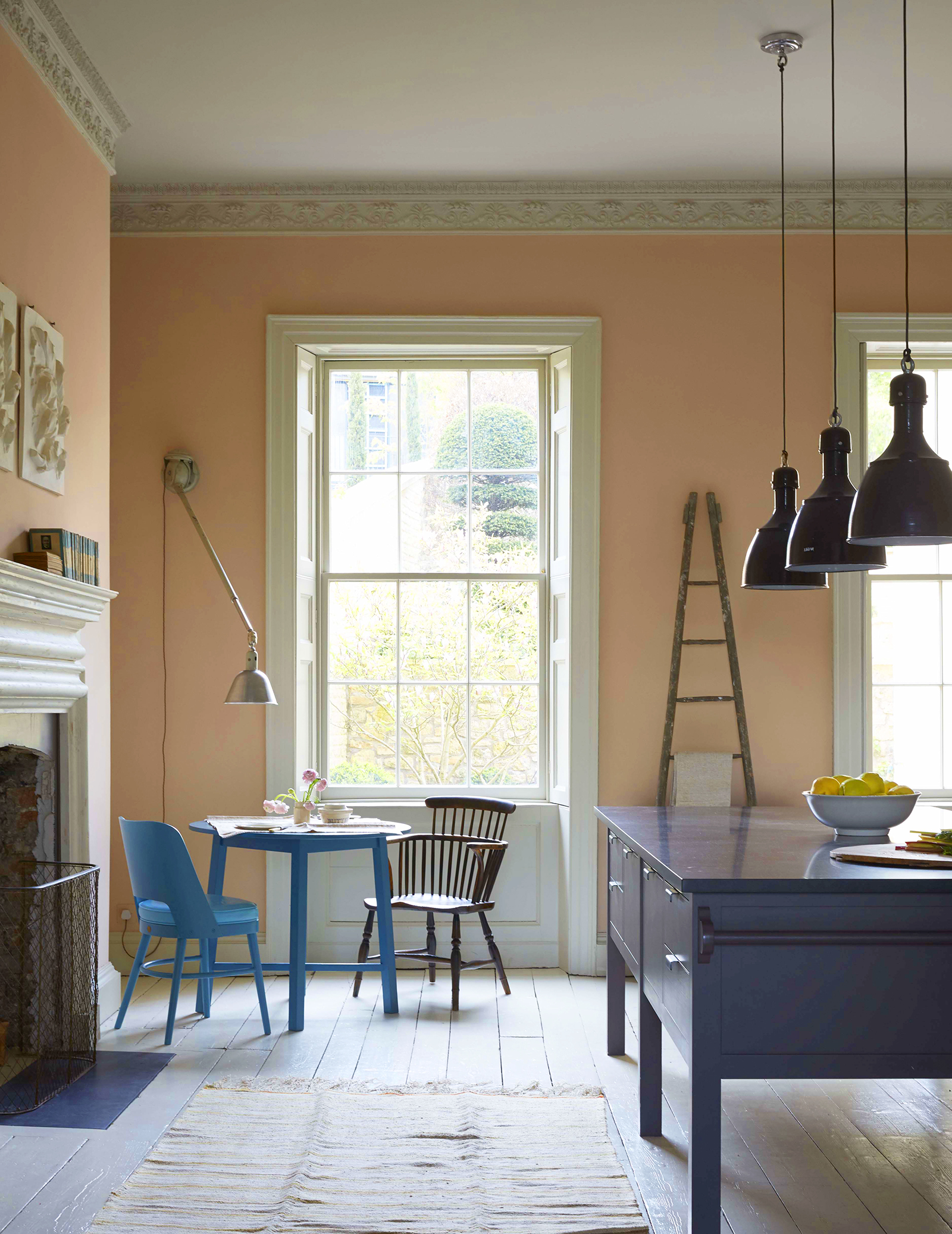
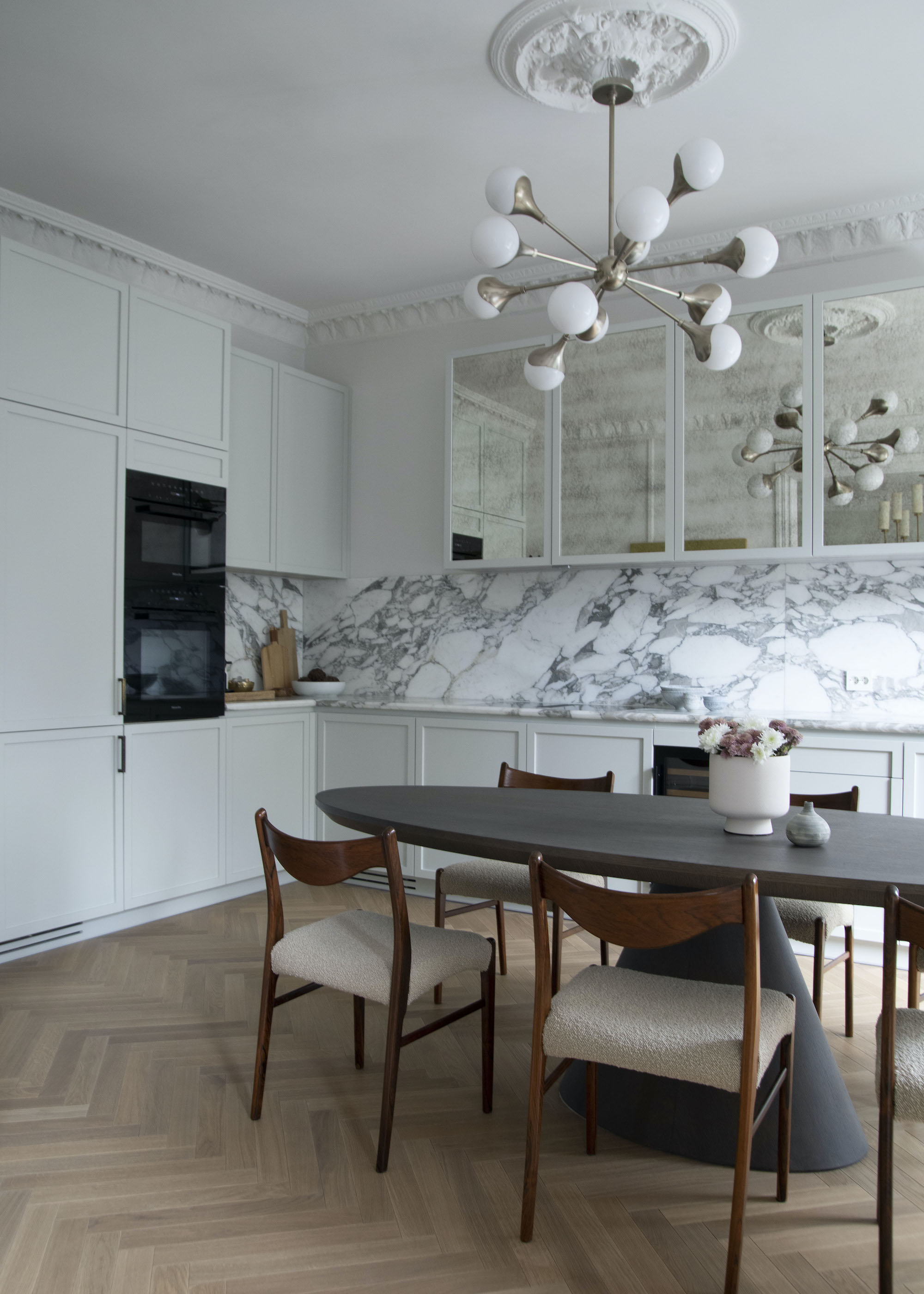
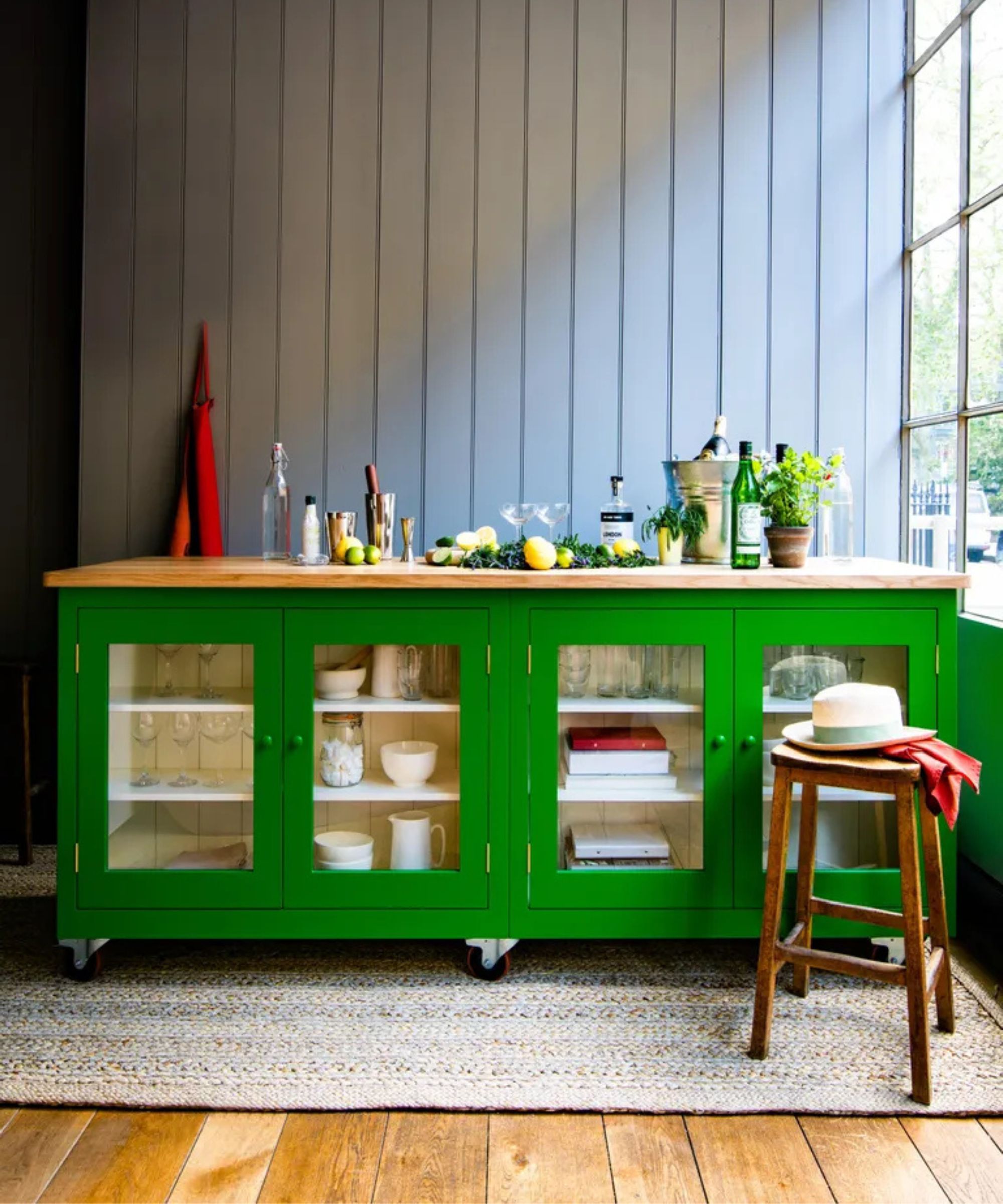
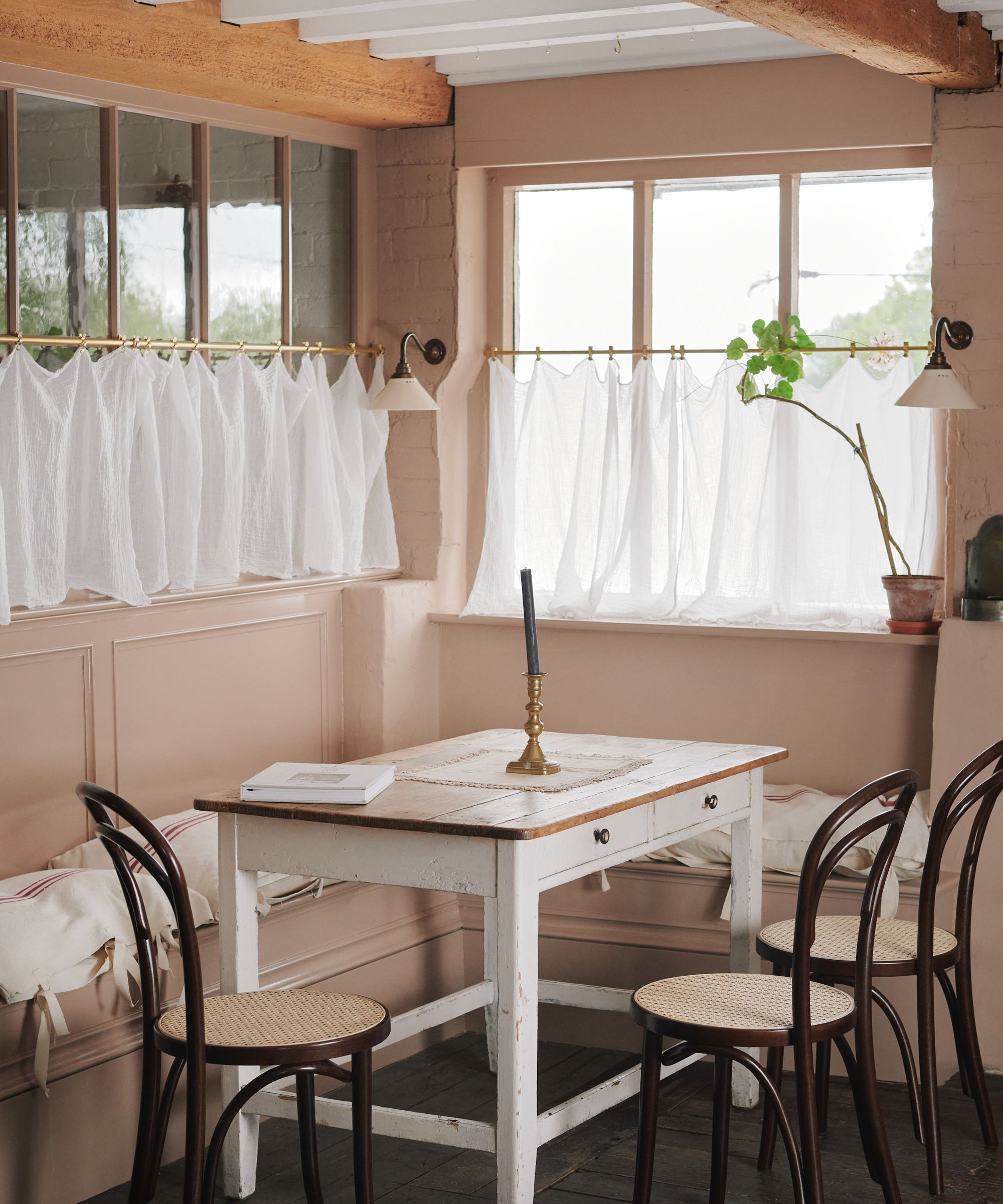
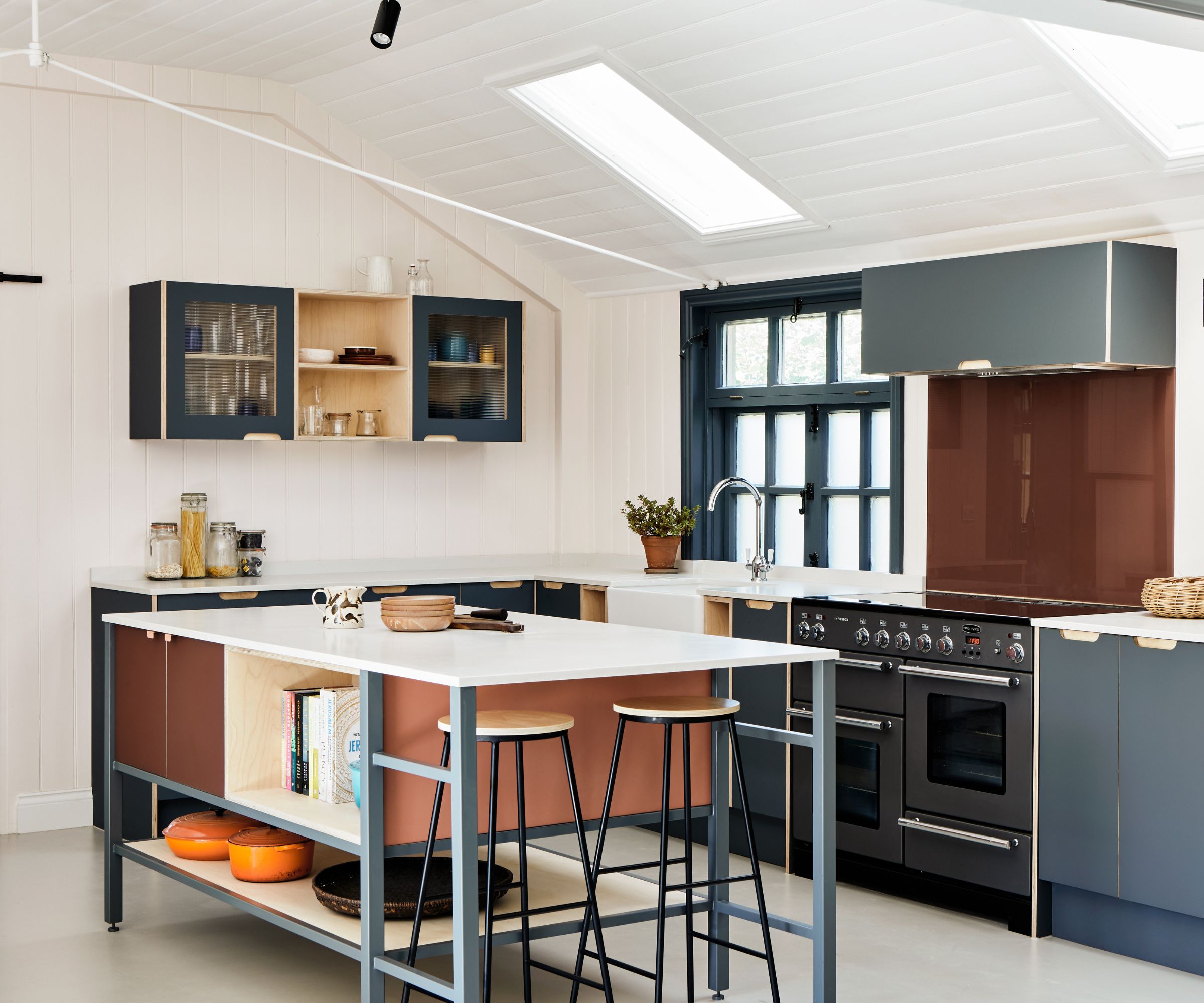
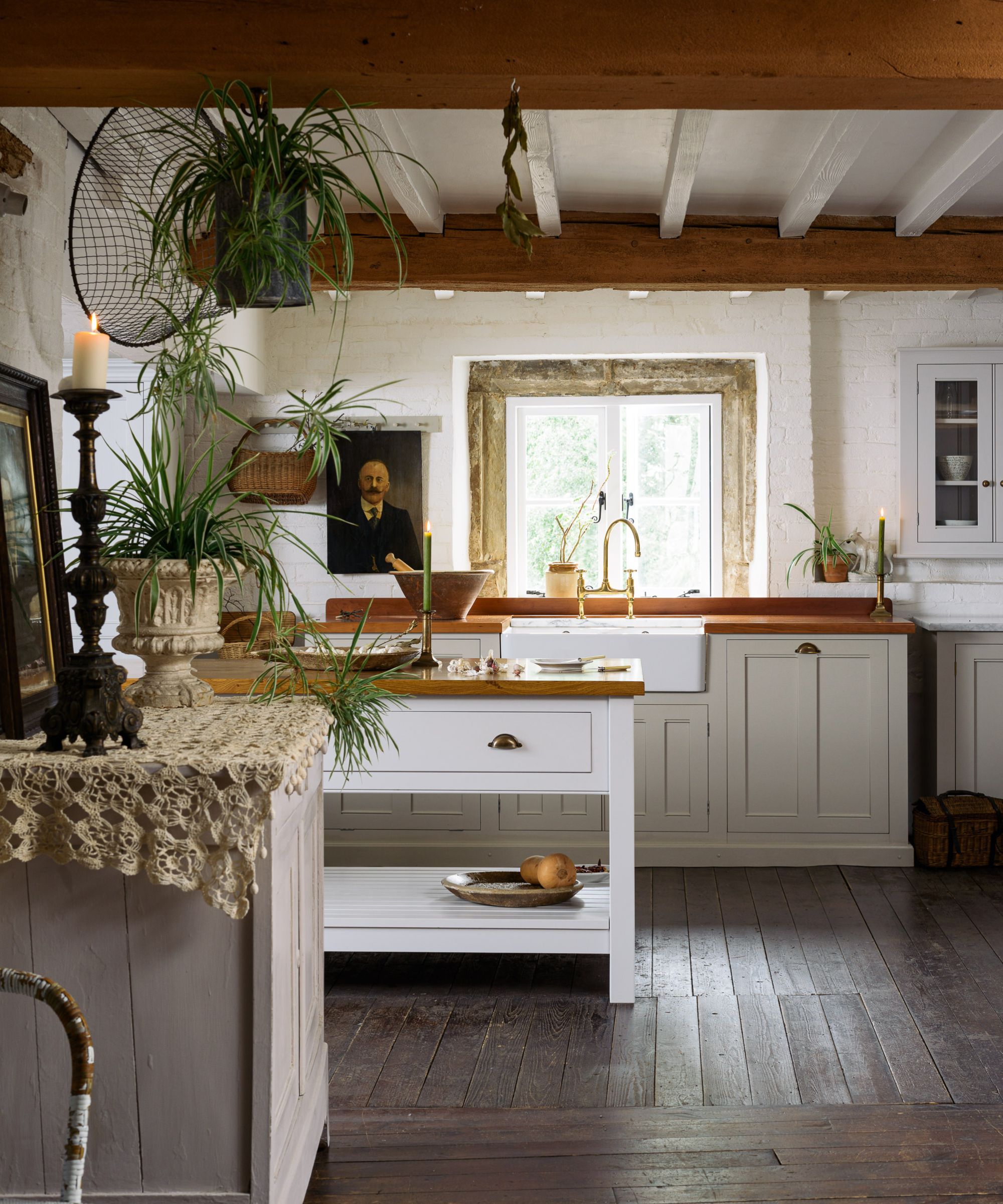
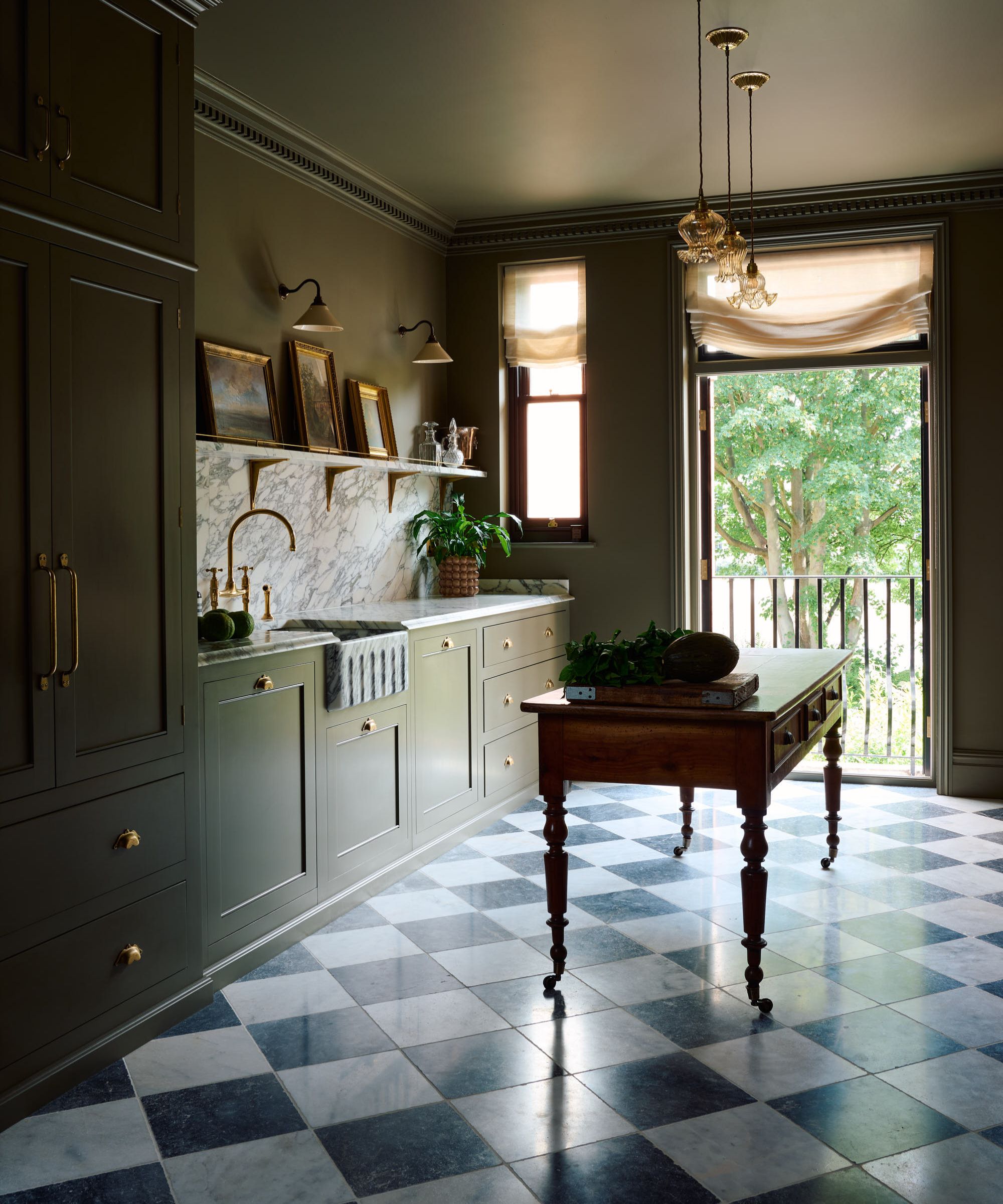
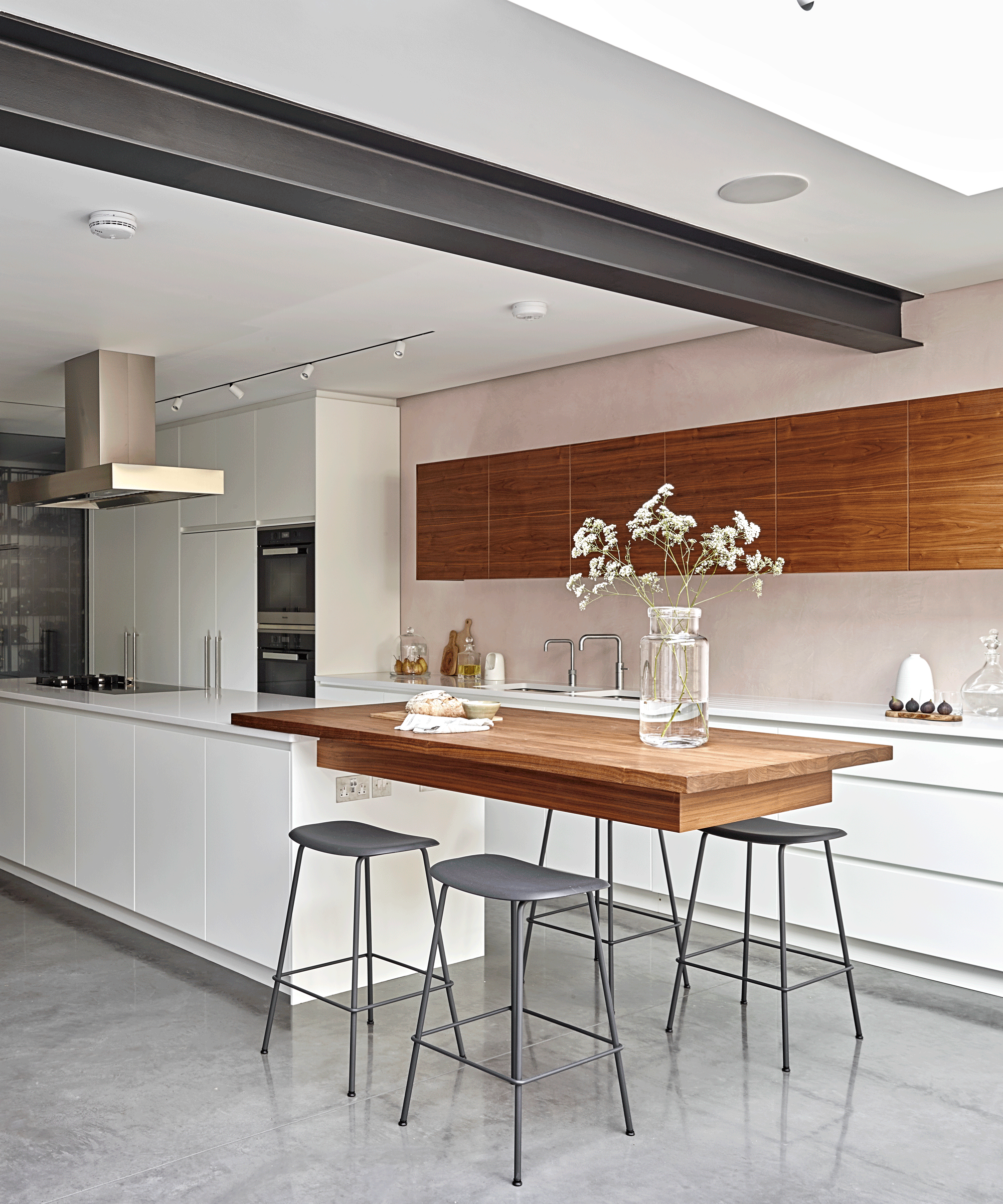
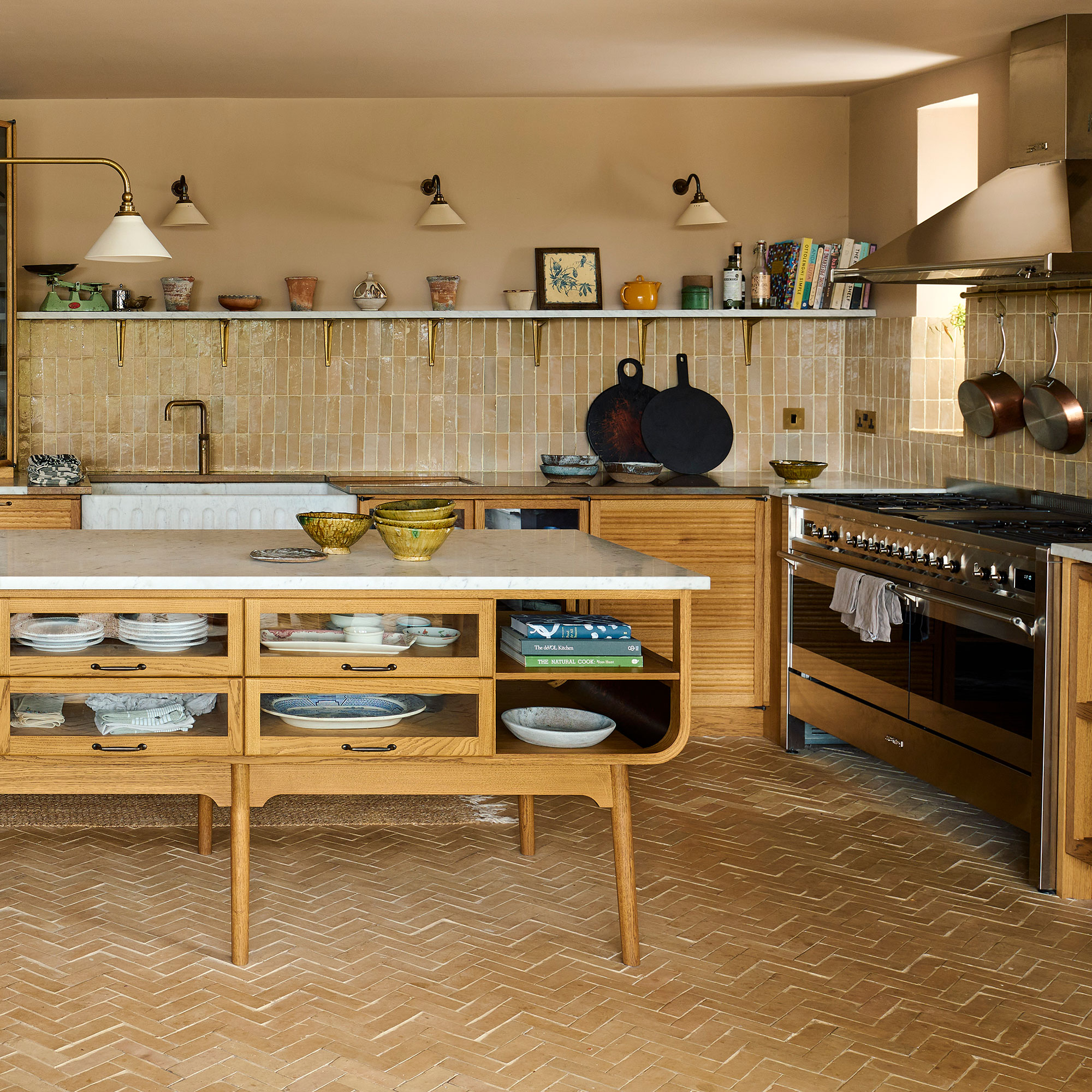
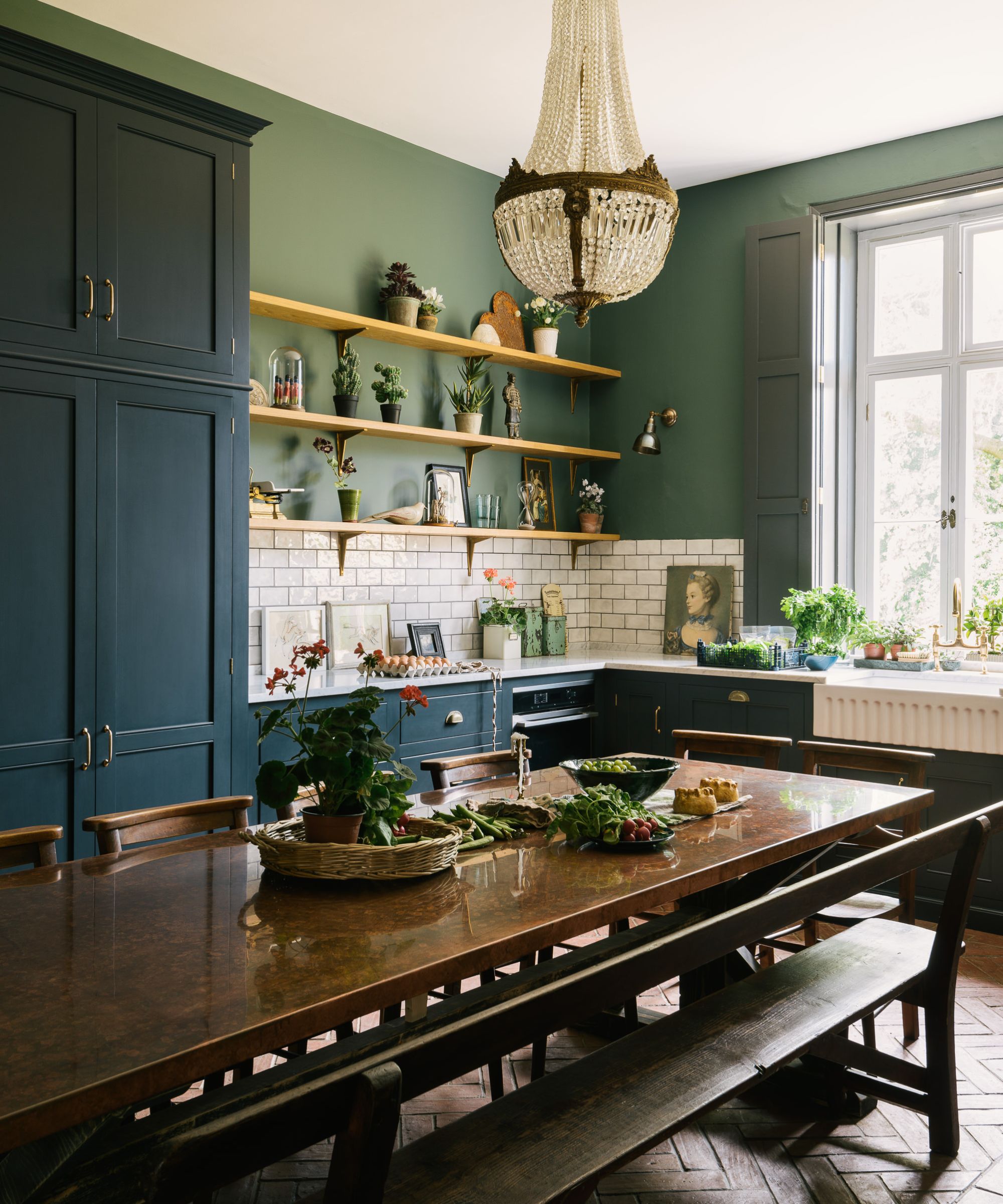
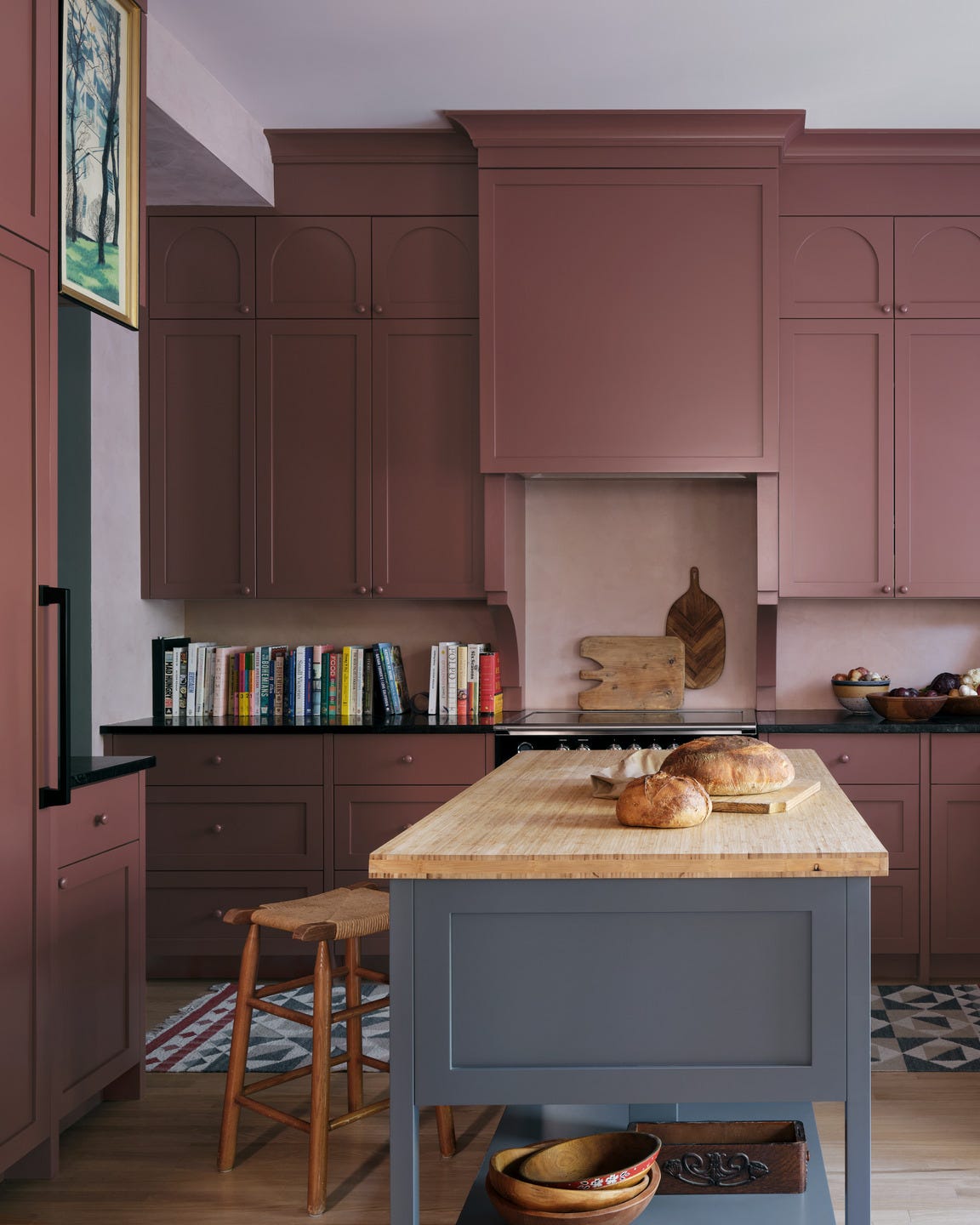
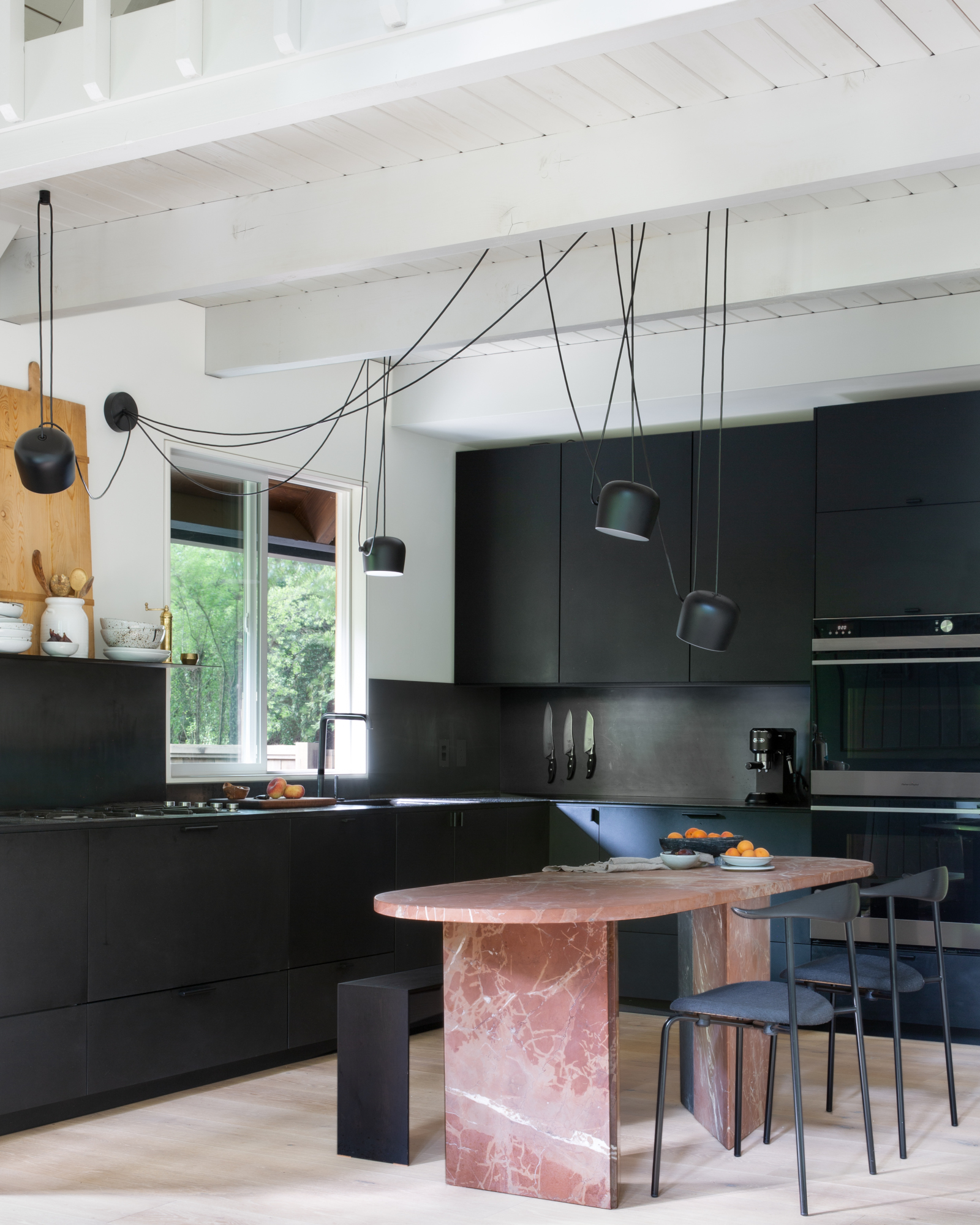
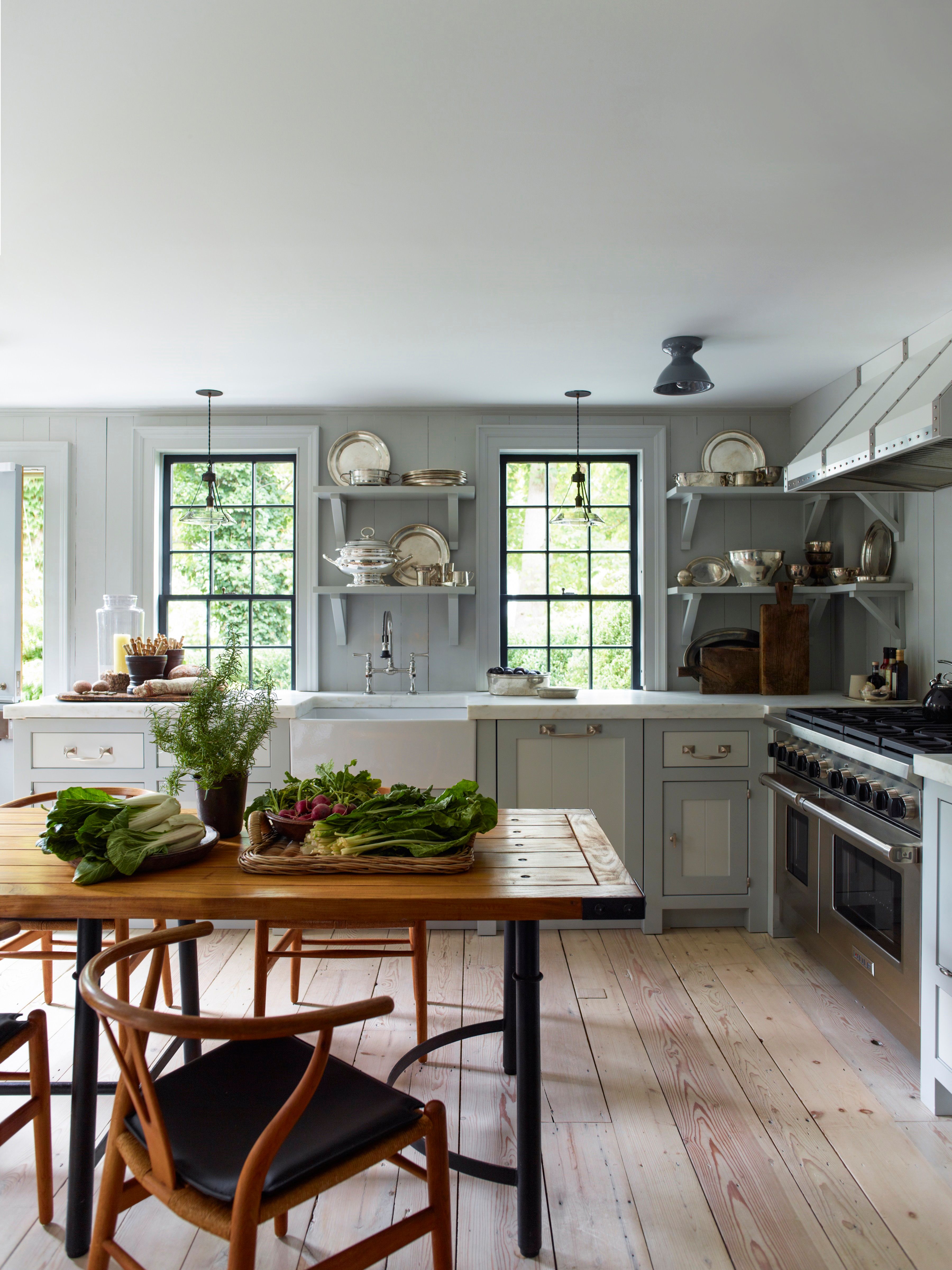
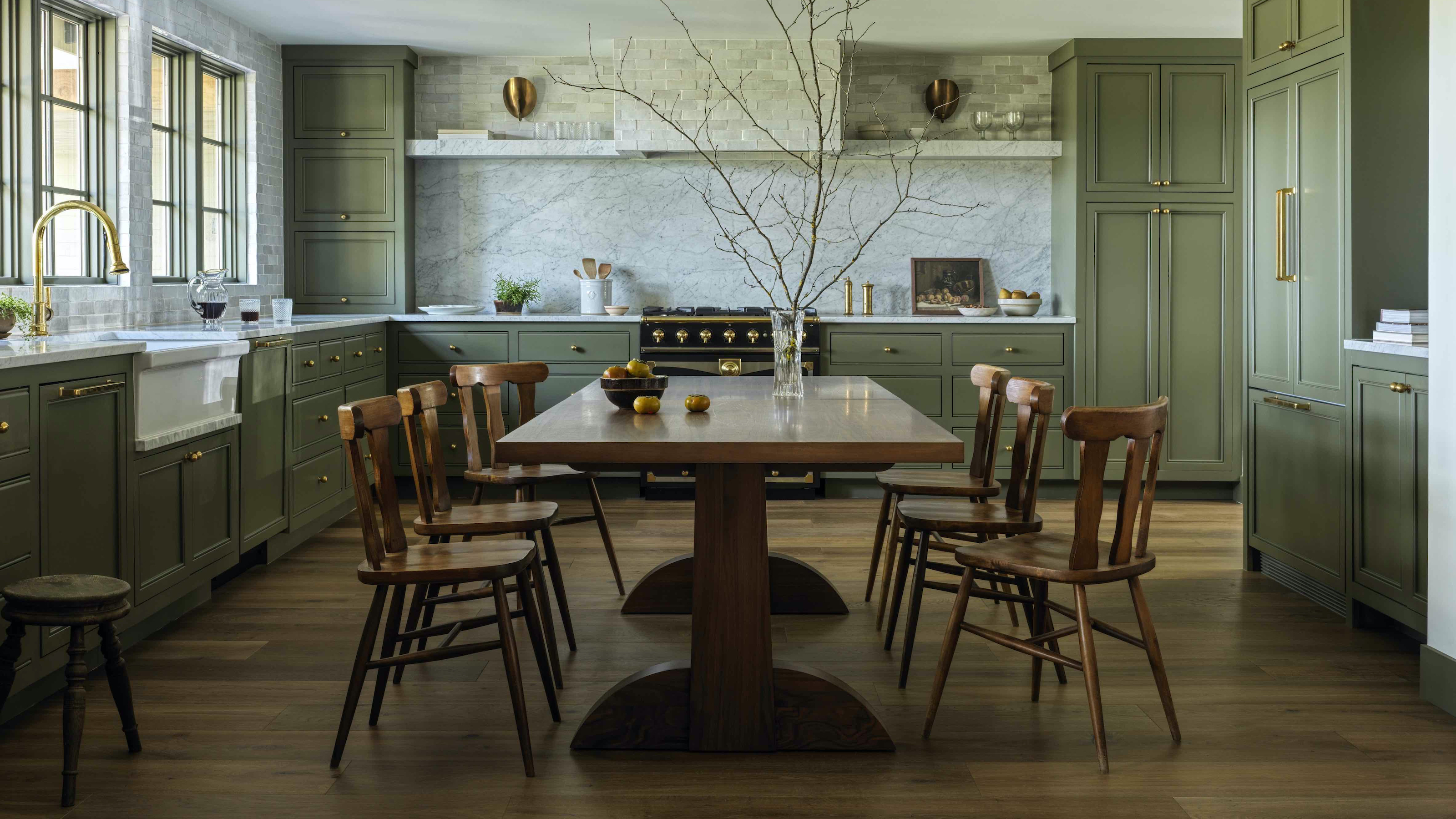
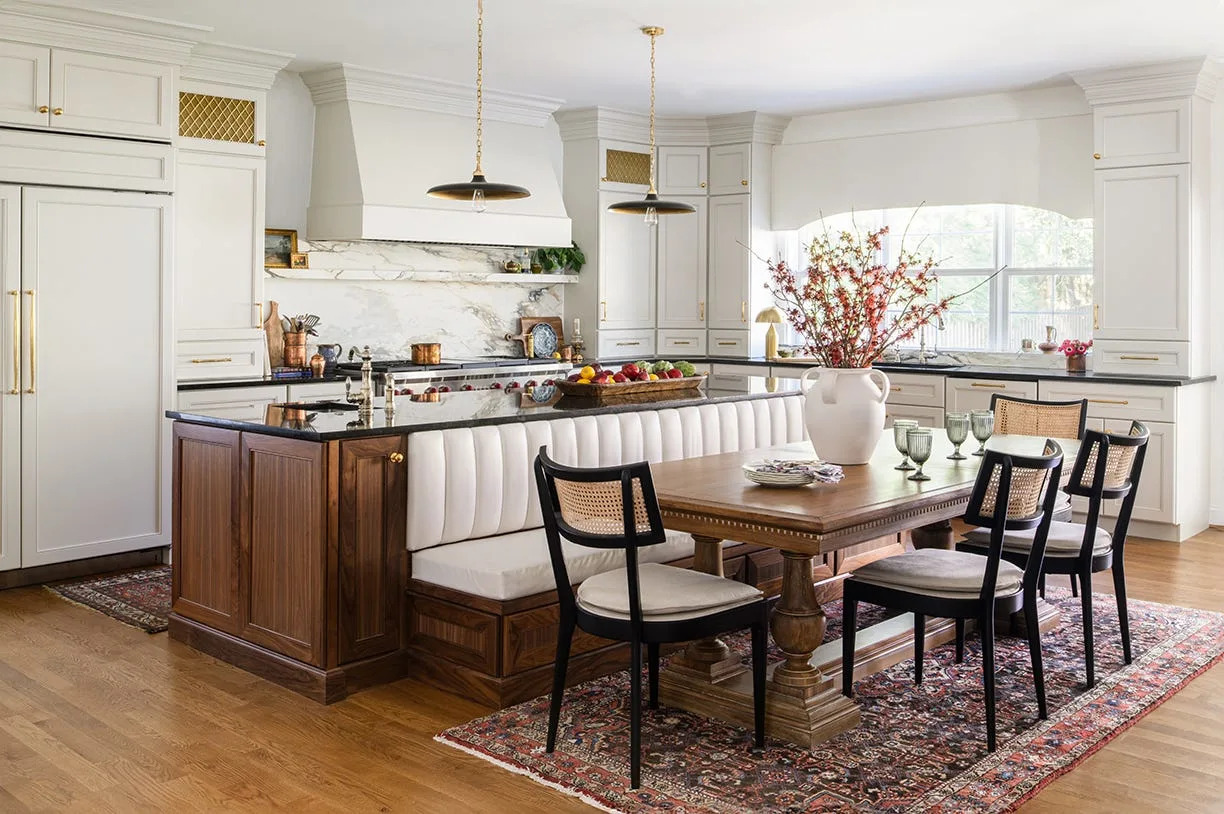
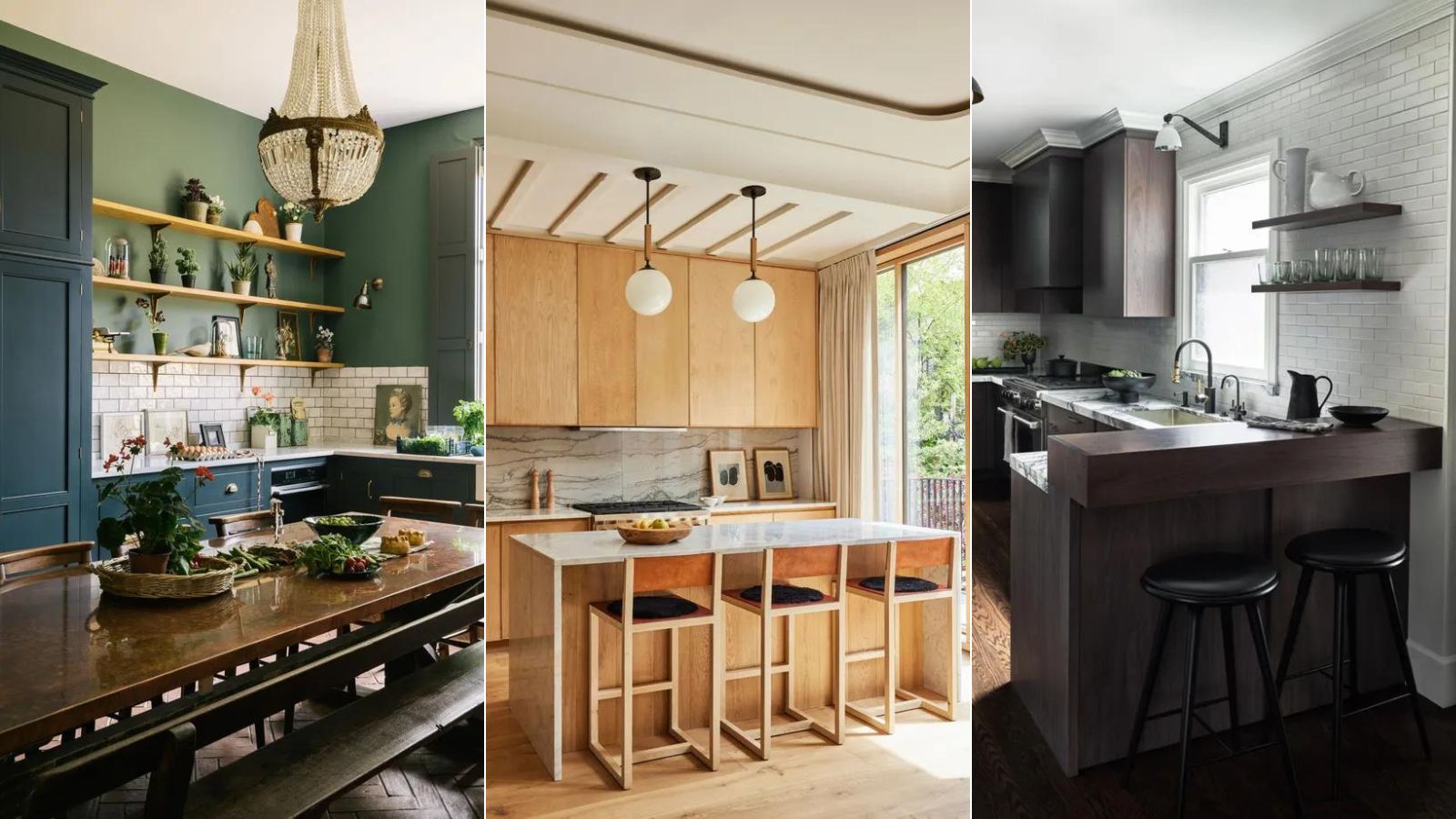
Prominent cabinetry companies like deVOL and Plain English, which have recently expanded their presence in the U.S. market, are increasingly featuring kitchen tables in their advertising. These companies advocate for the cozy and inviting atmosphere that a table creates, contrasting it with the often sleek and sometimes sterile appearance of built-in islands. Interior designers, such as Steven Gambrel, emphasize the "domestic warmth" and "sense of ease" that a table offers, attributing these qualities to its open structure and often aged appearance, which make it feel less bulky and more soulful than a fixed island.
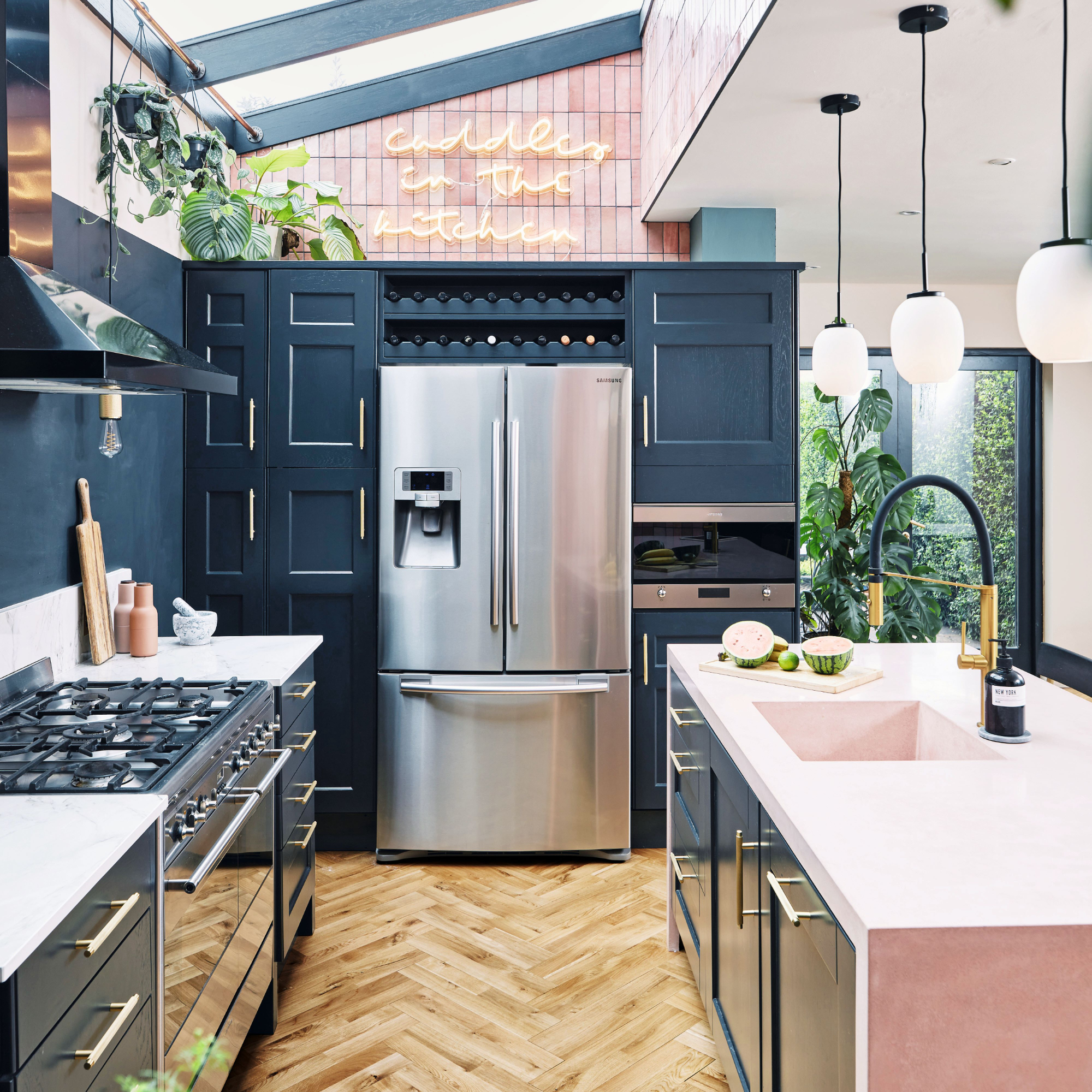
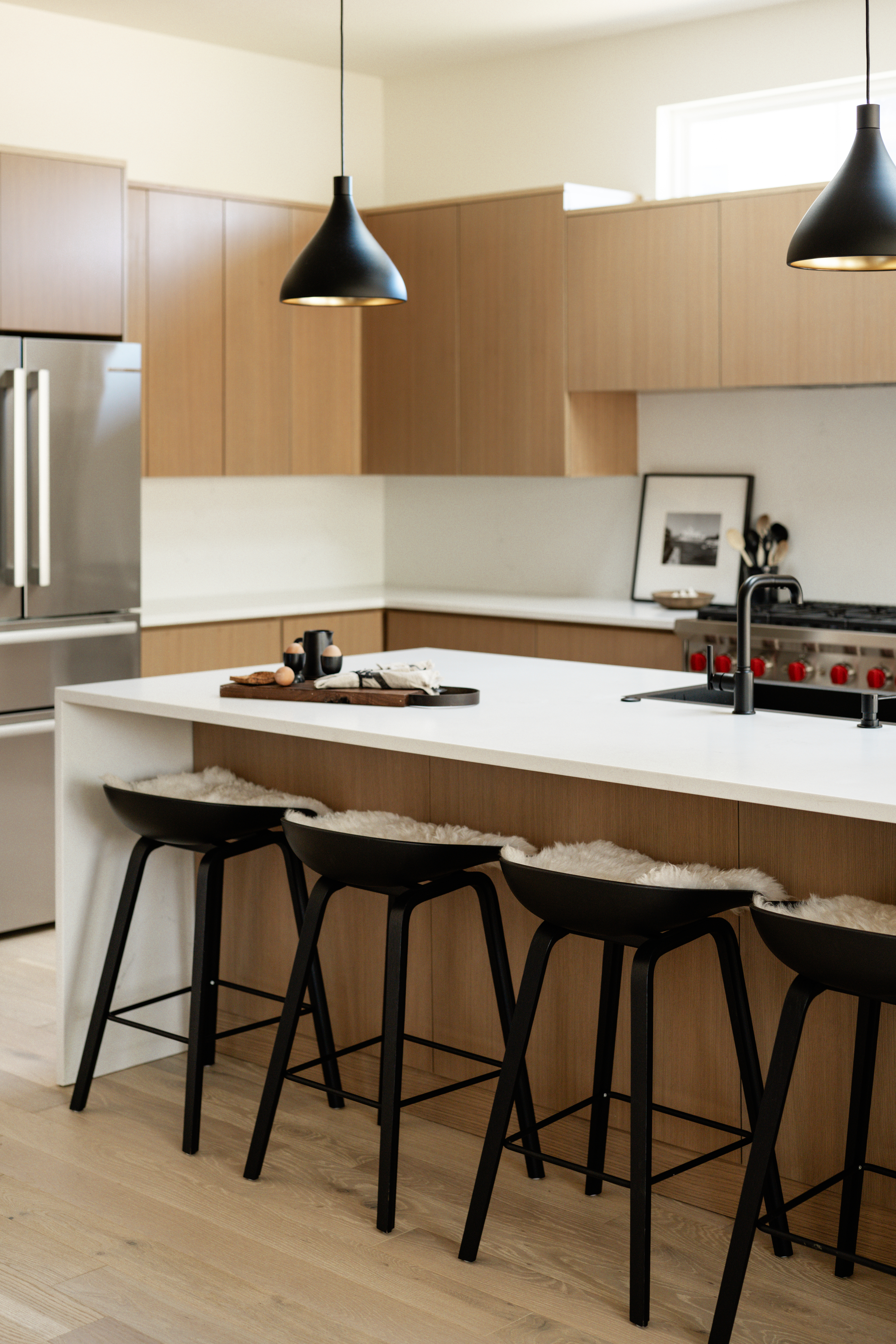
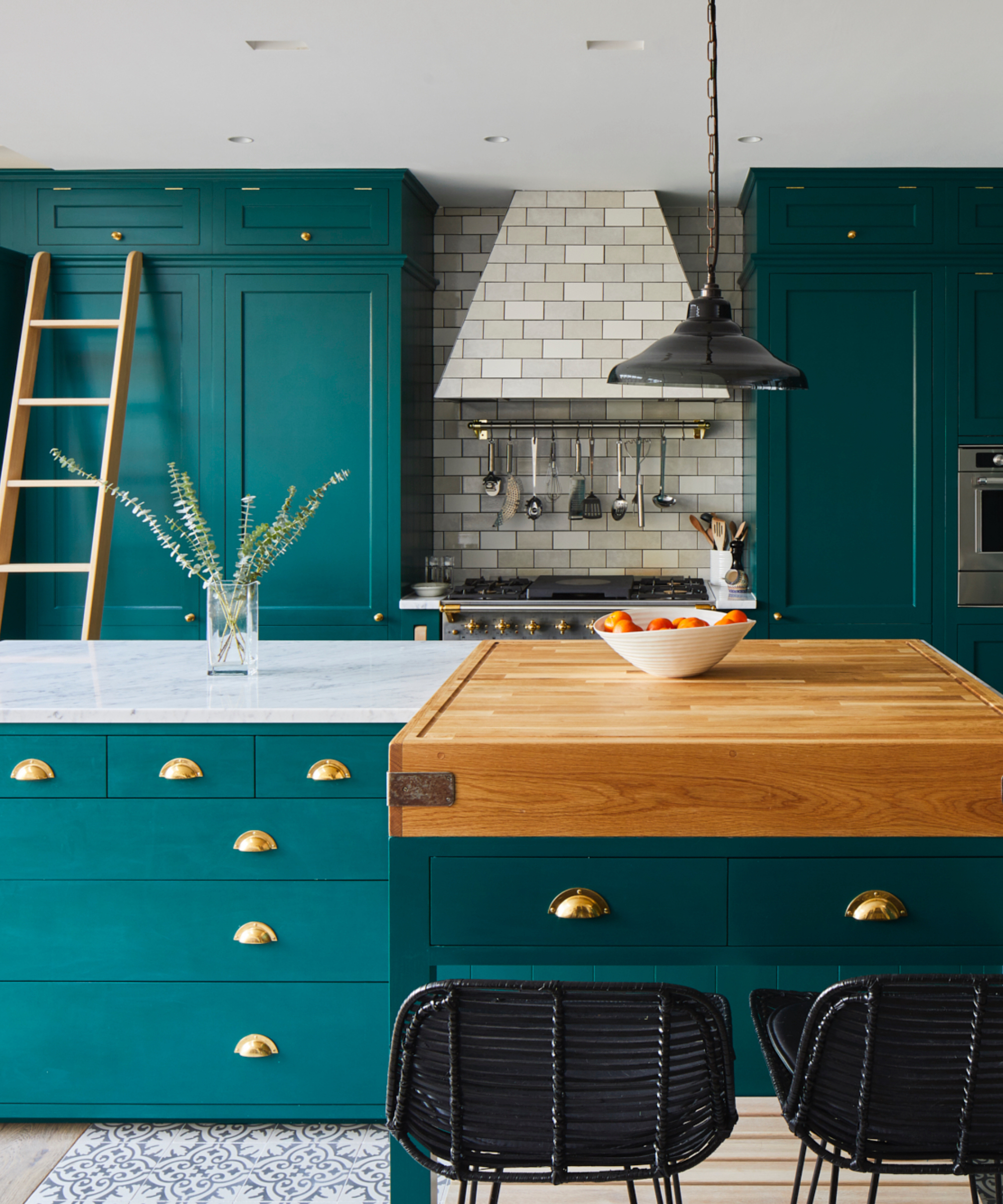
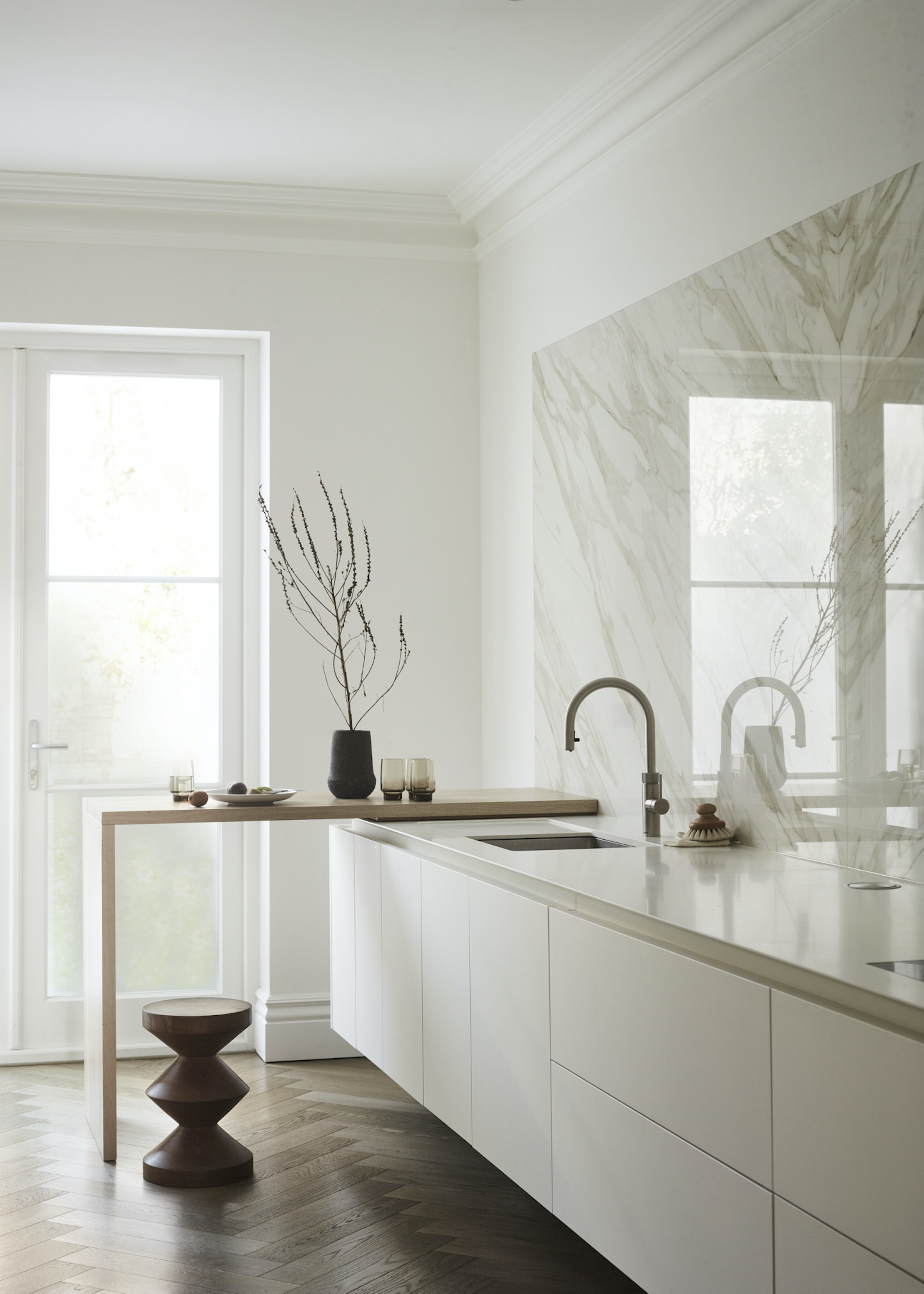
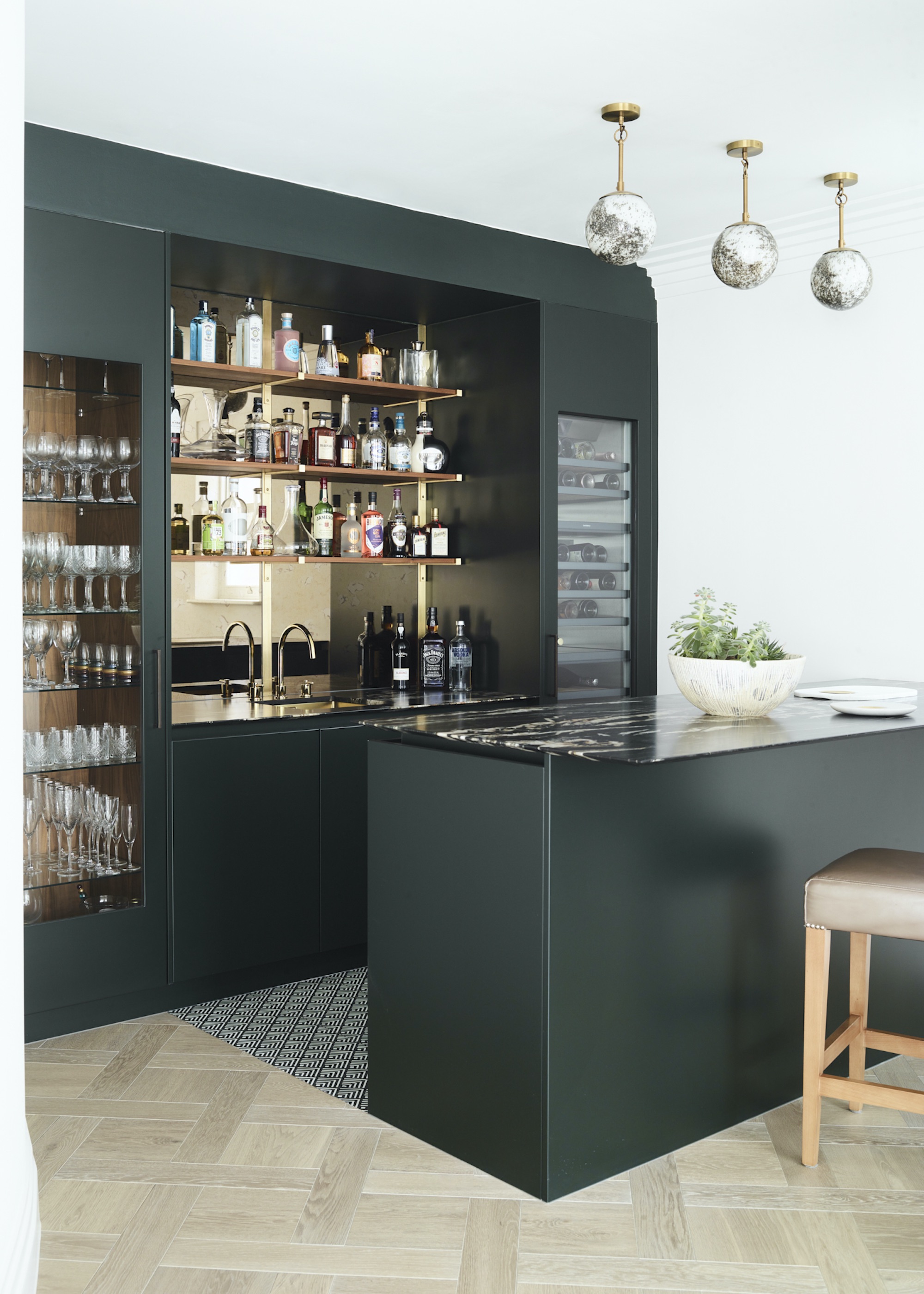
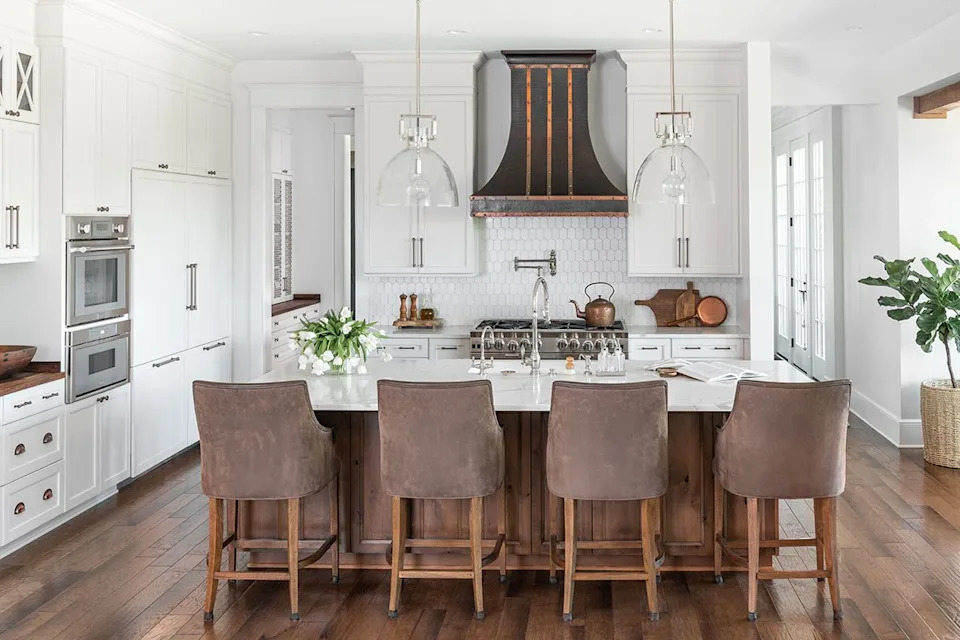
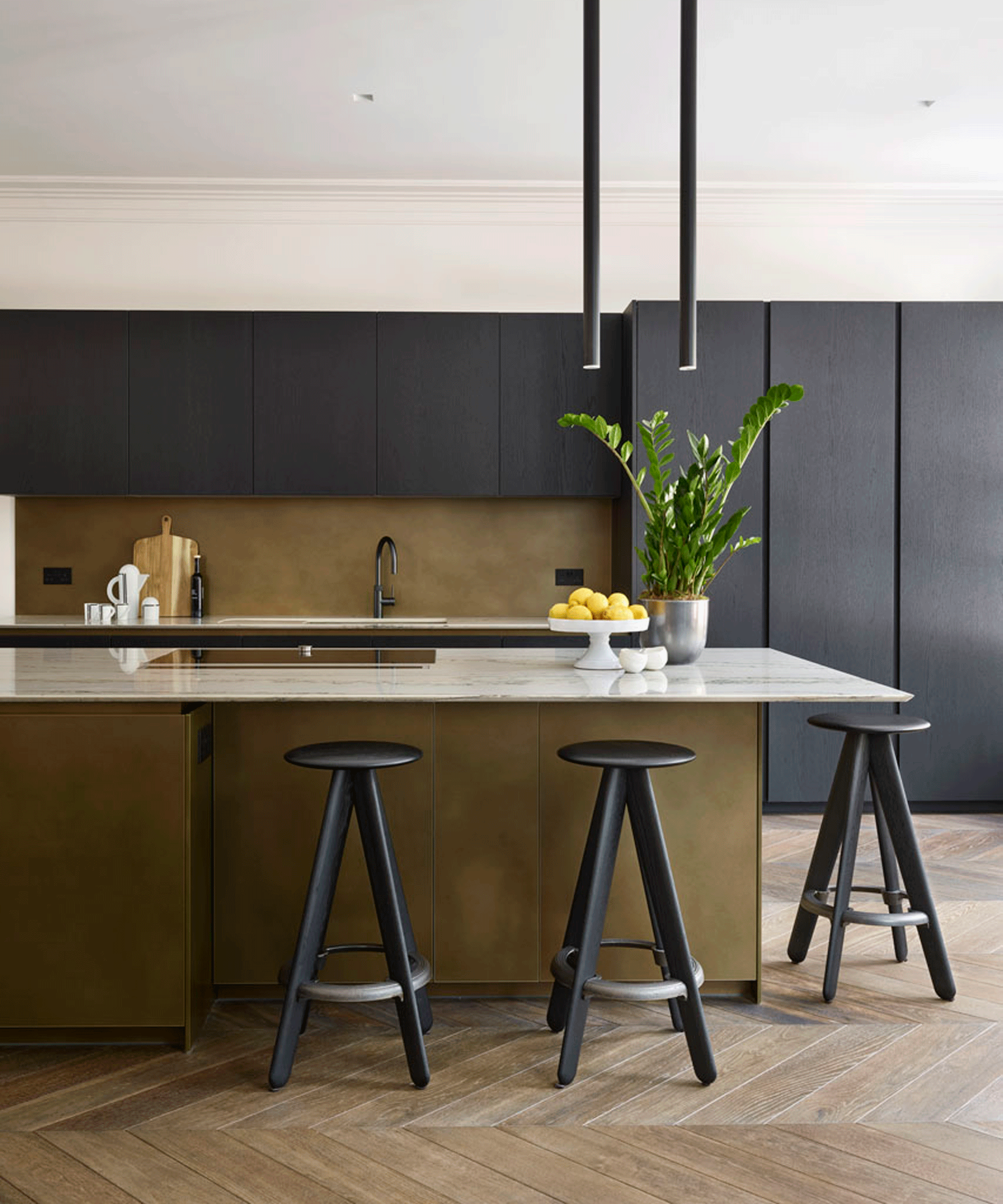
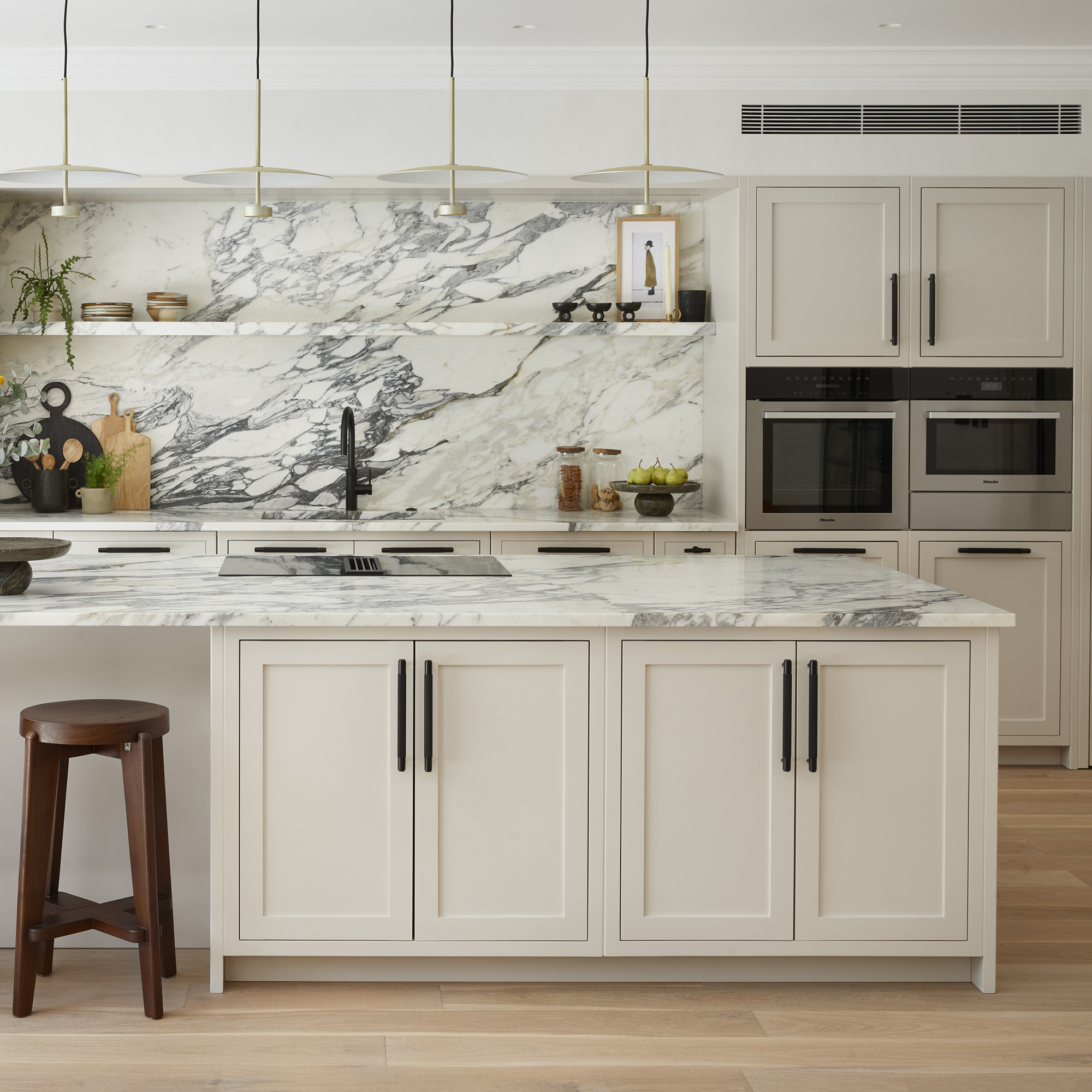
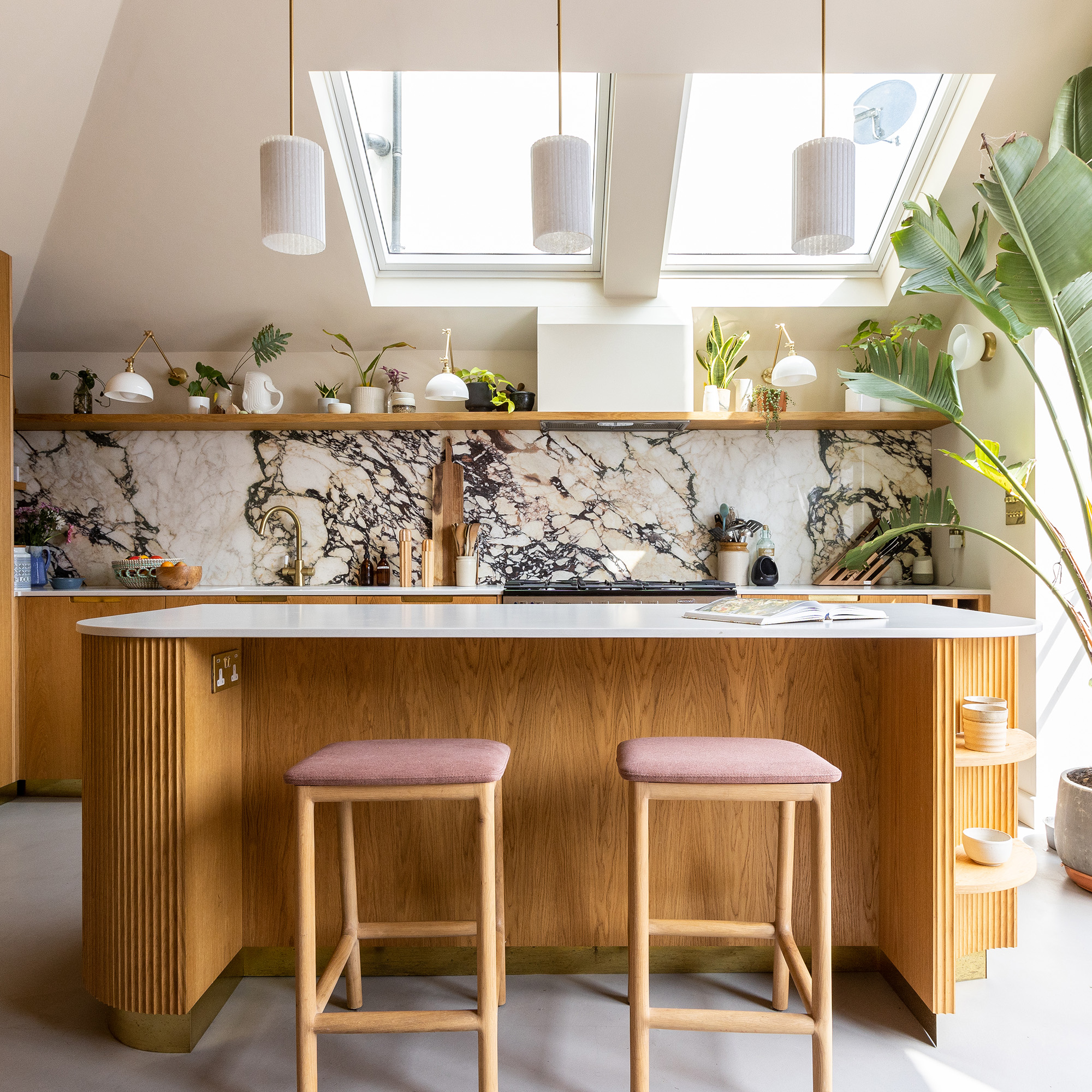
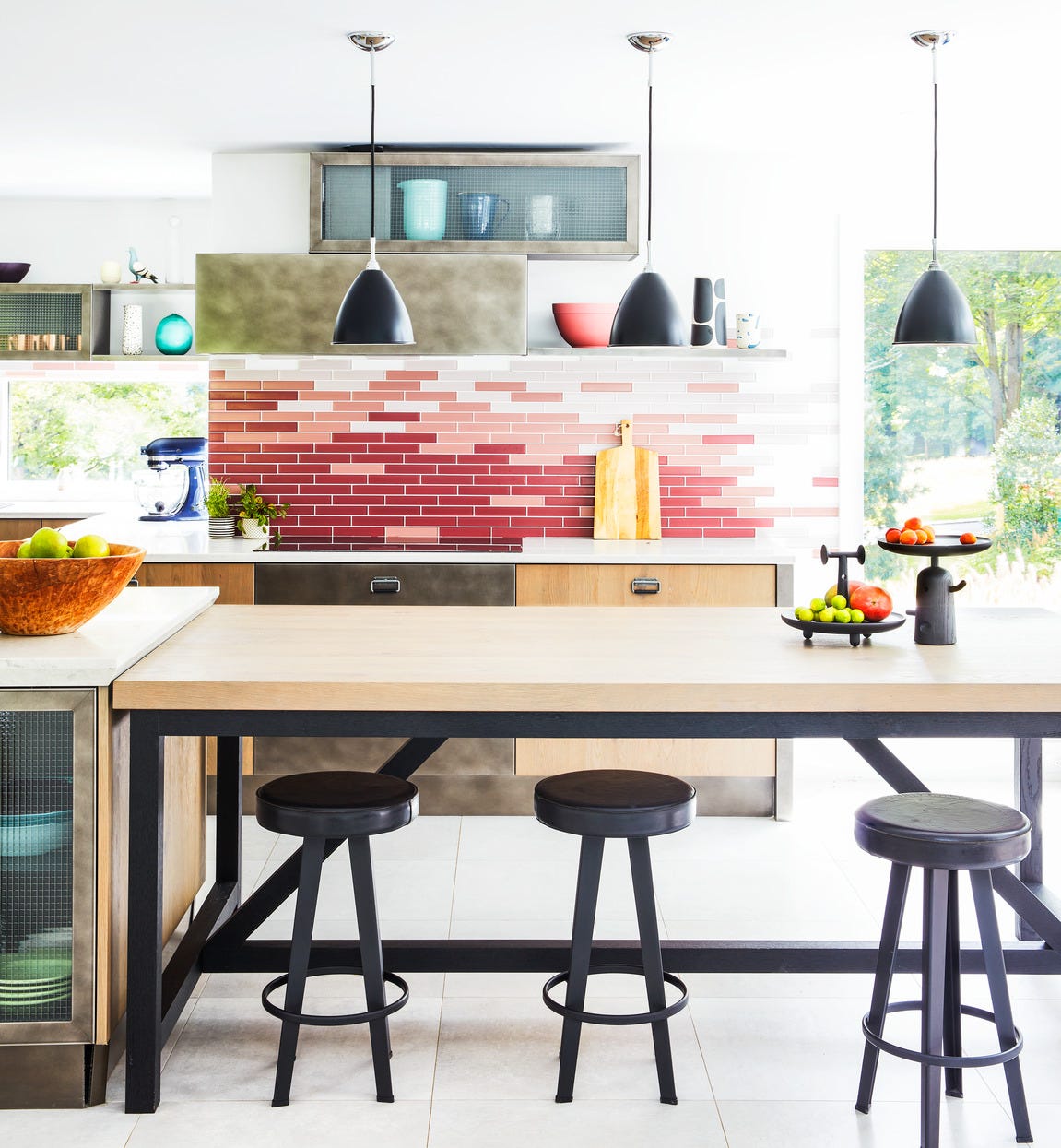
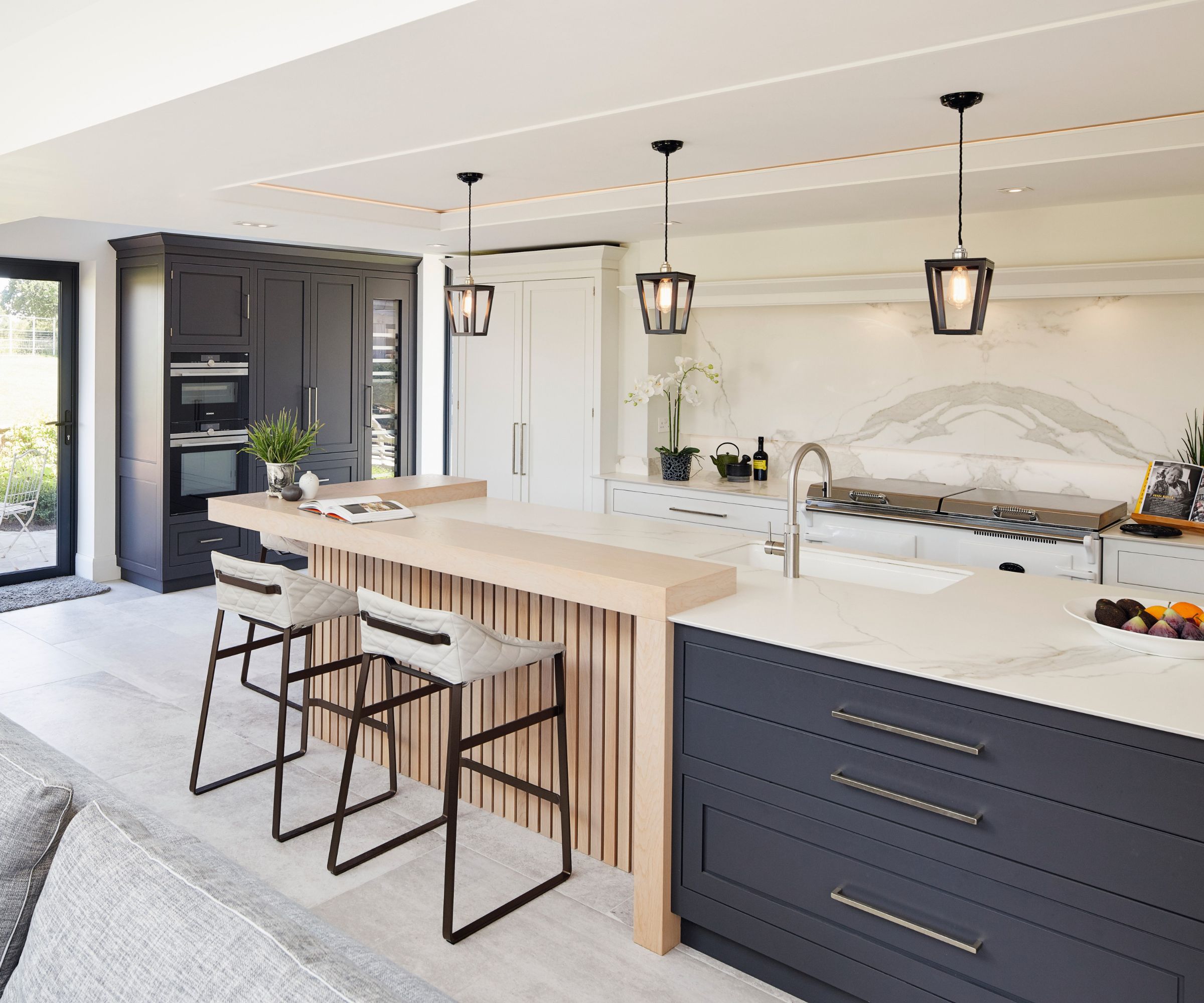
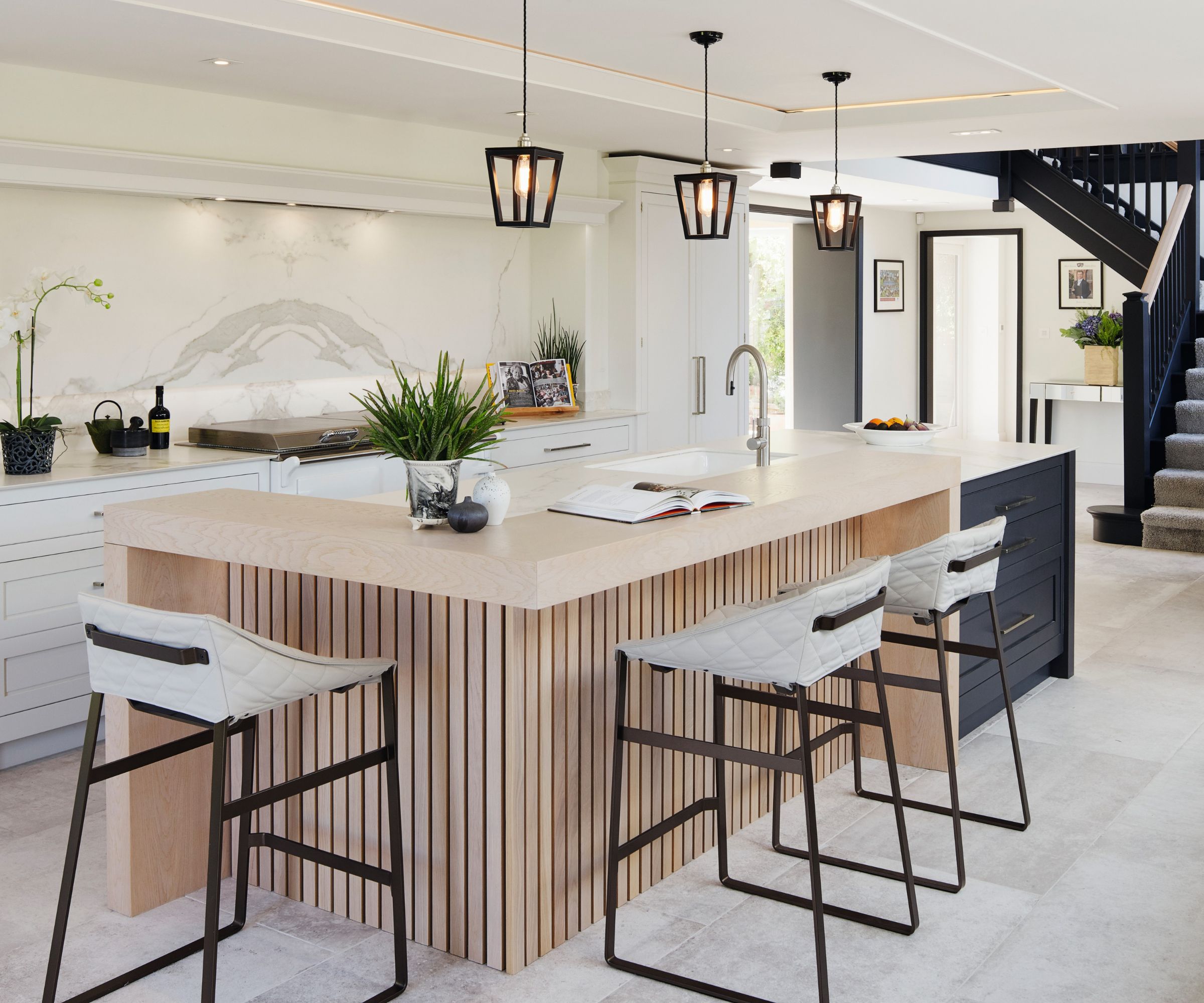
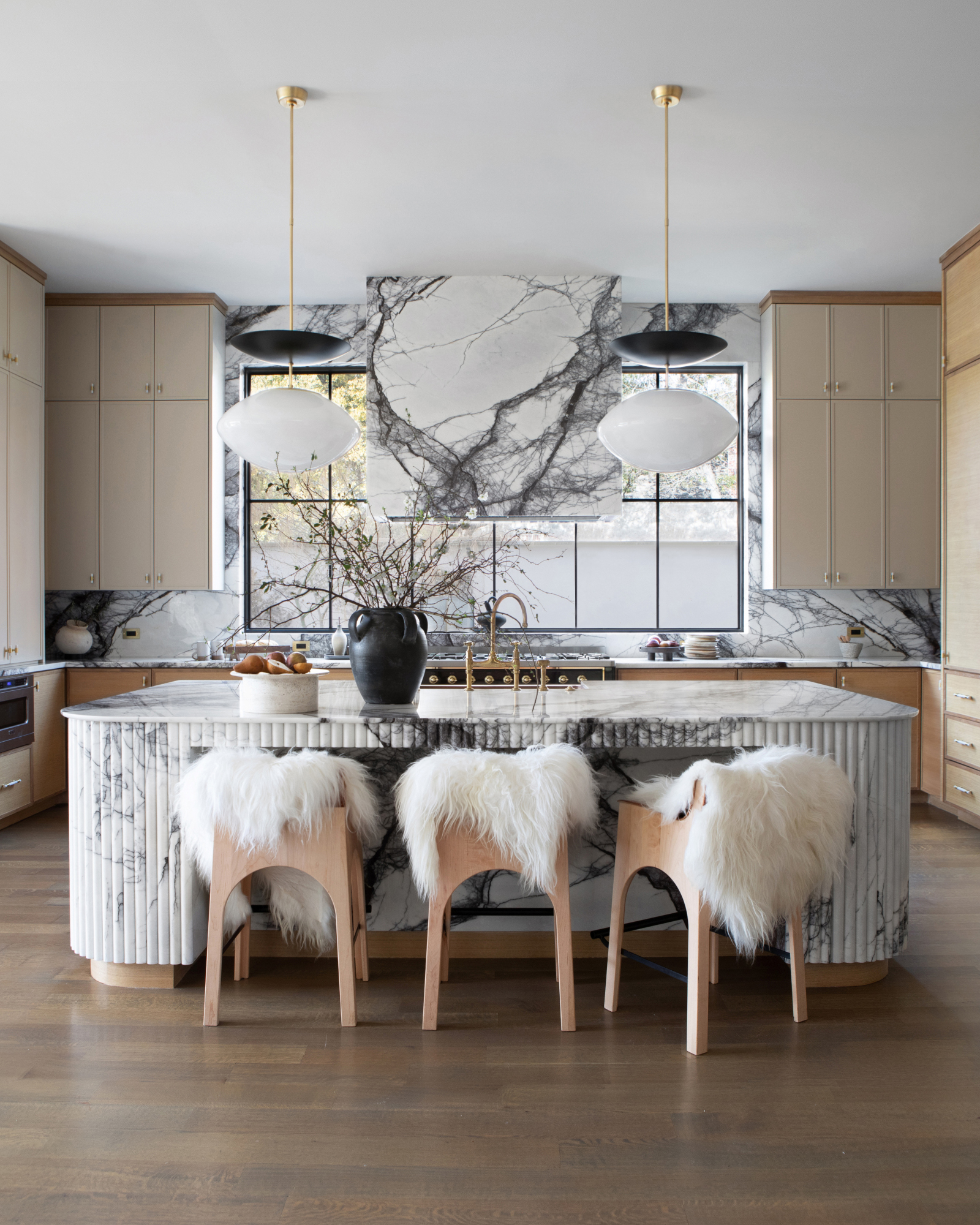
One of the main criticisms leveled against kitchen islands is their tendency to become overloaded with appliances, storage, and seating, leading to a less aesthetically pleasing and functional piece of furniture. Many islands are designed to incorporate sinks, cooktops, and ample storage, which can make them appear heavy and immobile. In contrast, a table’s raised legs allow for visual lightness, contributing to a more airy and less contrived feel in the kitchen space. Adding a vintage table is suggested as a way to introduce an authentic and eclectic touch, creating a more personal and lived-in environment.
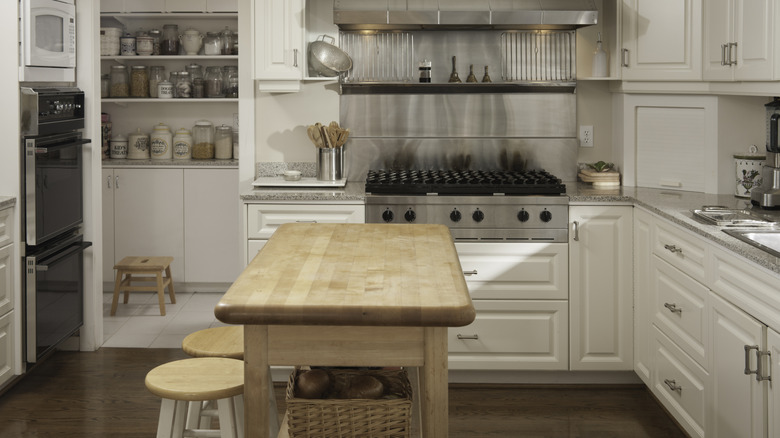
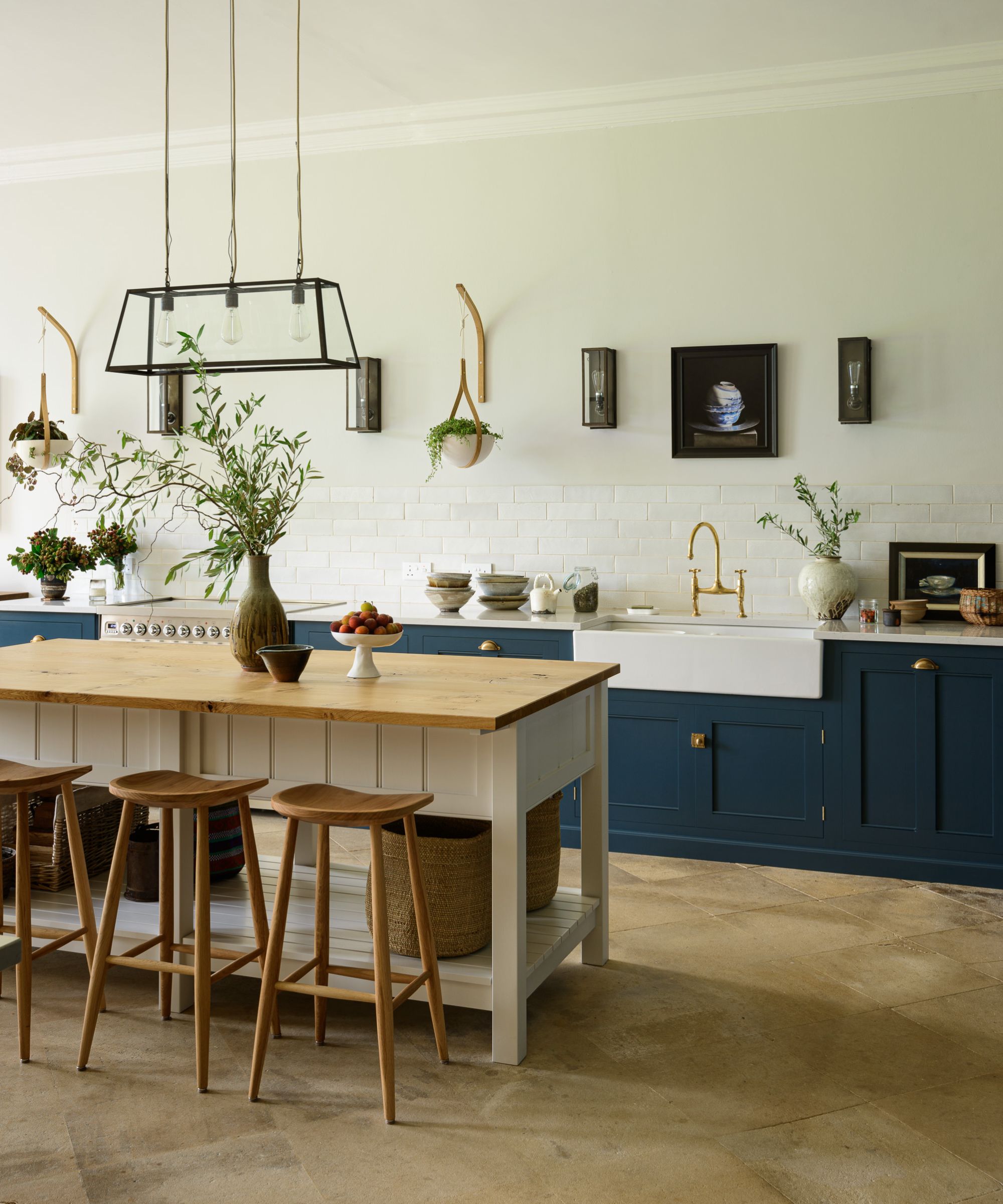
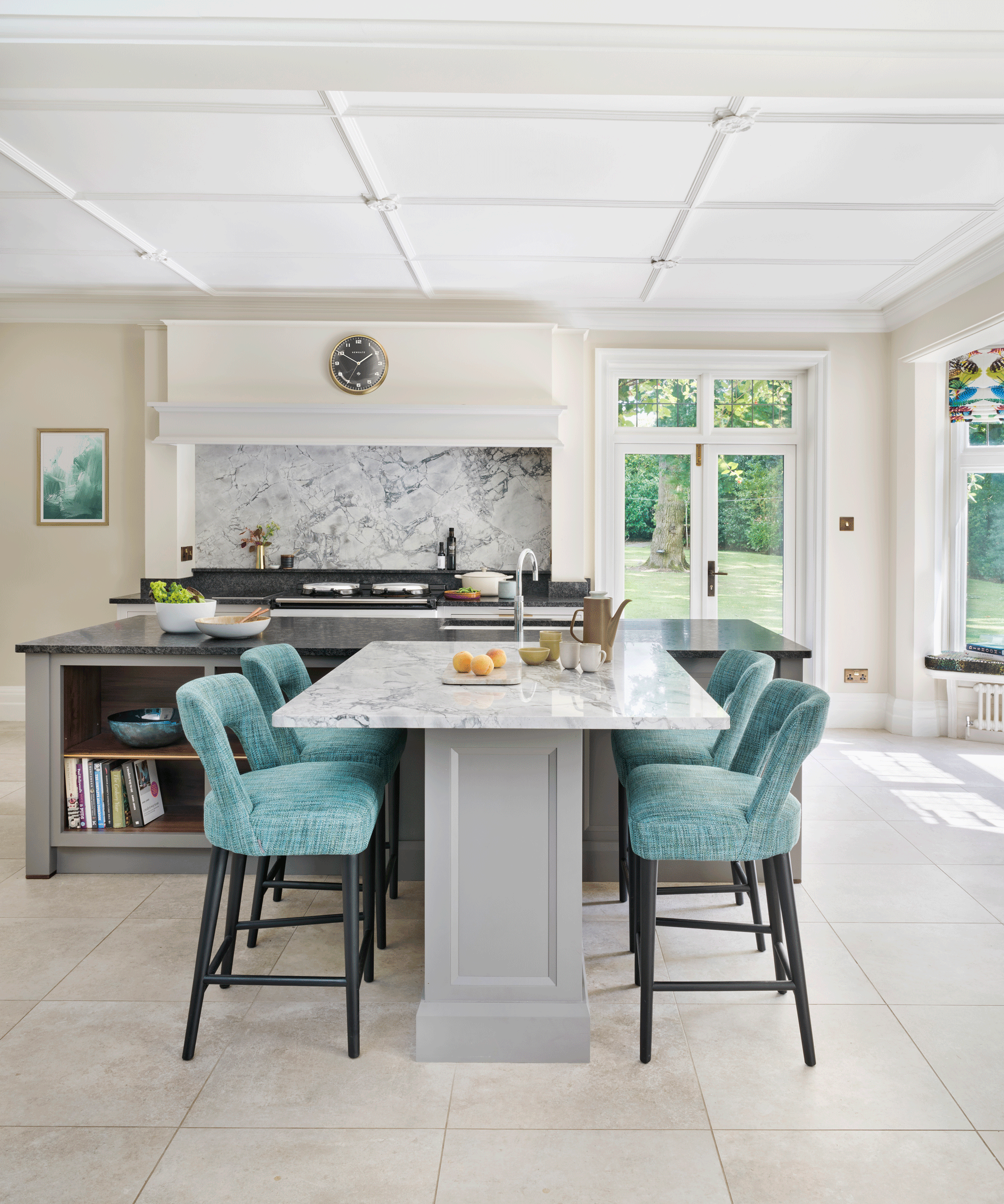
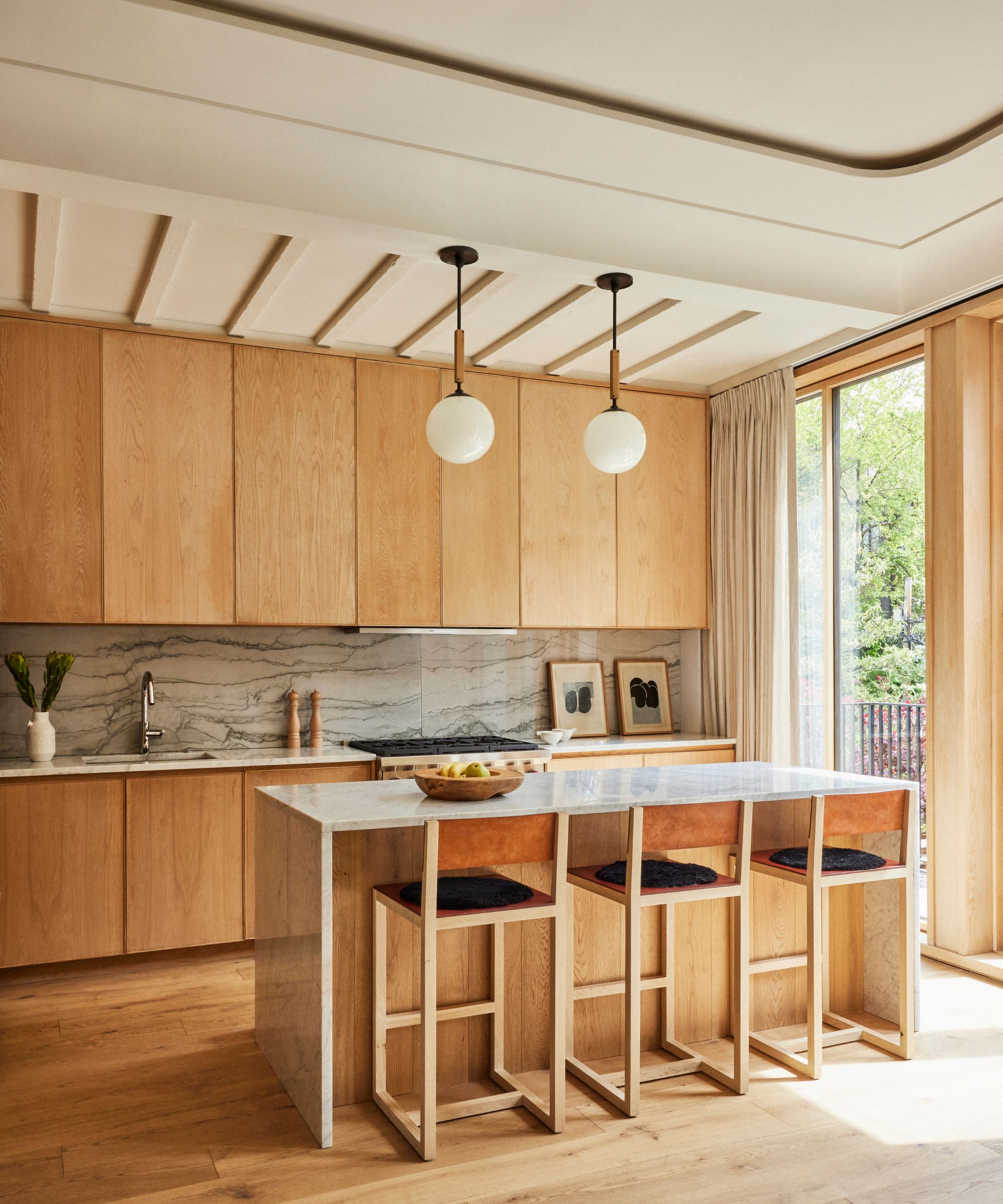
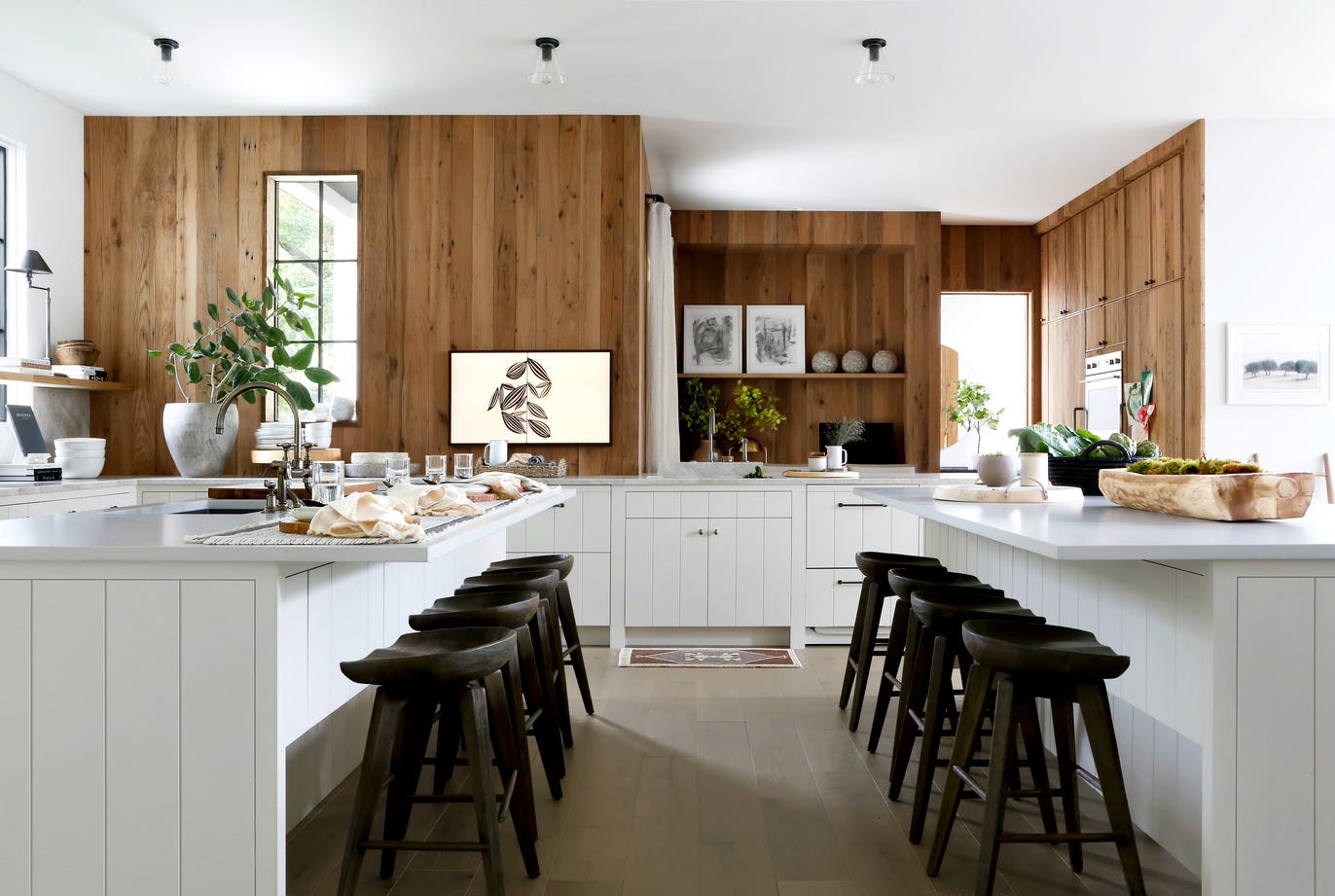
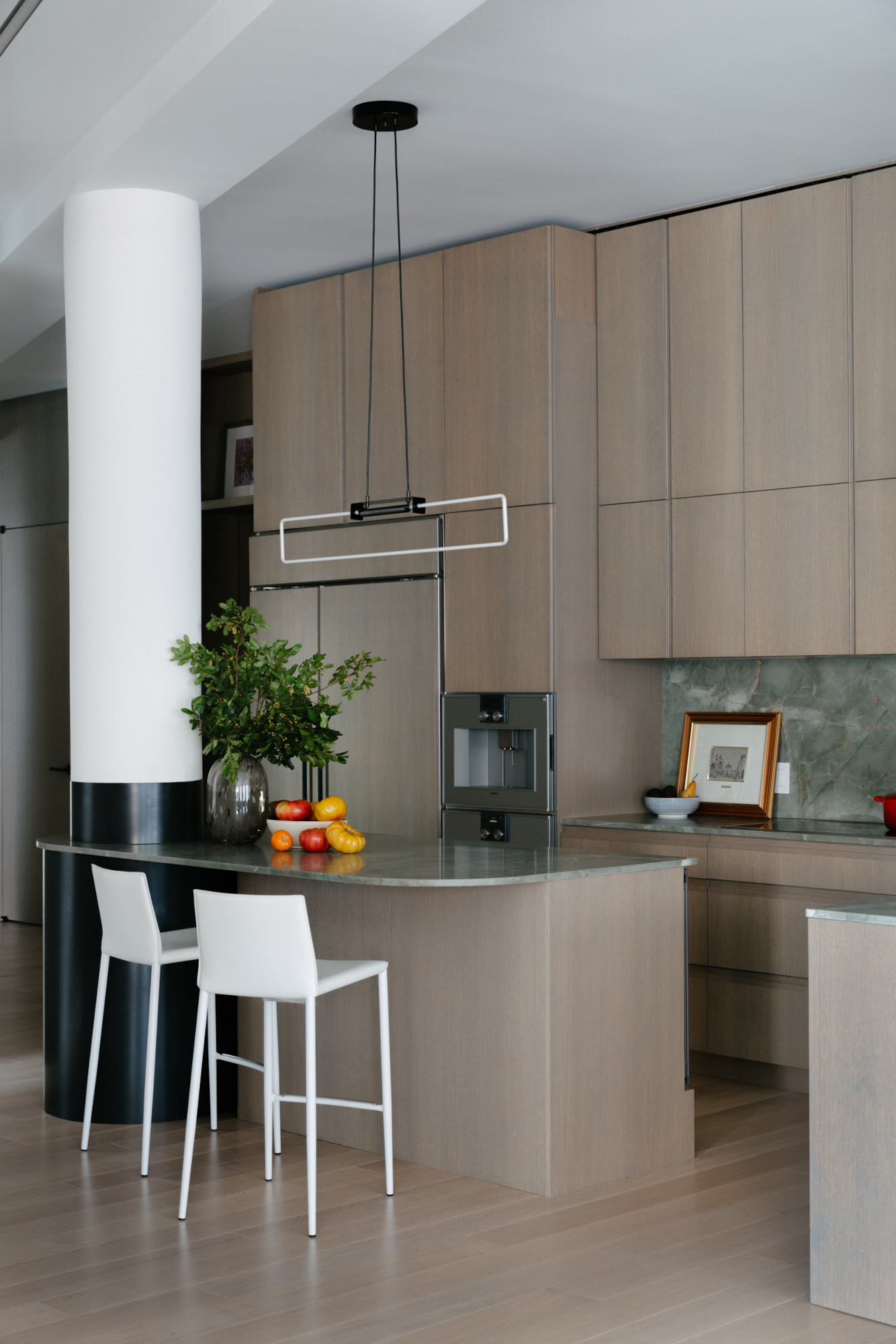
Despite the growing appreciation for kitchen tables, islands continue to hold a strong position in the American imagination. A recent Houzz survey indicated that a significant percentage of kitchen remodels involve adding an island, and some forecasters even predict an increase in double island configurations. While islands offer multifunctional utility, serving as a prep space, dining area, and social hub, their cost can be substantial, with custom options reaching over $10,000. For smaller or galley-style kitchens, especially in older homes, installing an island often requires extensive and costly renovations, such as opening up walls. In these situations, a small to medium-sized table presents a practical and affordable solution, providing comparable prep space at a fraction of the cost.
The evolution of the kitchen island is rooted in the humble work tables of earlier eras. Initially, these central tables were used by servants for meal preparation in wealthy households or by family members for tasks like peeling vegetables in more modest homes. The advent of the open kitchen and built-in island in the mid-20th century transformed the kitchen into a modern command center, symbolizing convenience and togetherness for the homemaker. This trend gained momentum through the 1960s and '70s and became mainstream in the 1980s and '90s, fueled by popular home improvement and cooking shows. The island evolved from a simple prep area to a stage for entertaining, allowing hosts to interact with guests while cooking.
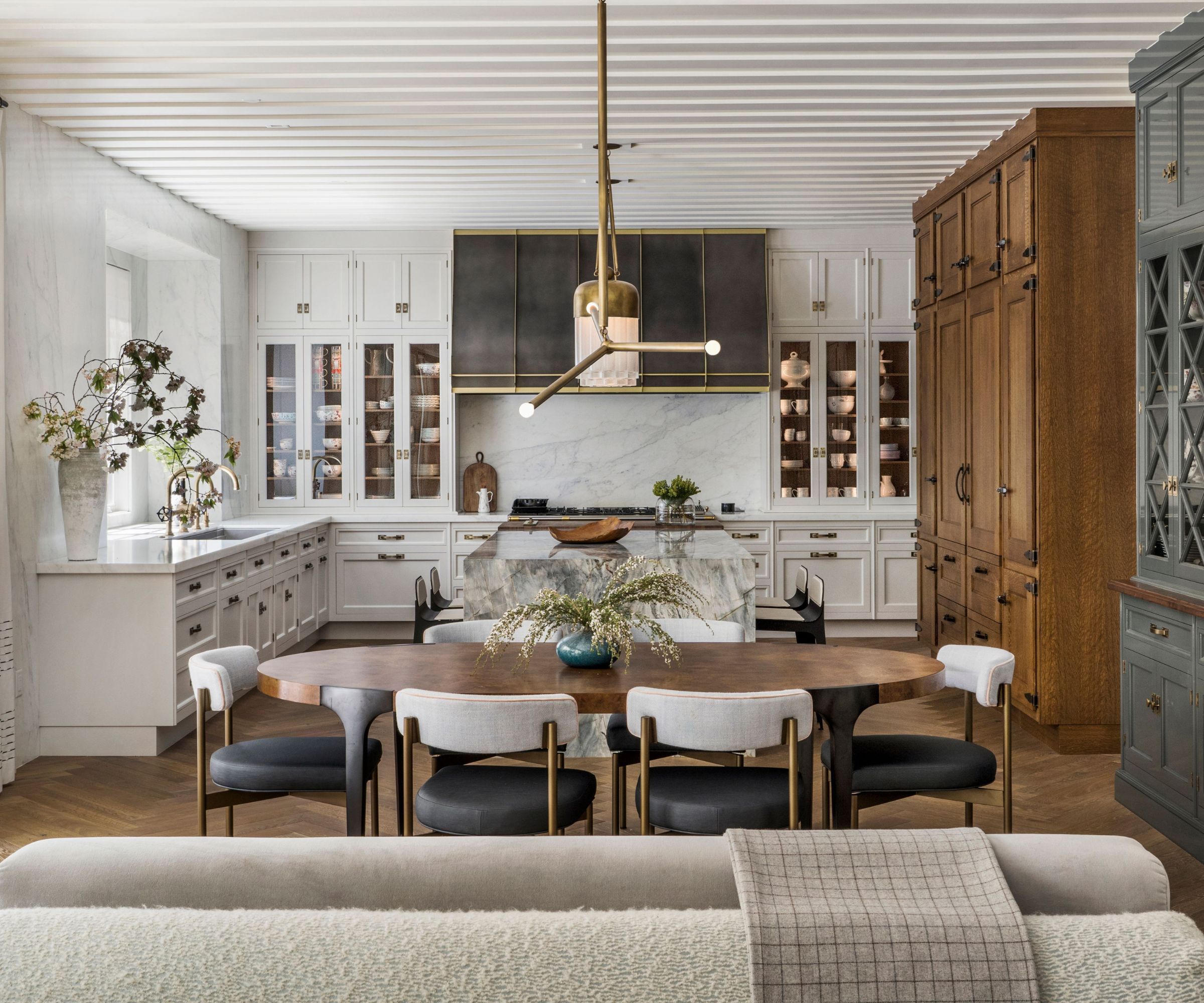
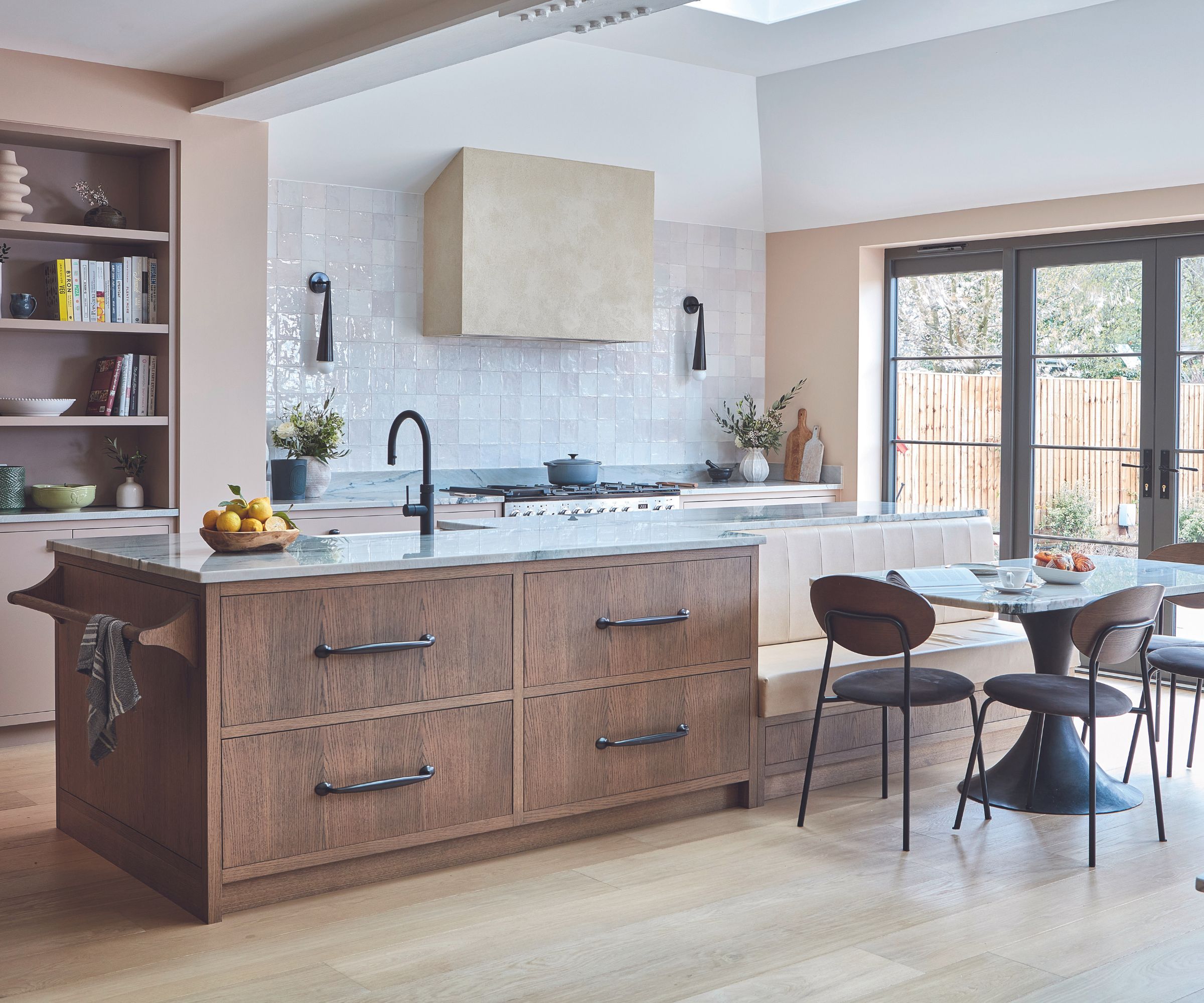
However, the design of islands also presents drawbacks. The visibility of dirty dishes, for instance, can be a constant issue in open-plan layouts. Furthermore, the ergonomics of island seating, often involving counter-height stools, can be uncomfortable for extended periods, lacking the support of a traditional chair. Breakfast bar-style seating, common with islands, often forces diners to face the same direction, which can hinder conversation and connection. In contrast, a communal kitchen table allows everyone to sit comfortably, facing each other, and occupy equal space, fostering a more balanced and engaging social dynamic. The shift back to tables reflects a desire for a more authentic and comfortable living experience, prioritizing genuine interaction over perceived modern convenience.
#KitchenDesign #HomeDecor #InteriorTrends #KitchenTable #KitchenIsland #HomeRenovation #DomesticSpaces #FurnitureTrends #KitchenDesign #HomeDecor #InteriorTrends #KitchenTable #KitchenIsland #HomeRenovation #DomesticSpaces #FurnitureTrends
0 comment in total
 No comments yet
You may also like
Are kitchen islands out? Kitchen experts agree that the prep table might be it's trendy replacement
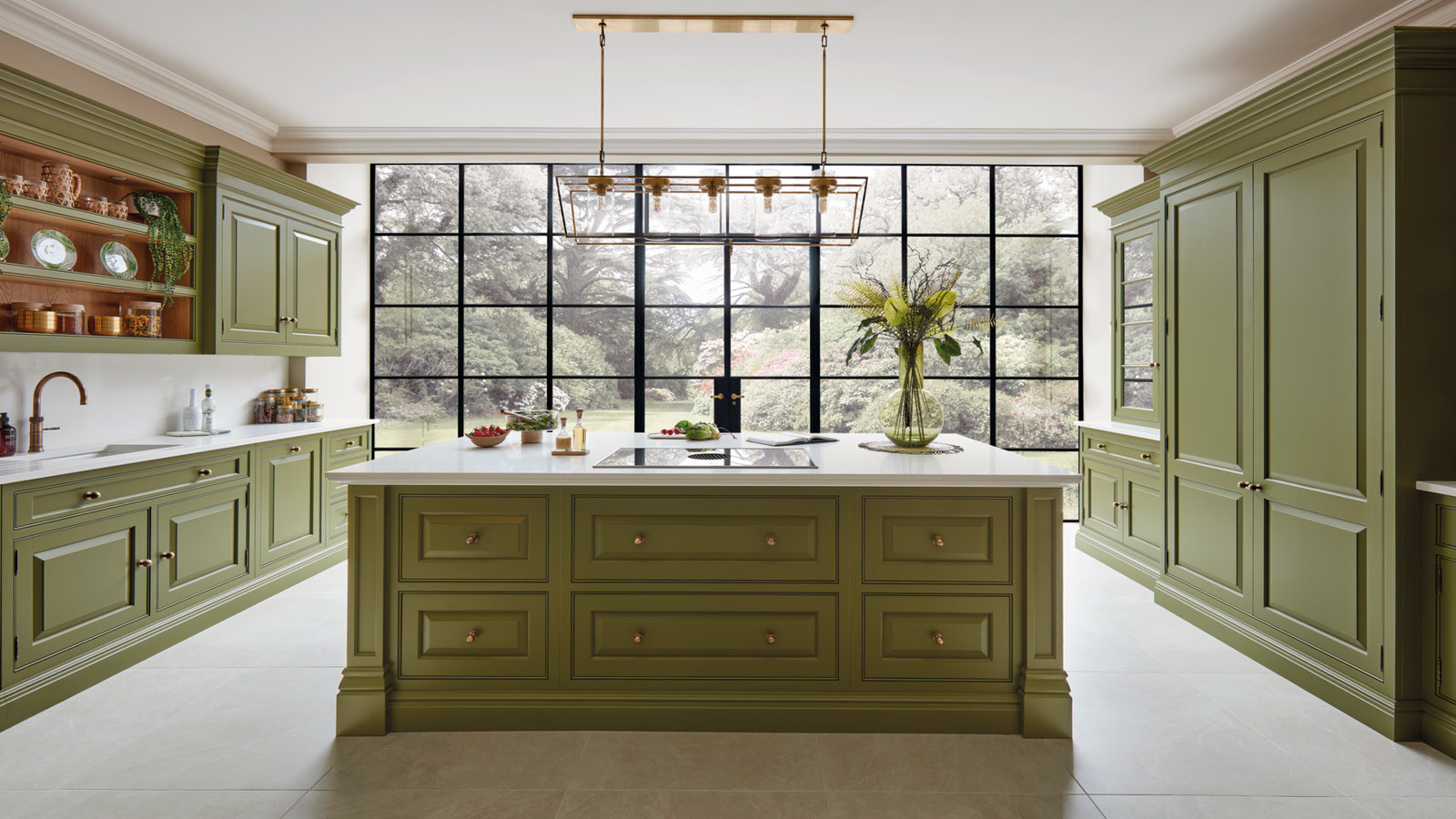
Say goodbye to the kitchen island, and hello to the prep table

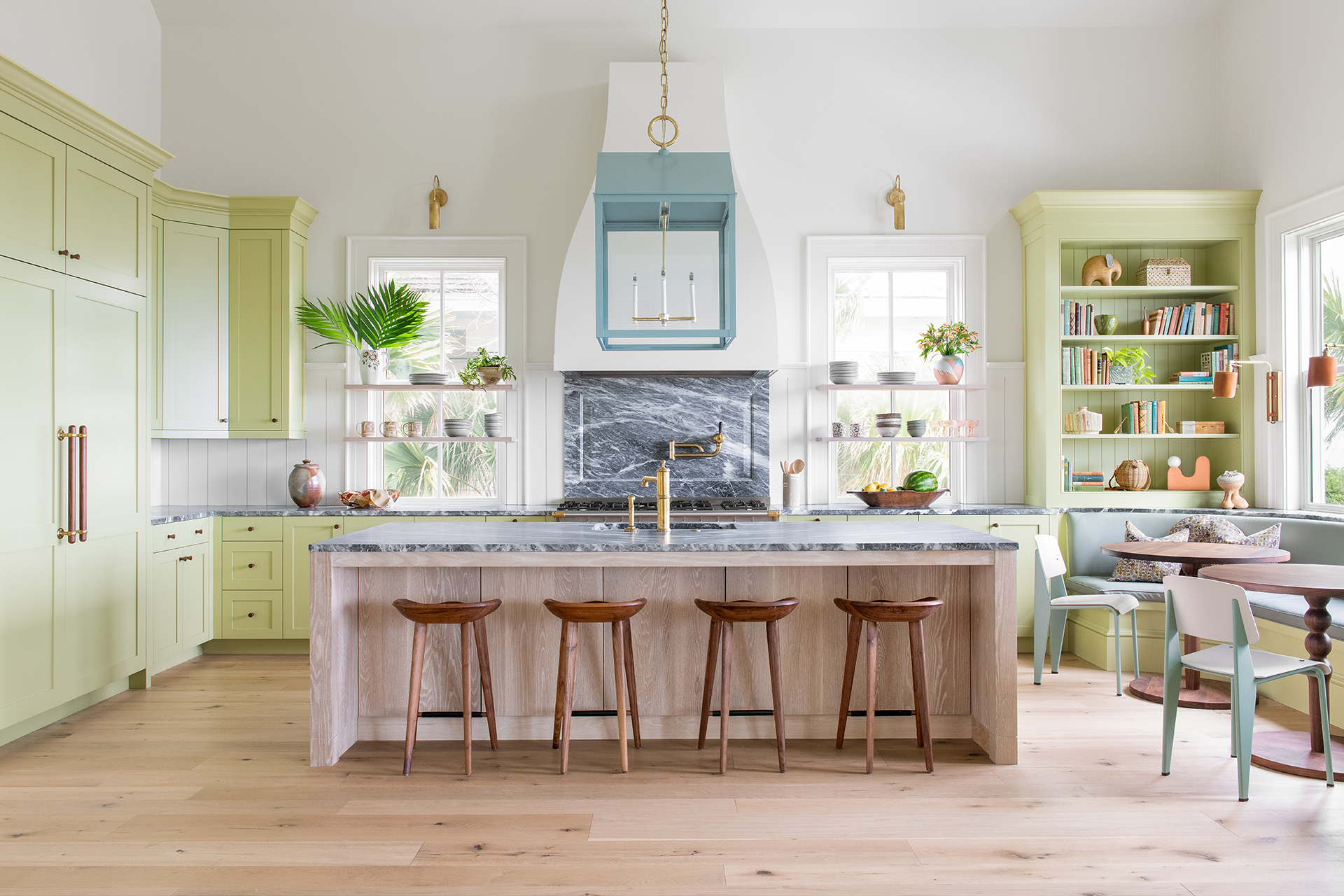
Kitchen island seating ideas – 15 ways to create comfort and style

This ’90s Kitchen Island Trend Is Being Replaced with Something Far More Practical

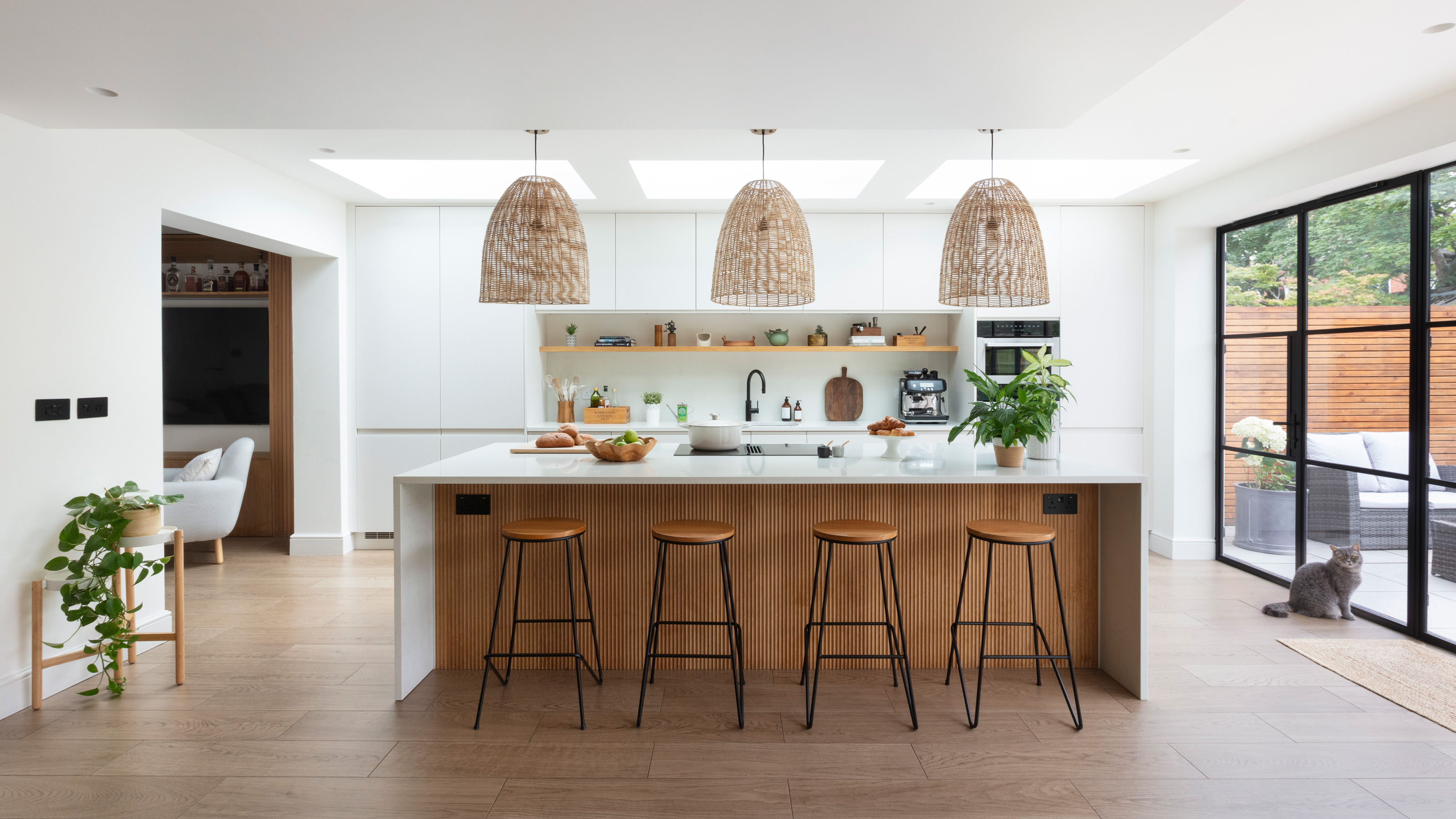
'We’re seeing a real shift' - freestanding kitchen islands are making a comeback, and I've found the best at La Redoute
What's Replacing the Kitchen Island? Meet the Stylish Alternatives Stealing the Spotlight in 2025

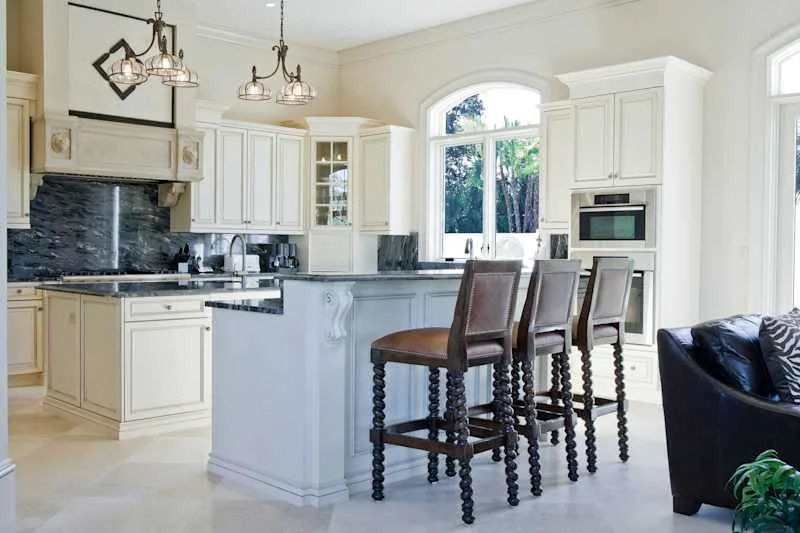
This ’90s Kitchen Island Trend Is Being Replaced with Something Far More Practical

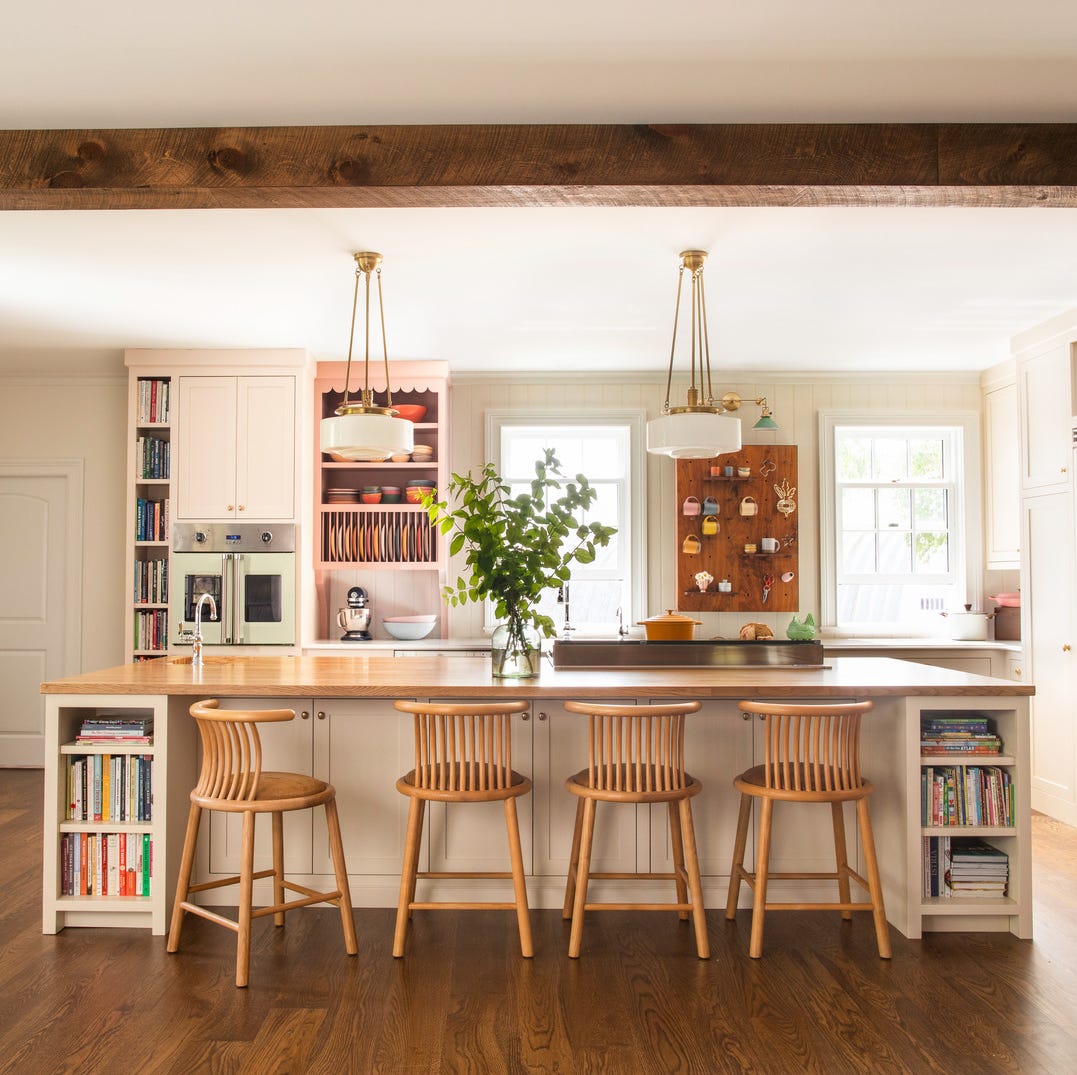
How to Add More Seating to Your Kitchen Island


Move Over Dining Rooms, the Kitchen Island Just Became the Coziest Eating Spot — All You Need is the Right Seating
Design Experts Agree: This Kitchen Style Is Making a Major Comeback

Futuristic Kitchen Islands
How to design a kitchen island with seating – 6 expert steps to the perfect, social space

The Once Dated Kitchen Island Alternative That's Making A Hot Comeback In Homes
Can you put seating around a portable kitchen island? Design experts weigh in on navigating this tricky layout
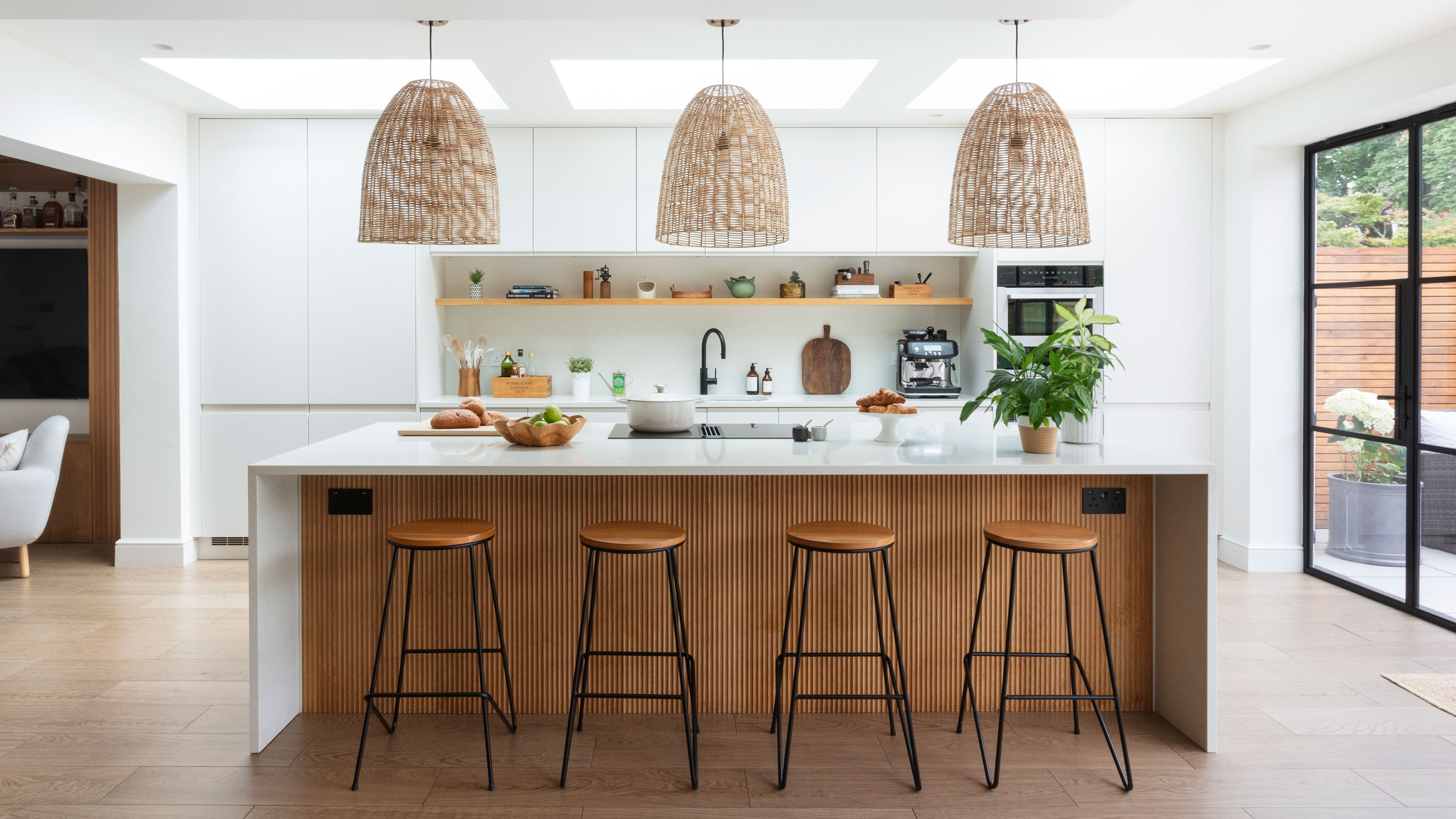
The kitchen island trends dominating 2025 - the liveable looks we predict will become new classics
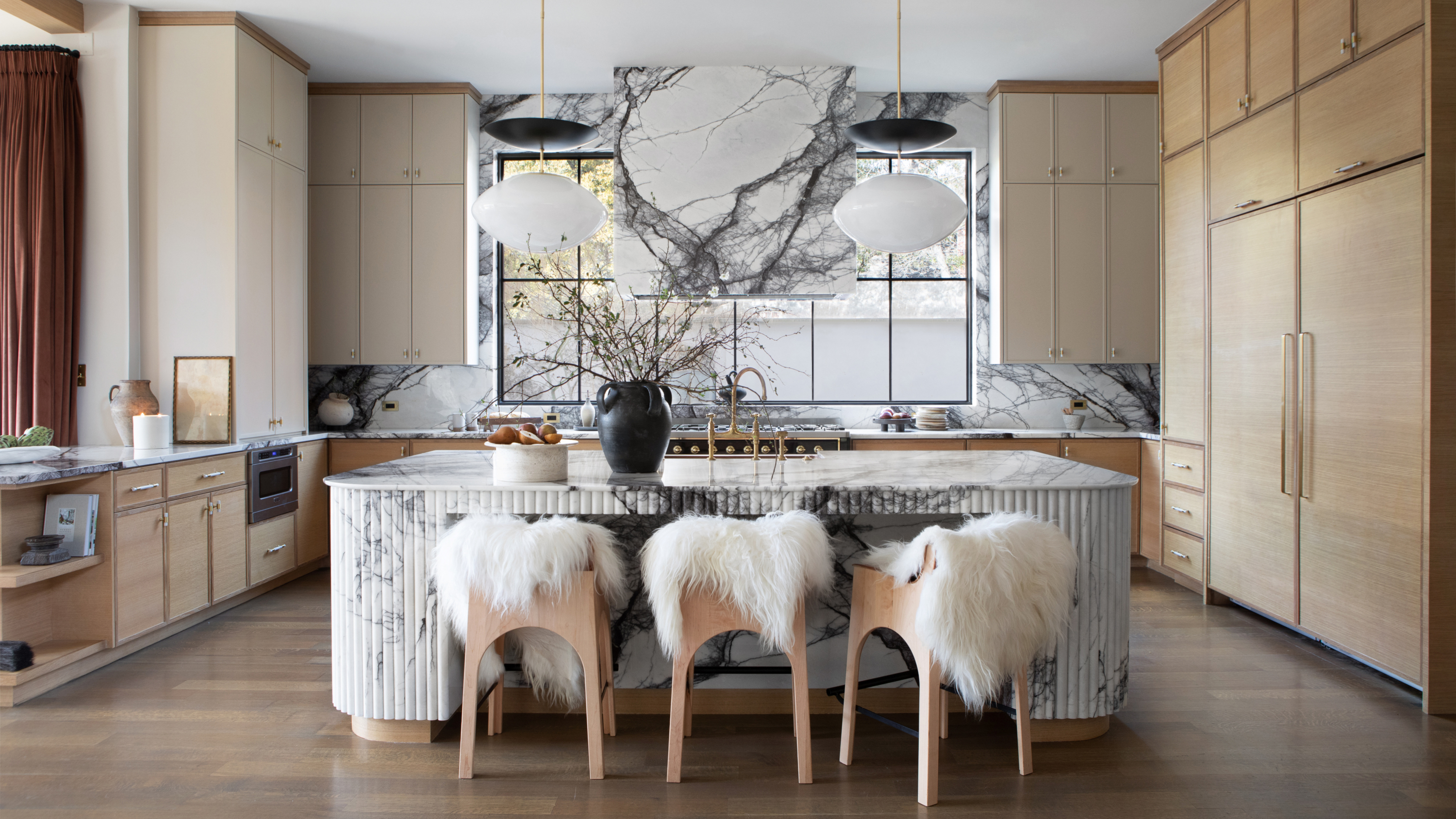
Kitchen island trends – 8 shapes, materials and finishes designers are choosing for elevated spaces
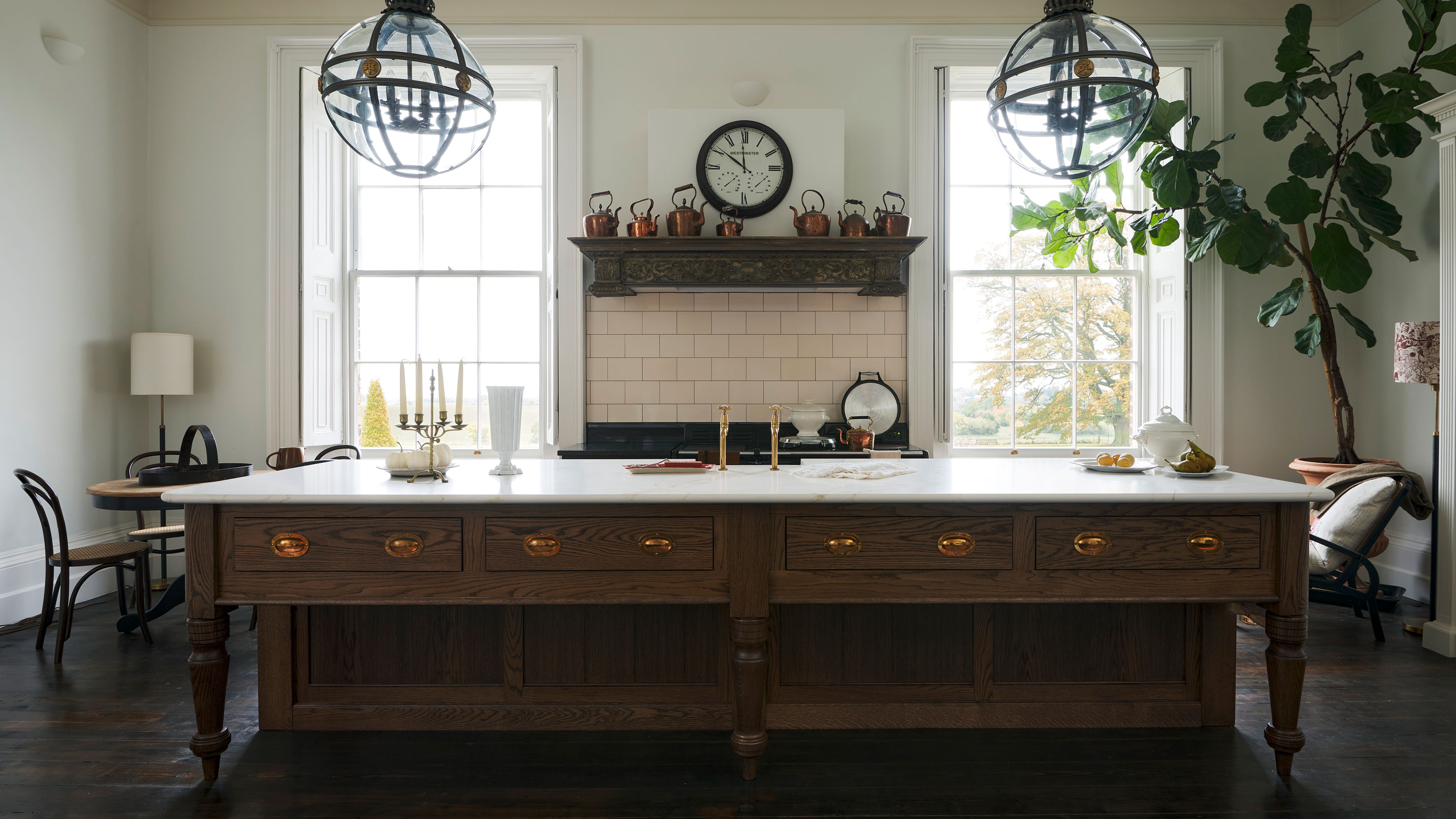
16 kitchen island trends designers say will be everywhere in 2025
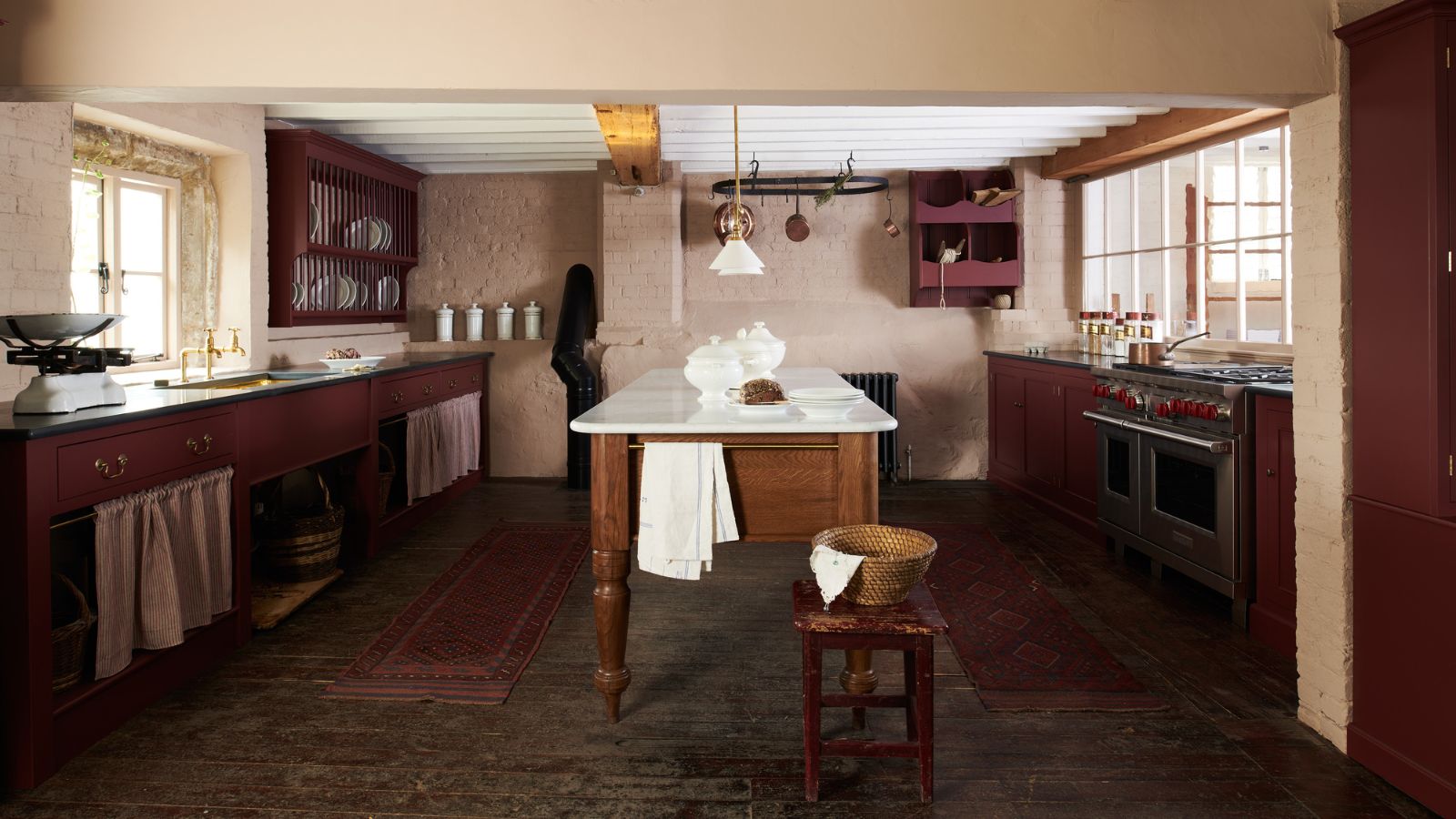
Are work tables the new way to create a kitchen island?
Are kitchen islands going out of style? Experts weigh in on whether it's time to ditch this beloved feature
This Popular Kitchen Feature Might Actually Date Your Home